Product Description
Self aligning ball bearings mainly bear radial loads and can also withstand small axial loads. The axial displacement of the
shaft (shell) is limited within the clearance limit, with automatic centering performance, allowing normal operation under
conditions of relatively small internal and external inclination. It is suitable for components where the support seat hole cannot
strictly guarantee coaxiality. Self aligning ball bearings are suitable for bearing heavy and impact loads, precision instruments,
low noise motors, automobiles, motorcycles, metallurgy, rolling mills, mines, petroleum, papermaking, cement, sugar squeezing
and other industries, as well as general machinery.
|
Type |
BALL |
|
Structure |
Self-Aligning |
|
Applicable Industries |
Food Shop, Energy & Mining, Food & Beverage Shops, Advertising Company |
|
Precision Rating |
P0 P6 P5 P4 P2 |
|
Seals Type |
OPEN OR SEAL |
|
Number of Row |
Double row |
|
Product name |
Self-aligning Roller Bearing |
Company Profile
In order to meet the needs of the masses of customers and improve the market competitiveness of our company,
we can provide OEM service according to our customers′ Needs. We have gained ISO9001 certificate, CE certificate,
GOST certificate and SGS certificate. Our target is to carry out the strategic investment along with the development
of market and need of new products. With our strategic, excellent products, top technology and outstanding service,
we sincerely expect cooperation with more customers and friends for a better future. Our main products include
spherical roller bearing, deep groove ball bearings, cylindrical roller bearings, spherical roller bearings, needle roller
bearings, ball bearing units, water pump bearings, automobile bearing, linear motion bearing, oil-less bearings,
bush and self-lubricating bearings, and non-standard bearings. Also, we supply bearings to our domestic peeling
machine factory and the machine exported to India, Malaysia and Russia, no any complaint from customer until now.
“zero defect, zero complaints” as the quality objective.
FAQ
Q: Are you trading company or manufacturer ?
A: We are a trading company specializing in exporting bearings.
Q: How long is your delivery time?
A: Generally it is 5-10 days if the goods are in stock. or it is 15-20 days if the
goods are not in stock, it is according to quantity.
Q: Do you provide samples ? is it free or extra ?
A: Yes, we could offer the sample for free charge
Q.You provide free consultation service?
Yes, before, during and after order, anytime.
/* January 22, 2571 19:08:37 */!function(){function s(e,r){var a,o={};try{e&&e.split(“,”).forEach(function(e,t){e&&(a=e.match(/(.*?):(.*)$/))&&1
| Product Name: | Self Aligning Ball Bearing |
|---|---|
| Characteristic: | High Precision |
| Advantage: | Large Bearing Capacity |
| Holder: | Copper and Iron Retainers |
| Quality: | High Quality |
| Rolling Body: | Roller Bearings |
| Samples: |
US$ 5/Piece
1 Piece(Min.Order) | |
|---|
| Customization: |
Available
| Customized Request |
|---|
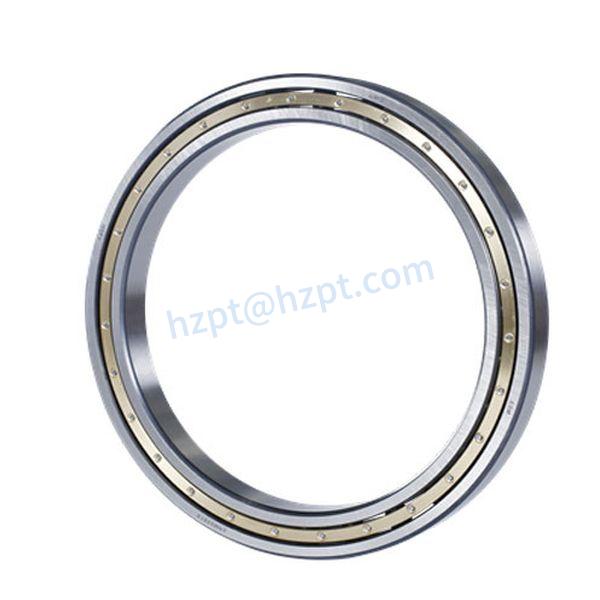
Are there Specific Maintenance Practices to Ensure the Longevity of Ball Bearings?
Maintaining ball bearings is essential to ensure their longevity, reliable performance, and prevent premature failure. Proper maintenance practices can extend the lifespan of ball bearings and the equipment they are used in. Here are specific maintenance practices to consider:
- Regular Lubrication:
Implement a regular lubrication schedule using the appropriate lubricant for the application. Lubrication reduces friction, prevents wear, and helps dissipate heat. Follow manufacturer guidelines for lubricant type, quantity, and frequency.
- Clean Environment:
Keep the operating environment clean and free from contaminants. Dust, dirt, and debris can infiltrate bearings and cause damage. Use seals or shields to protect bearings from contaminants, especially in harsh environments.
- Proper Installation:
Ensure correct installation of bearings using proper tools and techniques. Improper installation can lead to misalignment, uneven load distribution, and premature wear. Follow manufacturer recommendations for installation procedures.
- Regular Inspections:
Perform routine visual inspections to check for signs of wear, damage, or contamination. Regular inspections can help identify issues early and prevent further damage. Pay attention to noise, vibration, and temperature changes.
- Temperature Monitoring:
Monitor bearing temperatures during operation using infrared thermometers or sensors. Abnormal temperature increases can indicate inadequate lubrication, misalignment, or other problems.
- Correct Handling:
Handle bearings with care to prevent damage during storage, transportation, and installation. Avoid dropping or subjecting them to impacts that can affect their internal components.
- Bearing Removal and Replacement:
Follow proper procedures when removing and replacing bearings. Use appropriate tools and techniques to avoid damage to the bearing or the surrounding components.
- Alignment Maintenance:
Maintain proper shaft and housing alignment to prevent excessive loads and wear on the bearing. Misalignment can lead to increased stress and premature failure.
- Training and Education:
Provide training to operators and maintenance personnel on proper bearing maintenance and handling practices. Educated personnel are more likely to identify issues and perform maintenance correctly.
- Documented Records:
Keep records of maintenance activities, inspections, lubrication schedules, and any issues encountered. This documentation helps track the bearing’s performance over time and informs future maintenance decisions.
By implementing these maintenance practices, you can ensure the longevity of ball bearings, minimize downtime, reduce operational costs, and maintain the reliability of the equipment they are a part of.
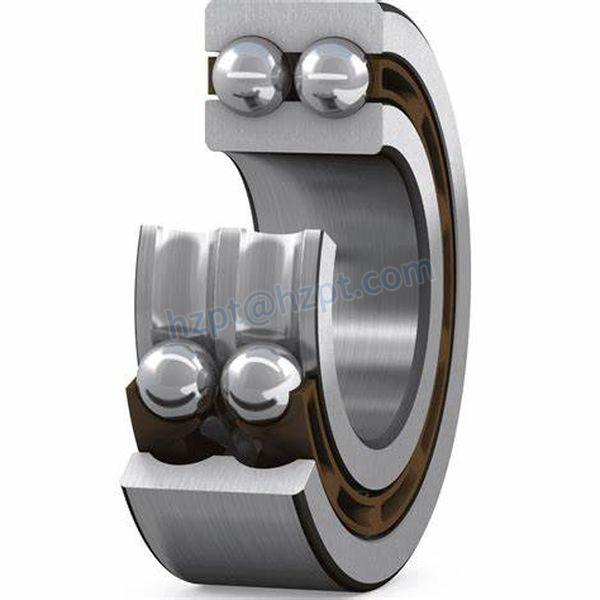
How do Ceramic Ball Bearings Compare to Traditional Steel Ball Bearings in Terms of Performance?
Ceramic ball bearings and traditional steel ball bearings have distinct characteristics that can impact their performance in various applications. Here’s a comparison of how these two types of bearings differ in terms of performance:
- Material Composition:
Ceramic Ball Bearings:
Ceramic ball bearings use ceramic rolling elements, typically made from materials like silicon nitride (Si3N4) or zirconium dioxide (ZrO2). These ceramics are known for their high hardness, low density, and resistance to corrosion and wear.
Traditional Steel Ball Bearings:
Traditional steel ball bearings use steel rolling elements. The type of steel used can vary, but common materials include chrome steel (52100) and stainless steel (440C). Steel bearings are known for their durability and strength.
- Friction and Heat:
Ceramic Ball Bearings:
Ceramic bearings have lower friction coefficients compared to steel bearings. This results in reduced heat generation during operation, contributing to higher efficiency and potential energy savings.
Traditional Steel Ball Bearings:
Steel bearings can generate more heat due to higher friction coefficients. This can lead to increased energy consumption in applications where efficiency is crucial.
- Weight:
Ceramic Ball Bearings:
Ceramic bearings are lighter than steel bearings due to the lower density of ceramics. This weight reduction can be advantageous in applications where minimizing weight is important.
Traditional Steel Ball Bearings:
Steel bearings are heavier than ceramic bearings due to the higher density of steel. This weight may not be as critical in all applications but could impact overall equipment weight and portability.
- Corrosion Resistance:
Ceramic Ball Bearings:
Ceramic bearings have excellent corrosion resistance, making them suitable for applications in corrosive environments, such as marine or chemical industries.
Traditional Steel Ball Bearings:
Steel bearings are susceptible to corrosion, especially in harsh environments. Stainless steel variants offer improved corrosion resistance but may still corrode over time.
- Speed and Precision:
Ceramic Ball Bearings:
Ceramic bearings can operate at higher speeds due to their lower friction and ability to withstand higher temperatures. They are also known for their high precision and low levels of thermal expansion.
Traditional Steel Ball Bearings:
Steel bearings can operate at high speeds as well, but their heat generation may limit performance in certain applications. Precision steel bearings are also available but may have slightly different characteristics compared to ceramics.
- Cost:
Ceramic Ball Bearings:
Ceramic bearings are generally more expensive to manufacture than steel bearings due to the cost of ceramic materials and the challenges in producing precision ceramic components.
Traditional Steel Ball Bearings:
Steel bearings are often more cost-effective to manufacture, making them a more economical choice for many applications.
In conclusion, ceramic ball bearings and traditional steel ball bearings offer different performance characteristics. Ceramic bearings excel in terms of low friction, heat generation, corrosion resistance, and weight reduction. Steel bearings are durable, cost-effective, and widely used in various applications. The choice between the two depends on the specific requirements of the application, such as speed, precision, corrosion resistance, and budget considerations.
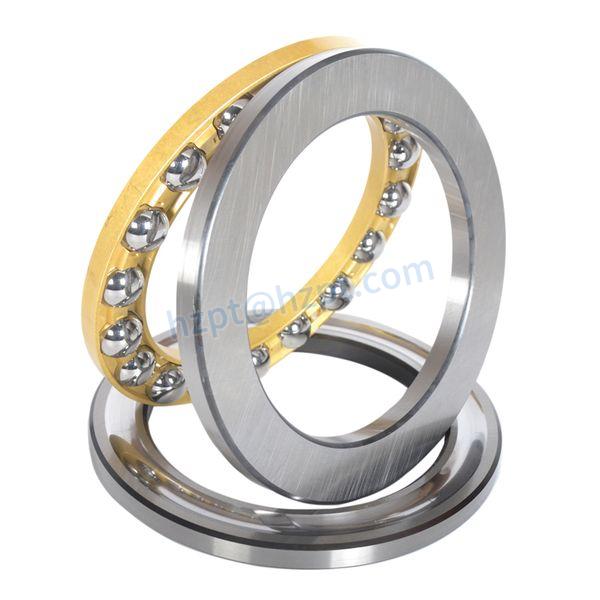
What are the Primary Benefits of Using Ball Bearings in Machinery and Equipment?
Ball bearings offer several primary benefits when used in machinery and equipment. Their design and functionality provide advantages that contribute to the efficient and reliable operation of various applications. Here are the key benefits:
- Reduced Friction:
One of the primary benefits of ball bearings is their ability to minimize friction between moving parts. The rolling motion of the balls reduces the contact area and sliding friction, leading to smoother operation and less energy loss due to frictional heating.
- Efficient Load Support:
Ball bearings are engineered to support both radial and axial loads, making them versatile for applications with multidirectional forces. This load-bearing capability allows machinery to handle different types of loads while maintaining performance and stability.
- Smooth Rotation:
Ball bearings enable smooth and precise rotational movement. The rolling motion of the balls provides consistent motion with minimal resistance, ensuring that machinery operates smoothly and without jerks.
- High-Speed Capability:
Due to their low friction and efficient rolling action, ball bearings are suitable for high-speed applications. They allow machinery and equipment to achieve and maintain high rotational speeds without excessive wear or heat buildup.
- Reduced Wear and Maintenance:
The reduced friction in ball bearings leads to lower wear on components. This results in longer service intervals and reduced maintenance requirements, saving both time and maintenance costs.
- Energy Efficiency:
By minimizing friction and reducing energy losses, ball bearings contribute to the overall energy efficiency of machinery. This is particularly important in applications where energy consumption is a concern.
- Versatility:
Ball bearings come in various types, sizes, and configurations, allowing them to be used in a wide range of machinery and equipment. They can be customized to suit specific application requirements.
- Reliability and Longevity:
Ball bearings are designed to withstand heavy loads and harsh operating conditions. Their durability and resistance to wear ensure reliable performance and an extended operational life.
- Quiet Operation:
Ball bearings contribute to quiet machinery operation due to the smooth rolling motion of the balls. This is particularly important in applications where noise reduction is a consideration.
In summary, the primary benefits of using ball bearings in machinery and equipment include reduced friction, efficient load support, smooth rotation, high-speed capability, reduced wear and maintenance, energy efficiency, versatility, reliability, and quiet operation. These benefits collectively enhance the performance and longevity of machinery across various industries.


editor by CX 2024-05-14
China Good quality Spherical Bearing 627 – 2RS Ball Bearing Miniature Deep Groove Ball Bearing deep groove ball bearing
Product Description
Bearing deep groove ball bearing production could be used on Motorcycle, Home Electronics, Motor. All inspection is 100% by automatic.Our products are widely used in electric motors, automobiles, motorcycles, household appliances, textile, electric tools and water pump equipment industries, both locally and globally.
| Bearing Parameter |
| Model | 627-2RS | Sealing material | Nitrile rubber |
| Measuring system | Metric system | Dynamic radial load | 2700 |
| Bearing type | Ball | Static radial load | 1100 |
| Seal type | Rubber seal cover | Max speed (rpm) | 20000 |
| Inside diameter | 7 mm | Load direction | Radial |
| ID tolerance | -0.008 – 0 mm | Temperature range | -30 – 110 ºC |
| Outer diameter | 22 mm | Clearance range | 0.002 – 0.013 mm |
| OD tolerance | -0.008 – 0 mm | Structural | Single row |
| Width | 7 mm | Ball diameter | 3.9690mm |
| Width tolerance | -0.12 – 0 mm | Number of balls | 7 |
| Ring material | Bearing steel(GCR15) | weight | 13.1g |
| Ball material | Bearing steel(GCR15) | Cage material | Metal bracket |
| Bearing Show |
| Product description |
Deep groove ball bearings are the most typical rolling bearings with the characteristics of simply designed structures,convenience in operation and extensive applications. They are designed as non-separable bearings. The raceways in both of the rings are in arc groove form, which can carry radical load and double directions axial load. They are of features of low friction factor, high limit rotational speed and can be applied in situations where high-rotating speed and low noise and low vibration are required. Applications of thses bearings can be found in automobiles, machine tools, motors, instruments, construction machines, railway vehicles, agricultural machines and various other special machines.
| About Us |
/* January 22, 2571 19:08:37 */!function(){function s(e,r){var a,o={};try{e&&e.split(“,”).forEach(function(e,t){e&&(a=e.match(/(.*?):(.*)$/))&&1
| Contact Angle: | 15° |
|---|---|
| Aligning: | Non-Aligning Bearing |
| Separated: | Unseparated |
| Samples: |
US$ 1/Piece
1 Piece(Min.Order) | Order Sample |
|---|
| Customization: |
Available
| Customized Request |
|---|
.shipping-cost-tm .tm-status-off{background: none;padding:0;color: #1470cc}
|
Shipping Cost:
Estimated freight per unit. |
about shipping cost and estimated delivery time. |
|---|
| Payment Method: |
|
|---|---|
|
Initial Payment Full Payment |
| Currency: | US$ |
|---|
| Return&refunds: | You can apply for a refund up to 30 days after receipt of the products. |
|---|
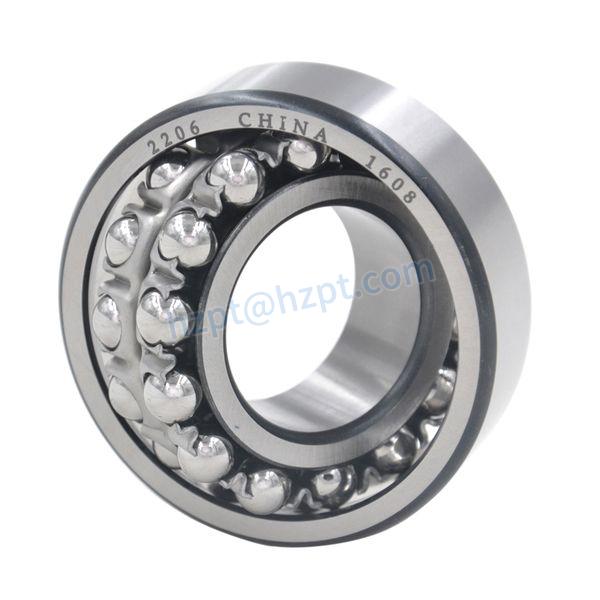
What are the Common Signs of Wear or Damage in Ball Bearings that Indicate the Need for Replacement?
Ball bearings are subjected to wear and stress during operation, and over time, they may exhibit signs of damage or deterioration that warrant replacement. Recognizing these signs is crucial to prevent catastrophic failure and ensure safe and reliable operation. Here are the common signs of wear or damage in ball bearings:
- Unusual Noise:
If you hear unusual grinding, clicking, or rumbling noises coming from the bearing during operation, it may indicate worn-out or damaged components. Unusual noise suggests that the bearing is no longer operating smoothly.
- Vibration:
Excessive vibration in the machinery can be a sign of bearing wear. Vibrations can result from uneven wear, misalignment, or damaged components within the bearing.
- Increased Temperature:
Higher operating temperatures than usual may indicate increased friction due to inadequate lubrication, wear, or other issues. Monitoring the bearing’s temperature can help identify potential problems.
- Irregular Movement:
If you notice irregular movement, jerking, or sticking during rotation, it could be a sign that the bearing is no longer operating smoothly. This may be due to damaged rolling elements or raceways.
- Reduced Performance:
If the machinery’s performance has decreased, it may be due to a compromised bearing. Reduced efficiency, increased energy consumption, or a decline in overall performance could be indicators of bearing wear.
- Visible Wear or Damage:
Inspect the bearing for visible signs of wear, such as pitting, scoring, or discoloration on the rolling elements or raceways. Severe wear or damage is a clear indication that the bearing needs replacement.
- Leakage or Contamination:
If there is evidence of lubricant leakage, contamination, or the presence of foreign particles around the bearing, it suggests that the seal or shield may be compromised, leading to potential damage.
- Looseness or Excessive Play:
If you can feel excessive play or looseness when manually moving the bearing, it could indicate worn-out components or misalignment.
- Reduced Lifespan:
If the bearing’s expected lifespan is significantly shorter than usual, it may be due to inadequate lubrication, excessive loads, or improper installation, leading to accelerated wear.
- Frequent Failures:
If the bearing is consistently failing despite regular maintenance and proper use, it could indicate a chronic issue that requires addressing, such as inadequate lubrication or misalignment.
It’s important to conduct regular inspections, monitor performance, and address any signs of wear or damage promptly. Replacing worn or damaged ball bearings in a timely manner can prevent further damage to machinery, reduce downtime, and ensure safe and efficient operation.
What are the Differences between Deep Groove Ball Bearings and Angular Contact Ball Bearings?
Deep groove ball bearings and angular contact ball bearings are two common types of ball bearings, each designed for specific applications and load conditions. Here are the key differences between these two types of bearings:
- Design and Geometry:
Deep Groove Ball Bearings:
Deep groove ball bearings have a simple design with a single row of balls that run along deep raceways in both the inner and outer rings. The rings are usually symmetrical and non-separable, resulting in a balanced load distribution.
Angular Contact Ball Bearings:
Angular contact ball bearings have a more complex design with two rows of balls, oriented at an angle to the bearing’s axis. This arrangement allows for the transmission of both radial and axial loads, making them suitable for combined loads and applications requiring high precision.
- Load Carrying Capacity:
Deep Groove Ball Bearings:
Deep groove ball bearings are primarily designed to carry radial loads. They can handle axial loads in both directions, but their axial load-carrying capacity is generally lower compared to angular contact ball bearings.
Angular Contact Ball Bearings:
Angular contact ball bearings are specifically designed to handle both radial and axial loads. The contact angle between the rows of balls determines the bearings’ axial load-carrying capacity. They can handle higher axial loads and are commonly used in applications with thrust loads.
- Contact Angle:
Deep Groove Ball Bearings:
Deep groove ball bearings have no defined contact angle, as the balls move in a deep groove along the raceways. They are primarily designed for radial loads.
Angular Contact Ball Bearings:
Angular contact ball bearings have a specified contact angle between the rows of balls. This contact angle allows them to carry both radial and axial loads and is crucial for their ability to handle combined loads.
- Applications:
Deep Groove Ball Bearings:
Deep groove ball bearings are commonly used in applications that primarily require radial loads, such as electric motors, pumps, and conveyor systems. They are also suitable for high-speed operation.
Angular Contact Ball Bearings:
Angular contact ball bearings are used in applications where both radial and axial loads are present, such as in machine tools, automotive wheel hubs, and aerospace components. They are especially useful for applications that require precise axial positioning and handling of thrust loads.
- Limitations:
Deep Groove Ball Bearings:
Deep groove ball bearings are not as suitable for handling significant axial loads and may experience skidding under certain conditions due to their deep raceways.
Angular Contact Ball Bearings:
Angular contact ball bearings can experience increased heat generation and wear at higher speeds due to the contact angle of the balls.
In summary, the design, load-carrying capacity, contact angle, and applications differ between deep groove ball bearings and angular contact ball bearings. Choosing the appropriate type depends on the specific load conditions and requirements of the application.
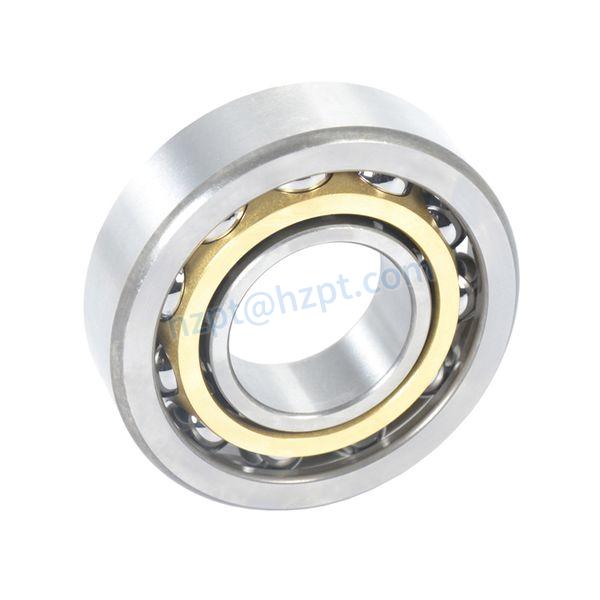
Can you Explain the Various Types of Ball Bearings and their Specific Use Cases?
Ball bearings come in various types, each designed to meet specific application requirements. Here’s an overview of the different types of ball bearings and their specific use cases:
- Deep Groove Ball Bearings:
Deep groove ball bearings are the most common and versatile type. They have a deep raceway that allows them to handle both radial and axial loads. They are used in a wide range of applications, including electric motors, household appliances, automotive components, and industrial machinery.
- Angular Contact Ball Bearings:
Angular contact ball bearings have a contact angle that enables them to handle both radial and axial loads at specific angles. They are suitable for applications where combined loads or thrust loads need to be supported, such as in machine tool spindles, pumps, and agricultural equipment.
- Self-Aligning Ball Bearings:
Self-aligning ball bearings have two rows of balls and are designed to accommodate misalignment between the shaft and the housing. They are used in applications where shaft deflection or misalignment is common, such as conveyor systems, textile machinery, and paper mills.
- Thrust Ball Bearings:
Thrust ball bearings are designed to support axial loads in one direction. They are commonly used in applications where axial loads need to be supported, such as in automotive transmissions, steering systems, and crane hooks.
- Single-Row vs. Double-Row Bearings:
Single-row ball bearings have a single set of balls and are suitable for moderate load and speed applications. Double-row ball bearings have two sets of balls and offer higher load-carrying capacity. Double-row designs are used in applications such as machine tool spindles and printing presses.
- Miniature and Instrument Ball Bearings:
Miniature ball bearings are smaller in size and are used in applications with limited space and lower load requirements. They are commonly used in small electric motors, medical devices, and precision instruments.
- Max-Type and Conrad Bearings:
Max-type ball bearings have a larger number of balls to increase load-carrying capacity. Conrad bearings have fewer balls and are used in applications with moderate loads and speeds.
- High-Precision Ball Bearings:
High-precision ball bearings are designed for applications where accuracy and precision are critical, such as machine tool spindles, aerospace components, and optical instruments.
- High-Speed Ball Bearings:
High-speed ball bearings are engineered to minimize friction and accommodate rapid rotation. They are used in applications such as dental handpieces, turbochargers, and centrifuges.
In summary, the various types of ball bearings are tailored to different application requirements, including load type, direction, speed, and environmental conditions. Selecting the appropriate type of ball bearing ensures optimal performance and longevity in specific applications.
editor by CX 2024-04-17
China Standard Needle Roller Bearing Needle Roller and Cage Assemblies Track Roller Bearing Cam Follower Angular Contact Ball Bearing Spherical Roller Bearing bearing air
Product Description
| Basic Features of Needle Roller Bearing | |
| Types | Needle Roller and Cage Assemblies Drawn Cup Needle Roller Bearings Thrust Needle Roller Bearings Needle Roller Bearings with Rings |
| Material | Bearing Steel(GCr15, 100Cr6) SPCC St14 Nylon Bronze |
| Dimension | Metric and Inch |
| Dimension Range | 3mm~200mm(bore diameter) |
| MOQ | 1 |
| Delivery Time | 15-45 days |
| Sea Ports | ZheJiang HangZhou HangZhou |
Why Choose HECTO?
1. More than 20 years of manufacturing and exporting experiences
2. an IATF16949 company
3. 100% inspecting of products
4. More competitive prices with better quality
5. More than 99% of delivery in time
6. Rapid response of your emails and questions
7. Products can be traced back
Needle Roller and Cage Assemblies
| Shaft | Bearing No. | Boundary Dimensions(mm) | Basic Load Rating(N) | Limiting Speed | |||
| Fw | Ew | Bc | Cr | Cor | Oil(RPM) | ||
| 3 | K3X5X7TN | 3 | 5 | 7 | 1540 | 1290 | 50000 |
| K3X5X9TN | 3 | 5 | 9 | 1710 | 1480 | 48000 | |
| K3X6X7TN | 3 | 6 | 7 | 1430 | 970 | 47000 | |
| 4 | K4X7X7TN | 4 | 7 | 7 | 2330 | 1840 | 43000 |
| K4X7X10TN | 4 | 7 | 10 | 2350 | 1920 | 39000 | |
| 5 | K5X8X8TN | 5 | 8 | 8 | 2300 | 1880 | 37000 |
| K5X8X10TN | 5 | 8 | 10 | 2800 | 2450 | 37000 | |
| 6 | K6X9X8TN | 6 | 9 | 8 | 2500 | 2240 | 35000 |
| K6X9X10TN | 6 | 9 | 10 | 3300 | 3100 | 35000 | |
| K6X10X13TN | 6 | 10 | 13 | 3500 | 2800 | 33000 | |
| 7 | K7X10X8TN | 7 | 10 | 8 | 2750 | 2550 | 32000 |
| K7X10X10TN | 7 | 10 | 10 | 3350 | 3400 | 32000 | |
| 8 | K8X11X8TN | 8 | 11 | 8 | 3000 | 2900 | 30000 |
| K8X11X10TN | 8 | 11 | 10 | 3830 | 3950 | 30000 | |
| K8X11X13TN | 8 | 11 | 13 | 5000 | 5700 | 30000 | |
| K8X12X10TN | 8 | 12 | 10 | 4900 | 4600 | 30000 | |
| 9 | K9X12X10TN | 9 | 12 | 10 | 4200 | 4700 | 30000 |
| K9X12X13TN | 9 | 12 | 13 | 5500 | 6700 | 30000 | |
| 10 | K10X13X10TN | 10 | 13 | 10 | 4500 | 5250 | 27000 |
| K10X13X13TN | 10 | 13 | 13 | 6000 | 7600 | 27000 | |
| K10X13X16TN | 10 | 13 | 16 | 6300 | 7800 | 27000 | |
| K10X14X10TN | 10 | 14 | 10 | 7000 | 7900 | 27000 | |
| K10X14X13TN | 10 | 14 | 13 | 8000 | 9100 | 26000 | |
| K10X16X12TN | 10 | 16 | 12 | 7000 | 9300 | 27000 | |
| 12 | K12X15X9TN | 12 | 15 | 9 | 4120 | 5210 | 25000 |
| K12X15X10TN | 12 | 15 | 10 | 4320 | 5730 | 25000 | |
| K12X15X13TN | 12 | 15 | 13 | 6000 | 8100 | 25000 | |
| K12X16X8TN | 12 | 16 | 8 | 1200 | 4700 | 25000 | |
| K12X16X10TN | 12 | 16 | 10 | 6000 | 6900 | 25000 | |
| K12X16X13TN | 12 | 16 | 13 | 7900 | 9200 | 25000 | |
| K12X17X13TN | 12 | 17 | 13 | 9300 | 10000 | 24000 | |
| K12X18X12TN | 12 | 18 | 12 | 9800 | 8000 | 24000 | |
| K12X15X20TN | 12 | 15 | 20 | 8200 | 12000 | 25000 | |
| 14 | K14X17X10 | 14 | 17 | 10 | 5100 | 6800 | 23000 |
| K14X17X17 | 14 | 17 | 17 | 9300 | 14000 | 23000 | |
| K14X18X10 | 14 | 18 | 10 | 6800 | 8300 | 23000 | |
| K14X18X13 | 14 | 18 | 13 | 8100 | 9800 | 23000 | |
| K14X18X14 | 14 | 18 | 14 | 9200 | 12000 | 23000 | |
| K14X18X15 | 14 | 18 | 15 | 10000 | 13000 | 23000 | |
| K14X18X17 | 14 | 18 | 17 | 10500 | 13900 | 23000 | |
| K14X20X12 | 14 | 20 | 12 | 9900 | 10500 | 22000 | |
| 15 | K15X18X14 | 15 | 18 | 14 | 7500 | 11000 | 23000 |
| K15X18X17 | 15 | 18 | 17 | 9600 | 15900 | 23000 | |
| K15X19X10 | 15 | 19 | 10 | 7200 | 9000 | 22000 | |
| K15X19X13 | 15 | 19 | 13 | 8300 | 9800 | 22000 | |
| K15X19X17 | 15 | 19 | 17 | 10300 | 15000 | 22000 | |
| K15X19X24 ZW | 15 | 19 | 24 | 12800 | 25710 | 22000 | |
| K15X22X13 | 15 | 22 | 13 | 9700 | 11000 | 22000 | |
| K15X22X12 | 15 | 22 | 12 | 10000 | 13000 | 22000 | |
| K15X21X15 | 15 | 21 | 15 | 13800 | 16000 | 22000 | |
| K15X21X21 | 15 | 21 | 21 | 18000 | 24000 | 22000 | |
| 16 | K16X20X10 | 16 | 20 | 10 | 7600 | 9700 | 22000 |
| K16X20X13 | 16 | 20 | 13 | 8700 | 11300 | 22000 | |
| K16X20X17 | 16 | 20 | 17 | 11200 | 16300 | 22000 | |
| K16X21X10 | 16 | 21 | 10 | 9000 | 12000 | 22000 | |
| K16X22X12 | 16 | 22 | 12 | 11000 | 12000 | 21000 | |
| K16X22X13 | 16 | 22 | 13 | 12000 | 13400 | 21000 | |
| K16X22X16 | 16 | 22 | 16 | 14300 | 17000 | 21000 | |
| K16X22X20 | 16 | 22 | 20 | 18000 | 22300 | 21000 | |
| K16X23X14 | 16 | 23 | 14 | 19000 | 21000 | 19000 | |
| K16X24X20 | 16 | 24 | 20 | 21100 | 23000 | 20000 | |
| 17 | K17X21X10 | 17 | 21 | 10 | 7900 | 15710 | 21000 |
| K17X21X13 | 17 | 21 | 13 | 10000 | 14100 | 21000 | |
| K17X21X17 | 17 | 21 | 17 | 12000 | 17400 | 21000 | |
| K17X23X14 | 17 | 23 | 14 | 11000 | 15000 | 21000 | |
| 18 | K18X22X10 | 18 | 22 | 10 | 8200 | 9900 | 20000 |
| K18X22X13 | 18 | 22 | 13 | 9000 | 12100 | 20000 | |
| K18X22X17 | 18 | 22 | 17 | 11900 | 17600 | 20000 | |
| K18X24X12 | 18 | 24 | 12 | 11200 | 12900 | 20000 | |
| K18X24X13 | 18 | 24 | 13 | 12900 | 14900 | 20000 | |
| K18X24X13.5 | 18 | 24 | 13.5 | 12900 | 14900 | 20000 | |
| K18X24X20 | 18 | 24 | 20 | 20000 | 26500 | 20000 | |
| K18X25X14 | 18 | 25 | 14 | 16500 | 18800 | 20000 | |
| K18X25X22 | 18 | 25 | 22 | 22900 | 28400 | 20000 | |
| K18X26X14 | 18 | 26 | 14 | 18000 | 20000 | 18000 | |
| K18X28X16 | 18 | 28 | 16 | 19000 | 18400 | 19000 | |
| 19 | K19X23X13 | 19 | 23 | 13 | 9300 | 13000 | 20000 |
| K19X23X17 | 19 | 23 | 17 | 12000 | 18600 | 20000 | |
| 20 | K20X24X10 | 20 | 24 | 10 | 8700 | 12100 | 19000 |
| K20X24X12 | 20 | 24 | 12 | 9600 | 13800 | 19000 | |
| K20X24X13 | 20 | 24 | 13 | 9600 | 13800 | 19000 | |
| K20X24X17 | 20 | 24 | 17 | 12400 | 20000 | 19000 | |
| K20X26X12 | 20 | 26 | 12 | 13100 | 15700 | 19000 | |
| K20X26X16 | 20 | 26 | 16 | 18000 | 25000 | 18500 | |
| K20X26X17 | 20 | 26 | 17 | 18700 | 25500 | 19000 | |
| K20X26X20 | 20 | 26 | 20 | 20600 | 28500 | 19000 | |
| K20X28X20 | 20 | 28 | 20 | 23400 | 28000 | 18000 | |
| K20X28X25 | 20 | 28 | 25 | 30000 | 28500 | 18000 | |
| K20X30X30 | 20 | 30 | 30 | 35000 | 41000 | 18000 | |
| 21 | K21X25X13 | 21 | 25 | 13 | 9600 | 14500 | 19000 |
| K21X25X17 | 21 | 25 | 17 | 12800 | 21000 | 19000 | |
| 22 | K22X26X10 | 22 | 26 | 10 | 8700 | 12900 | 18000 |
| K22X26X13 | 22 | 26 | 13 | 10000 | 15400 | 18000 | |
| K22X26X17 | 22 | 26 | 17 | 13100 | 22100 | 18000 | |
| K22X27X13 | 22 | 27 | 13 | 14000 | 23000 | 18000 | |
| K22X28X17 | 22 | 28 | 17 | 19000 | 26500 | 18000 | |
| K22X28X23 | 22 | 28 | 23 | 20000 | 27000 | 19000 | |
| K22X29X16 | 22 | 29 | 16 | 19500 | 25000 | 17000 | |
| K22X30X15TN | 22 | 30 | 15 | 19600 | 22900 | 17000 | |
| K22X30X20 | 22 | 30 | 20 | 21000 | 23500 | 18900 | |
| K22X32X24 | 22 | 32 | 24 | 33500 | 39500 | 16000 | |
| 23 | K23X35X16TN | 23 | 35 | 16 | 24000 | 23400 | 15000 |
| 24 | K24X28X10 | 24 | 28 | 10 | 9400 | 14300 | 17000 |
| K24X28X13 | 24 | 28 | 13 | 10500 | 17000 | 17000 | |
| K24X28X17 | 24 | 28 | 17 | 14000 | 24500 | 17000 | |
| K24X29X13 | 24 | 29 | 13 | 13100 | 19100 | 16000 | |
| K24X30X17 | 24 | 30 | 17 | 19000 | 27000 | 16000 | |
| K24X30X31 | 24 | 30 | 31 | 27000 | 43000 | 16000 | |
| 25 | K25X29X10 | 25 | 29 | 10 | 9700 | 14900 | 16000 |
| K25X29X13 | 25 | 29 | 13 | 10800 | 17900 | 16000 | |
| K25X29X17 | 25 | 29 | 17 | 14500 | 25500 | 16000 | |
| K25X30X13 | 25 | 30 | 13 | 14100 | 21300 | 16000 | |
| K25X30X20 | 25 | 30 | 20 | 21100 | 28000 | 16000 | |
| K25X30X25 | 25 | 30 | 25 | 21700 | 40400 | 15000 | |
| K25X30X26 | 25 | 30 | 26 | 25710 | 26500 | 15000 | |
| K25X31X17 | 25 | 31 | 17 | 19000 | 28000 | 16000 | |
| K25X31X21 | 25 | 31 | 21 | 24100 | 37500 | 16000 | |
| K25X32X16 | 25 | 32 | 16 | 20500 | 27500 | 15000 | |
| K25X33X20 | 25 | 33 | 20 | 28000 | 37500 | 15000 | |
| K25X33X24 | 25 | 33 | 24 | 33900 | 46500 | 15000 | |
| K25X34X18 | 25 | 34 | 18 | 48000 | 67000 | 15000 | |
| K25X35X30 | 25 | 35 | 30 | 46500 | 61500 | 14000 | |
| K25X30X26 ZW | 25 | 30 | 26 | 21000 | 35000 | 14000 | |
| 26 | K26X30X10 | 26 | 30 | 10 | 9500 | 15500 | 16000 |
| K26X30X13 | 26 | 30 | 13 | 11100 | 18700 | 16000 | |
| K26X30X17 | 26 | 30 | 17 | 14700 | 27000 | 16000 | |
| K26X31X13 | 26 | 31 | 13 | 12400 | 18400 | 15000 | |
| K26X30X22 | 26 | 30 | 22 | 15200 | 28000 | 16000 | |
| 27 | K27X32X17 | 27 | 32 | 27 | 16000 | 34000 | 17000 |
| 28 | K28X32X16.5 | 28 | 32 | 16.5 | 15000 | 32400 | 14000 |
| K28X32X17 | 28 | 32 | 17 | 15000 | 32400 | 14000 | |
| K28X33X13 | 28 | 33 | 13 | 14800 | 23600 | 14000 | |
| K28X33X17 | 28 | 33 | 17 | 19100 | 33000 | 14000 | |
| K28X33X27 TN | 28 | 33 | 27 | 22800 | 40500 | 14000 | |
| K28X34X17 | 28 | 34 | 17 | 21300 | 35000 | 14000 | |
| K28X35X16 | 28 | 35 | 16 | 21000 | 29000 | 14000 | |
| K28X35X18 | 28 | 35 | 18 | 23500 | 33500 | 14000 | |
| K28X35X20 | 28 | 35 | 20 | 24000 | 34000 | 14000 | |
| K28X35X27 | 28 | 35 | 27 | 34500 | 54500 | 14000 | |
| K28X36X16 | 28 | 36 | 16 | 34000 | 47000 | 11000 | |
| K28X40X18 | 28 | 40 | 18 | 33000 | 36500 | 12000 | |
| K28X40X25 | 28 | 40 | 25 | 45000 | 54500 | 12000 | |
| 30 | K30X33X10 | 30 | 33 | 10 | |||
| K30X34X13 | 30 | 34 | 13 | 11800 | 21200 | 13000 | |
| K30X35X13 | 30 | 35 | 13 | 15100 | 25000 | 13000 | |
| K30X35X17 | 30 | 35 | 17 | 19100 | 33500 | 13000 | |
| K30X35X26 | 30 | 35 | 26 | ||||
| K30X35X27 | 30 | 35 | 27 | 30000 | 58500 | 13000 | |
| K30X37X16 | 30 | 37 | 16 | 22500 | 33000 | 13000 | |
| K30X38X25 | 30 | 38 | 25 | 16000 | 390000 | 13000 | |
| K30X39X21 | 30 | 39 | 21 | ||||
| K30X40X18 | 30 | 40 | 18 | 31500 | 39500 | 12000 | |
| K30X40X27 | 30 | 40 | 27 | ||||
| K30X40X30 | 30 | 40 | 30 | 48500 | 68500 | 13000 | |
| K30X35X26 | 30 | 35 | 26 | 23500 | 43500 | 12000 | |
| K30X42X44.1 | 30 | 42 | 44.1 | ||||
| 32 | K32X37X13 | 32 | 37 | 13 | 15000 | 25000 | 12000 |
| K32X37X17 | 32 | 37 | 17 | 19400 | 35000 | 12000 | |
| K32X37X27 | 32 | 37 | 27 | 29500 | 59500 | 12000 | |
| K32X37X28 TN | 32 | 37 | 28 | 23100 | 43000 | 12000 | |
| K32X38X16 | 32 | 38 | 16 | 21000 | 34000 | 12000 | |
| K32X38X20 | 32 | 38 | 20 | 26000 | 44500 | 12000 | |
| K32X38X26 TN | 32 | 38 | 26 | 27000 | 46500 | 12000 | |
| K32X39X16 | 32 | 39 | 16 | 23500 | 35000 | 12000 | |
| K32X39X18 | 32 | 39 | 18 | 26000 | 40500 | 12000 | |
| K32X40X20 | 32 | 40 | 20 | 37000 | 40500 | 12000 | |
| K32X40X36 | 32 | 40 | 36 | 53500 | 91500 | 12000 | |
| K32X46X32 | 32 | 46 | 32 | 65500 | 82500 | 11000 | |
| K32X40X42 TN | 32 | 40 | 42 | 49500 | 83500 | 12000 | |
| 35 | K35X40X13 | 35 | 40 | 13 | 15800 | 27500 | 11000 |
| K35X40X17 | 35 | 40 | 17 | 20300 | 38000 | 11000 | |
| K35X40X25 | 35 | 40 | 25 | 29000 | 59500 | 11000 | |
| K35X40X27 TN | 35 | 40 | 27 | 24500 | 48000 | 11000 | |
| K35X40X27 | 35 | 40 | 27 | 27800 | 62100 | 11000 | |
| K35X40X30 | 35 | 40 | 30 | 25000 | 49500 | 11000 | |
| K35X42X16 | 35 | 42 | 16 | 23900 | 37000 | 11000 | |
| K35X42X18 | 35 | 42 | 18 | 27000 | 42500 | 11000 | |
| K35X42X30 | 35 | 42 | 30 | 38500 | 67500 | 11000 | |
| K35X43X18 | 35 | 43 | 18 | 28000 | 41500 | 11000 | |
| K35X45X20 | 35 | 45 | 20 | 36500 | 49500 | 10000 | |
| K35X45X30 | 35 | 45 | 30 | 52500 | 78500 | 10000 | |
| K35X45X49 | 35 | 45 | 49 | 81500 | 13400 | 10000 | |
| K35X40X30 ZW | 35 | 40 | 30 | 31500 | 65500 | 11000 | |
| K35X42X20 ZW | 35 | 42 | 20 | 29500 | 48500 | 11000 | |
| 36 | K36X41X30 | 36 | 41 | 30 | 23000 | 43000 | 11000 |
| K36X42X16 | 36 | 42 | 16 | 24000 | 42000 | 11000 | |
| 37 | K37X42X17 | 37 | 42 | 17 | 21900 | 42500 | 10000 |
| K37X42X27 | 37 | 42 | 27 | 31500 | 67500 | 10000 | |
| K37X45X26 | 37 | 45 | 26 | 43500 | 73500 | 10000 | |
| 38 | K38X43X17 | 38 | 43 | 17 | 20000 | 38000 | 10000 |
| K38X43X27 | 38 | 43 | 27 | 31000 | 67500 | 10000 | |
| K38X46X20 | 38 | 46 | 20 | 35000 | 56500 | 10000 | |
| K38X46X32 | 38 | 46 | 32 | 54500 | 98500 | 10000 | |
| 39 | K39X44X24 | 39 | 44 | 24 | 28000 | 58500 | 10000 |
| K39X44X26 ZW | 39 | 44 | 26 | 27000 | 55500 | 10000 | |
| 40 | K40X44X13 | 40 | 44 | 13 | 13500 | 28000 | 10000 |
| K40X45X13 | 40 | 45 | 13 | 17100 | 32000 | 10000 | |
| K40X45X17 | 40 | 45 | 17 | 20900 | 41000 | 10000 | |
| K40X45X21 | 40 | 45 | 21 | 24400 | 49500 | 10000 | |
| K40X45X27 | 40 | 45 | 27 | 32500 | 72500 | 10000 | |
| K40X46X17 | 40 | 46 | 17 | 24500 | 44500 | 9000 | |
| K40X47X18 | 40 | 47 | 18 | 29000 | 49500 | 9000 | |
| K40X47X20 | 40 | 47 | 20 | 32000 | 56500 | 9000 | |
| K40X48X20 | 40 | 48 | 20 | 35500 | 58500 | 9000 | |
| K40X45X30 ZW | 40 | 45 | 30 | 26000 | 53500 | 9000 | |
| 42 | K42X47X13 | 42 | 47 | 13 | 17300 | 33000 | 9000 |
| K42X47X17 | 42 | 47 | 17 | 21100 | 42500 | 9000 | |
| K42X47X25 TN | 42 | 47 | 25 | 27000 | 57500 | 9000 | |
| K42X47X27 | 42 | 47 | 27 | 33000 | 74500 | 9000 | |
| K42X48X35 | 42 | 48 | 35 | 35000 | 76000 | 9000 | |
| K42X50X18 | 42 | 50 | 18 | 31000 | 49500 | 9000 | |
| K42X50X20 | 42 | 50 | 20 | 34500 | 56500 | 9000 | |
| K42X47X30 ZW | 42 | 47 | 30 | 31000 | 75500 | 9000 | |
| 43 | K43X48X17 | 43 | 48 | 17 | 21000 | 42500 | 9000 |
| K43X48X27 | 43 | 48 | 27 | 33000 | 74500 | 9000 | |
| K43X50X18 | 43 | 50 | 18 | 30500 | 53500 | 8000 | |
| 45 | K45X49X19 | 45 | 49 | 19 | 17500 | 40000 | 8000 |
| K45X50X17 | 45 | 50 | 17 | 22000 | 45000 | 8000 | |
| K45X50X27 | 45 | 50 | 27 | 34000 | 79500 | 8000 | |
| K45X50X32 TN | 45 | 50 | 32 | 38000 | 90500 | 8000 | |
| K45X52X18 | 45 | 52 | 18 | 31000 | 56500 | 8000 | |
| K45X52X21 TN | 45 | 52 | 21 | 39500 | 57500 | 8000 | |
| K45X53X20 | 45 | 53 | 20 | 38500 | 66500 | 8000 | |
| K45X53X21 | 45 | 53 | 21 | 38000 | 66500 | 8000 | |
| K45X53X22 | 45 | 53 | 22 | 42000 | 66500 | 8000 | |
| K45X53X28 | 45 | 53 | 28 | 51500 | 97500 | 8000 | |
| K45X59X18 TN | 45 | 59 | 18 | 43500 | 53500 | 7000 | |
| K45X59X32 | 45 | 59 | 32 | 72500 | 101500 | 7000 | |
| K45X59X36 | 45 | 59 | 36 | 75500 | 108500 | 7000 | |
| K45X51X36 ZW | 45 | 51 | 36 | 44500 | 98500 | 7000 | |
| 47 | K47X52X17 | 47 | 52 | 17 | 22800 | 48500 | 8000 |
| K47X52X27 | 47 | 52 | 27 | 34500 | 82500 | 8000 | |
| K47X53X25 | 47 | 53 | 25 | 38000 | 81500 | 8000 | |
| K47X55X28 | 47 | 55 | 28 | 52500 | 99500 | 7500 | |
| 48 | K48X54X19 | 48 | 54 | 19 | 30000 | 60500 | 7500 |
| K48X54X25 | 48 | 54 | 25 | 31000 | 91000 | 7500 | |
| 50 | K50X55X13.5 | 50 | 55 | 13.5 | 17500 | 36000 | 7500 |
| K50X55X17 | 50 | 55 | 17 | 21400 | 46500 | 7500 | |
| K50X55X20 | 50 | 55 | 20 | 26000 | 59500 | 7500 | |
| K50X55X30 | 50 | 55 | 30 | 38500 | 96500 | 7500 | |
| K50X57X18 | 50 | 57 | 18 | 33000 | 62500 | 7000 | |
| K50X58X20 | 50 | 58 | 20 | 35000 | 61500 | 7000 | |
| K50X58X25 | 50 | 58 | 25 | 43500 | 80500 | 7000 | |
| 52 | K52X57X12 | 52 | 57 | 12 | 17500 | 36000 | 7000 |
| 55 | K55X60X20 | 55 | 60 | 20 | 28000 | 65500 | 6500 |
| K55X60X27 | 55 | 60 | 27 | 37500 | 96500 | 6500 | |
| K55X60X30 | 55 | 60 | 30 | 40500 | 10300 | 6500 | |
| K55X61X20 | 55 | 61 | 20 | 41000 | 11000 | 6500 | |
| K55X62X18 | 55 | 62 | 18 | 35000 | 69500 | 6500 | |
| K55X63X15 | 55 | 63 | 15 | 245000 | 40500 | 6500 | |
| K55X63X20 | 55 | 63 | 20 | 39500 | 73500 | 6500 | |
| K55X63X25 | 55 | 63 | 25 | 49500 | 99500 | 6500 | |
| K55X63X32 | 55 | 63 | 32 | 61500 | 129500 | 6500 | |
| K55X60X40ZW | 55 | 60 | 40 | 48000 | 132000 | 6500 | |
| 56 | K56X61X20 | 56 | 61 | 20 | 27000 | 64500 | 6500 |
| 58 | K58X63X17 | 58 | 63 | 17 | 21500 | 63500 | 6000 |
| K58X64X19 | 58 | 64 | 19 | 24500 | 77500 | 6000 | |
| K58X65X18 | 58 | 65 | 18 | 34500 | 69500 | 6000 | |
| K58X65X38ZW | 58 | 65 | 38 | 48500 | 106500 | 6000 | |
| 60 | K60X65X20 | 60 | 65 | 20 | 29000 | 71500 | 6000 |
| K60X65X30 | 60 | 65 | 30 | 42000 | 115500 | 6000 | |
| K60X68X20 | 60 | 68 | 20 | 43000 | 84500 | 5500 | |
| K60X68X23 | 60 | 68 | 23 | 49000 | 100500 | 5500 | |
| K60X68X25 | 60 | 68 | 25 | 52500 | 110500 | 5500 | |
| K60X68X27 | 60 | 68 | 27 | 59000 | 120500 | 6000 | |
| K60X75X42 | 60 | 75 | 42 | 11300 | 19200 | 5500 | |
| K60X66X33ZW | 60 | 66 | 33 | 45500 | 111500 | 6000 | |
| K60X66X40ZW | 60 | 66 | 40 | 57500 | 150500 | 5500 | |
| K60X68X30ZW | 60 | 68 | 30 | 44000 | 87500 | 5500 | |
| K60X68X34ZW | 60 | 68 | 34 | 47500 | 95500 | 5500 | |
| 62 | K62X70X40ZW | 62 | 70 | 40 | 65500 | 145500 | 5500 |
| 63 | K63X70X21 | 63 | 70 | 21 | 45000 | 100500 | 5500 |
| 64 | K47X70X16 | 64 | 70 | 16 | 27500 | 59500 | 5500 |
| 65 | K65X70X20 | 65 | 70 | 20 | 30000 | 76500 | 5500 |
| K65X70X30 | 65 | 70 | 30 | 43500 | 93500 | 5500 | |
| K65X73X23 | 65 | 73 | 23 | 45500 | 93500 | 5000 | |
| K65X73X30 | 65 | 73 | 30 | 56500 | 122500 | 5000 | |
| 68 | K68X74X20 | 68 | 74 | 20 | 35000 | 83500 | 5000 |
| K68X74X30 | 68 | 74 | 30 | 46000 | 117500 | 5000 | |
| K68X74X35 ZW | 68 | 74 | 35 | 48000 | 124500 | 5000 | |
| K68X75X20 | 68 | 75 | 32 | 53500 | 127500 | 4500 | |
| 70 | K70X76X20 | 70 | 76 | 20 | 35500 | 85500 | 4500 |
| K70X76X30 | 70 | 76 | 30 | 51500 | 138500 | 4500 | |
| K70X78X25 | 70 | 78 | 25 | 51500 | 111500 | 4500 | |
| K70X78X30 | 70 | 78 | 30 | 59500 | 134500 | 4500 | |
| K70X80X30 | 70 | 80 | 30 | 72500 | 147500 | 4500 | |
| K70X78X46 ZW | 70 | 78 | 46 | 77500 | 18800 | 4500 | |
| 72 | K72X80X20 | 80 | 20 | 41000 | 84500 | 4500 | |
| 73 | K73X79X20 | 73 | 79 | 20 | 36500 | 99500 | 4500 |
| 75 | K75X81X20 | 75 | 81 | 20 | 37000 | 93500 | 4500 |
| K75X81X30 | 75 | 81 | 30 | 51500 | 142000 | 4500 | |
| K75X83X23 | 75 | 83 | 23 | 49500 | 108000 | 4000 | |
| K75X83X30 | 75 | 83 | 30 | 91500 | 142000 | 4000 | |
| K75X83X35 ZW | 75 | 83 | 35 | 62500 | 146500 | 4000 | |
| K75X83X40 ZW | 75 | 83 | 40 | 72500 | 176500 | 4000 | |
| 80 | K80X86X20 | 80 | 86 | 20 | 38000 | 97500 | 4000 |
| K80X86X30 | 80 | 86 | 30 | 55500 | 158500 | 4000 | |
| K80X88X30 | 80 | 88 | 30 | 71500 | 178500 | 4000 | |
| K80X88X40 ZW | 80 | 88 | 40 | 75500 | 191500 | 4000 | |
| K80X88X46 ZW | 80 | 88 | 46 | 87500 | 23000 | 4000 | |
| 85 | K85X92X20 | 85 | 92 | 20 | 44000 | 15710 | 3500 |
| 90 | K90X97X20 | 90 | 97 | 20 | 44500 | 112500 | 3000 |
| K90X98X27 | 90 | 98 | 27 | 60500 | 149500 | 3000 | |
| K90X98X30 | 90 | 98 | 30 | 67500 | 171500 | 3000 | |
| 95 | K95X102X20 | 95 | 102 | 20 | 45500 | 122500 | 2900 |
| K95X103X30 ZW | 95 | 103 | 30 | 68500 | 179500 | 2900 | |
| K95X103X40 ZW | 95 | 103 | 40 | 82500 | 227500 | 2900 | |
| 100 | K100X107X21 | 100 | 107 | 21 | 47500 | 126500 | 2700 |
| K100X108X27 | 100 | 108 | 27 | 56500 | 142500 | 2700 | |
| K100X108X30 | 100 | 108 | 30 | 70500 | 187500 | 2700 | |
| 105 | K105X112X21 | 105 | 112 | 21 | 47000 | 126500 | 2500 |
| K105X113X30 | 105 | 113 | 30 | 71500 | 196500 | 2500 | |
| 110 | K110X117X24 | 110 | 117 | 24 | 55500 | 157500 | 2300 |
| K110X118X30 | 110 | 118 | 30 | 77500 | 218500 | 2300 | |
| 115 | K115X123X27 | 115 | 123 | 27 | 63000 | 170000 | 4100 |
| K115X125X35 | 115 | 125 | 35 | 63000 | 170000 | 4100 | |
| K115X125X40 | 115 | 125 | 40 | 65000 | 175000 | 4100 | |
Drawn Cup Needle Roller Bearings(Metric and Inch)
| Bearing No. | Boundary Dimensions(mm) | Basic Load Ratings(N) | Limiting Speed | ||||
| HK | BK | Fw | D | C | Cr | Cor | Oil(RPM) |
| HK0306TN | BK0306TN | 3 | 6.5 | 6 | 1320 | 950 | 60000 |
| HK0408TN | BK0408TN | 4 | 8 | 8 | 1540 | 1070 | 40000 |
| HK0509 | BK0509 | 5 | 9 | 9 | 2200 | 1790 | 36000 |
| HK0608 | – | 6 | 10 | 8 | 1830 | 1550 | 32000 |
| HK0609 | BK0609 | 6 | 10 | 9 | 2650 | 2400 | 30000 |
| HK0708 | – | 7 | 11 | 8 | 2800 | 2150 | 27000 |
| HK0709 | BK0709 | 7 | 11 | 9 | 2800 | 2150 | 27000 |
| HK0808 | BK0808 | 8 | 12 | 8 | 2550 | 2400 | 21000 |
| HK571 | BK571 | 8 | 12 | 10 | 3700 | 3450 | 21000 |
| HK08×14×10 | – | 8 | 14 | 10 | 3800 | 3950 | 25000 |
| HK08×14×12 | – | 8 | 14 | 12 | 4100 | 4320 | 25000 |
| HK571 | BK571 | 9 | 13 | 10 | 4050 | 4250 | 25000 |
| HK571 | – | 9 | 13 | 12 | 5000 | 6000 | 25000 |
| HK1571 | BK1571 | 10 | 14 | 10 | 3900 | 4800 | 19000 |
| HK1012 | BK1012 | 10 | 14 | 10 | 5000 | 6300 | 19000 |
| HK1015 | – | 10 | 14 | 15 | 6700 | 7800 | 19000 |
| HK10×16×10 | – | 10 | 16 | 10 | 6800 | 8800 | 18000 |
| HK10×16×12 | – | 10 | 16 | 12 | 6800 | 8800 | 18000 |
| HK10×16×15 | – | 10 | 16 | 15 | 6800 | 8800 | 19000 |
| HK1210 | BK1210 | 12 | 16 | 10 | 4150 | 5800 | 19000 |
| HK1212 | BK1212 | 12 | 18 | 12 | 3800 | 5100 | 15000 |
| HK12×17×12 | – | 12 | 17 | 12 | 5100 | 7000 | 15000 |
| HK12×17×15 | – | 12 | 17 | 15 | 5100 | 7000 | 15000 |
| HK12×17×18 | – | 12 | 17 | 18 | 5100 | 7000 | 15000 |
| HK12×18×12 | BK12×18×12 | 12 | 18 | 12 | 550 | 6300 | 17000 |
| HK1312 | BK1312 | 13 | 19 | 12 | 6200 | 7100 | 17000 |
| HK13.5×20×12 | – | 13.5 | 20 | 12 | 6250 | 7590 | 16000 |
| HK1412 | – | 14 | 20 | 12 | 6800 | 7500 | 14000 |
| HK1416 | – | 14 | 20 | 16 | 7300 | 9000 | 14000 |
| HK15×20×12 | – | 15 | 20 | 12 | 5800 | 6000 | 14000 |
| HK15×20×16 | – | 15 | 20 | 16 | 6000 | 6200 | 14000 |
| HK15×20×20 | – | 15 | 20 | 20 | 6100 | 6400 | 14000 |
| HK1512 | BK1512 | 15 | 21 | 12 | 7000 | 8400 | 14000 |
| HK1514 | – | 15 | 21 | 14 | 8500 | 10400 | 13000 |
| HK1515 | – | 15 | 21 | 15 | 9100 | 11400 | 13000 |
| HK1516 | BK1516 | 15 | 21 | 16 | 9800 | 11400 | 14000 |
| HK1522 | – | 15 | 21 | 22 | 10400 | 16500 | 14000 |
| HK15×22×12 | – | 15 | 22 | 12 | 14300 | 18400 | 13000 |
| HK1612 | BK1612 | 16 | 22 | 12 | 7100 | 9200 | 14000 |
| HK1614 | – | 16 | 22 | 14 | 8800 | 9900 | 12000 |
| HK1616 | BK1616 | 16 | 22 | 16 | 15710 | 14300 | 14000 |
| HK1622 | – | 16 | 22 | 22 | 11100 | 17400 | 14000 |
| HK1712 | – | 17 | 23 | 12 | 6900 | 9300 | 13000 |
| HK1714 | – | 17 | 23 | 14 | 6800 | 15710 | 10000 |
| HK1716 | – | 17 | 23 | 16 | 8500 | 12500 | 10000 |
| HK1718 | – | 17 | 23 | 18 | 9500 | 10600 | 10000 |
| HK17×25×14 | – | 17 | 25 | 14 | 13100 | 147000 | 10000 |
| HK17×25×18 | – | 17 | 25 | 18 | 9500 | 10600 | 11000 |
| HK1812 | – | 18 | 24 | 12 | 7100 | 9900 | 12000 |
| HK1816 | BK1816 | 18 | 24 | 16 | 10600 | 15300 | 12000 |
| HK2571 | – | 20 | 26 | 10 | 5900 | 7200 | 10000 |
| HK2014 | – | 20 | 26 | 14 | 9700 | 18100 | 9000 |
| HK2016 | BK2016 | 20 | 26 | 16 | 11700 | 29100 | 10000 |
| HK2018 | – | 20 | 26 | 18 | 7900 | 12800 | 9000 |
| HK2571 | – | 20 | 26 | 20 | 13700 | 24000 | 10000 |
| HK2030 | – | 20 | 26 | 30 | 21800 | 40000 | 15710 |
| HK20×27×20 | – | 20 | 27 | 20 | 26300 | 47800 | 9900 |
| HK2210 | – | 22 | 28 | 10 | 7200 | 9500 | 1571 |
| HK2212 | BK2212 | 22 | 28 | 12 | 8100 | 10400 | 1571 |
| HK22×29×30 | – | 22 | 29 | 30 | 19400 | 33100 | 9000 |
| HK2512 | BK2512 | 25 | 32 | 12 | 10000 | 14200 | 9000 |
| HK2525 | BK2525 | 25 | 32 | 25 | 22200 | 36700 | 9000 |
| HK2816 | BK2816 | 28 | 35 | 16 | 15400 | 22500 | 8700 |
| HK2820 | BK2820 | 28 | 35 | 20 | 18900 | 32000 | 8700 |
| HK3012 | BK3012 | 30 | 37 | 12 | 15710 | 16200 | 8100 |
| HK3571 | BK3571 | 30 | 37 | 20 | 19700 | 33500 | 8100 |
| HK3224 | – | 32 | 39 | 24 | 25500 | 5200 | 7300 |
| HK3516 | BK3516 | 35 | 42 | 16 | 15700 | 27500 | 7100 |
| HK4012 | BK4012 | 40 | 47 | 12 | 14000 | 24300 | 6300 |
| HK4512 | BK4512 | 45 | 52 | 12 | 12900 | 22500 | 5800 |
| HK5571 | BK5571 | 50 | 58 | 20 | 28000 | 60000 | 5300 |
| HK6012 | BK6012 | 60 | 68 | 12 | 12400 | 29000 | 4100 |
| SCE | BCE | Fw | D | C | Cr | Cor | Oil(RPM) |
| SCE44 | BCE44 | 6.35 | 11.112 | 6.35 | 1602 | 1157 | 35000 |
| SCE45 | BCE45 | 6.35 | 11.112 | 7.94 | 2536 | 2092 | 35000 |
| SCE55 | BCE55 | 7.938 | 12.7 | 7.94 | 2892 | 2625 | 29000 |
| SCE65 | BCE65 | 9,525 | 14.288 | 7.94 | 2892 | 2417 | 25000 |
| SCE67 | BCE67 | 9,525 | 14.288 | 11.11 | 4361 | 4583 | 25000 |
| SCE87 | BCE87 | 12.7 | 17.462 | 11.11 | 5918 | 7387 | 19000 |
| SCE88 | BCE88 | 12.7 | 17.462 | 12.7 | 6897 | 9033 | 19000 |
| SCE810 | BCE810 | 12.7 | 17.462 | 15.88 | 8811 | 12237 | 19000 |
| SCE95 | BCE95 | 14.288 | 19.05 | 7.94 | 4049 | 4717 | 18000 |
| SCE96 | BCE96 | 14.288 | 19.05 | 9.52 | 5162 | 6408 | 18000 |
| SCE98 | BCE98 | 14.288 | 19.05 | 12.7 | 7698 | 1 0571 | 18000 |
| SCE910 | BCE910 | 14.288 | 19.05 | 15.88 | 9434 | 14017 | 18000 |
| SCE912 | BCE912 | 14.288 | 19.05 | 19.05 | 1571 | 16465 | 18000 |
| SCE108 | BCE108 | 15.875 | 20.638 | 12.7 | 8743 | 12015 | 16000 |
| SCE1571 | BCE1571 | 15.875 | 20.638 | 15.88 | 10368 | 16242 | 16000 |
| SCE1012 | BCE1012 | 15.875 | 20.638 | 19.05 | 12015 | 19802 | 16000 |
| SCE116 | BCE116 | 17.462 | 22.225 | 9.52 | 5740 | 7976 | 15000 |
| SCE1210 | BCE1210 | 19.05 | 25.4 | 15.88 | 12682 | 17577 | 13000 |
| SCE1212 | BCE1212 | 19.05 | 25.4 | 19.05 | 15352 | 22250 | 13000 |
| SCE1312 | BCE1312 | 20.638 | 26.988 | 19.05 | 16571 | 23585 | 12000 |
| SCE148 | BCE148 | 22.225 | 28.575 | 12.7 | 11125 | 15797 | 11000 |
| SCE1412 | BCE1412 | 22.225 | 28.575 | 19.05 | 16910 | 27145 | 11000 |
| SCE1516 | BCE1516 | 23.812 | 30.162 | 25.4 | 24030 | 43165 | 11000 |
| SCE168 | BCE168 | 25.4 | 31.72 | 12.7 | 12682 | 19135 | 10000 |
| SCE1612 | BCE1612 | 25.4 | 31.72 | 19.05 | 18571 | 30260 | 10000 |
| SCE1616 | BCE1616 | 25.4 | 31.72 | 25.4 | 24920 | 45390 | 10000 |
| SCE188 | BCE188 | 28.575 | 34.925 | 12.7 | 12905 | 25717 | 9000 |
| SCE1812 | BCE1812 | 28.575 | 34.925 | 19.05 | 18912 | 33375 | 9000 |
| SCE1816 | BCE1816 | 28.575 | 34.925 | 25.4 | 25810 | 49395 | 9000 |
| SCE2012 | BCE2012 | 31.75 | 38.1 | 19.05 | 21137 | 39605 | 8000 |
| SCE2016 | BCE2016 | 31.75 | 38.1 | 25.4 | 27145 | 54735 | 8000 |
| SCE2212 | BCE2212 | 34.925 | 41.275 | 19.05 | 21360 | 42750 | 7500 |
| SCE2216 | BCE2216 | 34.925 | 41.275 | 25.4 | 27590 | 59185 | 7500 |
| SCE2416 | BCE2416 | 38.1 | 47.625 | 25.4 | 38715 | 66305 | 6500 |
| SCE2816 | BCE2816 | 44.45 | 53.975 | 25.4 | 41385 | 75650 | 6000 |
| SCE3220 | BCE3220 | 50.8 | 60.325 | 31.75 | 55180 | 115700 | 5000 |
Thrust Needle Roller Bearings(Metric and Inch)
| Bearing No. | Boundary Dimensions(mm) | Basic Load Ratings(N) | Limiting Speed | |||
| Dc1 | Dc | Dw | Ca | Coa | Oil(RPM) | |
| AXK571TN | 4 | 14 | 2 | 4450 | 8000 | 18000 |
| AXK571TN | 5 | 15 | 2 | 4750 | 9200 | 17000 |
| AXK0619TN | 6 | 19 | 2 | 6800 | 15500 | 16000 |
| AXK0821TN | 8 | 21 | 2 | 7800 | 19400 | 15000 |
| AXK1571 | 10 | 24 | 2 | 9200 | 25500 | 14000 |
| AXK1226 | 12 | 26 | 2 | 9900 | 29000 | 13000 |
| AXK1528 | 15 | 28 | 2 | 11300 | 36000 | 11000 |
| AXK1730 | 17 | 30 | 2 | 11900 | 39500 | 10000 |
| AXK2035 | 20 | 35 | 2 | 13100 | 46500 | 8500 |
| AXK2542 | 25 | 42 | 2 | 14700 | 58000 | 7000 |
| AXK3047 | 30 | 47 | 2 | 16300 | 70000 | 6000 |
| AXK3552 | 35 | 52 | 2 | 17800 | 81000 | 5500 |
| AXK4060 | 40 | 60 | 3 | 28000 | 114000 | 4700 |
| AXK4565 | 45 | 65 | 3 | 30000 | 128000 | 4300 |
| AXK5070 | 50 | 70 | 3 | 32000 | 143000 | 3900 |
| AXK5578 | 55 | 78 | 3 | 38000 | 186000 | 3500 |
| AXK6085 | 60 | 85 | 3 | 44500 | 234000 | 3200 |
| AXK6590 | 65 | 90 | 3 | 46500 | 255000 | 3000 |
| AXK7095 | 70 | 95 | 4 | 54000 | 255000 | 2900 |
| AXK75100 | 75 | 100 | 4 | 55000 | 265000 | 2700 |
| AXK85715 | 80 | 105 | 4 | 56000 | 280000 | 2600 |
| AXK85110 | 85 | 110 | 4 | 58000 | 290000 | 2400 |
| AXK90120 | 90 | 120 | 4 | 73000 | 405000 | 2300 |
| AXK100135 | 100 | 135 | 4 | 91000 | 560000 | 2000 |
| AXK110145 | 110 | 145 | 4 | 97000 | 620000 | 1900 |
| AXK120155 | 120 | 155 | 4 | 157100 | 680000 | 1700 |
| AXK130170 | 130 | 170 | 5 | 133000 | 840000 | 1600 |
| AXK140180 | 140 | 180 | 5 | 138000 | 900000 | 1500 |
| AXK150190 | 150 | 190 | 5 | 143000 | 960000 | 1400 |
| AXK165710 | 160 | 200 | 5 | 148000 | 1571000 | 1300 |
| NTA411 | 6.35 | 17.45 | 1.984 | 4100 | 9100 | 28000 |
| NTA512 | 7.93 | 19.05 | 1.984 | 4600 | 11100 | 25000 |
| NTA613 | 9.52 | 20.63 | 1.984 | 4800 | 12100 | 23000 |
| NTA815 | 12.7 | 23.8 | 1.984 | 5700 | 16200 | 19000 |
| NTA916 | 14.27 | 25.4 | 1.984 | 6200 | 18200 | 18000 |
| NTA1018 | 15.88 | 28.58 | 1.984 | 7000 | 22500 | 16000 |
| NTA1220 | 19.05 | 31.75 | 1.984 | 7800 | 27000 | 14000 |
| NTA1423 | 22.23 | 36.51 | 1.984 | 10400 | 40900 | 12000 |
| NTA1625 | 25.4 | 39.68 | 1.984 | 10700 | 43900 | 11000 |
| NTA1828 | 28.58 | 44.45 | 1.984 | 13500 | 60900 | 9800 |
| NTA2031 | 31.75 | 49.21 | 1.984 | 16400 | 80900 | 8800 |
| NTA2233 | 34.92 | 52.38 | 1.984 | 17400 | 89400 | 8200 |
| NTA2435 | 38.1 | 55.56 | 1.984 | 18900 | 157100 | 7700 |
| NTA2840 | 44.45 | 63.5 | 1.984 | 20600 | 119600 | 6900 |
| NTA3244 | 50.8 | 69.85 | 1.984 | 19500 | 115200 | 6200 |
| NTA3446 | 53.98 | 73.02 | 1.984 | 19900 | 119600 | 5900 |
| NTA3648 | 57.15 | 76.2 | 1.984 | 25710 | 123600 | 5700 |
| NTA3650 | 57.15 | 79.38 | 3.175 | 32900 | 168100 | 5300 |
| NTA4052 | 63.5 | 82.55 | 1.984 | 20700 | 132100 | 5200 |
| NTA4458 | 69.85 | 92.08 | 3.175 | 41700 | 242400 | 4600 |
| NTA4860 | 76.2 | 95.25 | 1.984 | 21900 | 149400 | 4500 |
| NTA5266 | 82.55 | 104.78 | 3.175 | 44900 | 279700 | 4000 |
| NTA6074 | 95.25 | 117.48 | 3.175 | 48900 | 326400 | 3500 |
| NTA6681 | 104.78 | 128.58 | 3.175 | 55600 | 395400 | 3200 |
/* January 22, 2571 19:08:37 */!function(){function s(e,r){var a,o={};try{e&&e.split(“,”).forEach(function(e,t){e&&(a=e.match(/(.*?):(.*)$/))&&1
| Cage: | With Cage |
|---|---|
| Rows Number: | Double |
| Load Direction: | Radial Bearing |
| Samples: |
US$ 0/Set
1 Set(Min.Order) | Order Sample quality bearing
|
|---|
| Customization: |
Available
| Customized Request |
|---|
.shipping-cost-tm .tm-status-off{background: none;padding:0;color: #1470cc}
|
Shipping Cost:
Estimated freight per unit. |
about shipping cost and estimated delivery time. |
|---|
| Payment Method: |
|
|---|---|
|
Initial Payment Full Payment |
| Currency: | US$ |
|---|
| Return&refunds: | You can apply for a refund up to 30 days after receipt of the products. |
|---|
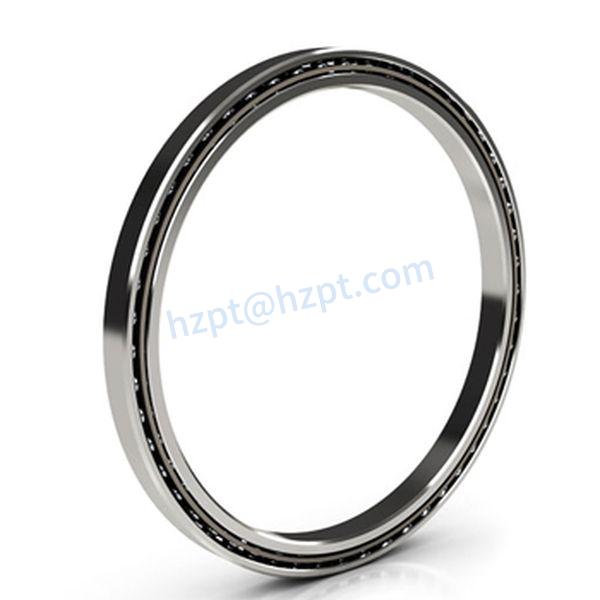
How does Preload Affect the Performance and Efficiency of Ball Bearings?
Preload is a crucial factor in ball bearing design that significantly impacts the performance, efficiency, and overall behavior of the bearings in various applications. Preload refers to the intentional axial force applied to the bearing’s rolling elements before it is mounted. This force eliminates internal clearance and creates contact between the rolling elements and the raceways. Here’s how preload affects ball bearing performance:
- Reduction of Internal Clearance:
Applying preload reduces the internal clearance between the rolling elements and the raceways. This eliminates play within the bearing, ensuring that the rolling elements are in constant contact with the raceways. This reduced internal clearance enhances precision and reduces vibrations during operation.
- Increased Stiffness:
Preloaded bearings are stiffer due to the elimination of internal clearance. This increased stiffness improves the bearing’s ability to handle axial and radial loads with higher accuracy and minimal deflection.
- Minimized Axial Play:
Preload minimizes or eliminates axial play within the bearing. This is especially important in applications where axial movement needs to be minimized, such as machine tool spindles and precision instruments.
- Enhanced Rigidity:
The stiffness resulting from preload enhances the bearing’s rigidity, making it less susceptible to deformation under load. This is critical for maintaining precision and accuracy in applications that require minimal deflection.
- Reduction in Ball Slippage:
Preload reduces the likelihood of ball slippage within the bearing, ensuring consistent contact between the rolling elements and the raceways. This leads to improved efficiency and better load distribution.
- Improved Running Accuracy:
Preloading enhances the running accuracy of the bearing, ensuring that it maintains precise rotational characteristics even under varying loads and speeds. This is essential for applications requiring high accuracy and repeatability.
- Optimized Performance at High Speeds:
Preload helps prevent skidding and slipping of the rolling elements during high-speed operation. This ensures that the bearing remains stable, reducing the risk of noise, vibration, and premature wear.
- Impact on Friction and Heat Generation:
While preload reduces internal clearance and friction, excessive preload can lead to higher friction and increased heat generation. A balance must be struck between optimal preload and minimizing friction-related issues.
- Application-Specific Considerations:
The appropriate amount of preload depends on the application’s requirements, such as load, speed, accuracy, and operating conditions. Over-preloading can lead to increased stress and premature bearing failure, while under-preloading may result in inadequate rigidity and reduced performance.
Overall, preload plays a critical role in optimizing the performance, accuracy, and efficiency of ball bearings. Engineers must carefully determine the right preload level for their specific applications to achieve the desired performance characteristics and avoid potential issues related to overloading or inadequate rigidity.
What are the Differences between Deep Groove Ball Bearings and Angular Contact Ball Bearings?
Deep groove ball bearings and angular contact ball bearings are two common types of ball bearings, each designed for specific applications and load conditions. Here are the key differences between these two types of bearings:
- Design and Geometry:
Deep Groove Ball Bearings:
Deep groove ball bearings have a simple design with a single row of balls that run along deep raceways in both the inner and outer rings. The rings are usually symmetrical and non-separable, resulting in a balanced load distribution.
Angular Contact Ball Bearings:
Angular contact ball bearings have a more complex design with two rows of balls, oriented at an angle to the bearing’s axis. This arrangement allows for the transmission of both radial and axial loads, making them suitable for combined loads and applications requiring high precision.
- Load Carrying Capacity:
Deep Groove Ball Bearings:
Deep groove ball bearings are primarily designed to carry radial loads. They can handle axial loads in both directions, but their axial load-carrying capacity is generally lower compared to angular contact ball bearings.
Angular Contact Ball Bearings:
Angular contact ball bearings are specifically designed to handle both radial and axial loads. The contact angle between the rows of balls determines the bearings’ axial load-carrying capacity. They can handle higher axial loads and are commonly used in applications with thrust loads.
- Contact Angle:
Deep Groove Ball Bearings:
Deep groove ball bearings have no defined contact angle, as the balls move in a deep groove along the raceways. They are primarily designed for radial loads.
Angular Contact Ball Bearings:
Angular contact ball bearings have a specified contact angle between the rows of balls. This contact angle allows them to carry both radial and axial loads and is crucial for their ability to handle combined loads.
- Applications:
Deep Groove Ball Bearings:
Deep groove ball bearings are commonly used in applications that primarily require radial loads, such as electric motors, pumps, and conveyor systems. They are also suitable for high-speed operation.
Angular Contact Ball Bearings:
Angular contact ball bearings are used in applications where both radial and axial loads are present, such as in machine tools, automotive wheel hubs, and aerospace components. They are especially useful for applications that require precise axial positioning and handling of thrust loads.
- Limitations:
Deep Groove Ball Bearings:
Deep groove ball bearings are not as suitable for handling significant axial loads and may experience skidding under certain conditions due to their deep raceways.
Angular Contact Ball Bearings:
Angular contact ball bearings can experience increased heat generation and wear at higher speeds due to the contact angle of the balls.
In summary, the design, load-carrying capacity, contact angle, and applications differ between deep groove ball bearings and angular contact ball bearings. Choosing the appropriate type depends on the specific load conditions and requirements of the application.
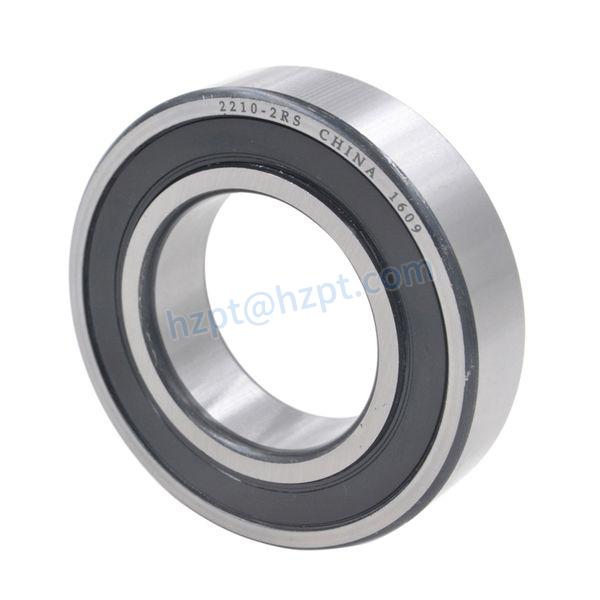
How does Lubrication Impact the Performance and Lifespan of Ball Bearings?
Lubrication plays a critical role in the performance and lifespan of ball bearings. Proper lubrication ensures smooth operation, reduces friction, minimizes wear, and prevents premature failure. Here’s how lubrication impacts ball bearings:
- Friction Reduction:
Lubrication creates a thin film between the rolling elements (balls) and the raceways of the bearing. This film reduces friction by separating the surfaces and preventing direct metal-to-metal contact. Reduced friction results in lower energy consumption, heat generation, and wear.
- Wear Prevention:
Lubricants create a protective barrier that prevents wear and damage to the bearing’s components. Without proper lubrication, the repeated rolling and sliding of the balls against the raceways would lead to accelerated wear, surface pitting, and eventual failure.
- Heat Dissipation:
Lubricants help dissipate heat generated during operation. The rolling elements and raceways can generate heat due to friction. Adequate lubrication carries away this heat, preventing overheating and maintaining stable operating temperatures.
- Corrosion Resistance:
Lubrication prevents moisture and contaminants from coming into direct contact with the bearing’s surfaces. This helps protect the bearing against corrosion, rust, and the formation of debris that can compromise its performance and longevity.
- Noise Reduction:
Lubricated ball bearings operate quietly because the lubricant cushions and dampens vibrations caused by the rolling motion. This noise reduction is crucial in applications where noise levels need to be minimized.
- Seal Protection:
Lubricants help maintain the effectiveness of seals or shields that protect the bearing from contaminants. They create a barrier that prevents particles from entering the bearing and causing damage.
- Improved Efficiency:
Properly lubricated ball bearings operate with reduced friction, leading to improved overall efficiency. This is especially important in applications where energy efficiency is a priority.
- Lifespan Extension:
Effective lubrication significantly extends the lifespan of ball bearings. Bearings that are properly lubricated experience less wear, reduced fatigue, and a lower likelihood of premature failure.
- Selection of Lubricant:
Choosing the right lubricant is essential. Factors such as speed, temperature, load, and environmental conditions influence the choice of lubricant type and viscosity. Some common lubricant options include grease and oil-based lubricants.
- Regular Maintenance:
Regular lubrication maintenance is crucial to ensure optimal bearing performance. Bearings should be inspected and relubricated according to manufacturer recommendations and based on the application’s operating conditions.
In summary, proper lubrication is essential for the optimal performance, longevity, and reliability of ball bearings. It reduces friction, prevents wear, dissipates heat, protects against corrosion, and contributes to smooth and efficient operation in various industrial and mechanical applications.
editor by CX 2024-04-16
China Standard Spherical Bridge Sliding Type Ball Bearings bearing bronze
Product Description
Product Description
Professional production and sales:
plate rubber bearing, basin bearing, ball bearing grid steel structure bearing, isolation bearing, bridge expansion joint and other bridge engineering materials
1, GPZ series basin rubber bearing performance and classification
l Fixed support: only with vertical rotation performance, code GD.
l Unidirectional movable support: with vertical rotation and single direction slip performance, code DX.
l Bidirectional movable support: with vertical rotation and longitudinal and transverse slip performance, code SX.
2. GPZ series basin rubber bearing is suitable for temperature range
l room temperature support: suitable for -25 ~ +60C
l Plug type support, suitable for -40+60ºC, code F.
3. Technical performance of GPZ series basin rubber bearing.
l Vertical Angle of the support is not less than 40 degrees.
Vertical bearing capacity (KN)1000-5000 is divided into 28 levels, and the horizontal hand load on the non-sliding surface is 10% of the vertical load.
l Displacement is shown in the table
l calendar wipe coefficient: room temperature type u≤0.04 Plug type u≤0.06
Company Profile
HangZhou Xihu (West Lake) Dis. Engineering Rubber Co., LTD. (formerly HangZhou Hudong Rubber Factory) was founded in 1985. Located in HangZhou Xihu (West Lake) Dis. New District, covers an area of 26400 square meters, building area of 10,000 square meters. Currently, there are 218 employees, including 56 professional and technical personnel and 30 management personnel, with registered capital of 100.01 million yuan, fixed assets of 30 million yuan, and annual output value of 80 million yuan. There are 4 workshops for expansion joints, machining, vulcanization and rubber rolling. Expansion joint workshop is equipped with equipment: various models of shot blasting drum 18 sets, electrostatic spraying machine 9 sets, semi-automatic cutting machine 12 sets, copying cutting machine 12 sets, various models of electric welding machine 100 sets, steel bar cutting machine 10 sets, bending machine 10 sets.
The annual production capacity is: bridge expansion joint more than 50,000 meters, basin type rubber bearing more than 10,000 sets, plate rubber bearing more than 500,000 pieces, rubber water stop zone more than 200,000 meters, more than 50,000 sets of grid support.
Our Advantages
Packaging & Shipping
Certifications
FAQ
| 1. Are you factory or trading company ? can you send sample to us and how long could it take? | We are a factory, we can mail samples, the specific time depends on the express delivery. |
| 2. Can we have them with different performance or our own design? | Can be customized according to your drawings |
| 3. What is your MOQ ? | The minimum order quantity is determined according to the product type |
| 4. Can I print your logo on the carton box? | Yes |
| 5. Do you offer customized packaging ? | Custom packaging is available |
| 6. Any discount ? | The specific price can be discussed |
/* January 22, 2571 19:08:37 */!function(){function s(e,r){var a,o={};try{e&&e.split(“,”).forEach(function(e,t){e&&(a=e.match(/(.*?):(.*)$/))&&1
| After-sales Service: | Online Technical Guidance |
|---|---|
| Warranty: | 1-3 Years |
| Certification: | GB |
| Usage: | Beam Bridge, Highway Bridge, Railroad Bridge |
| Structure: | Laminated Rubber Bearing |
| Material: | Rubber Bearing |
| Customization: |
Available
| Customized Request |
|---|
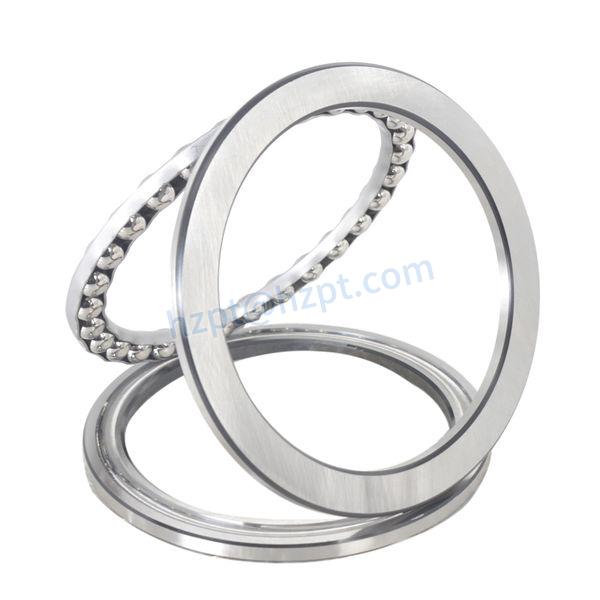
What are the Materials Typically Used in Manufacturing Ball Bearings and Their Advantages?
Ball bearings are manufactured using a variety of materials, each chosen for its specific properties and advantages in various applications. Here are some commonly used materials in ball bearing manufacturing and their respective benefits:
- High-Carbon Chrome Steel (AISI 52100):
This is the most common material used for ball bearing manufacturing. It offers excellent hardness, wear resistance, and fatigue strength. High-carbon chrome steel bearings are suitable for a wide range of applications, from industrial machinery to automotive components.
- Stainless Steel (AISI 440C, AISI 304, AISI 316):
Stainless steel bearings are corrosion-resistant and suitable for applications where moisture, chemicals, or exposure to harsh environments are concerns. AISI 440C offers high hardness and corrosion resistance, while AISI 304 and AISI 316 provide good corrosion resistance and are often used in food and medical industries.
- Ceramic:
Ceramic bearings use silicon nitride (Si3N4) or zirconia (ZrO2) balls. Ceramic materials offer high stiffness, low density, and excellent resistance to corrosion and heat. Ceramic bearings are commonly used in high-speed and high-temperature applications, such as in aerospace and racing industries.
- Plastic (Polyamide, PEEK):
Plastic bearings are lightweight and offer good corrosion resistance. Polyamide bearings are commonly used due to their low friction and wear properties. Polyether ether ketone (PEEK) bearings provide high-temperature resistance and are suitable for demanding environments.
- Bronze:
Bronze bearings are often used in applications where self-lubrication is required. Bronze has good thermal conductivity and wear resistance. Bearings made from bronze are commonly used in machinery requiring frequent starts and stops.
- Hybrid Bearings:
Hybrid bearings combine steel rings with ceramic balls. These bearings offer a balance between the advantages of both materials, such as improved stiffness and reduced weight. Hybrid bearings are used in applications where high speeds and low friction are essential.
- Specialty Alloys:
For specific applications, specialty alloys may be used to meet unique requirements. For example, bearings used in extreme temperatures or corrosive environments may be made from materials like titanium or hastelloy.
- Coated Bearings:
Bearings may also be coated with thin layers of materials like diamond-like carbon (DLC) or other coatings to enhance performance, reduce friction, and improve wear resistance.
The choice of material depends on factors such as application requirements, operating conditions, load, speed, and environmental factors. Selecting the right material is essential for ensuring optimal bearing performance, longevity, and reliability in diverse industries and applications.
What Precautions should be taken to Prevent Contamination of Ball Bearings in Industrial Settings?
Preventing contamination of ball bearings is essential to ensure their proper function, longevity, and overall performance in industrial settings. Contaminants such as dust, dirt, debris, and particles can significantly impact bearing operation. Here are important precautions to take to prevent contamination of ball bearings:
- Effective Sealing:
Choose ball bearings with appropriate seals or shields to prevent the ingress of contaminants. Seals provide a physical barrier against dust, moisture, and particles, ensuring the bearing’s interior remains clean.
- Clean Environment:
Maintain a clean working environment around the machinery and equipment. Regularly clean the surrounding areas to prevent the accumulation of dirt and debris that could enter the bearings.
- Proper Handling:
Handle bearings with clean hands and use gloves if necessary. Avoid touching the bearing surfaces with bare hands, as natural skin oils can transfer contaminants onto the bearing.
- Clean Tools and Equipment:
Use clean tools and equipment during installation and maintenance to prevent introducing contaminants. Ensure that tools are properly cleaned before coming into contact with the bearing components.
- Contamination-Controlled Workstations:
Establish contamination-controlled workstations for bearing handling, installation, and maintenance. These areas should have proper ventilation, filtered air, and minimal exposure to external contaminants.
- Proper Lubrication:
Use the correct lubricant in appropriate quantities. Lubricants help create a barrier against contaminants and reduce friction. Regularly inspect and replenish lubrication to maintain its effectiveness.
- Regular Inspections:
Implement a routine inspection schedule to monitor the condition of the bearings. Look for signs of contamination, wear, and damage. Address any issues promptly to prevent further damage.
- Training and Education:
Train personnel on proper handling, installation, and maintenance practices to minimize the risk of contamination. Educated employees are more likely to take precautions and prevent accidental contamination.
- Environmental Controls:
In sensitive environments, such as clean rooms or medical facilities, implement strict environmental controls to minimize the presence of contaminants that could affect bearing performance.
- Regular Cleaning and Maintenance:
Perform regular cleaning and maintenance of machinery and equipment to prevent the buildup of contaminants. Keep bearings protected during maintenance to prevent debris from entering during the process.
- Selection of Suitable Bearings:
Choose bearings that are specifically designed for the application’s environmental conditions. Some bearings have advanced sealing options or specialized coatings that enhance contamination resistance.
By implementing these precautions, industries can significantly reduce the risk of contamination in ball bearings, ensuring smooth operation, extended bearing life, and enhanced equipment reliability.
How does Lubrication Impact the Performance and Lifespan of Ball Bearings?
Lubrication plays a critical role in the performance and lifespan of ball bearings. Proper lubrication ensures smooth operation, reduces friction, minimizes wear, and prevents premature failure. Here’s how lubrication impacts ball bearings:
- Friction Reduction:
Lubrication creates a thin film between the rolling elements (balls) and the raceways of the bearing. This film reduces friction by separating the surfaces and preventing direct metal-to-metal contact. Reduced friction results in lower energy consumption, heat generation, and wear.
- Wear Prevention:
Lubricants create a protective barrier that prevents wear and damage to the bearing’s components. Without proper lubrication, the repeated rolling and sliding of the balls against the raceways would lead to accelerated wear, surface pitting, and eventual failure.
- Heat Dissipation:
Lubricants help dissipate heat generated during operation. The rolling elements and raceways can generate heat due to friction. Adequate lubrication carries away this heat, preventing overheating and maintaining stable operating temperatures.
- Corrosion Resistance:
Lubrication prevents moisture and contaminants from coming into direct contact with the bearing’s surfaces. This helps protect the bearing against corrosion, rust, and the formation of debris that can compromise its performance and longevity.
- Noise Reduction:
Lubricated ball bearings operate quietly because the lubricant cushions and dampens vibrations caused by the rolling motion. This noise reduction is crucial in applications where noise levels need to be minimized.
- Seal Protection:
Lubricants help maintain the effectiveness of seals or shields that protect the bearing from contaminants. They create a barrier that prevents particles from entering the bearing and causing damage.
- Improved Efficiency:
Properly lubricated ball bearings operate with reduced friction, leading to improved overall efficiency. This is especially important in applications where energy efficiency is a priority.
- Lifespan Extension:
Effective lubrication significantly extends the lifespan of ball bearings. Bearings that are properly lubricated experience less wear, reduced fatigue, and a lower likelihood of premature failure.
- Selection of Lubricant:
Choosing the right lubricant is essential. Factors such as speed, temperature, load, and environmental conditions influence the choice of lubricant type and viscosity. Some common lubricant options include grease and oil-based lubricants.
- Regular Maintenance:
Regular lubrication maintenance is crucial to ensure optimal bearing performance. Bearings should be inspected and relubricated according to manufacturer recommendations and based on the application’s operating conditions.
In summary, proper lubrication is essential for the optimal performance, longevity, and reliability of ball bearings. It reduces friction, prevents wear, dissipates heat, protects against corrosion, and contributes to smooth and efficient operation in various industrial and mechanical applications.
editor by CX 2024-04-09
China Best Sales Stainless Steel Spherical Radial Ball Joint Rod Ends Bearings bearing and race
Product Description
Product description
Description:
-Rod end bearing, is used on the ends of control rods, steering links, tie rods, or anywhere a precision articulating joint is required.
-A ball swivel with an opening through which a bolt or other attaching hardware may pass is pressed into a circular casing with a threaded shaft attached.
-The housing is made of machined low carbon steel that is plated for corrosion resistance.
-Rod end bearings are used on the ends of cylinders or linkages to take up misalignment between 2 connected parts
YOUNGJIN INDUSTRY Co., Ltd, was founded 2571.
Has several years experience in producing bearings
We have always adhered to the business policy of “Quality for Survival, Product for Development, Credibility for Cooperation and Service for Customers”. We are pleased to find new partners and hope to establish longterm business relationships with you based on mutual benefits
Our products used to chemical treatment equipments, petrochemical equipment and press plates. It is also used in railway coaches, roof drainage products, storm door frames, food machinery and tableware
Now our company developed international markets more than 10 years, and established long partnership with Korea, Japan, South American, Australia, Saudi Arabia, Southeast Asia. etc. We will be on the basic of advanced management and service concept to provide high quality products and perfect service for all over the manufacturing enterprise. We welcome customers from all over the world to cooperate with us. /* January 22, 2571 19:08:37 */!function(){function s(e,r){var a,o={};try{e&&e.split(“,”).forEach(function(e,t){e&&(a=e.match(/(.*?):(.*)$/))&&1
| Contact Angle: | 13 |
|---|---|
| Aligning: | Aligning Bearing |
| Separated: | Separated |
| Rows Number: | Double |
| Load Direction: | Radial Bearing |
| Material: | Bearing Steel |
| Samples: |
US$ 1/Piece
1 Piece(Min.Order) | |
|---|
| Customization: |
Available
| Customized Request |
|---|
How does Preload Affect the Performance and Efficiency of Ball Bearings?
Preload is a crucial factor in ball bearing design that significantly impacts the performance, efficiency, and overall behavior of the bearings in various applications. Preload refers to the intentional axial force applied to the bearing’s rolling elements before it is mounted. This force eliminates internal clearance and creates contact between the rolling elements and the raceways. Here’s how preload affects ball bearing performance:
- Reduction of Internal Clearance:
Applying preload reduces the internal clearance between the rolling elements and the raceways. This eliminates play within the bearing, ensuring that the rolling elements are in constant contact with the raceways. This reduced internal clearance enhances precision and reduces vibrations during operation.
- Increased Stiffness:
Preloaded bearings are stiffer due to the elimination of internal clearance. This increased stiffness improves the bearing’s ability to handle axial and radial loads with higher accuracy and minimal deflection.
- Minimized Axial Play:
Preload minimizes or eliminates axial play within the bearing. This is especially important in applications where axial movement needs to be minimized, such as machine tool spindles and precision instruments.
- Enhanced Rigidity:
The stiffness resulting from preload enhances the bearing’s rigidity, making it less susceptible to deformation under load. This is critical for maintaining precision and accuracy in applications that require minimal deflection.
- Reduction in Ball Slippage:
Preload reduces the likelihood of ball slippage within the bearing, ensuring consistent contact between the rolling elements and the raceways. This leads to improved efficiency and better load distribution.
- Improved Running Accuracy:
Preloading enhances the running accuracy of the bearing, ensuring that it maintains precise rotational characteristics even under varying loads and speeds. This is essential for applications requiring high accuracy and repeatability.
- Optimized Performance at High Speeds:
Preload helps prevent skidding and slipping of the rolling elements during high-speed operation. This ensures that the bearing remains stable, reducing the risk of noise, vibration, and premature wear.
- Impact on Friction and Heat Generation:
While preload reduces internal clearance and friction, excessive preload can lead to higher friction and increased heat generation. A balance must be struck between optimal preload and minimizing friction-related issues.
- Application-Specific Considerations:
The appropriate amount of preload depends on the application’s requirements, such as load, speed, accuracy, and operating conditions. Over-preloading can lead to increased stress and premature bearing failure, while under-preloading may result in inadequate rigidity and reduced performance.
Overall, preload plays a critical role in optimizing the performance, accuracy, and efficiency of ball bearings. Engineers must carefully determine the right preload level for their specific applications to achieve the desired performance characteristics and avoid potential issues related to overloading or inadequate rigidity.
What Precautions should be taken to Prevent Contamination of Ball Bearings in Industrial Settings?
Preventing contamination of ball bearings is essential to ensure their proper function, longevity, and overall performance in industrial settings. Contaminants such as dust, dirt, debris, and particles can significantly impact bearing operation. Here are important precautions to take to prevent contamination of ball bearings:
- Effective Sealing:
Choose ball bearings with appropriate seals or shields to prevent the ingress of contaminants. Seals provide a physical barrier against dust, moisture, and particles, ensuring the bearing’s interior remains clean.
- Clean Environment:
Maintain a clean working environment around the machinery and equipment. Regularly clean the surrounding areas to prevent the accumulation of dirt and debris that could enter the bearings.
- Proper Handling:
Handle bearings with clean hands and use gloves if necessary. Avoid touching the bearing surfaces with bare hands, as natural skin oils can transfer contaminants onto the bearing.
- Clean Tools and Equipment:
Use clean tools and equipment during installation and maintenance to prevent introducing contaminants. Ensure that tools are properly cleaned before coming into contact with the bearing components.
- Contamination-Controlled Workstations:
Establish contamination-controlled workstations for bearing handling, installation, and maintenance. These areas should have proper ventilation, filtered air, and minimal exposure to external contaminants.
- Proper Lubrication:
Use the correct lubricant in appropriate quantities. Lubricants help create a barrier against contaminants and reduce friction. Regularly inspect and replenish lubrication to maintain its effectiveness.
- Regular Inspections:
Implement a routine inspection schedule to monitor the condition of the bearings. Look for signs of contamination, wear, and damage. Address any issues promptly to prevent further damage.
- Training and Education:
Train personnel on proper handling, installation, and maintenance practices to minimize the risk of contamination. Educated employees are more likely to take precautions and prevent accidental contamination.
- Environmental Controls:
In sensitive environments, such as clean rooms or medical facilities, implement strict environmental controls to minimize the presence of contaminants that could affect bearing performance.
- Regular Cleaning and Maintenance:
Perform regular cleaning and maintenance of machinery and equipment to prevent the buildup of contaminants. Keep bearings protected during maintenance to prevent debris from entering during the process.
- Selection of Suitable Bearings:
Choose bearings that are specifically designed for the application’s environmental conditions. Some bearings have advanced sealing options or specialized coatings that enhance contamination resistance.
By implementing these precautions, industries can significantly reduce the risk of contamination in ball bearings, ensuring smooth operation, extended bearing life, and enhanced equipment reliability.
What are the Primary Benefits of Using Ball Bearings in Machinery and Equipment?
Ball bearings offer several primary benefits when used in machinery and equipment. Their design and functionality provide advantages that contribute to the efficient and reliable operation of various applications. Here are the key benefits:
- Reduced Friction:
One of the primary benefits of ball bearings is their ability to minimize friction between moving parts. The rolling motion of the balls reduces the contact area and sliding friction, leading to smoother operation and less energy loss due to frictional heating.
- Efficient Load Support:
Ball bearings are engineered to support both radial and axial loads, making them versatile for applications with multidirectional forces. This load-bearing capability allows machinery to handle different types of loads while maintaining performance and stability.
- Smooth Rotation:
Ball bearings enable smooth and precise rotational movement. The rolling motion of the balls provides consistent motion with minimal resistance, ensuring that machinery operates smoothly and without jerks.
- High-Speed Capability:
Due to their low friction and efficient rolling action, ball bearings are suitable for high-speed applications. They allow machinery and equipment to achieve and maintain high rotational speeds without excessive wear or heat buildup.
- Reduced Wear and Maintenance:
The reduced friction in ball bearings leads to lower wear on components. This results in longer service intervals and reduced maintenance requirements, saving both time and maintenance costs.
- Energy Efficiency:
By minimizing friction and reducing energy losses, ball bearings contribute to the overall energy efficiency of machinery. This is particularly important in applications where energy consumption is a concern.
- Versatility:
Ball bearings come in various types, sizes, and configurations, allowing them to be used in a wide range of machinery and equipment. They can be customized to suit specific application requirements.
- Reliability and Longevity:
Ball bearings are designed to withstand heavy loads and harsh operating conditions. Their durability and resistance to wear ensure reliable performance and an extended operational life.
- Quiet Operation:
Ball bearings contribute to quiet machinery operation due to the smooth rolling motion of the balls. This is particularly important in applications where noise reduction is a consideration.
In summary, the primary benefits of using ball bearings in machinery and equipment include reduced friction, efficient load support, smooth rotation, high-speed capability, reduced wear and maintenance, energy efficiency, versatility, reliability, and quiet operation. These benefits collectively enhance the performance and longevity of machinery across various industries.
editor by CX 2024-04-09
China Best Sales COM Series Radial Spherical Plain Bearings COM10t COM12t COM16t Rod Ends Bearing Joint Ball Bearing bearing air
Product Description
| Product Name: | Bearings |
| Model: | COM10T COM12T COM16T |
| Type: |
Joint Ball Bearing |
| Application: | Engraving machine accessories spindle motor bearing |
| MOQ: | 1 |
| Stock: | Large Quantity in Stock |
Product Description
/* January 22, 2571 19:08:37 */!function(){function s(e,r){var a,o={};try{e&&e.split(“,”).forEach(function(e,t){e&&(a=e.match(/(.*?):(.*)$/))&&1
| MOQ: | 1 |
|---|---|
| Type: | Ball |
| Structure: | Joint Ball Bearing |
| Samples: |
US$ 10/Piece
1 Piece(Min.Order) | Order Sample |
|---|
| Customization: |
Available
| Customized Request |
|---|
.shipping-cost-tm .tm-status-off{background: none;padding:0;color: #1470cc}
|
Shipping Cost:
Estimated freight per unit. |
about shipping cost and estimated delivery time. |
|---|
| Payment Method: |
|
|---|---|
|
Initial Payment Full Payment |
| Currency: | US$ |
|---|
| Return&refunds: | You can apply for a refund up to 30 days after receipt of the products. |
|---|
What are the Common Signs of Wear or Damage in Ball Bearings that Indicate the Need for Replacement?
Ball bearings are subjected to wear and stress during operation, and over time, they may exhibit signs of damage or deterioration that warrant replacement. Recognizing these signs is crucial to prevent catastrophic failure and ensure safe and reliable operation. Here are the common signs of wear or damage in ball bearings:
- Unusual Noise:
If you hear unusual grinding, clicking, or rumbling noises coming from the bearing during operation, it may indicate worn-out or damaged components. Unusual noise suggests that the bearing is no longer operating smoothly.
- Vibration:
Excessive vibration in the machinery can be a sign of bearing wear. Vibrations can result from uneven wear, misalignment, or damaged components within the bearing.
- Increased Temperature:
Higher operating temperatures than usual may indicate increased friction due to inadequate lubrication, wear, or other issues. Monitoring the bearing’s temperature can help identify potential problems.
- Irregular Movement:
If you notice irregular movement, jerking, or sticking during rotation, it could be a sign that the bearing is no longer operating smoothly. This may be due to damaged rolling elements or raceways.
- Reduced Performance:
If the machinery’s performance has decreased, it may be due to a compromised bearing. Reduced efficiency, increased energy consumption, or a decline in overall performance could be indicators of bearing wear.
- Visible Wear or Damage:
Inspect the bearing for visible signs of wear, such as pitting, scoring, or discoloration on the rolling elements or raceways. Severe wear or damage is a clear indication that the bearing needs replacement.
- Leakage or Contamination:
If there is evidence of lubricant leakage, contamination, or the presence of foreign particles around the bearing, it suggests that the seal or shield may be compromised, leading to potential damage.
- Looseness or Excessive Play:
If you can feel excessive play or looseness when manually moving the bearing, it could indicate worn-out components or misalignment.
- Reduced Lifespan:
If the bearing’s expected lifespan is significantly shorter than usual, it may be due to inadequate lubrication, excessive loads, or improper installation, leading to accelerated wear.
- Frequent Failures:
If the bearing is consistently failing despite regular maintenance and proper use, it could indicate a chronic issue that requires addressing, such as inadequate lubrication or misalignment.
It’s important to conduct regular inspections, monitor performance, and address any signs of wear or damage promptly. Replacing worn or damaged ball bearings in a timely manner can prevent further damage to machinery, reduce downtime, and ensure safe and efficient operation.
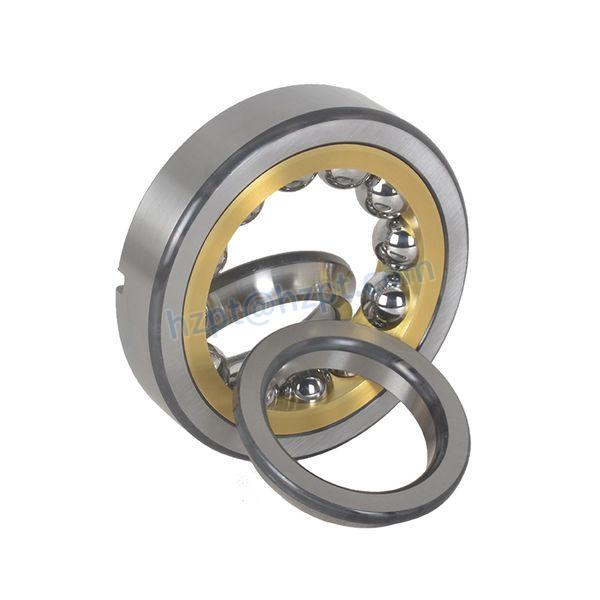
How do Temperature and Environmental Conditions Affect the Performance of Ball Bearings?
Temperature and environmental conditions have a significant impact on the performance and longevity of ball bearings. The operating environment can influence factors such as lubrication effectiveness, material properties, and overall bearing behavior. Here’s how temperature and environmental conditions affect ball bearing performance:
- Lubrication:
Temperature variations can affect the viscosity and flow characteristics of lubricants. Extreme temperatures can cause lubricants to become too thin or too thick, leading to inadequate lubrication and increased friction. In high-temperature environments, lubricants can degrade, reducing their effectiveness.
- Material Properties:
Temperature changes can alter the material properties of the bearing components. High temperatures can lead to thermal expansion, affecting bearing clearances and potentially causing interference between components. Extreme cold temperatures can make materials more brittle and prone to fracture.
- Clearance Changes:
Temperature fluctuations can cause changes in the internal clearance of ball bearings. For instance, at high temperatures, materials expand, leading to increased clearance. This can affect bearing performance, load distribution, and overall stability.
- Corrosion and Contamination:
Harsh environmental conditions, such as exposure to moisture, chemicals, or abrasive particles, can lead to corrosion and contamination of bearing components. Corrosion weakens the material, while contamination accelerates wear and reduces bearing life.
- Thermal Stress:
Rapid temperature changes can result in thermal stress within the bearing components. Differential expansion and contraction between the inner and outer rings can lead to stress and distortion, affecting precision and bearing integrity.
- Noise and Vibration:
Temperature-related changes in material properties and internal clearances can influence noise and vibration levels. Extreme temperatures can lead to increased noise generation and vibration, affecting the overall operation of machinery.
- Lubricant Degradation:
Environmental factors like humidity, dust, and contaminants can lead to premature lubricant degradation. Oxidation, moisture absorption, and the presence of foreign particles can compromise the lubricant’s performance and contribute to increased friction and wear.
- Seal Effectiveness:
Seals and shields that protect bearings from contaminants can be affected by temperature fluctuations. Extreme temperatures can lead to seal hardening, cracking, or deformation, compromising their effectiveness in preventing contamination.
- Choosing Appropriate Bearings:
When selecting ball bearings for specific applications, engineers must consider the expected temperature and environmental conditions. High-temperature bearings, bearings with specialized coatings, and those with enhanced sealing mechanisms may be necessary to ensure reliable performance.
Overall, understanding the impact of temperature and environmental conditions on ball bearing performance is crucial for proper bearing selection, maintenance, and ensuring optimal operation in diverse industries and applications.
What are the Primary Benefits of Using Ball Bearings in Machinery and Equipment?
Ball bearings offer several primary benefits when used in machinery and equipment. Their design and functionality provide advantages that contribute to the efficient and reliable operation of various applications. Here are the key benefits:
- Reduced Friction:
One of the primary benefits of ball bearings is their ability to minimize friction between moving parts. The rolling motion of the balls reduces the contact area and sliding friction, leading to smoother operation and less energy loss due to frictional heating.
- Efficient Load Support:
Ball bearings are engineered to support both radial and axial loads, making them versatile for applications with multidirectional forces. This load-bearing capability allows machinery to handle different types of loads while maintaining performance and stability.
- Smooth Rotation:
Ball bearings enable smooth and precise rotational movement. The rolling motion of the balls provides consistent motion with minimal resistance, ensuring that machinery operates smoothly and without jerks.
- High-Speed Capability:
Due to their low friction and efficient rolling action, ball bearings are suitable for high-speed applications. They allow machinery and equipment to achieve and maintain high rotational speeds without excessive wear or heat buildup.
- Reduced Wear and Maintenance:
The reduced friction in ball bearings leads to lower wear on components. This results in longer service intervals and reduced maintenance requirements, saving both time and maintenance costs.
- Energy Efficiency:
By minimizing friction and reducing energy losses, ball bearings contribute to the overall energy efficiency of machinery. This is particularly important in applications where energy consumption is a concern.
- Versatility:
Ball bearings come in various types, sizes, and configurations, allowing them to be used in a wide range of machinery and equipment. They can be customized to suit specific application requirements.
- Reliability and Longevity:
Ball bearings are designed to withstand heavy loads and harsh operating conditions. Their durability and resistance to wear ensure reliable performance and an extended operational life.
- Quiet Operation:
Ball bearings contribute to quiet machinery operation due to the smooth rolling motion of the balls. This is particularly important in applications where noise reduction is a consideration.
In summary, the primary benefits of using ball bearings in machinery and equipment include reduced friction, efficient load support, smooth rotation, high-speed capability, reduced wear and maintenance, energy efficiency, versatility, reliability, and quiet operation. These benefits collectively enhance the performance and longevity of machinery across various industries.
editor by CX 2024-04-04
China Custom Ucpf Series Inch Bore Size Spherical Ball Bearings with Pressed Blocks ball bearing
Product Description
Block bearing Description:
1).The pillow block bearing units are the combination of 1 Y-bearing(insert bearing, which is a single row deep groove ball bearing with convex sphered outside) and a plummer block housing(which has a correspondingly sphered but concave bore).
2).This bearing units are available in various materials and styles and can incorporate most of bearings. The main 3 types of materials for the housing include: CZPT material, grey cast iron, sheet steel.
3).The plummber block units are secured on the shaft via the bearing inner ring by: (1). Grub screws; (2). Eccentric locking collar with grub screw; (3). Adapter sleeve.
The rib at the bottom of the housing mounting section provides for a robust unit that can withstand great loads from any direction. Mounted units with cast steel housings are also available in this series, and are used for applications with severe loading and shock load conditions. Tapered-bore style units are offered individually and adapters are sold separately.
Our advantages:
We now have 100 customers from all over the world.
1. We have own factory and 80% of staff in our company worked for more than 10 years.
2. We provide a competitive price.
3. High precision, tolerance can be within ±0.01mm.
4. 14 years’ export experience.
5. Small order also is welcomed.
6. We can also provide one-stop service, including mold and assembly.
7. NDA apply to all customers.
Mould Warehouse
FAQ
1.Do you provide samples ? is it free or extra ?
Yes, we could offer the sample for free charge but do not pay the cost of freight.
2. How about the shipping cost?
The cost of shipping depends on the method you choose to obtain the goods. Express delivery is usually the fastest method, but it is also the most expensive method. Shipping is the best solution for large quantities. For the exact shipping cost, we can only provide you with detailed information after knowing the quantity, weight and dimension.
3. Do you have Stock productions to sell?
Yes, of course. But we also offer OEM service. The mold is customized, Please send us some drawing.
What information do you want to know if i want to get a quotation?
a). The application for your products.
b). Special package methods if you needs.
4. Do you inspect the finished products?
Yes. Each step of products will be carried out inspection by QC department until shipping
5. How long is your delivery time?
Generally it is 5-10 days if the goods are in stock. or it is 15-20 days if the goods are not in stock, it is according to
quantity. /* January 22, 2571 19:08:37 */!function(){function s(e,r){var a,o={};try{e&&e.split(“,”).forEach(function(e,t){e&&(a=e.match(/(.*?):(.*)$/))&&1
| Logo Printing: | with Logo Printing |
|---|---|
| Size: | Middle |
| Customized: | Non-Customized |
| Type: | Bearing |
| Material: | Metal |
| Certification: | ISO 9001:2008, ISO 9001:2000, CE |
| Samples: |
US$ 0/Piece
1 Piece(Min.Order) | |
|---|
| Customization: |
Available
| Customized Request |
|---|
How does Preload Affect the Performance and Efficiency of Ball Bearings?
Preload is a crucial factor in ball bearing design that significantly impacts the performance, efficiency, and overall behavior of the bearings in various applications. Preload refers to the intentional axial force applied to the bearing’s rolling elements before it is mounted. This force eliminates internal clearance and creates contact between the rolling elements and the raceways. Here’s how preload affects ball bearing performance:
- Reduction of Internal Clearance:
Applying preload reduces the internal clearance between the rolling elements and the raceways. This eliminates play within the bearing, ensuring that the rolling elements are in constant contact with the raceways. This reduced internal clearance enhances precision and reduces vibrations during operation.
- Increased Stiffness:
Preloaded bearings are stiffer due to the elimination of internal clearance. This increased stiffness improves the bearing’s ability to handle axial and radial loads with higher accuracy and minimal deflection.
- Minimized Axial Play:
Preload minimizes or eliminates axial play within the bearing. This is especially important in applications where axial movement needs to be minimized, such as machine tool spindles and precision instruments.
- Enhanced Rigidity:
The stiffness resulting from preload enhances the bearing’s rigidity, making it less susceptible to deformation under load. This is critical for maintaining precision and accuracy in applications that require minimal deflection.
- Reduction in Ball Slippage:
Preload reduces the likelihood of ball slippage within the bearing, ensuring consistent contact between the rolling elements and the raceways. This leads to improved efficiency and better load distribution.
- Improved Running Accuracy:
Preloading enhances the running accuracy of the bearing, ensuring that it maintains precise rotational characteristics even under varying loads and speeds. This is essential for applications requiring high accuracy and repeatability.
- Optimized Performance at High Speeds:
Preload helps prevent skidding and slipping of the rolling elements during high-speed operation. This ensures that the bearing remains stable, reducing the risk of noise, vibration, and premature wear.
- Impact on Friction and Heat Generation:
While preload reduces internal clearance and friction, excessive preload can lead to higher friction and increased heat generation. A balance must be struck between optimal preload and minimizing friction-related issues.
- Application-Specific Considerations:
The appropriate amount of preload depends on the application’s requirements, such as load, speed, accuracy, and operating conditions. Over-preloading can lead to increased stress and premature bearing failure, while under-preloading may result in inadequate rigidity and reduced performance.
Overall, preload plays a critical role in optimizing the performance, accuracy, and efficiency of ball bearings. Engineers must carefully determine the right preload level for their specific applications to achieve the desired performance characteristics and avoid potential issues related to overloading or inadequate rigidity.
How do Temperature and Environmental Conditions Affect the Performance of Ball Bearings?
Temperature and environmental conditions have a significant impact on the performance and longevity of ball bearings. The operating environment can influence factors such as lubrication effectiveness, material properties, and overall bearing behavior. Here’s how temperature and environmental conditions affect ball bearing performance:
- Lubrication:
Temperature variations can affect the viscosity and flow characteristics of lubricants. Extreme temperatures can cause lubricants to become too thin or too thick, leading to inadequate lubrication and increased friction. In high-temperature environments, lubricants can degrade, reducing their effectiveness.
- Material Properties:
Temperature changes can alter the material properties of the bearing components. High temperatures can lead to thermal expansion, affecting bearing clearances and potentially causing interference between components. Extreme cold temperatures can make materials more brittle and prone to fracture.
- Clearance Changes:
Temperature fluctuations can cause changes in the internal clearance of ball bearings. For instance, at high temperatures, materials expand, leading to increased clearance. This can affect bearing performance, load distribution, and overall stability.
- Corrosion and Contamination:
Harsh environmental conditions, such as exposure to moisture, chemicals, or abrasive particles, can lead to corrosion and contamination of bearing components. Corrosion weakens the material, while contamination accelerates wear and reduces bearing life.
- Thermal Stress:
Rapid temperature changes can result in thermal stress within the bearing components. Differential expansion and contraction between the inner and outer rings can lead to stress and distortion, affecting precision and bearing integrity.
- Noise and Vibration:
Temperature-related changes in material properties and internal clearances can influence noise and vibration levels. Extreme temperatures can lead to increased noise generation and vibration, affecting the overall operation of machinery.
- Lubricant Degradation:
Environmental factors like humidity, dust, and contaminants can lead to premature lubricant degradation. Oxidation, moisture absorption, and the presence of foreign particles can compromise the lubricant’s performance and contribute to increased friction and wear.
- Seal Effectiveness:
Seals and shields that protect bearings from contaminants can be affected by temperature fluctuations. Extreme temperatures can lead to seal hardening, cracking, or deformation, compromising their effectiveness in preventing contamination.
- Choosing Appropriate Bearings:
When selecting ball bearings for specific applications, engineers must consider the expected temperature and environmental conditions. High-temperature bearings, bearings with specialized coatings, and those with enhanced sealing mechanisms may be necessary to ensure reliable performance.
Overall, understanding the impact of temperature and environmental conditions on ball bearing performance is crucial for proper bearing selection, maintenance, and ensuring optimal operation in diverse industries and applications.
What are the Different Components that Make up a Typical Ball Bearing?
A typical ball bearing consists of several essential components that work together to reduce friction and support loads. Here are the main components that make up a ball bearing:
- Outer Ring:
The outer ring is the stationary part of the bearing that provides support and houses the other components. It contains raceways (grooves) that guide the balls’ movement.
- Inner Ring:
The inner ring is the rotating part of the bearing that attaches to the shaft. It also contains raceways that correspond to those on the outer ring, allowing the balls to roll smoothly.
- Balls:
The spherical balls are the rolling elements that reduce friction between the inner and outer rings. Their smooth rolling motion enables efficient movement and load distribution.
- Cage or Retainer:
The cage, also known as the retainer, maintains a consistent spacing between the balls. It prevents the balls from touching each other, reducing friction and preventing jamming.
- Seals and Shields:
Many ball bearings include seals or shields to protect the internal components from contaminants and retain lubrication. Seals provide better protection against contaminants, while shields offer less resistance to rotation.
- Lubricant:
Lubrication is essential to reduce friction, wear, and heat generation. Bearings are typically filled with lubricants that ensure smooth movement between the balls and raceways.
- Flanges and Snap Rings:
In some designs, flanges or snap rings are added to help position and secure the bearing in its housing or on the shaft. Flanges prevent axial movement, while snap rings secure the bearing radially.
- Raceways:
Raceways are the grooved tracks on the inner and outer rings where the balls roll. The shape and design of the raceways influence the bearing’s load-carrying capacity and performance.
- Anti-Friction Shield:
In certain high-speed applications, a thin anti-friction shield can be placed between the inner and outer rings to minimize friction and heat generation.
These components work together to enable the smooth rolling motion, load support, and reduced friction that characterize ball bearings. The proper design and assembly of these components ensure the bearing’s optimal performance and longevity in various applications.
editor by CX 2024-03-05
China supplier Spherical Plain Bearing Ge25es Ball Joint Spherical Bearings bearing engineering
Product Description
Product description
Description:
-Rod end bearing, is used on the ends of control rods, steering links, tie rods, or anywhere a precision articulating joint is required.
-A ball swivel with an opening through which a bolt or other attaching hardware may pass is pressed into a circular casing with a threaded shaft attached.
-The housing is made of machined low carbon steel that is plated for corrosion resistance.
-Rod end bearings are used on the ends of cylinders or linkages to take up misalignment between 2 connected parts
YOUNGJIN INDUSTRY Co., Ltd, was founded 2571.
Has several years experience in producing bearings
We have always adhered to the business policy of “Quality for Survival, Product for Development, Credibility for Cooperation and Service for Customers”. We are pleased to find new partners and hope to establish longterm business relationships with you based on mutual benefits
Our products used to chemical treatment equipments, petrochemical equipment and press plates. It is also used in railway coaches, roof drainage products, storm door frames, food machinery and tableware
Now our company developed international markets more than 10 years, and established long partnership with Korea, Japan, South American, Australia, Saudi Arabia, Southeast Asia. etc. We will be on the basic of advanced management and service concept to provide high quality products and perfect service for all over the manufacturing enterprise. We welcome customers from all over the world to cooperate with us. /* March 10, 2571 17:59:20 */!function(){function s(e,r){var a,o={};try{e&&e.split(“,”).forEach(function(e,t){e&&(a=e.match(/(.*?):(.*)$/))&&1
| Contact Angle: | 13 |
|---|---|
| Aligning: | Aligning Bearing |
| Separated: | Separated |
| Rows Number: | Double |
| Load Direction: | Radial Bearing |
| Material: | Bearing Steel |
| Samples: |
US$ 1/Piece
1 Piece(Min.Order) | |
|---|
| Customization: |
Available
| Customized Request |
|---|
Are there Specific Maintenance Practices to Ensure the Longevity of Ball Bearings?
Maintaining ball bearings is essential to ensure their longevity, reliable performance, and prevent premature failure. Proper maintenance practices can extend the lifespan of ball bearings and the equipment they are used in. Here are specific maintenance practices to consider:
- Regular Lubrication:
Implement a regular lubrication schedule using the appropriate lubricant for the application. Lubrication reduces friction, prevents wear, and helps dissipate heat. Follow manufacturer guidelines for lubricant type, quantity, and frequency.
- Clean Environment:
Keep the operating environment clean and free from contaminants. Dust, dirt, and debris can infiltrate bearings and cause damage. Use seals or shields to protect bearings from contaminants, especially in harsh environments.
- Proper Installation:
Ensure correct installation of bearings using proper tools and techniques. Improper installation can lead to misalignment, uneven load distribution, and premature wear. Follow manufacturer recommendations for installation procedures.
- Regular Inspections:
Perform routine visual inspections to check for signs of wear, damage, or contamination. Regular inspections can help identify issues early and prevent further damage. Pay attention to noise, vibration, and temperature changes.
- Temperature Monitoring:
Monitor bearing temperatures during operation using infrared thermometers or sensors. Abnormal temperature increases can indicate inadequate lubrication, misalignment, or other problems.
- Correct Handling:
Handle bearings with care to prevent damage during storage, transportation, and installation. Avoid dropping or subjecting them to impacts that can affect their internal components.
- Bearing Removal and Replacement:
Follow proper procedures when removing and replacing bearings. Use appropriate tools and techniques to avoid damage to the bearing or the surrounding components.
- Alignment Maintenance:
Maintain proper shaft and housing alignment to prevent excessive loads and wear on the bearing. Misalignment can lead to increased stress and premature failure.
- Training and Education:
Provide training to operators and maintenance personnel on proper bearing maintenance and handling practices. Educated personnel are more likely to identify issues and perform maintenance correctly.
- Documented Records:
Keep records of maintenance activities, inspections, lubrication schedules, and any issues encountered. This documentation helps track the bearing’s performance over time and informs future maintenance decisions.
By implementing these maintenance practices, you can ensure the longevity of ball bearings, minimize downtime, reduce operational costs, and maintain the reliability of the equipment they are a part of.
What Precautions should be taken to Prevent Contamination of Ball Bearings in Industrial Settings?
Preventing contamination of ball bearings is essential to ensure their proper function, longevity, and overall performance in industrial settings. Contaminants such as dust, dirt, debris, and particles can significantly impact bearing operation. Here are important precautions to take to prevent contamination of ball bearings:
- Effective Sealing:
Choose ball bearings with appropriate seals or shields to prevent the ingress of contaminants. Seals provide a physical barrier against dust, moisture, and particles, ensuring the bearing’s interior remains clean.
- Clean Environment:
Maintain a clean working environment around the machinery and equipment. Regularly clean the surrounding areas to prevent the accumulation of dirt and debris that could enter the bearings.
- Proper Handling:
Handle bearings with clean hands and use gloves if necessary. Avoid touching the bearing surfaces with bare hands, as natural skin oils can transfer contaminants onto the bearing.
- Clean Tools and Equipment:
Use clean tools and equipment during installation and maintenance to prevent introducing contaminants. Ensure that tools are properly cleaned before coming into contact with the bearing components.
- Contamination-Controlled Workstations:
Establish contamination-controlled workstations for bearing handling, installation, and maintenance. These areas should have proper ventilation, filtered air, and minimal exposure to external contaminants.
- Proper Lubrication:
Use the correct lubricant in appropriate quantities. Lubricants help create a barrier against contaminants and reduce friction. Regularly inspect and replenish lubrication to maintain its effectiveness.
- Regular Inspections:
Implement a routine inspection schedule to monitor the condition of the bearings. Look for signs of contamination, wear, and damage. Address any issues promptly to prevent further damage.
- Training and Education:
Train personnel on proper handling, installation, and maintenance practices to minimize the risk of contamination. Educated employees are more likely to take precautions and prevent accidental contamination.
- Environmental Controls:
In sensitive environments, such as clean rooms or medical facilities, implement strict environmental controls to minimize the presence of contaminants that could affect bearing performance.
- Regular Cleaning and Maintenance:
Perform regular cleaning and maintenance of machinery and equipment to prevent the buildup of contaminants. Keep bearings protected during maintenance to prevent debris from entering during the process.
- Selection of Suitable Bearings:
Choose bearings that are specifically designed for the application’s environmental conditions. Some bearings have advanced sealing options or specialized coatings that enhance contamination resistance.
By implementing these precautions, industries can significantly reduce the risk of contamination in ball bearings, ensuring smooth operation, extended bearing life, and enhanced equipment reliability.
How does Lubrication Impact the Performance and Lifespan of Ball Bearings?
Lubrication plays a critical role in the performance and lifespan of ball bearings. Proper lubrication ensures smooth operation, reduces friction, minimizes wear, and prevents premature failure. Here’s how lubrication impacts ball bearings:
- Friction Reduction:
Lubrication creates a thin film between the rolling elements (balls) and the raceways of the bearing. This film reduces friction by separating the surfaces and preventing direct metal-to-metal contact. Reduced friction results in lower energy consumption, heat generation, and wear.
- Wear Prevention:
Lubricants create a protective barrier that prevents wear and damage to the bearing’s components. Without proper lubrication, the repeated rolling and sliding of the balls against the raceways would lead to accelerated wear, surface pitting, and eventual failure.
- Heat Dissipation:
Lubricants help dissipate heat generated during operation. The rolling elements and raceways can generate heat due to friction. Adequate lubrication carries away this heat, preventing overheating and maintaining stable operating temperatures.
- Corrosion Resistance:
Lubrication prevents moisture and contaminants from coming into direct contact with the bearing’s surfaces. This helps protect the bearing against corrosion, rust, and the formation of debris that can compromise its performance and longevity.
- Noise Reduction:
Lubricated ball bearings operate quietly because the lubricant cushions and dampens vibrations caused by the rolling motion. This noise reduction is crucial in applications where noise levels need to be minimized.
- Seal Protection:
Lubricants help maintain the effectiveness of seals or shields that protect the bearing from contaminants. They create a barrier that prevents particles from entering the bearing and causing damage.
- Improved Efficiency:
Properly lubricated ball bearings operate with reduced friction, leading to improved overall efficiency. This is especially important in applications where energy efficiency is a priority.
- Lifespan Extension:
Effective lubrication significantly extends the lifespan of ball bearings. Bearings that are properly lubricated experience less wear, reduced fatigue, and a lower likelihood of premature failure.
- Selection of Lubricant:
Choosing the right lubricant is essential. Factors such as speed, temperature, load, and environmental conditions influence the choice of lubricant type and viscosity. Some common lubricant options include grease and oil-based lubricants.
- Regular Maintenance:
Regular lubrication maintenance is crucial to ensure optimal bearing performance. Bearings should be inspected and relubricated according to manufacturer recommendations and based on the application’s operating conditions.
In summary, proper lubrication is essential for the optimal performance, longevity, and reliability of ball bearings. It reduces friction, prevents wear, dissipates heat, protects against corrosion, and contributes to smooth and efficient operation in various industrial and mechanical applications.
editor by CX 2024-02-19
China high quality Electric Fan Motor Oil Impregnated Spherical Powder Metallurgy Ball Ring Bearing drive shaft bearing
Product Description
Excellent powder metallurgy parts metallic sintered parts
We could offer various powder metallurgy parts including iron based and copper based with top quality and cheapest price, please only send the drawing or sample to us, we will according to customer’s requirement to make it. if you are interested in our product, please do not hesitate to contact us, we would like to offer the top quality and best service for you. thank you!
How do We Work with Our Clients
1. For a design expert or a big company with your own engineering team: we prefer to receive a fully RFQ pack from you including drawing, 3D model, quantity, pictures;
2. For a start-up company owner or green hand for engineering: just send an idea that you want to try, you don’t even need to know what casting is;
3. Our sales will reply you within 24 hours to confirm further details and give the estimated quote time;
4. Our engineering team will evaluate your inquiry and provide our offer within next 1~3 working days.
5. We can arrange a technical communication meeting with you and our engineers together anytime if required.
| Place of origin: | Jangsu,China |
| Type: | Powder metallurgy sintering |
| Spare parts type: | Powder metallurgy parts |
| Machinery Test report: | Provided |
| Material: | Iron,stainless,steel,copper |
| Key selling points: | Quality assurance |
| Mould type: | Tungsten steel |
| Material standard: | MPIF 35,DIN 3571,JIS Z 2550 |
| Application: | Small home appliances,Lockset,Electric tool, automobile, |
| Brand Name: | OEM SERVICE |
| Plating: | Customized |
| After-sales Service: | Online support |
| Processing: | Powder Metallurgr,CNC Machining |
| Powder Metallurgr: | High frequency quenching, oil immersion |
| Quality Control: | 100% inspection |
The Advantage of Powder Metallurgy Process
1. Cost effective
The final products can be compacted with powder metallurgy method ,and no need or can shorten the processing of machine .It can save material greatly and reduce the production cost .
2. Complex shapes
Powder metallurgy allows to obtain complex shapes directly from the compacting tooling ,without any machining operation ,like teeth ,splines ,profiles ,frontal geometries etc.
3. High precision
Achievable tolerances in the perpendicular direction of compacting are typically IT 8-9 as sintered,improvable up to IT 5-7 after sizing .Additional machining operations can improve the precision .
4. Self-lubrication
The interconnected porosity of the material can be filled with oils ,obtaining then a self-lubricating bearing :the oil provides constant lubrication between bearing and shaft ,and the system does not need any additional external lubricant .
5. Green technology
The manufacturing process of sintered components is certified as ecological ,because the material waste is very low ,the product is recyclable ,and the energy efficiency is good because the material is not molten.
FAQ
Q1: What is the type of payment?
A: Usually you should prepay 50% of the total amount. The balance should be pay off before shipment.
Q2: How to guarantee the high quality?
A: 100% inspection. We have Carl Zeiss high-precision testing equipment and testing department to make sure every product of size,appearance and pressure test are good.
Q3: How long will you give me the reply?
A: we will contact you in 12 hours as soon as we can.
Q4. How about your delivery time?
A: Generally, it will take 25 to 35 days after receiving your advance payment. The specific delivery time depends on the items and the quantity of your order. and if the item was non standard, we have to consider extra 10-15days for tooling/mould made.
Q5. Can you produce according to the samples or drawings?
A: Yes, we can produce by your samples or technical drawings. We can build the molds and fixtures.
Q6: How about tooling Charge?
A: Tooling charge only charge once when first order, all future orders would not charge again even tooling repair or under maintance.
Q7: What is your sample policy?
A: We can supply the sample if we have ready parts in stock, but the customers have to pay the sample cost and the courier cost.
Q8: How do you make our business long-term and good relationship?
A: 1. We keep good quality and competitive price to ensure our customers benefit ;
2. We respect every customer as our friend and we sincerely do business and make friends with them, no matter where they come from.
/* March 10, 2571 17:59:20 */!function(){function s(e,r){var a,o={};try{e&&e.split(“,”).forEach(function(e,t){e&&(a=e.match(/(.*?):(.*)$/))&&1
| Customized: | Customized |
|---|---|
| Certification: | IATF16949 |
| Standard Parts: | No |
| Samples: |
US$ 20/Piece
1 Piece(Min.Order) | Order Sample |
|---|
| Customization: |
Available
| Customized Request |
|---|
.shipping-cost-tm .tm-status-off{background: none;padding:0;color: #1470cc}
|
Shipping Cost:
Estimated freight per unit. |
about shipping cost and estimated delivery time. |
|---|
| Payment Method: |
|
|---|---|
|
Initial Payment Full Payment |
| Currency: | US$ |
|---|
| Return&refunds: | You can apply for a refund up to 30 days after receipt of the products. |
|---|
How does Preload Affect the Performance and Efficiency of Ball Bearings?
Preload is a crucial factor in ball bearing design that significantly impacts the performance, efficiency, and overall behavior of the bearings in various applications. Preload refers to the intentional axial force applied to the bearing’s rolling elements before it is mounted. This force eliminates internal clearance and creates contact between the rolling elements and the raceways. Here’s how preload affects ball bearing performance:
- Reduction of Internal Clearance:
Applying preload reduces the internal clearance between the rolling elements and the raceways. This eliminates play within the bearing, ensuring that the rolling elements are in constant contact with the raceways. This reduced internal clearance enhances precision and reduces vibrations during operation.
- Increased Stiffness:
Preloaded bearings are stiffer due to the elimination of internal clearance. This increased stiffness improves the bearing’s ability to handle axial and radial loads with higher accuracy and minimal deflection.
- Minimized Axial Play:
Preload minimizes or eliminates axial play within the bearing. This is especially important in applications where axial movement needs to be minimized, such as machine tool spindles and precision instruments.
- Enhanced Rigidity:
The stiffness resulting from preload enhances the bearing’s rigidity, making it less susceptible to deformation under load. This is critical for maintaining precision and accuracy in applications that require minimal deflection.
- Reduction in Ball Slippage:
Preload reduces the likelihood of ball slippage within the bearing, ensuring consistent contact between the rolling elements and the raceways. This leads to improved efficiency and better load distribution.
- Improved Running Accuracy:
Preloading enhances the running accuracy of the bearing, ensuring that it maintains precise rotational characteristics even under varying loads and speeds. This is essential for applications requiring high accuracy and repeatability.
- Optimized Performance at High Speeds:
Preload helps prevent skidding and slipping of the rolling elements during high-speed operation. This ensures that the bearing remains stable, reducing the risk of noise, vibration, and premature wear.
- Impact on Friction and Heat Generation:
While preload reduces internal clearance and friction, excessive preload can lead to higher friction and increased heat generation. A balance must be struck between optimal preload and minimizing friction-related issues.
- Application-Specific Considerations:
The appropriate amount of preload depends on the application’s requirements, such as load, speed, accuracy, and operating conditions. Over-preloading can lead to increased stress and premature bearing failure, while under-preloading may result in inadequate rigidity and reduced performance.
Overall, preload plays a critical role in optimizing the performance, accuracy, and efficiency of ball bearings. Engineers must carefully determine the right preload level for their specific applications to achieve the desired performance characteristics and avoid potential issues related to overloading or inadequate rigidity.
What Role do Seals and Shields Play in Protecting Ball Bearings from Dirt and Debris?
Seals and shields are critical components of ball bearings that play a crucial role in protecting them from dirt, debris, moisture, and contaminants in various applications. These protective features help maintain the integrity of the bearing’s internal components and ensure reliable operation. Here’s how seals and shields contribute to bearing protection:
- Contaminant Exclusion:
Seals and shields create a physical barrier between the external environment and the bearing’s interior. They prevent dust, dirt, water, and other contaminants from entering the bearing and coming into contact with the rolling elements and raceways.
- Lubrication Retention:
Seals and shields help retain lubrication within the bearing. They prevent the lubricant from escaping and contaminants from entering, ensuring that the bearing remains properly lubricated for smooth operation and reduced friction.
- Corrosion Prevention:
Seals and shields protect bearing components from exposure to moisture and corrosive substances. By preventing moisture ingress, they help extend the bearing’s lifespan by minimizing the risk of corrosion-related damage.
- Extended Bearing Life:
Seals and shields contribute to the overall longevity of the bearing by reducing wear and damage caused by contaminants. They help maintain a clean internal environment, which promotes proper rolling contact and minimizes the risk of premature failure.
- Enhanced Performance in Harsh Environments:
In applications exposed to harsh conditions, such as outdoor machinery or industrial settings, seals and shields are vital. They protect bearings from abrasive particles, chemicals, and extreme temperatures, ensuring reliable performance despite challenging conditions.
- Noise and Vibration Reduction:
Seals and shields can help reduce noise and vibration generated by the bearing. They provide additional damping and stability, contributing to smoother operation and enhanced user comfort in noise-sensitive applications.
- Customized Protection:
Manufacturers offer a variety of seal and shield designs to suit different application requirements. Some seals provide higher levels of protection against contamination, while others are designed for high-speed or high-temperature environments.
- Trade-Offs:
While seals and shields offer significant benefits, they can also introduce some friction due to contact with the bearing’s inner or outer ring. Engineers must balance the level of protection with the desired operating characteristics, considering factors like friction, speed, and environmental conditions.
Overall, seals and shields play a vital role in maintaining the integrity and performance of ball bearings. By effectively preventing contaminants from entering and preserving lubrication, they ensure the smooth and reliable operation of machinery and equipment in a wide range of applications.
How does Lubrication Impact the Performance and Lifespan of Ball Bearings?
Lubrication plays a critical role in the performance and lifespan of ball bearings. Proper lubrication ensures smooth operation, reduces friction, minimizes wear, and prevents premature failure. Here’s how lubrication impacts ball bearings:
- Friction Reduction:
Lubrication creates a thin film between the rolling elements (balls) and the raceways of the bearing. This film reduces friction by separating the surfaces and preventing direct metal-to-metal contact. Reduced friction results in lower energy consumption, heat generation, and wear.
- Wear Prevention:
Lubricants create a protective barrier that prevents wear and damage to the bearing’s components. Without proper lubrication, the repeated rolling and sliding of the balls against the raceways would lead to accelerated wear, surface pitting, and eventual failure.
- Heat Dissipation:
Lubricants help dissipate heat generated during operation. The rolling elements and raceways can generate heat due to friction. Adequate lubrication carries away this heat, preventing overheating and maintaining stable operating temperatures.
- Corrosion Resistance:
Lubrication prevents moisture and contaminants from coming into direct contact with the bearing’s surfaces. This helps protect the bearing against corrosion, rust, and the formation of debris that can compromise its performance and longevity.
- Noise Reduction:
Lubricated ball bearings operate quietly because the lubricant cushions and dampens vibrations caused by the rolling motion. This noise reduction is crucial in applications where noise levels need to be minimized.
- Seal Protection:
Lubricants help maintain the effectiveness of seals or shields that protect the bearing from contaminants. They create a barrier that prevents particles from entering the bearing and causing damage.
- Improved Efficiency:
Properly lubricated ball bearings operate with reduced friction, leading to improved overall efficiency. This is especially important in applications where energy efficiency is a priority.
- Lifespan Extension:
Effective lubrication significantly extends the lifespan of ball bearings. Bearings that are properly lubricated experience less wear, reduced fatigue, and a lower likelihood of premature failure.
- Selection of Lubricant:
Choosing the right lubricant is essential. Factors such as speed, temperature, load, and environmental conditions influence the choice of lubricant type and viscosity. Some common lubricant options include grease and oil-based lubricants.
- Regular Maintenance:
Regular lubrication maintenance is crucial to ensure optimal bearing performance. Bearings should be inspected and relubricated according to manufacturer recommendations and based on the application’s operating conditions.
In summary, proper lubrication is essential for the optimal performance, longevity, and reliability of ball bearings. It reduces friction, prevents wear, dissipates heat, protects against corrosion, and contributes to smooth and efficient operation in various industrial and mechanical applications.
editor by CX 2024-02-17
China manufacturer 10% off Track Roller U V W Groove Conveyor Pulleys Wheel Cam Follwer Sliding Rolling Spherical Guide Line Ball Bearing with high quality
Product Description
| Track rollers-SG series | (mm) | |||||||||||
|---|---|---|---|---|---|---|---|---|---|---|---|---|
| g | dw | d | D | C | B | L | d2 | H | Cw(KN) | Cow(KN) | Frperm(KN) | |
| SG15 | 8 | 6 | 5 | 17 | 8 | 5.75 | 20.46 | 8.6 | 1 | 1.27 | 0.82 | 1.3 |
| SG15-10 | 9 | 10 | 5 | 17 | 8 | 5.75 | 25.5 | 8.6 | 1 | 1.27 | 0.82 | 1.3 |
| SG20 | 25 | 8 | 6 | 24 | 11 | 7.25 | 28.62 | 11.1 | 1.2 | 3.4 | 1.7 | 1.3 |
| SG25 | 49 | 10 | 8 | 30 | 14 | 8.5 | 35.77 | 13 | 1.5 | 3.67 | 2.28 | 1.3 |
| SG35 | 136 | 12 | 12 | 42 | 19 | 12.5 | 48.93 | 18 | 1.5 | 8.5 | 5.1 | 5.1 |
| SG15N | 8 | 6 | 5 | 17 | 8 | 5.75 | 20.46 | 8.6 | 0.5 | 1.27 | 0.82 | 1.3 |
| SG20N | 25 | 8 | 6 | 24 | 11 | 7.25 | 28.62 | 11.1 | 0.7 | 3.4 | 1.7 | 1.3 |
| SG25N | 49 | 10 | 8 | 30 | 14 | 8.5 | 35.77 | 13 | 1 | 3.67 | 2.28 | 1.3 |
| SG35N | 136 | 12 | 12 | 42 | 19 | 12.5 | 48.93 | 18 | 1 | 8.5 | 5.1 | 5.1 |
| LFR50/5-4N | 8 | 4 | 5 | 16 | 7 | 5 | 18 | 6.9 | 0 | 2.02 | 0.93 | 1.3 |
| LFR50/5-5 | 8 | 5 | 5 | 17 | 7 | 5 | 20 | 6.9 | 0 | 2.02 | 0.93 | 1.3 |
| LFR50/5N | 8 | 6 | 5 | 17 | 7 | 5 | 21 | 6.9 | 0 | 2.02 | 0.93 | 1.3 |
| LFR50/8N | 25 | 6 | 8 | 24 | 11 | 7 | 28 | 12.3 | 0 | 3.67 | 2.28 | 1.3 |
| LFR50/8-8N | 25 | 6 | 8 | 24 | 11 | 7 | 29 | 12.3 | 0 | 3.67 | 2.28 | 1.3 |
| GNYAR | KG | dw | d | D | B | C | A | a | rs | Cw(KN) | Cow(KN) | |||||||||||||
|---|---|---|---|---|---|---|---|---|---|---|---|---|---|---|---|---|---|---|---|---|---|---|---|---|
| LV20/7ZZ | 17 | 10 | 7 | 22 | 11 | 11 | 14.5 | 120 | 0.3 | 3.78 | 2.05 | |||||||||||||
| LV20/8ZZ | 49 | 10 | 8 | 30 | 14 | 14 | 18.1 | 120 | 0.3 | 5.13 | 2.67 | |||||||||||||
| LV202-38ZZ | 87 | 10 | 15 | 38 | 17 | 17 | 22.25 | 120 | 0.5 | 8.47 | 5.37 | |||||||||||||
| LV202-40ZZ | 110 | 10 | 15 | 40 | 18 | 18 | 22 | 120 | 0.5 | 8.47 | 5.37 | |||||||||||||
| LV201ZZ | 130 | 20 | 12 | 41 | 20 | 20 | 28 | 120 | 0.3 | 8.47 | 5.37 | |||||||||||||
| LV201-14.2RS | 107 | 14 | 12 | 39.9 | 18 | 18 | 24 | 1 | 19.05 | 0.75
Do you prefer that we remind you ? Immediate and free call/email back 2nd step: the outside diameter of the bearing
3rd step: the thickness of the bearing
Conclusion :You now have 3 measuring elements that will allow you to identify your bearing: the inside diameter (or bore), the outside diameter, and the thickness. You can postpone these measurements in our bearing search tool on our website FAQ
1.How many is the MOQ of your company? 2.Could you accept OEM and customize?
3.How do you guaranee the quality?
4.Do you have stocks?
5.Do you have only Hubs Wheel Auto Bearing? YES,we have more others types bearings,ANY BEARING YOU CAN THINK OF NOW,WE HAVE!
/* March 10, 2571 17:59:20 */!function(){function s(e,r){var a,o={};try{e&&e.split(“,”).forEach(function(e,t){e&&(a=e.match(/(.*?):(.*)$/))&&1
What are the Common Signs of Wear or Damage in Ball Bearings that Indicate the Need for Replacement?Ball bearings are subjected to wear and stress during operation, and over time, they may exhibit signs of damage or deterioration that warrant replacement. Recognizing these signs is crucial to prevent catastrophic failure and ensure safe and reliable operation. Here are the common signs of wear or damage in ball bearings:
If you hear unusual grinding, clicking, or rumbling noises coming from the bearing during operation, it may indicate worn-out or damaged components. Unusual noise suggests that the bearing is no longer operating smoothly.
Excessive vibration in the machinery can be a sign of bearing wear. Vibrations can result from uneven wear, misalignment, or damaged components within the bearing.
Higher operating temperatures than usual may indicate increased friction due to inadequate lubrication, wear, or other issues. Monitoring the bearing’s temperature can help identify potential problems.
If you notice irregular movement, jerking, or sticking during rotation, it could be a sign that the bearing is no longer operating smoothly. This may be due to damaged rolling elements or raceways.
If the machinery’s performance has decreased, it may be due to a compromised bearing. Reduced efficiency, increased energy consumption, or a decline in overall performance could be indicators of bearing wear.
Inspect the bearing for visible signs of wear, such as pitting, scoring, or discoloration on the rolling elements or raceways. Severe wear or damage is a clear indication that the bearing needs replacement.
If there is evidence of lubricant leakage, contamination, or the presence of foreign particles around the bearing, it suggests that the seal or shield may be compromised, leading to potential damage.
If you can feel excessive play or looseness when manually moving the bearing, it could indicate worn-out components or misalignment.
If the bearing’s expected lifespan is significantly shorter than usual, it may be due to inadequate lubrication, excessive loads, or improper installation, leading to accelerated wear.
If the bearing is consistently failing despite regular maintenance and proper use, it could indicate a chronic issue that requires addressing, such as inadequate lubrication or misalignment. It’s important to conduct regular inspections, monitor performance, and address any signs of wear or damage promptly. Replacing worn or damaged ball bearings in a timely manner can prevent further damage to machinery, reduce downtime, and ensure safe and efficient operation.
How do Ceramic Ball Bearings Compare to Traditional Steel Ball Bearings in Terms of Performance?Ceramic ball bearings and traditional steel ball bearings have distinct characteristics that can impact their performance in various applications. Here’s a comparison of how these two types of bearings differ in terms of performance:
Ceramic Ball Bearings: Ceramic ball bearings use ceramic rolling elements, typically made from materials like silicon nitride (Si3N4) or zirconium dioxide (ZrO2). These ceramics are known for their high hardness, low density, and resistance to corrosion and wear. Traditional Steel Ball Bearings: Traditional steel ball bearings use steel rolling elements. The type of steel used can vary, but common materials include chrome steel (52100) and stainless steel (440C). Steel bearings are known for their durability and strength.
Ceramic Ball Bearings: Ceramic bearings have lower friction coefficients compared to steel bearings. This results in reduced heat generation during operation, contributing to higher efficiency and potential energy savings. Traditional Steel Ball Bearings: Steel bearings can generate more heat due to higher friction coefficients. This can lead to increased energy consumption in applications where efficiency is crucial.
Ceramic Ball Bearings: Ceramic bearings are lighter than steel bearings due to the lower density of ceramics. This weight reduction can be advantageous in applications where minimizing weight is important. Traditional Steel Ball Bearings: Steel bearings are heavier than ceramic bearings due to the higher density of steel. This weight may not be as critical in all applications but could impact overall equipment weight and portability.
Ceramic Ball Bearings: Ceramic bearings have excellent corrosion resistance, making them suitable for applications in corrosive environments, such as marine or chemical industries. Traditional Steel Ball Bearings: Steel bearings are susceptible to corrosion, especially in harsh environments. Stainless steel variants offer improved corrosion resistance but may still corrode over time.
Ceramic Ball Bearings: Ceramic bearings can operate at higher speeds due to their lower friction and ability to withstand higher temperatures. They are also known for their high precision and low levels of thermal expansion. Traditional Steel Ball Bearings: Steel bearings can operate at high speeds as well, but their heat generation may limit performance in certain applications. Precision steel bearings are also available but may have slightly different characteristics compared to ceramics.
Ceramic Ball Bearings: Ceramic bearings are generally more expensive to manufacture than steel bearings due to the cost of ceramic materials and the challenges in producing precision ceramic components. Traditional Steel Ball Bearings: Steel bearings are often more cost-effective to manufacture, making them a more economical choice for many applications. In conclusion, ceramic ball bearings and traditional steel ball bearings offer different performance characteristics. Ceramic bearings excel in terms of low friction, heat generation, corrosion resistance, and weight reduction. Steel bearings are durable, cost-effective, and widely used in various applications. The choice between the two depends on the specific requirements of the application, such as speed, precision, corrosion resistance, and budget considerations.
Can you Explain the Various Types of Ball Bearings and their Specific Use Cases?Ball bearings come in various types, each designed to meet specific application requirements. Here’s an overview of the different types of ball bearings and their specific use cases:
Deep groove ball bearings are the most common and versatile type. They have a deep raceway that allows them to handle both radial and axial loads. They are used in a wide range of applications, including electric motors, household appliances, automotive components, and industrial machinery.
Angular contact ball bearings have a contact angle that enables them to handle both radial and axial loads at specific angles. They are suitable for applications where combined loads or thrust loads need to be supported, such as in machine tool spindles, pumps, and agricultural equipment.
Self-aligning ball bearings have two rows of balls and are designed to accommodate misalignment between the shaft and the housing. They are used in applications where shaft deflection or misalignment is common, such as conveyor systems, textile machinery, and paper mills.
Thrust ball bearings are designed to support axial loads in one direction. They are commonly used in applications where axial loads need to be supported, such as in automotive transmissions, steering systems, and crane hooks.
Single-row ball bearings have a single set of balls and are suitable for moderate load and speed applications. Double-row ball bearings have two sets of balls and offer higher load-carrying capacity. Double-row designs are used in applications such as machine tool spindles and printing presses.
Miniature ball bearings are smaller in size and are used in applications with limited space and lower load requirements. They are commonly used in small electric motors, medical devices, and precision instruments.
Max-type ball bearings have a larger number of balls to increase load-carrying capacity. Conrad bearings have fewer balls and are used in applications with moderate loads and speeds.
High-precision ball bearings are designed for applications where accuracy and precision are critical, such as machine tool spindles, aerospace components, and optical instruments.
High-speed ball bearings are engineered to minimize friction and accommodate rapid rotation. They are used in applications such as dental handpieces, turbochargers, and centrifuges. In summary, the various types of ball bearings are tailored to different application requirements, including load type, direction, speed, and environmental conditions. Selecting the appropriate type of ball bearing ensures optimal performance and longevity in specific applications.
|