Product Description
Block bearing Description:
1).The pillow block bearing units are the combination of 1 Y-bearing(insert bearing, which is a single row deep groove ball bearing with convex sphered outside) and a plummer block housing(which has a correspondingly sphered but concave bore).
2).This bearing units are available in various materials and styles and can incorporate most of bearings. The main 3 types of materials for the housing include: CZPT material, grey cast iron, sheet steel.
3).The plummber block units are secured on the shaft via the bearing inner ring by: (1). Grub screws; (2). Eccentric locking collar with grub screw; (3). Adapter sleeve.
The rib at the bottom of the housing mounting section provides for a robust unit that can withstand great loads from any direction. Mounted units with cast steel housings are also available in this series, and are used for applications with severe loading and shock load conditions. Tapered-bore style units are offered individually and adapters are sold separately.
Our advantages:
We now have 100 customers from all over the world.
1. We have own factory and 80% of staff in our company worked for more than 10 years.
2. We provide a competitive price.
3. High precision, tolerance can be within ±0.01mm.
4. 14 years’ export experience.
5. Small order also is welcomed.
6. We can also provide one-stop service, including mold and assembly.
7. NDA apply to all customers.
Mould Warehouse
FAQ
1.Do you provide samples ? is it free or extra ?
Yes, we could offer the sample for free charge but do not pay the cost of freight.
2. How about the shipping cost?
The cost of shipping depends on the method you choose to obtain the goods. Express delivery is usually the fastest method, but it is also the most expensive method. Shipping is the best solution for large quantities. For the exact shipping cost, we can only provide you with detailed information after knowing the quantity, weight and dimension.
3. Do you have Stock productions to sell?
Yes, of course. But we also offer OEM service. The mold is customized, Please send us some drawing.
What information do you want to know if i want to get a quotation?
a). The application for your products.
b). Special package methods if you needs.
4. Do you inspect the finished products?
Yes. Each step of products will be carried out inspection by QC department until shipping
5. How long is your delivery time?
Generally it is 5-10 days if the goods are in stock. or it is 15-20 days if the goods are not in stock, it is according to
quantity. /* January 22, 2571 19:08:37 */!function(){function s(e,r){var a,o={};try{e&&e.split(“,”).forEach(function(e,t){e&&(a=e.match(/(.*?):(.*)$/))&&1
| Logo Printing: | with Logo Printing |
|---|---|
| Size: | Middle |
| Customized: | Non-Customized |
| Type: | Bearing |
| Material: | Metal |
| Certification: | ISO 9001:2008, ISO 9001:2000, CE |
| Samples: |
US$ 0/Piece
1 Piece(Min.Order) | |
|---|
| Customization: |
Available
| Customized Request |
|---|
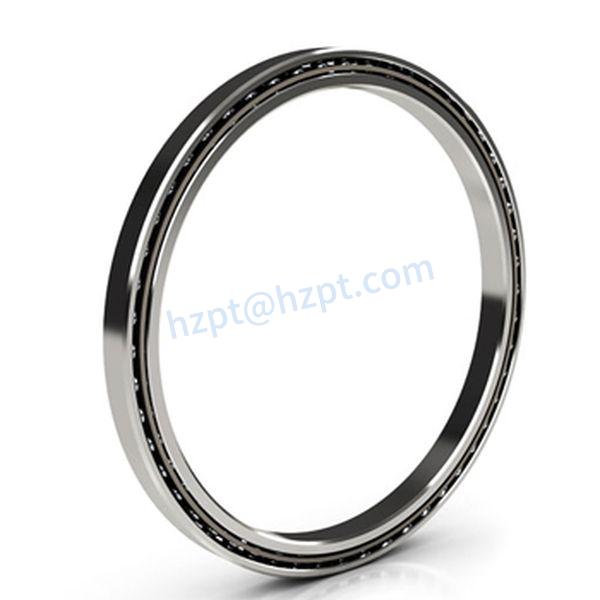
How does Preload Affect the Performance and Efficiency of Ball Bearings?
Preload is a crucial factor in ball bearing design that significantly impacts the performance, efficiency, and overall behavior of the bearings in various applications. Preload refers to the intentional axial force applied to the bearing’s rolling elements before it is mounted. This force eliminates internal clearance and creates contact between the rolling elements and the raceways. Here’s how preload affects ball bearing performance:
- Reduction of Internal Clearance:
Applying preload reduces the internal clearance between the rolling elements and the raceways. This eliminates play within the bearing, ensuring that the rolling elements are in constant contact with the raceways. This reduced internal clearance enhances precision and reduces vibrations during operation.
- Increased Stiffness:
Preloaded bearings are stiffer due to the elimination of internal clearance. This increased stiffness improves the bearing’s ability to handle axial and radial loads with higher accuracy and minimal deflection.
- Minimized Axial Play:
Preload minimizes or eliminates axial play within the bearing. This is especially important in applications where axial movement needs to be minimized, such as machine tool spindles and precision instruments.
- Enhanced Rigidity:
The stiffness resulting from preload enhances the bearing’s rigidity, making it less susceptible to deformation under load. This is critical for maintaining precision and accuracy in applications that require minimal deflection.
- Reduction in Ball Slippage:
Preload reduces the likelihood of ball slippage within the bearing, ensuring consistent contact between the rolling elements and the raceways. This leads to improved efficiency and better load distribution.
- Improved Running Accuracy:
Preloading enhances the running accuracy of the bearing, ensuring that it maintains precise rotational characteristics even under varying loads and speeds. This is essential for applications requiring high accuracy and repeatability.
- Optimized Performance at High Speeds:
Preload helps prevent skidding and slipping of the rolling elements during high-speed operation. This ensures that the bearing remains stable, reducing the risk of noise, vibration, and premature wear.
- Impact on Friction and Heat Generation:
While preload reduces internal clearance and friction, excessive preload can lead to higher friction and increased heat generation. A balance must be struck between optimal preload and minimizing friction-related issues.
- Application-Specific Considerations:
The appropriate amount of preload depends on the application’s requirements, such as load, speed, accuracy, and operating conditions. Over-preloading can lead to increased stress and premature bearing failure, while under-preloading may result in inadequate rigidity and reduced performance.
Overall, preload plays a critical role in optimizing the performance, accuracy, and efficiency of ball bearings. Engineers must carefully determine the right preload level for their specific applications to achieve the desired performance characteristics and avoid potential issues related to overloading or inadequate rigidity.
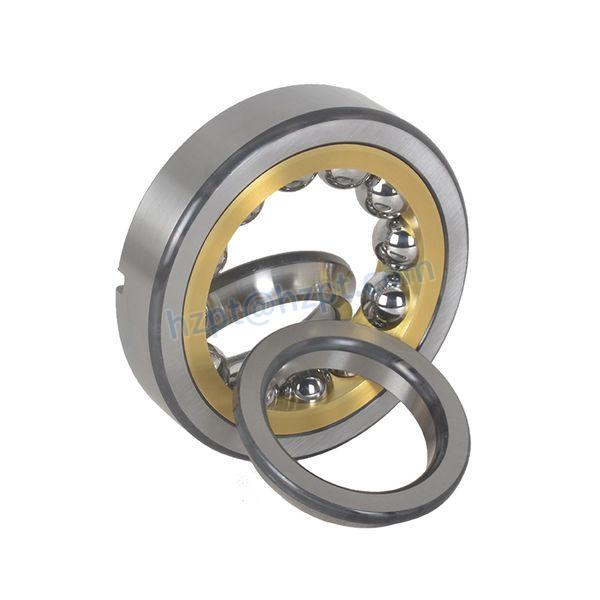
How do Temperature and Environmental Conditions Affect the Performance of Ball Bearings?
Temperature and environmental conditions have a significant impact on the performance and longevity of ball bearings. The operating environment can influence factors such as lubrication effectiveness, material properties, and overall bearing behavior. Here’s how temperature and environmental conditions affect ball bearing performance:
- Lubrication:
Temperature variations can affect the viscosity and flow characteristics of lubricants. Extreme temperatures can cause lubricants to become too thin or too thick, leading to inadequate lubrication and increased friction. In high-temperature environments, lubricants can degrade, reducing their effectiveness.
- Material Properties:
Temperature changes can alter the material properties of the bearing components. High temperatures can lead to thermal expansion, affecting bearing clearances and potentially causing interference between components. Extreme cold temperatures can make materials more brittle and prone to fracture.
- Clearance Changes:
Temperature fluctuations can cause changes in the internal clearance of ball bearings. For instance, at high temperatures, materials expand, leading to increased clearance. This can affect bearing performance, load distribution, and overall stability.
- Corrosion and Contamination:
Harsh environmental conditions, such as exposure to moisture, chemicals, or abrasive particles, can lead to corrosion and contamination of bearing components. Corrosion weakens the material, while contamination accelerates wear and reduces bearing life.
- Thermal Stress:
Rapid temperature changes can result in thermal stress within the bearing components. Differential expansion and contraction between the inner and outer rings can lead to stress and distortion, affecting precision and bearing integrity.
- Noise and Vibration:
Temperature-related changes in material properties and internal clearances can influence noise and vibration levels. Extreme temperatures can lead to increased noise generation and vibration, affecting the overall operation of machinery.
- Lubricant Degradation:
Environmental factors like humidity, dust, and contaminants can lead to premature lubricant degradation. Oxidation, moisture absorption, and the presence of foreign particles can compromise the lubricant’s performance and contribute to increased friction and wear.
- Seal Effectiveness:
Seals and shields that protect bearings from contaminants can be affected by temperature fluctuations. Extreme temperatures can lead to seal hardening, cracking, or deformation, compromising their effectiveness in preventing contamination.
- Choosing Appropriate Bearings:
When selecting ball bearings for specific applications, engineers must consider the expected temperature and environmental conditions. High-temperature bearings, bearings with specialized coatings, and those with enhanced sealing mechanisms may be necessary to ensure reliable performance.
Overall, understanding the impact of temperature and environmental conditions on ball bearing performance is crucial for proper bearing selection, maintenance, and ensuring optimal operation in diverse industries and applications.
What are the Different Components that Make up a Typical Ball Bearing?
A typical ball bearing consists of several essential components that work together to reduce friction and support loads. Here are the main components that make up a ball bearing:
- Outer Ring:
The outer ring is the stationary part of the bearing that provides support and houses the other components. It contains raceways (grooves) that guide the balls’ movement.
- Inner Ring:
The inner ring is the rotating part of the bearing that attaches to the shaft. It also contains raceways that correspond to those on the outer ring, allowing the balls to roll smoothly.
- Balls:
The spherical balls are the rolling elements that reduce friction between the inner and outer rings. Their smooth rolling motion enables efficient movement and load distribution.
- Cage or Retainer:
The cage, also known as the retainer, maintains a consistent spacing between the balls. It prevents the balls from touching each other, reducing friction and preventing jamming.
- Seals and Shields:
Many ball bearings include seals or shields to protect the internal components from contaminants and retain lubrication. Seals provide better protection against contaminants, while shields offer less resistance to rotation.
- Lubricant:
Lubrication is essential to reduce friction, wear, and heat generation. Bearings are typically filled with lubricants that ensure smooth movement between the balls and raceways.
- Flanges and Snap Rings:
In some designs, flanges or snap rings are added to help position and secure the bearing in its housing or on the shaft. Flanges prevent axial movement, while snap rings secure the bearing radially.
- Raceways:
Raceways are the grooved tracks on the inner and outer rings where the balls roll. The shape and design of the raceways influence the bearing’s load-carrying capacity and performance.
- Anti-Friction Shield:
In certain high-speed applications, a thin anti-friction shield can be placed between the inner and outer rings to minimize friction and heat generation.
These components work together to enable the smooth rolling motion, load support, and reduced friction that characterize ball bearings. The proper design and assembly of these components ensure the bearing’s optimal performance and longevity in various applications.


editor by CX 2024-03-05
China manufacturer High Rpm Cheap Factory Direct Selling Inch Size Auto Parts High Quality Long Life Deep Groove Ball Bearing 6006-2RS 6903 6904 6905 6906 6907 6908 supplier
Product Description
Product Description
Packaging & Shipping
Company Profile
Our Advantages
FAQ
Basic Info.
| Rows Number | Single | Load Direction | Radial Bearing |
| Material | Bearing Steel | Precision Rating | PO P6 P5 P4 P2 |
| Clearance | CO C1 C2 C3 C4 | Lubrication | Oil Lubrication |
| OEM | Available | Hardness | 59-63HRC |
| Feature | High Speed,Long Life | Transport Package | Single Box |
| Specification | standard | Trademark | Packing |
| Production Capacity | 1500,000 Pieces/Year |
Product Decription
The outer spherical ball bearing is actually a variant of the deep groove ball bearing. Its characteristic is that its outer ring outer diameter surface is a spherical surface, which can be fitted into the corresponding concave spherical surface of the bearing seat to play the role of centering. The outer spherical bearing is mainly used to bear the combined radial and axial load based on the radial load, and it is generally not suitable to bear the axial load alone.
Product Series
| UC200 series | ||||||||||||
| Bearing type | Dimensions(mm) | Weight(KG) | basic load capacity(KN) | Limt speed(r/min) | ||||||||
| d | D | B | C | S | G | H | ds | dynamic | static | |||
| UC201 | 12 | 40 | 27.4 | 14 | 11.5 | 4.5 | 4 | M*0.75 | 0.12 | 7.36 | 4.48 | 4000 |
| UC202 | 15 | 40 | 27.4 | 14 | 11.5 | 4.5 | 4 | M*0.75 | 0.11 | 7.36 | 4.48 | 4000 |
| UC203 | 17 | 40 | 27.4 | 14 | 11.5 | 4.5 | 4 | M*0.75 | 0.1 | 7.36 | 4.48 | 4000 |
| UC204 | 20 | 47 | 31 | 17 | 12.7 | 4.7 | 4.5 | M6*1.0 | 0.16 | 9.88 | 6.2 | 4000 |
| UC205 | 25 | 52 | 34.1 | 17 | 14.3 | 5.5 | 4.7 | M6*1.0 | 0.19 | 10.78 | 6.98 | 3400 |
| UC206 | 30 | 62 | 38.1 | 19 | 15.9 | 6 | 4.5 | M6*1.0 | 0.31 | 14.97 | 10.04 | 2800 |
| UC207 | 35 | 72 | 42.9 | 20 | 17.5 | 6.5 | 5.1 | M8*1.0 | 0.48 | 19.75 | 13.67 | 2400 |
| UC208 | 40 | 80 | 49.2 | 21 | 19 | 8 | 5.8 | M8*1.0 | 0.62 | 22.71 | 15.94 | 2200 |
| UC209 | 45 | 85 | 49.2 | 22 | 19 | 8 | 6.2 | M8*1.0 | 0.67 | 24.36 | 17.71 | 1900 |
| UC210 | 50 | 90 | 51.6 | 23 | 19 | 9 | 6.5 | M10*1.0 | 0.78 | 26.98 | 19.84 | 1800 |
| UC211 | 55 | 100 | 55.6 | 25 | 22.2 | 9 | 7.3 | M10*1.0 | 1.03 | 33.37 | 25.11 | 1600 |
| UC212 | 60 | 110 | 65.1 | 27 | 25.4 | 11 | 7.7 | M10*1.0 | 1.45 | 36.74 | 27.97 | 1500 |
| UC213 | 65 | 120 | 65.1 | 28 | 25.4 | 12 | 8.3 | M10*1.0 | 1.71 | 44.01 | 34.18 | 1400 |
| UC214 | 70 | 125 | 74.6 | 30 | 30.2 | 12 | 8.7 | M12*1.25 | 2.06 | 46.79 | 37.59 | 1300 |
| UC215 | 75 | 130 | 77.8 | 30 | 33.3 | 12 | 9.2 | M12*1.25 | 2.22 | 50.85 | 41.26 | 1200 |
| UC216 | 80 | 140 | 82.6 | 33 | 33.3 | 14 | 9.6 | M12*1.25 | 2.8 | 55.04 | 45.09 | 1100 |
| UC217 | 85 | 150 | 85.7 | 36 | 34.1 | 14 | 10.5 | M12*1.25 | 3.48 | 64.01 | 53.28 | 1000 |
| UC218 | 90 | 160 | 96 | 37 | 39.7 | 14 | 11.1 | M12*1.25 | 4.3 | 73.83 | 60.76 | 950 |
| UC 300series | ||||||||||||
| Bearing type | Dimensions(mm) | Weight(KG) | basic load capacity(KN) | Limt speed(r/min) | ||||||||
| d | D | B | C | S | G | H | ds | dynamic | static | |||
| UC305 | 25 | 62 | 38 | 21 | 15 | 6 | 6.1 | M6*1 | 0.35 | 17.22 | 11.39 | 2800 |
| UC306 | 30 | 72 | 43 | 23 | 17 | 6 | 6.7 | M8*1 | 0.56 | 20.77 | 14.17 | 2600 |
| UC307 | 35 | 80 | 48 | 25 | 19 | 8 | 7.4 | M8*1 | 0.71 | 25.66 | 17.92 | 2200 |
| UC308 | 40 | 90 | 52 | 27 | 22 | 10 | 8.2 | M10*1 | 0.96 | 31.35 | 22.38 | 2000 |
| UC309 | 45 | 100 | 57 | 30 | 22 | 10 | 9 | M10*1 | 1.28 | 40.66 | 30 | 1800 |
| UC310 | 50 | 110 | 61 | 32 | 25 | 12 | 10 | M12*1.25 | 1.65 | 47.58 | 35.71 | 1700 |
| UC311 | 55 | 120 | 66 | 34 | 26 | 12 | 10.7 | M12*1.25 | 1.9 | 55.05 | 41.91 | 1400 |
| UC312 | 60 | 130 | 71 | 36 | 30 | 12 | 11.5 | M12*1.25 | 2.6 | 62.88 | 48.6 | 1300 |
| UC313 | 65 | 140 | 75 | 38 | 33 | 12 | 12.2 | M12*1.25 | 3.15 | 72.21 | 56.68 | 1200 |
| UC314 | 70 | 150 | 78 | 40 | 33 | 14 | 13 | M12*1.25 | 3.83 | 80.1 | 63.48 | 1100 |
| UC315 | 75 | 160 | 82 | 42 | 33 | 14 | 13.8 | M14*1.5 | 4.59 | 87.25 | 71.68 | 1000 |
| UC316 | 80 | 170 | 86 | 44 | 34 | 14 | 14.5 | M16*1.5 | 5.3 | 94.57 | 80.35 | 1000 |
| UC317 | 85 | 180 | 96 | 46 | 40 | 16 | 15 | M16*1.5 | 6.58 | 102.25 | 89.52 | 9050 |
| UC318 | 90 | 190 | 96 | 48 | 40 | 16 | 15.9 | M16*1.5 | 7.5 | 110.81 | 100.76 | 900 |
| UC319 | 95 | 200 | 103 | 50 | 41 | 16 | 16.7 | M16*1.5 | 8.7 | 120.51 | 113.75 | 850 |
| UC320 | 100 | 215 | 108 | 54 | 42 | 18 | 18 | M16*1.5 | 10.8 | 133.06 | 131.18 | 800 |
| Deep groove ball bearing | ||||
| Bearing type | Dimensions(mm) | Weight(kg) | ||
| Inner diameter | Outer diameter | breadth | ||
| 16001 | 12 | 28 | 7 | 0.019 |
| 16002 | 15 | 32 | 8 | 0.571 |
| 16003 | 17 | 35 | 8 | 0.033 |
| 16004 | 20 | 42 | 8 | 0.048 |
| 16005 | 25 | 47 | 8 | 0.059 |
| 16006 | 30 | 55 | 9 | 0.087 |
| 16007 | 35 | 62 | 99 | 0.107 |
| 16008 | 40 | 68 | 10 | 0.13 |
| 16009 | 45 | 75 | 10 | 0.167 |
| 16571 | 50 | 80 | 11 | 0.175 |
| 16011 | 55 | 90 | 11 | 0.257 |
| 16012 | 60 | 95 | 11 | 0.281 |
| 16013 | 65 | 100 | 13 | 0.3 |
| 16014 | 70 | 110 | 13 | 0.437 |
| 16015 | 75 | 115 | 14 | 0.463 |
| 16016 | 80 | 125 | 14 | 0.621 |
| 16017 | 85 | 130 | 16 | 0.652 |
| 16018 | 90 | 140 | 16 | 0.87 |
| 16019 | 95 | 145 | 16 | 0.904 |
| Bearing type | Dimensions(mm) | Weight(kg) | ||
| Inner diameter | Outer diameter | breadth | ||
| 16571 | 100 | 150 | 8 | 0.945 |
| 6000 | 10 | 26 | 8 | 0.018 |
| 6001 | 12 | 28 | 9 | 0.571 |
| 6002 | 15 | 32 | 10 | 0.031 |
| 6003 | 17 | 35 | 12 | 0.041 |
| 6004 | 20 | 42 | 12 | 0.068 |
| 6005 | 25 | 47 | 13 | 0.079 |
| 6006 | 30 | 55 | 14 | 0.116 |
| 6007 | 35 | 62 | 15 | 0.151 |
| 6008 | 40 | 68 | 16 | 0.19 |
| 6009 | 45 | 75 | 16 | 0.241 |
| 6571 | 50 | 80 | 18 | 0.261 |
| 6011 | 55 | 90 | 18 | 0.381 |
| 6012 | 60 | 95 | 18 | 0.412 |
| 6013 | 65 | 100 | 20 | 0.439 |
| 6014 | 70 | 110 | 20 | 0.608 |
| 6015 | 75 | 115 | 22 | 0.649 |
| 6016 | 80 | 125 | 22 | 0.872 |
| 6017 | 85 | 130 | 24 | 0.918 |
| 6018 | 90 | 140 | 24 | 1.19 |
More series of deep groove ball bearing
6300 series deep groove ball bearing
6220 series deep groove ball bearing
Production Process
Production Process
Inspection
Our Advantage
Package and shipment
Company Profile
HangZhou Siruibo Bearing Technology Co., Ltd. is a company mainly engaged in manufacturing and selling outer spherical bearings. The registered capital is Five million.
Since its establishment 20 years ago, the company is committed to Mounted Bearing Unit (maintenance-free bearings, engraving machine bearings, holding machine shaft Bearing, no-tillage machine bearing, fan bearing, high temperature bearing, zinc alloy bearing, food grade bearing unit) research and development. With the most complete varieties and best advanced manufacturing technology in production of Mounted Bearing Unit, to be a reliable enterprises, we welcome your cooperation. Currently, our company produce 10 series of more than 260 varieties of outer spherical bearings and 13 different structural categories of outer spherical bearing special seats, all adopted International standard design and manufacturing. Registered trademark “FOS” .
Through the efforts and unremitting pursuit of all employees of the company, all products accepted by international standards. Over the years of Expansion and technical transformation, we developed into a Mounted Bearing Unit with large scale of professional manufacturers, for the bearing industry in China, has made a contribution to the development of Bearing.
HangZhou Siruibo Bearing Technology Co., Ltd. has a production capacity of 1 million sets/year, with an annual output value of 30 million yuan. We produce 30 varieties monthly , with 45-60 days lead time.
The company has a perfect material and product quality inspection equipment, according to the strict scientific Quality assurance system, to prove satisfactory to our customers. Our products widely used in agricultural Industry machinery, textile machinery and light industry, chemical industry, metallurgy, printing, food, transportation, coal, packaging and other industries and the introduction of machinery .Our products have exported to Europe, America and many countries and regions in South east Asia.
Exhibitions
About us:
We are 1 manufactuer of bearing for more than 20 years.
Give us a chance, we will cooperate with our passion.
Our professional, reliable, experienced products and service can meet your request.
Why choose us?
SAMPLES
1. Samples quantity: 1-10 PCS are available.
2. Free samples: It depends on the Model No., material and quantity. Some of the bearings samples need client to pay samples charge and shipping cost.
3. It’s better to start your order with Trade Assurance to get full protection for your samples order.
CUSTOMIZED
The customized LOGO or drawing is acceptable for us.
MOQ
1. MOQ: 10 PCS mix different standard bearings.
2. MOQ: 3000 PCS customized your brand bearings.
OEM POLICY
1. We can printing your brand (logo, artwork)on the shield or laser engraving your brand on the shield.
2. We can custom your packaging according to your design
3. All copyright own by clients and we promised don’t disclose any info.
SUPPORT
Please visit our bearings website, we strongly encourge that you can communicate with us through email, thanks!
We have all kinds of bearings, just tell me your item number and quantity, best price will be offered to you soon
The material of the bearings, precision rating, seals type, OEM service, etc, all of them we can make according to your requirement.
/* March 10, 2571 17:59:20 */!function(){function s(e,r){var a,o={};try{e&&e.split(“,”).forEach(function(e,t){e&&(a=e.match(/(.*?):(.*)$/))&&1
| Rolling Body: | Ball Bearings |
|---|---|
| The Number of Rows: | Single |
| Outer Dimension: | Small (28-55mm) |
| Material: | Bearing Steel |
| Spherical: | Non-Aligning Bearings |
| Load Direction: | Radial Bearing |
| Samples: |
US$ 1/Piece
1 Piece(Min.Order) | |
|---|
| Customization: |
Available
| Customized Request |
|---|
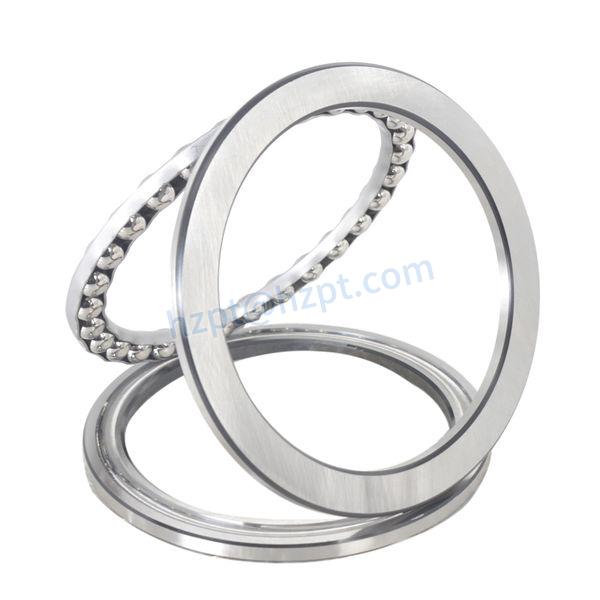
What are the Materials Typically Used in Manufacturing Ball Bearings and Their Advantages?
Ball bearings are manufactured using a variety of materials, each chosen for its specific properties and advantages in various applications. Here are some commonly used materials in ball bearing manufacturing and their respective benefits:
- High-Carbon Chrome Steel (AISI 52100):
This is the most common material used for ball bearing manufacturing. It offers excellent hardness, wear resistance, and fatigue strength. High-carbon chrome steel bearings are suitable for a wide range of applications, from industrial machinery to automotive components.
- Stainless Steel (AISI 440C, AISI 304, AISI 316):
Stainless steel bearings are corrosion-resistant and suitable for applications where moisture, chemicals, or exposure to harsh environments are concerns. AISI 440C offers high hardness and corrosion resistance, while AISI 304 and AISI 316 provide good corrosion resistance and are often used in food and medical industries.
- Ceramic:
Ceramic bearings use silicon nitride (Si3N4) or zirconia (ZrO2) balls. Ceramic materials offer high stiffness, low density, and excellent resistance to corrosion and heat. Ceramic bearings are commonly used in high-speed and high-temperature applications, such as in aerospace and racing industries.
- Plastic (Polyamide, PEEK):
Plastic bearings are lightweight and offer good corrosion resistance. Polyamide bearings are commonly used due to their low friction and wear properties. Polyether ether ketone (PEEK) bearings provide high-temperature resistance and are suitable for demanding environments.
- Bronze:
Bronze bearings are often used in applications where self-lubrication is required. Bronze has good thermal conductivity and wear resistance. Bearings made from bronze are commonly used in machinery requiring frequent starts and stops.
- Hybrid Bearings:
Hybrid bearings combine steel rings with ceramic balls. These bearings offer a balance between the advantages of both materials, such as improved stiffness and reduced weight. Hybrid bearings are used in applications where high speeds and low friction are essential.
- Specialty Alloys:
For specific applications, specialty alloys may be used to meet unique requirements. For example, bearings used in extreme temperatures or corrosive environments may be made from materials like titanium or hastelloy.
- Coated Bearings:
Bearings may also be coated with thin layers of materials like diamond-like carbon (DLC) or other coatings to enhance performance, reduce friction, and improve wear resistance.
The choice of material depends on factors such as application requirements, operating conditions, load, speed, and environmental factors. Selecting the right material is essential for ensuring optimal bearing performance, longevity, and reliability in diverse industries and applications.
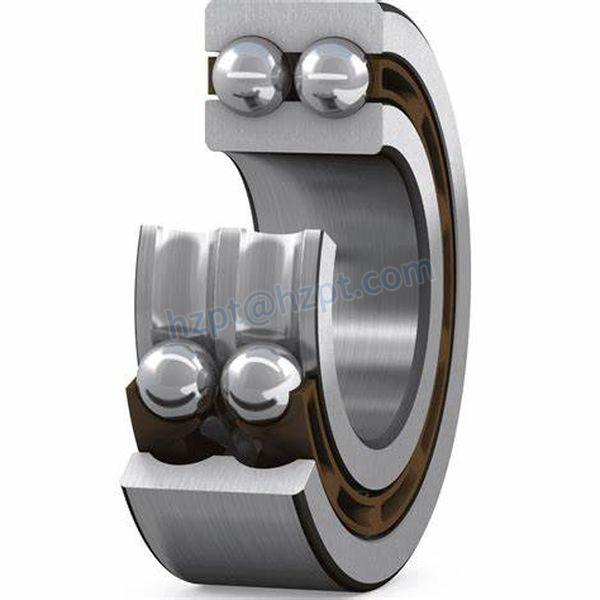
How do Ceramic Ball Bearings Compare to Traditional Steel Ball Bearings in Terms of Performance?
Ceramic ball bearings and traditional steel ball bearings have distinct characteristics that can impact their performance in various applications. Here’s a comparison of how these two types of bearings differ in terms of performance:
- Material Composition:
Ceramic Ball Bearings:
Ceramic ball bearings use ceramic rolling elements, typically made from materials like silicon nitride (Si3N4) or zirconium dioxide (ZrO2). These ceramics are known for their high hardness, low density, and resistance to corrosion and wear.
Traditional Steel Ball Bearings:
Traditional steel ball bearings use steel rolling elements. The type of steel used can vary, but common materials include chrome steel (52100) and stainless steel (440C). Steel bearings are known for their durability and strength.
- Friction and Heat:
Ceramic Ball Bearings:
Ceramic bearings have lower friction coefficients compared to steel bearings. This results in reduced heat generation during operation, contributing to higher efficiency and potential energy savings.
Traditional Steel Ball Bearings:
Steel bearings can generate more heat due to higher friction coefficients. This can lead to increased energy consumption in applications where efficiency is crucial.
- Weight:
Ceramic Ball Bearings:
Ceramic bearings are lighter than steel bearings due to the lower density of ceramics. This weight reduction can be advantageous in applications where minimizing weight is important.
Traditional Steel Ball Bearings:
Steel bearings are heavier than ceramic bearings due to the higher density of steel. This weight may not be as critical in all applications but could impact overall equipment weight and portability.
- Corrosion Resistance:
Ceramic Ball Bearings:
Ceramic bearings have excellent corrosion resistance, making them suitable for applications in corrosive environments, such as marine or chemical industries.
Traditional Steel Ball Bearings:
Steel bearings are susceptible to corrosion, especially in harsh environments. Stainless steel variants offer improved corrosion resistance but may still corrode over time.
- Speed and Precision:
Ceramic Ball Bearings:
Ceramic bearings can operate at higher speeds due to their lower friction and ability to withstand higher temperatures. They are also known for their high precision and low levels of thermal expansion.
Traditional Steel Ball Bearings:
Steel bearings can operate at high speeds as well, but their heat generation may limit performance in certain applications. Precision steel bearings are also available but may have slightly different characteristics compared to ceramics.
- Cost:
Ceramic Ball Bearings:
Ceramic bearings are generally more expensive to manufacture than steel bearings due to the cost of ceramic materials and the challenges in producing precision ceramic components.
Traditional Steel Ball Bearings:
Steel bearings are often more cost-effective to manufacture, making them a more economical choice for many applications.
In conclusion, ceramic ball bearings and traditional steel ball bearings offer different performance characteristics. Ceramic bearings excel in terms of low friction, heat generation, corrosion resistance, and weight reduction. Steel bearings are durable, cost-effective, and widely used in various applications. The choice between the two depends on the specific requirements of the application, such as speed, precision, corrosion resistance, and budget considerations.
What are the Different Components that Make up a Typical Ball Bearing?
A typical ball bearing consists of several essential components that work together to reduce friction and support loads. Here are the main components that make up a ball bearing:
- Outer Ring:
The outer ring is the stationary part of the bearing that provides support and houses the other components. It contains raceways (grooves) that guide the balls’ movement.
- Inner Ring:
The inner ring is the rotating part of the bearing that attaches to the shaft. It also contains raceways that correspond to those on the outer ring, allowing the balls to roll smoothly.
- Balls:
The spherical balls are the rolling elements that reduce friction between the inner and outer rings. Their smooth rolling motion enables efficient movement and load distribution.
- Cage or Retainer:
The cage, also known as the retainer, maintains a consistent spacing between the balls. It prevents the balls from touching each other, reducing friction and preventing jamming.
- Seals and Shields:
Many ball bearings include seals or shields to protect the internal components from contaminants and retain lubrication. Seals provide better protection against contaminants, while shields offer less resistance to rotation.
- Lubricant:
Lubrication is essential to reduce friction, wear, and heat generation. Bearings are typically filled with lubricants that ensure smooth movement between the balls and raceways.
- Flanges and Snap Rings:
In some designs, flanges or snap rings are added to help position and secure the bearing in its housing or on the shaft. Flanges prevent axial movement, while snap rings secure the bearing radially.
- Raceways:
Raceways are the grooved tracks on the inner and outer rings where the balls roll. The shape and design of the raceways influence the bearing’s load-carrying capacity and performance.
- Anti-Friction Shield:
In certain high-speed applications, a thin anti-friction shield can be placed between the inner and outer rings to minimize friction and heat generation.
These components work together to enable the smooth rolling motion, load support, and reduced friction that characterize ball bearings. The proper design and assembly of these components ensure the bearing’s optimal performance and longevity in various applications.
editor by CX 2024-01-11
China inch size needle roller bearing HJ162416 USA torrington needle bearing bearing distributors
Bore Measurement: twenty five.4 – 40 mm
Kind: Needle
Outside the house Diameter: 38.1 – fifty mm
Design Quantity: HJ162416.HJ162416 2RS, HJ2230
Precision Rating: PO.PO4.P5.P6
Seals Variety: Open
Number of Row: Single row
Bodyweight:: .571kg
Model:: neutral brand.imported model or be tailored to the customer’s manufacturer
Sound Degree:: EMQ V1 Z2, EMQ V2 Z3, EMQ V3 Z4, EMQ V4 5)
Service:: OEM & ODM support
Materials:: Gcr15
Top quality:: ISO9001:2000 common.substantial top quality and long daily life cycle
Function:: reduced noise,substantial velocity,prolonged existence .sturdy
Availability:: have stock all the time
Delivery time:: prompt and swiftly
Our Companies Principal Merchandise:
Comprehensive Photographs inch measurement needle roller bearing HJ162416 United states of america torrington needle bearing
ID Measurement: twenty five.4 -38.1 – twenty five.4 mm
| Goods identify | inch dimensions needle roller bearing HJ162416 Usa torrington needle bearing |
| Series | HK |
| ID dimensions | 25.4 -38.1 – twenty five.four mm |
| Payment terms | A:a hundred% TT B: 30% T/T in progress .70% against copy of B/L C.thirty% T/T in progress .70% from L/C at sight D:Paypal E:Western Union |
| Software | Commonly utilized in printing equipment and packaging equipment, foodstuff equipment, electrical drum, modest-engine cars, electric bike, B25-224 or 825-224 alternative bearing for servo motor, 25x62x16, Ceramic Ball, P4 grade physical fitness equipment, reducer and take a look at gear, belt conveyer gear, lifting crane, packaging equipment, textile equipment transmission equipment, which has drastically improved the device equipment operation safety and dependability |
| Description | Needle Roller Bearings (needle bearing) is a roller with a cylindrical roller bearings, relative to its diameter, the two the skinny and lengthy rollers. This is called needle roller. Despite its smaller cross-segment, Unique CZPT 24V 90A 1212S-2501 Everlasting Magnet Motor Controller for Lithium battery electric powered pallet truck cars nonetheless has a greater load bearing capacity, consequently, specially ideal for the radial place-constrained instances. |
Specification We could provide all the needle roller bearings as beneath:
Associated Items
Packaging & Delivery
Contact
Types of Ball Bearings
In their most basic form, Ball Bearings have one common feature – they are made of steel. The majority of these bearings are made of 52100 steel, which has one percent chromium and one percent carbon. The steel can be hardened by heat trea
tment. 440C stainless steel is used for rusting problems. A cage around the ball balls is traditionally made from thin steel. However, some bearings use molded plastic cages to save money and friction.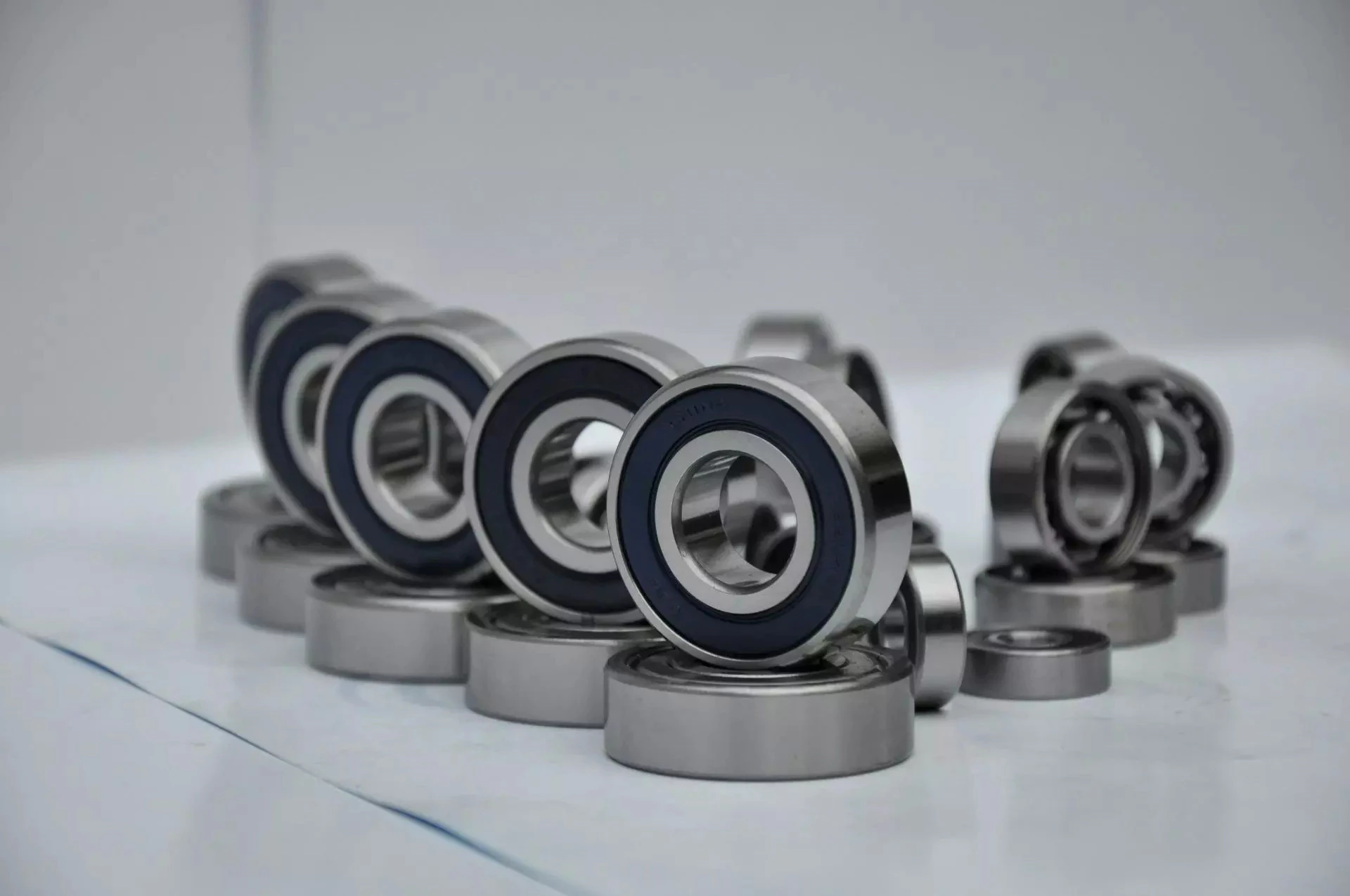
Single-row designs
Steel linear translation stages often use single-row designs for ball bearings. These types of bearings provide smooth linear travel and can withstand high loads. The material steel has a high modulus of elasticity and a high stiffness, as well as a lower thermal expansion than aluminum. For these reasons, steel is the material of choice for a ball bearing in a typical user environment. Single-row designs for ball bearings are also suitable for applications in humid or corrosive environments.
Single-row designs for ball bearings are available in a variety of sizes and are axially adjustable. They have a high radial capacity, but require relatively little space. Single-row deep groove ball bearings with snap rings are STN 02 4605 or R47, respectively. Bearings with snap rings are identified by a suffix such as NR. They may not have seals or shields installed.
These single-row angular contact ball bearings are capable of supporting axial and radial loads. In a two-raceway arrangement, the radial load on bearing A causes a radial load to act on bearing B. Both axial and radial forces are transmitted between single-row angular contact ball bearings, and the resulting internal force must be taken into account to calculate equivalent dynamic bearing loads P.
Single-row deep groove ball bearings are the most common type of ball bearings. These bearings are designed with only one row of rolling elements. The single-row design is simple and durable, which makes it ideal for high-speed applications. Single-row designs for ball bearings are also available in various bore sizes. They can also come in a variety of shapes and are non-separable. If you need a high-speed bearing, you may want to opt for a double-row design.
In addition to single-row designs for ball bearings, you can choose ceramic or steel ball bearings. Ceramic balls are considerably harder than steel balls, but they are not as hard as steel. Hence, ceramic bearings are stiffer than steel ball bearings, resulting in increased stress on the outer race groove and lower load capacity. This is a great benefit for those who need the bearings to be lightweight and strong.
The difference between single-row and double-row designs is in the way that the inner and outer ring are installed. A single-row design places the inner ring in an eccentric position relative to the outer ring. The two rings are in contact at one point, which causes a large gap in the bearing. The balls are then inserted through the gap. As a result, the balls are evenly distributed throughout the bearing, which forces the inner and outer rings to become concentric.
Deep-groove ball bearings are one of the most popular types of ball bearings. They are available in different designs, including snap-ring, seal and shield arrangements. The race diameter of a deep-groove ball bearing is close to the ball’s diameter. These types of bearings are suited for heavy loads, and their axial and radial support are excellent. Their main drawback is that the contact angle cannot be adjusted to accommodate a wide range of relative loads.
Ceramic hybrid ball bearings
Hybrid ball bearings with ceramic balls have numerous advantages. They feature improved kinematic behavior and require less lubrication. Consequently, they can reduce operating costs. Additionally, their low thermal expansion coefficient allows for smaller changes in contact angle and preload variations, and they can retain tolerances. Furthermore, ceramic hybrid ball bearings have significantly increased life spans compared to conventional steel-steel ball bearings, with up to 10 times the lifespan.
Although ceramic bearings can be used in automotive applications, many people believe that they’re a poor choice for bicycle hubs. They don’t reduce weight and only work well in high-rpm environments. As a result, many cyclists don’t even bother with ceramic-based bearings. However, both Paul Lew and Alan are of the opinion that ceramic bearings are best suited for industrial or medical equipment applications. Furthermore, Paul and Alan believe that they are ideal for high-altitude drone motors.
Another advantage of ceramic hybrid ball bearings is that they use less friction than conventional steel-based balls. They are also more durable, requiring less lubrication than steel-based bearings. Furthermore, the lower friction and rolling resistance associated with ceramic-based ball bearings means that they can last ten times longer than steel-based bearings. A ceramic-based hybrid ball bearing can be used for applications where speed and lubrication are critical.
Ceramic hybrid ball bearings feature both steel and silicon nitride balls. Silicon nitride balls have 50% more modulus of elasticity than steel balls and can improve accuracy and precision. Ceramic balls also have a smoother surface finish than steel balls, which reduces vibration and spindle deflection. These benefits result in increased speed and improved production quality. In addition to this, ceramic balls can also reduce the operating temperature, enhancing the work environment.
Hybrid bearings are a popular alternative to steel bearings. They have some benefits over traditional steel bearings, and are becoming a popular choice for engineered applications. Hybrid bearings are ideal for high speed machines. The material used to manufacture ceramic balls is a high-quality alloy, and is comparatively inexpensive. But you must understand that lubrication is still necessary for hybrid bearings. If you are not careful, you may end up wasting money.
These ball bearings can be used in many industries and applications, and they are widely compatible with most metals. The main advantage of hybrid ball bearings is that they are very durable. While steel balls tend to corrode and wear out, ceramic ball bearings can withstand these conditions while minimizing maintenance and replacement costs. The benefits of hybrid ball bearings are clear. So, consider switching to these newer types of ball bearings.
Self-aligning ball bearings
Self-aligning ball bearings are a good choice for many applications. They are a great alternative to traditional ball bearings, and they are ideal for rotating applications in which the shaft must move in several directions. They are also ideal for use in rotating parts where a tight tolerance is necessary. You can choose between two types: plain and flex shaft. Read on to find out which one will suit your needs.
Self-aligning ball bearings are designed with a higher axial load carrying capacity than single-row radial deep groove ball bearings. The amount of axial load carrying capacity is dependent upon the pressure angle. These bearings have a hollow raceway in the outer ring that allows the inner ring to pivot without friction. They are often used for high-speed applications. Because of their design, they are highly accurate.
Self-aligning ball bearings are radial bearings that feature two rows of balls in a spherical outer ring. They also feature two deep uninterrupted raceway grooves in the inner ring. Their unique features make them an excellent choice for applications where shaft deflection is a significant factor. Despite their small size, they have a high level of precision and can withstand heavy loads.
Self-aligning ball bearings can compensate for misalignment in shaft applications. The inner ring and ball assembly are positioned inside an outer ring containing a curved raceway. This spherical design allows the balls and cage to deflect and re-align around the bearing center. These bearings are also ideal for applications where shaft deflection is significant, such as in simple woodworking machinery.
Another type of self-aligning ball bearing uses a common concave outer race. Both balls and outer races automatically compensate for angular misalignment caused by machining, assembly, and deflections. Compared to spherical rollers, they have lower frictional losses than their spherical counterparts. Self-alignment ball bearings also have lower vibration levels compared to other types of bearings.
Self-aligning ball bearings operate in misaligned applications because their spherical outer raceway can accommodate misalignment. This design allows them to work in applications where shaft deflection or housing deformation is common. They are therefore more suitable for low to medium-sized loads. The only real drawback to self-aligning ball bearings is their price. If you need to purchase a self-aligning ball bearing for your next project, you can expect to pay around $1500.
editor by czh 2023-02-19

China China Wholesale Chrome Steel Single Rolling Bearing Row Inch Size Taper Roller Bearing 32308 32324 33122 48548 11949 11749 45449 Gearbox Bearing for Koyo/NSK bearing driver kit
Product Description
1. who are we?
We are based in ZheJiang , China, start from 2012,sell to Domestic Market(30.00%),Southeast Asia(15.00%),Oceania(10.00%),South Asia(10.00%),North America(10.00%),Mid East(9.00%),Eastern Europe(8.00%),Eastern Asia(8.00%). There are total about 11-50 people in our office.
2. how can we guarantee quality?
Always a pre-production sample before mass production;
Always final Inspection before shipment;
3. what can you buy from us?
Deep groove ball bearing,Tapered Roller Bearings,Thrust ball bearing,Flywheel,Bearing sleeve.
4. why should you buy from us not from other suppliers?
null
5. what services can we provide?
Accepted Delivery Terms: null;
Accepted Payment Currency:null;
Accepted Payment Type: null;
Language Spoken:null
|
US $0.03-2 / Piece | |
5 Pieces (Min. Order) |
###
|
Shipping Cost:
Estimated freight per unit. |
To be negotiated |
|---|
###
| Rolling Body: | Roller Bearings |
|---|---|
| The Number of Rows: | Single |
| Outer Dimension: | Small and Medium-Sized (60-115mm) |
###
| Samples: |
US$ 1/Piece
1 Piece(Min.Order) |
|---|
###
| Customization: |
Available
|
|---|
|
US $0.03-2 / Piece | |
5 Pieces (Min. Order) |
###
|
Shipping Cost:
Estimated freight per unit. |
To be negotiated |
|---|
###
| Rolling Body: | Roller Bearings |
|---|---|
| The Number of Rows: | Single |
| Outer Dimension: | Small and Medium-Sized (60-115mm) |
###
| Samples: |
US$ 1/Piece
1 Piece(Min.Order) |
|---|
###
| Customization: |
Available
|
|---|
Types of Ball Bearings
If you’re looking to purchase a new ball bearing, there are many different types available. Learn about Single-row designs, Ceramic hybrid bearings, and Self-aligning ball bearings. You can also choose from stainless steel or single-row designs. Then, read about the different types of materials available to you. You’ll have an easier time making a decision. After all, you won’t have to worry about maintaining your new ball bearing, since it will be maintained by your supplier.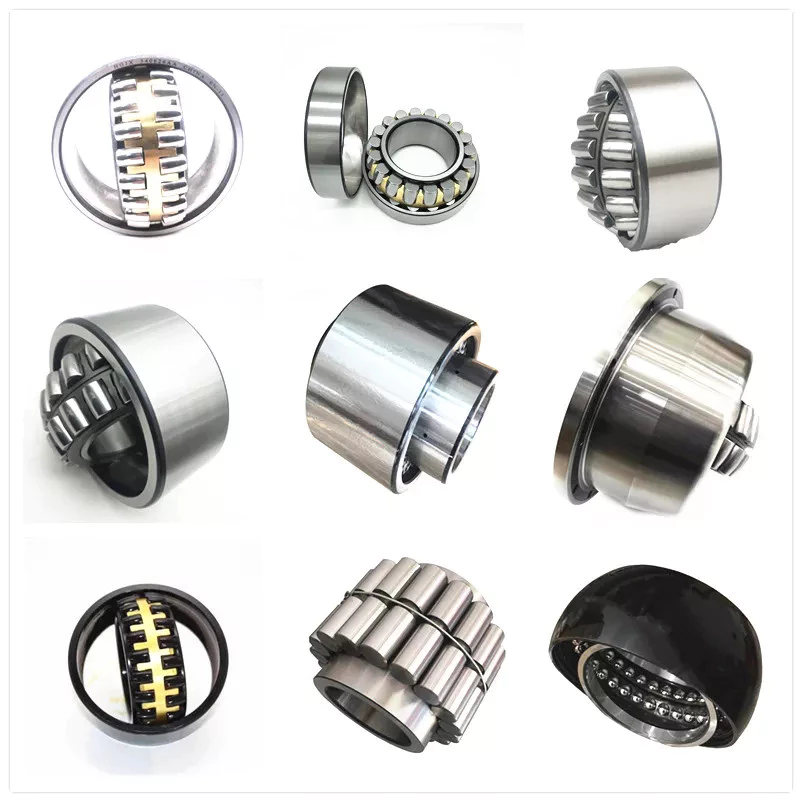
Single-row designs
Ball bearings with a single-row design have a high load-carrying capacity. They are used in applications where high loads must be handled smoothly. A single-row design is a good choice when the material’s properties require high load-carrying capacity but limited axial load capability. Single-row designs use two bearings with similar design features, but they have different mounting methods. Single-row designs can be adjusted either against one another to accommodate axial loads.
The single-row design is suitable for high-speed applications, but also has some disadvantages. The contact angle a is the angle between the radial plane and contact line. The larger the angle, the higher the axial load carrying capacity of the bearing. Single-row angular contact ball bearings are suitable for higher axial forces. Single-row angular contact ball bearings have a single-row design and support high axial forces in one direction. Single-row ball bearings are available in both pressed steel and machined steel cages.
Angular contact ball bearings with a single row feature a cage made of fiber-glass reinforced polyamide 66. These are available in diameters up to 130 mm. Four-point angular contact ball bearings use brass, steel, or brass plate. They have good running properties and a low coefficient of linear expansion. Single-row designs are easy to mount and are widely available. Alternatively, they can be mounted with a universal match design, which allows them to be easily adjusted.
One-row angular contact ball bearings are generally not suitable for angular misalignments because they are unsuitable for compensation of angular misalignments. Misalignments cause internal forces in the bearing which reduce its radial load capacity and life expectancy. This type of bearing is not suitable for adjacent mounting as it increases the chances of misalignment. However, it is a suitable choice for applications where only one bearing is required per bearing position.
Ceramic hybrid bearings
While all-ceramic bearings are limited to very specialized applications, Si3N4-based hybrid bearings are finding use in a wide range of high-speed machines. Compared to steel, ceramics are less susceptible to centrifugal forces, which are directly proportional to the mass of the balls. Because Si3N4 replacement balls have a lower density than steel, these bearings reduce the stress placed on the outer race.
The benefits of hybrid bearings are clear: they allow for higher speeds and loads than full-ceramic bearings, and they require no lubrication. Because of their many benefits, many industrial equipment operators are switching to these innovative bearings. CBR is one company that specializes in ceramic hybrid bearings and can help you find the best product for your application. If you are thinking about purchasing ceramic bearings for your next machine, here are some things you need to know about them.
A ceramic ball bearing surface has an extremely low coefficient of friction, which is important for applications that require low friction and high speeds. Ceramic balls also have a higher hardness than steel balls, which increases their life. In addition to this, ceramic hybrid bearings have superior thermal properties, generating less heat even when spinning at high speeds. These properties make ceramic hybrid bearings an ideal choice for high-speed machinery, especially electric motors. They are also suitable for applications that operate under water.
A ceramic ball hybrid bearing is much less susceptible to temperature fluctuations and wear. Because they are essentially indestructible, ceramic balls do not generate wear particles from the adhesive wear. They can run at significantly higher speeds than steel balls. Ceramic balls are also more resistant to moisture. For this reason, grease is a recommended lubricant in most ceramic bearing applications. These lubricants offer superior protection against moisture and corrosion. Further, they are available in many types.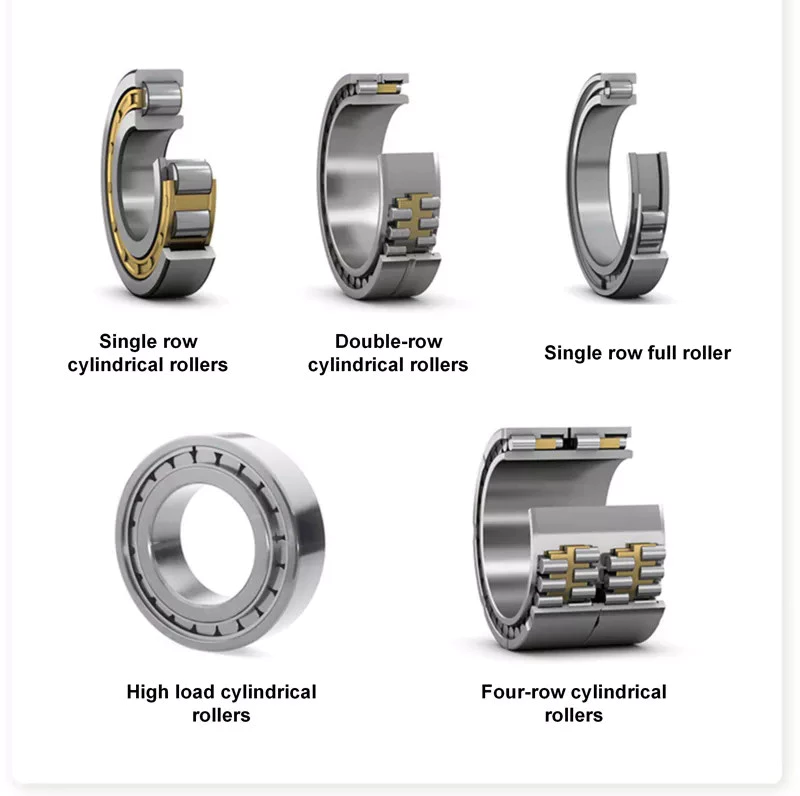
Self-aligning ball bearings
A self-aligning ball bearing is one type of self-aligning bearing. These bearings are recommended for use in flex shaft systems. Their self-aligning feature prevents them from misaligning when in use. They can be used in both single and multiple-joint systems. In addition to self-aligning ball bearings, these units also feature flex shafts.
These self-aligning ball bearings come in a variety of configurations, including cylindrical, round, tapered, and straight bore. Their inner ring is tapered to meet specific tolerances. They are suitable for operating temperatures ranging from -30°F to 120°F. Their wide range of applications allows them to be used in general machinery, precision instruments, and low noise motors. In addition, they are available in a variety of outside diameters, widths, and internal clearances.
Self-aligning ball bearings have two rows of balls and one common sphered raceway in the outer ring. This enables them to automatically compensate for angular misalignment, which may be caused by machining and assembly errors or deflections. Compared to spherical roller bearings, these self-aligning ball bearings generate less friction. They run cooler even at high speeds. Self-aligning ball bearings also offer free engineering support.
Self-aligning ball bearings are designed for difficult shaft alignment. They are double-row, self-retaining units, with cylindrical or tapered bores. These bearings are available in open and sealed designs, and can also be used in applications with misalignment. They are also available with an outer ring that rotates in relation to the inner ring. When it comes to shaft misalignment, self-aligning ball bearings are a great solution.
Stainless steel
Stainless steel is a metal that resists corrosion and is highly durable. Its corrosion-resistant and water-resistance properties make it a good choice for bearings in food and marine applications. Additionally, stainless steel has hygienic benefits. Here are some of the benefits of stainless steel ball bearings. Read on to learn more about these amazing bearings! We’ve included some of the most common uses for stainless steel.
Hardness is important in a ball bearing. Steel uses the Rockwell C scale to measure hardness. A grade 25 steel ball bearing is accurate to 25 millionths of an inch, while a grade five ceramic bearing is less than a half-inch round. Although roundness is important, it shouldn’t be overemphasized, as the bearing surfaces may not be as accurate as the grade of the metal. And remember, a higher price tag doesn’t mean a better product.
Stainless steel ball bearings are available in a variety of alloys. The alloys used in manufacturing a stainless steel ball bearing vary in hardness, strength, and ductility. Stainless steel ball bearings have high corrosion-resistance properties. Additionally, they have long lubrication lives. These benefits make them a popular choice for industrial applications. These bearings are easy to maintain, reduce replacement costs, and offer corrosion resistance.
The NTN Sentinel Series is a premium line of stainless steel bearings. The solid lube is NSF H1 registered and prevents grease from leaching into food. It is also corrosion-resistant and doesn’t need to be coated. The seals and slinger create a water-resistant barrier between the steel ball and the lubricant. It also adds safety and security to the bearing.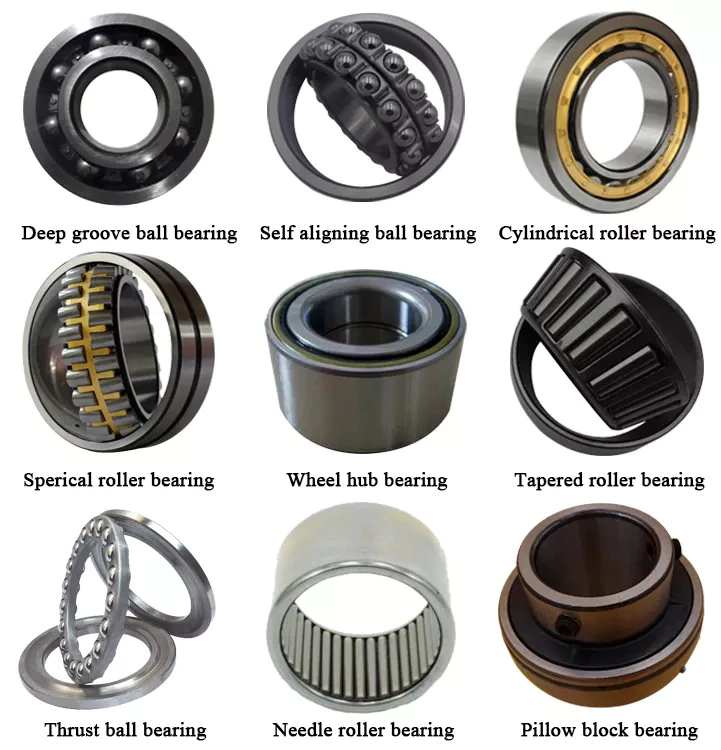
Plastic balls
For applications where noise and weight are major concerns, plastic balls are ideal. These non-magnetic balls are ideal for MRI X-ray machines and sensors. They are also easy to lubricate, and are non-magnetic. A polymer ball bearing is the lightest of all three types. This makes them a good choice for many industries. Read on to learn more. This article will introduce some of the advantages of plastic balls for ball bearings.
Although ceramic ball bearings are more durable and offer many advantages, they are more expensive than plastic. Fortunately, plastic ball bearings offer a cheaper alternative. These bearings feature all-plastic races and cages. Depending on the application, plastic balls can be used in applications involving chemicals. In these cases, plastic ball bearings are available with a C160 grade, which is safe for use in temperatures below 176 deg F.
Medical devices often require precision specialty balls, which are made of glass, stainless steel, and plastic. These bearings must meet stringent cleanliness requirements. To meet the most stringent requirements, they must undergo ultrasonic cleaning. These bearings are available in plastic raceways, and are also available with glass or stainless steel balls. Polyethylene balls are lightweight and can be used in a variety of applications. They can be ordered in different sizes and tolerances to meet specific requirements.
Plastic balls for ball bearings are often mounted into other parts, such as plastic wheels, pulleys, and housings. They can be seamlessly integrated into other parts of a machine, which reduces assembly time and improves affordability. One important advantage of plastic bearings is that they are rust-resistant. As such, they can be used in harsh environments without causing any damage. If a piece of equipment is exposed to extreme temperatures, polymers are the ideal choice.
editor by czh 2022-11-24