Product Description
Linear motion bearings with Chrome plated hardness linear shafts
Company Profile
HangZhou Wangong Precision Machinery Co., Ltd.
About US: Professional producing Ball screw, Linear guide, linear shaft, Linear roller CZPT and linear motion bearings
HangZhou Wangong Precision Machinery Co., Ltd was founded in 2008 and is located in HangZhou City, ZHangZhoug Pro. China. We ahve built a R&D and profuction base of more than 52000m2 , Our expertise lies in manufacturing precision transmission components, As a distinguished high-tech enterprise, we seamlessly integrate research and development, production, sales, and service. We have successfully incorporated advanced equipment and cutting-edge technologies from renowned countries like Germany, Japan and ZheJiang .
Product Description
1,Product General information
a, Low frictional linear motion
Steel balls are accurately guided by a retainer, so low frictional resistance and stable linear motion can be achieved.
Simple replacement of conventional plain bushings
It is easy to use Linear Bushings instead of conventional plain bushings, because both types are used with a round shaft, and no major redesign is necessary.
b, Wide variations
For each dimensional series, standard, adjustable clearance and open types are available with and without seals, so the best linear bushing for the application may be selected. In addition to the standard type, the high-rigidity long type is available. These types can be selected to suit the requirements in applications.
c, Miniature linear bushing LM Compact design
Miniature Linear Bushing is very small in size, allowing for compact assembly in machines and equipment.
d,High Reliability
ERSK linear bearing has very stringent quality control standards covering every production process. With proper lubrication and use,trouble-free operation for an extended period of time is possible.
e,Smooth Operation
The high efficiency of linear shaft is vastly superior to conventional shaft. The torque required is less than 30%. Linear motion can be easily changed from rotary motion. The linear bearings are moved very smoothly in the linear shaft.
f,High Durability
Rigidly selected materials, intensive heat treating and processing techniques, backed by years of experience,have resulted in the most durable linear bearings manufactured.
g,Easy interchangable
h,Easy maintenance
the linear rails can replace the base surface installation, the old wear parts (rails and blocks) can be replaced, reduce costs.
i,Easy installation
the linear rails and carriages can be changed easily, reduce material costs, reduce product prices, reduce product replacement costs and time.
2,All kinds of linear motion bearing series
| SC-V series | SC8V, SC10V, SC12V, SC13V, SC16V, SC20V, SC25V, SC30V, SC35V, SC40V, SC50V, SC60V |
| SC-UU/SC-AJ series | SC6, SC8, SC10, SC12, SC13, SC16, SC20, SC25, SC30, SC35, SC40, SC50, SC60 |
| SC-L /SC-LAJ series | SC8L,SC10L, SC12L, SC13L, SC16L, SC20L, SC25L, SC30L, SC35L, SC40L, SC50L, SC60L |
| SCE-V series | SCE8V, SCE12V, SCE16V, SCE20V, SCE25V, SCE30V, SCE40V, SCE50V |
| SCE-UU/SCE-AJ series | SCE8, SCE10, SCE12, SCE16, SCE20, SCE25, SCE30, SCE40, SCE50, SCE60 |
| SCE-L/SCE-LAJ series | SCE8L, SCE10L, SCE12L, SCE16L, SCE20L, SCE25L, SCE30L, SCE40L, SCE50L |
| SC-V/SCE-V | SC-UU/SCE-UU | SC-AJ/SCE-AJ |
| SK | SC-L/SCE-L | SC-LAJ/SCE-LAJ |
| SHF | linear motion support | linear bearing support |
3,Specifications:
|
SPECIFICATIONS for linear blocks |
|||
|
Items |
Material |
Surface Treatment |
|
|
Linear bearing SC, SC-AJ, SC-L, SC-AJ-L |
Aluminium alloy |
Clear Anodized |
|
|
Linear bearing SCE, SCE-AJ, SCE-L, SCE-AJ-L |
Aluminium alloy |
Clear Anodized |
|
|
Linear shaft support SHF |
Aluminium alloy |
Clear Anodized |
|
|
Linear shaft support SK |
Aluminium alloy |
Clear Anodized |
|
|
Linear shaft dia4 to dia120 |
S45C or GCr15 |
Induction heating and chrome plated |
|
|
Linear bushing LM,LM-AJ, LM-L, LM-AJ-L |
GCr15 |
Induction heating or electroless nickel plating |
|
|
Linear bushing LME, LME-AJ, LME-L, LME-AJ-L
|
GCr15 |
Induction heating or electroless nickel plating |
|
Detailed Photos
4,Detailed Images: High Precision Linear Bearing Linear Block
Machine Parts
Name: linear shaft
Brand: ERSK
Original: China
the linear shaft length can be customized according to your requirements. if the shaft need be done the machinized, please send the drawings, we are CZPT to do them
Machine Parts
Name: Linear block
Brand: ERSK
Original: China
aluminium alloy case,
good surface and high precision
moving smoothly
high interchangable
Main Features
Name: SK series
Brand: ERSK
Original: China
SK series linear shaft support,
high interchangable
mounted easily
good surface and high precision
Main Features
Name: linear ball bearing
Brand: ERSK
Original: China
GCr15 balls in the linear bearing
moving smoothly
high interchangable
Linear guide block is divied to flange type and slim type without flange.or Seal type block,
Standard type block, Double bearing type block, Short type block. Also, linear block is divided to high load capacity with standard block lenth and ultra high load capacity with longer block length.
Specification:
1,In stock
2,Performance: antifriction, interchangeable
3,Material:Aluminium allooy
4,Application: CNC or automatic machinery
5, Match: could match with linear guide or linear shaft in one machinery
5 Production Process:
Related products
ERSK manufacturer main products
Our Advantages
As a distinguished high-tech enterprise, we seamlessly integrate research and development, production, sales, and service. We have successfully incorporated advanced equipment and cutting-edge technologies from renowned countries like Germany, Japan, and ZheJiang . Our commitment to innovation has led to the acquisition of multiple product design patents, and we proudly adhere to ISO9001 certification standards.
Our service
Our Team:
Professional technicians, high-quality production workers, 24-hour salespersons
OUR PHILOSOPHY:
Integrity is at the core of our values, and providing excellent
service is our top priority. We begin by understanding your
needs and strive to ensure your utmost satisfaction, forging a mutually beneficial relationship.
OUR MISSION:
Through technology and innovation, we strive to enhance
product quality and deliver exceptional products and services
to you.
OUR VISION:
We are firmly dedicated to CZPT the CZPT of highquality standards and venturing into the realm of world-class
advanced manufacturing industries.
We are excited about the opportunity to work with you and
exceed your expectations.
/* January 22, 2571 19:08:37 */!function(){function s(e,r){var a,o={};try{e&&e.split(“,”).forEach(function(e,t){e&&(a=e.match(/(.*?):(.*)$/))&&1
| Application: | Warehouse Crane, Shipboard Crane, Goods Yard Crane, Building Crane, Workshop Crane |
|---|---|
| Material: | Aluminium |
| Structure: | Linear Guide |
| Customization: |
Available
| Customized Request |
|---|
.shipping-cost-tm .tm-status-off{background: none;padding:0;color: #1470cc}
|
Shipping Cost:
Estimated freight per unit. |
about shipping cost and estimated delivery time. |
|---|
| Payment Method: |
|
|---|---|
|
Initial Payment Full Payment |
| Currency: | US$ |
|---|
| Return&refunds: | You can apply for a refund up to 30 days after receipt of the products. |
|---|
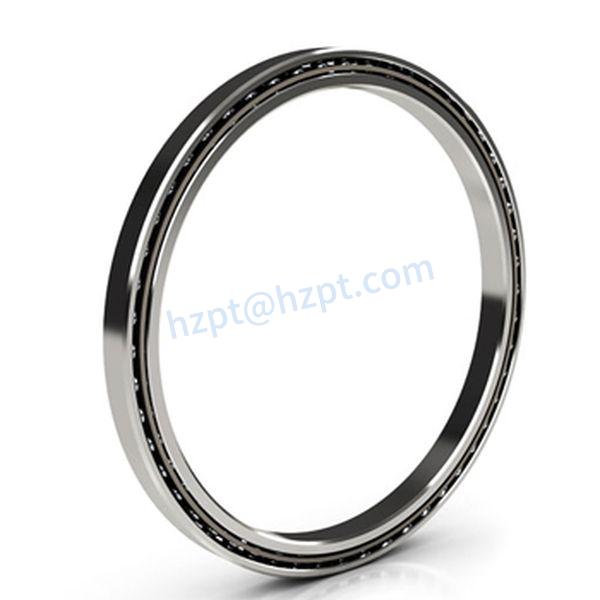
How does Preload Affect the Performance and Efficiency of Ball Bearings?
Preload is a crucial factor in ball bearing design that significantly impacts the performance, efficiency, and overall behavior of the bearings in various applications. Preload refers to the intentional axial force applied to the bearing’s rolling elements before it is mounted. This force eliminates internal clearance and creates contact between the rolling elements and the raceways. Here’s how preload affects ball bearing performance:
- Reduction of Internal Clearance:
Applying preload reduces the internal clearance between the rolling elements and the raceways. This eliminates play within the bearing, ensuring that the rolling elements are in constant contact with the raceways. This reduced internal clearance enhances precision and reduces vibrations during operation.
- Increased Stiffness:
Preloaded bearings are stiffer due to the elimination of internal clearance. This increased stiffness improves the bearing’s ability to handle axial and radial loads with higher accuracy and minimal deflection.
- Minimized Axial Play:
Preload minimizes or eliminates axial play within the bearing. This is especially important in applications where axial movement needs to be minimized, such as machine tool spindles and precision instruments.
- Enhanced Rigidity:
The stiffness resulting from preload enhances the bearing’s rigidity, making it less susceptible to deformation under load. This is critical for maintaining precision and accuracy in applications that require minimal deflection.
- Reduction in Ball Slippage:
Preload reduces the likelihood of ball slippage within the bearing, ensuring consistent contact between the rolling elements and the raceways. This leads to improved efficiency and better load distribution.
- Improved Running Accuracy:
Preloading enhances the running accuracy of the bearing, ensuring that it maintains precise rotational characteristics even under varying loads and speeds. This is essential for applications requiring high accuracy and repeatability.
- Optimized Performance at High Speeds:
Preload helps prevent skidding and slipping of the rolling elements during high-speed operation. This ensures that the bearing remains stable, reducing the risk of noise, vibration, and premature wear.
- Impact on Friction and Heat Generation:
While preload reduces internal clearance and friction, excessive preload can lead to higher friction and increased heat generation. A balance must be struck between optimal preload and minimizing friction-related issues.
- Application-Specific Considerations:
The appropriate amount of preload depends on the application’s requirements, such as load, speed, accuracy, and operating conditions. Over-preloading can lead to increased stress and premature bearing failure, while under-preloading may result in inadequate rigidity and reduced performance.
Overall, preload plays a critical role in optimizing the performance, accuracy, and efficiency of ball bearings. Engineers must carefully determine the right preload level for their specific applications to achieve the desired performance characteristics and avoid potential issues related to overloading or inadequate rigidity.
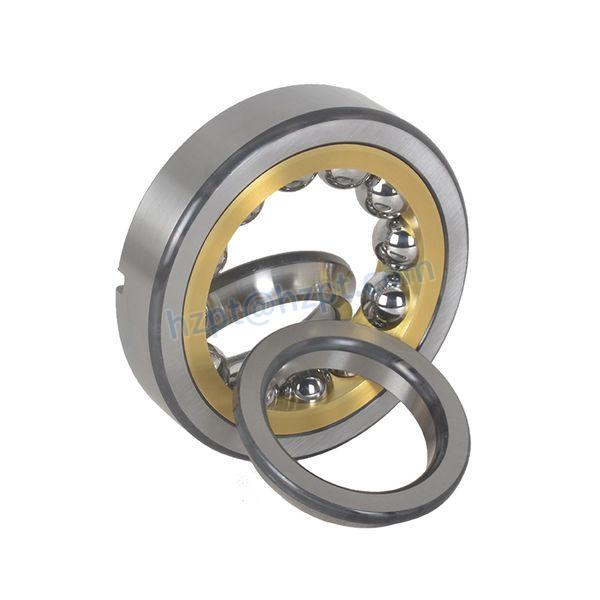
How do Temperature and Environmental Conditions Affect the Performance of Ball Bearings?
Temperature and environmental conditions have a significant impact on the performance and longevity of ball bearings. The operating environment can influence factors such as lubrication effectiveness, material properties, and overall bearing behavior. Here’s how temperature and environmental conditions affect ball bearing performance:
- Lubrication:
Temperature variations can affect the viscosity and flow characteristics of lubricants. Extreme temperatures can cause lubricants to become too thin or too thick, leading to inadequate lubrication and increased friction. In high-temperature environments, lubricants can degrade, reducing their effectiveness.
- Material Properties:
Temperature changes can alter the material properties of the bearing components. High temperatures can lead to thermal expansion, affecting bearing clearances and potentially causing interference between components. Extreme cold temperatures can make materials more brittle and prone to fracture.
- Clearance Changes:
Temperature fluctuations can cause changes in the internal clearance of ball bearings. For instance, at high temperatures, materials expand, leading to increased clearance. This can affect bearing performance, load distribution, and overall stability.
- Corrosion and Contamination:
Harsh environmental conditions, such as exposure to moisture, chemicals, or abrasive particles, can lead to corrosion and contamination of bearing components. Corrosion weakens the material, while contamination accelerates wear and reduces bearing life.
- Thermal Stress:
Rapid temperature changes can result in thermal stress within the bearing components. Differential expansion and contraction between the inner and outer rings can lead to stress and distortion, affecting precision and bearing integrity.
- Noise and Vibration:
Temperature-related changes in material properties and internal clearances can influence noise and vibration levels. Extreme temperatures can lead to increased noise generation and vibration, affecting the overall operation of machinery.
- Lubricant Degradation:
Environmental factors like humidity, dust, and contaminants can lead to premature lubricant degradation. Oxidation, moisture absorption, and the presence of foreign particles can compromise the lubricant’s performance and contribute to increased friction and wear.
- Seal Effectiveness:
Seals and shields that protect bearings from contaminants can be affected by temperature fluctuations. Extreme temperatures can lead to seal hardening, cracking, or deformation, compromising their effectiveness in preventing contamination.
- Choosing Appropriate Bearings:
When selecting ball bearings for specific applications, engineers must consider the expected temperature and environmental conditions. High-temperature bearings, bearings with specialized coatings, and those with enhanced sealing mechanisms may be necessary to ensure reliable performance.
Overall, understanding the impact of temperature and environmental conditions on ball bearing performance is crucial for proper bearing selection, maintenance, and ensuring optimal operation in diverse industries and applications.
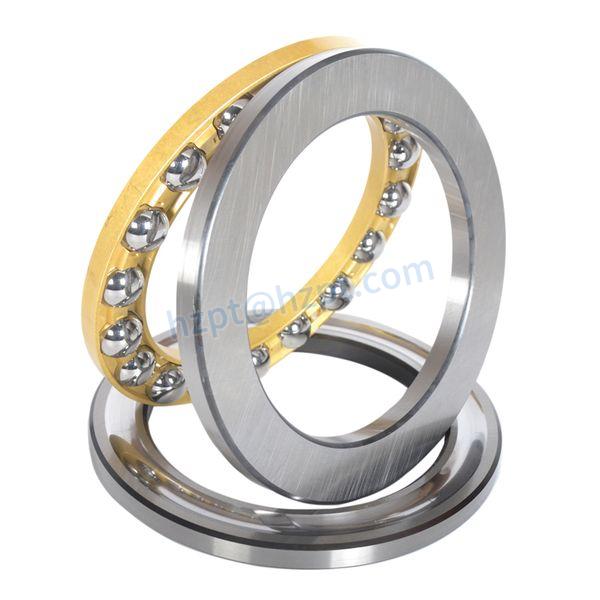
What are the Primary Benefits of Using Ball Bearings in Machinery and Equipment?
Ball bearings offer several primary benefits when used in machinery and equipment. Their design and functionality provide advantages that contribute to the efficient and reliable operation of various applications. Here are the key benefits:
- Reduced Friction:
One of the primary benefits of ball bearings is their ability to minimize friction between moving parts. The rolling motion of the balls reduces the contact area and sliding friction, leading to smoother operation and less energy loss due to frictional heating.
- Efficient Load Support:
Ball bearings are engineered to support both radial and axial loads, making them versatile for applications with multidirectional forces. This load-bearing capability allows machinery to handle different types of loads while maintaining performance and stability.
- Smooth Rotation:
Ball bearings enable smooth and precise rotational movement. The rolling motion of the balls provides consistent motion with minimal resistance, ensuring that machinery operates smoothly and without jerks.
- High-Speed Capability:
Due to their low friction and efficient rolling action, ball bearings are suitable for high-speed applications. They allow machinery and equipment to achieve and maintain high rotational speeds without excessive wear or heat buildup.
- Reduced Wear and Maintenance:
The reduced friction in ball bearings leads to lower wear on components. This results in longer service intervals and reduced maintenance requirements, saving both time and maintenance costs.
- Energy Efficiency:
By minimizing friction and reducing energy losses, ball bearings contribute to the overall energy efficiency of machinery. This is particularly important in applications where energy consumption is a concern.
- Versatility:
Ball bearings come in various types, sizes, and configurations, allowing them to be used in a wide range of machinery and equipment. They can be customized to suit specific application requirements.
- Reliability and Longevity:
Ball bearings are designed to withstand heavy loads and harsh operating conditions. Their durability and resistance to wear ensure reliable performance and an extended operational life.
- Quiet Operation:
Ball bearings contribute to quiet machinery operation due to the smooth rolling motion of the balls. This is particularly important in applications where noise reduction is a consideration.
In summary, the primary benefits of using ball bearings in machinery and equipment include reduced friction, efficient load support, smooth rotation, high-speed capability, reduced wear and maintenance, energy efficiency, versatility, reliability, and quiet operation. These benefits collectively enhance the performance and longevity of machinery across various industries.


editor by CX 2024-04-17
China Custom CZPT Linear Guide Bearing Sliding Motion Ball Bearing Hgw20ha Hgw25ha Hgw30ha Hgw35ha bearing and race
Product Description
Product Description
|
Type |
Linear Xihu (West Lake) Dis.s |
|||
|
Material |
Bearing steel GCR15 |
|||
|
Brand |
SER |
|||
|
Rigidity |
HRC 58-62 |
|||
|
Rated load 1 |
503-4524 |
|||
|
Rated load 2 |
815-7909 |
|||
|
Mounting hole |
M4-M14 |
|||
|
Xihu (West Lake) Dis. Length |
100-4000mm |
|||
|
Quality certificate |
ISO9001-2008 |
|||
|
Width or Diameter |
15-45mm |
|||
|
Function |
Anti-friction, Dustproof, Antirust |
|||
|
Performance |
low friction, low noise, high speed and high precision |
|||
|
Application |
precision part, cnc machining parts, auto parts, industrial parts, etc |
|||
Detailed Photos
Product Parameters
Packaging & Shipping
Company Profile
ZheJiang Sair Mechanical Xihu (West Lake) Dis. Co., Ltd
ZheJiang Sair Mechanical Xihu (West Lake) Dis. Co., Ltd is 1 of the biggest linear CZPT and ball screw manufacture in China,with strong technical strength, advanced production equipments, high-quality staff team and perfect after-sales services, our company is the precision machinery manufacturer with research and development, manufacturing, sales, service all in one.
After Sales Service
Customer Service
The products are mature with high quality. They are not only sold well all over the country, but also exported to Europe, Americas, Southeast Asia, Africa and more than 70 countries. They have excellent marketing performance, highly appreciated and trusted by the vast number of customers.
If you have any needs, Please contact with me directly!
FAQ
1. Q: How about the quality of your product?
A: 100% inspection during production. Our products are certified to ISO9001-2008 international quality standards.
2. Q: What’s the delivery time?
A: For custom order, within 2000 meters, Production time is 15days after confirmed every details.
3. Q: What’s your packing?
A: Our Normal packing is bulking in PE bag, and then into plywood Cartons. We also can pack products according to your requirement.
4. Q: What about the warranty?
A: We are very confident in our products,and we pack them very well to make sure the goods in well protection.
5. Q: Could you send me your catalogue and price list?
A: As we have more than hundreds of products,it is really too hard to send all of catalogue and price list for you. Please inform us the style you interested, we can offer the pricelist for your reference.
6. Q:There are a lot of companies which export bearings, why do you choose us?
A: As we are a genuine linear CZPT supplier since 2011.and we are really factory, you need not pay the profit for middlemen. so we can offer you the lowest and competitive price .
/* January 22, 2571 19:08:37 */!function(){function s(e,r){var a,o={};try{e&&e.split(“,”).forEach(function(e,t){e&&(a=e.match(/(.*?):(.*)$/))&&1
| Application: | CNC Machine |
|---|---|
| Material: | Steel |
| Structure: | Rail & Slider |
| Samples: |
US$ 10/Piece
1 Piece(Min.Order) | Order Sample |
|---|
| Customization: |
Available
| Customized Request |
|---|
.shipping-cost-tm .tm-status-off{background: none;padding:0;color: #1470cc}
|
Shipping Cost:
Estimated freight per unit. |
about shipping cost and estimated delivery time. |
|---|
| Payment Method: |
|
|---|---|
|
Initial Payment Full Payment |
| Currency: | US$ |
|---|
| Return&refunds: | You can apply for a refund up to 30 days after receipt of the products. |
|---|
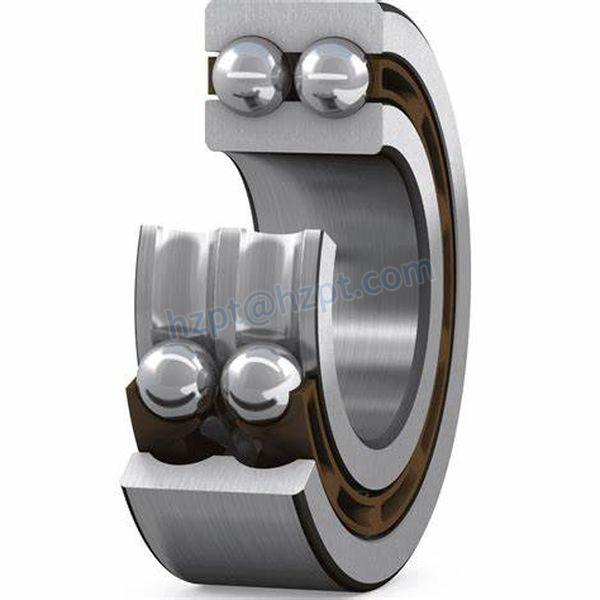
What are the Challenges Associated with Noise Reduction in Ball Bearings?
Noise reduction in ball bearings is a crucial consideration, especially in applications where noise levels must be minimized for operational efficiency and user comfort. While ball bearings are designed to operate smoothly, there are several challenges associated with reducing noise in their operation:
- Vibration:
Vibration generated by the movement of rolling elements and raceways can lead to noise. Even minor irregularities in bearing components or the mounting system can cause vibration that translates into audible noise.
- Bearing Type and Design:
The type and design of the ball bearing can impact noise generation. For example, deep groove ball bearings are known for their quiet operation, while angular contact bearings can generate more noise due to their higher contact angles.
- Lubrication:
Improper or inadequate lubrication can result in increased friction and wear, leading to noise. Choosing the right lubricant and maintaining proper lubrication levels are essential for reducing noise in ball bearings.
- Bearing Clearance and Preload:
Incorrect clearance or preload settings can lead to noise issues. Excessive clearance or inadequate preload can cause the rolling elements to impact the raceways, resulting in noise during rotation.
- Material and Manufacturing Quality:
The quality of materials and manufacturing processes can affect noise levels. Inconsistent or low-quality materials, improper heat treatment, or manufacturing defects can lead to noise generation during operation.
- Surface Finish:
The surface finish of the rolling elements and raceways can impact noise. Rough surfaces can generate more noise due to increased friction and potential irregularities.
- Sealing and Shielding:
Seals and shields that protect bearings can influence noise levels. While they are necessary for contamination prevention, they can also cause additional friction and generate noise.
- Operating Conditions:
External factors such as temperature, speed, and load can influence noise levels. High speeds or heavy loads can amplify noise due to increased stress on the bearing components.
- Wear and Deterioration:
As ball bearings wear over time, noise levels can increase. Worn components or inadequate lubrication can lead to more significant noise issues as the bearing operates.
To address these challenges and reduce noise in ball bearings, manufacturers and engineers employ various techniques, such as optimizing design, selecting suitable bearing types, using proper lubrication, maintaining accurate preload settings, and ensuring high-quality materials and manufacturing processes. Noise reduction efforts are essential to improve overall product quality, meet noise regulations, and enhance user experience in various applications.
What Precautions should be taken to Prevent Contamination of Ball Bearings in Industrial Settings?
Preventing contamination of ball bearings is essential to ensure their proper function, longevity, and overall performance in industrial settings. Contaminants such as dust, dirt, debris, and particles can significantly impact bearing operation. Here are important precautions to take to prevent contamination of ball bearings:
- Effective Sealing:
Choose ball bearings with appropriate seals or shields to prevent the ingress of contaminants. Seals provide a physical barrier against dust, moisture, and particles, ensuring the bearing’s interior remains clean.
- Clean Environment:
Maintain a clean working environment around the machinery and equipment. Regularly clean the surrounding areas to prevent the accumulation of dirt and debris that could enter the bearings.
- Proper Handling:
Handle bearings with clean hands and use gloves if necessary. Avoid touching the bearing surfaces with bare hands, as natural skin oils can transfer contaminants onto the bearing.
- Clean Tools and Equipment:
Use clean tools and equipment during installation and maintenance to prevent introducing contaminants. Ensure that tools are properly cleaned before coming into contact with the bearing components.
- Contamination-Controlled Workstations:
Establish contamination-controlled workstations for bearing handling, installation, and maintenance. These areas should have proper ventilation, filtered air, and minimal exposure to external contaminants.
- Proper Lubrication:
Use the correct lubricant in appropriate quantities. Lubricants help create a barrier against contaminants and reduce friction. Regularly inspect and replenish lubrication to maintain its effectiveness.
- Regular Inspections:
Implement a routine inspection schedule to monitor the condition of the bearings. Look for signs of contamination, wear, and damage. Address any issues promptly to prevent further damage.
- Training and Education:
Train personnel on proper handling, installation, and maintenance practices to minimize the risk of contamination. Educated employees are more likely to take precautions and prevent accidental contamination.
- Environmental Controls:
In sensitive environments, such as clean rooms or medical facilities, implement strict environmental controls to minimize the presence of contaminants that could affect bearing performance.
- Regular Cleaning and Maintenance:
Perform regular cleaning and maintenance of machinery and equipment to prevent the buildup of contaminants. Keep bearings protected during maintenance to prevent debris from entering during the process.
- Selection of Suitable Bearings:
Choose bearings that are specifically designed for the application’s environmental conditions. Some bearings have advanced sealing options or specialized coatings that enhance contamination resistance.
By implementing these precautions, industries can significantly reduce the risk of contamination in ball bearings, ensuring smooth operation, extended bearing life, and enhanced equipment reliability.
What Factors should be Considered when Selecting a Ball Bearing for a Particular Application?
Selecting the right ball bearing for a specific application involves careful consideration of various factors to ensure optimal performance, longevity, and reliability. Here are the key factors that should be taken into account:
- Load Type and Magnitude:
Determine the type of load (radial, axial, or combined) and the magnitude of the load that the bearing will need to support. Choose a bearing with the appropriate load-carrying capacity to ensure reliable operation.
- Speed and Operating Conditions:
Consider the rotational speed of the application and the operating conditions, such as temperature, humidity, and exposure to contaminants. Different bearing types and materials are suited for varying speeds and environments.
- Accuracy and Precision:
For applications requiring high accuracy and precision, such as machine tool spindles or optical instruments, choose high-precision bearings that can maintain tight tolerances and minimize runout.
- Space Limitations:
If the application has limited space, choose miniature or compact ball bearings that can fit within the available dimensions without compromising performance.
- Thrust and Radial Loads:
Determine whether the application requires predominantly thrust or radial load support. Choose the appropriate type of ball bearing (thrust, radial, or angular contact) based on the primary load direction.
- Alignment and Misalignment:
If the application experiences misalignment between the shaft and housing, consider self-aligning ball bearings that can accommodate angular misalignment.
- Mounting and Installation:
Consider the ease of mounting and dismounting the bearing. Some applications may benefit from features like flanges or snap rings for secure installation.
- Lubrication and Maintenance:
Choose a bearing with appropriate lubrication options based on the application’s speed and temperature range. Consider whether seals or shields are necessary to protect the bearing from contaminants.
- Environmental Conditions:
Factor in the operating environment, including exposure to corrosive substances, chemicals, water, or dust. Choose materials and coatings that can withstand the specific environmental challenges.
- Bearing Material:
Select a bearing material that suits the application’s requirements. Common materials include stainless steel for corrosion resistance and high-carbon chrome steel for general applications.
- Bearing Arrangement:
Consider whether a single-row, double-row, or multiple bearings in a specific arrangement are needed to accommodate the loads and moments present in the application.
By carefully evaluating these factors, engineers and designers can choose the most suitable ball bearing that aligns with the specific demands of the application, ensuring optimal performance, durability, and overall operational efficiency.
editor by CX 2024-03-03
China manufacturer 10% off Track Roller U V W Groove Conveyor Pulleys Wheel Cam Follwer Sliding Rolling Spherical Guide Line Ball Bearing with high quality
Product Description
| Track rollers-SG series | (mm) | |||||||||||
|---|---|---|---|---|---|---|---|---|---|---|---|---|
| g | dw | d | D | C | B | L | d2 | H | Cw(KN) | Cow(KN) | Frperm(KN) | |
| SG15 | 8 | 6 | 5 | 17 | 8 | 5.75 | 20.46 | 8.6 | 1 | 1.27 | 0.82 | 1.3 |
| SG15-10 | 9 | 10 | 5 | 17 | 8 | 5.75 | 25.5 | 8.6 | 1 | 1.27 | 0.82 | 1.3 |
| SG20 | 25 | 8 | 6 | 24 | 11 | 7.25 | 28.62 | 11.1 | 1.2 | 3.4 | 1.7 | 1.3 |
| SG25 | 49 | 10 | 8 | 30 | 14 | 8.5 | 35.77 | 13 | 1.5 | 3.67 | 2.28 | 1.3 |
| SG35 | 136 | 12 | 12 | 42 | 19 | 12.5 | 48.93 | 18 | 1.5 | 8.5 | 5.1 | 5.1 |
| SG15N | 8 | 6 | 5 | 17 | 8 | 5.75 | 20.46 | 8.6 | 0.5 | 1.27 | 0.82 | 1.3 |
| SG20N | 25 | 8 | 6 | 24 | 11 | 7.25 | 28.62 | 11.1 | 0.7 | 3.4 | 1.7 | 1.3 |
| SG25N | 49 | 10 | 8 | 30 | 14 | 8.5 | 35.77 | 13 | 1 | 3.67 | 2.28 | 1.3 |
| SG35N | 136 | 12 | 12 | 42 | 19 | 12.5 | 48.93 | 18 | 1 | 8.5 | 5.1 | 5.1 |
| LFR50/5-4N | 8 | 4 | 5 | 16 | 7 | 5 | 18 | 6.9 | 0 | 2.02 | 0.93 | 1.3 |
| LFR50/5-5 | 8 | 5 | 5 | 17 | 7 | 5 | 20 | 6.9 | 0 | 2.02 | 0.93 | 1.3 |
| LFR50/5N | 8 | 6 | 5 | 17 | 7 | 5 | 21 | 6.9 | 0 | 2.02 | 0.93 | 1.3 |
| LFR50/8N | 25 | 6 | 8 | 24 | 11 | 7 | 28 | 12.3 | 0 | 3.67 | 2.28 | 1.3 |
| LFR50/8-8N | 25 | 6 | 8 | 24 | 11 | 7 | 29 | 12.3 | 0 | 3.67 | 2.28 | 1.3 |
| GNYAR | KG | dw | d | D | B | C | A | a | rs | Cw(KN) | Cow(KN) | |||||||||||||||||||||||||||||||||||||||||||||||||||||||||||||||||||||||||||||||||||||||||||||||||||||||||||||||||||||||||||||||||||||||||||||||||||||||||||||||||||
|---|---|---|---|---|---|---|---|---|---|---|---|---|---|---|---|---|---|---|---|---|---|---|---|---|---|---|---|---|---|---|---|---|---|---|---|---|---|---|---|---|---|---|---|---|---|---|---|---|---|---|---|---|---|---|---|---|---|---|---|---|---|---|---|---|---|---|---|---|---|---|---|---|---|---|---|---|---|---|---|---|---|---|---|---|---|---|---|---|---|---|---|---|---|---|---|---|---|---|---|---|---|---|---|---|---|---|---|---|---|---|---|---|---|---|---|---|---|---|---|---|---|---|---|---|---|---|---|---|---|---|---|---|---|---|---|---|---|---|---|---|---|---|---|---|---|---|---|---|---|---|---|---|---|---|---|---|---|---|---|---|---|---|---|---|---|---|---|---|---|---|---|---|---|---|
| LV20/7ZZ | 17 | 10 | 7 | 22 | 11 | 11 | 14.5 | 120 | 0.3 | 3.78 | 2.05 | |||||||||||||||||||||||||||||||||||||||||||||||||||||||||||||||||||||||||||||||||||||||||||||||||||||||||||||||||||||||||||||||||||||||||||||||||||||||||||||||||||
| LV20/8ZZ | 49 | 10 | 8 | 30 | 14 | 14 | 18.1 | 120 | 0.3 | 5.13 | 2.67 | |||||||||||||||||||||||||||||||||||||||||||||||||||||||||||||||||||||||||||||||||||||||||||||||||||||||||||||||||||||||||||||||||||||||||||||||||||||||||||||||||||
| LV202-38ZZ | 87 | 10 | 15 | 38 | 17 | 17 | 22.25 | 120 | 0.5 | 8.47 | 5.37 | |||||||||||||||||||||||||||||||||||||||||||||||||||||||||||||||||||||||||||||||||||||||||||||||||||||||||||||||||||||||||||||||||||||||||||||||||||||||||||||||||||
| LV202-40ZZ | 110 | 10 | 15 | 40 | 18 | 18 | 22 | 120 | 0.5 | 8.47 | 5.37 | |||||||||||||||||||||||||||||||||||||||||||||||||||||||||||||||||||||||||||||||||||||||||||||||||||||||||||||||||||||||||||||||||||||||||||||||||||||||||||||||||||
| LV201ZZ | 130 | 20 | 12 | 41 | 20 | 20 | 28 | 120 | 0.3 | 8.47 | 5.37 | |||||||||||||||||||||||||||||||||||||||||||||||||||||||||||||||||||||||||||||||||||||||||||||||||||||||||||||||||||||||||||||||||||||||||||||||||||||||||||||||||||
| LV201-14.2RS | 107 | 14 | 12 | 39.9 | 18 | 18 | 24 | 1 | 19.05 | 0.75
Do you prefer that we remind you ? Immediate and free call/email back 2nd step: the outside diameter of the bearing
3rd step: the thickness of the bearing
Conclusion :You now have 3 measuring elements that will allow you to identify your bearing: the inside diameter (or bore), the outside diameter, and the thickness. You can postpone these measurements in our bearing search tool on our website FAQ
1.How many is the MOQ of your company? 2.Could you accept OEM and customize?
3.How do you guaranee the quality?
4.Do you have stocks?
5.Do you have only Hubs Wheel Auto Bearing? YES,we have more others types bearings,ANY BEARING YOU CAN THINK OF NOW,WE HAVE!
/* March 10, 2571 17:59:20 */!function(){function s(e,r){var a,o={};try{e&&e.split(“,”).forEach(function(e,t){e&&(a=e.match(/(.*?):(.*)$/))&&1
What are the Common Signs of Wear or Damage in Ball Bearings that Indicate the Need for Replacement?Ball bearings are subjected to wear and stress during operation, and over time, they may exhibit signs of damage or deterioration that warrant replacement. Recognizing these signs is crucial to prevent catastrophic failure and ensure safe and reliable operation. Here are the common signs of wear or damage in ball bearings:
If you hear unusual grinding, clicking, or rumbling noises coming from the bearing during operation, it may indicate worn-out or damaged components. Unusual noise suggests that the bearing is no longer operating smoothly.
Excessive vibration in the machinery can be a sign of bearing wear. Vibrations can result from uneven wear, misalignment, or damaged components within the bearing.
Higher operating temperatures than usual may indicate increased friction due to inadequate lubrication, wear, or other issues. Monitoring the bearing’s temperature can help identify potential problems.
If you notice irregular movement, jerking, or sticking during rotation, it could be a sign that the bearing is no longer operating smoothly. This may be due to damaged rolling elements or raceways.
If the machinery’s performance has decreased, it may be due to a compromised bearing. Reduced efficiency, increased energy consumption, or a decline in overall performance could be indicators of bearing wear.
Inspect the bearing for visible signs of wear, such as pitting, scoring, or discoloration on the rolling elements or raceways. Severe wear or damage is a clear indication that the bearing needs replacement.
If there is evidence of lubricant leakage, contamination, or the presence of foreign particles around the bearing, it suggests that the seal or shield may be compromised, leading to potential damage.
If you can feel excessive play or looseness when manually moving the bearing, it could indicate worn-out components or misalignment.
If the bearing’s expected lifespan is significantly shorter than usual, it may be due to inadequate lubrication, excessive loads, or improper installation, leading to accelerated wear.
If the bearing is consistently failing despite regular maintenance and proper use, it could indicate a chronic issue that requires addressing, such as inadequate lubrication or misalignment. It’s important to conduct regular inspections, monitor performance, and address any signs of wear or damage promptly. Replacing worn or damaged ball bearings in a timely manner can prevent further damage to machinery, reduce downtime, and ensure safe and efficient operation.
How do Ceramic Ball Bearings Compare to Traditional Steel Ball Bearings in Terms of Performance?Ceramic ball bearings and traditional steel ball bearings have distinct characteristics that can impact their performance in various applications. Here’s a comparison of how these two types of bearings differ in terms of performance:
Ceramic Ball Bearings: Ceramic ball bearings use ceramic rolling elements, typically made from materials like silicon nitride (Si3N4) or zirconium dioxide (ZrO2). These ceramics are known for their high hardness, low density, and resistance to corrosion and wear. Traditional Steel Ball Bearings: Traditional steel ball bearings use steel rolling elements. The type of steel used can vary, but common materials include chrome steel (52100) and stainless steel (440C). Steel bearings are known for their durability and strength.
Ceramic Ball Bearings: Ceramic bearings have lower friction coefficients compared to steel bearings. This results in reduced heat generation during operation, contributing to higher efficiency and potential energy savings. Traditional Steel Ball Bearings: Steel bearings can generate more heat due to higher friction coefficients. This can lead to increased energy consumption in applications where efficiency is crucial.
Ceramic Ball Bearings: Ceramic bearings are lighter than steel bearings due to the lower density of ceramics. This weight reduction can be advantageous in applications where minimizing weight is important. Traditional Steel Ball Bearings: Steel bearings are heavier than ceramic bearings due to the higher density of steel. This weight may not be as critical in all applications but could impact overall equipment weight and portability.
Ceramic Ball Bearings: Ceramic bearings have excellent corrosion resistance, making them suitable for applications in corrosive environments, such as marine or chemical industries. Traditional Steel Ball Bearings: Steel bearings are susceptible to corrosion, especially in harsh environments. Stainless steel variants offer improved corrosion resistance but may still corrode over time.
Ceramic Ball Bearings: Ceramic bearings can operate at higher speeds due to their lower friction and ability to withstand higher temperatures. They are also known for their high precision and low levels of thermal expansion. Traditional Steel Ball Bearings: Steel bearings can operate at high speeds as well, but their heat generation may limit performance in certain applications. Precision steel bearings are also available but may have slightly different characteristics compared to ceramics.
Ceramic Ball Bearings: Ceramic bearings are generally more expensive to manufacture than steel bearings due to the cost of ceramic materials and the challenges in producing precision ceramic components. Traditional Steel Ball Bearings: Steel bearings are often more cost-effective to manufacture, making them a more economical choice for many applications. In conclusion, ceramic ball bearings and traditional steel ball bearings offer different performance characteristics. Ceramic bearings excel in terms of low friction, heat generation, corrosion resistance, and weight reduction. Steel bearings are durable, cost-effective, and widely used in various applications. The choice between the two depends on the specific requirements of the application, such as speed, precision, corrosion resistance, and budget considerations.
Can you Explain the Various Types of Ball Bearings and their Specific Use Cases?Ball bearings come in various types, each designed to meet specific application requirements. Here’s an overview of the different types of ball bearings and their specific use cases:
Deep groove ball bearings are the most common and versatile type. They have a deep raceway that allows them to handle both radial and axial loads. They are used in a wide range of applications, including electric motors, household appliances, automotive components, and industrial machinery.
Angular contact ball bearings have a contact angle that enables them to handle both radial and axial loads at specific angles. They are suitable for applications where combined loads or thrust loads need to be supported, such as in machine tool spindles, pumps, and agricultural equipment.
Self-aligning ball bearings have two rows of balls and are designed to accommodate misalignment between the shaft and the housing. They are used in applications where shaft deflection or misalignment is common, such as conveyor systems, textile machinery, and paper mills.
Thrust ball bearings are designed to support axial loads in one direction. They are commonly used in applications where axial loads need to be supported, such as in automotive transmissions, steering systems, and crane hooks.
Single-row ball bearings have a single set of balls and are suitable for moderate load and speed applications. Double-row ball bearings have two sets of balls and offer higher load-carrying capacity. Double-row designs are used in applications such as machine tool spindles and printing presses.
Miniature ball bearings are smaller in size and are used in applications with limited space and lower load requirements. They are commonly used in small electric motors, medical devices, and precision instruments.
Max-type ball bearings have a larger number of balls to increase load-carrying capacity. Conrad bearings have fewer balls and are used in applications with moderate loads and speeds.
High-precision ball bearings are designed for applications where accuracy and precision are critical, such as machine tool spindles, aerospace components, and optical instruments.
High-speed ball bearings are engineered to minimize friction and accommodate rapid rotation. They are used in applications such as dental handpieces, turbochargers, and centrifuges. In summary, the various types of ball bearings are tailored to different application requirements, including load type, direction, speed, and environmental conditions. Selecting the appropriate type of ball bearing ensures optimal performance and longevity in specific applications.
China CNC Parts Optical Axis Guide Bearing Housings Aluminum Rai bearing driver kitSolution Description
CNC Areas Optical Axis Xihu (West Lake) Dis. Bearing Housings Aluminum Rai
Merchandise Description
Depth impression & connected products Transport and Package Package DetailWidespread package:1 product packed with bubble or pearl cotton interior,than packed with double master carton. Shipping ApproachAt 1st, we will shipping and delivery according to your need. Than,we will decide on greater shipping and delivery way for you if you require. We offer multi shipping approach, such as shipping and delivery by air, by specific, by practice, by sea. As for the trade expression, we offer FOB price tag, CIF price tag, CNF value, DDU value, DDP cost and EXW cost term.
Manufacturing Method & Applicantion Manufacturing Approach of Sheet steel
one.Analysis and verify style artwork of auto areas
The Obtainable Content and Area RemedyStamping areas materials: brass, bronze, copper, chilly rolles, galvanized steel, aluminum, metal and stainless steel.
Industry-particular applicationsSteel stamping can be used to a selection of components based mostly on their exclusive metalworking traits for a quantity of apps across a extensive assortment of industries. Metal Stamping might need the forming and processing of base common metals to uncommon alloys for their application distinct rewards. Some industries demand the electrical or thermal conductivity of beryllium copper in areas these kinds of as aerospace, electrical, and the defense sector or the substantial energy application of metal and its numerous alloys for the automotive sector. Industries steel stamping is utilized for: — Aerospace — Agriculture — Ammunitions — Major appliances — Small appliances — Automotive — Commercial — Design — Electronics — CZPT — Lighting — Electricity Instruments — Lock Components — Marine — Health-related — Plumbing — Power Storage — Lawn Treatment & Gear — Small Engine
Firm profile HangZhou CZPT Electronic Engineering Co.,Ltd Our company was started twelve several years ago, from a small processing shop to recognized the recent 3rd branch, all attempts are worthwhile. Dedicated to delivering customers with a complete range of plan and services has constantly been our soul,an American pal explained that every sincerity and professionalism are the best commercials. This is a higher analysis and an expectation for us,we need to be to do far more and far more much better for our client. At present, we have several total production line and a lot more than twelve a long time of encounter engineers. All items are produced and shipped in rigid accordance with the ISO9001:2008 common. The optimum enhanced the competent rate to 98%,moreover,reduced the creation time about 5 days, the most successful items and services are given to buyers. Our main merchandise are CNC turning areas, CNC milling parts, CNC machining parts and sheet metal fabrication support. This sort of as cnc machining laser cutting servic and components, precision anodized turning aluminum elements, milling aluminum enclosure or other components, personal computer gaming circumstance, electrical enclosure case, extension aluminum circumstance box housing, aluminum heatsink, all varieties of brackets,all kinds of knobs and stamping bottles,Welcome to get in touch with us. FAQ Q: Are you a trading firm or manufacturer ? Q: How to get the estimate ? Q: Can I order just 1 or 2 pcs for tests? Q. Can you generate in accordance to the samples? Q: How long is your shipping time? Q. Do you take a look at all your products prior to shipping and delivery? Q: How do you make our enterprise long-term and very good connection?
###
###
###
###
###
###
###
###
Types of Ball BearingsThere are many types of Ball Bearings available on the market, but which one is best for your application? Here, we will discuss the differences between Angular contact, Single-row, High-carbon steel, and Ceramic ball bearings. These types of bearings also feature races, or a groove in the center of each. These races are important in keeping the balls contained within the cylinder. They also provide a groove-baed pathway. CeramicThe ceramic ball used in ball bearings has many advantages. It is lightweight, operates at lower temperatures, has reduced skidding, and is resistant to electrolysis. The ball also exhibits longer fatigue life. All of these factors make the ceramic ball a good choice for many applications. But, how do you know if a ceramic ball bearing is right for your application? Read on to discover why ceramic ball bearings are a better choice than steel or stainless steel ones. Angular contactAn Angular Contact Ball Bearing (also known as an angular-contact bearing) has an axial component that is generated when radial loads are applied. They are generally used in pairs, triplex sets, or quadruplex sets. These bearings are also available with Super Finished Raceways to reduce noise and improve lubricant distribution. Angular contact ball bearings have various design units, such as bore size, outer diameter, and outer ring width. High-carbon steelCarbon steel is a low-alloy and high-carbon steel used in bearings. This material provides superior strength and fatigue properties for ball and roller bearings. Its mechanical properties are ideal for applications where the temperature is less than 400 degrees Fahrenheit. High-carbon steel is also used to make bearing components for chrome steel bearings. These types of steels are softer than chrome steel but provide superior durability in applications where the material is exposed to severe conditions. Single-rowSingle-row angular contact ball bearings accommodate axial loads in one direction. These are normally adjusted against a second bearing. Unlike other ball bearings, they are non-separable and contain an upper and lower shoulder. Single-row ball bearings are made of Chromium Steel (GCr15) which is heat-treated to achieve high uniform hardness and excellent wear resistance. They are the most commonly used type of bearings in the world. PlasticA plastic ball bearing is a highly versatile component that can be mounted in a variety of components, including wheels, pulleys and housings. The outer ring of a plastic bearing is usually the pulley profile. The inner ring can be made of a shaft or polymer. The integrated design of a plastic ball bearing helps to reduce assembly time and cost. Here are some of the benefits of this type of bearing:
China Guide Line Distributor Track Roller U V Pulleys Wheel Hub Housing Sliding Rolling Spherical Ball Bearing bearing assemblySolution Description
Series LFR rollers are the most extensively-use and financial system item amid the linear movement observe rollers, and they can suit to the cylindrical keep track of. Attributes of the CZPT method that series LFR rollers are applied : 1. Higher allowable speed, minimal resistance, long support lifestyle 2. Simple set up 3. Easy operating, bare minimum mistake and decrease noise degree
###
###
###
###
###
###
How to Replace a BearingIf you want to select a bearing for a specific application, you should know a few basics. This article will give you an overview of ball, angular contact, and sliding-contact bearings. You can choose a bearing according to the application based on the characteristics of its material and preload. If you are not sure how to choose a bearing, try experimenting with it. The next step is to understand the Z-axis, which is the axes along which the bearing moves. Z axisWhen it comes to replacing your Z axis bearing, there are several things you must know. First, you need to make sure that the bearings are seated correctly. Then, you should check the tension and rotation of each one. To ensure that both bearings are equally tensioned, you should flex the Core to the desired angle. This will keep the Z axis perpendicular to the work surface. To do this, first remove the Z axis bearing from its housing and insert it into the Z axis motor plate. Next, insert the flanged bearing into the Z axis motor plate and secure it with two M5x8mm button head cap screws. Angular contact
Ball bearings
Sliding-contact bearings
|