Product Description
Electric Motor Ball Bearing 6000N auto parts bearing
Product Description
Deep groove bearing Specification
1.Bearing Factory more than 28 years
2.Own brand :F&D bearing ,CBB brand look for distributor and agents.
3.OEM Accepted.
4.ISO9001:2000. TS16949.
The type of Electric Motor Ball Bearing 6000N auto parts bearing component materials used will determine the life span, reliability and performance of the bearings. However, there are many factors affecting the performance of the bearings which include the selection of the load carrying capacity, the rolling contact conditions, and the cleanliness of the operating environment and the dimensional stability of the bearing components.
Product Parameters
Fuda bearing company has adopted the carbon-chromium steel material(Gcr15) in our productionof the bearing.
| Bearing No. | I.D | O.D | W | Loading Rating(KN) | Steel Ball Parameter | Max Speed | ||||||
| d | D | B | Dynamic | Static | No. | Size | Grease | Oil | ||||
| mm | inch | mm | inch | mm | inch | Cr | Cor | mm | r/min | r/min | ||
| 6000 | 10 | 0.3937 | 26 | 1.5716 | 8 | 0.3150 | 4.55 | 1.95 | 7 | 4.763 | 29000 | 34000 |
| 6001 | 12 | 0.4724 | 28 | 1.1571 | 8 | 0.3150 | 5.10 | 2.39 | 8 | 4.763 | 26000 | 30000 |
| 6002 | 15 | 0.5906 | 32 | 1.2598 | 9 | 0.3543 | 5.60 | 2.84 | 9 | 4.763 | 22000 | 26000 |
| 6003 | 17 | 0.6693 | 35 | 1.3780 | 10 | 0.3937 | 6.80 | 3.35 | 10 | 4.763 | 20000 | 24000 |
| 6004 | 20 | 0.7874 | 42 | 1.6535 | 12 | 0.4724 | 9.40 | 5.05 | 9 | 6.350 | 18000 | 21000 |
| 6005 | 25 | 0.9843 | 47 | 1.8504 | 12 | 0.4724 | 10.10 | 5.85 | 10 | 6.350 | 15000 | 18000 |
| 6006 | 30 | 1.1811 | 55 | 2.1654 | 13 | 0.5118 | 13.20 | 8.30 | 11 | 7.144 | 13000 | 15000 |
| 6007 | 35 | 1.3780 | 62 | 2.4409 | 14 | 0.5512 | 16.00 | 10.30 | 11 | 7.938 | 12000 | 14000 |
| 6008 | 40 | 1.5748 | 68 | 2.6772 | 15 | 0.5906 | 16.80 | 11.50 | 12 | 7.938 | 10000 | 12000 |
| 6009 | 45 | 1.7717 | 75 | 2.9528 | 16 | 0.6299 | 21.00 | 15.10 | 12 | 8.731 | 9200 | 11000 |
| 6571 | 50 | 1.9685 | 80 | 3.1496 | 16 | 0.6299 | 21.80 | 16.60 | 13 | 8.731 | 8400 | 9800 |
| 6011 | 55 | 2.1654 | 90 | 3.5433 | 18 | 0.7087 | 28.30 | 21.20 | 12 | 11.000 | 7700 | 9000 |
| 6012 | 60 | 2.3622 | 95 | 3.7402 | 18 | 0.7087 | 29.50 | 23.20 | 13 | 11.000 | 7000 | 8300 |
| 6013 | 65 | 2.5591 | 100 | 3.9370 | 18 | 0.7087 | 30.50 | 25.20 | 13 | 11.112 | 6500 | 7700 |
| 6014 | 70 | 2.7559 | 110 | 4.3307 | 20 | 0.7874 | 38.00 | 31.00 | 13 | 12.303 | 6100 | 7100 |
| 6015 | 75 | 2.9528 | 115 | 4.5276 | 20 | 0.7874 | 39.50 | 33.50 | 14 | 12.303 | 5700 | 6700 |
| 6016 | 80 | 3.1496 | 125 | 4.9213 | 22 | 0.8661 | 47.50 | 40.00 | 14 | 13.494 | 5300 | 6200 |
| Bearing No. | I.D | O.D | W | Loading Rating(KN) | Steel Ball Parameter | Max Speed | ||||||
| d | D | B | Dynamic | Static | No. | Size | Grease | Oil | ||||
| mm | inch | mm | inch | mm | inch | Cr | Cor | mm | r/min | r/min | ||
| 6200 | 10 | 0.3937 | 30 | 1.1811 | 9 | 0.3543 | 5.10 | 2.39 | 8 | 4.763 | 25000 | 30000 |
| 6201 | 12 | 0.4724 | 32 | 1.2598 | 10 | 0.3937 | 6.10 | 2.75 | 7 | 5.953 | 22000 | 26000 |
| 6202 | 15 | 0.5906 | 35 | 1.3780 | 11 | 0.4331 | 7.75 | 3.60 | 8 | 5.953 | 19000 | 23000 |
| 6203 | 17 | 0.6693 | 40 | 1.5748 | 12 | 0.4724 | 9.60 | 4.60 | 8 | 6.747 | 18000 | 21000 |
| 6204 | 20 | 0.7874 | 47 | 1.8504 | 14 | 0.5512 | 12.80 | 6.65 | 8 | 7.938 | 16000 | 18000 |
| 6205 | 25 | 0.9843 | 52 | 2.571 | 15 | 0.5906 | 14.00 | 7.85 | 9 | 7.938 | 13000 | 15000 |
| 6206 | 30 | 1.1811 | 62 | 2.4409 | 16 | 0.6299 | 19.50 | 11.30 | 9 | 9.525 | 11000 | 13000 |
| 6207 | 35 | 1.3780 | 72 | 2.8346 | 17 | 0.6693 | 25.70 | 15.30 | 9 | 11.112 | 9800 | 11000 |
| 6208 | 40 | 1.5748 | 80 | 3.1496 | 18 | 0.7087 | 29.10 | 17.80 | 9 | 12.000 | 8700 | 10000 |
| 6209 | 45 | 1.7717 | 85 | 3.3465 | 19 | 0.7480 | 32.50 | 20.40 | 10 | 12.000 | 7800 | 9200 |
| 6210 | 50 | 1.9685 | 90 | 3.5433 | 20 | 0.7874 | 35.00 | 23.20 | 10 | 12.700 | 7100 | 8300 |
| 6211 | 55 | 2.1654 | 100 | 3.9370 | 21 | 0.8268 | 43.50 | 29.20 | 10 | 14.288 | 6400 | 7600 |
| 6212 | 60 | 2.3622 | 110 | 4.3307 | 22 | 0.8661 | 52.50 | 36.00 | 10 | 15.081 | 6000 | 7000 |
| 6213 | 65 | 2.5591 | 120 | 4.7244 | 23 | 0.9055 | 57.50 | 40.00 | 10 | 16.669 | 5500 | 6500 |
| 6214 | 70 | 2.7559 | 125 | 4.9213 | 24 | 0.9449 | 62.00 | 44.00 | 11 | 16.462 | 5100 | 6000 |
| 6215 | 75 | 2.9528 | 130 | 5.1181 | 25 | 0.9843 | 66.00 | 49.50 | 11 | 17.462 | 4800 | 5600 |
| 6216 | 80 | 3.1496 | 140 | 5.5118 | 26 | 1.5716 | 72.50 | 53.00 | 11 | 18.256 | 4500 | 5300 |
| 6217 | 85 | 3.3465 | 150 | 5.9055 | 28 | 1.1571 | 83.50 | 64.00 | 11 | 19.844 | 4200 | 5000 |
| 6218 | 90 | 3.5433 | 160 | 6.2992 | 30 | 1.1811 | 96.00 | 71.50 | 10 | 22.225 | 4000 | 4700 |
| Bearing No. | I.D | O.D | W | Loading Rating(KN) | Steel Ball Parameter | Max Speed | ||||||
| d | D | B | Dynamic | Static | No. | Size | Grease | Oil | ||||
| mm | inch | mm | inch | mm | inch | Cr | Cor | mm | r/min | r/min | ||
| 6300 | 10 | 0.3937 | 35 | 1.3780 | 11 | 0.4331 | 8.20 | 3.50 | 6 | 7.144 | 23000 | 27000 |
| 6301 | 12 | 0.4724 | 37 | 1.4567 | 12 | 0.4724 | 9.70 | 4.20 | 6 | 7.938 | 20000 | 24000 |
| 6302 | 15 | 0.5906 | 42 | 1.6535 | 13 | 0.5118 | 11.40 | 5.45 | 7 | 7.938 | 17000 | 21000 |
| 6303 | 17 | 0.6693 | 47 | 1.8504 | 14 | 0.5512 | 13.50 | 6.55 | 7 | 8.731 | 16000 | 19000 |
| 6304 | 20 | 0.7874 | 52 | 2.571 | 15 | 0.5906 | 15.90 | 7.90 | 7 | 9.525 | 14000 | 27000 |
| 6305 | 25 | 0.9843 | 62 | 2.4409 | 17 | 0.6693 | 21.20 | 10.90 | 7 | 11.500 | 12000 | 14000 |
| 6306 | 30 | 1.1811 | 72 | 2.8346 | 19 | 0.7480 | 26.70 | 15.00 | 8 | 12.000 | 10000 | 12000 |
| 6307 | 35 | 1.3780 | 80 | 3.1496 | 21 | 0.8268 | 33.50 | 19.10 | 8 | 13.494 | 8800 | 10000 |
| 6308 | 40 | 1.5748 | 90 | 3.5433 | 23 | 0.9055 | 40.50 | 24.00 | 8 | 15.081 | 7800 | 9200 |
| 6309 | 45 | 1.7717 | 100 | 3.9370 | 25 | 0.9843 | 53.00 | 32.00 | 8 | 17.462 | 7000 | 8200 |
| 6310 | 50 | 1.9685 | 110 | 4.3307 | 27 | 1.0630 | 62.00 | 38.50 | 8 | 19.050 | 6400 | 7500 |
| 6311 | 55 | 2.1654 | 120 | 4.7244 | 29 | 1.1417 | 71.50 | 45.00 | 8 | 20.638 | 5800 | 6800 |
| 6312 | 60 | 2.3622 | 130 | 5.1181 | 31 | 1.2205 | 82.00 | 52.00 | 8 | 22.225 | 5400 | 6300 |
| 6313 | 65 | 2.5591 | 140 | 5.5118 | 33 | 1.2992 | 92.50 | 60.00 | 8 | 24.000 | 4900 | 5800 |
| 6314 | 70 | 2.7559 | 150 | 5.9055 | 35 | 1.3780 | 104.00 | 68.00 | 8 | 25.400 | 4600 | 5400 |
| 6315 | 75 | 2.9528 | 160 | 6.2992 | 37 | 1.4567 | 113.00 | 77.00 | 8 | 26.988 | 4300 | 5000 |
| 6316 | 80 | 3.1496 | 170 | 6.6929 | 39 | 1.5354 | 123.00 | 86.50 | 8 | 28.575 | 4000 | 4700 |
Packaging & Shipping
Electric Motor Ball Bearing 6000N auto parts bearing
| Packaging Detail | 1.Industrial Exporting Package with anti-tarnish paper/Carton/Pallet 2. Individual plastic/Carton/pallet 3. As the customers’ requirements |
| Delivery Detail | 30-45 days for normal order |
One of the leading bearing manufacturers and exporters in China
China CZPT Bearing Corporation was established in 1996 and is 1 of the leading bearing manufacturers and exporters in China. CZPT specializes in the design and production of high quality, high precision deep groove ball bearings and pillow block bearings. At present, the Corporation has more than 1,000 employees, a fixed assets of 1.05 billion yuan, and produces 250 million sets of bearings annually. In 2571, the Corporation achieved bearing sales of 650 million yuan. The Corporation’s products are widely used in more than 50 countries and regions under 2 independent brands, namely “F&D” and “FLATE”. Now CZPT created new brand “CBB”.
Research and Development
Since 2008, the Corporation has set up a Research & Development Center equipped with multiple laboratories used for precision measurement, mechanical testing, lifespan testing, and physicochemical testing, to continuously upgrade its skills and raise its manufacturing standard and product’s precision. Our workshops are installed with a series of advanced numerically-controlled, grinding and assembly equipment that utilize centralized filtration and cooling systems. Together with the production equipment suppliers, we developed these grinding, ultra-precision, fully automated integrated production lines, and own the intellectual property rights. The precision level of the products are at P5 level and above, with noise level CZPT Z4, V4 and above. Some of our projects have exceeded the 30% precision reserves. Our products are widely used in electric motors, automobiles, motorcycles, household appliances, textile, electric tools and water pump equipment industries, both locally and globally.
Why Choose US
About US
Fuda Bearing Corporation Co., Ltd. was founded in 1996, and became 1 of Chinese largest bearing manufacturers and exporters. which specializes in designing and producing deep groove ball bearings, pillow block bearings with high quality & precision. After more than 10 years’hard work, CZPT has developed into a high-tech company that is capable of bearing research & development, manufacturing, and marketing. The Corporation consists of 5 subsidiaries including ZHangZhoug CZPT Bearing Co., Ltd, Flate Precision Tech. Co.,Ltd, HangZhou Unit Machinery Co., Ltd, HangZhou Oyat Bearing Co.,Ltd, CZPT Bearing Corporation Imp.& Exp.Co.Ltd. Now CZPT has employees more than 1000 with the fixed assets of RMB 1.05 billion. And the annual production capacity can reach 25 million sets. In 2571, the bearing sales volume was RMB 650 millions.Besides it creates 2 self-owned brands called F&D and FLATE. The products are well received in more than 50 countries and regions.
Quality Assurance
Product quality is the lifeline of an enterprise. In order to possessing the leading technology, our company implements the quality control system and establishes a technical and strict inspection team. As per the regulation of three-dimensional management and multiple checks, each product was inspected by the producer, inspector, inspection department and quality department elaborately, especially to the important inspection items and precision inspection item.
Our Service
High quality, good credit and excellent service are the tenet of our company. Customers’satisfaction is our lifeline, as well as our highest honor. We will do our best to meet your requirements, and will do better in the future.
Our Trade Partner
CONTACT US
|
PENGQIAO INDUSTRIAL PARK HENGHE |
|
| Web: | fudabearing |
Certifications
EXHIBITION
Thanks for reviewing Electric Motor Ball Bearing 6000N auto parts bearing !!!
/* January 22, 2571 19:08:37 */!function(){function s(e,r){var a,o={};try{e&&e.split(“,”).forEach(function(e,t){e&&(a=e.match(/(.*?):(.*)$/))&&1
| After-sales Service: | YES |
|---|---|
| Warranty: | 1 YEAR |
| Type: | Axial and Radial Bearing |
| Material: | Chrome Steel |
| Tolerance: | P0 |
| Certification: | ISO9001, TS16949 |
| Samples: |
US$ 50/Piece
1 Piece(Min.Order) | |
|---|
| Customization: |
Available
| Customized Request |
|---|
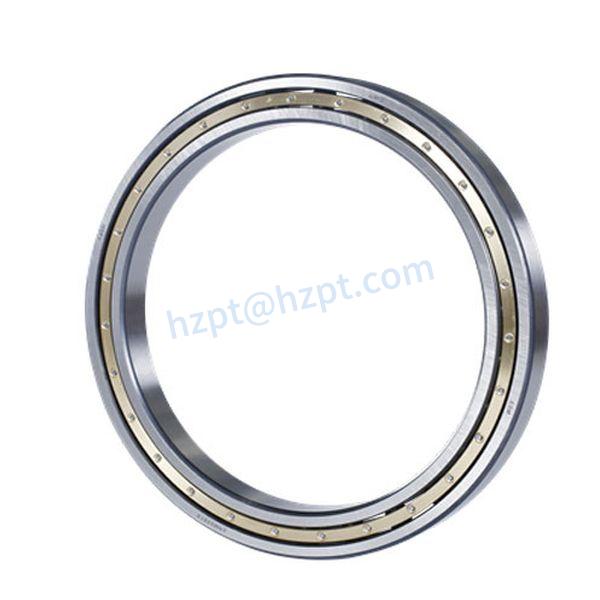
Are there Specific Maintenance Practices to Ensure the Longevity of Ball Bearings?
Maintaining ball bearings is essential to ensure their longevity, reliable performance, and prevent premature failure. Proper maintenance practices can extend the lifespan of ball bearings and the equipment they are used in. Here are specific maintenance practices to consider:
- Regular Lubrication:
Implement a regular lubrication schedule using the appropriate lubricant for the application. Lubrication reduces friction, prevents wear, and helps dissipate heat. Follow manufacturer guidelines for lubricant type, quantity, and frequency.
- Clean Environment:
Keep the operating environment clean and free from contaminants. Dust, dirt, and debris can infiltrate bearings and cause damage. Use seals or shields to protect bearings from contaminants, especially in harsh environments.
- Proper Installation:
Ensure correct installation of bearings using proper tools and techniques. Improper installation can lead to misalignment, uneven load distribution, and premature wear. Follow manufacturer recommendations for installation procedures.
- Regular Inspections:
Perform routine visual inspections to check for signs of wear, damage, or contamination. Regular inspections can help identify issues early and prevent further damage. Pay attention to noise, vibration, and temperature changes.
- Temperature Monitoring:
Monitor bearing temperatures during operation using infrared thermometers or sensors. Abnormal temperature increases can indicate inadequate lubrication, misalignment, or other problems.
- Correct Handling:
Handle bearings with care to prevent damage during storage, transportation, and installation. Avoid dropping or subjecting them to impacts that can affect their internal components.
- Bearing Removal and Replacement:
Follow proper procedures when removing and replacing bearings. Use appropriate tools and techniques to avoid damage to the bearing or the surrounding components.
- Alignment Maintenance:
Maintain proper shaft and housing alignment to prevent excessive loads and wear on the bearing. Misalignment can lead to increased stress and premature failure.
- Training and Education:
Provide training to operators and maintenance personnel on proper bearing maintenance and handling practices. Educated personnel are more likely to identify issues and perform maintenance correctly.
- Documented Records:
Keep records of maintenance activities, inspections, lubrication schedules, and any issues encountered. This documentation helps track the bearing’s performance over time and informs future maintenance decisions.
By implementing these maintenance practices, you can ensure the longevity of ball bearings, minimize downtime, reduce operational costs, and maintain the reliability of the equipment they are a part of.
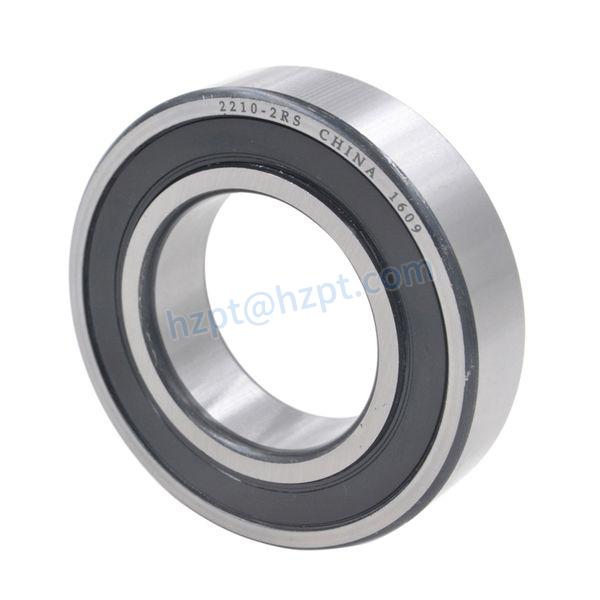
What Role do Seals and Shields Play in Protecting Ball Bearings from Dirt and Debris?
Seals and shields are critical components of ball bearings that play a crucial role in protecting them from dirt, debris, moisture, and contaminants in various applications. These protective features help maintain the integrity of the bearing’s internal components and ensure reliable operation. Here’s how seals and shields contribute to bearing protection:
- Contaminant Exclusion:
Seals and shields create a physical barrier between the external environment and the bearing’s interior. They prevent dust, dirt, water, and other contaminants from entering the bearing and coming into contact with the rolling elements and raceways.
- Lubrication Retention:
Seals and shields help retain lubrication within the bearing. They prevent the lubricant from escaping and contaminants from entering, ensuring that the bearing remains properly lubricated for smooth operation and reduced friction.
- Corrosion Prevention:
Seals and shields protect bearing components from exposure to moisture and corrosive substances. By preventing moisture ingress, they help extend the bearing’s lifespan by minimizing the risk of corrosion-related damage.
- Extended Bearing Life:
Seals and shields contribute to the overall longevity of the bearing by reducing wear and damage caused by contaminants. They help maintain a clean internal environment, which promotes proper rolling contact and minimizes the risk of premature failure.
- Enhanced Performance in Harsh Environments:
In applications exposed to harsh conditions, such as outdoor machinery or industrial settings, seals and shields are vital. They protect bearings from abrasive particles, chemicals, and extreme temperatures, ensuring reliable performance despite challenging conditions.
- Noise and Vibration Reduction:
Seals and shields can help reduce noise and vibration generated by the bearing. They provide additional damping and stability, contributing to smoother operation and enhanced user comfort in noise-sensitive applications.
- Customized Protection:
Manufacturers offer a variety of seal and shield designs to suit different application requirements. Some seals provide higher levels of protection against contamination, while others are designed for high-speed or high-temperature environments.
- Trade-Offs:
While seals and shields offer significant benefits, they can also introduce some friction due to contact with the bearing’s inner or outer ring. Engineers must balance the level of protection with the desired operating characteristics, considering factors like friction, speed, and environmental conditions.
Overall, seals and shields play a vital role in maintaining the integrity and performance of ball bearings. By effectively preventing contaminants from entering and preserving lubrication, they ensure the smooth and reliable operation of machinery and equipment in a wide range of applications.
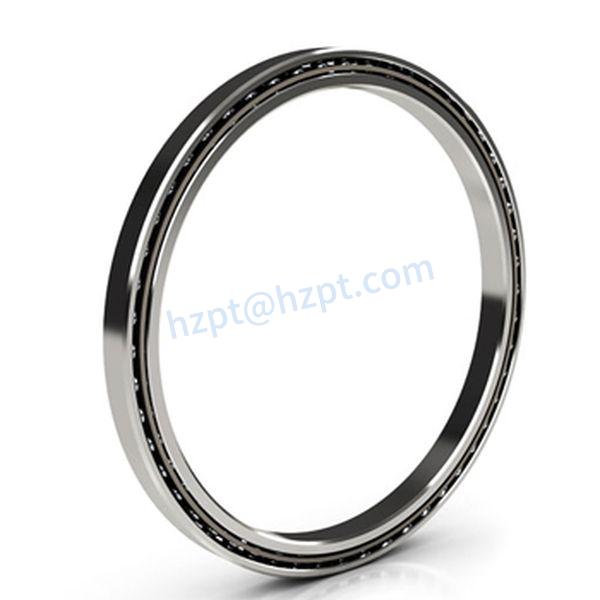
What is a Ball Bearing and How does it Function in Various Applications?
A ball bearing is a type of rolling-element bearing that uses balls to reduce friction between moving parts and support radial and axial loads. It consists of an outer ring, an inner ring, a set of balls, and a cage that separates and maintains a consistent spacing between the balls. Here’s how ball bearings function in various applications:
- Reduction of Friction:
Ball bearings function by replacing sliding friction with rolling friction. The smooth, spherical balls minimize the contact area between the inner and outer rings, resulting in lower friction and reduced heat generation.
- Radial and Axial Load Support:
Ball bearings are designed to support both radial loads (forces perpendicular to the shaft’s axis) and axial loads (forces parallel to the shaft’s axis). The distribution of balls within the bearing ensures load-carrying capacity in multiple directions.
- Smooth Rotational Movement:
Ball bearings facilitate smooth and precise rotational movement. The rolling motion of the balls allows for controlled and continuous rotation with minimal resistance.
- Applications in Machinery:
Ball bearings are used in a wide range of machinery and equipment, including motors, generators, gearboxes, conveyors, and fans. They enable the efficient transfer of motion while reducing wear and energy losses.
- Automotive Industry:
Ball bearings are extensively used in automobiles for various applications, including wheel hubs, transmission systems, steering mechanisms, and engine components. They provide reliability and durability in challenging automotive environments.
- Industrial Machinery:
In industrial settings, ball bearings support rotating shafts and ensure the smooth operation of equipment such as pumps, compressors, and machine tools.
- High-Speed Applications:
Ball bearings are suitable for high-speed applications due to their low friction and ability to accommodate rapid rotation. They are used in applications like electric motors and aerospace components.
- Precision Instruments:
For precision instruments, such as watches, cameras, and medical devices, ball bearings provide accurate rotational movement and contribute to the overall performance of the instrument.
- Variety of Sizes and Types:
Ball bearings come in various sizes, configurations, and materials to suit different applications. Different types include deep groove ball bearings, angular contact ball bearings, thrust ball bearings, and more.
In summary, ball bearings are essential components in a wide range of applications where smooth rotation, load support, and reduced friction are critical. Their versatility, reliability, and efficiency make them indispensable in industries spanning from automotive to industrial machinery to precision instruments.


editor by CX 2024-04-25
China wholesaler 120X120X38mm UPS Fan, Electric Fan, Ball Bearing with 100%Copper Motor with Great quality
Product Description
The series of fans are made of cylindrical aluminum alloy for the outer frame,and PBT plastic for the blades;blade and motor integrate into 1 unit. and installed by double-sided flange, which has the follow feature: small volume, maintenance-free and easy to mounting,and also has the characteristics of low noise and vibration, reliable operation and other excellent performance.
Basic information:
| Frame/Housing: | Aluminum die-casting | |||
| Impeller: | Plastic PBT | |||
| Bearing System: | Ball bearing | |||
| Motor: | Shaded pole | |||
| Connection: | Lead wire or termnal type or metal hard insert | |||
| Protection: | Impedance-Protected | |||
| Dielectric withstand voltage: | Above 100MΩ, DC500V | |||
| Life Expectancy: | Ball bearing:Over 50,000 hr.(at 25°C) | |||
| Storage temperature: | Temp:-40°C~+70°C; Humidity:35%~85%RH | |||
| Operating Temp.Range: | Temp -10°C~+ 60°C ;Humidity:35%~85%RH | |||
| Leaf number: | 7P | |||
| Ingress protection: | IP44 | |||
Technical parameters :
| AC AXIAL FAN |
| Model No: | Rated Voltage | Freqency | Rated Current | Rated Power | Speed | Max.Air Flow | Max.Static Pressure | Noise | Weights | ||
| (VAC) | (Hz) | (A) | (W) | (RPM) | (m³/h) | (CFM) | (mmH2O) | (inchH2O) | (dB) | (kgs) | |
| TXA38S-120B1H | 110~120 | 50/60 | 0.22/0.18/ | 21/18 | 2650/2950 | 168/204 | 99/120 | 8.5/10 | 0.34/0.4 | 40/45 | 0.53 |
| TXA38S-120B2H | 220~240 | 50/60 | 0.12/0.11 | 20/19 | 2650/2950 | 168/204 | 99/120 | 8.5/10 | 0.34/0.4 | 40/45 | 0.53 |
| TXA38S-120B3H | 380/400 | 50/60 | 0.07/0.06 | 19/18 | 2650/2950 | 168/204 | 99/120 | 8.5/10 | 0.34/0.4 | 40/45 | 0.53 |
package:
workshop:
FAQ
Q: What is your MOQ?
A: Generally, our MOQ is 200PCS for each model, we can discuss in details if you have special any requirements, like big quantity for the whole order but small quantity for each model.
Q:How can I get a sample to check your quality?
A: After price confirmation, you can require for samples to check our quality.
If you need the samples, we will charge for the sample cost. But the sample cost can be refundable after you place an order(q’ty>1000pcs) in the future.
Q:Can I add my logo on the carton and stickers?
A: Yes, we can do OEM service, but you need send your carton & sticker design to us.
Q:How long can I expect to get the sample?
A: After you pay the sample charge and send us confirmed files, the samples will be ready for delivery in 5-7days.
Q:What about the lead time for mass production?
A: Honestly, it depends on the order quantity and the season you place the order. The lead time of MOQ is about 15 to 30 days.
Q: What is the shipping method?
A: Samples will be sent via DHL, UPS, FEDEX, TNT, EMS, etc. while bulk goods will be sent by sea or air. The goods on FOB basis can be shipped through designated forwarder.
Q:What is your term of payment?
A: By T/T, 30% at first, 70% before loading. Or irrevocable L/C at sight is accepted.
/* January 22, 2571 19:08:37 */!function(){function s(e,r){var a,o={};try{e&&e.split(“,”).forEach(function(e,t){e&&(a=e.match(/(.*?):(.*)$/))&&1
| Material: | Aluminum Fan |
|---|---|
| Blade Material: | Plastic |
| Type: | Axial Fan |
| Electric Current Type: | AC |
| Mounting: | Free Standing |
| Certification: | RoHS, ISO, CE, CCC |
| Samples: |
US$ 6/Piece
1 Piece(Min.Order) | |
|---|
| Customization: |
Available
| Customized Request |
|---|
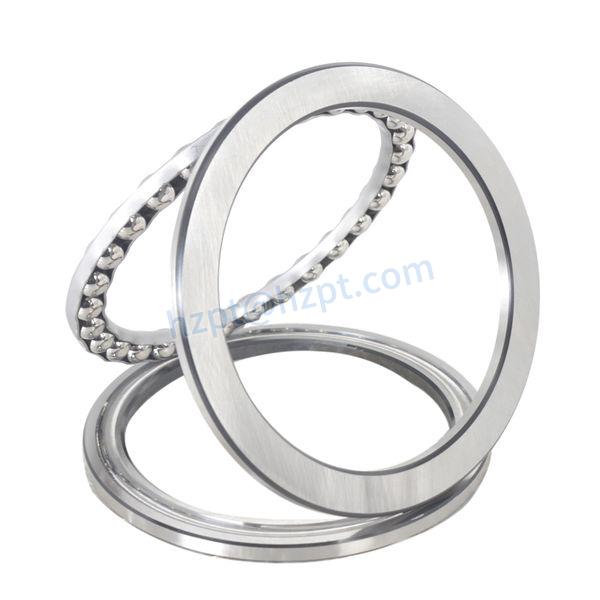
What are the Materials Typically Used in Manufacturing Ball Bearings and Their Advantages?
Ball bearings are manufactured using a variety of materials, each chosen for its specific properties and advantages in various applications. Here are some commonly used materials in ball bearing manufacturing and their respective benefits:
- High-Carbon Chrome Steel (AISI 52100):
This is the most common material used for ball bearing manufacturing. It offers excellent hardness, wear resistance, and fatigue strength. High-carbon chrome steel bearings are suitable for a wide range of applications, from industrial machinery to automotive components.
- Stainless Steel (AISI 440C, AISI 304, AISI 316):
Stainless steel bearings are corrosion-resistant and suitable for applications where moisture, chemicals, or exposure to harsh environments are concerns. AISI 440C offers high hardness and corrosion resistance, while AISI 304 and AISI 316 provide good corrosion resistance and are often used in food and medical industries.
- Ceramic:
Ceramic bearings use silicon nitride (Si3N4) or zirconia (ZrO2) balls. Ceramic materials offer high stiffness, low density, and excellent resistance to corrosion and heat. Ceramic bearings are commonly used in high-speed and high-temperature applications, such as in aerospace and racing industries.
- Plastic (Polyamide, PEEK):
Plastic bearings are lightweight and offer good corrosion resistance. Polyamide bearings are commonly used due to their low friction and wear properties. Polyether ether ketone (PEEK) bearings provide high-temperature resistance and are suitable for demanding environments.
- Bronze:
Bronze bearings are often used in applications where self-lubrication is required. Bronze has good thermal conductivity and wear resistance. Bearings made from bronze are commonly used in machinery requiring frequent starts and stops.
- Hybrid Bearings:
Hybrid bearings combine steel rings with ceramic balls. These bearings offer a balance between the advantages of both materials, such as improved stiffness and reduced weight. Hybrid bearings are used in applications where high speeds and low friction are essential.
- Specialty Alloys:
For specific applications, specialty alloys may be used to meet unique requirements. For example, bearings used in extreme temperatures or corrosive environments may be made from materials like titanium or hastelloy.
- Coated Bearings:
Bearings may also be coated with thin layers of materials like diamond-like carbon (DLC) or other coatings to enhance performance, reduce friction, and improve wear resistance.
The choice of material depends on factors such as application requirements, operating conditions, load, speed, and environmental factors. Selecting the right material is essential for ensuring optimal bearing performance, longevity, and reliability in diverse industries and applications.
What Role do Seals and Shields Play in Protecting Ball Bearings from Dirt and Debris?
Seals and shields are critical components of ball bearings that play a crucial role in protecting them from dirt, debris, moisture, and contaminants in various applications. These protective features help maintain the integrity of the bearing’s internal components and ensure reliable operation. Here’s how seals and shields contribute to bearing protection:
- Contaminant Exclusion:
Seals and shields create a physical barrier between the external environment and the bearing’s interior. They prevent dust, dirt, water, and other contaminants from entering the bearing and coming into contact with the rolling elements and raceways.
- Lubrication Retention:
Seals and shields help retain lubrication within the bearing. They prevent the lubricant from escaping and contaminants from entering, ensuring that the bearing remains properly lubricated for smooth operation and reduced friction.
- Corrosion Prevention:
Seals and shields protect bearing components from exposure to moisture and corrosive substances. By preventing moisture ingress, they help extend the bearing’s lifespan by minimizing the risk of corrosion-related damage.
- Extended Bearing Life:
Seals and shields contribute to the overall longevity of the bearing by reducing wear and damage caused by contaminants. They help maintain a clean internal environment, which promotes proper rolling contact and minimizes the risk of premature failure.
- Enhanced Performance in Harsh Environments:
In applications exposed to harsh conditions, such as outdoor machinery or industrial settings, seals and shields are vital. They protect bearings from abrasive particles, chemicals, and extreme temperatures, ensuring reliable performance despite challenging conditions.
- Noise and Vibration Reduction:
Seals and shields can help reduce noise and vibration generated by the bearing. They provide additional damping and stability, contributing to smoother operation and enhanced user comfort in noise-sensitive applications.
- Customized Protection:
Manufacturers offer a variety of seal and shield designs to suit different application requirements. Some seals provide higher levels of protection against contamination, while others are designed for high-speed or high-temperature environments.
- Trade-Offs:
While seals and shields offer significant benefits, they can also introduce some friction due to contact with the bearing’s inner or outer ring. Engineers must balance the level of protection with the desired operating characteristics, considering factors like friction, speed, and environmental conditions.
Overall, seals and shields play a vital role in maintaining the integrity and performance of ball bearings. By effectively preventing contaminants from entering and preserving lubrication, they ensure the smooth and reliable operation of machinery and equipment in a wide range of applications.
How does Lubrication Impact the Performance and Lifespan of Ball Bearings?
Lubrication plays a critical role in the performance and lifespan of ball bearings. Proper lubrication ensures smooth operation, reduces friction, minimizes wear, and prevents premature failure. Here’s how lubrication impacts ball bearings:
- Friction Reduction:
Lubrication creates a thin film between the rolling elements (balls) and the raceways of the bearing. This film reduces friction by separating the surfaces and preventing direct metal-to-metal contact. Reduced friction results in lower energy consumption, heat generation, and wear.
- Wear Prevention:
Lubricants create a protective barrier that prevents wear and damage to the bearing’s components. Without proper lubrication, the repeated rolling and sliding of the balls against the raceways would lead to accelerated wear, surface pitting, and eventual failure.
- Heat Dissipation:
Lubricants help dissipate heat generated during operation. The rolling elements and raceways can generate heat due to friction. Adequate lubrication carries away this heat, preventing overheating and maintaining stable operating temperatures.
- Corrosion Resistance:
Lubrication prevents moisture and contaminants from coming into direct contact with the bearing’s surfaces. This helps protect the bearing against corrosion, rust, and the formation of debris that can compromise its performance and longevity.
- Noise Reduction:
Lubricated ball bearings operate quietly because the lubricant cushions and dampens vibrations caused by the rolling motion. This noise reduction is crucial in applications where noise levels need to be minimized.
- Seal Protection:
Lubricants help maintain the effectiveness of seals or shields that protect the bearing from contaminants. They create a barrier that prevents particles from entering the bearing and causing damage.
- Improved Efficiency:
Properly lubricated ball bearings operate with reduced friction, leading to improved overall efficiency. This is especially important in applications where energy efficiency is a priority.
- Lifespan Extension:
Effective lubrication significantly extends the lifespan of ball bearings. Bearings that are properly lubricated experience less wear, reduced fatigue, and a lower likelihood of premature failure.
- Selection of Lubricant:
Choosing the right lubricant is essential. Factors such as speed, temperature, load, and environmental conditions influence the choice of lubricant type and viscosity. Some common lubricant options include grease and oil-based lubricants.
- Regular Maintenance:
Regular lubrication maintenance is crucial to ensure optimal bearing performance. Bearings should be inspected and relubricated according to manufacturer recommendations and based on the application’s operating conditions.
In summary, proper lubrication is essential for the optimal performance, longevity, and reliability of ball bearings. It reduces friction, prevents wear, dissipates heat, protects against corrosion, and contributes to smooth and efficient operation in various industrial and mechanical applications.
editor by CX 2024-02-29
China high quality Electric Fan Motor Oil Impregnated Spherical Powder Metallurgy Ball Ring Bearing drive shaft bearing
Product Description
Excellent powder metallurgy parts metallic sintered parts
We could offer various powder metallurgy parts including iron based and copper based with top quality and cheapest price, please only send the drawing or sample to us, we will according to customer’s requirement to make it. if you are interested in our product, please do not hesitate to contact us, we would like to offer the top quality and best service for you. thank you!
How do We Work with Our Clients
1. For a design expert or a big company with your own engineering team: we prefer to receive a fully RFQ pack from you including drawing, 3D model, quantity, pictures;
2. For a start-up company owner or green hand for engineering: just send an idea that you want to try, you don’t even need to know what casting is;
3. Our sales will reply you within 24 hours to confirm further details and give the estimated quote time;
4. Our engineering team will evaluate your inquiry and provide our offer within next 1~3 working days.
5. We can arrange a technical communication meeting with you and our engineers together anytime if required.
| Place of origin: | Jangsu,China |
| Type: | Powder metallurgy sintering |
| Spare parts type: | Powder metallurgy parts |
| Machinery Test report: | Provided |
| Material: | Iron,stainless,steel,copper |
| Key selling points: | Quality assurance |
| Mould type: | Tungsten steel |
| Material standard: | MPIF 35,DIN 3571,JIS Z 2550 |
| Application: | Small home appliances,Lockset,Electric tool, automobile, |
| Brand Name: | OEM SERVICE |
| Plating: | Customized |
| After-sales Service: | Online support |
| Processing: | Powder Metallurgr,CNC Machining |
| Powder Metallurgr: | High frequency quenching, oil immersion |
| Quality Control: | 100% inspection |
The Advantage of Powder Metallurgy Process
1. Cost effective
The final products can be compacted with powder metallurgy method ,and no need or can shorten the processing of machine .It can save material greatly and reduce the production cost .
2. Complex shapes
Powder metallurgy allows to obtain complex shapes directly from the compacting tooling ,without any machining operation ,like teeth ,splines ,profiles ,frontal geometries etc.
3. High precision
Achievable tolerances in the perpendicular direction of compacting are typically IT 8-9 as sintered,improvable up to IT 5-7 after sizing .Additional machining operations can improve the precision .
4. Self-lubrication
The interconnected porosity of the material can be filled with oils ,obtaining then a self-lubricating bearing :the oil provides constant lubrication between bearing and shaft ,and the system does not need any additional external lubricant .
5. Green technology
The manufacturing process of sintered components is certified as ecological ,because the material waste is very low ,the product is recyclable ,and the energy efficiency is good because the material is not molten.
FAQ
Q1: What is the type of payment?
A: Usually you should prepay 50% of the total amount. The balance should be pay off before shipment.
Q2: How to guarantee the high quality?
A: 100% inspection. We have Carl Zeiss high-precision testing equipment and testing department to make sure every product of size,appearance and pressure test are good.
Q3: How long will you give me the reply?
A: we will contact you in 12 hours as soon as we can.
Q4. How about your delivery time?
A: Generally, it will take 25 to 35 days after receiving your advance payment. The specific delivery time depends on the items and the quantity of your order. and if the item was non standard, we have to consider extra 10-15days for tooling/mould made.
Q5. Can you produce according to the samples or drawings?
A: Yes, we can produce by your samples or technical drawings. We can build the molds and fixtures.
Q6: How about tooling Charge?
A: Tooling charge only charge once when first order, all future orders would not charge again even tooling repair or under maintance.
Q7: What is your sample policy?
A: We can supply the sample if we have ready parts in stock, but the customers have to pay the sample cost and the courier cost.
Q8: How do you make our business long-term and good relationship?
A: 1. We keep good quality and competitive price to ensure our customers benefit ;
2. We respect every customer as our friend and we sincerely do business and make friends with them, no matter where they come from.
/* March 10, 2571 17:59:20 */!function(){function s(e,r){var a,o={};try{e&&e.split(“,”).forEach(function(e,t){e&&(a=e.match(/(.*?):(.*)$/))&&1
| Customized: | Customized |
|---|---|
| Certification: | IATF16949 |
| Standard Parts: | No |
| Samples: |
US$ 20/Piece
1 Piece(Min.Order) | Order Sample |
|---|
| Customization: |
Available
| Customized Request |
|---|
.shipping-cost-tm .tm-status-off{background: none;padding:0;color: #1470cc}
|
Shipping Cost:
Estimated freight per unit. |
about shipping cost and estimated delivery time. |
|---|
| Payment Method: |
|
|---|---|
|
Initial Payment Full Payment |
| Currency: | US$ |
|---|
| Return&refunds: | You can apply for a refund up to 30 days after receipt of the products. |
|---|
How does Preload Affect the Performance and Efficiency of Ball Bearings?
Preload is a crucial factor in ball bearing design that significantly impacts the performance, efficiency, and overall behavior of the bearings in various applications. Preload refers to the intentional axial force applied to the bearing’s rolling elements before it is mounted. This force eliminates internal clearance and creates contact between the rolling elements and the raceways. Here’s how preload affects ball bearing performance:
- Reduction of Internal Clearance:
Applying preload reduces the internal clearance between the rolling elements and the raceways. This eliminates play within the bearing, ensuring that the rolling elements are in constant contact with the raceways. This reduced internal clearance enhances precision and reduces vibrations during operation.
- Increased Stiffness:
Preloaded bearings are stiffer due to the elimination of internal clearance. This increased stiffness improves the bearing’s ability to handle axial and radial loads with higher accuracy and minimal deflection.
- Minimized Axial Play:
Preload minimizes or eliminates axial play within the bearing. This is especially important in applications where axial movement needs to be minimized, such as machine tool spindles and precision instruments.
- Enhanced Rigidity:
The stiffness resulting from preload enhances the bearing’s rigidity, making it less susceptible to deformation under load. This is critical for maintaining precision and accuracy in applications that require minimal deflection.
- Reduction in Ball Slippage:
Preload reduces the likelihood of ball slippage within the bearing, ensuring consistent contact between the rolling elements and the raceways. This leads to improved efficiency and better load distribution.
- Improved Running Accuracy:
Preloading enhances the running accuracy of the bearing, ensuring that it maintains precise rotational characteristics even under varying loads and speeds. This is essential for applications requiring high accuracy and repeatability.
- Optimized Performance at High Speeds:
Preload helps prevent skidding and slipping of the rolling elements during high-speed operation. This ensures that the bearing remains stable, reducing the risk of noise, vibration, and premature wear.
- Impact on Friction and Heat Generation:
While preload reduces internal clearance and friction, excessive preload can lead to higher friction and increased heat generation. A balance must be struck between optimal preload and minimizing friction-related issues.
- Application-Specific Considerations:
The appropriate amount of preload depends on the application’s requirements, such as load, speed, accuracy, and operating conditions. Over-preloading can lead to increased stress and premature bearing failure, while under-preloading may result in inadequate rigidity and reduced performance.
Overall, preload plays a critical role in optimizing the performance, accuracy, and efficiency of ball bearings. Engineers must carefully determine the right preload level for their specific applications to achieve the desired performance characteristics and avoid potential issues related to overloading or inadequate rigidity.
What Role do Seals and Shields Play in Protecting Ball Bearings from Dirt and Debris?
Seals and shields are critical components of ball bearings that play a crucial role in protecting them from dirt, debris, moisture, and contaminants in various applications. These protective features help maintain the integrity of the bearing’s internal components and ensure reliable operation. Here’s how seals and shields contribute to bearing protection:
- Contaminant Exclusion:
Seals and shields create a physical barrier between the external environment and the bearing’s interior. They prevent dust, dirt, water, and other contaminants from entering the bearing and coming into contact with the rolling elements and raceways.
- Lubrication Retention:
Seals and shields help retain lubrication within the bearing. They prevent the lubricant from escaping and contaminants from entering, ensuring that the bearing remains properly lubricated for smooth operation and reduced friction.
- Corrosion Prevention:
Seals and shields protect bearing components from exposure to moisture and corrosive substances. By preventing moisture ingress, they help extend the bearing’s lifespan by minimizing the risk of corrosion-related damage.
- Extended Bearing Life:
Seals and shields contribute to the overall longevity of the bearing by reducing wear and damage caused by contaminants. They help maintain a clean internal environment, which promotes proper rolling contact and minimizes the risk of premature failure.
- Enhanced Performance in Harsh Environments:
In applications exposed to harsh conditions, such as outdoor machinery or industrial settings, seals and shields are vital. They protect bearings from abrasive particles, chemicals, and extreme temperatures, ensuring reliable performance despite challenging conditions.
- Noise and Vibration Reduction:
Seals and shields can help reduce noise and vibration generated by the bearing. They provide additional damping and stability, contributing to smoother operation and enhanced user comfort in noise-sensitive applications.
- Customized Protection:
Manufacturers offer a variety of seal and shield designs to suit different application requirements. Some seals provide higher levels of protection against contamination, while others are designed for high-speed or high-temperature environments.
- Trade-Offs:
While seals and shields offer significant benefits, they can also introduce some friction due to contact with the bearing’s inner or outer ring. Engineers must balance the level of protection with the desired operating characteristics, considering factors like friction, speed, and environmental conditions.
Overall, seals and shields play a vital role in maintaining the integrity and performance of ball bearings. By effectively preventing contaminants from entering and preserving lubrication, they ensure the smooth and reliable operation of machinery and equipment in a wide range of applications.
How does Lubrication Impact the Performance and Lifespan of Ball Bearings?
Lubrication plays a critical role in the performance and lifespan of ball bearings. Proper lubrication ensures smooth operation, reduces friction, minimizes wear, and prevents premature failure. Here’s how lubrication impacts ball bearings:
- Friction Reduction:
Lubrication creates a thin film between the rolling elements (balls) and the raceways of the bearing. This film reduces friction by separating the surfaces and preventing direct metal-to-metal contact. Reduced friction results in lower energy consumption, heat generation, and wear.
- Wear Prevention:
Lubricants create a protective barrier that prevents wear and damage to the bearing’s components. Without proper lubrication, the repeated rolling and sliding of the balls against the raceways would lead to accelerated wear, surface pitting, and eventual failure.
- Heat Dissipation:
Lubricants help dissipate heat generated during operation. The rolling elements and raceways can generate heat due to friction. Adequate lubrication carries away this heat, preventing overheating and maintaining stable operating temperatures.
- Corrosion Resistance:
Lubrication prevents moisture and contaminants from coming into direct contact with the bearing’s surfaces. This helps protect the bearing against corrosion, rust, and the formation of debris that can compromise its performance and longevity.
- Noise Reduction:
Lubricated ball bearings operate quietly because the lubricant cushions and dampens vibrations caused by the rolling motion. This noise reduction is crucial in applications where noise levels need to be minimized.
- Seal Protection:
Lubricants help maintain the effectiveness of seals or shields that protect the bearing from contaminants. They create a barrier that prevents particles from entering the bearing and causing damage.
- Improved Efficiency:
Properly lubricated ball bearings operate with reduced friction, leading to improved overall efficiency. This is especially important in applications where energy efficiency is a priority.
- Lifespan Extension:
Effective lubrication significantly extends the lifespan of ball bearings. Bearings that are properly lubricated experience less wear, reduced fatigue, and a lower likelihood of premature failure.
- Selection of Lubricant:
Choosing the right lubricant is essential. Factors such as speed, temperature, load, and environmental conditions influence the choice of lubricant type and viscosity. Some common lubricant options include grease and oil-based lubricants.
- Regular Maintenance:
Regular lubrication maintenance is crucial to ensure optimal bearing performance. Bearings should be inspected and relubricated according to manufacturer recommendations and based on the application’s operating conditions.
In summary, proper lubrication is essential for the optimal performance, longevity, and reliability of ball bearings. It reduces friction, prevents wear, dissipates heat, protects against corrosion, and contributes to smooth and efficient operation in various industrial and mechanical applications.
editor by CX 2024-02-17