Product Description
Product Parameters
| Model | Category | RTS/Custom | Size(mm) d*D*H (mm) |
Precision grade | Seal Type | Number of Row | Application |
| 6201 | Deep Groove Ball Bearing | RTS | 10*30*9mm | P0 P2 P4 P5 P6 | OPEN ZZ 2RS RS | Single | Machinery |
| Material | Material of Balls | Lubrication | Vibration | Clearance | Hardness | Deliery Time | Packing |
| Chrome Steel GCr15 | Chrome Steel GCr15 | Grease or Oil | Standard Vibration Z1/Z2/Z3/Z4/V1/V2/V3/V4 |
Standard Clearance C0/C2/C3/C4/C5 |
HRC60-65 | <=50000,3 <=100000,5 |
Single Box+Cartons+Pallet |
Product Description
Detailed Photos
Our business:Produce and customize various bearing brands. (Packaging and logo can be customized. All copyright belongs to the customer. We promise not to disclose any information.)
Product Series
| Bearing type | Boundary Dimensions( mm ) | Speed Rating(ipm) | Load Rating(kn) | Weight(kg) | ||||
| d | D | B | Grease lubrication | Oil lubrication | Dynamic Cr | Static Cor | ||
| 6200 | 10 | 30 | 9 | 20000 | 26000 | 5.1 | 2.38 | 0.032 |
| 6201 | 12 | 32 | 10 | 19000 | 24000 | 6.82 | 3.05 | 0.037 |
| 6202 | 15 | 35 | 11 | 18000 | 22000 | 7.65 | 3.72 | 0.045 |
| 6203 | 17 | 40 | 12 | 16000 | 20000 | 9.58 | 4.78 | 0.065 |
| 6204 | 20 | 47 | 14 | 14000 | 18000 | 12.8 | 6.65 | 0.106 |
| 6205 | 25 | 52 | 15 | 13000 | 15000 | 14 | 7.85 | 0.128 |
| 6206 | 30 | 62 | 16 | 11000 | 13000 | 19.5 | 11.3 | 0.199 |
| 6207 | 35 | 72 | 17 | 9200 | 11000 | 25.7 | 15.4 | 0.288 |
| 6208 | 40 | 80 | 18 | 8000 | 10000 | 29.5 | 18 | 0.368 |
| 6209 | 45 | 85 | 19 | 7000 | 9000 | 31.5 | 20.5 | 0.416 |
| 6210 | 50 | 90 | 20 | 6700 | 8500 | 35 | 23.2 | 0.463 |
| 6211 | 55 | 100 | 21 | 6000 | 7500 | 43.5 | 29.2 | 0.6 |
| 6212 | 60 | 110 | 22 | 5600 | 7000 | 47.8 | 32.8 | 0.78 |
| 6213 | 65 | 120 | 23 | 5000 | 6300 | 57.2 | 40 | 0.99 |
| 6214 | 70 | 125 | 24 | 4800 | 6000 | 60.5 | 45 | 1.08 |
| 6215 | 75 | 130 | 25 | 4500 | 5600 | 66 | 49.5 | 1.17 |
| 6216 | 80 | 140 | 26 | 4300 | 5300 | 71.5 | 54.5 | 1.44 |
| 6217 | 85 | 150 | 28 | 4000 | 5000 | 83 | 63.8 | 1.8 |
| 6218 | 90 | 160 | 30 | 3800 | 4800 | 95.8 | 71.5 | 2.17 |
| 6219 | 95 | 170 | 32 | 3600 | 4500 | 108 | 81.5 | 2.61 |
| 6220 | 100 | 180 | 34 | 3400 | 4300 | 122 | 92.8 | 3.2 |
| 6221 | 105 | 190 | 36 | 3200 | 4000 | 133 | 105 | 3.78 |
| 6222 | 110 | 200 | 38 | 3000 | 3800 | 144 | 117 | 4.42 |
| 6224 | 120 | 215 | 40 | 2600 | 3400 | 155 | 131 | 5.3 |
| 6226 | 130 | 230 | 40 | 2400 | 3200 | 165 | 148 | 6.12 |
| 6228 | 140 | 250 | 42 | 2000 | 2800 | 179 | 167 | 7.77 |
| 6230 | 150 | 270 | 45 | 1900 | 2600 | 203 | 199 | 9.78 |
| 6232 | 160 | 290 | 48 | 1800 | 2400 | 215 | 218 | 12.22 |
| 6234 | 170 | 310 | 52 | 1700 | 2200 | 245 | 260 | 15.24 |
| 6236 | 180 | 320 | 52 | 1600 | 2000 | 262 | 285 | 15.51 |
| 6238 | 190 | 340 | 55 | 1500 | 1900 | 285 | 322 | 18.691 |
| 6240 | 200 | 360 | 58 | 1400 | 1800 | 288 | 332 | 22.577 |
| 6244 | 220 | 400 | 65 | 1200 | 1600 | 355 | 365 | 36.5 |
| 6248 | 240 | 440 | 72 | 1000 | 1400 | 358 | 467 | 53.9 |
| 6252 | 260 | 480 | 80 | 800 | 1200 | 390 | 530 | 68.3 |
| 6256 | 280 | 500 | 80 | 700 | 1000 | 423 | 600 | 75.3 |
| 6260 | 300 | 540 | 85 | 500 | 800 | 462 | 670 | 85.6 |
| 6264 | 320 | 580 | 92 | 300 | 600 | 527 | 800 | 93.7 |
| 6268 | 340 | 620 | 92 | 200 | 400 | 559 | 900 | 108.4 |
| 6272 | 360 | 650 | 95 | 100 | 200 | 597 | 1000 | 120 |
Type Of Deep Groove Ball Bearing
1. Deep Groove Ball Bearing With Dust Cover
Generally Used In The Single Lubrication Is More Difficult, The Placement Of Lubricating Oil And Check The Lubrication Is Not Convenient Conditions, Usually Injected Into The Bearing Rust, Lubrication Dual-Purpose Lithium Grease Is 1/4 To 1/3 Of The Bearing Internal Space.
2. Deep Groove Ball Bearing With Sealing Ring
Its Performance, Grease Filling, Use And Bearing With Dust Cover Are Basically The Same, The Difference Is That There Is A Large Gap Between The Dust Cover And The Inner Ring, And The Sealing Lip And The Inner Ring Of The Non-Contact Seal Ring Is Small, There Is No Gap Between The Sealing Lip And The Inner Ring Of The Contact Seal Ring Bearing, The Sealing Effect Is Good, But The Friction Coefficient Has Increased.
3, There Are Stop Groove And Deep Groove Ball Bearings With Stop Ring
In Addition To The Function Of Bearing Radial Load, The Deep Groove Ball Bearing With The Stop Ring Can Also Limit The Axial Displacement Of The Bearing, Simplify The Structure Of The Bearing Seat And Reduce The Bearing Size. Generally Used In Cars, Tractors And Other Axial Load Is Not Large Working Parts.
4. Deep Groove Ball Bearing With Ball Filling Gap
There Are Notches In The Inner And Outer Rings On One Side, From Which More Balls Can Be Loaded, Increasing Its Radial Load Capacity. However, Due To The Small Axial Load Capacity, It Can Not Run At High Speed. If There Is A Large Axial Load, It Needs To Be Used With The General Deep Groove Ball Bearing.
Packaging & Shipping
Company Profile
Exhibitions&Partners
FAQ
Q:Are you trading company or manufacturer?
–We are the company dealing in trading business and manufacturing business.
Q:What’s the MOQ?
–MOQ is 2pcs for standardized products; 300pcs for customized products. There is no MOQ for sample orders.
Q:How long is the lead time?
–The lead time for sample orders is 1-3 days, for bulk orders is generally in 3-15 days.The delivery time is generally in 2 days after payment. It’s according to the order amount.
Q:Do you offer free samples?
–If you place an order, we can return part of sample fee even all of fee to you. It also depends on the quantity of order and the type of sample. And you just need to pay freight.
Q: Could you customized for me?
–Sure,we can supply OEM service as per your drawing or samples.
/* October 22, 2571 15:47:17 */(()=>{function d(e,r){var a,o={};try{e&&e.split(“,”).forEach(function(e,t){e&&(a=e.match(/(.*?):(.*)$/))&&1
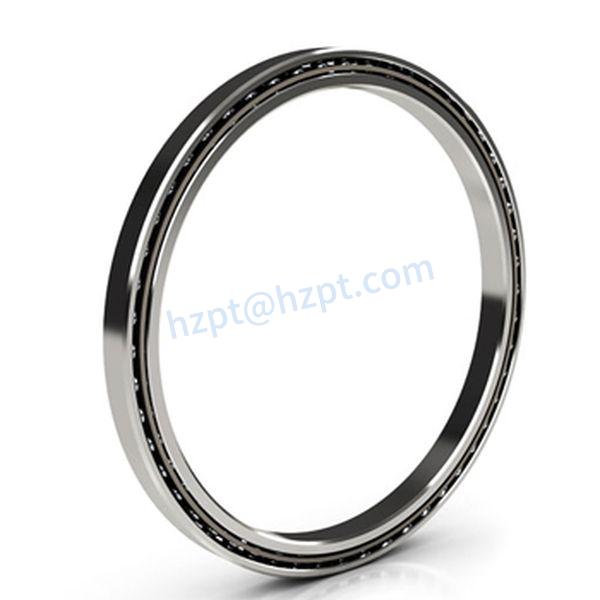
How does Preload Affect the Performance and Efficiency of Ball Bearings?
Preload is a crucial factor in ball bearing design that significantly impacts the performance, efficiency, and overall behavior of the bearings in various applications. Preload refers to the intentional axial force applied to the bearing’s rolling elements before it is mounted. This force eliminates internal clearance and creates contact between the rolling elements and the raceways. Here’s how preload affects ball bearing performance:
- Reduction of Internal Clearance:
Applying preload reduces the internal clearance between the rolling elements and the raceways. This eliminates play within the bearing, ensuring that the rolling elements are in constant contact with the raceways. This reduced internal clearance enhances precision and reduces vibrations during operation.
- Increased Stiffness:
Preloaded bearings are stiffer due to the elimination of internal clearance. This increased stiffness improves the bearing’s ability to handle axial and radial loads with higher accuracy and minimal deflection.
- Minimized Axial Play:
Preload minimizes or eliminates axial play within the bearing. This is especially important in applications where axial movement needs to be minimized, such as machine tool spindles and precision instruments.
- Enhanced Rigidity:
The stiffness resulting from preload enhances the bearing’s rigidity, making it less susceptible to deformation under load. This is critical for maintaining precision and accuracy in applications that require minimal deflection.
- Reduction in Ball Slippage:
Preload reduces the likelihood of ball slippage within the bearing, ensuring consistent contact between the rolling elements and the raceways. This leads to improved efficiency and better load distribution.
- Improved Running Accuracy:
Preloading enhances the running accuracy of the bearing, ensuring that it maintains precise rotational characteristics even under varying loads and speeds. This is essential for applications requiring high accuracy and repeatability.
- Optimized Performance at High Speeds:
Preload helps prevent skidding and slipping of the rolling elements during high-speed operation. This ensures that the bearing remains stable, reducing the risk of noise, vibration, and premature wear.
- Impact on Friction and Heat Generation:
While preload reduces internal clearance and friction, excessive preload can lead to higher friction and increased heat generation. A balance must be struck between optimal preload and minimizing friction-related issues.
- Application-Specific Considerations:
The appropriate amount of preload depends on the application’s requirements, such as load, speed, accuracy, and operating conditions. Over-preloading can lead to increased stress and premature bearing failure, while under-preloading may result in inadequate rigidity and reduced performance.
Overall, preload plays a critical role in optimizing the performance, accuracy, and efficiency of ball bearings. Engineers must carefully determine the right preload level for their specific applications to achieve the desired performance characteristics and avoid potential issues related to overloading or inadequate rigidity.
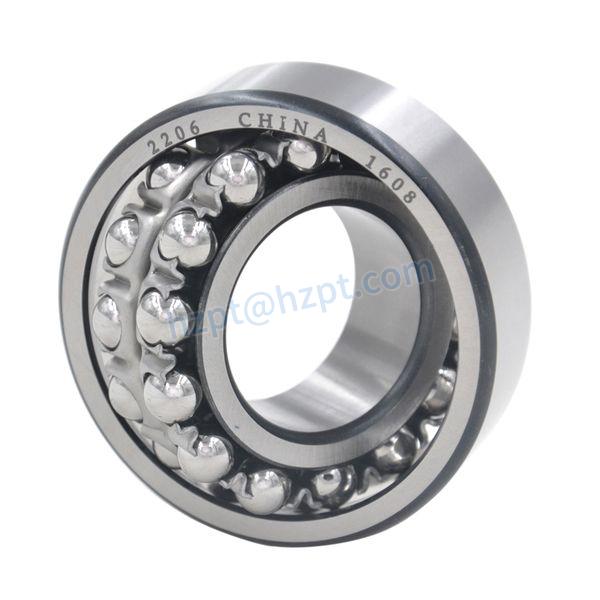
How do Miniature Ball Bearings Differ from Standard-sized Ones, and Where are They Commonly Used?
Miniature ball bearings, as the name suggests, are smaller in size compared to standard-sized ball bearings. They have distinct characteristics and are designed to meet the unique requirements of applications that demand compactness, precision, and efficient rotation in confined spaces. Here’s how miniature ball bearings differ from standard-sized ones and where they are commonly used:
- Size:
The most noticeable difference is their size. Miniature ball bearings typically have outer diameters ranging from a few millimeters to around 30 millimeters, while standard-sized ball bearings have larger dimensions suitable for heavier loads and higher speeds.
- Load Capacity:
Due to their smaller size, miniature ball bearings have lower load-carrying capacities compared to standard-sized bearings. They are designed for light to moderate loads and are often used in applications where precision and compactness are prioritized over heavy load support.
- Precision:
Miniature ball bearings are known for their high precision and accuracy. They are manufactured to tighter tolerances, making them suitable for applications requiring precise motion control and low levels of vibration.
- Speed:
Miniature ball bearings can achieve higher speeds than standard-sized bearings due to their smaller size and lower mass. This makes them ideal for applications involving high-speed rotation.
- Friction and Efficiency:
Miniature ball bearings generally have lower friction due to their smaller contact area. This contributes to higher efficiency and reduced heat generation in applications that require smooth and efficient motion.
- Applications:
Miniature ball bearings find applications in various industries and sectors:
- Electronics and Consumer Devices:
They are used in small motors, computer disk drives, printers, and miniature fans, where space is limited but precise motion is essential.
- Medical and Dental Equipment:
Miniature bearings are used in medical devices such as surgical instruments, dental handpieces, and diagnostic equipment due to their precision and compactness.
- Robotics and Automation:
Miniature ball bearings are integral to robotic arms, miniature conveyors, and automation systems, enabling precise movement in confined spaces.
- Aerospace and Defense:
They are used in applications like UAVs (drones), aerospace actuators, and satellite components where size and weight constraints are critical.
- Optics and Instrumentation:
Miniature bearings play a role in optical instruments, cameras, and measuring devices, providing smooth rotation and accurate positioning.
Overall, miniature ball bearings are specialized components designed for applications where space, precision, and efficient rotation are paramount. Their compactness and high precision make them crucial in various industries requiring reliable motion control in limited spaces.
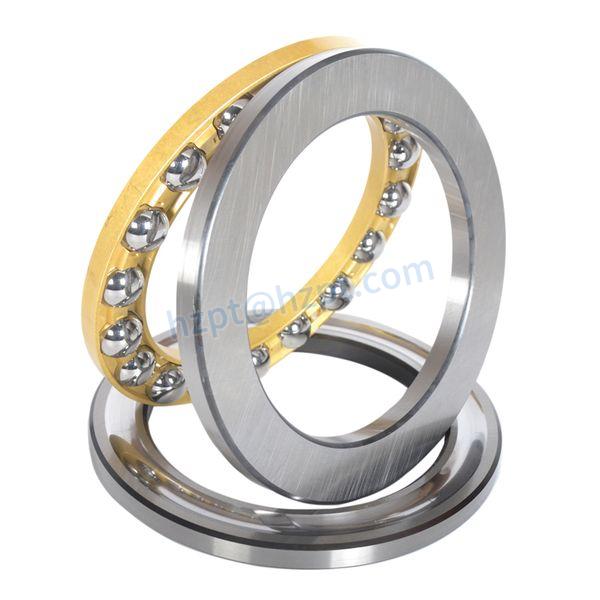
What are the Primary Benefits of Using Ball Bearings in Machinery and Equipment?
Ball bearings offer several primary benefits when used in machinery and equipment. Their design and functionality provide advantages that contribute to the efficient and reliable operation of various applications. Here are the key benefits:
- Reduced Friction:
One of the primary benefits of ball bearings is their ability to minimize friction between moving parts. The rolling motion of the balls reduces the contact area and sliding friction, leading to smoother operation and less energy loss due to frictional heating.
- Efficient Load Support:
Ball bearings are engineered to support both radial and axial loads, making them versatile for applications with multidirectional forces. This load-bearing capability allows machinery to handle different types of loads while maintaining performance and stability.
- Smooth Rotation:
Ball bearings enable smooth and precise rotational movement. The rolling motion of the balls provides consistent motion with minimal resistance, ensuring that machinery operates smoothly and without jerks.
- High-Speed Capability:
Due to their low friction and efficient rolling action, ball bearings are suitable for high-speed applications. They allow machinery and equipment to achieve and maintain high rotational speeds without excessive wear or heat buildup.
- Reduced Wear and Maintenance:
The reduced friction in ball bearings leads to lower wear on components. This results in longer service intervals and reduced maintenance requirements, saving both time and maintenance costs.
- Energy Efficiency:
By minimizing friction and reducing energy losses, ball bearings contribute to the overall energy efficiency of machinery. This is particularly important in applications where energy consumption is a concern.
- Versatility:
Ball bearings come in various types, sizes, and configurations, allowing them to be used in a wide range of machinery and equipment. They can be customized to suit specific application requirements.
- Reliability and Longevity:
Ball bearings are designed to withstand heavy loads and harsh operating conditions. Their durability and resistance to wear ensure reliable performance and an extended operational life.
- Quiet Operation:
Ball bearings contribute to quiet machinery operation due to the smooth rolling motion of the balls. This is particularly important in applications where noise reduction is a consideration.
In summary, the primary benefits of using ball bearings in machinery and equipment include reduced friction, efficient load support, smooth rotation, high-speed capability, reduced wear and maintenance, energy efficiency, versatility, reliability, and quiet operation. These benefits collectively enhance the performance and longevity of machinery across various industries.


editor by lmc 2024-11-27