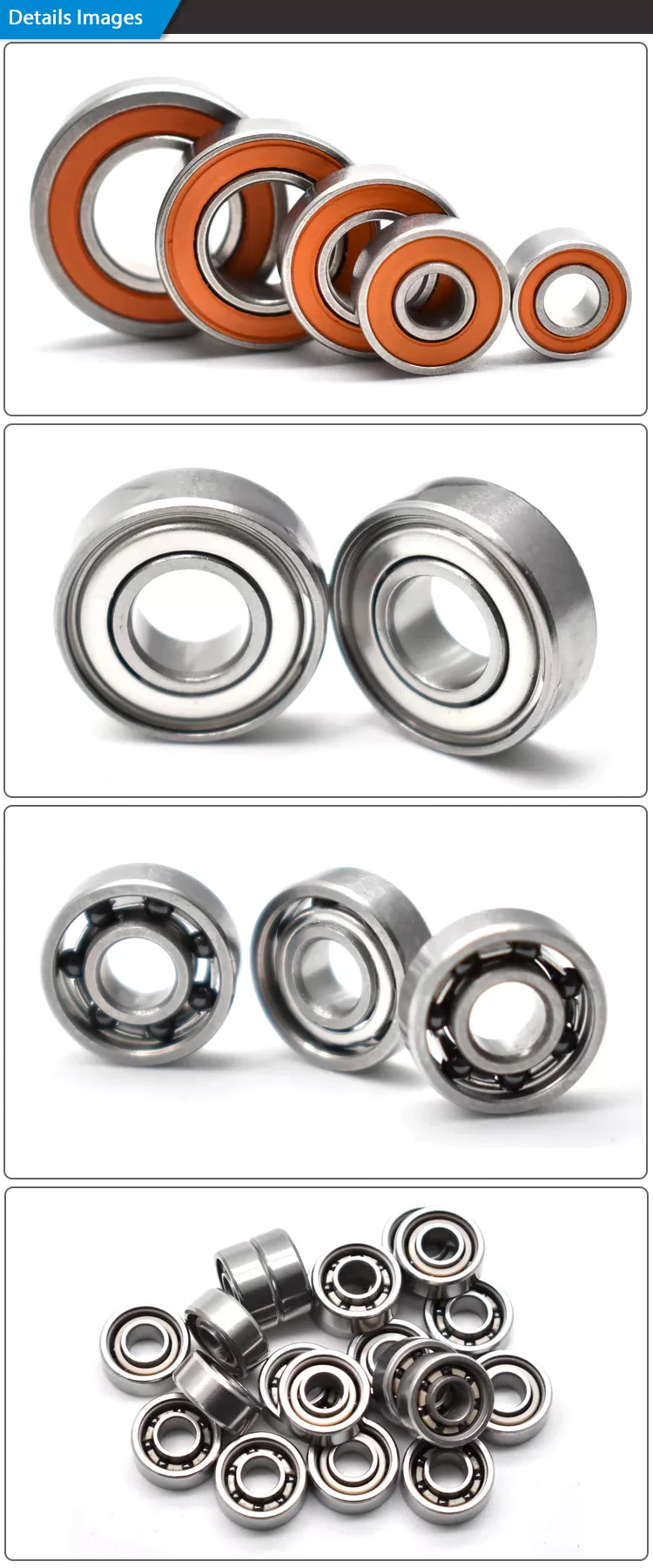
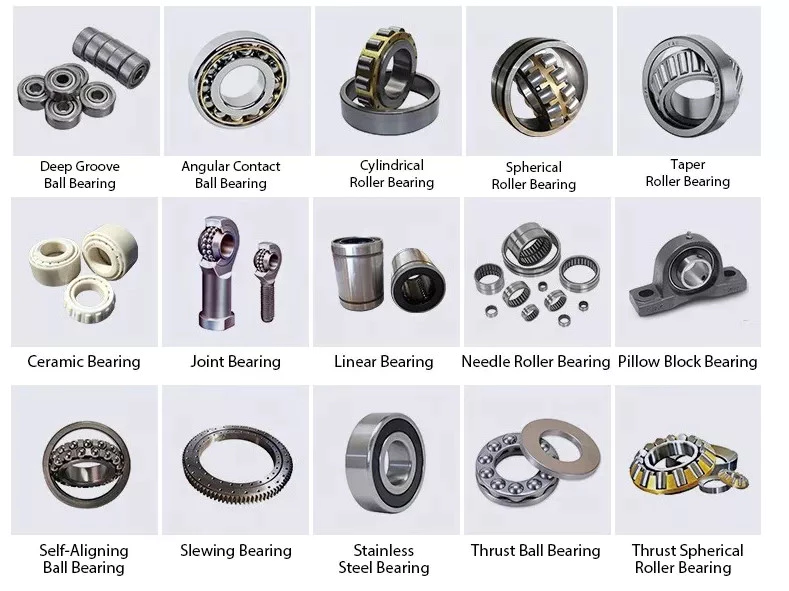
Product Description
| Basic Features of Needle Roller Bearing | |
| Types | Needle Roller and Cage Assemblies Drawn Cup Needle Roller Bearings Thrust Needle Roller Bearings Needle Roller Bearings with Rings |
| Material | Bearing Steel(GCr15, 100Cr6) SPCC St14 Nylon Bronze |
| Dimension | Metric and Inch |
| Dimension Range | 3mm~200mm(bore diameter) |
| MOQ | 1 |
| Delivery Time | 15-45 days |
| Sea Ports | ZheJiang HangZhou HangZhou |
Why Choose HECTO?
1. More than 20 years of manufacturing and exporting experiences
2. an IATF16949 company
3. 100% inspecting of products
4. More competitive prices with better quality
5. More than 99% of delivery in time
6. Rapid response of your emails and questions
7. Products can be traced back
Needle Roller and Cage Assemblies
| Shaft | Bearing No. | Boundary Dimensions(mm) | Basic Load Rating(N) | Limiting Speed | |||
| Fw | Ew | Bc | Cr | Cor | Oil(RPM) | ||
| 3 | K3X5X7TN | 3 | 5 | 7 | 1540 | 1290 | 50000 |
| K3X5X9TN | 3 | 5 | 9 | 1710 | 1480 | 48000 | |
| K3X6X7TN | 3 | 6 | 7 | 1430 | 970 | 47000 | |
| 4 | K4X7X7TN | 4 | 7 | 7 | 2330 | 1840 | 43000 |
| K4X7X10TN | 4 | 7 | 10 | 2350 | 1920 | 39000 | |
| 5 | K5X8X8TN | 5 | 8 | 8 | 2300 | 1880 | 37000 |
| K5X8X10TN | 5 | 8 | 10 | 2800 | 2450 | 37000 | |
| 6 | K6X9X8TN | 6 | 9 | 8 | 2500 | 2240 | 35000 |
| K6X9X10TN | 6 | 9 | 10 | 3300 | 3100 | 35000 | |
| K6X10X13TN | 6 | 10 | 13 | 3500 | 2800 | 33000 | |
| 7 | K7X10X8TN | 7 | 10 | 8 | 2750 | 2550 | 32000 |
| K7X10X10TN | 7 | 10 | 10 | 3350 | 3400 | 32000 | |
| 8 | K8X11X8TN | 8 | 11 | 8 | 3000 | 2900 | 30000 |
| K8X11X10TN | 8 | 11 | 10 | 3830 | 3950 | 30000 | |
| K8X11X13TN | 8 | 11 | 13 | 5000 | 5700 | 30000 | |
| K8X12X10TN | 8 | 12 | 10 | 4900 | 4600 | 30000 | |
| 9 | K9X12X10TN | 9 | 12 | 10 | 4200 | 4700 | 30000 |
| K9X12X13TN | 9 | 12 | 13 | 5500 | 6700 | 30000 | |
| 10 | K10X13X10TN | 10 | 13 | 10 | 4500 | 5250 | 27000 |
| K10X13X13TN | 10 | 13 | 13 | 6000 | 7600 | 27000 | |
| K10X13X16TN | 10 | 13 | 16 | 6300 | 7800 | 27000 | |
| K10X14X10TN | 10 | 14 | 10 | 7000 | 7900 | 27000 | |
| K10X14X13TN | 10 | 14 | 13 | 8000 | 9100 | 26000 | |
| K10X16X12TN | 10 | 16 | 12 | 7000 | 9300 | 27000 | |
| 12 | K12X15X9TN | 12 | 15 | 9 | 4120 | 5210 | 25000 |
| K12X15X10TN | 12 | 15 | 10 | 4320 | 5730 | 25000 | |
| K12X15X13TN | 12 | 15 | 13 | 6000 | 8100 | 25000 | |
| K12X16X8TN | 12 | 16 | 8 | 1200 | 4700 | 25000 | |
| K12X16X10TN | 12 | 16 | 10 | 6000 | 6900 | 25000 | |
| K12X16X13TN | 12 | 16 | 13 | 7900 | 9200 | 25000 | |
| K12X17X13TN | 12 | 17 | 13 | 9300 | 10000 | 24000 | |
| K12X18X12TN | 12 | 18 | 12 | 9800 | 8000 | 24000 | |
| K12X15X20TN | 12 | 15 | 20 | 8200 | 12000 | 25000 | |
| 14 | K14X17X10 | 14 | 17 | 10 | 5100 | 6800 | 23000 |
| K14X17X17 | 14 | 17 | 17 | 9300 | 14000 | 23000 | |
| K14X18X10 | 14 | 18 | 10 | 6800 | 8300 | 23000 | |
| K14X18X13 | 14 | 18 | 13 | 8100 | 9800 | 23000 | |
| K14X18X14 | 14 | 18 | 14 | 9200 | 12000 | 23000 | |
| K14X18X15 | 14 | 18 | 15 | 10000 | 13000 | 23000 | |
| K14X18X17 | 14 | 18 | 17 | 10500 | 13900 | 23000 | |
| K14X20X12 | 14 | 20 | 12 | 9900 | 10500 | 22000 | |
| 15 | K15X18X14 | 15 | 18 | 14 | 7500 | 11000 | 23000 |
| K15X18X17 | 15 | 18 | 17 | 9600 | 15900 | 23000 | |
| K15X19X10 | 15 | 19 | 10 | 7200 | 9000 | 22000 | |
| K15X19X13 | 15 | 19 | 13 | 8300 | 9800 | 22000 | |
| K15X19X17 | 15 | 19 | 17 | 10300 | 15000 | 22000 | |
| K15X19X24 ZW | 15 | 19 | 24 | 12800 | 25710 | 22000 | |
| K15X22X13 | 15 | 22 | 13 | 9700 | 11000 | 22000 | |
| K15X22X12 | 15 | 22 | 12 | 10000 | 13000 | 22000 | |
| K15X21X15 | 15 | 21 | 15 | 13800 | 16000 | 22000 | |
| K15X21X21 | 15 | 21 | 21 | 18000 | 24000 | 22000 | |
| 16 | K16X20X10 | 16 | 20 | 10 | 7600 | 9700 | 22000 |
| K16X20X13 | 16 | 20 | 13 | 8700 | 11300 | 22000 | |
| K16X20X17 | 16 | 20 | 17 | 11200 | 16300 | 22000 | |
| K16X21X10 | 16 | 21 | 10 | 9000 | 12000 | 22000 | |
| K16X22X12 | 16 | 22 | 12 | 11000 | 12000 | 21000 | |
| K16X22X13 | 16 | 22 | 13 | 12000 | 13400 | 21000 | |
| K16X22X16 | 16 | 22 | 16 | 14300 | 17000 | 21000 | |
| K16X22X20 | 16 | 22 | 20 | 18000 | 22300 | 21000 | |
| K16X23X14 | 16 | 23 | 14 | 19000 | 21000 | 19000 | |
| K16X24X20 | 16 | 24 | 20 | 21100 | 23000 | 20000 | |
| 17 | K17X21X10 | 17 | 21 | 10 | 7900 | 15710 | 21000 |
| K17X21X13 | 17 | 21 | 13 | 10000 | 14100 | 21000 | |
| K17X21X17 | 17 | 21 | 17 | 12000 | 17400 | 21000 | |
| K17X23X14 | 17 | 23 | 14 | 11000 | 15000 | 21000 | |
| 18 | K18X22X10 | 18 | 22 | 10 | 8200 | 9900 | 20000 |
| K18X22X13 | 18 | 22 | 13 | 9000 | 12100 | 20000 | |
| K18X22X17 | 18 | 22 | 17 | 11900 | 17600 | 20000 | |
| K18X24X12 | 18 | 24 | 12 | 11200 | 12900 | 20000 | |
| K18X24X13 | 18 | 24 | 13 | 12900 | 14900 | 20000 | |
| K18X24X13.5 | 18 | 24 | 13.5 | 12900 | 14900 | 20000 | |
| K18X24X20 | 18 | 24 | 20 | 20000 | 26500 | 20000 | |
| K18X25X14 | 18 | 25 | 14 | 16500 | 18800 | 20000 | |
| K18X25X22 | 18 | 25 | 22 | 22900 | 28400 | 20000 | |
| K18X26X14 | 18 | 26 | 14 | 18000 | 20000 | 18000 | |
| K18X28X16 | 18 | 28 | 16 | 19000 | 18400 | 19000 | |
| 19 | K19X23X13 | 19 | 23 | 13 | 9300 | 13000 | 20000 |
| K19X23X17 | 19 | 23 | 17 | 12000 | 18600 | 20000 | |
| 20 | K20X24X10 | 20 | 24 | 10 | 8700 | 12100 | 19000 |
| K20X24X12 | 20 | 24 | 12 | 9600 | 13800 | 19000 | |
| K20X24X13 | 20 | 24 | 13 | 9600 | 13800 | 19000 | |
| K20X24X17 | 20 | 24 | 17 | 12400 | 20000 | 19000 | |
| K20X26X12 | 20 | 26 | 12 | 13100 | 15700 | 19000 | |
| K20X26X16 | 20 | 26 | 16 | 18000 | 25000 | 18500 | |
| K20X26X17 | 20 | 26 | 17 | 18700 | 25500 | 19000 | |
| K20X26X20 | 20 | 26 | 20 | 20600 | 28500 | 19000 | |
| K20X28X20 | 20 | 28 | 20 | 23400 | 28000 | 18000 | |
| K20X28X25 | 20 | 28 | 25 | 30000 | 28500 | 18000 | |
| K20X30X30 | 20 | 30 | 30 | 35000 | 41000 | 18000 | |
| 21 | K21X25X13 | 21 | 25 | 13 | 9600 | 14500 | 19000 |
| K21X25X17 | 21 | 25 | 17 | 12800 | 21000 | 19000 | |
| 22 | K22X26X10 | 22 | 26 | 10 | 8700 | 12900 | 18000 |
| K22X26X13 | 22 | 26 | 13 | 10000 | 15400 | 18000 | |
| K22X26X17 | 22 | 26 | 17 | 13100 | 22100 | 18000 | |
| K22X27X13 | 22 | 27 | 13 | 14000 | 23000 | 18000 | |
| K22X28X17 | 22 | 28 | 17 | 19000 | 26500 | 18000 | |
| K22X28X23 | 22 | 28 | 23 | 20000 | 27000 | 19000 | |
| K22X29X16 | 22 | 29 | 16 | 19500 | 25000 | 17000 | |
| K22X30X15TN | 22 | 30 | 15 | 19600 | 22900 | 17000 | |
| K22X30X20 | 22 | 30 | 20 | 21000 | 23500 | 18900 | |
| K22X32X24 | 22 | 32 | 24 | 33500 | 39500 | 16000 | |
| 23 | K23X35X16TN | 23 | 35 | 16 | 24000 | 23400 | 15000 |
| 24 | K24X28X10 | 24 | 28 | 10 | 9400 | 14300 | 17000 |
| K24X28X13 | 24 | 28 | 13 | 10500 | 17000 | 17000 | |
| K24X28X17 | 24 | 28 | 17 | 14000 | 24500 | 17000 | |
| K24X29X13 | 24 | 29 | 13 | 13100 | 19100 | 16000 | |
| K24X30X17 | 24 | 30 | 17 | 19000 | 27000 | 16000 | |
| K24X30X31 | 24 | 30 | 31 | 27000 | 43000 | 16000 | |
| 25 | K25X29X10 | 25 | 29 | 10 | 9700 | 14900 | 16000 |
| K25X29X13 | 25 | 29 | 13 | 10800 | 17900 | 16000 | |
| K25X29X17 | 25 | 29 | 17 | 14500 | 25500 | 16000 | |
| K25X30X13 | 25 | 30 | 13 | 14100 | 21300 | 16000 | |
| K25X30X20 | 25 | 30 | 20 | 21100 | 28000 | 16000 | |
| K25X30X25 | 25 | 30 | 25 | 21700 | 40400 | 15000 | |
| K25X30X26 | 25 | 30 | 26 | 25710 | 26500 | 15000 | |
| K25X31X17 | 25 | 31 | 17 | 19000 | 28000 | 16000 | |
| K25X31X21 | 25 | 31 | 21 | 24100 | 37500 | 16000 | |
| K25X32X16 | 25 | 32 | 16 | 20500 | 27500 | 15000 | |
| K25X33X20 | 25 | 33 | 20 | 28000 | 37500 | 15000 | |
| K25X33X24 | 25 | 33 | 24 | 33900 | 46500 | 15000 | |
| K25X34X18 | 25 | 34 | 18 | 48000 | 67000 | 15000 | |
| K25X35X30 | 25 | 35 | 30 | 46500 | 61500 | 14000 | |
| K25X30X26 ZW | 25 | 30 | 26 | 21000 | 35000 | 14000 | |
| 26 | K26X30X10 | 26 | 30 | 10 | 9500 | 15500 | 16000 |
| K26X30X13 | 26 | 30 | 13 | 11100 | 18700 | 16000 | |
| K26X30X17 | 26 | 30 | 17 | 14700 | 27000 | 16000 | |
| K26X31X13 | 26 | 31 | 13 | 12400 | 18400 | 15000 | |
| K26X30X22 | 26 | 30 | 22 | 15200 | 28000 | 16000 | |
| 27 | K27X32X17 | 27 | 32 | 27 | 16000 | 34000 | 17000 |
| 28 | K28X32X16.5 | 28 | 32 | 16.5 | 15000 | 32400 | 14000 |
| K28X32X17 | 28 | 32 | 17 | 15000 | 32400 | 14000 | |
| K28X33X13 | 28 | 33 | 13 | 14800 | 23600 | 14000 | |
| K28X33X17 | 28 | 33 | 17 | 19100 | 33000 | 14000 | |
| K28X33X27 TN | 28 | 33 | 27 | 22800 | 40500 | 14000 | |
| K28X34X17 | 28 | 34 | 17 | 21300 | 35000 | 14000 | |
| K28X35X16 | 28 | 35 | 16 | 21000 | 29000 | 14000 | |
| K28X35X18 | 28 | 35 | 18 | 23500 | 33500 | 14000 | |
| K28X35X20 | 28 | 35 | 20 | 24000 | 34000 | 14000 | |
| K28X35X27 | 28 | 35 | 27 | 34500 | 54500 | 14000 | |
| K28X36X16 | 28 | 36 | 16 | 34000 | 47000 | 11000 | |
| K28X40X18 | 28 | 40 | 18 | 33000 | 36500 | 12000 | |
| K28X40X25 | 28 | 40 | 25 | 45000 | 54500 | 12000 | |
| 30 | K30X33X10 | 30 | 33 | 10 | |||
| K30X34X13 | 30 | 34 | 13 | 11800 | 21200 | 13000 | |
| K30X35X13 | 30 | 35 | 13 | 15100 | 25000 | 13000 | |
| K30X35X17 | 30 | 35 | 17 | 19100 | 33500 | 13000 | |
| K30X35X26 | 30 | 35 | 26 | ||||
| K30X35X27 | 30 | 35 | 27 | 30000 | 58500 | 13000 | |
| K30X37X16 | 30 | 37 | 16 | 22500 | 33000 | 13000 | |
| K30X38X25 | 30 | 38 | 25 | 16000 | 390000 | 13000 | |
| K30X39X21 | 30 | 39 | 21 | ||||
| K30X40X18 | 30 | 40 | 18 | 31500 | 39500 | 12000 | |
| K30X40X27 | 30 | 40 | 27 | ||||
| K30X40X30 | 30 | 40 | 30 | 48500 | 68500 | 13000 | |
| K30X35X26 | 30 | 35 | 26 | 23500 | 43500 | 12000 | |
| K30X42X44.1 | 30 | 42 | 44.1 | ||||
| 32 | K32X37X13 | 32 | 37 | 13 | 15000 | 25000 | 12000 |
| K32X37X17 | 32 | 37 | 17 | 19400 | 35000 | 12000 | |
| K32X37X27 | 32 | 37 | 27 | 29500 | 59500 | 12000 | |
| K32X37X28 TN | 32 | 37 | 28 | 23100 | 43000 | 12000 | |
| K32X38X16 | 32 | 38 | 16 | 21000 | 34000 | 12000 | |
| K32X38X20 | 32 | 38 | 20 | 26000 | 44500 | 12000 | |
| K32X38X26 TN | 32 | 38 | 26 | 27000 | 46500 | 12000 | |
| K32X39X16 | 32 | 39 | 16 | 23500 | 35000 | 12000 | |
| K32X39X18 | 32 | 39 | 18 | 26000 | 40500 | 12000 | |
| K32X40X20 | 32 | 40 | 20 | 37000 | 40500 | 12000 | |
| K32X40X36 | 32 | 40 | 36 | 53500 | 91500 | 12000 | |
| K32X46X32 | 32 | 46 | 32 | 65500 | 82500 | 11000 | |
| K32X40X42 TN | 32 | 40 | 42 | 49500 | 83500 | 12000 | |
| 35 | K35X40X13 | 35 | 40 | 13 | 15800 | 27500 | 11000 |
| K35X40X17 | 35 | 40 | 17 | 20300 | 38000 | 11000 | |
| K35X40X25 | 35 | 40 | 25 | 29000 | 59500 | 11000 | |
| K35X40X27 TN | 35 | 40 | 27 | 24500 | 48000 | 11000 | |
| K35X40X27 | 35 | 40 | 27 | 27800 | 62100 | 11000 | |
| K35X40X30 | 35 | 40 | 30 | 25000 | 49500 | 11000 | |
| K35X42X16 | 35 | 42 | 16 | 23900 | 37000 | 11000 | |
| K35X42X18 | 35 | 42 | 18 | 27000 | 42500 | 11000 | |
| K35X42X30 | 35 | 42 | 30 | 38500 | 67500 | 11000 | |
| K35X43X18 | 35 | 43 | 18 | 28000 | 41500 | 11000 | |
| K35X45X20 | 35 | 45 | 20 | 36500 | 49500 | 10000 | |
| K35X45X30 | 35 | 45 | 30 | 52500 | 78500 | 10000 | |
| K35X45X49 | 35 | 45 | 49 | 81500 | 13400 | 10000 | |
| K35X40X30 ZW | 35 | 40 | 30 | 31500 | 65500 | 11000 | |
| K35X42X20 ZW | 35 | 42 | 20 | 29500 | 48500 | 11000 | |
| 36 | K36X41X30 | 36 | 41 | 30 | 23000 | 43000 | 11000 |
| K36X42X16 | 36 | 42 | 16 | 24000 | 42000 | 11000 | |
| 37 | K37X42X17 | 37 | 42 | 17 | 21900 | 42500 | 10000 |
| K37X42X27 | 37 | 42 | 27 | 31500 | 67500 | 10000 | |
| K37X45X26 | 37 | 45 | 26 | 43500 | 73500 | 10000 | |
| 38 | K38X43X17 | 38 | 43 | 17 | 20000 | 38000 | 10000 |
| K38X43X27 | 38 | 43 | 27 | 31000 | 67500 | 10000 | |
| K38X46X20 | 38 | 46 | 20 | 35000 | 56500 | 10000 | |
| K38X46X32 | 38 | 46 | 32 | 54500 | 98500 | 10000 | |
| 39 | K39X44X24 | 39 | 44 | 24 | 28000 | 58500 | 10000 |
| K39X44X26 ZW | 39 | 44 | 26 | 27000 | 55500 | 10000 | |
| 40 | K40X44X13 | 40 | 44 | 13 | 13500 | 28000 | 10000 |
| K40X45X13 | 40 | 45 | 13 | 17100 | 32000 | 10000 | |
| K40X45X17 | 40 | 45 | 17 | 20900 | 41000 | 10000 | |
| K40X45X21 | 40 | 45 | 21 | 24400 | 49500 | 10000 | |
| K40X45X27 | 40 | 45 | 27 | 32500 | 72500 | 10000 | |
| K40X46X17 | 40 | 46 | 17 | 24500 | 44500 | 9000 | |
| K40X47X18 | 40 | 47 | 18 | 29000 | 49500 | 9000 | |
| K40X47X20 | 40 | 47 | 20 | 32000 | 56500 | 9000 | |
| K40X48X20 | 40 | 48 | 20 | 35500 | 58500 | 9000 | |
| K40X45X30 ZW | 40 | 45 | 30 | 26000 | 53500 | 9000 | |
| 42 | K42X47X13 | 42 | 47 | 13 | 17300 | 33000 | 9000 |
| K42X47X17 | 42 | 47 | 17 | 21100 | 42500 | 9000 | |
| K42X47X25 TN | 42 | 47 | 25 | 27000 | 57500 | 9000 | |
| K42X47X27 | 42 | 47 | 27 | 33000 | 74500 | 9000 | |
| K42X48X35 | 42 | 48 | 35 | 35000 | 76000 | 9000 | |
| K42X50X18 | 42 | 50 | 18 | 31000 | 49500 | 9000 | |
| K42X50X20 | 42 | 50 | 20 | 34500 | 56500 | 9000 | |
| K42X47X30 ZW | 42 | 47 | 30 | 31000 | 75500 | 9000 | |
| 43 | K43X48X17 | 43 | 48 | 17 | 21000 | 42500 | 9000 |
| K43X48X27 | 43 | 48 | 27 | 33000 | 74500 | 9000 | |
| K43X50X18 | 43 | 50 | 18 | 30500 | 53500 | 8000 | |
| 45 | K45X49X19 | 45 | 49 | 19 | 17500 | 40000 | 8000 |
| K45X50X17 | 45 | 50 | 17 | 22000 | 45000 | 8000 | |
| K45X50X27 | 45 | 50 | 27 | 34000 | 79500 | 8000 | |
| K45X50X32 TN | 45 | 50 | 32 | 38000 | 90500 | 8000 | |
| K45X52X18 | 45 | 52 | 18 | 31000 | 56500 | 8000 | |
| K45X52X21 TN | 45 | 52 | 21 | 39500 | 57500 | 8000 | |
| K45X53X20 | 45 | 53 | 20 | 38500 | 66500 | 8000 | |
| K45X53X21 | 45 | 53 | 21 | 38000 | 66500 | 8000 | |
| K45X53X22 | 45 | 53 | 22 | 42000 | 66500 | 8000 | |
| K45X53X28 | 45 | 53 | 28 | 51500 | 97500 | 8000 | |
| K45X59X18 TN | 45 | 59 | 18 | 43500 | 53500 | 7000 | |
| K45X59X32 | 45 | 59 | 32 | 72500 | 101500 | 7000 | |
| K45X59X36 | 45 | 59 | 36 | 75500 | 108500 | 7000 | |
| K45X51X36 ZW | 45 | 51 | 36 | 44500 | 98500 | 7000 | |
| 47 | K47X52X17 | 47 | 52 | 17 | 22800 | 48500 | 8000 |
| K47X52X27 | 47 | 52 | 27 | 34500 | 82500 | 8000 | |
| K47X53X25 | 47 | 53 | 25 | 38000 | 81500 | 8000 | |
| K47X55X28 | 47 | 55 | 28 | 52500 | 99500 | 7500 | |
| 48 | K48X54X19 | 48 | 54 | 19 | 30000 | 60500 | 7500 |
| K48X54X25 | 48 | 54 | 25 | 31000 | 91000 | 7500 | |
| 50 | K50X55X13.5 | 50 | 55 | 13.5 | 17500 | 36000 | 7500 |
| K50X55X17 | 50 | 55 | 17 | 21400 | 46500 | 7500 | |
| K50X55X20 | 50 | 55 | 20 | 26000 | 59500 | 7500 | |
| K50X55X30 | 50 | 55 | 30 | 38500 | 96500 | 7500 | |
| K50X57X18 | 50 | 57 | 18 | 33000 | 62500 | 7000 | |
| K50X58X20 | 50 | 58 | 20 | 35000 | 61500 | 7000 | |
| K50X58X25 | 50 | 58 | 25 | 43500 | 80500 | 7000 | |
| 52 | K52X57X12 | 52 | 57 | 12 | 17500 | 36000 | 7000 |
| 55 | K55X60X20 | 55 | 60 | 20 | 28000 | 65500 | 6500 |
| K55X60X27 | 55 | 60 | 27 | 37500 | 96500 | 6500 | |
| K55X60X30 | 55 | 60 | 30 | 40500 | 10300 | 6500 | |
| K55X61X20 | 55 | 61 | 20 | 41000 | 11000 | 6500 | |
| K55X62X18 | 55 | 62 | 18 | 35000 | 69500 | 6500 | |
| K55X63X15 | 55 | 63 | 15 | 245000 | 40500 | 6500 | |
| K55X63X20 | 55 | 63 | 20 | 39500 | 73500 | 6500 | |
| K55X63X25 | 55 | 63 | 25 | 49500 | 99500 | 6500 | |
| K55X63X32 | 55 | 63 | 32 | 61500 | 129500 | 6500 | |
| K55X60X40ZW | 55 | 60 | 40 | 48000 | 132000 | 6500 | |
| 56 | K56X61X20 | 56 | 61 | 20 | 27000 | 64500 | 6500 |
| 58 | K58X63X17 | 58 | 63 | 17 | 21500 | 63500 | 6000 |
| K58X64X19 | 58 | 64 | 19 | 24500 | 77500 | 6000 | |
| K58X65X18 | 58 | 65 | 18 | 34500 | 69500 | 6000 | |
| K58X65X38ZW | 58 | 65 | 38 | 48500 | 106500 | 6000 | |
| 60 | K60X65X20 | 60 | 65 | 20 | 29000 | 71500 | 6000 |
| K60X65X30 | 60 | 65 | 30 | 42000 | 115500 | 6000 | |
| K60X68X20 | 60 | 68 | 20 | 43000 | 84500 | 5500 | |
| K60X68X23 | 60 | 68 | 23 | 49000 | 100500 | 5500 | |
| K60X68X25 | 60 | 68 | 25 | 52500 | 110500 | 5500 | |
| K60X68X27 | 60 | 68 | 27 | 59000 | 120500 | 6000 | |
| K60X75X42 | 60 | 75 | 42 | 11300 | 19200 | 5500 | |
| K60X66X33ZW | 60 | 66 | 33 | 45500 | 111500 | 6000 | |
| K60X66X40ZW | 60 | 66 | 40 | 57500 | 150500 | 5500 | |
| K60X68X30ZW | 60 | 68 | 30 | 44000 | 87500 | 5500 | |
| K60X68X34ZW | 60 | 68 | 34 | 47500 | 95500 | 5500 | |
| 62 | K62X70X40ZW | 62 | 70 | 40 | 65500 | 145500 | 5500 |
| 63 | K63X70X21 | 63 | 70 | 21 | 45000 | 100500 | 5500 |
| 64 | K47X70X16 | 64 | 70 | 16 | 27500 | 59500 | 5500 |
| 65 | K65X70X20 | 65 | 70 | 20 | 30000 | 76500 | 5500 |
| K65X70X30 | 65 | 70 | 30 | 43500 | 93500 | 5500 | |
| K65X73X23 | 65 | 73 | 23 | 45500 | 93500 | 5000 | |
| K65X73X30 | 65 | 73 | 30 | 56500 | 122500 | 5000 | |
| 68 | K68X74X20 | 68 | 74 | 20 | 35000 | 83500 | 5000 |
| K68X74X30 | 68 | 74 | 30 | 46000 | 117500 | 5000 | |
| K68X74X35 ZW | 68 | 74 | 35 | 48000 | 124500 | 5000 | |
| K68X75X20 | 68 | 75 | 32 | 53500 | 127500 | 4500 | |
| 70 | K70X76X20 | 70 | 76 | 20 | 35500 | 85500 | 4500 |
| K70X76X30 | 70 | 76 | 30 | 51500 | 138500 | 4500 | |
| K70X78X25 | 70 | 78 | 25 | 51500 | 111500 | 4500 | |
| K70X78X30 | 70 | 78 | 30 | 59500 | 134500 | 4500 | |
| K70X80X30 | 70 | 80 | 30 | 72500 | 147500 | 4500 | |
| K70X78X46 ZW | 70 | 78 | 46 | 77500 | 18800 | 4500 | |
| 72 | K72X80X20 | 80 | 20 | 41000 | 84500 | 4500 | |
| 73 | K73X79X20 | 73 | 79 | 20 | 36500 | 99500 | 4500 |
| 75 | K75X81X20 | 75 | 81 | 20 | 37000 | 93500 | 4500 |
| K75X81X30 | 75 | 81 | 30 | 51500 | 142000 | 4500 | |
| K75X83X23 | 75 | 83 | 23 | 49500 | 108000 | 4000 | |
| K75X83X30 | 75 | 83 | 30 | 91500 | 142000 | 4000 | |
| K75X83X35 ZW | 75 | 83 | 35 | 62500 | 146500 | 4000 | |
| K75X83X40 ZW | 75 | 83 | 40 | 72500 | 176500 | 4000 | |
| 80 | K80X86X20 | 80 | 86 | 20 | 38000 | 97500 | 4000 |
| K80X86X30 | 80 | 86 | 30 | 55500 | 158500 | 4000 | |
| K80X88X30 | 80 | 88 | 30 | 71500 | 178500 | 4000 | |
| K80X88X40 ZW | 80 | 88 | 40 | 75500 | 191500 | 4000 | |
| K80X88X46 ZW | 80 | 88 | 46 | 87500 | 23000 | 4000 | |
| 85 | K85X92X20 | 85 | 92 | 20 | 44000 | 15710 | 3500 |
| 90 | K90X97X20 | 90 | 97 | 20 | 44500 | 112500 | 3000 |
| K90X98X27 | 90 | 98 | 27 | 60500 | 149500 | 3000 | |
| K90X98X30 | 90 | 98 | 30 | 67500 | 171500 | 3000 | |
| 95 | K95X102X20 | 95 | 102 | 20 | 45500 | 122500 | 2900 |
| K95X103X30 ZW | 95 | 103 | 30 | 68500 | 179500 | 2900 | |
| K95X103X40 ZW | 95 | 103 | 40 | 82500 | 227500 | 2900 | |
| 100 | K100X107X21 | 100 | 107 | 21 | 47500 | 126500 | 2700 |
| K100X108X27 | 100 | 108 | 27 | 56500 | 142500 | 2700 | |
| K100X108X30 | 100 | 108 | 30 | 70500 | 187500 | 2700 | |
| 105 | K105X112X21 | 105 | 112 | 21 | 47000 | 126500 | 2500 |
| K105X113X30 | 105 | 113 | 30 | 71500 | 196500 | 2500 | |
| 110 | K110X117X24 | 110 | 117 | 24 | 55500 | 157500 | 2300 |
| K110X118X30 | 110 | 118 | 30 | 77500 | 218500 | 2300 | |
| 115 | K115X123X27 | 115 | 123 | 27 | 63000 | 170000 | 4100 |
| K115X125X35 | 115 | 125 | 35 | 63000 | 170000 | 4100 | |
| K115X125X40 | 115 | 125 | 40 | 65000 | 175000 | 4100 | |
Drawn Cup Needle Roller Bearings(Metric and Inch)
| Bearing No. | Boundary Dimensions(mm) | Basic Load Ratings(N) | Limiting Speed | ||||
| HK | BK | Fw | D | C | Cr | Cor | Oil(RPM) |
| HK0306TN | BK0306TN | 3 | 6.5 | 6 | 1320 | 950 | 60000 |
| HK0408TN | BK0408TN | 4 | 8 | 8 | 1540 | 1070 | 40000 |
| HK0509 | BK0509 | 5 | 9 | 9 | 2200 | 1790 | 36000 |
| HK0608 | – | 6 | 10 | 8 | 1830 | 1550 | 32000 |
| HK0609 | BK0609 | 6 | 10 | 9 | 2650 | 2400 | 30000 |
| HK0708 | – | 7 | 11 | 8 | 2800 | 2150 | 27000 |
| HK0709 | BK0709 | 7 | 11 | 9 | 2800 | 2150 | 27000 |
| HK0808 | BK0808 | 8 | 12 | 8 | 2550 | 2400 | 21000 |
| HK571 | BK571 | 8 | 12 | 10 | 3700 | 3450 | 21000 |
| HK08×14×10 | – | 8 | 14 | 10 | 3800 | 3950 | 25000 |
| HK08×14×12 | – | 8 | 14 | 12 | 4100 | 4320 | 25000 |
| HK571 | BK571 | 9 | 13 | 10 | 4050 | 4250 | 25000 |
| HK571 | – | 9 | 13 | 12 | 5000 | 6000 | 25000 |
| HK1571 | BK1571 | 10 | 14 | 10 | 3900 | 4800 | 19000 |
| HK1012 | BK1012 | 10 | 14 | 10 | 5000 | 6300 | 19000 |
| HK1015 | – | 10 | 14 | 15 | 6700 | 7800 | 19000 |
| HK10×16×10 | – | 10 | 16 | 10 | 6800 | 8800 | 18000 |
| HK10×16×12 | – | 10 | 16 | 12 | 6800 | 8800 | 18000 |
| HK10×16×15 | – | 10 | 16 | 15 | 6800 | 8800 | 19000 |
| HK1210 | BK1210 | 12 | 16 | 10 | 4150 | 5800 | 19000 |
| HK1212 | BK1212 | 12 | 18 | 12 | 3800 | 5100 | 15000 |
| HK12×17×12 | – | 12 | 17 | 12 | 5100 | 7000 | 15000 |
| HK12×17×15 | – | 12 | 17 | 15 | 5100 | 7000 | 15000 |
| HK12×17×18 | – | 12 | 17 | 18 | 5100 | 7000 | 15000 |
| HK12×18×12 | BK12×18×12 | 12 | 18 | 12 | 550 | 6300 | 17000 |
| HK1312 | BK1312 | 13 | 19 | 12 | 6200 | 7100 | 17000 |
| HK13.5×20×12 | – | 13.5 | 20 | 12 | 6250 | 7590 | 16000 |
| HK1412 | – | 14 | 20 | 12 | 6800 | 7500 | 14000 |
| HK1416 | – | 14 | 20 | 16 | 7300 | 9000 | 14000 |
| HK15×20×12 | – | 15 | 20 | 12 | 5800 | 6000 | 14000 |
| HK15×20×16 | – | 15 | 20 | 16 | 6000 | 6200 | 14000 |
| HK15×20×20 | – | 15 | 20 | 20 | 6100 | 6400 | 14000 |
| HK1512 | BK1512 | 15 | 21 | 12 | 7000 | 8400 | 14000 |
| HK1514 | – | 15 | 21 | 14 | 8500 | 10400 | 13000 |
| HK1515 | – | 15 | 21 | 15 | 9100 | 11400 | 13000 |
| HK1516 | BK1516 | 15 | 21 | 16 | 9800 | 11400 | 14000 |
| HK1522 | – | 15 | 21 | 22 | 10400 | 16500 | 14000 |
| HK15×22×12 | – | 15 | 22 | 12 | 14300 | 18400 | 13000 |
| HK1612 | BK1612 | 16 | 22 | 12 | 7100 | 9200 | 14000 |
| HK1614 | – | 16 | 22 | 14 | 8800 | 9900 | 12000 |
| HK1616 | BK1616 | 16 | 22 | 16 | 15710 | 14300 | 14000 |
| HK1622 | – | 16 | 22 | 22 | 11100 | 17400 | 14000 |
| HK1712 | – | 17 | 23 | 12 | 6900 | 9300 | 13000 |
| HK1714 | – | 17 | 23 | 14 | 6800 | 15710 | 10000 |
| HK1716 | – | 17 | 23 | 16 | 8500 | 12500 | 10000 |
| HK1718 | – | 17 | 23 | 18 | 9500 | 10600 | 10000 |
| HK17×25×14 | – | 17 | 25 | 14 | 13100 | 147000 | 10000 |
| HK17×25×18 | – | 17 | 25 | 18 | 9500 | 10600 | 11000 |
| HK1812 | – | 18 | 24 | 12 | 7100 | 9900 | 12000 |
| HK1816 | BK1816 | 18 | 24 | 16 | 10600 | 15300 | 12000 |
| HK2571 | – | 20 | 26 | 10 | 5900 | 7200 | 10000 |
| HK2014 | – | 20 | 26 | 14 | 9700 | 18100 | 9000 |
| HK2016 | BK2016 | 20 | 26 | 16 | 11700 | 29100 | 10000 |
| HK2018 | – | 20 | 26 | 18 | 7900 | 12800 | 9000 |
| HK2571 | – | 20 | 26 | 20 | 13700 | 24000 | 10000 |
| HK2030 | – | 20 | 26 | 30 | 21800 | 40000 | 15710 |
| HK20×27×20 | – | 20 | 27 | 20 | 26300 | 47800 | 9900 |
| HK2210 | – | 22 | 28 | 10 | 7200 | 9500 | 1571 |
| HK2212 | BK2212 | 22 | 28 | 12 | 8100 | 10400 | 1571 |
| HK22×29×30 | – | 22 | 29 | 30 | 19400 | 33100 | 9000 |
| HK2512 | BK2512 | 25 | 32 | 12 | 10000 | 14200 | 9000 |
| HK2525 | BK2525 | 25 | 32 | 25 | 22200 | 36700 | 9000 |
| HK2816 | BK2816 | 28 | 35 | 16 | 15400 | 22500 | 8700 |
| HK2820 | BK2820 | 28 | 35 | 20 | 18900 | 32000 | 8700 |
| HK3012 | BK3012 | 30 | 37 | 12 | 15710 | 16200 | 8100 |
| HK3571 | BK3571 | 30 | 37 | 20 | 19700 | 33500 | 8100 |
| HK3224 | – | 32 | 39 | 24 | 25500 | 5200 | 7300 |
| HK3516 | BK3516 | 35 | 42 | 16 | 15700 | 27500 | 7100 |
| HK4012 | BK4012 | 40 | 47 | 12 | 14000 | 24300 | 6300 |
| HK4512 | BK4512 | 45 | 52 | 12 | 12900 | 22500 | 5800 |
| HK5571 | BK5571 | 50 | 58 | 20 | 28000 | 60000 | 5300 |
| HK6012 | BK6012 | 60 | 68 | 12 | 12400 | 29000 | 4100 |
| SCE | BCE | Fw | D | C | Cr | Cor | Oil(RPM) |
| SCE44 | BCE44 | 6.35 | 11.112 | 6.35 | 1602 | 1157 | 35000 |
| SCE45 | BCE45 | 6.35 | 11.112 | 7.94 | 2536 | 2092 | 35000 |
| SCE55 | BCE55 | 7.938 | 12.7 | 7.94 | 2892 | 2625 | 29000 |
| SCE65 | BCE65 | 9,525 | 14.288 | 7.94 | 2892 | 2417 | 25000 |
| SCE67 | BCE67 | 9,525 | 14.288 | 11.11 | 4361 | 4583 | 25000 |
| SCE87 | BCE87 | 12.7 | 17.462 | 11.11 | 5918 | 7387 | 19000 |
| SCE88 | BCE88 | 12.7 | 17.462 | 12.7 | 6897 | 9033 | 19000 |
| SCE810 | BCE810 | 12.7 | 17.462 | 15.88 | 8811 | 12237 | 19000 |
| SCE95 | BCE95 | 14.288 | 19.05 | 7.94 | 4049 | 4717 | 18000 |
| SCE96 | BCE96 | 14.288 | 19.05 | 9.52 | 5162 | 6408 | 18000 |
| SCE98 | BCE98 | 14.288 | 19.05 | 12.7 | 7698 | 1 0571 | 18000 |
| SCE910 | BCE910 | 14.288 | 19.05 | 15.88 | 9434 | 14017 | 18000 |
| SCE912 | BCE912 | 14.288 | 19.05 | 19.05 | 1571 | 16465 | 18000 |
| SCE108 | BCE108 | 15.875 | 20.638 | 12.7 | 8743 | 12015 | 16000 |
| SCE1571 | BCE1571 | 15.875 | 20.638 | 15.88 | 10368 | 16242 | 16000 |
| SCE1012 | BCE1012 | 15.875 | 20.638 | 19.05 | 12015 | 19802 | 16000 |
| SCE116 | BCE116 | 17.462 | 22.225 | 9.52 | 5740 | 7976 | 15000 |
| SCE1210 | BCE1210 | 19.05 | 25.4 | 15.88 | 12682 | 17577 | 13000 |
| SCE1212 | BCE1212 | 19.05 | 25.4 | 19.05 | 15352 | 22250 | 13000 |
| SCE1312 | BCE1312 | 20.638 | 26.988 | 19.05 | 16571 | 23585 | 12000 |
| SCE148 | BCE148 | 22.225 | 28.575 | 12.7 | 11125 | 15797 | 11000 |
| SCE1412 | BCE1412 | 22.225 | 28.575 | 19.05 | 16910 | 27145 | 11000 |
| SCE1516 | BCE1516 | 23.812 | 30.162 | 25.4 | 24030 | 43165 | 11000 |
| SCE168 | BCE168 | 25.4 | 31.72 | 12.7 | 12682 | 19135 | 10000 |
| SCE1612 | BCE1612 | 25.4 | 31.72 | 19.05 | 18571 | 30260 | 10000 |
| SCE1616 | BCE1616 | 25.4 | 31.72 | 25.4 | 24920 | 45390 | 10000 |
| SCE188 | BCE188 | 28.575 | 34.925 | 12.7 | 12905 | 25717 | 9000 |
| SCE1812 | BCE1812 | 28.575 | 34.925 | 19.05 | 18912 | 33375 | 9000 |
| SCE1816 | BCE1816 | 28.575 | 34.925 | 25.4 | 25810 | 49395 | 9000 |
| SCE2012 | BCE2012 | 31.75 | 38.1 | 19.05 | 21137 | 39605 | 8000 |
| SCE2016 | BCE2016 | 31.75 | 38.1 | 25.4 | 27145 | 54735 | 8000 |
| SCE2212 | BCE2212 | 34.925 | 41.275 | 19.05 | 21360 | 42750 | 7500 |
| SCE2216 | BCE2216 | 34.925 | 41.275 | 25.4 | 27590 | 59185 | 7500 |
| SCE2416 | BCE2416 | 38.1 | 47.625 | 25.4 | 38715 | 66305 | 6500 |
| SCE2816 | BCE2816 | 44.45 | 53.975 | 25.4 | 41385 | 75650 | 6000 |
| SCE3220 | BCE3220 | 50.8 | 60.325 | 31.75 | 55180 | 115700 | 5000 |
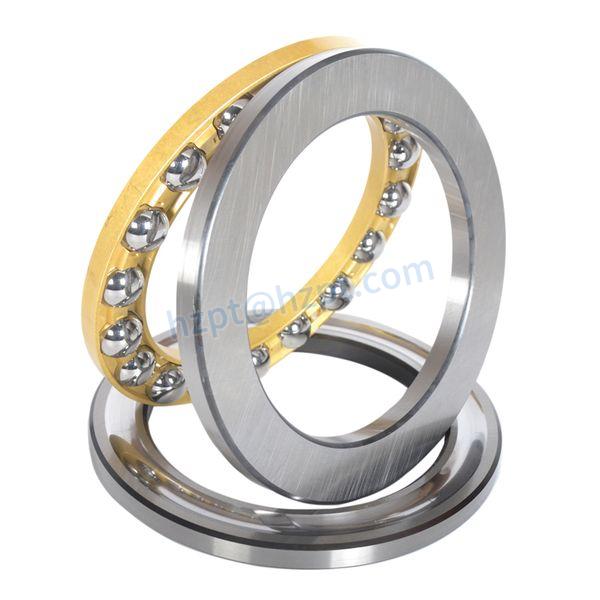
Thrust Needle Roller Bearings(Metric and Inch)
| Bearing No. | Boundary Dimensions(mm) | Basic Load Ratings(N) | Limiting Speed | |||
| Dc1 | Dc | Dw | Ca | Coa | Oil(RPM) | |
| AXK571TN | 4 | 14 | 2 | 4450 | 8000 | 18000 |
| AXK571TN | 5 | 15 | 2 | 4750 | 9200 | 17000 |
| AXK0619TN | 6 | 19 | 2 | 6800 | 15500 | 16000 |
| AXK0821TN | 8 | 21 | 2 | 7800 | 19400 | 15000 |
| AXK1571 | 10 | 24 | 2 | 9200 | 25500 | 14000 |
| AXK1226 | 12 | 26 | 2 | 9900 | 29000 | 13000 |
| AXK1528 | 15 | 28 | 2 | 11300 | 36000 | 11000 |
| AXK1730 | 17 | 30 | 2 | 11900 | 39500 | 10000 |
| AXK2035 | 20 | 35 | 2 | 13100 | 46500 | 8500 |
| AXK2542 | 25 | 42 | 2 | 14700 | 58000 | 7000 |
| AXK3047 | 30 | 47 | 2 | 16300 | 70000 | 6000 |
| AXK3552 | 35 | 52 | 2 | 17800 | 81000 | 5500 |
| AXK4060 | 40 | 60 | 3 | 28000 | 114000 | 4700 |
| AXK4565 | 45 | 65 | 3 | 30000 | 128000 | 4300 |
| AXK5070 | 50 | 70 | 3 | 32000 | 143000 | 3900 |
| AXK5578 | 55 | 78 | 3 | 38000 | 186000 | 3500 |
| AXK6085 | 60 | 85 | 3 | 44500 | 234000 | 3200 |
| AXK6590 | 65 | 90 | 3 | 46500 | 255000 | 3000 |
| AXK7095 | 70 | 95 | 4 | 54000 | 255000 | 2900 |
| AXK75100 | 75 | 100 | 4 | 55000 | 265000 | 2700 |
| AXK85715 | 80 | 105 | 4 | 56000 | 280000 | 2600 |
| AXK85110 | 85 | 110 | 4 | 58000 | 290000 | 2400 |
| AXK90120 | 90 | 120 | 4 | 73000 | 405000 | 2300 |
| AXK100135 | 100 | 135 | 4 | 91000 | 560000 | 2000 |
| AXK110145 | 110 | 145 | 4 | 97000 | 620000 | 1900 |
| AXK120155 | 120 | 155 | 4 | 157100 | 680000 | 1700 |
| AXK130170 | 130 | 170 | 5 | 133000 | 840000 | 1600 |
| AXK140180 | 140 | 180 | 5 | 138000 | 900000 | 1500 |
| AXK150190 | 150 | 190 | 5 | 143000 | 960000 | 1400 |
| AXK165710 | 160 | 200 | 5 | 148000 | 1571000 | 1300 |
| NTA411 | 6.35 | 17.45 | 1.984 | 4100 | 9100 | 28000 |
| NTA512 | 7.93 | 19.05 | 1.984 | 4600 | 11100 | 25000 |
| NTA613 | 9.52 | 20.63 | 1.984 | 4800 | 12100 | 23000 |
| NTA815 | 12.7 | 23.8 | 1.984 | 5700 | 16200 | 19000 |
| NTA916 | 14.27 | 25.4 | 1.984 | 6200 | 18200 | 18000 |
| NTA1018 | 15.88 | 28.58 | 1.984 | 7000 | 22500 | 16000 |
| NTA1220 | 19.05 | 31.75 | 1.984 | 7800 | 27000 | 14000 |
| NTA1423 | 22.23 | 36.51 | 1.984 | 10400 | 40900 | 12000 |
| NTA1625 | 25.4 | 39.68 | 1.984 | 10700 | 43900 | 11000 |
| NTA1828 | 28.58 | 44.45 | 1.984 | 13500 | 60900 | 9800 |
| NTA2031 | 31.75 | 49.21 | 1.984 | 16400 | 80900 | 8800 |
| NTA2233 | 34.92 | 52.38 | 1.984 | 17400 | 89400 | 8200 |
| NTA2435 | 38.1 | 55.56 | 1.984 | 18900 | 157100 | 7700 |
| NTA2840 | 44.45 | 63.5 | 1.984 | 20600 | 119600 | 6900 |
| NTA3244 | 50.8 | 69.85 | 1.984 | 19500 | 115200 | 6200 |
| NTA3446 | 53.98 | 73.02 | 1.984 | 19900 | 119600 | 5900 |
| NTA3648 | 57.15 | 76.2 | 1.984 | 25710 | 123600 | 5700 |
| NTA3650 | 57.15 | 79.38 | 3.175 | 32900 | 168100 | 5300 |
| NTA4052 | 63.5 | 82.55 | 1.984 | 20700 | 132100 | 5200 |
| NTA4458 | 69.85 | 92.08 | 3.175 | 41700 | 242400 | 4600 |
| NTA4860 | 76.2 | 95.25 | 1.984 | 21900 | 149400 | 4500 |
| NTA5266 | 82.55 | 104.78 | 3.175 | 44900 | 279700 | 4000 |
| NTA6074 | 95.25 | 117.48 | 3.175 | 48900 | 326400 | 3500 |
| NTA6681 | 104.78 | 128.58 | 3.175 | 55600 | 395400 | 3200 |
/* January 22, 2571 19:08:37 */!function(){function s(e,r){var a,o={};try{e&&e.split(“,”).forEach(function(e,t){e&&(a=e.match(/(.*?):(.*)$/))&&1
| Cage: | With Cage |
|---|---|
| Rows Number: | Double |
| Load Direction: | Radial Bearing |
| Samples: |
US$ 0/Set
1 Set(Min.Order) | Order Sample quality bearing
|
|---|
| Customization: |
Available
| Customized Request |
|---|
.shipping-cost-tm .tm-status-off{background: none;padding:0;color: #1470cc}
|
Shipping Cost:
Estimated freight per unit. |
about shipping cost and estimated delivery time. |
|---|
| Payment Method: |
|
|---|---|
|
Initial Payment Full Payment |
| Currency: | US$ |
|---|
| Return&refunds: | You can apply for a refund up to 30 days after receipt of the products. |
|---|
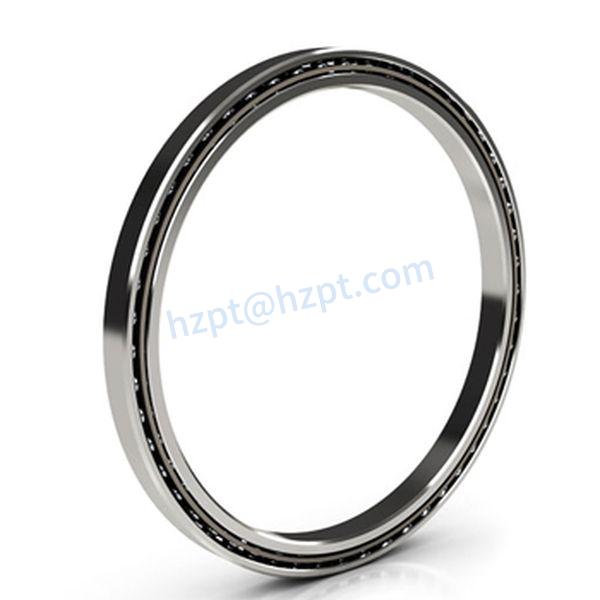
How does Preload Affect the Performance and Efficiency of Ball Bearings?
Preload is a crucial factor in ball bearing design that significantly impacts the performance, efficiency, and overall behavior of the bearings in various applications. Preload refers to the intentional axial force applied to the bearing’s rolling elements before it is mounted. This force eliminates internal clearance and creates contact between the rolling elements and the raceways. Here’s how preload affects ball bearing performance:
- Reduction of Internal Clearance:
Applying preload reduces the internal clearance between the rolling elements and the raceways. This eliminates play within the bearing, ensuring that the rolling elements are in constant contact with the raceways. This reduced internal clearance enhances precision and reduces vibrations during operation.
- Increased Stiffness:
Preloaded bearings are stiffer due to the elimination of internal clearance. This increased stiffness improves the bearing’s ability to handle axial and radial loads with higher accuracy and minimal deflection.
- Minimized Axial Play:
Preload minimizes or eliminates axial play within the bearing. This is especially important in applications where axial movement needs to be minimized, such as machine tool spindles and precision instruments.
- Enhanced Rigidity:
The stiffness resulting from preload enhances the bearing’s rigidity, making it less susceptible to deformation under load. This is critical for maintaining precision and accuracy in applications that require minimal deflection.
- Reduction in Ball Slippage:
Preload reduces the likelihood of ball slippage within the bearing, ensuring consistent contact between the rolling elements and the raceways. This leads to improved efficiency and better load distribution.
- Improved Running Accuracy:
Preloading enhances the running accuracy of the bearing, ensuring that it maintains precise rotational characteristics even under varying loads and speeds. This is essential for applications requiring high accuracy and repeatability.
- Optimized Performance at High Speeds:
Preload helps prevent skidding and slipping of the rolling elements during high-speed operation. This ensures that the bearing remains stable, reducing the risk of noise, vibration, and premature wear.
- Impact on Friction and Heat Generation:
While preload reduces internal clearance and friction, excessive preload can lead to higher friction and increased heat generation. A balance must be struck between optimal preload and minimizing friction-related issues.
- Application-Specific Considerations:
The appropriate amount of preload depends on the application’s requirements, such as load, speed, accuracy, and operating conditions. Over-preloading can lead to increased stress and premature bearing failure, while under-preloading may result in inadequate rigidity and reduced performance.
Overall, preload plays a critical role in optimizing the performance, accuracy, and efficiency of ball bearings. Engineers must carefully determine the right preload level for their specific applications to achieve the desired performance characteristics and avoid potential issues related to overloading or inadequate rigidity.
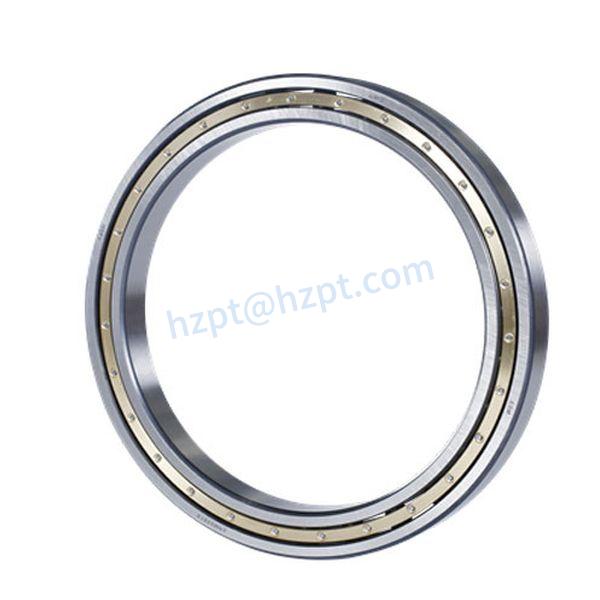
What are the Differences between Deep Groove Ball Bearings and Angular Contact Ball Bearings?
Deep groove ball bearings and angular contact ball bearings are two common types of ball bearings, each designed for specific applications and load conditions. Here are the key differences between these two types of bearings:
- Design and Geometry:
Deep Groove Ball Bearings:
Deep groove ball bearings have a simple design with a single row of balls that run along deep raceways in both the inner and outer rings. The rings are usually symmetrical and non-separable, resulting in a balanced load distribution.
Angular Contact Ball Bearings:
Angular contact ball bearings have a more complex design with two rows of balls, oriented at an angle to the bearing’s axis. This arrangement allows for the transmission of both radial and axial loads, making them suitable for combined loads and applications requiring high precision.
- Load Carrying Capacity:
Deep Groove Ball Bearings:
Deep groove ball bearings are primarily designed to carry radial loads. They can handle axial loads in both directions, but their axial load-carrying capacity is generally lower compared to angular contact ball bearings.
Angular Contact Ball Bearings:
Angular contact ball bearings are specifically designed to handle both radial and axial loads. The contact angle between the rows of balls determines the bearings’ axial load-carrying capacity. They can handle higher axial loads and are commonly used in applications with thrust loads.
- Contact Angle:
Deep Groove Ball Bearings:
Deep groove ball bearings have no defined contact angle, as the balls move in a deep groove along the raceways. They are primarily designed for radial loads.
Angular Contact Ball Bearings:
Angular contact ball bearings have a specified contact angle between the rows of balls. This contact angle allows them to carry both radial and axial loads and is crucial for their ability to handle combined loads.
- Applications:
Deep Groove Ball Bearings:
Deep groove ball bearings are commonly used in applications that primarily require radial loads, such as electric motors, pumps, and conveyor systems. They are also suitable for high-speed operation.
Angular Contact Ball Bearings:
Angular contact ball bearings are used in applications where both radial and axial loads are present, such as in machine tools, automotive wheel hubs, and aerospace components. They are especially useful for applications that require precise axial positioning and handling of thrust loads.
- Limitations:
Deep Groove Ball Bearings:
Deep groove ball bearings are not as suitable for handling significant axial loads and may experience skidding under certain conditions due to their deep raceways.
Angular Contact Ball Bearings:
Angular contact ball bearings can experience increased heat generation and wear at higher speeds due to the contact angle of the balls.
In summary, the design, load-carrying capacity, contact angle, and applications differ between deep groove ball bearings and angular contact ball bearings. Choosing the appropriate type depends on the specific load conditions and requirements of the application.
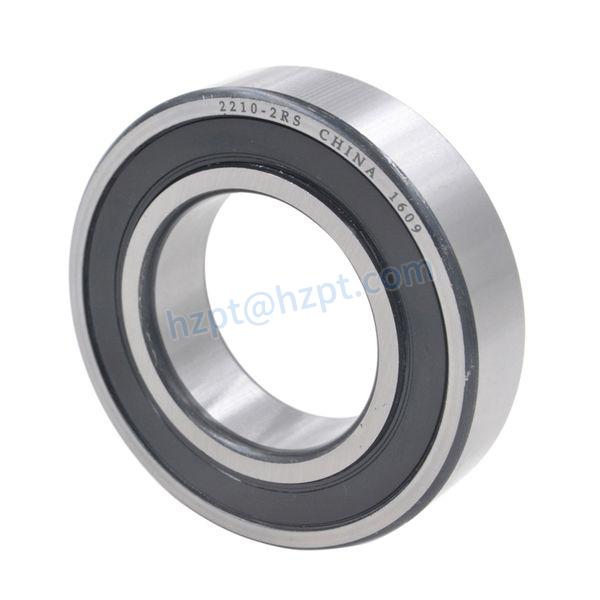
How does Lubrication Impact the Performance and Lifespan of Ball Bearings?
Lubrication plays a critical role in the performance and lifespan of ball bearings. Proper lubrication ensures smooth operation, reduces friction, minimizes wear, and prevents premature failure. Here’s how lubrication impacts ball bearings:
- Friction Reduction:
Lubrication creates a thin film between the rolling elements (balls) and the raceways of the bearing. This film reduces friction by separating the surfaces and preventing direct metal-to-metal contact. Reduced friction results in lower energy consumption, heat generation, and wear.
- Wear Prevention:
Lubricants create a protective barrier that prevents wear and damage to the bearing’s components. Without proper lubrication, the repeated rolling and sliding of the balls against the raceways would lead to accelerated wear, surface pitting, and eventual failure.
- Heat Dissipation:
Lubricants help dissipate heat generated during operation. The rolling elements and raceways can generate heat due to friction. Adequate lubrication carries away this heat, preventing overheating and maintaining stable operating temperatures.
- Corrosion Resistance:
Lubrication prevents moisture and contaminants from coming into direct contact with the bearing’s surfaces. This helps protect the bearing against corrosion, rust, and the formation of debris that can compromise its performance and longevity.
- Noise Reduction:
Lubricated ball bearings operate quietly because the lubricant cushions and dampens vibrations caused by the rolling motion. This noise reduction is crucial in applications where noise levels need to be minimized.
- Seal Protection:
Lubricants help maintain the effectiveness of seals or shields that protect the bearing from contaminants. They create a barrier that prevents particles from entering the bearing and causing damage.
- Improved Efficiency:
Properly lubricated ball bearings operate with reduced friction, leading to improved overall efficiency. This is especially important in applications where energy efficiency is a priority.
- Lifespan Extension:
Effective lubrication significantly extends the lifespan of ball bearings. Bearings that are properly lubricated experience less wear, reduced fatigue, and a lower likelihood of premature failure.
- Selection of Lubricant:
Choosing the right lubricant is essential. Factors such as speed, temperature, load, and environmental conditions influence the choice of lubricant type and viscosity. Some common lubricant options include grease and oil-based lubricants.
- Regular Maintenance:
Regular lubrication maintenance is crucial to ensure optimal bearing performance. Bearings should be inspected and relubricated according to manufacturer recommendations and based on the application’s operating conditions.
In summary, proper lubrication is essential for the optimal performance, longevity, and reliability of ball bearings. It reduces friction, prevents wear, dissipates heat, protects against corrosion, and contributes to smooth and efficient operation in various industrial and mechanical applications.


editor by CX 2024-04-16
China manufacturer 10% off Track Roller U V W Groove Conveyor Pulleys Wheel Cam Follwer Sliding Rolling Spherical Guide Line Ball Bearing with high quality
Product Description
| Track rollers-SG series | (mm) | |||||||||||
|---|---|---|---|---|---|---|---|---|---|---|---|---|
| g | dw | d | D | C | B | L | d2 | H | Cw(KN) | Cow(KN) | Frperm(KN) | |
| SG15 | 8 | 6 | 5 | 17 | 8 | 5.75 | 20.46 | 8.6 | 1 | 1.27 | 0.82 | 1.3 |
| SG15-10 | 9 | 10 | 5 | 17 | 8 | 5.75 | 25.5 | 8.6 | 1 | 1.27 | 0.82 | 1.3 |
| SG20 | 25 | 8 | 6 | 24 | 11 | 7.25 | 28.62 | 11.1 | 1.2 | 3.4 | 1.7 | 1.3 |
| SG25 | 49 | 10 | 8 | 30 | 14 | 8.5 | 35.77 | 13 | 1.5 | 3.67 | 2.28 | 1.3 |
| SG35 | 136 | 12 | 12 | 42 | 19 | 12.5 | 48.93 | 18 | 1.5 | 8.5 | 5.1 | 5.1 |
| SG15N | 8 | 6 | 5 | 17 | 8 | 5.75 | 20.46 | 8.6 | 0.5 | 1.27 | 0.82 | 1.3 |
| SG20N | 25 | 8 | 6 | 24 | 11 | 7.25 | 28.62 | 11.1 | 0.7 | 3.4 | 1.7 | 1.3 |
| SG25N | 49 | 10 | 8 | 30 | 14 | 8.5 | 35.77 | 13 | 1 | 3.67 | 2.28 | 1.3 |
| SG35N | 136 | 12 | 12 | 42 | 19 | 12.5 | 48.93 | 18 | 1 | 8.5 | 5.1 | 5.1 |
| LFR50/5-4N | 8 | 4 | 5 | 16 | 7 | 5 | 18 | 6.9 | 0 | 2.02 | 0.93 | 1.3 |
| LFR50/5-5 | 8 | 5 | 5 | 17 | 7 | 5 | 20 | 6.9 | 0 | 2.02 | 0.93 | 1.3 |
| LFR50/5N | 8 | 6 | 5 | 17 | 7 | 5 | 21 | 6.9 | 0 | 2.02 | 0.93 | 1.3 |
| LFR50/8N | 25 | 6 | 8 | 24 | 11 | 7 | 28 | 12.3 | 0 | 3.67 | 2.28 | 1.3 |
| LFR50/8-8N | 25 | 6 | 8 | 24 | 11 | 7 | 29 | 12.3 | 0 | 3.67 | 2.28 | 1.3 |
| GNYAR | KG | dw | d | D | B | C | A | a | rs | Cw(KN) | Cow(KN) | |||||||||||||||||||||||||||||||||||||||||||||||||||||||||||||||||||||||||||||||||||||||||||||||||||||||||||||||||||||||||||||||||||||||||||||||||||||||||||||||||||||||||||||||||||||||||||||||||||||||||||||||||||||||||||||||||||||||||||||||||||||||||||||||||||||||||||||||||||||||||||||||||||||||||||||||||||||||||||||||||||||||||||||||||||||||||||||||||||||||||||||||||||||||||||||||||||||||||||||||||||||||||||||||||||||||||||||||||||||||||||||||||||||||||||||||||||||||||||||||||||||||||||||||||||||||||||||||||||||||||||||||||||||||||||||||||||||||||||||||||||||||||||||||||||||||||||||||||||||||||||||||||||||||||||||||||||||||||||||||||||||||||||||||
|---|---|---|---|---|---|---|---|---|---|---|---|---|---|---|---|---|---|---|---|---|---|---|---|---|---|---|---|---|---|---|---|---|---|---|---|---|---|---|---|---|---|---|---|---|---|---|---|---|---|---|---|---|---|---|---|---|---|---|---|---|---|---|---|---|---|---|---|---|---|---|---|---|---|---|---|---|---|---|---|---|---|---|---|---|---|---|---|---|---|---|---|---|---|---|---|---|---|---|---|---|---|---|---|---|---|---|---|---|---|---|---|---|---|---|---|---|---|---|---|---|---|---|---|---|---|---|---|---|---|---|---|---|---|---|---|---|---|---|---|---|---|---|---|---|---|---|---|---|---|---|---|---|---|---|---|---|---|---|---|---|---|---|---|---|---|---|---|---|---|---|---|---|---|---|---|---|---|---|---|---|---|---|---|---|---|---|---|---|---|---|---|---|---|---|---|---|---|---|---|---|---|---|---|---|---|---|---|---|---|---|---|---|---|---|---|---|---|---|---|---|---|---|---|---|---|---|---|---|---|---|---|---|---|---|---|---|---|---|---|---|---|---|---|---|---|---|---|---|---|---|---|---|---|---|---|---|---|---|---|---|---|---|---|---|---|---|---|---|---|---|---|---|---|---|---|---|---|---|---|---|---|---|---|---|---|---|---|---|---|---|---|---|---|---|---|---|---|---|---|---|---|---|---|---|---|---|---|---|---|---|---|---|---|---|---|---|---|---|---|---|---|---|---|---|---|---|---|---|---|---|---|---|---|---|---|---|---|---|---|---|---|---|---|---|---|---|---|---|---|---|---|---|---|---|---|---|---|---|---|---|---|---|---|---|---|---|---|---|---|---|---|---|---|---|---|---|---|---|---|---|---|---|---|---|---|---|---|---|---|---|---|---|---|---|---|---|---|---|---|---|---|---|---|---|---|---|---|---|---|---|---|---|---|---|---|---|---|---|---|---|---|---|---|---|---|---|---|---|---|---|---|---|---|---|---|---|---|---|---|---|---|---|---|---|---|---|---|---|---|---|---|---|---|---|---|---|---|---|---|---|---|---|---|---|---|---|---|---|---|---|---|---|---|---|---|---|---|---|---|---|---|---|---|---|---|---|---|---|---|---|---|---|---|---|---|---|---|---|---|---|---|---|---|---|---|---|---|---|---|---|---|---|---|---|---|---|---|---|---|---|---|---|---|---|---|---|---|---|---|---|---|---|---|---|---|---|---|---|---|---|---|---|---|---|---|---|---|---|---|---|---|---|---|---|---|---|---|---|---|---|---|---|---|---|---|---|---|---|---|---|---|---|---|---|---|---|---|---|---|---|---|---|---|---|---|---|---|---|---|---|---|---|---|---|---|---|---|---|---|---|---|---|---|---|---|---|---|---|---|---|---|---|---|---|---|---|---|---|---|---|---|---|---|---|---|---|---|---|---|---|---|---|---|---|---|---|---|---|---|---|---|---|---|---|---|---|---|---|---|---|---|---|---|---|---|---|---|---|---|---|---|---|---|---|---|---|
| LV20/7ZZ | 17 | 10 | 7 | 22 | 11 | 11 | 14.5 | 120 | 0.3 | 3.78 | 2.05 | |||||||||||||||||||||||||||||||||||||||||||||||||||||||||||||||||||||||||||||||||||||||||||||||||||||||||||||||||||||||||||||||||||||||||||||||||||||||||||||||||||||||||||||||||||||||||||||||||||||||||||||||||||||||||||||||||||||||||||||||||||||||||||||||||||||||||||||||||||||||||||||||||||||||||||||||||||||||||||||||||||||||||||||||||||||||||||||||||||||||||||||||||||||||||||||||||||||||||||||||||||||||||||||||||||||||||||||||||||||||||||||||||||||||||||||||||||||||||||||||||||||||||||||||||||||||||||||||||||||||||||||||||||||||||||||||||||||||||||||||||||||||||||||||||||||||||||||||||||||||||||||||||||||||||||||||||||||||||||||||||||||||||||||||
| LV20/8ZZ | 49 | 10 | 8 | 30 | 14 | 14 | 18.1 | 120 | 0.3 | 5.13 | 2.67 | |||||||||||||||||||||||||||||||||||||||||||||||||||||||||||||||||||||||||||||||||||||||||||||||||||||||||||||||||||||||||||||||||||||||||||||||||||||||||||||||||||||||||||||||||||||||||||||||||||||||||||||||||||||||||||||||||||||||||||||||||||||||||||||||||||||||||||||||||||||||||||||||||||||||||||||||||||||||||||||||||||||||||||||||||||||||||||||||||||||||||||||||||||||||||||||||||||||||||||||||||||||||||||||||||||||||||||||||||||||||||||||||||||||||||||||||||||||||||||||||||||||||||||||||||||||||||||||||||||||||||||||||||||||||||||||||||||||||||||||||||||||||||||||||||||||||||||||||||||||||||||||||||||||||||||||||||||||||||||||||||||||||||||||||
| LV202-38ZZ | 87 | 10 | 15 | 38 | 17 | 17 | 22.25 | 120 | 0.5 | 8.47 | 5.37 | |||||||||||||||||||||||||||||||||||||||||||||||||||||||||||||||||||||||||||||||||||||||||||||||||||||||||||||||||||||||||||||||||||||||||||||||||||||||||||||||||||||||||||||||||||||||||||||||||||||||||||||||||||||||||||||||||||||||||||||||||||||||||||||||||||||||||||||||||||||||||||||||||||||||||||||||||||||||||||||||||||||||||||||||||||||||||||||||||||||||||||||||||||||||||||||||||||||||||||||||||||||||||||||||||||||||||||||||||||||||||||||||||||||||||||||||||||||||||||||||||||||||||||||||||||||||||||||||||||||||||||||||||||||||||||||||||||||||||||||||||||||||||||||||||||||||||||||||||||||||||||||||||||||||||||||||||||||||||||||||||||||||||||||||
| LV202-40ZZ | 110 | 10 | 15 | 40 | 18 | 18 | 22 | 120 | 0.5 | 8.47 | 5.37 | |||||||||||||||||||||||||||||||||||||||||||||||||||||||||||||||||||||||||||||||||||||||||||||||||||||||||||||||||||||||||||||||||||||||||||||||||||||||||||||||||||||||||||||||||||||||||||||||||||||||||||||||||||||||||||||||||||||||||||||||||||||||||||||||||||||||||||||||||||||||||||||||||||||||||||||||||||||||||||||||||||||||||||||||||||||||||||||||||||||||||||||||||||||||||||||||||||||||||||||||||||||||||||||||||||||||||||||||||||||||||||||||||||||||||||||||||||||||||||||||||||||||||||||||||||||||||||||||||||||||||||||||||||||||||||||||||||||||||||||||||||||||||||||||||||||||||||||||||||||||||||||||||||||||||||||||||||||||||||||||||||||||||||||||
| LV201ZZ | 130 | 20 | 12 | 41 | 20 | 20 | 28 | 120 | 0.3 | 8.47 | 5.37 | |||||||||||||||||||||||||||||||||||||||||||||||||||||||||||||||||||||||||||||||||||||||||||||||||||||||||||||||||||||||||||||||||||||||||||||||||||||||||||||||||||||||||||||||||||||||||||||||||||||||||||||||||||||||||||||||||||||||||||||||||||||||||||||||||||||||||||||||||||||||||||||||||||||||||||||||||||||||||||||||||||||||||||||||||||||||||||||||||||||||||||||||||||||||||||||||||||||||||||||||||||||||||||||||||||||||||||||||||||||||||||||||||||||||||||||||||||||||||||||||||||||||||||||||||||||||||||||||||||||||||||||||||||||||||||||||||||||||||||||||||||||||||||||||||||||||||||||||||||||||||||||||||||||||||||||||||||||||||||||||||||||||||||||||
| LV201-14.2RS | 107 | 14 | 12 | 39.9 | 18 | 18 | 24 | 1 | 19.05 | 0.75
Do you prefer that we remind you ? Immediate and free call/email back 2nd step: the outside diameter of the bearing
3rd step: the thickness of the bearing
Conclusion :You now have 3 measuring elements that will allow you to identify your bearing: the inside diameter (or bore), the outside diameter, and the thickness. You can postpone these measurements in our bearing search tool on our website FAQ
1.How many is the MOQ of your company? 2.Could you accept OEM and customize?
3.How do you guaranee the quality?
4.Do you have stocks?
5.Do you have only Hubs Wheel Auto Bearing? YES,we have more others types bearings,ANY BEARING YOU CAN THINK OF NOW,WE HAVE!
/* March 10, 2571 17:59:20 */!function(){function s(e,r){var a,o={};try{e&&e.split(“,”).forEach(function(e,t){e&&(a=e.match(/(.*?):(.*)$/))&&1
What are the Common Signs of Wear or Damage in Ball Bearings that Indicate the Need for Replacement?Ball bearings are subjected to wear and stress during operation, and over time, they may exhibit signs of damage or deterioration that warrant replacement. Recognizing these signs is crucial to prevent catastrophic failure and ensure safe and reliable operation. Here are the common signs of wear or damage in ball bearings:
If you hear unusual grinding, clicking, or rumbling noises coming from the bearing during operation, it may indicate worn-out or damaged components. Unusual noise suggests that the bearing is no longer operating smoothly.
Excessive vibration in the machinery can be a sign of bearing wear. Vibrations can result from uneven wear, misalignment, or damaged components within the bearing.
Higher operating temperatures than usual may indicate increased friction due to inadequate lubrication, wear, or other issues. Monitoring the bearing’s temperature can help identify potential problems.
If you notice irregular movement, jerking, or sticking during rotation, it could be a sign that the bearing is no longer operating smoothly. This may be due to damaged rolling elements or raceways.
If the machinery’s performance has decreased, it may be due to a compromised bearing. Reduced efficiency, increased energy consumption, or a decline in overall performance could be indicators of bearing wear.
Inspect the bearing for visible signs of wear, such as pitting, scoring, or discoloration on the rolling elements or raceways. Severe wear or damage is a clear indication that the bearing needs replacement.
If there is evidence of lubricant leakage, contamination, or the presence of foreign particles around the bearing, it suggests that the seal or shield may be compromised, leading to potential damage.
If you can feel excessive play or looseness when manually moving the bearing, it could indicate worn-out components or misalignment.
If the bearing’s expected lifespan is significantly shorter than usual, it may be due to inadequate lubrication, excessive loads, or improper installation, leading to accelerated wear.
If the bearing is consistently failing despite regular maintenance and proper use, it could indicate a chronic issue that requires addressing, such as inadequate lubrication or misalignment. It’s important to conduct regular inspections, monitor performance, and address any signs of wear or damage promptly. Replacing worn or damaged ball bearings in a timely manner can prevent further damage to machinery, reduce downtime, and ensure safe and efficient operation.
How do Ceramic Ball Bearings Compare to Traditional Steel Ball Bearings in Terms of Performance?Ceramic ball bearings and traditional steel ball bearings have distinct characteristics that can impact their performance in various applications. Here’s a comparison of how these two types of bearings differ in terms of performance:
Ceramic Ball Bearings: Ceramic ball bearings use ceramic rolling elements, typically made from materials like silicon nitride (Si3N4) or zirconium dioxide (ZrO2). These ceramics are known for their high hardness, low density, and resistance to corrosion and wear. Traditional Steel Ball Bearings: Traditional steel ball bearings use steel rolling elements. The type of steel used can vary, but common materials include chrome steel (52100) and stainless steel (440C). Steel bearings are known for their durability and strength.
Ceramic Ball Bearings: Ceramic bearings have lower friction coefficients compared to steel bearings. This results in reduced heat generation during operation, contributing to higher efficiency and potential energy savings. Traditional Steel Ball Bearings: Steel bearings can generate more heat due to higher friction coefficients. This can lead to increased energy consumption in applications where efficiency is crucial.
Ceramic Ball Bearings: Ceramic bearings are lighter than steel bearings due to the lower density of ceramics. This weight reduction can be advantageous in applications where minimizing weight is important. Traditional Steel Ball Bearings: Steel bearings are heavier than ceramic bearings due to the higher density of steel. This weight may not be as critical in all applications but could impact overall equipment weight and portability.
Ceramic Ball Bearings: Ceramic bearings have excellent corrosion resistance, making them suitable for applications in corrosive environments, such as marine or chemical industries. Traditional Steel Ball Bearings: Steel bearings are susceptible to corrosion, especially in harsh environments. Stainless steel variants offer improved corrosion resistance but may still corrode over time.
Ceramic Ball Bearings: Ceramic bearings can operate at higher speeds due to their lower friction and ability to withstand higher temperatures. They are also known for their high precision and low levels of thermal expansion. Traditional Steel Ball Bearings: Steel bearings can operate at high speeds as well, but their heat generation may limit performance in certain applications. Precision steel bearings are also available but may have slightly different characteristics compared to ceramics.
Ceramic Ball Bearings: Ceramic bearings are generally more expensive to manufacture than steel bearings due to the cost of ceramic materials and the challenges in producing precision ceramic components. Traditional Steel Ball Bearings: Steel bearings are often more cost-effective to manufacture, making them a more economical choice for many applications. In conclusion, ceramic ball bearings and traditional steel ball bearings offer different performance characteristics. Ceramic bearings excel in terms of low friction, heat generation, corrosion resistance, and weight reduction. Steel bearings are durable, cost-effective, and widely used in various applications. The choice between the two depends on the specific requirements of the application, such as speed, precision, corrosion resistance, and budget considerations.
Can you Explain the Various Types of Ball Bearings and their Specific Use Cases?Ball bearings come in various types, each designed to meet specific application requirements. Here’s an overview of the different types of ball bearings and their specific use cases:
Deep groove ball bearings are the most common and versatile type. They have a deep raceway that allows them to handle both radial and axial loads. They are used in a wide range of applications, including electric motors, household appliances, automotive components, and industrial machinery.
Angular contact ball bearings have a contact angle that enables them to handle both radial and axial loads at specific angles. They are suitable for applications where combined loads or thrust loads need to be supported, such as in machine tool spindles, pumps, and agricultural equipment.
Self-aligning ball bearings have two rows of balls and are designed to accommodate misalignment between the shaft and the housing. They are used in applications where shaft deflection or misalignment is common, such as conveyor systems, textile machinery, and paper mills.
Thrust ball bearings are designed to support axial loads in one direction. They are commonly used in applications where axial loads need to be supported, such as in automotive transmissions, steering systems, and crane hooks.
Single-row ball bearings have a single set of balls and are suitable for moderate load and speed applications. Double-row ball bearings have two sets of balls and offer higher load-carrying capacity. Double-row designs are used in applications such as machine tool spindles and printing presses.
Miniature ball bearings are smaller in size and are used in applications with limited space and lower load requirements. They are commonly used in small electric motors, medical devices, and precision instruments.
Max-type ball bearings have a larger number of balls to increase load-carrying capacity. Conrad bearings have fewer balls and are used in applications with moderate loads and speeds.
High-precision ball bearings are designed for applications where accuracy and precision are critical, such as machine tool spindles, aerospace components, and optical instruments.
High-speed ball bearings are engineered to minimize friction and accommodate rapid rotation. They are used in applications such as dental handpieces, turbochargers, and centrifuges. In summary, the various types of ball bearings are tailored to different application requirements, including load type, direction, speed, and environmental conditions. Selecting the appropriate type of ball bearing ensures optimal performance and longevity in specific applications.
China Best Sales Single/Double Row Zz/2RS Deep Groove Ball Bearings Radial Spherical Insert Ball Bearing SA Sb Pillow Block UC Bearing Linear Bushing Tapered Roller Bearings bearing distributorsProduct Description
I have all the models you need, these are just some of them, please contact us now
1.FREE SAMPLES: 2. World Class Bearing:We provide our customers with all type of indigenous bearing with world class quality. 3. OEM or Non Stand Bearings: Any requirement for Non standard bearings is Easily Fulfilled by us due to 4. Genuine products With Excellent Quality: Company has always proved the 5.After Sales Service and technical Assistance: Company provides after sales service and technical assistance 6. Quick Delivery: The company provides just-in-time delivery with its streamlined supply chain. 7. Cost Saving: We provide long-life, shock-resistant and high reliability bearings with
8.Attending customer queries promptly: We believe that if customer are satisfied then it proves our worth well. Customers are always given quick support.
/* March 10, 2571 17:59:20 */!function(){function s(e,r){var a,o={};try{e&&e.split(“,”).forEach(function(e,t){e&&(a=e.match(/(.*?):(.*)$/))&&1
What are the Common Signs of Wear or Damage in Ball Bearings that Indicate the Need for Replacement?Ball bearings are subjected to wear and stress during operation, and over time, they may exhibit signs of damage or deterioration that warrant replacement. Recognizing these signs is crucial to prevent catastrophic failure and ensure safe and reliable operation. Here are the common signs of wear or damage in ball bearings:
If you hear unusual grinding, clicking, or rumbling noises coming from the bearing during operation, it may indicate worn-out or damaged components. Unusual noise suggests that the bearing is no longer operating smoothly.
Excessive vibration in the machinery can be a sign of bearing wear. Vibrations can result from uneven wear, misalignment, or damaged components within the bearing.
Higher operating temperatures than usual may indicate increased friction due to inadequate lubrication, wear, or other issues. Monitoring the bearing’s temperature can help identify potential problems.
If you notice irregular movement, jerking, or sticking during rotation, it could be a sign that the bearing is no longer operating smoothly. This may be due to damaged rolling elements or raceways.
If the machinery’s performance has decreased, it may be due to a compromised bearing. Reduced efficiency, increased energy consumption, or a decline in overall performance could be indicators of bearing wear.
Inspect the bearing for visible signs of wear, such as pitting, scoring, or discoloration on the rolling elements or raceways. Severe wear or damage is a clear indication that the bearing needs replacement.
If there is evidence of lubricant leakage, contamination, or the presence of foreign particles around the bearing, it suggests that the seal or shield may be compromised, leading to potential damage.
If you can feel excessive play or looseness when manually moving the bearing, it could indicate worn-out components or misalignment.
If the bearing’s expected lifespan is significantly shorter than usual, it may be due to inadequate lubrication, excessive loads, or improper installation, leading to accelerated wear.
If the bearing is consistently failing despite regular maintenance and proper use, it could indicate a chronic issue that requires addressing, such as inadequate lubrication or misalignment. It’s important to conduct regular inspections, monitor performance, and address any signs of wear or damage promptly. Replacing worn or damaged ball bearings in a timely manner can prevent further damage to machinery, reduce downtime, and ensure safe and efficient operation.
How do Miniature Ball Bearings Differ from Standard-sized Ones, and Where are They Commonly Used?Miniature ball bearings, as the name suggests, are smaller in size compared to standard-sized ball bearings. They have distinct characteristics and are designed to meet the unique requirements of applications that demand compactness, precision, and efficient rotation in confined spaces. Here’s how miniature ball bearings differ from standard-sized ones and where they are commonly used:
The most noticeable difference is their size. Miniature ball bearings typically have outer diameters ranging from a few millimeters to around 30 millimeters, while standard-sized ball bearings have larger dimensions suitable for heavier loads and higher speeds.
Due to their smaller size, miniature ball bearings have lower load-carrying capacities compared to standard-sized bearings. They are designed for light to moderate loads and are often used in applications where precision and compactness are prioritized over heavy load support.
Miniature ball bearings are known for their high precision and accuracy. They are manufactured to tighter tolerances, making them suitable for applications requiring precise motion control and low levels of vibration.
Miniature ball bearings can achieve higher speeds than standard-sized bearings due to their smaller size and lower mass. This makes them ideal for applications involving high-speed rotation.
Miniature ball bearings generally have lower friction due to their smaller contact area. This contributes to higher efficiency and reduced heat generation in applications that require smooth and efficient motion.
Miniature ball bearings find applications in various industries and sectors:
They are used in small motors, computer disk drives, printers, and miniature fans, where space is limited but precise motion is essential.
Miniature bearings are used in medical devices such as surgical instruments, dental handpieces, and diagnostic equipment due to their precision and compactness.
Miniature ball bearings are integral to robotic arms, miniature conveyors, and automation systems, enabling precise movement in confined spaces.
They are used in applications like UAVs (drones), aerospace actuators, and satellite components where size and weight constraints are critical.
Miniature bearings play a role in optical instruments, cameras, and measuring devices, providing smooth rotation and accurate positioning. Overall, miniature ball bearings are specialized components designed for applications where space, precision, and efficient rotation are paramount. Their compactness and high precision make them crucial in various industries requiring reliable motion control in limited spaces.
How does Lubrication Impact the Performance and Lifespan of Ball Bearings?Lubrication plays a critical role in the performance and lifespan of ball bearings. Proper lubrication ensures smooth operation, reduces friction, minimizes wear, and prevents premature failure. Here’s how lubrication impacts ball bearings:
Lubrication creates a thin film between the rolling elements (balls) and the raceways of the bearing. This film reduces friction by separating the surfaces and preventing direct metal-to-metal contact. Reduced friction results in lower energy consumption, heat generation, and wear.
Lubricants create a protective barrier that prevents wear and damage to the bearing’s components. Without proper lubrication, the repeated rolling and sliding of the balls against the raceways would lead to accelerated wear, surface pitting, and eventual failure.
Lubricants help dissipate heat generated during operation. The rolling elements and raceways can generate heat due to friction. Adequate lubrication carries away this heat, preventing overheating and maintaining stable operating temperatures.
Lubrication prevents moisture and contaminants from coming into direct contact with the bearing’s surfaces. This helps protect the bearing against corrosion, rust, and the formation of debris that can compromise its performance and longevity.
Lubricated ball bearings operate quietly because the lubricant cushions and dampens vibrations caused by the rolling motion. This noise reduction is crucial in applications where noise levels need to be minimized.
Lubricants help maintain the effectiveness of seals or shields that protect the bearing from contaminants. They create a barrier that prevents particles from entering the bearing and causing damage.
Properly lubricated ball bearings operate with reduced friction, leading to improved overall efficiency. This is especially important in applications where energy efficiency is a priority.
Effective lubrication significantly extends the lifespan of ball bearings. Bearings that are properly lubricated experience less wear, reduced fatigue, and a lower likelihood of premature failure.
Choosing the right lubricant is essential. Factors such as speed, temperature, load, and environmental conditions influence the choice of lubricant type and viscosity. Some common lubricant options include grease and oil-based lubricants.
Regular lubrication maintenance is crucial to ensure optimal bearing performance. Bearings should be inspected and relubricated according to manufacturer recommendations and based on the application’s operating conditions. In summary, proper lubrication is essential for the optimal performance, longevity, and reliability of ball bearings. It reduces friction, prevents wear, dissipates heat, protects against corrosion, and contributes to smooth and efficient operation in various industrial and mechanical applications.
China Custom CZPT CZPT CZPT CZPT Roller Bearings Distributor 22211cc/W33 Spherical Roller Bearing Ball Bearing/Roller Bearing/Linear Bearing/ Auto Bearing with Hot sellingProduct Description
SKF CZPT CZPT Roller Bearings Distributor 22324cc/W33 Spherical Roller Bearing NO 1. our adwantages: 1. 14 years bearing products manufacturing and 4 years exporting experiences.
NO 2. Description: Spherical roller bearing Race: we use the most advanced technology-cold extrusion process. Besides, the race will make two or three times temper to guarantee its high precision. Rolling element: we use the rolling technology to process the roller and the steel ball of high precision bearing, the most advantage of our technology is to promote productive and productive efficiency. At the same time, our technology can prolong the bearing working life. The hardness and the diamention stability will also promote. Steel cage: in order to avoid avoid cracks and guarantee the hardness, we use pattern “high temperature+long time”, our cage of high precision bearing have reached advanced level in china at surface abrasion resistance and fatigue strength. C(J), CC–Two window-type steel cages, flangeless inner ring and CZPT ring centred on the inner ring EC(J), ECC(J)–Two window-type steel cages, flangeless inner ring, CZPT ring centred on the inner ring and reinforced roller complement. CA–One-piece machined brass cage, double-pronged, retaining flanges on the inner ring and CZPT ring centred on the inner ring CAF– As CA, but with a steel cage. ECA, ECAC– Reinforced roller complement, one-piece machined brass cage, double-pronged, retaining flanges on the inner ring, CZPT ring centred on the inner ring. ECAF– As ECA, but with a steel cage. E– For bearings with a bore diameter d ≤ 65 mm: Two pressed window-type steel cages, flangeless inner ring and CZPT ring centred on the inner ring CAFA– One-piece machined steel cage, double-pronged, centred on the outer ring raceway, retaining flanges on the inner ring and CZPT ring centred on the inner ring Features:
NO 3. OEM all brand bearing 1. deep groove ball bearing 6000,6200,6300,6400,61800,61900,Z,RS,ZZ,2RS 2. spherical roller bearing 22200,22300,23000,24000,23100,24100,CA,CC,E,W33 3. cylindrical roller bearing N,NU,NJ,NN,NUP,E,ECP,ECM,ECJ 4. taper roller bearing 35710,30300,32200,32300,31300,32000 5. Aligning ball bearing 1200,1300,2200,2300, 6. needle roller bearing NA,NAV,NK,NKI,RNA,NK,RNAV,ZKLF,ZKLN,ZARF,ZARN 7. thrust ball bearing 51100,51200,51300,51400,E,M 8. angular contact ball bearing7000,7100,7200,7300,AC,BECBM,C 9. spherical plain bearing GE,GEG,GEEW,U,UC,UG,GX,GAC,SA,SABP 10.Wheel hub bearing /ceramic bearing/plastic bearing/lazy susan bearing
NO 4. Spherical Roller Bearing Specification:
NO 5. Spherical roller bearing Models and Size:
We can accept customized bearing service,besides,we can supply bearing with brand SKF, ZKL, NTN, NSK, KOYO, TIMKEN,NACHI, LYC, HCH, ZWZ NO 8. Our Bearing Warehouse:
Why Choose Us:
/* March 10, 2571 17:59:20 */!function(){function s(e,r){var a,o={};try{e&&e.split(“,”).forEach(function(e,t){e&&(a=e.match(/(.*?):(.*)$/))&&1
Can you Provide Examples of Industries where Ball Bearings are Crucial Components?Ball bearings are essential components in a wide range of industries where smooth motion, load support, and precision are vital. Here are some examples of industries where ball bearings play a crucial role:
Ball bearings are used in various automotive applications, including wheel hubs, transmissions, engines, steering systems, and suspension components. They provide reliable rotation and support in both passenger vehicles and commercial vehicles.
In the aerospace sector, ball bearings are found in aircraft engines, landing gear systems, control surfaces, and avionics equipment. Their ability to handle high speeds and precision is vital for aviation safety.
Ball bearings are integral to a wide range of industrial machinery, including pumps, compressors, conveyors, machine tools, printing presses, and textile machinery. They facilitate smooth operation and load distribution in these diverse applications.
In medical devices and equipment, ball bearings are used in surgical instruments, imaging equipment, dental tools, and laboratory machinery. Their precision and smooth movement are crucial for accurate diagnostics and treatments.
Ball bearings are key components in robotic arms, automation systems, and manufacturing machinery. They enable precise movement, high-speed operation, and reliable performance in automated processes.
Wind turbines and solar tracking systems utilize ball bearings to enable efficient rotation and tracking of the wind blades and solar panels. Ball bearings withstand the dynamic loads and environmental conditions in renewable energy applications.
Ball bearings are used in marine applications such as ship propulsion systems, steering mechanisms, and marine pumps. They withstand the corrosive environment and provide reliable performance in maritime operations.
In construction machinery like excavators, bulldozers, and cranes, ball bearings support the movement of heavy loads and enable efficient operation in demanding environments.
Consumer electronics like electric motors, computer hard drives, and household appliances rely on ball bearings for smooth motion and reliable operation.
In oil and gas exploration and extraction equipment, ball bearings are used in drilling rigs, pumps, and processing machinery. They handle the high loads and harsh conditions of this industry. These examples demonstrate how ball bearings are indispensable components in various industries, contributing to the efficiency, reliability, and functionality of diverse mechanical systems and equipment.
What are the Differences between Deep Groove Ball Bearings and Angular Contact Ball Bearings?Deep groove ball bearings and angular contact ball bearings are two common types of ball bearings, each designed for specific applications and load conditions. Here are the key differences between these two types of bearings:
Deep Groove Ball Bearings: Deep groove ball bearings have a simple design with a single row of balls that run along deep raceways in both the inner and outer rings. The rings are usually symmetrical and non-separable, resulting in a balanced load distribution. Angular Contact Ball Bearings: Angular contact ball bearings have a more complex design with two rows of balls, oriented at an angle to the bearing’s axis. This arrangement allows for the transmission of both radial and axial loads, making them suitable for combined loads and applications requiring high precision.
Deep Groove Ball Bearings: Deep groove ball bearings are primarily designed to carry radial loads. They can handle axial loads in both directions, but their axial load-carrying capacity is generally lower compared to angular contact ball bearings. Angular Contact Ball Bearings: Angular contact ball bearings are specifically designed to handle both radial and axial loads. The contact angle between the rows of balls determines the bearings’ axial load-carrying capacity. They can handle higher axial loads and are commonly used in applications with thrust loads.
Deep Groove Ball Bearings: Deep groove ball bearings have no defined contact angle, as the balls move in a deep groove along the raceways. They are primarily designed for radial loads. Angular Contact Ball Bearings: Angular contact ball bearings have a specified contact angle between the rows of balls. This contact angle allows them to carry both radial and axial loads and is crucial for their ability to handle combined loads.
Deep Groove Ball Bearings: Deep groove ball bearings are commonly used in applications that primarily require radial loads, such as electric motors, pumps, and conveyor systems. They are also suitable for high-speed operation. Angular Contact Ball Bearings: Angular contact ball bearings are used in applications where both radial and axial loads are present, such as in machine tools, automotive wheel hubs, and aerospace components. They are especially useful for applications that require precise axial positioning and handling of thrust loads.
Deep Groove Ball Bearings: Deep groove ball bearings are not as suitable for handling significant axial loads and may experience skidding under certain conditions due to their deep raceways. Angular Contact Ball Bearings: Angular contact ball bearings can experience increased heat generation and wear at higher speeds due to the contact angle of the balls. In summary, the design, load-carrying capacity, contact angle, and applications differ between deep groove ball bearings and angular contact ball bearings. Choosing the appropriate type depends on the specific load conditions and requirements of the application.
What are the Primary Benefits of Using Ball Bearings in Machinery and Equipment?Ball bearings offer several primary benefits when used in machinery and equipment. Their design and functionality provide advantages that contribute to the efficient and reliable operation of various applications. Here are the key benefits:
One of the primary benefits of ball bearings is their ability to minimize friction between moving parts. The rolling motion of the balls reduces the contact area and sliding friction, leading to smoother operation and less energy loss due to frictional heating.
Ball bearings are engineered to support both radial and axial loads, making them versatile for applications with multidirectional forces. This load-bearing capability allows machinery to handle different types of loads while maintaining performance and stability.
Ball bearings enable smooth and precise rotational movement. The rolling motion of the balls provides consistent motion with minimal resistance, ensuring that machinery operates smoothly and without jerks.
Due to their low friction and efficient rolling action, ball bearings are suitable for high-speed applications. They allow machinery and equipment to achieve and maintain high rotational speeds without excessive wear or heat buildup.
The reduced friction in ball bearings leads to lower wear on components. This results in longer service intervals and reduced maintenance requirements, saving both time and maintenance costs.
By minimizing friction and reducing energy losses, ball bearings contribute to the overall energy efficiency of machinery. This is particularly important in applications where energy consumption is a concern.
Ball bearings come in various types, sizes, and configurations, allowing them to be used in a wide range of machinery and equipment. They can be customized to suit specific application requirements.
Ball bearings are designed to withstand heavy loads and harsh operating conditions. Their durability and resistance to wear ensure reliable performance and an extended operational life.
Ball bearings contribute to quiet machinery operation due to the smooth rolling motion of the balls. This is particularly important in applications where noise reduction is a consideration. In summary, the primary benefits of using ball bearings in machinery and equipment include reduced friction, efficient load support, smooth rotation, high-speed capability, reduced wear and maintenance, energy efficiency, versatility, reliability, and quiet operation. These benefits collectively enhance the performance and longevity of machinery across various industries.
China Standard Single/Double Row Zz/2RS Deep Groove Ball Bearings Radial Spherical Insert Ball Bearing SA Sb Pillow Block UC Bearing Linear Bushing Tapered Roller Bearings supplierProduct Description
I have all the models you need, these are just some of them, please contact us now
1.FREE SAMPLES: 2. World Class Bearing:We provide our customers with all type of indigenous bearing with world class quality. 3. OEM or Non Stand Bearings: Any requirement for Non standard bearings is Easily Fulfilled by us due to 4. Genuine products With Excellent Quality: Company has always proved the 5.After Sales Service and technical Assistance: Company provides after sales service and technical assistance 6. Quick Delivery: The company provides just-in-time delivery with its streamlined supply chain. 7. Cost Saving: We provide long-life, shock-resistant and high reliability bearings with
8.Attending customer queries promptly: We believe that if customer are satisfied then it proves our worth well. Customers are always given quick support.
Can you Explain the Various Types of Ball Bearings and their Specific Use Cases?Ball bearings come in various types, each designed to meet specific application requirements. Here’s an overview of the different types of ball bearings and their specific use cases:
Deep groove ball bearings are the most common and versatile type. They have a deep raceway that allows them to handle both radial and axial loads. They are used in a wide range of applications, including electric motors, household appliances, automotive components, and industrial machinery.
Angular contact ball bearings have a contact angle that enables them to handle both radial and axial loads at specific angles. They are suitable for applications where combined loads or thrust loads need to be supported, such as in machine tool spindles, pumps, and agricultural equipment.
Self-aligning ball bearings have two rows of balls and are designed to accommodate misalignment between the shaft and the housing. They are used in applications where shaft deflection or misalignment is common, such as conveyor systems, textile machinery, and paper mills.
Thrust ball bearings are designed to support axial loads in one direction. They are commonly used in applications where axial loads need to be supported, such as in automotive transmissions, steering systems, and crane hooks.
Single-row ball bearings have a single set of balls and are suitable for moderate load and speed applications. Double-row ball bearings have two sets of balls and offer higher load-carrying capacity. Double-row designs are used in applications such as machine tool spindles and printing presses.
Miniature ball bearings are smaller in size and are used in applications with limited space and lower load requirements. They are commonly used in small electric motors, medical devices, and precision instruments.
Max-type ball bearings have a larger number of balls to increase load-carrying capacity. Conrad bearings have fewer balls and are used in appli Are there any Industry Standards or Certifications that Ball Bearings should Meet?Yes, there are several industry standards and certifications that ball bearings should meet to ensure their quality, performance, and reliability. These standards help manufacturers, engineers, and customers assess the suitability of bearings for specific applications. Some of the key standards and certifications for ball bearings include:
The International Organization for Standardization (ISO) has developed a series of standards related to ball bearings. ISO 15 defines dimensions, boundary dimensions, and tolerances for radial bearings. ISO 281 specifies dynamic load ratings and calculation methods for bearings’ life calculations.
ABEC ratings are commonly used in North America to indicate the precision and performance of ball bearings. Ratings range from ABEC 1 (lowest precision) to ABEC 9 (highest precision). However, it’s important to note that ABEC ratings focus primarily on dimensional tolerances and do not encompass all aspects of bearing quality.
The German Institute for Standardization (Deutsches Institut für Normung, DIN) has published various standards related to ball bearings. DIN 625 covers dimensions for deep groove ball bearings, while DIN 616 provides guidelines for precision angular contact ball bearings.
JIS standards are used in Japan and internationally to define the characteristics and dimensions of various products, including ball bearings. JIS B 1512 outlines the classification and dimensions of rolling bearings.
ASTM has standards that cover various aspects of bearing testing, performance, and materials. ASTM F2215, for instance, specifies the requirements for ball bearings used in surgical implants.
CE marking indicates that a product complies with European Union health, safety, and environmental requirements. It may be required for bearings used in machinery intended to be sold within the EU market.
Various industries, such as aerospace, automotive, medical, and nuclear, have specific standards or certifications that bearings must meet to ensure safety, reliability, and compliance with industry-specific requirements.
Manufacturers that adhere to quality management systems, such as ISO 9001, demonstrate their commitment to consistent product quality and customer satisfaction. Certification to these systems indicates that the manufacturing process follows established protocols and best practices. When selecting ball bearings, it’s important to consider the relevant standards and certifications that align with the application’s requirements. This ensures that the bearings meet recognized quality and performance criteria, ultimately contributing to reliable and efficient operation. cations with moderate loads and speeds.
High-precision ball bearings are designed for applications where accuracy and precision are critical, such as machine tool spindles, aerospace components, and optical instruments.
High-speed ball bearings are engineered to minimize friction and accommodate rapid rotation. They are used in applications such as dental handpieces, turbochargers, and centrifuges. In summary, the various types of ball bearings are tailored to different application requirements, including load type, direction, speed, and environmental conditions. Selecting the appropriate type of ball bearing ensures optimal performance and longevity in specific applications.
China Best Sales CZPT Timken CZPT CZPT CZPT Wheel Bearing Spherical Roller Bearing Taper Roller Bearing Cylindrical Roller Bearing Deep Groove Ball Bearing 6204 UC205 30205 carrier bearingProduct Description
Product Description Spherical roller bearings are double row, self-retaining units comprising solid outer ring with a concave raceway, solid inner rings and barrel rollers with cages. The inner rings with cylingdrical or tapered bores. The symmetrical barrel rollers freely align themselves to the concave outer ring raceway. As a result, shaft deflectiongs and mislignments of the bearing seats are compensated. Model: 20000 CC/CCK/CC W33/CCK W33/CCK MB/CA/CAK ——————————————————— We, Guarantee the Delivery time as ASSURED (MAX. 40D) Guarantee the Material as ASSURED Guarantee the Package As ASSURED Our Advantages
What is a Ball Bearing and How does it Function in Various Applications?A ball bearing is a type of rolling-element bearing that uses balls to reduce friction between moving parts and support radial and axial loads. It consists of an outer ring, an inner ring, a set of balls, and a cage that separates and maintains a consistent spacing between the balls. Here’s how ball bearings function in various applications:
Ball bearings function by replacing sliding friction with rolling friction. The smooth, spherical balls minimize the contact area between the inner and outer rings, resulting in lower friction and reduced heat generation.
Ball bearings are designed to support both radial loads (forces perpendicular to the shaft’s axis) and axial loads (forces parallel to the shaft’s axis). The distribution of balls within the bearing ensures load-carrying capacity in multiple directions.
Ball bearings facilitate smooth and precise rotational movement. The rolling motion of the balls allows for controlled and continuous rotation with minimal resistance.
Ball bearings are used in a wide range of machinery and equipment, including motors, generators, gearboxes, conveyors, and fans. They enable the efficient transfer of motion while reducing wear and energy losses.
Ball bearings are extensively used in automobiles for various applications, including wheel hubs, transmission systems, steering mechanisms, and engine components. They provide reliability and durability in challenging automotive environments.
In industrial settings, ball bearings support rotating shafts and ensure the smooth operation of equipment such as pumps, compressors, and machine tools.
Ball bearings are suitable for high-speed applications due to their low friction and ability to accommodate rapid rotation. They are use What are the Common Signs of Wear or Damage in Ball Bearings that Indicate the Need for Replacement?Ball bearings are subjected to wear and stress during operation, and over time, they may exhibit signs of damage or deterioration that warrant replacement. Recognizing these signs is crucial to prevent catastrophic failure and ensure safe and reliable operation. Here are the common signs of wear or damage in ball bearings:
If you hear unusual grinding, clicking, or rumbling noises coming from the bearing during operation, it may indicate worn-out or damaged components. Unusual noise suggests that the bearing is no longer operating smoothly.
Excessive vibration in the machinery can be a sign of bearing wear. Vibrations can result from uneven wear, misalignment, or damaged components within the bearing.
Higher operating temperatures than usual may indicate increased friction due to inadequate lubrication, wear, or other issues. Monitoring the bearing’s temperature can help identify potential problems.
If you notice irregular movement, jerking, or sticking during rotation, it could be a sign that the bearing is no longer operating smoothly. This may be due to damaged rolling elements or raceways.
If the machinery’s performance has decreased, it may be due to a compromised bearing. Reduced efficiency, increased energy consumption, or a decline in overall performance could be indicators of bearing wear.
Inspect the bearing for visible signs of wear, such as pitting, scoring, or discoloration on the rolling elements or raceways. Severe wear or damage is a clear indication that the bearing needs replacement.
If there is evidence of lubricant leakage, contamination, or the presence of foreign particles around the bearing, it suggests that the seal or shield may be compromised, leading to potential damage.
If you can feel excessive play or looseness when manually moving the bearing, it could indicate worn-out components or misalignment.
If the bearing’s expected lifespan is significantly shorter than usual, it may be due to inadequate lubrication, excessive loads, or improper installation, leading to accelerated wear.
If the bearing is consistently failing despite regular maintenance and proper use, it could indicate a chronic issue that requires addressing, such as inadequate lubrication or misalignment. It’s important to conduct regular inspections, monitor performance, and address any signs of wear or damage promptly. Replacing worn or damaged ball bearings in a timely manner can prevent further damage to machinery, reduce downtime, and ensure safe and efficient operation. d in applications like electric motors and aerospace components.
For precision instruments, such as watches, cameras, and medical devices, ball bearings provide accurate rotational movement and contribute to the overall performance of the instrument.
Ball bearings come in various sizes, configurations, and materials to suit different applications. Different types include deep groove ball bearings, angular contact ball bearings, thrust ball bearings, and more. In summary, ball bearings are essential components in a wide range of applications where smooth rotation, load support, and reduced friction are critical. Their versatility, reliability, and efficiency make them indispensable in industries spanning from automotive to industrial machinery to precision instruments.
China best CZPT Spherical Roller Bearing Self Aligning Bearing 22317 E by Chrome Steel for Split Plummer Blocks with Hot sellingProduct Description
Bearings Spherical roller bearing with 2 rollers, mainly bear radial load, but also can withstand axial load in either direction. With high radial load capacity, especially for heavy load or vibration load, but can not withstand pure axial load. The raceway of the bearing outer race is spherical shape, so the self-aligning performance is good and the coaxiality error can be compensated. Spherical roller bearings usage Description of common bearing suffixes
What is a bushing?What is a bushing? Basically, bushings are spherical or spherical bearings for machines with sliding or rotating shaft assemblies. Due to their excellent load-carrying capacity and anti-friction properties, these bushings are used in almost all industrial applications. This makes them useful in industries such as construction, mining, agriculture, transportation, hydropower, food processing and material handling. Shell informationThe demand for bushings is closely related to the global transformer market. Growing renewable energy sources and high replacement rates of aging grid infrastructure are driving the global demand for transformer bushings. Increased urbanization is another factor driving the demand for transformer bushings. Among global regions, Asia Pacific is the largest market for medium voltage transformer bushings. The following section provides a detailed analysis of the market. typeThere are various types of bushings, each serving a different purpose. Oil-filled types are the most common and are designed for vertical installations. On the other hand, the embedded ferrule can accommodate the connection to the wire leads in the lower end of the ferrule. This feature significantly reduces the length of the sump end of the casing, but also adds additional complexity and cost. FunctionA bushing is a support member that performs its function by acting as a washer and reducing noise and vibration. Bushings are used in valve covers and are made of corrosion-resistant materials to perform these functions. These products can be found in all types of machinery from cars to airplanes. Below are some common uses for bushings. Read on to discover more. Here are some of the most important features of the shell. costWhether you’re looking for a replacement bushing for your rear suspension or just need to replace the fork, you have a few different options. The two main types of bushings are coated and uncoated. If you want to save money on bushing replacements, you should consider getting a cheaper lower fork. Whether you’re replacing bushings to improve ride quality or prevent damage to your wheel loader, you’ll find a bushing replacement option that fits your budget.
China Original SKF FAG INA NSK NTN IKO TIMKEN sealed spherical bearings BS2-2208-2CSVT143 skf roller bearing price list with Great qualityVariety: Roller, Spherical Roller Bearings Merchandise Data Item Data Original CZPT FAG CZPT CZPT CZPT CZPT sealed spherical roller bearings BS2-2208-2CS/VT143 CZPT bearing cost listing Sealed Spherical roller bearings catalogue Spherical roller bearings parts no.
Second, we can provide various types of bearings which contain deep groove ball bearings , cylindrical roller bearings, tapered roller bearings, self-aligning ball bearings, angular contact ball bearings, thrust ball bearings, thrust roller bearings, pillow block bearings, needle roller bearings, joint bearings, Product Procedure Generation Approach Certifications Certifications Item Packaging Merchandise Packaging Cargo & Payment Our Benefits
Advantages of Ball BearingsWhat is a ball bearing? A ball bearing is a type of rolling-element bearing that utilizes balls to maintain separation between two bearing races. Its contact angle between the balls and the races helps it reduce friction between the loads. There are several advantages to ball bearings, including their ability to withstand water. Read on to learn more. Here are a few of the benefits. You can use them in your daily life, from your car to your boat. Ball bearings reduce friction between loadsBall bearings reduce friction between loads by constraining the relative motion between moving parts. These bearings consist of a ring of small metal balls that reduce friction between moving objects. The name “ball bearing” is derived from the verb “to bear.” The lubricant within the bearing reduces friction between moving particles. In a machine, ball bearings reduce friction between moving parts and improve linear motion around a fixed axis. They support radial and axial loadsRadial ball bearings are used primarily for radial loads, but they also have a capacity for axial load. This load capacity is usually given as a percentage of the radial load rating. Axial load capacity is generally greater for a bearing with a larger difference between the inner and outer ring diameters. The axial load capacity is also affected by the bearing’s raceway depth, with shallow raceways being more suitable for heavier axial loads. They have a contact angle between the balls and the racesWhen comparing axial load bearings with their radial counterparts, the angular contact angle is more important. Axial load bearings, have a contact angle between the balls and the races of 35 degrees. They are suitable for axial loads and a limited radial load. The contact angle of these bearings is a result of the shape of the inner and outer rings. Each rolling element comes into contact with the inner and outer rings only at one point, forming a 30 degree angle with the radial plane. The radial force of the axial load on these bearings is therefore increased by increasing the contact angle between the balls and the races. They are water-resistantIn addition to their water-resistant qualities, corrosion-resistant ball bearings can also protect against the damaging effects of corrosive environments. Generally, standard metals, such as steel, are susceptible to rust, which can significantly reduce their performance and extend the life of parts. However, plastics, stainless steel, and ceramics can provide corrosion-resistant ball bearings. And because these materials are much more durable, they offer other advantages, such as being easy to maintain. They are toughA few things make ball bearings tough: they’re made of real materials, which means that they have inherent imperfections. Grade-1 balls are made especially for high-stress applications, such as Formula One engines. Grade-3 balls, on the other hand, strike the perfect balance between performance and cost. Ceramic balls, for example, are made to spin at a high rate of 400 RPM, and they’re finished with a mirror finish. They are conductiveYou may have heard the term “ball bearing” if you’ve studied introductory physics. What does that mean? Essentially, ball bearings are conductive because of their ability to conduct electricity. This ability is reflected in the charge distribution on the surface of the ball. Positive charges are drawn toward the positive plate, while negative charges are drawn away from the positively charged ball bearing. You may have even seen a ball bearing in action. They are used in pulley systemsPulley systems use ball bearings to move the sprocket, which is a wheel that rotates. These bearings are installed on the center mounting hole of the pulley wheel. They protect the entire system from heat, while allowing higher speed and smooth operation. They distribute the weight of the load evenly, minimizing friction and wobbling, and ensure a smooth rotation. Ball bearings are typically made from steel and are installed inside the pulley wheel. China FAG Spherical Roller Bearing 22208-E1 with Good qualityType: Roller, fag spherical roller bearings 4:Other fag brand spherical roller bearings we can offer as:
| ||||||||||||||||||||||||||||||||||||||||||||||||||||||||||||||||||||||||||||||||||||||||||||||||||||||||||||||||||||||||||||||||||||||||||||||||||||||||||||||||||||||||||||||||||||||||||||||||||||||||||||||||||||||||||||||||||||||||||||||||||||||||||||||||||||||||||||||||||||||||||||||||||||||||||||||||||||||||||||||||||||||||||||||||||||||||||||||||||||||||||||||||||||||||||||||||||||||||||||||||||||||||||||||||||||||||||||||||||||||||||||||||||||||||||||||||||||||||||||||||||||||||||||||||||||||||||||||||||||||||||||||||||||||||||||||||||||||||||||||||||||||||||||||||||||||||||||||||||||||||||||||||||||||||||||||||||||||||||||||||||||||||||||||||