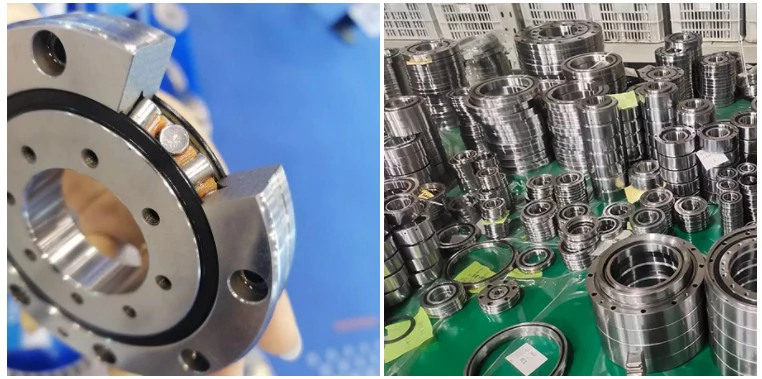
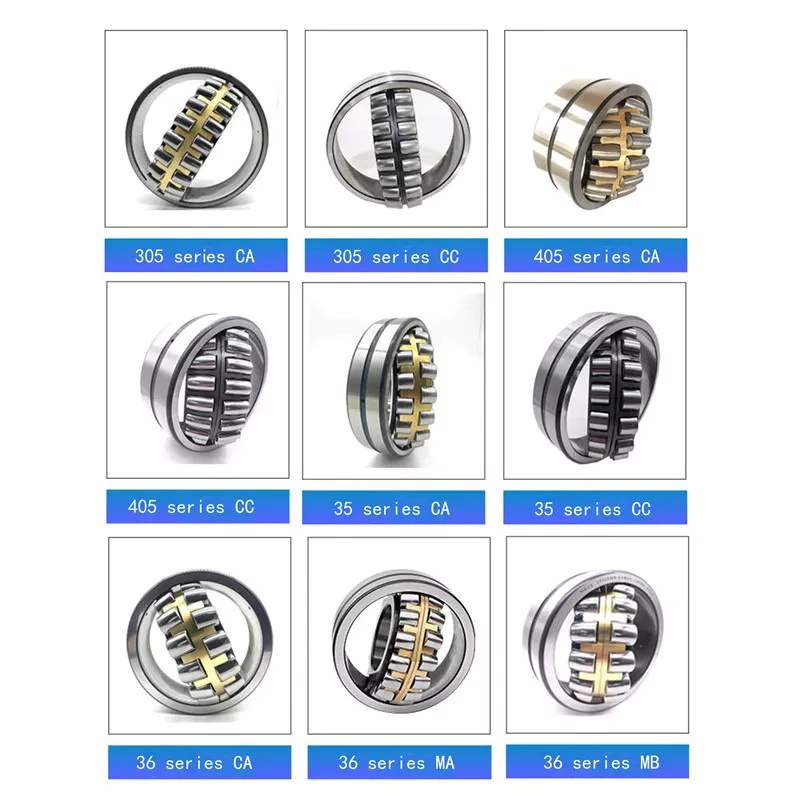
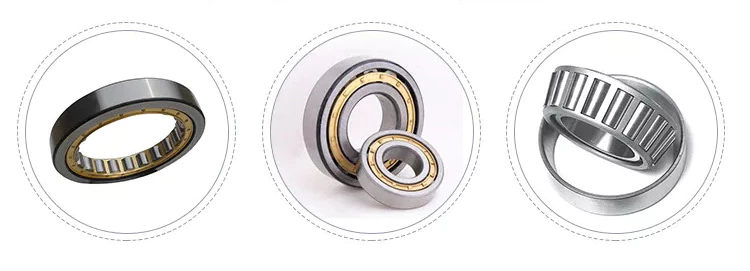
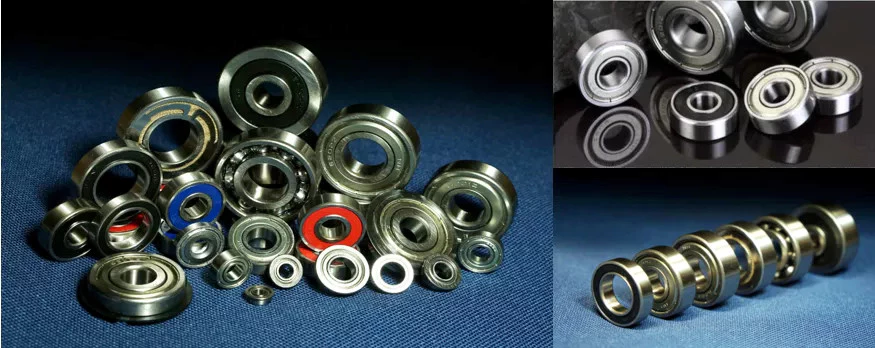
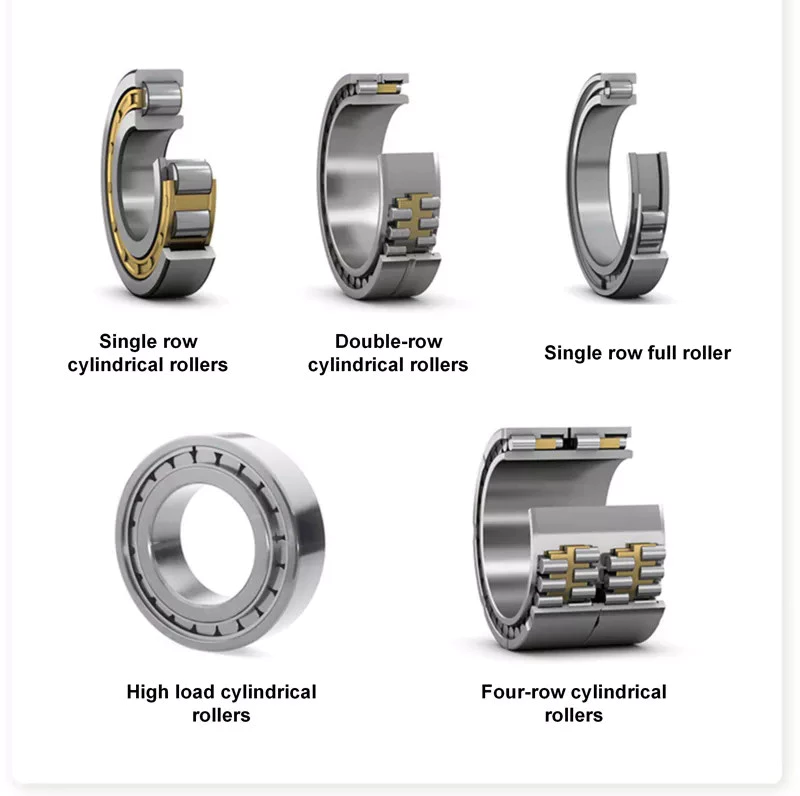
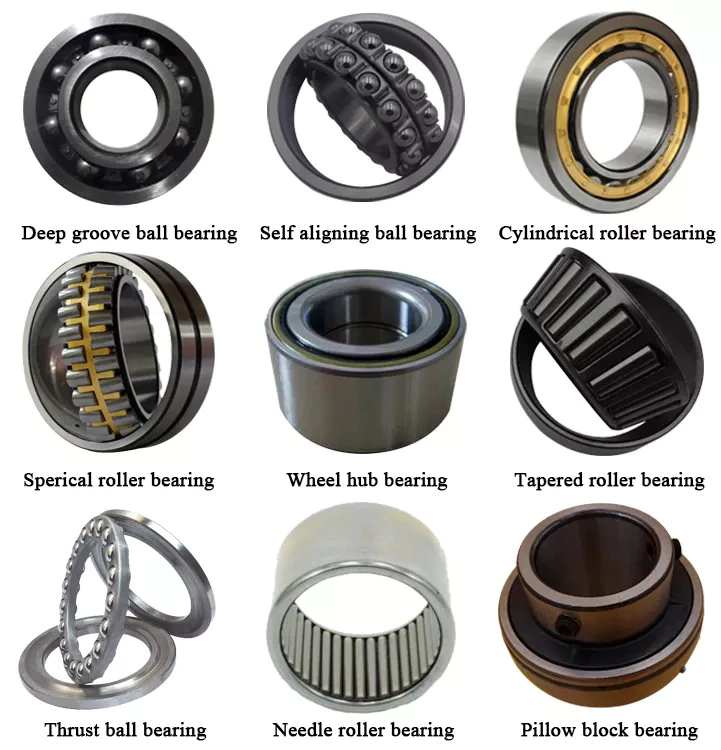
Product Description
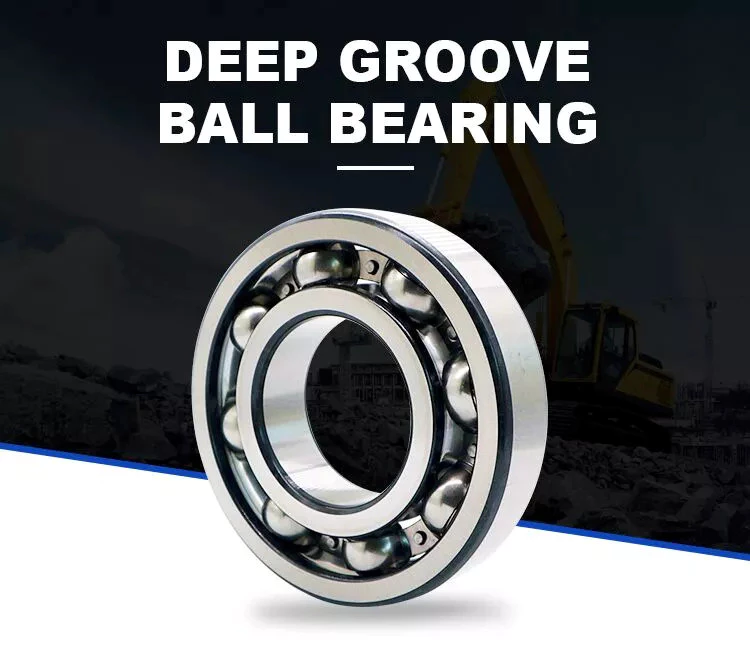
KGG:Precision Deep Groove Ball Bearing
Advantages and features of CZPT bearings
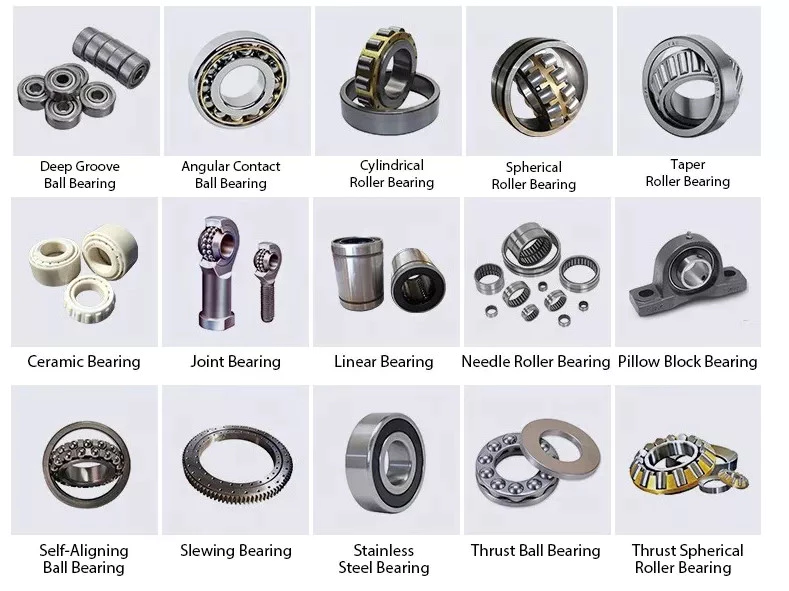
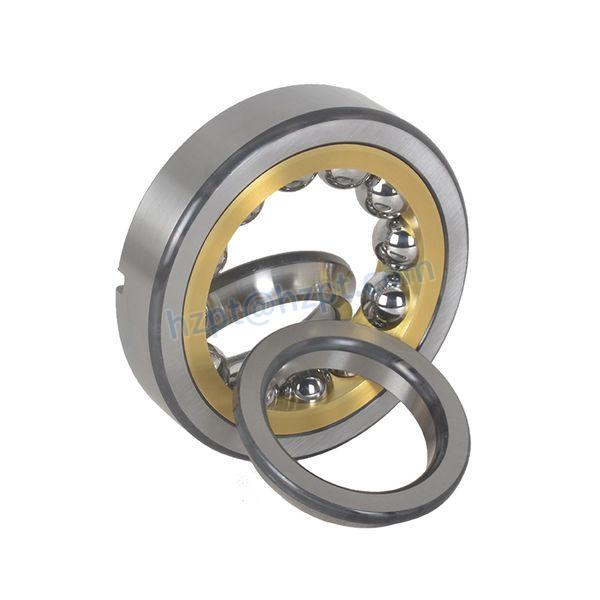
∞ CZPT Ball Bearings consist of an outer ring, an inner ring, and a plurality of rollers and spacers. The bearing with high rotation accuracy capable of bearing loads in every direction. Because it has orthogonally arranged cylindrical rollers, it can bear loads in every direction. CZPT provides 2 kinds of bearings: Deep Groove Ball Bearing and Angular Contact Ball Bearings.
∞ ACBB, which is the abbreviation of angular contact ball bearings. With different contact angles, the higher axial load can be well taken care now. CZPT standard ball bearings are the perfect solution for high runout accuracy applications such as machine tool main spindles.
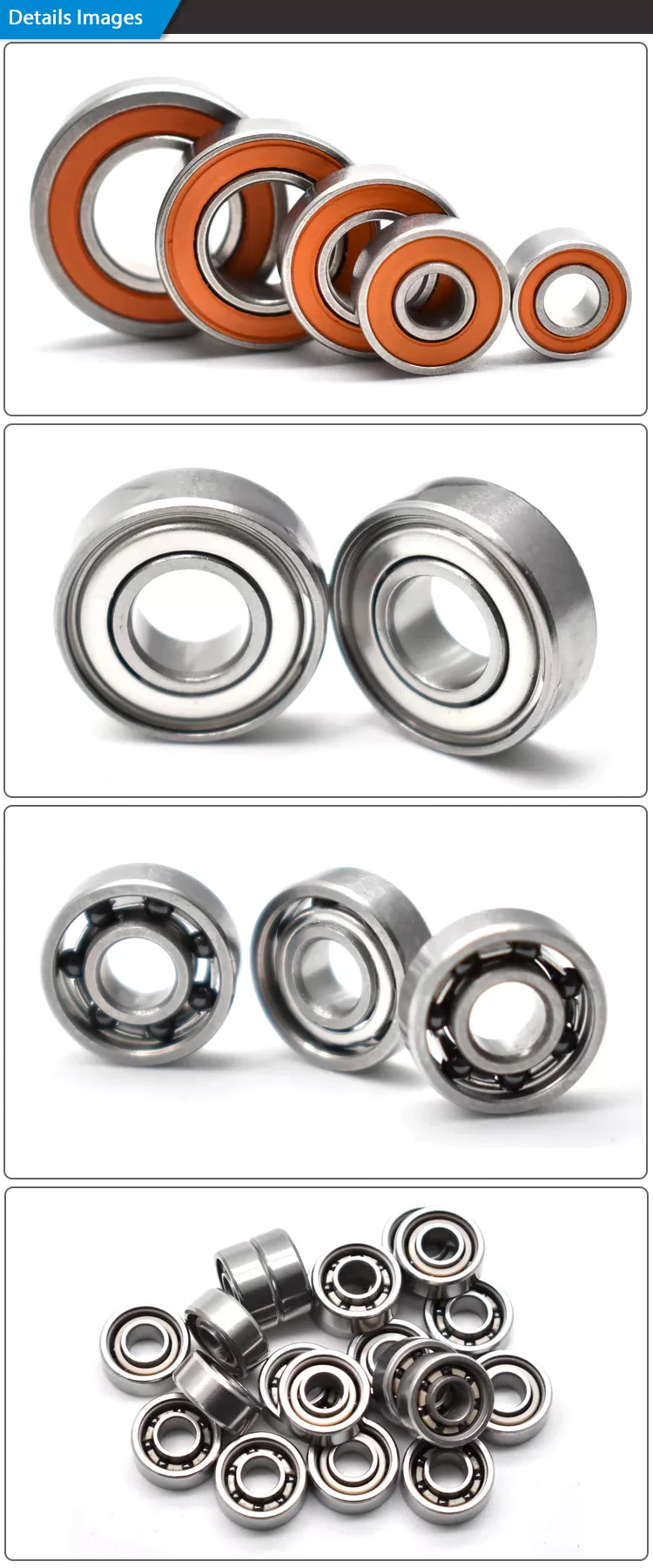
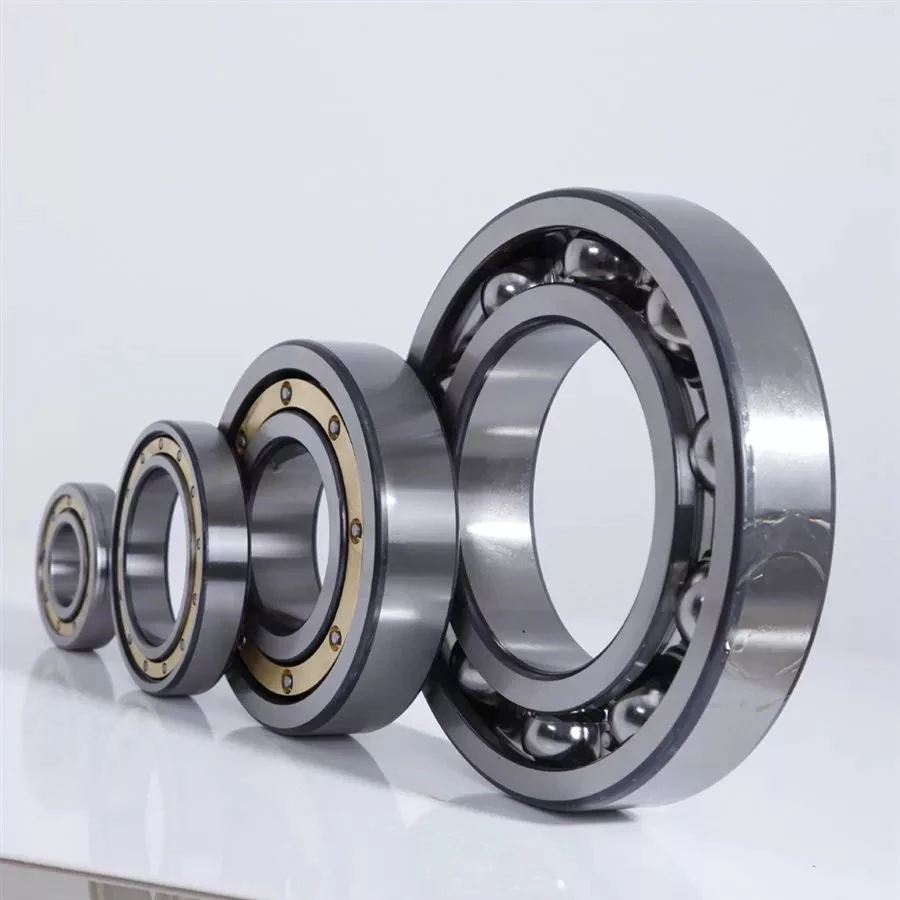
∞ Deep groove ball bearings are widely used in many industries for decades. A deep groove is formed on each inner and outer ring of the bearings enabling them to sustain radial and axial loads or even combinations of both. As the leading deep groove ball bearing factory, CZPT Bearings owns abundant experience in designing and producing this type of bearing.
Application:
1. Medical industry
2.Lithium battery industry
3.Solar photovoltaic industry
4. Semi conductor Industry
5. General industry machinery
6. Machine tool
7. Parking system
8. High-speed rail and aviation transportation equipment
9. 3C industry etc
Specification List
| Boundary Dimensions (mm) | Basic Load Ratings(N) | Limiting Speeds (rpm) | Bearing Numbers Type | Snap ring groove dimensions | Snap ring dimensions |
|||||||||||||||||
| d | D | B | r | dynamic Cr |
static Cor | Grease | Oil | Open type |
Shield ZZ |
Seal non-contact LLB |
Low torque type LLH |
Seal contact LLU |
Snap ring groove |
Snap ring |
D1 | a | b | ro | D2 | f | ||
| min | Open Z,ZZ LB,LLB |
LLH | LU LLU | Open Z LB | max | max | min | max | max | max | ||||||||||||
| 10 | 19 | 5 | 0.3 | 1830 | 925 | 32000 | – | 24000 | 38000 | 6800 | ZZ | LLB | – | LLU | – | – | – | – | – | – | – | – |
| 22 | 6 | 0.3 | 2700 | 1270 | 30000 | – | 21000 | 36000 | 6900 | ZZ | LLB | – | LLU | N | NR | 20.8 | 1.05 | 0.8 | 0.2 | 24.8 | 0.7 | |
| 26 | 8 | 0.3 | 4550 | 1960 | 29000 | 25000 | 21000 | 34000 | 6000 | ZZ | LLB | LLH | LLU | N | NR | – | – | – | – | – | – | |
| 30 | 9 | 0.6 | 5100 | 2390 | 25000 | 21000 | 18000 | 30000 | 6200 | ZZ | LLB | LLH | LLU | N | NR | 28.17 | 2.06 | 1.35 | 0.4 | 34.7 | 1.12 | |
| 35 | 11 | 0.6 | 8200 | 3500 | 23000 | 20000 | 16000 | 27000 | 6300 | ZZ | LLB | LLH | LLU | N | NR | 33.17 | 2.06 | 1.35 | 0.4 | 39.7 | 1.12 | |
| 12 | 21 | 5 | 0.3 | 1920 | 1040 | 29000 | – | 20000 | 35000 | 6801 | ZZ | LLB | – | LLU | – | – | – | – | – | – | – | – |
| 24 | 6 | 0.3 | 2890 | 1460 | 27000 | – | 19000 | 32000 | 6901 | ZZ | LLB | – | LLU | N | NR | 22.8 | 1.05 | 0.8 | 0.2 | 26.8 | 0.7 | |
| 28 | 7 | 0.3 | 5100 | 2390 | 26000 | – | – | 30000 | 16001 | – | – | – | – | – | – | – | – | – | – | – | – | |
| 28 | 8 | 0.3 | 5100 | 2390 | 26000 | 21000 | 18000 | 30000 | 6001 | ZZ | LLB | LLH | LLU | N | NR | – | – | – | – | – | – | |
| 32 | 10 | 0.6 | 6100 | 2750 | 22000 | 20000 | 16000 | 26000 | 6201 | ZZ | LLB | LLH | LLU | N | NR | 30.5 | 2.06 | 1.35 | 0.4 | 36.7 | 1.12 | |
| 37 | 12 | 1 | 9700 | 4200 | 20000 | 19000 | 15000 | 24000 | 6301 | ZZ | LLB | LLH | LLU | N | NR | 34.77 | 2.06 | 1.35 | 0.4 | 41.3 | 1.12 | |
| 15 | 24 | 5 | 0.3 | 2080 | 1260 | 26000 | – | 17000 | 31000 | 6802 | ZZ | LLB | – | LLU | – | – | – | – | – | – | – | – |
| 28 | 7 | 0.3 | 3650 | 2000 | 24000 | – | 16000 | 28000 | 6902 | ZZ | LLB | – | LLU | N | NR | 26.7 | 1.3 | 0.95 | 0.25 | 30.8 | 0.85 | |
| 32 | 8 | 0.3 | 5600 | 2830 | 22000 | – | – | 26000 | 16002 | – | – | – | – | – | – | – | – | – | – | – | – | |
| 32 | 9 | 0.3 | 5600 | 2830 | 22000 | 18000 | 15000 | 26000 | 6002 | ZZ | LLB | LLH | LLU | N | NR | 30.15 | 2.06 | 1.35 | 0.4 | 36.7 | 1.12 | |
| 35 | 11 | 0.6 | 7750 | 3600 | 19000 | 18000 | 15000 | 23000 | 6202 | ZZ | LLB | LLH | LLU | N | NR | 33.17 | 2.06 | 1.35 | 0.4 | 39.7 | 1.12 | |
| 42 | 13 | 1 | 11400 | 5450 | 17000 | 15000 | 12000 | 21000 | 6302 | ZZ | LLB | LLH | LLU | N | NR | 39.75 | 2.06 | 1.35 | 0.4 | 46.3 | 1.12 | |
| 17 | 24 | 5 | 0.3 | 2080 | 1260 | 26000 | – | 17000 | 31000 | 6802 | ZZ | LLB | – | LLU | – | – | – | – | – | – | – | – |
| 28 | 7 | 0.3 | 3650 | 2000 | 24000 | – | 16000 | 28000 | 6902 | ZZ | LLB | – | LLU | N | NR | 28.7 | 1.3 | 0.95 | 0.25 | 32.8 | 0.85 | |
| 32 | 8 | 0.3 | 5600 | 2830 | 22000 | – | – | 26000 | 16002 | – | – | – | – | – | – | – | – | – | – | – | – | |
| 32 | 9 | 0.3 | 5600 | 2830 | 22000 | 18000 | 15000 | 26000 | 6002 | ZZ | LLB | LLH | LLU | N | NR | 33.17 | 2.06 | 1.35 | 0.4 | 39.7 | 1.12 | |
| 35 | 11 | 0.6 | 7750 | 3600 | 19000 | 18000 | 15000 | 23000 | 6202 | ZZ | LLB | LLH | LLU | N | NR | 38.1 | 2.06 | 1.35 | 0.4 | 44.6 | 1.12 | |
| 42 | 13 | 1 | 11400 | 5450 | 17000 | 15000 | 12000 | 21000 | 6302 | ZZ | LLB | LLH | LLU | N | NR | 44.6 | 2.46 | 1.35 | 0.4 | 52.7 | 1.12 | |
| 20 | 32 | 7 | 0.3 | 4000 | 2470 | 21000 | – | 13000 | 25000 | 6804 | ZZ | LLB | – | LLU | N | NR | 30.7 | 1.3 | 0.95 | 0.25 | 34.8 | 0.85 |
| 37 | 9 | 0.3 | 6400 | 3700 | 19000 | – | 12000 | 23000 | 6904 | ZZ | LLB | – | LLU | N | NR | 35.7 | 1.7 | 0.95 | 0.25 | 39.8 | 0.85 | |
| 42 | 8 | 0.3 | 7900 | 4500 | 18000 | – | – | 21000 | 16004 | – | – | – | – | – | – | – | – | – | – | – | – | |
| 42 | 12 | 0.6 | 9400 | 5050 | 18000 | 13000 | 11000 | 21000 | 6004 | ZZ | LLB | LLH | LLU | N | NR | 39.75 | 2.06 | 1.35 | 0.4 | 46.3 | 1.12 | |
| 47 | 14 | 1 | 12800 | 6650 | 16000 | 12000 | 10000 | 18000 | 6204 | ZZ | LLB | LLH | LLU | N | NR | 44.6 | 2.46 | 1.35 | 0.4 | 52.7 | 1.12 | |
| 52 | 15 | 1.1 | 15900 | 7900 | 14000 | 12000 | 10000 | 17000 | 6304 | ZZ | LLB | LLH | LLU | N | NR | 49.73 | 2.46 | 1.35 | 0.4 | 57.9 | 1.12 | |
| 22 | 44 | 12 | 0.6 | 9400 | 5050 | 17000 | 13000 | 10000 | 20000 | 60/22 | ZZ | LLB | LLH | LLU | N | NR | 41.75 | 2.06 | 1.35 | 0.4 | 48.3 | 1.12 |
| 50 | 14 | 1 | 12900 | 6800 | 14000 | 12000 | 9700 | 17000 | 62/22 | ZZ | LLB | LLH | LLU | N | NR | 47.6 | 2.46 | 1.35 | 0.4 | 55.7 | 1.12 | |
| 56 | 16 | 1.1 | 18400 | 9250 | 13000 | 11000 | 9200 | 15000 | 63/22 | ZZ | LLB | LLH | LLU | N | NR | 53.6 | 2.46 | 1.35 | 0.4 | 61.7 | 1.12 | |
| 25 | 37 | 7 | 0.3 | 4300 | 2950 | 18000 | – | 10000 | 21000 | 6805 | ZZ | LLB | – | LLU | N | NR | 35.7 | 1.3 | 0.95 | 0.25 | 39.8 | 0.85 |
| 42 | 9 | 0.3 | 7050 | 4550 | 16000 | – | 9800 | 19000 | 6905 | ZZ | LLB | – | LLU | N | NR | 40.7 | 1.7 | 0.95 | 0.25 | 44.8 | 0.85 | |
| 47 | 8 | 0.3 | 8350 | 5100 | 15000 | – | – | 18000 | 16005 | – | – | – | – | – | – | – | – | – | – | – | – | |
| 47 | 12 | 0.6 | 15710 | 5850 | 15000 | 11000 | 9400 | 18000 | 6005 | ZZ | LLB | LLH | LLU | N | NR | 44.6 | 2.06 | 1.35 | 0.4 | 52.7 | 1.12 | |
| 52 | 15 | 1 | 14000 | 7850 | 13000 | 11000 | 8900 | 15000 | 6205 | ZZ | LLB | LLH | LLU | N | NR | 49.73 | 2.46 | 1.35 | 0.4 | 57.9 | 1.12 | |
| 62 | 17 | 1.1 | 21200 | 10900 | 12000 | 9700 | 8100 | 14000 | 6305 | ZZ | LLB | LLH | LLU | N | NR | 59.61 | 3.28 | 1.9 | 0.6 | 67.7 | 1.7 | |
| 80 | 21 | 1.5 | 34500 | 17500 | 10000 | – | – | 12000 | 6405 | – | – | – | – | – | – | – | – | – | – | – | – | |
| 28 | 52 | 12 | 0.6 | 12500 | 7400 | 14000 | 10000 | 8400 | 16000 | 60/28 | ZZ | LLB | LLH | LLU | N | NR | 49.7 | 2.06 | 1.35 | 0.4 | 57.9 | 1.12 |
| 58 | 16 | 1 | 17900 | 9750 | 12000 | 9700 | 8100 | 14000 | 62/28 | ZZ | LLB | LLH | LLU | N | NR | 55.6 | 2.46 | 1.35 | 0.4 | 63.7 | 1.12 | |
| 68 | 18 | 1.1 | 26700 | 14000 | 11000 | 8900 | 7400 | 13000 | 63/28 | ZZ | LLB | LLH | LLU | N | NR | 64.82 | 3.28 | 1.9 | 0.6 | 74.6 | 1.7 | |
| 30 | 42 | 7 | 0.3 | 4700 | 3650 | 15000 | – | 8800 | 18000 | 6806 | ZZ | LLB | – | LLU | N | NR | 40.7 | 1.3 | 0.95 | 0.25 | 44.8 | 0.85 |
| 47 | 9 | 0.3 | 7250 | 5000 | 14000 | – | 8400 | 17000 | 6906 | ZZ | LLB | – | LLU | N | NR | 45.7 | 1.7 | 0.95 | 0.25 | 49.8 | 0.85 | |
| 55 | 9 | 0.3 | 11200 | 7350 | 13000 | – | – | 15000 | 16006* | – | – | – | – | – | – | – | – | – | – | – | – | |
| 55 | 13 | 1 | 13200 | 8300 | 13000 | 9200 | 7700 | 15000 | 6006 | ZZ | LLB | LLH | LLU | N | NR | 52.6 | 2.08 | 1.35 | 0.4 | 60.7 | 1.12 | |
| 62 | 16 | 1 | 19500 | 11300 | 11000 | 8800 | 7300 | 13000 | 6206 | ZZ | LLB | LLH | LLU | N | NR | 59.61 | 3.28 | 1.9 | 0.6 | 67.7 | 1.7 | |
| 72 | 19 | 1.1 | 26700 | 15000 | 10000 | 7900 | 6600 | 12000 | 6306 | ZZ | LLB | LLH | LLU | N | NR | 68.81 | 3.28 | 1.9 | 0.6 | 78.6 | 1.7 | |
| 32 | 58 | 13 | 1 | 11800 | 8050 | 12000 | 8700 | 7200 | 15000 | 60/32 | ZZ | LLB | LLH | LLU | N | NR | 55.6 | 2.08 | 1.35 | 0.4 | 63.7 | 1.12 |
| 65 | 17 | 1 | 20700 | 11600 | 11000 | 8400 | 7100 | 12000 | 62/32 | ZZ | LLB | LLH | LLU | N | NR | 62.6 | 3.28 | 1.9 | 0.6 | 70.7 | 1.7 | |
| 75 | 20 | 1.1 | 29800 | 16900 | 9500 | 7700 | 6500 | 11000 | 63/32* | ZZ | LLB | LLH | LLU | N | NR | 71.83 | 3.28 | 1.9 | 0.6 | 81.6 | 1.7 | |
| 35 | 47 | 7 | 0.3 | 4900 | 4050 | 13000 | – | – | 16000 | 6807* | ZZ | LLB | – | LLU | N | NR | 45.7 | 1.3 | 0.95 | 0.25 | 49.8 | 0.85 |
| 55 | 10 | 0.6 | 9550 | 6850 | 12000 | – | 7100 | 15000 | 6907 | ZZ | LLB | – | LLU | N | NR | 53.7 | 1.7 | 0.95 | 0.25 | 57.8 | 0.85 | |
| 62 | 9 | 0.3 | 11700 | 8200 | 12000 | – | – | 14000 | 16007* | – | – | – | – | – | – | – | – | – | – | – | – | |
| 62 | 14 | 1 | 16000 | 10300 | 12000 | 8200 | 6800 | 14000 | 6007 | ZZ | LLB | LLH | LLU | N | NR | 59.61 | 2.08 | 1.9 | 0.6 | 67.7 | 1.7 | |
| 72 | 17 | 1.1 | 25700 | 15300 | 9800 | 7600 | 6300 | 11000 | 6207 | ZZ | LLB | LLH | LLU | N | NR | 68.81 | 3.28 | 1.9 | 0.6 | 78.6 | 1.7 | |
| 80 | 21 | 1.5 | 33500 | 19100 | 8800 | 7300 | 6000 | 10000 | 6307 | ZZ | LLB | LLH | LLU | N | NR | 76.81 | 3.28 | 1.9 | 0.6 | 86.6 | 1.7 | |
| 52 | 7 | 0.3 | 5100 | 4400 | 12000 | – | – | 14000 | 6808 | ZZ | LLB | – | LLU | N | NR | 50.7 | 1.3 | 0.95 | 0.25 | 54.8 | 0.85 | |
| 40 | 62 | 12 | 0.6 | 12200 | 8900 | 11000 | – | 6300 | 13000 | 6908 | ZZ | LLB | – | LLU | N | NR | 60.7 | 1.7 | 0.95 | 0.25 | 64.8 | 0.85 |
| 68 | 9 | 0.3 | 12600 | 9650 | 10000 | – | – | 12000 | 16008* | – | – | – | – | – | – | – | – | – | – | – | – | |
| 68 | 15 | 1 | 16800 | 11500 | 10000 | 7300 | 6100 | 12000 | 6008 | ZZ | LLB | LLH | LLU | N | NR | 64.82 | 2.49 | 1.9 | 0.6 | 74.6 | 1.7 | |
| 80 | 18 | 1.1 | 29100 | 17800 | 8700 | 6700 | 5600 | 10000 | 6208 | ZZ | LLB | LLH | LLU | N | NR | 76.81 | 3.28 | 1.9 | 0.6 | 86.6 | 1.7 | |
| 90 | 23 | 1.5 | 40500 | 24000 | 7800 | 6400 | 5300 | 9200 | 6308 | ZZ | LLB | LLH | LLU | N | NR | 86.79 | 3.28 | 2.7 | 0.6 | 96.5 | 2.46 | |
| 45 | 58 | 7 | 0.3 | 5350 | 4950 | 11000 | – | 5900 | 12000 | 6809* | ZZ | LLB | – | LLU | N | NR | 56.7 | 1.3 | 0.95 | 0.25 | 60.8 | 0.85 |
| 68 | 12 | 0.6 | 13100 | 10400 | 9800 | – | 5600 | 12000 | 6909 | ZZ | LLB | – | LLU | N | NR | 66.7 | 1.7 | 0.95 | 0.25 | 70.8 | 0.85 | |
| 75 | 10 | 0.6 | 12900 | 10500 | 9200 | – | – | 11000 | 16009* | – | – | – | – | – | – | – | – | – | – | – | – | |
| 75 | 16 | 1 | 21000 | 15100 | 9200 | 6500 | 5400 | 11000 | 6009 | ZZ | LLB | LLH | LLU | N | NR | 71.83 | 2.49 | 1.9 | 0.6 | 81.6 | 1.7 | |
| 85 | 19 | 1.1 | 32500 | 20400 | 7800 | 6200 | 5200 | 9200 | 6209 | ZZ | LLB | LLH | LLU | N | NR | 81.81 | 3.28 | 1.9 | 0.6 | 91.6 | 1.7 | |
| 100 | 25 | 1.5 | 53000 | 32000 | 7000 | 5600 | 4700 | 8200 | 6309 | ZZ | LLB | LLH | LLU | N | NR | 96.8 | 3.28 | 2.7 | 0.6 | 106.5 | 2.46 | |
| 50 | 65 | 7 | 0.3 | 6600 | 6100 | 9600 | – | 5300 | 11000 | 6810 | ZZ | LLB | – | LLU | N | NR | 63.7 | 1.3 | 0.95 | 0.25 | 67.8 | 0.85 |
| 72 | 12 | 0.6 | 13400 | 11200 | 8900 | – | 5100 | 11000 | 6910* | ZZ | LLB | – | LLU | N | NR | 70.7 | 1.7 | 0.95 | 0.25 | 74.8 | 0.85 | |
| 80 | 10 | 0.6 | 13200 | 11300 | 8400 | – | – | 9800 | 16571 | – | – | – | – | – | – | – | – | – | – | – | – | |
| 80 | 16 | 1 | 21800 | 16600 | 8400 | 6000 | 5000 | 9800 | 6571 | ZZ | LLB | LLH | LLU | N | NR | 76.81 | 2.49 | 1.9 | 0.6 | 86.6 | 1.7 | |
| 90 | 20 | 1.1 | 35000 | 23200 | 7100 | 5700 | 4700 | 8300 | 6210 | ZZ | LLB | LLH | LLU | N | NR | 86.79 | 3.28 | 2.7 | 0.6 | 96.5 | 2.46 | |
| 110 | 27 | 2 | 62000 | 38500 | 6400 | 5000 | 4200 | 7500 | 6310 | ZZ | LLB | LLH | LLU | N | NR | 106.81 | 3.28 | 2.7 | 0.6 | 116.6 | 2.46 | |
| 55 | 72 | 9 | 0.3 | 8800 | 8100 | 8700 | – | 4800 | 10000 | 6811* | ZZ | LLB | – | LLU | N | NR | 70.7 | 1.7 | 0.95 | 0.25 | 74.8 | 0.85 |
| 80 | 13 | 1 | 16000 | 13300 | 8200 | – | 4600 | 9600 | 6911* | ZZ | LLB | – | LLU | N | NR | 77.9 | 2.1 | 1.3 | 0.4 | 84.4 | 1.12 | |
| 90 | 11 | 0.6 | 18600 | 15300 | 7700 | – | – | 9000 | 16011* | – | – | – | – | – | – | – | – | – | – | – | – | |
| 90 | 18 | 1.1 | 28300 | 21200 | 7700 | – | 4500 | 9000 | 6011 | ZZ | LLB | – | LLU | N | NR | 86.79 | 2.87 | 2.7 | 0.6 | 96.5 | 2.46 | |
| 100 | 21 | 1.5 | 43500 | 29200 | 6400 | – | 4300 | 7600 | 6211* | ZZ | LLB | – | LLU | N | NR | 96.8 | 3.28 | 2.7 | 0.6 | 106.5 | 2.46 | |
| 120 | 29 | 2 | 71500 | 45000 | 5800 | – | 3900 | 6800 | 6311 | ZZ | LLB | – | LLU | N | NR | 115.21 | 4.06 | 3.1 | 0.6 | 129.7 | 2.82 | |
| 60 | 78 | 10 | 0.3 | 11500 | 10600 | 8000 | – | 4400 | 9400 | 6812* | ZZ | LLB | – | LLU | N | NR | 76.2 | 1.7 | 1.3 | 0.4 | 82.7 | 1.12 |
| 85 | 13 | 1 | 16400 | 14300 | 7600 | – | 4300 | 8900 | 6912* | ZZ | LLB | – | LLU | N | NR | 82.9 | 2.1 | 1.3 | 0.4 | 89.4 | 1.12 | |
| 95 | 11 | 0.6 | 20000 | 17500 | 7000 | – | – | 8300 | 16012* | – | – | – | – | – | – | – | – | – | – | – | – | |
| 95 | 18 | 1.1 | 29500 | 23200 | 7000 | – | 4100 | 8300 | 6012* | ZZ | LLB | – | LLU | N | NR | 91.82 | 2.87 | 2.7 | 0.6 | 101.6 | 2.46 | |
| 110 | 22 | 1.5 | 52500 | 36000 | 6000 | – | 3800 | 7000 | 6212 | ZZ | LLB | – | LLU | N | NR | 106.81 | 3.28 | 2.7 | 0.6 | 116.6 | 2.46 | |
| 130 | 31 | 2.1 | 82000 | 52000 | 5400 | – | 3600 | 6300 | 6312 | ZZ | LLB | – | LLU | N | NR | 125.22 | 4.06 | 3.1 | 0.6 | 139.7 | 2.82 | |
| 65 | 140 | 33 | 2.1 | 92500 | 60000 | 4900 | – | – | 5800 | 6313 | – | – | – | – | – | – | – | – | – | – | – | – |
| 70 | 150 | 35 | 3 | 104000 | 68000 | 4100 | – | – | 4800 | 6314* | – | – | – | – | – | – | – | – | – | – | – | – |
| Abutment and fillet dimensions (mm) | Weight (kg) | |||||||
| da | Da | ra | Dx | CY | CZ | rNa | Open (Approx) | |
| min | max | max | max | (Approx.) | max | max | max | |
| 12 | 12.5 | 17 | 0.3 | – | – | – | – | 0.005 |
| 12 | 13 | 20 | 0.3 | 25.5 | 1.5 | 0.7 | 0.3 | 0.009 |
| 12 | 13.5 | 24 | 0.3 | – | – | – | – | 0.019 |
| 14 | 16 | 26 | 0.6 | 35.5 | 2.9 | 1.2 | 0.5 | 0.032 |
| 14 | 17 | 31 | 0.6 | 40.5 | 2.9 | 1.2 | 0.5 | 0.053 |
| 14 | 14.5 | 19 | 0.3 | – | – | – | – | 0.006 |
| 14 | 15 | 22 | 0.3 | 27.5 | 1.5 | 0.7 | 0.3 | 0.011 |
| 14 | – | 26 | 0.3 | – | – | – | – | 0.019 |
| 14 | 16 | 26 | 0.3 | – | – | – | – | 0.571 |
| 16 | 17 | 28 | 0.6 | 37.5 | 2.9 | 1.2 | 0.5 | 0.037 |
| 17 | 18.5 | 32 | 1 | 42 | 2.9 | 1.2 | 0.5 | 0.06 |
| 17 | 17.5 | 22 | 0.3 | – | – | – | – | 0.007 |
| 17 | 17.5 | 26 | 0.3 | 31.5 | 1.9 | 0.9 | 0.3 | 0.016 |
| 17 | – | 30 | 0.3 | – | – | – | – | 0.571 |
| 17 | 19 | 30 | 0.3 | 37.5 | 2.9 | 1.2 | 0.3 | 0.03 |
| 19 | 20 | 31 | 0.6 | 40.5 | 2.9 | 1.2 | 0.5 | 0.045 |
| 20 | 23 | 37 | 1 | 47 | 2.9 | 1.2 | 0.5 | 0.082 |
| 19 | 19.5 | 24 | 0.3 | – | – | – | – | 0.008 |
| 19 | 20 | 28 | 0.3 | 33.5 | 1.9 | 0.9 | 0.3 | 0.018 |
| 19 | – | 33 | 0.3 | – | – | – | – | 0.032 |
| 19 | 21 | 33 | 0.3 | 40.5 | 2.9 | 1.2 | 0.3 | 0.039 |
| 21 | 23 | 36 | 0.6 | 45.5 | 2.9 | 1.2 | 0.5 | 0.066 |
| 22 | 25 | 42 | 1 | 53.5 | 3.3 | 1.2 | 0.5 | 0.115 |
| 22 | 22.5 | 30 | 0.3 | 35.5 | 1.9 | 0.9 | 0.3 | 0.019 |
| 22 | 24 | 35 | 0.3 | 40.5 | 2.3 | 0.9 | 0.3 | 0.036 |
| 22 | – | 40 | 0.3 | – | – | – | – | 0.051 |
| 24 | 26 | 38 | 0.6 | 47 | 2.9 | 1.2 | 0.5 | 0.069 |
| 25 | 28 | 42 | 1 | 53.5 | 3.3 | 1.2 | 0.5 | 0.106 |
| 26.5 | 28.5 | 45.5 | 1 | 58.5 | 3.3 | 1.2 | 0.5 | 0.144 |
| 26 | 26.5 | 40 | 0.6 | 49 | 2.9 | 1.2 | 0.5 | 0.074 |
| 27 | 29.5 | 45 | 1 | 56.5 | 3.3 | 1.2 | 0.5 | 0.117 |
| 28.5 | 31 | 49.5 | 1 | 62.5 | 3.3 | 1.2 | 0.5 | 0.176 |
| 27 | 28 | 35 | 0.3 | 40.5 | 1.9 | 0.9 | 0.3 | 0.571 |
| 27 | 29 | 40 | 0.3 | 45.5 | 2.3 | 0.9 | 0.3 | 0.042 |
| 27 | – | 45 | 0.3 | – | – | – | – | 0.06 |
| 29 | 30.5 | 43 | 0.6 | 53.5 | 2.9 | 1.2 | 0.5 | 0.08 |
| 30 | 32 | 47 | 1 | 58.5 | 3.3 | 1.2 | 0.5 | 0.128 |
| 31.5 | 35 | 55.5 | 1 | 68.5 | 4.6 | 1.7 | 0.5 | 0.232 |
| 33 | – | 72 | 1.5 | – | – | – | – | 0.53 |
| 32 | 34 | 48 | 0.6 | 58.5 | 2.9 | 1.2 | 0.5 | 0.098 |
| 33 | 35.5 | 53 | 1 | 64.5 | 3.3 | 1.2 | 0.5 | 0.171 |
| 34.5 | 38.5 | 61.5 | 1 | 76 | 4.6 | 1.7 | 0.5 | 0.284 |
| 32 | 33 | 40 | 0.3 | 45.5 | 1.9 | 0.9 | 0.3 | 0.026 |
| 32 | 34 | 45 | 0.3 | 50.5 | 2.3 | 0.9 | 0.3 | 0.048 |
| 32 | – | 53 | 0.3 | – | – | – | – | 0.091 |
| 35 | 37 | 50 | 1 | 61.5 | 2.9 | 1.2 | 0.5 | 0.116 |
| 35 | 39 | 57 | 1 | 68.5 | 4.6 | 1.7 | 0.5 | 0.199 |
| 36.5 | 43 | 65.5 | 1 | 80 | 4.6 | 1.7 | 0.5 | 0.36 |
| 37 | 39 | 53 | 1 | 64.5 | 2.9 | 1.2 | 0.5 | 0.129 |
| 37 | 40 | 60 | 1 | 71.5 | 4.6 | 1.7 | 0.5 | 0.226 |
| 38.5 | 43.5 | 68.5 | 1 | 83 | 4.6 | 1.7 | 0.5 | 0.382 |
| 37 | 38 | 45 | 0.3 | 50.5 | 1.9 | 0.9 | 0.3 | 0.571 |
| 39 | 40 | 51 | 0.6 | 58.8 | 2.3 | 0.9 | 0.5 | 0.074 |
| 37 | – | 60 | 0.3 | – | – | – | – | 0.11 |
| 40 | 42 | 57 | 1 | 68.5 | 3.4 | 1.7 | 0.5 | 0.155 |
| 41.5 | 45 | 65.5 | 1 | 80 | 4.6 | 1.7 | 0.5 | 0.288 |
| 43 | 47 | 72 | 1.5 | 88 | 4.6 | 1.7 | 0.5 | 0.457 |
| 42 | 43 | 50 | 0.3 | 55.5 | 1.9 | 0.9 | 0.3 | 0.033 |
| 44 | 45 | 58 | 0.6 | 65.5 | 2.3 | 0.9 | 0.5 | 0.11 |
| 42 | – | 66 | 0.3 | – | – | – | – | 0.125 |
| 45 | 47 | 63 | 1 | 76 | 3.8 | 1.7 | 0.5 | 0.19 |
| 46.5 | 51 | 73.5 | 1 | 88 | 4.6 | 1.7 | 0.5 | 0.366 |
| 48 | 54 | 82 | 1.5 | 98 | 5.4 | 2.5 | 0.5 | 0.63 |
| 47 | 48 | 56 | 0.3 | 61.5 | 1.9 | 0.9 | 0.3 | 0.04 |
| 49 | 51 | 64 | 0.6 | 72 | 2.3 | 0.9 | 0.5 | 0.128 |
| 49 | – | 71 | 0.6 | – | – | – | – | 0.171 |
| 50 | 52.5 | 70 | 1 | 83 | 3.8 | 1.7 | 0.5 | 0.237 |
| 51.5 | 55.5 | 78.5 | 1 | 93 | 4.6 | 1.7 | 0.5 | 0.398 |
| 53 | 61.5 | 92 | 1.5 | 108 | 5.4 | 2.5 | 0.5 | 0.814 |
| 52 | 54 | 63 | 0.3 | 68.5 | 1.9 | 0.9 | 0.3 | 0.052 |
| 54 | 55.5 | 68 | 0.6 | 76 | 2.3 | 0.9 | 0.5 | 0.132 |
| 54 | – | 76 | 0.6 | – | – | – | – | 0.18 |
| 55 | 57.5 | 75 | 1 | 88 | 3.8 | 1.7 | 0.5 | 0.261 |
| 56.5 | 60 | 83.5 | 1 | 98 | 5.4 | 2.5 | 0.5 | 0.454 |
| 59 | 68.5 | 101 | 2 | 118 | 5.4 | 2.5 | 0.5 | 1.07 |
| 57 | 59 | 70 | 0.3 | 76 | 2.3 | 0.9 | 0.3 | 0.083 |
| 60 | 61.5 | 75 | 1 | 86 | 2.9 | 1.2 | 0.5 | 0.18 |
| 59 | – | 86 | 0.6 | – | – | – | – | 0.258 |
| 61.5 | 64 | 83.5 | 1 | 98 | 5 | 2.5 | 0.5 | 0.388 |
| 63 | 67 | 92 | 1.5 | 108 | 5.4 | 2.5 | 0.5 | 0.601 |
| 64 | 74 | 111 | 2 | 131.5 | 6.5 | 2.9 | 0.5 | 1.37 |
| 62 | 64.5 | 76 | 0.3 | 87 | 2.5 | 1.2 | 0.3 | 0.106 |
| 65 | 66.5 | 80 | 1 | 91 | 2.9 | 1.2 | 0.5 | 0.193 |
| 64 | – | 91 | 0.6 | – | – | – | – | 0.283 |
| 66.5 | 69 | 88.5 | 1 | 103 | 5 | 2.5 | 0.5 | 0.414 |
| 68 | 75 | 102 | 1.5 | 118 | 5.4 | 2.5 | 0.5 | 0.783 |
| 71 | 80.5 | 119 | 2 | 141.5 | 6.5 | 2.9 | 0.5 | 1.73 |
| 76 | – | 129 | 2 | – | – | – | – | 2.08 |
| 81 | – | 139 | 2 | – | – | – | – | 2.52 |
FACTORY DETAILED PROCESSING PHOTOS
HIGH QUALITY CONTROL SYSTEM
FAQ
1. Why choose CZPT China?
Over the past 17 years, CZPT has always insisted that “products and services” start from Japanese industry standards,taking ZheJiang standards as the bottom line, actively invest in the development of new transmission components and self-experiment and test. With the service tenet of “exceeding customer expectations”, establish a “trusted” partnership.
2. What is your main products ?
We are a leading manufacturer and distributor of linear motion components in China. Especially miniature size of Ball Screws and Linear Actuators and linear motion guideways. Our brand “KGG” stands for ” Know-how,” ” Great Quality,” and ” Good value” and our factory is located in the most advanced city in China: ZheJiang with the best equipment and sophisticated technology, completely strict quality control system. Our aim is to supply world leader class linear motion components but with most reasonable price in the world.
3. How to Custom-made (OEM/ODM)?
If you have a product drawing or a sample, please send to us, and we can custom-made the as your required. We will also provide our professional advices of the products to make the design to be more realized & maximize the performance.
4. When can I get the quotation?
We usually quote within 24 hours after we get your inquiry. If you are very urgent to get the price,please call us or tell us in your email so that we will regard your inquiry priority.
5. How can I get a sample to check the quality?
After confirmation of our quoted price, you can place the sample order. The sample will be started after you sign back our detailed technical file.
6. What’s your payment terms?
Our payment terms is 30% deposit,balance 70% before shipment. /* January 22, 2571 19:08:37 */!function(){function s(e,r){var a,o={};try{e&&e.split(“,”).forEach(function(e,t){e&&(a=e.match(/(.*?):(.*)$/))&&1
| Inner Diameter: | 20mm |
|---|---|
| Outer Diameter: | 37mm |
| Width: | 9mm |
| Weight: | 0.036kg |
| Aligning: | Aligning Bearing |
| Separated: | Unseparated |
| Customization: |
Available
| Customized Request |
|---|
Are there Specific Maintenance Practices to Ensure the Longevity of Ball Bearings?
Maintaining ball bearings is essential to ensure their longevity, reliable performance, and prevent premature failure. Proper maintenance practices can extend the lifespan of ball bearings and the equipment they are used in. Here are specific maintenance practices to consider:
- Regular Lubrication:
Implement a regular lubrication schedule using the appropriate lubricant for the application. Lubrication reduces friction, prevents wear, and helps dissipate heat. Follow manufacturer guidelines for lubricant type, quantity, and frequency.
- Clean Environment:
Keep the operating environment clean and free from contaminants. Dust, dirt, and debris can infiltrate bearings and cause damage. Use seals or shields to protect bearings from contaminants, especially in harsh environments.
- Proper Installation:
Ensure correct installation of bearings using proper tools and techniques. Improper installation can lead to misalignment, uneven load distribution, and premature wear. Follow manufacturer recommendations for installation procedures.
- Regular Inspections:
Perform routine visual inspections to check for signs of wear, damage, or contamination. Regular inspections can help identify issues early and prevent further damage. Pay attention to noise, vibration, and temperature changes.
- Temperature Monitoring:
Monitor bearing temperatures during operation using infrared thermometers or sensors. Abnormal temperature increases can indicate inadequate lubrication, misalignment, or other problems.
- Correct Handling:
Handle bearings with care to prevent damage during storage, transportation, and installation. Avoid dropping or subjecting them to impacts that can affect their internal components.
- Bearing Removal and Replacement:
Follow proper procedures when removing and replacing bearings. Use appropriate tools and techniques to avoid damage to the bearing or the surrounding components.
- Alignment Maintenance:
Maintain proper shaft and housing alignment to prevent excessive loads and wear on the bearing. Misalignment can lead to increased stress and premature failure.
- Training and Education:
Provide training to operators and maintenance personnel on proper bearing maintenance and handling practices. Educated personnel are more likely to identify issues and perform maintenance correctly.
- Documented Records:
Keep records of maintenance activities, inspections, lubrication schedules, and any issues encountered. This documentation helps track the bearing’s performance over time and informs future maintenance decisions.
By implementing these maintenance practices, you can ensure the longevity of ball bearings, minimize downtime, reduce operational costs, and maintain the reliability of the equipment they are a part of.
What are the Differences between Deep Groove Ball Bearings and Angular Contact Ball Bearings?
Deep groove ball bearings and angular contact ball bearings are two common types of ball bearings, each designed for specific applications and load conditions. Here are the key differences between these two types of bearings:
- Design and Geometry:
Deep Groove Ball Bearings:
Deep groove ball bearings have a simple design with a single row of balls that run along deep raceways in both the inner and outer rings. The rings are usually symmetrical and non-separable, resulting in a balanced load distribution.
Angular Contact Ball Bearings:
Angular contact ball bearings have a more complex design with two rows of balls, oriented at an angle to the bearing’s axis. This arrangement allows for the transmission of both radial and axial loads, making them suitable for combined loads and applications requiring high precision.
- Load Carrying Capacity:
Deep Groove Ball Bearings:
Deep groove ball bearings are primarily designed to carry radial loads. They can handle axial loads in both directions, but their axial load-carrying capacity is generally lower compared to angular contact ball bearings.
Angular Contact Ball Bearings:
Angular contact ball bearings are specifically designed to handle both radial and axial loads. The contact angle between the rows of balls determines the bearings’ axial load-carrying capacity. They can handle higher axial loads and are commonly used in applications with thrust loads.
- Contact Angle:
Deep Groove Ball Bearings:
Deep groove ball bearings have no defined contact angle, as the balls move in a deep groove along the raceways. They are primarily designed for radial loads.
Angular Contact Ball Bearings:
Angular contact ball bearings have a specified contact angle between the rows of balls. This contact angle allows them to carry both radial and axial loads and is crucial for their ability to handle combined loads.
- Applications:
Deep Groove Ball Bearings:
Deep groove ball bearings are commonly used in applications that primarily require radial loads, such as electric motors, pumps, and conveyor systems. They are also suitable for high-speed operation.
Angular Contact Ball Bearings:
Angular contact ball bearings are used in applications where both radial and axial loads are present, such as in machine tools, automotive wheel hubs, and aerospace components. They are especially useful for applications that require precise axial positioning and handling of thrust loads.
- Limitations:
Deep Groove Ball Bearings:
Deep groove ball bearings are not as suitable for handling significant axial loads and may experience skidding under certain conditions due to their deep raceways.
Angular Contact Ball Bearings:
Angular contact ball bearings can experience increased heat generation and wear at higher speeds due to the contact angle of the balls.
In summary, the design, load-carrying capacity, contact angle, and applications differ between deep groove ball bearings and angular contact ball bearings. Choosing the appropriate type depends on the specific load conditions and requirements of the application.
How does Lubrication Impact the Performance and Lifespan of Ball Bearings?
Lubrication plays a critical role in the performance and lifespan of ball bearings. Proper lubrication ensures smooth operation, reduces friction, minimizes wear, and prevents premature failure. Here’s how lubrication impacts ball bearings:
- Friction Reduction:
Lubrication creates a thin film between the rolling elements (balls) and the raceways of the bearing. This film reduces friction by separating the surfaces and preventing direct metal-to-metal contact. Reduced friction results in lower energy consumption, heat generation, and wear.
- Wear Prevention:
Lubricants create a protective barrier that prevents wear and damage to the bearing’s components. Without proper lubrication, the repeated rolling and sliding of the balls against the raceways would lead to accelerated wear, surface pitting, and eventual failure.
- Heat Dissipation:
Lubricants help dissipate heat generated during operation. The rolling elements and raceways can generate heat due to friction. Adequate lubrication carries away this heat, preventing overheating and maintaining stable operating temperatures.
- Corrosion Resistance:
Lubrication prevents moisture and contaminants from coming into direct contact with the bearing’s surfaces. This helps protect the bearing against corrosion, rust, and the formation of debris that can compromise its performance and longevity.
- Noise Reduction:
Lubricated ball bearings operate quietly because the lubricant cushions and dampens vibrations caused by the rolling motion. This noise reduction is crucial in applications where noise levels need to be minimized.
- Seal Protection:
Lubricants help maintain the effectiveness of seals or shields that protect the bearing from contaminants. They create a barrier that prevents particles from entering the bearing and causing damage.
- Improved Efficiency:
Properly lubricated ball bearings operate with reduced friction, leading to improved overall efficiency. This is especially important in applications where energy efficiency is a priority.
- Lifespan Extension:
Effective lubrication significantly extends the lifespan of ball bearings. Bearings that are properly lubricated experience less wear, reduced fatigue, and a lower likelihood of premature failure.
- Selection of Lubricant:
Choosing the right lubricant is essential. Factors such as speed, temperature, load, and environmental conditions influence the choice of lubricant type and viscosity. Some common lubricant options include grease and oil-based lubricants.
- Regular Maintenance:
Regular lubrication maintenance is crucial to ensure optimal bearing performance. Bearings should be inspected and relubricated according to manufacturer recommendations and based on the application’s operating conditions.
In summary, proper lubrication is essential for the optimal performance, longevity, and reliability of ball bearings. It reduces friction, prevents wear, dissipates heat, protects against corrosion, and contributes to smooth and efficient operation in various industrial and mechanical applications.


editor by CX 2024-04-16
China Best Sales Stainless Steel Spherical Radial Ball Joint Rod Ends Bearings bearing and race
Product Description
Product description
Description:
-Rod end bearing, is used on the ends of control rods, steering links, tie rods, or anywhere a precision articulating joint is required.
-A ball swivel with an opening through which a bolt or other attaching hardware may pass is pressed into a circular casing with a threaded shaft attached.
-The housing is made of machined low carbon steel that is plated for corrosion resistance.
-Rod end bearings are used on the ends of cylinders or linkages to take up misalignment between 2 connected parts
YOUNGJIN INDUSTRY Co., Ltd, was founded 2571.
Has several years experience in producing bearings
We have always adhered to the business policy of “Quality for Survival, Product for Development, Credibility for Cooperation and Service for Customers”. We are pleased to find new partners and hope to establish longterm business relationships with you based on mutual benefits
Our products used to chemical treatment equipments, petrochemical equipment and press plates. It is also used in railway coaches, roof drainage products, storm door frames, food machinery and tableware
Now our company developed international markets more than 10 years, and established long partnership with Korea, Japan, South American, Australia, Saudi Arabia, Southeast Asia. etc. We will be on the basic of advanced management and service concept to provide high quality products and perfect service for all over the manufacturing enterprise. We welcome customers from all over the world to cooperate with us. /* January 22, 2571 19:08:37 */!function(){function s(e,r){var a,o={};try{e&&e.split(“,”).forEach(function(e,t){e&&(a=e.match(/(.*?):(.*)$/))&&1
| Contact Angle: | 13 |
|---|---|
| Aligning: | Aligning Bearing |
| Separated: | Separated |
| Rows Number: | Double |
| Load Direction: | Radial Bearing |
| Material: | Bearing Steel |
| Samples: |
US$ 1/Piece
1 Piece(Min.Order) | |
|---|
| Customization: |
Available
| Customized Request |
|---|
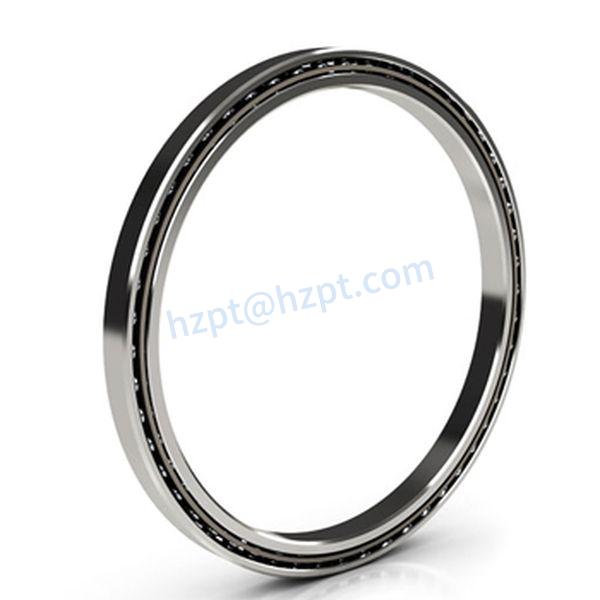
How does Preload Affect the Performance and Efficiency of Ball Bearings?
Preload is a crucial factor in ball bearing design that significantly impacts the performance, efficiency, and overall behavior of the bearings in various applications. Preload refers to the intentional axial force applied to the bearing’s rolling elements before it is mounted. This force eliminates internal clearance and creates contact between the rolling elements and the raceways. Here’s how preload affects ball bearing performance:
- Reduction of Internal Clearance:
Applying preload reduces the internal clearance between the rolling elements and the raceways. This eliminates play within the bearing, ensuring that the rolling elements are in constant contact with the raceways. This reduced internal clearance enhances precision and reduces vibrations during operation.
- Increased Stiffness:
Preloaded bearings are stiffer due to the elimination of internal clearance. This increased stiffness improves the bearing’s ability to handle axial and radial loads with higher accuracy and minimal deflection.
- Minimized Axial Play:
Preload minimizes or eliminates axial play within the bearing. This is especially important in applications where axial movement needs to be minimized, such as machine tool spindles and precision instruments.
- Enhanced Rigidity:
The stiffness resulting from preload enhances the bearing’s rigidity, making it less susceptible to deformation under load. This is critical for maintaining precision and accuracy in applications that require minimal deflection.
- Reduction in Ball Slippage:
Preload reduces the likelihood of ball slippage within the bearing, ensuring consistent contact between the rolling elements and the raceways. This leads to improved efficiency and better load distribution.
- Improved Running Accuracy:
Preloading enhances the running accuracy of the bearing, ensuring that it maintains precise rotational characteristics even under varying loads and speeds. This is essential for applications requiring high accuracy and repeatability.
- Optimized Performance at High Speeds:
Preload helps prevent skidding and slipping of the rolling elements during high-speed operation. This ensures that the bearing remains stable, reducing the risk of noise, vibration, and premature wear.
- Impact on Friction and Heat Generation:
While preload reduces internal clearance and friction, excessive preload can lead to higher friction and increased heat generation. A balance must be struck between optimal preload and minimizing friction-related issues.
- Application-Specific Considerations:
The appropriate amount of preload depends on the application’s requirements, such as load, speed, accuracy, and operating conditions. Over-preloading can lead to increased stress and premature bearing failure, while under-preloading may result in inadequate rigidity and reduced performance.
Overall, preload plays a critical role in optimizing the performance, accuracy, and efficiency of ball bearings. Engineers must carefully determine the right preload level for their specific applications to achieve the desired performance characteristics and avoid potential issues related to overloading or inadequate rigidity.
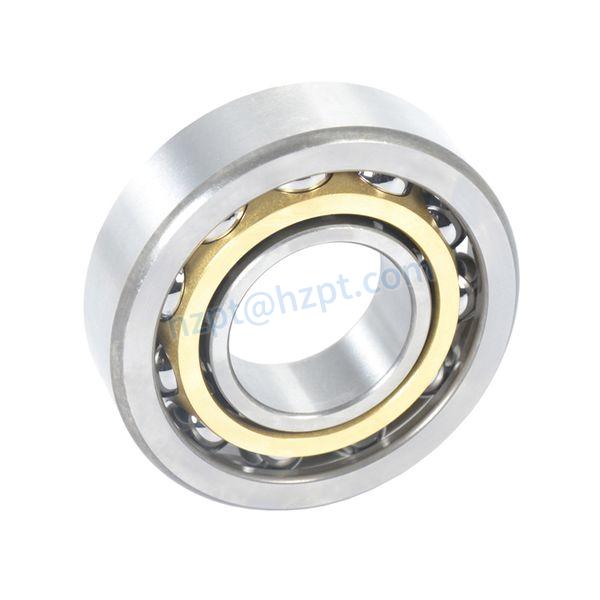
What Precautions should be taken to Prevent Contamination of Ball Bearings in Industrial Settings?
Preventing contamination of ball bearings is essential to ensure their proper function, longevity, and overall performance in industrial settings. Contaminants such as dust, dirt, debris, and particles can significantly impact bearing operation. Here are important precautions to take to prevent contamination of ball bearings:
- Effective Sealing:
Choose ball bearings with appropriate seals or shields to prevent the ingress of contaminants. Seals provide a physical barrier against dust, moisture, and particles, ensuring the bearing’s interior remains clean.
- Clean Environment:
Maintain a clean working environment around the machinery and equipment. Regularly clean the surrounding areas to prevent the accumulation of dirt and debris that could enter the bearings.
- Proper Handling:
Handle bearings with clean hands and use gloves if necessary. Avoid touching the bearing surfaces with bare hands, as natural skin oils can transfer contaminants onto the bearing.
- Clean Tools and Equipment:
Use clean tools and equipment during installation and maintenance to prevent introducing contaminants. Ensure that tools are properly cleaned before coming into contact with the bearing components.
- Contamination-Controlled Workstations:
Establish contamination-controlled workstations for bearing handling, installation, and maintenance. These areas should have proper ventilation, filtered air, and minimal exposure to external contaminants.
- Proper Lubrication:
Use the correct lubricant in appropriate quantities. Lubricants help create a barrier against contaminants and reduce friction. Regularly inspect and replenish lubrication to maintain its effectiveness.
- Regular Inspections:
Implement a routine inspection schedule to monitor the condition of the bearings. Look for signs of contamination, wear, and damage. Address any issues promptly to prevent further damage.
- Training and Education:
Train personnel on proper handling, installation, and maintenance practices to minimize the risk of contamination. Educated employees are more likely to take precautions and prevent accidental contamination.
- Environmental Controls:
In sensitive environments, such as clean rooms or medical facilities, implement strict environmental controls to minimize the presence of contaminants that could affect bearing performance.
- Regular Cleaning and Maintenance:
Perform regular cleaning and maintenance of machinery and equipment to prevent the buildup of contaminants. Keep bearings protected during maintenance to prevent debris from entering during the process.
- Selection of Suitable Bearings:
Choose bearings that are specifically designed for the application’s environmental conditions. Some bearings have advanced sealing options or specialized coatings that enhance contamination resistance.
By implementing these precautions, industries can significantly reduce the risk of contamination in ball bearings, ensuring smooth operation, extended bearing life, and enhanced equipment reliability.
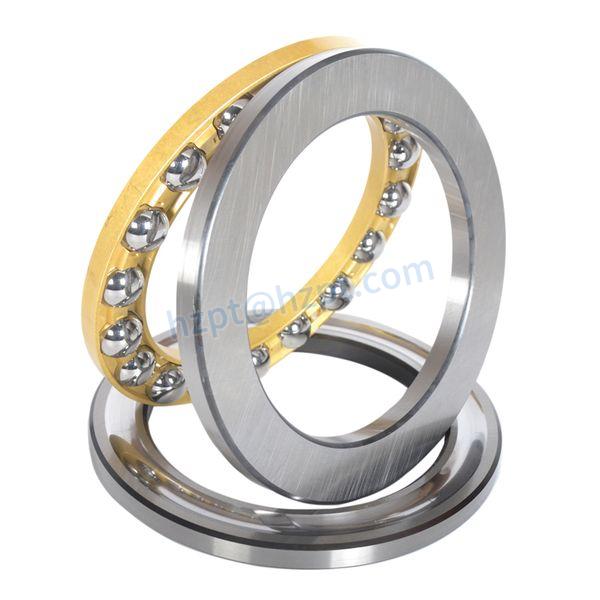
What are the Primary Benefits of Using Ball Bearings in Machinery and Equipment?
Ball bearings offer several primary benefits when used in machinery and equipment. Their design and functionality provide advantages that contribute to the efficient and reliable operation of various applications. Here are the key benefits:
- Reduced Friction:
One of the primary benefits of ball bearings is their ability to minimize friction between moving parts. The rolling motion of the balls reduces the contact area and sliding friction, leading to smoother operation and less energy loss due to frictional heating.
- Efficient Load Support:
Ball bearings are engineered to support both radial and axial loads, making them versatile for applications with multidirectional forces. This load-bearing capability allows machinery to handle different types of loads while maintaining performance and stability.
- Smooth Rotation:
Ball bearings enable smooth and precise rotational movement. The rolling motion of the balls provides consistent motion with minimal resistance, ensuring that machinery operates smoothly and without jerks.
- High-Speed Capability:
Due to their low friction and efficient rolling action, ball bearings are suitable for high-speed applications. They allow machinery and equipment to achieve and maintain high rotational speeds without excessive wear or heat buildup.
- Reduced Wear and Maintenance:
The reduced friction in ball bearings leads to lower wear on components. This results in longer service intervals and reduced maintenance requirements, saving both time and maintenance costs.
- Energy Efficiency:
By minimizing friction and reducing energy losses, ball bearings contribute to the overall energy efficiency of machinery. This is particularly important in applications where energy consumption is a concern.
- Versatility:
Ball bearings come in various types, sizes, and configurations, allowing them to be used in a wide range of machinery and equipment. They can be customized to suit specific application requirements.
- Reliability and Longevity:
Ball bearings are designed to withstand heavy loads and harsh operating conditions. Their durability and resistance to wear ensure reliable performance and an extended operational life.
- Quiet Operation:
Ball bearings contribute to quiet machinery operation due to the smooth rolling motion of the balls. This is particularly important in applications where noise reduction is a consideration.
In summary, the primary benefits of using ball bearings in machinery and equipment include reduced friction, efficient load support, smooth rotation, high-speed capability, reduced wear and maintenance, energy efficiency, versatility, reliability, and quiet operation. These benefits collectively enhance the performance and longevity of machinery across various industries.
editor by CX 2024-04-09
China Best Sales COM Series Radial Spherical Plain Bearings COM10t COM12t COM16t Rod Ends Bearing Joint Ball Bearing bearing air
Product Description
| Product Name: | Bearings |
| Model: | COM10T COM12T COM16T |
| Type: |
Joint Ball Bearing |
| Application: | Engraving machine accessories spindle motor bearing |
| MOQ: | 1 |
| Stock: | Large Quantity in Stock |
Product Description
/* January 22, 2571 19:08:37 */!function(){function s(e,r){var a,o={};try{e&&e.split(“,”).forEach(function(e,t){e&&(a=e.match(/(.*?):(.*)$/))&&1
| MOQ: | 1 |
|---|---|
| Type: | Ball |
| Structure: | Joint Ball Bearing |
| Samples: |
US$ 10/Piece
1 Piece(Min.Order) | Order Sample |
|---|
| Customization: |
Available
| Customized Request |
|---|
.shipping-cost-tm .tm-status-off{background: none;padding:0;color: #1470cc}
|
Shipping Cost:
Estimated freight per unit. |
about shipping cost and estimated delivery time. |
|---|
| Payment Method: |
|
|---|---|
|
Initial Payment Full Payment |
| Currency: | US$ |
|---|
| Return&refunds: | You can apply for a refund up to 30 days after receipt of the products. |
|---|
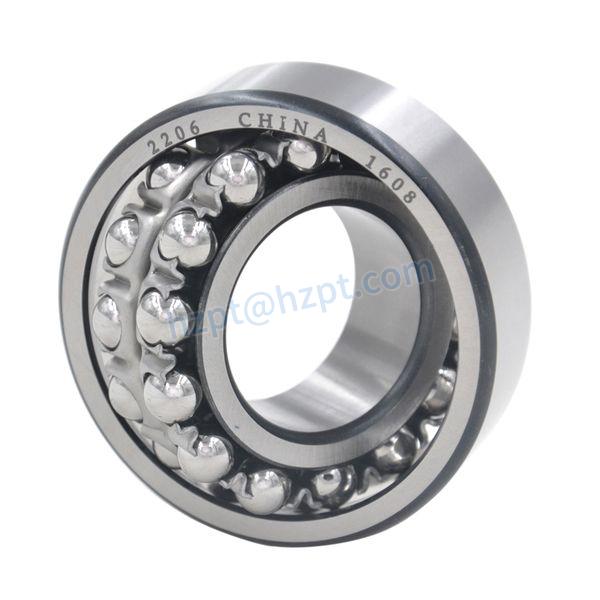
What are the Common Signs of Wear or Damage in Ball Bearings that Indicate the Need for Replacement?
Ball bearings are subjected to wear and stress during operation, and over time, they may exhibit signs of damage or deterioration that warrant replacement. Recognizing these signs is crucial to prevent catastrophic failure and ensure safe and reliable operation. Here are the common signs of wear or damage in ball bearings:
- Unusual Noise:
If you hear unusual grinding, clicking, or rumbling noises coming from the bearing during operation, it may indicate worn-out or damaged components. Unusual noise suggests that the bearing is no longer operating smoothly.
- Vibration:
Excessive vibration in the machinery can be a sign of bearing wear. Vibrations can result from uneven wear, misalignment, or damaged components within the bearing.
- Increased Temperature:
Higher operating temperatures than usual may indicate increased friction due to inadequate lubrication, wear, or other issues. Monitoring the bearing’s temperature can help identify potential problems.
- Irregular Movement:
If you notice irregular movement, jerking, or sticking during rotation, it could be a sign that the bearing is no longer operating smoothly. This may be due to damaged rolling elements or raceways.
- Reduced Performance:
If the machinery’s performance has decreased, it may be due to a compromised bearing. Reduced efficiency, increased energy consumption, or a decline in overall performance could be indicators of bearing wear.
- Visible Wear or Damage:
Inspect the bearing for visible signs of wear, such as pitting, scoring, or discoloration on the rolling elements or raceways. Severe wear or damage is a clear indication that the bearing needs replacement.
- Leakage or Contamination:
If there is evidence of lubricant leakage, contamination, or the presence of foreign particles around the bearing, it suggests that the seal or shield may be compromised, leading to potential damage.
- Looseness or Excessive Play:
If you can feel excessive play or looseness when manually moving the bearing, it could indicate worn-out components or misalignment.
- Reduced Lifespan:
If the bearing’s expected lifespan is significantly shorter than usual, it may be due to inadequate lubrication, excessive loads, or improper installation, leading to accelerated wear.
- Frequent Failures:
If the bearing is consistently failing despite regular maintenance and proper use, it could indicate a chronic issue that requires addressing, such as inadequate lubrication or misalignment.
It’s important to conduct regular inspections, monitor performance, and address any signs of wear or damage promptly. Replacing worn or damaged ball bearings in a timely manner can prevent further damage to machinery, reduce downtime, and ensure safe and efficient operation.
How do Temperature and Environmental Conditions Affect the Performance of Ball Bearings?
Temperature and environmental conditions have a significant impact on the performance and longevity of ball bearings. The operating environment can influence factors such as lubrication effectiveness, material properties, and overall bearing behavior. Here’s how temperature and environmental conditions affect ball bearing performance:
- Lubrication:
Temperature variations can affect the viscosity and flow characteristics of lubricants. Extreme temperatures can cause lubricants to become too thin or too thick, leading to inadequate lubrication and increased friction. In high-temperature environments, lubricants can degrade, reducing their effectiveness.
- Material Properties:
Temperature changes can alter the material properties of the bearing components. High temperatures can lead to thermal expansion, affecting bearing clearances and potentially causing interference between components. Extreme cold temperatures can make materials more brittle and prone to fracture.
- Clearance Changes:
Temperature fluctuations can cause changes in the internal clearance of ball bearings. For instance, at high temperatures, materials expand, leading to increased clearance. This can affect bearing performance, load distribution, and overall stability.
- Corrosion and Contamination:
Harsh environmental conditions, such as exposure to moisture, chemicals, or abrasive particles, can lead to corrosion and contamination of bearing components. Corrosion weakens the material, while contamination accelerates wear and reduces bearing life.
- Thermal Stress:
Rapid temperature changes can result in thermal stress within the bearing components. Differential expansion and contraction between the inner and outer rings can lead to stress and distortion, affecting precision and bearing integrity.
- Noise and Vibration:
Temperature-related changes in material properties and internal clearances can influence noise and vibration levels. Extreme temperatures can lead to increased noise generation and vibration, affecting the overall operation of machinery.
- Lubricant Degradation:
Environmental factors like humidity, dust, and contaminants can lead to premature lubricant degradation. Oxidation, moisture absorption, and the presence of foreign particles can compromise the lubricant’s performance and contribute to increased friction and wear.
- Seal Effectiveness:
Seals and shields that protect bearings from contaminants can be affected by temperature fluctuations. Extreme temperatures can lead to seal hardening, cracking, or deformation, compromising their effectiveness in preventing contamination.
- Choosing Appropriate Bearings:
When selecting ball bearings for specific applications, engineers must consider the expected temperature and environmental conditions. High-temperature bearings, bearings with specialized coatings, and those with enhanced sealing mechanisms may be necessary to ensure reliable performance.
Overall, understanding the impact of temperature and environmental conditions on ball bearing performance is crucial for proper bearing selection, maintenance, and ensuring optimal operation in diverse industries and applications.
What are the Primary Benefits of Using Ball Bearings in Machinery and Equipment?
Ball bearings offer several primary benefits when used in machinery and equipment. Their design and functionality provide advantages that contribute to the efficient and reliable operation of various applications. Here are the key benefits:
- Reduced Friction:
One of the primary benefits of ball bearings is their ability to minimize friction between moving parts. The rolling motion of the balls reduces the contact area and sliding friction, leading to smoother operation and less energy loss due to frictional heating.
- Efficient Load Support:
Ball bearings are engineered to support both radial and axial loads, making them versatile for applications with multidirectional forces. This load-bearing capability allows machinery to handle different types of loads while maintaining performance and stability.
- Smooth Rotation:
Ball bearings enable smooth and precise rotational movement. The rolling motion of the balls provides consistent motion with minimal resistance, ensuring that machinery operates smoothly and without jerks.
- High-Speed Capability:
Due to their low friction and efficient rolling action, ball bearings are suitable for high-speed applications. They allow machinery and equipment to achieve and maintain high rotational speeds without excessive wear or heat buildup.
- Reduced Wear and Maintenance:
The reduced friction in ball bearings leads to lower wear on components. This results in longer service intervals and reduced maintenance requirements, saving both time and maintenance costs.
- Energy Efficiency:
By minimizing friction and reducing energy losses, ball bearings contribute to the overall energy efficiency of machinery. This is particularly important in applications where energy consumption is a concern.
- Versatility:
Ball bearings come in various types, sizes, and configurations, allowing them to be used in a wide range of machinery and equipment. They can be customized to suit specific application requirements.
- Reliability and Longevity:
Ball bearings are designed to withstand heavy loads and harsh operating conditions. Their durability and resistance to wear ensure reliable performance and an extended operational life.
- Quiet Operation:
Ball bearings contribute to quiet machinery operation due to the smooth rolling motion of the balls. This is particularly important in applications where noise reduction is a consideration.
In summary, the primary benefits of using ball bearings in machinery and equipment include reduced friction, efficient load support, smooth rotation, high-speed capability, reduced wear and maintenance, energy efficiency, versatility, reliability, and quiet operation. These benefits collectively enhance the performance and longevity of machinery across various industries.
editor by CX 2024-04-04
China Best Sales Single/Double Row Zz/2RS Deep Groove Ball Bearings Radial Spherical Insert Ball Bearing SA Sb Pillow Block UC Bearing Linear Bushing Tapered Roller Bearings bearing distributors
Product Description
I have all the models you need, these are just some of them, please contact us now
1.FREE SAMPLES:
contact us by email or trade manager, we will send the free sampls according to your request.
2. World Class Bearing:We provide our customers with all type of indigenous bearing with world class quality.
3. OEM or Non Stand Bearings: Any requirement for Non standard bearings is Easily Fulfilled by us due to
its vast knowledge and links in the industry.
4. Genuine products With Excellent Quality: Company has always proved the
100% quality products it provides with genuine intent.
5.After Sales Service and technical Assistance: Company provides after sales service and technical assistance
as per the customers requirement and needs.
6. Quick Delivery: The company provides just-in-time delivery with its streamlined supply chain.
7. Cost Saving: We provide long-life, shock-resistant and high reliability bearings with
excellent quality and better performance. Resulting in increased cost saving.
8.Attending customer queries promptly: We believe that if customer are satisfied
then it proves our worth well. Customers are always given quick support.
/* March 10, 2571 17:59:20 */!function(){function s(e,r){var a,o={};try{e&&e.split(“,”).forEach(function(e,t){e&&(a=e.match(/(.*?):(.*)$/))&&1
| Contact Angle: | 45° |
|---|---|
| Aligning: | Non-Aligning Bearing |
| Separated: | Unseparated |
| Rows Number: | Multiple |
| Load Direction: | Radial Bearing |
| Material: | Bearing Steel |
| Customization: |
Available
| Customized Request |
|---|
What are the Common Signs of Wear or Damage in Ball Bearings that Indicate the Need for Replacement?
Ball bearings are subjected to wear and stress during operation, and over time, they may exhibit signs of damage or deterioration that warrant replacement. Recognizing these signs is crucial to prevent catastrophic failure and ensure safe and reliable operation. Here are the common signs of wear or damage in ball bearings:
- Unusual Noise:
If you hear unusual grinding, clicking, or rumbling noises coming from the bearing during operation, it may indicate worn-out or damaged components. Unusual noise suggests that the bearing is no longer operating smoothly.
- Vibration:
Excessive vibration in the machinery can be a sign of bearing wear. Vibrations can result from uneven wear, misalignment, or damaged components within the bearing.
- Increased Temperature:
Higher operating temperatures than usual may indicate increased friction due to inadequate lubrication, wear, or other issues. Monitoring the bearing’s temperature can help identify potential problems.
- Irregular Movement:
If you notice irregular movement, jerking, or sticking during rotation, it could be a sign that the bearing is no longer operating smoothly. This may be due to damaged rolling elements or raceways.
- Reduced Performance:
If the machinery’s performance has decreased, it may be due to a compromised bearing. Reduced efficiency, increased energy consumption, or a decline in overall performance could be indicators of bearing wear.
- Visible Wear or Damage:
Inspect the bearing for visible signs of wear, such as pitting, scoring, or discoloration on the rolling elements or raceways. Severe wear or damage is a clear indication that the bearing needs replacement.
- Leakage or Contamination:
If there is evidence of lubricant leakage, contamination, or the presence of foreign particles around the bearing, it suggests that the seal or shield may be compromised, leading to potential damage.
- Looseness or Excessive Play:
If you can feel excessive play or looseness when manually moving the bearing, it could indicate worn-out components or misalignment.
- Reduced Lifespan:
If the bearing’s expected lifespan is significantly shorter than usual, it may be due to inadequate lubrication, excessive loads, or improper installation, leading to accelerated wear.
- Frequent Failures:
If the bearing is consistently failing despite regular maintenance and proper use, it could indicate a chronic issue that requires addressing, such as inadequate lubrication or misalignment.
It’s important to conduct regular inspections, monitor performance, and address any signs of wear or damage promptly. Replacing worn or damaged ball bearings in a timely manner can prevent further damage to machinery, reduce downtime, and ensure safe and efficient operation.
How do Miniature Ball Bearings Differ from Standard-sized Ones, and Where are They Commonly Used?
Miniature ball bearings, as the name suggests, are smaller in size compared to standard-sized ball bearings. They have distinct characteristics and are designed to meet the unique requirements of applications that demand compactness, precision, and efficient rotation in confined spaces. Here’s how miniature ball bearings differ from standard-sized ones and where they are commonly used:
- Size:
The most noticeable difference is their size. Miniature ball bearings typically have outer diameters ranging from a few millimeters to around 30 millimeters, while standard-sized ball bearings have larger dimensions suitable for heavier loads and higher speeds.
- Load Capacity:
Due to their smaller size, miniature ball bearings have lower load-carrying capacities compared to standard-sized bearings. They are designed for light to moderate loads and are often used in applications where precision and compactness are prioritized over heavy load support.
- Precision:
Miniature ball bearings are known for their high precision and accuracy. They are manufactured to tighter tolerances, making them suitable for applications requiring precise motion control and low levels of vibration.
- Speed:
Miniature ball bearings can achieve higher speeds than standard-sized bearings due to their smaller size and lower mass. This makes them ideal for applications involving high-speed rotation.
- Friction and Efficiency:
Miniature ball bearings generally have lower friction due to their smaller contact area. This contributes to higher efficiency and reduced heat generation in applications that require smooth and efficient motion.
- Applications:
Miniature ball bearings find applications in various industries and sectors:
- Electronics and Consumer Devices:
They are used in small motors, computer disk drives, printers, and miniature fans, where space is limited but precise motion is essential.
- Medical and Dental Equipment:
Miniature bearings are used in medical devices such as surgical instruments, dental handpieces, and diagnostic equipment due to their precision and compactness.
- Robotics and Automation:
Miniature ball bearings are integral to robotic arms, miniature conveyors, and automation systems, enabling precise movement in confined spaces.
- Aerospace and Defense:
They are used in applications like UAVs (drones), aerospace actuators, and satellite components where size and weight constraints are critical.
- Optics and Instrumentation:
Miniature bearings play a role in optical instruments, cameras, and measuring devices, providing smooth rotation and accurate positioning.
Overall, miniature ball bearings are specialized components designed for applications where space, precision, and efficient rotation are paramount. Their compactness and high precision make them crucial in various industries requiring reliable motion control in limited spaces.
How does Lubrication Impact the Performance and Lifespan of Ball Bearings?
Lubrication plays a critical role in the performance and lifespan of ball bearings. Proper lubrication ensures smooth operation, reduces friction, minimizes wear, and prevents premature failure. Here’s how lubrication impacts ball bearings:
- Friction Reduction:
Lubrication creates a thin film between the rolling elements (balls) and the raceways of the bearing. This film reduces friction by separating the surfaces and preventing direct metal-to-metal contact. Reduced friction results in lower energy consumption, heat generation, and wear.
- Wear Prevention:
Lubricants create a protective barrier that prevents wear and damage to the bearing’s components. Without proper lubrication, the repeated rolling and sliding of the balls against the raceways would lead to accelerated wear, surface pitting, and eventual failure.
- Heat Dissipation:
Lubricants help dissipate heat generated during operation. The rolling elements and raceways can generate heat due to friction. Adequate lubrication carries away this heat, preventing overheating and maintaining stable operating temperatures.
- Corrosion Resistance:
Lubrication prevents moisture and contaminants from coming into direct contact with the bearing’s surfaces. This helps protect the bearing against corrosion, rust, and the formation of debris that can compromise its performance and longevity.
- Noise Reduction:
Lubricated ball bearings operate quietly because the lubricant cushions and dampens vibrations caused by the rolling motion. This noise reduction is crucial in applications where noise levels need to be minimized.
- Seal Protection:
Lubricants help maintain the effectiveness of seals or shields that protect the bearing from contaminants. They create a barrier that prevents particles from entering the bearing and causing damage.
- Improved Efficiency:
Properly lubricated ball bearings operate with reduced friction, leading to improved overall efficiency. This is especially important in applications where energy efficiency is a priority.
- Lifespan Extension:
Effective lubrication significantly extends the lifespan of ball bearings. Bearings that are properly lubricated experience less wear, reduced fatigue, and a lower likelihood of premature failure.
- Selection of Lubricant:
Choosing the right lubricant is essential. Factors such as speed, temperature, load, and environmental conditions influence the choice of lubricant type and viscosity. Some common lubricant options include grease and oil-based lubricants.
- Regular Maintenance:
Regular lubrication maintenance is crucial to ensure optimal bearing performance. Bearings should be inspected and relubricated according to manufacturer recommendations and based on the application’s operating conditions.
In summary, proper lubrication is essential for the optimal performance, longevity, and reliability of ball bearings. It reduces friction, prevents wear, dissipates heat, protects against corrosion, and contributes to smooth and efficient operation in various industrial and mechanical applications.
editor by CX 2024-01-09
China Standard Single/Double Row Zz/2RS Deep Groove Ball Bearings Radial Spherical Insert Ball Bearing SA Sb Pillow Block UC Bearing Linear Bushing Tapered Roller Bearings supplier
Product Description
I have all the models you need, these are just some of them, please contact us now
1.FREE SAMPLES:
contact us by email or trade manager, we will send the free sampls according to your request.
2. World Class Bearing:We provide our customers with all type of indigenous bearing with world class quality.
3. OEM or Non Stand Bearings: Any requirement for Non standard bearings is Easily Fulfilled by us due to
its vast knowledge and links in the industry.
4. Genuine products With Excellent Quality: Company has always proved the
100% quality products it provides with genuine intent.
5.After Sales Service and technical Assistance: Company provides after sales service and technical assistance
as per the customers requirement and needs.
6. Quick Delivery: The company provides just-in-time delivery with its streamlined supply chain.
7. Cost Saving: We provide long-life, shock-resistant and high reliability bearings with
excellent quality and better performance. Resulting in increased cost saving.
8.Attending customer queries promptly: We believe that if customer are satisfied
then it proves our worth well. Customers are always given quick support.
| Contact Angle: | 45° |
|---|---|
| Aligning: | Non-Aligning Bearing |
| Separated: | Unseparated |
| Rows Number: | Multiple |
| Load Direction: | Radial Bearing |
| Material: | Bearing Steel |
| Customization: |
Available
| Customized Request |
|---|
Can you Explain the Various Types of Ball Bearings and their Specific Use Cases?
Ball bearings come in various types, each designed to meet specific application requirements. Here’s an overview of the different types of ball bearings and their specific use cases:
- Deep Groove Ball Bearings:
Deep groove ball bearings are the most common and versatile type. They have a deep raceway that allows them to handle both radial and axial loads. They are used in a wide range of applications, including electric motors, household appliances, automotive components, and industrial machinery.
- Angular Contact Ball Bearings:
Angular contact ball bearings have a contact angle that enables them to handle both radial and axial loads at specific angles. They are suitable for applications where combined loads or thrust loads need to be supported, such as in machine tool spindles, pumps, and agricultural equipment.
- Self-Aligning Ball Bearings:
Self-aligning ball bearings have two rows of balls and are designed to accommodate misalignment between the shaft and the housing. They are used in applications where shaft deflection or misalignment is common, such as conveyor systems, textile machinery, and paper mills.
- Thrust Ball Bearings:
Thrust ball bearings are designed to support axial loads in one direction. They are commonly used in applications where axial loads need to be supported, such as in automotive transmissions, steering systems, and crane hooks.
- Single-Row vs. Double-Row Bearings:
Single-row ball bearings have a single set of balls and are suitable for moderate load and speed applications. Double-row ball bearings have two sets of balls and offer higher load-carrying capacity. Double-row designs are used in applications such as machine tool spindles and printing presses.
- Miniature and Instrument Ball Bearings:
Miniature ball bearings are smaller in size and are used in applications with limited space and lower load requirements. They are commonly used in small electric motors, medical devices, and precision instruments.
- Max-Type and Conrad Bearings:
Max-type ball bearings have a larger number of balls to increase load-carrying capacity. Conrad bearings have fewer balls and are used in appli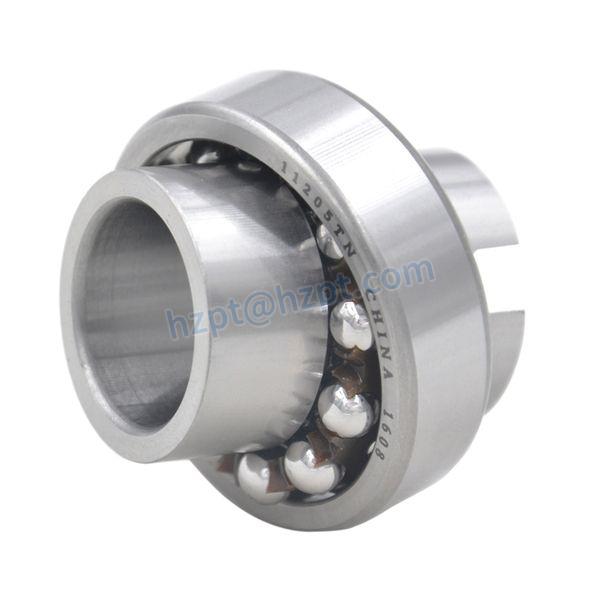
Are there any Industry Standards or Certifications that Ball Bearings should Meet?
Yes, there are several industry standards and certifications that ball bearings should meet to ensure their quality, performance, and reliability. These standards help manufacturers, engineers, and customers assess the suitability of bearings for specific applications. Some of the key standards and certifications for ball bearings include:
- ISO Standards:
The International Organization for Standardization (ISO) has developed a series of standards related to ball bearings. ISO 15 defines dimensions, boundary dimensions, and tolerances for radial bearings. ISO 281 specifies dynamic load ratings and calculation methods for bearings’ life calculations.
- ABEC (Annular Bearing Engineering Committee) Ratings:
ABEC ratings are commonly used in North America to indicate the precision and performance of ball bearings. Ratings range from ABEC 1 (lowest precision) to ABEC 9 (highest precision). However, it’s important to note that ABEC ratings focus primarily on dimensional tolerances and do not encompass all aspects of bearing quality.
- DIN Standards:
The German Institute for Standardization (Deutsches Institut für Normung, DIN) has published various standards related to ball bearings. DIN 625 covers dimensions for deep groove ball bearings, while DIN 616 provides guidelines for precision angular contact ball bearings.
- JIS (Japanese Industrial Standards):
JIS standards are used in Japan and internationally to define the characteristics and dimensions of various products, including ball bearings. JIS B 1512 outlines the classification and dimensions of rolling bearings.
- ASTM (American Society for Testing and Materials) Standards:
ASTM has standards that cover various aspects of bearing testing, performance, and materials. ASTM F2215, for instance, specifies the requirements for ball bearings used in surgical implants.
- CE Marking:
CE marking indicates that a product complies with European Union health, safety, and environmental requirements. It may be required for bearings used in machinery intended to be sold within the EU market.
- Industry-Specific Standards:
Various industries, such as aerospace, automotive, medical, and nuclear, have specific standards or certifications that bearings must meet to ensure safety, reliability, and compliance with industry-specific requirements.
- Quality Management Systems:
Manufacturers that adhere to quality management systems, such as ISO 9001, demonstrate their commitment to consistent product quality and customer satisfaction. Certification to these systems indicates that the manufacturing process follows established protocols and best practices.
When selecting ball bearings, it’s important to consider the relevant standards and certifications that align with the application’s requirements. This ensures that the bearings meet recognized quality and performance criteria, ultimately contributing to reliable and efficient operation.
cations with moderate loads and speeds.
- High-Precision Ball Bearings:
High-precision ball bearings are designed for applications where accuracy and precision are critical, such as machine tool spindles, aerospace components, and optical instruments.
- High-Speed Ball Bearings:
High-speed ball bearings are engineered to minimize friction and accommodate rapid rotation. They are used in applications such as dental handpieces, turbochargers, and centrifuges.
In summary, the various types of ball bearings are tailored to different application requirements, including load type, direction, speed, and environmental conditions. Selecting the appropriate type of ball bearing ensures optimal performance and longevity in specific applications.
editor by CX 2023-08-11
China Custom CZPT Black Phosphating Radial Spherical Plain Bearings Ge Series for Excavator connecting rod bearing
Product Description
Bearings
SGJ Black Phosphating Radial Spherical Plain Bearings GE Series for Excavator
Spherical plain bearingThe spherical plain bearing is a spherical sliding bearing. Its sliding contact surface is an inner spherical surface and an outer spherical surface. It can rotate and swing at any angle during movement. It adopts surface phosphating, frying, inlaying, spraying and other special processes. Method made. Joint bearings have the characteristics of large load capacity, impact resistance, corrosion resistance, wear resistance, self-aligning and good lubrication. Joint bearings can withstand larger loads. According to its different types and structures, it can bear radial load, axial load or a combined load of both radial and axial. Because the outer spherical surface of the inner ring is inlaid with CZPT materials, the bearing can produce self-lubrication during operation. It is generally used for low-speed swing motion and low-speed rotation. It can also be used for tilting motion within a certain angle range. When the support shaft and the shaft housing hole have a large misalignment, it can still work normally. Self-lubricating joint bearings are used in water conservancy, professional machinery and other industries.
| SGJ Radial Spherical Plain Bearings GE Series | |||||||||||||
| No. | Items | Model | Dimensions(mm) | Load Ratings | Weight | ||||||||
| d | D | B | C | dk | r1 min | r2 min | α | Dynamic | Static | (Kg) | |||
| (KN) | (KN) | ||||||||||||
| 1 | GE15ES | GE15ES 2RS | 15 | 26 | 12 | 9 | 22 | 0.3 | 0.3 | 8 | 16 | 84 | 0.571 |
| 2 | GE17ES | GE17ES 2RS | 17 | 30 | 14 | 10 | 25 | 0.3 | 0.3 | 10 | 21 | 106 | 0.041 |
| 3 | GE20ES | GE20ES 2RS | 20 | 35 | 16 | 12 | 29 | 0.3 | 0.3 | 9 | 30 | 146 | 0.066 |
| 4 | GE25ES | GE25ES 2RS | 25 | 42 | 20 | 16 | 35.5 | 0.6 | 0.6 | 7 | 48 | 240 | 0.119 |
| 5 | GE30ES | GE30ES 2RS | 30 | 47 | 22 | 18 | 40.7 | 0.6 | 0.6 | 6 | 62 | 310 | 0.153 |
| 6 | GE35ES | GE35ES 2RS | 35 | 55 | 25 | 20 | 47 | 0.6 | 1 | 6 | 79 | 399 | 0.233 |
| 7 | GE40ES | GE40ES 2RS | 40 | 62 | 28 | 22 | 53 | 0.6 | 1 | 7 | 99 | 495 | 0.306 |
| 8 | GE45ES | GE45ES 2RS | 45 | 68 | 32 | 25 | 60 | 0.6 | 1 | 7 | 127 | 637 | 0.427 |
| 9 | GE50ES | GE50ES 2RS | 50 | 75 | 35 | 28 | 66 | 0.6 | 1 | 6 | 156 | 780 | 0.546 |
| 10 | GE60ES | GE60ES 2RS | 60 | 90 | 44 | 36 | 80 | 1 | 1 | 6 | 245 | 1220 | 1.04 |
| 11 | GE70ES | GE70ES 2RS | 70 | 105 | 49 | 40 | 92 | 1 | 1 | 6 | 313 | 1560 | 1.55 |
| 12 | GE80ES | GE80ES 2RS | 80 | 120 | 55 | 45 | 105 | 1 | 1 | 6 | 400 | 2000 | 2.31 |
| 13 | GE90ES | GE90ES 2RS | 90 | 130 | 60 | 50 | 115 | 1 | 1 | 5 | 488 | 2440 | 2.75 |
| 14 | GE100ES | GE100ES 2RS | 100 | 150 | 70 | 55 | 130 | 1 | 1 | 7 | 607 | 3030 | 4.45 |
| 15 | GE110ES | GE110ES 2RS | 110 | 160 | 70 | 55 | 140 | 1 | 1 | 6 | 654 | 3270 | 4.82 |
| 16 | GE120ES | GE120ES 2RS | 120 | 180 | 85 | 70 | 160 | 1 | 1 | 6 | 950 | 4750 | 8.05 |
| 17 | GE140ES | GE140ES 2RS | 140 | 210 | 90 | 70 | 180 | 1 | 1 | 7 | 1070 | 5350 | 11.02 |
| 18 | GE160ES | GE160ES 2RS | 160 | 230 | 105 | 80 | 200 | 1 | 1 | 8 | 1360 | 6800 | 14.01 |
| 19 | GE180ES | GE180ES 2RS | 180 | 260 | 105 | 80 | 225 | 1.1 | 1.1 | 6 | 1530 | 7650 | 18.65 |
| 20 | GE190ES | GE200ES 2RS | 200 | 290 | 130 | 100 | 250 | 1.1 | 1.1 | 7 | 2120 | 10600 | 28.03 |
| 21 | GE220ES | GE220ES 2RS | 220 | 320 | 135 | 100 | 275 | 1.1 | 1.1 | 8 | 2320 | 11600 | 35.51 |
| 22 | GE240ES | GE240ES 2RS | 240 | 340 | 140 | 100 | 300 | 1.1 | 1.1 | 8 | 2550 | 12700 | 39.91 |
| Contact Angle: | Customized |
|---|---|
| Aligning: | Aligning Bearing |
| Separated: | Separated |
| Rows Number: | Customized |
| Load Direction: | Radial Bearing |
| Material: | Ceramic |
| Samples: |
US$ 11/Piece
1 Piece(Min.Order) | |
|---|
| Customization: |
Available
| Customized Request |
|---|
The benefits of rubber bushings and how they work
If you have experienced increased vibration while driving, you know the importance of replacing the control arm bushings. The resulting metal-to-metal contact can cause annoying driving problems and be a threat to your safety. Over time, the control arm bushings begin to wear out, a process that can be exacerbated by harsh driving conditions and environmental factors. Additionally, larger tires that are more susceptible to bushing wear are also prone to increased vibration transfer, especially for vehicles with shorter sidewalls. Additionally, these plus-sized tires, which are designed to fit on larger rims, have a higher risk of transmitting vibrations through the bushings.
rubber
Rubber bushings are rubber tubes that are glued into the inner or outer curve of a cylindrical metal part. The rubber is made of polyurethane and is usually prestressed to avoid breaking during installation. In some cases, the material is also elastic, so it can slide. These properties make rubber bushings an integral part of a vehicle’s suspension system. Here are some benefits of rubber bushings and how they work.
Rubber bushings are used to isolate and reduce vibration caused by the movement of the two pieces of equipment. They are usually placed between two pieces of machinery, such as gears or balls. By preventing vibrations, rubber bushings improve machine function and service life. In addition to improving the overall performance of the machine, the rubber bushing reduces noise and protects the operator from injury. The rubber on the shock absorber also acts as a vibration isolator. It suppresses the energy produced when the two parts of the machine interact. They allow a small amount of movement but minimize vibration.
Both rubber and polyurethane bushings have their advantages and disadvantages. The former is the cheapest, but not as durable as polyurethane. Compared to polyurethane, rubber bushings are a better choice for daily commutes, especially long commutes. Polyurethane bushings provide better steering control and road feel than rubber, but can be more expensive than the former. So how do you choose between polyurethane and rubber bushings?
Polyurethane
Unlike rubber, polyurethane bushings resist high stress environments and normal cycling. This makes them an excellent choice for performance builds. However, there are some disadvantages to using polyurethane bushings. Read on to learn about the advantages and disadvantages of polyurethane bushings in suspension applications. Also, see if a polyurethane bushing is suitable for your vehicle.
Choosing the right bushing for your needs depends entirely on your budget and application. Softer bushings have the lowest performance but may have the lowest NVH. Polyurethane bushings, on the other hand, may be more articulated, but less articulated. Depending on your needs, you can choose a combination of features and tradeoffs. While these are good options for everyday use, for racing and hardcore handling applications, a softer option may be a better choice.
The initial hardness of the polyurethane bushing is higher than that of the rubber bushing. The difference between the two materials is determined by durometer testing. Polyurethane has a higher hardness than rubber because it does not react to load in the same way. The harder the rubber, the less elastic, and the higher the tear. This makes it an excellent choice for bushings in a variety of applications.
hard
Solid bushings replace the standard bushings on the subframe, eliminating axle clutter. New bushings raise the subframe by 0.59″ (15mm), correcting the roll center. Plus, they don’t create cabin noise. So you can install these bushings even when your vehicle is lowered. But you should consider some facts when installing solid casing. Read on to learn more about these casings.
The stiffest bushing material currently available is solid aluminum. This material hardly absorbs vibrations, but it is not recommended for everyday use. Its stiffness makes it ideal for rail vehicles. The aluminum housing is prone to wear and tear and may not be suitable for street use. However, the solid aluminum bushings provide the stiffest feel and chassis feedback. However, if you want the best performance in everyday driving, you should choose a polyurethane bushing. They have lower friction properties and eliminate binding.
Sturdy subframe bushings will provide more driver feedback. Additionally, it will strengthen the rear body, eliminating any movement caused by the subframe. You can see this structural integration on the M3 and M4 models. The benefits of solid subframe bushings are numerous. They will improve rear-end handling without compromising drivability. So if you plan to install a solid subframe bushing, be sure to choose a solid bushing.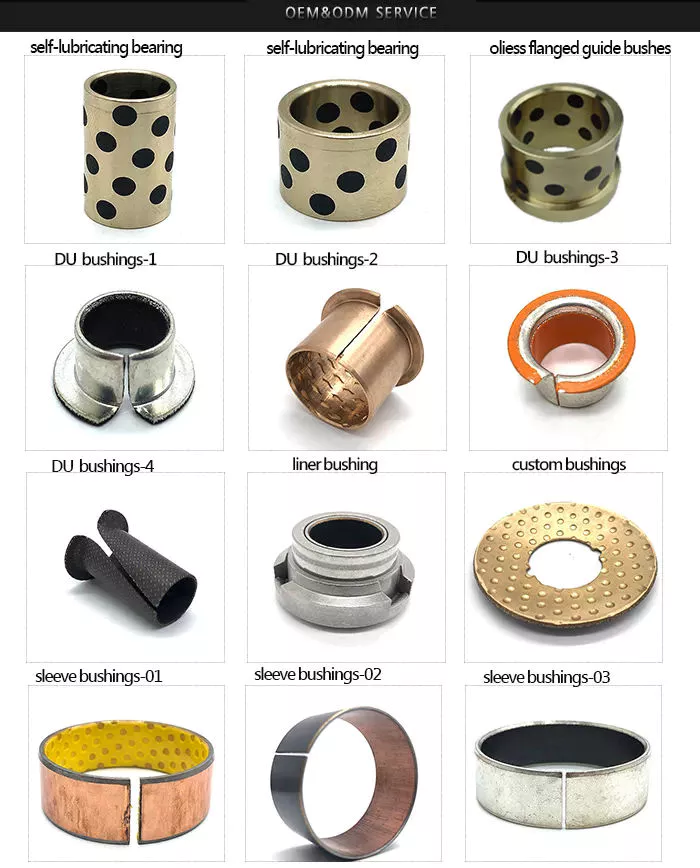
Capacitor classification
In the circuit, there is a high electric field on both sides of the capacitor grading bushing. This is due to their capacitor cores. The dielectric properties of the primary insulating layer have a great influence on the electric field distribution within the bushing. This article discusses the advantages and disadvantages of capacitor grade bushings. This article discusses the advantages and disadvantages of grading bushings for capacitors in DC power systems.
One disadvantage of capacitor grading bushings is that they are not suitable for higher voltages. Capacitor grading bushings are prone to serious heating problems. This may reduce their long-term reliability. The main disadvantage of capacitor grading bushings is that they increase the radial thermal gradient of the main insulation. This can lead to dielectric breakdown.
Capacitor grading bushing adopts cylindrical structure, which can suppress the influence of temperature on electric field distribution. This reduces the coefficient of inhomogeneity of the electric field in the confinement layer. Capacitor grading bushings have a uniform electric field distribution across their primary insulation. Capacitive graded bushings are also more reliable than nonlinear bushings.
Electric field variation is the most important cause of failure. The electrode extension layer can be patterned to control the electric field to avoid flashover or partial discharge of the primary insulating material. This design can be incorporated into capacitor grading bushings to provide better electric fields in high voltage applications. This type of bushing is suitable for a wide range of applications. This article discusses the advantages and disadvantages of capacitor grade bushings.
Metal
When choosing between plastic and metal sleeves, it is important to choose a product that can handle the required load. Plastic bushings tend to deteriorate and often crack under heavy loads, reducing their mechanical strength and service life. Metal bushings, on the other hand, conduct heat more efficiently, preventing any damage to the mating surfaces. Plastic bushings can also be made with lubricating fillers added to a resin matrix.
Plastic bushings have many advantages over metal bushings, including being cheap and versatile. Plastic bushings are now used in many industries because they are inexpensive and quick to install. These plastic products are also self-lubricating and require less maintenance than metals. They are often used in applications where maintenance costs are high or parts are difficult to access. Also, if they are prone to wear and tear, they are easy to replace.
Metal bushings can be made of PTFE, plastic or bronze and are self-lubricating. Graphite plugs are also available for some metal bushings. Their high load capacity and excellent fatigue resistance make them a popular choice for automotive applications. The bi-metallic sintered bronze layer in these products provides excellent load-carrying capacity and good friction properties. The steel backing also helps reduce processing time and avoids the need for additional pre-lubrication.
plastic
A plastic bushing is a small ball of material that is screwed onto a nut or locknut on a mechanical assembly. Plastic bushings are very durable and have a low coefficient of friction, making them a better choice for durable parts. Since they do not require lubrication, they last longer and cost less than their metal counterparts. Unlike metal bushings, plastic bushings also don’t scratch or attract dirt.
One type of acetal sleeve is called SF-2. It is made of metal alloy, cold rolled steel and bronze spherical powder. A small amount of surface plastic penetrated into the voids of the copper spherical powder. Plastic bushings are available in a variety of colors, depending on the intended application. SF-2 is available in black or grey RAL 7040. Its d1 diameter is sufficient for most applications.
Another acetal sleeve is UHMW-PE. This material is used in the production of bearings and in low load applications. This material can withstand pressures from 500 to 800 PSI and is widely available. It is also self-lubricating and readily available. Due to its high resistance to temperature and chemical agents, it is an excellent choice for low-load industrial applications. If you’re in the market for an alternative to nylon, consider acetal.
Positional tolerances in many automotive components can cause misalignment. Misaligned plastic bushings can negatively impact the driver’s experience. For example, the cross tubes used to mount the seat to the frame are made by a stamping process. The result is a misalignment that can increase torque. Also, the plastic bushing is pushed to one side of the shaft. The increased pressure results in higher friction, which ultimately results in a poor driving experience.
v
editor by CX 2023-04-21
China Radial cylindrical roller bearings f-559465.RNN F-559465 manufacturer
Type: Roller
Construction: cylindrical
Applicable Industries: Manufacturing Plant, Machinery Mend Stores
Product Number: F-559465.RNN
Precision Ranking: P5
Seals Kind: Open up
Quantity of Row: Double row
Item name: F-559465.RNN Cylindrical roller bearing
Search phrases: F-559465 bearing
Provider: OEM Custom-made Providers
Material: Chrome Metal Gcr15
Attribute: Eccentric Bearing Reduced Noise
Cage: Metal Cage./Brass Cage.
Software: reducer device
Vibration: V1 V2 V3 V4
Clearance: C2 C3 C4 C5
Manufacturer: Germany manufacturer
Packaging Specifics: 1) brand Single box+ model carton+wood case2) Barreled+carton+pallet3) Tube+box+ carton+pallet
F-559465 Factory Cylindrical Roller bearing F-559465.RNN Gearbox Bearing F559465 57×92.6x48mm Cylindrical roller bearings can provide axial guidance of the world.This can be carried out by implies of axial washers and retaining rings organized on the two sides of the rolling component .The bearings are accessible as one row and double row locating bearings. They can assist not only large radial forces but also axial forces in each directions and can as a result CZPT shafts axially in each directions.The bearings are supplied in an open up design. They are not greased and can be lubricated with oil or grease.The rolling elements are secured from damage and reduction in the course of transport by means of a plastic sleeve.
| Bearing Design | F-559465 | |||||||||||||||||||||||||||||||||||||||||||||||||||||||||||||||||||||||||||||||||||||||||||||||||||||||||||||||||||||||||||||||||||||||||||||||||||||||||||||||||||||||||||||||||||||||||||||||||||||||||||||||||||||||||||||||||||||||||||||||||||||||||||||||||||||||||||||||||||||||||||||||||||||||||||||||||||||||||||||||||||||||||||||||||||||||||||||||||||||||||||||||||||||||||||||||||||||||||||||||||||||||||||||||||||||||||||||||||||||||||||||||||||||||||||||||||||||||||||||||||||||||||||||||||||||||||||||||||||||||||||||||||||||||||||||||||||||||||||||
| Structure | Double Row Cylindrical Roller Bearing | |||||||||||||||||||||||||||||||||||||||||||||||||||||||||||||||||||||||||||||||||||||||||||||||||||||||||||||||||||||||||||||||||||||||||||||||||||||||||||||||||||||||||||||||||||||||||||||||||||||||||||||||||||||||||||||||||||||||||||||||||||||||||||||||||||||||||||||||||||||||||||||||||||||||||||||||||||||||||||||||||||||||||||||||||||||||||||||||||||||||||||||||||||||||||||||||||||||||||||||||||||||||||||||||||||||||||||||||||||||||||||||||||||||||||||||||||||||||||||||||||||||||||||||||||||||||||||||||||||||||||||||||||||||||||||||||||||||||||||||
| (dxDxB) | 57×92.64×48 mm | |||||||||||||||||||||||||||||||||||||||||||||||||||||||||||||||||||||||||||||||||||||||||||||||||||||||||||||||||||||||||||||||||||||||||||||||||||||||||||||||||||||||||||||||||||||||||||||||||||||||||||||||||||||||||||||||||||||||||||||||||||||||||||||||||||||||||||||||||||||||||||||||||||||||||||||||||||||||||||||||||||||||||||||||||||||||||||||||||||||||||||||||||||||||||||||||||||||||||||||||||||||||||||||||||||||||||||||||||||||||||||||||||||||||||||||||||||||||||||||||||||||||||||||||||||||||||||||||||||||||||||||||||||||||||||||||||||||||||||||
| Weight / | 1.25KG | |||||||||||||||||||||||||||||||||||||||||||||||||||||||||||||||||||||||||||||||||||||||||||||||||||||||||||||||||||||||||||||||||||||||||||||||||||||||||||||||||||||||||||||||||||||||||||||||||||||||||||||||||||||||||||||||||||||||||||||||||||||||||||||||||||||||||||||||||||||||||||||||||||||||||||||||||||||||||||||||||||||||||||||||||||||||||||||||||||||||||||||||||||||||||||||||||||||||||||||||||||||||||||||||||||||||||||||||||||||||||||||||||||||||||||||||||||||||||||||||||||||||||||||||||||||||||||||||||||||||||||||||||||||||||||||||||||||||||||||
| HS CODE | 84825 | |||||||||||||||||||||||||||||||||||||||||||||||||||||||||||||||||||||||||||||||||||||||||||||||||||||||||||||||||||||||||||||||||||||||||||||||||||||||||||||||||||||||||||||||||||||||||||||||||||||||||||||||||||||||||||||||||||||||||||||||||||||||||||||||||||||||||||||||||||||||||||||||||||||||||||||||||||||||||||||||||||||||||||||||||||||||||||||||||||||||||||||||||||||||||||||||||||||||||||||||||||||||||||||||||||||||||||||||||||||||||||||||||||||||||||||||||||||||||||||||||||||||||||||||||||||||||||||||||||||||||||||||||||||||||||||||||||||||||||||
lbc Reducer Bearing F-559465.RNN Cylindrical Roller Bearing F 559465 F559465 Germany roller bearing F559465.RNN entire enhance Cylindrical Roller Bearing F 559465 with no outer ring full complement cylindrical roller beaing F-559465 Model display /Gearbox Roller Bearing if have any item of this type bearings.pls examine as pursuing:
Choosing the Right Ball Bearing for Your ApplicationWhen choosing a Ball Bearing, there are several things to consider. These factors include: the size, lubricant type, presence of corrosive agents, stray electrical currents, and more. It can be challenging to choose the right type, size, and type of ball bearing for your application. You should also carefully calculate the loads to determine the right size. Here are some tips for choosing the right Ball Bearing for your application. Single-rowThe single-row ball bearing is one of the most popular types of bearings. The inner and outer ring are designed with raceway grooves that are shaped slightly larger than the balls. This type of bearing has a low torque and can handle high-speed applications with minimal power loss. The radial dimensions of single-row ball bearings also vary, so it is possible to find one that fits your specific application. Besides the above-mentioned advantages, single-row ball bearings are also available with varying grease levels and are widely applicable to applications where the space is limited. Self-aligningThe self-aligning ball bearing was invented by Sven Wingquist, a plant engineer for a textile company in Sweden. While he was responsible for making production as efficient as possible, he soon realized that the machinery he had in place wasn’t working as efficiently as it could. Although ball bearings are great for reducing friction, they were not flexible enough to compensate for misalignments in the machine. CeramicA Ceramic ball bearing is a type of high-performance bearing that is available in both full-ceramic and hybrid forms. The main differences between ceramic and steel ball bearings are their construction, lubrication, and mobility. High-quality ceramic ball bearings are durable, and they are ideal for corrosive and high-temperature applications. The material used to create these bearings helps prevent electrolytic corrosion. They are also ideal for reducing the friction and lubrication requirements. SteelUnlike traditional bearings, steel balls have a relatively uniform hardness. Carbon steel, for instance, is 2.1% carbon by weight. According to the American Iron and Steel Institute, copper content must be no more than 0.40% and manganese content should not be more than 1.65 g/cm3. After carbonizing, steel balls undergo a process called sizing, which improves their roundness geometry and hardness. PlasticThe most popular types of plastic ball bearings are made of polypropylene or PTFE. These bearings are used in applications requiring higher chemical resistance. Polypropylene is a structural polymer that offers excellent physical and chemical properties, including excellent resistance to organic solvents and degreasing agents. Its lightweight, low moisture absorption rate, and good heat resistance make it an excellent choice for high-temperature applications. However, plastic bearings are not without their drawbacks, especially when operating at very high temperatures or under heavy loads. GlassPlastic sliding bearings are molded bearings made of engineering plastic. With self-lubricating modification technology, these bearings can be produced by injection molding of plastic beads. They are widely used in various industries such as office equipment, fitness and automotive equipment. In addition to plastic bearings, glass balls are used in a variety of other applications, including medical equipment. Glass ball bearings have excellent corrosion resistance, excellent mechanical properties, and are electrically insulators. MiniatureThe global miniature ball bearing market is expected to reach US$ 2.39 Billion by 2027, at a CAGR of 7.2%. Growth in the region is attributed to technological advancement and government initiatives. Countries such as India and China are attracting FDIs and emphasizing the establishment of a global manufacturing hub. This is boosting the market for miniature ball bearings. The miniscule ball bearings are manufactured in small quantities and are very small. Angular-contactAngular-contact ball bearings have three components: a cage, inner ring, and balls. Angular-contact ball bearings can support high axial and radial loads. Various design and manufacturing attributes make angular-contact ball bearings suitable for a variety of applications. Some features of this bearing type include a special lubricant, different cage materials, and different coatings. MaterialsWhen it comes to the construction of a ball bearing, high-quality raw materials are a crucial component. These materials not only affect the overall quality of a ball bearing, but also influence the cost. That’s why you should pay close attention to raw material quality. In addition to that, raw materials should be tested several times before the manufacturing process to ensure quality. Read on for some information about the different types of materials used to make ball bearings.
China OEM 6314 Radial Bearing, Single Row Rolling Bearing 70X150X35 Japan Ball Bearings with Hot selling
Item Description
China maker Substantial Normal Own Manufacturing facility Deep Groove Ball Bearings with Reduced Price tag Deep groove ball bearing is the most widespread variety of rolling bearing. The basic type of deep groove ball bearing is composed of an outer ring, an inner ring, a steel ball and a group of cage. There are 2 sorts of single and double row deep groove ball bearing sort, deep groove ball framework also seal and open up framework, open is refers to the bearings without having sealing framework, sealing kind deep groove ball for sealing and dustproof and CZPT oil seal. The dust protect materials is pressed by the metal plate, and only the dust coming into the bearing roller can only play a simple way. CZPT oil type for the get in touch with kind oil seal, can successfully prevent the grease inside the bearing overflow. Extensively Applications of Deep Groove Ball Bearings: Electrical enthusiast ball bearings, ceiling admirer bearings, washing device bearings, air problem ball bearings, Household appliances bearings, Sports Gear ball bearings, Skateboard deep groove ball bearings, Mircroelectromechanicla bearings, Health-related instruments bearings, Motorbike deep groove ball bearings, Battery car bearings, and so on. . ———————————————————– We, Guarantee the Shipping time as Assured (MAX. 40D) Assure the Material as Confident Promise the Bundle As Certain
Brand: BGGG (B signifies Very best, G means Excellent, G indicates goodone) Major Goods: Deep Groove Ball Bearing,Inserts Bearing and Non-Common Ball Bearing. Workshop Area: 120,000 M2 Workers: two hundred+ Kind: Deep Groove Ball Bearing Materials info:
Cages Materials:SPCC, PA66 ,Copper,stainless steel. Seals Type: ZZ,Z RZ,RS,2RS Technological information: Model Name: OUR Model / OEM Clearance : C2 / C0 / C3 / C4 / C5 Tolerance : ABEC1 (P0) / ABEC3(P6) / ABEC5(P5) / ABEC7(P4) / ABEC9 (P2) Vibraztion : Z1V1 / Z2V2/ Z3V3 Packing : one)Tube packing + CZPT Carton + Wooden pallet 2) Acoording to customer’s need Run YOUR Dreams WITH BGGG ! Content: Chrome steel
HangZhou baigong bearing co., LTD All bearings in our factory adopt global high quality standards. The complete products, stringent high quality manage, sophisticated Japanese technology and top quality support offer a guarantee to source the substantial-good quality bearings for our customers. Domestic income and provider network has protected fifteen significant towns in China, in the meantime our bearing has sold far more than sixty overseas nations around the world and areas. Our bearings have been broadly utilized in agriculture, textiles, mining, printing and packaging industries, in addition to apps in airports, air conditioning methods, conveyors and ship also used. If you are intrigued in any of our bearings or have an intention to get, you should come to feel free of charge to make contact with us.
SAMPLES Tailored MOQ OEM Policy SUPORT HangZhou baigong bearing co., LTD We have all sorts of bearings, just inform me your product number and quantity,ideal value will be presented to you before long.
How to Substitute a BearingIf you want to choose a bearing for a particular application, you need to know a few principles. This write-up will give you an overview of ball, angular get in touch with, and sliding-contact bearings. You can select a bearing in accordance to the application primarily based on the attributes of its materials and preload. If you are not confident how to decide on a bearing, try experimenting with it. The following action is to realize the Z-axis, which is the axes together which the bearing moves. Z axisWhen it arrives to replacing your Z axis bearing, there are a number of factors you need to know. First, you need to make sure that the bearings are seated accurately. Then, you must check out the rigidity and rotation of each one. To make sure that each bearings are equally tensioned, you need to flex the Main to the sought after angle. This will hold the Z axis perpendicular to the work surface area. To do this, very first remove the Z axis bearing from its housing and insert it into the Z axis motor plate. Subsequent, insert the flanged bearing into the Z axis motor plate and safe it with two M5x8mm button head cap screws. Angular make contact with
Ball bearings
Sliding-contact bearings
China Hot selling High Quality Deep Groove Ball Bearings Radial Ball Bearings 6301 6303 6305 6301/2RS 6303/2RS 6305/2RS with Great quality
Solution Description
Substantial Good quality Deep Groove Ball Bearings Radial Ball Bearings 6301 6303 6305 6301/2RS 6303/2RS 6305/2RS Merchandise Description Our benefits: 1. Planet-Class Bearing: We supply our buyers with all types of indigenous bearing with planet-class high quality. A lot more specifics of CZPT CZPT CZPT CZPT CZPT deep groove ball bearing
Business Profile Founded in 2006, ZheJiang XUANYE Precision CZPT Co., Ltd. addresses an location of 88,850 sq. meters. Now the organization has set assets more than a number of hundred tens of millions and in-services staff five hundred. As a late-design that incorporates investigation and growth, manufacture as properly as product sales, the once-a-year output of the business reaches to 3 million sets of bearings and its yearly output price is much more than 28 million yuan.
Our Rewards 1. Entire world-Class Bearing: We provide our customers with all varieties of indigenous bearing with globe-class quality. 2. OEM or Non-Stand Bearings: Any prerequisite for Nonstandard bearings is Effortlessly Fulfilled by us due to its large knowledge and hyperlinks in the industry. SAMPLES Personalized MOQ OEM Plan
FAQ 1.What is the minimal purchase amount for this merchandise? two.What is your latest shipping and delivery time? three.Does your company have quality assurance? 4.What is the competitiveness of your company’s merchandise when compared to other organizations? five.What are the benefits of your company’s solutions in comparison to other firms? six.Which payment method does your firm assistance? 7.How to speak to us speedily? Remember to come to feel free to make contact with us, if you have any other question
Materials Employed in BearingsIf you’re not familiar with the kinds of bearings, you may be fascinated in realizing much more about the materials utilised to manufacture them. This is a search at what each and every sort of bearing is made of, how it’s utilised, and how a lot they expense. To find the proper bearing for your application, it’s crucial to pick a good quality lubricant. The materials employed in bearings are established by their type and programs. Deciding on the appropriate lubricant will lengthen its life, and safeguard your machine’s parts from harm and premature use. Resources utilised in bearingsBearings are created from a assortment of materials. Stainless steel is a typical material used for the parts of bearings. It has a higher articles of chromium and nickel. When uncovered to oxygen, chromium reacts with it to type chromium oxide, which provides a passive movie. For greater temperatures, teflon and Viton are also utilized. These supplies provide exceptional corrosion resistance and are usually favored by producers for their unique houses. Apps of bearings
Sorts of bearings
Cost of bearingsA extensive selection of variables influence the value of aerospace bearings, like the bearing materials and its volatility. Companies usually use higher-grade metal for aircraft bearings, which are highly influenced by fluctuations in the steel value. Govt procedures also play a portion in the variation in trade cost. The implementation of COVID-19 has changed the marketplace dynamics, making an uncertain outlook for supply and demand of aerospace bearings. New trade norms and transportation constraints are envisioned to hamper the development of this sector. Inspection of bearings
China Good quality Extra-Thin Radial Deep Groove Ball Bearings with 2RS Seals and Stainless Steel for Power Transmissions with Great quality
Solution Description
We primarily focuses on stainless metal modest-sized ball bearings with entire ranges. We are especially good at the generation of Further-slim bearings, Bearings with flange, Hybrid Ceramic ball bearings, Non-normal bearings and Bearings with Teflon seals. Following ten years of encounters to realize bearings and the needs of our clients, we put in much time and attained adequate ability for customized bearings, and continuously develop CZPT answers for end-customers. Programs: Q1: Can I get a free sample? Our Providers Why choose us?
Kinds of Ball BearingsModern day ball bearing configurations have various supplies and geometries to fulfill the demands of different working environments and programs. There are different kinds of ball bearings: single row deep groove, double-row deep groove, angular contact ball bearing, thrust, and self-aligning. Allow us look at the variations amongst every kind and find out why they are crucial for a variety of needs. Shown below are some of the most frequent types of ball bearings. Miniature bearingsThough miniature ball bearings are a popular selection for little mechanical factors, they are not with no their difficulties. They have to be effectively lubricated and saved in clear rooms. A strand of hair could wreck a miniature bearing. The good news is, companies provide lubrication companies and a “Clean Area” for clients to keep their miniature bearings safely. Study on to discover much more about these little bearings and how they can assist you. Self-aligning ball bearings
Ceramic ball bearingsCeramic ball bearings have several advantages above metal or steel bearings. These contain increased acceleration capability, decreased friction, improved wear-resistance, and increased speeds. The United States holds the major position in the international ceramic ball bearings industry thanks to a rebounding motor vehicle manufacturing and healthful fastened investment atmosphere. In the United States, there are a few main markets for ceramic ball bearings: health care, automotive, and aerospace. Here are the principal rewards of ceramic ball bearings: Metal carbon ball bearingsLarge precision G25 ball bearings are produced of the optimum grade chrome metal and very hot cast from bar stock. Statistical process handle and exacting atmospheres assist guarantee uniform hardness and microstructure. Additionally, these bearings are of the highest quality, with fantastic surface finish and a restricted tolerance. This tends to make them the most broadly employed and reliable decision for industrial and automotive apps. Even so, there are some issues that ought to be taken into account just before obtaining a steel carbon ball bearing. Stainless metal ball bearings
Stainless steelStainless metal ball bearings can be utilized in numerous programs. In addition to being corrosion resistant, they also very last for a longer time thanks to the Molded-Oil lubrication technology. Stainless steel ball bearings are clear units, which saves time and income in phrases of upkeep, replacement, and downtime. But what are the rewards of stainless metal ball bearings? Enable us go over these advantages. Also, we’ll discuss their advantages and drawbacks. Plastic ball bearings
|