Product Description
Product Parameters
| Model | Category | RTS/Custom | Size(mm) d*D*H (mm) |
Precision grade | Seal Type | Number of Row | Application |
| 6201 | Deep Groove Ball Bearing | RTS | 10*30*9mm | P0 P2 P4 P5 P6 | OPEN ZZ 2RS RS | Single | Machinery |
| Material | Material of Balls | Lubrication | Vibration | Clearance | Hardness | Deliery Time | Packing |
| Chrome Steel GCr15 | Chrome Steel GCr15 | Grease or Oil | Standard Vibration Z1/Z2/Z3/Z4/V1/V2/V3/V4 |
Standard Clearance C0/C2/C3/C4/C5 |
HRC60-65 | <=50000,3 <=100000,5 |
Single Box+Cartons+Pallet |
Product Description
Detailed Photos
Our business:Produce and customize various bearing brands. (Packaging and logo can be customized. All copyright belongs to the customer. We promise not to disclose any information.)
Product Series
| Bearing type | Boundary Dimensions( mm ) | Speed Rating(ipm) | Load Rating(kn) | Weight(kg) | ||||
| d | D | B | Grease lubrication | Oil lubrication | Dynamic Cr | Static Cor | ||
| 6200 | 10 | 30 | 9 | 20000 | 26000 | 5.1 | 2.38 | 0.032 |
| 6201 | 12 | 32 | 10 | 19000 | 24000 | 6.82 | 3.05 | 0.037 |
| 6202 | 15 | 35 | 11 | 18000 | 22000 | 7.65 | 3.72 | 0.045 |
| 6203 | 17 | 40 | 12 | 16000 | 20000 | 9.58 | 4.78 | 0.065 |
| 6204 | 20 | 47 | 14 | 14000 | 18000 | 12.8 | 6.65 | 0.106 |
| 6205 | 25 | 52 | 15 | 13000 | 15000 | 14 | 7.85 | 0.128 |
| 6206 | 30 | 62 | 16 | 11000 | 13000 | 19.5 | 11.3 | 0.199 |
| 6207 | 35 | 72 | 17 | 9200 | 11000 | 25.7 | 15.4 | 0.288 |
| 6208 | 40 | 80 | 18 | 8000 | 10000 | 29.5 | 18 | 0.368 |
| 6209 | 45 | 85 | 19 | 7000 | 9000 | 31.5 | 20.5 | 0.416 |
| 6210 | 50 | 90 | 20 | 6700 | 8500 | 35 | 23.2 | 0.463 |
| 6211 | 55 | 100 | 21 | 6000 | 7500 | 43.5 | 29.2 | 0.6 |
| 6212 | 60 | 110 | 22 | 5600 | 7000 | 47.8 | 32.8 | 0.78 |
| 6213 | 65 | 120 | 23 | 5000 | 6300 | 57.2 | 40 | 0.99 |
| 6214 | 70 | 125 | 24 | 4800 | 6000 | 60.5 | 45 | 1.08 |
| 6215 | 75 | 130 | 25 | 4500 | 5600 | 66 | 49.5 | 1.17 |
| 6216 | 80 | 140 | 26 | 4300 | 5300 | 71.5 | 54.5 | 1.44 |
| 6217 | 85 | 150 | 28 | 4000 | 5000 | 83 | 63.8 | 1.8 |
| 6218 | 90 | 160 | 30 | 3800 | 4800 | 95.8 | 71.5 | 2.17 |
| 6219 | 95 | 170 | 32 | 3600 | 4500 | 108 | 81.5 | 2.61 |
| 6220 | 100 | 180 | 34 | 3400 | 4300 | 122 | 92.8 | 3.2 |
| 6221 | 105 | 190 | 36 | 3200 | 4000 | 133 | 105 | 3.78 |
| 6222 | 110 | 200 | 38 | 3000 | 3800 | 144 | 117 | 4.42 |
| 6224 | 120 | 215 | 40 | 2600 | 3400 | 155 | 131 | 5.3 |
| 6226 | 130 | 230 | 40 | 2400 | 3200 | 165 | 148 | 6.12 |
| 6228 | 140 | 250 | 42 | 2000 | 2800 | 179 | 167 | 7.77 |
| 6230 | 150 | 270 | 45 | 1900 | 2600 | 203 | 199 | 9.78 |
| 6232 | 160 | 290 | 48 | 1800 | 2400 | 215 | 218 | 12.22 |
| 6234 | 170 | 310 | 52 | 1700 | 2200 | 245 | 260 | 15.24 |
| 6236 | 180 | 320 | 52 | 1600 | 2000 | 262 | 285 | 15.51 |
| 6238 | 190 | 340 | 55 | 1500 | 1900 | 285 | 322 | 18.691 |
| 6240 | 200 | 360 | 58 | 1400 | 1800 | 288 | 332 | 22.577 |
| 6244 | 220 | 400 | 65 | 1200 | 1600 | 355 | 365 | 36.5 |
| 6248 | 240 | 440 | 72 | 1000 | 1400 | 358 | 467 | 53.9 |
| 6252 | 260 | 480 | 80 | 800 | 1200 | 390 | 530 | 68.3 |
| 6256 | 280 | 500 | 80 | 700 | 1000 | 423 | 600 | 75.3 |
| 6260 | 300 | 540 | 85 | 500 | 800 | 462 | 670 | 85.6 |
| 6264 | 320 | 580 | 92 | 300 | 600 | 527 | 800 | 93.7 |
| 6268 | 340 | 620 | 92 | 200 | 400 | 559 | 900 | 108.4 |
| 6272 | 360 | 650 | 95 | 100 | 200 | 597 | 1000 | 120 |
Type Of Deep Groove Ball Bearing
1. Deep Groove Ball Bearing With Dust Cover
Generally Used In The Single Lubrication Is More Difficult, The Placement Of Lubricating Oil And Check The Lubrication Is Not Convenient Conditions, Usually Injected Into The Bearing Rust, Lubrication Dual-Purpose Lithium Grease Is 1/4 To 1/3 Of The Bearing Internal Space.
2. Deep Groove Ball Bearing With Sealing Ring
Its Performance, Grease Filling, Use And Bearing With Dust Cover Are Basically The Same, The Difference Is That There Is A Large Gap Between The Dust Cover And The Inner Ring, And The Sealing Lip And The Inner Ring Of The Non-Contact Seal Ring Is Small, There Is No Gap Between The Sealing Lip And The Inner Ring Of The Contact Seal Ring Bearing, The Sealing Effect Is Good, But The Friction Coefficient Has Increased.
3, There Are Stop Groove And Deep Groove Ball Bearings With Stop Ring
In Addition To The Function Of Bearing Radial Load, The Deep Groove Ball Bearing With The Stop Ring Can Also Limit The Axial Displacement Of The Bearing, Simplify The Structure Of The Bearing Seat And Reduce The Bearing Size. Generally Used In Cars, Tractors And Other Axial Load Is Not Large Working Parts.
4. Deep Groove Ball Bearing With Ball Filling Gap
There Are Notches In The Inner And Outer Rings On One Side, From Which More Balls Can Be Loaded, Increasing Its Radial Load Capacity. However, Due To The Small Axial Load Capacity, It Can Not Run At High Speed. If There Is A Large Axial Load, It Needs To Be Used With The General Deep Groove Ball Bearing.
Packaging & Shipping
Company Profile
Exhibitions&Partners
FAQ
Q:Are you trading company or manufacturer?
–We are the company dealing in trading business and manufacturing business.
Q:What’s the MOQ?
–MOQ is 2pcs for standardized products; 300pcs for customized products. There is no MOQ for sample orders.
Q:How long is the lead time?
–The lead time for sample orders is 1-3 days, for bulk orders is generally in 3-15 days.The delivery time is generally in 2 days after payment. It’s according to the order amount.
Q:Do you offer free samples?
–If you place an order, we can return part of sample fee even all of fee to you. It also depends on the quantity of order and the type of sample. And you just need to pay freight.
Q: Could you customized for me?
–Sure,we can supply OEM service as per your drawing or samples.
/* October 22, 2571 15:47:17 */(()=>{function d(e,r){var a,o={};try{e&&e.split(“,”).forEach(function(e,t){e&&(a=e.match(/(.*?):(.*)$/))&&1
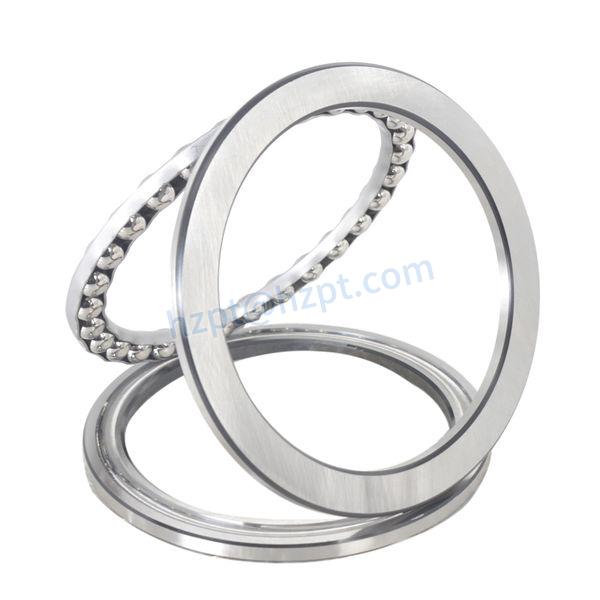
What are the Materials Typically Used in Manufacturing Ball Bearings and Their Advantages?
Ball bearings are manufactured using a variety of materials, each chosen for its specific properties and advantages in various applications. Here are some commonly used materials in ball bearing manufacturing and their respective benefits:
- High-Carbon Chrome Steel (AISI 52100):
This is the most common material used for ball bearing manufacturing. It offers excellent hardness, wear resistance, and fatigue strength. High-carbon chrome steel bearings are suitable for a wide range of applications, from industrial machinery to automotive components.
- Stainless Steel (AISI 440C, AISI 304, AISI 316):
Stainless steel bearings are corrosion-resistant and suitable for applications where moisture, chemicals, or exposure to harsh environments are concerns. AISI 440C offers high hardness and corrosion resistance, while AISI 304 and AISI 316 provide good corrosion resistance and are often used in food and medical industries.
- Ceramic:
Ceramic bearings use silicon nitride (Si3N4) or zirconia (ZrO2) balls. Ceramic materials offer high stiffness, low density, and excellent resistance to corrosion and heat. Ceramic bearings are commonly used in high-speed and high-temperature applications, such as in aerospace and racing industries.
- Plastic (Polyamide, PEEK):
Plastic bearings are lightweight and offer good corrosion resistance. Polyamide bearings are commonly used due to their low friction and wear properties. Polyether ether ketone (PEEK) bearings provide high-temperature resistance and are suitable for demanding environments.
- Bronze:
Bronze bearings are often used in applications where self-lubrication is required. Bronze has good thermal conductivity and wear resistance. Bearings made from bronze are commonly used in machinery requiring frequent starts and stops.
- Hybrid Bearings:
Hybrid bearings combine steel rings with ceramic balls. These bearings offer a balance between the advantages of both materials, such as improved stiffness and reduced weight. Hybrid bearings are used in applications where high speeds and low friction are essential.
- Specialty Alloys:
For specific applications, specialty alloys may be used to meet unique requirements. For example, bearings used in extreme temperatures or corrosive environments may be made from materials like titanium or hastelloy.
- Coated Bearings:
Bearings may also be coated with thin layers of materials like diamond-like carbon (DLC) or other coatings to enhance performance, reduce friction, and improve wear resistance.
The choice of material depends on factors such as application requirements, operating conditions, load, speed, and environmental factors. Selecting the right material is essential for ensuring optimal bearing performance, longevity, and reliability in diverse industries and applications.
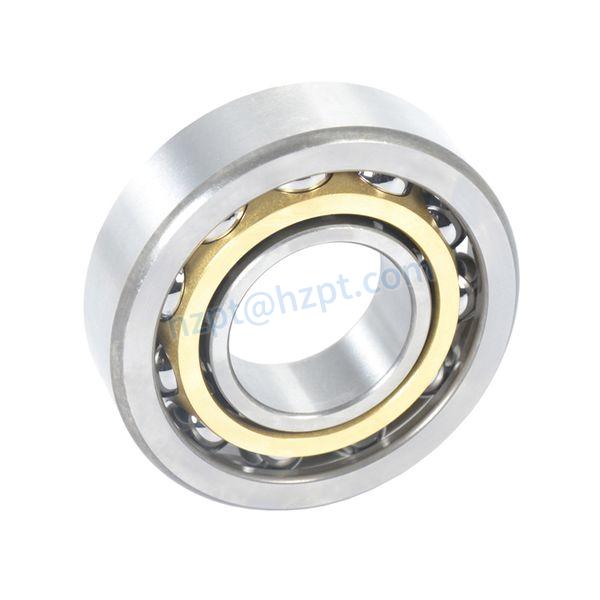
What Precautions should be taken to Prevent Contamination of Ball Bearings in Industrial Settings?
Preventing contamination of ball bearings is essential to ensure their proper function, longevity, and overall performance in industrial settings. Contaminants such as dust, dirt, debris, and particles can significantly impact bearing operation. Here are important precautions to take to prevent contamination of ball bearings:
- Effective Sealing:
Choose ball bearings with appropriate seals or shields to prevent the ingress of contaminants. Seals provide a physical barrier against dust, moisture, and particles, ensuring the bearing’s interior remains clean.
- Clean Environment:
Maintain a clean working environment around the machinery and equipment. Regularly clean the surrounding areas to prevent the accumulation of dirt and debris that could enter the bearings.
- Proper Handling:
Handle bearings with clean hands and use gloves if necessary. Avoid touching the bearing surfaces with bare hands, as natural skin oils can transfer contaminants onto the bearing.
- Clean Tools and Equipment:
Use clean tools and equipment during installation and maintenance to prevent introducing contaminants. Ensure that tools are properly cleaned before coming into contact with the bearing components.
- Contamination-Controlled Workstations:
Establish contamination-controlled workstations for bearing handling, installation, and maintenance. These areas should have proper ventilation, filtered air, and minimal exposure to external contaminants.
- Proper Lubrication:
Use the correct lubricant in appropriate quantities. Lubricants help create a barrier against contaminants and reduce friction. Regularly inspect and replenish lubrication to maintain its effectiveness.
- Regular Inspections:
Implement a routine inspection schedule to monitor the condition of the bearings. Look for signs of contamination, wear, and damage. Address any issues promptly to prevent further damage.
- Training and Education:
Train personnel on proper handling, installation, and maintenance practices to minimize the risk of contamination. Educated employees are more likely to take precautions and prevent accidental contamination.
- Environmental Controls:
In sensitive environments, such as clean rooms or medical facilities, implement strict environmental controls to minimize the presence of contaminants that could affect bearing performance.
- Regular Cleaning and Maintenance:
Perform regular cleaning and maintenance of machinery and equipment to prevent the buildup of contaminants. Keep bearings protected during maintenance to prevent debris from entering during the process.
- Selection of Suitable Bearings:
Choose bearings that are specifically designed for the application’s environmental conditions. Some bearings have advanced sealing options or specialized coatings that enhance contamination resistance.
By implementing these precautions, industries can significantly reduce the risk of contamination in ball bearings, ensuring smooth operation, extended bearing life, and enhanced equipment reliability.
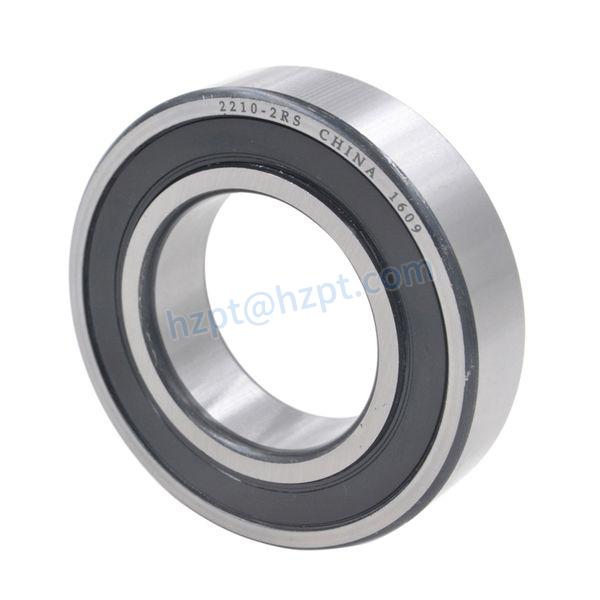
How does Lubrication Impact the Performance and Lifespan of Ball Bearings?
Lubrication plays a critical role in the performance and lifespan of ball bearings. Proper lubrication ensures smooth operation, reduces friction, minimizes wear, and prevents premature failure. Here’s how lubrication impacts ball bearings:
- Friction Reduction:
Lubrication creates a thin film between the rolling elements (balls) and the raceways of the bearing. This film reduces friction by separating the surfaces and preventing direct metal-to-metal contact. Reduced friction results in lower energy consumption, heat generation, and wear.
- Wear Prevention:
Lubricants create a protective barrier that prevents wear and damage to the bearing’s components. Without proper lubrication, the repeated rolling and sliding of the balls against the raceways would lead to accelerated wear, surface pitting, and eventual failure.
- Heat Dissipation:
Lubricants help dissipate heat generated during operation. The rolling elements and raceways can generate heat due to friction. Adequate lubrication carries away this heat, preventing overheating and maintaining stable operating temperatures.
- Corrosion Resistance:
Lubrication prevents moisture and contaminants from coming into direct contact with the bearing’s surfaces. This helps protect the bearing against corrosion, rust, and the formation of debris that can compromise its performance and longevity.
- Noise Reduction:
Lubricated ball bearings operate quietly because the lubricant cushions and dampens vibrations caused by the rolling motion. This noise reduction is crucial in applications where noise levels need to be minimized.
- Seal Protection:
Lubricants help maintain the effectiveness of seals or shields that protect the bearing from contaminants. They create a barrier that prevents particles from entering the bearing and causing damage.
- Improved Efficiency:
Properly lubricated ball bearings operate with reduced friction, leading to improved overall efficiency. This is especially important in applications where energy efficiency is a priority.
- Lifespan Extension:
Effective lubrication significantly extends the lifespan of ball bearings. Bearings that are properly lubricated experience less wear, reduced fatigue, and a lower likelihood of premature failure.
- Selection of Lubricant:
Choosing the right lubricant is essential. Factors such as speed, temperature, load, and environmental conditions influence the choice of lubricant type and viscosity. Some common lubricant options include grease and oil-based lubricants.
- Regular Maintenance:
Regular lubrication maintenance is crucial to ensure optimal bearing performance. Bearings should be inspected and relubricated according to manufacturer recommendations and based on the application’s operating conditions.
In summary, proper lubrication is essential for the optimal performance, longevity, and reliability of ball bearings. It reduces friction, prevents wear, dissipates heat, protects against corrosion, and contributes to smooth and efficient operation in various industrial and mechanical applications.


editor by lmc 2024-11-26