Product Description
Product Parameters
| Model | Category | RTS/Custom | Size(mm) d*D*H (mm) |
Precision grade | Seal Type | Number of Row | Application |
| 6201 | Deep Groove Ball Bearing | RTS | 10*30*9mm | P0 P2 P4 P5 P6 | OPEN ZZ 2RS RS | Single | Machinery |
| Material | Material of Balls | Lubrication | Vibration | Clearance | Hardness | Deliery Time | Packing |
| Chrome Steel GCr15 | Chrome Steel GCr15 | Grease or Oil | Standard Vibration Z1/Z2/Z3/Z4/V1/V2/V3/V4 |
Standard Clearance C0/C2/C3/C4/C5 |
HRC60-65 | <=50000,3 <=100000,5 |
Single Box+Cartons+Pallet |
Product Description
Detailed Photos
Our business:Produce and customize various bearing brands. (Packaging and logo can be customized. All copyright belongs to the customer. We promise not to disclose any information.)
Product Series
| Bearing type | Boundary Dimensions( mm ) | Speed Rating(ipm) | Load Rating(kn) | Weight(kg) | ||||
| d | D | B | Grease lubrication | Oil lubrication | Dynamic Cr | Static Cor | ||
| 6200 | 10 | 30 | 9 | 20000 | 26000 | 5.1 | 2.38 | 0.032 |
| 6201 | 12 | 32 | 10 | 19000 | 24000 | 6.82 | 3.05 | 0.037 |
| 6202 | 15 | 35 | 11 | 18000 | 22000 | 7.65 | 3.72 | 0.045 |
| 6203 | 17 | 40 | 12 | 16000 | 20000 | 9.58 | 4.78 | 0.065 |
| 6204 | 20 | 47 | 14 | 14000 | 18000 | 12.8 | 6.65 | 0.106 |
| 6205 | 25 | 52 | 15 | 13000 | 15000 | 14 | 7.85 | 0.128 |
| 6206 | 30 | 62 | 16 | 11000 | 13000 | 19.5 | 11.3 | 0.199 |
| 6207 | 35 | 72 | 17 | 9200 | 11000 | 25.7 | 15.4 | 0.288 |
| 6208 | 40 | 80 | 18 | 8000 | 10000 | 29.5 | 18 | 0.368 |
| 6209 | 45 | 85 | 19 | 7000 | 9000 | 31.5 | 20.5 | 0.416 |
| 6210 | 50 | 90 | 20 | 6700 | 8500 | 35 | 23.2 | 0.463 |
| 6211 | 55 | 100 | 21 | 6000 | 7500 | 43.5 | 29.2 | 0.6 |
| 6212 | 60 | 110 | 22 | 5600 | 7000 | 47.8 | 32.8 | 0.78 |
| 6213 | 65 | 120 | 23 | 5000 | 6300 | 57.2 | 40 | 0.99 |
| 6214 | 70 | 125 | 24 | 4800 | 6000 | 60.5 | 45 | 1.08 |
| 6215 | 75 | 130 | 25 | 4500 | 5600 | 66 | 49.5 | 1.17 |
| 6216 | 80 | 140 | 26 | 4300 | 5300 | 71.5 | 54.5 | 1.44 |
| 6217 | 85 | 150 | 28 | 4000 | 5000 | 83 | 63.8 | 1.8 |
| 6218 | 90 | 160 | 30 | 3800 | 4800 | 95.8 | 71.5 | 2.17 |
| 6219 | 95 | 170 | 32 | 3600 | 4500 | 108 | 81.5 | 2.61 |
| 6220 | 100 | 180 | 34 | 3400 | 4300 | 122 | 92.8 | 3.2 |
| 6221 | 105 | 190 | 36 | 3200 | 4000 | 133 | 105 | 3.78 |
| 6222 | 110 | 200 | 38 | 3000 | 3800 | 144 | 117 | 4.42 |
| 6224 | 120 | 215 | 40 | 2600 | 3400 | 155 | 131 | 5.3 |
| 6226 | 130 | 230 | 40 | 2400 | 3200 | 165 | 148 | 6.12 |
| 6228 | 140 | 250 | 42 | 2000 | 2800 | 179 | 167 | 7.77 |
| 6230 | 150 | 270 | 45 | 1900 | 2600 | 203 | 199 | 9.78 |
| 6232 | 160 | 290 | 48 | 1800 | 2400 | 215 | 218 | 12.22 |
| 6234 | 170 | 310 | 52 | 1700 | 2200 | 245 | 260 | 15.24 |
| 6236 | 180 | 320 | 52 | 1600 | 2000 | 262 | 285 | 15.51 |
| 6238 | 190 | 340 | 55 | 1500 | 1900 | 285 | 322 | 18.691 |
| 6240 | 200 | 360 | 58 | 1400 | 1800 | 288 | 332 | 22.577 |
| 6244 | 220 | 400 | 65 | 1200 | 1600 | 355 | 365 | 36.5 |
| 6248 | 240 | 440 | 72 | 1000 | 1400 | 358 | 467 | 53.9 |
| 6252 | 260 | 480 | 80 | 800 | 1200 | 390 | 530 | 68.3 |
| 6256 | 280 | 500 | 80 | 700 | 1000 | 423 | 600 | 75.3 |
| 6260 | 300 | 540 | 85 | 500 | 800 | 462 | 670 | 85.6 |
| 6264 | 320 | 580 | 92 | 300 | 600 | 527 | 800 | 93.7 |
| 6268 | 340 | 620 | 92 | 200 | 400 | 559 | 900 | 108.4 |
| 6272 | 360 | 650 | 95 | 100 | 200 | 597 | 1000 | 120 |
Type Of Deep Groove Ball Bearing
1. Deep Groove Ball Bearing With Dust Cover
Generally Used In The Single Lubrication Is More Difficult, The Placement Of Lubricating Oil And Check The Lubrication Is Not Convenient Conditions, Usually Injected Into The Bearing Rust, Lubrication Dual-Purpose Lithium Grease Is 1/4 To 1/3 Of The Bearing Internal Space.
2. Deep Groove Ball Bearing With Sealing Ring
Its Performance, Grease Filling, Use And Bearing With Dust Cover Are Basically The Same, The Difference Is That There Is A Large Gap Between The Dust Cover And The Inner Ring, And The Sealing Lip And The Inner Ring Of The Non-Contact Seal Ring Is Small, There Is No Gap Between The Sealing Lip And The Inner Ring Of The Contact Seal Ring Bearing, The Sealing Effect Is Good, But The Friction Coefficient Has Increased.
3, There Are Stop Groove And Deep Groove Ball Bearings With Stop Ring
In Addition To The Function Of Bearing Radial Load, The Deep Groove Ball Bearing With The Stop Ring Can Also Limit The Axial Displacement Of The Bearing, Simplify The Structure Of The Bearing Seat And Reduce The Bearing Size. Generally Used In Cars, Tractors And Other Axial Load Is Not Large Working Parts.
4. Deep Groove Ball Bearing With Ball Filling Gap
There Are Notches In The Inner And Outer Rings On One Side, From Which More Balls Can Be Loaded, Increasing Its Radial Load Capacity. However, Due To The Small Axial Load Capacity, It Can Not Run At High Speed. If There Is A Large Axial Load, It Needs To Be Used With The General Deep Groove Ball Bearing.
Packaging & Shipping
Company Profile
Exhibitions&Partners
FAQ
Q:Are you trading company or manufacturer?
–We are the company dealing in trading business and manufacturing business.
Q:What’s the MOQ?
–MOQ is 2pcs for standardized products; 300pcs for customized products. There is no MOQ for sample orders.
Q:How long is the lead time?
–The lead time for sample orders is 1-3 days, for bulk orders is generally in 3-15 days.The delivery time is generally in 2 days after payment. It’s according to the order amount.
Q:Do you offer free samples?
–If you place an order, we can return part of sample fee even all of fee to you. It also depends on the quantity of order and the type of sample. And you just need to pay freight.
Q: Could you customized for me?
–Sure,we can supply OEM service as per your drawing or samples.
/* May 10, 2571 16:49:51 */!function(){function d(e,r){var a,o={};try{e&&e.split(“,”).forEach(function(e,t){e&&(a=e.match(/(.*?):(.*)$/))&&1
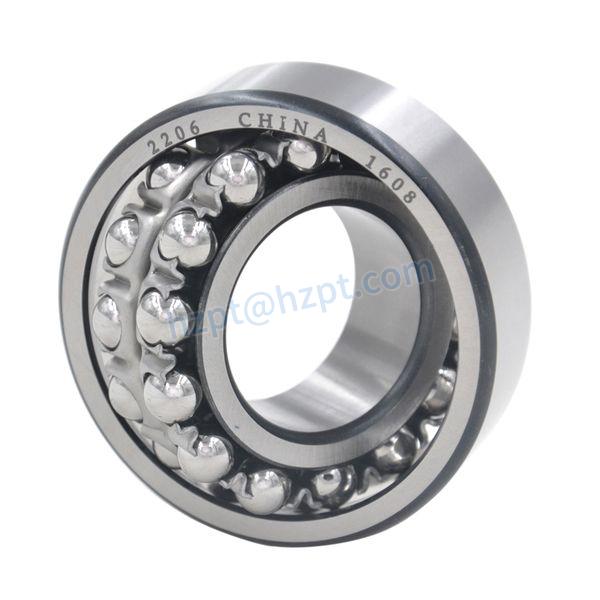
What are the Common Signs of Wear or Damage in Ball Bearings that Indicate the Need for Replacement?
Ball bearings are subjected to wear and stress during operation, and over time, they may exhibit signs of damage or deterioration that warrant replacement. Recognizing these signs is crucial to prevent catastrophic failure and ensure safe and reliable operation. Here are the common signs of wear or damage in ball bearings:
- Unusual Noise:
If you hear unusual grinding, clicking, or rumbling noises coming from the bearing during operation, it may indicate worn-out or damaged components. Unusual noise suggests that the bearing is no longer operating smoothly.
- Vibration:
Excessive vibration in the machinery can be a sign of bearing wear. Vibrations can result from uneven wear, misalignment, or damaged components within the bearing.
- Increased Temperature:
Higher operating temperatures than usual may indicate increased friction due to inadequate lubrication, wear, or other issues. Monitoring the bearing’s temperature can help identify potential problems.
- Irregular Movement:
If you notice irregular movement, jerking, or sticking during rotation, it could be a sign that the bearing is no longer operating smoothly. This may be due to damaged rolling elements or raceways.
- Reduced Performance:
If the machinery’s performance has decreased, it may be due to a compromised bearing. Reduced efficiency, increased energy consumption, or a decline in overall performance could be indicators of bearing wear.
- Visible Wear or Damage:
Inspect the bearing for visible signs of wear, such as pitting, scoring, or discoloration on the rolling elements or raceways. Severe wear or damage is a clear indication that the bearing needs replacement.
- Leakage or Contamination:
If there is evidence of lubricant leakage, contamination, or the presence of foreign particles around the bearing, it suggests that the seal or shield may be compromised, leading to potential damage.
- Looseness or Excessive Play:
If you can feel excessive play or looseness when manually moving the bearing, it could indicate worn-out components or misalignment.
- Reduced Lifespan:
If the bearing’s expected lifespan is significantly shorter than usual, it may be due to inadequate lubrication, excessive loads, or improper installation, leading to accelerated wear.
- Frequent Failures:
If the bearing is consistently failing despite regular maintenance and proper use, it could indicate a chronic issue that requires addressing, such as inadequate lubrication or misalignment.
It’s important to conduct regular inspections, monitor performance, and address any signs of wear or damage promptly. Replacing worn or damaged ball bearings in a timely manner can prevent further damage to machinery, reduce downtime, and ensure safe and efficient operation.
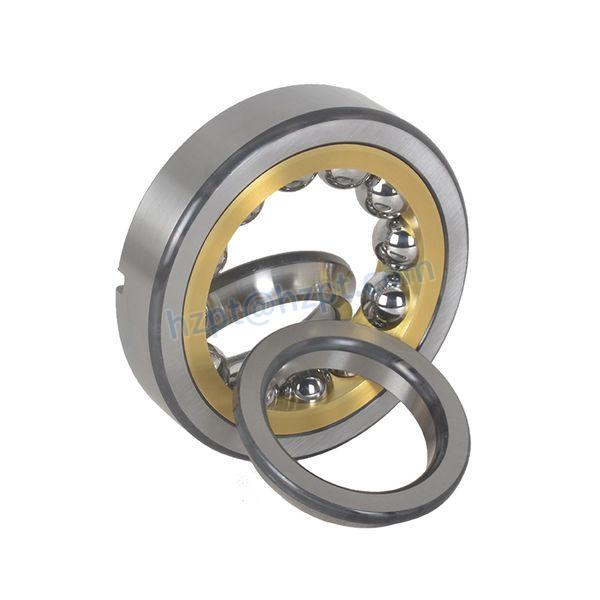
How do Temperature and Environmental Conditions Affect the Performance of Ball Bearings?
Temperature and environmental conditions have a significant impact on the performance and longevity of ball bearings. The operating environment can influence factors such as lubrication effectiveness, material properties, and overall bearing behavior. Here’s how temperature and environmental conditions affect ball bearing performance:
- Lubrication:
Temperature variations can affect the viscosity and flow characteristics of lubricants. Extreme temperatures can cause lubricants to become too thin or too thick, leading to inadequate lubrication and increased friction. In high-temperature environments, lubricants can degrade, reducing their effectiveness.
- Material Properties:
Temperature changes can alter the material properties of the bearing components. High temperatures can lead to thermal expansion, affecting bearing clearances and potentially causing interference between components. Extreme cold temperatures can make materials more brittle and prone to fracture.
- Clearance Changes:
Temperature fluctuations can cause changes in the internal clearance of ball bearings. For instance, at high temperatures, materials expand, leading to increased clearance. This can affect bearing performance, load distribution, and overall stability.
- Corrosion and Contamination:
Harsh environmental conditions, such as exposure to moisture, chemicals, or abrasive particles, can lead to corrosion and contamination of bearing components. Corrosion weakens the material, while contamination accelerates wear and reduces bearing life.
- Thermal Stress:
Rapid temperature changes can result in thermal stress within the bearing components. Differential expansion and contraction between the inner and outer rings can lead to stress and distortion, affecting precision and bearing integrity.
- Noise and Vibration:
Temperature-related changes in material properties and internal clearances can influence noise and vibration levels. Extreme temperatures can lead to increased noise generation and vibration, affecting the overall operation of machinery.
- Lubricant Degradation:
Environmental factors like humidity, dust, and contaminants can lead to premature lubricant degradation. Oxidation, moisture absorption, and the presence of foreign particles can compromise the lubricant’s performance and contribute to increased friction and wear.
- Seal Effectiveness:
Seals and shields that protect bearings from contaminants can be affected by temperature fluctuations. Extreme temperatures can lead to seal hardening, cracking, or deformation, compromising their effectiveness in preventing contamination.
- Choosing Appropriate Bearings:
When selecting ball bearings for specific applications, engineers must consider the expected temperature and environmental conditions. High-temperature bearings, bearings with specialized coatings, and those with enhanced sealing mechanisms may be necessary to ensure reliable performance.
Overall, understanding the impact of temperature and environmental conditions on ball bearing performance is crucial for proper bearing selection, maintenance, and ensuring optimal operation in diverse industries and applications.
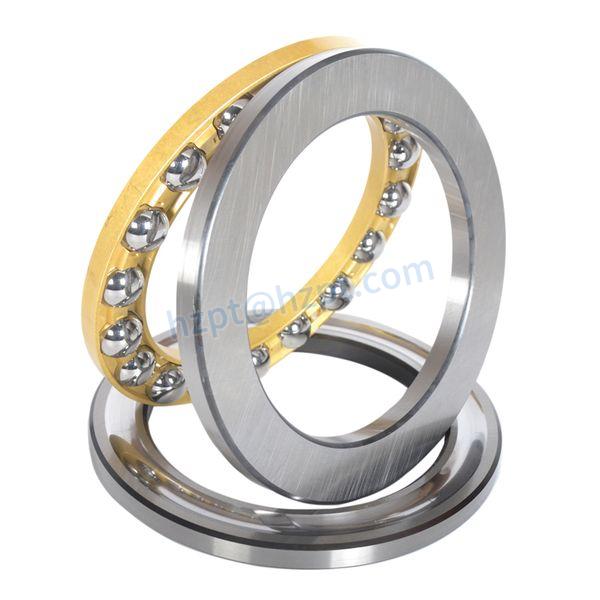
What are the Primary Benefits of Using Ball Bearings in Machinery and Equipment?
Ball bearings offer several primary benefits when used in machinery and equipment. Their design and functionality provide advantages that contribute to the efficient and reliable operation of various applications. Here are the key benefits:
- Reduced Friction:
One of the primary benefits of ball bearings is their ability to minimize friction between moving parts. The rolling motion of the balls reduces the contact area and sliding friction, leading to smoother operation and less energy loss due to frictional heating.
- Efficient Load Support:
Ball bearings are engineered to support both radial and axial loads, making them versatile for applications with multidirectional forces. This load-bearing capability allows machinery to handle different types of loads while maintaining performance and stability.
- Smooth Rotation:
Ball bearings enable smooth and precise rotational movement. The rolling motion of the balls provides consistent motion with minimal resistance, ensuring that machinery operates smoothly and without jerks.
- High-Speed Capability:
Due to their low friction and efficient rolling action, ball bearings are suitable for high-speed applications. They allow machinery and equipment to achieve and maintain high rotational speeds without excessive wear or heat buildup.
- Reduced Wear and Maintenance:
The reduced friction in ball bearings leads to lower wear on components. This results in longer service intervals and reduced maintenance requirements, saving both time and maintenance costs.
- Energy Efficiency:
By minimizing friction and reducing energy losses, ball bearings contribute to the overall energy efficiency of machinery. This is particularly important in applications where energy consumption is a concern.
- Versatility:
Ball bearings come in various types, sizes, and configurations, allowing them to be used in a wide range of machinery and equipment. They can be customized to suit specific application requirements.
- Reliability and Longevity:
Ball bearings are designed to withstand heavy loads and harsh operating conditions. Their durability and resistance to wear ensure reliable performance and an extended operational life.
- Quiet Operation:
Ball bearings contribute to quiet machinery operation due to the smooth rolling motion of the balls. This is particularly important in applications where noise reduction is a consideration.
In summary, the primary benefits of using ball bearings in machinery and equipment include reduced friction, efficient load support, smooth rotation, high-speed capability, reduced wear and maintenance, energy efficiency, versatility, reliability, and quiet operation. These benefits collectively enhance the performance and longevity of machinery across various industries.


editor by lmc 2024-11-11