Product Description
China Factory 3d Printer Parts Deep Groove Ball Bearing 623zz 624zz 625zz 626zz 635zz 608zz 688zz
Single row deep groove ball bearings are particularly versatile. They are simple in design, non-separable, suitable for high and even very high speeds and are robust in operation, requiring little maintenance. Deep raceway grooves and the close conformity between the raceway grooves and the balls enable deep groove ball bearings to accommodate axial loads in both directions, in addition to radial loads, even at high speeds.
1. 623zz : 3mm*10mm*4mm
2. 624zz : 4mm*13mm*5mm
3. 625zz : 5mm*16mm*5mm
4. 626zz : 6mm*19mm*6mm
5. 608zz : 8mm*22mm*7mm
6. 688zz : 8mm*16mm*5mm
7. 635zz : 5mm*19mm*6mm
Detailed Photos
Product Parameters
Product Description
Any combination of closures is available
|
Basic |
Nominal Bearing Dimensions |
Preferred Shoulder Diameters |
||||||||||||
|
d |
D |
B,C |
r (min) |
da (min) |
da (max) |
Da (max) |
||||||||
|
mm |
inch |
mm |
inch |
mm |
inch |
mm |
inch |
mm |
inch |
mm |
inch |
mm |
inch |
|
|
604 |
4 |
0.1575 |
12 |
0.4724 |
4 |
0.1575 |
0.2 |
0.008 |
5.4 |
0.2126 |
6.6 |
0.2598 |
10.6 |
0.4173 |
|
605 |
5 |
0.1969 |
14 |
0.5512 |
5 |
0.2756 |
0.2 |
0.008 |
6.6 |
0.2600 |
7.4 |
0.2913 |
12.4 |
0.4880 |
|
606 |
6 |
0.2362 |
17 |
0.6693 |
6 |
0.2756 |
0.3 |
0.012 |
8.0 |
0.3150 |
8.6 |
0.3386 |
15.0 |
0.5910 |
|
607 |
7 |
0.2756 |
19 |
0.748 |
6 |
0.2756 |
0.3 |
0.012 |
9.0 |
0.3543 |
10.4 |
0.4094 |
17.0 |
0.6693 |
|
608 |
8 |
0.3149 |
22 |
0.8661 |
7 |
0.2756 |
0.3 |
0.012 |
10.0 |
0.3937 |
12.2 |
0.4803 |
10.0 |
0.7874 |
|
609 |
9 |
0.3543 |
24 |
0.9449 |
7 |
0.2756 |
0.3 |
0.012 |
11.0 |
0.4331 |
13.1 |
0.5157 |
12.0 |
0.8661 |
|
Basic |
Nominal Bearing Dimensions |
Preferred Shoulder Diameters |
||||||||||||
|
d |
D |
B,C |
r (min) |
da (min) |
da (max) |
Da (max) |
||||||||
|
mm |
inch |
mm |
inch |
mm |
inch |
mm |
inch |
mm |
inch |
mm |
inch |
mm |
inch |
|
|
624 |
4 |
0.1575 |
13 |
0.5118 |
5 |
0.1968 |
0.2 |
0.007 |
5.6 |
0.220 |
6.2 |
0.244 |
11.4 |
0.449 |
|
625 |
5 |
0.1969 |
13 |
0.6299 |
5 |
0.1968 |
0.3 |
0.012 |
7.0 |
0.276 |
7.6 |
0.299 |
14.0 |
0.551 |
|
626 |
6 |
0.2362 |
16 |
0.7480 |
6 |
0.2362 |
0.3 |
0.012 |
8.0 |
0.315 |
9.5 |
0.374 |
17.0 |
0.669 |
|
627 |
7 |
0.2756 |
22 |
0.8661 |
7 |
0.2756 |
0.3 |
0.012 |
9.0 |
0.354 |
12.2 |
0.480 |
20.0 |
0.787 |
|
628 |
5 |
0.3149 |
24 |
0.9448 |
8 |
0.3149 |
0.3 |
0.012 |
10.0 |
0.394 |
12.1 |
0.476 |
17.0 |
0.669 |
|
629 |
9 |
0.3543 |
26 |
1.5716 |
8 |
0.3149 |
0.3 |
0.012 |
11.5 |
0.453 |
… |
… |
14.0 |
0.945 |
|
Basic |
Nominal Bearing Dimensions |
Preferred Shoulder Diameters |
||||||||||||
|
d |
D |
B,C |
r (min) |
da (min) |
da (max) |
Da (max) |
||||||||
|
mm |
inch |
mm |
inch |
mm |
inch |
mm |
inch |
mm |
inch |
mm |
inch |
mm |
inch |
|
|
635 |
5 | 0.1969 | 19 | 0.7480 | 6 | 0.2362 | 0.3 | 0.012 | 7.0 | 0.276 | 9.5 | 0.374 | 17.0 | 0.669 |
|
636 |
6 | 0.2362 | 22 | 0.8661 | 7 | 0.8661 | 0.3 | 0.012 | … | … | … | … | … | … |
|
637 |
7 | 0.2756 | 26 | 1.5716 | 9 | 0.3543 | 0.3 | 0.012 | … | … | … | … | … | … |
|
638 |
8 | 0.3149 | 28 | 1.1571 | 9 | 0.3543 | 0.3 | 0.012 | 10.0 | 0.394 | … | … | 26.0 | 1.571 |
|
639 |
9 | 0.3543 | 30 | 1.1811 | 10 | 0.3937 | 0.6 | 0.571 | … | … | … | … | … | … |
|
Basic |
Nominal Bearing Dimensions |
Preferred Shoulder Diameters |
||||||||||||||
|
d |
D |
B |
r (min) |
da (min) |
da (max) |
Da (max) |
||||||||||
| Open | Shielded sealed | |||||||||||||||
|
mm |
inch |
mm |
inch |
mm |
inch |
mm |
inch |
mm |
inch |
mm |
inch |
mm |
inch |
mm |
inch |
|
|
685 |
5 | 0.1969 | 11 | 0.4331 | 3 | 0.1181 | 5 | 0.1969 | 0.15 | 0.006 | 6.2 | 0.244 | 6.2 | 0.244 | 9.9 | 0.390 |
|
686 |
6 | 0.2362 | 13 | 0.5118 | 3.5 | 0.1378 | 5 | 0.1969 | 0.15 | 0.006 | 7.4 | 0.291 | 7.4 | 0.291 | 11.7 | 0.461 |
|
687 |
7 | 0.2756 | 14 | 0.5512 | 3.5 | 0.1378 | 5 | 0.1969 | 0.15 | 0.006 | 8.5 | 0.335 | 8.5 | 0.335 | 12.7 | 0.500 |
|
688 |
8 | 0.3150 | 16 | 0.6299 | 4 | 0.1575 | 5 | 0.1969 | 0.20 | 0.008 | … | … | … | … | … | … |
|
689 |
9 | 0.3543 | 17 | 0.6693 | 4 | 0.1575 | 5 | 0.1969 | 0.20 | 0.008 | 10.7 | 0.421 | 10.7 | 0.421 | 15.2 | 0.598 |
|
Basic |
Nominal Bearing Dimensions |
Preferred Shoulder Diameters |
||||||||||||
|
d |
D |
B,C |
r (min) |
da (min) |
da (max) |
Da (max) |
||||||||
|
mm |
inch |
mm |
inch |
mm |
inch |
mm |
inch |
mm |
inch |
mm |
inch |
mm |
inch |
|
|
693 |
3 | 0.1181 | 8 | 0.3150 | 3 | 0.1181 | 0.15 | 0.006 | 4.3 | 0.169 | 4.3 | 0.169 | 7.3 | 0.287 |
|
W693 |
3 | 0.1181 | 8 | 0.3150 | 4 | 0.1575 | 0.15 | 0.006 | 4.2 | 0.165 | 4.2 | 0.165 | 6.8 | 0.268 |
|
694 |
4 | 0.1575 | 11 | 0.4331 | 4 | 0.1575 | 0.20 | 0.008 | 5.2 | 0.205 | 5.2 | 0.205 | 9.8 | 0.386 |
|
695 |
5 | 0.1969 | 13 | 0.5118 | 4 | 0.1575 | 0.20 | 0.008 | 6.6 | 0.260 | 6.6 | 0.260 | 11.4 | 0.449 |
|
696 |
6 | 0.2362 | 15 | 0.5906 | 5 | 0.1969 | 0.30 | 0.012 | 7.6 | 0.299 | 7.6 | 0.299 | 13.4 | 0.528 |
|
697 |
7 | 0.2756 | 17 | 0.6693 | 5 | 0.1969 | 0.30 | 0.012 | 9.0 | 0.354 | 9.0 | 0.354 | 15.0 | 0.591 |
|
698 |
8 | 0.3150 | 19 | 0.7480 | 6 | 0.2362 | 0.30 | 0.012 | 10.0 | 0.394 | 10.0 | 0.394 | 16.5 | 0.650 |
|
699 |
9 | 0.3543 | 20 | 0.7874 | 6 | 0.2362 | 0.30 | 0.012 | 11.0 | 0.433 | 11.6 | 0.457 | 18.0 | 0.709 |
|
Common Options |
|
|
Z |
: One Shield |
/* January 22, 2571 19:08:37 */!function(){function s(e,r){var a,o={};try{e&&e.split(“,”).forEach(function(e,t){e&&(a=e.match(/(.*?):(.*)$/))&&1
| Aligning: | Non-Aligning Bearing |
|---|---|
| Separated: | Unseparated |
| Rows Number: | Single |
| Load Direction: | Radial Bearing |
| Material: | Bearing Steel |
| Transport Package: | Industrial Exporting Packing,or Upon The Customer′ |
| Customization: |
Available
| Customized Request |
|---|
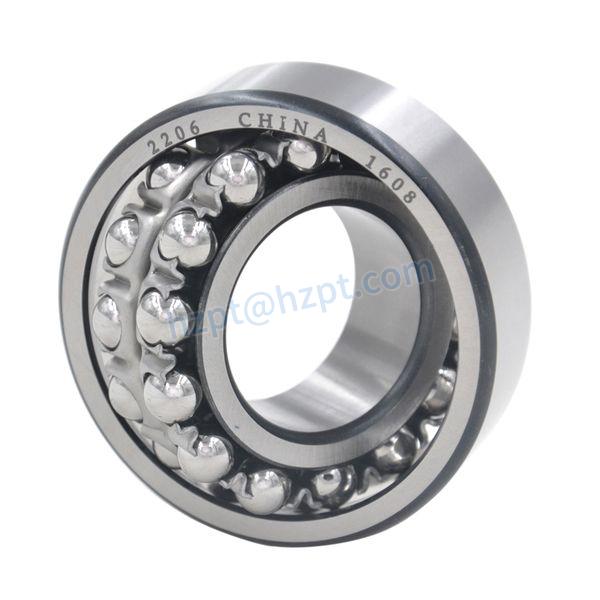
What are the Common Signs of Wear or Damage in Ball Bearings that Indicate the Need for Replacement?
Ball bearings are subjected to wear and stress during operation, and over time, they may exhibit signs of damage or deterioration that warrant replacement. Recognizing these signs is crucial to prevent catastrophic failure and ensure safe and reliable operation. Here are the common signs of wear or damage in ball bearings:
- Unusual Noise:
If you hear unusual grinding, clicking, or rumbling noises coming from the bearing during operation, it may indicate worn-out or damaged components. Unusual noise suggests that the bearing is no longer operating smoothly.
- Vibration:
Excessive vibration in the machinery can be a sign of bearing wear. Vibrations can result from uneven wear, misalignment, or damaged components within the bearing.
- Increased Temperature:
Higher operating temperatures than usual may indicate increased friction due to inadequate lubrication, wear, or other issues. Monitoring the bearing’s temperature can help identify potential problems.
- Irregular Movement:
If you notice irregular movement, jerking, or sticking during rotation, it could be a sign that the bearing is no longer operating smoothly. This may be due to damaged rolling elements or raceways.
- Reduced Performance:
If the machinery’s performance has decreased, it may be due to a compromised bearing. Reduced efficiency, increased energy consumption, or a decline in overall performance could be indicators of bearing wear.
- Visible Wear or Damage:
Inspect the bearing for visible signs of wear, such as pitting, scoring, or discoloration on the rolling elements or raceways. Severe wear or damage is a clear indication that the bearing needs replacement.
- Leakage or Contamination:
If there is evidence of lubricant leakage, contamination, or the presence of foreign particles around the bearing, it suggests that the seal or shield may be compromised, leading to potential damage.
- Looseness or Excessive Play:
If you can feel excessive play or looseness when manually moving the bearing, it could indicate worn-out components or misalignment.
- Reduced Lifespan:
If the bearing’s expected lifespan is significantly shorter than usual, it may be due to inadequate lubrication, excessive loads, or improper installation, leading to accelerated wear.
- Frequent Failures:
If the bearing is consistently failing despite regular maintenance and proper use, it could indicate a chronic issue that requires addressing, such as inadequate lubrication or misalignment.
It’s important to conduct regular inspections, monitor performance, and address any signs of wear or damage promptly. Replacing worn or damaged ball bearings in a timely manner can prevent further damage to machinery, reduce downtime, and ensure safe and efficient operation.
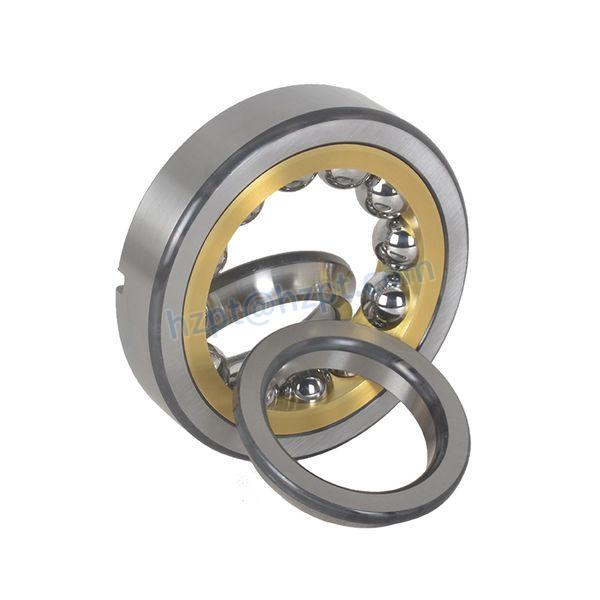
How do Temperature and Environmental Conditions Affect the Performance of Ball Bearings?
Temperature and environmental conditions have a significant impact on the performance and longevity of ball bearings. The operating environment can influence factors such as lubrication effectiveness, material properties, and overall bearing behavior. Here’s how temperature and environmental conditions affect ball bearing performance:
- Lubrication:
Temperature variations can affect the viscosity and flow characteristics of lubricants. Extreme temperatures can cause lubricants to become too thin or too thick, leading to inadequate lubrication and increased friction. In high-temperature environments, lubricants can degrade, reducing their effectiveness.
- Material Properties:
Temperature changes can alter the material properties of the bearing components. High temperatures can lead to thermal expansion, affecting bearing clearances and potentially causing interference between components. Extreme cold temperatures can make materials more brittle and prone to fracture.
- Clearance Changes:
Temperature fluctuations can cause changes in the internal clearance of ball bearings. For instance, at high temperatures, materials expand, leading to increased clearance. This can affect bearing performance, load distribution, and overall stability.
- Corrosion and Contamination:
Harsh environmental conditions, such as exposure to moisture, chemicals, or abrasive particles, can lead to corrosion and contamination of bearing components. Corrosion weakens the material, while contamination accelerates wear and reduces bearing life.
- Thermal Stress:
Rapid temperature changes can result in thermal stress within the bearing components. Differential expansion and contraction between the inner and outer rings can lead to stress and distortion, affecting precision and bearing integrity.
- Noise and Vibration:
Temperature-related changes in material properties and internal clearances can influence noise and vibration levels. Extreme temperatures can lead to increased noise generation and vibration, affecting the overall operation of machinery.
- Lubricant Degradation:
Environmental factors like humidity, dust, and contaminants can lead to premature lubricant degradation. Oxidation, moisture absorption, and the presence of foreign particles can compromise the lubricant’s performance and contribute to increased friction and wear.
- Seal Effectiveness:
Seals and shields that protect bearings from contaminants can be affected by temperature fluctuations. Extreme temperatures can lead to seal hardening, cracking, or deformation, compromising their effectiveness in preventing contamination.
- Choosing Appropriate Bearings:
When selecting ball bearings for specific applications, engineers must consider the expected temperature and environmental conditions. High-temperature bearings, bearings with specialized coatings, and those with enhanced sealing mechanisms may be necessary to ensure reliable performance.
Overall, understanding the impact of temperature and environmental conditions on ball bearing performance is crucial for proper bearing selection, maintenance, and ensuring optimal operation in diverse industries and applications.
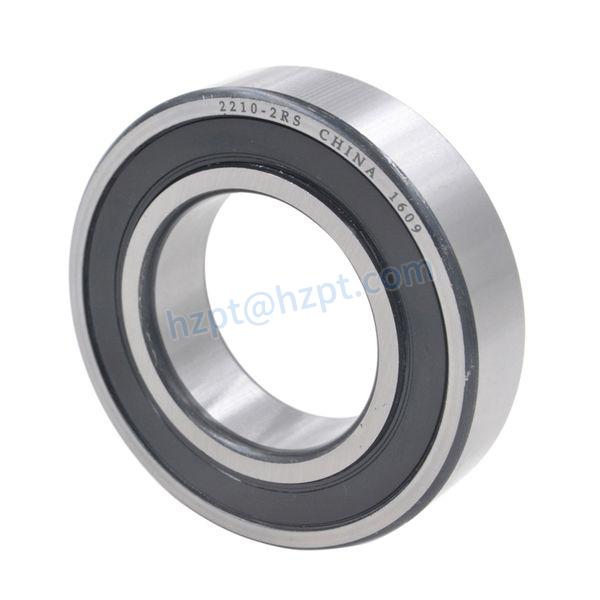
How does Lubrication Impact the Performance and Lifespan of Ball Bearings?
Lubrication plays a critical role in the performance and lifespan of ball bearings. Proper lubrication ensures smooth operation, reduces friction, minimizes wear, and prevents premature failure. Here’s how lubrication impacts ball bearings:
- Friction Reduction:
Lubrication creates a thin film between the rolling elements (balls) and the raceways of the bearing. This film reduces friction by separating the surfaces and preventing direct metal-to-metal contact. Reduced friction results in lower energy consumption, heat generation, and wear.
- Wear Prevention:
Lubricants create a protective barrier that prevents wear and damage to the bearing’s components. Without proper lubrication, the repeated rolling and sliding of the balls against the raceways would lead to accelerated wear, surface pitting, and eventual failure.
- Heat Dissipation:
Lubricants help dissipate heat generated during operation. The rolling elements and raceways can generate heat due to friction. Adequate lubrication carries away this heat, preventing overheating and maintaining stable operating temperatures.
- Corrosion Resistance:
Lubrication prevents moisture and contaminants from coming into direct contact with the bearing’s surfaces. This helps protect the bearing against corrosion, rust, and the formation of debris that can compromise its performance and longevity.
- Noise Reduction:
Lubricated ball bearings operate quietly because the lubricant cushions and dampens vibrations caused by the rolling motion. This noise reduction is crucial in applications where noise levels need to be minimized.
- Seal Protection:
Lubricants help maintain the effectiveness of seals or shields that protect the bearing from contaminants. They create a barrier that prevents particles from entering the bearing and causing damage.
- Improved Efficiency:
Properly lubricated ball bearings operate with reduced friction, leading to improved overall efficiency. This is especially important in applications where energy efficiency is a priority.
- Lifespan Extension:
Effective lubrication significantly extends the lifespan of ball bearings. Bearings that are properly lubricated experience less wear, reduced fatigue, and a lower likelihood of premature failure.
- Selection of Lubricant:
Choosing the right lubricant is essential. Factors such as speed, temperature, load, and environmental conditions influence the choice of lubricant type and viscosity. Some common lubricant options include grease and oil-based lubricants.
- Regular Maintenance:
Regular lubrication maintenance is crucial to ensure optimal bearing performance. Bearings should be inspected and relubricated according to manufacturer recommendations and based on the application’s operating conditions.
In summary, proper lubrication is essential for the optimal performance, longevity, and reliability of ball bearings. It reduces friction, prevents wear, dissipates heat, protects against corrosion, and contributes to smooth and efficient operation in various industrial and mechanical applications.


editor by CX 2024-04-17
China Professional Best Price High Quality 6201 6201zz 62012RS 1201 Mini Chrome Steel Material Deep Groove Ball Bearing bearing driver kit
Product Description
Product Description:
Product details:
Deep groove ball bearing
High quality
High precision
High speed
Durable
Competitive price
Super popular
Long life
Low noise
Specification:
| 6200 series | |||||||||
| 6200 | 10 | 30 | 9 | 0.6 | 5.1 | 2.38 | 25000 | 30000 | 0.032 |
| 6201 | 12 | 32 | 10 | 0.6 | 6.82 | 3.05 | 22000 | 26000 | 0.035 |
| 6202 | 15 | 35 | 11 | 0.6 | 7.65 | 3.72 | 19000 | 23000 | 0.045 |
| 6203 | 17 | 40 | 12 | 0.6 | 9.58 | 4.78 | 18000 | 21000 | 0.064 |
| 6204 | 20 | 47 | 14 | 1 | 12.8 | 6.65 | 16000 | 18000 | 0.103 |
| 6205 | 25 | 52 | 15 | 1 | 14 | 7.88 | 13000 | 15000 | 0.127 |
| 6206 | 30 | 62 | 16 | 1 | 19.5 | 11.5 | 11000 | 13000 | 0.2 |
| 6207 | 35 | 72 | 17 | 1.1 | 25.5 | 15.2 | 9800 | 11000 | 0.288 |
| 6208 | 40 | 80 | 18 | 1.1 | 29.5 | 18 | 8700 | 10000 | 0.368 |
| 6209 | 45 | 85 | 19 | 1.1 | 31.5 | 20.5 | 7800 | 9200 | 0.416 |
| 6210 | 50 | 90 | 20 | 1.1 | 35 | 23.2 | 7100 | 8300 | 0.463 |
| 6211 | 55 | 100 | 21 | 1.5 | 43.4 | 29.4 | 6400 | 7600 | 0.607 |
| 6212 | 60 | 110 | 22 | 1.5 | 52.4 | 36.2 | 6000 | 7000 | 0.783 |
| 6213 | 65 | 120 | 23 | 1.5 | 57.2 | 40.1 | 5500 | 6500 | 0.99 |
| 6214 | 70 | 125 | 24 | 1.5 | 62.2 | 44.1 | 5100 | 6000 | 1.07 |
| 6215 | 75 | 130 | 25 | 1.5 | 67.4 | 48.3 | 4800 | 5600 | 1.18 |
| 6216 | 80 | 140 | 26 | 2 | 72.7 | 53 | 4500 | 5300 | 1.4 |
| 6217 | 85 | 150 | 28 | 2 | 84 | 61.9 | 4200 | 5000 | 1.79 |
| 6218 | 90 | 160 | 30 | 2 | 96.1 | 71.5 | 4000 | 4700 | 2.15 |
| 6219 | 95 | 170 | 32 | 2.1 | 109 | 81.9 | 3700 | 4400 | 2.62 |
| 6220 | 100 | 180 | 34 | 2.1 | 122 | 93.1 | 3500 | 4200 | 3.14 |
| 6221 | 105 | 190 | 36 | 2.1 | 133 | 105 | 3400 | 4000 | 3.7 |
| 6222 | 110 | 200 | 38 | 2.1 | 144 | 117 | 3200 | 3800 | 4.36 |
| 6224 | 120 | 215 | 40 | 2.1 | 155 | 131 | 2900 | 3400 | 5.15 |
| 6226 | 130 | 230 | 40 | 3 | 167 | 146 | 2700 | 3100 | 5.82 |
| 6228 | 140 | 250 | 42 | 3 | 166 | 150 | 2500 | 2900 | 7.57 |
| 6230 | 150 | 270 | 45 | 3 | 176 | 168 | 2300 | 2700 | 9.41 |
Product Application
Compamy profile:
HangZhou Terry Machinery Co.Ltd is a leading supplier of bearings, Linear motion system for CNC , Ball transfer Unit and transmission component .the growing industrial and Favorable policy of HangZhou benefit the development of Terry Machinery .Our products are utilized in industrial, motorcycle, vehicle and Automation applications. Now we are exporting to 46 countries. including USA, GBR , Germany , Spain, Poland ,Turkey ect .The Goal of Terry Machinery to provide out customers with widest range of products at competitive prices, backed with the best Service.OUR ADVANTAGE Products Our major products & Supplied:Meet all the international standards and ISO9001 -TS1694 Certificate Big volume in Stock, No MOQ required Personnel Our salespersons are well trained to accommodate your requests and speak English for your conveniences.Our technicians and engineers Experience in the Industry area exceeds 23 years Service &Quality control ,We supply detailed drawings and offer when ever necessary,We help all customers promote and improve their sales.We inspect every piece of products by ourselves before delivery.
Packing&Delivery:
FAQ:
Custom Praise:
/* January 22, 2571 19:08:37 */!function(){function s(e,r){var a,o={};try{e&&e.split(“,”).forEach(function(e,t){e&&(a=e.match(/(.*?):(.*)$/))&&1
| Inside Diameter: | 12mm |
|---|---|
| Outside Diameter: | 32mm |
| Thickness: | 10mm |
.shipping-cost-tm .tm-status-off{background: none;padding:0;color: #1470cc}
| Shipping Cost:
Estimated freight per unit. |
about shipping cost and estimated delivery time. |
|---|
| Payment Method: |
|
|---|---|
|
Initial Payment Full Payment |
| Currency: | US$ |
|---|
| Return&refunds: | You can apply for a refund up to 30 days after receipt of the products. |
|---|
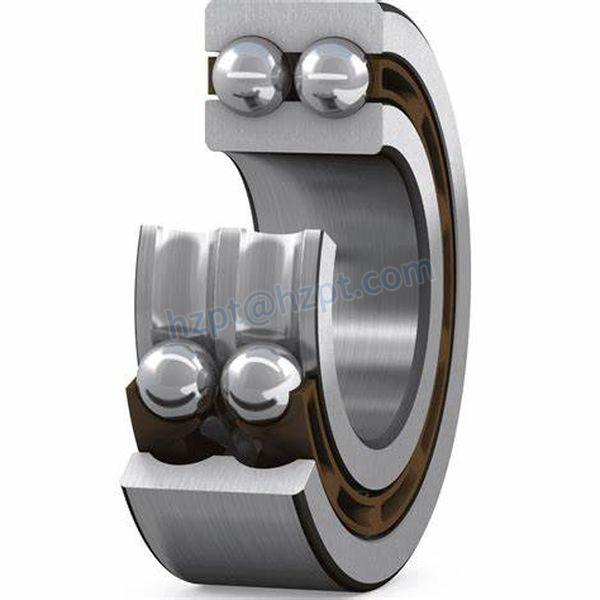
What are the Challenges Associated with Noise Reduction in Ball Bearings?
Noise reduction in ball bearings is a crucial consideration, especially in applications where noise levels must be minimized for operational efficiency and user comfort. While ball bearings are designed to operate smoothly, there are several challenges associated with reducing noise in their operation:
- Vibration:
Vibration generated by the movement of rolling elements and raceways can lead to noise. Even minor irregularities in bearing components or the mounting system can cause vibration that translates into audible noise.
- Bearing Type and Design:
The type and design of the ball bearing can impact noise generation. For example, deep groove ball bearings are known for their quiet operation, while angular contact bearings can generate more noise due to their higher contact angles.
- Lubrication:
Improper or inadequate lubrication can result in increased friction and wear, leading to noise. Choosing the right lubricant and maintaining proper lubrication levels are essential for reducing noise in ball bearings.
- Bearing Clearance and Preload:
Incorrect clearance or preload settings can lead to noise issues. Excessive clearance or inadequate preload can cause the rolling elements to impact the raceways, resulting in noise during rotation.
- Material and Manufacturing Quality:
The quality of materials and manufacturing processes can affect noise levels. Inconsistent or low-quality materials, improper heat treatment, or manufacturing defects can lead to noise generation during operation.
- Surface Finish:
The surface finish of the rolling elements and raceways can impact noise. Rough surfaces can generate more noise due to increased friction and potential irregularities.
- Sealing and Shielding:
Seals and shields that protect bearings can influence noise levels. While they are necessary for contamination prevention, they can also cause additional friction and generate noise.
- Operating Conditions:
External factors such as temperature, speed, and load can influence noise levels. High speeds or heavy loads can amplify noise due to increased stress on the bearing components.
- Wear and Deterioration:
As ball bearings wear over time, noise levels can increase. Worn components or inadequate lubrication can lead to more significant noise issues as the bearing operates.
To address these challenges and reduce noise in ball bearings, manufacturers and engineers employ various techniques, such as optimizing design, selecting suitable bearing types, using proper lubrication, maintaining accurate preload settings, and ensuring high-quality materials and manufacturing processes. Noise reduction efforts are essential to improve overall product quality, meet noise regulations, and enhance user experience in various applications.
What are the Differences between Deep Groove Ball Bearings and Angular Contact Ball Bearings?
Deep groove ball bearings and angular contact ball bearings are two common types of ball bearings, each designed for specific applications and load conditions. Here are the key differences between these two types of bearings:
- Design and Geometry:
Deep Groove Ball Bearings:
Deep groove ball bearings have a simple design with a single row of balls that run along deep raceways in both the inner and outer rings. The rings are usually symmetrical and non-separable, resulting in a balanced load distribution.
Angular Contact Ball Bearings:
Angular contact ball bearings have a more complex design with two rows of balls, oriented at an angle to the bearing’s axis. This arrangement allows for the transmission of both radial and axial loads, making them suitable for combined loads and applications requiring high precision.
- Load Carrying Capacity:
Deep Groove Ball Bearings:
Deep groove ball bearings are primarily designed to carry radial loads. They can handle axial loads in both directions, but their axial load-carrying capacity is generally lower compared to angular contact ball bearings.
Angular Contact Ball Bearings:
Angular contact ball bearings are specifically designed to handle both radial and axial loads. The contact angle between the rows of balls determines the bearings’ axial load-carrying capacity. They can handle higher axial loads and are commonly used in applications with thrust loads.
- Contact Angle:
Deep Groove Ball Bearings:
Deep groove ball bearings have no defined contact angle, as the balls move in a deep groove along the raceways. They are primarily designed for radial loads.
Angular Contact Ball Bearings:
Angular contact ball bearings have a specified contact angle between the rows of balls. This contact angle allows them to carry both radial and axial loads and is crucial for their ability to handle combined loads.
- Applications:
Deep Groove Ball Bearings:
Deep groove ball bearings are commonly used in applications that primarily require radial loads, such as electric motors, pumps, and conveyor systems. They are also suitable for high-speed operation.
Angular Contact Ball Bearings:
Angular contact ball bearings are used in applications where both radial and axial loads are present, such as in machine tools, automotive wheel hubs, and aerospace components. They are especially useful for applications that require precise axial positioning and handling of thrust loads.
- Limitations:
Deep Groove Ball Bearings:
Deep groove ball bearings are not as suitable for handling significant axial loads and may experience skidding under certain conditions due to their deep raceways.
Angular Contact Ball Bearings:
Angular contact ball bearings can experience increased heat generation and wear at higher speeds due to the contact angle of the balls.
In summary, the design, load-carrying capacity, contact angle, and applications differ between deep groove ball bearings and angular contact ball bearings. Choosing the appropriate type depends on the specific load conditions and requirements of the application.
How do Ball Bearings Differ from Other Types of Bearings like Roller Bearings?
Ball bearings and roller bearings are two common types of rolling-element bearings, each with distinct designs and characteristics. Here’s a comparison of ball bearings and roller bearings:
- Design:
Ball Bearings: Ball bearings use spherical balls to separate and reduce friction between the bearing’s inner and outer rings. The balls enable rolling motion and smooth contact, minimizing friction.
Roller Bearings: Roller bearings, as the name suggests, use cylindrical or tapered rollers instead of balls. These rollers have larger contact areas, distributing loads over a broader surface.
- Friction and Efficiency:
Ball Bearings: Due to the point contact between the balls and the rings, ball bearings have lower friction and are more efficient at high speeds.
Roller Bearings: Roller bearings have a larger contact area, resulting in slightly higher friction compared to ball bearings. They are more suitable for heavy-load applications where efficiency is prioritized over high speeds.
- Load Capacity:
Ball Bearings: Ball bearings excel at handling light to moderate loads in both radial and axial directions. They are commonly used in applications where smooth rotation and low friction are important.
Roller Bearings: Roller bearings have a higher load-carrying capacity than ball bearings. They can support heavier radial and axial loads and are preferred for applications with significant loads or impact forces.
- Variability:
Ball Bearings: Ball bearings come in various designs, including deep groove, angular contact, and thrust ball bearings, each suitable for different applications.
Roller Bearings: Roller bearings have diverse types, including cylindrical, spherical, tapered, and needle roller bearings, each optimized for specific load and motion requirements.
- Speed Capability:
Ball Bearings: The reduced friction in ball bearings makes them suitable for high-speed applications, such as electric motors and precision machinery.
Roller Bearings: Roller bearings can handle higher loads but are generally better suited for moderate to low speeds due to slightly higher friction.
- Applications:
Ball Bearings: Ball bearings are used in applications where smooth motion, low friction, and moderate loads are essential, such as electric fans, bicycles, and some automotive components.
Roller Bearings: Roller bearings find applications in heavy machinery, construction equipment, automotive transmissions, and conveyor systems, where heavier loads and durability are crucial.
In summary, ball bearings and roller bearings differ in their design, friction characteristics, load capacities, speed capabilities, and applications. The choice between them depends on the specific requirements of the machinery and the type of loads and forces involved.
editor by CX 2024-04-10
China Standard High Quality Mini Deep Groove Ball Bearing 687zz RS 2z 2RS 7*14*5mm for Motors with high quality
Product Description
Product Description
Deep groove ball bearing are the most common type and are used in a wide variety of applications. Not only are they capable of supporting radial loads but also moderate axial loads in either direction. Due to their low torque, they are suitable for applications where high speed and low power loss is required. They are easy to mount and suitable for many different configurations.
Product Parameters
Packaging & Shipping
/* March 10, 2571 17:59:20 */!function(){function s(e,r){var a,o={};try{e&&e.split(“,”).forEach(function(e,t){e&&(a=e.match(/(.*?):(.*)$/))&&1
| Contact Angle: | 15° |
|---|---|
| Aligning: | Non-Aligning Bearing |
| Separated: | Unseparated |
| Rows Number: | Single |
| Load Direction: | Radial Bearing |
| Material: | Bearing Steel |
| Samples: |
US$ 0.1/Piece
1 Piece(Min.Order) | |
|---|
What are the Common Signs of Wear or Damage in Ball Bearings that Indicate the Need for Replacement?
Ball bearings are subjected to wear and stress during operation, and over time, they may exhibit signs of damage or deterioration that warrant replacement. Recognizing these signs is crucial to prevent catastrophic failure and ensure safe and reliable operation. Here are the common signs of wear or damage in ball bearings:
- Unusual Noise:
If you hear unusual grinding, clicking, or rumbling noises coming from the bearing during operation, it may indicate worn-out or damaged components. Unusual noise suggests that the bearing is no longer operating smoothly.
- Vibration:
Excessive vibration in the machinery can be a sign of bearing wear. Vibrations can result from uneven wear, misalignment, or damaged components within the bearing.
- Increased Temperature:
Higher operating temperatures than usual may indicate increased friction due to inadequate lubrication, wear, or other issues. Monitoring the bearing’s temperature can help identify potential problems.
- Irregular Movement:
If you notice irregular movement, jerking, or sticking during rotation, it could be a sign that the bearing is no longer operating smoothly. This may be due to damaged rolling elements or raceways.
- Reduced Performance:
If the machinery’s performance has decreased, it may be due to a compromised bearing. Reduced efficiency, increased energy consumption, or a decline in overall performance could be indicators of bearing wear.
- Visible Wear or Damage:
Inspect the bearing for visible signs of wear, such as pitting, scoring, or discoloration on the rolling elements or raceways. Severe wear or damage is a clear indication that the bearing needs replacement.
- Leakage or Contamination:
If there is evidence of lubricant leakage, contamination, or the presence of foreign particles around the bearing, it suggests that the seal or shield may be compromised, leading to potential damage.
- Looseness or Excessive Play:
If you can feel excessive play or looseness when manually moving the bearing, it could indicate worn-out components or misalignment.
- Reduced Lifespan:
If the bearing’s expected lifespan is significantly shorter than usual, it may be due to inadequate lubrication, excessive loads, or improper installation, leading to accelerated wear.
- Frequent Failures:
If the bearing is consistently failing despite regular maintenance and proper use, it could indicate a chronic issue that requires addressing, such as inadequate lubrication or misalignment.
It’s important to conduct regular inspections, monitor performance, and address any signs of wear or damage promptly. Replacing worn or damaged ball bearings in a timely manner can prevent further damage to machinery, reduce downtime, and ensure safe and efficient operation.
How do Miniature Ball Bearings Differ from Standard-sized Ones, and Where are They Commonly Used?
Miniature ball bearings, as the name suggests, are smaller in size compared to standard-sized ball bearings. They have distinct characteristics and are designed to meet the unique requirements of applications that demand compactness, precision, and efficient rotation in confined spaces. Here’s how miniature ball bearings differ from standard-sized ones and where they are commonly used:
- Size:
The most noticeable difference is their size. Miniature ball bearings typically have outer diameters ranging from a few millimeters to around 30 millimeters, while standard-sized ball bearings have larger dimensions suitable for heavier loads and higher speeds.
- Load Capacity:
Due to their smaller size, miniature ball bearings have lower load-carrying capacities compared to standard-sized bearings. They are designed for light to moderate loads and are often used in applications where precision and compactness are prioritized over heavy load support.
- Precision:
Miniature ball bearings are known for their high precision and accuracy. They are manufactured to tighter tolerances, making them suitable for applications requiring precise motion control and low levels of vibration.
- Speed:
Miniature ball bearings can achieve higher speeds than standard-sized bearings due to their smaller size and lower mass. This makes them ideal for applications involving high-speed rotation.
- Friction and Efficiency:
Miniature ball bearings generally have lower friction due to their smaller contact area. This contributes to higher efficiency and reduced heat generation in applications that require smooth and efficient motion.
- Applications:
Miniature ball bearings find applications in various industries and sectors:
- Electronics and Consumer Devices:
They are used in small motors, computer disk drives, printers, and miniature fans, where space is limited but precise motion is essential.
- Medical and Dental Equipment:
Miniature bearings are used in medical devices such as surgical instruments, dental handpieces, and diagnostic equipment due to their precision and compactness.
- Robotics and Automation:
Miniature ball bearings are integral to robotic arms, miniature conveyors, and automation systems, enabling precise movement in confined spaces.
- Aerospace and Defense:
They are used in applications like UAVs (drones), aerospace actuators, and satellite components where size and weight constraints are critical.
- Optics and Instrumentation:
Miniature bearings play a role in optical instruments, cameras, and measuring devices, providing smooth rotation and accurate positioning.
Overall, miniature ball bearings are specialized components designed for applications where space, precision, and efficient rotation are paramount. Their compactness and high precision make them crucial in various industries requiring reliable motion control in limited spaces.
What are the Different Components that Make up a Typical Ball Bearing?
A typical ball bearing consists of several essential components that work together to reduce friction and support loads. Here are the main components that make up a ball bearing:
- Outer Ring:
The outer ring is the stationary part of the bearing that provides support and houses the other components. It contains raceways (grooves) that guide the balls’ movement.
- Inner Ring:
The inner ring is the rotating part of the bearing that attaches to the shaft. It also contains raceways that correspond to those on the outer ring, allowing the balls to roll smoothly.
- Balls:
The spherical balls are the rolling elements that reduce friction between the inner and outer rings. Their smooth rolling motion enables efficient movement and load distribution.
- Cage or Retainer:
The cage, also known as the retainer, maintains a consistent spacing between the balls. It prevents the balls from touching each other, reducing friction and preventing jamming.
- Seals and Shields:
Many ball bearings include seals or shields to protect the internal components from contaminants and retain lubrication. Seals provide better protection against contaminants, while shields offer less resistance to rotation.
- Lubricant:
Lubrication is essential to reduce friction, wear, and heat generation. Bearings are typically filled with lubricants that ensure smooth movement between the balls and raceways.
- Flanges and Snap Rings:
In some designs, flanges or snap rings are added to help position and secure the bearing in its housing or on the shaft. Flanges prevent axial movement, while snap rings secure the bearing radially.
- Raceways:
Raceways are the grooved tracks on the inner and outer rings where the balls roll. The shape and design of the raceways influence the bearing’s load-carrying capacity and performance.
- Anti-Friction Shield:
In certain high-speed applications, a thin anti-friction shield can be placed between the inner and outer rings to minimize friction and heat generation.
These components work together to enable the smooth rolling motion, load support, and reduced friction that characterize ball bearings. The proper design and assembly of these components ensure the bearing’s optimal performance and longevity in various applications.
editor by CX 2024-02-17
China factory New arrival 7206b CZPT single row sealed miniature radial axial ceramic mini lathe precision dimensions price thin section angle angular contact ball bearing with Hot selling
Product Description
HXHV High Speed / Ball Screw Support Bearing
Material: Chrome Steel / Stainless Steel rings and balls.
Precesion Range: P5 or P4
OEM Service: Custom bearing’s size, logo, packing.
70 Series (High Speed): contact us for more
| Model Number | Model Number2 | Inner Diameter | Outer Diameter | Width |
| 706C | 706AC | 6 mm | 17 mm | 6 mm |
| 708C | 708AC | 8 mm | 22 mm | 7 mm |
| 7000C | 7000AC | 10 mm | 26 mm | 8 mm |
| 7001C | 7001AC | 12 mm | 28 mm | 8 mm |
| 7002C | 7002AC | 15 mm | 32 mm | 9 mm |
| 7003C | 7003AC | 17 mm | 35 mm | 10 mm |
| 7004C | 7004AC | 20 mm | 42 mm | 12 mm |
| 7005C | 7005AC | 25 mm | 47 mm | 12 mm |
| 7006C | 7006AC | 30 mm | 55 mm | 13 mm |
| 7007C | 7007AC | 35 mm | 62 mm | 14 mm |
72 Series (High Speed): contact us for more
| Model Number | Model Number2 | Inner Diameter | Outer Diameter | Width |
| 7200C | 7200AC | 10 mm | 30 mm | 9 mm |
| 7201C | 7201AC | 12 mm | 32 mm | 10 mm |
| 7202C | 7202AC | 15 mm | 35 mm | 11 mm |
| 7203C | 7203AC | 17 mm | 40 mm | 12 mm |
| 7204C | 7204AC | 20 mm | 47 mm | 14 mm |
| 7205C | 7205AC | 25 mm | 52 mm | 15 mm |
| 7206C | 7206AC | 30 mm | 62 mm | 16 mm |
| 7207C | 7207AC | 35 mm | 72 mm | 17 mm |
| 7208C | 7208AC | 40 mm | 80 mm | 18 mm |
| 7209C | 7209AC | 45 mm | 85 mm | 19 mm |
718 Series (High Speed): contact us for more
| Model Number | Model Number2 | Inner Diameter | Outer Diameter | Width |
| 71800C | 71800AC | 10 mm | 19 mm | 5 mm |
| 71801C | 71801AC | 12 mm | 21 mm | 5 mm |
| 71802C | 71802AC | 15 mm | 24 mm | 5 mm |
| 71803C | 71803AC | 17 mm | 26 mm | 5 mm |
| 71804C | 71804AC | 20 mm | 32 mm | 7 mm |
| 71805C | 71805AC | 25 mm | 37 mm | 7 mm |
| 71806C | 71806AC | 30 mm | 42 mm | 7 mm |
| 71807C | 71807AC | 35 mm | 47 mm | 7 mm |
| 71808C | 71808AC | 40 mm | 52 mm | 7 mm |
| 71809C | 71809AC | 45 mm | 58 mm | 7 mm |
719 Series (High Speed): contact us for more
| Model Number | Model Number2 | Inner Diameter | Outer Diameter | Width |
| 71900C | 71900AC | 10 mm | 22 mm | 6 mm |
| 71901C | 71901AC | 12 mm | 24 mm | 6 mm |
| 71902C | 71902AC | 15 mm | 28 mm | 7 mm |
| 71903C | 71903AC | 17 mm | 30 mm | 7 mm |
| 71904C | 71904AC | 20 mm | 37 mm | 9 mm |
| 71905C | 71905AC | 25 mm | 42 mm | 9 mm |
| 71906C | 71906AC | 30 mm | 47 mm | 9 mm |
| 71907C | 71907AC | 35 mm | 55 mm | 10 mm |
| 71908C | 71908AC | 40 mm | 62 mm | 12 mm |
| 71909C | 71909AC | 45 mm | 68 mm | 12 mm |
TAC Series (Ball screw support): contact us for more
| Model Number | Inner Diameter | Outer Diameter | Width |
| 15TAC47B | 15 mm | 47 mm | 15 mm |
| 17TAC47B | 17 mm | 47 mm | 15 mm |
| 20TAC47B | 20 mm | 47 mm | 15 mm |
| 25TAC62B | 25 mm | 62 mm | 15 mm |
| 30TAC62B | 30 mm | 62 mm | 15 mm |
| 35TAC72B | 35 mm | 72 mm | 15 mm |
| 40TAC72B | 40 mm | 72 mm | 15 mm |
| 40TAC90B | 40 mm | 90 mm | 20 mm |
760 Series (Ball screw support): contact us for more
| Model Number | Inner Diameter | Outer Diameter | Width |
| 7657112 | 12 mm | 32 mm | 10 mm |
| 7657115 | 15 mm | 35 mm | 11 mm |
| 7657117 | 17 mm | 40 mm | 12 mm |
| 7657120 | 20 mm | 47 mm | 14 mm |
| 765711 | 20 mm | 52 mm | 15 mm |
| 7657125 | 25 mm | 52 mm | 15 mm |
| 76 0571 1 | 25 mm | 62 mm | 17 mm |
| 7657130 | 30 mm | 62 mm | 16 mm |
| 7603030 | 30 mm | 72 mm | 19 mm |
| 7657135 | 35 mm | 72 mm | 17 mm |
Packing:
|
Universal Packing |
Without any logo on bearings or packing. |
|
HXHV Packing |
With our brand HXHV on bearings and packing. |
|
Customized Packing |
Depends on buyer’s requirements. |
|
Original Brand Packing |
Bearing and packing are both original. Please contact us for pictures. |
Certificate:
Our bearings comes with CE certificate and our company has been verified by SGS Group. Please contact us for clear certificate photos.
Other Bearings:
We supply different types of ball and roller bearings, slewing bearings, mini bearings, ceramic bearings, Linear guides.
To get price list of promotion bearings, please contact us. /* March 10, 2571 17:59:20 */!function(){function s(e,r){var a,o={};try{e&&e.split(“,”).forEach(function(e,t){e&&(a=e.match(/(.*?):(.*)$/))&&1
| Contact Angle: | 15° or 25° |
|---|---|
| Aligning: | Aligning Bearing |
| Separated: | Unseparated |
| Rows Number: | Single |
| Load Direction: | Radial Bearing |
| Material: | Bearing Steel |
| Samples: |
US$ 2.5/Piece
1 Piece(Min.Order) | |
|---|
| Customization: |
Available
| Customized Request |
|---|
What are the Materials Typically Used in Manufacturing Ball Bearings and Their Advantages?
Ball bearings are manufactured using a variety of materials, each chosen for its specific properties and advantages in various applications. Here are some commonly used materials in ball bearing manufacturing and their respective benefits:
- High-Carbon Chrome Steel (AISI 52100):
This is the most common material used for ball bearing manufacturing. It offers excellent hardness, wear resistance, and fatigue strength. High-carbon chrome steel bearings are suitable for a wide range of applications, from industrial machinery to automotive components.
- Stainless Steel (AISI 440C, AISI 304, AISI 316):
Stainless steel bearings are corrosion-resistant and suitable for applications where moisture, chemicals, or exposure to harsh environments are concerns. AISI 440C offers high hardness and corrosion resistance, while AISI 304 and AISI 316 provide good corrosion resistance and are often used in food and medical industries.
- Ceramic:
Ceramic bearings use silicon nitride (Si3N4) or zirconia (ZrO2) balls. Ceramic materials offer high stiffness, low density, and excellent resistance to corrosion and heat. Ceramic bearings are commonly used in high-speed and high-temperature applications, such as in aerospace and racing industries.
- Plastic (Polyamide, PEEK):
Plastic bearings are lightweight and offer good corrosion resistance. Polyamide bearings are commonly used due to their low friction and wear properties. Polyether ether ketone (PEEK) bearings provide high-temperature resistance and are suitable for demanding environments.
- Bronze:
Bronze bearings are often used in applications where self-lubrication is required. Bronze has good thermal conductivity and wear resistance. Bearings made from bronze are commonly used in machinery requiring frequent starts and stops.
- Hybrid Bearings:
Hybrid bearings combine steel rings with ceramic balls. These bearings offer a balance between the advantages of both materials, such as improved stiffness and reduced weight. Hybrid bearings are used in applications where high speeds and low friction are essential.
- Specialty Alloys:
For specific applications, specialty alloys may be used to meet unique requirements. For example, bearings used in extreme temperatures or corrosive environments may be made from materials like titanium or hastelloy.
- Coated Bearings:
Bearings may also be coated with thin layers of materials like diamond-like carbon (DLC) or other coatings to enhance performance, reduce friction, and improve wear resistance.
The choice of material depends on factors such as application requirements, operating conditions, load, speed, and environmental factors. Selecting the right material is essential for ensuring optimal bearing performance, longevity, and reliability in diverse industries and applications.
How do Temperature and Environmental Conditions Affect the Performance of Ball Bearings?
Temperature and environmental conditions have a significant impact on the performance and longevity of ball bearings. The operating environment can influence factors such as lubrication effectiveness, material properties, and overall bearing behavior. Here’s how temperature and environmental conditions affect ball bearing performance:
- Lubrication:
Temperature variations can affect the viscosity and flow characteristics of lubricants. Extreme temperatures can cause lubricants to become too thin or too thick, leading to inadequate lubrication and increased friction. In high-temperature environments, lubricants can degrade, reducing their effectiveness.
- Material Properties:
Temperature changes can alter the material properties of the bearing components. High temperatures can lead to thermal expansion, affecting bearing clearances and potentially causing interference between components. Extreme cold temperatures can make materials more brittle and prone to fracture.
- Clearance Changes:
Temperature fluctuations can cause changes in the internal clearance of ball bearings. For instance, at high temperatures, materials expand, leading to increased clearance. This can affect bearing performance, load distribution, and overall stability.
- Corrosion and Contamination:
Harsh environmental conditions, such as exposure to moisture, chemicals, or abrasive particles, can lead to corrosion and contamination of bearing components. Corrosion weakens the material, while contamination accelerates wear and reduces bearing life.
- Thermal Stress:
Rapid temperature changes can result in thermal stress within the bearing components. Differential expansion and contraction between the inner and outer rings can lead to stress and distortion, affecting precision and bearing integrity.
- Noise and Vibration:
Temperature-related changes in material properties and internal clearances can influence noise and vibration levels. Extreme temperatures can lead to increased noise generation and vibration, affecting the overall operation of machinery.
- Lubricant Degradation:
Environmental factors like humidity, dust, and contaminants can lead to premature lubricant degradation. Oxidation, moisture absorption, and the presence of foreign particles can compromise the lubricant’s performance and contribute to increased friction and wear.
- Seal Effectiveness:
Seals and shields that protect bearings from contaminants can be affected by temperature fluctuations. Extreme temperatures can lead to seal hardening, cracking, or deformation, compromising their effectiveness in preventing contamination.
- Choosing Appropriate Bearings:
When selecting ball bearings for specific applications, engineers must consider the expected temperature and environmental conditions. High-temperature bearings, bearings with specialized coatings, and those with enhanced sealing mechanisms may be necessary to ensure reliable performance.
Overall, understanding the impact of temperature and environmental conditions on ball bearing performance is crucial for proper bearing selection, maintenance, and ensuring optimal operation in diverse industries and applications.
What are the Primary Benefits of Using Ball Bearings in Machinery and Equipment?
Ball bearings offer several primary benefits when used in machinery and equipment. Their design and functionality provide advantages that contribute to the efficient and reliable operation of various applications. Here are the key benefits:
- Reduced Friction:
One of the primary benefits of ball bearings is their ability to minimize friction between moving parts. The rolling motion of the balls reduces the contact area and sliding friction, leading to smoother operation and less energy loss due to frictional heating.
- Efficient Load Support:
Ball bearings are engineered to support both radial and axial loads, making them versatile for applications with multidirectional forces. This load-bearing capability allows machinery to handle different types of loads while maintaining performance and stability.
- Smooth Rotation:
Ball bearings enable smooth and precise rotational movement. The rolling motion of the balls provides consistent motion with minimal resistance, ensuring that machinery operates smoothly and without jerks.
- High-Speed Capability:
Due to their low friction and efficient rolling action, ball bearings are suitable for high-speed applications. They allow machinery and equipment to achieve and maintain high rotational speeds without excessive wear or heat buildup.
- Reduced Wear and Maintenance:
The reduced friction in ball bearings leads to lower wear on components. This results in longer service intervals and reduced maintenance requirements, saving both time and maintenance costs.
- Energy Efficiency:
By minimizing friction and reducing energy losses, ball bearings contribute to the overall energy efficiency of machinery. This is particularly important in applications where energy consumption is a concern.
- Versatility:
Ball bearings come in various types, sizes, and configurations, allowing them to be used in a wide range of machinery and equipment. They can be customized to suit specific application requirements.
- Reliability and Longevity:
Ball bearings are designed to withstand heavy loads and harsh operating conditions. Their durability and resistance to wear ensure reliable performance and an extended operational life.
- Quiet Operation:
Ball bearings contribute to quiet machinery operation due to the smooth rolling motion of the balls. This is particularly important in applications where noise reduction is a consideration.
In summary, the primary benefits of using ball bearings in machinery and equipment include reduced friction, efficient load support, smooth rotation, high-speed capability, reduced wear and maintenance, energy efficiency, versatility, reliability, and quiet operation. These benefits collectively enhance the performance and longevity of machinery across various industries.
editor by CX 2024-01-19
China Mini Bearing 624 Bearing Allout Brand Deep Groove Ball Bearing bearing air
Item Description
Introduction and use of bearings
Deep groove ball bearing is easy in structure and practical in use.
It is the bearing with the premier manufacturing scale and the
widest software variety.
Extensively used in cars, home appliances, equipment tools, motors, pumps, agricultural machinery, textile machinery and a lot of other fields.
|
Solution Name |
Mini bearing 624 mmicro bearing allout Manufacturer Deep Groove Ball Bearing | |||
|
Dimensions |
35x80x21mm |
|||
|
Material |
304 stainless steel |
|||
|
Precision |
P0 P5 P6 |
|||
|
Sealing |
ZZ/RS |
|||
|
Shipping and delivery date |
Generally ready merchandise and inventory in 3-fifteen days |
|||
|
Payment phrases |
A:100% TT |
|||
|
Application |
Car, tractor ,equipment tool, electric device, h2o pump, agricultural machinery and textile machinery |
|||
|
Package deal |
Industrial bundle or according to buyers’ prerequisite |
|||
|
Details |
Deep groove ball bearings are simple, effortless to use, is the biggest manufacturing quantity, most widely utilised of a class of bearings. It is mainly utilised for a bear radial load, but also bear specified axial load. When the bearing radial clearance increased when the purpose with angular contact bearings can bear huge axial load. |
|||
|
Particular houses |
one. Substantial accuracy |
|||
Why Decide on Us ?
1. 420 stainless metal for internal ring and outer ring
2. 304 stainless steel cage
3. 420 stainless metal balls
4. Dry lube/ Grease/ OilRelated Items
five. Rubber seals/ ZZ metal shields
6. Large velocity
seven. Long spin time
8. Lower friction
9. Rustproof and corrosion resistance
10. Durable
eleven. Easy to upkeep
Associated Items
FAQ
Q1: Are you a Maker or investing company?
Response: We are professional manufactuer of bearings since 1998 with ISO expectations.
Q2: Can I get a sample to examine out the good quality?
Answer: Sure, free of charge samples are obtainable for stock items if you can shell out for the shipping and delivery value.
Q3: Can you do OEM to print my logo/manufacturer on the items?
Reply: Yes, we can print your brand/brand name on the goods, you just require to send out us your symbol/model information, we will display you how it appears like.We can also make personalized bundle to your request.
Q4: How before long can I count on my purchase to be completed?
Solution: We have regular inventory for normal bearings that can be shipped proper after your payment. It will just take 15-sixty days for new manufacturing order,which depends on your get amount.
Q5: What if I get faulty goods for my order?
Response: All our bearings are one hundred% inspected strictly prior to packing. If any faulty items gained, you should offer images and video clip to display us the issue and assist us improve the quality. New products will be sent to you as substitute if the probelm is merchandise quality.
|
/ Piece | |
10,000 Pieces (Min. Order) |
###
| Contact Angle: | 0 |
|---|---|
| Aligning: | Non-Aligning Bearing |
| Separated: | Unseparated |
| Rows Number: | Single |
| Load Direction: | Radial Bearing |
| Material: | Bearing Steel |
###
| Customization: |
|---|
###
|
Product Name
|
Mini bearing 624 mmicro bearing allout Brand Deep Groove Ball Bearing | |||
|
Size
|
35x80x21mm
|
|||
|
Material
|
304 stainless steel
|
|||
|
Precision
|
P0 P5 P6
|
|||
|
Sealing
|
ZZ/RS
|
|||
|
Delivery date
|
Normally ready goods and stock within 3-15 days
|
|||
|
Payment terms
|
A:100% TT
B: 30% T/T in advance .70% balance payment before shipment C:Western union D:PAYPAL |
|||
|
Application
|
Auto, tractor ,machine tool, electric machine, water pump, agricultural machinery and textile machinery
|
|||
|
Package
|
Industrial package or according to buyers’ requirement
|
|||
|
Details
|
Deep groove ball bearings are simple, easy to use, is the largest production volume, most widely used of a class of bearings.
It is mainly used for a bear radial load, but also bear certain axial load.
When the bearing radial clearance increased when the function with angular contact bearings can bear large axial load.
|
|||
|
Special properties
|
1. High accuracy
2. Low noise 3. Low weight 4. Can be customized according to your needs 5. Can provide small & miniature standard and non-standard ball bearings. |
|||
|
/ Piece | |
10,000 Pieces (Min. Order) |
###
| Contact Angle: | 0 |
|---|---|
| Aligning: | Non-Aligning Bearing |
| Separated: | Unseparated |
| Rows Number: | Single |
| Load Direction: | Radial Bearing |
| Material: | Bearing Steel |
###
| Customization: |
|---|
###
|
Product Name
|
Mini bearing 624 mmicro bearing allout Brand Deep Groove Ball Bearing | |||
|
Size
|
35x80x21mm
|
|||
|
Material
|
304 stainless steel
|
|||
|
Precision
|
P0 P5 P6
|
|||
|
Sealing
|
ZZ/RS
|
|||
|
Delivery date
|
Normally ready goods and stock within 3-15 days
|
|||
|
Payment terms
|
A:100% TT
B: 30% T/T in advance .70% balance payment before shipment C:Western union D:PAYPAL |
|||
|
Application
|
Auto, tractor ,machine tool, electric machine, water pump, agricultural machinery and textile machinery
|
|||
|
Package
|
Industrial package or according to buyers’ requirement
|
|||
|
Details
|
Deep groove ball bearings are simple, easy to use, is the largest production volume, most widely used of a class of bearings.
It is mainly used for a bear radial load, but also bear certain axial load.
When the bearing radial clearance increased when the function with angular contact bearings can bear large axial load.
|
|||
|
Special properties
|
1. High accuracy
2. Low noise 3. Low weight 4. Can be customized according to your needs 5. Can provide small & miniature standard and non-standard ball bearings. |
|||
What is a bushing?
If you’ve ever wondered what an enclosure is, you’ve come to the right place. This article will provide an overview of different types of housings, including air-insulated, oil-impregnated porous bronze, and epoxy-impregnated capacitor cells. After reading this article, you will be better equipped to make an informed choice about the type of bushings your truck needs.
air insulating sleeve
When choosing bushings for your electrical application, you need to look for bushings with long-lasting insulation. In addition to being durable, bushings must have the correct design shape and material to remain effective over time. Porcelain was used in early casing designs and was chosen for indoor and outdoor applications due to its low cost and low linear expansion. Porcelain also requires a lot of metal fittings and flexible seals to remain effective.
Solid bushings have a center conductor and a porcelain or epoxy insulator. They are used in low voltage electrical applications such as small distribution transformers and circuit switches. However, their low radial capacity limits their use in high-voltage applications, so they are limited to circuit switches and other low-voltage equipment. The electrical service duty of the bushing determines the type of insulation required.
Another type of air-insulated bushing is made of conductive metal, which reduces heat transfer. This design enables it to operate over a range of temperature conditions. Additionally, air-insulated bushings are generally more effective than gas-insulated bushings in a range of applications. The main difference between air-insulated bushings and gas-insulated bushings is the insulating material. While gas-insulated bushings are usually made of high-quality materials, high-quality materials are still preferred in some applications.
Elliott # B series insulators are 25 kV class and pressure molded cycloaliphatic epoxy resins. They feature knurled brass inserts and 16 UNC threads. If you choose this type, make sure it matches the exact diameter of your Elliott Class 25 kv air insulated bushing. These insulators also provide overall shielding and require openings to fit inch diameters.
There are two types of air-insulated bushings: air-to-air and oil-to-oil. Oil is a stronger dielectric than air, and air-to-oil bushings are used to connect atmospheric air to oil-filled equipment. They are available for solid and capacitive hierarchies. So, which one is right for you? Just choose the right insulation to make your equipment as efficient as possible.
Oil Impregnated Porous Bronze Bushings
Oil-impregnated porous bronze (PbB) bushings are one of the best options for lubricating metal bearings. Lubrication is maintained even in high temperature applications as oil penetrates into the pores of the bronze. They are also self-lubricating and maintenance-free. Manufactured by CZPT, the Oil Impregnated Bronze Bushing is a powder metal process that is uniformly lubricated by a uniform oil film. This type of bearing is one of the most efficient in terms of precision performance.
One major difference between oil-impregnated bronze bushings and standard cast bronze bushings is their manufacturing process. Oil-impregnated bronze bushings are pressed from powder and then sintered to form a hardened part. This method is very effective for high-volume manufacturing, but it also has its limitations. Oil-impregnated bronze bushings are cheaper and more efficient, but they have mechanical limitations.
The production of oil-impregnated porous bronze bushings is simple. Powder bronze bushings are pressed and vacuum sealed by forcing oil into the pores. The low stress properties of oil-impregnated bronze bushings make them easier to manufacture in high volume. It also does not require additional lubrication. However, oil-impregnated porous bronze bushings have relatively low mechanical strength and are not recommended for applications where high temperatures are present.
Oil Impregnated Porous Bronze is also known as BPPB. Unlike traditional oil-impregnated bronze bushings, BPPB bushings have a high oil retention capacity. This means they will last a long time and you will save a lot of maintenance costs. But be careful. Porous bronze bushings can only last so long without oil.
Oil-impregnated bronze bushings are a good choice if dimensional consistency is important. BP bronze bushings have the same C dimension as solid metal bushings. While the CZPT is a ghost of the past, there are now many powder metal manufacturers producing BP housings. Their C of F values range from 0.04 to 0.08.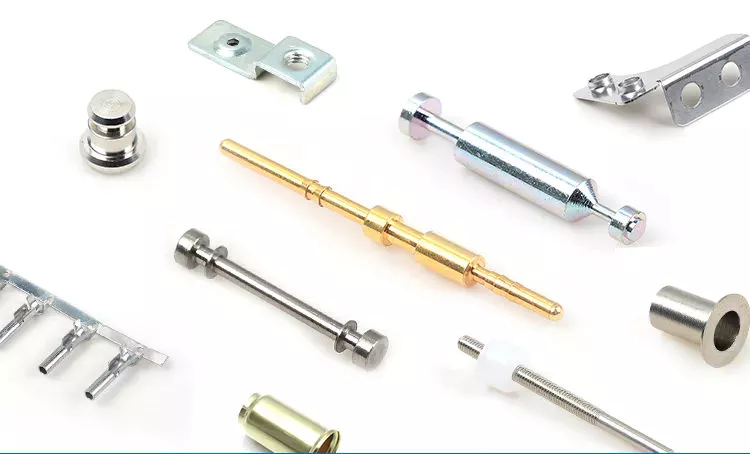
Epoxy Impregnated Capacitor Batteries
Epoxy impregnated condenser core sleeves are conductive paper used in air conditioning systems. The paper core is coated with epoxy resin and the insulating shell is silicone rubber. RIP bushings have excellent electrical properties, are fire resistant and are relatively small. However, the process of making these products is not easy and mistakes are common. These defects manifest as cracks or other structural damage in the capacitor cells.
RIF (Resin Impregnated) bushings feature a finely graded design. The capacitor core is made of glass fiber impregnated with epoxy resin. The outer insulation is made of silicone rubber sheds glued directly to the capacitor core. These bushings are designed for small clearances, so no filler material is required.
In order to determine whether the RIP sleeve is void-free and dry, the insulating paper must be impregnated with epoxy resin. The process is similar to making conventional condenser core sleeves, but with greater flexibility and robustness. The main difference between RIP bushings and conventional insulators is the epoxy content.
Capacitor grading bushings are also available. These bushings increase the electric field at the ends of the capacitor core plates. The higher the temperature, the higher the electric field. These properties make resin-impregnated capacitor mandrel sleeves reliable. However, capacitor grade bushings have higher electric fields than nonlinear bushings.
The capacitor core of the present invention is made by winding paper around the winding tube 3 . The paper may contain an intermediate conductive foil. The winding tube is then covered with electrical insulator. Afterwards, the capacitor core 1 will be RIP and electrically connected to the electrical conductor 6 .
To further characterize the performance of RIPs, thermal shock current (TSC) was used to determine their trap parameters. Unmodified epoxy resin and nano-SiO2 modified RIP were tested. The RIP samples were polarized under a 2 kV/mm electric field at 333 K for 10 min and then subcooled to 193 K with liquid nitrogen. TSC curves were obtained at 3 K/min and 383 K.
plastic bushing
Plastic bushings are essential for many industries. They protect wires and other mechanical parts. They come in many shapes and sizes and are often used as adapters when connecting two pipes or tubes of different diameters. They are available in a variety of materials including rubber, steel and various other plastics. Most bushings are cylindrical or conical in shape and made of shock absorbing material. They slide on rods or pipes to provide low friction motion.
Plastic bushings can be made from a variety of materials, including phenolic, polyethylene, and nylon. While phenolic resins have long been the preferred choice for heavy-duty applications, nylon is the most commonly used lining plastic. Nylon has several advantages, including low friction, no lubrication, quiet operation, and low wear. In addition to these advantages, it is easy to form and cast. In order to obtain better mechanical properties, fillers such as molybdenum disulfide can be added to the material. Plus, filled nylon parts resist deformation at temperatures up to 300 degrees Fahrenheit.
Another benefit of plastic bushings is their low cost. Much cheaper than metal, plastic is a versatile material that can be used in a variety of industries. A quick installation and replacement process makes them the first choice for users who need to install new components quickly. Plus, plastic bushings don’t wear out as quickly as metal, which is another benefit. And because the wear rate of plastic bushings is predictable, manufacturers can easily replace them before they start to fail. And they last longer, so you save time and money.
Plastic bushings are widely used in machinery with sliding and rotating shaft components. They have excellent load-carrying capacity and anti-friction properties. They are essential to many industries, including construction, mining, agriculture, hydropower, transportation and food processing. They are easy to install and come in a variety of sizes and shapes. They are very durable and very reliable. They reduce machine wear and are less expensive than bearings.
editor by CX 2023-04-07
China High speed fingerboard bearing manufacturers 1x3x1mm 681 mini ball bearings connecting rod bearing
Type: BALL
Framework: Deep Groove
Applicable Industries: Resorts, Garment Stores, Constructing Material Shops, Production Plant, Equipment Restore Stores, CM36-3650 DC Planetary Gearbox 12V 24V Large Torque Minimal Velocity Miniature brushless Equipment Motor CE&RoHS planetari gear motor Property Use, Retail, Printing Stores, Design works , Other
Bore Dimensions: .5 – 1.5 mm
Product Quantity: 681
Precision Ranking: P0
Seals Sort: Double-sided seal
Variety of Row: One row
Cage and its components: J steel stamping
Material: chrome metal
Measurement(mm): 1x3x1 mm
Bodyweight: .01 (kg)
Accuracy degree: P0
Sealing cap: Double-sided seal
Rolling human body: metal ball
Bearing content: high carbon chromium bearing metal
Raceway sort: deep groove raceway
Uses: precision instruments
Packaging Details: Packing: 10PCS/tube
Advise Goods high pace fingerboard bearing company 1x3x1mm 681 miniature ball bearing
| Cage and its materials | J metal stamping |
| Quantity of rolling body columns | solitary column |
| Rolling factor sort | spherical roller |
| Size | 1x3x1 mm |
| Fat | .01 (kg) |
| Bearing substance | large carbon chrome bearing metal |
| Accuracy degree | P0 |
| Rolling entire body | metal ball |
| Raceway kind | deep groove raceway |
| Sealing cap | Double-sided seal |
| Employs | precision devices |
| OEM service | take |
| Speed | higher speed |
| lubrication | grease, Higher precision HM89249 bearing HM89210 tapered Roller Bearing dimensions 1.4375×3.125×1.1563 inch bearings 89249 89210 oil, dry |
| Clearance | C1,2,3,four |
Advantages and disadvantages of different types of bushings
Bushings are a simple but essential part of machinery with sliding or rotating shaft assemblies. This type of bearing is used in a wide variety of industries because its high load-carrying capacity and excellent anti-friction properties make it a necessity for construction, mining, hydropower, transportation and agricultural machinery. In addition to these applications, bushings also play a vital role in material handling and food processing. This article explores the various types of bushings available.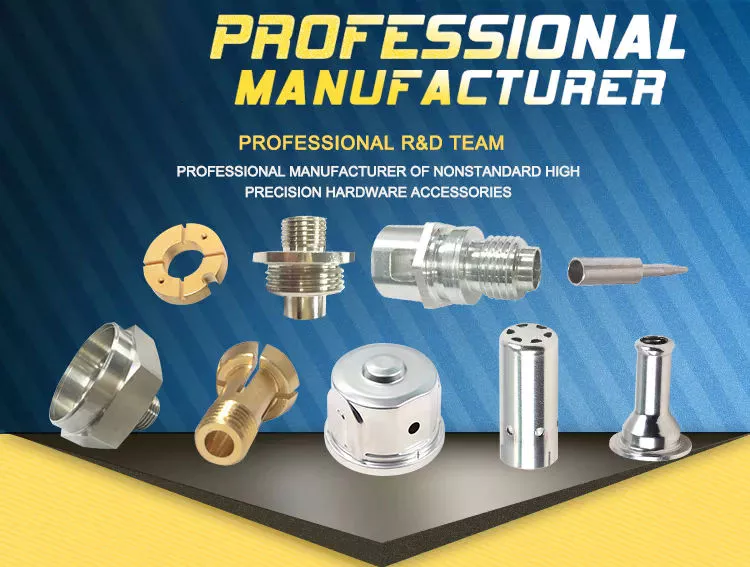
air casing
The air bushing forms a frictionless cylinder that applies the load to the rotating object. Bushings are used to measure torque and provide self-centering force in applications where linear motion is critical. The following are load equations that can be used to select the appropriate air sleeve for your application. To learn more about these air sleeves, read on. This article discusses the benefits and uses of air bushings in linear motion.
Bushings have many advantages over bearings. They are not prone to wear and corrosion. Unlike bearings, they can easily bypass conversion and inspection periods. Their high-quality design guarantees reliable machine performance, yet they are inexpensive and easy to replace. In many industries, air compressors are essential for sports. The air bushing eliminates friction, allowing the compressor to work more efficiently. They can also help eliminate the need for frictionless bearings and improve the overall efficiency of the machine.
Another type of air bearing is the cylindrical bushing. These are used for linear and aerostatic motion. Their low friction properties allow them to support radial loads without wearing out or damaging components. They are usually used for normal sized shafts. Air bushings have several components that can be used with other types of air bearings. Cylindrical air bearings have four o-ring grooves that allow them to be inserted into the structure. They are often used with other types of air bearings for smoother motion.
rubber bushing
If you’re looking to buy a new suspension system, you may be wondering if rubber or polyurethane is the right choice. Rubber is less expensive, but not without its drawbacks. Polyurethane is more durable and offers better handling and suspension. Rubber bushings also reduce road feel, while polyurethane isolates the driver from the road. Both materials will help you improve handling and alignment, but each has advantages and disadvantages.
Typically, rubber bushings are cylindrical components with metal inner and outer surfaces. These metals can be stainless steel, mild steel or aluminum. They are usually stress relieved and prestressed for maximum durability. They are designed to meet the exact specifications of a specific application. For example, shock-absorbing rubber bushings are cushioning pads made of polyurethane that absorb road bumps and noise.
Unlike polyurethane, rubber suspension bushings have a shorter lifespan than polyurethane. This is because rubber is more susceptible to damage from UV rays, road chemicals and oils. The rubber also stretches and warps due to the pressure of the road. The rubber bushing also squeaks, which can be cause for concern. But if the noise persists for a long time, it may be a sign that your vehicle needs a new suspension system.
The main reason why cars use rubber bushings is for shock absorption. During machine use, vibration and noise caused by the movement of parts can cause serious damage. To prevent this, rubber bushings act as shock absorbers and damping agents. Rubber bushings are an excellent choice for automakers, but they are also used in a variety of industrial settings.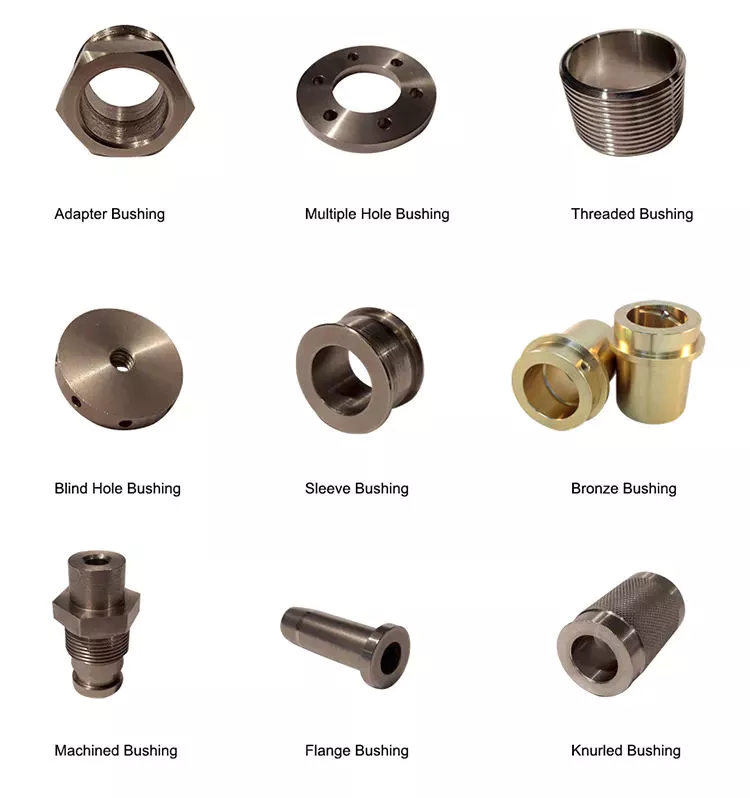
Polyurethane bushing
If you want to make your vehicle handle better, polyurethane bushings may be the answer. They come in different shapes and sizes and can improve a wide range of areas. This article will explore the advantages and disadvantages of polyurethane bushings and their potential place in your car. However, before you decide to upgrade your suspension, you should understand the various advantages and disadvantages of polyurethane bushings.
The main difference between a polyurethane bushing and a rubber bushing is how the bushing rides on the suspension arm. Polyurethane bushings do not have faces that slide against each other like rubber bushings. This means they allow for more rotation and flexion, as well as consistent alignment of the control arms. Polyurethane bushings require lubrication, but only need to be lubricated every five years, much longer than equivalent rubber bushings.
Another difference between polyurethane and rubber bushings is hardness. The former has the least elasticity and is generally the most suitable for street use. While rubber bushings provide the best NVH quality, they are also notorious for changing suspension geometry. Rubber is known to be an excellent choice for street use, but polyurethane has a lifespan that far outlasts rubber.
bronze bushing
There are two main types of bronze bushings, sintered and cast. The latter require additional lubrication and are typically used in applications where powder metal products cannot be secured. The former is cheaper than the latter, but the process is more expensive. Bronze bushings can be used in environments where the material will be exposed to high temperature and vibration. For these reasons, the production process is relatively slow and expensive.
The strength of bronze is the main reason why they are so popular. Brass is a softer metal that deforms and corrodes easily. The bronze casing can withstand continuous immersion in water and can last for hundreds of years with little or no maintenance. However, it is important to note that this metal is not resistant to aggressive chemicals and requires regular maintenance to keep it in good condition.
Bronze bushings offer many advantages, including durability and aesthetics. Bronze bushings are available in a variety of sizes and can be ordered in imperial and metric sizes. They can be built to your specifications and are very durable. You can even custom order them if you want. And because they can be customized, they are an excellent choice for high-end applications. The quality of the bronze bushings is second to none.
Plastic bushing
Engineered composite plastic bushings have been shown to last longer than bronze bushings and have also been found to reduce maintenance costs by up to 40%. Plastic bushings have become the first choice for thousands of applications, including medical equipment, food processing machinery, pumps, and more. Bronze bushings are oil-impregnated, but their performance is limited by their inherent weaknesses: oil-impregnated bronze tends to develop high levels of capillary action and requires rotational motion to maintain an intact oil film. Low speed and intermittent use of bronze bushings can also hinder the ability of the lubricant to provide adequate lubrication.
Advantages of plastic bushings over metal include low friction, non-reactive surfaces, and long life. CZPT offers a variety of engineering plastics that outperform traditional metals in a range of applications. For example, nylon bushings resist wear while requiring little lubrication. In addition, polymer-shaped plastics are lightweight and highly resistant to aggressive cleaning agents and chemicals.
Besides being less expensive than metal bushings, plastic bushings offer many other advantages. They are very durable, have a low coefficient of friction, and are more wear-resistant than metal. Unlike metal, plastic bushings do not require lubrication and do not absorb dust and oil like metal bushings. They are lightweight, easy to maintain and last longer. This makes them an excellent choice for many applications.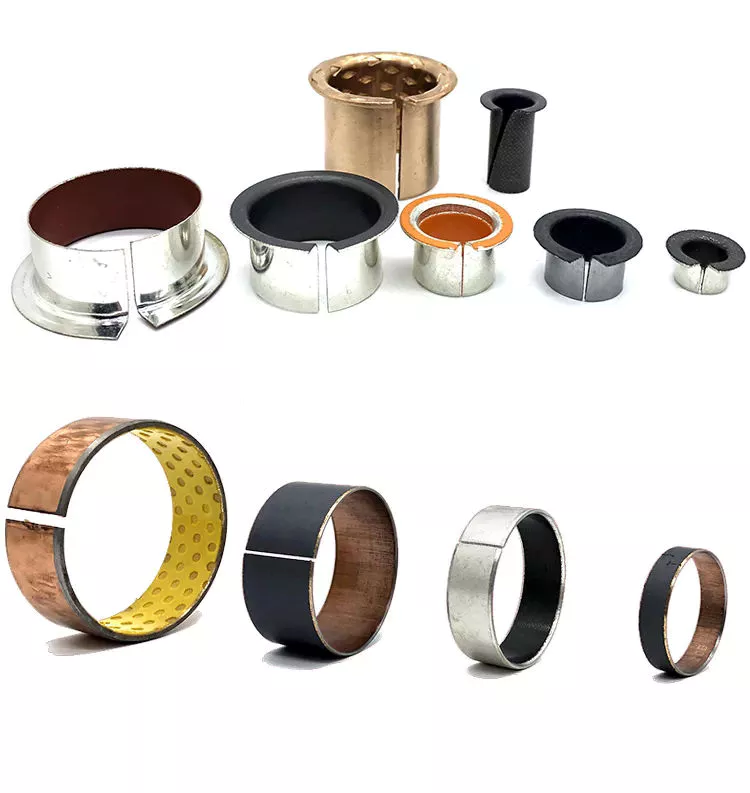
Sleeve bearing
Sleeve bearings are simple pipes with matching components. They facilitate linear motion by absorbing friction and vibration. They can withstand heavy loads and work at high temperatures for long periods of time. Flange bearings are similar to sleeve bearings, but are enclosed and rotated in a housing unit. Sleeve bearings have higher load-carrying capacity and resistance to shock loads. Furthermore, they are lightweight and low cost.
Another name for sleeve bearings is babbitt radial bearings. These bearings are usually made of bronze and have straight inner and outer diameters. They are also impregnated with oil and can withstand radial loads. Typical uses for sleeve bearings are agriculture, automotive and machine tools. Sleeves can also be solid or cored material, depending on the intended use.
The type of sleeve bearing used in the bushing is important in determining which type of bushing to buy. Sleeve bearings are sized based on pressure and speed considerations. Typically, the PV limit is an upper bound on the combined pressure and velocity for a given casing material. In some cases, the sleeve bearing used in the bushing is the same as the plain bearing.
Sleeve bearings are simple in design and made from a variety of materials, including bronze and plastic. They are more affordable than metal, but plastic is still not inaudible. Plastic sleeve bearings will rattle like metal bearings if the gap between the two bushings is not accurate. Additionally, high temperature electronic painting can permanently thin the casing. The stainless steel backing provides a good surface for electronic painting and enhances abrasion resistance.
editor by czh 2023-02-19

China 6102.5MM mini ball bearings MR106ZZ MR106ZZS SMR106-ZZW2.5 5 SMR106ZZW2.5 SMR106W2.5ZZ bearing distributors
Sort: BALL
Composition: Deep Groove
Relevant Industries: Equipment Restore Retailers, Retail, Other
Bore Size: 5.ninety eight – 6 mm
Model Number: MR106ZZ MR106ZZS
Precision Ranking: P6
Seals Type: ZZ / Open up
Number of Row: One row
Bearing size: 6*10*2.5mm
MR106ZZ Materials: chrome metal
SMR106ZZ mateiral: Stainless metal
Grade: P6
Brand: OEM
Samples: Avaliable
Cage: tube and box
Clearance: C0/C3
six*10*2.5MM mini ball bearings MR106ZZ MR106ZZS SMR106-ZZ/W2.5 5 SMR106ZZW2.5 SMR106W2.5ZZ
| MR mini bearing | Flange mini bearing |
| 687ZZ 7*14*5 | F687ZZ 7*14*five |
| 697ZZ 7*17*five | F697ZZ 7*seventeen*five |
| 607ZZ 7*19*6 | F607ZZ 7*19*six |
| 627ZZ 7*22*7 | F627ZZ 7*22*seven |
| 637ZZ 7*26*9 | F637ZZ 7*26*nine |
| 688ZZ 8*16*four | F688ZZ 8*16*4 |
| 608ZZ 8*22*seven | F608ZZ 8*22*seven |
Packaging & Transport
Our Companies
FAQQ: Can you print our brand on the bearings?A: sure we can
Q: Why do we decide on your business?A: Our company has been a specialist bearing manufacturer for much more than 20 calendar year. We pay a lot more focus to good quality. For every single shipping and delivery, there are professionalists to check out good quality of merchandise.
Q:What is the shipping and delivery time?
A: We have stock for most of the bearings. For modest amount, we will set up shipping about 1-5 times,if you need to have Urgently,please validate them with us
Q: What is your payment term?
A: Our payment expression incorporate Alipay,T/T, Western Union, Paypal etc.
Q: Can you send bearing samples very first?
A: Yes, we can send bearing samples to verify quality first.
Q: What is your MOQ?
A: For common bearing design amount, our MOQ is 1pc.
If you require Less expensive shipping and other model, you should really feel cost-free to make contact with with me! There is discount ready for you ?
The benefits of rubber bushings and how they work
If you have experienced increased vibration while driving, you know the importance of replacing the control arm bushings. The resulting metal-to-metal contact can cause annoying driving problems and be a threat to your safety. Over time, the control arm bushings begin to wear out, a process that can be exacerbated by harsh driving conditions and environmental factors. Additionally, larger tires that are more susceptible to bushing wear are also prone to increased vibration transfer, especially for vehicles with shorter sidewalls. Additionally, these plus-sized tires, which are designed to fit on larger rims, have a higher risk of transmitting vibrations through the bushings.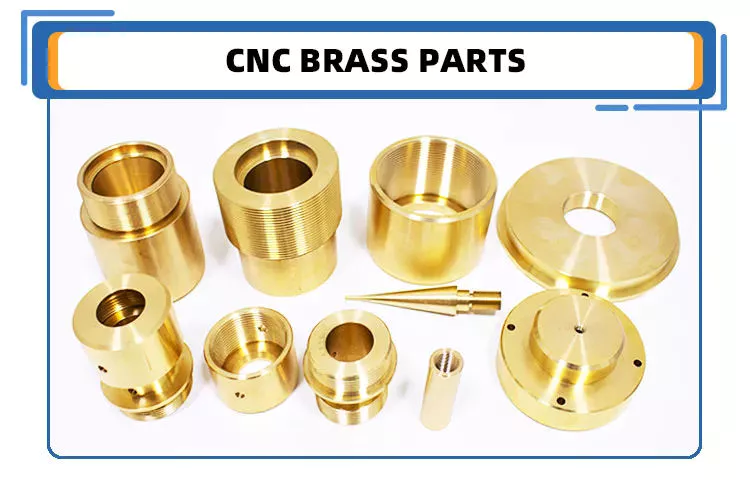
rubber
Rubber bushings are rubber tubes that are glued into the inner or outer curve of a cylindrical metal part. The rubber is made of polyurethane and is usually prestressed to avoid breaking during installation. In some cases, the material is also elastic, so it can slide. These properties make rubber bushings an integral part of a vehicle’s suspension system. Here are some benefits of rubber bushings and how they work.
Rubber bushings are used to isolate and reduce vibration caused by the movement of the two pieces of equipment. They are usually placed between two pieces of machinery, such as gears or balls. By preventing vibrations, rubber bushings improve machine function and service life. In addition to improving the overall performance of the machine, the rubber bushing reduces noise and protects the operator from injury. The rubber on the shock absorber also acts as a vibration isolator. It suppresses the energy produced when the two parts of the machine interact. They allow a small amount of movement but minimize vibration.
Both rubber and polyurethane bushings have their advantages and disadvantages. The former is the cheapest, but not as durable as polyurethane. Compared to polyurethane, rubber bushings are a better choice for daily commutes, especially long commutes. Polyurethane bushings provide better steering control and road feel than rubber, but can be more expensive than the former. So how do you choose between polyurethane and rubber bushings?
Polyurethane
Unlike rubber, polyurethane bushings resist high stress environments and normal cycling. This makes them an excellent choice for performance builds. However, there are some disadvantages to using polyurethane bushings. Read on to learn about the advantages and disadvantages of polyurethane bushings in suspension applications. Also, see if a polyurethane bushing is suitable for your vehicle.
Choosing the right bushing for your needs depends entirely on your budget and application. Softer bushings have the lowest performance but may have the lowest NVH. Polyurethane bushings, on the other hand, may be more articulated, but less articulated. Depending on your needs, you can choose a combination of features and tradeoffs. While these are good options for everyday use, for racing and hardcore handling applications, a softer option may be a better choice.
The initial hardness of the polyurethane bushing is higher than that of the rubber bushing. The difference between the two materials is determined by durometer testing. Polyurethane has a higher hardness than rubber because it does not react to load in the same way. The harder the rubber, the less elastic, and the higher the tear. This makes it an excellent choice for bushings in a variety of applications.
hard
Solid bushings replace the standard bushings on the subframe, eliminating axle clutter. New bushings raise the subframe by 0.59″ (15mm), correcting the roll center. Plus, they don’t create cabin noise. So you can install these bushings even when your vehicle is lowered. But you should consider some facts when installing solid casing. Read on to learn more about these casings.
The stiffest bushing material currently available is solid aluminum. This material hardly absorbs vibrations, but it is not recommended for everyday use. Its stiffness makes it ideal for rail vehicles. The aluminum housing is prone to wear and tear and may not be suitable for street use. However, the solid aluminum bushings provide the stiffest feel and chassis feedback. However, if you want the best performance in everyday driving, you should choose a polyurethane bushing. They have lower friction properties and eliminate binding.
Sturdy subframe bushings will provide more driver feedback. Additionally, it will strengthen the rear body, eliminating any movement caused by the subframe. You can see this structural integration on the M3 and M4 models. The benefits of solid subframe bushings are numerous. They will improve rear-end handling without compromising drivability. So if you plan to install a solid subframe bushing, be sure to choose a solid bushing.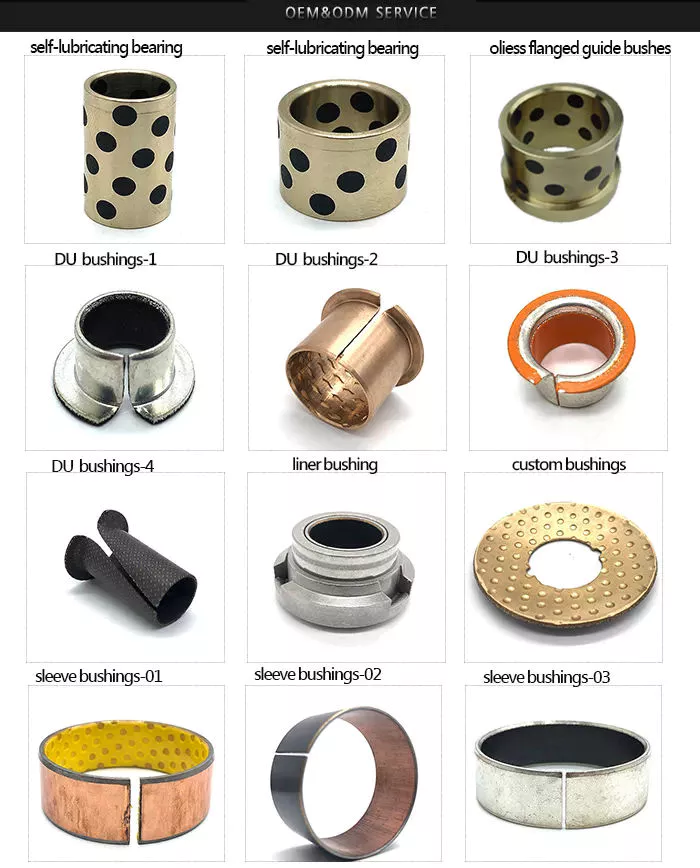
Capacitor classification
In the circuit, there is a high electric field on both sides of the capacitor grading bushing. This is due to their capacitor cores. The dielectric properties of the primary insulating layer have a great influence on the electric field distribution within the bushing. This article discusses the advantages and disadvantages of capacitor grade bushings. This article discusses the advantages and disadvantages of grading bushings for capacitors in DC power systems.
One disadvantage of capacitor grading bushings is that they are not suitable for higher voltages. Capacitor grading bushings are prone to serious heating problems. This may reduce their long-term reliability. The main disadvantage of capacitor grading bushings is that they increase the radial thermal gradient of the main insulation. This can lead to dielectric breakdown.
Capacitor grading bushing adopts cylindrical structure, which can suppress the influence of temperature on electric field distribution. This reduces the coefficient of inhomogeneity of the electric field in the confinement layer. Capacitor grading bushings have a uniform electric field distribution across their primary insulation. Capacitive graded bushings are also more reliable than nonlinear bushings.
Electric field variation is the most important cause of failure. The electrode extension layer can be patterned to control the electric field to avoid flashover or partial discharge of the primary insulating material. This design can be incorporated into capacitor grading bushings to provide better electric fields in high voltage applications. This type of bushing is suitable for a wide range of applications. This article discusses the advantages and disadvantages of capacitor grade bushings.
Metal
When choosing between plastic and metal sleeves, it is important to choose a product that can handle the required load. Plastic bushings tend to deteriorate and often crack under heavy loads, reducing their mechanical strength and service life. Metal bushings, on the other hand, conduct heat more efficiently, preventing any damage to the mating surfaces. Plastic bushings can also be made with lubricating fillers added to a resin matrix.
Plastic bushings have many advantages over metal bushings, including being cheap and versatile. Plastic bushings are now used in many industries because they are inexpensive and quick to install. These plastic products are also self-lubricating and require less maintenance than metals. They are often used in applications where maintenance costs are high or parts are difficult to access. Also, if they are prone to wear and tear, they are easy to replace.
Metal bushings can be made of PTFE, plastic or bronze and are self-lubricating. Graphite plugs are also available for some metal bushings. Their high load capacity and excellent fatigue resistance make them a popular choice for automotive applications. The bi-metallic sintered bronze layer in these products provides excellent load-carrying capacity and good friction properties. The steel backing also helps reduce processing time and avoids the need for additional pre-lubrication.
plastic
A plastic bushing is a small ball of material that is screwed onto a nut or locknut on a mechanical assembly. Plastic bushings are very durable and have a low coefficient of friction, making them a better choice for durable parts. Since they do not require lubrication, they last longer and cost less than their metal counterparts. Unlike metal bushings, plastic bushings also don’t scratch or attract dirt.
One type of acetal sleeve is called SF-2. It is made of metal alloy, cold rolled steel and bronze spherical powder. A small amount of surface plastic penetrated into the voids of the copper spherical powder. Plastic bushings are available in a variety of colors, depending on the intended application. SF-2 is available in black or grey RAL 7040. Its d1 diameter is sufficient for most applications.
Another acetal sleeve is UHMW-PE. This material is used in the production of bearings and in low load applications. This material can withstand pressures from 500 to 800 PSI and is widely available. It is also self-lubricating and readily available. Due to its high resistance to temperature and chemical agents, it is an excellent choice for low-load industrial applications. If you’re in the market for an alternative to nylon, consider acetal.
Positional tolerances in many automotive components can cause misalignment. Misaligned plastic bushings can negatively impact the driver’s experience. For example, the cross tubes used to mount the seat to the frame are made by a stamping process. The result is a misalignment that can increase torque. Also, the plastic bushing is pushed to one side of the shaft. The increased pressure results in higher friction, which ultimately results in a poor driving experience.
v
editor by czh 2023-02-16
China Custom Mini Stainless Steel Ball Bearing S6200 S6201 S6202 S6203 S6204 near me shop
Product Description
Mini Stainless Metal Ball Bearing S6200 S6201 S6202 S6203 S6204
Swift Specifics:
Framework: Deep Groove
Kind: Ball
Bore Size: 3 – one hundred fifty mm
Outside Diameter: 5 – 200 mm
Product Amount: S6200 S6201 S6202 S6203 S6204
Precision Score: ABEC-1 ABEC-3 ABEC-5
Seals Kind: Open, zz, 2RS
Quantity of Row: Single Row
Materials: : Stainless steel/302/304/316/420/440c
Type: : Ball
Amount of Row: : One Row
Packing: : According to your demands
Construction: : Deep Groove
Cage: : Metal cage
Attribute: : Lower noise, long lifestyle
Vibriation: : V4, V3, V2, V1
Specifications:
Mini ball bearing stainless metal S6200 S6201 S6202 S6203 S6204
one. Great price
2. Higher high quality
3. Lower sounds, prolonged existence
4. OEM/YWS
Packaging & Shipping and delivery:
Packaging Depth: 1. Industrial packing 2. Single box packing 3. In accordance to customer’s request
Shipping Element: 5-30 days
Attributes of stainless metal miniature ball bearing:
-Metric stainless metal miniature ball bearings, like S608ZZ, S627, S628, SMR85ZZ, SMR106
-Inch stainless steel miniature ball bearings, like SR4ZZ, SR6ZZ, SR8ZZ
-Flanged stainless steel miniature ball bearings, like SF608ZZ, SFR4ZZ, SFR6ZZ, SFR8ZZ
SKF 6000 series bearings 6000-6571-6571-6030
SKF 6100 series bearings 6100-6110-6120-6130
SKF 6200 collection bearings 6200-6210-6220
6300series 6300-6310-6320-6330 BEARINGS
6400series 6403-6410-6414-6418-6422
Contact us
Types of Ball Bearings
There are many types of Ball Bearings available on the industry, but which a single is best for your application? Listed here, we will examine the distinctions among Angular make contact with, Solitary-row, Large-carbon metal, and Ceramic ball bearings. These types of bearings also feature races, or a groove in the heart of each. These races are crucial in maintaining the balls contained inside of the cylinder. They also provide a groove-baed pathway.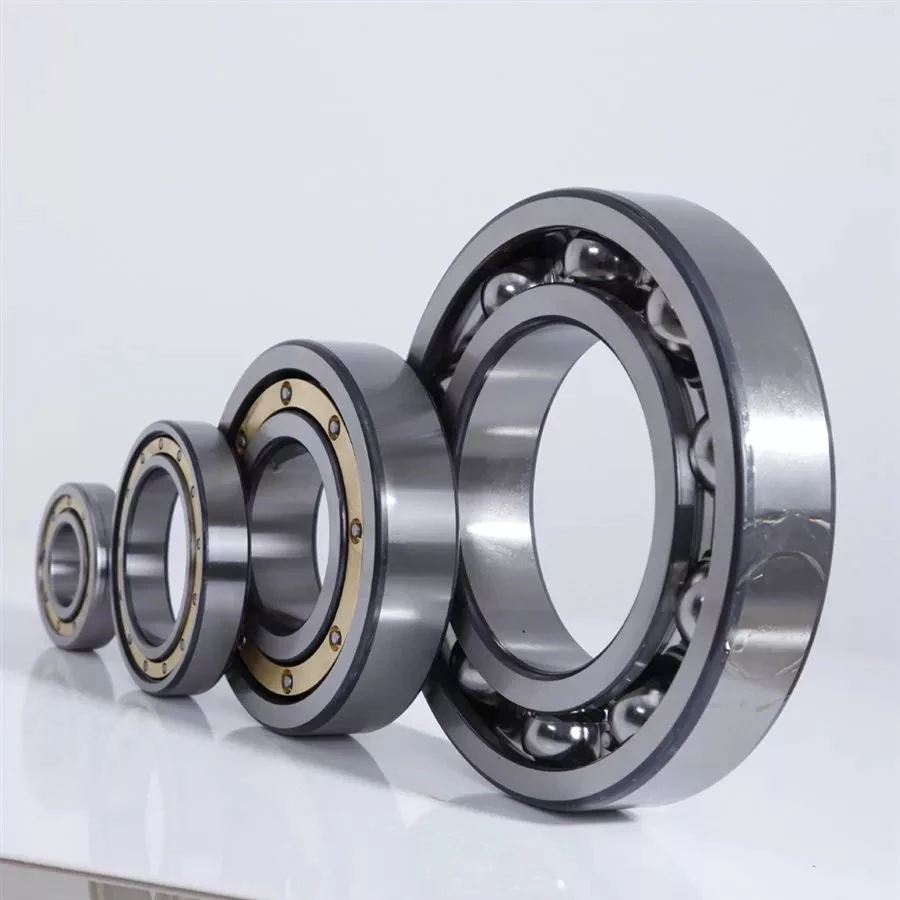
Ceramic
The ceramic ball employed in ball bearings has a lot of positive aspects. It is light-weight, operates at reduce temperatures, has decreased skidding, and is resistant to electrolysis. The ball also displays more time fatigue life. All of these variables make the ceramic ball a very good selection for several apps. But, how do you know if a ceramic ball bearing is proper for your software? Study on to discover why ceramic ball bearings are a better decision than steel or stainless metal types.
The ceramic balls are 40% much more dense than steel. This means considerably less centrifugal pressure is generated on the bearing, which suppresses heat generation. Because of this lowered friction, ceramic bearings are far more successful at transferring vitality. Compared to steel bearings, ceramic balls have lengthier lifestyle spans. However, these ceramic balls are not as powerful as metal. Therefore, it is critical to understand the limitations of the ceramic ball bearing before purchasing one.
The ceramic materials used for ball bearings are resistant to micro-welding. Metals go through this method when imperfections in the surfaces interact. Ultimately, this results in a brittle ball that minimizes the life of a bearing. In contrast to metals, ceramic supplies have a stable habits at higher temperatures and show much less thermal growth. This signifies that they can be utilized for purposes where lubrication isn’t really an selection.
Although steel balls can simply take up contaminants and international particles, the ceramic ball is insensitive to this, and doesn’t need lubrication. This implies they’re not prone to corrosion and other common difficulties. These are just a few motives why ceramics are a much better selection. This technology has a broad variety of employs. It truly is simple to see why it is so well-known. If you’re looking for a new bearing for your software, be certain to get in touch with an AST Applications Engineer. They can evaluate your working conditions and likely failure modes.
Angular get in touch with
An Angular Speak to Ball Bearing (also identified as an angular-speak to bearing) has an axial element that is created when radial hundreds are applied. They are generally utilised in pairs, triplex sets, or quadruplex sets. These bearings are also obtainable with Tremendous Completed Raceways to reduce sounds and boost lubricant distribution. Angular make contact with ball bearings have various layout units, such as bore dimension, outer diameter, and outer ring width.
A one-row angular make contact with bearing has a radial make contact with angle that is equal to the angular distance between the two rings. Double-row angular bearings are made for two-way thrust functionality. These kinds of bearings can be obtained at Grainger and other on the web stores. A normal angular contact bearing will last up to a million revolutions. They are typically utilized in industrial angular contact bearings.
One-row angular contact ball bearings attribute a established contact angle. These bearings can assist radial and axial loads, but they cannot withstand high speeds. Solitary-row angular get in touch with ball bearings may also have one particular or two shoulders relieved. Thrust load is a force put on the bearing when it is mounted in an assembly, and it is used to create an angle among the races.
Angular make contact with ball bearings come in one and double-row configurations. They vary in the axial load they can have and the kind of lubrication they use. Angular contact ball bearings are best for high-pace programs and can accommodate the two radial and axial hundreds. The type of get in touch with and lubrication utilized in angular-get in touch with ball bearings is dependent on the supposed use for the bearing.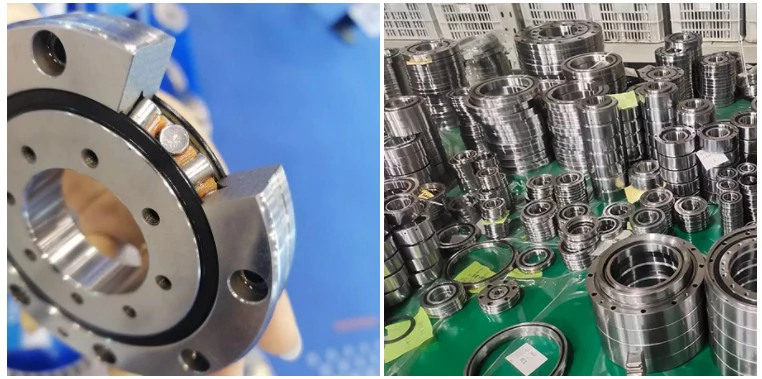
Large-carbon steel
Carbon steel is a low-alloy and substantial-carbon metal employed in bearings. This substance supplies outstanding strength and fatigue homes for ball and roller bearings. Its mechanical qualities are excellent for programs exactly where the temperature is considerably less than 400 levels Fahrenheit. Large-carbon metal is also utilised to make bearing elements for chrome steel bearings. These kinds of steels are softer than chrome metal but provide outstanding durability in programs where the substance is exposed to extreme problems.
Hardened carbon steel balls with an AISI 1015 hardness index are utilized in a selection of automotive, industrial, and semi-precision apps. In addition to automotive apps, they are also used in slides, trolleys, and conveyors. AISI 1015 carbon steel balls are utilised in bearings. They can be acquired in a range of weights and diameters. Carbon metal balls can also be purchased in nickel-plated or uncoated kinds for attractive purposes.
In get to figure out whether a ball bearing is made of high-carbon steel, the material need to be tested for its hardness. An ordinary pocket magnet will function effectively, but an regular exceptional earth magnet isn’t really effective adequate to evaluate the hardness. If it draws in the magnet strongly, the metal is metal, while a weak magnet implies a non-ferrous content. A hardness check needs a specific microhardness take a look at.
A reduced-carbon metal is yet another option. Some miniature bearing manufacturers use a materials with considerably less carbon than AISI 440C. This content is also identified as KS440 or X65Cr13. Soon after being heat-dealt with, it develops more compact carbides, ensuing in exceptional reduced-noise attributes and the identical corrosion-resistance as 440C. These materials are a less costly option than chrome metal, but they are often much less resilient than chrome alloy steel.
One-row
Solitary-row angular contact ball bearings accommodate axial loads in one particular course. These are usually adjusted against a 2nd bearing. As opposed to other ball bearings, they are non-separable and incorporate an upper and reduced shoulder. One-row ball bearings are manufactured of Chromium Steel (GCr15) which is heat-handled to obtain substantial uniform hardness and exceptional wear resistance. They are the most generally utilized type of bearings in the entire world.
Due to the fact of the angular contact among the radial airplane and the raceway, solitary-row ball bearings transmit radial forces from raceway to raceway. A larger a, the greater the axial load carrying capability of the bearing. Single-row angular make contact with ball bearings are ideal for high axial masses. Even so, they have constrained preload capabilities and have to be put in in pairs. Consequently, they are very best used for applications in which axial forces must be dispersed.
Solitary-row ball bearings can be pre-lubricated and have steel shields. They are also offered with rubber seals or snap rings on the outside the house edge. They are obtainable with a variety of retainers, which includes pressed metal cages, plastic shields, and rubber seals. A tapered bore is also offered upon request. They are excellent for applications in which space is constrained. The 6200 sequence of bearings are specially well suited for electrical motors, dental hand instruments, and optical encoders.
Solitary-row angular get in touch with ball bearings are broadly employed for axial hundreds. The outer and inner rings have slightly larger radii than the balls. These bearings can accommodate large speeds and minimal torque. They can also be provided with distinct grease amounts. If grease is required, you can decide on a lubricant that has various characteristics dependent on the software. They are simple to put in and maintain. Nonetheless, they are not advised for adjacent mounting.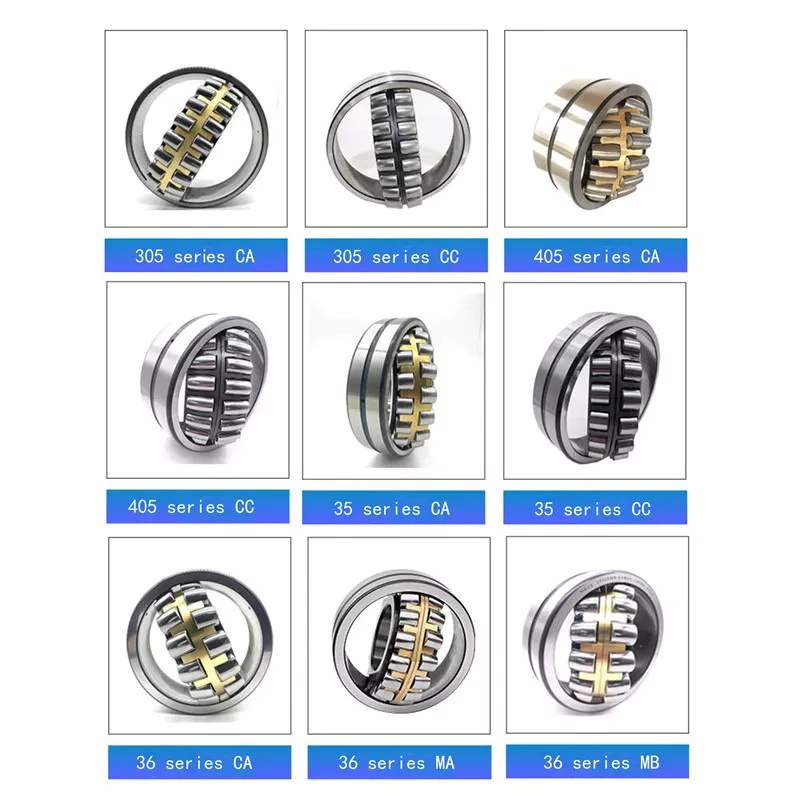
Plastic
A plastic ball bearing is a extremely versatile ingredient that can be mounted in a assortment of factors, like wheels, pulleys and housings. The outer ring of a plastic bearing is usually the pulley profile. The inner ring can be manufactured of a shaft or polymer. The integrated style of a plastic ball bearing helps to decrease assembly time and expense. Listed here are some of the benefits of this type of bearing:
First and foremost, plastic balls are lighter than steel balls. They also have significantly less magnetic properties than steel balls, producing them the very best choice for programs necessitating reduced fat and sounds. Glass balls are also lighter than stainless metal balls, creating them the perfect steel-free decision. They are also very corrosion-resistant, which tends to make them a excellent option for some applications. In addition to becoming lightweight, polymer ball bearings are also silent. And simply because of their lower weight, plastic ball bearings are perfect for programs that demand fast speed.
An additional benefit of plastic bearings is their ability to stand up to substantial temperatures. This content is also abrasion and corrosion-resistant. It satisfies Fda and USDA acceptance specifications. Aside from its abrasion-resistant and corrosion-resistant houses, these plastics do not transfer warmth. Aside from currently being extremely tough and versatile, most plastics are also self-lubricating. Common plastics incorporate phenolics, acetals, nylon, and ultra large molecular fat polyethylene. However, plastics have constraints, and these materials could be damaged by severe temperatures or chilly flow under hefty hundreds.
Other benefits of plastic ball bearings consist of their reduced density, substantial hardness and lower friction coefficient, and ability to stand up to warmth and corrosion. Ceramics are also lightweight, non-conductive, and have excellent resistance to friction. These products can endure temperatures up to 1,800 degrees Fahrenheit. If you’re in the market place for a plastic ball bearing, it truly is essential to decide on the appropriate sort of content. And if you happen to be seeking for a high-top quality bearing, appear no even more.

