Product Description
Product Description:
Product details:
Deep groove ball bearing
High quality
High precision
High speed
Durable
Competitive price
Super popular
Long life
Low noise
Specification:
| 6200 series | |||||||||
| 6200 | 10 | 30 | 9 | 0.6 | 5.1 | 2.38 | 25000 | 30000 | 0.032 |
| 6201 | 12 | 32 | 10 | 0.6 | 6.82 | 3.05 | 22000 | 26000 | 0.035 |
| 6202 | 15 | 35 | 11 | 0.6 | 7.65 | 3.72 | 19000 | 23000 | 0.045 |
| 6203 | 17 | 40 | 12 | 0.6 | 9.58 | 4.78 | 18000 | 21000 | 0.064 |
| 6204 | 20 | 47 | 14 | 1 | 12.8 | 6.65 | 16000 | 18000 | 0.103 |
| 6205 | 25 | 52 | 15 | 1 | 14 | 7.88 | 13000 | 15000 | 0.127 |
| 6206 | 30 | 62 | 16 | 1 | 19.5 | 11.5 | 11000 | 13000 | 0.2 |
| 6207 | 35 | 72 | 17 | 1.1 | 25.5 | 15.2 | 9800 | 11000 | 0.288 |
| 6208 | 40 | 80 | 18 | 1.1 | 29.5 | 18 | 8700 | 10000 | 0.368 |
| 6209 | 45 | 85 | 19 | 1.1 | 31.5 | 20.5 | 7800 | 9200 | 0.416 |
| 6210 | 50 | 90 | 20 | 1.1 | 35 | 23.2 | 7100 | 8300 | 0.463 |
| 6211 | 55 | 100 | 21 | 1.5 | 43.4 | 29.4 | 6400 | 7600 | 0.607 |
| 6212 | 60 | 110 | 22 | 1.5 | 52.4 | 36.2 | 6000 | 7000 | 0.783 |
| 6213 | 65 | 120 | 23 | 1.5 | 57.2 | 40.1 | 5500 | 6500 | 0.99 |
| 6214 | 70 | 125 | 24 | 1.5 | 62.2 | 44.1 | 5100 | 6000 | 1.07 |
| 6215 | 75 | 130 | 25 | 1.5 | 67.4 | 48.3 | 4800 | 5600 | 1.18 |
| 6216 | 80 | 140 | 26 | 2 | 72.7 | 53 | 4500 | 5300 | 1.4 |
| 6217 | 85 | 150 | 28 | 2 | 84 | 61.9 | 4200 | 5000 | 1.79 |
| 6218 | 90 | 160 | 30 | 2 | 96.1 | 71.5 | 4000 | 4700 | 2.15 |
| 6219 | 95 | 170 | 32 | 2.1 | 109 | 81.9 | 3700 | 4400 | 2.62 |
| 6220 | 100 | 180 | 34 | 2.1 | 122 | 93.1 | 3500 | 4200 | 3.14 |
| 6221 | 105 | 190 | 36 | 2.1 | 133 | 105 | 3400 | 4000 | 3.7 |
| 6222 | 110 | 200 | 38 | 2.1 | 144 | 117 | 3200 | 3800 | 4.36 |
| 6224 | 120 | 215 | 40 | 2.1 | 155 | 131 | 2900 | 3400 | 5.15 |
| 6226 | 130 | 230 | 40 | 3 | 167 | 146 | 2700 | 3100 | 5.82 |
| 6228 | 140 | 250 | 42 | 3 | 166 | 150 | 2500 | 2900 | 7.57 |
| 6230 | 150 | 270 | 45 | 3 | 176 | 168 | 2300 | 2700 | 9.41 |
Product Application
Compamy profile:
HangZhou Terry Machinery Co.Ltd is a leading supplier of bearings, Linear motion system for CNC , Ball transfer Unit and transmission component .the growing industrial and Favorable policy of HangZhou benefit the development of Terry Machinery .Our products are utilized in industrial, motorcycle, vehicle and Automation applications. Now we are exporting to 46 countries. including USA, GBR , Germany , Spain, Poland ,Turkey ect .The Goal of Terry Machinery to provide out customers with widest range of products at competitive prices, backed with the best Service.OUR ADVANTAGE Products Our major products & Supplied:Meet all the international standards and ISO9001 -TS1694 Certificate Big volume in Stock, No MOQ required Personnel Our salespersons are well trained to accommodate your requests and speak English for your conveniences.Our technicians and engineers Experience in the Industry area exceeds 23 years Service &Quality control ,We supply detailed drawings and offer when ever necessary,We help all customers promote and improve their sales.We inspect every piece of products by ourselves before delivery.
Packing&Delivery:
FAQ:
Custom Praise:
/* January 22, 2571 19:08:37 */!function(){function s(e,r){var a,o={};try{e&&e.split(“,”).forEach(function(e,t){e&&(a=e.match(/(.*?):(.*)$/))&&1
| Inside Diameter: | 12mm |
|---|---|
| Outside Diameter: | 32mm |
| Thickness: | 10mm |
.shipping-cost-tm .tm-status-off{background: none;padding:0;color: #1470cc}
| Shipping Cost:
Estimated freight per unit. |
about shipping cost and estimated delivery time. |
|---|
| Payment Method: |
|
|---|---|
|
Initial Payment Full Payment |
| Currency: | US$ |
|---|
| Return&refunds: | You can apply for a refund up to 30 days after receipt of the products. |
|---|
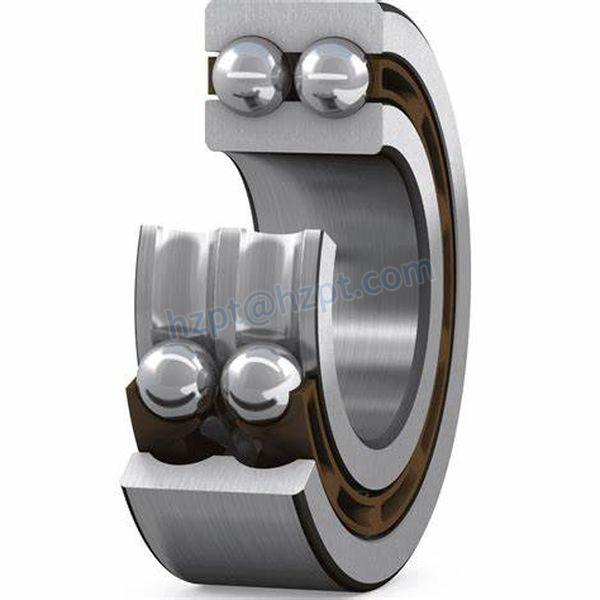
What are the Challenges Associated with Noise Reduction in Ball Bearings?
Noise reduction in ball bearings is a crucial consideration, especially in applications where noise levels must be minimized for operational efficiency and user comfort. While ball bearings are designed to operate smoothly, there are several challenges associated with reducing noise in their operation:
- Vibration:
Vibration generated by the movement of rolling elements and raceways can lead to noise. Even minor irregularities in bearing components or the mounting system can cause vibration that translates into audible noise.
- Bearing Type and Design:
The type and design of the ball bearing can impact noise generation. For example, deep groove ball bearings are known for their quiet operation, while angular contact bearings can generate more noise due to their higher contact angles.
- Lubrication:
Improper or inadequate lubrication can result in increased friction and wear, leading to noise. Choosing the right lubricant and maintaining proper lubrication levels are essential for reducing noise in ball bearings.
- Bearing Clearance and Preload:
Incorrect clearance or preload settings can lead to noise issues. Excessive clearance or inadequate preload can cause the rolling elements to impact the raceways, resulting in noise during rotation.
- Material and Manufacturing Quality:
The quality of materials and manufacturing processes can affect noise levels. Inconsistent or low-quality materials, improper heat treatment, or manufacturing defects can lead to noise generation during operation.
- Surface Finish:
The surface finish of the rolling elements and raceways can impact noise. Rough surfaces can generate more noise due to increased friction and potential irregularities.
- Sealing and Shielding:
Seals and shields that protect bearings can influence noise levels. While they are necessary for contamination prevention, they can also cause additional friction and generate noise.
- Operating Conditions:
External factors such as temperature, speed, and load can influence noise levels. High speeds or heavy loads can amplify noise due to increased stress on the bearing components.
- Wear and Deterioration:
As ball bearings wear over time, noise levels can increase. Worn components or inadequate lubrication can lead to more significant noise issues as the bearing operates.
To address these challenges and reduce noise in ball bearings, manufacturers and engineers employ various techniques, such as optimizing design, selecting suitable bearing types, using proper lubrication, maintaining accurate preload settings, and ensuring high-quality materials and manufacturing processes. Noise reduction efforts are essential to improve overall product quality, meet noise regulations, and enhance user experience in various applications.
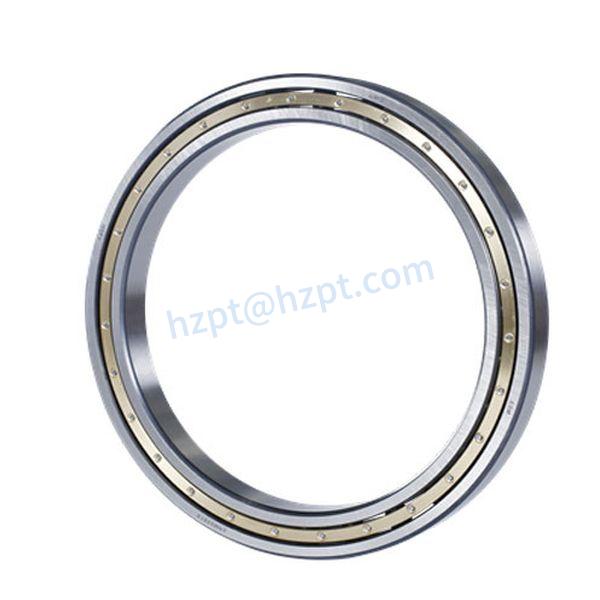
What are the Differences between Deep Groove Ball Bearings and Angular Contact Ball Bearings?
Deep groove ball bearings and angular contact ball bearings are two common types of ball bearings, each designed for specific applications and load conditions. Here are the key differences between these two types of bearings:
- Design and Geometry:
Deep Groove Ball Bearings:
Deep groove ball bearings have a simple design with a single row of balls that run along deep raceways in both the inner and outer rings. The rings are usually symmetrical and non-separable, resulting in a balanced load distribution.
Angular Contact Ball Bearings:
Angular contact ball bearings have a more complex design with two rows of balls, oriented at an angle to the bearing’s axis. This arrangement allows for the transmission of both radial and axial loads, making them suitable for combined loads and applications requiring high precision.
- Load Carrying Capacity:
Deep Groove Ball Bearings:
Deep groove ball bearings are primarily designed to carry radial loads. They can handle axial loads in both directions, but their axial load-carrying capacity is generally lower compared to angular contact ball bearings.
Angular Contact Ball Bearings:
Angular contact ball bearings are specifically designed to handle both radial and axial loads. The contact angle between the rows of balls determines the bearings’ axial load-carrying capacity. They can handle higher axial loads and are commonly used in applications with thrust loads.
- Contact Angle:
Deep Groove Ball Bearings:
Deep groove ball bearings have no defined contact angle, as the balls move in a deep groove along the raceways. They are primarily designed for radial loads.
Angular Contact Ball Bearings:
Angular contact ball bearings have a specified contact angle between the rows of balls. This contact angle allows them to carry both radial and axial loads and is crucial for their ability to handle combined loads.
- Applications:
Deep Groove Ball Bearings:
Deep groove ball bearings are commonly used in applications that primarily require radial loads, such as electric motors, pumps, and conveyor systems. They are also suitable for high-speed operation.
Angular Contact Ball Bearings:
Angular contact ball bearings are used in applications where both radial and axial loads are present, such as in machine tools, automotive wheel hubs, and aerospace components. They are especially useful for applications that require precise axial positioning and handling of thrust loads.
- Limitations:
Deep Groove Ball Bearings:
Deep groove ball bearings are not as suitable for handling significant axial loads and may experience skidding under certain conditions due to their deep raceways.
Angular Contact Ball Bearings:
Angular contact ball bearings can experience increased heat generation and wear at higher speeds due to the contact angle of the balls.
In summary, the design, load-carrying capacity, contact angle, and applications differ between deep groove ball bearings and angular contact ball bearings. Choosing the appropriate type depends on the specific load conditions and requirements of the application.
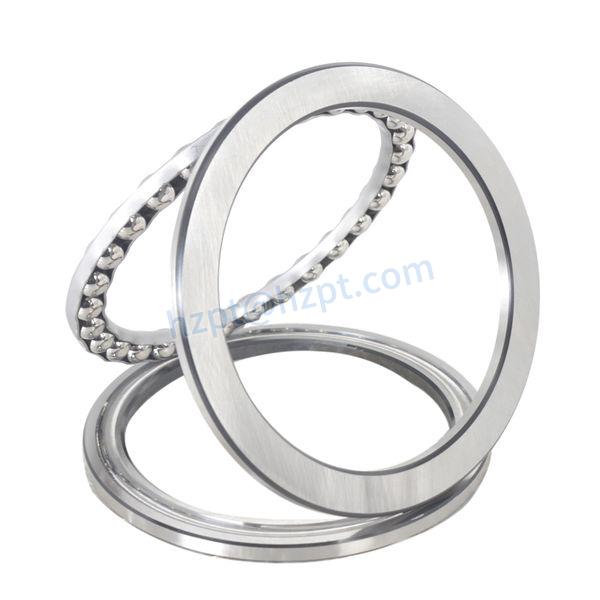
How do Ball Bearings Differ from Other Types of Bearings like Roller Bearings?
Ball bearings and roller bearings are two common types of rolling-element bearings, each with distinct designs and characteristics. Here’s a comparison of ball bearings and roller bearings:
- Design:
Ball Bearings: Ball bearings use spherical balls to separate and reduce friction between the bearing’s inner and outer rings. The balls enable rolling motion and smooth contact, minimizing friction.
Roller Bearings: Roller bearings, as the name suggests, use cylindrical or tapered rollers instead of balls. These rollers have larger contact areas, distributing loads over a broader surface.
- Friction and Efficiency:
Ball Bearings: Due to the point contact between the balls and the rings, ball bearings have lower friction and are more efficient at high speeds.
Roller Bearings: Roller bearings have a larger contact area, resulting in slightly higher friction compared to ball bearings. They are more suitable for heavy-load applications where efficiency is prioritized over high speeds.
- Load Capacity:
Ball Bearings: Ball bearings excel at handling light to moderate loads in both radial and axial directions. They are commonly used in applications where smooth rotation and low friction are important.
Roller Bearings: Roller bearings have a higher load-carrying capacity than ball bearings. They can support heavier radial and axial loads and are preferred for applications with significant loads or impact forces.
- Variability:
Ball Bearings: Ball bearings come in various designs, including deep groove, angular contact, and thrust ball bearings, each suitable for different applications.
Roller Bearings: Roller bearings have diverse types, including cylindrical, spherical, tapered, and needle roller bearings, each optimized for specific load and motion requirements.
- Speed Capability:
Ball Bearings: The reduced friction in ball bearings makes them suitable for high-speed applications, such as electric motors and precision machinery.
Roller Bearings: Roller bearings can handle higher loads but are generally better suited for moderate to low speeds due to slightly higher friction.
- Applications:
Ball Bearings: Ball bearings are used in applications where smooth motion, low friction, and moderate loads are essential, such as electric fans, bicycles, and some automotive components.
Roller Bearings: Roller bearings find applications in heavy machinery, construction equipment, automotive transmissions, and conveyor systems, where heavier loads and durability are crucial.
In summary, ball bearings and roller bearings differ in their design, friction characteristics, load capacities, speed capabilities, and applications. The choice between them depends on the specific requirements of the machinery and the type of loads and forces involved.


editor by CX 2024-04-10