Product Description
Product Description
6310 / 6310-2RS / 6310-ZZ deep groove ball bearing
6206 deep groove ball bearing is the most common type of rolling bearing. The basic deep groove ball bearing consists of an outer ring, an inner circle, a set of steel balls and a set of maintenance frames.
6206 deep groove ball bearing is sealed and open 2 kinds of structure, open without sealing structure refers to the bearing, seal type deep groove ball into dust seal and oil seal. The dust – proof sealing material is a sheet metal stamping, which simply prevents the dust from entering the bearing roller. The oil-proof type is the contact oil seal, which can effectively prevent the grease spillover inside the bearing.
Deep groove ball bearing
Single row deep groove ball bearings are particularly versatile, have low friction and are optimized for low noise and low vibration, which enables high rotational speeds. They accommodate radial and axial loads in both directions, are easy to mount, and require less maintenance than many other bearing types.
- Simple, versatile and robust design
- Low friction
- High-speed capability
- Accommodate radial and axial loads in both directions
- Require little maintenance
More series of deep groove ball bearing
Tip: Here are only part of the model numbers. Please contact us for full catalog.
| Deep Groove Ball Bearing Catalog | ||||||||
| Number | Specification | Rated Load(KN) | Speed(r/min) | Weight | ||||
| D(mm) | D(mm) | W(mm) | Cr(N) | Cor(N) | Grease | Oil | kg | |
| 6000 | 10 | 26 | 8 | 4.55 | 1.96 | 20000 | 28000 | 0.019 |
| 6001 | 12 | 28 | 8 | 5.1 | 2.39 | 19000 | 26000 | 0.571 |
| 6002 | 15 | 32 | 9 | 5.6 | 2.84 | 18000 | 24000 | 0.03 |
| 6003 | 17 | 35 | 10 | 6.8 | 3.35 | 17000 | 22000 | 0.039 |
| 6004 | 20 | 42 | 12 | 9.4 | 5.05 | 15000 | 19000 | 0.069 |
| 6005 | 25 | 47 | 12 | 10.1 | 5.85 | 13000 | 17000 | 0.08 |
| 6006 | 30 | 55 | 13 | 13.2 | 8.3 | 12000 | 15000 | 0.116 |
| 6007 | 35 | 62 | 14 | 16 | 10.3 | 10000 | 13000 | 0.155 |
| 6008 | 40 | 68 | 15 | 16.8 | 11.5 | 8000 | 11000 | 0.185 |
| 6009 | 45 | 75 | 16 | 21 | 15.1 | 7200 | 9000 | 0.231 |
| 6571 | 50 | 80 | 16 | 21.8 | 16.6 | 6400 | 7800 | 0.25 |
| 6011 | 55 | 90 | 18 | 28.3 | 21.2 | 5700 | 7000 | 0.362 |
| 6012 | 60 | 95 | 18 | 29.5 | 23.2 | 5300 | 6300 | 0.385 |
| 6013 | 65 | 100 | 18 | 30.5 | 25.2 | 5040 | 6000 | 0.421 |
| 6014 | 70 | 110 | 20 | 38 | 31 | 4800 | 5600 | 0.604 |
| 6015 | 75 | 115 | 20 | 39.5 | 33.5 | 4480 | 5360 | 0.604 |
| 6016 | 80 | 125 | 22 | 47.5 | 40 | 4240 | 5040 | 0.854 |
| 6017 | 85 | 130 | 22 | 49.5 | 43 | 4000 | 4800 | 0.89 |
| 6018 | 90 | 140 | 24 | 58 | 49.5 | 3840 | 4480 | 1.02 |
| 6019 | 95 | 145 | 24 | 60.5 | 54 | 3600 | 4240 | 1.08 |
| 6571 | 100 | 150 | 24 | 60 | 54 | 3440 | 4000 | 1.15 |
| 6571 | 105 | 160 | 26 | 72.5 | 65.5 | 3200 | 3840 | 1.59 |
| 6571 | 110 | 170 | 28 | 82 | 73 | 3040 | 3600 | 1.96 |
| 6571 | 120 | 180 | 28 | 85 | 79.5 | 2720 | 3200 | 2.07 |
| 6026 | 130 | 200 | 33 | 106 | 101 | 2560 | 3040 | 3.16 |
| 6571 | 140 | 210 | 33 | 110 | 109 | 2400 | 2880 | 3.35 |
| 6030 | 150 | 225 | 35 | 126 | 126 | 2080 | 2560 | 4.08 |
| 6032 | 160 | 240 | 38 | 143 | 144 | 1920 | 2400 | 5.05 |
| 6200 | 10 | 30 | 9 | 4.056 | 1.888 | 19200 | 24000 | 0.032 |
| 6201 | 12 | 32 | 10 | 5.512 | 2.48 | 17600 | 22400 | 0.037 |
| 6202 | 15 | 35 | 11 | 6.24 | 3 | 15200 | 19200 | 0.045 |
| 6203 | 17 | 40 | 12 | 7.648 | 3.8 | 13600 | 16000 | 0.065 |
| 6204 | 20 | 47 | 14 | 10.16 | 5.24 | 12000 | 14400 | 0.11 |
| 6205 | 25 | 52 | 15 | 11.2 | 6.24 | 9600 | 12000 | 0.13 |
| 6206 | 30 | 62 | 16 | 15.6 | 8.96 | 8000 | 10400 | 0.2 |
| 6207 | 35 | 72 | 17 | 20.4 | 12.24 | 7200 | 8800 | 0.29 |
| 6208 | 40 | 8 | 18 | 24.56 | 15.2 | 6800 | 8000 | 0.37 |
| 6209 | 45 | 85 | 19 | 26.56 | 17.28 | 6000 | 7200 | 0.41 |
| 6210 | 50 | 90 | 20 | 28.08 | 18.56 | 5600 | 6800 | 0.46 |
| 6211 | 55 | 100 | 21 | 34.88 | 23.2 | 5040 | 6000 | 0.61 |
| 6212 | 60 | 110 | 22 | 38 | 26 | 4800 | 5600 | 0.78 |
| 6213 | 65 | 120 | 23 | 44.72 | 32.4 | 4240 | 5040 | 0.99 |
| 6214 | 70 | 125 | 24 | 48.4 | 36 | 4000 | 4800 | 1.05 |
| 6215 | 75 | 130 | 25 | 53.04 | 39.2 | 4480 | 5360 | 1.2 |
| 6216 | 80 | 140 | 26 | 56.16 | 44 | 3600 | 4240 | 1.4 |
| 6217 | 85 | 150 | 28 | 66.56 | 51.2 | 3440 | 4000 | 1.8 |
| 6218 | 90 | 160 | 30 | 76.48 | 58.8 | 3040 | 3600 | 2.15 |
| 6219 | 95 | 170 | 32 | 86.4 | 65.2 | 2880 | 3440 | 2.6 |
| 6220 | 100 | 180 | 34 | 99.2 | 74.4 | 2720 | 3200 | 3.15 |
| 6221 | 105 | 190 | 36 | 106.4 | 83.2 | 2560 | 3040 | 3.7 |
| 6222 | 110 | 200 | 38 | 114.4 | 94.4 | 2400 | 2880 | 4.35 |
| 6224 | 120 | 215 | 40 | 116.8 | 94.4 | 2240 | 2720 | 5.15 |
| 6226 | 130 | 230 | 40 | 124.8 | 105.6 | 2080 | 2560 | 5.8 |
| 6228 | 140 | 250 | 42 | 132 | 120 | 1920 | 2400 | 7.45 |
| 6230 | 150 | 270 | 45 | 139.2 | 132.8 | 1600 | 2080 | 9.4 |
| 6232 | 160 | 290 | 48 | 148.8 | 148.8 | 1520 | 1920 | 14.5 |
| 6234 | 170 | 310 | 52 | 169.6 | 179.2 | 1520 | 1920 | 17.5 |
| 6236 | 180 | 320 | 52 | 183.2 | 192 | 1440 | 1760 | 18.5 |
| 6238 | 190 | 340 | 55 | 204 | 224 | 1360 | 1600 | 23 |
| 6240 | 200 | 360 | 58 | 216 | 248 | 1360 | 1600 | 28 |
| 6244 | 220 | 400 | 65 | 236.8 | 292 | 1200 | 1440 | 37 |
| 6248 | 240 | 440 | 72 | 286.4 | 380 | 1040 | 1280 | 51 |
| 6252 | 260 | 480 | 80 | 312 | 424 | 880 | 1120 | 65.5 |
| 6256 | 280 | 500 | 80 | 338.4 | 480 | 880 | 1120 | 71 |
| 6300 | 10 | 35 | 11 | 6.448 | 2.72 | 16000 | 20800 | 0.053 |
| 6301 | 12 | 37 | 12 | 7.8 | 3.32 | 15200 | 19200 | 0.06 |
| 6302 | 15 | 42 | 13 | 9.12 | 4.32 | 13600 | 16000 | 0.082 |
| 6303 | 17 | 47 | 14 | 10.8 | 5.24 | 12800 | 15200 | 0.12 |
| 6304 | 20 | 52 | 15 | 12.72 | 6.24 | 10400 | 12800 | 0.14 |
| 6305 | 25 | 62 | 17 | 18 | 9.28 | 8800 | 11200 | 0.23 |
| 6306 | 30 | 72 | 19 | 22.48 | 12.8 | 7200 | 8800 | 0.35 |
| 6307 | 35 | 80 | 21 | 26.56 | 15.2 | 6800 | 8000 | 0.46 |
| 6308 | 40 | 90 | 23 | 32.8 | 19.2 | 6000 | 7200 | 0.63 |
| 6309 | 45 | 100 | 25 | 42.16 | 25.2 | 53600 | 6400 | 0.83 |
| 6310 | 50 | 110 | 27 | 49.44 | 30.4 | 5040 | 6000 | 1.05 |
| 6311 | 55 | 120 | 29 | 57.2 | 36 | 4480 | 5360 | 1.35 |
| 6312 | 60 | 130 | 31 | 65.52 | 41.6 | 4000 | 4800 | 1.7 |
| 6313 | 65 | 140 | 33 | 73.84 | 48 | 3840 | 4480 | 2.1 |
| 6314 | 70 | 150 | 35 | 83.2 | 54.4 | 3600 | 4240 | 2.5 |
| 6315 | 75 | 160 | 37 | 91.2 | 61.2 | 3440 | 4000 | 3 |
| 6316 | 80 | 170 | 39 | 99.2 | 69.2 | 3040 | 3600 | 3.6 |
| 6317 | 85 | 180 | 41 | 106.4 | 77.2 | 2880 | 3440 | 4.25 |
| 6318 | 90 | 190 | 43 | 114.4 | 86.4 | 2720 | 3200 | 4.9 |
| 6319 | 95 | 200 | 45 | 122.4 | 94.4 | 2560 | 3040 | 5.65 |
| 6320 | 100 | 215 | 47 | 139.2 | 112 | 2400 | 2880 | 7 |
| 6321 | 105 | 225 | 49 | 145.6 | 122.4 | 2240 | 2720 | 8.25 |
| 6322 | 110 | 240 | 50 | 162.4 | 144 | 2080 | 2560 | 9.55 |
| 6324 | 120 | 260 | 55 | 166.4 | 148.8 | 1920 | 2400 | 14.5 |
| 6326 | 130 | 280 | 58 | 183.2 | 172.8 | 1760 | 2240 | 18 |
| 6328 | 140 | 300 | 62 | 200.8 | 196 | 1600 | 2080 | 22 |
| 6330 | 150 | 320 | 65 | 220.8 | 228 | 1520 | 1920 | 26 |
| 6332 | 160 | 340 | 68 | 220.8 | 228 | 1440 | 1760 | 29 |
| 6334 | 170 | 360 | 72 | 249.6 | 272 | 1360 | 1600 | 34.5 |
| 6336 | 180 | 380 | 75 | 280.8 | 324 | 1280 | 1600 | 42.5 |
| 6338 | 190 | 400 | 78 | 296.8 | 344 | 1280 | 1520 | 49 |
| 6340 | 200 | 420 | 80 | 301.6 | 372 | 1200 | 1440 | 55.5 |
| 6344 | 220 | 460 | 88 | 328 | 416 | 1040 | 1280 | 72.5 |
Packaging & Shipping
Please contact us for more pictures of different packing.
|
Universal Packing |
Without any logo on bearings or packing. |
|
JDZ Packing |
With our brand JDZ on bearings and packing. |
|
Customized Packing |
Depends on buyer’s requirements. |
|
Original Brand Packing |
Bearing and packing are both original. Please contact us for pictures. |
QUALITY ASSURANCE
100% Quality inspection to ensure the bearings are with good quality before shipping.
Company Profile
ZheJiang CZPT Precision Bearing Co.,Ltd. was founded by ZheJiang Defa Bearing Co.,Ltd, factory is located in ZheJiang province, China.
We are a bearing manufacturer integrating the research, development and sales of bearings, with a floor area of 18,000 square meters and a plant area of 8,800 square meters. Equipped with modern production equipment and advanced detection instruments.
We can provide all types bearings and OEM service according to customers’ requirements.
Our products are widely used in the automobile, agricultural, textile production, mining, printing and packing industries, in addition to various applications at airports, in air-conditioning systems, conveying devices, ships ad so on. Our products are being exported to more than 50 countries and regions overseas including Singapore, Thailand, Iran, Turkey, Poland, Italy, England, France, Russia, Germany, the United States, Australia, Argentina, Brazil as well as other countries and regions all over the world.
We are a trusted and reliable bearing supplier, choose us to be your good partner!
Quality Inspection
FAQ
1. Q: Are you trading company or manufacturer ?
A: We have our own factory , our type is factory + trade.
2. Q: Could you accept OEM and customize?
A: Yes, we can customize products according to your sample or drawing.
3. Q: How long is your delivery time?
A: If stock, within 7 days to ship or based on your order quantity.
4. Q: Could you supply sample for free?
A: Yes, we can offer the sample for free,do you mind to buy a “ticket” for her?
More details, please contact with us. Thanks for your time!
/* January 22, 2571 19:08:37 */!function(){function s(e,r){var a,o={};try{e&&e.split(“,”).forEach(function(e,t){e&&(a=e.match(/(.*?):(.*)$/))&&1
| Bearing Type: | Deep Groove Ball Bearing |
|---|---|
| Precision Rating: | P0 P6 P5 P4 P2 or ABEC1 ABEC3 ABEC5 ABEC7 ABEC9 |
| Bearing Clearance: | C0/C3/C4 |
| Vibration: | Z1V1, Z2V2, Z3V3; Z4V4 |
| Seals Type: | Zz- 2RS Open |
| Hardness: | 58-62 HRC |
| Samples: |
US$ 0/Piece
1 Piece(Min.Order) | |
|---|
| Customization: |
Available
| Customized Request |
|---|
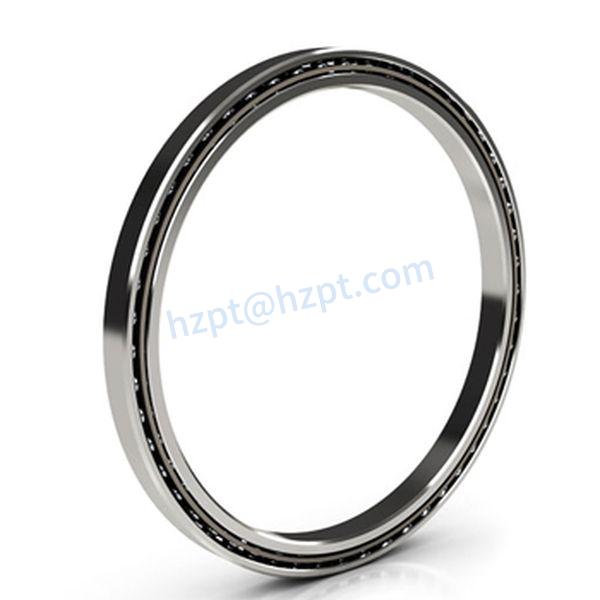
How does Preload Affect the Performance and Efficiency of Ball Bearings?
Preload is a crucial factor in ball bearing design that significantly impacts the performance, efficiency, and overall behavior of the bearings in various applications. Preload refers to the intentional axial force applied to the bearing’s rolling elements before it is mounted. This force eliminates internal clearance and creates contact between the rolling elements and the raceways. Here’s how preload affects ball bearing performance:
- Reduction of Internal Clearance:
Applying preload reduces the internal clearance between the rolling elements and the raceways. This eliminates play within the bearing, ensuring that the rolling elements are in constant contact with the raceways. This reduced internal clearance enhances precision and reduces vibrations during operation.
- Increased Stiffness:
Preloaded bearings are stiffer due to the elimination of internal clearance. This increased stiffness improves the bearing’s ability to handle axial and radial loads with higher accuracy and minimal deflection.
- Minimized Axial Play:
Preload minimizes or eliminates axial play within the bearing. This is especially important in applications where axial movement needs to be minimized, such as machine tool spindles and precision instruments.
- Enhanced Rigidity:
The stiffness resulting from preload enhances the bearing’s rigidity, making it less susceptible to deformation under load. This is critical for maintaining precision and accuracy in applications that require minimal deflection.
- Reduction in Ball Slippage:
Preload reduces the likelihood of ball slippage within the bearing, ensuring consistent contact between the rolling elements and the raceways. This leads to improved efficiency and better load distribution.
- Improved Running Accuracy:
Preloading enhances the running accuracy of the bearing, ensuring that it maintains precise rotational characteristics even under varying loads and speeds. This is essential for applications requiring high accuracy and repeatability.
- Optimized Performance at High Speeds:
Preload helps prevent skidding and slipping of the rolling elements during high-speed operation. This ensures that the bearing remains stable, reducing the risk of noise, vibration, and premature wear.
- Impact on Friction and Heat Generation:
While preload reduces internal clearance and friction, excessive preload can lead to higher friction and increased heat generation. A balance must be struck between optimal preload and minimizing friction-related issues.
- Application-Specific Considerations:
The appropriate amount of preload depends on the application’s requirements, such as load, speed, accuracy, and operating conditions. Over-preloading can lead to increased stress and premature bearing failure, while under-preloading may result in inadequate rigidity and reduced performance.
Overall, preload plays a critical role in optimizing the performance, accuracy, and efficiency of ball bearings. Engineers must carefully determine the right preload level for their specific applications to achieve the desired performance characteristics and avoid potential issues related to overloading or inadequate rigidity.
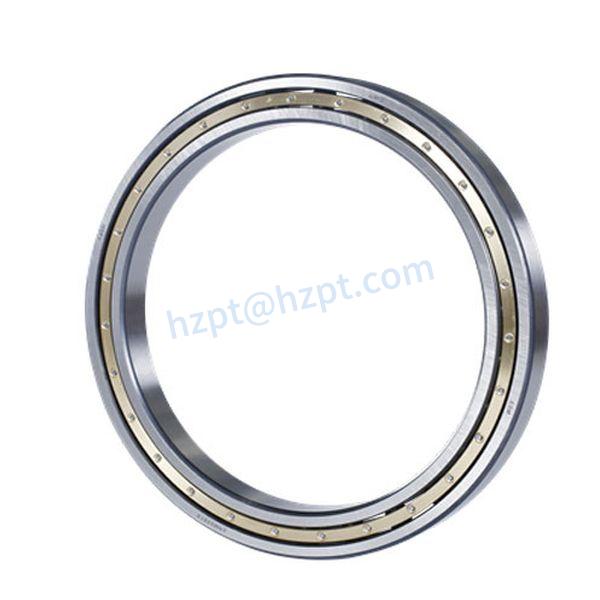
What are the Differences between Deep Groove Ball Bearings and Angular Contact Ball Bearings?
Deep groove ball bearings and angular contact ball bearings are two common types of ball bearings, each designed for specific applications and load conditions. Here are the key differences between these two types of bearings:
- Design and Geometry:
Deep Groove Ball Bearings:
Deep groove ball bearings have a simple design with a single row of balls that run along deep raceways in both the inner and outer rings. The rings are usually symmetrical and non-separable, resulting in a balanced load distribution.
Angular Contact Ball Bearings:
Angular contact ball bearings have a more complex design with two rows of balls, oriented at an angle to the bearing’s axis. This arrangement allows for the transmission of both radial and axial loads, making them suitable for combined loads and applications requiring high precision.
- Load Carrying Capacity:
Deep Groove Ball Bearings:
Deep groove ball bearings are primarily designed to carry radial loads. They can handle axial loads in both directions, but their axial load-carrying capacity is generally lower compared to angular contact ball bearings.
Angular Contact Ball Bearings:
Angular contact ball bearings are specifically designed to handle both radial and axial loads. The contact angle between the rows of balls determines the bearings’ axial load-carrying capacity. They can handle higher axial loads and are commonly used in applications with thrust loads.
- Contact Angle:
Deep Groove Ball Bearings:
Deep groove ball bearings have no defined contact angle, as the balls move in a deep groove along the raceways. They are primarily designed for radial loads.
Angular Contact Ball Bearings:
Angular contact ball bearings have a specified contact angle between the rows of balls. This contact angle allows them to carry both radial and axial loads and is crucial for their ability to handle combined loads.
- Applications:
Deep Groove Ball Bearings:
Deep groove ball bearings are commonly used in applications that primarily require radial loads, such as electric motors, pumps, and conveyor systems. They are also suitable for high-speed operation.
Angular Contact Ball Bearings:
Angular contact ball bearings are used in applications where both radial and axial loads are present, such as in machine tools, automotive wheel hubs, and aerospace components. They are especially useful for applications that require precise axial positioning and handling of thrust loads.
- Limitations:
Deep Groove Ball Bearings:
Deep groove ball bearings are not as suitable for handling significant axial loads and may experience skidding under certain conditions due to their deep raceways.
Angular Contact Ball Bearings:
Angular contact ball bearings can experience increased heat generation and wear at higher speeds due to the contact angle of the balls.
In summary, the design, load-carrying capacity, contact angle, and applications differ between deep groove ball bearings and angular contact ball bearings. Choosing the appropriate type depends on the specific load conditions and requirements of the application.
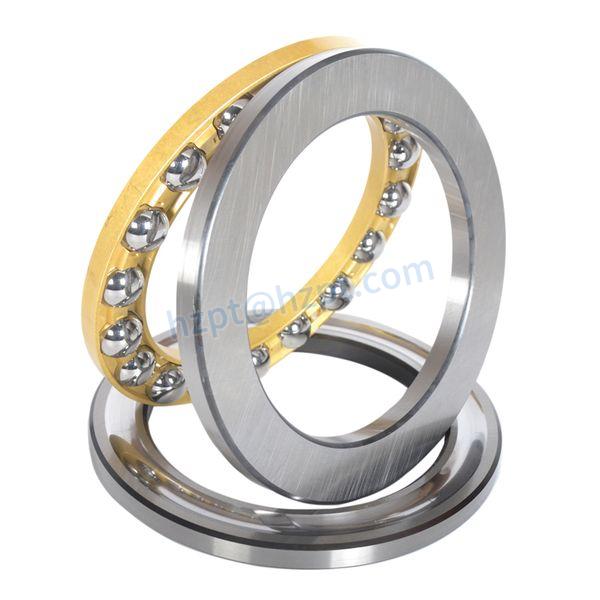
What are the Primary Benefits of Using Ball Bearings in Machinery and Equipment?
Ball bearings offer several primary benefits when used in machinery and equipment. Their design and functionality provide advantages that contribute to the efficient and reliable operation of various applications. Here are the key benefits:
- Reduced Friction:
One of the primary benefits of ball bearings is their ability to minimize friction between moving parts. The rolling motion of the balls reduces the contact area and sliding friction, leading to smoother operation and less energy loss due to frictional heating.
- Efficient Load Support:
Ball bearings are engineered to support both radial and axial loads, making them versatile for applications with multidirectional forces. This load-bearing capability allows machinery to handle different types of loads while maintaining performance and stability.
- Smooth Rotation:
Ball bearings enable smooth and precise rotational movement. The rolling motion of the balls provides consistent motion with minimal resistance, ensuring that machinery operates smoothly and without jerks.
- High-Speed Capability:
Due to their low friction and efficient rolling action, ball bearings are suitable for high-speed applications. They allow machinery and equipment to achieve and maintain high rotational speeds without excessive wear or heat buildup.
- Reduced Wear and Maintenance:
The reduced friction in ball bearings leads to lower wear on components. This results in longer service intervals and reduced maintenance requirements, saving both time and maintenance costs.
- Energy Efficiency:
By minimizing friction and reducing energy losses, ball bearings contribute to the overall energy efficiency of machinery. This is particularly important in applications where energy consumption is a concern.
- Versatility:
Ball bearings come in various types, sizes, and configurations, allowing them to be used in a wide range of machinery and equipment. They can be customized to suit specific application requirements.
- Reliability and Longevity:
Ball bearings are designed to withstand heavy loads and harsh operating conditions. Their durability and resistance to wear ensure reliable performance and an extended operational life.
- Quiet Operation:
Ball bearings contribute to quiet machinery operation due to the smooth rolling motion of the balls. This is particularly important in applications where noise reduction is a consideration.
In summary, the primary benefits of using ball bearings in machinery and equipment include reduced friction, efficient load support, smooth rotation, high-speed capability, reduced wear and maintenance, energy efficiency, versatility, reliability, and quiet operation. These benefits collectively enhance the performance and longevity of machinery across various industries.


editor by CX 2024-04-08
China Standard High Quality Mini Deep Groove Ball Bearing 687zz RS 2z 2RS 7*14*5mm for Motors with high quality
Product Description
Product Description
Deep groove ball bearing are the most common type and are used in a wide variety of applications. Not only are they capable of supporting radial loads but also moderate axial loads in either direction. Due to their low torque, they are suitable for applications where high speed and low power loss is required. They are easy to mount and suitable for many different configurations.
Product Parameters
Packaging & Shipping
/* March 10, 2571 17:59:20 */!function(){function s(e,r){var a,o={};try{e&&e.split(“,”).forEach(function(e,t){e&&(a=e.match(/(.*?):(.*)$/))&&1
| Contact Angle: | 15° |
|---|---|
| Aligning: | Non-Aligning Bearing |
| Separated: | Unseparated |
| Rows Number: | Single |
| Load Direction: | Radial Bearing |
| Material: | Bearing Steel |
| Samples: |
US$ 0.1/Piece
1 Piece(Min.Order) | |
|---|
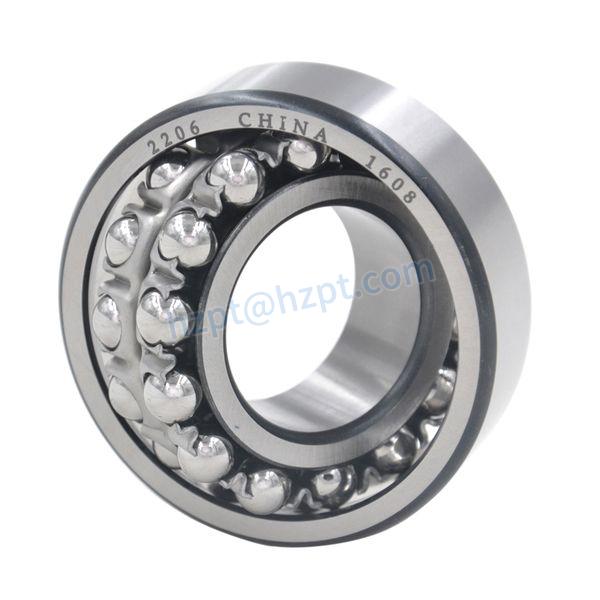
What are the Common Signs of Wear or Damage in Ball Bearings that Indicate the Need for Replacement?
Ball bearings are subjected to wear and stress during operation, and over time, they may exhibit signs of damage or deterioration that warrant replacement. Recognizing these signs is crucial to prevent catastrophic failure and ensure safe and reliable operation. Here are the common signs of wear or damage in ball bearings:
- Unusual Noise:
If you hear unusual grinding, clicking, or rumbling noises coming from the bearing during operation, it may indicate worn-out or damaged components. Unusual noise suggests that the bearing is no longer operating smoothly.
- Vibration:
Excessive vibration in the machinery can be a sign of bearing wear. Vibrations can result from uneven wear, misalignment, or damaged components within the bearing.
- Increased Temperature:
Higher operating temperatures than usual may indicate increased friction due to inadequate lubrication, wear, or other issues. Monitoring the bearing’s temperature can help identify potential problems.
- Irregular Movement:
If you notice irregular movement, jerking, or sticking during rotation, it could be a sign that the bearing is no longer operating smoothly. This may be due to damaged rolling elements or raceways.
- Reduced Performance:
If the machinery’s performance has decreased, it may be due to a compromised bearing. Reduced efficiency, increased energy consumption, or a decline in overall performance could be indicators of bearing wear.
- Visible Wear or Damage:
Inspect the bearing for visible signs of wear, such as pitting, scoring, or discoloration on the rolling elements or raceways. Severe wear or damage is a clear indication that the bearing needs replacement.
- Leakage or Contamination:
If there is evidence of lubricant leakage, contamination, or the presence of foreign particles around the bearing, it suggests that the seal or shield may be compromised, leading to potential damage.
- Looseness or Excessive Play:
If you can feel excessive play or looseness when manually moving the bearing, it could indicate worn-out components or misalignment.
- Reduced Lifespan:
If the bearing’s expected lifespan is significantly shorter than usual, it may be due to inadequate lubrication, excessive loads, or improper installation, leading to accelerated wear.
- Frequent Failures:
If the bearing is consistently failing despite regular maintenance and proper use, it could indicate a chronic issue that requires addressing, such as inadequate lubrication or misalignment.
It’s important to conduct regular inspections, monitor performance, and address any signs of wear or damage promptly. Replacing worn or damaged ball bearings in a timely manner can prevent further damage to machinery, reduce downtime, and ensure safe and efficient operation.
How do Miniature Ball Bearings Differ from Standard-sized Ones, and Where are They Commonly Used?
Miniature ball bearings, as the name suggests, are smaller in size compared to standard-sized ball bearings. They have distinct characteristics and are designed to meet the unique requirements of applications that demand compactness, precision, and efficient rotation in confined spaces. Here’s how miniature ball bearings differ from standard-sized ones and where they are commonly used:
- Size:
The most noticeable difference is their size. Miniature ball bearings typically have outer diameters ranging from a few millimeters to around 30 millimeters, while standard-sized ball bearings have larger dimensions suitable for heavier loads and higher speeds.
- Load Capacity:
Due to their smaller size, miniature ball bearings have lower load-carrying capacities compared to standard-sized bearings. They are designed for light to moderate loads and are often used in applications where precision and compactness are prioritized over heavy load support.
- Precision:
Miniature ball bearings are known for their high precision and accuracy. They are manufactured to tighter tolerances, making them suitable for applications requiring precise motion control and low levels of vibration.
- Speed:
Miniature ball bearings can achieve higher speeds than standard-sized bearings due to their smaller size and lower mass. This makes them ideal for applications involving high-speed rotation.
- Friction and Efficiency:
Miniature ball bearings generally have lower friction due to their smaller contact area. This contributes to higher efficiency and reduced heat generation in applications that require smooth and efficient motion.
- Applications:
Miniature ball bearings find applications in various industries and sectors:
- Electronics and Consumer Devices:
They are used in small motors, computer disk drives, printers, and miniature fans, where space is limited but precise motion is essential.
- Medical and Dental Equipment:
Miniature bearings are used in medical devices such as surgical instruments, dental handpieces, and diagnostic equipment due to their precision and compactness.
- Robotics and Automation:
Miniature ball bearings are integral to robotic arms, miniature conveyors, and automation systems, enabling precise movement in confined spaces.
- Aerospace and Defense:
They are used in applications like UAVs (drones), aerospace actuators, and satellite components where size and weight constraints are critical.
- Optics and Instrumentation:
Miniature bearings play a role in optical instruments, cameras, and measuring devices, providing smooth rotation and accurate positioning.
Overall, miniature ball bearings are specialized components designed for applications where space, precision, and efficient rotation are paramount. Their compactness and high precision make them crucial in various industries requiring reliable motion control in limited spaces.
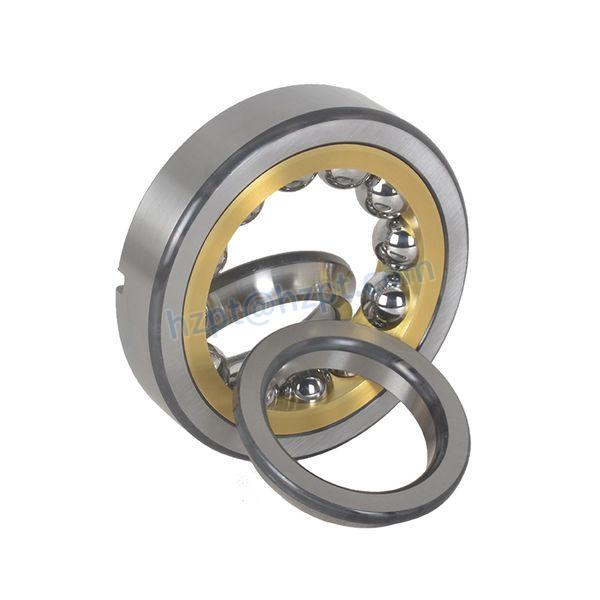
What are the Different Components that Make up a Typical Ball Bearing?
A typical ball bearing consists of several essential components that work together to reduce friction and support loads. Here are the main components that make up a ball bearing:
- Outer Ring:
The outer ring is the stationary part of the bearing that provides support and houses the other components. It contains raceways (grooves) that guide the balls’ movement.
- Inner Ring:
The inner ring is the rotating part of the bearing that attaches to the shaft. It also contains raceways that correspond to those on the outer ring, allowing the balls to roll smoothly.
- Balls:
The spherical balls are the rolling elements that reduce friction between the inner and outer rings. Their smooth rolling motion enables efficient movement and load distribution.
- Cage or Retainer:
The cage, also known as the retainer, maintains a consistent spacing between the balls. It prevents the balls from touching each other, reducing friction and preventing jamming.
- Seals and Shields:
Many ball bearings include seals or shields to protect the internal components from contaminants and retain lubrication. Seals provide better protection against contaminants, while shields offer less resistance to rotation.
- Lubricant:
Lubrication is essential to reduce friction, wear, and heat generation. Bearings are typically filled with lubricants that ensure smooth movement between the balls and raceways.
- Flanges and Snap Rings:
In some designs, flanges or snap rings are added to help position and secure the bearing in its housing or on the shaft. Flanges prevent axial movement, while snap rings secure the bearing radially.
- Raceways:
Raceways are the grooved tracks on the inner and outer rings where the balls roll. The shape and design of the raceways influence the bearing’s load-carrying capacity and performance.
- Anti-Friction Shield:
In certain high-speed applications, a thin anti-friction shield can be placed between the inner and outer rings to minimize friction and heat generation.
These components work together to enable the smooth rolling motion, load support, and reduced friction that characterize ball bearings. The proper design and assembly of these components ensure the bearing’s optimal performance and longevity in various applications.
editor by CX 2024-02-17