Product Description
China Factory 3d Printer Parts Deep Groove Ball Bearing 623zz 624zz 625zz 626zz 635zz 608zz 688zz
Single row deep groove ball bearings are particularly versatile. They are simple in design, non-separable, suitable for high and even very high speeds and are robust in operation, requiring little maintenance. Deep raceway grooves and the close conformity between the raceway grooves and the balls enable deep groove ball bearings to accommodate axial loads in both directions, in addition to radial loads, even at high speeds.
1. 623zz : 3mm*10mm*4mm
2. 624zz : 4mm*13mm*5mm
3. 625zz : 5mm*16mm*5mm
4. 626zz : 6mm*19mm*6mm
5. 608zz : 8mm*22mm*7mm
6. 688zz : 8mm*16mm*5mm
7. 635zz : 5mm*19mm*6mm
Detailed Photos
Product Parameters
Product Description
Any combination of closures is available
|
Basic |
Nominal Bearing Dimensions |
Preferred Shoulder Diameters |
||||||||||||
|
d |
D |
B,C |
r (min) |
da (min) |
da (max) |
Da (max) |
||||||||
|
mm |
inch |
mm |
inch |
mm |
inch |
mm |
inch |
mm |
inch |
mm |
inch |
mm |
inch |
|
|
604 |
4 |
0.1575 |
12 |
0.4724 |
4 |
0.1575 |
0.2 |
0.008 |
5.4 |
0.2126 |
6.6 |
0.2598 |
10.6 |
0.4173 |
|
605 |
5 |
0.1969 |
14 |
0.5512 |
5 |
0.2756 |
0.2 |
0.008 |
6.6 |
0.2600 |
7.4 |
0.2913 |
12.4 |
0.4880 |
|
606 |
6 |
0.2362 |
17 |
0.6693 |
6 |
0.2756 |
0.3 |
0.012 |
8.0 |
0.3150 |
8.6 |
0.3386 |
15.0 |
0.5910 |
|
607 |
7 |
0.2756 |
19 |
0.748 |
6 |
0.2756 |
0.3 |
0.012 |
9.0 |
0.3543 |
10.4 |
0.4094 |
17.0 |
0.6693 |
|
608 |
8 |
0.3149 |
22 |
0.8661 |
7 |
0.2756 |
0.3 |
0.012 |
10.0 |
0.3937 |
12.2 |
0.4803 |
10.0 |
0.7874 |
|
609 |
9 |
0.3543 |
24 |
0.9449 |
7 |
0.2756 |
0.3 |
0.012 |
11.0 |
0.4331 |
13.1 |
0.5157 |
12.0 |
0.8661 |
|
Basic |
Nominal Bearing Dimensions |
Preferred Shoulder Diameters |
||||||||||||
|
d |
D |
B,C |
r (min) |
da (min) |
da (max) |
Da (max) |
||||||||
|
mm |
inch |
mm |
inch |
mm |
inch |
mm |
inch |
mm |
inch |
mm |
inch |
mm |
inch |
|
|
624 |
4 |
0.1575 |
13 |
0.5118 |
5 |
0.1968 |
0.2 |
0.007 |
5.6 |
0.220 |
6.2 |
0.244 |
11.4 |
0.449 |
|
625 |
5 |
0.1969 |
13 |
0.6299 |
5 |
0.1968 |
0.3 |
0.012 |
7.0 |
0.276 |
7.6 |
0.299 |
14.0 |
0.551 |
|
626 |
6 |
0.2362 |
16 |
0.7480 |
6 |
0.2362 |
0.3 |
0.012 |
8.0 |
0.315 |
9.5 |
0.374 |
17.0 |
0.669 |
|
627 |
7 |
0.2756 |
22 |
0.8661 |
7 |
0.2756 |
0.3 |
0.012 |
9.0 |
0.354 |
12.2 |
0.480 |
20.0 |
0.787 |
|
628 |
5 |
0.3149 |
24 |
0.9448 |
8 |
0.3149 |
0.3 |
0.012 |
10.0 |
0.394 |
12.1 |
0.476 |
17.0 |
0.669 |
|
629 |
9 |
0.3543 |
26 |
1.5716 |
8 |
0.3149 |
0.3 |
0.012 |
11.5 |
0.453 |
… |
… |
14.0 |
0.945 |
|
Basic |
Nominal Bearing Dimensions |
Preferred Shoulder Diameters |
||||||||||||
|
d |
D |
B,C |
r (min) |
da (min) |
da (max) |
Da (max) |
||||||||
|
mm |
inch |
mm |
inch |
mm |
inch |
mm |
inch |
mm |
inch |
mm |
inch |
mm |
inch |
|
|
635 |
5 | 0.1969 | 19 | 0.7480 | 6 | 0.2362 | 0.3 | 0.012 | 7.0 | 0.276 | 9.5 | 0.374 | 17.0 | 0.669 |
|
636 |
6 | 0.2362 | 22 | 0.8661 | 7 | 0.8661 | 0.3 | 0.012 | … | … | … | … | … | … |
|
637 |
7 | 0.2756 | 26 | 1.5716 | 9 | 0.3543 | 0.3 | 0.012 | … | … | … | … | … | … |
|
638 |
8 | 0.3149 | 28 | 1.1571 | 9 | 0.3543 | 0.3 | 0.012 | 10.0 | 0.394 | … | … | 26.0 | 1.571 |
|
639 |
9 | 0.3543 | 30 | 1.1811 | 10 | 0.3937 | 0.6 | 0.571 | … | … | … | … | … | … |
|
Basic |
Nominal Bearing Dimensions |
Preferred Shoulder Diameters |
||||||||||||||
|
d |
D |
B |
r (min) |
da (min) |
da (max) |
Da (max) |
||||||||||
| Open | Shielded sealed | |||||||||||||||
|
mm |
inch |
mm |
inch |
mm |
inch |
mm |
inch |
mm |
inch |
mm |
inch |
mm |
inch |
mm |
inch |
|
|
685 |
5 | 0.1969 | 11 | 0.4331 | 3 | 0.1181 | 5 | 0.1969 | 0.15 | 0.006 | 6.2 | 0.244 | 6.2 | 0.244 | 9.9 | 0.390 |
|
686 |
6 | 0.2362 | 13 | 0.5118 | 3.5 | 0.1378 | 5 | 0.1969 | 0.15 | 0.006 | 7.4 | 0.291 | 7.4 | 0.291 | 11.7 | 0.461 |
|
687 |
7 | 0.2756 | 14 | 0.5512 | 3.5 | 0.1378 | 5 | 0.1969 | 0.15 | 0.006 | 8.5 | 0.335 | 8.5 | 0.335 | 12.7 | 0.500 |
|
688 |
8 | 0.3150 | 16 | 0.6299 | 4 | 0.1575 | 5 | 0.1969 | 0.20 | 0.008 | … | … | … | … | … | … |
|
689 |
9 | 0.3543 | 17 | 0.6693 | 4 | 0.1575 | 5 | 0.1969 | 0.20 | 0.008 | 10.7 | 0.421 | 10.7 | 0.421 | 15.2 | 0.598 |
|
Basic |
Nominal Bearing Dimensions |
Preferred Shoulder Diameters |
||||||||||||
|
d |
D |
B,C |
r (min) |
da (min) |
da (max) |
Da (max) |
||||||||
|
mm |
inch |
mm |
inch |
mm |
inch |
mm |
inch |
mm |
inch |
mm |
inch |
mm |
inch |
|
|
693 |
3 | 0.1181 | 8 | 0.3150 | 3 | 0.1181 | 0.15 | 0.006 | 4.3 | 0.169 | 4.3 | 0.169 | 7.3 | 0.287 |
|
W693 |
3 | 0.1181 | 8 | 0.3150 | 4 | 0.1575 | 0.15 | 0.006 | 4.2 | 0.165 | 4.2 | 0.165 | 6.8 | 0.268 |
|
694 |
4 | 0.1575 | 11 | 0.4331 | 4 | 0.1575 | 0.20 | 0.008 | 5.2 | 0.205 | 5.2 | 0.205 | 9.8 | 0.386 |
|
695 |
5 | 0.1969 | 13 | 0.5118 | 4 | 0.1575 | 0.20 | 0.008 | 6.6 | 0.260 | 6.6 | 0.260 | 11.4 | 0.449 |
|
696 |
6 | 0.2362 | 15 | 0.5906 | 5 | 0.1969 | 0.30 | 0.012 | 7.6 | 0.299 | 7.6 | 0.299 | 13.4 | 0.528 |
|
697 |
7 | 0.2756 | 17 | 0.6693 | 5 | 0.1969 | 0.30 | 0.012 | 9.0 | 0.354 | 9.0 | 0.354 | 15.0 | 0.591 |
|
698 |
8 | 0.3150 | 19 | 0.7480 | 6 | 0.2362 | 0.30 | 0.012 | 10.0 | 0.394 | 10.0 | 0.394 | 16.5 | 0.650 |
|
699 |
9 | 0.3543 | 20 | 0.7874 | 6 | 0.2362 | 0.30 | 0.012 | 11.0 | 0.433 | 11.6 | 0.457 | 18.0 | 0.709 |
|
Common Options |
|
|
Z |
: One Shield |
/* January 22, 2571 19:08:37 */!function(){function s(e,r){var a,o={};try{e&&e.split(“,”).forEach(function(e,t){e&&(a=e.match(/(.*?):(.*)$/))&&1
| Aligning: | Non-Aligning Bearing |
|---|---|
| Separated: | Unseparated |
| Rows Number: | Single |
| Load Direction: | Radial Bearing |
| Material: | Bearing Steel |
| Transport Package: | Industrial Exporting Packing,or Upon The Customer′ |
| Customization: |
Available
| Customized Request |
|---|
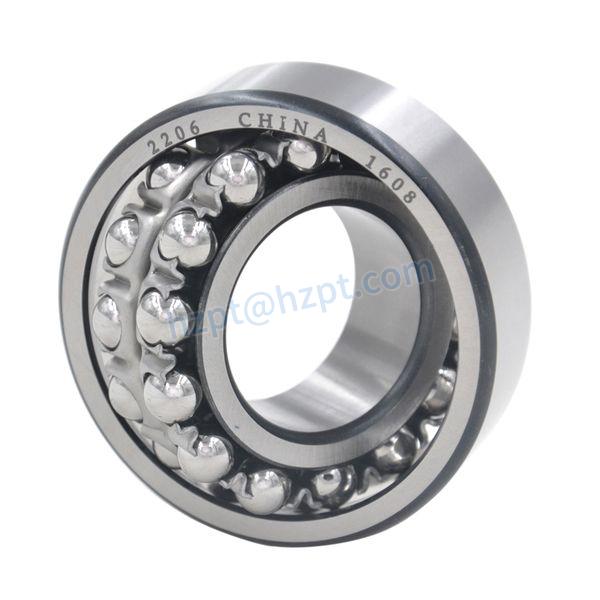
What are the Common Signs of Wear or Damage in Ball Bearings that Indicate the Need for Replacement?
Ball bearings are subjected to wear and stress during operation, and over time, they may exhibit signs of damage or deterioration that warrant replacement. Recognizing these signs is crucial to prevent catastrophic failure and ensure safe and reliable operation. Here are the common signs of wear or damage in ball bearings:
- Unusual Noise:
If you hear unusual grinding, clicking, or rumbling noises coming from the bearing during operation, it may indicate worn-out or damaged components. Unusual noise suggests that the bearing is no longer operating smoothly.
- Vibration:
Excessive vibration in the machinery can be a sign of bearing wear. Vibrations can result from uneven wear, misalignment, or damaged components within the bearing.
- Increased Temperature:
Higher operating temperatures than usual may indicate increased friction due to inadequate lubrication, wear, or other issues. Monitoring the bearing’s temperature can help identify potential problems.
- Irregular Movement:
If you notice irregular movement, jerking, or sticking during rotation, it could be a sign that the bearing is no longer operating smoothly. This may be due to damaged rolling elements or raceways.
- Reduced Performance:
If the machinery’s performance has decreased, it may be due to a compromised bearing. Reduced efficiency, increased energy consumption, or a decline in overall performance could be indicators of bearing wear.
- Visible Wear or Damage:
Inspect the bearing for visible signs of wear, such as pitting, scoring, or discoloration on the rolling elements or raceways. Severe wear or damage is a clear indication that the bearing needs replacement.
- Leakage or Contamination:
If there is evidence of lubricant leakage, contamination, or the presence of foreign particles around the bearing, it suggests that the seal or shield may be compromised, leading to potential damage.
- Looseness or Excessive Play:
If you can feel excessive play or looseness when manually moving the bearing, it could indicate worn-out components or misalignment.
- Reduced Lifespan:
If the bearing’s expected lifespan is significantly shorter than usual, it may be due to inadequate lubrication, excessive loads, or improper installation, leading to accelerated wear.
- Frequent Failures:
If the bearing is consistently failing despite regular maintenance and proper use, it could indicate a chronic issue that requires addressing, such as inadequate lubrication or misalignment.
It’s important to conduct regular inspections, monitor performance, and address any signs of wear or damage promptly. Replacing worn or damaged ball bearings in a timely manner can prevent further damage to machinery, reduce downtime, and ensure safe and efficient operation.
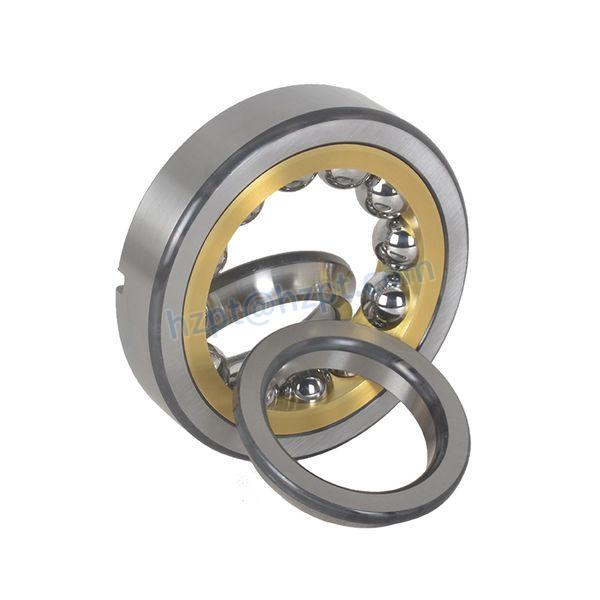
How do Temperature and Environmental Conditions Affect the Performance of Ball Bearings?
Temperature and environmental conditions have a significant impact on the performance and longevity of ball bearings. The operating environment can influence factors such as lubrication effectiveness, material properties, and overall bearing behavior. Here’s how temperature and environmental conditions affect ball bearing performance:
- Lubrication:
Temperature variations can affect the viscosity and flow characteristics of lubricants. Extreme temperatures can cause lubricants to become too thin or too thick, leading to inadequate lubrication and increased friction. In high-temperature environments, lubricants can degrade, reducing their effectiveness.
- Material Properties:
Temperature changes can alter the material properties of the bearing components. High temperatures can lead to thermal expansion, affecting bearing clearances and potentially causing interference between components. Extreme cold temperatures can make materials more brittle and prone to fracture.
- Clearance Changes:
Temperature fluctuations can cause changes in the internal clearance of ball bearings. For instance, at high temperatures, materials expand, leading to increased clearance. This can affect bearing performance, load distribution, and overall stability.
- Corrosion and Contamination:
Harsh environmental conditions, such as exposure to moisture, chemicals, or abrasive particles, can lead to corrosion and contamination of bearing components. Corrosion weakens the material, while contamination accelerates wear and reduces bearing life.
- Thermal Stress:
Rapid temperature changes can result in thermal stress within the bearing components. Differential expansion and contraction between the inner and outer rings can lead to stress and distortion, affecting precision and bearing integrity.
- Noise and Vibration:
Temperature-related changes in material properties and internal clearances can influence noise and vibration levels. Extreme temperatures can lead to increased noise generation and vibration, affecting the overall operation of machinery.
- Lubricant Degradation:
Environmental factors like humidity, dust, and contaminants can lead to premature lubricant degradation. Oxidation, moisture absorption, and the presence of foreign particles can compromise the lubricant’s performance and contribute to increased friction and wear.
- Seal Effectiveness:
Seals and shields that protect bearings from contaminants can be affected by temperature fluctuations. Extreme temperatures can lead to seal hardening, cracking, or deformation, compromising their effectiveness in preventing contamination.
- Choosing Appropriate Bearings:
When selecting ball bearings for specific applications, engineers must consider the expected temperature and environmental conditions. High-temperature bearings, bearings with specialized coatings, and those with enhanced sealing mechanisms may be necessary to ensure reliable performance.
Overall, understanding the impact of temperature and environmental conditions on ball bearing performance is crucial for proper bearing selection, maintenance, and ensuring optimal operation in diverse industries and applications.
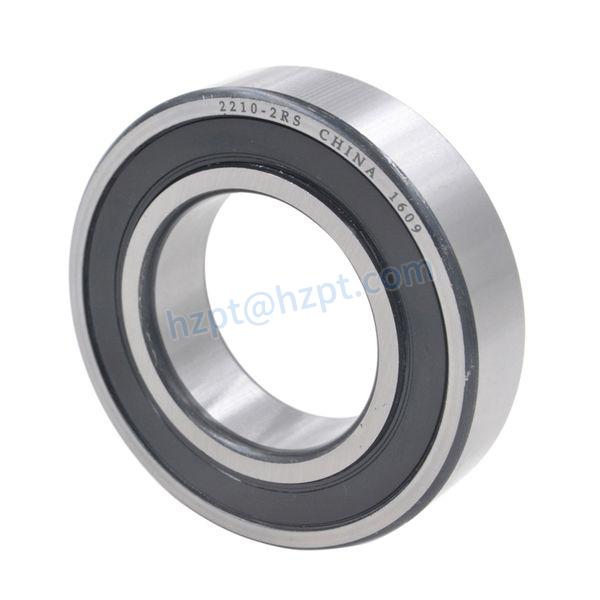
How does Lubrication Impact the Performance and Lifespan of Ball Bearings?
Lubrication plays a critical role in the performance and lifespan of ball bearings. Proper lubrication ensures smooth operation, reduces friction, minimizes wear, and prevents premature failure. Here’s how lubrication impacts ball bearings:
- Friction Reduction:
Lubrication creates a thin film between the rolling elements (balls) and the raceways of the bearing. This film reduces friction by separating the surfaces and preventing direct metal-to-metal contact. Reduced friction results in lower energy consumption, heat generation, and wear.
- Wear Prevention:
Lubricants create a protective barrier that prevents wear and damage to the bearing’s components. Without proper lubrication, the repeated rolling and sliding of the balls against the raceways would lead to accelerated wear, surface pitting, and eventual failure.
- Heat Dissipation:
Lubricants help dissipate heat generated during operation. The rolling elements and raceways can generate heat due to friction. Adequate lubrication carries away this heat, preventing overheating and maintaining stable operating temperatures.
- Corrosion Resistance:
Lubrication prevents moisture and contaminants from coming into direct contact with the bearing’s surfaces. This helps protect the bearing against corrosion, rust, and the formation of debris that can compromise its performance and longevity.
- Noise Reduction:
Lubricated ball bearings operate quietly because the lubricant cushions and dampens vibrations caused by the rolling motion. This noise reduction is crucial in applications where noise levels need to be minimized.
- Seal Protection:
Lubricants help maintain the effectiveness of seals or shields that protect the bearing from contaminants. They create a barrier that prevents particles from entering the bearing and causing damage.
- Improved Efficiency:
Properly lubricated ball bearings operate with reduced friction, leading to improved overall efficiency. This is especially important in applications where energy efficiency is a priority.
- Lifespan Extension:
Effective lubrication significantly extends the lifespan of ball bearings. Bearings that are properly lubricated experience less wear, reduced fatigue, and a lower likelihood of premature failure.
- Selection of Lubricant:
Choosing the right lubricant is essential. Factors such as speed, temperature, load, and environmental conditions influence the choice of lubricant type and viscosity. Some common lubricant options include grease and oil-based lubricants.
- Regular Maintenance:
Regular lubrication maintenance is crucial to ensure optimal bearing performance. Bearings should be inspected and relubricated according to manufacturer recommendations and based on the application’s operating conditions.
In summary, proper lubrication is essential for the optimal performance, longevity, and reliability of ball bearings. It reduces friction, prevents wear, dissipates heat, protects against corrosion, and contributes to smooth and efficient operation in various industrial and mechanical applications.


editor by CX 2024-04-17