Product Description
Product Description
WHY CHOOSE E-ASIA BEARING?
1) 20 years of rich bearing industry export experience
2) ISO & MPA & CE & SGS & BV certified
3) Professional engineers team and Superior machines
4) 1 hour to HangZhou port or ZheJiang port
5) Strict quality inspection (3 steps) before shipment, such as SGS/BV third party certified.
CHOOSE E-ASIA REFUSED ONE TIME BUSINESS
| Deep groove ball bearing | 5 88506 88507 88508A 88508 88509 622 62303 62304 62305 62306 62307 62308 62309 62310 |
| Taper roller bearings | 35712 35713 35714 35715 35716 35717 35718 35719 35710 35711 35712 35713 35714 35715 35716 35717 35718 35719 35710 35711 35712 35714 35716 35718 35710 35712 35714 35716 35710 35714 30302 30303 30304 30305 30306 30307 30308 3 3 0571 3 0571 3 0 30321 30322 30324 30326 30328 30330 30332 30334 32204 32205 32206 32207 32208 32209 32210 32211 32212 32213 32214 32215 32216 32217 32218 32219 32220 32221 32222 32224 32226 32228 32230 32232 32236 32238 32240 32244 32248 32303 32304 32305 32306 32307 32308 32309 32310 32311 32312 32313 32314 32315 32316 32317 32318 32319 32320 32321 32322 32324 32326 32330 32334 31303 31304 31305 31306 31307 31308 31309 31310 31311 31312 31313 31314 31315 31316 31317 31318 31319 31320 31324 31326 31328 31332 32 325714 320726 325718 53856k 53860 |
| Self-aligning ball bearings | |
| spherical plain bearing | GE4E GE5E GE6E GE8E GE10E GE12E GE15ES GE17ES GE20ES GE25ES GE30ES GE35ES GE40ES GE45ES GE50ES GE60ES GE70ES GE80ES GE90ES GE1 110145 120155 130170 140180 150190 165710 |
| Thrust ball bearing | 511 234415 234416 234417 234418 234419 234420 234421 234422 234424 234426 234428 234430 234432 234438 234440 234714 234715 234716 234717 234718 234719 234720 234721 234722 234722 347262 347282 347302 347322 347382 34740 |
| Cylindrical Roller Bearings | NU313EMA NU2313EMA NU2314EMA NU415EMA NU216EMA NU2216EMA NJ2216EMA NUP2216EMA NU316EMA NU2316EMA NU217EMA NU2217EMA NU317EMA NU2317EMA NJ2317EMA NU218EMA NJ218EMA NU2218EMA NJ2218EMA NUP2218EMA NU318EMA NJ318EMA NU2318EMA NJ2318EMA NU219EMA NJ219EMA NU2219EMA NJ2219EMA NU319EMA NJ319EMA NU2319EMA NJ2319EMA NU220EMA NJ220EMA NU2220EMA NJ2220EMA NU320EMA NJ320EMA NU2320EMA NJ2320EMA NU222EMA NJ222EMA NU2222EMA NJ2222EMA NU322EMA NJ322EMA NU2322EMA NJ2322EMA NU1571MA NU224EMA NJ224EMA NU2224EMA NJ2224EMA NU324EMA NJ324EMA NU2324EMA NJ2324EMA NU1026MA NU226EMA NJ226EMA NU2226EMA NJ2226EMA NU326EMA NJ326EMA NU2326EMA NJ2326EMA NU1571MA NU228EMA NJ228EMA NU2228EMA NJ2228EMA NU328EMA NJ328EMA NU2328EMA NJ2328EMA NU1030MA NU230EMA NJ230EMA NUP230EMA NU2230EMA NJ2230EMA N2230EMB NU330EMA NJ330EMA NU2330EMA NJ2330EMA NU1032MA NU232EMA NJ232EMA NUP232EMA NU2232EMA NJ2232EMA NU332EMA NJ332EMA NU2332EMA NJ2332EMA NU1034MA NU3034EMA NU234EMA NJ234EMA NU2234EMA NJ2234EMA NU334EMA NJ334EMA NU2334EMA NJ2334EMA NU1036MA NU236EMA NJ236EMA NU2236EMA NJ2236EMA NU336EMA NJ336EMA NU2336EM NJ2336EMA NU1038MA NU238EMA NJ238EMA NU2238EMA NJ2238EMA NU338EMA NJ338EMA NU2338EMA NJ2338EMA NU1040MA NU240EMA NJ240EMA NU2240EMA NJ2240EMA NU340EMA NJ340EMA NU2340EMA NJ2340EMA NU1044MA NJ1044MA NU3044EMA NU244EMA NJ244EMA NU2244EMA NJ2244EMA NU344EMA NJ344EMA NU2344EMA NJ2344EMA N2344EMB NU1048MA NU248EMA NJ248EMA NU348EMA NJ348EMA NU2348EMA NJ2348EMA NU1052MA NU3052MA NU252MA NUP252MA NU2252MA NU2352EMA NU1056MA NU1060MA NU1964MA NF2964EMB NU1064MA NU2264MA NF2968EMB NU1068MA NU3068EMA NU3168EMA NU2372EMA NU1072MA NU1076MA NJ2980EMA NU1080MA NU2080EMA NF2984EMB NU1088MA NU2088EMA NU3188EMA NJ2892EMA NF2992EMB NU3192EMA NU1096EMA NJ1096EMA NU31/500EMA NU18/560MA NU30/600EMA NU20/630EMA NU20/670EMA NU20/670EMA NU30/670EMA NJ28/710EMA NJ29/710MA NU20/750EMA NU20/800EMA NU20/850EMA NU39/900EMA NU20/900EMA NJ18/1120EMA105RU32 105RN32 105RJ32 105RF32 105RT32 170RU51 170RN51 170RJ51 170RF51 170RT51 170RU91 170RN91 170RJ91 170RF91 170RT91 170RU93 170RN93 170RJ93 170RF93 170RT93 180RU51 180RN51 180RJ51 180RF51 180RT51 180RU91 180RN91 180RJ91 180RF91 180RT91 190RU91 190RN91 190RJ91 190RF91 190RT91 190RU92 190RN92 190RJ92 190RF92 190RT92 200RU91 200RN91 200RJ91 200RF91 200RT91 200RU92 200RN92 200RJ92 200RF92 200RT92 210RU92 210RN92 210RJ92 210RF92 210RT92 220RU51 220RN51 220RJ51 220RF51 220RT51 220RU91 220RN91 220RJ91 220RF91 220RT91 220RU92 220RN92 220RJ92 220RF92 220RT92 240RU91 240RN91 240RJ91 240RF91 240RT91 250RU91 250RN91 250RJ91 250RF91 250RT91NCF2922V NCF2924V NCF2926V NCF2928V NCF2930V NCF2932V NCF2934V NCF2936V NCF2938V NCF1840V NCF2940V NCF1844V NCF2944V NCF1852V NCF2952V NCF2960V NCF1864V NCF2964V NCF1868V NCF1876V NCF2976V NCF1880V NCF1884V NCF1888V NCF1892V NCF2992V NCF2996V NCF18/500V NCF29/500V NCF18/530V NCF18/560V NCF18/600V NCF18/630V NCF18/670V NCF18/710V NCF18/750V NCF18/800VNNU4930MAW33 NNU4932MAW33 NNU4934MAW33 NNU4936MAW33 NNU4938MAW33 NNU4940MAW33 NNU4140MAW33 NNU4944MAW33 NNU4144MAW33 NNU4948MAW33 NNU4148MAW33 NNU4952MAW33 NNU4152MAW33 NNU4956MAW33 NNU4156MAW33 NNU4960MAW33 NNU4160MAW33 NNU4964MAW33 NNU4164MAW33 NNU4968MAW33 NNU4068MAW33 NNU4168MAW33 NNU4972MAW33 NNU4072MAW33 NNU4172MAW33 NNU4976MAW33 NNU4076MAW33 NNU4176MAW33 NNU4980MAW33 NNU4080MAW33 NNU4180MAW33 NNU4984MAW33 NNU4084MAW33 NNU4184MAW33 NNU4988MAW33 NNU4088MAW33 NNU4188MAW33 NNU4992MAW33 NNU4092MAW33 NNU4192MAW33 NNU4996MAW33 NNU4096MAW33 NNU4196MAW33 NNU49/500MAW33 NNU40/500MAW33 NNU49/530MAW33 NNU40/530MAW33 NNU49/560MAW33 NNU49/600MAW33 NNU49/630MAW33 NNU49/670MAW33 NNU40/670MAW33 NNU49/710MAW33 NNU49/750MAW33 NNU49/800MAW33 NNU49/850MAW33 NNU49/900MAW33 |
Company Profile
E-Asia was set up in 1996 and located at HangZhou, a beautiful city in China. Our company is bearing manufacturer and NSK CZPT CZPT CZPT CZPT HRB LYC NACHI C&U bearing distributor. We also provide OEM beaings.Since it was first established, E-AISA was dedicated in research, development and manufacture of bearings. Now, E-AISA has become main and 1 of the first grade suppliers of all kinds of bearings.
Our products include: Deep Groove Ball Bearings, Self-aligning Ball Bearings, Spherical Bearings, Tapered Roller Bearings,Cylindrical Roller Bearings, Needle Roller Bearings, Self-aligning Roller Bearings, Angular Contact Ball Bearings, Thrust Ball Bearings and Trust Roller Bearings and Special Bearings.
E-Asia is a backbone enterprise for bearing production in China. With an area of 60, 000 square meters, more than 260 sets devices and machines, and around 200 employees, our company annually turns out more than 6 million sets bearings.
Our Bearings are exported to the USA, Canada, UK, Germany, Poland, Italy, Russia, the Middle East, Africa and other countries and regions of the world. E-Asia Bearing Co. Ltd. Is committed to the introduction of high-quality bearing products. Our company have more than 200 employees.
Our brands include ZWZ bearings, CZPT bearings, CZPT bearings, CZPT bearings, CZPT bearings, CZPT bearings and so forth.
Our belief is “Specialization is quality; Quality is the future. Any product with 0.01% defect is 100% reject” is our quality policy.
Packaging & Shipping
FAQ
1.What is the minimum order quantity for this product?
Can be negotiated, we will try our best to meet customer needs.Our company is mainly based on wholesale sales, most customers’orders are more than 1 ton.
2.What is your latest delivery time?
Most orders will be shipped within 3-5 days of payment being received.
3.Does your company have quality assurance?
Yes, for 2 years.
4.What is the competitiveness of your company’s products compared to other companies?
High precision, high speed, low noise.
5.What are the advantages of your company’s services compared to other companies?
Answer questions online 24 hours a day, reply in a timely manner, and provide various documents required by customers for customs clearance or sales. 100% after-sales service.
6.Which payment method does your company support?
Do our best to meet customer needs, negotiable.
7.How to contact us quickly?
Please send us an inquiry or message and leave your other contact information, such as phone number, account or account, we will contact you as soon as possible and provide the detailed information you need.
/* January 22, 2571 19:08:37 */!function(){function s(e,r){var a,o={};try{e&&e.split(“,”).forEach(function(e,t){e&&(a=e.match(/(.*?):(.*)$/))&&1
| Type: | Auto Clutch Bearing |
|---|---|
| Material: | Chrome Steel |
| Tolerance: | P5 |
| Customization: |
Available
| Customized Request |
|---|
.shipping-cost-tm .tm-status-off{background: none;padding:0;color: #1470cc}
| Shipping Cost:
Estimated freight per unit. |
about shipping cost and estimated delivery time. |
|---|
| Payment Method: |
|
|---|---|
|
Initial Payment Full Payment |
| Currency: | US$ |
|---|
| Return&refunds: | You can apply for a refund up to 30 days after receipt of the products. |
|---|
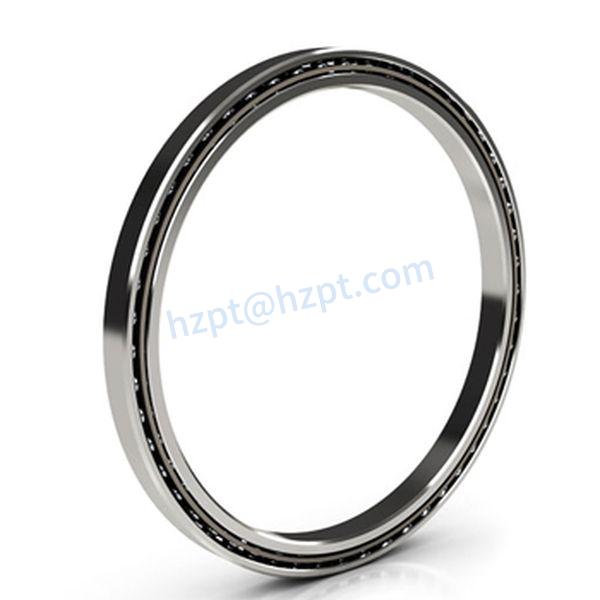
How does Preload Affect the Performance and Efficiency of Ball Bearings?
Preload is a crucial factor in ball bearing design that significantly impacts the performance, efficiency, and overall behavior of the bearings in various applications. Preload refers to the intentional axial force applied to the bearing’s rolling elements before it is mounted. This force eliminates internal clearance and creates contact between the rolling elements and the raceways. Here’s how preload affects ball bearing performance:
- Reduction of Internal Clearance:
Applying preload reduces the internal clearance between the rolling elements and the raceways. This eliminates play within the bearing, ensuring that the rolling elements are in constant contact with the raceways. This reduced internal clearance enhances precision and reduces vibrations during operation.
- Increased Stiffness:
Preloaded bearings are stiffer due to the elimination of internal clearance. This increased stiffness improves the bearing’s ability to handle axial and radial loads with higher accuracy and minimal deflection.
- Minimized Axial Play:
Preload minimizes or eliminates axial play within the bearing. This is especially important in applications where axial movement needs to be minimized, such as machine tool spindles and precision instruments.
- Enhanced Rigidity:
The stiffness resulting from preload enhances the bearing’s rigidity, making it less susceptible to deformation under load. This is critical for maintaining precision and accuracy in applications that require minimal deflection.
- Reduction in Ball Slippage:
Preload reduces the likelihood of ball slippage within the bearing, ensuring consistent contact between the rolling elements and the raceways. This leads to improved efficiency and better load distribution.
- Improved Running Accuracy:
Preloading enhances the running accuracy of the bearing, ensuring that it maintains precise rotational characteristics even under varying loads and speeds. This is essential for applications requiring high accuracy and repeatability.
- Optimized Performance at High Speeds:
Preload helps prevent skidding and slipping of the rolling elements during high-speed operation. This ensures that the bearing remains stable, reducing the risk of noise, vibration, and premature wear.
- Impact on Friction and Heat Generation:
While preload reduces internal clearance and friction, excessive preload can lead to higher friction and increased heat generation. A balance must be struck between optimal preload and minimizing friction-related issues.
- Application-Specific Considerations:
The appropriate amount of preload depends on the application’s requirements, such as load, speed, accuracy, and operating conditions. Over-preloading can lead to increased stress and premature bearing failure, while under-preloading may result in inadequate rigidity and reduced performance.
Overall, preload plays a critical role in optimizing the performance, accuracy, and efficiency of ball bearings. Engineers must carefully determine the right preload level for their specific applications to achieve the desired performance characteristics and avoid potential issues related to overloading or inadequate rigidity.
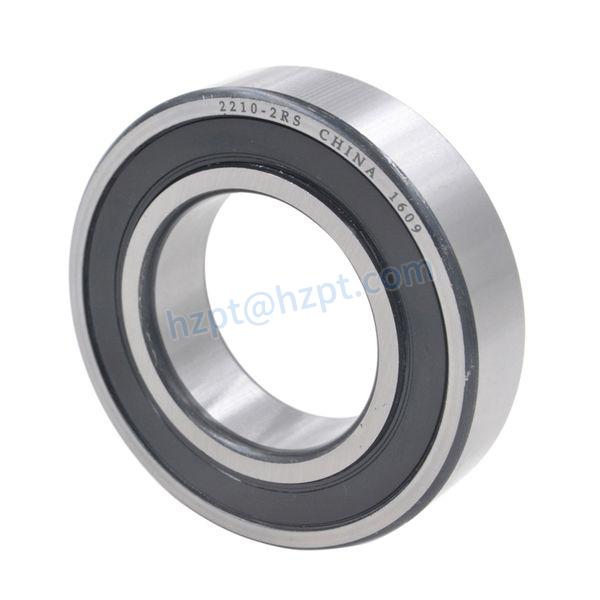
What Role do Seals and Shields Play in Protecting Ball Bearings from Dirt and Debris?
Seals and shields are critical components of ball bearings that play a crucial role in protecting them from dirt, debris, moisture, and contaminants in various applications. These protective features help maintain the integrity of the bearing’s internal components and ensure reliable operation. Here’s how seals and shields contribute to bearing protection:
- Contaminant Exclusion:
Seals and shields create a physical barrier between the external environment and the bearing’s interior. They prevent dust, dirt, water, and other contaminants from entering the bearing and coming into contact with the rolling elements and raceways.
- Lubrication Retention:
Seals and shields help retain lubrication within the bearing. They prevent the lubricant from escaping and contaminants from entering, ensuring that the bearing remains properly lubricated for smooth operation and reduced friction.
- Corrosion Prevention:
Seals and shields protect bearing components from exposure to moisture and corrosive substances. By preventing moisture ingress, they help extend the bearing’s lifespan by minimizing the risk of corrosion-related damage.
- Extended Bearing Life:
Seals and shields contribute to the overall longevity of the bearing by reducing wear and damage caused by contaminants. They help maintain a clean internal environment, which promotes proper rolling contact and minimizes the risk of premature failure.
- Enhanced Performance in Harsh Environments:
In applications exposed to harsh conditions, such as outdoor machinery or industrial settings, seals and shields are vital. They protect bearings from abrasive particles, chemicals, and extreme temperatures, ensuring reliable performance despite challenging conditions.
- Noise and Vibration Reduction:
Seals and shields can help reduce noise and vibration generated by the bearing. They provide additional damping and stability, contributing to smoother operation and enhanced user comfort in noise-sensitive applications.
- Customized Protection:
Manufacturers offer a variety of seal and shield designs to suit different application requirements. Some seals provide higher levels of protection against contamination, while others are designed for high-speed or high-temperature environments.
- Trade-Offs:
While seals and shields offer significant benefits, they can also introduce some friction due to contact with the bearing’s inner or outer ring. Engineers must balance the level of protection with the desired operating characteristics, considering factors like friction, speed, and environmental conditions.
Overall, seals and shields play a vital role in maintaining the integrity and performance of ball bearings. By effectively preventing contaminants from entering and preserving lubrication, they ensure the smooth and reliable operation of machinery and equipment in a wide range of applications.
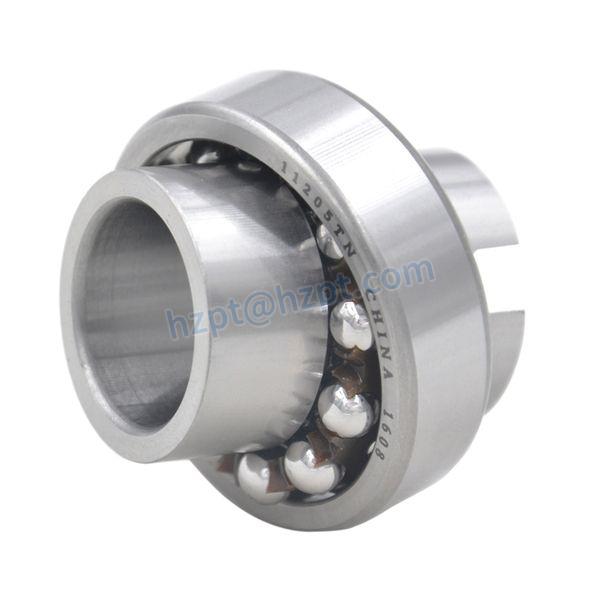
What Factors should be Considered when Selecting a Ball Bearing for a Particular Application?
Selecting the right ball bearing for a specific application involves careful consideration of various factors to ensure optimal performance, longevity, and reliability. Here are the key factors that should be taken into account:
- Load Type and Magnitude:
Determine the type of load (radial, axial, or combined) and the magnitude of the load that the bearing will need to support. Choose a bearing with the appropriate load-carrying capacity to ensure reliable operation.
- Speed and Operating Conditions:
Consider the rotational speed of the application and the operating conditions, such as temperature, humidity, and exposure to contaminants. Different bearing types and materials are suited for varying speeds and environments.
- Accuracy and Precision:
For applications requiring high accuracy and precision, such as machine tool spindles or optical instruments, choose high-precision bearings that can maintain tight tolerances and minimize runout.
- Space Limitations:
If the application has limited space, choose miniature or compact ball bearings that can fit within the available dimensions without compromising performance.
- Thrust and Radial Loads:
Determine whether the application requires predominantly thrust or radial load support. Choose the appropriate type of ball bearing (thrust, radial, or angular contact) based on the primary load direction.
- Alignment and Misalignment:
If the application experiences misalignment between the shaft and housing, consider self-aligning ball bearings that can accommodate angular misalignment.
- Mounting and Installation:
Consider the ease of mounting and dismounting the bearing. Some applications may benefit from features like flanges or snap rings for secure installation.
- Lubrication and Maintenance:
Choose a bearing with appropriate lubrication options based on the application’s speed and temperature range. Consider whether seals or shields are necessary to protect the bearing from contaminants.
- Environmental Conditions:
Factor in the operating environment, including exposure to corrosive substances, chemicals, water, or dust. Choose materials and coatings that can withstand the specific environmental challenges.
- Bearing Material:
Select a bearing material that suits the application’s requirements. Common materials include stainless steel for corrosion resistance and high-carbon chrome steel for general applications.
- Bearing Arrangement:
Consider whether a single-row, double-row, or multiple bearings in a specific arrangement are needed to accommodate the loads and moments present in the application.
By carefully evaluating these factors, engineers and designers can choose the most suitable ball bearing that aligns with the specific demands of the application, ensuring optimal performance, durability, and overall operational efficiency.


editor by CX 2024-05-07
China supplier China Manufacturer Double Shielded Miniature High Carbon Chrome Steel Mini Deep Groove Ball Bearing (608zz 623zz 624zz 625zz 626zz 688zz 635zz) deep groove ball bearing
Product Description
China Factory 3d Printer Parts Deep Groove Ball Bearing 623zz 624zz 625zz 626zz 635zz 608zz 688zz
Single row deep groove ball bearings are particularly versatile. They are simple in design, non-separable, suitable for high and even very high speeds and are robust in operation, requiring little maintenance. Deep raceway grooves and the close conformity between the raceway grooves and the balls enable deep groove ball bearings to accommodate axial loads in both directions, in addition to radial loads, even at high speeds.
1. 623zz : 3mm*10mm*4mm
2. 624zz : 4mm*13mm*5mm
3. 625zz : 5mm*16mm*5mm
4. 626zz : 6mm*19mm*6mm
5. 608zz : 8mm*22mm*7mm
6. 688zz : 8mm*16mm*5mm
7. 635zz : 5mm*19mm*6mm
Detailed Photos
Product Parameters
Product Description
Any combination of closures is available
|
Basic |
Nominal Bearing Dimensions |
Preferred Shoulder Diameters |
||||||||||||
|
d |
D |
B,C |
r (min) |
da (min) |
da (max) |
Da (max) |
||||||||
|
mm |
inch |
mm |
inch |
mm |
inch |
mm |
inch |
mm |
inch |
mm |
inch |
mm |
inch |
|
|
604 |
4 |
0.1575 |
12 |
0.4724 |
4 |
0.1575 |
0.2 |
0.008 |
5.4 |
0.2126 |
6.6 |
0.2598 |
10.6 |
0.4173 |
|
605 |
5 |
0.1969 |
14 |
0.5512 |
5 |
0.2756 |
0.2 |
0.008 |
6.6 |
0.2600 |
7.4 |
0.2913 |
12.4 |
0.4880 |
|
606 |
6 |
0.2362 |
17 |
0.6693 |
6 |
0.2756 |
0.3 |
0.012 |
8.0 |
0.3150 |
8.6 |
0.3386 |
15.0 |
0.5910 |
|
607 |
7 |
0.2756 |
19 |
0.748 |
6 |
0.2756 |
0.3 |
0.012 |
9.0 |
0.3543 |
10.4 |
0.4094 |
17.0 |
0.6693 |
|
608 |
8 |
0.3149 |
22 |
0.8661 |
7 |
0.2756 |
0.3 |
0.012 |
10.0 |
0.3937 |
12.2 |
0.4803 |
10.0 |
0.7874 |
|
609 |
9 |
0.3543 |
24 |
0.9449 |
7 |
0.2756 |
0.3 |
0.012 |
11.0 |
0.4331 |
13.1 |
0.5157 |
12.0 |
0.8661 |
|
Basic |
Nominal Bearing Dimensions |
Preferred Shoulder Diameters |
||||||||||||
|
d |
D |
B,C |
r (min) |
da (min) |
da (max) |
Da (max) |
||||||||
|
mm |
inch |
mm |
inch |
mm |
inch |
mm |
inch |
mm |
inch |
mm |
inch |
mm |
inch |
|
|
624 |
4 |
0.1575 |
13 |
0.5118 |
5 |
0.1968 |
0.2 |
0.007 |
5.6 |
0.220 |
6.2 |
0.244 |
11.4 |
0.449 |
|
625 |
5 |
0.1969 |
13 |
0.6299 |
5 |
0.1968 |
0.3 |
0.012 |
7.0 |
0.276 |
7.6 |
0.299 |
14.0 |
0.551 |
|
626 |
6 |
0.2362 |
16 |
0.7480 |
6 |
0.2362 |
0.3 |
0.012 |
8.0 |
0.315 |
9.5 |
0.374 |
17.0 |
0.669 |
|
627 |
7 |
0.2756 |
22 |
0.8661 |
7 |
0.2756 |
0.3 |
0.012 |
9.0 |
0.354 |
12.2 |
0.480 |
20.0 |
0.787 |
|
628 |
5 |
0.3149 |
24 |
0.9448 |
8 |
0.3149 |
0.3 |
0.012 |
10.0 |
0.394 |
12.1 |
0.476 |
17.0 |
0.669 |
|
629 |
9 |
0.3543 |
26 |
1.5716 |
8 |
0.3149 |
0.3 |
0.012 |
11.5 |
0.453 |
… |
… |
14.0 |
0.945 |
|
Basic |
Nominal Bearing Dimensions |
Preferred Shoulder Diameters |
||||||||||||
|
d |
D |
B,C |
r (min) |
da (min) |
da (max) |
Da (max) |
||||||||
|
mm |
inch |
mm |
inch |
mm |
inch |
mm |
inch |
mm |
inch |
mm |
inch |
mm |
inch |
|
|
635 |
5 | 0.1969 | 19 | 0.7480 | 6 | 0.2362 | 0.3 | 0.012 | 7.0 | 0.276 | 9.5 | 0.374 | 17.0 | 0.669 |
|
636 |
6 | 0.2362 | 22 | 0.8661 | 7 | 0.8661 | 0.3 | 0.012 | … | … | … | … | … | … |
|
637 |
7 | 0.2756 | 26 | 1.5716 | 9 | 0.3543 | 0.3 | 0.012 | … | … | … | … | … | … |
|
638 |
8 | 0.3149 | 28 | 1.1571 | 9 | 0.3543 | 0.3 | 0.012 | 10.0 | 0.394 | … | … | 26.0 | 1.571 |
|
639 |
9 | 0.3543 | 30 | 1.1811 | 10 | 0.3937 | 0.6 | 0.571 | … | … | … | … | … | … |
|
Basic |
Nominal Bearing Dimensions |
Preferred Shoulder Diameters |
||||||||||||||
|
d |
D |
B |
r (min) |
da (min) |
da (max) |
Da (max) |
||||||||||
| Open | Shielded sealed | |||||||||||||||
|
mm |
inch |
mm |
inch |
mm |
inch |
mm |
inch |
mm |
inch |
mm |
inch |
mm |
inch |
mm |
inch |
|
|
685 |
5 | 0.1969 | 11 | 0.4331 | 3 | 0.1181 | 5 | 0.1969 | 0.15 | 0.006 | 6.2 | 0.244 | 6.2 | 0.244 | 9.9 | 0.390 |
|
686 |
6 | 0.2362 | 13 | 0.5118 | 3.5 | 0.1378 | 5 | 0.1969 | 0.15 | 0.006 | 7.4 | 0.291 | 7.4 | 0.291 | 11.7 | 0.461 |
|
687 |
7 | 0.2756 | 14 | 0.5512 | 3.5 | 0.1378 | 5 | 0.1969 | 0.15 | 0.006 | 8.5 | 0.335 | 8.5 | 0.335 | 12.7 | 0.500 |
|
688 |
8 | 0.3150 | 16 | 0.6299 | 4 | 0.1575 | 5 | 0.1969 | 0.20 | 0.008 | … | … | … | … | … | … |
|
689 |
9 | 0.3543 | 17 | 0.6693 | 4 | 0.1575 | 5 | 0.1969 | 0.20 | 0.008 | 10.7 | 0.421 | 10.7 | 0.421 | 15.2 | 0.598 |
|
Basic |
Nominal Bearing Dimensions |
Preferred Shoulder Diameters |
||||||||||||
|
d |
D |
B,C |
r (min) |
da (min) |
da (max) |
Da (max) |
||||||||
|
mm |
inch |
mm |
inch |
mm |
inch |
mm |
inch |
mm |
inch |
mm |
inch |
mm |
inch |
|
|
693 |
3 | 0.1181 | 8 | 0.3150 | 3 | 0.1181 | 0.15 | 0.006 | 4.3 | 0.169 | 4.3 | 0.169 | 7.3 | 0.287 |
|
W693 |
3 | 0.1181 | 8 | 0.3150 | 4 | 0.1575 | 0.15 | 0.006 | 4.2 | 0.165 | 4.2 | 0.165 | 6.8 | 0.268 |
|
694 |
4 | 0.1575 | 11 | 0.4331 | 4 | 0.1575 | 0.20 | 0.008 | 5.2 | 0.205 | 5.2 | 0.205 | 9.8 | 0.386 |
|
695 |
5 | 0.1969 | 13 | 0.5118 | 4 | 0.1575 | 0.20 | 0.008 | 6.6 | 0.260 | 6.6 | 0.260 | 11.4 | 0.449 |
|
696 |
6 | 0.2362 | 15 | 0.5906 | 5 | 0.1969 | 0.30 | 0.012 | 7.6 | 0.299 | 7.6 | 0.299 | 13.4 | 0.528 |
|
697 |
7 | 0.2756 | 17 | 0.6693 | 5 | 0.1969 | 0.30 | 0.012 | 9.0 | 0.354 | 9.0 | 0.354 | 15.0 | 0.591 |
|
698 |
8 | 0.3150 | 19 | 0.7480 | 6 | 0.2362 | 0.30 | 0.012 | 10.0 | 0.394 | 10.0 | 0.394 | 16.5 | 0.650 |
|
699 |
9 | 0.3543 | 20 | 0.7874 | 6 | 0.2362 | 0.30 | 0.012 | 11.0 | 0.433 | 11.6 | 0.457 | 18.0 | 0.709 |
|
Common Options |
|
|
Z |
: One Shield |
/* January 22, 2571 19:08:37 */!function(){function s(e,r){var a,o={};try{e&&e.split(“,”).forEach(function(e,t){e&&(a=e.match(/(.*?):(.*)$/))&&1
| Aligning: | Non-Aligning Bearing |
|---|---|
| Separated: | Unseparated |
| Rows Number: | Single |
| Load Direction: | Radial Bearing |
| Material: | Bearing Steel |
| Transport Package: | Industrial Exporting Packing,or Upon The Customer′ |
| Customization: |
Available
| Customized Request |
|---|
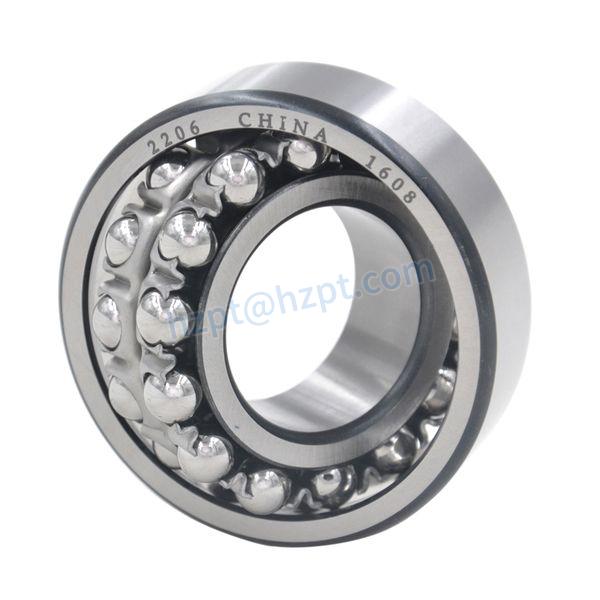
What are the Common Signs of Wear or Damage in Ball Bearings that Indicate the Need for Replacement?
Ball bearings are subjected to wear and stress during operation, and over time, they may exhibit signs of damage or deterioration that warrant replacement. Recognizing these signs is crucial to prevent catastrophic failure and ensure safe and reliable operation. Here are the common signs of wear or damage in ball bearings:
- Unusual Noise:
If you hear unusual grinding, clicking, or rumbling noises coming from the bearing during operation, it may indicate worn-out or damaged components. Unusual noise suggests that the bearing is no longer operating smoothly.
- Vibration:
Excessive vibration in the machinery can be a sign of bearing wear. Vibrations can result from uneven wear, misalignment, or damaged components within the bearing.
- Increased Temperature:
Higher operating temperatures than usual may indicate increased friction due to inadequate lubrication, wear, or other issues. Monitoring the bearing’s temperature can help identify potential problems.
- Irregular Movement:
If you notice irregular movement, jerking, or sticking during rotation, it could be a sign that the bearing is no longer operating smoothly. This may be due to damaged rolling elements or raceways.
- Reduced Performance:
If the machinery’s performance has decreased, it may be due to a compromised bearing. Reduced efficiency, increased energy consumption, or a decline in overall performance could be indicators of bearing wear.
- Visible Wear or Damage:
Inspect the bearing for visible signs of wear, such as pitting, scoring, or discoloration on the rolling elements or raceways. Severe wear or damage is a clear indication that the bearing needs replacement.
- Leakage or Contamination:
If there is evidence of lubricant leakage, contamination, or the presence of foreign particles around the bearing, it suggests that the seal or shield may be compromised, leading to potential damage.
- Looseness or Excessive Play:
If you can feel excessive play or looseness when manually moving the bearing, it could indicate worn-out components or misalignment.
- Reduced Lifespan:
If the bearing’s expected lifespan is significantly shorter than usual, it may be due to inadequate lubrication, excessive loads, or improper installation, leading to accelerated wear.
- Frequent Failures:
If the bearing is consistently failing despite regular maintenance and proper use, it could indicate a chronic issue that requires addressing, such as inadequate lubrication or misalignment.
It’s important to conduct regular inspections, monitor performance, and address any signs of wear or damage promptly. Replacing worn or damaged ball bearings in a timely manner can prevent further damage to machinery, reduce downtime, and ensure safe and efficient operation.
How do Temperature and Environmental Conditions Affect the Performance of Ball Bearings?
Temperature and environmental conditions have a significant impact on the performance and longevity of ball bearings. The operating environment can influence factors such as lubrication effectiveness, material properties, and overall bearing behavior. Here’s how temperature and environmental conditions affect ball bearing performance:
- Lubrication:
Temperature variations can affect the viscosity and flow characteristics of lubricants. Extreme temperatures can cause lubricants to become too thin or too thick, leading to inadequate lubrication and increased friction. In high-temperature environments, lubricants can degrade, reducing their effectiveness.
- Material Properties:
Temperature changes can alter the material properties of the bearing components. High temperatures can lead to thermal expansion, affecting bearing clearances and potentially causing interference between components. Extreme cold temperatures can make materials more brittle and prone to fracture.
- Clearance Changes:
Temperature fluctuations can cause changes in the internal clearance of ball bearings. For instance, at high temperatures, materials expand, leading to increased clearance. This can affect bearing performance, load distribution, and overall stability.
- Corrosion and Contamination:
Harsh environmental conditions, such as exposure to moisture, chemicals, or abrasive particles, can lead to corrosion and contamination of bearing components. Corrosion weakens the material, while contamination accelerates wear and reduces bearing life.
- Thermal Stress:
Rapid temperature changes can result in thermal stress within the bearing components. Differential expansion and contraction between the inner and outer rings can lead to stress and distortion, affecting precision and bearing integrity.
- Noise and Vibration:
Temperature-related changes in material properties and internal clearances can influence noise and vibration levels. Extreme temperatures can lead to increased noise generation and vibration, affecting the overall operation of machinery.
- Lubricant Degradation:
Environmental factors like humidity, dust, and contaminants can lead to premature lubricant degradation. Oxidation, moisture absorption, and the presence of foreign particles can compromise the lubricant’s performance and contribute to increased friction and wear.
- Seal Effectiveness:
Seals and shields that protect bearings from contaminants can be affected by temperature fluctuations. Extreme temperatures can lead to seal hardening, cracking, or deformation, compromising their effectiveness in preventing contamination.
- Choosing Appropriate Bearings:
When selecting ball bearings for specific applications, engineers must consider the expected temperature and environmental conditions. High-temperature bearings, bearings with specialized coatings, and those with enhanced sealing mechanisms may be necessary to ensure reliable performance.
Overall, understanding the impact of temperature and environmental conditions on ball bearing performance is crucial for proper bearing selection, maintenance, and ensuring optimal operation in diverse industries and applications.
How does Lubrication Impact the Performance and Lifespan of Ball Bearings?
Lubrication plays a critical role in the performance and lifespan of ball bearings. Proper lubrication ensures smooth operation, reduces friction, minimizes wear, and prevents premature failure. Here’s how lubrication impacts ball bearings:
- Friction Reduction:
Lubrication creates a thin film between the rolling elements (balls) and the raceways of the bearing. This film reduces friction by separating the surfaces and preventing direct metal-to-metal contact. Reduced friction results in lower energy consumption, heat generation, and wear.
- Wear Prevention:
Lubricants create a protective barrier that prevents wear and damage to the bearing’s components. Without proper lubrication, the repeated rolling and sliding of the balls against the raceways would lead to accelerated wear, surface pitting, and eventual failure.
- Heat Dissipation:
Lubricants help dissipate heat generated during operation. The rolling elements and raceways can generate heat due to friction. Adequate lubrication carries away this heat, preventing overheating and maintaining stable operating temperatures.
- Corrosion Resistance:
Lubrication prevents moisture and contaminants from coming into direct contact with the bearing’s surfaces. This helps protect the bearing against corrosion, rust, and the formation of debris that can compromise its performance and longevity.
- Noise Reduction:
Lubricated ball bearings operate quietly because the lubricant cushions and dampens vibrations caused by the rolling motion. This noise reduction is crucial in applications where noise levels need to be minimized.
- Seal Protection:
Lubricants help maintain the effectiveness of seals or shields that protect the bearing from contaminants. They create a barrier that prevents particles from entering the bearing and causing damage.
- Improved Efficiency:
Properly lubricated ball bearings operate with reduced friction, leading to improved overall efficiency. This is especially important in applications where energy efficiency is a priority.
- Lifespan Extension:
Effective lubrication significantly extends the lifespan of ball bearings. Bearings that are properly lubricated experience less wear, reduced fatigue, and a lower likelihood of premature failure.
- Selection of Lubricant:
Choosing the right lubricant is essential. Factors such as speed, temperature, load, and environmental conditions influence the choice of lubricant type and viscosity. Some common lubricant options include grease and oil-based lubricants.
- Regular Maintenance:
Regular lubrication maintenance is crucial to ensure optimal bearing performance. Bearings should be inspected and relubricated according to manufacturer recommendations and based on the application’s operating conditions.
In summary, proper lubrication is essential for the optimal performance, longevity, and reliability of ball bearings. It reduces friction, prevents wear, dissipates heat, protects against corrosion, and contributes to smooth and efficient operation in various industrial and mechanical applications.
editor by CX 2024-04-17