Product Description
HXHV High Speed / Ball Screw Support Bearing
Material: Chrome Steel / Stainless Steel rings and balls.
Precesion Range: P5 or P4
OEM Service: Custom bearing’s size, logo, packing.
70 Series (High Speed): contact us for more
| Model Number | Model Number2 | Inner Diameter | Outer Diameter | Width |
| 706C | 706AC | 6 mm | 17 mm | 6 mm |
| 708C | 708AC | 8 mm | 22 mm | 7 mm |
| 7000C | 7000AC | 10 mm | 26 mm | 8 mm |
| 7001C | 7001AC | 12 mm | 28 mm | 8 mm |
| 7002C | 7002AC | 15 mm | 32 mm | 9 mm |
| 7003C | 7003AC | 17 mm | 35 mm | 10 mm |
| 7004C | 7004AC | 20 mm | 42 mm | 12 mm |
| 7005C | 7005AC | 25 mm | 47 mm | 12 mm |
| 7006C | 7006AC | 30 mm | 55 mm | 13 mm |
| 7007C | 7007AC | 35 mm | 62 mm | 14 mm |
72 Series (High Speed): contact us for more
| Model Number | Model Number2 | Inner Diameter | Outer Diameter | Width |
| 7200C | 7200AC | 10 mm | 30 mm | 9 mm |
| 7201C | 7201AC | 12 mm | 32 mm | 10 mm |
| 7202C | 7202AC | 15 mm | 35 mm | 11 mm |
| 7203C | 7203AC | 17 mm | 40 mm | 12 mm |
| 7204C | 7204AC | 20 mm | 47 mm | 14 mm |
| 7205C | 7205AC | 25 mm | 52 mm | 15 mm |
| 7206C | 7206AC | 30 mm | 62 mm | 16 mm |
| 7207C | 7207AC | 35 mm | 72 mm | 17 mm |
| 7208C | 7208AC | 40 mm | 80 mm | 18 mm |
| 7209C | 7209AC | 45 mm | 85 mm | 19 mm |
718 Series (High Speed): contact us for more
| Model Number | Model Number2 | Inner Diameter | Outer Diameter | Width |
| 71800C | 71800AC | 10 mm | 19 mm | 5 mm |
| 71801C | 71801AC | 12 mm | 21 mm | 5 mm |
| 71802C | 71802AC | 15 mm | 24 mm | 5 mm |
| 71803C | 71803AC | 17 mm | 26 mm | 5 mm |
| 71804C | 71804AC | 20 mm | 32 mm | 7 mm |
| 71805C | 71805AC | 25 mm | 37 mm | 7 mm |
| 71806C | 71806AC | 30 mm | 42 mm | 7 mm |
| 71807C | 71807AC | 35 mm | 47 mm | 7 mm |
| 71808C | 71808AC | 40 mm | 52 mm | 7 mm |
| 71809C | 71809AC | 45 mm | 58 mm | 7 mm |
719 Series (High Speed): contact us for more
| Model Number | Model Number2 | Inner Diameter | Outer Diameter | Width |
| 71900C | 71900AC | 10 mm | 22 mm | 6 mm |
| 71901C | 71901AC | 12 mm | 24 mm | 6 mm |
| 71902C | 71902AC | 15 mm | 28 mm | 7 mm |
| 71903C | 71903AC | 17 mm | 30 mm | 7 mm |
| 71904C | 71904AC | 20 mm | 37 mm | 9 mm |
| 71905C | 71905AC | 25 mm | 42 mm | 9 mm |
| 71906C | 71906AC | 30 mm | 47 mm | 9 mm |
| 71907C | 71907AC | 35 mm | 55 mm | 10 mm |
| 71908C | 71908AC | 40 mm | 62 mm | 12 mm |
| 71909C | 71909AC | 45 mm | 68 mm | 12 mm |
TAC Series (Ball screw support): contact us for more
| Model Number | Inner Diameter | Outer Diameter | Width |
| 15TAC47B | 15 mm | 47 mm | 15 mm |
| 17TAC47B | 17 mm | 47 mm | 15 mm |
| 20TAC47B | 20 mm | 47 mm | 15 mm |
| 25TAC62B | 25 mm | 62 mm | 15 mm |
| 30TAC62B | 30 mm | 62 mm | 15 mm |
| 35TAC72B | 35 mm | 72 mm | 15 mm |
| 40TAC72B | 40 mm | 72 mm | 15 mm |
| 40TAC90B | 40 mm | 90 mm | 20 mm |
760 Series (Ball screw support): contact us for more
| Model Number | Inner Diameter | Outer Diameter | Width |
| 7657112 | 12 mm | 32 mm | 10 mm |
| 7657115 | 15 mm | 35 mm | 11 mm |
| 7657117 | 17 mm | 40 mm | 12 mm |
| 7657120 | 20 mm | 47 mm | 14 mm |
| 765711 | 20 mm | 52 mm | 15 mm |
| 7657125 | 25 mm | 52 mm | 15 mm |
| 76 0571 1 | 25 mm | 62 mm | 17 mm |
| 7657130 | 30 mm | 62 mm | 16 mm |
| 7603030 | 30 mm | 72 mm | 19 mm |
| 7657135 | 35 mm | 72 mm | 17 mm |
Packing:
|
Universal Packing |
Without any logo on bearings or packing. |
|
HXHV Packing |
With our brand HXHV on bearings and packing. |
|
Customized Packing |
Depends on buyer’s requirements. |
|
Original Brand Packing |
Bearing and packing are both original. Please contact us for pictures. |
Certificate:
Our bearings comes with CE certificate and our company has been verified by SGS Group. Please contact us for clear certificate photos.
Other Bearings:
We supply different types of ball and roller bearings, slewing bearings, mini bearings, ceramic bearings, Linear guides.
To get price list of promotion bearings, please contact us. /* March 10, 2571 17:59:20 */!function(){function s(e,r){var a,o={};try{e&&e.split(“,”).forEach(function(e,t){e&&(a=e.match(/(.*?):(.*)$/))&&1
| Contact Angle: | 15° or 25° |
|---|---|
| Aligning: | Aligning Bearing |
| Separated: | Unseparated |
| Rows Number: | Single |
| Load Direction: | Radial Bearing |
| Material: | Bearing Steel |
| Samples: |
US$ 2.5/Piece
1 Piece(Min.Order) | |
|---|
| Customization: |
Available
| Customized Request |
|---|
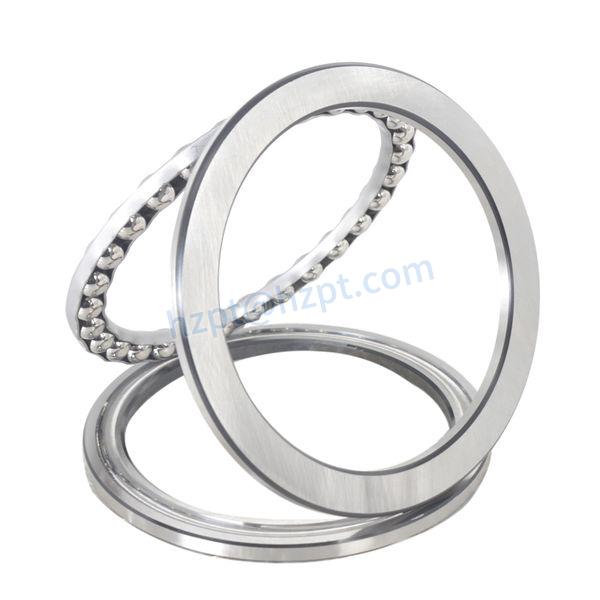
What are the Materials Typically Used in Manufacturing Ball Bearings and Their Advantages?
Ball bearings are manufactured using a variety of materials, each chosen for its specific properties and advantages in various applications. Here are some commonly used materials in ball bearing manufacturing and their respective benefits:
- High-Carbon Chrome Steel (AISI 52100):
This is the most common material used for ball bearing manufacturing. It offers excellent hardness, wear resistance, and fatigue strength. High-carbon chrome steel bearings are suitable for a wide range of applications, from industrial machinery to automotive components.
- Stainless Steel (AISI 440C, AISI 304, AISI 316):
Stainless steel bearings are corrosion-resistant and suitable for applications where moisture, chemicals, or exposure to harsh environments are concerns. AISI 440C offers high hardness and corrosion resistance, while AISI 304 and AISI 316 provide good corrosion resistance and are often used in food and medical industries.
- Ceramic:
Ceramic bearings use silicon nitride (Si3N4) or zirconia (ZrO2) balls. Ceramic materials offer high stiffness, low density, and excellent resistance to corrosion and heat. Ceramic bearings are commonly used in high-speed and high-temperature applications, such as in aerospace and racing industries.
- Plastic (Polyamide, PEEK):
Plastic bearings are lightweight and offer good corrosion resistance. Polyamide bearings are commonly used due to their low friction and wear properties. Polyether ether ketone (PEEK) bearings provide high-temperature resistance and are suitable for demanding environments.
- Bronze:
Bronze bearings are often used in applications where self-lubrication is required. Bronze has good thermal conductivity and wear resistance. Bearings made from bronze are commonly used in machinery requiring frequent starts and stops.
- Hybrid Bearings:
Hybrid bearings combine steel rings with ceramic balls. These bearings offer a balance between the advantages of both materials, such as improved stiffness and reduced weight. Hybrid bearings are used in applications where high speeds and low friction are essential.
- Specialty Alloys:
For specific applications, specialty alloys may be used to meet unique requirements. For example, bearings used in extreme temperatures or corrosive environments may be made from materials like titanium or hastelloy.
- Coated Bearings:
Bearings may also be coated with thin layers of materials like diamond-like carbon (DLC) or other coatings to enhance performance, reduce friction, and improve wear resistance.
The choice of material depends on factors such as application requirements, operating conditions, load, speed, and environmental factors. Selecting the right material is essential for ensuring optimal bearing performance, longevity, and reliability in diverse industries and applications.
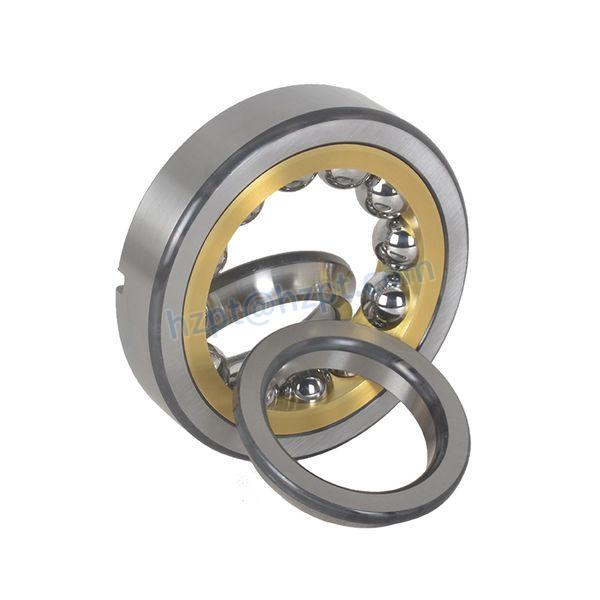
How do Temperature and Environmental Conditions Affect the Performance of Ball Bearings?
Temperature and environmental conditions have a significant impact on the performance and longevity of ball bearings. The operating environment can influence factors such as lubrication effectiveness, material properties, and overall bearing behavior. Here’s how temperature and environmental conditions affect ball bearing performance:
- Lubrication:
Temperature variations can affect the viscosity and flow characteristics of lubricants. Extreme temperatures can cause lubricants to become too thin or too thick, leading to inadequate lubrication and increased friction. In high-temperature environments, lubricants can degrade, reducing their effectiveness.
- Material Properties:
Temperature changes can alter the material properties of the bearing components. High temperatures can lead to thermal expansion, affecting bearing clearances and potentially causing interference between components. Extreme cold temperatures can make materials more brittle and prone to fracture.
- Clearance Changes:
Temperature fluctuations can cause changes in the internal clearance of ball bearings. For instance, at high temperatures, materials expand, leading to increased clearance. This can affect bearing performance, load distribution, and overall stability.
- Corrosion and Contamination:
Harsh environmental conditions, such as exposure to moisture, chemicals, or abrasive particles, can lead to corrosion and contamination of bearing components. Corrosion weakens the material, while contamination accelerates wear and reduces bearing life.
- Thermal Stress:
Rapid temperature changes can result in thermal stress within the bearing components. Differential expansion and contraction between the inner and outer rings can lead to stress and distortion, affecting precision and bearing integrity.
- Noise and Vibration:
Temperature-related changes in material properties and internal clearances can influence noise and vibration levels. Extreme temperatures can lead to increased noise generation and vibration, affecting the overall operation of machinery.
- Lubricant Degradation:
Environmental factors like humidity, dust, and contaminants can lead to premature lubricant degradation. Oxidation, moisture absorption, and the presence of foreign particles can compromise the lubricant’s performance and contribute to increased friction and wear.
- Seal Effectiveness:
Seals and shields that protect bearings from contaminants can be affected by temperature fluctuations. Extreme temperatures can lead to seal hardening, cracking, or deformation, compromising their effectiveness in preventing contamination.
- Choosing Appropriate Bearings:
When selecting ball bearings for specific applications, engineers must consider the expected temperature and environmental conditions. High-temperature bearings, bearings with specialized coatings, and those with enhanced sealing mechanisms may be necessary to ensure reliable performance.
Overall, understanding the impact of temperature and environmental conditions on ball bearing performance is crucial for proper bearing selection, maintenance, and ensuring optimal operation in diverse industries and applications.
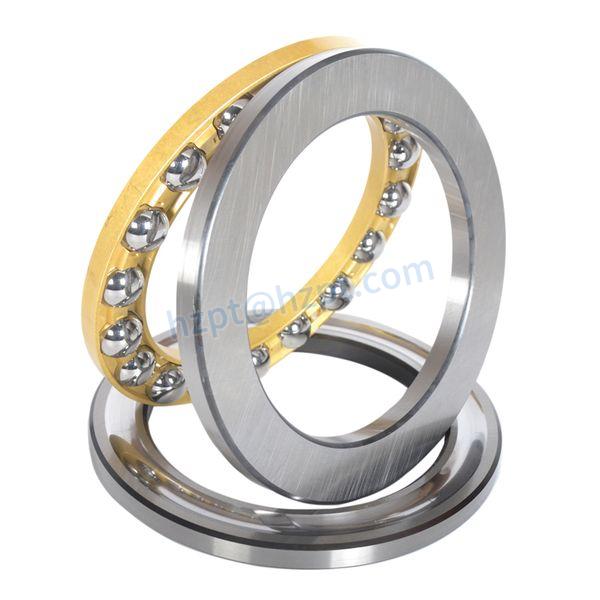
What are the Primary Benefits of Using Ball Bearings in Machinery and Equipment?
Ball bearings offer several primary benefits when used in machinery and equipment. Their design and functionality provide advantages that contribute to the efficient and reliable operation of various applications. Here are the key benefits:
- Reduced Friction:
One of the primary benefits of ball bearings is their ability to minimize friction between moving parts. The rolling motion of the balls reduces the contact area and sliding friction, leading to smoother operation and less energy loss due to frictional heating.
- Efficient Load Support:
Ball bearings are engineered to support both radial and axial loads, making them versatile for applications with multidirectional forces. This load-bearing capability allows machinery to handle different types of loads while maintaining performance and stability.
- Smooth Rotation:
Ball bearings enable smooth and precise rotational movement. The rolling motion of the balls provides consistent motion with minimal resistance, ensuring that machinery operates smoothly and without jerks.
- High-Speed Capability:
Due to their low friction and efficient rolling action, ball bearings are suitable for high-speed applications. They allow machinery and equipment to achieve and maintain high rotational speeds without excessive wear or heat buildup.
- Reduced Wear and Maintenance:
The reduced friction in ball bearings leads to lower wear on components. This results in longer service intervals and reduced maintenance requirements, saving both time and maintenance costs.
- Energy Efficiency:
By minimizing friction and reducing energy losses, ball bearings contribute to the overall energy efficiency of machinery. This is particularly important in applications where energy consumption is a concern.
- Versatility:
Ball bearings come in various types, sizes, and configurations, allowing them to be used in a wide range of machinery and equipment. They can be customized to suit specific application requirements.
- Reliability and Longevity:
Ball bearings are designed to withstand heavy loads and harsh operating conditions. Their durability and resistance to wear ensure reliable performance and an extended operational life.
- Quiet Operation:
Ball bearings contribute to quiet machinery operation due to the smooth rolling motion of the balls. This is particularly important in applications where noise reduction is a consideration.
In summary, the primary benefits of using ball bearings in machinery and equipment include reduced friction, efficient load support, smooth rotation, high-speed capability, reduced wear and maintenance, energy efficiency, versatility, reliability, and quiet operation. These benefits collectively enhance the performance and longevity of machinery across various industries.


editor by CX 2024-01-19