Product Description
Product Description:
Product details:
Deep groove ball bearing
High quality
High precision
High speed
Durable
Competitive price
Super popular
Long life
Low noise
Specification:
| 6200 series | |||||||||
| 6200 | 10 | 30 | 9 | 0.6 | 5.1 | 2.38 | 25000 | 30000 | 0.032 |
| 6201 | 12 | 32 | 10 | 0.6 | 6.82 | 3.05 | 22000 | 26000 | 0.035 |
| 6202 | 15 | 35 | 11 | 0.6 | 7.65 | 3.72 | 19000 | 23000 | 0.045 |
| 6203 | 17 | 40 | 12 | 0.6 | 9.58 | 4.78 | 18000 | 21000 | 0.064 |
| 6204 | 20 | 47 | 14 | 1 | 12.8 | 6.65 | 16000 | 18000 | 0.103 |
| 6205 | 25 | 52 | 15 | 1 | 14 | 7.88 | 13000 | 15000 | 0.127 |
| 6206 | 30 | 62 | 16 | 1 | 19.5 | 11.5 | 11000 | 13000 | 0.2 |
| 6207 | 35 | 72 | 17 | 1.1 | 25.5 | 15.2 | 9800 | 11000 | 0.288 |
| 6208 | 40 | 80 | 18 | 1.1 | 29.5 | 18 | 8700 | 10000 | 0.368 |
| 6209 | 45 | 85 | 19 | 1.1 | 31.5 | 20.5 | 7800 | 9200 | 0.416 |
| 6210 | 50 | 90 | 20 | 1.1 | 35 | 23.2 | 7100 | 8300 | 0.463 |
| 6211 | 55 | 100 | 21 | 1.5 | 43.4 | 29.4 | 6400 | 7600 | 0.607 |
| 6212 | 60 | 110 | 22 | 1.5 | 52.4 | 36.2 | 6000 | 7000 | 0.783 |
| 6213 | 65 | 120 | 23 | 1.5 | 57.2 | 40.1 | 5500 | 6500 | 0.99 |
| 6214 | 70 | 125 | 24 | 1.5 | 62.2 | 44.1 | 5100 | 6000 | 1.07 |
| 6215 | 75 | 130 | 25 | 1.5 | 67.4 | 48.3 | 4800 | 5600 | 1.18 |
| 6216 | 80 | 140 | 26 | 2 | 72.7 | 53 | 4500 | 5300 | 1.4 |
| 6217 | 85 | 150 | 28 | 2 | 84 | 61.9 | 4200 | 5000 | 1.79 |
| 6218 | 90 | 160 | 30 | 2 | 96.1 | 71.5 | 4000 | 4700 | 2.15 |
| 6219 | 95 | 170 | 32 | 2.1 | 109 | 81.9 | 3700 | 4400 | 2.62 |
| 6220 | 100 | 180 | 34 | 2.1 | 122 | 93.1 | 3500 | 4200 | 3.14 |
| 6221 | 105 | 190 | 36 | 2.1 | 133 | 105 | 3400 | 4000 | 3.7 |
| 6222 | 110 | 200 | 38 | 2.1 | 144 | 117 | 3200 | 3800 | 4.36 |
| 6224 | 120 | 215 | 40 | 2.1 | 155 | 131 | 2900 | 3400 | 5.15 |
| 6226 | 130 | 230 | 40 | 3 | 167 | 146 | 2700 | 3100 | 5.82 |
| 6228 | 140 | 250 | 42 | 3 | 166 | 150 | 2500 | 2900 | 7.57 |
| 6230 | 150 | 270 | 45 | 3 | 176 | 168 | 2300 | 2700 | 9.41 |
Product Application
Compamy profile:
HangZhou Terry Machinery Co.Ltd is a leading supplier of bearings, Linear motion system for CNC , Ball transfer Unit and transmission component .the growing industrial and Favorable policy of HangZhou benefit the development of Terry Machinery .Our products are utilized in industrial, motorcycle, vehicle and Automation applications. Now we are exporting to 46 countries. including USA, GBR , Germany , Spain, Poland ,Turkey ect .The Goal of Terry Machinery to provide out customers with widest range of products at competitive prices, backed with the best Service.OUR ADVANTAGE Products Our major products & Supplied:Meet all the international standards and ISO9001 -TS1694 Certificate Big volume in Stock, No MOQ required Personnel Our salespersons are well trained to accommodate your requests and speak English for your conveniences.Our technicians and engineers Experience in the Industry area exceeds 23 years Service &Quality control ,We supply detailed drawings and offer when ever necessary,We help all customers promote and improve their sales.We inspect every piece of products by ourselves before delivery.
Packing&Delivery:
FAQ:
Custom Praise:
/* January 22, 2571 19:08:37 */!function(){function s(e,r){var a,o={};try{e&&e.split(“,”).forEach(function(e,t){e&&(a=e.match(/(.*?):(.*)$/))&&1
| Inside Diameter: | 12mm |
|---|---|
| Outside Diameter: | 32mm |
| Thickness: | 10mm |
.shipping-cost-tm .tm-status-off{background: none;padding:0;color: #1470cc}
| Shipping Cost:
Estimated freight per unit. |
about shipping cost and estimated delivery time. |
|---|
| Payment Method: |
|
|---|---|
|
Initial Payment Full Payment |
| Currency: | US$ |
|---|
| Return&refunds: | You can apply for a refund up to 30 days after receipt of the products. |
|---|
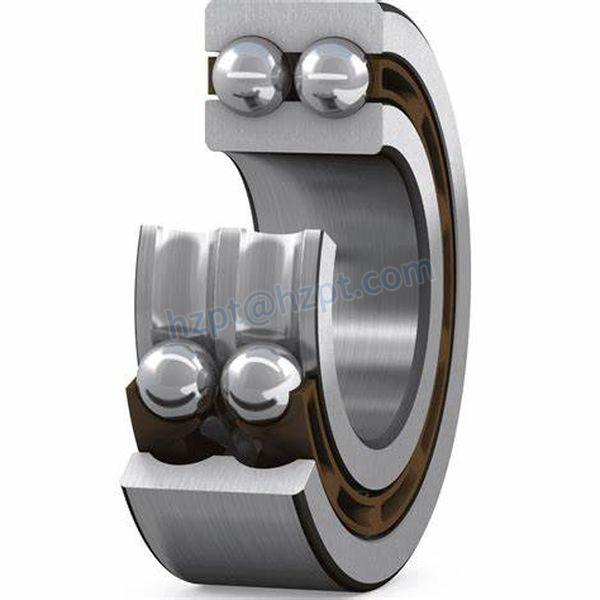
What are the Challenges Associated with Noise Reduction in Ball Bearings?
Noise reduction in ball bearings is a crucial consideration, especially in applications where noise levels must be minimized for operational efficiency and user comfort. While ball bearings are designed to operate smoothly, there are several challenges associated with reducing noise in their operation:
- Vibration:
Vibration generated by the movement of rolling elements and raceways can lead to noise. Even minor irregularities in bearing components or the mounting system can cause vibration that translates into audible noise.
- Bearing Type and Design:
The type and design of the ball bearing can impact noise generation. For example, deep groove ball bearings are known for their quiet operation, while angular contact bearings can generate more noise due to their higher contact angles.
- Lubrication:
Improper or inadequate lubrication can result in increased friction and wear, leading to noise. Choosing the right lubricant and maintaining proper lubrication levels are essential for reducing noise in ball bearings.
- Bearing Clearance and Preload:
Incorrect clearance or preload settings can lead to noise issues. Excessive clearance or inadequate preload can cause the rolling elements to impact the raceways, resulting in noise during rotation.
- Material and Manufacturing Quality:
The quality of materials and manufacturing processes can affect noise levels. Inconsistent or low-quality materials, improper heat treatment, or manufacturing defects can lead to noise generation during operation.
- Surface Finish:
The surface finish of the rolling elements and raceways can impact noise. Rough surfaces can generate more noise due to increased friction and potential irregularities.
- Sealing and Shielding:
Seals and shields that protect bearings can influence noise levels. While they are necessary for contamination prevention, they can also cause additional friction and generate noise.
- Operating Conditions:
External factors such as temperature, speed, and load can influence noise levels. High speeds or heavy loads can amplify noise due to increased stress on the bearing components.
- Wear and Deterioration:
As ball bearings wear over time, noise levels can increase. Worn components or inadequate lubrication can lead to more significant noise issues as the bearing operates.
To address these challenges and reduce noise in ball bearings, manufacturers and engineers employ various techniques, such as optimizing design, selecting suitable bearing types, using proper lubrication, maintaining accurate preload settings, and ensuring high-quality materials and manufacturing processes. Noise reduction efforts are essential to improve overall product quality, meet noise regulations, and enhance user experience in various applications.
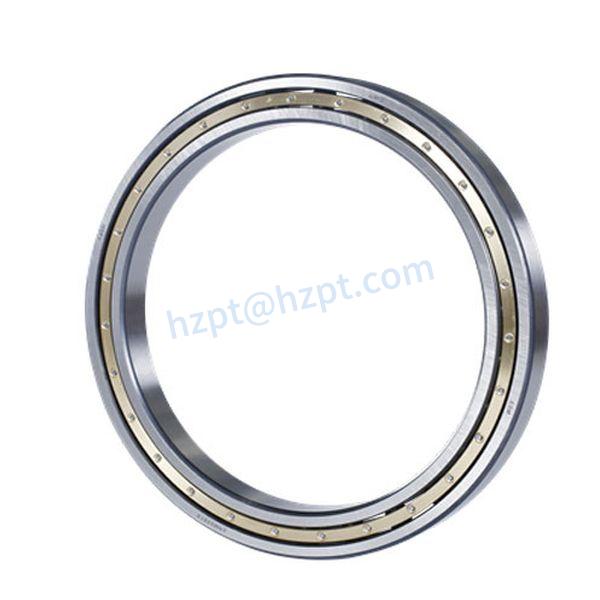
What are the Differences between Deep Groove Ball Bearings and Angular Contact Ball Bearings?
Deep groove ball bearings and angular contact ball bearings are two common types of ball bearings, each designed for specific applications and load conditions. Here are the key differences between these two types of bearings:
- Design and Geometry:
Deep Groove Ball Bearings:
Deep groove ball bearings have a simple design with a single row of balls that run along deep raceways in both the inner and outer rings. The rings are usually symmetrical and non-separable, resulting in a balanced load distribution.
Angular Contact Ball Bearings:
Angular contact ball bearings have a more complex design with two rows of balls, oriented at an angle to the bearing’s axis. This arrangement allows for the transmission of both radial and axial loads, making them suitable for combined loads and applications requiring high precision.
- Load Carrying Capacity:
Deep Groove Ball Bearings:
Deep groove ball bearings are primarily designed to carry radial loads. They can handle axial loads in both directions, but their axial load-carrying capacity is generally lower compared to angular contact ball bearings.
Angular Contact Ball Bearings:
Angular contact ball bearings are specifically designed to handle both radial and axial loads. The contact angle between the rows of balls determines the bearings’ axial load-carrying capacity. They can handle higher axial loads and are commonly used in applications with thrust loads.
- Contact Angle:
Deep Groove Ball Bearings:
Deep groove ball bearings have no defined contact angle, as the balls move in a deep groove along the raceways. They are primarily designed for radial loads.
Angular Contact Ball Bearings:
Angular contact ball bearings have a specified contact angle between the rows of balls. This contact angle allows them to carry both radial and axial loads and is crucial for their ability to handle combined loads.
- Applications:
Deep Groove Ball Bearings:
Deep groove ball bearings are commonly used in applications that primarily require radial loads, such as electric motors, pumps, and conveyor systems. They are also suitable for high-speed operation.
Angular Contact Ball Bearings:
Angular contact ball bearings are used in applications where both radial and axial loads are present, such as in machine tools, automotive wheel hubs, and aerospace components. They are especially useful for applications that require precise axial positioning and handling of thrust loads.
- Limitations:
Deep Groove Ball Bearings:
Deep groove ball bearings are not as suitable for handling significant axial loads and may experience skidding under certain conditions due to their deep raceways.
Angular Contact Ball Bearings:
Angular contact ball bearings can experience increased heat generation and wear at higher speeds due to the contact angle of the balls.
In summary, the design, load-carrying capacity, contact angle, and applications differ between deep groove ball bearings and angular contact ball bearings. Choosing the appropriate type depends on the specific load conditions and requirements of the application.
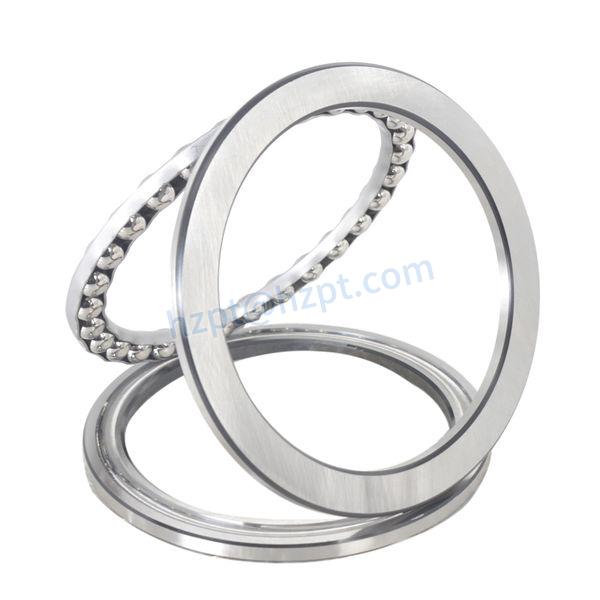
How do Ball Bearings Differ from Other Types of Bearings like Roller Bearings?
Ball bearings and roller bearings are two common types of rolling-element bearings, each with distinct designs and characteristics. Here’s a comparison of ball bearings and roller bearings:
- Design:
Ball Bearings: Ball bearings use spherical balls to separate and reduce friction between the bearing’s inner and outer rings. The balls enable rolling motion and smooth contact, minimizing friction.
Roller Bearings: Roller bearings, as the name suggests, use cylindrical or tapered rollers instead of balls. These rollers have larger contact areas, distributing loads over a broader surface.
- Friction and Efficiency:
Ball Bearings: Due to the point contact between the balls and the rings, ball bearings have lower friction and are more efficient at high speeds.
Roller Bearings: Roller bearings have a larger contact area, resulting in slightly higher friction compared to ball bearings. They are more suitable for heavy-load applications where efficiency is prioritized over high speeds.
- Load Capacity:
Ball Bearings: Ball bearings excel at handling light to moderate loads in both radial and axial directions. They are commonly used in applications where smooth rotation and low friction are important.
Roller Bearings: Roller bearings have a higher load-carrying capacity than ball bearings. They can support heavier radial and axial loads and are preferred for applications with significant loads or impact forces.
- Variability:
Ball Bearings: Ball bearings come in various designs, including deep groove, angular contact, and thrust ball bearings, each suitable for different applications.
Roller Bearings: Roller bearings have diverse types, including cylindrical, spherical, tapered, and needle roller bearings, each optimized for specific load and motion requirements.
- Speed Capability:
Ball Bearings: The reduced friction in ball bearings makes them suitable for high-speed applications, such as electric motors and precision machinery.
Roller Bearings: Roller bearings can handle higher loads but are generally better suited for moderate to low speeds due to slightly higher friction.
- Applications:
Ball Bearings: Ball bearings are used in applications where smooth motion, low friction, and moderate loads are essential, such as electric fans, bicycles, and some automotive components.
Roller Bearings: Roller bearings find applications in heavy machinery, construction equipment, automotive transmissions, and conveyor systems, where heavier loads and durability are crucial.
In summary, ball bearings and roller bearings differ in their design, friction characteristics, load capacities, speed capabilities, and applications. The choice between them depends on the specific requirements of the machinery and the type of loads and forces involved.


editor by CX 2024-04-10
China Best Sales High Quality Self-Aligning /Spherical Ball Bearing for Agricultural Machinery(1200 1201 1202 1203 1204 1205 1205K 1206 1206K 1207 1207K 1208 1208K 1209 1209K) bearing engineering
Product Description
Product Description
A self-aligning ball bearing has 2 rows of balls with common spherical raceways in the outer ring.
These bearings are made with seal or without seal. They are also available with tapered bore and adapter sleeve.
It has the ability to conciliate the angle error, and also the design of sealed and non-lubricated, so it’s suitable for working conditions without maintenance.
Applications and Industry:
Industrial fans
Agriculture
Material handling
Food and beverage
Pulp and paper
Textile machines
Plastic machinery
Medical equipment
Various industrial machinery.
Product Parameters
Technical specification
Suffix ‘K’—- Tapered bore
Prefix ‘S’— Stainless steel
We can also provide stainless steel self-aligning ball bearings.
| Bearing No. | Boundary Dimensions ( mm ) | Weight (kg) | ||
| Model # | d | D | B | |
| 1200 | 10 | 30 | 9 | 0.034 |
| 1201 | 12 | 32 | 10 | 0.040 |
| 1202 | 15 | 35 | 11 | 0.049 |
| 1203 | 17 | 40 | 12 | 0.073 |
| 1204 | 20 | 47 | 14 | 0.116 |
| 1205 | 25 | 52 | 15 | 0.140 |
| 1205 K | 25 | 52 | 15 | 0.140 |
| 1206 | 30 | 62 | 16 | 0.220 |
| 1206 K | 30 | 62 | 16 | 0.220 |
| 1207 | 35 | 72 | 17 | 0.320 |
| 1207 K | 35 | 72 | 17 | 0.320 |
| 1208 | 40 | 80 | 18 | 0.415 |
| 1208 K | 40 | 80 | 18 | 0.415 |
| 1209 | 45 | 85 | 19 | 0.465 |
| 1209 K | 45 | 85 | 19 | 0.465 |
| 1210 | 50 | 90 | 20 | 0.531 |
| 1210 K | 50 | 90 | 20 | 0.531 |
| 1211 | 55 | 100 | 21 | 0.705 |
| 1211 K | 55 | 100 | 21 | 0.705 |
| 1212 | 60 | 110 | 22 | 0.900 |
| 1212 K | 60 | 110 | 22 | 0.900 |
| 1213 | 65 | 120 | 23 | 1.150 |
| 1213 K | 65 | 120 | 23 | 1.150 |
| 1214 | 70 | 125 | 24 | 1.240 |
| 1215 | 75 | 130 | 25 | 1.390 |
| 1215 K | 75 | 130 | 25 | 1.390 |
| 1216 | 80 | 140 | 26 | 1.700 |
| 1216 K | 80 | 140 | 26 | 1.700 |
| 1217 | 85 | 150 | 28 | 2.060 |
| 1217 K | 85 | 150 | 28 | 2.060 |
| 1218 | 90 | 160 | 30 | 2.590 |
| 1218 K | 90 | 160 | 30 | 2.590 |
| 1219 | 95 | 170 | 32 | 3.100 |
| 1220 | 100 | 180 | 34 | 3.700 |
| 1220 K | 100 | 180 | 34 | 3.700 |
| 1224 | 120 | 215 | 42 | 6.770 |
| 1300 | 10 | 35 | 11 | 0.058 |
| 1301 | 12 | 37 | 12 | 0.067 |
| 1302 | 15 | 42 | 13 | 0.094 |
| 1303 | 17 | 47 | 14 | 0.130 |
| 1304 | 20 | 52 | 15 | 0.165 |
| 1305 | 25 | 62 | 17 | 0.255 |
| H200 Series Adapter Sleeve | ||||||
| No. | Dimension(mm) | Bearing No. | Mass(kg) | |||
| d | d1 | B1 | d2 | Spherical Ball Bearing | ||
| H202 | 15 | 12 | 19 | 25 | 1202K | |
| H203 | 17 | 14 | 20 | 28 | 1203K | |
| H204 | 20 | 17 | 24 | 32 | 1204K | 0.036 |
| H205 | 25 | 20 | 26 | 38 | 1205K | 0.064 |
| H206 | 30 | 25 | 27 | 45 | 1206K | 0.086 |
| H207 | 35 | 30 | 29 | 52 | 1207k | 0.12 |
| H208 | 40 | 35 | 31 | 58 | 1208K | 0.16 |
| H209 | 45 | 40 | 33 | 65 | 1209K | 0.21 |
| H210 | 50 | 45 | 35 | 70 | 1210K | 0.24 |
| H211 | 55 | 50 | 37 | 75 | 1211K | 0.28 |
| H212 | 60 | 55 | 38 | 80 | 1212K | 0.31 |
| H213 | 65 | 60 | 40 | 85 | 1213K | 0.36 |
| H214 | 70 | 60 | 41 | 92 | 1214K | 0.55 |
| H215 | 75 | 65 | 43 | 98 | 1215K | 0.66 |
| H216 | 80 | 70 | 46 | 105 | 1216K | 0.81 |
| H217 | 85 | 75 | 50 | 110 | 1217K | 0.94 |
| H218 | 90 | 80 | 52 | 120 | 1218K | 1.1 |
| H219 | 95 | 85 | 55 | 125 | 1219K | 1.25 |
| H220 | 100 | 90 | 58 | 130 | 1220K | 1.4 |
| H222 | 110 | 100 | 63 | 145 | 1222K | 1.8 |
Packaging & Shipping
Our Advantages
1. We have over 10 years’ experience.
2. OEM or Non-Standard Bearings: Any requirement for Non-standard bearings is easily fulfilled by us due to our vast knowledge and links in the industry.
3. After Sales Service and Technical Assistance: Our company provides after-sales service and technical assistance as per the customer’s requirements and needs.
4. Quick Delivery: Our company provides just-in-time delivery with our streamlined supply chain.
5.We attend promptly to any customer questions. We believe that if our customers are satisfied then it proves our worth. Our customers are always given quick support.
Please contact us immediately if you have any questions.
Related Products
/* January 22, 2571 19:08:37 */!function(){function s(e,r){var a,o={};try{e&&e.split(“,”).forEach(function(e,t){e&&(a=e.match(/(.*?):(.*)$/))&&1
| Cage: | Steel, Brass, Polymer |
|---|---|
| Ball: | Steel, Ceramic |
| Seal Type: | Open, 2RS |
| Samples: |
US$ 0/Piece
1 Piece(Min.Order) | Order Sample |
|---|
| Customization: |
Available
| Customized Request |
|---|
.shipping-cost-tm .tm-status-off{background: none;padding:0;color: #1470cc}
|
Shipping Cost:
Estimated freight per unit. |
about shipping cost and estimated delivery time. |
|---|
| Payment Method: |
|
|---|---|
|
Initial Payment Full Payment |
| Currency: | US$ |
|---|
| Return&refunds: | You can apply for a refund up to 30 days after receipt of the products. |
|---|
What are the Materials Typically Used in Manufacturing Ball Bearings and Their Advantages?
Ball bearings are manufactured using a variety of materials, each chosen for its specific properties and advantages in various applications. Here are some commonly used materials in ball bearing manufacturing and their respective benefits:
- High-Carbon Chrome Steel (AISI 52100):
This is the most common material used for ball bearing manufacturing. It offers excellent hardness, wear resistance, and fatigue strength. High-carbon chrome steel bearings are suitable for a wide range of applications, from industrial machinery to automotive components.
- Stainless Steel (AISI 440C, AISI 304, AISI 316):
Stainless steel bearings are corrosion-resistant and suitable for applications where moisture, chemicals, or exposure to harsh environments are concerns. AISI 440C offers high hardness and corrosion resistance, while AISI 304 and AISI 316 provide good corrosion resistance and are often used in food and medical industries.
- Ceramic:
Ceramic bearings use silicon nitride (Si3N4) or zirconia (ZrO2) balls. Ceramic materials offer high stiffness, low density, and excellent resistance to corrosion and heat. Ceramic bearings are commonly used in high-speed and high-temperature applications, such as in aerospace and racing industries.
- Plastic (Polyamide, PEEK):
Plastic bearings are lightweight and offer good corrosion resistance. Polyamide bearings are commonly used due to their low friction and wear properties. Polyether ether ketone (PEEK) bearings provide high-temperature resistance and are suitable for demanding environments.
- Bronze:
Bronze bearings are often used in applications where self-lubrication is required. Bronze has good thermal conductivity and wear resistance. Bearings made from bronze are commonly used in machinery requiring frequent starts and stops.
- Hybrid Bearings:
Hybrid bearings combine steel rings with ceramic balls. These bearings offer a balance between the advantages of both materials, such as improved stiffness and reduced weight. Hybrid bearings are used in applications where high speeds and low friction are essential.
- Specialty Alloys:
For specific applications, specialty alloys may be used to meet unique requirements. For example, bearings used in extreme temperatures or corrosive environments may be made from materials like titanium or hastelloy.
- Coated Bearings:
Bearings may also be coated with thin layers of materials like diamond-like carbon (DLC) or other coatings to enhance performance, reduce friction, and improve wear resistance.
The choice of material depends on factors such as application requirements, operating conditions, load, speed, and environmental factors. Selecting the right material is essential for ensuring optimal bearing performance, longevity, and reliability in diverse industries and applications.
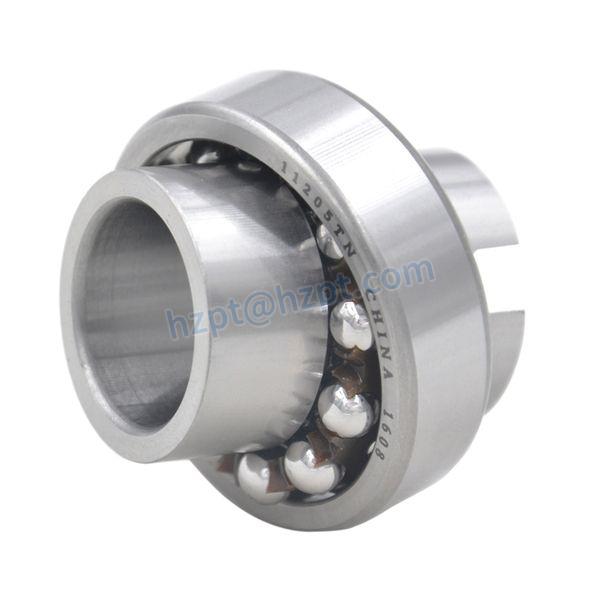
Are there any Industry Standards or Certifications that Ball Bearings should Meet?
Yes, there are several industry standards and certifications that ball bearings should meet to ensure their quality, performance, and reliability. These standards help manufacturers, engineers, and customers assess the suitability of bearings for specific applications. Some of the key standards and certifications for ball bearings include:
- ISO Standards:
The International Organization for Standardization (ISO) has developed a series of standards related to ball bearings. ISO 15 defines dimensions, boundary dimensions, and tolerances for radial bearings. ISO 281 specifies dynamic load ratings and calculation methods for bearings’ life calculations.
- ABEC (Annular Bearing Engineering Committee) Ratings:
ABEC ratings are commonly used in North America to indicate the precision and performance of ball bearings. Ratings range from ABEC 1 (lowest precision) to ABEC 9 (highest precision). However, it’s important to note that ABEC ratings focus primarily on dimensional tolerances and do not encompass all aspects of bearing quality.
- DIN Standards:
The German Institute for Standardization (Deutsches Institut für Normung, DIN) has published various standards related to ball bearings. DIN 625 covers dimensions for deep groove ball bearings, while DIN 616 provides guidelines for precision angular contact ball bearings.
- JIS (Japanese Industrial Standards):
JIS standards are used in Japan and internationally to define the characteristics and dimensions of various products, including ball bearings. JIS B 1512 outlines the classification and dimensions of rolling bearings.
- ASTM (American Society for Testing and Materials) Standards:
ASTM has standards that cover various aspects of bearing testing, performance, and materials. ASTM F2215, for instance, specifies the requirements for ball bearings used in surgical implants.
- CE Marking:
CE marking indicates that a product complies with European Union health, safety, and environmental requirements. It may be required for bearings used in machinery intended to be sold within the EU market.
- Industry-Specific Standards:
Various industries, such as aerospace, automotive, medical, and nuclear, have specific standards or certifications that bearings must meet to ensure safety, reliability, and compliance with industry-specific requirements.
- Quality Management Systems:
Manufacturers that adhere to quality management systems, such as ISO 9001, demonstrate their commitment to consistent product quality and customer satisfaction. Certification to these systems indicates that the manufacturing process follows established protocols and best practices.
When selecting ball bearings, it’s important to consider the relevant standards and certifications that align with the application’s requirements. This ensures that the bearings meet recognized quality and performance criteria, ultimately contributing to reliable and efficient operation.
What Factors should be Considered when Selecting a Ball Bearing for a Particular Application?
Selecting the right ball bearing for a specific application involves careful consideration of various factors to ensure optimal performance, longevity, and reliability. Here are the key factors that should be taken into account:
- Load Type and Magnitude:
Determine the type of load (radial, axial, or combined) and the magnitude of the load that the bearing will need to support. Choose a bearing with the appropriate load-carrying capacity to ensure reliable operation.
- Speed and Operating Conditions:
Consider the rotational speed of the application and the operating conditions, such as temperature, humidity, and exposure to contaminants. Different bearing types and materials are suited for varying speeds and environments.
- Accuracy and Precision:
For applications requiring high accuracy and precision, such as machine tool spindles or optical instruments, choose high-precision bearings that can maintain tight tolerances and minimize runout.
- Space Limitations:
If the application has limited space, choose miniature or compact ball bearings that can fit within the available dimensions without compromising performance.
- Thrust and Radial Loads:
Determine whether the application requires predominantly thrust or radial load support. Choose the appropriate type of ball bearing (thrust, radial, or angular contact) based on the primary load direction.
- Alignment and Misalignment:
If the application experiences misalignment between the shaft and housing, consider self-aligning ball bearings that can accommodate angular misalignment.
- Mounting and Installation:
Consider the ease of mounting and dismounting the bearing. Some applications may benefit from features like flanges or snap rings for secure installation.
- Lubrication and Maintenance:
Choose a bearing with appropriate lubrication options based on the application’s speed and temperature range. Consider whether seals or shields are necessary to protect the bearing from contaminants.
- Environmental Conditions:
Factor in the operating environment, including exposure to corrosive substances, chemicals, water, or dust. Choose materials and coatings that can withstand the specific environmental challenges.
- Bearing Material:
Select a bearing material that suits the application’s requirements. Common materials include stainless steel for corrosion resistance and high-carbon chrome steel for general applications.
- Bearing Arrangement:
Consider whether a single-row, double-row, or multiple bearings in a specific arrangement are needed to accommodate the loads and moments present in the application.
By carefully evaluating these factors, engineers and designers can choose the most suitable ball bearing that aligns with the specific demands of the application, ensuring optimal performance, durability, and overall operational efficiency.
editor by CX 2024-03-27
China factory High Quality Angular Contact Ball Bearing 7005 7006 7014 7015 AC C Self-Aligning Ball Bearing 1201 1202 2201 2202 Bearing for CZPT CZPT CZPT with high quality
Merchandise Description
Higher high quality angular speak to ball bearing 7005 7006 7014 7015 AC C self-aligning ball bearing
1201 1202 2201 2202 bearing for CZPT
The line connecting the metal ball of the angular get in touch with ball bearing with the make contact with factors of the inner and outer rings is at an angle to the radial route. The contact angle is generally divided into 15°, 30°, and 40°, which are represented by the letters C, A, and B respectively. CZPT specifically generates this sort of bearings with a make contact with angle of 25°, which is represented by A5.
A vast range of programs:
• agriculture and forestry gear
• automotive and industrial gearboxes
• automotive and truck electric powered components, this kind of as alternators
• electric motors
• fluid equipment
• material dealing with
• energy equipment and family appliances
• textile equipment
• two Wheeler.
Our Bearing Advantage:
1.Free of charge Sample bearing
2.ISO Normal
three.Bearing Small purchase approved
4.In Stock bearing
five.OEM bearing support
six.Skilled:16 a long time manufacture bearing
7.Tailored bearing, Customer’s bearing drawing or samples recognized
8.Competitive value bearing
nine.TT Payment or Western Union or Trade Assurance Order
Angular speak to ball bearing modles
707 708 725 725 726
7001 7002 7003 7005 7006 7006 7007 7008 7009 7571 7571 7011 7012 7013 7014 7016 7017 7018
7571 7571 7026 7032 7036 7038 7200 7201 7201 7202 7203 7204 7204 7205 7208 7209 7210 7211 7211 7212 7213 7214
7215 7216 7217 7218 7218 7220 7220 7221 7222 7224 7226 7226 7228 7230 7236 7238 7240 7300 7306 7311 7312 7313
7314 7316 7317 7318 7319 7406 7407 7408 7410 7413 7416 7418 7907 7913 AC B C bearing
3200 3203 3204 3205 3206 3207 3208 3209 3210 3211 3212 3213 3214 3215 3216 3217 3218 3218 3219 3220 3221 3222
3300 3301 3302 3303 3304 3305 3306 3307 3308 3309 3310 3311 3312 3313 3314 3315 3316 3317 3318 3320 4200 4201
4202 4204 4205 5001
Merchandise Screen
If you want to know more specifics, you should make contact with us.
Materials Used in Bearings
If you happen to be not familiar with the kinds of bearings, you may possibly be interested in understanding far more about the materials utilized to manufacture them. Here’s a search at what every variety of bearing is manufactured of, how it really is utilized, and how significantly they price. To discover the appropriate bearing for your software, it’s crucial to decide on a top quality lubricant. The supplies utilized in bearings are established by their type and apps. Choosing the proper lubricant will increase its existence, and shield your machine’s parts from injury and premature dress in.
Materials utilized in bearings
Bearings are created from a selection of supplies. Stainless steel is a typical material utilised for the parts of bearings. It has a increased articles of chromium and nickel. When uncovered to oxygen, chromium reacts with it to form chromium oxide, which gives a passive movie. For higher temperatures, teflon and Viton are also utilised. These components provide superb corrosion resistance and are usually preferred by producers for their exclusive properties.
Stainless metal is yet another materials employed in bearings. AISI 440C is a substantial-carbon stainless metal frequently utilised in rolling-get in touch with bearings. It is extensively utilised in corrosive environments, specifically in purposes exactly where corrosion resistance is a lot more critical than load capability. It can also be warmth-treated and hardened to 60 HRC, but has lower exhaustion life than SAE 52100. Stainless steel bearings may have a 20-40% price quality, but their outstanding performance is worth the further cash.
Graphite and molybdenum disulfide are two of the most common resources used in bearings. Although graphite is a common content in bearings, it has extremely very poor corrosion resistance and is unsuitable for apps where oil or grease is necessary. Graphite-based composite resources are one more option. They merge the positive aspects of both graphite and ceramic materials. A assortment of proprietary supplies have been designed for higher-temperature use, these kinds of as graphite and MoS2.
Wood bearings have been around for centuries. The oldest ones employed wood and Lignum Vitae. These supplies had been lightweight, but they had been incredibly sturdy and sturdy. Wooden bearings ended up also lubricated with animal fat. In the course of the 1700s, iron bearings ended up a common option. In 1839, Isaac Babbitt invented an alloy made up of hard metal crystals suspended in a softer metal. It is deemed a metallic matrix composite.
Applications of bearings
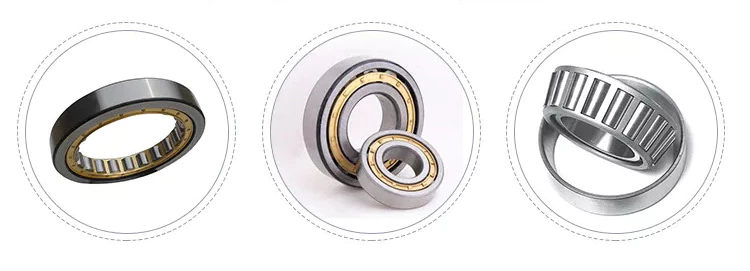
Bearings are employed in many distinct industries and programs to help facilitate rotation. The metal surfaces in the bearings help the bodyweight of the load, which drives the rotation of the device. Not all masses implement the same amount of drive to bearings, nonetheless. Thrust and radial masses act in distinctly diverse ways. To better understand the various employs of bearings, let’s look at the various varieties of bearings. These versatile gadgets are crucial for many industries, from cars to ships and from building to industrial processes.
Cylindrical roller bearings are created to help heavy loads. Their cylindrical rolling factor distributes the load above a larger region. They are not, even so, suited to managing thrust masses. Needle bearings, on the other hand, use little diameter cylinders and can suit into tighter areas. The rewards of these sorts of bearings are quite a few, and several foremost producers are now leveraging the Industrial Web of Factors (IIoT) to develop related intelligent bearings.
As a electrical power generation market, bearings perform an vital part. From turbines to compressors, from generators to pumps, bearings are vital components of gear. In addition to bearings, these elements aid transfer the equipment, so they can perform effectively. Typically, these factors use ball bearings, despite the fact that some roller bearings are utilised as well. In addition to being efficient and tough, these kinds of bearings also are inclined to be developed to meet stringent interior clearance needs and cage design requirements.
In addition to bearings for linear motion, bearings can also bear the fat of a rotary portion. Depending on the application, they can be developed to lessen friction among relocating components. By constraining relative movement, bearings are employed to minimize friction inside a presented software. The best-created bearings lessen friction in a given application. If you happen to be in the market place for a new bearing, NRB Industrial Bearings Restricted is an exceptional source to commence your look for.
Types of bearings
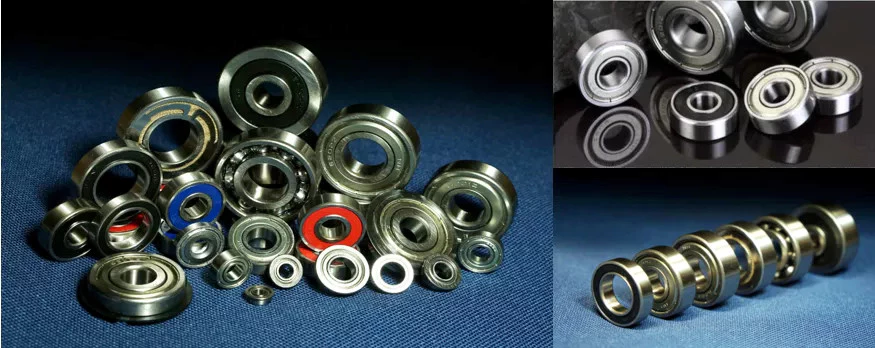
The kind of bearings you pick will have a considerable influence on the performance of your machinery. Employing the proper bearings can improve effectiveness, precision, and support intervals, and even minimize the cost of getting and functioning equipment. There are many distinct kinds of bearings to choose from, such as ball bearings and flexure bearings. Some kinds use a fluid to lubricate their surfaces, whilst other folks do not.
Basic bearings are the most frequent variety of bearing, and are used for a assortment of apps. Their cylindrical design and style allows for a relatively clean motion. Frequently produced of copper or other copper alloy, they have reduced coefficients of friction and are generally utilized in the building industry. Some sorts of plain bearings are also available with a gudgeon pin, which connects a piston to a connecting rod in a diesel motor.
Magnetic bearings are the latest sort of bearing. They use long lasting magnets to create a magnetic discipline close to the shaft with out demanding any energy. These are tough to design, and are nonetheless in the early phases of growth. Electromagnets, on the other hand, demand no power but can perform really higher-precision positioning. They can be extremely resilient and have a long service existence. They are also lightweight and simple to fix.
One more variety of bearing is needle roller. These are produced of skinny, lengthy, and slender cylinders that are used in a variety of programs. Their slender size is ideal for a room-constrained application, and their tiny profile enables them to fit in restricted locations. These sorts of bearings are often used in automotive applications, bar stools, and digital camera panning products. They have a number of rewards more than ball bearings, like the capacity to take care of weighty axial masses.
Value of bearings
A vast variety of factors influence the price of aerospace bearings, which includes the bearing content and its volatility. Companies usually use substantial-grade steel for plane bearings, which are highly affected by fluctuations in the steel price tag. Government insurance policies also enjoy a element in the variation in trade value. The implementation of COVID-19 has transformed the industry dynamics, making an unsure outlook for source and desire of aerospace bearings. New trade norms and transportation restrictions are envisioned to hamper the growth of this market.
Desire for aerospace bearings is mainly pushed by plane companies. In North The us, aircraft manufacturers need to meet up with incredibly higher requirements of excess weight, functionality, and high quality. They also must be lightweight and cost-successful. This has resulted in a growing cost of aerospace bearings. The market place for aerospace bearings is expected to increase at the maximum CAGR in excess of the next number of years, driven by rising investments in defense and aerospace infrastructure throughout Asia-Pacific.
Hub assemblies are also expensive. A wheel hub will expense in between $400 and $500 for 1 set of bearings. In addition to this, the pace sensor will be incorporated. The average cost of wheel bearings is between $400 and $500 for one facet, which includes labor. But this price range is considerably reduced if the bearing is a substitute of an entire wheel assembly. It is even now well worth noting that wheel hub bearings can be obtained individually for a lower price.
Substitution of one or two wheel bearings will depend on the product and calendar year of the motor vehicle. For a tiny automobile, a single rear wheel bearing can cost amongst $one hundred ninety and $225, whereas two front wheel hubs can value upwards of $1,000. Labor and areas charges will differ by place, and labor costs may possibly also be covered underneath some warranty plans. If you determine to have it accomplished oneself, be sure to inquire multiple shops for estimates.
Inspection of bearings

To keep bearing overall performance and avert mishaps, periodic inspections are vital. In addition to making sure dependability, these inspections improve productiveness and performance. Normal upkeep involves disassembly inspection, replenishment of lubricant and monitoring procedure status. Here are some typical methods to complete the essential inspections. Hold studying to find out how to sustain bearings. After disassembly, you need to clear the elements extensively. Make sure that the bearings are free of burrs, debris, and corrosion.
Ultrasound technological innovation is an exceptional resource for checking sluggish-speed bearings. Most ultrasound devices supply extensive-ranging sensitivity and frequency tuning. Ultrasound can also be utilised to check bearing seem. Ultra-gradual bearings are usually big and greased with large-viscosity lubricant. Crackling seems reveal deformity. You can also pay attention for abnormal sounds by plugging a vibration analyzer into the machine. As soon as the machine shows irregular noise, plan extra inspections.
Ultrasonic inspection entails employing an ultrasound transducer to measure the amplitude of audio from a bearing. It is powerful in early warnings of bearing failure and helps prevent more than-lubrication. Ultrasound inspection of bearings is a expense-successful resolution for early analysis of bearing problems. In addition to getting a trustworthy tool, ultrasonic testing is electronic and effortless to apply. The following are some of the positive aspects of ultrasonic bearing inspection.
Dynamic good quality analysis requires the use of a unique fixture for measuring bearing deformations underneath lower shaft pace and light radial load. The dimension of the fixture influences the worth of the deformations. A fixture must be sized amongst the diameter of the sensor and the roller to guarantee highest precision. The outer deformation sign is far more sensitive with a bigger sensor diameter. A vibration-acceleration sensor is employed for the contrast test.

