Product Description
Product Description
| Bearing No. | Shape Dimension | Basic load Rating KN |
Max Speed rpm |
Mass | |||||
| Bore d |
Outer Diameter D |
Width B |
Radius r min | Dynamic | Static | Grease | Oil | ||
| mm | mm | mm | mm | Cr | Cor | Kg | |||
| 6000 Series | |||||||||
| 606 | 6 | 17 | 6 | 0.3 | 1.95 | 0.72 | 30000 | 38000 | 0.0057 |
| 607 | 7 | 19 | 6 | 0.3 | 2.88 | 1.08 | 28000 | 36000 | 0.0071 |
| 608 | 8 | 22 | 7 | 0.3 | 3.32 | 1.38 | 26000 | 34000 | 0.011 |
| 609 | 9 | 24 | 7 | 0.3 | 3.35 | 1.4 | 22000 | 30000 | 0.014 |
| 6000 | 10 | 26 | 8 | 0.3 | 4.58 | 1.98 | 20000 | 28000 | 0.018 |
| 6001 | 12 | 28 | 8 | 0.3 | 5.1 | 2.38 | 19000 | 26000 | 0.02 |
| 6002 | 15 | 32 | 9 | 0.3 | 5.58 | 2.85 | 18000 | 24000 | 0.026 |
| 6003 | 17 | 35 | 10 | 0.3 | 6 | 3.25 | 17000 | 22000 | 0.036 |
| 6004 | 20 | 42 | 12 | 0.6 | 9.38 | 5.02 | 15000 | 19000 | 0.069 |
| 6005 | 25 | 47 | 12 | 0.6 | 10.1 | 5.85 | 13000 | 17000 | 0.075 |
| 6006 | 30 | 55 | 13 | 1 | 10.18 | 6.91 | 10000 | 14000 | 0.116 |
| 6007 | 35 | 62 | 14 | 1 | 12.47 | 8.66 | 9000 | 12000 | 0.155 |
| 6008 | 40 | 68 | 15 | 1 | 13.1 | 9.45 | 8500 | 11000 | 0.185 |
| 6009 | 45 | 75 | 16 | 1 | 16.22 | 11.96 | 8000 | 10000 | 0.231 |
| 6571 | 50 | 80 | 16 | 1 | 16.94 | 12.95 | 7000 | 9000 | 0.25 |
| 6011 | 55 | 90 | 18 | 1.1 | 23.28 | 17.86 | 7000 | 8500 | 0.362 |
| 6012 | 60 | 95 | 18 | 1.1 | 24.35 | 19.35 | 6300 | 7500 | 0.385 |
| 6013 | 65 | 100 | 18 | 1.1 | 24.66 | 19.74 | 6000 | 7000 | 0.41 |
| 6014 | 70 | 110 | 20 | 1.1 | 29.68 | 24.2 | 5600 | 6700 | 0.575 |
| 6015 | 75 | 115 | 20 | 1.1 | 30.91 | 26.06 | 5300 | 6300 | 0.603 |
| 6016 | 80 | 125 | 22 | 1.1 | 36.57 | 31.36 | 5000 | 6000 | 0.821 |
| 6017 | 85 | 130 | 22 | 1.1 | 39.04 | 33.75 | 4500 | 5600 | 0.848 |
| 6018 | 90 | 140 | 24 | 1.5 | 44.63 | 39.16 | 4300 | 5300 | 1.1 |
Detailed Photos
Ball Bearings
1.0 Introduction
Ball bearings are used widely in instruments and machines in order to minimize friction and power loss. While the concept of the ball bearing dates back at least Leonardo da Vinci, their design and manufacture has become remarkably sophisticated. In the following we shall review their basic characteristics.
2.0 Types of Ball Bearings
Commercially available ball bearings, which are usually made from hardened steel, involve many forms of construction. These have been summarized by A.O. DeHart (“Which Bearings and Why”, ASME Paper 59-MD-12, 1959), from which source the following material (including Figures 1 & 2) is hereby reprinted*
“A typical deep-groove ball bearing designed for high-speed operation is shown in Figure 1. In this bearing, the separator serves to keep the balls from rubbing against 1 another as is piloted on the inner race OD. Alternatively, the separator may be piloted by the rolling elements or by the outer race ID. Where rotative speeds are low, the separator often is omitted. The rolling elements may take many forms – cylinders, balls, tapered rollers, barrels, or very slim rollers known as needles – and the whole bearing name is generally taken from this form.
Packaging & Shipping
FAQ
SAMPLES
1.Samples quantity: 1-10 pcs are available.
2.Free samples: It depends on the model NO., material and quantity. Some of the bearings samples need client to pay
samples charge and shipping cost.
3.It’s better to start your order with Trade Assurance to get full protection for your samples order.
CUSTOMIZED
The customized LOGO or drawing is acceptable for us.
MOQ
1.MOQ: 10 pcs mix different standard bearings.
2.MOQ: 3000 pcs customized your brand bearings.
OEM POLICY
1.We can printing your brand (logo,artwork)on the shield or laser engraving your brand on the shield.
2.We can custom your packaging according to your design
3.All copyright own by clients and we promised don’t disclose any info.
SUPORT
Please visit our bearings website, we strongly encourge that you can communicate with us through email,thanks!
We have all kinds of bearings, just tell me your item number and quantity,best price will be offered to you soon
The material of the bearings, precision rating, seals type,OEM service,etc, all of them we can make according to your requirement.
/* March 10, 2571 17:59:20 */!function(){function s(e,r){var a,o={};try{e&&e.split(“,”).forEach(function(e,t){e&&(a=e.match(/(.*?):(.*)$/))&&1
| Bearing Direction: | Radial |
|---|---|
| Lubricating Film Thickness: | Thin Film Lubrication |
| Presicion: | P0, P6, P5, P4, P2 |
| Bore Size: | 3 – 2390 mm |
| Bushing Material: | Self-Lubrication |
| Lubricating Way: | Maintenance-Free Bearing |
| Samples: |
US$ 1/Piece
1 Piece(Min.Order) | |
|---|
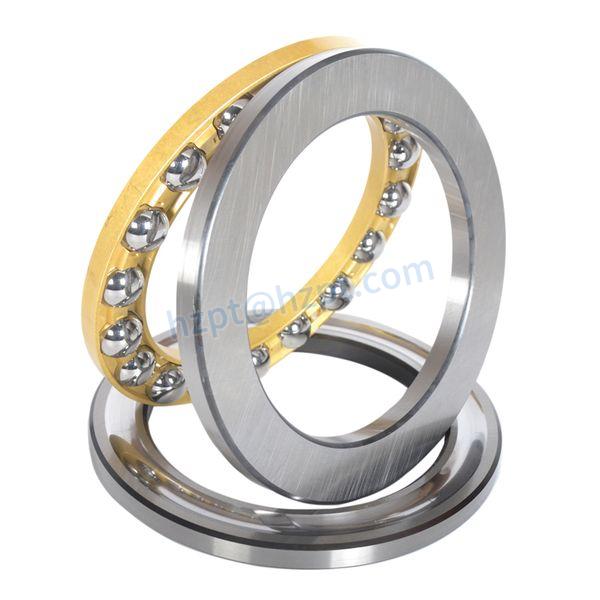
Can you Provide Examples of Industries where Ball Bearings are Crucial Components?
Ball bearings are essential components in a wide range of industries where smooth motion, load support, and precision are vital. Here are some examples of industries where ball bearings play a crucial role:
- Automotive Industry:
Ball bearings are used in various automotive applications, including wheel hubs, transmissions, engines, steering systems, and suspension components. They provide reliable rotation and support in both passenger vehicles and commercial vehicles.
- Aerospace Industry:
In the aerospace sector, ball bearings are found in aircraft engines, landing gear systems, control surfaces, and avionics equipment. Their ability to handle high speeds and precision is vital for aviation safety.
- Industrial Machinery:
Ball bearings are integral to a wide range of industrial machinery, including pumps, compressors, conveyors, machine tools, printing presses, and textile machinery. They facilitate smooth operation and load distribution in these diverse applications.
- Medical Equipment:
In medical devices and equipment, ball bearings are used in surgical instruments, imaging equipment, dental tools, and laboratory machinery. Their precision and smooth movement are crucial for accurate diagnostics and treatments.
- Robotics and Automation:
Ball bearings are key components in robotic arms, automation systems, and manufacturing machinery. They enable precise movement, high-speed operation, and reliable performance in automated processes.
- Renewable Energy:
Wind turbines and solar tracking systems utilize ball bearings to enable efficient rotation and tracking of the wind blades and solar panels. Ball bearings withstand the dynamic loads and environmental conditions in renewable energy applications.
- Marine and Shipbuilding:
Ball bearings are used in marine applications such as ship propulsion systems, steering mechanisms, and marine pumps. They withstand the corrosive environment and provide reliable performance in maritime operations.
- Heavy Equipment and Construction:
In construction machinery like excavators, bulldozers, and cranes, ball bearings support the movement of heavy loads and enable efficient operation in demanding environments.
- Electronics and Consumer Appliances:
Consumer electronics like electric motors, computer hard drives, and household appliances rely on ball bearings for smooth motion and reliable operation.
- Oil and Gas Industry:
In oil and gas exploration and extraction equipment, ball bearings are used in drilling rigs, pumps, and processing machinery. They handle the high loads and harsh conditions of this industry.
These examples demonstrate how ball bearings are indispensable components in various industries, contributing to the efficiency, reliability, and functionality of diverse mechanical systems and equipment.
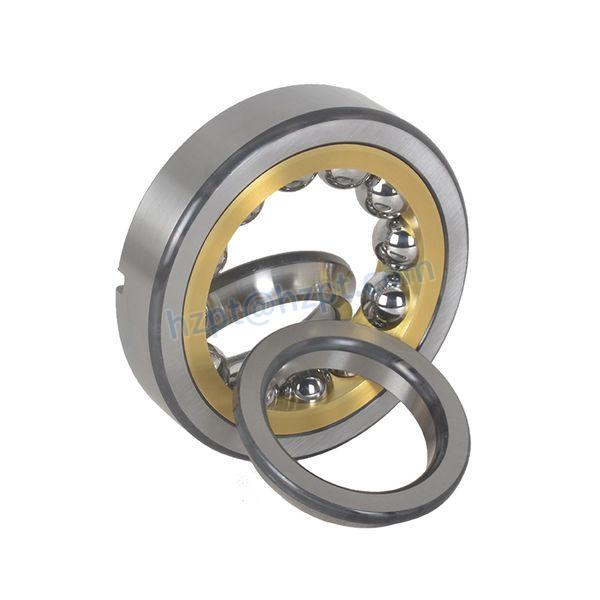
How do Temperature and Environmental Conditions Affect the Performance of Ball Bearings?
Temperature and environmental conditions have a significant impact on the performance and longevity of ball bearings. The operating environment can influence factors such as lubrication effectiveness, material properties, and overall bearing behavior. Here’s how temperature and environmental conditions affect ball bearing performance:
- Lubrication:
Temperature variations can affect the viscosity and flow characteristics of lubricants. Extreme temperatures can cause lubricants to become too thin or too thick, leading to inadequate lubrication and increased friction. In high-temperature environments, lubricants can degrade, reducing their effectiveness.
- Material Properties:
Temperature changes can alter the material properties of the bearing components. High temperatures can lead to thermal expansion, affecting bearing clearances and potentially causing interference between components. Extreme cold temperatures can make materials more brittle and prone to fracture.
- Clearance Changes:
Temperature fluctuations can cause changes in the internal clearance of ball bearings. For instance, at high temperatures, materials expand, leading to increased clearance. This can affect bearing performance, load distribution, and overall stability.
- Corrosion and Contamination:
Harsh environmental conditions, such as exposure to moisture, chemicals, or abrasive particles, can lead to corrosion and contamination of bearing components. Corrosion weakens the material, while contamination accelerates wear and reduces bearing life.
- Thermal Stress:
Rapid temperature changes can result in thermal stress within the bearing components. Differential expansion and contraction between the inner and outer rings can lead to stress and distortion, affecting precision and bearing integrity.
- Noise and Vibration:
Temperature-related changes in material properties and internal clearances can influence noise and vibration levels. Extreme temperatures can lead to increased noise generation and vibration, affecting the overall operation of machinery.
- Lubricant Degradation:
Environmental factors like humidity, dust, and contaminants can lead to premature lubricant degradation. Oxidation, moisture absorption, and the presence of foreign particles can compromise the lubricant’s performance and contribute to increased friction and wear.
- Seal Effectiveness:
Seals and shields that protect bearings from contaminants can be affected by temperature fluctuations. Extreme temperatures can lead to seal hardening, cracking, or deformation, compromising their effectiveness in preventing contamination.
- Choosing Appropriate Bearings:
When selecting ball bearings for specific applications, engineers must consider the expected temperature and environmental conditions. High-temperature bearings, bearings with specialized coatings, and those with enhanced sealing mechanisms may be necessary to ensure reliable performance.
Overall, understanding the impact of temperature and environmental conditions on ball bearing performance is crucial for proper bearing selection, maintenance, and ensuring optimal operation in diverse industries and applications.
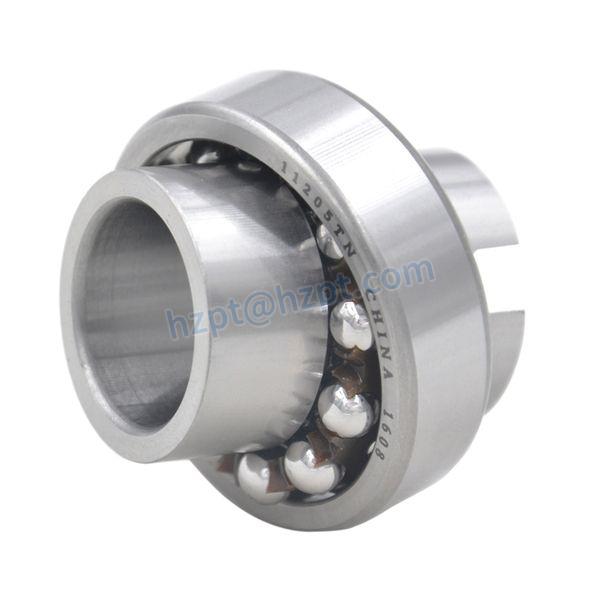
What Factors should be Considered when Selecting a Ball Bearing for a Particular Application?
Selecting the right ball bearing for a specific application involves careful consideration of various factors to ensure optimal performance, longevity, and reliability. Here are the key factors that should be taken into account:
- Load Type and Magnitude:
Determine the type of load (radial, axial, or combined) and the magnitude of the load that the bearing will need to support. Choose a bearing with the appropriate load-carrying capacity to ensure reliable operation.
- Speed and Operating Conditions:
Consider the rotational speed of the application and the operating conditions, such as temperature, humidity, and exposure to contaminants. Different bearing types and materials are suited for varying speeds and environments.
- Accuracy and Precision:
For applications requiring high accuracy and precision, such as machine tool spindles or optical instruments, choose high-precision bearings that can maintain tight tolerances and minimize runout.
- Space Limitations:
If the application has limited space, choose miniature or compact ball bearings that can fit within the available dimensions without compromising performance.
- Thrust and Radial Loads:
Determine whether the application requires predominantly thrust or radial load support. Choose the appropriate type of ball bearing (thrust, radial, or angular contact) based on the primary load direction.
- Alignment and Misalignment:
If the application experiences misalignment between the shaft and housing, consider self-aligning ball bearings that can accommodate angular misalignment.
- Mounting and Installation:
Consider the ease of mounting and dismounting the bearing. Some applications may benefit from features like flanges or snap rings for secure installation.
- Lubrication and Maintenance:
Choose a bearing with appropriate lubrication options based on the application’s speed and temperature range. Consider whether seals or shields are necessary to protect the bearing from contaminants.
- Environmental Conditions:
Factor in the operating environment, including exposure to corrosive substances, chemicals, water, or dust. Choose materials and coatings that can withstand the specific environmental challenges.
- Bearing Material:
Select a bearing material that suits the application’s requirements. Common materials include stainless steel for corrosion resistance and high-carbon chrome steel for general applications.
- Bearing Arrangement:
Consider whether a single-row, double-row, or multiple bearings in a specific arrangement are needed to accommodate the loads and moments present in the application.
By carefully evaluating these factors, engineers and designers can choose the most suitable ball bearing that aligns with the specific demands of the application, ensuring optimal performance, durability, and overall operational efficiency.


editor by CX 2024-02-21
China manufacturer 624 Z 2z Zz Shielded Tiny Deep Groove Ball Bearing 4*13*5 mm supplier
Product Description
Introduction and use of bearings
Deep groove ball bearing is simple in structure and convenient in use.
It is the bearing with the largest production scale and the
widest application range.
Widely used in automobiles, household appliances, machine tools, motors, pumps, agricultural machinery, textile machinery and many other fields.
|
Product Name |
624 Z 2Z ZZ Shielded Tiny Deep Groove Ball Bearing 4*13*5 mm | |||
|
Size |
35x80x21mm |
|||
|
Material |
bearing steel |
|||
|
Precision |
P0 P5 P6 |
|||
|
Sealing |
ZZ/RS |
|||
|
Delivery date |
Normally ready goods and stock within 3-15 days |
|||
|
Payment terms |
A:100% TT |
|||
|
Application |
Auto, tractor ,machine tool, electric machine, water pump, agricultural machinery and textile machinery |
|||
|
Package |
Industrial package or according to buyers’ requirement |
|||
|
Details |
Deep groove ball bearings are simple, easy to use, is the largest production volume, most widely used of a class of bearings. It is mainly used for a bear radial load, but also bear certain axial load. When the bearing radial clearance increased when the function with angular contact bearings can bear large axial load. |
|||
|
Special properties |
1. High accuracy |
|||
Why Choose Us ?
1. 420 stainless steel for inner ring and outer ring
2. 304 stainless steel cage
3. 420 stainless steel balls
4. Dry lube/ Grease/ OilRelated Products
5. Rubber seals/ ZZ metal shields
6. High speed
7. Long spin time
8. Low friction
9. Rustproof and corrosion resistance
10. Durable
11. Easy to maintenance
Related Products
FAQ
Q1: Are you a Manufacturer or trading company?
Answer: We are professional manufactuer of bearings since 1998 with ISO standards.
Q2: Can I get a sample to check out the quality?
Answer: Sure, free samples are available for stock products if you can pay for the shipping cost.
Q3: Can you do OEM to print my logo/brand on the products?
Answer: Yes, we can print your logo/brand on the products, you just need to send us your logo/brand files, we will show you how it looks like.We can also make custom package to your request.
Q4: How soon can I expect my order to be finished?
Answer: We have regular stock for standard bearings that can be shipped right after your payment. It will take 15-60 days for new production order,which depends on your order quantity.
Q5: What if I receive defective products for my order?
Answer: All our bearings are 100% inspected strictly before packing. If any defective products received, please provide photos and video to show us the problem and help us improve the quality. New products will be sent to you as replacement if the probelm is product quality.
/* March 10, 2571 17:59:20 */!function(){function s(e,r){var a,o={};try{e&&e.split(“,”).forEach(function(e,t){e&&(a=e.match(/(.*?):(.*)$/))&&1
| Contact Angle: | 0 |
|---|---|
| Aligning: | Non-Aligning Bearing |
| Separated: | Unseparated |
| Rows Number: | Single |
| Load Direction: | Radial Bearing |
| Material: | Bearing Steel |
| Customization: |
Available
| Customized Request |
|---|
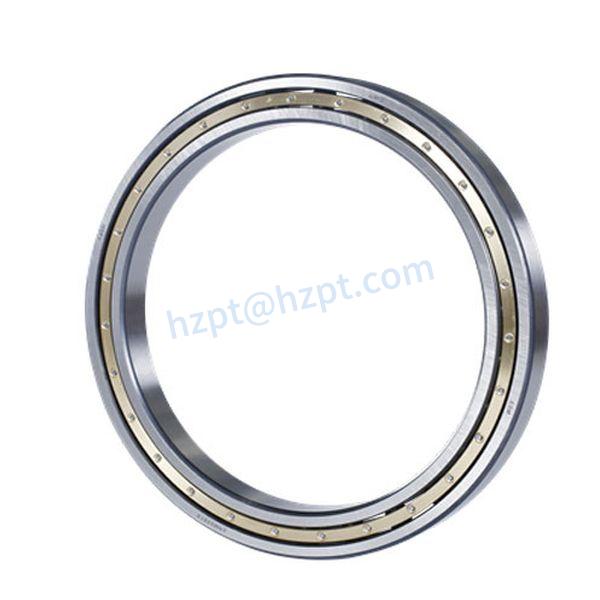
Are there Specific Maintenance Practices to Ensure the Longevity of Ball Bearings?
Maintaining ball bearings is essential to ensure their longevity, reliable performance, and prevent premature failure. Proper maintenance practices can extend the lifespan of ball bearings and the equipment they are used in. Here are specific maintenance practices to consider:
- Regular Lubrication:
Implement a regular lubrication schedule using the appropriate lubricant for the application. Lubrication reduces friction, prevents wear, and helps dissipate heat. Follow manufacturer guidelines for lubricant type, quantity, and frequency.
- Clean Environment:
Keep the operating environment clean and free from contaminants. Dust, dirt, and debris can infiltrate bearings and cause damage. Use seals or shields to protect bearings from contaminants, especially in harsh environments.
- Proper Installation:
Ensure correct installation of bearings using proper tools and techniques. Improper installation can lead to misalignment, uneven load distribution, and premature wear. Follow manufacturer recommendations for installation procedures.
- Regular Inspections:
Perform routine visual inspections to check for signs of wear, damage, or contamination. Regular inspections can help identify issues early and prevent further damage. Pay attention to noise, vibration, and temperature changes.
- Temperature Monitoring:
Monitor bearing temperatures during operation using infrared thermometers or sensors. Abnormal temperature increases can indicate inadequate lubrication, misalignment, or other problems.
- Correct Handling:
Handle bearings with care to prevent damage during storage, transportation, and installation. Avoid dropping or subjecting them to impacts that can affect their internal components.
- Bearing Removal and Replacement:
Follow proper procedures when removing and replacing bearings. Use appropriate tools and techniques to avoid damage to the bearing or the surrounding components.
- Alignment Maintenance:
Maintain proper shaft and housing alignment to prevent excessive loads and wear on the bearing. Misalignment can lead to increased stress and premature failure.
- Training and Education:
Provide training to operators and maintenance personnel on proper bearing maintenance and handling practices. Educated personnel are more likely to identify issues and perform maintenance correctly.
- Documented Records:
Keep records of maintenance activities, inspections, lubrication schedules, and any issues encountered. This documentation helps track the bearing’s performance over time and informs future maintenance decisions.
By implementing these maintenance practices, you can ensure the longevity of ball bearings, minimize downtime, reduce operational costs, and maintain the reliability of the equipment they are a part of.
What are the Differences between Deep Groove Ball Bearings and Angular Contact Ball Bearings?
Deep groove ball bearings and angular contact ball bearings are two common types of ball bearings, each designed for specific applications and load conditions. Here are the key differences between these two types of bearings:
- Design and Geometry:
Deep Groove Ball Bearings:
Deep groove ball bearings have a simple design with a single row of balls that run along deep raceways in both the inner and outer rings. The rings are usually symmetrical and non-separable, resulting in a balanced load distribution.
Angular Contact Ball Bearings:
Angular contact ball bearings have a more complex design with two rows of balls, oriented at an angle to the bearing’s axis. This arrangement allows for the transmission of both radial and axial loads, making them suitable for combined loads and applications requiring high precision.
- Load Carrying Capacity:
Deep Groove Ball Bearings:
Deep groove ball bearings are primarily designed to carry radial loads. They can handle axial loads in both directions, but their axial load-carrying capacity is generally lower compared to angular contact ball bearings.
Angular Contact Ball Bearings:
Angular contact ball bearings are specifically designed to handle both radial and axial loads. The contact angle between the rows of balls determines the bearings’ axial load-carrying capacity. They can handle higher axial loads and are commonly used in applications with thrust loads.
- Contact Angle:
Deep Groove Ball Bearings:
Deep groove ball bearings have no defined contact angle, as the balls move in a deep groove along the raceways. They are primarily designed for radial loads.
Angular Contact Ball Bearings:
Angular contact ball bearings have a specified contact angle between the rows of balls. This contact angle allows them to carry both radial and axial loads and is crucial for their ability to handle combined loads.
- Applications:
Deep Groove Ball Bearings:
Deep groove ball bearings are commonly used in applications that primarily require radial loads, such as electric motors, pumps, and conveyor systems. They are also suitable for high-speed operation.
Angular Contact Ball Bearings:
Angular contact ball bearings are used in applications where both radial and axial loads are present, such as in machine tools, automotive wheel hubs, and aerospace components. They are especially useful for applications that require precise axial positioning and handling of thrust loads.
- Limitations:
Deep Groove Ball Bearings:
Deep groove ball bearings are not as suitable for handling significant axial loads and may experience skidding under certain conditions due to their deep raceways.
Angular Contact Ball Bearings:
Angular contact ball bearings can experience increased heat generation and wear at higher speeds due to the contact angle of the balls.
In summary, the design, load-carrying capacity, contact angle, and applications differ between deep groove ball bearings and angular contact ball bearings. Choosing the appropriate type depends on the specific load conditions and requirements of the application.
What are the Different Components that Make up a Typical Ball Bearing?
A typical ball bearing consists of several essential components that work together to reduce friction and support loads. Here are the main components that make up a ball bearing:
- Outer Ring:
The outer ring is the stationary part of the bearing that provides support and houses the other components. It contains raceways (grooves) that guide the balls’ movement.
- Inner Ring:
The inner ring is the rotating part of the bearing that attaches to the shaft. It also contains raceways that correspond to those on the outer ring, allowing the balls to roll smoothly.
- Balls:
The spherical balls are the rolling elements that reduce friction between the inner and outer rings. Their smooth rolling motion enables efficient movement and load distribution.
- Cage or Retainer:
The cage, also known as the retainer, maintains a consistent spacing between the balls. It prevents the balls from touching each other, reducing friction and preventing jamming.
- Seals and Shields:
Many ball bearings include seals or shields to protect the internal components from contaminants and retain lubrication. Seals provide better protection against contaminants, while shields offer less resistance to rotation.
- Lubricant:
Lubrication is essential to reduce friction, wear, and heat generation. Bearings are typically filled with lubricants that ensure smooth movement between the balls and raceways.
- Flanges and Snap Rings:
In some designs, flanges or snap rings are added to help position and secure the bearing in its housing or on the shaft. Flanges prevent axial movement, while snap rings secure the bearing radially.
- Raceways:
Raceways are the grooved tracks on the inner and outer rings where the balls roll. The shape and design of the raceways influence the bearing’s load-carrying capacity and performance.
- Anti-Friction Shield:
In certain high-speed applications, a thin anti-friction shield can be placed between the inner and outer rings to minimize friction and heat generation.
These components work together to enable the smooth rolling motion, load support, and reduced friction that characterize ball bearings. The proper design and assembly of these components ensure the bearing’s optimal performance and longevity in various applications.
editor by CX 2024-01-09
China Good quality 624 Z 2z Zz Shielded Tiny Deep Groove Ball Bearing 4*13*5 mm carrier bearing
Product Description
Introduction and use of bearings
Deep groove ball bearing is simple in structure and convenient in use.
It is the bearing with the largest production scale and the
widest application range.
Widely used in automobiles, household appliances, machine tools, motors, pumps, agricultural machinery, textile machinery and many other fields.
|
Product Name |
624 Z 2Z ZZ Shielded Tiny Deep Groove Ball Bearing 4*13*5 mm | |||
|
Size |
35x80x21mm |
|||
|
Material |
bearing steel |
|||
|
Precision |
P0 P5 P6 |
|||
|
Sealing |
ZZ/RS |
|||
|
Delivery date |
Normally ready goods and stock within 3-15 days |
|||
|
Payment terms |
A:100% TT |
|||
|
Application |
Auto, tractor ,machine tool, electric machine, water pump, agricultural machinery and textile machinery |
|||
|
Package |
Industrial package or according to buyers’ requirement |
|||
|
Details |
Deep groove ball bearings are simple, easy to use, is the largest production volume, most widely used of a class of bearings. It is mainly used for a bear radial load, but also bear certain axial load. When the bearing radial clearance increased when the function with angular contact bearings can bear large axial load. |
|||
|
Special properties |
1. High accuracy |
|||
Why Choose Us ?
1. 420 stainless steel for inner ring and outer ring
2. 304 stainless steel cage
3. 420 stainless steel balls
4. Dry lube/ Grease/ OilRelated Products
5. Rubber seals/ ZZ metal shields
6. High speed
7. Long spin time
8. Low friction
9. Rustproof and corrosion resistance
10. Durable
11. Easy to maintenance
Related Products
FAQ
Q1: Are you a Manufacturer or trading company?
Answer: We are professional manufactuer of bearings since 1998 with ISO standards.
Q2: Can I get a sample to check out the quality?
Answer: Sure, free samples are available for stock products if you can pay for the shipping cost.
Q3: Can you do OEM to print my logo/brand on the products?
Answer: Yes, we can print your logo/brand on the products, you just need to send us your logo/brand files, we will show you how it looks like.We can also make custom package to your request.
Q4: How soon can I expect my order to be finished?
Answer: We have regular stock for standard bearings that can be shipped right after your payment. It will take 15-60 days for new production order,which depends on your order quantity.
Q5: What if I receive defective products for my order?
Answer: All our bearings are 100% inspected strictly before packing. If any defective products received, please provide photos and video to show us the problem and help us improve the quality. New products will be sent to you as replacement if the probelm is product quality.
| Contact Angle: | 0 |
|---|---|
| Aligning: | Non-Aligning Bearing |
| Separated: | Unseparated |
| Rows Number: | Single |
| Load Direction: | Radial Bearing |
| Material: | Bearing Steel |
| Customization: |
Available
| Customized Request |
|---|
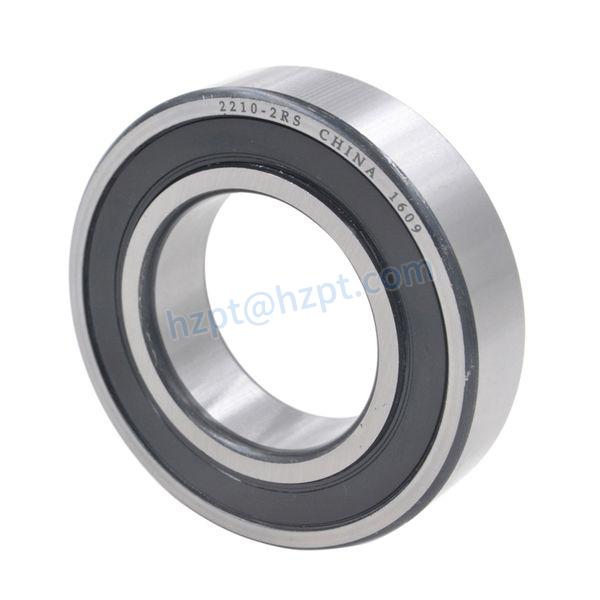
How does Lubrication Impact the Performance and Lifespan of Ball Bearings?
Lubrication plays a critical role in the performance and lifespan of ball bearings. Proper lubrication ensures smooth operation, reduces friction, minimizes wear, and prevents premature failure. Here’s how lubrication impacts ball bearings:
- Friction Reduction:
Lubrication creates a thin film between the rolling elements (balls) and the raceways of the bearing. This film reduces friction by separating the surfaces and preventing direct metal-to-metal contact. Reduced friction results in lower energy consumption, heat generation, and wear.
- Wear Prevention:
Lubricants create a protective barrier that prevents wear and damage to the bearing’s components. Without proper lubrication, the repeated rolling and sliding of the balls against the raceways would lead to accelerated wear, surface pitting, and eventual failure.
- Heat Dissipation:
Lubricants help dissipate heat generated during operation. The rolling elements and raceways can generate heat due to friction. Adequate lubrication carries away this heat, preventing overheating and maintaining stable operating temperatures.
- Corrosion Resistance:
Lubrication prevents moisture and contaminants from coming into direct contact with the bearing’s surfaces. This helps protect the bearing against corrosion, rust, and the formation of debris that can compromise its performance and longevity.
- Noise Reduction:
Lubricated ball bearings operate quietly because the lubricant cushions and dampens vibrations caused by the rolling motion. This noise reduction is crucial in applications where noise levels need to be minimized.
- Seal Protection:
Lubricants help maintain the effectiveness of seals or shields that protect the bearing from contaminants. They create a barrier that prevents particles from entering the bearing and causing damage.
- Improved Efficiency:
Properly lubricated ball bearings operate with reduced friction, leading to improved overall efficiency. This is especially important in applications where energy efficiency is a priority.
- Lifespan Extension:
Effective lubrication significantly extends the lifespan of ball bearings. Bearings that are properly lubricated experience less wear, reduced fatigue, and a lower likelihood of premature failure.
- Selection of Lubricant:
Choosing the right lubricant is essential. Factors such as speed, temperature, load, and environmental conditions influence the choice of lubricant type and viscosity. Some common lubricant options include grease and oil-based lubricants.
- Regular Maintenance:
Regular lubrication maintenance is crucial to ensure optimal bearing performance. Bearings should be inspected and relubricated according to manufacturer recommendations and based on the application’s operating conditions.
In summary, proper lubrication is essential for the optimal performance, longevity, and reliability of ball bearings. It reduces friction, prevents wear, dissipates heat, protects against corrosion, and contributes to smooth and efficient operation in various industrial and mechanical applications.
editor by CX 2023-08-11
China Mini Bearing 624 Bearing Allout Brand Deep Groove Ball Bearing bearing air
Item Description
Introduction and use of bearings
Deep groove ball bearing is easy in structure and practical in use.
It is the bearing with the premier manufacturing scale and the
widest software variety.
Extensively used in cars, home appliances, equipment tools, motors, pumps, agricultural machinery, textile machinery and a lot of other fields.
|
Solution Name |
Mini bearing 624 mmicro bearing allout Manufacturer Deep Groove Ball Bearing | |||
|
Dimensions |
35x80x21mm |
|||
|
Material |
304 stainless steel |
|||
|
Precision |
P0 P5 P6 |
|||
|
Sealing |
ZZ/RS |
|||
|
Shipping and delivery date |
Generally ready merchandise and inventory in 3-fifteen days |
|||
|
Payment phrases |
A:100% TT |
|||
|
Application |
Car, tractor ,equipment tool, electric device, h2o pump, agricultural machinery and textile machinery |
|||
|
Package deal |
Industrial bundle or according to buyers’ prerequisite |
|||
|
Details |
Deep groove ball bearings are simple, effortless to use, is the biggest manufacturing quantity, most widely utilised of a class of bearings. It is mainly utilised for a bear radial load, but also bear specified axial load. When the bearing radial clearance increased when the purpose with angular contact bearings can bear huge axial load. |
|||
|
Particular houses |
one. Substantial accuracy |
|||
Why Decide on Us ?
1. 420 stainless metal for internal ring and outer ring
2. 304 stainless steel cage
3. 420 stainless metal balls
4. Dry lube/ Grease/ OilRelated Items
five. Rubber seals/ ZZ metal shields
6. Large velocity
seven. Long spin time
8. Lower friction
9. Rustproof and corrosion resistance
10. Durable
eleven. Easy to upkeep
Associated Items
FAQ
Q1: Are you a Maker or investing company?
Response: We are professional manufactuer of bearings since 1998 with ISO expectations.
Q2: Can I get a sample to examine out the good quality?
Answer: Sure, free of charge samples are obtainable for stock items if you can shell out for the shipping and delivery value.
Q3: Can you do OEM to print my logo/manufacturer on the items?
Reply: Yes, we can print your brand/brand name on the goods, you just require to send out us your symbol/model information, we will display you how it appears like.We can also make personalized bundle to your request.
Q4: How before long can I count on my purchase to be completed?
Solution: We have regular inventory for normal bearings that can be shipped proper after your payment. It will just take 15-sixty days for new manufacturing order,which depends on your get amount.
Q5: What if I get faulty goods for my order?
Response: All our bearings are one hundred% inspected strictly prior to packing. If any faulty items gained, you should offer images and video clip to display us the issue and assist us improve the quality. New products will be sent to you as substitute if the probelm is merchandise quality.
|
/ Piece | |
10,000 Pieces (Min. Order) |
###
| Contact Angle: | 0 |
|---|---|
| Aligning: | Non-Aligning Bearing |
| Separated: | Unseparated |
| Rows Number: | Single |
| Load Direction: | Radial Bearing |
| Material: | Bearing Steel |
###
| Customization: |
|---|
###
|
Product Name
|
Mini bearing 624 mmicro bearing allout Brand Deep Groove Ball Bearing | |||
|
Size
|
35x80x21mm
|
|||
|
Material
|
304 stainless steel
|
|||
|
Precision
|
P0 P5 P6
|
|||
|
Sealing
|
ZZ/RS
|
|||
|
Delivery date
|
Normally ready goods and stock within 3-15 days
|
|||
|
Payment terms
|
A:100% TT
B: 30% T/T in advance .70% balance payment before shipment C:Western union D:PAYPAL |
|||
|
Application
|
Auto, tractor ,machine tool, electric machine, water pump, agricultural machinery and textile machinery
|
|||
|
Package
|
Industrial package or according to buyers’ requirement
|
|||
|
Details
|
Deep groove ball bearings are simple, easy to use, is the largest production volume, most widely used of a class of bearings.
It is mainly used for a bear radial load, but also bear certain axial load.
When the bearing radial clearance increased when the function with angular contact bearings can bear large axial load.
|
|||
|
Special properties
|
1. High accuracy
2. Low noise 3. Low weight 4. Can be customized according to your needs 5. Can provide small & miniature standard and non-standard ball bearings. |
|||
|
/ Piece | |
10,000 Pieces (Min. Order) |
###
| Contact Angle: | 0 |
|---|---|
| Aligning: | Non-Aligning Bearing |
| Separated: | Unseparated |
| Rows Number: | Single |
| Load Direction: | Radial Bearing |
| Material: | Bearing Steel |
###
| Customization: |
|---|
###
|
Product Name
|
Mini bearing 624 mmicro bearing allout Brand Deep Groove Ball Bearing | |||
|
Size
|
35x80x21mm
|
|||
|
Material
|
304 stainless steel
|
|||
|
Precision
|
P0 P5 P6
|
|||
|
Sealing
|
ZZ/RS
|
|||
|
Delivery date
|
Normally ready goods and stock within 3-15 days
|
|||
|
Payment terms
|
A:100% TT
B: 30% T/T in advance .70% balance payment before shipment C:Western union D:PAYPAL |
|||
|
Application
|
Auto, tractor ,machine tool, electric machine, water pump, agricultural machinery and textile machinery
|
|||
|
Package
|
Industrial package or according to buyers’ requirement
|
|||
|
Details
|
Deep groove ball bearings are simple, easy to use, is the largest production volume, most widely used of a class of bearings.
It is mainly used for a bear radial load, but also bear certain axial load.
When the bearing radial clearance increased when the function with angular contact bearings can bear large axial load.
|
|||
|
Special properties
|
1. High accuracy
2. Low noise 3. Low weight 4. Can be customized according to your needs 5. Can provide small & miniature standard and non-standard ball bearings. |
|||
What is a bushing?
If you’ve ever wondered what an enclosure is, you’ve come to the right place. This article will provide an overview of different types of housings, including air-insulated, oil-impregnated porous bronze, and epoxy-impregnated capacitor cells. After reading this article, you will be better equipped to make an informed choice about the type of bushings your truck needs.
air insulating sleeve
When choosing bushings for your electrical application, you need to look for bushings with long-lasting insulation. In addition to being durable, bushings must have the correct design shape and material to remain effective over time. Porcelain was used in early casing designs and was chosen for indoor and outdoor applications due to its low cost and low linear expansion. Porcelain also requires a lot of metal fittings and flexible seals to remain effective.
Solid bushings have a center conductor and a porcelain or epoxy insulator. They are used in low voltage electrical applications such as small distribution transformers and circuit switches. However, their low radial capacity limits their use in high-voltage applications, so they are limited to circuit switches and other low-voltage equipment. The electrical service duty of the bushing determines the type of insulation required.
Another type of air-insulated bushing is made of conductive metal, which reduces heat transfer. This design enables it to operate over a range of temperature conditions. Additionally, air-insulated bushings are generally more effective than gas-insulated bushings in a range of applications. The main difference between air-insulated bushings and gas-insulated bushings is the insulating material. While gas-insulated bushings are usually made of high-quality materials, high-quality materials are still preferred in some applications.
Elliott # B series insulators are 25 kV class and pressure molded cycloaliphatic epoxy resins. They feature knurled brass inserts and 16 UNC threads. If you choose this type, make sure it matches the exact diameter of your Elliott Class 25 kv air insulated bushing. These insulators also provide overall shielding and require openings to fit inch diameters.
There are two types of air-insulated bushings: air-to-air and oil-to-oil. Oil is a stronger dielectric than air, and air-to-oil bushings are used to connect atmospheric air to oil-filled equipment. They are available for solid and capacitive hierarchies. So, which one is right for you? Just choose the right insulation to make your equipment as efficient as possible.
Oil Impregnated Porous Bronze Bushings
Oil-impregnated porous bronze (PbB) bushings are one of the best options for lubricating metal bearings. Lubrication is maintained even in high temperature applications as oil penetrates into the pores of the bronze. They are also self-lubricating and maintenance-free. Manufactured by CZPT, the Oil Impregnated Bronze Bushing is a powder metal process that is uniformly lubricated by a uniform oil film. This type of bearing is one of the most efficient in terms of precision performance.
One major difference between oil-impregnated bronze bushings and standard cast bronze bushings is their manufacturing process. Oil-impregnated bronze bushings are pressed from powder and then sintered to form a hardened part. This method is very effective for high-volume manufacturing, but it also has its limitations. Oil-impregnated bronze bushings are cheaper and more efficient, but they have mechanical limitations.
The production of oil-impregnated porous bronze bushings is simple. Powder bronze bushings are pressed and vacuum sealed by forcing oil into the pores. The low stress properties of oil-impregnated bronze bushings make them easier to manufacture in high volume. It also does not require additional lubrication. However, oil-impregnated porous bronze bushings have relatively low mechanical strength and are not recommended for applications where high temperatures are present.
Oil Impregnated Porous Bronze is also known as BPPB. Unlike traditional oil-impregnated bronze bushings, BPPB bushings have a high oil retention capacity. This means they will last a long time and you will save a lot of maintenance costs. But be careful. Porous bronze bushings can only last so long without oil.
Oil-impregnated bronze bushings are a good choice if dimensional consistency is important. BP bronze bushings have the same C dimension as solid metal bushings. While the CZPT is a ghost of the past, there are now many powder metal manufacturers producing BP housings. Their C of F values range from 0.04 to 0.08.
Epoxy Impregnated Capacitor Batteries
Epoxy impregnated condenser core sleeves are conductive paper used in air conditioning systems. The paper core is coated with epoxy resin and the insulating shell is silicone rubber. RIP bushings have excellent electrical properties, are fire resistant and are relatively small. However, the process of making these products is not easy and mistakes are common. These defects manifest as cracks or other structural damage in the capacitor cells.
RIF (Resin Impregnated) bushings feature a finely graded design. The capacitor core is made of glass fiber impregnated with epoxy resin. The outer insulation is made of silicone rubber sheds glued directly to the capacitor core. These bushings are designed for small clearances, so no filler material is required.
In order to determine whether the RIP sleeve is void-free and dry, the insulating paper must be impregnated with epoxy resin. The process is similar to making conventional condenser core sleeves, but with greater flexibility and robustness. The main difference between RIP bushings and conventional insulators is the epoxy content.
Capacitor grading bushings are also available. These bushings increase the electric field at the ends of the capacitor core plates. The higher the temperature, the higher the electric field. These properties make resin-impregnated capacitor mandrel sleeves reliable. However, capacitor grade bushings have higher electric fields than nonlinear bushings.
The capacitor core of the present invention is made by winding paper around the winding tube 3 . The paper may contain an intermediate conductive foil. The winding tube is then covered with electrical insulator. Afterwards, the capacitor core 1 will be RIP and electrically connected to the electrical conductor 6 .
To further characterize the performance of RIPs, thermal shock current (TSC) was used to determine their trap parameters. Unmodified epoxy resin and nano-SiO2 modified RIP were tested. The RIP samples were polarized under a 2 kV/mm electric field at 333 K for 10 min and then subcooled to 193 K with liquid nitrogen. TSC curves were obtained at 3 K/min and 383 K.
plastic bushing
Plastic bushings are essential for many industries. They protect wires and other mechanical parts. They come in many shapes and sizes and are often used as adapters when connecting two pipes or tubes of different diameters. They are available in a variety of materials including rubber, steel and various other plastics. Most bushings are cylindrical or conical in shape and made of shock absorbing material. They slide on rods or pipes to provide low friction motion.
Plastic bushings can be made from a variety of materials, including phenolic, polyethylene, and nylon. While phenolic resins have long been the preferred choice for heavy-duty applications, nylon is the most commonly used lining plastic. Nylon has several advantages, including low friction, no lubrication, quiet operation, and low wear. In addition to these advantages, it is easy to form and cast. In order to obtain better mechanical properties, fillers such as molybdenum disulfide can be added to the material. Plus, filled nylon parts resist deformation at temperatures up to 300 degrees Fahrenheit.
Another benefit of plastic bushings is their low cost. Much cheaper than metal, plastic is a versatile material that can be used in a variety of industries. A quick installation and replacement process makes them the first choice for users who need to install new components quickly. Plus, plastic bushings don’t wear out as quickly as metal, which is another benefit. And because the wear rate of plastic bushings is predictable, manufacturers can easily replace them before they start to fail. And they last longer, so you save time and money.
Plastic bushings are widely used in machinery with sliding and rotating shaft components. They have excellent load-carrying capacity and anti-friction properties. They are essential to many industries, including construction, mining, agriculture, hydropower, transportation and food processing. They are easy to install and come in a variety of sizes and shapes. They are very durable and very reliable. They reduce machine wear and are less expensive than bearings.
editor by CX 2023-04-07