Product Description
PRODUCT PICTURES:
OUR SERVICES
We can provide manufacturing capabilities and services of regular bearings for you, or customized non-standard bearings as you required.
BEARING:
— Dimensions
— Material
— Tolerance standard
APPEARANCE:
— Logo (Laser Marking)
— Package Design
40+ YEARS EXPERIENCE
CONTINUOUS AND STABLE DELIVERY OF PRODUCTS.
With over 40 years experience of the bearing manufacturing, we know how to make good bearings with less cost consistently and efficiently.
We use advanced CNC turning, grinding, and superfinishing machines to ensure high, stable, and accurate machining. All of your goods, from the most economical category, to the highest rated category, will always be manufactured precisely to the standards you require.
OWN HEAT TREATMENT
CONTROALLABLE COST AND QUALITY.
Heat treatment is 1 of the crucial processes to ensure high performance of bearing materials. Compared with other manufacturers, we can produce higher quality bearings at smaller cost, with a more flexible and controllable production schedule, and in a shorter time.
We have 6 heat treatment production lines.
Bearings are heated uniformly, with small deformation and little/no oxidized decarburization, which can make them have high hardness, high fatigue resistance, good wear resistance, dimensional stability, and excellent mechanical strength.
OUTSTXIHU (WEST LAKE) DIS. QUALITY
LOW NOISE, LOW FRICTION AND LONG LIFE.
All our products are characterized by low noise, low friction and long life. This is due to our attention to the roundness, waviness and surface roughness of bearing raceway.
Our products fully meets the requirements of national and international standards accorind to the testing result of
roughness, roundness, hardness, vibration noise, vibration velocity.
PACKING
PACKAGING THAT HELPS SELL.
1, Inner package
Corrosion and Dust Proof PE plastic film / bag packing + Tube packing, or Wrapping tape for larger bearings.
2, Corrugated Individual Box
Our attractive sales-helpful “3-JOYS” package, or as the design of your package.
3, Outer package
Corrugated carton + Wooden pallet
MODERN WELL-ORGANIZED WAREHOUSE
· Constant temperature (20°C) and humidity (RH 52%) warehouse
· Hundreds of models on hand, short delivery time.
HONOR & SYSTEM CERTIFICATES
EXHIBITION
SAMPLES POLICY
FREE SAMPLES AND SHIPPING
We are happy to send you free samples of our bearings for field testing. All transportation costs will be paid by us.
Please note: Depending on the model and value of samples, this policy may not apply!
Please contact our sales staff for details.
TRANSPORTATION
FASTEST DELIVERY TO CUSTOMERS
CUSTOMERS FEEDBACK
PAYMENT TERMS
To facilitate your payment, we offer a variety of options!
FAQ
1, About the lead time.
This depends on several factors, like Is the production schedule tight? Is there a corresponding model in stock, and is there enough of this model in stock? How many pcs of that model would be ordered?
Simply speaking, based on a 20′ GP container load:
| If the model your Preferred is | Sufficient stock | Lead Time |
| Regular models | YES | Within 7 days |
| Regular models | NO | Within 30 days |
| Non-regular model | NO | About 50 days |
For accurate estimate, please contact with our sale stuff. Thanks.
2, Minimum order quantity.
Even just ONE piece of bearing is ok for us.
3, If you don’t know which model is the right choice…
We would like to give you some advise if you like, according to the real situation and demand of your local market. Our purpose is to help you to get proper and right models for your customers, so that you would make a better sales and income finally.
4, Factory Inspection
We surely would welcome you or your representatives to come to our plants or working offices to take a good look and chat with our hardworking CZPT employees. Ask our sales stuff and she/he will arrange that for you.
OPTIONS OF SPECIFICATION AND STHangZhouRD
| Subject | Symbol | Description |
| Sealing & Sealing type | Z | Metal shield on 1 side. |
| ZZ | Metal shields on both sides. | |
| RS | Rubber seal on 1 side. | |
| 2RS | Rubber seals on both sides. | |
| ZNR | Shield on 1 side, snap ring groove in the outer ring, with snap ring on the opposite side of the shield | |
| 2ZNR | Shield on both sides, snap ring groove in the outer ring, with snap ring | |
| ZNBR | Shield on 1 side, snap ring groove in the outer ring, with snap ring on the same side as the shield | |
| Cage Materials | J | Pressed steel cages |
| M | Solid brass cage | |
| F | Solid cage made from steel or iron | |
| Y | Pressed brass cages. | |
| T | Laminated phenolic cages. | |
| TN | Polyamide cages | |
| TH | Glass-fiber reinforced phenolic resin cages. | |
| TV | Polyamide cage | |
| Cage Designs | P | Window-type cage |
| H | Claw-type cage | |
| A | Cage guided on the bearing outer ring | |
| B | Cage-guided on the bearing inner ring | |
| S | Cage with lubricating slots in the guiding surfaces | |
| D | Carbonitriding cage | |
| W | Welded cage | |
| R | Riveted Cage | |
| Cage Types | N/A | Claw-type cage |
| Ribbon cage | ||
| Crown cage | ||
| Sunflower cage | ||
| Tapered cage | ||
| Tolerances | PN(P0) | Bearings in standard tolerance |
| P6 | Tighter tolerance than standard bearings | |
| P5 | Tolerance tighter than P6 | |
| P4 | Tolerance tighter than P5 | |
| P2 | Tolerance tighter than P4 | |
| Contact Angle | C | Contact angle 15˚. |
| AC | Contact angle 25˚. | |
| CA | Contact angle 20˚. | |
| E | Contact angle 35˚. | |
| B | Contact angle 40˚. | |
| Bearing Sets | DB | Two bearings: back-to-back. |
| DF | Two bearings: face-to-face. | |
| DT | Two bearings: in tandem. | |
| TBT | Three bearings: tandem and back-to-back. | |
| TFT | Three bearings: tandem and face-to-face. | |
| QFC | Four bearings: tandem and face-to-face. | |
| DB | Two bearings: back-to-back. | |
| DF | Two bearings: face-to-face. |
PRODUCT PARAMETERS
This tech sheet may not contain all or every piece of information you want to know. Please contact our sales staff to obtain or compare the information.
| Designation | Boundary Dimension (mm) | Limiting Speed (rpm) | Load Rating (Kn) | Weight | ||||
| Designation | Inner Diameter (d) |
Outside Diameter (D) |
Width (B) |
Grease Lubrication | Oil Lubrication | Dynamic Load (cr) |
Static Load (cor) |
Weight (kg) |
| 71800 | 10 | 19 | 5 | 75000 | 120000 | 1.8 | 1.1 | 0.005 |
| 71801 | 12 | 21 | 5 | 70000 | 110000 | 2 | 1.4 | 0.006 |
| 71802 | 15 | 24 | 5 | 60000 | 90000 | 2.2 | 1.8 | 0.007 |
| 71803 | 17 | 26 | 5 | 53000 | 80000 | 2.3 | 1.9 | 0.008 |
| 71804 | 20 | 32 | 7 | 45000 | 67000 | 3.9 | 3.4 | 0.018 |
| 71805 | 25 | 37 | 7 | 38000 | 56000 | 4.2 | 4.1 | 0.571 |
| 71806 | 30 | 42 | 7 | 32000 | 48000 | 4.4 | 4.8 | 0.571 |
| 71807 | 35 | 47 | 7 | 26000 | 40000 | 4.6 | 5.5 | 0.571 |
| 71808 | 40 | 52 | 7 | 24000 | 38000 | 4.8 | 6.2 | 0.032 |
| 71809 | 45 | 58 | 7 | 20000 | 34000 | 4.9 | 6.7 | 0.04 |
| 71810 | 50 | 65 | 7 | 18000 | 30000 | 7.4 | 10 | 0.052 |
| 71811 | 55 | 72 | 9 | 16000 | 26000 | 10.2 | 13.8 | 0.061 |
| 71812 | 60 | 78 | 10 | 15000 | 24000 | 13.4 | 18 | 0.1 |
| 71813 | 65 | 85 | 10 | 14000 | 22000 | 13.4 | 18.8 | 0.125 |
| 71814 | 70 | 90 | 10 | 13000 | 20000 | 13.8 | 20.3 | 0.133 |
| 71815 | 75 | 95 | 10 | 12000 | 19000 | 14.2 | 21.7 | 0.142 |
| 71816 | 80 | 100 | 10 | 10000 | 18000 | 14.5 | 23.1 | 0.15 |
| 71817 | 85 | 110 | 13 | 10000 | 17000 | 21.5 | 32.2 | 0.262 |
| 71818 | 90 | 115 | 13 | 9500 | 16000 | 21.7 | 33.5 | 0.274 |
| 71819 | 95 | 120 | 13 | 9000 | 15000 | 21.9 | 34.7 | 0.287 |
| 71820 | 100 | 125 | 13 | 8500 | 14000 | 22.5 | 37 | 0.301 |
| 71821 | 105 | 130 | 13 | 8500 | 14000 | 22.7 | 38.3 | 0.314 |
| 71822 | 110 | 140 | 16 | 8000 | 13000 | 31.8 | 51.6 | 0.496 |
| 71824 | 120 | 150 | 16 | 7000 | 11000 | 33.1 | 56.9 | 0.537 |
| 71826 | 130 | 165 | 18 | 6700 | 9000 | 38.7 | 67.6 | 0.782 |
| 71828 | 140 | 175 | 18 | 6000 | 8500 | 44.8 | 79.2 | 0.813 |
| 71830 | 150 | 190 | 20 | 5600 | 7500 | 51.2 | 92 | 1.14 |
| 71832 | 160 | 200 | 20 | 5000 | 7000 | 52.4 | 97.7 | 1.21 |
| 71834 | 170 | 215 | 22 | 4800 | 7000 | 66.5 | 123.4 | 1.61 |
| 71836 | 180 | 225 | 22 | 2000 | 2800 | 62.3 | 75.9 | 2 |
| 71838 | 190 | 240 | 24 | 1900 | 2600 | 75.1 | 91.6 | 2.1 |
| 71840 | 200 | 250 | 24 | 1800 | 2400 | 74.2 | 91.2 | 2.38 |
| 71844 | 220 | 270 | 24 | 1700 | 2200 | 76.4 | 97.8 | 2.8 |
| 71848 | 240 | 300 | 28 | 1500 | 1900 | 83.5 | 108 | 4.5 |
/* January 22, 2571 19:08:37 */!function(){function s(e,r){var a,o={};try{e&&e.split(“,”).forEach(function(e,t){e&&(a=e.match(/(.*?):(.*)$/))&&1
| Contact Angle: | 15° |
|---|---|
| Aligning: | Aligning Bearing |
| Separated: | Unseparated |
| Rows Number: | Single |
| Load Direction: | Radial Bearing |
| Material: | Bearing Steel |
| Samples: |
US$ 5/Piece
1 Piece(Min.Order) | |
|---|
| Customization: |
Available
| Customized Request |
|---|
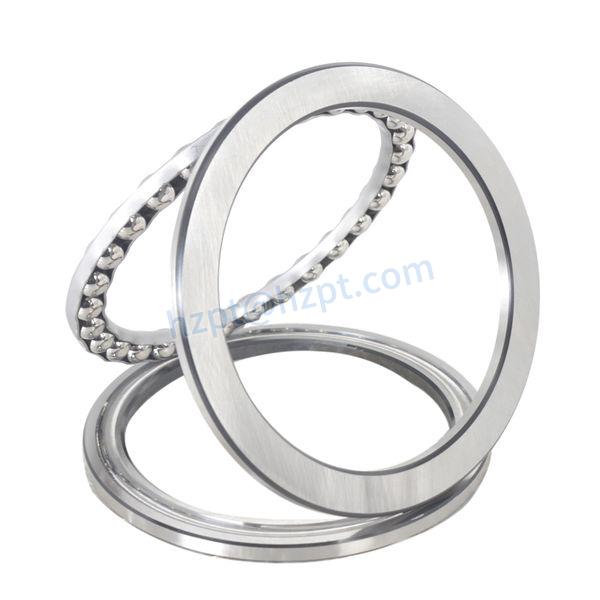
What are the Materials Typically Used in Manufacturing Ball Bearings and Their Advantages?
Ball bearings are manufactured using a variety of materials, each chosen for its specific properties and advantages in various applications. Here are some commonly used materials in ball bearing manufacturing and their respective benefits:
- High-Carbon Chrome Steel (AISI 52100):
This is the most common material used for ball bearing manufacturing. It offers excellent hardness, wear resistance, and fatigue strength. High-carbon chrome steel bearings are suitable for a wide range of applications, from industrial machinery to automotive components.
- Stainless Steel (AISI 440C, AISI 304, AISI 316):
Stainless steel bearings are corrosion-resistant and suitable for applications where moisture, chemicals, or exposure to harsh environments are concerns. AISI 440C offers high hardness and corrosion resistance, while AISI 304 and AISI 316 provide good corrosion resistance and are often used in food and medical industries.
- Ceramic:
Ceramic bearings use silicon nitride (Si3N4) or zirconia (ZrO2) balls. Ceramic materials offer high stiffness, low density, and excellent resistance to corrosion and heat. Ceramic bearings are commonly used in high-speed and high-temperature applications, such as in aerospace and racing industries.
- Plastic (Polyamide, PEEK):
Plastic bearings are lightweight and offer good corrosion resistance. Polyamide bearings are commonly used due to their low friction and wear properties. Polyether ether ketone (PEEK) bearings provide high-temperature resistance and are suitable for demanding environments.
- Bronze:
Bronze bearings are often used in applications where self-lubrication is required. Bronze has good thermal conductivity and wear resistance. Bearings made from bronze are commonly used in machinery requiring frequent starts and stops.
- Hybrid Bearings:
Hybrid bearings combine steel rings with ceramic balls. These bearings offer a balance between the advantages of both materials, such as improved stiffness and reduced weight. Hybrid bearings are used in applications where high speeds and low friction are essential.
- Specialty Alloys:
For specific applications, specialty alloys may be used to meet unique requirements. For example, bearings used in extreme temperatures or corrosive environments may be made from materials like titanium or hastelloy.
- Coated Bearings:
Bearings may also be coated with thin layers of materials like diamond-like carbon (DLC) or other coatings to enhance performance, reduce friction, and improve wear resistance.
The choice of material depends on factors such as application requirements, operating conditions, load, speed, and environmental factors. Selecting the right material is essential for ensuring optimal bearing performance, longevity, and reliability in diverse industries and applications.
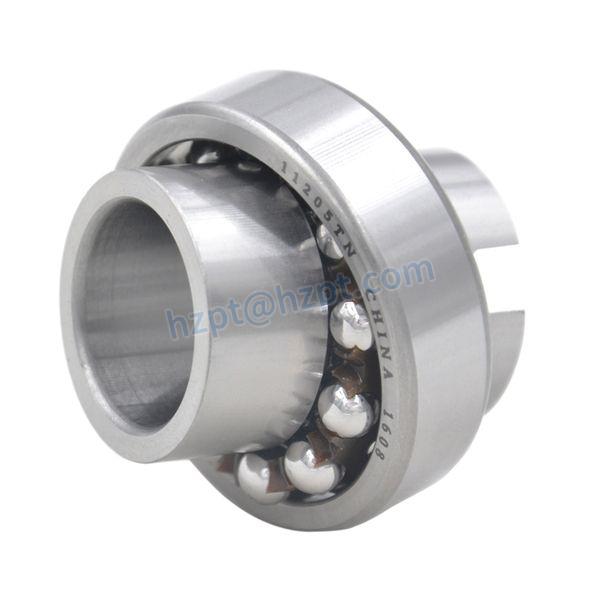
Are there any Industry Standards or Certifications that Ball Bearings should Meet?
Yes, there are several industry standards and certifications that ball bearings should meet to ensure their quality, performance, and reliability. These standards help manufacturers, engineers, and customers assess the suitability of bearings for specific applications. Some of the key standards and certifications for ball bearings include:
- ISO Standards:
The International Organization for Standardization (ISO) has developed a series of standards related to ball bearings. ISO 15 defines dimensions, boundary dimensions, and tolerances for radial bearings. ISO 281 specifies dynamic load ratings and calculation methods for bearings’ life calculations.
- ABEC (Annular Bearing Engineering Committee) Ratings:
ABEC ratings are commonly used in North America to indicate the precision and performance of ball bearings. Ratings range from ABEC 1 (lowest precision) to ABEC 9 (highest precision). However, it’s important to note that ABEC ratings focus primarily on dimensional tolerances and do not encompass all aspects of bearing quality.
- DIN Standards:
The German Institute for Standardization (Deutsches Institut für Normung, DIN) has published various standards related to ball bearings. DIN 625 covers dimensions for deep groove ball bearings, while DIN 616 provides guidelines for precision angular contact ball bearings.
- JIS (Japanese Industrial Standards):
JIS standards are used in Japan and internationally to define the characteristics and dimensions of various products, including ball bearings. JIS B 1512 outlines the classification and dimensions of rolling bearings.
- ASTM (American Society for Testing and Materials) Standards:
ASTM has standards that cover various aspects of bearing testing, performance, and materials. ASTM F2215, for instance, specifies the requirements for ball bearings used in surgical implants.
- CE Marking:
CE marking indicates that a product complies with European Union health, safety, and environmental requirements. It may be required for bearings used in machinery intended to be sold within the EU market.
- Industry-Specific Standards:
Various industries, such as aerospace, automotive, medical, and nuclear, have specific standards or certifications that bearings must meet to ensure safety, reliability, and compliance with industry-specific requirements.
- Quality Management Systems:
Manufacturers that adhere to quality management systems, such as ISO 9001, demonstrate their commitment to consistent product quality and customer satisfaction. Certification to these systems indicates that the manufacturing process follows established protocols and best practices.
When selecting ball bearings, it’s important to consider the relevant standards and certifications that align with the application’s requirements. This ensures that the bearings meet recognized quality and performance criteria, ultimately contributing to reliable and efficient operation.
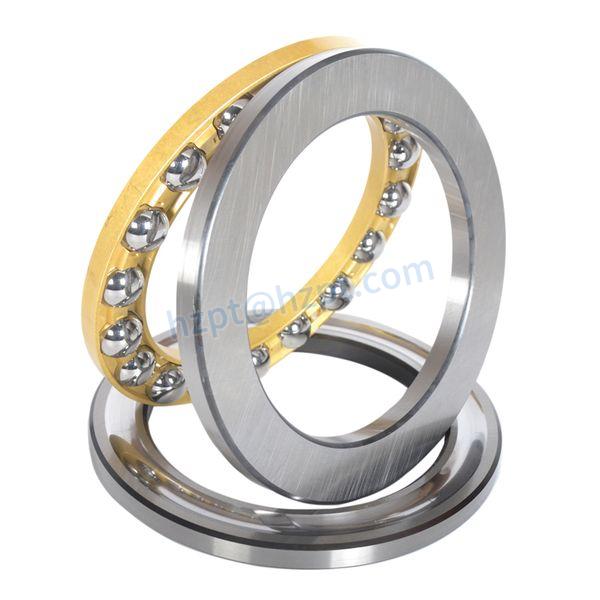
What are the Primary Benefits of Using Ball Bearings in Machinery and Equipment?
Ball bearings offer several primary benefits when used in machinery and equipment. Their design and functionality provide advantages that contribute to the efficient and reliable operation of various applications. Here are the key benefits:
- Reduced Friction:
One of the primary benefits of ball bearings is their ability to minimize friction between moving parts. The rolling motion of the balls reduces the contact area and sliding friction, leading to smoother operation and less energy loss due to frictional heating.
- Efficient Load Support:
Ball bearings are engineered to support both radial and axial loads, making them versatile for applications with multidirectional forces. This load-bearing capability allows machinery to handle different types of loads while maintaining performance and stability.
- Smooth Rotation:
Ball bearings enable smooth and precise rotational movement. The rolling motion of the balls provides consistent motion with minimal resistance, ensuring that machinery operates smoothly and without jerks.
- High-Speed Capability:
Due to their low friction and efficient rolling action, ball bearings are suitable for high-speed applications. They allow machinery and equipment to achieve and maintain high rotational speeds without excessive wear or heat buildup.
- Reduced Wear and Maintenance:
The reduced friction in ball bearings leads to lower wear on components. This results in longer service intervals and reduced maintenance requirements, saving both time and maintenance costs.
- Energy Efficiency:
By minimizing friction and reducing energy losses, ball bearings contribute to the overall energy efficiency of machinery. This is particularly important in applications where energy consumption is a concern.
- Versatility:
Ball bearings come in various types, sizes, and configurations, allowing them to be used in a wide range of machinery and equipment. They can be customized to suit specific application requirements.
- Reliability and Longevity:
Ball bearings are designed to withstand heavy loads and harsh operating conditions. Their durability and resistance to wear ensure reliable performance and an extended operational life.
- Quiet Operation:
Ball bearings contribute to quiet machinery operation due to the smooth rolling motion of the balls. This is particularly important in applications where noise reduction is a consideration.
In summary, the primary benefits of using ball bearings in machinery and equipment include reduced friction, efficient load support, smooth rotation, high-speed capability, reduced wear and maintenance, energy efficiency, versatility, reliability, and quiet operation. These benefits collectively enhance the performance and longevity of machinery across various industries.


editor by CX 2024-05-07
China Best Sales Low Price CZPT CZPT AC Series Contact Angle 25 7022AC 7228AC 7211acm 7307AC 7307acm 7316acm 7321acm Single Row Angular Contact Ball Bearing for Auto Parts connecting rod bearing
Product Description
PRODUCT PICTURES
OUR SERVICES
We can provide manufacturing capabilities and services of regular bearings for you, or customized non-standard bearings as you required.
BEARING:
— Dimensions
— Material
— Tolerance standard
APPEARANCE:
— Logo (Laser Marking)
— Package Design
40+ YEARS EXPERIENCE
CONTINUOUS AND STABLE DELIVERY OF PRODUCTS.
With over 40 years experience of the bearing manufacturing, we know how to make good bearings with less cost consistently and efficiently.
We use advanced CNC turning, grinding, and superfinishing machines to ensure high, stable, and accurate machining. All of your goods, from the most economical category, to the highest rated category, will always be manufactured precisely to the standards you require.
OWN HEAT TREATMENT
CONTROALLABLE COST AND QUALITY.
Heat treatment is 1 of the crucial processes to ensure high performance of bearing materials. Compared with other manufacturers, we can produce higher quality bearings at smaller cost, with a more flexible and controllable production schedule, and in a shorter time.
We have 6 heat treatment production lines.
Bearings are heated uniformly, with small deformation and little/no oxidized decarburization, which can make them have high hardness, high fatigue resistance, good wear resistance, dimensional stability, and excellent mechanical strength.
OUTSTXIHU (WEST LAKE) DIS. QUALITY
LOW NOISE, LOW FRICTION AND LONG LIFE.
All our products are characterized by low noise, low friction and long life. This is due to our attention to the roundness, waviness and surface roughness of bearing raceway.
Our products fully meets the requirements of national and international standards accorind to the testing result of
roughness, roundness, hardness, vibration noise, vibration velocity.
PACKING
PACKAGING THAT HELPS SELL.
1, Inner package
Corrosion and Dust Proof PE plastic film / bag packing + Tube packing, or Wrapping tape for larger bearings.
2, Corrugated Individual Box
Our attractive sales-helpful “3-JOYS” package, or as the design of your package.
3, Outer package
Corrugated carton + Wooden pallet
MODERN WELL-ORGANIZED WAREHOUSE
· Constant temperature (20°C) and humidity (RH 52%) warehouse
· Hundreds of models on hand, short delivery time.
HONOR & SYSTEM CERTIFICATES
EXHIBITION
SAMPLES POLICY
FREE SAMPLES AND SHIPPING
We are happy to send you free samples of our bearings for field testing. All transportation costs will be paid by us.
Please note: Depending on the model and value of samples, this policy may not apply!
Please contact our sales staff for details.
TRANSPORTATION
FASTEST DELIVERY TO CUSTOMERS
CUSTOMERS FEEDBACK
PAYMENT TERMS
To facilitate your payment, we offer a variety of options!
FAQ
1, About the lead time.
This depends on several factors, like Is the production schedule tight? Is there a corresponding model in stock, and is there enough of this model in stock? How many pcs of that model would be ordered?
Simply speaking, based on a 20′ GP container load:
| If the model your Preferred is | Sufficient stock | Lead Time |
| Regular models | YES | Within 7 days |
| Regular models | NO | Within 30 days |
| Non-regular model | NO | About 50 days |
For accurate estimate, please contact with our sale stuff. Thanks.
2, Minimum order quantity.
Even just ONE piece of bearing is ok for us.
3, If you don’t know which model is the right choice…
We would like to give you some advise if you like, according to the real situation and demand of your local market. Our purpose is to help you to get proper and right models for your customers, so that you would make a better sales and income finally.
4, Factory Inspection
We surely would welcome you or your representatives to come to our plants or working offices to take a good look and chat with our hardworking CZPT employees. Ask our sales stuff and she/he will arrange that for you.
OPTIONS OF SPECIFICATION AND STHangZhouRD
| Subject | Symbol | Description |
| Sealing & Sealing type | Z | Metal shield on 1 side. |
| ZZ | Metal shields on both sides. | |
| RS | Rubber seal on 1 side. | |
| 2RS | Rubber seals on both sides. | |
| ZNR | Shield on 1 side, snap ring groove in the outer ring, with snap ring on the opposite side of the shield | |
| 2ZNR | Shield on both sides, snap ring groove in the outer ring, with snap ring | |
| ZNBR | Shield on 1 side, snap ring groove in the outer ring, with snap ring on the same side as the shield | |
| Cage Materials | J | Pressed steel cages |
| M | Solid brass cage | |
| F | Solid cage made from steel or iron | |
| Y | Pressed brass cages. | |
| T | Laminated phenolic cages. | |
| TN | Polyamide cages | |
| TH | Glass-fiber reinforced phenolic resin cages. | |
| TV | Polyamide cage | |
| Cage Designs | P | Window-type cage |
| H | Claw-type cage | |
| A | Cage guided on the bearing outer ring | |
| B | Cage-guided on the bearing inner ring | |
| S | Cage with lubricating slots in the guiding surfaces | |
| D | Carbonitriding cage | |
| W | Welded cage | |
| R | Riveted Cage | |
| Cage Types | N/A | Claw-type cage |
| Ribbon cage | ||
| Crown cage | ||
| Sunflower cage | ||
| Tapered cage | ||
| Tolerances | PN(P0) | Bearings in standard tolerance |
| P6 | Tighter tolerance than standard bearings | |
| P5 | Tolerance tighter than P6 | |
| P4 | Tolerance tighter than P5 | |
| P2 | Tolerance tighter than P4 | |
| Contact Angle | C | Contact angle 15˚. |
| AC | Contact angle 25˚. | |
| CA | Contact angle 20˚. | |
| E | Contact angle 35˚. | |
| B | Contact angle 40˚. | |
| Bearing Sets | DB | Two bearings: back-to-back. |
| DF | Two bearings: face-to-face. | |
| DT | Two bearings: in tandem. | |
| TBT | Three bearings: tandem and back-to-back. | |
| TFT | Three bearings: tandem and face-to-face. | |
| QFC | Four bearings: tandem and face-to-face. | |
| DB | Two bearings: back-to-back. | |
| DF | Two bearings: face-to-face. |
PRODUCT PARAMETERS
This tech sheet may not contain all or every piece of information you want to know. Please contact our sales staff to obtain or compare the information.
| Designation | Boundary Dimension (mm) | Limiting Speed (rpm) | Load Rating (Kn) | Weight | ||||
| Designation | Inner Diameter (d) |
Outside Diameter (D) |
Width (B) |
Grease Lubrication | Oil Lubrication | Dynamic Load (cr) |
Static Load (cor) |
Weight (kg) |
| 7200C | 10 | 30 | 9 | 18000 | 26000 | 5.81 | 2.93 | 0.032 |
| 7200AC | 10 | 30 | 9 | 18000 | 26000 | 5.5 | 2.85 | 0.032 |
| 7200B | 10 | 30 | 9 | 16000 | 25000 | 5.3 | 2.7 | 0.032 |
| 7201C | 12 | 32 | 10 | 17000 | 24000 | 7.3 | 3.4 | 0.039 |
| 7201AC | 12 | 32 | 10 | 17000 | 24000 | 7.09 | 3.3 | 0.039 |
| 7201B | 12 | 32 | 10 | 15000 | 23000 | 6.9 | 3.2 | 0.039 |
| 7202C | 15 | 35 | 11 | 16000 | 22000 | 8.6 | 4.5 | 0.048 |
| 7202AC | 15 | 35 | 11 | 16000 | 22000 | 8.3 | 4.3 | 0.048 |
| 7202B | 15 | 35 | 11 | 15000 | 21000 | 7.9 | 4.2 | 0.048 |
| 7203C | 17 | 40 | 12 | 15000 | 20000 | 10.8 | 6.1 | 0.069 |
| 7203AC | 17 | 40 | 12 | 15000 | 20000 | 10.5 | 5.6 | 0.069 |
| 7203B | 17 | 40 | 12 | 14000 | 19000 | 9.9 | 5.5 | 0.069 |
| 7204C | 20 | 47 | 14 | 13000 | 18000 | 15.5 | 8.9 | 0.110 |
| 7204AC | 20 | 47 | 14 | 13000 | 18000 | 15 | 8.5 | 0.110 |
| 7204B | 20 | 47 | 14 | 12000 | 16000 | 13.4 | 7.6 | 0.110 |
| 7205C | 25 | 52 | 15 | 11000 | 16000 | 16.5 | 10 | 0.130 |
| 7205AC | 25 | 52 | 15 | 11000 | 16000 | 15.8 | 9.7 | 0.130 |
| 7205B | 25 | 52 | 15 | 10000 | 14000 | 14.8 | 9.3 | 0.130 |
| 7206C | 30 | 62 | 16 | 9000 | 13000 | 23 | 14.7 | 0.217 |
| 7206AC | 30 | 62 | 16 | 9000 | 13000 | 22.1 | 13.5 | 0.217 |
| 7206B | 30 | 62 | 16 | 8500 | 12000 | 20.5 | 13.5 | 0.217 |
| 7207C | 35 | 72 | 17 | 8000 | 11000 | 30.3 | 20 | 0.313 |
| 7207AC | 35 | 72 | 17 | 8000 | 11000 | 29.2 | 18 | 0.313 |
| 7207B | 35 | 72 | 17 | 7500 | 10000 | 28.3 | 14.8 | 0.313 |
| 7208C | 40 | 80 | 18 | 7500 | 10000 | 38.4 | 26.3 | 0.402 |
| 7208AC | 40 | 80 | 18 | 7500 | 10000 | 36.8 | 25.4 | 0.402 |
| 7208B | 40 | 80 | 18 | 6700 | 9000 | 34.5 | 23.8 | 0.402 |
| 7209C | 45 | 85 | 19 | 6700 | 9000 | 40.4 | 29.3 | 0.460 |
| 7209AC | 45 | 85 | 19 | 6700 | 9000 | 38.6 | 28.1 | 0.460 |
| 7209B | 45 | 85 | 19 | 6300 | 8500 | 34 | 24.6 | 0.460 |
| 7210C | 50 | 90 | 20 | 6300 | 8500 | 42.8 | 31.3 | 0.510 |
| 7210AC | 50 | 90 | 20 | 6300 | 8500 | 40.8 | 30.1 | 0.510 |
| 7210B | 50 | 90 | 20 | 5600 | 8000 | 40.4 | 25.6 | 0.510 |
| 7211C | 55 | 100 | 21 | 5600 | 7000 | 53.2 | 39.9 | 0.680 |
| 7211AC | 55 | 100 | 21 | 5600 | 7000 | 50.8 | 38.2 | 0.680 |
| 7211B | 55 | 100 | 21 | 5300 | 7000 | 46.3 | 36 | 0.680 |
| 7212C | 60 | 110 | 22 | 5300 | 7000 | 61 | 48.2 | 1.571 |
| 7212AC | 60 | 110 | 22 | 5300 | 7000 | 58.1 | 46 | 1.571 |
| 7212B | 60 | 110 | 22 | 4800 | 6300 | 56.1 | 44.3 | 1.571 |
| 7213C | 65 | 120 | 23 | 4800 | 6300 | 69.8 | 54.4 | 1.090 |
| 7213AC | 65 | 120 | 23 | 4800 | 6300 | 66.6 | 52.1 | 1.090 |
| 7213B | 65 | 120 | 23 | 4300 | 6000 | 65.7 | 50.2 | 1.090 |
| 7214C | 70 | 125 | 24 | 4500 | 5800 | 72.8 | 59.7 | 1.180 |
| 7214AC | 70 | 125 | 24 | 4500 | 5800 | 69.4 | 57 | 1.180 |
| 7214B | 70 | 125 | 24 | 4000 | 5600 | 70.4 | 56.3 | 1.180 |
| 7215C | 75 | 130 | 25 | 4300 | 5600 | 79.2 | 65.6 | 1.320 |
| 7215AC | 75 | 130 | 25 | 4300 | 5600 | 75.3 | 62.8 | 1.320 |
| 7215B | 75 | 130 | 25 | 3800 | 5300 | 68.6 | 58.2 | 1.320 |
| 7216C | 80 | 140 | 26 | 4000 | 5300 | 92.5 | 66.2 | 1.570 |
| 7216AC | 80 | 140 | 26 | 4000 | 5300 | 91.3 | 65.1 | 1.570 |
| 7216B | 80 | 140 | 26 | 4000 | 5300 | 78.7 | 65.7 | 1.570 |
| 7217C | 85 | 150 | 28 | 3800 | 5000 | 99.7 | 84.6 | 2.571 |
| 7217AC | 85 | 150 | 28 | 3800 | 5000 | 94.9 | 80.8 | 2.571 |
| 7217B | 85 | 150 | 28 | 3600 | 4800 | 83.2 | 74.1 | 2.571 |
| 7218C | 90 | 160 | 30 | 3600 | 4800 | 128 | 111.7 | 2.470 |
| 7218AC | 90 | 160 | 30 | 3600 | 4800 | 122 | 106.5 | 2.470 |
| 7218B | 90 | 160 | 30 | 3200 | 4300 | 107.6 | 92.4 | 2.470 |
| 7219C | 95 | 170 | 32 | 3400 | 4500 | 134.6 | 112.2 | 3.571 |
| 7219AC | 95 | 170 | 32 | 3400 | 4500 | 128.4 | 107.8 | 3.571 |
| 7219B | 95 | 170 | 32 | 3000 | 4000 | 121.4 | 106.7 | 3.571 |
| 7220C | 100 | 180 | 34 | 3200 | 4300 | 148 | 125 | 3.620 |
| 7220AC | 100 | 180 | 34 | 3200 | 4300 | 142 | 120.6 | 3.620 |
| 7220B | 100 | 180 | 34 | 2800 | 3800 | 140 | 102.5 | 3.620 |
| 7221C | 105 | 190 | 36 | 3000 | 4000 | 166.6 | 138.6 | 4.290 |
| 7221AC | 105 | 190 | 36 | 3000 | 4000 | 159 | 135.1 | 4.290 |
| 7221B | 105 | 190 | 36 | 2800 | 3800 | 143.3 | 128.5 | 4.290 |
| 7222C | 110 | 200 | 38 | 2800 | 3800 | 184.7 | 154.8 | 5.030 |
| 7222AC | 110 | 200 | 38 | 2800 | 3800 | 176.3 | 151.2 | 5.030 |
| 7222B | 110 | 200 | 38 | 2400 | 3400 | 153.8 | 144.3 | 5.030 |
| 7224C | 120 | 215 | 40 | 2400 | 3400 | 203.1 | 178.4 | 7.080 |
| 7224AC | 120 | 215 | 40 | 2400 | 3400 | 193.6 | 170.9 | 7.080 |
| 7224B | 120 | 215 | 40 | 2200 | 3200 | 165.4 | 161.4 | 7.080 |
| 7226C | 130 | 230 | 40 | 2000 | 3000 | 206.6 | 209.2 | 8.100 |
| 7226AC | 130 | 230 | 40 | 2000 | 3000 | 196.4 | 200.1 | 8.100 |
| 7226B | 130 | 230 | 40 | 1800 | 2800 | 170.8 | 174.2 | 8.100 |
| 7228C | 140 | 250 | 42 | 2000 | 2800 | 227.2 | 238.3 | 9.950 |
| 7228AC | 140 | 250 | 42 | 2000 | 2800 | 216.9 | 227.4 | 9.950 |
| 7228B | 140 | 250 | 42 | 1800 | 2600 | 212.2 | 197.3 | 9.950 |
| 7232AC | 160 | 290 | 48 | 1700 | 2400 | 250 | 288 | 15.49 |
| 7234AC | 170 | 310 | 52 | 1600 | 2200 | 281 | 341 | 19.69 |
| 7236AC | 180 | 320 | 52 | 2200 | 2700 | 293 | 362 | 20.26 |
| 7238AC | 190 | 340 | 55 | 2000 | 2500 | 303 | 390 | 24.31 |
| 7240AC | 200 | 360 | 58 | 1300 | 1800 | 343 | 449 | 28.82 |
| 7244AC | 220 | 400 | 65 | 1100 | 1600 | 358 | 482 | 33.60 |
| 7248AC | 240 | 440 | 72 | 1500 | 1800 | 403 | 595 | 51.8 |
/* January 22, 2571 19:08:37 */!function(){function s(e,r){var a,o={};try{e&&e.split(“,”).forEach(function(e,t){e&&(a=e.match(/(.*?):(.*)$/))&&1
| Contact Angle: | 25° |
|---|---|
| Aligning: | Aligning Bearing |
| Separated: | Unseparated |
| Rows Number: | Single |
| Load Direction: | Radial Bearing |
| Material: | Bearing Steel |
| Samples: |
US$ 5/Piece
1 Piece(Min.Order) | |
|---|
| Customization: |
Available
| Customized Request |
|---|
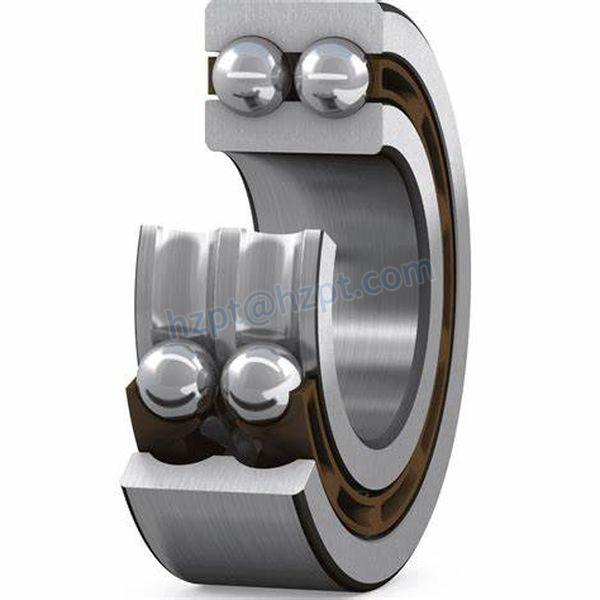
What are the Challenges Associated with Noise Reduction in Ball Bearings?
Noise reduction in ball bearings is a crucial consideration, especially in applications where noise levels must be minimized for operational efficiency and user comfort. While ball bearings are designed to operate smoothly, there are several challenges associated with reducing noise in their operation:
- Vibration:
Vibration generated by the movement of rolling elements and raceways can lead to noise. Even minor irregularities in bearing components or the mounting system can cause vibration that translates into audible noise.
- Bearing Type and Design:
The type and design of the ball bearing can impact noise generation. For example, deep groove ball bearings are known for their quiet operation, while angular contact bearings can generate more noise due to their higher contact angles.
- Lubrication:
Improper or inadequate lubrication can result in increased friction and wear, leading to noise. Choosing the right lubricant and maintaining proper lubrication levels are essential for reducing noise in ball bearings.
- Bearing Clearance and Preload:
Incorrect clearance or preload settings can lead to noise issues. Excessive clearance or inadequate preload can cause the rolling elements to impact the raceways, resulting in noise during rotation.
- Material and Manufacturing Quality:
The quality of materials and manufacturing processes can affect noise levels. Inconsistent or low-quality materials, improper heat treatment, or manufacturing defects can lead to noise generation during operation.
- Surface Finish:
The surface finish of the rolling elements and raceways can impact noise. Rough surfaces can generate more noise due to increased friction and potential irregularities.
- Sealing and Shielding:
Seals and shields that protect bearings can influence noise levels. While they are necessary for contamination prevention, they can also cause additional friction and generate noise.
- Operating Conditions:
External factors such as temperature, speed, and load can influence noise levels. High speeds or heavy loads can amplify noise due to increased stress on the bearing components.
- Wear and Deterioration:
As ball bearings wear over time, noise levels can increase. Worn components or inadequate lubrication can lead to more significant noise issues as the bearing operates.
To address these challenges and reduce noise in ball bearings, manufacturers and engineers employ various techniques, such as optimizing design, selecting suitable bearing types, using proper lubrication, maintaining accurate preload settings, and ensuring high-quality materials and manufacturing processes. Noise reduction efforts are essential to improve overall product quality, meet noise regulations, and enhance user experience in various applications.
How do Temperature and Environmental Conditions Affect the Performance of Ball Bearings?
Temperature and environmental conditions have a significant impact on the performance and longevity of ball bearings. The operating environment can influence factors such as lubrication effectiveness, material properties, and overall bearing behavior. Here’s how temperature and environmental conditions affect ball bearing performance:
- Lubrication:
Temperature variations can affect the viscosity and flow characteristics of lubricants. Extreme temperatures can cause lubricants to become too thin or too thick, leading to inadequate lubrication and increased friction. In high-temperature environments, lubricants can degrade, reducing their effectiveness.
- Material Properties:
Temperature changes can alter the material properties of the bearing components. High temperatures can lead to thermal expansion, affecting bearing clearances and potentially causing interference between components. Extreme cold temperatures can make materials more brittle and prone to fracture.
- Clearance Changes:
Temperature fluctuations can cause changes in the internal clearance of ball bearings. For instance, at high temperatures, materials expand, leading to increased clearance. This can affect bearing performance, load distribution, and overall stability.
- Corrosion and Contamination:
Harsh environmental conditions, such as exposure to moisture, chemicals, or abrasive particles, can lead to corrosion and contamination of bearing components. Corrosion weakens the material, while contamination accelerates wear and reduces bearing life.
- Thermal Stress:
Rapid temperature changes can result in thermal stress within the bearing components. Differential expansion and contraction between the inner and outer rings can lead to stress and distortion, affecting precision and bearing integrity.
- Noise and Vibration:
Temperature-related changes in material properties and internal clearances can influence noise and vibration levels. Extreme temperatures can lead to increased noise generation and vibration, affecting the overall operation of machinery.
- Lubricant Degradation:
Environmental factors like humidity, dust, and contaminants can lead to premature lubricant degradation. Oxidation, moisture absorption, and the presence of foreign particles can compromise the lubricant’s performance and contribute to increased friction and wear.
- Seal Effectiveness:
Seals and shields that protect bearings from contaminants can be affected by temperature fluctuations. Extreme temperatures can lead to seal hardening, cracking, or deformation, compromising their effectiveness in preventing contamination.
- Choosing Appropriate Bearings:
When selecting ball bearings for specific applications, engineers must consider the expected temperature and environmental conditions. High-temperature bearings, bearings with specialized coatings, and those with enhanced sealing mechanisms may be necessary to ensure reliable performance.
Overall, understanding the impact of temperature and environmental conditions on ball bearing performance is crucial for proper bearing selection, maintenance, and ensuring optimal operation in diverse industries and applications.
What are the Different Components that Make up a Typical Ball Bearing?
A typical ball bearing consists of several essential components that work together to reduce friction and support loads. Here are the main components that make up a ball bearing:
- Outer Ring:
The outer ring is the stationary part of the bearing that provides support and houses the other components. It contains raceways (grooves) that guide the balls’ movement.
- Inner Ring:
The inner ring is the rotating part of the bearing that attaches to the shaft. It also contains raceways that correspond to those on the outer ring, allowing the balls to roll smoothly.
- Balls:
The spherical balls are the rolling elements that reduce friction between the inner and outer rings. Their smooth rolling motion enables efficient movement and load distribution.
- Cage or Retainer:
The cage, also known as the retainer, maintains a consistent spacing between the balls. It prevents the balls from touching each other, reducing friction and preventing jamming.
- Seals and Shields:
Many ball bearings include seals or shields to protect the internal components from contaminants and retain lubrication. Seals provide better protection against contaminants, while shields offer less resistance to rotation.
- Lubricant:
Lubrication is essential to reduce friction, wear, and heat generation. Bearings are typically filled with lubricants that ensure smooth movement between the balls and raceways.
- Flanges and Snap Rings:
In some designs, flanges or snap rings are added to help position and secure the bearing in its housing or on the shaft. Flanges prevent axial movement, while snap rings secure the bearing radially.
- Raceways:
Raceways are the grooved tracks on the inner and outer rings where the balls roll. The shape and design of the raceways influence the bearing’s load-carrying capacity and performance.
- Anti-Friction Shield:
In certain high-speed applications, a thin anti-friction shield can be placed between the inner and outer rings to minimize friction and heat generation.
These components work together to enable the smooth rolling motion, load support, and reduced friction that characterize ball bearings. The proper design and assembly of these components ensure the bearing’s optimal performance and longevity in various applications.
editor by CX 2024-05-02
China factory New arrival 7206b CZPT single row sealed miniature radial axial ceramic mini lathe precision dimensions price thin section angle angular contact ball bearing with Hot selling
Product Description
HXHV High Speed / Ball Screw Support Bearing
Material: Chrome Steel / Stainless Steel rings and balls.
Precesion Range: P5 or P4
OEM Service: Custom bearing’s size, logo, packing.
70 Series (High Speed): contact us for more
| Model Number | Model Number2 | Inner Diameter | Outer Diameter | Width |
| 706C | 706AC | 6 mm | 17 mm | 6 mm |
| 708C | 708AC | 8 mm | 22 mm | 7 mm |
| 7000C | 7000AC | 10 mm | 26 mm | 8 mm |
| 7001C | 7001AC | 12 mm | 28 mm | 8 mm |
| 7002C | 7002AC | 15 mm | 32 mm | 9 mm |
| 7003C | 7003AC | 17 mm | 35 mm | 10 mm |
| 7004C | 7004AC | 20 mm | 42 mm | 12 mm |
| 7005C | 7005AC | 25 mm | 47 mm | 12 mm |
| 7006C | 7006AC | 30 mm | 55 mm | 13 mm |
| 7007C | 7007AC | 35 mm | 62 mm | 14 mm |
72 Series (High Speed): contact us for more
| Model Number | Model Number2 | Inner Diameter | Outer Diameter | Width |
| 7200C | 7200AC | 10 mm | 30 mm | 9 mm |
| 7201C | 7201AC | 12 mm | 32 mm | 10 mm |
| 7202C | 7202AC | 15 mm | 35 mm | 11 mm |
| 7203C | 7203AC | 17 mm | 40 mm | 12 mm |
| 7204C | 7204AC | 20 mm | 47 mm | 14 mm |
| 7205C | 7205AC | 25 mm | 52 mm | 15 mm |
| 7206C | 7206AC | 30 mm | 62 mm | 16 mm |
| 7207C | 7207AC | 35 mm | 72 mm | 17 mm |
| 7208C | 7208AC | 40 mm | 80 mm | 18 mm |
| 7209C | 7209AC | 45 mm | 85 mm | 19 mm |
718 Series (High Speed): contact us for more
| Model Number | Model Number2 | Inner Diameter | Outer Diameter | Width |
| 71800C | 71800AC | 10 mm | 19 mm | 5 mm |
| 71801C | 71801AC | 12 mm | 21 mm | 5 mm |
| 71802C | 71802AC | 15 mm | 24 mm | 5 mm |
| 71803C | 71803AC | 17 mm | 26 mm | 5 mm |
| 71804C | 71804AC | 20 mm | 32 mm | 7 mm |
| 71805C | 71805AC | 25 mm | 37 mm | 7 mm |
| 71806C | 71806AC | 30 mm | 42 mm | 7 mm |
| 71807C | 71807AC | 35 mm | 47 mm | 7 mm |
| 71808C | 71808AC | 40 mm | 52 mm | 7 mm |
| 71809C | 71809AC | 45 mm | 58 mm | 7 mm |
719 Series (High Speed): contact us for more
| Model Number | Model Number2 | Inner Diameter | Outer Diameter | Width |
| 71900C | 71900AC | 10 mm | 22 mm | 6 mm |
| 71901C | 71901AC | 12 mm | 24 mm | 6 mm |
| 71902C | 71902AC | 15 mm | 28 mm | 7 mm |
| 71903C | 71903AC | 17 mm | 30 mm | 7 mm |
| 71904C | 71904AC | 20 mm | 37 mm | 9 mm |
| 71905C | 71905AC | 25 mm | 42 mm | 9 mm |
| 71906C | 71906AC | 30 mm | 47 mm | 9 mm |
| 71907C | 71907AC | 35 mm | 55 mm | 10 mm |
| 71908C | 71908AC | 40 mm | 62 mm | 12 mm |
| 71909C | 71909AC | 45 mm | 68 mm | 12 mm |
TAC Series (Ball screw support): contact us for more
| Model Number | Inner Diameter | Outer Diameter | Width |
| 15TAC47B | 15 mm | 47 mm | 15 mm |
| 17TAC47B | 17 mm | 47 mm | 15 mm |
| 20TAC47B | 20 mm | 47 mm | 15 mm |
| 25TAC62B | 25 mm | 62 mm | 15 mm |
| 30TAC62B | 30 mm | 62 mm | 15 mm |
| 35TAC72B | 35 mm | 72 mm | 15 mm |
| 40TAC72B | 40 mm | 72 mm | 15 mm |
| 40TAC90B | 40 mm | 90 mm | 20 mm |
760 Series (Ball screw support): contact us for more
| Model Number | Inner Diameter | Outer Diameter | Width |
| 7657112 | 12 mm | 32 mm | 10 mm |
| 7657115 | 15 mm | 35 mm | 11 mm |
| 7657117 | 17 mm | 40 mm | 12 mm |
| 7657120 | 20 mm | 47 mm | 14 mm |
| 765711 | 20 mm | 52 mm | 15 mm |
| 7657125 | 25 mm | 52 mm | 15 mm |
| 76 0571 1 | 25 mm | 62 mm | 17 mm |
| 7657130 | 30 mm | 62 mm | 16 mm |
| 7603030 | 30 mm | 72 mm | 19 mm |
| 7657135 | 35 mm | 72 mm | 17 mm |
Packing:
|
Universal Packing |
Without any logo on bearings or packing. |
|
HXHV Packing |
With our brand HXHV on bearings and packing. |
|
Customized Packing |
Depends on buyer’s requirements. |
|
Original Brand Packing |
Bearing and packing are both original. Please contact us for pictures. |
Certificate:
Our bearings comes with CE certificate and our company has been verified by SGS Group. Please contact us for clear certificate photos.
Other Bearings:
We supply different types of ball and roller bearings, slewing bearings, mini bearings, ceramic bearings, Linear guides.
To get price list of promotion bearings, please contact us. /* March 10, 2571 17:59:20 */!function(){function s(e,r){var a,o={};try{e&&e.split(“,”).forEach(function(e,t){e&&(a=e.match(/(.*?):(.*)$/))&&1
| Contact Angle: | 15° or 25° |
|---|---|
| Aligning: | Aligning Bearing |
| Separated: | Unseparated |
| Rows Number: | Single |
| Load Direction: | Radial Bearing |
| Material: | Bearing Steel |
| Samples: |
US$ 2.5/Piece
1 Piece(Min.Order) | |
|---|
| Customization: |
Available
| Customized Request |
|---|
What are the Materials Typically Used in Manufacturing Ball Bearings and Their Advantages?
Ball bearings are manufactured using a variety of materials, each chosen for its specific properties and advantages in various applications. Here are some commonly used materials in ball bearing manufacturing and their respective benefits:
- High-Carbon Chrome Steel (AISI 52100):
This is the most common material used for ball bearing manufacturing. It offers excellent hardness, wear resistance, and fatigue strength. High-carbon chrome steel bearings are suitable for a wide range of applications, from industrial machinery to automotive components.
- Stainless Steel (AISI 440C, AISI 304, AISI 316):
Stainless steel bearings are corrosion-resistant and suitable for applications where moisture, chemicals, or exposure to harsh environments are concerns. AISI 440C offers high hardness and corrosion resistance, while AISI 304 and AISI 316 provide good corrosion resistance and are often used in food and medical industries.
- Ceramic:
Ceramic bearings use silicon nitride (Si3N4) or zirconia (ZrO2) balls. Ceramic materials offer high stiffness, low density, and excellent resistance to corrosion and heat. Ceramic bearings are commonly used in high-speed and high-temperature applications, such as in aerospace and racing industries.
- Plastic (Polyamide, PEEK):
Plastic bearings are lightweight and offer good corrosion resistance. Polyamide bearings are commonly used due to their low friction and wear properties. Polyether ether ketone (PEEK) bearings provide high-temperature resistance and are suitable for demanding environments.
- Bronze:
Bronze bearings are often used in applications where self-lubrication is required. Bronze has good thermal conductivity and wear resistance. Bearings made from bronze are commonly used in machinery requiring frequent starts and stops.
- Hybrid Bearings:
Hybrid bearings combine steel rings with ceramic balls. These bearings offer a balance between the advantages of both materials, such as improved stiffness and reduced weight. Hybrid bearings are used in applications where high speeds and low friction are essential.
- Specialty Alloys:
For specific applications, specialty alloys may be used to meet unique requirements. For example, bearings used in extreme temperatures or corrosive environments may be made from materials like titanium or hastelloy.
- Coated Bearings:
Bearings may also be coated with thin layers of materials like diamond-like carbon (DLC) or other coatings to enhance performance, reduce friction, and improve wear resistance.
The choice of material depends on factors such as application requirements, operating conditions, load, speed, and environmental factors. Selecting the right material is essential for ensuring optimal bearing performance, longevity, and reliability in diverse industries and applications.
How do Temperature and Environmental Conditions Affect the Performance of Ball Bearings?
Temperature and environmental conditions have a significant impact on the performance and longevity of ball bearings. The operating environment can influence factors such as lubrication effectiveness, material properties, and overall bearing behavior. Here’s how temperature and environmental conditions affect ball bearing performance:
- Lubrication:
Temperature variations can affect the viscosity and flow characteristics of lubricants. Extreme temperatures can cause lubricants to become too thin or too thick, leading to inadequate lubrication and increased friction. In high-temperature environments, lubricants can degrade, reducing their effectiveness.
- Material Properties:
Temperature changes can alter the material properties of the bearing components. High temperatures can lead to thermal expansion, affecting bearing clearances and potentially causing interference between components. Extreme cold temperatures can make materials more brittle and prone to fracture.
- Clearance Changes:
Temperature fluctuations can cause changes in the internal clearance of ball bearings. For instance, at high temperatures, materials expand, leading to increased clearance. This can affect bearing performance, load distribution, and overall stability.
- Corrosion and Contamination:
Harsh environmental conditions, such as exposure to moisture, chemicals, or abrasive particles, can lead to corrosion and contamination of bearing components. Corrosion weakens the material, while contamination accelerates wear and reduces bearing life.
- Thermal Stress:
Rapid temperature changes can result in thermal stress within the bearing components. Differential expansion and contraction between the inner and outer rings can lead to stress and distortion, affecting precision and bearing integrity.
- Noise and Vibration:
Temperature-related changes in material properties and internal clearances can influence noise and vibration levels. Extreme temperatures can lead to increased noise generation and vibration, affecting the overall operation of machinery.
- Lubricant Degradation:
Environmental factors like humidity, dust, and contaminants can lead to premature lubricant degradation. Oxidation, moisture absorption, and the presence of foreign particles can compromise the lubricant’s performance and contribute to increased friction and wear.
- Seal Effectiveness:
Seals and shields that protect bearings from contaminants can be affected by temperature fluctuations. Extreme temperatures can lead to seal hardening, cracking, or deformation, compromising their effectiveness in preventing contamination.
- Choosing Appropriate Bearings:
When selecting ball bearings for specific applications, engineers must consider the expected temperature and environmental conditions. High-temperature bearings, bearings with specialized coatings, and those with enhanced sealing mechanisms may be necessary to ensure reliable performance.
Overall, understanding the impact of temperature and environmental conditions on ball bearing performance is crucial for proper bearing selection, maintenance, and ensuring optimal operation in diverse industries and applications.
What are the Primary Benefits of Using Ball Bearings in Machinery and Equipment?
Ball bearings offer several primary benefits when used in machinery and equipment. Their design and functionality provide advantages that contribute to the efficient and reliable operation of various applications. Here are the key benefits:
- Reduced Friction:
One of the primary benefits of ball bearings is their ability to minimize friction between moving parts. The rolling motion of the balls reduces the contact area and sliding friction, leading to smoother operation and less energy loss due to frictional heating.
- Efficient Load Support:
Ball bearings are engineered to support both radial and axial loads, making them versatile for applications with multidirectional forces. This load-bearing capability allows machinery to handle different types of loads while maintaining performance and stability.
- Smooth Rotation:
Ball bearings enable smooth and precise rotational movement. The rolling motion of the balls provides consistent motion with minimal resistance, ensuring that machinery operates smoothly and without jerks.
- High-Speed Capability:
Due to their low friction and efficient rolling action, ball bearings are suitable for high-speed applications. They allow machinery and equipment to achieve and maintain high rotational speeds without excessive wear or heat buildup.
- Reduced Wear and Maintenance:
The reduced friction in ball bearings leads to lower wear on components. This results in longer service intervals and reduced maintenance requirements, saving both time and maintenance costs.
- Energy Efficiency:
By minimizing friction and reducing energy losses, ball bearings contribute to the overall energy efficiency of machinery. This is particularly important in applications where energy consumption is a concern.
- Versatility:
Ball bearings come in various types, sizes, and configurations, allowing them to be used in a wide range of machinery and equipment. They can be customized to suit specific application requirements.
- Reliability and Longevity:
Ball bearings are designed to withstand heavy loads and harsh operating conditions. Their durability and resistance to wear ensure reliable performance and an extended operational life.
- Quiet Operation:
Ball bearings contribute to quiet machinery operation due to the smooth rolling motion of the balls. This is particularly important in applications where noise reduction is a consideration.
In summary, the primary benefits of using ball bearings in machinery and equipment include reduced friction, efficient load support, smooth rotation, high-speed capability, reduced wear and maintenance, energy efficiency, versatility, reliability, and quiet operation. These benefits collectively enhance the performance and longevity of machinery across various industries.
editor by CX 2024-01-19