Product Description
Product Description
| Applicable Material | Chrome Steel/Gcr-15 |
| Greese | SRL ,PS2, Alvania R12 ,etc |
| Quality control | Checking is during production process, after surface and before packing |
| Lead time | 10-15 days for sample,15-25 days for bulk order depends on your design |
| Package | Standard package/ Pallet or container/ as per customized specifications |
| Shipment | Express & air freight is preferred / sea freight/ as per customized specifications |
Quality Control
1) Incoming quality control : Checking the raw material after they reach our factory
2) Checking the details before the production line operated
3) In-process quality control : Have a full inspection and routing inspection during mass production
4) Final quality control : Checking the goods after they are finished
5) Outgoing quality control : Checking the goods after they are finished
More products
| Wheel Bearing | Dimensions(mm) | Mass | Hub Assembly | Clutch Bearing | Truck Bearng | Taper roller bearing | Wheel bearing kit | Wheel Bearing | |||
| d | D | B | C | ||||||||
| DAC2552Z NISMO V6 3.7L 3696CC VQ37VHR Z TOURING V6 3.7L 3696CC VQ37VHR 2/SP5 | LIBERTY IV [2 | XV 13-/xv 13/ | REAR | ||||||||
| 234 | 24873-AJ00A 28473-SC000 28473-FJ000 28473-FG000 VKBA7479 |
FORESTER (SH) [2008-]IMPREZA Hatchback (GR, GH, G3) [2007-2014]LEGACY V (BM) [2009-]LEGACY V Estate (BR) [2008-2014]OUTBACK (BR) [2009-] | |||||||||
Company Profile
Rainbow auto parts focuses on the production and sales of auto parts. Our auto parts have been exported to all over the world and have won praise from customers.
We will strictly check the product production process:
- Checking the raw material after they reach our factory
- Checking the details before the production line operated
- Have a full inspection and routing inspection during mass production
- Checking the goods after they are finished
Packaging & Shipping
ORIGINAL PACKING/ NEUTRAL PACKING/ PACKAGING AS CUSTOMER REQUIRE
FAQ
Q: What is the MOQ?
A: It depends on what you are buying. Small MOQ can be acceptable.
Q: Can you customize my products?
A: Yes, we can customize products with your design drawings.
Q: What is your terms of payment?
A: 30% T/T in advance, balance before shipment, or as per discussion.
Q. What is your terms of packing?
A: Generally,we use brown boxes for packing. If you have legally registered patent, we can pack the goods in your branded boxes after getting your authorization letters.
Q. How about your delivery time?
A: If the product is in stock, the delivery time is 1 week after payment. If there is no stock, the delivery time is 30 days.
Q. Do you test all your goods before delivery?
A: Yes, we have 100% test before delivery.
Q. What can I do if the item damaged during transportation?
A: Our customer service staffs will help you with any questions or concerns. Under any circumstance, we will pack products well before shipping. So if any damage on products, please take pictures for us. We will figure out a solve way.
/* January 22, 2571 19:08:37 */!function(){function s(e,r){var a,o={};try{e&&e.split(“,”).forEach(function(e,t){e&&(a=e.match(/(.*?):(.*)$/))&&1
| After-sales Service: | Full After Sale Service |
|---|---|
| Warranty: | 30000-50000 Km |
| Type: | Wheel Bearing |
| Samples: |
US$ 50/Set
1 Set(Min.Order) | Order Sample |
|---|
| Customization: |
Available
| Customized Request |
|---|
.shipping-cost-tm .tm-status-off{background: none;padding:0;color: #1470cc}
|
Shipping Cost:
Estimated freight per unit. |
about shipping cost and estimated delivery time. |
|---|
| Payment Method: |
|
|---|---|
|
Initial Payment Full Payment |
| Currency: | US$ |
|---|
| Return&refunds: | You can apply for a refund up to 30 days after receipt of the products. |
|---|
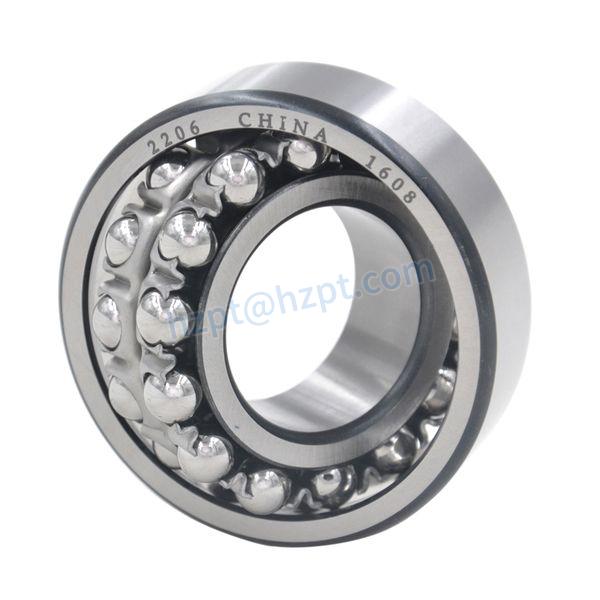
What are the Common Signs of Wear or Damage in Ball Bearings that Indicate the Need for Replacement?
Ball bearings are subjected to wear and stress during operation, and over time, they may exhibit signs of damage or deterioration that warrant replacement. Recognizing these signs is crucial to prevent catastrophic failure and ensure safe and reliable operation. Here are the common signs of wear or damage in ball bearings:
- Unusual Noise:
If you hear unusual grinding, clicking, or rumbling noises coming from the bearing during operation, it may indicate worn-out or damaged components. Unusual noise suggests that the bearing is no longer operating smoothly.
- Vibration:
Excessive vibration in the machinery can be a sign of bearing wear. Vibrations can result from uneven wear, misalignment, or damaged components within the bearing.
- Increased Temperature:
Higher operating temperatures than usual may indicate increased friction due to inadequate lubrication, wear, or other issues. Monitoring the bearing’s temperature can help identify potential problems.
- Irregular Movement:
If you notice irregular movement, jerking, or sticking during rotation, it could be a sign that the bearing is no longer operating smoothly. This may be due to damaged rolling elements or raceways.
- Reduced Performance:
If the machinery’s performance has decreased, it may be due to a compromised bearing. Reduced efficiency, increased energy consumption, or a decline in overall performance could be indicators of bearing wear.
- Visible Wear or Damage:
Inspect the bearing for visible signs of wear, such as pitting, scoring, or discoloration on the rolling elements or raceways. Severe wear or damage is a clear indication that the bearing needs replacement.
- Leakage or Contamination:
If there is evidence of lubricant leakage, contamination, or the presence of foreign particles around the bearing, it suggests that the seal or shield may be compromised, leading to potential damage.
- Looseness or Excessive Play:
If you can feel excessive play or looseness when manually moving the bearing, it could indicate worn-out components or misalignment.
- Reduced Lifespan:
If the bearing’s expected lifespan is significantly shorter than usual, it may be due to inadequate lubrication, excessive loads, or improper installation, leading to accelerated wear.
- Frequent Failures:
If the bearing is consistently failing despite regular maintenance and proper use, it could indicate a chronic issue that requires addressing, such as inadequate lubrication or misalignment.
It’s important to conduct regular inspections, monitor performance, and address any signs of wear or damage promptly. Replacing worn or damaged ball bearings in a timely manner can prevent further damage to machinery, reduce downtime, and ensure safe and efficient operation.
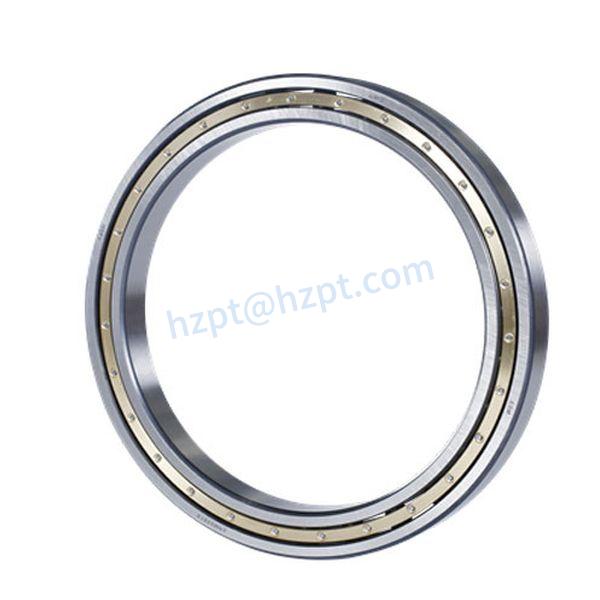
What are the Differences between Deep Groove Ball Bearings and Angular Contact Ball Bearings?
Deep groove ball bearings and angular contact ball bearings are two common types of ball bearings, each designed for specific applications and load conditions. Here are the key differences between these two types of bearings:
- Design and Geometry:
Deep Groove Ball Bearings:
Deep groove ball bearings have a simple design with a single row of balls that run along deep raceways in both the inner and outer rings. The rings are usually symmetrical and non-separable, resulting in a balanced load distribution.
Angular Contact Ball Bearings:
Angular contact ball bearings have a more complex design with two rows of balls, oriented at an angle to the bearing’s axis. This arrangement allows for the transmission of both radial and axial loads, making them suitable for combined loads and applications requiring high precision.
- Load Carrying Capacity:
Deep Groove Ball Bearings:
Deep groove ball bearings are primarily designed to carry radial loads. They can handle axial loads in both directions, but their axial load-carrying capacity is generally lower compared to angular contact ball bearings.
Angular Contact Ball Bearings:
Angular contact ball bearings are specifically designed to handle both radial and axial loads. The contact angle between the rows of balls determines the bearings’ axial load-carrying capacity. They can handle higher axial loads and are commonly used in applications with thrust loads.
- Contact Angle:
Deep Groove Ball Bearings:
Deep groove ball bearings have no defined contact angle, as the balls move in a deep groove along the raceways. They are primarily designed for radial loads.
Angular Contact Ball Bearings:
Angular contact ball bearings have a specified contact angle between the rows of balls. This contact angle allows them to carry both radial and axial loads and is crucial for their ability to handle combined loads.
- Applications:
Deep Groove Ball Bearings:
Deep groove ball bearings are commonly used in applications that primarily require radial loads, such as electric motors, pumps, and conveyor systems. They are also suitable for high-speed operation.
Angular Contact Ball Bearings:
Angular contact ball bearings are used in applications where both radial and axial loads are present, such as in machine tools, automotive wheel hubs, and aerospace components. They are especially useful for applications that require precise axial positioning and handling of thrust loads.
- Limitations:
Deep Groove Ball Bearings:
Deep groove ball bearings are not as suitable for handling significant axial loads and may experience skidding under certain conditions due to their deep raceways.
Angular Contact Ball Bearings:
Angular contact ball bearings can experience increased heat generation and wear at higher speeds due to the contact angle of the balls.
In summary, the design, load-carrying capacity, contact angle, and applications differ between deep groove ball bearings and angular contact ball bearings. Choosing the appropriate type depends on the specific load conditions and requirements of the application.
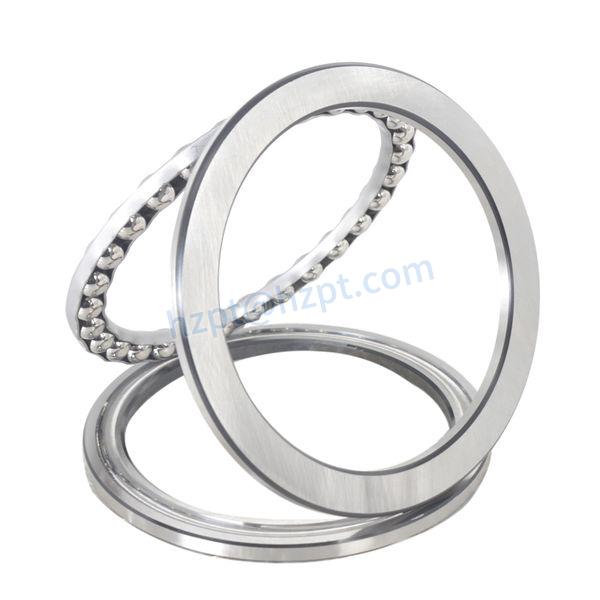
How do Ball Bearings Differ from Other Types of Bearings like Roller Bearings?
Ball bearings and roller bearings are two common types of rolling-element bearings, each with distinct designs and characteristics. Here’s a comparison of ball bearings and roller bearings:
- Design:
Ball Bearings: Ball bearings use spherical balls to separate and reduce friction between the bearing’s inner and outer rings. The balls enable rolling motion and smooth contact, minimizing friction.
Roller Bearings: Roller bearings, as the name suggests, use cylindrical or tapered rollers instead of balls. These rollers have larger contact areas, distributing loads over a broader surface.
- Friction and Efficiency:
Ball Bearings: Due to the point contact between the balls and the rings, ball bearings have lower friction and are more efficient at high speeds.
Roller Bearings: Roller bearings have a larger contact area, resulting in slightly higher friction compared to ball bearings. They are more suitable for heavy-load applications where efficiency is prioritized over high speeds.
- Load Capacity:
Ball Bearings: Ball bearings excel at handling light to moderate loads in both radial and axial directions. They are commonly used in applications where smooth rotation and low friction are important.
Roller Bearings: Roller bearings have a higher load-carrying capacity than ball bearings. They can support heavier radial and axial loads and are preferred for applications with significant loads or impact forces.
- Variability:
Ball Bearings: Ball bearings come in various designs, including deep groove, angular contact, and thrust ball bearings, each suitable for different applications.
Roller Bearings: Roller bearings have diverse types, including cylindrical, spherical, tapered, and needle roller bearings, each optimized for specific load and motion requirements.
- Speed Capability:
Ball Bearings: The reduced friction in ball bearings makes them suitable for high-speed applications, such as electric motors and precision machinery.
Roller Bearings: Roller bearings can handle higher loads but are generally better suited for moderate to low speeds due to slightly higher friction.
- Applications:
Ball Bearings: Ball bearings are used in applications where smooth motion, low friction, and moderate loads are essential, such as electric fans, bicycles, and some automotive components.
Roller Bearings: Roller bearings find applications in heavy machinery, construction equipment, automotive transmissions, and conveyor systems, where heavier loads and durability are crucial.
In summary, ball bearings and roller bearings differ in their design, friction characteristics, load capacities, speed capabilities, and applications. The choice between them depends on the specific requirements of the machinery and the type of loads and forces involved.


editor by CX 2024-03-06
China Best Sales Deep Groove Ball Bearing Pullers Front Wheel Hub Pillow Block Linear Wheel Taper Roller Connecting Rod Rear Wheel Needle Bearings Extractor Manufacturing with high quality
Product Description
Product Description
deep groove ball bearing pullers front wheel hub pillow block linear wheel taper roller connecting rod rear wheel needle bearings extractor manufacturing
-
Premium Quality: We use top-grade materials and advanced production techniques to ensure exceptional durability and load-bearing capacity.
-
Stringent Quality Control: Our bearings meet international standards with rigorous inspections at every stage, backed by ISO 9001 certification.
-
Comprehensive Product Range: We offer a wide variety of bearings including ball, roller, spherical, and custom-designed solutions for diverse applications.
-
Continuous Innovation: We stay ahead with cutting-edge technology, offering low-noise, high-speed, and long-life bearings.
-
Responsive Service: We promptly address customer inquiries, provide tailored design services, and ensure timely delivery.
-
Exceptional After-Sales Support: We stand behind our products with installation guidance, maintenance support, and reliable warranty coverage.
-
Competitive Pricing: By optimizing processes and economies of scale, we deliver cost-effective solutions without compromising on quality.
In essence, as your bearing supplier, we guarantee premium quality products, innovative solutions, responsive service, and strong value – making us the ideal partner for all your bearing needs.
/* January 22, 2571 19:08:37 */!function(){function s(e,r){var a,o={};try{e&&e.split(“,”).forEach(function(e,t){e&&(a=e.match(/(.*?):(.*)$/))&&1
| Rolling Body: | Roller Bearings |
|---|---|
| The Number of Rows: | Single |
| Outer Dimension: | Small and Medium-Sized (60-115mm) |
| Material: | Bearing Steel |
| Spherical: | Aligning Bearings |
| Load Direction: | Axial Bearing |
| Samples: |
US$ 9999/Piece
1 Piece(Min.Order) | |
|---|
What are the Common Signs of Wear or Damage in Ball Bearings that Indicate the Need for Replacement?
Ball bearings are subjected to wear and stress during operation, and over time, they may exhibit signs of damage or deterioration that warrant replacement. Recognizing these signs is crucial to prevent catastrophic failure and ensure safe and reliable operation. Here are the common signs of wear or damage in ball bearings:
- Unusual Noise:
If you hear unusual grinding, clicking, or rumbling noises coming from the bearing during operation, it may indicate worn-out or damaged components. Unusual noise suggests that the bearing is no longer operating smoothly.
- Vibration:
Excessive vibration in the machinery can be a sign of bearing wear. Vibrations can result from uneven wear, misalignment, or damaged components within the bearing.
- Increased Temperature:
Higher operating temperatures than usual may indicate increased friction due to inadequate lubrication, wear, or other issues. Monitoring the bearing’s temperature can help identify potential problems.
- Irregular Movement:
If you notice irregular movement, jerking, or sticking during rotation, it could be a sign that the bearing is no longer operating smoothly. This may be due to damaged rolling elements or raceways.
- Reduced Performance:
If the machinery’s performance has decreased, it may be due to a compromised bearing. Reduced efficiency, increased energy consumption, or a decline in overall performance could be indicators of bearing wear.
- Visible Wear or Damage:
Inspect the bearing for visible signs of wear, such as pitting, scoring, or discoloration on the rolling elements or raceways. Severe wear or damage is a clear indication that the bearing needs replacement.
- Leakage or Contamination:
If there is evidence of lubricant leakage, contamination, or the presence of foreign particles around the bearing, it suggests that the seal or shield may be compromised, leading to potential damage.
- Looseness or Excessive Play:
If you can feel excessive play or looseness when manually moving the bearing, it could indicate worn-out components or misalignment.
- Reduced Lifespan:
If the bearing’s expected lifespan is significantly shorter than usual, it may be due to inadequate lubrication, excessive loads, or improper installation, leading to accelerated wear.
- Frequent Failures:
If the bearing is consistently failing despite regular maintenance and proper use, it could indicate a chronic issue that requires addressing, such as inadequate lubrication or misalignment.
It’s important to conduct regular inspections, monitor performance, and address any signs of wear or damage promptly. Replacing worn or damaged ball bearings in a timely manner can prevent further damage to machinery, reduce downtime, and ensure safe and efficient operation.
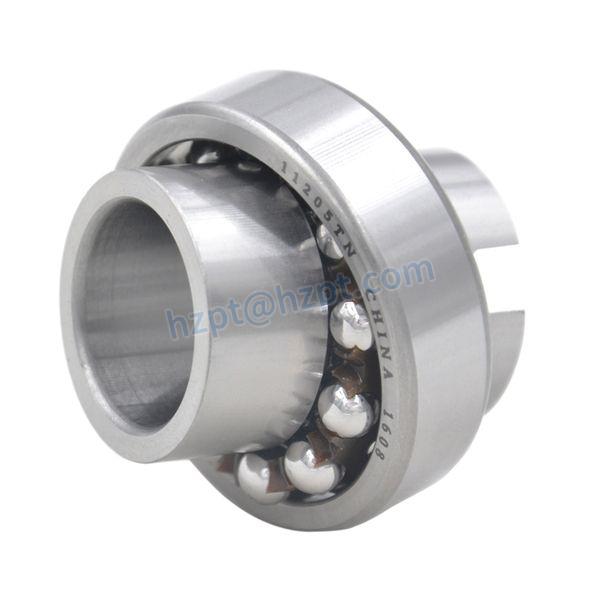
Are there any Industry Standards or Certifications that Ball Bearings should Meet?
Yes, there are several industry standards and certifications that ball bearings should meet to ensure their quality, performance, and reliability. These standards help manufacturers, engineers, and customers assess the suitability of bearings for specific applications. Some of the key standards and certifications for ball bearings include:
- ISO Standards:
The International Organization for Standardization (ISO) has developed a series of standards related to ball bearings. ISO 15 defines dimensions, boundary dimensions, and tolerances for radial bearings. ISO 281 specifies dynamic load ratings and calculation methods for bearings’ life calculations.
- ABEC (Annular Bearing Engineering Committee) Ratings:
ABEC ratings are commonly used in North America to indicate the precision and performance of ball bearings. Ratings range from ABEC 1 (lowest precision) to ABEC 9 (highest precision). However, it’s important to note that ABEC ratings focus primarily on dimensional tolerances and do not encompass all aspects of bearing quality.
- DIN Standards:
The German Institute for Standardization (Deutsches Institut für Normung, DIN) has published various standards related to ball bearings. DIN 625 covers dimensions for deep groove ball bearings, while DIN 616 provides guidelines for precision angular contact ball bearings.
- JIS (Japanese Industrial Standards):
JIS standards are used in Japan and internationally to define the characteristics and dimensions of various products, including ball bearings. JIS B 1512 outlines the classification and dimensions of rolling bearings.
- ASTM (American Society for Testing and Materials) Standards:
ASTM has standards that cover various aspects of bearing testing, performance, and materials. ASTM F2215, for instance, specifies the requirements for ball bearings used in surgical implants.
- CE Marking:
CE marking indicates that a product complies with European Union health, safety, and environmental requirements. It may be required for bearings used in machinery intended to be sold within the EU market.
- Industry-Specific Standards:
Various industries, such as aerospace, automotive, medical, and nuclear, have specific standards or certifications that bearings must meet to ensure safety, reliability, and compliance with industry-specific requirements.
- Quality Management Systems:
Manufacturers that adhere to quality management systems, such as ISO 9001, demonstrate their commitment to consistent product quality and customer satisfaction. Certification to these systems indicates that the manufacturing process follows established protocols and best practices.
When selecting ball bearings, it’s important to consider the relevant standards and certifications that align with the application’s requirements. This ensures that the bearings meet recognized quality and performance criteria, ultimately contributing to reliable and efficient operation.
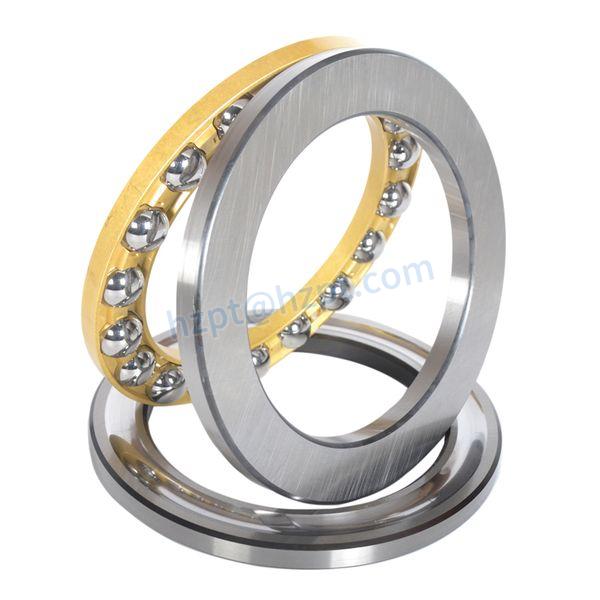
What are the Primary Benefits of Using Ball Bearings in Machinery and Equipment?
Ball bearings offer several primary benefits when used in machinery and equipment. Their design and functionality provide advantages that contribute to the efficient and reliable operation of various applications. Here are the key benefits:
- Reduced Friction:
One of the primary benefits of ball bearings is their ability to minimize friction between moving parts. The rolling motion of the balls reduces the contact area and sliding friction, leading to smoother operation and less energy loss due to frictional heating.
- Efficient Load Support:
Ball bearings are engineered to support both radial and axial loads, making them versatile for applications with multidirectional forces. This load-bearing capability allows machinery to handle different types of loads while maintaining performance and stability.
- Smooth Rotation:
Ball bearings enable smooth and precise rotational movement. The rolling motion of the balls provides consistent motion with minimal resistance, ensuring that machinery operates smoothly and without jerks.
- High-Speed Capability:
Due to their low friction and efficient rolling action, ball bearings are suitable for high-speed applications. They allow machinery and equipment to achieve and maintain high rotational speeds without excessive wear or heat buildup.
- Reduced Wear and Maintenance:
The reduced friction in ball bearings leads to lower wear on components. This results in longer service intervals and reduced maintenance requirements, saving both time and maintenance costs.
- Energy Efficiency:
By minimizing friction and reducing energy losses, ball bearings contribute to the overall energy efficiency of machinery. This is particularly important in applications where energy consumption is a concern.
- Versatility:
Ball bearings come in various types, sizes, and configurations, allowing them to be used in a wide range of machinery and equipment. They can be customized to suit specific application requirements.
- Reliability and Longevity:
Ball bearings are designed to withstand heavy loads and harsh operating conditions. Their durability and resistance to wear ensure reliable performance and an extended operational life.
- Quiet Operation:
Ball bearings contribute to quiet machinery operation due to the smooth rolling motion of the balls. This is particularly important in applications where noise reduction is a consideration.
In summary, the primary benefits of using ball bearings in machinery and equipment include reduced friction, efficient load support, smooth rotation, high-speed capability, reduced wear and maintenance, energy efficiency, versatility, reliability, and quiet operation. These benefits collectively enhance the performance and longevity of machinery across various industries.
editor by CX 2024-02-29
China supplier Slewing Bearing Tapered Roller Steel Ball Bearings Deep Groove Puller Front Wheel Hub Pillow Block Taper Roller Angular Contact Rear Wheel Linear Auto Bearing wholesaler
Product Description
Slewing bearing Tapered Roller steel ball bearings Deep Groove puller front wheel hub pillow block taper roller angular contact rear wheel linear auto bearing
Application of Slewing bearing
A slewing bearing, also called a turntable bearing, is a type of bearing that allows for a heavy but slow-turning or slowly-oscillating load to be supported in combination (axial, radial and moment loads), often a horizontal platform such as a conventional crane, a swing yarder, or the wind-facing platform of a horizontal-axis (yaw) windmill. In other orientations (e.g. a horizontal axis of rotation) they are used in materials handling grapples, forklift attachments, welding turnover jigs and so on.
Slewing rings range in size from as little as 100mm diameter to well over 15 000mm (often segmented at this size for easy transport and handling); for example the bearings on the Falkirk Wheel are 4 meters diameter and fit over a 3.5 meter axle. Slewing bearings are often made with gear teeth integral with the inner or outer race (or both in rare cases) used to drive the platform relative to the base (for example in winches).
Slewing rings are used in a variety of applications, including:
- Wind turbines: Slewing bearings are used in wind turbines to support the nacelle and rotor blades.
- Cranes: Slewing bearings are used in cranes to support the boom and jib.
- Drilling rigs: Slewing bearings are used in drilling rigs to support the mast and drill string.
- Robotics: Slewing bearings are used in robotics to support the manipulator arm.
- Machine tools: Slewing bearings are used in machine tools to support the spindle and workpiece.
Slewing bearings are a critical component in many applications. They are responsible for supporting heavy loads and allowing for smooth and precise movement.
/* March 10, 2571 17:59:20 */!function(){function s(e,r){var a,o={};try{e&&e.split(“,”).forEach(function(e,t){e&&(a=e.match(/(.*?):(.*)$/))&&1
| Rolling Body: | Roller Bearings |
|---|---|
| The Number of Rows: | Single |
| Outer Dimension: | Small and Medium-Sized (60-115mm) |
| Material: | Bearing Steel |
| Spherical: | Aligning Bearings |
| Load Direction: | Axial Bearing |
| Samples: |
US$ 9999/Piece
1 Piece(Min.Order) | |
|---|
What are the Materials Typically Used in Manufacturing Ball Bearings and Their Advantages?
Ball bearings are manufactured using a variety of materials, each chosen for its specific properties and advantages in various applications. Here are some commonly used materials in ball bearing manufacturing and their respective benefits:
- High-Carbon Chrome Steel (AISI 52100):
This is the most common material used for ball bearing manufacturing. It offers excellent hardness, wear resistance, and fatigue strength. High-carbon chrome steel bearings are suitable for a wide range of applications, from industrial machinery to automotive components.
- Stainless Steel (AISI 440C, AISI 304, AISI 316):
Stainless steel bearings are corrosion-resistant and suitable for applications where moisture, chemicals, or exposure to harsh environments are concerns. AISI 440C offers high hardness and corrosion resistance, while AISI 304 and AISI 316 provide good corrosion resistance and are often used in food and medical industries.
- Ceramic:
Ceramic bearings use silicon nitride (Si3N4) or zirconia (ZrO2) balls. Ceramic materials offer high stiffness, low density, and excellent resistance to corrosion and heat. Ceramic bearings are commonly used in high-speed and high-temperature applications, such as in aerospace and racing industries.
- Plastic (Polyamide, PEEK):
Plastic bearings are lightweight and offer good corrosion resistance. Polyamide bearings are commonly used due to their low friction and wear properties. Polyether ether ketone (PEEK) bearings provide high-temperature resistance and are suitable for demanding environments.
- Bronze:
Bronze bearings are often used in applications where self-lubrication is required. Bronze has good thermal conductivity and wear resistance. Bearings made from bronze are commonly used in machinery requiring frequent starts and stops.
- Hybrid Bearings:
Hybrid bearings combine steel rings with ceramic balls. These bearings offer a balance between the advantages of both materials, such as improved stiffness and reduced weight. Hybrid bearings are used in applications where high speeds and low friction are essential.
- Specialty Alloys:
For specific applications, specialty alloys may be used to meet unique requirements. For example, bearings used in extreme temperatures or corrosive environments may be made from materials like titanium or hastelloy.
- Coated Bearings:
Bearings may also be coated with thin layers of materials like diamond-like carbon (DLC) or other coatings to enhance performance, reduce friction, and improve wear resistance.
The choice of material depends on factors such as application requirements, operating conditions, load, speed, and environmental factors. Selecting the right material is essential for ensuring optimal bearing performance, longevity, and reliability in diverse industries and applications.
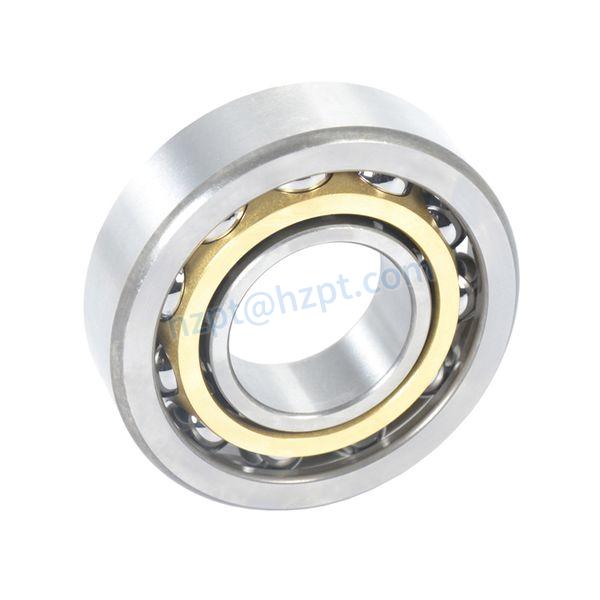
What Precautions should be taken to Prevent Contamination of Ball Bearings in Industrial Settings?
Preventing contamination of ball bearings is essential to ensure their proper function, longevity, and overall performance in industrial settings. Contaminants such as dust, dirt, debris, and particles can significantly impact bearing operation. Here are important precautions to take to prevent contamination of ball bearings:
- Effective Sealing:
Choose ball bearings with appropriate seals or shields to prevent the ingress of contaminants. Seals provide a physical barrier against dust, moisture, and particles, ensuring the bearing’s interior remains clean.
- Clean Environment:
Maintain a clean working environment around the machinery and equipment. Regularly clean the surrounding areas to prevent the accumulation of dirt and debris that could enter the bearings.
- Proper Handling:
Handle bearings with clean hands and use gloves if necessary. Avoid touching the bearing surfaces with bare hands, as natural skin oils can transfer contaminants onto the bearing.
- Clean Tools and Equipment:
Use clean tools and equipment during installation and maintenance to prevent introducing contaminants. Ensure that tools are properly cleaned before coming into contact with the bearing components.
- Contamination-Controlled Workstations:
Establish contamination-controlled workstations for bearing handling, installation, and maintenance. These areas should have proper ventilation, filtered air, and minimal exposure to external contaminants.
- Proper Lubrication:
Use the correct lubricant in appropriate quantities. Lubricants help create a barrier against contaminants and reduce friction. Regularly inspect and replenish lubrication to maintain its effectiveness.
- Regular Inspections:
Implement a routine inspection schedule to monitor the condition of the bearings. Look for signs of contamination, wear, and damage. Address any issues promptly to prevent further damage.
- Training and Education:
Train personnel on proper handling, installation, and maintenance practices to minimize the risk of contamination. Educated employees are more likely to take precautions and prevent accidental contamination.
- Environmental Controls:
In sensitive environments, such as clean rooms or medical facilities, implement strict environmental controls to minimize the presence of contaminants that could affect bearing performance.
- Regular Cleaning and Maintenance:
Perform regular cleaning and maintenance of machinery and equipment to prevent the buildup of contaminants. Keep bearings protected during maintenance to prevent debris from entering during the process.
- Selection of Suitable Bearings:
Choose bearings that are specifically designed for the application’s environmental conditions. Some bearings have advanced sealing options or specialized coatings that enhance contamination resistance.
By implementing these precautions, industries can significantly reduce the risk of contamination in ball bearings, ensuring smooth operation, extended bearing life, and enhanced equipment reliability.
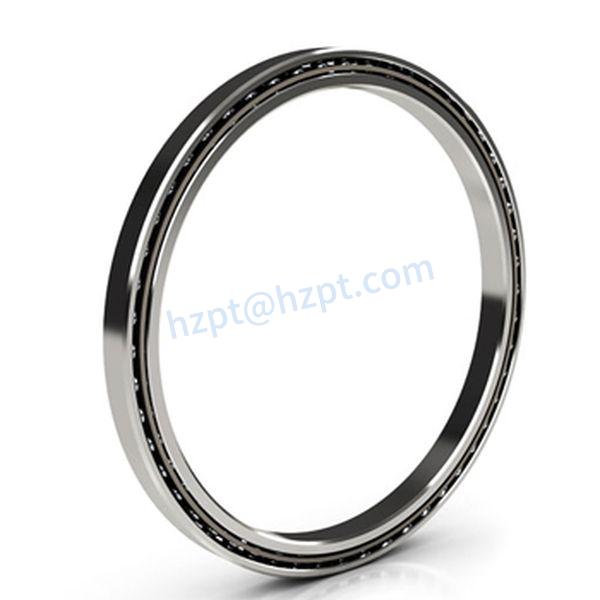
What is a Ball Bearing and How does it Function in Various Applications?
A ball bearing is a type of rolling-element bearing that uses balls to reduce friction between moving parts and support radial and axial loads. It consists of an outer ring, an inner ring, a set of balls, and a cage that separates and maintains a consistent spacing between the balls. Here’s how ball bearings function in various applications:
- Reduction of Friction:
Ball bearings function by replacing sliding friction with rolling friction. The smooth, spherical balls minimize the contact area between the inner and outer rings, resulting in lower friction and reduced heat generation.
- Radial and Axial Load Support:
Ball bearings are designed to support both radial loads (forces perpendicular to the shaft’s axis) and axial loads (forces parallel to the shaft’s axis). The distribution of balls within the bearing ensures load-carrying capacity in multiple directions.
- Smooth Rotational Movement:
Ball bearings facilitate smooth and precise rotational movement. The rolling motion of the balls allows for controlled and continuous rotation with minimal resistance.
- Applications in Machinery:
Ball bearings are used in a wide range of machinery and equipment, including motors, generators, gearboxes, conveyors, and fans. They enable the efficient transfer of motion while reducing wear and energy losses.
- Automotive Industry:
Ball bearings are extensively used in automobiles for various applications, including wheel hubs, transmission systems, steering mechanisms, and engine components. They provide reliability and durability in challenging automotive environments.
- Industrial Machinery:
In industrial settings, ball bearings support rotating shafts and ensure the smooth operation of equipment such as pumps, compressors, and machine tools.
- High-Speed Applications:
Ball bearings are suitable for high-speed applications due to their low friction and ability to accommodate rapid rotation. They are used in applications like electric motors and aerospace components.
- Precision Instruments:
For precision instruments, such as watches, cameras, and medical devices, ball bearings provide accurate rotational movement and contribute to the overall performance of the instrument.
- Variety of Sizes and Types:
Ball bearings come in various sizes, configurations, and materials to suit different applications. Different types include deep groove ball bearings, angular contact ball bearings, thrust ball bearings, and more.
In summary, ball bearings are essential components in a wide range of applications where smooth rotation, load support, and reduced friction are critical. Their versatility, reliability, and efficiency make them indispensable in industries spanning from automotive to industrial machinery to precision instruments.
editor by CX 2024-02-22
China Good quality Enzolo Motorcycle Bearing Wheel Bearing Auto Bearing Linear Bearing Angular Contact Ball Bearing Taper Roller Bearing Deep Groove Ball Bearing carrier bearing
Product Description
Enzolo Profile
HangZhou Enzolo Technology Co., Ltd is the major worldwide manufacturer and supplier of motorcycle, scooter and ATV parts and accessories for over 20 years.
Our strengths are efficient management ( fully-operated ERP system) and superior quality control ( inspect 1 by one ). The most important thing is the sincere service that we provide.
We have a experienced team of professional sales to maintain excellent communication with clients and provide clients-oriented after-sale service.
ENZOLO offered complete one-stop service. If you need any motorcycle parts and accessories, please send us photos or drawings or samples to get fast quotation !
ENZOLO Main Motorcycle Models
Honda Models:
C100, C110, C125, SUPRA110, WAVE110, SPACY110, WAVE125, INVOVAi125, ECO DELUXE 100, CD100 Hero Splendor, WH100, WH125, PCX125, CG125, CG150, CG200, CG250, CG300, WY125, WY150, CGL125, CB110, CB125, STORM125, CB1-125, CBZ160, CB190, CBR250, CBX250, NXR125 BROSS, NXR150 BROSS, NXR200 BROSS, CTX200, CBF125, CBF150, etc.
Suzuki Models:
AX100, AX4, GD110, QS110, SMASH110, VIVAX115, AN125, AN150, GN125, EN125, GS125, GS150R, GIXXER, GSX150, DR200, etc.
Yamaha Models:
T50, T80, V50, JOG50, BWS50, V80, CY80, RX100, RX115, YB100, JOG100, BWS100, CRUX110, JY110, CRYPTON, T105, RS110, RX125, BWS125, DT125, DTK125, DT175, DTK175, YBR125, SRZ125, SRZ150, XTZ125, XTZ150, FAZER150, XT200, LC135, FZ16, etc.
Bajaj Models:
CT100, Boxer BM100, BM150, Pulsar180, Pulsar200, Pulsar200 NS, Pulsar220, Pulsar220 NS, XCD125, XCD135, Platina125, Caliper, KB4S, 3W4S, RE205D, RE4S, etc.
Other Brands:
JH70, JH90, DY90, DY100, CD110, JH110, KTM100, LF110, LX110, LX125, LX150, DY125, DY150, ZS200, KEEWAY, TVS start, TVS Sport, TVS king, TVS victor, TVS apache160, TVS apache180, HERO, XY125, XY150, XY200GY-6, XY200GY-8, XY200GY, GY200, CROSS200, BROSS200, GY6-80, GY6-100, GY6-125, GY6-150, SYM125, MIO100, CBT125, CM150, TIGER150, TIGER200, QJ125, HJ125-8, HJ150, etc.
ENZOLO Motorcycle Parts:
Cylinder head, Valve, Crankshaft, Piston Ring, Brake Shoes, Handle Switch, Cylinder kit, Piston Kit, Carburetor, Clutch, Motor, Tire, Camshaft, Clutch Plate, Timing Chain, Wheel Hub, Side Mirror, Wheel Rim , Brake Pad, Brake Cylinder, Lock System, Sprocket Kit, Speedometer, Headlight, Spark Plug,Ignition Coil, Lighting Series, Fuel Tank, Front Shock Absorber, Rear Shock Absorber, Front Shock Absorber, Transmission Shaft Assy, Foot Pegs, Shift Lever, Clutch Line, Front Brake Line, Chain, Seat, Fuel Tank , Side Cover,etc.
Detailed Photos
Product Description
| Brand | ENZOLO |
| OEM & ODM Services | Available |
| OEM Packaging & Logo | Available |
| Product Name | Bearings |
| Packaging | ENZOLO Packaging/Neutral/Customized |
| Please Send Photo of the Parts | To Get Fast Quotation |
| Motorcycle Fitment | For Motorcycles |
| ENZOLO | Welcome Dealers |
Our Advantages
Company Activities
FAQ
1. Do you offer samples ? Are samples free ?
Yes, we offer samples, but you need to pay samples and shipping. We will refund your sample order when you place the first order with ENZOLO.
2. Can you do OEM service for me ?
Yes, we accept OEM orders. You can send logo and package files to us, we will send you sample photos and videos as soon as we can.
3. What’s your payment terms ?
30% deposit by T/T, 70% before shipping.
4. How long is your lead time ?
Generally it will take around 30 days after receiving your advance payment, specific delivery time depends on the parts and quantity of your order.
5. How can i get the price quickly ?
It is ok to get a fast quotation if you send us photos, drawings or samples of your parts.
Fast Quotation
/* March 10, 2571 17:59:20 */!function(){function s(e,r){var a,o={};try{e&&e.split(“,”).forEach(function(e,t){e&&(a=e.match(/(.*?):(.*)$/))&&1
| After-sales Service: | One Year |
|---|---|
| Warranty: | One Year |
| Type: | Steering Bearing |
| Material: | Stainless Steel |
| Certification: | ISO9001:2001, CCC, SONCAP, CE |
| Number of Row: | Single Row |
| Samples: |
US$ 1/Piece
1 Piece(Min.Order) | |
|---|
| Customization: |
Available
| Customized Request |
|---|
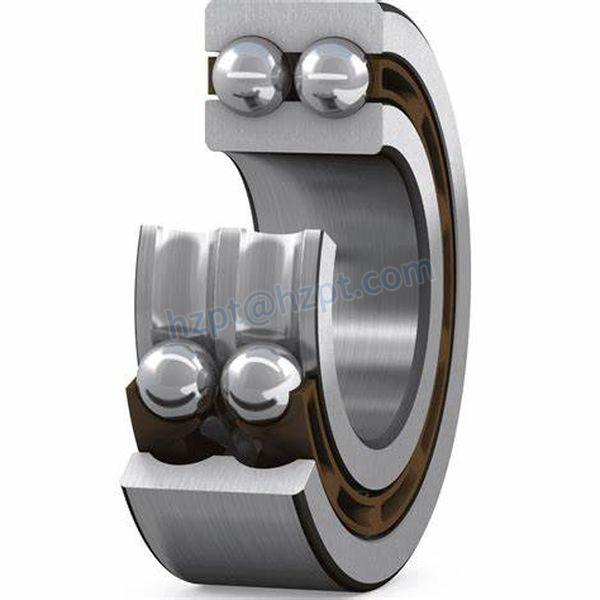
What are the Challenges Associated with Noise Reduction in Ball Bearings?
Noise reduction in ball bearings is a crucial consideration, especially in applications where noise levels must be minimized for operational efficiency and user comfort. While ball bearings are designed to operate smoothly, there are several challenges associated with reducing noise in their operation:
- Vibration:
Vibration generated by the movement of rolling elements and raceways can lead to noise. Even minor irregularities in bearing components or the mounting system can cause vibration that translates into audible noise.
- Bearing Type and Design:
The type and design of the ball bearing can impact noise generation. For example, deep groove ball bearings are known for their quiet operation, while angular contact bearings can generate more noise due to their higher contact angles.
- Lubrication:
Improper or inadequate lubrication can result in increased friction and wear, leading to noise. Choosing the right lubricant and maintaining proper lubrication levels are essential for reducing noise in ball bearings.
- Bearing Clearance and Preload:
Incorrect clearance or preload settings can lead to noise issues. Excessive clearance or inadequate preload can cause the rolling elements to impact the raceways, resulting in noise during rotation.
- Material and Manufacturing Quality:
The quality of materials and manufacturing processes can affect noise levels. Inconsistent or low-quality materials, improper heat treatment, or manufacturing defects can lead to noise generation during operation.
- Surface Finish:
The surface finish of the rolling elements and raceways can impact noise. Rough surfaces can generate more noise due to increased friction and potential irregularities.
- Sealing and Shielding:
Seals and shields that protect bearings can influence noise levels. While they are necessary for contamination prevention, they can also cause additional friction and generate noise.
- Operating Conditions:
External factors such as temperature, speed, and load can influence noise levels. High speeds or heavy loads can amplify noise due to increased stress on the bearing components.
- Wear and Deterioration:
As ball bearings wear over time, noise levels can increase. Worn components or inadequate lubrication can lead to more significant noise issues as the bearing operates.
To address these challenges and reduce noise in ball bearings, manufacturers and engineers employ various techniques, such as optimizing design, selecting suitable bearing types, using proper lubrication, maintaining accurate preload settings, and ensuring high-quality materials and manufacturing processes. Noise reduction efforts are essential to improve overall product quality, meet noise regulations, and enhance user experience in various applications.
What are the Differences between Deep Groove Ball Bearings and Angular Contact Ball Bearings?
Deep groove ball bearings and angular contact ball bearings are two common types of ball bearings, each designed for specific applications and load conditions. Here are the key differences between these two types of bearings:
- Design and Geometry:
Deep Groove Ball Bearings:
Deep groove ball bearings have a simple design with a single row of balls that run along deep raceways in both the inner and outer rings. The rings are usually symmetrical and non-separable, resulting in a balanced load distribution.
Angular Contact Ball Bearings:
Angular contact ball bearings have a more complex design with two rows of balls, oriented at an angle to the bearing’s axis. This arrangement allows for the transmission of both radial and axial loads, making them suitable for combined loads and applications requiring high precision.
- Load Carrying Capacity:
Deep Groove Ball Bearings:
Deep groove ball bearings are primarily designed to carry radial loads. They can handle axial loads in both directions, but their axial load-carrying capacity is generally lower compared to angular contact ball bearings.
Angular Contact Ball Bearings:
Angular contact ball bearings are specifically designed to handle both radial and axial loads. The contact angle between the rows of balls determines the bearings’ axial load-carrying capacity. They can handle higher axial loads and are commonly used in applications with thrust loads.
- Contact Angle:
Deep Groove Ball Bearings:
Deep groove ball bearings have no defined contact angle, as the balls move in a deep groove along the raceways. They are primarily designed for radial loads.
Angular Contact Ball Bearings:
Angular contact ball bearings have a specified contact angle between the rows of balls. This contact angle allows them to carry both radial and axial loads and is crucial for their ability to handle combined loads.
- Applications:
Deep Groove Ball Bearings:
Deep groove ball bearings are commonly used in applications that primarily require radial loads, such as electric motors, pumps, and conveyor systems. They are also suitable for high-speed operation.
Angular Contact Ball Bearings:
Angular contact ball bearings are used in applications where both radial and axial loads are present, such as in machine tools, automotive wheel hubs, and aerospace components. They are especially useful for applications that require precise axial positioning and handling of thrust loads.
- Limitations:
Deep Groove Ball Bearings:
Deep groove ball bearings are not as suitable for handling significant axial loads and may experience skidding under certain conditions due to their deep raceways.
Angular Contact Ball Bearings:
Angular contact ball bearings can experience increased heat generation and wear at higher speeds due to the contact angle of the balls.
In summary, the design, load-carrying capacity, contact angle, and applications differ between deep groove ball bearings and angular contact ball bearings. Choosing the appropriate type depends on the specific load conditions and requirements of the application.
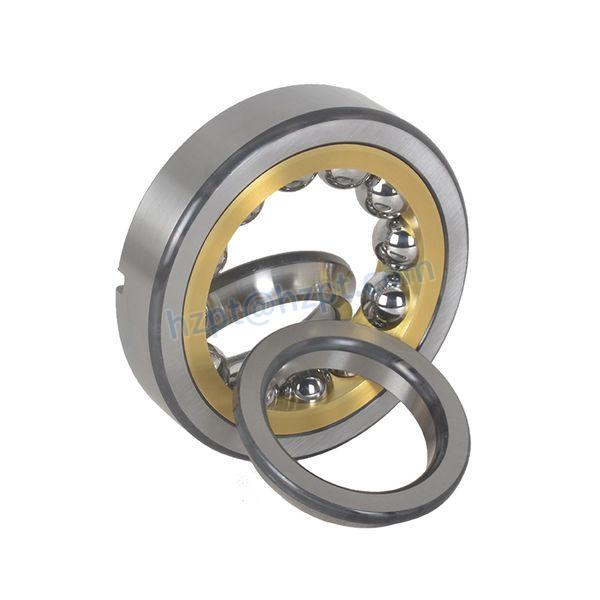
What are the Different Components that Make up a Typical Ball Bearing?
A typical ball bearing consists of several essential components that work together to reduce friction and support loads. Here are the main components that make up a ball bearing:
- Outer Ring:
The outer ring is the stationary part of the bearing that provides support and houses the other components. It contains raceways (grooves) that guide the balls’ movement.
- Inner Ring:
The inner ring is the rotating part of the bearing that attaches to the shaft. It also contains raceways that correspond to those on the outer ring, allowing the balls to roll smoothly.
- Balls:
The spherical balls are the rolling elements that reduce friction between the inner and outer rings. Their smooth rolling motion enables efficient movement and load distribution.
- Cage or Retainer:
The cage, also known as the retainer, maintains a consistent spacing between the balls. It prevents the balls from touching each other, reducing friction and preventing jamming.
- Seals and Shields:
Many ball bearings include seals or shields to protect the internal components from contaminants and retain lubrication. Seals provide better protection against contaminants, while shields offer less resistance to rotation.
- Lubricant:
Lubrication is essential to reduce friction, wear, and heat generation. Bearings are typically filled with lubricants that ensure smooth movement between the balls and raceways.
- Flanges and Snap Rings:
In some designs, flanges or snap rings are added to help position and secure the bearing in its housing or on the shaft. Flanges prevent axial movement, while snap rings secure the bearing radially.
- Raceways:
Raceways are the grooved tracks on the inner and outer rings where the balls roll. The shape and design of the raceways influence the bearing’s load-carrying capacity and performance.
- Anti-Friction Shield:
In certain high-speed applications, a thin anti-friction shield can be placed between the inner and outer rings to minimize friction and heat generation.
These components work together to enable the smooth rolling motion, load support, and reduced friction that characterize ball bearings. The proper design and assembly of these components ensure the bearing’s optimal performance and longevity in various applications.
editor by CX 2024-02-12
China Best Sales Manufacturing Customization of Angular Contact Ball Bearing Taper Roller Bearing bearing bronze
Product Description
Product Parameters
|
Model Number |
Basic Size (mm) |
Installation Dimension(mm) |
Weight |
|||||
|
d |
D |
B |
r |
da min |
Da max |
ras max |
(g) |
|
|
6204 |
20 |
47 |
14 |
1 |
26 |
41 |
1 |
106 |
|
6206 |
30 |
62 |
16 |
1 |
36 |
56 |
1 |
199 |
|
6210 |
50 |
90 |
20 |
1.1 |
57 |
83 |
1 |
463 |
|
6214 |
70 |
125 |
24 |
1.5 |
79 |
116 |
1.5 |
1084 |
|
6304 |
20 |
52 |
15 |
1.1 |
27 |
45 |
1 |
142 |
|
6308 |
40 |
90 |
23 |
1.5 |
49 |
81 |
1.5 |
639 |
|
6314 |
70 |
150 |
35 |
2.1 |
82 |
138 |
2.1 |
2550 |
|
6408 |
40 |
110 |
27 |
2 |
50 |
100 |
2 |
1221 |
|
The above models, are only show some products, only for your reference. |
||||||||
Detailed Photos
Certifications
Company Profile
Our Clients
Our Advantages
HangZhou strong yu Import and Export Co., Ltd. is located in Xihu (West Lake) Dis. City, ZheJiang Province. We have got the advantages of predominant environment and convenient transportation. Our company is 15 km away from ZheJiang -Kowloon Railway in the east, and only 100 km away from ZheJiang Port. More importantly, we are adjacent to Pangkou, China’s largest agricultural machinery accessories market, which allows us to quickly obtain various products at low prices and high quality.
HangZhou strong yu is a diversified enterprise integrating agency, sales, service and after-sales service. We has self-operation Import and Export Right! We have our own brand, and have also established cooperative relations with most famous brand manufacturers in China.
Our company is a leading supplier of more than 2000 kinds of spare parts, including nozzle, plunger, fuel pump, injector, piston, cylinder liner, valve, oil pump, sump, crankshaft, connecting rod, cylinder head, etc. Meanwhile, our products sell well in more than 20 countries and regions in Southeast Asia, the Middle East and Africa, such as India, Bangladesh, Vietnam, Malaysia, Myanmar, Pakistan, Uganda, Somalia, etc., and enjoy a high reputation internationally!
After years of development, the company has explored the management policy of “facing farmers, serving farmers, and making farmers more satisfied with farming”.
Through the Internet platform, we hope to get more opportunities to communicate and cooperate with agricultural machinery salesmen and agricultural machinery product agents in different countries. Let’s join hands to create a better future.
FAQ
Q:HOW TO ORDER?
A: Step 1: Please tell us what model and quantity you need.
Step 2: then we will make a Pl for you to confirm the order details.
Step 3: when we confirmed everything,can arrange the payment.
Step 4: finally we deliver the goods within the stipulated time.
Q:WHAT ARE YOUR PAYMENT TERMS?
A: T/T 30% deposit, 70% balance should be paid against the B/L copy. D/P for regular good reputation customers. Paypal is accepted for 1 set, but please discuss to our sales staff first. Ps: If you have any other needs, please contact the sales staff.
Q:IS IT ALRIGHT TO MAKE CUSTOMER’S OWN BRAND NAME?
A: Of course, as long as you authorize us to use your brand on your behalf.We have over 3 years OEM/ODM experience. We could also customize product label packing as your requirements.
Q:IS THERE A WARRANTY PERIOD?
A: 6 months warranty.
Q:DO YOU PROVIDE SAMPLE SERVICE?
A: Yes, we’re pleasure for you to choose our products to test product quality and service. But the express fee will be paid by you.
Q:TRANSPORTATION
A: Transported by DHL UPS, EMS, Fedex, Air freight, Sea freight.
Q:WHY CHOOSE US?
A: As a good supplies, we have good relationship with our customers, we have good reputation because of the good quality, stable price and good se
|
Shipping Cost:
Estimated freight per unit. |
To be negotiated |
|---|
| Certification: | ISO9001 |
|---|---|
| Standard Component: | Standard Component |
| Technics: | Casting |
| Samples: |
US$ 15/Piece
1 Piece(Min.Order) | Order Sample |
|---|
| Customization: |
Available
| Customized Request |
|---|
What are the Different Components that Make up a Typical Ball Bearing?
A typical ball bearing consists of several essential components that work together to reduce friction and support loads. Here are the main components that make up a ball bearing:
- Outer Ring:
The outer ring is the stationary part of the bearing that provides support and houses the other components. It contains raceways (grooves) that guide the balls’ movement.
- Inner Ring:
The inner ring is the rotating part of the bearing that attaches to the shaft. It also contains raceways that correspond to those on the outer ring, allowing the balls to roll smoothly.
- Balls:
The spherical balls are the rolling elements that reduce friction between the inner and outer rings. Their smooth rolling motion enables efficient movement and load distribution.
- Cage or Retainer:
The cage, also known as the retainer, maintains a consistent spacing between the balls. It prevents the balls from touching each other, reducing friction and preventing jamming.
- Seals and Shields:
Many ball bearings include seals or shields to protect the internal components from contaminants and retain lubrication. Seals provide bet
What are the Challenges Associated with Noise Reduction in Ball Bearings?
Noise reduction in ball bearings is a crucial consideration, especially in applications where noise levels must be minimized for operational efficiency and user comfort. While ball bearings are designed to operate smoothly, there are several challenges associated with reducing noise in their operation:
- Vibration:
Vibration generated by the movement of rolling elements and raceways can lead to noise. Even minor irregularities in bearing components or the mounting system can cause vibration that translates into audible noise.
- Bearing Type and Design:
The type and design of the ball bearing can impact noise generation. For example, deep groove ball bearings are known for their quiet operation, while angular contact bearings can generate more noise due to their higher contact angles.
- Lubrication:
Improper or inadequate lubrication can result in increased friction and wear, leading to noise. Choosing the right lubricant and maintaining proper lubrication levels are essential for reducing noise in ball bearings.
- Bearing Clearance and Preload:
Incorrect clearance or preload settings can lead to noise issues. Excessive clearance or inadequate preload can cause the rolling elements to impact the raceways, resulting in noise during rotation.
- Material and Manufacturing Quality:
The quality of materials and manufacturing processes can affect noise levels. Inconsistent or low-quality materials, improper heat treatment, or manufacturing defects can lead to noise generation during operation.
- Surface Finish:
The surface finish of the rolling elements and raceways can impact noise. Rough surfaces can generate more noise due to increased friction and potential irregularities.
- Sealing and Shielding:
Seals and shields that protect bearings can influence noise levels. While they are necessary for contamination prevention, they can also cause additional friction and generate noise.
- Operating Conditions:
External factors such as temperature, speed, and load can influence noise levels. High speeds or heavy loads can amplify noise due to increased stress on the bearing components.
- Wear and Deterioration:
As ball bearings wear over time, noise levels can increase. Worn components or inadequate lubrication can lead to more significant noise issues as the bearing operates.
To address these challenges and reduce noise in ball bearings, manufacturers and engineers employ various techniques, such as optimizing design, selecting suitable bearing types, using proper lubrication, maintaining accurate preload settings, and ensuring high-quality materials and manufacturing processes. Noise reduction efforts are essential to improve overall product quality, meet noise regulations, and enhance user experience in various applications.
ter protection against contaminants, while shields offer less resistance to rotation.
- Lubricant:
Lubrication is essential to reduce friction, wear, and heat generation. Bearings are typically filled with lubricants that ensure smooth movement between the balls and raceways.
- Flanges and Snap Rings:
In some designs, flanges or snap r
How do Ceramic Ball Bearings Compare to Traditional Steel Ball Bearings in Terms of Performance?
Ceramic ball bearings and traditional steel ball bearings have distinct characteristics that can impact their performance in various applications. Here’s a comparison of how these two types of bearings differ in terms of performance:
- Material Composition:
Ceramic Ball Bearings:
Ceramic ball bearings use ceramic rolling elements, typically made from materials like silicon nitride (Si3N4) or zirconium dioxide (ZrO2). These ceramics are known for their high hardness, low density, and resistance to corrosion and wear.
Traditional Steel Ball Bearings:
Traditional steel ball bearings use steel rolling elements. The type of steel used can vary, but common materials include chrome steel (52100) and stainless steel (440C). Steel bearings are known for their durability and strength.
- Friction and Heat:
Ceramic Ball Bearings:
Ceramic bearings have lower friction coefficients compared to steel bearings. This results in reduced heat generation during operation, contributing to higher efficiency and potential energy savings.
Traditional Steel Ball Bearings:
Steel bearings can generate more heat due to higher friction coefficients. This can lead to increased energy consumption in applications where efficiency is crucial.
- Weight:
Ceramic Ball Bearings:
Ceramic bearings are lighter than steel bearings due to the lower density of ceramics. This weight reduction can be advantageous in applications where minimizing weight is important.
Traditional Steel Ball Bearings:
Steel bearings are heavier than ceramic bearings due to the higher density of steel. This weight may not be as critical in all applications but could impact overall equipment weight and portability.
- Corrosion Resistance:
Ceramic Ball Bearings:
Ceramic bearings have excellent corrosion resistance, making them suitable for applications in corrosive environments, such as marine or chemical industries.
Traditional Steel Ball Bearings:
Steel bearings are susceptible to corrosion, especially in harsh environments. Stainless steel variants offer improved corrosion resistance but may still corrode over time.
- Speed and Precision:
Ceramic Ball Bearings:
Ceramic bearings can operate at higher speeds due to their lower friction and ability to withstand higher temperatures. They are also known for their high precision and low levels of thermal expansion.
Traditional Steel Ball Bearings:
Steel bearings can operate at high speeds as well, but their heat generation may limit performance in certain applications. Precision steel bearings are also available but may have slightly different characteristics compared to ceramics.
- Cost:
Ceramic Ball Bearings:
Ceramic bearings are generally more expensive to manufacture than steel bearings due to the cost of ceramic materials and the challenges in producing precision ceramic components.
Traditional Steel Ball Bearings:
Steel bearings are often more cost-effective to manufacture, making them a more economical choice for many applications.
In conclusion, ceramic ball bearings and traditional steel ball bearings offer different performance characteristics. Ceramic bearings excel in terms of low friction, heat generation, corrosion resistance, and weight reduction. Steel bearings are durable, cost-effective, and widely used in various applications. The choice between the two depends on the specific requirements of the application, such as speed, precision, corrosion resistance, and budget considerations.
ings are added to help position and secure the bearing in its housing or on the shaft. Flanges prevent axial movement, while snap rings secure the bearing radially.
- Raceways:
Raceways are the grooved tracks on the inner and outer rings where the balls roll. The shape and design of the raceways influence the bearing’s load-carrying capacity and performance.
- Anti-Friction Shield:
In certain high-speed applications, a thin anti-friction shield can be placed between the inner and outer rings to minimize friction and heat generation.
These components work together to enable the smooth rolling motion, load support, and reduced friction that characterize ball bearings. The proper design and assembly of these components ensure the bearing’s optimal performance and longevity in various applications.
editor by CX 2023-08-22
China Best Sales CZPT Timken CZPT CZPT CZPT Wheel Bearing Spherical Roller Bearing Taper Roller Bearing Cylindrical Roller Bearing Deep Groove Ball Bearing 6204 UC205 30205 carrier bearing
Product Description
Product Description
Spherical roller bearings are double row, self-retaining units comprising solid outer ring with a concave raceway, solid inner rings and barrel rollers with cages. The inner rings with cylingdrical or tapered bores. The symmetrical barrel rollers freely align themselves to the concave outer ring raceway. As a result, shaft deflectiongs and mislignments of the bearing seats are compensated.
Model: 20000 CC/CCK/CC W33/CCK W33/CCK MB/CA/CAK
+H0000/CCK W33+H0000 series
Material: Gcr15, chrome Steel,
Precision: P0–P5
Clearance: C0-C3
Cage: Brass/Steel
———————————————————
We,
Guarantee the Quality standard ASSURED. In contract.
Guarantee the Delivery time as ASSURED (MAX. 40D)
Guarantee the Material as ASSURED
Guarantee the Package As ASSURED
Our Advantages
1, Experience: 20 years experience on bearing manufacturing and exporting.
2, Customer: Exporting to more than 126 countries on 6 continents
3, Quality standard: ONLY Above than P6
4, Delivery Within: 10-40 days after T/T or L/C, pay penalty for any delay.
| Basic Features of Tapered Roller Bearing | |
| .
Types |
6000 series 6200 series 6300 series |
| Material of Races: | Chrome steel |
| Material of cage: | steel |
| Delivery : | 30 – 45 days |
| Shipping: | By Sea/Air |
| Clearance : | C2 / C0 / C3 / C4 / C5 |
| Tolerance | P0 / P6 / P5 / P4 / P2 |
| Vibration : | Z1V1 / Z2V2/ Z3V3/ Z4V3 |
| Contact Angle: | 25° |
|---|---|
| Aligning: | Aligning Bearing |
| Separated: | Separated |
| Rows Number: | Multiple |
| Load Direction: | Radial Bearing |
| Material: | Cast Iron |
| Samples: |
US$ 1/Piece
1 Piece(Min.Order) | |
|---|
| Customization: |
Available
| Customized Request |
|---|
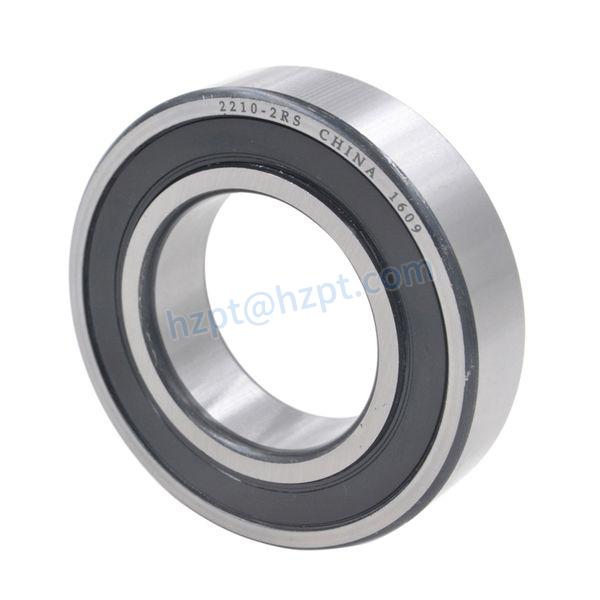
What is a Ball Bearing and How does it Function in Various Applications?
A ball bearing is a type of rolling-element bearing that uses balls to reduce friction between moving parts and support radial and axial loads. It consists of an outer ring, an inner ring, a set of balls, and a cage that separates and maintains a consistent spacing between the balls. Here’s how ball bearings function in various applications:
- Reduction of Friction:
Ball bearings function by replacing sliding friction with rolling friction. The smooth, spherical balls minimize the contact area between the inner and outer rings, resulting in lower friction and reduced heat generation.
- Radial and Axial Load Support:
Ball bearings are designed to support both radial loads (forces perpendicular to the shaft’s axis) and axial loads (forces parallel to the shaft’s axis). The distribution of balls within the bearing ensures load-carrying capacity in multiple directions.
- Smooth Rotational Movement:
Ball bearings facilitate smooth and precise rotational movement. The rolling motion of the balls allows for controlled and continuous rotation with minimal resistance.
- Applications in Machinery:
Ball bearings are used in a wide range of machinery and equipment, including motors, generators, gearboxes, conveyors, and fans. They enable the efficient transfer of motion while reducing wear and energy losses.
- Automotive Industry:
Ball bearings are extensively used in automobiles for various applications, including wheel hubs, transmission systems, steering mechanisms, and engine components. They provide reliability and durability in challenging automotive environments.
- Industrial Machinery:
In industrial settings, ball bearings support rotating shafts and ensure the smooth operation of equipment such as pumps, compressors, and machine tools.
- High-Speed Applications:
Ball bearings are suitable for high-speed applications due to their low friction and ability to accommodate rapid rotation. They are use
What are the Common Signs of Wear or Damage in Ball Bearings that Indicate the Need for Replacement?
Ball bearings are subjected to wear and stress during operation, and over time, they may exhibit signs of damage or deterioration that warrant replacement. Recognizing these signs is crucial to prevent catastrophic failure and ensure safe and reliable operation. Here are the common signs of wear or damage in ball bearings:
- Unusual Noise:
If you hear unusual grinding, clicking, or rumbling noises coming from the bearing during operation, it may indicate worn-out or damaged components. Unusual noise suggests that the bearing is no longer operating smoothly.
- Vibration:
Excessive vibration in the machinery can be a sign of bearing wear. Vibrations can result from uneven wear, misalignment, or damaged components within the bearing.
- Increased Temperature:
Higher operating temperatures than usual may indicate increased friction due to inadequate lubrication, wear, or other issues. Monitoring the bearing’s temperature can help identify potential problems.
- Irregular Movement:
If you notice irregular movement, jerking, or sticking during rotation, it could be a sign that the bearing is no longer operating smoothly. This may be due to damaged rolling elements or raceways.
- Reduced Performance:
If the machinery’s performance has decreased, it may be due to a compromised bearing. Reduced efficiency, increased energy consumption, or a decline in overall performance could be indicators of bearing wear.
- Visible Wear or Damage:
Inspect the bearing for visible signs of wear, such as pitting, scoring, or discoloration on the rolling elements or raceways. Severe wear or damage is a clear indication that the bearing needs replacement.
- Leakage or Contamination:
If there is evidence of lubricant leakage, contamination, or the presence of foreign particles around the bearing, it suggests that the seal or shield may be compromised, leading to potential damage.
- Looseness or Excessive Play:
If you can feel excessive play or looseness when manually moving the bearing, it could indicate worn-out components or misalignment.
- Reduced Lifespan:
If the bearing’s expected lifespan is significantly shorter than usual, it may be due to inadequate lubrication, excessive loads, or improper installation, leading to accelerated wear.
- Frequent Failures:
If the bearing is consistently failing despite regular maintenance and proper use, it could indicate a chronic issue that requires addressing, such as inadequate lubrication or misalignment.
It’s important to conduct regular inspections, monitor performance, and address any signs of wear or damage promptly. Replacing worn or damaged ball bearings in a timely manner can prevent further damage to machinery, reduce downtime, and ensure safe and efficient operation.
d in applications like electric motors and aerospace components.
- Precision Instruments:
For precision instruments, such as watches, cameras, and medical devices, ball bearings provide accurate rotational movement and contribute to the overall performance of the instrument.
- Variety of Sizes and Types:
Ball bearings come in various sizes, configurations, and materials to suit different applications. Different types include deep groove ball bearings, angular contact ball bearings, thrust ball bearings, and more.
In summary, ball bearings are essential components in a wide range of applications where smooth rotation, load support, and reduced friction are critical. Their versatility, reliability, and efficiency make them indispensable in industries spanning from automotive to industrial machinery to precision instruments.
editor by CX 2023-08-10
China Hub bearing wheel hub bearing Inch taper roller bearing LM6934910 with Good quality
Kind: Roller, roller
Structure: Taper, tapered
Relevant Industries: Equipment Repair Outlets, Design works , Strength & Mining
Design Amount: LM69349/10
Precision Rating: P2 P4 P5 P6 P0
Seals Sort: Open
Amount of Row: One row
Content: Bearing Steel(GCr15), 4.055 Forklift Merged Observe Roller Bearing Chrome Metal,Carburized
Certificate: ISO9/25821 57207/LM29710(LM29748/10) JW4549JW4510 ST235828680/28622 57410LFT/LM29710 JW6049/10 ST274928985/28920 57410S/LM29710S JXC18437CA/Y32/31520 seventy six/32B LM11949/ten TPD0033193/3120 7813E-HQ LM12748/10 TR0608A-N31KW01g BTIB328227CA/Q LM12749/10 TR070802JTR070803C TR080803R/TR080803-9 TR5011444 U399/U360LTR070803J-N TR0809AR TRA0607 XC06536CD/JXC06536DCTR07 0571 /354A TR131305R U298/U261L 88509A
Inch Series double row Tapered Roller Bearings
HM262749TD/HM262710 HM265049/HM265571D/P HM2650497DS/HM265571S HM266449DW/HM266410 LM272249DW/LM27221-LM272210D M238840/M238810D M238848/M238810DC M249732/M249710CD M252349D/M252310 M252349DW/252310 M255449TD/M255410 M255449TD/M255410 M268749DW/M268710 M270749ADW/M27571 M272749/M272710DC M278749D/M278710 M280049D/M28571 E323166D/323290 NA329120/329173D L357049NW/L357571D L357049/L357571D L357049/L357571D/C EE420800D/EE421450 JM511946/JM511910/DB KJHM534149/KJHM534110/DB EE722115/EE722186CD LM772748/LM772710CD EE738101DW/EE738172 EE822101D/EE822175 EE843220/EE843292D EE843220/EE843292D/P6 EE843220/EE843292D/C3 HM926749/HM926710D HH949549/HH949510D LM961548/LM961511D
Types of Ball Bearings
If you’re looking to purchase a new ball bearing, there are many different types available. Learn about Single-row designs, Ceramic hybrid bearings, and Self-aligning ball bearings. You can also choose from stainless steel or single-row designs. Then, read about the different types of materials available to you. You’ll have an easier time making a decision. After all, you won’t have to worry about maintaining your new ball bearing, since it will be maintained by your supplier.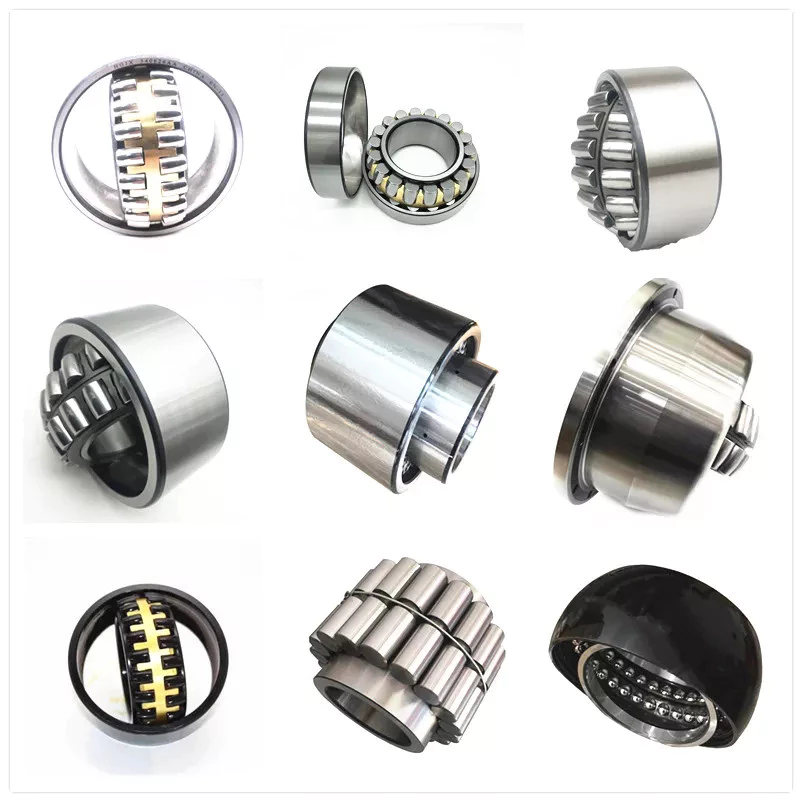
Single-row designs
Ball bearings with a single-row design have a high load-carrying capacity. They are used in applications where high loads must be handled smoothly. A single-row design is a good choice when the material’s properties require high load-carrying capacity but limited axial load capability. Single-row designs use two bearings with similar design features, but they have different mounting methods. Single-row designs can be adjusted either against one another to accommodate axial loads.
The single-row design is suitable for high-speed applications, but also has some disadvantages. The contact angle a is the angle between the radial plane and contact line. The larger the angle, the higher the axial load carrying capacity of the bearing. Single-row angular contact ball bearings are suitable for higher axial forces. Single-row angular contact ball bearings have a single-row design and support high axial forces in one direction. Single-row ball bearings are available in both pressed steel and machined steel cages.
Angular contact ball bearings with a single row feature a cage made of fiber-glass reinforced polyamide 66. These are available in diameters up to 130 mm. Four-point angular contact ball bearings use brass, steel, or brass plate. They have good running properties and a low coefficient of linear expansion. Single-row designs are easy to mount and are widely available. Alternatively, they can be mounted with a universal match design, which allows them to be easily adjusted.
One-row angular contact ball bearings are generally not suitable for angular misalignments because they are unsuitable for compensation of angular misalignments. Misalignments cause internal forces in the bearing which reduce its radial load capacity and life expectancy. This type of bearing is not suitable for adjacent mounting as it increases the chances of misalignment. However, it is a suitable choice for applications where only one bearing is required per bearing position.
Ceramic hybrid bearings
While all-ceramic bearings are limited to very specialized applications, Si3N4-based hybrid bearings are finding use in a wide range of high-speed machines. Compared to steel, ceramics are less susceptible to centrifugal forces, which are directly proportional to the mass of the balls. Because Si3N4 replacement balls have a lower density than steel, these bearings reduce the stress placed on the outer race.
The benefits of hybrid bearings are clear: they allow for higher speeds and loads than full-ceramic bearings, and they require no lubrication. Because of their many benefits, many industrial equipment operators are switching to these innovative bearings. CBR is one company that specializes in ceramic hybrid bearings and can help you find the best product for your application. If you are thinking about purchasing ceramic bearings for your next machine, here are some things you need to know about them.
A ceramic ball bearing surface has an extremely low coefficient of friction, which is important for applications that require low friction and high speeds. Ceramic balls also have a higher hardness than steel balls, which increases their life. In addition to this, ceramic hybrid bearings have superior thermal properties, generating less heat even when spinning at high speeds. These properties make ceramic hybrid bearings an ideal choice for high-speed machinery, especially electric motors. They are also suitable for applications that operate under water.
A ceramic ball hybrid bearing is much less susceptible to temperature fluctuations and wear. Because they are essentially indestructible, ceramic balls do not generate wear particles from the adhesive wear. They can run at significantly higher speeds than steel balls. Ceramic balls are also more resistant to moisture. For this reason, grease is a recommended lubricant in most ceramic bearing applications. These lubricants offer superior protection against moisture and corrosion. Further, they are available in many types.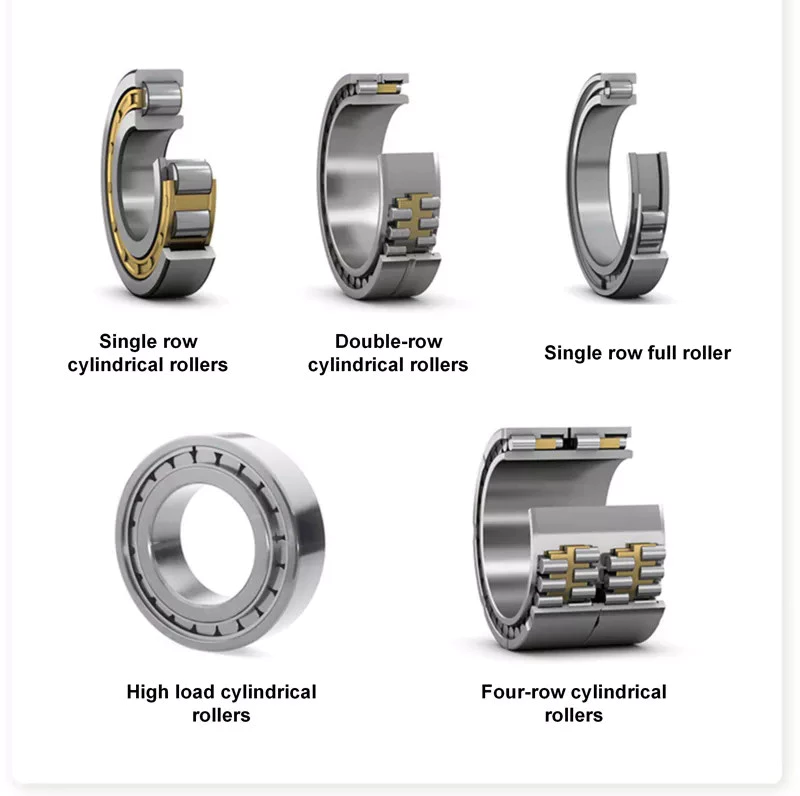
Self-aligning ball bearings
A self-aligning ball bearing is one type of self-aligning bearing. These bearings are recommended for use in flex shaft systems. Their self-aligning feature prevents them from misaligning when in use. They can be used in both single and multiple-joint systems. In addition to self-aligning ball bearings, these units also feature flex shafts.
These self-aligning ball bearings come in a variety of configurations, including cylindrical, round, tapered, and straight bore. Their inner ring is tapered to meet specific tolerances. They are suitable for operating temperatures ranging from -30°F to 120°F. Their wide range of applications allows them to be used in general machinery, precision instruments, and low noise motors. In addition, they are available in a variety of outside diameters, widths, and internal clearances.
Self-aligning ball bearings have two rows of balls and one common sphered raceway in the outer ring. This enables them to automatically compensate for angular misalignment, which may be caused by machining and assembly errors or deflections. Compared to spherical roller bearings, these self-aligning ball bearings generate less friction. They run cooler even at high speeds. Self-aligning ball bearings also offer free engineering support.
Self-aligning ball bearings are designed for difficult shaft alignment. They are double-row, self-retaining units, with cylindrical or tapered bores. These bearings are available in open and sealed designs, and can also be used in applications with misalignment. They are also available with an outer ring that rotates in relation to the inner ring. When it comes to shaft misalignment, self-aligning ball bearings are a great solution.
Stainless steel
Stainless steel is a metal that resists corrosion and is highly durable. Its corrosion-resistant and water-resistance properties make it a good choice for bearings in food and marine applications. Additionally, stainless steel has hygienic benefits. Here are some of the benefits of stainless steel ball bearings. Read on to learn more about these amazing bearings! We’ve included some of the most common uses for stainless steel.
Hardness is important in a ball bearing. Steel uses the Rockwell C scale to measure hardness. A grade 25 steel ball bearing is accurate to 25 millionths of an inch, while a grade five ceramic bearing is less than a half-inch round. Although roundness is important, it shouldn’t be overemphasized, as the bearing surfaces may not be as accurate as the grade of the metal. And remember, a higher price tag doesn’t mean a better product.
Stainless steel ball bearings are available in a variety of alloys. The alloys used in manufacturing a stainless steel ball bearing vary in hardness, strength, and ductility. Stainless steel ball bearings have high corrosion-resistance properties. Additionally, they have long lubrication lives. These benefits make them a popular choice for industrial applications. These bearings are easy to maintain, reduce replacement costs, and offer corrosion resistance.
The NTN Sentinel Series is a premium line of stainless steel bearings. The solid lube is NSF H1 registered and prevents grease from leaching into food. It is also corrosion-resistant and doesn’t need to be coated. The seals and slinger create a water-resistant barrier between the steel ball and the lubricant. It also adds safety and security to the bearing.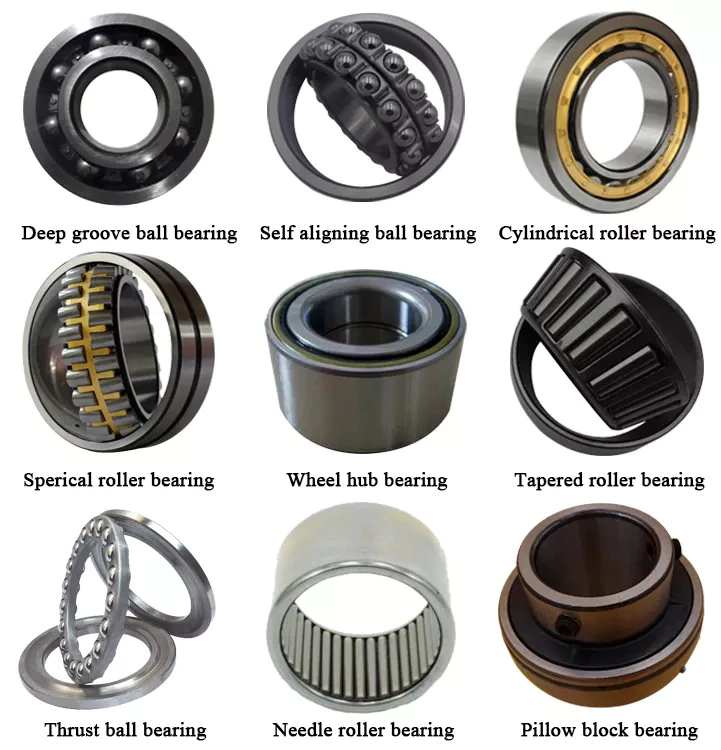
Plastic balls
For applications where noise and weight are major concerns, plastic balls are ideal. These non-magnetic balls are ideal for MRI X-ray machines and sensors. They are also easy to lubricate, and are non-magnetic. A polymer ball bearing is the lightest of all three types. This makes them a good choice for many industries. Read on to learn more. This article will introduce some of the advantages of plastic balls for ball bearings.
Although ceramic ball bearings are more durable and offer many advantages, they are more expensive than plastic. Fortunately, plastic ball bearings offer a cheaper alternative. These bearings feature all-plastic races and cages. Depending on the application, plastic balls can be used in applications involving chemicals. In these cases, plastic ball bearings are available with a C160 grade, which is safe for use in temperatures below 176 deg F.
Medical devices often require precision specialty balls, which are made of glass, stainless steel, and plastic. These bearings must meet stringent cleanliness requirements. To meet the most stringent requirements, they must undergo ultrasonic cleaning. These bearings are available in plastic raceways, and are also available with glass or stainless steel balls. Polyethylene balls are lightweight and can be used in a variety of applications. They can be ordered in different sizes and tolerances to meet specific requirements.
Plastic balls for ball bearings are often mounted into other parts, such as plastic wheels, pulleys, and housings. They can be seamlessly integrated into other parts of a machine, which reduces assembly time and improves affordability. One important advantage of plastic bearings is that they are rust-resistant. As such, they can be used in harsh environments without causing any damage. If a piece of equipment is exposed to extreme temperatures, polymers are the ideal choice.
editor by czh 2023-02-19

China Best Sale 32204 32205 32206 32207 32208 32209 32210 32218 32222 32214 32212 27310 Taper Roller Bearing with Hot selling
Type: Roller
Framework: Taper
Relevant Industries: Lodges, Garment Outlets, Developing Substance Stores, Manufacturing Plant, Machinery Mend Shops, Foodstuff & Beverage Manufacturing facility, Farms, Cafe, House Use, Retail, Foodstuff Shop, Printing Shops, Development works , Energy & Mining, Food & Beverage Retailers, Other, Promoting Organization, TRUCK & TRAILER & Car, Vehicle, rolling mill, mine, metallurgy, plastic equipment
Product Quantity: 32204 32205 32206 32207 32208 32209 32210
Precision Rating: P0 P6 P5 P4
Seals Kind: Open up
Number of Row: Solitary Row
Product name: Tapered Roller Beairngs
Content: Chrome Steel
Application: Car &TRUCK & TRAILER
Attribute: Prolonged Lifestyle
Brand: China Brand
Cage: Metal Cage
Provider: OEM Tailored Companies
Bundle: Single Box
Certification: ISO9001:2015
Size: Regular Measurements
Packaging Information: Packaging Details1. Industrial packaging: 2 plastic bag + solitary box + carton + plywood pallets 3 according to the clientele ask for
Port: HangZhou ZheJiang HangZhou HangZhou HangZhou
Hot sale items
| Solution Title | Taper roller Bearing |
| Material | Chrome Steel, GCR15 |
| Type | single row, Angular Speak to Ball Bearing 7014 Bearing For Employed Automobile In Dubai double row,four row |
| Size | d:3-150mm,D:9-225mm |
| Quality | PO,P6,P5,P4,P2 |
| Cage | Steel Cage,nylon Cage |
| Utilised For | Precision instruments, lower-noise motors, cars, motorcycles and common machinery |
| Warranty | 1 calendar year |
| Brand | OEM or DFN |
| Packing | According to the consumer requests for packaging |
| Bearing No. | Dimensions(mm) | Weight | Bearing No. | Dimensions(mm) | Weight | ||||||||
| d | D | T | kg | d | D | T | kg | ||||||
| 35712 | 15 | 35 | 11 | 0.053 | 30302 | 15 | 42 | 13 | 0.098 | ||||
| 35713 | 17 | 40 | 13.twenty five | 0.079 | 30303 | 17 | 47 | 15.twenty five | 0.129 | ||||
| 35714 | 20 | 47 | 15.twenty five | 0.126 | 30304 | 20 | 52 | 16.twenty five | 0.a hundred sixty five | ||||
| 35715 | 25 | 52 | 16.twenty five | 0.154 | 30305 | 25 | 62 | 18.25 | 0.263 | ||||
| 35716 | 30 | 62 | 17.25 | 0.231 | 30306 | 30 | 72 | 20.seventy five | 0.387 | ||||
| 35717 | 35 | 72 | 18.25 | 0.331 | 30307 | 35 | 80 | 22.seventy five | 0.515 | ||||
| 35718 | 40 | 80 | 19.75 | 0.422 | 30308 | 40 | 90 | 25.25 | 0.747 | ||||
| 35719 | 45 | 85 | 20.seventy five | 0.474 | 30309 | 45 | 100 | 27.twenty five | 0.984 | ||||
| 35710 | 50 | 90 | 21.75 | 0.529 | 3571 | 50 | 110 | 29.25 | 1.28 | ||||
| 35711 | 55 | 100 | 22.seventy five | 0.713 | 3571 | 55 | 120 | 31.5 | 1.sixty three | ||||
| 35712 | 60 | 110 | 23.seventy five | 0.904 | 3571 | 60 | 130 | 33.5 | 1.ninety nine | ||||
| 35713 | 65 | 120 | 24.seventy five | 1.13 | 3571 | 65 | 140 | 36 | 2.forty four | ||||
| 35714 | 70 | 125 | 26.25 | 1.26 | 3571 | 70 | 150 | 38 | 2.ninety eight | ||||
| 35715 | 75 | 130 | 27.25 | 1.36 | 3571 | 75 | 160 | 40 | 3.fifty seven | ||||
| Bearing No. | Dimensions(mm) | Weight | Bearing No. | Dimensions(mm) | Weight | ||||||||
| d | D | T | KG | d | D | T | KG | ||||||
| 32203 | 17 | 40 | 17.25 | 0.102 | 32304 | 20 | 52 | 22.twenty five | 0.23 | ||||
| 32204 | 20 | 47 | 19.twenty five | 0.16 | 32305 | 25 | 62 | 25.twenty five | 0.368 | ||||
| 32205 | 25 | 52 | 19.25 | 0.187 | 32306 | 30 | 72 | 28.seventy five | 0.562 | ||||
| 32206 | 30 | 62 | 21.25 | 0.287 | 32307 | 35 | 80 | 32.seventy five | 0.763 | ||||
| 32207 | 35 | 72 | 24.25 | 0.445 | 32308 | 40 | 90 | 35.twenty five | 1.04 | ||||
| 32208 | 40 | 80 | 24.seventy five | 0.532 | 32309 | 45 | 100 | 38.25 | 1.4 | ||||
| 32209 | 45 | 85 | 24.seventy five | 0.573 | 32310 | 50 | 110 | 42.25 | 1.89 | ||||
| 32210 | 50 | 90 | 24.75 | 0.626 | 32311 | 55 | 120 | 45.five | 2.37 | ||||
| 32211 | 55 | 100 | 26.seventy five | 0.853 | 32312 | 60 | 130 | 48.five | 2.9 | ||||
| 32212 | 60 | 110 | 29.75 | 1.17 | 32313 | 65 | 140 | 51 | 3.fifty one | ||||
| 32213 | 65 | 120 | 32.seventy five | 1.fifty five | 32314 | 70 | 150 | 54 | 4.34 | ||||
| 32214 | 70 | 125 | 33.twenty five | 1.sixty four | 32315 | 75 | 160 | 58 | 5.37 | ||||
| 32215 | 75 | 130 | 33.25 | 1.74 | 32316 | 80 | 170 | 61.five | 6.38 | ||||
| Bearing No. | Dimensions(mm) | Weight | Bearing No. | Dimensions(mm) | Weight | ||||||||
| d | D | T | KG | d | D | T | KG | ||||||
| 32004X | 20 | 42 | 15 | 0.095 | 33005 | 25 | 47 | 17 | 0.129 | ||||
| 32005X | 25 | 47 | 15 | 0.11 | 33006 | 30 | 55 | 20 | 0.201 | ||||
| 32006X | 30 | 55 | 17 | 0.seventeen | 33007 | 35 | 62 | 21 | 0.25 | ||||
| 32007X | 35 | 62 | 18 | 0.224 | 33008 | 40 | 68 | 22 | 0.306 | ||||
| 32008X | 40 | 68 | 19 | 0.267 | 33009 | 45 | 75 | 24 | 0.398 | ||||
| 32009X | 45 | 75 | 20 | 0.337 | 33571 | 50 | 80 | 24 | 0.433 | ||||
| 32571X | 50 | 80 | 20 | 0.366 | 33011 | 55 | 90 | 27 | 0.651 | ||||
| 32011X | 55 | 90 | 23 | 0.551 | 33012 | 60 | 95 | 27 | 0.691 | ||||
| 32012X | 60 | 95 | 23 | 0.584 | 33013 | 65 | 100 | 27 | 0.732 | ||||
| 32013X | 65 | 100 | 23 | 0.sixty two | 33014 | 70 | 110 | 31 | 1.07 | ||||
| 32014X | 70 | 110 | 25 | 0.839 | 33015 | 75 | 115 | 31 | 1.twelve | ||||
| 32015X | 75 | 115 | 25 | 0.872 | 33016 | 80 | 125 | 36 | 1.sixty three | ||||
Advantages of Ball Bearings
What is a ball bearing? A ball bearing is a type of rolling-element bearing that utilizes balls to maintain separation between two bearing races. Its contact angle between the balls and the races helps it reduce friction between the loads. There are several advantages to ball bearings, including their ability to withstand water. Read on to learn more. Here are a few of the benefits. You can use them in your daily life, from your car to your boat.
Ball bearings reduce friction between loads
Ball bearings reduce friction between loads by constraining the relative motion between moving parts. These bearings consist of a ring of small metal balls that reduce friction between moving objects. The name “ball bearing” is derived from the verb “to bear.” The lubricant within the bearing reduces friction between moving particles. In a machine, ball bearings reduce friction between moving parts and improve linear motion around a fixed axis.
These bearings are commonly used to reduce friction between loads in rotating machines. They have two tracks, one fixed to the rotating part and one stationary. The rolling balls of a ball bearing have lower friction than flat surfaces. Because of this, they are useful for bar stool bearings. They reduce friction between surfaces and maintain the separation between bearing races. Hence, minimal surface contact is possible. Ball bearings have the potential to increase the life of machines and reduce energy consumption.
Ball bearings can be as small as a wrist watch or as large as an industrial motor. They function the same way, reducing friction between loads. Among their many uses, ball bearings are essential for everyday operations. Clocks, air conditioners, fans, and automobile axles all use ball bearings. In fact, anything that uses a motor requires ball bearings. It’s no wonder they’re gaining popularity in industries and everyday life.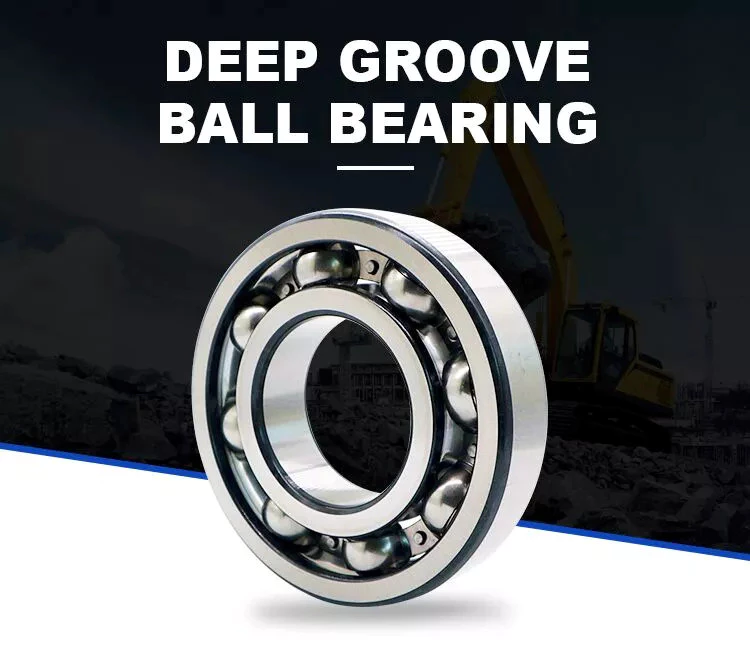
They support radial and axial loads
Radial ball bearings are used primarily for radial loads, but they also have a capacity for axial load. This load capacity is usually given as a percentage of the radial load rating. Axial load capacity is generally greater for a bearing with a larger difference between the inner and outer ring diameters. The axial load capacity is also affected by the bearing’s raceway depth, with shallow raceways being more suitable for heavier axial loads.
The two main types of axial and radial loads are defined by their orientation. Axial loads apply forces in one direction while radial loads act on the opposite direction. In both cases, the bearing must support the forces that are imposed. Axial loads apply forces to a bearing in a single direction, while radial loads apply forces in both directions. Regardless of the type of load, axial and radial loads should be considered when selecting a bearing for a given application.
Angular and radial ball bearings differ in their materials. Radial ball bearings are made largely of through-hardened materials. They typically have a Rockwell hardness rating of 58 Rc. The raceways and balls of these bearings are made of 440C stainless steel. They may also contain shields and seals. SAE 52100 steel is the most common material for the raceway, while molybdenum steels are excellent for high temperatures.
They have a contact angle between the balls and the races
When comparing axial load bearings with their radial counterparts, the angular contact angle is more important. Axial load bearings, have a contact angle between the balls and the races of 35 degrees. They are suitable for axial loads and a limited radial load. The contact angle of these bearings is a result of the shape of the inner and outer rings. Each rolling element comes into contact with the inner and outer rings only at one point, forming a 30 degree angle with the radial plane. The radial force of the axial load on these bearings is therefore increased by increasing the contact angle between the balls and the races.
This contact angle determines the amount of friction between the balls and the races, and allows angular contact bearings to withstand heavy radial and thrust loads. In addition, the larger the contact angle, the greater the axial load support. Angular contact bearings come in standard imperial (inch) and metric (mm) sizes. The angular contact angle is determined by the free radial play value and the curvature of the inner track.
They are water-resistant
In addition to their water-resistant qualities, corrosion-resistant ball bearings can also protect against the damaging effects of corrosive environments. Generally, standard metals, such as steel, are susceptible to rust, which can significantly reduce their performance and extend the life of parts. However, plastics, stainless steel, and ceramics can provide corrosion-resistant ball bearings. And because these materials are much more durable, they offer other advantages, such as being easy to maintain.
Among the advantages of plastic ball bearings is their high resistance to extreme temperatures, high speeds, and corrosion. Depending on their construction, plastic bearings are often able to resist corrosion and anti-static properties. They’re lightweight and inexpensive compared to steel ball bearings. CZPT Sales Corporation was established in 1987 with a modest turnover of four lacs. As of the last financial year, it has grown to 500 lacs in sales.
Other advantages of water-resistant ball bearings include corrosion resistance, which is a key consideration in many applications. While stainless steel is highly corrosion-resistant, it decreases the bearing’s load-carrying capacity. Also, corrosion-resistant deep groove ball bearings are usually made with a specified internal clearance, which absorbs loss in clearance during mounting and shaft expansion. This factor affects their performance, and if these are compromised, a replacement may be necessary.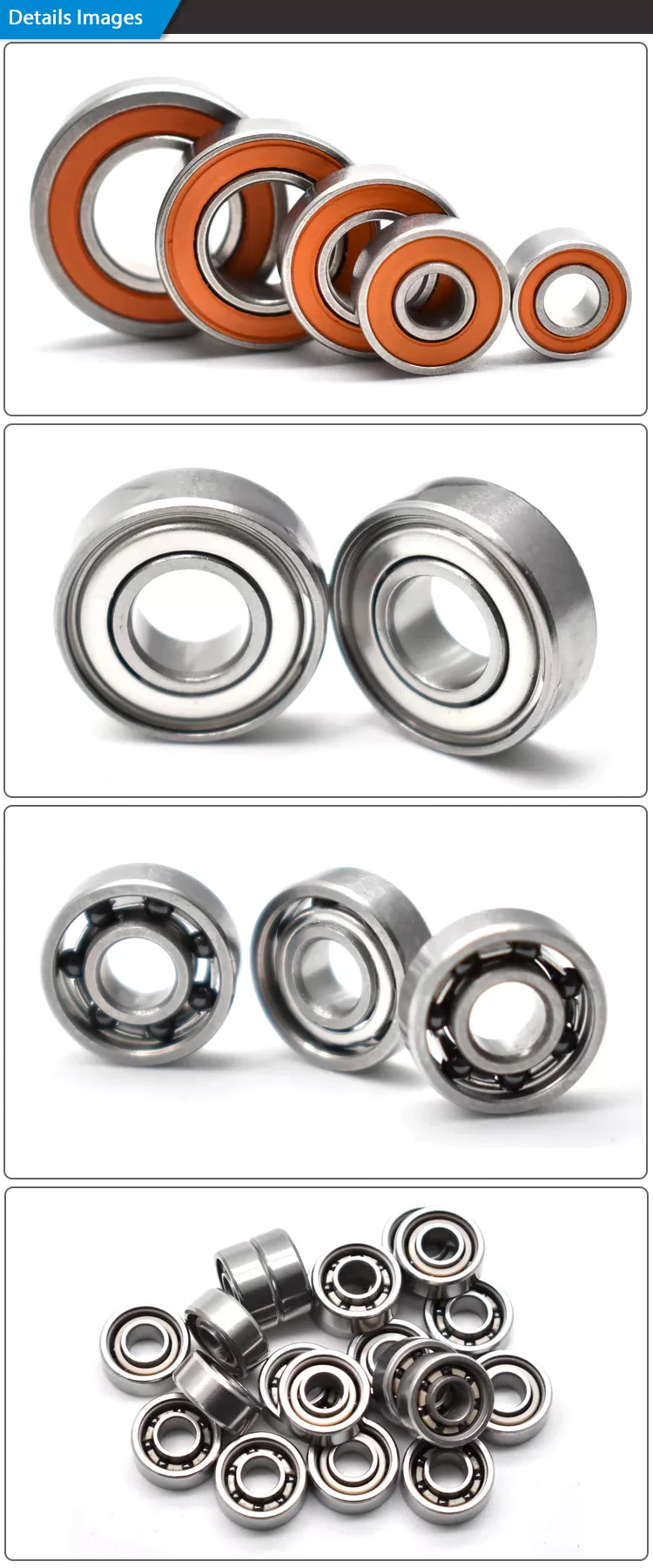
They are tough
A few things make ball bearings tough: they’re made of real materials, which means that they have inherent imperfections. Grade-1 balls are made especially for high-stress applications, such as Formula One engines. Grade-3 balls, on the other hand, strike the perfect balance between performance and cost. Ceramic balls, for example, are made to spin at a high rate of 400 RPM, and they’re finished with a mirror finish.
A steel carbon ball bearing is one of the toughest forms of ball bearings available. The material is incredibly strong, but the contact between the balls isn’t the best. Low-carbon steel is best for linear shafting and is usually coated with a polymer to prevent damage. Steel ball bearings with moderate amounts of carbon are tough, durable, and water-resistant. They’re ideal for gears, but their high-carbon steel counterparts are particularly tough and can resist corrosion.
A ceramic ball bearing is another option. This type has steel inner and outer rings but ceramic balls. Ceramic balls can withstand higher temperatures than steel and are also electrically insulating. Ceramic ball bearings also tend to be lighter and are more resistant to wear and tear. They’re also ideal for applications in which grease is not an option, such as in space shuttles. Despite the fact that ceramic ball bearings are tough, they’re still cheaper than steel ball bearings.
They are conductive
You may have heard the term “ball bearing” if you’ve studied introductory physics. What does that mean? Essentially, ball bearings are conductive because of their ability to conduct electricity. This ability is reflected in the charge distribution on the surface of the ball. Positive charges are drawn toward the positive plate, while negative charges are drawn away from the positively charged ball bearing. You may have even seen a ball bearing in action.
However, despite their conductive nature, ball bearings can still become damaged by electrical discharge. A higher voltage can cause the balls to pit, and the raceways to become uneven. These uneven surfaces will first show up as excessive noise, and eventually cause the bearing to malfunction. Fortunately, engineers have found a way to counter this problem: conductive grease. This grease enables current to flow through the ball bearing, preventing both heat and voltage buildup.
The difference between steel and ceramic ball bearings is their density. Steel bearings are more conductive than glass or hybrid ceramics. Steel ball bearings have an even grain structure and are conductive for resonance flow. When moving fast, the air surrounding the steel ball bearing carries resonance from the inner ring to the outer. This makes them ideal for high-speed resonance transfer. In addition to being conductive, glass microbeads are harder and lighter than steel.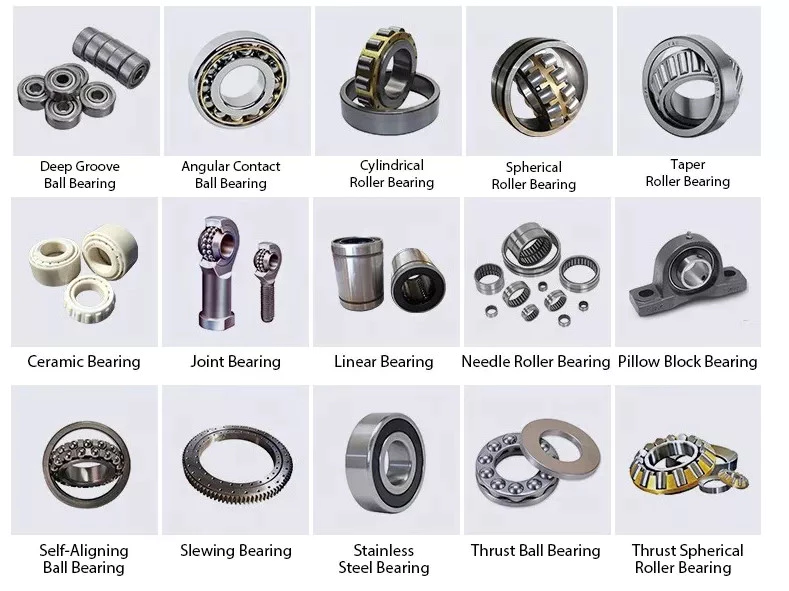
They are used in pulley systems
Pulley systems use ball bearings to move the sprocket, which is a wheel that rotates. These bearings are installed on the center mounting hole of the pulley wheel. They protect the entire system from heat, while allowing higher speed and smooth operation. They distribute the weight of the load evenly, minimizing friction and wobbling, and ensure a smooth rotation. Ball bearings are typically made from steel and are installed inside the pulley wheel.
The moment of inertia and bearing friction are measured to within ten percent accuracy. These two variables affect the speed of the pulley system, which can lead to crashes if the weight holders are not balanced. Therefore, ball bearings are used to minimize the chance of such crashes. When you want to know more about ball bearings in pulley systems, here are the advantages they provide.
Another benefit of ball bearings in pulley systems is that they have lower friction than their solid counterparts. In order to reduce friction, however, ball bearings must be made of good materials. Some of the common ball materials are high-quality plastics and stainless steel. Good materials and clever block design are essential to minimizing friction. If you are planning to use ball bearings in your pulley system, check out the following tips and make sure you are choosing the right one for your application.
editor by czh 2023-02-17
China High Quality Inch Taper Roller Bearing 924045/10 224335/10 224346/10 with Best Sales
Item Description
substantial high quality inch taper roller bearing 924045/ten 224335/10 224346/ten
Tapered Roller Bearings generally come in 2 elements – the cone (consisting of the internal ring and roller cage assembly) and the cup (outer ring). The Component Variety for these bearings is comprised of the “Cone Reference / Cup Reference”. These 2 parts can be mounted individually.
Tapered roller bearings mostly bear radial and axial combined hundreds. The bearing potential of the bearing relies upon on the raceway angle of the outer ring. The better the carrying ability. This kind of bearing is a split variety bearing, which is divided into single row, double row and 4 row tapered roller bearings according to the amount of rows of rolling components in the bearing. The clearance of the single-row tapered roller bearing wants to be altered by the consumer for the duration of installation the double-row and 4-row tapered roller bearing clearance has been offered in accordance to the user’s needs at the time of cargo from the factory, and no user adjustment is essential. Tapered roller bearings are extensively used in vehicles, rolling mills, mining, metallurgy, plastic equipment and other industries.
| Variety | Taper Roller Bearing |
| Design Variety | 924045/10 224335/ten 224346/10 |
| Spot of Origin | Xing Tai China (Mainland) |
| Model | XTSKY or other individuals |
| Supply Element | Following verified the get in 5-30days (Up to quantity) |
| Export Port | ZheJiang , HangZhou, ZheJiang , HangZhou |
| Payment time period | T/T |
| Advantage |
1> manufacturer & exporter 2> competitive price 3>high quality material 4> advanced machine 5> Strictly QC system 6> experienced engineers and workers, good service 7> low noise and long usage life 8> professional management and team |
More selections you may possibly be interested in:
11590 11520
LM11749 LM11710
LM11949 LM11910
0571 7 5715
09074 5716
A6075 A6157
0571 7 5716
09074 5715
09074 5714
12580 12520
M12649 M12610
LM12749 LM12710
LM12749 LM12711
M12648 M12610
1280 1220
1755 1729
07093 5716
07097 5716
5710 07204
1780 1729
L44643 L44610
M84548 M84510
15101 15243
5710 5716
15101 15245
15101 15250X
L44649 L44610
1988 1922
57174 57120
57172 57120
15112 15245
L45449 L45410
15116 15245
M86649 M86610
M88043 M88571
57175 57120
14125A 14276
LM67048 LM67571
2580 2520
2580 2523
14125A 14276
15123 15245
15126 15245
HM88542 HM88510
M88048 M88571
14130 14276
14136 A 14276
25877 25821
LM48548 LM48510
HM88649 HM88610
HM89446 HM89410
L68149 L68110
L68149 L68111
LM78349A LM78310A
HM88648 HM88610
25880 25821
25880 25820
2794 2720
HM89448 HM89410
HM89449 HM89410
JL69349 JL69310
LM29748 LM29710
LM29749 LM29710
LM29749 LM29711
3490 3420
418 414
2788 2720
16150 16282
HM801346 HM801310
25572 25520
LM300849 LM300811
LM501349 LM501310
LM501349 LM501314
LM501349 LM501311
M857148 M857111
18590 18520
11162 11300
24780 24720
HM85716 HM85710
526 522
3579 3525
25577 25520
25577 25523
25577 25522
527 522
535 532 A
25580 25520
25580 25523
25580 25522
HM85719 HM85710
17887 17831
LM603049 LM6571
LM603049 LM603014
LM603049 LM603012
LM157149 LM157110
25590 25520
25590 25523
LM503349 LM503310
M804049 M85711
386 A 382 A
JLM104948 JLM104910
LM104949 LM104911
LM104949 LM104912
368A 362A
368A 362X
529 522
529X 522
3780 3720
28580 28521
368A 363
28584 28521
539 532X
JLM506849 JLM506810
39581 39520
387 382A
387A 382A
387AS 382A
387 382S
387A 382S
387AS 382S
462 453X
28985 28920
28985 28921
395 394A
29585 29520
559 552A
39585 39520
395S 394A
HM212049 HM212011
3984 3920
39590 39520
399A 394A
482 472
566 563
484 472
567A 563
29685 29620
567 563
575 572
581 572
740 742
580 572
663 653
27690 27620
498 493
749 742
HM518445 HM518410
HM218248 HM218210
42381 42584
L521949 L521910
FAQ
1.What about the MOQ?Can you accept sample get?
Our firm MOQ is 1pc,we can acknowledge sample purchase.
2.Can you settle for OEM/ODM?
Sure,we can.Customizing in accordance to your need or drawing.
3.Do you offer door to doorway support?
By air or express(DHL,FEDEX,EMS and many others.)
4.Could you notify me the resources of your bearings?
Chrome steel, carbon steel, and stainless steel, ceramic and plastic content.
We can generate:
Working in line with the theory of ” integrity, quality, provider” we have previously acquired ISO certification, with excellent good quality, our goods take pleasure in a higher popularity among all consumers, getting cooperate with many renowned equipment importers.
Our business guarantee: Sensible costs, brief creation time and satisfactory right after-revenue support. We are confident in supplying the very best products and support, make sure you really feel cost-free to speak to with us if you are interested in any of our items. It will be our great honor to have chance of setting up a enterprise connection with your esteemed company.
E-mail me NOW for a lot more pictures and more introductions of items .
| To Be Negotiated | 1 Set (Min. Order) |
###
| Seal: | Rubber Seal in Black |
|---|---|
| Precision: | P2, P4, P5, P6 |
| Quality: | Good |
| Hardness: | 58-62 |
| Material: | Chrome Steel (Gcr15) |
| Number of Roll: | Single |
###
| Samples: |
US$ 5/Set
1 Set(Min.Order) |
|---|
###
| Customization: |
Available
|
|---|
###
| Type | Taper Roller Bearing |
| Model Number | 924045/10 224335/10 224346/10 |
| Place of Origin | Xing Tai China (Mainland) |
| Brand | XTSKY or others |
| Delivery Detail | After confirmed the order within 5-30days (Up to quantity) |
| Export Port | Tianjin, Qingdao, Shanghai, Guangzhou |
| Payment term | T/T |
| Advantage |
1> manufacturer & exporter 2> competitive price 3>high quality material 4> advanced machine 5> Strictly QC system 6> experienced engineers and workers, good service 7> low noise and long usage life 8> professional management and team |
| To Be Negotiated | 1 Set (Min. Order) |
###
| Seal: | Rubber Seal in Black |
|---|---|
| Precision: | P2, P4, P5, P6 |
| Quality: | Good |
| Hardness: | 58-62 |
| Material: | Chrome Steel (Gcr15) |
| Number of Roll: | Single |
###
| Samples: |
US$ 5/Set
1 Set(Min.Order) |
|---|
###
| Customization: |
Available
|
|---|
###
| Type | Taper Roller Bearing |
| Model Number | 924045/10 224335/10 224346/10 |
| Place of Origin | Xing Tai China (Mainland) |
| Brand | XTSKY or others |
| Delivery Detail | After confirmed the order within 5-30days (Up to quantity) |
| Export Port | Tianjin, Qingdao, Shanghai, Guangzhou |
| Payment term | T/T |
| Advantage |
1> manufacturer & exporter 2> competitive price 3>high quality material 4> advanced machine 5> Strictly QC system 6> experienced engineers and workers, good service 7> low noise and long usage life 8> professional management and team |
The Benefits of Using Self-Lubricating Bushings for Your Next Pivot
Like any other auto part, control arm bushings wear out over time. This results in an increase in irritating vibrations that can be dangerous in severe cases. The bushings in the control arms also wear out due to the stress that extreme driving conditions put on the control arms. Additionally, environmental factors and oversized tires tend to transmit more vibration through the bushing than conventionally sized tires. Whatever the cause, bushings can be the source of many problems.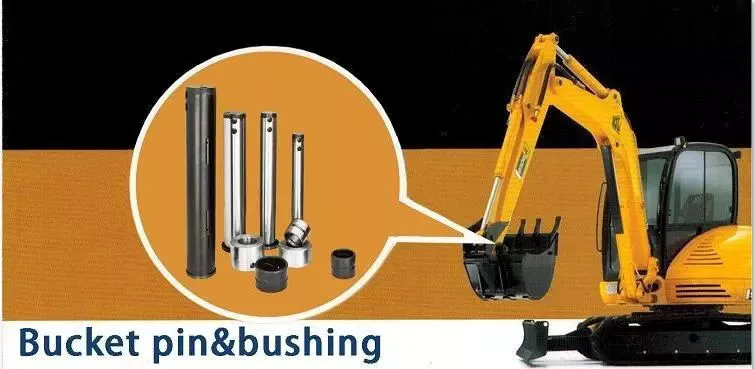
wear and cracking
The main cause of dry valve side bushing cracking is a mismatch in thermal expansion of the core and flange. This situation can seriously compromise the safety of the power system. To improve the safety of dry valve side bushings, the crack development of epoxy impregnated paper under various conditions was investigated. A coupled thermomechanical simulation model was also used to study the cracking process.
The first step in diagnosing the cause of bushing wear and cracking is a visual inspection. The bushing of the lower control arm is fixed to the frame by a bracket. If there are any visible cracks, it’s time to replace the bushing. However, there is no need to replace the entire suspension. In some cases, worn bushings can cause a variety of problems, including body lean, excessive tire wear and cornering noise.
Maintenance free
If you’re considering maintenance-free bushings for your next pivot, you’ll be wondering what to look for in these components. The bushing protects the housing from corrosion and keeps the bushing under pressure. However, many users are not familiar with what these components can do for their applications. In this article, we’ll look at several examples of truly maintenance-free pivots and discuss their requirements.
One of the most popular types of maintenance-free bushings are flanged and parallel. Unlike worm gear bushings, these self-lubricating metal bearings are ideal for a variety of applications and conditions. They reduce failure and downtime costs while providing the long-term lubrication required by other types of bushings. Since these sleeves are made of lead-free material, they are RoHS compliant, which means they are environmentally friendly.Another common maintenance-free bushing is plastic. This material is easier to find off-the-shelf and relatively inexpensive to produce. However, it is not suitable for high load applications as it will crack under heavy loads and damage mating parts. Plastics can also deviate if the manufacturing process is imprecise. Plastic bushings can also crack when subjected to high loads.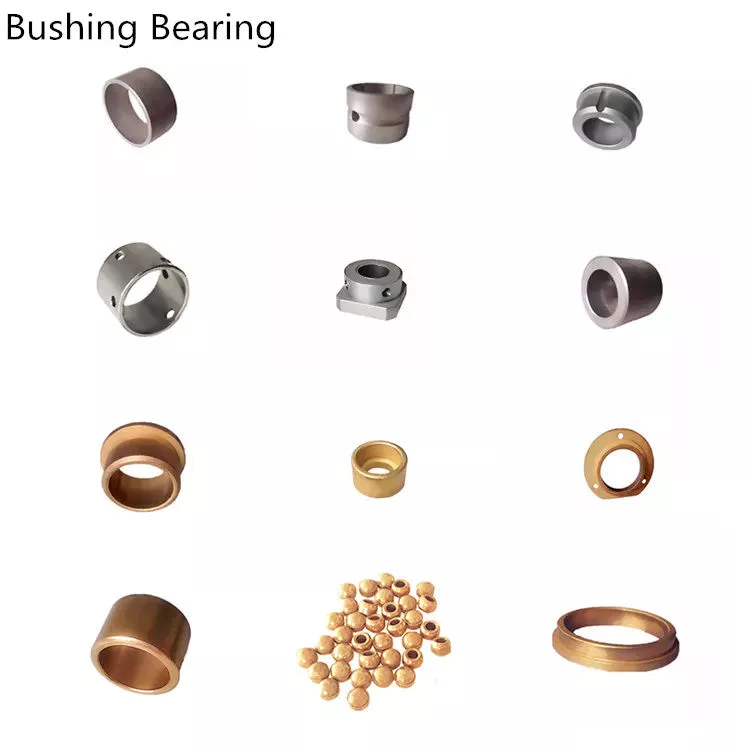
self-lubricating
When using a self-lubricating bushing, there is no need to apply grease to the bushing. Oily liquids tend to attract dirt and grit, which can wear away the graphite prematurely. By eliminating the need for regular lubrication, you will reduce equipment maintenance costs. This article will explore the benefits of self-lubricating bushings. You will love your kindness.
Self-lubricating bushings have a strong base material to withstand radial bearing pressure while providing shaft support at the contact surfaces. The material also has good fatigue properties and low friction motion. Self-lubricating bushings can be used in environments with high temperatures and aggressive media. These products can also withstand enormous pressure. When using self-lubricating bushings, it is important to select the correct material.
The main advantage of using self-lubricating bushings is ease of maintenance. They don’t require oil to run and are cheaper to buy. Their main benefit is that they can significantly reduce your machine running costs. These bearings do not require oiling operations, reducing maintenance costs. These bearings also offer a simplified mechanical design due to their thin walls and high load capacity. In addition, they reduce noise levels while maintaining excellent wear resistance. Plus, their materials are ROHS compliant, which means they don’t require oil.
Hydropower installations are another area where self-lubricating bushings have proven their advantages. They reduce maintenance costs, extend equipment life, and improve environmental benefits. For example, the Newfoundland Power Company uses self-lubricating bushings in the gates of its hydroelectric power plants. These self-lubricating bushings eliminate grease from entering waterways and tailraces. As a result, power companies are able to reduce maintenance and costs.
compared to cartilage in the human body
What is the difference between tendon, bone and cartilage? Human cartilage is composed of collagen and elastic fibers. In contrast, fibrocartilage contains more collagen than hyaline cartilage. Both cartilage types are composed of proteoglycans, which have a protein backbone and glycosaminoglycan side chains. These components work together to provide structure and flexibility to the cartilage.
Bone is a combination of living and dead cells embedded in a matrix. The outer hard layer of bone is dense bone, and the inner layer is spongy, containing bone marrow, blood vessels, nerves, etc. Bone contains both organic and inorganic substances, and this process of hardening of the matrix produces bone. On the other hand, cartilage consists of chondrocytes and a matrix composed of collagen and elastin fibers. Compared to bone, cartilage is yellow and contains elastic fibers.
Although bone and cartilage are structurally identical, cartilage is more flexible. It is mainly found in the joints and respiratory system and requires flexibility. Its ingredients include collagen and proteoglycans, which provide compression and abrasion resistance. Furthermore, connective tissue is composed of cells, fibers and matrix.
The basic substance of cartilage is chondroitin sulfate, which is derived from animals. Although cartilage grows more slowly than bone, its microstructure is less organized. There is a fibrous sheath covering the cartilage, called the perichondrium. The molecular composition of the ECM plays an important role in the function of cartilage. The collagen matrix is important for cartilage remodeling and consists of changes in the collagen matrix.
Compared to metal-on-bone contact
Both metal-on-bone contact are known to cause a significant increase in the pressures in a joint. To compare the two, we first calculated the joint contact pressures in each model and compared them. The results of this study support previous research on this subject. The following sections discuss the benefits of both types of contact. They also outline some key differences between the two.
editor by czh 2023-01-13
China 32205jr Koyo NSK NTN Japan Taper Roller Bearing with Best Sales
Product Description
32205JR CZPT CZPT japan taper roller bearing
Structure: Taper
Type: Roller
Brand Name: TIMKEN NSK,KOYO,NTN
Precision Rating: P0, P6, P5, P4, P2
Material: Bearing steel
Delivery time: 3-15days
Function: :Rolling mill, mine, metallurgy, plastics machinery industry.
The kinds of tapered roller bearing and models
Metric single row tapered roller bearing
Inch single row tapered roller bearing
Double row tapered roller bearing
Four row tapered roller bearings
Paired single row tpered roller bearings
Yiding Bearing Co., Ltd. is pecialized in bearings export production selling and after-service. In practice for many years, we established strict quality assurance system. Our products covers Roller Bearing, Ball Bearing, Linear bearing, Rod end bearing, Joint bearing, Stainless Steel Bearings, Ceramic bearings, Plastic bearing, Thin wall bearing, Excavator bearing, and Rotor bearing. We do brands We do OEM service.
| boundary dimensions(mm) | basic load ratings(kn) | limiting speeds(rpm) | bearing no. | ||||||
| d | d | t | r | r1 | cr | cor | grease lub. | oil lub. | |
| min. | min. | ||||||||
| 45 | 75 | 20 | 1 | 1 | 62.8 | 86.5 | 5000 | 6600 | 32009 |
| 45 | 75 | 24 | 1 | 1 | 69.6 | 101 | 5000 | 6700 | 33009 |
| 45 | 80 | 26 | 1.5 | 1.5 | 87.5 | 120 | 4800 | 6400 | 33109 |
| 45 | 85 | 20.75 | 1.5 | 1.5 | 67.2 | 77.4 | 4600 | 6100 | 35719 |
| 45 | 85 | 24.75 | 1.5 | 1.5 | 84.2 | 104 | 4600 | 6100 | 32209 |
| 45 | 85 | 32 | 1.5 | 1.5 | 112 | 149 | 4600 | 6200 | 33209 |
| 45 | 100 | 27.25 | 2 | 1.5 | 113 | 128 | 4100 | 5400 | 30309 |
| 45 | 100 | 38.25 | 2 | 1.5 | 146 | 180 | 4100 | 5500 | 32309 |
| 50 | 80 | 20 | 1 | 1 | 65.7 | 94.5 | 4600 | 6100 | 32571 |
| 50 | 80 | 24 | 1 | 1 | 73 | 110 | 4600 | 6100 | 33571 |
| 50 | 85 | 26 | 1.5 | 1.5 | 89.4 | 127 | 4400 | 5900 | 33110 |
| 50 | 90 | 21.75 | 1.5 | 1.5 | 76.5 | 91.7 | 4300 | 5700 | 35710 |
| 50 | 90 | 24.75 | 1.5 | 1.5 | 85 | 105 | 4300 | 5700 | 32210 |
| 50 | 90 | 32 | 1.5 | 1.5 | 119 | 167 | 4300 | 5700 | 33210 |
| 50 | 110 | 29.25 | 2.5 | 2 | 137 | 152 | 3700 | 4900 | 3571 |
| 50 | 110 | 42.25 | 2.5 | 2 | 176 | 220 | 3700 | 5000 | 32310 |
| 55 | 90 | 23 | 1.5 | 1.5 | 84.6 | 121 | 4100 | 5500 | 32011 |
| 55 | 90 | 27 | 1.5 | 1.5 | 96.5 | 145 | 4100 | 5400 | 33011 |
| 55 | 95 | 30 | 1.5 | 1.5 | 116 | 161 | 4000 | 5300 | 33111 |
| 55 | 100 | 22.75 | 2 | 1.5 | 94.6 | 113 | 3900 | 5200 | 35711 |
| 55 | 100 | 26.75 | 2 | 1.5 | 107 | 133 | 3900 | 5200 | 32211 |
| 55 | 100 | 35 | 2 | 1.5 | 142 | 189 | 3900 | 5200 | 33211 |
| 55 | 120 | 31.5 | 2.5 | 2 | 149 | 170 | 3300 | 4500 | 3571 |
| 55 | 120 | 45.5 | 2.5 | 2 | 200 | 250 | 3400 | 4500 | 32311 |
| 60 | 95 | 23 | 1.5 | 1.5 | 86.1 | 127 | 3900 | 5200 | 32012 |
| 60 | 95 | 27 | 1.5 | 1.5 | 101 | 162 | 3900 | 5200 | 33012 |
| 60 | 100 | 30 | 1.5 | 1.5 | 118 | 170 | 3700 | 5000 | 33112 |
| 60 | 110 | 23.75 | 2 | 1.5 | 106 | 127 | 3500 | 4700 | 35712 |
| 60 | 110 | 29.75 | 2 | 1.5 | 132 | 167 | 3500 | 4700 | 32212 |
| 60 | 110 | 38 | 2 | 1.5 | 174 | 239 | 3600 | 4700 | 33212 |
| 60 | 130 | 33.5 | 3 | 2.5 | 173 | 201 | 3100 | 4100 | 3571 |
| 60 | 130 | 48.5 | 3 | 2.5 | 244 | 315 | 3100 | 4200 | 32312 |
| 65 | 100 | 23 | 1.5 | 1.5 | 90 | 137 | 3600 | 4800 | 32013 |
| 65 | 100 | 27 | 1.5 | 1.5 | 103 | 169 | 3600 | 4800 | 33013 |
| 65 | 110 | 34 | 1.5 | 1.5 | 152 | 223 | 3400 | 4600 | 33113 |
| 65 | 120 | 24.75 | 2 | 1.5 | 128 | 156 | 3200 | 4300 | 35713 |
| 65 | 120 | 32.75 | 2 | 1.5 | 157 | 203 | 3200 | 4300 | 32213 |
| 65 | 120 | 41 | 2 | 1.5 | 200 | 277 | 3200 | 4300 | 33213 |
| 65 | 140 | 36 | 3 | 2.5 | 204 | 239 | 2800 | 3800 | 3571 |
| 70 | 110 | 25 | 1.5 | 1.5 | 108 | 163 | 3300 | 4400 | 32014 |
| 70 | 110 | 31 | 1.5 | 1.5 | 134 | 208 | 3300 | 4400 | 33014 |
| 70 | 120 | 37 | 2 | 1.5 | 181 | 266 | 3100 | 4200 | 33114 |
| 70 | 125 | 26.25 | 2 | 1.5 | 138 | 173 | 3100 | 4100 | 35714 |
| 70 | 125 | 33.25 | 2 | 1.5 | 169 | 225 | 3100 | 4100 | 32214 |
| 70 | 125 | 41 | 2 | 1.5 | 206 | 294 | 3100 | 4100 | 33214 |
| 70 | 150 | 38 | 3 | 2.5 | 230 | 273 | 2600 | 3500 | 3571 |
| 70 | 150 | 54 | 3 | 2.5 | 317 | 414 | 2700 | 3600 | 32314 |
| 75 | 115 | 25 | 1.5 | 1.5 | 110 | 169 | 3100 | 4200 | 32015 |
| 75 | 115 | 31 | 1.5 | 1.5 | 141 | 225 | 3200 | 4200 | 33015 |
| 75 | 125 | 37 | 2 | 1.5 | 186 | 280 | 3000 | 4000 | 33115 |
| 75 | 130 | 27.25 | 2 | 1.5 | 142 | 181 | 2900 | 3900 | 35715 |
| 75 | 130 | 33.25 | 2 | 1.5 | 174 | 234 | 2900 | 3900 | 32215 |
| 75 | 130 | 41 | 2 | 1.5 | 212 | 310 | 2900 | 3900 | 33215 |
| 75 | 160 | 40 | 3 | 2.5 | 260 | 311 | 2500 | 3300 | 3571 |
| 75 | 160 | 58 | 3 | 2.5 | 363 | 481 | 2500 | 3300 | 32315 |
| 71425/71751D | HM124649/HM124618XD |
| 936/932CD | 74472/74851CD |
| HH224340/HH224310CD | M224748/M224710DC |
| 37431/37626DC | M224748/M224710D |
| 37431/37626D | L624549/L624514D |
| 71432/71751D | L225842/L225812D |
| H924043/H924571D | M224749/M224710D |
| LM522548/LM522510D | 48282/48220DC |
| LM522549/LM522510D L | 48282/48220D |
| 64433/64700D | 795/792CD |
| 942/932CD | 95475/95927CD |
| 71437/71751D | 48286/48220DC |
| H924045/H924571D | 48286/48220D |
| HH924349/HH924310D | 95491/95927CD |
| L623149/L623110D | HM926745/HM926710D |
| 64450/64700DC | HM127440/HM127415XD |
| 64450/64700D | L225849/L225812D |
| 71450/71751DC | 48290/48220DC |
| 71450/71751D | 48290/48220D |
| 938/932CD | 67388/67322DC |
| HH224346/HH224310CD | 67388/67322D |
| HM926740/HM926710D | 67388/67325D |
| 64452A/64700D | 74500/74851CD |
| HH224349/HH224310CD | 97500/97901D |
| 71453/71751D | HM926747/HM926710DC |
| HM124646/HM124616XD | HM926747/HM926710D |
| HM124646/HM124618XD | 95500/95927CD |
Application:
For mounting wherever axial and radial loads are expected
For most parts for torque transmission
Home appliances, electric motors, automotive components
| To Be Negotiated | 1 Set (Min. Order) |
###
| Rolling Body: | Roller Bearings |
|---|---|
| The Number of Rows: | Single |
| Outer Dimension: | Small and Medium-Sized (60-115mm) |
| Material: | Bearing Steel |
| Spherical: | Non-Aligning Bearings |
| Load Direction: | Axial Bearing |
###
| Samples: |
US$ 1/Set
1 Set(Min.Order) |
|---|
###
| Customization: |
Available
|
|---|
###
| boundary dimensions(mm) | basic load ratings(kn) | limiting speeds(rpm) | bearing no. | ||||||
| d | d | t | r | r1 | cr | cor | grease lub. | oil lub. | |
| min. | min. | ||||||||
| 45 | 75 | 20 | 1 | 1 | 62.8 | 86.5 | 5000 | 6600 | 32009 |
| 45 | 75 | 24 | 1 | 1 | 69.6 | 101 | 5000 | 6700 | 33009 |
| 45 | 80 | 26 | 1.5 | 1.5 | 87.5 | 120 | 4800 | 6400 | 33109 |
| 45 | 85 | 20.75 | 1.5 | 1.5 | 67.2 | 77.4 | 4600 | 6100 | 30209 |
| 45 | 85 | 24.75 | 1.5 | 1.5 | 84.2 | 104 | 4600 | 6100 | 32209 |
| 45 | 85 | 32 | 1.5 | 1.5 | 112 | 149 | 4600 | 6200 | 33209 |
| 45 | 100 | 27.25 | 2 | 1.5 | 113 | 128 | 4100 | 5400 | 30309 |
| 45 | 100 | 38.25 | 2 | 1.5 | 146 | 180 | 4100 | 5500 | 32309 |
| 50 | 80 | 20 | 1 | 1 | 65.7 | 94.5 | 4600 | 6100 | 32010 |
| 50 | 80 | 24 | 1 | 1 | 73 | 110 | 4600 | 6100 | 33010 |
| 50 | 85 | 26 | 1.5 | 1.5 | 89.4 | 127 | 4400 | 5900 | 33110 |
| 50 | 90 | 21.75 | 1.5 | 1.5 | 76.5 | 91.7 | 4300 | 5700 | 30210 |
| 50 | 90 | 24.75 | 1.5 | 1.5 | 85 | 105 | 4300 | 5700 | 32210 |
| 50 | 90 | 32 | 1.5 | 1.5 | 119 | 167 | 4300 | 5700 | 33210 |
| 50 | 110 | 29.25 | 2.5 | 2 | 137 | 152 | 3700 | 4900 | 30310 |
| 50 | 110 | 42.25 | 2.5 | 2 | 176 | 220 | 3700 | 5000 | 32310 |
| 55 | 90 | 23 | 1.5 | 1.5 | 84.6 | 121 | 4100 | 5500 | 32011 |
| 55 | 90 | 27 | 1.5 | 1.5 | 96.5 | 145 | 4100 | 5400 | 33011 |
| 55 | 95 | 30 | 1.5 | 1.5 | 116 | 161 | 4000 | 5300 | 33111 |
| 55 | 100 | 22.75 | 2 | 1.5 | 94.6 | 113 | 3900 | 5200 | 30211 |
| 55 | 100 | 26.75 | 2 | 1.5 | 107 | 133 | 3900 | 5200 | 32211 |
| 55 | 100 | 35 | 2 | 1.5 | 142 | 189 | 3900 | 5200 | 33211 |
| 55 | 120 | 31.5 | 2.5 | 2 | 149 | 170 | 3300 | 4500 | 30311 |
| 55 | 120 | 45.5 | 2.5 | 2 | 200 | 250 | 3400 | 4500 | 32311 |
| 60 | 95 | 23 | 1.5 | 1.5 | 86.1 | 127 | 3900 | 5200 | 32012 |
| 60 | 95 | 27 | 1.5 | 1.5 | 101 | 162 | 3900 | 5200 | 33012 |
| 60 | 100 | 30 | 1.5 | 1.5 | 118 | 170 | 3700 | 5000 | 33112 |
| 60 | 110 | 23.75 | 2 | 1.5 | 106 | 127 | 3500 | 4700 | 30212 |
| 60 | 110 | 29.75 | 2 | 1.5 | 132 | 167 | 3500 | 4700 | 32212 |
| 60 | 110 | 38 | 2 | 1.5 | 174 | 239 | 3600 | 4700 | 33212 |
| 60 | 130 | 33.5 | 3 | 2.5 | 173 | 201 | 3100 | 4100 | 30312 |
| 60 | 130 | 48.5 | 3 | 2.5 | 244 | 315 | 3100 | 4200 | 32312 |
| 65 | 100 | 23 | 1.5 | 1.5 | 90 | 137 | 3600 | 4800 | 32013 |
| 65 | 100 | 27 | 1.5 | 1.5 | 103 | 169 | 3600 | 4800 | 33013 |
| 65 | 110 | 34 | 1.5 | 1.5 | 152 | 223 | 3400 | 4600 | 33113 |
| 65 | 120 | 24.75 | 2 | 1.5 | 128 | 156 | 3200 | 4300 | 30213 |
| 65 | 120 | 32.75 | 2 | 1.5 | 157 | 203 | 3200 | 4300 | 32213 |
| 65 | 120 | 41 | 2 | 1.5 | 200 | 277 | 3200 | 4300 | 33213 |
| 65 | 140 | 36 | 3 | 2.5 | 204 | 239 | 2800 | 3800 | 30313 |
| 70 | 110 | 25 | 1.5 | 1.5 | 108 | 163 | 3300 | 4400 | 32014 |
| 70 | 110 | 31 | 1.5 | 1.5 | 134 | 208 | 3300 | 4400 | 33014 |
| 70 | 120 | 37 | 2 | 1.5 | 181 | 266 | 3100 | 4200 | 33114 |
| 70 | 125 | 26.25 | 2 | 1.5 | 138 | 173 | 3100 | 4100 | 30214 |
| 70 | 125 | 33.25 | 2 | 1.5 | 169 | 225 | 3100 | 4100 | 32214 |
| 70 | 125 | 41 | 2 | 1.5 | 206 | 294 | 3100 | 4100 | 33214 |
| 70 | 150 | 38 | 3 | 2.5 | 230 | 273 | 2600 | 3500 | 30314 |
| 70 | 150 | 54 | 3 | 2.5 | 317 | 414 | 2700 | 3600 | 32314 |
| 75 | 115 | 25 | 1.5 | 1.5 | 110 | 169 | 3100 | 4200 | 32015 |
| 75 | 115 | 31 | 1.5 | 1.5 | 141 | 225 | 3200 | 4200 | 33015 |
| 75 | 125 | 37 | 2 | 1.5 | 186 | 280 | 3000 | 4000 | 33115 |
| 75 | 130 | 27.25 | 2 | 1.5 | 142 | 181 | 2900 | 3900 | 30215 |
| 75 | 130 | 33.25 | 2 | 1.5 | 174 | 234 | 2900 | 3900 | 32215 |
| 75 | 130 | 41 | 2 | 1.5 | 212 | 310 | 2900 | 3900 | 33215 |
| 75 | 160 | 40 | 3 | 2.5 | 260 | 311 | 2500 | 3300 | 30315 |
| 75 | 160 | 58 | 3 | 2.5 | 363 | 481 | 2500 | 3300 | 32315 |
###
| 71425/71751D | HM124649/HM124618XD |
| 936/932CD | 74472/74851CD |
| HH224340/HH224310CD | M224748/M224710DC |
| 37431/37626DC | M224748/M224710D |
| 37431/37626D | L624549/L624514D |
| 71432/71751D | L225842/L225812D |
| H924043/H924010D | M224749/M224710D |
| LM522548/LM522510D | 48282/48220DC |
| LM522549/LM522510D L | 48282/48220D |
| 64433/64700D | 795/792CD |
| 942/932CD | 95475/95927CD |
| 71437/71751D | 48286/48220DC |
| H924045/H924010D | 48286/48220D |
| HH924349/HH924310D | 95491/95927CD |
| L623149/L623110D | HM926745/HM926710D |
| 64450/64700DC | HM127440/HM127415XD |
| 64450/64700D | L225849/L225812D |
| 71450/71751DC | 48290/48220DC |
| 71450/71751D | 48290/48220D |
| 938/932CD | 67388/67322DC |
| HH224346/HH224310CD | 67388/67322D |
| HM926740/HM926710D | 67388/67325D |
| 64452A/64700D | 74500/74851CD |
| HH224349/HH224310CD | 97500/97901D |
| 71453/71751D | HM926747/HM926710DC |
| HM124646/HM124616XD | HM926747/HM926710D |
| HM124646/HM124618XD | 95500/95927CD |
| To Be Negotiated | 1 Set (Min. Order) |
###
| Rolling Body: | Roller Bearings |
|---|---|
| The Number of Rows: | Single |
| Outer Dimension: | Small and Medium-Sized (60-115mm) |
| Material: | Bearing Steel |
| Spherical: | Non-Aligning Bearings |
| Load Direction: | Axial Bearing |
###
| Samples: |
US$ 1/Set
1 Set(Min.Order) |
|---|
###
| Customization: |
Available
|
|---|
###
| boundary dimensions(mm) | basic load ratings(kn) | limiting speeds(rpm) | bearing no. | ||||||
| d | d | t | r | r1 | cr | cor | grease lub. | oil lub. | |
| min. | min. | ||||||||
| 45 | 75 | 20 | 1 | 1 | 62.8 | 86.5 | 5000 | 6600 | 32009 |
| 45 | 75 | 24 | 1 | 1 | 69.6 | 101 | 5000 | 6700 | 33009 |
| 45 | 80 | 26 | 1.5 | 1.5 | 87.5 | 120 | 4800 | 6400 | 33109 |
| 45 | 85 | 20.75 | 1.5 | 1.5 | 67.2 | 77.4 | 4600 | 6100 | 30209 |
| 45 | 85 | 24.75 | 1.5 | 1.5 | 84.2 | 104 | 4600 | 6100 | 32209 |
| 45 | 85 | 32 | 1.5 | 1.5 | 112 | 149 | 4600 | 6200 | 33209 |
| 45 | 100 | 27.25 | 2 | 1.5 | 113 | 128 | 4100 | 5400 | 30309 |
| 45 | 100 | 38.25 | 2 | 1.5 | 146 | 180 | 4100 | 5500 | 32309 |
| 50 | 80 | 20 | 1 | 1 | 65.7 | 94.5 | 4600 | 6100 | 32010 |
| 50 | 80 | 24 | 1 | 1 | 73 | 110 | 4600 | 6100 | 33010 |
| 50 | 85 | 26 | 1.5 | 1.5 | 89.4 | 127 | 4400 | 5900 | 33110 |
| 50 | 90 | 21.75 | 1.5 | 1.5 | 76.5 | 91.7 | 4300 | 5700 | 30210 |
| 50 | 90 | 24.75 | 1.5 | 1.5 | 85 | 105 | 4300 | 5700 | 32210 |
| 50 | 90 | 32 | 1.5 | 1.5 | 119 | 167 | 4300 | 5700 | 33210 |
| 50 | 110 | 29.25 | 2.5 | 2 | 137 | 152 | 3700 | 4900 | 30310 |
| 50 | 110 | 42.25 | 2.5 | 2 | 176 | 220 | 3700 | 5000 | 32310 |
| 55 | 90 | 23 | 1.5 | 1.5 | 84.6 | 121 | 4100 | 5500 | 32011 |
| 55 | 90 | 27 | 1.5 | 1.5 | 96.5 | 145 | 4100 | 5400 | 33011 |
| 55 | 95 | 30 | 1.5 | 1.5 | 116 | 161 | 4000 | 5300 | 33111 |
| 55 | 100 | 22.75 | 2 | 1.5 | 94.6 | 113 | 3900 | 5200 | 30211 |
| 55 | 100 | 26.75 | 2 | 1.5 | 107 | 133 | 3900 | 5200 | 32211 |
| 55 | 100 | 35 | 2 | 1.5 | 142 | 189 | 3900 | 5200 | 33211 |
| 55 | 120 | 31.5 | 2.5 | 2 | 149 | 170 | 3300 | 4500 | 30311 |
| 55 | 120 | 45.5 | 2.5 | 2 | 200 | 250 | 3400 | 4500 | 32311 |
| 60 | 95 | 23 | 1.5 | 1.5 | 86.1 | 127 | 3900 | 5200 | 32012 |
| 60 | 95 | 27 | 1.5 | 1.5 | 101 | 162 | 3900 | 5200 | 33012 |
| 60 | 100 | 30 | 1.5 | 1.5 | 118 | 170 | 3700 | 5000 | 33112 |
| 60 | 110 | 23.75 | 2 | 1.5 | 106 | 127 | 3500 | 4700 | 30212 |
| 60 | 110 | 29.75 | 2 | 1.5 | 132 | 167 | 3500 | 4700 | 32212 |
| 60 | 110 | 38 | 2 | 1.5 | 174 | 239 | 3600 | 4700 | 33212 |
| 60 | 130 | 33.5 | 3 | 2.5 | 173 | 201 | 3100 | 4100 | 30312 |
| 60 | 130 | 48.5 | 3 | 2.5 | 244 | 315 | 3100 | 4200 | 32312 |
| 65 | 100 | 23 | 1.5 | 1.5 | 90 | 137 | 3600 | 4800 | 32013 |
| 65 | 100 | 27 | 1.5 | 1.5 | 103 | 169 | 3600 | 4800 | 33013 |
| 65 | 110 | 34 | 1.5 | 1.5 | 152 | 223 | 3400 | 4600 | 33113 |
| 65 | 120 | 24.75 | 2 | 1.5 | 128 | 156 | 3200 | 4300 | 30213 |
| 65 | 120 | 32.75 | 2 | 1.5 | 157 | 203 | 3200 | 4300 | 32213 |
| 65 | 120 | 41 | 2 | 1.5 | 200 | 277 | 3200 | 4300 | 33213 |
| 65 | 140 | 36 | 3 | 2.5 | 204 | 239 | 2800 | 3800 | 30313 |
| 70 | 110 | 25 | 1.5 | 1.5 | 108 | 163 | 3300 | 4400 | 32014 |
| 70 | 110 | 31 | 1.5 | 1.5 | 134 | 208 | 3300 | 4400 | 33014 |
| 70 | 120 | 37 | 2 | 1.5 | 181 | 266 | 3100 | 4200 | 33114 |
| 70 | 125 | 26.25 | 2 | 1.5 | 138 | 173 | 3100 | 4100 | 30214 |
| 70 | 125 | 33.25 | 2 | 1.5 | 169 | 225 | 3100 | 4100 | 32214 |
| 70 | 125 | 41 | 2 | 1.5 | 206 | 294 | 3100 | 4100 | 33214 |
| 70 | 150 | 38 | 3 | 2.5 | 230 | 273 | 2600 | 3500 | 30314 |
| 70 | 150 | 54 | 3 | 2.5 | 317 | 414 | 2700 | 3600 | 32314 |
| 75 | 115 | 25 | 1.5 | 1.5 | 110 | 169 | 3100 | 4200 | 32015 |
| 75 | 115 | 31 | 1.5 | 1.5 | 141 | 225 | 3200 | 4200 | 33015 |
| 75 | 125 | 37 | 2 | 1.5 | 186 | 280 | 3000 | 4000 | 33115 |
| 75 | 130 | 27.25 | 2 | 1.5 | 142 | 181 | 2900 | 3900 | 30215 |
| 75 | 130 | 33.25 | 2 | 1.5 | 174 | 234 | 2900 | 3900 | 32215 |
| 75 | 130 | 41 | 2 | 1.5 | 212 | 310 | 2900 | 3900 | 33215 |
| 75 | 160 | 40 | 3 | 2.5 | 260 | 311 | 2500 | 3300 | 30315 |
| 75 | 160 | 58 | 3 | 2.5 | 363 | 481 | 2500 | 3300 | 32315 |
###
| 71425/71751D | HM124649/HM124618XD |
| 936/932CD | 74472/74851CD |
| HH224340/HH224310CD | M224748/M224710DC |
| 37431/37626DC | M224748/M224710D |
| 37431/37626D | L624549/L624514D |
| 71432/71751D | L225842/L225812D |
| H924043/H924010D | M224749/M224710D |
| LM522548/LM522510D | 48282/48220DC |
| LM522549/LM522510D L | 48282/48220D |
| 64433/64700D | 795/792CD |
| 942/932CD | 95475/95927CD |
| 71437/71751D | 48286/48220DC |
| H924045/H924010D | 48286/48220D |
| HH924349/HH924310D | 95491/95927CD |
| L623149/L623110D | HM926745/HM926710D |
| 64450/64700DC | HM127440/HM127415XD |
| 64450/64700D | L225849/L225812D |
| 71450/71751DC | 48290/48220DC |
| 71450/71751D | 48290/48220D |
| 938/932CD | 67388/67322DC |
| HH224346/HH224310CD | 67388/67322D |
| HM926740/HM926710D | 67388/67325D |
| 64452A/64700D | 74500/74851CD |
| HH224349/HH224310CD | 97500/97901D |
| 71453/71751D | HM926747/HM926710DC |
| HM124646/HM124616XD | HM926747/HM926710D |
| HM124646/HM124618XD | 95500/95927CD |
Types of Ball Bearings
There are many types of Ball Bearings available on the market, but which one is best for your application? Here, we will discuss the differences between Angular contact, Single-row, High-carbon steel, and Ceramic ball bearings. These types of bearings also feature races, or a groove in the center of each. These races are important in keeping the balls contained within the cylinder. They also provide a groove-baed pathway.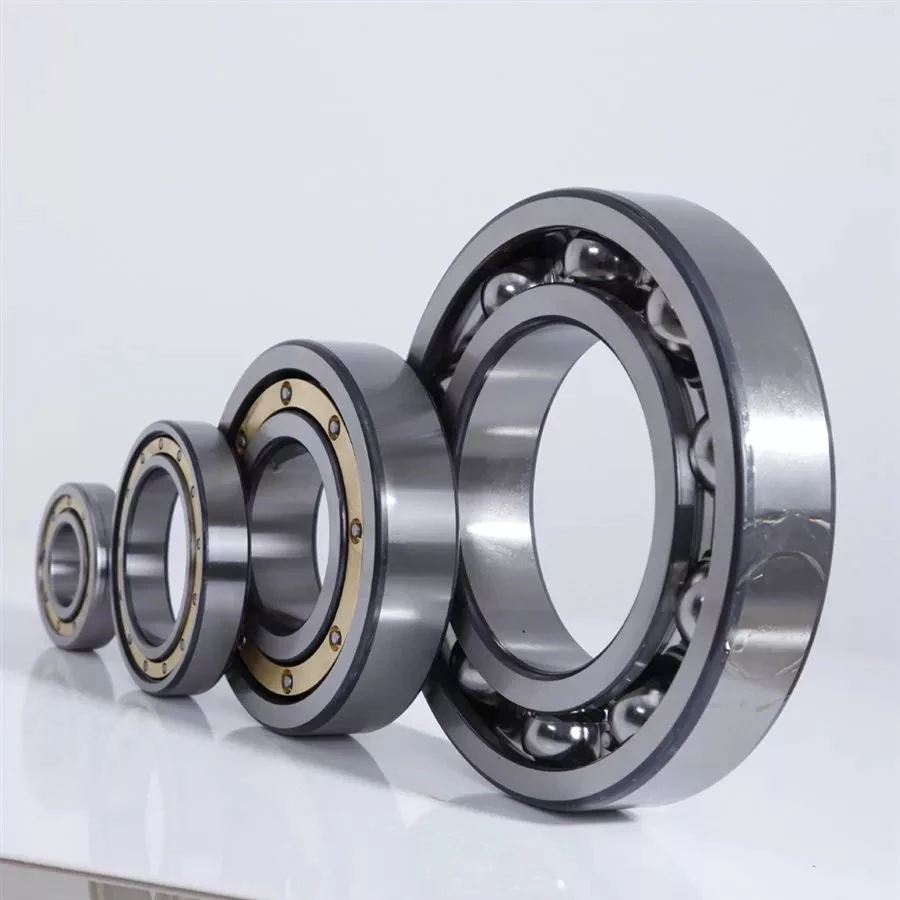
Ceramic
The ceramic ball used in ball bearings has many advantages. It is lightweight, operates at lower temperatures, has reduced skidding, and is resistant to electrolysis. The ball also exhibits longer fatigue life. All of these factors make the ceramic ball a good choice for many applications. But, how do you know if a ceramic ball bearing is right for your application? Read on to discover why ceramic ball bearings are a better choice than steel or stainless steel ones.
The ceramic balls are 40% more dense than steel. This means less centrifugal force is generated on the bearing, which suppresses heat generation. Because of this reduced friction, ceramic bearings are more efficient at transferring energy. Compared to steel bearings, ceramic balls have longer life spans. Nonetheless, these ceramic balls aren’t as strong as steel. Therefore, it is important to understand the limitations of the ceramic ball bearing before buying one.
The ceramic materials used for ball bearings are resistant to micro-welding. Metals undergo this process when imperfections in the surfaces interact. Eventually, this results in a brittle ball that reduces the life of a bearing. Unlike metals, ceramic materials have a stable behavior at high temperatures and exhibit less thermal expansion. This means that they can be used for applications where lubrication isn’t an option.
While steel balls can easily absorb contaminants and foreign particles, the ceramic ball is insensitive to this, and doesn’t require lubrication. This means they’re not susceptible to corrosion and other common problems. These are just a few reasons why ceramics are a better choice. This technology has a wide range of uses. It’s easy to see why it is so popular. If you’re looking for a new bearing for your application, be sure to contact an AST Applications Engineer. They can analyze your operating conditions and potential failure modes.
Angular contact
An Angular Contact Ball Bearing (also known as an angular-contact bearing) has an axial component that is generated when radial loads are applied. They are generally used in pairs, triplex sets, or quadruplex sets. These bearings are also available with Super Finished Raceways to reduce noise and improve lubricant distribution. Angular contact ball bearings have various design units, such as bore size, outer diameter, and outer ring width.
A single-row angular contact bearing has a radial contact angle that is equal to the angular distance between the two rings. Double-row angular bearings are designed for two-way thrust capability. These types of bearings can be purchased at Grainger and other online retailers. A typical angular contact bearing will last up to a million revolutions. They are often used in industrial angular contact bearings.
Single-row angular contact ball bearings feature a set contact angle. These bearings can support radial and axial loads, but they can’t withstand high speeds. Single-row angular contact ball bearings may also have one or two shoulders relieved. Thrust load is a pressure placed on the bearing when it is installed in an assembly, and it is used to create an angle between the races.
Angular contact ball bearings come in single and double-row configurations. They differ in the axial load they can carry and the type of lubrication they use. Angular contact ball bearings are ideal for high-speed applications and can accommodate both radial and axial loads. The type of contact and lubrication used in angular-contact ball bearings depends on the intended use for the bearing.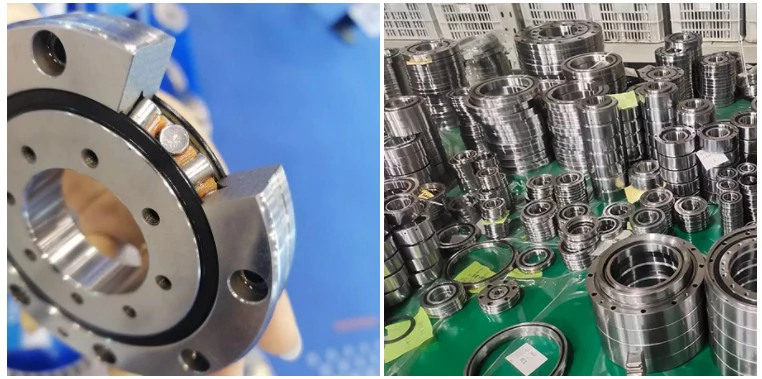
High-carbon steel
Carbon steel is a low-alloy and high-carbon steel used in bearings. This material provides superior strength and fatigue properties for ball and roller bearings. Its mechanical properties are ideal for applications where the temperature is less than 400 degrees Fahrenheit. High-carbon steel is also used to make bearing components for chrome steel bearings. These types of steels are softer than chrome steel but provide superior durability in applications where the material is exposed to severe conditions.
Hardened carbon steel balls with an AISI 1015 hardness index are used in a variety of automotive, commercial, and semi-precision applications. In addition to automotive applications, they are also used in slides, trolleys, and conveyors. AISI 1015 carbon steel balls are used in bearings. They can be purchased in a variety of weights and diameters. Carbon steel balls can also be purchased in nickel-plated or uncoated varieties for decorative purposes.
In order to determine whether a ball bearing is made of high-carbon steel, the material must be tested for its hardness. An ordinary pocket magnet will work well, but an ordinary rare earth magnet isn’t powerful enough to measure the hardness. If it attracts the magnet strongly, the metal is steel, while a weak magnet indicates a non-ferrous material. A hardness test requires a special microhardness test.
A lower-carbon steel is another option. Some miniature bearing manufacturers use a material with less carbon than AISI 440C. This material is also known as KS440 or X65Cr13. After being heat-treated, it develops smaller carbides, resulting in superior low-noise characteristics and the same corrosion-resistance as 440C. These materials are a less expensive alternative than chrome steel, but they are often less durable than chrome alloy steel.
Single-row
Single-row angular contact ball bearings accommodate axial loads in one direction. These are normally adjusted against a second bearing. Unlike other ball bearings, they are non-separable and contain an upper and lower shoulder. Single-row ball bearings are made of Chromium Steel (GCr15) which is heat-treated to achieve high uniform hardness and excellent wear resistance. They are the most commonly used type of bearings in the world.
Because of the angular contact between the radial plane and the raceway, single-row ball bearings transmit radial forces from raceway to raceway. A higher a, the greater the axial load carrying capacity of the bearing. Single-row angular contact ball bearings are ideal for high axial loads. However, they have limited preload capabilities and must be installed in pairs. Hence, they are best used for applications where axial forces must be distributed.
Single-row ball bearings can be pre-lubricated and have steel shields. They are also available with rubber seals or snap rings on the outside edge. They are available with various retainers, including pressed steel cages, plastic shields, and rubber seals. A tapered bore is also available upon request. They are ideal for applications where space is limited. The 6200 series of bearings are especially well suited for electrical motors, dental hand tools, and optical encoders.
Single-row angular contact ball bearings are widely used for axial loads. The outer and inner rings have slightly larger radii than the balls. These bearings can accommodate high speeds and low torque. They can also be supplied with different grease levels. If grease is needed, you can choose a lubricant that has different characteristics depending on the application. They are easy to install and maintain. However, they are not recommended for adjacent mounting.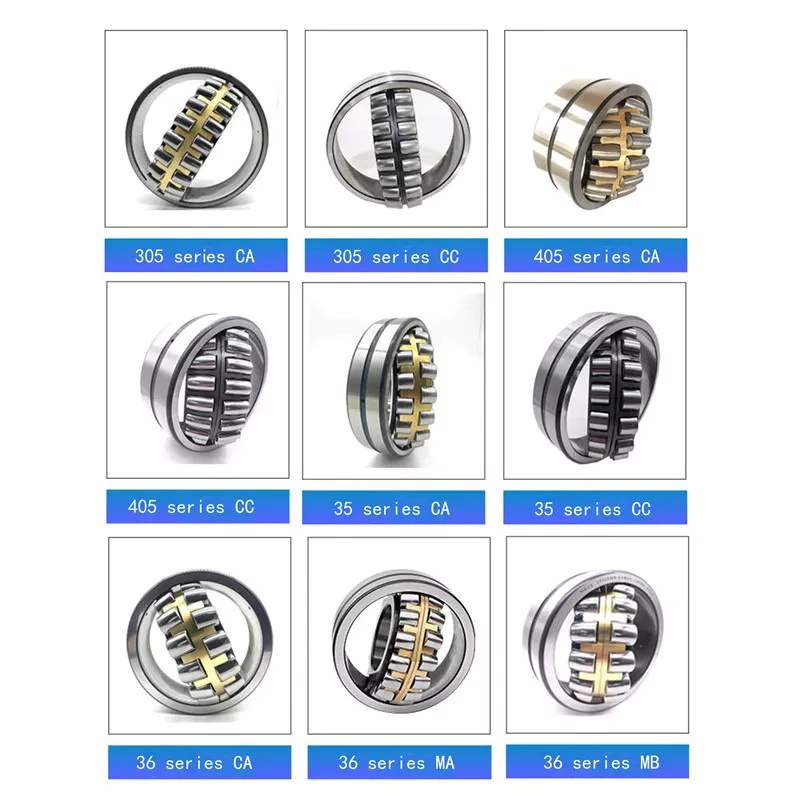
Plastic
A plastic ball bearing is a highly versatile component that can be mounted in a variety of components, including wheels, pulleys and housings. The outer ring of a plastic bearing is usually the pulley profile. The inner ring can be made of a shaft or polymer. The integrated design of a plastic ball bearing helps to reduce assembly time and cost. Here are some of the benefits of this type of bearing:
First and foremost, plastic balls are lighter than metal balls. They also have less magnetic properties than steel balls, making them the best option for applications requiring low weight and noise. Glass balls are also lighter than stainless steel balls, making them the ideal metal-free choice. They are also very corrosion-resistant, which makes them a great choice for some applications. In addition to being lightweight, polymer ball bearings are also quiet. And because of their low weight, plastic ball bearings are ideal for applications that require fast speed.
Another advantage of plastic bearings is their ability to withstand high temperatures. This material is also abrasion and corrosion-resistant. It meets FDA and USDA acceptance requirements. Aside from its abrasion-resistant and corrosion-resistant properties, these plastics do not transfer heat. Aside from being extremely durable and flexible, most plastics are also self-lubricating. Common plastics include phenolics, acetals, nylon, and ultra high molecular weight polyethylene. Nonetheless, plastics have limitations, and these materials may be damaged by extreme temperatures or cold flow under heavy loads.
Other advantages of plastic ball bearings include their low density, high hardness and low friction coefficient, and ability to withstand heat and corrosion. Ceramics are also lightweight, non-conductive, and have superior resistance to friction. These products can withstand temperatures up to 1,800 degrees Fahrenheit. If you’re in the market for a plastic ball bearing, it’s important to choose the right type of material. And if you’re looking for a high-quality bearing, look no further.
editor by czh 2022-11-27