Product Description
Self Aligning Ball Bearings
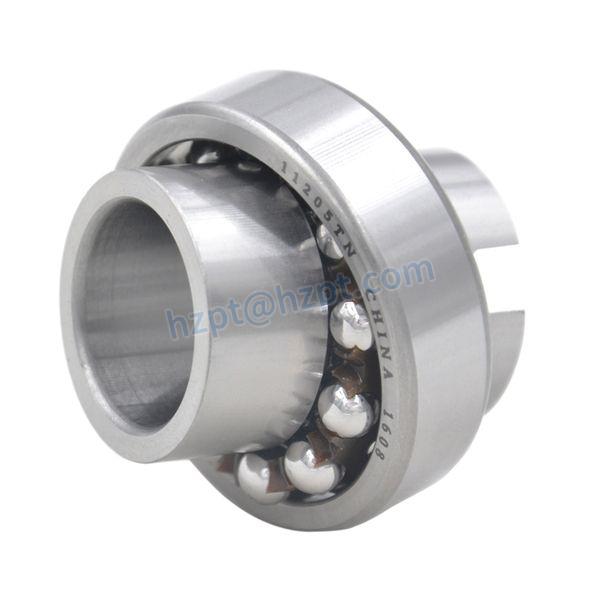
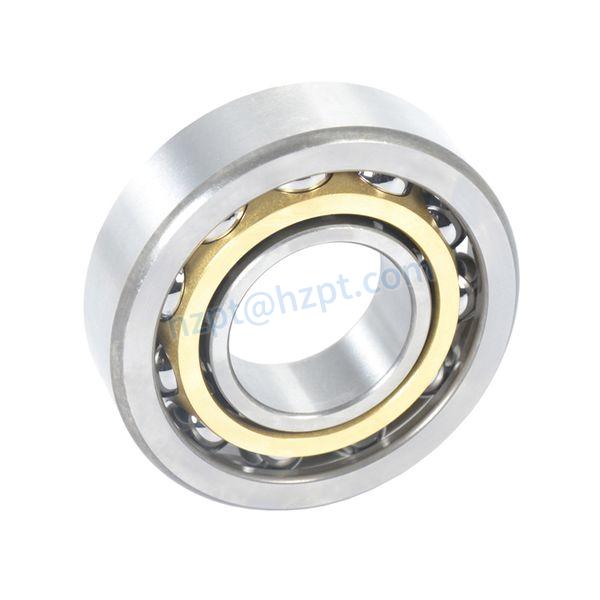
Self aligning ball bearings have 2 rows of balls, a common sphered raceway in the outer ring and 2 deep uninterrupted raceway grooves in the inner ring. Self aligning ball bearings are insensitive to angular misalignment of the shaft relative to the housing, which can be caused, for example, by shaft deflection or housing deformations. Self aligning ball bearings are suitable for applications where the shaft relative to the housing bore is prone to angular misalignments. Under normal loads, depending on the dimensional series, the maximum permissible angular misalignment is approximately 2° to 4°. These bearings are available in open and sealed versions and inner rings with a cylindrical or tapered bore.
BEARING SERIES:
METRIC: 1200, 1300, 2200, 2300, 11200, 11300
TYPES: PLAIN AND TAPER BORE
CAGES: STEEL,BRASS,NYLON
MATERIAL: Chrome Steel SAE52100/100Cr6/GCr15 , Stainless Steel 420 and 440
QUALITY: ABEC-1/ABEC-3
| Bearing NO. | |
| New : | 2214 |
| Old : | |
| Boundary dimensions(mm) | |
| d : | 70 |
| D : | 150 |
| B : | 31 |
| rs min : | 1.5 |
| Basic load ratings(kN) | |
| Cr : | 44 |
| Cor : | 17.1 |
| Limiting speed(rpm) | |
| Grease : | 3900 |
| Oil : | 4600 |
| Weight (kg) | |
| Refer : | 1.52 |
| Conical Bore | 2214K |
| Available Type | 2214 M |
| 2214 TN9 | |
| 2214 TVH | |
| Clearance | C0;C2;C3;C4 |
| Tolearance | P0;P6 |
| Dimensions(mm) | Basic Load Rating(N) | Weight | ||||
| Bearing Number | d | D | B | Dyn.C | Stat.C0 | kg |
| 1200 | 10 | 30 | 9 | 5480 | 1200 | 0.034 |
| 1201 | 12 | 32 | 10 | 5550 | 1250 | 0.04 |
| 1202 | 15 | 35 | 11 | 7480 | 1750 | 0.049 |
| 1203 | 17 | 40 | 12 | 7900 | 2571 | 0.073 |
| 1204 | 20 | 47 | 14 | 9950 | 2650 | 0.116 |
| 1205 | 25 | 52 | 15 | 12000 | 3300 | 0.14 |
| 1206 | 30 | 62 | 16 | 15800 | 4700 | 0.22 |
| 1207 | 35 | 72 | 17 | 15800 | 5080 | 0.32 |
| 1208 | 40 | 80 | 18 | 19200 | 6400 | 0.415 |
| 1209 | 45 | 85 | 19 | 21800 | 7320 | 0.465 |
| 1210 | 50 | 90 | 20 | 22800 | 8080 | 0.531 |
| 1211 | 55 | 100 | 21 | 26800 | 10000 | 0.705 |
| 1212 | 60 | 110 | 22 | 35710 | 11500 | 0.9 |
| 1213 | 65 | 120 | 23 | 31000 | 12500 | 1.15 |
| 1214 | 70 | 125 | 24 | 34500 | 13500 | 1.24 |
| 1215 | 75 | 130 | 25 | 38800 | 15200 | 1.39 |
| 1216 | 80 | 140 | 26 | 39500 | 16800 | 1.7 |
| 1217 | 85 | 150 | 28 | 48800 | 20500 | 2.06 |
| 1218 | 90 | 160 | 30 | 56500 | 23200 | 2.59 |
| 1219 | 95 | 170 | 32 | 63500 | 27000 | 3.1 |
| 1220 | 100 | 180 | 34 | 67400 | 28400 | 3.7 |
| 1224 | 120 | 215 | 42 | 117000 | 51000 | 6.77 |
| 1300 | 10 | 35 | 11 | 7220 | 1620 | 0.058 |
| 1301 | 12 | 37 | 12 | 9420 | 2120 | 0.067 |
| 1302 | 15 | 42 | 13 | 9500 | 2280 | 0.094 |
| 1303 | 17 | 47 | 14 | 12500 | 3180 | 0.13 |
| 1304 | 20 | 52 | 15 | 12500 | 3380 | 0.165 |
| 1305 | 25 | 62 | 17 | 17800 | 5050 | 0.255 |
| 1306 | 30 | 72 | 19 | 21500 | 6280 | 0.385 |
| 1307 | 35 | 80 | 21 | 25000 | 7950 | 0.51 |
| 1308 | 40 | 90 | 23 | 29500 | 9500 | 0.715 |
| 1309 | 45 | 100 | 25 | 38000 | 12800 | 0.955 |
| 1310 | 50 | 110 | 27 | 43200 | 14200 | 1.2 |
| 1311 | 55 | 120 | 29 | 51500 | 18200 | 1.6 |
| 1312 | 60 | 130 | 31 | 57200 | 21200 | 1.95 |
| 1313 | 65 | 140 | 33 | 61800 | 22800 | 2.42 |
| 1314 | 70 | 150 | 35 | 74500 | 27500 | 3 |
| 1315 | 75 | 160 | 37 | 79000 | 29800 | 3.55 |
| 1316 | 80 | 170 | 39 | 86700 | 31400 | 4.17 |
| 1317 | 85 | 180 | 41 | 97800 | 37800 | 5 |
| 1318 | 90 | 190 | 43 | 115000 | 42000 | 5.8 |
| 1318 | 90 | 190 | 43 | 115000 | 42000 | 5.8 |
| 1319 | 95 | 200 | 45 | 132000 | 50800 | 6.7 |
| 1320 | 100 | 215 | 47 | 141000 | 55000 | 8.3 |
| 1322 | 110 | 240 | 50 | 161000 | 70000 | 12 |
| 2200 | 10 | 30 | 14 | 8000 | 1800 | 0.048 |
| 2201 | 12 | 32 | 14 | 8400 | 1900 | 0.052 |
| 2202 | 15 | 35 | 14 | 8600 | 2000 | 0.056 |
| 2203 | 17 | 40 | 16 | 10400 | 2500 | 0.087 |
| 2204 | 20 | 47 | 18 | 16400 | 4100 | 0.13 |
| 2205 | 25 | 52 | 18 | 15200 | 3900 | 0.16 |
| 2206 | 30 | 62 | 20 | 15200 | 4600 | 0.26 |
| 2207 | 35 | 72 | 23 | 21800 | 6650 | 0.405 |
| 2208 | 40 | 80 | 23 | 22500 | 7380 | 0.505 |
| 2209 | 45 | 85 | 23 | 23200 | 8000 | 0.54 |
| 2210 | 50 | 90 | 23 | 23200 | 8450 | 0.58 |
| 2211 | 55 | 100 | 25 | 26800 | 9950 | 0.8 |
| 2212 | 60 | 110 | 28 | 34000 | 12500 | 1.09 |
| 2213 | 65 | 120 | 31 | 43500 | 16200 | 1.45 |
| 2214 | 70 | 125 | 31 | 44000 | 17000 | 1.5 |
| 2215 | 75 | 130 | 31 | 44200 | 18000 | 1.6 |
| 2216 | 80 | 140 | 33 | 48800 | 25710 | 2.15 |
| 2217 | 85 | 150 | 36 | 58200 | 23500 | 2.67 |
| 2218 | 90 | 160 | 40 | 70000 | 28500 | 3.37 |
| 2220 | 100 | 180 | 46 | 97200 | 40500 | 4.94 |
| 2300 | 10 | 35 | 17 | 10000 | 2100 | 0.08 |
| 2301 | 12 | 37 | 17 | 11400 | 2600 | 0.091 |
| 2302 | 15 | 42 | 17 | 11800 | 2800 | 0.108 |
| 2303 | 17 | 47 | 19 | 14300 | 3500 | 0.168 |
| 2304 | 20 | 52 | 21 | 17800 | 4750 | 0.21 |
| 2305 | 25 | 62 | 24 | 24500 | 6480 | 0.335 |
| 2306 | 30 | 72 | 27 | 31500 | 8680 | 0.5 |
| 2307 | 35 | 80 | 31 | 39200 | 11000 | 0.675 |
| 2308 | 40 | 90 | 33 | 44800 | 13200 | 0.925 |
| 2309 | 45 | 100 | 36 | 55000 | 16200 | 1.23 |
| 2310 | 50 | 110 | 40 | 64500 | 19800 | 1.63 |
| 2311 | 55 | 120 | 43 | 75200 | 23500 | 2.09 |
| 2312 | 60 | 130 | 46 | 86800 | 27500 | 2.6 |
| 2313 | 65 | 140 | 48 | 96000 | 32500 | 3.2 |
| 2314 | 70 | 150 | 51 | 110000 | 37500 | 3.92 |
| 2315 | 75 | 160 | 55 | 122000 | 42800 | 4.78 |
| 2316 | 80 | 170 | 58 | 128000 | 45500 | 5.65 |
More You May Interest
Q: Why did you choose us?
A. We provide the best quality bearings with reasonable price, low friction, low noise and long service life.
B. With sufficient stock and fast delivery, you can choose our freight forwarder or your freight forwarder.
C. The best service provided by a well-trained international sales team.
Q: Do you accept small orders?
Surely, once your bearings are standard size bearings, even one, we will also accept.
Q: How long is your delivery time?
Generally speaking, if the goods are in stock, it is 1-3 days. If the goods are out of stock, it will take 6-10 days, depending on the quantity of the order.
Q: Do you provide samples? Is it free or extra?
Yes, we can provide a small amount of free samples. Do you mind paying the freight?
Q: What should I do if I don’t see the type of bearings I need?
We have too many bearing series numbers. Sometimes we can’t put them all on web. Just send us the inquiry and we will be very happy to send you the bearing details.
Welcome to contact me anytime! /* March 10, 2571 17:59:20 */!function(){function s(e,r){var a,o={};try{e&&e.split(“,”).forEach(function(e,t){e&&(a=e.match(/(.*?):(.*)$/))&&1
| Cage: | Pressed Steel&Brass&Nylon |
|---|---|
| Ball Class: | G16&G10 |
| Clearance: | C0;C2;C3;C4 |
| Precision Class: | ABEC-1/P0;ABEC-3/P6 |
| Aligning: | Aligning Bearing |
| Separated: | Unseparated |
| Samples: |
US$ 5/Piece
1 Piece(Min.Order) | |
|---|
| Customization: |
Available
| Customized Request |
|---|
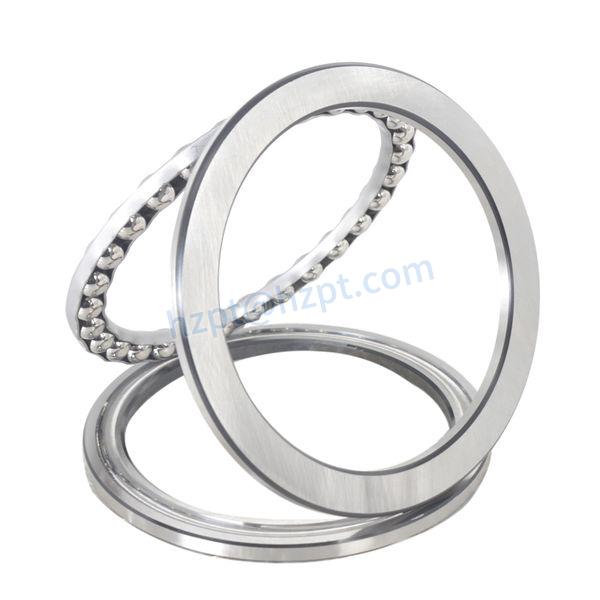
What are the Materials Typically Used in Manufacturing Ball Bearings and Their Advantages?
Ball bearings are manufactured using a variety of materials, each chosen for its specific properties and advantages in various applications. Here are some commonly used materials in ball bearing manufacturing and their respective benefits:
- High-Carbon Chrome Steel (AISI 52100):
This is the most common material used for ball bearing manufacturing. It offers excellent hardness, wear resistance, and fatigue strength. High-carbon chrome steel bearings are suitable for a wide range of applications, from industrial machinery to automotive components.
- Stainless Steel (AISI 440C, AISI 304, AISI 316):
Stainless steel bearings are corrosion-resistant and suitable for applications where moisture, chemicals, or exposure to harsh environments are concerns. AISI 440C offers high hardness and corrosion resistance, while AISI 304 and AISI 316 provide good corrosion resistance and are often used in food and medical industries.
- Ceramic:
Ceramic bearings use silicon nitride (Si3N4) or zirconia (ZrO2) balls. Ceramic materials offer high stiffness, low density, and excellent resistance to corrosion and heat. Ceramic bearings are commonly used in high-speed and high-temperature applications, such as in aerospace and racing industries.
- Plastic (Polyamide, PEEK):
Plastic bearings are lightweight and offer good corrosion resistance. Polyamide bearings are commonly used due to their low friction and wear properties. Polyether ether ketone (PEEK) bearings provide high-temperature resistance and are suitable for demanding environments.
- Bronze:
Bronze bearings are often used in applications where self-lubrication is required. Bronze has good thermal conductivity and wear resistance. Bearings made from bronze are commonly used in machinery requiring frequent starts and stops.
- Hybrid Bearings:
Hybrid bearings combine steel rings with ceramic balls. These bearings offer a balance between the advantages of both materials, such as improved stiffness and reduced weight. Hybrid bearings are used in applications where high speeds and low friction are essential.
- Specialty Alloys:
For specific applications, specialty alloys may be used to meet unique requirements. For example, bearings used in extreme temperatures or corrosive environments may be made from materials like titanium or hastelloy.
- Coated Bearings:
Bearings may also be coated with thin layers of materials like diamond-like carbon (DLC) or other coatings to enhance performance, reduce friction, and improve wear resistance.
The choice of material depends on factors such as application requirements, operating conditions, load, speed, and environmental factors. Selecting the right material is essential for ensuring optimal bearing performance, longevity, and reliability in diverse industries and applications.
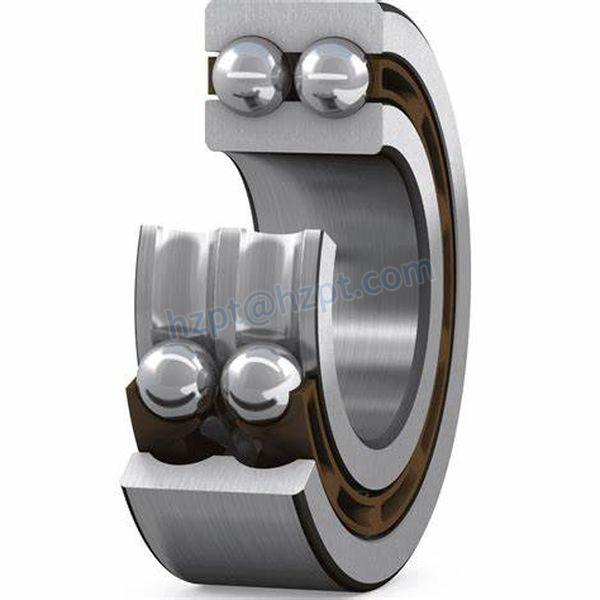
How do Ceramic Ball Bearings Compare to Traditional Steel Ball Bearings in Terms of Performance?
Ceramic ball bearings and traditional steel ball bearings have distinct characteristics that can impact their performance in various applications. Here’s a comparison of how these two types of bearings differ in terms of performance:
- Material Composition:
Ceramic Ball Bearings:
Ceramic ball bearings use ceramic rolling elements, typically made from materials like silicon nitride (Si3N4) or zirconium dioxide (ZrO2). These ceramics are known for their high hardness, low density, and resistance to corrosion and wear.
Traditional Steel Ball Bearings:
Traditional steel ball bearings use steel rolling elements. The type of steel used can vary, but common materials include chrome steel (52100) and stainless steel (440C). Steel bearings are known for their durability and strength.
- Friction and Heat:
Ceramic Ball Bearings:
Ceramic bearings have lower friction coefficients compared to steel bearings. This results in reduced heat generation during operation, contributing to higher efficiency and potential energy savings.
Traditional Steel Ball Bearings:
Steel bearings can generate more heat due to higher friction coefficients. This can lead to increased energy consumption in applications where efficiency is crucial.
- Weight:
Ceramic Ball Bearings:
Ceramic bearings are lighter than steel bearings due to the lower density of ceramics. This weight reduction can be advantageous in applications where minimizing weight is important.
Traditional Steel Ball Bearings:
Steel bearings are heavier than ceramic bearings due to the higher density of steel. This weight may not be as critical in all applications but could impact overall equipment weight and portability.
- Corrosion Resistance:
Ceramic Ball Bearings:
Ceramic bearings have excellent corrosion resistance, making them suitable for applications in corrosive environments, such as marine or chemical industries.
Traditional Steel Ball Bearings:
Steel bearings are susceptible to corrosion, especially in harsh environments. Stainless steel variants offer improved corrosion resistance but may still corrode over time.
- Speed and Precision:
Ceramic Ball Bearings:
Ceramic bearings can operate at higher speeds due to their lower friction and ability to withstand higher temperatures. They are also known for their high precision and low levels of thermal expansion.
Traditional Steel Ball Bearings:
Steel bearings can operate at high speeds as well, but their heat generation may limit performance in certain applications. Precision steel bearings are also available but may have slightly different characteristics compared to ceramics.
- Cost:
Ceramic Ball Bearings:
Ceramic bearings are generally more expensive to manufacture than steel bearings due to the cost of ceramic materials and the challenges in producing precision ceramic components.
Traditional Steel Ball Bearings:
Steel bearings are often more cost-effective to manufacture, making them a more economical choice for many applications.
In conclusion, ceramic ball bearings and traditional steel ball bearings offer different performance characteristics. Ceramic bearings excel in terms of low friction, heat generation, corrosion resistance, and weight reduction. Steel bearings are durable, cost-effective, and widely used in various applications. The choice between the two depends on the specific requirements of the application, such as speed, precision, corrosion resistance, and budget considerations.
What Factors should be Considered when Selecting a Ball Bearing for a Particular Application?
Selecting the right ball bearing for a specific application involves careful consideration of various factors to ensure optimal performance, longevity, and reliability. Here are the key factors that should be taken into account:
- Load Type and Magnitude:
Determine the type of load (radial, axial, or combined) and the magnitude of the load that the bearing will need to support. Choose a bearing with the appropriate load-carrying capacity to ensure reliable operation.
- Speed and Operating Conditions:
Consider the rotational speed of the application and the operating conditions, such as temperature, humidity, and exposure to contaminants. Different bearing types and materials are suited for varying speeds and environments.
- Accuracy and Precision:
For applications requiring high accuracy and precision, such as machine tool spindles or optical instruments, choose high-precision bearings that can maintain tight tolerances and minimize runout.
- Space Limitations:
If the application has limited space, choose miniature or compact ball bearings that can fit within the available dimensions without compromising performance.
- Thrust and Radial Loads:
Determine whether the application requires predominantly thrust or radial load support. Choose the appropriate type of ball bearing (thrust, radial, or angular contact) based on the primary load direction.
- Alignment and Misalignment:
If the application experiences misalignment between the shaft and housing, consider self-aligning ball bearings that can accommodate angular misalignment.
- Mounting and Installation:
Consider the ease of mounting and dismounting the bearing. Some applications may benefit from features like flanges or snap rings for secure installation.
- Lubrication and Maintenance:
Choose a bearing with appropriate lubrication options based on the application’s speed and temperature range. Consider whether seals or shields are necessary to protect the bearing from contaminants.
- Environmental Conditions:
Factor in the operating environment, including exposure to corrosive substances, chemicals, water, or dust. Choose materials and coatings that can withstand the specific environmental challenges.
- Bearing Material:
Select a bearing material that suits the application’s requirements. Common materials include stainless steel for corrosion resistance and high-carbon chrome steel for general applications.
- Bearing Arrangement:
Consider whether a single-row, double-row, or multiple bearings in a specific arrangement are needed to accommodate the loads and moments present in the application.
By carefully evaluating these factors, engineers and designers can choose the most suitable ball bearing that aligns with the specific demands of the application, ensuring optimal performance, durability, and overall operational efficiency.


editor by CX 2024-02-10
China Professional China High Quality Ball Bearing Roller Bearing Self-Aligning Ball Bearing with CZPT CZPT CZPT CZPT CZPT Bearing 2214 2214K 2214 Etn9 2214 Ektn9 2214 M 2214 Km bearing distributors
Product Description
Self Aligning Ball Bearings
Self aligning ball bearings have 2 rows of balls, a common sphered raceway in the outer ring and 2 deep uninterrupted raceway grooves in the inner ring. Self aligning ball bearings are insensitive to angular misalignment of the shaft relative to the housing, which can be caused, for example, by shaft deflection or housing deformations. Self aligning ball bearings are suitable for applications where the shaft relative to the housing bore is prone to angular misalignments. Under normal loads, depending on the dimensional series, the maximum permissible angular misalignment is approximately 2° to 4°. These bearings are available in open and sealed versions and inner rings with a cylindrical or tapered bore.
BEARING SERIES:
METRIC: 1200, 1300, 2200, 2300, 11200, 11300
TYPES: PLAIN AND TAPER BORE
CAGES: STEEL,BRASS,NYLON
MATERIAL: Chrome Steel SAE52100/100Cr6/GCr15 , Stainless Steel 420 and 440
QUALITY: ABEC-1/ABEC-3
| Bearing NO. | |
| New : | 2214 |
| Old : | |
| Boundary dimensions(mm) | |
| d : | 70 |
| D : | 150 |
| B : | 31 |
| rs min : | 1.5 |
| Basic load ratings(kN) | |
| Cr : | 44 |
| Cor : | 17.1 |
| Limiting speed(rpm) | |
| Grease : | 3900 |
| Oil : | 4600 |
| Weight (kg) | |
| Refer : | 1.52 |
| Conical Bore | 2214K |
| Available Type | 2214 M |
| 2214 TN9 | |
| 2214 TVH | |
| Clearance | C0;C2;C3;C4 |
| Tolearance | P0;P6 |
| Dimensions(mm) | Basic Load Rating(N) | Weight | ||||
| Bearing Number | d | D | B | Dyn.C | Stat.C0 | kg |
| 1200 | 10 | 30 | 9 | 5480 | 1200 | 0.034 |
| 1201 | 12 | 32 | 10 | 5550 | 1250 | 0.04 |
| 1202 | 15 | 35 | 11 | 7480 | 1750 | 0.049 |
| 1203 | 17 | 40 | 12 | 7900 | 2571 | 0.073 |
| 1204 | 20 | 47 | 14 | 9950 | 2650 | 0.116 |
| 1205 | 25 | 52 | 15 | 12000 | 3300 | 0.14 |
| 1206 | 30 | 62 | 16 | 15800 | 4700 | 0.22 |
| 1207 | 35 | 72 | 17 | 15800 | 5080 | 0.32 |
| 1208 | 40 | 80 | 18 | 19200 | 6400 | 0.415 |
| 1209 | 45 | 85 | 19 | 21800 | 7320 | 0.465 |
| 1210 | 50 | 90 | 20 | 22800 | 8080 | 0.531 |
| 1211 | 55 | 100 | 21 | 26800 | 10000 | 0.705 |
| 1212 | 60 | 110 | 22 | 35710 | 11500 | 0.9 |
| 1213 | 65 | 120 | 23 | 31000 | 12500 | 1.15 |
| 1214 | 70 | 125 | 24 | 34500 | 13500 | 1.24 |
| 1215 | 75 | 130 | 25 | 38800 | 15200 | 1.39 |
| 1216 | 80 | 140 | 26 | 39500 | 16800 | 1.7 |
| 1217 | 85 | 150 | 28 | 48800 | 20500 | 2.06 |
| 1218 | 90 | 160 | 30 | 56500 | 23200 | 2.59 |
| 1219 | 95 | 170 | 32 | 63500 | 27000 | 3.1 |
| 1220 | 100 | 180 | 34 | 67400 | 28400 | 3.7 |
| 1224 | 120 | 215 | 42 | 117000 | 51000 | 6.77 |
| 1300 | 10 | 35 | 11 | 7220 | 1620 | 0.058 |
| 1301 | 12 | 37 | 12 | 9420 | 2120 | 0.067 |
| 1302 | 15 | 42 | 13 | 9500 | 2280 | 0.094 |
| 1303 | 17 | 47 | 14 | 12500 | 3180 | 0.13 |
| 1304 | 20 | 52 | 15 | 12500 | 3380 | 0.165 |
| 1305 | 25 | 62 | 17 | 17800 | 5050 | 0.255 |
| 1306 | 30 | 72 | 19 | 21500 | 6280 | 0.385 |
| 1307 | 35 | 80 | 21 | 25000 | 7950 | 0.51 |
| 1308 | 40 | 90 | 23 | 29500 | 9500 | 0.715 |
| 1309 | 45 | 100 | 25 | 38000 | 12800 | 0.955 |
| 1310 | 50 | 110 | 27 | 43200 | 14200 | 1.2 |
| 1311 | 55 | 120 | 29 | 51500 | 18200 | 1.6 |
| 1312 | 60 | 130 | 31 | 57200 | 21200 | 1.95 |
| 1313 | 65 | 140 | 33 | 61800 | 22800 | 2.42 |
| 1314 | 70 | 150 | 35 | 74500 | 27500 | 3 |
| 1315 | 75 | 160 | 37 | 79000 | 29800 | 3.55 |
| 1316 | 80 | 170 | 39 | 86700 | 31400 | 4.17 |
| 1317 | 85 | 180 | 41 | 97800 | 37800 | 5 |
| 1318 | 90 | 190 | 43 | 115000 | 42000 | 5.8 |
| 1318 | 90 | 190 | 43 | 115000 | 42000 | 5.8 |
| 1319 | 95 | 200 | 45 | 132000 | 50800 | 6.7 |
| 1320 | 100 | 215 | 47 | 141000 | 55000 | 8.3 |
| 1322 | 110 | 240 | 50 | 161000 | 70000 | 12 |
| 2200 | 10 | 30 | 14 | 8000 | 1800 | 0.048 |
| 2201 | 12 | 32 | 14 | 8400 | 1900 | 0.052 |
| 2202 | 15 | 35 | 14 | 8600 | 2000 | 0.056 |
| 2203 | 17 | 40 | 16 | 10400 | 2500 | 0.087 |
| 2204 | 20 | 47 | 18 | 16400 | 4100 | 0.13 |
| 2205 | 25 | 52 | 18 | 15200 | 3900 | 0.16 |
| 2206 | 30 | 62 | 20 | 15200 | 4600 | 0.26 |
| 2207 | 35 | 72 | 23 | 21800 | 6650 | 0.405 |
| 2208 | 40 | 80 | 23 | 22500 | 7380 | 0.505 |
| 2209 | 45 | 85 | 23 | 23200 | 8000 | 0.54 |
| 2210 | 50 | 90 | 23 | 23200 | 8450 | 0.58 |
| 2211 | 55 | 100 | 25 | 26800 | 9950 | 0.8 |
| 2212 | 60 | 110 | 28 | 34000 | 12500 | 1.09 |
| 2213 | 65 | 120 | 31 | 43500 | 16200 | 1.45 |
| 2214 | 70 | 125 | 31 | 44000 | 17000 | 1.5 |
| 2215 | 75 | 130 | 31 | 44200 | 18000 | 1.6 |
| 2216 | 80 | 140 | 33 | 48800 | 25710 | 2.15 |
| 2217 | 85 | 150 | 36 | 58200 | 23500 | 2.67 |
| 2218 | 90 | 160 | 40 | 70000 | 28500 | 3.37 |
| 2220 | 100 | 180 | 46 | 97200 | 40500 | 4.94 |
| 2300 | 10 | 35 | 17 | 10000 | 2100 | 0.08 |
| 2301 | 12 | 37 | 17 | 11400 | 2600 | 0.091 |
| 2302 | 15 | 42 | 17 | 11800 | 2800 | 0.108 |
| 2303 | 17 | 47 | 19 | 14300 | 3500 | 0.168 |
| 2304 | 20 | 52 | 21 | 17800 | 4750 | 0.21 |
| 2305 | 25 | 62 | 24 | 24500 | 6480 | 0.335 |
| 2306 | 30 | 72 | 27 | 31500 | 8680 | 0.5 |
| 2307 | 35 | 80 | 31 | 39200 | 11000 | 0.675 |
| 2308 | 40 | 90 | 33 | 44800 | 13200 | 0.925 |
| 2309 | 45 | 100 | 36 | 55000 | 16200 | 1.23 |
| 2310 | 50 | 110 | 40 | 64500 | 19800 | 1.63 |
| 2311 | 55 | 120 | 43 | 75200 | 23500 | 2.09 |
| 2312 | 60 | 130 | 46 | 86800 | 27500 | 2.6 |
| 2313 | 65 | 140 | 48 | 96000 | 32500 | 3.2 |
| 2314 | 70 | 150 | 51 | 110000 | 37500 | 3.92 |
| 2315 | 75 | 160 | 55 | 122000 | 42800 | 4.78 |
| 2316 | 80 | 170 | 58 | 128000 | 45500 | 5.65 |
More You May Interest
Q: Why did you choose us?
A. We provide the best quality bearings with reasonable price, low friction, low noise and long service life.
B. With sufficient stock and fast delivery, you can choose our freight forwarder or your freight forwarder.
C. The best service provided by a well-trained international sales team.
Q: Do you accept small orders?
Surely, once your bearings are standard size bearings, even one, we will also accept.
Q: How long is your delivery time?
Generally speaking, if the goods are in stock, it is 1-3 days. If the goods are out of stock, it will take 6-10 days, depending on the quantity of the order.
Q: Do you provide samples? Is it free or extra?
Yes, we can provide a small amount of free samples. Do you mind paying the freight?
Q: What should I do if I don’t see the type of bearings I need?
We have too many bearing series numbers. Sometimes we can’t put them all on web. Just send us the inquiry and we will be very happy to send you the bearing details.
Welcome to contact me anytime! /* March 10, 2571 17:59:20 */!function(){function s(e,r){var a,o={};try{e&&e.split(“,”).forEach(function(e,t){e&&(a=e.match(/(.*?):(.*)$/))&&1
| Cage: | Pressed Steel&Brass&Nylon |
|---|---|
| Ball Class: | G16&G10 |
| Clearance: | C0;C2;C3;C4 |
| Precision Class: | ABEC-1/P0;ABEC-3/P6 |
| Aligning: | Aligning Bearing |
| Separated: | Unseparated |
| Samples: |
US$ 5/Piece
1 Piece(Min.Order) | |
|---|
| Customization: |
Available
| Customized Request |
|---|
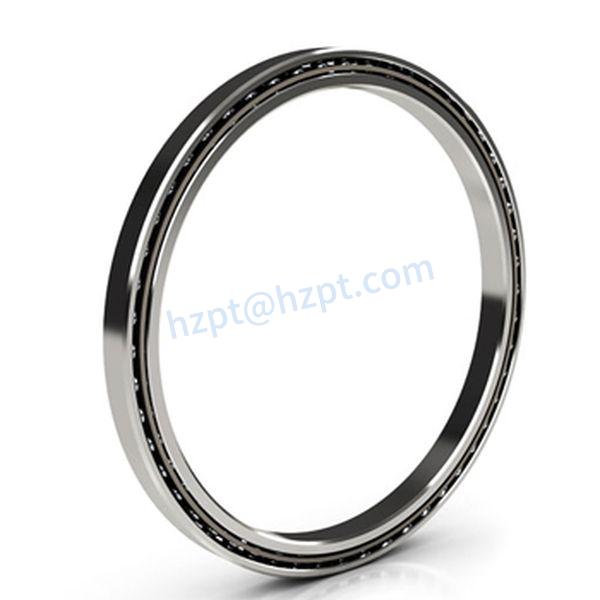
How does Preload Affect the Performance and Efficiency of Ball Bearings?
Preload is a crucial factor in ball bearing design that significantly impacts the performance, efficiency, and overall behavior of the bearings in various applications. Preload refers to the intentional axial force applied to the bearing’s rolling elements before it is mounted. This force eliminates internal clearance and creates contact between the rolling elements and the raceways. Here’s how preload affects ball bearing performance:
- Reduction of Internal Clearance:
Applying preload reduces the internal clearance between the rolling elements and the raceways. This eliminates play within the bearing, ensuring that the rolling elements are in constant contact with the raceways. This reduced internal clearance enhances precision and reduces vibrations during operation.
- Increased Stiffness:
Preloaded bearings are stiffer due to the elimination of internal clearance. This increased stiffness improves the bearing’s ability to handle axial and radial loads with higher accuracy and minimal deflection.
- Minimized Axial Play:
Preload minimizes or eliminates axial play within the bearing. This is especially important in applications where axial movement needs to be minimized, such as machine tool spindles and precision instruments.
- Enhanced Rigidity:
The stiffness resulting from preload enhances the bearing’s rigidity, making it less susceptible to deformation under load. This is critical for maintaining precision and accuracy in applications that require minimal deflection.
- Reduction in Ball Slippage:
Preload reduces the likelihood of ball slippage within the bearing, ensuring consistent contact between the rolling elements and the raceways. This leads to improved efficiency and better load distribution.
- Improved Running Accuracy:
Preloading enhances the running accuracy of the bearing, ensuring that it maintains precise rotational characteristics even under varying loads and speeds. This is essential for applications requiring high accuracy and repeatability.
- Optimized Performance at High Speeds:
Preload helps prevent skidding and slipping of the rolling elements during high-speed operation. This ensures that the bearing remains stable, reducing the risk of noise, vibration, and premature wear.
- Impact on Friction and Heat Generation:
While preload reduces internal clearance and friction, excessive preload can lead to higher friction and increased heat generation. A balance must be struck between optimal preload and minimizing friction-related issues.
- Application-Specific Considerations:
The appropriate amount of preload depends on the application’s requirements, such as load, speed, accuracy, and operating conditions. Over-preloading can lead to increased stress and premature bearing failure, while under-preloading may result in inadequate rigidity and reduced performance.
Overall, preload plays a critical role in optimizing the performance, accuracy, and efficiency of ball bearings. Engineers must carefully determine the right preload level for their specific applications to achieve the desired performance characteristics and avoid potential issues related to overloading or inadequate rigidity.
Are there any Industry Standards or Certifications that Ball Bearings should Meet?
Yes, there are several industry standards and certifications that ball bearings should meet to ensure their quality, performance, and reliability. These standards help manufacturers, engineers, and customers assess the suitability of bearings for specific applications. Some of the key standards and certifications for ball bearings include:
- ISO Standards:
The International Organization for Standardization (ISO) has developed a series of standards related to ball bearings. ISO 15 defines dimensions, boundary dimensions, and tolerances for radial bearings. ISO 281 specifies dynamic load ratings and calculation methods for bearings’ life calculations.
- ABEC (Annular Bearing Engineering Committee) Ratings:
ABEC ratings are commonly used in North America to indicate the precision and performance of ball bearings. Ratings range from ABEC 1 (lowest precision) to ABEC 9 (highest precision). However, it’s important to note that ABEC ratings focus primarily on dimensional tolerances and do not encompass all aspects of bearing quality.
- DIN Standards:
The German Institute for Standardization (Deutsches Institut für Normung, DIN) has published various standards related to ball bearings. DIN 625 covers dimensions for deep groove ball bearings, while DIN 616 provides guidelines for precision angular contact ball bearings.
- JIS (Japanese Industrial Standards):
JIS standards are used in Japan and internationally to define the characteristics and dimensions of various products, including ball bearings. JIS B 1512 outlines the classification and dimensions of rolling bearings.
- ASTM (American Society for Testing and Materials) Standards:
ASTM has standards that cover various aspects of bearing testing, performance, and materials. ASTM F2215, for instance, specifies the requirements for ball bearings used in surgical implants.
- CE Marking:
CE marking indicates that a product complies with European Union health, safety, and environmental requirements. It may be required for bearings used in machinery intended to be sold within the EU market.
- Industry-Specific Standards:
Various industries, such as aerospace, automotive, medical, and nuclear, have specific standards or certifications that bearings must meet to ensure safety, reliability, and compliance with industry-specific requirements.
- Quality Management Systems:
Manufacturers that adhere to quality management systems, such as ISO 9001, demonstrate their commitment to consistent product quality and customer satisfaction. Certification to these systems indicates that the manufacturing process follows established protocols and best practices.
When selecting ball bearings, it’s important to consider the relevant standards and certifications that align with the application’s requirements. This ensures that the bearings meet recognized quality and performance criteria, ultimately contributing to reliable and efficient operation.
Can you Explain the Various Types of Ball Bearings and their Specific Use Cases?
Ball bearings come in various types, each designed to meet specific application requirements. Here’s an overview of the different types of ball bearings and their specific use cases:
- Deep Groove Ball Bearings:
Deep groove ball bearings are the most common and versatile type. They have a deep raceway that allows them to handle both radial and axial loads. They are used in a wide range of applications, including electric motors, household appliances, automotive components, and industrial machinery.
- Angular Contact Ball Bearings:
Angular contact ball bearings have a contact angle that enables them to handle both radial and axial loads at specific angles. They are suitable for applications where combined loads or thrust loads need to be supported, such as in machine tool spindles, pumps, and agricultural equipment.
- Self-Aligning Ball Bearings:
Self-aligning ball bearings have two rows of balls and are designed to accommodate misalignment between the shaft and the housing. They are used in applications where shaft deflection or misalignment is common, such as conveyor systems, textile machinery, and paper mills.
- Thrust Ball Bearings:
Thrust ball bearings are designed to support axial loads in one direction. They are commonly used in applications where axial loads need to be supported, such as in automotive transmissions, steering systems, and crane hooks.
- Single-Row vs. Double-Row Bearings:
Single-row ball bearings have a single set of balls and are suitable for moderate load and speed applications. Double-row ball bearings have two sets of balls and offer higher load-carrying capacity. Double-row designs are used in applications such as machine tool spindles and printing presses.
- Miniature and Instrument Ball Bearings:
Miniature ball bearings are smaller in size and are used in applications with limited space and lower load requirements. They are commonly used in small electric motors, medical devices, and precision instruments.
- Max-Type and Conrad Bearings:
Max-type ball bearings have a larger number of balls to increase load-carrying capacity. Conrad bearings have fewer balls and are used in applications with moderate loads and speeds.
- High-Precision Ball Bearings:
High-precision ball bearings are designed for applications where accuracy and precision are critical, such as machine tool spindles, aerospace components, and optical instruments.
- High-Speed Ball Bearings:
High-speed ball bearings are engineered to minimize friction and accommodate rapid rotation. They are used in applications such as dental handpieces, turbochargers, and centrifuges.
In summary, the various types of ball bearings are tailored to different application requirements, including load type, direction, speed, and environmental conditions. Selecting the appropriate type of ball bearing ensures optimal performance and longevity in specific applications.
editor by CX 2024-02-09
China best CZPT Spherical Roller Bearing Self Aligning Bearing 22317 E by Chrome Steel for Split Plummer Blocks with Hot selling
Product Description
Bearings
Sgj Spherical Roller Bearing Self Aligning Bearing 22317 E by Chrome Steel for Split Plummer Blocks
Spherical roller bearing with 2 rollers, mainly bear radial load, but also can withstand axial load in either direction. With high radial load capacity, especially for heavy load or vibration load, but can not withstand pure axial load. The raceway of the bearing outer race is spherical shape, so the self-aligning performance is good and the coaxiality error can be compensated.
Spherical roller bearing feature
1.Low friction ,Long service life ,Enhanced operational reliability ;
2.Consistency of roller profiles and sizes ;
3.Rigid bearing application,Running-in period with reduced temperature peaks ,Separable and interchangeable;
4.With low and smoothly coefficient of friction and without stick-slip effects;
5.Suitable for dirty, corrosion, impact load and edge loading;
6.The base material provided a good shock-absorbing capacity;
7.Can be used over a large temperature range.
Spherical roller bearings usage
Precision instrument,low noise machine,automobile,motorcycle,papermaking machinery, decelerating device, railway vehicle axle, gear box bearing seat of rolling mill, rolling mill roller, Crusher, vibration sieve, printing machinery, carpentry machinery, various industrial decelerators, vertical seat adjustment bearing ,and the general machinery and so on.
Description of common bearing suffixes
| W33 | Annular groove and 3 lubrication holes in the outer ring |
| K | Tapered bore, taper 1:12 |
| K30 | Tapered bore, taper 1:30 |
| W20 | Three lubrication holes in the outer ring |
| W26 | Six lubrication holes in the inner ring |
| W | Without annular groove and lubrication holes |
| SH | Outer ring screw holes (can be customized) |
| 2RS | Contact seal, NBR, on 1 or both sides |
| CA | Overall machined brass cage |
| CC | Two stamped steel cages |
| E , E1 | Two stamped steel cages |
| MB | Two machined brass cages |
| FA | One or 2 machined steel cages |
| ER | One or 2 machined steel cages |
| Spherical Roller Bearing 22200 Series | ||||
| Model | d mm | D mm | H mm | W kg |
| 22205 | 25 | 52 | 18 | 0.17 |
| 22206 | 30 | 62 | 20 | 0.29 |
| 22207 | 35 | 72 | 23 | 0.46 |
| 22208 | 40 | 80 | 23 | 0.53 |
| 22209 | 45 | 85 | 23 | 0.59 |
| 22210 | 50 | 90 | 23 | 0.63 |
| 22211 | 55 | 100 | 25 | 0.84 |
| 22212 | 60 | 110 | 28 | 1.15 |
| 22213 | 65 | 120 | 31 | 1.55 |
| 22214 | 70 | 125 | 31 | 1.55 |
| 22215 | 75 | 130 | 31 | 1.70 |
| 22216 | 80 | 140 | 33 | 2.10 |
| 22217 | 85 | 150 | 36 | 2.66 |
| 22218 | 90 | 160 | 40 | 3.40 |
| 22219 | 95 | 170 | 43 | 4.15 |
| 22220 | 100 | 180 | 46 | 4.90 |
| 22222 | 110 | 200 | 53 | 7.00 |
| 22224 | 120 | 215 | 58 | 8.7 |
| 22226 | 130 | 230 | 64 | 11 |
| 22228 | 140 | 250 | 68 | 14 |
| 22230 | 150 | 270 | 73 | 18 |
| 22232 | 160 | 290 | 80 | 22.5 |
| 22234 | 170 | 310 | 86 | 28.5 |
| 22236 | 180 | 320 | 86 | 29.5 |
| 22238 | 190 | 340 | 92 | 38.6 |
| 22240 | 200 | 360 | 98 | 43.5 |
| 22244 | 220 | 400 | 108 | 60.5 |
| 22248 | 240 | 440 | 120 | 83 |
| 22252 | 260 | 480 | 130 | 110 |
| 22256 | 280 | 500 | 130 | 115 |
| 22260 | 300 | 540 | 140 | 145 |
| 22264 | 320 | 580 | 150 | 175 |
| 22272 | 360 | 650 | 170 | 255 |
| Contact Angle: | Customized |
|---|---|
| Aligning: | Aligning Bearing |
| Separated: | Separated |
| Rows Number: | Customized |
| Load Direction: | Radial Bearing |
| Material: | Ceramic |
| Samples: |
US$ 11/Piece
1 Piece(Min.Order) | |
|---|
| Customization: |
Available
| Customized Request |
|---|
What is a bushing?
What is a bushing? Basically, bushings are spherical or spherical bearings for machines with sliding or rotating shaft assemblies. Due to their excellent load-carrying capacity and anti-friction properties, these bushings are used in almost all industrial applications. This makes them useful in industries such as construction, mining, agriculture, transportation, hydropower, food processing and material handling.
Shell information
The demand for bushings is closely related to the global transformer market. Growing renewable energy sources and high replacement rates of aging grid infrastructure are driving the global demand for transformer bushings. Increased urbanization is another factor driving the demand for transformer bushings. Among global regions, Asia Pacific is the largest market for medium voltage transformer bushings. The following section provides a detailed analysis of the market.
Bulk-type bushings are used for lower voltage ratings and consist of a center conductor stud or tube and an insulator housing. They are available in dry or oil filled versions, and their oil content is shared with the transformer main tank. However, the trend is slowly turning towards RIP bushings. Regardless of how different types of bushings are used, it is important to understand the difference between them.
A recent CZPT survey indicated that bushings account for 17% of all transformer failures. Among them, 30% caused fire accidents and 10% caused explosions. This is not a small risk, especially for such important electrical components as transformers. Because casing is so important, utilities are increasingly looking to preventative maintenance. However, this requires continuous monitoring of the bushing and its insulation. There are many benefits to using online condition monitoring.
One of the main benefits of locating and replacing faulty bushings is improved operability and safety. If you notice that your car is unstable in the corners, your bushings are worn. Anti-roll bar bushings can also be a sign of bushing damage. Do not ignore these warning signs as they can have dangerous consequences. To avoid these potential problems, make sure to get your vehicle serviced as soon as you notice any of these symptoms.
Be sure to park your vehicle on a level surface before you start changing your car bushings. You may need to unlock the hood latch and apply the brakes before continuing. Then, open the valve cover. This will allow you to see the engine area and bushings. You should also check that the wheels are not moving and avoid placing sharp objects in the engine bay. If you have time, open the hood and if you can see the bushings, turn on the headlights.
type
There are various types of bushings, each serving a different purpose. Oil-filled types are the most common and are designed for vertical installations. On the other hand, the embedded ferrule can accommodate the connection to the wire leads in the lower end of the ferrule. This feature significantly reduces the length of the sump end of the casing, but also adds additional complexity and cost.
There are two basic types of bushings. The first is a solid pour and the second is a capacitive graded variety. Solid cast bushings are typically used for low voltage transformer windings, while gas insulated bushings are insulated with pressurized gas. Gas-insulated bushings are also used in SF6 circuit breakers. If you are in the market for a new bushing, be sure to consider its cantilever strength and design.
Electrical bushings are an important part of various electrical equipment. They help carry high-voltage current through the enclosure and act as an insulator between a live conductor and a metal body at ground potential. Bulk-type bushings consist of a central conductive rod (usually copper or aluminum) and an insulator (silicone rubber compound or composite resin) surrounding the rod.
Transformers require transformer bushings. The construction and materials used in the bushing play a key role in the durability and longevity of the transformer. Transformers with weak bushings can fail, causing extensive damage. Moisture or voids can cause insulation breakdown, resulting in extensive electrical damage. Appropriate materials and optimized construction can reduce electric field stress and extend the life of the bushing.
Capacitor grading bushings are more expensive and are used in almost all high voltage systems. They use a conductive layer within the insulating layer between the center conductor and the insulator. Different manufacturers use different materials to produce these bushings. Earlier, capacitor grading bushings were made of concentric ceramic cylinders with metallized surfaces. They are also made from laminated cardboard tubes with conductive layers.
Function
A bushing is a support member that performs its function by acting as a washer and reducing noise and vibration. Bushings are used in valve covers and are made of corrosion-resistant materials to perform these functions. These products can be found in all types of machinery from cars to airplanes. Below are some common uses for bushings. Read on to discover more. Here are some of the most important features of the shell.
Electrical bushings transmit electricity. They can be used in circuit breakers, transformers, power capacitors and shunt reactors. The conductors of the bushing can be built directly into the bushing or through the bushing. Both current and voltage represent electricity. The bushing must have insulation capable of withstanding the voltage and its current-carrying conductors must be capable of carrying the rated current without overheating the adjacent insulation.
The bushing wraps around the stem, which is a relatively simple replacement part. It is a hardened part that prevents leaks and improves sealing. Plus, its low-cost replacement makes it a very easy-to-machine part. Bushings are also used in valves for guiding purposes. These two features make bushings an important part of many machines and applications. So, learn more about them.
Copper and brass are commonly used bushing materials. They have high compressive strength and high surface pressure. This material is suitable for bearings in low speed situations and heavy duty applications. Copper and brass are the most common types of casings, and they are both made in China. They are all relatively inexpensive and are available in a variety of materials and sizes. If you are considering purchasing a casing, keep in mind that it must meet national standards.
cost
Whether you’re looking for a replacement bushing for your rear suspension or just need to replace the fork, you have a few different options. The two main types of bushings are coated and uncoated. If you want to save money on bushing replacements, you should consider getting a cheaper lower fork. Whether you’re replacing bushings to improve ride quality or prevent damage to your wheel loader, you’ll find a bushing replacement option that fits your budget.
While most cars are compatible with bushings, some iconic parts from premium brands like BMW and Mercedes require special tools to replace. If you are not confident in your mechanical abilities, consider hiring a mechanic to do it. Mechanical replacement bushings typically range from $200 to $500. If you’re comfortable with mechanics and have some mechanical knowledge, you can save money by trying the job yourself. For example, control arm bushings range in price from $20 to $80. It is important to check the alignment after replacing the bushing to avoid further damage.
Control arm bushing replacements are usually relatively inexpensive, but you may need to replace several at the same time. You should check the prices of several mechanics before making a decision. You can easily save between $50 and $100 by comparing quotes. Plus, you’ll save a lot of money by finding the right mechanic for the job. You can also use an online comparison tool to compare prices. You can find a mechanic that suits your needs at an affordable price.
Control arm bushings are also an inexpensive way to replace parts of a car’s front or rear suspension. Typically, control arm bushings are made of two metal cylinders covered with a thick layer of rubber. They wear out due to accidents, potholes and off-roading. They are mounted with a bolt that goes through the inner barrel. It is important to replace these bushings as often as needed to improve operation.
editor by CX 2023-05-30
China supplier 600, 6000, 6200, 6300, 6400 Single Double Row Miniature Deep Groove Ball Spheric Self-Aligning Tapered Roller Pillow Block Insert Bearing with Good quality
Merchandise Description
E-Asia bearing constrained CZPT bearings
We the greatest CZPT agent at China. We will offer you you unique CZPT bearing with comparative price”
Greese/oil: As your prerequisite, this kind of as SRL, PS2, alvania r12 and so on.
Collection: 6000series, 2000series, 1000series,
Ring materials: Chrome metal, carbon steel, stainless steel, metal
Tolerance quality: GB/t307.1-205
ID size: .8~1600mm
Quality normal: ISO 9001: 2000 normal
Precision: P0 p6 p5 p4 z1 z2 z3 z4
Metal pressed cage: Bending claw sort or rivet type. Brass or metal substance
Delivert date: Usually ready merchandise and stock inside of 7 times.
Payment phrase: A: 30% T/T in advance, 70% T/T towards copy of b/l
B: one hundred% L/C at sight
C: D/p when as our previous customers.
Services: “standard bearings on stock. Just send out me the kinds you need.
OEM bearings, make as for each your drawing exhibits”
Package: Single first box or according to purchasers necessity. Wood bundle for sea freight
Details: “we can provide all types of roller bearing, which are widely utilised in equipment, motorcycles, agriculture machinery, bicycle and CZPT equipments. Rolling mill machine// printing machine.
one. Assembly
two. Windage test
3. Cleansing
4. Rotary take a look at
5. Greasing and gland
6. Sounds inspection
seven. Physical appearance inspection
eight. Rust prevention
nine. Merchandise packaging
ten. Settle for 3rd division inspect 11best following offer service, and we will be your existence offer” “mission “quick shipping Comparative price
We feel you will be our typical customers”.
Benefits of Ball Bearings
What is a ball bearing? A ball bearing is a variety of rolling-aspect bearing that makes use of balls to preserve separation among two bearing races. Its make contact with angle amongst the balls and the races helps it decrease friction among the masses. There are many positive aspects to ball bearings, which includes their potential to endure drinking water. Read through on to understand far more. Listed here are a number of of the benefits. You can use them in your day-to-day lifestyle, from your vehicle to your boat.
Ball bearings reduce friction in between hundreds
Ball bearings lessen friction among hundreds by constraining the relative motion amongst moving areas. These bearings consist of a ring of modest metal balls that reduce friction among relocating objects. The name “ball bearing” is derived from the verb “to bear.” The lubricant within the bearing lowers friction amongst relocating particles. In a machine, ball bearings lessen friction among transferring components and boost linear motion around a mounted axis.
These bearings are generally used to minimize friction between masses in rotating machines. They have two tracks, a single fastened to the rotating portion and 1 stationary. The rolling balls of a ball bearing have reduce friction than flat surfaces. Because of this, they are useful for bar stool bearings. They minimize friction between surfaces and preserve the separation between bearing races. That’s why, small floor contact is achievable. Ball bearings have the possible to increase the life of devices and decrease energy usage.
Ball bearings can be as modest as a wrist observe or as massive as an industrial motor. They function the identical way, reducing friction amongst hundreds. Amongst their several employs, ball bearings are vital for everyday functions. Clocks, air conditioners, fans, and automobile axles all use ball bearings. In reality, anything at all that utilizes a motor calls for ball bearings. It truly is no ponder they are getting reputation in industries and every day life.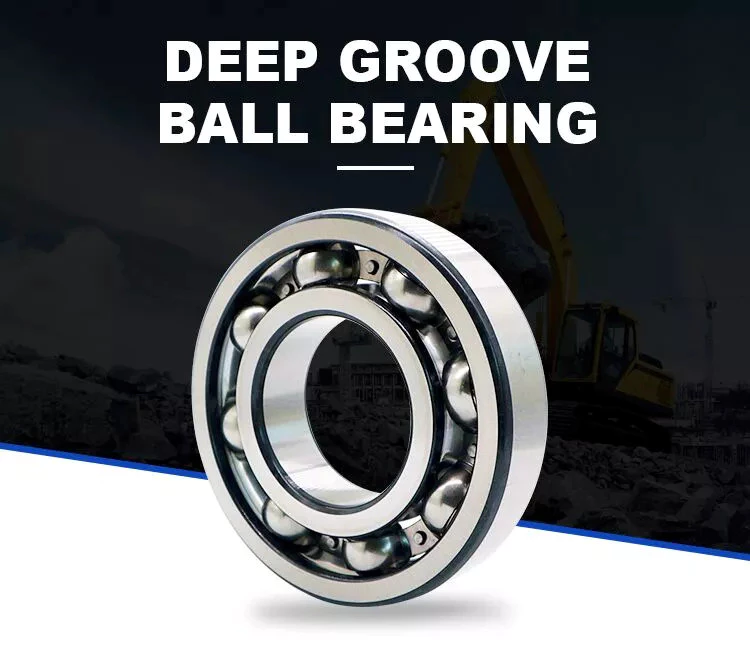
They assistance radial and axial loads
Radial ball bearings are utilised mostly for radial loads, but they also have a capability for axial load. This load ability is typically presented as a proportion of the radial load ranking. Axial load capability is usually higher for a bearing with a greater distinction between the inner and outer ring diameters. The axial load potential is also afflicted by the bearing’s raceway depth, with shallow raceways currently being far more appropriate for heavier axial loads.
The two major types of axial and radial hundreds are described by their orientation. Axial loads apply forces in one course while radial hundreds act on the reverse direction. In each cases, the bearing have to assist the forces that are imposed. Axial masses apply forces to a bearing in a single direction, while radial loads utilize forces in both instructions. Irrespective of the type of load, axial and radial loads ought to be deemed when deciding on a bearing for a provided software.
Angular and radial ball bearings vary in their components. Radial ball bearings are produced mainly of through-hardened resources. They usually have a Rockwell hardness ranking of 58 Rc. The raceways and balls of these bearings are created of 440C stainless metal. They may also have shields and seals. SAE 52100 steel is the most typical substance for the raceway, while molybdenum steels are superb for substantial temperatures.
They have a make contact with angle in between the balls and the races
When evaluating axial load bearings with their radial counterparts, the angular contact angle is more crucial. Axial load bearings, have a contact angle amongst the balls and the races of 35 levels. They are suited for axial loads and a limited radial load. The make contact with angle of these bearings is a end result of the form of the interior and outer rings. Each and every rolling component arrives into speak to with the inner and outer rings only at 1 point, forming a thirty degree angle with the radial aircraft. The radial power of the axial load on these bearings is therefore elevated by increasing the make contact with angle in between the balls and the races.
This contact angle decides the volume of friction between the balls and the races, and enables angular make contact with bearings to face up to weighty radial and thrust hundreds. In addition, the greater the make contact with angle, the higher the axial load support. Angular speak to bearings arrive in normal imperial (inch) and metric (mm) sizes. The angular get in touch with angle is determined by the totally free radial perform value and the curvature of the interior track.
They are h2o-resistant
In addition to their water-resistant traits, corrosion-resistant ball bearings can also defend from the harming results of corrosive environments. Generally, regular metals, this kind of as metal, are vulnerable to rust, which can substantially decrease their performance and increase the existence of parts. Nevertheless, plastics, stainless steel, and ceramics can give corrosion-resistant ball bearings. And due to the fact these supplies are much much more resilient, they provide other advantages, this kind of as currently being straightforward to keep.
Amid the positive aspects of plastic ball bearings is their substantial resistance to severe temperatures, higher speeds, and corrosion. Depending on their construction, plastic bearings are often ready to resist corrosion and anti-static qualities. They are light-weight and economical in comparison to steel ball bearings. Andhra Sales Company was set up in 1987 with a modest turnover of 4 lacs. As of the very last financial yr, it has grown to 500 lacs in product sales.
Other benefits of drinking water-resistant ball bearings incorporate corrosion resistance, which is a crucial thought in a lot of programs. Even though stainless metal is very corrosion-resistant, it decreases the bearing’s load-carrying capacity. Also, corrosion-resistant deep groove ball bearings are typically manufactured with a specified inside clearance, which absorbs decline in clearance in the course of mounting and shaft expansion. This issue influences their overall performance, and if these are compromised, a substitute may be necessary.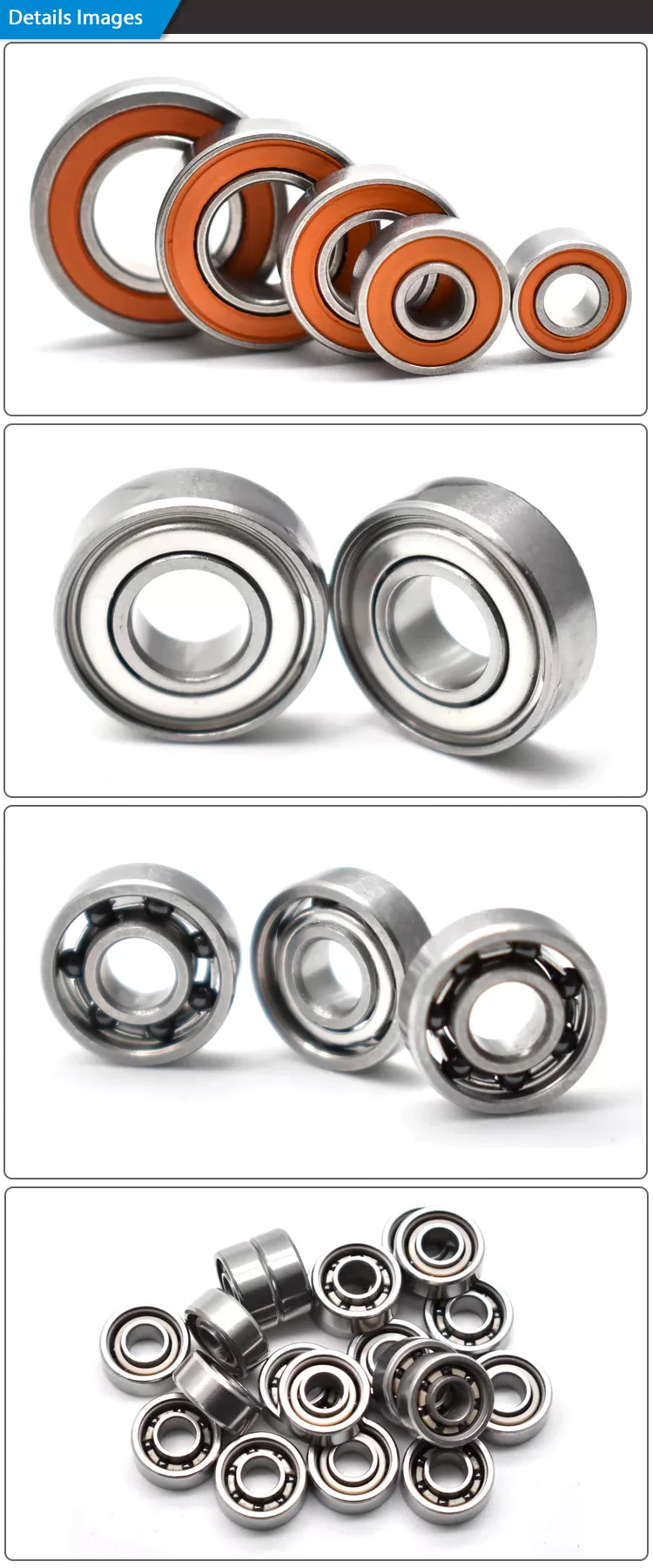
They are hard
A few factors make ball bearings difficult: they are created of actual materials, which signifies that they have inherent imperfections. Quality-1 balls are produced particularly for higher-pressure applications, this sort of as System A single engines. Quality-3 balls, on the other hand, strike the excellent equilibrium in between overall performance and value. Ceramic balls, for illustration, are manufactured to spin at a high rate of four hundred RPM, and they are concluded with a mirror end.
A steel carbon ball bearing is 1 of the toughest types of ball bearings accessible. The content is extremely powerful, but the get in touch with between the balls just isn’t the ideal. Minimal-carbon metal is best for linear shafting and is normally coated with a polymer to avoid hurt. Metal ball bearings with reasonable quantities of carbon are difficult, durable, and drinking water-resistant. They’re excellent for gears, but their higher-carbon steel counterparts are specifically tough and can resist corrosion.
A ceramic ball bearing is an additional alternative. This variety has metal inner and outer rings but ceramic balls. Ceramic balls can face up to increased temperatures than metal and are also electrically insulating. Ceramic ball bearings also are likely to be lighter and are far more resistant to put on and tear. They’re also excellent for purposes in which grease is not an alternative, such as in room shuttles. Even with the reality that ceramic ball bearings are tough, they’re nevertheless cheaper than steel ball bearings.
They are conductive
You may possibly have read the phrase “ball bearing” if you have examined introductory physics. What does that mean? Basically, ball bearings are conductive because of their capacity to perform electric power. This capacity is mirrored in the cost distribution on the floor of the ball. Good expenses are drawn towards the optimistic plate, although negative fees are drawn absent from the positively billed ball bearing. You might have even noticed a ball bearing in motion.
Even so, regardless of their conductive mother nature, ball bearings can nevertheless turn into broken by electrical discharge. A increased voltage can cause the balls to pit, and the raceways to turn out to be uneven. These uneven surfaces will first demonstrate up as abnormal sound, and sooner or later lead to the bearing to malfunction. Luckily, engineers have found a way to counter this issue: conductive grease. This grease allows current to circulation via the ball bearing, protecting against each heat and voltage buildup.
The big difference among steel and ceramic ball bearings is their density. Steel bearings are much more conductive than glass or hybrid ceramics. Steel ball bearings have an even grain structure and are conductive for resonance stream. When moving quick, the air bordering the metal ball bearing carries resonance from the inner ring to the outer. This tends to make them best for higher-velocity resonance transfer. In addition to being conductive, glass microbeads are more difficult and lighter than metal.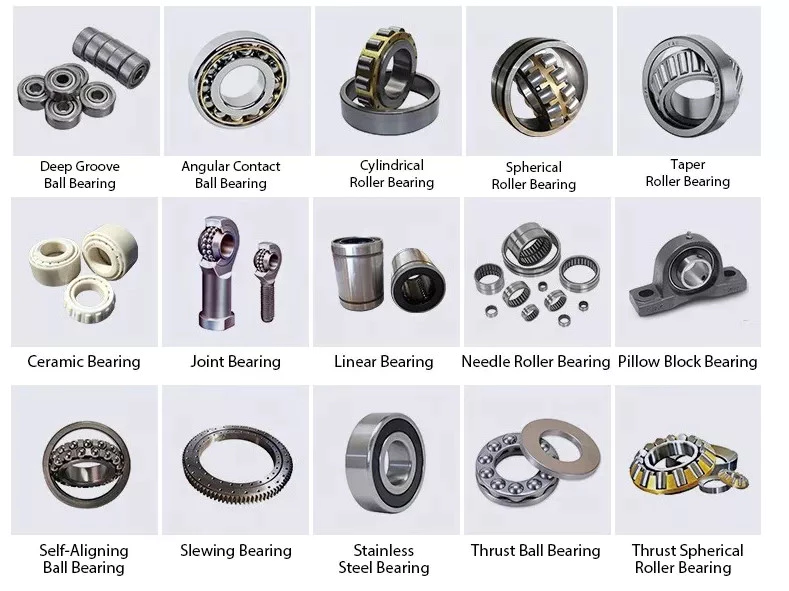
They are employed in pulley methods
Pulley techniques use ball bearings to move the sprocket, which is a wheel that rotates. These bearings are installed on the center mounting gap of the pulley wheel. They defend the total method from heat, although enabling increased speed and easy procedure. They distribute the bodyweight of the load evenly, reducing friction and wobbling, and make sure a easy rotation. Ball bearings are normally created from steel and are set up inside the pulley wheel.
The moment of inertia and bearing friction are calculated to within ten percent accuracy. These two variables affect the speed of the pulley method, which can direct to crashes if the fat holders are not balanced. As a result, ball bearings are utilized to lessen the opportunity of this sort of crashes. When you want to know much more about ball bearings in pulley programs, listed here are the positive aspects they provide.
One more benefit of ball bearings in pulley techniques is that they have reduced friction than their solid counterparts. In get to minimize friction, even so, ball bearings have to be produced of good resources. Some of the widespread ball resources are large-quality plastics and stainless metal. Very good components and clever block style are crucial to minimizing friction. If you are organizing to use ball bearings in your pulley program, check out out the following ideas and make confident you are deciding on the right 1 for your application.
