Product Description
6800 series deep groove ball bearings
Product Description
Deep Groove Ball Bearings
Deep groove ball bearing
This is the most widely used ball bearing type. Trapped between the 2 races is a ring of balls that transmit the load and allows rotational motion between the 2 races. The balls are held in place by a retainer.
They have very low rolling friction and are optimized for low noise and low vibration. This makes them ideal for high-speed applications.
They are comparatively easy to install and require minimal maintenance. Care must be taken during installation to prevent denting of the races as they have to be push fit CZPT shafts.6800 series deep groove ball bearings
Detailed Photos
Product Parameters
| No. | Size | Rated load | Weight | ||||||||||
| Inner Diameter | Out Diameter | Width (B) | Chamfering | Dynamic | Static | ||||||||
| d | D | Open Type | Shielded Type | rsmin (r) | Cr | Cr | Close | ||||||
| mm | inch | mm | inch | mm | inch | mm | inch | mm | inch | N | N | KG | |
| 603 | 3 | 0.1181 | 9 | 0.3543 | 3 | 0.1181 | 5 | 0.1181 | 0.2 | 0.008 | 486 | 223 | 0.0014 |
| 604 | 4 | 0.1575 | 12 | 0.4724 | 4 | 0.1575 | 4 | 0.1575 | 0.2 | 0.008 | 960 | 350 | 0.571 |
| 605 | 5 | 0.1969 | 14 | 0.5512 | 5 | 0.1969 | 5 | 0.1969 | 0.2 | 0.008 | 1070 | 420 | 0.0037 |
| 606 | 6 | 0.2362 | 17 | 0.6693 | 6 | 0.2362 | 6 | 0.2362 | 0.3 | 0.012 | 1960 | 730 | 0.0069 |
| 607 | 7 | 0.2756 | 19 | 0.7480 | 6 | 0.2362 | 6 | 0.2362 | 0.3 | 0.012 | 2800 | 1060 | 0.0082 |
| 608 | 8 | 0.3150 | 22 | 0.8661 | 7 | 0.2756 | 7 | 0.2756 | 0.3 | 0.012 | 3290 | 1360 | 0.0129 |
| 609 | 9 | 0.3543 | 24 | 0.9449 | 7 | 0.2756 | 7 | 0.2756 | 0.3 | 0.012 | 3330 | 1410 | 0.0160 |
| 6000 | 10 | 0.3937 | 26 | 1.5716 | 8 | 0.3150 | 8 | 0.3150 | 0.3 | 0.012 | 4160 | 1780 | 0.0190 |
| 6001 | 12 | 0.4724 | 28 | 1.1571 | 8 | 0.3150 | 8 | 0.3150 | 0.3 | 0.012 | 5110 | 2380 | 0.5710 |
| 6002 | 15 | 0.5906 | 32 | 1.2598 | 9 | 0.3543 | 9 | 0.3543 | 0.3 | 0.012 | 5590 | 2840 | 0.0300 |
| 6003 | 17 | 0.6693 | 35 | 1.3780 | 10 | 0.3937 | 10 | 0.3937 | 0.3 | 0.012 | 6000 | 3250 | 0.0390 |
| 6004 | 20 | 0.7874 | 42 | 1.6535 | 12 | 0.4724 | 12 | 0.4724 | 0.6 | 0.571 | 9390 | 5571 | 0.0690 |
| 6005 | 25 | 0.9843 | 47 | 1.8504 | 12 | 0.4724 | 12 | 0.4724 | 0.6 | 0.571 | 10060 | 5860 | 0.0800 |
| 6006 | 30 | 1.1811 | 55 | 2.1654 | 13 | 0.5118 | 13 | 0.5118 | 1 | 0.039 | 11900 | 7460 | 0.1160 |
| 6007 | 35 | 1.3780 | 62 | 2.4409 | 14 | 0.5512 | 14 | 0.5512 | 1 | 0.039 | 16210 | 10420 | 0.1150 |
| 6008 | 40 | 1.5748 | 68 | 2.6677 | 15 | 0.5906 | 15 | 0.5906 | 1 | 0.039 | 17030 | 11700 | 0.1920 |
| 6009 | 45 | 1.7717 | 75 | 2.9528 | 16 | 0.6299 | 16 | 0.6299 | 1 | 0.039 | 21080 | 14780 | 0.2450 |
| 6571 | 50 | 1.9685 | 80 | 3.1496 | 16 | 0.6299 | 16 | 0.6299 | 1 | 0.039 | 22000 | 16260 | 0.2610 |
| 60/22 | 22 | 0.8661 | 44 | 1.7323 | 12 | 0.4724 | 12 | 0.4724 | 0.6 | 0.571 | 9400 | 5050 | 0.0740 |
| 60/28 | 28 | 1.1571 | 52 | 2.571 | 12 | 0.4724 | 12 | 0.4724 | 0.6 | 0.571 | 12500 | 7400 | 0.0980 |
| 60/32 | 32 | 1.2598 | 58 | 2.2835 | 13 | 0.5118 | 13 | 0.5118 | 1 | 0.039 | 15100 | 9150 | 0.1290 |
| No. | Size | Rated load | Weight | ||||||||||
| Inner Diameter | Out Diameter | Width (B) | Chamfering | Dynamic | Static | ||||||||
| d | D | Open Type | Shielded Type | rsmin (r) | Cr | Cr | Close | ||||||
| mm | inch | mm | inch | mm | inch | mm | inch | mm | inch | N | N | KG | |
| 623 | 3 | 0.1181 | 10 | 0.3937 | 4 | 0.1575 | 4 | 0.1575 | 0.15 | 0.006 | 640 | 220 | 0.0016 |
| 624 | 4 | 0.1575 | 13 | 0.5118 | 5 | 0.1969 | 5 | 0.1969 | 0.2 | 0.008 | 1150 | 400 | 0.0032 |
| 625 | 5 | 0.1969 | 16 | 0.6299 | 5 | 0.1969 | 5 | 0.1969 | 0.3 | 0.012 | 1880 | 680 | 0.0051 |
| 626 | 6 | 0.2362 | 19 | 0.7480 | 6 | 0.2362 | 6 | 0.2362 | 0.3 | 0.012 | 2800 | 1060 | 0. |
| 627 | 7 | 0.2756 | 22 | 0.8661 | 7 | 0.2756 | 7 | 0.2756 | 0.3 | 0.012 | 3290 | 1360 | 0.0131 |
| 628 | 8 | 0.3150 | 24 | 0.9449 | 8 | 0.3150 | 8 | 0.3150 | 0.3 | 0.012 | 3330 | 1410 | 0.0170 |
| 629 | 9 | 0.3543 | 26 | 1.5716 | 8 | 0.3150 | 8 | 0.3150 | 0.3 | 0.012 | 4160 | 1780 | 0.0191 |
| 6200 | 10 | 0.3937 | 30 | 1.1811 | 9 | 0.3543 | 9 | 0.3543 | 0.6 | 0.571 | 5110 | 2380 | 0.0320 |
| 6201 | 12 | 0.4724 | 32 | 1.2598 | 10 | 0.3937 | 10 | 0.3937 | 0.6 | 0.571 | 6180 | 3060 | 0.571 |
| 6202 | 15 | 0.5906 | 35 | 1.3780 | 11 | 0.4331 | 11 | 0.4331 | 0.6 | 0.571 | 7450 | 3700 | 0.0450 |
| 6203 | 17 | 0.6693 | 40 | 1.5748 | 12 | 0.4724 | 12 | 0.4724 | 0.6 | 0.571 | 9560 | 4780 | 0.0650 |
| 6204 | 20 | 0.7874 | 47 | 1.8504 | 14 | 0.5512 | 14 | 0.5512 | 1 | 0.039 | 12840 | 6650 | 0.1060 |
| 6205 | 25 | 0.9843 | 52 | 2.571 | 15 | 0.5906 | 15 | 0.5906 | 1 | 0.039 | 14571 | 7930 | 0.1280 |
| 6206 | 30 | 1.1811 | 62 | 2.4409 | 16 | 0.6299 | 16 | 0.6299 | 1 | 0.039 | 19460 | 11310 | 0.1990 |
| 6207 | 35 | 1.3780 | 72 | 2.8346 | 17 | 0.6693 | 17 | 0.6693 | 1.1 | 0.043 | 25670 | 15300 | 0.2880 |
| 6208 | 40 | 1.5748 | 80 | 3.1496 | 18 | 0.7087 | 18 | 0.7087 | 1.1 | 0.043 | 29520 | 18140 | 0.3660 |
| No. | Size | Rated load | Weight | ||||||||||
| Inner Diameter | Out Diameter | Width (B) | Chamfering | Dynamic | Static | ||||||||
| d | D | Open Type | Shielded Type | rsmin (r) | Cr | Cr | Close | ||||||
| mm | inch | mm | inch | mm | inch | mm | inch | mm | inch | N | N | KG | |
| 633 | 3 | 0.1181 | 13 | 0.5118 | 5 | 0.1969 | 5 | 0.1969 | 0.2 | 0.008 | 1300 | 485 | 0.0034 |
| 634 | 4 | 0.1575 | 16 | 0.6299 | 5 | 0.1969 | 5 | 0.1969 | 0.3 | 0.012 | 1880 | 680 | 0.0054 |
| 635 | 5 | 0.1969 | 19 | 0.7480 | 6 | 0.2362 | 6 | 0.2362 | 0.3 | 0.012 | 2810 | 1060 | 0.0089 |
| 636 | 6 | 0.2362 | 22 | 0.8661 | 7 | 0.2756 | 7 | 0.2756 | 0.3 | 0.012 | 3290 | 1360 | 0.0145 |
| 637 | 7 | 0.2756 | 26 | 1.5716 | 9 | 0.3543 | 9 | 0.3543 | 0.3 | 0.012 | 3340 | 1410 | 0.5718 |
| 638 | 8 | 0.3150 | 28 | 1.1571 | 9 | 0.3543 | 9 | 0.3543 | 0.3 | 0.012 | 4160 | 1780 | 0.0303 |
| 639 | 9 | 0.3543 | 30 | 1.1811 | 10 | 0.3937 | 10 | 0.3937 | 0.6 | 0.571 | 5120 | 2390 | 0.571 |
| 6300 | 10 | 0.3937 | 35 | 1.3780 | 11 | 0.4331 | 11 | 0.4331 | 0.6 | 0.571 | 7640 | 3470 | 0.571 |
| 6301 | 12 | 0.4724 | 37 | 1.4567 | 12 | 0.4724 | 12 | 0.4724 | 1 | 0.039 | 9700 | 4190 | 0.0600 |
| 6302 | 15 | 0.5906 | 42 | 1.6535 | 13 | 0.5118 | 13 | 0.5118 | 1 | 0.039 | 11400 | 5430 | 0.0820 |
| 6303 | 17 | 0.6693 | 47 | 1.8504 | 14 | 0.5512 | 14 | 0.5512 | 1 | 0.039 | 13580 | 6580 | 0.1150 |
| 6304 | 20 | 0.7874 | 52 | 2.0742 | 15 | 0.5906 | 15 | 0.5906 | 1.1 | 0.043 | 15940 | 7880 | 0.1490 |
| 6305 | 25 | 0.9843 | 62 | 2.4409 | 17 | 0.6693 | 17 | 0.6693 | 1.1 | 0.043 | 22380 | 11490 | 0.2320 |
| 6306 | 30 | 1.1811 | 72 | 2.8346 | 19 | 0.7480 | 19 | 0.7480 | 1.1 | 0.043 | 27000 | 15200 | 0.3490 |
| 63/22 | 22 | 0.8661 | 56 | 2.2047 | 16 | 0.6299 | 16 | 0.6299 | 1.1 | 0.043 | 18400 | 9250 | 0.1760 |
| 63/28 | 28 | 1.1571 | 68 | 2.6772 | 18 | 0.7087 | 18 | 0.7087 | 1.1 | 0.043 | 26800 | 14000 | 0.2870 |
| 63/32 | 32 | 1.2598 | 75 | 2.9528 | 20 | 0.7874 | 20 | 0.7874 | 1.1 | 0.043 | 30000 | 16200 | 0.3820 |
| No. | Size | Rated load | Weight | ||||||||||
| Inner Diameter | Out Diameter | Width (B) | Chamfering | Dynamic | Static | ||||||||
| d | D | Open Type | Shielded Type | rsmin (r) | Cr | Cr | Close | ||||||
| mm | inch | mm | inch | mm | inch | mm | inch | mm | inch | N | N | KG | |
| 683 | 3 | 0.1181 | 7 | 0.2756 | 2 | 0.0787 | 3 | 0.1181 | 0.1 | 0.004 | 420 | 135 | 0.571 |
| 684 | 4 | 0.1575 | 9 | 0.3543 | 2.5 | 0.0984 | 4 | 0.1575 | 0.1 | 0.004 | 480 | 170 | 0.571 |
| 685 | 5 | 0.1969 | 11 | 0.4331 | 3 | 0.1181 | 5 | 0.1969 | 0.15 | 0.006 | 770 | 320 | 0.0019 |
| 686 | 6 | 0.2362 | 13 | 0.5118 | 3.5 | 0.1378 | 5 | 0.1969 | 0.15 | 0.006 | 1080 | 440 | 0.0571 |
| 687 | 7 | 0.2756 | 14 | 0.5512 | 3.5 | 0.1378 | 5 | 0.1969 | 0.15 | 0.006 | 1170 | 510 | 0.0030 |
| 688 | 8 | 0.3150 | 16 | 0.6299 | 4 | 0.1575 | 5 | 0.1969 | 0.2 | 0.008 | 1250 | 590 | 0.0038 |
| 689 | 9 | 0.3543 | 17 | 0.6693 | 4 | 0.1575 | 5 | 0.1969 | 0.2 | 0.008 | 1330 | 660 | 0.0440 |
| 6800 | 10 | 0.3937 | 19 | 0.7480 | 5 | 0.1969 | 5 | 0.1969 | 0.3 | 0.012 | 1590 | 750 | 0.0050 |
| 6801 | 12 | 0.4724 | 21 | 0.8268 | 5 | 0.1969 | 5 | 0.1969 | 0.3 | 0.012 | 1910 | 1040 | 0.0060 |
| 6802 | 15 | 0.5906 | 24 | 0.9449 | 5 | 0.1969 | 5 | 0.1969 | 0.3 | 0.012 | 2070 | 1250 | 0.0070 |
| 6803 | 17 | 0.6693 | 26 | 1.5716 | 5 | 0.1969 | 5 | 0.1969 | 0.3 | 0.012 | 2130 | 1360 | 0.0080 |
| 6804 | 20 | 0.7874 | 32 | 1.2598 | 7 | 0.2756 | 7 | 0.2756 | 0.3 | 0.012 | 3480 | 2230 | 0.0190 |
| 6805 | 25 | 0.9843 | 37 | 1.4567 | 7 | 0.2756 | 7 | 0.2756 | 0.3 | 0.012 | 3680 | 2630 | 0.5710 |
| 6806 | 30 | 1.1811 | 42 | 1.6535 | 7 | 0.2756 | 7 | 0.2756 | 0.3 | 0.012 | 4000 | 3150 | 0.0260 |
| 6807 | 35 | 1.3780 | 47 | 1.8504 | 7 | 0.2756 | 7 | 0.2756 | 0.3 | 0.012 | 4270 | 3600 | 0.5710 |
| 6808 | 40 | 1.5748 | 52 | 2.571 | 7 | 0.2756 | 7 | 0.2756 | 0.3 | 0.012 | 4410 | 3890 | 0.0330 |
| 6809 | 45 | 1.7717 | 58 | 2.2835 | 7 | 0.2756 | 7 | 0.2756 | 0.3 | 0.012 | 4590 | 4330 | 0.0400 |
| 6810 | 50 | 1.9685 | 65 | 2.5591 | 7 | 0.2756 | 7 | 0.2756 | 0.3 | 0.012 | 6610 | 6080 | 0.0520 |
| 6811 | 55 | 2.1654 | 72 | 2.3846 | 9 | 0.3543 | 9 | 0.3543 | 0.3 | 0.012 | 8530 | 8080 | 0. 0571 |
| 6812 | 60 | 2.3622 | 78 | 3.0709 | 10 | 0.3937 | 10 | 0.3937 | 0.3 | 0.012 | 9200 | 8760 | 0.1060 |
| 6813 | 65 | 2.5591 | 85 | 3.3465 | 10 | 0.3937 | 10 | 0.3937 | 0.6 | 0.571 | 1571 | 9420 | 0.1250 |
| 6814 | 70 | 2.7559 | 90 | 3.5433 | 10 | 0.3937 | 10 | 0.3937 | 0.6 | 0.571 | 1571 | 10090 | 0.1350 |
| 6815 | 75 | 2.9528 | 95 | 3.7402 | 10 | 0.3937 | 10 | 0.3937 | 0.6 | 0.571 | 11230 | 1571 | 0.1450 |
| 6816 | 80 | 3.1496 | 100 | 3.9370 | 10 | 0.3937 | 10 | 0.3937 | 0.6 | 0.571 | 11320 | 11080 | 0.1550 |
| 6817 | 85 | 3.3465 | 110 | 4.3307 | 13 | 0.5118 | 13 | 0.5118 | 1 | 0.039 | 17599 | 18300 | 0.2650 |
| 6818 | 90 | 3.5433 | 115 | 4.5276 | 13 | 0.5118 | 13 | 0.5118 | 1 | 0.039 | 17853 | 18961 | 0.2800 |
| No. | Size | Rated load | Weight | ||||||||||
| Inner Diameter | Out Diameter | Width (B) | Chamfering | Dynamic | Static | ||||||||
| d | D | Open Type | Shielded Type | rsmin (r) | Cr | Cr | Close | ||||||
| mm | inch | mm | inch | mm | inch | mm | inch | mm | inch | N | N | KG | |
| 6819 | 95 | 3.7402 | 120 | 4.7244 | 13 | 0.5118 | 13 | 0.5118 | 1 | 0.0390 | 18089 | 19616 | 0.2980 |
| 6820 | 100 | 3.9370 | 125 | 4.9213 | 13 | 0.5118 | 13 | 0.5118 | 1 | 0.0390 | 18340 | 20266 | 0.3110 |
| 6821 | 105 | 4.1339 | 130 | 5.1181 | 13 | 0.5118 | 13 | 0.5118 | 1 | 0.0390 | 18912 | 20924 | 0.3250 |
| 6822 | 110 | 4.3307 | 140 | 5.5118 | 16 | 0.6299 | 16 | 0.6299 | 1 | 0.0390 | 28100 | 30700 | 0.5100 |
| 6824 | 120 | 4.7244 | 150 | 5.9055 | 16 | 0.6299 | 16 | 0.6299 | 1 | 0.0390 | 28900 | 32900 | 0.5490 |
| 6826 | 130 | 5.1181 | 165 | 6.4961 | 18 | 0.7087 | 18 | 0.7087 | 1.1 | 0.0430 | 37900 | 42900 | 0.7900 |
| 6828 | 140 | 5.1181 | 175 | 6.8898 | 18 | 0.7087 | 18 | 0.7087 | 1 | 0. 0571 | 38200 | 44300 | 0.9900 |
| 6830 | 150 | 5.9055 | 190 | 7.4803 | 20 | 0.7874 | 20 | 0.7874 | 1 | 0. 0571 | 49100 | 57100 | 1.5000 |
| 6832 | 160 | 6.2992 | 200 | 7.8740 | 20 | 0.7874 | 20 | 0.7874 | 1 | 0. 0571 | 49600 | 59100 | 1.7000 |
| 6834 | 170 | 6.6929 | 215 | 8.4646 | 22 | 0.8661 | 22 | 0.8661 | 1 | 0. 0571 | 61500 | 73300 | 1.9000 |
| 6836 | 180 | 7.0866 | 225 | 8.8582 | 22 | 0.8661 | 22 | 0.8661 | 1 | 0. 0571 | 62300 | 75900 | 2.0000 |
| 6838 | 190 | 7.4803 | 240 | 9.4480 | 24 | 0.9449 | 24 | 0.9449 | 1.5 | 0.0590 | 75100 | 91600 | 2.1000 |
| 6840 | 200 | 7.8740 | 250 | 9.8425 | 24 | 0.9449 | 24 | 0.9449 | 1.5 | 0.0590 | 74200 | 91200 | 2.3800 |
| 6844 | 220 | 8.6614 | 270 | 10.6299 | 24 | 0.9499 | – | – | 1.5 | 0.0590 | 76400 | 97800 | 2.7900 |
| 6848 | 240 | 9.4488 | 300 | 11.8110 | 28 | 1.1571 | – | – | 2 | 0.0787 | 83500 | 108000 | 4.5000 |
| 6852 | 260 | 10.2362 | 320 | 12.5984 | 28 | 1.1571 | – | – | 2 | 0.0787 | 95000 | 128000 | 4.8500 |
| 6856 | 280 | 11.5716 | 350 | 13.7795 | 33 | 1.2992 | – | – | 2 | 0.0787 | 135000 | 178000 | 7.6000 |
| 6860 | 300 | 11.8110 | 380 | 14.9606 | 38 | 1.4960 | – | – | 2 | 0.0787 | 162000 | 222000 | 11.0000 |
| 6864 | 320 | 12.5984 | 400 | 15.7480 | 38 | 1.4960 | – | – | 2 | 0.0787 | 168000 | 235000 | 12.0000 |
| 6872 | 360 | 14.1732 | 440 | 17.3228 | 38 | 1.4960 | – | – | 2.5 | 0.0984 | – | – | 12.2000 |
| 6876 | 380 | 14.9606 | 480 | 18.8976 | 46 | 1.8110 | – | – | 2.5 | 0.0984 | 168000 | 235000 | 20.5000 |
| 6880 | 400 | 15.7480 | 500 | 19.6850 | 46 | 1.8110 | – | – | 2.5 | 0.0984 | – | – | 21.7000 |
| 6884 | 420 | 16.5354 | 520 | 20.4724 | 46 | 1.8110 | – | – | 2.5 | 0.1377 | 251000 | 425000 | 22.0000 |
| 6888 | 440 | 17.3228 | 540 | 21.2598 | 46 | 1.8110 | – | – | 2.5 | 0.0984 | – | – | 24.0000 |
| 6892 | 460 | 18.1102 | 580 | 22.8346 | 56 | 2.2047 | – | – | 3 | 0.1181 | – | – | 33.5000 |
| No. | Size | Rated load | Weight | ||||||||||
| Inner Diameter | Out Diameter | Width (B) | Chamfering | Dynamic | Static | ||||||||
| d | D | Open Type | Shielded Type | rsmin (r) | Cr | Cr | Close | ||||||
| mm | inch | mm | inch | mm | inch | mm | inch | mm | inch | N | N | KG | |
| 693 | 3 | 0.1181 | 8 | 0.3150 | 3 | 0.1181 | 4 | 0.1575 | 0.15 | 0.006 | 430 | 170 | 0.0008 |
| 694 | 4 | 0.1575 | 11 | 0.4331 | 4 | 0.1575 | 4 | 0.1575 | 0.15 | 0.006 | 960 | 350 | 0.0017 |
| 695 | 5 | 0.1969 | 13 | 0.5118 | 4 | 0.1575 | 4 | 0.1575 | 0.2 | 0.008 | 1070 | 420 | 0.571 |
| 696 | 6 | 0.2362 | 15 | 0.5906 | 5 | 0.1969 | 5 | 0.1969 | 0.2 | 0.008 | 1470 | 600 | 0.0036 |
| 697 | 7 | 0.2756 | 17 | 0.6693 | 5 | 0.1969 | 5 | 0.1969 | 0.3 | 0.012 | 1600 | 710 | 0.0050 |
| 698 | 8 | 0.3150 | 19 | 0.7480 | 6 | 0.2362 | 6 | 0.2362 | 0.3 | 0.012 | 2230 | 910 | 0.0076 |
| 699 | 9 | 0.3543 | 20 | 0.7874 | 6 | 0.2362 | 6 | 0.2362 | 0.3 | 0.012 | 2480 | 1090 | 0.0085 |
| 6900 | 10 | 0.3937 | 22 | 0.8661 | 6 | 0.2362 | 6 | 0.2362 | 0.3 | 0.012 | 2690 | 1270 | 0.5710 |
| 6901 | 12 | 0.4724 | 24 | 0.9449 | 6 | 0.2362 | 6 | 0.2362 | 0.3 | 0.012 | 2890 | 1460 | 0.0120 |
| 6902 | 15 | 0.5906 | 28 | 1.1571 | 7 | 0.2756 | 7 | 0.2756 | 0.3 | 0.012 | 4320 | 2250 | 0.0180 |
| 6903 | 17 | 0.6693 | 30 | 1.1811 | 7 | 0.2756 | 7 | 0.2756 | 0.3 | 0.012 | 4590 | 2550 | 0.0190 |
| 6904 | 20 | 0.7874 | 37 | 1.4567 | 9 | 0.3543 | 9 | 0.3543 | 0.3 | 0.012 | 6370 | 3680 | 0.0380 |
| 6905 | 25 | 0.9843 | 42 | 1.6535 | 9 | 0.3543 | 9 | 0.3543 | 0.3 | 0.012 | 6660 | 4180 | 0.0440 |
| 6906 | 30 | 1.1811 | 47 | 1.8504 | 9 | 0.3543 | 9 | 0.3543 | 0.3 | 0.012 | 7240 | 5571 | 0.0500 |
| 6907 | 35 | 1.3780 | 55 | 2.1654 | 10 | 0.3543 | 10 | 0.3937 | 0.6 | 0.571 | 10390 | 7160 | 0.7500 |
| 6908 | 40 | 1.5748 | 62 | 2.4409 | 12 | 0.3937 | 12 | 0.4724 | 0.6 | 0.571 | 13571 | 9200 | 0.1180 |
| 6909 | 45 | 1.7717 | 68 | 2.6772 | 12 | 0.4724 | 12 | 0.4724 | 0.6 | 0.571 | 13490 | 10130 | 0.1280 |
| 6910 | 50 | 1.9685 | 72 | 2.8346 | 12 | 0.4724 | 12 | 0.4724 | 0.6 | 0.571 | 13900 | 1571 | 0.1330 |
| 6911 | 55 | 2.1654 | 80 | 3.1496 | 13 | 0.4724 | 13 | 0.5118 | 1 | 0.039 | 14820 | 12690 | 0.1770 |
| 6912 | 60 | 2.3622 | 85 | 3.3465 | 13 | 0.5118 | 13 | 0.5118 | 1 | 0.039 | 15080 | 13480 | 0.1910 |
| 6913 | 65 | 2.5591 | 90 | 3.5433 | 13 | 0.5118 | 13 | 0.5118 | 1 | 0.039 | 19950 | 17490 | 0.2000 |
| 6914 | 70 | 2.7559 | 100 | 3.9370 | 16 | 0.6299 | 16 | 0.6299 | 1 | 0.039 | 25950 | 21850 | 0.3270 |
| 6915 | 75 | 2.9528 | 105 | 4.1339 | 16 | 0.6299 | 16 | 0.6299 | 1 | 0.039 | 26780 | 23560 | 0.3450 |
| 6916 | 80 | 3.1496 | 110 | 4.3307 | 16 | 0.6299 | 16 | 0.6299 | 1 | 0.039 | 27590 | 25280 | 0.3630 |
| 6917 | 85 | 3.3465 | 120 | 4.7244 | 18 | 0.7087 | 18 | 0.7087 | 1.1 | 0.043 | 31900 | 29700 | 0.5170 |
Product Applications
Company Profile
ZheJiang Jieyi Bearing Co., Ltd. is a more than 10-year history of bearing trading company. We are located in the biggest bearing town in China–Yiandian Town.
Our products include: Deep Groove Ball Bearings, Self-aligning Ball Bearings, Spherical Bearings, Tapered Roller Bearings, Cylindrical Roller Bearings, Needle Roller Bearings, Self-aligning Roller Bearings, Angular Contact Ball Bearings, Thrust Ball Bearings, Trust Roller Bearings and Special Bearings.
Jieyi Bearing has advanced quality testing and inspecting equipment, to guarantee product quality meets customers’ demand. Annually our company′ S export over 10 million dollars.
To service dear customers at the fastest speed, we built a great Warehouse to stock bearings, so as to ship your required bearings fast. Inside of the bearing warehouse, there is all sourcing of bearing stock, with all kinds of bearings, over 10000 types.
Jieyi Bearing also provides OEM service, such as bearing quality, noise level, grease brand, packing method, etc. We have enough OEM experience, and have a complete OEM manual for customer reference.
Products have been selling well in the American, French, Spanish, Austria, Italian, the U. A. E. Saudi, Pakistan, India, and Brizal markets.
With over 10 years′ Experience in bearings market, Jieyi Bearing have built up good relationship with all of our customers and quality factory. We always get satisfactory feedback from our customers because of the high quality products and good OEM service. We always supply the quality, stable, economical bearings and proper technical services.
Welcome to people of various enterprises with advance!
Our Advantages
WHY CHOOSE US?
1. BETTER COMMUNICATION
JVZB Bearing understands customer service more so than factories, we focus entirely on the customer so it is often easier to communicate with you.
2. FAVORABLE PRICING
JVZB Beaing often uses factories that are not big enough to have their own international sales team or export license. This means: we can work with factories that have lower prices than some easy-to-find competitors online.
3. LOW MOQ
We have great relationships with factories or have product stock on hand, CZPT to offer lower order quantities for the small sized importer.
4. SUPPLIER VERIFICATION
JVZB Bearing have more than 10 years of long-standing relationships with the factories, so we are aware of the capabilities of each. If you need, we can visit the factory to carry out product inspections and check up on an order.
5. QC CONTROL
JVZB Bearing have our own quality inspection laboratory with advanced testing equipment, we are CZPT to reasonably ensure the quality of the finished products.
6. MULTIPLE VARIETY PURCHASE
In fact, bearing factories usually only produce 1 type of bearing, or even focus on producing several models. If you want multiple items sourced for 1 product, we can help. This is a great way to source more products and do so quickly and efficiently.
7. OEM or OEM SERVICE
If you need special package or special labeling, we are glad to support OEM or OEM service.
Product List
Deeo Groove Ball Bearing
Spherical Roller Bearing
Taper Roller Bearing
Needle Roller Bearing
Pillow Block Bearing
Ceramic Bearing
/* January 22, 2571 19:08:37 */!function(){function s(e,r){var a,o={};try{e&&e.split(“,”).forEach(function(e,t){e&&(a=e.match(/(.*?):(.*)$/))&&1
| Rolling Body: | Ball Bearings |
|---|---|
| The Number of Rows: | Single |
| Outer Dimension: | Small (28-55mm) |
| Samples: |
US$ 0.1/Piece
1 Piece(Min.Order) | Order Sample Ball bearings
|
|---|
| Customization: |
Available
| Customized Request |
|---|
.shipping-cost-tm .tm-status-off{background: none;padding:0;color: #1470cc}
|
Shipping Cost:
Estimated freight per unit. |
about shipping cost and estimated delivery time. |
|---|
| Payment Method: |
|
|---|---|
|
Initial Payment Full Payment |
| Currency: | US$ |
|---|
| Return&refunds: | You can apply for a refund up to 30 days after receipt of the products. |
|---|
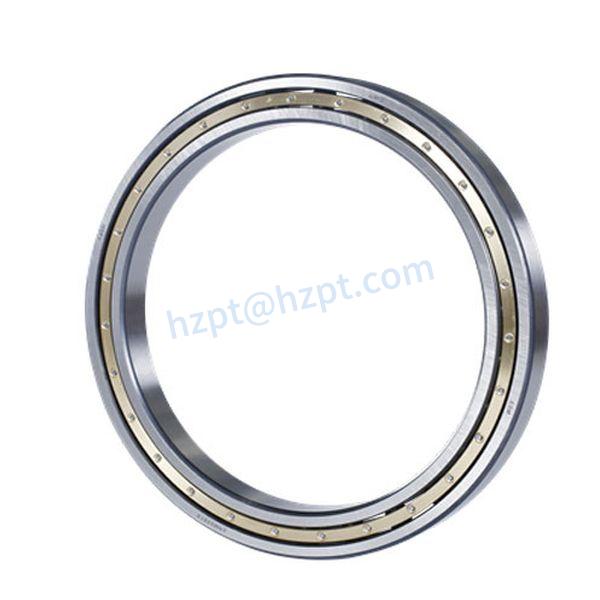
Are there Specific Maintenance Practices to Ensure the Longevity of Ball Bearings?
Maintaining ball bearings is essential to ensure their longevity, reliable performance, and prevent premature failure. Proper maintenance practices can extend the lifespan of ball bearings and the equipment they are used in. Here are specific maintenance practices to consider:
- Regular Lubrication:
Implement a regular lubrication schedule using the appropriate lubricant for the application. Lubrication reduces friction, prevents wear, and helps dissipate heat. Follow manufacturer guidelines for lubricant type, quantity, and frequency.
- Clean Environment:
Keep the operating environment clean and free from contaminants. Dust, dirt, and debris can infiltrate bearings and cause damage. Use seals or shields to protect bearings from contaminants, especially in harsh environments.
- Proper Installation:
Ensure correct installation of bearings using proper tools and techniques. Improper installation can lead to misalignment, uneven load distribution, and premature wear. Follow manufacturer recommendations for installation procedures.
- Regular Inspections:
Perform routine visual inspections to check for signs of wear, damage, or contamination. Regular inspections can help identify issues early and prevent further damage. Pay attention to noise, vibration, and temperature changes.
- Temperature Monitoring:
Monitor bearing temperatures during operation using infrared thermometers or sensors. Abnormal temperature increases can indicate inadequate lubrication, misalignment, or other problems.
- Correct Handling:
Handle bearings with care to prevent damage during storage, transportation, and installation. Avoid dropping or subjecting them to impacts that can affect their internal components.
- Bearing Removal and Replacement:
Follow proper procedures when removing and replacing bearings. Use appropriate tools and techniques to avoid damage to the bearing or the surrounding components.
- Alignment Maintenance:
Maintain proper shaft and housing alignment to prevent excessive loads and wear on the bearing. Misalignment can lead to increased stress and premature failure.
- Training and Education:
Provide training to operators and maintenance personnel on proper bearing maintenance and handling practices. Educated personnel are more likely to identify issues and perform maintenance correctly.
- Documented Records:
Keep records of maintenance activities, inspections, lubrication schedules, and any issues encountered. This documentation helps track the bearing’s performance over time and informs future maintenance decisions.
By implementing these maintenance practices, you can ensure the longevity of ball bearings, minimize downtime, reduce operational costs, and maintain the reliability of the equipment they are a part of.
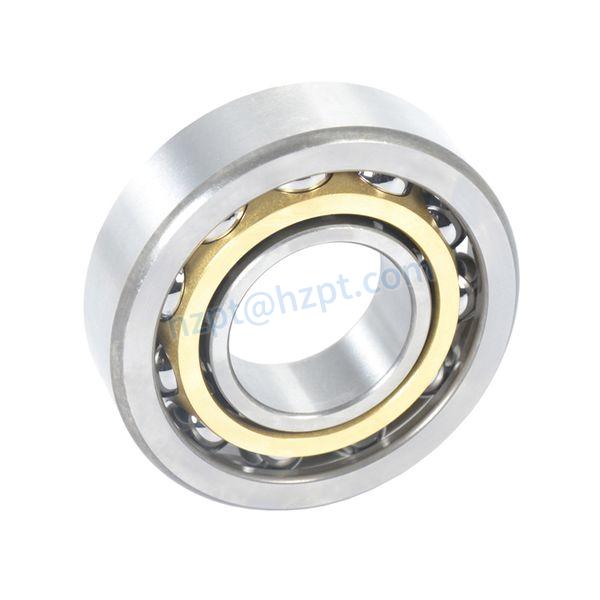
What Precautions should be taken to Prevent Contamination of Ball Bearings in Industrial Settings?
Preventing contamination of ball bearings is essential to ensure their proper function, longevity, and overall performance in industrial settings. Contaminants such as dust, dirt, debris, and particles can significantly impact bearing operation. Here are important precautions to take to prevent contamination of ball bearings:
- Effective Sealing:
Choose ball bearings with appropriate seals or shields to prevent the ingress of contaminants. Seals provide a physical barrier against dust, moisture, and particles, ensuring the bearing’s interior remains clean.
- Clean Environment:
Maintain a clean working environment around the machinery and equipment. Regularly clean the surrounding areas to prevent the accumulation of dirt and debris that could enter the bearings.
- Proper Handling:
Handle bearings with clean hands and use gloves if necessary. Avoid touching the bearing surfaces with bare hands, as natural skin oils can transfer contaminants onto the bearing.
- Clean Tools and Equipment:
Use clean tools and equipment during installation and maintenance to prevent introducing contaminants. Ensure that tools are properly cleaned before coming into contact with the bearing components.
- Contamination-Controlled Workstations:
Establish contamination-controlled workstations for bearing handling, installation, and maintenance. These areas should have proper ventilation, filtered air, and minimal exposure to external contaminants.
- Proper Lubrication:
Use the correct lubricant in appropriate quantities. Lubricants help create a barrier against contaminants and reduce friction. Regularly inspect and replenish lubrication to maintain its effectiveness.
- Regular Inspections:
Implement a routine inspection schedule to monitor the condition of the bearings. Look for signs of contamination, wear, and damage. Address any issues promptly to prevent further damage.
- Training and Education:
Train personnel on proper handling, installation, and maintenance practices to minimize the risk of contamination. Educated employees are more likely to take precautions and prevent accidental contamination.
- Environmental Controls:
In sensitive environments, such as clean rooms or medical facilities, implement strict environmental controls to minimize the presence of contaminants that could affect bearing performance.
- Regular Cleaning and Maintenance:
Perform regular cleaning and maintenance of machinery and equipment to prevent the buildup of contaminants. Keep bearings protected during maintenance to prevent debris from entering during the process.
- Selection of Suitable Bearings:
Choose bearings that are specifically designed for the application’s environmental conditions. Some bearings have advanced sealing options or specialized coatings that enhance contamination resistance.
By implementing these precautions, industries can significantly reduce the risk of contamination in ball bearings, ensuring smooth operation, extended bearing life, and enhanced equipment reliability.
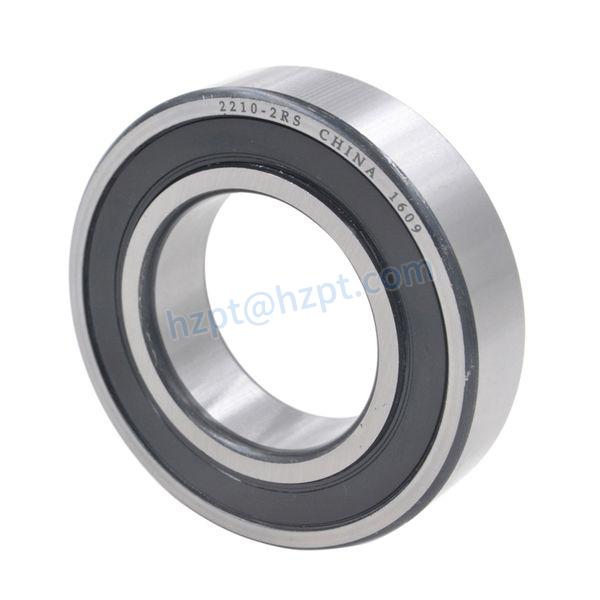
How does Lubrication Impact the Performance and Lifespan of Ball Bearings?
Lubrication plays a critical role in the performance and lifespan of ball bearings. Proper lubrication ensures smooth operation, reduces friction, minimizes wear, and prevents premature failure. Here’s how lubrication impacts ball bearings:
- Friction Reduction:
Lubrication creates a thin film between the rolling elements (balls) and the raceways of the bearing. This film reduces friction by separating the surfaces and preventing direct metal-to-metal contact. Reduced friction results in lower energy consumption, heat generation, and wear.
- Wear Prevention:
Lubricants create a protective barrier that prevents wear and damage to the bearing’s components. Without proper lubrication, the repeated rolling and sliding of the balls against the raceways would lead to accelerated wear, surface pitting, and eventual failure.
- Heat Dissipation:
Lubricants help dissipate heat generated during operation. The rolling elements and raceways can generate heat due to friction. Adequate lubrication carries away this heat, preventing overheating and maintaining stable operating temperatures.
- Corrosion Resistance:
Lubrication prevents moisture and contaminants from coming into direct contact with the bearing’s surfaces. This helps protect the bearing against corrosion, rust, and the formation of debris that can compromise its performance and longevity.
- Noise Reduction:
Lubricated ball bearings operate quietly because the lubricant cushions and dampens vibrations caused by the rolling motion. This noise reduction is crucial in applications where noise levels need to be minimized.
- Seal Protection:
Lubricants help maintain the effectiveness of seals or shields that protect the bearing from contaminants. They create a barrier that prevents particles from entering the bearing and causing damage.
- Improved Efficiency:
Properly lubricated ball bearings operate with reduced friction, leading to improved overall efficiency. This is especially important in applications where energy efficiency is a priority.
- Lifespan Extension:
Effective lubrication significantly extends the lifespan of ball bearings. Bearings that are properly lubricated experience less wear, reduced fatigue, and a lower likelihood of premature failure.
- Selection of Lubricant:
Choosing the right lubricant is essential. Factors such as speed, temperature, load, and environmental conditions influence the choice of lubricant type and viscosity. Some common lubricant options include grease and oil-based lubricants.
- Regular Maintenance:
Regular lubrication maintenance is crucial to ensure optimal bearing performance. Bearings should be inspected and relubricated according to manufacturer recommendations and based on the application’s operating conditions.
In summary, proper lubrication is essential for the optimal performance, longevity, and reliability of ball bearings. It reduces friction, prevents wear, dissipates heat, protects against corrosion, and contributes to smooth and efficient operation in various industrial and mechanical applications.


editor by CX 2024-05-14
China high quality High Precision AC Series Angle 25 7808 7809 7810 7811 Acm Zz 2RS Angular Contact Ball Bearings for Pneumatic Tool bearing assembly
Product Description
PRODUCT PICTURES:
OUR SERVICES
We can provide manufacturing capabilities and services of regular bearings for you, or customized non-standard bearings as you required.
BEARING:
— Dimensions
— Material
— Tolerance standard
APPEARANCE:
— Logo (Laser Marking)
— Package Design
40+ YEARS EXPERIENCE
CONTINUOUS AND STABLE DELIVERY OF PRODUCTS.
With over 40 years experience of the bearing manufacturing, we know how to make good bearings with less cost consistently and efficiently.
We use advanced CNC turning, grinding, and superfinishing machines to ensure high, stable, and accurate machining. All of your goods, from the most economical category, to the highest rated category, will always be manufactured precisely to the standards you require.
OWN HEAT TREATMENT
CONTROALLABLE COST AND QUALITY.
Heat treatment is 1 of the crucial processes to ensure high performance of bearing materials. Compared with other manufacturers, we can produce higher quality bearings at smaller cost, with a more flexible and controllable production schedule, and in a shorter time.
We have 6 heat treatment production lines.
Bearings are heated uniformly, with small deformation and little/no oxidized decarburization, which can make them have high hardness, high fatigue resistance, good wear resistance, dimensional stability, and excellent mechanical strength.
OUTSTXIHU (WEST LAKE) DIS. QUALITY
LOW NOISE, LOW FRICTION AND LONG LIFE.
All our products are characterized by low noise, low friction and long life. This is due to our attention to the roundness, waviness and surface roughness of bearing raceway.
Our products fully meets the requirements of national and international standards accorind to the testing result of
roughness, roundness, hardness, vibration noise, vibration velocity.
PACKING
PACKAGING THAT HELPS SELL.
1, Inner package
Corrosion and Dust Proof PE plastic film / bag packing + Tube packing, or Wrapping tape for larger bearings.
2, Corrugated Individual Box
Our attractive sales-helpful “3-JOYS” package, or as the design of your package.
3, Outer package
Corrugated carton + Wooden pallet
MODERN WELL-ORGANIZED WAREHOUSE
· Constant temperature (20°C) and humidity (RH 52%) warehouse
· Hundreds of models on hand, short delivery time.
HONOR & SYSTEM CERTIFICATES
EXHIBITION
SAMPLES POLICY
FREE SAMPLES AND SHIPPING
We are happy to send you free samples of our bearings for field testing. All transportation costs will be paid by us.
Please note: Depending on the model and value of samples, this policy may not apply!
Please contact our sales staff for details.
TRANSPORTATION
FASTEST DELIVERY TO CUSTOMERS
CUSTOMERS FEEDBACK
PAYMENT TERMS
To facilitate your payment, we offer a variety of options!
FAQ
1, About the lead time.
This depends on several factors, like Is the production schedule tight? Is there a corresponding model in stock, and is there enough of this model in stock? How many pcs of that model would be ordered?
Simply speaking, based on a 20′ GP container load:
| If the model your Preferred is | Sufficient stock | Lead Time |
| Regular models | YES | Within 7 days |
| Regular models | NO | Within 30 days |
| Non-regular model | NO | About 50 days |
For accurate estimate, please contact with our sale stuff. Thanks.
2, Minimum order quantity.
Even just ONE piece of bearing is ok for us.
3, If you don’t know which model is the right choice…
We would like to give you some advise if you like, according to the real situation and demand of your local market. Our purpose is to help you to get proper and right models for your customers, so that you would make a better sales and income finally.
4, Factory Inspection
We surely would welcome you or your representatives to come to our plants or working offices to take a good look and chat with our hardworking CZPT employees. Ask our sales stuff and she/he will arrange that for you.
OPTIONS OF SPECIFICATION AND STHangZhouRD
| Subject | Symbol | Description |
| Sealing & Sealing type | Z | Metal shield on 1 side. |
| ZZ | Metal shields on both sides. | |
| RS | Rubber seal on 1 side. | |
| 2RS | Rubber seals on both sides. | |
| ZNR | Shield on 1 side, snap ring groove in the outer ring, with snap ring on the opposite side of the shield | |
| 2ZNR | Shield on both sides, snap ring groove in the outer ring, with snap ring | |
| ZNBR | Shield on 1 side, snap ring groove in the outer ring, with snap ring on the same side as the shield | |
| Cage Materials | J | Pressed steel cages |
| M | Solid brass cage | |
| F | Solid cage made from steel or iron | |
| Y | Pressed brass cages. | |
| T | Laminated phenolic cages. | |
| TN | Polyamide cages | |
| TH | Glass-fiber reinforced phenolic resin cages. | |
| TV | Polyamide cage | |
| Cage Designs | P | Window-type cage |
| H | Claw-type cage | |
| A | Cage guided on the bearing outer ring | |
| B | Cage-guided on the bearing inner ring | |
| S | Cage with lubricating slots in the guiding surfaces | |
| D | Carbonitriding cage | |
| W | Welded cage | |
| R | Riveted Cage | |
| Cage Types | N/A | Claw-type cage |
| Ribbon cage | ||
| Crown cage | ||
| Sunflower cage | ||
| Tapered cage | ||
| Tolerances | PN(P0) | Bearings in standard tolerance |
| P6 | Tighter tolerance than standard bearings | |
| P5 | Tolerance tighter than P6 | |
| P4 | Tolerance tighter than P5 | |
| P2 | Tolerance tighter than P4 | |
| Contact Angle | C | Contact angle 15˚. |
| AC | Contact angle 25˚. | |
| CA | Contact angle 20˚. | |
| E | Contact angle 35˚. | |
| B | Contact angle 40˚. | |
| Bearing Sets | DB | Two bearings: back-to-back. |
| DF | Two bearings: face-to-face. | |
| DT | Two bearings: in tandem. | |
| TBT | Three bearings: tandem and back-to-back. | |
| TFT | Three bearings: tandem and face-to-face. | |
| QFC | Four bearings: tandem and face-to-face. | |
| DB | Two bearings: back-to-back. | |
| DF | Two bearings: face-to-face. |
PRODUCT PARAMETERS
This tech sheet may not contain all or every piece of information you want to know. Please contact our sales staff to obtain or compare the information.
| Designation | Boundary Dimension (mm) | Limiting Speed (rpm) | Load Rating (Kn) | Weight | ||||
| Designation | Inner Diameter (d) |
Outside Diameter (D) |
Width (B) |
Grease Lubrication | Oil Lubrication | Dynamic Load (cr) |
Static Load (cor) |
Weight (kg) |
| 71800 | 10 | 19 | 5 | 75000 | 120000 | 1.8 | 1.1 | 0.005 |
| 71801 | 12 | 21 | 5 | 70000 | 110000 | 2 | 1.4 | 0.006 |
| 71802 | 15 | 24 | 5 | 60000 | 90000 | 2.2 | 1.8 | 0.007 |
| 71803 | 17 | 26 | 5 | 53000 | 80000 | 2.3 | 1.9 | 0.008 |
| 71804 | 20 | 32 | 7 | 45000 | 67000 | 3.9 | 3.4 | 0.018 |
| 71805 | 25 | 37 | 7 | 38000 | 56000 | 4.2 | 4.1 | 0.571 |
| 71806 | 30 | 42 | 7 | 32000 | 48000 | 4.4 | 4.8 | 0.571 |
| 71807 | 35 | 47 | 7 | 26000 | 40000 | 4.6 | 5.5 | 0.571 |
| 71808 | 40 | 52 | 7 | 24000 | 38000 | 4.8 | 6.2 | 0.032 |
| 71809 | 45 | 58 | 7 | 20000 | 34000 | 4.9 | 6.7 | 0.04 |
| 71810 | 50 | 65 | 7 | 18000 | 30000 | 7.4 | 10 | 0.052 |
| 71811 | 55 | 72 | 9 | 16000 | 26000 | 10.2 | 13.8 | 0.061 |
| 71812 | 60 | 78 | 10 | 15000 | 24000 | 13.4 | 18 | 0.1 |
| 71813 | 65 | 85 | 10 | 14000 | 22000 | 13.4 | 18.8 | 0.125 |
| 71814 | 70 | 90 | 10 | 13000 | 20000 | 13.8 | 20.3 | 0.133 |
| 71815 | 75 | 95 | 10 | 12000 | 19000 | 14.2 | 21.7 | 0.142 |
| 71816 | 80 | 100 | 10 | 10000 | 18000 | 14.5 | 23.1 | 0.15 |
| 71817 | 85 | 110 | 13 | 10000 | 17000 | 21.5 | 32.2 | 0.262 |
| 71818 | 90 | 115 | 13 | 9500 | 16000 | 21.7 | 33.5 | 0.274 |
| 71819 | 95 | 120 | 13 | 9000 | 15000 | 21.9 | 34.7 | 0.287 |
| 71820 | 100 | 125 | 13 | 8500 | 14000 | 22.5 | 37 | 0.301 |
| 71821 | 105 | 130 | 13 | 8500 | 14000 | 22.7 | 38.3 | 0.314 |
| 71822 | 110 | 140 | 16 | 8000 | 13000 | 31.8 | 51.6 | 0.496 |
| 71824 | 120 | 150 | 16 | 7000 | 11000 | 33.1 | 56.9 | 0.537 |
| 71826 | 130 | 165 | 18 | 6700 | 9000 | 38.7 | 67.6 | 0.782 |
| 71828 | 140 | 175 | 18 | 6000 | 8500 | 44.8 | 79.2 | 0.813 |
| 71830 | 150 | 190 | 20 | 5600 | 7500 | 51.2 | 92 | 1.14 |
| 71832 | 160 | 200 | 20 | 5000 | 7000 | 52.4 | 97.7 | 1.21 |
| 71834 | 170 | 215 | 22 | 4800 | 7000 | 66.5 | 123.4 | 1.61 |
| 71836 | 180 | 225 | 22 | 2000 | 2800 | 62.3 | 75.9 | 2 |
| 71838 | 190 | 240 | 24 | 1900 | 2600 | 75.1 | 91.6 | 2.1 |
| 71840 | 200 | 250 | 24 | 1800 | 2400 | 74.2 | 91.2 | 2.38 |
| 71844 | 220 | 270 | 24 | 1700 | 2200 | 76.4 | 97.8 | 2.8 |
| 71848 | 240 | 300 | 28 | 1500 | 1900 | 83.5 | 108 | 4.5 |
/* January 22, 2571 19:08:37 */!function(){function s(e,r){var a,o={};try{e&&e.split(“,”).forEach(function(e,t){e&&(a=e.match(/(.*?):(.*)$/))&&1
| Contact Angle: | 15° |
|---|---|
| Aligning: | Aligning Bearing |
| Separated: | Unseparated |
| Rows Number: | Single |
| Load Direction: | Radial Bearing |
| Material: | Bearing Steel |
| Samples: |
US$ 5/Piece
1 Piece(Min.Order) | |
|---|
| Customization: |
Available
| Customized Request |
|---|
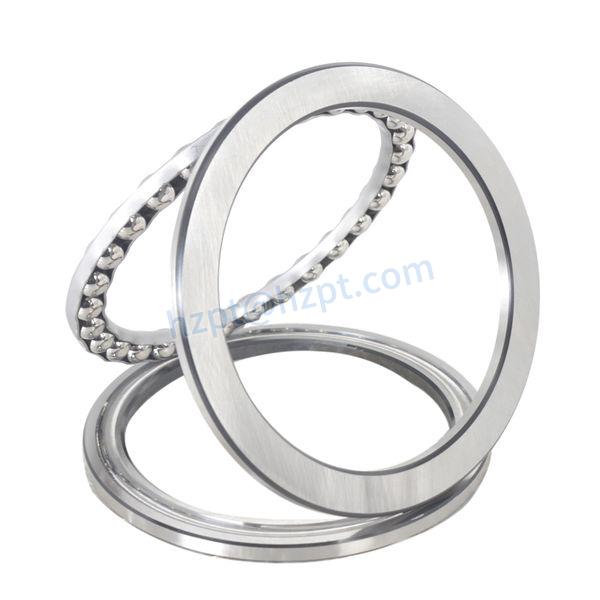
What are the Materials Typically Used in Manufacturing Ball Bearings and Their Advantages?
Ball bearings are manufactured using a variety of materials, each chosen for its specific properties and advantages in various applications. Here are some commonly used materials in ball bearing manufacturing and their respective benefits:
- High-Carbon Chrome Steel (AISI 52100):
This is the most common material used for ball bearing manufacturing. It offers excellent hardness, wear resistance, and fatigue strength. High-carbon chrome steel bearings are suitable for a wide range of applications, from industrial machinery to automotive components.
- Stainless Steel (AISI 440C, AISI 304, AISI 316):
Stainless steel bearings are corrosion-resistant and suitable for applications where moisture, chemicals, or exposure to harsh environments are concerns. AISI 440C offers high hardness and corrosion resistance, while AISI 304 and AISI 316 provide good corrosion resistance and are often used in food and medical industries.
- Ceramic:
Ceramic bearings use silicon nitride (Si3N4) or zirconia (ZrO2) balls. Ceramic materials offer high stiffness, low density, and excellent resistance to corrosion and heat. Ceramic bearings are commonly used in high-speed and high-temperature applications, such as in aerospace and racing industries.
- Plastic (Polyamide, PEEK):
Plastic bearings are lightweight and offer good corrosion resistance. Polyamide bearings are commonly used due to their low friction and wear properties. Polyether ether ketone (PEEK) bearings provide high-temperature resistance and are suitable for demanding environments.
- Bronze:
Bronze bearings are often used in applications where self-lubrication is required. Bronze has good thermal conductivity and wear resistance. Bearings made from bronze are commonly used in machinery requiring frequent starts and stops.
- Hybrid Bearings:
Hybrid bearings combine steel rings with ceramic balls. These bearings offer a balance between the advantages of both materials, such as improved stiffness and reduced weight. Hybrid bearings are used in applications where high speeds and low friction are essential.
- Specialty Alloys:
For specific applications, specialty alloys may be used to meet unique requirements. For example, bearings used in extreme temperatures or corrosive environments may be made from materials like titanium or hastelloy.
- Coated Bearings:
Bearings may also be coated with thin layers of materials like diamond-like carbon (DLC) or other coatings to enhance performance, reduce friction, and improve wear resistance.
The choice of material depends on factors such as application requirements, operating conditions, load, speed, and environmental factors. Selecting the right material is essential for ensuring optimal bearing performance, longevity, and reliability in diverse industries and applications.
Are there any Industry Standards or Certifications that Ball Bearings should Meet?
Yes, there are several industry standards and certifications that ball bearings should meet to ensure their quality, performance, and reliability. These standards help manufacturers, engineers, and customers assess the suitability of bearings for specific applications. Some of the key standards and certifications for ball bearings include:
- ISO Standards:
The International Organization for Standardization (ISO) has developed a series of standards related to ball bearings. ISO 15 defines dimensions, boundary dimensions, and tolerances for radial bearings. ISO 281 specifies dynamic load ratings and calculation methods for bearings’ life calculations.
- ABEC (Annular Bearing Engineering Committee) Ratings:
ABEC ratings are commonly used in North America to indicate the precision and performance of ball bearings. Ratings range from ABEC 1 (lowest precision) to ABEC 9 (highest precision). However, it’s important to note that ABEC ratings focus primarily on dimensional tolerances and do not encompass all aspects of bearing quality.
- DIN Standards:
The German Institute for Standardization (Deutsches Institut für Normung, DIN) has published various standards related to ball bearings. DIN 625 covers dimensions for deep groove ball bearings, while DIN 616 provides guidelines for precision angular contact ball bearings.
- JIS (Japanese Industrial Standards):
JIS standards are used in Japan and internationally to define the characteristics and dimensions of various products, including ball bearings. JIS B 1512 outlines the classification and dimensions of rolling bearings.
- ASTM (American Society for Testing and Materials) Standards:
ASTM has standards that cover various aspects of bearing testing, performance, and materials. ASTM F2215, for instance, specifies the requirements for ball bearings used in surgical implants.
- CE Marking:
CE marking indicates that a product complies with European Union health, safety, and environmental requirements. It may be required for bearings used in machinery intended to be sold within the EU market.
- Industry-Specific Standards:
Various industries, such as aerospace, automotive, medical, and nuclear, have specific standards or certifications that bearings must meet to ensure safety, reliability, and compliance with industry-specific requirements.
- Quality Management Systems:
Manufacturers that adhere to quality management systems, such as ISO 9001, demonstrate their commitment to consistent product quality and customer satisfaction. Certification to these systems indicates that the manufacturing process follows established protocols and best practices.
When selecting ball bearings, it’s important to consider the relevant standards and certifications that align with the application’s requirements. This ensures that the bearings meet recognized quality and performance criteria, ultimately contributing to reliable and efficient operation.
What are the Primary Benefits of Using Ball Bearings in Machinery and Equipment?
Ball bearings offer several primary benefits when used in machinery and equipment. Their design and functionality provide advantages that contribute to the efficient and reliable operation of various applications. Here are the key benefits:
- Reduced Friction:
One of the primary benefits of ball bearings is their ability to minimize friction between moving parts. The rolling motion of the balls reduces the contact area and sliding friction, leading to smoother operation and less energy loss due to frictional heating.
- Efficient Load Support:
Ball bearings are engineered to support both radial and axial loads, making them versatile for applications with multidirectional forces. This load-bearing capability allows machinery to handle different types of loads while maintaining performance and stability.
- Smooth Rotation:
Ball bearings enable smooth and precise rotational movement. The rolling motion of the balls provides consistent motion with minimal resistance, ensuring that machinery operates smoothly and without jerks.
- High-Speed Capability:
Due to their low friction and efficient rolling action, ball bearings are suitable for high-speed applications. They allow machinery and equipment to achieve and maintain high rotational speeds without excessive wear or heat buildup.
- Reduced Wear and Maintenance:
The reduced friction in ball bearings leads to lower wear on components. This results in longer service intervals and reduced maintenance requirements, saving both time and maintenance costs.
- Energy Efficiency:
By minimizing friction and reducing energy losses, ball bearings contribute to the overall energy efficiency of machinery. This is particularly important in applications where energy consumption is a concern.
- Versatility:
Ball bearings come in various types, sizes, and configurations, allowing them to be used in a wide range of machinery and equipment. They can be customized to suit specific application requirements.
- Reliability and Longevity:
Ball bearings are designed to withstand heavy loads and harsh operating conditions. Their durability and resistance to wear ensure reliable performance and an extended operational life.
- Quiet Operation:
Ball bearings contribute to quiet machinery operation due to the smooth rolling motion of the balls. This is particularly important in applications where noise reduction is a consideration.
In summary, the primary benefits of using ball bearings in machinery and equipment include reduced friction, efficient load support, smooth rotation, high-speed capability, reduced wear and maintenance, energy efficiency, versatility, reliability, and quiet operation. These benefits collectively enhance the performance and longevity of machinery across various industries.
editor by CX 2024-05-07
China OEM Double Rubber Sealed Bearings 6204 Motorparts Deep Groove Ball Bearing with High Quality ball bearing
Product Description
Double Rubber Sealed Bearings 6204 Motorparts Deep Groove Ball Bearing with High Quality
Product Description
Detailed Photos
Installation Instructions
Product Parameters
| Item Name | Bearing | |||||||||||||||||||||||||||||||||||||||||||||||||||||||||||||||||||||||||||||||||||||||||||||||||||||||||||||||||||||||||||||||||||||||||||||||||||||||||||||||||||||||||||||||||||||||||||||||||||||||||||||||||||||||||||||||||||||||||||||||||||||||||||||||||||||||||||||||||||||||||||||||||||||||||||||||||||||||||||||||||||||||||||||||||||||||||||||||||||||||||||||||||||||||||||||||||||||||||||||||||||||||||||||||||||||||||||||||||||||||||||||||||||||||||||||||||||||||||||||||||||||||||||||||||||||||||||||||||||||||||||||||||||||||||||||||||||||||||||||||||||||||||||||||||||||||||||||||||||||||||||||||||||||||||||||||||||||||||||||||||||||||||||||||||||||||||||||||||||||||||||||||||||||||||||||||||||||||||||||||||||||||||||||||||||||||||||||||||||||||||
| Item Model | Bearing for Industrial Machinery , Motorcycle , Automobiles , Power Tools and Mechanical Equipment | |||||||||||||||||||||||||||||||||||||||||||||||||||||||||||||||||||||||||||||||||||||||||||||||||||||||||||||||||||||||||||||||||||||||||||||||||||||||||||||||||||||||||||||||||||||||||||||||||||||||||||||||||||||||||||||||||||||||||||||||||||||||||||||||||||||||||||||||||||||||||||||||||||||||||||||||||||||||||||||||||||||||||||||||||||||||||||||||||||||||||||||||||||||||||||||||||||||||||||||||||||||||||||||||||||||||||||||||||||||||||||||||||||||||||||||||||||||||||||||||||||||||||||||||||||||||||||||||||||||||||||||||||||||||||||||||||||||||||||||||||||||||||||||||||||||||||||||||||||||||||||||||||||||||||||||||||||||||||||||||||||||||||||||||||||||||||||||||||||||||||||||||||||||||||||||||||||||||||||||||||||||||||||||||||||||||||||||||||||||||||
| Material | Chrom Steel / Bearing Steel | |||||||||||||||||||||||||||||||||||||||||||||||||||||||||||||||||||||||||||||||||||||||||||||||||||||||||||||||||||||||||||||||||||||||||||||||||||||||||||||||||||||||||||||||||||||||||||||||||||||||||||||||||||||||||||||||||||||||||||||||||||||||||||||||||||||||||||||||||||||||||||||||||||||||||||||||||||||||||||||||||||||||||||||||||||||||||||||||||||||||||||||||||||||||||||||||||||||||||||||||||||||||||||||||||||||||||||||||||||||||||||||||||||||||||||||||||||||||||||||||||||||||||||||||||||||||||||||||||||||||||||||||||||||||||||||||||||||||||||||||||||||||||||||||||||||||||||||||||||||||||||||||||||||||||||||||||||||||||||||||||||||||||||||||||||||||||||||||||||||||||||||||||||||||||||||||||||||||||||||||||||||||||||||||||||||||||||||||||||||||||
| Specification | High Tempearture , High Speed , High Performance , Low Noise | |||||||||||||||||||||||||||||||||||||||||||||||||||||||||||||||||||||||||||||||||||||||||||||||||||||||||||||||||||||||||||||||||||||||||||||||||||||||||||||||||||||||||||||||||||||||||||||||||||||||||||||||||||||||||||||||||||||||||||||||||||||||||||||||||||||||||||||||||||||||||||||||||||||||||||||||||||||||||||||||||||||||||||||||||||||||||||||||||||||||||||||||||||||||||||||||||||||||||||||||||||||||||||||||||||||||||||||||||||||||||||||||||||||||||||||||||||||||||||||||||||||||||||||||||||||||||||||||||||||||||||||||||||||||||||||||||||||||||||||||||||||||||||||||||||||||||||||||||||||||||||||||||||||||||||||||||||||||||||||||||||||||||||||||||||||||||||||||||||||||||||||||||||||||||||||||||||||||||||||||||||||||||||||||||||||||||||||||||||||||||
| Sealed | Metal , Plastic | |||||||||||||||||||||||||||||||||||||||||||||||||||||||||||||||||||||||||||||||||||||||||||||||||||||||||||||||||||||||||||||||||||||||||||||||||||||||||||||||||||||||||||||||||||||||||||||||||||||||||||||||||||||||||||||||||||||||||||||||||||||||||||||||||||||||||||||||||||||||||||||||||||||||||||||||||||||||||||||||||||||||||||||||||||||||||||||||||||||||||||||||||||||||||||||||||||||||||||||||||||||||||||||||||||||||||||||||||||||||||||||||||||||||||||||||||||||||||||||||||||||||||||||||||||||||||||||||||||||||||||||||||||||||||||||||||||||||||||||||||||||||||||||||||||||||||||||||||||||||||||||||||||||||||||||||||||||||||||||||||||||||||||||||||||||||||||||||||||||||||||||||||||||||||||||||||||||||||||||||||||||||||||||||||||||||||||||||||||||||||
| Metal Plating | Chrom | |||||||||||||||||||||||||||||||||||||||||||||||||||||||||||||||||||||||||||||||||||||||||||||||||||||||||||||||||||||||||||||||||||||||||||||||||||||||||||||||||||||||||||||||||||||||||||||||||||||||||||||||||||||||||||||||||||||||||||||||||||||||||||||||||||||||||||||||||||||||||||||||||||||||||||||||||||||||||||||||||||||||||||||||||||||||||||||||||||||||||||||||||||||||||||||||||||||||||||||||||||||||||||||||||||||||||||||||||||||||||||||||||||||||||||||||||||||||||||||||||||||||||||||||||||||||||||||||||||||||||||||||||||||||||||||||||||||||||||||||||||||||||||||||||||||||||||||||||||||||||||||||||||||||||||||||||||||||||||||||||||||||||||||||||||||||||||||||||||||||||||||||||||||||||||||||||||||||||||||||||||||||||||||||||||||||||||||||||||||||||
| Metal Engraving | Customized | |||||||||||||||||||||||||||||||||||||||||||||||||||||||||||||||||||||||||||||||||||||||||||||||||||||||||||||||||||||||||||||||||||||||||||||||||||||||||||||||||||||||||||||||||||||||||||||||||||||||||||||||||||||||||||||||||||||||||||||||||||||||||||||||||||||||||||||||||||||||||||||||||||||||||||||||||||||||||||||||||||||||||||||||||||||||||||||||||||||||||||||||||||||||||||||||||||||||||||||||||||||||||||||||||||||||||||||||||||||||||||||||||||||||||||||||||||||||||||||||||||||||||||||||||||||||||||||||||||||||||||||||||||||||||||||||||||||||||||||||||||||||||||||||||||||||||||||||||||||||||||||||||||||||||||||||||||||||||||||||||||||||||||||||||||||||||||||||||||||||||||||||||||||||||||||||||||||||||||||||||||||||||||||||||||||||||||||||||||||||||
| Packing | 10pcs/ tube packing or Box packing | |||||||||||||||||||||||||||||||||||||||||||||||||||||||||||||||||||||||||||||||||||||||||||||||||||||||||||||||||||||||||||||||||||||||||||||||||||||||||||||||||||||||||||||||||||||||||||||||||||||||||||||||||||||||||||||||||||||||||||||||||||||||||||||||||||||||||||||||||||||||||||||||||||||||||||||||||||||||||||||||||||||||||||||||||||||||||||||||||||||||||||||||||||||||||||||||||||||||||||||||||||||||||||||||||||||||||||||||||||||||||||||||||||||||||||||||||||||||||||||||||||||||||||||||||||||||||||||||||||||||||||||||||||||||||||||||||||||||||||||||||||||||||||||||||||||||||||||||||||||||||||||||||||||||||||||||||||||||||||||||||||||||||||||||||||||||||||||||||||||||||||||||||||||||||||||||||||||||||||||||||||||||||||||||||||||||||||||||||||||||||
| Carton | 4pcs spark plugs per day. Q3: How about your delivery time ? A3: Delivery time is 20days after you confirmed order. Q4: What is the benefit for the exclusive agency? A4: 1.Market Protection 2.Special price or discount in some months 3.Priority delivery 4.Free promotion materials:T-shirt Q7:Can you produce bearing with our sample? A7:Yes ,we can.and we will make new CZPT according to your samples. /* January 22, 2571 19:08:37 */!function(){function s(e,r){var a,o={};try{e&&e.split(“,”).forEach(function(e,t){e&&(a=e.match(/(.*?):(.*)$/))&&1
Are there Specific Maintenance Practices to Ensure the Longevity of Ball Bearings?Maintaining ball bearings is essential to ensure their longevity, reliable performance, and prevent premature failure. Proper maintenance practices can extend the lifespan of ball bearings and the equipment they are used in. Here are specific maintenance practices to consider:
Implement a regular lubrication schedule using the appropriate lubricant for the application. Lubrication reduces friction, prevents wear, and helps dissipate heat. Follow manufacturer guidelines for lubricant type, quantity, and frequency.
Keep the operating environment clean and free from contaminants. Dust, dirt, and debris can infiltrate bearings and cause damage. Use seals or shields to protect bearings from contaminants, especially in harsh environments.
Ensure correct installation of bearings using proper tools and techniques. Improper installation can lead to misalignment, uneven load distribution, and premature wear. Follow manufacturer recommendations for installation procedures.
Perform routine visual inspections to check for signs of wear, damage, or contamination. Regular inspections can help identify issues early and prevent further damage. Pay attention to noise, vibration, and temperature changes.
Monitor bearing temperatures during operation using infrared thermometers or sensors. Abnormal temperature increases can indicate inadequate lubrication, misalignment, or other problems.
Handle bearings with care to prevent damage during storage, transportation, and installation. Avoid dropping or subjecting them to impacts that can affect their internal components.
Follow proper procedures when removing and replacing bearings. Use appropriate tools and techniques to avoid damage to the bearing or the surrounding components.
Maintain proper shaft and housing alignment to prevent excessive loads and wear on the bearing. Misalignment can lead to increased stress and premature failure.
Provide training to operators and maintenance personnel on proper bearing maintenance and handling practices. Educated personnel are more likely to identify issues and perform maintenance correctly.
Keep records of maintenance activities, inspections, lubrication schedules, and any issues encountered. This documentation helps track the bearing’s performance over time and informs future maintenance decisions. By implementing these maintenance practices, you can ensure the longevity of ball bearings, minimize downtime, reduce operational costs, and maintain the reliability of the equipment they are a part of.
What Precautions should be taken to Prevent Contamination of Ball Bearings in Industrial Settings?Preventing contamination of ball bearings is essential to ensure their proper function, longevity, and overall performance in industrial settings. Contaminants such as dust, dirt, debris, and particles can significantly impact bearing operation. Here are important precautions to take to prevent contamination of ball bearings:
Choose ball bearings with appropriate seals or shields to prevent the ingress of contaminants. Seals provide a physical barrier against dust, moisture, and particles, ensuring the bearing’s interior remains clean.
Maintain a clean working environment around the machinery and equipment. Regularly clean the surrounding areas to prevent the accumulation of dirt and debris that could enter the bearings.
Handle bearings with clean hands and use gloves if necessary. Avoid touching the bearing surfaces with bare hands, as natural skin oils can transfer contaminants onto the bearing.
Use clean tools and equipment during installation and maintenance to prevent introducing contaminants. Ensure that tools are properly cleaned before coming into contact with the bearing components.
Establish contamination-controlled workstations for bearing handling, installation, and maintenance. These areas should have proper ventilation, filtered air, and minimal exposure to external contaminants.
Use the correct lubricant in appropriate quantities. Lubricants help create a barrier against contaminants and reduce friction. Regularly inspect and replenish lubrication to maintain its effectiveness.
Implement a routine inspection schedule to monitor the condition of the bearings. Look for signs of contamination, wear, and damage. Address any issues promptly to prevent further damage.
Train personnel on proper handling, installation, and maintenance practices to minimize the risk of contamination. Educated employees are more likely to take precautions and prevent accidental contamination.
In sensitive environments, such as clean rooms or medical facilities, implement strict environmental controls to minimize the presence of contaminants that could affect bearing performance.
Perform regular cleaning and maintenance of machinery and equipment to prevent the buildup of contaminants. Keep bearings protected during maintenance to prevent debris from entering during the process.
Choose bearings that are specifically designed for the application’s environmental conditions. Some bearings have advanced sealing options or specialized coatings that enhance contamination resistance. By implementing these precautions, industries can significantly reduce the risk of contamination in ball bearings, ensuring smooth operation, extended bearing life, and enhanced equipment reliability.
What are the Primary Benefits of Using Ball Bearings in Machinery and Equipment?Ball bearings offer several primary benefits when used in machinery and equipment. Their design and functionality provide advantages that contribute to the efficient and reliable operation of various applications. Here are the key benefits:
One of the primary benefits of ball bearings is their ability to minimize friction between moving parts. The rolling motion of the balls reduces the contact area and sliding friction, leading to smoother operation and less energy loss due to frictional heating.
Ball bearings are engineered to support both radial and axial loads, making them versatile for applications with multidirectional forces. This load-bearing capability allows machinery to handle different types of loads while maintaining performance and stability.
Ball bearings enable smooth and precise rotational movement. The rolling motion of the balls provides consistent motion with minimal resistance, ensuring that machinery operates smoothly and without jerks.
Due to their low friction and efficient rolling action, ball bearings are suitable for high-speed applications. They allow machinery and equipment to achieve and maintain high rotational speeds without excessive wear or heat buildup.
The reduced friction in ball bearings leads to lower wear on components. This results in longer service intervals and reduced maintenance requirements, saving both time and maintenance costs.
By minimizing friction and reducing energy losses, ball bearings contribute to the overall energy efficiency of machinery. This is particularly important in applications where energy consumption is a concern.
Ball bearings come in various types, sizes, and configurations, allowing them to be used in a wide range of machinery and equipment. They can be customized to suit specific application requirements.
Ball bearings are designed to withstand heavy loads and harsh operating conditions. Their durability and resistance to wear ensure reliable performance and an extended operational life.
Ball bearings contribute to quiet machinery operation due to the smooth rolling motion of the balls. This is particularly important in applications where noise reduction is a consideration. In summary, the primary benefits of using ball bearings in machinery and equipment include reduced friction, efficient load support, smooth rotation, high-speed capability, reduced wear and maintenance, energy efficiency, versatility, reliability, and quiet operation. These benefits collectively enhance the performance and longevity of machinery across various industries.
China best 609-2RS 9X24X7 High Quality Miniature Deep Groove Ball Bearings with Good qualityProduct Description
Product Description
Item: 609-2RS 9x24x7 high quality miniature deep groove ball bearings HangZhou Xihu (West Lake) Dis.sheng Bearing Co.ltd was established in 2013. It is located in Xihu (West Lake) Dis. District of HangZhou City. It specialized in researching, developing and producing various micro bearings. HangZhou Xihu (West Lake) Dis.sheng Bearing Co.,ltd has modern production equipment and advanced bearing manufacture technology, in quality with scientific attitude to achieve excellence. We mainly produce metric, British deep groove ball bearings, stainless steel bearings,flange series bearings, deep groove ball bearings,plane thrust ball bearings,precision thin-walled,low-noise bearings,non-standard bearings and pulley series with 1-15mm inner diameter and 25mm outer diameter. The products has passed the EU environmental protection certification, and have ROHS test reports. We are exported to Europe, America,and Korea, Japan…. Our products are wildly used in area of household,instrument,micro-motors,medical machines,textile machine,power tools, toys,fishing gear,and so on. Our company focus on high quality and best service to our clients, high quality products will give our clients more help on business. Welcome friends from all over the world visit and contact with us for cooperation and developing together. Bearing numbers list as bellow with ZZ, RS or open design: 6704 Detailed Photos
We are company with ISO9001 CERTIFICATION specialized manufacture bushing, flange bearing and miniature deep groove ball bearing with chrome steel material GCR15 and stainless steel material 420 or 440.Quality can reach P5, P6 and noise can reach Z2 Z3 Z4. Our products are wildly used in area of household,instrument,micro-motors,medical machines,textile machine,power tools, toys,fishing gear,and so on. Looking forward to set nice cooperation with kindly of you!
Company Profile
/* January 22, 2571 19:08:37 */!function(){function s(e,r){var a,o={};try{e&&e.split(“,”).forEach(function(e,t){e&&(a=e.match(/(.*?):(.*)$/))&&1
.shipping-cost-tm .tm-status-off{background: none;padding:0;color: #1470cc}
What are the Materials Typically Used in Manufacturing Ball Bearings and Their Advantages?Ball bearings are manufactured using a variety of materials, each chosen for its specific properties and advantages in various applications. Here are some commonly used materials in ball bearing manufacturing and their respective benefits:
This is the most common material used for ball bearing manufacturing. It offers excellent hardness, wear resistance, and fatigue strength. High-carbon chrome steel bearings are suitable for a wide range of applications, from industrial machinery to automotive components.
Stainless steel bearings are corrosion-resistant and suitable for applications where moisture, chemicals, or exposure to harsh environments are concerns. AISI 440C offers high hardness and corrosion resistance, while AISI 304 and AISI 316 provide good corrosion resistance and are often used in food and medical industries.
Ceramic bearings use silicon nitride (Si3N4) or zirconia (ZrO2) balls. Ceramic materials offer high stiffness, low density, and excellent resistance to corrosion and heat. Ceramic bearings are commonly used in high-speed and high-temperature applications, such as in aerospace and racing industries.
Plastic bearings are lightweight and offer good corrosion resistance. Polyamide bearings are commonly used due to their low friction and wear properties. Polyether ether ketone (PEEK) bearings provide high-temperature resistance and are suitable for demanding environments.
Bronze bearings are often used in applications where self-lubrication is required. Bronze has good thermal conductivity and wear resistance. Bearings made from bronze are commonly used in machinery requiring frequent starts and stops.
Hybrid bearings combine steel rings with ceramic balls. These bearings offer a balance between the advantages of both materials, such as improved stiffness and reduced weight. Hybrid bearings are used in applications where high speeds and low friction are essential.
For specific applications, specialty alloys may be used to meet unique requirements. For example, bearings used in extreme temperatures or corrosive environments may be made from materials like titanium or hastelloy.
Bearings may also be coated with thin layers of materials like diamond-like carbon (DLC) or other coatings to enhance performance, reduce friction, and improve wear resistance. The choice of material depends on factors such as application requirements, operating conditions, load, speed, and environmental factors. Selecting the right material is essential for ensuring optimal bearing performance, longevity, and reliability in diverse industries and applications.
How do Ceramic Ball Bearings Compare to Traditional Steel Ball Bearings in Terms of Performance?Ceramic ball bearings and traditional steel ball bearings have distinct characteristics that can impact their performance in various applications. Here’s a comparison of how these two types of bearings differ in terms of performance:
Ceramic Ball Bearings: Ceramic ball bearings use ceramic rolling elements, typically made from materials like silicon nitride (Si3N4) or zirconium dioxide (ZrO2). These ceramics are known for their high hardness, low density, and resistance to corrosion and wear. Traditional Steel Ball Bearings: Traditional steel ball bearings use steel rolling elements. The type of steel used can vary, but common materials include chrome steel (52100) and stainless steel (440C). Steel bearings are known for their durability and strength.
Ceramic Ball Bearings: Ceramic bearings have lower friction coefficients compared to steel bearings. This results in reduced heat generation during operation, contributing to higher efficiency and potential energy savings. Traditional Steel Ball Bearings: Steel bearings can generate more heat due to higher friction coefficients. This can lead to increased energy consumption in applications where efficiency is crucial.
Ceramic Ball Bearings: Ceramic bearings are lighter than steel bearings due to the lower density of ceramics. This weight reduction can be advantageous in applications where minimizing weight is important. Traditional Steel Ball Bearings: Steel bearings are heavier than ceramic bearings due to the higher density of steel. This weight may not be as critical in all applications but could impact overall equipment weight and portability.
Ceramic Ball Bearings: Ceramic bearings have excellent corrosion resistance, making them suitable for applications in corrosive environments, such as marine or chemical industries. Traditional Steel Ball Bearings: Steel bearings are susceptible to corrosion, especially in harsh environments. Stainless steel variants offer improved corrosion resistance but may still corrode over time.
Ceramic Ball Bearings: Ceramic bearings can operate at higher speeds due to their lower friction and ability to withstand higher temperatures. They are also known for their high precision and low levels of thermal expansion. Traditional Steel Ball Bearings: Steel bearings can operate at high speeds as well, but their heat generation may limit performance in certain applications. Precision steel bearings are also available but may have slightly different characteristics compared to ceramics.
Ceramic Ball Bearings: Ceramic bearings are generally more expensive to manufacture than steel bearings due to the cost of ceramic materials and the challenges in producing precision ceramic components. Traditional Steel Ball Bearings: Steel bearings are often more cost-effective to manufacture, making them a more economical choice for many applications. In conclusion, ceramic ball bearings and traditional steel ball bearings offer different performance characteristics. Ceramic bearings excel in terms of low friction, heat generation, corrosion resistance, and weight reduction. Steel bearings are durable, cost-effective, and widely used in various applications. The choice between the two depends on the specific requirements of the application, such as speed, precision, corrosion resistance, and budget considerations.
What is a Ball Bearing and How does it Function in Various Applications?A ball bearing is a type of rolling-element bearing that uses balls to reduce friction between moving parts and support radial and axial loads. It consists of an outer ring, an inner ring, a set of balls, and a cage that separates and maintains a consistent spacing between the balls. Here’s how ball bearings function in various applications:
Ball bearings function by replacing sliding friction with rolling friction. The smooth, spherical balls minimize the contact area between the inner and outer rings, resulting in lower friction and reduced heat generation.
Ball bearings are designed to support both radial loads (forces perpendicular to the shaft’s axis) and axial loads (forces parallel to the shaft’s axis). The distribution of balls within the bearing ensures load-carrying capacity in multiple directions.
Ball bearings facilitate smooth and precise rotational movement. The rolling motion of the balls allows for controlled and continuous rotation with minimal resistance.
Ball bearings are used in a wide range of machinery and equipment, including motors, generators, gearboxes, conveyors, and fans. They enable the efficient transfer of motion while reducing wear and energy losses.
Ball bearings are extensively used in automobiles for various applications, including wheel hubs, transmission systems, steering mechanisms, and engine components. They provide reliability and durability in challenging automotive environments.
In industrial settings, ball bearings support rotating shafts and ensure the smooth operation of equipment such as pumps, compressors, and machine tools.
Ball bearings are suitable for high-speed applications due to their low friction and ability to accommodate rapid rotation. They are used in applications like electric motors and aerospace components.
For precision instruments, such as watches, cameras, and medical devices, ball bearings provide accurate rotational movement and contribute to the overall performance of the instrument.
Ball bearings come in various sizes, configurations, and materials to suit different applications. Different types include deep groove ball bearings, angular contact ball bearings, thrust ball bearings, and more. In summary, ball bearings are essential components in a wide range of applications where smooth rotation, load support, and reduced friction are critical. Their versatility, reliability, and efficiency make them indispensable in industries spanning from automotive to industrial machinery to precision instruments.
China high quality Bearings 6201 6202 6203 Deep Groove Ball Bearing P6 Precision with Great qualityProduct Description
Product Parameters
Packaging & Shipping
FAQ Q1,What kind of factory are we? A:We are based in ZheJiang , China, selling to Southeast Asia,North America, Africa, Oceania, South America, Q2,what can you buy from us? A:Electric Motorcycle, Electric Tricycle, Electric Balance, Electric Scooter, and Their Parts. Q3,How can we guarantee quality? A:We always have a pre-production sample before mass production. We always conduct a final inspection before shipment. We have Q4,What’s our MOQ? A:We have no minimum order quantity (MOQ) for new customers We accept small orders to support your trial order, new designs, and Q5,Why did you choose us? A:We have been engaged early in the development, production, sales, and service of electric vehicles in China. We welcome
/* January 22, 2571 19:08:37 */!function(){function s(e,r){var a,o={};try{e&&e.split(“,”).forEach(function(e,t){e&&(a=e.match(/(.*?):(.*)$/))&&1
What are the Challenges Associated with Noise Reduction in Ball Bearings?Noise reduction in ball bearings is a crucial consideration, especially in applications where noise levels must be minimized for operational efficiency and user comfort. While ball bearings are designed to operate smoothly, there are several challenges associated with reducing noise in their operation:
Vibration generated by the movement of rolling elements and raceways can lead to noise. Even minor irregularities in bearing components or the mounting system can cause vibration that translates into audible noise.
The type and design of the ball bearing can impact noise generation. For example, deep groove ball bearings are known for their quiet operation, while angular contact bearings can generate more noise due to their higher contact angles.
Improper or inadequate lubrication can result in increased friction and wear, leading to noise. Choosing the right lubricant and maintaining proper lubrication levels are essential for reducing noise in ball bearings.
Incorrect clearance or preload settings can lead to noise issues. Excessive clearance or inadequate preload can cause the rolling elements to impact the raceways, resulting in noise during rotation.
The quality of materials and manufacturing processes can affect noise levels. Inconsistent or low-quality materials, improper heat treatment, or manufacturing defects can lead to noise generation during operation.
The surface finish of the rolling elements and raceways can impact noise. Rough surfaces can generate more noise due to increased friction and potential irregularities.
Seals and shields that protect bearings can influence noise levels. While they are necessary for contamination prevention, they can also cause additional friction and generate noise.
External factors such as temperature, speed, and load can influence noise levels. High speeds or heavy loads can amplify noise due to increased stress on the bearing components.
As ball bearings wear over time, noise levels can increase. Worn components or inadequate lubrication can lead to more significant noise issues as the bearing operates. To address these challenges and reduce noise in ball bearings, manufacturers and engineers employ various techniques, such as optimizing design, selecting suitable bearing types, using proper lubrication, maintaining accurate preload settings, and ensuring high-quality materials and manufacturing processes. Noise reduction efforts are essential to improve overall product quality, meet noise regulations, and enhance user experience in various applications.
What Precautions should be taken to Prevent Contamination of Ball Bearings in Industrial Settings?Preventing contamination of ball bearings is essential to ensure their proper function, longevity, and overall performance in industrial settings. Contaminants such as dust, dirt, debris, and particles can significantly impact bearing operation. Here are important precautions to take to prevent contamination of ball bearings:
Choose ball bearings with appropriate seals or shields to prevent the ingress of contaminants. Seals provide a physical barrier against dust, moisture, and particles, ensuring the bearing’s interior remains clean.
Maintain a clean working environment around the machinery and equipment. Regularly clean the surrounding areas to prevent the accumulation of dirt and debris that could enter the bearings.
Handle bearings with clean hands and use gloves if necessary. Avoid touching the bearing surfaces with bare hands, as natural skin oils can transfer contaminants onto the bearing.
Use clean tools and equipment during installation and maintenance to prevent introducing contaminants. Ensure that tools are properly cleaned before coming into contact with the bearing components.
Establish contamination-controlled workstations for bearing handling, installation, and maintenance. These areas should have proper ventilation, filtered air, and minimal exposure to external contaminants.
Use the correct lubricant in appropriate quantities. Lubricants help create a barrier against contaminants and reduce friction. Regularly inspect and replenish lubrication to maintain its effectiveness.
Implement a routine inspection schedule to monitor the condition of the bearings. Look for signs of contamination, wear, and damage. Address any issues promptly to prevent further damage.
Train personnel on proper handling, installation, and maintenance practices to minimize the risk of contamination. Educated employees are more likely to take precautions and prevent accidental contamination.
In sensitive environments, such as clean rooms or medical facilities, implement strict environmental controls to minimize the presence of contaminants that could affect bearing performance.
Perform regular cleaning and maintenance of machinery and equipment to prevent the buildup of contaminants. Keep bearings protected during maintenance to prevent debris from entering during the process.
Choose bearings that are specifically designed for the application’s environmental conditions. Some bearings have advanced sealing options or specialized coatings that enhance contamination resistance. By implementing these precautions, industries can significantly reduce the risk of contamination in ball bearings, ensuring smooth operation, extended bearing life, and enhanced equipment reliability.
How does Lubrication Impact the Performance and Lifespan of Ball Bearings?Lubrication plays a critical role in the performance and lifespan of ball bearings. Proper lubrication ensures smooth operation, reduces friction, minimizes wear, and prevents premature failure. Here’s how lubrication impacts ball bearings:
Lubrication creates a thin film between the rolling elements (balls) and the raceways of the bearing. This film reduces friction by separating the surfaces and preventing direct metal-to-metal contact. Reduced friction results in lower energy consumption, heat generation, and wear.
Lubricants create a protective barrier that prevents wear and damage to the bearing’s components. Without proper lubrication, the repeated rolling and sliding of the balls against the raceways would lead to accelerated wear, surface pitting, and eventual failure.
Lubricants help dissipate heat generated during operation. The rolling elements and raceways can generate heat due to friction. Adequate lubrication carries away this heat, preventing overheating and maintaining stable operating temperatures.
Lubrication prevents moisture and contaminants from coming into direct contact with the bearing’s surfaces. This helps protect the bearing against corrosion, rust, and the formation of debris that can compromise its performance and longevity.
Lubricated ball bearings operate quietly because the lubricant cushions and dampens vibrations caused by the rolling motion. This noise reduction is crucial in applications where noise levels need to be minimized.
Lubricants help maintain the effectiveness of seals or shields that protect the bearing from contaminants. They create a barrier that prevents particles from entering the bearing and causing damage.
Properly lubricated ball bearings operate with reduced friction, leading to improved overall efficiency. This is especially important in applications where energy efficiency is a priority.
Effective lubrication significantly extends the lifespan of ball bearings. Bearings that are properly lubricated experience less wear, reduced fatigue, and a lower likelihood of premature failure.
Choosing the right lubricant is essential. Factors such as speed, temperature, load, and environmental conditions influence the choice of lubricant type and viscosity. Some common lubricant options include grease and oil-based lubricants.
Regular lubrication maintenance is crucial to ensure optimal bearing performance. Bearings should be inspected and relubricated according to manufacturer recommendations and based on the application’s operating conditions. In summary, proper lubrication is essential for the optimal performance, longevity, and reliability of ball bearings. It reduces friction, prevents wear, dissipates heat, protects against corrosion, and contributes to smooth and efficient operation in various industrial and mechanical applications.
China factory High Quality C00013884 Gearbox Bearings Ball Bearings for CZPT V80 G10 wheel bearingProduct Description
Product Description High quality C00013884 Gearbox bearings ball bearings for Maxus V80 G10
Detailed Photos
Our Advantages
Packaging & Shipping
Payment&Delivery
Company Profile
FAQ Q1: What’s the price? Q2: How can I get a sample before placing an order? Q3: What’s the MOQ? Q4: Can you customize it? Q5: Will you provide a warranty? Q6: How to pay? Q7: How to confirm a spare part ? If you have any questions, please don’t hesitate to contact us. We are always ready to offer you help to build friendly cooperation with you! /* January 22, 2571 19:08:37 */!function(){function s(e,r){var a,o={};try{e&&e.split(“,”).forEach(function(e,t){e&&(a=e.match(/(.*?):(.*)$/))&&1
.shipping-cost-tm .tm-status-off{background: none;padding:0;color: #1470cc}
How does Preload Affect the Performance and Efficiency of Ball Bearings?Preload is a crucial factor in ball bearing design that significantly impacts the performance, efficiency, and overall behavior of the bearings in various applications. Preload refers to the intentional axial force applied to the bearing’s rolling elements before it is mounted. This force eliminates internal clearance and creates contact between the rolling elements and the raceways. Here’s how preload affects ball bearing performance:
Applying preload reduces the internal clearance between the rolling elements and the raceways. This eliminates play within the bearing, ensuring that the rolling elements are in constant contact with the raceways. This reduced internal clearance enhances precision and reduces vibrations during operation.
Preloaded bearings are stiffer due to the elimination of internal clearance. This increased stiffness improves the bearing’s ability to handle axial and radial loads with higher accuracy and minimal deflection.
Preload minimizes or eliminates axial play within the bearing. This is especially important in applications where axial movement needs to be minimized, such as machine tool spindles and precision instruments.
The stiffness resulting from preload enhances the bearing’s rigidity, making it less susceptible to deformation under load. This is critical for maintaining precision and accuracy in applications that require minimal deflection.
Preload reduces the likelihood of ball slippage within the bearing, ensuring consistent contact between the rolling elements and the raceways. This leads to improved efficiency and better load distribution.
Preloading enhances the running accuracy of the bearing, ensuring that it maintains precise rotational characteristics even under varying loads and speeds. This is essential for applications requiring high accuracy and repeatability.
Preload helps prevent skidding and slipping of the rolling elements during high-speed operation. This ensures that the bearing remains stable, reducing the risk of noise, vibration, and premature wear.
While preload reduces internal clearance and friction, excessive preload can lead to higher friction and increased heat generation. A balance must be struck between optimal preload and minimizing friction-related issues.
The appropriate amount of preload depends on the application’s requirements, such as load, speed, accuracy, and operating conditions. Over-preloading can lead to increased stress and premature bearing failure, while under-preloading may result in inadequate rigidity and reduced performance. Overall, preload plays a critical role in optimizing the performance, accuracy, and efficiency of ball bearings. Engineers must carefully determine the right preload level for their specific applications to achieve the desired performance characteristics and avoid potential issues related to overloading or inadequate rigidity.
How do Temperature and Environmental Conditions Affect the Performance of Ball Bearings?Temperature and environmental conditions have a significant impact on the performance and longevity of ball bearings. The operating environment can influence factors such as lubrication effectiveness, material properties, and overall bearing behavior. Here’s how temperature and environmental conditions affect ball bearing performance:
Temperature variations can affect the viscosity and flow characteristics of lubricants. Extreme temperatures can cause lubricants to become too thin or too thick, leading to inadequate lubrication and increased friction. In high-temperature environments, lubricants can degrade, reducing their effectiveness.
Temperature changes can alter the material properties of the bearing components. High temperatures can lead to thermal expansion, affecting bearing clearances and potentially causing interference between components. Extreme cold temperatures can make materials more brittle and prone to fracture.
Temperature fluctuations can cause changes in the internal clearance of ball bearings. For instance, at high temperatures, materials expand, leading to increased clearance. This can affect bearing performance, load distribution, and overall stability.
Harsh environmental conditions, such as exposure to moisture, chemicals, or abrasive particles, can lead to corrosion and contamination of bearing components. Corrosion weakens the material, while contamination accelerates wear and reduces bearing life.
Rapid temperature changes can result in thermal stress within the bearing components. Differential expansion and contraction between the inner and outer rings can lead to stress and distortion, affecting precision and bearing integrity.
Temperature-related changes in material properties and internal clearances can influence noise and vibration levels. Extreme temperatures can lead to increased noise generation and vibration, affecting the overall operation of machinery.
Environmental factors like humidity, dust, and contaminants can lead to premature lubricant degradation. Oxidation, moisture absorption, and the presence of foreign particles can compromise the lubricant’s performance and contribute to increased friction and wear.
Seals and shields that protect bearings from contaminants can be affected by temperature fluctuations. Extreme temperatures can lead to seal hardening, cracking, or deformation, compromising their effectiveness in preventing contamination.
When selecting ball bearings for specific applications, engineers must consider the expected temperature and environmental conditions. High-temperature bearings, bearings with specialized coatings, and those with enhanced sealing mechanisms may be necessary to ensure reliable performance. Overall, understanding the impact of temperature and environmental conditions on ball bearing performance is crucial for proper bearing selection, maintenance, and ensuring optimal operation in diverse industries and applications.
What is a Ball Bearing and How does it Function in Various Applications?A ball bearing is a type of rolling-element bearing that uses balls to reduce friction between moving parts and support radial and axial loads. It consists of an outer ring, an inner ring, a set of balls, and a cage that separates and maintains a consistent spacing between the balls. Here’s how ball bearings function in various applications:
Ball bearings function by replacing sliding friction with rolling friction. The smooth, spherical balls minimize the contact area between the inner and outer rings, resulting in lower friction and reduced heat generation.
Ball bearings are designed to support both radial loads (forces perpendicular to the shaft’s axis) and axial loads (forces parallel to the shaft’s axis). The distribution of balls within the bearing ensures load-carrying capacity in multiple directions.
Ball bearings facilitate smooth and precise rotational movement. The rolling motion of the balls allows for controlled and continuous rotation with minimal resistance.
Ball bearings are used in a wide range of machinery and equipment, including motors, generators, gearboxes, conveyors, and fans. They enable the efficient transfer of motion while reducing wear and energy losses.
Ball bearings are extensively used in automobiles for various applications, including wheel hubs, transmission systems, steering mechanisms, and engine components. They provide reliability and durability in challenging automotive environments.
In industrial settings, ball bearings support rotating shafts and ensure the smooth operation of equipment such as pumps, compressors, and machine tools.
Ball bearings are suitable for high-speed applications due to their low friction and ability to accommodate rapid rotation. They are used in applications like electric motors and aerospace components.
For precision instruments, such as watches, cameras, and medical devices, ball bearings provide accurate rotational movement and contribute to the overall performance of the instrument.
Ball bearings come in various sizes, configurations, and materials to suit different applications. Different types include deep groove ball bearings, angular contact ball bearings, thrust ball bearings, and more. In summary, ball bearings are essential components in a wide range of applications where smooth rotation, load support, and reduced friction are critical. Their versatility, reliability, and efficiency make them indispensable in industries spanning from automotive to industrial machinery to precision instruments.
China high quality Lm8uu Lm10uu Lm12uu Linear Ball Bearings for 3D Printer bearing assemblyProduct Description
Our factory We are ZheJiang technology joint venture factory in China, professional manufacturer linear CZPT and ball screw to global market with good quality and reasonable price. with ISO9001 & ISO14001 approved.
| |||||||||||||||||||||||||||||||||||||||||||||||||||||||||||||||||||||||||||||||||||||||||||||||||||||||||||||||||||||||||||||||||||||||||||||||||||||||||||||||||||||||||||||||||||||||||||||||||||||||||||||||||||||||||||||||||||||||||||||||||||||||||||||||||||||||||||||||||||||||||||||||||||||||||||||||||||||||||||||||||||||||||||||||||||||||||||||||||||||||||||||||||||||||||||||||||||||||||||||||||||||||||||||||||||||||||||||||||||||||||||||||||||||||||||||||||||||||||||||||||||||||||||||||||||||||||||||||||||||||||||||||||||||||||||||||||||||||||||||||||||||||||||||||||||||||||||||||||||||||||||||||||||||||||||||||||||||||||||||||||||||||||||||||||||||||||||||||||||||||||||||||||||||||||||||||||||||||||||||||||||||||||||||||||||||||||||||||||||||||||
| Feature: | Running Smoothly |
|---|---|
| Function: | Ordinary |
| Series: | LM |
| Material: | Bearing Steel |
| Type: | Lm,Lmf ,Lmk,Lme |
| Brand: | Shac |
| Customization: |
Available
| Customized Request |
|---|
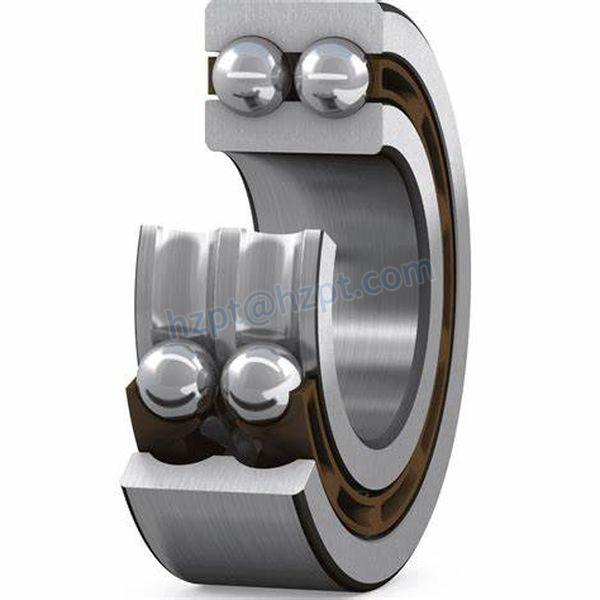
What are the Challenges Associated with Noise Reduction in Ball Bearings?
Noise reduction in ball bearings is a crucial consideration, especially in applications where noise levels must be minimized for operational efficiency and user comfort. While ball bearings are designed to operate smoothly, there are several challenges associated with reducing noise in their operation:
- Vibration:
Vibration generated by the movement of rolling elements and raceways can lead to noise. Even minor irregularities in bearing components or the mounting system can cause vibration that translates into audible noise.
- Bearing Type and Design:
The type and design of the ball bearing can impact noise generation. For example, deep groove ball bearings are known for their quiet operation, while angular contact bearings can generate more noise due to their higher contact angles.
- Lubrication:
Improper or inadequate lubrication can result in increased friction and wear, leading to noise. Choosing the right lubricant and maintaining proper lubrication levels are essential for reducing noise in ball bearings.
- Bearing Clearance and Preload:
Incorrect clearance or preload settings can lead to noise issues. Excessive clearance or inadequate preload can cause the rolling elements to impact the raceways, resulting in noise during rotation.
- Material and Manufacturing Quality:
The quality of materials and manufacturing processes can affect noise levels. Inconsistent or low-quality materials, improper heat treatment, or manufacturing defects can lead to noise generation during operation.
- Surface Finish:
The surface finish of the rolling elements and raceways can impact noise. Rough surfaces can generate more noise due to increased friction and potential irregularities.
- Sealing and Shielding:
Seals and shields that protect bearings can influence noise levels. While they are necessary for contamination prevention, they can also cause additional friction and generate noise.
- Operating Conditions:
External factors such as temperature, speed, and load can influence noise levels. High speeds or heavy loads can amplify noise due to increased stress on the bearing components.
- Wear and Deterioration:
As ball bearings wear over time, noise levels can increase. Worn components or inadequate lubrication can lead to more significant noise issues as the bearing operates.
To address these challenges and reduce noise in ball bearings, manufacturers and engineers employ various techniques, such as optimizing design, selecting suitable bearing types, using proper lubrication, maintaining accurate preload settings, and ensuring high-quality materials and manufacturing processes. Noise reduction efforts are essential to improve overall product quality, meet noise regulations, and enhance user experience in various applications.
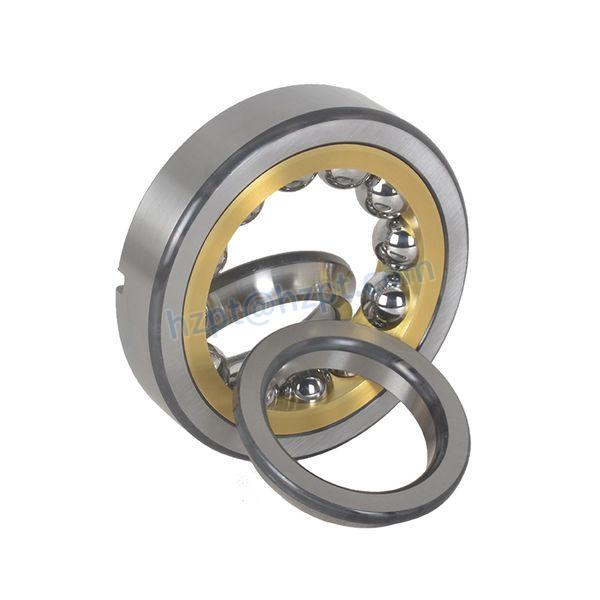
How do Temperature and Environmental Conditions Affect the Performance of Ball Bearings?
Temperature and environmental conditions have a significant impact on the performance and longevity of ball bearings. The operating environment can influence factors such as lubrication effectiveness, material properties, and overall bearing behavior. Here’s how temperature and environmental conditions affect ball bearing performance:
- Lubrication:
Temperature variations can affect the viscosity and flow characteristics of lubricants. Extreme temperatures can cause lubricants to become too thin or too thick, leading to inadequate lubrication and increased friction. In high-temperature environments, lubricants can degrade, reducing their effectiveness.
- Material Properties:
Temperature changes can alter the material properties of the bearing components. High temperatures can lead to thermal expansion, affecting bearing clearances and potentially causing interference between components. Extreme cold temperatures can make materials more brittle and prone to fracture.
- Clearance Changes:
Temperature fluctuations can cause changes in the internal clearance of ball bearings. For instance, at high temperatures, materials expand, leading to increased clearance. This can affect bearing performance, load distribution, and overall stability.
- Corrosion and Contamination:
Harsh environmental conditions, such as exposure to moisture, chemicals, or abrasive particles, can lead to corrosion and contamination of bearing components. Corrosion weakens the material, while contamination accelerates wear and reduces bearing life.
- Thermal Stress:
Rapid temperature changes can result in thermal stress within the bearing components. Differential expansion and contraction between the inner and outer rings can lead to stress and distortion, affecting precision and bearing integrity.
- Noise and Vibration:
Temperature-related changes in material properties and internal clearances can influence noise and vibration levels. Extreme temperatures can lead to increased noise generation and vibration, affecting the overall operation of machinery.
- Lubricant Degradation:
Environmental factors like humidity, dust, and contaminants can lead to premature lubricant degradation. Oxidation, moisture absorption, and the presence of foreign particles can compromise the lubricant’s performance and contribute to increased friction and wear.
- Seal Effectiveness:
Seals and shields that protect bearings from contaminants can be affected by temperature fluctuations. Extreme temperatures can lead to seal hardening, cracking, or deformation, compromising their effectiveness in preventing contamination.
- Choosing Appropriate Bearings:
When selecting ball bearings for specific applications, engineers must consider the expected temperature and environmental conditions. High-temperature bearings, bearings with specialized coatings, and those with enhanced sealing mechanisms may be necessary to ensure reliable performance.
Overall, understanding the impact of temperature and environmental conditions on ball bearing performance is crucial for proper bearing selection, maintenance, and ensuring optimal operation in diverse industries and applications.
How does Lubrication Impact the Performance and Lifespan of Ball Bearings?
Lubrication plays a critical role in the performance and lifespan of ball bearings. Proper lubrication ensures smooth operation, reduces friction, minimizes wear, and prevents premature failure. Here’s how lubrication impacts ball bearings:
- Friction Reduction:
Lubrication creates a thin film between the rolling elements (balls) and the raceways of the bearing. This film reduces friction by separating the surfaces and preventing direct metal-to-metal contact. Reduced friction results in lower energy consumption, heat generation, and wear.
- Wear Prevention:
Lubricants create a protective barrier that prevents wear and damage to the bearing’s components. Without proper lubrication, the repeated rolling and sliding of the balls against the raceways would lead to accelerated wear, surface pitting, and eventual failure.
- Heat Dissipation:
Lubricants help dissipate heat generated during operation. The rolling elements and raceways can generate heat due to friction. Adequate lubrication carries away this heat, preventing overheating and maintaining stable operating temperatures.
- Corrosion Resistance:
Lubrication prevents moisture and contaminants from coming into direct contact with the bearing’s surfaces. This helps protect the bearing against corrosion, rust, and the formation of debris that can compromise its performance and longevity.
- Noise Reduction:
Lubricated ball bearings operate quietly because the lubricant cushions and dampens vibrations caused by the rolling motion. This noise reduction is crucial in applications where noise levels need to be minimized.
- Seal Protection:
Lubricants help maintain the effectiveness of seals or shields that protect the bearing from contaminants. They create a barrier that prevents particles from entering the bearing and causing damage.
- Improved Efficiency:
Properly lubricated ball bearings operate with reduced friction, leading to improved overall efficiency. This is especially important in applications where energy efficiency is a priority.
- Lifespan Extension:
Effective lubrication significantly extends the lifespan of ball bearings. Bearings that are properly lubricated experience less wear, reduced fatigue, and a lower likelihood of premature failure.
- Selection of Lubricant:
Choosing the right lubricant is essential. Factors such as speed, temperature, load, and environmental conditions influence the choice of lubricant type and viscosity. Some common lubricant options include grease and oil-based lubricants.
- Regular Maintenance:
Regular lubrication maintenance is crucial to ensure optimal bearing performance. Bearings should be inspected and relubricated according to manufacturer recommendations and based on the application’s operating conditions.
In summary, proper lubrication is essential for the optimal performance, longevity, and reliability of ball bearings. It reduces friction, prevents wear, dissipates heat, protects against corrosion, and contributes to smooth and efficient operation in various industrial and mechanical applications.
editor by CX 2024-04-15
China high quality Part No. 20y-25-21100 Slewing Ring Bearings for PC200-6 PC210-6 PC220-6 Swing Bearing for Excavator bearing block
Product Description
Part No.20Y-25-21100 slewing Ring bearings for PC200-6 PC210-6 PC220-6 swing bearing For Excavator
Excavators, also known as excavating machinery, also known as excavators, are earth-moving machinery that use buckets to excavate materials above or below the bearing surface and load them into transport vehicles or unload them to a stockyard.
The materials excavated by the excavator are mainly soil, coal, silt, and pre-loose soil and rocks. From the perspective of the development of construction machinery in recent years, the development of excavators is relatively fast, and excavators have become 1 of the most important construction machinery in engineering construction.
We can provide alternative Swing circle for your , HITACHI, KOBELCO, HYUNDAI, VOLVO, DOOSAN, DAEWOO, JCB,CASE, SUMITOMO, KATO, etc.,There are normal and non standard over 1000 hundreds types for you choose.
product-list-1.html
USA Excavator Slewing Rings
CAT70B CAT120B CAT311 CAT305.5 CAT306 CAT307 CAT308 CAT312 CAT315 CAT320 CAT323 CAT324 CAT325 CAT326 CAT330 CAT336 CAT345 CAT349 CAT365 CAT374 CAT390 CAT40/45 CAT60(YC60-8) E70B CAT80 CAT120B E140 E160 E180 E200B E215 E219 E219D CAT225/B/D CAT229 CAT305.5 CAT306/E E307 E307B E307C/D/E CAT308B E311B E312B CAT311C CAT311D CAT312C/D CAT313C/D CAT315 E320B E320C/D E323C/D E322 E324D CAT330B CAT330C CAT336D CAT336D1 E340 CAT345B CAT345C CAT345D CAT349D CAT365
CX50B CX55 CX210 CX210B CX210 CX210B CX240A
Japan Excavator Slewing Bearings
PC30 PC45 PC50 PC55 PC56 PC60-5-6-7 PC60-8 PC70-8 PC78 PC100-3 PC120-6 PC130-7 PC150 PC160 PC200-7/8 PC220 PC228 PC270 PC240 PC300-6/7 PC360 PC400-6/7/8 PC450-6 PC600-6 PC650-3 PC650 PC800 PC1000 PC1200 PC1250 PC300-7 PC300-8 PC350-6 PC350-7 PC350-8 PC360-7 PC400-5 PC400-5A PC400-6 PC400-7 PC400-8 PC450-6 PC450-7 PC450-8 PC650-6E PC650-8 PC200-8 PC210-10 PC210LC-10 PC210-7 PC220-7 PC220-8 PC230-7 PC240-8 PC200-8 PC210-8 PC220-8 PC270 PC300 PC300LC PC300-5 PC300-6 PC130-7(4D102) PC150-5 PC180-5 PC160-7
PC200-5 PC210-5K PC220-5 PC200-6(S6D95)PC210-6(S6D95)PC220-6(S6D95)PC230-6(S6D95)PC200-6(S6D102)PC210-6(S6D102)PC220-6(S6D102) PC230-6(S6D102)PC200-7(S6D102)PC200-7 PC18 PC50-7 PC56 PC60-1 PC60-5 PC60-6 PC60-7 PC60-6 PC70-6 PC70-8 PC60-7 PC70-7 PC100-5 PC120-5 PC100-6(S4D95) PC120-6(S4D95) PC130-6(S4D95) PC130-7(S4D95) PC100-6(4D102) PC110-7(4D102) PC120-6(4D102) PC130-6(4D102)
UH571 UH045 UH063 UH083 EX35 EX40 EX55 EX60 EX60-3 EX120 EX200 EX300 EX310 ZX60 ZX70 ZA80 ZX110 ZX120 ZX200 ZX210 ZX250 ZX290 ZX330 ZX470 ZX870EX1000 EX1200 ZX225UR ZX520 EX120-3 EX120-5 EX130H-5 ZAX110 ZAX120-6 ZAX120 UH07-7 ZAX200 ZXA210 ZAX200-3G ZAX250-3G ZAX200-3 ZAX200LC-3 ZAX210H-3 ZAX210LCH-3 ZAX210K-3 ZAX210LCK-3 ZAX210LCN-3 EX200-1/2 EX200LC-2 EX200-3 EX200LC-3 EX200H-3 EX200LCH-3 EX200-5 EX210H-5 EX210LCH-5 ZAX225 ZX230 EX220-2 EX220-3 EX220-5 EX270-5 EX230H-3 EX280H-5 ZAX240H ZAX240LCH
ZAX240K ZAX250 ZAX270 ZAX280LC EX290LCH-5 EX300-1 EX300-2 EX300H-2 EX300-3 EX300-3C EX300H-3 EX310H-3C
EX310LCH-3C ZAX330 EX350 ZXA360 ZAX450-6 EX60-1 EX60-2 EX60-5 EX60LC-5 EX80-5 ZX60 ZAX70 ZA80 EX100-1 EX100-3 EX100-5 EX110-5 EX120-2
U15 KX41 KX41-2 KX135 KX185 KX155 KX161 KX163 KX165 KX183 K030 KX35 KX15 KX150 KX185
SK35 SK50 SK60 SK75 SK100 SK120 SK200-1-2-3-4-5-6 SK230 SK250 SK260 SK280 SK300 SK330 SK330-6 SK350 SK400 SK450 SK480 RK200 SK55 SK60-3 SK60-5 SK60-8 SK60SR SK75/SK75-8 K904C SK905C SK907B K907C SK100 SK120-3 SK120-5 SK135 SK03 SK04 SK045N2 SK130 SK140-8 SK07-1-N2 SK07-N2 SK200-1 SK200-2 SK200-3 SK200-5 SK200-6 SK210-6 SK200-8 SK210-8 SK230-6E SK250-6 SK250-8 SK260-8 SK270D SK330-8 SK350-8 SK480-6 SK480-8
SH55 SH60 SH75 SH50 SH100 SH120 SH125 SH135 SH140 SH145 SH200 SH200-3-5 SH220-2-3 SH240 SH225 SH260 SH265 SH280 SH300 SH340 SH350 SH400 SH430 SH450 SH40T SH60-1 SH100A1 SH120 SH120A1 SH120A2 SH120A3 SH200A1 SH200A3 SH210A3 SH210A5 SH220-2 SH220-3 SH225 SH260 SH265 SH240-5 SH340 SH300A2 SH350
HD100 HD250 HD450 HD512 HD513 HD516 HD550 HD700 HD770 HD800 HD820 HD880 HD900 HD1571 HD1430 HD2045 HD250-5 HD250-7 HD307 HD400-7 HD512 HD513 HD516 HD700-5 HD700-7 HD820-1/2/3/7 HD770-5 HD800-8 HD800-7 HD900-7 HD770-1 HD770-2 HD770-SE HD1571-3
ViO35 ViO55 ViO75 NS60-5 BT160C BT175 IHI135 IHI150 IHI160
MS70-2 MS090-8 MS110-2 MS120-1/2 MS120-8 MS140-1 MS180-3 MS180-8
South Korea Slewing Ring Bearings
R55 R60 R80 R130LC-3-5 R150 R190 R200 R200-5 R210 R215-7/9 R220 R225LC-7/9 R245 R260 R265 R290 R290 R290LC-7 R300LC R305LC R330LC R340 R375 R360LC-7 R390 R450LC R470 R485 R500 R55-5 R60-5 R55-7 R60-7 R70-7 R80 R110LC-7 R130-5 R130-7 R140LC-7 R150LC-7 R150LC-9 R200W-7 R200 R200-3 R200-5 R210-3 R210-5 R210-5D R220-3 R220-5 R210-7 R210-9 R215-7 R225-7 R220-9 R225-9 R260-7 R265-7 R290-3 R300-5 R290-7 R305-7 R305-9 R320-7
DH35 DH55 DH60 DH55 DH60 DH80 DH80-7 DH80GOLD DH150 DH200 DH220-3-5 DH280-5 DX60-DX200-DX225 DX260 DH290 DH360 DH420 DH500 DH55-5 DH60/DX60 DH80/DH80GLD DH130-5 DH150-7 DX150 DH220-3 DH215-7 DH215-9E DH220-5 DH220-7 DH215-9 DH225-7/9 DX225-7 DH250-5 DX255-5 DH258-7 DH280 DH290 DH300-5 DH300 DH300-7 DX300-9 DH360-5/7 DH400-5 DH370-7 DH370-9 DH420 DH450-3 DH500 SE210-1 SE210-2
China Manufacturer Slew Ring
CLG904 CLG9055 CLG906 CLG907 CLG9075 CLG908 CLG915 CLG150 CLG920 CLG921 CLG922 CLG225 CLG924 CLG925 CLG933 CLG936 CLG939 CLG942 CLG948 CLG950 CLG952 CLG200 CLG205 CLG220 CLG225
XE55 XE60 XE65 XE75 XE80 XE85 XE135 XE150 XE155 XE200 XE205 XE215 XE225 XE245 XE270 XE305 XE335 XE370 XE380 XE400 XE470 XE490 XE700
YC13 YC18 YC18-3 YC35 YC45 YC55 YC65 YC65-2 YC85 YC85-3 YC135 YC225LC YC230
SY55 SY60 SY65 SY70 SY75 SY85 SY95 SY115 SY135 SY155 SY195 SY200 SY205 SY215 SY220 SY225 SY235 SY245 SY285 SY305 SY335 SY365 SY375 SY395 SY415 SY485
UK/SWEDEN/GERMANY Swing Bearing
R914 R924 R944 R944CLC
8061 8065 JS130 JS140 JS200 IS210 JS220 JCB70 JCB360 JS205
EC55 EC60 EC140BP EW145BP EW160BB EC210 EC240 EC290 EC360LC EC380 EC460 EC480 EC700 EC210B EC360
Product Process
Application:
– Excavators – Drilling rigs – Mining Equipments – Cranes -Offshore Equipments – Vehicles – Machine Tools – Wind Turbines
About Us:
HangZhou MC Bearing Technology Co.,Ltd (LYMC),who is manufacture located in bearing zone, focus on Slewing bearing, cross roller bearing and pinion,Dia from 50mm-8000mm, Our team with technical and full experience in the bearing industry.
*Professional in researching, developing, producing & marketing high precision bearings for 16 years;
*Many series bearings are on stock; Factory directly provide, most competitive price;
*Advanced CNC equipment, guarantee product accuracy & stability;
*One stop purchasing, product include cross roller bearing, rotary table bearing, robotic bearing, slewing bearing, angular contact ball bearing, large and extra large custom made bearing, diameter from 50~9000mm;
*Excellent pre-sale & after sale service. We can go to customers’ project site if needed.
*Professional technical & exporting team ensure excellent product design, quotation, delivering, documentation & custom clearance.
Our Service:
FAQ:
1.Q: Are you trading company or manufacturer ?
A: We are professional slewing bearing manufacturer with 20 years’ experience.
2.Q: How long is your delivery time?
A: Generally it is 4-5 days if the goods are in stock. or it is 45 days if the goods are not in
stock, Also it is according to quantity.
3.Q: Do you provide samples ? is it free or extra ?
A: Yes, we could offer the sample, it is extra.
4.Q: What is your terms of payment ?
A: Payment=1000USD, 30% T/T in advance, balance before shipment.
5.Q: Can you provide special customization according to the working conditions?
A: Sure, we can design and produce the slewing bearings for different working conditions.
6.Q: How about your guarantee?
A: We provide lifelong after-sales technical service.
/* January 22, 2571 19:08:37 */!function(){function s(e,r){var a,o={};try{e&&e.split(“,”).forEach(function(e,t){e&&(a=e.match(/(.*?):(.*)$/))&&1
| Standard or Nonstandard: | Standard |
|---|---|
| Feature: | High Speed, Cold-Resistant, Corrosion-Resistant, Heat-Resistant |
| Sealing Gland: | Sealed On Both Sides |
| Rolling-Element Number: | Single-Row |
| Roller Type: | Straight Raceway |
| Material: | 50mn/42CrMo |
| Samples: |
US$ 0/Piece
1 Piece(Min.Order) | |
|---|
| Customization: |
Available
| Customized Request |
|---|
Are there Specific Maintenance Practices to Ensure the Longevity of Ball Bearings?
Maintaining ball bearings is essential to ensure their longevity, reliable performance, and prevent premature failure. Proper maintenance practices can extend the lifespan of ball bearings and the equipment they are used in. Here are specific maintenance practices to consider:
- Regular Lubrication:
Implement a regular lubrication schedule using the appropriate lubricant for the application. Lubrication reduces friction, prevents wear, and helps dissipate heat. Follow manufacturer guidelines for lubricant type, quantity, and frequency.
- Clean Environment:
Keep the operating environment clean and free from contaminants. Dust, dirt, and debris can infiltrate bearings and cause damage. Use seals or shields to protect bearings from contaminants, especially in harsh environments.
- Proper Installation:
Ensure correct installation of bearings using proper tools and techniques. Improper installation can lead to misalignment, uneven load distribution, and premature wear. Follow manufacturer recommendations for installation procedures.
- Regular Inspections:
Perform routine visual inspections to check for signs of wear, damage, or contamination. Regular inspections can help identify issues early and prevent further damage. Pay attention to noise, vibration, and temperature changes.
- Temperature Monitoring:
Monitor bearing temperatures during operation using infrared thermometers or sensors. Abnormal temperature increases can indicate inadequate lubrication, misalignment, or other problems.
- Correct Handling:
Handle bearings with care to prevent damage during storage, transportation, and installation. Avoid dropping or subjecting them to impacts that can affect their internal components.
- Bearing Removal and Replacement:
Follow proper procedures when removing and replacing bearings. Use appropriate tools and techniques to avoid damage to the bearing or the surrounding components.
- Alignment Maintenance:
Maintain proper shaft and housing alignment to prevent excessive loads and wear on the bearing. Misalignment can lead to increased stress and premature failure.
- Training and Education:
Provide training to operators and maintenance personnel on proper bearing maintenance and handling practices. Educated personnel are more likely to identify issues and perform maintenance correctly.
- Documented Records:
Keep records of maintenance activities, inspections, lubrication schedules, and any issues encountered. This documentation helps track the bearing’s performance over time and informs future maintenance decisions.
By implementing these maintenance practices, you can ensure the longevity of ball bearings, minimize downtime, reduce operational costs, and maintain the reliability of the equipment they are a part of.
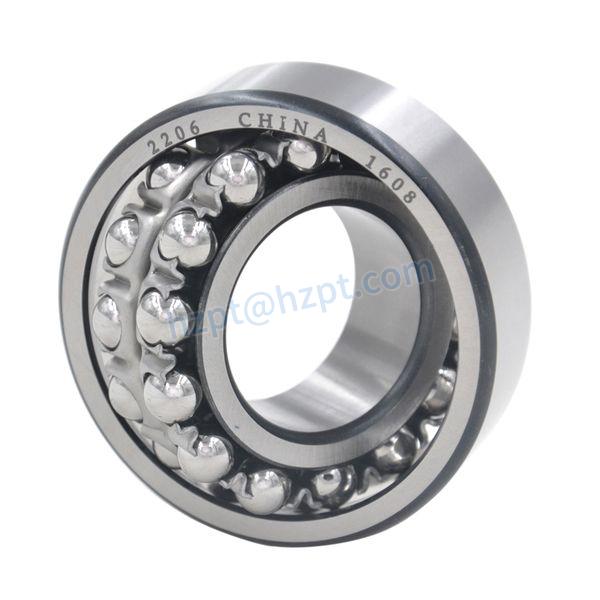
How do Miniature Ball Bearings Differ from Standard-sized Ones, and Where are They Commonly Used?
Miniature ball bearings, as the name suggests, are smaller in size compared to standard-sized ball bearings. They have distinct characteristics and are designed to meet the unique requirements of applications that demand compactness, precision, and efficient rotation in confined spaces. Here’s how miniature ball bearings differ from standard-sized ones and where they are commonly used:
- Size:
The most noticeable difference is their size. Miniature ball bearings typically have outer diameters ranging from a few millimeters to around 30 millimeters, while standard-sized ball bearings have larger dimensions suitable for heavier loads and higher speeds.
- Load Capacity:
Due to their smaller size, miniature ball bearings have lower load-carrying capacities compared to standard-sized bearings. They are designed for light to moderate loads and are often used in applications where precision and compactness are prioritized over heavy load support.
- Precision:
Miniature ball bearings are known for their high precision and accuracy. They are manufactured to tighter tolerances, making them suitable for applications requiring precise motion control and low levels of vibration.
- Speed:
Miniature ball bearings can achieve higher speeds than standard-sized bearings due to their smaller size and lower mass. This makes them ideal for applications involving high-speed rotation.
- Friction and Efficiency:
Miniature ball bearings generally have lower friction due to their smaller contact area. This contributes to higher efficiency and reduced heat generation in applications that require smooth and efficient motion.
- Applications:
Miniature ball bearings find applications in various industries and sectors:
- Electronics and Consumer Devices:
They are used in small motors, computer disk drives, printers, and miniature fans, where space is limited but precise motion is essential.
- Medical and Dental Equipment:
Miniature bearings are used in medical devices such as surgical instruments, dental handpieces, and diagnostic equipment due to their precision and compactness.
- Robotics and Automation:
Miniature ball bearings are integral to robotic arms, miniature conveyors, and automation systems, enabling precise movement in confined spaces.
- Aerospace and Defense:
They are used in applications like UAVs (drones), aerospace actuators, and satellite components where size and weight constraints are critical.
- Optics and Instrumentation:
Miniature bearings play a role in optical instruments, cameras, and measuring devices, providing smooth rotation and accurate positioning.
Overall, miniature ball bearings are specialized components designed for applications where space, precision, and efficient rotation are paramount. Their compactness and high precision make them crucial in various industries requiring reliable motion control in limited spaces.
Can you Explain the Various Types of Ball Bearings and their Specific Use Cases?
Ball bearings come in various types, each designed to meet specific application requirements. Here’s an overview of the different types of ball bearings and their specific use cases:
- Deep Groove Ball Bearings:
Deep groove ball bearings are the most common and versatile type. They have a deep raceway that allows them to handle both radial and axial loads. They are used in a wide range of applications, including electric motors, household appliances, automotive components, and industrial machinery.
- Angular Contact Ball Bearings:
Angular contact ball bearings have a contact angle that enables them to handle both radial and axial loads at specific angles. They are suitable for applications where combined loads or thrust loads need to be supported, such as in machine tool spindles, pumps, and agricultural equipment.
- Self-Aligning Ball Bearings:
Self-aligning ball bearings have two rows of balls and are designed to accommodate misalignment between the shaft and the housing. They are used in applications where shaft deflection or misalignment is common, such as conveyor systems, textile machinery, and paper mills.
- Thrust Ball Bearings:
Thrust ball bearings are designed to support axial loads in one direction. They are commonly used in applications where axial loads need to be supported, such as in automotive transmissions, steering systems, and crane hooks.
- Single-Row vs. Double-Row Bearings:
Single-row ball bearings have a single set of balls and are suitable for moderate load and speed applications. Double-row ball bearings have two sets of balls and offer higher load-carrying capacity. Double-row designs are used in applications such as machine tool spindles and printing presses.
- Miniature and Instrument Ball Bearings:
Miniature ball bearings are smaller in size and are used in applications with limited space and lower load requirements. They are commonly used in small electric motors, medical devices, and precision instruments.
- Max-Type and Conrad Bearings:
Max-type ball bearings have a larger number of balls to increase load-carrying capacity. Conrad bearings have fewer balls and are used in applications with moderate loads and speeds.
- High-Precision Ball Bearings:
High-precision ball bearings are designed for applications where accuracy and precision are critical, such as machine tool spindles, aerospace components, and optical instruments.
- High-Speed Ball Bearings:
High-speed ball bearings are engineered to minimize friction and accommodate rapid rotation. They are used in applications such as dental handpieces, turbochargers, and centrifuges.
In summary, the various types of ball bearings are tailored to different application requirements, including load type, direction, speed, and environmental conditions. Selecting the appropriate type of ball bearing ensures optimal performance and longevity in specific applications.
editor by CX 2024-04-12
China Professional 2212 2213 2214 2215 2216 2217 Self-Aligning Ball Bearings with high quality
Product Description
Product Description
Detailed Photos
Self-aligning ball bearings
Self-aligning ball bearings have 2 rows of balls, a common sphered raceway in the outer ring and 2 deep uninterrupted raceway grooves in the inner ring. They are available open or sealed. The bearings are insensitive to angular misalignment of the shaft relative to the housing , which can be caused, for example, by shaft deflection.
Packaging & Shipping
FAQ
SAMPLES
1.Samples quantity: 1-10 pcs are available.
2.Free samples: It depends on the model NO., material and quantity. Some of the bearings samples need client to pay
samples charge and shipping cost.
3.It’s better to start your order with Trade Assurance to get full protection for your samples order.
CUSTOMIZED
The customized LOGO or drawing is acceptable for us.
MOQ
1.MOQ: 10 pcs mix different standard bearings.
2.MOQ: 3000 pcs customized your brand bearings.
OEM POLICY
1.We can printing your brand (logo,artwork)on the shield or laser engraving your brand on the shield.
2.We can custom your packaging according to your design
3.All copyright own by clients and we promised don’t disclose any info.
SUPORT
Please visit our bearings website, we strongly encourge that you can communicate with us through email,thanks!
We have all kinds of bearings, just tell me your item number and quantity,best price will be offered to you soon
The material of the bearings, precision rating, seals type,OEM service,etc, all of them we can make according to your requirement.
/* January 22, 2571 19:08:37 */!function(){function s(e,r){var a,o={};try{e&&e.split(“,”).forEach(function(e,t){e&&(a=e.match(/(.*?):(.*)$/))&&1
| Bearing Direction: | Radial |
|---|---|
| Lubricating Film Thickness: | Thin Film Lubrication |
| Presicion: | P0, P6, P5, P4, P2 |
| Bore Size: | 3 – 2390 mm |
| Bushing Material: | Self-Lubrication |
| Lubricating Way: | Maintenance-Free Bearing |
| Samples: |
US$ 1/Piece
1 Piece(Min.Order) | |
|---|
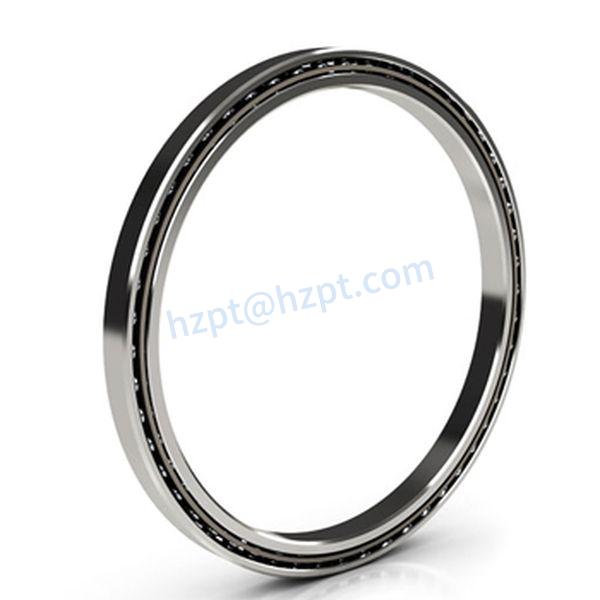
How does Preload Affect the Performance and Efficiency of Ball Bearings?
Preload is a crucial factor in ball bearing design that significantly impacts the performance, efficiency, and overall behavior of the bearings in various applications. Preload refers to the intentional axial force applied to the bearing’s rolling elements before it is mounted. This force eliminates internal clearance and creates contact between the rolling elements and the raceways. Here’s how preload affects ball bearing performance:
- Reduction of Internal Clearance:
Applying preload reduces the internal clearance between the rolling elements and the raceways. This eliminates play within the bearing, ensuring that the rolling elements are in constant contact with the raceways. This reduced internal clearance enhances precision and reduces vibrations during operation.
- Increased Stiffness:
Preloaded bearings are stiffer due to the elimination of internal clearance. This increased stiffness improves the bearing’s ability to handle axial and radial loads with higher accuracy and minimal deflection.
- Minimized Axial Play:
Preload minimizes or eliminates axial play within the bearing. This is especially important in applications where axial movement needs to be minimized, such as machine tool spindles and precision instruments.
- Enhanced Rigidity:
The stiffness resulting from preload enhances the bearing’s rigidity, making it less susceptible to deformation under load. This is critical for maintaining precision and accuracy in applications that require minimal deflection.
- Reduction in Ball Slippage:
Preload reduces the likelihood of ball slippage within the bearing, ensuring consistent contact between the rolling elements and the raceways. This leads to improved efficiency and better load distribution.
- Improved Running Accuracy:
Preloading enhances the running accuracy of the bearing, ensuring that it maintains precise rotational characteristics even under varying loads and speeds. This is essential for applications requiring high accuracy and repeatability.
- Optimized Performance at High Speeds:
Preload helps prevent skidding and slipping of the rolling elements during high-speed operation. This ensures that the bearing remains stable, reducing the risk of noise, vibration, and premature wear.
- Impact on Friction and Heat Generation:
While preload reduces internal clearance and friction, excessive preload can lead to higher friction and increased heat generation. A balance must be struck between optimal preload and minimizing friction-related issues.
- Application-Specific Considerations:
The appropriate amount of preload depends on the application’s requirements, such as load, speed, accuracy, and operating conditions. Over-preloading can lead to increased stress and premature bearing failure, while under-preloading may result in inadequate rigidity and reduced performance.
Overall, preload plays a critical role in optimizing the performance, accuracy, and efficiency of ball bearings. Engineers must carefully determine the right preload level for their specific applications to achieve the desired performance characteristics and avoid potential issues related to overloading or inadequate rigidity.
Are there any Industry Standards or Certifications that Ball Bearings should Meet?
Yes, there are several industry standards and certifications that ball bearings should meet to ensure their quality, performance, and reliability. These standards help manufacturers, engineers, and customers assess the suitability of bearings for specific applications. Some of the key standards and certifications for ball bearings include:
- ISO Standards:
The International Organization for Standardization (ISO) has developed a series of standards related to ball bearings. ISO 15 defines dimensions, boundary dimensions, and tolerances for radial bearings. ISO 281 specifies dynamic load ratings and calculation methods for bearings’ life calculations.
- ABEC (Annular Bearing Engineering Committee) Ratings:
ABEC ratings are commonly used in North America to indicate the precision and performance of ball bearings. Ratings range from ABEC 1 (lowest precision) to ABEC 9 (highest precision). However, it’s important to note that ABEC ratings focus primarily on dimensional tolerances and do not encompass all aspects of bearing quality.
- DIN Standards:
The German Institute for Standardization (Deutsches Institut für Normung, DIN) has published various standards related to ball bearings. DIN 625 covers dimensions for deep groove ball bearings, while DIN 616 provides guidelines for precision angular contact ball bearings.
- JIS (Japanese Industrial Standards):
JIS standards are used in Japan and internationally to define the characteristics and dimensions of various products, including ball bearings. JIS B 1512 outlines the classification and dimensions of rolling bearings.
- ASTM (American Society for Testing and Materials) Standards:
ASTM has standards that cover various aspects of bearing testing, performance, and materials. ASTM F2215, for instance, specifies the requirements for ball bearings used in surgical implants.
- CE Marking:
CE marking indicates that a product complies with European Union health, safety, and environmental requirements. It may be required for bearings used in machinery intended to be sold within the EU market.
- Industry-Specific Standards:
Various industries, such as aerospace, automotive, medical, and nuclear, have specific standards or certifications that bearings must meet to ensure safety, reliability, and compliance with industry-specific requirements.
- Quality Management Systems:
Manufacturers that adhere to quality management systems, such as ISO 9001, demonstrate their commitment to consistent product quality and customer satisfaction. Certification to these systems indicates that the manufacturing process follows established protocols and best practices.
When selecting ball bearings, it’s important to consider the relevant standards and certifications that align with the application’s requirements. This ensures that the bearings meet recognized quality and performance criteria, ultimately contributing to reliable and efficient operation.
What are the Different Components that Make up a Typical Ball Bearing?
A typical ball bearing consists of several essential components that work together to reduce friction and support loads. Here are the main components that make up a ball bearing:
- Outer Ring:
The outer ring is the stationary part of the bearing that provides support and houses the other components. It contains raceways (grooves) that guide the balls’ movement.
- Inner Ring:
The inner ring is the rotating part of the bearing that attaches to the shaft. It also contains raceways that correspond to those on the outer ring, allowing the balls to roll smoothly.
- Balls:
The spherical balls are the rolling elements that reduce friction between the inner and outer rings. Their smooth rolling motion enables efficient movement and load distribution.
- Cage or Retainer:
The cage, also known as the retainer, maintains a consistent spacing between the balls. It prevents the balls from touching each other, reducing friction and preventing jamming.
- Seals and Shields:
Many ball bearings include seals or shields to protect the internal components from contaminants and retain lubrication. Seals provide better protection against contaminants, while shields offer less resistance to rotation.
- Lubricant:
Lubrication is essential to reduce friction, wear, and heat generation. Bearings are typically filled with lubricants that ensure smooth movement between the balls and raceways.
- Flanges and Snap Rings:
In some designs, flanges or snap rings are added to help position and secure the bearing in its housing or on the shaft. Flanges prevent axial movement, while snap rings secure the bearing radially.
- Raceways:
Raceways are the grooved tracks on the inner and outer rings where the balls roll. The shape and design of the raceways influence the bearing’s load-carrying capacity and performance.
- Anti-Friction Shield:
In certain high-speed applications, a thin anti-friction shield can be placed between the inner and outer rings to minimize friction and heat generation.
These components work together to enable the smooth rolling motion, load support, and reduced friction that characterize ball bearings. The proper design and assembly of these components ensure the bearing’s optimal performance and longevity in various applications.
editor by CX 2024-04-03
China Good quality High Quality Deep Groove Ball Bearings for 6205 Zz/2RS with high quality
Product Description
|
Product Name |
CNC Turning Machining Parts |
|
Material |
Steel / aluminum alloy/Stainless steel/Copper/Plastic |
|
Size |
According to customers’ requirement. |
|
Standard |
DIN GB ISO JIS BA ANSI |
|
Processing |
1, Sign Drawing (General clients provide the drawing or samples) |
|
Test Equipment |
Measurement instrument, Projector, CMM, Altimeter, Micrometer, Thread Gages, Calipers, Pin Gauge etc. |
|
Application |
Automotive, instrument, electrical equipment, household appliances, furniture, mechanical equipment, daily living equipment, electronic sports equipment, light industry products, sanitation machinery, etc. |
|
Tolerance |
+/-0.01mm-+/-0.05mm |
/* January 22, 2571 19:08:37 */!function(){function s(e,r){var a,o={};try{e&&e.split(“,”).forEach(function(e,t){e&&(a=e.match(/(.*?):(.*)$/))&&1
| Material: | Metal |
|---|---|
| Type: | Bearing |
| Drive Wheel: | FWD |
| Wheel Hub Diameter: | 16-20" |
| Finishing: | Black |
| Wheel Accessories: | Wheel Spoke |
| Samples: |
US$ 20/Piece
1 Piece(Min.Order) | |
|---|
| Customization: |
Available
| Customized Request |
|---|
Are there Specific Maintenance Practices to Ensure the Longevity of Ball Bearings?
Maintaining ball bearings is essential to ensure their longevity, reliable performance, and prevent premature failure. Proper maintenance practices can extend the lifespan of ball bearings and the equipment they are used in. Here are specific maintenance practices to consider:
- Regular Lubrication:
Implement a regular lubrication schedule using the appropriate lubricant for the application. Lubrication reduces friction, prevents wear, and helps dissipate heat. Follow manufacturer guidelines for lubricant type, quantity, and frequency.
- Clean Environment:
Keep the operating environment clean and free from contaminants. Dust, dirt, and debris can infiltrate bearings and cause damage. Use seals or shields to protect bearings from contaminants, especially in harsh environments.
- Proper Installation:
Ensure correct installation of bearings using proper tools and techniques. Improper installation can lead to misalignment, uneven load distribution, and premature wear. Follow manufacturer recommendations for installation procedures.
- Regular Inspections:
Perform routine visual inspections to check for signs of wear, damage, or contamination. Regular inspections can help identify issues early and prevent further damage. Pay attention to noise, vibration, and temperature changes.
- Temperature Monitoring:
Monitor bearing temperatures during operation using infrared thermometers or sensors. Abnormal temperature increases can indicate inadequate lubrication, misalignment, or other problems.
- Correct Handling:
Handle bearings with care to prevent damage during storage, transportation, and installation. Avoid dropping or subjecting them to impacts that can affect their internal components.
- Bearing Removal and Replacement:
Follow proper procedures when removing and replacing bearings. Use appropriate tools and techniques to avoid damage to the bearing or the surrounding components.
- Alignment Maintenance:
Maintain proper shaft and housing alignment to prevent excessive loads and wear on the bearing. Misalignment can lead to increased stress and premature failure.
- Training and Education:
Provide training to operators and maintenance personnel on proper bearing maintenance and handling practices. Educated personnel are more likely to identify issues and perform maintenance correctly.
- Documented Records:
Keep records of maintenance activities, inspections, lubrication schedules, and any issues encountered. This documentation helps track the bearing’s performance over time and informs future maintenance decisions.
By implementing these maintenance practices, you can ensure the longevity of ball bearings, minimize downtime, reduce operational costs, and maintain the reliability of the equipment they are a part of.
How do Ceramic Ball Bearings Compare to Traditional Steel Ball Bearings in Terms of Performance?
Ceramic ball bearings and traditional steel ball bearings have distinct characteristics that can impact their performance in various applications. Here’s a comparison of how these two types of bearings differ in terms of performance:
- Material Composition:
Ceramic Ball Bearings:
Ceramic ball bearings use ceramic rolling elements, typically made from materials like silicon nitride (Si3N4) or zirconium dioxide (ZrO2). These ceramics are known for their high hardness, low density, and resistance to corrosion and wear.
Traditional Steel Ball Bearings:
Traditional steel ball bearings use steel rolling elements. The type of steel used can vary, but common materials include chrome steel (52100) and stainless steel (440C). Steel bearings are known for their durability and strength.
- Friction and Heat:
Ceramic Ball Bearings:
Ceramic bearings have lower friction coefficients compared to steel bearings. This results in reduced heat generation during operation, contributing to higher efficiency and potential energy savings.
Traditional Steel Ball Bearings:
Steel bearings can generate more heat due to higher friction coefficients. This can lead to increased energy consumption in applications where efficiency is crucial.
- Weight:
Ceramic Ball Bearings:
Ceramic bearings are lighter than steel bearings due to the lower density of ceramics. This weight reduction can be advantageous in applications where minimizing weight is important.
Traditional Steel Ball Bearings:
Steel bearings are heavier than ceramic bearings due to the higher density of steel. This weight may not be as critical in all applications but could impact overall equipment weight and portability.
- Corrosion Resistance:
Ceramic Ball Bearings:
Ceramic bearings have excellent corrosion resistance, making them suitable for applications in corrosive environments, such as marine or chemical industries.
Traditional Steel Ball Bearings:
Steel bearings are susceptible to corrosion, especially in harsh environments. Stainless steel variants offer improved corrosion resistance but may still corrode over time.
- Speed and Precision:
Ceramic Ball Bearings:
Ceramic bearings can operate at higher speeds due to their lower friction and ability to withstand higher temperatures. They are also known for their high precision and low levels of thermal expansion.
Traditional Steel Ball Bearings:
Steel bearings can operate at high speeds as well, but their heat generation may limit performance in certain applications. Precision steel bearings are also available but may have slightly different characteristics compared to ceramics.
- Cost:
Ceramic Ball Bearings:
Ceramic bearings are generally more expensive to manufacture than steel bearings due to the cost of ceramic materials and the challenges in producing precision ceramic components.
Traditional Steel Ball Bearings:
Steel bearings are often more cost-effective to manufacture, making them a more economical choice for many applications.
In conclusion, ceramic ball bearings and traditional steel ball bearings offer different performance characteristics. Ceramic bearings excel in terms of low friction, heat generation, corrosion resistance, and weight reduction. Steel bearings are durable, cost-effective, and widely used in various applications. The choice between the two depends on the specific requirements of the application, such as speed, precision, corrosion resistance, and budget considerations.
How do Ball Bearings Differ from Other Types of Bearings like Roller Bearings?
Ball bearings and roller bearings are two common types of rolling-element bearings, each with distinct designs and characteristics. Here’s a comparison of ball bearings and roller bearings:
- Design:
Ball Bearings: Ball bearings use spherical balls to separate and reduce friction between the bearing’s inner and outer rings. The balls enable rolling motion and smooth contact, minimizing friction.
Roller Bearings: Roller bearings, as the name suggests, use cylindrical or tapered rollers instead of balls. These rollers have larger contact areas, distributing loads over a broader surface.
- Friction and Efficiency:
Ball Bearings: Due to the point contact between the balls and the rings, ball bearings have lower friction and are more efficient at high speeds.
Roller Bearings: Roller bearings have a larger contact area, resulting in slightly higher friction compared to ball bearings. They are more suitable for heavy-load applications where efficiency is prioritized over high speeds.
- Load Capacity:
Ball Bearings: Ball bearings excel at handling light to moderate loads in both radial and axial directions. They are commonly used in applications where smooth rotation and low friction are important.
Roller Bearings: Roller bearings have a higher load-carrying capacity than ball bearings. They can support heavier radial and axial loads and are preferred for applications with significant loads or impact forces.
- Variability:
Ball Bearings: Ball bearings come in various designs, including deep groove, angular contact, and thrust ball bearings, each suitable for different applications.
Roller Bearings: Roller bearings have diverse types, including cylindrical, spherical, tapered, and needle roller bearings, each optimized for specific load and motion requirements.
- Speed Capability:
Ball Bearings: The reduced friction in ball bearings makes them suitable for high-speed applications, such as electric motors and precision machinery.
Roller Bearings: Roller bearings can handle higher loads but are generally better suited for moderate to low speeds due to slightly higher friction.
- Applications:
Ball Bearings: Ball bearings are used in applications where smooth motion, low friction, and moderate loads are essential, such as electric fans, bicycles, and some automotive components.
Roller Bearings: Roller bearings find applications in heavy machinery, construction equipment, automotive transmissions, and conveyor systems, where heavier loads and durability are crucial.
In summary, ball bearings and roller bearings differ in their design, friction characteristics, load capacities, speed capabilities, and applications. The choice between them depends on the specific requirements of the machinery and the type of loads and forces involved.
editor by CX 2024-04-02