Product Description
Product Description
| Item No.: | 609-2RS 9x24x7 high quality miniature deep groove ball bearings |
| Bore size: | 9mm |
| Outer size: | 24mm |
| Height: | 7mm |
| Cr: | 3350 |
| Cor: | 1430 |
| Material: | GCR15 |
| Grease: | SRL |
Item: 609-2RS 9x24x7 high quality miniature deep groove ball bearings
Size: 9x24x7 mm
Material: Chrome steel GCR15
Brand: OEM acceptable
Advantage: High precision, High speed, Long Life, Low noise
HangZhou Xihu (West Lake) Dis.sheng Bearing Co.ltd was established in 2013. It is located in Xihu (West Lake) Dis. District of HangZhou City. It specialized in researching, developing and producing various micro bearings. HangZhou Xihu (West Lake) Dis.sheng Bearing Co.,ltd has modern production equipment and advanced bearing manufacture technology, in quality with scientific attitude to achieve excellence. We mainly produce metric, British deep groove ball bearings, stainless steel bearings,flange series bearings, deep groove ball bearings,plane thrust ball bearings,precision thin-walled,low-noise bearings,non-standard bearings and pulley series with 1-15mm inner diameter and 25mm outer diameter. The products has passed the EU environmental protection certification, and have ROHS test reports. We are exported to Europe, America,and Korea, Japan…. Our products are wildly used in area of household,instrument,micro-motors,medical machines,textile machine,power tools, toys,fishing gear,and so on. Our company focus on high quality and best service to our clients, high quality products will give our clients more help on business. Welcome friends from all over the world visit and contact with us for cooperation and developing together.
Bearing numbers list as bellow with ZZ, RS or open design:
6704
6804 6809
6904
6004 6005
6204 6205 6206
6304 6305
MR63 MR83 MR93 MR74 MR84 MR104 MR85 MR95 MR105 MR115 MR106 MR126 MR117 MR137 MR128 MR148
R3 R4 R6 R8 R10 R188
F623ZZ F624ZZ F625ZZ F608zz F685ZZ F688ZZ F695ZZ F695-RS MF95ZZ MF104ZZ F6001zz
SR4ZZ non-standard, SR4RS, SR188,SMR74ZZ,SMR83ZZ,SMR84ZZ,SMR95ZZ,SMR105ZZ,SMR106ZZ,SMR115ZZ,SMR117ZZ,SMR128ZZ SMR137ZZ SMR148ZZ S604ZZ S608ZZ S623ZZ S683ZZ S684ZZ S685ZZ S686ZZ S686 open, S688ZZ,S688-2RS,S6800-2RS,S6800ZZ,S6806-2RS,S6700ZZ,S695ZZ,S6900ZZ,S6900-2RS,S6000ZZ,S6000ZZ,S6904RS,SMR63-3*6*2,SR144-3.175*6.35*2.381
and so on…
Detailed Photos
- Bushing—customized size acceptable
- Flange bearing—-many items acceptable
- Ball bearing—–high quality of P6, P5, noise level Z2 Z3 Z4,quickly delivery
We are company with ISO9001 CERTIFICATION specialized manufacture bushing, flange bearing and miniature deep groove ball bearing with chrome steel material GCR15 and stainless steel material 420 or 440.Quality can reach P5, P6 and noise can reach Z2 Z3 Z4. Our products are wildly used in area of household,instrument,micro-motors,medical machines,textile machine,power tools, toys,fishing gear,and so on. Looking forward to set nice cooperation with kindly of you!
Company Profile
/* January 22, 2571 19:08:37 */!function(){function s(e,r){var a,o={};try{e&&e.split(“,”).forEach(function(e,t){e&&(a=e.match(/(.*?):(.*)$/))&&1
| Precision: | P5 P6 |
|---|---|
| Noise Level: | Zv1 Zv2 Zv3 Zv4 |
| Cover: | Open, Zz, 2RS |
| Samples: |
US$ 1/Piece
1 Piece(Min.Order) | Order Sample |
|---|
| Customization: |
Available
| Customized Request |
|---|
.shipping-cost-tm .tm-status-off{background: none;padding:0;color: #1470cc}
|
Shipping Cost:
Estimated freight per unit. |
about shipping cost and estimated delivery time. |
|---|
| Payment Method: |
|
|---|---|
|
Initial Payment Full Payment |
| Currency: | US$ |
|---|
| Return&refunds: | You can apply for a refund up to 30 days after receipt of the products. |
|---|
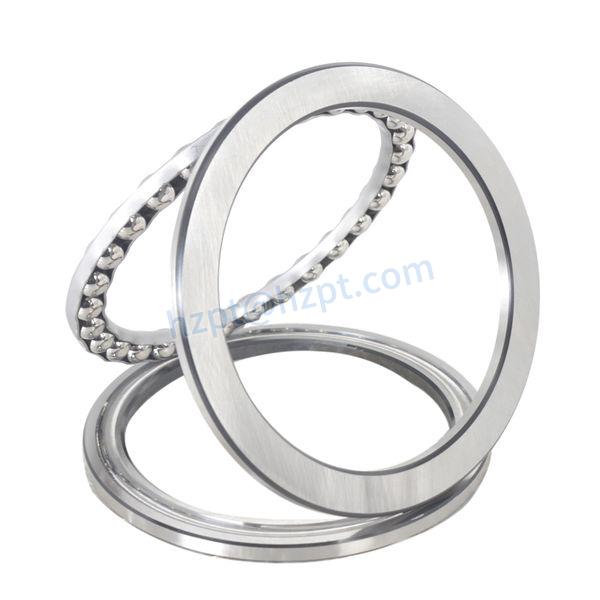
What are the Materials Typically Used in Manufacturing Ball Bearings and Their Advantages?
Ball bearings are manufactured using a variety of materials, each chosen for its specific properties and advantages in various applications. Here are some commonly used materials in ball bearing manufacturing and their respective benefits:
- High-Carbon Chrome Steel (AISI 52100):
This is the most common material used for ball bearing manufacturing. It offers excellent hardness, wear resistance, and fatigue strength. High-carbon chrome steel bearings are suitable for a wide range of applications, from industrial machinery to automotive components.
- Stainless Steel (AISI 440C, AISI 304, AISI 316):
Stainless steel bearings are corrosion-resistant and suitable for applications where moisture, chemicals, or exposure to harsh environments are concerns. AISI 440C offers high hardness and corrosion resistance, while AISI 304 and AISI 316 provide good corrosion resistance and are often used in food and medical industries.
- Ceramic:
Ceramic bearings use silicon nitride (Si3N4) or zirconia (ZrO2) balls. Ceramic materials offer high stiffness, low density, and excellent resistance to corrosion and heat. Ceramic bearings are commonly used in high-speed and high-temperature applications, such as in aerospace and racing industries.
- Plastic (Polyamide, PEEK):
Plastic bearings are lightweight and offer good corrosion resistance. Polyamide bearings are commonly used due to their low friction and wear properties. Polyether ether ketone (PEEK) bearings provide high-temperature resistance and are suitable for demanding environments.
- Bronze:
Bronze bearings are often used in applications where self-lubrication is required. Bronze has good thermal conductivity and wear resistance. Bearings made from bronze are commonly used in machinery requiring frequent starts and stops.
- Hybrid Bearings:
Hybrid bearings combine steel rings with ceramic balls. These bearings offer a balance between the advantages of both materials, such as improved stiffness and reduced weight. Hybrid bearings are used in applications where high speeds and low friction are essential.
- Specialty Alloys:
For specific applications, specialty alloys may be used to meet unique requirements. For example, bearings used in extreme temperatures or corrosive environments may be made from materials like titanium or hastelloy.
- Coated Bearings:
Bearings may also be coated with thin layers of materials like diamond-like carbon (DLC) or other coatings to enhance performance, reduce friction, and improve wear resistance.
The choice of material depends on factors such as application requirements, operating conditions, load, speed, and environmental factors. Selecting the right material is essential for ensuring optimal bearing performance, longevity, and reliability in diverse industries and applications.
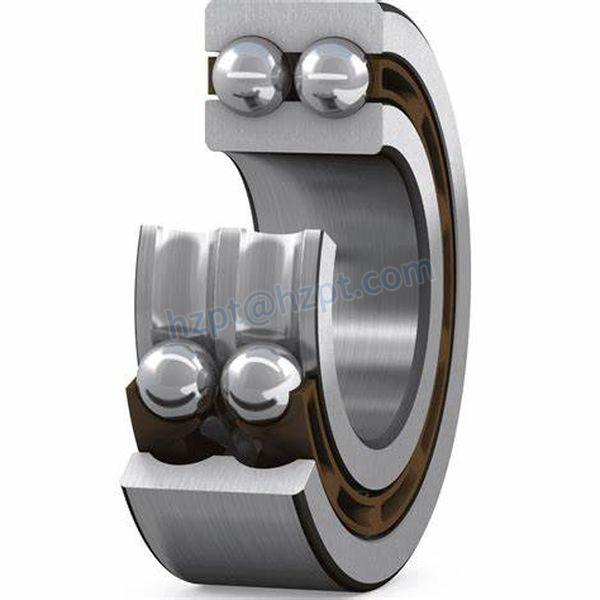
How do Ceramic Ball Bearings Compare to Traditional Steel Ball Bearings in Terms of Performance?
Ceramic ball bearings and traditional steel ball bearings have distinct characteristics that can impact their performance in various applications. Here’s a comparison of how these two types of bearings differ in terms of performance:
- Material Composition:
Ceramic Ball Bearings:
Ceramic ball bearings use ceramic rolling elements, typically made from materials like silicon nitride (Si3N4) or zirconium dioxide (ZrO2). These ceramics are known for their high hardness, low density, and resistance to corrosion and wear.
Traditional Steel Ball Bearings:
Traditional steel ball bearings use steel rolling elements. The type of steel used can vary, but common materials include chrome steel (52100) and stainless steel (440C). Steel bearings are known for their durability and strength.
- Friction and Heat:
Ceramic Ball Bearings:
Ceramic bearings have lower friction coefficients compared to steel bearings. This results in reduced heat generation during operation, contributing to higher efficiency and potential energy savings.
Traditional Steel Ball Bearings:
Steel bearings can generate more heat due to higher friction coefficients. This can lead to increased energy consumption in applications where efficiency is crucial.
- Weight:
Ceramic Ball Bearings:
Ceramic bearings are lighter than steel bearings due to the lower density of ceramics. This weight reduction can be advantageous in applications where minimizing weight is important.
Traditional Steel Ball Bearings:
Steel bearings are heavier than ceramic bearings due to the higher density of steel. This weight may not be as critical in all applications but could impact overall equipment weight and portability.
- Corrosion Resistance:
Ceramic Ball Bearings:
Ceramic bearings have excellent corrosion resistance, making them suitable for applications in corrosive environments, such as marine or chemical industries.
Traditional Steel Ball Bearings:
Steel bearings are susceptible to corrosion, especially in harsh environments. Stainless steel variants offer improved corrosion resistance but may still corrode over time.
- Speed and Precision:
Ceramic Ball Bearings:
Ceramic bearings can operate at higher speeds due to their lower friction and ability to withstand higher temperatures. They are also known for their high precision and low levels of thermal expansion.
Traditional Steel Ball Bearings:
Steel bearings can operate at high speeds as well, but their heat generation may limit performance in certain applications. Precision steel bearings are also available but may have slightly different characteristics compared to ceramics.
- Cost:
Ceramic Ball Bearings:
Ceramic bearings are generally more expensive to manufacture than steel bearings due to the cost of ceramic materials and the challenges in producing precision ceramic components.
Traditional Steel Ball Bearings:
Steel bearings are often more cost-effective to manufacture, making them a more economical choice for many applications.
In conclusion, ceramic ball bearings and traditional steel ball bearings offer different performance characteristics. Ceramic bearings excel in terms of low friction, heat generation, corrosion resistance, and weight reduction. Steel bearings are durable, cost-effective, and widely used in various applications. The choice between the two depends on the specific requirements of the application, such as speed, precision, corrosion resistance, and budget considerations.
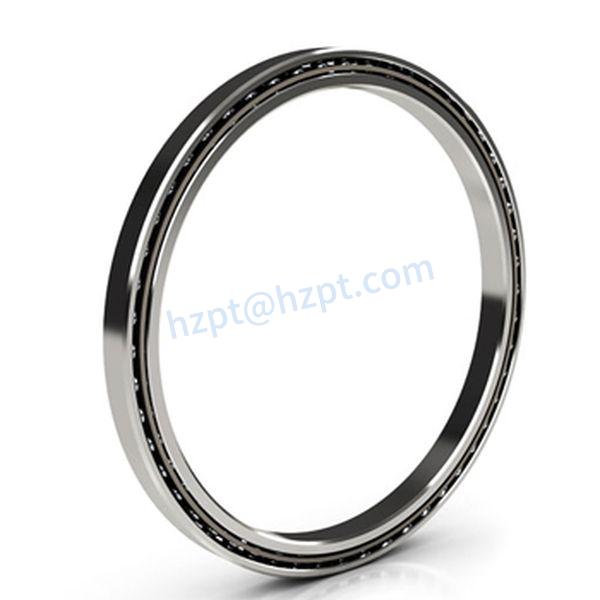
What is a Ball Bearing and How does it Function in Various Applications?
A ball bearing is a type of rolling-element bearing that uses balls to reduce friction between moving parts and support radial and axial loads. It consists of an outer ring, an inner ring, a set of balls, and a cage that separates and maintains a consistent spacing between the balls. Here’s how ball bearings function in various applications:
- Reduction of Friction:
Ball bearings function by replacing sliding friction with rolling friction. The smooth, spherical balls minimize the contact area between the inner and outer rings, resulting in lower friction and reduced heat generation.
- Radial and Axial Load Support:
Ball bearings are designed to support both radial loads (forces perpendicular to the shaft’s axis) and axial loads (forces parallel to the shaft’s axis). The distribution of balls within the bearing ensures load-carrying capacity in multiple directions.
- Smooth Rotational Movement:
Ball bearings facilitate smooth and precise rotational movement. The rolling motion of the balls allows for controlled and continuous rotation with minimal resistance.
- Applications in Machinery:
Ball bearings are used in a wide range of machinery and equipment, including motors, generators, gearboxes, conveyors, and fans. They enable the efficient transfer of motion while reducing wear and energy losses.
- Automotive Industry:
Ball bearings are extensively used in automobiles for various applications, including wheel hubs, transmission systems, steering mechanisms, and engine components. They provide reliability and durability in challenging automotive environments.
- Industrial Machinery:
In industrial settings, ball bearings support rotating shafts and ensure the smooth operation of equipment such as pumps, compressors, and machine tools.
- High-Speed Applications:
Ball bearings are suitable for high-speed applications due to their low friction and ability to accommodate rapid rotation. They are used in applications like electric motors and aerospace components.
- Precision Instruments:
For precision instruments, such as watches, cameras, and medical devices, ball bearings provide accurate rotational movement and contribute to the overall performance of the instrument.
- Variety of Sizes and Types:
Ball bearings come in various sizes, configurations, and materials to suit different applications. Different types include deep groove ball bearings, angular contact ball bearings, thrust ball bearings, and more.
In summary, ball bearings are essential components in a wide range of applications where smooth rotation, load support, and reduced friction are critical. Their versatility, reliability, and efficiency make them indispensable in industries spanning from automotive to industrial machinery to precision instruments.


editor by CX 2024-04-30