Product Description
Deep Groove Ball Bearings 6205 Zz 2RS C3 Auto Parts Machining Parts Industrial Ball Bearing
We produce all kinds of bearing sets, limit sets, widely used in agricultural machinery parts, auto parts, bearing production, construction machinery parts.
Bearing Pictures
Similar products
Company Certificates
Q:Why choose us ?
A. we are a manufacturer, we have manufactured types of bearing for over 20 years .
B. Reliable Quality Assurance System;
C. Cutting-Edge Computer-Controlled CNC Machines;
D. Bespoke Solutions from Highly Experienced Specialists;
E. Customization and OEM Available for Specific Application;
F. Extensive Inventory of Spare Parts and Accessories;
G. Well-Developed Worldwide Marketing Network;
H. Efficient After-Sale Service System
Q. what is your payment term?
A: 30% TT deposit, 70% balance T/T before shipping.
Q:Can we print our logo on your products?
A: yes, we offer OEM/ODM service, we support the customized logo, size, package,etc.
Q: Can you make chains according to my CAD drawings?
A: Yes. Besides the regular standard chains, we produce non-standard and custom-design products to meet the specific technical requirements. In reality, a sizable portion of our production capacity is assigned to make non-standard products.
Q: what is your main market?
A: North America, South America, Eastern Europe, Western Europe, Southeast Asia, Africa, Oceania, Mid East, Eastern Asia,
Q: Can I get samples from your factory?
A: Yes, Samples can be provided.
Q: If products have some quality problem, how would you deal with?
A: We will responsible for all the quality problems.
/* January 22, 2571 19:08:37 */!function(){function s(e,r){var a,o={};try{e&&e.split(“,”).forEach(function(e,t){e&&(a=e.match(/(.*?):(.*)$/))&&1
| Contact Angle: | 60° |
|---|---|
| Aligning: | Non-Aligning Bearing |
| Separated: | Separated |
| Samples: |
US$ 1/Piece
1 Piece(Min.Order) | Order Sample |
|---|
| Customization: |
Available
| Customized Request |
|---|
.shipping-cost-tm .tm-status-off{background: none;padding:0;color: #1470cc}
|
Shipping Cost:
Estimated freight per unit. |
about shipping cost and estimated delivery time. |
|---|
| Payment Method: |
|
|---|---|
|
Initial Payment Full Payment |
| Currency: | US$ |
|---|
| Return&refunds: | You can apply for a refund up to 30 days after receipt of the products. |
|---|
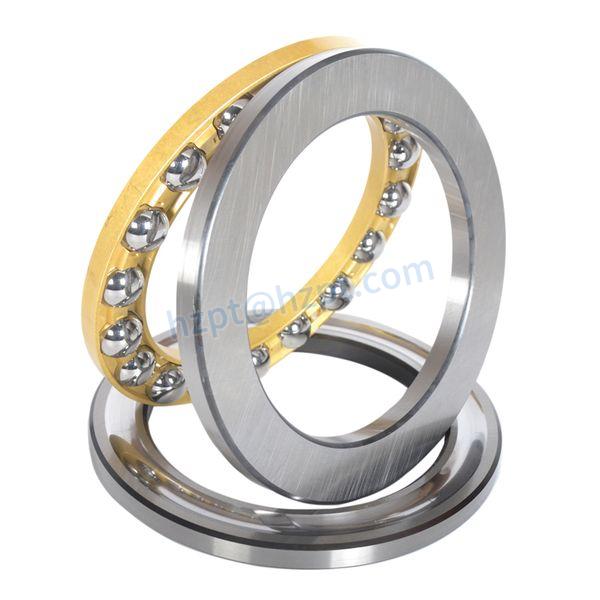
Can you Provide Examples of Industries where Ball Bearings are Crucial Components?
Ball bearings are essential components in a wide range of industries where smooth motion, load support, and precision are vital. Here are some examples of industries where ball bearings play a crucial role:
- Automotive Industry:
Ball bearings are used in various automotive applications, including wheel hubs, transmissions, engines, steering systems, and suspension components. They provide reliable rotation and support in both passenger vehicles and commercial vehicles.
- Aerospace Industry:
In the aerospace sector, ball bearings are found in aircraft engines, landing gear systems, control surfaces, and avionics equipment. Their ability to handle high speeds and precision is vital for aviation safety.
- Industrial Machinery:
Ball bearings are integral to a wide range of industrial machinery, including pumps, compressors, conveyors, machine tools, printing presses, and textile machinery. They facilitate smooth operation and load distribution in these diverse applications.
- Medical Equipment:
In medical devices and equipment, ball bearings are used in surgical instruments, imaging equipment, dental tools, and laboratory machinery. Their precision and smooth movement are crucial for accurate diagnostics and treatments.
- Robotics and Automation:
Ball bearings are key components in robotic arms, automation systems, and manufacturing machinery. They enable precise movement, high-speed operation, and reliable performance in automated processes.
- Renewable Energy:
Wind turbines and solar tracking systems utilize ball bearings to enable efficient rotation and tracking of the wind blades and solar panels. Ball bearings withstand the dynamic loads and environmental conditions in renewable energy applications.
- Marine and Shipbuilding:
Ball bearings are used in marine applications such as ship propulsion systems, steering mechanisms, and marine pumps. They withstand the corrosive environment and provide reliable performance in maritime operations.
- Heavy Equipment and Construction:
In construction machinery like excavators, bulldozers, and cranes, ball bearings support the movement of heavy loads and enable efficient operation in demanding environments.
- Electronics and Consumer Appliances:
Consumer electronics like electric motors, computer hard drives, and household appliances rely on ball bearings for smooth motion and reliable operation.
- Oil and Gas Industry:
In oil and gas exploration and extraction equipment, ball bearings are used in drilling rigs, pumps, and processing machinery. They handle the high loads and harsh conditions of this industry.
These examples demonstrate how ball bearings are indispensable components in various industries, contributing to the efficiency, reliability, and functionality of diverse mechanical systems and equipment.
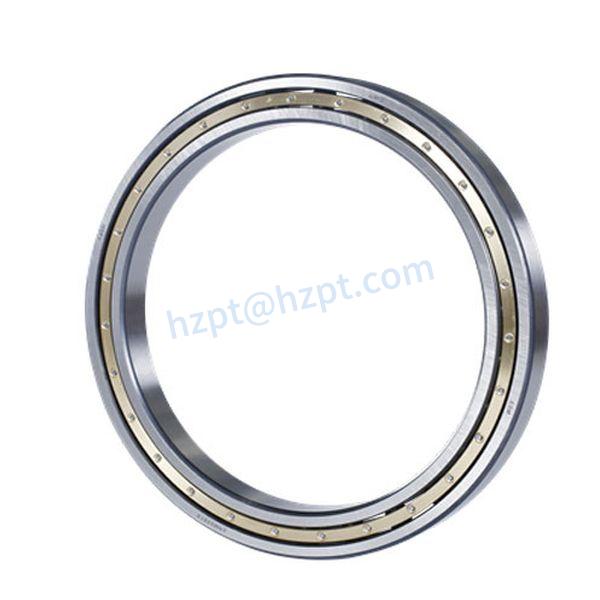
What are the Differences between Deep Groove Ball Bearings and Angular Contact Ball Bearings?
Deep groove ball bearings and angular contact ball bearings are two common types of ball bearings, each designed for specific applications and load conditions. Here are the key differences between these two types of bearings:
- Design and Geometry:
Deep Groove Ball Bearings:
Deep groove ball bearings have a simple design with a single row of balls that run along deep raceways in both the inner and outer rings. The rings are usually symmetrical and non-separable, resulting in a balanced load distribution.
Angular Contact Ball Bearings:
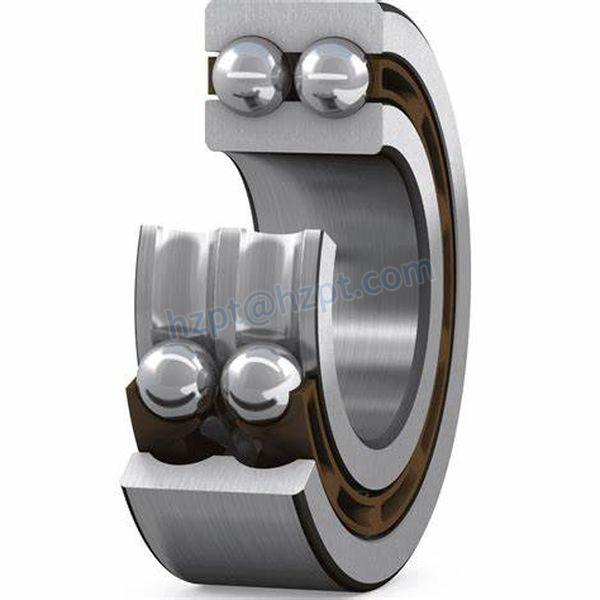
Angular contact ball bearings have a more complex design with two rows of balls, oriented at an angle to the bearing’s axis. This arrangement allows for the transmission of both radial and axial loads, making them suitable for combined loads and applications requiring high precision.
- Load Carrying Capacity:
Deep Groove Ball Bearings:
Deep groove ball bearings are primarily designed to carry radial loads. They can handle axial loads in both directions, but their axial load-carrying capacity is generally lower compared to angular contact ball bearings.
Angular Contact Ball Bearings:
Angular contact ball bearings are specifically designed to handle both radial and axial loads. The contact angle between the rows of balls determines the bearings’ axial load-carrying capacity. They can handle higher axial loads and are commonly used in applications with thrust loads.
- Contact Angle:
Deep Groove Ball Bearings:
Deep groove ball bearings have no defined contact angle, as the balls move in a deep groove along the raceways. They are primarily designed for radial loads.
Angular Contact Ball Bearings:
Angular contact ball bearings have a specified contact angle between the rows of balls. This contact angle allows them to carry both radial and axial loads and is crucial for their ability to handle combined loads.
- Applications:
Deep Groove Ball Bearings:
Deep groove ball bearings are commonly used in applications that primarily require radial loads, such as electric motors, pumps, and conveyor systems. They are also suitable for high-speed operation.
Angular Contact Ball Bearings:
Angular contact ball bearings are used in applications where both radial and axial loads are present, such as in machine tools, automotive wheel hubs, and aerospace components. They are especially useful for applications that require precise axial positioning and handling of thrust loads.
- Limitations:
Deep Groove Ball Bearings:
Deep groove ball bearings are not as suitable for handling significant axial loads and may experience skidding under certain conditions due to their deep raceways.
Angular Contact Ball Bearings:
Angular contact ball bearings can experience increased heat generation and wear at higher speeds due to the contact angle of the balls.
In summary, the design, load-carrying capacity, contact angle, and applications differ between deep groove ball bearings and angular contact ball bearings. Choosing the appropriate type depends on the specific load conditions and requirements of the application.
What are the Primary Benefits of Using Ball Bearings in Machinery and Equipment?
Ball bearings offer several primary benefits when used in machinery and equipment. Their design and functionality provide advantages that contribute to the efficient and reliable operation of various applications. Here are the key benefits:
- Reduced Friction:
One of the primary benefits of ball bearings is their ability to minimize friction between moving parts. The rolling motion of the balls reduces the contact area and sliding friction, leading to smoother operation and less energy loss due to frictional heating.
- Efficient Load Support:
Ball bearings are engineered to support both radial and axial loads, making them versatile for applications with multidirectional forces. This load-bearing capability allows machinery to handle different types of loads while maintaining performance and stability.
- Smooth Rotation:
Ball bearings enable smooth and precise rotational movement. The rolling motion of the balls provides consistent motion with minimal resistance, ensuring that machinery operates smoothly and without jerks.
- High-Speed Capability:
Due to their low friction and efficient rolling action, ball bearings are suitable for high-speed applications. They allow machinery and equipment to achieve and maintain high rotational speeds without excessive wear or heat buildup.
- Reduced Wear and Maintenance:
The reduced friction in ball bearings leads to lower wear on components. This results in longer service intervals and reduced maintenance requirements, saving both time and maintenance costs.
- Energy Efficiency:
By minimizing friction and reducing energy losses, ball bearings contribute to the overall energy efficiency of machinery. This is particularly important in applications where energy consumption is a concern.
- Versatility:
Ball bearings come in various types, sizes, and configurations, allowing them to be used in a wide range of machinery and equipment. They can be customized to suit specific application requirements.
- Reliability and Longevity:
Ball bearings are designed to withstand heavy loads and harsh operating conditions. Their durability and resistance to wear ensure reliable performance and an extended operational life.
- Quiet Operation:
Ball bearings contribute to quiet machinery operation due to the smooth rolling motion of the balls. This is particularly important in applications where noise reduction is a consideration.
In summary, the primary benefits of using ball bearings in machinery and equipment include reduced friction, efficient load support, smooth rotation, high-speed capability, reduced wear and maintenance, energy efficiency, versatility, reliability, and quiet operation. These benefits collectively enhance the performance and longevity of machinery across various industries.


editor by CX 2024-04-24
China Good quality High Quality Deep Groove Ball Bearings for 6205 Zz/2RS with high quality
Product Description
|
Product Name |
CNC Turning Machining Parts |
|
Material |
Steel / aluminum alloy/Stainless steel/Copper/Plastic |
|
Size |
According to customers’ requirement. |
|
Standard |
DIN GB ISO JIS BA ANSI |
|
Processing |
1, Sign Drawing (General clients provide the drawing or samples) |
|
Test Equipment |
Measurement instrument, Projector, CMM, Altimeter, Micrometer, Thread Gages, Calipers, Pin Gauge etc. |
|
Application |
Automotive, instrument, electrical equipment, household appliances, furniture, mechanical equipment, daily living equipment, electronic sports equipment, light industry products, sanitation machinery, etc. |
|
Tolerance |
+/-0.01mm-+/-0.05mm |
/* January 22, 2571 19:08:37 */!function(){function s(e,r){var a,o={};try{e&&e.split(“,”).forEach(function(e,t){e&&(a=e.match(/(.*?):(.*)$/))&&1
| Material: | Metal |
|---|---|
| Type: | Bearing |
| Drive Wheel: | FWD |
| Wheel Hub Diameter: | 16-20" |
| Finishing: | Black |
| Wheel Accessories: | Wheel Spoke |
| Samples: |
US$ 20/Piece
1 Piece(Min.Order) | |
|---|
| Customization: |
Available
| Customized Request |
|---|
Are there Specific Maintenance Practices to Ensure the Longevity of Ball Bearings?
Maintaining ball bearings is essential to ensure their longevity, reliable performance, and prevent premature failure. Proper maintenance practices can extend the lifespan of ball bearings and the equipment they are used in. Here are specific maintenance practices to consider:
- Regular Lubrication:
Implement a regular lubrication schedule using the appropriate lubricant for the application. Lubrication reduces friction, prevents wear, and helps dissipate heat. Follow manufacturer guidelines for lubricant type, quantity, and frequency.
- Clean Environment:
Keep the operating environment clean and free from contaminants. Dust, dirt, and debris can infiltrate bearings and cause damage. Use seals or shields to protect bearings from contaminants, especially in harsh environments.
- Proper Installation:
Ensure correct installation of bearings using proper tools and techniques. Improper installation can lead to misalignment, uneven load distribution, and premature wear. Follow manufacturer recommendations for installation procedures.
- Regular Inspections:
Perform routine visual inspections to check for signs of wear, damage, or contamination. Regular inspections can help identify issues early and prevent further damage. Pay attention to noise, vibration, and temperature changes.
- Temperature Monitoring:
Monitor bearing temperatures during operation using infrared thermometers or sensors. Abnormal temperature increases can indicate inadequate lubrication, misalignment, or other problems.
- Correct Handling:
Handle bearings with care to prevent damage during storage, transportation, and installation. Avoid dropping or subjecting them to impacts that can affect their internal components.
- Bearing Removal and Replacement:
Follow proper procedures when removing and replacing bearings. Use appropriate tools and techniques to avoid damage to the bearing or the surrounding components.
- Alignment Maintenance:
Maintain proper shaft and housing alignment to prevent excessive loads and wear on the bearing. Misalignment can lead to increased stress and premature failure.
- Training and Education:
Provide training to operators and maintenance personnel on proper bearing maintenance and handling practices. Educated personnel are more likely to identify issues and perform maintenance correctly.
- Documented Records:
Keep records of maintenance activities, inspections, lubrication schedules, and any issues encountered. This documentation helps track the bearing’s performance over time and informs future maintenance decisions.
By implementing these maintenance practices, you can ensure the longevity of ball bearings, minimize downtime, reduce operational costs, and maintain the reliability of the equipment they are a part of.
How do Ceramic Ball Bearings Compare to Traditional Steel Ball Bearings in Terms of Performance?
Ceramic ball bearings and traditional steel ball bearings have distinct characteristics that can impact their performance in various applications. Here’s a comparison of how these two types of bearings differ in terms of performance:
- Material Composition:
Ceramic Ball Bearings:
Ceramic ball bearings use ceramic rolling elements, typically made from materials like silicon nitride (Si3N4) or zirconium dioxide (ZrO2). These ceramics are known for their high hardness, low density, and resistance to corrosion and wear.
Traditional Steel Ball Bearings:
Traditional steel ball bearings use steel rolling elements. The type of steel used can vary, but common materials include chrome steel (52100) and stainless steel (440C). Steel bearings are known for their durability and strength.
- Friction and Heat:
Ceramic Ball Bearings:
Ceramic bearings have lower friction coefficients compared to steel bearings. This results in reduced heat generation during operation, contributing to higher efficiency and potential energy savings.
Traditional Steel Ball Bearings:
Steel bearings can generate more heat due to higher friction coefficients. This can lead to increased energy consumption in applications where efficiency is crucial.
- Weight:
Ceramic Ball Bearings:
Ceramic bearings are lighter than steel bearings due to the lower density of ceramics. This weight reduction can be advantageous in applications where minimizing weight is important.
Traditional Steel Ball Bearings:
Steel bearings are heavier than ceramic bearings due to the higher density of steel. This weight may not be as critical in all applications but could impact overall equipment weight and portability.
- Corrosion Resistance:
Ceramic Ball Bearings:
Ceramic bearings have excellent corrosion resistance, making them suitable for applications in corrosive environments, such as marine or chemical industries.
Traditional Steel Ball Bearings:
Steel bearings are susceptible to corrosion, especially in harsh environments. Stainless steel variants offer improved corrosion resistance but may still corrode over time.
- Speed and Precision:
Ceramic Ball Bearings:
Ceramic bearings can operate at higher speeds due to their lower friction and ability to withstand higher temperatures. They are also known for their high precision and low levels of thermal expansion.
Traditional Steel Ball Bearings:
Steel bearings can operate at high speeds as well, but their heat generation may limit performance in certain applications. Precision steel bearings are also available but may have slightly different characteristics compared to ceramics.
- Cost:
Ceramic Ball Bearings:
Ceramic bearings are generally more expensive to manufacture than steel bearings due to the cost of ceramic materials and the challenges in producing precision ceramic components.
Traditional Steel Ball Bearings:
Steel bearings are often more cost-effective to manufacture, making them a more economical choice for many applications.
In conclusion, ceramic ball bearings and traditional steel ball bearings offer different performance characteristics. Ceramic bearings excel in terms of low friction, heat generation, corrosion resistance, and weight reduction. Steel bearings are durable, cost-effective, and widely used in various applications. The choice between the two depends on the specific requirements of the application, such as speed, precision, corrosion resistance, and budget considerations.
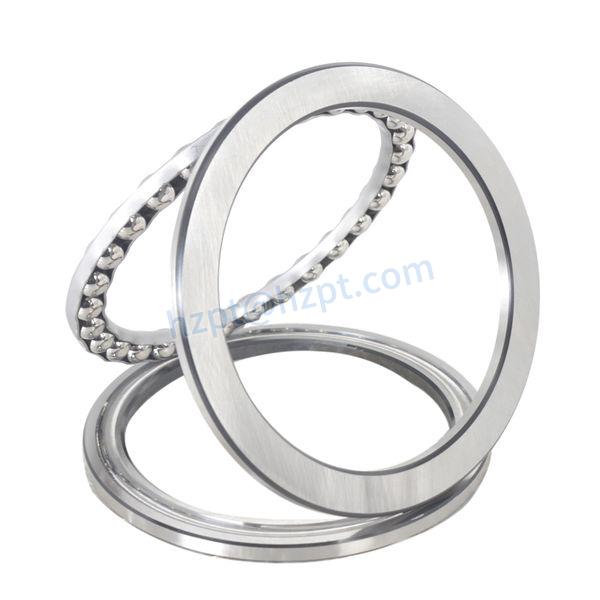
How do Ball Bearings Differ from Other Types of Bearings like Roller Bearings?
Ball bearings and roller bearings are two common types of rolling-element bearings, each with distinct designs and characteristics. Here’s a comparison of ball bearings and roller bearings:
- Design:
Ball Bearings: Ball bearings use spherical balls to separate and reduce friction between the bearing’s inner and outer rings. The balls enable rolling motion and smooth contact, minimizing friction.
Roller Bearings: Roller bearings, as the name suggests, use cylindrical or tapered rollers instead of balls. These rollers have larger contact areas, distributing loads over a broader surface.
- Friction and Efficiency:
Ball Bearings: Due to the point contact between the balls and the rings, ball bearings have lower friction and are more efficient at high speeds.
Roller Bearings: Roller bearings have a larger contact area, resulting in slightly higher friction compared to ball bearings. They are more suitable for heavy-load applications where efficiency is prioritized over high speeds.
- Load Capacity:
Ball Bearings: Ball bearings excel at handling light to moderate loads in both radial and axial directions. They are commonly used in applications where smooth rotation and low friction are important.
Roller Bearings: Roller bearings have a higher load-carrying capacity than ball bearings. They can support heavier radial and axial loads and are preferred for applications with significant loads or impact forces.
- Variability:
Ball Bearings: Ball bearings come in various designs, including deep groove, angular contact, and thrust ball bearings, each suitable for different applications.
Roller Bearings: Roller bearings have diverse types, including cylindrical, spherical, tapered, and needle roller bearings, each optimized for specific load and motion requirements.
- Speed Capability:
Ball Bearings: The reduced friction in ball bearings makes them suitable for high-speed applications, such as electric motors and precision machinery.
Roller Bearings: Roller bearings can handle higher loads but are generally better suited for moderate to low speeds due to slightly higher friction.
- Applications:
Ball Bearings: Ball bearings are used in applications where smooth motion, low friction, and moderate loads are essential, such as electric fans, bicycles, and some automotive components.
Roller Bearings: Roller bearings find applications in heavy machinery, construction equipment, automotive transmissions, and conveyor systems, where heavier loads and durability are crucial.
In summary, ball bearings and roller bearings differ in their design, friction characteristics, load capacities, speed capabilities, and applications. The choice between them depends on the specific requirements of the machinery and the type of loads and forces involved.
editor by CX 2024-04-02
China supplier 6205 2RS Deep Groove Ball Bearings 25*52*15 mm with Hot selling
Product Description
Deep groove ball bearing is 1 of the most widely used rolling bearings.
P5 P6 P0 6200 6300 Series
Introducing The Good Price Motor Bearing Deep Groove Ball Bearing CZPT Wheel Bearing For Motorcycle Parts, A High-Quality And Reliable Component Designed To Enhance The Performance Of Your Motorcycle. With Its Exceptional Features And Competitive Pricing, This Bearing Is A Must-Have For Motorcycle Enthusiasts And Professionals Alike.
| Model | d mm | D mm | H mm | W kg | Model | d mm | D mm | H mm | W kg |
| 6000 | 10 | 26 | 8 | 0.019 | 6200 | 10 | 30 | 9 | 0.032 |
| 6001 | 12 | 38 | 8 | 0.571 | 6201 | 12 | 32 | 10 | 0.036 |
| 6002 | 15 | 32 | 9 | 0.03 | 6202 | 15 | 35 | 11 | 0.044 |
| 6003 | 17 | 35 | 10 | 0.04 | 6203 | 17 | 40 | 12 | 0.065 |
| 6004 | 20 | 42 | 12 | 0.069 | 6204 | 20 | 47 | 14 | 0.11 |
| 6005 | 25 | 47 | 12 | 0.08 | 6205 | 25 | 52 | 15 | 0.13 |
| 6006 | 30 | 55 | 13 | 0.116 | 6206 | 30 | 62 | 16 | 0.21 |
| 6007 | 35 | 62 | 14 | 0.155 | 6207 | 35 | 72 | 17 | 0.288 |
| 6008 | 40 | 68 | 15 | 0.185 | 6208 | 40 | 80 | 18 | 0.368 |
| 6009 | 45 | 75 | 16 | 0.231 | 6209 | 45 | 85 | 19 | 0.416 |
| 6571 | 50 | 80 | 16 | 0.25 | 6210 | 50 | 90 | 20 | 0.463 |
| 6011 | 55 | 90 | 18 | 0.362 | 6211 | 55 | 100 | 21 | 0.603 |
| 6012 | 60 | 95 | 18 | 0.385 | 6212 | 60 | 110 | 22 | 0.789 |
| 6013 | 65 | 100 | 18 | 0.408 | 6213 | 65 | 120 | 23 | 0.99 |
| 6014 | 70 | 110 | 20 | 0.62 | 6214 | 70 | 125 | 24 | 1.084 |
| 6015 | 75 | 115 | 20 | 0.63 | 6215 | 75 | 130 | 25 | 1.171 |
| 6016 | 80 | 125 | 22 | 0.86 | 6216 | 80 | 140 | 26 | 1.448 |
| 6017 | 85 | 130 | 22 | 0.94 | 6217 | 85 | 150 | 28 | 1.803 |
| 6018 | 90 | 140 | 24 | 1.38 | 6218 | 90 | 160 | 30 | 2.71 |
| 6019 | 95 | 145 | 24 | 1.5 | 6219 | 95 | 170 | 32 | 2.62 |
| 6571 | 100 | 150 | 24 | 1.63 | 6220 | 100 | 180 | 34 | 3.19 |
| Bearing Number | Boundary dimensions(mm) | Load Rating(KN) | Limiting Speed(rpm) | Weight(kg) | |||||
| d | D | B | rmin | Cr | Cor | Grease | Oil | ||
| 6000 | 10 | 26 | 8 | 0.3 | 4.55 | 1.96 | 29000 | 34000 | 0.019 |
| 6200 | 30 | 9 | 0.6 | 5.10 | 2.39 | 25000 | 30000 | 0.032 | |
| 6300 | 35 | 11 | 0.6 | 8.20 | 3.50 | 23000 | 27000 | 0.052 | |
| 6001 | 12 | 28 | 8 | 0.3 | 5.10 | 2.39 | 26000 | 30000 | 0.571 |
| 6201 | 32 | 10 | 0.6 | 6.10 | 2.75 | 22000 | 26000 | 0.035 | |
| 6301 | 37 | 12 | 1.0 | 9.70 | 4.20 | 20000 | 24000 | 0.051 | |
| 6002 | 15 | 32 | 9 | 0.3 | 5.60 | 2.84 | 22000 | 26000 | 0.031 |
| 6202 | 35 | 11 | 0.6 | 7.75 | 3.60 | 19000 | 23000 | 0.045 | |
| 6302 | 42 | 13 | 1.0 | 11.40 | 5.45 | 17000 | 21000 | 0.080 | |
| 6003 | 17 | 35 | 10 | 0.3 | 6.80 | 3.35 | 20000 | 24000 | 0.040 |
| 6203 | 40 | 12 | 0.6 | 9.60 | 4.60 | 18000 | 21000 | 0.064 | |
| 6303 | 47 | 14 | 1.0 | 13.50 | 6.55 | 16000 | 19000 | 0.109 | |
| 6004 | 20 | 42 | 12 | 0.6 | 9.40 | 5.05 | 18000 | 21000 | 0.068 |
| 6204 | 47 | 14 | 1.0 | 12.80 | 6.65 | 16000 | 18000 | 0.103 | |
| 6304 | 52 | 15 | 1.1 | 15.90 | 7.90 | 14000 | 17000 | 0.142 | |
| 6005 | 25 | 47 | 12 | 0.6 | 10.10 | 5.85 | 15000 | 18000 | 0.078 |
| 6205 | 52 | 15 | 1.0 | 14.00 | 7.85 | 13000 | 15000 | 0.127 | |
| 6305 | 62 | 17 | 1.1 | 21.20 | 10.90 | 12000 | 14000 | 0.219 | |
| 6006 | 30 | 55 | 13 | 1.0 | 13.20 | 8.30 | 13000 | 15000 | 0.110 |
| 6206 | 62 | 16 | 1.0 | 19.50 | 11.30 | 11000 | 13000 | 0.200 | |
| 6306 | 72 | 19 | 1.1 | 26.70 | 15.00 | 10000 | 12000 | 0.349 | |
| 6007 | 35 | 62 | 14 | 1.0 | 16.00 | 10.30 | 12000 | 14000 | 0.148 |
| 6207 | 72 | 17 | 1.1 | 25.70 | 15.30 | 9800 | 11000 | 0.288 | |
| 6307 | 80 | 21 | 1.5 | 33.50 | 19.10 | 8800 | 10000 | 0.455 | |
| 6008 | 40 | 68 | 15 | 1.0 | 16.80 | 11.50 | 10000 | 12000 | 0.185 |
| 6208 | 80 | 18 | 1.1 | 29.10 | 17.80 | 8700 | 10000 | 0.368 | |
| 6308 | 90 | 23 | 1.5 | 40.50 | 24.00 | 7800 | 92000 | 0.639 | |
| 6009 | 45 | 75 | 16 | 1.0 | 21.00 | 15.10 | 9200 | 11000 | 0.230 |
| 6209 | 85 | 19 | 1.1 | 32.50 | 20.40 | 7800 | 9200 | 0.414 | |
| 6309 | 100 | 25 | 1.5 | 53.00 | 32.00 | 7000 | 8200 | 0.837 | |
| 6571 | 50 | 80 | 16 | 1.0 | 21.80 | 16.60 | 8400 | 9800 | 0.258 |
| 6210 | 90 | 20 | 1.1 | 35.00 | 23.20 | 7100 | 8300 | 0.463 | |
| 6310 | 110 | 27 | 2.0 | 62.00 | 38.50 | 6400 | 7500 | 1.082 | |
| 6011 | 55 | 90 | 18 | 1.1 | 28.30 | 21.20 | 7700 | 9000 | 0.383 |
| 6211 | 100 | 21 | 1.5 | 43.50 | 29.20 | 6400 | 7600 | 0.603 | |
| 6311 | 120 | 29 | 2.0 | 71.50 | 45.00 | 5800 | 6800 | 1.355 | |
| 6012 | 60 | 95 | 18 | 1.1 | 29.50 | 23.20 | 7000 | 8300 | 0.391 |
| 6212 | 110 | 22 | 1.5 | 52.50 | 36.00 | 6000 | 7000 | 0.780 | |
| 6312 | 130 | 31 | 2.1 | 82.00 | 52.00 | 5400 | 6300 | 1.710 | |
| 6013 | 65 | 100 | 18 | 1.1 | 30.5 | 25.2 | 6500 | 7700 | 0.41 |
| 6213 | 120 | 23 | 1.5 | 57.5 | 40 | 5500 | 6500 | 0.957 | |
| 6313 | 140 | 33 | 2.1 | 92.5 | 60 | 4900 | 5800 | 2.1 | |
| 6014 | 70 | 110 | 20 | 1.1 | 38.00 | 31.00 | 6100 | 7100 | 0.575 |
| 6214 | 125 | 24 | 1.5 | 62.00 | 44.00 | 5100 | 6000 | 1.100 | |
| 6314 | 150 | 35 | 2.1 | 104.00 | 68.00 | 4600 | 5400 | 2.550 | |
CONTINUOUS AND STABLE DELIVERY OF PRODUCTS.
/* January 22, 2571 19:08:37 */!function(){function s(e,r){var a,o={};try{e&&e.split(“,”).forEach(function(e,t){e&&(a=e.match(/(.*?):(.*)$/))&&1
| Contact Angle: | 15° |
|---|---|
| Aligning: | Non-Aligning Bearing |
| Model No.: | 6200 6201 6202 6203 6204 6205 |
| Bearings Type: | Ball Bearing/Roller Bearing/Auto Bearing |
| Feature: | Long Life, High Speed, Low Noise |
| Precision: | P0 P6 P5 P4 P2 |
| Samples: |
US$ 10/Piece
1 Piece(Min.Order) | |
|---|
| Customization: |
Available
| Customized Request |
|---|
What are the Materials Typically Used in Manufacturing Ball Bearings and Their Advantages?
Ball bearings are manufactured using a variety of materials, each chosen for its specific properties and advantages in various applications. Here are some commonly used materials in ball bearing manufacturing and their respective benefits:
- High-Carbon Chrome Steel (AISI 52100):
This is the most common material used for ball bearing manufacturing. It offers excellent hardness, wear resistance, and fatigue strength. High-carbon chrome steel bearings are suitable for a wide range of applications, from industrial machinery to automotive components.
- Stainless Steel (AISI 440C, AISI 304, AISI 316):
Stainless steel bearings are corrosion-resistant and suitable for applications where moisture, chemicals, or exposure to harsh environments are concerns. AISI 440C offers high hardness and corrosion resistance, while AISI 304 and AISI 316 provide good corrosion resistance and are often used in food and medical industries.
- Ceramic:
Ceramic bearings use silicon nitride (Si3N4) or zirconia (ZrO2) balls. Ceramic materials offer high stiffness, low density, and excellent resistance to corrosion and heat. Ceramic bearings are commonly used in high-speed and high-temperature applications, such as in aerospace and racing industries.
- Plastic (Polyamide, PEEK):
Plastic bearings are lightweight and offer good corrosion resistance. Polyamide bearings are commonly used due to their low friction and wear properties. Polyether ether ketone (PEEK) bearings provide high-temperature resistance and are suitable for demanding environments.
- Bronze:
Bronze bearings are often used in applications where self-lubrication is required. Bronze has good thermal conductivity and wear resistance. Bearings made from bronze are commonly used in machinery requiring frequent starts and stops.
- Hybrid Bearings:
Hybrid bearings combine steel rings with ceramic balls. These bearings offer a balance between the advantages of both materials, such as improved stiffness and reduced weight. Hybrid bearings are used in applications where high speeds and low friction are essential.
- Specialty Alloys:
For specific applications, specialty alloys may be used to meet unique requirements. For example, bearings used in extreme temperatures or corrosive environments may be made from materials like titanium or hastelloy.
- Coated Bearings:
Bearings may also be coated with thin layers of materials like diamond-like carbon (DLC) or other coatings to enhance performance, reduce friction, and improve wear resistance.
The choice of material depends on factors such as application requirements, operating conditions, load, speed, and environmental factors. Selecting the right material is essential for ensuring optimal bearing performance, longevity, and reliability in diverse industries and applications.
How do Miniature Ball Bearings Differ from Standard-sized Ones, and Where are They Commonly Used?
Miniature ball bearings, as the name suggests, are smaller in size compared to standard-sized ball bearings. They have distinct characteristics and are designed to meet the unique requirements of applications that demand compactness, precision, and efficient rotation in confined spaces. Here’s how miniature ball bearings differ from standard-sized ones and where they are commonly used:
- Size:
The most noticeable difference is their size. Miniature ball bearings typically have outer diameters ranging from a few millimeters to around 30 millimeters, while standard-sized ball bearings have larger dimensions suitable for heavier loads and higher speeds.
- Load Capacity:
Due to their smaller size, miniature ball bearings have lower load-carrying capacities compared to standard-sized bearings. They are designed for light to moderate loads and are often used in applications where precision and compactness are prioritized over heavy load support.
- Precision:
Miniature ball bearings are known for their high precision and accuracy. They are manufactured to tighter tolerances, making them suitable for applications requiring precise motion control and low levels of vibration.
- Speed:
Miniature ball bearings can achieve higher speeds than standard-sized bearings due to their smaller size and lower mass. This makes them ideal for applications involving high-speed rotation.
- Friction and Efficiency:
Miniature ball bearings generally have lower friction due to their smaller contact area. This contributes to higher efficiency and reduced heat generation in applications that require smooth and efficient motion.
- Applications:
Miniature ball bearings find applications in various industries and sectors:
- Electronics and Consumer Devices:
They are used in small motors, computer disk drives, printers, and miniature fans, where space is limited but precise motion is essential.
- Medical and Dental Equipment:
Miniature bearings are used in medical devices such as surgical instruments, dental handpieces, and diagnostic equipment due to their precision and compactness.
- Robotics and Automation:
Miniature ball bearings are integral to robotic arms, miniature conveyors, and automation systems, enabling precise movement in confined spaces.
- Aerospace and Defense:
They are used in applications like UAVs (drones), aerospace actuators, and satellite components where size and weight constraints are critical.
- Optics and Instrumentation:
Miniature bearings play a role in optical instruments, cameras, and measuring devices, providing smooth rotation and accurate positioning.
Overall, miniature ball bearings are specialized components designed for applications where space, precision, and efficient rotation are paramount. Their compactness and high precision make them crucial in various industries requiring reliable motion control in limited spaces.
What Factors should be Considered when Selecting a Ball Bearing for a Particular Application?
Selecting the right ball bearing for a specific application involves careful consideration of various factors to ensure optimal performance, longevity, and reliability. Here are the key factors that should be taken into account:
- Load Type and Magnitude:
Determine the type of load (radial, axial, or combined) and the magnitude of the load that the bearing will need to support. Choose a bearing with the appropriate load-carrying capacity to ensure reliable operation.
- Speed and Operating Conditions:
Consider the rotational speed of the application and the operating conditions, such as temperature, humidity, and exposure to contaminants. Different bearing types and materials are suited for varying speeds and environments.
- Accuracy and Precision:
For applications requiring high accuracy and precision, such as machine tool spindles or optical instruments, choose high-precision bearings that can maintain tight tolerances and minimize runout.
- Space Limitations:
If the application has limited space, choose miniature or compact ball bearings that can fit within the available dimensions without compromising performance.
- Thrust and Radial Loads:
Determine whether the application requires predominantly thrust or radial load support. Choose the appropriate type of ball bearing (thrust, radial, or angular contact) based on the primary load direction.
- Alignment and Misalignment:
If the application experiences misalignment between the shaft and housing, consider self-aligning ball bearings that can accommodate angular misalignment.
- Mounting and Installation:
Consider the ease of mounting and dismounting the bearing. Some applications may benefit from features like flanges or snap rings for secure installation.
- Lubrication and Maintenance:
Choose a bearing with appropriate lubrication options based on the application’s speed and temperature range. Consider whether seals or shields are necessary to protect the bearing from contaminants.
- Environmental Conditions:
Factor in the operating environment, including exposure to corrosive substances, chemicals, water, or dust. Choose materials and coatings that can withstand the specific environmental challenges.
- Bearing Material:
Select a bearing material that suits the application’s requirements. Common materials include stainless steel for corrosion resistance and high-carbon chrome steel for general applications.
- Bearing Arrangement:
Consider whether a single-row, double-row, or multiple bearings in a specific arrangement are needed to accommodate the loads and moments present in the application.
By carefully evaluating these factors, engineers and designers can choose the most suitable ball bearing that aligns with the specific demands of the application, ensuring optimal performance, durability, and overall operational efficiency.
editor by CX 2024-03-26