Product Description
Deep groove ball bearings are the most representative of rolling bearings, with simple structure, They are easy to use and versatile .
Such bearings are non-separabal bearings,the inner and outer rings are rolled into a ditch arc type. They can bear radial load and axial load,with low coefficient of friction,high limiting speed .They are suitable for high-spped,low noise ,low vibration cccasions.
Deep groove balll bearings are widely used in auto-mobiles,machinetools,motors,instrumentation,construction machinery,railway vehicles,agricultural machinery and various equipment in machinery industry.
Product Parameters
| Eaaring No | Di d |
mension D |
(mm) B |
Mass(kg) | Bearing No | DI d |
mension D |
(mm) B |
Mass(kg) |
| 604 | 4 | 12 | 4.0 | 6212 | 60 | 110 | 22 | 0.780 | |
| 606 | 6 | 17 | 17.0 | 6213 | 65 | 120 | 23 | 0.990 | |
| 608 | 22 | 7.0 | 0.0080 | 8214 | 70 | 125 | 24 | 1.050 | |
| 623 | 3 | 10 | 4.0 | 0.571 | 6215 | 75 | 130 | 25 | 1.200 |
| 625 | 5 | 16 | 5.0 | 0.0050 | 6216 | 80 | 140 | 26 | 1.400 |
| 634 | 4 | 16 | 5.0 | 0.0050 | 6217 | 85 | 150 | 28 | 1.800 |
| 635 | 5 | 19 | 6.0 | 0.0080 | 6218 | 90 | 160 | 30 | 2.150 |
| 680 | 9 | 22 | 7.0 | 6219 | 95 | 170 | 32 | 2.600 | |
| 618/3 | 3 | 7 | 2.0 | 0.0003 | 6220 | 100 | 100 | 34 | 3.150 |
| 618/4 | 4 | 9 | 2.5 | 0.0006 | 6221 | 105 | 190 | 36 | 00 |
| 618/5 | 5 | 11 | 3.0 | 0.0120 | 6222 | 10 | 200 | 38 | 4.350 |
| 6000 | 10 | 26 | 8.0 | 0.0190 | 6300 | 10 | 35 | 11 | 0.053 |
| 6001 | 12 | 20 | 8.0 | 0.5710 | 6301 | 12 | 37 | 12 | 0.060 |
| 6002 | 15 | 32 | 9.0 | 0.0300 | 6302 | 15 | 42 | 13 | 0.082 |
| 6003 | 17 | 35 | 10.0 | 0.0390 | 6303 | 17 | 47 | 14 | 0.120 |
| 6004 | 20 | 42 | 120 | 0.0690 | 6304 | 20 | 52 | 15 | 0.140 |
| 6005 | 25 | 47 | 12.0 | 0.0800 | 6205 | 25 | 62 | 17 | 0.230 |
| 6006 | 30 | 55 | 13.0 | 0.1200 | 6306 | 30 | 72 | 19 | 0.3680 |
| 6007 | 35 | 62 | 14.0 | 0.1600 | 6207 | 35 | 80 | 21 | 0.460 |
| 6008 | 40 | 68 | 15.0 | 0.1900 | 6309 | 40 | 90 | 23 | 0.630 |
| 6009 | 45 | 75 | 16.0 | 0.2500 | 6309 | 45 | 100 | 25 | 0.830 |
| 6571 | 50 | 80 | 16.0 | 0.2600 | 6310 | 50 | 110 | 27 | 1.050 |
| 6011 | 55 | 90 | 18.0 | 0.3000 | 6311 | 55 | 120 | 29 | 1.350 |
| 6012 | 0 | 96 | 18.0 | 0.4200 | 6312 | 60 | 130 | 31 | 1.700 |
| 6013 | 65 | 100 | 18.0 | 0.4400 | 6313 | 65 | 140 | 33 | 2.100 |
| 6014 | 70 | 110 | 20.0 | 0.6000 | 6314 | 70 | 150 | 35 | 2.500 |
| 6015 | 75 | 115 | 20.0 | 0.6400 | 6315 | 75 | 160 | 37 | 3.000 |
| 6016 | 80 | 120 | 22.0 | 0.8500 | 6316 | 80 | 170 | 39 | 3.600 |
| 6017 | 85 | 130 | 22.0 | 0.8900 | 6217 | 85 | 180 | 41 | 4.260 |
| 6018 | 90 | 140 | 24.0 | 1.1500 | 6318 | 90 | 190 | 43 | 4.900 |
| 6019 | 95 | 145 | 24.0 | 1.2000 | 6319 | 95 | 200 | 45 | 5.650 |
| 6571 | 100 | 150 | 24.0 | 1.2500 | 6320 | 100 | 215 | 47 | 7.000 |
| 6571 | 105 | 160 | 26.0 | 16,000 | 6401 | 12 | 42 | 13 | 0.048 |
| 6571 | 110 | 170 | 28.0 | 1.9500 | 6402 | 15 | 52 | 15 | 0.137 |
| 6200 | 10 | 30 | 9.0 | 0.0320 | 6403 | 17 | 62 | 17 | 0.271 |
| 850 | 12 | 32 | 10.0 | 0.571 | 6404 | 20 | 72 | 19 | 0.408 |
| 6202 | 15 | 35 | 11.0 | 0.0450 | 6405 | 25 | 80 | 21 | 0.528 |
| 6203 | 17 | 40 | 12.0 | 0.0650 | 6406 | 30 | 90 | 23 | 0.720 |
| 6204 | 20 | 47 | 14.0 | 0.1100 | 6407 | 35 | 100 | 25 | 0.936 |
| 6205 | 25 | 52 | 15.0 | 0.1300 | 6408 | 40 | 110 | 27 | 1.200 |
| 6206 | 30 | 62 | 16.0 | 0.2000 | 6409 | 45 | 120 | 28 | 1.550 |
| 6207 | 35 | 72 | 17.0 | 0.2900 | 6410 | 50 | 130 | 31 | 1.910 |
| 6208 | 40 | 80 | 18.0 | 0.3700 | 6411 | 55 | 140 | 33 | 2.320 |
| 6209 | 45 | 85 | 19.0 | 0.4100 | 6412 | 60 | 150 | 35 | 2.790 |
| 6210 | 0 | 90 | 20.0 | 0.4600 | 6413 | 65 | 160 | 37 | 3.360 |
| 6211 | 55 | 100 | 21.0 | 0.6100 | 6414 | 70 | 180 | 42 | 5.000 |
| “Aval lable typas:apan,Z.ZZ,RS;2RS,N,ZN | |||||||||
Packaging & Shipping
FAQ
Q1,What kind of factory are we?
A:We are based in ZheJiang , China, selling to Southeast Asia,North America, Africa, Oceania, South America,
South Asia, and Europe.
Q2,what can you buy from us?
A:Electric Motorcycle, Electric Tricycle, Electric Balance, Electric Scooter, and Their Parts.
Q3,How can we guarantee quality?
A:We always have a pre-production sample before mass production. We always conduct a final inspection before shipment. We have
departments responsible for after-sales service.
Q4,What’s our MOQ?
A:We have no minimum order quantity (MOQ) for new customers We accept small orders to support your trial order, new designs, and
marketing development.
Q5,Why did you choose us?
A:We have been engaged early in the development, production, sales, and service of electric vehicles in China. We welcome
customers, business associations, and friends from all over the world to contact us for cooperation and mutual benefit.
/* January 22, 2571 19:08:37 */!function(){function s(e,r){var a,o={};try{e&&e.split(“,”).forEach(function(e,t){e&&(a=e.match(/(.*?):(.*)$/))&&1
| Material Option 2: | Stainless Steel |
|---|---|
| Lubrication: | Grease or Oil |
| Aligning: | Non-Aligning Bearing |
| Separated: | Unseparated |
| Model No.: | 608zz 6203 6202 2RS 6207 6005 6201 6206 6309 |
| Load Direction: | Radial Bearing |
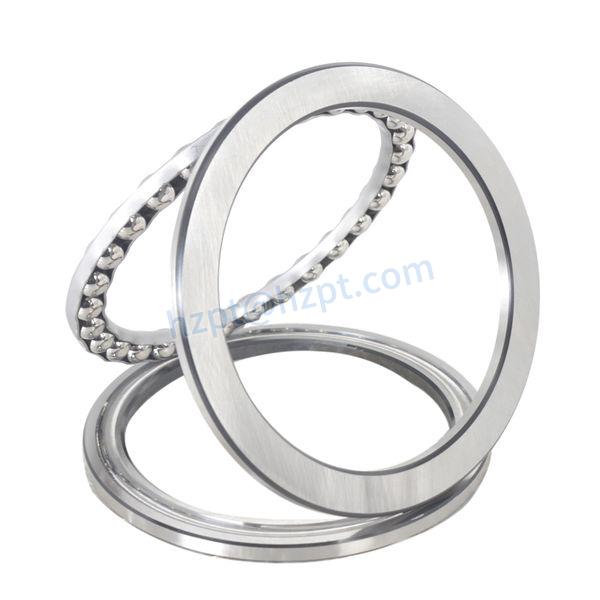
What are the Materials Typically Used in Manufacturing Ball Bearings and Their Advantages?
Ball bearings are manufactured using a variety of materials, each chosen for its specific properties and advantages in various applications. Here are some commonly used materials in ball bearing manufacturing and their respective benefits:
- High-Carbon Chrome Steel (AISI 52100):
This is the most common material used for ball bearing manufacturing. It offers excellent hardness, wear resistance, and fatigue strength. High-carbon chrome steel bearings are suitable for a wide range of applications, from industrial machinery to automotive components.
- Stainless Steel (AISI 440C, AISI 304, AISI 316):
Stainless steel bearings are corrosion-resistant and suitable for applications where moisture, chemicals, or exposure to harsh environments are concerns. AISI 440C offers high hardness and corrosion resistance, while AISI 304 and AISI 316 provide good corrosion resistance and are often used in food and medical industries.
- Ceramic:
Ceramic bearings use silicon nitride (Si3N4) or zirconia (ZrO2) balls. Ceramic materials offer high stiffness, low density, and excellent resistance to corrosion and heat. Ceramic bearings are commonly used in high-speed and high-temperature applications, such as in aerospace and racing industries.
- Plastic (Polyamide, PEEK):
Plastic bearings are lightweight and offer good corrosion resistance. Polyamide bearings are commonly used due to their low friction and wear properties. Polyether ether ketone (PEEK) bearings provide high-temperature resistance and are suitable for demanding environments.
- Bronze:
Bronze bearings are often used in applications where self-lubrication is required. Bronze has good thermal conductivity and wear resistance. Bearings made from bronze are commonly used in machinery requiring frequent starts and stops.
- Hybrid Bearings:
Hybrid bearings combine steel rings with ceramic balls. These bearings offer a balance between the advantages of both materials, such as improved stiffness and reduced weight. Hybrid bearings are used in applications where high speeds and low friction are essential.
- Specialty Alloys:
For specific applications, specialty alloys may be used to meet unique requirements. For example, bearings used in extreme temperatures or corrosive environments may be made from materials like titanium or hastelloy.
- Coated Bearings:
Bearings may also be coated with thin layers of materials like diamond-like carbon (DLC) or other coatings to enhance performance, reduce friction, and improve wear resistance.
The choice of material depends on factors such as application requirements, operating conditions, load, speed, and environmental factors. Selecting the right material is essential for ensuring optimal bearing performance, longevity, and reliability in diverse industries and applications.
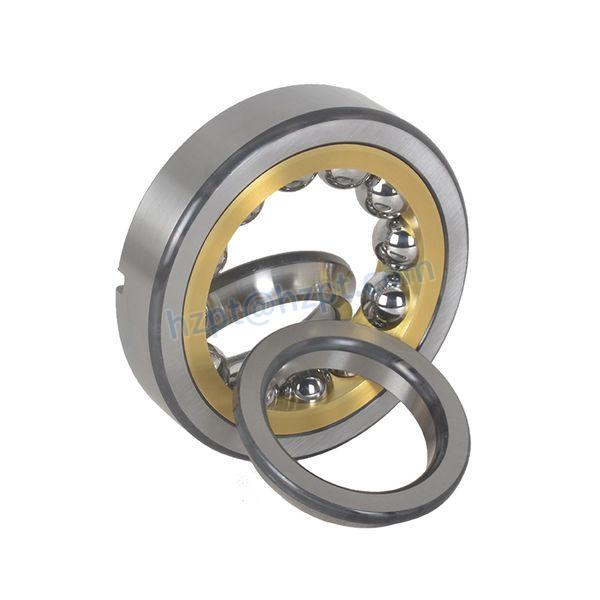
How do Temperature and Environmental Conditions Affect the Performance of Ball Bearings?
Temperature and environmental conditions have a significant impact on the performance and longevity of ball bearings. The operating environment can influence factors such as lubrication effectiveness, material properties, and overall bearing behavior. Here’s how temperature and environmental conditions affect ball bearing performance:
- Lubrication:
Temperature variations can affect the viscosity and flow characteristics of lubricants. Extreme temperatures can cause lubricants to become too thin or too thick, leading to inadequate lubrication and increased friction. In high-temperature environments, lubricants can degrade, reducing their effectiveness.
- Material Properties:
Temperature changes can alter the material properties of the bearing components. High temperatures can lead to thermal expansion, affecting bearing clearances and potentially causing interference between components. Extreme cold temperatures can make materials more brittle and prone to fracture.
- Clearance Changes:
Temperature fluctuations can cause changes in the internal clearance of ball bearings. For instance, at high temperatures, materials expand, leading to increased clearance. This can affect bearing performance, load distribution, and overall stability.
- Corrosion and Contamination:
Harsh environmental conditions, such as exposure to moisture, chemicals, or abrasive particles, can lead to corrosion and contamination of bearing components. Corrosion weakens the material, while contamination accelerates wear and reduces bearing life.
- Thermal Stress:
Rapid temperature changes can result in thermal stress within the bearing components. Differential expansion and contraction between the inner and outer rings can lead to stress and distortion, affecting precision and bearing integrity.
- Noise and Vibration:
Temperature-related changes in material properties and internal clearances can influence noise and vibration levels. Extreme temperatures can lead to increased noise generation and vibration, affecting the overall operation of machinery.
- Lubricant Degradation:
Environmental factors like humidity, dust, and contaminants can lead to premature lubricant degradation. Oxidation, moisture absorption, and the presence of foreign particles can compromise the lubricant’s performance and contribute to increased friction and wear.
- Seal Effectiveness:
Seals and shields that protect bearings from contaminants can be affected by temperature fluctuations. Extreme temperatures can lead to seal hardening, cracking, or deformation, compromising their effectiveness in preventing contamination.
- Choosing Appropriate Bearings:
When selecting ball bearings for specific applications, engineers must consider the expected temperature and environmental conditions. High-temperature bearings, bearings with specialized coatings, and those with enhanced sealing mechanisms may be necessary to ensure reliable performance.
Overall, understanding the impact of temperature and environmental conditions on ball bearing performance is crucial for proper bearing selection, maintenance, and ensuring optimal operation in diverse industries and applications.
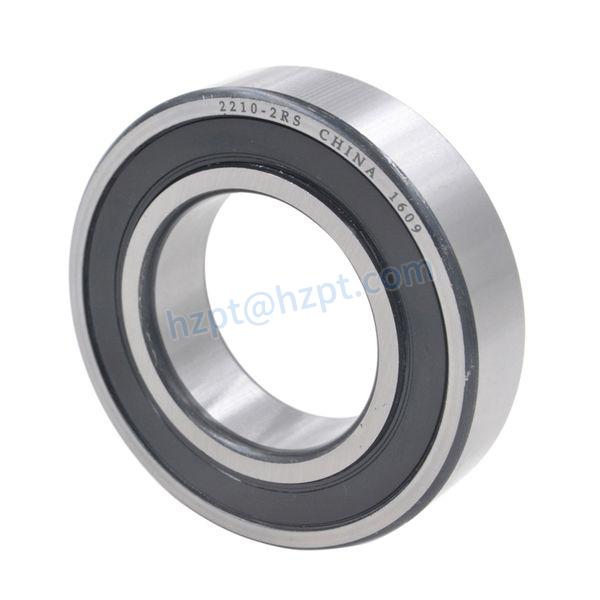
How does Lubrication Impact the Performance and Lifespan of Ball Bearings?
Lubrication plays a critical role in the performance and lifespan of ball bearings. Proper lubrication ensures smooth operation, reduces friction, minimizes wear, and prevents premature failure. Here’s how lubrication impacts ball bearings:
- Friction Reduction:
Lubrication creates a thin film between the rolling elements (balls) and the raceways of the bearing. This film reduces friction by separating the surfaces and preventing direct metal-to-metal contact. Reduced friction results in lower energy consumption, heat generation, and wear.
- Wear Prevention:
Lubricants create a protective barrier that prevents wear and damage to the bearing’s components. Without proper lubrication, the repeated rolling and sliding of the balls against the raceways would lead to accelerated wear, surface pitting, and eventual failure.
- Heat Dissipation:
Lubricants help dissipate heat generated during operation. The rolling elements and raceways can generate heat due to friction. Adequate lubrication carries away this heat, preventing overheating and maintaining stable operating temperatures.
- Corrosion Resistance:
Lubrication prevents moisture and contaminants from coming into direct contact with the bearing’s surfaces. This helps protect the bearing against corrosion, rust, and the formation of debris that can compromise its performance and longevity.
- Noise Reduction:
Lubricated ball bearings operate quietly because the lubricant cushions and dampens vibrations caused by the rolling motion. This noise reduction is crucial in applications where noise levels need to be minimized.
- Seal Protection:
Lubricants help maintain the effectiveness of seals or shields that protect the bearing from contaminants. They create a barrier that prevents particles from entering the bearing and causing damage.
- Improved Efficiency:
Properly lubricated ball bearings operate with reduced friction, leading to improved overall efficiency. This is especially important in applications where energy efficiency is a priority.
- Lifespan Extension:
Effective lubrication significantly extends the lifespan of ball bearings. Bearings that are properly lubricated experience less wear, reduced fatigue, and a lower likelihood of premature failure.
- Selection of Lubricant:
Choosing the right lubricant is essential. Factors such as speed, temperature, load, and environmental conditions influence the choice of lubricant type and viscosity. Some common lubricant options include grease and oil-based lubricants.
- Regular Maintenance:
Regular lubrication maintenance is crucial to ensure optimal bearing performance. Bearings should be inspected and relubricated according to manufacturer recommendations and based on the application’s operating conditions.
In summary, proper lubrication is essential for the optimal performance, longevity, and reliability of ball bearings. It reduces friction, prevents wear, dissipates heat, protects against corrosion, and contributes to smooth and efficient operation in various industrial and mechanical applications.


editor by CX 2024-05-15
China wholesaler Axial Deep Groove Ball Bearing 6203 6201 6001 6010 607 6200 6204 6205llu 625 626 6301 with Great quality
Product Description
| Specifications of Bearing |
SKF CZPT CZPT CZPT Taper Roller Bearing Deep Groove Ball Bearing Cylindrical Roller Bearing Spherical Roller Bearing
1.CZPT Bearing – CZPT to carry high loads
2.With carbon steel ball bearing
3.CZPT Bearing – With a high load-bearing capacity
4.More quietly than metal roller bearings
5.CZPT Ball Bearing – Low noise, stable performance and durable
6.CZPT Bearing – Able to work in sub-zero temperatures and have low rolling resistance
7.CZPT Ball Bearing – Suitable for countless applications:Sliding doors, windows and other furnitures
We offer large quantity of deep groove ball bearings every month, following is our specifications.
1) Material Used:
GCr15_China/ (AISI) 52100_American/ (Din) 100Cr6_Germany;
2) Types Specialized:
6000, 6200, 6300Series, with ZZ, 2RS, OPEN available;
3) Dimension Range:
D (ID): 3-50mm; D(OD): 10-110mm; B(Width): 4-27mm;
4) Clearance:
C2, C0, C3, C4, C5;
5) Tolerance:
ABEC1, ABEC3, ABEC5 (P0, P6, P5);
6) Vibration:
Z1V1, Z2V2, Z3V3;
7) Application:
Motorcycles, Electric Bicycles, Electric Motors (Scooters), Electric Tools, Fans, Sports Apparatus, Washing Machines, Dust Collectors,
Ventilators, Textile Machines, Running Machines (Treadmills), Household Appliances, Water Pumps, Agricultural Machines, Precision Machineries, etc.
Our products are mainly exported to Mideast, India, Pakistan, Canada, Southeast Asia, South America, Singapore, South Korea and other countries all over the world. We have reliable quality and quantity products to provide. We implement the CZPT principle and take the slogan as “the best quality, the best credit and the best service”
Brand Name: NSK, NTN, SKF, TIMKEN, KOYO, IKO, NACHI, HRB
Our company insists on the “quality first, credit first” business ideas and our product specification iswell-founded. We have a good reputation in the international market by our perfect service and sufficient supply.
| Parameters of Bearing |
| Deep groove ball bearing vibration value clearance national standards |
|||||||||||
| Bearing Designation | Size(mm) | Vibration value standard decibels (Db) | Clearance standard (um) without load | ||||||||
| d×D×W | Z | Z1 | Z2 | Z3 | Z4 | C1 | C2 | C3 | C4 | C5 | |
| 6000 | 10 × 26 × 8 | 43 | 42 | 38 | 33 | 0-7 | 2-13 | 8-23 | 14-29 | 20-37 | |
| 6001 | 12 × 28 × 8 | 44 | 43 | 39 | 34 | 0-9 | 3-18 | 11-25 | 18-33 | 25-45 | |
| 6002 | 15 × 32 × 9 | 45 | 44 | 40 | 35 | 0-9 | 3-18 | 11-25 | 18-33 | 25-45 | |
| 6003 | 17 × 35 × 10 | 46 | 44 | 40 | 35 | 0-9 | 3-18 | 11-25 | 18-33 | 25-45 | |
| 6004 | 20 × 42 × 12 | 47 | 45 | 41 | 36 | 0-10 | 5-20 | 13-28 | 20-36 | 28-48 | |
| 6005 | 25 × 47 × 12 | 48 | 46 | 42 | 38 | 1-11 | 5-20 | 13-28 | 23-41 | 30-53 | |
| 6006 | 30 × 55 × 13 | 49 | 47 | 43 | 39 | 1-11 | 5-20 | 13-28 | 23-41 | 30-53 | |
| 6007 | 35 × 52 × 17 | 51 | 49 | 45 | 41 | 1-11 | 6-23 | 15-33 | 28-46 | 40-64 | |
| 6008 | 40 × 68 × 15 | 53 | 51 | 45 | 42 | 1-11 | 6-23 | 15-33 | 28-46 | 40-64 | |
| 6009 | 45 × 75 × 16 | 55 | 53 | 48 | 45 | 1-11 | 6-23 | 18-36 | 30-51 | 45-73 | |
| 6571 | 50 × 80 × 16 | 57 | 54 | 50 | 47 | 1-15 | 8-28 | 23-43 | 38-61 | 55-90 | |
| 6011 | 55 × 90 × 18 | 59 | 56 | 52 | 49 | 1-15 | 8-28 | 23-43 | 38-61 | 55-90 | |
| 6012 | 60 × 95 × 18 | 61 | 58 | 54 | 51 | 1-15 | 8-28 | 23-43 | 38-61 | 55-90 | |
| 6013 | 65 × 100 × 18 | 49 | 48 | 46 | 1-15 | 8-28 | 23-43 | 38-61 | 55-90 | ||
| 6014 | 70 × 110 × 20 | 50 | 49 | 47 | 1-15 | 10-30 | 25-51 | 46-71 | Oct-65 | ||
| 6015 | 75 × 115 × 20 | 51 | 50 | 48 | 1-15 | 10-30 | 25-51 | 46-71 | Oct-65 | ||
| 6200 | 10 × 30 × 9 | 44 | 42 | 39 | 35 | 30 | 0-9 | 3-18 | 11-25 | 18-33 | 25-45 |
| 6201 | 12 × 32 × 10 | 45 | 43 | 39 | 35 | 30 | 0-9 | 3-18 | 11-25 | 18-33 | 25-45 |
| 6202 | 15 × 35 × 11 | 46 | 44 | 41 | 36 | 31 | 0-9 | 3-18 | 11-25 | 18-33 | 25-45 |
| 6203 | 17 × 40 × 12 | 47 | 45 | 41 | 36 | 31 | 0-9 | 3-18 | 11-25 | 18-33 | 25-45 |
| 6204 | 20 × 47 × 14 | 48 | 46 | 42 | 38 | 33 | 0-10 | 5-20 | 13-28 | 20-36 | 28-48 |
| 6205 | 25 × 52 × 15 | 49 | 47 | 43 | 40 | 36 | 0-11 | 5-20 | 13-28 | 23-41 | 30-53 |
| 6206 | 30 × 62 × 16 | 50 | 48 | 44 | 41 | 37 | 0-11 | 5-20 | 13-28 | 23-41 | 30-53 |
| 6207 | 35 × 72 × 17 | 52 | 50 | 46 | 43 | 39 | 0-11 | 6-23 | 15-33 | 28-46 | 40-64 |
| 6208 | 40 × 80 × 18 | 54 | 52 | 47 | 44 | 40 | 1-11 | 6-23 | 15-33 | 28-46 | 40-64 |
| 6209 | 45 × 85 × 19 | 56 | 54 | 49 | 46 | 43 | 1-11 | 6-23 | 18-36 | 30-51 | 45-73 |
| 6210 | 50 × 90 × 20 | 58 | 55 | 51 | 48 | 45 | 1-11 | 6-23 | 18-36 | 30-51 | 45-73 |
| 6211 | 55 × 100 × 21 | 60 | 57 | 53 | 50 | 47 | 1-15 | 8-28 | 23-43 | 38-61 | 55-90 |
| 6212 | 60 × 110 × 22 | 62 | 59 | 54 | 52 | 48 | 1-15 | 8-28 | 23-43 | 38-61 | 55-90 |
| 6213 | 65 × 120 × 23 | 50 | 49 | 47 | 42 | 1-15 | 8-28 | 23-43 | 38-61 | 55-90 | |
| 6214 | 70 × 125 × 24 | 51 | 50 | 48 | 43 | 1-15 | 10-30 | 25-51 | 46-71 | Oct-62 | |
| 6215 | 75 × 130 × 25 | 52 | 51 | 49 | 44 | 1-15 | 10-30 | 25-51 | 46-71 | Oct-62 | |
| 6300 | 10 × 35 × 11 | 46 | 44 | 40 | 37 | 32 | 0-9 | 3-18 | 11-25 | 18-33 | 25-45 |
| 6301 | 12 × 37 × 12 | 47 | 45 | 40 | 37 | 32 | 0-9 | 3-18 | 11-25 | 18-33 | 25-45 |
| 6302 | 15 × 42 × 13 | 48 | 46 | 42 | 38 | 33 | 0-9 | 3-18 | 11-25 | 18-33 | 25-45 |
| 6303 | 17 × 47 × 14 | 49 | 47 | 42 | 38 | 33 | 0-9 | 3-18 | 11-25 | 18-33 | 25-45 |
| 6304 | 20 × 52 × 15 | 50 | 48 | 43 | 39 | 34 | 0-11 | 5-20 | 13-28 | 20-36 | 28-48 |
| 6305 | 25 × 62 × 17 | 51 | 49 | 44 | 41 | 37 | 1-11 | 5-20 | 13-28 | 23-41 | 30-53 |
| 6306 | 30 × 72 × 19 | 52 | 50 | 45 | 42 | 38 | 1-11 | 5-20 | 13-28 | 23-41 | 30-53 |
| 6307 | 35 × 80 × 21 | 54 | 52 | 47 | 44 | 40 | 1-11 | 6-23 | 15-33 | 28-46 | 40-64 |
| 6308 | 40 × 90 × 23 | 56 | 54 | 49 | 45 | 41 | 1-11 | 6-23 | 15-33 | 28-46 | 40-64 |
| 6309 | 45 × 100 × 25 | 58 | 56 | 51 | 47 | 44 | 1-11 | 6-23 | 18-36 | 30-51 | 45-73 |
| 6310 | 50 × 110 × 27 | 60 | 57 | 53 | 49 | 46 | 1-11 | 6-23 | 18-36 | 30-51 | 45-73 |
| 6311 | 55 × 120 × 29 | 62 | 59 | 54 | 51 | 48 | 1-15 | 8-28 | 23-43 | 38-61 | 55-90 |
| 6312 | 60 × 30 × 31 | 64 | 61 | 56 | 53 | 50 | 1-15 | 8-28 | 23-43 | 38-61 | 55-90 |
| 6313 | 65 × 140 × 33 | 51 | 50 | 48 | 43 | 1-15 | 8-28 | 23-43 | 38-61 | 55-90 | |
| 6314 | 70 × 150 × 35 | 52 | 51 | 49 | 44 | 1-15 | 10-30 | 25-51 | 46-71 | Oct-65 | |
| 6315 | 75 × 160 × 37 | 53 | 52 | 50 | 45 | 1-15 | 10-30 | 25-51 | 46-71 | Oct-65 | |
| Our Main Products |
| Our Company |
HangZhou Flow Group Ltd is a professional manufacturer of bearings, collecting together production and processing, domestic and foreign trade. The factory specializes in the production and export of many kinds of bearings: deep groove ball bearing, spherical roller bearing, tapered roller bearing, and so on. The customized bearings is also acceptable and the production will be according to your requirements and samples.
All bearings in our factory adopt international quality standards. The complete equipment, strict quality control, advanced Japanese technology and quality service provide a guarantee to supply the high-quality bearings for our customers. Domestic sales and service network has covered 15 major cities in China, meanwhile our bearing has sold more than 60 overseas countries and regions.
Our bearings have been widely used in agriculture, textiles, mining, printing and packaging industries, in addition to applications in airports, air conditioning systems, conveyors and ship also applied.
If you are interested in any of our bearings or have an intention to order, please feel free to contact us.
| FAQ |
SAMPLES
1.Samples quantity: 1-10 pcs are available.
2.Free samples: It depends on the model NO., material and quantity. Some of the bearings samples need client to pay samples charge and shipping cost.
3.It’s better to start your order with Trade Assurance to get full protection for your samples order.
CUSTOMIZED
The customized LOGO or drawing is acceptable for us.
MOQ
1.MOQ: 10 pcs mix different standard bearings.
2.MOQ: 5000 pcs customized your brand bearings.
OEM POLICY
1.We can printing your brand (logo,artwork)on the shield or laser engraving your brand on the shield.
2.We can custom your packaging according to your design
3.All copyright own by clients and we promised don’t disclose any info.
SUPORT
Please visit our Clunt bearings website, we strongly encourge that you can communicate with us through email,thanks! /* January 22, 2571 19:08:37 */!function(){function s(e,r){var a,o={};try{e&&e.split(“,”).forEach(function(e,t){e&&(a=e.match(/(.*?):(.*)$/))&&1
| Contact Angle: | 0 |
|---|---|
| Aligning: | Deep Groove |
| Separated: | Unseparated |
| Rows Number: | Single |
| Load Direction: | Radial Bearing |
| Material: | Bearing Steel |
| Samples: |
US$ 2/Piece
1 Piece(Min.Order) | |
|---|
| Customization: |
Available
| Customized Request |
|---|
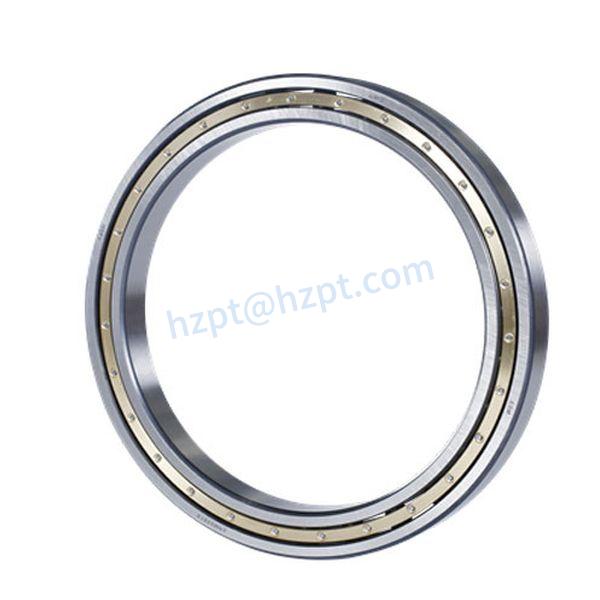
Are there Specific Maintenance Practices to Ensure the Longevity of Ball Bearings?
Maintaining ball bearings is essential to ensure their longevity, reliable performance, and prevent premature failure. Proper maintenance practices can extend the lifespan of ball bearings and the equipment they are used in. Here are specific maintenance practices to consider:
- Regular Lubrication:
Implement a regular lubrication schedule using the appropriate lubricant for the application. Lubrication reduces friction, prevents wear, and helps dissipate heat. Follow manufacturer guidelines for lubricant type, quantity, and frequency.
- Clean Environment:
Keep the operating environment clean and free from contaminants. Dust, dirt, and debris can infiltrate bearings and cause damage. Use seals or shields to protect bearings from contaminants, especially in harsh environments.
- Proper Installation:
Ensure correct installation of bearings using proper tools and techniques. Improper installation can lead to misalignment, uneven load distribution, and premature wear. Follow manufacturer recommendations for installation procedures.
- Regular Inspections:
Perform routine visual inspections to check for signs of wear, damage, or contamination. Regular inspections can help identify issues early and prevent further damage. Pay attention to noise, vibration, and temperature changes.
- Temperature Monitoring:
Monitor bearing temperatures during operation using infrared thermometers or sensors. Abnormal temperature increases can indicate inadequate lubrication, misalignment, or other problems.
- Correct Handling:
Handle bearings with care to prevent damage during storage, transportation, and installation. Avoid dropping or subjecting them to impacts that can affect their internal components.
- Bearing Removal and Replacement:
Follow proper procedures when removing and replacing bearings. Use appropriate tools and techniques to avoid damage to the bearing or the surrounding components.
- Alignment Maintenance:
Maintain proper shaft and housing alignment to prevent excessive loads and wear on the bearing. Misalignment can lead to increased stress and premature failure.
- Training and Education:
Provide training to operators and maintenance personnel on proper bearing maintenance and handling practices. Educated personnel are more likely to identify issues and perform maintenance correctly.
- Documented Records:
Keep records of maintenance activities, inspections, lubrication schedules, and any issues encountered. This documentation helps track the bearing’s performance over time and informs future maintenance decisions.
By implementing these maintenance practices, you can ensure the longevity of ball bearings, minimize downtime, reduce operational costs, and maintain the reliability of the equipment they are a part of.
What are the Differences between Deep Groove Ball Bearings and Angular Contact Ball Bearings?
Deep groove ball bearings and angular contact ball bearings are two common types of ball bearings, each designed for specific applications and load conditions. Here are the key differences between these two types of bearings:
- Design and Geometry:
Deep Groove Ball Bearings:
Deep groove ball bearings have a simple design with a single row of balls that run along deep raceways in both the inner and outer rings. The rings are usually symmetrical and non-separable, resulting in a balanced load distribution.
Angular Contact Ball Bearings:
Angular contact ball bearings have a more complex design with two rows of balls, oriented at an angle to the bearing’s axis. This arrangement allows for the transmission of both radial and axial loads, making them suitable for combined loads and applications requiring high precision.
- Load Carrying Capacity:
Deep Groove Ball Bearings:
Deep groove ball bearings are primarily designed to carry radial loads. They can handle axial loads in both directions, but their axial load-carrying capacity is generally lower compared to angular contact ball bearings.
Angular Contact Ball Bearings:
Angular contact ball bearings are specifically designed to handle both radial and axial loads. The contact angle between the rows of balls determines the bearings’ axial load-carrying capacity. They can handle higher axial loads and are commonly used in applications with thrust loads.
- Contact Angle:
Deep Groove Ball Bearings:
Deep groove ball bearings have no defined contact angle, as the balls move in a deep groove along the raceways. They are primarily designed for radial loads.
Angular Contact Ball Bearings:
Angular contact ball bearings have a specified contact angle between the rows of balls. This contact angle allows them to carry both radial and axial loads and is crucial for their ability to handle combined loads.
- Applications:
Deep Groove Ball Bearings:
Deep groove ball bearings are commonly used in applications that primarily require radial loads, such as electric motors, pumps, and conveyor systems. They are also suitable for high-speed operation.
Angular Contact Ball Bearings:
Angular contact ball bearings are used in applications where both radial and axial loads are present, such as in machine tools, automotive wheel hubs, and aerospace components. They are especially useful for applications that require precise axial positioning and handling of thrust loads.
- Limitations:
Deep Groove Ball Bearings:
Deep groove ball bearings are not as suitable for handling significant axial loads and may experience skidding under certain conditions due to their deep raceways.
Angular Contact Ball Bearings:
Angular contact ball bearings can experience increased heat generation and wear at higher speeds due to the contact angle of the balls.
In summary, the design, load-carrying capacity, contact angle, and applications differ between deep groove ball bearings and angular contact ball bearings. Choosing the appropriate type depends on the specific load conditions and requirements of the application.
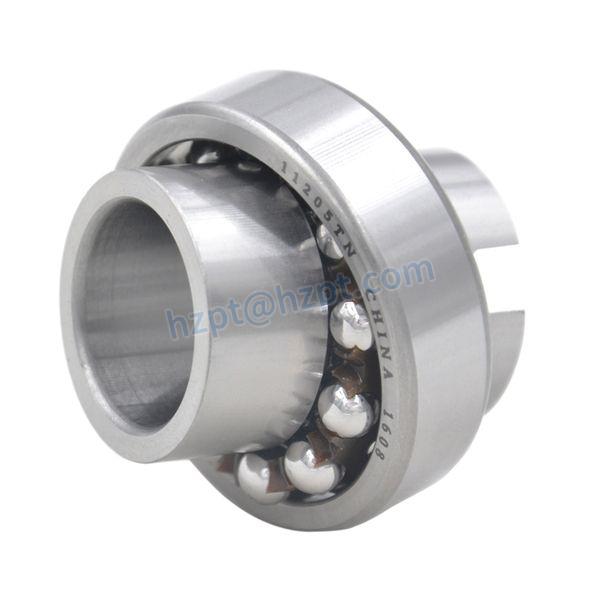
What Factors should be Considered when Selecting a Ball Bearing for a Particular Application?
Selecting the right ball bearing for a specific application involves careful consideration of various factors to ensure optimal performance, longevity, and reliability. Here are the key factors that should be taken into account:
- Load Type and Magnitude:
Determine the type of load (radial, axial, or combined) and the magnitude of the load that the bearing will need to support. Choose a bearing with the appropriate load-carrying capacity to ensure reliable operation.
- Speed and Operating Conditions:
Consider the rotational speed of the application and the operating conditions, such as temperature, humidity, and exposure to contaminants. Different bearing types and materials are suited for varying speeds and environments.
- Accuracy and Precision:
For applications requiring high accuracy and precision, such as machine tool spindles or optical instruments, choose high-precision bearings that can maintain tight tolerances and minimize runout.
- Space Limitations:
If the application has limited space, choose miniature or compact ball bearings that can fit within the available dimensions without compromising performance.
- Thrust and Radial Loads:
Determine whether the application requires predominantly thrust or radial load support. Choose the appropriate type of ball bearing (thrust, radial, or angular contact) based on the primary load direction.
- Alignment and Misalignment:
If the application experiences misalignment between the shaft and housing, consider self-aligning ball bearings that can accommodate angular misalignment.
- Mounting and Installation:
Consider the ease of mounting and dismounting the bearing. Some applications may benefit from features like flanges or snap rings for secure installation.
- Lubrication and Maintenance:
Choose a bearing with appropriate lubrication options based on the application’s speed and temperature range. Consider whether seals or shields are necessary to protect the bearing from contaminants.
- Environmental Conditions:
Factor in the operating environment, including exposure to corrosive substances, chemicals, water, or dust. Choose materials and coatings that can withstand the specific environmental challenges.
- Bearing Material:
Select a bearing material that suits the application’s requirements. Common materials include stainless steel for corrosion resistance and high-carbon chrome steel for general applications.
- Bearing Arrangement:
Consider whether a single-row, double-row, or multiple bearings in a specific arrangement are needed to accommodate the loads and moments present in the application.
By carefully evaluating these factors, engineers and designers can choose the most suitable ball bearing that aligns with the specific demands of the application, ensuring optimal performance, durability, and overall operational efficiency.
editor by CX 2024-04-23
China Custom High Speed Automobile Bearing Deep Groove Ball Bearings 6300 6301 6302 6303 6304 6305 6306 6307 6308 6309 6310 2RS RS Z Zz bearing and race
Product Description
Product Parameters
|
Product Name |
Automobile Bearing 2RS ZZ Deep Groove Ball Bearing for Motorcycle |
|
Material |
Chrome steel |
|
Sealed Type |
2RS rubber seals/ ZZ metal shields/Open |
|
Precision |
P0, P5, P6 |
|
Clearance |
C0, C2, C3, C4 |
|
Origin |
china |
|||
|
Payment |
T/T, L/C , D/A , D/P , Western Union ,MoneyGram ,etc |
|||
|
Our advantage |
One-stop shopping;High quality; Competitive price; Timely delivery; Technical support; Supply Material and Test Reports; |
|||
Company Profile
ZHangZhoug Tieyong Machinery Manufacturing Co., Ltd. is located in Gaohu Industrial Zone, Gaohu Town, Xihu (West Lake) Dis. County, ZHangZhoug Province, China. Foundry company covers an area of 17, 000 square meters, building area of 13, 000 square meters; Copper Aluminum Zinc Company covers an area of 20000 square meters. We are good at making all kinds of mechanical parts. Our production processes include investment casting (precision casting), coated sand casting, lost mold casting, calcination, red stamping, machining (CNC machining), rod machining, injection molding and stamping. We have 8 wax shooting machines with 13 stations, 2 sets of shell drying line, 1 set of disappearing mold production line, 1 set of coated sand production line, 1 set of forging line, 6 sets of medium frequency casting furnace, more than 30 sets of solid solution after cleaning, investment casting spectral analysis instruments. More than 30 sets of die-casting red forging, 16 sets of injection molding machines, 3 sets of high material high-speed extrusion production lines, 10 sets of punching press, more than 200 sets of finishing equipment. Material range includes stainless steel, carbon steel, alloy steel, copper alloy, aluminum alloy, zinc alloy, plastic and so on. There are 10 technical engineers, 4 inspection engineers, 2 production engineers, 42 technical production masters of each specialty, and more than 400 other operating personnel. Our company is export-oriented, selling to Australia, USA, Canada, UK, (UK, UK), Netherlands, France, Germany, Denmark, Sweden, Finland, Russia, Spain, Portugal. The products are widely used in heavy equipment, automotive spare parts, Marine parts, petrochemical processing, wind turbine equipment, power plant, substation accessories, food processing industry and medical instruments. We do non-standard customized mechanical parts, can be produced according to the demand. “Integrity-based, quality first, service first” is our business philosophy, unity and enterprising, better, faster, stronger is our most sought goal, we are committed to build a talent team, integrate industry resources, and strive to further develop into a great machine parts manufacturing enterprise. We look forward to working with you to create a better future.
Packaging & Shipping
Certifications
FAQ
1.What is the Minimum Order Quantity?
5~1000 pcs.And we also accpet sample orders.
2. Can you manufacture according to customer’s samples?
According to samples, we can make drawing, tooling and sample
3.How long will it take to make new samples according to customer’s drawing or sample?
Totally 20 days. 10 days for tooling and another 10 days for sample.
/* January 22, 2571 19:08:37 */!function(){function s(e,r){var a,o={};try{e&&e.split(“,”).forEach(function(e,t){e&&(a=e.match(/(.*?):(.*)$/))&&1
| OEM: | Yes |
|---|---|
| Factory: | Yes |
| Customizable Trademark: | Yes |
| Custom Service: | Custom Metal Parts as Customers′ Ideas, Drawings |
| Customized Support: | OEM, ODM |
| Application: | Automotive.Tractor.Construction Machinery.Rolling |
| Customization: |
Available
| Customized Request |
|---|
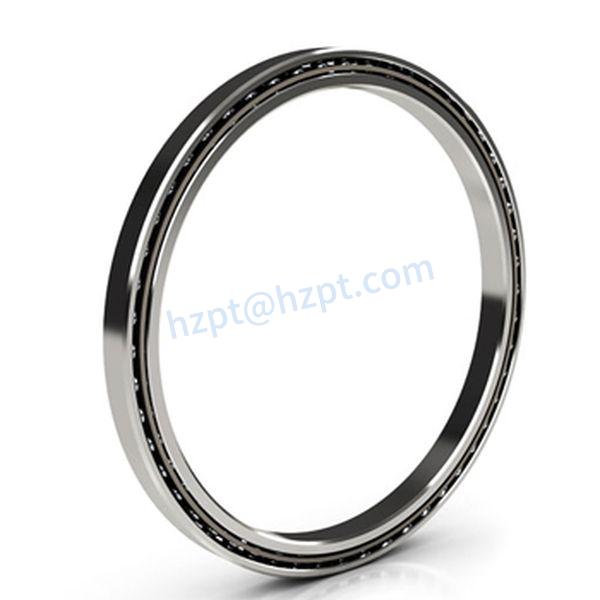
How does Preload Affect the Performance and Efficiency of Ball Bearings?
Preload is a crucial factor in ball bearing design that significantly impacts the performance, efficiency, and overall behavior of the bearings in various applications. Preload refers to the intentional axial force applied to the bearing’s rolling elements before it is mounted. This force eliminates internal clearance and creates contact between the rolling elements and the raceways. Here’s how preload affects ball bearing performance:
- Reduction of Internal Clearance:
Applying preload reduces the internal clearance between the rolling elements and the raceways. This eliminates play within the bearing, ensuring that the rolling elements are in constant contact with the raceways. This reduced internal clearance enhances precision and reduces vibrations during operation.
- Increased Stiffness:
Preloaded bearings are stiffer due to the elimination of internal clearance. This increased stiffness improves the bearing’s ability to handle axial and radial loads with higher accuracy and minimal deflection.
- Minimized Axial Play:
Preload minimizes or eliminates axial play within the bearing. This is especially important in applications where axial movement needs to be minimized, such as machine tool spindles and precision instruments.
- Enhanced Rigidity:
The stiffness resulting from preload enhances the bearing’s rigidity, making it less susceptible to deformation under load. This is critical for maintaining precision and accuracy in applications that require minimal deflection.
- Reduction in Ball Slippage:
Preload reduces the likelihood of ball slippage within the bearing, ensuring consistent contact between the rolling elements and the raceways. This leads to improved efficiency and better load distribution.
- Improved Running Accuracy:
Preloading enhances the running accuracy of the bearing, ensuring that it maintains precise rotational characteristics even under varying loads and speeds. This is essential for applications requiring high accuracy and repeatability.
- Optimized Performance at High Speeds:
Preload helps prevent skidding and slipping of the rolling elements during high-speed operation. This ensures that the bearing remains stable, reducing the risk of noise, vibration, and premature wear.
- Impact on Friction and Heat Generation:
While preload reduces internal clearance and friction, excessive preload can lead to higher friction and increased heat generation. A balance must be struck between optimal preload and minimizing friction-related issues.
- Application-Specific Considerations:
The appropriate amount of preload depends on the application’s requirements, such as load, speed, accuracy, and operating conditions. Over-preloading can lead to increased stress and premature bearing failure, while under-preloading may result in inadequate rigidity and reduced performance.
Overall, preload plays a critical role in optimizing the performance, accuracy, and efficiency of ball bearings. Engineers must carefully determine the right preload level for their specific applications to achieve the desired performance characteristics and avoid potential issues related to overloading or inadequate rigidity.
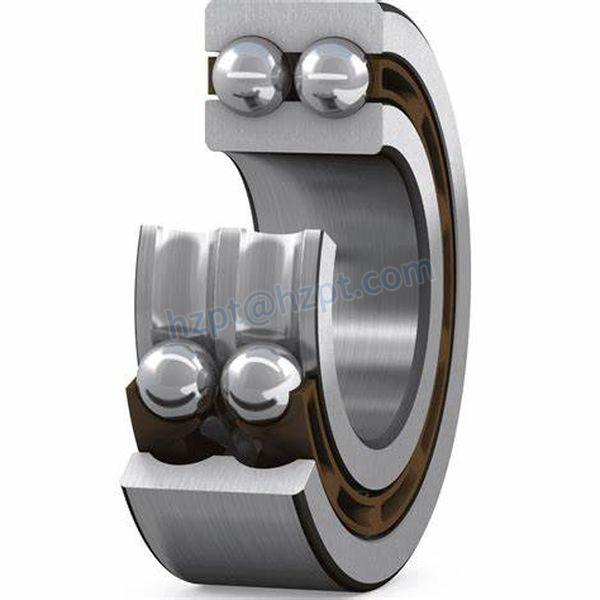
How do Ceramic Ball Bearings Compare to Traditional Steel Ball Bearings in Terms of Performance?
Ceramic ball bearings and traditional steel ball bearings have distinct characteristics that can impact their performance in various applications. Here’s a comparison of how these two types of bearings differ in terms of performance:
- Material Composition:
Ceramic Ball Bearings:
Ceramic ball bearings use ceramic rolling elements, typically made from materials like silicon nitride (Si3N4) or zirconium dioxide (ZrO2). These ceramics are known for their high hardness, low density, and resistance to corrosion and wear.
Traditional Steel Ball Bearings:
Traditional steel ball bearings use steel rolling elements. The type of steel used can vary, but common materials include chrome steel (52100) and stainless steel (440C). Steel bearings are known for their durability and strength.
- Friction and Heat:
Ceramic Ball Bearings:
Ceramic bearings have lower friction coefficients compared to steel bearings. This results in reduced heat generation during operation, contributing to higher efficiency and potential energy savings.
Traditional Steel Ball Bearings:
Steel bearings can generate more heat due to higher friction coefficients. This can lead to increased energy consumption in applications where efficiency is crucial.
- Weight:
Ceramic Ball Bearings:
Ceramic bearings are lighter than steel bearings due to the lower density of ceramics. This weight reduction can be advantageous in applications where minimizing weight is important.
Traditional Steel Ball Bearings:
Steel bearings are heavier than ceramic bearings due to the higher density of steel. This weight may not be as critical in all applications but could impact overall equipment weight and portability.
- Corrosion Resistance:
Ceramic Ball Bearings:
Ceramic bearings have excellent corrosion resistance, making them suitable for applications in corrosive environments, such as marine or chemical industries.
Traditional Steel Ball Bearings:
Steel bearings are susceptible to corrosion, especially in harsh environments. Stainless steel variants offer improved corrosion resistance but may still corrode over time.
- Speed and Precision:
Ceramic Ball Bearings:
Ceramic bearings can operate at higher speeds due to their lower friction and ability to withstand higher temperatures. They are also known for their high precision and low levels of thermal expansion.
Traditional Steel Ball Bearings:
Steel bearings can operate at high speeds as well, but their heat generation may limit performance in certain applications. Precision steel bearings are also available but may have slightly different characteristics compared to ceramics.
- Cost:
Ceramic Ball Bearings:
Ceramic bearings are generally more expensive to manufacture than steel bearings due to the cost of ceramic materials and the challenges in producing precision ceramic components.
Traditional Steel Ball Bearings:
Steel bearings are often more cost-effective to manufacture, making them a more economical choice for many applications.
In conclusion, ceramic ball bearings and traditional steel ball bearings offer different performance characteristics. Ceramic bearings excel in terms of low friction, heat generation, corrosion resistance, and weight reduction. Steel bearings are durable, cost-effective, and widely used in various applications. The choice between the two depends on the specific requirements of the application, such as speed, precision, corrosion resistance, and budget considerations.
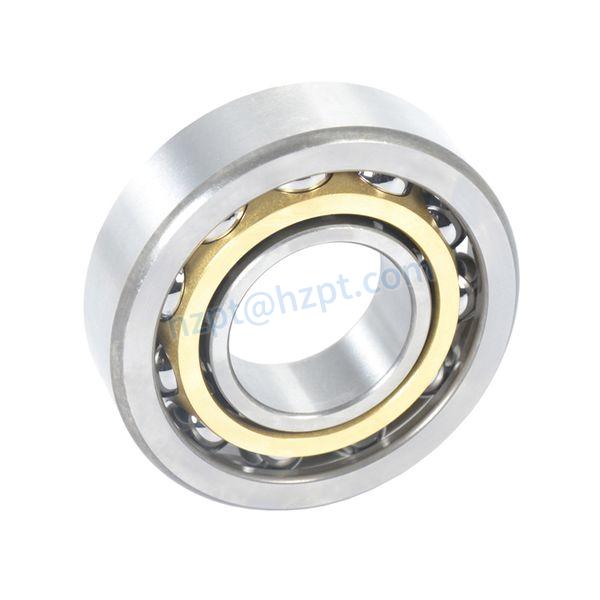
Can you Explain the Various Types of Ball Bearings and their Specific Use Cases?
Ball bearings come in various types, each designed to meet specific application requirements. Here’s an overview of the different types of ball bearings and their specific use cases:
- Deep Groove Ball Bearings:
Deep groove ball bearings are the most common and versatile type. They have a deep raceway that allows them to handle both radial and axial loads. They are used in a wide range of applications, including electric motors, household appliances, automotive components, and industrial machinery.
- Angular Contact Ball Bearings:
Angular contact ball bearings have a contact angle that enables them to handle both radial and axial loads at specific angles. They are suitable for applications where combined loads or thrust loads need to be supported, such as in machine tool spindles, pumps, and agricultural equipment.
- Self-Aligning Ball Bearings:
Self-aligning ball bearings have two rows of balls and are designed to accommodate misalignment between the shaft and the housing. They are used in applications where shaft deflection or misalignment is common, such as conveyor systems, textile machinery, and paper mills.
- Thrust Ball Bearings:
Thrust ball bearings are designed to support axial loads in one direction. They are commonly used in applications where axial loads need to be supported, such as in automotive transmissions, steering systems, and crane hooks.
- Single-Row vs. Double-Row Bearings:
Single-row ball bearings have a single set of balls and are suitable for moderate load and speed applications. Double-row ball bearings have two sets of balls and offer higher load-carrying capacity. Double-row designs are used in applications such as machine tool spindles and printing presses.
- Miniature and Instrument Ball Bearings:
Miniature ball bearings are smaller in size and are used in applications with limited space and lower load requirements. They are commonly used in small electric motors, medical devices, and precision instruments.
- Max-Type and Conrad Bearings:
Max-type ball bearings have a larger number of balls to increase load-carrying capacity. Conrad bearings have fewer balls and are used in applications with moderate loads and speeds.
- High-Precision Ball Bearings:
High-precision ball bearings are designed for applications where accuracy and precision are critical, such as machine tool spindles, aerospace components, and optical instruments.
- High-Speed Ball Bearings:
High-speed ball bearings are engineered to minimize friction and accommodate rapid rotation. They are used in applications such as dental handpieces, turbochargers, and centrifuges.
In summary, the various types of ball bearings are tailored to different application requirements, including load type, direction, speed, and environmental conditions. Selecting the appropriate type of ball bearing ensures optimal performance and longevity in specific applications.
editor by CX 2024-03-28
China Standard Factory Direct Sales Deep Groove Ball Bearings 6300 6301 6302 6303 6304 6305 6306 6307 6308 6309 6310 6311 6312 6313 6314 6315 Motorcycle Mechanical Bearing bearing distributors
Product Description
Product Description
Deep groove ball bearings are suitable for high-speed or even extremely high speed operation, and are very durable without frequent maintenance. This type of bearing has a low coefficient of friction, high limit speed, diverse size range and forms, and is widely used in industries such as precision instruments, low-noise motors, automobiles, motorcycles, and general machinery. It is the most widely used type of bearing in the mechanical industry. It mainly bears radial loads and can also withstand a certain amount of axial loads.
Detailed Photos
Product Parameters
| Bearing Model | Dimension | Basic Load rating (kN) |
Weight (kg) |
|||||||||||
| Standard type |
shield | seal | With snap ring groove |
With snap ring |
d | D | B | rsmin | D2 (max) |
F max | Cr | Cor | ||
| 635 | ZZ | 2RZ | 2RS | N | NR | 5 | 19 | 6 | 0.3 | – | – | 2.34 | 0.95 | 0.0080 |
| 636 | ZZ | 2RZ | 2RS | N | NR | 6 | 22 | 7 | 0.3 | – | – | 0.0134 | ||
| 637 | ZZ | 2RZ | 2RS | N | NR | 7 | – | – | – | – | – | – | ||
| 638 | ZZ | 2RZ | 2RS | N | NR | 8 | 28 | 9 | 0.3 | – | – | 0.5710 | ||
| 639 | ZZ | 2RZ | 2RS | N | NR | 9 | – | – | – | – | – | – | ||
| 6301 | ZZ | 2RZ | 2RS | N | NR | 12 | 37 | 12 | 1 | 41.3 | 1.12 | 9.70 | 4.20 | 0.060 |
| 6302 | ZZ | 2RZ | 2RS | N | NR | 15 | 42 | 13 | 1 | 46.3 | 1.12 | 11.4 | 5.40 | 0.082 |
| 6303 | ZZ | 2RZ | 2RS | N | NR | 17 | 47 | 14 | 1 | 52.7 | 1.12 | 13.5 | 6.55 | 0.115 |
| 6304 | ZZ | 2RZ | 2RS | N | NR | 20 | 52 | 15 | 1.1 | 57.9 | 1.12 | 15.9 | 7.80 | 0.141 |
| 6305 | ZZ | 2RZ | 2RS | N | NR | 25 | 62 | 17 | 1.1 | 67.7 | 1.7 | 22.5 | 11.6 | 0.219 |
| 6306 | ZZ | 2RZ | 2RS | N | NR | 30 | 72 | 19 | 1.1 | 78.6 | 1.7 | 28.1 | 16.0 | 0.350 |
| 6307 | ZZ | 2RZ | 2RS | N | NR | 35 | 80 | 21 | 1.5 | 86.6 | 1.7 | 33.2 | 19.0 | 0.454 |
| 6308 | ZZ | 2RZ | 2RS | N | NR | 40 | 90 | 23 | 1.5 | 96.5 | 2.46 | 31.4 | 22.4 | 0.639 |
| 6309 | ZZ | 2RZ | 2RS | N | NR | 45 | 100 | 25 | 1.5 | 106.5 | 2.46 | 52.7 | 31.5 | 0.836 |
| 6310 | ZZ | 2RZ | 2RS | N | NR | 50 | 110 | 27 | 2 | 116.6 | 2.46 | 61.8 | 38.0 | 1.05 |
| 6311 | ZZ | 2RZ | 2RS | N | NR | 55 | 120 | 29 | 2 | 129.7 | 2.82 | 71.5 | 45.0 | 1.35 |
| 6312 | ZZ | 2RZ | 2RS | N | NR | 60 | 130 | 31 | 2.1 | 139.7 | 2.82 | 81.9 | 52.0 | 1.70 |
| 6313 | ZZ | 2RZ | 2RS | N | NR | 65 | 140 | 33 | 2.1 | 149.7 | 2.82 | 92.3 | 60.0 | 2.10 |
| 6314 | ZZ | 2RZ | 2RS | N | NR | 70 | 150 | 35 | 2.1 | 159.7 | 2.82 | 104 | 68.0 | 2.50 |
| 6315 | ZZ | 2RZ | 2RS | N | NR | 75 | 160 | 37 | 2.1 | 169.7 | 2.82 | 114 | 76.5 | 3.00 |
| 6316 | ZZ | 2RZ | 2RS | N | NR | 80 | 170 | 39 | 2.1 | 182.9 | 3.1 | 124 | 86.5 | 3.60 |
| 6317 | ZZ | 2RZ | 2RS | N | NR | 85 | 180 | 41 | 3 | 192.9 | 3.1 | 133 | 96.5 | 4.25 |
| 6318 | ZZ | 2RZ | 2RS | N | NR | 90 | 190 | 43 | 3 | 202.9 | 3.1 | 143 | 108 | 4.90 |
| 6319 | ZZ | 2RZ | 2RS | N | NR | 95 | 200 | 45 | 3 | 212.9 | 3.1 | 153 | 119 | 5.75 |
| 6320 | ZZ | 2RZ | 2RS | N | NR | 100 | 215 | 47 | 3 | 227.8 | 3.1 | 174 | 140 | 7.00 |
| 6321 | ZZ | 2RZ | 2RS | N | NR | 105 | 225 | 49 | 3 | 237 | 3.5 | 182 | 153 | 8.25 |
| 6322 | ZZ | 2RZ | 2RS | N | NR | 110 | 240 | 50 | 3 | 252 | 3.5 | 205 | 178 | 9.54 |
| 6324 | ZZ | 2RZ | 2RS | – | — | 120 | 260 | 55 | 3 | — | – | 228 | 207 | 12.2 |
| 6326 | ZZ | 2RZ | 2RS | – | — | 130 | 280 | 58 | 4 | — | – | 229 | 216 | 18.0 |
| 6328 | ZZ | 2RZ | 2RS | – | — | 140 | 300 | 62 | 4 | — | – | 251 | 245 | 22.0 |
| 6330 | ZZ | 2RZ | 2RS | – | — | 150 | 320 | 65 | 4 | — | – | 274 | 284 | 22.7 |
| 6332 | ZZ | 2RZ | 2RS | – | — | 160 | 340 | 68 | 4 | — | – | 278 | 287 | 26.2 |
| 6334 | ZZ | 2RZ | 2RS | – | — | 170 | 360 | 72 | 4 | — | – | 325 | 355 | 36.6 |
| 6336 | ZZ | 2RZ | 2RS | – | — | 180 | 380 | 75 | 4 | — | – | 355 | 405 | 43.1 |
| 6338 | ZZ | 2RZ | 2RS | – | — | 190 | 400 | 78 | 5 | — | – | 355 | 415 | 49.7 |
| 6340 | ZZ | 2RZ | 2RS | – | — | 200 | 420 | 80 | 5 | — | – | 380 | 445 | 55.3 |
| 6344 | ZZ | 2RZ | 2RS | – | — | 220 | 460 | 88 | 5 | — | – | 410 | 520 | 73.9 |
| 6348 | ZZ | 2RZ | 2RS | – | — | 240 | 500 | 95 | 5 | — | – | 470 | 625 | 94.4 |
| 6352 | ZZ | 2RZ | 2RS | – | — | 260 | 540 | 102 | 6 | — | – | 505 | 710 | 118 |
| 6356 | ZZ | 2RZ | 2RS | – | — | 280 | 580 | 108 | 6 | — | – | 570 | 840 | 144 |
Packaging & Shipping
Company Profile
ZheJiang Boy Bearing Manufacturing Co., Ltd., established in 2015, is a professional bearing company that integrates bearing research and development, manufacturing, and sales. The company’s main products include deep groove ball bearings, tapered roller bearings, outer ball surface seat bearings, cylindrical roller bearings, spherical roller bearings, thrust ball bearings, as well as various non-standard sizes and special materials of bearings. The company adheres to the business philosophy of quality first and service first, and its products are exported to dozens of countries such as Russia, Poland, India, Iran, South Africa, etc. The boy bearings will be of high-end quality and competitive prices. We sincerely hope to cooperate with you for a CZPT situation!
Our Advantages
1. OEM or Non-Stand Bearings: Any requirement for Nonstandard bearings is Easily Fulfilled by us due to its vast knowledge.
2. Genuine products With Excellent Quality: The company has always proved the 100% quality products it provides with genuine intent.
3. After Sales Service and Technical Assistance: The company provides after-sales service and technical assistance as per the
customer’s requirements and needs.
4. Quick Delivery: The company provides just-in-time delivery with its streamlined supply chain.
We Will Give The Factory Wholesale Price
production process
FAQ
Q:What’s your after-sales service and warranty?
A: We promise to bear the following responsibilities when defective products were found:
1. Replacements would be sent with goods of your next order;
2. Refund for defective products if customers require.
Q:Do you accept ODM&OEM orders?
A: Yes, we provide ODM&OEM services to worldwide customers, we also customize OEM box and packing as your requirements.
Q:What’s the MOQ?
A: MOQ is 10pcs for standardized products; for customized products, MOQ should be negotiated in advance. There is no MOQ for sample orders.
Q:How long is the lead time?
A: The lead time for sample orders is 3-5 days, for bulk orders is 5-15 days.
Q:Do you offer free samples?
A: Yes we offer free samples to distributors and wholesalers, however customers should bear freight. We DO NOT offer free samples to end users.
Q:How to place order?
A: 1. Email us the model, brand and quantity,shipping way of bearings and we will quote our best price for you;
2. Proforma Invoice made and sent to you as the price agreed by both parts;
3. Deposit Payment after confirming the PI and we arrange production;
4. Balance paid before shipment or after copy of Bill of Loading.
/* January 22, 2571 19:08:37 */!function(){function s(e,r){var a,o={};try{e&&e.split(“,”).forEach(function(e,t){e&&(a=e.match(/(.*?):(.*)$/))&&1
| Price: | Factory Wholesale Price |
|---|---|
| Material Quality: | Bearing Steel |
| Number of Rows: | Single-Row |
| Service: | OEM ODM |
| Box: | We Will Provide Corresponding Packing According to |
| Model No.: | Main Product Deep Groove Ball Bearing |
| Samples: |
US$ 10/Set
1 Set(Min.Order) | |
|---|
| Customization: |
Available
| Customized Request |
|---|
Are there Specific Maintenance Practices to Ensure the Longevity of Ball Bearings?
Maintaining ball bearings is essential to ensure their longevity, reliable performance, and prevent premature failure. Proper maintenance practices can extend the lifespan of ball bearings and the equipment they are used in. Here are specific maintenance practices to consider:
- Regular Lubrication:
Implement a regular lubrication schedule using the appropriate lubricant for the application. Lubrication reduces friction, prevents wear, and helps dissipate heat. Follow manufacturer guidelines for lubricant type, quantity, and frequency.
- Clean Environment:
Keep the operating environment clean and free from contaminants. Dust, dirt, and debris can infiltrate bearings and cause damage. Use seals or shields to protect bearings from contaminants, especially in harsh environments.
- Proper Installation:
Ensure correct installation of bearings using proper tools and techniques. Improper installation can lead to misalignment, uneven load distribution, and premature wear. Follow manufacturer recommendations for installation procedures.
- Regular Inspections:
Perform routine visual inspections to check for signs of wear, damage, or contamination. Regular inspections can help identify issues early and prevent further damage. Pay attention to noise, vibration, and temperature changes.
- Temperature Monitoring:
Monitor bearing temperatures during operation using infrared thermometers or sensors. Abnormal temperature increases can indicate inadequate lubrication, misalignment, or other problems.
- Correct Handling:
Handle bearings with care to prevent damage during storage, transportation, and installation. Avoid dropping or subjecting them to impacts that can affect their internal components.
- Bearing Removal and Replacement:
Follow proper procedures when removing and replacing bearings. Use appropriate tools and techniques to avoid damage to the bearing or the surrounding components.
- Alignment Maintenance:
Maintain proper shaft and housing alignment to prevent excessive loads and wear on the bearing. Misalignment can lead to increased stress and premature failure.
- Training and Education:
Provide training to operators and maintenance personnel on proper bearing maintenance and handling practices. Educated personnel are more likely to identify issues and perform maintenance correctly.
- Documented Records:
Keep records of maintenance activities, inspections, lubrication schedules, and any issues encountered. This documentation helps track the bearing’s performance over time and informs future maintenance decisions.
By implementing these maintenance practices, you can ensure the longevity of ball bearings, minimize downtime, reduce operational costs, and maintain the reliability of the equipment they are a part of.
How do Temperature and Environmental Conditions Affect the Performance of Ball Bearings?
Temperature and environmental conditions have a significant impact on the performance and longevity of ball bearings. The operating environment can influence factors such as lubrication effectiveness, material properties, and overall bearing behavior. Here’s how temperature and environmental conditions affect ball bearing performance:
- Lubrication:
Temperature variations can affect the viscosity and flow characteristics of lubricants. Extreme temperatures can cause lubricants to become too thin or too thick, leading to inadequate lubrication and increased friction. In high-temperature environments, lubricants can degrade, reducing their effectiveness.
- Material Properties:
Temperature changes can alter the material properties of the bearing components. High temperatures can lead to thermal expansion, affecting bearing clearances and potentially causing interference between components. Extreme cold temperatures can make materials more brittle and prone to fracture.
- Clearance Changes:
Temperature fluctuations can cause changes in the internal clearance of ball bearings. For instance, at high temperatures, materials expand, leading to increased clearance. This can affect bearing performance, load distribution, and overall stability.
- Corrosion and Contamination:
Harsh environmental conditions, such as exposure to moisture, chemicals, or abrasive particles, can lead to corrosion and contamination of bearing components. Corrosion weakens the material, while contamination accelerates wear and reduces bearing life.
- Thermal Stress:
Rapid temperature changes can result in thermal stress within the bearing components. Differential expansion and contraction between the inner and outer rings can lead to stress and distortion, affecting precision and bearing integrity.
- Noise and Vibration:
Temperature-related changes in material properties and internal clearances can influence noise and vibration levels. Extreme temperatures can lead to increased noise generation and vibration, affecting the overall operation of machinery.
- Lubricant Degradation:
Environmental factors like humidity, dust, and contaminants can lead to premature lubricant degradation. Oxidation, moisture absorption, and the presence of foreign particles can compromise the lubricant’s performance and contribute to increased friction and wear.
- Seal Effectiveness:
Seals and shields that protect bearings from contaminants can be affected by temperature fluctuations. Extreme temperatures can lead to seal hardening, cracking, or deformation, compromising their effectiveness in preventing contamination.
- Choosing Appropriate Bearings:
When selecting ball bearings for specific applications, engineers must consider the expected temperature and environmental conditions. High-temperature bearings, bearings with specialized coatings, and those with enhanced sealing mechanisms may be necessary to ensure reliable performance.
Overall, understanding the impact of temperature and environmental conditions on ball bearing performance is crucial for proper bearing selection, maintenance, and ensuring optimal operation in diverse industries and applications.
Can you Explain the Various Types of Ball Bearings and their Specific Use Cases?
Ball bearings come in various types, each designed to meet specific application requirements. Here’s an overview of the different types of ball bearings and their specific use cases:
- Deep Groove Ball Bearings:
Deep groove ball bearings are the most common and versatile type. They have a deep raceway that allows them to handle both radial and axial loads. They are used in a wide range of applications, including electric motors, household appliances, automotive components, and industrial machinery.
- Angular Contact Ball Bearings:
Angular contact ball bearings have a contact angle that enables them to handle both radial and axial loads at specific angles. They are suitable for applications where combined loads or thrust loads need to be supported, such as in machine tool spindles, pumps, and agricultural equipment.
- Self-Aligning Ball Bearings:
Self-aligning ball bearings have two rows of balls and are designed to accommodate misalignment between the shaft and the housing. They are used in applications where shaft deflection or misalignment is common, such as conveyor systems, textile machinery, and paper mills.
- Thrust Ball Bearings:
Thrust ball bearings are designed to support axial loads in one direction. They are commonly used in applications where axial loads need to be supported, such as in automotive transmissions, steering systems, and crane hooks.
- Single-Row vs. Double-Row Bearings:
Single-row ball bearings have a single set of balls and are suitable for moderate load and speed applications. Double-row ball bearings have two sets of balls and offer higher load-carrying capacity. Double-row designs are used in applications such as machine tool spindles and printing presses.
- Miniature and Instrument Ball Bearings:
Miniature ball bearings are smaller in size and are used in applications with limited space and lower load requirements. They are commonly used in small electric motors, medical devices, and precision instruments.
- Max-Type and Conrad Bearings:
Max-type ball bearings have a larger number of balls to increase load-carrying capacity. Conrad bearings have fewer balls and are used in applications with moderate loads and speeds.
- High-Precision Ball Bearings:
High-precision ball bearings are designed for applications where accuracy and precision are critical, such as machine tool spindles, aerospace components, and optical instruments.
- High-Speed Ball Bearings:
High-speed ball bearings are engineered to minimize friction and accommodate rapid rotation. They are used in applications such as dental handpieces, turbochargers, and centrifuges.
In summary, the various types of ball bearings are tailored to different application requirements, including load type, direction, speed, and environmental conditions. Selecting the appropriate type of ball bearing ensures optimal performance and longevity in specific applications.
editor by CX 2024-03-06
China factory Best Selling Ball Bearings 6204 6206 6300 6301 6304 for Motorcycle Engine Parts Motorcycle Parts bearing bronze
Product Description
Best selling Ball bearings 6304 for motorcycle engine parts motorcycle parts
Introduction of HangZhou HangZhoung:
HangZhou HangZhoung Auto Parts Trading Co., Ltd. was established in 2009, located in Xihu (West Lake) Dis. District, HangZhou City, construction area of 3000 square meters, the existing domestic and foreign staff more than 200. The company mainly engaged in motorcycle parts, involving the sales of nearly 5000 parts of more than 30 models; It also owns 6 independent brands such as HangZhoung, Evocs, UFC, Maersk, CZPT and Hanchi. The company has set up offices in CZPT d’ivoire, Ghana and Burikina faso, and its products are sold to 7 countries in South America, Middle East, Africa and other regions.
HangZhou HangZhoung Overseas Company Profile:
HangZhoung Overseas Company was established in 2008. As the business platform of HangZhou HangZhoung motorcycle parts overseas sales, overseas companies undertake the responsibility of expanding the international market with their own brands. There are more than 160 Chinese and foreign employees. Accompanied by and with the pace of internationalization, overseas branch business has covered 16 markets such as west Africa, South America, the Middle East. At present, the company has set up overseas branches in Burkina Faso, CZPT d ‘Ivoireand Ghana, set up a motorcycle parts factory in Ouagadougou, purchased factory reserve land in West Africa, built a warehouse and purchased commercial land and industrial land in Burkina Faso.Since its establishment, the oversea company has always adhered to the concept of “charity has no boundaries, great love has no boundaries”, and has been committed to the local social welfare activities such as helping to build schools, assisting victims in disaster areas, etc. Therefore, the company has established a deep friendship with foreign customers and the local government, which has also laid a solid foundation for the company’s sustainable development.
Company Advantages
1,OEM service & owns 6 independent brands such as HangZhoung, Evocs, UFC, Maersk, CZPT and Hanchi.
2,Reliable& competitive price.
3,On time delivery & Reliable after-sales service.
4,Wide range of parts for more models available.
5,We have profession knowledge about Motorcycle parts ,more than 12 years experience in motorcycle parts.
| MODEL NO. | OUR MOTORCYCLE PRODUCTS | |||||||
| AX100 | Cylinder Head | Valve | Crankshaft | Piston Ring | Brake Shoes | Handle Switch | Spark Plug | Front Shock Absorber Pipe |
| BAJAJ100 | Cylinder Kit | Clutch | Camshaft | Wheel Hub | Brake Pad | Sprocket Kit | Ignition Coil | Rear Shock Absorber |
| CGL | Piston Kit | Motor | Clutch Plate | Side Mirror | Brake Cylinder | Speedometer | Lighting series | Front Shock Absorber |
| JY110 | Carburetor | Tyre | Timing Chain | Wheel Rim | Lock System | Chain | Fuel Tank | Transmission Shaft Assy |
FAQ
1. How to get the best price?
Re: The bulk order price can be negotiated.
We will quote the latest best price according to the customer final purchase list.
2.Can I get a sample to check your quality?
Re: Sure! For most product sample for free, but all other cost need to pay by customer.
Freight will be returned in first order.
3.What is your delivery time?
Re: Normally 30 working days
Generally speaking, we suggest that you start inquiry 1 months before the date you would like to get the products at your country.
4.What is your terms of packing?
Re:Generally, we pack our products in Our Brand Paper Carton Box. If you have legally registered patent,we can pack the products in your branded boxes after getting your authorization letters.
Thx for reading ours introduction. /* January 22, 2571 19:08:37 */!function(){function s(e,r){var a,o={};try{e&&e.split(“,”).forEach(function(e,t){e&&(a=e.match(/(.*?):(.*)$/))&&1
| Type: | Motorcycle Ball |
|---|---|
| Material: | Bearing Steel |
| Certification: | ISO9001:2001 |
| Samples: |
US$ 2.5/Piece
1 Piece(Min.Order) | Order Sample |
|---|
| Customization: |
Available
| Customized Request |
|---|
.shipping-cost-tm .tm-status-off{background: none;padding:0;color: #1470cc}
| Shipping Cost:
Estimated freight per unit. |
about shipping cost and estimated delivery time. |
|---|
| Payment Method: |
|
|---|---|
|
Initial Payment Full Payment |
| Currency: | US$ |
|---|
| Return&refunds: | You can apply for a refund up to 30 days after receipt of the products. |
|---|
What are the Challenges Associated with Noise Reduction in Ball Bearings?
Noise reduction in ball bearings is a crucial consideration, especially in applications where noise levels must be minimized for operational efficiency and user comfort. While ball bearings are designed to operate smoothly, there are several challenges associated with reducing noise in their operation:
- Vibration:
Vibration generated by the movement of rolling elements and raceways can lead to noise. Even minor irregularities in bearing components or the mounting system can cause vibration that translates into audible noise.
- Bearing Type and Design:
The type and design of the ball bearing can impact noise generation. For example, deep groove ball bearings are known for their quiet operation, while angular contact bearings can generate more noise due to their higher contact angles.
- Lubrication:
Improper or inadequate lubrication can result in increased friction and wear, leading to noise. Choosing the right lubricant and maintaining proper lubrication levels are essential for reducing noise in ball bearings.
- Bearing Clearance and Preload:
Incorrect clearance or preload settings can lead to noise issues. Excessive clearance or inadequate preload can cause the rolling elements to impact the raceways, resulting in noise during rotation.
- Material and Manufacturing Quality:
The quality of materials and manufacturing processes can affect noise levels. Inconsistent or low-quality materials, improper heat treatment, or manufacturing defects can lead to noise generation during operation.
- Surface Finish:
The surface finish of the rolling elements and raceways can impact noise. Rough surfaces can generate more noise due to increased friction and potential irregularities.
- Sealing and Shielding:
Seals and shields that protect bearings can influence noise levels. While they are necessary for contamination prevention, they can also cause additional friction and generate noise.
- Operating Conditions:
External factors such as temperature, speed, and load can influence noise levels. High speeds or heavy loads can amplify noise due to increased stress on the bearing components.
- Wear and Deterioration:
As ball bearings wear over time, noise levels can increase. Worn components or inadequate lubrication can lead to more significant noise issues as the bearing operates.
To address these challenges and reduce noise in ball bearings, manufacturers and engineers employ various techniques, such as optimizing design, selecting suitable bearing types, using proper lubrication, maintaining accurate preload settings, and ensuring high-quality materials and manufacturing processes. Noise reduction efforts are essential to improve overall product quality, meet noise regulations, and enhance user experience in various applications.
What Precautions should be taken to Prevent Contamination of Ball Bearings in Industrial Settings?
Preventing contamination of ball bearings is essential to ensure their proper function, longevity, and overall performance in industrial settings. Contaminants such as dust, dirt, debris, and particles can significantly impact bearing operation. Here are important precautions to take to prevent contamination of ball bearings:
- Effective Sealing:
Choose ball bearings with appropriate seals or shields to prevent the ingress of contaminants. Seals provide a physical barrier against dust, moisture, and particles, ensuring the bearing’s interior remains clean.
- Clean Environment:
Maintain a clean working environment around the machinery and equipment. Regularly clean the surrounding areas to prevent the accumulation of dirt and debris that could enter the bearings.
- Proper Handling:
Handle bearings with clean hands and use gloves if necessary. Avoid touching the bearing surfaces with bare hands, as natural skin oils can transfer contaminants onto the bearing.
- Clean Tools and Equipment:
Use clean tools and equipment during installation and maintenance to prevent introducing contaminants. Ensure that tools are properly cleaned before coming into contact with the bearing components.
- Contamination-Controlled Workstations:
Establish contamination-controlled workstations for bearing handling, installation, and maintenance. These areas should have proper ventilation, filtered air, and minimal exposure to external contaminants.
- Proper Lubrication:
Use the correct lubricant in appropriate quantities. Lubricants help create a barrier against contaminants and reduce friction. Regularly inspect and replenish lubrication to maintain its effectiveness.
- Regular Inspections:
Implement a routine inspection schedule to monitor the condition of the bearings. Look for signs of contamination, wear, and damage. Address any issues promptly to prevent further damage.
- Training and Education:
Train personnel on proper handling, installation, and maintenance practices to minimize the risk of contamination. Educated employees are more likely to take precautions and prevent accidental contamination.
- Environmental Controls:
In sensitive environments, such as clean rooms or medical facilities, implement strict environmental controls to minimize the presence of contaminants that could affect bearing performance.
- Regular Cleaning and Maintenance:
Perform regular cleaning and maintenance of machinery and equipment to prevent the buildup of contaminants. Keep bearings protected during maintenance to prevent debris from entering during the process.
- Selection of Suitable Bearings:
Choose bearings that are specifically designed for the application’s environmental conditions. Some bearings have advanced sealing options or specialized coatings that enhance contamination resistance.
By implementing these precautions, industries can significantly reduce the risk of contamination in ball bearings, ensuring smooth operation, extended bearing life, and enhanced equipment reliability.
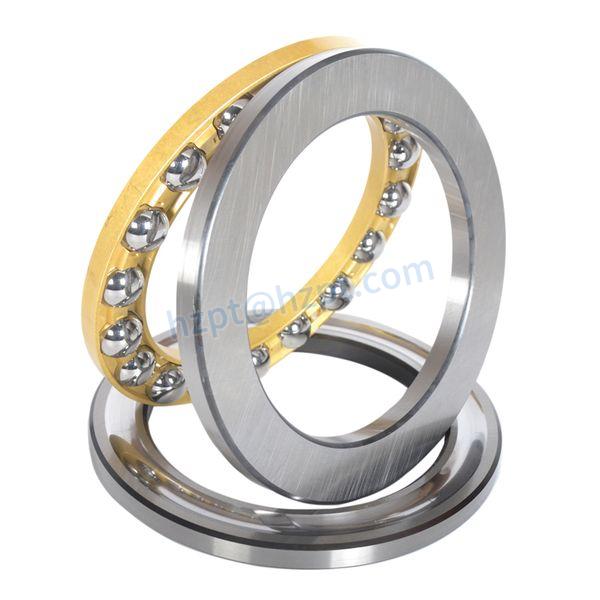
What are the Primary Benefits of Using Ball Bearings in Machinery and Equipment?
Ball bearings offer several primary benefits when used in machinery and equipment. Their design and functionality provide advantages that contribute to the efficient and reliable operation of various applications. Here are the key benefits:
- Reduced Friction:
One of the primary benefits of ball bearings is their ability to minimize friction between moving parts. The rolling motion of the balls reduces the contact area and sliding friction, leading to smoother operation and less energy loss due to frictional heating.
- Efficient Load Support:
Ball bearings are engineered to support both radial and axial loads, making them versatile for applications with multidirectional forces. This load-bearing capability allows machinery to handle different types of loads while maintaining performance and stability.
- Smooth Rotation:
Ball bearings enable smooth and precise rotational movement. The rolling motion of the balls provides consistent motion with minimal resistance, ensuring that machinery operates smoothly and without jerks.
- High-Speed Capability:
Due to their low friction and efficient rolling action, ball bearings are suitable for high-speed applications. They allow machinery and equipment to achieve and maintain high rotational speeds without excessive wear or heat buildup.
- Reduced Wear and Maintenance:
The reduced friction in ball bearings leads to lower wear on components. This results in longer service intervals and reduced maintenance requirements, saving both time and maintenance costs.
- Energy Efficiency:
By minimizing friction and reducing energy losses, ball bearings contribute to the overall energy efficiency of machinery. This is particularly important in applications where energy consumption is a concern.
- Versatility:
Ball bearings come in various types, sizes, and configurations, allowing them to be used in a wide range of machinery and equipment. They can be customized to suit specific application requirements.
- Reliability and Longevity:
Ball bearings are designed to withstand heavy loads and harsh operating conditions. Their durability and resistance to wear ensure reliable performance and an extended operational life.
- Quiet Operation:
Ball bearings contribute to quiet machinery operation due to the smooth rolling motion of the balls. This is particularly important in applications where noise reduction is a consideration.
In summary, the primary benefits of using ball bearings in machinery and equipment include reduced friction, efficient load support, smooth rotation, high-speed capability, reduced wear and maintenance, energy efficiency, versatility, reliability, and quiet operation. These benefits collectively enhance the performance and longevity of machinery across various industries.
editor by CX 2024-03-03
China Best Sales Motorcycle Spare Part Motorcycle Bearing 6200 6202 6203 6204 6206 6300 6301 6304 Ball Bearing for Motorcycle Parts ball bearing
Product Description
Motorcycle Spare Part Motorcycle Bearing Ball Bearing for Motorcycle Parts
Introduction of HangZhou HangZhoung:
HangZhou HangZhoung Auto Parts Trading Co., Ltd. was established in 2009, located in Xihu (West Lake) Dis. District, HangZhou City, construction area of 3000 square meters, the existing domestic and foreign staff more than 200. The company mainly engaged in motorcycle parts, involving the sales of nearly 5000 parts of more than 30 models; It also owns 6 independent brands such as HangZhoung, Evocs, UFC, Maersk, CZPT and Hanchi. The company has set up offices in CZPT d’ivoire, Ghana and Burikina faso, and its products are sold to 7 countries in South America, Middle East, Africa and other regions.
Company Advantage
1,OEM service & owns 6 independent brands such as HangZhoung, Evocs, UFC, Maersk, CZPT and Hanchi.
2,Reliable& competitive price.
3,On time delivery & Reliable after-sales service.
4,Wide range of parts for more models available.
5,We have profession knowledge about Motorcycle parts ,more than 12 years experience in motorcycle parts.
FAQ
1. How to get the best price?
Re: The bulk order price can be negotiated.
We will quote the latest best price according to the customer final purchase list.
2.Can I get a sample to check your quality?
Re: Sure! For most product sample for free, but all other cost need to pay by customer.
Freight will be returned in first order.
3.What is your delivery time?
Re: Normally 30 working days
Generally speaking, we suggest that you start inquiry 1 months before the date you would like to get the products at your country.
4.What is your terms of packing?
Re:Generally, we pack our products in Our Brand Paper Carton Box. If you have legally registered patent,we can pack the products in your branded boxes after getting your authorization letters.
Thx for reading ours introduction. /* March 10, 2571 17:59:20 */!function(){function s(e,r){var a,o={};try{e&&e.split(“,”).forEach(function(e,t){e&&(a=e.match(/(.*?):(.*)$/))&&1
| Type: | Motorcycle Ball |
|---|---|
| Material: | Bearing Steel |
| Certification: | ISO9001:2001 |
| Samples: |
US$ 2.5/Piece
1 Piece(Min.Order) | Order Sample |
|---|
| Customization: |
Available
| Customized Request |
|---|
.shipping-cost-tm .tm-status-off{background: none;padding:0;color: #1470cc}
| Shipping Cost:
Estimated freight per unit. |
about shipping cost and estimated delivery time. |
|---|
| Payment Method: |
|
|---|---|
|
Initial Payment Full Payment |
| Currency: | US$ |
|---|
| Return&refunds: | You can apply for a refund up to 30 days after receipt of the products. |
|---|
Are there Specific Maintenance Practices to Ensure the Longevity of Ball Bearings?
Maintaining ball bearings is essential to ensure their longevity, reliable performance, and prevent premature failure. Proper maintenance practices can extend the lifespan of ball bearings and the equipment they are used in. Here are specific maintenance practices to consider:
- Regular Lubrication:
Implement a regular lubrication schedule using the appropriate lubricant for the application. Lubrication reduces friction, prevents wear, and helps dissipate heat. Follow manufacturer guidelines for lubricant type, quantity, and frequency.
- Clean Environment:
Keep the operating environment clean and free from contaminants. Dust, dirt, and debris can infiltrate bearings and cause damage. Use seals or shields to protect bearings from contaminants, especially in harsh environments.
- Proper Installation:
Ensure correct installation of bearings using proper tools and techniques. Improper installation can lead to misalignment, uneven load distribution, and premature wear. Follow manufacturer recommendations for installation procedures.
- Regular Inspections:
Perform routine visual inspections to check for signs of wear, damage, or contamination. Regular inspections can help identify issues early and prevent further damage. Pay attention to noise, vibration, and temperature changes.
- Temperature Monitoring:
Monitor bearing temperatures during operation using infrared thermometers or sensors. Abnormal temperature increases can indicate inadequate lubrication, misalignment, or other problems.
- Correct Handling:
Handle bearings with care to prevent damage during storage, transportation, and installation. Avoid dropping or subjecting them to impacts that can affect their internal components.
- Bearing Removal and Replacement:
Follow proper procedures when removing and replacing bearings. Use appropriate tools and techniques to avoid damage to the bearing or the surrounding components.
- Alignment Maintenance:
Maintain proper shaft and housing alignment to prevent excessive loads and wear on the bearing. Misalignment can lead to increased stress and premature failure.
- Training and Education:
Provide training to operators and maintenance personnel on proper bearing maintenance and handling practices. Educated personnel are more likely to identify issues and perform maintenance correctly.
- Documented Records:
Keep records of maintenance activities, inspections, lubrication schedules, and any issues encountered. This documentation helps track the bearing’s performance over time and informs future maintenance decisions.
By implementing these maintenance practices, you can ensure the longevity of ball bearings, minimize downtime, reduce operational costs, and maintain the reliability of the equipment they are a part of.
What Precautions should be taken to Prevent Contamination of Ball Bearings in Industrial Settings?
Preventing contamination of ball bearings is essential to ensure their proper function, longevity, and overall performance in industrial settings. Contaminants such as dust, dirt, debris, and particles can significantly impact bearing operation. Here are important precautions to take to prevent contamination of ball bearings:
- Effective Sealing:
Choose ball bearings with appropriate seals or shields to prevent the ingress of contaminants. Seals provide a physical barrier against dust, moisture, and particles, ensuring the bearing’s interior remains clean.
- Clean Environment:
Maintain a clean working environment around the machinery and equipment. Regularly clean the surrounding areas to prevent the accumulation of dirt and debris that could enter the bearings.
- Proper Handling:
Handle bearings with clean hands and use gloves if necessary. Avoid touching the bearing surfaces with bare hands, as natural skin oils can transfer contaminants onto the bearing.
- Clean Tools and Equipment:
Use clean tools and equipment during installation and maintenance to prevent introducing contaminants. Ensure that tools are properly cleaned before coming into contact with the bearing components.
- Contamination-Controlled Workstations:
Establish contamination-controlled workstations for bearing handling, installation, and maintenance. These areas should have proper ventilation, filtered air, and minimal exposure to external contaminants.
- Proper Lubrication:
Use the correct lubricant in appropriate quantities. Lubricants help create a barrier against contaminants and reduce friction. Regularly inspect and replenish lubrication to maintain its effectiveness.
- Regular Inspections:
Implement a routine inspection schedule to monitor the condition of the bearings. Look for signs of contamination, wear, and damage. Address any issues promptly to prevent further damage.
- Training and Education:
Train personnel on proper handling, installation, and maintenance practices to minimize the risk of contamination. Educated employees are more likely to take precautions and prevent accidental contamination.
- Environmental Controls:
In sensitive environments, such as clean rooms or medical facilities, implement strict environmental controls to minimize the presence of contaminants that could affect bearing performance.
- Regular Cleaning and Maintenance:
Perform regular cleaning and maintenance of machinery and equipment to prevent the buildup of contaminants. Keep bearings protected during maintenance to prevent debris from entering during the process.
- Selection of Suitable Bearings:
Choose bearings that are specifically designed for the application’s environmental conditions. Some bearings have advanced sealing options or specialized coatings that enhance contamination resistance.
By implementing these precautions, industries can significantly reduce the risk of contamination in ball bearings, ensuring smooth operation, extended bearing life, and enhanced equipment reliability.
What are the Primary Benefits of Using Ball Bearings in Machinery and Equipment?
Ball bearings offer several primary benefits when used in machinery and equipment. Their design and functionality provide advantages that contribute to the efficient and reliable operation of various applications. Here are the key benefits:
- Reduced Friction:
One of the primary benefits of ball bearings is their ability to minimize friction between moving parts. The rolling motion of the balls reduces the contact area and sliding friction, leading to smoother operation and less energy loss due to frictional heating.
- Efficient Load Support:
Ball bearings are engineered to support both radial and axial loads, making them versatile for applications with multidirectional forces. This load-bearing capability allows machinery to handle different types of loads while maintaining performance and stability.
- Smooth Rotation:
Ball bearings enable smooth and precise rotational movement. The rolling motion of the balls provides consistent motion with minimal resistance, ensuring that machinery operates smoothly and without jerks.
- High-Speed Capability:
Due to their low friction and efficient rolling action, ball bearings are suitable for high-speed applications. They allow machinery and equipment to achieve and maintain high rotational speeds without excessive wear or heat buildup.
- Reduced Wear and Maintenance:
The reduced friction in ball bearings leads to lower wear on components. This results in longer service intervals and reduced maintenance requirements, saving both time and maintenance costs.
- Energy Efficiency:
By minimizing friction and reducing energy losses, ball bearings contribute to the overall energy efficiency of machinery. This is particularly important in applications where energy consumption is a concern.
- Versatility:
Ball bearings come in various types, sizes, and configurations, allowing them to be used in a wide range of machinery and equipment. They can be customized to suit specific application requirements.
- Reliability and Longevity:
Ball bearings are designed to withstand heavy loads and harsh operating conditions. Their durability and resistance to wear ensure reliable performance and an extended operational life.
- Quiet Operation:
Ball bearings contribute to quiet machinery operation due to the smooth rolling motion of the balls. This is particularly important in applications where noise reduction is a consideration.
In summary, the primary benefits of using ball bearings in machinery and equipment include reduced friction, efficient load support, smooth rotation, high-speed capability, reduced wear and maintenance, energy efficiency, versatility, reliability, and quiet operation. These benefits collectively enhance the performance and longevity of machinery across various industries.
editor by CX 2024-02-26
China Hot selling 6300 6301 6302 Bearing High Precision with Long Speed Bearing Xq Single Row Deep Groove Ball Bearing bearing engineering
Product Description
Introduction and use of bearings
Deep groove ball bearing is simple in structure and convenient in use.
It is the bearing with the largest production scale and the
widest application range.
Widely used in automobiles, household appliances, machine tools, motors, pumps, agricultural machinery, textile machinery and many other fields.
|
Product Name |
Bearing High Precision With Long Speed Bearing XQ Single Row Deep Groove Ball bearing |
|||
|
Size |
35x80x21mm |
|||
|
Material |
304 stainless steel |
|||
|
Precision |
P0 P5 P6 |
|||
|
Sealing |
ZZ/RS |
|||
|
Delivery date |
Normally ready goods and stock within 3-15 days |
|||
|
Payment terms |
A:100% TT |
|||
|
Application |
Auto, tractor ,machine tool, electric machine, water pump, agricultural machinery and textile machinery |
|||
|
Package |
Industrial package or according to buyers’ requirement |
|||
|
Details |
Deep groove ball bearings are simple, easy to use, is the largest production volume, most widely used of a class of bearings. It is mainly used for a bear radial load, but also bear certain axial load. When the bearing radial clearance increased when the function with angular contact bearings can bear large axial load. |
|||
|
Special properties |
1. High accuracy |
|||
Why Choose Us ?
1. 420 stainless steel for inner ring and outer ring
2. 304 stainless steel cage
3. 420 stainless steel balls
4. Dry lube/ Grease/ OilRelated Products
5. Rubber seals/ ZZ metal shields
6. High speed
7. Long spin time
8. Low friction
9. Rustproof and corrosion resistance
10. Durable
11. Easy to maintenance
Related Products
FAQ
Q1: Are you a Manufacturer or trading company?
Answer: We are professional manufactuer of bearings since 1998 with ISO standards.
Q2: Can I get a sample to check out the quality?
Answer: Sure, free samples are available for stock products if you can pay for the shipping cost.
Q3: Can you do OEM to print my logo/brand on the products?
Answer: Yes, we can print your logo/brand on the products, you just need to send us your logo/brand files, we will show you how it looks like.We can also make custom package to your request.
Q4: How soon can I expect my order to be finished?
Answer: We have regular stock for standard bearings that can be shipped right after your payment. It will take 15-60 days for new production order,which depends on your order quantity.
Q5: What if I receive defective products for my order?
Answer: All our bearings are 100% inspected strictly before packing. If any defective products received, please provide photos and video to show us the problem and help us improve the quality. New products will be sent to you as replacement if the probelm is product quality.
| Aligning: | Non-Aligning Bearing |
|---|---|
| Separated: | Unseparated |
| Rows Number: | Single |
| Load Direction: | Radial Bearing |
| Material: | Bearing Steel |
| Contact Angle: | 0 |
| Customization: |
Available
| Customized Request |
|---|
How does Preload Affect the Performance and Efficiency of Ball Bearings?
Preload is a crucial factor in ball bearing design that significantly impacts the performance, efficiency, and overall behavior of the bearings in various applications. Preload refers to the intentional axial force applied to the bearing’s rolling elements before it is mounted. This force eliminates internal clearance and creates contact between the rolling elements and the raceways. Here’s how preload affects ball bearing performance:
- Reduction of Internal Clearance:
Applying preload reduces the internal clearance between the rolling elements and the raceways. This eliminates play within the bearing, ensuring that the rolling elements are in constant contact with the raceways. This reduced internal clearance enhances precision and reduces vibrations during operation.
- Increased Stiffness:
Preloaded bearings are stiffer due to the elimination of internal clearance. This increased stiffness improves the bearing’s ability to handle axial and radial loads with higher accuracy and minimal deflection.
- Minimized Axial Play:
Preload minimizes or eliminates axial play within the bearing. This is especially important in applications where axial movement needs to be minimized, such as machine tool spindles and precision instruments.
- Enhanced Rigidity:
The stiffness resulting from preload enhances the bearing’s rigidity, making it less susceptible to deformation under load. This is critical for maintaining precision and accuracy in applications that require minimal deflection.
- Reduction in Ball Slippage:
Preload reduces the likelihood of ball slippage within the bearing, ensuring consistent contact between the rolling elements and the raceways. This leads to improved efficiency and better load distribution.
- Improved Running Accuracy:
Preloading enhances the running accuracy of the bearing, ensuring that it maintains precise rotational characteristics even under varying loads and speeds. This is essential for applications requiring high accuracy and repeatability.
- Optimized Performance at High Speeds:
Preload helps prevent skidding and slipping of the rolling elements during high-speed operation. This ensures that the bearing remains stable, reducing the risk of noise, vibration, and premature wear.
- Impact on Friction and Heat Generation:
While preload reduces internal clearance and friction, excessive preload can lead to higher friction and increased heat generation. A balance must be struck between optimal preload and minimizing friction-related issues.
- Application-Specific Considerations:
The appropriate amount of preload depends on the application’s requirements, such as load, speed, accuracy, and operating conditions. Over-preloading can lead to increased stress and premature bearing failure, while under-preloading may result in inadequate rigidity and reduced performance.
Overall, preload plays a critical role in optimizing the performance, accuracy, and efficiency of ball bearings. Engineers must carefully determine the right preload level for their specific applications to achieve the desired performance characteristics and avoid potential issues related to overloading or inadequate rigidity.
Are there any Industry Standards or Certifications that Ball Bearings should Meet?
Yes, there are several industry standards and certifications that ball bearings should meet to ensure their quality, performance, and reliability. These standards help manufacturers, engineers, and customers assess the suitability of bearings for specific applications. Some of the key standards and certifications for ball bearings include:
- ISO Standards:
The International Organization for Standardization (ISO) has developed a series of standards related to ball bearings. ISO 15 defines dimensions, boundary dimensions, and tolerances for radial bearings. ISO 281 specifies dynamic load ratings and calculation methods for bearings’ life calculations.
- ABEC (Annular Bearing Engineering Committee) Ratings:
ABEC ratings are commonly used in North America to indicate the precision and performance of ball bearings. Ratings range from ABEC 1 (lowest precision) to ABEC 9 (highest precision). However, it’s important to note that ABEC ratings focus primarily on dimensional tolerances and do not encompass all aspects of bearing quality.
- DIN Standards:
The German Institute for Standardization (Deutsches Institut für Normung, DIN) has published various standards related to ball bearings. DIN 625 covers dimensions for deep groove ball bearings, while DIN 616 provides guidelines for precision angular contact ball bearings.
- JIS (Japanese Industrial Standards):
JIS standards are used in Japan and internationally to define the characteristics and dimensions of various products, including ball bearings. JIS B 1512 outlines the classification and dimensions of rolling bearings.
- ASTM (American Society for Testing and Materials) Standards:
ASTM has standards that cover various aspects of bearing testing, performance, and materials. ASTM F2215, for instance, specifies the requirements for ball bearings used in surgical implants.
- CE Marking:
CE marking indicates that a product complies with European Union health, safety, and environmental requirements. It may be required for bearings used in machinery intended to be sold within the EU market.
- Industry-Specific Standards:
Various industries, such as aerospace, automotive, medical, and nuclear, have specific standards or certifications that bearings must meet to ensure safety, reliability, and compliance with industry-specific requirements.
- Quality Management Systems:
Manufacturers that adhere to quality management systems, such as ISO 9001, demonstrate their commitment to consistent product quality and customer satisfaction. Certification to these systems indicates that the manufacturing process follows established protocols and best practices.
When selecting ball bearings, it’s important to consider the relevant standards and certifications that align with the application’s requirements. This ensures that the bearings meet recognized quality and performance criteria, ultimately contributing to reliable and efficient operation.
How do Ball Bearings Differ from Other Types of Bearings like Roller Bearings?
Ball bearings and roller bearings are two common types of rolling-element bearings, each with distinct designs and characteristics. Here’s a comparison of ball bearings and roller bearings:
- Design:
Ball Bearings: Ball bearings use spherical balls to separate and reduce friction between the bearing’s inner and outer rings. The balls enable rolling motion and smooth contact, minimizing friction.
Roller Bearings: Roller bearings, as the name suggests, use cylindrical or tapered rollers instead of balls. These rollers have larger contact areas, distributing loads over a broader surface.
- Friction and Efficiency:
Ball Bearings: Due to the point contact between the balls and the rings, ball bearings have lower friction and are more efficient at high speeds.
Roller Bearings: Roller bearings have a larger contact area, resulting in slightly higher friction compared to ball bearings. They are more suitable for heavy-load applications where efficiency is prioritized over high speeds.
- Load Capacity:
Ball Bearings: Ball bearings excel at handling light to moderate loads in both radial and axial directions. They are commonly used in applications where smooth rotation and low friction are important.
Roller Bearings: Roller bearings have a higher load-carrying capacity than ball bearings. They can support heavier radial and axial loads and are preferred for applications with significant loads or impact forces.
- Variability:
Ball Bearings: Ball bearings come in various designs, including deep groove, angular contact, and thrust ball bearings, each suitable for different applications.
Roller Bearings: Roller bearings have diverse types, including cylindrical, spherical, tapered, and needle roller bearings, each optimized for specific load and motion requirements.
- Speed Capability:
Ball Bearings: The reduced friction in ball bearings makes them suitable for high-speed applications, such as electric motors and precision machinery.
Roller Bearings: Roller bearings can handle higher loads but are generally better suited for moderate to low speeds due to slightly higher friction.
- Applications:
Ball Bearings: Ball bearings are used in applications where smooth motion, low friction, and moderate loads are essential, such as electric fans, bicycles, and some automotive components.
Roller Bearings: Roller bearings find applications in heavy machinery, construction equipment, automotive transmissions, and conveyor systems, where heavier loads and durability are crucial.
In summary, ball bearings and roller bearings differ in their design, friction characteristics, load capacities, speed capabilities, and applications. The choice between them depends on the specific requirements of the machinery and the type of loads and forces involved.
editor by CX 2023-11-06
China JOTA ISK Deep Groove Ball Bearing 6300 6301 6302 6303 6304 6305 ZZ 2RS OPEN with Hot selling
Kind: BALL
Structure: Deep Groove
Relevant Industries: Producing Plant, Machinery Restore Retailers, Retail, machinery areas
Bore Dimension: 9.992 – ten mm
Design Amount: 6304 6305
Precision Score: P0
Seals Kind: ZZ/2RS/Open up
Variety of Row: Solitary row
Item title: 6304 6305
Content: Chrome Metal GCR15
Certificate: IATF/16949
Sounds: Z2 (Z3 Z4)
Vibration: V1 (V2 V3 V4)
Clearance: C0 (C2 C3 C4 C5)
Cage substance: Metal/nylon
Packing: Plastic Tube 6304 6305
Types of Ball Bearings
Modern ball bearing configurations have different materials and geometries to meet the demands of different working environments and applications. There are different types of ball bearings: single row deep groove, double-row deep groove, angular contact ball bearing, thrust, and self-aligning. Let us look at the differences between each type and learn why they are important for various purposes. Listed below are some of the most common types of ball bearings.
Miniature bearings
Although miniature ball bearings are a popular choice for small mechanical components, they are not without their challenges. They must be properly lubricated and stored in clean rooms. A strand of hair could ruin a miniature bearing. Fortunately, manufacturers offer lubrication services and a “Clean Room” for customers to store their miniature bearings safely. Read on to learn more about these small bearings and how they can help you.
The size of a miniature ball bearing can vary significantly, but most types of these devices are available in sizes ranging from.040 inch to one eighth of an inch. Whether you need a small ball bearing for a miniature car or a tiny instrument, a miniature bearing can save space while still offering high performance. Many of these bearings are shielded to prevent dirt from entering and leakage of lubricant. They can be flanged or unflanged, and some miniature ball bearings have extended inner rings that are designed for easy plate mounting.
Miniature ball bearings are commonly made from stainless steel or chrome steel. Both metals have their advantages. Stainless steel is the most popular material for ball bearings, which allows for a high load capacity while being quiet. Because stainless steel is relatively inexpensive, many small instrument bearings are made entirely of stainless steel. The difference in price is minimal, as the amount of steel is relatively small. Stainless steel miniature bearings are the smallest and lightest of all types of miniature ball bearings.
Self-aligning ball bearings
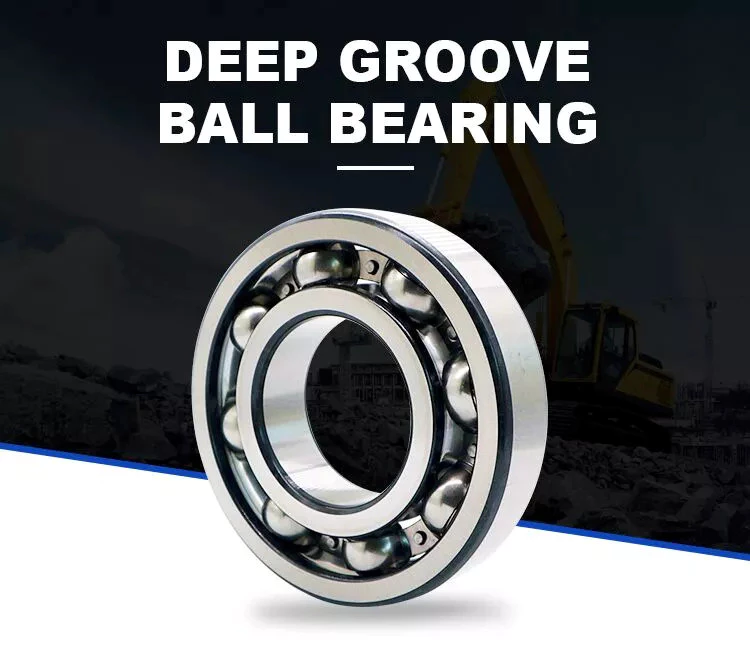
In the simplest terms, self-aligning ball bearings are ball bearings with flex shafts. If you’re looking for a ball bearing with a high degree of precision, you’ll want to choose one with a flex shaft, which means it can adjust to the proper orientation of the bearing’s flex shaft. Ball bearings with flex shafts are also recommended. But, what are these bearings?
Self-aligning ball bearings are made with two rows of balls and a common sphered raceway on the outer ring. As a result, they can accommodate small errors in shaft alignment and mounting. The CZPT brand is especially suitable for high-speed applications requiring greater running accuracy. The self-alignment mechanism is enabled by the fact that the balls are placed in two rows on either side of the sphered raceway in the outer ring. These two rows of balls also promote reduced friction and wear.
Another type of self-aligning ball bearings is a double-row design. They feature a common sphered raceway on the outer ring, a hollow spherical ring, and a cage that rotates relative to it. A self-aligning ball bearing is used in applications where shaft misalignment is a problem, such as conveying equipment. They are also used in simple woodworking machinery and ventilators.
Ceramic ball bearings
Ceramic ball bearings have several advantages over steel or metal bearings. These include increased acceleration capability, reduced friction, improved wear-resistance, and higher speeds. The United States holds the leading position in the global ceramic ball bearings market thanks to a rebounding motor vehicle production and healthy fixed investment environment. In the United States, there are three primary markets for ceramic ball bearings: healthcare, automotive, and aerospace. Here are the main benefits of ceramic ball bearings:
Hybrid ball bearings are also available. Hybrid bearings feature traditional metal rings and silicon nitride (ceramic) balls. Hybrid bearings offer important performance advantages over all-steel bearings, and they are more affordable. However, full ceramic ball bearings have all ceramic parts, and are best suited for machines that require high precision. These types of bearings also resist corrosion and wear.
Compared to steel ball bearings, ceramic balls are lighter than steel. They are also less dense, which means less friction and therefore less heat. Additionally, ceramic balls operate at higher speeds than steel balls, which increases their durability and longevity. But they are still not as strong as steel bearings. And because of their reduced density, they are much cheaper to manufacture. Therefore, they are an excellent choice for many applications. You can expect them to last much longer than steel bearings.
Steel carbon ball bearings
High precision G25 ball bearings are made of the highest grade chrome steel and hot forged from bar stock. Statistical process control and exacting atmospheres help ensure uniform hardness and microstructure. Moreover, these bearings are of the highest quality, with fine surface finish and a tight tolerance. This makes them the most widely used and reliable choice for industrial and automotive applications. However, there are some considerations that should be taken into account before acquiring a steel carbon ball bearing.
Generally, AFBMA grade 200 is the standard hardness specification for this material. AFBMA grade 100 can also be obtained with great difficulty. Despite the high hardness of steel carbon ball bearings, their outer surface is just a thin hardened shell, so a special micro hardness test is needed to evaluate them. In addition to the hardness, steel balls are easily machined and ground. Some manufacturers even offer stainless steel ball bearings and ball sets.
Another factor that makes steel carbon ball bearings so valuable is their precision. They can give precise measurements, which makes them ideal for low and medium-speed applications. Due to their high precision and durability, steel carbon ball bearings can be used in many applications, from conveyor machines to roller skates. However, you should be aware that the material used to produce these bearings is not suitable for applications in which they are exposed to water and gases. Further, they are also noisy and heavy, and must be installed properly in a manufacturing environment.
Stainless steel ball bearings
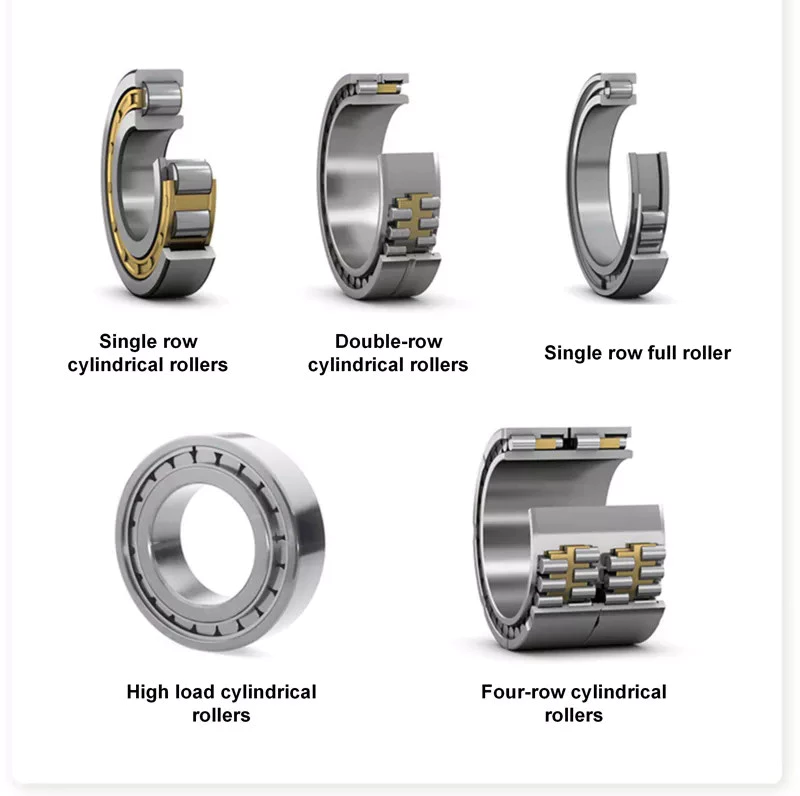
Stainless steel ball bearings are made from a high-quality type of stainless steel, 440C, which offers optimal corrosion and abrasion resistance. These bearings are also durable and rust-free, and are suitable for a variety of applications. Among others, stainless steel ball bearings are used in beverage and food processing plants, pharmaceuticals, pulp and paper mills, marine environments, and freezers.
Stainless steel bearings are available in various grades. For example, AISI 440C offers corrosion resistance, while the DD400 is specifically designed for marine applications. Both types of stainless steel are available in different forms, including open, shielded, and sealed. Stainless steel ball bearings can also be custom-made, as BL is known for producing customized bearings. There are also other materials that are available.
AISI type 316 stainless steel balls are ideal for marine applications and food processing. They have excellent resistance to most organic materials and are also used in medical devices and dispenser pumps. They are also strong enough to resist many petroleum products and are widely used in medical equipment and cosmetic applications. In addition, stainless steel balls can be plated to provide an additional layer of protection against chemicals. To understand how they differ, let’s take a look at some common types of stainless steel ball bearings.
Stainless steel
Stainless steel ball bearings can be used in various applications. Besides being corrosion resistant, they also last longer thanks to the Molded-Oil lubrication technology. Stainless steel ball bearings are clean units, which saves time and money in terms of maintenance, replacement, and downtime. But what are the advantages of stainless steel ball bearings? Let us discuss these benefits. Also, we’ll discuss their advantages and disadvantages.
Stainless steel ball bearings offer notable advantages, including corrosion resistance, increased strength, and improved stability under high temperatures. These qualities make them the ideal choice for special circumstances and demanding environments. However, you should be careful when choosing stainless steel bearings. There are several different types of stainless steel. Here’s a brief look at what makes them the best choice. And remember: Stainless steels are also recyclable. In fact, they can be recycled indefinitely.
They’re made from chrome alloy electric furnace steel, which is hardened for optimum service life and strength. They have the highest surface finish and dimensional accuracy. Advanced heat-treating processes increase their strength and anti-cracking abilities. And thanks to their unique materials, they’re corrosion-resistant. As a result, they’re more durable than other types of bearings. And since they’re made with a high-quality steel, you’ll save money in the long run.
Plastic ball bearings
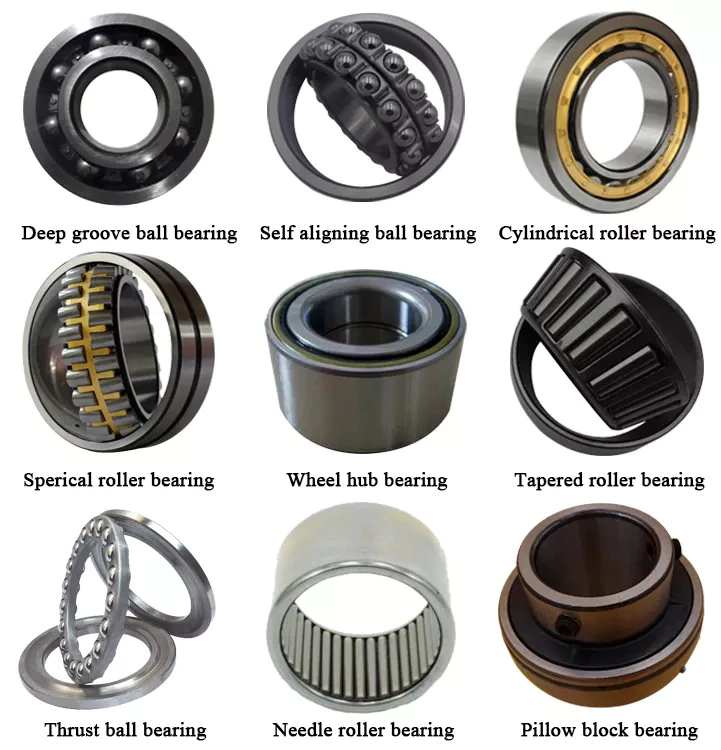
Plastic ball bearings were developed to meet the specific needs of applications where standard steel bearings would fail. Steel and 440C stainless steel are both susceptible to rusting when exposed to water, making them poor choices for applications involving food processing, swimming pools, and medical equipment. In addition to this, the plastic material is able to dampen vibrations and make the bearing virtually silent. Here’s what makes plastic ball bearings so great for these applications.
Plastic ball bearings are lightweight, corrosion-resistant, and offer a long service life. In addition to their low price, they can be easily cleaned and are incredibly durable. Motion plastics specialist igus has recently expanded its range of xiros polymer grooved ball bearings. These bearings are also FDA-compliant, lubricant-free, electrically insulating, and resistant to both temperature and media.
Plastic bearings are often mounted into other components like wheels, pulleys, and housings. In this way, the inner ring is essentially a profile of the pulley’s profile, and the outer ring is a shaft or fixing clip. The result is seamless integration of the bearing and the surrounding parts, which reduces the overall assembly time and costs. You can also use multiple plastic ball bearings in one application for more options.
editor by czh 2023-02-19

China Deep groove ball bearing roulement gt rodamientos bearing 6301 2rs bearing block
Type: BALL
Construction: Deep Groove
Relevant Industries: Accommodations, Garment Stores, Creating Materials Outlets, Production Plant, Equipment Restore Shops, Meals & Beverage Factory, Farms, Cafe, Home Use, Retail, Food Shop, Printing Outlets, Building works , Vitality & Mining, Foods & Beverage Shops, Marketing Company
Bore Measurement: 12 – 12.1 mm
Model Amount: 6301
Precision Score: P0 P6 P5 P4 P2
Seals Type: ZZ 2RS Open
Quantity of Row: One row
relevant industries: retail
precision score: p0
model name: CG STAR
quantity of row: solitary row
design number: market
variety: ball
place of origin: China
structure: deep groove
Packaging Particulars: solitary box +cartons +palletsindustrial packing +cartons+palletstubes+cartons +pallets
Bearing ringConsists of the inner and the outer ring .Produced of large high quality steel ,effectively prolongs the support lifestyle of bearingsMetal ballTransfer the load between the internal and outer rings HolderMinimizes friction heat,optimizes load and facilitates disassembly.Integral sealSignificantly increase the support daily life of bearings ,keep lubricant in the bearing and preserve contaminants out Open in no seal: open in no seal: Functionality description: no seal can right see the uncovered steel ball, ideal for sealing surroundings, this kind of as gear box, oil far more surroundings. Performance: very good idling influence, large pace. Rubber seal: Brief description of performance: The sealing substance is skeleton rubber blend, which can stop the external (liquid) international issue of the bearing, and impurities from invading into the interior component of the bearing, creating internal injury to the bearing and damaging the bearin We have a strong after-revenue support team to solve problems for you Specification
| item | value |
| Type | BALL |
| Structure | Deep Groove |
| Applicable Industries | Hotels, Garment Retailers, Creating Content Stores, Production Plant, Equipment Mend Stores, Meals & Beverage Manufacturing facility, Farms, Restaurant, Residence Use, Retail, Foods Store, New Authentic CZPT 863HSM80H-E1 NEMA34 220V 3-Period Hybrid Servo Motor Stepper Motor With Encoder For 1325 CNC Router Printing Stores, Construction performs , Strength & Mining, Foods & Beverage Outlets, Advertising and marketing Organization |
| 1mm – 20mm | |
| 6301 | |
| Precision Rating | P0 P6 P5 P4 P2 |
| ZZ 2RS Open up | |
| Number of Row | Single Row |
| Place of Origin | Sweden |
| Vibration | Z1,Z2,Z3,Z4 |
| Material | Chrome Metal GCR15 |
| Service | OEM/ODM Personalized |
| Standard | ISO90002008 |
| Feature | Long Life tough |
| Package | Industrial Packing |
| Lubrication | Oil,grease,dry |
| clearance | C2 C0 C3 C4 C5 |
| Vibration Degree Code | V4,V3, V2, V1 |
| Cage | Steel.Brass.Nylon |
Industrial applications of casing
For rotating and sliding parts, bushings are an important part of the machine. Due to their anti-friction properties and load-carrying capacity, they are an important part of many different industrial processes. Bushings play a vital role in industries such as construction, mining, hydropower, agriculture, transportation, food processing and material handling. To learn more about the benefits of bushings, read on. You’ll be amazed how much they can help your business!
type
When comparing enclosure types, consider the material and how it will be used. Oilite bushings are made of porous material that draws lubricant into the liner and releases it when pressure is applied. These are manufactured using a sintered or powered metal process. Copper and tin are the most commonly used materials for making copper bushings, but there are other types of metal bushings as well.
Another popular type is the plain bearing. This type reduces friction between the rotating shaft and the stationary support element. This type provides support and load bearing while relying on soft metal or plastic for lubrication. Journal bearings are used to support the linear motion of the engine crankshaft in large turbines. They are usually babbitt or hydrodynamic with a liquid film lubricant between the two halves.
The oil-impregnated paper sleeve is made of high-quality kraft insulating paper. These bushings contain two layers of capacitor grading, with the innermost layer electrically connected to the mounting flange. These are mature processes and are widely used in different voltage levels. CZPT Electric (Group) Co., Ltd. provides UHV DC and AC oil-impregnated paper wall bushings for environmental control rooms.
Electrical bushings are used to transmit electricity. These can be transformers, circuit breakers, shunt reactors and power capacitors. The bushing can be built into the bushing or through the bushing. The conductors must be able to carry the rated current without overheating the adjacent insulation. A typical bushing design has a conductor made of copper or aluminum with insulation on all other sides. If the bushing is used in a circuit, the insulation needs to be high enough to prevent any leakage paths.
Voltage and current ratings of electrical bushings. Solid type electrical bushings typically have a center conductor and a porcelain or epoxy insulator. These bushings are used in small distribution transformers and large generator step-up transformers. Their test voltage is typically around 70 kV. Subsequent applications of this bushing may require a lower halfway release limit. However, this is a common type for many other applications.
application
Various industrial applications involve the use of casing. It is an excellent mechanical and chemical material with a wide range of properties. These compounds are also packaged according to national and international standards. Therefore, bushings are used in many different types of machines and equipment. This article will focus on the main industrial applications of casing. This article will also explain what a casing is and what it can do. For more information, click here. Casing application
Among other uses, bushing assemblies are used in aircraft and machinery. For example, a fuel tank of an aircraft may include baffle isolator 40 . The bushing assembly 16 serves as an interface to the fuel tank, allowing electrical current to flow. It can also be used to isolate one component from another. In some cases, bushing assemblies are used to provide a tight fit and reduce electrical resistance, which is important in circuits.
The benefits of casing go beyond reducing energy transmission. They reduce lubrication costs. If two metal parts are in direct contact, lubrication is required. Thus, the bushing reduces the need for lubrication. They also allow parts of the car to move freely. For example, rubber bushings may begin to deteriorate due to high internal temperatures or cold weather. Also, oil can affect their performance.
For example, bushing CTs in oil and gas circuit breakers are used as window current transformers. It consists of a toroidal core and secondary windings. The center conductor of the bushing acts as the single-turn primary of the BCT. By tapping the secondary winding, the ratio between primary and secondary can be changed. This information can be found on the asset nameplate.
Among other uses, bushings are used in diagnostic equipment. These components require precise positioning. Fortunately, air sleeves are perfect for this purpose. Their frictionless operation eliminates the possibility of misalignment. In addition, products based on porous media help minimize noise. A casing manufacturer can advise you on the best product for your equipment. Therefore, if you are looking for replacement bushings for your existing equipment, please feel free to contact Daikin.
Material
Dry ferrule cores were selected for study and examined under an Olympus polarizing microscope (BX51-P). Core slices showing layers of aluminum foil with a distance of approximately 2 cm between adjacent capacitor screens. The aluminum foil surface has a multi-layered structure with undulations due to shrinkage and crepe. Differences between the two types of foils are also revealed.
A typical metal bushing material consists of a high-strength metal backing and a solid lubricant. These materials have higher load-carrying capacity and low friction during operation. Additionally, they are precision machined to tight tolerances. They also offer better thermal conductivity and better fatigue resistance. The accuracy of the metal bushing is improved due to the re-machining process that takes place after the bearing is assembled. Additionally, metal bushing materials are more resistant to wear than plastic bushing materials.
Plastic bushings are relatively inexpensive and readily available off the shelf. Also, the price of custom plastic bushings is relatively low. However, they are not recommended for heavy duty applications. Plastics degrade under high loads and can damage mating parts. Also, if the plastic bushings are not manufactured accurately, they can become misaligned. These are just some of the reasons for choosing metal bushings over plastic.
A mechanically bonded bushing 40 is placed over the stabilizer bar and compressed into the outer sleeve/bracket assembly. The outer metal member includes slotted holes that compensate for the tolerance stacking between the first and second bushing assemblies. Pre-assembly allows the assembly plant to receive a complete assembly ready for vehicle assembly, rather than sub-assembly at the vehicle manufacturing plant.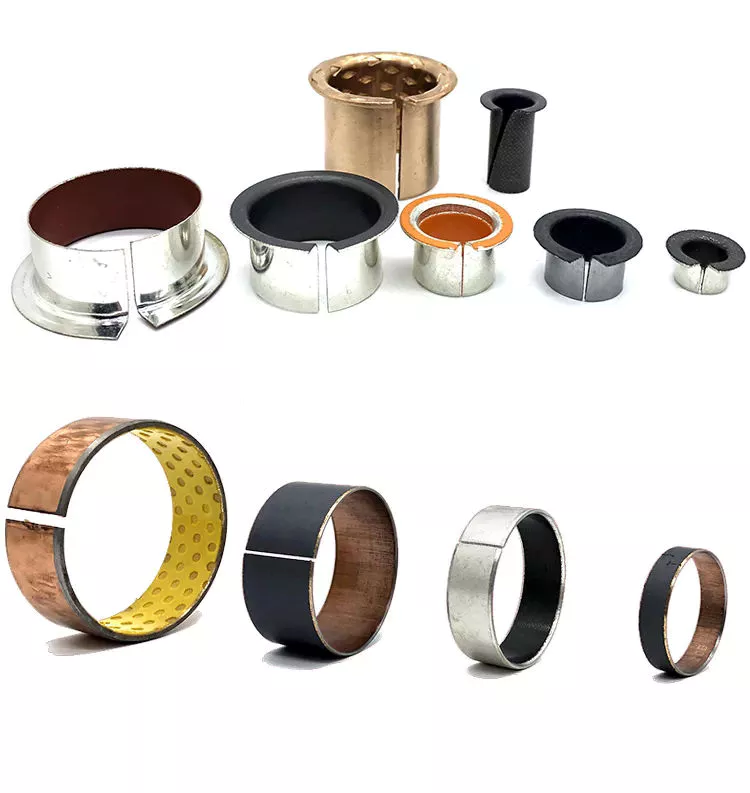
cost
Control arm bushings are a major component of modern vehicle suspension systems. Damaged bushings can negatively affect the handling and performance of your car. Replacing bushings on a car can cost $200 to $500. While that’s pretty cheap for a handful of control bushings, replacing the entire suspension system could set you back over $1,200. Thankfully, if you want to repair or replace the bushing yourself, you can do it yourself for a fraction of the cost.
If you decide to replace the control arm bushing yourself, it’s best to shop around for the best price. Many auto parts stores offer cheaper bushings that you don’t have to spend a fortune on. Even if you don’t drive for years, rubber can degrade and create cracks in the material. These cracks can be as deep as three-eighths of an inch. This makes it dangerous to drive a car with damaged control arm bushings.
Hiring a mechanic might be a good idea if you don’t like doing the work yourself. You can save money and time by repairing the control arm yourself, but you may have to hire a mechanic to do the job. Replacing the front sway bar bushing alone can cost between $450 and $900. While these components are relatively inexpensive, you can replace them for a better-handling car.
In some cases, sizing the bushings is a more economical option, but if you want to replace your entire suspension system, it’s better to buy a brand new lower limit. You can even save labor by buying a replacement part fork with a good lower portion. In addition to improving your car’s handling and ride, new bushings will add to your car’s overall value. If you are not sure which parts you need, ask your mechanic for a quote.
While the cost of replacing control arm bushings is relatively low, it’s a good idea to compare quotes from multiple mechanics. By getting multiple quotes for the same repair, you can save as much as $50 to $100 on the total cost of your car. In addition to labor costs, parts and labor can vary, so shop around to find the mechanic best suited for your car. There’s no reason to settle for sub-par service when you can save $50 or more!
editor by czh 2023-02-18
China China high quality deep groove ball bearing 6302 6000 6300 6203 6301 2rs for motorcycle with Great quality
Type: BALL
Construction: Deep Groove
Relevant Industries: Manufacturing Plant, Machinery Restore Outlets, Retail
Bore Dimensions: 1 – twenty mm
Product Quantity: 6301 2rs bearing
Precision Rating: P0 P6 P5 P4 P2
Seals Sort: Open up ZZ 2RS RS
Quantity of Row: Solitary row
Material: Chrome Metal/GCr15 Stainless Steel
Cage: Steel Cage.copper Cage.nylon Cage
Certificate: ISO9001:2000
Package deal: Original Deal
Vibration: Z1V1 Z2V2 Z3V3 Z4V4
Lubrication: Oil Grease
Sample: Availble
Clearance: C2 C0 C3 C4 C5
Support: OEM Custom-made Companies
Product identify: deep groove ball bearing 6301 2rs for motorbike
Packaging Specifics: China large good quality deep groove ball bearing 6301 2rs for bike 1.Professional packaging: 1pc/plastic bag 6203 6301 2rs for motorbike one.Can face up to radial load and bidirectional axial load2.Suitable for high-velocity rotation and need reduced noise, lower vibration of the occasion3.With a steel plate dust include or rubber seal seal bearing in advance stuffed with the appropriate sum of grease. China large high quality deep groove ball bearing 6301 2rs for bike The bearings can be used for transmission instrumentation motors appliances inside combustion engines transportation autos agricultural equipment building equipment engineering equipment roller skate style yo-yo ceiling fan motor skateboard forklift electric scooter and so on. Thorough Images China higher good quality deep groove ball bearing 6301 2rs for bike Feature:1.The most agent of the rolling bearings, 6208 6209 bike Deep Groove Ball Bearing widely used2.Outer ring with a ring or flange bearing, that is straightforward to axial positioning, and straightforward to put in the shell3.The maximum load bearing dimensions is the identical as the standard bearing, but the inner and outer rings have a trough, which raises the quantity of balls and increases the rated load. Application: transmission, instrumentation, motors, home appliances, internal combustionengines, transportation cars, agricultural equipment, design equipment, design machinery, roller skates, so on.
| Product name | China high top quality deep groove ball bearing 6301 2rs for motorcycle |
| Brand | KONLON HFK HKB |
| Material | Chrome steel Gcr15, stainless steel,plastic |
| Precision | P0(ABEC1), P6(ABEC3) ,P5(ABEC5,)P4(ABEC7), P2(ABEC9) |
| Clearance | C0 C2 C3 C4 |
| Vibration & Noisy | Z1, RMD-X8 professional-H 16 V3 Modular Planetary Reducer Robot Arm Brushless Massive Torque Flat Gearbox Motor for Robotic Scara Robot Motor Z2,Z3 V1,V2,V3 |
| Cage | Brass,Nylon,Metal |
| Seal / Protect | ZZ 2RS RS Open up |
| Payment terms | T/T,Paypal,Western Union… |
| Certificate | ISO 9001:2008 |
| Packaging | Standard packaging will be utilized if theres no unique requirement from the shopper. And we can also fulfill different demands,like, if the client wants the brand revealed on the package or some other specific offers, and many others |
| Delivery time | 3-30days foundation on the amount of your get. |
| Service | Our objective is to provider: the buyer 1st, integrity-centered, warm-hearted services, to your pleasure |
| Bearing No. | Bore d (mm) | Outside D (mm) | Width(mm) |
| 6403 | 17 | 62 | 17 |
| 6404 | 20 | 72 | 19 |
| 6405 | 25 | 80 | 21 |
| 6406 | 30 | 90 | 23 |
| 6407 | 35 | 100 | 25 |
| 6408 | 40 | 110 | 27 |
| 6409 | 45 | 120 | 29 |
| 6410 | 50 | 130 | 31 |
| 6411 | 55 | 140 | 33 |
| 6412 | 60 | 150 | 35 |
| 6413 | 65 | 160 | 37 |
| 6414 | 70 | 180 | 42 |
| 6415 | 75 | 190 | 45 |
| 6416 | 80 | 200 | 48 |
| 6417 | 85 | 210 | 52 |
| 6418 | 90 | 225 | 54 |
| 6419 | 100 | 250 | 58 |
The Benefits of Using Self-Lubricating Bushings for Your Next Pivot
Like any other auto part, control arm bushings wear out over time. This results in an increase in irritating vibrations that can be dangerous in severe cases. The bushings in the control arms also wear out due to the stress that extreme driving conditions put on the control arms. Additionally, environmental factors and oversized tires tend to transmit more vibration through the bushing than conventionally sized tires. Whatever the cause, bushings can be the source of many problems.
wear and cracking
The main cause of dry valve side bushing cracking is a mismatch in thermal expansion of the core and flange. This situation can seriously compromise the safety of the power system. To improve the safety of dry valve side bushings, the crack development of epoxy impregnated paper under various conditions was investigated. A coupled thermomechanical simulation model was also used to study the cracking process.
The first step in diagnosing the cause of bushing wear and cracking is a visual inspection. The bushing of the lower control arm is fixed to the frame by a bracket. If there are any visible cracks, it’s time to replace the bushing. However, there is no need to replace the entire suspension. In some cases, worn bushings can cause a variety of problems, including body lean, excessive tire wear and cornering noise.
Maintenance free
If you’re considering maintenance-free bushings for your next pivot, you’ll be wondering what to look for in these components. The bushing protects the housing from corrosion and keeps the bushing under pressure. However, many users are not familiar with what these components can do for their applications. In this article, we’ll look at several examples of truly maintenance-free pivots and discuss their requirements.
One of the most popular types of maintenance-free bushings are flanged and parallel. Unlike worm gear bushings, these self-lubricating metal bearings are ideal for a variety of applications and conditions. They reduce failure and downtime costs while providing the long-term lubrication required by other types of bushings. Since these sleeves are made of lead-free material, they are RoHS compliant, which means they are environmentally friendly.Another common maintenance-free bushing is plastic. This material is easier to find off-the-shelf and relatively inexpensive to produce. However, it is not suitable for high load applications as it will crack under heavy loads and damage mating parts. Plastics can also deviate if the manufacturing process is imprecise. Plastic bushings can also crack when subjected to high loads.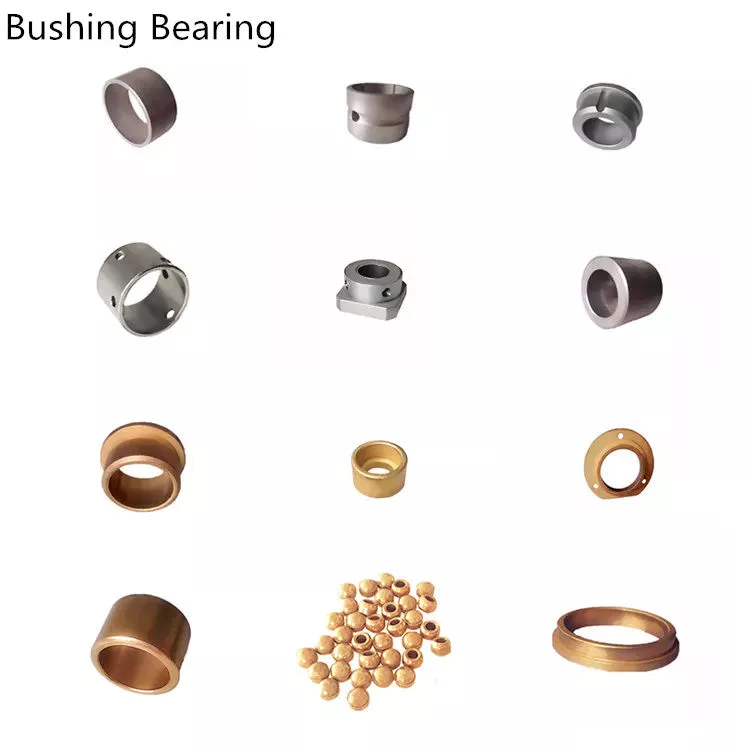
self-lubricating
When using a self-lubricating bushing, there is no need to apply grease to the bushing. Oily liquids tend to attract dirt and grit, which can wear away the graphite prematurely. By eliminating the need for regular lubrication, you will reduce equipment maintenance costs. This article will explore the benefits of self-lubricating bushings. You will love your kindness.
Self-lubricating bushings have a strong base material to withstand radial bearing pressure while providing shaft support at the contact surfaces. The material also has good fatigue properties and low friction motion. Self-lubricating bushings can be used in environments with high temperatures and aggressive media. These products can also withstand enormous pressure. When using self-lubricating bushings, it is important to select the correct material.
The main advantage of using self-lubricating bushings is ease of maintenance. They don’t require oil to run and are cheaper to buy. Their main benefit is that they can significantly reduce your machine running costs. These bearings do not require oiling operations, reducing maintenance costs. These bearings also offer a simplified mechanical design due to their thin walls and high load capacity. In addition, they reduce noise levels while maintaining excellent wear resistance. Plus, their materials are ROHS compliant, which means they don’t require oil.
Hydropower installations are another area where self-lubricating bushings have proven their advantages. They reduce maintenance costs, extend equipment life, and improve environmental benefits. For example, the Newfoundland Power Company uses self-lubricating bushings in the gates of its hydroelectric power plants. These self-lubricating bushings eliminate grease from entering waterways and tailraces. As a result, power companies are able to reduce maintenance and costs.
compared to cartilage in the human body
What is the difference between tendon, bone and cartilage? Human cartilage is composed of collagen and elastic fibers. In contrast, fibrocartilage contains more collagen than hyaline cartilage. Both cartilage types are composed of proteoglycans, which have a protein backbone and glycosaminoglycan side chains. These components work together to provide structure and flexibility to the cartilage.
Bone is a combination of living and dead cells embedded in a matrix. The outer hard layer of bone is dense bone, and the inner layer is spongy, containing bone marrow, blood vessels, nerves, etc. Bone contains both organic and inorganic substances, and this process of hardening of the matrix produces bone. On the other hand, cartilage consists of chondrocytes and a matrix composed of collagen and elastin fibers. Compared to bone, cartilage is yellow and contains elastic fibers.
Although bone and cartilage are structurally identical, cartilage is more flexible. It is mainly found in the joints and respiratory system and requires flexibility. Its ingredients include collagen and proteoglycans, which provide compression and abrasion resistance. Furthermore, connective tissue is composed of cells, fibers and matrix.
The basic substance of cartilage is chondroitin sulfate, which is derived from animals. Although cartilage grows more slowly than bone, its microstructure is less organized. There is a fibrous sheath covering the cartilage, called the perichondrium. The molecular composition of the ECM plays an important role in the function of cartilage. The collagen matrix is important for cartilage remodeling and consists of changes in the collagen matrix.
Compared to metal-on-bone contact
Both metal-on-bone contact are known to cause a significant increase in the pressures in a joint. To compare the two, we first calculated the joint contact pressures in each model and compared them. The results of this study support previous research on this subject. The following sections discuss the benefits of both types of contact. They also outline some key differences between the two.
editor by czh 2023-02-17