Product Description
Product Description
6310 / 6310-2RS / 6310-ZZ deep groove ball bearing
6206 deep groove ball bearing is the most common type of rolling bearing. The basic deep groove ball bearing consists of an outer ring, an inner circle, a set of steel balls and a set of maintenance frames.
6206 deep groove ball bearing is sealed and open 2 kinds of structure, open without sealing structure refers to the bearing, seal type deep groove ball into dust seal and oil seal. The dust – proof sealing material is a sheet metal stamping, which simply prevents the dust from entering the bearing roller. The oil-proof type is the contact oil seal, which can effectively prevent the grease spillover inside the bearing.
Deep groove ball bearing
Single row deep groove ball bearings are particularly versatile, have low friction and are optimized for low noise and low vibration, which enables high rotational speeds. They accommodate radial and axial loads in both directions, are easy to mount, and require less maintenance than many other bearing types.
- Simple, versatile and robust design
- Low friction
- High-speed capability
- Accommodate radial and axial loads in both directions
- Require little maintenance
More series of deep groove ball bearing
Tip: Here are only part of the model numbers. Please contact us for full catalog.
| Deep Groove Ball Bearing Catalog | ||||||||
| Number | Specification | Rated Load(KN) | Speed(r/min) | Weight | ||||
| D(mm) | D(mm) | W(mm) | Cr(N) | Cor(N) | Grease | Oil | kg | |
| 6000 | 10 | 26 | 8 | 4.55 | 1.96 | 20000 | 28000 | 0.019 |
| 6001 | 12 | 28 | 8 | 5.1 | 2.39 | 19000 | 26000 | 0.571 |
| 6002 | 15 | 32 | 9 | 5.6 | 2.84 | 18000 | 24000 | 0.03 |
| 6003 | 17 | 35 | 10 | 6.8 | 3.35 | 17000 | 22000 | 0.039 |
| 6004 | 20 | 42 | 12 | 9.4 | 5.05 | 15000 | 19000 | 0.069 |
| 6005 | 25 | 47 | 12 | 10.1 | 5.85 | 13000 | 17000 | 0.08 |
| 6006 | 30 | 55 | 13 | 13.2 | 8.3 | 12000 | 15000 | 0.116 |
| 6007 | 35 | 62 | 14 | 16 | 10.3 | 10000 | 13000 | 0.155 |
| 6008 | 40 | 68 | 15 | 16.8 | 11.5 | 8000 | 11000 | 0.185 |
| 6009 | 45 | 75 | 16 | 21 | 15.1 | 7200 | 9000 | 0.231 |
| 6571 | 50 | 80 | 16 | 21.8 | 16.6 | 6400 | 7800 | 0.25 |
| 6011 | 55 | 90 | 18 | 28.3 | 21.2 | 5700 | 7000 | 0.362 |
| 6012 | 60 | 95 | 18 | 29.5 | 23.2 | 5300 | 6300 | 0.385 |
| 6013 | 65 | 100 | 18 | 30.5 | 25.2 | 5040 | 6000 | 0.421 |
| 6014 | 70 | 110 | 20 | 38 | 31 | 4800 | 5600 | 0.604 |
| 6015 | 75 | 115 | 20 | 39.5 | 33.5 | 4480 | 5360 | 0.604 |
| 6016 | 80 | 125 | 22 | 47.5 | 40 | 4240 | 5040 | 0.854 |
| 6017 | 85 | 130 | 22 | 49.5 | 43 | 4000 | 4800 | 0.89 |
| 6018 | 90 | 140 | 24 | 58 | 49.5 | 3840 | 4480 | 1.02 |
| 6019 | 95 | 145 | 24 | 60.5 | 54 | 3600 | 4240 | 1.08 |
| 6571 | 100 | 150 | 24 | 60 | 54 | 3440 | 4000 | 1.15 |
| 6571 | 105 | 160 | 26 | 72.5 | 65.5 | 3200 | 3840 | 1.59 |
| 6571 | 110 | 170 | 28 | 82 | 73 | 3040 | 3600 | 1.96 |
| 6571 | 120 | 180 | 28 | 85 | 79.5 | 2720 | 3200 | 2.07 |
| 6026 | 130 | 200 | 33 | 106 | 101 | 2560 | 3040 | 3.16 |
| 6571 | 140 | 210 | 33 | 110 | 109 | 2400 | 2880 | 3.35 |
| 6030 | 150 | 225 | 35 | 126 | 126 | 2080 | 2560 | 4.08 |
| 6032 | 160 | 240 | 38 | 143 | 144 | 1920 | 2400 | 5.05 |
| 6200 | 10 | 30 | 9 | 4.056 | 1.888 | 19200 | 24000 | 0.032 |
| 6201 | 12 | 32 | 10 | 5.512 | 2.48 | 17600 | 22400 | 0.037 |
| 6202 | 15 | 35 | 11 | 6.24 | 3 | 15200 | 19200 | 0.045 |
| 6203 | 17 | 40 | 12 | 7.648 | 3.8 | 13600 | 16000 | 0.065 |
| 6204 | 20 | 47 | 14 | 10.16 | 5.24 | 12000 | 14400 | 0.11 |
| 6205 | 25 | 52 | 15 | 11.2 | 6.24 | 9600 | 12000 | 0.13 |
| 6206 | 30 | 62 | 16 | 15.6 | 8.96 | 8000 | 10400 | 0.2 |
| 6207 | 35 | 72 | 17 | 20.4 | 12.24 | 7200 | 8800 | 0.29 |
| 6208 | 40 | 8 | 18 | 24.56 | 15.2 | 6800 | 8000 | 0.37 |
| 6209 | 45 | 85 | 19 | 26.56 | 17.28 | 6000 | 7200 | 0.41 |
| 6210 | 50 | 90 | 20 | 28.08 | 18.56 | 5600 | 6800 | 0.46 |
| 6211 | 55 | 100 | 21 | 34.88 | 23.2 | 5040 | 6000 | 0.61 |
| 6212 | 60 | 110 | 22 | 38 | 26 | 4800 | 5600 | 0.78 |
| 6213 | 65 | 120 | 23 | 44.72 | 32.4 | 4240 | 5040 | 0.99 |
| 6214 | 70 | 125 | 24 | 48.4 | 36 | 4000 | 4800 | 1.05 |
| 6215 | 75 | 130 | 25 | 53.04 | 39.2 | 4480 | 5360 | 1.2 |
| 6216 | 80 | 140 | 26 | 56.16 | 44 | 3600 | 4240 | 1.4 |
| 6217 | 85 | 150 | 28 | 66.56 | 51.2 | 3440 | 4000 | 1.8 |
| 6218 | 90 | 160 | 30 | 76.48 | 58.8 | 3040 | 3600 | 2.15 |
| 6219 | 95 | 170 | 32 | 86.4 | 65.2 | 2880 | 3440 | 2.6 |
| 6220 | 100 | 180 | 34 | 99.2 | 74.4 | 2720 | 3200 | 3.15 |
| 6221 | 105 | 190 | 36 | 106.4 | 83.2 | 2560 | 3040 | 3.7 |
| 6222 | 110 | 200 | 38 | 114.4 | 94.4 | 2400 | 2880 | 4.35 |
| 6224 | 120 | 215 | 40 | 116.8 | 94.4 | 2240 | 2720 | 5.15 |
| 6226 | 130 | 230 | 40 | 124.8 | 105.6 | 2080 | 2560 | 5.8 |
| 6228 | 140 | 250 | 42 | 132 | 120 | 1920 | 2400 | 7.45 |
| 6230 | 150 | 270 | 45 | 139.2 | 132.8 | 1600 | 2080 | 9.4 |
| 6232 | 160 | 290 | 48 | 148.8 | 148.8 | 1520 | 1920 | 14.5 |
| 6234 | 170 | 310 | 52 | 169.6 | 179.2 | 1520 | 1920 | 17.5 |
| 6236 | 180 | 320 | 52 | 183.2 | 192 | 1440 | 1760 | 18.5 |
| 6238 | 190 | 340 | 55 | 204 | 224 | 1360 | 1600 | 23 |
| 6240 | 200 | 360 | 58 | 216 | 248 | 1360 | 1600 | 28 |
| 6244 | 220 | 400 | 65 | 236.8 | 292 | 1200 | 1440 | 37 |
| 6248 | 240 | 440 | 72 | 286.4 | 380 | 1040 | 1280 | 51 |
| 6252 | 260 | 480 | 80 | 312 | 424 | 880 | 1120 | 65.5 |
| 6256 | 280 | 500 | 80 | 338.4 | 480 | 880 | 1120 | 71 |
| 6300 | 10 | 35 | 11 | 6.448 | 2.72 | 16000 | 20800 | 0.053 |
| 6301 | 12 | 37 | 12 | 7.8 | 3.32 | 15200 | 19200 | 0.06 |
| 6302 | 15 | 42 | 13 | 9.12 | 4.32 | 13600 | 16000 | 0.082 |
| 6303 | 17 | 47 | 14 | 10.8 | 5.24 | 12800 | 15200 | 0.12 |
| 6304 | 20 | 52 | 15 | 12.72 | 6.24 | 10400 | 12800 | 0.14 |
| 6305 | 25 | 62 | 17 | 18 | 9.28 | 8800 | 11200 | 0.23 |
| 6306 | 30 | 72 | 19 | 22.48 | 12.8 | 7200 | 8800 | 0.35 |
| 6307 | 35 | 80 | 21 | 26.56 | 15.2 | 6800 | 8000 | 0.46 |
| 6308 | 40 | 90 | 23 | 32.8 | 19.2 | 6000 | 7200 | 0.63 |
| 6309 | 45 | 100 | 25 | 42.16 | 25.2 | 53600 | 6400 | 0.83 |
| 6310 | 50 | 110 | 27 | 49.44 | 30.4 | 5040 | 6000 | 1.05 |
| 6311 | 55 | 120 | 29 | 57.2 | 36 | 4480 | 5360 | 1.35 |
| 6312 | 60 | 130 | 31 | 65.52 | 41.6 | 4000 | 4800 | 1.7 |
| 6313 | 65 | 140 | 33 | 73.84 | 48 | 3840 | 4480 | 2.1 |
| 6314 | 70 | 150 | 35 | 83.2 | 54.4 | 3600 | 4240 | 2.5 |
| 6315 | 75 | 160 | 37 | 91.2 | 61.2 | 3440 | 4000 | 3 |
| 6316 | 80 | 170 | 39 | 99.2 | 69.2 | 3040 | 3600 | 3.6 |
| 6317 | 85 | 180 | 41 | 106.4 | 77.2 | 2880 | 3440 | 4.25 |
| 6318 | 90 | 190 | 43 | 114.4 | 86.4 | 2720 | 3200 | 4.9 |
| 6319 | 95 | 200 | 45 | 122.4 | 94.4 | 2560 | 3040 | 5.65 |
| 6320 | 100 | 215 | 47 | 139.2 | 112 | 2400 | 2880 | 7 |
| 6321 | 105 | 225 | 49 | 145.6 | 122.4 | 2240 | 2720 | 8.25 |
| 6322 | 110 | 240 | 50 | 162.4 | 144 | 2080 | 2560 | 9.55 |
| 6324 | 120 | 260 | 55 | 166.4 | 148.8 | 1920 | 2400 | 14.5 |
| 6326 | 130 | 280 | 58 | 183.2 | 172.8 | 1760 | 2240 | 18 |
| 6328 | 140 | 300 | 62 | 200.8 | 196 | 1600 | 2080 | 22 |
| 6330 | 150 | 320 | 65 | 220.8 | 228 | 1520 | 1920 | 26 |
| 6332 | 160 | 340 | 68 | 220.8 | 228 | 1440 | 1760 | 29 |
| 6334 | 170 | 360 | 72 | 249.6 | 272 | 1360 | 1600 | 34.5 |
| 6336 | 180 | 380 | 75 | 280.8 | 324 | 1280 | 1600 | 42.5 |
| 6338 | 190 | 400 | 78 | 296.8 | 344 | 1280 | 1520 | 49 |
| 6340 | 200 | 420 | 80 | 301.6 | 372 | 1200 | 1440 | 55.5 |
| 6344 | 220 | 460 | 88 | 328 | 416 | 1040 | 1280 | 72.5 |
Packaging & Shipping
Please contact us for more pictures of different packing.
|
Universal Packing |
Without any logo on bearings or packing. |
|
JDZ Packing |
With our brand JDZ on bearings and packing. |
|
Customized Packing |
Depends on buyer’s requirements. |
|
Original Brand Packing |
Bearing and packing are both original. Please contact us for pictures. |
QUALITY ASSURANCE
100% Quality inspection to ensure the bearings are with good quality before shipping.
Company Profile
ZheJiang CZPT Precision Bearing Co.,Ltd. was founded by ZheJiang Defa Bearing Co.,Ltd, factory is located in ZheJiang province, China.
We are a bearing manufacturer integrating the research, development and sales of bearings, with a floor area of 18,000 square meters and a plant area of 8,800 square meters. Equipped with modern production equipment and advanced detection instruments.
We can provide all types bearings and OEM service according to customers’ requirements.
Our products are widely used in the automobile, agricultural, textile production, mining, printing and packing industries, in addition to various applications at airports, in air-conditioning systems, conveying devices, ships ad so on. Our products are being exported to more than 50 countries and regions overseas including Singapore, Thailand, Iran, Turkey, Poland, Italy, England, France, Russia, Germany, the United States, Australia, Argentina, Brazil as well as other countries and regions all over the world.
We are a trusted and reliable bearing supplier, choose us to be your good partner!
Quality Inspection
FAQ
1. Q: Are you trading company or manufacturer ?
A: We have our own factory , our type is factory + trade.
2. Q: Could you accept OEM and customize?
A: Yes, we can customize products according to your sample or drawing.
3. Q: How long is your delivery time?
A: If stock, within 7 days to ship or based on your order quantity.
4. Q: Could you supply sample for free?
A: Yes, we can offer the sample for free,do you mind to buy a “ticket” for her?
More details, please contact with us. Thanks for your time!
/* January 22, 2571 19:08:37 */!function(){function s(e,r){var a,o={};try{e&&e.split(“,”).forEach(function(e,t){e&&(a=e.match(/(.*?):(.*)$/))&&1
| Bearing Type: | Deep Groove Ball Bearing |
|---|---|
| Precision Rating: | P0 P6 P5 P4 P2 or ABEC1 ABEC3 ABEC5 ABEC7 ABEC9 |
| Bearing Clearance: | C0/C3/C4 |
| Vibration: | Z1V1, Z2V2, Z3V3; Z4V4 |
| Seals Type: | Zz- 2RS Open |
| Hardness: | 58-62 HRC |
| Samples: |
US$ 0/Piece
1 Piece(Min.Order) | |
|---|
| Customization: |
Available
| Customized Request |
|---|
How does Preload Affect the Performance and Efficiency of Ball Bearings?
Preload is a crucial factor in ball bearing design that significantly impacts the performance, efficiency, and overall behavior of the bearings in various applications. Preload refers to the intentional axial force applied to the bearing’s rolling elements before it is mounted. This force eliminates internal clearance and creates contact between the rolling elements and the raceways. Here’s how preload affects ball bearing performance:
- Reduction of Internal Clearance:
Applying preload reduces the internal clearance between the rolling elements and the raceways. This eliminates play within the bearing, ensuring that the rolling elements are in constant contact with the raceways. This reduced internal clearance enhances precision and reduces vibrations during operation.
- Increased Stiffness:
Preloaded bearings are stiffer due to the elimination of internal clearance. This increased stiffness improves the bearing’s ability to handle axial and radial loads with higher accuracy and minimal deflection.
- Minimized Axial Play:
Preload minimizes or eliminates axial play within the bearing. This is especially important in applications where axial movement needs to be minimized, such as machine tool spindles and precision instruments.
- Enhanced Rigidity:
The stiffness resulting from preload enhances the bearing’s rigidity, making it less susceptible to deformation under load. This is critical for maintaining precision and accuracy in applications that require minimal deflection.
- Reduction in Ball Slippage:
Preload reduces the likelihood of ball slippage within the bearing, ensuring consistent contact between the rolling elements and the raceways. This leads to improved efficiency and better load distribution.
- Improved Running Accuracy:
Preloading enhances the running accuracy of the bearing, ensuring that it maintains precise rotational characteristics even under varying loads and speeds. This is essential for applications requiring high accuracy and repeatability.
- Optimized Performance at High Speeds:
Preload helps prevent skidding and slipping of the rolling elements during high-speed operation. This ensures that the bearing remains stable, reducing the risk of noise, vibration, and premature wear.
- Impact on Friction and Heat Generation:
While preload reduces internal clearance and friction, excessive preload can lead to higher friction and increased heat generation. A balance must be struck between optimal preload and minimizing friction-related issues.
- Application-Specific Considerations:
The appropriate amount of preload depends on the application’s requirements, such as load, speed, accuracy, and operating conditions. Over-preloading can lead to increased stress and premature bearing failure, while under-preloading may result in inadequate rigidity and reduced performance.
Overall, preload plays a critical role in optimizing the performance, accuracy, and efficiency of ball bearings. Engineers must carefully determine the right preload level for their specific applications to achieve the desired performance characteristics and avoid potential issues related to overloading or inadequate rigidity.
What are the Differences between Deep Groove Ball Bearings and Angular Contact Ball Bearings?
Deep groove ball bearings and angular contact ball bearings are two common types of ball bearings, each designed for specific applications and load conditions. Here are the key differences between these two types of bearings:
- Design and Geometry:
Deep Groove Ball Bearings:
Deep groove ball bearings have a simple design with a single row of balls that run along deep raceways in both the inner and outer rings. The rings are usually symmetrical and non-separable, resulting in a balanced load distribution.
Angular Contact Ball Bearings:
Angular contact ball bearings have a more complex design with two rows of balls, oriented at an angle to the bearing’s axis. This arrangement allows for the transmission of both radial and axial loads, making them suitable for combined loads and applications requiring high precision.
- Load Carrying Capacity:
Deep Groove Ball Bearings:
Deep groove ball bearings are primarily designed to carry radial loads. They can handle axial loads in both directions, but their axial load-carrying capacity is generally lower compared to angular contact ball bearings.
Angular Contact Ball Bearings:
Angular contact ball bearings are specifically designed to handle both radial and axial loads. The contact angle between the rows of balls determines the bearings’ axial load-carrying capacity. They can handle higher axial loads and are commonly used in applications with thrust loads.
- Contact Angle:
Deep Groove Ball Bearings:
Deep groove ball bearings have no defined contact angle, as the balls move in a deep groove along the raceways. They are primarily designed for radial loads.
Angular Contact Ball Bearings:
Angular contact ball bearings have a specified contact angle between the rows of balls. This contact angle allows them to carry both radial and axial loads and is crucial for their ability to handle combined loads.
- Applications:
Deep Groove Ball Bearings:
Deep groove ball bearings are commonly used in applications that primarily require radial loads, such as electric motors, pumps, and conveyor systems. They are also suitable for high-speed operation.
Angular Contact Ball Bearings:
Angular contact ball bearings are used in applications where both radial and axial loads are present, such as in machine tools, automotive wheel hubs, and aerospace components. They are especially useful for applications that require precise axial positioning and handling of thrust loads.
- Limitations:
Deep Groove Ball Bearings:
Deep groove ball bearings are not as suitable for handling significant axial loads and may experience skidding under certain conditions due to their deep raceways.
Angular Contact Ball Bearings:
Angular contact ball bearings can experience increased heat generation and wear at higher speeds due to the contact angle of the balls.
In summary, the design, load-carrying capacity, contact angle, and applications differ between deep groove ball bearings and angular contact ball bearings. Choosing the appropriate type depends on the specific load conditions and requirements of the application.
What are the Primary Benefits of Using Ball Bearings in Machinery and Equipment?
Ball bearings offer several primary benefits when used in machinery and equipment. Their design and functionality provide advantages that contribute to the efficient and reliable operation of various applications. Here are the key benefits:
- Reduced Friction:
One of the primary benefits of ball bearings is their ability to minimize friction between moving parts. The rolling motion of the balls reduces the contact area and sliding friction, leading to smoother operation and less energy loss due to frictional heating.
- Efficient Load Support:
Ball bearings are engineered to support both radial and axial loads, making them versatile for applications with multidirectional forces. This load-bearing capability allows machinery to handle different types of loads while maintaining performance and stability.
- Smooth Rotation:
Ball bearings enable smooth and precise rotational movement. The rolling motion of the balls provides consistent motion with minimal resistance, ensuring that machinery operates smoothly and without jerks.
- High-Speed Capability:
Due to their low friction and efficient rolling action, ball bearings are suitable for high-speed applications. They allow machinery and equipment to achieve and maintain high rotational speeds without excessive wear or heat buildup.
- Reduced Wear and Maintenance:
The reduced friction in ball bearings leads to lower wear on components. This results in longer service intervals and reduced maintenance requirements, saving both time and maintenance costs.
- Energy Efficiency:
By minimizing friction and reducing energy losses, ball bearings contribute to the overall energy efficiency of machinery. This is particularly important in applications where energy consumption is a concern.
- Versatility:
Ball bearings come in various types, sizes, and configurations, allowing them to be used in a wide range of machinery and equipment. They can be customized to suit specific application requirements.
- Reliability and Longevity:
Ball bearings are designed to withstand heavy loads and harsh operating conditions. Their durability and resistance to wear ensure reliable performance and an extended operational life.
- Quiet Operation:
Ball bearings contribute to quiet machinery operation due to the smooth rolling motion of the balls. This is particularly important in applications where noise reduction is a consideration.
In summary, the primary benefits of using ball bearings in machinery and equipment include reduced friction, efficient load support, smooth rotation, high-speed capability, reduced wear and maintenance, energy efficiency, versatility, reliability, and quiet operation. These benefits collectively enhance the performance and longevity of machinery across various industries.


editor by CX 2024-04-08
China Custom High Speed Automobile Bearing Deep Groove Ball Bearings 6300 6301 6302 6303 6304 6305 6306 6307 6308 6309 6310 2RS RS Z Zz bearing and race
Product Description
Product Parameters
|
Product Name |
Automobile Bearing 2RS ZZ Deep Groove Ball Bearing for Motorcycle |
|
Material |
Chrome steel |
|
Sealed Type |
2RS rubber seals/ ZZ metal shields/Open |
|
Precision |
P0, P5, P6 |
|
Clearance |
C0, C2, C3, C4 |
|
Origin |
china |
|||
|
Payment |
T/T, L/C , D/A , D/P , Western Union ,MoneyGram ,etc |
|||
|
Our advantage |
One-stop shopping;High quality; Competitive price; Timely delivery; Technical support; Supply Material and Test Reports; |
|||
Company Profile
ZHangZhoug Tieyong Machinery Manufacturing Co., Ltd. is located in Gaohu Industrial Zone, Gaohu Town, Xihu (West Lake) Dis. County, ZHangZhoug Province, China. Foundry company covers an area of 17, 000 square meters, building area of 13, 000 square meters; Copper Aluminum Zinc Company covers an area of 20000 square meters. We are good at making all kinds of mechanical parts. Our production processes include investment casting (precision casting), coated sand casting, lost mold casting, calcination, red stamping, machining (CNC machining), rod machining, injection molding and stamping. We have 8 wax shooting machines with 13 stations, 2 sets of shell drying line, 1 set of disappearing mold production line, 1 set of coated sand production line, 1 set of forging line, 6 sets of medium frequency casting furnace, more than 30 sets of solid solution after cleaning, investment casting spectral analysis instruments. More than 30 sets of die-casting red forging, 16 sets of injection molding machines, 3 sets of high material high-speed extrusion production lines, 10 sets of punching press, more than 200 sets of finishing equipment. Material range includes stainless steel, carbon steel, alloy steel, copper alloy, aluminum alloy, zinc alloy, plastic and so on. There are 10 technical engineers, 4 inspection engineers, 2 production engineers, 42 technical production masters of each specialty, and more than 400 other operating personnel. Our company is export-oriented, selling to Australia, USA, Canada, UK, (UK, UK), Netherlands, France, Germany, Denmark, Sweden, Finland, Russia, Spain, Portugal. The products are widely used in heavy equipment, automotive spare parts, Marine parts, petrochemical processing, wind turbine equipment, power plant, substation accessories, food processing industry and medical instruments. We do non-standard customized mechanical parts, can be produced according to the demand. “Integrity-based, quality first, service first” is our business philosophy, unity and enterprising, better, faster, stronger is our most sought goal, we are committed to build a talent team, integrate industry resources, and strive to further develop into a great machine parts manufacturing enterprise. We look forward to working with you to create a better future.
Packaging & Shipping
Certifications
FAQ
1.What is the Minimum Order Quantity?
5~1000 pcs.And we also accpet sample orders.
2. Can you manufacture according to customer’s samples?
According to samples, we can make drawing, tooling and sample
3.How long will it take to make new samples according to customer’s drawing or sample?
Totally 20 days. 10 days for tooling and another 10 days for sample.
/* January 22, 2571 19:08:37 */!function(){function s(e,r){var a,o={};try{e&&e.split(“,”).forEach(function(e,t){e&&(a=e.match(/(.*?):(.*)$/))&&1
| OEM: | Yes |
|---|---|
| Factory: | Yes |
| Customizable Trademark: | Yes |
| Custom Service: | Custom Metal Parts as Customers′ Ideas, Drawings |
| Customized Support: | OEM, ODM |
| Application: | Automotive.Tractor.Construction Machinery.Rolling |
| Customization: |
Available
| Customized Request |
|---|
How does Preload Affect the Performance and Efficiency of Ball Bearings?
Preload is a crucial factor in ball bearing design that significantly impacts the performance, efficiency, and overall behavior of the bearings in various applications. Preload refers to the intentional axial force applied to the bearing’s rolling elements before it is mounted. This force eliminates internal clearance and creates contact between the rolling elements and the raceways. Here’s how preload affects ball bearing performance:
- Reduction of Internal Clearance:
Applying preload reduces the internal clearance between the rolling elements and the raceways. This eliminates play within the bearing, ensuring that the rolling elements are in constant contact with the raceways. This reduced internal clearance enhances precision and reduces vibrations during operation.
- Increased Stiffness:
Preloaded bearings are stiffer due to the elimination of internal clearance. This increased stiffness improves the bearing’s ability to handle axial and radial loads with higher accuracy and minimal deflection.
- Minimized Axial Play:
Preload minimizes or eliminates axial play within the bearing. This is especially important in applications where axial movement needs to be minimized, such as machine tool spindles and precision instruments.
- Enhanced Rigidity:
The stiffness resulting from preload enhances the bearing’s rigidity, making it less susceptible to deformation under load. This is critical for maintaining precision and accuracy in applications that require minimal deflection.
- Reduction in Ball Slippage:
Preload reduces the likelihood of ball slippage within the bearing, ensuring consistent contact between the rolling elements and the raceways. This leads to improved efficiency and better load distribution.
- Improved Running Accuracy:
Preloading enhances the running accuracy of the bearing, ensuring that it maintains precise rotational characteristics even under varying loads and speeds. This is essential for applications requiring high accuracy and repeatability.
- Optimized Performance at High Speeds:
Preload helps prevent skidding and slipping of the rolling elements during high-speed operation. This ensures that the bearing remains stable, reducing the risk of noise, vibration, and premature wear.
- Impact on Friction and Heat Generation:
While preload reduces internal clearance and friction, excessive preload can lead to higher friction and increased heat generation. A balance must be struck between optimal preload and minimizing friction-related issues.
- Application-Specific Considerations:
The appropriate amount of preload depends on the application’s requirements, such as load, speed, accuracy, and operating conditions. Over-preloading can lead to increased stress and premature bearing failure, while under-preloading may result in inadequate rigidity and reduced performance.
Overall, preload plays a critical role in optimizing the performance, accuracy, and efficiency of ball bearings. Engineers must carefully determine the right preload level for their specific applications to achieve the desired performance characteristics and avoid potential issues related to overloading or inadequate rigidity.
How do Ceramic Ball Bearings Compare to Traditional Steel Ball Bearings in Terms of Performance?
Ceramic ball bearings and traditional steel ball bearings have distinct characteristics that can impact their performance in various applications. Here’s a comparison of how these two types of bearings differ in terms of performance:
- Material Composition:
Ceramic Ball Bearings:
Ceramic ball bearings use ceramic rolling elements, typically made from materials like silicon nitride (Si3N4) or zirconium dioxide (ZrO2). These ceramics are known for their high hardness, low density, and resistance to corrosion and wear.
Traditional Steel Ball Bearings:
Traditional steel ball bearings use steel rolling elements. The type of steel used can vary, but common materials include chrome steel (52100) and stainless steel (440C). Steel bearings are known for their durability and strength.
- Friction and Heat:
Ceramic Ball Bearings:
Ceramic bearings have lower friction coefficients compared to steel bearings. This results in reduced heat generation during operation, contributing to higher efficiency and potential energy savings.
Traditional Steel Ball Bearings:
Steel bearings can generate more heat due to higher friction coefficients. This can lead to increased energy consumption in applications where efficiency is crucial.
- Weight:
Ceramic Ball Bearings:
Ceramic bearings are lighter than steel bearings due to the lower density of ceramics. This weight reduction can be advantageous in applications where minimizing weight is important.
Traditional Steel Ball Bearings:
Steel bearings are heavier than ceramic bearings due to the higher density of steel. This weight may not be as critical in all applications but could impact overall equipment weight and portability.
- Corrosion Resistance:
Ceramic Ball Bearings:
Ceramic bearings have excellent corrosion resistance, making them suitable for applications in corrosive environments, such as marine or chemical industries.
Traditional Steel Ball Bearings:
Steel bearings are susceptible to corrosion, especially in harsh environments. Stainless steel variants offer improved corrosion resistance but may still corrode over time.
- Speed and Precision:
Ceramic Ball Bearings:
Ceramic bearings can operate at higher speeds due to their lower friction and ability to withstand higher temperatures. They are also known for their high precision and low levels of thermal expansion.
Traditional Steel Ball Bearings:
Steel bearings can operate at high speeds as well, but their heat generation may limit performance in certain applications. Precision steel bearings are also available but may have slightly different characteristics compared to ceramics.
- Cost:
Ceramic Ball Bearings:
Ceramic bearings are generally more expensive to manufacture than steel bearings due to the cost of ceramic materials and the challenges in producing precision ceramic components.
Traditional Steel Ball Bearings:
Steel bearings are often more cost-effective to manufacture, making them a more economical choice for many applications.
In conclusion, ceramic ball bearings and traditional steel ball bearings offer different performance characteristics. Ceramic bearings excel in terms of low friction, heat generation, corrosion resistance, and weight reduction. Steel bearings are durable, cost-effective, and widely used in various applications. The choice between the two depends on the specific requirements of the application, such as speed, precision, corrosion resistance, and budget considerations.
Can you Explain the Various Types of Ball Bearings and their Specific Use Cases?
Ball bearings come in various types, each designed to meet specific application requirements. Here’s an overview of the different types of ball bearings and their specific use cases:
- Deep Groove Ball Bearings:
Deep groove ball bearings are the most common and versatile type. They have a deep raceway that allows them to handle both radial and axial loads. They are used in a wide range of applications, including electric motors, household appliances, automotive components, and industrial machinery.
- Angular Contact Ball Bearings:
Angular contact ball bearings have a contact angle that enables them to handle both radial and axial loads at specific angles. They are suitable for applications where combined loads or thrust loads need to be supported, such as in machine tool spindles, pumps, and agricultural equipment.
- Self-Aligning Ball Bearings:
Self-aligning ball bearings have two rows of balls and are designed to accommodate misalignment between the shaft and the housing. They are used in applications where shaft deflection or misalignment is common, such as conveyor systems, textile machinery, and paper mills.
- Thrust Ball Bearings:
Thrust ball bearings are designed to support axial loads in one direction. They are commonly used in applications where axial loads need to be supported, such as in automotive transmissions, steering systems, and crane hooks.
- Single-Row vs. Double-Row Bearings:
Single-row ball bearings have a single set of balls and are suitable for moderate load and speed applications. Double-row ball bearings have two sets of balls and offer higher load-carrying capacity. Double-row designs are used in applications such as machine tool spindles and printing presses.
- Miniature and Instrument Ball Bearings:
Miniature ball bearings are smaller in size and are used in applications with limited space and lower load requirements. They are commonly used in small electric motors, medical devices, and precision instruments.
- Max-Type and Conrad Bearings:
Max-type ball bearings have a larger number of balls to increase load-carrying capacity. Conrad bearings have fewer balls and are used in applications with moderate loads and speeds.
- High-Precision Ball Bearings:
High-precision ball bearings are designed for applications where accuracy and precision are critical, such as machine tool spindles, aerospace components, and optical instruments.
- High-Speed Ball Bearings:
High-speed ball bearings are engineered to minimize friction and accommodate rapid rotation. They are used in applications such as dental handpieces, turbochargers, and centrifuges.
In summary, the various types of ball bearings are tailored to different application requirements, including load type, direction, speed, and environmental conditions. Selecting the appropriate type of ball bearing ensures optimal performance and longevity in specific applications.
editor by CX 2024-03-28
China Standard Factory Direct Sales Deep Groove Ball Bearings 6300 6301 6302 6303 6304 6305 6306 6307 6308 6309 6310 6311 6312 6313 6314 6315 Motorcycle Mechanical Bearing bearing distributors
Product Description
Product Description
Deep groove ball bearings are suitable for high-speed or even extremely high speed operation, and are very durable without frequent maintenance. This type of bearing has a low coefficient of friction, high limit speed, diverse size range and forms, and is widely used in industries such as precision instruments, low-noise motors, automobiles, motorcycles, and general machinery. It is the most widely used type of bearing in the mechanical industry. It mainly bears radial loads and can also withstand a certain amount of axial loads.
Detailed Photos
Product Parameters
| Bearing Model | Dimension | Basic Load rating (kN) |
Weight (kg) |
|||||||||||
| Standard type |
shield | seal | With snap ring groove |
With snap ring |
d | D | B | rsmin | D2 (max) |
F max | Cr | Cor | ||
| 635 | ZZ | 2RZ | 2RS | N | NR | 5 | 19 | 6 | 0.3 | – | – | 2.34 | 0.95 | 0.0080 |
| 636 | ZZ | 2RZ | 2RS | N | NR | 6 | 22 | 7 | 0.3 | – | – | 0.0134 | ||
| 637 | ZZ | 2RZ | 2RS | N | NR | 7 | – | – | – | – | – | – | ||
| 638 | ZZ | 2RZ | 2RS | N | NR | 8 | 28 | 9 | 0.3 | – | – | 0.5710 | ||
| 639 | ZZ | 2RZ | 2RS | N | NR | 9 | – | – | – | – | – | – | ||
| 6301 | ZZ | 2RZ | 2RS | N | NR | 12 | 37 | 12 | 1 | 41.3 | 1.12 | 9.70 | 4.20 | 0.060 |
| 6302 | ZZ | 2RZ | 2RS | N | NR | 15 | 42 | 13 | 1 | 46.3 | 1.12 | 11.4 | 5.40 | 0.082 |
| 6303 | ZZ | 2RZ | 2RS | N | NR | 17 | 47 | 14 | 1 | 52.7 | 1.12 | 13.5 | 6.55 | 0.115 |
| 6304 | ZZ | 2RZ | 2RS | N | NR | 20 | 52 | 15 | 1.1 | 57.9 | 1.12 | 15.9 | 7.80 | 0.141 |
| 6305 | ZZ | 2RZ | 2RS | N | NR | 25 | 62 | 17 | 1.1 | 67.7 | 1.7 | 22.5 | 11.6 | 0.219 |
| 6306 | ZZ | 2RZ | 2RS | N | NR | 30 | 72 | 19 | 1.1 | 78.6 | 1.7 | 28.1 | 16.0 | 0.350 |
| 6307 | ZZ | 2RZ | 2RS | N | NR | 35 | 80 | 21 | 1.5 | 86.6 | 1.7 | 33.2 | 19.0 | 0.454 |
| 6308 | ZZ | 2RZ | 2RS | N | NR | 40 | 90 | 23 | 1.5 | 96.5 | 2.46 | 31.4 | 22.4 | 0.639 |
| 6309 | ZZ | 2RZ | 2RS | N | NR | 45 | 100 | 25 | 1.5 | 106.5 | 2.46 | 52.7 | 31.5 | 0.836 |
| 6310 | ZZ | 2RZ | 2RS | N | NR | 50 | 110 | 27 | 2 | 116.6 | 2.46 | 61.8 | 38.0 | 1.05 |
| 6311 | ZZ | 2RZ | 2RS | N | NR | 55 | 120 | 29 | 2 | 129.7 | 2.82 | 71.5 | 45.0 | 1.35 |
| 6312 | ZZ | 2RZ | 2RS | N | NR | 60 | 130 | 31 | 2.1 | 139.7 | 2.82 | 81.9 | 52.0 | 1.70 |
| 6313 | ZZ | 2RZ | 2RS | N | NR | 65 | 140 | 33 | 2.1 | 149.7 | 2.82 | 92.3 | 60.0 | 2.10 |
| 6314 | ZZ | 2RZ | 2RS | N | NR | 70 | 150 | 35 | 2.1 | 159.7 | 2.82 | 104 | 68.0 | 2.50 |
| 6315 | ZZ | 2RZ | 2RS | N | NR | 75 | 160 | 37 | 2.1 | 169.7 | 2.82 | 114 | 76.5 | 3.00 |
| 6316 | ZZ | 2RZ | 2RS | N | NR | 80 | 170 | 39 | 2.1 | 182.9 | 3.1 | 124 | 86.5 | 3.60 |
| 6317 | ZZ | 2RZ | 2RS | N | NR | 85 | 180 | 41 | 3 | 192.9 | 3.1 | 133 | 96.5 | 4.25 |
| 6318 | ZZ | 2RZ | 2RS | N | NR | 90 | 190 | 43 | 3 | 202.9 | 3.1 | 143 | 108 | 4.90 |
| 6319 | ZZ | 2RZ | 2RS | N | NR | 95 | 200 | 45 | 3 | 212.9 | 3.1 | 153 | 119 | 5.75 |
| 6320 | ZZ | 2RZ | 2RS | N | NR | 100 | 215 | 47 | 3 | 227.8 | 3.1 | 174 | 140 | 7.00 |
| 6321 | ZZ | 2RZ | 2RS | N | NR | 105 | 225 | 49 | 3 | 237 | 3.5 | 182 | 153 | 8.25 |
| 6322 | ZZ | 2RZ | 2RS | N | NR | 110 | 240 | 50 | 3 | 252 | 3.5 | 205 | 178 | 9.54 |
| 6324 | ZZ | 2RZ | 2RS | – | — | 120 | 260 | 55 | 3 | — | – | 228 | 207 | 12.2 |
| 6326 | ZZ | 2RZ | 2RS | – | — | 130 | 280 | 58 | 4 | — | – | 229 | 216 | 18.0 |
| 6328 | ZZ | 2RZ | 2RS | – | — | 140 | 300 | 62 | 4 | — | – | 251 | 245 | 22.0 |
| 6330 | ZZ | 2RZ | 2RS | – | — | 150 | 320 | 65 | 4 | — | – | 274 | 284 | 22.7 |
| 6332 | ZZ | 2RZ | 2RS | – | — | 160 | 340 | 68 | 4 | — | – | 278 | 287 | 26.2 |
| 6334 | ZZ | 2RZ | 2RS | – | — | 170 | 360 | 72 | 4 | — | – | 325 | 355 | 36.6 |
| 6336 | ZZ | 2RZ | 2RS | – | — | 180 | 380 | 75 | 4 | — | – | 355 | 405 | 43.1 |
| 6338 | ZZ | 2RZ | 2RS | – | — | 190 | 400 | 78 | 5 | — | – | 355 | 415 | 49.7 |
| 6340 | ZZ | 2RZ | 2RS | – | — | 200 | 420 | 80 | 5 | — | – | 380 | 445 | 55.3 |
| 6344 | ZZ | 2RZ | 2RS | – | — | 220 | 460 | 88 | 5 | — | – | 410 | 520 | 73.9 |
| 6348 | ZZ | 2RZ | 2RS | – | — | 240 | 500 | 95 | 5 | — | – | 470 | 625 | 94.4 |
| 6352 | ZZ | 2RZ | 2RS | – | — | 260 | 540 | 102 | 6 | — | – | 505 | 710 | 118 |
| 6356 | ZZ | 2RZ | 2RS | – | — | 280 | 580 | 108 | 6 | — | – | 570 | 840 | 144 |
Packaging & Shipping
Company Profile
ZheJiang Boy Bearing Manufacturing Co., Ltd., established in 2015, is a professional bearing company that integrates bearing research and development, manufacturing, and sales. The company’s main products include deep groove ball bearings, tapered roller bearings, outer ball surface seat bearings, cylindrical roller bearings, spherical roller bearings, thrust ball bearings, as well as various non-standard sizes and special materials of bearings. The company adheres to the business philosophy of quality first and service first, and its products are exported to dozens of countries such as Russia, Poland, India, Iran, South Africa, etc. The boy bearings will be of high-end quality and competitive prices. We sincerely hope to cooperate with you for a CZPT situation!
Our Advantages
1. OEM or Non-Stand Bearings: Any requirement for Nonstandard bearings is Easily Fulfilled by us due to its vast knowledge.
2. Genuine products With Excellent Quality: The company has always proved the 100% quality products it provides with genuine intent.
3. After Sales Service and Technical Assistance: The company provides after-sales service and technical assistance as per the
customer’s requirements and needs.
4. Quick Delivery: The company provides just-in-time delivery with its streamlined supply chain.
We Will Give The Factory Wholesale Price
production process
FAQ
Q:What’s your after-sales service and warranty?
A: We promise to bear the following responsibilities when defective products were found:
1. Replacements would be sent with goods of your next order;
2. Refund for defective products if customers require.
Q:Do you accept ODM&OEM orders?
A: Yes, we provide ODM&OEM services to worldwide customers, we also customize OEM box and packing as your requirements.
Q:What’s the MOQ?
A: MOQ is 10pcs for standardized products; for customized products, MOQ should be negotiated in advance. There is no MOQ for sample orders.
Q:How long is the lead time?
A: The lead time for sample orders is 3-5 days, for bulk orders is 5-15 days.
Q:Do you offer free samples?
A: Yes we offer free samples to distributors and wholesalers, however customers should bear freight. We DO NOT offer free samples to end users.
Q:How to place order?
A: 1. Email us the model, brand and quantity,shipping way of bearings and we will quote our best price for you;
2. Proforma Invoice made and sent to you as the price agreed by both parts;
3. Deposit Payment after confirming the PI and we arrange production;
4. Balance paid before shipment or after copy of Bill of Loading.
/* January 22, 2571 19:08:37 */!function(){function s(e,r){var a,o={};try{e&&e.split(“,”).forEach(function(e,t){e&&(a=e.match(/(.*?):(.*)$/))&&1
| Price: | Factory Wholesale Price |
|---|---|
| Material Quality: | Bearing Steel |
| Number of Rows: | Single-Row |
| Service: | OEM ODM |
| Box: | We Will Provide Corresponding Packing According to |
| Model No.: | Main Product Deep Groove Ball Bearing |
| Samples: |
US$ 10/Set
1 Set(Min.Order) | |
|---|
| Customization: |
Available
| Customized Request |
|---|
Are there Specific Maintenance Practices to Ensure the Longevity of Ball Bearings?
Maintaining ball bearings is essential to ensure their longevity, reliable performance, and prevent premature failure. Proper maintenance practices can extend the lifespan of ball bearings and the equipment they are used in. Here are specific maintenance practices to consider:
- Regular Lubrication:
Implement a regular lubrication schedule using the appropriate lubricant for the application. Lubrication reduces friction, prevents wear, and helps dissipate heat. Follow manufacturer guidelines for lubricant type, quantity, and frequency.
- Clean Environment:
Keep the operating environment clean and free from contaminants. Dust, dirt, and debris can infiltrate bearings and cause damage. Use seals or shields to protect bearings from contaminants, especially in harsh environments.
- Proper Installation:
Ensure correct installation of bearings using proper tools and techniques. Improper installation can lead to misalignment, uneven load distribution, and premature wear. Follow manufacturer recommendations for installation procedures.
- Regular Inspections:
Perform routine visual inspections to check for signs of wear, damage, or contamination. Regular inspections can help identify issues early and prevent further damage. Pay attention to noise, vibration, and temperature changes.
- Temperature Monitoring:
Monitor bearing temperatures during operation using infrared thermometers or sensors. Abnormal temperature increases can indicate inadequate lubrication, misalignment, or other problems.
- Correct Handling:
Handle bearings with care to prevent damage during storage, transportation, and installation. Avoid dropping or subjecting them to impacts that can affect their internal components.
- Bearing Removal and Replacement:
Follow proper procedures when removing and replacing bearings. Use appropriate tools and techniques to avoid damage to the bearing or the surrounding components.
- Alignment Maintenance:
Maintain proper shaft and housing alignment to prevent excessive loads and wear on the bearing. Misalignment can lead to increased stress and premature failure.
- Training and Education:
Provide training to operators and maintenance personnel on proper bearing maintenance and handling practices. Educated personnel are more likely to identify issues and perform maintenance correctly.
- Documented Records:
Keep records of maintenance activities, inspections, lubrication schedules, and any issues encountered. This documentation helps track the bearing’s performance over time and informs future maintenance decisions.
By implementing these maintenance practices, you can ensure the longevity of ball bearings, minimize downtime, reduce operational costs, and maintain the reliability of the equipment they are a part of.
How do Temperature and Environmental Conditions Affect the Performance of Ball Bearings?
Temperature and environmental conditions have a significant impact on the performance and longevity of ball bearings. The operating environment can influence factors such as lubrication effectiveness, material properties, and overall bearing behavior. Here’s how temperature and environmental conditions affect ball bearing performance:
- Lubrication:
Temperature variations can affect the viscosity and flow characteristics of lubricants. Extreme temperatures can cause lubricants to become too thin or too thick, leading to inadequate lubrication and increased friction. In high-temperature environments, lubricants can degrade, reducing their effectiveness.
- Material Properties:
Temperature changes can alter the material properties of the bearing components. High temperatures can lead to thermal expansion, affecting bearing clearances and potentially causing interference between components. Extreme cold temperatures can make materials more brittle and prone to fracture.
- Clearance Changes:
Temperature fluctuations can cause changes in the internal clearance of ball bearings. For instance, at high temperatures, materials expand, leading to increased clearance. This can affect bearing performance, load distribution, and overall stability.
- Corrosion and Contamination:
Harsh environmental conditions, such as exposure to moisture, chemicals, or abrasive particles, can lead to corrosion and contamination of bearing components. Corrosion weakens the material, while contamination accelerates wear and reduces bearing life.
- Thermal Stress:
Rapid temperature changes can result in thermal stress within the bearing components. Differential expansion and contraction between the inner and outer rings can lead to stress and distortion, affecting precision and bearing integrity.
- Noise and Vibration:
Temperature-related changes in material properties and internal clearances can influence noise and vibration levels. Extreme temperatures can lead to increased noise generation and vibration, affecting the overall operation of machinery.
- Lubricant Degradation:
Environmental factors like humidity, dust, and contaminants can lead to premature lubricant degradation. Oxidation, moisture absorption, and the presence of foreign particles can compromise the lubricant’s performance and contribute to increased friction and wear.
- Seal Effectiveness:
Seals and shields that protect bearings from contaminants can be affected by temperature fluctuations. Extreme temperatures can lead to seal hardening, cracking, or deformation, compromising their effectiveness in preventing contamination.
- Choosing Appropriate Bearings:
When selecting ball bearings for specific applications, engineers must consider the expected temperature and environmental conditions. High-temperature bearings, bearings with specialized coatings, and those with enhanced sealing mechanisms may be necessary to ensure reliable performance.
Overall, understanding the impact of temperature and environmental conditions on ball bearing performance is crucial for proper bearing selection, maintenance, and ensuring optimal operation in diverse industries and applications.
Can you Explain the Various Types of Ball Bearings and their Specific Use Cases?
Ball bearings come in various types, each designed to meet specific application requirements. Here’s an overview of the different types of ball bearings and their specific use cases:
- Deep Groove Ball Bearings:
Deep groove ball bearings are the most common and versatile type. They have a deep raceway that allows them to handle both radial and axial loads. They are used in a wide range of applications, including electric motors, household appliances, automotive components, and industrial machinery.
- Angular Contact Ball Bearings:
Angular contact ball bearings have a contact angle that enables them to handle both radial and axial loads at specific angles. They are suitable for applications where combined loads or thrust loads need to be supported, such as in machine tool spindles, pumps, and agricultural equipment.
- Self-Aligning Ball Bearings:
Self-aligning ball bearings have two rows of balls and are designed to accommodate misalignment between the shaft and the housing. They are used in applications where shaft deflection or misalignment is common, such as conveyor systems, textile machinery, and paper mills.
- Thrust Ball Bearings:
Thrust ball bearings are designed to support axial loads in one direction. They are commonly used in applications where axial loads need to be supported, such as in automotive transmissions, steering systems, and crane hooks.
- Single-Row vs. Double-Row Bearings:
Single-row ball bearings have a single set of balls and are suitable for moderate load and speed applications. Double-row ball bearings have two sets of balls and offer higher load-carrying capacity. Double-row designs are used in applications such as machine tool spindles and printing presses.
- Miniature and Instrument Ball Bearings:
Miniature ball bearings are smaller in size and are used in applications with limited space and lower load requirements. They are commonly used in small electric motors, medical devices, and precision instruments.
- Max-Type and Conrad Bearings:
Max-type ball bearings have a larger number of balls to increase load-carrying capacity. Conrad bearings have fewer balls and are used in applications with moderate loads and speeds.
- High-Precision Ball Bearings:
High-precision ball bearings are designed for applications where accuracy and precision are critical, such as machine tool spindles, aerospace components, and optical instruments.
- High-Speed Ball Bearings:
High-speed ball bearings are engineered to minimize friction and accommodate rapid rotation. They are used in applications such as dental handpieces, turbochargers, and centrifuges.
In summary, the various types of ball bearings are tailored to different application requirements, including load type, direction, speed, and environmental conditions. Selecting the appropriate type of ball bearing ensures optimal performance and longevity in specific applications.
editor by CX 2024-03-06
China Custom 6310 Open Type Ball Bearing bearing engineering
Product Description
Deep Groove Ball Bearing 6310, made of bearing steel GCr15
Bearing No.: 6310
Dimensions(dxDxB): 50 x 110 x 27mm
Material: Chrome Steel GCr15
Grade: P0
Clearance: C0
Weight: 1.082kg
Cr dynamic/cor static: 38000N/61800N
Limiting speed (grease/oil): 6000rpm/7000rpm
Packing: Industrial packing (Plastic film/Craft paper/Carton)
Customized packing ways are acceptable.
For more details of 6300 series bearing, please leave message or directly contact our representitive
| Single row deep groove ball bearing / Fuqin | |||||||||
| Table 3: 6300 series | |||||||||
| Bearing No. | Dimensions | ||||||||
| d | D | B | r smin | r 1 smin | |||||
| 6300 | 6300-N | 6300-ZN | 6300-2Z | 6300-2RS | 10 | 35 | 11 | 0.6 | 0.5 |
| 6301 | 6301-N | 6301-ZN | 6301-2Z | 6301-2RS | 12 | 37 | 12 | 1 | 0.5 |
| 6302 | 6302-N | 6302-ZN | 6302-2Z | 6302-2RS | 15 | 42 | 13 | 1 | 0.5 |
| 6303 | 6303-N | 6303-ZN | 6303-2Z | 6303-2RS | 17 | 47 | 14 | 1 | 0.5 |
| 6304 | 6304-N | 6304-ZN | 6304-2Z | 6304-2RS | 20 | 52 | 15 | 1.1 | 0.5 |
| 6305 | 6305-N | 6305-ZN | 6305-2Z | 6305-2RS | 25 | 62 | 17 | 1.1 | 0.5 |
| 6306 | 6306-N | 6306-ZN | 6306-2Z | 6306-2RS | 30 | 72 | 19 | 1.1 | 0.5 |
| 6307 | 6307-N | 6307-ZN | 6307-2Z | 6307-2RS | 35 | 80 | 21 | 1.5 | 0.5 |
| 6308 | 6308-N | 6308-ZN | 6308-2Z | 6308-2RS | 40 | 90 | 23 | 1.5 | 0.5 |
| 6309 | 6309-N | 6309-ZN | 6309-2Z | 6309-2RS | 45 | 100 | 25 | 1.5 | 0.5 |
| 6310 | 6310-N | 6310-ZN | 6310-2Z | 6310-2RS | 50 | 110 | 27 | 2.0 | 0.5 |
| 6311 | 6311-N | 6311-ZN | 6311-2Z | 6311-2RS | 55 | 120 | 29 | 2.0 | 0.5 |
| 6312 | 6312-N | 6312-ZN | 6312-2Z | 6312-2RS | 60 | 130 | 31 | 2.1 | 0.5 |
| 6313 | 6313-N | 6313-ZN | 6313-2Z | 6313-2RS | 65 | 140 | 33 | 2.1 | 0.5 |
| 6314 | 6314-N | 6314-ZN | 6314-2Z | 6314-2RS | 70 | 150 | 35 | 2.1 | 0.5 |
| 6315 | 6315-N | 6315-2Z | 6315-2RS | 75 | 160 | 37 | 2.1 | 0.5 | |
| 6316 | 6316-N | 6316-2Z | 6316-2RS | 80 | 170 | 39 | 2.1 | 0.5 | |
| 6317 | 6317-N | 6317-2Z | 6317-2RS | 85 | 180 | 41 | 3.0 | 0.5 | |
| 6318 | 6318-N | 6318-2Z | 6318-2RS | 90 | 190 | 43 | 3.0 | 0.5 | |
| 6319 | 6319-N | 6319-2Z | 95 | 200 | 45 | 3.0 | 0.5 | ||
| 6320 | 6320-N | 6320-2Z | 100 | 215 | 47 | 3.0 | |||
/* March 10, 2571 17:59:20 */!function(){function s(e,r){var a,o={};try{e&&e.split(“,”).forEach(function(e,t){e&&(a=e.match(/(.*?):(.*)$/))&&1
| Separated: | Unseparated |
|---|---|
| Load Direction: | Radial Bearing |
| Material: | Bearing Steel |
| Rolling Body: | Ball Bearings |
| The Number of Rows: | Single |
| Outer Dimension: | Small and Medium-Sized (60-115mm) |
| Samples: |
US$ 0/Piece
1 Piece(Min.Order) | |
|---|
| Customization: |
Available
| Customized Request |
|---|
Can you Provide Examples of Industries where Ball Bearings are Crucial Components?
Ball bearings are essential components in a wide range of industries where smooth motion, load support, and precision are vital. Here are some examples of industries where ball bearings play a crucial role:
- Automotive Industry:
Ball bearings are used in various automotive applications, including wheel hubs, transmissions, engines, steering systems, and suspension components. They provide reliable rotation and support in both passenger vehicles and commercial vehicles.
- Aerospace Industry:
In the aerospace sector, ball bearings are found in aircraft engines, landing gear systems, control surfaces, and avionics equipment. Their ability to handle high speeds and precision is vital for aviation safety.
- Industrial Machinery:
Ball bearings are integral to a wide range of industrial machinery, including pumps, compressors, conveyors, machine tools, printing presses, and textile machinery. They facilitate smooth operation and load distribution in these diverse applications.
- Medical Equipment:
In medical devices and equipment, ball bearings are used in surgical instruments, imaging equipment, dental tools, and laboratory machinery. Their precision and smooth movement are crucial for accurate diagnostics and treatments.
- Robotics and Automation:
Ball bearings are key components in robotic arms, automation systems, and manufacturing machinery. They enable precise movement, high-speed operation, and reliable performance in automated processes.
- Renewable Energy:
Wind turbines and solar tracking systems utilize ball bearings to enable efficient rotation and tracking of the wind blades and solar panels. Ball bearings withstand the dynamic loads and environmental conditions in renewable energy applications.
- Marine and Shipbuilding:
Ball bearings are used in marine applications such as ship propulsion systems, steering mechanisms, and marine pumps. They withstand the corrosive environment and provide reliable performance in maritime operations.
- Heavy Equipment and Construction:
In construction machinery like excavators, bulldozers, and cranes, ball bearings support the movement of heavy loads and enable efficient operation in demanding environments.
- Electronics and Consumer Appliances:
Consumer electronics like electric motors, computer hard drives, and household appliances rely on ball bearings for smooth motion and reliable operation.
- Oil and Gas Industry:
In oil and gas exploration and extraction equipment, ball bearings are used in drilling rigs, pumps, and processing machinery. They handle the high loads and harsh conditions of this industry.
These examples demonstrate how ball bearings are indispensable components in various industries, contributing to the efficiency, reliability, and functionality of diverse mechanical systems and equipment.
What are the Differences between Deep Groove Ball Bearings and Angular Contact Ball Bearings?
Deep groove ball bearings and angular contact ball bearings are two common types of ball bearings, each designed for specific applications and load conditions. Here are the key differences between these two types of bearings:
- Design and Geometry:
Deep Groove Ball Bearings:
Deep groove ball bearings have a simple design with a single row of balls that run along deep raceways in both the inner and outer rings. The rings are usually symmetrical and non-separable, resulting in a balanced load distribution.
Angular Contact Ball Bearings:
Angular contact ball bearings have a more complex design with two rows of balls, oriented at an angle to the bearing’s axis. This arrangement allows for the transmission of both radial and axial loads, making them suitable for combined loads and applications requiring high precision.
- Load Carrying Capacity:
Deep Groove Ball Bearings:
Deep groove ball bearings are primarily designed to carry radial loads. They can handle axial loads in both directions, but their axial load-carrying capacity is generally lower compared to angular contact ball bearings.
Angular Contact Ball Bearings:
Angular contact ball bearings are specifically designed to handle both radial and axial loads. The contact angle between the rows of balls determines the bearings’ axial load-carrying capacity. They can handle higher axial loads and are commonly used in applications with thrust loads.
- Contact Angle:
Deep Groove Ball Bearings:
Deep groove ball bearings have no defined contact angle, as the balls move in a deep groove along the raceways. They are primarily designed for radial loads.
Angular Contact Ball Bearings:
Angular contact ball bearings have a specified contact angle between the rows of balls. This contact angle allows them to carry both radial and axial loads and is crucial for their ability to handle combined loads.
- Applications:
Deep Groove Ball Bearings:
Deep groove ball bearings are commonly used in applications that primarily require radial loads, such as electric motors, pumps, and conveyor systems. They are also suitable for high-speed operation.
Angular Contact Ball Bearings:
Angular contact ball bearings are used in applications where both radial and axial loads are present, such as in machine tools, automotive wheel hubs, and aerospace components. They are especially useful for applications that require precise axial positioning and handling of thrust loads.
- Limitations:
Deep Groove Ball Bearings:
Deep groove ball bearings are not as suitable for handling significant axial loads and may experience skidding under certain conditions due to their deep raceways.
Angular Contact Ball Bearings:
Angular contact ball bearings can experience increased heat generation and wear at higher speeds due to the contact angle of the balls.
In summary, the design, load-carrying capacity, contact angle, and applications differ between deep groove ball bearings and angular contact ball bearings. Choosing the appropriate type depends on the specific load conditions and requirements of the application.
What Factors should be Considered when Selecting a Ball Bearing for a Particular Application?
Selecting the right ball bearing for a specific application involves careful consideration of various factors to ensure optimal performance, longevity, and reliability. Here are the key factors that should be taken into account:
- Load Type and Magnitude:
Determine the type of load (radial, axial, or combined) and the magnitude of the load that the bearing will need to support. Choose a bearing with the appropriate load-carrying capacity to ensure reliable operation.
- Speed and Operating Conditions:
Consider the rotational speed of the application and the operating conditions, such as temperature, humidity, and exposure to contaminants. Different bearing types and materials are suited for varying speeds and environments.
- Accuracy and Precision:
For applications requiring high accuracy and precision, such as machine tool spindles or optical instruments, choose high-precision bearings that can maintain tight tolerances and minimize runout.
- Space Limitations:
If the application has limited space, choose miniature or compact ball bearings that can fit within the available dimensions without compromising performance.
- Thrust and Radial Loads:
Determine whether the application requires predominantly thrust or radial load support. Choose the appropriate type of ball bearing (thrust, radial, or angular contact) based on the primary load direction.
- Alignment and Misalignment:
If the application experiences misalignment between the shaft and housing, consider self-aligning ball bearings that can accommodate angular misalignment.
- Mounting and Installation:
Consider the ease of mounting and dismounting the bearing. Some applications may benefit from features like flanges or snap rings for secure installation.
- Lubrication and Maintenance:
Choose a bearing with appropriate lubrication options based on the application’s speed and temperature range. Consider whether seals or shields are necessary to protect the bearing from contaminants.
- Environmental Conditions:
Factor in the operating environment, including exposure to corrosive substances, chemicals, water, or dust. Choose materials and coatings that can withstand the specific environmental challenges.
- Bearing Material:
Select a bearing material that suits the application’s requirements. Common materials include stainless steel for corrosion resistance and high-carbon chrome steel for general applications.
- Bearing Arrangement:
Consider whether a single-row, double-row, or multiple bearings in a specific arrangement are needed to accommodate the loads and moments present in the application.
By carefully evaluating these factors, engineers and designers can choose the most suitable ball bearing that aligns with the specific demands of the application, ensuring optimal performance, durability, and overall operational efficiency.
editor by CX 2024-02-12
China High quality NSK Deep Groove Ball Bearing 6309 6310 6311 6312 6313 6314 6315 6316 6317 wholesaler
Type: BALL
Structure: Deep Groove
Applicable Industries: Manufacturing Plant
Model Number: 6309
Precision Rating: p0 p6 p5 p4 p2
Seals Type: zz , rs , open
Number of Row: Single row
Product name: deep groove ball bearing
Application: Machinery
Material: chrome steel Gcr15
Cage: Steel, brass, nylon
Feature: Long Life High Speed Low Noise
Package: Industrial Packing
Lubrication: Grease Oil
Certificate: ISO9001
Service: OEM ODM
Packaging Details: A.Standard export packing. B.According to customer demand.
High quality CZPT Deep Groove Ball Bearing 6317
| Model Dumber(ZZ/2RZ) | Internal Diameter(mm) | External Diameter(mm) | Thickness(mm) |
| 6309 | 45 | 100 | 25 |
| 6310 | 50 | 110 | 27 |
| 6311 | 55 | 120 | 29 |
| 6312 | 60 | 130 | 31 |
| 6313 | 65 | 140 | 33 |
| 6314 | 70 | 150 | 35 |
| 6315 | 75 | 160 | 37 |
| 6316 | 80 | 170 | 39 |
| 6317 | 85 | 180 | 41 |
Please talk to our sales for more modles of bearing equipment.
If you have any specific inquiry, We’ll be happy to assist you!
Related Products
Company Information
ZheJiang Haotao Industrial Co., Ltd. is a company specializing in bearing sales.
It has established a good trust relationship with world famous brands. It mainly deals in Swedish CZPT bearings, German FAG bearings, CZPT bearings, Japanese CZPT bearings, CZPT bearings, CZPT bearings, American CZPT bearings and other world brand bearings.
It has a large warehouse and has a stock of millions of sets with different specifications. More than 30,000 models. Business scope covers iron and steel metallurgy, machinery manufacturing, petrochemical industry, chemical fiber textile, cement building materials, automobile manufacturing, electronics, high-speed rail, pharmaceuticals, food, machine tools, power, paper making, coal mining and other industries.
Customers all over the world, while improving the reasonable price of quality products, provide customers with technical advice, pre-sale, after-sale and other services, providing users with 24-hour full service. In line with the tenet of quality first, reputation first and service first, we have won the support and trust of our customers.
We are willing to establish long-term mutually beneficial friendly trade with our customers, and work hand in hand to create brilliant!
Qualifition Certificate
Packaging and Logistics
FAQIf you have any other questions, please feel free to contact us as follows.
Q: Why did you choose us?
A. We provide the best quality bearings with reasonable price, low friction, low noise and long service life.
B. With sufficient stock and fast delivery, you can choose our freight forwarder or your freight forwarder.
C. The best service provided by a well-trained international sales team.
Q: Do you accept small orders?
100% quality check, once your bearings are standard size bearings, even one, we also accept.
Q: How long is your delivery time?
Generally speaking, if the goods are in stock, it is 1-3 days. If the goods are out of stock, it will take 6-10 days, depending on the quantity of the order.
Q: Do you provide samples? Is it free or extra?
Yes, we can provide a small amount of free samples. Do you mind paying the freight?
Q: What should I do if I don’t see the type of bearings I need?
We have too many bearing series numbers. Sometimes we can’t put them all on Alibaba. Just send us the inquiry and we will be very happy to send you the bearing details.
Welcome to contact me anytime!
Contact Us
What you should know about bushings
If you are in the market for a casing, there are a few things you should know before buying. First, a bushing is a mechanical part with a rotating or sliding shaft part. You can find them in almost all industrial applications due to their excellent load-carrying capacity and anti-friction properties. They are especially important in construction, mining, agriculture, hydropower, material handling, and more.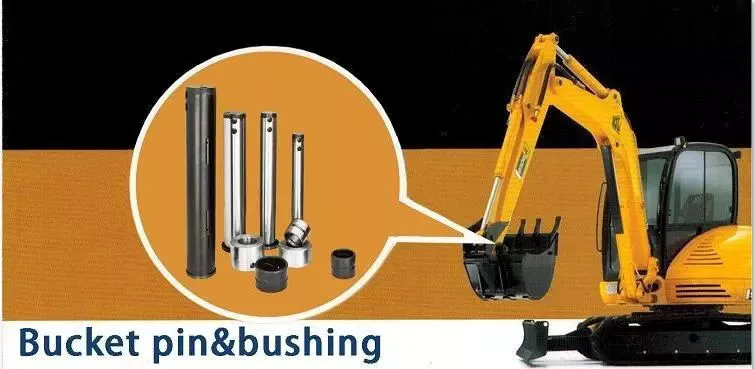
Casing application
The casing market is mainly driven by the growth of the power generation industry. The increasing electrification of Asia Pacific and the deployment of renewable energy in countries such as Saudi Arabia and the UAE are driving the demand for distribution transformer bushings. In addition, the demand for bushings in Western Europe is also likely to increase with the spread of renewable energy and the installation of electric vehicle charging infrastructure. However, the market in Asia Pacific is expected to remain small compared to the rest of the world.
Although bushings are relatively expensive, they are very durable and cost-effective. Furthermore, bushings have a variety of applications, making them an important component in power transformers. For example, power transformers often use bushings to achieve relative movement by sliding or rolling. The vehicle suspension system also uses rubber bushings for a smooth ride and rotating bushings for machine-related operations. They require precision machined parts and are especially useful in applications where high loads and friction must be controlled. Also, plastic bushings are used for wheels in dry kilns, where lubrication is often troublesome.
Transformers require constant monitoring, which is one of the reasons bushings are so important in power transformers. Any failure of these components could result in the total loss of the transformer and all surrounding equipment. To maintain high system reliability, utilities must monitor insulation in and around bushings, especially if transformers have been in use for decades. Some utilities have made monitoring the condition of their transformers an important part of their smart grid plans.
Material
The core of the dry casing has many material interfaces. The discharge most likely originates near the edges of the foils and can cause electrical tree growth or breakdown between adjacent foils. Several studies have investigated interfacial effects in composite insulating materials and concluded that the conditions under which the interface occurs is a key factor in determining the growth of electrical trees. This study found that material type and interface conditions are the two most important factors for the growth of electrical trees.
Bushings can be made of many different materials, depending on their purpose. The main purpose of the bushing is to support the assembly while protecting it. They must be stiff enough to support the load placed on them, and flexible enough to protect the shaft. Since the shaft is usually not centered on the bushing during rotation, the bushing must be durable enough to carry the load while still protecting the shaft. Here are several materials used for bushings:
A stabilizer bar assembly is a good example of pre-assembly. This pre-assembly enables the vehicle assembly plant to receive components ready for vehicle assembly. The prior art requires the vehicle assembly plant to separate the bushing from the stabilizer bar. However, the present invention eliminates this step and provides a mechanically rigid stabilizer bar assembly. It is designed to prevent audible squeals and improve vehicle performance and handling.
Hardened steel bushings are ideal for pivot and low speed applications. They are made of high carbon steel and fully hardened to 56-62 HRC. Bronze bushings require daily or weekly lubrication but are more expensive than plastic bushings. Plastic bushings are low cost, low maintenance, self lubricating and do not require regular lubrication. These are also suitable for applications with hard to reach parts.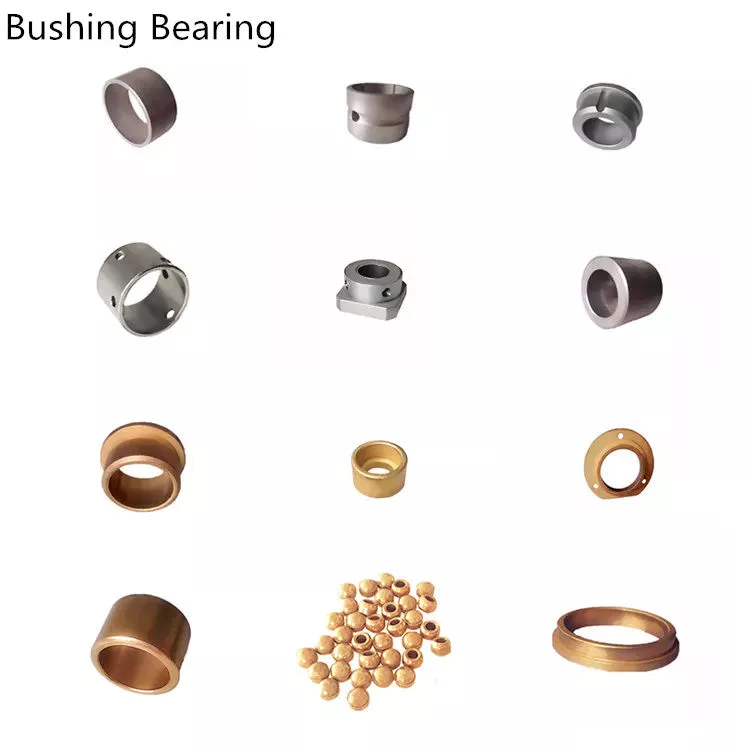
application
Bushings have many applications in various industries. Most of the time, it is used for drilling. Its excellent chemical and mechanical properties can be used to protect various equipment. These components are versatile and available in a variety of materials. All sleeves are packaged according to national and international standards. They are used in many industrial processes from construction to drilling. Some application examples are listed below.The component 10 may contain a tank for a liquid such as fuel, and the object 12 may be made of fiber reinforced composite material. Sleeve assembly 16 is configured to ground component 10 and object 12 . It may be a bulkhead isolator 40 used to isolate electrical charges in aircraft hydraulic lines. Bushing assembly 16 is one of many possible uses for the bushing assembly. The following examples illustrate various applications of bushing assemblies.
Bearings are devices used to reduce friction between moving surfaces. They are a good choice for many applications as they are maintenance free and extend the life of machine components. They can be used in a variety of applications and are often used with plastic and metal materials. For example, Daikin offers bronze and brass bushings. Bushings have many other uses, but they are most commonly used in machines, especially when used in low-load environments.
The most common application for bushings is drilling. Swivel bushings can be used in almost any drilling application. For more complex applications, CZPT’s engineering department can create special designs to your specifications. The applications of bushings in machining centers are endless. By providing a smooth, reliable interface, bushings are an excellent choice for precision machining. They can also provide current paths.
Cost
When you have a vehicle that needs a bushing replacement, you may be wondering about the cost of a bushing replacement. The fact is, the cost of a bushing replacement will vary widely, depending on the specific car model. Some cars cost as little as $5, while other vehicles can cost up to $300. The replacement of a control arm bushing may not cost that much, but it’s important to know that it’s a relatively expensive part to replace.
Most mechanics charge around $375 for a job that involves replacing the bushing in a control arm. However, this price range can vary significantly, depending on whether the mechanic uses OE or aftermarket parts. In any case, the cost of labor is typically included in the price. Some mechanics may even include a labor charge, which is an additional cost. In general, however, the cost of a control arm bushing replacement is comparable to the cost of replacing a single bushing.
Control arm bushings are made of two metal cylinders secured together by a thick layer of rubber. Over time, these parts can deteriorate due to accidents, potholes, and off-roading. For this reason, it is important to replace them as soon as possible. Bushing replacement can save you money in the long run, and it’s important to have your vehicle repaired as soon as possible. If your control arm bushing is showing signs of wear, you should have it replaced before it becomes completely useless.
If you have decided to replace your suspension bushing yourself, the cost will be considerably lower than you would spend on the replacement of other components. If you have a mechanically-inclined mechanic, you can do it yourself. The parts and labour are reasonably cheap, but the most expensive part is the labor. Because it requires disassembling the wheel and suspension and installing a new bushing, it is important to have a mechanic who has a good understanding of vehicle mechanicry. The cost for control arm bushing replacement is between $20 and $80 per bushing, and a set of four costs approximately $300.
Disambiguation
If you’ve come across a page containing information about Bushing, you may have been looking for more information. This disambiguation page lists publications about the person, but these have not been assigned to him. We encourage you to contact us if you know who the true author of these publications is. Nevertheless, if you’re searching for specific information about Bushing, we recommend you start with CZPT.
editor by czh

China Good quality 6210 Zz Double Shield Deep Groove Ball Bearing Manufacturer Machine Bearing 6205 6206 6305 6304 6310 6315 with Free Design Custom
Merchandise Description
6210 Zz Double Shield Deep Groove Ball Bearing Maker Machine Bearing 6205 6206 6305 6304 6310 6315
Introduction:
Deep groove ball bearings are the most extensively utilised bearing variety and are the specifically adaptable .They have lower friction and are optimized for low sounds and minimal vibration which enables
large rotation speeds.They accommodate radial and axial lodas in each directions are simple to mount and require significantly less upkeep .than other bearing types .
Characteristics and Positive aspects:
one.Minimal friction and operating temperatures .low noise.and virbration
2.High operating speeds
three.Large top quality and performance abilities for your software
four.Offered with a assortment of greases for most situations such as foods good quality grease,high temperature grease and solid oil
five.Accommodate radial loads and axial lodas in equally directions
six.Improved reliablity and offer lengthy bearing and CZPT serivice life
Apps:
Electric powered motors and turbines
Agricuture
Material dealing with
Industrial transmissions
Meals and beverage
Industrial pamps
Industrial fans
Two and 3 wheelers
Car and gentle vehicles
Photoes:
Pictures
FAQ
Q1.Are you a manufacturing unit or buying and selling company?AWe are a self-possess manufacturing facility ,can provide a single-phase service for our customer .from components to a variety of surface area treatment options.and from complex revenue to shipping and delivery and to following-sales.so we can help save the value of client manage the high quality and direct time .supply the ideal provider.
Q2.What`s your main products ?ADeep groove ball bearing ,Taper roller bearing
Q3.What`s your once-a-year value of creation? Close to USD 8.000.000
This autumn.What ‘s your guide time(USD)?A.ten-15days after payment
Q5.What is actually your bundle ?A.products in CZPT bags,poly luggage in cartons and then in ply wooden pallets for exporting.
Q6.What is your ways of delivery?A.FOBHangZhou or CIF by sea or by ship
Speak to Us:
Resources Utilised in Bearings
If you are not common with the types of bearings, you could be interested in knowing a lot more about the components utilised to manufacture them. Here’s a appear at what each and every variety of bearing is manufactured of, how it really is utilised, and how a lot they cost. To uncover the correct bearing for your application, it’s critical to decide on a quality lubricant. The materials employed in bearings are decided by their kind and purposes. Picking the proper lubricant will extend its lifestyle, and shield your machine’s components from harm and premature put on.
Supplies utilised in bearings
Bearings are produced from a variety of supplies. Stainless steel is a common content utilized for the components of bearings. It has a increased articles of chromium and nickel. When exposed to oxygen, chromium reacts with it to kind chromium oxide, which provides a passive film. For increased temperatures, teflon and Viton are also used. These supplies offer superb corrosion resistance and are typically chosen by makers for their exclusive homes.
Stainless steel is an additional substance employed in bearings. AISI 440C is a large-carbon stainless steel typically utilized in rolling-contact bearings. It is commonly used in corrosive environments, especially in programs exactly where corrosion resistance is a lot more critical than load capability. It can also be heat-treated and hardened to 60 HRC, but has decrease fatigue daily life than SAE 52100. Stainless metal bearings may carry a 20-40% price high quality, but their exceptional overall performance is worth the added income.
Graphite and molybdenum disulfide are two of the most frequent supplies utilized in bearings. Even though graphite is a popular materials in bearings, it has very bad corrosion resistance and is unsuitable for purposes where oil or grease is necessary. Graphite-based mostly composite resources are one more choice. They combine the advantages of both graphite and ceramic components. A assortment of proprietary supplies have been created for large-temperature use, this kind of as graphite and MoS2.
Wood bearings have been around for centuries. The oldest ones employed wooden and Lignum Vitae. These resources ended up light-weight, but they were extremely powerful and resilient. Wood bearings ended up also lubricated with animal fats. In the course of the 1700s, iron bearings have been a well-known choice. In 1839, Isaac Babbitt invented an alloy that contains challenging metal crystals suspended in a softer steel. It is considered a metallic matrix composite.
Programs of bearings
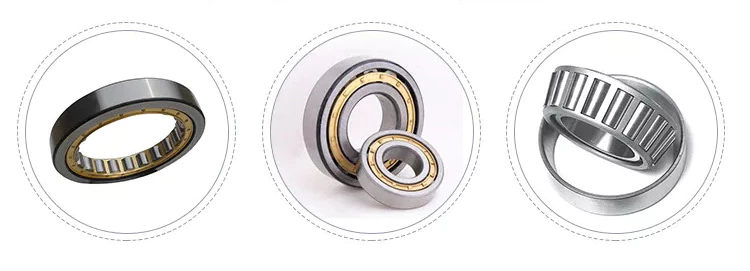
Bearings are employed in numerous diverse industries and programs to support facilitate rotation. The steel surfaces in the bearings support the excess weight of the load, which drives the rotation of the device. Not all masses use the very same quantity of power to bearings, nevertheless. Thrust and radial hundreds act in distinctly distinct approaches. To much better realize the different utilizes of bearings, let’s take a look at the various sorts of bearings. These adaptable units are essential for numerous industries, from cars to ships and from development to industrial processes.
Cylindrical roller bearings are designed to support weighty masses. Their cylindrical rolling factor distributes the load over a larger region. They are not, nonetheless, suited to dealing with thrust hundreds. Needle bearings, on the other hand, use tiny diameter cylinders and can in shape into tighter spaces. The benefits of these sorts of bearings are numerous, and several major producers are now leveraging the Industrial Web of Items (IIoT) to build related smart bearings.
As a electrical power technology industry, bearings enjoy an vital part. From turbines to compressors, from turbines to pumps, bearings are essential components of gear. In addition to bearings, these parts help move the products, so they can perform appropriately. Typically, these parts use ball bearings, even though some roller bearings are utilized as well. In addition to becoming efficient and tough, these types of bearings also are inclined to be constructed to meet stringent inside clearance needs and cage design requirements.
In addition to bearings for linear motion, bearings can also bear the weight of a rotary portion. Depending on the application, they can be designed to lessen friction amongst moving areas. By constraining relative movement, bearings are utilized to minimize friction within a presented software. The best-created bearings reduce friction in a given application. If you’re in the market place for a new bearing, NRB Industrial Bearings Constrained is an exceptional source to commence your lookup.
Sorts of bearings
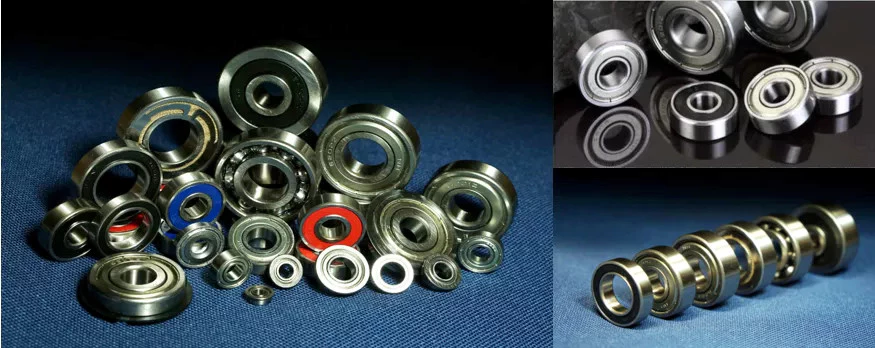
The sort of bearings you decide on will have a significant affect on the efficiency of your equipment. Employing the proper bearings can enhance effectiveness, accuracy, and provider intervals, and even minimize the price of acquiring and functioning equipment. There are a number of various sorts of bearings to pick from, which includes ball bearings and flexure bearings. Some varieties use a fluid to lubricate their surfaces, whilst other folks do not.
Basic bearings are the most common type of bearing, and are employed for a variety of programs. Their cylindrical style enables for a comparatively clean motion. Often made of copper or other copper alloy, they have minimal coefficients of friction and are frequently used in the construction sector. Some varieties of simple bearings are also accessible with a gudgeon pin, which connects a piston to a connecting rod in a diesel motor.
Magnetic bearings are the newest variety of bearing. They use long term magnets to develop a magnetic discipline about the shaft with out requiring any electricity. These are challenging to design and style, and are nevertheless in the early levels of advancement. Electromagnets, on the other hand, need no electrical power but can execute really high-precision positioning. They can be really durable and have a lengthy provider daily life. They are also light-weight and straightforward to restore.
Another sort of bearing is needle roller. These are manufactured of thin, lengthy, and slender cylinders that are utilized in a assortment of purposes. Their slender dimension is best for a space-constrained software, and their modest profile enables them to suit in restricted areas. These kinds of bearings are frequently utilised in automotive apps, bar stools, and camera panning products. They have numerous benefits over ball bearings, such as the potential to handle hefty axial masses.
Price of bearings
A broad assortment of aspects influence the value of aerospace bearings, such as the bearing substance and its volatility. Producers normally use higher-grade steel for plane bearings, which are highly affected by fluctuations in the steel price. Federal government insurance policies also engage in a part in the variation in trade price tag. The implementation of COVID-19 has modified the industry dynamics, creating an unsure outlook for supply and demand from customers of aerospace bearings. New trade norms and transportation constraints are expected to hamper the development of this industry.
Demand from customers for aerospace bearings is largely pushed by aircraft companies. In North The united states, plane companies have to meet incredibly substantial standards of excess weight, efficiency, and quality. They also have to be lightweight and expense-effective. This has resulted in a climbing expense of aerospace bearings. The industry for aerospace bearings is expected to increase at the highest CAGR more than the following couple of a long time, driven by growing investments in defense and aerospace infrastructure throughout Asia-Pacific.
Hub assemblies are also high-priced. A wheel hub will expense among $four hundred and $five hundred for one set of bearings. In addition to this, the pace sensor will be integrated. The common price of wheel bearings is in between $four hundred and $five hundred for one aspect, such as labor. But this price selection is much reduced if the bearing is a substitute of an entire wheel assembly. It is still really worth noting that wheel hub bearings can be acquired separately for a reduced cost.
Substitution of one particular or two wheel bearings will rely on the model and year of the motor vehicle. For a tiny automobile, one particular rear wheel bearing can price among $190 and $225, while two front wheel hubs can cost upwards of $1,000. Labor and parts costs will range by place, and labor costs may possibly also be covered below some warranty plans. If you make a decision to have it carried out by yourself, be sure to question several stores for estimates.
Inspection of bearings

To preserve bearing functionality and stop accidents, periodic inspections are important. In addition to ensuring trustworthiness, these inspections boost productiveness and effectiveness. Regular routine maintenance includes disassembly inspection, replenishment of lubricant and checking procedure position. Below are some frequent techniques to carry out the necessary inspections. Preserve reading through to learn how to keep bearings. Right after disassembly, you need to clean the parts totally. Make certain that the bearings are free of charge of burrs, particles, and corrosion.
Ultrasound technologies is an superb instrument for checking gradual-velocity bearings. Most ultrasound devices provide extensive-ranging sensitivity and frequency tuning. Ultrasound can also be used to keep track of bearing seem. Ultra-slow bearings are typically big and greased with higher-viscosity lubricant. Crackling sounds indicate deformity. You can also listen for abnormal noise by plugging a vibration analyzer into the device. As soon as the machine displays irregular sound, routine additional inspections.
Ultrasonic inspection entails using an ultrasound transducer to measure the amplitude of audio from a bearing. It is powerful in early warnings of bearing failure and prevents above-lubrication. Ultrasound inspection of bearings is a price-powerful answer for early diagnosis of bearing issues. In addition to becoming a trustworthy tool, ultrasonic screening is digital and straightforward to implement. The subsequent are some of the rewards of ultrasonic bearing inspection.
Dynamic good quality evaluation includes the use of a specific fixture for measuring bearing deformations under low shaft velocity and light-weight radial load. The dimension of the fixture influences the benefit of the deformations. A fixture ought to be sized among the diameter of the sensor and the roller to ensure maximum precision. The outer deformation sign is much more delicate with a greater sensor diameter. A vibration-acceleration sensor is utilised for the contrast check.

