Product Description
Deep groove ball bearings are the most representative of rolling bearings, with simple structure, They are easy to use and versatile .
Such bearings are non-separabal bearings,the inner and outer rings are rolled into a ditch arc type. They can bear radial load and axial load,with low coefficient of friction,high limiting speed .They are suitable for high-spped,low noise ,low vibration cccasions.
Deep groove balll bearings are widely used in auto-mobiles,machinetools,motors,instrumentation,construction machinery,railway vehicles,agricultural machinery and various equipment in machinery industry.
Product Parameters
| Eaaring No | Di d |
mension D |
(mm) B |
Mass(kg) | Bearing No | DI d |
mension D |
(mm) B |
Mass(kg) |
| 604 | 4 | 12 | 4.0 | 6212 | 60 | 110 | 22 | 0.780 | |
| 606 | 6 | 17 | 17.0 | 6213 | 65 | 120 | 23 | 0.990 | |
| 608 | 22 | 7.0 | 0.0080 | 8214 | 70 | 125 | 24 | 1.050 | |
| 623 | 3 | 10 | 4.0 | 0.571 | 6215 | 75 | 130 | 25 | 1.200 |
| 625 | 5 | 16 | 5.0 | 0.0050 | 6216 | 80 | 140 | 26 | 1.400 |
| 634 | 4 | 16 | 5.0 | 0.0050 | 6217 | 85 | 150 | 28 | 1.800 |
| 635 | 5 | 19 | 6.0 | 0.0080 | 6218 | 90 | 160 | 30 | 2.150 |
| 680 | 9 | 22 | 7.0 | 6219 | 95 | 170 | 32 | 2.600 | |
| 618/3 | 3 | 7 | 2.0 | 0.0003 | 6220 | 100 | 100 | 34 | 3.150 |
| 618/4 | 4 | 9 | 2.5 | 0.0006 | 6221 | 105 | 190 | 36 | 00 |
| 618/5 | 5 | 11 | 3.0 | 0.0120 | 6222 | 10 | 200 | 38 | 4.350 |
| 6000 | 10 | 26 | 8.0 | 0.0190 | 6300 | 10 | 35 | 11 | 0.053 |
| 6001 | 12 | 20 | 8.0 | 0.5710 | 6301 | 12 | 37 | 12 | 0.060 |
| 6002 | 15 | 32 | 9.0 | 0.0300 | 6302 | 15 | 42 | 13 | 0.082 |
| 6003 | 17 | 35 | 10.0 | 0.0390 | 6303 | 17 | 47 | 14 | 0.120 |
| 6004 | 20 | 42 | 120 | 0.0690 | 6304 | 20 | 52 | 15 | 0.140 |
| 6005 | 25 | 47 | 12.0 | 0.0800 | 6205 | 25 | 62 | 17 | 0.230 |
| 6006 | 30 | 55 | 13.0 | 0.1200 | 6306 | 30 | 72 | 19 | 0.3680 |
| 6007 | 35 | 62 | 14.0 | 0.1600 | 6207 | 35 | 80 | 21 | 0.460 |
| 6008 | 40 | 68 | 15.0 | 0.1900 | 6309 | 40 | 90 | 23 | 0.630 |
| 6009 | 45 | 75 | 16.0 | 0.2500 | 6309 | 45 | 100 | 25 | 0.830 |
| 6571 | 50 | 80 | 16.0 | 0.2600 | 6310 | 50 | 110 | 27 | 1.050 |
| 6011 | 55 | 90 | 18.0 | 0.3000 | 6311 | 55 | 120 | 29 | 1.350 |
| 6012 | 0 | 96 | 18.0 | 0.4200 | 6312 | 60 | 130 | 31 | 1.700 |
| 6013 | 65 | 100 | 18.0 | 0.4400 | 6313 | 65 | 140 | 33 | 2.100 |
| 6014 | 70 | 110 | 20.0 | 0.6000 | 6314 | 70 | 150 | 35 | 2.500 |
| 6015 | 75 | 115 | 20.0 | 0.6400 | 6315 | 75 | 160 | 37 | 3.000 |
| 6016 | 80 | 120 | 22.0 | 0.8500 | 6316 | 80 | 170 | 39 | 3.600 |
| 6017 | 85 | 130 | 22.0 | 0.8900 | 6217 | 85 | 180 | 41 | 4.260 |
| 6018 | 90 | 140 | 24.0 | 1.1500 | 6318 | 90 | 190 | 43 | 4.900 |
| 6019 | 95 | 145 | 24.0 | 1.2000 | 6319 | 95 | 200 | 45 | 5.650 |
| 6571 | 100 | 150 | 24.0 | 1.2500 | 6320 | 100 | 215 | 47 | 7.000 |
| 6571 | 105 | 160 | 26.0 | 16,000 | 6401 | 12 | 42 | 13 | 0.048 |
| 6571 | 110 | 170 | 28.0 | 1.9500 | 6402 | 15 | 52 | 15 | 0.137 |
| 6200 | 10 | 30 | 9.0 | 0.0320 | 6403 | 17 | 62 | 17 | 0.271 |
| 850 | 12 | 32 | 10.0 | 0.571 | 6404 | 20 | 72 | 19 | 0.408 |
| 6202 | 15 | 35 | 11.0 | 0.0450 | 6405 | 25 | 80 | 21 | 0.528 |
| 6203 | 17 | 40 | 12.0 | 0.0650 | 6406 | 30 | 90 | 23 | 0.720 |
| 6204 | 20 | 47 | 14.0 | 0.1100 | 6407 | 35 | 100 | 25 | 0.936 |
| 6205 | 25 | 52 | 15.0 | 0.1300 | 6408 | 40 | 110 | 27 | 1.200 |
| 6206 | 30 | 62 | 16.0 | 0.2000 | 6409 | 45 | 120 | 28 | 1.550 |
| 6207 | 35 | 72 | 17.0 | 0.2900 | 6410 | 50 | 130 | 31 | 1.910 |
| 6208 | 40 | 80 | 18.0 | 0.3700 | 6411 | 55 | 140 | 33 | 2.320 |
| 6209 | 45 | 85 | 19.0 | 0.4100 | 6412 | 60 | 150 | 35 | 2.790 |
| 6210 | 0 | 90 | 20.0 | 0.4600 | 6413 | 65 | 160 | 37 | 3.360 |
| 6211 | 55 | 100 | 21.0 | 0.6100 | 6414 | 70 | 180 | 42 | 5.000 |
| “Aval lable typas:apan,Z.ZZ,RS;2RS,N,ZN | |||||||||
Packaging & Shipping
FAQ
Q1,What kind of factory are we?
A:We are based in ZheJiang , China, selling to Southeast Asia,North America, Africa, Oceania, South America,
South Asia, and Europe.
Q2,what can you buy from us?
A:Electric Motorcycle, Electric Tricycle, Electric Balance, Electric Scooter, and Their Parts.
Q3,How can we guarantee quality?
A:We always have a pre-production sample before mass production. We always conduct a final inspection before shipment. We have
departments responsible for after-sales service.
Q4,What’s our MOQ?
A:We have no minimum order quantity (MOQ) for new customers We accept small orders to support your trial order, new designs, and
marketing development.
Q5,Why did you choose us?
A:We have been engaged early in the development, production, sales, and service of electric vehicles in China. We welcome
customers, business associations, and friends from all over the world to contact us for cooperation and mutual benefit.
/* January 22, 2571 19:08:37 */!function(){function s(e,r){var a,o={};try{e&&e.split(“,”).forEach(function(e,t){e&&(a=e.match(/(.*?):(.*)$/))&&1
| Material Option 2: | Stainless Steel |
|---|---|
| Lubrication: | Grease or Oil |
| Aligning: | Non-Aligning Bearing |
| Separated: | Unseparated |
| Model No.: | 608zz 6203 6202 2RS 6207 6005 6201 6206 6309 |
| Load Direction: | Radial Bearing |
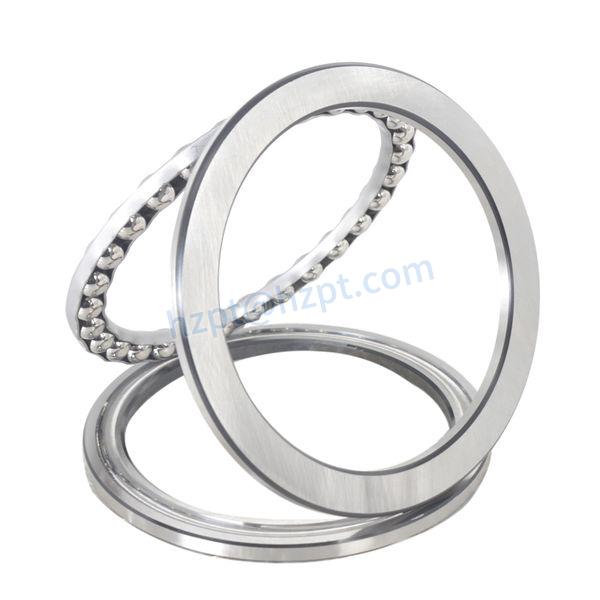
What are the Materials Typically Used in Manufacturing Ball Bearings and Their Advantages?
Ball bearings are manufactured using a variety of materials, each chosen for its specific properties and advantages in various applications. Here are some commonly used materials in ball bearing manufacturing and their respective benefits:
- High-Carbon Chrome Steel (AISI 52100):
This is the most common material used for ball bearing manufacturing. It offers excellent hardness, wear resistance, and fatigue strength. High-carbon chrome steel bearings are suitable for a wide range of applications, from industrial machinery to automotive components.
- Stainless Steel (AISI 440C, AISI 304, AISI 316):
Stainless steel bearings are corrosion-resistant and suitable for applications where moisture, chemicals, or exposure to harsh environments are concerns. AISI 440C offers high hardness and corrosion resistance, while AISI 304 and AISI 316 provide good corrosion resistance and are often used in food and medical industries.
- Ceramic:
Ceramic bearings use silicon nitride (Si3N4) or zirconia (ZrO2) balls. Ceramic materials offer high stiffness, low density, and excellent resistance to corrosion and heat. Ceramic bearings are commonly used in high-speed and high-temperature applications, such as in aerospace and racing industries.
- Plastic (Polyamide, PEEK):
Plastic bearings are lightweight and offer good corrosion resistance. Polyamide bearings are commonly used due to their low friction and wear properties. Polyether ether ketone (PEEK) bearings provide high-temperature resistance and are suitable for demanding environments.
- Bronze:
Bronze bearings are often used in applications where self-lubrication is required. Bronze has good thermal conductivity and wear resistance. Bearings made from bronze are commonly used in machinery requiring frequent starts and stops.
- Hybrid Bearings:
Hybrid bearings combine steel rings with ceramic balls. These bearings offer a balance between the advantages of both materials, such as improved stiffness and reduced weight. Hybrid bearings are used in applications where high speeds and low friction are essential.
- Specialty Alloys:
For specific applications, specialty alloys may be used to meet unique requirements. For example, bearings used in extreme temperatures or corrosive environments may be made from materials like titanium or hastelloy.
- Coated Bearings:
Bearings may also be coated with thin layers of materials like diamond-like carbon (DLC) or other coatings to enhance performance, reduce friction, and improve wear resistance.
The choice of material depends on factors such as application requirements, operating conditions, load, speed, and environmental factors. Selecting the right material is essential for ensuring optimal bearing performance, longevity, and reliability in diverse industries and applications.
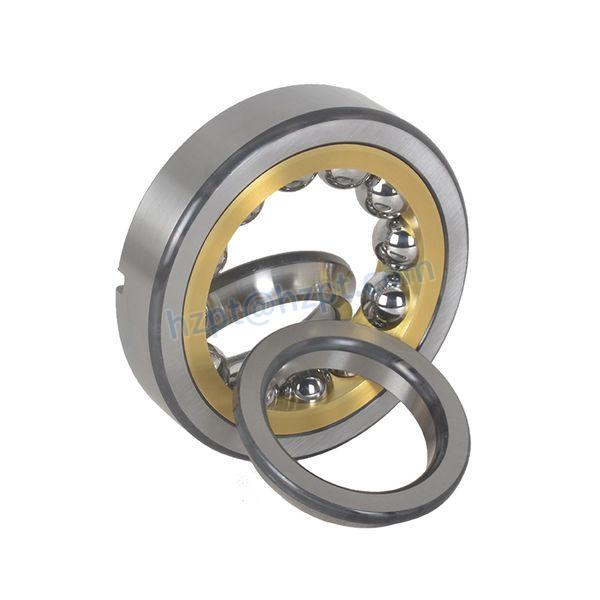
How do Temperature and Environmental Conditions Affect the Performance of Ball Bearings?
Temperature and environmental conditions have a significant impact on the performance and longevity of ball bearings. The operating environment can influence factors such as lubrication effectiveness, material properties, and overall bearing behavior. Here’s how temperature and environmental conditions affect ball bearing performance:
- Lubrication:
Temperature variations can affect the viscosity and flow characteristics of lubricants. Extreme temperatures can cause lubricants to become too thin or too thick, leading to inadequate lubrication and increased friction. In high-temperature environments, lubricants can degrade, reducing their effectiveness.
- Material Properties:
Temperature changes can alter the material properties of the bearing components. High temperatures can lead to thermal expansion, affecting bearing clearances and potentially causing interference between components. Extreme cold temperatures can make materials more brittle and prone to fracture.
- Clearance Changes:
Temperature fluctuations can cause changes in the internal clearance of ball bearings. For instance, at high temperatures, materials expand, leading to increased clearance. This can affect bearing performance, load distribution, and overall stability.
- Corrosion and Contamination:
Harsh environmental conditions, such as exposure to moisture, chemicals, or abrasive particles, can lead to corrosion and contamination of bearing components. Corrosion weakens the material, while contamination accelerates wear and reduces bearing life.
- Thermal Stress:
Rapid temperature changes can result in thermal stress within the bearing components. Differential expansion and contraction between the inner and outer rings can lead to stress and distortion, affecting precision and bearing integrity.
- Noise and Vibration:
Temperature-related changes in material properties and internal clearances can influence noise and vibration levels. Extreme temperatures can lead to increased noise generation and vibration, affecting the overall operation of machinery.
- Lubricant Degradation:
Environmental factors like humidity, dust, and contaminants can lead to premature lubricant degradation. Oxidation, moisture absorption, and the presence of foreign particles can compromise the lubricant’s performance and contribute to increased friction and wear.
- Seal Effectiveness:
Seals and shields that protect bearings from contaminants can be affected by temperature fluctuations. Extreme temperatures can lead to seal hardening, cracking, or deformation, compromising their effectiveness in preventing contamination.
- Choosing Appropriate Bearings:
When selecting ball bearings for specific applications, engineers must consider the expected temperature and environmental conditions. High-temperature bearings, bearings with specialized coatings, and those with enhanced sealing mechanisms may be necessary to ensure reliable performance.
Overall, understanding the impact of temperature and environmental conditions on ball bearing performance is crucial for proper bearing selection, maintenance, and ensuring optimal operation in diverse industries and applications.
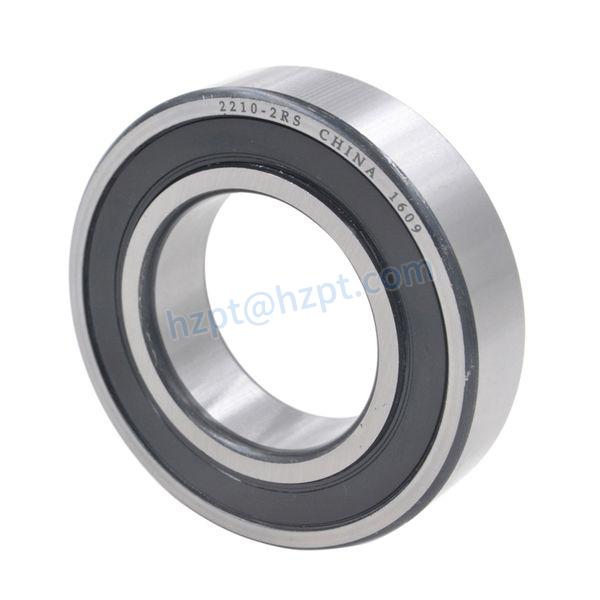
How does Lubrication Impact the Performance and Lifespan of Ball Bearings?
Lubrication plays a critical role in the performance and lifespan of ball bearings. Proper lubrication ensures smooth operation, reduces friction, minimizes wear, and prevents premature failure. Here’s how lubrication impacts ball bearings:
- Friction Reduction:
Lubrication creates a thin film between the rolling elements (balls) and the raceways of the bearing. This film reduces friction by separating the surfaces and preventing direct metal-to-metal contact. Reduced friction results in lower energy consumption, heat generation, and wear.
- Wear Prevention:
Lubricants create a protective barrier that prevents wear and damage to the bearing’s components. Without proper lubrication, the repeated rolling and sliding of the balls against the raceways would lead to accelerated wear, surface pitting, and eventual failure.
- Heat Dissipation:
Lubricants help dissipate heat generated during operation. The rolling elements and raceways can generate heat due to friction. Adequate lubrication carries away this heat, preventing overheating and maintaining stable operating temperatures.
- Corrosion Resistance:
Lubrication prevents moisture and contaminants from coming into direct contact with the bearing’s surfaces. This helps protect the bearing against corrosion, rust, and the formation of debris that can compromise its performance and longevity.
- Noise Reduction:
Lubricated ball bearings operate quietly because the lubricant cushions and dampens vibrations caused by the rolling motion. This noise reduction is crucial in applications where noise levels need to be minimized.
- Seal Protection:
Lubricants help maintain the effectiveness of seals or shields that protect the bearing from contaminants. They create a barrier that prevents particles from entering the bearing and causing damage.
- Improved Efficiency:
Properly lubricated ball bearings operate with reduced friction, leading to improved overall efficiency. This is especially important in applications where energy efficiency is a priority.
- Lifespan Extension:
Effective lubrication significantly extends the lifespan of ball bearings. Bearings that are properly lubricated experience less wear, reduced fatigue, and a lower likelihood of premature failure.
- Selection of Lubricant:
Choosing the right lubricant is essential. Factors such as speed, temperature, load, and environmental conditions influence the choice of lubricant type and viscosity. Some common lubricant options include grease and oil-based lubricants.
- Regular Maintenance:
Regular lubrication maintenance is crucial to ensure optimal bearing performance. Bearings should be inspected and relubricated according to manufacturer recommendations and based on the application’s operating conditions.
In summary, proper lubrication is essential for the optimal performance, longevity, and reliability of ball bearings. It reduces friction, prevents wear, dissipates heat, protects against corrosion, and contributes to smooth and efficient operation in various industrial and mechanical applications.


editor by CX 2024-05-15
China supplier Factory Manufactured Stainless Steel Deep Groove Ball Bearing Cage bearing distributors
Product Description
Product Description
Factory Manufactured Stainless Steel Deep Groove Ball Bearing Cage
| Style | OEM Customized CNC Auto Spare Parts. |
| Brand | GONUO or Customized Brand. |
| Available Material | Carbon steel, Stainless steel 304/316, Brass, Alu, Copper. |
| Surface Treatment | Galvanized, Polishing, Electrophoresis, Spray, Nickel, Paint, Dacromet and so on. |
| Size and Shape | Customizable size, Customized shape, As your drawing or sample. |
| Tolerance | ±0.002 ~ ±0.01mm |
| Surface Roughness | Min Ra 0.1~3.2 |
| For more information visit: | |
Company Profile
HangZhou Xihu (West Lake) Dis. Gonuo Hardware Co.,LTD is a professional CNC auto parts manufacturer which integrating molds development, mold and product manufacturing.
We provide customers with various types of CNC auto parts and sheet metal parts based on customer’s drawing or samples. We support OEM&ODM, like processing methods, materials, surface treatment, package, customer logo and so on.
Now our products are exported to many countries, we win the client’s trust through the spirit of honesty and respect.
Detailed Photos
Work Shop
Packaging & Shipping
| Package | 1)Standard packaging,2) Pallet or container, 3) According to customized specifications. |
| Delivery Time | 30-45days.(Based on your quantity and product precision) |
| Logistics | According to customer requirements. |
FAQ
Q1:What’s the delivery time?
A:Generally 30-45 days after payment received.The exact time is according to actual QTY.
Q2:Can i get sample?
A:Yes.Normally we can offer the samples for free charge if we have in stock but you need to pay shipping fee.
Q3:Can you stamp the customers’ own logo and their own package?
A:Sure!We provide OEM&ODM service.
Q4:Could i get a discounted price?
A:Yes.If you have a big qty of order,we would give a discount.
Q5:What’s the payment term?
A:Payment =$3000,30% T/T in advance,70% before shippment.
Q6:Where’s the port of shipment?
A:HangZhou and ZheJiang .
/* January 22, 2571 19:08:37 */!function(){function s(e,r){var a,o={};try{e&&e.split(“,”).forEach(function(e,t){e&&(a=e.match(/(.*?):(.*)$/))&&1
| After-sales Service: | 1 Year |
|---|---|
| Warranty: | 1 Year |
| Material: | Iron |
| Type: | Wheel Hub |
| Finishing: | Black |
| Certification: | ISO |
| Samples: |
US$ 1/Piece
1 Piece(Min.Order) | |
|---|
| Customization: |
Available
| Customized Request |
|---|
What are the Materials Typically Used in Manufacturing Ball Bearings and Their Advantages?
Ball bearings are manufactured using a variety of materials, each chosen for its specific properties and advantages in various applications. Here are some commonly used materials in ball bearing manufacturing and their respective benefits:
- High-Carbon Chrome Steel (AISI 52100):
This is the most common material used for ball bearing manufacturing. It offers excellent hardness, wear resistance, and fatigue strength. High-carbon chrome steel bearings are suitable for a wide range of applications, from industrial machinery to automotive components.
- Stainless Steel (AISI 440C, AISI 304, AISI 316):
Stainless steel bearings are corrosion-resistant and suitable for applications where moisture, chemicals, or exposure to harsh environments are concerns. AISI 440C offers high hardness and corrosion resistance, while AISI 304 and AISI 316 provide good corrosion resistance and are often used in food and medical industries.
- Ceramic:
Ceramic bearings use silicon nitride (Si3N4) or zirconia (ZrO2) balls. Ceramic materials offer high stiffness, low density, and excellent resistance to corrosion and heat. Ceramic bearings are commonly used in high-speed and high-temperature applications, such as in aerospace and racing industries.
- Plastic (Polyamide, PEEK):
Plastic bearings are lightweight and offer good corrosion resistance. Polyamide bearings are commonly used due to their low friction and wear properties. Polyether ether ketone (PEEK) bearings provide high-temperature resistance and are suitable for demanding environments.
- Bronze:
Bronze bearings are often used in applications where self-lubrication is required. Bronze has good thermal conductivity and wear resistance. Bearings made from bronze are commonly used in machinery requiring frequent starts and stops.
- Hybrid Bearings:
Hybrid bearings combine steel rings with ceramic balls. These bearings offer a balance between the advantages of both materials, such as improved stiffness and reduced weight. Hybrid bearings are used in applications where high speeds and low friction are essential.
- Specialty Alloys:
For specific applications, specialty alloys may be used to meet unique requirements. For example, bearings used in extreme temperatures or corrosive environments may be made from materials like titanium or hastelloy.
- Coated Bearings:
Bearings may also be coated with thin layers of materials like diamond-like carbon (DLC) or other coatings to enhance performance, reduce friction, and improve wear resistance.
The choice of material depends on factors such as application requirements, operating conditions, load, speed, and environmental factors. Selecting the right material is essential for ensuring optimal bearing performance, longevity, and reliability in diverse industries and applications.
What Role do Seals and Shields Play in Protecting Ball Bearings from Dirt and Debris?
Seals and shields are critical components of ball bearings that play a crucial role in protecting them from dirt, debris, moisture, and contaminants in various applications. These protective features help maintain the integrity of the bearing’s internal components and ensure reliable operation. Here’s how seals and shields contribute to bearing protection:
- Contaminant Exclusion:
Seals and shields create a physical barrier between the external environment and the bearing’s interior. They prevent dust, dirt, water, and other contaminants from entering the bearing and coming into contact with the rolling elements and raceways.
- Lubrication Retention:
Seals and shields help retain lubrication within the bearing. They prevent the lubricant from escaping and contaminants from entering, ensuring that the bearing remains properly lubricated for smooth operation and reduced friction.
- Corrosion Prevention:
Seals and shields protect bearing components from exposure to moisture and corrosive substances. By preventing moisture ingress, they help extend the bearing’s lifespan by minimizing the risk of corrosion-related damage.
- Extended Bearing Life:
Seals and shields contribute to the overall longevity of the bearing by reducing wear and damage caused by contaminants. They help maintain a clean internal environment, which promotes proper rolling contact and minimizes the risk of premature failure.
- Enhanced Performance in Harsh Environments:
In applications exposed to harsh conditions, such as outdoor machinery or industrial settings, seals and shields are vital. They protect bearings from abrasive particles, chemicals, and extreme temperatures, ensuring reliable performance despite challenging conditions.
- Noise and Vibration Reduction:
Seals and shields can help reduce noise and vibration generated by the bearing. They provide additional damping and stability, contributing to smoother operation and enhanced user comfort in noise-sensitive applications.
- Customized Protection:
Manufacturers offer a variety of seal and shield designs to suit different application requirements. Some seals provide higher levels of protection against contamination, while others are designed for high-speed or high-temperature environments.
- Trade-Offs:
While seals and shields offer significant benefits, they can also introduce some friction due to contact with the bearing’s inner or outer ring. Engineers must balance the level of protection with the desired operating characteristics, considering factors like friction, speed, and environmental conditions.
Overall, seals and shields play a vital role in maintaining the integrity and performance of ball bearings. By effectively preventing contaminants from entering and preserving lubrication, they ensure the smooth and reliable operation of machinery and equipment in a wide range of applications.
How does Lubrication Impact the Performance and Lifespan of Ball Bearings?
Lubrication plays a critical role in the performance and lifespan of ball bearings. Proper lubrication ensures smooth operation, reduces friction, minimizes wear, and prevents premature failure. Here’s how lubrication impacts ball bearings:
- Friction Reduction:
Lubrication creates a thin film between the rolling elements (balls) and the raceways of the bearing. This film reduces friction by separating the surfaces and preventing direct metal-to-metal contact. Reduced friction results in lower energy consumption, heat generation, and wear.
- Wear Prevention:
Lubricants create a protective barrier that prevents wear and damage to the bearing’s components. Without proper lubrication, the repeated rolling and sliding of the balls against the raceways would lead to accelerated wear, surface pitting, and eventual failure.
- Heat Dissipation:
Lubricants help dissipate heat generated during operation. The rolling elements and raceways can generate heat due to friction. Adequate lubrication carries away this heat, preventing overheating and maintaining stable operating temperatures.
- Corrosion Resistance:
Lubrication prevents moisture and contaminants from coming into direct contact with the bearing’s surfaces. This helps protect the bearing against corrosion, rust, and the formation of debris that can compromise its performance and longevity.
- Noise Reduction:
Lubricated ball bearings operate quietly because the lubricant cushions and dampens vibrations caused by the rolling motion. This noise reduction is crucial in applications where noise levels need to be minimized.
- Seal Protection:
Lubricants help maintain the effectiveness of seals or shields that protect the bearing from contaminants. They create a barrier that prevents particles from entering the bearing and causing damage.
- Improved Efficiency:
Properly lubricated ball bearings operate with reduced friction, leading to improved overall efficiency. This is especially important in applications where energy efficiency is a priority.
- Lifespan Extension:
Effective lubrication significantly extends the lifespan of ball bearings. Bearings that are properly lubricated experience less wear, reduced fatigue, and a lower likelihood of premature failure.
- Selection of Lubricant:
Choosing the right lubricant is essential. Factors such as speed, temperature, load, and environmental conditions influence the choice of lubricant type and viscosity. Some common lubricant options include grease and oil-based lubricants.
- Regular Maintenance:
Regular lubrication maintenance is crucial to ensure optimal bearing performance. Bearings should be inspected and relubricated according to manufacturer recommendations and based on the application’s operating conditions.
In summary, proper lubrication is essential for the optimal performance, longevity, and reliability of ball bearings. It reduces friction, prevents wear, dissipates heat, protects against corrosion, and contributes to smooth and efficient operation in various industrial and mechanical applications.
editor by CX 2024-05-15
China OEM Stainless Steel Bearing Deep Groove Ball Bearing Zz 2RS Steel Deep Groove Ball Bearings for Industry bearing driver kit
Product Description
Product Description
MODEL NO.
| Model No. | Model No. | Model No. | Model No. | Model No. | Model No. |
| 6000-2RS | 6001-2RS | 6002-2RS | 6003-2RS | 6004-2RS | 6005-2RS |
| 6006-2RS | 6008-2RS | 6009-2RS | 6200-2RS | 6202-2RS | 6300-2RS |
| 6301-2RS | 6303-2RS | 6304-2RS | 6305-2RS | 6306-2RS | 6308-2RS |
| 608-RS | 6015 | 6015N | 6017N | 6018 | 6018N |
| 6019Z | 6571 | 6201RS | 6202RS | 6203-2RS | 6204-2RS |
| 6205-2RS | 6206-2RS | 6207-2RS | 6208-2RS | 6208-2RS | 6214 |
| 6210-ZNB | 6210 | 6212 | 6212N | 6212-ZN | 6212-ZNB |
| 6213-ZN | 6216N | 6217N | 6218 | 6300RS | 6302RS |
| 6305-2RS | 6306-2RS | 6307-2RS | 6308-2RS | 6308N | 6309N |
| 6310-2RS | 6311-2RS | 6311N | 6311N | 6312N | 6312-ZNB |
| 6313N | 6314 | 6314N | 6315N | 370309Y | 6012-2r |
Detailed Photos
FAQ
FAQ
1. who are we?
We are based in ZheJiang , China, start from 2015,sell to Mid East(40.00%),South America(20.00%),Southeast Asia(10.00%),Africa(10.00%),Domestic Market(6.00%),South Asia(5.00%),Eastern Europe(3.00%),Western Europe(2.00%),Central America(2.00%),Northern Europe(2.00%). There are total about 101-200 people in our office.
2. how can we guarantee quality?
Always a pre-production sample before mass production;
Always final Inspection before shipment;
3.what can you buy from us?
clutch release bearing,cylindrical bearing,tapered roller bearing,needle roller bearing,deep groove ball bearing
4. why should you buy from us not from other suppliers?
The factory loctaed in Bearing town LinQing.We have over 20 years OEM experience and our own Brand. Our products are virous, and quality can fit to China fomous truck like Xihu (West Lake) Dis.feng, CZPT .
5. what services can we provide?
Accepted Delivery Terms: FOB,Express Delivery;
Accepted Payment Currency:USD,CNY;
Accepted Payment Type: T/T,Credit Card,PayPal,Western Union,Cash;
Language Spoken:English,Chinese
/* January 22, 2571 19:08:37 */!function(){function s(e,r){var a,o={};try{e&&e.split(“,”).forEach(function(e,t){e&&(a=e.match(/(.*?):(.*)$/))&&1
| Aligning: | Non-Aligning Bearing |
|---|---|
| Separated: | Unseparated |
| Rows Number: | Single |
| Load Direction: | Radial Bearing |
| Material: | Bearing Steel |
| Transport Package: | Corrugated Carton + Wooden Pallet |
| Samples: |
US$ 0.1/Piece
1 Piece(Min.Order) | |
|---|
| Customization: |
Available
| Customized Request |
|---|
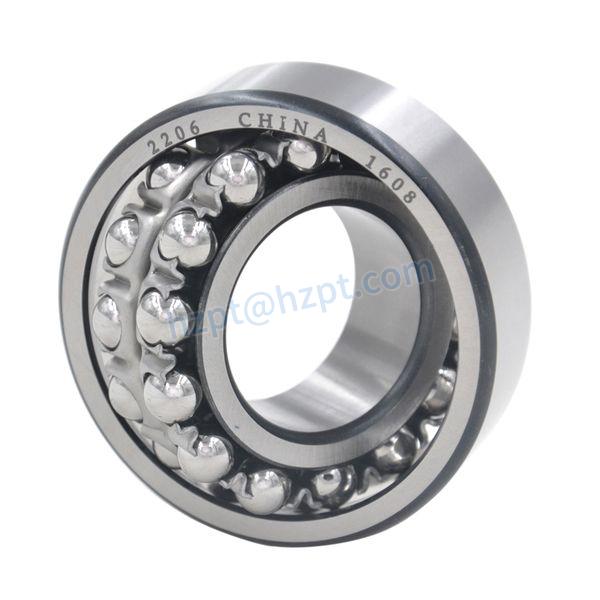
What are the Common Signs of Wear or Damage in Ball Bearings that Indicate the Need for Replacement?
Ball bearings are subjected to wear and stress during operation, and over time, they may exhibit signs of damage or deterioration that warrant replacement. Recognizing these signs is crucial to prevent catastrophic failure and ensure safe and reliable operation. Here are the common signs of wear or damage in ball bearings:
- Unusual Noise:
If you hear unusual grinding, clicking, or rumbling noises coming from the bearing during operation, it may indicate worn-out or damaged components. Unusual noise suggests that the bearing is no longer operating smoothly.
- Vibration:
Excessive vibration in the machinery can be a sign of bearing wear. Vibrations can result from uneven wear, misalignment, or damaged components within the bearing.
- Increased Temperature:
Higher operating temperatures than usual may indicate increased friction due to inadequate lubrication, wear, or other issues. Monitoring the bearing’s temperature can help identify potential problems.
- Irregular Movement:
If you notice irregular movement, jerking, or sticking during rotation, it could be a sign that the bearing is no longer operating smoothly. This may be due to damaged rolling elements or raceways.
- Reduced Performance:
If the machinery’s performance has decreased, it may be due to a compromised bearing. Reduced efficiency, increased energy consumption, or a decline in overall performance could be indicators of bearing wear.
- Visible Wear or Damage:
Inspect the bearing for visible signs of wear, such as pitting, scoring, or discoloration on the rolling elements or raceways. Severe wear or damage is a clear indication that the bearing needs replacement.
- Leakage or Contamination:
If there is evidence of lubricant leakage, contamination, or the presence of foreign particles around the bearing, it suggests that the seal or shield may be compromised, leading to potential damage.
- Looseness or Excessive Play:
If you can feel excessive play or looseness when manually moving the bearing, it could indicate worn-out components or misalignment.
- Reduced Lifespan:
If the bearing’s expected lifespan is significantly shorter than usual, it may be due to inadequate lubrication, excessive loads, or improper installation, leading to accelerated wear.
- Frequent Failures:
If the bearing is consistently failing despite regular maintenance and proper use, it could indicate a chronic issue that requires addressing, such as inadequate lubrication or misalignment.
It’s important to conduct regular inspections, monitor performance, and address any signs of wear or damage promptly. Replacing worn or damaged ball bearings in a timely manner can prevent further damage to machinery, reduce downtime, and ensure safe and efficient operation.
Are there any Industry Standards or Certifications that Ball Bearings should Meet?
Yes, there are several industry standards and certifications that ball bearings should meet to ensure their quality, performance, and reliability. These standards help manufacturers, engineers, and customers assess the suitability of bearings for specific applications. Some of the key standards and certifications for ball bearings include:
- ISO Standards:
The International Organization for Standardization (ISO) has developed a series of standards related to ball bearings. ISO 15 defines dimensions, boundary dimensions, and tolerances for radial bearings. ISO 281 specifies dynamic load ratings and calculation methods for bearings’ life calculations.
- ABEC (Annular Bearing Engineering Committee) Ratings:
ABEC ratings are commonly used in North America to indicate the precision and performance of ball bearings. Ratings range from ABEC 1 (lowest precision) to ABEC 9 (highest precision). However, it’s important to note that ABEC ratings focus primarily on dimensional tolerances and do not encompass all aspects of bearing quality.
- DIN Standards:
The German Institute for Standardization (Deutsches Institut für Normung, DIN) has published various standards related to ball bearings. DIN 625 covers dimensions for deep groove ball bearings, while DIN 616 provides guidelines for precision angular contact ball bearings.
- JIS (Japanese Industrial Standards):
JIS standards are used in Japan and internationally to define the characteristics and dimensions of various products, including ball bearings. JIS B 1512 outlines the classification and dimensions of rolling bearings.
- ASTM (American Society for Testing and Materials) Standards:
ASTM has standards that cover various aspects of bearing testing, performance, and materials. ASTM F2215, for instance, specifies the requirements for ball bearings used in surgical implants.
- CE Marking:
CE marking indicates that a product complies with European Union health, safety, and environmental requirements. It may be required for bearings used in machinery intended to be sold within the EU market.
- Industry-Specific Standards:
Various industries, such as aerospace, automotive, medical, and nuclear, have specific standards or certifications that bearings must meet to ensure safety, reliability, and compliance with industry-specific requirements.
- Quality Management Systems:
Manufacturers that adhere to quality management systems, such as ISO 9001, demonstrate their commitment to consistent product quality and customer satisfaction. Certification to these systems indicates that the manufacturing process follows established protocols and best practices.
When selecting ball bearings, it’s important to consider the relevant standards and certifications that align with the application’s requirements. This ensures that the bearings meet recognized quality and performance criteria, ultimately contributing to reliable and efficient operation.
What is a Ball Bearing and How does it Function in Various Applications?
A ball bearing is a type of rolling-element bearing that uses balls to reduce friction between moving parts and support radial and axial loads. It consists of an outer ring, an inner ring, a set of balls, and a cage that separates and maintains a consistent spacing between the balls. Here’s how ball bearings function in various applications:
- Reduction of Friction:
Ball bearings function by replacing sliding friction with rolling friction. The smooth, spherical balls minimize the contact area between the inner and outer rings, resulting in lower friction and reduced heat generation.
- Radial and Axial Load Support:
Ball bearings are designed to support both radial loads (forces perpendicular to the shaft’s axis) and axial loads (forces parallel to the shaft’s axis). The distribution of balls within the bearing ensures load-carrying capacity in multiple directions.
- Smooth Rotational Movement:
Ball bearings facilitate smooth and precise rotational movement. The rolling motion of the balls allows for controlled and continuous rotation with minimal resistance.
- Applications in Machinery:
Ball bearings are used in a wide range of machinery and equipment, including motors, generators, gearboxes, conveyors, and fans. They enable the efficient transfer of motion while reducing wear and energy losses.
- Automotive Industry:
Ball bearings are extensively used in automobiles for various applications, including wheel hubs, transmission systems, steering mechanisms, and engine components. They provide reliability and durability in challenging automotive environments.
- Industrial Machinery:
In industrial settings, ball bearings support rotating shafts and ensure the smooth operation of equipment such as pumps, compressors, and machine tools.
- High-Speed Applications:
Ball bearings are suitable for high-speed applications due to their low friction and ability to accommodate rapid rotation. They are used in applications like electric motors and aerospace components.
- Precision Instruments:
For precision instruments, such as watches, cameras, and medical devices, ball bearings provide accurate rotational movement and contribute to the overall performance of the instrument.
- Variety of Sizes and Types:
Ball bearings come in various sizes, configurations, and materials to suit different applications. Different types include deep groove ball bearings, angular contact ball bearings, thrust ball bearings, and more.
In summary, ball bearings are essential components in a wide range of applications where smooth rotation, load support, and reduced friction are critical. Their versatility, reliability, and efficiency make them indispensable in industries spanning from automotive to industrial machinery to precision instruments.
editor by CX 2024-04-12
China factory High Chrome Carbon Bearing Steel Gcr15 Stainless Steel SUS440 95cr18 SUS420 30cr13 6204 6205 608 6003 6202 6001 6004 6302 6303 2RS Zz Deep Groove Ball Bearing bearing and race
Product Description
PRODUCT PICTURES
OUR SERVICES
We can provide manufacturing capabilities and services of regular bearings for you, or customized non-standard bearings as you required.
BEARING:
— Dimensions
— Material
— Tolerance standard
APPEARANCE:
— Logo (Laser Marking)
— Package Design
40+ YEARS EXPERIENCE
CONTINUOUS AND STABLE DELIVERY OF PRODUCTS.
With over 40 years experience of the bearing manufacturing, we know how to make good bearings with less cost consistently and efficiently.
We use advanced CNC turning, grinding, and superfinishing machines to ensure high, stable, and accurate machining. All of your goods, from the most economical category, to the highest rated category, will always be manufactured precisely to the standards you require.
OWN HEAT TREATMENT
CONTROALLABLE COST AND QUALITY.
Heat treatment is 1 of the crucial processes to ensure high performance of bearing materials. Compared with other manufacturers, we can produce higher quality bearings at smaller cost, with a more flexible and controllable production schedule, and in a shorter time.
We have 6 heat treatment production lines.
Bearings are heated uniformly, with small deformation and little/no oxidized decarburization, which can make them have high hardness, high fatigue resistance, good wear resistance, dimensional stability, and excellent mechanical strength.
OUTSTXIHU (WEST LAKE) DIS. QUALITY
LOW NOISE, LOW FRICTION AND LONG LIFE.
All our products are characterized by low noise, low friction and long life. This is due to our attention to the roundness, waviness and surface roughness of bearing raceway.
Our products fully meets the requirements of national and international standards according to the testing result of roughness, roundness, hardness, vibration noise, vibration velocity.
PACKING
PACKAGING THAT HELPS SELL.
1, Inner package
Corrosion and Dust Proof PE plastic film / bag packing + Tube packing, or Wrapping tape for larger bearings.
2, Corrugated Individual Box
Our attractive sales-helpful “3-JOYS” package, or as the design of your package.
3, Outer package
Corrugated carton + Wooden pallet
MODERN WELL-ORGANIZED WAREHOUSE
· Constant temperature (20°C) and humidity (RH 52%) warehouse
· Hundreds of models on hand, short delivery time.
HONOR & SYSTEM CERTIFICATES
EXHIBITION
SAMPLES POLICY
FREE SAMPLES AND SHIPPING
We are happy to send you free samples of our bearings for field testing. All transportation costs will be paid by us.
Please note: Depending on the model and value of samples, this policy may not apply!
Please contact our sales staff for details.
TRANSPORTATION
FASTEST DELIVERY TO CUSTOMERS
CUSTOMERS FEEDBACK
PAYMENT TERMS
To facilitate your payment, we offer a variety of options!
FAQ
1, About the lead time.
This depends on several factors, like Is the production schedule tight? Is there a corresponding model in stock, and is there enough of this model in stock? How many pcs of that model would be ordered?
Simply speaking, based on a 20′ GP container load:
| If the model your Preferred is | Sufficient stock | Lead Time |
| Regular models | YES | Within 7 days |
| Regular models | NO | Within 30 days |
| Non-regular model | NO | About 50 days |
For accurate estimate, please contact with our sale stuff. Thanks.
2, Minimum order quantity.
Even just ONE piece of bearing is ok for us.
3, If you don’t know which model is the right choice…
We would like to give you some advise if you like, according to the real situation and demand of your local market. Our purpose is to help you to get proper and right models for your customers, so that you would make a better sales and income finally.
4, Factory Inspection
We surely would welcome you or your representatives to come to our plants or working offices to take a good look and chat with our hardworking CZPT employees. Ask our sales stuff and she/he will arrange that for you.
OPTIONS OF SPECIFICATION AND STHangZhouRD
| Subject | Symbol | Description |
| Sealing & Sealing type | Z | Metal shield on 1 side. |
| ZZ | Metal shields on both sides. | |
| RS | Rubber seal on 1 side. | |
| 2RS | Rubber seals on both sides. | |
| ZNR | Shield on 1 side, snap ring groove in the outer ring, with snap ring on the opposite side of the shield | |
| 2ZNR | Shield on both sides, snap ring groove in the outer ring, with snap ring | |
| ZNBR | Shield on 1 side, snap ring groove in the outer ring, with snap ring on the same side as the shield | |
| Vibration Velocity | V | Normal vibration level. Is not indicated as a standard. |
| V1 | Lower vibration level than normal. | |
| V2 | Lower vibration level than V1. | |
| V3 | Lower vibration level than V2. | |
| V4 | Lower vibration level than V3. | |
| Tolerances | P0(ABEC1) | Bearings in standard tolerance |
| P6(ABEC3) | Tighter tolerance than standard bearings | |
| P5(ABEC5) | Tolerance tighter than P6 | |
| P4(ABEC7) | Tolerance tighter than P5 | |
| P2(ABEC9) | Tolerance tighter than P4 | |
| Radial internal clearance | C1 | Smaller clearance than C2 |
| C2 | Smaller clearance than CN | |
| CN(C0) | Clearance than normal | |
| C3 | Clearance larger than CN | |
| C4 | Clearance larger than C3 | |
| C5 | Clearance larger than C4 | |
| Snap Ring Groove | N | Snap ring groove in the outer ring |
| NR | Snap ring groove in the outer ring, with snap ring | |
| N1 | One locating slot in 1 outer ring side face | |
| R | Flanged outer ring | |
| Other technical modifications | NR | Groove with inserted snap ring in outer ring. |
| N | Snap ring groove in the outer ring. | |
| SS | Stainless steel. |
| Cage Materials | J | Pressed steel cages |
| M | Solid brass cage | |
| F | Solid cage made from steel or iron | |
| Y | Pressed brass cages. | |
| T | Laminated phenolic cages. | |
| TN | Polyamide cages | |
| TH | Glass-fiber reinforced phenolic resin cages. | |
| TV | Polyamide cage | |
| Cage Designs | P | Window-type cage |
| H | Claw-type cage | |
| A | Cage guided on the bearing outer ring | |
| B | Cage-guided on the bearing inner ring | |
| S | Cage with lubricating slots in the guiding surfaces | |
| D | Carbonitriding cage | |
| W | Welded cage | |
| R | Riveted Cage | |
| Cage Types | N/A | Claw-type cage |
| Ribbon cage | ||
| Crown cage | ||
| Sunflower cage | ||
| Tapered cage |
PRODUCT PARAMETERS
This tech sheet may not contain all or every piece of information you want to know. Please contact our sales staff to obtain or compare the information.
| Designation | Boundary Dimension (mm) | Limiting Speed (rpm) | Load Rating (Kn) | Weight | ||||
| Designation | Inner Diameter (d) |
Outside Diameter (D) |
Width (B) |
Grease Lubrication | Oil Lubrication | Dynamic Load (cr) |
Static Load (cor) |
Weight (kg) |
| 6301 | 12 | 17 | 12 | 17000 | 22000 | 9.72 | 5.08 | 0.06 |
| 6302 | 15 | 42 | 13 | 16000 | 20000 | 11.5 | 5.42 | 0.082 |
| 6303 | 17 | 47 | 14 | 15000 | 18000 | 13.5 | 6.58 | 0.115 |
| 6304 | 20 | 52 | 15 | 13000 | 16000 | 15.8 | 7.88 | 0.142 |
| 6305 | 25 | 62 | 17 | 11000 | 13000 | 20.6 | 11.3 | 0.232 |
| 6306 | 30 | 72 | 19 | 6600 | 12000 | 26.7 | 15 | 0.346 |
| 6307 | 35 | 80 | 21 | 8500 | 10000 | 33.4 | 19.3 | 0.457 |
| 6308 | 40 | 90 | 23 | 7000 | 8500 | 40.8 | 24 | 0.639 |
| 6309 | 45 | 100 | 25 | 6300 | 7500 | 52.8 | 31.8 | 0.837 |
| 6310 | 50 | 110 | 27 | 6000 | 7000 | 61.8 | 38 | 1.082 |
| 6311 | 55 | 120 | 29 | 5600 | 6700 | 71.5 | 44.8 | 1.367 |
| 6312 | 60 | 130 | 31 | 5000 | 6000 | 81.8 | 51.8 | 1.71 |
| 6313 | 65 | 140 | 33 | 4500 | 5300 | 93.8 | 60.5 | 2.1 |
| 6313 | 70 | 150 | 35 | 4300 | 5000 | 105 | 68 | 2.55 |
| 6315 | 75 | 160 | 37 | 4000 | 4800 | 113 | 76.8 | 3.05 |
| 6316 | 80 | 170 | 39 | 3800 | 4500 | 123 | 86.5 | 3.61 |
| 6317 | 85 | 180 | 41 | 3600 | 4300 | 132 | 96.5 | 4.284 |
| 6318 | 90 | 190 | 43 | 3400 | 4000 | 145 | 108 | 4.97 |
| 6319 | 95 | 200 | 45 | 3200 | 3800 | 157 | 122 | 5.74 |
| 6320 | 100 | 215 | 47 | 2800 | 3600 | 173 | 140 | 7.09 |
| 6321 | 105 | 225 | 49 | 2600 | 3200 | 184 | 153 | 8.05 |
| 6322 | 110 | 240 | 50 | 2400 | 3000 | 205 | 178 | 9.53 |
| 6324 | 120 | 260 | 55 | 2200 | 2800 | 228 | 208 | 12.2 |
| 6326 | 130 | 280 | 58 | 2000 | 2600 | 253 | 242 | 14.77 |
| 6328 | 140 | 300 | 62 | 1900 | 2400 | 275 | 272 | 18.33 |
| 6330 | 150 | 320 | 65 | 1700 | 2200 | 288 | 295 | 21.87 |
| 6332 | 160 | 340 | 68 | 1600 | 2000 | 313 | 340 | 26.43 |
/* January 22, 2571 19:08:37 */!function(){function s(e,r){var a,o={};try{e&&e.split(“,”).forEach(function(e,t){e&&(a=e.match(/(.*?):(.*)$/))&&1
| Material Option 2: | Stainless Steel |
|---|---|
| MOQ: | One Pallet |
| Seals Options: | Z / 2z, Rz / 2rz, RS / 2RS, Rsz / Rzz, Zn / Znr |
| Samples: |
US$ 0/Piece
1 Piece(Min.Order) | Order Sample |
|---|
| Customization: |
Available
| Customized Request |
|---|
.shipping-cost-tm .tm-status-off{background: none;padding:0;color: #1470cc}
|
Shipping Cost:
Estimated freight per unit. |
about shipping cost and estimated delivery time. |
|---|
| Payment Method: |
|
|---|---|
|
Initial Payment Full Payment |
| Currency: | US$ |
|---|
| Return&refunds: | You can apply for a refund up to 30 days after receipt of the products. |
|---|
Are there Specific Maintenance Practices to Ensure the Longevity of Ball Bearings?
Maintaining ball bearings is essential to ensure their longevity, reliable performance, and prevent premature failure. Proper maintenance practices can extend the lifespan of ball bearings and the equipment they are used in. Here are specific maintenance practices to consider:
- Regular Lubrication:
Implement a regular lubrication schedule using the appropriate lubricant for the application. Lubrication reduces friction, prevents wear, and helps dissipate heat. Follow manufacturer guidelines for lubricant type, quantity, and frequency.
- Clean Environment:
Keep the operating environment clean and free from contaminants. Dust, dirt, and debris can infiltrate bearings and cause damage. Use seals or shields to protect bearings from contaminants, especially in harsh environments.
- Proper Installation:
Ensure correct installation of bearings using proper tools and techniques. Improper installation can lead to misalignment, uneven load distribution, and premature wear. Follow manufacturer recommendations for installation procedures.
- Regular Inspections:
Perform routine visual inspections to check for signs of wear, damage, or contamination. Regular inspections can help identify issues early and prevent further damage. Pay attention to noise, vibration, and temperature changes.
- Temperature Monitoring:
Monitor bearing temperatures during operation using infrared thermometers or sensors. Abnormal temperature increases can indicate inadequate lubrication, misalignment, or other problems.
- Correct Handling:
Handle bearings with care to prevent damage during storage, transportation, and installation. Avoid dropping or subjecting them to impacts that can affect their internal components.
- Bearing Removal and Replacement:
Follow proper procedures when removing and replacing bearings. Use appropriate tools and techniques to avoid damage to the bearing or the surrounding components.
- Alignment Maintenance:
Maintain proper shaft and housing alignment to prevent excessive loads and wear on the bearing. Misalignment can lead to increased stress and premature failure.
- Training and Education:
Provide training to operators and maintenance personnel on proper bearing maintenance and handling practices. Educated personnel are more likely to identify issues and perform maintenance correctly.
- Documented Records:
Keep records of maintenance activities, inspections, lubrication schedules, and any issues encountered. This documentation helps track the bearing’s performance over time and informs future maintenance decisions.
By implementing these maintenance practices, you can ensure the longevity of ball bearings, minimize downtime, reduce operational costs, and maintain the reliability of the equipment they are a part of.
What are the Differences between Deep Groove Ball Bearings and Angular Contact Ball Bearings?
Deep groove ball bearings and angular contact ball bearings are two common types of ball bearings, each designed for specific applications and load conditions. Here are the key differences between these two types of bearings:
- Design and Geometry:
Deep Groove Ball Bearings:
Deep groove ball bearings have a simple design with a single row of balls that run along deep raceways in both the inner and outer rings. The rings are usually symmetrical and non-separable, resulting in a balanced load distribution.
Angular Contact Ball Bearings:
Angular contact ball bearings have a more complex design with two rows of balls, oriented at an angle to the bearing’s axis. This arrangement allows for the transmission of both radial and axial loads, making them suitable for combined loads and applications requiring high precision.
- Load Carrying Capacity:
Deep Groove Ball Bearings:
Deep groove ball bearings are primarily designed to carry radial loads. They can handle axial loads in both directions, but their axial load-carrying capacity is generally lower compared to angular contact ball bearings.
Angular Contact Ball Bearings:
Angular contact ball bearings are specifically designed to handle both radial and axial loads. The contact angle between the rows of balls determines the bearings’ axial load-carrying capacity. They can handle higher axial loads and are commonly used in applications with thrust loads.
- Contact Angle:
Deep Groove Ball Bearings:
Deep groove ball bearings have no defined contact angle, as the balls move in a deep groove along the raceways. They are primarily designed for radial loads.
Angular Contact Ball Bearings:
Angular contact ball bearings have a specified contact angle between the rows of balls. This contact angle allows them to carry both radial and axial loads and is crucial for their ability to handle combined loads.
- Applications:
Deep Groove Ball Bearings:
Deep groove ball bearings are commonly used in applications that primarily require radial loads, such as electric motors, pumps, and conveyor systems. They are also suitable for high-speed operation.
Angular Contact Ball Bearings:
Angular contact ball bearings are used in applications where both radial and axial loads are present, such as in machine tools, automotive wheel hubs, and aerospace components. They are especially useful for applications that require precise axial positioning and handling of thrust loads.
- Limitations:
Deep Groove Ball Bearings:
Deep groove ball bearings are not as suitable for handling significant axial loads and may experience skidding under certain conditions due to their deep raceways.
Angular Contact Ball Bearings:
Angular contact ball bearings can experience increased heat generation and wear at higher speeds due to the contact angle of the balls.
In summary, the design, load-carrying capacity, contact angle, and applications differ between deep groove ball bearings and angular contact ball bearings. Choosing the appropriate type depends on the specific load conditions and requirements of the application.
How does Lubrication Impact the Performance and Lifespan of Ball Bearings?
Lubrication plays a critical role in the performance and lifespan of ball bearings. Proper lubrication ensures smooth operation, reduces friction, minimizes wear, and prevents premature failure. Here’s how lubrication impacts ball bearings:
- Friction Reduction:
Lubrication creates a thin film between the rolling elements (balls) and the raceways of the bearing. This film reduces friction by separating the surfaces and preventing direct metal-to-metal contact. Reduced friction results in lower energy consumption, heat generation, and wear.
- Wear Prevention:
Lubricants create a protective barrier that prevents wear and damage to the bearing’s components. Without proper lubrication, the repeated rolling and sliding of the balls against the raceways would lead to accelerated wear, surface pitting, and eventual failure.
- Heat Dissipation:
Lubricants help dissipate heat generated during operation. The rolling elements and raceways can generate heat due to friction. Adequate lubrication carries away this heat, preventing overheating and maintaining stable operating temperatures.
- Corrosion Resistance:
Lubrication prevents moisture and contaminants from coming into direct contact with the bearing’s surfaces. This helps protect the bearing against corrosion, rust, and the formation of debris that can compromise its performance and longevity.
- Noise Reduction:
Lubricated ball bearings operate quietly because the lubricant cushions and dampens vibrations caused by the rolling motion. This noise reduction is crucial in applications where noise levels need to be minimized.
- Seal Protection:
Lubricants help maintain the effectiveness of seals or shields that protect the bearing from contaminants. They create a barrier that prevents particles from entering the bearing and causing damage.
- Improved Efficiency:
Properly lubricated ball bearings operate with reduced friction, leading to improved overall efficiency. This is especially important in applications where energy efficiency is a priority.
- Lifespan Extension:
Effective lubrication significantly extends the lifespan of ball bearings. Bearings that are properly lubricated experience less wear, reduced fatigue, and a lower likelihood of premature failure.
- Selection of Lubricant:
Choosing the right lubricant is essential. Factors such as speed, temperature, load, and environmental conditions influence the choice of lubricant type and viscosity. Some common lubricant options include grease and oil-based lubricants.
- Regular Maintenance:
Regular lubrication maintenance is crucial to ensure optimal bearing performance. Bearings should be inspected and relubricated according to manufacturer recommendations and based on the application’s operating conditions.
In summary, proper lubrication is essential for the optimal performance, longevity, and reliability of ball bearings. It reduces friction, prevents wear, dissipates heat, protects against corrosion, and contributes to smooth and efficient operation in various industrial and mechanical applications.
editor by CX 2024-04-03
China Professional High Precision Stainless Steel Deep Groove Ball Bearing 61802 for Engineering Machine bearing example
Product Description
Product Description
Structure and Parts of Bearings
Cage
In daily operations, cage will be subjected not only to mechanical action from friction, tension and inertial force, but to chemical reaction from lubricants, additives, solvents or coolants. Therefore, design and materials of cage are very inportant for its performance and the reliability of bearing in usage.
Flate/FUDA offers the following kinds of cage for deep groove ball bearings:
Materials of Bearings
Materials for bearing rings and parts largely determine the bearing’s performance and life. FLATE/FUDA puts more efforts to select materials for bearing rings and part suppliers in a rigorous manner.
Materials and components of bearing rings for FLATE/FUDA bearings are provided by the world’s top suppliers special for serving bearign manufacturers, fundamentally solvign the issue that our bearings lag behind imported bearings in terms of materialsfor a long time.
FLATE boasts a set of strict and polished incoming goods inspection system. Before being put into storage, every batch of steels and parts is under systemic inspection, including analysis of material composition, metallographice analysis, accuracy check, assembly test, etc.
Materials for Bearing Ring and Roller Body
Bearing ring and roller body are mainly made of high C-Cr bearing steel. Listed below are compositions of material for bearing ring and roller body.
| Steel Code | Chemical composition% | ||||||||
| Gcr15 SAE52100 DIN 100 Cr6 JIS SUJ2 |
C | Si | Mn | P | S | Cr | Mo | Cu | Ni |
| 0.95-1.05 | 0.15-0.35 | 0.25-0.45 | <0.571 | <0.571 | 1.40-1.65 | – | <0.25 | <0.30 | |
Material for bearing ring and roller body mainly consists of high C-Cr bearing steel.
Material of cages
Material of cages need good wear resistance, stable size and metal strength. Therefore, operation environment should be mainly considered in selection of material of cages.
Drawing steel sheet cage
These light cages hold a high strength with reduced friction and wear in an effective way after surface treatment. The following table covers compositions of material for cold-rolled steel sheet.
| Steel code | Chemical Composition% | ||||||
| JISG 3141 SPCC |
C | Si | Mn | P | S | Ni | Cr |
| <0.12 | – | <0.5 | <0.04 | <0.045 | – | – | |
Brass cage
Cut brass cage is adopted in small and medium bearings. However, brass cage is not suitable for compressors with ammonia cooling due to potential seasonal cracking of brass. It is recommended to replace it with iron cage.
Nylon cage
According to the type and usage of bearings, nylon cages are widely adopted, but they are inappropriate for environments where the temperature is above 120ºC or below 40 ºC. Most of cast molding cages adopt nylon PA66 material, with or without glass fiber reinforcement whose advantage is a good combination of strength and elasticity.
Materials for dust shield and seal ring
Material for dust shield
FLATE/FUDA bearings use cold-rolled tin plate as the standard mateiral for dust shields, but also use stainless steel of AISI-300 specification at times.
Material for seal ring
Seal rings are mainly made of NBR. For high temperature, fluororubbers and silicon rubbers are widely used as well.
| Type | ASTM D1418 Name | Temperature Range | Hardness (Shore A) |
Features | Restriction |
| Nitrile butaduene rubber | NBR | -40ºC~120ºC | 40-90 | Low compression High ductility High corrosion resistance superior oil resistance |
Unsuitable for high temperature conditions; No exposure to the sun and corrosion of chemicals |
| Silicon rubber | MQ/PMQ VMQ/PVMP |
-70ºC~200ºC | 25-80 | High temperature resistance Desiccation resistance Sunshine resistance aging resistance to ozone |
Poor surface abrasion performance and crack resistance, higher wear resistance |
| Hydrogenated (nitrile-butadiene rubber) |
HNBR/NEM | -35ºC~65ºC | 50-90 | Heat resistance High ductility Chemical resistance |
Unsuitable for high temperature conditions and shall avoid exposure to the sun and corrosion of chemicals |
| Fluororubber | FKM/FPM | -28ºC~200ºC | 50-95 | High temperature resistance Significant chemical resistance corrosion resistance to petroleum products |
It is not suitable for working conditions of low temperature. |
| ACM rubber | ACM Rubber | -18ºC~175ºC | 40-90 | Stronger resistance to hot oil Sunlight and ozone Higher crack resistance |
poor waterproof performance; unsuitable for working condition of ultra-low temperature |
| Warning:flurorubber is safe and harmless under normal working condition of below 200ºC, but it will give off smoke if the temperature exceeds the ultimate temperature of 300ºC that is equivalent to flame for cutting steel tubes. Inhalation of the smoke is harmful to human bodies including eyes. In addition, the smoke should be avoided to contact skin. | |||||
Lubrication of Bearings
| Grease lubrication | Lipid lubricants are much easier to use than oil lubricants. Due to its ciscosity,grease is more durable and only needs simple sealing equipment to contain. Grease is hard to be changed, beacause the usual approach of it is to press grease into device to make fresh grease squeeze used grease out. General speaking, grease with low viscosity primary oil is more suitable for high speed operations at low temperature, while grease with high viscosity primary oil is suitable for heavy load. |
| Oil lubrication | Oil lubrication is more suitbale for applications under conditions of high speed and high temperature, effectively taking the heat generated in operation of bearings away. Viscosity of oil determines the effects of oil lubrication. Low viscosity will lead to inadequate formation of oil film, while high viscosity will increase viscous drag and temperature. In general, the higher rotational speed is the lower viscosity of lubricant oil will be; the larger load is, the higher viscosity of lubricant oil will be. |
| Primary oil | In grease, primary oil accounts for 75-96%. In mass fraction, the performance of grease mainly relies on the nature of primary oil. Particularly when it is with cold flow property and at high temperature, its service life is bound up with primary oil. Grease with low viscosity primary oil is usually applicable to low temperature and low load, while lubrication grease with high viscosity primary oil is applied to high temperature and high load. Primary oil used in grease includes mineral oil and synthetic oil. The commonly used synthetic primary oils contain lipid oil, sythetic hydrocarbon oil, perfluoropolyether, silicon oil and PPO, etc. |
| Thickener | Thickener generally accounts for 4~20% in mass fraction. Its functions are to suspend primaty oil, reduce the flow of primaty oil, and increase adhesion of oil to friction surface. Thickener has 2 categories: metallic soap base and non-metallic soap base. Critical operating temperature, mechanical stability, water resistance and other properties of grease are determined by thickener, for example, sodium soap base can react with water to form a kind of latex, which can not be applied to running bearing in the atomsphere of high temperature. |
| Additive | In grease, primary oil accounts for 0.5~10%. In mass fraction, which is used for the improvement of operating performance and life of grease. Accordign to the classification by function, it can be divided into thickener(strong adhesion), antioxidant, extreme-pressure additive, corrosion inhibitor,etc. |
/* January 22, 2571 19:08:37 */!function(){function s(e,r){var a,o={};try{e&&e.split(“,”).forEach(function(e,t){e&&(a=e.match(/(.*?):(.*)$/))&&1
| Contact Angle: | 45° |
|---|---|
| Aligning: | Non-Aligning Bearing |
| Separated: | Unseparated |
| Rows Number: | Multiple |
| Load Direction: | Radial Bearing |
| Material: | AISI440, 440c, 304 |
| Samples: |
US$ 0/Piece
1 Piece(Min.Order) | |
|---|
| Customization: |
Available
| Customized Request |
|---|
What are the Challenges Associated with Noise Reduction in Ball Bearings?
Noise reduction in ball bearings is a crucial consideration, especially in applications where noise levels must be minimized for operational efficiency and user comfort. While ball bearings are designed to operate smoothly, there are several challenges associated with reducing noise in their operation:
- Vibration:
Vibration generated by the movement of rolling elements and raceways can lead to noise. Even minor irregularities in bearing components or the mounting system can cause vibration that translates into audible noise.
- Bearing Type and Design:
The type and design of the ball bearing can impact noise generation. For example, deep groove ball bearings are known for their quiet operation, while angular contact bearings can generate more noise due to their higher contact angles.
- Lubrication:
Improper or inadequate lubrication can result in increased friction and wear, leading to noise. Choosing the right lubricant and maintaining proper lubrication levels are essential for reducing noise in ball bearings.
- Bearing Clearance and Preload:
Incorrect clearance or preload settings can lead to noise issues. Excessive clearance or inadequate preload can cause the rolling elements to impact the raceways, resulting in noise during rotation.
- Material and Manufacturing Quality:
The quality of materials and manufacturing processes can affect noise levels. Inconsistent or low-quality materials, improper heat treatment, or manufacturing defects can lead to noise generation during operation.
- Surface Finish:
The surface finish of the rolling elements and raceways can impact noise. Rough surfaces can generate more noise due to increased friction and potential irregularities.
- Sealing and Shielding:
Seals and shields that protect bearings can influence noise levels. While they are necessary for contamination prevention, they can also cause additional friction and generate noise.
- Operating Conditions:
External factors such as temperature, speed, and load can influence noise levels. High speeds or heavy loads can amplify noise due to increased stress on the bearing components.
- Wear and Deterioration:
As ball bearings wear over time, noise levels can increase. Worn components or inadequate lubrication can lead to more significant noise issues as the bearing operates.
To address these challenges and reduce noise in ball bearings, manufacturers and engineers employ various techniques, such as optimizing design, selecting suitable bearing types, using proper lubrication, maintaining accurate preload settings, and ensuring high-quality materials and manufacturing processes. Noise reduction efforts are essential to improve overall product quality, meet noise regulations, and enhance user experience in various applications.
What are the Differences between Deep Groove Ball Bearings and Angular Contact Ball Bearings?
Deep groove ball bearings and angular contact ball bearings are two common types of ball bearings, each designed for specific applications and load conditions. Here are the key differences between these two types of bearings:
- Design and Geometry:
Deep Groove Ball Bearings:
Deep groove ball bearings have a simple design with a single row of balls that run along deep raceways in both the inner and outer rings. The rings are usually symmetrical and non-separable, resulting in a balanced load distribution.
Angular Contact Ball Bearings:
Angular contact ball bearings have a more complex design with two rows of balls, oriented at an angle to the bearing’s axis. This arrangement allows for the transmission of both radial and axial loads, making them suitable for combined loads and applications requiring high precision.
- Load Carrying Capacity:
Deep Groove Ball Bearings:
Deep groove ball bearings are primarily designed to carry radial loads. They can handle axial loads in both directions, but their axial load-carrying capacity is generally lower compared to angular contact ball bearings.
Angular Contact Ball Bearings:
Angular contact ball bearings are specifically designed to handle both radial and axial loads. The contact angle between the rows of balls determines the bearings’ axial load-carrying capacity. They can handle higher axial loads and are commonly used in applications with thrust loads.
- Contact Angle:
Deep Groove Ball Bearings:
Deep groove ball bearings have no defined contact angle, as the balls move in a deep groove along the raceways. They are primarily designed for radial loads.
Angular Contact Ball Bearings:
Angular contact ball bearings have a specified contact angle between the rows of balls. This contact angle allows them to carry both radial and axial loads and is crucial for their ability to handle combined loads.
- Applications:
Deep Groove Ball Bearings:
Deep groove ball bearings are commonly used in applications that primarily require radial loads, such as electric motors, pumps, and conveyor systems. They are also suitable for high-speed operation.
Angular Contact Ball Bearings:
Angular contact ball bearings are used in applications where both radial and axial loads are present, such as in machine tools, automotive wheel hubs, and aerospace components. They are especially useful for applications that require precise axial positioning and handling of thrust loads.
- Limitations:
Deep Groove Ball Bearings:
Deep groove ball bearings are not as suitable for handling significant axial loads and may experience skidding under certain conditions due to their deep raceways.
Angular Contact Ball Bearings:
Angular contact ball bearings can experience increased heat generation and wear at higher speeds due to the contact angle of the balls.
In summary, the design, load-carrying capacity, contact angle, and applications differ between deep groove ball bearings and angular contact ball bearings. Choosing the appropriate type depends on the specific load conditions and requirements of the application.
What is a Ball Bearing and How does it Function in Various Applications?
A ball bearing is a type of rolling-element bearing that uses balls to reduce friction between moving parts and support radial and axial loads. It consists of an outer ring, an inner ring, a set of balls, and a cage that separates and maintains a consistent spacing between the balls. Here’s how ball bearings function in various applications:
- Reduction of Friction:
Ball bearings function by replacing sliding friction with rolling friction. The smooth, spherical balls minimize the contact area between the inner and outer rings, resulting in lower friction and reduced heat generation.
- Radial and Axial Load Support:
Ball bearings are designed to support both radial loads (forces perpendicular to the shaft’s axis) and axial loads (forces parallel to the shaft’s axis). The distribution of balls within the bearing ensures load-carrying capacity in multiple directions.
- Smooth Rotational Movement:
Ball bearings facilitate smooth and precise rotational movement. The rolling motion of the balls allows for controlled and continuous rotation with minimal resistance.
- Applications in Machinery:
Ball bearings are used in a wide range of machinery and equipment, including motors, generators, gearboxes, conveyors, and fans. They enable the efficient transfer of motion while reducing wear and energy losses.
- Automotive Industry:
Ball bearings are extensively used in automobiles for various applications, including wheel hubs, transmission systems, steering mechanisms, and engine components. They provide reliability and durability in challenging automotive environments.
- Industrial Machinery:
In industrial settings, ball bearings support rotating shafts and ensure the smooth operation of equipment such as pumps, compressors, and machine tools.
- High-Speed Applications:
Ball bearings are suitable for high-speed applications due to their low friction and ability to accommodate rapid rotation. They are used in applications like electric motors and aerospace components.
- Precision Instruments:
For precision instruments, such as watches, cameras, and medical devices, ball bearings provide accurate rotational movement and contribute to the overall performance of the instrument.
- Variety of Sizes and Types:
Ball bearings come in various sizes, configurations, and materials to suit different applications. Different types include deep groove ball bearings, angular contact ball bearings, thrust ball bearings, and more.
In summary, ball bearings are essential components in a wide range of applications where smooth rotation, load support, and reduced friction are critical. Their versatility, reliability, and efficiency make them indispensable in industries spanning from automotive to industrial machinery to precision instruments.
editor by CX 2024-03-27
China Hot selling Stainless Steel AISI420/AISI304/AISI316/AISI440 Deep Groove Ball Bearing 6202/6204/620 Zz-C3 for Caster Bearing/Agri Bearing/Emq Bearing with high quality
Product Description
We JSW is a reliable stated-owned bearing manufacture and exporter located in ZheJiang Province (China), which is 1 of the best ball bearings industry area in China. I have handled bearings business for more than 20 years and specialize in this line. We have fully experience to export our bearings to European, USA, North American, South American, and Russia.
We have QA engineers who can control the quality during production and before each shipment. Be sure our bearing with top quality in CHINA, favorable price and on-time delivery!
Our office
Our factory
Here is our production scope of Deep groove ball bearings
Deep groove ball bearings are commonly used in a number of applications as their simple structures and convenient using. They mainly carry radial loads, but also can carry combined loads as same as angular contact ball bearings when the radial clearance increases. They may carry pure axial loads when the speed is high and thrust ball bearings are not suitable. Comparing with other bearings, deep groove ball bearings have lower friction coefficient and higher limiting speed, but can not carry heavy loads.
Deep groove ball bearings commonly adopt ribbon steel pressed cages, and metal machined solid cages are often for large-size deep groove ball bearings.
Deep groove ball bearings are widely used in agriculture machinery, tractors, machine tools, generators, water-pumps,auto-motives, textile machinery,etc.
Model: 607—-6571, 624—6210, 634—6310, 686—61810, 695—61910, R series, 62200—62205, 16571—16006
Application
Our inspection center
/* March 10, 2571 17:59:20 */!function(){function s(e,r){var a,o={};try{e&&e.split(“,”).forEach(function(e,t){e&&(a=e.match(/(.*?):(.*)$/))&&1
| Materials: | AISI420/AISI304/AISI316/AISI440 |
|---|---|
| Quality: | High Quality |
| Precision Grade: | P0, P6, P5 ABEC-1/ABEC-7/ABEC-5 |
| Noise: | Zv1 Zv2 Zv3 |
| Seal Type: | Open, Z, Zz, Rz, 2rz, RS, 2RS |
| Application 1: | Agriculture Industrial Machinery Parts |
| Customization: |
Available
| Customized Request |
|---|
What are the Common Signs of Wear or Damage in Ball Bearings that Indicate the Need for Replacement?
Ball bearings are subjected to wear and stress during operation, and over time, they may exhibit signs of damage or deterioration that warrant replacement. Recognizing these signs is crucial to prevent catastrophic failure and ensure safe and reliable operation. Here are the common signs of wear or damage in ball bearings:
- Unusual Noise:
If you hear unusual grinding, clicking, or rumbling noises coming from the bearing during operation, it may indicate worn-out or damaged components. Unusual noise suggests that the bearing is no longer operating smoothly.
- Vibration:
Excessive vibration in the machinery can be a sign of bearing wear. Vibrations can result from uneven wear, misalignment, or damaged components within the bearing.
- Increased Temperature:
Higher operating temperatures than usual may indicate increased friction due to inadequate lubrication, wear, or other issues. Monitoring the bearing’s temperature can help identify potential problems.
- Irregular Movement:
If you notice irregular movement, jerking, or sticking during rotation, it could be a sign that the bearing is no longer operating smoothly. This may be due to damaged rolling elements or raceways.
- Reduced Performance:
If the machinery’s performance has decreased, it may be due to a compromised bearing. Reduced efficiency, increased energy consumption, or a decline in overall performance could be indicators of bearing wear.
- Visible Wear or Damage:
Inspect the bearing for visible signs of wear, such as pitting, scoring, or discoloration on the rolling elements or raceways. Severe wear or damage is a clear indication that the bearing needs replacement.
- Leakage or Contamination:
If there is evidence of lubricant leakage, contamination, or the presence of foreign particles around the bearing, it suggests that the seal or shield may be compromised, leading to potential damage.
- Looseness or Excessive Play:
If you can feel excessive play or looseness when manually moving the bearing, it could indicate worn-out components or misalignment.
- Reduced Lifespan:
If the bearing’s expected lifespan is significantly shorter than usual, it may be due to inadequate lubrication, excessive loads, or improper installation, leading to accelerated wear.
- Frequent Failures:
If the bearing is consistently failing despite regular maintenance and proper use, it could indicate a chronic issue that requires addressing, such as inadequate lubrication or misalignment.
It’s important to conduct regular inspections, monitor performance, and address any signs of wear or damage promptly. Replacing worn or damaged ball bearings in a timely manner can prevent further damage to machinery, reduce downtime, and ensure safe and efficient operation.
What Role do Seals and Shields Play in Protecting Ball Bearings from Dirt and Debris?
Seals and shields are critical components of ball bearings that play a crucial role in protecting them from dirt, debris, moisture, and contaminants in various applications. These protective features help maintain the integrity of the bearing’s internal components and ensure reliable operation. Here’s how seals and shields contribute to bearing protection:
- Contaminant Exclusion:
Seals and shields create a physical barrier between the external environment and the bearing’s interior. They prevent dust, dirt, water, and other contaminants from entering the bearing and coming into contact with the rolling elements and raceways.
- Lubrication Retention:
Seals and shields help retain lubrication within the bearing. They prevent the lubricant from escaping and contaminants from entering, ensuring that the bearing remains properly lubricated for smooth operation and reduced friction.
- Corrosion Prevention:
Seals and shields protect bearing components from exposure to moisture and corrosive substances. By preventing moisture ingress, they help extend the bearing’s lifespan by minimizing the risk of corrosion-related damage.
- Extended Bearing Life:
Seals and shields contribute to the overall longevity of the bearing by reducing wear and damage caused by contaminants. They help maintain a clean internal environment, which promotes proper rolling contact and minimizes the risk of premature failure.
- Enhanced Performance in Harsh Environments:
In applications exposed to harsh conditions, such as outdoor machinery or industrial settings, seals and shields are vital. They protect bearings from abrasive particles, chemicals, and extreme temperatures, ensuring reliable performance despite challenging conditions.
- Noise and Vibration Reduction:
Seals and shields can help reduce noise and vibration generated by the bearing. They provide additional damping and stability, contributing to smoother operation and enhanced user comfort in noise-sensitive applications.
- Customized Protection:
Manufacturers offer a variety of seal and shield designs to suit different application requirements. Some seals provide higher levels of protection against contamination, while others are designed for high-speed or high-temperature environments.
- Trade-Offs:
While seals and shields offer significant benefits, they can also introduce some friction due to contact with the bearing’s inner or outer ring. Engineers must balance the level of protection with the desired operating characteristics, considering factors like friction, speed, and environmental conditions.
Overall, seals and shields play a vital role in maintaining the integrity and performance of ball bearings. By effectively preventing contaminants from entering and preserving lubrication, they ensure the smooth and reliable operation of machinery and equipment in a wide range of applications.
What Factors should be Considered when Selecting a Ball Bearing for a Particular Application?
Selecting the right ball bearing for a specific application involves careful consideration of various factors to ensure optimal performance, longevity, and reliability. Here are the key factors that should be taken into account:
- Load Type and Magnitude:
Determine the type of load (radial, axial, or combined) and the magnitude of the load that the bearing will need to support. Choose a bearing with the appropriate load-carrying capacity to ensure reliable operation.
- Speed and Operating Conditions:
Consider the rotational speed of the application and the operating conditions, such as temperature, humidity, and exposure to contaminants. Different bearing types and materials are suited for varying speeds and environments.
- Accuracy and Precision:
For applications requiring high accuracy and precision, such as machine tool spindles or optical instruments, choose high-precision bearings that can maintain tight tolerances and minimize runout.
- Space Limitations:
If the application has limited space, choose miniature or compact ball bearings that can fit within the available dimensions without compromising performance.
- Thrust and Radial Loads:
Determine whether the application requires predominantly thrust or radial load support. Choose the appropriate type of ball bearing (thrust, radial, or angular contact) based on the primary load direction.
- Alignment and Misalignment:
If the application experiences misalignment between the shaft and housing, consider self-aligning ball bearings that can accommodate angular misalignment.
- Mounting and Installation:
Consider the ease of mounting and dismounting the bearing. Some applications may benefit from features like flanges or snap rings for secure installation.
- Lubrication and Maintenance:
Choose a bearing with appropriate lubrication options based on the application’s speed and temperature range. Consider whether seals or shields are necessary to protect the bearing from contaminants.
- Environmental Conditions:
Factor in the operating environment, including exposure to corrosive substances, chemicals, water, or dust. Choose materials and coatings that can withstand the specific environmental challenges.
- Bearing Material:
Select a bearing material that suits the application’s requirements. Common materials include stainless steel for corrosion resistance and high-carbon chrome steel for general applications.
- Bearing Arrangement:
Consider whether a single-row, double-row, or multiple bearings in a specific arrangement are needed to accommodate the loads and moments present in the application.
By carefully evaluating these factors, engineers and designers can choose the most suitable ball bearing that aligns with the specific demands of the application, ensuring optimal performance, durability, and overall operational efficiency.
editor by CX 2024-02-19
China supplier Stainless Steel Bearing Units Inserted Ball Bearings/Shc201-Shc214 deep groove ball bearing
Product Description
Product Description
We can supply you all range of bearing housing inserted bearings in Stainless steel, Chrome steel and other materials customers required. We can make both metric sized and inch sized bearings for European and U. S. Standard markets.
| Bearing No. | Dimension | Dynamic load | Statie load | Weight (kg) | ||||||||||
| ratings | ratings | |||||||||||||
| d | D | B1 | B | C | S | ds | G | B5 | d3 | F | N | N | ||
| SS-HC201 | 12 | 0.29 | ||||||||||||
| SS-HC201-8 | 0.5 | 0.29 | ||||||||||||
| SS-HC202 | 15 | 47 | 43.7 | 34.2 | 17 | 17.1 | M6× 0.75 | 4.8 | 13.5 | 33.3 | 4.4 | 0.27 | ||
| SS-HC202-9 | 9/16 | 1.8504 | 1.720 | 1.3465 | 0.6693 | 0.673 | 1/4-28UNF | 0.189 | 0.531 | 1.311 | 0.1732 | 12800 | 6650 | 0.26 |
| SS-HC202-10 | 5/8 | 0.26 | ||||||||||||
| SS-HC203 | 17 | 0.25 | ||||||||||||
| SS-HC203-11 | 11/16 | 0.25 | ||||||||||||
| SS-HC204 | 20 | 47 | 43.7 | 34.2 | 17 | 17.1 | M6× 0.75 | 4.8 | 13.5 | 33.3 | 4.4 | 12800 | 6650 | 0.23 |
| SS-HC204-12 | 3/4 | 1.8504 | 1.720 | 1.3465 | 0.6693 | 0.673 | 1/4-28UNF | 0.189 | 0.531 | 1.311 | 0.1732 | 0.23 | ||
| SS-HC205 | 25 | 52 | 44.4 | 34.9 | 17 | 17.5 | M6× 0.75 | 5 | 13.5 | 38.1 | 4.4 | 0.27 | ||
| SS-HC205-13 | 13/16 | 0.32 | ||||||||||||
| SS-HC205-14 | 7/8 | 2.571 | 1.748 | 1.374 | 0.6693 | 0.689 | 1/4-28UNF | 0.197 | 0.531 | 1.500 | 0.1732 | 14000 | 7850 | 0.31 |
| SS-HC205-15 | 15/16 | 0.29 | ||||||||||||
| SS-HC205-16 | 1 | 0.27 | ||||||||||||
| SS-HC206 | 30 | 62 | 48.4 | 36.5 | 19 | 18.3 | M8× 1 | 5 | 15.9 | 44.5 | 5.2 | 0.45 | ||
| SS-HC206-17 | 1-1/16 | 0.50 | ||||||||||||
| SS-HC206-18 | 1-1/8 | 2.4409 | 1.906 | 1.437 | 0.7480 | 0.720 | 5/16-24UNF | 0.197 | 0.626 | 1.752 | 0.2047 | 19500 | 11300 | 0.47 |
| SS-HC206-19 | 1-3/16 | 0.45 | ||||||||||||
| SS-HC206-20 | 1-1/4 | 0.42 | ||||||||||||
| SS-HC207 | 35 | 72 | 51.1 | 37.6 | 20 | 18.8 | M8× 1 | 7 | 17.5 | 55.6 | 5.5 | 0.60 | ||
| SS-HC207-20 | 1-1/4 | 0.67 | ||||||||||||
| SS-HC207-21 | 1-5/16 | 2.8346 | 2.012 | 1.4803 | 0.7874 | 0.740 | 5/16-24UNF | 0.276 | 0.689 | 2.189 | 0.2165 | 25700 | 15300 | 0.63 |
| SS-HC207-22 | 1-3/8 | 0.60 | ||||||||||||
| SS-HC207-23 | 1-7/16 | 0.57 | ||||||||||||
| SS-HC208 | 40 | 80 | 54 | 40.5 | 21 | 19 | M8× 1 | 8 | 18.3 | 60.3 | 6.2 | 0.79 | ||
| SS-HC208-24 | 1-1/12 | 3.1496 | 2.126 | 1.5945 | 0.8268 | 0.7480 | 5/16-24UNF | 0.315 | 0.720 | 2.374 | 0.244 | 29500 | 18100 | 0.84 |
| SS-HC208-25 | 1-9/16 | 0.80 | ||||||||||||
| SS-HC209 | 45 | 85 | 54 | 40.5 | 22 | 19 | M8× 1 | 8 | 18.3 | 63.5 | 6.4 | 0.85 | ||
| SS-HC209-26 | 1-5/8 | 0.96 | ||||||||||||
| SS-HC209-27 | 1-11/16 | 3.3465 | 2.126 | 1.5945 | 0.8661 | 0.7480 | 5/16-24UNF | 0.315 | 0.720 | 2.5000 | 0.252 | 31600 | 20600 | 0.91 |
| SS-HC209-28 | 1-3/4 | 0.87 | ||||||||||||
| SS-HC210 | 50 | 90 | 62.7 | 49.2 | 24 | 24.6 | M8× 1 | 10 | 18.3 | 69.9 | 6.5 | 0.99 | ||
| SS-HC210-29 | 1-13/16 | 1.14 | ||||||||||||
| SS-HC210-30 | 1-7/8 | 3.5433 | 2.469 | 1.937 | 0.9449 | 0.969 | 5/16-24UNF | 0.394 | 0.720 | 2.752 | 0.256 | 35000 | 23200 | 1.08 |
| SS-HC210-31 | 1-15/16 | 1.02 | ||||||||||||
| SS-HC210-32 | 2 | 0.96 | ||||||||||||
| SS-HC211 | 55 | 100 | 71.4 | 55.5 | 25 | 27.8 | M10× 1 | 10 | 20.7 | 76.2 | 7 | 1.32 | ||
| SS-HC211-32 | 2 | 1.52 | ||||||||||||
| SS-HC211-33 | 2-1/16 | 3.937 | 2.811 | 2.185 | 0.9843 | 1.094 | 3/8-24UNF | 0.394 | 0.815 | 3.000 | 0.2760 | 43500 | 29200 | 1.44 |
| SS-HC211-34 | 2-1/8 | 1.37 | ||||||||||||
| SS-HC211-35 | 2-3/16 | 1.29 | ||||||||||||
| SS-HC212 | 60 | 110 | 77.8 | 61.9 | 27 | 31 | M10× 1.25 | 10 | 22.3 | 84.2 | 8.5 | 1.88 | ||
| SS-HC212-36 | 2-1/4 | 2.04 | ||||||||||||
| SS-HC212-37 | 2-5/16 | 4.3307 | 3.063 | 2.437 | 1.063 | 1.22 | 3/8-24UNF | 0.394 | 0.878 | 3.315 | 0.3346 | 47700 | 32900 | 1.95 |
| SS-HC212-38 | 2-3/8 | 1.90 | ||||||||||||
| SS-HC212-39 | 2-7/16 | 1.77 | ||||||||||||
| SS-HC213 | 65 | 120 | 85.7 | 68.6 | 28 | 34.1 | M10× 1.25 | 10 | 23.5 | 86 | 8.5 | 2.41 | ||
| SS-HC213-40 | 2-1/2 | 4.3307 | 3.374 | 2.7008 | 1.0630 | 1.343 | 3/8-24UNF | 0.394 | 0.925 | 3.386 | 0.335 | 57500 | 40000 | 2.51 |
| SS-HC213-41 | 2-9/16 | 2.40 | ||||||||||||
| SS-HC214 | 70 | 125 | 85.7 | 68.6 | 29 | 34.1 | M10× 1 | 12 | 23.5 | 90 | 8.9 | 2.55 | ||
| SS-HC214-42 | 2-5/8 | 2.79 | ||||||||||||
| SS-HC214-43 | 2-11/16 | 4.9213 | 3.374 | 2.7008 | 1.1417 | 1.343 | 3/8-24UNF | 0.472 | 0.925 | 3.543 | 0.335 | 60800 | 45000 | 2.68 |
| SS-HC214-44 | 2-3/4 | 2.56 |
Packaging & Shipping
Packing : 1)Tube packing + Neutral Carton + Wooden pallet
2) Acoording to customer’s requirement
Why Choose Us
TECHNICAL SKILLS
The company currently has more than 100 employees, including more than 50 professional technicians, over 10 engineers, and over 10 elite salesperson.
PRODUCTION
The monthly output of insert bearing is expected to be 450,000-500,000 with 6 main production lines; the deep groove, and the monthly output of deep groove ball is expected to be 350,000-400,000 sets with 3 production lines.
TRANSPORT
we usually offer sea freight shipping since we are very close to HangZhou Port and ZheJiang Port. Of course, for urgent order, it is also very convenient for us to choose the air and train freight or other options.
AFTER SALES SERVICE
We will reply to you within 2 hours after receiving the inquiry on working days.we mainly do custom products, we develop and produce products according to drawings or samples provided by customers.
About Us
HangZhou HangZhou Bearing Co., Ltd., established in 1994 stands right at the prime location of the Yangtze River Delta. Specialized in the production of high-quality deep groove ball bearings and insert bearings. It has emerged as a modern company integrating product development, design, manufacturing, sales and service. It can produce bearings with an inner diameter of 3mm to 100mm and customize various non-standard products with highly-automated equipment, stable quality, and complete testing methods ensuring the quality of its products.
With the vigorous development of the foreign trade department, our business in bearing production and sales in 2018 far exceeded 20 million US dollars, and the products were sold in more than 50 countries and regions.
The company has established a modernized enterprise management system, pooling talents in various fields to make the company more humane, informatized and international with the ISO9001 quality management system being introduced to the production process to enhance its competitiveness. In 2017, the ISO/TS16949 quality management system was also introduced to seek further development in richer application field.
Taking “integrity; service; cooperation; CZPT ” as the core values, and “customer first, order primacy” as its working philosophy, adhering to the vision of becoming China’s best bearing supplier, while satisfying the customers and helping employees achieve their dreams, it is constantly heading towards the goal of “get the world move with Chinese Bearings “.
FAQ
[Q:]1. How soon can we get a reply after we send you an inquiry??
[A:] We will reply you within 2 hours after receiving the inquiry on working days.
[Q:]2. Are you a manufacturer or a trading company??
[A:] We have our own factory, covering an area of more than 12,000 square meters, and we also have our own international trade department, our products are self-produced and self-sold.
[Q:]4.What products do you offer??
[A:] Deep groove ball bearings, insert bearings, pillow block, tapered roller bearings, thrust ball bearings, angular contact bearings, self-aligning roller bearing, etc.
[Q:]5.Which applications your products are mainly involved??
[A:] Our products cover almost all applicable fields of equipment manufacturing and machinery manufacturing industry, mainly includingrailways, trucks, construction machinery, mining machinery, forklifts, agricultural machinery, ships, petroleum machinery, power accessories, electromechanical hardware tools
[Q:]6. Can you make customized products??
[A:] Yes, we mainly do customized products, we develop and produce products according to drawings or samples provided by customers.
[Q:]7. What is the production capacity of your company??
[A:] The monthly output of insert bearing is expected to be 450,000-500,000 with 6 main production lines; the deep groove, and the monthly output of deep groove ball is expected to be 350,000-400,000 sets with 3 production lines.
[Q:]8. What is the total number of your employees , and how many of them are technicians.?
[A:] The company currently has more than 100 employees, including more than 50 professional technicians, over 10 engineers, and over 10 elite salesperson.
[Q:]9.How does your company ensure the quality of the products.?
[A:] First of all, we will have corresponding inspections after each process. For the final products, we will do 100% inspection according to customer requirements and international standards; Then, we have advanced and complete top-level testing equipment in the industry: spectrum analyzer, metallographic microscope, universal tensile testing machine, low temperature impact testing machine, X-ray flaw detector, magnetic particle flaw detector, ultrasonic flaw detector, coordinate measuring instrument, image Measuring instrument, etc. The above equipment can fully guarantee the high-precision finished castings of the finished parts, and at the same time ensure the customer’s comprehensive testing requirements for physical and chemical properties, non-destructive testing and high-precision geometrical dimensions.
[Q:]10.what is the payment method??
[A:] When you quote, we will confirm with you the trading method, FOB, CIF, CNF or other methods. In mass production, we usually pay 30% advance payment first, then see the balance of the bill of lading. Most of the payment methods are T/T, of course, L/C is also acceptable.
[Q:]11.How the goods are delivered to customers??
[A:] we usually offer sea freight shipping since we are very close to HangZhou Port and ZheJiang Port. Of course, for urgent order, it is also very convenient for us to choose the air and train freight or other options.
[Q:]12.Where are your products mainly exported to??
[A:] Our products are exported to dozens of foreign countries mainly including Germany, Italy, the United States, Austria, Slovakia, Slovenia, Sweden, Ukraine, Poland, Russia, Canada, Brazil, India, Turkey, Iran, Vietnam.
RUN YOUR DREAMS WITH NSJ !
/* March 10, 2571 17:59:20 */!function(){function s(e,r){var a,o={};try{e&&e.split(“,”).forEach(function(e,t){e&&(a=e.match(/(.*?):(.*)$/))&&1
| Separated: | Separated |
|---|---|
| Load Direction: | Radial Bearing |
| Material: | Stainless Steel |
| Rolling Body: | Ball Bearings |
| The Number of Rows: | Single |
| Outer Dimension: | Small and Medium-Sized (60-115mm) |
| Customization: |
Available
| Customized Request |
|---|
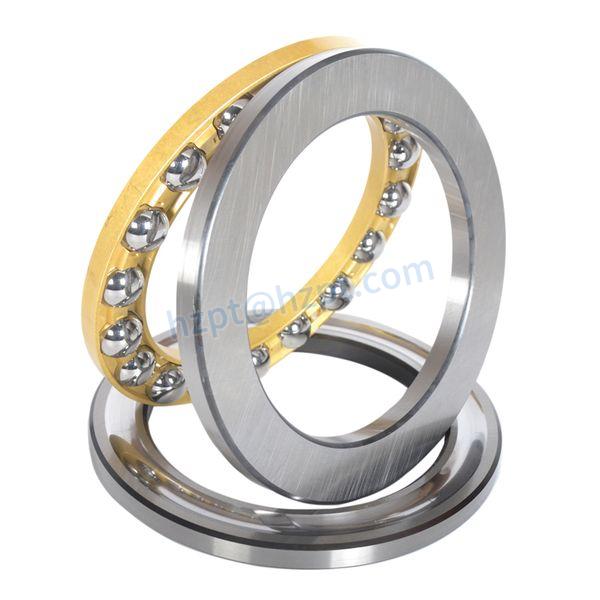
Can you Provide Examples of Industries where Ball Bearings are Crucial Components?
Ball bearings are essential components in a wide range of industries where smooth motion, load support, and precision are vital. Here are some examples of industries where ball bearings play a crucial role:
- Automotive Industry:
Ball bearings are used in various automotive applications, including wheel hubs, transmissions, engines, steering systems, and suspension components. They provide reliable rotation and support in both passenger vehicles and commercial vehicles.
- Aerospace Industry:
In the aerospace sector, ball bearings are found in aircraft engines, landing gear systems, control surfaces, and avionics equipment. Their ability to handle high speeds and precision is vital for aviation safety.
- Industrial Machinery:
Ball bearings are integral to a wide range of industrial machinery, including pumps, compressors, conveyors, machine tools, printing presses, and textile machinery. They facilitate smooth operation and load distribution in these diverse applications.
- Medical Equipment:
In medical devices and equipment, ball bearings are used in surgical instruments, imaging equipment, dental tools, and laboratory machinery. Their precision and smooth movement are crucial for accurate diagnostics and treatments.
- Robotics and Automation:
Ball bearings are key components in robotic arms, automation systems, and manufacturing machinery. They enable precise movement, high-speed operation, and reliable performance in automated processes.
- Renewable Energy:
Wind turbines and solar tracking systems utilize ball bearings to enable efficient rotation and tracking of the wind blades and solar panels. Ball bearings withstand the dynamic loads and environmental conditions in renewable energy applications.
- Marine and Shipbuilding:
Ball bearings are used in marine applications such as ship propulsion systems, steering mechanisms, and marine pumps. They withstand the corrosive environment and provide reliable performance in maritime operations.
- Heavy Equipment and Construction:
In construction machinery like excavators, bulldozers, and cranes, ball bearings support the movement of heavy loads and enable efficient operation in demanding environments.
- Electronics and Consumer Appliances:
Consumer electronics like electric motors, computer hard drives, and household appliances rely on ball bearings for smooth motion and reliable operation.
- Oil and Gas Industry:
In oil and gas exploration and extraction equipment, ball bearings are used in drilling rigs, pumps, and processing machinery. They handle the high loads and harsh conditions of this industry.
These examples demonstrate how ball bearings are indispensable components in various industries, contributing to the efficiency, reliability, and functionality of diverse mechanical systems and equipment.
How do Miniature Ball Bearings Differ from Standard-sized Ones, and Where are They Commonly Used?
Miniature ball bearings, as the name suggests, are smaller in size compared to standard-sized ball bearings. They have distinct characteristics and are designed to meet the unique requirements of applications that demand compactness, precision, and efficient rotation in confined spaces. Here’s how miniature ball bearings differ from standard-sized ones and where they are commonly used:
- Size:
The most noticeable difference is their size. Miniature ball bearings typically have outer diameters ranging from a few millimeters to around 30 millimeters, while standard-sized ball bearings have larger dimensions suitable for heavier loads and higher speeds.
- Load Capacity:
Due to their smaller size, miniature ball bearings have lower load-carrying capacities compared to standard-sized bearings. They are designed for light to moderate loads and are often used in applications where precision and compactness are prioritized over heavy load support.
- Precision:
Miniature ball bearings are known for their high precision and accuracy. They are manufactured to tighter tolerances, making them suitable for applications requiring precise motion control and low levels of vibration.
- Speed:
Miniature ball bearings can achieve higher speeds than standard-sized bearings due to their smaller size and lower mass. This makes them ideal for applications involving high-speed rotation.
- Friction and Efficiency:
Miniature ball bearings generally have lower friction due to their smaller contact area. This contributes to higher efficiency and reduced heat generation in applications that require smooth and efficient motion.
- Applications:
Miniature ball bearings find applications in various industries and sectors:
- Electronics and Consumer Devices:
They are used in small motors, computer disk drives, printers, and miniature fans, where space is limited but precise motion is essential.
- Medical and Dental Equipment:
Miniature bearings are used in medical devices such as surgical instruments, dental handpieces, and diagnostic equipment due to their precision and compactness.
- Robotics and Automation:
Miniature ball bearings are integral to robotic arms, miniature conveyors, and automation systems, enabling precise movement in confined spaces.
- Aerospace and Defense:
They are used in applications like UAVs (drones), aerospace actuators, and satellite components where size and weight constraints are critical.
- Optics and Instrumentation:
Miniature bearings play a role in optical instruments, cameras, and measuring devices, providing smooth rotation and accurate positioning.
Overall, miniature ball bearings are specialized components designed for applications where space, precision, and efficient rotation are paramount. Their compactness and high precision make them crucial in various industries requiring reliable motion control in limited spaces.
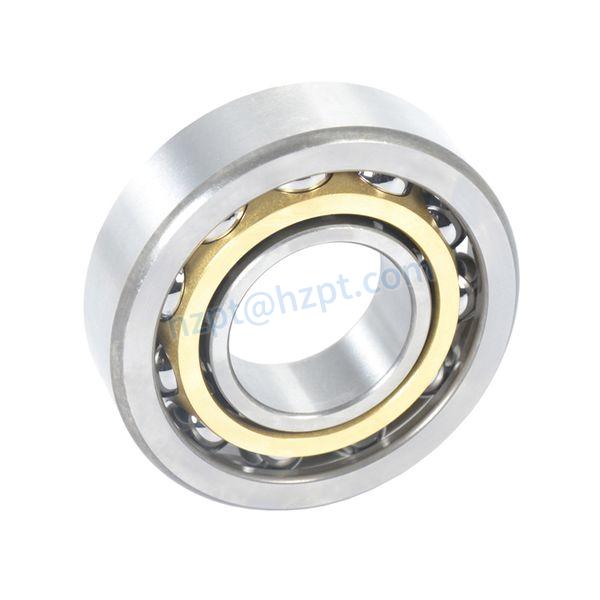
Can you Explain the Various Types of Ball Bearings and their Specific Use Cases?
Ball bearings come in various types, each designed to meet specific application requirements. Here’s an overview of the different types of ball bearings and their specific use cases:
- Deep Groove Ball Bearings:
Deep groove ball bearings are the most common and versatile type. They have a deep raceway that allows them to handle both radial and axial loads. They are used in a wide range of applications, including electric motors, household appliances, automotive components, and industrial machinery.
- Angular Contact Ball Bearings:
Angular contact ball bearings have a contact angle that enables them to handle both radial and axial loads at specific angles. They are suitable for applications where combined loads or thrust loads need to be supported, such as in machine tool spindles, pumps, and agricultural equipment.
- Self-Aligning Ball Bearings:
Self-aligning ball bearings have two rows of balls and are designed to accommodate misalignment between the shaft and the housing. They are used in applications where shaft deflection or misalignment is common, such as conveyor systems, textile machinery, and paper mills.
- Thrust Ball Bearings:
Thrust ball bearings are designed to support axial loads in one direction. They are commonly used in applications where axial loads need to be supported, such as in automotive transmissions, steering systems, and crane hooks.
- Single-Row vs. Double-Row Bearings:
Single-row ball bearings have a single set of balls and are suitable for moderate load and speed applications. Double-row ball bearings have two sets of balls and offer higher load-carrying capacity. Double-row designs are used in applications such as machine tool spindles and printing presses.
- Miniature and Instrument Ball Bearings:
Miniature ball bearings are smaller in size and are used in applications with limited space and lower load requirements. They are commonly used in small electric motors, medical devices, and precision instruments.
- Max-Type and Conrad Bearings:
Max-type ball bearings have a larger number of balls to increase load-carrying capacity. Conrad bearings have fewer balls and are used in applications with moderate loads and speeds.
- High-Precision Ball Bearings:
High-precision ball bearings are designed for applications where accuracy and precision are critical, such as machine tool spindles, aerospace components, and optical instruments.
- High-Speed Ball Bearings:
High-speed ball bearings are engineered to minimize friction and accommodate rapid rotation. They are used in applications such as dental handpieces, turbochargers, and centrifuges.
In summary, the various types of ball bearings are tailored to different application requirements, including load type, direction, speed, and environmental conditions. Selecting the appropriate type of ball bearing ensures optimal performance and longevity in specific applications.
editor by CX 2024-02-11
China High Quality UCF204 Pillow block Bearing SUCF204 420 Stainless steel Pillow block Bearing deep groove ball bearing
Sort: Pillow Block
Applicable Industries: Lodges, Garment Stores, Developing Material Retailers, Manufacturing Plant, Machinery Fix Outlets, Food & Beverage Factory, Farms, Restaurant, Residence Use, 6v 12v micro dc equipment motor with reduction gearbox high torque reduced rpm 8rpm 10rpm 60rpm 500rpm 1000rpm for vending machinelock Retail, Foodstuff Shop, Printing Outlets, Design works , Strength & Mining, Foodstuff & Beverage Retailers, Other, Marketing Business
Design Number: UCF204(420 Stainless metal)
Precision Rating: P0
Product name: Pillow block bearing
Lubrication: Grease
Bodyweight: .492KG
Colour: Organic
Certificate: ISO9001:2008
Seal: Steel Sealed
Cage: Metal Cage.copper Cage.nylon Cage
MOQ: 1pcs
Sample: Obtainable
Material: SUS420+SUS202
Packaging Specifics: Large High quality UCF204 Pillow block Bearing SUCF204 420 Stainless steel Pillow block Bearingstandard packing:Inner PE polybag and Outer export carton(about 15kgs each cartonsize:32.5X17.5X15.5cm)As the clients’ prerequisite
Pillow block Bearing SUCF204 SUS420 Stainless metal Material Large Quality Bearing Features of SUCF204 bearing* Light weight with reduced density -> decrease in centrifugal load.* Exceptional corrosion resistance.* Powerful at high temperature* Stable in substances. (Acid & DC motor 12v FK-280 high velocity 1571RPM micro motors for ATM, vending machine, multifunction printer Alkali)* Non-executed* Semi-everlasting life* Non-greased and self-lubricatingBearing Widely utilized in adhering to industries: chemical, semiconductor, valve & pump, foodstuff, digital, medical, vacuum, refining, 50Nm substantial torque nema fifty two action by stage dc stepper motor insulation, and many others.
| Bearing Design | SUCF204 |
| Bolt measurement | M10 |
| Weight | 0.56KG |
| Width | 20mm |
| Material | 420 Stainless Steel |
| Lubrication | Dry/self-lubricating |
The benefits of rubber bushings and how they work
If you have experienced increased vibration while driving, you know the importance of replacing the control arm bushings. The resulting metal-to-metal contact can cause annoying driving problems and be a threat to your safety. Over time, the control arm bushings begin to wear out, a process that can be exacerbated by harsh driving conditions and environmental factors. Additionally, larger tires that are more susceptible to bushing wear are also prone to increased vibration transfer, especially for vehicles with shorter sidewalls. Additionally, these plus-sized tires, which are designed to fit on larger rims, have a higher risk of transmitting vibrations through the bushings.
rubber
Rubber bushings are rubber tubes that are glued into the inner or outer curve of a cylindrical metal part. The rubber is made of polyurethane and is usually prestressed to avoid breaking during installation. In some cases, the material is also elastic, so it can slide. These properties make rubber bushings an integral part of a vehicle’s suspension system. Here are some benefits of rubber bushings and how they work.
Rubber bushings are used to isolate and reduce vibration caused by the movement of the two pieces of equipment. They are usually placed between two pieces of machinery, such as gears or balls. By preventing vibrations, rubber bushings improve machine function and service life. In addition to improving the overall performance of the machine, the rubber bushing reduces noise and protects the operator from injury. The rubber on the shock absorber also acts as a vibration isolator. It suppresses the energy produced when the two parts of the machine interact. They allow a small amount of movement but minimize vibration.
Both rubber and polyurethane bushings have their advantages and disadvantages. The former is the cheapest, but not as durable as polyurethane. Compared to polyurethane, rubber bushings are a better choice for daily commutes, especially long commutes. Polyurethane bushings provide better steering control and road feel than rubber, but can be more expensive than the former. So how do you choose between polyurethane and rubber bushings?
Polyurethane
Unlike rubber, polyurethane bushings resist high stress environments and normal cycling. This makes them an excellent choice for performance builds. However, there are some disadvantages to using polyurethane bushings. Read on to learn about the advantages and disadvantages of polyurethane bushings in suspension applications. Also, see if a polyurethane bushing is suitable for your vehicle.
Choosing the right bushing for your needs depends entirely on your budget and application. Softer bushings have the lowest performance but may have the lowest NVH. Polyurethane bushings, on the other hand, may be more articulated, but less articulated. Depending on your needs, you can choose a combination of features and tradeoffs. While these are good options for everyday use, for racing and hardcore handling applications, a softer option may be a better choice.
The initial hardness of the polyurethane bushing is higher than that of the rubber bushing. The difference between the two materials is determined by durometer testing. Polyurethane has a higher hardness than rubber because it does not react to load in the same way. The harder the rubber, the less elastic, and the higher the tear. This makes it an excellent choice for bushings in a variety of applications.
hard
Solid bushings replace the standard bushings on the subframe, eliminating axle clutter. New bushings raise the subframe by 0.59″ (15mm), correcting the roll center. Plus, they don’t create cabin noise. So you can install these bushings even when your vehicle is lowered. But you should consider some facts when installing solid casing. Read on to learn more about these casings.
The stiffest bushing material currently available is solid aluminum. This material hardly absorbs vibrations, but it is not recommended for everyday use. Its stiffness makes it ideal for rail vehicles. The aluminum housing is prone to wear and tear and may not be suitable for street use. However, the solid aluminum bushings provide the stiffest feel and chassis feedback. However, if you want the best performance in everyday driving, you should choose a polyurethane bushing. They have lower friction properties and eliminate binding.
Sturdy subframe bushings will provide more driver feedback. Additionally, it will strengthen the rear body, eliminating any movement caused by the subframe. You can see this structural integration on the M3 and M4 models. The benefits of solid subframe bushings are numerous. They will improve rear-end handling without compromising drivability. So if you plan to install a solid subframe bushing, be sure to choose a solid bushing.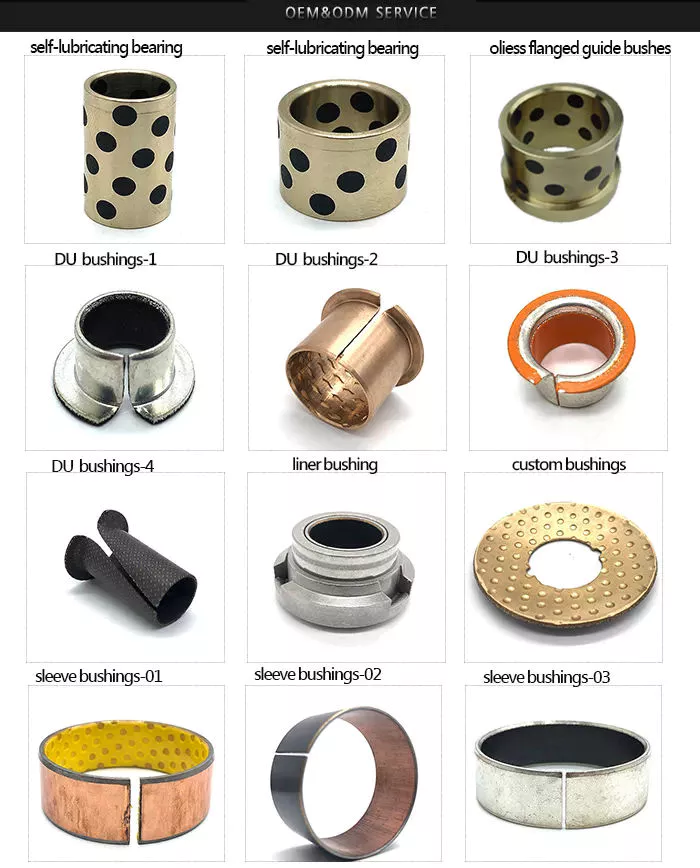
Capacitor classification
In the circuit, there is a high electric field on both sides of the capacitor grading bushing. This is due to their capacitor cores. The dielectric properties of the primary insulating layer have a great influence on the electric field distribution within the bushing. This article discusses the advantages and disadvantages of capacitor grade bushings. This article discusses the advantages and disadvantages of grading bushings for capacitors in DC power systems.
One disadvantage of capacitor grading bushings is that they are not suitable for higher voltages. Capacitor grading bushings are prone to serious heating problems. This may reduce their long-term reliability. The main disadvantage of capacitor grading bushings is that they increase the radial thermal gradient of the main insulation. This can lead to dielectric breakdown.
Capacitor grading bushing adopts cylindrical structure, which can suppress the influence of temperature on electric field distribution. This reduces the coefficient of inhomogeneity of the electric field in the confinement layer. Capacitor grading bushings have a uniform electric field distribution across their primary insulation. Capacitive graded bushings are also more reliable than nonlinear bushings.
Electric field variation is the most important cause of failure. The electrode extension layer can be patterned to control the electric field to avoid flashover or partial discharge of the primary insulating material. This design can be incorporated into capacitor grading bushings to provide better electric fields in high voltage applications. This type of bushing is suitable for a wide range of applications. This article discusses the advantages and disadvantages of capacitor grade bushings.
Metal
When choosing between plastic and metal sleeves, it is important to choose a product that can handle the required load. Plastic bushings tend to deteriorate and often crack under heavy loads, reducing their mechanical strength and service life. Metal bushings, on the other hand, conduct heat more efficiently, preventing any damage to the mating surfaces. Plastic bushings can also be made with lubricating fillers added to a resin matrix.
Plastic bushings have many advantages over metal bushings, including being cheap and versatile. Plastic bushings are now used in many industries because they are inexpensive and quick to install. These plastic products are also self-lubricating and require less maintenance than metals. They are often used in applications where maintenance costs are high or parts are difficult to access. Also, if they are prone to wear and tear, they are easy to replace.
Metal bushings can be made of PTFE, plastic or bronze and are self-lubricating. Graphite plugs are also available for some metal bushings. Their high load capacity and excellent fatigue resistance make them a popular choice for automotive applications. The bi-metallic sintered bronze layer in these products provides excellent load-carrying capacity and good friction properties. The steel backing also helps reduce processing time and avoids the need for additional pre-lubrication.
plastic
A plastic bushing is a small ball of material that is screwed onto a nut or locknut on a mechanical assembly. Plastic bushings are very durable and have a low coefficient of friction, making them a better choice for durable parts. Since they do not require lubrication, they last longer and cost less than their metal counterparts. Unlike metal bushings, plastic bushings also don’t scratch or attract dirt.
One type of acetal sleeve is called SF-2. It is made of metal alloy, cold rolled steel and bronze spherical powder. A small amount of surface plastic penetrated into the voids of the copper spherical powder. Plastic bushings are available in a variety of colors, depending on the intended application. SF-2 is available in black or grey RAL 7040. Its d1 diameter is sufficient for most applications.
Another acetal sleeve is UHMW-PE. This material is used in the production of bearings and in low load applications. This material can withstand pressures from 500 to 800 PSI and is widely available. It is also self-lubricating and readily available. Due to its high resistance to temperature and chemical agents, it is an excellent choice for low-load industrial applications. If you’re in the market for an alternative to nylon, consider acetal.
Positional tolerances in many automotive components can cause misalignment. Misaligned plastic bushings can negatively impact the driver’s experience. For example, the cross tubes used to mount the seat to the frame are made by a stamping process. The result is a misalignment that can increase torque. Also, the plastic bushing is pushed to one side of the shaft. The increased pressure results in higher friction, which ultimately results in a poor driving experience.
v
editor by czh 2023-02-18

China Custom Stainless Steel Deep Groove Ball Bearing 6206 Zz with Dimension 30X62X16 mm for Trolley near me shop
Product Description
Product Description
Our precision deep groove ball bearings are designed for large precision, minimal sound, small vibration, high dependability and extended life. They are primarily utilized in different sorts of electric powered motors. They are also recognized as EMQ (Electric powered Motor Good quality) bearings.
EMQ bearings are broadly employed in household appliances, toys, electric powered electricity instruments, auto motors and other fields. With optimum style, high reliability heat treatment method, precision producing procedures and large-grade grease, these goods perform greater on reliability, vibration and noise levels than common merchandise producing them much more appropriate for electrical motor apps. These products can also be utilized to most gearbox apps as effectively.
Detailed Images
Packaging & Shipping and delivery
Packaging Specifics
Packaging
A.Polybag +Box+Carton
B.B.Tube+Box+Carton
C.As for each customer’s request
We have types of offers, this kind of as plastic bags, cartons, specific packing containers. We use diverse packages based mostly on the goods and our customers’ needs.
Port :ZheJiang
Lead Time:Delivered in 30 times after payment
Company Profile
Our Advantages
The use of our deep groove ball bearing:
FAQ
If you have any other queries, make sure you truly feel cost-free to speak to us as follows.
Q: Why CZPT you choose us?
A. We give the greatest top quality bearings with affordable value, reduced friction, low sound and prolonged service daily life.
B. With enough stock and rapidly shipping and delivery, you can decide on our freight forwarder or your freight forwarder.
C. The best services provided by a well-trained international income group.
Q: Do you acknowledge little orders?
100% good quality verify, as soon as your bearings are normal measurement bearings, even 1, we also acknowledge.
Q: How extended is your delivery time?
Generally talking, if the products are in inventory, it is 1-3 days. If the items are out of stock, it will just take 6-10 times, dependent on the quantity of the order.
Q: Do you give samples? Is it free of charge or extra?
Sure, we can provide a small amount of free of charge samples. Do you brain having to pay the freight?
Q: What ought to I do if I don’t see the variety of bearings I need?
We have too many bearing series numbers. Occasionally we are unable to put them all on web. Just deliver us the inquiry and we will be quite content to send out you the bearing information.
Welcome to speak to me whenever!
Sorts of Ball Bearings
If you’re searching to buy a new ball bearing, there are several different varieties offered. Understand about One-row designs, Ceramic hybrid bearings, and Self-aligning ball bearings. You can also pick from stainless steel or single-row designs. Then, read through about the different varieties of supplies available to you. You’ll have an easier time making a selection. Following all, you won’t have to fear about sustaining your new ball bearing, given that it will be managed by your supplier.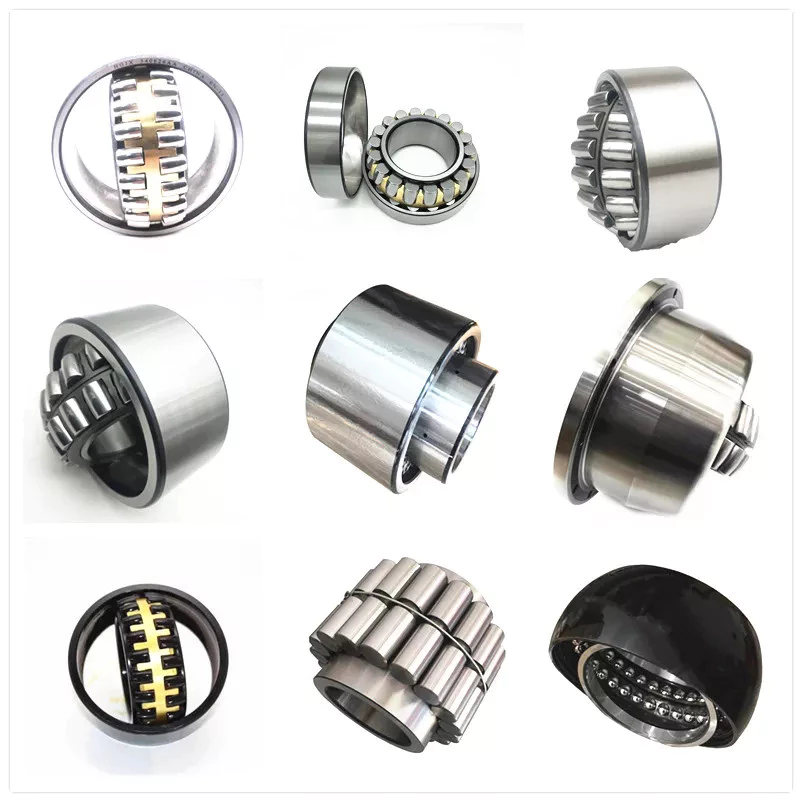
Single-row types
Ball bearings with a single-row style have a substantial load-carrying ability. They are utilised in purposes the place higher hundreds must be dealt with efficiently. A one-row style is a excellent option when the material’s homes require high load-carrying capability but minimal axial load ability. One-row styles use two bearings with comparable design and style features, but they have distinct mounting strategies. Solitary-row styles can be adjusted both from one particular another to accommodate axial loads.
The single-row style is suitable for substantial-velocity apps, but also has some negatives. The get in touch with angle a is the angle among the radial aircraft and speak to line. The larger the angle, the greater the axial load carrying potential of the bearing. Single-row angular get in touch with ball bearings are suited for greater axial forces. One-row angular speak to ball bearings have a solitary-row layout and assist large axial forces in one particular route. Solitary-row ball bearings are available in both pressed steel and machined metal cages.
Angular speak to ball bearings with a solitary row feature a cage manufactured of fiber-glass strengthened polyamide 66. These are offered in diameters up to one hundred thirty mm. Four-point angular speak to ball bearings use brass, steel, or brass plate. They have good working properties and a minimal coefficient of linear enlargement. Single-row patterns are simple to mount and are commonly obtainable. Alternatively, they can be mounted with a common match design, which enables them to be very easily altered.
One particular-row angular make contact with ball bearings are typically not appropriate for angular misalignments simply because they are unsuitable for payment of angular misalignments. Misalignments lead to internal forces in the bearing which minimize its radial load capability and daily life expectancy. This sort of bearing is not ideal for adjacent mounting as it increases the odds of misalignment. Nonetheless, it is a suitable choice for purposes where only one bearing is needed for every bearing position.
Ceramic hybrid bearings
Although all-ceramic bearings are limited to extremely specialized applications, Si3N4-based mostly hybrid bearings are locating use in a vast variety of large-pace machines. Compared to metal, ceramics are much less prone to centrifugal forces, which are right proportional to the mass of the balls. Because Si3N4 alternative balls have a reduced density than metal, these bearings reduce the tension positioned on the outer race.
The advantages of hybrid bearings are distinct: they enable for larger speeds and loads than entire-ceramic bearings, and they require no lubrication. Because of their numerous advantages, several industrial tools operators are switching to these innovative bearings. CBR is 1 company that specializes in ceramic hybrid bearings and can support you discover the very best product for your application. If you are pondering about acquiring ceramic bearings for your subsequent equipment, below are some items you require to know about them.
A ceramic ball bearing surface has an incredibly lower coefficient of friction, which is important for purposes that require reduced friction and high speeds. Ceramic balls also have a higher hardness than metal balls, which raises their existence. In addition to this, ceramic hybrid bearings have excellent thermal houses, making less heat even when spinning at substantial speeds. These homes make ceramic hybrid bearings an ideal choice for large-speed equipment, specially electric motors. They are also ideal for apps that function under h2o.
A ceramic ball hybrid bearing is much significantly less prone to temperature fluctuations and wear. Simply because they are essentially indestructible, ceramic balls do not produce dress in particles from the adhesive use. They can run at drastically higher speeds than steel balls. Ceramic balls are also a lot more resistant to moisture. For this purpose, grease is a advisable lubricant in most ceramic bearing programs. These lubricants supply superior protection in opposition to dampness and corrosion. Further, they are available in numerous varieties.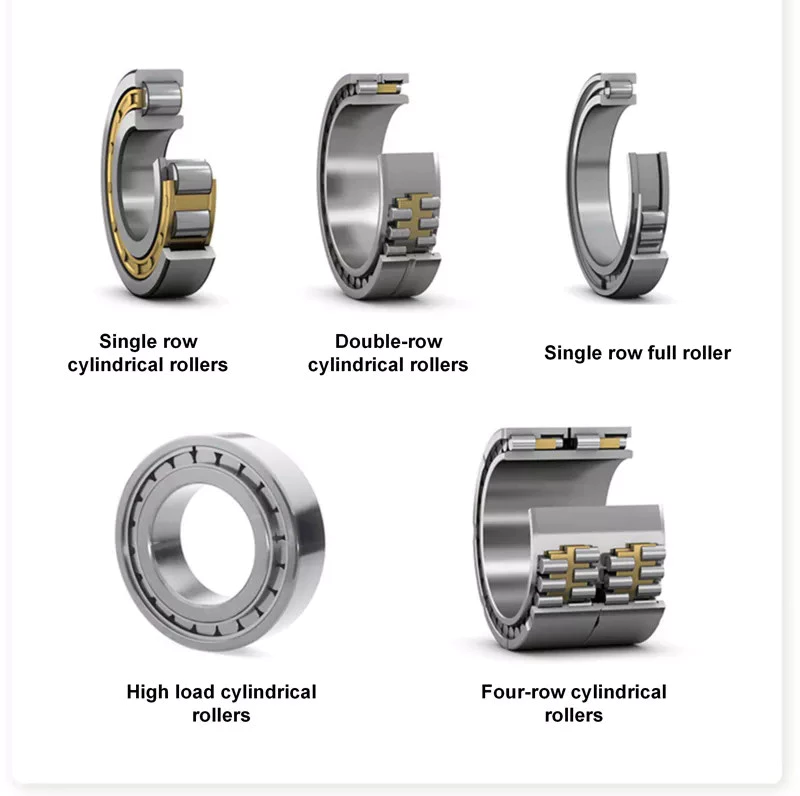
Self-aligning ball bearings
A self-aligning ball bearing is one particular variety of self-aligning bearing. These bearings are suggested for use in flex shaft methods. Their self-aligning feature helps prevent them from misaligning when in use. They can be used in both single and a number of-joint systems. In addition to self-aligning ball bearings, these models also attribute flex shafts.
These self-aligning ball bearings occur in a selection of configurations, including cylindrical, round, tapered, and straight bore. Their inner ring is tapered to meet particular tolerances. They are suited for running temperatures ranging from -30°F to 120°F. Their wide assortment of purposes permits them to be utilized in standard equipment, precision instruments, and lower sound motors. In addition, they are accessible in a assortment of exterior diameters, widths, and internal clearances.
Self-aligning ball bearings have two rows of balls and 1 frequent sphered raceway in the outer ring. This enables them to instantly compensate for angular misalignment, which may possibly be triggered by machining and assembly mistakes or deflections. When compared to spherical roller bearings, these self-aligning ball bearings produce much less friction. They operate cooler even at substantial speeds. Self-aligning ball bearings also offer free of charge engineering assist.
Self-aligning ball bearings are developed for hard shaft alignment. They are double-row, self-retaining models, with cylindrical or tapered bores. These bearings are accessible in open up and sealed types, and can also be used in programs with misalignment. They are also accessible with an outer ring that rotates in relation to the internal ring. When it comes to shaft misalignment, self-aligning ball bearings are a wonderful resolution.
Stainless metal
Stainless steel is a steel that resists corrosion and is extremely sturdy. Its corrosion-resistant and water-resistance qualities make it a very good selection for bearings in meals and marine programs. Additionally, stainless steel has hygienic positive aspects. Here are some of the advantages of stainless steel ball bearings. Read on to learn a lot more about these remarkable bearings! We’ve incorporated some of the most typical employs for stainless steel.
Hardness is crucial in a ball bearing. Steel employs the Rockwell C scale to evaluate hardness. A quality 25 metal ball bearing is exact to 25 millionths of an inch, whilst a grade five ceramic bearing is significantly less than a 50 percent-inch spherical. Though roundness is critical, it shouldn’t be overemphasized, as the bearing surfaces might not be as exact as the quality of the metallic. And remember, a increased cost tag doesn’t mean a greater product.
Stainless metal ball bearings are accessible in a assortment of alloys. The alloys used in producing a stainless steel ball bearing range in hardness, strength, and ductility. Stainless steel ball bearings have large corrosion-resistance houses. Furthermore, they have long lubrication lives. These advantages make them a common decision for industrial apps. These bearings are simple to preserve, reduce replacement costs, and provide corrosion resistance.
The NTN Sentinel Collection is a high quality line of stainless metal bearings. The sound lube is NSF H1 registered and helps prevent grease from leaching into foodstuff. It is also corrosion-resistant and will not need to have to be coated. The seals and slinger generate a water-resistant barrier among the steel ball and the lubricant. It also provides protection and safety to the bearing.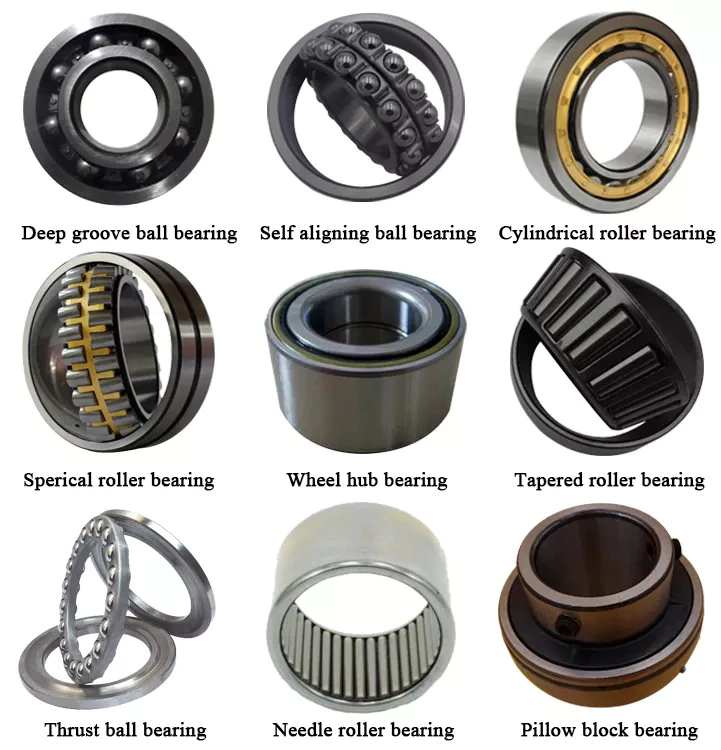
Plastic balls
For applications the place sounds and fat are main concerns, plastic balls are best. These non-magnetic balls are best for MRI X-ray machines and sensors. They are also simple to lubricate, and are non-magnetic. A polymer ball bearing is the lightest of all three sorts. This can make them a excellent decision for many industries. Read on to understand much more. This article will introduce some of the positive aspects of plastic balls for ball bearings.
Though ceramic ball bearings are much more durable and supply a lot of advantages, they are much more costly than plastic. The good news is, plastic ball bearings offer you a less costly different. These bearings attribute all-plastic races and cages. Relying on the software, plastic balls can be used in apps involving chemical compounds. In these instances, plastic ball bearings are obtainable with a C160 quality, which is safe for use in temperatures below 176 deg F.
Healthcare products usually demand precision specialty balls, which are manufactured of glass, stainless metal, and plastic. These bearings need to meet stringent cleanliness demands. To satisfy the most stringent demands, they must undergo ultrasonic cleaning. These bearings are available in plastic raceways, and are also obtainable with glass or stainless steel balls. Polyethylene balls are lightweight and can be utilized in a assortment of purposes. They can be requested in different dimensions and tolerances to fulfill certain needs.
Plastic balls for ball bearings are frequently mounted into other parts, these kinds of as plastic wheels, pulleys, and housings. They can be seamlessly built-in into other areas of a device, which lowers assembly time and improves affordability. A single essential gain of plastic bearings is that they are rust-resistant. As these kinds of, they can be employed in severe environments without having triggering any injury. If a piece of tools is exposed to excessive temperatures, polymers are the best decision.


China Professional Stainless Steel Double Grooves Bearing 6200 6201zz 608 626 Auto Parts Wheel Bearing Non Standard Bearing Deep Groove Ball Bearing with Hot selling
Product Description
Item Description
Bearings 608 62571 626 6200 ZZ 2RS With Double Grooves :
Standard Deep Groove Ball Bearings 608ZZ bearings with one or double deep groove outer ring,
It is excellent for Convex Plastic Roller easily.
1. Bearings Type: 608ZZ , 608 2RS , 608,6200,6201,626…
2. Brand name Identify: NMN.
3, Clearance: C0,C1,C2,C3,C4,C5 and so on.
four, Vibration: V1,V2,V3 , v4
five. Precision Score: ABEC-1/ P0, ABEC-3/P6, ABEC-5/P5, ABEC-7/P4
6. Seals Type: open up , 2RS , ZZ
7. Ball Bearings Number of Row: Single Row , Double Row .
8. Substance: Chrome steel, Stainless stee
9. Cage: Steel,Brass,Nylon
Company Profile
ZheJiang CZPT Bearing Co., Ltd. is affiliated to ZheJiang Kaidi Bearing Team – a specialized producer of types of bearings for about twenty several years.
Our organization is specialised in generating Deep Groove Ball Bearings, Tapered Roller Bearings, Spherical Roller Bearings and Unique Bearings in accordance with Customers’ styles.Our bearings has been commonly used into agricultural equipments, residence appliances, power equipments, machine resources, automotives and engineering machinery, and so on.
Our Products
ZheJiang CZPT Bearing Co., Ltd. is a specialized company of ball bearings for about twenty several years. Our principal merchandise incorporate:
one, Miniature Bearings: like 608, 609, 625, 626, 693, 695, and so on
two, Deep Groove Ball Bearings: like 6000, 6200, 6300, 6800, 6900, 16000 Collection
3,Non-Regular Bearings: U grooved bearings, V grooved bearings, double grooved bearings, bearing rollers with or with no plastic injection. 4,Pillow Block Bearing: UCP/ UCF/ UCFL
five,Tapered Roller Bearings
6,Linear Movement Bearings
Processing Procedure
we have manufacture bearing more than 20 a long time, and can generate distinct style of bearings. Our factory begins creation from uncooked materials. We have a 20-person R&D team and launch a new solution each 5 days. We have far more than 600 men and women to create bearing group, we make products, the cost is the most competitive in China.
Packaging & Shipping
Plastic rolling packing + Plastic bag + Paper carton Solitary Box + Plastic rolling packing + Plastic bag + Paper carton+pallet in accordance to buyer requirement
Our Activities
Do what other people will not want to do, do what other individuals don’t dare to do, and do what other individuals can’t.
Never ever say goodbye We are the ideal staff.
FAQ
Make contact with Us
Jane
ZheJiang CZPT Bearing Co., Ltd.
Types of Ball Bearings
If you are looking to acquire a new ball bearing, there are a lot of diverse types offered. Find out about Solitary-row types, Ceramic hybrid bearings, and Self-aligning ball bearings. You can also pick from stainless steel or single-row styles. Then, go through about the various types of supplies accessible to you. You’ll have an simpler time producing a decision. Right after all, you will not likely have to be concerned about keeping your new ball bearing, since it will be preserved by your supplier.
One-row types
Ball bearings with a one-row layout have a higher load-carrying ability. They are employed in programs in which high hundreds have to be handled efficiently. A one-row layout is a good decision when the material’s properties demand higher load-carrying potential but constrained axial load functionality. Single-row patterns use two bearings with equivalent design and style characteristics, but they have distinct mounting methods. One-row patterns can be modified both from one particular another to accommodate axial hundreds.
The single-row design and style is suited for large-speed programs, but also has some drawbacks. The contact angle a is the angle in between the radial aircraft and contact line. The more substantial the angle, the higher the axial load carrying potential of the bearing. One-row angular get in touch with ball bearings are suitable for greater axial forces. One-row angular contact ball bearings have a one-row layout and support high axial forces in one particular course. One-row ball bearings are accessible in each pressed steel and machined metal cages.
Angular get in touch with ball bearings with a solitary row feature a cage made of fiber-glass strengthened polyamide 66. These are accessible in diameters up to 130 mm. Four-position angular get in touch with ball bearings use brass, metal, or brass plate. They have great operating properties and a reduced coefficient of linear growth. One-row styles are easy to mount and are broadly accessible. Alternatively, they can be mounted with a common match design and style, which enables them to be very easily adjusted.
One particular-row angular speak to ball bearings are normally not ideal for angular misalignments simply because they are unsuitable for payment of angular misalignments. Misalignments result in inner forces in the bearing which minimize its radial load ability and daily life expectancy. This kind of bearing is not suited for adjacent mounting as it increases the chances of misalignment. Even so, it is a appropriate decision for apps the place only 1 bearing is essential for each bearing place.
Ceramic hybrid bearings
While all-ceramic bearings are constrained to quite specialized applications, Si3N4-primarily based hybrid bearings are obtaining use in a vast variety of higher-speed devices. Compared to steel, ceramics are less susceptible to centrifugal forces, which are immediately proportional to the mass of the balls. Due to the fact Si3N4 replacement balls have a lower density than metal, these bearings decrease the pressure positioned on the outer race.
The rewards of hybrid bearings are distinct: they enable for higher speeds and loads than full-ceramic bearings, and they demand no lubrication. Due to the fact of their numerous rewards, numerous industrial gear operators are switching to these modern bearings. CBR is one organization that specializes in ceramic hybrid bearings and can support you uncover the greatest item for your application. If you are contemplating about acquiring ceramic bearings for your next equipment, below are some issues you need to have to know about them.
A ceramic ball bearing surface has an incredibly lower coefficient of friction, which is critical for programs that demand lower friction and large speeds. Ceramic balls also have a larger hardness than steel balls, which boosts their existence. In addition to this, ceramic hybrid bearings have exceptional thermal houses, creating significantly less warmth even when spinning at substantial speeds. These houses make ceramic hybrid bearings an excellent choice for large-velocity machinery, particularly electric powered motors. They are also suitable for apps that run below h2o.
A ceramic ball hybrid bearing is considerably less vulnerable to temperature fluctuations and put on. Because they are in essence indestructible, ceramic balls do not make dress in particles from the adhesive wear. They can run at drastically larger speeds than metal balls. Ceramic balls are also far more resistant to moisture. For this explanation, grease is a advisable lubricant in most ceramic bearing programs. These lubricants supply excellent safety against moisture and corrosion. Even more, they are available in several varieties.
Self-aligning ball bearings
A self-aligning ball bearing is one particular variety of self-aligning bearing. These bearings are suggested for use in flex shaft techniques. Their self-aligning attribute prevents them from misaligning when in use. They can be utilised in both one and multiple-joint systems. In addition to self-aligning ball bearings, these units also characteristic flex shafts.
These self-aligning ball bearings appear in a range of configurations, like cylindrical, round, tapered, and straight bore. Their interior ring is tapered to meet up with particular tolerances. They are suited for operating temperatures ranging from -30°F to 120°F. Their wide assortment of purposes enables them to be utilised in basic machinery, precision instruments, and lower sound motors. In addition, they are available in a selection of outdoors diameters, widths, and inner clearances.
Self-aligning ball bearings have two rows of balls and one widespread sphered raceway in the outer ring. This allows them to immediately compensate for angular misalignment, which could be brought on by machining and assembly errors or deflections. When compared to spherical roller bearings, these self-aligning ball bearings make considerably less friction. They run cooler even at large speeds. Self-aligning ball bearings also provide totally free engineering assistance.
Self-aligning ball bearings are made for difficult shaft alignment. They are double-row, self-retaining units, with cylindrical or tapered bores. These bearings are offered in open up and sealed patterns, and can also be used in applications with misalignment. They are also available with an outer ring that rotates in relation to the inner ring. When it comes to shaft misalignment, self-aligning ball bearings are a wonderful answer.
Stainless steel
Stainless steel is a metallic that resists corrosion and is very tough. Its corrosion-resistant and drinking water-resistance homes make it a very good decision for bearings in meals and maritime programs. Moreover, stainless steel has hygienic rewards. Below are some of the benefits of stainless steel ball bearings. Read through on to discover a lot more about these amazing bearings! We have integrated some of the most common makes use of for stainless metal.
Hardness is essential in a ball bearing. Metal makes use of the Rockwell C scale to measure hardness. A quality twenty five metal ball bearing is accurate to twenty five millionths of an inch, whilst a quality five ceramic bearing is significantly less than a fifty percent-inch round. Though roundness is essential, it shouldn’t be overemphasized, as the bearing surfaces may not be as correct as the grade of the metallic. And bear in mind, a higher value tag isn’t going to imply a better item.
Stainless metal ball bearings are available in a variety of alloys. The alloys utilized in producing a stainless steel ball bearing range in hardness, strength, and ductility. Stainless steel ball bearings have substantial corrosion-resistance qualities. Furthermore, they have long lubrication life. These rewards make them a well-liked decision for industrial programs. These bearings are simple to maintain, decrease alternative costs, and provide corrosion resistance.
The NTN Sentinel Sequence is a quality line of stainless steel bearings. The solid lube is NSF H1 registered and stops grease from leaching into foods. It is also corrosion-resistant and does not need to have to be coated. The seals and slinger develop a drinking water-resistant barrier among the metal ball and the lubricant. It also adds basic safety and safety to the bearing.
Plastic balls
For apps exactly where noise and excess weight are significant issues, plastic balls are best. These non-magnetic balls are best for MRI X-ray devices and sensors. They are also simple to lubricate, and are non-magnetic. A polymer ball bearing is the lightest of all three varieties. This can make them a excellent selection for a lot of industries. Study on to discover more. This article will introduce some of the positive aspects of plastic balls for ball bearings.
Though ceramic ball bearings are a lot more tough and supply several benefits, they are much more expensive than plastic. Thankfully, plastic ball bearings offer a more affordable different. These bearings characteristic all-plastic races and cages. Dependent on the software, plastic balls can be utilised in applications involving substances. In these circumstances, plastic ball bearings are accessible with a C160 quality, which is protected for use in temperatures underneath 176 deg F.
Healthcare gadgets frequently need precision specialty balls, which are created of glass, stainless steel, and plastic. These bearings have to fulfill stringent cleanliness specifications. To meet up with the most stringent demands, they need to endure ultrasonic cleaning. These bearings are accessible in plastic raceways, and are also offered with glass or stainless metal balls. Polyethylene balls are light-weight and can be employed in a assortment of purposes. They can be requested in various dimensions and tolerances to meet up with distinct needs.
Plastic balls for ball bearings are frequently mounted into other areas, these kinds of as plastic wheels, pulleys, and housings. They can be seamlessly integrated into other parts of a device, which decreases assembly time and enhances affordability. One essential edge of plastic bearings is that they are rust-resistant. As this sort of, they can be utilised in harsh environments without having creating any hurt. If a piece of products is exposed to extreme temperatures, polymers are the ideal selection.