Product Description
Product Description
| Bearings | Ball Bearings |
| Seals Types | Open, Z, ZZ, RZ,2RZ,RS, 2RS |
| Material | Chrome steel Gcr15 |
| Retainer | Brass cage, steel cage, nylon cage |
| Vibration Level | Z1V1,Z2V2,Z3V3 |
| Clearance | C2,C0,C3,C4,C5 |
| Tolerance Codes | ABEC-1,ABEC-3,ABEC-5 |
| Precision | P0,P6,P5,P2 |
| Standard | DIN,GB,ISO,JIS,BA,ANSI |
| Certification | ISO9001, SGS, CE,BV |
| Application | Auto, tractor ,machine tool, electric machine, water pump,agricultural machinery and textile machinery |
| Special properties | High speed |
| Low noise | |
| long life | |
| Can be customized according to your needs | |
| Can provide small & miniature standard and non-standard ball bearings. |
Catalogue
| Bearing No. | I.D | O.D | W | Loading Rating(KN) | Steel Ball Parameter | Max Speed | ||||||
| d | D | B | Dynamic | Static | No. | Size | Grease | Oil | ||||
| mm | inch | mm | inch | mm | inch | Cr | Cor | mm | r/min | r/min | ||
| 6000 | 10 | 0.3937 | 26 | 1.5716 | 8 | 0.3150 | 4.55 | 1.95 | 7 | 4.763 | 29000 | 34000 |
| 6001 | 12 | 0.4724 | 28 | 1.1571 | 8 | 0.3150 | 5.10 | 2.39 | 8 | 4.763 | 26000 | 30000 |
| 6002 | 15 | 0.5906 | 32 | 1.2598 | 9 | 0.3543 | 5.60 | 2.84 | 9 | 4.763 | 22000 | 26000 |
| 6003 | 17 | 0.6693 | 35 | 1.3780 | 10 | 0.3937 | 6.80 | 3.35 | 10 | 4.763 | 20000 | 24000 |
| 6004 | 20 | 0.7874 | 42 | 1.6535 | 12 | 0.4724 | 9.40 | 5.05 | 9 | 6.350 | 18000 | 21000 |
| 6005 | 25 | 0.9843 | 47 | 1.8504 | 12 | 0.4724 | 10.10 | 5.85 | 10 | 6.350 | 15000 | 18000 |
| 6006 | 30 | 1.1811 | 55 | 2.1654 | 13 | 0.5118 | 13.20 | 8.30 | 11 | 7.144 | 13000 | 15000 |
| 6007 | 35 | 1.3780 | 62 | 2.4409 | 14 | 0.5512 | 16.00 | 10.30 | 11 | 7.938 | 12000 | 14000 |
| 6008 | 40 | 1.5748 | 68 | 2.6772 | 15 | 0.5906 | 16.80 | 11.50 | 12 | 7.938 | 10000 | 12000 |
| 6009 | 45 | 1.7717 | 75 | 2.9528 | 16 | 0.6299 | 21.00 | 15.10 | 12 | 8.731 | 9200 | 11000 |
| 6571 | 50 | 1.9685 | 80 | 3.1496 | 16 | 0.6299 | 21.80 | 16.60 | 13 | 8.731 | 8400 | 9800 |
| 6011 | 55 | 2.1654 | 90 | 3.5433 | 18 | 0.7087 | 28.30 | 21.20 | 12 | 11.000 | 7700 | 9000 |
| 6012 | 60 | 2.3622 | 95 | 3.7402 | 18 | 0.7087 | 29.50 | 23.20 | 13 | 11.000 | 7000 | 8300 |
| 6013 | 65 | 2.5591 | 100 | 3.9370 | 18 | 0.7087 | 30.50 | 25.20 | 13 | 11.112 | 6500 | 7700 |
| 6014 | 70 | 2.7559 | 110 | 4.3307 | 20 | 0.7874 | 38.00 | 31.00 | 13 | 12.303 | 6100 | 7100 |
| 6015 | 75 | 2.9528 | 115 | 4.5276 | 20 | 0.7874 | 39.50 | 33.50 | 14 | 12.303 | 5700 | 6700 |
| 6016 | 80 | 3.1496 | 125 | 4.9213 | 22 | 0.8661 | 47.50 | 40.00 | 14 | 13.494 | 5300 | 6200 |
| Bearing No. | I.D | O.D | W | Loading Rating(KN) | Steel Ball Parameter | Max Speed | ||||||
| d | D | B | Dynamic | Static | No. | Size | Grease | Oil | ||||
| mm | inch | mm | inch | mm | inch | Cr | Cor | mm | r/min | r/min | ||
| 6200 | 10 | 0.3937 | 30 | 1.1811 | 9 | 0.3543 | 5.10 | 2.39 | 8 | 4.763 | 25000 | 30000 |
| 6201 | 12 | 0.4724 | 32 | 1.2598 | 10 | 0.3937 | 6.10 | 2.75 | 7 | 5.953 | 22000 | 26000 |
| 6202 | 15 | 0.5906 | 35 | 1.3780 | 11 | 0.4331 | 7.75 | 3.60 | 8 | 5.953 | 19000 | 23000 |
| 6203 | 17 | 0.6693 | 40 | 1.5748 | 12 | 0.4724 | 9.60 | 4.60 | 8 | 6.747 | 18000 | 21000 |
| 6204 | 20 | 0.7874 | 47 | 1.8504 | 14 | 0.5512 | 12.80 | 6.65 | 8 | 7.938 | 16000 | 18000 |
| 6205 | 25 | 0.9843 | 52 | 2.571 | 15 | 0.5906 | 14.00 | 7.85 | 9 | 7.938 | 13000 | 15000 |
| 6206 | 30 | 1.1811 | 62 | 2.4409 | 16 | 0.6299 | 19.50 | 11.30 | 9 | 9.525 | 11000 | 13000 |
| 6207 | 35 | 1.3780 | 72 | 2.8346 | 17 | 0.6693 | 25.70 | 15.30 | 9 | 11.112 | 9800 | 11000 |
| 6208 | 40 | 1.5748 | 80 | 3.1496 | 18 | 0.7087 | 29.10 | 17.80 | 9 | 12.000 | 8700 | 10000 |
| 6209 | 45 | 1.7717 | 85 | 3.3465 | 19 | 0.7480 | 32.50 | 20.40 | 10 | 12.000 | 7800 | 9200 |
| 6210 | 50 | 1.9685 | 90 | 3.5433 | 20 | 0.7874 | 35.00 | 23.20 | 10 | 12.700 | 7100 | 8300 |
| 6211 | 55 | 2.1654 | 100 | 3.9370 | 21 | 0.8268 | 43.50 | 29.20 | 10 | 14.288 | 6400 | 7600 |
| 6212 | 60 | 2.3622 | 110 | 4.3307 | 22 | 0.8661 | 52.50 | 36.00 | 10 | 15.081 | 6000 | 7000 |
| 6213 | 65 | 2.5591 | 120 | 4.7244 | 23 | 0.9055 | 57.50 | 40.00 | 10 | 16.669 | 5500 | 6500 |
| 6214 | 70 | 2.7559 | 125 | 4.9213 | 24 | 0.9449 | 62.00 | 44.00 | 11 | 16.462 | 5100 | 6000 |
| 6215 | 75 | 2.9528 | 130 | 5.1181 | 25 | 0.9843 | 66.00 | 49.50 | 11 | 17.462 | 4800 | 5600 |
| 6216 | 80 | 3.1496 | 140 | 5.5118 | 26 | 1.5716 | 72.50 | 53.00 | 11 | 18.256 | 4500 | 5300 |
| 6217 | 85 | 3.3465 | 150 | 5.9055 | 28 | 1.1571 | 83.50 | 64.00 | 11 | 19.844 | 4200 | 5000 |
| 6218 | 90 | 3.5433 | 160 | 6.2992 | 30 | 1.1811 | 96.00 | 71.50 | 10 | 22.225 | 4000 | 4700 |
| Bearing No. | I.D | O.D | W | Loading Rating(KN) | Steel Ball Parameter | Max Speed | ||||||
| d | D | B | Dynamic | Static | No. | Size | Grease | Oil | ||||
| mm | inch | mm | inch | mm | inch | Cr | Cor | mm | r/min | r/min | ||
| 6300 | 10 | 0.3937 | 35 | 1.3780 | 11 | 0.4331 | 8.20 | 3.50 | 6 | 7.144 | 23000 | 27000 |
| 6301 | 12 | 0.4724 | 37 | 1.4567 | 12 | 0.4724 | 9.70 | 4.20 | 6 | 7.938 | 20000 | 24000 |
| 6302 | 15 | 0.5906 | 42 | 1.6535 | 13 | 0.5118 | 11.40 | 5.45 | 7 | 7.938 | 17000 | 21000 |
| 6303 | 17 | 0.6693 | 47 | 1.8504 | 14 | 0.5512 | 13.50 | 6.55 | 7 | 8.731 | 16000 | 19000 |
| 6304 | 20 | 0.7874 | 52 | 2.571 | 15 | 0.5906 | 15.90 | 7.90 | 7 | 9.525 | 14000 | 27000 |
| 6305 | 25 | 0.9843 | 62 | 2.4409 | 17 | 0.6693 | 21.20 | 10.90 | 7 | 11.500 | 12000 | 14000 |
| 6306 | 30 | 1.1811 | 72 | 2.8346 | 19 | 0.7480 | 26.70 | 15.00 | 8 | 12.000 | 10000 | 12000 |
| 6307 | 35 | 1.3780 | 80 | 3.1496 | 21 | 0.8268 | 33.50 | 19.10 | 8 | 13.494 | 8800 | 10000 |
| 6308 | 40 | 1.5748 | 90 | 3.5433 | 23 | 0.9055 | 40.50 | 24.00 | 8 | 15.081 | 7800 | 9200 |
| 6309 | 45 | 1.7717 | 100 | 3.9370 | 25 | 0.9843 | 53.00 | 32.00 | 8 | 17.462 | 7000 | 8200 |
| 6310 | 50 | 1.9685 | 110 | 4.3307 | 27 | 1.0630 | 62.00 | 38.50 | 8 | 19.050 | 6400 | 7500 |
| 6311 | 55 | 2.1654 | 120 | 4.7244 | 29 | 1.1417 | 71.50 | 45.00 | 8 | 20.638 | 5800 | 6800 |
| 6312 | 60 | 2.3622 | 130 | 5.1181 | 31 | 1.2205 | 82.00 | 52.00 | 8 | 22.225 | 5400 | 6300 |
| 6313 | 65 | 2.5591 | 140 | 5.5118 | 33 | 1.2992 | 92.50 | 60.00 | 8 | 24.000 | 4900 | 5800 |
| 6314 | 70 | 2.7559 | 150 | 5.9055 | 35 | 1.3780 | 104.00 | 68.00 | 8 | 25.400 | 4600 | 5400 |
| 6315 | 75 | 2.9528 | 160 | 6.2992 | 37 | 1.4567 | 113.00 | 77.00 | 8 | 26.988 | 4300 | 5000 |
| 6316 | 80 | 3.1496 | 170 | 6.6929 | 39 | 1.5354 | 123.00 | 86.50 | 8 | 28.575 | 4000 | 4700 |
Workshop
Auto Assembly Line
Warehouse
Packaging & Shipping
TUBE PACKAGE PALLET
FAQ
Q1: Are you trading company or manufacturer ?
A: We are factory.
Q2: How long is your delivery time and shipment?
1.Sample Lead-times: 10-20 days.
2.Production Lead-times: 30-45 days after order confirmed.
Q3: What is your advantages?
1. The most competitive price and good quality.
2. Perfect technical engineers give you the best support.
3. OEM is available.
/* January 22, 2571 19:08:37 */!function(){function s(e,r){var a,o={};try{e&&e.split(“,”).forEach(function(e,t){e&&(a=e.match(/(.*?):(.*)$/))&&1
| Rolling Body: | Ball Bearings |
|---|---|
| The Number of Rows: | Single |
| Material: | Bearing Steel |
| Load Direction: | Radial Bearing |
| Separated: | Unseparated |
| Vibration: | V1/V2 /V3/V4 |
| Customization: |
Available
| Customized Request |
|---|
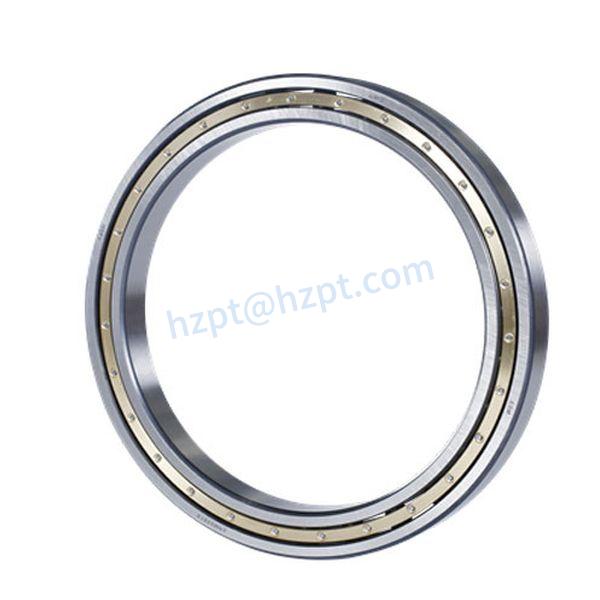
Are there Specific Maintenance Practices to Ensure the Longevity of Ball Bearings?
Maintaining ball bearings is essential to ensure their longevity, reliable performance, and prevent premature failure. Proper maintenance practices can extend the lifespan of ball bearings and the equipment they are used in. Here are specific maintenance practices to consider:
- Regular Lubrication:
Implement a regular lubrication schedule using the appropriate lubricant for the application. Lubrication reduces friction, prevents wear, and helps dissipate heat. Follow manufacturer guidelines for lubricant type, quantity, and frequency.
- Clean Environment:
Keep the operating environment clean and free from contaminants. Dust, dirt, and debris can infiltrate bearings and cause damage. Use seals or shields to protect bearings from contaminants, especially in harsh environments.
- Proper Installation:
Ensure correct installation of bearings using proper tools and techniques. Improper installation can lead to misalignment, uneven load distribution, and premature wear. Follow manufacturer recommendations for installation procedures.
- Regular Inspections:
Perform routine visual inspections to check for signs of wear, damage, or contamination. Regular inspections can help identify issues early and prevent further damage. Pay attention to noise, vibration, and temperature changes.
- Temperature Monitoring:
Monitor bearing temperatures during operation using infrared thermometers or sensors. Abnormal temperature increases can indicate inadequate lubrication, misalignment, or other problems.
- Correct Handling:
Handle bearings with care to prevent damage during storage, transportation, and installation. Avoid dropping or subjecting them to impacts that can affect their internal components.
- Bearing Removal and Replacement:
Follow proper procedures when removing and replacing bearings. Use appropriate tools and techniques to avoid damage to the bearing or the surrounding components.
- Alignment Maintenance:
Maintain proper shaft and housing alignment to prevent excessive loads and wear on the bearing. Misalignment can lead to increased stress and premature failure.
- Training and Education:
Provide training to operators and maintenance personnel on proper bearing maintenance and handling practices. Educated personnel are more likely to identify issues and perform maintenance correctly.
- Documented Records:
Keep records of maintenance activities, inspections, lubrication schedules, and any issues encountered. This documentation helps track the bearing’s performance over time and informs future maintenance decisions.
By implementing these maintenance practices, you can ensure the longevity of ball bearings, minimize downtime, reduce operational costs, and maintain the reliability of the equipment they are a part of.
What are the Differences between Deep Groove Ball Bearings and Angular Contact Ball Bearings?
Deep groove ball bearings and angular contact ball bearings are two common types of ball bearings, each designed for specific applications and load conditions. Here are the key differences between these two types of bearings:
- Design and Geometry:
Deep Groove Ball Bearings:
Deep groove ball bearings have a simple design with a single row of balls that run along deep raceways in both the inner and outer rings. The rings are usually symmetrical and non-separable, resulting in a balanced load distribution.
Angular Contact Ball Bearings:
Angular contact ball bearings have a more complex design with two rows of balls, oriented at an angle to the bearing’s axis. This arrangement allows for the transmission of both radial and axial loads, making them suitable for combined loads and applications requiring high precision.
- Load Carrying Capacity:
Deep Groove Ball Bearings:
Deep groove ball bearings are primarily designed to carry radial loads. They can handle axial loads in both directions, but their axial load-carrying capacity is generally lower compared to angular contact ball bearings.
Angular Contact Ball Bearings:
Angular contact ball bearings are specifically designed to handle both radial and axial loads. The contact angle between the rows of balls determines the bearings’ axial load-carrying capacity. They can handle higher axial loads and are commonly used in applications with thrust loads.
- Contact Angle:
Deep Groove Ball Bearings:
Deep groove ball bearings have no defined contact angle, as the balls move in a deep groove along the raceways. They are primarily designed for radial loads.
Angular Contact Ball Bearings:
Angular contact ball bearings have a specified contact angle between the rows of balls. This contact angle allows them to carry both radial and axial loads and is crucial for their ability to handle combined loads.
- Applications:
Deep Groove Ball Bearings:
Deep groove ball bearings are commonly used in applications that primarily require radial loads, such as electric motors, pumps, and conveyor systems. They are also suitable for high-speed operation.
Angular Contact Ball Bearings:
Angular contact ball bearings are used in applications where both radial and axial loads are present, such as in machine tools, automotive wheel hubs, and aerospace components. They are especially useful for applications that require precise axial positioning and handling of thrust loads.
- Limitations:
Deep Groove Ball Bearings:
Deep groove ball bearings are not as suitable for handling significant axial loads and may experience skidding under certain conditions due to their deep raceways.
Angular Contact Ball Bearings:
Angular contact ball bearings can experience increased heat generation and wear at higher speeds due to the contact angle of the balls.
In summary, the design, load-carrying capacity, contact angle, and applications differ between deep groove ball bearings and angular contact ball bearings. Choosing the appropriate type depends on the specific load conditions and requirements of the application.
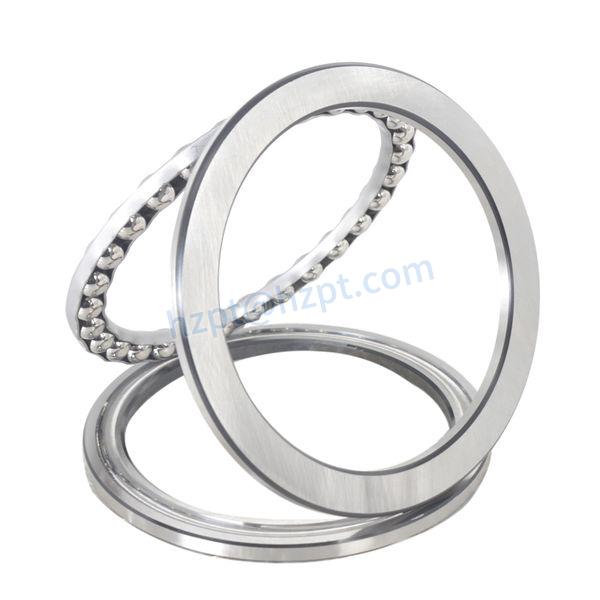
How do Ball Bearings Differ from Other Types of Bearings like Roller Bearings?
Ball bearings and roller bearings are two common types of rolling-element bearings, each with distinct designs and characteristics. Here’s a comparison of ball bearings and roller bearings:
- Design:
Ball Bearings: Ball bearings use spherical balls to separate and reduce friction between the bearing’s inner and outer rings. The balls enable rolling motion and smooth contact, minimizing friction.
Roller Bearings: Roller bearings, as the name suggests, use cylindrical or tapered rollers instead of balls. These rollers have larger contact areas, distributing loads over a broader surface.
- Friction and Efficiency:
Ball Bearings: Due to the point contact between the balls and the rings, ball bearings have lower friction and are more efficient at high speeds.
Roller Bearings: Roller bearings have a larger contact area, resulting in slightly higher friction compared to ball bearings. They are more suitable for heavy-load applications where efficiency is prioritized over high speeds.
- Load Capacity:
Ball Bearings: Ball bearings excel at handling light to moderate loads in both radial and axial directions. They are commonly used in applications where smooth rotation and low friction are important.
Roller Bearings: Roller bearings have a higher load-carrying capacity than ball bearings. They can support heavier radial and axial loads and are preferred for applications with significant loads or impact forces.
- Variability:
Ball Bearings: Ball bearings come in various designs, including deep groove, angular contact, and thrust ball bearings, each suitable for different applications.
Roller Bearings: Roller bearings have diverse types, including cylindrical, spherical, tapered, and needle roller bearings, each optimized for specific load and motion requirements.
- Speed Capability:
Ball Bearings: The reduced friction in ball bearings makes them suitable for high-speed applications, such as electric motors and precision machinery.
Roller Bearings: Roller bearings can handle higher loads but are generally better suited for moderate to low speeds due to slightly higher friction.
- Applications:
Ball Bearings: Ball bearings are used in applications where smooth motion, low friction, and moderate loads are essential, such as electric fans, bicycles, and some automotive components.
Roller Bearings: Roller bearings find applications in heavy machinery, construction equipment, automotive transmissions, and conveyor systems, where heavier loads and durability are crucial.
In summary, ball bearings and roller bearings differ in their design, friction characteristics, load capacities, speed capabilities, and applications. The choice between them depends on the specific requirements of the machinery and the type of loads and forces involved.


editor by CX 2024-04-10
China Custom High Speed Automobile Bearing Deep Groove Ball Bearings 6300 6301 6302 6303 6304 6305 6306 6307 6308 6309 6310 2RS RS Z Zz bearing and race
Product Description
Product Parameters
|
Product Name |
Automobile Bearing 2RS ZZ Deep Groove Ball Bearing for Motorcycle |
|
Material |
Chrome steel |
|
Sealed Type |
2RS rubber seals/ ZZ metal shields/Open |
|
Precision |
P0, P5, P6 |
|
Clearance |
C0, C2, C3, C4 |
|
Origin |
china |
|||
|
Payment |
T/T, L/C , D/A , D/P , Western Union ,MoneyGram ,etc |
|||
|
Our advantage |
One-stop shopping;High quality; Competitive price; Timely delivery; Technical support; Supply Material and Test Reports; |
|||
Company Profile
ZHangZhoug Tieyong Machinery Manufacturing Co., Ltd. is located in Gaohu Industrial Zone, Gaohu Town, Xihu (West Lake) Dis. County, ZHangZhoug Province, China. Foundry company covers an area of 17, 000 square meters, building area of 13, 000 square meters; Copper Aluminum Zinc Company covers an area of 20000 square meters. We are good at making all kinds of mechanical parts. Our production processes include investment casting (precision casting), coated sand casting, lost mold casting, calcination, red stamping, machining (CNC machining), rod machining, injection molding and stamping. We have 8 wax shooting machines with 13 stations, 2 sets of shell drying line, 1 set of disappearing mold production line, 1 set of coated sand production line, 1 set of forging line, 6 sets of medium frequency casting furnace, more than 30 sets of solid solution after cleaning, investment casting spectral analysis instruments. More than 30 sets of die-casting red forging, 16 sets of injection molding machines, 3 sets of high material high-speed extrusion production lines, 10 sets of punching press, more than 200 sets of finishing equipment. Material range includes stainless steel, carbon steel, alloy steel, copper alloy, aluminum alloy, zinc alloy, plastic and so on. There are 10 technical engineers, 4 inspection engineers, 2 production engineers, 42 technical production masters of each specialty, and more than 400 other operating personnel. Our company is export-oriented, selling to Australia, USA, Canada, UK, (UK, UK), Netherlands, France, Germany, Denmark, Sweden, Finland, Russia, Spain, Portugal. The products are widely used in heavy equipment, automotive spare parts, Marine parts, petrochemical processing, wind turbine equipment, power plant, substation accessories, food processing industry and medical instruments. We do non-standard customized mechanical parts, can be produced according to the demand. “Integrity-based, quality first, service first” is our business philosophy, unity and enterprising, better, faster, stronger is our most sought goal, we are committed to build a talent team, integrate industry resources, and strive to further develop into a great machine parts manufacturing enterprise. We look forward to working with you to create a better future.
Packaging & Shipping
Certifications
FAQ
1.What is the Minimum Order Quantity?
5~1000 pcs.And we also accpet sample orders.
2. Can you manufacture according to customer’s samples?
According to samples, we can make drawing, tooling and sample
3.How long will it take to make new samples according to customer’s drawing or sample?
Totally 20 days. 10 days for tooling and another 10 days for sample.
/* January 22, 2571 19:08:37 */!function(){function s(e,r){var a,o={};try{e&&e.split(“,”).forEach(function(e,t){e&&(a=e.match(/(.*?):(.*)$/))&&1
| OEM: | Yes |
|---|---|
| Factory: | Yes |
| Customizable Trademark: | Yes |
| Custom Service: | Custom Metal Parts as Customers′ Ideas, Drawings |
| Customized Support: | OEM, ODM |
| Application: | Automotive.Tractor.Construction Machinery.Rolling |
| Customization: |
Available
| Customized Request |
|---|
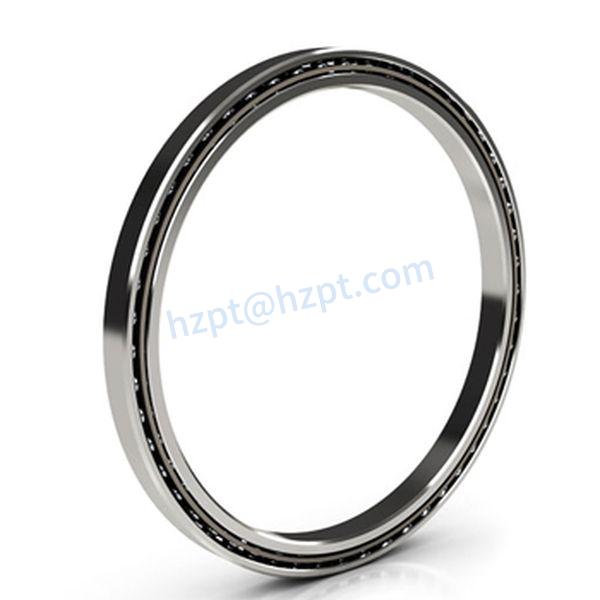
How does Preload Affect the Performance and Efficiency of Ball Bearings?
Preload is a crucial factor in ball bearing design that significantly impacts the performance, efficiency, and overall behavior of the bearings in various applications. Preload refers to the intentional axial force applied to the bearing’s rolling elements before it is mounted. This force eliminates internal clearance and creates contact between the rolling elements and the raceways. Here’s how preload affects ball bearing performance:
- Reduction of Internal Clearance:
Applying preload reduces the internal clearance between the rolling elements and the raceways. This eliminates play within the bearing, ensuring that the rolling elements are in constant contact with the raceways. This reduced internal clearance enhances precision and reduces vibrations during operation.
- Increased Stiffness:
Preloaded bearings are stiffer due to the elimination of internal clearance. This increased stiffness improves the bearing’s ability to handle axial and radial loads with higher accuracy and minimal deflection.
- Minimized Axial Play:
Preload minimizes or eliminates axial play within the bearing. This is especially important in applications where axial movement needs to be minimized, such as machine tool spindles and precision instruments.
- Enhanced Rigidity:
The stiffness resulting from preload enhances the bearing’s rigidity, making it less susceptible to deformation under load. This is critical for maintaining precision and accuracy in applications that require minimal deflection.
- Reduction in Ball Slippage:
Preload reduces the likelihood of ball slippage within the bearing, ensuring consistent contact between the rolling elements and the raceways. This leads to improved efficiency and better load distribution.
- Improved Running Accuracy:
Preloading enhances the running accuracy of the bearing, ensuring that it maintains precise rotational characteristics even under varying loads and speeds. This is essential for applications requiring high accuracy and repeatability.
- Optimized Performance at High Speeds:
Preload helps prevent skidding and slipping of the rolling elements during high-speed operation. This ensures that the bearing remains stable, reducing the risk of noise, vibration, and premature wear.
- Impact on Friction and Heat Generation:
While preload reduces internal clearance and friction, excessive preload can lead to higher friction and increased heat generation. A balance must be struck between optimal preload and minimizing friction-related issues.
- Application-Specific Considerations:
The appropriate amount of preload depends on the application’s requirements, such as load, speed, accuracy, and operating conditions. Over-preloading can lead to increased stress and premature bearing failure, while under-preloading may result in inadequate rigidity and reduced performance.
Overall, preload plays a critical role in optimizing the performance, accuracy, and efficiency of ball bearings. Engineers must carefully determine the right preload level for their specific applications to achieve the desired performance characteristics and avoid potential issues related to overloading or inadequate rigidity.
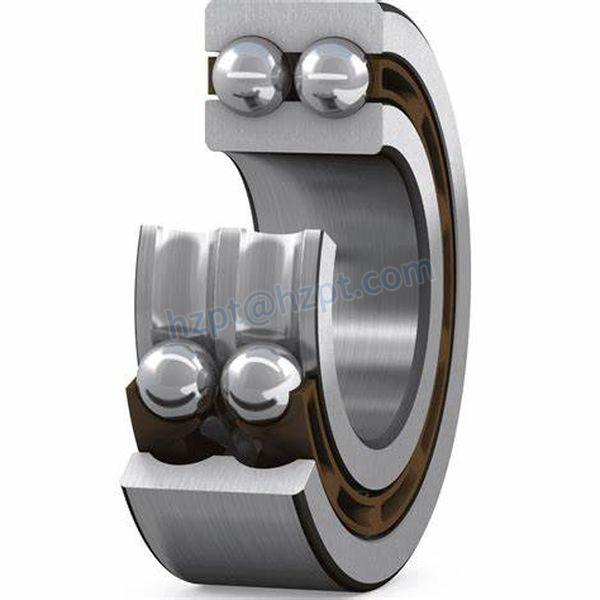
How do Ceramic Ball Bearings Compare to Traditional Steel Ball Bearings in Terms of Performance?
Ceramic ball bearings and traditional steel ball bearings have distinct characteristics that can impact their performance in various applications. Here’s a comparison of how these two types of bearings differ in terms of performance:
- Material Composition:
Ceramic Ball Bearings:
Ceramic ball bearings use ceramic rolling elements, typically made from materials like silicon nitride (Si3N4) or zirconium dioxide (ZrO2). These ceramics are known for their high hardness, low density, and resistance to corrosion and wear.
Traditional Steel Ball Bearings:
Traditional steel ball bearings use steel rolling elements. The type of steel used can vary, but common materials include chrome steel (52100) and stainless steel (440C). Steel bearings are known for their durability and strength.
- Friction and Heat:
Ceramic Ball Bearings:
Ceramic bearings have lower friction coefficients compared to steel bearings. This results in reduced heat generation during operation, contributing to higher efficiency and potential energy savings.
Traditional Steel Ball Bearings:
Steel bearings can generate more heat due to higher friction coefficients. This can lead to increased energy consumption in applications where efficiency is crucial.
- Weight:
Ceramic Ball Bearings:
Ceramic bearings are lighter than steel bearings due to the lower density of ceramics. This weight reduction can be advantageous in applications where minimizing weight is important.
Traditional Steel Ball Bearings:
Steel bearings are heavier than ceramic bearings due to the higher density of steel. This weight may not be as critical in all applications but could impact overall equipment weight and portability.
- Corrosion Resistance:
Ceramic Ball Bearings:
Ceramic bearings have excellent corrosion resistance, making them suitable for applications in corrosive environments, such as marine or chemical industries.
Traditional Steel Ball Bearings:
Steel bearings are susceptible to corrosion, especially in harsh environments. Stainless steel variants offer improved corrosion resistance but may still corrode over time.
- Speed and Precision:
Ceramic Ball Bearings:
Ceramic bearings can operate at higher speeds due to their lower friction and ability to withstand higher temperatures. They are also known for their high precision and low levels of thermal expansion.
Traditional Steel Ball Bearings:
Steel bearings can operate at high speeds as well, but their heat generation may limit performance in certain applications. Precision steel bearings are also available but may have slightly different characteristics compared to ceramics.
- Cost:
Ceramic Ball Bearings:
Ceramic bearings are generally more expensive to manufacture than steel bearings due to the cost of ceramic materials and the challenges in producing precision ceramic components.
Traditional Steel Ball Bearings:
Steel bearings are often more cost-effective to manufacture, making them a more economical choice for many applications.
In conclusion, ceramic ball bearings and traditional steel ball bearings offer different performance characteristics. Ceramic bearings excel in terms of low friction, heat generation, corrosion resistance, and weight reduction. Steel bearings are durable, cost-effective, and widely used in various applications. The choice between the two depends on the specific requirements of the application, such as speed, precision, corrosion resistance, and budget considerations.
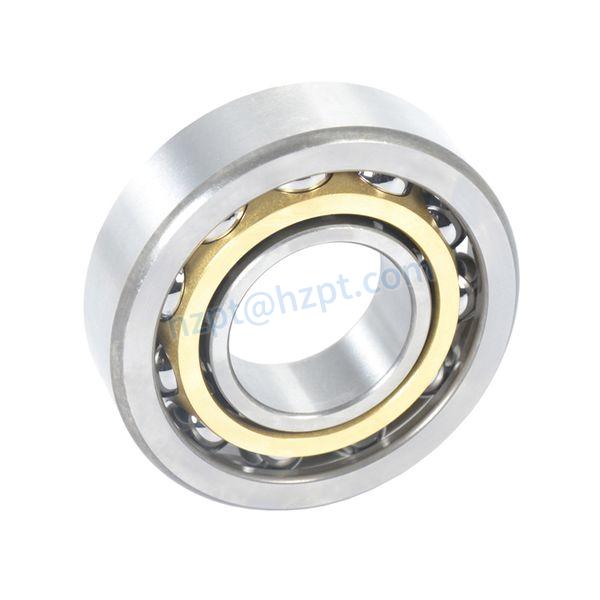
Can you Explain the Various Types of Ball Bearings and their Specific Use Cases?
Ball bearings come in various types, each designed to meet specific application requirements. Here’s an overview of the different types of ball bearings and their specific use cases:
- Deep Groove Ball Bearings:
Deep groove ball bearings are the most common and versatile type. They have a deep raceway that allows them to handle both radial and axial loads. They are used in a wide range of applications, including electric motors, household appliances, automotive components, and industrial machinery.
- Angular Contact Ball Bearings:
Angular contact ball bearings have a contact angle that enables them to handle both radial and axial loads at specific angles. They are suitable for applications where combined loads or thrust loads need to be supported, such as in machine tool spindles, pumps, and agricultural equipment.
- Self-Aligning Ball Bearings:
Self-aligning ball bearings have two rows of balls and are designed to accommodate misalignment between the shaft and the housing. They are used in applications where shaft deflection or misalignment is common, such as conveyor systems, textile machinery, and paper mills.
- Thrust Ball Bearings:
Thrust ball bearings are designed to support axial loads in one direction. They are commonly used in applications where axial loads need to be supported, such as in automotive transmissions, steering systems, and crane hooks.
- Single-Row vs. Double-Row Bearings:
Single-row ball bearings have a single set of balls and are suitable for moderate load and speed applications. Double-row ball bearings have two sets of balls and offer higher load-carrying capacity. Double-row designs are used in applications such as machine tool spindles and printing presses.
- Miniature and Instrument Ball Bearings:
Miniature ball bearings are smaller in size and are used in applications with limited space and lower load requirements. They are commonly used in small electric motors, medical devices, and precision instruments.
- Max-Type and Conrad Bearings:
Max-type ball bearings have a larger number of balls to increase load-carrying capacity. Conrad bearings have fewer balls and are used in applications with moderate loads and speeds.
- High-Precision Ball Bearings:
High-precision ball bearings are designed for applications where accuracy and precision are critical, such as machine tool spindles, aerospace components, and optical instruments.
- High-Speed Ball Bearings:
High-speed ball bearings are engineered to minimize friction and accommodate rapid rotation. They are used in applications such as dental handpieces, turbochargers, and centrifuges.
In summary, the various types of ball bearings are tailored to different application requirements, including load type, direction, speed, and environmental conditions. Selecting the appropriate type of ball bearing ensures optimal performance and longevity in specific applications.
editor by CX 2024-03-28
China Standard Factory Direct Sales Deep Groove Ball Bearings 6300 6301 6302 6303 6304 6305 6306 6307 6308 6309 6310 6311 6312 6313 6314 6315 Motorcycle Mechanical Bearing bearing distributors
Product Description
Product Description
Deep groove ball bearings are suitable for high-speed or even extremely high speed operation, and are very durable without frequent maintenance. This type of bearing has a low coefficient of friction, high limit speed, diverse size range and forms, and is widely used in industries such as precision instruments, low-noise motors, automobiles, motorcycles, and general machinery. It is the most widely used type of bearing in the mechanical industry. It mainly bears radial loads and can also withstand a certain amount of axial loads.
Detailed Photos
Product Parameters
| Bearing Model | Dimension | Basic Load rating (kN) |
Weight (kg) |
|||||||||||
| Standard type |
shield | seal | With snap ring groove |
With snap ring |
d | D | B | rsmin | D2 (max) |
F max | Cr | Cor | ||
| 635 | ZZ | 2RZ | 2RS | N | NR | 5 | 19 | 6 | 0.3 | – | – | 2.34 | 0.95 | 0.0080 |
| 636 | ZZ | 2RZ | 2RS | N | NR | 6 | 22 | 7 | 0.3 | – | – | 0.0134 | ||
| 637 | ZZ | 2RZ | 2RS | N | NR | 7 | – | – | – | – | – | – | ||
| 638 | ZZ | 2RZ | 2RS | N | NR | 8 | 28 | 9 | 0.3 | – | – | 0.5710 | ||
| 639 | ZZ | 2RZ | 2RS | N | NR | 9 | – | – | – | – | – | – | ||
| 6301 | ZZ | 2RZ | 2RS | N | NR | 12 | 37 | 12 | 1 | 41.3 | 1.12 | 9.70 | 4.20 | 0.060 |
| 6302 | ZZ | 2RZ | 2RS | N | NR | 15 | 42 | 13 | 1 | 46.3 | 1.12 | 11.4 | 5.40 | 0.082 |
| 6303 | ZZ | 2RZ | 2RS | N | NR | 17 | 47 | 14 | 1 | 52.7 | 1.12 | 13.5 | 6.55 | 0.115 |
| 6304 | ZZ | 2RZ | 2RS | N | NR | 20 | 52 | 15 | 1.1 | 57.9 | 1.12 | 15.9 | 7.80 | 0.141 |
| 6305 | ZZ | 2RZ | 2RS | N | NR | 25 | 62 | 17 | 1.1 | 67.7 | 1.7 | 22.5 | 11.6 | 0.219 |
| 6306 | ZZ | 2RZ | 2RS | N | NR | 30 | 72 | 19 | 1.1 | 78.6 | 1.7 | 28.1 | 16.0 | 0.350 |
| 6307 | ZZ | 2RZ | 2RS | N | NR | 35 | 80 | 21 | 1.5 | 86.6 | 1.7 | 33.2 | 19.0 | 0.454 |
| 6308 | ZZ | 2RZ | 2RS | N | NR | 40 | 90 | 23 | 1.5 | 96.5 | 2.46 | 31.4 | 22.4 | 0.639 |
| 6309 | ZZ | 2RZ | 2RS | N | NR | 45 | 100 | 25 | 1.5 | 106.5 | 2.46 | 52.7 | 31.5 | 0.836 |
| 6310 | ZZ | 2RZ | 2RS | N | NR | 50 | 110 | 27 | 2 | 116.6 | 2.46 | 61.8 | 38.0 | 1.05 |
| 6311 | ZZ | 2RZ | 2RS | N | NR | 55 | 120 | 29 | 2 | 129.7 | 2.82 | 71.5 | 45.0 | 1.35 |
| 6312 | ZZ | 2RZ | 2RS | N | NR | 60 | 130 | 31 | 2.1 | 139.7 | 2.82 | 81.9 | 52.0 | 1.70 |
| 6313 | ZZ | 2RZ | 2RS | N | NR | 65 | 140 | 33 | 2.1 | 149.7 | 2.82 | 92.3 | 60.0 | 2.10 |
| 6314 | ZZ | 2RZ | 2RS | N | NR | 70 | 150 | 35 | 2.1 | 159.7 | 2.82 | 104 | 68.0 | 2.50 |
| 6315 | ZZ | 2RZ | 2RS | N | NR | 75 | 160 | 37 | 2.1 | 169.7 | 2.82 | 114 | 76.5 | 3.00 |
| 6316 | ZZ | 2RZ | 2RS | N | NR | 80 | 170 | 39 | 2.1 | 182.9 | 3.1 | 124 | 86.5 | 3.60 |
| 6317 | ZZ | 2RZ | 2RS | N | NR | 85 | 180 | 41 | 3 | 192.9 | 3.1 | 133 | 96.5 | 4.25 |
| 6318 | ZZ | 2RZ | 2RS | N | NR | 90 | 190 | 43 | 3 | 202.9 | 3.1 | 143 | 108 | 4.90 |
| 6319 | ZZ | 2RZ | 2RS | N | NR | 95 | 200 | 45 | 3 | 212.9 | 3.1 | 153 | 119 | 5.75 |
| 6320 | ZZ | 2RZ | 2RS | N | NR | 100 | 215 | 47 | 3 | 227.8 | 3.1 | 174 | 140 | 7.00 |
| 6321 | ZZ | 2RZ | 2RS | N | NR | 105 | 225 | 49 | 3 | 237 | 3.5 | 182 | 153 | 8.25 |
| 6322 | ZZ | 2RZ | 2RS | N | NR | 110 | 240 | 50 | 3 | 252 | 3.5 | 205 | 178 | 9.54 |
| 6324 | ZZ | 2RZ | 2RS | – | — | 120 | 260 | 55 | 3 | — | – | 228 | 207 | 12.2 |
| 6326 | ZZ | 2RZ | 2RS | – | — | 130 | 280 | 58 | 4 | — | – | 229 | 216 | 18.0 |
| 6328 | ZZ | 2RZ | 2RS | – | — | 140 | 300 | 62 | 4 | — | – | 251 | 245 | 22.0 |
| 6330 | ZZ | 2RZ | 2RS | – | — | 150 | 320 | 65 | 4 | — | – | 274 | 284 | 22.7 |
| 6332 | ZZ | 2RZ | 2RS | – | — | 160 | 340 | 68 | 4 | — | – | 278 | 287 | 26.2 |
| 6334 | ZZ | 2RZ | 2RS | – | — | 170 | 360 | 72 | 4 | — | – | 325 | 355 | 36.6 |
| 6336 | ZZ | 2RZ | 2RS | – | — | 180 | 380 | 75 | 4 | — | – | 355 | 405 | 43.1 |
| 6338 | ZZ | 2RZ | 2RS | – | — | 190 | 400 | 78 | 5 | — | – | 355 | 415 | 49.7 |
| 6340 | ZZ | 2RZ | 2RS | – | — | 200 | 420 | 80 | 5 | — | – | 380 | 445 | 55.3 |
| 6344 | ZZ | 2RZ | 2RS | – | — | 220 | 460 | 88 | 5 | — | – | 410 | 520 | 73.9 |
| 6348 | ZZ | 2RZ | 2RS | – | — | 240 | 500 | 95 | 5 | — | – | 470 | 625 | 94.4 |
| 6352 | ZZ | 2RZ | 2RS | – | — | 260 | 540 | 102 | 6 | — | – | 505 | 710 | 118 |
| 6356 | ZZ | 2RZ | 2RS | – | — | 280 | 580 | 108 | 6 | — | – | 570 | 840 | 144 |
Packaging & Shipping
Company Profile
ZheJiang Boy Bearing Manufacturing Co., Ltd., established in 2015, is a professional bearing company that integrates bearing research and development, manufacturing, and sales. The company’s main products include deep groove ball bearings, tapered roller bearings, outer ball surface seat bearings, cylindrical roller bearings, spherical roller bearings, thrust ball bearings, as well as various non-standard sizes and special materials of bearings. The company adheres to the business philosophy of quality first and service first, and its products are exported to dozens of countries such as Russia, Poland, India, Iran, South Africa, etc. The boy bearings will be of high-end quality and competitive prices. We sincerely hope to cooperate with you for a CZPT situation!
Our Advantages
1. OEM or Non-Stand Bearings: Any requirement for Nonstandard bearings is Easily Fulfilled by us due to its vast knowledge.
2. Genuine products With Excellent Quality: The company has always proved the 100% quality products it provides with genuine intent.
3. After Sales Service and Technical Assistance: The company provides after-sales service and technical assistance as per the
customer’s requirements and needs.
4. Quick Delivery: The company provides just-in-time delivery with its streamlined supply chain.
We Will Give The Factory Wholesale Price
production process
FAQ
Q:What’s your after-sales service and warranty?
A: We promise to bear the following responsibilities when defective products were found:
1. Replacements would be sent with goods of your next order;
2. Refund for defective products if customers require.
Q:Do you accept ODM&OEM orders?
A: Yes, we provide ODM&OEM services to worldwide customers, we also customize OEM box and packing as your requirements.
Q:What’s the MOQ?
A: MOQ is 10pcs for standardized products; for customized products, MOQ should be negotiated in advance. There is no MOQ for sample orders.
Q:How long is the lead time?
A: The lead time for sample orders is 3-5 days, for bulk orders is 5-15 days.
Q:Do you offer free samples?
A: Yes we offer free samples to distributors and wholesalers, however customers should bear freight. We DO NOT offer free samples to end users.
Q:How to place order?
A: 1. Email us the model, brand and quantity,shipping way of bearings and we will quote our best price for you;
2. Proforma Invoice made and sent to you as the price agreed by both parts;
3. Deposit Payment after confirming the PI and we arrange production;
4. Balance paid before shipment or after copy of Bill of Loading.
/* January 22, 2571 19:08:37 */!function(){function s(e,r){var a,o={};try{e&&e.split(“,”).forEach(function(e,t){e&&(a=e.match(/(.*?):(.*)$/))&&1
| Price: | Factory Wholesale Price |
|---|---|
| Material Quality: | Bearing Steel |
| Number of Rows: | Single-Row |
| Service: | OEM ODM |
| Box: | We Will Provide Corresponding Packing According to |
| Model No.: | Main Product Deep Groove Ball Bearing |
| Samples: |
US$ 10/Set
1 Set(Min.Order) | |
|---|
| Customization: |
Available
| Customized Request |
|---|
Are there Specific Maintenance Practices to Ensure the Longevity of Ball Bearings?
Maintaining ball bearings is essential to ensure their longevity, reliable performance, and prevent premature failure. Proper maintenance practices can extend the lifespan of ball bearings and the equipment they are used in. Here are specific maintenance practices to consider:
- Regular Lubrication:
Implement a regular lubrication schedule using the appropriate lubricant for the application. Lubrication reduces friction, prevents wear, and helps dissipate heat. Follow manufacturer guidelines for lubricant type, quantity, and frequency.
- Clean Environment:
Keep the operating environment clean and free from contaminants. Dust, dirt, and debris can infiltrate bearings and cause damage. Use seals or shields to protect bearings from contaminants, especially in harsh environments.
- Proper Installation:
Ensure correct installation of bearings using proper tools and techniques. Improper installation can lead to misalignment, uneven load distribution, and premature wear. Follow manufacturer recommendations for installation procedures.
- Regular Inspections:
Perform routine visual inspections to check for signs of wear, damage, or contamination. Regular inspections can help identify issues early and prevent further damage. Pay attention to noise, vibration, and temperature changes.
- Temperature Monitoring:
Monitor bearing temperatures during operation using infrared thermometers or sensors. Abnormal temperature increases can indicate inadequate lubrication, misalignment, or other problems.
- Correct Handling:
Handle bearings with care to prevent damage during storage, transportation, and installation. Avoid dropping or subjecting them to impacts that can affect their internal components.
- Bearing Removal and Replacement:
Follow proper procedures when removing and replacing bearings. Use appropriate tools and techniques to avoid damage to the bearing or the surrounding components.
- Alignment Maintenance:
Maintain proper shaft and housing alignment to prevent excessive loads and wear on the bearing. Misalignment can lead to increased stress and premature failure.
- Training and Education:
Provide training to operators and maintenance personnel on proper bearing maintenance and handling practices. Educated personnel are more likely to identify issues and perform maintenance correctly.
- Documented Records:
Keep records of maintenance activities, inspections, lubrication schedules, and any issues encountered. This documentation helps track the bearing’s performance over time and informs future maintenance decisions.
By implementing these maintenance practices, you can ensure the longevity of ball bearings, minimize downtime, reduce operational costs, and maintain the reliability of the equipment they are a part of.
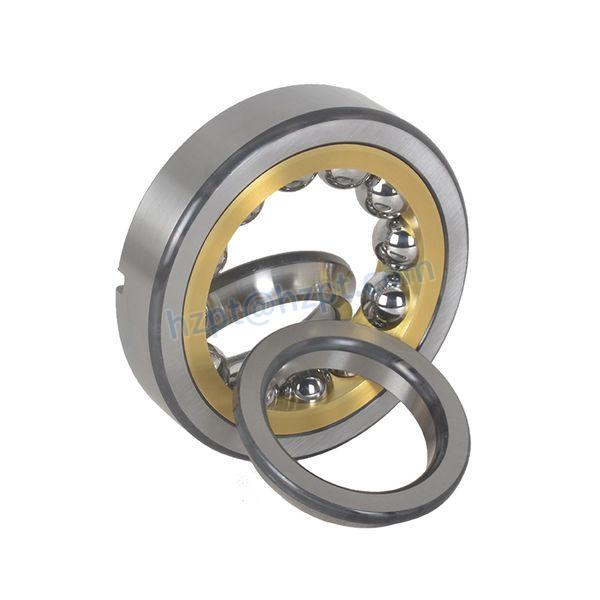
How do Temperature and Environmental Conditions Affect the Performance of Ball Bearings?
Temperature and environmental conditions have a significant impact on the performance and longevity of ball bearings. The operating environment can influence factors such as lubrication effectiveness, material properties, and overall bearing behavior. Here’s how temperature and environmental conditions affect ball bearing performance:
- Lubrication:
Temperature variations can affect the viscosity and flow characteristics of lubricants. Extreme temperatures can cause lubricants to become too thin or too thick, leading to inadequate lubrication and increased friction. In high-temperature environments, lubricants can degrade, reducing their effectiveness.
- Material Properties:
Temperature changes can alter the material properties of the bearing components. High temperatures can lead to thermal expansion, affecting bearing clearances and potentially causing interference between components. Extreme cold temperatures can make materials more brittle and prone to fracture.
- Clearance Changes:
Temperature fluctuations can cause changes in the internal clearance of ball bearings. For instance, at high temperatures, materials expand, leading to increased clearance. This can affect bearing performance, load distribution, and overall stability.
- Corrosion and Contamination:
Harsh environmental conditions, such as exposure to moisture, chemicals, or abrasive particles, can lead to corrosion and contamination of bearing components. Corrosion weakens the material, while contamination accelerates wear and reduces bearing life.
- Thermal Stress:
Rapid temperature changes can result in thermal stress within the bearing components. Differential expansion and contraction between the inner and outer rings can lead to stress and distortion, affecting precision and bearing integrity.
- Noise and Vibration:
Temperature-related changes in material properties and internal clearances can influence noise and vibration levels. Extreme temperatures can lead to increased noise generation and vibration, affecting the overall operation of machinery.
- Lubricant Degradation:
Environmental factors like humidity, dust, and contaminants can lead to premature lubricant degradation. Oxidation, moisture absorption, and the presence of foreign particles can compromise the lubricant’s performance and contribute to increased friction and wear.
- Seal Effectiveness:
Seals and shields that protect bearings from contaminants can be affected by temperature fluctuations. Extreme temperatures can lead to seal hardening, cracking, or deformation, compromising their effectiveness in preventing contamination.
- Choosing Appropriate Bearings:
When selecting ball bearings for specific applications, engineers must consider the expected temperature and environmental conditions. High-temperature bearings, bearings with specialized coatings, and those with enhanced sealing mechanisms may be necessary to ensure reliable performance.
Overall, understanding the impact of temperature and environmental conditions on ball bearing performance is crucial for proper bearing selection, maintenance, and ensuring optimal operation in diverse industries and applications.
Can you Explain the Various Types of Ball Bearings and their Specific Use Cases?
Ball bearings come in various types, each designed to meet specific application requirements. Here’s an overview of the different types of ball bearings and their specific use cases:
- Deep Groove Ball Bearings:
Deep groove ball bearings are the most common and versatile type. They have a deep raceway that allows them to handle both radial and axial loads. They are used in a wide range of applications, including electric motors, household appliances, automotive components, and industrial machinery.
- Angular Contact Ball Bearings:
Angular contact ball bearings have a contact angle that enables them to handle both radial and axial loads at specific angles. They are suitable for applications where combined loads or thrust loads need to be supported, such as in machine tool spindles, pumps, and agricultural equipment.
- Self-Aligning Ball Bearings:
Self-aligning ball bearings have two rows of balls and are designed to accommodate misalignment between the shaft and the housing. They are used in applications where shaft deflection or misalignment is common, such as conveyor systems, textile machinery, and paper mills.
- Thrust Ball Bearings:
Thrust ball bearings are designed to support axial loads in one direction. They are commonly used in applications where axial loads need to be supported, such as in automotive transmissions, steering systems, and crane hooks.
- Single-Row vs. Double-Row Bearings:
Single-row ball bearings have a single set of balls and are suitable for moderate load and speed applications. Double-row ball bearings have two sets of balls and offer higher load-carrying capacity. Double-row designs are used in applications such as machine tool spindles and printing presses.
- Miniature and Instrument Ball Bearings:
Miniature ball bearings are smaller in size and are used in applications with limited space and lower load requirements. They are commonly used in small electric motors, medical devices, and precision instruments.
- Max-Type and Conrad Bearings:
Max-type ball bearings have a larger number of balls to increase load-carrying capacity. Conrad bearings have fewer balls and are used in applications with moderate loads and speeds.
- High-Precision Ball Bearings:
High-precision ball bearings are designed for applications where accuracy and precision are critical, such as machine tool spindles, aerospace components, and optical instruments.
- High-Speed Ball Bearings:
High-speed ball bearings are engineered to minimize friction and accommodate rapid rotation. They are used in applications such as dental handpieces, turbochargers, and centrifuges.
In summary, the various types of ball bearings are tailored to different application requirements, including load type, direction, speed, and environmental conditions. Selecting the appropriate type of ball bearing ensures optimal performance and longevity in specific applications.
editor by CX 2024-03-06
China wholesaler 6301-2RS Ball Bearings 6301 6302 6303 6305 6306 6307 2RS C3 CZPT CZPT CZPT Motor Motorcycle Auto Bearings near me manufacturer
Merchandise Description
Specs
SKF Deep Groove Ball Bearing 6304 bearing:
Minimal noisy
Low friction
Competitive price tag
SKF Deep Groove Ball Bearing 6304 bearing:
Model: SKF, NSK, NPA, NTN, KOYO, JWJ, IKO, NACHI, TIMKE, HRB, LYC, HCH, KDYD, F&D,
Model Amount: All number
Variety: 6000, 6200, 6300, 16000, 6200, 6400 Other non-normal bearing as asked for.
6406
6000N
6200N
6300N
6407
6001N
6201N
6301N
6408
6002N
6202N
6302N
6409
6003N
6203N
6303N
6410
6004N
6204N
6304N
6411
6005N
6205N
6305N
6412
6006N
6206N
6306N
6413
6007N
6207N
6307N
6414
6008N
6208N
6308N
6415
6009N
6209N
6309N
6416
6571N
6210N
6310N
6417
6011N
6211N
6311N
6418
6012N
6212N
6312N
6419
6013N
6213N
6313N
6420
6014N
6214N
6314N
6421
6015N
6215N
6315N
6422
6016N
6216N
6316N
6424
6017N
6217N
6317N
6426
6018N
6218N
6318N
6428
6019N
6219N
6319N
6406N
6571N
6220
6320N
6407N
6571N
6300-ZZE
6406-ZZE
6408N
6571N
6301-ZZE
6407-ZZE
6409N
6571N
6302-ZZE
6408-ZZE
6410N
6026N
6303-ZZE
6409-ZZE
6411N
6571N
6304-ZZE
6410-ZZE
6412N
6030N
6305-ZZE
6411-ZZE
6413N
6032N
6306-ZZE
6412-ZZE
6414N
6034N
6307-ZZE
6413-ZZE
6415N
6308-ZZE
6414-ZZE
6416N
6309-ZZE
6415-ZZE
6417N
6310-ZZE
6416-ZZE
6418N
6311-ZZE
6417-ZZE
6419N
6312-ZZE
6418-ZZE
6420N
6313-ZZE
6419-ZZE
6421N
6314-ZZE
6420-ZZE
6422N
6315-ZZE
6421-ZZE
6424N
6316-ZZE
6422-ZZE
6426N
6317-ZZE
6424-ZZE
6428N
6318-ZZE
6426-ZZE
6319-ZZE
6428-ZZE
6320-ZZE
Sorts of Ball Bearings
If you are searching to acquire a new ball bearing, there are numerous different kinds obtainable. Understand about Single-row designs, Ceramic hybrid bearings, and Self-aligning ball bearings. You can also choose from stainless metal or single-row designs. Then, study about the distinct sorts of components available to you. You are going to have an simpler time making a choice. After all, you won’t have to be concerned about keeping your new ball bearing, because it will be maintained by your supplier.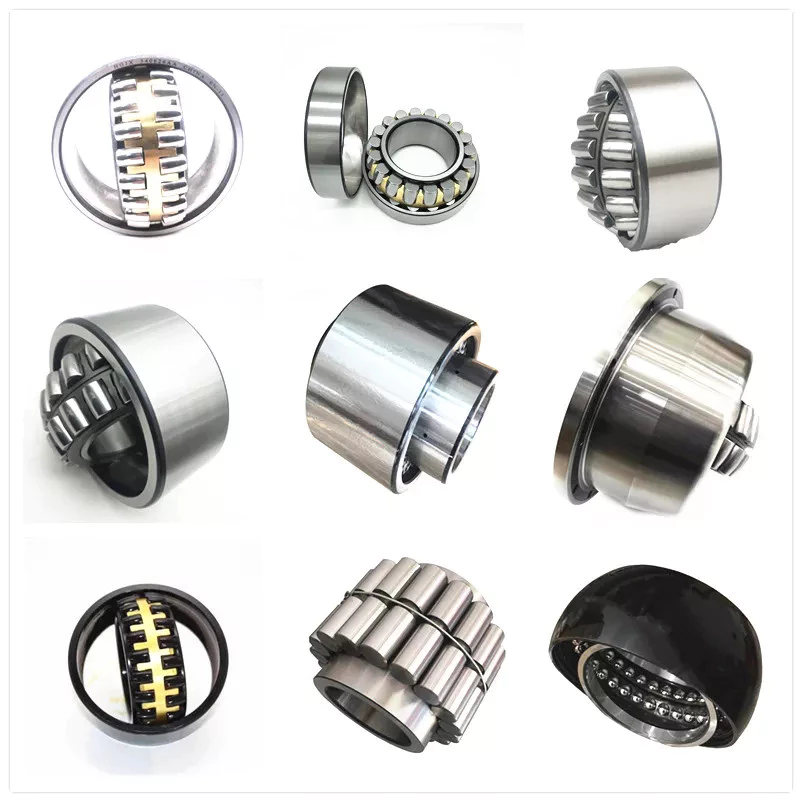
Solitary-row styles
Ball bearings with a single-row design and style have a substantial load-carrying capability. They are used in purposes exactly where large hundreds have to be managed smoothly. A one-row design is a great option when the material’s houses need large load-carrying capacity but minimal axial load functionality. Single-row designs use two bearings with related design and style features, but they have distinct mounting methods. Single-row styles can be adjusted both against 1 one more to accommodate axial hundreds.
The solitary-row design is suited for high-velocity applications, but also has some down sides. The contact angle a is the angle between the radial airplane and make contact with line. The more substantial the angle, the larger the axial load carrying capacity of the bearing. Single-row angular make contact with ball bearings are suitable for higher axial forces. Single-row angular speak to ball bearings have a one-row design and style and help large axial forces in a single course. Single-row ball bearings are available in both pressed steel and machined steel cages.
Angular contact ball bearings with a single row feature a cage created of fiber-glass reinforced polyamide sixty six. These are offered in diameters up to a hundred thirty mm. Four-stage angular speak to ball bearings use brass, metal, or brass plate. They have good working qualities and a lower coefficient of linear growth. Single-row types are effortless to mount and are extensively obtainable. Alternatively, they can be mounted with a universal match design and style, which allows them to be easily altered.
One particular-row angular contact ball bearings are normally not suitable for angular misalignments because they are unsuitable for payment of angular misalignments. Misalignments lead to internal forces in the bearing which decrease its radial load potential and existence expectancy. This variety of bearing is not appropriate for adjacent mounting as it increases the odds of misalignment. However, it is a appropriate decision for apps the place only 1 bearing is required per bearing placement.
Ceramic hybrid bearings
While all-ceramic bearings are constrained to really specialised apps, Si3N4-dependent hybrid bearings are finding use in a broad variety of high-pace equipment. In comparison to steel, ceramics are much less susceptible to centrifugal forces, which are straight proportional to the mass of the balls. Since Si3N4 substitute balls have a lower density than steel, these bearings decrease the stress placed on the outer race.
The rewards of hybrid bearings are very clear: they allow for higher speeds and loads than complete-ceramic bearings, and they require no lubrication. Since of their many rewards, numerous industrial gear operators are switching to these innovative bearings. CBR is 1 business that specializes in ceramic hybrid bearings and can help you find the greatest solution for your application. If you are thinking about buying ceramic bearings for your following machine, here are some issues you want to know about them.
A ceramic ball bearing area has an really lower coefficient of friction, which is critical for apps that call for low friction and large speeds. Ceramic balls also have a larger hardness than steel balls, which will increase their lifestyle. In addition to this, ceramic hybrid bearings have exceptional thermal properties, making considerably less warmth even when spinning at higher speeds. These qualities make ceramic hybrid bearings an best choice for large-pace machinery, particularly electrical motors. They are also suitable for applications that run underneath h2o.
A ceramic ball hybrid bearing is significantly much less vulnerable to temperature fluctuations and dress in. Because they are basically indestructible, ceramic balls do not generate wear particles from the adhesive put on. They can operate at considerably greater speeds than steel balls. Ceramic balls are also a lot more resistant to humidity. For this purpose, grease is a advisable lubricant in most ceramic bearing programs. These lubricants provide exceptional security in opposition to dampness and corrosion. Additional, they are offered in many sorts.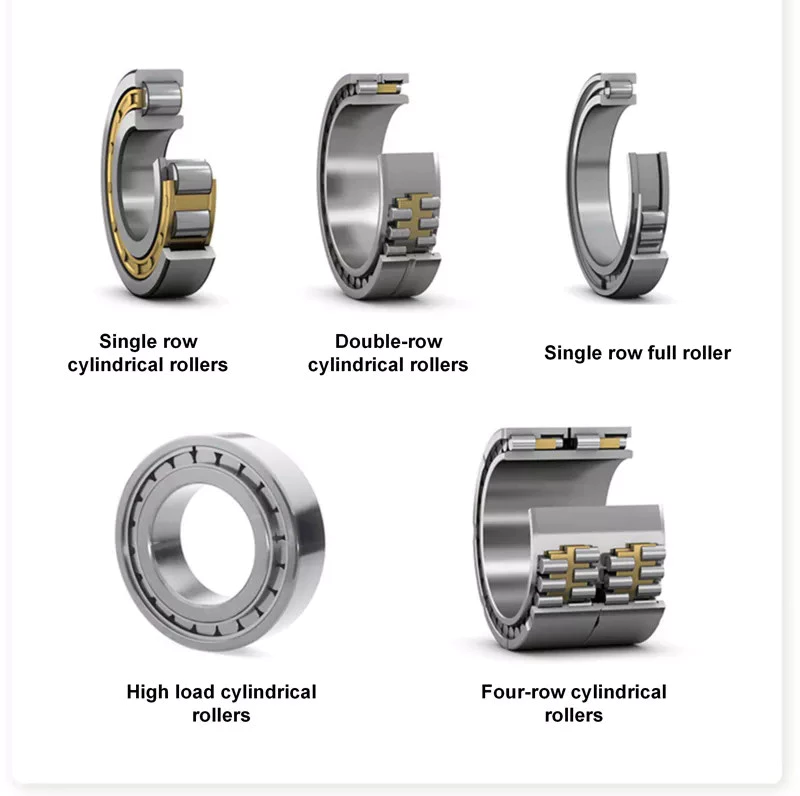
Self-aligning ball bearings
A self-aligning ball bearing is one particular sort of self-aligning bearing. These bearings are suggested for use in flex shaft methods. Their self-aligning characteristic prevents them from misaligning when in use. They can be utilised in the two solitary and a number of-joint techniques. In addition to self-aligning ball bearings, these units also characteristic flex shafts.
These self-aligning ball bearings appear in a selection of configurations, including cylindrical, round, tapered, and straight bore. Their internal ring is tapered to meet up with distinct tolerances. They are ideal for working temperatures ranging from -30°F to 120°F. Their vast range of applications enables them to be employed in basic equipment, precision instruments, and low sounds motors. In addition, they are available in a range of outdoors diameters, widths, and internal clearances.
Self-aligning ball bearings have two rows of balls and a single common sphered raceway in the outer ring. This allows them to routinely compensate for angular misalignment, which may be triggered by machining and assembly glitches or deflections. Compared to spherical roller bearings, these self-aligning ball bearings make much less friction. They run cooler even at higher speeds. Self-aligning ball bearings also offer you free engineering help.
Self-aligning ball bearings are designed for hard shaft alignment. They are double-row, self-retaining models, with cylindrical or tapered bores. These bearings are available in open and sealed designs, and can also be employed in programs with misalignment. They are also accessible with an outer ring that rotates in relation to the inner ring. When it arrives to shaft misalignment, self-aligning ball bearings are a wonderful resolution.
Stainless metal
Stainless metal is a metallic that resists corrosion and is very tough. Its corrosion-resistant and h2o-resistance homes make it a very good choice for bearings in food and maritime apps. In addition, stainless metal has hygienic rewards. Right here are some of the advantages of stainless metal ball bearings. Study on to discover a lot more about these amazing bearings! We’ve integrated some of the most frequent uses for stainless metal.
Hardness is essential in a ball bearing. Metal makes use of the Rockwell C scale to evaluate hardness. A quality twenty five steel ball bearing is precise to twenty five millionths of an inch, even though a quality 5 ceramic bearing is considerably less than a 50 %-inch round. Despite the fact that roundness is crucial, it shouldn’t be overemphasized, as the bearing surfaces could not be as correct as the grade of the steel. And remember, a higher cost tag isn’t going to imply a better solution.
Stainless metal ball bearings are available in a variety of alloys. The alloys employed in producing a stainless steel ball bearing vary in hardness, toughness, and ductility. Stainless metal ball bearings have large corrosion-resistance qualities. Moreover, they have lengthy lubrication life. These benefits make them a common selection for industrial purposes. These bearings are easy to keep, minimize substitute expenses, and supply corrosion resistance.
The NTN Sentinel Collection is a top quality line of stainless steel bearings. The solid lube is NSF H1 registered and prevents grease from leaching into foods. It is also corrosion-resistant and doesn’t need to be coated. The seals and slinger create a water-resistant barrier amongst the steel ball and the lubricant. It also adds safety and protection to the bearing.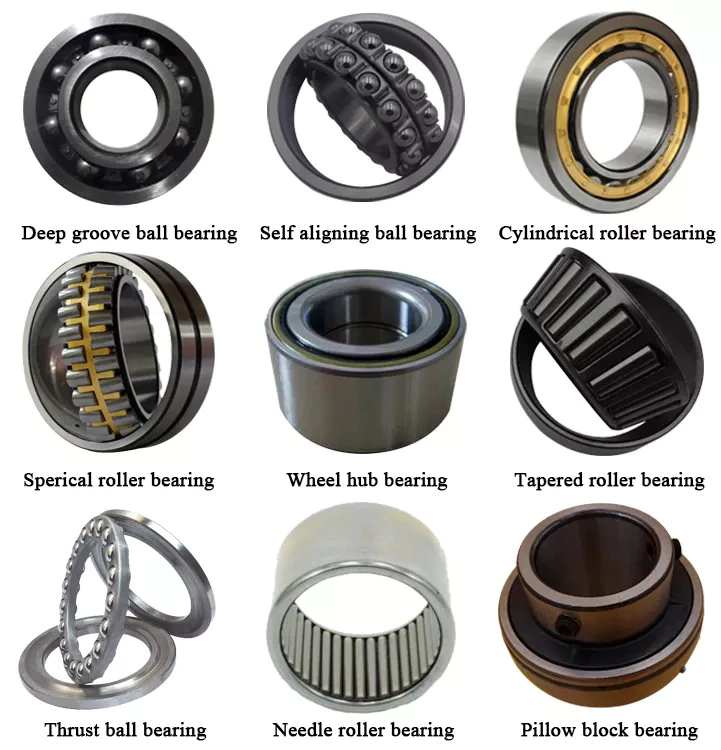
Plastic balls
For purposes where sound and bodyweight are main issues, plastic balls are perfect. These non-magnetic balls are best for MRI X-ray equipment and sensors. They are also simple to lubricate, and are non-magnetic. A polymer ball bearing is the lightest of all 3 sorts. This can make them a good choice for many industries. Go through on to learn far more. This write-up will introduce some of the advantages of plastic balls for ball bearings.
Although ceramic ball bearings are more durable and offer many rewards, they are far more high-priced than plastic. Fortunately, plastic ball bearings offer you a less expensive alternative. These bearings function all-plastic races and cages. Depending on the software, plastic balls can be employed in programs involving chemical compounds. In these instances, plastic ball bearings are obtainable with a C160 grade, which is secure for use in temperatures below 176 deg F.
Health-related devices often require precision specialty balls, which are manufactured of glass, stainless steel, and plastic. These bearings should satisfy stringent cleanliness specifications. To meet up with the most stringent specifications, they need to bear ultrasonic cleaning. These bearings are available in plastic raceways, and are also obtainable with glass or stainless steel balls. Polyethylene balls are light-weight and can be employed in a selection of apps. They can be requested in different dimensions and tolerances to meet particular requirements.
Plastic balls for ball bearings are often mounted into other components, these kinds of as plastic wheels, pulleys, and housings. They can be seamlessly integrated into other parts of a machine, which decreases assembly time and enhances affordability. One critical advantage of plastic bearings is that they are rust-resistant. As this kind of, they can be utilized in harsh environments with out triggering any harm. If a piece of equipment is exposed to severe temperatures, polymers are the best option.

