Product Description
Product Parameters
|
Product Name |
Automobile Bearing 2RS ZZ Deep Groove Ball Bearing for Motorcycle |
|
Material |
Chrome steel |
|
Sealed Type |
2RS rubber seals/ ZZ metal shields/Open |
|
Precision |
P0, P5, P6 |
|
Clearance |
C0, C2, C3, C4 |
|
Origin |
china |
|||
|
Payment |
T/T, L/C , D/A , D/P , Western Union ,MoneyGram ,etc |
|||
|
Our advantage |
One-stop shopping;High quality; Competitive price; Timely delivery; Technical support; Supply Material and Test Reports; |
|||
Company Profile
ZHangZhoug Tieyong Machinery Manufacturing Co., Ltd. is located in Gaohu Industrial Zone, Gaohu Town, Xihu (West Lake) Dis. County, ZHangZhoug Province, China. Foundry company covers an area of 17, 000 square meters, building area of 13, 000 square meters; Copper Aluminum Zinc Company covers an area of 20000 square meters. We are good at making all kinds of mechanical parts. Our production processes include investment casting (precision casting), coated sand casting, lost mold casting, calcination, red stamping, machining (CNC machining), rod machining, injection molding and stamping. We have 8 wax shooting machines with 13 stations, 2 sets of shell drying line, 1 set of disappearing mold production line, 1 set of coated sand production line, 1 set of forging line, 6 sets of medium frequency casting furnace, more than 30 sets of solid solution after cleaning, investment casting spectral analysis instruments. More than 30 sets of die-casting red forging, 16 sets of injection molding machines, 3 sets of high material high-speed extrusion production lines, 10 sets of punching press, more than 200 sets of finishing equipment. Material range includes stainless steel, carbon steel, alloy steel, copper alloy, aluminum alloy, zinc alloy, plastic and so on. There are 10 technical engineers, 4 inspection engineers, 2 production engineers, 42 technical production masters of each specialty, and more than 400 other operating personnel. Our company is export-oriented, selling to Australia, USA, Canada, UK, (UK, UK), Netherlands, France, Germany, Denmark, Sweden, Finland, Russia, Spain, Portugal. The products are widely used in heavy equipment, automotive spare parts, Marine parts, petrochemical processing, wind turbine equipment, power plant, substation accessories, food processing industry and medical instruments. We do non-standard customized mechanical parts, can be produced according to the demand. “Integrity-based, quality first, service first” is our business philosophy, unity and enterprising, better, faster, stronger is our most sought goal, we are committed to build a talent team, integrate industry resources, and strive to further develop into a great machine parts manufacturing enterprise. We look forward to working with you to create a better future.
Packaging & Shipping
Certifications
FAQ
1.What is the Minimum Order Quantity?
5~1000 pcs.And we also accpet sample orders.
2. Can you manufacture according to customer’s samples?
According to samples, we can make drawing, tooling and sample
3.How long will it take to make new samples according to customer’s drawing or sample?
Totally 20 days. 10 days for tooling and another 10 days for sample.
/* January 22, 2571 19:08:37 */!function(){function s(e,r){var a,o={};try{e&&e.split(“,”).forEach(function(e,t){e&&(a=e.match(/(.*?):(.*)$/))&&1
| OEM: | Yes |
|---|---|
| Factory: | Yes |
| Customizable Trademark: | Yes |
| Custom Service: | Custom Metal Parts as Customers′ Ideas, Drawings |
| Customized Support: | OEM, ODM |
| Application: | Automotive.Tractor.Construction Machinery.Rolling |
| Customization: |
Available
| Customized Request |
|---|
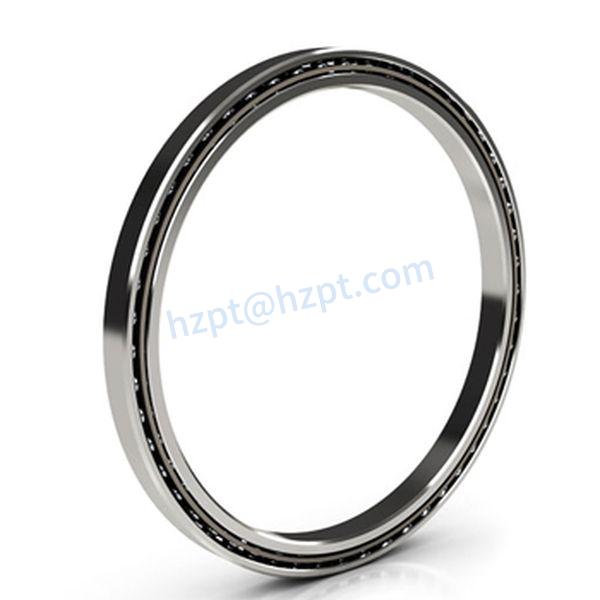
How does Preload Affect the Performance and Efficiency of Ball Bearings?
Preload is a crucial factor in ball bearing design that significantly impacts the performance, efficiency, and overall behavior of the bearings in various applications. Preload refers to the intentional axial force applied to the bearing’s rolling elements before it is mounted. This force eliminates internal clearance and creates contact between the rolling elements and the raceways. Here’s how preload affects ball bearing performance:
- Reduction of Internal Clearance:
Applying preload reduces the internal clearance between the rolling elements and the raceways. This eliminates play within the bearing, ensuring that the rolling elements are in constant contact with the raceways. This reduced internal clearance enhances precision and reduces vibrations during operation.
- Increased Stiffness:
Preloaded bearings are stiffer due to the elimination of internal clearance. This increased stiffness improves the bearing’s ability to handle axial and radial loads with higher accuracy and minimal deflection.
- Minimized Axial Play:
Preload minimizes or eliminates axial play within the bearing. This is especially important in applications where axial movement needs to be minimized, such as machine tool spindles and precision instruments.
- Enhanced Rigidity:
The stiffness resulting from preload enhances the bearing’s rigidity, making it less susceptible to deformation under load. This is critical for maintaining precision and accuracy in applications that require minimal deflection.
- Reduction in Ball Slippage:
Preload reduces the likelihood of ball slippage within the bearing, ensuring consistent contact between the rolling elements and the raceways. This leads to improved efficiency and better load distribution.
- Improved Running Accuracy:
Preloading enhances the running accuracy of the bearing, ensuring that it maintains precise rotational characteristics even under varying loads and speeds. This is essential for applications requiring high accuracy and repeatability.
- Optimized Performance at High Speeds:
Preload helps prevent skidding and slipping of the rolling elements during high-speed operation. This ensures that the bearing remains stable, reducing the risk of noise, vibration, and premature wear.
- Impact on Friction and Heat Generation:
While preload reduces internal clearance and friction, excessive preload can lead to higher friction and increased heat generation. A balance must be struck between optimal preload and minimizing friction-related issues.
- Application-Specific Considerations:
The appropriate amount of preload depends on the application’s requirements, such as load, speed, accuracy, and operating conditions. Over-preloading can lead to increased stress and premature bearing failure, while under-preloading may result in inadequate rigidity and reduced performance.
Overall, preload plays a critical role in optimizing the performance, accuracy, and efficiency of ball bearings. Engineers must carefully determine the right preload level for their specific applications to achieve the desired performance characteristics and avoid potential issues related to overloading or inadequate rigidity.
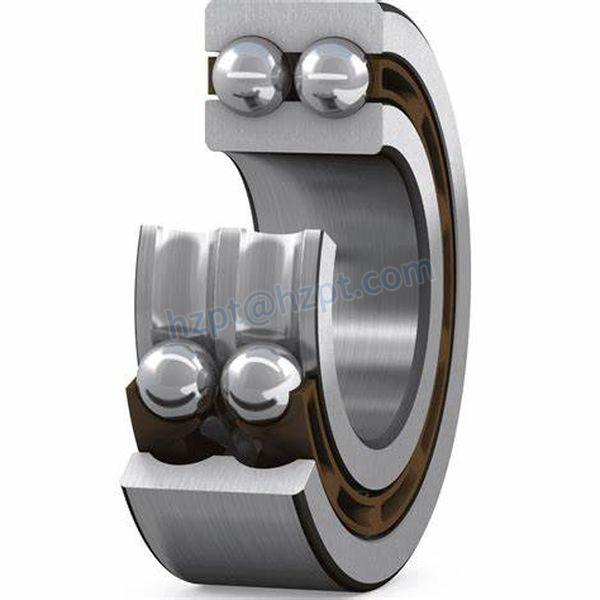
How do Ceramic Ball Bearings Compare to Traditional Steel Ball Bearings in Terms of Performance?
Ceramic ball bearings and traditional steel ball bearings have distinct characteristics that can impact their performance in various applications. Here’s a comparison of how these two types of bearings differ in terms of performance:
- Material Composition:
Ceramic Ball Bearings:
Ceramic ball bearings use ceramic rolling elements, typically made from materials like silicon nitride (Si3N4) or zirconium dioxide (ZrO2). These ceramics are known for their high hardness, low density, and resistance to corrosion and wear.
Traditional Steel Ball Bearings:
Traditional steel ball bearings use steel rolling elements. The type of steel used can vary, but common materials include chrome steel (52100) and stainless steel (440C). Steel bearings are known for their durability and strength.
- Friction and Heat:
Ceramic Ball Bearings:
Ceramic bearings have lower friction coefficients compared to steel bearings. This results in reduced heat generation during operation, contributing to higher efficiency and potential energy savings.
Traditional Steel Ball Bearings:
Steel bearings can generate more heat due to higher friction coefficients. This can lead to increased energy consumption in applications where efficiency is crucial.
- Weight:
Ceramic Ball Bearings:
Ceramic bearings are lighter than steel bearings due to the lower density of ceramics. This weight reduction can be advantageous in applications where minimizing weight is important.
Traditional Steel Ball Bearings:
Steel bearings are heavier than ceramic bearings due to the higher density of steel. This weight may not be as critical in all applications but could impact overall equipment weight and portability.
- Corrosion Resistance:
Ceramic Ball Bearings:
Ceramic bearings have excellent corrosion resistance, making them suitable for applications in corrosive environments, such as marine or chemical industries.
Traditional Steel Ball Bearings:
Steel bearings are susceptible to corrosion, especially in harsh environments. Stainless steel variants offer improved corrosion resistance but may still corrode over time.
- Speed and Precision:
Ceramic Ball Bearings:
Ceramic bearings can operate at higher speeds due to their lower friction and ability to withstand higher temperatures. They are also known for their high precision and low levels of thermal expansion.
Traditional Steel Ball Bearings:
Steel bearings can operate at high speeds as well, but their heat generation may limit performance in certain applications. Precision steel bearings are also available but may have slightly different characteristics compared to ceramics.
- Cost:
Ceramic Ball Bearings:
Ceramic bearings are generally more expensive to manufacture than steel bearings due to the cost of ceramic materials and the challenges in producing precision ceramic components.
Traditional Steel Ball Bearings:
Steel bearings are often more cost-effective to manufacture, making them a more economical choice for many applications.
In conclusion, ceramic ball bearings and traditional steel ball bearings offer different performance characteristics. Ceramic bearings excel in terms of low friction, heat generation, corrosion resistance, and weight reduction. Steel bearings are durable, cost-effective, and widely used in various applications. The choice between the two depends on the specific requirements of the application, such as speed, precision, corrosion resistance, and budget considerations.
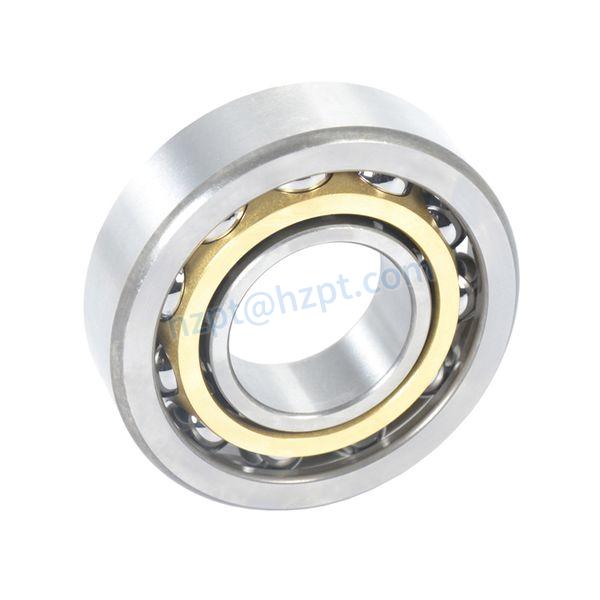
Can you Explain the Various Types of Ball Bearings and their Specific Use Cases?
Ball bearings come in various types, each designed to meet specific application requirements. Here’s an overview of the different types of ball bearings and their specific use cases:
- Deep Groove Ball Bearings:
Deep groove ball bearings are the most common and versatile type. They have a deep raceway that allows them to handle both radial and axial loads. They are used in a wide range of applications, including electric motors, household appliances, automotive components, and industrial machinery.
- Angular Contact Ball Bearings:
Angular contact ball bearings have a contact angle that enables them to handle both radial and axial loads at specific angles. They are suitable for applications where combined loads or thrust loads need to be supported, such as in machine tool spindles, pumps, and agricultural equipment.
- Self-Aligning Ball Bearings:
Self-aligning ball bearings have two rows of balls and are designed to accommodate misalignment between the shaft and the housing. They are used in applications where shaft deflection or misalignment is common, such as conveyor systems, textile machinery, and paper mills.
- Thrust Ball Bearings:
Thrust ball bearings are designed to support axial loads in one direction. They are commonly used in applications where axial loads need to be supported, such as in automotive transmissions, steering systems, and crane hooks.
- Single-Row vs. Double-Row Bearings:
Single-row ball bearings have a single set of balls and are suitable for moderate load and speed applications. Double-row ball bearings have two sets of balls and offer higher load-carrying capacity. Double-row designs are used in applications such as machine tool spindles and printing presses.
- Miniature and Instrument Ball Bearings:
Miniature ball bearings are smaller in size and are used in applications with limited space and lower load requirements. They are commonly used in small electric motors, medical devices, and precision instruments.
- Max-Type and Conrad Bearings:
Max-type ball bearings have a larger number of balls to increase load-carrying capacity. Conrad bearings have fewer balls and are used in applications with moderate loads and speeds.
- High-Precision Ball Bearings:
High-precision ball bearings are designed for applications where accuracy and precision are critical, such as machine tool spindles, aerospace components, and optical instruments.
- High-Speed Ball Bearings:
High-speed ball bearings are engineered to minimize friction and accommodate rapid rotation. They are used in applications such as dental handpieces, turbochargers, and centrifuges.
In summary, the various types of ball bearings are tailored to different application requirements, including load type, direction, speed, and environmental conditions. Selecting the appropriate type of ball bearing ensures optimal performance and longevity in specific applications.


editor by CX 2024-03-28
China high quality Automobile Roller Deep Groove Ball Rolling Bearings 6017-2RS 6018-2RS 6019-2RS 6020-2RS Engine Deep Groove Ball Bearings Industrial Machinery Parts Bearing bearing block
Product Description
Introduction:
Introducing Our Zero-Class Deep Groove Ball Bearings for Your Needs!
Looking to enhance the performance of your industrial machinery? Your search ends here! Our Zero-Class Deep Groove Ball Bearings are engineered to offer a myriad of advantages, making them the perfect choice for your requirements.
1. Exceptional Precision: Our bearings are crafted with meticulous precision, ensuring minimal friction and optimal performance, thus enhancing the efficiency of your machinery.
2. High Load Capacity: Designed to withstand heavy axial and radial loads, our bearings guarantee reliable operation even in the most demanding applications.
3. Low Maintenance: Say goodbye to frequent downtime and maintenance costs. Our Zero-Class Deep Groove Ball Bearings are built to last, reducing the need for replacements.
4. Versatile Applications: Whether you operate in automotive, manufacturing, or any other industry, these bearings are versatile enough to meet a wide range of app
Parameter:
| Product Name | Ball bearing Xihu (West Lake) Dis.r bearing Piliow bilock bearing Needle roller bearing Thrust ball bearing |
| Brand Name | KSA |
| Material | Gcr15 |
| Precision Grade | P0,P6,P5 |
| Certification | ISO 9001 |
| Packeage | Box /Carton/Wooden Box/Plastic Tube or Per buyers requirement |
| MOQ | Depending On Moedl |
| Serice | OEM |
| Sample | Available |
| Payment | TT or L/C or Western Union |
| Port | HangZhou |
Elaborate In Detail
1.Open type without seal
No seal can directly see the bare steel ball, suitable for sealing environment, such as gear box, oil more environment.
Performance: Good idling effect, ultra-high speed
2.Rubber seal
The sealing material is skeleton rubber combination, which can effectively prevent the bearing external (liquid) foreign matter and impurities from intruding into the bearing internal damage and damage the bearing
Advantages: dustproof, anti-liquid foreign matter, low noise, suitable for harsh environment
3.Metal seal
The sealing material is made of stainless steel metal, which can effectively prevent the bearing external (wind sand) foreign matter and debris from invading the bearing external with internal damage and damage to the bearing
Advantages: Low friction, fast heat dissipation
| Model | d mm | D mm | H mm | W kg | Model | d mm | D mm | H mm | W kg |
| 6000 | 10 | 26 | 8 | 0.019 | 6200 | 10 | 30 | 9 | 0.032 |
| 6001 | 12 | 38 | 8 | 0.571 | 6201 | 12 | 32 | 10 | 0.036 |
| 6002 | 15 | 32 | 9 | 0.03 | 6202 | 15 | 35 | 11 | 0.044 |
| 6003 | 17 | 35 | 10 | 0.04 | 6203 | 17 | 40 | 12 | 0.065 |
| 6004 | 20 | 42 | 12 | 0.069 | 6204 | 20 | 47 | 14 | 0.11 |
| 6005 | 25 | 47 | 12 | 0.08 | 6205 | 25 | 52 | 15 | 0.13 |
| 6006 | 30 | 55 | 13 | 0.116 | 6206 | 30 | 62 | 16 | 0.21 |
| 6007 | 35 | 62 | 14 | 0.155 | 6207 | 35 | 72 | 17 | 0.288 |
| 6008 | 40 | 68 | 15 | 0.185 | 6208 | 40 | 80 | 18 | 0.368 |
| 6009 | 45 | 75 | 16 | 0.231 | 6209 | 45 | 85 | 19 | 0.416 |
| 6571 | 50 | 80 | 16 | 0.25 | 6210 | 50 | 90 | 20 | 0.463 |
| 6011 | 55 | 90 | 18 | 0.362 | 6211 | 55 | 100 | 21 | 0.603 |
| 6012 | 60 | 95 | 18 | 0.385 | 6212 | 60 | 110 | 22 | 0.789 |
| 6013 | 65 | 100 | 18 | 0.408 | 6213 | 65 | 120 | 23 | 0.99 |
| 6014 | 70 | 110 | 20 | 0.62 | 6214 | 70 | 125 | 24 | 1.084 |
| 6015 | 75 | 115 | 20 | 0.63 | 6215 | 75 | 130 | 25 | 1.171 |
| 6016 | 80 | 125 | 22 | 0.86 | 6216 | 80 | 140 | 26 | 1.448 |
| 6017 | 85 | 130 | 22 | 0.94 | 6217 | 85 | 150 | 28 | 1.803 |
| 6018 | 90 | 140 | 24 | 1.38 | 6218 | 90 | 160 | 30 | 2.71 |
| 6019 | 95 | 145 | 24 | 1.5 | 6219 | 95 | 170 | 32 | 2.62 |
| 6571 | 100 | 150 | 24 | 1.63 | 6220 | 100 | 180 | 34 | 3.19 |
Product Analysis
Product Description
Noise Accuracy
Bearing Noise Precision Tolerance
Bearing noise Z1.Z2.Z3.Z4 The Z1 decibel Accuracy is divided into P0<P6<P5<P4
value is 33-38 decibels The Z2 decibel P0(ABCE-1) =+0-0.007MM
value is 28-32 decibels The Z3 decibel P6 (ABCE-3) =+0-0.006MM
value is 22-25 decibels The Z4 decibel P5 (ABCE-5) =+0-0.0005MM
value is 15-21 decibels Vibration and noise response life of bearings P4 (ABEC-7) =+0-0.004mm
Level P0 products are used in most scenarios
P5/P6 application precision level
Product Display
Company Profile
ZheJiang Kangshi Precision Bearing Manufacturing Co., Ltd., located in Yandian Town Industrial Park, HangZhou City, ZheJiang Province, mainly produces zero deep groove ball bearings, 2 types of cylindrical roller bearings, 3 types of aligning roller bearings, 6 types of angular contact ball bearings, 7 types of tapered roller bearings, 8 types of thrust ball bearings, thrust bearings, 9 types of thrust aligning roller bearings, outer spherical bearings, auto parts, Motorcycle parts and other rolling bearings.
Our factory has strong professional technology, good production equipment and perfect testing means, can fully meet the various types, specifications, high precision and special use requirements of bearing products customized processing, the production process of the product according to the strict national standards of enterprise internal control standards for the implementation of full inspection and multi-project comprehensive inspection of factory products, Can ensure the quality of each set of factory bearing products to meet national standards.
Kangshi bearing has always implemented national standards, market prices, and implemented the “three guarantees” principle for customers: To ensure high-quality quality, preferential prices, superior after-sales service! Welcome customers at home and abroad to consult and negotiate business, the company will continue to win the trust of more customers with good product quality and reputation
Our Advantage:
1. Our products: with high quality, long life, high speed, low noise, low friction quality products
2. We have: sufficient storage space, sufficient inventory, high production efficiency, we provide customers with the most favorable prices
3. Chinese bearing: in China’s production line, products are exported to all over the world, product specifications are complete, certificates are complete, professional R & D team
4. After-sales service and technical guidance: The company provides after-sales service and technical guidance according to customer requirements and needs
Scope of application
The products are suitable for: transmission, instrumentation, motor, household appliances, internal combustion engine, traffic vehicles, agricultural machinery, construction machinery, construction machinery roller skates, yo-yo ball, etc
FAQ
Q: What is the MOQ?
A: It depends on the bearing type. You can send inquiry or send e-mail for more information.
Q: How about the package?
A: Industrial packing in general condition (Plastic drums/boxes/industrial packaging + cartons + pallets). Accept design package when OEM.
Q: How long is the delivery time?
A: It will take about 10 to 40 days, depends on the model and quantity.
Q:What are the advantages of your company’s services compared to other companies?
A: Factory direct supply, price advantage, 24 hours online timely reply, Provide customers with customs clearance
and quality of various documents, 100% after-sales service
Q:OEM POLICY
A:We can printing your brand (logo,artwork)on the bearings or laser engraving your brand on the bearings.
We can custom your packaging according to your design All copyright own by clients and we promised don’t
disclose any info.
Q:How to contact us quickly?
A:Please send us an inquiry or message and leave your other contact information, such as phone number,
account or account, we will contact you as soon as possible and provide the detailed information you need.
Please feel free to contact us, if you have any other question
/* January 22, 2571 19:08:37 */!function(){function s(e,r){var a,o={};try{e&&e.split(“,”).forEach(function(e,t){e&&(a=e.match(/(.*?):(.*)$/))&&1
| Quality: | High Quality |
|---|---|
| Inventory: | Abundant |
| Major Market: | Global |
| Samples: |
US$ 2/Set
1 Set(Min.Order) | Order Sample |
|---|
| Customization: |
Available
| Customized Request |
|---|
.shipping-cost-tm .tm-status-off{background: none;padding:0;color: #1470cc}
|
Shipping Cost:
Estimated freight per unit. |
about shipping cost and estimated delivery time. |
|---|
| Payment Method: |
|
|---|---|
|
Initial Payment Full Payment |
| Currency: | US$ |
|---|
| Return&refunds: | You can apply for a refund up to 30 days after receipt of the products. |
|---|
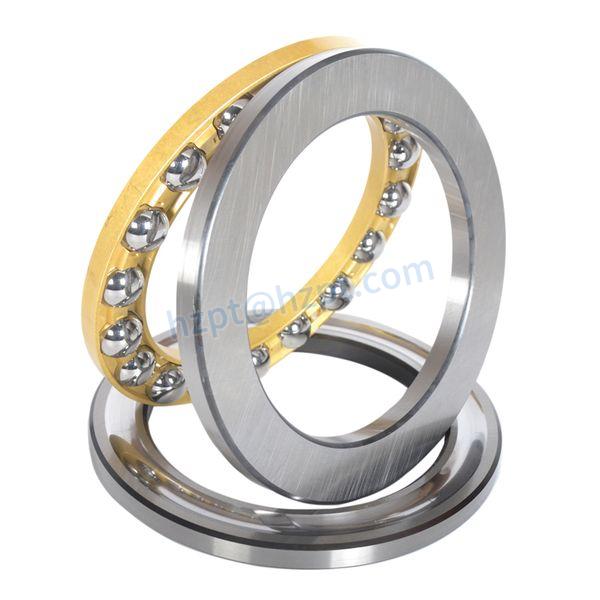
Can you Provide Examples of Industries where Ball Bearings are Crucial Components?
Ball bearings are essential components in a wide range of industries where smooth motion, load support, and precision are vital. Here are some examples of industries where ball bearings play a crucial role:
- Automotive Industry:
Ball bearings are used in various automotive applications, including wheel hubs, transmissions, engines, steering systems, and suspension components. They provide reliable rotation and support in both passenger vehicles and commercial vehicles.
- Aerospace Industry:
In the aerospace sector, ball bearings are found in aircraft engines, landing gear systems, control surfaces, and avionics equipment. Their ability to handle high speeds and precision is vital for aviation safety.
- Industrial Machinery:
Ball bearings are integral to a wide range of industrial machinery, including pumps, compressors, conveyors, machine tools, printing presses, and textile machinery. They facilitate smooth operation and load distribution in these diverse applications.
- Medical Equipment:
In medical devices and equipment, ball bearings are used in surgical instruments, imaging equipment, dental tools, and laboratory machinery. Their precision and smooth movement are crucial for accurate diagnostics and treatments.
- Robotics and Automation:
Ball bearings are key components in robotic arms, automation systems, and manufacturing machinery. They enable precise movement, high-speed operation, and reliable performance in automated processes.
- Renewable Energy:
Wind turbines and solar tracking systems utilize ball bearings to enable efficient rotation and tracking of the wind blades and solar panels. Ball bearings withstand the dynamic loads and environmental conditions in renewable energy applications.
- Marine and Shipbuilding:
Ball bearings are used in marine applications such as ship propulsion systems, steering mechanisms, and marine pumps. They withstand the corrosive environment and provide reliable performance in maritime operations.
- Heavy Equipment and Construction:
In construction machinery like excavators, bulldozers, and cranes, ball bearings support the movement of heavy loads and enable efficient operation in demanding environments.
- Electronics and Consumer Appliances:
Consumer electronics like electric motors, computer hard drives, and household appliances rely on ball bearings for smooth motion and reliable operation.
- Oil and Gas Industry:
In oil and gas exploration and extraction equipment, ball bearings are used in drilling rigs, pumps, and processing machinery. They handle the high loads and harsh conditions of this industry.
These examples demonstrate how ball bearings are indispensable components in various industries, contributing to the efficiency, reliability, and functionality of diverse mechanical systems and equipment.
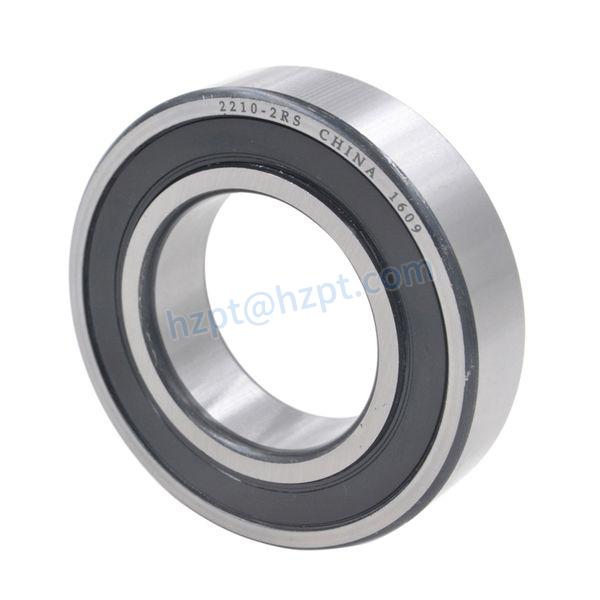
What Role do Seals and Shields Play in Protecting Ball Bearings from Dirt and Debris?
Seals and shields are critical components of ball bearings that play a crucial role in protecting them from dirt, debris, moisture, and contaminants in various applications. These protective features help maintain the integrity of the bearing’s internal components and ensure reliable operation. Here’s how seals and shields contribute to bearing protection:
- Contaminant Exclusion:
Seals and shields create a physical barrier between the external environment and the bearing’s interior. They prevent dust, dirt, water, and other contaminants from entering the bearing and coming into contact with the rolling elements and raceways.
- Lubrication Retention:
Seals and shields help retain lubrication within the bearing. They prevent the lubricant from escaping and contaminants from entering, ensuring that the bearing remains properly lubricated for smooth operation and reduced friction.
- Corrosion Prevention:
Seals and shields protect bearing components from exposure to moisture and corrosive substances. By preventing moisture ingress, they help extend the bearing’s lifespan by minimizing the risk of corrosion-related damage.
- Extended Bearing Life:
Seals and shields contribute to the overall longevity of the bearing by reducing wear and damage caused by contaminants. They help maintain a clean internal environment, which promotes proper rolling contact and minimizes the risk of premature failure.
- Enhanced Performance in Harsh Environments:
In applications exposed to harsh conditions, such as outdoor machinery or industrial settings, seals and shields are vital. They protect bearings from abrasive particles, chemicals, and extreme temperatures, ensuring reliable performance despite challenging conditions.
- Noise and Vibration Reduction:
Seals and shields can help reduce noise and vibration generated by the bearing. They provide additional damping and stability, contributing to smoother operation and enhanced user comfort in noise-sensitive applications.
- Customized Protection:
Manufacturers offer a variety of seal and shield designs to suit different application requirements. Some seals provide higher levels of protection against contamination, while others are designed for high-speed or high-temperature environments.
- Trade-Offs:
While seals and shields offer significant benefits, they can also introduce some friction due to contact with the bearing’s inner or outer ring. Engineers must balance the level of protection with the desired operating characteristics, considering factors like friction, speed, and environmental conditions.
Overall, seals and shields play a vital role in maintaining the integrity and performance of ball bearings. By effectively preventing contaminants from entering and preserving lubrication, they ensure the smooth and reliable operation of machinery and equipment in a wide range of applications.
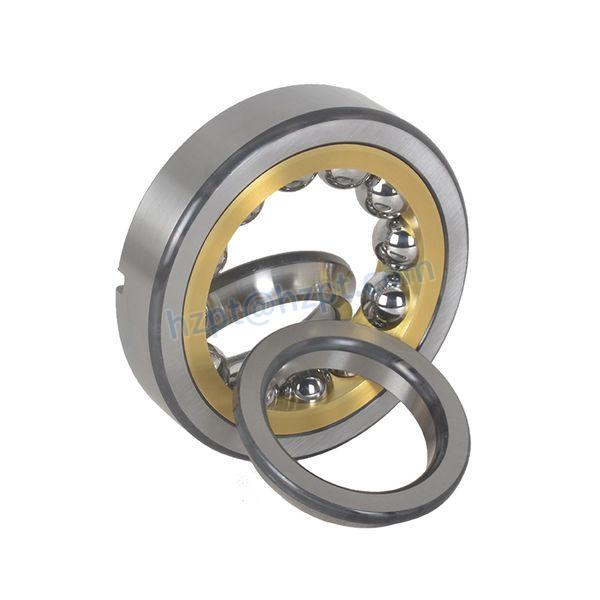
What are the Different Components that Make up a Typical Ball Bearing?
A typical ball bearing consists of several essential components that work together to reduce friction and support loads. Here are the main components that make up a ball bearing:
- Outer Ring:
The outer ring is the stationary part of the bearing that provides support and houses the other components. It contains raceways (grooves) that guide the balls’ movement.
- Inner Ring:
The inner ring is the rotating part of the bearing that attaches to the shaft. It also contains raceways that correspond to those on the outer ring, allowing the balls to roll smoothly.
- Balls:
The spherical balls are the rolling elements that reduce friction between the inner and outer rings. Their smooth rolling motion enables efficient movement and load distribution.
- Cage or Retainer:
The cage, also known as the retainer, maintains a consistent spacing between the balls. It prevents the balls from touching each other, reducing friction and preventing jamming.
- Seals and Shields:
Many ball bearings include seals or shields to protect the internal components from contaminants and retain lubrication. Seals provide better protection against contaminants, while shields offer less resistance to rotation.
- Lubricant:
Lubrication is essential to reduce friction, wear, and heat generation. Bearings are typically filled with lubricants that ensure smooth movement between the balls and raceways.
- Flanges and Snap Rings:
In some designs, flanges or snap rings are added to help position and secure the bearing in its housing or on the shaft. Flanges prevent axial movement, while snap rings secure the bearing radially.
- Raceways:
Raceways are the grooved tracks on the inner and outer rings where the balls roll. The shape and design of the raceways influence the bearing’s load-carrying capacity and performance.
- Anti-Friction Shield:
In certain high-speed applications, a thin anti-friction shield can be placed between the inner and outer rings to minimize friction and heat generation.
These components work together to enable the smooth rolling motion, load support, and reduced friction that characterize ball bearings. The proper design and assembly of these components ensure the bearing’s optimal performance and longevity in various applications.
editor by CX 2024-03-27
China Factory price KA045XP0 hxhv silvery GCr15 chrome steel thin section angular contact bearings for automobile bearing block
Type: BALL
Structure: Deep Groove
Applicable Industries: Building Material Shops, Printing Shops, Farms, Construction works , Garment Shops, Restaurant, Advertising Company, Machinery Repair Shops, Food & Beverage Shops, Food Shop, Retail, Energy & Mining, Manufacturing Plant, Food & Beverage Factory, Hotels, Home Use, Other
Bore Size: 4.5 – 4.51 inch
Model Number: KA045XP0
Precision Rating: P0
Seals Type: ZZ 2RS OPEN
Number of Row: Single row
Bearing’s Type: KA045XP0 thin section angular contact bearings
Certificate: CE
OEM Service: Custom bearing’s size, logo, packing ,etc.
Packaging Details: 1, Universal Packing2, HXHV Packing3, Customized Packing4, Other original Packing
Port: ZheJiang , HangZhou, HangZhou, etc
Products Description Attention:The price above is only for reference ! Please contact us for the exact price.The final cost depends on shipping cost, bearing’s material, precision and packing, etc. Material: Chrome steel rings & brass retainerSample: AvailableMOQ: $100 per oerder.Optional Brand: Universal / HXHV / Customized / Original BrandOptional Material: chrome steel / stainless steel / full ceramic / hybrid ceramic / POM plastic Type of thin wall bearing:Thin section bearingsThin section deep groove ball bearingThin section angular contact ball bearingsNon-standard thin section bearing Special thin section bearing for robotHigh operation precision, easy installation, save space Non-standard customization: to meet customers’ requirements for non-standard bearingsIndependent research and development: provide competitive price of thin wall bearingsProduction strength: advanced testing equipment Why Choose us:Factory direct saleIndependent productionQuick shipmentIn StockResearch and development abilityAfter-sale serviceCertificate: CE OEM Service:Customized bearing’s logoCustomized bearing’s sizeCustomized bearing’s packingCustomized bearing’s material.We can engrave your logo and bearing’s model number on bearings by laser. Tip: If full customized, buyer can send us the drawing or samples, we will quote you after that. Once we reach agreement about the cost, we will start to produce the samples for your testing. When you confirmed the quality and function of the samples, we wil sign contract and start the mass production. The goods will be the same with samples. Material:Standard bearing’s material is chrome steel (GCr15). It is also called bearing steel. The material can become oxidized and rust after prolonged exposure to humid air, so we filled them with oil or grease to prevend rusting. Stainless steel bearing material. We usually use 440 stainless steel to produce the bearing. It has stronger rust and corrosion resistance, so generally do not need to add lubricating oil or lubricant. Relative to bearing steel, stainless steel quality is better, the price is more expensive. Full Ceramic or hybrid ceramic material. The ceramics used in the production of bearings are generally black silicon nitride(Si3N4) and white zirconia (ZrO2). Plastic bearing are usually made of POM, PA inner and outside rings, glass balls and nylon retainer.To reduce the cost and avoide rusting, buyers can also choose the chea carbon steel material and zinc coated on bearing surface. The best fit is the best, not the most expensive.And it mainly depends on where the bearing will be used and buyer’s requirement. Full ceramic thin section ball bearings Retainer:Steel Bearing’s retainer are normally be made of stainless steel, chrome steel, carbon steel. And the retainer type is ribbonsteel retainer or crown steel retainer.Full ceramic or hybrid ceramic bearings’ retainer are usually made of plastic POM, Nylon, or high polymer material PTFE , PEEK. Seal Type:ZZ type —- Bearing is sealed by steel on both sides.2RS type —- Bearing is sealed by black, blue or other colful rubber on both sides.Open type —- Bearing comes without seal on any side. Lubrication:Oil Lubrication usually be used for small bearings.Grease Lubrication usually be used for bearings with bigger size.Function: the oil and grease will reduce the speed of bearing, but they can also prevent from rusting, extend the service life of the bearings Radil Clearance:The radial clearance of our bearing can be classified C2, C0, C3, C4 & C5 according to customer’s request. Vibration and Noise:The vibration and noise of bearing are classified in 4 classes Z1 Z2 Z3 Z4. It is measured by the instrument of S571-1. For special requirement, it is meassured by BVT-1 and classifited as V1 V2 and V3. Different vibration and noise requirement should be mention in advance. Packing:Universal Packing comes without any brand, logo or company name on products and packing box. We pack with plastic tube, white inner box, butter pater, plastic bag, etc.HXHV Packing is our own packing with our brand on packin box.Customized Packing depends on buyer’s requirement. we can print your logo on packing box, produce the inner box with your drawing.Original Brand Packing is only depends on the bearing’s supplier Application:HXHV bearings are widely used in automobile, bicycle, reducer, medical equipment, sports equipment, aviation, robot joints, machine tools, packaging equipment, textile machinery, semiconductor processing equipment and rotating table and other transmission devices. HXHV bearings can also be used for family appliance and business equipment. Such as air-condition, wahser, cleaner, massage chair, sewing machine, rangehood, micro-wave oven, duplicating machine, etc. Precision:According to the international standard, the accuracy of bearing can be divided in to 5 grades: normal grade P0, high grade P6, accurate grade P5, over accuracy grade P4 and over the 4th grade P2. The contrast of bearing accuracy see table below.
| Country | Standard | Accuracy Grade | ||||||||
| China | GB307.1 | P0 | P6 | P5 | P4 | P2 | ||||
| International Standard Organization | ISO | Normal Class | Class6 | Class5 | Class4 | Class2 | ||||
| Sweden | ** | P0 | P6 | P5 | P4 | P2 | ||||
| Germany | DIN | P0 | P6 | P5 | P4 | P2 | ||||
| Japan | JIS | P0 | P6 | P5 | P4 | P2 | ||||
| U.S.A | ANSI | ABEC1 | ABEC3 | ABEC5 | ABEC7 | ABEC9 | ||||
How to Replace a Bearing
If you want to select a bearing for a specific application, you should know a few basics. This article will give you an overview of ball, angular contact, and sliding-contact bearings. You can choose a bearing according to the application based on the characteristics of its material and preload. If you are not sure how to choose a bearing, try experimenting with it. The next step is to understand the Z-axis, which is the axes along which the bearing moves.
Z axis
When it comes to replacing your Z axis bearing, there are several things you must know. First, you need to make sure that the bearings are seated correctly. Then, you should check the tension and rotation of each one. To ensure that both bearings are equally tensioned, you should flex the Core to the desired angle. This will keep the Z axis perpendicular to the work surface. To do this, first remove the Z axis bearing from its housing and insert it into the Z axis motor plate. Next, insert the flanged bearing into the Z axis motor plate and secure it with two M5x8mm button head cap screws.
Make sure that the bearing plate and the Z Coupler part are flush and have equal spacing. The spacing between the two parts is important, as too much spacing will cause the leadscrew to become tight. The screws should be very loose, with the exception of the ones that engage the nylocks. After installing the bearing, the next step is to start the Z axis. Once this is done, you’ll be able to move it around with a stepper.
Angular contact
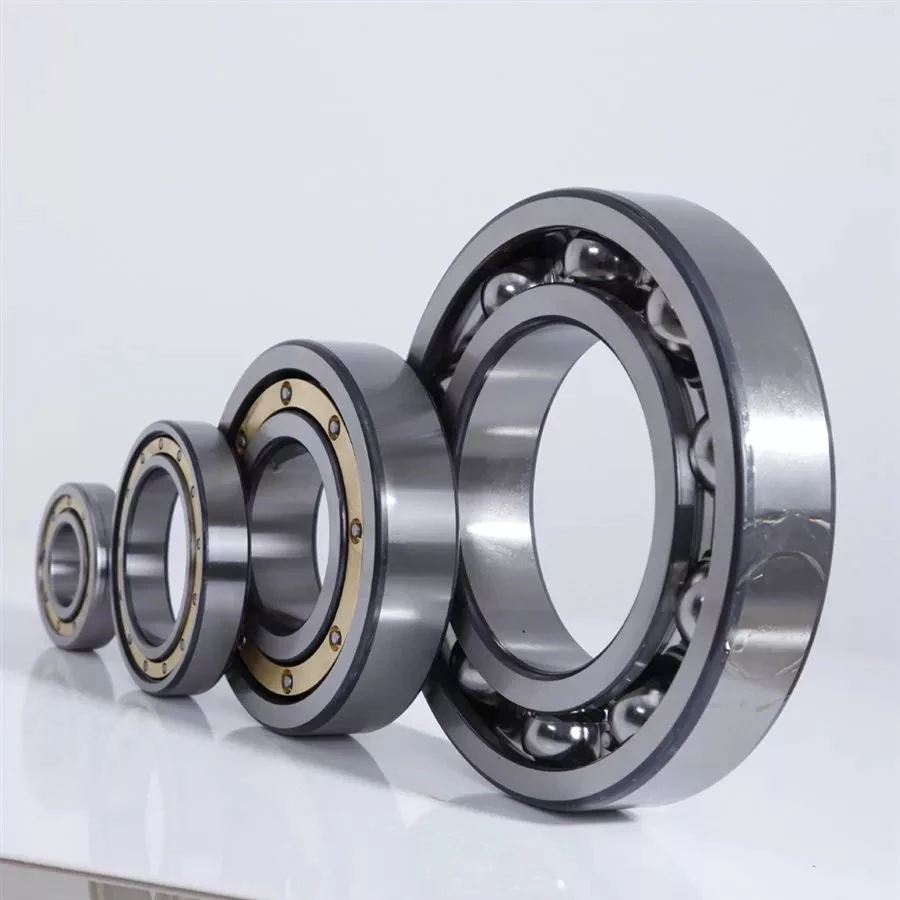
Ball bearings are made with angular contacts that result in an angle between the bearing’s races. While the axial load moves in one direction through the bearing, the radial load follows a curved path, tending to separate the races axially. In order to minimize this frictional effect, angular contact bearings are designed with the same contact angle on the inner and outer races. The contact angle must be chosen to match the relative proportions of the axial and radial loads. Generally, a larger contact angle supports a higher axial load, while reducing radial load.
Ball bearings are the most common type of angular contact bearings. Angular contact ball bearings are used in many applications, but their primary purpose is in the spindle of a machine tool. These bearings are suitable for high-speed, precision rotation. Their radial load capacity is proportional to the angular contact angle, so larger contact angles tend to enlarge with speed. Angular contact ball bearings are available in single and double-row configurations.
Angular contact ball bearings are a great choice for applications that involve axial loads and complex shapes. These bearings have raceways on the inner and outer rings and mutual displacement along the axial axis. Their axial load bearing capacity increases as the contact Angle a rises. Angular contact ball bearings can withstand loads up to five times their initial weight! For those who are new to bearings, there are many resources online dedicated to the subject.
Despite their complexity, angular contact ball bearings are highly versatile and can be used in a wide range of applications. Their angular contact enables them to withstand moderate radial and thrust loads. Unlike some other bearings, angular contact ball bearings can be positioned in tandem to reduce friction. They also feature a preload mechanism that removes excess play while the bearing is in use.
Angular contact ball bearings are made with different lubricants and cage materials. Standard cages for angular contact ball bearings correspond to Table 1. Some are machined synthetic resins while others are molded polyamide. These cage materials are used to further enhance the bearing’s axial load capacity. Further, angular contact ball bearings can withstand high speeds and radial loads. Compared to radial contact ball bearings, angular contact ball bearings offer the greatest flexibility.
Ball bearings
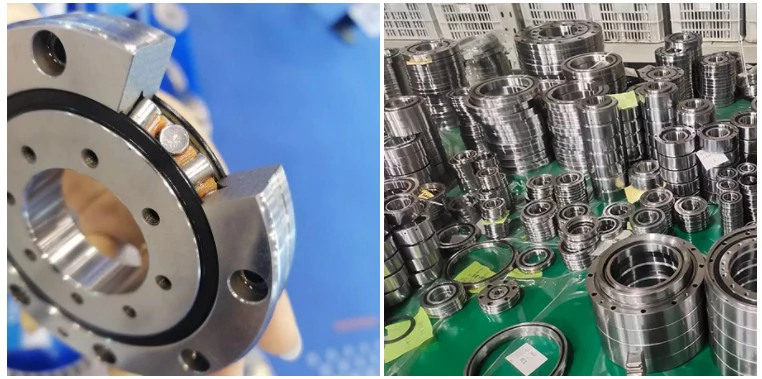
Ball bearings are circular structures with two separate rings. The smaller ring is mounted on a shaft. The inner ring has a groove on the outer diameter that acts as a path for the balls. Both the inner and outer ring surfaces are finished with very high precision and tolerance. The outer ring is the circular structure with the rolling elements. These elements can take many forms. The inner and outer races are generally made of steel or ceramic.
Silicon nitride ceramic balls have good corrosion resistance and lightweight, but are more expensive than aluminum oxide balls. They also exhibit an insulating effect and are self-lubricating. Silicon nitride is also suitable for high-temperature environments. However, this type of material has the disadvantage of wearing out rapidly and is prone to cracking and shattering, as is the case with bearing steel and glass. It’s also less resistant to heat than aluminum oxide, so it’s best to buy aluminum nitride or ceramic ball bearings for applications that are subjected to extremely high temperatures.
Another type of ball bearings is the thrust bearing. It has a special design that accommodates forces in both axial and radial directions. It is also called a bidirectional bearing because its races are side-by-side. Axial ball bearings use a side-by-side design, and axial balls are used when the loads are transmitted through the wheel. However, they have poor axial support and are prone to separating during heavy radial loads.
The basic idea behind ball bearings is to reduce friction. By reducing friction, you’ll be able to transfer more energy, have less erosion, and improve the life of your machine. With today’s advances in technology, ball bearings can perform better than ever before. From iron to steel to plastics, the materials used in bearings have improved dramatically. Bearings may also incorporate an electromagnetic field. So, it’s best to select the right one for your machine.
The life expectancy of ball bearings depends on many factors, including the operating speed, lubrication, and temperature. A single million-rpm ball bearing can handle between one and five million rotations. As long as its surface contact area is as small as possible, it’s likely to be serviceable for at least one million rotations. However, the average lifespan of ball bearings depends on the application and operating conditions. Fortunately, most bearings can handle a million or more rotations before they start showing signs of fatigue.
Sliding-contact bearings
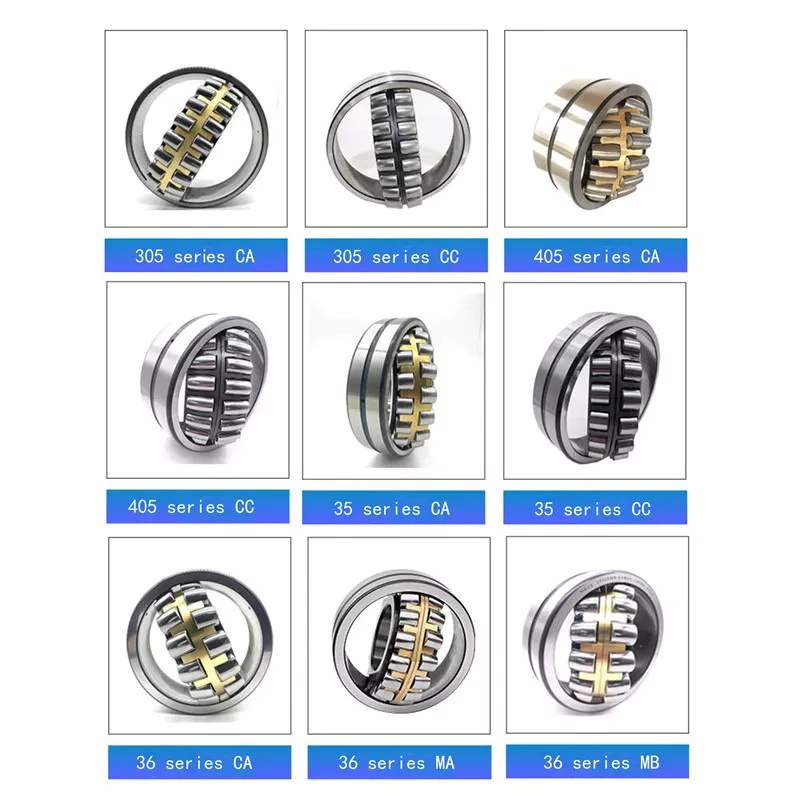
The basic principle behind sliding-contact bearings is that two surfaces move in contact with one another. This type of bearing works best in situations where the surfaces are made of dissimilar materials. For instance, a steel shaft shouldn’t run in a bronze-lined bore, or vice versa. Instead, one element should be harder than the other, since wear would concentrate in that area. In addition, abrasive particles tend to force themselves into the softer surface, causing a groove to wear in that part.
Sliding-contact bearings have low coefficients of friction and are commonly used in low-speed applications. Unlike ball and roller bearings, sliding contact bearings have to be lubricated on both sides of the contacting surfaces to minimize wear and tear. Sliding-contact bearings generally are made of ceramics, brass, and polymers. Because of their lower friction, they are less accurate than rolling-element bearings.
Sliding-contact bearings are also known as plain or sleeve bearings. They have a sliding motion between their two surfaces, which is reduced by lubrication. This type of bearing is often used in rotary applications and as guide mechanisms. In addition to providing sliding action, sliding-contact bearings are self-lubricating and have high load-carrying capacities. They are typically available in two different types: plain bearings and thrust bearings.
Sliding-contact linear bearing systems consist of a moving structure (called the carriage or slide) and the surfaces on which the two elements slide. The surfaces on which the bearing and journal move are called rails, ways, or guides. A bore hole is a complex geometry, and a minimum oil film thickness h0 is usually used at the line of centers. It is possible to have a sliding-contact bearing in a pillow block.
Because these bearings are porous, they can absorb 15 to 30% of the lubrication oil. This material is commonly used in automobile and machine tools. Many non-metallic materials are used as bearings. One example is rubber, which offers excellent shock absorbency and embeddability. While rubber has poor strength and thermal conductivity, it is commonly used in deep-well pumps and centrifugal pumps. This material has high impact strength, but is not as rigid as steel.
editor by czh

China wholesaler China Brand Ball Bearings F-88509 Automobile Support Bearing 530209 near me manufacturer
Solution Description
Product Description
The 88509 can be employed in: plastic wire drawing equipment, conveyor, mixing machine, welding equipment, monitoring gear, sewing device parts, machine instrument slide, sizzling pressing equipment, screw machine, stud welding device, burner components, circular sawing equipment, aerial function machinery, horizontal pumps, laminated glass generation line, scorching CZPT adhesive machine, device, working on microwave drying tools
In depth Photos
Packaging & Delivery
Plastic Bag+ Paper Box + Carton(+Pallet)
two) Small dimensions:Plastic Tube + Carton
3) Large sizes:Wood Scenario
one)Much less than forty five KGS, we will ship by categorical. (Doorway to Door, Handy)
2)In between forty five – 200 KGS, we will send by air transport. (Speediest and safest, but ?high-priced )
three)Much more than two hundred KGS, we will send out by sea. (Most affordable and usual)
Our Advantages
1, Knowledge: 15 years expertise on bearing producing and exporting.
2, Client: Exporting to a lot more than 126 countries on 6 continents
three, High quality common: ONLY Previously mentioned than P6
four, Shipping In: ten-forty times following T/T or L/C, pay out penalty for any delay.
Organization Profile
one,HangZhou shengxingrui bearing co., ltd. is a expert bearing product sales enterprise, found in the stunning coastal city of HangZhou, targeted traffic is really hassle-free, easy logistics.In line with “urgent buyer urgent, feel what customers feel” organization philosophy, to supply customers with large quality, reasonably priced quality services.
2,Principal business categories: deep groove bearings, cylindrical roller bearings, centering bearings, centering ball bearings, angular contact bearings, tapered roller bearings, airplane thrust ball bearings, thrust roller bearings, needle roller bearings, spherical bearings with seat, rod end joint bearings, linear bearings, and so forth.
3,Products are commonly employed in: device resources, motors, textile equipment, glass machinery, ceramic equipment, electric tools, car manufacturing, ships, mines, paper, printing, forklift, wire chopping and other industries.
4,Our organization in HangZhou warehouse geared up with sufficient offer of items and supply competitive benefit costs and ideal services as help, to supply you with convey shipping .
Picking the Correct Ball Bearing for Your Application
When choosing a Ball Bearing, there are many things to consider. These aspects include: the dimensions, lubricant kind, presence of corrosive agents, stray electrical currents, and far more. It can be difficult to pick the right kind, size, and sort of ball bearing for your application. You ought to also carefully compute the loads to establish the correct measurement. Below are some guidelines for picking the correct Ball Bearing for your software.
One-row
The one-row ball bearing is 1 of the most common sorts of bearings. The inner and outer ring are made with raceway grooves that are formed slightly more substantial than the balls. This type of bearing has a lower torque and can deal with substantial-speed apps with small electrical power decline. The radial dimensions of single-row ball bearings also fluctuate, so it is attainable to discover one particular that suits your specific software. Aside from the earlier mentioned-pointed out rewards, one-row ball bearings are also offered with varying grease ranges and are widely relevant to purposes exactly where the space is constrained.
Solitary-row ball bearings are also called angular-contact ball bearings. Since of their one-row layout, they are not separable and can accommodate a large-speed, large-obligation application. Solitary-row angular-get in touch with ball bearings can only manage axial load in a single route, and they have to be set up in pairs for pure radial hundreds. Solitary-row ball bearings are a common kind of rolling bearings and can be employed for a wide variety of purposes.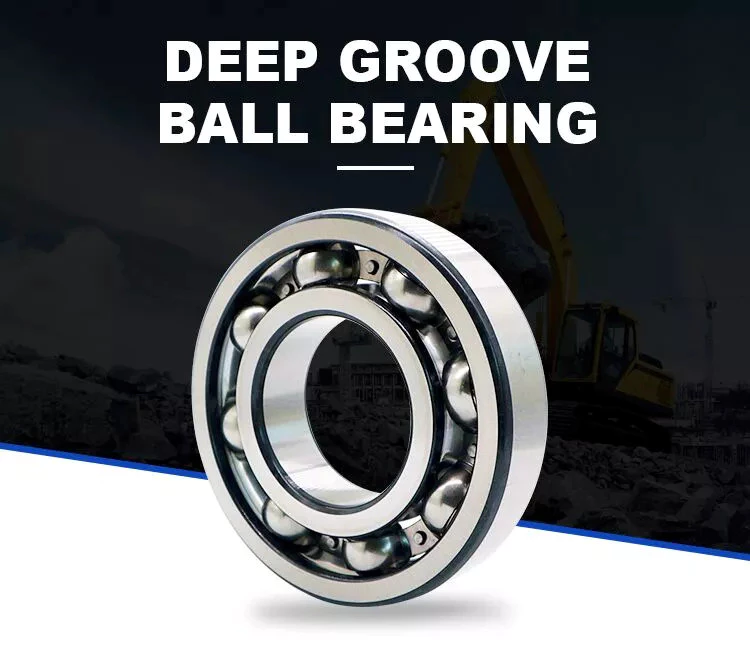
Self-aligning
The self-aligning ball bearing was invented by Sven Wingquist, a plant engineer for a textile organization in Sweden. Even though he was dependable for making creation as productive as feasible, he before long understood that the equipment he experienced in area wasn’t doing work as efficiently as it could. Even though ball bearings are wonderful for minimizing friction, they had been not versatile ample to compensate for misalignments in the machine.
Self-aligning ball bearings have two rows of balls and a typical sphered raceway. The interior ring is curved and brings together the two rows of balls into one particular cage. These bearings can tolerate shaft misalignment and compensate for static angular defects. They can be used in easy woodworking machinery, ventilators, and conveying gear. They are often the desired decision for purposes where shaft alignment is an concern.
Ceramic
A Ceramic ball bearing is a type of higher-efficiency bearing that is accessible in both total-ceramic and hybrid types. The principal variations among ceramic and steel ball bearings are their design, lubrication, and mobility. Substantial-high quality ceramic ball bearings are durable, and they are excellent for corrosive and substantial-temperature applications. The material utilized to produce these bearings helps avoid electrolytic corrosion. They are also excellent for reducing the friction and lubrication requirements.
Ceramic balls are tougher and considerably less brittle than steel balls, which offers them a greater diploma of rigidity. Ceramics also have a larger hardness, with a hardness of Rc75-eighty when compared to Rc58-64 for metal balls. Their high compressive power is approximately 5 to 7 moments better than steel. In addition, they have a really reduced coefficient of friction, which enables them to spin at higher speeds and with less friction. This will increase their lifespan and longevity, and decreases the power necessary to switch cranks.
Metal
Not like standard bearings, metal balls have a comparatively uniform hardness. Carbon steel, for occasion, is 2.1% carbon by bodyweight. According to the American Iron and Steel Institute, copper material have to be no far more than .forty% and manganese content must not be a lot more than 1.65 g/cm3. Following carbonizing, steel balls endure a process referred to as sizing, which enhances their roundness geometry and hardness.
The major variances in between steel ball bearings and ceramic ball bearings can be traced to their different supplies. Ceramic balls are created from zirconium dioxide or silicon nitride. Silicon nitride is tougher than metal and resists shocks. The end result is increased velocity and lengthier services existence. Polyoxymethylene acetal (PMMA) bearing balls are known for their stiffness, toughness, and tolerance, but are not as widespread as metal ball bearings.
Plastic
The most popular types of plastic ball bearings are made of polypropylene or PTFE. These bearings are utilised in applications necessitating larger chemical resistance. Polypropylene is a structural polymer that offers superb actual physical and chemical houses, like exceptional resistance to organic and natural solvents and degreasing brokers. Its lightweight, low humidity absorption fee, and good warmth resistance make it an excellent option for higher-temperature applications. Even so, plastic bearings are not with no their downsides, specially when running at really high temperatures or underneath weighty loads.
Compared to metallic bearings, plastic ball-bearings do not require lubrication. They also are very corrosion-resistant, producing them an exceptional decision for wash-down applications. They are also submit-, autoclave-, and gamma sterilizable. A lot of conventional steel ball-bearings can not manage the large temperatures of food processing or swimming pools. In addition to substantial temperature applications, plastic ball bearings are resistant to chemical compounds, such as chlorine.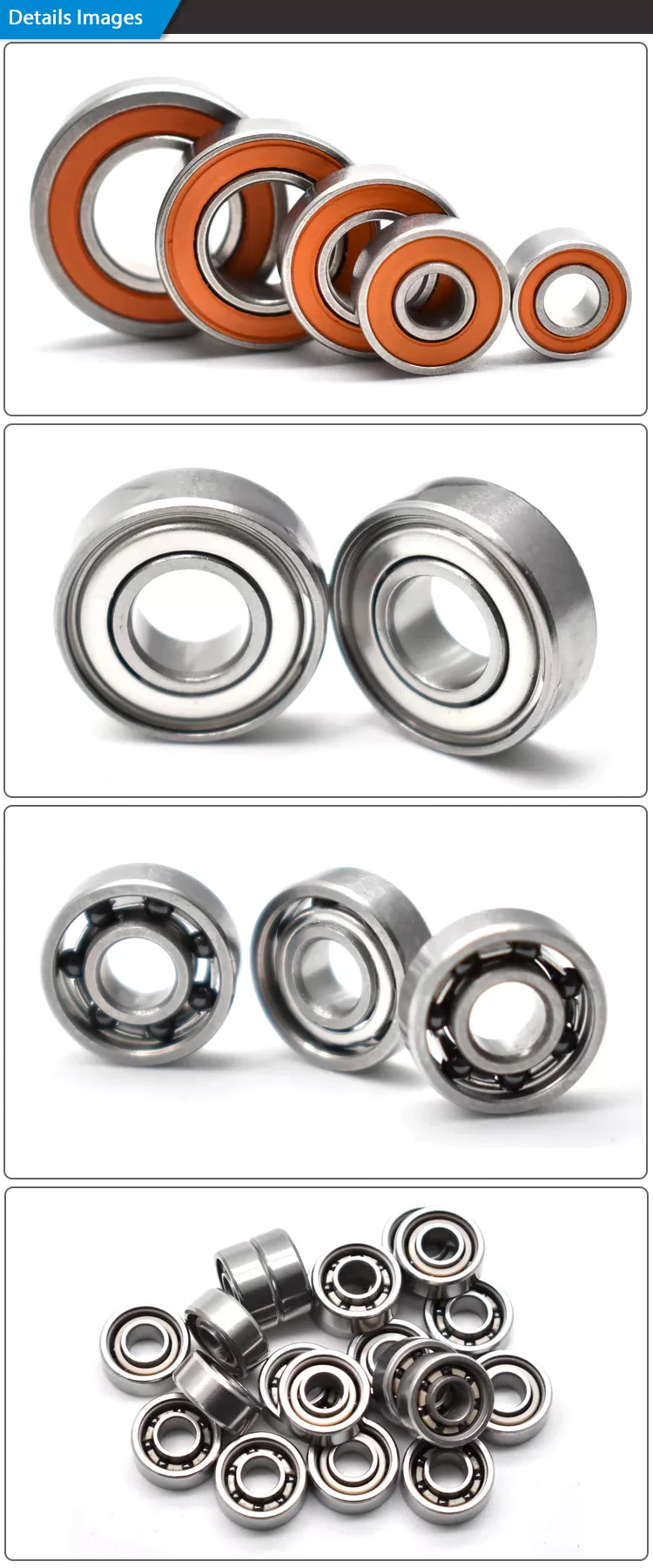
Glass
Plastic sliding bearings are molded bearings produced of engineering plastic. With self-lubricating modification technologies, these bearings can be created by injection molding of plastic beads. They are commonly utilised in a variety of industries this sort of as business office products, health and fitness and automotive equipment. In addition to plastic bearings, glass balls are utilized in a range of other programs, including healthcare products. Glass ball bearings have exceptional corrosion resistance, outstanding mechanical homes, and are electrically insulators.
Plastic ball bearings are made of all-plastic races and cages. These bearings are suitable for programs that are uncovered to acids and alkalis. Simply because they are less costly than glass balls, plastic ball bearings are well-known in chemical-exposed environments. Stainless metal balls are also resistant to warmth and corrosion. But the major drawback of plastic ball bearings is that they are not as powerful as glass balls. So, if weight and sounds is your main concern, consider employing plastic balls as an alternative.
Miniature
The global miniature ball bearing marketplace is anticipated to attain US$ 2.39 Billion by 2027, at a CAGR of 7.2%. Expansion in the region is attributed to technological advancement and govt initiatives. International locations such as India and China are attracting FDIs and emphasizing the institution of a world-wide manufacturing hub. This is boosting the market for miniature ball bearings. The miniscule ball bearings are made in modest portions and are extremely little.
Some makers create miniature ball bearings in different materials and designs. Chrome steel is the most popular content for miniature ball bearings because of its high load potential, lower sounds qualities, and reduce value. But the expense of stainless metal miniature bearings is reduced, because the amount of metal utilized is small. Stainless metal miniature bearings are the smallest in dimensions. Therefore, you can choose stainless metal mini ball bearings for substantial-pace apps.
Angular-make contact with
Angular-get in touch with ball bearings have 3 factors: a cage, internal ring, and balls. Angular-get in touch with ball bearings can assist higher axial and radial loads. Various design and style and producing attributes make angular-make contact with ball bearings suited for a selection of applications. Some features of this bearing sort consist of a specific lubricant, distinct cage materials, and diverse coatings.
The dimension of an angular-contact ball bearing is determined by the style units: outer ring width, axial load, and radial load. Depending on the sort of software, an angular-contact ball bearing could be created in double-row, triple-row, or quadruple-row configurations. Angular contact ball bearings can be categorised in accordance to their style models, which selection from metric to imperial. A higher ABEC number means tighter tolerances. To determine the tolerance equal of a distinct bearing, check with a standard Angular-get in touch with ball bearing desk.
Angular-make contact with ball bearings attribute substantial and reduced-shoulder configurations. They have two-dimensional races that accommodate axial and radial loads. They are offered in self-retaining models with reliable interior and outer rings, and ball and cage assemblies. Cages created of forged and wrought brass are the most well-known, but light-weight phenolic cages are also offered. The latter is a much better option simply because it does not take up oil and has reduce rolling friction.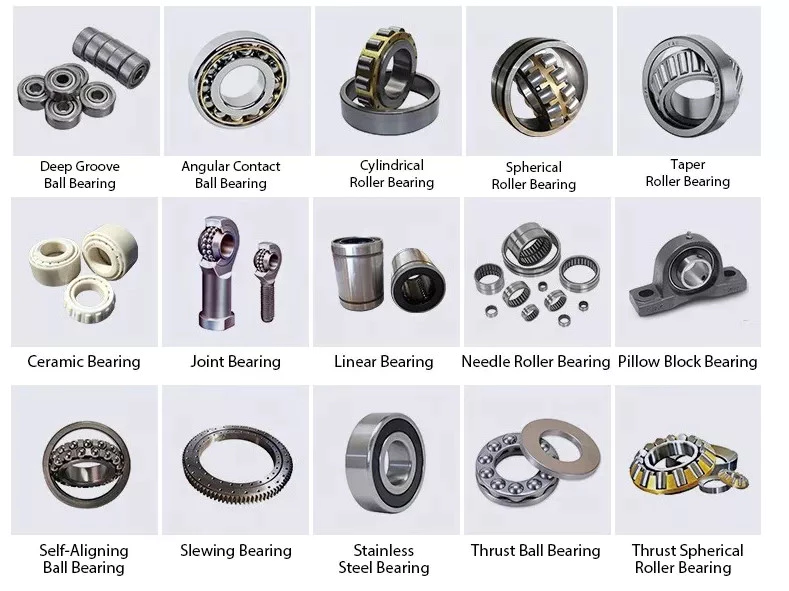
Supplies
When it will come to the building of a ball bearing, higher-top quality raw materials are a critical component. These materials not only have an effect on the total quality of a ball bearing, but also influence the price. That is why you need to shell out near attention to raw content quality. In addition to that, uncooked components need to be analyzed many occasions ahead of the manufacturing approach to make sure high quality. Read on for some details about the diverse sorts of resources used to make ball bearings.
Steel is the most common material for ball bearings. Most ball bearings have stainless metal balls, which are remarkably corrosion-resistant. They are also resistant to saltwater and alkalis. Even so, stainless steel balls are heavier than plastic types, and they are also magnetic, which could be a drawback in some programs. If you happen to be seeking for a metal-free of charge option, glass balls are the way to go. They are sturdy, lightweight, and resistant to a broad range of chemicals.

