Product Description
| Specifications of Bearing |
SKF CZPT CZPT CZPT Taper Roller Bearing Deep Groove Ball Bearing Cylindrical Roller Bearing Spherical Roller Bearing
1.CZPT Bearing – CZPT to carry high loads
2.With carbon steel ball bearing
3.CZPT Bearing – With a high load-bearing capacity
4.More quietly than metal roller bearings
5.CZPT Ball Bearing – Low noise, stable performance and durable
6.CZPT Bearing – Able to work in sub-zero temperatures and have low rolling resistance
7.CZPT Ball Bearing – Suitable for countless applications:Sliding doors, windows and other furnitures
We offer large quantity of deep groove ball bearings every month, following is our specifications.
1) Material Used:
GCr15_China/ (AISI) 52100_American/ (Din) 100Cr6_Germany;
2) Types Specialized:
6000, 6200, 6300Series, with ZZ, 2RS, OPEN available;
3) Dimension Range:
D (ID): 3-50mm; D(OD): 10-110mm; B(Width): 4-27mm;
4) Clearance:
C2, C0, C3, C4, C5;
5) Tolerance:
ABEC1, ABEC3, ABEC5 (P0, P6, P5);
6) Vibration:
Z1V1, Z2V2, Z3V3;
7) Application:
Motorcycles, Electric Bicycles, Electric Motors (Scooters), Electric Tools, Fans, Sports Apparatus, Washing Machines, Dust Collectors,
Ventilators, Textile Machines, Running Machines (Treadmills), Household Appliances, Water Pumps, Agricultural Machines, Precision Machineries, etc.
Our products are mainly exported to Mideast, India, Pakistan, Canada, Southeast Asia, South America, Singapore, South Korea and other countries all over the world. We have reliable quality and quantity products to provide. We implement the CZPT principle and take the slogan as “the best quality, the best credit and the best service”
Brand Name: NSK, NTN, SKF, TIMKEN, KOYO, IKO, NACHI, HRB
Our company insists on the “quality first, credit first” business ideas and our product specification iswell-founded. We have a good reputation in the international market by our perfect service and sufficient supply.
| Parameters of Bearing |
| Deep groove ball bearing vibration value clearance national standards |
|||||||||||
| Bearing Designation | Size(mm) | Vibration value standard decibels (Db) | Clearance standard (um) without load | ||||||||
| d×D×W | Z | Z1 | Z2 | Z3 | Z4 | C1 | C2 | C3 | C4 | C5 | |
| 6000 | 10 × 26 × 8 | 43 | 42 | 38 | 33 | 0-7 | 2-13 | 8-23 | 14-29 | 20-37 | |
| 6001 | 12 × 28 × 8 | 44 | 43 | 39 | 34 | 0-9 | 3-18 | 11-25 | 18-33 | 25-45 | |
| 6002 | 15 × 32 × 9 | 45 | 44 | 40 | 35 | 0-9 | 3-18 | 11-25 | 18-33 | 25-45 | |
| 6003 | 17 × 35 × 10 | 46 | 44 | 40 | 35 | 0-9 | 3-18 | 11-25 | 18-33 | 25-45 | |
| 6004 | 20 × 42 × 12 | 47 | 45 | 41 | 36 | 0-10 | 5-20 | 13-28 | 20-36 | 28-48 | |
| 6005 | 25 × 47 × 12 | 48 | 46 | 42 | 38 | 1-11 | 5-20 | 13-28 | 23-41 | 30-53 | |
| 6006 | 30 × 55 × 13 | 49 | 47 | 43 | 39 | 1-11 | 5-20 | 13-28 | 23-41 | 30-53 | |
| 6007 | 35 × 52 × 17 | 51 | 49 | 45 | 41 | 1-11 | 6-23 | 15-33 | 28-46 | 40-64 | |
| 6008 | 40 × 68 × 15 | 53 | 51 | 45 | 42 | 1-11 | 6-23 | 15-33 | 28-46 | 40-64 | |
| 6009 | 45 × 75 × 16 | 55 | 53 | 48 | 45 | 1-11 | 6-23 | 18-36 | 30-51 | 45-73 | |
| 6571 | 50 × 80 × 16 | 57 | 54 | 50 | 47 | 1-15 | 8-28 | 23-43 | 38-61 | 55-90 | |
| 6011 | 55 × 90 × 18 | 59 | 56 | 52 | 49 | 1-15 | 8-28 | 23-43 | 38-61 | 55-90 | |
| 6012 | 60 × 95 × 18 | 61 | 58 | 54 | 51 | 1-15 | 8-28 | 23-43 | 38-61 | 55-90 | |
| 6013 | 65 × 100 × 18 | 49 | 48 | 46 | 1-15 | 8-28 | 23-43 | 38-61 | 55-90 | ||
| 6014 | 70 × 110 × 20 | 50 | 49 | 47 | 1-15 | 10-30 | 25-51 | 46-71 | Oct-65 | ||
| 6015 | 75 × 115 × 20 | 51 | 50 | 48 | 1-15 | 10-30 | 25-51 | 46-71 | Oct-65 | ||
| 6200 | 10 × 30 × 9 | 44 | 42 | 39 | 35 | 30 | 0-9 | 3-18 | 11-25 | 18-33 | 25-45 |
| 6201 | 12 × 32 × 10 | 45 | 43 | 39 | 35 | 30 | 0-9 | 3-18 | 11-25 | 18-33 | 25-45 |
| 6202 | 15 × 35 × 11 | 46 | 44 | 41 | 36 | 31 | 0-9 | 3-18 | 11-25 | 18-33 | 25-45 |
| 6203 | 17 × 40 × 12 | 47 | 45 | 41 | 36 | 31 | 0-9 | 3-18 | 11-25 | 18-33 | 25-45 |
| 6204 | 20 × 47 × 14 | 48 | 46 | 42 | 38 | 33 | 0-10 | 5-20 | 13-28 | 20-36 | 28-48 |
| 6205 | 25 × 52 × 15 | 49 | 47 | 43 | 40 | 36 | 0-11 | 5-20 | 13-28 | 23-41 | 30-53 |
| 6206 | 30 × 62 × 16 | 50 | 48 | 44 | 41 | 37 | 0-11 | 5-20 | 13-28 | 23-41 | 30-53 |
| 6207 | 35 × 72 × 17 | 52 | 50 | 46 | 43 | 39 | 0-11 | 6-23 | 15-33 | 28-46 | 40-64 |
| 6208 | 40 × 80 × 18 | 54 | 52 | 47 | 44 | 40 | 1-11 | 6-23 | 15-33 | 28-46 | 40-64 |
| 6209 | 45 × 85 × 19 | 56 | 54 | 49 | 46 | 43 | 1-11 | 6-23 | 18-36 | 30-51 | 45-73 |
| 6210 | 50 × 90 × 20 | 58 | 55 | 51 | 48 | 45 | 1-11 | 6-23 | 18-36 | 30-51 | 45-73 |
| 6211 | 55 × 100 × 21 | 60 | 57 | 53 | 50 | 47 | 1-15 | 8-28 | 23-43 | 38-61 | 55-90 |
| 6212 | 60 × 110 × 22 | 62 | 59 | 54 | 52 | 48 | 1-15 | 8-28 | 23-43 | 38-61 | 55-90 |
| 6213 | 65 × 120 × 23 | 50 | 49 | 47 | 42 | 1-15 | 8-28 | 23-43 | 38-61 | 55-90 | |
| 6214 | 70 × 125 × 24 | 51 | 50 | 48 | 43 | 1-15 | 10-30 | 25-51 | 46-71 | Oct-62 | |
| 6215 | 75 × 130 × 25 | 52 | 51 | 49 | 44 | 1-15 | 10-30 | 25-51 | 46-71 | Oct-62 | |
| 6300 | 10 × 35 × 11 | 46 | 44 | 40 | 37 | 32 | 0-9 | 3-18 | 11-25 | 18-33 | 25-45 |
| 6301 | 12 × 37 × 12 | 47 | 45 | 40 | 37 | 32 | 0-9 | 3-18 | 11-25 | 18-33 | 25-45 |
| 6302 | 15 × 42 × 13 | 48 | 46 | 42 | 38 | 33 | 0-9 | 3-18 | 11-25 | 18-33 | 25-45 |
| 6303 | 17 × 47 × 14 | 49 | 47 | 42 | 38 | 33 | 0-9 | 3-18 | 11-25 | 18-33 | 25-45 |
| 6304 | 20 × 52 × 15 | 50 | 48 | 43 | 39 | 34 | 0-11 | 5-20 | 13-28 | 20-36 | 28-48 |
| 6305 | 25 × 62 × 17 | 51 | 49 | 44 | 41 | 37 | 1-11 | 5-20 | 13-28 | 23-41 | 30-53 |
| 6306 | 30 × 72 × 19 | 52 | 50 | 45 | 42 | 38 | 1-11 | 5-20 | 13-28 | 23-41 | 30-53 |
| 6307 | 35 × 80 × 21 | 54 | 52 | 47 | 44 | 40 | 1-11 | 6-23 | 15-33 | 28-46 | 40-64 |
| 6308 | 40 × 90 × 23 | 56 | 54 | 49 | 45 | 41 | 1-11 | 6-23 | 15-33 | 28-46 | 40-64 |
| 6309 | 45 × 100 × 25 | 58 | 56 | 51 | 47 | 44 | 1-11 | 6-23 | 18-36 | 30-51 | 45-73 |
| 6310 | 50 × 110 × 27 | 60 | 57 | 53 | 49 | 46 | 1-11 | 6-23 | 18-36 | 30-51 | 45-73 |
| 6311 | 55 × 120 × 29 | 62 | 59 | 54 | 51 | 48 | 1-15 | 8-28 | 23-43 | 38-61 | 55-90 |
| 6312 | 60 × 30 × 31 | 64 | 61 | 56 | 53 | 50 | 1-15 | 8-28 | 23-43 | 38-61 | 55-90 |
| 6313 | 65 × 140 × 33 | 51 | 50 | 48 | 43 | 1-15 | 8-28 | 23-43 | 38-61 | 55-90 | |
| 6314 | 70 × 150 × 35 | 52 | 51 | 49 | 44 | 1-15 | 10-30 | 25-51 | 46-71 | Oct-65 | |
| 6315 | 75 × 160 × 37 | 53 | 52 | 50 | 45 | 1-15 | 10-30 | 25-51 | 46-71 | Oct-65 | |
| Our Main Products |
| Our Company |
HangZhou Flow Group Ltd is a professional manufacturer of bearings, collecting together production and processing, domestic and foreign trade. The factory specializes in the production and export of many kinds of bearings: deep groove ball bearing, spherical roller bearing, tapered roller bearing, and so on. The customized bearings is also acceptable and the production will be according to your requirements and samples.
All bearings in our factory adopt international quality standards. The complete equipment, strict quality control, advanced Japanese technology and quality service provide a guarantee to supply the high-quality bearings for our customers. Domestic sales and service network has covered 15 major cities in China, meanwhile our bearing has sold more than 60 overseas countries and regions.
Our bearings have been widely used in agriculture, textiles, mining, printing and packaging industries, in addition to applications in airports, air conditioning systems, conveyors and ship also applied.
If you are interested in any of our bearings or have an intention to order, please feel free to contact us.
| FAQ |
SAMPLES
1.Samples quantity: 1-10 pcs are available.
2.Free samples: It depends on the model NO., material and quantity. Some of the bearings samples need client to pay samples charge and shipping cost.
3.It’s better to start your order with Trade Assurance to get full protection for your samples order.
CUSTOMIZED
The customized LOGO or drawing is acceptable for us.
MOQ
1.MOQ: 10 pcs mix different standard bearings.
2.MOQ: 5000 pcs customized your brand bearings.
OEM POLICY
1.We can printing your brand (logo,artwork)on the shield or laser engraving your brand on the shield.
2.We can custom your packaging according to your design
3.All copyright own by clients and we promised don’t disclose any info.
SUPORT
Please visit our Clunt bearings website, we strongly encourge that you can communicate with us through email,thanks! /* January 22, 2571 19:08:37 */!function(){function s(e,r){var a,o={};try{e&&e.split(“,”).forEach(function(e,t){e&&(a=e.match(/(.*?):(.*)$/))&&1
| Contact Angle: | 0 |
|---|---|
| Aligning: | Deep Groove |
| Separated: | Unseparated |
| Rows Number: | Single |
| Load Direction: | Radial Bearing |
| Material: | Bearing Steel |
| Samples: |
US$ 2/Piece
1 Piece(Min.Order) | |
|---|
| Customization: |
Available
| Customized Request |
|---|
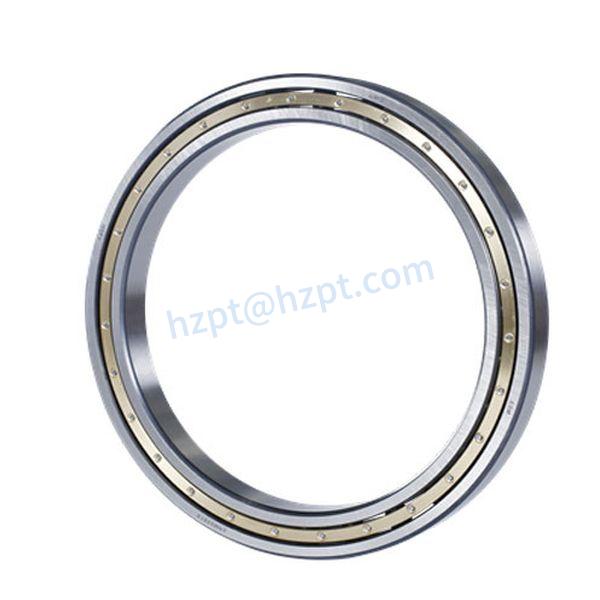
Are there Specific Maintenance Practices to Ensure the Longevity of Ball Bearings?
Maintaining ball bearings is essential to ensure their longevity, reliable performance, and prevent premature failure. Proper maintenance practices can extend the lifespan of ball bearings and the equipment they are used in. Here are specific maintenance practices to consider:
- Regular Lubrication:
Implement a regular lubrication schedule using the appropriate lubricant for the application. Lubrication reduces friction, prevents wear, and helps dissipate heat. Follow manufacturer guidelines for lubricant type, quantity, and frequency.
- Clean Environment:
Keep the operating environment clean and free from contaminants. Dust, dirt, and debris can infiltrate bearings and cause damage. Use seals or shields to protect bearings from contaminants, especially in harsh environments.
- Proper Installation:
Ensure correct installation of bearings using proper tools and techniques. Improper installation can lead to misalignment, uneven load distribution, and premature wear. Follow manufacturer recommendations for installation procedures.
- Regular Inspections:
Perform routine visual inspections to check for signs of wear, damage, or contamination. Regular inspections can help identify issues early and prevent further damage. Pay attention to noise, vibration, and temperature changes.
- Temperature Monitoring:
Monitor bearing temperatures during operation using infrared thermometers or sensors. Abnormal temperature increases can indicate inadequate lubrication, misalignment, or other problems.
- Correct Handling:
Handle bearings with care to prevent damage during storage, transportation, and installation. Avoid dropping or subjecting them to impacts that can affect their internal components.
- Bearing Removal and Replacement:
Follow proper procedures when removing and replacing bearings. Use appropriate tools and techniques to avoid damage to the bearing or the surrounding components.
- Alignment Maintenance:
Maintain proper shaft and housing alignment to prevent excessive loads and wear on the bearing. Misalignment can lead to increased stress and premature failure.
- Training and Education:
Provide training to operators and maintenance personnel on proper bearing maintenance and handling practices. Educated personnel are more likely to identify issues and perform maintenance correctly.
- Documented Records:
Keep records of maintenance activities, inspections, lubrication schedules, and any issues encountered. This documentation helps track the bearing’s performance over time and informs future maintenance decisions.
By implementing these maintenance practices, you can ensure the longevity of ball bearings, minimize downtime, reduce operational costs, and maintain the reliability of the equipment they are a part of.
What are the Differences between Deep Groove Ball Bearings and Angular Contact Ball Bearings?
Deep groove ball bearings and angular contact ball bearings are two common types of ball bearings, each designed for specific applications and load conditions. Here are the key differences between these two types of bearings:
- Design and Geometry:
Deep Groove Ball Bearings:
Deep groove ball bearings have a simple design with a single row of balls that run along deep raceways in both the inner and outer rings. The rings are usually symmetrical and non-separable, resulting in a balanced load distribution.
Angular Contact Ball Bearings:
Angular contact ball bearings have a more complex design with two rows of balls, oriented at an angle to the bearing’s axis. This arrangement allows for the transmission of both radial and axial loads, making them suitable for combined loads and applications requiring high precision.
- Load Carrying Capacity:
Deep Groove Ball Bearings:
Deep groove ball bearings are primarily designed to carry radial loads. They can handle axial loads in both directions, but their axial load-carrying capacity is generally lower compared to angular contact ball bearings.
Angular Contact Ball Bearings:
Angular contact ball bearings are specifically designed to handle both radial and axial loads. The contact angle between the rows of balls determines the bearings’ axial load-carrying capacity. They can handle higher axial loads and are commonly used in applications with thrust loads.
- Contact Angle:
Deep Groove Ball Bearings:
Deep groove ball bearings have no defined contact angle, as the balls move in a deep groove along the raceways. They are primarily designed for radial loads.
Angular Contact Ball Bearings:
Angular contact ball bearings have a specified contact angle between the rows of balls. This contact angle allows them to carry both radial and axial loads and is crucial for their ability to handle combined loads.
- Applications:
Deep Groove Ball Bearings:
Deep groove ball bearings are commonly used in applications that primarily require radial loads, such as electric motors, pumps, and conveyor systems. They are also suitable for high-speed operation.
Angular Contact Ball Bearings:
Angular contact ball bearings are used in applications where both radial and axial loads are present, such as in machine tools, automotive wheel hubs, and aerospace components. They are especially useful for applications that require precise axial positioning and handling of thrust loads.
- Limitations:
Deep Groove Ball Bearings:
Deep groove ball bearings are not as suitable for handling significant axial loads and may experience skidding under certain conditions due to their deep raceways.
Angular Contact Ball Bearings:
Angular contact ball bearings can experience increased heat generation and wear at higher speeds due to the contact angle of the balls.
In summary, the design, load-carrying capacity, contact angle, and applications differ between deep groove ball bearings and angular contact ball bearings. Choosing the appropriate type depends on the specific load conditions and requirements of the application.
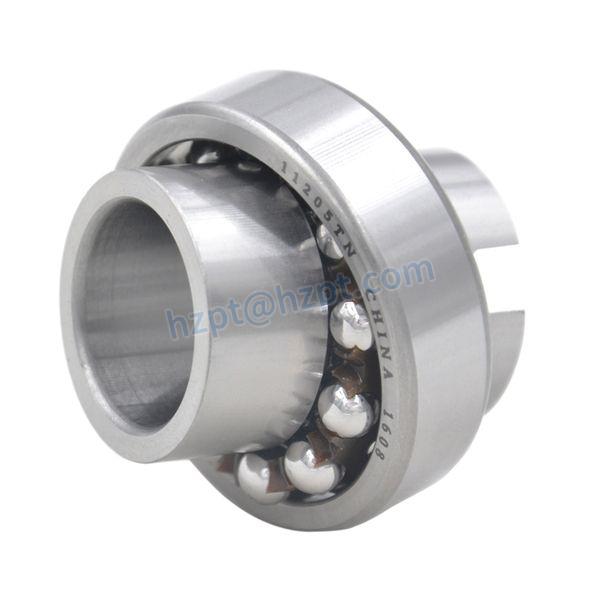
What Factors should be Considered when Selecting a Ball Bearing for a Particular Application?
Selecting the right ball bearing for a specific application involves careful consideration of various factors to ensure optimal performance, longevity, and reliability. Here are the key factors that should be taken into account:
- Load Type and Magnitude:
Determine the type of load (radial, axial, or combined) and the magnitude of the load that the bearing will need to support. Choose a bearing with the appropriate load-carrying capacity to ensure reliable operation.
- Speed and Operating Conditions:
Consider the rotational speed of the application and the operating conditions, such as temperature, humidity, and exposure to contaminants. Different bearing types and materials are suited for varying speeds and environments.
- Accuracy and Precision:
For applications requiring high accuracy and precision, such as machine tool spindles or optical instruments, choose high-precision bearings that can maintain tight tolerances and minimize runout.
- Space Limitations:
If the application has limited space, choose miniature or compact ball bearings that can fit within the available dimensions without compromising performance.
- Thrust and Radial Loads:
Determine whether the application requires predominantly thrust or radial load support. Choose the appropriate type of ball bearing (thrust, radial, or angular contact) based on the primary load direction.
- Alignment and Misalignment:
If the application experiences misalignment between the shaft and housing, consider self-aligning ball bearings that can accommodate angular misalignment.
- Mounting and Installation:
Consider the ease of mounting and dismounting the bearing. Some applications may benefit from features like flanges or snap rings for secure installation.
- Lubrication and Maintenance:
Choose a bearing with appropriate lubrication options based on the application’s speed and temperature range. Consider whether seals or shields are necessary to protect the bearing from contaminants.
- Environmental Conditions:
Factor in the operating environment, including exposure to corrosive substances, chemicals, water, or dust. Choose materials and coatings that can withstand the specific environmental challenges.
- Bearing Material:
Select a bearing material that suits the application’s requirements. Common materials include stainless steel for corrosion resistance and high-carbon chrome steel for general applications.
- Bearing Arrangement:
Consider whether a single-row, double-row, or multiple bearings in a specific arrangement are needed to accommodate the loads and moments present in the application.
By carefully evaluating these factors, engineers and designers can choose the most suitable ball bearing that aligns with the specific demands of the application, ensuring optimal performance, durability, and overall operational efficiency.


editor by CX 2024-04-23
China factory Chrome Steel Ceramic Deep Groove Ball Bearing 623 624 625 626 627 CZPT CZPT CZPT CZPT CZPT C&U Bearing bearing driver
Product Description
Product Description
| Bearing No. | Shape Dimension | Basic load Rating KN |
Max Speed rpm |
Mass | |||||
| Bore d |
Outer Diameter D |
Width B |
Radius r min | Dynamic | Static | Grease | Oil | ||
| mm | mm | mm | mm | Cr | Cor | Kg | |||
| 6000 Series | |||||||||
| 606 | 6 | 17 | 6 | 0.3 | 1.95 | 0.72 | 30000 | 38000 | 0.0057 |
| 607 | 7 | 19 | 6 | 0.3 | 2.88 | 1.08 | 28000 | 36000 | 0.0071 |
| 608 | 8 | 22 | 7 | 0.3 | 3.32 | 1.38 | 26000 | 34000 | 0.011 |
| 609 | 9 | 24 | 7 | 0.3 | 3.35 | 1.4 | 22000 | 30000 | 0.014 |
| 6000 | 10 | 26 | 8 | 0.3 | 4.58 | 1.98 | 20000 | 28000 | 0.018 |
| 6001 | 12 | 28 | 8 | 0.3 | 5.1 | 2.38 | 19000 | 26000 | 0.02 |
| 6002 | 15 | 32 | 9 | 0.3 | 5.58 | 2.85 | 18000 | 24000 | 0.026 |
| 6003 | 17 | 35 | 10 | 0.3 | 6 | 3.25 | 17000 | 22000 | 0.036 |
| 6004 | 20 | 42 | 12 | 0.6 | 9.38 | 5.02 | 15000 | 19000 | 0.069 |
| 6005 | 25 | 47 | 12 | 0.6 | 10.1 | 5.85 | 13000 | 17000 | 0.075 |
| 6006 | 30 | 55 | 13 | 1 | 10.18 | 6.91 | 10000 | 14000 | 0.116 |
| 6007 | 35 | 62 | 14 | 1 | 12.47 | 8.66 | 9000 | 12000 | 0.155 |
| 6008 | 40 | 68 | 15 | 1 | 13.1 | 9.45 | 8500 | 11000 | 0.185 |
| 6009 | 45 | 75 | 16 | 1 | 16.22 | 11.96 | 8000 | 10000 | 0.231 |
| 6571 | 50 | 80 | 16 | 1 | 16.94 | 12.95 | 7000 | 9000 | 0.25 |
| 6011 | 55 | 90 | 18 | 1.1 | 23.28 | 17.86 | 7000 | 8500 | 0.362 |
| 6012 | 60 | 95 | 18 | 1.1 | 24.35 | 19.35 | 6300 | 7500 | 0.385 |
| 6013 | 65 | 100 | 18 | 1.1 | 24.66 | 19.74 | 6000 | 7000 | 0.41 |
| 6014 | 70 | 110 | 20 | 1.1 | 29.68 | 24.2 | 5600 | 6700 | 0.575 |
| 6015 | 75 | 115 | 20 | 1.1 | 30.91 | 26.06 | 5300 | 6300 | 0.603 |
| 6016 | 80 | 125 | 22 | 1.1 | 36.57 | 31.36 | 5000 | 6000 | 0.821 |
| 6017 | 85 | 130 | 22 | 1.1 | 39.04 | 33.75 | 4500 | 5600 | 0.848 |
| 6018 | 90 | 140 | 24 | 1.5 | 44.63 | 39.16 | 4300 | 5300 | 1.1 |
Detailed Photos
Ball Bearings
1.0 Introduction
Ball bearings are used widely in instruments and machines in order to minimize friction and power loss. While the concept of the ball bearing dates back at least Leonardo da Vinci, their design and manufacture has become remarkably sophisticated. In the following we shall review their basic characteristics.
2.0 Types of Ball Bearings
Commercially available ball bearings, which are usually made from hardened steel, involve many forms of construction. These have been summarized by A.O. DeHart (“Which Bearings and Why”, ASME Paper 59-MD-12, 1959), from which source the following material (including Figures 1 & 2) is hereby reprinted*
“A typical deep-groove ball bearing designed for high-speed operation is shown in Figure 1. In this bearing, the separator serves to keep the balls from rubbing against 1 another as is piloted on the inner race OD. Alternatively, the separator may be piloted by the rolling elements or by the outer race ID. Where rotative speeds are low, the separator often is omitted. The rolling elements may take many forms – cylinders, balls, tapered rollers, barrels, or very slim rollers known as needles – and the whole bearing name is generally taken from this form.
Packaging & Shipping
FAQ
SAMPLES
1.Samples quantity: 1-10 pcs are available.
2.Free samples: It depends on the model NO., material and quantity. Some of the bearings samples need client to pay
samples charge and shipping cost.
3.It’s better to start your order with Trade Assurance to get full protection for your samples order.
CUSTOMIZED
The customized LOGO or drawing is acceptable for us.
MOQ
1.MOQ: 10 pcs mix different standard bearings.
2.MOQ: 3000 pcs customized your brand bearings.
OEM POLICY
1.We can printing your brand (logo,artwork)on the shield or laser engraving your brand on the shield.
2.We can custom your packaging according to your design
3.All copyright own by clients and we promised don’t disclose any info.
SUPORT
Please visit our bearings website, we strongly encourge that you can communicate with us through email,thanks!
We have all kinds of bearings, just tell me your item number and quantity,best price will be offered to you soon
The material of the bearings, precision rating, seals type,OEM service,etc, all of them we can make according to your requirement.
/* March 10, 2571 17:59:20 */!function(){function s(e,r){var a,o={};try{e&&e.split(“,”).forEach(function(e,t){e&&(a=e.match(/(.*?):(.*)$/))&&1
| Bearing Direction: | Radial |
|---|---|
| Lubricating Film Thickness: | Thin Film Lubrication |
| Presicion: | P0, P6, P5, P4, P2 |
| Bore Size: | 3 – 2390 mm |
| Bushing Material: | Self-Lubrication |
| Lubricating Way: | Maintenance-Free Bearing |
| Samples: |
US$ 1/Piece
1 Piece(Min.Order) | |
|---|
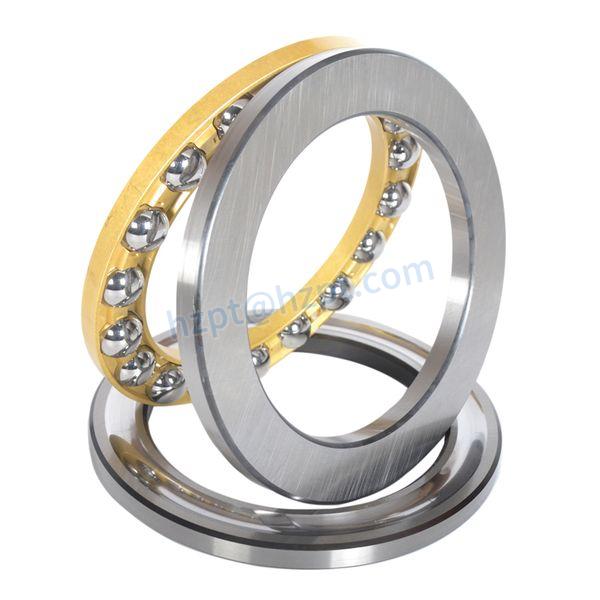
Can you Provide Examples of Industries where Ball Bearings are Crucial Components?
Ball bearings are essential components in a wide range of industries where smooth motion, load support, and precision are vital. Here are some examples of industries where ball bearings play a crucial role:
- Automotive Industry:
Ball bearings are used in various automotive applications, including wheel hubs, transmissions, engines, steering systems, and suspension components. They provide reliable rotation and support in both passenger vehicles and commercial vehicles.
- Aerospace Industry:
In the aerospace sector, ball bearings are found in aircraft engines, landing gear systems, control surfaces, and avionics equipment. Their ability to handle high speeds and precision is vital for aviation safety.
- Industrial Machinery:
Ball bearings are integral to a wide range of industrial machinery, including pumps, compressors, conveyors, machine tools, printing presses, and textile machinery. They facilitate smooth operation and load distribution in these diverse applications.
- Medical Equipment:
In medical devices and equipment, ball bearings are used in surgical instruments, imaging equipment, dental tools, and laboratory machinery. Their precision and smooth movement are crucial for accurate diagnostics and treatments.
- Robotics and Automation:
Ball bearings are key components in robotic arms, automation systems, and manufacturing machinery. They enable precise movement, high-speed operation, and reliable performance in automated processes.
- Renewable Energy:
Wind turbines and solar tracking systems utilize ball bearings to enable efficient rotation and tracking of the wind blades and solar panels. Ball bearings withstand the dynamic loads and environmental conditions in renewable energy applications.
- Marine and Shipbuilding:
Ball bearings are used in marine applications such as ship propulsion systems, steering mechanisms, and marine pumps. They withstand the corrosive environment and provide reliable performance in maritime operations.
- Heavy Equipment and Construction:
In construction machinery like excavators, bulldozers, and cranes, ball bearings support the movement of heavy loads and enable efficient operation in demanding environments.
- Electronics and Consumer Appliances:
Consumer electronics like electric motors, computer hard drives, and household appliances rely on ball bearings for smooth motion and reliable operation.
- Oil and Gas Industry:
In oil and gas exploration and extraction equipment, ball bearings are used in drilling rigs, pumps, and processing machinery. They handle the high loads and harsh conditions of this industry.
These examples demonstrate how ball bearings are indispensable components in various industries, contributing to the efficiency, reliability, and functionality of diverse mechanical systems and equipment.
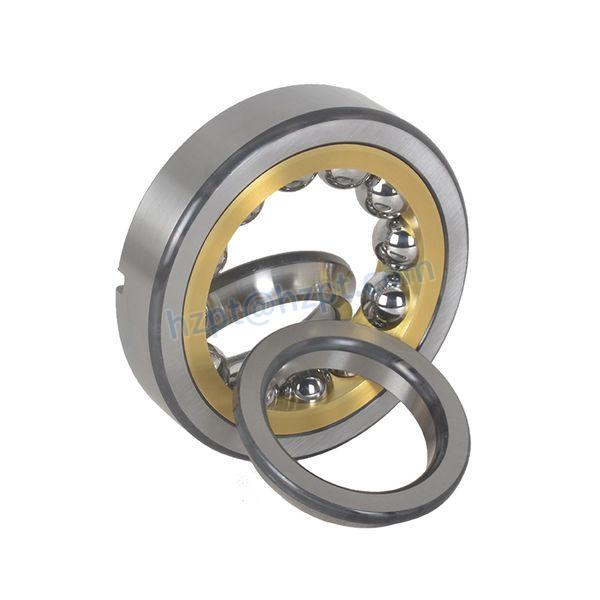
How do Temperature and Environmental Conditions Affect the Performance of Ball Bearings?
Temperature and environmental conditions have a significant impact on the performance and longevity of ball bearings. The operating environment can influence factors such as lubrication effectiveness, material properties, and overall bearing behavior. Here’s how temperature and environmental conditions affect ball bearing performance:
- Lubrication:
Temperature variations can affect the viscosity and flow characteristics of lubricants. Extreme temperatures can cause lubricants to become too thin or too thick, leading to inadequate lubrication and increased friction. In high-temperature environments, lubricants can degrade, reducing their effectiveness.
- Material Properties:
Temperature changes can alter the material properties of the bearing components. High temperatures can lead to thermal expansion, affecting bearing clearances and potentially causing interference between components. Extreme cold temperatures can make materials more brittle and prone to fracture.
- Clearance Changes:
Temperature fluctuations can cause changes in the internal clearance of ball bearings. For instance, at high temperatures, materials expand, leading to increased clearance. This can affect bearing performance, load distribution, and overall stability.
- Corrosion and Contamination:
Harsh environmental conditions, such as exposure to moisture, chemicals, or abrasive particles, can lead to corrosion and contamination of bearing components. Corrosion weakens the material, while contamination accelerates wear and reduces bearing life.
- Thermal Stress:
Rapid temperature changes can result in thermal stress within the bearing components. Differential expansion and contraction between the inner and outer rings can lead to stress and distortion, affecting precision and bearing integrity.
- Noise and Vibration:
Temperature-related changes in material properties and internal clearances can influence noise and vibration levels. Extreme temperatures can lead to increased noise generation and vibration, affecting the overall operation of machinery.
- Lubricant Degradation:
Environmental factors like humidity, dust, and contaminants can lead to premature lubricant degradation. Oxidation, moisture absorption, and the presence of foreign particles can compromise the lubricant’s performance and contribute to increased friction and wear.
- Seal Effectiveness:
Seals and shields that protect bearings from contaminants can be affected by temperature fluctuations. Extreme temperatures can lead to seal hardening, cracking, or deformation, compromising their effectiveness in preventing contamination.
- Choosing Appropriate Bearings:
When selecting ball bearings for specific applications, engineers must consider the expected temperature and environmental conditions. High-temperature bearings, bearings with specialized coatings, and those with enhanced sealing mechanisms may be necessary to ensure reliable performance.
Overall, understanding the impact of temperature and environmental conditions on ball bearing performance is crucial for proper bearing selection, maintenance, and ensuring optimal operation in diverse industries and applications.
What Factors should be Considered when Selecting a Ball Bearing for a Particular Application?
Selecting the right ball bearing for a specific application involves careful consideration of various factors to ensure optimal performance, longevity, and reliability. Here are the key factors that should be taken into account:
- Load Type and Magnitude:
Determine the type of load (radial, axial, or combined) and the magnitude of the load that the bearing will need to support. Choose a bearing with the appropriate load-carrying capacity to ensure reliable operation.
- Speed and Operating Conditions:
Consider the rotational speed of the application and the operating conditions, such as temperature, humidity, and exposure to contaminants. Different bearing types and materials are suited for varying speeds and environments.
- Accuracy and Precision:
For applications requiring high accuracy and precision, such as machine tool spindles or optical instruments, choose high-precision bearings that can maintain tight tolerances and minimize runout.
- Space Limitations:
If the application has limited space, choose miniature or compact ball bearings that can fit within the available dimensions without compromising performance.
- Thrust and Radial Loads:
Determine whether the application requires predominantly thrust or radial load support. Choose the appropriate type of ball bearing (thrust, radial, or angular contact) based on the primary load direction.
- Alignment and Misalignment:
If the application experiences misalignment between the shaft and housing, consider self-aligning ball bearings that can accommodate angular misalignment.
- Mounting and Installation:
Consider the ease of mounting and dismounting the bearing. Some applications may benefit from features like flanges or snap rings for secure installation.
- Lubrication and Maintenance:
Choose a bearing with appropriate lubrication options based on the application’s speed and temperature range. Consider whether seals or shields are necessary to protect the bearing from contaminants.
- Environmental Conditions:
Factor in the operating environment, including exposure to corrosive substances, chemicals, water, or dust. Choose materials and coatings that can withstand the specific environmental challenges.
- Bearing Material:
Select a bearing material that suits the application’s requirements. Common materials include stainless steel for corrosion resistance and high-carbon chrome steel for general applications.
- Bearing Arrangement:
Consider whether a single-row, double-row, or multiple bearings in a specific arrangement are needed to accommodate the loads and moments present in the application.
By carefully evaluating these factors, engineers and designers can choose the most suitable ball bearing that aligns with the specific demands of the application, ensuring optimal performance, durability, and overall operational efficiency.
editor by CX 2024-02-21
China Professional Stainless Steel Double Grooves Bearing 6200 6201zz 608 626 Auto Parts Wheel Bearing Non Standard Bearing Deep Groove Ball Bearing with Hot selling
Product Description
Item Description
Bearings 608 62571 626 6200 ZZ 2RS With Double Grooves :
Standard Deep Groove Ball Bearings 608ZZ bearings with one or double deep groove outer ring,
It is excellent for Convex Plastic Roller easily.
1. Bearings Type: 608ZZ , 608 2RS , 608,6200,6201,626…
2. Brand name Identify: NMN.
3, Clearance: C0,C1,C2,C3,C4,C5 and so on.
four, Vibration: V1,V2,V3 , v4
five. Precision Score: ABEC-1/ P0, ABEC-3/P6, ABEC-5/P5, ABEC-7/P4
6. Seals Type: open up , 2RS , ZZ
7. Ball Bearings Number of Row: Single Row , Double Row .
8. Substance: Chrome steel, Stainless stee
9. Cage: Steel,Brass,Nylon
Company Profile
ZheJiang CZPT Bearing Co., Ltd. is affiliated to ZheJiang Kaidi Bearing Team – a specialized producer of types of bearings for about twenty several years.
Our organization is specialised in generating Deep Groove Ball Bearings, Tapered Roller Bearings, Spherical Roller Bearings and Unique Bearings in accordance with Customers’ styles.Our bearings has been commonly used into agricultural equipments, residence appliances, power equipments, machine resources, automotives and engineering machinery, and so on.
Our Products
ZheJiang CZPT Bearing Co., Ltd. is a specialized company of ball bearings for about twenty several years. Our principal merchandise incorporate:
one, Miniature Bearings: like 608, 609, 625, 626, 693, 695, and so on
two, Deep Groove Ball Bearings: like 6000, 6200, 6300, 6800, 6900, 16000 Collection
3,Non-Regular Bearings: U grooved bearings, V grooved bearings, double grooved bearings, bearing rollers with or with no plastic injection. 4,Pillow Block Bearing: UCP/ UCF/ UCFL
five,Tapered Roller Bearings
6,Linear Movement Bearings
Processing Procedure
we have manufacture bearing more than 20 a long time, and can generate distinct style of bearings. Our factory begins creation from uncooked materials. We have a 20-person R&D team and launch a new solution each 5 days. We have far more than 600 men and women to create bearing group, we make products, the cost is the most competitive in China.
Packaging & Shipping
Plastic rolling packing + Plastic bag + Paper carton Solitary Box + Plastic rolling packing + Plastic bag + Paper carton+pallet in accordance to buyer requirement
Our Activities
Do what other people will not want to do, do what other individuals don’t dare to do, and do what other individuals can’t.
Never ever say goodbye We are the ideal staff.
FAQ
Make contact with Us
Jane
ZheJiang CZPT Bearing Co., Ltd.
Types of Ball Bearings
If you are looking to acquire a new ball bearing, there are a lot of diverse types offered. Find out about Solitary-row types, Ceramic hybrid bearings, and Self-aligning ball bearings. You can also pick from stainless steel or single-row styles. Then, go through about the various types of supplies accessible to you. You’ll have an simpler time producing a decision. Right after all, you will not likely have to be concerned about keeping your new ball bearing, since it will be preserved by your supplier.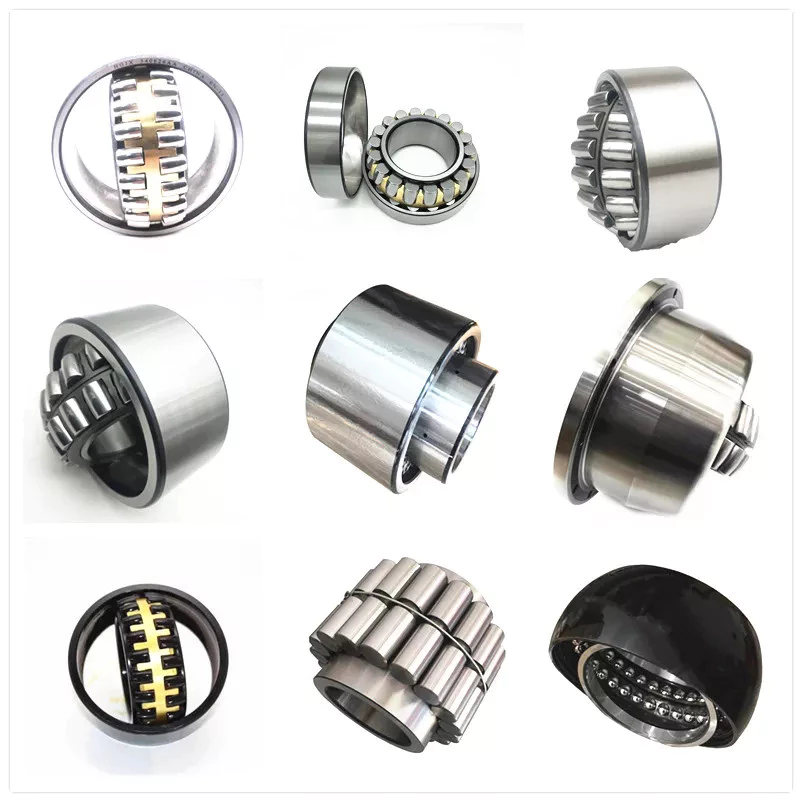
One-row types
Ball bearings with a one-row layout have a higher load-carrying ability. They are employed in programs in which high hundreds have to be handled efficiently. A one-row layout is a good decision when the material’s properties demand higher load-carrying potential but constrained axial load functionality. Single-row patterns use two bearings with equivalent design and style characteristics, but they have distinct mounting methods. One-row patterns can be modified both from one particular another to accommodate axial hundreds.
The single-row design and style is suited for large-speed programs, but also has some drawbacks. The contact angle a is the angle in between the radial aircraft and contact line. The more substantial the angle, the higher the axial load carrying potential of the bearing. One-row angular get in touch with ball bearings are suitable for greater axial forces. One-row angular contact ball bearings have a one-row layout and support high axial forces in one particular course. One-row ball bearings are accessible in each pressed steel and machined metal cages.
Angular get in touch with ball bearings with a solitary row feature a cage made of fiber-glass strengthened polyamide 66. These are accessible in diameters up to 130 mm. Four-position angular get in touch with ball bearings use brass, metal, or brass plate. They have great operating properties and a reduced coefficient of linear growth. One-row styles are easy to mount and are broadly accessible. Alternatively, they can be mounted with a common match design and style, which enables them to be very easily adjusted.
One particular-row angular speak to ball bearings are normally not ideal for angular misalignments simply because they are unsuitable for payment of angular misalignments. Misalignments result in inner forces in the bearing which minimize its radial load ability and daily life expectancy. This kind of bearing is not suited for adjacent mounting as it increases the chances of misalignment. Even so, it is a appropriate decision for apps the place only 1 bearing is essential for each bearing place.
Ceramic hybrid bearings
While all-ceramic bearings are constrained to quite specialized applications, Si3N4-primarily based hybrid bearings are obtaining use in a vast variety of higher-speed devices. Compared to steel, ceramics are less susceptible to centrifugal forces, which are immediately proportional to the mass of the balls. Due to the fact Si3N4 replacement balls have a lower density than metal, these bearings decrease the pressure positioned on the outer race.
The rewards of hybrid bearings are distinct: they enable for higher speeds and loads than full-ceramic bearings, and they demand no lubrication. Due to the fact of their numerous rewards, numerous industrial gear operators are switching to these modern bearings. CBR is one organization that specializes in ceramic hybrid bearings and can support you uncover the greatest item for your application. If you are contemplating about acquiring ceramic bearings for your next equipment, below are some issues you need to have to know about them.
A ceramic ball bearing surface has an incredibly lower coefficient of friction, which is critical for programs that demand lower friction and large speeds. Ceramic balls also have a larger hardness than steel balls, which boosts their existence. In addition to this, ceramic hybrid bearings have exceptional thermal houses, creating significantly less warmth even when spinning at substantial speeds. These houses make ceramic hybrid bearings an excellent choice for large-velocity machinery, particularly electric powered motors. They are also suitable for apps that run below h2o.
A ceramic ball hybrid bearing is considerably less vulnerable to temperature fluctuations and put on. Because they are in essence indestructible, ceramic balls do not make dress in particles from the adhesive wear. They can run at drastically larger speeds than metal balls. Ceramic balls are also far more resistant to moisture. For this explanation, grease is a advisable lubricant in most ceramic bearing programs. These lubricants supply excellent safety against moisture and corrosion. Even more, they are available in several varieties.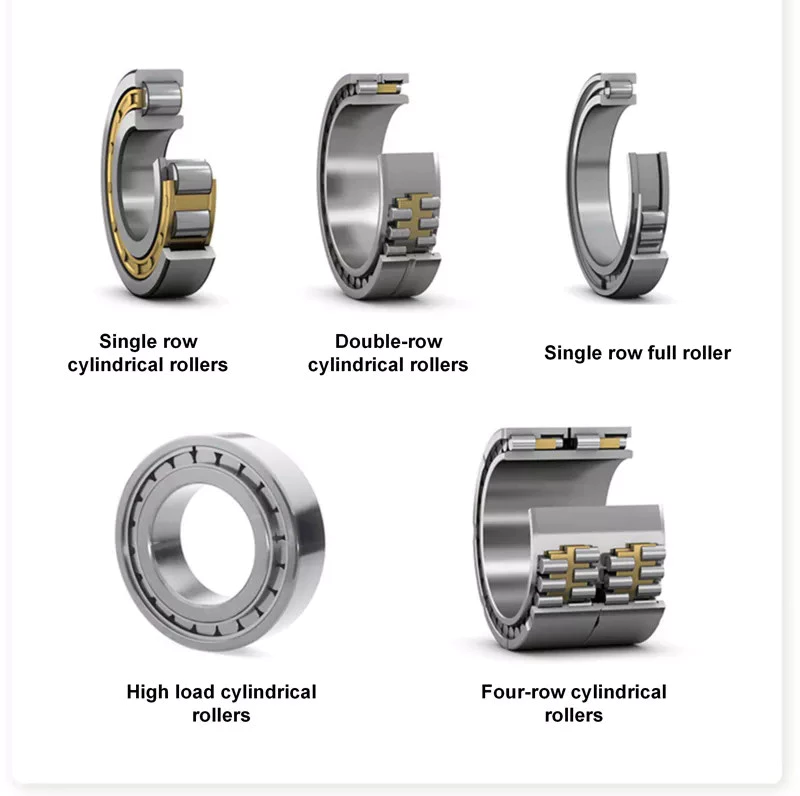
Self-aligning ball bearings
A self-aligning ball bearing is one particular variety of self-aligning bearing. These bearings are suggested for use in flex shaft techniques. Their self-aligning attribute prevents them from misaligning when in use. They can be utilised in both one and multiple-joint systems. In addition to self-aligning ball bearings, these units also characteristic flex shafts.
These self-aligning ball bearings appear in a range of configurations, like cylindrical, round, tapered, and straight bore. Their interior ring is tapered to meet up with particular tolerances. They are suited for operating temperatures ranging from -30°F to 120°F. Their wide assortment of purposes enables them to be utilised in basic machinery, precision instruments, and lower sound motors. In addition, they are available in a selection of outdoors diameters, widths, and inner clearances.
Self-aligning ball bearings have two rows of balls and one widespread sphered raceway in the outer ring. This allows them to immediately compensate for angular misalignment, which could be brought on by machining and assembly errors or deflections. When compared to spherical roller bearings, these self-aligning ball bearings make considerably less friction. They run cooler even at large speeds. Self-aligning ball bearings also provide totally free engineering assistance.
Self-aligning ball bearings are made for difficult shaft alignment. They are double-row, self-retaining units, with cylindrical or tapered bores. These bearings are offered in open up and sealed patterns, and can also be used in applications with misalignment. They are also available with an outer ring that rotates in relation to the inner ring. When it comes to shaft misalignment, self-aligning ball bearings are a wonderful answer.
Stainless steel
Stainless steel is a metallic that resists corrosion and is very tough. Its corrosion-resistant and drinking water-resistance homes make it a very good decision for bearings in meals and maritime programs. Moreover, stainless steel has hygienic rewards. Below are some of the benefits of stainless steel ball bearings. Read through on to discover a lot more about these amazing bearings! We have integrated some of the most common makes use of for stainless metal.
Hardness is essential in a ball bearing. Metal makes use of the Rockwell C scale to measure hardness. A quality twenty five metal ball bearing is accurate to twenty five millionths of an inch, whilst a quality five ceramic bearing is significantly less than a fifty percent-inch round. Though roundness is essential, it shouldn’t be overemphasized, as the bearing surfaces may not be as correct as the grade of the metallic. And bear in mind, a higher value tag isn’t going to imply a better item.
Stainless metal ball bearings are available in a variety of alloys. The alloys utilized in producing a stainless steel ball bearing range in hardness, strength, and ductility. Stainless steel ball bearings have substantial corrosion-resistance qualities. Furthermore, they have long lubrication life. These rewards make them a well-liked decision for industrial programs. These bearings are simple to maintain, decrease alternative costs, and provide corrosion resistance.
The NTN Sentinel Sequence is a quality line of stainless steel bearings. The solid lube is NSF H1 registered and stops grease from leaching into foods. It is also corrosion-resistant and does not need to have to be coated. The seals and slinger develop a drinking water-resistant barrier among the metal ball and the lubricant. It also adds basic safety and safety to the bearing.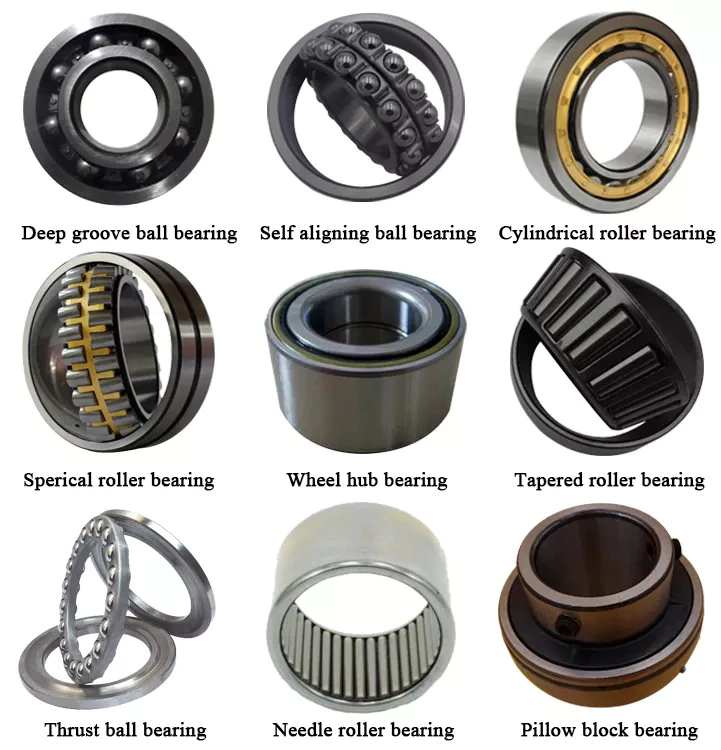
Plastic balls
For apps exactly where noise and excess weight are significant issues, plastic balls are best. These non-magnetic balls are best for MRI X-ray devices and sensors. They are also simple to lubricate, and are non-magnetic. A polymer ball bearing is the lightest of all three varieties. This can make them a excellent selection for a lot of industries. Study on to discover more. This article will introduce some of the positive aspects of plastic balls for ball bearings.
Though ceramic ball bearings are a lot more tough and supply several benefits, they are much more expensive than plastic. Thankfully, plastic ball bearings offer a more affordable different. These bearings characteristic all-plastic races and cages. Dependent on the software, plastic balls can be utilised in applications involving substances. In these circumstances, plastic ball bearings are accessible with a C160 quality, which is protected for use in temperatures underneath 176 deg F.
Healthcare gadgets frequently need precision specialty balls, which are created of glass, stainless steel, and plastic. These bearings have to fulfill stringent cleanliness specifications. To meet up with the most stringent demands, they need to endure ultrasonic cleaning. These bearings are accessible in plastic raceways, and are also offered with glass or stainless metal balls. Polyethylene balls are light-weight and can be employed in a assortment of purposes. They can be requested in various dimensions and tolerances to meet up with distinct needs.
Plastic balls for ball bearings are frequently mounted into other areas, these kinds of as plastic wheels, pulleys, and housings. They can be seamlessly integrated into other parts of a device, which decreases assembly time and enhances affordability. One essential edge of plastic bearings is that they are rust-resistant. As this sort of, they can be utilised in harsh environments without having creating any hurt. If a piece of products is exposed to extreme temperatures, polymers are the ideal selection.

