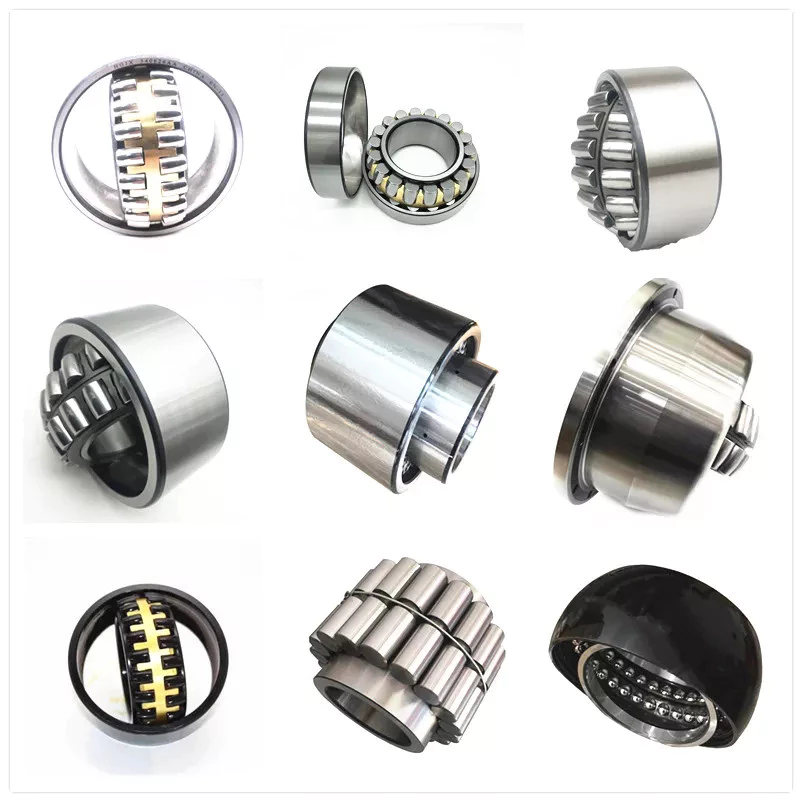
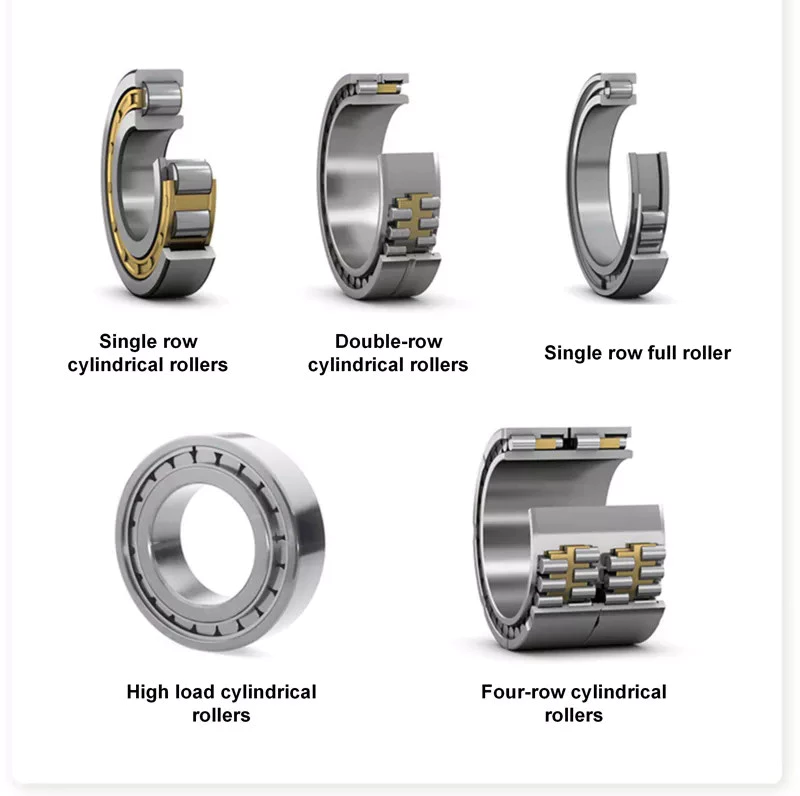
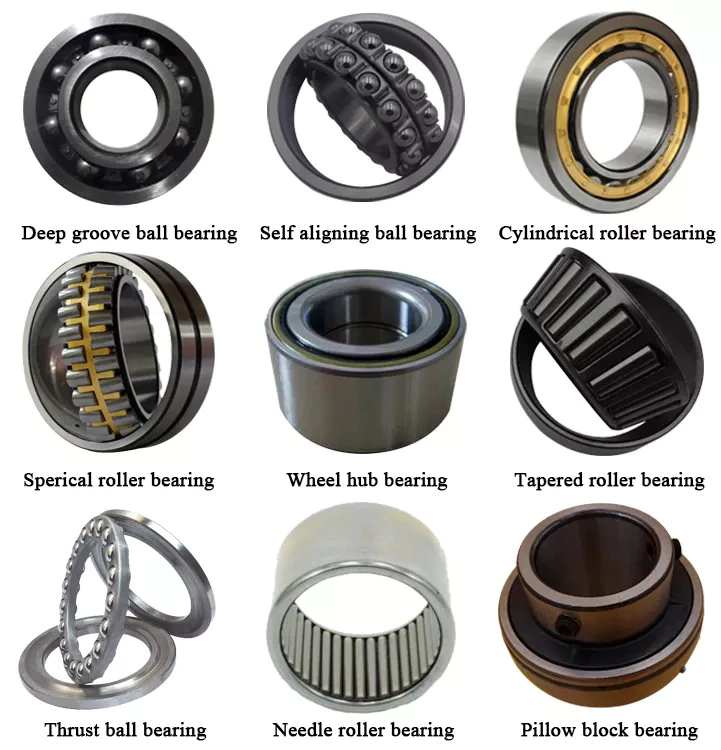
Product Description
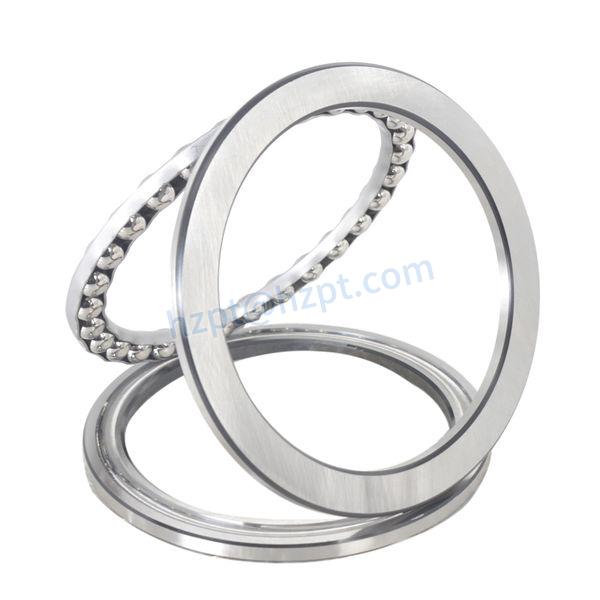
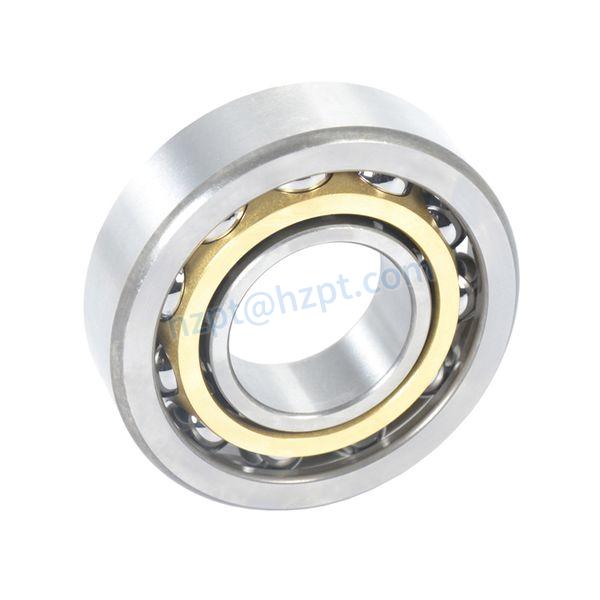
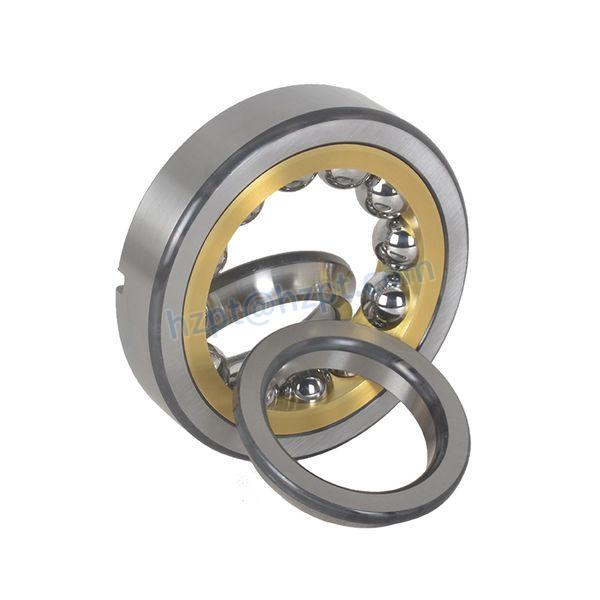
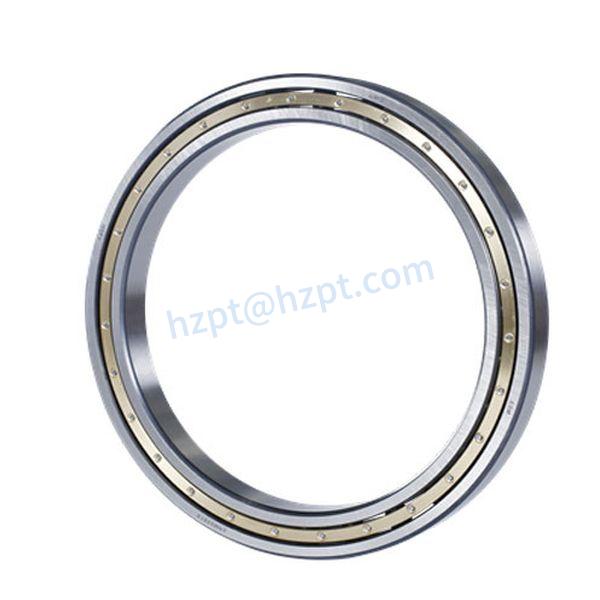
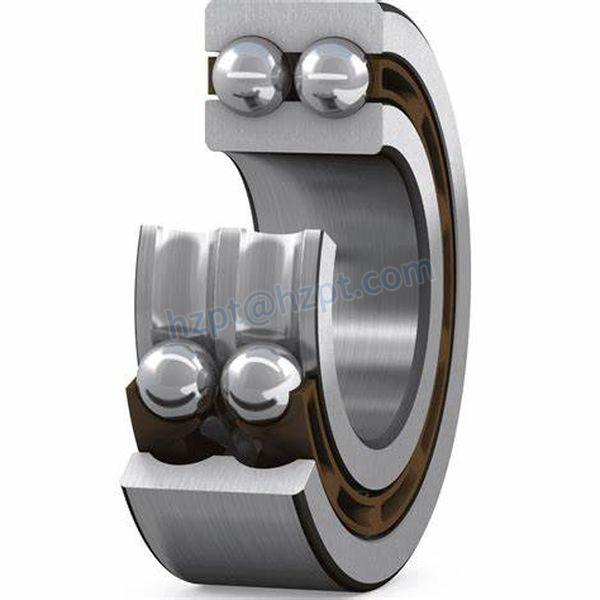
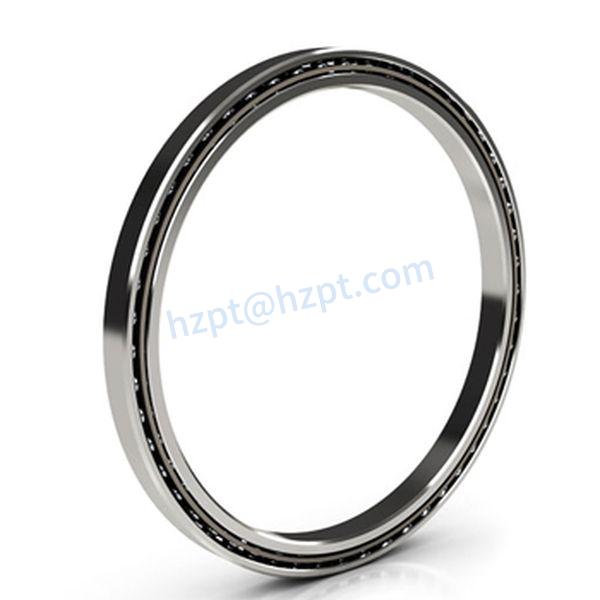
KGG: Precision Angled Contact Ball Bearing~70AD Series
Advantages and features of CZPT bearings
∞ CZPT Ball Bearings consist of an outer ring, an inner ring, and a plurality of rollers and spacers. The bearing with high rotation accuracy capable of bearing loads in every direction. Because it has orthogonally arranged cylindrical rollers, it can bear loads in every direction. CZPT provides 2 kinds of bearings: Deep Groove Ball Bearing and Angular Contact Ball Bearings.
∞ ACBB, which is the abbreviation of angular contact ball bearings. With different contact angles, the higher axial load can be well taken care now. CZPT standard ball bearings are the perfect solution for high runout accuracy applications such as machine tool main spindles.
∞ Deep groove ball bearings are widely used in many industries for decades. A deep groove is formed on each inner and outer ring of the bearings enabling them to sustain radial and axial loads or even combinations of both. As the leading deep groove ball bearing factory, CZPT Bearings owns abundant experience in designing and producing this type of bearing.
Application:
1. Medical industry
2.Lithium battery industry
3.Solar photovoltaic industry
4. Semi conductor Industry
5. General industry machinery
6. Machine tool
7. Parking system
8. High-speed rail and aviation transportation equipment
9. 3C industry etc
Technical Drawing
Specification List
| Boundary Dimensions (mm) | Basic Load Ratings | Static Axial Load Capacity | Bearing Numbers Type | Load Center | Limiting Speeds nL (min1) | Reference Dimensions (mm) | Abutment and Dimensions (mm) | Space Capacity (cm3) | Weight (kg) | |||||||||||||||
| d | D | B | r | r1 | Cr | cr | (KN) | C” | (KN) | (Kgf) | a | Grease | Oil | d, | D, | d2 | 4 | Da | Db | % | 1as | Open (Approx) | Open (Approx) | |
| min | min | (KN) | (Kgf) | (Kgf) | min | max | max | max | max | |||||||||||||||
| 10 | 26 | 8 | 0.3 | 0.15 | 5.1 | 520 | 2.41 | 246 | 2.33 | 238 | 7000AD* | 8.2 | 55000 | 84700 | 15.4 | 20.6 | 22.7 | 12.5 | 23.5 | 24.8 | 0.3 | 0.15 | 0.9 | 0.019 |
| 12 | 28 | 8 | 0.3 | 0.15 | 5.2 | 530 | 2.53 | 258 | 3.1 | 318 | 7001 AD* | 8.8 | 49500 | 76100 | 18 | 22.9 | 25.2 | 14.5 | 25.5 | 26.8 | 0.3 | 0.15 | 1 | 0.571 |
| 15 | 32 | 9 | 0.3 | 0.15 | 5.95 | 605 | 3.2 | 330 | 3.75 | 385 | 7002AD* | 10 | 42100 | 64800 | 21.1 | 25.9 | 28.2 | 17.5 | 29.5 | 30.8 | 0.3 | 0.15 | 1.3 | 0.03 |
| 17 | 35 | 10 | 0.3 | 0.15 | 6.3 | 640 | 3.6 | 370 | 3.9 | 400 | 7003AD* | 11.1 | 38100 | 58600 | 23.4 | 29 | 30.7 | 19.5 | 32.5 | 33.8 | 0.3 | 0.15 | 1.8 | 0.037 |
| 20 | 42 | 12 | 0.6 | 0.3 | 10.5 | 1080 | 6.25 | 640 | 7.55 | 770 | 7004AD* | 12.2 | 31900 | 49200 | 27.5 | 34.5 | 37.3 | 24.5 | 37.5 | 39.5 | 0.6 | 0.3 | 2.9 | 0.067 |
| 25 | 47 | 12 | 0.6 | 0.3 | 11 | 1130 | 7.05 | 720 | 8.2 | 840 | 7005AD | 14.4 | 27500 | 42400 | 32.5 | 39.5 | 42.3 | 29.5 | 42.5 | 44.5 | 0.6 | 0.3 | 3.3 | 0.079 |
| 30 | 55 | 13 | 1 | 0.6 | 14.4 | 1470 | 9.8 | 1000 | 11.5 | 1180 | 7006AD | 15.9 | 23300 | 35800 | 38.6 | 46.4 | 49.5 | 35.5 | 49.5 | 50.5 | 1 | 0.6 | 4.8 | 0.11 |
| 35 | 62 | 14 | 1 | 0.6 | 18.2 | 1860 | 13 | 1330 | 14.1 | 1440 | 7007AD | 17.8 | 20500 | 31400 | 44.2 | 52.8 | 56.3 | 40.5 | 56.5 | 57.5 | 1 | 0.6 | 6.3 | 0.15 |
| 40 | 68 | 15 | 1 | 0.6 | 19.5 | 1990 | 15.1 | 1540 | 16.4 | 1680 | 7008AD* | 19.6 | 18300 | 28300 | 49.6 | 58.3 | 61.8 | 45.5 | 62.5 | 63.5 | 1 | 0.6 | 7.4 | 0.19 |
| 45 | 75 | 16 | 1 | 0.6 | 23 | 2350 | 18.2 | 1860 | 20.6 | 2100 | 7009AD* | 21.5 | 16500 | 25400 | 55.2 | 64.8 | 68.6 | 50.5 | 69.5 | 70.5 | 1 | 0.6 | 9.4 | 0.24 |
| 50 | 80 | 16 | 1 | 0.6 | 24.6 | 2510 | 20.7 | 2120 | 23.1 | 2360 | 7571AD | 23.2 | 15200 | 23500 | 60.2 | 69.8 | 73.6 | 55.5 | 74.5 | 75.5 | 1 | 0.6 | 11 | 0.26 |
| 55 | 90 | 18 | 1.1 | 0.6 | 32 | 3300 | 27.1 | 2770 | 30 | 3100 | 7011 AD | 25.9 | 13700 | 21100 | 66.8 | 78.1 | 82.7 | 62 | 83 | 85.5 | 1 | 0.6 | 16 | 0.38 |
| 60 | 95 | 18 | 1.1 | 0.6 | 33 | 3350 | 29.1 | 2970 | 31 | 3200 | 7012AD | 27.1 | 12800 | 19700 | 71.8 | 83.1 | 87.6 | 67 | 88 | 90.5 | 1 | 0.6 | 17 | 0.41 |
| 65 | 100 | 18 | 1.1 | 0.6 | 35 | 3550 | 32 | 3300 | 33 | 3400 | 7013AD | 28.2 | 12000 | 18500 | 76.8 | 881 | 92.6 | 72 | 93 | 95.5 | 1 | 0.6 | 18 | 0.44 |
| 70 | 110 | 20 | 1.1 | 0.6 | 44 | 4500 | 40.5 | 4150 | 42 | 4300 | 7014AD | 31 | 11000 | 17000 | 83.6 | 96.4 | 101.7 | 77 | 103 | 105.5 | 1 | 0.6 | 24 | 0.61 |
| 75 | 115 | 20 | 1.1 | 0.6 | 45 | 4600 | 43 | 4400 | 47 | 4800 | 7015 AD | 22.1 | 10500 | 16100 | 88.5 | 101.5 | 106.7 | 82 | 108 | 110.5 | 1 | 0.6 | 26 | 0.64 |
| 80 | 125 | 22 | 1.1 | 0.6 | 55.5 | 5650 | 52 | 5350 | 58.5 | 5950 | 7016AD | 34.9 | 9700 | 14900 | 95.1 | 109.9 | 115.8 | 87 | 118 | 120.5 | 1 | 0.6 | 34 | 0.86 |
| 85 | 130 | 22 | 1.1 | 0.6 | 56.5 | 5800 | 55.5 | 5650 | 61 | 6200 | 7017AD | 36.1 | 9200 | 14200 | 100.1 | 114.9 | 120.8 | 92 | 123 | 125.5 | 1 | 0.6 | 36 | 0.9 |
| 90 | 140 | 24 | 1.5 | 1.1 | 67.5 | 6900 | 65.5 | 6650 | 75 | 7650 | 7018AD | 38.8 | 8600 | 13300 | 106.8 | 123.2 | 129.8 | 98.5 | 131.5 | 134.5 | 1.5 | 1 | 47 | 1.17 |
| 95 | 145 | 24 | 1.5 | 1.1 | 69.5 | 7050 | 69 | 7050 | 77.5 | 7900 | 7019AD* | 40 | 8300 | 12700 | 111.7 | 128.2 | 134.8 | 103.5 | 136.5 | 139.5 | 1.5 | 1 | 49 | 1.22 |
| 100 | 150 | 24 | 1.5 | 1.1 | 71 | 7250 | 73 | 7450 | 82.5 | 8450 | 7571AD | 41.1 | 7900 | 12200 | 116.8 | 132.2 | 139.8 | 108.5 | 141.5 | 144.5 | 1.5 | 1 | 51 | 1.27 |
FACTORY DETAILED PROCESSING PHOTOS
HIGH QUALITY CONTROL SYSTEM
FAQ
1. Why choose CZPT China?
Over the past 17 years, CZPT has always insisted that “products and services” start from Japanese industry standards,taking ZheJiang standards as the bottom line, actively invest in the development of new transmission components and self-experiment and test. With the service tenet of “exceeding customer expectations”, establish a “trusted” partnership.
2. What is your main products ?
We are a leading manufacturer and distributor of linear motion components in China. Especially miniature size of Ball Screws and Linear Actuators and linear motion guideways. Our brand “KGG” stands for ” Know-how,” ” Great Quality,” and ” Good value” and our factory is located in the most advanced city in China: ZheJiang with the best equipment and sophisticated technology, completely strict quality control system. Our aim is to supply world leader class linear motion components but with most reasonable price in the world.
3. How to Custom-made (OEM/ODM)?
If you have a product drawing or a sample, please send to us, and we can custom-made the as your required. We will also provide our professional advices of the products to make the design to be more realized & maximize the performance.
4. When can I get the quotation?
We usually quote within 24 hours after we get your inquiry. If you are very urgent to get the price,please call us or tell us in your email so that we will regard your inquiry priority.
5. How can I get a sample to check the quality?
After confirmation of our quoted price, you can place the sample order. The sample will be started after you sign back our detailed technical file.
6. What’s your payment terms?
Our payment terms is 30% deposit,balance 70% before shipment. /* January 22, 2571 19:08:37 */!function(){function s(e,r){var a,o={};try{e&&e.split(“,”).forEach(function(e,t){e&&(a=e.match(/(.*?):(.*)$/))&&1
| Contact Angle: | 25° |
|---|---|
| Aligning: | Non-Aligning Bearing |
| Separated: | Separated |
| Rows Number: | Single |
| Load Direction: | Radial Bearing |
| Material: | Bearing Steel |
| Customization: |
Available
| Customized Request |
|---|
What are the Common Signs of Wear or Damage in Ball Bearings that Indicate the Need for Replacement?
Ball bearings are subjected to wear and stress during operation, and over time, they may exhibit signs of damage or deterioration that warrant replacement. Recognizing these signs is crucial to prevent catastrophic failure and ensure safe and reliable operation. Here are the common signs of wear or damage in ball bearings:
- Unusual Noise:
If you hear unusual grinding, clicking, or rumbling noises coming from the bearing during operation, it may indicate worn-out or damaged components. Unusual noise suggests that the bearing is no longer operating smoothly.
- Vibration:
Excessive vibration in the machinery can be a sign of bearing wear. Vibrations can result from uneven wear, misalignment, or damaged components within the bearing.
- Increased Temperature:
Higher operating temperatures than usual may indicate increased friction due to inadequate lubrication, wear, or other issues. Monitoring the bearing’s temperature can help identify potential problems.
- Irregular Movement:
If you notice irregular movement, jerking, or sticking during rotation, it could be a sign that the bearing is no longer operating smoothly. This may be due to damaged rolling elements or raceways.
- Reduced Performance:
If the machinery’s performance has decreased, it may be due to a compromised bearing. Reduced efficiency, increased energy consumption, or a decline in overall performance could be indicators of bearing wear.
- Visible Wear or Damage:
Inspect the bearing for visible signs of wear, such as pitting, scoring, or discoloration on the rolling elements or raceways. Severe wear or damage is a clear indication that the bearing needs replacement.
- Leakage or Contamination:
If there is evidence of lubricant leakage, contamination, or the presence of foreign particles around the bearing, it suggests that the seal or shield may be compromised, leading to potential damage.
- Looseness or Excessive Play:
If you can feel excessive play or looseness when manually moving the bearing, it could indicate worn-out components or misalignment.
- Reduced Lifespan:
If the bearing’s expected lifespan is significantly shorter than usual, it may be due to inadequate lubrication, excessive loads, or improper installation, leading to accelerated wear.
- Frequent Failures:
If the bearing is consistently failing despite regular maintenance and proper use, it could indicate a chronic issue that requires addressing, such as inadequate lubrication or misalignment.
It’s important to conduct regular inspections, monitor performance, and address any signs of wear or damage promptly. Replacing worn or damaged ball bearings in a timely manner can prevent further damage to machinery, reduce downtime, and ensure safe and efficient operation.
How do Ceramic Ball Bearings Compare to Traditional Steel Ball Bearings in Terms of Performance?
Ceramic ball bearings and traditional steel ball bearings have distinct characteristics that can impact their performance in various applications. Here’s a comparison of how these two types of bearings differ in terms of performance:
- Material Composition:
Ceramic Ball Bearings:
Ceramic ball bearings use ceramic rolling elements, typically made from materials like silicon nitride (Si3N4) or zirconium dioxide (ZrO2). These ceramics are known for their high hardness, low density, and resistance to corrosion and wear.
Traditional Steel Ball Bearings:
Traditional steel ball bearings use steel rolling elements. The type of steel used can vary, but common materials include chrome steel (52100) and stainless steel (440C). Steel bearings are known for their durability and strength.
- Friction and Heat:
Ceramic Ball Bearings:
Ceramic bearings have lower friction coefficients compared to steel bearings. This results in reduced heat generation during operation, contributing to higher efficiency and potential energy savings.
Traditional Steel Ball Bearings:
Steel bearings can generate more heat due to higher friction coefficients. This can lead to increased energy consumption in applications where efficiency is crucial.
- Weight:
Ceramic Ball Bearings:
Ceramic bearings are lighter than steel bearings due to the lower density of ceramics. This weight reduction can be advantageous in applications where minimizing weight is important.
Traditional Steel Ball Bearings:
Steel bearings are heavier than ceramic bearings due to the higher density of steel. This weight may not be as critical in all applications but could impact overall equipment weight and portability.
- Corrosion Resistance:
Ceramic Ball Bearings:
Ceramic bearings have excellent corrosion resistance, making them suitable for applications in corrosive environments, such as marine or chemical industries.
Traditional Steel Ball Bearings:
Steel bearings are susceptible to corrosion, especially in harsh environments. Stainless steel variants offer improved corrosion resistance but may still corrode over time.
- Speed and Precision:
Ceramic Ball Bearings:
Ceramic bearings can operate at higher speeds due to their lower friction and ability to withstand higher temperatures. They are also known for their high precision and low levels of thermal expansion.
Traditional Steel Ball Bearings:
Steel bearings can operate at high speeds as well, but their heat generation may limit performance in certain applications. Precision steel bearings are also available but may have slightly different characteristics compared to ceramics.
- Cost:
Ceramic Ball Bearings:
Ceramic bearings are generally more expensive to manufacture than steel bearings due to the cost of ceramic materials and the challenges in producing precision ceramic components.
Traditional Steel Ball Bearings:
Steel bearings are often more cost-effective to manufacture, making them a more economical choice for many applications.
In conclusion, ceramic ball bearings and traditional steel ball bearings offer different performance characteristics. Ceramic bearings excel in terms of low friction, heat generation, corrosion resistance, and weight reduction. Steel bearings are durable, cost-effective, and widely used in various applications. The choice between the two depends on the specific requirements of the application, such as speed, precision, corrosion resistance, and budget considerations.
What is a Ball Bearing and How does it Function in Various Applications?
A ball bearing is a type of rolling-element bearing that uses balls to reduce friction between moving parts and support radial and axial loads. It consists of an outer ring, an inner ring, a set of balls, and a cage that separates and maintains a consistent spacing between the balls. Here’s how ball bearings function in various applications:
- Reduction of Friction:
Ball bearings function by replacing sliding friction with rolling friction. The smooth, spherical balls minimize the contact area between the inner and outer rings, resulting in lower friction and reduced heat generation.
- Radial and Axial Load Support:
Ball bearings are designed to support both radial loads (forces perpendicular to the shaft’s axis) and axial loads (forces parallel to the shaft’s axis). The distribution of balls within the bearing ensures load-carrying capacity in multiple directions.
- Smooth Rotational Movement:
Ball bearings facilitate smooth and precise rotational movement. The rolling motion of the balls allows for controlled and continuous rotation with minimal resistance.
- Applications in Machinery:
Ball bearings are used in a wide range of machinery and equipment, including motors, generators, gearboxes, conveyors, and fans. They enable the efficient transfer of motion while reducing wear and energy losses.
- Automotive Industry:
Ball bearings are extensively used in automobiles for various applications, including wheel hubs, transmission systems, steering mechanisms, and engine components. They provide reliability and durability in challenging automotive environments.
- Industrial Machinery:
In industrial settings, ball bearings support rotating shafts and ensure the smooth operation of equipment such as pumps, compressors, and machine tools.
- High-Speed Applications:
Ball bearings are suitable for high-speed applications due to their low friction and ability to accommodate rapid rotation. They are used in applications like electric motors and aerospace components.
- Precision Instruments:
For precision instruments, such as watches, cameras, and medical devices, ball bearings provide accurate rotational movement and contribute to the overall performance of the instrument.
- Variety of Sizes and Types:
Ball bearings come in various sizes, configurations, and materials to suit different applications. Different types include deep groove ball bearings, angular contact ball bearings, thrust ball bearings, and more.
In summary, ball bearings are essential components in a wide range of applications where smooth rotation, load support, and reduced friction are critical. Their versatility, reliability, and efficiency make them indispensable in industries spanning from automotive to industrial machinery to precision instruments.


editor by CX 2024-03-29
China Best Sales Original and High-Quality JAC Heavy Duty Truck Spare Parts Ball Bearing 3206 carrier bearing
Product Description
Original and Genuine JAC Heavy Duty Truck Spare Parts Ball Bearing 3206 for JAC Gallop Truck
|
Part Name |
Ball Bearing |
Brand Name |
JAC |
||||||||||||||||||||||||||||||||||||||||||||||||||||||||||||||||||||||||||||||||||||||||||||||||||||||||||||||||||||||||||||||||||||||||||||||||||||||||||||||||||||||||||||||||||||||||||||||||||||||||||||||||||||||||||||||||||||||||||||||||||||||||||||||||||||||||||||||||||||||||||||||||||||||||||||||||||||||||||||||||||||||||||||||||||||||||||||||||||||||||||||||||||||||||||||||||||||
|
Part Number |
3206 |
Application |
JAC Gallop Truck |
||||||||||||||||||||||||||||||||||||||||||||||||||||||||||||||||||||||||||||||||||||||||||||||||||||||||||||||||||||||||||||||||||||||||||||||||||||||||||||||||||||||||||||||||||||||||||||||||||||||||||||||||||||||||||||||||||||||||||||||||||||||||||||||||||||||||||||||||||||||||||||||||||||||||||||||||||||||||||||||||||||||||||||||||||||||||||||||||||||||||||||||||||||||||||||||||||||
|
Mini Order |
One Set/ Piece |
Packing |
Carton,Wooden Box, Pallet |
||||||||||||||||||||||||||||||||||||||||||||||||||||||||||||||||||||||||||||||||||||||||||||||||||||||||||||||||||||||||||||||||||||||||||||||||||||||||||||||||||||||||||||||||||||||||||||||||||||||||||||||||||||||||||||||||||||||||||||||||||||||||||||||||||||||||||||||||||||||||||||||||||||||||||||||||||||||||||||||||||||||||||||||||||||||||||||||||||||||||||||||||||||||||||||||||||||
|
Supply Ability |
1 Mobile Mobile(Standby): /* March 10, 2571 17:59:20 */!function(){function s(e,r){var a,o={};try{e&&e.split(“,”).forEach(function(e,t){e&&(a=e.match(/(.*?):(.*)$/))&&1
What are the Materials Typically Used in Manufacturing Ball Bearings and Their Advantages?Ball bearings are manufactured using a variety of materials, each chosen for its specific properties and advantages in various applications. Here are some commonly used materials in ball bearing manufacturing and their respective benefits:
This is the most common material used for ball bearing manufacturing. It offers excellent hardness, wear resistance, and fatigue strength. High-carbon chrome steel bearings are suitable for a wide range of applications, from industrial machinery to automotive components.
Stainless steel bearings are corrosion-resistant and suitable for applications where moisture, chemicals, or exposure to harsh environments are concerns. AISI 440C offers high hardness and corrosion resistance, while AISI 304 and AISI 316 provide good corrosion resistance and are often used in food and medical industries.
Ceramic bearings use silicon nitride (Si3N4) or zirconia (ZrO2) balls. Ceramic materials offer high stiffness, low density, and excellent resistance to corrosion and heat. Ceramic bearings are commonly used in high-speed and high-temperature applications, such as in aerospace and racing industries.
Plastic bearings are lightweight and offer good corrosion resistance. Polyamide bearings are commonly used due to their low friction and wear properties. Polyether ether ketone (PEEK) bearings provide high-temperature resistance and are suitable for demanding environments.
Bronze bearings are often used in applications where self-lubrication is required. Bronze has good thermal conductivity and wear resistance. Bearings made from bronze are commonly used in machinery requiring frequent starts and stops.
Hybrid bearings combine steel rings with ceramic balls. These bearings offer a balance between the advantages of both materials, such as improved stiffness and reduced weight. Hybrid bearings are used in applications where high speeds and low friction are essential.
For specific applications, specialty alloys may be used to meet unique requirements. For example, bearings used in extreme temperatures or corrosive environments may be made from materials like titanium or hastelloy.
Bearings may also be coated with thin layers of materials like diamond-like carbon (DLC) or other coatings to enhance performance, reduce friction, and improve wear resistance. The choice of material depends on factors such as application requirements, operating conditions, load, speed, and environmental factors. Selecting the right material is essential for ensuring optimal bearing performance, longevity, and reliability in diverse industries and applications.
What Precautions should be taken to Prevent Contamination of Ball Bearings in Industrial Settings?Preventing contamination of ball bearings is essential to ensure their proper function, longevity, and overall performance in industrial settings. Contaminants such as dust, dirt, debris, and particles can significantly impact bearing operation. Here are important precautions to take to prevent contamination of ball bearings:
Choose ball bearings with appropriate seals or shields to prevent the ingress of contaminants. Seals provide a physical barrier against dust, moisture, and particles, ensuring the bearing’s interior remains clean.
Maintain a clean working environment around the machinery and equipment. Regularly clean the surrounding areas to prevent the accumulation of dirt and debris that could enter the bearings.
Handle bearings with clean hands and use gloves if necessary. Avoid touching the bearing surfaces with bare hands, as natural skin oils can transfer contaminants onto the bearing.
Use clean tools and equipment during installation and maintenance to prevent introducing contaminants. Ensure that tools are properly cleaned before coming into contact with the bearing components.
Establish contamination-controlled workstations for bearing handling, installation, and maintenance. These areas should have proper ventilation, filtered air, and minimal exposure to external contaminants.
Use the correct lubricant in appropriate quantities. Lubricants help create a barrier against contaminants and reduce friction. Regularly inspect and replenish lubrication to maintain its effectiveness.
Implement a routine inspection schedule to monitor the condition of the bearings. Look for signs of contamination, wear, and damage. Address any issues promptly to prevent further damage.
Train personnel on proper handling, installation, and maintenance practices to minimize the risk of contamination. Educated employees are more likely to take precautions and prevent accidental contamination.
In sensitive environments, such as clean rooms or medical facilities, implement strict environmental controls to minimize the presence of contaminants that could affect bearing performance.
Perform regular cleaning and maintenance of machinery and equipment to prevent the buildup of contaminants. Keep bearings protected during maintenance to prevent debris from entering during the process.
Choose bearings that are specifically designed for the application’s environmental conditions. Some bearings have advanced sealing options or specialized coatings that enhance contamination resistance. By implementing these precautions, industries can significantly reduce the risk of contamination in ball bearings, ensuring smooth operation, extended bearing life, and enhanced equipment reliability.
What are the Different Components that Make up a Typical Ball Bearing?A typical ball bearing consists of several essential components that work together to reduce friction and support loads. Here are the main components that make up a ball bearing:
The outer ring is the stationary part of the bearing that provides support and houses the other components. It contains raceways (grooves) that guide the balls’ movement.
The inner ring is the rotating part of the bearing that attaches to the shaft. It also contains raceways that correspond to those on the outer ring, allowing the balls to roll smoothly.
The spherical balls are the rolling elements that reduce friction between the inner and outer rings. Their smooth rolling motion enables efficient movement and load distribution.
The cage, also known as the retainer, maintains a consistent spacing between the balls. It prevents the balls from touching each other, reducing friction and preventing jamming.
Many ball bearings include seals or shields to protect the internal components from contaminants and retain lubrication. Seals provide better protection against contaminants, while shields offer less resistance to rotation.
Lubrication is essential to reduce friction, wear, and heat generation. Bearings are typically filled with lubricants that ensure smooth movement between the balls and raceways.
In some designs, flanges or snap rings are added to help position and secure the bearing in its housing or on the shaft. Flanges prevent axial movement, while snap rings secure the bearing radially.
Raceways are the grooved tracks on the inner and outer rings where the balls roll. The shape and design of the raceways influence the bearing’s load-carrying capacity and performance.
In certain high-speed applications, a thin anti-friction shield can be placed between the inner and outer rings to minimize friction and heat generation. These components work together to enable the smooth rolling motion, load support, and reduced friction that characterize ball bearings. The proper design and assembly of these components ensure the bearing’s optimal performance and longevity in various applications.
China Good quality Enzolo Motorcycle Bearing Wheel Bearing Auto Bearing Linear Bearing Angular Contact Ball Bearing Taper Roller Bearing Deep Groove Ball Bearing carrier bearingProduct Description
Enzolo Profile HangZhou Enzolo Technology Co., Ltd is the major worldwide manufacturer and supplier of motorcycle, scooter and ATV parts and accessories for over 20 years. ENZOLO Main Motorcycle Models Honda Models: Suzuki Models: Yamaha Models: Bajaj Models: Other Brands: ENZOLO Motorcycle Parts: Detailed Photos
Product Description
Our Advantages
Company Activities
FAQ 1. Do you offer samples ? Are samples free ? Yes, we offer samples, but you need to pay samples and shipping. We will refund your sample order when you place the first order with ENZOLO. 2. Can you do OEM service for me ? Yes, we accept OEM orders. You can send logo and package files to us, we will send you sample photos and videos as soon as we can. 3. What’s your payment terms ? 30% deposit by T/T, 70% before shipping. 4. How long is your lead time ? Generally it will take around 30 days after receiving your advance payment, specific delivery time depends on the parts and quantity of your order. 5. How can i get the price quickly ? It is ok to get a fast quotation if you send us photos, drawings or samples of your parts. Fast Quotation
What are the Challenges Associated with Noise Reduction in Ball Bearings?Noise reduction in ball bearings is a crucial consideration, especially in applications where noise levels must be minimized for operational efficiency and user comfort. While ball bearings are designed to operate smoothly, there are several challenges associated with reducing noise in their operation:
Vibration generated by the movement of rolling elements and raceways can lead to noise. Even minor irregularities in bearing components or the mounting system can cause vibration that translates into audible noise.
The type and design of the ball bearing can impact noise generation. For example, deep groove ball bearings are known for their quiet operation, while angular contact bearings can generate more noise due to their higher contact angles.
Improper or inadequate lubrication can result in increased friction and wear, leading to noise. Choosing the right lubricant and maintaining proper lubrication levels are essential for reducing noise in ball bearings.
Incorrect clearance or preload settings can lead to noise issues. Excessive clearance or inadequate preload can cause the rolling elements to impact the raceways, resulting in noise during rotation.
The quality of materials and manufacturing processes can affect noise levels. Inconsistent or low-quality materials, improper heat treatment, or manufacturing defects can lead to noise generation during operation.
The surface finish of the rolling elements and raceways can impact noise. Rough surfaces can generate more noise due to increased friction and potential irregularities.
Seals and shields that protect bearings can influence noise levels. While they are necessary for contamination prevention, they can also cause additional friction and generate noise.
External factors such as temperature, speed, and load can influence noise levels. High speeds or heavy loads can amplify noise due to increased stress on the bearing components.
As ball bearings wear over time, noise levels can increase. Worn components or inadequate lubrication can lead to more significant noise issues as the bearing operates. To address these challenges and reduce noise in ball bearings, manufacturers and engineers employ various techniques, such as optimizing design, selecting suitable bearing types, using proper lubrication, maintaining accurate preload settings, and ensuring high-quality materials and manufacturing processes. Noise reduction efforts are essential to improve overall product quality, meet noise regulations, and enhance user experience in various applications.
What are the Differences between Deep Groove Ball Bearings and Angular Contact Ball Bearings?Deep groove ball bearings and angular contact ball bearings are two common types of ball bearings, each designed for specific applications and load conditions. Here are the key differences between these two types of bearings:
Deep Groove Ball Bearings: Deep groove ball bearings have a simple design with a single row of balls that run along deep raceways in both the inner and outer rings. The rings are usually symmetrical and non-separable, resulting in a balanced load distribution. Angular Contact Ball Bearings: Angular contact ball bearings have a more complex design with two rows of balls, oriented at an angle to the bearing’s axis. This arrangement allows for the transmission of both radial and axial loads, making them suitable for combined loads and applications requiring high precision.
Deep Groove Ball Bearings: Deep groove ball bearings are primarily designed to carry radial loads. They can handle axial loads in both directions, but their axial load-carrying capacity is generally lower compared to angular contact ball bearings. Angular Contact Ball Bearings: Angular contact ball bearings are specifically designed to handle both radial and axial loads. The contact angle between the rows of balls determines the bearings’ axial load-carrying capacity. They can handle higher axial loads and are commonly used in applications with thrust loads.
Deep Groove Ball Bearings: Deep groove ball bearings have no defined contact angle, as the balls move in a deep groove along the raceways. They are primarily designed for radial loads. Angular Contact Ball Bearings: Angular contact ball bearings have a specified contact angle between the rows of balls. This contact angle allows them to carry both radial and axial loads and is crucial for their ability to handle combined loads.
Deep Groove Ball Bearings: Deep groove ball bearings are commonly used in applications that primarily require radial loads, such as electric motors, pumps, and conveyor systems. They are also suitable for high-speed operation. Angular Contact Ball Bearings: Angular contact ball bearings are used in applications where both radial and axial loads are present, such as in machine tools, automotive wheel hubs, and aerospace components. They are especially useful for applications that require precise axial positioning and handling of thrust loads.
Deep Groove Ball Bearings: Deep groove ball bearings are not as suitable for handling significant axial loads and may experience skidding under certain conditions due to their deep raceways. Angular Contact Ball Bearings: Angular contact ball bearings can experience increased heat generation and wear at higher speeds due to the contact angle of the balls. In summary, the design, load-carrying capacity, contact angle, and applications differ between deep groove ball bearings and angular contact ball bearings. Choosing the appropriate type depends on the specific load conditions and requirements of the application.
What are the Different Components that Make up a Typical Ball Bearing?A typical ball bearing consists of several essential components that work together to reduce friction and support loads. Here are the main components that make up a ball bearing:
The outer ring is the stationary part of the bearing that provides support and houses the other components. It contains raceways (grooves) that guide the balls’ movement.
The inner ring is the rotating part of the bearing that attaches to the shaft. It also contains raceways that correspond to those on the outer ring, allowing the balls to roll smoothly.
The spherical balls are the rolling elements that reduce friction between the inner and outer rings. Their smooth rolling motion enables efficient movement and load distribution.
The cage, also known as the retainer, maintains a consistent spacing between the balls. It prevents the balls from touching each other, reducing friction and preventing jamming.
Many ball bearings include seals or shields to protect the internal components from contaminants and retain lubrication. Seals provide better protection against contaminants, while shields offer less resistance to rotation.
Lubrication is essential to reduce friction, wear, and heat generation. Bearings are typically filled with lubricants that ensure smooth movement between the balls and raceways.
In some designs, flanges or snap rings are added to help position and secure the bearing in its housing or on the shaft. Flanges prevent axial movement, while snap rings secure the bearing radially.
Raceways are the grooved tracks on the inner and outer rings where the balls roll. The shape and design of the raceways influence the bearing’s load-carrying capacity and performance.
In certain high-speed applications, a thin anti-friction shield can be placed between the inner and outer rings to minimize friction and heat generation. These components work together to enable the smooth rolling motion, load support, and reduced friction that characterize ball bearings. The proper design and assembly of these components ensure the bearing’s optimal performance and longevity in various applications.
China Good quality 624 Z 2z Zz Shielded Tiny Deep Groove Ball Bearing 4*13*5 mm carrier bearingProduct Description
Introduction and use of bearings
Deep groove ball bearing is simple in structure and convenient in use. It is the bearing with the largest production scale and the widest application range. Widely used in automobiles, household appliances, machine tools, motors, pumps, agricultural machinery, textile machinery and many other fields.
Why Choose Us ? 1. 420 stainless steel for inner ring and outer ring 2. 304 stainless steel cage 3. 420 stainless steel balls 4. Dry lube/ Grease/ OilRelated Products 5. Rubber seals/ ZZ metal shields 6. High speed 7. Long spin time 8. Low friction 9. Rustproof and corrosion resistance 10. Durable 11. Easy to maintenance FAQ Q1: Are you a Manufacturer or trading company?
Q2: Can I get a sample to check out the quality?
Q3: Can you do OEM to print my logo/brand on the products?
Q4: How soon can I expect my order to be finished?
Q5: What if I receive defective products for my order?
How does Lubrication Impact the Performance and Lifespan of Ball Bearings?Lubrication plays a critical role in the performance and lifespan of ball bearings. Proper lubrication ensures smooth operation, reduces friction, minimizes wear, and prevents premature failure. Here’s how lubrication impacts ball bearings:
Lubrication creates a thin film between the rolling elements (balls) and the raceways of the bearing. This film reduces friction by separating the surfaces and preventing direct metal-to-metal contact. Reduced friction results in lower energy consumption, heat generation, and wear.
Lubricants create a protective barrier that prevents wear and damage to the bearing’s components. Without proper lubrication, the repeated rolling and sliding of the balls against the raceways would lead to accelerated wear, surface pitting, and eventual failure.
Lubricants help dissipate heat generated during operation. The rolling elements and raceways can generate heat due to friction. Adequate lubrication carries away this heat, preventing overheating and maintaining stable operating temperatures.
Lubrication prevents moisture and contaminants from coming into direct contact with the bearing’s surfaces. This helps protect the bearing against corrosion, rust, and the formation of debris that can compromise its performance and longevity.
Lubricated ball bearings operate quietly because the lubricant cushions and dampens vibrations caused by the rolling motion. This noise reduction is crucial in applications where noise levels need to be minimized.
Lubricants help maintain the effectiveness of seals or shields that protect the bearing from contaminants. They create a barrier that prevents particles from entering the bearing and causing damage.
Properly lubricated ball bearings operate with reduced friction, leading to improved overall efficiency. This is especially important in applications where energy efficiency is a priority.
Effective lubrication significantly extends the lifespan of ball bearings. Bearings that are properly lubricated experience less wear, reduced fatigue, and a lower likelihood of premature failure.
Choosing the right lubricant is essential. Factors such as speed, temperature, load, and environmental conditions influence the choice of lubricant type and viscosity. Some common lubricant options include grease and oil-based lubricants.
Regular lubrication maintenance is crucial to ensure optimal bearing performance. Bearings should be inspected and relubricated according to manufacturer recommendations and based on the application’s operating conditions. In summary, proper lubrication is essential for the optimal performance, longevity, and reliability of ball bearings. It reduces friction, prevents wear, dissipates heat, protects against corrosion, and contributes to smooth and efficient operation in various industrial and mechanical applications.
China Best Sales CZPT Timken CZPT CZPT CZPT Wheel Bearing Spherical Roller Bearing Taper Roller Bearing Cylindrical Roller Bearing Deep Groove Ball Bearing 6204 UC205 30205 carrier bearingProduct Description
Product Description Spherical roller bearings are double row, self-retaining units comprising solid outer ring with a concave raceway, solid inner rings and barrel rollers with cages. The inner rings with cylingdrical or tapered bores. The symmetrical barrel rollers freely align themselves to the concave outer ring raceway. As a result, shaft deflectiongs and mislignments of the bearing seats are compensated. Model: 20000 CC/CCK/CC W33/CCK W33/CCK MB/CA/CAK ——————————————————— We, Guarantee the Delivery time as ASSURED (MAX. 40D) Guarantee the Material as ASSURED Guarantee the Package As ASSURED Our Advantages
What is a Ball Bearing and How does it Function in Various Applications?A ball bearing is a type of rolling-element bearing that uses balls to reduce friction between moving parts and support radial and axial loads. It consists of an outer ring, an inner ring, a set of balls, and a cage that separates and maintains a consistent spacing between the balls. Here’s how ball bearings function in various applications:
Ball bearings function by replacing sliding friction with rolling friction. The smooth, spherical balls minimize the contact area between the inner and outer rings, resulting in lower friction and reduced heat generation.
Ball bearings are designed to support both radial loads (forces perpendicular to the shaft’s axis) and axial loads (forces parallel to the shaft’s axis). The distribution of balls within the bearing ensures load-carrying capacity in multiple directions.
Ball bearings facilitate smooth and precise rotational movement. The rolling motion of the balls allows for controlled and continuous rotation with minimal resistance.
Ball bearings are used in a wide range of machinery and equipment, including motors, generators, gearboxes, conveyors, and fans. They enable the efficient transfer of motion while reducing wear and energy losses.
Ball bearings are extensively used in automobiles for various applications, including wheel hubs, transmission systems, steering mechanisms, and engine components. They provide reliability and durability in challenging automotive environments.
In industrial settings, ball bearings support rotating shafts and ensure the smooth operation of equipment such as pumps, compressors, and machine tools.
Ball bearings are suitable for high-speed applications due to their low friction and ability to accommodate rapid rotation. They are use What are the Common Signs of Wear or Damage in Ball Bearings that Indicate the Need for Replacement?Ball bearings are subjected to wear and stress during operation, and over time, they may exhibit signs of damage or deterioration that warrant replacement. Recognizing these signs is crucial to prevent catastrophic failure and ensure safe and reliable operation. Here are the common signs of wear or damage in ball bearings:
If you hear unusual grinding, clicking, or rumbling noises coming from the bearing during operation, it may indicate worn-out or damaged components. Unusual noise suggests that the bearing is no longer operating smoothly.
Excessive vibration in the machinery can be a sign of bearing wear. Vibrations can result from uneven wear, misalignment, or damaged components within the bearing.
Higher operating temperatures than usual may indicate increased friction due to inadequate lubrication, wear, or other issues. Monitoring the bearing’s temperature can help identify potential problems.
If you notice irregular movement, jerking, or sticking during rotation, it could be a sign that the bearing is no longer operating smoothly. This may be due to damaged rolling elements or raceways.
If the machinery’s performance has decreased, it may be due to a compromised bearing. Reduced efficiency, increased energy consumption, or a decline in overall performance could be indicators of bearing wear.
Inspect the bearing for visible signs of wear, such as pitting, scoring, or discoloration on the rolling elements or raceways. Severe wear or damage is a clear indication that the bearing needs replacement.
If there is evidence of lubricant leakage, contamination, or the presence of foreign particles around the bearing, it suggests that the seal or shield may be compromised, leading to potential damage.
If you can feel excessive play or looseness when manually moving the bearing, it could indicate worn-out components or misalignment.
If the bearing’s expected lifespan is significantly shorter than usual, it may be due to inadequate lubrication, excessive loads, or improper installation, leading to accelerated wear.
If the bearing is consistently failing despite regular maintenance and proper use, it could indicate a chronic issue that requires addressing, such as inadequate lubrication or misalignment. It’s important to conduct regular inspections, monitor performance, and address any signs of wear or damage promptly. Replacing worn or damaged ball bearings in a timely manner can prevent further damage to machinery, reduce downtime, and ensure safe and efficient operation. d in applications like electric motors and aerospace components.
For precision instruments, such as watches, cameras, and medical devices, ball bearings provide accurate rotational movement and contribute to the overall performance of the instrument.
Ball bearings come in various sizes, configurations, and materials to suit different applications. Different types include deep groove ball bearings, angular contact ball bearings, thrust ball bearings, and more. In summary, ball bearings are essential components in a wide range of applications where smooth rotation, load support, and reduced friction are critical. Their versatility, reliability, and efficiency make them indispensable in industries spanning from automotive to industrial machinery to precision instruments.
China Best Sales ISO6431 Standard Pneumatic Cylinder Accessories CB Double Bearing carrier bearingProduct Description
pneumatic cylinder accessories-CB double earing used for setting the cylinders
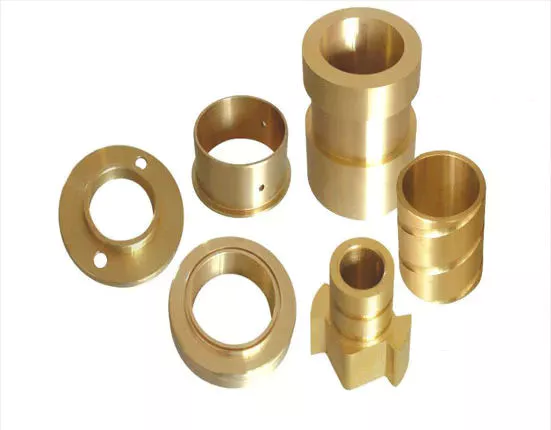
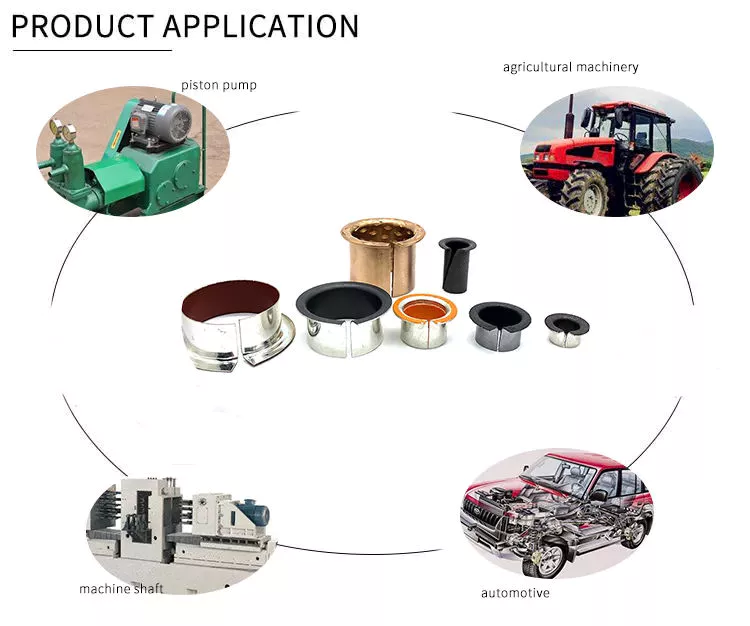
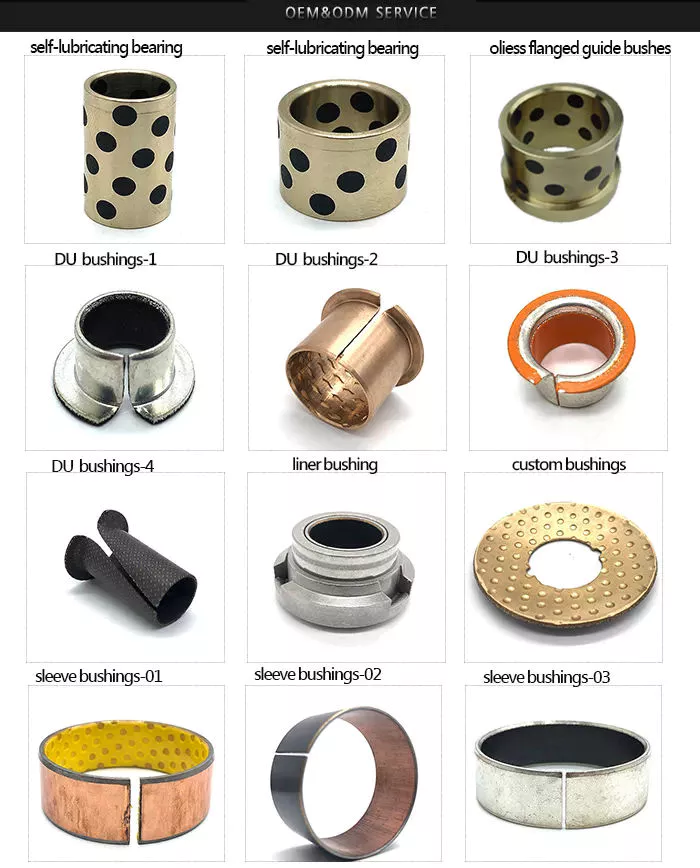
What is a bushing?What is a bushing? Basically, bushings are spherical or spherical bearings for machines with sliding or rotating shaft assemblies. Due to their excellent load-carrying capacity and anti-friction properties, these bushings are used in almost all industrial applications. This makes them useful in industries such as construction, mining, agriculture, transportation, hydropower, food processing and material handling. Shell informationThe demand for bushings is closely related to the global transformer market. Growing renewable energy sources and high replacement rates of aging grid infrastructure are driving the global demand for transformer bushings. Increased urbanization is another factor driving the demand for transformer bushings. Among global regions, Asia Pacific is the largest market for medium voltage transformer bushings. The following section provides a detailed analysis of the market. typeThere are various types of bushings, each serving a different purpose. Oil-filled types are the most common and are designed for vertical installations. On the other hand, the embedded ferrule can accommodate the connection to the wire leads in the lower end of the ferrule. This feature significantly reduces the length of the sump end of the casing, but also adds additional complexity and cost. FunctionA bushing is a support member that performs its function by acting as a washer and reducing noise and vibration. Bushings are used in valve covers and are made of corrosion-resistant materials to perform these functions. These products can be found in all types of machinery from cars to airplanes. Below are some common uses for bushings. Read on to discover more. Here are some of the most important features of the shell. costWhether you’re looking for a replacement bushing for your rear suspension or just need to replace the fork, you have a few different options. The two main types of bushings are coated and uncoated. If you want to save money on bushing replacements, you should consider getting a cheaper lower fork. Whether you’re replacing bushings to improve ride quality or prevent damage to your wheel loader, you’ll find a bushing replacement option that fits your budget.
China Long Life Tapered Roller Bearing 1558015520 1613716282 Cheap Price Bearing 1558015520 carrier bearingSort: Roller, 16137/16282 Specification
What is a bushing?A bushing is a cylindrical lining made of a flexible material inside a metal housing. The inner squeeze tube of the bushing helps prevent it from being squeezed by the clip. The material also reduces friction and isolates vibration and noise, while improving performance. This article discusses some of the most common uses for bushings. In this article, we’ll discuss the most important reasons to choose a bushing for your transmission. A bushing is a bearing that minimizes friction and wear within the bore. It is also used as a housing for shafts, pins, hinges or other types of objects. It takes its name from the Middle Dutch word shrub, which means “box”. It is also homologous to the second element of blunderbuss. Here’s how to identify bushings and how to use them. Vibration isolationVibration mounts are required for inertial guidance and navigation systems, radar components, and engine accessories. Bushings isolate vibration and provide a more robust design in these applications. Bushings help eliminate vibration-related operational challenges and help protect expensive equipment from damage. Below are several types of vibrating mounts and the differences between them. Each type has unique uses and applications, and the type you choose will depend on the nature of the components and the environment. reduce noiseA properly positioned tree will block the view between the noise source and your house. Make sure the tree is taller than your house to effectively reduce noise. Also, make sure the sprocket and axle are properly aligned. The less noise they make, the better. If you have a noisy neighbor, you may want to consider installing a bushing at the front of the house to block the noise. a bearingA bushing is a component that provides a bearing surface for the forces acting axially on the shaft. A typical example of a thrust bearing is a propeller shaft. The bushing can be a separate part or an integral part of the machine. Typically, bushings are replaceable, while integral bearings are permanent and should not be replaced unless worn or damaged. Bushings are most commonly used in machinery, where they allow relative movement between components.
China Hot Sale Reliable Quality 608Z 2RS 608 Deep Groove Ball Bearings carrier bearingType: BALL
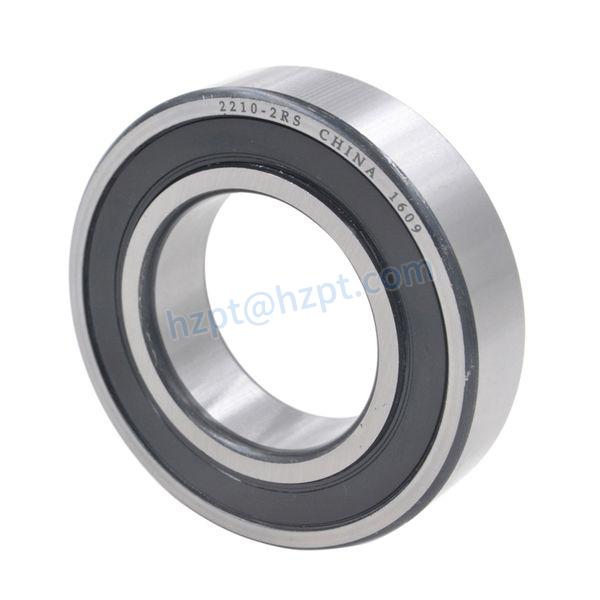
The benefits of rubber bushings and how they workIf you have experienced increased vibration while driving, you know the importance of replacing the control arm bushings. The resulting metal-to-metal contact can cause annoying driving problems and be a threat to your safety. Over time, the control arm bushings begin to wear out, a process that can be exacerbated by harsh driving conditions and environmental factors. Additionally, larger tires that are more susceptible to bushing wear are also prone to increased vibration transfer, especially for vehicles with shorter sidewalls. Additionally, these plus-sized tires, which are designed to fit on larger rims, have a higher risk of transmitting vibrations through the bushings. rubberRubber bushings are rubber tubes that are glued into the inner or outer curve of a cylindrical metal part. The rubber is made of polyurethane and is usually prestressed to avoid breaking during installation. In some cases, the material is also elastic, so it can slide. These properties make rubber bushings an integral part of a vehicle’s suspension system. Here are some benefits of rubber bushings and how they work. PolyurethaneUnlike rubber, polyurethane bushings resist high stress environments and normal cycling. This makes them an excellent choice for performance builds. However, there are some disadvantages to using polyurethane bushings. Read on to learn about the advantages and disadvantages of polyurethane bushings in suspension applications. Also, see if a polyurethane bushing is suitable for your vehicle. hardSolid bushings replace the standard bushings on the subframe, eliminating axle clutter. New bushings raise the subframe by 0.59″ (15mm), correcting the roll center. Plus, they don’t create cabin noise. So you can install these bushings even when your vehicle is lowered. But you should consider some facts when installing solid casing. Read on to learn more about these casings. Capacitor classificationIn the circuit, there is a high electric field on both sides of the capacitor grading bushing. This is due to their capacitor cores. The dielectric properties of the primary insulating layer have a great influence on the electric field distribution within the bushing. This article discusses the advantages and disadvantages of capacitor grade bushings. This article discusses the advantages and disadvantages of grading bushings for capacitors in DC power systems. MetalWhen choosing between plastic and metal sleeves, it is important to choose a product that can handle the required load. Plastic bushings tend to deteriorate and often crack under heavy loads, reducing their mechanical strength and service life. Metal bushings, on the other hand, conduct heat more efficiently, preventing any damage to the mating surfaces. Plastic bushings can also be made with lubricating fillers added to a resin matrix. plasticA plastic bushing is a small ball of material that is screwed onto a nut or locknut on a mechanical assembly. Plastic bushings are very durable and have a low coefficient of friction, making them a better choice for durable parts. Since they do not require lubrication, they last longer and cost less than their metal counterparts. Unlike metal bushings, plastic bushings also don’t scratch or attract dirt. China Good price deep groove ball bearing 62210 62210rs 62210zz 2rs 2zz carrier bearingSort: BALL, deep groove ball bearing Good cost deep groove ball bearing 62210 62210rs 62210zz 2rs 2zz
What is a bushing?If you’ve ever wondered what an enclosure is, you’ve come to the right place. This article will provide an overview of different types of housings, including air-insulated, oil-impregnated porous bronze, and epoxy-impregnated capacitor cells. After reading this article, you will be better equipped to make an informed choice about the type of bushings your truck needs. air insulating sleeveWhen choosing bushings for your electrical application, you need to look for bushings with long-lasting insulation. In addition to being durable, bushings must have the correct design shape and material to remain effective over time. Porcelain was used in early casing designs and was chosen for indoor and outdoor applications due to its low cost and low linear expansion. Porcelain also requires a lot of metal fittings and flexible seals to remain effective. Oil Impregnated Porous Bronze BushingsOil-impregnated porous bronze (PbB) bushings are one of the best options for lubricating metal bearings. Lubrication is maintained even in high temperature applications as oil penetrates into the pores of the bronze. They are also self-lubricating and maintenance-free. Manufactured by CZPT, the Oil Impregnated Bronze Bushing is a powder metal process that is uniformly lubricated by a uniform oil film. This type of bearing is one of the most efficient in terms of precision performance. Epoxy Impregnated Capacitor BatteriesEpoxy impregnated condenser core sleeves are conductive paper used in air conditioning systems. The paper core is coated with epoxy resin and the insulating shell is silicone rubber. RIP bushings have excellent electrical properties, are fire resistant and are relatively small. However, the process of making these products is not easy and mistakes are common. These defects manifest as cracks or other structural damage in the capacitor cells. plastic bushingPlastic bushings are essential for many industries. They protect wires and other mechanical parts. They come in many shapes and sizes and are often used as adapters when connecting two pipes or tubes of different diameters. They are available in a variety of materials including rubber, steel and various other plastics. Most bushings are cylindrical or conical in shape and made of shock absorbing material. They slide on rods or pipes to provide low friction motion.
China Original NSK NTN Koyo Timken SKF Distributor of Roller Bearing 22312 22313 22314 22315 22316 22317 22318 22319 32212 32213 32214 32215 32216 32217 32218 carrier bearingSolution Description
Why choose us ? 2. OEM Capability We have constructed secure and long-phrase cooperate relationshilp with supermarkets,we canalso supply ODM, OEM and Agent solutions to our clients over the world. three. Components Available We have spare bearings for quick shipping and delivery to anywhere in the entire world. Our Bearings extensively used in the fields of motor, admirer, injection molding device, mining, mechanical tools, metallurgy, rolling, auto, railway, iron and metal, electricity, textile, packaging, petroleum, paper producing, etc four. Great Guarantee We consider consumer fulfillment and solution good quality as the 1st priority for us. We provide trustworthy warranties and excellent soon after-income companies. Our gain 1. Good quality Management To make sure the top quality of our automobiles and other goods, Our QC staffs do rigorous supplier evaluations, in-coming inspections, in-process inspections, ultimate inspections and pre-shipping and delivery inspections. The most crucial is that we hear to what our consumers say and are usually seeking for techniques to improve the quality of our items via ongoing improvement. 2. OEM Potential We have constructed steady and prolonged-phrase cooperate relationshilp with supermarkets,we canalso offer ODM, OEM and Agent companies to our clients over the globe. 3. Elements Obtainable We have spare bearings for immediate shipping to everywhere in the world. Our Bearings broadly used in the fields of motor, enthusiast, injection molding equipment, mining, mechanical products, metallurgy, rolling, vehicle, railway, iron and metal, electricity, textile, packaging, petroleum, paper creating, and so forth four. Excellent Guarantee We just take customer fulfillment and product good quality as the very first priority for us. We source trustworthy warranties and great after-income solutions. F A Q *Q:Can I get samples from you? *Q:What areas are created by you? *Q:What is actually the foremost time? (How long do you want to get ready my items?) *Q:How extended do I need to hold out ahead of my items get there? *Q:Can you set my model title (logo) on these goods? *Q:What payment techniques do you take? *Q:What certificates do you have? *Q:What is your merchandise good quality? *Q:What is your warranty? *Q:How are components availability?
###
###
###
###
###
###
Types of Ball BearingsIf you’re looking to purchase a new ball bearing, there are many different types available. Learn about Single-row designs, Ceramic hybrid bearings, and Self-aligning ball bearings. You can also choose from stainless steel or single-row designs. Then, read about the different types of materials available to you. You’ll have an easier time making a decision. After all, you won’t have to worry about maintaining your new ball bearing, since it will be maintained by your supplier. Single-row designsBall bearings with a single-row design have a high load-carrying capacity. They are used in applications where high loads must be handled smoothly. A single-row design is a good choice when the material’s properties require high load-carrying capacity but limited axial load capability. Single-row designs use two bearings with similar design features, but they have different mounting methods. Single-row designs can be adjusted either against one another to accommodate axial loads. Ceramic hybrid bearingsWhile all-ceramic bearings are limited to very specialized applications, Si3N4-based hybrid bearings are finding use in a wide range of high-speed machines. Compared to steel, ceramics are less susceptible to centrifugal forces, which are directly proportional to the mass of the balls. Because Si3N4 replacement balls have a lower density than steel, these bearings reduce the stress placed on the outer race. Self-aligning ball bearingsA self-aligning ball bearing is one type of self-aligning bearing. These bearings are recommended for use in flex shaft systems. Their self-aligning feature prevents them from misaligning when in use. They can be used in both single and multiple-joint systems. In addition to self-aligning ball bearings, these units also feature flex shafts. Stainless steelStainless steel is a metal that resists corrosion and is highly durable. Its corrosion-resistant and water-resistance properties make it a good choice for bearings in food and marine applications. Additionally, stainless steel has hygienic benefits. Here are some of the benefits of stainless steel ball bearings. Read on to learn more about these amazing bearings! We’ve included some of the most common uses for stainless steel. Plastic ballsFor applications where noise and weight are major concerns, plastic balls are ideal. These non-magnetic balls are ideal for MRI X-ray machines and sensors. They are also easy to lubricate, and are non-magnetic. A polymer ball bearing is the lightest of all three types. This makes them a good choice for many industries. Read on to learn more. This article will introduce some of the advantages of plastic balls for ball bearings.
| ||||||||||||||||||||||||||||||||||||||||||||||||||||||||||||||||||||||||||||||||||||||||||||||||||||||||||||||||||||||||||||||||||||||||||||||||||||||||||||||||||||||||||||||||||||||||||||||||||||||||||||||||||||||||||||||||||||||||||||||||||||||||||||||||||||||||||||||||||||||||||||||||||||||||||||||||||||||||||||||||||||||||||||||||||||||||||||||||||||||||||||||||||||||||||||||||||||||