Product Description
KGG: Precision Angled Contact Ball Bearing~70AD Series
Advantages and features of CZPT bearings
∞ CZPT Ball Bearings consist of an outer ring, an inner ring, and a plurality of rollers and spacers. The bearing with high rotation accuracy capable of bearing loads in every direction. Because it has orthogonally arranged cylindrical rollers, it can bear loads in every direction. CZPT provides 2 kinds of bearings: Deep Groove Ball Bearing and Angular Contact Ball Bearings.
∞ ACBB, which is the abbreviation of angular contact ball bearings. With different contact angles, the higher axial load can be well taken care now. CZPT standard ball bearings are the perfect solution for high runout accuracy applications such as machine tool main spindles.
∞ Deep groove ball bearings are widely used in many industries for decades. A deep groove is formed on each inner and outer ring of the bearings enabling them to sustain radial and axial loads or even combinations of both. As the leading deep groove ball bearing factory, CZPT Bearings owns abundant experience in designing and producing this type of bearing.
Application:
1. Medical industry
2.Lithium battery industry
3.Solar photovoltaic industry
4. Semi conductor Industry
5. General industry machinery
6. Machine tool
7. Parking system
8. High-speed rail and aviation transportation equipment
9. 3C industry etc
Technical Drawing
Specification List
| Boundary Dimensions (mm) | Basic Load Ratings | Static Axial Load Capacity | Bearing Numbers Type | Load Center | Limiting Speeds nL (min1) | Reference Dimensions (mm) | Abutment and Dimensions (mm) | Space Capacity (cm3) | Weight (kg) | |||||||||||||||
| d | D | B | r | r1 | Cr | cr | (KN) | C” | (KN) | (Kgf) | a | Grease | Oil | d, | D, | d2 | 4 | Da | Db | % | 1as | Open (Approx) | Open (Approx) | |
| min | min | (KN) | (Kgf) | (Kgf) | min | max | max | max | max | |||||||||||||||
| 10 | 26 | 8 | 0.3 | 0.15 | 5.1 | 520 | 2.41 | 246 | 2.33 | 238 | 7000AD* | 8.2 | 55000 | 84700 | 15.4 | 20.6 | 22.7 | 12.5 | 23.5 | 24.8 | 0.3 | 0.15 | 0.9 | 0.019 |
| 12 | 28 | 8 | 0.3 | 0.15 | 5.2 | 530 | 2.53 | 258 | 3.1 | 318 | 7001 AD* | 8.8 | 49500 | 76100 | 18 | 22.9 | 25.2 | 14.5 | 25.5 | 26.8 | 0.3 | 0.15 | 1 | 0.571 |
| 15 | 32 | 9 | 0.3 | 0.15 | 5.95 | 605 | 3.2 | 330 | 3.75 | 385 | 7002AD* | 10 | 42100 | 64800 | 21.1 | 25.9 | 28.2 | 17.5 | 29.5 | 30.8 | 0.3 | 0.15 | 1.3 | 0.03 |
| 17 | 35 | 10 | 0.3 | 0.15 | 6.3 | 640 | 3.6 | 370 | 3.9 | 400 | 7003AD* | 11.1 | 38100 | 58600 | 23.4 | 29 | 30.7 | 19.5 | 32.5 | 33.8 | 0.3 | 0.15 | 1.8 | 0.037 |
| 20 | 42 | 12 | 0.6 | 0.3 | 10.5 | 1080 | 6.25 | 640 | 7.55 | 770 | 7004AD* | 12.2 | 31900 | 49200 | 27.5 | 34.5 | 37.3 | 24.5 | 37.5 | 39.5 | 0.6 | 0.3 | 2.9 | 0.067 |
| 25 | 47 | 12 | 0.6 | 0.3 | 11 | 1130 | 7.05 | 720 | 8.2 | 840 | 7005AD | 14.4 | 27500 | 42400 | 32.5 | 39.5 | 42.3 | 29.5 | 42.5 | 44.5 | 0.6 | 0.3 | 3.3 | 0.079 |
| 30 | 55 | 13 | 1 | 0.6 | 14.4 | 1470 | 9.8 | 1000 | 11.5 | 1180 | 7006AD | 15.9 | 23300 | 35800 | 38.6 | 46.4 | 49.5 | 35.5 | 49.5 | 50.5 | 1 | 0.6 | 4.8 | 0.11 |
| 35 | 62 | 14 | 1 | 0.6 | 18.2 | 1860 | 13 | 1330 | 14.1 | 1440 | 7007AD | 17.8 | 20500 | 31400 | 44.2 | 52.8 | 56.3 | 40.5 | 56.5 | 57.5 | 1 | 0.6 | 6.3 | 0.15 |
| 40 | 68 | 15 | 1 | 0.6 | 19.5 | 1990 | 15.1 | 1540 | 16.4 | 1680 | 7008AD* | 19.6 | 18300 | 28300 | 49.6 | 58.3 | 61.8 | 45.5 | 62.5 | 63.5 | 1 | 0.6 | 7.4 | 0.19 |
| 45 | 75 | 16 | 1 | 0.6 | 23 | 2350 | 18.2 | 1860 | 20.6 | 2100 | 7009AD* | 21.5 | 16500 | 25400 | 55.2 | 64.8 | 68.6 | 50.5 | 69.5 | 70.5 | 1 | 0.6 | 9.4 | 0.24 |
| 50 | 80 | 16 | 1 | 0.6 | 24.6 | 2510 | 20.7 | 2120 | 23.1 | 2360 | 7571AD | 23.2 | 15200 | 23500 | 60.2 | 69.8 | 73.6 | 55.5 | 74.5 | 75.5 | 1 | 0.6 | 11 | 0.26 |
| 55 | 90 | 18 | 1.1 | 0.6 | 32 | 3300 | 27.1 | 2770 | 30 | 3100 | 7011 AD | 25.9 | 13700 | 21100 | 66.8 | 78.1 | 82.7 | 62 | 83 | 85.5 | 1 | 0.6 | 16 | 0.38 |
| 60 | 95 | 18 | 1.1 | 0.6 | 33 | 3350 | 29.1 | 2970 | 31 | 3200 | 7012AD | 27.1 | 12800 | 19700 | 71.8 | 83.1 | 87.6 | 67 | 88 | 90.5 | 1 | 0.6 | 17 | 0.41 |
| 65 | 100 | 18 | 1.1 | 0.6 | 35 | 3550 | 32 | 3300 | 33 | 3400 | 7013AD | 28.2 | 12000 | 18500 | 76.8 | 881 | 92.6 | 72 | 93 | 95.5 | 1 | 0.6 | 18 | 0.44 |
| 70 | 110 | 20 | 1.1 | 0.6 | 44 | 4500 | 40.5 | 4150 | 42 | 4300 | 7014AD | 31 | 11000 | 17000 | 83.6 | 96.4 | 101.7 | 77 | 103 | 105.5 | 1 | 0.6 | 24 | 0.61 |
| 75 | 115 | 20 | 1.1 | 0.6 | 45 | 4600 | 43 | 4400 | 47 | 4800 | 7015 AD | 22.1 | 10500 | 16100 | 88.5 | 101.5 | 106.7 | 82 | 108 | 110.5 | 1 | 0.6 | 26 | 0.64 |
| 80 | 125 | 22 | 1.1 | 0.6 | 55.5 | 5650 | 52 | 5350 | 58.5 | 5950 | 7016AD | 34.9 | 9700 | 14900 | 95.1 | 109.9 | 115.8 | 87 | 118 | 120.5 | 1 | 0.6 | 34 | 0.86 |
| 85 | 130 | 22 | 1.1 | 0.6 | 56.5 | 5800 | 55.5 | 5650 | 61 | 6200 | 7017AD | 36.1 | 9200 | 14200 | 100.1 | 114.9 | 120.8 | 92 | 123 | 125.5 | 1 | 0.6 | 36 | 0.9 |
| 90 | 140 | 24 | 1.5 | 1.1 | 67.5 | 6900 | 65.5 | 6650 | 75 | 7650 | 7018AD | 38.8 | 8600 | 13300 | 106.8 | 123.2 | 129.8 | 98.5 | 131.5 | 134.5 | 1.5 | 1 | 47 | 1.17 |
| 95 | 145 | 24 | 1.5 | 1.1 | 69.5 | 7050 | 69 | 7050 | 77.5 | 7900 | 7019AD* | 40 | 8300 | 12700 | 111.7 | 128.2 | 134.8 | 103.5 | 136.5 | 139.5 | 1.5 | 1 | 49 | 1.22 |
| 100 | 150 | 24 | 1.5 | 1.1 | 71 | 7250 | 73 | 7450 | 82.5 | 8450 | 7571AD | 41.1 | 7900 | 12200 | 116.8 | 132.2 | 139.8 | 108.5 | 141.5 | 144.5 | 1.5 | 1 | 51 | 1.27 |
FACTORY DETAILED PROCESSING PHOTOS
HIGH QUALITY CONTROL SYSTEM
FAQ
1. Why choose CZPT China?
Over the past 17 years, CZPT has always insisted that “products and services” start from Japanese industry standards,taking ZheJiang standards as the bottom line, actively invest in the development of new transmission components and self-experiment and test. With the service tenet of “exceeding customer expectations”, establish a “trusted” partnership.
2. What is your main products ?
We are a leading manufacturer and distributor of linear motion components in China. Especially miniature size of Ball Screws and Linear Actuators and linear motion guideways. Our brand “KGG” stands for ” Know-how,” ” Great Quality,” and ” Good value” and our factory is located in the most advanced city in China: ZheJiang with the best equipment and sophisticated technology, completely strict quality control system. Our aim is to supply world leader class linear motion components but with most reasonable price in the world.
3. How to Custom-made (OEM/ODM)?
If you have a product drawing or a sample, please send to us, and we can custom-made the as your required. We will also provide our professional advices of the products to make the design to be more realized & maximize the performance.
4. When can I get the quotation?
We usually quote within 24 hours after we get your inquiry. If you are very urgent to get the price,please call us or tell us in your email so that we will regard your inquiry priority.
5. How can I get a sample to check the quality?
After confirmation of our quoted price, you can place the sample order. The sample will be started after you sign back our detailed technical file.
6. What’s your payment terms?
Our payment terms is 30% deposit,balance 70% before shipment. /* January 22, 2571 19:08:37 */!function(){function s(e,r){var a,o={};try{e&&e.split(“,”).forEach(function(e,t){e&&(a=e.match(/(.*?):(.*)$/))&&1
| Contact Angle: | 25° |
|---|---|
| Aligning: | Non-Aligning Bearing |
| Separated: | Separated |
| Rows Number: | Single |
| Load Direction: | Radial Bearing |
| Material: | Bearing Steel |
| Customization: |
Available
| Customized Request |
|---|
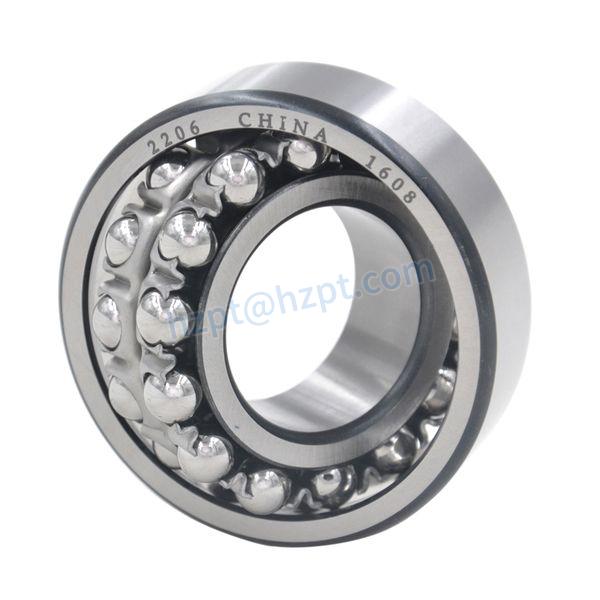
What are the Common Signs of Wear or Damage in Ball Bearings that Indicate the Need for Replacement?
Ball bearings are subjected to wear and stress during operation, and over time, they may exhibit signs of damage or deterioration that warrant replacement. Recognizing these signs is crucial to prevent catastrophic failure and ensure safe and reliable operation. Here are the common signs of wear or damage in ball bearings:
- Unusual Noise:
If you hear unusual grinding, clicking, or rumbling noises coming from the bearing during operation, it may indicate worn-out or damaged components. Unusual noise suggests that the bearing is no longer operating smoothly.
- Vibration:
Excessive vibration in the machinery can be a sign of bearing wear. Vibrations can result from uneven wear, misalignment, or damaged components within the bearing.
- Increased Temperature:
Higher operating temperatures than usual may indicate increased friction due to inadequate lubrication, wear, or other issues. Monitoring the bearing’s temperature can help identify potential problems.
- Irregular Movement:
If you notice irregular movement, jerking, or sticking during rotation, it could be a sign that the bearing is no longer operating smoothly. This may be due to damaged rolling elements or raceways.
- Reduced Performance:
If the machinery’s performance has decreased, it may be due to a compromised bearing. Reduced efficiency, increased energy consumption, or a decline in overall performance could be indicators of bearing wear.
- Visible Wear or Damage:
Inspect the bearing for visible signs of wear, such as pitting, scoring, or discoloration on the rolling elements or raceways. Severe wear or damage is a clear indication that the bearing needs replacement.
- Leakage or Contamination:
If there is evidence of lubricant leakage, contamination, or the presence of foreign particles around the bearing, it suggests that the seal or shield may be compromised, leading to potential damage.
- Looseness or Excessive Play:
If you can feel excessive play or looseness when manually moving the bearing, it could indicate worn-out components or misalignment.
- Reduced Lifespan:
If the bearing’s expected lifespan is significantly shorter than usual, it may be due to inadequate lubrication, excessive loads, or improper installation, leading to accelerated wear.
- Frequent Failures:
If the bearing is consistently failing despite regular maintenance and proper use, it could indicate a chronic issue that requires addressing, such as inadequate lubrication or misalignment.
It’s important to conduct regular inspections, monitor performance, and address any signs of wear or damage promptly. Replacing worn or damaged ball bearings in a timely manner can prevent further damage to machinery, reduce downtime, and ensure safe and efficient operation.
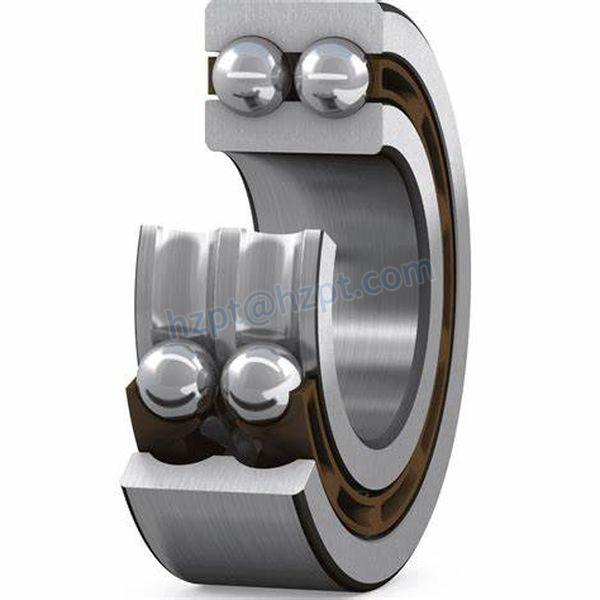
How do Ceramic Ball Bearings Compare to Traditional Steel Ball Bearings in Terms of Performance?
Ceramic ball bearings and traditional steel ball bearings have distinct characteristics that can impact their performance in various applications. Here’s a comparison of how these two types of bearings differ in terms of performance:
- Material Composition:
Ceramic Ball Bearings:
Ceramic ball bearings use ceramic rolling elements, typically made from materials like silicon nitride (Si3N4) or zirconium dioxide (ZrO2). These ceramics are known for their high hardness, low density, and resistance to corrosion and wear.
Traditional Steel Ball Bearings:
Traditional steel ball bearings use steel rolling elements. The type of steel used can vary, but common materials include chrome steel (52100) and stainless steel (440C). Steel bearings are known for their durability and strength.
- Friction and Heat:
Ceramic Ball Bearings:
Ceramic bearings have lower friction coefficients compared to steel bearings. This results in reduced heat generation during operation, contributing to higher efficiency and potential energy savings.
Traditional Steel Ball Bearings:
Steel bearings can generate more heat due to higher friction coefficients. This can lead to increased energy consumption in applications where efficiency is crucial.
- Weight:
Ceramic Ball Bearings:
Ceramic bearings are lighter than steel bearings due to the lower density of ceramics. This weight reduction can be advantageous in applications where minimizing weight is important.
Traditional Steel Ball Bearings:
Steel bearings are heavier than ceramic bearings due to the higher density of steel. This weight may not be as critical in all applications but could impact overall equipment weight and portability.
- Corrosion Resistance:
Ceramic Ball Bearings:
Ceramic bearings have excellent corrosion resistance, making them suitable for applications in corrosive environments, such as marine or chemical industries.
Traditional Steel Ball Bearings:
Steel bearings are susceptible to corrosion, especially in harsh environments. Stainless steel variants offer improved corrosion resistance but may still corrode over time.
- Speed and Precision:
Ceramic Ball Bearings:
Ceramic bearings can operate at higher speeds due to their lower friction and ability to withstand higher temperatures. They are also known for their high precision and low levels of thermal expansion.
Traditional Steel Ball Bearings:
Steel bearings can operate at high speeds as well, but their heat generation may limit performance in certain applications. Precision steel bearings are also available but may have slightly different characteristics compared to ceramics.
- Cost:
Ceramic Ball Bearings:
Ceramic bearings are generally more expensive to manufacture than steel bearings due to the cost of ceramic materials and the challenges in producing precision ceramic components.
Traditional Steel Ball Bearings:
Steel bearings are often more cost-effective to manufacture, making them a more economical choice for many applications.
In conclusion, ceramic ball bearings and traditional steel ball bearings offer different performance characteristics. Ceramic bearings excel in terms of low friction, heat generation, corrosion resistance, and weight reduction. Steel bearings are durable, cost-effective, and widely used in various applications. The choice between the two depends on the specific requirements of the application, such as speed, precision, corrosion resistance, and budget considerations.
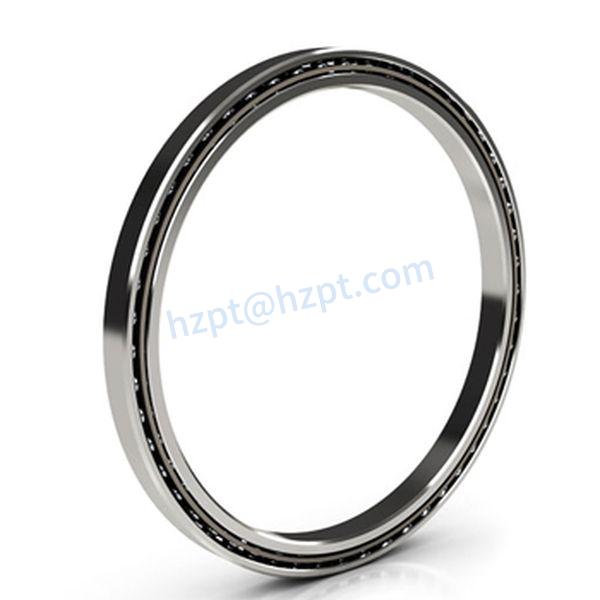
What is a Ball Bearing and How does it Function in Various Applications?
A ball bearing is a type of rolling-element bearing that uses balls to reduce friction between moving parts and support radial and axial loads. It consists of an outer ring, an inner ring, a set of balls, and a cage that separates and maintains a consistent spacing between the balls. Here’s how ball bearings function in various applications:
- Reduction of Friction:
Ball bearings function by replacing sliding friction with rolling friction. The smooth, spherical balls minimize the contact area between the inner and outer rings, resulting in lower friction and reduced heat generation.
- Radial and Axial Load Support:
Ball bearings are designed to support both radial loads (forces perpendicular to the shaft’s axis) and axial loads (forces parallel to the shaft’s axis). The distribution of balls within the bearing ensures load-carrying capacity in multiple directions.
- Smooth Rotational Movement:
Ball bearings facilitate smooth and precise rotational movement. The rolling motion of the balls allows for controlled and continuous rotation with minimal resistance.
- Applications in Machinery:
Ball bearings are used in a wide range of machinery and equipment, including motors, generators, gearboxes, conveyors, and fans. They enable the efficient transfer of motion while reducing wear and energy losses.
- Automotive Industry:
Ball bearings are extensively used in automobiles for various applications, including wheel hubs, transmission systems, steering mechanisms, and engine components. They provide reliability and durability in challenging automotive environments.
- Industrial Machinery:
In industrial settings, ball bearings support rotating shafts and ensure the smooth operation of equipment such as pumps, compressors, and machine tools.
- High-Speed Applications:
Ball bearings are suitable for high-speed applications due to their low friction and ability to accommodate rapid rotation. They are used in applications like electric motors and aerospace components.
- Precision Instruments:
For precision instruments, such as watches, cameras, and medical devices, ball bearings provide accurate rotational movement and contribute to the overall performance of the instrument.
- Variety of Sizes and Types:
Ball bearings come in various sizes, configurations, and materials to suit different applications. Different types include deep groove ball bearings, angular contact ball bearings, thrust ball bearings, and more.
In summary, ball bearings are essential components in a wide range of applications where smooth rotation, load support, and reduced friction are critical. Their versatility, reliability, and efficiency make them indispensable in industries spanning from automotive to industrial machinery to precision instruments.


editor by CX 2024-03-29