Product Description
Bearings
SGJ Black Phosphating Radial Spherical Plain Bearings GE Series for Excavator
Spherical plain bearingThe spherical plain bearing is a spherical sliding bearing. Its sliding contact surface is an inner spherical surface and an outer spherical surface. It can rotate and swing at any angle during movement. It adopts surface phosphating, frying, inlaying, spraying and other special processes. Method made. Joint bearings have the characteristics of large load capacity, impact resistance, corrosion resistance, wear resistance, self-aligning and good lubrication. Joint bearings can withstand larger loads. According to its different types and structures, it can bear radial load, axial load or a combined load of both radial and axial. Because the outer spherical surface of the inner ring is inlaid with CZPT materials, the bearing can produce self-lubrication during operation. It is generally used for low-speed swing motion and low-speed rotation. It can also be used for tilting motion within a certain angle range. When the support shaft and the shaft housing hole have a large misalignment, it can still work normally. Self-lubricating joint bearings are used in water conservancy, professional machinery and other industries.
| SGJ Radial Spherical Plain Bearings GE Series | |||||||||||||
| No. | Items | Model | Dimensions(mm) | Load Ratings | Weight | ||||||||
| d | D | B | C | dk | r1 min | r2 min | α | Dynamic | Static | (Kg) | |||
| (KN) | (KN) | ||||||||||||
| 1 | GE15ES | GE15ES 2RS | 15 | 26 | 12 | 9 | 22 | 0.3 | 0.3 | 8 | 16 | 84 | 0.571 |
| 2 | GE17ES | GE17ES 2RS | 17 | 30 | 14 | 10 | 25 | 0.3 | 0.3 | 10 | 21 | 106 | 0.041 |
| 3 | GE20ES | GE20ES 2RS | 20 | 35 | 16 | 12 | 29 | 0.3 | 0.3 | 9 | 30 | 146 | 0.066 |
| 4 | GE25ES | GE25ES 2RS | 25 | 42 | 20 | 16 | 35.5 | 0.6 | 0.6 | 7 | 48 | 240 | 0.119 |
| 5 | GE30ES | GE30ES 2RS | 30 | 47 | 22 | 18 | 40.7 | 0.6 | 0.6 | 6 | 62 | 310 | 0.153 |
| 6 | GE35ES | GE35ES 2RS | 35 | 55 | 25 | 20 | 47 | 0.6 | 1 | 6 | 79 | 399 | 0.233 |
| 7 | GE40ES | GE40ES 2RS | 40 | 62 | 28 | 22 | 53 | 0.6 | 1 | 7 | 99 | 495 | 0.306 |
| 8 | GE45ES | GE45ES 2RS | 45 | 68 | 32 | 25 | 60 | 0.6 | 1 | 7 | 127 | 637 | 0.427 |
| 9 | GE50ES | GE50ES 2RS | 50 | 75 | 35 | 28 | 66 | 0.6 | 1 | 6 | 156 | 780 | 0.546 |
| 10 | GE60ES | GE60ES 2RS | 60 | 90 | 44 | 36 | 80 | 1 | 1 | 6 | 245 | 1220 | 1.04 |
| 11 | GE70ES | GE70ES 2RS | 70 | 105 | 49 | 40 | 92 | 1 | 1 | 6 | 313 | 1560 | 1.55 |
| 12 | GE80ES | GE80ES 2RS | 80 | 120 | 55 | 45 | 105 | 1 | 1 | 6 | 400 | 2000 | 2.31 |
| 13 | GE90ES | GE90ES 2RS | 90 | 130 | 60 | 50 | 115 | 1 | 1 | 5 | 488 | 2440 | 2.75 |
| 14 | GE100ES | GE100ES 2RS | 100 | 150 | 70 | 55 | 130 | 1 | 1 | 7 | 607 | 3030 | 4.45 |
| 15 | GE110ES | GE110ES 2RS | 110 | 160 | 70 | 55 | 140 | 1 | 1 | 6 | 654 | 3270 | 4.82 |
| 16 | GE120ES | GE120ES 2RS | 120 | 180 | 85 | 70 | 160 | 1 | 1 | 6 | 950 | 4750 | 8.05 |
| 17 | GE140ES | GE140ES 2RS | 140 | 210 | 90 | 70 | 180 | 1 | 1 | 7 | 1070 | 5350 | 11.02 |
| 18 | GE160ES | GE160ES 2RS | 160 | 230 | 105 | 80 | 200 | 1 | 1 | 8 | 1360 | 6800 | 14.01 |
| 19 | GE180ES | GE180ES 2RS | 180 | 260 | 105 | 80 | 225 | 1.1 | 1.1 | 6 | 1530 | 7650 | 18.65 |
| 20 | GE190ES | GE200ES 2RS | 200 | 290 | 130 | 100 | 250 | 1.1 | 1.1 | 7 | 2120 | 10600 | 28.03 |
| 21 | GE220ES | GE220ES 2RS | 220 | 320 | 135 | 100 | 275 | 1.1 | 1.1 | 8 | 2320 | 11600 | 35.51 |
| 22 | GE240ES | GE240ES 2RS | 240 | 340 | 140 | 100 | 300 | 1.1 | 1.1 | 8 | 2550 | 12700 | 39.91 |
| Contact Angle: | Customized |
|---|---|
| Aligning: | Aligning Bearing |
| Separated: | Separated |
| Rows Number: | Customized |
| Load Direction: | Radial Bearing |
| Material: | Ceramic |
| Samples: |
US$ 11/Piece
1 Piece(Min.Order) | |
|---|
| Customization: |
Available
| Customized Request |
|---|
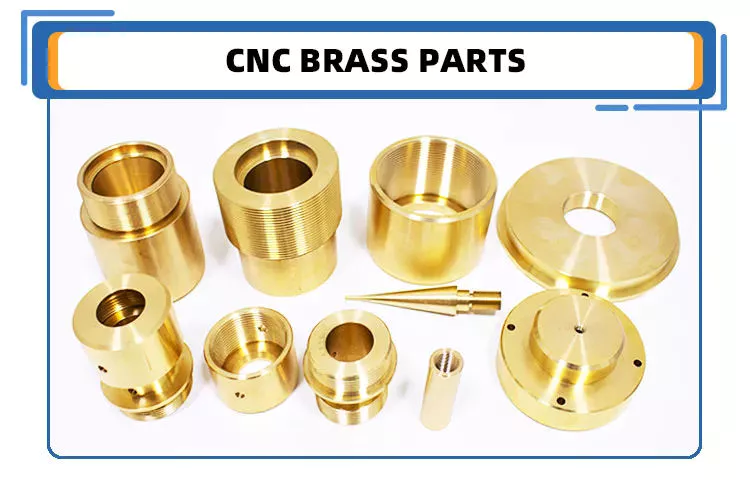
The benefits of rubber bushings and how they work
If you have experienced increased vibration while driving, you know the importance of replacing the control arm bushings. The resulting metal-to-metal contact can cause annoying driving problems and be a threat to your safety. Over time, the control arm bushings begin to wear out, a process that can be exacerbated by harsh driving conditions and environmental factors. Additionally, larger tires that are more susceptible to bushing wear are also prone to increased vibration transfer, especially for vehicles with shorter sidewalls. Additionally, these plus-sized tires, which are designed to fit on larger rims, have a higher risk of transmitting vibrations through the bushings.
rubber
Rubber bushings are rubber tubes that are glued into the inner or outer curve of a cylindrical metal part. The rubber is made of polyurethane and is usually prestressed to avoid breaking during installation. In some cases, the material is also elastic, so it can slide. These properties make rubber bushings an integral part of a vehicle’s suspension system. Here are some benefits of rubber bushings and how they work.
Rubber bushings are used to isolate and reduce vibration caused by the movement of the two pieces of equipment. They are usually placed between two pieces of machinery, such as gears or balls. By preventing vibrations, rubber bushings improve machine function and service life. In addition to improving the overall performance of the machine, the rubber bushing reduces noise and protects the operator from injury. The rubber on the shock absorber also acts as a vibration isolator. It suppresses the energy produced when the two parts of the machine interact. They allow a small amount of movement but minimize vibration.
Both rubber and polyurethane bushings have their advantages and disadvantages. The former is the cheapest, but not as durable as polyurethane. Compared to polyurethane, rubber bushings are a better choice for daily commutes, especially long commutes. Polyurethane bushings provide better steering control and road feel than rubber, but can be more expensive than the former. So how do you choose between polyurethane and rubber bushings?
Polyurethane
Unlike rubber, polyurethane bushings resist high stress environments and normal cycling. This makes them an excellent choice for performance builds. However, there are some disadvantages to using polyurethane bushings. Read on to learn about the advantages and disadvantages of polyurethane bushings in suspension applications. Also, see if a polyurethane bushing is suitable for your vehicle.
Choosing the right bushing for your needs depends entirely on your budget and application. Softer bushings have the lowest performance but may have the lowest NVH. Polyurethane bushings, on the other hand, may be more articulated, but less articulated. Depending on your needs, you can choose a combination of features and tradeoffs. While these are good options for everyday use, for racing and hardcore handling applications, a softer option may be a better choice.
The initial hardness of the polyurethane bushing is higher than that of the rubber bushing. The difference between the two materials is determined by durometer testing. Polyurethane has a higher hardness than rubber because it does not react to load in the same way. The harder the rubber, the less elastic, and the higher the tear. This makes it an excellent choice for bushings in a variety of applications.
hard
Solid bushings replace the standard bushings on the subframe, eliminating axle clutter. New bushings raise the subframe by 0.59″ (15mm), correcting the roll center. Plus, they don’t create cabin noise. So you can install these bushings even when your vehicle is lowered. But you should consider some facts when installing solid casing. Read on to learn more about these casings.
The stiffest bushing material currently available is solid aluminum. This material hardly absorbs vibrations, but it is not recommended for everyday use. Its stiffness makes it ideal for rail vehicles. The aluminum housing is prone to wear and tear and may not be suitable for street use. However, the solid aluminum bushings provide the stiffest feel and chassis feedback. However, if you want the best performance in everyday driving, you should choose a polyurethane bushing. They have lower friction properties and eliminate binding.
Sturdy subframe bushings will provide more driver feedback. Additionally, it will strengthen the rear body, eliminating any movement caused by the subframe. You can see this structural integration on the M3 and M4 models. The benefits of solid subframe bushings are numerous. They will improve rear-end handling without compromising drivability. So if you plan to install a solid subframe bushing, be sure to choose a solid bushing.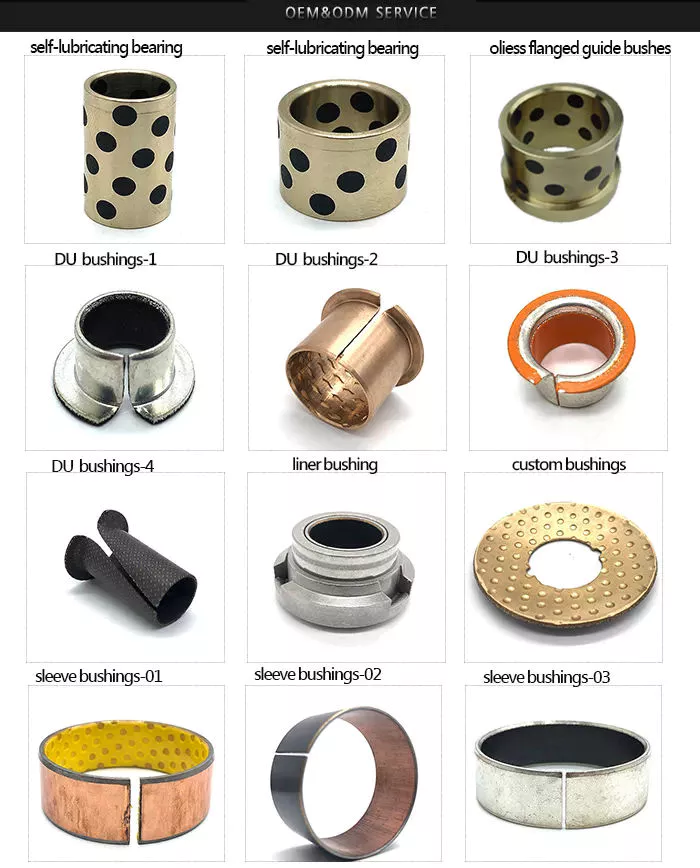
Capacitor classification
In the circuit, there is a high electric field on both sides of the capacitor grading bushing. This is due to their capacitor cores. The dielectric properties of the primary insulating layer have a great influence on the electric field distribution within the bushing. This article discusses the advantages and disadvantages of capacitor grade bushings. This article discusses the advantages and disadvantages of grading bushings for capacitors in DC power systems.
One disadvantage of capacitor grading bushings is that they are not suitable for higher voltages. Capacitor grading bushings are prone to serious heating problems. This may reduce their long-term reliability. The main disadvantage of capacitor grading bushings is that they increase the radial thermal gradient of the main insulation. This can lead to dielectric breakdown.
Capacitor grading bushing adopts cylindrical structure, which can suppress the influence of temperature on electric field distribution. This reduces the coefficient of inhomogeneity of the electric field in the confinement layer. Capacitor grading bushings have a uniform electric field distribution across their primary insulation. Capacitive graded bushings are also more reliable than nonlinear bushings.
Electric field variation is the most important cause of failure. The electrode extension layer can be patterned to control the electric field to avoid flashover or partial discharge of the primary insulating material. This design can be incorporated into capacitor grading bushings to provide better electric fields in high voltage applications. This type of bushing is suitable for a wide range of applications. This article discusses the advantages and disadvantages of capacitor grade bushings.
Metal
When choosing between plastic and metal sleeves, it is important to choose a product that can handle the required load. Plastic bushings tend to deteriorate and often crack under heavy loads, reducing their mechanical strength and service life. Metal bushings, on the other hand, conduct heat more efficiently, preventing any damage to the mating surfaces. Plastic bushings can also be made with lubricating fillers added to a resin matrix.
Plastic bushings have many advantages over metal bushings, including being cheap and versatile. Plastic bushings are now used in many industries because they are inexpensive and quick to install. These plastic products are also self-lubricating and require less maintenance than metals. They are often used in applications where maintenance costs are high or parts are difficult to access. Also, if they are prone to wear and tear, they are easy to replace.
Metal bushings can be made of PTFE, plastic or bronze and are self-lubricating. Graphite plugs are also available for some metal bushings. Their high load capacity and excellent fatigue resistance make them a popular choice for automotive applications. The bi-metallic sintered bronze layer in these products provides excellent load-carrying capacity and good friction properties. The steel backing also helps reduce processing time and avoids the need for additional pre-lubrication.
plastic
A plastic bushing is a small ball of material that is screwed onto a nut or locknut on a mechanical assembly. Plastic bushings are very durable and have a low coefficient of friction, making them a better choice for durable parts. Since they do not require lubrication, they last longer and cost less than their metal counterparts. Unlike metal bushings, plastic bushings also don’t scratch or attract dirt.
One type of acetal sleeve is called SF-2. It is made of metal alloy, cold rolled steel and bronze spherical powder. A small amount of surface plastic penetrated into the voids of the copper spherical powder. Plastic bushings are available in a variety of colors, depending on the intended application. SF-2 is available in black or grey RAL 7040. Its d1 diameter is sufficient for most applications.
Another acetal sleeve is UHMW-PE. This material is used in the production of bearings and in low load applications. This material can withstand pressures from 500 to 800 PSI and is widely available. It is also self-lubricating and readily available. Due to its high resistance to temperature and chemical agents, it is an excellent choice for low-load industrial applications. If you’re in the market for an alternative to nylon, consider acetal.
Positional tolerances in many automotive components can cause misalignment. Misaligned plastic bushings can negatively impact the driver’s experience. For example, the cross tubes used to mount the seat to the frame are made by a stamping process. The result is a misalignment that can increase torque. Also, the plastic bushing is pushed to one side of the shaft. The increased pressure results in higher friction, which ultimately results in a poor driving experience.
v

editor by CX 2023-04-21
China China Hydraulic Cylinder Rod End Bearing Phs6 Phs7 Phs8 Phs9 Phs10 Right/Left Hand Female Thread Spherical Plain Heim Joint/Radial Spherical Plain / Ge Bearing bearing driver
Product Description
China hydraulic cylinder Rod Stop Bearing Phs6 Phs7 Phs8 Phs9 Phs10 Appropriate/Still left Hand Female Thread Spherical Simple heim joint/radial spherical basic / GE Bearing
Rod finish bearings vary in terms of dimensional specs and unique features. Dimensional requirements contain design and style units, bore diameter, key diameter, bearing thickness, housing diameter, overall size, and thread size. English layout models include inches (in) and fractions of an inch. Metric design and style models include millimeters (mm) and centimeters (cm). Bore diameter is the inner diameter (ID) of the bearing bore. Main diameter is the nominal diameter to the leading of the threads. Bearing thickness is the size through the bore. Housing diameter is the outdoors diameter (OD) of the bearing housing. Overall length is the length from the best of the housing to the stop of the shank. In conditions of unique attributes, some rod conclude bearings are self-lubricating or incorporate a lubrication port. Other individuals are corrosion-resistant or equipped with PTFE seals.
Rod end bearings are normally manufactured using the following resources:
Metal
Stainless steel
Large-carbon metal
Aluminum
Male vs Woman Rod End Bearing: What is the Difference?
A rod conclude bearing can be categorized as either male or feminine relying on the way in which the threading is designed. Male rod end bearings are created with exterior threading. In comparison, feminine rod stop bearings are designed with inner threading. With interior threading, feminine rod conclude bearings can manage special programs that usually are not attainable with male rod ends bearings. Helicopters, for instance, typically use feminine rod stop bearings to adjust the direction of the blade. They permit pilots and aviation specialists to good tune their blade adjustments.
Product Description
GE20C Spherical Bearing outer ring are produced of carbon metal and fashioned by extrusion with sliding area of PTFE CZPT materials. Interior ring of chrome steel, hardened, sliding area taken care of with chromium plating.
We can make diverse series Radial Spherical Plain Bearings:
Radial Spherical Simple Bearing Features:
- self-lubricating
- wear-resistance
- self-aligning
- low friction
Shipping
By Air / By Sea /By Express
a. For modest excess weight or Urgent, goods will be delivery by Specific DHL/FedEX/UPS/TNT/EMS
b. For max creation,merchandise will be transported by sea/by air.
c. According to your requirements
Our Services
a. Samples offered for free of charge cost .
b. Rigorous Inspection ,and the ideal high quality value with sensible price tag bearings provided .
c. OEM provider presented.
d. Supply goods from our factory warehouse , delivery time is limited .
e. Guarantee for 6 months
f. After sale services at any time
Company Information
Guanxian Xinyan Pillow Block Bearing Co.,ltd. is primarily based in ZheJiang (CHINA) given that 2011 and is 1 of the largest approved manufactures and exporters of bearing. We have been dedicated to give all sorts of hiigh high quality bearings to OEM, Suppliers and traders all through intercontinental industry given that the moment set up.
Pillow block bearings, bearings housing,insert bearings and deep groove ball bearings are all we specialised. We are also building nonstandard bearings as for each the drawings from buyers.
Up to now, we have exported our goods to Italy, Brazil, Argentina, Poland, India, Pakistan, Bangladesh,Thailand and so on.
First course services, successful supply strategies, the most aggressive top quality-cost ratio, we committed to provide you good quality manufacturer bearings. Sincerely welcome new and aged customers go to and construct cooperation.
WHY Decide on XINYAN?
NO.1 We give our customers the most Comprehensive service and we’ll do our best to offer with problems our customers encountered to make sure our buyers Gratification
NO.2 The high qualityof our items means that it has long daily life, high pace, minimal noise, minimal vibration and reduced friction
NO.3 Be honesty, be expert is our faith great frame of mind, timely response, fast delivery, thought of each and every element is our working type
NO.4 Manufactured by ourself, ample storage space, enough inventory, high producing efficiency we have, the most favorable price we offer you to our consumers helps make confident each offer have a happy finish
FAQ
Q: How a lot of the MOQ of your business?
A: Our company MOQ is 1pcs.
Q: Could you settle for OEM and customise?
A:Yes, we can customise for you in accordance to sample or drawing.
Q: Could you supply sample for free of charge?
A: Yes, we can offer sample for cost-free, but need to have our consumer manage freight.
Q : Does your manufacturing facility have CE?
A: Indeed, we have ISO 9001:2008, and SASO. If you want other CE, we can do for you.
Q: Is it your firm is factory or Trade Company?
A: We have our own manufacturing facility our kind is manufacturing unit + trade.
Q: What time the promise of your bearing top quality ensure time period:?
A: 6 months ,Buyer need to have offer photographs and send out bearing again.
Q: Could you tell me the payment time period of your firm can take?
A: T/T, Western Union, PayPal, T/T, L/C
Q: Could you notify me the shipping and delivery time of your merchandise?
A: 7-15 times , mostly foundation on your order quantity
| To Be Negotiated | 1 Piece (Min. Order) |
###
| Rolling Element: | Single Row |
|---|---|
| Structure: | To The Heart |
| Material: | Bearing Steel |
| Load Direction: | Radial Spherical Plain Bearing |
| Add Lubricant: | Self-lubricating |
| Outer Structure: | Whole Outer Ring |
###
| Samples: |
US$ 0/Piece
1 Piece(Min.Order) |
|---|
###
| Customization: |
Available
|
|---|
| To Be Negotiated | 1 Piece (Min. Order) |
###
| Rolling Element: | Single Row |
|---|---|
| Structure: | To The Heart |
| Material: | Bearing Steel |
| Load Direction: | Radial Spherical Plain Bearing |
| Add Lubricant: | Self-lubricating |
| Outer Structure: | Whole Outer Ring |
###
| Samples: |
US$ 0/Piece
1 Piece(Min.Order) |
|---|
###
| Customization: |
Available
|
|---|
Materials Used in Bearings
If you’re not familiar with the types of bearings, you may be interested in knowing more about the materials used to manufacture them. Here’s a look at what each type of bearing is made of, how it’s used, and how much they cost. To find the right bearing for your application, it’s important to choose a quality lubricant. The materials used in bearings are determined by their type and applications. Choosing the right lubricant will extend its life, and protect your machine’s parts from damage and premature wear.
Materials used in bearings
Bearings are made from a variety of materials. Stainless steel is a common material used for the components of bearings. It has a higher content of chromium and nickel. When exposed to oxygen, chromium reacts with it to form chromium oxide, which provides a passive film. For higher temperatures, teflon and Viton are also used. These materials offer excellent corrosion resistance and are often preferred by manufacturers for their unique properties.
Stainless steel is another material used in bearings. AISI 440C is a high-carbon stainless steel commonly used in rolling-contact bearings. It is widely used in corrosive environments, especially in applications where corrosion resistance is more important than load capacity. It can also be heat-treated and hardened to 60 HRC, but has lower fatigue life than SAE 52100. Stainless steel bearings may carry a 20-40% price premium, but their superior performance is worth the extra money.
Graphite and molybdenum disulfide are two of the most common materials used in bearings. While graphite is a popular material in bearings, it has very poor corrosion resistance and is unsuitable for applications where oil or grease is required. Graphite-based composite materials are another option. They combine the benefits of both graphite and ceramic materials. A variety of proprietary materials have been developed for high-temperature use, such as graphite and MoS2.
Wood bearings have been around for centuries. The oldest ones used wood and Lignum Vitae. These materials were lightweight, but they were incredibly strong and durable. Wood bearings were also lubricated with animal fats. During the 1700s, iron bearings were a popular choice. In 1839, Isaac Babbitt invented an alloy containing hard metal crystals suspended in a softer metal. It is considered a metal matrix composite.
Applications of bearings
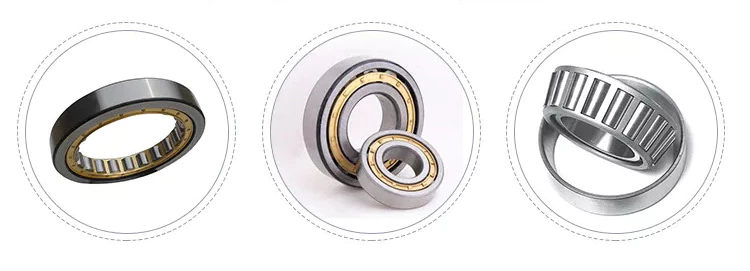
Bearings are used in many different industries and systems to help facilitate rotation. The metal surfaces in the bearings support the weight of the load, which drives the rotation of the unit. Not all loads apply the same amount of force to bearings, however. Thrust and radial loads act in distinctly different ways. To better understand the different uses of bearings, let’s examine the various types of bearings. These versatile devices are essential for many industries, from automobiles to ships and from construction to industrial processes.
Cylindrical roller bearings are designed to support heavy loads. Their cylindrical rolling element distributes the load over a larger area. They are not, however, suited to handling thrust loads. Needle bearings, on the other hand, use small diameter cylinders and can fit into tighter spaces. The advantages of these types of bearings are numerous, and many leading producers are now leveraging the Industrial Internet of Things (IIoT) to develop connected smart bearings.
As a power generation industry, bearings play an essential role. From turbines to compressors, from generators to pumps, bearings are essential components of equipment. In addition to bearings, these components help move the equipment, so they can work properly. Typically, these components use ball bearings, although some roller bearings are used as well. In addition to being efficient and durable, these types of bearings also tend to be built to meet stringent internal clearance requirements and cage design requirements.
In addition to bearings for linear motion, bearings can also bear the weight of a rotary part. Depending on the application, they can be designed to minimize friction between moving parts. By constraining relative motion, bearings are used to reduce friction within a given application. The best-designed bearings minimize friction in a given application. If you’re in the market for a new bearing, NRB Industrial Bearings Limited is an excellent source to begin your search.
Types of bearings
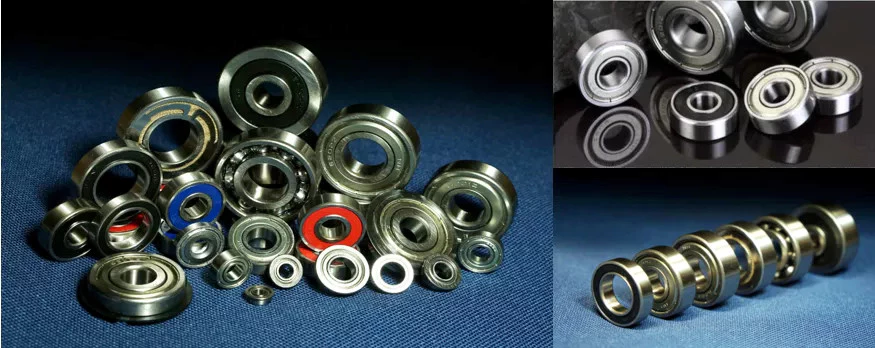
The type of bearings you choose will have a significant impact on the performance of your machinery. Using the right bearings can increase efficiency, accuracy, and service intervals, and even reduce the cost of purchasing and operating machinery. There are several different types of bearings to choose from, including ball bearings and flexure bearings. Some types use a fluid to lubricate their surfaces, while others do not.
Plain bearings are the most common type of bearing, and are used for a variety of applications. Their cylindrical design allows for a relatively smooth movement. Often made of copper or other copper alloy, they have low coefficients of friction and are commonly used in the construction industry. Some types of plain bearings are also available with a gudgeon pin, which connects a piston to a connecting rod in a diesel engine.
Magnetic bearings are the newest type of bearing. They use permanent magnets to create a magnetic field around the shaft without requiring any power. These are difficult to design, and are still in the early stages of development. Electromagnets, on the other hand, require no power but can perform very high-precision positioning. They can be extremely durable and have a long service life. They are also lightweight and easy to repair.
Another type of bearing is needle roller. These are made of thin, long, and slender cylinders that are used in a variety of applications. Their slender size is ideal for a space-constrained application, and their small profile allows them to fit in tight places. These types of bearings are often used in automotive applications, bar stools, and camera panning devices. They have several advantages over ball bearings, including the ability to handle heavy axial loads.
Cost of bearings
A wide range of factors affect the cost of aerospace bearings, including the bearing material and its volatility. Manufacturers typically use high-grade steel for aircraft bearings, which are highly affected by fluctuations in the steel price. Government policies also play a part in the variation in trade price. The implementation of COVID-19 has changed the market dynamics, creating an uncertain outlook for supply and demand of aerospace bearings. New trade norms and transportation restrictions are expected to hamper the growth of this industry.
Demand for aerospace bearings is largely driven by aircraft manufacturers. In North America, aircraft manufacturers must meet extremely high standards of weight, performance, and quality. They also must be lightweight and cost-effective. This has resulted in a rising cost of aerospace bearings. The market for aerospace bearings is expected to grow at the highest CAGR over the next few years, driven by increasing investments in defense and aerospace infrastructure across Asia-Pacific.
Hub assemblies are also expensive. A wheel hub will cost between $400 and $500 for one set of bearings. In addition to this, the speed sensor will be included. The average cost of wheel bearings is between $400 and $500 for one side, including labor. But this price range is much lower if the bearing is a replacement of an entire wheel assembly. It is still worth noting that wheel hub bearings can be purchased separately for a lower price.
Replacement of one or two wheel bearings will depend on the model and year of the vehicle. For a small car, one rear wheel bearing can cost between $190 and $225, whereas two front wheel hubs can cost upwards of $1,000. Labor and parts prices will vary by location, and labor costs may also be covered under some warranty plans. If you decide to have it done yourself, be sure to ask multiple shops for estimates.
Inspection of bearings

To maintain bearing performance and prevent accidents, periodic inspections are essential. In addition to ensuring reliability, these inspections improve productivity and efficiency. Regular maintenance includes disassembly inspection, replenishment of lubricant and monitoring operation status. Here are some common ways to perform the necessary inspections. Keep reading to learn how to maintain bearings. After disassembly, you must clean the components thoroughly. Ensure that the bearings are free of burrs, debris, and corrosion.
Ultrasound technology is an excellent tool for monitoring slow-speed bearings. Most ultrasound instruments offer wide-ranging sensitivity and frequency tuning. Ultrasound can also be used to monitor bearing sound. Ultra-slow bearings are usually large and greased with high-viscosity lubricant. Crackling sounds indicate deformity. You can also listen for abnormal noise by plugging a vibration analyzer into the machine. Once the machine shows abnormal noise, schedule additional inspections.
Ultrasonic inspection involves using an ultrasound transducer to measure the amplitude of sound from a bearing. It is effective in early warnings of bearing failure and prevents over-lubrication. Ultrasound inspection of bearings is a cost-effective solution for early diagnosis of bearing problems. In addition to being a reliable tool, ultrasonic testing is digital and easy to implement. The following are some of the advantages of ultrasonic bearing inspection.
Dynamic quality evaluation involves the use of a special fixture for measuring bearing deformations under low shaft speed and light radial load. The size of the fixture influences the value of the deformations. A fixture should be sized between the diameter of the sensor and the roller to ensure maximum precision. The outer deformation signal is more sensitive with a larger sensor diameter. A vibration-acceleration sensor is used for the contrast test.
editor by czh 2022-12-12