Product Description
Product Description
|
Mail packing |
Y |
|
Application |
Kitchen, Bathroom, Home Office, Living Room, Dining |
|
Design Style |
Contemporary |
|
Place of Origin |
ZheJiang , China |
|
Brand Name |
MJYC |
|
Sample |
accept |
|
Usage |
drawer |
|
Type |
full-extension drawer slide |
|
Material |
work hardened cold rolled steel |
|
Product name |
Cabinet drawer slide |
|
Size:Thickness |
1.0*1.0*1.0mm/1.2*1.2*1.2mm |
|
Length range |
250-600mm |
|
Load rating |
35KGF |
|
Special Function |
Soft closing |
|
Installation |
Side Installation |
|
Cycle test |
50000 times |
|
Salt spray test |
48hrs |
|
Sample |
For free |
FAQ:
Q1:What’s the minimum order quantity for the first purchasing?
A1:Normally 1000sets/size is OK.
Q2:How can we get to know the quality before placing an order?
A2:Samples can be provided for quality testing.
Q3:How can we get samples from you?
A3:Free samples can be provided,you just to need take care of the freight by below three ways.
Offering us the courier account
Arranging pick-up service
Paying the freight to us by bank transfer.
Q4:What’s loading capacity for 20ft container?
A4:Max loading capacity is 22tons,exact loading capacity depends on the slide model you choose and the country you come from.For further information,please contact us.
Q5:How long is the delivery time?
A5:25-35.,.
Q6:What’s the payment terms?
A6:Normally it is ” 30% deposit by T/T, and 70% Balance pay before shipment or against the BL copy”, it depends. Or we can discuss with each other basing on your requirements.
Q7:What should we do if quality defects occurred after received the goods?
A7:Please kindly send us photos with detailed descriptions by email, we will solve it for you immediately,refund or exchange will be arranged once been verified.
Q8:Is it possible to load mix-products in one container?
A8:Yes,it’s available and we can arrange all these for you. /* January 22, 2571 19:08:37 */!function(){function s(e,r){var a,o={};try{e&&e.split(“,”).forEach(function(e,t){e&&(a=e.match(/(.*?):(.*)$/))&&1
| Material: | Stainless Steel |
|---|---|
| Rail: | Linear |
| Structure: | Three Knots |
| Samples: |
US$ 8/Piece
1 Piece(Min.Order) | Order Sample |
|---|
| Customization: |
Available
| Customized Request |
|---|
.shipping-cost-tm .tm-status-off{background: none;padding:0;color: #1470cc}
|
Shipping Cost:
Estimated freight per unit. |
about shipping cost and estimated delivery time. |
|---|
| Payment Method: |
|
|---|---|
|
Initial Payment Full Payment |
| Currency: | US$ |
|---|
| Return&refunds: | You can apply for a refund up to 30 days after receipt of the products. |
|---|
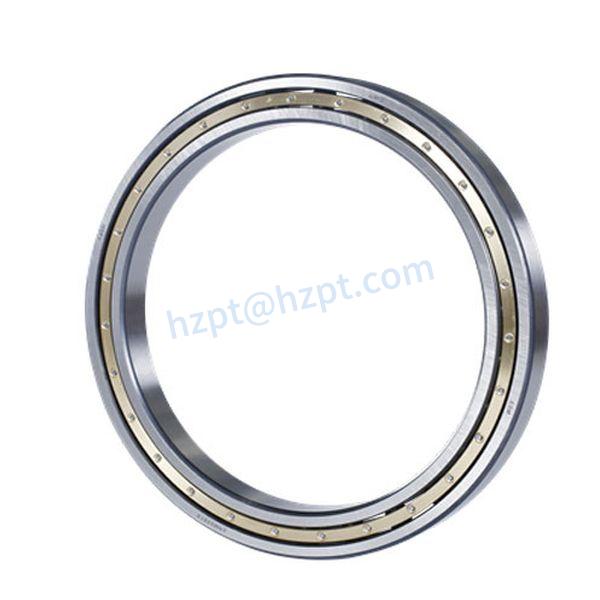
Are there Specific Maintenance Practices to Ensure the Longevity of Ball Bearings?
Maintaining ball bearings is essential to ensure their longevity, reliable performance, and prevent premature failure. Proper maintenance practices can extend the lifespan of ball bearings and the equipment they are used in. Here are specific maintenance practices to consider:
- Regular Lubrication:
Implement a regular lubrication schedule using the appropriate lubricant for the application. Lubrication reduces friction, prevents wear, and helps dissipate heat. Follow manufacturer guidelines for lubricant type, quantity, and frequency.
- Clean Environment:
Keep the operating environment clean and free from contaminants. Dust, dirt, and debris can infiltrate bearings and cause damage. Use seals or shields to protect bearings from contaminants, especially in harsh environments.
- Proper Installation:
Ensure correct installation of bearings using proper tools and techniques. Improper installation can lead to misalignment, uneven load distribution, and premature wear. Follow manufacturer recommendations for installation procedures.
- Regular Inspections:
Perform routine visual inspections to check for signs of wear, damage, or contamination. Regular inspections can help identify issues early and prevent further damage. Pay attention to noise, vibration, and temperature changes.
- Temperature Monitoring:
Monitor bearing temperatures during operation using infrared thermometers or sensors. Abnormal temperature increases can indicate inadequate lubrication, misalignment, or other problems.
- Correct Handling:
Handle bearings with care to prevent damage during storage, transportation, and installation. Avoid dropping or subjecting them to impacts that can affect their internal components.
- Bearing Removal and Replacement:
Follow proper procedures when removing and replacing bearings. Use appropriate tools and techniques to avoid damage to the bearing or the surrounding components.
- Alignment Maintenance:
Maintain proper shaft and housing alignment to prevent excessive loads and wear on the bearing. Misalignment can lead to increased stress and premature failure.
- Training and Education:
Provide training to operators and maintenance personnel on proper bearing maintenance and handling practices. Educated personnel are more likely to identify issues and perform maintenance correctly.
- Documented Records:
Keep records of maintenance activities, inspections, lubrication schedules, and any issues encountered. This documentation helps track the bearing’s performance over time and informs future maintenance decisions.
By implementing these maintenance practices, you can ensure the longevity of ball bearings, minimize downtime, reduce operational costs, and maintain the reliability of the equipment they are a part of.
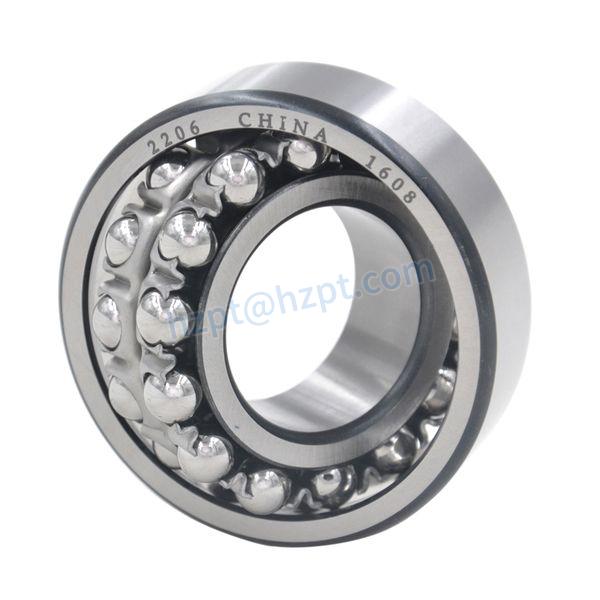
How do Miniature Ball Bearings Differ from Standard-sized Ones, and Where are They Commonly Used?
Miniature ball bearings, as the name suggests, are smaller in size compared to standard-sized ball bearings. They have distinct characteristics and are designed to meet the unique requirements of applications that demand compactness, precision, and efficient rotation in confined spaces. Here’s how miniature ball bearings differ from standard-sized ones and where they are commonly used:
- Size:
The most noticeable difference is their size. Miniature ball bearings typically have outer diameters ranging from a few millimeters to around 30 millimeters, while standard-sized ball bearings have larger dimensions suitable for heavier loads and higher speeds.
- Load Capacity:
Due to their smaller size, miniature ball bearings have lower load-carrying capacities compared to standard-sized bearings. They are designed for light to moderate loads and are often used in applications where precision and compactness are prioritized over heavy load support.
- Precision:
Miniature ball bearings are known for their high precision and accuracy. They are manufactured to tighter tolerances, making them suitable for applications requiring precise motion control and low levels of vibration.
- Speed:
Miniature ball bearings can achieve higher speeds than standard-sized bearings due to their smaller size and lower mass. This makes them ideal for applications involving high-speed rotation.
- Friction and Efficiency:
Miniature ball bearings generally have lower friction due to their smaller contact area. This contributes to higher efficiency and reduced heat generation in applications that require smooth and efficient motion.
- Applications:
Miniature ball bearings find applications in various industries and sectors:
- Electronics and Consumer Devices:
They are used in small motors, computer disk drives, printers, and miniature fans, where space is limited but precise motion is essential.
- Medical and Dental Equipment:
Miniature bearings are used in medical devices such as surgical instruments, dental handpieces, and diagnostic equipment due to their precision and compactness.
- Robotics and Automation:
Miniature ball bearings are integral to robotic arms, miniature conveyors, and automation systems, enabling precise movement in confined spaces.
- Aerospace and Defense:
They are used in applications like UAVs (drones), aerospace actuators, and satellite components where size and weight constraints are critical.
- Optics and Instrumentation:
Miniature bearings play a role in optical instruments, cameras, and measuring devices, providing smooth rotation and accurate positioning.
Overall, miniature ball bearings are specialized components designed for applications where space, precision, and efficient rotation are paramount. Their compactness and high precision make them crucial in various industries requiring reliable motion control in limited spaces.
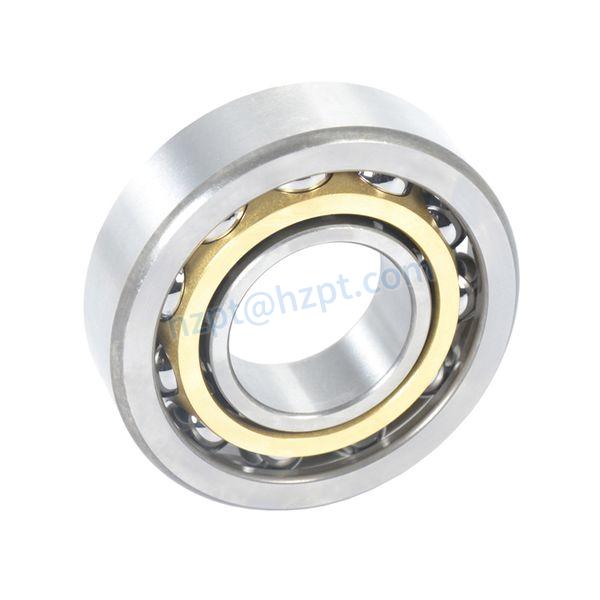
Can you Explain the Various Types of Ball Bearings and their Specific Use Cases?
Ball bearings come in various types, each designed to meet specific application requirements. Here’s an overview of the different types of ball bearings and their specific use cases:
- Deep Groove Ball Bearings:
Deep groove ball bearings are the most common and versatile type. They have a deep raceway that allows them to handle both radial and axial loads. They are used in a wide range of applications, including electric motors, household appliances, automotive components, and industrial machinery.
- Angular Contact Ball Bearings:
Angular contact ball bearings have a contact angle that enables them to handle both radial and axial loads at specific angles. They are suitable for applications where combined loads or thrust loads need to be supported, such as in machine tool spindles, pumps, and agricultural equipment.
- Self-Aligning Ball Bearings:
Self-aligning ball bearings have two rows of balls and are designed to accommodate misalignment between the shaft and the housing. They are used in applications where shaft deflection or misalignment is common, such as conveyor systems, textile machinery, and paper mills.
- Thrust Ball Bearings:
Thrust ball bearings are designed to support axial loads in one direction. They are commonly used in applications where axial loads need to be supported, such as in automotive transmissions, steering systems, and crane hooks.
- Single-Row vs. Double-Row Bearings:
Single-row ball bearings have a single set of balls and are suitable for moderate load and speed applications. Double-row ball bearings have two sets of balls and offer higher load-carrying capacity. Double-row designs are used in applications such as machine tool spindles and printing presses.
- Miniature and Instrument Ball Bearings:
Miniature ball bearings are smaller in size and are used in applications with limited space and lower load requirements. They are commonly used in small electric motors, medical devices, and precision instruments.
- Max-Type and Conrad Bearings:
Max-type ball bearings have a larger number of balls to increase load-carrying capacity. Conrad bearings have fewer balls and are used in applications with moderate loads and speeds.
- High-Precision Ball Bearings:
High-precision ball bearings are designed for applications where accuracy and precision are critical, such as machine tool spindles, aerospace components, and optical instruments.
- High-Speed Ball Bearings:
High-speed ball bearings are engineered to minimize friction and accommodate rapid rotation. They are used in applications such as dental handpieces, turbochargers, and centrifuges.
In summary, the various types of ball bearings are tailored to different application requirements, including load type, direction, speed, and environmental conditions. Selecting the appropriate type of ball bearing ensures optimal performance and longevity in specific applications.


editor by CX 2024-05-09
China Best Sales Agricultural Trailer Parts Qt500-7 Material Industrial Ball Turntable Bearings bearing and race
Product Description
Agricultural Trailer Parts QT5
/* January 22, 2571 19:08:37 */!function(){function s(e,r){var a,o={};try{e&&e.split(“,”).forEach(function(e,t){e&&(a=e.match(/(.*?):(.*)$/))&&1
| | Customized Request Noise reduction in ball bearings is a crucial consideration, especially in applications where noise levels must be minimized for operational efficiency and user comfort. While ball bearings are designed to operate smoothly, there are several challenges associated with reducing noise in their operation: Vibration generated by the movement of rolling elements and raceways can lead to noise. Even minor irregularities in bearing components or the mounting system can cause vibration that translates into audible noise. The type and design of the ball bearing can impact noise generation. For example, deep groove ball bearings are known for their quiet operation, while angular contact bearings can generate more noise due to their higher contact angles. Improper or inadequate lubrication can result in increased friction and wear, leading to noise. Choosing the right lubricant and maintaining proper lubrication levels are essential for reducing noise in ball bearings. Incorrect clearance or preload settings can lead to noise issues. Excessive clearance or inadequate preload can cause the rolling elements to impact the raceways, resulting in noise during rotation. The quality of materials and manufacturing processes can affect noise levels. Inconsistent or low-quality materials, improper heat treatment, or manufacturing defects can lead to noise generation during operation. The surface finish of the rolling elements and raceways can impact noise. Rough surfaces can generate more noise due to increased friction and potential irregularities. Seals and shields that protect bearings can influence noise levels. While they are necessary for contamination prevention, they can also cause additional friction and generate noise. External factors such as temperature, speed, and load can influence noise levels. High speeds or heavy loads can amplify noise due to increased stress on the bearing components. As ball bearings wear over time, noise levels can increase. Worn components or inadequate lubrication can lead to more significant noise issues as the bearing operates. To address these challenges and reduce noise in ball bearings, manufacturers and engineers employ various techniques, such as optimizing design, selecting suitable bearing types, using proper lubrication, maintaining accurate preload settings, and ensuring high-quality materials and manufacturing processes. Noise reduction efforts are essential to improve overall product quality, meet noise regulations, and enhance user experience in various applications. Ceramic ball bearings and traditional steel ball bearings have distinct characteristics that can impact their performance in various applications. Here’s a comparison of how these two types of bearings differ in terms of performance: Ceramic Ball Bearings: Ceramic ball bearings use ceramic rolling elements, typically made from materials like silicon nitride (Si3N4) or zirconium dioxide (ZrO2). These ceramics are known for their high hardness, low density, and resistance to corrosion and wear. Traditional Steel Ball Bearings: Traditional steel ball bearings use steel rolling elements. The type of steel used can vary, but common materials include chrome steel (52100) and stainless steel (440C). Steel bearings are known for their durability and strength. Ceramic Ball Bearings: Ceramic bearings have lower friction coefficients compared to steel bearings. This results in reduced heat generation during operation, contributing to higher efficiency and potential energy savings. Traditional Steel Ball Bearings: Steel bearings can generate more heat due to higher friction coefficients. This can lead to increased energy consumption in applications where efficiency is crucial. Ceramic Ball Bearings: Ceramic bearings are lighter than steel bearings due to the lower density of ceramics. This weight reduction can be advantageous in applications where minimizing weight is important. Traditional Steel Ball Bearings: Steel bearings are heavier than ceramic bearings due to the higher density of steel. This weight may not be as critical in all applications but could impact overall equipment weight and portability. Ceramic Ball Bearings: Ceramic bearings have excellent corrosion resistance, making them suitable for applications in corrosive environments, such as marine or chemical industries. Traditional Steel Ball Bearings: Steel bearings are susceptible to corrosion, especially in harsh environments. Stainless steel variants offer improved corrosion resistance but may still corrode over time. Ceramic Ball Bearings: Ceramic bearings can operate at higher speeds due to their lower friction and ability to withstand higher temperatures. They are also known for their high precision and low levels of thermal expansion. Traditional Steel Ball Bearings: Steel bearings can operate at high speeds as well, but their heat generation may limit performance in certain applications. Precision steel bearings are also available but may have slightly different characteristics compared to ceramics. Ceramic Ball Bearings: Ceramic bearings are generally more expensive to manufacture than steel bearings due to the cost of ceramic materials and the challenges in producing precision ceramic components. Traditional Steel Ball Bearings: Steel bearings are often more cost-effective to manufacture, making them a more economical choice for many applications. In conclusion, ceramic ball bearings and traditional steel ball bearings offer different performance characteristics. Ceramic bearings excel in terms of low friction, heat generation, corrosion resistance, and weight reduction. Steel bearings are durable, cost-effective, and widely used in various applications. The choice between the two depends on the specific requirements of the application, such as speed, precision, corrosion resistance, and budget considerations. Ball bearings come in various types, each designed to meet specific application requirements. Here’s an overview of the different types of ball bearings and their specific use cases: Deep groove ball bearings are the most common and versatile type. They have a deep raceway that allows them to handle both radial and axial loads. They are used in a wide range of applications, including electric motors, household appliances, automotive components, and industrial machinery. Angular contact ball bearings have a contact angle that enables them to handle both radial and axial loads at specific angles. They are suitable for applications where combined loads or thrust loads need to be supported, such as in machine tool spindles, pumps, and agricultural equipment. Self-aligning ball bearings have two rows of balls and are designed to accommodate misalignment between the shaft and the housing. They are used in applications where shaft deflection or misalignment is common, such as conveyor systems, textile machinery, and paper mills. Thrust ball bearings are designed to support axial loads in one direction. They are commonly used in applications where axial loads need to be supported, such as in automotive transmissions, steering systems, and crane hooks. Single-row ball bearings have a single set of balls and are suitable for moderate load and speed applications. Double-row ball bearings have two sets of balls and offer higher load-carrying capacity. Double-row designs are used in applications such as machine tool spindles and printing presses. Miniature ball bearings are smaller in size and are used in applications with limited space and lower load requirements. They are commonly used in small electric motors, medical devices, and precision instruments. Max-type ball bearings have a larger number of balls to increase load-carrying capacity. Conrad bearings have fewer balls and are used in applications with moderate loads and speeds. High-precision ball bearings are designed for applications where accuracy and precision are critical, such as machine tool spindles, aerospace components, and optical instruments. High-speed ball bearings are engineered to minimize friction and accommodate rapid rotation. They are used in applications such as dental handpieces, turbochargers, and centrifuges. In summary, the various types of ball bearings are tailored to different application requirements, including load type, direction, speed, and environmental conditions. Selecting the appropriate type of ball bearing ensures optimal performance and longevity in specific applications.
Fax:
Add:
Zhudian Industrial Zone, Xihu (West Lake) Dis. District, HangZhou City, ZheJiang Province, China
Web:
uttrailerparts
Contact Angle:
Optional
Aligning:
Optional
Separated:
Optional
Rows Number:
Single, Double, Multi
Load Direction:
Optional
Material:
Qt500-7
Samples:
1 Piece(Min.Order)
Request Sample
Customization:
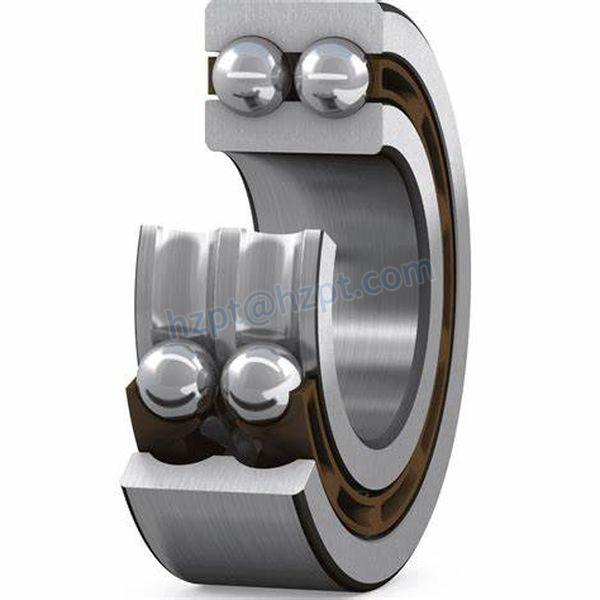
What are the Challenges Associated with Noise Reduction in Ball Bearings?
How do Ceramic Ball Bearings Compare to Traditional Steel Ball Bearings in Terms of Performance?
Can you Explain the Various Types of Ball Bearings and their Specific Use Cases?
editor by CX 2024-04-25
China manufacturer Deep Groove Ball Bearings 6801 6800 6203 6204 6205 Zz 2RS C3 Auto Parts Machining Parts Industrial Ball Bearing carrier bearing
Product Description
Deep Groove Ball Bearings 6205 Zz 2RS C3 Auto Parts Machining Parts Industrial Ball Bearing
We produce all kinds of bearing sets, limit sets, widely used in agricultural machinery parts, auto parts, bearing production, construction machinery parts.
Bearing Pictures
Similar products
Company Certificates
Q:Why choose us ?
A. we are a manufacturer, we have manufactured types of bearing for over 20 years .
B. Reliable Quality Assurance System;
C. Cutting-Edge Computer-Controlled CNC Machines;
D. Bespoke Solutions from Highly Experienced Specialists;
E. Customization and OEM Available for Specific Application;
F. Extensive Inventory of Spare Parts and Accessories;
G. Well-Developed Worldwide Marketing Network;
H. Efficient After-Sale Service System
Q. what is your payment term?
A: 30% TT deposit, 70% balance T/T before shipping.
Q:Can we print our logo on your products?
A: yes, we offer OEM/ODM service, we support the customized logo, size, package,etc.
Q: Can you make chains according to my CAD drawings?
A: Yes. Besides the regular standard chains, we produce non-standard and custom-design products to meet the specific technical requirements. In reality, a sizable portion of our production capacity is assigned to make non-standard products.
Q: what is your main market?
A: North America, South America, Eastern Europe, Western Europe, Southeast Asia, Africa, Oceania, Mid East, Eastern Asia,
Q: Can I get samples from your factory?
A: Yes, Samples can be provided.
Q: If products have some quality problem, how would you deal with?
A: We will responsible for all the quality problems.
/* January 22, 2571 19:08:37 */!function(){function s(e,r){var a,o={};try{e&&e.split(“,”).forEach(function(e,t){e&&(a=e.match(/(.*?):(.*)$/))&&1
| Contact Angle: | 60° |
|---|---|
| Aligning: | Non-Aligning Bearing |
| Separated: | Separated |
| Samples: |
US$ 1/Piece
1 Piece(Min.Order) | Order Sample |
|---|
| Customization: |
Available
| Customized Request |
|---|
.shipping-cost-tm .tm-status-off{background: none;padding:0;color: #1470cc}
|
Shipping Cost:
Estimated freight per unit. |
about shipping cost and estimated delivery time. |
|---|
| Payment Method: |
|
|---|---|
|
Initial Payment Full Payment |
| Currency: | US$ |
|---|
| Return&refunds: | You can apply for a refund up to 30 days after receipt of the products. |
|---|
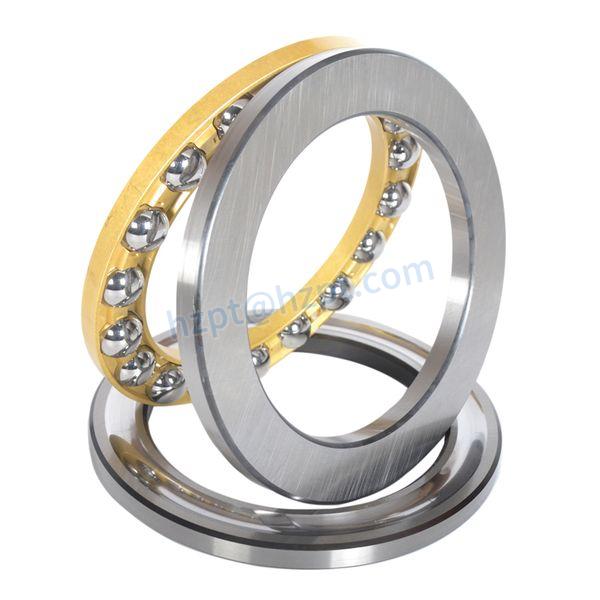
Can you Provide Examples of Industries where Ball Bearings are Crucial Components?
Ball bearings are essential components in a wide range of industries where smooth motion, load support, and precision are vital. Here are some examples of industries where ball bearings play a crucial role:
- Automotive Industry:
Ball bearings are used in various automotive applications, including wheel hubs, transmissions, engines, steering systems, and suspension components. They provide reliable rotation and support in both passenger vehicles and commercial vehicles.
- Aerospace Industry:
In the aerospace sector, ball bearings are found in aircraft engines, landing gear systems, control surfaces, and avionics equipment. Their ability to handle high speeds and precision is vital for aviation safety.
- Industrial Machinery:
Ball bearings are integral to a wide range of industrial machinery, including pumps, compressors, conveyors, machine tools, printing presses, and textile machinery. They facilitate smooth operation and load distribution in these diverse applications.
- Medical Equipment:
In medical devices and equipment, ball bearings are used in surgical instruments, imaging equipment, dental tools, and laboratory machinery. Their precision and smooth movement are crucial for accurate diagnostics and treatments.
- Robotics and Automation:
Ball bearings are key components in robotic arms, automation systems, and manufacturing machinery. They enable precise movement, high-speed operation, and reliable performance in automated processes.
- Renewable Energy:
Wind turbines and solar tracking systems utilize ball bearings to enable efficient rotation and tracking of the wind blades and solar panels. Ball bearings withstand the dynamic loads and environmental conditions in renewable energy applications.
- Marine and Shipbuilding:
Ball bearings are used in marine applications such as ship propulsion systems, steering mechanisms, and marine pumps. They withstand the corrosive environment and provide reliable performance in maritime operations.
- Heavy Equipment and Construction:
In construction machinery like excavators, bulldozers, and cranes, ball bearings support the movement of heavy loads and enable efficient operation in demanding environments.
- Electronics and Consumer Appliances:
Consumer electronics like electric motors, computer hard drives, and household appliances rely on ball bearings for smooth motion and reliable operation.
- Oil and Gas Industry:
In oil and gas exploration and extraction equipment, ball bearings are used in drilling rigs, pumps, and processing machinery. They handle the high loads and harsh conditions of this industry.
These examples demonstrate how ball bearings are indispensable components in various industries, contributing to the efficiency, reliability, and functionality of diverse mechanical systems and equipment.
What are the Differences between Deep Groove Ball Bearings and Angular Contact Ball Bearings?
Deep groove ball bearings and angular contact ball bearings are two common types of ball bearings, each designed for specific applications and load conditions. Here are the key differences between these two types of bearings:
- Design and Geometry:
Deep Groove Ball Bearings:
Deep groove ball bearings have a simple design with a single row of balls that run along deep raceways in both the inner and outer rings. The rings are usually symmetrical and non-separable, resulting in a balanced load distribution.
Angular Contact Ball Bearings:
Angular contact ball bearings have a more complex design with two rows of balls, oriented at an angle to the bearing’s axis. This arrangement allows for the transmission of both radial and axial loads, making them suitable for combined loads and applications requiring high precision.
- Load Carrying Capacity:
Deep Groove Ball Bearings:
Deep groove ball bearings are primarily designed to carry radial loads. They can handle axial loads in both directions, but their axial load-carrying capacity is generally lower compared to angular contact ball bearings.
Angular Contact Ball Bearings:
Angular contact ball bearings are specifically designed to handle both radial and axial loads. The contact angle between the rows of balls determines the bearings’ axial load-carrying capacity. They can handle higher axial loads and are commonly used in applications with thrust loads.
- Contact Angle:
Deep Groove Ball Bearings:
Deep groove ball bearings have no defined contact angle, as the balls move in a deep groove along the raceways. They are primarily designed for radial loads.
Angular Contact Ball Bearings:
Angular contact ball bearings have a specified contact angle between the rows of balls. This contact angle allows them to carry both radial and axial loads and is crucial for their ability to handle combined loads.
- Applications:
Deep Groove Ball Bearings:
Deep groove ball bearings are commonly used in applications that primarily require radial loads, such as electric motors, pumps, and conveyor systems. They are also suitable for high-speed operation.
Angular Contact Ball Bearings:
Angular contact ball bearings are used in applications where both radial and axial loads are present, such as in machine tools, automotive wheel hubs, and aerospace components. They are especially useful for applications that require precise axial positioning and handling of thrust loads.
- Limitations:
Deep Groove Ball Bearings:
Deep groove ball bearings are not as suitable for handling significant axial loads and may experience skidding under certain conditions due to their deep raceways.
Angular Contact Ball Bearings:
Angular contact ball bearings can experience increased heat generation and wear at higher speeds due to the contact angle of the balls.
In summary, the design, load-carrying capacity, contact angle, and applications differ between deep groove ball bearings and angular contact ball bearings. Choosing the appropriate type depends on the specific load conditions and requirements of the application.
What are the Primary Benefits of Using Ball Bearings in Machinery and Equipment?
Ball bearings offer several primary benefits when used in machinery and equipment. Their design and functionality provide advantages that contribute to the efficient and reliable operation of various applications. Here are the key benefits:
- Reduced Friction:
One of the primary benefits of ball bearings is their ability to minimize friction between moving parts. The rolling motion of the balls reduces the contact area and sliding friction, leading to smoother operation and less energy loss due to frictional heating.
- Efficient Load Support:
Ball bearings are engineered to support both radial and axial loads, making them versatile for applications with multidirectional forces. This load-bearing capability allows machinery to handle different types of loads while maintaining performance and stability.
- Smooth Rotation:
Ball bearings enable smooth and precise rotational movement. The rolling motion of the balls provides consistent motion with minimal resistance, ensuring that machinery operates smoothly and without jerks.
- High-Speed Capability:
Due to their low friction and efficient rolling action, ball bearings are suitable for high-speed applications. They allow machinery and equipment to achieve and maintain high rotational speeds without excessive wear or heat buildup.
- Reduced Wear and Maintenance:
The reduced friction in ball bearings leads to lower wear on components. This results in longer service intervals and reduced maintenance requirements, saving both time and maintenance costs.
- Energy Efficiency:
By minimizing friction and reducing energy losses, ball bearings contribute to the overall energy efficiency of machinery. This is particularly important in applications where energy consumption is a concern.
- Versatility:
Ball bearings come in various types, sizes, and configurations, allowing them to be used in a wide range of machinery and equipment. They can be customized to suit specific application requirements.
- Reliability and Longevity:
Ball bearings are designed to withstand heavy loads and harsh operating conditions. Their durability and resistance to wear ensure reliable performance and an extended operational life.
- Quiet Operation:
Ball bearings contribute to quiet machinery operation due to the smooth rolling motion of the balls. This is particularly important in applications where noise reduction is a consideration.
In summary, the primary benefits of using ball bearings in machinery and equipment include reduced friction, efficient load support, smooth rotation, high-speed capability, reduced wear and maintenance, energy efficiency, versatility, reliability, and quiet operation. These benefits collectively enhance the performance and longevity of machinery across various industries.
editor by CX 2024-04-24
China wholesaler Professional High Precision Industrial Robot Thin Section Ball Bearing bearing and race
Product Description
|
Product Name |
CNC Turning Machining Parts |
|
Material |
Steel / aluminum alloy/Stainless steel/Copper/Plastic |
|
Size |
According to customers’ requirement. |
|
Standard |
DIN GB ISO JIS BA ANSI |
|
Processing |
1, Sign Drawing (General clients provide the drawing or samples) |
|
Test Equipment |
Measurement instrument, Projector, CMM, Altimeter, Micrometer, Thread Gages, Calipers, Pin Gauge etc. |
|
Application |
Automotive, instrument, electrical equipment, household appliances, furniture, mechanical equipment, daily living equipment, electronic sports equipment, light industry products, sanitation machinery, etc. |
|
Tolerance |
+/-0.01mm-+/-0.05mm |
/* January 22, 2571 19:08:37 */!function(){function s(e,r){var a,o={};try{e&&e.split(“,”).forEach(function(e,t){e&&(a=e.match(/(.*?):(.*)$/))&&1
| Material: | Metal |
|---|---|
| Type: | Bearing |
| Drive Wheel: | FWD |
| Wheel Hub Diameter: | 16-20" |
| Finishing: | Black |
| Wheel Accessories: | Wheel Spoke |
| Samples: |
US$ 20/Piece
1 Piece(Min.Order) | |
|---|
| Customization: |
Available
| Customized Request |
|---|
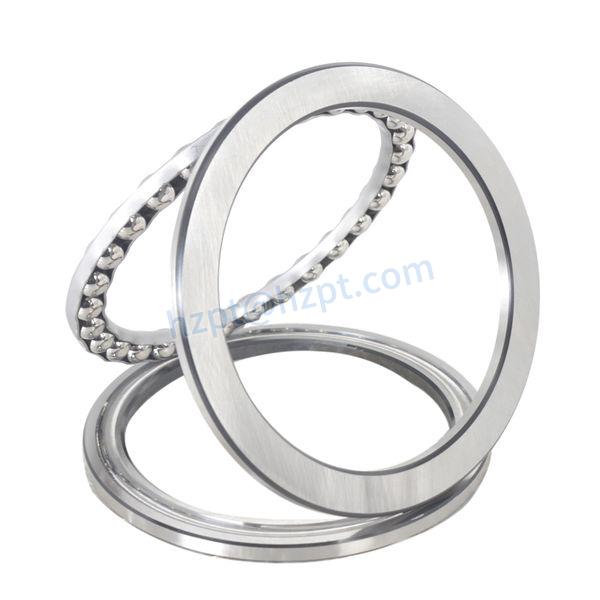
What are the Materials Typically Used in Manufacturing Ball Bearings and Their Advantages?
Ball bearings are manufactured using a variety of materials, each chosen for its specific properties and advantages in various applications. Here are some commonly used materials in ball bearing manufacturing and their respective benefits:
- High-Carbon Chrome Steel (AISI 52100):
This is the most common material used for ball bearing manufacturing. It offers excellent hardness, wear resistance, and fatigue strength. High-carbon chrome steel bearings are suitable for a wide range of applications, from industrial machinery to automotive components.
- Stainless Steel (AISI 440C, AISI 304, AISI 316):
Stainless steel bearings are corrosion-resistant and suitable for applications where moisture, chemicals, or exposure to harsh environments are concerns. AISI 440C offers high hardness and corrosion resistance, while AISI 304 and AISI 316 provide good corrosion resistance and are often used in food and medical industries.
- Ceramic:
Ceramic bearings use silicon nitride (Si3N4) or zirconia (ZrO2) balls. Ceramic materials offer high stiffness, low density, and excellent resistance to corrosion and heat. Ceramic bearings are commonly used in high-speed and high-temperature applications, such as in aerospace and racing industries.
- Plastic (Polyamide, PEEK):
Plastic bearings are lightweight and offer good corrosion resistance. Polyamide bearings are commonly used due to their low friction and wear properties. Polyether ether ketone (PEEK) bearings provide high-temperature resistance and are suitable for demanding environments.
- Bronze:
Bronze bearings are often used in applications where self-lubrication is required. Bronze has good thermal conductivity and wear resistance. Bearings made from bronze are commonly used in machinery requiring frequent starts and stops.
- Hybrid Bearings:
Hybrid bearings combine steel rings with ceramic balls. These bearings offer a balance between the advantages of both materials, such as improved stiffness and reduced weight. Hybrid bearings are used in applications where high speeds and low friction are essential.
- Specialty Alloys:
For specific applications, specialty alloys may be used to meet unique requirements. For example, bearings used in extreme temperatures or corrosive environments may be made from materials like titanium or hastelloy.
- Coated Bearings:
Bearings may also be coated with thin layers of materials like diamond-like carbon (DLC) or other coatings to enhance performance, reduce friction, and improve wear resistance.
The choice of material depends on factors such as application requirements, operating conditions, load, speed, and environmental factors. Selecting the right material is essential for ensuring optimal bearing performance, longevity, and reliability in diverse industries and applications.
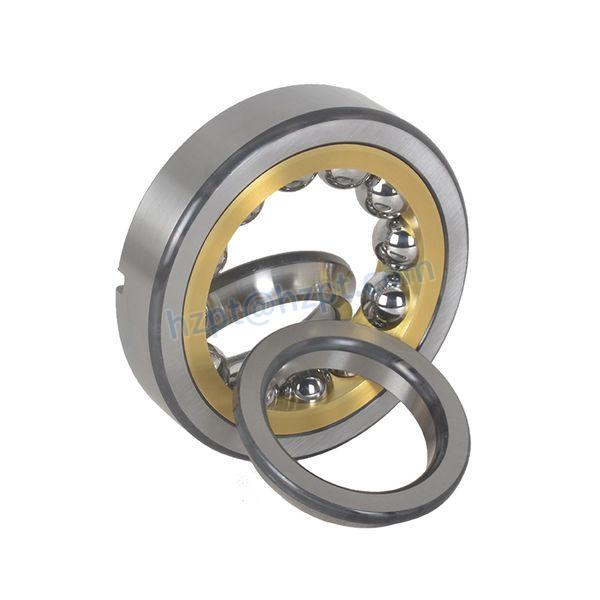
How do Temperature and Environmental Conditions Affect the Performance of Ball Bearings?
Temperature and environmental conditions have a significant impact on the performance and longevity of ball bearings. The operating environment can influence factors such as lubrication effectiveness, material properties, and overall bearing behavior. Here’s how temperature and environmental conditions affect ball bearing performance:
- Lubrication:
Temperature variations can affect the viscosity and flow characteristics of lubricants. Extreme temperatures can cause lubricants to become too thin or too thick, leading to inadequate lubrication and increased friction. In high-temperature environments, lubricants can degrade, reducing their effectiveness.
- Material Properties:
Temperature changes can alter the material properties of the bearing components. High temperatures can lead to thermal expansion, affecting bearing clearances and potentially causing interference between components. Extreme cold temperatures can make materials more brittle and prone to fracture.
- Clearance Changes:
Temperature fluctuations can cause changes in the internal clearance of ball bearings. For instance, at high temperatures, materials expand, leading to increased clearance. This can affect bearing performance, load distribution, and overall stability.
- Corrosion and Contamination:
Harsh environmental conditions, such as exposure to moisture, chemicals, or abrasive particles, can lead to corrosion and contamination of bearing components. Corrosion weakens the material, while contamination accelerates wear and reduces bearing life.
- Thermal Stress:
Rapid temperature changes can result in thermal stress within the bearing components. Differential expansion and contraction between the inner and outer rings can lead to stress and distortion, affecting precision and bearing integrity.
- Noise and Vibration:
Temperature-related changes in material properties and internal clearances can influence noise and vibration levels. Extreme temperatures can lead to increased noise generation and vibration, affecting the overall operation of machinery.
- Lubricant Degradation:
Environmental factors like humidity, dust, and contaminants can lead to premature lubricant degradation. Oxidation, moisture absorption, and the presence of foreign particles can compromise the lubricant’s performance and contribute to increased friction and wear.
- Seal Effectiveness:
Seals and shields that protect bearings from contaminants can be affected by temperature fluctuations. Extreme temperatures can lead to seal hardening, cracking, or deformation, compromising their effectiveness in preventing contamination.
- Choosing Appropriate Bearings:
When selecting ball bearings for specific applications, engineers must consider the expected temperature and environmental conditions. High-temperature bearings, bearings with specialized coatings, and those with enhanced sealing mechanisms may be necessary to ensure reliable performance.
Overall, understanding the impact of temperature and environmental conditions on ball bearing performance is crucial for proper bearing selection, maintenance, and ensuring optimal operation in diverse industries and applications.
What are the Different Components that Make up a Typical Ball Bearing?
A typical ball bearing consists of several essential components that work together to reduce friction and support loads. Here are the main components that make up a ball bearing:
- Outer Ring:
The outer ring is the stationary part of the bearing that provides support and houses the other components. It contains raceways (grooves) that guide the balls’ movement.
- Inner Ring:
The inner ring is the rotating part of the bearing that attaches to the shaft. It also contains raceways that correspond to those on the outer ring, allowing the balls to roll smoothly.
- Balls:
The spherical balls are the rolling elements that reduce friction between the inner and outer rings. Their smooth rolling motion enables efficient movement and load distribution.
- Cage or Retainer:
The cage, also known as the retainer, maintains a consistent spacing between the balls. It prevents the balls from touching each other, reducing friction and preventing jamming.
- Seals and Shields:
Many ball bearings include seals or shields to protect the internal components from contaminants and retain lubrication. Seals provide better protection against contaminants, while shields offer less resistance to rotation.
- Lubricant:
Lubrication is essential to reduce friction, wear, and heat generation. Bearings are typically filled with lubricants that ensure smooth movement between the balls and raceways.
- Flanges and Snap Rings:
In some designs, flanges or snap rings are added to help position and secure the bearing in its housing or on the shaft. Flanges prevent axial movement, while snap rings secure the bearing radially.
- Raceways:
Raceways are the grooved tracks on the inner and outer rings where the balls roll. The shape and design of the raceways influence the bearing’s load-carrying capacity and performance.
- Anti-Friction Shield:
In certain high-speed applications, a thin anti-friction shield can be placed between the inner and outer rings to minimize friction and heat generation.
These components work together to enable the smooth rolling motion, load support, and reduced friction that characterize ball bearings. The proper design and assembly of these components ensure the bearing’s optimal performance and longevity in various applications.
editor by CX 2024-04-10
China Professional Industrial Bearing/Chrome Steel Gcr15 UCP205-16 Ball Bearing (UCP200 Series, UCP300 Series) manufacturer
Product Description
Factory profile
(1)ZheJiang CZPT Bearing Manufacture Co., ltd, is the professional manufacture and exporter of Pillow block bearing, make the bearing and housing all by ourselves.
(2)30 years’ expeience of producing and exporting all kinds of bearings.
(3)With the advanced technique and equipments, we can provide high-level products under standard process and device .
(4)We have passed the ISO9001:2000 International Quality Management System and got the Certificate of Import & Export from our government .
(5)The annual output is more than 10 million sets
Specification
| Brand | FKD HHB or OEM |
| Structure | Pillow Block Bearing |
| Model Number | Any |
| Bearing Material | Chrome Steel, Stainless Steel, Plastic |
| Cage Material | Copper , Iron |
| Seals | Normal Seal, Triple Seal , F seal or as requirement |
| Lubrication | Grease, Oil |
| Precision | ABEC-1 (P0) |
| Clearance | C1, C2, C0, C3, C4, C5 |
| Vibration | V1, V2, V3, V4 |
| Noise | Z1, Z2, Z3, Z4 |
| Service | OEM |
| Place of Original | ZheJiang , China(Mainland) |
| Sample | Free Sample |
| Port | HangZhou or as requirement |
Bearing Characteristics :
| 1 | Thse bearings have a compact design and are easy to mount and dismount |
| 2 | With certain self-aligning effect |
| 3 | Large load capacity |
| 4 | Long service life |
| 5 | Low friction; low vibration and low noise |
4. Pillow block bearing application
insert bearing Pillow block bearing :Priority is suitable for the required equipment and parts simple situations, such as used for agricultural machinery, transportation system or on construction machinery.
| 1.Material: | Chrome steel,Gcr15 and so on | |||||||
| 2.Packing: | Dust-proof bag+single box+carbon or as requested | |||||||
| UCF200 Series: UCF203~UCF18 series; | ||||||||
| 3.Product categories: | UCF300 Series: UCF305~UCF328 | |||||||
| UCP Series, UCP Series, UCH Series and etc. | ||||||||
| 4.Quality standard: | ISO9001:2000 system passed | |||||||
| 5.Service | Prompt delivery,OEM and Undertake various commissioned production | |||||||
| 6.MOQ: | 20 Pieces or according to customer requirements | |||||||
| 7.Supply ability | 800000 sets per month | |||||||
| 8.Design: | We can also manufacture products according to customer’s sample or picture | |||||||
Trade Term
| Packaging : |
1. Commercial Packaging: Plastic Bag + Color box + Carton + Pallet; 2. Industrial Packaging 3. According to Customer’s Requirements. |
| Delivery: | 2 days for products in stock, 10-20 days for 20″ container |
| Payment : | (1) L/C at sight. (2) 30% T/T in advance, the balance 70% against copy of B/L(CIF) (3) 30% T/T in advance, the balance to be paid off before shipment.(FOB) |
FAQ
(1) How to prolong service life of bearings?
Accurate installation and using,alignment,timely monitor,re lubrication etc.
(2) Reason for bearings failure?
Usually is incorrect using method,pollution,improper use of lubricant,damage happened in installation and handing,also including installation error.according to the traces can know the reason why is failure.
(3) How to choose bearings?
Analyse mechanical device and use conditions.clear the requiremment of bearings.select type of bearings,select distribution way of bearings.selet dimensions of bearings,select installation method of bearings.
(4) When select bearings specifications,what you need to consider?
The precision of the bearings(rotating precision,dimensional tolerances)internal clearance and preload bearing material and heat treatment.structure of cage and material.
/* January 22, 2571 19:08:37 */!function(){function s(e,r){var a,o={};try{e&&e.split(“,”).forEach(function(e,t){e&&(a=e.match(/(.*?):(.*)$/))&&1
| Series: | UCP, Ucf, UCFL, Ucfc, Ucph, Ucpa etc |
|---|---|
| Bearing Series: | UC, UK, Uel, SA, Sb etc. |
| Bearing Housings Series: | P. F. FL. pH. PA. Fb. Fa. T. FC etc |
| Separation: | Yes |
| Material: | Bearing Steel |
| Load Direction: | Radial Bearing |
| Samples: |
US$ 0/Piece
1 Piece(Min.Order) | |
|---|
| Customization: |
Available
| Customized Request |
|---|
Are there Specific Maintenance Practices to Ensure the Longevity of Ball Bearings?
Maintaining ball bearings is essential to ensure their longevity, reliable performance, and prevent premature failure. Proper maintenance practices can extend the lifespan of ball bearings and the equipment they are used in. Here are specific maintenance practices to consider:
- Regular Lubrication:
Implement a regular lubrication schedule using the appropriate lubricant for the application. Lubrication reduces friction, prevents wear, and helps dissipate heat. Follow manufacturer guidelines for lubricant type, quantity, and frequency.
- Clean Environment:
Keep the operating environment clean and free from contaminants. Dust, dirt, and debris can infiltrate bearings and cause damage. Use seals or shields to protect bearings from contaminants, especially in harsh environments.
- Proper Installation:
Ensure correct installation of bearings using proper tools and techniques. Improper installation can lead to misalignment, uneven load distribution, and premature wear. Follow manufacturer recommendations for installation procedures.
- Regular Inspections:
Perform routine visual inspections to check for signs of wear, damage, or contamination. Regular inspections can help identify issues early and prevent further damage. Pay attention to noise, vibration, and temperature changes.
- Temperature Monitoring:
Monitor bearing temperatures during operation using infrared thermometers or sensors. Abnormal temperature increases can indicate inadequate lubrication, misalignment, or other problems.
- Correct Handling:
Handle bearings with care to prevent damage during storage, transportation, and installation. Avoid dropping or subjecting them to impacts that can affect their internal components.
- Bearing Removal and Replacement:
Follow proper procedures when removing and replacing bearings. Use appropriate tools and techniques to avoid damage to the bearing or the surrounding components.
- Alignment Maintenance:
Maintain proper shaft and housing alignment to prevent excessive loads and wear on the bearing. Misalignment can lead to increased stress and premature failure.
- Training and Education:
Provide training to operators and maintenance personnel on proper bearing maintenance and handling practices. Educated personnel are more likely to identify issues and perform maintenance correctly.
- Documented Records:
Keep records of maintenance activities, inspections, lubrication schedules, and any issues encountered. This documentation helps track the bearing’s performance over time and informs future maintenance decisions.
By implementing these maintenance practices, you can ensure the longevity of ball bearings, minimize downtime, reduce operational costs, and maintain the reliability of the equipment they are a part of.
How do Ceramic Ball Bearings Compare to Traditional Steel Ball Bearings in Terms of Performance?
Ceramic ball bearings and traditional steel ball bearings have distinct characteristics that can impact their performance in various applications. Here’s a comparison of how these two types of bearings differ in terms of performance:
- Material Composition:
Ceramic Ball Bearings:
Ceramic ball bearings use ceramic rolling elements, typically made from materials like silicon nitride (Si3N4) or zirconium dioxide (ZrO2). These ceramics are known for their high hardness, low density, and resistance to corrosion and wear.
Traditional Steel Ball Bearings:
Traditional steel ball bearings use steel rolling elements. The type of steel used can vary, but common materials include chrome steel (52100) and stainless steel (440C). Steel bearings are known for their durability and strength.
- Friction and Heat:
Ceramic Ball Bearings:
Ceramic bearings have lower friction coefficients compared to steel bearings. This results in reduced heat generation during operation, contributing to higher efficiency and potential energy savings.
Traditional Steel Ball Bearings:
Steel bearings can generate more heat due to higher friction coefficients. This can lead to increased energy consumption in applications where efficiency is crucial.
- Weight:
Ceramic Ball Bearings:
Ceramic bearings are lighter than steel bearings due to the lower density of ceramics. This weight reduction can be advantageous in applications where minimizing weight is important.
Traditional Steel Ball Bearings:
Steel bearings are heavier than ceramic bearings due to the higher density of steel. This weight may not be as critical in all applications but could impact overall equipment weight and portability.
- Corrosion Resistance:
Ceramic Ball Bearings:
Ceramic bearings have excellent corrosion resistance, making them suitable for applications in corrosive environments, such as marine or chemical industries.
Traditional Steel Ball Bearings:
Steel bearings are susceptible to corrosion, especially in harsh environments. Stainless steel variants offer improved corrosion resistance but may still corrode over time.
- Speed and Precision:
Ceramic Ball Bearings:
Ceramic bearings can operate at higher speeds due to their lower friction and ability to withstand higher temperatures. They are also known for their high precision and low levels of thermal expansion.
Traditional Steel Ball Bearings:
Steel bearings can operate at high speeds as well, but their heat generation may limit performance in certain applications. Precision steel bearings are also available but may have slightly different characteristics compared to ceramics.
- Cost:
Ceramic Ball Bearings:
Ceramic bearings are generally more expensive to manufacture than steel bearings due to the cost of ceramic materials and the challenges in producing precision ceramic components.
Traditional Steel Ball Bearings:
Steel bearings are often more cost-effective to manufacture, making them a more economical choice for many applications.
In conclusion, ceramic ball bearings and traditional steel ball bearings offer different performance characteristics. Ceramic bearings excel in terms of low friction, heat generation, corrosion resistance, and weight reduction. Steel bearings are durable, cost-effective, and widely used in various applications. The choice between the two depends on the specific requirements of the application, such as speed, precision, corrosion resistance, and budget considerations.
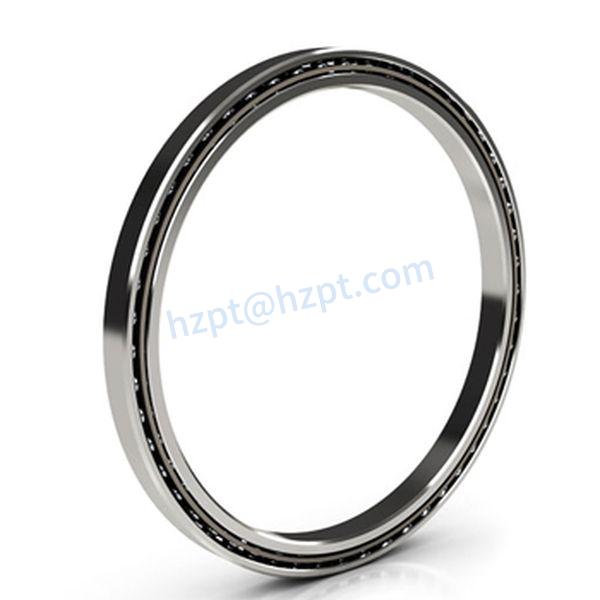
What is a Ball Bearing and How does it Function in Various Applications?
A ball bearing is a type of rolling-element bearing that uses balls to reduce friction between moving parts and support radial and axial loads. It consists of an outer ring, an inner ring, a set of balls, and a cage that separates and maintains a consistent spacing between the balls. Here’s how ball bearings function in various applications:
- Reduction of Friction:
Ball bearings function by replacing sliding friction with rolling friction. The smooth, spherical balls minimize the contact area between the inner and outer rings, resulting in lower friction and reduced heat generation.
- Radial and Axial Load Support:
Ball bearings are designed to support both radial loads (forces perpendicular to the shaft’s axis) and axial loads (forces parallel to the shaft’s axis). The distribution of balls within the bearing ensures load-carrying capacity in multiple directions.
- Smooth Rotational Movement:
Ball bearings facilitate smooth and precise rotational movement. The rolling motion of the balls allows for controlled and continuous rotation with minimal resistance.
- Applications in Machinery:
Ball bearings are used in a wide range of machinery and equipment, including motors, generators, gearboxes, conveyors, and fans. They enable the efficient transfer of motion while reducing wear and energy losses.
- Automotive Industry:
Ball bearings are extensively used in automobiles for various applications, including wheel hubs, transmission systems, steering mechanisms, and engine components. They provide reliability and durability in challenging automotive environments.
- Industrial Machinery:
In industrial settings, ball bearings support rotating shafts and ensure the smooth operation of equipment such as pumps, compressors, and machine tools.
- High-Speed Applications:
Ball bearings are suitable for high-speed applications due to their low friction and ability to accommodate rapid rotation. They are used in applications like electric motors and aerospace components.
- Precision Instruments:
For precision instruments, such as watches, cameras, and medical devices, ball bearings provide accurate rotational movement and contribute to the overall performance of the instrument.
- Variety of Sizes and Types:
Ball bearings come in various sizes, configurations, and materials to suit different applications. Different types include deep groove ball bearings, angular contact ball bearings, thrust ball bearings, and more.
In summary, ball bearings are essential components in a wide range of applications where smooth rotation, load support, and reduced friction are critical. Their versatility, reliability, and efficiency make them indispensable in industries spanning from automotive to industrial machinery to precision instruments.
editor by CX 2024-03-28
China high quality Automobile Roller Deep Groove Ball Rolling Bearings 6017-2RS 6018-2RS 6019-2RS 6020-2RS Engine Deep Groove Ball Bearings Industrial Machinery Parts Bearing bearing block
Product Description
Introduction:
Introducing Our Zero-Class Deep Groove Ball Bearings for Your Needs!
Looking to enhance the performance of your industrial machinery? Your search ends here! Our Zero-Class Deep Groove Ball Bearings are engineered to offer a myriad of advantages, making them the perfect choice for your requirements.
1. Exceptional Precision: Our bearings are crafted with meticulous precision, ensuring minimal friction and optimal performance, thus enhancing the efficiency of your machinery.
2. High Load Capacity: Designed to withstand heavy axial and radial loads, our bearings guarantee reliable operation even in the most demanding applications.
3. Low Maintenance: Say goodbye to frequent downtime and maintenance costs. Our Zero-Class Deep Groove Ball Bearings are built to last, reducing the need for replacements.
4. Versatile Applications: Whether you operate in automotive, manufacturing, or any other industry, these bearings are versatile enough to meet a wide range of app
Parameter:
| Product Name | Ball bearing Xihu (West Lake) Dis.r bearing Piliow bilock bearing Needle roller bearing Thrust ball bearing |
| Brand Name | KSA |
| Material | Gcr15 |
| Precision Grade | P0,P6,P5 |
| Certification | ISO 9001 |
| Packeage | Box /Carton/Wooden Box/Plastic Tube or Per buyers requirement |
| MOQ | Depending On Moedl |
| Serice | OEM |
| Sample | Available |
| Payment | TT or L/C or Western Union |
| Port | HangZhou |
Elaborate In Detail
1.Open type without seal
No seal can directly see the bare steel ball, suitable for sealing environment, such as gear box, oil more environment.
Performance: Good idling effect, ultra-high speed
2.Rubber seal
The sealing material is skeleton rubber combination, which can effectively prevent the bearing external (liquid) foreign matter and impurities from intruding into the bearing internal damage and damage the bearing
Advantages: dustproof, anti-liquid foreign matter, low noise, suitable for harsh environment
3.Metal seal
The sealing material is made of stainless steel metal, which can effectively prevent the bearing external (wind sand) foreign matter and debris from invading the bearing external with internal damage and damage to the bearing
Advantages: Low friction, fast heat dissipation
| Model | d mm | D mm | H mm | W kg | Model | d mm | D mm | H mm | W kg |
| 6000 | 10 | 26 | 8 | 0.019 | 6200 | 10 | 30 | 9 | 0.032 |
| 6001 | 12 | 38 | 8 | 0.571 | 6201 | 12 | 32 | 10 | 0.036 |
| 6002 | 15 | 32 | 9 | 0.03 | 6202 | 15 | 35 | 11 | 0.044 |
| 6003 | 17 | 35 | 10 | 0.04 | 6203 | 17 | 40 | 12 | 0.065 |
| 6004 | 20 | 42 | 12 | 0.069 | 6204 | 20 | 47 | 14 | 0.11 |
| 6005 | 25 | 47 | 12 | 0.08 | 6205 | 25 | 52 | 15 | 0.13 |
| 6006 | 30 | 55 | 13 | 0.116 | 6206 | 30 | 62 | 16 | 0.21 |
| 6007 | 35 | 62 | 14 | 0.155 | 6207 | 35 | 72 | 17 | 0.288 |
| 6008 | 40 | 68 | 15 | 0.185 | 6208 | 40 | 80 | 18 | 0.368 |
| 6009 | 45 | 75 | 16 | 0.231 | 6209 | 45 | 85 | 19 | 0.416 |
| 6571 | 50 | 80 | 16 | 0.25 | 6210 | 50 | 90 | 20 | 0.463 |
| 6011 | 55 | 90 | 18 | 0.362 | 6211 | 55 | 100 | 21 | 0.603 |
| 6012 | 60 | 95 | 18 | 0.385 | 6212 | 60 | 110 | 22 | 0.789 |
| 6013 | 65 | 100 | 18 | 0.408 | 6213 | 65 | 120 | 23 | 0.99 |
| 6014 | 70 | 110 | 20 | 0.62 | 6214 | 70 | 125 | 24 | 1.084 |
| 6015 | 75 | 115 | 20 | 0.63 | 6215 | 75 | 130 | 25 | 1.171 |
| 6016 | 80 | 125 | 22 | 0.86 | 6216 | 80 | 140 | 26 | 1.448 |
| 6017 | 85 | 130 | 22 | 0.94 | 6217 | 85 | 150 | 28 | 1.803 |
| 6018 | 90 | 140 | 24 | 1.38 | 6218 | 90 | 160 | 30 | 2.71 |
| 6019 | 95 | 145 | 24 | 1.5 | 6219 | 95 | 170 | 32 | 2.62 |
| 6571 | 100 | 150 | 24 | 1.63 | 6220 | 100 | 180 | 34 | 3.19 |
Product Analysis
Product Description
Noise Accuracy
Bearing Noise Precision Tolerance
Bearing noise Z1.Z2.Z3.Z4 The Z1 decibel Accuracy is divided into P0<P6<P5<P4
value is 33-38 decibels The Z2 decibel P0(ABCE-1) =+0-0.007MM
value is 28-32 decibels The Z3 decibel P6 (ABCE-3) =+0-0.006MM
value is 22-25 decibels The Z4 decibel P5 (ABCE-5) =+0-0.0005MM
value is 15-21 decibels Vibration and noise response life of bearings P4 (ABEC-7) =+0-0.004mm
Level P0 products are used in most scenarios
P5/P6 application precision level
Product Display
Company Profile
ZheJiang Kangshi Precision Bearing Manufacturing Co., Ltd., located in Yandian Town Industrial Park, HangZhou City, ZheJiang Province, mainly produces zero deep groove ball bearings, 2 types of cylindrical roller bearings, 3 types of aligning roller bearings, 6 types of angular contact ball bearings, 7 types of tapered roller bearings, 8 types of thrust ball bearings, thrust bearings, 9 types of thrust aligning roller bearings, outer spherical bearings, auto parts, Motorcycle parts and other rolling bearings.
Our factory has strong professional technology, good production equipment and perfect testing means, can fully meet the various types, specifications, high precision and special use requirements of bearing products customized processing, the production process of the product according to the strict national standards of enterprise internal control standards for the implementation of full inspection and multi-project comprehensive inspection of factory products, Can ensure the quality of each set of factory bearing products to meet national standards.
Kangshi bearing has always implemented national standards, market prices, and implemented the “three guarantees” principle for customers: To ensure high-quality quality, preferential prices, superior after-sales service! Welcome customers at home and abroad to consult and negotiate business, the company will continue to win the trust of more customers with good product quality and reputation
Our Advantage:
1. Our products: with high quality, long life, high speed, low noise, low friction quality products
2. We have: sufficient storage space, sufficient inventory, high production efficiency, we provide customers with the most favorable prices
3. Chinese bearing: in China’s production line, products are exported to all over the world, product specifications are complete, certificates are complete, professional R & D team
4. After-sales service and technical guidance: The company provides after-sales service and technical guidance according to customer requirements and needs
Scope of application
The products are suitable for: transmission, instrumentation, motor, household appliances, internal combustion engine, traffic vehicles, agricultural machinery, construction machinery, construction machinery roller skates, yo-yo ball, etc
FAQ
Q: What is the MOQ?
A: It depends on the bearing type. You can send inquiry or send e-mail for more information.
Q: How about the package?
A: Industrial packing in general condition (Plastic drums/boxes/industrial packaging + cartons + pallets). Accept design package when OEM.
Q: How long is the delivery time?
A: It will take about 10 to 40 days, depends on the model and quantity.
Q:What are the advantages of your company’s services compared to other companies?
A: Factory direct supply, price advantage, 24 hours online timely reply, Provide customers with customs clearance
and quality of various documents, 100% after-sales service
Q:OEM POLICY
A:We can printing your brand (logo,artwork)on the bearings or laser engraving your brand on the bearings.
We can custom your packaging according to your design All copyright own by clients and we promised don’t
disclose any info.
Q:How to contact us quickly?
A:Please send us an inquiry or message and leave your other contact information, such as phone number,
account or account, we will contact you as soon as possible and provide the detailed information you need.
Please feel free to contact us, if you have any other question
/* January 22, 2571 19:08:37 */!function(){function s(e,r){var a,o={};try{e&&e.split(“,”).forEach(function(e,t){e&&(a=e.match(/(.*?):(.*)$/))&&1
| Quality: | High Quality |
|---|---|
| Inventory: | Abundant |
| Major Market: | Global |
| Samples: |
US$ 2/Set
1 Set(Min.Order) | Order Sample |
|---|
| Customization: |
Available
| Customized Request |
|---|
.shipping-cost-tm .tm-status-off{background: none;padding:0;color: #1470cc}
|
Shipping Cost:
Estimated freight per unit. |
about shipping cost and estimated delivery time. |
|---|
| Payment Method: |
|
|---|---|
|
Initial Payment Full Payment |
| Currency: | US$ |
|---|
| Return&refunds: | You can apply for a refund up to 30 days after receipt of the products. |
|---|
Can you Provide Examples of Industries where Ball Bearings are Crucial Components?
Ball bearings are essential components in a wide range of industries where smooth motion, load support, and precision are vital. Here are some examples of industries where ball bearings play a crucial role:
- Automotive Industry:
Ball bearings are used in various automotive applications, including wheel hubs, transmissions, engines, steering systems, and suspension components. They provide reliable rotation and support in both passenger vehicles and commercial vehicles.
- Aerospace Industry:
In the aerospace sector, ball bearings are found in aircraft engines, landing gear systems, control surfaces, and avionics equipment. Their ability to handle high speeds and precision is vital for aviation safety.
- Industrial Machinery:
Ball bearings are integral to a wide range of industrial machinery, including pumps, compressors, conveyors, machine tools, printing presses, and textile machinery. They facilitate smooth operation and load distribution in these diverse applications.
- Medical Equipment:
In medical devices and equipment, ball bearings are used in surgical instruments, imaging equipment, dental tools, and laboratory machinery. Their precision and smooth movement are crucial for accurate diagnostics and treatments.
- Robotics and Automation:
Ball bearings are key components in robotic arms, automation systems, and manufacturing machinery. They enable precise movement, high-speed operation, and reliable performance in automated processes.
- Renewable Energy:
Wind turbines and solar tracking systems utilize ball bearings to enable efficient rotation and tracking of the wind blades and solar panels. Ball bearings withstand the dynamic loads and environmental conditions in renewable energy applications.
- Marine and Shipbuilding:
Ball bearings are used in marine applications such as ship propulsion systems, steering mechanisms, and marine pumps. They withstand the corrosive environment and provide reliable performance in maritime operations.
- Heavy Equipment and Construction:
In construction machinery like excavators, bulldozers, and cranes, ball bearings support the movement of heavy loads and enable efficient operation in demanding environments.
- Electronics and Consumer Appliances:
Consumer electronics like electric motors, computer hard drives, and household appliances rely on ball bearings for smooth motion and reliable operation.
- Oil and Gas Industry:
In oil and gas exploration and extraction equipment, ball bearings are used in drilling rigs, pumps, and processing machinery. They handle the high loads and harsh conditions of this industry.
These examples demonstrate how ball bearings are indispensable components in various industries, contributing to the efficiency, reliability, and functionality of diverse mechanical systems and equipment.
What Role do Seals and Shields Play in Protecting Ball Bearings from Dirt and Debris?
Seals and shields are critical components of ball bearings that play a crucial role in protecting them from dirt, debris, moisture, and contaminants in various applications. These protective features help maintain the integrity of the bearing’s internal components and ensure reliable operation. Here’s how seals and shields contribute to bearing protection:
- Contaminant Exclusion:
Seals and shields create a physical barrier between the external environment and the bearing’s interior. They prevent dust, dirt, water, and other contaminants from entering the bearing and coming into contact with the rolling elements and raceways.
- Lubrication Retention:
Seals and shields help retain lubrication within the bearing. They prevent the lubricant from escaping and contaminants from entering, ensuring that the bearing remains properly lubricated for smooth operation and reduced friction.
- Corrosion Prevention:
Seals and shields protect bearing components from exposure to moisture and corrosive substances. By preventing moisture ingress, they help extend the bearing’s lifespan by minimizing the risk of corrosion-related damage.
- Extended Bearing Life:
Seals and shields contribute to the overall longevity of the bearing by reducing wear and damage caused by contaminants. They help maintain a clean internal environment, which promotes proper rolling contact and minimizes the risk of premature failure.
- Enhanced Performance in Harsh Environments:
In applications exposed to harsh conditions, such as outdoor machinery or industrial settings, seals and shields are vital. They protect bearings from abrasive particles, chemicals, and extreme temperatures, ensuring reliable performance despite challenging conditions.
- Noise and Vibration Reduction:
Seals and shields can help reduce noise and vibration generated by the bearing. They provide additional damping and stability, contributing to smoother operation and enhanced user comfort in noise-sensitive applications.
- Customized Protection:
Manufacturers offer a variety of seal and shield designs to suit different application requirements. Some seals provide higher levels of protection against contamination, while others are designed for high-speed or high-temperature environments.
- Trade-Offs:
While seals and shields offer significant benefits, they can also introduce some friction due to contact with the bearing’s inner or outer ring. Engineers must balance the level of protection with the desired operating characteristics, considering factors like friction, speed, and environmental conditions.
Overall, seals and shields play a vital role in maintaining the integrity and performance of ball bearings. By effectively preventing contaminants from entering and preserving lubrication, they ensure the smooth and reliable operation of machinery and equipment in a wide range of applications.
What are the Different Components that Make up a Typical Ball Bearing?
A typical ball bearing consists of several essential components that work together to reduce friction and support loads. Here are the main components that make up a ball bearing:
- Outer Ring:
The outer ring is the stationary part of the bearing that provides support and houses the other components. It contains raceways (grooves) that guide the balls’ movement.
- Inner Ring:
The inner ring is the rotating part of the bearing that attaches to the shaft. It also contains raceways that correspond to those on the outer ring, allowing the balls to roll smoothly.
- Balls:
The spherical balls are the rolling elements that reduce friction between the inner and outer rings. Their smooth rolling motion enables efficient movement and load distribution.
- Cage or Retainer:
The cage, also known as the retainer, maintains a consistent spacing between the balls. It prevents the balls from touching each other, reducing friction and preventing jamming.
- Seals and Shields:
Many ball bearings include seals or shields to protect the internal components from contaminants and retain lubrication. Seals provide better protection against contaminants, while shields offer less resistance to rotation.
- Lubricant:
Lubrication is essential to reduce friction, wear, and heat generation. Bearings are typically filled with lubricants that ensure smooth movement between the balls and raceways.
- Flanges and Snap Rings:
In some designs, flanges or snap rings are added to help position and secure the bearing in its housing or on the shaft. Flanges prevent axial movement, while snap rings secure the bearing radially.
- Raceways:
Raceways are the grooved tracks on the inner and outer rings where the balls roll. The shape and design of the raceways influence the bearing’s load-carrying capacity and performance.
- Anti-Friction Shield:
In certain high-speed applications, a thin anti-friction shield can be placed between the inner and outer rings to minimize friction and heat generation.
These components work together to enable the smooth rolling motion, load support, and reduced friction that characterize ball bearings. The proper design and assembly of these components ensure the bearing’s optimal performance and longevity in various applications.
editor by CX 2024-03-27
China supplier Factory Outlet Wholesale Price Various Types of Ball Bearings for Engines, Industrial Machinery, Agricultural Machinery, Mechanical Bearing Housings bearing assembly
Product Description
| Warranty | 12 Months | |||
| Delivery Time | 7 Days If In Stock | |||
| Sample | One Sample Accept, Sample Fee By Customer | |||
| Our Products Range | Cylinder liner kit / Cylinder liner /Piston/Piston pin/Piston ring | |||
| Crankshaft/Balance shaft/Camshaft | ||||
| Connecting rod assy/ Main Bearing shell/ Con rod Bearing | ||||
| Fuel injection pump/Fuel injector/Injector nozzle/Plunger | ||||
| Cylinder head assy/ Head gasket | ||||
| Valve assy/ Engine valve/Valve guide | ||||
| Oil pump/Water pump assy | ||||
| Muffler& Filter/Air filter/Fuel filter/Oil filter | ||||
| Flywheel& Gear/Governor gear/Timing gear/Balance gear,etc | ||||
| Contact Angle: | Multiple Models |
|---|---|
| Aligning: | Aligning Bearing |
| Separated: | Separated |
| Rows Number: | Multiple |
| Load Direction: | Radial Bearing |
| Material: | Bearing Steel |
| Customization: |
Available
| Customized Request |
|---|
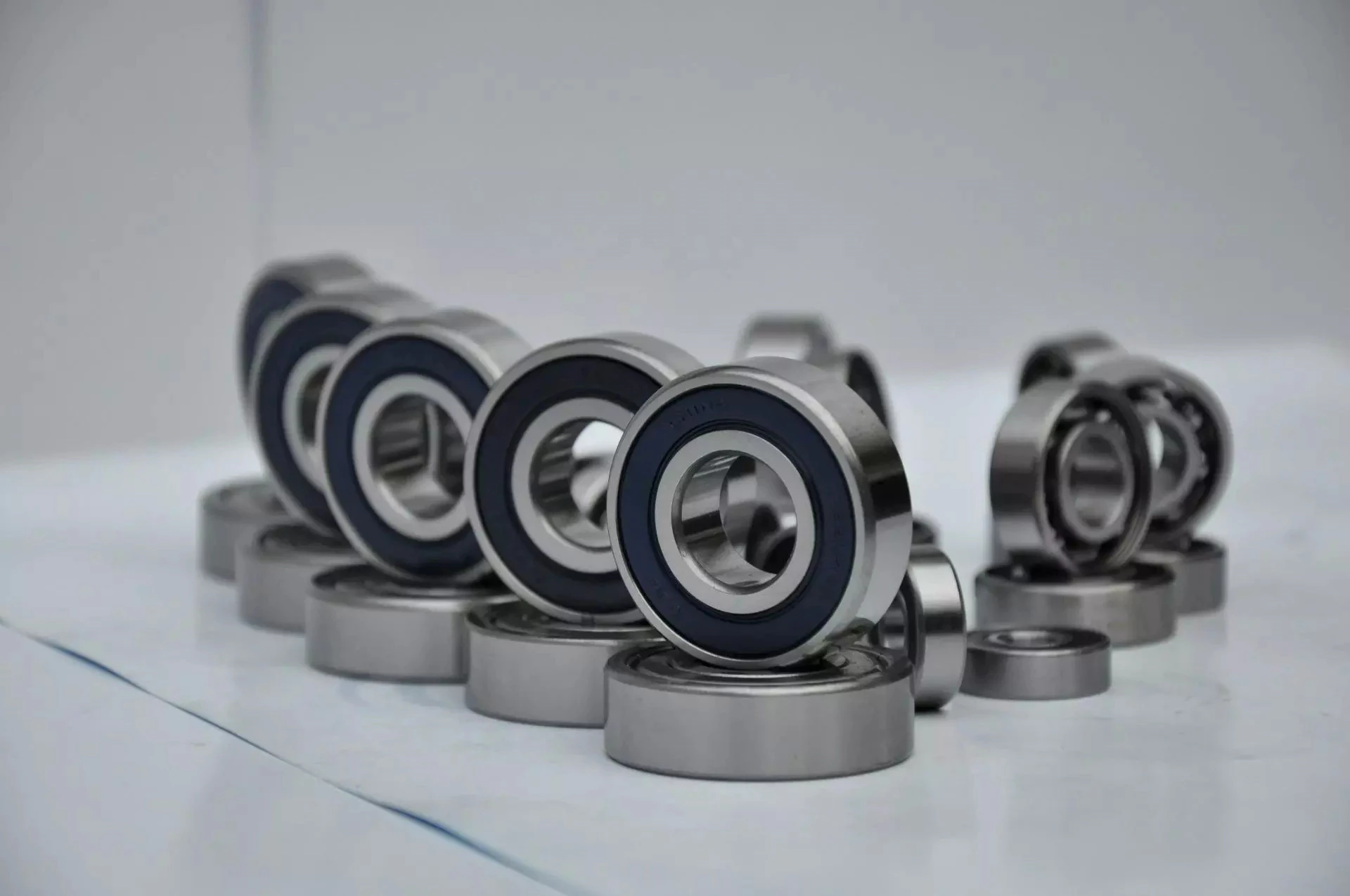
Types of Ball Bearings
In their most basic form, Ball Bearings have one common feature – they are made of steel. The majority of these bearings are made of 52100 steel, which has one percent chromium and one percent carbon. The steel can be hardened by heat trea
tment. 440C stainless steel is used for rusting problems. A cage around the ball balls is traditionally made from thin steel. However, some bearings use molded plastic cages to save money and friction.
Single-row designs
Steel linear translation stages often use single-row designs for ball bearings. These types of bearings provide smooth linear travel and can withstand high loads. The material steel has a high modulus of elasticity and a high stiffness, as well as a lower thermal expansion than aluminum. For these reasons, steel is the material of choice for a ball bearing in a typical user environment. Single-row designs for ball bearings are also suitable for applications in humid or corrosive environments.
Single-row designs for ball bearings are available in a variety of sizes and are axially adjustable. They have a high radial capacity, but require relatively little space. Single-row deep groove ball bearings with snap rings are STN 02 4605 or R47, respectively. Bearings with snap rings are identified by a suffix such as NR. They may not have seals or shields installed.
These single-row angular contact ball bearings are capable of supporting axial and radial loads. In a two-raceway arrangement, the radial load on bearing A causes a radial load to act on bearing B. Both axial and radial forces are transmitted between single-row angular contact ball bearings, and the resulting internal force must be taken into account to calculate equivalent dynamic bearing loads P.
Single-row deep groove ball bearings are the most common type of ball bearings. These bearings are designed with only one row of rolling elements. The single-row design is simple and durable, which makes it ideal for high-speed applications. Single-row designs for ball bearings are also available in various bore sizes. They can also come in a variety of shapes and are non-separable. If you need a high-speed bearing, you may want to opt for a double-row design.
In addition to single-row designs for ball bearings, you can choose ceramic or steel ball bearings. Ceramic balls are considerably harder than steel balls, but they are not as hard as steel. Hence, ceramic bearings are stiffer than steel ball bearings, resulting in increased stress on the outer race groove and lower load capacity. This is a great benefit for those who need the bearings to be lightweight and strong.
The difference between single-row and double-row designs is in the way that the inner and outer ring are installed. A single-row design places the inner ring in an eccentric position relative to the outer ring. The two rings are in contact at one point, which causes a large gap in the bearing. The balls are then inserted through the gap. As a result, the balls are evenly distributed throughout the bearing, which forces the inner and outer rings to become concentric.
Deep-groove ball bearings are one of the most popular types of ball bearings. They are available in different designs, including snap-ring, seal and shield arrangements. The race diameter of a deep-groove ball bearing is close to the ball’s diameter. These types of bearings are suited for heavy loads, and their axial and radial support are excellent. Their main drawback is that the contact angle cannot be adjusted to accommodate a wide range of relative loads.
Ceramic hybrid ball bearings
Hybrid ball bearings with ceramic balls have numerous advantages. They feature improved kinematic behavior and require less lubrication. Consequently, they can reduce operating costs. Additionally, their low thermal expansion coefficient allows for smaller changes in contact angle and preload variations, and they can retain tolerances. Furthermore, ceramic hybrid ball bearings have significantly increased life spans compared to conventional steel-steel ball bearings, with up to 10 times the lifespan.
Although ceramic bearings can be used in automotive applications, many people believe that they’re a poor choice for bicycle hubs. They don’t reduce weight and only work well in high-rpm environments. As a result, many cyclists don’t even bother with ceramic-based bearings. However, both Paul Lew and Alan are of the opinion that ceramic bearings are best suited for industrial or medical equipment applications. Furthermore, Paul and Alan believe that they are ideal for high-altitude drone motors.
Another advantage of ceramic hybrid ball bearings is that they use less friction than conventional steel-based balls. They are also more durable, requiring less lubrication than steel-based bearings. Furthermore, the lower friction and rolling resistance associated with ceramic-based ball bearings means that they can last ten times longer than steel-based bearings. A ceramic-based hybrid ball bearing can be used for applications where speed and lubrication are critical.
Ceramic hybrid ball bearings feature both steel and silicon nitride balls. Silicon nitride balls have 50% more modulus of elasticity than steel balls and can improve accuracy and precision. Ceramic balls also have a smoother surface finish than steel balls, which reduces vibration and spindle deflection. These benefits result in increased speed and improved production quality. In addition to this, ceramic balls can also reduce the operating temperature, enhancing the work environment.
Hybrid bearings are a popular alternative to steel bearings. They have some benefits over traditional steel bearings, and are becoming a popular choice for engineered applications. Hybrid bearings are ideal for high speed machines. The material used to manufacture ceramic balls is a high-quality alloy, and is comparatively inexpensive. But you must understand that lubrication is still necessary for hybrid bearings. If you are not careful, you may end up wasting money.
These ball bearings can be used in many industries and applications, and they are widely compatible with most metals. The main advantage of hybrid ball bearings is that they are very durable. While steel balls tend to corrode and wear out, ceramic ball bearings can withstand these conditions while minimizing maintenance and replacement costs. The benefits of hybrid ball bearings are clear. So, consider switching to these newer types of ball bearings.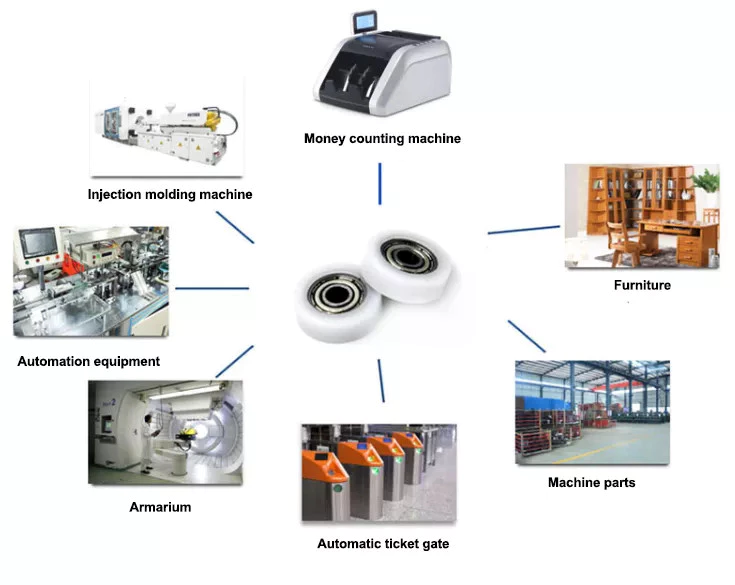
Self-aligning ball bearings
Self-aligning ball bearings are a good choice for many applications. They are a great alternative to traditional ball bearings, and they are ideal for rotating applications in which the shaft must move in several directions. They are also ideal for use in rotating parts where a tight tolerance is necessary. You can choose between two types: plain and flex shaft. Read on to find out which one will suit your needs.
Self-aligning ball bearings are designed with a higher axial load carrying capacity than single-row radial deep groove ball bearings. The amount of axial load carrying capacity is dependent upon the pressure angle. These bearings have a hollow raceway in the outer ring that allows the inner ring to pivot without friction. They are often used for high-speed applications. Because of their design, they are highly accurate.
Self-aligning ball bearings are radial bearings that feature two rows of balls in a spherical outer ring. They also feature two deep uninterrupted raceway grooves in the inner ring. Their unique features make them an excellent choice for applications where shaft deflection is a significant factor. Despite their small size, they have a high level of precision and can withstand heavy loads.
Self-aligning ball bearings can compensate for misalignment in shaft applications. The inner ring and ball assembly are positioned inside an outer ring containing a curved raceway. This spherical design allows the balls and cage to deflect and re-align around the bearing center. These bearings are also ideal for applications where shaft deflection is significant, such as in simple woodworking machinery.
Another type of self-aligning ball bearing uses a common concave outer race. Both balls and outer races automatically compensate for angular misalignment caused by machining, assembly, and deflections. Compared to spherical rollers, they have lower frictional losses than their spherical counterparts. Self-alignment ball bearings also have lower vibration levels compared to other types of bearings.
Self-aligning ball bearings operate in misaligned applications because their spherical outer raceway can accommodate misalignment. This design allows them to work in applications where shaft deflection or housing deformation is common. They are therefore more suitable for low to medium-sized loads. The only real drawback to self-aligning ball bearings is their price. If you need to purchase a self-aligning ball bearing for your next project, you can expect to pay around $1500.
editor by CX 2023-06-14
China KOYO 32313JR tapered roller bearing 32313JR 32313 A 32313 B 32313 jr for Industrial pump bearing block
Kind: Roller, Roller bearing
Construction: Taper
Relevant Industries: Hotels, Garment Retailers, Creating Materials Shops, Manufacturing Plant, Equipment Repair Stores, Foodstuff & Beverage Manufacturing unit, Farms, Restaurant, Property Use, Retail, Foodstuff Shop, Printing Stores, Development works , Vitality & Mining, bearing 688 size 8x16x5 mm hybrid ceramic bearings 688 688zz 688rs 688 deep groove ball bearing 688 Foods & Beverage Shops, Marketing Organization
Product Number: 32313JR
Precision Score: P0 P5 P6 P3 P4
Seals Variety: Open up
Amount of Row: Single row
Samples: Offered
Clearance: C0, C1, C2, C3, Available
Application: Oil pump, roots blower,air compressor,transmission,fuel injection pump
Major marketplace: Europe
Substance: Gcr15,Carbon,SS
Cage: Metal, Brass, Nylon
Top quality: Normal,unique higher grade
Certifications: ISO9MA 618670MAC3 619670MA 619670MAC3 32000 collection, 32300 sequence,35710 series, 31300 series, 32200series
302series:35712 to 35716 303series:30302 to 3571
313series:31305 to 31336 322series:32204 to 32260
323series:32303 to 32340 306series:30613 to 30636
320series:32005 to 32072 329series:32905 to 32972
330series:33005 to 33030 332series:33205 to 33222
331series:33108 to 33124
| 313 322 Collection TAPERED ROLLER BEARING | |||
| 31305 | 31309 | 31313 | 31317 |
| 31306 | 31310 | 31314 | 31318 |
| 31307 | 31311 | 31315 | 31319 |
| 31308 | 31312 | 31316 | 31320 |
| 31321 | 31324 | 31328 | 31322 |
| 31326 | 31330 | ||
| 32203 | 7503 | 32209 | 7509 |
| 32204 | 7504 | 32210 | 7510 |
| 32205 | 7505 | 32211 | 7511 |
| 32206 | 7506 | 32212 | 7512 |
| 32207 | 7507 | 32213 | 7513 |
| 32208 | 7508 | 32214 | 7514 |
| 32215 | 7515 | 32226 | 7526 |
| 32216 | 7516 | 32228 | 7528 |
| 32217 | 7517 | 32230 | 7530 |
| 32218 | 7518 | 32232 | 7532 |
| 32219 | 7519 | 32234 | 7534 |
| 32220 | 7520 | 32236 | 7536 |
| 32221 | 7521 | 32238 | 7538 |
| 32222 | 7522 | 32240 | 7540 |
| 32224 | 7524 | 32244 | 7544 |
1) Internal Plastic Bag+ Paper Box + Carton(+Pallet)
2) Modest sizes:Plastic Tube + Carton
3) Huge dimensions:Wooden Scenario
one)Considerably less than 45 KGS, we will send by specific. (Door to Doorway, Convenient)
two)Between 45 – two hundred KGS, we will deliver by air transportation. (Swiftest and safest, but ?high-priced )
3)A lot more than 200 KGS, we will ship by sea. (Most inexpensive and typical)
V. CHIK BEARING PAYMENT Phrases
1)T/T, 30% deposit, 70% equilibrium ahead of shipping..2)L/C at sight. (higher lender charges, not advise , but suitable )3)one hundred% Western Union in progress. (specifically for air cargo or small volume)
VI. OTHER BEARINGS WE CAN Provide
Choosing the Right Ball Bearing for Your Application
When choosing a Ball Bearing, there are several things to consider. These factors include: the size, lubricant type, presence of corrosive agents, stray electrical currents, and more. It can be challenging to choose the right type, size, and type of ball bearing for your application. You should also carefully calculate the loads to determine the right size. Here are some tips for choosing the right Ball Bearing for your application.
Single-row
The single-row ball bearing is one of the most popular types of bearings. The inner and outer ring are designed with raceway grooves that are shaped slightly larger than the balls. This type of bearing has a low torque and can handle high-speed applications with minimal power loss. The radial dimensions of single-row ball bearings also vary, so it is possible to find one that fits your specific application. Besides the above-mentioned advantages, single-row ball bearings are also available with varying grease levels and are widely applicable to applications where the space is limited.
Single-row ball bearings are also called angular-contact ball bearings. Because of their single-row design, they are not separable and can accommodate a high-speed, heavy-duty application. Single-row angular-contact ball bearings can only handle axial load in one direction, and they must be installed in pairs for pure radial loads. Single-row ball bearings are a popular type of rolling bearings and can be used for a wide range of applications.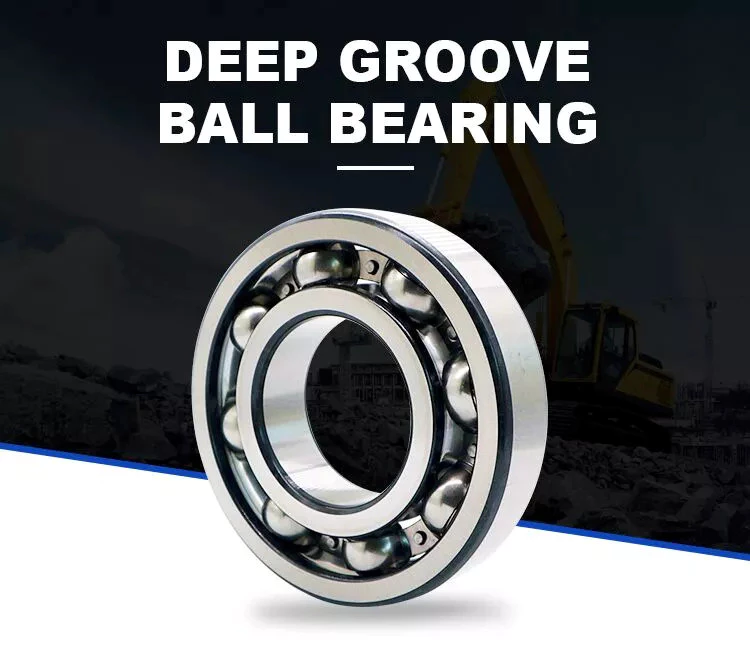
Self-aligning
The self-aligning ball bearing was invented by Sven Wingquist, a plant engineer for a textile company in Sweden. While he was responsible for making production as efficient as possible, he soon realized that the machinery he had in place wasn’t working as efficiently as it could. Although ball bearings are great for reducing friction, they were not flexible enough to compensate for misalignments in the machine.
Self-aligning ball bearings have two rows of balls and a common sphered raceway. The inner ring is curved and combines the two rows of balls into one cage. These bearings can tolerate shaft misalignment and compensate for static angular defects. They can be used in simple woodworking machinery, ventilators, and conveying equipment. They are often the preferred choice for applications where shaft alignment is an issue.
Ceramic
A Ceramic ball bearing is a type of high-performance bearing that is available in both full-ceramic and hybrid forms. The main differences between ceramic and steel ball bearings are their construction, lubrication, and mobility. High-quality ceramic ball bearings are durable, and they are ideal for corrosive and high-temperature applications. The material used to create these bearings helps prevent electrolytic corrosion. They are also ideal for reducing the friction and lubrication requirements.
Ceramic balls are harder and less brittle than steel balls, which gives them a higher degree of rigidity. Ceramics also have a higher hardness, with a hardness of Rc75-80 compared to Rc58-64 for steel balls. Their high compressive strength is approximately 5 to 7 times greater than steel. In addition, they have a very low coefficient of friction, which allows them to spin at higher speeds and with less friction. This increases their lifespan and durability, and decreases the energy needed to turn cranks.
Steel
Unlike traditional bearings, steel balls have a relatively uniform hardness. Carbon steel, for instance, is 2.1% carbon by weight. According to the American Iron and Steel Institute, copper content must be no more than 0.40% and manganese content should not be more than 1.65 g/cm3. After carbonizing, steel balls undergo a process called sizing, which improves their roundness geometry and hardness.
The main differences between steel ball bearings and ceramic ball bearings can be traced to their different materials. Ceramic balls are made from zirconium dioxide or silicon nitride. Silicon nitride is harder than steel and resists shocks. The result is increased speed and longer service life. Polyoxymethylene acetal (PMMA) bearing balls are known for their stiffness, strength, and tolerance, but are not as common as steel ball bearings.
Plastic
The most popular types of plastic ball bearings are made of polypropylene or PTFE. These bearings are used in applications requiring higher chemical resistance. Polypropylene is a structural polymer that offers excellent physical and chemical properties, including excellent resistance to organic solvents and degreasing agents. Its lightweight, low moisture absorption rate, and good heat resistance make it an excellent choice for high-temperature applications. However, plastic bearings are not without their drawbacks, especially when operating at very high temperatures or under heavy loads.
Compared to metal bearings, plastic ball-bearings do not require lubrication. They also are highly corrosion-resistant, making them an excellent choice for wash-down applications. They are also post-, autoclave-, and gamma sterilizable. Many conventional steel ball-bearings cannot handle the high temperatures of food processing or swimming pools. In addition to high temperature applications, plastic ball bearings are resistant to chemicals, including chlorine.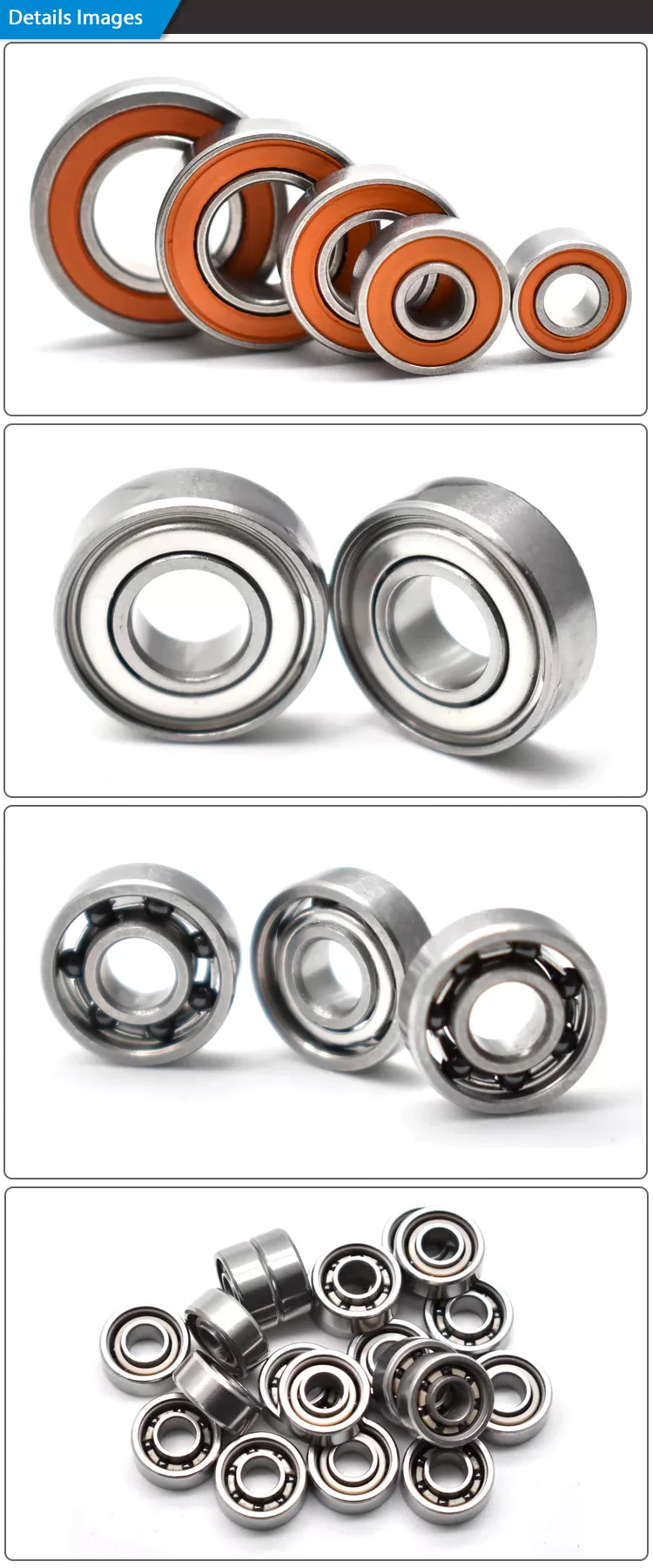
Glass
Plastic sliding bearings are molded bearings made of engineering plastic. With self-lubricating modification technology, these bearings can be produced by injection molding of plastic beads. They are widely used in various industries such as office equipment, fitness and automotive equipment. In addition to plastic bearings, glass balls are used in a variety of other applications, including medical equipment. Glass ball bearings have excellent corrosion resistance, excellent mechanical properties, and are electrically insulators.
Plastic ball bearings are made of all-plastic races and cages. These bearings are suitable for applications that are exposed to acids and alkalis. Because they are cheaper than glass balls, plastic ball bearings are popular in chemical-exposed environments. Stainless steel balls are also resistant to heat and corrosion. But the main disadvantage of plastic ball bearings is that they are not as strong as glass balls. So, if weight and noise is your main concern, consider using plastic balls instead.
Miniature
The global miniature ball bearing market is expected to reach US$ 2.39 Billion by 2027, at a CAGR of 7.2%. Growth in the region is attributed to technological advancement and government initiatives. Countries such as India and China are attracting FDIs and emphasizing the establishment of a global manufacturing hub. This is boosting the market for miniature ball bearings. The miniscule ball bearings are manufactured in small quantities and are very small.
Some manufacturers produce miniature ball bearings in different materials and designs. Chrome steel is the most popular material for miniature ball bearings because of its high load capacity, low noise properties, and lower cost. But the cost of stainless steel miniature bearings is low, since the amount of steel used is minimal. Stainless steel miniature bearings are the smallest in size. Therefore, you can choose stainless steel mini ball bearings for high-speed applications.
Angular-contact
Angular-contact ball bearings have three components: a cage, inner ring, and balls. Angular-contact ball bearings can support high axial and radial loads. Various design and manufacturing attributes make angular-contact ball bearings suitable for a variety of applications. Some features of this bearing type include a special lubricant, different cage materials, and different coatings.
The size of an angular-contact ball bearing is determined by the design units: outer ring width, axial load, and radial load. Depending on the type of application, an angular-contact ball bearing may be manufactured in double-row, triple-row, or quadruple-row configurations. Angular contact ball bearings can be classified according to their design units, which range from metric to imperial. A higher ABEC number means tighter tolerances. To determine the tolerance equivalent of a particular bearing, consult a standard Angular-contact ball bearing table.
Angular-contact ball bearings feature high and low-shoulder configurations. They have two-dimensional races that accommodate axial and radial loads. They are available in self-retaining units with solid inner and outer rings, and ball and cage assemblies. Cages made of cast and wrought brass are the most popular, but lightweight phenolic cages are also available. The latter is a better choice because it doesn’t absorb oil and has lower rolling friction.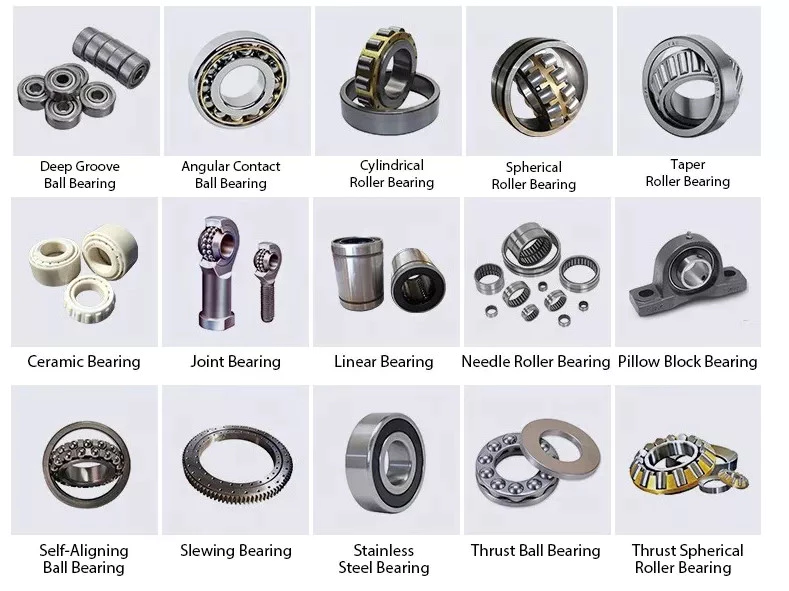
Materials
When it comes to the construction of a ball bearing, high-quality raw materials are a crucial component. These materials not only affect the overall quality of a ball bearing, but also influence the cost. That’s why you should pay close attention to raw material quality. In addition to that, raw materials should be tested several times before the manufacturing process to ensure quality. Read on for some information about the different types of materials used to make ball bearings.
Steel is the most common material for ball bearings. Most ball bearings contain stainless steel balls, which are remarkably corrosion-resistant. They are also resistant to saltwater and alkalis. However, stainless steel balls are heavier than plastic ones, and they are also magnetic, which may be a drawback in some applications. If you’re looking for a metal-free option, glass balls are the way to go. They’re sturdy, lightweight, and resistant to a wide range of chemicals.
editor by czh 2023-02-19

China CG STAR axial bearing industrial trolley well 7012AC 609518mm angular contact ball bearing double row ball bearing
Sort: BALL
Composition: Angular Make contact with
Applicable Industries: Resorts, Garment Stores, Building Materials Outlets, Production Plant, Machinery Mend Outlets, Foodstuff & Beverage Manufacturing facility, Farms, Cafe, House Use, Retail, Foods Shop, Printing Retailers, Development works , Strength & Mining, Food & Beverage Retailers, Other, Advertising and marketing Business
Precision Rating: P0P6P5P4(ABEC-1 ABEC-3 ABEC-5 ABEC-7) )
Seals Kind: Open up
Variety of Row: Double row, Single row, Other
Vibration: Z1,Z2,Z3,Z4
Content: Chrome Steel GCR15
Provider: OEM/ODM Tailored
Normal: ISO90002008
Characteristic: Prolonged Existence resilient
Bundle: Industrial Packing
Lubrication: Oil,grease,dry
clearance: C2 C0 C3 C4 C5
Vibration Amount Code: V4,V3, V2, V1
Cage: Metal.Brass.Nylon
Packaging Particulars: solitary box +cartons +palletsindustrial packing +cartons+palletstubes+cartons +pallets
CG STAR axial bearing industrial trolley properly 7012AC sixty*95*18mm angular speak to ball bearing Specification
| item | value |
| Type | BALL |
| Structure | Angular Speak to |
| Applicable Industries | Hotels, Garment Shops, Creating Material Stores, Two Parts Shaft Collar with Black Oxide Finish Manufacturing Plant, Equipment Fix Stores, Foodstuff & Beverage Manufacturing unit, Farms, Cafe, Residence Use, Retail, Meals Store, Printing Outlets, Construction operates , Energy & Mining, Foods & Beverage Shops, Other, Advertising Organization |
| Brand Identify | CG STAR |
| Precision Ranking | P0P6P5P4(ABEC-1 ABEC-3 ABEC-5 ABEC-7) ) |
| Seals Variety | OPEN |
| Number of Row | DOUBLE ROW, One Row, Other |
| Place of Origin | China |
| Vibration | Z1,Z2,Z3,Z4 |
| Material | Chrome Metal GCR15 |
| Service | OEM/ODM Custom-made |
| Standard | ISO90002008 |
| Feature | Long Lifestyle durable |
| Package | Industrial Packing |
| Lubrication | Oil,grease,dry |
| clearance | C2 C0 C3 C4 C5 |
| Vibration Amount Code | V4,V3, V2, V1 |
| Cage | Steel.Brass.Nylon |
Types of Ball Bearings
Modern ball bearing configurations have different materials and geometries to meet the demands of different working environments and applications. There are different types of ball bearings: single row deep groove, double-row deep groove, angular contact ball bearing, thrust, and self-aligning. Let us look at the differences between each type and learn why they are important for various purposes. Listed below are some of the most common types of ball bearings.
Miniature bearings
Although miniature ball bearings are a popular choice for small mechanical components, they are not without their challenges. They must be properly lubricated and stored in clean rooms. A strand of hair could ruin a miniature bearing. Fortunately, manufacturers offer lubrication services and a “Clean Room” for customers to store their miniature bearings safely. Read on to learn more about these small bearings and how they can help you.
The size of a miniature ball bearing can vary significantly, but most types of these devices are available in sizes ranging from.040 inch to one eighth of an inch. Whether you need a small ball bearing for a miniature car or a tiny instrument, a miniature bearing can save space while still offering high performance. Many of these bearings are shielded to prevent dirt from entering and leakage of lubricant. They can be flanged or unflanged, and some miniature ball bearings have extended inner rings that are designed for easy plate mounting.
Miniature ball bearings are commonly made from stainless steel or chrome steel. Both metals have their advantages. Stainless steel is the most popular material for ball bearings, which allows for a high load capacity while being quiet. Because stainless steel is relatively inexpensive, many small instrument bearings are made entirely of stainless steel. The difference in price is minimal, as the amount of steel is relatively small. Stainless steel miniature bearings are the smallest and lightest of all types of miniature ball bearings.
Self-aligning ball bearings
In the simplest terms, self-aligning ball bearings are ball bearings with flex shafts. If you’re looking for a ball bearing with a high degree of precision, you’ll want to choose one with a flex shaft, which means it can adjust to the proper orientation of the bearing’s flex shaft. Ball bearings with flex shafts are also recommended. But, what are these bearings?
Self-aligning ball bearings are made with two rows of balls and a common sphered raceway on the outer ring. As a result, they can accommodate small errors in shaft alignment and mounting. The CZPT brand is especially suitable for high-speed applications requiring greater running accuracy. The self-alignment mechanism is enabled by the fact that the balls are placed in two rows on either side of the sphered raceway in the outer ring. These two rows of balls also promote reduced friction and wear.
Another type of self-aligning ball bearings is a double-row design. They feature a common sphered raceway on the outer ring, a hollow spherical ring, and a cage that rotates relative to it. A self-aligning ball bearing is used in applications where shaft misalignment is a problem, such as conveying equipment. They are also used in simple woodworking machinery and ventilators.
Ceramic ball bearings
Ceramic ball bearings have several advantages over steel or metal bearings. These include increased acceleration capability, reduced friction, improved wear-resistance, and higher speeds. The United States holds the leading position in the global ceramic ball bearings market thanks to a rebounding motor vehicle production and healthy fixed investment environment. In the United States, there are three primary markets for ceramic ball bearings: healthcare, automotive, and aerospace. Here are the main benefits of ceramic ball bearings:
Hybrid ball bearings are also available. Hybrid bearings feature traditional metal rings and silicon nitride (ceramic) balls. Hybrid bearings offer important performance advantages over all-steel bearings, and they are more affordable. However, full ceramic ball bearings have all ceramic parts, and are best suited for machines that require high precision. These types of bearings also resist corrosion and wear.
Compared to steel ball bearings, ceramic balls are lighter than steel. They are also less dense, which means less friction and therefore less heat. Additionally, ceramic balls operate at higher speeds than steel balls, which increases their durability and longevity. But they are still not as strong as steel bearings. And because of their reduced density, they are much cheaper to manufacture. Therefore, they are an excellent choice for many applications. You can expect them to last much longer than steel bearings.
Steel carbon ball bearings
High precision G25 ball bearings are made of the highest grade chrome steel and hot forged from bar stock. Statistical process control and exacting atmospheres help ensure uniform hardness and microstructure. Moreover, these bearings are of the highest quality, with fine surface finish and a tight tolerance. This makes them the most widely used and reliable choice for industrial and automotive applications. However, there are some considerations that should be taken into account before acquiring a steel carbon ball bearing.
Generally, AFBMA grade 200 is the standard hardness specification for this material. AFBMA grade 100 can also be obtained with great difficulty. Despite the high hardness of steel carbon ball bearings, their outer surface is just a thin hardened shell, so a special micro hardness test is needed to evaluate them. In addition to the hardness, steel balls are easily machined and ground. Some manufacturers even offer stainless steel ball bearings and ball sets.
Another factor that makes steel carbon ball bearings so valuable is their precision. They can give precise measurements, which makes them ideal for low and medium-speed applications. Due to their high precision and durability, steel carbon ball bearings can be used in many applications, from conveyor machines to roller skates. However, you should be aware that the material used to produce these bearings is not suitable for applications in which they are exposed to water and gases. Further, they are also noisy and heavy, and must be installed properly in a manufacturing environment.
Stainless steel ball bearings
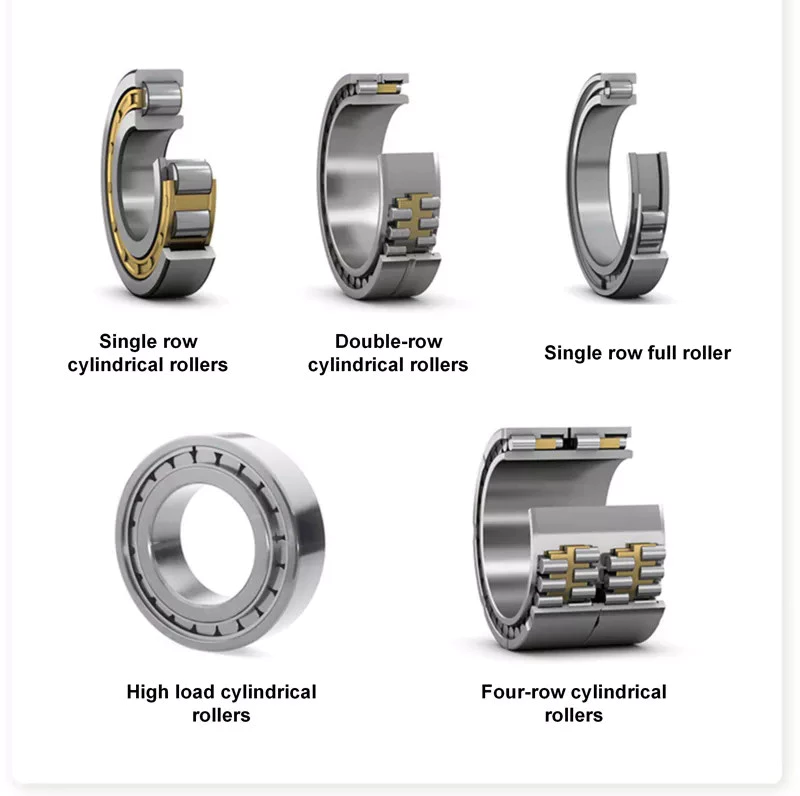
Stainless steel ball bearings are made from a high-quality type of stainless steel, 440C, which offers optimal corrosion and abrasion resistance. These bearings are also durable and rust-free, and are suitable for a variety of applications. Among others, stainless steel ball bearings are used in beverage and food processing plants, pharmaceuticals, pulp and paper mills, marine environments, and freezers.
Stainless steel bearings are available in various grades. For example, AISI 440C offers corrosion resistance, while the DD400 is specifically designed for marine applications. Both types of stainless steel are available in different forms, including open, shielded, and sealed. Stainless steel ball bearings can also be custom-made, as BL is known for producing customized bearings. There are also other materials that are available.
AISI type 316 stainless steel balls are ideal for marine applications and food processing. They have excellent resistance to most organic materials and are also used in medical devices and dispenser pumps. They are also strong enough to resist many petroleum products and are widely used in medical equipment and cosmetic applications. In addition, stainless steel balls can be plated to provide an additional layer of protection against chemicals. To understand how they differ, let’s take a look at some common types of stainless steel ball bearings.
Stainless steel
Stainless steel ball bearings can be used in various applications. Besides being corrosion resistant, they also last longer thanks to the Molded-Oil lubrication technology. Stainless steel ball bearings are clean units, which saves time and money in terms of maintenance, replacement, and downtime. But what are the advantages of stainless steel ball bearings? Let us discuss these benefits. Also, we’ll discuss their advantages and disadvantages.
Stainless steel ball bearings offer notable advantages, including corrosion resistance, increased strength, and improved stability under high temperatures. These qualities make them the ideal choice for special circumstances and demanding environments. However, you should be careful when choosing stainless steel bearings. There are several different types of stainless steel. Here’s a brief look at what makes them the best choice. And remember: Stainless steels are also recyclable. In fact, they can be recycled indefinitely.
They’re made from chrome alloy electric furnace steel, which is hardened for optimum service life and strength. They have the highest surface finish and dimensional accuracy. Advanced heat-treating processes increase their strength and anti-cracking abilities. And thanks to their unique materials, they’re corrosion-resistant. As a result, they’re more durable than other types of bearings. And since they’re made with a high-quality steel, you’ll save money in the long run.
Plastic ball bearings
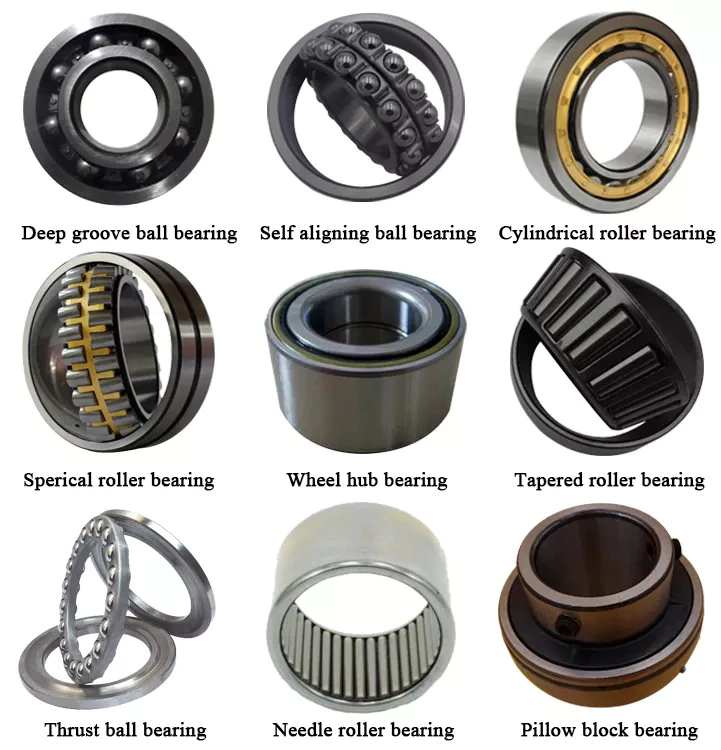
Plastic ball bearings were developed to meet the specific needs of applications where standard steel bearings would fail. Steel and 440C stainless steel are both susceptible to rusting when exposed to water, making them poor choices for applications involving food processing, swimming pools, and medical equipment. In addition to this, the plastic material is able to dampen vibrations and make the bearing virtually silent. Here’s what makes plastic ball bearings so great for these applications.
Plastic ball bearings are lightweight, corrosion-resistant, and offer a long service life. In addition to their low price, they can be easily cleaned and are incredibly durable. Motion plastics specialist igus has recently expanded its range of xiros polymer grooved ball bearings. These bearings are also FDA-compliant, lubricant-free, electrically insulating, and resistant to both temperature and media.
Plastic bearings are often mounted into other components like wheels, pulleys, and housings. In this way, the inner ring is essentially a profile of the pulley’s profile, and the outer ring is a shaft or fixing clip. The result is seamless integration of the bearing and the surrounding parts, which reduces the overall assembly time and costs. You can also use multiple plastic ball bearings in one application for more options.
editor by czh 2023-02-17