Product Description
CZPT is a professional manufacturer in slewing ring bearings since 1993. We can also design and make other standard and non-standard ball bearings, roller bearings and precision bearings as per customer’s different technical requirements.
Slewing bearing is also called slewing ring, slewing ring bearing, turntable bearing, and rotary bearing.
Three row roller slewing ring bearing has 3 seat-rings, which separate the upper, lower and radial raceway, via which the load of each row of the rollers may be specified. Thus it can carry different load simultaneously and its load capacity is the largest 1 of the 4 types
CZPT bearings can supply the following featured slewing bearing:
1. Single row slewing rings have a single row of balls, a standard bearing raceway, and 4 points of contact between the balls and raceway;
2. Double row products have tow rows of ball bearings, 2 raceways, and 8 points of contacts for each ball;
3. Slewing rings with 3 independent rows of rollers;
4. Cross roller slewing rings have a single row of rollers with the axes of alternation, adjacent rollers at right angles to 1 another
5. Ball and roller combined slewing rings have a row of rollers and a row of balls into the same unit.
Structure:
Triple row roller slewing bearing has 3 different types:
Triple row roller slewing bearing with no gear
Triple row roller slewing bearing with external gear
Triple row roller slewing bearing with internal gear
Advantages:
1. Best quality and price
2. Small order accepted
3. ISO certified company
4. Variorum models
5. Extensive stock available
6. OEM accepted
Application:
Mine machine, port hoisting machine, port oil transfer equipment, onshore and offshore crane, excavator, concrete machine, paper machine, plastic and rubber machine, weave machine, steel plant, electronic power plant, wind power generator, other construction and industry machines or equipments.
Packaging Details:
1. Bearing surface is covered with the anti-rust oil first; And then wrapped with the plastic film;
2. And then packed with Kraft paper and professional belts;
3. At last, with wooden box totally at the outer packing to invoid the rust or the moist;
4. We can depend on the customers demand to be packed;
Details for turret swing bearing VLI200944N:
ID: 840MM
OD: 1048MM
H: 56MM
W. T.: 67.5KG
Holes in outer ring: 16-φ 18
Holes in inner ring: 22- M12
Material: 50Mn
Surface treatment: Bluing
Application: Water-treatment equipment
More details, please contact us sooner…
External gear:
VLA2571-N
VLA200544-N
VLA200644-N
VLA20 0571 -N
VLA200844-N
VLA200944-N
VLA257194-N
VSA2571-N
VSA200544-N
VSA200644-N
VSA20 0571 -N
VSA200844-N
VSA200944-N
VSA257194-N
VSA25571-N
VSA25571-N
VSA25 0571 -N
VSA251055-N
Internal gear:
VLI2571-N
VLI200544-N
VLI200644-N
VLI20 0571 -N
VLI200844-N
VLI200944-N
VLI257194-N
VSI2571-N
VSI200544-N
VSI200644-N
VSI20 0571 -N
VSI200844-N
VSI200944-N
VSI257194-N
VSI25571-N
VSI25571-N
VSI25 0571 -N
VSI251055-N
Without gear:
VLU2571
VLU200544
VLU200644
VLU20 0571
VLU200844
VLU200944
VLU257194
VSU2571
VSU200544
VSU200644
VSU20 0571
VSU200844
VSU200944
VSU257194
VSU25571
VSU25571
VSU25 0571
VSU251055
| Model | Overall Dimension | Mounting Dimension | Structure Dimension | Gear (mm) | Axial Load | Mass (Kgs) | ||||||||||||||||
| Da | di | H | La | Li | n1 | n2 | φ1 | φ2 | D1 | b | h | B | C | Di | da | m | z | do | x | |||
| mm | mm | mm | ||||||||||||||||||||
| VLI2571N | 518 | 325 | 56 | 490 | 375 | 8 | 12 | φ18 | M12 | 459 | 40 | 11.5 | 44.5 | 47.5 | 415.5 | 412.5 | 5 | 67 | 335 | 0 | 600 | 28.5 |
| VLI 20 571N | 516 | 325 | 56 | 490 | 375 | 8 | 12 | φ18 | M12 | 456 | 40 | 11.5 | 44.5 | 47.5 | 415.5 | 412.5 | 5 | 67 | 335 | 0 | 300 | 36.3 |
| VLI2571N | 518 | 325 | 56 | 490 | 375 | 8 | 12 | 18 | M12 | 456 | 40 | 8.5 | 44.5 | 47.5 | 415.5 | 412.5 | 5 | 67 | 335 | 0 | 295 | 27.5 |
| VLI200544N | 648 | 444 | 56 | 620 | 505 | 10 | 16 | φ18 | M12 | 589 | 44.5 | 11.5 | 44.5 | 47.5 | 545.5 | 542.5 | 6 | 76 | 456 | 0 | 790 | 40.6 |
| VLI200544N | 648 | 444 | 56 | 620 | 505 | 10 | 16 | 18 | M12 | 589 | 44.5 | 11.5 | 44.5 | 47.5 | 545.5 | 542.5 | 6 | 76 | 456 | 0 | 385 | 38 |
| VLI200644N | 748 | 546 | 56 | 720 | 605 | 12 | 18 | φ18 | M12 | 689 | 44.5 | 11.5 | 44.5 | 47.5 | 645.5 | 642.5 | 6 | 93 | 558 | 0 | 900 | 47.4 |
| VLI200644N | 748 | 546 | 56 | 720 | 605 | 12 | 18 | 18 | M12 | 689 | 44.5 | 8.5 | 44.5 | 47.5 | 645.5 | 642.5 | 6 | 93 | 558 | 0 | 455 | 45 |
| VLI20 0571 N | 848 | 648 | 56 | 820 | 705 | 12 | 20 | φ18 | M12 | 789 | 44.5 | 11.5 | 44.5 | 47.5 | 745.5 | 742.5 | 6 | 110 | 660 | 0 | 530 | 54 |
| VLI20 0571 N | 848 | 648 | 56 | 820 | 705 | 12 | 20 | 18 | M12 | 789 | 44.5 | 8.5 | 44.5 | 47.5 | 745.5 | 742.5 | 6 | 110 | 660 | 0 | 530 | 51.5 |
| VLI200844N | 948 | 736 | 56 | 920 | 805 | 14 | 20 | φ18 | M12 | 889 | 44.5 | 11.5 | 44.5 | 47.5 | 845.5 | 842.5 | 8 | 94 | 752 | 0 | 1200 | 65.2 |
| VLI200844N | 948 | 736 | 56 | 920 | 805 | 14 | 20 | 18 | M12 | 889 | 44.5 | 8.5 | 44.5 | 47.5 | 845.5 | 842.5 | 8 | 94 | 752 | 0 | 600 | 61.5 |
| VLI30 0571 N | 1100 | 810 | 90 | 1060 | 894 | 30 | 30 | 22 | M20 | 71 | 19 | 71 | 71 | 953 | 957 | 10 | 83 | 830 | 0 | 2550 | 164 | |
| VLI200944N | 1048 | 840 | 56 | 1571 | 905 | 16 | 22 | φ18 | M12 | 989 | 44.5 | 11.5 | 44.5 | 47.5 | 945.5 | 942.5 | 8 | 107 | 856 | 0 | 1350 | 71 |
| VLI200944N | 1048 | 840 | 56 | 1571 | 905 | 16 | 22 | 18 | M12 | 989 | 44.5 | 8.5 | 44.5 | 47.5 | 945.5 | 942.5 | 8 | 107 | 856 | 0 | 670 | 67.5 |
| VLI357155N | 1200 | 910 | 90 | 1160 | 994 | 30 | 30 | 22 | M20 | 71 | 19 | 71 | 71 | 1053 | 1057 | 10 | 93 | 930 | 0 | 2800 | 181 | |
| VLI257194N | 1198 | 984 | 56 | 1170 | 1055 | 16 | 24 | φ18 | M12 | 1139 | 44.5 | 11.5 | 44.5 | 47.5 | 1096 | 1093 | 8 | 125 | 1000 | 0 | 2000 | 80 |
| VLI257194N | 1198 | 984 | 56 | 1170 | 1055 | 16 | 24 | 18 | M12 | 1139 | 44.5 | 8.5 | 44.5 | 47.5 | 1096 | 1093 | 8 | 125 | 1000 | 0 | 770 | 81.5 |
| VLI301155N | 1300 | 1571 | 90 | 1260 | 1094 | 36 | 36 | 22 | M20*40 | 71 | 19 | 71 | 71 | 1153 | 1157 | 10 | 103 | 1030 | 0 | 3100 | 198 | |
| VLI301255N | 1400 | 1110 | 90 | 1360 | 1194 | 42 | 42 | 22 | M20*40 | 71 | 19 | 71 | 71 | 1253 | 1257 | 10 | 113 | 1130 | 0 | 3350 | 215 | |
| VLI301355N | 1500 | 1210 | 90 | 1460 | 1294 | 42 | 42 | 22 | M20*40 | 71 | 19 | 71 | 71 | 1353 | 1357 | 10 | 123 | 1230 | 0 | 3600 | 233 | |
| VLI301455N | 1600 | 1310 | 90 | 1560 | 1394 | 48 | 48 | 22 | M20*40 | 71 | 19 | 71 | 71 | 1453 | 1457 | 10 | 133 | 1330 | 0 | 4000 | 251 | |
/* January 22, 2571 19:08:37 */!function(){function s(e,r){var a,o={};try{e&&e.split(“,”).forEach(function(e,t){e&&(a=e.match(/(.*?):(.*)$/))&&1
| Rolling Body: | Ball Bearings |
|---|---|
| The Number of Rows: | Single |
| Outer Dimension: | 200-6000mm |
| Material: | Bearing Steel |
| Spherical: | Non-Aligning Bearings |
| Load Direction: | Axial, Radial and Tilting Moment |
| Samples: |
US$ 460/Piece
1 Piece(Min.Order) | |
|---|
| Customization: |
Available
| Customized Request |
|---|
How does Preload Affect the Performance and Efficiency of Ball Bearings?
Preload is a crucial factor in ball bearing design that significantly impacts the performance, efficiency, and overall behavior of the bearings in various applications. Preload refers to the intentional axial force applied to the bearing’s rolling elements before it is mounted. This force eliminates internal clearance and creates contact between the rolling elements and the raceways. Here’s how preload affects ball bearing performance:
- Reduction of Internal Clearance:
Applying preload reduces the internal clearance between the rolling elements and the raceways. This eliminates play within the bearing, ensuring that the rolling elements are in constant contact with the raceways. This reduced internal clearance enhances precision and reduces vibrations during operation.
- Increased Stiffness:
Preloaded bearings are stiffer due to the elimination of internal clearance. This increased stiffness improves the bearing’s ability to handle axial and radial loads with higher accuracy and minimal deflection.
- Minimized Axial Play:
Preload minimizes or eliminates axial play within the bearing. This is especially important in applications where axial movement needs to be minimized, such as machine tool spindles and precision instruments.
- Enhanced Rigidity:
The stiffness resulting from preload enhances the bearing’s rigidity, making it less susceptible to deformation under load. This is critical for maintaining precision and accuracy in applications that require minimal deflection.
- Reduction in Ball Slippage:
Preload reduces the likelihood of ball slippage within the bearing, ensuring consistent contact between the rolling elements and the raceways. This leads to improved efficiency and better load distribution.
- Improved Running Accuracy:
Preloading enhances the running accuracy of the bearing, ensuring that it maintains precise rotational characteristics even under varying loads and speeds. This is essential for applications requiring high accuracy and repeatability.
- Optimized Performance at High Speeds:
Preload helps prevent skidding and slipping of the rolling elements during high-speed operation. This ensures that the bearing remains stable, reducing the risk of noise, vibration, and premature wear.
- Impact on Friction and Heat Generation:
While preload reduces internal clearance and friction, excessive preload can lead to higher friction and increased heat generation. A balance must be struck between optimal preload and minimizing friction-related issues.
- Application-Specific Considerations:
The appropriate amount of preload depends on the application’s requirements, such as load, speed, accuracy, and operating conditions. Over-preloading can lead to increased stress and premature bearing failure, while under-preloading may result in inadequate rigidity and reduced performance.
Overall, preload plays a critical role in optimizing the performance, accuracy, and efficiency of ball bearings. Engineers must carefully determine the right preload level for their specific applications to achieve the desired performance characteristics and avoid potential issues related to overloading or inadequate rigidity.
How do Miniature Ball Bearings Differ from Standard-sized Ones, and Where are They Commonly Used?
Miniature ball bearings, as the name suggests, are smaller in size compared to standard-sized ball bearings. They have distinct characteristics and are designed to meet the unique requirements of applications that demand compactness, precision, and efficient rotation in confined spaces. Here’s how miniature ball bearings differ from standard-sized ones and where they are commonly used:
- Size:
The most noticeable difference is their size. Miniature ball bearings typically have outer diameters ranging from a few millimeters to around 30 millimeters, while standard-sized ball bearings have larger dimensions suitable for heavier loads and higher speeds.
- Load Capacity:
Due to their smaller size, miniature ball bearings have lower load-carrying capacities compared to standard-sized bearings. They are designed for light to moderate loads and are often used in applications where precision and compactness are prioritized over heavy load support.
- Precision:
Miniature ball bearings are known for their high precision and accuracy. They are manufactured to tighter tolerances, making them suitable for applications requiring precise motion control and low levels of vibration.
- Speed:
Miniature ball bearings can achieve higher speeds than standard-sized bearings due to their smaller size and lower mass. This makes them ideal for applications involving high-speed rotation.
- Friction and Efficiency:
Miniature ball bearings generally have lower friction due to their smaller contact area. This contributes to higher efficiency and reduced heat generation in applications that require smooth and efficient motion.
- Applications:
Miniature ball bearings find applications in various industries and sectors:
- Electronics and Consumer Devices:
They are used in small motors, computer disk drives, printers, and miniature fans, where space is limited but precise motion is essential.
- Medical and Dental Equipment:
Miniature bearings are used in medical devices such as surgical instruments, dental handpieces, and diagnostic equipment due to their precision and compactness.
- Robotics and Automation:
Miniature ball bearings are integral to robotic arms, miniature conveyors, and automation systems, enabling precise movement in confined spaces.
- Aerospace and Defense:
They are used in applications like UAVs (drones), aerospace actuators, and satellite components where size and weight constraints are critical.
- Optics and Instrumentation:
Miniature bearings play a role in optical instruments, cameras, and measuring devices, providing smooth rotation and accurate positioning.
Overall, miniature ball bearings are specialized components designed for applications where space, precision, and efficient rotation are paramount. Their compactness and high precision make them crucial in various industries requiring reliable motion control in limited spaces.
What are the Primary Benefits of Using Ball Bearings in Machinery and Equipment?
Ball bearings offer several primary benefits when used in machinery and equipment. Their design and functionality provide advantages that contribute to the efficient and reliable operation of various applications. Here are the key benefits:
- Reduced Friction:
One of the primary benefits of ball bearings is their ability to minimize friction between moving parts. The rolling motion of the balls reduces the contact area and sliding friction, leading to smoother operation and less energy loss due to frictional heating.
- Efficient Load Support:
Ball bearings are engineered to support both radial and axial loads, making them versatile for applications with multidirectional forces. This load-bearing capability allows machinery to handle different types of loads while maintaining performance and stability.
- Smooth Rotation:
Ball bearings enable smooth and precise rotational movement. The rolling motion of the balls provides consistent motion with minimal resistance, ensuring that machinery operates smoothly and without jerks.
- High-Speed Capability:
Due to their low friction and efficient rolling action, ball bearings are suitable for high-speed applications. They allow machinery and equipment to achieve and maintain high rotational speeds without excessive wear or heat buildup.
- Reduced Wear and Maintenance:
The reduced friction in ball bearings leads to lower wear on components. This results in longer service intervals and reduced maintenance requirements, saving both time and maintenance costs.
- Energy Efficiency:
By minimizing friction and reducing energy losses, ball bearings contribute to the overall energy efficiency of machinery. This is particularly important in applications where energy consumption is a concern.
- Versatility:
Ball bearings come in various types, sizes, and configurations, allowing them to be used in a wide range of machinery and equipment. They can be customized to suit specific application requirements.
- Reliability and Longevity:
Ball bearings are designed to withstand heavy loads and harsh operating conditions. Their durability and resistance to wear ensure reliable performance and an extended operational life.
- Quiet Operation:
Ball bearings contribute to quiet machinery operation due to the smooth rolling motion of the balls. This is particularly important in applications where noise reduction is a consideration.
In summary, the primary benefits of using ball bearings in machinery and equipment include reduced friction, efficient load support, smooth rotation, high-speed capability, reduced wear and maintenance, energy efficiency, versatility, reliability, and quiet operation. These benefits collectively enhance the performance and longevity of machinery across various industries.


editor by CX 2024-05-15
China factory Small Trailer Ball Bearing Turntable Slewing Ring Tower Crane Slewing Bearing bearing engineering
Product Description
Turntable for semi-trailers, full trailers and tractors
Brand: UT
Section Type: U, UA, UB, UC, ZA, ZB
Material: Nodular Cast Iron
Capacity:0.8t~30T
Size: 400mm~1300mm
Unit Weight: 28kg~125kg
Color: Black, Red, Blue or as your requirements
Surface treatment: Antirust Painting or as your requirements
Design: Common type or Special design according to the requirement, we have developed about 500 series. We can design and produce fully according with your drawing.
Quality Assurance: ISO9001:2008
Main Market: South-east Asia, Europe, South America, Africa, Australia, Middle East, Russia etc
Coule be same design as JOST , BPW, RIMA
Model Number:UT1050-58ZA
| 1. Type: Full Trailer |
| 2. Material:QT5007 Iron |
| 3. Diameter: 1050mm |
| 5. Max Payload: about 5T |
| 6. Weight: about 60 kg |
| 7. Height:58mm |
| 8. Function:Turning Rotating |
| 9. Workmanship:Casting |
| 10. Technology:: Original from Germany |
| 11. Package: About 450 Pieces in 1x20GP Container; By Wooden / Steel Pallets. |
| FAQ |
| 1. MOQ:10 pieces |
| 2. Lead time: About 15 – 30 Working Days, specific lead time is according with the quantity |
| 3. Payment terms: T/T or L/C at sight |
| 4. Production ability: 2000 pieces per month |
/* January 22, 2571 19:08:37 */!function(){function s(e,r){var a,o={};try{e&&e.split(“,”).forEach(function(e,t){e&&(a=e.match(/(.*?):(.*)$/))&&1
| Type: | Trailer Turntable |
|---|---|
| Certification: | ISO9001, SGS |
| Load Capacity: | 5 Tons |
| Diameter: | 100-1200mm |
| Transport Package: | Pallets |
| Specification: | ISO 9001: 2008 |
| Samples: |
US$ 100/Piece
1 Piece(Min.Order) | |
|---|
| Customization: |
Available
| Customized Request |
|---|
How does Preload Affect the Performance and Efficiency of Ball Bearings?
Preload is a crucial factor in ball bearing design that significantly impacts the performance, efficiency, and overall behavior of the bearings in various applications. Preload refers to the intentional axial force applied to the bearing’s rolling elements before it is mounted. This force eliminates internal clearance and creates contact between the rolling elements and the raceways. Here’s how preload affects ball bearing performance:
- Reduction of Internal Clearance:
Applying preload reduces the internal clearance between the rolling elements and the raceways. This eliminates play within the bearing, ensuring that the rolling elements are in constant contact with the raceways. This reduced internal clearance enhances precision and reduces vibrations during operation.
- Increased Stiffness:
Preloaded bearings are stiffer due to the elimination of internal clearance. This increased stiffness improves the bearing’s ability to handle axial and radial loads with higher accuracy and minimal deflection.
- Minimized Axial Play:
Preload minimizes or eliminates axial play within the bearing. This is especially important in applications where axial movement needs to be minimized, such as machine tool spindles and precision instruments.
- Enhanced Rigidity:
The stiffness resulting from preload enhances the bearing’s rigidity, making it less susceptible to deformation under load. This is critical for maintaining precision and accuracy in applications that require minimal deflection.
- Reduction in Ball Slippage:
Preload reduces the likelihood of ball slippage within the bearing, ensuring consistent contact between the rolling elements and the raceways. This leads to improved efficiency and better load distribution.
- Improved Running Accuracy:
Preloading enhances the running accuracy of the bearing, ensuring that it maintains precise rotational characteristics even under varying loads and speeds. This is essential for applications requiring high accuracy and repeatability.
- Optimized Performance at High Speeds:
Preload helps prevent skidding and slipping of the rolling elements during high-speed operation. This ensures that the bearing remains stable, reducing the risk of noise, vibration, and premature wear.
- Impact on Friction and Heat Generation:
While preload reduces internal clearance and friction, excessive preload can lead to higher friction and increased heat generation. A balance must be struck between optimal preload and minimizing friction-related issues.
- Application-Specific Considerations:
The appropriate amount of preload depends on the application’s requirements, such as load, speed, accuracy, and operating conditions. Over-preloading can lead to increased stress and premature bearing failure, while under-preloading may result in inadequate rigidity and reduced performance.
Overall, preload plays a critical role in optimizing the performance, accuracy, and efficiency of ball bearings. Engineers must carefully determine the right preload level for their specific applications to achieve the desired performance characteristics and avoid potential issues related to overloading or inadequate rigidity.
What Precautions should be taken to Prevent Contamination of Ball Bearings in Industrial Settings?
Preventing contamination of ball bearings is essential to ensure their proper function, longevity, and overall performance in industrial settings. Contaminants such as dust, dirt, debris, and particles can significantly impact bearing operation. Here are important precautions to take to prevent contamination of ball bearings:
- Effective Sealing:
Choose ball bearings with appropriate seals or shields to prevent the ingress of contaminants. Seals provide a physical barrier against dust, moisture, and particles, ensuring the bearing’s interior remains clean.
- Clean Environment:
Maintain a clean working environment around the machinery and equipment. Regularly clean the surrounding areas to prevent the accumulation of dirt and debris that could enter the bearings.
- Proper Handling:
Handle bearings with clean hands and use gloves if necessary. Avoid touching the bearing surfaces with bare hands, as natural skin oils can transfer contaminants onto the bearing.
- Clean Tools and Equipment:
Use clean tools and equipment during installation and maintenance to prevent introducing contaminants. Ensure that tools are properly cleaned before coming into contact with the bearing components.
- Contamination-Controlled Workstations:
Establish contamination-controlled workstations for bearing handling, installation, and maintenance. These areas should have proper ventilation, filtered air, and minimal exposure to external contaminants.
- Proper Lubrication:
Use the correct lubricant in appropriate quantities. Lubricants help create a barrier against contaminants and reduce friction. Regularly inspect and replenish lubrication to maintain its effectiveness.
- Regular Inspections:
Implement a routine inspection schedule to monitor the condition of the bearings. Look for signs of contamination, wear, and damage. Address any issues promptly to prevent further damage.
- Training and Education:
Train personnel on proper handling, installation, and maintenance practices to minimize the risk of contamination. Educated employees are more likely to take precautions and prevent accidental contamination.
- Environmental Controls:
In sensitive environments, such as clean rooms or medical facilities, implement strict environmental controls to minimize the presence of contaminants that could affect bearing performance.
- Regular Cleaning and Maintenance:
Perform regular cleaning and maintenance of machinery and equipment to prevent the buildup of contaminants. Keep bearings protected during maintenance to prevent debris from entering during the process.
- Selection of Suitable Bearings:
Choose bearings that are specifically designed for the application’s environmental conditions. Some bearings have advanced sealing options or specialized coatings that enhance contamination resistance.
By implementing these precautions, industries can significantly reduce the risk of contamination in ball bearings, ensuring smooth operation, extended bearing life, and enhanced equipment reliability.
What is a Ball Bearing and How does it Function in Various Applications?
A ball bearing is a type of rolling-element bearing that uses balls to reduce friction between moving parts and support radial and axial loads. It consists of an outer ring, an inner ring, a set of balls, and a cage that separates and maintains a consistent spacing between the balls. Here’s how ball bearings function in various applications:
- Reduction of Friction:
Ball bearings function by replacing sliding friction with rolling friction. The smooth, spherical balls minimize the contact area between the inner and outer rings, resulting in lower friction and reduced heat generation.
- Radial and Axial Load Support:
Ball bearings are designed to support both radial loads (forces perpendicular to the shaft’s axis) and axial loads (forces parallel to the shaft’s axis). The distribution of balls within the bearing ensures load-carrying capacity in multiple directions.
- Smooth Rotational Movement:
Ball bearings facilitate smooth and precise rotational movement. The rolling motion of the balls allows for controlled and continuous rotation with minimal resistance.
- Applications in Machinery:
Ball bearings are used in a wide range of machinery and equipment, including motors, generators, gearboxes, conveyors, and fans. They enable the efficient transfer of motion while reducing wear and energy losses.
- Automotive Industry:
Ball bearings are extensively used in automobiles for various applications, including wheel hubs, transmission systems, steering mechanisms, and engine components. They provide reliability and durability in challenging automotive environments.
- Industrial Machinery:
In industrial settings, ball bearings support rotating shafts and ensure the smooth operation of equipment such as pumps, compressors, and machine tools.
- High-Speed Applications:
Ball bearings are suitable for high-speed applications due to their low friction and ability to accommodate rapid rotation. They are used in applications like electric motors and aerospace components.
- Precision Instruments:
For precision instruments, such as watches, cameras, and medical devices, ball bearings provide accurate rotational movement and contribute to the overall performance of the instrument.
- Variety of Sizes and Types:
Ball bearings come in various sizes, configurations, and materials to suit different applications. Different types include deep groove ball bearings, angular contact ball bearings, thrust ball bearings, and more.
In summary, ball bearings are essential components in a wide range of applications where smooth rotation, load support, and reduced friction are critical. Their versatility, reliability, and efficiency make them indispensable in industries spanning from automotive to industrial machinery to precision instruments.
editor by CX 2024-04-29
China Best Sales Agricultural Trailer Parts Qt500-7 Material Industrial Ball Turntable Bearings bearing and race
Product Description
Agricultural Trailer Parts QT5
/* January 22, 2571 19:08:37 */!function(){function s(e,r){var a,o={};try{e&&e.split(“,”).forEach(function(e,t){e&&(a=e.match(/(.*?):(.*)$/))&&1
| | Customized Request Noise reduction in ball bearings is a crucial consideration, especially in applications where noise levels must be minimized for operational efficiency and user comfort. While ball bearings are designed to operate smoothly, there are several challenges associated with reducing noise in their operation: Vibration generated by the movement of rolling elements and raceways can lead to noise. Even minor irregularities in bearing components or the mounting system can cause vibration that translates into audible noise. The type and design of the ball bearing can impact noise generation. For example, deep groove ball bearings are known for their quiet operation, while angular contact bearings can generate more noise due to their higher contact angles. Improper or inadequate lubrication can result in increased friction and wear, leading to noise. Choosing the right lubricant and maintaining proper lubrication levels are essential for reducing noise in ball bearings. Incorrect clearance or preload settings can lead to noise issues. Excessive clearance or inadequate preload can cause the rolling elements to impact the raceways, resulting in noise during rotation. The quality of materials and manufacturing processes can affect noise levels. Inconsistent or low-quality materials, improper heat treatment, or manufacturing defects can lead to noise generation during operation. The surface finish of the rolling elements and raceways can impact noise. Rough surfaces can generate more noise due to increased friction and potential irregularities. Seals and shields that protect bearings can influence noise levels. While they are necessary for contamination prevention, they can also cause additional friction and generate noise. External factors such as temperature, speed, and load can influence noise levels. High speeds or heavy loads can amplify noise due to increased stress on the bearing components. As ball bearings wear over time, noise levels can increase. Worn components or inadequate lubrication can lead to more significant noise issues as the bearing operates. To address these challenges and reduce noise in ball bearings, manufacturers and engineers employ various techniques, such as optimizing design, selecting suitable bearing types, using proper lubrication, maintaining accurate preload settings, and ensuring high-quality materials and manufacturing processes. Noise reduction efforts are essential to improve overall product quality, meet noise regulations, and enhance user experience in various applications. Ceramic ball bearings and traditional steel ball bearings have distinct characteristics that can impact their performance in various applications. Here’s a comparison of how these two types of bearings differ in terms of performance: Ceramic Ball Bearings: Ceramic ball bearings use ceramic rolling elements, typically made from materials like silicon nitride (Si3N4) or zirconium dioxide (ZrO2). These ceramics are known for their high hardness, low density, and resistance to corrosion and wear. Traditional Steel Ball Bearings: Traditional steel ball bearings use steel rolling elements. The type of steel used can vary, but common materials include chrome steel (52100) and stainless steel (440C). Steel bearings are known for their durability and strength. Ceramic Ball Bearings: Ceramic bearings have lower friction coefficients compared to steel bearings. This results in reduced heat generation during operation, contributing to higher efficiency and potential energy savings. Traditional Steel Ball Bearings: Steel bearings can generate more heat due to higher friction coefficients. This can lead to increased energy consumption in applications where efficiency is crucial. Ceramic Ball Bearings: Ceramic bearings are lighter than steel bearings due to the lower density of ceramics. This weight reduction can be advantageous in applications where minimizing weight is important. Traditional Steel Ball Bearings: Steel bearings are heavier than ceramic bearings due to the higher density of steel. This weight may not be as critical in all applications but could impact overall equipment weight and portability. Ceramic Ball Bearings: Ceramic bearings have excellent corrosion resistance, making them suitable for applications in corrosive environments, such as marine or chemical industries. Traditional Steel Ball Bearings: Steel bearings are susceptible to corrosion, especially in harsh environments. Stainless steel variants offer improved corrosion resistance but may still corrode over time. Ceramic Ball Bearings: Ceramic bearings can operate at higher speeds due to their lower friction and ability to withstand higher temperatures. They are also known for their high precision and low levels of thermal expansion. Traditional Steel Ball Bearings: Steel bearings can operate at high speeds as well, but their heat generation may limit performance in certain applications. Precision steel bearings are also available but may have slightly different characteristics compared to ceramics. Ceramic Ball Bearings: Ceramic bearings are generally more expensive to manufacture than steel bearings due to the cost of ceramic materials and the challenges in producing precision ceramic components. Traditional Steel Ball Bearings: Steel bearings are often more cost-effective to manufacture, making them a more economical choice for many applications. In conclusion, ceramic ball bearings and traditional steel ball bearings offer different performance characteristics. Ceramic bearings excel in terms of low friction, heat generation, corrosion resistance, and weight reduction. Steel bearings are durable, cost-effective, and widely used in various applications. The choice between the two depends on the specific requirements of the application, such as speed, precision, corrosion resistance, and budget considerations. Ball bearings come in various types, each designed to meet specific application requirements. Here’s an overview of the different types of ball bearings and their specific use cases: Deep groove ball bearings are the most common and versatile type. They have a deep raceway that allows them to handle both radial and axial loads. They are used in a wide range of applications, including electric motors, household appliances, automotive components, and industrial machinery. Angular contact ball bearings have a contact angle that enables them to handle both radial and axial loads at specific angles. They are suitable for applications where combined loads or thrust loads need to be supported, such as in machine tool spindles, pumps, and agricultural equipment. Self-aligning ball bearings have two rows of balls and are designed to accommodate misalignment between the shaft and the housing. They are used in applications where shaft deflection or misalignment is common, such as conveyor systems, textile machinery, and paper mills. Thrust ball bearings are designed to support axial loads in one direction. They are commonly used in applications where axial loads need to be supported, such as in automotive transmissions, steering systems, and crane hooks. Single-row ball bearings have a single set of balls and are suitable for moderate load and speed applications. Double-row ball bearings have two sets of balls and offer higher load-carrying capacity. Double-row designs are used in applications such as machine tool spindles and printing presses. Miniature ball bearings are smaller in size and are used in applications with limited space and lower load requirements. They are commonly used in small electric motors, medical devices, and precision instruments. Max-type ball bearings have a larger number of balls to increase load-carrying capacity. Conrad bearings have fewer balls and are used in applications with moderate loads and speeds. High-precision ball bearings are designed for applications where accuracy and precision are critical, such as machine tool spindles, aerospace components, and optical instruments. High-speed ball bearings are engineered to minimize friction and accommodate rapid rotation. They are used in applications such as dental handpieces, turbochargers, and centrifuges. In summary, the various types of ball bearings are tailored to different application requirements, including load type, direction, speed, and environmental conditions. Selecting the appropriate type of ball bearing ensures optimal performance and longevity in specific applications.
Fax:
Add:
Zhudian Industrial Zone, Xihu (West Lake) Dis. District, HangZhou City, ZheJiang Province, China
Web:
uttrailerparts
Contact Angle:
Optional
Aligning:
Optional
Separated:
Optional
Rows Number:
Single, Double, Multi
Load Direction:
Optional
Material:
Qt500-7
Samples:
1 Piece(Min.Order)
Request Sample
Customization:
What are the Challenges Associated with Noise Reduction in Ball Bearings?
How do Ceramic Ball Bearings Compare to Traditional Steel Ball Bearings in Terms of Performance?
Can you Explain the Various Types of Ball Bearings and their Specific Use Cases?
editor by CX 2024-04-25
China wholesaler China Factory Manufacture Ball Bearing Trailer Turntable wholesaler
Product Description
China Factory Manufacture Ball Bearing Trailer Turntable
Why Choose UT Trailer?
ZheJiang UT Trailer Parts Co., Ltd., is a professional manufacturer of semi trailer’s spare parts. It possesses production buildings of more than 12
/* March 10, 2571 17:59:20 */!function(){function s(e,r){var a,o={};try{e&&e.split(“,”).forEach(function(e,t){e&&(a=e.match(/(.*?):(.*)$/))&&1
| Standard or Nonstandard: | Standard |
|---|---|
| Feature: | High Speed, Vacuum, Antimagnetic, Cold-Resistant, Corrosion-Resistant, Heat-Resistant |
| Sealing Gland: | Sealed On Both Sides |
| Rolling-Element Number: | Double-Row |
| Roller Type: | Spherical Raceway |
| Material: | Cast Iron |
| Samples: |
US$ 0/Piece
1 Piece(Min.Order) | |
|---|
| Customization: |
Available
| Customized Request |
|---|
Can you Provide Examples of Industries where Ball Bearings are Crucial Components?
Ball bearings are essential components in a wide range of industries where smooth motion, load support, and precision are vital. Here are some examples of industries where ball bearings play a crucial role:
- Automotive Industry:
Ball bearings are used in various automotive applications, including wheel hubs, transmissions, engines, steering systems, and suspension components. They provide reliable rotation and support in both passenger vehicles and commercial vehicles.
- Aerospace Industry:
In the aerospace sector, ball bearings are found in aircraft engines, landing gear systems, control surfaces, and avionics equipment. Their ability to handle high speeds and precision is vital for aviation safety.
- Industrial Machinery:
Ball bearings are integral to a wide range of industrial machinery, including pumps, compressors, conveyors, machine tools, printing presses, and textile machinery. They facilitate smooth operation and load distribution in these diverse applications.
- Medical Equipment:
In medical devices and equipment, ball bearings are used in surgical instruments, imaging equipment, dental tools, and laboratory machinery. Their precision and smooth movement are crucial for accurate diagnostics and treatments.
- Robotics and Automation:
Ball bearings are key components in robotic arms, automation systems, and manufacturing machinery. They enable precise movement, high-speed operation, and reliable performance in automated processes.
- Renewable Energy:
Wind turbines and solar tracking systems utilize ball bearings to enable efficient rotation and tracking of the wind blades and solar panels. Ball bearings withstand the dynamic loads and environmental conditions in renewable energy applications.
- Marine and Shipbuilding:
Ball bearings are used in marine applications such as ship propulsion systems, steering mechanisms, and marine pumps. They withstand the corrosive environment and provide reliable performance in maritime operations.
- Heavy Equipment and Construction:
In construction machinery like excavators, bulldozers, and cranes, ball bearings support the movement of heavy loads and enable efficient operation in demanding environments.
- Electronics and Consumer Appliances:
Consumer electronics like electric motors, computer hard drives, and household appliances rely on ball bearings for smooth motion and reliable operation.
- Oil and Gas Industry:
In oil and gas exploration and extraction equipment, ball bearings are used in drilling rigs, pumps, and processing machinery. They handle the high loads and harsh conditions of this industry.
These examples demonstrate how ball bearings are indispensable components in various industries, contributing to the efficiency, reliability, and functionality of diverse mechanical systems and equipment.
How do Miniature Ball Bearings Differ from Standard-sized Ones, and Where are They Commonly Used?
Miniature ball bearings, as the name suggests, are smaller in size compared to standard-sized ball bearings. They have distinct characteristics and are designed to meet the unique requirements of applications that demand compactness, precision, and efficient rotation in confined spaces. Here’s how miniature ball bearings differ from standard-sized ones and where they are commonly used:
- Size:
The most noticeable difference is their size. Miniature ball bearings typically have outer diameters ranging from a few millimeters to around 30 millimeters, while standard-sized ball bearings have larger dimensions suitable for heavier loads and higher speeds.
- Load Capacity:
Due to their smaller size, miniature ball bearings have lower load-carrying capacities compared to standard-sized bearings. They are designed for light to moderate loads and are often used in applications where precision and compactness are prioritized over heavy load support.
- Precision:
Miniature ball bearings are known for their high precision and accuracy. They are manufactured to tighter tolerances, making them suitable for applications requiring precise motion control and low levels of vibration.
- Speed:
Miniature ball bearings can achieve higher speeds than standard-sized bearings due to their smaller size and lower mass. This makes them ideal for applications involving high-speed rotation.
- Friction and Efficiency:
Miniature ball bearings generally have lower friction due to their smaller contact area. This contributes to higher efficiency and reduced heat generation in applications that require smooth and efficient motion.
- Applications:
Miniature ball bearings find applications in various industries and sectors:
- Electronics and Consumer Devices:
They are used in small motors, computer disk drives, printers, and miniature fans, where space is limited but precise motion is essential.
- Medical and Dental Equipment:
Miniature bearings are used in medical devices such as surgical instruments, dental handpieces, and diagnostic equipment due to their precision and compactness.
- Robotics and Automation:
Miniature ball bearings are integral to robotic arms, miniature conveyors, and automation systems, enabling precise movement in confined spaces.
- Aerospace and Defense:
They are used in applications like UAVs (drones), aerospace actuators, and satellite components where size and weight constraints are critical.
- Optics and Instrumentation:
Miniature bearings play a role in optical instruments, cameras, and measuring devices, providing smooth rotation and accurate positioning.
Overall, miniature ball bearings are specialized components designed for applications where space, precision, and efficient rotation are paramount. Their compactness and high precision make them crucial in various industries requiring reliable motion control in limited spaces.
What is a Ball Bearing and How does it Function in Various Applications?
A ball bearing is a type of rolling-element bearing that uses balls to reduce friction between moving parts and support radial and axial loads. It consists of an outer ring, an inner ring, a set of balls, and a cage that separates and maintains a consistent spacing between the balls. Here’s how ball bearings function in various applications:
- Reduction of Friction:
Ball bearings function by replacing sliding friction with rolling friction. The smooth, spherical balls minimize the contact area between the inner and outer rings, resulting in lower friction and reduced heat generation.
- Radial and Axial Load Support:
Ball bearings are designed to support both radial loads (forces perpendicular to the shaft’s axis) and axial loads (forces parallel to the shaft’s axis). The distribution of balls within the bearing ensures load-carrying capacity in multiple directions.
- Smooth Rotational Movement:
Ball bearings facilitate smooth and precise rotational movement. The rolling motion of the balls allows for controlled and continuous rotation with minimal resistance.
- Applications in Machinery:
Ball bearings are used in a wide range of machinery and equipment, including motors, generators, gearboxes, conveyors, and fans. They enable the efficient transfer of motion while reducing wear and energy losses.
- Automotive Industry:
Ball bearings are extensively used in automobiles for various applications, including wheel hubs, transmission systems, steering mechanisms, and engine components. They provide reliability and durability in challenging automotive environments.
- Industrial Machinery:
In industrial settings, ball bearings support rotating shafts and ensure the smooth operation of equipment such as pumps, compressors, and machine tools.
- High-Speed Applications:
Ball bearings are suitable for high-speed applications due to their low friction and ability to accommodate rapid rotation. They are used in applications like electric motors and aerospace components.
- Precision Instruments:
For precision instruments, such as watches, cameras, and medical devices, ball bearings provide accurate rotational movement and contribute to the overall performance of the instrument.
- Variety of Sizes and Types:
Ball bearings come in various sizes, configurations, and materials to suit different applications. Different types include deep groove ball bearings, angular contact ball bearings, thrust ball bearings, and more.
In summary, ball bearings are essential components in a wide range of applications where smooth rotation, load support, and reduced friction are critical. Their versatility, reliability, and efficiency make them indispensable in industries spanning from automotive to industrial machinery to precision instruments.
editor by CX 2024-02-22
China combined load cross roller bearing YRT 100 excavator turntable bearing YRT100 bearing driver
Kind: Roller, turntable bearing
Composition: cylindrical
Relevant Industries: Producing Plant, Equipment Fix Outlets, Retail
Product Variety: YRT100
Precision Ranking: quality p4 p5 p6 p0
Seals Type: open bearing
Quantity of Row: Double row
OEM amount: YRT100
Bore dimensions: 100mm
OD.: 185mm
Thickness: 38mm
Software: excavator bearing
Bearing Substance: Gcr15 metal bearing
Precision: grade p4 p5 p6 p0 bearing
Sealed sort: open up bearing
Quantity of row: double row
Packaging Specifics: 1. First Manufacturer packing2. Single box packing3. Economic industrial packing4. OEM manufacturer packing
Port: ZheJiang , HangZhou
blended load cross roller bearing YRT 100 excavator turntable bearing YRT100
MT Seies mini slew bearing is 4 point contact ball slewing ring with mounting holes, typically used to manipulator, robotic arm, jib cranes, and many others.
MT Series mini slewing ring bearings have a rectangular cross-section and selection in size from 4 – CZPT CE lower velocity 1571 wire encoder 6.5inch 24V 250W 4N.m 100kg load BLDC AGV DC wheel hub servo motor for inspection robotic 47 inches OD (100 – 1200 mm). They give optimal economic climate and capability for a offered envelope dimension.
Slewing bearing applicationLifting the transport equipment, mining devices, design machinery, port machinery, wind energy, medical equipment, radar and CZPT launchers and other huge rotary device.
| Requirements: YRT100 yrt rotary table bearing, cross roller bearing | |
| Within diameter | 100mm |
| Outside the house diameter | 185mm |
| Overall width | 38mm |
| Bearing type | blend load cross roller bearing |
| Gear type | No equipment |
| Seal sort | open up bearing |
4 point make contact with slewing ring bearing catalogue:
| P/N | Outline Proportions and Excess weight | Moment Score Crm | ||||
| di | Do | H | Hello/Ho | G APPROX. | ||
| (mm) | (mm) | (mm) | (mm) | (kg) | (ft-lbs) | |
| MTO-050 | fifty | a hundred and ten | 20 | eighteen | .9 | 830 |
| MTO-050T | fifty | 110 | twenty | eighteen | .nine | 830 |
| MTO-065 | sixty five | a hundred thirty five | 22 | 20 | one.8 | one, Fanuc A06B-5719-B100 new authentic AC servo motor 330 |
| MTO-065T | sixty five | one hundred thirty five | 22 | twenty | one.eight | one,330 |
| MTO-122 | 122 | 226 | 34 | 29 | six | 5,571 |
| MTO-122T | 122 | 226 | 34 | 29 | 6 | 5,571 |
| MTO-143 | 143 | 249 | 34 | 29 | six.eight | 8,950 |
| MTO-143T | 143 | 249 | 34 | 29 | 6.eight | eight,950 |
| MTO-a hundred forty five | one hundred forty five | 300 | fifty | 44 | sixteen.eight | 26,000 |
| MTO-145T | one hundred forty five | 300 | fifty | 44 | sixteen.8 | 26,000 |
| MTO-145X | 145 | 312 | 50 | forty four | eighteen.6 | 30,600 |
| MTO-a hundred and seventy | one hundred seventy | 310 | forty six | forty one | 15 | 16, 26Mm 2610 Minimal Noise Extended Lifetime Substantial Torque Coreless Brush Motor For Tattoo Equipment Pen 520 |
| MTO-170T | 170 | 310 | forty six | forty one | fifteen | sixteen,520 |
| MTO-210 | 210 | 365 | 40 | 38 | seventeen.two | forty four,500 |
| MTO-210T | 210 | 365 | forty | 38 | 17.2 | 44,500 |
| MTO-210X | 210 | 373 | 50 | 44 | 21.eight | 52,100 |
| MTO-265 | 265 | 420 | fifty | forty four | 24.5 | 62,000 |
| MTO-265T | 265 | 420 | 50 | forty four | 24.5 | sixty two,000 |
| MTO-265X | 265 | 434 | fifty | forty four | 27.seven | seventy one,900 |
Application And Kind
Firm Profile
Factory Present
Goal Market place
Payment & Supply
Bushing Application, Type and Compression Capability
Bushings are cylindrical bushings used in machinery. It prevents wear of moving parts and is often used as an enclosure. Bushings are also known as plain bearings or sleeve bearings. You may be wondering what these parts do and how they work, but this article aims to answer all your questions. We’ll cover bushing applications, types and compression capabilities so you can choose the right one for your needs.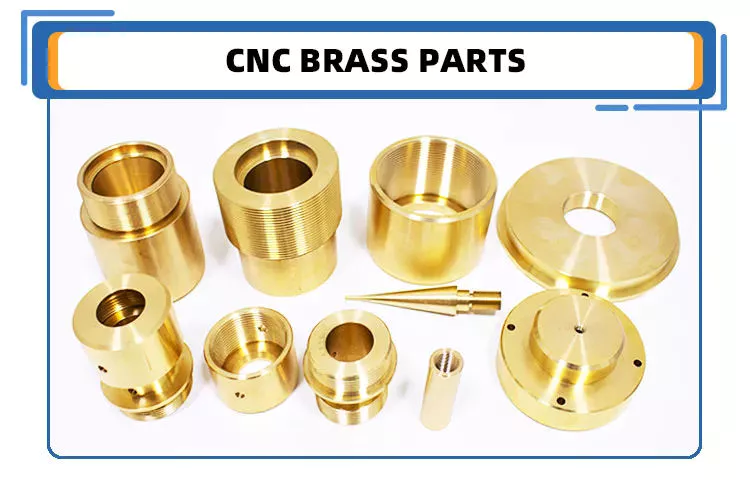
application
A bushing is a mechanical component that plays an important role in many different fields. In addition to being very practical, it helps reduce noise, vibration, wear and provides anti-corrosion properties. These properties help mechanical equipment in various ways, including making it easier to maintain and reducing its overall structure. The functionality of an enclosure depends on its purpose and environment. This article will discuss some of the most common applications of casing.
For example, in an aircraft, the bushing assembly 16 may be used for the bulkhead isolator 40 . The bushing assembly 16 provides the interfaces and paths required for current flow. In this manner, the sleeve assembly provides a secure, reliable connection between two objects with different electrical charges. They also prevent sparking by increasing the electrical conductivity of the component and reducing its resistivity, thereby minimizing the chance of spark formation.
Another common application for bushings is as a support shaft. Unlike bearings, bushings operate by sliding between two moving surfaces. As a result, they reduce friction and handling stress, reducing overall maintenance costs. Typically, the bushing is made of brass or bronze. The benefits of bushings are similar to those of bearings. They help extend the life of rotating machines by reducing frictional energy loss and wear.
In addition to identifying growth opportunities and minimizing risks, the Bushing Anti-Vibration Mounts Market report provides insights into the dynamics of the industry and its key players. The report covers global market size, applications, growth prospects, challenges and regional forecasts. The detailed section on Bushing Anti-Vibration Mounts industry provides insights on demand and supply along with competitive analysis at regional and country level.
type
There are several types of bushings. Among them, the SF6 insulating sleeve has the simplest structure and is based on composite hollow insulators. It also has several metal shielding cylinders for regulating the electric field within the enclosure and another for grounding the metal shield. In addition to being lightweight, this sleeve is also very durable, but the diameter of its shield electrode is very large, which means special installation and handling procedures are required.
Linear bushings are usually pressed into the bore of the shaft and provide support as the shaft moves in/out. Non-press-fit bushings are held in place by snap rings or pins. For certain applications, engineers often choose bushings over bearings and vice versa. That’s why. Below are some common bushing types. If you need to buy, make sure you know how to tell them apart.
OIP bushings are used for oil-filled cable boxes, and oil-to-oil bushings are used for EHV power transformers. The main components of the OIP enclosure are shown in Figure 7a. If you are considering this type of bushing for your specific application, you need to make sure you understand your specific requirements. You can also consult your local engineering department for more information.
All types of bushings should be tested for IR and capacitance. The test tap should be securely attached to the bushing flange. If damaged bushings are found, replace them immediately. Be sure to keep complete records of the enclosure for routine maintenance and any IR testing. Also, be sure to pay attention to tan d and thermal vision measurements.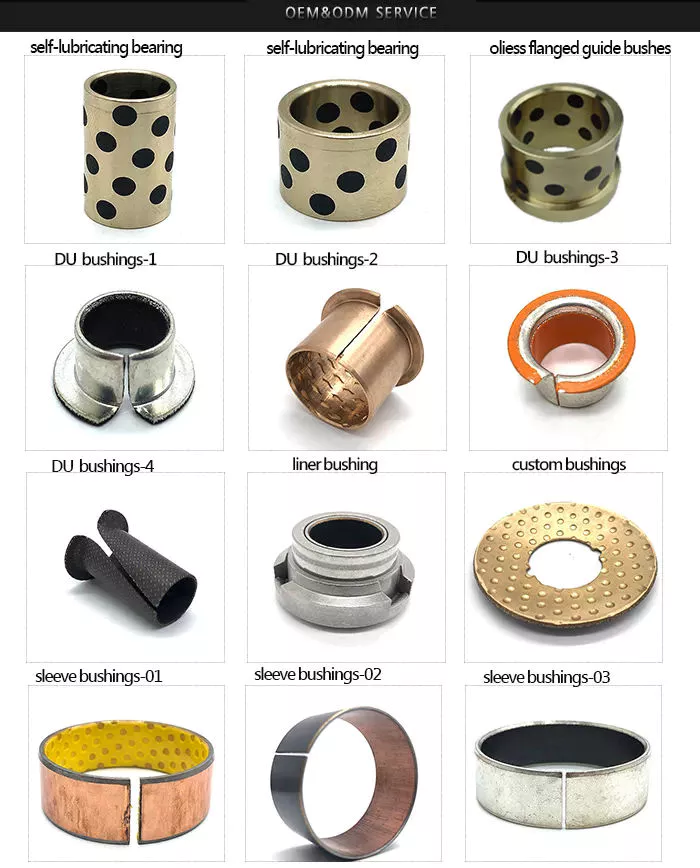
Compressive ability
There are several things to consider when choosing an enclosure. First, the material. There are two main types of bushings: those made of filled Teflon and those made of polyester resin. The former has the highest compressive strength, while the latter has a lower compressive capacity. If you need small amounts, glass-filled nylon bushings are the most common and best option. Glass-filled nylon is an economical material with a compressive strength of 36,000 lbs.
Second, the material used for the enclosure must be able to withstand the load. For example, bronze bushings can cause metal shavings to fall into the papermaking process. CG materials can withstand very high levels of moisture, which can damage bushings that require lubrication. Additionally, these materials can operate for extended periods of time without lubrication. This is particularly advantageous in the paper industry, since the casing operates in a humid environment.
In addition to the material and its composition, other characteristics of the enclosure must also be considered, including its operating temperature. Although frictional heat from moving loads and the temperature of the bushing itself can affect the performance of the bushing, these factors determine its service life. For high temperature applications, the PV of the enclosure should be kept low. On the other hand, plastic bushings are generally less heat resistant than metal bushings. In addition, plastic sleeves have a high rate of thermal expansion. To avoid this, size control is also important.
Low pressure bushings have different requirements. An 800 MVA installation requires a low voltage bushing rated at 14 000 A. The palm assembly of the transformer also features a large central copper cylinder for electrical current. The bushing must withstand this amount of current and must maintain an even distribution of current in the transformer tank. If there is a leak, the bushing must be able to resist the leak so as not to damage the transformer.
cost
The cost of new control arm bushings varies widely. Some parts are cheaper than others, and a new part is only $200. However, if you replace the four control bushings in your car, the cost can exceed $1,200. The cost breakdown for each section is listed below. If you plan to replace all four, the cost of each bushing may range from $200 to $500.
The control arm bushing bears the brunt of the forces generated by the tire and is parallel to the direction of the force. However, over time, these components wear out and need to be replaced. Replacing one control arm bushing costs between $300 and $1,200. However, the cost of replacing each arm bushing depends on your car model and driving habits. The control arm bushings should last about 100,000 miles before needing replacement.
The repair process for control arm bushings is time consuming and expensive. Also, they may need to remove the heat shield or bracket. In either case, the procedure is simple. Stabilizer bar brackets are usually attached with one or two mounting bolts. They can also be secured with nuts or threaded holes. All you need is a wrench to remove them.
The control arm bushings are made of two metal cylinders and a thick rubber bushing. These parts can deteriorate from potholes, off-roading or accidents. Because they are made of rubber, the parts are more expensive than new. Buying used ones can save you money because you don’t need to install them yourself. However, if you do plan on fixing a luxury car yourself, be sure to find one that has a warranty and warranty.
maintain
To prevent your vehicle from overheating and leaking oil, a properly functioning bushing must be used. If the oil level is too low, you will need to check the mounting bolts to make sure they are properly tightened. Check gasket to ensure proper compression is applied, replace bushing if necessary. You should notify your vehicle manufacturer if your vehicle is immersed in oil. Whenever an oil leak occurs, it is very important to replace the oil-filled bushing.
Another important aspect of bushing maintenance is the detection and correction of partial discharges. Partial discharge is caused by current entering the bushing. Partial discharge can cause tree-like structures, cracks and carbonization in the discharge channel, which can eventually damage the casing. Early detection of these processes is critical to ensuring that your vehicle’s bushings are properly maintained. Identifying and repairing partial discharges is critical to ensuring optimal operation, regardless of the type of pump or motor.
To diagnose casing condition, perform several tests. You can use tan d measurement, which is a powerful tool for detecting the ingress of water and moisture. You can also use power factor measurements to detect localized defects and aging effects. You can also check the oil level by performing an infrared check. After completing these tests, you will be able to determine if there is enough oil in the casing.
If the oil level in the transformer is too low, water and air may leak into the transformer. To avoid this problem, be sure to check the MOG and transformer oil levels. If the silicone is pink, replace it. You should also check the function of the oil pump, fan and control circuits annually. Check the physical condition of the pump and fan and whether they need to be replaced. Clean the transformer bushing with a soft cotton cloth and inspect for cracks.
editor by czh 2023-02-17

China Best Sales CZPT Axial Angular Contact Ball Bearings Series Turntable Bearing Zkldf120 near me shop
Solution Description
ZYS Axial Angular Speak to Ball Bearings Sequence Turntable Bearing ZKLDF120
ZYS rotary desk bearings are axial/radial cylindrical roller bearings, are composed of 2 thrust roller bearings and a radial cylindrical roller bearing with the mixture of axial and radial preload. For the ease of transportation and mounting, use 2 or 3 symmetrical fixing screws to fasten the 2 shaft washers in purchase to avoid collision in between rolling elements and rings, and keep away from undesirable affect on bearing accuracy. This sort of bearing can support fantastic radial and axial stress and overturning minute with higher rigidity, so it is specially employed for massive rotary table and huge turntable.
The features of ZKLDF collection rotary table bearing ZKLDF120 :
ZKLDF series turnable bearing has the characteristics of low friction, high rotation accuracy, high limit speed, etc. It can withstand higher axial and radial loads and has higher inclined stiffness. These bearings are suitable for axial and radial combined loads and precision applications, and are widely used in machine tool rotary tables, grinding heads, and various test equipment.
Restricting speeds: ZKLDF collection rotary table bearing ZKLDF120 permits the limiting speed provided in the dimension tables. The operating temperature that occurs is dependent mainly on the environmental problems. The calculation can be performed by thermal stability examination dependent on friction torque knowledge.
Bearing preload: After the bearings are mounted and completely set with screws, they are radially and axially clearance-free and preloaded.
Temperature distinctions: The temperature difference among the shaft and the bearing housing will have an effect on the preload of the radial bearing, which in change will impact the working overall performance of the bearing device. If the shaft temperature is greater than the housing temperature, the radial preload will enhance proportionally, so the load on rolling aspects, bearing friction and bearing temperature will increase. If the shaft temperature is lower than the housing temperature, the radial preload will decrease proportionally, so rigidity will minimize, and bearing clearance and dress in will enhance.
Dimension table of ZKLDF series rotary table bearing:
ZYS was previously identified as HangZhou bearing research institute, which was started in 1958 and was the only 1st-course thorough study institute in China bearing market. As it grew to become 1 member of China National CZPT Industry Company in 1999, the former institute was remodeled into the science and technologies company. Then HangZhou Bearing Science & Technology Co., Ltd. Was established in 2001. It was outlined at HangZhou Inventory Exchange with stock code 57146 in 2005.
ZYS Benefit
ZYS has a sturdy toughness of producing large-precision and large-dependability bearings and appropriate parts. CZPT organization not only possesses innovative bearing production equipments and global very first-class measuring instruments, but also has strong energy of manufacturing, inspecting and tests the higher-precision and higher-reliability bearings and appropriate spare areas. In the meantime, it always keeps a major situation in bearing fundamental theory, lubrication technological innovation, layout, material, take a look at, data criterion and other elements.
Glory
Prime 200 most promising companies of China in Forbes
Leading 500 in China CZPT Business
Outstanding Enterprise with China Properly-know Trademark
Higher-performance Bearings Laboratory
State Top quality Supervision and Tests Center for Bearing
ISO/TC4 China Secretariat
The Research Heart for Substantial-speed Precision Bearing Engineering in CZPT Business…
Our Produts
High precision angular speak to ball bearing
Precision spindle bearing
Hybrid ceramic bearing
Slewing bearing
Cylindrical roller bearing
Needle roller bearing
Taper roller bearing
Precision lathe bearing
Bearing measuring instrument
YRT rotary desk bearing
High-frequency spindles
Dental CZPT bearing
Bearing ball
Bearing creating device…
Content: GCr15, 9Cr18, G20CrMo or other people
Certification: GB/T19001-2000(ISO9001: 2000), GJB/Z9001A-2001, GJB9001A-2001
We would like to and completely ready to do organization with any company from all in excess of the world. If any of CZPT products pursuits you or if you have passions in CZPT business, remember to don’t hesitate to get in touch with with us, we would like to give you CZPT ideal quality services any working day any time!
Get in touch with us
Tackle: No. 1 HangZhou Street, HangZhou City, ZheJiang , Province, China.
Zip Code: 471039
Website: chinazys chinazys
Supplies Employed in Bearings
If you might be not familiar with the kinds of bearings, you could be fascinated in knowing more about the materials utilized to manufacture them. This is a seem at what every sort of bearing is manufactured of, how it really is utilized, and how much they expense. To find the right bearing for your application, it’s critical to choose a good quality lubricant. The supplies utilized in bearings are established by their variety and purposes. Selecting the proper lubricant will prolong its daily life, and safeguard your machine’s parts from harm and untimely put on.
Supplies employed in bearings
Bearings are manufactured from a assortment of components. Stainless steel is a common content utilized for the parts of bearings. It has a greater content material of chromium and nickel. When uncovered to oxygen, chromium reacts with it to sort chromium oxide, which offers a passive film. For larger temperatures, teflon and Viton are also utilised. These materials supply exceptional corrosion resistance and are typically preferred by makers for their special qualities.
Stainless steel is yet another substance utilized in bearings. AISI 440C is a large-carbon stainless steel typically used in rolling-get in touch with bearings. It is broadly utilized in corrosive environments, specifically in purposes in which corrosion resistance is more critical than load ability. It can also be heat-handled and hardened to sixty HRC, but has lower fatigue daily life than SAE 52100. Stainless metal bearings could have a twenty-forty% cost quality, but their superior efficiency is worth the extra money.
Graphite and molybdenum disulfide are two of the most common components employed in bearings. While graphite is a well-liked materials in bearings, it has very poor corrosion resistance and is unsuitable for applications in which oil or grease is necessary. Graphite-dependent composite supplies are an additional choice. They combine the benefits of each graphite and ceramic materials. A assortment of proprietary supplies have been produced for high-temperature use, such as graphite and MoS2.
Wood bearings have been all around for centuries. The oldest ones used wood and Lignum Vitae. These materials were light-weight, but they have been amazingly robust and tough. Wooden bearings were also lubricated with animal fat. For the duration of the 1700s, iron bearings ended up a popular option. In 1839, Isaac Babbitt invented an alloy containing challenging metallic crystals suspended in a softer metallic. It is deemed a metal matrix composite.
Apps of bearings
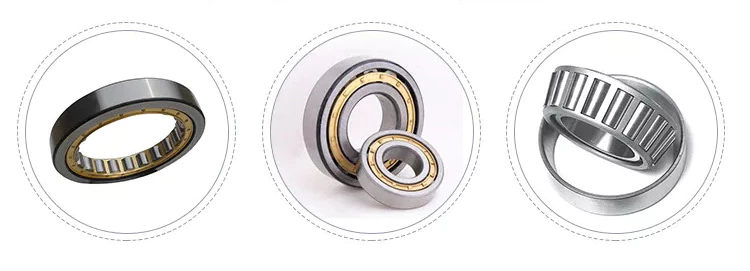
Bearings are employed in a lot of distinct industries and programs to aid aid rotation. The metallic surfaces in the bearings support the weight of the load, which drives the rotation of the device. Not all hundreds implement the identical amount of power to bearings, nevertheless. Thrust and radial loads act in distinctly distinct approaches. To far better comprehend the various employs of bearings, let’s analyze the numerous kinds of bearings. These flexible products are crucial for several industries, from cars to ships and from building to industrial procedures.
Cylindrical roller bearings are developed to support large hundreds. Their cylindrical rolling factor distributes the load above a greater spot. They are not, nevertheless, suited to dealing with thrust masses. Needle bearings, on the other hand, use little diameter cylinders and can fit into tighter spaces. The benefits of these varieties of bearings are quite a few, and several top producers are now leveraging the Industrial World wide web of Items (IIoT) to develop related intelligent bearings.
As a power generation industry, bearings perform an important position. From turbines to compressors, from generators to pumps, bearings are essential elements of gear. In addition to bearings, these factors support go the equipment, so they can work correctly. Usually, these parts use ball bearings, despite the fact that some roller bearings are utilised as well. In addition to becoming effective and sturdy, these kinds of bearings also are inclined to be created to meet stringent interior clearance requirements and cage style specifications.
In addition to bearings for linear motion, bearings can also bear the fat of a rotary part. Dependent on the software, they can be created to minimize friction amongst moving elements. By constraining relative movement, bearings are used to decrease friction inside a offered software. The greatest-developed bearings decrease friction in a given software. If you’re in the industry for a new bearing, NRB Industrial Bearings Constrained is an outstanding resource to start your research.
Sorts of bearings
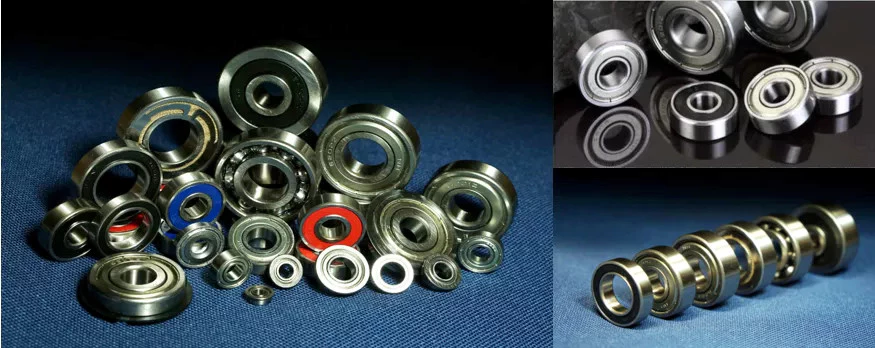
The type of bearings you decide on will have a significant impact on the efficiency of your machinery. Using the appropriate bearings can enhance efficiency, accuracy, and service intervals, and even decrease the value of getting and working machinery. There are several distinct types of bearings to pick from, such as ball bearings and flexure bearings. Some kinds use a fluid to lubricate their surfaces, although other folks do not.
Plain bearings are the most frequent variety of bearing, and are employed for a selection of purposes. Their cylindrical design enables for a fairly sleek movement. Usually produced of copper or other copper alloy, they have lower coefficients of friction and are typically utilised in the building industry. Some varieties of basic bearings are also obtainable with a gudgeon pin, which connects a piston to a connecting rod in a diesel engine.
Magnetic bearings are the latest kind of bearing. They use long lasting magnets to create a magnetic subject around the shaft without having requiring any energy. These are hard to style, and are nevertheless in the early stages of advancement. Electromagnets, on the other hand, require no electricity but can execute really large-precision positioning. They can be very durable and have a lengthy provider lifestyle. They are also light-weight and easy to mend.
An additional variety of bearing is needle roller. These are made of slim, lengthy, and slender cylinders that are utilised in a assortment of applications. Their slender size is excellent for a area-constrained software, and their little profile allows them to in shape in limited spots. These sorts of bearings are typically utilised in automotive applications, bar stools, and digicam panning gadgets. They have a number of positive aspects above ball bearings, including the potential to handle hefty axial loads.
Cost of bearings
A wide selection of elements impact the value of aerospace bearings, like the bearing content and its volatility. Companies usually use high-grade metal for plane bearings, which are very impacted by fluctuations in the metal cost. Government policies also engage in a portion in the variation in trade value. The implementation of COVID-19 has transformed the market dynamics, producing an unsure outlook for supply and demand from customers of aerospace bearings. New trade norms and transportation limits are anticipated to hamper the progress of this business.
Desire for aerospace bearings is mainly pushed by plane manufacturers. In North The us, plane makers must satisfy very substantial specifications of excess weight, performance, and top quality. They also need to be lightweight and cost-successful. This has resulted in a increasing cost of aerospace bearings. The market place for aerospace bearings is envisioned to develop at the greatest CAGR over the following few many years, pushed by escalating investments in defense and aerospace infrastructure throughout Asia-Pacific.
Hub assemblies are also costly. A wheel hub will price amongst $400 and $five hundred for one established of bearings. In addition to this, the pace sensor will be included. The typical cost of wheel bearings is in between $four hundred and $five hundred for a single facet, such as labor. But this price selection is significantly reduced if the bearing is a substitute of an whole wheel assembly. It is nevertheless value noting that wheel hub bearings can be obtained individually for a lower cost.
Substitution of one or two wheel bearings will depend on the product and calendar year of the car. For a tiny auto, one rear wheel bearing can expense in between $190 and $225, while two front wheel hubs can price upwards of $1,000. Labor and elements charges will differ by location, and labor charges may also be covered below some guarantee plans. If you choose to have it accomplished oneself, be positive to request multiple shops for estimates.
Inspection of bearings

To maintain bearing efficiency and avoid accidents, periodic inspections are crucial. In addition to ensuring reliability, these inspections increase productivity and efficiency. Standard routine maintenance consists of disassembly inspection, replenishment of lubricant and monitoring procedure status. Below are some frequent techniques to execute the needed inspections. Hold studying to discover how to keep bearings. Soon after disassembly, you need to thoroughly clean the factors extensively. Ensure that the bearings are cost-free of burrs, debris, and corrosion.
Ultrasound technologies is an exceptional resource for monitoring slow-speed bearings. Most ultrasound devices provide wide-ranging sensitivity and frequency tuning. Ultrasound can also be utilized to check bearing audio. Ultra-gradual bearings are typically big and greased with large-viscosity lubricant. Crackling appears point out deformity. You can also pay attention for irregular sound by plugging a vibration analyzer into the device. Once the equipment shows abnormal noise, plan added inspections.
Ultrasonic inspection requires utilizing an ultrasound transducer to measure the amplitude of sound from a bearing. It is efficient in early warnings of bearing failure and stops above-lubrication. Ultrasound inspection of bearings is a cost-efficient remedy for early prognosis of bearing troubles. In addition to currently being a dependable device, ultrasonic screening is electronic and straightforward to put into action. The adhering to are some of the rewards of ultrasonic bearing inspection.
Dynamic good quality evaluation requires the use of a particular fixture for measuring bearing deformations below minimal shaft velocity and gentle radial load. The size of the fixture influences the benefit of the deformations. A fixture should be sized between the diameter of the sensor and the roller to make certain optimum precision. The outer deformation signal is far more sensitive with a larger sensor diameter. A vibration-acceleration sensor is utilized for the distinction take a look at.

