Product Description
Factory profile
(1)ZheJiang CZPT Bearing Manufacture Co., ltd, is the professional manufacture and exporter of Pillow block bearing, make the bearing and housing all by ourselves.
(2)30 years’ expeience of producing and exporting all kinds of bearings.
(3)With the advanced technique and equipments, we can provide high-level products under standard process and device .
(4)We have passed the ISO9001:2000 International Quality Management System and got the Certificate of Import & Export from our government .
(5)The annual output is more than 10 million sets
Specification
| Brand | FKD HHB or OEM |
| Structure | Pillow Block Bearing |
| Model Number | Any |
| Bearing Material | Chrome Steel, Stainless Steel, Plastic |
| Cage Material | Copper , Iron |
| Seals | Normal Seal, Triple Seal , F seal or as requirement |
| Lubrication | Grease, Oil |
| Precision | ABEC-1 (P0) |
| Clearance | C1, C2, C0, C3, C4, C5 |
| Vibration | V1, V2, V3, V4 |
| Noise | Z1, Z2, Z3, Z4 |
| Service | OEM |
| Place of Original | ZheJiang , China(Mainland) |
| Sample | Free Sample |
| Port | HangZhou or as requirement |
Bearing Characteristics :
| 1 | Thse bearings have a compact design and are easy to mount and dismount |
| 2 | With certain self-aligning effect |
| 3 | Large load capacity |
| 4 | Long service life |
| 5 | Low friction; low vibration and low noise |
4. Pillow block bearing application
insert bearing Pillow block bearing :Priority is suitable for the required equipment and parts simple situations, such as used for agricultural machinery, transportation system or on construction machinery.
| 1.Material: | Chrome steel,Gcr15 and so on | |||||||
| 2.Packing: | Dust-proof bag+single box+carbon or as requested | |||||||
| UCF200 Series: UCF203~UCF18 series; | ||||||||
| 3.Product categories: | UCF300 Series: UCF305~UCF328 | |||||||
| UCP Series, UCP Series, UCH Series and etc. | ||||||||
| 4.Quality standard: | ISO9001:2000 system passed | |||||||
| 5.Service | Prompt delivery,OEM and Undertake various commissioned production | |||||||
| 6.MOQ: | 20 Pieces or according to customer requirements | |||||||
| 7.Supply ability | 800000 sets per month | |||||||
| 8.Design: | We can also manufacture products according to customer’s sample or picture | |||||||
Trade Term
| Packaging : |
1. Commercial Packaging: Plastic Bag + Color box + Carton + Pallet; 2. Industrial Packaging 3. According to Customer’s Requirements. |
| Delivery: | 2 days for products in stock, 10-20 days for 20″ container |
| Payment : | (1) L/C at sight. (2) 30% T/T in advance, the balance 70% against copy of B/L(CIF) (3) 30% T/T in advance, the balance to be paid off before shipment.(FOB) |
FAQ
(1) How to prolong service life of bearings?
Accurate installation and using,alignment,timely monitor,re lubrication etc.
(2) Reason for bearings failure?
Usually is incorrect using method,pollution,improper use of lubricant,damage happened in installation and handing,also including installation error.according to the traces can know the reason why is failure.
(3) How to choose bearings?
Analyse mechanical device and use conditions.clear the requiremment of bearings.select type of bearings,select distribution way of bearings.selet dimensions of bearings,select installation method of bearings.
(4) When select bearings specifications,what you need to consider?
The precision of the bearings(rotating precision,dimensional tolerances)internal clearance and preload bearing material and heat treatment.structure of cage and material.
/* January 22, 2571 19:08:37 */!function(){function s(e,r){var a,o={};try{e&&e.split(“,”).forEach(function(e,t){e&&(a=e.match(/(.*?):(.*)$/))&&1
| Series: | UCP, Ucf, UCFL, Ucfc, Ucph, Ucpa etc |
|---|---|
| Bearing Series: | UC, UK, Uel, SA, Sb etc. |
| Bearing Housings Series: | P. F. FL. pH. PA. Fb. Fa. T. FC etc |
| Separation: | Yes |
| Material: | Bearing Steel |
| Load Direction: | Radial Bearing |
| Samples: |
US$ 0/Piece
1 Piece(Min.Order) | |
|---|
| Customization: |
Available
| Customized Request |
|---|
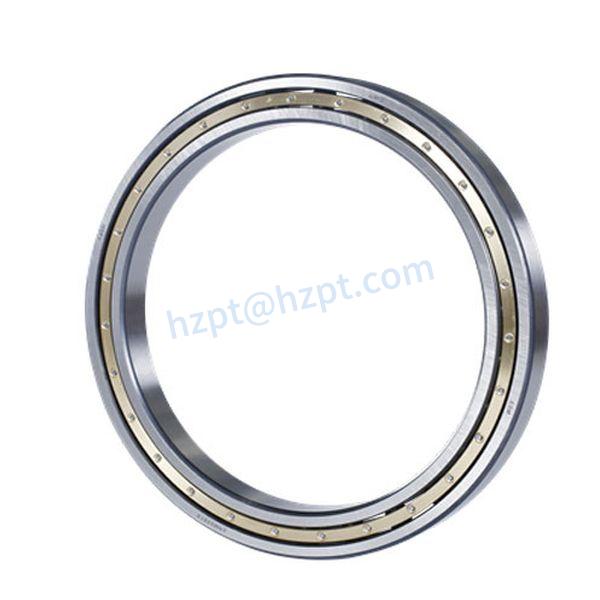
Are there Specific Maintenance Practices to Ensure the Longevity of Ball Bearings?
Maintaining ball bearings is essential to ensure their longevity, reliable performance, and prevent premature failure. Proper maintenance practices can extend the lifespan of ball bearings and the equipment they are used in. Here are specific maintenance practices to consider:
- Regular Lubrication:
Implement a regular lubrication schedule using the appropriate lubricant for the application. Lubrication reduces friction, prevents wear, and helps dissipate heat. Follow manufacturer guidelines for lubricant type, quantity, and frequency.
- Clean Environment:
Keep the operating environment clean and free from contaminants. Dust, dirt, and debris can infiltrate bearings and cause damage. Use seals or shields to protect bearings from contaminants, especially in harsh environments.
- Proper Installation:
Ensure correct installation of bearings using proper tools and techniques. Improper installation can lead to misalignment, uneven load distribution, and premature wear. Follow manufacturer recommendations for installation procedures.
- Regular Inspections:
Perform routine visual inspections to check for signs of wear, damage, or contamination. Regular inspections can help identify issues early and prevent further damage. Pay attention to noise, vibration, and temperature changes.
- Temperature Monitoring:
Monitor bearing temperatures during operation using infrared thermometers or sensors. Abnormal temperature increases can indicate inadequate lubrication, misalignment, or other problems.
- Correct Handling:
Handle bearings with care to prevent damage during storage, transportation, and installation. Avoid dropping or subjecting them to impacts that can affect their internal components.
- Bearing Removal and Replacement:
Follow proper procedures when removing and replacing bearings. Use appropriate tools and techniques to avoid damage to the bearing or the surrounding components.
- Alignment Maintenance:
Maintain proper shaft and housing alignment to prevent excessive loads and wear on the bearing. Misalignment can lead to increased stress and premature failure.
- Training and Education:
Provide training to operators and maintenance personnel on proper bearing maintenance and handling practices. Educated personnel are more likely to identify issues and perform maintenance correctly.
- Documented Records:
Keep records of maintenance activities, inspections, lubrication schedules, and any issues encountered. This documentation helps track the bearing’s performance over time and informs future maintenance decisions.
By implementing these maintenance practices, you can ensure the longevity of ball bearings, minimize downtime, reduce operational costs, and maintain the reliability of the equipment they are a part of.
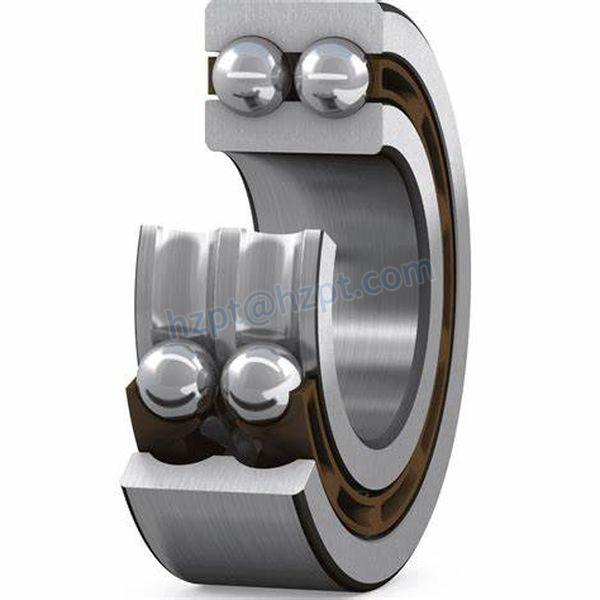
How do Ceramic Ball Bearings Compare to Traditional Steel Ball Bearings in Terms of Performance?
Ceramic ball bearings and traditional steel ball bearings have distinct characteristics that can impact their performance in various applications. Here’s a comparison of how these two types of bearings differ in terms of performance:
- Material Composition:
Ceramic Ball Bearings:
Ceramic ball bearings use ceramic rolling elements, typically made from materials like silicon nitride (Si3N4) or zirconium dioxide (ZrO2). These ceramics are known for their high hardness, low density, and resistance to corrosion and wear.
Traditional Steel Ball Bearings:
Traditional steel ball bearings use steel rolling elements. The type of steel used can vary, but common materials include chrome steel (52100) and stainless steel (440C). Steel bearings are known for their durability and strength.
- Friction and Heat:
Ceramic Ball Bearings:
Ceramic bearings have lower friction coefficients compared to steel bearings. This results in reduced heat generation during operation, contributing to higher efficiency and potential energy savings.
Traditional Steel Ball Bearings:
Steel bearings can generate more heat due to higher friction coefficients. This can lead to increased energy consumption in applications where efficiency is crucial.
- Weight:
Ceramic Ball Bearings:
Ceramic bearings are lighter than steel bearings due to the lower density of ceramics. This weight reduction can be advantageous in applications where minimizing weight is important.
Traditional Steel Ball Bearings:
Steel bearings are heavier than ceramic bearings due to the higher density of steel. This weight may not be as critical in all applications but could impact overall equipment weight and portability.
- Corrosion Resistance:
Ceramic Ball Bearings:
Ceramic bearings have excellent corrosion resistance, making them suitable for applications in corrosive environments, such as marine or chemical industries.
Traditional Steel Ball Bearings:
Steel bearings are susceptible to corrosion, especially in harsh environments. Stainless steel variants offer improved corrosion resistance but may still corrode over time.
- Speed and Precision:
Ceramic Ball Bearings:
Ceramic bearings can operate at higher speeds due to their lower friction and ability to withstand higher temperatures. They are also known for their high precision and low levels of thermal expansion.
Traditional Steel Ball Bearings:
Steel bearings can operate at high speeds as well, but their heat generation may limit performance in certain applications. Precision steel bearings are also available but may have slightly different characteristics compared to ceramics.
- Cost:
Ceramic Ball Bearings:
Ceramic bearings are generally more expensive to manufacture than steel bearings due to the cost of ceramic materials and the challenges in producing precision ceramic components.
Traditional Steel Ball Bearings:
Steel bearings are often more cost-effective to manufacture, making them a more economical choice for many applications.
In conclusion, ceramic ball bearings and traditional steel ball bearings offer different performance characteristics. Ceramic bearings excel in terms of low friction, heat generation, corrosion resistance, and weight reduction. Steel bearings are durable, cost-effective, and widely used in various applications. The choice between the two depends on the specific requirements of the application, such as speed, precision, corrosion resistance, and budget considerations.
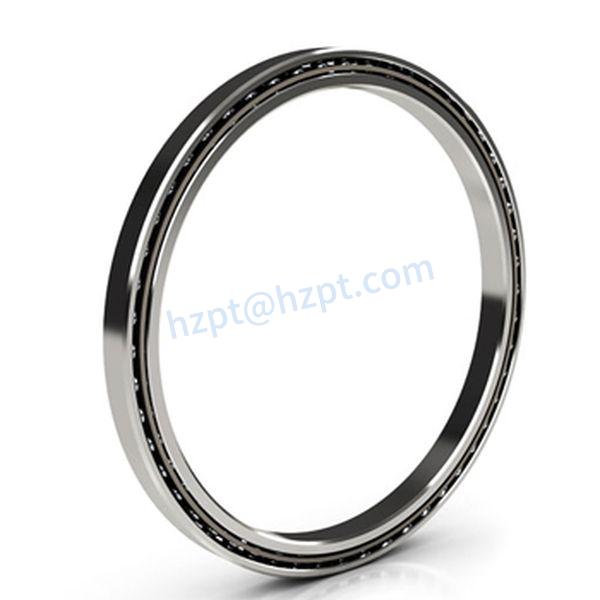
What is a Ball Bearing and How does it Function in Various Applications?
A ball bearing is a type of rolling-element bearing that uses balls to reduce friction between moving parts and support radial and axial loads. It consists of an outer ring, an inner ring, a set of balls, and a cage that separates and maintains a consistent spacing between the balls. Here’s how ball bearings function in various applications:
- Reduction of Friction:
Ball bearings function by replacing sliding friction with rolling friction. The smooth, spherical balls minimize the contact area between the inner and outer rings, resulting in lower friction and reduced heat generation.
- Radial and Axial Load Support:
Ball bearings are designed to support both radial loads (forces perpendicular to the shaft’s axis) and axial loads (forces parallel to the shaft’s axis). The distribution of balls within the bearing ensures load-carrying capacity in multiple directions.
- Smooth Rotational Movement:
Ball bearings facilitate smooth and precise rotational movement. The rolling motion of the balls allows for controlled and continuous rotation with minimal resistance.
- Applications in Machinery:
Ball bearings are used in a wide range of machinery and equipment, including motors, generators, gearboxes, conveyors, and fans. They enable the efficient transfer of motion while reducing wear and energy losses.
- Automotive Industry:
Ball bearings are extensively used in automobiles for various applications, including wheel hubs, transmission systems, steering mechanisms, and engine components. They provide reliability and durability in challenging automotive environments.
- Industrial Machinery:
In industrial settings, ball bearings support rotating shafts and ensure the smooth operation of equipment such as pumps, compressors, and machine tools.
- High-Speed Applications:
Ball bearings are suitable for high-speed applications due to their low friction and ability to accommodate rapid rotation. They are used in applications like electric motors and aerospace components.
- Precision Instruments:
For precision instruments, such as watches, cameras, and medical devices, ball bearings provide accurate rotational movement and contribute to the overall performance of the instrument.
- Variety of Sizes and Types:
Ball bearings come in various sizes, configurations, and materials to suit different applications. Different types include deep groove ball bearings, angular contact ball bearings, thrust ball bearings, and more.
In summary, ball bearings are essential components in a wide range of applications where smooth rotation, load support, and reduced friction are critical. Their versatility, reliability, and efficiency make them indispensable in industries spanning from automotive to industrial machinery to precision instruments.


editor by CX 2024-03-28