Product Description
Self Aligning Ball Bearings
Self aligning ball bearings have 2 rows of balls, a common sphered raceway in the outer ring and 2 deep uninterrupted raceway grooves in the inner ring. Self aligning ball bearings are insensitive to angular misalignment of the shaft relative to the housing, which can be caused, for example, by shaft deflection or housing deformations. Self aligning ball bearings are suitable for applications where the shaft relative to the housing bore is prone to angular misalignments. Under normal loads, depending on the dimensional series, the maximum permissible angular misalignment is approximately 2° to 4°. These bearings are available in open and sealed versions and inner rings with a cylindrical or tapered bore.
BEARING SERIES:
METRIC: 1200, 1300, 2200, 2300, 11200, 11300
TYPES: PLAIN AND TAPER BORE
CAGES: STEEL,BRASS,NYLON
MATERIAL: Chrome Steel SAE52100/100Cr6/GCr15 , Stainless Steel 420 and 440
QUALITY: ABEC-1/ABEC-3
| Bearing NO. | |
| New : | 2214 |
| Old : | |
| Boundary dimensions(mm) | |
| d : | 70 |
| D : | 150 |
| B : | 31 |
| rs min : | 1.5 |
| Basic load ratings(kN) | |
| Cr : | 44 |
| Cor : | 17.1 |
| Limiting speed(rpm) | |
| Grease : | 3900 |
| Oil : | 4600 |
| Weight (kg) | |
| Refer : | 1.52 |
| Conical Bore | 2214K |
| Available Type | 2214 M |
| 2214 TN9 | |
| 2214 TVH | |
| Clearance | C0;C2;C3;C4 |
| Tolearance | P0;P6 |
| Dimensions(mm) | Basic Load Rating(N) | Weight | ||||
| Bearing Number | d | D | B | Dyn.C | Stat.C0 | kg |
| 1200 | 10 | 30 | 9 | 5480 | 1200 | 0.034 |
| 1201 | 12 | 32 | 10 | 5550 | 1250 | 0.04 |
| 1202 | 15 | 35 | 11 | 7480 | 1750 | 0.049 |
| 1203 | 17 | 40 | 12 | 7900 | 2571 | 0.073 |
| 1204 | 20 | 47 | 14 | 9950 | 2650 | 0.116 |
| 1205 | 25 | 52 | 15 | 12000 | 3300 | 0.14 |
| 1206 | 30 | 62 | 16 | 15800 | 4700 | 0.22 |
| 1207 | 35 | 72 | 17 | 15800 | 5080 | 0.32 |
| 1208 | 40 | 80 | 18 | 19200 | 6400 | 0.415 |
| 1209 | 45 | 85 | 19 | 21800 | 7320 | 0.465 |
| 1210 | 50 | 90 | 20 | 22800 | 8080 | 0.531 |
| 1211 | 55 | 100 | 21 | 26800 | 10000 | 0.705 |
| 1212 | 60 | 110 | 22 | 35710 | 11500 | 0.9 |
| 1213 | 65 | 120 | 23 | 31000 | 12500 | 1.15 |
| 1214 | 70 | 125 | 24 | 34500 | 13500 | 1.24 |
| 1215 | 75 | 130 | 25 | 38800 | 15200 | 1.39 |
| 1216 | 80 | 140 | 26 | 39500 | 16800 | 1.7 |
| 1217 | 85 | 150 | 28 | 48800 | 20500 | 2.06 |
| 1218 | 90 | 160 | 30 | 56500 | 23200 | 2.59 |
| 1219 | 95 | 170 | 32 | 63500 | 27000 | 3.1 |
| 1220 | 100 | 180 | 34 | 67400 | 28400 | 3.7 |
| 1224 | 120 | 215 | 42 | 117000 | 51000 | 6.77 |
| 1300 | 10 | 35 | 11 | 7220 | 1620 | 0.058 |
| 1301 | 12 | 37 | 12 | 9420 | 2120 | 0.067 |
| 1302 | 15 | 42 | 13 | 9500 | 2280 | 0.094 |
| 1303 | 17 | 47 | 14 | 12500 | 3180 | 0.13 |
| 1304 | 20 | 52 | 15 | 12500 | 3380 | 0.165 |
| 1305 | 25 | 62 | 17 | 17800 | 5050 | 0.255 |
| 1306 | 30 | 72 | 19 | 21500 | 6280 | 0.385 |
| 1307 | 35 | 80 | 21 | 25000 | 7950 | 0.51 |
| 1308 | 40 | 90 | 23 | 29500 | 9500 | 0.715 |
| 1309 | 45 | 100 | 25 | 38000 | 12800 | 0.955 |
| 1310 | 50 | 110 | 27 | 43200 | 14200 | 1.2 |
| 1311 | 55 | 120 | 29 | 51500 | 18200 | 1.6 |
| 1312 | 60 | 130 | 31 | 57200 | 21200 | 1.95 |
| 1313 | 65 | 140 | 33 | 61800 | 22800 | 2.42 |
| 1314 | 70 | 150 | 35 | 74500 | 27500 | 3 |
| 1315 | 75 | 160 | 37 | 79000 | 29800 | 3.55 |
| 1316 | 80 | 170 | 39 | 86700 | 31400 | 4.17 |
| 1317 | 85 | 180 | 41 | 97800 | 37800 | 5 |
| 1318 | 90 | 190 | 43 | 115000 | 42000 | 5.8 |
| 1318 | 90 | 190 | 43 | 115000 | 42000 | 5.8 |
| 1319 | 95 | 200 | 45 | 132000 | 50800 | 6.7 |
| 1320 | 100 | 215 | 47 | 141000 | 55000 | 8.3 |
| 1322 | 110 | 240 | 50 | 161000 | 70000 | 12 |
| 2200 | 10 | 30 | 14 | 8000 | 1800 | 0.048 |
| 2201 | 12 | 32 | 14 | 8400 | 1900 | 0.052 |
| 2202 | 15 | 35 | 14 | 8600 | 2000 | 0.056 |
| 2203 | 17 | 40 | 16 | 10400 | 2500 | 0.087 |
| 2204 | 20 | 47 | 18 | 16400 | 4100 | 0.13 |
| 2205 | 25 | 52 | 18 | 15200 | 3900 | 0.16 |
| 2206 | 30 | 62 | 20 | 15200 | 4600 | 0.26 |
| 2207 | 35 | 72 | 23 | 21800 | 6650 | 0.405 |
| 2208 | 40 | 80 | 23 | 22500 | 7380 | 0.505 |
| 2209 | 45 | 85 | 23 | 23200 | 8000 | 0.54 |
| 2210 | 50 | 90 | 23 | 23200 | 8450 | 0.58 |
| 2211 | 55 | 100 | 25 | 26800 | 9950 | 0.8 |
| 2212 | 60 | 110 | 28 | 34000 | 12500 | 1.09 |
| 2213 | 65 | 120 | 31 | 43500 | 16200 | 1.45 |
| 2214 | 70 | 125 | 31 | 44000 | 17000 | 1.5 |
| 2215 | 75 | 130 | 31 | 44200 | 18000 | 1.6 |
| 2216 | 80 | 140 | 33 | 48800 | 25710 | 2.15 |
| 2217 | 85 | 150 | 36 | 58200 | 23500 | 2.67 |
| 2218 | 90 | 160 | 40 | 70000 | 28500 | 3.37 |
| 2220 | 100 | 180 | 46 | 97200 | 40500 | 4.94 |
| 2300 | 10 | 35 | 17 | 10000 | 2100 | 0.08 |
| 2301 | 12 | 37 | 17 | 11400 | 2600 | 0.091 |
| 2302 | 15 | 42 | 17 | 11800 | 2800 | 0.108 |
| 2303 | 17 | 47 | 19 | 14300 | 3500 | 0.168 |
| 2304 | 20 | 52 | 21 | 17800 | 4750 | 0.21 |
| 2305 | 25 | 62 | 24 | 24500 | 6480 | 0.335 |
| 2306 | 30 | 72 | 27 | 31500 | 8680 | 0.5 |
| 2307 | 35 | 80 | 31 | 39200 | 11000 | 0.675 |
| 2308 | 40 | 90 | 33 | 44800 | 13200 | 0.925 |
| 2309 | 45 | 100 | 36 | 55000 | 16200 | 1.23 |
| 2310 | 50 | 110 | 40 | 64500 | 19800 | 1.63 |
| 2311 | 55 | 120 | 43 | 75200 | 23500 | 2.09 |
| 2312 | 60 | 130 | 46 | 86800 | 27500 | 2.6 |
| 2313 | 65 | 140 | 48 | 96000 | 32500 | 3.2 |
| 2314 | 70 | 150 | 51 | 110000 | 37500 | 3.92 |
| 2315 | 75 | 160 | 55 | 122000 | 42800 | 4.78 |
| 2316 | 80 | 170 | 58 | 128000 | 45500 | 5.65 |
More You May Interest
Q: Why did you choose us?
A. We provide the best quality bearings with reasonable price, low friction, low noise and long service life.
B. With sufficient stock and fast delivery, you can choose our freight forwarder or your freight forwarder.
C. The best service provided by a well-trained international sales team.
Q: Do you accept small orders?
Surely, once your bearings are standard size bearings, even one, we will also accept.
Q: How long is your delivery time?
Generally speaking, if the goods are in stock, it is 1-3 days. If the goods are out of stock, it will take 6-10 days, depending on the quantity of the order.
Q: Do you provide samples? Is it free or extra?
Yes, we can provide a small amount of free samples. Do you mind paying the freight?
Q: What should I do if I don’t see the type of bearings I need?
We have too many bearing series numbers. Sometimes we can’t put them all on web. Just send us the inquiry and we will be very happy to send you the bearing details.
Welcome to contact me anytime! /* March 10, 2571 17:59:20 */!function(){function s(e,r){var a,o={};try{e&&e.split(“,”).forEach(function(e,t){e&&(a=e.match(/(.*?):(.*)$/))&&1
| Cage: | Pressed Steel&Brass&Nylon |
|---|---|
| Ball Class: | G16&G10 |
| Clearance: | C0;C2;C3;C4 |
| Precision Class: | ABEC-1/P0;ABEC-3/P6 |
| Aligning: | Aligning Bearing |
| Separated: | Unseparated |
| Samples: |
US$ 5/Piece
1 Piece(Min.Order) | |
|---|
| Customization: |
Available
| Customized Request |
|---|
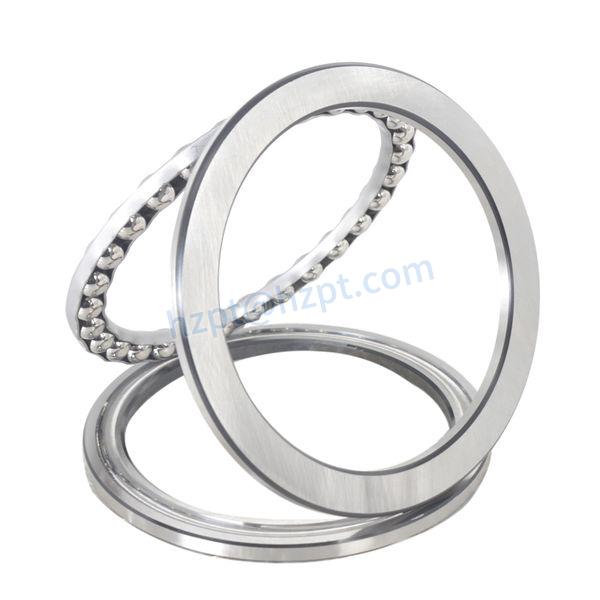
What are the Materials Typically Used in Manufacturing Ball Bearings and Their Advantages?
Ball bearings are manufactured using a variety of materials, each chosen for its specific properties and advantages in various applications. Here are some commonly used materials in ball bearing manufacturing and their respective benefits:
- High-Carbon Chrome Steel (AISI 52100):
This is the most common material used for ball bearing manufacturing. It offers excellent hardness, wear resistance, and fatigue strength. High-carbon chrome steel bearings are suitable for a wide range of applications, from industrial machinery to automotive components.
- Stainless Steel (AISI 440C, AISI 304, AISI 316):
Stainless steel bearings are corrosion-resistant and suitable for applications where moisture, chemicals, or exposure to harsh environments are concerns. AISI 440C offers high hardness and corrosion resistance, while AISI 304 and AISI 316 provide good corrosion resistance and are often used in food and medical industries.
- Ceramic:
Ceramic bearings use silicon nitride (Si3N4) or zirconia (ZrO2) balls. Ceramic materials offer high stiffness, low density, and excellent resistance to corrosion and heat. Ceramic bearings are commonly used in high-speed and high-temperature applications, such as in aerospace and racing industries.
- Plastic (Polyamide, PEEK):
Plastic bearings are lightweight and offer good corrosion resistance. Polyamide bearings are commonly used due to their low friction and wear properties. Polyether ether ketone (PEEK) bearings provide high-temperature resistance and are suitable for demanding environments.
- Bronze:
Bronze bearings are often used in applications where self-lubrication is required. Bronze has good thermal conductivity and wear resistance. Bearings made from bronze are commonly used in machinery requiring frequent starts and stops.
- Hybrid Bearings:
Hybrid bearings combine steel rings with ceramic balls. These bearings offer a balance between the advantages of both materials, such as improved stiffness and reduced weight. Hybrid bearings are used in applications where high speeds and low friction are essential.
- Specialty Alloys:
For specific applications, specialty alloys may be used to meet unique requirements. For example, bearings used in extreme temperatures or corrosive environments may be made from materials like titanium or hastelloy.
- Coated Bearings:
Bearings may also be coated with thin layers of materials like diamond-like carbon (DLC) or other coatings to enhance performance, reduce friction, and improve wear resistance.
The choice of material depends on factors such as application requirements, operating conditions, load, speed, and environmental factors. Selecting the right material is essential for ensuring optimal bearing performance, longevity, and reliability in diverse industries and applications.
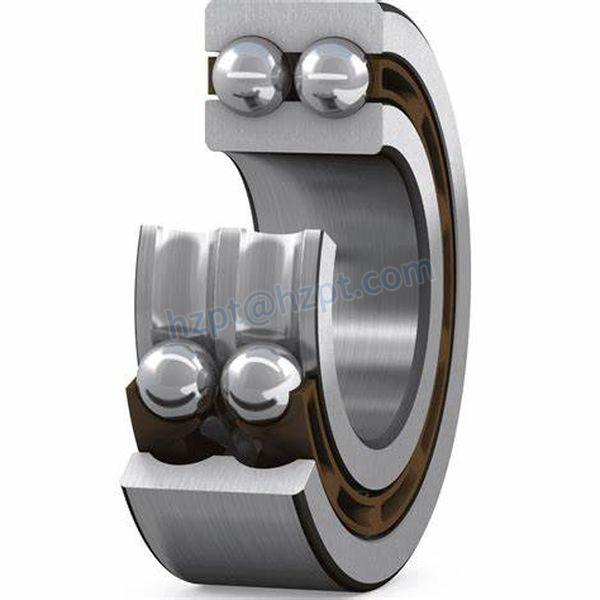
How do Ceramic Ball Bearings Compare to Traditional Steel Ball Bearings in Terms of Performance?
Ceramic ball bearings and traditional steel ball bearings have distinct characteristics that can impact their performance in various applications. Here’s a comparison of how these two types of bearings differ in terms of performance:
- Material Composition:
Ceramic Ball Bearings:
Ceramic ball bearings use ceramic rolling elements, typically made from materials like silicon nitride (Si3N4) or zirconium dioxide (ZrO2). These ceramics are known for their high hardness, low density, and resistance to corrosion and wear.
Traditional Steel Ball Bearings:
Traditional steel ball bearings use steel rolling elements. The type of steel used can vary, but common materials include chrome steel (52100) and stainless steel (440C). Steel bearings are known for their durability and strength.
- Friction and Heat:
Ceramic Ball Bearings:
Ceramic bearings have lower friction coefficients compared to steel bearings. This results in reduced heat generation during operation, contributing to higher efficiency and potential energy savings.
Traditional Steel Ball Bearings:
Steel bearings can generate more heat due to higher friction coefficients. This can lead to increased energy consumption in applications where efficiency is crucial.
- Weight:
Ceramic Ball Bearings:
Ceramic bearings are lighter than steel bearings due to the lower density of ceramics. This weight reduction can be advantageous in applications where minimizing weight is important.
Traditional Steel Ball Bearings:
Steel bearings are heavier than ceramic bearings due to the higher density of steel. This weight may not be as critical in all applications but could impact overall equipment weight and portability.
- Corrosion Resistance:
Ceramic Ball Bearings:
Ceramic bearings have excellent corrosion resistance, making them suitable for applications in corrosive environments, such as marine or chemical industries.
Traditional Steel Ball Bearings:
Steel bearings are susceptible to corrosion, especially in harsh environments. Stainless steel variants offer improved corrosion resistance but may still corrode over time.
- Speed and Precision:
Ceramic Ball Bearings:
Ceramic bearings can operate at higher speeds due to their lower friction and ability to withstand higher temperatures. They are also known for their high precision and low levels of thermal expansion.
Traditional Steel Ball Bearings:
Steel bearings can operate at high speeds as well, but their heat generation may limit performance in certain applications. Precision steel bearings are also available but may have slightly different characteristics compared to ceramics.
- Cost:
Ceramic Ball Bearings:
Ceramic bearings are generally more expensive to manufacture than steel bearings due to the cost of ceramic materials and the challenges in producing precision ceramic components.
Traditional Steel Ball Bearings:
Steel bearings are often more cost-effective to manufacture, making them a more economical choice for many applications.
In conclusion, ceramic ball bearings and traditional steel ball bearings offer different performance characteristics. Ceramic bearings excel in terms of low friction, heat generation, corrosion resistance, and weight reduction. Steel bearings are durable, cost-effective, and widely used in various applications. The choice between the two depends on the specific requirements of the application, such as speed, precision, corrosion resistance, and budget considerations.
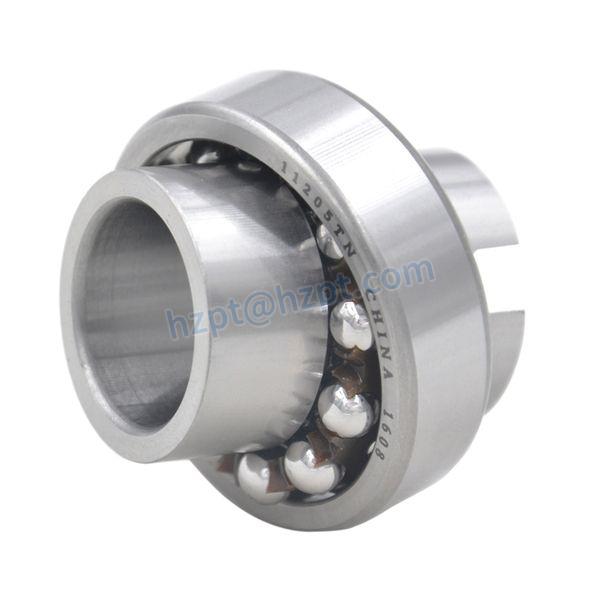
What Factors should be Considered when Selecting a Ball Bearing for a Particular Application?
Selecting the right ball bearing for a specific application involves careful consideration of various factors to ensure optimal performance, longevity, and reliability. Here are the key factors that should be taken into account:
- Load Type and Magnitude:
Determine the type of load (radial, axial, or combined) and the magnitude of the load that the bearing will need to support. Choose a bearing with the appropriate load-carrying capacity to ensure reliable operation.
- Speed and Operating Conditions:
Consider the rotational speed of the application and the operating conditions, such as temperature, humidity, and exposure to contaminants. Different bearing types and materials are suited for varying speeds and environments.
- Accuracy and Precision:
For applications requiring high accuracy and precision, such as machine tool spindles or optical instruments, choose high-precision bearings that can maintain tight tolerances and minimize runout.
- Space Limitations:
If the application has limited space, choose miniature or compact ball bearings that can fit within the available dimensions without compromising performance.
- Thrust and Radial Loads:
Determine whether the application requires predominantly thrust or radial load support. Choose the appropriate type of ball bearing (thrust, radial, or angular contact) based on the primary load direction.
- Alignment and Misalignment:
If the application experiences misalignment between the shaft and housing, consider self-aligning ball bearings that can accommodate angular misalignment.
- Mounting and Installation:
Consider the ease of mounting and dismounting the bearing. Some applications may benefit from features like flanges or snap rings for secure installation.
- Lubrication and Maintenance:
Choose a bearing with appropriate lubrication options based on the application’s speed and temperature range. Consider whether seals or shields are necessary to protect the bearing from contaminants.
- Environmental Conditions:
Factor in the operating environment, including exposure to corrosive substances, chemicals, water, or dust. Choose materials and coatings that can withstand the specific environmental challenges.
- Bearing Material:
Select a bearing material that suits the application’s requirements. Common materials include stainless steel for corrosion resistance and high-carbon chrome steel for general applications.
- Bearing Arrangement:
Consider whether a single-row, double-row, or multiple bearings in a specific arrangement are needed to accommodate the loads and moments present in the application.
By carefully evaluating these factors, engineers and designers can choose the most suitable ball bearing that aligns with the specific demands of the application, ensuring optimal performance, durability, and overall operational efficiency.


editor by CX 2024-02-10