Product Description
Self Aligning Ball Bearings
Self aligning ball bearings have 2 rows of balls, a common sphered raceway in the outer ring and 2 deep uninterrupted raceway grooves in the inner ring. Self aligning ball bearings are insensitive to angular misalignment of the shaft relative to the housing, which can be caused, for example, by shaft deflection or housing deformations. Self aligning ball bearings are suitable for applications where the shaft relative to the housing bore is prone to angular misalignments. Under normal loads, depending on the dimensional series, the maximum permissible angular misalignment is approximately 2° to 4°. These bearings are available in open and sealed versions and inner rings with a cylindrical or tapered bore.
BEARING SERIES:
METRIC: 1200, 1300, 2200, 2300, 11200, 11300
TYPES: PLAIN AND TAPER BORE
CAGES: STEEL,BRASS,NYLON
MATERIAL: Chrome Steel SAE52100/100Cr6/GCr15 , Stainless Steel 420 and 440
QUALITY: ABEC-1/ABEC-3
| Bearing NO. | |
| New : | 2214 |
| Old : | |
| Boundary dimensions(mm) | |
| d : | 70 |
| D : | 150 |
| B : | 31 |
| rs min : | 1.5 |
| Basic load ratings(kN) | |
| Cr : | 44 |
| Cor : | 17.1 |
| Limiting speed(rpm) | |
| Grease : | 3900 |
| Oil : | 4600 |
| Weight (kg) | |
| Refer : | 1.52 |
| Conical Bore | 2214K |
| Available Type | 2214 M |
| 2214 TN9 | |
| 2214 TVH | |
| Clearance | C0;C2;C3;C4 |
| Tolearance | P0;P6 |
| Dimensions(mm) | Basic Load Rating(N) | Weight | ||||
| Bearing Number | d | D | B | Dyn.C | Stat.C0 | kg |
| 1200 | 10 | 30 | 9 | 5480 | 1200 | 0.034 |
| 1201 | 12 | 32 | 10 | 5550 | 1250 | 0.04 |
| 1202 | 15 | 35 | 11 | 7480 | 1750 | 0.049 |
| 1203 | 17 | 40 | 12 | 7900 | 2571 | 0.073 |
| 1204 | 20 | 47 | 14 | 9950 | 2650 | 0.116 |
| 1205 | 25 | 52 | 15 | 12000 | 3300 | 0.14 |
| 1206 | 30 | 62 | 16 | 15800 | 4700 | 0.22 |
| 1207 | 35 | 72 | 17 | 15800 | 5080 | 0.32 |
| 1208 | 40 | 80 | 18 | 19200 | 6400 | 0.415 |
| 1209 | 45 | 85 | 19 | 21800 | 7320 | 0.465 |
| 1210 | 50 | 90 | 20 | 22800 | 8080 | 0.531 |
| 1211 | 55 | 100 | 21 | 26800 | 10000 | 0.705 |
| 1212 | 60 | 110 | 22 | 35710 | 11500 | 0.9 |
| 1213 | 65 | 120 | 23 | 31000 | 12500 | 1.15 |
| 1214 | 70 | 125 | 24 | 34500 | 13500 | 1.24 |
| 1215 | 75 | 130 | 25 | 38800 | 15200 | 1.39 |
| 1216 | 80 | 140 | 26 | 39500 | 16800 | 1.7 |
| 1217 | 85 | 150 | 28 | 48800 | 20500 | 2.06 |
| 1218 | 90 | 160 | 30 | 56500 | 23200 | 2.59 |
| 1219 | 95 | 170 | 32 | 63500 | 27000 | 3.1 |
| 1220 | 100 | 180 | 34 | 67400 | 28400 | 3.7 |
| 1224 | 120 | 215 | 42 | 117000 | 51000 | 6.77 |
| 1300 | 10 | 35 | 11 | 7220 | 1620 | 0.058 |
| 1301 | 12 | 37 | 12 | 9420 | 2120 | 0.067 |
| 1302 | 15 | 42 | 13 | 9500 | 2280 | 0.094 |
| 1303 | 17 | 47 | 14 | 12500 | 3180 | 0.13 |
| 1304 | 20 | 52 | 15 | 12500 | 3380 | 0.165 |
| 1305 | 25 | 62 | 17 | 17800 | 5050 | 0.255 |
| 1306 | 30 | 72 | 19 | 21500 | 6280 | 0.385 |
| 1307 | 35 | 80 | 21 | 25000 | 7950 | 0.51 |
| 1308 | 40 | 90 | 23 | 29500 | 9500 | 0.715 |
| 1309 | 45 | 100 | 25 | 38000 | 12800 | 0.955 |
| 1310 | 50 | 110 | 27 | 43200 | 14200 | 1.2 |
| 1311 | 55 | 120 | 29 | 51500 | 18200 | 1.6 |
| 1312 | 60 | 130 | 31 | 57200 | 21200 | 1.95 |
| 1313 | 65 | 140 | 33 | 61800 | 22800 | 2.42 |
| 1314 | 70 | 150 | 35 | 74500 | 27500 | 3 |
| 1315 | 75 | 160 | 37 | 79000 | 29800 | 3.55 |
| 1316 | 80 | 170 | 39 | 86700 | 31400 | 4.17 |
| 1317 | 85 | 180 | 41 | 97800 | 37800 | 5 |
| 1318 | 90 | 190 | 43 | 115000 | 42000 | 5.8 |
| 1318 | 90 | 190 | 43 | 115000 | 42000 | 5.8 |
| 1319 | 95 | 200 | 45 | 132000 | 50800 | 6.7 |
| 1320 | 100 | 215 | 47 | 141000 | 55000 | 8.3 |
| 1322 | 110 | 240 | 50 | 161000 | 70000 | 12 |
| 2200 | 10 | 30 | 14 | 8000 | 1800 | 0.048 |
| 2201 | 12 | 32 | 14 | 8400 | 1900 | 0.052 |
| 2202 | 15 | 35 | 14 | 8600 | 2000 | 0.056 |
| 2203 | 17 | 40 | 16 | 10400 | 2500 | 0.087 |
| 2204 | 20 | 47 | 18 | 16400 | 4100 | 0.13 |
| 2205 | 25 | 52 | 18 | 15200 | 3900 | 0.16 |
| 2206 | 30 | 62 | 20 | 15200 | 4600 | 0.26 |
| 2207 | 35 | 72 | 23 | 21800 | 6650 | 0.405 |
| 2208 | 40 | 80 | 23 | 22500 | 7380 | 0.505 |
| 2209 | 45 | 85 | 23 | 23200 | 8000 | 0.54 |
| 2210 | 50 | 90 | 23 | 23200 | 8450 | 0.58 |
| 2211 | 55 | 100 | 25 | 26800 | 9950 | 0.8 |
| 2212 | 60 | 110 | 28 | 34000 | 12500 | 1.09 |
| 2213 | 65 | 120 | 31 | 43500 | 16200 | 1.45 |
| 2214 | 70 | 125 | 31 | 44000 | 17000 | 1.5 |
| 2215 | 75 | 130 | 31 | 44200 | 18000 | 1.6 |
| 2216 | 80 | 140 | 33 | 48800 | 25710 | 2.15 |
| 2217 | 85 | 150 | 36 | 58200 | 23500 | 2.67 |
| 2218 | 90 | 160 | 40 | 70000 | 28500 | 3.37 |
| 2220 | 100 | 180 | 46 | 97200 | 40500 | 4.94 |
| 2300 | 10 | 35 | 17 | 10000 | 2100 | 0.08 |
| 2301 | 12 | 37 | 17 | 11400 | 2600 | 0.091 |
| 2302 | 15 | 42 | 17 | 11800 | 2800 | 0.108 |
| 2303 | 17 | 47 | 19 | 14300 | 3500 | 0.168 |
| 2304 | 20 | 52 | 21 | 17800 | 4750 | 0.21 |
| 2305 | 25 | 62 | 24 | 24500 | 6480 | 0.335 |
| 2306 | 30 | 72 | 27 | 31500 | 8680 | 0.5 |
| 2307 | 35 | 80 | 31 | 39200 | 11000 | 0.675 |
| 2308 | 40 | 90 | 33 | 44800 | 13200 | 0.925 |
| 2309 | 45 | 100 | 36 | 55000 | 16200 | 1.23 |
| 2310 | 50 | 110 | 40 | 64500 | 19800 | 1.63 |
| 2311 | 55 | 120 | 43 | 75200 | 23500 | 2.09 |
| 2312 | 60 | 130 | 46 | 86800 | 27500 | 2.6 |
| 2313 | 65 | 140 | 48 | 96000 | 32500 | 3.2 |
| 2314 | 70 | 150 | 51 | 110000 | 37500 | 3.92 |
| 2315 | 75 | 160 | 55 | 122000 | 42800 | 4.78 |
| 2316 | 80 | 170 | 58 | 128000 | 45500 | 5.65 |
More You May Interest
Q: Why did you choose us?
A. We provide the best quality bearings with reasonable price, low friction, low noise and long service life.
B. With sufficient stock and fast delivery, you can choose our freight forwarder or your freight forwarder.
C. The best service provided by a well-trained international sales team.
Q: Do you accept small orders?
Surely, once your bearings are standard size bearings, even one, we will also accept.
Q: How long is your delivery time?
Generally speaking, if the goods are in stock, it is 1-3 days. If the goods are out of stock, it will take 6-10 days, depending on the quantity of the order.
Q: Do you provide samples? Is it free or extra?
Yes, we can provide a small amount of free samples. Do you mind paying the freight?
Q: What should I do if I don’t see the type of bearings I need?
We have too many bearing series numbers. Sometimes we can’t put them all on web. Just send us the inquiry and we will be very happy to send you the bearing details.
Welcome to contact me anytime! /* March 10, 2571 17:59:20 */!function(){function s(e,r){var a,o={};try{e&&e.split(“,”).forEach(function(e,t){e&&(a=e.match(/(.*?):(.*)$/))&&1
| Cage: | Pressed Steel&Brass&Nylon |
|---|---|
| Ball Class: | G16&G10 |
| Clearance: | C0;C2;C3;C4 |
| Precision Class: | ABEC-1/P0;ABEC-3/P6 |
| Aligning: | Aligning Bearing |
| Separated: | Unseparated |
| Samples: |
US$ 5/Piece
1 Piece(Min.Order) | |
|---|
| Customization: |
Available
| Customized Request |
|---|
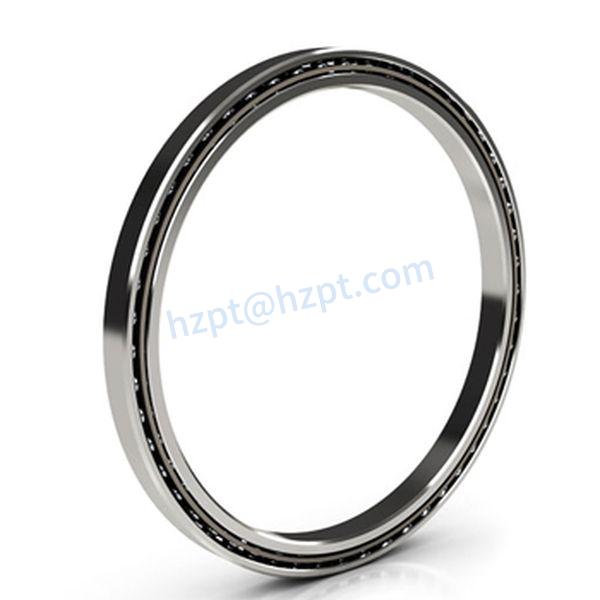
How does Preload Affect the Performance and Efficiency of Ball Bearings?
Preload is a crucial factor in ball bearing design that significantly impacts the performance, efficiency, and overall behavior of the bearings in various applications. Preload refers to the intentional axial force applied to the bearing’s rolling elements before it is mounted. This force eliminates internal clearance and creates contact between the rolling elements and the raceways. Here’s how preload affects ball bearing performance:
- Reduction of Internal Clearance:
Applying preload reduces the internal clearance between the rolling elements and the raceways. This eliminates play within the bearing, ensuring that the rolling elements are in constant contact with the raceways. This reduced internal clearance enhances precision and reduces vibrations during operation.
- Increased Stiffness:
Preloaded bearings are stiffer due to the elimination of internal clearance. This increased stiffness improves the bearing’s ability to handle axial and radial loads with higher accuracy and minimal deflection.
- Minimized Axial Play:
Preload minimizes or eliminates axial play within the bearing. This is especially important in applications where axial movement needs to be minimized, such as machine tool spindles and precision instruments.
- Enhanced Rigidity:
The stiffness resulting from preload enhances the bearing’s rigidity, making it less susceptible to deformation under load. This is critical for maintaining precision and accuracy in applications that require minimal deflection.
- Reduction in Ball Slippage:
Preload reduces the likelihood of ball slippage within the bearing, ensuring consistent contact between the rolling elements and the raceways. This leads to improved efficiency and better load distribution.
- Improved Running Accuracy:
Preloading enhances the running accuracy of the bearing, ensuring that it maintains precise rotational characteristics even under varying loads and speeds. This is essential for applications requiring high accuracy and repeatability.
- Optimized Performance at High Speeds:
Preload helps prevent skidding and slipping of the rolling elements during high-speed operation. This ensures that the bearing remains stable, reducing the risk of noise, vibration, and premature wear.
- Impact on Friction and Heat Generation:
While preload reduces internal clearance and friction, excessive preload can lead to higher friction and increased heat generation. A balance must be struck between optimal preload and minimizing friction-related issues.
- Application-Specific Considerations:
The appropriate amount of preload depends on the application’s requirements, such as load, speed, accuracy, and operating conditions. Over-preloading can lead to increased stress and premature bearing failure, while under-preloading may result in inadequate rigidity and reduced performance.
Overall, preload plays a critical role in optimizing the performance, accuracy, and efficiency of ball bearings. Engineers must carefully determine the right preload level for their specific applications to achieve the desired performance characteristics and avoid potential issues related to overloading or inadequate rigidity.
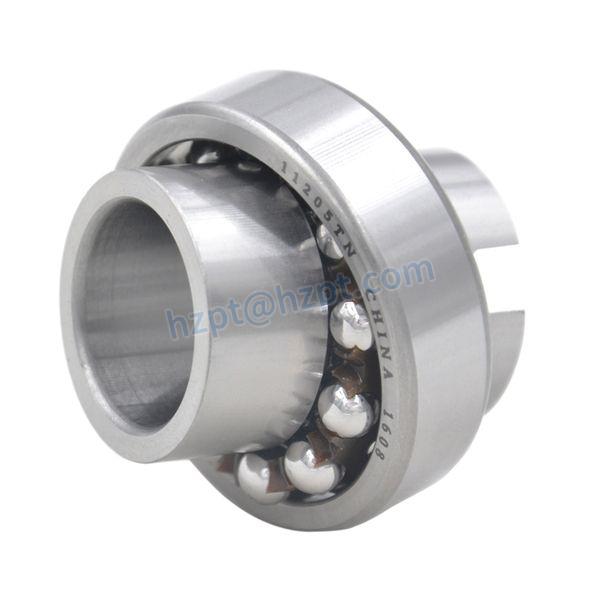
Are there any Industry Standards or Certifications that Ball Bearings should Meet?
Yes, there are several industry standards and certifications that ball bearings should meet to ensure their quality, performance, and reliability. These standards help manufacturers, engineers, and customers assess the suitability of bearings for specific applications. Some of the key standards and certifications for ball bearings include:
- ISO Standards:
The International Organization for Standardization (ISO) has developed a series of standards related to ball bearings. ISO 15 defines dimensions, boundary dimensions, and tolerances for radial bearings. ISO 281 specifies dynamic load ratings and calculation methods for bearings’ life calculations.
- ABEC (Annular Bearing Engineering Committee) Ratings:
ABEC ratings are commonly used in North America to indicate the precision and performance of ball bearings. Ratings range from ABEC 1 (lowest precision) to ABEC 9 (highest precision). However, it’s important to note that ABEC ratings focus primarily on dimensional tolerances and do not encompass all aspects of bearing quality.
- DIN Standards:
The German Institute for Standardization (Deutsches Institut für Normung, DIN) has published various standards related to ball bearings. DIN 625 covers dimensions for deep groove ball bearings, while DIN 616 provides guidelines for precision angular contact ball bearings.
- JIS (Japanese Industrial Standards):
JIS standards are used in Japan and internationally to define the characteristics and dimensions of various products, including ball bearings. JIS B 1512 outlines the classification and dimensions of rolling bearings.
- ASTM (American Society for Testing and Materials) Standards:
ASTM has standards that cover various aspects of bearing testing, performance, and materials. ASTM F2215, for instance, specifies the requirements for ball bearings used in surgical implants.
- CE Marking:
CE marking indicates that a product complies with European Union health, safety, and environmental requirements. It may be required for bearings used in machinery intended to be sold within the EU market.
- Industry-Specific Standards:
Various industries, such as aerospace, automotive, medical, and nuclear, have specific standards or certifications that bearings must meet to ensure safety, reliability, and compliance with industry-specific requirements.
- Quality Management Systems:
Manufacturers that adhere to quality management systems, such as ISO 9001, demonstrate their commitment to consistent product quality and customer satisfaction. Certification to these systems indicates that the manufacturing process follows established protocols and best practices.
When selecting ball bearings, it’s important to consider the relevant standards and certifications that align with the application’s requirements. This ensures that the bearings meet recognized quality and performance criteria, ultimately contributing to reliable and efficient operation.
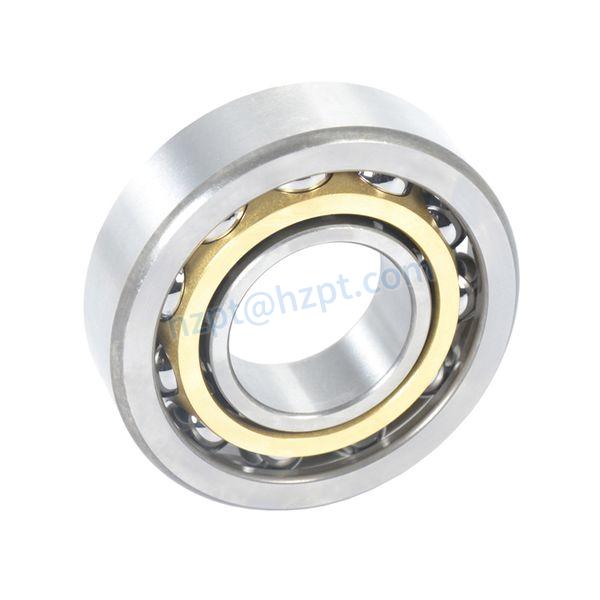
Can you Explain the Various Types of Ball Bearings and their Specific Use Cases?
Ball bearings come in various types, each designed to meet specific application requirements. Here’s an overview of the different types of ball bearings and their specific use cases:
- Deep Groove Ball Bearings:
Deep groove ball bearings are the most common and versatile type. They have a deep raceway that allows them to handle both radial and axial loads. They are used in a wide range of applications, including electric motors, household appliances, automotive components, and industrial machinery.
- Angular Contact Ball Bearings:
Angular contact ball bearings have a contact angle that enables them to handle both radial and axial loads at specific angles. They are suitable for applications where combined loads or thrust loads need to be supported, such as in machine tool spindles, pumps, and agricultural equipment.
- Self-Aligning Ball Bearings:
Self-aligning ball bearings have two rows of balls and are designed to accommodate misalignment between the shaft and the housing. They are used in applications where shaft deflection or misalignment is common, such as conveyor systems, textile machinery, and paper mills.
- Thrust Ball Bearings:
Thrust ball bearings are designed to support axial loads in one direction. They are commonly used in applications where axial loads need to be supported, such as in automotive transmissions, steering systems, and crane hooks.
- Single-Row vs. Double-Row Bearings:
Single-row ball bearings have a single set of balls and are suitable for moderate load and speed applications. Double-row ball bearings have two sets of balls and offer higher load-carrying capacity. Double-row designs are used in applications such as machine tool spindles and printing presses.
- Miniature and Instrument Ball Bearings:
Miniature ball bearings are smaller in size and are used in applications with limited space and lower load requirements. They are commonly used in small electric motors, medical devices, and precision instruments.
- Max-Type and Conrad Bearings:
Max-type ball bearings have a larger number of balls to increase load-carrying capacity. Conrad bearings have fewer balls and are used in applications with moderate loads and speeds.
- High-Precision Ball Bearings:
High-precision ball bearings are designed for applications where accuracy and precision are critical, such as machine tool spindles, aerospace components, and optical instruments.
- High-Speed Ball Bearings:
High-speed ball bearings are engineered to minimize friction and accommodate rapid rotation. They are used in applications such as dental handpieces, turbochargers, and centrifuges.
In summary, the various types of ball bearings are tailored to different application requirements, including load type, direction, speed, and environmental conditions. Selecting the appropriate type of ball bearing ensures optimal performance and longevity in specific applications.


editor by CX 2024-02-09