Product Description
| Brand | SHAC |
| Raw material | Aluminum+Bearing Steel |
| Customeized | OEM,ODM |
| Packing | Plastic bag+inner box+cartons.According to customer’s request |
| Sample | Free sample and catalogue available |
| Certification | SGS, ISO9001,ISO14001,OHSAS18001 |
| Application | CNC machines, medical and food machinery, fitness machinery, packaging machinery, printing machinery, and other machinery supporting equipment. |
| Feature | Super high presicion,Low noise,Low backlash,In large stock,Prompt delivery |
Product Description: Linear sliding unit is a case unit with the standard linear bearing installed in a small and light aluminum case.The slide unit series is a line of standardized slide bearing housings and shaft supporters to enable smooth linear motion using slide bearings and shafts.
As follows items in stock:
| SBR support | SBR10,SBR12,SBR16,SBR20,SBR25,SBR30,SBR35,SBR40,SBR50 |
| TBR support | TBR16,TBR20,TBR25,TBR30 |
| SBR..UU | SBR10,SBR12,SBR16,SBR20,SBR25,SBR30,SBR35,SBR40,SBR50 |
| SBR..LUU | SBR10,SBR12,SBR16,SBR20,SBR25,SBR30,SBR35,SBR40 |
| TBR..UU | TBR16,TBR20,TBR25,TBR30 |
| TBR..LUU | TBR16,TBR20,TBR25,TBR30 |
| SCS..UU | SCS8,SCS10,SCS12,SCS13,SCS16,SCS20,SCS25,SCS30,SCS35,SCS40, SCS50,SCS60 |
| SCS..LUU | SCS8,SCS10,SCS12,SCS13,SCS16,SCS20,SCS25,SCS30,SCS35,SCS40, SCS50,SCS60 |
| SC..VUU | SCV8,SCV10,SCV12.SCV13,SCV16,SCV20,SCV25,SCV30,SCV35,SCV40, SCV50 |
| SCE | SCE8,SCE10,SCE12,SCE13,SCE16,SCE20,SCE25,SCE30,SCE35,SCE40, SCE50 |
Application: Linear motion CZPT rail and block TBR/SBR Series with smooth serface, little friction,low noise,they are widely used in linear motion system.For example, punch, tool grinding machine,automatic cutting machine, printer, card sorting machine, Food Packing Machine, other sliding parts on industrial machinery.
| Brand | SHAC |
| Raw material | Aluminum+Bearing Steel |
| Customeized | OEM,ODM |
| Packing | Plastic bag+inner box+cartons.According to customer’s request |
| Sample | Free sample and catalogue available |
| Certification | SGS, ISO9001,ISO14001,OHSAS18001 |
| Application | CNC machines, medical and food machinery, fitness machinery, packaging machinery, printing machinery, and other machinery supporting equipment. |
| Feature | Super high presicion,Low noise,Low backlash,In large stock,Prompt delivery |
Product Parameters
Detailed Photos
Company Profile
Certifications
Our Advantages
Service:
1,Our Team:
We have experienced and qualified team of marketing and sales representatives to serve our valued customers with the finest products and unsurpassed service.And have professional engineers team to assessment and development the new precision products,and make the OEM customized more easily,experienced QC team to test the products quaity ensure the goods quality before delivery out.
2,Our products:
Quality is the life .We use only the best quality material to ensure the precision of our
Product.All products we sold out are strictly selected and tested by our QC department.
3,Payment:
We accept payment via TT (Bank transfer), L/C,Western Union.
4,Shipping method:
Including DHL, UPS, TNT, FEDEX,EMS, Airfreight and by Sea,as customer required.
To get sample or price list of linear gudies,ball screw, please contact us.
/* January 22, 2571 19:08:37 */!function(){function s(e,r){var a,o={};try{e&&e.split(“,”).forEach(function(e,t){e&&(a=e.match(/(.*?):(.*)$/))&&1
| Customized: | Non-Customized |
|---|---|
| Certification: | ISO, SGS |
| Standard Parts: | Yes |
| Universal: | Yes |
| Type: | Asia and Europe Standard |
| Material: | Aluminum+Bearing Steel |
| Samples: |
US$ 3/Piece
1 Piece(Min.Order) | |
|---|
| Customization: |
Available
| Customized Request |
|---|
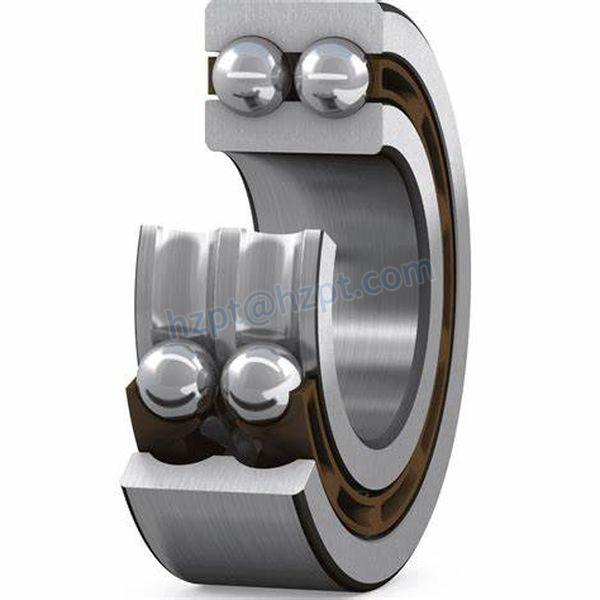
What are the Challenges Associated with Noise Reduction in Ball Bearings?
Noise reduction in ball bearings is a crucial consideration, especially in applications where noise levels must be minimized for operational efficiency and user comfort. While ball bearings are designed to operate smoothly, there are several challenges associated with reducing noise in their operation:
- Vibration:
Vibration generated by the movement of rolling elements and raceways can lead to noise. Even minor irregularities in bearing components or the mounting system can cause vibration that translates into audible noise.
- Bearing Type and Design:
The type and design of the ball bearing can impact noise generation. For example, deep groove ball bearings are known for their quiet operation, while angular contact bearings can generate more noise due to their higher contact angles.
- Lubrication:
Improper or inadequate lubrication can result in increased friction and wear, leading to noise. Choosing the right lubricant and maintaining proper lubrication levels are essential for reducing noise in ball bearings.
- Bearing Clearance and Preload:
Incorrect clearance or preload settings can lead to noise issues. Excessive clearance or inadequate preload can cause the rolling elements to impact the raceways, resulting in noise during rotation.
- Material and Manufacturing Quality:
The quality of materials and manufacturing processes can affect noise levels. Inconsistent or low-quality materials, improper heat treatment, or manufacturing defects can lead to noise generation during operation.
- Surface Finish:
The surface finish of the rolling elements and raceways can impact noise. Rough surfaces can generate more noise due to increased friction and potential irregularities.
- Sealing and Shielding:
Seals and shields that protect bearings can influence noise levels. While they are necessary for contamination prevention, they can also cause additional friction and generate noise.
- Operating Conditions:
External factors such as temperature, speed, and load can influence noise levels. High speeds or heavy loads can amplify noise due to increased stress on the bearing components.
- Wear and Deterioration:
As ball bearings wear over time, noise levels can increase. Worn components or inadequate lubrication can lead to more significant noise issues as the bearing operates.
To address these challenges and reduce noise in ball bearings, manufacturers and engineers employ various techniques, such as optimizing design, selecting suitable bearing types, using proper lubrication, maintaining accurate preload settings, and ensuring high-quality materials and manufacturing processes. Noise reduction efforts are essential to improve overall product quality, meet noise regulations, and enhance user experience in various applications.
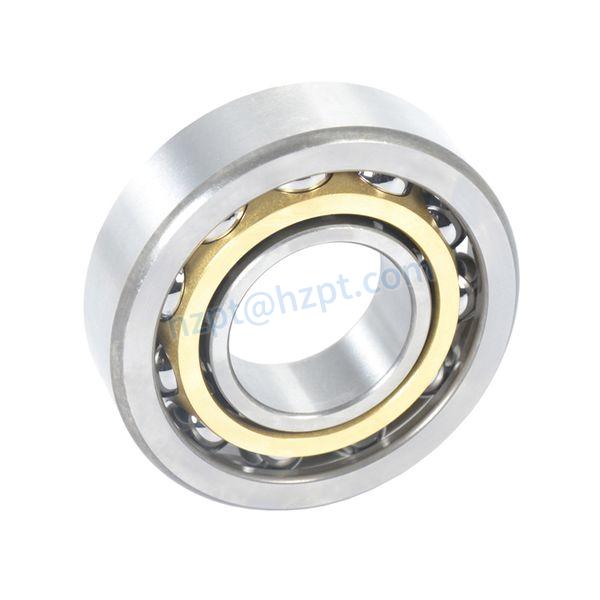
What Precautions should be taken to Prevent Contamination of Ball Bearings in Industrial Settings?
Preventing contamination of ball bearings is essential to ensure their proper function, longevity, and overall performance in industrial settings. Contaminants such as dust, dirt, debris, and particles can significantly impact bearing operation. Here are important precautions to take to prevent contamination of ball bearings:
- Effective Sealing:
Choose ball bearings with appropriate seals or shields to prevent the ingress of contaminants. Seals provide a physical barrier against dust, moisture, and particles, ensuring the bearing’s interior remains clean.
- Clean Environment:
Maintain a clean working environment around the machinery and equipment. Regularly clean the surrounding areas to prevent the accumulation of dirt and debris that could enter the bearings.
- Proper Handling:
Handle bearings with clean hands and use gloves if necessary. Avoid touching the bearing surfaces with bare hands, as natural skin oils can transfer contaminants onto the bearing.
- Clean Tools and Equipment:
Use clean tools and equipment during installation and maintenance to prevent introducing contaminants. Ensure that tools are properly cleaned before coming into contact with the bearing components.
- Contamination-Controlled Workstations:
Establish contamination-controlled workstations for bearing handling, installation, and maintenance. These areas should have proper ventilation, filtered air, and minimal exposure to external contaminants.
- Proper Lubrication:
Use the correct lubricant in appropriate quantities. Lubricants help create a barrier against contaminants and reduce friction. Regularly inspect and replenish lubrication to maintain its effectiveness.
- Regular Inspections:
Implement a routine inspection schedule to monitor the condition of the bearings. Look for signs of contamination, wear, and damage. Address any issues promptly to prevent further damage.
- Training and Education:
Train personnel on proper handling, installation, and maintenance practices to minimize the risk of contamination. Educated employees are more likely to take precautions and prevent accidental contamination.
- Environmental Controls:
In sensitive environments, such as clean rooms or medical facilities, implement strict environmental controls to minimize the presence of contaminants that could affect bearing performance.
- Regular Cleaning and Maintenance:
Perform regular cleaning and maintenance of machinery and equipment to prevent the buildup of contaminants. Keep bearings protected during maintenance to prevent debris from entering during the process.
- Selection of Suitable Bearings:
Choose bearings that are specifically designed for the application’s environmental conditions. Some bearings have advanced sealing options or specialized coatings that enhance contamination resistance.
By implementing these precautions, industries can significantly reduce the risk of contamination in ball bearings, ensuring smooth operation, extended bearing life, and enhanced equipment reliability.
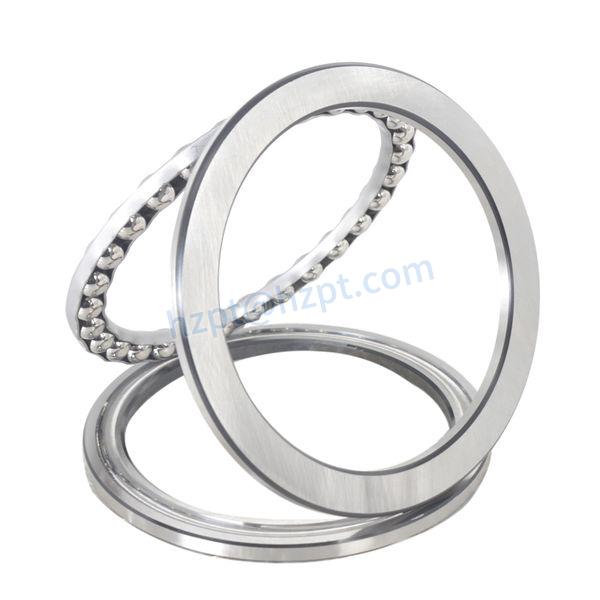
How do Ball Bearings Differ from Other Types of Bearings like Roller Bearings?
Ball bearings and roller bearings are two common types of rolling-element bearings, each with distinct designs and characteristics. Here’s a comparison of ball bearings and roller bearings:
- Design:
Ball Bearings: Ball bearings use spherical balls to separate and reduce friction between the bearing’s inner and outer rings. The balls enable rolling motion and smooth contact, minimizing friction.
Roller Bearings: Roller bearings, as the name suggests, use cylindrical or tapered rollers instead of balls. These rollers have larger contact areas, distributing loads over a broader surface.
- Friction and Efficiency:
Ball Bearings: Due to the point contact between the balls and the rings, ball bearings have lower friction and are more efficient at high speeds.
Roller Bearings: Roller bearings have a larger contact area, resulting in slightly higher friction compared to ball bearings. They are more suitable for heavy-load applications where efficiency is prioritized over high speeds.
- Load Capacity:
Ball Bearings: Ball bearings excel at handling light to moderate loads in both radial and axial directions. They are commonly used in applications where smooth rotation and low friction are important.
Roller Bearings: Roller bearings have a higher load-carrying capacity than ball bearings. They can support heavier radial and axial loads and are preferred for applications with significant loads or impact forces.
- Variability:
Ball Bearings: Ball bearings come in various designs, including deep groove, angular contact, and thrust ball bearings, each suitable for different applications.
Roller Bearings: Roller bearings have diverse types, including cylindrical, spherical, tapered, and needle roller bearings, each optimized for specific load and motion requirements.
- Speed Capability:
Ball Bearings: The reduced friction in ball bearings makes them suitable for high-speed applications, such as electric motors and precision machinery.
Roller Bearings: Roller bearings can handle higher loads but are generally better suited for moderate to low speeds due to slightly higher friction.
- Applications:
Ball Bearings: Ball bearings are used in applications where smooth motion, low friction, and moderate loads are essential, such as electric fans, bicycles, and some automotive components.
Roller Bearings: Roller bearings find applications in heavy machinery, construction equipment, automotive transmissions, and conveyor systems, where heavier loads and durability are crucial.
In summary, ball bearings and roller bearings differ in their design, friction characteristics, load capacities, speed capabilities, and applications. The choice between them depends on the specific requirements of the machinery and the type of loads and forces involved.


editor by CX 2024-04-17
China Standard China Bearing Manufacturers Specializing in The Production of Linear Motion Bearings Linear Bearings Lmh12uu Lmh13uu Lmh16uu Extended Ball Linear Bearing bearing and race
Product Description
Linear bearing is a linear motion system used for linear stroke and cylindrical shaft.
Because the bearing ball and the bearing jacket are point contact, the steel ball rolls with small friction resistance, so the linear bearing has small friction and relatively stable characteristics, does not change with the bearing speed, and can obtain a stable linear movement with high sensitivity and high precision.
| Product Name | Linear bearing |
| Brand Name | KSA |
| Material | Gcr15 |
| Precision Grade | P0,P6,P5 |
| Certification | ISO 9001 |
| Packeage | Box /Carton/Wooden Box/Plastic Tube or Per buyers requirement |
| MOQ | Depending On Moedl |
| Serice | OEM |
| Sample | Available |
| Payment | TT or L/C or Western Union |
| Port | HangZhou ZheJiang HangZhou |
Product Description
Company Profile
ZheJiang Kangshi Precision Bearing Manufacturing Co., Ltd., located in Yandian Town Industrial Park, HangZhou City, ZheJiang Province, mainly produces zero deep groove ball bearings, 2 types of cylindrical roller bearings, 3 types of aligning roller bearings, 6 types of angular contact ball bearings, 7 types of tapered roller bearings, 8 types of thrust ball bearings, thrust bearings, 9 types of thrust aligning roller bearings, outer spherical bearings, auto parts, Motorcycle parts and other rolling bearings. Our factory has strong professional technology, good production equipment and perfect testing means, can fully meet the various types, specifications, high precision and special use requirements of bearing products customized processing, the production process of the product according to the strict national standards of enterprise internal control standards for the implementation of full inspection and multi-project comprehensive inspection of factory products, Can ensure the quality of each set of factory bearing products to meet national standards. Kangshi bearing has always implemented national standards, market prices, and implemented the “three guarantees” principle for customers: To ensure high-quality quality, preferential prices, superior after-sales service! Welcome customers at home and abroad to consult and negotiate business, the company will continue to win the trust of more customers with good product quality and reputation.
Our certificate
Scope of application
Used in electronic equipment, printing machinery, tobacco machinery, medical machinery, textile machinery, food processing machinery, packaging machinery, robots, power tools, CNC machine tools, automobiles and digital three-dimensional coordinate measuring equipment and other precision equipment or special machinery industry.
durable Heat treatment technology Keep clean
With high-end technology manufacturing, After advanced quenching heat treatment, Even tiny dust that is invisible to the
each product has high hardness and high the bearing has enough hardness to ensure naked eye can have adverse effects,
quality of its own performance the load carrying capacity so keep your surroundings clean
FAQ
Q: What is the MOQ?
A: It depends on the bearing type. You can send inquiry or send e-mail for more information.
Q: How about the package?
A: Industrial packing in general condition (Plastic drums/boxes/industrial packaging + cartons + pallets). Accept design package when OEM.
Q: How long is the delivery time?
A: It will take about 10 to 40 days, depends on the model and quantity.
Q:What are the advantages of your company’s services compared to other companies?
A: Factory direct supply, price advantage, 24 hours online timely reply, Provide customers with customs clearance
and quality of various documents, 100% after-sales service
Q:OEM POLICY
A:We can printing your brand (logo,artwork)on the bearings or laser engraving your brand on the bearings.
We can custom your packaging according to your design All copyright own by clients and we promised don’t
disclose any info.
Q:How to contact us quickly?
A:Please send us an inquiry or message and leave your other contact information, such as phone number,
account or account, we will contact you as soon as possible and provide the detailed information
you need.
Please feel free to contact us, if you have any other question
/* January 22, 2571 19:08:37 */!function(){function s(e,r){var a,o={};try{e&&e.split(“,”).forEach(function(e,t){e&&(a=e.match(/(.*?):(.*)$/))&&1
| Feature: | Low Temperature, Corrosion Resistant, High Temperature, High Speed |
|---|---|
| Function: | Super |
| Flange Shape: | Oval |
| Samples: |
US$ 2/Piece
1 Piece(Min.Order) | Order Sample |
|---|
| Customization: |
Available
| Customized Request |
|---|
.shipping-cost-tm .tm-status-off{background: none;padding:0;color: #1470cc}
|
Shipping Cost:
Estimated freight per unit. |
about shipping cost and estimated delivery time. |
|---|
| Payment Method: |
|
|---|---|
|
Initial Payment Full Payment |
| Currency: | US$ |
|---|
| Return&refunds: | You can apply for a refund up to 30 days after receipt of the products. |
|---|
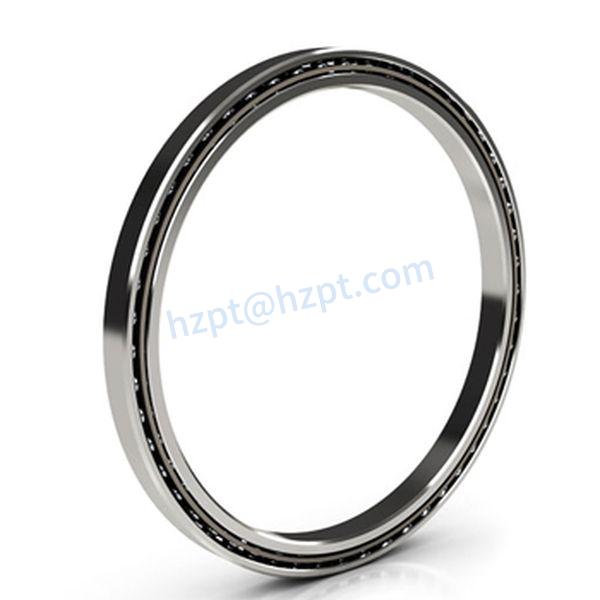
How does Preload Affect the Performance and Efficiency of Ball Bearings?
Preload is a crucial factor in ball bearing design that significantly impacts the performance, efficiency, and overall behavior of the bearings in various applications. Preload refers to the intentional axial force applied to the bearing’s rolling elements before it is mounted. This force eliminates internal clearance and creates contact between the rolling elements and the raceways. Here’s how preload affects ball bearing performance:
- Reduction of Internal Clearance:
Applying preload reduces the internal clearance between the rolling elements and the raceways. This eliminates play within the bearing, ensuring that the rolling elements are in constant contact with the raceways. This reduced internal clearance enhances precision and reduces vibrations during operation.
- Increased Stiffness:
Preloaded bearings are stiffer due to the elimination of internal clearance. This increased stiffness improves the bearing’s ability to handle axial and radial loads with higher accuracy and minimal deflection.
- Minimized Axial Play:
Preload minimizes or eliminates axial play within the bearing. This is especially important in applications where axial movement needs to be minimized, such as machine tool spindles and precision instruments.
- Enhanced Rigidity:
The stiffness resulting from preload enhances the bearing’s rigidity, making it less susceptible to deformation under load. This is critical for maintaining precision and accuracy in applications that require minimal deflection.
- Reduction in Ball Slippage:
Preload reduces the likelihood of ball slippage within the bearing, ensuring consistent contact between the rolling elements and the raceways. This leads to improved efficiency and better load distribution.
- Improved Running Accuracy:
Preloading enhances the running accuracy of the bearing, ensuring that it maintains precise rotational characteristics even under varying loads and speeds. This is essential for applications requiring high accuracy and repeatability.
- Optimized Performance at High Speeds:
Preload helps prevent skidding and slipping of the rolling elements during high-speed operation. This ensures that the bearing remains stable, reducing the risk of noise, vibration, and premature wear.
- Impact on Friction and Heat Generation:
While preload reduces internal clearance and friction, excessive preload can lead to higher friction and increased heat generation. A balance must be struck between optimal preload and minimizing friction-related issues.
- Application-Specific Considerations:
The appropriate amount of preload depends on the application’s requirements, such as load, speed, accuracy, and operating conditions. Over-preloading can lead to increased stress and premature bearing failure, while under-preloading may result in inadequate rigidity and reduced performance.
Overall, preload plays a critical role in optimizing the performance, accuracy, and efficiency of ball bearings. Engineers must carefully determine the right preload level for their specific applications to achieve the desired performance characteristics and avoid potential issues related to overloading or inadequate rigidity.
Are there any Industry Standards or Certifications that Ball Bearings should Meet?
Yes, there are several industry standards and certifications that ball bearings should meet to ensure their quality, performance, and reliability. These standards help manufacturers, engineers, and customers assess the suitability of bearings for specific applications. Some of the key standards and certifications for ball bearings include:
- ISO Standards:
The International Organization for Standardization (ISO) has developed a series of standards related to ball bearings. ISO 15 defines dimensions, boundary dimensions, and tolerances for radial bearings. ISO 281 specifies dynamic load ratings and calculation methods for bearings’ life calculations.
- ABEC (Annular Bearing Engineering Committee) Ratings:
ABEC ratings are commonly used in North America to indicate the precision and performance of ball bearings. Ratings range from ABEC 1 (lowest precision) to ABEC 9 (highest precision). However, it’s important to note that ABEC ratings focus primarily on dimensional tolerances and do not encompass all aspects of bearing quality.
- DIN Standards:
The German Institute for Standardization (Deutsches Institut für Normung, DIN) has published various standards related to ball bearings. DIN 625 covers dimensions for deep groove ball bearings, while DIN 616 provides guidelines for precision angular contact ball bearings.
- JIS (Japanese Industrial Standards):
JIS standards are used in Japan and internationally to define the characteristics and dimensions of various products, including ball bearings. JIS B 1512 outlines the classification and dimensions of rolling bearings.
- ASTM (American Society for Testing and Materials) Standards:
ASTM has standards that cover various aspects of bearing testing, performance, and materials. ASTM F2215, for instance, specifies the requirements for ball bearings used in surgical implants.
- CE Marking:
CE marking indicates that a product complies with European Union health, safety, and environmental requirements. It may be required for bearings used in machinery intended to be sold within the EU market.
- Industry-Specific Standards:
Various industries, such as aerospace, automotive, medical, and nuclear, have specific standards or certifications that bearings must meet to ensure safety, reliability, and compliance with industry-specific requirements.
- Quality Management Systems:
Manufacturers that adhere to quality management systems, such as ISO 9001, demonstrate their commitment to consistent product quality and customer satisfaction. Certification to these systems indicates that the manufacturing process follows established protocols and best practices.
When selecting ball bearings, it’s important to consider the relevant standards and certifications that align with the application’s requirements. This ensures that the bearings meet recognized quality and performance criteria, ultimately contributing to reliable and efficient operation.
What Factors should be Considered when Selecting a Ball Bearing for a Particular Application?
Selecting the right ball bearing for a specific application involves careful consideration of various factors to ensure optimal performance, longevity, and reliability. Here are the key factors that should be taken into account:
- Load Type and Magnitude:
Determine the type of load (radial, axial, or combined) and the magnitude of the load that the bearing will need to support. Choose a bearing with the appropriate load-carrying capacity to ensure reliable operation.
- Speed and Operating Conditions:
Consider the rotational speed of the application and the operating conditions, such as temperature, humidity, and exposure to contaminants. Different bearing types and materials are suited for varying speeds and environments.
- Accuracy and Precision:
For applications requiring high accuracy and precision, such as machine tool spindles or optical instruments, choose high-precision bearings that can maintain tight tolerances and minimize runout.
- Space Limitations:
If the application has limited space, choose miniature or compact ball bearings that can fit within the available dimensions without compromising performance.
- Thrust and Radial Loads:
Determine whether the application requires predominantly thrust or radial load support. Choose the appropriate type of ball bearing (thrust, radial, or angular contact) based on the primary load direction.
- Alignment and Misalignment:
If the application experiences misalignment between the shaft and housing, consider self-aligning ball bearings that can accommodate angular misalignment.
- Mounting and Installation:
Consider the ease of mounting and dismounting the bearing. Some applications may benefit from features like flanges or snap rings for secure installation.
- Lubrication and Maintenance:
Choose a bearing with appropriate lubrication options based on the application’s speed and temperature range. Consider whether seals or shields are necessary to protect the bearing from contaminants.
- Environmental Conditions:
Factor in the operating environment, including exposure to corrosive substances, chemicals, water, or dust. Choose materials and coatings that can withstand the specific environmental challenges.
- Bearing Material:
Select a bearing material that suits the application’s requirements. Common materials include stainless steel for corrosion resistance and high-carbon chrome steel for general applications.
- Bearing Arrangement:
Consider whether a single-row, double-row, or multiple bearings in a specific arrangement are needed to accommodate the loads and moments present in the application.
By carefully evaluating these factors, engineers and designers can choose the most suitable ball bearing that aligns with the specific demands of the application, ensuring optimal performance, durability, and overall operational efficiency.
editor by CX 2024-03-29
China Good quality Scs50uu Sc50uu SMA50uu Linear Motion Ball Slide Bearing for Smith Machines drive shaft bearing
Product Description
Product Description
SCS50UU SC50UU SMA50UU Linear Motion Ball Slide Bearing for Smith Machines
| Products Name | Linear Bearing Slide Unit |
| Bore Diameter | 8mm, 10mm, 12mm, 16mm, 20mm, 25mm, 30mm, 35mm, 40mm, 50mm |
| Material | Aluminum Housig + Bearing Steel Linear Bearings |
| Packing | White/Color Boxes |
| Lead Time | 3 – 5 Days for In-Stock Products, 10 – 20 Days for Bulk Order |
| Our Advantages | 1. Smooth Motion With Shafts |
| 2. Long Using Life and Good Apperance | |
| 3. Accurate Mouting Hole Sizes | |
| 4. Facatory Directly Sale and Good Price |
Product Parameters
Company Profile
Packaging & Shipping
Our Advantages
/* January 22, 2571 19:08:37 */!function(){function s(e,r){var a,o={};try{e&&e.split(“,”).forEach(function(e,t){e&&(a=e.match(/(.*?):(.*)$/))&&1
| Feature: | Smooth Motion |
|---|---|
| Function: | Super |
| Flange Shape: | Square |
| Samples: |
US$ 15/Piece
1 Piece(Min.Order) | Order Sample |
|---|
| Customization: |
Available
| Customized Request |
|---|
.shipping-cost-tm .tm-status-off{background: none;padding:0;color: #1470cc}
|
Shipping Cost:
Estimated freight per unit. |
about shipping cost and estimated delivery time. |
|---|
| Payment Method: |
|
|---|---|
|
Initial Payment Full Payment |
| Currency: | US$ |
|---|
| Return&refunds: | You can apply for a refund up to 30 days after receipt of the products. |
|---|
What are the Challenges Associated with Noise Reduction in Ball Bearings?
Noise reduction in ball bearings is a crucial consideration, especially in applications where noise levels must be minimized for operational efficiency and user comfort. While ball bearings are designed to operate smoothly, there are several challenges associated with reducing noise in their operation:
- Vibration:
Vibration generated by the movement of rolling elements and raceways can lead to noise. Even minor irregularities in bearing components or the mounting system can cause vibration that translates into audible noise.
- Bearing Type and Design:
The type and design of the ball bearing can impact noise generation. For example, deep groove ball bearings are known for their quiet operation, while angular contact bearings can generate more noise due to their higher contact angles.
- Lubrication:
Improper or inadequate lubrication can result in increased friction and wear, leading to noise. Choosing the right lubricant and maintaining proper lubrication levels are essential for reducing noise in ball bearings.
- Bearing Clearance and Preload:
Incorrect clearance or preload settings can lead to noise issues. Excessive clearance or inadequate preload can cause the rolling elements to impact the raceways, resulting in noise during rotation.
- Material and Manufacturing Quality:
The quality of materials and manufacturing processes can affect noise levels. Inconsistent or low-quality materials, improper heat treatment, or manufacturing defects can lead to noise generation during operation.
- Surface Finish:
The surface finish of the rolling elements and raceways can impact noise. Rough surfaces can generate more noise due to increased friction and potential irregularities.
- Sealing and Shielding:
Seals and shields that protect bearings can influence noise levels. While they are necessary for contamination prevention, they can also cause additional friction and generate noise.
- Operating Conditions:
External factors such as temperature, speed, and load can influence noise levels. High speeds or heavy loads can amplify noise due to increased stress on the bearing components.
- Wear and Deterioration:
As ball bearings wear over time, noise levels can increase. Worn components or inadequate lubrication can lead to more significant noise issues as the bearing operates.
To address these challenges and reduce noise in ball bearings, manufacturers and engineers employ various techniques, such as optimizing design, selecting suitable bearing types, using proper lubrication, maintaining accurate preload settings, and ensuring high-quality materials and manufacturing processes. Noise reduction efforts are essential to improve overall product quality, meet noise regulations, and enhance user experience in various applications.
How do Temperature and Environmental Conditions Affect the Performance of Ball Bearings?
Temperature and environmental conditions have a significant impact on the performance and longevity of ball bearings. The operating environment can influence factors such as lubrication effectiveness, material properties, and overall bearing behavior. Here’s how temperature and environmental conditions affect ball bearing performance:
- Lubrication:
Temperature variations can affect the viscosity and flow characteristics of lubricants. Extreme temperatures can cause lubricants to become too thin or too thick, leading to inadequate lubrication and increased friction. In high-temperature environments, lubricants can degrade, reducing their effectiveness.
- Material Properties:
Temperature changes can alter the material properties of the bearing components. High temperatures can lead to thermal expansion, affecting bearing clearances and potentially causing interference between components. Extreme cold temperatures can make materials more brittle and prone to fracture.
- Clearance Changes:
Temperature fluctuations can cause changes in the internal clearance of ball bearings. For instance, at high temperatures, materials expand, leading to increased clearance. This can affect bearing performance, load distribution, and overall stability.
- Corrosion and Contamination:
Harsh environmental conditions, such as exposure to moisture, chemicals, or abrasive particles, can lead to corrosion and contamination of bearing components. Corrosion weakens the material, while contamination accelerates wear and reduces bearing life.
- Thermal Stress:
Rapid temperature changes can result in thermal stress within the bearing components. Differential expansion and contraction between the inner and outer rings can lead to stress and distortion, affecting precision and bearing integrity.
- Noise and Vibration:
Temperature-related changes in material properties and internal clearances can influence noise and vibration levels. Extreme temperatures can lead to increased noise generation and vibration, affecting the overall operation of machinery.
- Lubricant Degradation:
Environmental factors like humidity, dust, and contaminants can lead to premature lubricant degradation. Oxidation, moisture absorption, and the presence of foreign particles can compromise the lubricant’s performance and contribute to increased friction and wear.
- Seal Effectiveness:
Seals and shields that protect bearings from contaminants can be affected by temperature fluctuations. Extreme temperatures can lead to seal hardening, cracking, or deformation, compromising their effectiveness in preventing contamination.
- Choosing Appropriate Bearings:
When selecting ball bearings for specific applications, engineers must consider the expected temperature and environmental conditions. High-temperature bearings, bearings with specialized coatings, and those with enhanced sealing mechanisms may be necessary to ensure reliable performance.
Overall, understanding the impact of temperature and environmental conditions on ball bearing performance is crucial for proper bearing selection, maintenance, and ensuring optimal operation in diverse industries and applications.
What are the Primary Benefits of Using Ball Bearings in Machinery and Equipment?
Ball bearings offer several primary benefits when used in machinery and equipment. Their design and functionality provide advantages that contribute to the efficient and reliable operation of various applications. Here are the key benefits:
- Reduced Friction:
One of the primary benefits of ball bearings is their ability to minimize friction between moving parts. The rolling motion of the balls reduces the contact area and sliding friction, leading to smoother operation and less energy loss due to frictional heating.
- Efficient Load Support:
Ball bearings are engineered to support both radial and axial loads, making them versatile for applications with multidirectional forces. This load-bearing capability allows machinery to handle different types of loads while maintaining performance and stability.
- Smooth Rotation:
Ball bearings enable smooth and precise rotational movement. The rolling motion of the balls provides consistent motion with minimal resistance, ensuring that machinery operates smoothly and without jerks.
- High-Speed Capability:
Due to their low friction and efficient rolling action, ball bearings are suitable for high-speed applications. They allow machinery and equipment to achieve and maintain high rotational speeds without excessive wear or heat buildup.
- Reduced Wear and Maintenance:
The reduced friction in ball bearings leads to lower wear on components. This results in longer service intervals and reduced maintenance requirements, saving both time and maintenance costs.
- Energy Efficiency:
By minimizing friction and reducing energy losses, ball bearings contribute to the overall energy efficiency of machinery. This is particularly important in applications where energy consumption is a concern.
- Versatility:
Ball bearings come in various types, sizes, and configurations, allowing them to be used in a wide range of machinery and equipment. They can be customized to suit specific application requirements.
- Reliability and Longevity:
Ball bearings are designed to withstand heavy loads and harsh operating conditions. Their durability and resistance to wear ensure reliable performance and an extended operational life.
- Quiet Operation:
Ball bearings contribute to quiet machinery operation due to the smooth rolling motion of the balls. This is particularly important in applications where noise reduction is a consideration.
In summary, the primary benefits of using ball bearings in machinery and equipment include reduced friction, efficient load support, smooth rotation, high-speed capability, reduced wear and maintenance, energy efficiency, versatility, reliability, and quiet operation. These benefits collectively enhance the performance and longevity of machinery across various industries.
editor by CX 2024-03-04
China Custom CZPT Linear Guide Bearing Sliding Motion Ball Bearing Hgw20ha Hgw25ha Hgw30ha Hgw35ha bearing and race
Product Description
Product Description
|
Type |
Linear Xihu (West Lake) Dis.s |
|||
|
Material |
Bearing steel GCR15 |
|||
|
Brand |
SER |
|||
|
Rigidity |
HRC 58-62 |
|||
|
Rated load 1 |
503-4524 |
|||
|
Rated load 2 |
815-7909 |
|||
|
Mounting hole |
M4-M14 |
|||
|
Xihu (West Lake) Dis. Length |
100-4000mm |
|||
|
Quality certificate |
ISO9001-2008 |
|||
|
Width or Diameter |
15-45mm |
|||
|
Function |
Anti-friction, Dustproof, Antirust |
|||
|
Performance |
low friction, low noise, high speed and high precision |
|||
|
Application |
precision part, cnc machining parts, auto parts, industrial parts, etc |
|||
Detailed Photos
Product Parameters
Packaging & Shipping
Company Profile
ZheJiang Sair Mechanical Xihu (West Lake) Dis. Co., Ltd
ZheJiang Sair Mechanical Xihu (West Lake) Dis. Co., Ltd is 1 of the biggest linear CZPT and ball screw manufacture in China,with strong technical strength, advanced production equipments, high-quality staff team and perfect after-sales services, our company is the precision machinery manufacturer with research and development, manufacturing, sales, service all in one.
After Sales Service
Customer Service
The products are mature with high quality. They are not only sold well all over the country, but also exported to Europe, Americas, Southeast Asia, Africa and more than 70 countries. They have excellent marketing performance, highly appreciated and trusted by the vast number of customers.
If you have any needs, Please contact with me directly!
FAQ
1. Q: How about the quality of your product?
A: 100% inspection during production. Our products are certified to ISO9001-2008 international quality standards.
2. Q: What’s the delivery time?
A: For custom order, within 2000 meters, Production time is 15days after confirmed every details.
3. Q: What’s your packing?
A: Our Normal packing is bulking in PE bag, and then into plywood Cartons. We also can pack products according to your requirement.
4. Q: What about the warranty?
A: We are very confident in our products,and we pack them very well to make sure the goods in well protection.
5. Q: Could you send me your catalogue and price list?
A: As we have more than hundreds of products,it is really too hard to send all of catalogue and price list for you. Please inform us the style you interested, we can offer the pricelist for your reference.
6. Q:There are a lot of companies which export bearings, why do you choose us?
A: As we are a genuine linear CZPT supplier since 2011.and we are really factory, you need not pay the profit for middlemen. so we can offer you the lowest and competitive price .
/* January 22, 2571 19:08:37 */!function(){function s(e,r){var a,o={};try{e&&e.split(“,”).forEach(function(e,t){e&&(a=e.match(/(.*?):(.*)$/))&&1
| Application: | CNC Machine |
|---|---|
| Material: | Steel |
| Structure: | Rail & Slider |
| Samples: |
US$ 10/Piece
1 Piece(Min.Order) | Order Sample |
|---|
| Customization: |
Available
| Customized Request |
|---|
.shipping-cost-tm .tm-status-off{background: none;padding:0;color: #1470cc}
|
Shipping Cost:
Estimated freight per unit. |
about shipping cost and estimated delivery time. |
|---|
| Payment Method: |
|
|---|---|
|
Initial Payment Full Payment |
| Currency: | US$ |
|---|
| Return&refunds: | You can apply for a refund up to 30 days after receipt of the products. |
|---|
What are the Challenges Associated with Noise Reduction in Ball Bearings?
Noise reduction in ball bearings is a crucial consideration, especially in applications where noise levels must be minimized for operational efficiency and user comfort. While ball bearings are designed to operate smoothly, there are several challenges associated with reducing noise in their operation:
- Vibration:
Vibration generated by the movement of rolling elements and raceways can lead to noise. Even minor irregularities in bearing components or the mounting system can cause vibration that translates into audible noise.
- Bearing Type and Design:
The type and design of the ball bearing can impact noise generation. For example, deep groove ball bearings are known for their quiet operation, while angular contact bearings can generate more noise due to their higher contact angles.
- Lubrication:
Improper or inadequate lubrication can result in increased friction and wear, leading to noise. Choosing the right lubricant and maintaining proper lubrication levels are essential for reducing noise in ball bearings.
- Bearing Clearance and Preload:
Incorrect clearance or preload settings can lead to noise issues. Excessive clearance or inadequate preload can cause the rolling elements to impact the raceways, resulting in noise during rotation.
- Material and Manufacturing Quality:
The quality of materials and manufacturing processes can affect noise levels. Inconsistent or low-quality materials, improper heat treatment, or manufacturing defects can lead to noise generation during operation.
- Surface Finish:
The surface finish of the rolling elements and raceways can impact noise. Rough surfaces can generate more noise due to increased friction and potential irregularities.
- Sealing and Shielding:
Seals and shields that protect bearings can influence noise levels. While they are necessary for contamination prevention, they can also cause additional friction and generate noise.
- Operating Conditions:
External factors such as temperature, speed, and load can influence noise levels. High speeds or heavy loads can amplify noise due to increased stress on the bearing components.
- Wear and Deterioration:
As ball bearings wear over time, noise levels can increase. Worn components or inadequate lubrication can lead to more significant noise issues as the bearing operates.
To address these challenges and reduce noise in ball bearings, manufacturers and engineers employ various techniques, such as optimizing design, selecting suitable bearing types, using proper lubrication, maintaining accurate preload settings, and ensuring high-quality materials and manufacturing processes. Noise reduction efforts are essential to improve overall product quality, meet noise regulations, and enhance user experience in various applications.
What Precautions should be taken to Prevent Contamination of Ball Bearings in Industrial Settings?
Preventing contamination of ball bearings is essential to ensure their proper function, longevity, and overall performance in industrial settings. Contaminants such as dust, dirt, debris, and particles can significantly impact bearing operation. Here are important precautions to take to prevent contamination of ball bearings:
- Effective Sealing:
Choose ball bearings with appropriate seals or shields to prevent the ingress of contaminants. Seals provide a physical barrier against dust, moisture, and particles, ensuring the bearing’s interior remains clean.
- Clean Environment:
Maintain a clean working environment around the machinery and equipment. Regularly clean the surrounding areas to prevent the accumulation of dirt and debris that could enter the bearings.
- Proper Handling:
Handle bearings with clean hands and use gloves if necessary. Avoid touching the bearing surfaces with bare hands, as natural skin oils can transfer contaminants onto the bearing.
- Clean Tools and Equipment:
Use clean tools and equipment during installation and maintenance to prevent introducing contaminants. Ensure that tools are properly cleaned before coming into contact with the bearing components.
- Contamination-Controlled Workstations:
Establish contamination-controlled workstations for bearing handling, installation, and maintenance. These areas should have proper ventilation, filtered air, and minimal exposure to external contaminants.
- Proper Lubrication:
Use the correct lubricant in appropriate quantities. Lubricants help create a barrier against contaminants and reduce friction. Regularly inspect and replenish lubrication to maintain its effectiveness.
- Regular Inspections:
Implement a routine inspection schedule to monitor the condition of the bearings. Look for signs of contamination, wear, and damage. Address any issues promptly to prevent further damage.
- Training and Education:
Train personnel on proper handling, installation, and maintenance practices to minimize the risk of contamination. Educated employees are more likely to take precautions and prevent accidental contamination.
- Environmental Controls:
In sensitive environments, such as clean rooms or medical facilities, implement strict environmental controls to minimize the presence of contaminants that could affect bearing performance.
- Regular Cleaning and Maintenance:
Perform regular cleaning and maintenance of machinery and equipment to prevent the buildup of contaminants. Keep bearings protected during maintenance to prevent debris from entering during the process.
- Selection of Suitable Bearings:
Choose bearings that are specifically designed for the application’s environmental conditions. Some bearings have advanced sealing options or specialized coatings that enhance contamination resistance.
By implementing these precautions, industries can significantly reduce the risk of contamination in ball bearings, ensuring smooth operation, extended bearing life, and enhanced equipment reliability.
What Factors should be Considered when Selecting a Ball Bearing for a Particular Application?
Selecting the right ball bearing for a specific application involves careful consideration of various factors to ensure optimal performance, longevity, and reliability. Here are the key factors that should be taken into account:
- Load Type and Magnitude:
Determine the type of load (radial, axial, or combined) and the magnitude of the load that the bearing will need to support. Choose a bearing with the appropriate load-carrying capacity to ensure reliable operation.
- Speed and Operating Conditions:
Consider the rotational speed of the application and the operating conditions, such as temperature, humidity, and exposure to contaminants. Different bearing types and materials are suited for varying speeds and environments.
- Accuracy and Precision:
For applications requiring high accuracy and precision, such as machine tool spindles or optical instruments, choose high-precision bearings that can maintain tight tolerances and minimize runout.
- Space Limitations:
If the application has limited space, choose miniature or compact ball bearings that can fit within the available dimensions without compromising performance.
- Thrust and Radial Loads:
Determine whether the application requires predominantly thrust or radial load support. Choose the appropriate type of ball bearing (thrust, radial, or angular contact) based on the primary load direction.
- Alignment and Misalignment:
If the application experiences misalignment between the shaft and housing, consider self-aligning ball bearings that can accommodate angular misalignment.
- Mounting and Installation:
Consider the ease of mounting and dismounting the bearing. Some applications may benefit from features like flanges or snap rings for secure installation.
- Lubrication and Maintenance:
Choose a bearing with appropriate lubrication options based on the application’s speed and temperature range. Consider whether seals or shields are necessary to protect the bearing from contaminants.
- Environmental Conditions:
Factor in the operating environment, including exposure to corrosive substances, chemicals, water, or dust. Choose materials and coatings that can withstand the specific environmental challenges.
- Bearing Material:
Select a bearing material that suits the application’s requirements. Common materials include stainless steel for corrosion resistance and high-carbon chrome steel for general applications.
- Bearing Arrangement:
Consider whether a single-row, double-row, or multiple bearings in a specific arrangement are needed to accommodate the loads and moments present in the application.
By carefully evaluating these factors, engineers and designers can choose the most suitable ball bearing that aligns with the specific demands of the application, ensuring optimal performance, durability, and overall operational efficiency.
editor by CX 2024-03-03
China Hot selling Engineering Plastic Bushing Linear Motion Slide Bearing Lme8uu Lme10uu Lme12uu Lme16uu Lme20uu Lme25uu Lme30uu with Free Design Custom
Product Description
Product Description
Engineering Plastic Linear Bearing attributes maintance free,lengthy time period dry procedure,no sounds
Suited for dust extended phrase operation,corrosionresistance and cleaning with disinfectant
Chute design for shaft security,reduce the groove width to increase the bearing capability
Effortless installation and substitute.
Item Parameters
Thorough Pictures
Firm Profile
HangZhou Metropolis CZPT Bearing Co., Ltd. is a skilled maker of linear motion merchandise with numerous years’ knowledge. We are specialised in the producing linear shaft, linear guides, ball screws, linear bearings, linear CZPT blocks, ball screw finish supports, linear rails, cam followers with good good quality and competitive price tag. Our firm is positioned in HangZhou metropolis, ZHangZhoug province, close to HangZhou port and HangZhou metropolis.
Our merchandise are broadly employed in precise equipment, fitness equipment, printing devices, packing machines, medical and foodstuff machines, textile machinery and other equipment and supplementary gear. Our merchandise offer effectively in North America, West Europe, Australia, Southeast Asia, Middle East, South The united states and other areas.
Right after Revenue Provider
Our Quality:
High quality is the existence . We use only the best good quality materials to ensure the common of our solution range is of the highest caliber.All items we bought out are strictly chosen and examined by our QC department.
Warranty:
All merchandise could have difficulty following used by a time period of time. We give 1 calendar year warranty for all goods.
Payment:
We accept payment by means of TT (Lender transfer), Paypal,Western Union, and Funds Gram.
We acknowledge financial institution transfer for big orders. For little order, you’d much better spend via Paypal,Western union or Income Gram
Shipping:
We supply as numerous delivery options as possible, like DHL, UPS, TNT, FEDEX and EMS, Airfreight and by Sea.
FAQ
1. Are you factory or buying and selling business?
We are expert manufacturer with most aggressive cost and higher good quality, 15 year’s expertise.
2.What is actually your solution assortment?
We are specialized in producing linear shafts, linear bearings, linear guides, linear rails, ball screws,cam follower and other linear motion units.
three.Do you offer OEM&ODM providers?
Of course, OEM, ODM is welcomed
4.How Can I get some samples?
We are honored to offer samples. You are asked for to shell out the transport value and some samples cost.
five.What does your factory do about top quality control?
We uphold the tenet of “Top quality is the future, we have handed ISO9001 certification, and we have rigorous procedures to management high quality.
six. How can I get a quotation?
You can send quotation under or e mail to us. you can speak to dirrectly with us through TM or WhatsApp,Skype as you like.Call any time if you are urgent.
| Product Name | Engineering Plastic Linear Bearing |
|
Type |
Linear |
| Model Number | LIN-00-08 to LIN-00-30 |
| Brand Name | OEM |
| Color | Yellow,Black |
| Application | Manufacturing Plant,CNC machine .etc |
| Material | Engineering Plastic |
| Place of Origin | Zhejiang,China |
| Selling Units | Single Item |
| Sample | Available |
| Product Name | Engineering Plastic Linear Bearing |
|
Type |
Linear |
| Model Number | LIN-00-08 to LIN-00-30 |
| Brand Name | OEM |
| Color | Yellow,Black |
| Application | Manufacturing Plant,CNC machine .etc |
| Material | Engineering Plastic |
| Place of Origin | Zhejiang,China |
| Selling Units | Single Item |
| Sample | Available |
Types of Ball Bearings
There are several types of ball bearings: Double-row angular contact, Four-point contact, Self-aligning, and Ceramic hybrid. Here’s a brief description of each. For more information, read our article about Double-row angular contact ball bearings. You’ll be better informed about how they’re made. Also, learn about how the cages that hold the balls in place are secured with rivets.
Double-row, angular-contact bearing
Double-row, angular-contact ball bearings are similar in their contact surfaces in one direction, and the two pairs of bearings are installed axially opposite to one another. This design allows them to support combined loads in axial and radial directions. These types of bearings are used for high-precision, high-speed applications. They can be used in everything from turbines to dentistry equipment. Double-row, angular-contact bearings are available at Grainger, as are single-row versions.
Double-row, angular-contact ball bearings are a popular option for applications where high precision and high speed are required. The design features of these bearings are ideal for applications with axial space restrictions. In contrast, they are smaller than two single-row angular-contact bearings and are available in steel, polyamide, or brass cages. Whether you need a cage for high speed or hard operating conditions is up to you. If you are unsure about the right cage for your application, contact Schaeffler.
Single-row angular-contact ball bearings are the most common type of bearings. Double-row bearings are also available with a shielded outer ring, which protects the balls inside the bearing from external contaminants. Because these double-row bearings are a good choice for applications requiring high performance, they are often the most affordable option. They offer similar performance as single-row bearings but are much more rigid.
Preloading is a key performance characteristic for double-row angular-contact ball bearings. Preloading can decrease the service life of double-row angular-contact ball bearings by up to 380 percent. Alternatively, you can preload double-row angular-contact ball bearings by placing spacers between their outer rings. Good double-row angular-contact bearing installation will increase working accuracy and bearing life.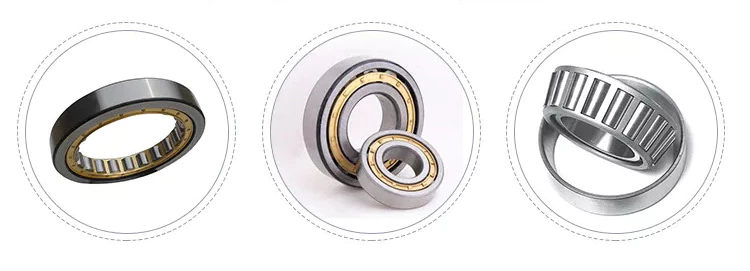
Four-point contact ball bearing
The Four Point Contact Ball Bearing Market can be segmented into three types: 35 Degree, 45 Degree, and Other. The 35 Degree segment is expected to witness the fastest growth over the next few years, owing to its increased operational speed and competence in axial and radial axis load handling. Other types of four-point contact ball bearings include the Miniature and Deep Groove varieties. These are widely used in automobiles, aerospace, and other industries.
These bearings are designed for oil-free screw compressors, and they feature an outer-ring guided brass cage to reduce friction and increase running accuracy. In addition, they have lower maintenance costs compared to conventional bearings. However, they have a higher mean roughness value than their counterparts. High-speed operations require high-speed bearings that can withstand fast speed changes. This is because of the higher friction rate, which results from four-point contact.
The Four-Point Contact Ball Bearing is a highly versatile product, as it can handle radial, thrust, and moment loads. Because of this, it is often the first choice for slow to moderate-speed applications. This design also has a simplified assembly process, requiring only a single double-half-turn to install. It is the first choice of many automotive OEMs because it is extremely efficient. If you want a ball bearing with these benefits, you should contact a local bearing company.
The Four-Point Contact Ball Bearing Market will continue to grow despite a tough economy and volatile trade conditions. Demand for automotive and aerospace components is expected to grow alongside a variety of technological advancements. Meanwhile, demand for energy-efficient products will continue to increase with changes in trade policy, an imbalance in the supply-side ecosystem, and geopolitical risk. And while all these factors will continue to drive the market growth, a few challenges are worth considering.
The Four-Point Contact Bearing is designed with the same basic structure as its two-point counterpart. In a four-point contact ball bearing, one ball can have four distinct points of contact with two rings. Two of these contact points may be in diagonal position. The two remaining contact points change position and accommodate radial loads. Consequently, the Four-Point Contact Bearing is more flexible and robust than its two-point counterparts.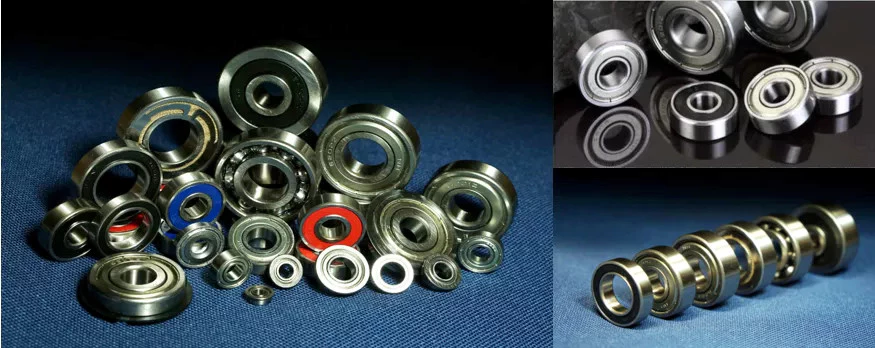
Self-aligning ball bearing
The self-aligning ball bearing is an incredibly useful tool in many industries. This type of bearing has a sealing lip that makes contact with a smooth chamfer on the inner ring. Because of the self-aligning nature of these bearings, they are not prone to misalignment. They can withstand temperatures ranging from -30°C to 120°C and should not be heated prior to installation.
A self-aligning ball bearing is an elastomer-based spherical-shaped bearing with two rows of rolling elements. These bearings can accommodate large radial loads, and their outer ring raceway is curved to provide a spherical effect. The inner ring, or cage, can be either cylindrical or conical. The inner diameter of a self-aligning ball bearing is normally cylindrical, but some are conical. They typically have three oil holes.
When choosing a self-aligning ball bearing, look for a model with a large enough bearing diameter to accommodate the shaft’s bending. Self-aligning bearings may also be interchangeable with standard ball bearing assemblies. You can find individual values in manufacturer catalogues. These bearings are useful in limited applications, although they are not necessarily ideal for everything. For example, in applications where combined loads are the main concern, self-aligning ball bearings should only be used if the application requires minimal misalignment.
A self-aligning ball bearing is a highly-efficient, energy-efficient solution for a variety of applications. It is a simple, low-maintenance solution that makes your life easier. Its unique outer raceway allows restraining springs to absorb the deflection that is common in other bearings. The result is a cooler, smoother running vehicle. It also helps prevent misalignment, which makes it ideal for use in many applications.
The SKF self-aligning ball bearing is an excellent choice for applications involving heavy deflection of the shaft. They are the lowest-friction bearing available. Their steel plate reinforced seals prevent them from separating from the shaft during operation. They are also resistant to oil, making them the perfect solution for high-speed applications. In addition to this, they are designed to work in a wide range of temperatures.
Ceramic hybrid ball bearing
A hybrid ball bearing made from a combination of steel and ceramics is a good option for high-speed applications requiring electrical isolation. This combination offers an extended lifespan and minimal electrical corrosion or seizure risk. In addition, the hybrid ball bearings have less friction than steel bearings and can operate at low speeds. To learn more about this hybrid type of bearing, continue reading. We’ll also discuss how it can help your application.
Full ceramic balls are generally harder than steel, but they do have lower density, meaning they’re not subject to the same high centrifugal forces as steel balls. These benefits make ceramic ball bearings much more durable, with long lifespans. Both full and hybrid ceramic ball bearings are available from CZPT. Read on to learn more about each type. Here’s a look at some of the benefits of each. You’ll be pleasantly surprised.
A hybrid ball bearing consists of steel inner and outer rings and a ceramic ball. It can withstand high speeds and loads, but it’s also designed to operate in extreme temperatures. This hybrid ball bearing also requires minimal lubrication and is suitable for a variety of applications. Because of its unique characteristics, hybrid bearings are lightweight and hard, and they spin faster than steel balls. But how do you choose the right one for your application?
A ceramic ball bearing is better than a steel one for many applications. Its greater speed capability and lower friction allow it to operate at higher speeds than steel balls. It is also less sensitive to fluctuations in lubrication conditions than steel balls. They also tend to be cheaper, so it makes sense to invest in one. It’s worth your while. They last longer, and they don’t require a run-in period.
A hybrid ball bearing is the best choice for electric spindles with high speed and heavy loads. A hybrid ceramic ball bearing has the advantage of low heat and high stiffness, and can operate at high speeds and loads. This thesis explores the dynamic characteristics of a hybrid ceramic ball bearing, including analysis calculations and experiment verification. The results provide reliable data and lay the foundation for professional spindle optimum design tests. It is a worthy addition to any machine shop.
China Professional Straight Liner Motion Bearing Bushing Circular Flange Linear Bearing with Great quality
Merchandise Description
Straight Liner Motion Bearing Bushing Round Flange Linear Bearing
Linear bearing is a low-cost creation of linear motion system for limitless travel with the cylinder axis. Considering that the ball bearing point get in touch with with the shaft, so use the load is small. Nominal friction ball rotation, thus to obtain smooth movement precision. Plastic linear bearings are self-lubricating houses of a linear movement system, the most significant big difference is that the metallic in the steel linear bearings linear bearings are rolling friction, is the stage get in touch with among the bearing and the cylinder axis, so this suited for low load speed movement although plastic linear bearings are sliding friction is in between the bearing surface contact with the cylinder axis, so this low-speed movement for higher masses.
Linear bearings are utilized in conjunction with hardened linear push shaft. For infinite linear movement techniques. Load the ball and quenching transmission shaft because it is the position contact, enabling the load is small, but linear movement, friction smallest, substantial precision, quick movement.
We do different varieties linear movement bearings
Variety LM-UU: This is the metric dimension series with seal utilized most often in Korea and Japan.
Variety LME-UU: This is the metric dimension series with seal used most usually in Europe.
Variety LMB-UU: This is the inch dimension series with seal utilized most frequently in British isles&Usa
LM linear bearing: LM3UU, LM4UU, LM5UU, LM6UU, LM8UU, LM8S, LM10UU, LM12UU, LM13UU, LM16UU, LM20UU, LM25UU, LM30UU, LM35UU, LM40UU, LM50UU, LM60UU, LM80UU, LM100UU
LME linear bearing:
LME3UU, LME4UU, LME5UU, LME6UU, LME8UU, LME8S, LME10UU, LME12UU, LME13UU, LME16UU, LME20UU, LME25UU, LME30UU, LME35UU, LME40UU, LME50UU, LME60UU, LME80UU, LME100UU
LMB linear bearing:
LMB4UU, LMB6UU, LMB8UU, LMB10UU, LMB12UU, LMB16UU, LMB24UU, LMB32UU
LM Open Sequence linear bearing: LM10OPUU, LM12OPUU, LM13OPUU, LM16OPUU, LM20OPUU, LM25OPUU, LM3OOPU, LM35OPUU, LM40OPUU, LM50OPUU, LM60OPUU, LM80OPUU, LM100OPUU
KH type linear bearing:
KH0622PP, KH0824PP, KH1026PP, KH1228PP, KH1630PP, KH2030PP, KH2540PP, KH3050PP, KH4060PP, KH5070PP
Stell Cage Linear Bearing: LM8GA, LM10GA, LM12GA, LM16GA, LM20GA, LM25GA, LM30GA, LM35GA, LM40GA, LM50GA, LM60GA
SDM collection Steel cage linear bearing (As identical as Ease SDM series): SDM16, SDM20, SDM25, SDM30, SDM35, SDM40, SDM50, SDM60, SDM80, SDM100, SDM120, SDM150
Flange Type Linear Bearing:
LMF6UU, LMF8UU, LMF10UU, LMF12UU, LMF13UU, LMF16UU, LMF20UU, LMF25UU, LMF30UU, LMF35UU, LMF40UU, LMF50UU, LMF60UU, LMF80UU, LMF100UU
LMK6UU, LMK8UU, LMK10UU, LMK12UU, LMK13UU, LMK16UU, LMK20UU, LMK25UU, LMK30UU, LMK35UU, LMK40UU, LMK50UU, LMK60UU, LMK80UU, LMK100UU
LMT6UU, LMT8UU, LMT10UU, LMT12UU, LMT13UU, LMT16UU, LMT20UU, LMT25UU, LMT30UU.
Linear Slide Device:
one. Shut Variety:
SC8UU, SC10UU, SC12UU, SC13UU, SC16UU, SC20UU, SC25UU, SC30UU, SC35UU, SC40UU, SC50UU, SC60UU (typical type)
SC8WUU, SC10WUU, SC12WUU, SC13WUU, SC16WUU, SC20WUU, SC252UU, SC30WUU, SC35WUU, SC40WUU, SC50WUU (lengthy type) SC8VUU, SC10VUU, SC12VUU, SC13VUU, SC16VUU, SC20VUU, SC25VUU, SC30VUU, SC35VUU, SC40VUU, SC50VUU(Quick type)
two. Open Type: SBR10UU, SBR12UU, SBR13UU, SBR16UU, SBR20UU, SBR25UU, SBR30UU, SBR35UU, SBR40UU, SBR50UU(Typical kind) SBR10LUU, SBR12LUU, SBR13LUU, SBR16LUU, SBR20LUU, SBR25LUU, SBR30LUU, SBR35LUU, SBR40LUU, SBR50LUU(Extended sort) TBR16UU, TBR20UU, TBR25UU, TBR30UU (This variety with the flange at the pillow block)
Shaft Support: SK/SHF SHAFT Assistance: SK8, SK10, SK12, SK13, SK16, SK20, SK25, SK30, SK35, SK40, SK50, SK60 SHF8, SHF10, SHF12, SHF13, SHF16, SHF20, SHF25, SHF30, SHF35, SHF40, SHF50
What is a bushing?
What is a bushing? Basically, bushings are spherical or spherical bearings for machines with sliding or rotating shaft assemblies. Due to their excellent load-carrying capacity and anti-friction properties, these bushings are used in almost all industrial applications. This makes them useful in industries such as construction, mining, agriculture, transportation, hydropower, food processing and material handling.
Shell information
The demand for bushings is closely related to the global transformer market. Growing renewable energy sources and high replacement rates of aging grid infrastructure are driving the global demand for transformer bushings. Increased urbanization is another factor driving the demand for transformer bushings. Among global regions, Asia Pacific is the largest market for medium voltage transformer bushings. The following section provides a detailed analysis of the market.
Bulk-type bushings are used for lower voltage ratings and consist of a center conductor stud or tube and an insulator housing. They are available in dry or oil filled versions, and their oil content is shared with the transformer main tank. However, the trend is slowly turning towards RIP bushings. Regardless of how different types of bushings are used, it is important to understand the difference between them.
A recent CZPT survey indicated that bushings account for 17% of all transformer failures. Among them, 30% caused fire accidents and 10% caused explosions. This is not a small risk, especially for such important electrical components as transformers. Because casing is so important, utilities are increasingly looking to preventative maintenance. However, this requires continuous monitoring of the bushing and its insulation. There are many benefits to using online condition monitoring.
One of the main benefits of locating and replacing faulty bushings is improved operability and safety. If you notice that your car is unstable in the corners, your bushings are worn. Anti-roll bar bushings can also be a sign of bushing damage. Do not ignore these warning signs as they can have dangerous consequences. To avoid these potential problems, make sure to get your vehicle serviced as soon as you notice any of these symptoms.
Be sure to park your vehicle on a level surface before you start changing your car bushings. You may need to unlock the hood latch and apply the brakes before continuing. Then, open the valve cover. This will allow you to see the engine area and bushings. You should also check that the wheels are not moving and avoid placing sharp objects in the engine bay. If you have time, open the hood and if you can see the bushings, turn on the headlights.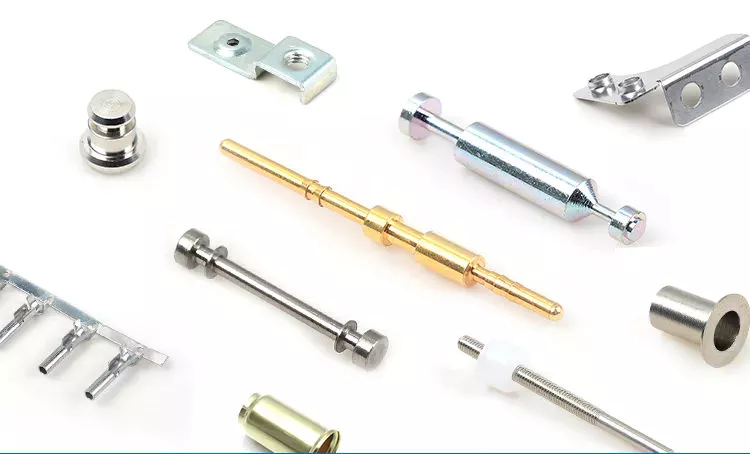
type
There are various types of bushings, each serving a different purpose. Oil-filled types are the most common and are designed for vertical installations. On the other hand, the embedded ferrule can accommodate the connection to the wire leads in the lower end of the ferrule. This feature significantly reduces the length of the sump end of the casing, but also adds additional complexity and cost.
There are two basic types of bushings. The first is a solid pour and the second is a capacitive graded variety. Solid cast bushings are typically used for low voltage transformer windings, while gas insulated bushings are insulated with pressurized gas. Gas-insulated bushings are also used in SF6 circuit breakers. If you are in the market for a new bushing, be sure to consider its cantilever strength and design.
Electrical bushings are an important part of various electrical equipment. They help carry high-voltage current through the enclosure and act as an insulator between a live conductor and a metal body at ground potential. Bulk-type bushings consist of a central conductive rod (usually copper or aluminum) and an insulator (silicone rubber compound or composite resin) surrounding the rod.
Transformers require transformer bushings. The construction and materials used in the bushing play a key role in the durability and longevity of the transformer. Transformers with weak bushings can fail, causing extensive damage. Moisture or voids can cause insulation breakdown, resulting in extensive electrical damage. Appropriate materials and optimized construction can reduce electric field stress and extend the life of the bushing.
Capacitor grading bushings are more expensive and are used in almost all high voltage systems. They use a conductive layer within the insulating layer between the center conductor and the insulator. Different manufacturers use different materials to produce these bushings. Earlier, capacitor grading bushings were made of concentric ceramic cylinders with metallized surfaces. They are also made from laminated cardboard tubes with conductive layers.
Function
A bushing is a support member that performs its function by acting as a washer and reducing noise and vibration. Bushings are used in valve covers and are made of corrosion-resistant materials to perform these functions. These products can be found in all types of machinery from cars to airplanes. Below are some common uses for bushings. Read on to discover more. Here are some of the most important features of the shell.
Electrical bushings transmit electricity. They can be used in circuit breakers, transformers, power capacitors and shunt reactors. The conductors of the bushing can be built directly into the bushing or through the bushing. Both current and voltage represent electricity. The bushing must have insulation capable of withstanding the voltage and its current-carrying conductors must be capable of carrying the rated current without overheating the adjacent insulation.
The bushing wraps around the stem, which is a relatively simple replacement part. It is a hardened part that prevents leaks and improves sealing. Plus, its low-cost replacement makes it a very easy-to-machine part. Bushings are also used in valves for guiding purposes. These two features make bushings an important part of many machines and applications. So, learn more about them.
Copper and brass are commonly used bushing materials. They have high compressive strength and high surface pressure. This material is suitable for bearings in low speed situations and heavy duty applications. Copper and brass are the most common types of casings, and they are both made in China. They are all relatively inexpensive and are available in a variety of materials and sizes. If you are considering purchasing a casing, keep in mind that it must meet national standards.
cost
Whether you’re looking for a replacement bushing for your rear suspension or just need to replace the fork, you have a few different options. The two main types of bushings are coated and uncoated. If you want to save money on bushing replacements, you should consider getting a cheaper lower fork. Whether you’re replacing bushings to improve ride quality or prevent damage to your wheel loader, you’ll find a bushing replacement option that fits your budget.
While most cars are compatible with bushings, some iconic parts from premium brands like BMW and Mercedes require special tools to replace. If you are not confident in your mechanical abilities, consider hiring a mechanic to do it. Mechanical replacement bushings typically range from $200 to $500. If you’re comfortable with mechanics and have some mechanical knowledge, you can save money by trying the job yourself. For example, control arm bushings range in price from $20 to $80. It is important to check the alignment after replacing the bushing to avoid further damage.
Control arm bushing replacements are usually relatively inexpensive, but you may need to replace several at the same time. You should check the prices of several mechanics before making a decision. You can easily save between $50 and $100 by comparing quotes. Plus, you’ll save a lot of money by finding the right mechanic for the job. You can also use an online comparison tool to compare prices. You can find a mechanic that suits your needs at an affordable price.
Control arm bushings are also an inexpensive way to replace parts of a car’s front or rear suspension. Typically, control arm bushings are made of two metal cylinders covered with a thick layer of rubber. They wear out due to accidents, potholes and off-roading. They are mounted with a bolt that goes through the inner barrel. It is important to replace these bushings as often as needed to improve operation.
China Professional Lm12-Uu Linear Bearing Linear Ball Bearing Linear Motion Bearing near me factory
Solution Description
Item Description:
Linear bearings are bearing aspects for translation variety motion. As in the case of rotary bearings, a distinction is drawn as to whether the forces taking place are transmitted by indicates of rolling or sliding components. Every linear design has certain qualities that make it specifically appropriate for distinct bearing arrangements.
one. enable high precision linear motion on round shafts
2. sustain heavy loads with low noise and high stiffness
3. perform under almost any environmental conditions and load capacities to satisfy a wide range programs
More merchandise display:
Business Introduction:
HangZhou CZPT Automation Engineering Co.LTD is situated in HangZhou city,ZHangZhoug province,China.The firm specializes in the creation of ball screw,screw assistance,nut seat,linear CZPT rail,cylindrical CZPT rail,biaxial starguide rail and so on.The company’s products are widely utilized in automantion eqiupment,packaging machinery,printing machinery,foods machinert,instrumentation eq uipment,woodworking equipment,car,high-pace iron,carving equipment and other industrial CZPT industries.
The business has abundant expertise in the layout and manufacture of automated semi-automated CZPT components,adcanced eqiupment and creation trchnology,and has anumber of specialized r&d backbone engaged in mechanical design and style,manufacturing,screening and following-product sales support for numerous a long time.Considering that the institution of the firm,the products have been developed in stringent accordance with intercontinental specifications.Every submit of producyion,income and soon after-revenue support has a superb complex crew as the bancking,and each and every link is understrict and meticulous top quality management to make sure that the sales are all large-high quality merchandise.The personnel of the business always keep in mind that high quality is the daily life of the business,because we are skilled simply because of our concentrate,we have been functioning difficult.
The firm is fully commited to making greatest calue for consumers,and is fully commited to prociding buyers with large-top quality,expert and satisfactory bearing merchandise.Welcome pals from all walks of daily life to cisit,guide and organization negotiations,we are willing to perform with you CZPT in hand!
Comprehending the Diverse Types of Bearings
When you are seeking for a bearing, you have numerous options to choose from. This report will clarify the numerous kinds, features, and operating concepts of distinct sorts of bearings. As soon as you recognize the simple components, you can make an informed choice about which a single to acquire. Here’s an overview of some of the most widespread sorts. Learn much more about every single type beneath! Go through on to understand about the differences amongst these distinct types of bearings! Posted in Posts
Capabilities
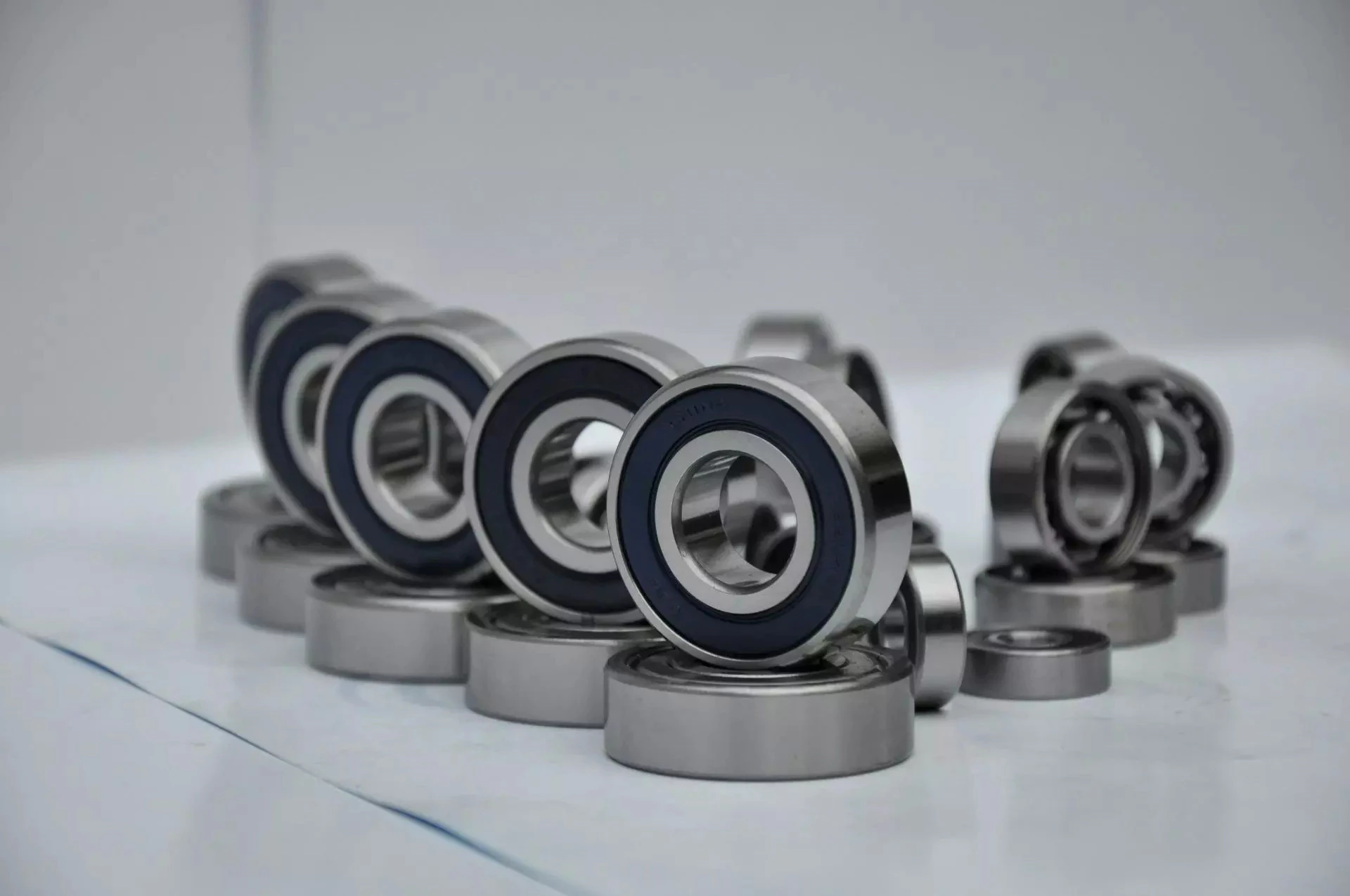
Bearings serve as an integral element of a mechanical system. These gadgets assist transfer torque from 1 component of a structure to an additional. These mechanisms improve the efficiency of a shaft by escalating its lifestyle. Nonetheless, the capabilities of bearings count on the software of the construction. Amongst other functions, bearings give assist to shafts. Anti-friction bearings appear in two varieties: ball and roller bearings. These components have line and level speak to, which is the most typical sort. Archimedes’s principle states that the force is equal to the excess weight of the fluid that is currently being displaced. Bearings can transfer lateral hundreds to a substructure.
A bearing has two primary capabilities. The first is to avoid direct metal-to-steel get in touch with. A bearing prevents friction, heat era, and dress in and tear of components. A bearing also lowers vitality usage. Its other function is to information and support a rotating entire body. In addition to these capabilities, bearings can also reduce wear and tear on a device. As a outcome, they are among the most widely utilized machines in the planet.
Seals are a significant part of a bearing. They stop overseas supplies from moving into and lubricating the transferring components. The design of seal lips decides their effectiveness. Gasoline financial system regulations and CO2 emissions restrictions are pushing the demand for low-friction bearings. Nonetheless, large-functionality seals do not usually supply higher-efficiency. As a outcome, recent estimations of the friction in bearings rely on demo and error strategies.
Yet another crucial operate of bearings is that they transfer the load of a rotating component to its housing. This load can be axial or radial. Bearings also limit motion to predefined instructions. Some types of rolling element bearings have balls or cylinders within. These bearings are much less frictional than sliding kinds, hence they allow elements to shift freely during rotation. These parts can then be utilized for different purposes. So, bearings are an integral part of machines.
Types
The most frequent type of bearing is a simple bearing. It employs surfaces in rubbing speak to to transmit motion from a single part to one more. These bearings might be discrete or may consist of a gap in a metal sleeve or a planar floor bearing an additional element. Some basic bearings are flanged, although other people are manufactured of a sleeve with a flange at one finish. These bearings usually give acceptable precision and daily life, but they are costly and can not be utilised in huge scale programs.
Radial bearings are used when there is a require for substantial-speed or corrosive areas. This variety of bearing also serves as a support in an intermediate predicament. Its two factors are referred to as the foundation and the protect. The foundation and cover are connected and are arranged parallel to the main axis. This type of bearing is utilised in regular-condition and axial motion programs. The radial bearings are also utilised when the shafts are prolonged.
Angular get in touch with bearings are another type of bearing. These are effortless to put in and call for nominal servicing. Their races are displaced along the axis. They are also far better at dealing with axial masses and transferring them to the housing. These kinds of bearings are generally utilised in pumps, automobiles, and large-speed programs. If you are searching for an cost-effective, reputable bearing, appear no additional than the angular make contact with bearing.
One more type of bearing is a self-lubricating bushing. These are light-weight and put on-resistant. Unlike the other varieties of bearing, they do not require any lubrication or servicing. In fact, some are fully servicing-free of charge. But if you’re worried about maintenance, this kind of bearing could be a excellent choice. There are a lot of rewards of utilizing self-lubricating bushings. It is also a great choice for apps the place your device is uncovered to severe temperatures.
Working theory
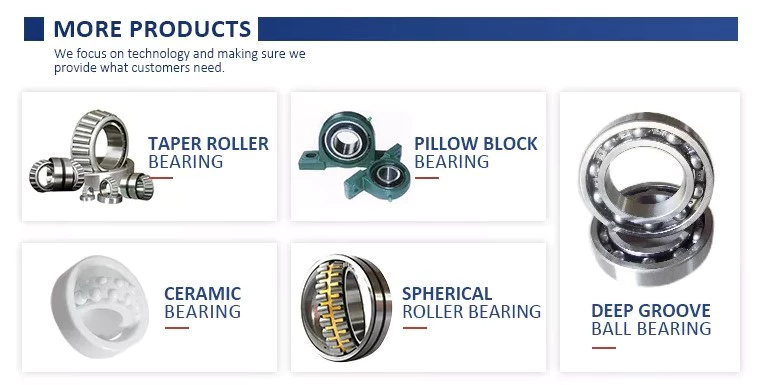
A bearing has two primary features: support and load transfer. In engineering purposes, the bearing tends to push the load in the route of the shaft. A radial load pushes the bearing downward and a thrust load pushes it sideways. Both sorts of load transfer are critical in a selection of applications. The functioning principle of each and every variety is explained underneath. Detailed under are the principal makes use of for each type of bearing.
A plain bearing employs a PTFE liner on the interface of two relocating elements. The PTFE liner acts as a lubricant and may be filtered to alter its friction. The journal bearing utilizes the motion of the journal to force fluid into the hole amongst two moving components. This benefits in a little volume of enjoy in the bearing. This perform is satisfactory for most applications. A ball bearing may have a optimum engage in of 2 mm for a 10-millimeter shaft.
The main purpose of a bearing is to assist in rotation and to minimize mechanical friction between the two objects. A bearing may be set up as a individual gadget or as an integral part of a equipment. For a lot more intricate programs, bearings are very precise components demanding the optimum requirements of technology. For this reason, it is crucial to understand the doing work basic principle of bearings. The subsequent time you need to have to carry or slide a heavy item, contemplate a bearing.
Ball bearings are a common kind of ball bearing and can be discovered in industrial machinery and automobiles. Their special composition assists them help significantly less excess weight. This is simply because they are comprised of two rings – an inner race and an outer race. The balls by themselves have a modest spot of speak to and transfer axial hundreds in one course. A cage surrounds the balls and stops them from colliding. This makes ball bearings a well-known decision for several programs.
Sealing technique
A bearing’s seals are vital for the procedure of rolling and rotating elements. These methods empower rotation and linear movement although restricting friction and dispersing pressure. With out the correct seals, these factors could encounter catastrophic failure. In addition to guarding the bearing from exterior forces, seals support retain lubricant inside of the method and stop harmful particles from coming into the gap. A seal’s lubrication assists avert the onset of mechanical damage and prolongs the existence of the bearing.
A bearing seal is created up of two elements: the internal sealing factor and the outer sealing component. A passageway runs through the bearing assembly to the outer seal component. A hydraulic press or pneumatic jack is recommended for putting in the seal. These equipment are successful in lowering deformation and bettering seal installation quality. When fitting the seal, ensure that the device does not strike the seal straight. A correct adopter will distribute the load uniformly throughout the seal.
The seal’s efficiency depends on its gap. A four-inch shaft seal can flow .5 normal cubic feet per minute. A seal’s performance is extremely dependent on the hole size. The hole measurement is a cube of the flow through the method. A smaller sized gap dimensions allows large stream and strain but much less leakage. If equally surfaces of the seal have related pressures and stream rates, the seal is productive. Even so, a tiny gap reduces the pressures and minimizes wear.
Mechanical seals have many benefits, such as their potential to defend in opposition to contaminants and splashing liquids. Labyrinth seals are the 1st line of protection in opposition to leaks. They function with no friction. Their high level of sealing efficiency helps make sure that the bearing remains operational for prolonged. This kind of seal is made from steel plates and is created for a wide temperature variety and misalignment. Its benefits consist of becoming easy to install and giving a hundred% sealing efficiency.
Servicing
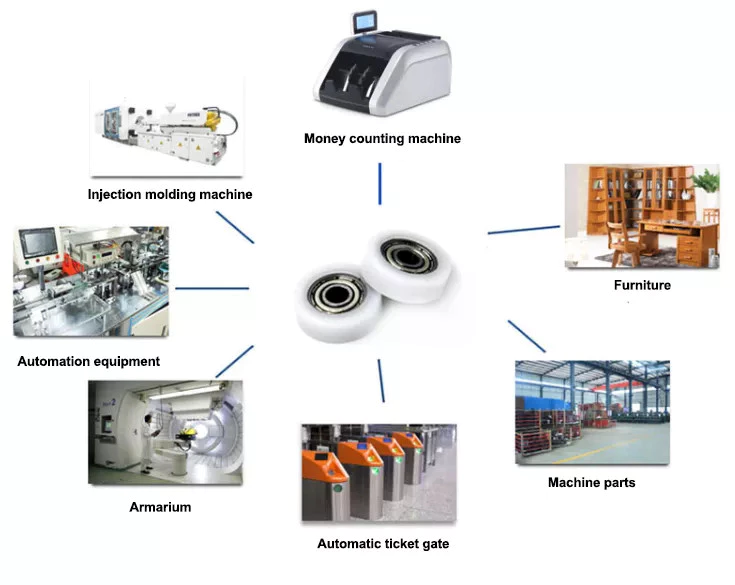
Bearing maintenance is critical to ensuring that your bearings hold functioning at their peak overall performance. Correct routine maintenance will enhance bearing life, lessen downtime and enhance productivity although decreasing expenses. Here is an 8-stage checklist to improve your bearings and make them final more time. To enhance their overall performance, you must stick to these actions routinely. In case a bearing does not last extended, you need to substitute it as before long as attainable. Outlined under are some guidelines to make certain correct upkeep.
The initial stage is to decide how often your bearings require lubrication. Some producers advise that you lubricate them weekly, but this can do more damage than great. As an alternative, use ultrasound to measure the stage of friction and development its levels. This way, you will know exactly when to grease your bearings. It really is also essential to examine how typically they should be inspected and calibrated. A specialist can offer advice on proper maintenance.
Up coming, inspect your bearings for cracks and scratches. You should never set up a bearing that has been dropped or scratched. Even a modest crack will influence the performance of the bearing and could lead to its premature failure. A correct alignment is important for the bearing to purpose appropriately. Make confident you have the correct resources to execute this task. These equipment can assist you lessen handbook operate and promote secure bearing maintenance. You ought to also make sure that the shaft and housing are cleanse and undamaged.
Appropriate upkeep can lengthen bearing services existence. Correct lubrication, mounting, inspection, standard condition checking, and dismounting can lengthen their lifestyle. Proper maintenance extends their lifespan and increases plant productiveness. Whilst bearings are essential for equipment, you must make certain you comply with the suitable basic safety techniques each time you operate with them. These guidelines will also assist avoid mishaps and preserve your machine’s efficiency. As soon as you’ve got adopted these recommendations, you can safely and securely inspect your bearings and make certain that they are functioning at their optimum capacity.

