Product Description
I have all the models you need, these are just some of them, please contact us now
1.FREE SAMPLES:
contact us by email or trade manager, we will send the free sampls according to your request.
2. World Class Bearing:We provide our customers with all type of indigenous bearing with world class quality.
3. OEM or Non Stand Bearings: Any requirement for Non standard bearings is Easily Fulfilled by us due to
its vast knowledge and links in the industry.
4. Genuine products With Excellent Quality: Company has always proved the
100% quality products it provides with genuine intent.
5.After Sales Service and technical Assistance: Company provides after sales service and technical assistance
as per the customers requirement and needs.
6. Quick Delivery: The company provides just-in-time delivery with its streamlined supply chain.
7. Cost Saving: We provide long-life, shock-resistant and high reliability bearings with
excellent quality and better performance. Resulting in increased cost saving.
8.Attending customer queries promptly: We believe that if customer are satisfied
then it proves our worth well. Customers are always given quick support.
| Contact Angle: | 45° |
|---|---|
| Aligning: | Non-Aligning Bearing |
| Separated: | Unseparated |
| Rows Number: | Multiple |
| Load Direction: | Radial Bearing |
| Material: | Bearing Steel |
| Customization: |
Available
| Customized Request |
|---|
Can you Explain the Various Types of Ball Bearings and their Specific Use Cases?
Ball bearings come in various types, each designed to meet specific application requirements. Here’s an overview of the different types of ball bearings and their specific use cases:
- Deep Groove Ball Bearings:
Deep groove ball bearings are the most common and versatile type. They have a deep raceway that allows them to handle both radial and axial loads. They are used in a wide range of applications, including electric motors, household appliances, automotive components, and industrial machinery.
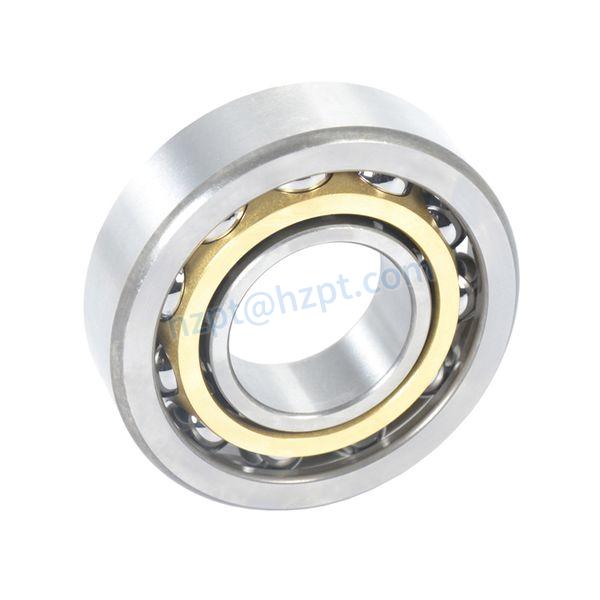
- Angular Contact Ball Bearings:
Angular contact ball bearings have a contact angle that enables them to handle both radial and axial loads at specific angles. They are suitable for applications where combined loads or thrust loads need to be supported, such as in machine tool spindles, pumps, and agricultural equipment.
- Self-Aligning Ball Bearings:
Self-aligning ball bearings have two rows of balls and are designed to accommodate misalignment between the shaft and the housing. They are used in applications where shaft deflection or misalignment is common, such as conveyor systems, textile machinery, and paper mills.
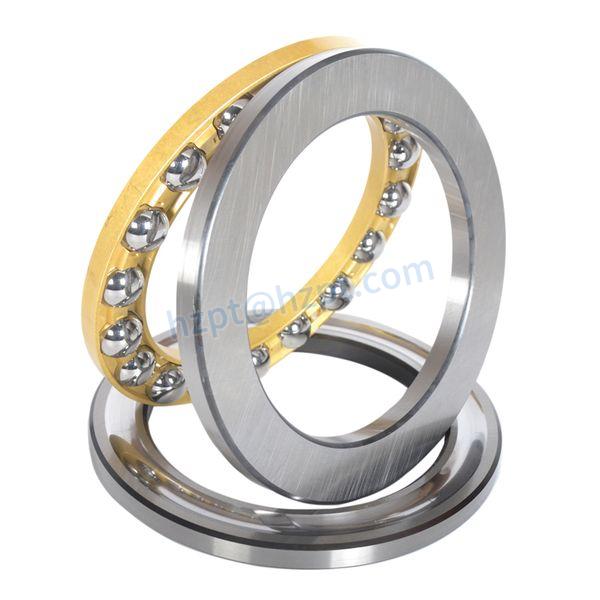
- Thrust Ball Bearings:
Thrust ball bearings are designed to support axial loads in one direction. They are commonly used in applications where axial loads need to be supported, such as in automotive transmissions, steering systems, and crane hooks.
- Single-Row vs. Double-Row Bearings:
Single-row ball bearings have a single set of balls and are suitable for moderate load and speed applications. Double-row ball bearings have two sets of balls and offer higher load-carrying capacity. Double-row designs are used in applications such as machine tool spindles and printing presses.
- Miniature and Instrument Ball Bearings:
Miniature ball bearings are smaller in size and are used in applications with limited space and lower load requirements. They are commonly used in small electric motors, medical devices, and precision instruments.
- Max-Type and Conrad Bearings:
Max-type ball bearings have a larger number of balls to increase load-carrying capacity. Conrad bearings have fewer balls and are used in appli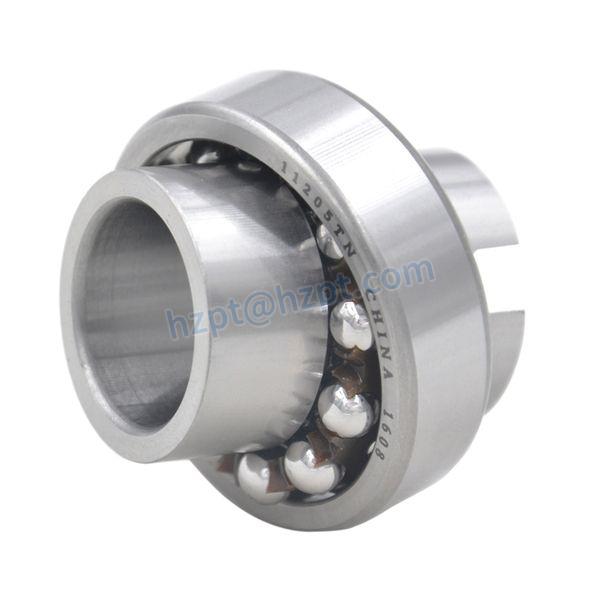
Are there any Industry Standards or Certifications that Ball Bearings should Meet?
Yes, there are several industry standards and certifications that ball bearings should meet to ensure their quality, performance, and reliability. These standards help manufacturers, engineers, and customers assess the suitability of bearings for specific applications. Some of the key standards and certifications for ball bearings include:
- ISO Standards:
The International Organization for Standardization (ISO) has developed a series of standards related to ball bearings. ISO 15 defines dimensions, boundary dimensions, and tolerances for radial bearings. ISO 281 specifies dynamic load ratings and calculation methods for bearings’ life calculations.
- ABEC (Annular Bearing Engineering Committee) Ratings:
ABEC ratings are commonly used in North America to indicate the precision and performance of ball bearings. Ratings range from ABEC 1 (lowest precision) to ABEC 9 (highest precision). However, it’s important to note that ABEC ratings focus primarily on dimensional tolerances and do not encompass all aspects of bearing quality.
- DIN Standards:
The German Institute for Standardization (Deutsches Institut für Normung, DIN) has published various standards related to ball bearings. DIN 625 covers dimensions for deep groove ball bearings, while DIN 616 provides guidelines for precision angular contact ball bearings.
- JIS (Japanese Industrial Standards):
JIS standards are used in Japan and internationally to define the characteristics and dimensions of various products, including ball bearings. JIS B 1512 outlines the classification and dimensions of rolling bearings.
- ASTM (American Society for Testing and Materials) Standards:
ASTM has standards that cover various aspects of bearing testing, performance, and materials. ASTM F2215, for instance, specifies the requirements for ball bearings used in surgical implants.
- CE Marking:
CE marking indicates that a product complies with European Union health, safety, and environmental requirements. It may be required for bearings used in machinery intended to be sold within the EU market.
- Industry-Specific Standards:
Various industries, such as aerospace, automotive, medical, and nuclear, have specific standards or certifications that bearings must meet to ensure safety, reliability, and compliance with industry-specific requirements.
- Quality Management Systems:
Manufacturers that adhere to quality management systems, such as ISO 9001, demonstrate their commitment to consistent product quality and customer satisfaction. Certification to these systems indicates that the manufacturing process follows established protocols and best practices.
When selecting ball bearings, it’s important to consider the relevant standards and certifications that align with the application’s requirements. This ensures that the bearings meet recognized quality and performance criteria, ultimately contributing to reliable and efficient operation.
cations with moderate loads and speeds.
- High-Precision Ball Bearings:
High-precision ball bearings are designed for applications where accuracy and precision are critical, such as machine tool spindles, aerospace components, and optical instruments.
- High-Speed Ball Bearings:
High-speed ball bearings are engineered to minimize friction and accommodate rapid rotation. They are used in applications such as dental handpieces, turbochargers, and centrifuges.
In summary, the various types of ball bearings are tailored to different application requirements, including load type, direction, speed, and environmental conditions. Selecting the appropriate type of ball bearing ensures optimal performance and longevity in specific applications.


editor by CX 2023-08-11
China Roller Bearing Wheel Bearing Auto Wheel Hub Bearings E Ek Ccw33 Emw33c3 NTN NSK Koyo Timken Fyh NACHI Peer Kbc 22220 22222 22218 22216 22224 22210 22208 22209 manufacturer
Item Description
Spherical roller bearings have 2 rows of rollers with a common sphere raceway in the outer ring and 2 interior ring raceways inclined at an angle to the bearing axis.This offers them an eye-catching mix of layout attributes making them irreplaceable .in several demanding purposes. They are self-aligning and as a result insensitive to misalignment of the shaft relative to the housing and to shaft deflection or bending.
1.CA: Integral brass cage, double row symmetrical rollers,interior ring ride
two.MA: Integral brass cage, double row symmetrical rollers ,outer ring trip
three.MB: Two piece brass cage,double row asymmetrical rollers, interior ring journey
four.CC: Two piece metal cage, double row symmetrical rollers,inner ring ride
five.CTN1: Double row symmetrical rollers ,nylon cage
6.K: Tapered bore bearing, the taper is 1:twelve
7.K30: Tapered bore bearing,the taper is 1:three
| BEARINGS | BEARINGS | BEARINGS | BEARINGS | BEARINGS | BEARINGS | BEARINGS | BEARINGS | |
| 35712 | 30303 | 32203 | 32304 | 32 | KOYO | 27687/20 | TIMKEN | |
| 25580/twenty (SET52) | TIMKEN | 320/32JR | KOYO | 27690/20 | TIMKEN | |||
| 33889/22 | NTN | 323/32 | KOYO | 2788/20 (SET230) | TIMKEN | |||
| 3872/twenty | TIMKEN | 359S/354A | TIMKEN | 28584/521 | TIMKEN | |||
| 399A/394A | TIMKEN | 387A/382 | TIMKEN | 33275/462 | TIMKEN | |||
| 52400/618 | TIMKEN | 387A/382A | TIMKEN | 33275/472 | TIMKEN | |||
| 6580/35 | TIMKEN | 390/394A | TIMKEN | 368A/362A | TIMKEN | |||
| 65TNK20 | KOYO | 469/453X (SET205) | TIMKEN | 594A/592A (SET403) | TIMKEN | |||
| 759/752 | TIMKEN | 567/563 (SET425) | TIMKEN | 598/592A | TIMKEN | |||
| HH506349/10 | TIMKEN | 578/572 | TIMKEN | HM212049/11 (SET413) | TIMKEN | |||
| HM88649/10 | TIMKEN | 594A/592 | TIMKEN | HM85719/10 | TIMKEN | |||
| HM89449/ten (SET312) | TIMKEN | 2690/31 | NTN | HM89443/10 | TIMKEN | |||
| JLM104948/10 (SET10) | TIMKEN | 3980/20 | TIMKEN | IR354030 | NTN | |||
| JLM710949/ten | TIMKEN | 6304/22 | KOYO | JM718149/10 | TIMKEN | |||
| JM207049/10 | TIMKEN | 26886/twenty | TIMKEN | JM725719/10 | TIMKEN | |||
| JM515649/ten | TIMKEN | 32005/26 | TIMKEN | JP12049/10 | TIMKEN | |||
| JM714249/10 (SET325) | TIMKEN | 32205/20 | TIMKEN | JW5049/10 | TIMKEN | |||
| JM716649/ten (SET361) | TIMKEN | 33275/462 Established | TIMKEN | KH2030PP | ||||
| JM822049/10 | TIMKEN | 42688/20 | TIMKEN | KT253224 | IKO | |||
| JP10049/ten (SET245) | TIMKEN | 64450/700 | TIMKEN | KT434930 | IKO | |||
| LM157149/ten | TIMKEN | 67786/twenty | TIMKEN | L225849/ten | TIMKEN | |||
| LM12649/ten | TIMKEN | 72212C/487 | TIMKEN | L44649/10 | NTN | |||
| LM48548/10 | TIMKEN | H414245/ten | TIMKEN | L55719/10 | TIMKEN | |||
| M12649/10 | TIMKEN | HM518445/ten (SET415) | TIMKEN | L68149/11 | KOYO | |||
| M84249/10 | TIMKEN | HM857148/eleven | TIMKEN | LM300849/eleven (SET318) | TIMKEN | |||
| 5710/204 | TIMKEN | HM804049/ten | TIMKEN | LM603049/fourteen | TIMKEN | |||
| 15125/245 | TIMKEN | HM89446/10 | TIMKEN | LR5200KDD | ||||
| 15578/23 | TIMKEN | JL819349/10 (SET336) | TIMKEN | M84548/10 | TIMKEN | |||
| HM506349/ten | TIMKEN | JW4549/10 | TIMKEN | M86649/M86610 (SET309) | TIMKEN | |||
| HM807035/10 | TIMKEN | LM104949/10 | TIMKEN | M88043/ten | TIMKEN | |||
| HM807040/ten | TIMKEN | LM104949/11 | TIMKEN | T149 | TIMKEN | |||
| HM807046/10 | TIMKEN | LM11949/10 | TIMKEN | U399/U360 (SET10) | TIMKEN | |||
| HM807049/10 | TIMKEN | LM67048/67571 (SET6) | TIMKEN | 35715 | TIMKEN | |||
| 390A/394A | TIMKEN | M857148/M857171 | TIMKEN | 35717 | TIMKEN | |||
| 39578/twenty | TIMKEN | 1217KC3 | NTN | 35718 | TIMKEN | |||
| 612/621 | TIMKEN | 15267-2RS (15x26x7) | KOYO | 35719 | TIMKEN | |||
| H715345/thirteen | TIMKEN | 18307-2RS (18x30x7) | KOYO | 35710 | KOYO | |||
| JM719149/thirteen | TIMKEN | NF12192.S01 | KOYO | 35710M | TIMKEN | |||
| JM612949/10 | TIMKEN | BT1-0332/Q | KOYO | 35712 | TIMKEN | |||
| JM511946/10 | TIMKEN | 32571X | KOYO | 35713 | TIMKEN | |||
| JLM813049/ten | TIMKEN | BT1-5711/QCL7C | KOYO | 35713J2/Q | KOYO | |||
| JLM603048/thirteen | TIMKEN | 6210-2Z/VA201 | KOYO | 35714 | TIMKEN | |||
| 43131/312 | TIMKEN | 15267-2RS | KOYO | 35718 | TIMKEN | |||
| HM907643/fourteen | TIMKEN | 18307-2RS | KOYO | 35711 | TIMKEN | |||
| 4050/4138A | TIMKEN | 61803-2RSC3 | KOYO | 35712 | TIMKEN | |||
| 52387/618 | TIMKEN | 62207-2RS | KOYO | 35718 | TIMKEN | |||
| 25590/20 | TIMKEN | 62305-2RS1 | KOYO | 30306 | TIMKEN | |||
| 0571 7/5715 | TIMKEN | 63000-2RSC3 | KOYO | 30307 | TIMKEN | |||
| 11590/twenty (SET61) | TIMKEN | 63007-2RSC3 | KOYO | 30308 | TIMKEN | |||
| 15100/245 | TIMKEN | 63/28NR | KOYO | 3571 | TIMKEN | |||
| 15101/250 | TIMKEN | 35713 | TIMKEN | 3571 | TIMKEN | |||
| 15102/245 | TIMKEN | 35714 | TIMKEN | 3571 | TIMKEN | |||
| 15106/245 | TIMKEN | 35716 | TIMKEN | 3571 | TIMKEN | |||
| 15106/250 | TIMKEN | 35711A | TIMKEN | 31309 | TIMKEN | |||
| 15112/245 | TIMKEN | 30302 | TIMKEN | 31308 | TIMKEN | |||
| 15113/245 | TIMKEN | 30304 | TIMKEN | 31310 | TIMKEN | |||
| 15117/245 | TIMKEN | 31312 | TIMKEN | 31314 | TIMKEN | |||
| 15118/245 | TIMKEN | 32008 | TIMKEN | 31315 | KOYO | |||
| 25580/20 Set fifty two | TIMKEN | 32571 | TIMKEN | 32005 | TIMKEN | |||
| 2580/2523 | TIMKEN | 32205 | TIMKEN | 32006 | TIMKEN | |||
| 25877/21 | TIMKEN | 32207 | TIMKEN | 32009 | TIMKEN | |||
| 26882/twenty | NTN | 336/332 | TIMKEN | 32571 | TIMKEN | |||
| 29328E | KOYO | 339/332 | TIMKEN | 32011 | TIMKEN | |||
| 29586/twenty | TIMKEN | 496/493 | TIMKEN | 32012 | TIMKEN | |||
| 31316J1/QCL7C | KOYO | 580/572 | TIMKEN | 32014 | TIMKEN | |||
| 320/28 | KOYO | 621/612 | TIMKEN | 32015 | TIMKEN | |||
| 36690/20 | TIMKEN | 1779/29 | TIMKEN | 32017 | TIMKEN | |||
| 37425/625 | TIMKEN | 3476/20 | TIMKEN | 32018 | TIMKEN | |||
| 3880/twenty | TIMKEN | 3478/twenty | TIMKEN | 32571 | TIMKEN | |||
| 39590/twenty | TIMKEN | 3782/3720 (SET406) | TIMKEN | 32571XU | NTN | |||
| 399/394A | TIMKEN | 3982/20 | TIMKEN | 32030 | TIMKEN | |||
| 4307ATN9 | KOYO | 57172/20 | TIMKEN | 32032 | TIMKEN | |||
| 4388/35 | TIMKEN | 0571 7/5715 | TIMKEN | 32206 | TIMKEN | |||
| 4395/35 | TIMKEN | 13687/twenty | NTN | 32208 | TIMKEN | |||
| 45280/20 (SET409) | TIMKEN | 13687/21 | NTN | 32209 | TIMKEN | |||
| 45284/20 | TIMKEN | 15578/20 | TIMKEN | 32210 | TIMKEN | |||
| 45289/20 | TIMKEN | 15590/twenty | NTN | 32211 | TIMKEN | |||
| 45290/20 | TIMKEN | 15590/23 | NTN | 32212 | TIMKEN | |||
| 455/453A | TIMKEN | 17580/twenty | NTN | 32213 | TIMKEN | |||
| 47678/20 | TIMKEN | 18590/20 | KOYO | 32214 | TIMKEN | |||
| 47679/20 | TIMKEN | 18790/18720 (SET121) | TIMKEN | 32218 | TIMKEN | |||
| 47686/20 | TIMKEN | 24780/20 | TIMKEN | 32219 | TIMKEN | |||
| 47687/20 | TIMKEN | 28584/521 (SET357) | TIMKEN | 32220 | TIMKEN | |||
| 497/492A | TIMKEN | 28985/twenty | TIMKEN | 32221 | TIMKEN | |||
| 497/493 | TIMKEN | 29590/22 | NTN | 32230 | TIMKEN | |||
| HM212049/11 SET413 | TIMKEN | 29685/twenty | TIMKEN | 32306 | TIMKEN | |||
| HM218248/ten | TIMKEN | 31594/20 | TIMKEN | 32317 | TIMKEN | |||
| HM516449/10 | TIMKEN | 33262/462 | TIMKEN | 33005 | TIMKEN | |||
| HM516449A/ten (SET421) | TIMKEN | 33269/462 | TIMKEN | 33011 | TIMKEN | |||
| HM516449C/10 (SET422) | TIMKEN | 33287/462 | TIMKEN | 33108 | TIMKEN | |||
| HM85716/10 (SET330) | TIMKEN | 34301/478 | NTN | 33110 | TIMKEN | |||
| HM89448/ten | TIMKEN | 42350/284 | TIMKEN | 33116 | TIMKEN | |||
| HM903248/10 | TIMKEN | 42362/584 | TIMKEN | 33116/Q | KOYO | |||
| JL69349/10 | TIMKEN | 42381/584 | TIMKEN | 33208 | TIMKEN | |||
| JP10049/10 Set 245 | TIMKEN | 45282/twenty | TIMKEN | 2789/2720 | TIMKEN | |||
| KH1428PP | KOYO | 45285/20 | TIMKEN | 2789/2729 | TIMKEN | |||
| KH1630PP | 45287/twenty | TIMKEN | 359S/354A | NTN | ||||
| KH2540PP | 45291/20 | TIMKEN | 388/382 | TIMKEN | ||||
| LM501349/10 | TIMKEN | 48290/twenty | TIMKEN | 395A/394A (SET365) | TIMKEN | |||
| LM501349/fourteen Established sixty nine | TIMKEN | 67790/twenty | TIMKEN | 462/453 | TIMKEN | |||
| M857148/M857111 Set 328 | TIMKEN | L44643/ten | TIMKEN | 495/493 | TIMKEN | |||
| 57175/twenty | TIMKEN | M857148/11 (SET328) | TIMKEN | 555S/552A | TIMKEN | |||
| 11590/twenty (SET61) | TIMKEN | M86647/10 | TIMKEN | 575/572 | TIMKEN | |||
| 18590/twenty | TIMKEN | M86647/10 | KOYO | 580/572 Established | TIMKEN | |||
| 25590/23 Established | TIMKEN | HM88547/10 | TIMKEN | 3780/20 (SET123) | TIMKEN | |||
| 28680/22 | TIMKEN | JL819649/ten (SET336) | TIMKEN | 3782/3720 (Set 406) | TIMKEN | |||
| 35710M | TIMKEN | JHM725719/ten | TIMKEN | 3984/twenty | TIMKEN | |||
| 32308C | TIMKEN | LM814849/ten | TIMKEN | 9278/20 | TIMKEN | |||
| 33281/462 | TIMKEN | 582/572 | TIMKEN | 21306BD1C3 | NTN | |||
| 368A/362A | TIMKEN | 655/652 | TIMKEN | 21309BD1C3 | NTN | |||
| 390/394A | TIMKEN | 3490/twenty | TIMKEN | 23328YMW33W800C4 | TIMKEN | |||
| 390A/394A | TIMKEN | 3767/twenty | TIMKEN | 29420E | KOYO | |||
| 393/394 | TIMKEN | 6461A/twenty | TIMKEN | 57175/twenty | TIMKEN | |||
| 3980/20 | TIMKEN | 57174/20 | TIMKEN | 5715/08231 | TIMKEN | |||
| 455/453A | TIMKEN | 64450/seven-hundred (SET117) | TIMKEN | 15123/15245 | TIMKEN | |||
| 52400/618 | TIMKEN | 65390/twenty | TIMKEN | 15125/43 | TIMKEN | |||
| 55206C/37 | TIMKEN | 67390/22 | TIMKEN | 18790/18720 | TIMKEN | |||
| 6580/35 | TIMKEN | HM212047/11 | TIMKEN | 25590/22 | TIMKEN | |||
| 65TNK20 | TIMKEN | HM85719/12 | TIMKEN | 25880/21 | TIMKEN | |||
| 67388/22 | TIMKEN | JM511945/3920 | TIMKEN | 28584/20 | TIMKEN | |||
| 749/742 | TIMKEN | JP7049/10 | TIMKEN | 28680/22 | TIMKEN | |||
| 759/752 | TIMKEN | LM12748/10 | TIMKEN | 28682/22 | TIMKEN | |||
| 9278/twenty | TIMKEN | LM67048/10 (SET6) | TIMKEN | 33281/462 | TIMKEN | |||
| HM88649/ten | TIMKEN | 388A/382 | TIMKEN | 34306/34478 | TIMKEN | |||
| HM89249/10 | TIMKEN | 3779/twenty | TIMKEN | 37431A/37625 | TIMKEN | |||
| HM89446/ten | TIMKEN | 3979/twenty | TIMKEN | 39250/412 | TIMKEN | |||
| HM89448/ten | TIMKEN | 6279/twenty | TIMKEN | 42381/42584 | TIMKEN | |||
| HM89449/10 (SET312) | TIMKEN | 14124/seventy four | TIMKEN | 49585/twenty | TIMKEN | |||
| JL69349/ten | TIMKEN | 25590/23 | TIMKEN | 55200C/437 | TIMKEN | |||
| JL819349/ten (SET336) | TIMKEN | 28985/21 | TIMKEN | 55206C/37 | TIMKEN | |||
| JM515649/10 | TIMKEN | 29590/20 | TIMKEN | 67388/22 | TIMKEN | |||
| JM822049/10 | TIMKEN | 32310/fifty five | KOYO | 68462/twelve | TIMKEN | |||
| L44643/ten | TIMKEN | 48685/20 | TIMKEN | 78225/fifty one | TIMKEN | |||
| LM11949/ten | TIMKEN | 74550A/850 | TIMKEN | 60/22-2RSC3 | TIMKEN | |||
| LM501349/10 | TIMKEN | M857148/11 | TIMKEN | sixty/28-2RS | KOYO | |||
| T119 | TIMKEN | HM801346/ten | TIMKEN | 60/28-2RSC3 | KOYO | |||
| T149 | TIMKEN | HM88542/10 | TIMKEN | sixty two/28-2RS | KOYO | |||
| 41125/41286 | TIMKEN | HM911245/ten | TIMKEN | 28KW02 (52720-24000CH) | NSK | |||
| 55175C/55437 (SET363) | TIMKEN | LM603049/11 | TIMKEN | 5202-2RSC3 | TIMKEN | |||
| 687/672 (SET508) | TIMKEN | JLM506849/10 | TIMKEN | HH506348/ten | TIMKEN | |||
| JLM714149/10 | TIMKEN | JF7049/ten | TIMKEN | HM212049/10 | TIMKEN | |||
| JM714249/JM714210 (SET325) | TIMKEN | JF7049A/10 | TIMKEN | HM804846/10 | TIMKEN | |||
| L44649/10 | TIMKEN | JHM807045/twelve | TIMKEN | LM501349/14 (SET69) | TIMKEN | |||
| LM29749/eleven | TIMKEN | JLM104948/10 (SET107) | TIMKEN | |||||
| Designation | Shaft | Boundary proportions [mm] | Fat [kg] | ||||
| Bearing | Adapter sleeve | d1 [mm] | d | D | B | r1, r2 min | Bearing |
| 22205CK | H305 | 20 | twenty five | 52 | eighteen | one | .eighteen |
| 22206CK | H306 | twenty five | thirty | sixty two | twenty | 1 | .38 |
| 22207CK | H307 | 30 | 35 | 72 | 23 | one.one | .41 |
| 21307CK | H307 | 35 | 80 | 21 | 1.five | .5 | |
| 22208CK | H308 | 35 | forty | 80 | 23 | 1.1 | .49 |
| 21308CK | H308 | forty | 90 | 23 | 1.five | .seven | |
| 22308CK | H2308 | 40 | ninety | 33 | one.five | one.1 | |
| 22209CK | H309 | 40 | 45 | eighty five | 23 | one.one | .fifty four |
| 21309CK | H309 | forty five | a hundred | twenty five | one.five | .ninety five | |
| 22309CK | H2309 | 45 | a hundred | 36 | 1.five | 1.36 | |
| 22210CK | H310 | 45 | fifty | ninety | 23 | 1.one | .61 |
| 21310CK | H310 | 50 | one hundred ten | 27 | two | 1.25 | |
| 22310CK | H2310 | 50 | a hundred and ten | 40 | two | 1.eighty two | |
| 22211CK | H311 | 50 | 55 | one hundred | twenty five | one.five | .8 |
| 21311CK | H311 | 55 | a hundred and twenty | 29 | 2 | 1.65 | |
| 22311CK | H2311 | fifty five | one hundred twenty | 43 | 2 | two.31 | |
| 22212CK | H312 | 55 | sixty | 110 | 28 | one.5 | one.06 |
| 21312CK | H312 | sixty | 130 | 31 | two.1 | one.ninety five | |
| 22312CK | H2312 | 60 | 130 | 46 | 2.1 | 2.93 | |
| 22213CK | H313 | 60 | sixty five | one hundred twenty | 31 | 1.five | 1.44 |
| 21313CK | H313 | sixty five | 140 | 33 | two.1 | two.45 | |
| 22313CK | H2313 | 65 | 140 | forty eight | 2.one | 3.54 | |
| 22214CK | H314 | 70 | one hundred twenty five | 31 | one.five | 1.fifty two | |
| 21314CK | H314 | 70 | a hundred and fifty | 35 | 2.one | three.1 | |
| 22314CK | H2314 | 70 | one hundred fifty | 51 | two.1 | 4.19 | |
| 22215CK | H315 | 65 | seventy five | 130 | 31 | one.five | 1.61 |
| 21315CK | H315 | 75 | 160 | 37 | 2.one | three.fifty five | |
| 22315CK | H2315 | seventy five | 160 | 55 | 2.1 | five.21 | |
| 22216CK | H316 | 70 | 80 | one hundred forty | 33 | 2 | one.ninety seven |
| 21316CK | H316 | 80 | one hundred seventy | 39 | 2.one | four.twenty five | |
| 22316CK | H2316 | 70 | eighty | one hundred seventy | fifty eight | two.one | six.2 |
| 22217CK | H317 | 75 | eighty five | 150 | 36 | two | 2.forty seven |
| 21317CK | H317 | eighty five | 180 | forty one | 3 | 5.one | |
| 22317CK | H2317 | 85 | 180 | 60 | 3 | seven.one | |
| 22218CK | H318 | 80 | 90 | one hundred sixty | forty | two | three.eighteen |
| 23218CK | H2318 | ninety | 160 | fifty two | two | four.6 | |
| 21318CK | H318 | ninety | one hundred ninety | 43 | three | five.8 | |
| 22318CK | H2318 | 90 | one hundred ninety | sixty four | three | 8.44 | |
| Bearing Designations | Boundary Domensions(mm) | Basic Load Ranking(kn) | Restricting Velocity(r/min) | Excess weight(kg) | ||||
| New Normal | d | D | B | Dynamic | Static | Grease | Oil | |
| Cr | Cor | |||||||
| 23571CC/W33 | 100 | a hundred and fifty | 37 | 237 | 400 | 2400 | 3200 | two.fifty one |
| 23571CC/W33 | a hundred and ten | a hundred and seventy | 45 | 310 | 440 | 3400 | 4300 | three.8 |
| 23571CC/W33 | a hundred and twenty | one hundred eighty | forty six | 350 | 510 | 3200 | 4000 | 4.2 |
| 23026CC/W33 | 130 | 200 | fifty two | 430 | 610 | 2800 | 3600 | six |
| 23571CC/W33 | 140 | 210 | fifty three | 465 | 680 | 2600 | 3400 | six.55 |
| 23030CC/W33 | 150 | 225 | fifty six | 510 | 750 | 2400 | 3200 | 7.ninety five |
| 23032CC/W33 | 160 | 240 | sixty | 585 | 880 | 2400 | 3000 | 9.seven |
| 23034CC/W33 | a hundred and seventy | 260 | sixty seven | 710 | 1060 | 2200 | 2800 | 13 |
| 23036CC/W33 | one hundred eighty | 280 | seventy four | 830 | 1250 | 2000 | 2600 | 17 |
| 23038CC/W33 | a hundred ninety | 290 | 75 | 865 | 1340 | 1900 | 2400 | 18 |
| 23040CC/W33 | 200 | 310 | 82 | a thousand | 1530 | 1800 | 2200 | 23.three |
| 23044CC/W33 | 220 | 340 | ninety | 1220 | 1860 | 1600 | 2200 | thirty.5 |
| 23048CC/W33 | 240 | 360 | ninety two | 1290 | 2080 | 1500 | 1900 | 33.five |
| 23052CC/W33 | 260 | 400 | 104 | 1600 | 2550 | 1300 | 1700 | 48.five |
| 23056CC/W33 | 280 | 420 | 106 | 1730 | 2850 | 1300 | 1600 | 52.five |
| 23060CC/W33 | three hundred | 460 | 118 | 2120 | 3450 | 1200 | 1500 | seventy one.five |
| 23064CC/W33 | 320 | 480 | 121 | 2240 | 3800 | 1100 | 1400 | seventy eight |
| 23068CC/W33 | 340 | 520 | 133 | 2700 | 4550 | 1000 | 1300 | one hundred and five |
| 23072CC/W33 | 360 | 540 | 134 | 2750 | 4800 | 950 | 1200 | one hundred ten |
| 23076CC/W33 | 380 | 560 | a hundred thirty five | 2900 | 5000 | 900 | 1200 | 115 |
| 23080CC/W33 | 400 | 600 | 148 | 3200 | 5700 | 850 | 1100 | a hundred and fifty |
| 23084CC/W33 | 420 | 620 | one hundred fifty | 3400 | 6000 | 600 | 1100 | one hundred fifty five |
| 23126CC/W33 | 130 | 210 | sixty four | 560 | 780 | 2400 | 3200 | 8.eight |
| 23128CC/W33 | a hundred and forty | 225 | sixty eight | 630 | 900 | 2200 | 2800 | 10.5 |
| 23130CC/W33 | one hundred fifty | 250 | eighty | 830 | 1200 | 2000 | 2600 | 16 |
| 23132CC/W33 | one hundred sixty | 270 | 86 | 980 | 1370 | 1900 | 2400 | 20.5 |
| 23134CC/W33 | one hundred seventy | 280 | 88 | 1040 | 1500 | 1800 | 2400 | 22 |
| 23136CC/W33 | a hundred and eighty | three hundred | ninety six | 1200 | 1760 | 1700 | 2200 | 28 |
| 23138CC/W33 | one hundred ninety | 320 | 104 | 1370 | 2080 | 1500 | 2000 | 35 |
| 23140CC/W33 | 200 | 340 | 112 | 1600 | 2360 | 1500 | 1900 | forty three |
| 23144CC/W33 | 220 | 370 | 120 | 1800 | 2750 | 1300 | 1700 | fifty three.five |
| 23144CC/W33 | 220 | 370 | one hundred twenty | 2120 | 3350 | one thousand | 1400 | sixty seven |
| 23148CC/W33 | 240 | four hundred | 128 | 2080 | 3200 | 1200 | 1600 | sixty six.five |
| 23152CC/W33 | 260 | 440 | a hundred and forty four | 2550 | 3900 | 1100 | 1400 | ninety.5 |
| 23156CC/W33 | 280 | 460 | 146 | 2650 | 4250 | one thousand | 1300 | 97 |
| 23160CC/W33 | 300 | 500 | one hundred sixty | 3200 | 5100 | 950 | 1200 | 125 |
| 23164CC/W33 | 320 | 540 | 176 | 3750 | 6000 | 850 | 1100 | 165 |
| 23168CC/W33 | 340 | 580 | a hundred ninety | 4250 | 6800 | 800 | a thousand | 210 |
| 23172CC/W33 | 360 | 600 | 192 | 4300 | 6950 | 750 | one thousand | 220 |
| 23176CC/W33 | 380 | 620 | 194 | 4400 | 7100 | 560 | 1000 | 230 |
| 23180CC/W33 | four hundred | 650 | two hundred | 4650 | 7650 | 530 | 950 | 265 |
| 23184CC/W33 | 420 | seven-hundred | 224 | 5600 | 9300 | 480 | 900 | 350 |
| 23188CC/W33 | 440 | 720 | 226 | 6000 | ten thousand | 450 | 850 | 360 |
Our Merchandise Lines:
1. Deep groove ball bearings (68series,69series,60series,62series,63series,64series)
2. Tapered roller bearing(320 series,322 series,323 collection)
three. Linear bearing
4. Thrust ball bearing(511 series,512 sequence,513 series)
5. Cylindrical roller bearing(NU10 series, NJ2 Collection, N3 series, NN series)
six. Needle roller bearing
7. Angular make contact with ball bearing(70 collection.72 collection.73 sequence.seventy four sequence)
eight. Spherical roller bearing
nine. Thurst roller bearing
10. Spherical ball bearing(230 collection,222series,223series)
11. pillow block bearing(UCP collection, UCF collection, UCT series, UCFL collection)
FAQ:
Q: Are you a trading firm or company?
A: We are manufacturing unit of the bearing in china
Q: How long is your supply time?
A: Generally it is 5-10 days if the items are in stock. or it is fifteen-twenty times if the goods are not in inventory,
it is in accordance to the quantity of the bearing china.
Q: Do you provide samples? is it cost-free or further?
A: Yes, we could provide the sample for free demand but do not shell out the cost of freight.
Q: What are your phrases of payment?
A: Payment=10000USD, 30% T/T in advance ,
balance ahead of shippment.
If you have an additional concern, pls truly feel free of charge to make contact with us.
|
/ Piece | |
1 Piece (Min. Order) |
###
| Rolling Body: | Roller Bearings |
|---|---|
| The Number of Rows: | Double |
| Outer Dimension: | Medium and Large(120-190mm) |
| Material: | Bearing Steel |
| Spherical: | Aligning Bearings |
| Load Direction: | Radial Bearing |
###
| Customization: |
|---|
###
| BEARINGS | BEARINGS | BEARINGS | BEARINGS | BEARINGS | BEARINGS | BEARINGS | BEARINGS | |
| 30202 | 30303 | 32203 | 32304 | 32003 | 33005 | 33205 | 33108 | |
| 30203 | 30304 | 32204 | 32305 | 32004 | 33006 | 33206 | 33109 | |
| 30204 | 30305 | 32205 | 32306 | 32005 | 33007 | 33207 | 33110 | |
| 30205 | 30306 | 32206 | 32307 | 32006 | 33008 | 33208 | 33111 | |
| 30206 | 30307 | 32207 | 32308 | 32007 | 33009 | 33209 | 33112 | |
| 30207 | 30308 | 32208 | 32309 | 32008 | 33010 | 33210 | 33113 | |
| 30208 | 30309 | 32209 | 32310 | 32009 | 33011 | 33211 | 33114 | |
| 30209 | 30310 | 32210 | 32311 | 32010 | 33012 | 33212 | 33115 | |
| 30210 | 30311 | 32211 | 32312 | 32011 | 33013 | 33213 | 33116 | |
| 30211 | 30312 | 32212 | 32313 | 32012 | 33014 | 33214 | 33117 | |
| 30212 | 30313 | 32213 | 32314 | 32013 | 33015 | 33215 | 33118 | |
| 30213 | 30314 | 32214 | 32315 | 32014 | 33016 | 33216 | 33119 | |
| 30214 | 30315 | 32215 | 32316 | 32015 | 33017 | 33217 | 33120 | |
| 30215 | 30316 | 32216 | 32016 | 33018 | 33218 | |||
| 30216 | 30317 | 32217 | 32017 | 33019 | 33219 | |||
| 30217 | 30318 | 32218 | 32018 | 33020 | 33220 | |||
| 30218 | 32219 | 32019 | ||||||
| 30219 | 32220 | 32020 | ||||||
| 30220 | 32221 | 32021 | ||||||
| 30221 | 32222 | 32022 | ||||||
| 30222 | 32224 | 32024 | ||||||
| 32226 | 32026 | |||||||
| 32228 | 32028 | |||||||
| 32230 | 32030 | |||||||
| 32032 | ||||||||
| 32034 | ||||||||
| BEARINGS | BEARINGS | BEARINGS | BEARINGS | Bearing No | Bearing No | Bearing No | Bearing No | Bearing No |
| 6000/6001 | 6200 | 6300 | 6403 | 62200 | 62301 | 61800 ZZ | 61840M | 61900 |
| 6002 | 6201 | 6301 | 6404 | 62201 | 62302 | 61801 ZZ | 61844M | 61901 |
| 6003 | 6202 | 6302 | 6405 | 62202 | 62303 | 61802 ZZ | 61848M | 61902 |
| 6004 | 6203 | 6303 | 6406 | 62203 | 62304 | 61803 ZZ | 61852M | 61903 |
| 6005 | 6204 | 6304 | 6407 | 62204 | 62305 | 61804 ZZ | 61856M | 61904 |
| 6006 | 6205 | 6305 | 6408 | 62205 | 62306 | 61805 ZZ | 61860M | 61905 |
| 6007 | 6206 | 6306 | 6409 | 62206 | 62307 | 61806 ZZ | 61864M | 61906 |
| 6008 | 6207 | 6307 | 6410 | 62207 | 62308 | 61807 ZZ | 61868M | 61907 |
| 6009 | 6208 | 6308 | 6411 | 62208 | 62309 | 61808 ZZ | 61872M | 61908 |
| 6010 | 6209 | 6309 | 6412 | 62209 | 62310 | 61809 ZZ | 61876M | 61909 |
| 6011 | 6210 | 6310 | 6413 | 62210 | 62311 | 61810 ZZ | 61880M | 61910 |
| 6012 | 6211 | 6311 | 50405 | 62211 | 62312 | 61811 ZZ | 61884M | 61911 |
| 6013 | 6212 | 6312 | 50406 | 62212 | 61812 ZZ | 61932M | 61912 | |
| 6014 | 6213 | 6313 | 50407 | 62213 | 61813 ZZ | 61934M | 61913 | |
| 6015 | 6214 | 6314 | 50408 | 62214 | 61814 ZZ | 61936M | 61914 | |
| 6016 | 6215 | 6315 | 50409 | 62215 | 61815 ZZ | 61938M | 61915 | |
| 6017 | 6216 | 6316 | 50410 | 62216 | 61816 ZZ | 61916 | ||
| 6018 | 6217 | 6317 | 62217 | 61817 ZZ | 61917 | |||
| 6019 | 6218 | 6318 | 61818 ZZ | 61918 | ||||
| 6020 | 6219 | 6319 | 88107 2RS | 61819 ZZ | 61919 | |||
| 6021 | 6220 | 88507 2RS | 61820 ZZ | 61920 | ||||
| 6022 | 6221 | 88508 2RS | 61822 ZZ | 61921 | ||||
| 6024 | 6222 | 88509 2RS | 61824 ZZ | 61922 | ||||
| 6026 | 6224 | 88510 2RS | 61826 ZZ | 61924 | ||||
| 6028 | 6226 | 88512 2RS | 61828 ZZ | 61926 | ||||
| 6030 | 6228 | 61830 ZZ | 61928 | |||||
| 61832 ZZ | 61930 | |||||||
| 61834 ZZ | 61968 | |||||||
| 61836 ZZ | ||||||||
| 61838 ZZ |
###
| BEARINGS | BEARINGS | BEARINGS | BEARINGS |
| 51100 | 51200 | 51304 | 51405 |
| 51101 | 51201 | 51305 | 51406 |
| 51102 | 51202 | 51306 | 51407 |
| 51103 | 51203 | 51307 | 51408 |
| 51104 | 51204 | 51308 | 51409 |
| 51105 | 51205 | 51309 | 51410 |
| 51106 | 51206 | 51310 | 51411 |
| 51107 | 51207 | 51311 | 51412 |
| 51108 | 51208 | 51312 | 51413 |
| 51109 | 51209 | 51313 | 51414 |
| 51110 | 51210 | 51314 | 51415 |
| 51111 | 51211 | 51315 | 51416 |
| 51112 | 51212 | 51316 | 51417 |
| 51113 | 51213 | 51317 | 51418 |
| 51114 | 51214 | 51318 | 51420 |
| 51115 | 51215 | 51320 | 51422 |
| 51116 | 51216 | 51322 | 51424 |
| 51117 | 51217 | 51324 | 51426 |
| 51118 | 51218 | 51326 | 51428 |
| 51120 | 51220 | 51328 | 51430 |
| 51122 | 51222 | 51330 | 52202 |
| 51124 | 51224 | 51332 | 52203 |
| 51126 | 51226 | 51334 | 52204 |
| 51128 | 51228 | 51336 | 52205 |
| 51130 | 51230 | 51338 | 52206 |
| 51132 | 51232 | 51340 | 52207 |
| 51134 | 51234 | 51344 | 52208 |
| 51136 | 51236 | 51348 | 52209 |
| 51138 | 51238 | 52210 | |
| 51140 | 51240 | 52211 | |
| 51144 | 51244 | 52212 | |
| 51148 | 51248 | 52213 | |
| 51152 | 51252 | 52214 | |
| 51156 | 51256 | 52215 | |
| 51160 | 51260 | 52216 | |
| 51164 | 51264 | 52217 | |
| 51168 | 51268 | 52218 | |
| 51172 | 51272 | 52220 | |
| 51176 | 52222 | ||
| 51180 | 52224 | ||
| 51184 | 52226 | ||
| 52228 | |||
| BEARINGS | BEARINGS | BEARINGS | BEARINGS |
| NU/NJ 205 M/C3 | NU/NJ 305 M/C3 | NU/NJ 2205 M/C3 | NU/NJ 2305 M/C3 |
| NU/NJ 206 M/C3 | NU/NJ 307 M/C3 | NU/NJ 2206 M/C3 | NU/NJ 2306 M/C3 |
| NU/NJ 207 M/C3 | NU/NJ 308 M/C3 | NU/NJ 2207 M/C3 | NU/NJ 2307 M/C3 |
| NU/NJ 208 M/C3 | NU/NJ 309 M/C3 | NU/NJ 2208 M/C3 | NU/NJ 2308 M/C3 |
| NU/NJ 209 M/C3 | NU/NJ 310 M/C3 | NU/NJ 2209 M/C3 | NU/NJ 2309 M/C3 |
| NU/NJ 210 M/C3 | NU/NJ 311 M/C3 | NU/NJ 2210 M/C3 | NU/NJ 2310 M/C3 |
| NU/NJ 211 M/C3 | NU/NJ 312 M/C3 | NU/NJ 2211 M/C3 | NU/NJ 2311 M/C3 |
| NU/NJ 212 M/C3 | NU/NJ 313 M/C3 | NU/NJ 2212 M/C3 | NU/NJ 2312 M/C3 |
| NU/NJ 213 M/C3 | NU/NJ 314 M/C3 | NU/NJ 2213 M/C3 | NU/NJ 2313 M/C3 |
| NU/NJ 214 M/C3 | NU/NJ 315 M/C3 | NU/NJ 2214 M/C3 | NU/NJ 2314 M/C3 |
| NU/NJ 215 M/C3 | NU/NJ 316 M/C3 | NU/NJ 2215 M/C3 | NU/NJ 2315 M/C3 |
| NU/NJ 216 M/C3 | NU/NJ 317 M/C3 | NU/NJ 2216 M/C3 | NU/NJ 2316 M/C3 |
| NU/NJ 217 M/C3 | NU/NJ 318 M/C3 | NU/NJ 2217 M/C3 | NU/NJ 2317 M/C3 |
| NU/NJ 218 M/C3 | NU/NJ 319 M/C3 | NU/NJ 2218 M/C3 | NU/NJ 2318 M/C3 |
| NU/NJ 219 M/C3 | NU/NJ 320 M/C3 | NU/NJ 2219 M/C3 | NU/NJ 2319 M/C3 |
| NU/NJ 220 M/C3 | NU/NJ 2220 M/C3 | NU/NJ 2320 M/C3 | |
| NU/NJ 222 M/C3 | NU/NJ 2222 M/C3 | ||
| NU/NJ 224 M/C3 | NU/NJ 2224 M/C3 | ||
| NU/NJ 226 M/C3 | NU/NJ 2226 M/C3 | ||
| NU/NJ 228 M/C3 | |||
| H2322 | AH3228 | AH2264 | |
| H3024 | AH2328 | AH3164 | |
| H3124 | AH3030 | AH3264 | |
| H2324 | AH3130 | AH3068 | |
| H3026 | AH3230 | AH3168 | |
| H3126 | AH2330 | AH3072 | |
| H2326 | AH3032 | AH3172 | |
| H3028 | AH3132 | AH3076 | |
| H3128 | AH3232 | AH3176 | |
| H2328 | AH2332 | AH3176 | |
| H3030 | AH3034 | ||
| H3130 | AH3134 | ||
| H2330 | AH3234 | ||
| H3032 | AH2334 | ||
| H3132 | AH3036 | ||
| H2332 | AH2236 | ||
| H3034 | AH3136 | ||
| H3134 | AH3236 | ||
| H2334 | AH2336 | ||
| H3036 | AH3038 | ||
| H3136 | AH2238 | ||
| H2336 | AH3138 | ||
| H3038 | AH3238 | ||
| H3138 | AH2338 | ||
| H2338 | AH3040 | ||
| H3034 | AH2240 | ||
| H3140 | AH3140 | ||
| H2340 | AH3240 | ||
| H3044 | AH2340 | ||
| H3144 | AH3044 | ||
| H2344 | AH2244 | ||
| H3048 | AH3144 | ||
| H3148 | AH2344 | ||
| H2348 | AH3048 | ||
| H3052 | AH2248 | ||
| H3152 | AH3148 | ||
| H2352 | AH2348 | ||
| H3056 | AH3052 | ||
| H3056 | AH2252 | ||
| H3156 | AH3152 | ||
| H2356 | AH2352 | ||
| H3060 | AH3056 | ||
| H3160 | AH2256 | ||
| H3260 | AH3156 | ||
| H3064 | AH2356 | ||
| H3164 | AH3060 | ||
| H3264 | AH2260 | ||
| H3068 | AH3160 | ||
| H3168 | AH3260 | ||
| H3268 | AH3064 | ||
| BEARINGS | BEARINGS | BEARINGS | BEARINGS |
| DAC255200206 | DAC35680033/30 | DAC38720034 | DAC40800036/34 |
| DAC25520037 | DAC35680233/30 | DAC38720040 | DAC40820040 |
| DAC25520042 | DAC35680038/36 | DAC38720236/33 | DAC40840338 |
| DAC25560032 | DAC35720028 | DAC38730040 | DAC401080032/17 |
| DAC27600050 | DAC35720228 | DAC38740236/33 | DAC42750037 |
| DAC28580042 | DAC35720033 | DAC38740236/33B | DAC42760033 |
| DAC28610042 | DAC35720033/31 | DAC38740040 | DAC42760038/35 |
| DAC30550026 | DAC35720233/31 | DAC38740050 | DAC42760040/37 |
| DAC30600037 | DAC35720034 | DAC38740450 | DAC42780038 |
| DAC30600337 | DAC35720433 | DAC38760043 | DAC42780041/38 |
| DAC30600342 | DAC35720045 | DAC38800036/33 | DAC42800036/34 |
| DAC30630042 | DAC35770442 | DAC38800236/33 | DAC42800037 |
| DAC30640042 | DAC35800045 | DAC39680037 | DAC42800045 |
| DAC30650021 | DAC35800047 | DAC39720037 | DAC42800045A |
| DAC30680045 | DAC35800047A | DAC39720637 | DAC42800342 |
| DAC32720045 | DAC36650037 | DAC39740039 | DAC42820036 |
| DAC32730054 | DAC36680033 | DAC39/41750037 | DAC42820037 |
| DAC34620037 | DAC36720042 | DAC40700043 | DAC42840036 |
| DAC34640034 | DAC36720534 | DAC40720037 | DAC42840039 |
| DAC34640037 | DAC367600292/27 | DAC40720037 | DAC43800050/45 |
| DAC34660037 | DAC37720233 | DAC40740036/34 | DAC43820045 |
| DAC34680037 | DAC37720037 | DAC40740036 | DAC43/45820037 |
| DAC34680042 | DAC37720237 | DAC40740040 | DAC45800045 |
| DAC35640037 | DAC37720437 | DAC40740042 | DAC45840039 |
| DAC35650035 | DAC37740045 | DAC40750037 | DAC45840045 |
| DAC35650037 | DAC38700037 | DAC40760033 | DAC49840050 |
| DAC35660032 | DAC38700038 | DAC40760033/28 | DAC49880046 |
| DAC35660033 | DAC38700038B | DAC40760041/38 | DAC50900034 |
| DAC35660037 | DAC38710233/30 | DAC408000302 | |
| DAC35680037 | DAC38710039 | DAC40800031 |
###
| BEARING CODE | BRAND | BEARING CODE | BRAND | BEARING CODE | BRAND |
| 15101/245 | TIMKEN | LM503349/10 | TIMKEN | 72225C/72487 (SET506) | TIMKEN |
| 15126/15245 | TIMKEN | LM603049/12 | TIMKEN | 25580/20 (SET25) | TIMKEN |
| 16100-2Z | KOYO | M802048/M802011 (SET328) | TIMKEN | 26118/283 | TIMKEN |
| 17887/31 | TIMKEN | M88048/10 (SET63) | TIMKEN | 2689/31 | NTN |
| 21075/212 | TIMKEN | ST4276A-4302074 | KOYO | 27687/20 | TIMKEN |
| 25580/20 (SET52) | TIMKEN | 320/32JR | KOYO | 27690/20 | TIMKEN |
| 33889/22 | NTN | 323/32 | KOYO | 2788/20 (SET230) | TIMKEN |
| 3872/20 | TIMKEN | 359S/354A | TIMKEN | 28584/521 | TIMKEN |
| 399A/394A | TIMKEN | 387A/382 | TIMKEN | 33275/462 | TIMKEN |
| 52400/618 | TIMKEN | 387A/382A | TIMKEN | 33275/472 | TIMKEN |
| 6580/35 | TIMKEN | 390/394A | TIMKEN | 368A/362A | TIMKEN |
| 65TNK20 | KOYO | 469/453X (SET205) | TIMKEN | 594A/592A (SET403) | TIMKEN |
| 759/752 | TIMKEN | 567/563 (SET425) | TIMKEN | 598/592A | TIMKEN |
| HH506349/10 | TIMKEN | 578/572 | TIMKEN | HM212049/11 (SET413) | TIMKEN |
| HM88649/10 | TIMKEN | 594A/592 | TIMKEN | HM803149/10 | TIMKEN |
| HM89449/10 (SET312) | TIMKEN | 2690/31 | NTN | HM89443/10 | TIMKEN |
| JLM104948/10 (SET10) | TIMKEN | 3980/20 | TIMKEN | IR354030 | NTN |
| JLM710949/10 | TIMKEN | 6304/22 | KOYO | JM718149/10 | TIMKEN |
| JM207049/10 | TIMKEN | 26886/20 | TIMKEN | JM720249/10 | TIMKEN |
| JM515649/10 | TIMKEN | 32005/26 | TIMKEN | JP12049/10 | TIMKEN |
| JM714249/10 (SET325) | TIMKEN | 32205/20 | TIMKEN | JW5049/10 | TIMKEN |
| JM716649/10 (SET361) | TIMKEN | 33275/462 SET | TIMKEN | KH2030PP | |
| JM822049/10 | TIMKEN | 42688/20 | TIMKEN | KT253224 | IKO |
| JP10049/10 (SET245) | TIMKEN | 64450/700 | TIMKEN | KT434930 | IKO |
| LM102949/10 | TIMKEN | 67786/20 | TIMKEN | L225849/10 | TIMKEN |
| LM12649/10 | TIMKEN | 72212C/487 | TIMKEN | L44649/10 | NTN |
| LM48548/10 | TIMKEN | H414245/10 | TIMKEN | L507949/10 | TIMKEN |
| M12649/10 | TIMKEN | HM518445/10 (SET415) | TIMKEN | L68149/11 | KOYO |
| M84249/10 | TIMKEN | HM802048/11 | TIMKEN | LM300849/11 (SET318) | TIMKEN |
| 07100/204 | TIMKEN | HM804049/10 | TIMKEN | LM603049/14 | TIMKEN |
| 15125/245 | TIMKEN | HM89446/10 | TIMKEN | LR5200KDD | |
| 15578/23 | TIMKEN | JL819349/10 (SET336) | TIMKEN | M84548/10 | TIMKEN |
| HM506349/10 | TIMKEN | JW4549/10 | TIMKEN | M86649/M86610 (SET309) | TIMKEN |
| HM807035/10 | TIMKEN | LM104949/10 | TIMKEN | M88043/10 | TIMKEN |
| HM807040/10 | TIMKEN | LM104949/11 | TIMKEN | T149 | TIMKEN |
| HM807046/10 | TIMKEN | LM11949/10 | TIMKEN | U399/U360 (SET10) | TIMKEN |
| HM807049/10 | TIMKEN | LM67048/67010 (SET6) | TIMKEN | 30205 | TIMKEN |
| 390A/394A | TIMKEN | M802048/M802010 | TIMKEN | 30207 | TIMKEN |
| 39578/20 | TIMKEN | 1217KC3 | NTN | 30208 | TIMKEN |
| 612/621 | TIMKEN | 15267-2RS (15x26x7) | KOYO | 30209 | TIMKEN |
| H715345/13 | TIMKEN | 18307-2RS (18x30x7) | KOYO | 30210 | KOYO |
| JM719149/13 | TIMKEN | NF12192.S01 | KOYO | 30210M | TIMKEN |
| JM612949/10 | TIMKEN | BT1-0332/Q | KOYO | 30212 | TIMKEN |
| JM511946/10 | TIMKEN | 32021X | KOYO | 30213 | TIMKEN |
| JLM813049/10 | TIMKEN | BT1-0201/QCL7C | KOYO | 30213J2/Q | KOYO |
| JLM603048/13 | TIMKEN | 6210-2Z/VA201 | KOYO | 30214 | TIMKEN |
| 43131/312 | TIMKEN | 15267-2RS | KOYO | 30218 | TIMKEN |
| HM907643/14 | TIMKEN | 18307-2RS | KOYO | 30221 | TIMKEN |
| 4050/4138A | TIMKEN | 61803-2RSC3 | KOYO | 30222 | TIMKEN |
| 52387/618 | TIMKEN | 62207-2RS | KOYO | 30228 | TIMKEN |
| 25590/20 | TIMKEN | 62305-2RS1 | KOYO | 30306 | TIMKEN |
| 09067/09195 | TIMKEN | 63000-2RSC3 | KOYO | 30307 | TIMKEN |
| 11590/20 (SET61) | TIMKEN | 63007-2RSC3 | KOYO | 30308 | TIMKEN |
| 15100/245 | TIMKEN | 63/28NR | KOYO | 30310 | TIMKEN |
| 15101/250 | TIMKEN | 30203 | TIMKEN | 30311 | TIMKEN |
| 15102/245 | TIMKEN | 30204 | TIMKEN | 30313 | TIMKEN |
| 15106/245 | TIMKEN | 30206 | TIMKEN | 30315 | TIMKEN |
| 15106/250 | TIMKEN | 30221A | TIMKEN | 31309 | TIMKEN |
| 15112/245 | TIMKEN | 30302 | TIMKEN | 31308 | TIMKEN |
| 15113/245 | TIMKEN | 30304 | TIMKEN | 31310 | TIMKEN |
| 15117/245 | TIMKEN | 31312 | TIMKEN | 31314 | TIMKEN |
| 15118/245 | TIMKEN | 32008 | TIMKEN | 31315 | KOYO |
| 25580/20 SET 52 | TIMKEN | 32022 | TIMKEN | 32005 | TIMKEN |
| 2580/2523 | TIMKEN | 32205 | TIMKEN | 32006 | TIMKEN |
| 25877/21 | TIMKEN | 32207 | TIMKEN | 32009 | TIMKEN |
| 26882/20 | NTN | 336/332 | TIMKEN | 32010 | TIMKEN |
| 29328E | KOYO | 339/332 | TIMKEN | 32011 | TIMKEN |
| 29586/20 | TIMKEN | 496/493 | TIMKEN | 32012 | TIMKEN |
| 31316J1/QCL7C | KOYO | 580/572 | TIMKEN | 32014 | TIMKEN |
| 320/28 | KOYO | 621/612 | TIMKEN | 32015 | TIMKEN |
| 36690/20 | TIMKEN | 1779/29 | TIMKEN | 32017 | TIMKEN |
| 37425/625 | TIMKEN | 3476/20 | TIMKEN | 32018 | TIMKEN |
| 3880/20 | TIMKEN | 3478/20 | TIMKEN | 32021 | TIMKEN |
| 39590/20 | TIMKEN | 3782/3720 (SET406) | TIMKEN | 32021XU | NTN |
| 399/394A | TIMKEN | 3982/20 | TIMKEN | 32030 | TIMKEN |
| 4307ATN9 | KOYO | 02872/20 | TIMKEN | 32032 | TIMKEN |
| 4388/35 | TIMKEN | 09067/09195 | TIMKEN | 32206 | TIMKEN |
| 4395/35 | TIMKEN | 13687/20 | NTN | 32208 | TIMKEN |
| 45280/20 (SET409) | TIMKEN | 13687/21 | NTN | 32209 | TIMKEN |
| 45284/20 | TIMKEN | 15578/20 | TIMKEN | 32210 | TIMKEN |
| 45289/20 | TIMKEN | 15590/20 | NTN | 32211 | TIMKEN |
| 45290/20 | TIMKEN | 15590/23 | NTN | 32212 | TIMKEN |
| 455/453A | TIMKEN | 17580/20 | NTN | 32213 | TIMKEN |
| 47678/20 | TIMKEN | 18590/20 | KOYO | 32214 | TIMKEN |
| 47679/20 | TIMKEN | 18790/18720 (SET121) | TIMKEN | 32218 | TIMKEN |
| 47686/20 | TIMKEN | 24780/20 | TIMKEN | 32219 | TIMKEN |
| 47687/20 | TIMKEN | 28584/521 (SET357) | TIMKEN | 32220 | TIMKEN |
| 497/492A | TIMKEN | 28985/20 | TIMKEN | 32221 | TIMKEN |
| 497/493 | TIMKEN | 29590/22 | NTN | 32230 | TIMKEN |
| HM212049/11 SET413 | TIMKEN | 29685/20 | TIMKEN | 32306 | TIMKEN |
| HM218248/10 | TIMKEN | 31594/20 | TIMKEN | 32317 | TIMKEN |
| HM516449/10 | TIMKEN | 33262/462 | TIMKEN | 33005 | TIMKEN |
| HM516449A/10 (SET421) | TIMKEN | 33269/462 | TIMKEN | 33011 | TIMKEN |
| HM516449C/10 (SET422) | TIMKEN | 33287/462 | TIMKEN | 33108 | TIMKEN |
| HM803146/10 (SET330) | TIMKEN | 34301/478 | NTN | 33110 | TIMKEN |
| HM89448/10 | TIMKEN | 42350/284 | TIMKEN | 33116 | TIMKEN |
| HM903248/10 | TIMKEN | 42362/584 | TIMKEN | 33116/Q | KOYO |
| JL69349/10 | TIMKEN | 42381/584 | TIMKEN | 33208 | TIMKEN |
| JP10049/10 SET 245 | TIMKEN | 45282/20 | TIMKEN | 2789/2720 | TIMKEN |
| KH1428PP | KOYO | 45285/20 | TIMKEN | 2789/2729 | TIMKEN |
| KH1630PP | 45287/20 | TIMKEN | 359S/354A | NTN | |
| KH2540PP | 45291/20 | TIMKEN | 388/382 | TIMKEN | |
| LM501349/10 | TIMKEN | 48290/20 | TIMKEN | 395A/394A (SET365) | TIMKEN |
| LM501349/14 SET 69 | TIMKEN | 67790/20 | TIMKEN | 462/453 | TIMKEN |
| M802048/M802011 SET 328 | TIMKEN | L44643/10 | TIMKEN | 495/493 | TIMKEN |
| 02475/20 | TIMKEN | M802048/11 (SET328) | TIMKEN | 555S/552A | TIMKEN |
| 11590/20 (SET61) | TIMKEN | M86647/10 | TIMKEN | 575/572 | TIMKEN |
| 18590/20 | TIMKEN | M86647/10 | KOYO | 580/572 SET | TIMKEN |
| 25590/23 SET | TIMKEN | HM88547/10 | TIMKEN | 3780/20 (SET123) | TIMKEN |
| 28680/22 | TIMKEN | JL819649/10 (SET336) | TIMKEN | 3782/3720 (SET 406) | TIMKEN |
| 30210M | TIMKEN | JHM720249/10 | TIMKEN | 3984/20 | TIMKEN |
| 32308C | TIMKEN | LM814849/10 | TIMKEN | 9278/20 | TIMKEN |
| 33281/462 | TIMKEN | 582/572 | TIMKEN | 21306BD1C3 | NTN |
| 368A/362A | TIMKEN | 655/652 | TIMKEN | 21309BD1C3 | NTN |
| 390/394A | TIMKEN | 3490/20 | TIMKEN | 23328YMW33W800C4 | TIMKEN |
| 390A/394A | TIMKEN | 3767/20 | TIMKEN | 29420E | KOYO |
| 393/394 | TIMKEN | 6461A/20 | TIMKEN | 02475/20 | TIMKEN |
| 3980/20 | TIMKEN | 02474/20 | TIMKEN | 08125/08231 | TIMKEN |
| 455/453A | TIMKEN | 64450/700 (SET117) | TIMKEN | 15123/15245 | TIMKEN |
| 52400/618 | TIMKEN | 65390/20 | TIMKEN | 15125/43 | TIMKEN |
| 55206C/37 | TIMKEN | 67390/22 | TIMKEN | 18790/18720 | TIMKEN |
| 6580/35 | TIMKEN | HM212047/11 | TIMKEN | 25590/22 | TIMKEN |
| 65TNK20 | TIMKEN | HM803149/12 | TIMKEN | 25880/21 | TIMKEN |
| 67388/22 | TIMKEN | JM511945/3920 | TIMKEN | 28584/20 | TIMKEN |
| 749/742 | TIMKEN | JP7049/10 | TIMKEN | 28680/22 | TIMKEN |
| 759/752 | TIMKEN | LM12748/10 | TIMKEN | 28682/22 | TIMKEN |
| 9278/20 | TIMKEN | LM67048/10 (SET6) | TIMKEN | 33281/462 | TIMKEN |
| HM88649/10 | TIMKEN | 388A/382 | TIMKEN | 34306/34478 | TIMKEN |
| HM89249/10 | TIMKEN | 3779/20 | TIMKEN | 37431A/37625 | TIMKEN |
| HM89446/10 | TIMKEN | 3979/20 | TIMKEN | 39250/412 | TIMKEN |
| HM89448/10 | TIMKEN | 6279/20 | TIMKEN | 42381/42584 | TIMKEN |
| HM89449/10 (SET312) | TIMKEN | 14124/74 | TIMKEN | 49585/20 | TIMKEN |
| JL69349/10 | TIMKEN | 25590/23 | TIMKEN | 55200C/437 | TIMKEN |
| JL819349/10 (SET336) | TIMKEN | 28985/21 | TIMKEN | 55206C/37 | TIMKEN |
| JM515649/10 | TIMKEN | 29590/20 | TIMKEN | 67388/22 | TIMKEN |
| JM822049/10 | TIMKEN | 32310/55 | KOYO | 68462/12 | TIMKEN |
| L44643/10 | TIMKEN | 48685/20 | TIMKEN | 78225/51 | TIMKEN |
| LM11949/10 | TIMKEN | 74550A/850 | TIMKEN | 60/22-2RSC3 | TIMKEN |
| LM501349/10 | TIMKEN | M802048/11 | TIMKEN | 60/28-2RS | KOYO |
| T119 | TIMKEN | HM801346/10 | TIMKEN | 60/28-2RSC3 | KOYO |
| T149 | TIMKEN | HM88542/10 | TIMKEN | 62/28-2RS | KOYO |
| 41125/41286 | TIMKEN | HM911245/10 | TIMKEN | 28KW02 (52720-24000CH) | NSK |
| 55175C/55437 (SET363) | TIMKEN | LM603049/11 | TIMKEN | 5202-2RSC3 | TIMKEN |
| 687/672 (SET508) | TIMKEN | JLM506849/10 | TIMKEN | HH506348/10 | TIMKEN |
| JLM714149/10 | TIMKEN | JF7049/10 | TIMKEN | HM212049/10 | TIMKEN |
| JM714249/JM714210 (SET325) | TIMKEN | JF7049A/10 | TIMKEN | HM804846/10 | TIMKEN |
| L44649/10 | TIMKEN | JHM807045/12 | TIMKEN | LM501349/14 (SET69) | TIMKEN |
| LM29749/11 | TIMKEN | JLM104948/10 (SET107) | TIMKEN | ||
###
| Designation | Shaft | Boundary dimensions [mm] | Weight [kg] | ||||
| Bearing | Adapter sleeve | d1 [mm] | d | D | B | r1, r2 min | Bearing |
| 22205CK | H305 | 20 | 25 | 52 | 18 | 1 | 0.18 |
| 22206CK | H306 | 25 | 30 | 62 | 20 | 1 | 0.38 |
| 22207CK | H307 | 30 | 35 | 72 | 23 | 1.1 | 0.41 |
| 21307CK | H307 | 35 | 80 | 21 | 1.5 | 0.5 | |
| 22208CK | H308 | 35 | 40 | 80 | 23 | 1.1 | 0.49 |
| 21308CK | H308 | 40 | 90 | 23 | 1.5 | 0.7 | |
| 22308CK | H2308 | 40 | 90 | 33 | 1.5 | 1.1 | |
| 22209CK | H309 | 40 | 45 | 85 | 23 | 1.1 | 0.54 |
| 21309CK | H309 | 45 | 100 | 25 | 1.5 | 0.95 | |
| 22309CK | H2309 | 45 | 100 | 36 | 1.5 | 1.36 | |
| 22210CK | H310 | 45 | 50 | 90 | 23 | 1.1 | 0.61 |
| 21310CK | H310 | 50 | 110 | 27 | 2 | 1.25 | |
| 22310CK | H2310 | 50 | 110 | 40 | 2 | 1.82 | |
| 22211CK | H311 | 50 | 55 | 100 | 25 | 1.5 | 0.8 |
| 21311CK | H311 | 55 | 120 | 29 | 2 | 1.65 | |
| 22311CK | H2311 | 55 | 120 | 43 | 2 | 2.31 | |
| 22212CK | H312 | 55 | 60 | 110 | 28 | 1.5 | 1.06 |
| 21312CK | H312 | 60 | 130 | 31 | 2.1 | 1.95 | |
| 22312CK | H2312 | 60 | 130 | 46 | 2.1 | 2.93 | |
| 22213CK | H313 | 60 | 65 | 120 | 31 | 1.5 | 1.44 |
| 21313CK | H313 | 65 | 140 | 33 | 2.1 | 2.45 | |
| 22313CK | H2313 | 65 | 140 | 48 | 2.1 | 3.54 | |
| 22214CK | H314 | 70 | 125 | 31 | 1.5 | 1.52 | |
| 21314CK | H314 | 70 | 150 | 35 | 2.1 | 3.1 | |
| 22314CK | H2314 | 70 | 150 | 51 | 2.1 | 4.19 | |
| 22215CK | H315 | 65 | 75 | 130 | 31 | 1.5 | 1.61 |
| 21315CK | H315 | 75 | 160 | 37 | 2.1 | 3.55 | |
| 22315CK | H2315 | 75 | 160 | 55 | 2.1 | 5.21 | |
| 22216CK | H316 | 70 | 80 | 140 | 33 | 2 | 1.97 |
| 21316CK | H316 | 80 | 170 | 39 | 2.1 | 4.25 | |
| 22316CK | H2316 | 70 | 80 | 170 | 58 | 2.1 | 6.2 |
| 22217CK | H317 | 75 | 85 | 150 | 36 | 2 | 2.47 |
| 21317CK | H317 | 85 | 180 | 41 | 3 | 5.1 | |
| 22317CK | H2317 | 85 | 180 | 60 | 3 | 7.1 | |
| 22218CK | H318 | 80 | 90 | 160 | 40 | 2 | 3.18 |
| 23218CK | H2318 | 90 | 160 | 52 | 2 | 4.6 | |
| 21318CK | H318 | 90 | 190 | 43 | 3 | 5.8 | |
| 22318CK | H2318 | 90 | 190 | 64 | 3 | 8.44 | |
###
| Bearing Designations | Boundary Domensions(mm) | Basic Load Rating(kn) | Limiting Speed(r/min) | Weight(kg) | ||||
| New Standard | d | D | B | Dynamic | Static | Grease | Oil | |
| Cr | Cor | |||||||
| 23020CC/W33 | 100 | 150 | 37 | 237 | 400 | 2400 | 3200 | 2.51 |
| 23022CC/W33 | 110 | 170 | 45 | 310 | 440 | 3400 | 4300 | 3.8 |
| 23024CC/W33 | 120 | 180 | 46 | 350 | 510 | 3200 | 4000 | 4.2 |
| 23026CC/W33 | 130 | 200 | 52 | 430 | 610 | 2800 | 3600 | 6 |
| 23028CC/W33 | 140 | 210 | 53 | 465 | 680 | 2600 | 3400 | 6.55 |
| 23030CC/W33 | 150 | 225 | 56 | 510 | 750 | 2400 | 3200 | 7.95 |
| 23032CC/W33 | 160 | 240 | 60 | 585 | 880 | 2400 | 3000 | 9.7 |
| 23034CC/W33 | 170 | 260 | 67 | 710 | 1060 | 2200 | 2800 | 13 |
| 23036CC/W33 | 180 | 280 | 74 | 830 | 1250 | 2000 | 2600 | 17 |
| 23038CC/W33 | 190 | 290 | 75 | 865 | 1340 | 1900 | 2400 | 18 |
| 23040CC/W33 | 200 | 310 | 82 | 1000 | 1530 | 1800 | 2200 | 23.3 |
| 23044CC/W33 | 220 | 340 | 90 | 1220 | 1860 | 1600 | 2200 | 30.5 |
| 23048CC/W33 | 240 | 360 | 92 | 1290 | 2080 | 1500 | 1900 | 33.5 |
| 23052CC/W33 | 260 | 400 | 104 | 1600 | 2550 | 1300 | 1700 | 48.5 |
| 23056CC/W33 | 280 | 420 | 106 | 1730 | 2850 | 1300 | 1600 | 52.5 |
| 23060CC/W33 | 300 | 460 | 118 | 2120 | 3450 | 1200 | 1500 | 71.5 |
| 23064CC/W33 | 320 | 480 | 121 | 2240 | 3800 | 1100 | 1400 | 78 |
| 23068CC/W33 | 340 | 520 | 133 | 2700 | 4550 | 1000 | 1300 | 105 |
| 23072CC/W33 | 360 | 540 | 134 | 2750 | 4800 | 950 | 1200 | 110 |
| 23076CC/W33 | 380 | 560 | 135 | 2900 | 5000 | 900 | 1200 | 115 |
| 23080CC/W33 | 400 | 600 | 148 | 3200 | 5700 | 850 | 1100 | 150 |
| 23084CC/W33 | 420 | 620 | 150 | 3400 | 6000 | 600 | 1100 | 155 |
| 23126CC/W33 | 130 | 210 | 64 | 560 | 780 | 2400 | 3200 | 8.8 |
| 23128CC/W33 | 140 | 225 | 68 | 630 | 900 | 2200 | 2800 | 10.5 |
| 23130CC/W33 | 150 | 250 | 80 | 830 | 1200 | 2000 | 2600 | 16 |
| 23132CC/W33 | 160 | 270 | 86 | 980 | 1370 | 1900 | 2400 | 20.5 |
| 23134CC/W33 | 170 | 280 | 88 | 1040 | 1500 | 1800 | 2400 | 22 |
| 23136CC/W33 | 180 | 300 | 96 | 1200 | 1760 | 1700 | 2200 | 28 |
| 23138CC/W33 | 190 | 320 | 104 | 1370 | 2080 | 1500 | 2000 | 35 |
| 23140CC/W33 | 200 | 340 | 112 | 1600 | 2360 | 1500 | 1900 | 43 |
| 23144CC/W33 | 220 | 370 | 120 | 1800 | 2750 | 1300 | 1700 | 53.5 |
| 23144CC/W33 | 220 | 370 | 120 | 2120 | 3350 | 1000 | 1400 | 67 |
| 23148CC/W33 | 240 | 400 | 128 | 2080 | 3200 | 1200 | 1600 | 66.5 |
| 23152CC/W33 | 260 | 440 | 144 | 2550 | 3900 | 1100 | 1400 | 90.5 |
| 23156CC/W33 | 280 | 460 | 146 | 2650 | 4250 | 1000 | 1300 | 97 |
| 23160CC/W33 | 300 | 500 | 160 | 3200 | 5100 | 950 | 1200 | 125 |
| 23164CC/W33 | 320 | 540 | 176 | 3750 | 6000 | 850 | 1100 | 165 |
| 23168CC/W33 | 340 | 580 | 190 | 4250 | 6800 | 800 | 1000 | 210 |
| 23172CC/W33 | 360 | 600 | 192 | 4300 | 6950 | 750 | 1000 | 220 |
| 23176CC/W33 | 380 | 620 | 194 | 4400 | 7100 | 560 | 1000 | 230 |
| 23180CC/W33 | 400 | 650 | 200 | 4650 | 7650 | 530 | 950 | 265 |
| 23184CC/W33 | 420 | 700 | 224 | 5600 | 9300 | 480 | 900 | 350 |
| 23188CC/W33 | 440 | 720 | 226 | 6000 | 10000 | 450 | 850 | 360 |
|
/ Piece | |
1 Piece (Min. Order) |
###
| Rolling Body: | Roller Bearings |
|---|---|
| The Number of Rows: | Double |
| Outer Dimension: | Medium and Large(120-190mm) |
| Material: | Bearing Steel |
| Spherical: | Aligning Bearings |
| Load Direction: | Radial Bearing |
###
| Customization: |
|---|
###
| BEARINGS | BEARINGS | BEARINGS | BEARINGS | BEARINGS | BEARINGS | BEARINGS | BEARINGS | |
| 30202 | 30303 | 32203 | 32304 | 32003 | 33005 | 33205 | 33108 | |
| 30203 | 30304 | 32204 | 32305 | 32004 | 33006 | 33206 | 33109 | |
| 30204 | 30305 | 32205 | 32306 | 32005 | 33007 | 33207 | 33110 | |
| 30205 | 30306 | 32206 | 32307 | 32006 | 33008 | 33208 | 33111 | |
| 30206 | 30307 | 32207 | 32308 | 32007 | 33009 | 33209 | 33112 | |
| 30207 | 30308 | 32208 | 32309 | 32008 | 33010 | 33210 | 33113 | |
| 30208 | 30309 | 32209 | 32310 | 32009 | 33011 | 33211 | 33114 | |
| 30209 | 30310 | 32210 | 32311 | 32010 | 33012 | 33212 | 33115 | |
| 30210 | 30311 | 32211 | 32312 | 32011 | 33013 | 33213 | 33116 | |
| 30211 | 30312 | 32212 | 32313 | 32012 | 33014 | 33214 | 33117 | |
| 30212 | 30313 | 32213 | 32314 | 32013 | 33015 | 33215 | 33118 | |
| 30213 | 30314 | 32214 | 32315 | 32014 | 33016 | 33216 | 33119 | |
| 30214 | 30315 | 32215 | 32316 | 32015 | 33017 | 33217 | 33120 | |
| 30215 | 30316 | 32216 | 32016 | 33018 | 33218 | |||
| 30216 | 30317 | 32217 | 32017 | 33019 | 33219 | |||
| 30217 | 30318 | 32218 | 32018 | 33020 | 33220 | |||
| 30218 | 32219 | 32019 | ||||||
| 30219 | 32220 | 32020 | ||||||
| 30220 | 32221 | 32021 | ||||||
| 30221 | 32222 | 32022 | ||||||
| 30222 | 32224 | 32024 | ||||||
| 32226 | 32026 | |||||||
| 32228 | 32028 | |||||||
| 32230 | 32030 | |||||||
| 32032 | ||||||||
| 32034 | ||||||||
| BEARINGS | BEARINGS | BEARINGS | BEARINGS | Bearing No | Bearing No | Bearing No | Bearing No | Bearing No |
| 6000/6001 | 6200 | 6300 | 6403 | 62200 | 62301 | 61800 ZZ | 61840M | 61900 |
| 6002 | 6201 | 6301 | 6404 | 62201 | 62302 | 61801 ZZ | 61844M | 61901 |
| 6003 | 6202 | 6302 | 6405 | 62202 | 62303 | 61802 ZZ | 61848M | 61902 |
| 6004 | 6203 | 6303 | 6406 | 62203 | 62304 | 61803 ZZ | 61852M | 61903 |
| 6005 | 6204 | 6304 | 6407 | 62204 | 62305 | 61804 ZZ | 61856M | 61904 |
| 6006 | 6205 | 6305 | 6408 | 62205 | 62306 | 61805 ZZ | 61860M | 61905 |
| 6007 | 6206 | 6306 | 6409 | 62206 | 62307 | 61806 ZZ | 61864M | 61906 |
| 6008 | 6207 | 6307 | 6410 | 62207 | 62308 | 61807 ZZ | 61868M | 61907 |
| 6009 | 6208 | 6308 | 6411 | 62208 | 62309 | 61808 ZZ | 61872M | 61908 |
| 6010 | 6209 | 6309 | 6412 | 62209 | 62310 | 61809 ZZ | 61876M | 61909 |
| 6011 | 6210 | 6310 | 6413 | 62210 | 62311 | 61810 ZZ | 61880M | 61910 |
| 6012 | 6211 | 6311 | 50405 | 62211 | 62312 | 61811 ZZ | 61884M | 61911 |
| 6013 | 6212 | 6312 | 50406 | 62212 | 61812 ZZ | 61932M | 61912 | |
| 6014 | 6213 | 6313 | 50407 | 62213 | 61813 ZZ | 61934M | 61913 | |
| 6015 | 6214 | 6314 | 50408 | 62214 | 61814 ZZ | 61936M | 61914 | |
| 6016 | 6215 | 6315 | 50409 | 62215 | 61815 ZZ | 61938M | 61915 | |
| 6017 | 6216 | 6316 | 50410 | 62216 | 61816 ZZ | 61916 | ||
| 6018 | 6217 | 6317 | 62217 | 61817 ZZ | 61917 | |||
| 6019 | 6218 | 6318 | 61818 ZZ | 61918 | ||||
| 6020 | 6219 | 6319 | 88107 2RS | 61819 ZZ | 61919 | |||
| 6021 | 6220 | 88507 2RS | 61820 ZZ | 61920 | ||||
| 6022 | 6221 | 88508 2RS | 61822 ZZ | 61921 | ||||
| 6024 | 6222 | 88509 2RS | 61824 ZZ | 61922 | ||||
| 6026 | 6224 | 88510 2RS | 61826 ZZ | 61924 | ||||
| 6028 | 6226 | 88512 2RS | 61828 ZZ | 61926 | ||||
| 6030 | 6228 | 61830 ZZ | 61928 | |||||
| 61832 ZZ | 61930 | |||||||
| 61834 ZZ | 61968 | |||||||
| 61836 ZZ | ||||||||
| 61838 ZZ |
###
| BEARINGS | BEARINGS | BEARINGS | BEARINGS |
| 51100 | 51200 | 51304 | 51405 |
| 51101 | 51201 | 51305 | 51406 |
| 51102 | 51202 | 51306 | 51407 |
| 51103 | 51203 | 51307 | 51408 |
| 51104 | 51204 | 51308 | 51409 |
| 51105 | 51205 | 51309 | 51410 |
| 51106 | 51206 | 51310 | 51411 |
| 51107 | 51207 | 51311 | 51412 |
| 51108 | 51208 | 51312 | 51413 |
| 51109 | 51209 | 51313 | 51414 |
| 51110 | 51210 | 51314 | 51415 |
| 51111 | 51211 | 51315 | 51416 |
| 51112 | 51212 | 51316 | 51417 |
| 51113 | 51213 | 51317 | 51418 |
| 51114 | 51214 | 51318 | 51420 |
| 51115 | 51215 | 51320 | 51422 |
| 51116 | 51216 | 51322 | 51424 |
| 51117 | 51217 | 51324 | 51426 |
| 51118 | 51218 | 51326 | 51428 |
| 51120 | 51220 | 51328 | 51430 |
| 51122 | 51222 | 51330 | 52202 |
| 51124 | 51224 | 51332 | 52203 |
| 51126 | 51226 | 51334 | 52204 |
| 51128 | 51228 | 51336 | 52205 |
| 51130 | 51230 | 51338 | 52206 |
| 51132 | 51232 | 51340 | 52207 |
| 51134 | 51234 | 51344 | 52208 |
| 51136 | 51236 | 51348 | 52209 |
| 51138 | 51238 | 52210 | |
| 51140 | 51240 | 52211 | |
| 51144 | 51244 | 52212 | |
| 51148 | 51248 | 52213 | |
| 51152 | 51252 | 52214 | |
| 51156 | 51256 | 52215 | |
| 51160 | 51260 | 52216 | |
| 51164 | 51264 | 52217 | |
| 51168 | 51268 | 52218 | |
| 51172 | 51272 | 52220 | |
| 51176 | 52222 | ||
| 51180 | 52224 | ||
| 51184 | 52226 | ||
| 52228 | |||
| BEARINGS | BEARINGS | BEARINGS | BEARINGS |
| NU/NJ 205 M/C3 | NU/NJ 305 M/C3 | NU/NJ 2205 M/C3 | NU/NJ 2305 M/C3 |
| NU/NJ 206 M/C3 | NU/NJ 307 M/C3 | NU/NJ 2206 M/C3 | NU/NJ 2306 M/C3 |
| NU/NJ 207 M/C3 | NU/NJ 308 M/C3 | NU/NJ 2207 M/C3 | NU/NJ 2307 M/C3 |
| NU/NJ 208 M/C3 | NU/NJ 309 M/C3 | NU/NJ 2208 M/C3 | NU/NJ 2308 M/C3 |
| NU/NJ 209 M/C3 | NU/NJ 310 M/C3 | NU/NJ 2209 M/C3 | NU/NJ 2309 M/C3 |
| NU/NJ 210 M/C3 | NU/NJ 311 M/C3 | NU/NJ 2210 M/C3 | NU/NJ 2310 M/C3 |
| NU/NJ 211 M/C3 | NU/NJ 312 M/C3 | NU/NJ 2211 M/C3 | NU/NJ 2311 M/C3 |
| NU/NJ 212 M/C3 | NU/NJ 313 M/C3 | NU/NJ 2212 M/C3 | NU/NJ 2312 M/C3 |
| NU/NJ 213 M/C3 | NU/NJ 314 M/C3 | NU/NJ 2213 M/C3 | NU/NJ 2313 M/C3 |
| NU/NJ 214 M/C3 | NU/NJ 315 M/C3 | NU/NJ 2214 M/C3 | NU/NJ 2314 M/C3 |
| NU/NJ 215 M/C3 | NU/NJ 316 M/C3 | NU/NJ 2215 M/C3 | NU/NJ 2315 M/C3 |
| NU/NJ 216 M/C3 | NU/NJ 317 M/C3 | NU/NJ 2216 M/C3 | NU/NJ 2316 M/C3 |
| NU/NJ 217 M/C3 | NU/NJ 318 M/C3 | NU/NJ 2217 M/C3 | NU/NJ 2317 M/C3 |
| NU/NJ 218 M/C3 | NU/NJ 319 M/C3 | NU/NJ 2218 M/C3 | NU/NJ 2318 M/C3 |
| NU/NJ 219 M/C3 | NU/NJ 320 M/C3 | NU/NJ 2219 M/C3 | NU/NJ 2319 M/C3 |
| NU/NJ 220 M/C3 | NU/NJ 2220 M/C3 | NU/NJ 2320 M/C3 | |
| NU/NJ 222 M/C3 | NU/NJ 2222 M/C3 | ||
| NU/NJ 224 M/C3 | NU/NJ 2224 M/C3 | ||
| NU/NJ 226 M/C3 | NU/NJ 2226 M/C3 | ||
| NU/NJ 228 M/C3 | |||
| H2322 | AH3228 | AH2264 | |
| H3024 | AH2328 | AH3164 | |
| H3124 | AH3030 | AH3264 | |
| H2324 | AH3130 | AH3068 | |
| H3026 | AH3230 | AH3168 | |
| H3126 | AH2330 | AH3072 | |
| H2326 | AH3032 | AH3172 | |
| H3028 | AH3132 | AH3076 | |
| H3128 | AH3232 | AH3176 | |
| H2328 | AH2332 | AH3176 | |
| H3030 | AH3034 | ||
| H3130 | AH3134 | ||
| H2330 | AH3234 | ||
| H3032 | AH2334 | ||
| H3132 | AH3036 | ||
| H2332 | AH2236 | ||
| H3034 | AH3136 | ||
| H3134 | AH3236 | ||
| H2334 | AH2336 | ||
| H3036 | AH3038 | ||
| H3136 | AH2238 | ||
| H2336 | AH3138 | ||
| H3038 | AH3238 | ||
| H3138 | AH2338 | ||
| H2338 | AH3040 | ||
| H3034 | AH2240 | ||
| H3140 | AH3140 | ||
| H2340 | AH3240 | ||
| H3044 | AH2340 | ||
| H3144 | AH3044 | ||
| H2344 | AH2244 | ||
| H3048 | AH3144 | ||
| H3148 | AH2344 | ||
| H2348 | AH3048 | ||
| H3052 | AH2248 | ||
| H3152 | AH3148 | ||
| H2352 | AH2348 | ||
| H3056 | AH3052 | ||
| H3056 | AH2252 | ||
| H3156 | AH3152 | ||
| H2356 | AH2352 | ||
| H3060 | AH3056 | ||
| H3160 | AH2256 | ||
| H3260 | AH3156 | ||
| H3064 | AH2356 | ||
| H3164 | AH3060 | ||
| H3264 | AH2260 | ||
| H3068 | AH3160 | ||
| H3168 | AH3260 | ||
| H3268 | AH3064 | ||
| BEARINGS | BEARINGS | BEARINGS | BEARINGS |
| DAC255200206 | DAC35680033/30 | DAC38720034 | DAC40800036/34 |
| DAC25520037 | DAC35680233/30 | DAC38720040 | DAC40820040 |
| DAC25520042 | DAC35680038/36 | DAC38720236/33 | DAC40840338 |
| DAC25560032 | DAC35720028 | DAC38730040 | DAC401080032/17 |
| DAC27600050 | DAC35720228 | DAC38740236/33 | DAC42750037 |
| DAC28580042 | DAC35720033 | DAC38740236/33B | DAC42760033 |
| DAC28610042 | DAC35720033/31 | DAC38740040 | DAC42760038/35 |
| DAC30550026 | DAC35720233/31 | DAC38740050 | DAC42760040/37 |
| DAC30600037 | DAC35720034 | DAC38740450 | DAC42780038 |
| DAC30600337 | DAC35720433 | DAC38760043 | DAC42780041/38 |
| DAC30600342 | DAC35720045 | DAC38800036/33 | DAC42800036/34 |
| DAC30630042 | DAC35770442 | DAC38800236/33 | DAC42800037 |
| DAC30640042 | DAC35800045 | DAC39680037 | DAC42800045 |
| DAC30650021 | DAC35800047 | DAC39720037 | DAC42800045A |
| DAC30680045 | DAC35800047A | DAC39720637 | DAC42800342 |
| DAC32720045 | DAC36650037 | DAC39740039 | DAC42820036 |
| DAC32730054 | DAC36680033 | DAC39/41750037 | DAC42820037 |
| DAC34620037 | DAC36720042 | DAC40700043 | DAC42840036 |
| DAC34640034 | DAC36720534 | DAC40720037 | DAC42840039 |
| DAC34640037 | DAC367600292/27 | DAC40720037 | DAC43800050/45 |
| DAC34660037 | DAC37720233 | DAC40740036/34 | DAC43820045 |
| DAC34680037 | DAC37720037 | DAC40740036 | DAC43/45820037 |
| DAC34680042 | DAC37720237 | DAC40740040 | DAC45800045 |
| DAC35640037 | DAC37720437 | DAC40740042 | DAC45840039 |
| DAC35650035 | DAC37740045 | DAC40750037 | DAC45840045 |
| DAC35650037 | DAC38700037 | DAC40760033 | DAC49840050 |
| DAC35660032 | DAC38700038 | DAC40760033/28 | DAC49880046 |
| DAC35660033 | DAC38700038B | DAC40760041/38 | DAC50900034 |
| DAC35660037 | DAC38710233/30 | DAC408000302 | |
| DAC35680037 | DAC38710039 | DAC40800031 |
###
| BEARING CODE | BRAND | BEARING CODE | BRAND | BEARING CODE | BRAND |
| 15101/245 | TIMKEN | LM503349/10 | TIMKEN | 72225C/72487 (SET506) | TIMKEN |
| 15126/15245 | TIMKEN | LM603049/12 | TIMKEN | 25580/20 (SET25) | TIMKEN |
| 16100-2Z | KOYO | M802048/M802011 (SET328) | TIMKEN | 26118/283 | TIMKEN |
| 17887/31 | TIMKEN | M88048/10 (SET63) | TIMKEN | 2689/31 | NTN |
| 21075/212 | TIMKEN | ST4276A-4302074 | KOYO | 27687/20 | TIMKEN |
| 25580/20 (SET52) | TIMKEN | 320/32JR | KOYO | 27690/20 | TIMKEN |
| 33889/22 | NTN | 323/32 | KOYO | 2788/20 (SET230) | TIMKEN |
| 3872/20 | TIMKEN | 359S/354A | TIMKEN | 28584/521 | TIMKEN |
| 399A/394A | TIMKEN | 387A/382 | TIMKEN | 33275/462 | TIMKEN |
| 52400/618 | TIMKEN | 387A/382A | TIMKEN | 33275/472 | TIMKEN |
| 6580/35 | TIMKEN | 390/394A | TIMKEN | 368A/362A | TIMKEN |
| 65TNK20 | KOYO | 469/453X (SET205) | TIMKEN | 594A/592A (SET403) | TIMKEN |
| 759/752 | TIMKEN | 567/563 (SET425) | TIMKEN | 598/592A | TIMKEN |
| HH506349/10 | TIMKEN | 578/572 | TIMKEN | HM212049/11 (SET413) | TIMKEN |
| HM88649/10 | TIMKEN | 594A/592 | TIMKEN | HM803149/10 | TIMKEN |
| HM89449/10 (SET312) | TIMKEN | 2690/31 | NTN | HM89443/10 | TIMKEN |
| JLM104948/10 (SET10) | TIMKEN | 3980/20 | TIMKEN | IR354030 | NTN |
| JLM710949/10 | TIMKEN | 6304/22 | KOYO | JM718149/10 | TIMKEN |
| JM207049/10 | TIMKEN | 26886/20 | TIMKEN | JM720249/10 | TIMKEN |
| JM515649/10 | TIMKEN | 32005/26 | TIMKEN | JP12049/10 | TIMKEN |
| JM714249/10 (SET325) | TIMKEN | 32205/20 | TIMKEN | JW5049/10 | TIMKEN |
| JM716649/10 (SET361) | TIMKEN | 33275/462 SET | TIMKEN | KH2030PP | |
| JM822049/10 | TIMKEN | 42688/20 | TIMKEN | KT253224 | IKO |
| JP10049/10 (SET245) | TIMKEN | 64450/700 | TIMKEN | KT434930 | IKO |
| LM102949/10 | TIMKEN | 67786/20 | TIMKEN | L225849/10 | TIMKEN |
| LM12649/10 | TIMKEN | 72212C/487 | TIMKEN | L44649/10 | NTN |
| LM48548/10 | TIMKEN | H414245/10 | TIMKEN | L507949/10 | TIMKEN |
| M12649/10 | TIMKEN | HM518445/10 (SET415) | TIMKEN | L68149/11 | KOYO |
| M84249/10 | TIMKEN | HM802048/11 | TIMKEN | LM300849/11 (SET318) | TIMKEN |
| 07100/204 | TIMKEN | HM804049/10 | TIMKEN | LM603049/14 | TIMKEN |
| 15125/245 | TIMKEN | HM89446/10 | TIMKEN | LR5200KDD | |
| 15578/23 | TIMKEN | JL819349/10 (SET336) | TIMKEN | M84548/10 | TIMKEN |
| HM506349/10 | TIMKEN | JW4549/10 | TIMKEN | M86649/M86610 (SET309) | TIMKEN |
| HM807035/10 | TIMKEN | LM104949/10 | TIMKEN | M88043/10 | TIMKEN |
| HM807040/10 | TIMKEN | LM104949/11 | TIMKEN | T149 | TIMKEN |
| HM807046/10 | TIMKEN | LM11949/10 | TIMKEN | U399/U360 (SET10) | TIMKEN |
| HM807049/10 | TIMKEN | LM67048/67010 (SET6) | TIMKEN | 30205 | TIMKEN |
| 390A/394A | TIMKEN | M802048/M802010 | TIMKEN | 30207 | TIMKEN |
| 39578/20 | TIMKEN | 1217KC3 | NTN | 30208 | TIMKEN |
| 612/621 | TIMKEN | 15267-2RS (15x26x7) | KOYO | 30209 | TIMKEN |
| H715345/13 | TIMKEN | 18307-2RS (18x30x7) | KOYO | 30210 | KOYO |
| JM719149/13 | TIMKEN | NF12192.S01 | KOYO | 30210M | TIMKEN |
| JM612949/10 | TIMKEN | BT1-0332/Q | KOYO | 30212 | TIMKEN |
| JM511946/10 | TIMKEN | 32021X | KOYO | 30213 | TIMKEN |
| JLM813049/10 | TIMKEN | BT1-0201/QCL7C | KOYO | 30213J2/Q | KOYO |
| JLM603048/13 | TIMKEN | 6210-2Z/VA201 | KOYO | 30214 | TIMKEN |
| 43131/312 | TIMKEN | 15267-2RS | KOYO | 30218 | TIMKEN |
| HM907643/14 | TIMKEN | 18307-2RS | KOYO | 30221 | TIMKEN |
| 4050/4138A | TIMKEN | 61803-2RSC3 | KOYO | 30222 | TIMKEN |
| 52387/618 | TIMKEN | 62207-2RS | KOYO | 30228 | TIMKEN |
| 25590/20 | TIMKEN | 62305-2RS1 | KOYO | 30306 | TIMKEN |
| 09067/09195 | TIMKEN | 63000-2RSC3 | KOYO | 30307 | TIMKEN |
| 11590/20 (SET61) | TIMKEN | 63007-2RSC3 | KOYO | 30308 | TIMKEN |
| 15100/245 | TIMKEN | 63/28NR | KOYO | 30310 | TIMKEN |
| 15101/250 | TIMKEN | 30203 | TIMKEN | 30311 | TIMKEN |
| 15102/245 | TIMKEN | 30204 | TIMKEN | 30313 | TIMKEN |
| 15106/245 | TIMKEN | 30206 | TIMKEN | 30315 | TIMKEN |
| 15106/250 | TIMKEN | 30221A | TIMKEN | 31309 | TIMKEN |
| 15112/245 | TIMKEN | 30302 | TIMKEN | 31308 | TIMKEN |
| 15113/245 | TIMKEN | 30304 | TIMKEN | 31310 | TIMKEN |
| 15117/245 | TIMKEN | 31312 | TIMKEN | 31314 | TIMKEN |
| 15118/245 | TIMKEN | 32008 | TIMKEN | 31315 | KOYO |
| 25580/20 SET 52 | TIMKEN | 32022 | TIMKEN | 32005 | TIMKEN |
| 2580/2523 | TIMKEN | 32205 | TIMKEN | 32006 | TIMKEN |
| 25877/21 | TIMKEN | 32207 | TIMKEN | 32009 | TIMKEN |
| 26882/20 | NTN | 336/332 | TIMKEN | 32010 | TIMKEN |
| 29328E | KOYO | 339/332 | TIMKEN | 32011 | TIMKEN |
| 29586/20 | TIMKEN | 496/493 | TIMKEN | 32012 | TIMKEN |
| 31316J1/QCL7C | KOYO | 580/572 | TIMKEN | 32014 | TIMKEN |
| 320/28 | KOYO | 621/612 | TIMKEN | 32015 | TIMKEN |
| 36690/20 | TIMKEN | 1779/29 | TIMKEN | 32017 | TIMKEN |
| 37425/625 | TIMKEN | 3476/20 | TIMKEN | 32018 | TIMKEN |
| 3880/20 | TIMKEN | 3478/20 | TIMKEN | 32021 | TIMKEN |
| 39590/20 | TIMKEN | 3782/3720 (SET406) | TIMKEN | 32021XU | NTN |
| 399/394A | TIMKEN | 3982/20 | TIMKEN | 32030 | TIMKEN |
| 4307ATN9 | KOYO | 02872/20 | TIMKEN | 32032 | TIMKEN |
| 4388/35 | TIMKEN | 09067/09195 | TIMKEN | 32206 | TIMKEN |
| 4395/35 | TIMKEN | 13687/20 | NTN | 32208 | TIMKEN |
| 45280/20 (SET409) | TIMKEN | 13687/21 | NTN | 32209 | TIMKEN |
| 45284/20 | TIMKEN | 15578/20 | TIMKEN | 32210 | TIMKEN |
| 45289/20 | TIMKEN | 15590/20 | NTN | 32211 | TIMKEN |
| 45290/20 | TIMKEN | 15590/23 | NTN | 32212 | TIMKEN |
| 455/453A | TIMKEN | 17580/20 | NTN | 32213 | TIMKEN |
| 47678/20 | TIMKEN | 18590/20 | KOYO | 32214 | TIMKEN |
| 47679/20 | TIMKEN | 18790/18720 (SET121) | TIMKEN | 32218 | TIMKEN |
| 47686/20 | TIMKEN | 24780/20 | TIMKEN | 32219 | TIMKEN |
| 47687/20 | TIMKEN | 28584/521 (SET357) | TIMKEN | 32220 | TIMKEN |
| 497/492A | TIMKEN | 28985/20 | TIMKEN | 32221 | TIMKEN |
| 497/493 | TIMKEN | 29590/22 | NTN | 32230 | TIMKEN |
| HM212049/11 SET413 | TIMKEN | 29685/20 | TIMKEN | 32306 | TIMKEN |
| HM218248/10 | TIMKEN | 31594/20 | TIMKEN | 32317 | TIMKEN |
| HM516449/10 | TIMKEN | 33262/462 | TIMKEN | 33005 | TIMKEN |
| HM516449A/10 (SET421) | TIMKEN | 33269/462 | TIMKEN | 33011 | TIMKEN |
| HM516449C/10 (SET422) | TIMKEN | 33287/462 | TIMKEN | 33108 | TIMKEN |
| HM803146/10 (SET330) | TIMKEN | 34301/478 | NTN | 33110 | TIMKEN |
| HM89448/10 | TIMKEN | 42350/284 | TIMKEN | 33116 | TIMKEN |
| HM903248/10 | TIMKEN | 42362/584 | TIMKEN | 33116/Q | KOYO |
| JL69349/10 | TIMKEN | 42381/584 | TIMKEN | 33208 | TIMKEN |
| JP10049/10 SET 245 | TIMKEN | 45282/20 | TIMKEN | 2789/2720 | TIMKEN |
| KH1428PP | KOYO | 45285/20 | TIMKEN | 2789/2729 | TIMKEN |
| KH1630PP | 45287/20 | TIMKEN | 359S/354A | NTN | |
| KH2540PP | 45291/20 | TIMKEN | 388/382 | TIMKEN | |
| LM501349/10 | TIMKEN | 48290/20 | TIMKEN | 395A/394A (SET365) | TIMKEN |
| LM501349/14 SET 69 | TIMKEN | 67790/20 | TIMKEN | 462/453 | TIMKEN |
| M802048/M802011 SET 328 | TIMKEN | L44643/10 | TIMKEN | 495/493 | TIMKEN |
| 02475/20 | TIMKEN | M802048/11 (SET328) | TIMKEN | 555S/552A | TIMKEN |
| 11590/20 (SET61) | TIMKEN | M86647/10 | TIMKEN | 575/572 | TIMKEN |
| 18590/20 | TIMKEN | M86647/10 | KOYO | 580/572 SET | TIMKEN |
| 25590/23 SET | TIMKEN | HM88547/10 | TIMKEN | 3780/20 (SET123) | TIMKEN |
| 28680/22 | TIMKEN | JL819649/10 (SET336) | TIMKEN | 3782/3720 (SET 406) | TIMKEN |
| 30210M | TIMKEN | JHM720249/10 | TIMKEN | 3984/20 | TIMKEN |
| 32308C | TIMKEN | LM814849/10 | TIMKEN | 9278/20 | TIMKEN |
| 33281/462 | TIMKEN | 582/572 | TIMKEN | 21306BD1C3 | NTN |
| 368A/362A | TIMKEN | 655/652 | TIMKEN | 21309BD1C3 | NTN |
| 390/394A | TIMKEN | 3490/20 | TIMKEN | 23328YMW33W800C4 | TIMKEN |
| 390A/394A | TIMKEN | 3767/20 | TIMKEN | 29420E | KOYO |
| 393/394 | TIMKEN | 6461A/20 | TIMKEN | 02475/20 | TIMKEN |
| 3980/20 | TIMKEN | 02474/20 | TIMKEN | 08125/08231 | TIMKEN |
| 455/453A | TIMKEN | 64450/700 (SET117) | TIMKEN | 15123/15245 | TIMKEN |
| 52400/618 | TIMKEN | 65390/20 | TIMKEN | 15125/43 | TIMKEN |
| 55206C/37 | TIMKEN | 67390/22 | TIMKEN | 18790/18720 | TIMKEN |
| 6580/35 | TIMKEN | HM212047/11 | TIMKEN | 25590/22 | TIMKEN |
| 65TNK20 | TIMKEN | HM803149/12 | TIMKEN | 25880/21 | TIMKEN |
| 67388/22 | TIMKEN | JM511945/3920 | TIMKEN | 28584/20 | TIMKEN |
| 749/742 | TIMKEN | JP7049/10 | TIMKEN | 28680/22 | TIMKEN |
| 759/752 | TIMKEN | LM12748/10 | TIMKEN | 28682/22 | TIMKEN |
| 9278/20 | TIMKEN | LM67048/10 (SET6) | TIMKEN | 33281/462 | TIMKEN |
| HM88649/10 | TIMKEN | 388A/382 | TIMKEN | 34306/34478 | TIMKEN |
| HM89249/10 | TIMKEN | 3779/20 | TIMKEN | 37431A/37625 | TIMKEN |
| HM89446/10 | TIMKEN | 3979/20 | TIMKEN | 39250/412 | TIMKEN |
| HM89448/10 | TIMKEN | 6279/20 | TIMKEN | 42381/42584 | TIMKEN |
| HM89449/10 (SET312) | TIMKEN | 14124/74 | TIMKEN | 49585/20 | TIMKEN |
| JL69349/10 | TIMKEN | 25590/23 | TIMKEN | 55200C/437 | TIMKEN |
| JL819349/10 (SET336) | TIMKEN | 28985/21 | TIMKEN | 55206C/37 | TIMKEN |
| JM515649/10 | TIMKEN | 29590/20 | TIMKEN | 67388/22 | TIMKEN |
| JM822049/10 | TIMKEN | 32310/55 | KOYO | 68462/12 | TIMKEN |
| L44643/10 | TIMKEN | 48685/20 | TIMKEN | 78225/51 | TIMKEN |
| LM11949/10 | TIMKEN | 74550A/850 | TIMKEN | 60/22-2RSC3 | TIMKEN |
| LM501349/10 | TIMKEN | M802048/11 | TIMKEN | 60/28-2RS | KOYO |
| T119 | TIMKEN | HM801346/10 | TIMKEN | 60/28-2RSC3 | KOYO |
| T149 | TIMKEN | HM88542/10 | TIMKEN | 62/28-2RS | KOYO |
| 41125/41286 | TIMKEN | HM911245/10 | TIMKEN | 28KW02 (52720-24000CH) | NSK |
| 55175C/55437 (SET363) | TIMKEN | LM603049/11 | TIMKEN | 5202-2RSC3 | TIMKEN |
| 687/672 (SET508) | TIMKEN | JLM506849/10 | TIMKEN | HH506348/10 | TIMKEN |
| JLM714149/10 | TIMKEN | JF7049/10 | TIMKEN | HM212049/10 | TIMKEN |
| JM714249/JM714210 (SET325) | TIMKEN | JF7049A/10 | TIMKEN | HM804846/10 | TIMKEN |
| L44649/10 | TIMKEN | JHM807045/12 | TIMKEN | LM501349/14 (SET69) | TIMKEN |
| LM29749/11 | TIMKEN | JLM104948/10 (SET107) | TIMKEN | ||
###
| Designation | Shaft | Boundary dimensions [mm] | Weight [kg] | ||||
| Bearing | Adapter sleeve | d1 [mm] | d | D | B | r1, r2 min | Bearing |
| 22205CK | H305 | 20 | 25 | 52 | 18 | 1 | 0.18 |
| 22206CK | H306 | 25 | 30 | 62 | 20 | 1 | 0.38 |
| 22207CK | H307 | 30 | 35 | 72 | 23 | 1.1 | 0.41 |
| 21307CK | H307 | 35 | 80 | 21 | 1.5 | 0.5 | |
| 22208CK | H308 | 35 | 40 | 80 | 23 | 1.1 | 0.49 |
| 21308CK | H308 | 40 | 90 | 23 | 1.5 | 0.7 | |
| 22308CK | H2308 | 40 | 90 | 33 | 1.5 | 1.1 | |
| 22209CK | H309 | 40 | 45 | 85 | 23 | 1.1 | 0.54 |
| 21309CK | H309 | 45 | 100 | 25 | 1.5 | 0.95 | |
| 22309CK | H2309 | 45 | 100 | 36 | 1.5 | 1.36 | |
| 22210CK | H310 | 45 | 50 | 90 | 23 | 1.1 | 0.61 |
| 21310CK | H310 | 50 | 110 | 27 | 2 | 1.25 | |
| 22310CK | H2310 | 50 | 110 | 40 | 2 | 1.82 | |
| 22211CK | H311 | 50 | 55 | 100 | 25 | 1.5 | 0.8 |
| 21311CK | H311 | 55 | 120 | 29 | 2 | 1.65 | |
| 22311CK | H2311 | 55 | 120 | 43 | 2 | 2.31 | |
| 22212CK | H312 | 55 | 60 | 110 | 28 | 1.5 | 1.06 |
| 21312CK | H312 | 60 | 130 | 31 | 2.1 | 1.95 | |
| 22312CK | H2312 | 60 | 130 | 46 | 2.1 | 2.93 | |
| 22213CK | H313 | 60 | 65 | 120 | 31 | 1.5 | 1.44 |
| 21313CK | H313 | 65 | 140 | 33 | 2.1 | 2.45 | |
| 22313CK | H2313 | 65 | 140 | 48 | 2.1 | 3.54 | |
| 22214CK | H314 | 70 | 125 | 31 | 1.5 | 1.52 | |
| 21314CK | H314 | 70 | 150 | 35 | 2.1 | 3.1 | |
| 22314CK | H2314 | 70 | 150 | 51 | 2.1 | 4.19 | |
| 22215CK | H315 | 65 | 75 | 130 | 31 | 1.5 | 1.61 |
| 21315CK | H315 | 75 | 160 | 37 | 2.1 | 3.55 | |
| 22315CK | H2315 | 75 | 160 | 55 | 2.1 | 5.21 | |
| 22216CK | H316 | 70 | 80 | 140 | 33 | 2 | 1.97 |
| 21316CK | H316 | 80 | 170 | 39 | 2.1 | 4.25 | |
| 22316CK | H2316 | 70 | 80 | 170 | 58 | 2.1 | 6.2 |
| 22217CK | H317 | 75 | 85 | 150 | 36 | 2 | 2.47 |
| 21317CK | H317 | 85 | 180 | 41 | 3 | 5.1 | |
| 22317CK | H2317 | 85 | 180 | 60 | 3 | 7.1 | |
| 22218CK | H318 | 80 | 90 | 160 | 40 | 2 | 3.18 |
| 23218CK | H2318 | 90 | 160 | 52 | 2 | 4.6 | |
| 21318CK | H318 | 90 | 190 | 43 | 3 | 5.8 | |
| 22318CK | H2318 | 90 | 190 | 64 | 3 | 8.44 | |
###
| Bearing Designations | Boundary Domensions(mm) | Basic Load Rating(kn) | Limiting Speed(r/min) | Weight(kg) | ||||
| New Standard | d | D | B | Dynamic | Static | Grease | Oil | |
| Cr | Cor | |||||||
| 23020CC/W33 | 100 | 150 | 37 | 237 | 400 | 2400 | 3200 | 2.51 |
| 23022CC/W33 | 110 | 170 | 45 | 310 | 440 | 3400 | 4300 | 3.8 |
| 23024CC/W33 | 120 | 180 | 46 | 350 | 510 | 3200 | 4000 | 4.2 |
| 23026CC/W33 | 130 | 200 | 52 | 430 | 610 | 2800 | 3600 | 6 |
| 23028CC/W33 | 140 | 210 | 53 | 465 | 680 | 2600 | 3400 | 6.55 |
| 23030CC/W33 | 150 | 225 | 56 | 510 | 750 | 2400 | 3200 | 7.95 |
| 23032CC/W33 | 160 | 240 | 60 | 585 | 880 | 2400 | 3000 | 9.7 |
| 23034CC/W33 | 170 | 260 | 67 | 710 | 1060 | 2200 | 2800 | 13 |
| 23036CC/W33 | 180 | 280 | 74 | 830 | 1250 | 2000 | 2600 | 17 |
| 23038CC/W33 | 190 | 290 | 75 | 865 | 1340 | 1900 | 2400 | 18 |
| 23040CC/W33 | 200 | 310 | 82 | 1000 | 1530 | 1800 | 2200 | 23.3 |
| 23044CC/W33 | 220 | 340 | 90 | 1220 | 1860 | 1600 | 2200 | 30.5 |
| 23048CC/W33 | 240 | 360 | 92 | 1290 | 2080 | 1500 | 1900 | 33.5 |
| 23052CC/W33 | 260 | 400 | 104 | 1600 | 2550 | 1300 | 1700 | 48.5 |
| 23056CC/W33 | 280 | 420 | 106 | 1730 | 2850 | 1300 | 1600 | 52.5 |
| 23060CC/W33 | 300 | 460 | 118 | 2120 | 3450 | 1200 | 1500 | 71.5 |
| 23064CC/W33 | 320 | 480 | 121 | 2240 | 3800 | 1100 | 1400 | 78 |
| 23068CC/W33 | 340 | 520 | 133 | 2700 | 4550 | 1000 | 1300 | 105 |
| 23072CC/W33 | 360 | 540 | 134 | 2750 | 4800 | 950 | 1200 | 110 |
| 23076CC/W33 | 380 | 560 | 135 | 2900 | 5000 | 900 | 1200 | 115 |
| 23080CC/W33 | 400 | 600 | 148 | 3200 | 5700 | 850 | 1100 | 150 |
| 23084CC/W33 | 420 | 620 | 150 | 3400 | 6000 | 600 | 1100 | 155 |
| 23126CC/W33 | 130 | 210 | 64 | 560 | 780 | 2400 | 3200 | 8.8 |
| 23128CC/W33 | 140 | 225 | 68 | 630 | 900 | 2200 | 2800 | 10.5 |
| 23130CC/W33 | 150 | 250 | 80 | 830 | 1200 | 2000 | 2600 | 16 |
| 23132CC/W33 | 160 | 270 | 86 | 980 | 1370 | 1900 | 2400 | 20.5 |
| 23134CC/W33 | 170 | 280 | 88 | 1040 | 1500 | 1800 | 2400 | 22 |
| 23136CC/W33 | 180 | 300 | 96 | 1200 | 1760 | 1700 | 2200 | 28 |
| 23138CC/W33 | 190 | 320 | 104 | 1370 | 2080 | 1500 | 2000 | 35 |
| 23140CC/W33 | 200 | 340 | 112 | 1600 | 2360 | 1500 | 1900 | 43 |
| 23144CC/W33 | 220 | 370 | 120 | 1800 | 2750 | 1300 | 1700 | 53.5 |
| 23144CC/W33 | 220 | 370 | 120 | 2120 | 3350 | 1000 | 1400 | 67 |
| 23148CC/W33 | 240 | 400 | 128 | 2080 | 3200 | 1200 | 1600 | 66.5 |
| 23152CC/W33 | 260 | 440 | 144 | 2550 | 3900 | 1100 | 1400 | 90.5 |
| 23156CC/W33 | 280 | 460 | 146 | 2650 | 4250 | 1000 | 1300 | 97 |
| 23160CC/W33 | 300 | 500 | 160 | 3200 | 5100 | 950 | 1200 | 125 |
| 23164CC/W33 | 320 | 540 | 176 | 3750 | 6000 | 850 | 1100 | 165 |
| 23168CC/W33 | 340 | 580 | 190 | 4250 | 6800 | 800 | 1000 | 210 |
| 23172CC/W33 | 360 | 600 | 192 | 4300 | 6950 | 750 | 1000 | 220 |
| 23176CC/W33 | 380 | 620 | 194 | 4400 | 7100 | 560 | 1000 | 230 |
| 23180CC/W33 | 400 | 650 | 200 | 4650 | 7650 | 530 | 950 | 265 |
| 23184CC/W33 | 420 | 700 | 224 | 5600 | 9300 | 480 | 900 | 350 |
| 23188CC/W33 | 440 | 720 | 226 | 6000 | 10000 | 450 | 850 | 360 |
What is a bushing?
A bushing is a cylindrical lining made of a flexible material inside a metal housing. The inner squeeze tube of the bushing helps prevent it from being squeezed by the clip. The material also reduces friction and isolates vibration and noise, while improving performance. This article discusses some of the most common uses for bushings. In this article, we’ll discuss the most important reasons to choose a bushing for your transmission.
DESCRIPTION Anti-friction cylindrical lining
A bushing is a bearing that minimizes friction and wear within the bore. It is also used as a housing for shafts, pins, hinges or other types of objects. It takes its name from the Middle Dutch word shrub, which means “box”. It is also homologous to the second element of blunderbuss. Here’s how to identify bushings and how to use them.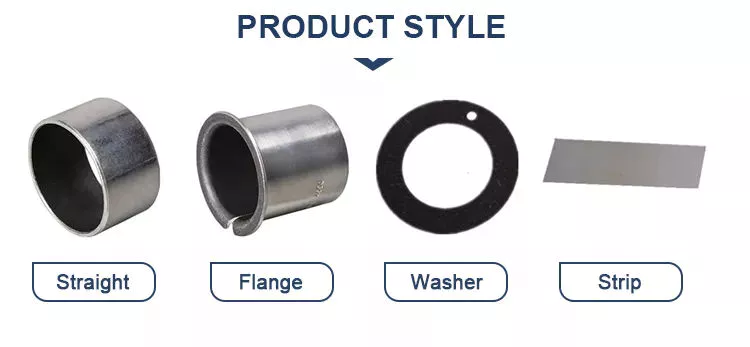
Vibration isolation
Vibration mounts are required for inertial guidance and navigation systems, radar components, and engine accessories. Bushings isolate vibration and provide a more robust design in these applications. Bushings help eliminate vibration-related operational challenges and help protect expensive equipment from damage. Below are several types of vibrating mounts and the differences between them. Each type has unique uses and applications, and the type you choose will depend on the nature of the components and the environment.
Vibration isolation is an important safety feature of many modern machines and instruments. Used to reduce the dynamic consumption that an object suffers at runtime. Instead, it protects equipment and structures from amplitude-related damage. Bushings insulate objects from vibration by reducing the amount of dynamic action transferred from the object to the support structure. Bushings are a popular choice for vibration equipment manufacturers.
Vibration isolation is important in many industrial applications. Vibration can wreak havoc on electronic and mechanical equipment. The forces exerted by vibration can reduce the life expectancy of equipment, leading to premature failure. The cost of isolation depends on the weight of the object being isolated. Most isolators have minimum damping in the isolation region and maximum damping at natural frequencies. In addition, the cost of installation, transportation and maintenance is usually included in the cost.
In addition to providing shock and vibration isolation, bushings help stabilize components by absorbing shock. These devices may need to be replaced in the long run, and your machine design may dictate whether you need to buy more than one. Bushings are an important part of your equipment, so don’t skimp on quality when choosing a vibration isolation mount. You won’t regret it. They won’t break your budget, but will keep your equipment safe.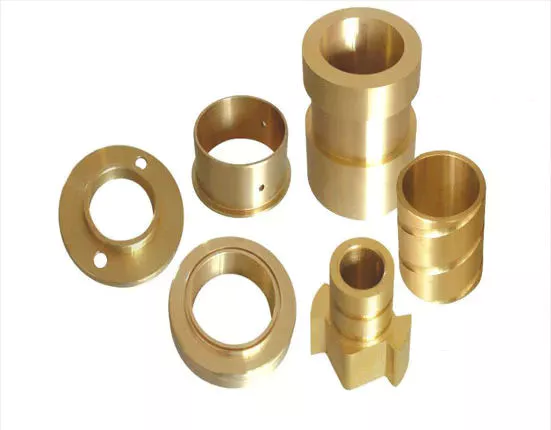
reduce noise
A properly positioned tree will block the view between the noise source and your house. Make sure the tree is taller than your house to effectively reduce noise. Also, make sure the sprocket and axle are properly aligned. The less noise they make, the better. If you have a noisy neighbor, you may want to consider installing a bushing at the front of the house to block the noise.
While it’s possible to replace the bushing yourself, it’s best to make sure you follow some basic procedures first. Park your car on level ground and apply the brakes before removing the hood. Check that the wheels move freely. Remember to wear gloves and goggles, and don’t cut yourself with sharp objects when changing bushings. If you can’t see under the hood, try opening the hood to allow more light to reach the engine area.
SuperPro bushings are designed to reduce noise and vibration in the automotive industry. They are a popular choice for aftermarket bushing manufacturers. While OE rubber bushings are soft and quiet, these polyurethane bushings are specifically designed to eliminate these noise issues. By determining the diameter of your vehicle’s anti-roll bars, you can choose the right bushing for your vehicle. You’ll be glad you did!
Damaged bushings can cause the stabilizer bar to become unstable. This, in turn, can cause the steering components to misalign, creating a loud ding. Worn bushings can also cause the wheel to squeak as it moves. If they’re worn, you’ll hear squeaks when cornering. You may even hear these noises when you are turning or changing lanes.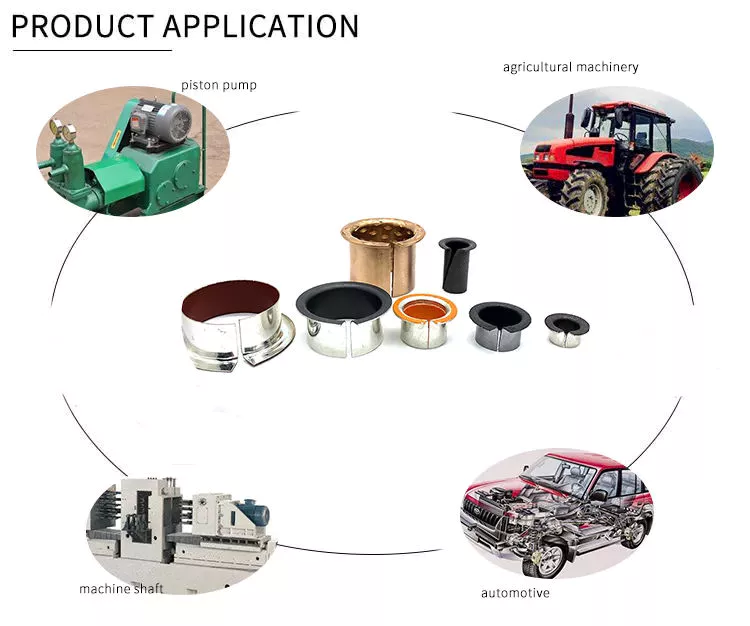
a bearing
A bushing is a component that provides a bearing surface for the forces acting axially on the shaft. A typical example of a thrust bearing is a propeller shaft. The bushing can be a separate part or an integral part of the machine. Typically, bushings are replaceable, while integral bearings are permanent and should not be replaced unless worn or damaged. Bushings are most commonly used in machinery, where they allow relative movement between components.
The bushing is usually an integral unit, while the bearing may have several parts. Simple bushings can be made of brass, bronze or steel. It is often integrated into precision machined parts and helps reduce friction and wear. Typically, bushings are made of brass or bronze, but other materials can also be used. Different designs have different applications, so you should understand what your application requires before purchasing a sleeve.
The most common uses of plain bearings are in critical applications, including turbines and compressors. They are also commonly used in low-speed shafting, including propeller shafts and rudders. These bearings are very economical and suitable for intermittent and linear motion. However, if your application does not require continuous lubrication, a plain bearing may not be required.
Another popular use for sleeves is in food processing. These bearings can be made from a variety of materials, including stainless steel and plastic. Plastic bearings are more cost-effective than metal and are an excellent choice for high-speed applications. These materials are also resistant to corrosion and wear. However, despite their high cost, they can be made from a variety of materials. However, in most cases, the materials used for plain bearings are aluminum nickel, phosphorus and silicon.
editor by CX 2023-03-27
China RSL182206A bearing Full complement cylindrical roller bearings RSL182206 bearings bearing assembly
Kind: Roller
Framework: cylindrical
Relevant Industries: Garment Shops, Developing Materials Stores, Production Plant, Equipment Fix Shops, Foods & Beverage Manufacturing facility, Farms, Building works , Energy & Mining, Marketing Company
Design Quantity: RSL182206
Precision Ranking: P6
Seals Variety: Open up
Variety of Row: Solitary row
Ring content: GCr15,GCr15SiMn,
Cage material: steel, brass
Roller: GCr15
Clearance: C0,C2,C3,C4, Hefty duty Mining and building products Spherical Roller Bearing 21304 with adapter sleeve H304. C5
Noise Level: Z1,Z2,Z3,Z4
Vibration degree codes:: V4, V3, V2, V1
sample: totally free
OEM: alright
Attribute: Extended Existence
Package deal: First Packing
Packaging Details: Area is covered with corrosion inhibitor,Packed with water-proof plastic and professional tape rolling,It is put in plywood scenario to avoid the rust,dust and mositure
Port: HangZhou
RSL182206A bearing Complete complement cylindrical roller bearings RSL182206 bearings
Total complement cylindrical roller bearings of RSL eighteen sequence
can be divided into single and double row types without outer ring,
For massive gearboxes,reducer and hardened equipment bore mounting.
| RSL182206 bearings |
because these bearings have the largest attainable amount of rolling components, they have incredibly substantial radial load carrying ability, substantial rigidity and are suitable ofr specifically compact types.Due to the kinematic problems, nonetheless , CH32-1500-15S 2hp 100rpm 132nm Horizontal variety 3phase 151 ratio 220V380V 1.5KW electrical ac motor with gearbox reducer they do not obtain the large speeds that are achievable when employing cylindrical roller bearings with cage.
The bearings are available as single row and double row locating bearings.They can assistance not only large radial forces but also axial forces in each directions and can for that reason CZPT shafts axially in the two instructions.
The bearings are equipped in an open design and style. They are not greased and can be lubricated with oil or grease.
The rolling factors are guarded towards harm and reduction throughout transport by signifies of a plastic sleeve.
Packing & Delivery
Packing:
1.One box: plastic bag+single box, OEM offer
2.Carton: Normal export carton
3.Pallet: Wood or Iron pallet with plastic film against moisture.
Transport:
For tiny bodyweight or Urgent, items will be despatched by Specific DHL/FedEX/UPS/TNT/EMS
For max generation,merchandise will be delivered by sea/by air. HangZhou, HangZhouc ,HangZhou ,ZheJiang and Hongkong Ports
In accordance to client’s demands.
Company Data
Organization Details:
Our company specialised in production and exporting bearings for much more than 7 several years. our manufacturing facility found on lingqing metropolis, the export workplace in HangZhou town, our model is Ideal, also we are export far more import brand names bearings.
We are supply ball bearing and roller bearing, also offer housings
Our Providers
1. Material AdvantageAll the substance for Greatest bearings (such as internal/outer rings, rollers, balls, Minimal sounds and substantial top quality bearing AXK571 AXK571 AXK0619 Needle Roller Thrust Bearing cages) are from the best suppliers in China, intercontinental regular, and 100% examine the materials just before production.
2. Processing AdvantageBEST can guarantee the time invested and top quality of each and every processing. We can do 3 moments tempering to stabilize the dimensions of the bearings, which is extremely different from other bearings companies. The warmth therapy and tempering is quite crucial for the bearings interior quality and can influence the service daily life a lot.
3. QC advantageAll the bearing parts are one hundred% strictly inspected prior to and during creation such as Metallurgical testing, crack detection, roundness, hardness, roughness and geometric proportions. 4. Appearance AdvantageBEST can supply light-weight chamfer, black chamfer, and hollow-finish rollers, black chamfer of the rollers. The bearings are created all according to customer’s needs. 5. Services AdvantageBEST set the customers’ need as our initial thought. From quotation to the closing packing and transportation, we supply the fastest and most satisfactory companies to each consumer.
How to place an purchase
if any bearing meet your needs, please don’ VOTOL EM 150S MOTOR CONTROLLER FOR Electrical SCOOTERMOTORCYCLE t wait to speak to me.
How to Replace a Bearing
If you want to select a bearing for a specific application, you should know a few basics. This article will give you an overview of ball, angular contact, and sliding-contact bearings. You can choose a bearing according to the application based on the characteristics of its material and preload. If you are not sure how to choose a bearing, try experimenting with it. The next step is to understand the Z-axis, which is the axes along which the bearing moves.
Z axis
When it comes to replacing your Z axis bearing, there are several things you must know. First, you need to make sure that the bearings are seated correctly. Then, you should check the tension and rotation of each one. To ensure that both bearings are equally tensioned, you should flex the Core to the desired angle. This will keep the Z axis perpendicular to the work surface. To do this, first remove the Z axis bearing from its housing and insert it into the Z axis motor plate. Next, insert the flanged bearing into the Z axis motor plate and secure it with two M5x8mm button head cap screws.
Make sure that the bearing plate and the Z Coupler part are flush and have equal spacing. The spacing between the two parts is important, as too much spacing will cause the leadscrew to become tight. The screws should be very loose, with the exception of the ones that engage the nylocks. After installing the bearing, the next step is to start the Z axis. Once this is done, you’ll be able to move it around with a stepper.
Angular contact
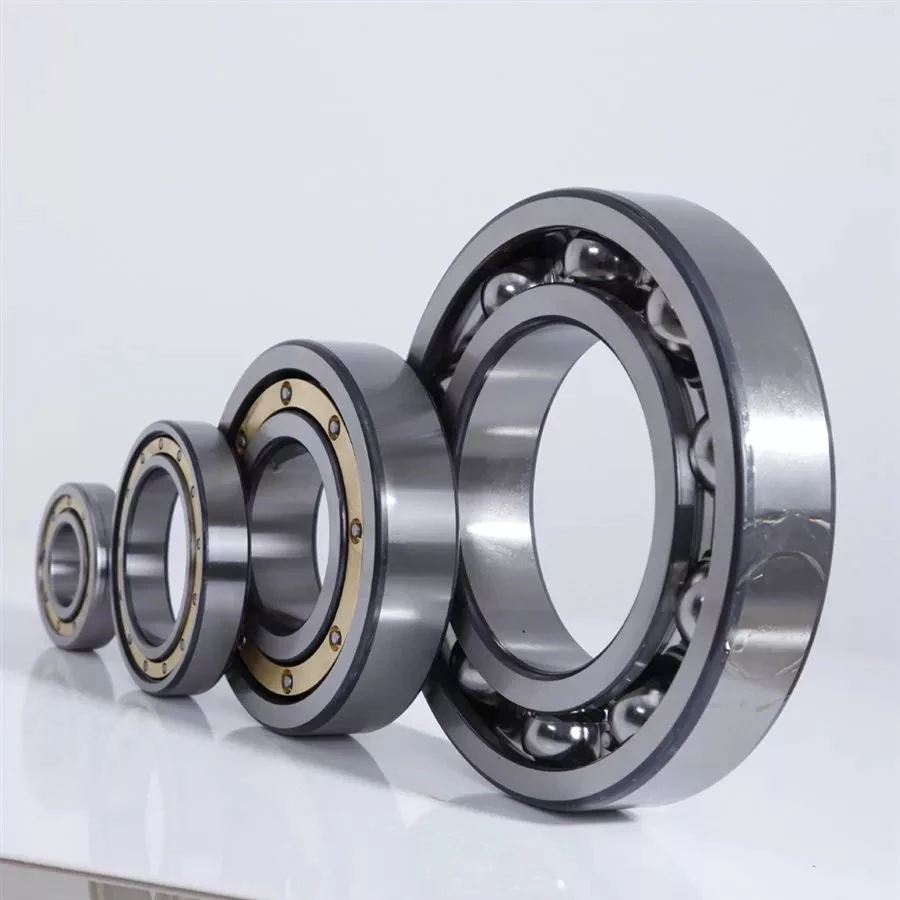
Ball bearings are made with angular contacts that result in an angle between the bearing’s races. While the axial load moves in one direction through the bearing, the radial load follows a curved path, tending to separate the races axially. In order to minimize this frictional effect, angular contact bearings are designed with the same contact angle on the inner and outer races. The contact angle must be chosen to match the relative proportions of the axial and radial loads. Generally, a larger contact angle supports a higher axial load, while reducing radial load.
Ball bearings are the most common type of angular contact bearings. Angular contact ball bearings are used in many applications, but their primary purpose is in the spindle of a machine tool. These bearings are suitable for high-speed, precision rotation. Their radial load capacity is proportional to the angular contact angle, so larger contact angles tend to enlarge with speed. Angular contact ball bearings are available in single and double-row configurations.
Angular contact ball bearings are a great choice for applications that involve axial loads and complex shapes. These bearings have raceways on the inner and outer rings and mutual displacement along the axial axis. Their axial load bearing capacity increases as the contact Angle a rises. Angular contact ball bearings can withstand loads up to five times their initial weight! For those who are new to bearings, there are many resources online dedicated to the subject.
Despite their complexity, angular contact ball bearings are highly versatile and can be used in a wide range of applications. Their angular contact enables them to withstand moderate radial and thrust loads. Unlike some other bearings, angular contact ball bearings can be positioned in tandem to reduce friction. They also feature a preload mechanism that removes excess play while the bearing is in use.
Angular contact ball bearings are made with different lubricants and cage materials. Standard cages for angular contact ball bearings correspond to Table 1. Some are machined synthetic resins while others are molded polyamide. These cage materials are used to further enhance the bearing’s axial load capacity. Further, angular contact ball bearings can withstand high speeds and radial loads. Compared to radial contact ball bearings, angular contact ball bearings offer the greatest flexibility.
Ball bearings
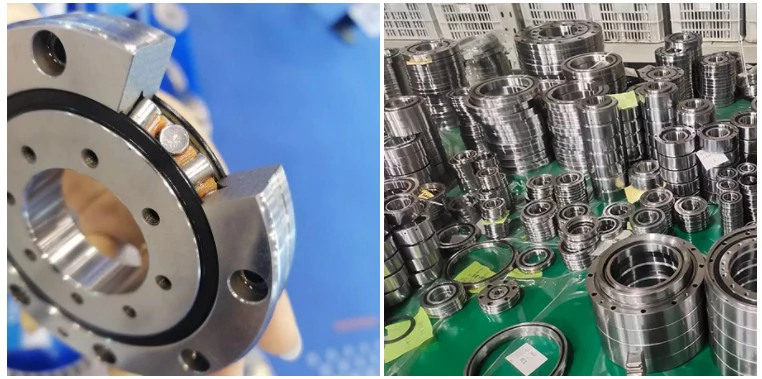
Ball bearings are circular structures with two separate rings. The smaller ring is mounted on a shaft. The inner ring has a groove on the outer diameter that acts as a path for the balls. Both the inner and outer ring surfaces are finished with very high precision and tolerance. The outer ring is the circular structure with the rolling elements. These elements can take many forms. The inner and outer races are generally made of steel or ceramic.
Silicon nitride ceramic balls have good corrosion resistance and lightweight, but are more expensive than aluminum oxide balls. They also exhibit an insulating effect and are self-lubricating. Silicon nitride is also suitable for high-temperature environments. However, this type of material has the disadvantage of wearing out rapidly and is prone to cracking and shattering, as is the case with bearing steel and glass. It’s also less resistant to heat than aluminum oxide, so it’s best to buy aluminum nitride or ceramic ball bearings for applications that are subjected to extremely high temperatures.
Another type of ball bearings is the thrust bearing. It has a special design that accommodates forces in both axial and radial directions. It is also called a bidirectional bearing because its races are side-by-side. Axial ball bearings use a side-by-side design, and axial balls are used when the loads are transmitted through the wheel. However, they have poor axial support and are prone to separating during heavy radial loads.
The basic idea behind ball bearings is to reduce friction. By reducing friction, you’ll be able to transfer more energy, have less erosion, and improve the life of your machine. With today’s advances in technology, ball bearings can perform better than ever before. From iron to steel to plastics, the materials used in bearings have improved dramatically. Bearings may also incorporate an electromagnetic field. So, it’s best to select the right one for your machine.
The life expectancy of ball bearings depends on many factors, including the operating speed, lubrication, and temperature. A single million-rpm ball bearing can handle between one and five million rotations. As long as its surface contact area is as small as possible, it’s likely to be serviceable for at least one million rotations. However, the average lifespan of ball bearings depends on the application and operating conditions. Fortunately, most bearings can handle a million or more rotations before they start showing signs of fatigue.
Sliding-contact bearings
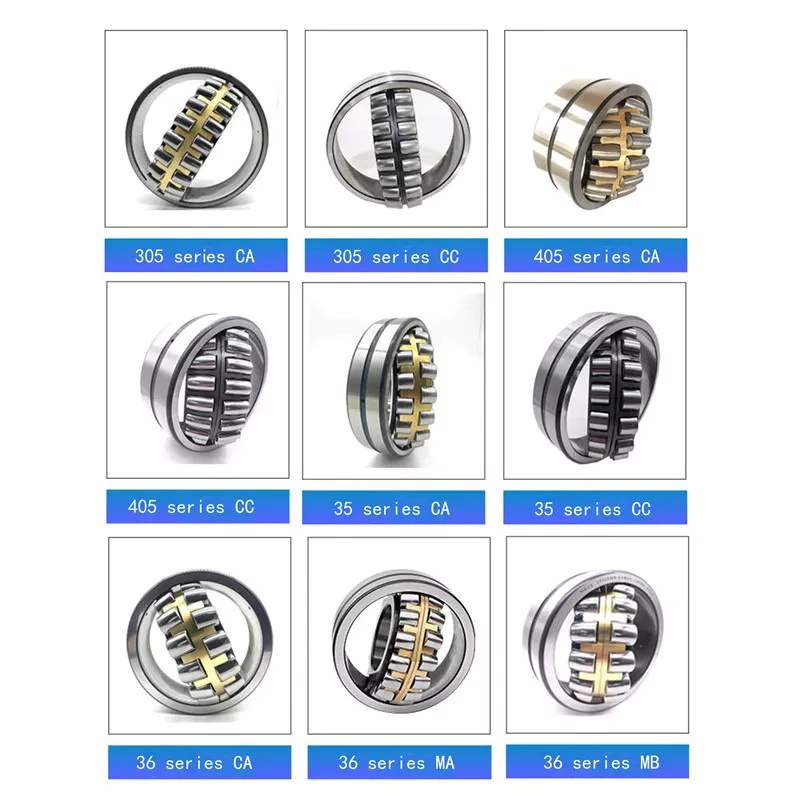
The basic principle behind sliding-contact bearings is that two surfaces move in contact with one another. This type of bearing works best in situations where the surfaces are made of dissimilar materials. For instance, a steel shaft shouldn’t run in a bronze-lined bore, or vice versa. Instead, one element should be harder than the other, since wear would concentrate in that area. In addition, abrasive particles tend to force themselves into the softer surface, causing a groove to wear in that part.
Sliding-contact bearings have low coefficients of friction and are commonly used in low-speed applications. Unlike ball and roller bearings, sliding contact bearings have to be lubricated on both sides of the contacting surfaces to minimize wear and tear. Sliding-contact bearings generally are made of ceramics, brass, and polymers. Because of their lower friction, they are less accurate than rolling-element bearings.
Sliding-contact bearings are also known as plain or sleeve bearings. They have a sliding motion between their two surfaces, which is reduced by lubrication. This type of bearing is often used in rotary applications and as guide mechanisms. In addition to providing sliding action, sliding-contact bearings are self-lubricating and have high load-carrying capacities. They are typically available in two different types: plain bearings and thrust bearings.
Sliding-contact linear bearing systems consist of a moving structure (called the carriage or slide) and the surfaces on which the two elements slide. The surfaces on which the bearing and journal move are called rails, ways, or guides. A bore hole is a complex geometry, and a minimum oil film thickness h0 is usually used at the line of centers. It is possible to have a sliding-contact bearing in a pillow block.
Because these bearings are porous, they can absorb 15 to 30% of the lubrication oil. This material is commonly used in automobile and machine tools. Many non-metallic materials are used as bearings. One example is rubber, which offers excellent shock absorbency and embeddability. While rubber has poor strength and thermal conductivity, it is commonly used in deep-well pumps and centrifugal pumps. This material has high impact strength, but is not as rigid as steel.
editor by czh 2023-02-20

China Radial cylindrical roller bearings f-559465.RNN F-559465 manufacturer
Type: Roller
Construction: cylindrical
Applicable Industries: Manufacturing Plant, Machinery Mend Stores
Product Number: F-559465.RNN
Precision Ranking: P5
Seals Kind: Open up
Quantity of Row: Double row
Item name: F-559465.RNN Cylindrical roller bearing
Search phrases: F-559465 bearing
Provider: OEM Custom-made Providers
Material: Chrome Metal Gcr15
Attribute: Eccentric Bearing Reduced Noise
Cage: Metal Cage./Brass Cage.
Software: reducer device
Vibration: V1 V2 V3 V4
Clearance: C2 C3 C4 C5
Manufacturer: Germany manufacturer
Packaging Specifics: 1) brand Single box+ model carton+wood case2) Barreled+carton+pallet3) Tube+box+ carton+pallet
F-559465 Factory Cylindrical Roller bearing F-559465.RNN Gearbox Bearing F559465 57×92.6x48mm Cylindrical roller bearings can provide axial guidance of the world.This can be carried out by implies of axial washers and retaining rings organized on the two sides of the rolling component .The bearings are accessible as one row and double row locating bearings. They can assist not only large radial forces but also axial forces in each directions and can as a result CZPT shafts axially in each directions.The bearings are supplied in an open up design. They are not greased and can be lubricated with oil or grease.The rolling elements are secured from damage and reduction in the course of transport by means of a plastic sleeve.
| Bearing Design | F-559465 | |||||||||||||||||||||||||||||||||||||||||||||||||||||||||||||||||||||||||||||||||||||||||||||||||||||||||||||||||||||||||||||||||||||||||||||||||||||||||||||||||||||||||||||||||||||||||||||||||||||||||||||||||||||||||||||||||||||||||||||||||||||||||||||||||||||||||||||||||||||||||||||||||||||||||||||||||||||||||||||||||||||||||||||||||||||||||||||||||||||||||||||||||||||||||||||||||||||||||||||||||||||||||||||||||||||||||||||||||||||||||||||||||||||||||||||||||||||||||||||||||||||||||||||||||||||||||||||||||||||||||||||||||||||||||||||||||||||||||||||
| Structure | Double Row Cylindrical Roller Bearing | |||||||||||||||||||||||||||||||||||||||||||||||||||||||||||||||||||||||||||||||||||||||||||||||||||||||||||||||||||||||||||||||||||||||||||||||||||||||||||||||||||||||||||||||||||||||||||||||||||||||||||||||||||||||||||||||||||||||||||||||||||||||||||||||||||||||||||||||||||||||||||||||||||||||||||||||||||||||||||||||||||||||||||||||||||||||||||||||||||||||||||||||||||||||||||||||||||||||||||||||||||||||||||||||||||||||||||||||||||||||||||||||||||||||||||||||||||||||||||||||||||||||||||||||||||||||||||||||||||||||||||||||||||||||||||||||||||||||||||||
| (dxDxB) | 57×92.64×48 mm | |||||||||||||||||||||||||||||||||||||||||||||||||||||||||||||||||||||||||||||||||||||||||||||||||||||||||||||||||||||||||||||||||||||||||||||||||||||||||||||||||||||||||||||||||||||||||||||||||||||||||||||||||||||||||||||||||||||||||||||||||||||||||||||||||||||||||||||||||||||||||||||||||||||||||||||||||||||||||||||||||||||||||||||||||||||||||||||||||||||||||||||||||||||||||||||||||||||||||||||||||||||||||||||||||||||||||||||||||||||||||||||||||||||||||||||||||||||||||||||||||||||||||||||||||||||||||||||||||||||||||||||||||||||||||||||||||||||||||||||
| Weight / | 1.25KG | |||||||||||||||||||||||||||||||||||||||||||||||||||||||||||||||||||||||||||||||||||||||||||||||||||||||||||||||||||||||||||||||||||||||||||||||||||||||||||||||||||||||||||||||||||||||||||||||||||||||||||||||||||||||||||||||||||||||||||||||||||||||||||||||||||||||||||||||||||||||||||||||||||||||||||||||||||||||||||||||||||||||||||||||||||||||||||||||||||||||||||||||||||||||||||||||||||||||||||||||||||||||||||||||||||||||||||||||||||||||||||||||||||||||||||||||||||||||||||||||||||||||||||||||||||||||||||||||||||||||||||||||||||||||||||||||||||||||||||||
| HS CODE | 84825 | |||||||||||||||||||||||||||||||||||||||||||||||||||||||||||||||||||||||||||||||||||||||||||||||||||||||||||||||||||||||||||||||||||||||||||||||||||||||||||||||||||||||||||||||||||||||||||||||||||||||||||||||||||||||||||||||||||||||||||||||||||||||||||||||||||||||||||||||||||||||||||||||||||||||||||||||||||||||||||||||||||||||||||||||||||||||||||||||||||||||||||||||||||||||||||||||||||||||||||||||||||||||||||||||||||||||||||||||||||||||||||||||||||||||||||||||||||||||||||||||||||||||||||||||||||||||||||||||||||||||||||||||||||||||||||||||||||||||||||||
lbc Reducer Bearing F-559465.RNN Cylindrical Roller Bearing F 559465 F559465 Germany roller bearing F559465.RNN entire enhance Cylindrical Roller Bearing F 559465 with no outer ring full complement cylindrical roller beaing F-559465 Model display /Gearbox Roller Bearing if have any item of this type bearings.pls examine as pursuing:
Choosing the Right Ball Bearing for Your ApplicationWhen choosing a Ball Bearing, there are several things to consider. These factors include: the size, lubricant type, presence of corrosive agents, stray electrical currents, and more. It can be challenging to choose the right type, size, and type of ball bearing for your application. You should also carefully calculate the loads to determine the right size. Here are some tips for choosing the right Ball Bearing for your application. Single-rowThe single-row ball bearing is one of the most popular types of bearings. The inner and outer ring are designed with raceway grooves that are shaped slightly larger than the balls. This type of bearing has a low torque and can handle high-speed applications with minimal power loss. The radial dimensions of single-row ball bearings also vary, so it is possible to find one that fits your specific application. Besides the above-mentioned advantages, single-row ball bearings are also available with varying grease levels and are widely applicable to applications where the space is limited. Self-aligningThe self-aligning ball bearing was invented by Sven Wingquist, a plant engineer for a textile company in Sweden. While he was responsible for making production as efficient as possible, he soon realized that the machinery he had in place wasn’t working as efficiently as it could. Although ball bearings are great for reducing friction, they were not flexible enough to compensate for misalignments in the machine. CeramicA Ceramic ball bearing is a type of high-performance bearing that is available in both full-ceramic and hybrid forms. The main differences between ceramic and steel ball bearings are their construction, lubrication, and mobility. High-quality ceramic ball bearings are durable, and they are ideal for corrosive and high-temperature applications. The material used to create these bearings helps prevent electrolytic corrosion. They are also ideal for reducing the friction and lubrication requirements. SteelUnlike traditional bearings, steel balls have a relatively uniform hardness. Carbon steel, for instance, is 2.1% carbon by weight. According to the American Iron and Steel Institute, copper content must be no more than 0.40% and manganese content should not be more than 1.65 g/cm3. After carbonizing, steel balls undergo a process called sizing, which improves their roundness geometry and hardness. PlasticThe most popular types of plastic ball bearings are made of polypropylene or PTFE. These bearings are used in applications requiring higher chemical resistance. Polypropylene is a structural polymer that offers excellent physical and chemical properties, including excellent resistance to organic solvents and degreasing agents. Its lightweight, low moisture absorption rate, and good heat resistance make it an excellent choice for high-temperature applications. However, plastic bearings are not without their drawbacks, especially when operating at very high temperatures or under heavy loads. GlassPlastic sliding bearings are molded bearings made of engineering plastic. With self-lubricating modification technology, these bearings can be produced by injection molding of plastic beads. They are widely used in various industries such as office equipment, fitness and automotive equipment. In addition to plastic bearings, glass balls are used in a variety of other applications, including medical equipment. Glass ball bearings have excellent corrosion resistance, excellent mechanical properties, and are electrically insulators. MiniatureThe global miniature ball bearing market is expected to reach US$ 2.39 Billion by 2027, at a CAGR of 7.2%. Growth in the region is attributed to technological advancement and government initiatives. Countries such as India and China are attracting FDIs and emphasizing the establishment of a global manufacturing hub. This is boosting the market for miniature ball bearings. The miniscule ball bearings are manufactured in small quantities and are very small. Angular-contactAngular-contact ball bearings have three components: a cage, inner ring, and balls. Angular-contact ball bearings can support high axial and radial loads. Various design and manufacturing attributes make angular-contact ball bearings suitable for a variety of applications. Some features of this bearing type include a special lubricant, different cage materials, and different coatings. MaterialsWhen it comes to the construction of a ball bearing, high-quality raw materials are a crucial component. These materials not only affect the overall quality of a ball bearing, but also influence the cost. That’s why you should pay close attention to raw material quality. In addition to that, raw materials should be tested several times before the manufacturing process to ensure quality. Read on for some information about the different types of materials used to make ball bearings.
China Original SKF FAG NSK NTN KOYO IKO NU311 Single row cylindrical roller bearings NU311ECP bearing catalogue price NU311ECP connecting rod bearingKind: Roller, cylindrical roller bearings | ||||||||||||||||||||||||||||||||||||||||||||||||||||||||||||||||||||||||||||||||||||||||||||||||||||||||||||||||||||||||||||||||||||||||||||||||||||||||||||||||||||||||||||||||||||||||||||||||||||||||||||||||||||||||||||||||||||||||||||||||||||||||||||||||||||||||||||||||||||||||||||||||||||||||||||||||||||||||||||||||||||||||||||||||||||||||||||||||||||||||||||||||||||||||||||||||||||||||||||||||||||||||||||||||||||||||||||||||||||||||||||||||||||||||||||||||||||||||||||||||||||||||||||||||||||||||||||||||||||||||||||||||||||||||||||||||||||||||||||||
| Manufacturer Title | All brand names | |||||||||||||||||||||||||||||||||||||||||||||||||||||||||||||||||||||||||||||||||||||||||||||||||||||||||||||||||||||||||||||||||||||||||||||||||||||||||||||||||||||||||||||||||||||||||||||||||||||||||||||||||||||||||||||||||||||||||||||||||||||||||||||||||||||||||||||||||||||||||||||||||||||||||||||||||||||||||||||||||||||||||||||||||||||||||||||||||||||||||||||||||||||||||||||||||||||||||||||||||||||||||||||||||||||||||||||||||||||||||||||||||||||||||||||||||||||||||||||||||||||||||||||||||||||||||||||||||||||||||||||||||||||||||||||||||||||||||||||
| Design Number | NU 311 ECP | |||||||||||||||||||||||||||||||||||||||||||||||||||||||||||||||||||||||||||||||||||||||||||||||||||||||||||||||||||||||||||||||||||||||||||||||||||||||||||||||||||||||||||||||||||||||||||||||||||||||||||||||||||||||||||||||||||||||||||||||||||||||||||||||||||||||||||||||||||||||||||||||||||||||||||||||||||||||||||||||||||||||||||||||||||||||||||||||||||||||||||||||||||||||||||||||||||||||||||||||||||||||||||||||||||||||||||||||||||||||||||||||||||||||||||||||||||||||||||||||||||||||||||||||||||||||||||||||||||||||||||||||||||||||||||||||||||||||||||||
| Precision Score | P0, P6,P5,P4 P2 | |||||||||||||||||||||||||||||||||||||||||||||||||||||||||||||||||||||||||||||||||||||||||||||||||||||||||||||||||||||||||||||||||||||||||||||||||||||||||||||||||||||||||||||||||||||||||||||||||||||||||||||||||||||||||||||||||||||||||||||||||||||||||||||||||||||||||||||||||||||||||||||||||||||||||||||||||||||||||||||||||||||||||||||||||||||||||||||||||||||||||||||||||||||||||||||||||||||||||||||||||||||||||||||||||||||||||||||||||||||||||||||||||||||||||||||||||||||||||||||||||||||||||||||||||||||||||||||||||||||||||||||||||||||||||||||||||||||||||||||
| Seals Sort | Open | |||||||||||||||||||||||||||||||||||||||||||||||||||||||||||||||||||||||||||||||||||||||||||||||||||||||||||||||||||||||||||||||||||||||||||||||||||||||||||||||||||||||||||||||||||||||||||||||||||||||||||||||||||||||||||||||||||||||||||||||||||||||||||||||||||||||||||||||||||||||||||||||||||||||||||||||||||||||||||||||||||||||||||||||||||||||||||||||||||||||||||||||||||||||||||||||||||||||||||||||||||||||||||||||||||||||||||||||||||||||||||||||||||||||||||||||||||||||||||||||||||||||||||||||||||||||||||||||||||||||||||||||||||||||||||||||||||||||||||||
| Variety of Row | One Row | |||||||||||||||||||||||||||||||||||||||||||||||||||||||||||||||||||||||||||||||||||||||||||||||||||||||||||||||||||||||||||||||||||||||||||||||||||||||||||||||||||||||||||||||||||||||||||||||||||||||||||||||||||||||||||||||||||||||||||||||||||||||||||||||||||||||||||||||||||||||||||||||||||||||||||||||||||||||||||||||||||||||||||||||||||||||||||||||||||||||||||||||||||||||||||||||||||||||||||||||||||||||||||||||||||||||||||||||||||||||||||||||||||||||||||||||||||||||||||||||||||||||||||||||||||||||||||||||||||||||||||||||||||||||||||||||||||||||||||||
| Area of Origin | Sweden | |||||||||||||||||||||||||||||||||||||||||||||||||||||||||||||||||||||||||||||||||||||||||||||||||||||||||||||||||||||||||||||||||||||||||||||||||||||||||||||||||||||||||||||||||||||||||||||||||||||||||||||||||||||||||||||||||||||||||||||||||||||||||||||||||||||||||||||||||||||||||||||||||||||||||||||||||||||||||||||||||||||||||||||||||||||||||||||||||||||||||||||||||||||||||||||||||||||||||||||||||||||||||||||||||||||||||||||||||||||||||||||||||||||||||||||||||||||||||||||||||||||||||||||||||||||||||||||||||||||||||||||||||||||||||||||||||||||||||||||
| Vibration level | V1, V2, V3 | |||||||||||||||||||||||||||||||||||||||||||||||||||||||||||||||||||||||||||||||||||||||||||||||||||||||||||||||||||||||||||||||||||||||||||||||||||||||||||||||||||||||||||||||||||||||||||||||||||||||||||||||||||||||||||||||||||||||||||||||||||||||||||||||||||||||||||||||||||||||||||||||||||||||||||||||||||||||||||||||||||||||||||||||||||||||||||||||||||||||||||||||||||||||||||||||||||||||||||||||||||||||||||||||||||||||||||||||||||||||||||||||||||||||||||||||||||||||||||||||||||||||||||||||||||||||||||||||||||||||||||||||||||||||||||||||||||||||||||||
| Materials | Chrome Steel, Stainless | |||||||||||||||||||||||||||||||||||||||||||||||||||||||||||||||||||||||||||||||||||||||||||||||||||||||||||||||||||||||||||||||||||||||||||||||||||||||||||||||||||||||||||||||||||||||||||||||||||||||||||||||||||||||||||||||||||||||||||||||||||||||||||||||||||||||||||||||||||||||||||||||||||||||||||||||||||||||||||||||||||||||||||||||||||||||||||||||||||||||||||||||||||||||||||||||||||||||||||||||||||||||||||||||||||||||||||||||||||||||||||||||||||||||||||||||||||||||||||||||||||||||||||||||||||||||||||||||||||||||||||||||||||||||||||||||||||||||||||||
| Noise stage | Z1, Z2, Z3 | |||||||||||||||||||||||||||||||||||||||||||||||||||||||||||||||||||||||||||||||||||||||||||||||||||||||||||||||||||||||||||||||||||||||||||||||||||||||||||||||||||||||||||||||||||||||||||||||||||||||||||||||||||||||||||||||||||||||||||||||||||||||||||||||||||||||||||||||||||||||||||||||||||||||||||||||||||||||||||||||||||||||||||||||||||||||||||||||||||||||||||||||||||||||||||||||||||||||||||||||||||||||||||||||||||||||||||||||||||||||||||||||||||||||||||||||||||||||||||||||||||||||||||||||||||||||||||||||||||||||||||||||||||||||||||||||||||||||||||||
| Clearance | C2,C3,C4 | |||||||||||||||||||||||||||||||||||||||||||||||||||||||||||||||||||||||||||||||||||||||||||||||||||||||||||||||||||||||||||||||||||||||||||||||||||||||||||||||||||||||||||||||||||||||||||||||||||||||||||||||||||||||||||||||||||||||||||||||||||||||||||||||||||||||||||||||||||||||||||||||||||||||||||||||||||||||||||||||||||||||||||||||||||||||||||||||||||||||||||||||||||||||||||||||||||||||||||||||||||||||||||||||||||||||||||||||||||||||||||||||||||||||||||||||||||||||||||||||||||||||||||||||||||||||||||||||||||||||||||||||||||||||||||||||||||||||||||||
| Companies | OEM customized services | |||||||||||||||||||||||||||||||||||||||||||||||||||||||||||||||||||||||||||||||||||||||||||||||||||||||||||||||||||||||||||||||||||||||||||||||||||||||||||||||||||||||||||||||||||||||||||||||||||||||||||||||||||||||||||||||||||||||||||||||||||||||||||||||||||||||||||||||||||||||||||||||||||||||||||||||||||||||||||||||||||||||||||||||||||||||||||||||||||||||||||||||||||||||||||||||||||||||||||||||||||||||||||||||||||||||||||||||||||||||||||||||||||||||||||||||||||||||||||||||||||||||||||||||||||||||||||||||||||||||||||||||||||||||||||||||||||||||||||||
| Cost-free Samples | Offered | |||||||||||||||||||||||||||||||||||||||||||||||||||||||||||||||||||||||||||||||||||||||||||||||||||||||||||||||||||||||||||||||||||||||||||||||||||||||||||||||||||||||||||||||||||||||||||||||||||||||||||||||||||||||||||||||||||||||||||||||||||||||||||||||||||||||||||||||||||||||||||||||||||||||||||||||||||||||||||||||||||||||||||||||||||||||||||||||||||||||||||||||||||||||||||||||||||||||||||||||||||||||||||||||||||||||||||||||||||||||||||||||||||||||||||||||||||||||||||||||||||||||||||||||||||||||||||||||||||||||||||||||||||||||||||||||||||||||||||||
| Design | NU 311 ECP | |||||||||||||||||||||||||||||||||||||||||||||||||||||||||||||||||||||||||||||||||||||||||||||||||||||||||||||||||||||||||||||||||||||||||||||||||||||||||||||||||||||||||||||||||||||||||||||||||||||||||||||||||||||||||||||||||||||||||||||||||||||||||||||||||||||||||||||||||||||||||||||||||||||||||||||||||||||||||||||||||||||||||||||||||||||||||||||||||||||||||||||||||||||||||||||||||||||||||||||||||||||||||||||||||||||||||||||||||||||||||||||||||||||||||||||||||||||||||||||||||||||||||||||||||||||||||||||||||||||||||||||||||||||||||||||||||||||||||||||
| Supply time | standard within 3 times | |||||||||||||||||||||||||||||||||||||||||||||||||||||||||||||||||||||||||||||||||||||||||||||||||||||||||||||||||||||||||||||||||||||||||||||||||||||||||||||||||||||||||||||||||||||||||||||||||||||||||||||||||||||||||||||||||||||||||||||||||||||||||||||||||||||||||||||||||||||||||||||||||||||||||||||||||||||||||||||||||||||||||||||||||||||||||||||||||||||||||||||||||||||||||||||||||||||||||||||||||||||||||||||||||||||||||||||||||||||||||||||||||||||||||||||||||||||||||||||||||||||||||||||||||||||||||||||||||||||||||||||||||||||||||||||||||||||||||||||
| Sort | cylindrical roller bearings | |||||||||||||||||||||||||||||||||||||||||||||||||||||||||||||||||||||||||||||||||||||||||||||||||||||||||||||||||||||||||||||||||||||||||||||||||||||||||||||||||||||||||||||||||||||||||||||||||||||||||||||||||||||||||||||||||||||||||||||||||||||||||||||||||||||||||||||||||||||||||||||||||||||||||||||||||||||||||||||||||||||||||||||||||||||||||||||||||||||||||||||||||||||||||||||||||||||||||||||||||||||||||||||||||||||||||||||||||||||||||||||||||||||||||||||||||||||||||||||||||||||||||||||||||||||||||||||||||||||||||||||||||||||||||||||||||||||||||||||
| Free sample | obtainable |
Followed is our firm’s introduction, FND442Z Roller Freewheel Clutch One Way Bearing if essential, pls speak to me. Our business is found in HangZhou of ZheJiang Province, We can source bearings as follows: 1. Deep Groove Ball Beaings
2. Self-aligning Ball Bearings 3. Spherical Roller Bearings 4. Angular make contact with Ball Bearings 5. Tapered Roller Bearings
6. Cylindrical Roller Bearings
7. Thrust Ball Bearings 8. Spherical Thrust Roller Bearings 9. Insert Ball Bearings 10. Keep track of Roller Bearings 11. Needle Bearings 12. Articulated Bearings
13. Blended Bearings fourteen. All round Eccentric Bearings
fifteen. Needle roller bearings
16. Y-Bearings(insert bearings)
17. Self-aligning ball bearings
18. Linear Movement Bearings…….
Associated Products CompanyInfo Business Profile HangZhou CZPT Bearing Co., LTD is a huge provider of popular model bearings. We are the agent of numerous famous makes, these kinds of as: Germany LUK, American UBC, NSK/IKO/NTN/KOYO/THK/ASAHI/NMB manufactured of Japan, England RHP, Korean SAMICK/KG/DPI and Chinese HRB/ZWZ/LYC/TWB/TMB/TR. We can give Certificate of Origin.
2nd, we can give diverse kinds of bearings which consist of deep groove ball bearings , cylindrical roller bearings, tapered roller bearings, self-aligning ball bearings, angular get in touch with ball bearings, thrust ball bearings, thrust roller bearings, pillow block bearings, needle roller bearings, joint bearings,
radial spherical simple bearings,spherical ball joint bearing, rod stop bearing. large-temperature resistant bearings, Stainless bearings, plastic bearings, ceramic bearings, cylindrical roller thrust bearing, adapter sleeve and linear bearings.
Product Approach Generation Process
Certifications Certifications
Product Packaging Product Packaging
Cargo & Payment Our Benefits
Types of Ball Bearings
If you’re looking to purchase a new ball bearing, there are many different types available. Learn about Single-row designs, Ceramic hybrid bearings, and Self-aligning ball bearings. You can also choose from stainless steel or single-row designs. Then, read about the different types of materials available to you. You’ll have an easier time making a decision. After all, you won’t have to worry about maintaining your new ball bearing, since it will be maintained by your supplier.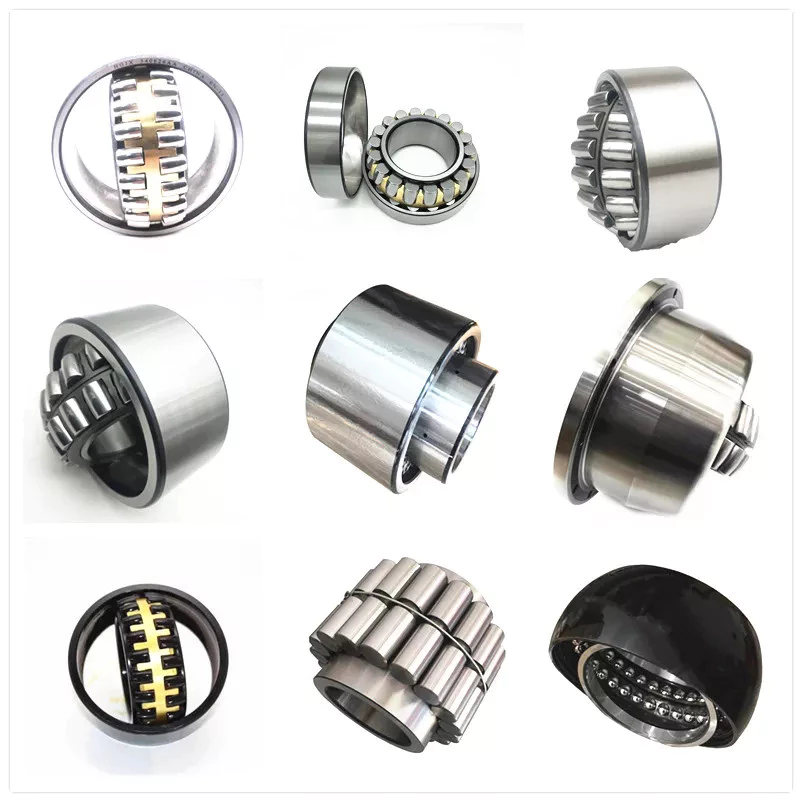
Single-row designs
Ball bearings with a single-row design have a high load-carrying capacity. They are used in applications where high loads must be handled smoothly. A single-row design is a good choice when the material’s properties require high load-carrying capacity but limited axial load capability. Single-row designs use two bearings with similar design features, but they have different mounting methods. Single-row designs can be adjusted either against one another to accommodate axial loads.
The single-row design is suitable for high-speed applications, but also has some disadvantages. The contact angle a is the angle between the radial plane and contact line. The larger the angle, the higher the axial load carrying capacity of the bearing. Single-row angular contact ball bearings are suitable for higher axial forces. Single-row angular contact ball bearings have a single-row design and support high axial forces in one direction. Single-row ball bearings are available in both pressed steel and machined steel cages.
Angular contact ball bearings with a single row feature a cage made of fiber-glass reinforced polyamide 66. These are available in diameters up to 130 mm. Four-point angular contact ball bearings use brass, steel, or brass plate. They have good running properties and a low coefficient of linear expansion. Single-row designs are easy to mount and are widely available. Alternatively, they can be mounted with a universal match design, which allows them to be easily adjusted.
One-row angular contact ball bearings are generally not suitable for angular misalignments because they are unsuitable for compensation of angular misalignments. Misalignments cause internal forces in the bearing which reduce its radial load capacity and life expectancy. This type of bearing is not suitable for adjacent mounting as it increases the chances of misalignment. However, it is a suitable choice for applications where only one bearing is required per bearing position.
Ceramic hybrid bearings
While all-ceramic bearings are limited to very specialized applications, Si3N4-based hybrid bearings are finding use in a wide range of high-speed machines. Compared to steel, ceramics are less susceptible to centrifugal forces, which are directly proportional to the mass of the balls. Because Si3N4 replacement balls have a lower density than steel, these bearings reduce the stress placed on the outer race.
The benefits of hybrid bearings are clear: they allow for higher speeds and loads than full-ceramic bearings, and they require no lubrication. Because of their many benefits, many industrial equipment operators are switching to these innovative bearings. CBR is one company that specializes in ceramic hybrid bearings and can help you find the best product for your application. If you are thinking about purchasing ceramic bearings for your next machine, here are some things you need to know about them.
A ceramic ball bearing surface has an extremely low coefficient of friction, which is important for applications that require low friction and high speeds. Ceramic balls also have a higher hardness than steel balls, which increases their life. In addition to this, ceramic hybrid bearings have superior thermal properties, generating less heat even when spinning at high speeds. These properties make ceramic hybrid bearings an ideal choice for high-speed machinery, especially electric motors. They are also suitable for applications that operate under water.
A ceramic ball hybrid bearing is much less susceptible to temperature fluctuations and wear. Because they are essentially indestructible, ceramic balls do not generate wear particles from the adhesive wear. They can run at significantly higher speeds than steel balls. Ceramic balls are also more resistant to moisture. For this reason, grease is a recommended lubricant in most ceramic bearing applications. These lubricants offer superior protection against moisture and corrosion. Further, they are available in many types.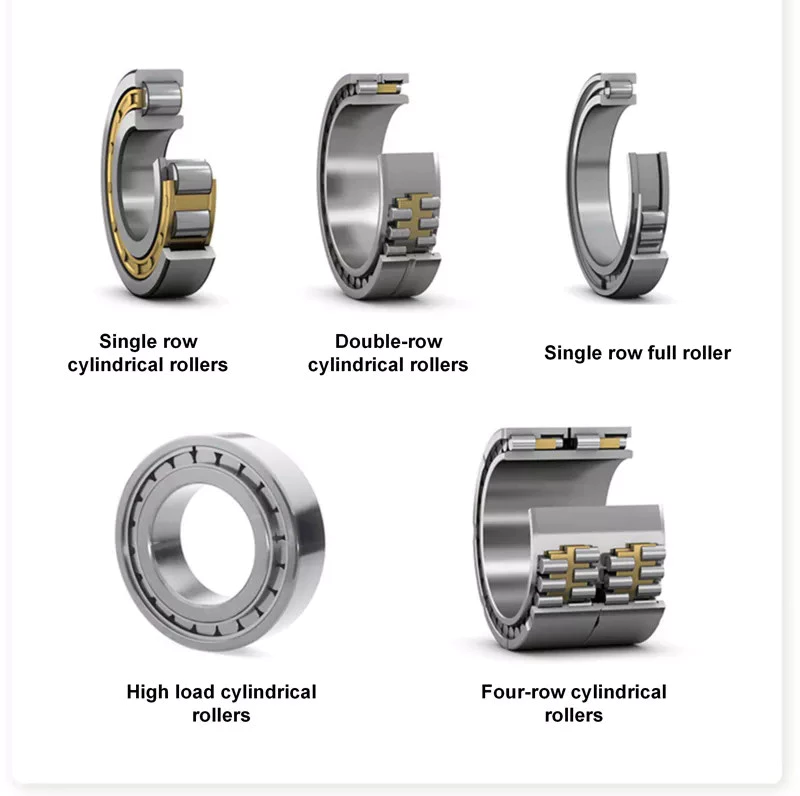
Self-aligning ball bearings
A self-aligning ball bearing is one type of self-aligning bearing. These bearings are recommended for use in flex shaft systems. Their self-aligning feature prevents them from misaligning when in use. They can be used in both single and multiple-joint systems. In addition to self-aligning ball bearings, these units also feature flex shafts.
These self-aligning ball bearings come in a variety of configurations, including cylindrical, round, tapered, and straight bore. Their inner ring is tapered to meet specific tolerances. They are suitable for operating temperatures ranging from -30°F to 120°F. Their wide range of applications allows them to be used in general machinery, precision instruments, and low noise motors. In addition, they are available in a variety of outside diameters, widths, and internal clearances.
Self-aligning ball bearings have two rows of balls and one common sphered raceway in the outer ring. This enables them to automatically compensate for angular misalignment, which may be caused by machining and assembly errors or deflections. Compared to spherical roller bearings, these self-aligning ball bearings generate less friction. They run cooler even at high speeds. Self-aligning ball bearings also offer free engineering support.
Self-aligning ball bearings are designed for difficult shaft alignment. They are double-row, self-retaining units, with cylindrical or tapered bores. These bearings are available in open and sealed designs, and can also be used in applications with misalignment. They are also available with an outer ring that rotates in relation to the inner ring. When it comes to shaft misalignment, self-aligning ball bearings are a great solution.
Stainless steel
Stainless steel is a metal that resists corrosion and is highly durable. Its corrosion-resistant and water-resistance properties make it a good choice for bearings in food and marine applications. Additionally, stainless steel has hygienic benefits. Here are some of the benefits of stainless steel ball bearings. Read on to learn more about these amazing bearings! We’ve included some of the most common uses for stainless steel.
Hardness is important in a ball bearing. Steel uses the Rockwell C scale to measure hardness. A grade 25 steel ball bearing is accurate to 25 millionths of an inch, while a grade five ceramic bearing is less than a half-inch round. Although roundness is important, it shouldn’t be overemphasized, as the bearing surfaces may not be as accurate as the grade of the metal. And remember, a higher price tag doesn’t mean a better product.
Stainless steel ball bearings are available in a variety of alloys. The alloys used in manufacturing a stainless steel ball bearing vary in hardness, strength, and ductility. Stainless steel ball bearings have high corrosion-resistance properties. Additionally, they have long lubrication lives. These benefits make them a popular choice for industrial applications. These bearings are easy to maintain, reduce replacement costs, and offer corrosion resistance.
The NTN Sentinel Series is a premium line of stainless steel bearings. The solid lube is NSF H1 registered and prevents grease from leaching into food. It is also corrosion-resistant and doesn’t need to be coated. The seals and slinger create a water-resistant barrier between the steel ball and the lubricant. It also adds safety and security to the bearing.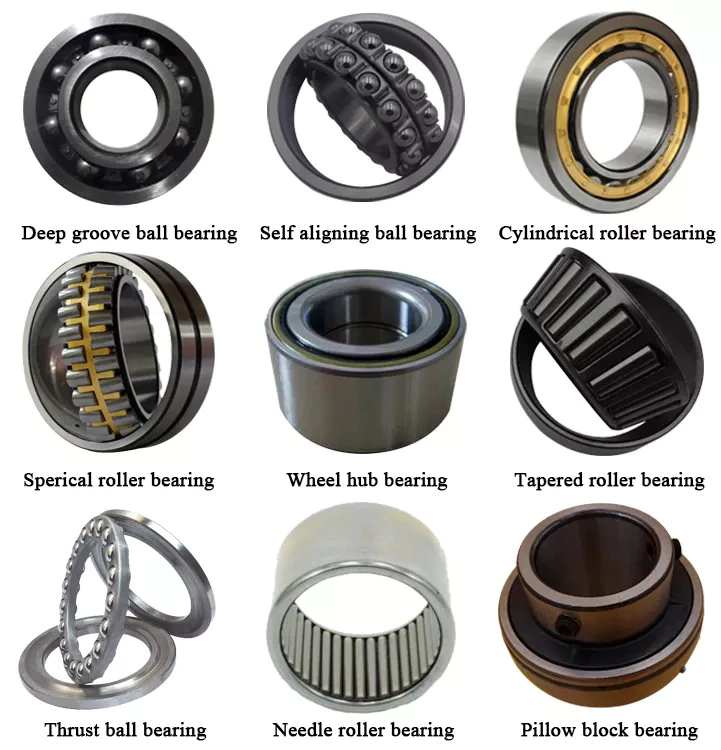
Plastic balls
For applications where noise and weight are major concerns, plastic balls are ideal. These non-magnetic balls are ideal for MRI X-ray machines and sensors. They are also easy to lubricate, and are non-magnetic. A polymer ball bearing is the lightest of all three types. This makes them a good choice for many industries. Read on to learn more. This article will introduce some of the advantages of plastic balls for ball bearings.
Although ceramic ball bearings are more durable and offer many advantages, they are more expensive than plastic. Fortunately, plastic ball bearings offer a cheaper alternative. These bearings feature all-plastic races and cages. Depending on the application, plastic balls can be used in applications involving chemicals. In these cases, plastic ball bearings are available with a C160 grade, which is safe for use in temperatures below 176 deg F.
Medical devices often require precision specialty balls, which are made of glass, stainless steel, and plastic. These bearings must meet stringent cleanliness requirements. To meet the most stringent requirements, they must undergo ultrasonic cleaning. These bearings are available in plastic raceways, and are also available with glass or stainless steel balls. Polyethylene balls are lightweight and can be used in a variety of applications. They can be ordered in different sizes and tolerances to meet specific requirements.
Plastic balls for ball bearings are often mounted into other parts, such as plastic wheels, pulleys, and housings. They can be seamlessly integrated into other parts of a machine, which reduces assembly time and improves affordability. One important advantage of plastic bearings is that they are rust-resistant. As such, they can be used in harsh environments without causing any damage. If a piece of equipment is exposed to extreme temperatures, polymers are the ideal choice.
editor by czh 2023-02-20
China Original SKF FAG INA NSK NTN IKO TIMKEN sealed spherical bearings BS2-2208-2CSVT143 skf roller bearing price list with Great quality
Variety: Roller, Spherical Roller Bearings
Composition: Spherical
Applicable Industries: Accommodations, Garment Retailers, Developing Substance Stores, Producing Plant, Machinery Repair Stores, Foodstuff & Beverage Factory, Farms, Cafe, Property Use, Retail, Food Store, Printing Outlets, Construction works , Vitality & Mining, Meals & Beverage Shops, Advertising and marketing Organization
Model Variety: BS2-2208-2CS/VT143
Precision Ranking: p0 p2 p4 p5 p6
Seals Kind: Open up
Number of Row: Double row
Sample: accessible
Cage: Steel,Brass,Nylon
Top quality Normal: ISO9001:2000 technique passed
Packing: Manufacturer packing
Delivery: typical inside of 3 times
Guarantee time: 2 several years
Clearance: C0,C1,C2,C3,C4
Content: Chrome steel,Stainless steel
Primary Markets: Europe,Asia and Africa, 1pcs Aluminum Flange Round Housing One Bearings with Housings Bearing seat assembly Direct Mount Unbuckled ring The us
Packaging Information: CZPT spherical roller bearing: standard export packing
Port: ZheJiang / ZheJiang
Merchandise Data Item Data Original CZPT FAG CZPT CZPT CZPT CZPT sealed spherical roller bearings BS2-2208-2CS/VT143 CZPT bearing cost listing
Sealed Spherical roller bearings catalogue
Spherical roller bearings parts no.
|
Spherical roller bearings |
23571 collection | 23571 23571 23026 23571 23030 23032 23034 23036 23038 23040 23044 23048 23052 23056 23060 23064 23068 23072 23076 23080 23084 23088 23092 23096 |
|
24571 sequence | 24571 24026 24571 24030 24032 24034 24036 24038 24040 24044 24048 24052 24056 24060 24064 24068 24072 | |
|
23218 series | 23218 23220 23222 23224 23226 23228 23230 23232 23234 23236 23238 23240 23244 23248 23252 23256 23260 23264 23280 23284 23296 | |
|
22208 series | 22208 22209 22210 22211 22212 22213 22214 22215 22216 22217 22218 22219 22220 22222 22224 22226 22228 22230 22232 22234 22236 22238 22240 22244 22248 22252 22256 22260 | |
|
22308 collection | 22308 22309 22310 22311 22312 22313 22314 22315 22316 22317 22318 22319 22320 22322 22324 22326 22328 22330 22332 22334 22336 22338 22340 22344 22348 22352 22356 22372 22380 | |
|
23121 sequence | 23121 23122 23124 23126 23128 23130 23132 23134 23136 23138 23140 23144 23148 23152 23156 23160 23164 23168 23172 23176 23180 23184 23188 23192 23196 23936 23940 23948 23960 23972 23976 23996 | |
| 24122 sequence | 24122 24124 24126 24128 24130 24132 24134 24136 24138 24140 24144 24148 24152 24156 24160 24172 |
| Applicable Industries | Lodges,Garment Outlets,Building Content Stores,Manufacturing Plant,Equipment Repair Outlets,Foodstuff & Beverage Manufacturing facility,Farms,Restaurant,Property Use,Retail,Meals Shop,Printing Outlets,Building works ,Power & Mining,Foodstuff & Beverage Shops,Promoting Firm |
| Brand name Identify | all |
| Product Quantity | BS2-2208-2CS/VT143 |
| Precision Ranking | p0 p2 p4 p5 p6 |
| Seals Sort | Open |
| Amount of Row | Double Row |
| Area of Origin | Sweden |
| Type | Spherical Roller Bearings |
| Sample | offered |
| Cage | Metal,Brass,Nylon |
| Quality Standard | ISO9001:2000 system passed |
| Packing | Brand name packing |
| Delivery | regular within 3 times |
| Guarantee time | 2 years |
| Clearance | C0,C1,C2,C3,C4 |
| Substance | Chrome metal, high grade linear motion ball bearing LM3UU LM4UU LM5UU LM6UU LM8UU LM10UU LM12UU LM16UU Stainless steel |
| Principal Markets | Europe,Asia and Africa,The us |
Second, we can provide various types of bearings which contain deep groove ball bearings , cylindrical roller bearings, tapered roller bearings, self-aligning ball bearings, angular contact ball bearings, thrust ball bearings, thrust roller bearings, pillow block bearings, needle roller bearings, joint bearings,
radial spherical simple bearings,spherical ball joint bearing, rod end bearing. high-temperature resistant bearings, Stainless bearings, plastic bearings, ceramic bearings, OREDY Automated sliding door motor Computerized doorway DC 24V motor adapter sleeve and linear bearings.
Product Procedure Generation Approach
Certifications Certifications
Item Packaging Merchandise Packaging
Cargo & Payment Our Benefits
Advantages of Ball Bearings
What is a ball bearing? A ball bearing is a type of rolling-element bearing that utilizes balls to maintain separation between two bearing races. Its contact angle between the balls and the races helps it reduce friction between the loads. There are several advantages to ball bearings, including their ability to withstand water. Read on to learn more. Here are a few of the benefits. You can use them in your daily life, from your car to your boat.
Ball bearings reduce friction between loads
Ball bearings reduce friction between loads by constraining the relative motion between moving parts. These bearings consist of a ring of small metal balls that reduce friction between moving objects. The name “ball bearing” is derived from the verb “to bear.” The lubricant within the bearing reduces friction between moving particles. In a machine, ball bearings reduce friction between moving parts and improve linear motion around a fixed axis.
These bearings are commonly used to reduce friction between loads in rotating machines. They have two tracks, one fixed to the rotating part and one stationary. The rolling balls of a ball bearing have lower friction than flat surfaces. Because of this, they are useful for bar stool bearings. They reduce friction between surfaces and maintain the separation between bearing races. Hence, minimal surface contact is possible. Ball bearings have the potential to increase the life of machines and reduce energy consumption.
Ball bearings can be as small as a wrist watch or as large as an industrial motor. They function the same way, reducing friction between loads. Among their many uses, ball bearings are essential for everyday operations. Clocks, air conditioners, fans, and automobile axles all use ball bearings. In fact, anything that uses a motor requires ball bearings. It’s no wonder they’re gaining popularity in industries and everyday life.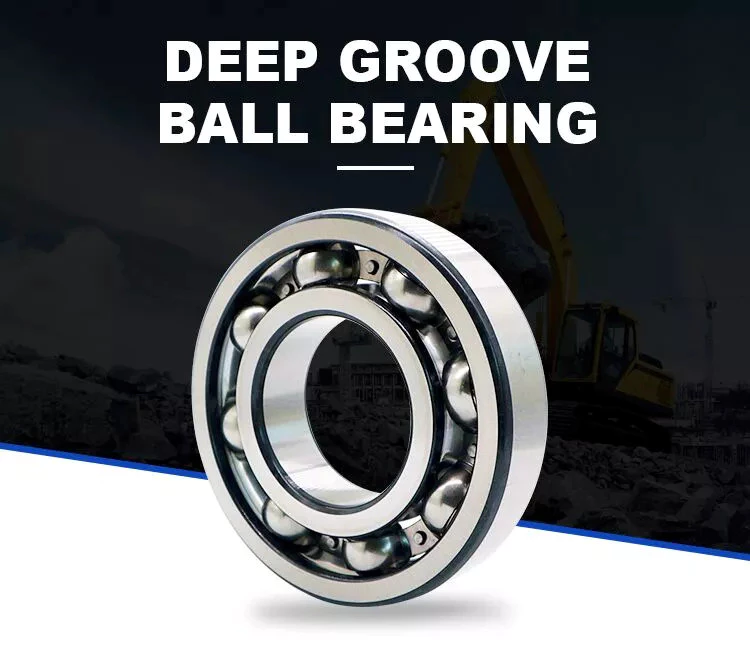
They support radial and axial loads
Radial ball bearings are used primarily for radial loads, but they also have a capacity for axial load. This load capacity is usually given as a percentage of the radial load rating. Axial load capacity is generally greater for a bearing with a larger difference between the inner and outer ring diameters. The axial load capacity is also affected by the bearing’s raceway depth, with shallow raceways being more suitable for heavier axial loads.
The two main types of axial and radial loads are defined by their orientation. Axial loads apply forces in one direction while radial loads act on the opposite direction. In both cases, the bearing must support the forces that are imposed. Axial loads apply forces to a bearing in a single direction, while radial loads apply forces in both directions. Regardless of the type of load, axial and radial loads should be considered when selecting a bearing for a given application.
Angular and radial ball bearings differ in their materials. Radial ball bearings are made largely of through-hardened materials. They typically have a Rockwell hardness rating of 58 Rc. The raceways and balls of these bearings are made of 440C stainless steel. They may also contain shields and seals. SAE 52100 steel is the most common material for the raceway, while molybdenum steels are excellent for high temperatures.
They have a contact angle between the balls and the races
When comparing axial load bearings with their radial counterparts, the angular contact angle is more important. Axial load bearings, have a contact angle between the balls and the races of 35 degrees. They are suitable for axial loads and a limited radial load. The contact angle of these bearings is a result of the shape of the inner and outer rings. Each rolling element comes into contact with the inner and outer rings only at one point, forming a 30 degree angle with the radial plane. The radial force of the axial load on these bearings is therefore increased by increasing the contact angle between the balls and the races.
This contact angle determines the amount of friction between the balls and the races, and allows angular contact bearings to withstand heavy radial and thrust loads. In addition, the larger the contact angle, the greater the axial load support. Angular contact bearings come in standard imperial (inch) and metric (mm) sizes. The angular contact angle is determined by the free radial play value and the curvature of the inner track.
They are water-resistant
In addition to their water-resistant qualities, corrosion-resistant ball bearings can also protect against the damaging effects of corrosive environments. Generally, standard metals, such as steel, are susceptible to rust, which can significantly reduce their performance and extend the life of parts. However, plastics, stainless steel, and ceramics can provide corrosion-resistant ball bearings. And because these materials are much more durable, they offer other advantages, such as being easy to maintain.
Among the advantages of plastic ball bearings is their high resistance to extreme temperatures, high speeds, and corrosion. Depending on their construction, plastic bearings are often able to resist corrosion and anti-static properties. They’re lightweight and inexpensive compared to steel ball bearings. CZPT Sales Corporation was established in 1987 with a modest turnover of four lacs. As of the last financial year, it has grown to 500 lacs in sales.
Other advantages of water-resistant ball bearings include corrosion resistance, which is a key consideration in many applications. While stainless steel is highly corrosion-resistant, it decreases the bearing’s load-carrying capacity. Also, corrosion-resistant deep groove ball bearings are usually made with a specified internal clearance, which absorbs loss in clearance during mounting and shaft expansion. This factor affects their performance, and if these are compromised, a replacement may be necessary.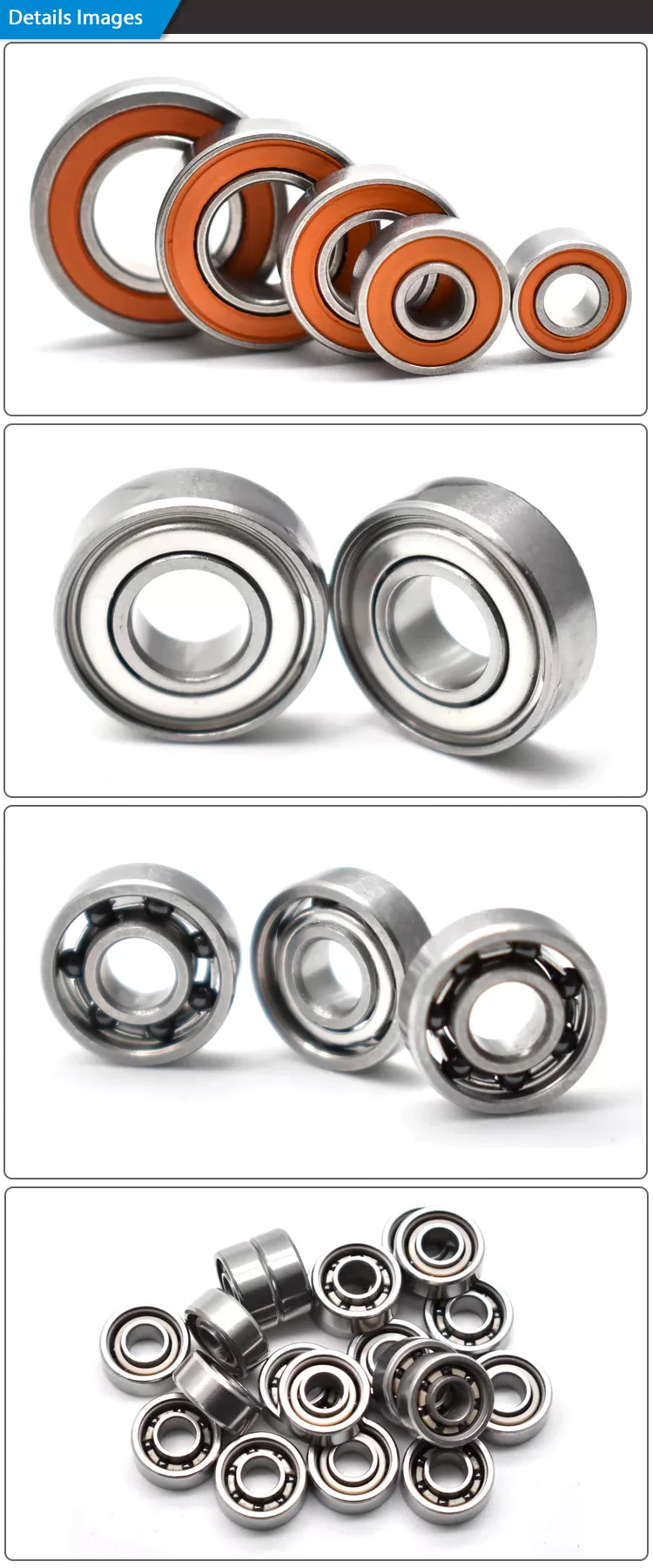
They are tough
A few things make ball bearings tough: they’re made of real materials, which means that they have inherent imperfections. Grade-1 balls are made especially for high-stress applications, such as Formula One engines. Grade-3 balls, on the other hand, strike the perfect balance between performance and cost. Ceramic balls, for example, are made to spin at a high rate of 400 RPM, and they’re finished with a mirror finish.
A steel carbon ball bearing is one of the toughest forms of ball bearings available. The material is incredibly strong, but the contact between the balls isn’t the best. Low-carbon steel is best for linear shafting and is usually coated with a polymer to prevent damage. Steel ball bearings with moderate amounts of carbon are tough, durable, and water-resistant. They’re ideal for gears, but their high-carbon steel counterparts are particularly tough and can resist corrosion.
A ceramic ball bearing is another option. This type has steel inner and outer rings but ceramic balls. Ceramic balls can withstand higher temperatures than steel and are also electrically insulating. Ceramic ball bearings also tend to be lighter and are more resistant to wear and tear. They’re also ideal for applications in which grease is not an option, such as in space shuttles. Despite the fact that ceramic ball bearings are tough, they’re still cheaper than steel ball bearings.
They are conductive
You may have heard the term “ball bearing” if you’ve studied introductory physics. What does that mean? Essentially, ball bearings are conductive because of their ability to conduct electricity. This ability is reflected in the charge distribution on the surface of the ball. Positive charges are drawn toward the positive plate, while negative charges are drawn away from the positively charged ball bearing. You may have even seen a ball bearing in action.
However, despite their conductive nature, ball bearings can still become damaged by electrical discharge. A higher voltage can cause the balls to pit, and the raceways to become uneven. These uneven surfaces will first show up as excessive noise, and eventually cause the bearing to malfunction. Fortunately, engineers have found a way to counter this problem: conductive grease. This grease enables current to flow through the ball bearing, preventing both heat and voltage buildup.
The difference between steel and ceramic ball bearings is their density. Steel bearings are more conductive than glass or hybrid ceramics. Steel ball bearings have an even grain structure and are conductive for resonance flow. When moving fast, the air surrounding the steel ball bearing carries resonance from the inner ring to the outer. This makes them ideal for high-speed resonance transfer. In addition to being conductive, glass microbeads are harder and lighter than steel.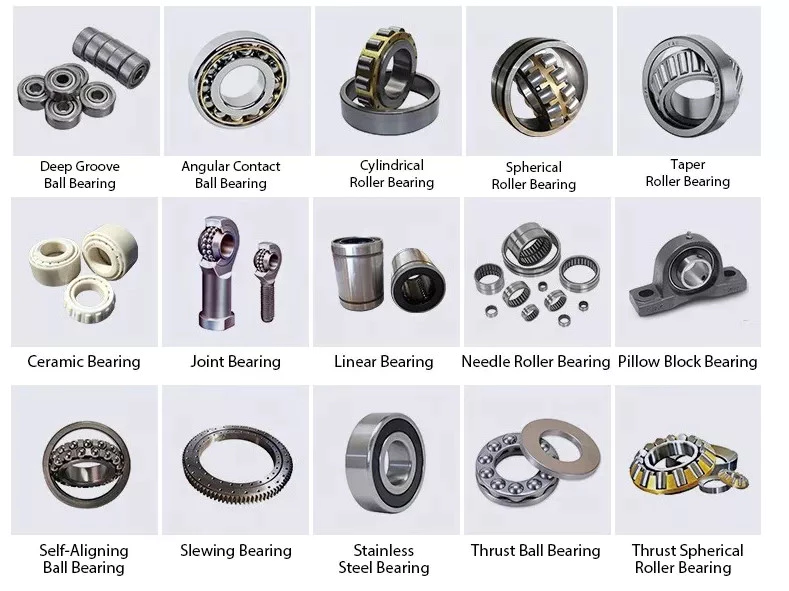
They are used in pulley systems
Pulley systems use ball bearings to move the sprocket, which is a wheel that rotates. These bearings are installed on the center mounting hole of the pulley wheel. They protect the entire system from heat, while allowing higher speed and smooth operation. They distribute the weight of the load evenly, minimizing friction and wobbling, and ensure a smooth rotation. Ball bearings are typically made from steel and are installed inside the pulley wheel.
The moment of inertia and bearing friction are measured to within ten percent accuracy. These two variables affect the speed of the pulley system, which can lead to crashes if the weight holders are not balanced. Therefore, ball bearings are used to minimize the chance of such crashes. When you want to know more about ball bearings in pulley systems, here are the advantages they provide.
Another benefit of ball bearings in pulley systems is that they have lower friction than their solid counterparts. In order to reduce friction, however, ball bearings must be made of good materials. Some of the common ball materials are high-quality plastics and stainless steel. Good materials and clever block design are essential to minimizing friction. If you are planning to use ball bearings in your pulley system, check out the following tips and make sure you are choosing the right one for your application.
editor by czh 2023-02-20
China Original Japan brand tapered roller bearings 32028 HR32028XJ bearing bearing and race
Kind: BALL, OEM
Construction: Deep Groove
Applicable Industries: Accommodations, Garment Outlets, Building Material Outlets, Production Plant, Machinery Mend Retailers, Foods & Beverage Factory, Farms, Restaurant, Home Use, Retail, Foods Store, Custom-made Shaft Seal Ring Silicone Carbide Sic Ring For Pump Mechanical Seal Printing Outlets, Construction works , Energy & Mining, Meals & Beverage Outlets, Other, Promoting Company, wheel bearing, automobile bearing
Bore Size: 10 – 150 mm
Design Number: 320/28 HR320/28XJ
Precision Score: P2
Seals Kind: seal open up zz rs rz
Amount of Row: Solitary row
Product name: Roller bearing
Package: Luggage
Provider: OEM Support
Feature: Prolonged Daily life
Stock: Massive Stocks
Good quality: Substantial Qulity
MOQ: 1
Samples: Avaliable
Dlivery time: 3-5 times
Packaging Details: Plastic/kraft paper bag 6226 6228 in stockAccording to buyer specifications
Port: HangZhou CHINA
Introduction to tapered roller bearings Tapered roller bearings are individual bearings. Both the inner and outer rings of the bearing have tapered raceways. This sort of bearing is divided into one, double and 4-row tapered roller bearings in accordance to the amount of rollers put in. Single-row tapered roller bearings can help radial loads and axial hundreds in 1 path. Double RowSingle RowFour Rows Advantageone. CZPT to Carry Substantial Loads 2. With a Substantial Load-Bearing Capacity3. Lower Noise and A lot more Quiet4. Prolonged Lifestyle,Secure Performance and Resilient 5. Have Lower Rolling Resistance and Work in Sub-Zero Temperatures Why Pick US? one. Totally free sample bearingtwo. ISO Common 3. Take modest buy 4. In stock Structural qualities of tapered roller bearing The type code of tapered roller bearings is 30,000, and tapered roller bearings are separable bearings. In standard, K Sequence Needle Roller Cage Bearing Assembly K28X34X20 with Steel or Nylon Material specially in the proportions coated by GB / T307.1-94 “Tolerances for rolling bearings, radial bearings”, the outer ring and internal factors of tapered roller bearings are one hundred% interchangeable.
| Product Identify | taper roller bearing |
| Type | taper roller bearing |
| Material | Chrome Metal |
| Characteristic | Easy to substitute and set up, effectively sealed, appropriate for higher dust atmosphere, numerous repairing methods are optional, and multipledesigns are utilised. |
| Delivery time | 5-7 days,Related by buy quantity |
| Application | Stacker and reclaimer, conveyor, pump and other tools |
Types of Ball Bearings
If you’re looking to purchase a new ball bearing, there are many different types available. Learn about Single-row designs, Ceramic hybrid bearings, and Self-aligning ball bearings. You can also choose from stainless steel or single-row designs. Then, read about the different types of materials available to you. You’ll have an easier time making a decision. After all, you won’t have to worry about maintaining your new ball bearing, since it will be maintained by your supplier.
Single-row designs
Ball bearings with a single-row design have a high load-carrying capacity. They are used in applications where high loads must be handled smoothly. A single-row design is a good choice when the material’s properties require high load-carrying capacity but limited axial load capability. Single-row designs use two bearings with similar design features, but they have different mounting methods. Single-row designs can be adjusted either against one another to accommodate axial loads.
The single-row design is suitable for high-speed applications, but also has some disadvantages. The contact angle a is the angle between the radial plane and contact line. The larger the angle, the higher the axial load carrying capacity of the bearing. Single-row angular contact ball bearings are suitable for higher axial forces. Single-row angular contact ball bearings have a single-row design and support high axial forces in one direction. Single-row ball bearings are available in both pressed steel and machined steel cages.
Angular contact ball bearings with a single row feature a cage made of fiber-glass reinforced polyamide 66. These are available in diameters up to 130 mm. Four-point angular contact ball bearings use brass, steel, or brass plate. They have good running properties and a low coefficient of linear expansion. Single-row designs are easy to mount and are widely available. Alternatively, they can be mounted with a universal match design, which allows them to be easily adjusted.
One-row angular contact ball bearings are generally not suitable for angular misalignments because they are unsuitable for compensation of angular misalignments. Misalignments cause internal forces in the bearing which reduce its radial load capacity and life expectancy. This type of bearing is not suitable for adjacent mounting as it increases the chances of misalignment. However, it is a suitable choice for applications where only one bearing is required per bearing position.
Ceramic hybrid bearings
While all-ceramic bearings are limited to very specialized applications, Si3N4-based hybrid bearings are finding use in a wide range of high-speed machines. Compared to steel, ceramics are less susceptible to centrifugal forces, which are directly proportional to the mass of the balls. Because Si3N4 replacement balls have a lower density than steel, these bearings reduce the stress placed on the outer race.
The benefits of hybrid bearings are clear: they allow for higher speeds and loads than full-ceramic bearings, and they require no lubrication. Because of their many benefits, many industrial equipment operators are switching to these innovative bearings. CBR is one company that specializes in ceramic hybrid bearings and can help you find the best product for your application. If you are thinking about purchasing ceramic bearings for your next machine, here are some things you need to know about them.
A ceramic ball bearing surface has an extremely low coefficient of friction, which is important for applications that require low friction and high speeds. Ceramic balls also have a higher hardness than steel balls, which increases their life. In addition to this, ceramic hybrid bearings have superior thermal properties, generating less heat even when spinning at high speeds. These properties make ceramic hybrid bearings an ideal choice for high-speed machinery, especially electric motors. They are also suitable for applications that operate under water.
A ceramic ball hybrid bearing is much less susceptible to temperature fluctuations and wear. Because they are essentially indestructible, ceramic balls do not generate wear particles from the adhesive wear. They can run at significantly higher speeds than steel balls. Ceramic balls are also more resistant to moisture. For this reason, grease is a recommended lubricant in most ceramic bearing applications. These lubricants offer superior protection against moisture and corrosion. Further, they are available in many types.
Self-aligning ball bearings
A self-aligning ball bearing is one type of self-aligning bearing. These bearings are recommended for use in flex shaft systems. Their self-aligning feature prevents them from misaligning when in use. They can be used in both single and multiple-joint systems. In addition to self-aligning ball bearings, these units also feature flex shafts.
These self-aligning ball bearings come in a variety of configurations, including cylindrical, round, tapered, and straight bore. Their inner ring is tapered to meet specific tolerances. They are suitable for operating temperatures ranging from -30°F to 120°F. Their wide range of applications allows them to be used in general machinery, precision instruments, and low noise motors. In addition, they are available in a variety of outside diameters, widths, and internal clearances.
Self-aligning ball bearings have two rows of balls and one common sphered raceway in the outer ring. This enables them to automatically compensate for angular misalignment, which may be caused by machining and assembly errors or deflections. Compared to spherical roller bearings, these self-aligning ball bearings generate less friction. They run cooler even at high speeds. Self-aligning ball bearings also offer free engineering support.
Self-aligning ball bearings are designed for difficult shaft alignment. They are double-row, self-retaining units, with cylindrical or tapered bores. These bearings are available in open and sealed designs, and can also be used in applications with misalignment. They are also available with an outer ring that rotates in relation to the inner ring. When it comes to shaft misalignment, self-aligning ball bearings are a great solution.
Stainless steel
Stainless steel is a metal that resists corrosion and is highly durable. Its corrosion-resistant and water-resistance properties make it a good choice for bearings in food and marine applications. Additionally, stainless steel has hygienic benefits. Here are some of the benefits of stainless steel ball bearings. Read on to learn more about these amazing bearings! We’ve included some of the most common uses for stainless steel.
Hardness is important in a ball bearing. Steel uses the Rockwell C scale to measure hardness. A grade 25 steel ball bearing is accurate to 25 millionths of an inch, while a grade five ceramic bearing is less than a half-inch round. Although roundness is important, it shouldn’t be overemphasized, as the bearing surfaces may not be as accurate as the grade of the metal. And remember, a higher price tag doesn’t mean a better product.
Stainless steel ball bearings are available in a variety of alloys. The alloys used in manufacturing a stainless steel ball bearing vary in hardness, strength, and ductility. Stainless steel ball bearings have high corrosion-resistance properties. Additionally, they have long lubrication lives. These benefits make them a popular choice for industrial applications. These bearings are easy to maintain, reduce replacement costs, and offer corrosion resistance.
The NTN Sentinel Series is a premium line of stainless steel bearings. The solid lube is NSF H1 registered and prevents grease from leaching into food. It is also corrosion-resistant and doesn’t need to be coated. The seals and slinger create a water-resistant barrier between the steel ball and the lubricant. It also adds safety and security to the bearing.
Plastic balls
For applications where noise and weight are major concerns, plastic balls are ideal. These non-magnetic balls are ideal for MRI X-ray machines and sensors. They are also easy to lubricate, and are non-magnetic. A polymer ball bearing is the lightest of all three types. This makes them a good choice for many industries. Read on to learn more. This article will introduce some of the advantages of plastic balls for ball bearings.
Although ceramic ball bearings are more durable and offer many advantages, they are more expensive than plastic. Fortunately, plastic ball bearings offer a cheaper alternative. These bearings feature all-plastic races and cages. Depending on the application, plastic balls can be used in applications involving chemicals. In these cases, plastic ball bearings are available with a C160 grade, which is safe for use in temperatures below 176 deg F.
Medical devices often require precision specialty balls, which are made of glass, stainless steel, and plastic. These bearings must meet stringent cleanliness requirements. To meet the most stringent requirements, they must undergo ultrasonic cleaning. These bearings are available in plastic raceways, and are also available with glass or stainless steel balls. Polyethylene balls are lightweight and can be used in a variety of applications. They can be ordered in different sizes and tolerances to meet specific requirements.
Plastic balls for ball bearings are often mounted into other parts, such as plastic wheels, pulleys, and housings. They can be seamlessly integrated into other parts of a machine, which reduces assembly time and improves affordability. One important advantage of plastic bearings is that they are rust-resistant. As such, they can be used in harsh environments without causing any damage. If a piece of equipment is exposed to extreme temperatures, polymers are the ideal choice.
editor by czh 2023-02-20
China HGJX 11449 Special Bearing Used For Concrete Mixer Truck Engineering Machinery Bearing Agitator Convex Roller Bearings bearing driver
Sort: BALL
Composition: Deep Groove
Applicable Industries: Hotels, Garment Shops, Constructing Substance Outlets, Production Plant, Machinery Restore Retailers, Foods & Beverage Manufacturing facility, Farms, Cafe, House Use, Retail, Meals Shop, 148 3V 6V 65MM Diameter Wheel DC deceleration gear motor for toy car wise auto robot Printing Outlets, Building works , Energy & Mining, Foods & Beverage Outlets, Other, Promoting Business
Bore Dimension: 5 – a hundred mm
Design Amount: 11449
Precision Rating: C0.C1.C2.C3.C4.C5.etc
Seals Sort: DDU,Z,ZZ,2RS,RS,open
Quantity of Row: Double row
Bearing Substance: Bearing SteelGcr15Ceramic
Shipping Time: 3~7 times
MOQ: 1 Pcs
Certificate: ISO9001:2008
OEM: Availiable
Sample: free of charge
Stock: Huge Shares
Deal: Settle for the tailored
Packaging Specifics: 1.Anti-rust oil or tin plating 2.Rolled by higher good quality plastic paper or place into plastic bag 3.Plastic bag outside the house rollers 4.Great high quality cartons 5.Take the tailored.
Port: HangZhou
♥ Trencher tractor pto sale Kinds of shaft couplings Vertical shaft bearings PTO Push Shaft for Agriculture Use in John Deere Company of self-aligning bearings ♥ Enormous stock are waiting for you ♥ Supply OEM providers ♥ Qualified reseller ♥ Make sure you really feel cost-free to Fav it and cantact us to buy it Hello,This is Alexandra from ZheJiang Henggang Bearing Manufacturing Co., Ltd. Henggang Bearing is a professional producer of self-aligning bearings begin from 2008.Owns specific Engineering layout dept, sales dept, obtain dept, creation dept, QC dept and packing dept.In the market possessing abundant experience in producing of self-aligning bearings know all the information, Gearbox Cylindrical Roller Bearings RN 206 M Reducer Eccentric Roller Bearings RN206 30×53.5x16mm we know how to make it to up to prolonged support life、high reliability,、minimal servicing function and compact structure design and style prospects.Manufacturing facility has necessary bearing products certificates and many brands’ reseller qualifications.We serve our clients with great high quality products、reasonable price、considerable service, and obtained the basic customers the higher praise.Identical top quality, better value exact same value, better good quality.And there is a flawlessly custom-made following-income answers for you.Make sure you feel free to check out our store and ask to obtain. ♥ Make sure you speak to me to validate the price of the solution design you need to have. Thank you.
| 11449 Unique Bearing Utilized For Concrete Mixer Truck | ||||||||
| Designations: 11449 | ||||||||
| Inner diameter (mm) : 100 | ||||||||
| Outside diameter (mm) : one hundred eighty | ||||||||
| Width (mm) : eighty two | ||||||||
| Agitator truck bearing is a particular kind bearing, which has super – powerful load managing forceThe bearing is a unique bearing for the reducer of concrete mixing truckIs in the mechanical transmission process to resolve and minimize the load friction coefficient components.The value of the solution is for reference only, make sure you seek advice from the customer support for the distinct value | ||||||||
Types of Ball Bearings
If you’re looking to purchase a new ball bearing, there are many different types available. Learn about Single-row designs, Ceramic hybrid bearings, and Self-aligning ball bearings. You can also choose from stainless steel or single-row designs. Then, read about the different types of materials available to you. You’ll have an easier time making a decision. After all, you won’t have to worry about maintaining your new ball bearing, since it will be maintained by your supplier.
Single-row designs
Ball bearings with a single-row design have a high load-carrying capacity. They are used in applications where high loads must be handled smoothly. A single-row design is a good choice when the material’s properties require high load-carrying capacity but limited axial load capability. Single-row designs use two bearings with similar design features, but they have different mounting methods. Single-row designs can be adjusted either against one another to accommodate axial loads.
The single-row design is suitable for high-speed applications, but also has some disadvantages. The contact angle a is the angle between the radial plane and contact line. The larger the angle, the higher the axial load carrying capacity of the bearing. Single-row angular contact ball bearings are suitable for higher axial forces. Single-row angular contact ball bearings have a single-row design and support high axial forces in one direction. Single-row ball bearings are available in both pressed steel and machined steel cages.
Angular contact ball bearings with a single row feature a cage made of fiber-glass reinforced polyamide 66. These are available in diameters up to 130 mm. Four-point angular contact ball bearings use brass, steel, or brass plate. They have good running properties and a low coefficient of linear expansion. Single-row designs are easy to mount and are widely available. Alternatively, they can be mounted with a universal match design, which allows them to be easily adjusted.
One-row angular contact ball bearings are generally not suitable for angular misalignments because they are unsuitable for compensation of angular misalignments. Misalignments cause internal forces in the bearing which reduce its radial load capacity and life expectancy. This type of bearing is not suitable for adjacent mounting as it increases the chances of misalignment. However, it is a suitable choice for applications where only one bearing is required per bearing position.
Ceramic hybrid bearings
While all-ceramic bearings are limited to very specialized applications, Si3N4-based hybrid bearings are finding use in a wide range of high-speed machines. Compared to steel, ceramics are less susceptible to centrifugal forces, which are directly proportional to the mass of the balls. Because Si3N4 replacement balls have a lower density than steel, these bearings reduce the stress placed on the outer race.
The benefits of hybrid bearings are clear: they allow for higher speeds and loads than full-ceramic bearings, and they require no lubrication. Because of their many benefits, many industrial equipment operators are switching to these innovative bearings. CBR is one company that specializes in ceramic hybrid bearings and can help you find the best product for your application. If you are thinking about purchasing ceramic bearings for your next machine, here are some things you need to know about them.
A ceramic ball bearing surface has an extremely low coefficient of friction, which is important for applications that require low friction and high speeds. Ceramic balls also have a higher hardness than steel balls, which increases their life. In addition to this, ceramic hybrid bearings have superior thermal properties, generating less heat even when spinning at high speeds. These properties make ceramic hybrid bearings an ideal choice for high-speed machinery, especially electric motors. They are also suitable for applications that operate under water.
A ceramic ball hybrid bearing is much less susceptible to temperature fluctuations and wear. Because they are essentially indestructible, ceramic balls do not generate wear particles from the adhesive wear. They can run at significantly higher speeds than steel balls. Ceramic balls are also more resistant to moisture. For this reason, grease is a recommended lubricant in most ceramic bearing applications. These lubricants offer superior protection against moisture and corrosion. Further, they are available in many types.
Self-aligning ball bearings
A self-aligning ball bearing is one type of self-aligning bearing. These bearings are recommended for use in flex shaft systems. Their self-aligning feature prevents them from misaligning when in use. They can be used in both single and multiple-joint systems. In addition to self-aligning ball bearings, these units also feature flex shafts.
These self-aligning ball bearings come in a variety of configurations, including cylindrical, round, tapered, and straight bore. Their inner ring is tapered to meet specific tolerances. They are suitable for operating temperatures ranging from -30°F to 120°F. Their wide range of applications allows them to be used in general machinery, precision instruments, and low noise motors. In addition, they are available in a variety of outside diameters, widths, and internal clearances.
Self-aligning ball bearings have two rows of balls and one common sphered raceway in the outer ring. This enables them to automatically compensate for angular misalignment, which may be caused by machining and assembly errors or deflections. Compared to spherical roller bearings, these self-aligning ball bearings generate less friction. They run cooler even at high speeds. Self-aligning ball bearings also offer free engineering support.
Self-aligning ball bearings are designed for difficult shaft alignment. They are double-row, self-retaining units, with cylindrical or tapered bores. These bearings are available in open and sealed designs, and can also be used in applications with misalignment. They are also available with an outer ring that rotates in relation to the inner ring. When it comes to shaft misalignment, self-aligning ball bearings are a great solution.
Stainless steel
Stainless steel is a metal that resists corrosion and is highly durable. Its corrosion-resistant and water-resistance properties make it a good choice for bearings in food and marine applications. Additionally, stainless steel has hygienic benefits. Here are some of the benefits of stainless steel ball bearings. Read on to learn more about these amazing bearings! We’ve included some of the most common uses for stainless steel.
Hardness is important in a ball bearing. Steel uses the Rockwell C scale to measure hardness. A grade 25 steel ball bearing is accurate to 25 millionths of an inch, while a grade five ceramic bearing is less than a half-inch round. Although roundness is important, it shouldn’t be overemphasized, as the bearing surfaces may not be as accurate as the grade of the metal. And remember, a higher price tag doesn’t mean a better product.
Stainless steel ball bearings are available in a variety of alloys. The alloys used in manufacturing a stainless steel ball bearing vary in hardness, strength, and ductility. Stainless steel ball bearings have high corrosion-resistance properties. Additionally, they have long lubrication lives. These benefits make them a popular choice for industrial applications. These bearings are easy to maintain, reduce replacement costs, and offer corrosion resistance.
The NTN Sentinel Series is a premium line of stainless steel bearings. The solid lube is NSF H1 registered and prevents grease from leaching into food. It is also corrosion-resistant and doesn’t need to be coated. The seals and slinger create a water-resistant barrier between the steel ball and the lubricant. It also adds safety and security to the bearing.
Plastic balls
For applications where noise and weight are major concerns, plastic balls are ideal. These non-magnetic balls are ideal for MRI X-ray machines and sensors. They are also easy to lubricate, and are non-magnetic. A polymer ball bearing is the lightest of all three types. This makes them a good choice for many industries. Read on to learn more. This article will introduce some of the advantages of plastic balls for ball bearings.
Although ceramic ball bearings are more durable and offer many advantages, they are more expensive than plastic. Fortunately, plastic ball bearings offer a cheaper alternative. These bearings feature all-plastic races and cages. Depending on the application, plastic balls can be used in applications involving chemicals. In these cases, plastic ball bearings are available with a C160 grade, which is safe for use in temperatures below 176 deg F.
Medical devices often require precision specialty balls, which are made of glass, stainless steel, and plastic. These bearings must meet stringent cleanliness requirements. To meet the most stringent requirements, they must undergo ultrasonic cleaning. These bearings are available in plastic raceways, and are also available with glass or stainless steel balls. Polyethylene balls are lightweight and can be used in a variety of applications. They can be ordered in different sizes and tolerances to meet specific requirements.
Plastic balls for ball bearings are often mounted into other parts, such as plastic wheels, pulleys, and housings. They can be seamlessly integrated into other parts of a machine, which reduces assembly time and improves affordability. One important advantage of plastic bearings is that they are rust-resistant. As such, they can be used in harsh environments without causing any damage. If a piece of equipment is exposed to extreme temperatures, polymers are the ideal choice.
editor by czh 2023-02-18
China Custom Skateboard Ball Bearings ABEC9 608ZZ 608Z 608-2RS 608 For Roller Skateboards connecting rod bearing
Sort: BALL
Framework: Deep Groove
Applicable Industries: Resorts, Garment Outlets, Building Materials Shops, Producing Plant, Equipment Repair Outlets, Foodstuff & Beverage Factory, Farms, Restaurant, Home Use, Retail, Foodstuff Store, Printing Shops, Development works , Energy & Mining, Foodstuff & Beverage Retailers, Advertising Business
Bore Dimension: 8 – a hundred mm
Model Variety: 608
Precision Rating: ABEC9
Seals Type: Open up ZZ RS
Quantity of Row: Single row
Merchandise identify: Deep Grove Ball Bearing
Software: Automotive.tractor.building Equipment.rolling Mill
Characteristic: Lengthy Existence
Provider: OEM ODM
Clearance: C2 C0 C3 C4 C5
Sample: Available
Material: Chrome Metal GCR15
Dimension: 8*22*7mm
Cage: Steel Cage.copper Cage.nylon Cage
Keywords and phrases: Miniature Stainless Steel Bearing
Packaging Particulars: 1. Plastic Tube DDUCM DDUC3 P6 so it is convenient for sequence mass production with reduced production value and extensively employed. Deep groove ball bearing can be utilised for gearbox, instrument, motor, household appliances,inside combustion engine, traffic cars, agricultural equipment, building equipment, engineering equipment.
| Product Title | Custom Skateboard Ball Bearings ABEC9 608ZZ 608Z 608-2RS 608 For Roller Skateboards | ||||||
| Model Amount | 608 | ||||||
| Feature | 1. High Pace 2.Long Daily life | ||||||
| Seal Kind | Open 2RS ZZ | ||||||
| Precision | ABEC9 | ||||||
| Number of Row | Single row | ||||||
| Material | Chrome Steel ,Stainless Steel,Carbon Steel | ||||||
| Application | Papermaking machinery, speed reducer, railway motor vehicle axle, gear box bearing, rolling mill rolling mill rolls, crusher, vibrating display, printing equipment, Tractor gearboxes for PTO drive shaft, agricultural devices 540 rpm enter, China manufacturer OEM ODM woodworking machinery, all types of sector. | ||||||
| Delivery Time | 1) 1-3 times for Samples or in Stock2) 10-fifteen Times for Purchasing | ||||||
The Benefits of Using Self-Lubricating Bushings for Your Next Pivot
Like any other auto part, control arm bushings wear out over time. This results in an increase in irritating vibrations that can be dangerous in severe cases. The bushings in the control arms also wear out due to the stress that extreme driving conditions put on the control arms. Additionally, environmental factors and oversized tires tend to transmit more vibration through the bushing than conventionally sized tires. Whatever the cause, bushings can be the source of many problems.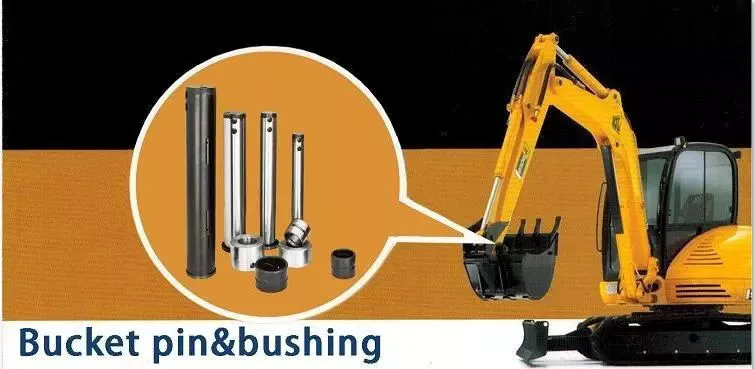
wear and cracking
The main cause of dry valve side bushing cracking is a mismatch in thermal expansion of the core and flange. This situation can seriously compromise the safety of the power system. To improve the safety of dry valve side bushings, the crack development of epoxy impregnated paper under various conditions was investigated. A coupled thermomechanical simulation model was also used to study the cracking process.
The first step in diagnosing the cause of bushing wear and cracking is a visual inspection. The bushing of the lower control arm is fixed to the frame by a bracket. If there are any visible cracks, it’s time to replace the bushing. However, there is no need to replace the entire suspension. In some cases, worn bushings can cause a variety of problems, including body lean, excessive tire wear and cornering noise.
Maintenance free
If you’re considering maintenance-free bushings for your next pivot, you’ll be wondering what to look for in these components. The bushing protects the housing from corrosion and keeps the bushing under pressure. However, many users are not familiar with what these components can do for their applications. In this article, we’ll look at several examples of truly maintenance-free pivots and discuss their requirements.
One of the most popular types of maintenance-free bushings are flanged and parallel. Unlike worm gear bushings, these self-lubricating metal bearings are ideal for a variety of applications and conditions. They reduce failure and downtime costs while providing the long-term lubrication required by other types of bushings. Since these sleeves are made of lead-free material, they are RoHS compliant, which means they are environmentally friendly.Another common maintenance-free bushing is plastic. This material is easier to find off-the-shelf and relatively inexpensive to produce. However, it is not suitable for high load applications as it will crack under heavy loads and damage mating parts. Plastics can also deviate if the manufacturing process is imprecise. Plastic bushings can also crack when subjected to high loads.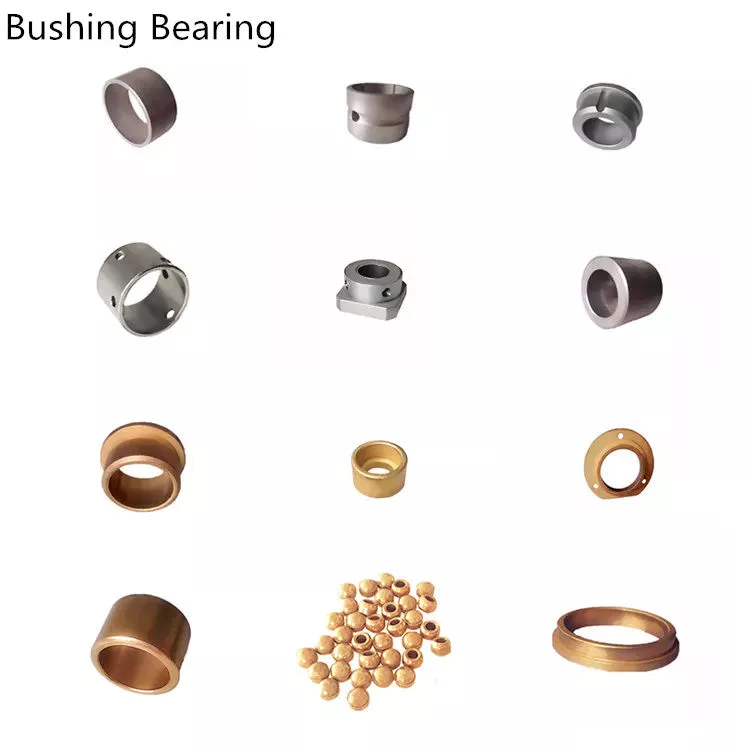
self-lubricating
When using a self-lubricating bushing, there is no need to apply grease to the bushing. Oily liquids tend to attract dirt and grit, which can wear away the graphite prematurely. By eliminating the need for regular lubrication, you will reduce equipment maintenance costs. This article will explore the benefits of self-lubricating bushings. You will love your kindness.
Self-lubricating bushings have a strong base material to withstand radial bearing pressure while providing shaft support at the contact surfaces. The material also has good fatigue properties and low friction motion. Self-lubricating bushings can be used in environments with high temperatures and aggressive media. These products can also withstand enormous pressure. When using self-lubricating bushings, it is important to select the correct material.
The main advantage of using self-lubricating bushings is ease of maintenance. They don’t require oil to run and are cheaper to buy. Their main benefit is that they can significantly reduce your machine running costs. These bearings do not require oiling operations, reducing maintenance costs. These bearings also offer a simplified mechanical design due to their thin walls and high load capacity. In addition, they reduce noise levels while maintaining excellent wear resistance. Plus, their materials are ROHS compliant, which means they don’t require oil.
Hydropower installations are another area where self-lubricating bushings have proven their advantages. They reduce maintenance costs, extend equipment life, and improve environmental benefits. For example, the Newfoundland Power Company uses self-lubricating bushings in the gates of its hydroelectric power plants. These self-lubricating bushings eliminate grease from entering waterways and tailraces. As a result, power companies are able to reduce maintenance and costs.
compared to cartilage in the human body
What is the difference between tendon, bone and cartilage? Human cartilage is composed of collagen and elastic fibers. In contrast, fibrocartilage contains more collagen than hyaline cartilage. Both cartilage types are composed of proteoglycans, which have a protein backbone and glycosaminoglycan side chains. These components work together to provide structure and flexibility to the cartilage.
Bone is a combination of living and dead cells embedded in a matrix. The outer hard layer of bone is dense bone, and the inner layer is spongy, containing bone marrow, blood vessels, nerves, etc. Bone contains both organic and inorganic substances, and this process of hardening of the matrix produces bone. On the other hand, cartilage consists of chondrocytes and a matrix composed of collagen and elastin fibers. Compared to bone, cartilage is yellow and contains elastic fibers.
Although bone and cartilage are structurally identical, cartilage is more flexible. It is mainly found in the joints and respiratory system and requires flexibility. Its ingredients include collagen and proteoglycans, which provide compression and abrasion resistance. Furthermore, connective tissue is composed of cells, fibers and matrix.
The basic substance of cartilage is chondroitin sulfate, which is derived from animals. Although cartilage grows more slowly than bone, its microstructure is less organized. There is a fibrous sheath covering the cartilage, called the perichondrium. The molecular composition of the ECM plays an important role in the function of cartilage. The collagen matrix is important for cartilage remodeling and consists of changes in the collagen matrix.
Compared to metal-on-bone contact
Both metal-on-bone contact are known to cause a significant increase in the pressures in a joint. To compare the two, we first calculated the joint contact pressures in each model and compared them. The results of this study support previous research on this subject. The following sections discuss the benefits of both types of contact. They also outline some key differences between the two.
editor by czh 2023-02-18
China BEARING CPM 2168 Cylindrical roller bearings CPM2168.RNN CPM2168 double row ball bearing
Variety: BALL
Construction: Deep Groove
Relevant Industries: Foodstuff & Beverage Factory, Farms, Cafe, House Use
Bore Dimension: 39 – forty mm
Design Variety: CPM2168
Precision Ranking: p6
Seals Sort: open
Quantity of Row: Double row
Product title: Cylindrical roller bearings CPMCPM2168
Feature: Stable Overall performance:minimal Voice
Bundle: Unique Package deal
Lubrication: Grease Lubrication
Packaging Specifics: box for BEARING CPM 2168Cylindrical roller bearings CPM2168.RNN CPM2168
Port: HangZhou,HangZhou,any port
BEARING CPM 2168Cylindrical roller bearings CPM2168.RNN CPM2168
Product data
| Bearing Name | BEARING CPM 2168Cylindrical roller bearings CPM2168.RNN CPM2168 |
| Model | Adhere to Customer’ 12mm small 1.5v 3v 4.5v 5v 6v 12v n20 brushed correct angle dc worm equipment motor s Request |
| Design variety | cpm2168 |
| Materials | Chrome Steel/GCr15 |
| Variety of row | Single Row |
| Precision | P0 P6 P5 P4 P2 |
| Inventory | Fantastic Supplying Ability |
| Guarantee | 50000km or 1 year |
| Precision rating | ABCE-1 ABCE-3 ABCE-5 ABCE-7 |
| Vibration | V1 V2 V3 V4 |
| Clearance | C0 C2 C3 C4 C5 |
| Delivery Depth | 2-5 days upon receipt of deposit or according to your needs |
| Transport | Specific ,AIR ,Sea Transport |
Packaging & Shipping
Packing particulars:
1.manufacturer Plastic bag+manufacturer coloration box+carton+wooden pallet.
two.Neutral deal+carton+wood pallet.
three.According to buyer request.
four.Personal manufacturer:ZWTHK deal+carton+wooden pallet.
Payment Terms:
TT,Western Union,Paypal
How significantly Deposite?
T/T thirty% of overall as deposit, 2kw or 3kw Electric powered Rotary 220v AC Motor banlance 70% Just before Shipment
Company Data
ZheJiang Hanke Bearing Co.,Ltd is a specialist bearing company with a lot more than ten many years knowledge, found in industrial city HangZhou, near to ZheJiang and HangZhou.There are 15-20 workers in R&D department, and far more than 50 workers in Q& New first Fanuc AC servo motor A06B-2085-B107 C office.We do our best to offer higher top quality bearings to consumers from all above the globe.
Our Companies
FAQ
Materials Used in Bearings
If you’re not familiar with the types of bearings, you may be interested in knowing more about the materials used to manufacture them. Here’s a look at what each type of bearing is made of, how it’s used, and how much they cost. To find the right bearing for your application, it’s important to choose a quality lubricant. The materials used in bearings are determined by their type and applications. Choosing the right lubricant will extend its life, and protect your machine’s parts from damage and premature wear.
Materials used in bearings
Bearings are made from a variety of materials. Stainless steel is a common material used for the components of bearings. It has a higher content of chromium and nickel. When exposed to oxygen, chromium reacts with it to form chromium oxide, which provides a passive film. For higher temperatures, teflon and Viton are also used. These materials offer excellent corrosion resistance and are often preferred by manufacturers for their unique properties.
Stainless steel is another material used in bearings. AISI 440C is a high-carbon stainless steel commonly used in rolling-contact bearings. It is widely used in corrosive environments, especially in applications where corrosion resistance is more important than load capacity. It can also be heat-treated and hardened to 60 HRC, but has lower fatigue life than SAE 52100. Stainless steel bearings may carry a 20-40% price premium, but their superior performance is worth the extra money.
Graphite and molybdenum disulfide are two of the most common materials used in bearings. While graphite is a popular material in bearings, it has very poor corrosion resistance and is unsuitable for applications where oil or grease is required. Graphite-based composite materials are another option. They combine the benefits of both graphite and ceramic materials. A variety of proprietary materials have been developed for high-temperature use, such as graphite and MoS2.
Wood bearings have been around for centuries. The oldest ones used wood and Lignum Vitae. These materials were lightweight, but they were incredibly strong and durable. Wood bearings were also lubricated with animal fats. During the 1700s, iron bearings were a popular choice. In 1839, Isaac Babbitt invented an alloy containing hard metal crystals suspended in a softer metal. It is considered a metal matrix composite.
Applications of bearings
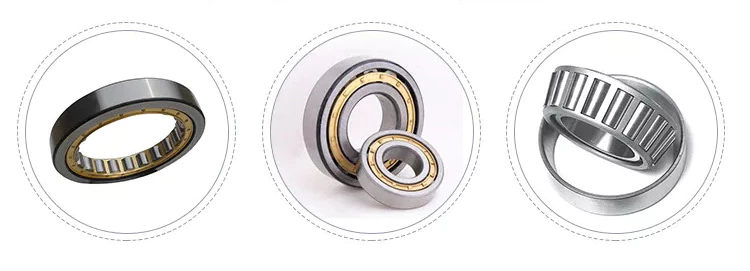
Bearings are used in many different industries and systems to help facilitate rotation. The metal surfaces in the bearings support the weight of the load, which drives the rotation of the unit. Not all loads apply the same amount of force to bearings, however. Thrust and radial loads act in distinctly different ways. To better understand the different uses of bearings, let’s examine the various types of bearings. These versatile devices are essential for many industries, from automobiles to ships and from construction to industrial processes.
Cylindrical roller bearings are designed to support heavy loads. Their cylindrical rolling element distributes the load over a larger area. They are not, however, suited to handling thrust loads. Needle bearings, on the other hand, use small diameter cylinders and can fit into tighter spaces. The advantages of these types of bearings are numerous, and many leading producers are now leveraging the Industrial Internet of Things (IIoT) to develop connected smart bearings.
As a power generation industry, bearings play an essential role. From turbines to compressors, from generators to pumps, bearings are essential components of equipment. In addition to bearings, these components help move the equipment, so they can work properly. Typically, these components use ball bearings, although some roller bearings are used as well. In addition to being efficient and durable, these types of bearings also tend to be built to meet stringent internal clearance requirements and cage design requirements.
In addition to bearings for linear motion, bearings can also bear the weight of a rotary part. Depending on the application, they can be designed to minimize friction between moving parts. By constraining relative motion, bearings are used to reduce friction within a given application. The best-designed bearings minimize friction in a given application. If you’re in the market for a new bearing, NRB Industrial Bearings Limited is an excellent source to begin your search.
Types of bearings
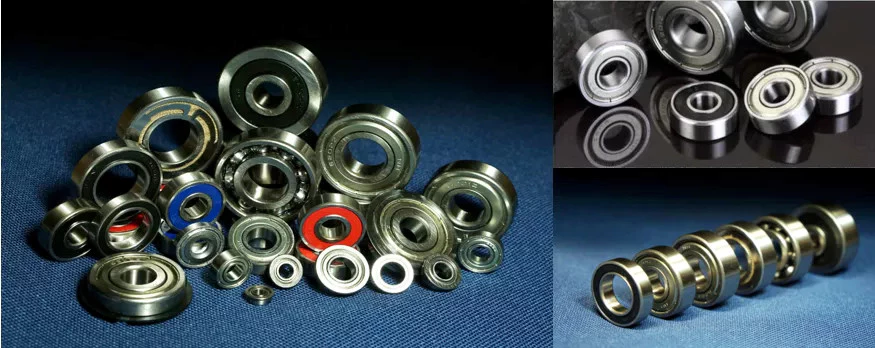
The type of bearings you choose will have a significant impact on the performance of your machinery. Using the right bearings can increase efficiency, accuracy, and service intervals, and even reduce the cost of purchasing and operating machinery. There are several different types of bearings to choose from, including ball bearings and flexure bearings. Some types use a fluid to lubricate their surfaces, while others do not.
Plain bearings are the most common type of bearing, and are used for a variety of applications. Their cylindrical design allows for a relatively smooth movement. Often made of copper or other copper alloy, they have low coefficients of friction and are commonly used in the construction industry. Some types of plain bearings are also available with a gudgeon pin, which connects a piston to a connecting rod in a diesel engine.
Magnetic bearings are the newest type of bearing. They use permanent magnets to create a magnetic field around the shaft without requiring any power. These are difficult to design, and are still in the early stages of development. Electromagnets, on the other hand, require no power but can perform very high-precision positioning. They can be extremely durable and have a long service life. They are also lightweight and easy to repair.
Another type of bearing is needle roller. These are made of thin, long, and slender cylinders that are used in a variety of applications. Their slender size is ideal for a space-constrained application, and their small profile allows them to fit in tight places. These types of bearings are often used in automotive applications, bar stools, and camera panning devices. They have several advantages over ball bearings, including the ability to handle heavy axial loads.
Cost of bearings
A wide range of factors affect the cost of aerospace bearings, including the bearing material and its volatility. Manufacturers typically use high-grade steel for aircraft bearings, which are highly affected by fluctuations in the steel price. Government policies also play a part in the variation in trade price. The implementation of COVID-19 has changed the market dynamics, creating an uncertain outlook for supply and demand of aerospace bearings. New trade norms and transportation restrictions are expected to hamper the growth of this industry.
Demand for aerospace bearings is largely driven by aircraft manufacturers. In North America, aircraft manufacturers must meet extremely high standards of weight, performance, and quality. They also must be lightweight and cost-effective. This has resulted in a rising cost of aerospace bearings. The market for aerospace bearings is expected to grow at the highest CAGR over the next few years, driven by increasing investments in defense and aerospace infrastructure across Asia-Pacific.
Hub assemblies are also expensive. A wheel hub will cost between $400 and $500 for one set of bearings. In addition to this, the speed sensor will be included. The average cost of wheel bearings is between $400 and $500 for one side, including labor. But this price range is much lower if the bearing is a replacement of an entire wheel assembly. It is still worth noting that wheel hub bearings can be purchased separately for a lower price.
Replacement of one or two wheel bearings will depend on the model and year of the vehicle. For a small car, one rear wheel bearing can cost between $190 and $225, whereas two front wheel hubs can cost upwards of $1,000. Labor and parts prices will vary by location, and labor costs may also be covered under some warranty plans. If you decide to have it done yourself, be sure to ask multiple shops for estimates.
Inspection of bearings

To maintain bearing performance and prevent accidents, periodic inspections are essential. In addition to ensuring reliability, these inspections improve productivity and efficiency. Regular maintenance includes disassembly inspection, replenishment of lubricant and monitoring operation status. Here are some common ways to perform the necessary inspections. Keep reading to learn how to maintain bearings. After disassembly, you must clean the components thoroughly. Ensure that the bearings are free of burrs, debris, and corrosion.
Ultrasound technology is an excellent tool for monitoring slow-speed bearings. Most ultrasound instruments offer wide-ranging sensitivity and frequency tuning. Ultrasound can also be used to monitor bearing sound. Ultra-slow bearings are usually large and greased with high-viscosity lubricant. Crackling sounds indicate deformity. You can also listen for abnormal noise by plugging a vibration analyzer into the machine. Once the machine shows abnormal noise, schedule additional inspections.
Ultrasonic inspection involves using an ultrasound transducer to measure the amplitude of sound from a bearing. It is effective in early warnings of bearing failure and prevents over-lubrication. Ultrasound inspection of bearings is a cost-effective solution for early diagnosis of bearing problems. In addition to being a reliable tool, ultrasonic testing is digital and easy to implement. The following are some of the advantages of ultrasonic bearing inspection.
Dynamic quality evaluation involves the use of a special fixture for measuring bearing deformations under low shaft speed and light radial load. The size of the fixture influences the value of the deformations. A fixture should be sized between the diameter of the sensor and the roller to ensure maximum precision. The outer deformation signal is more sensitive with a larger sensor diameter. A vibration-acceleration sensor is used for the contrast test.
editor by czh 2023-02-17