Product Description
China Factory 3d Printer Parts Deep Groove Ball Bearing 623zz 624zz 625zz 626zz 635zz 608zz 688zz
Single row deep groove ball bearings are particularly versatile. They are simple in design, non-separable, suitable for high and even very high speeds and are robust in operation, requiring little maintenance. Deep raceway grooves and the close conformity between the raceway grooves and the balls enable deep groove ball bearings to accommodate axial loads in both directions, in addition to radial loads, even at high speeds.
1. 623zz : 3mm*10mm*4mm
2. 624zz : 4mm*13mm*5mm
3. 625zz : 5mm*16mm*5mm
4. 626zz : 6mm*19mm*6mm
5. 608zz : 8mm*22mm*7mm
6. 688zz : 8mm*16mm*5mm
7. 635zz : 5mm*19mm*6mm
Detailed Photos
Product Parameters
Product Description
Any combination of closures is available
|
Basic |
Nominal Bearing Dimensions |
Preferred Shoulder Diameters |
||||||||||||
|
d |
D |
B,C |
r (min) |
da (min) |
da (max) |
Da (max) |
||||||||
|
mm |
inch |
mm |
inch |
mm |
inch |
mm |
inch |
mm |
inch |
mm |
inch |
mm |
inch |
|
|
604 |
4 |
0.1575 |
12 |
0.4724 |
4 |
0.1575 |
0.2 |
0.008 |
5.4 |
0.2126 |
6.6 |
0.2598 |
10.6 |
0.4173 |
|
605 |
5 |
0.1969 |
14 |
0.5512 |
5 |
0.2756 |
0.2 |
0.008 |
6.6 |
0.2600 |
7.4 |
0.2913 |
12.4 |
0.4880 |
|
606 |
6 |
0.2362 |
17 |
0.6693 |
6 |
0.2756 |
0.3 |
0.012 |
8.0 |
0.3150 |
8.6 |
0.3386 |
15.0 |
0.5910 |
|
607 |
7 |
0.2756 |
19 |
0.748 |
6 |
0.2756 |
0.3 |
0.012 |
9.0 |
0.3543 |
10.4 |
0.4094 |
17.0 |
0.6693 |
|
608 |
8 |
0.3149 |
22 |
0.8661 |
7 |
0.2756 |
0.3 |
0.012 |
10.0 |
0.3937 |
12.2 |
0.4803 |
10.0 |
0.7874 |
|
609 |
9 |
0.3543 |
24 |
0.9449 |
7 |
0.2756 |
0.3 |
0.012 |
11.0 |
0.4331 |
13.1 |
0.5157 |
12.0 |
0.8661 |
|
Basic |
Nominal Bearing Dimensions |
Preferred Shoulder Diameters |
||||||||||||
|
d |
D |
B,C |
r (min) |
da (min) |
da (max) |
Da (max) |
||||||||
|
mm |
inch |
mm |
inch |
mm |
inch |
mm |
inch |
mm |
inch |
mm |
inch |
mm |
inch |
|
|
624 |
4 |
0.1575 |
13 |
0.5118 |
5 |
0.1968 |
0.2 |
0.007 |
5.6 |
0.220 |
6.2 |
0.244 |
11.4 |
0.449 |
|
625 |
5 |
0.1969 |
13 |
0.6299 |
5 |
0.1968 |
0.3 |
0.012 |
7.0 |
0.276 |
7.6 |
0.299 |
14.0 |
0.551 |
|
626 |
6 |
0.2362 |
16 |
0.7480 |
6 |
0.2362 |
0.3 |
0.012 |
8.0 |
0.315 |
9.5 |
0.374 |
17.0 |
0.669 |
|
627 |
7 |
0.2756 |
22 |
0.8661 |
7 |
0.2756 |
0.3 |
0.012 |
9.0 |
0.354 |
12.2 |
0.480 |
20.0 |
0.787 |
|
628 |
5 |
0.3149 |
24 |
0.9448 |
8 |
0.3149 |
0.3 |
0.012 |
10.0 |
0.394 |
12.1 |
0.476 |
17.0 |
0.669 |
|
629 |
9 |
0.3543 |
26 |
1.5716 |
8 |
0.3149 |
0.3 |
0.012 |
11.5 |
0.453 |
… |
… |
14.0 |
0.945 |
|
Basic |
Nominal Bearing Dimensions |
Preferred Shoulder Diameters |
||||||||||||
|
d |
D |
B,C |
r (min) |
da (min) |
da (max) |
Da (max) |
||||||||
|
mm |
inch |
mm |
inch |
mm |
inch |
mm |
inch |
mm |
inch |
mm |
inch |
mm |
inch |
|
|
635 |
5 | 0.1969 | 19 | 0.7480 | 6 | 0.2362 | 0.3 | 0.012 | 7.0 | 0.276 | 9.5 | 0.374 | 17.0 | 0.669 |
|
636 |
6 | 0.2362 | 22 | 0.8661 | 7 | 0.8661 | 0.3 | 0.012 | … | … | … | … | … | … |
|
637 |
7 | 0.2756 | 26 | 1.5716 | 9 | 0.3543 | 0.3 | 0.012 | … | … | … | … | … | … |
|
638 |
8 | 0.3149 | 28 | 1.1571 | 9 | 0.3543 | 0.3 | 0.012 | 10.0 | 0.394 | … | … | 26.0 | 1.571 |
|
639 |
9 | 0.3543 | 30 | 1.1811 | 10 | 0.3937 | 0.6 | 0.571 | … | … | … | … | … | … |
|
Basic |
Nominal Bearing Dimensions |
Preferred Shoulder Diameters |
||||||||||||||
|
d |
D |
B |
r (min) |
da (min) |
da (max) |
Da (max) |
||||||||||
| Open | Shielded sealed | |||||||||||||||
|
mm |
inch |
mm |
inch |
mm |
inch |
mm |
inch |
mm |
inch |
mm |
inch |
mm |
inch |
mm |
inch |
|
|
685 |
5 | 0.1969 | 11 | 0.4331 | 3 | 0.1181 | 5 | 0.1969 | 0.15 | 0.006 | 6.2 | 0.244 | 6.2 | 0.244 | 9.9 | 0.390 |
|
686 |
6 | 0.2362 | 13 | 0.5118 | 3.5 | 0.1378 | 5 | 0.1969 | 0.15 | 0.006 | 7.4 | 0.291 | 7.4 | 0.291 | 11.7 | 0.461 |
|
687 |
7 | 0.2756 | 14 | 0.5512 | 3.5 | 0.1378 | 5 | 0.1969 | 0.15 | 0.006 | 8.5 | 0.335 | 8.5 | 0.335 | 12.7 | 0.500 |
|
688 |
8 | 0.3150 | 16 | 0.6299 | 4 | 0.1575 | 5 | 0.1969 | 0.20 | 0.008 | … | … | … | … | … | … |
|
689 |
9 | 0.3543 | 17 | 0.6693 | 4 | 0.1575 | 5 | 0.1969 | 0.20 | 0.008 | 10.7 | 0.421 | 10.7 | 0.421 | 15.2 | 0.598 |
|
Basic |
Nominal Bearing Dimensions |
Preferred Shoulder Diameters |
||||||||||||
|
d |
D |
B,C |
r (min) |
da (min) |
da (max) |
Da (max) |
||||||||
|
mm |
inch |
mm |
inch |
mm |
inch |
mm |
inch |
mm |
inch |
mm |
inch |
mm |
inch |
|
|
693 |
3 | 0.1181 | 8 | 0.3150 | 3 | 0.1181 | 0.15 | 0.006 | 4.3 | 0.169 | 4.3 | 0.169 | 7.3 | 0.287 |
|
W693 |
3 | 0.1181 | 8 | 0.3150 | 4 | 0.1575 | 0.15 | 0.006 | 4.2 | 0.165 | 4.2 | 0.165 | 6.8 | 0.268 |
|
694 |
4 | 0.1575 | 11 | 0.4331 | 4 | 0.1575 | 0.20 | 0.008 | 5.2 | 0.205 | 5.2 | 0.205 | 9.8 | 0.386 |
|
695 |
5 | 0.1969 | 13 | 0.5118 | 4 | 0.1575 | 0.20 | 0.008 | 6.6 | 0.260 | 6.6 | 0.260 | 11.4 | 0.449 |
|
696 |
6 | 0.2362 | 15 | 0.5906 | 5 | 0.1969 | 0.30 | 0.012 | 7.6 | 0.299 | 7.6 | 0.299 | 13.4 | 0.528 |
|
697 |
7 | 0.2756 | 17 | 0.6693 | 5 | 0.1969 | 0.30 | 0.012 | 9.0 | 0.354 | 9.0 | 0.354 | 15.0 | 0.591 |
|
698 |
8 | 0.3150 | 19 | 0.7480 | 6 | 0.2362 | 0.30 | 0.012 | 10.0 | 0.394 | 10.0 | 0.394 | 16.5 | 0.650 |
|
699 |
9 | 0.3543 | 20 | 0.7874 | 6 | 0.2362 | 0.30 | 0.012 | 11.0 | 0.433 | 11.6 | 0.457 | 18.0 | 0.709 |
|
Common Options |
|
|
Z |
: One Shield |
/* January 22, 2571 19:08:37 */!function(){function s(e,r){var a,o={};try{e&&e.split(“,”).forEach(function(e,t){e&&(a=e.match(/(.*?):(.*)$/))&&1
| Aligning: | Non-Aligning Bearing |
|---|---|
| Separated: | Unseparated |
| Rows Number: | Single |
| Load Direction: | Radial Bearing |
| Material: | Bearing Steel |
| Transport Package: | Industrial Exporting Packing,or Upon The Customer′ |
| Customization: |
Available
| Customized Request |
|---|
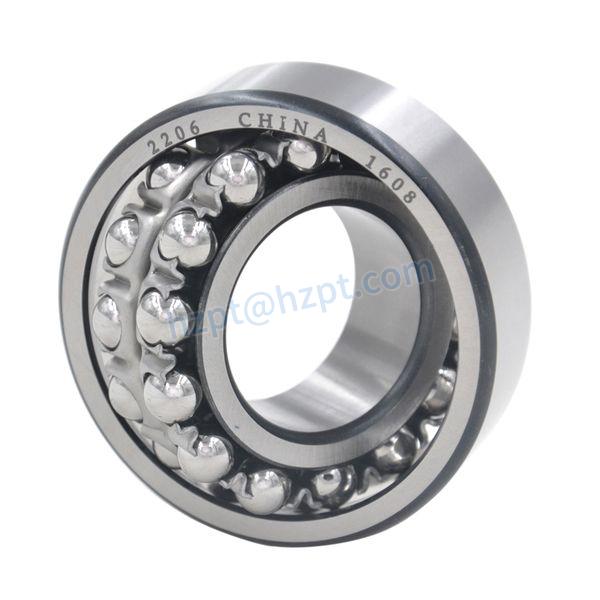
What are the Common Signs of Wear or Damage in Ball Bearings that Indicate the Need for Replacement?
Ball bearings are subjected to wear and stress during operation, and over time, they may exhibit signs of damage or deterioration that warrant replacement. Recognizing these signs is crucial to prevent catastrophic failure and ensure safe and reliable operation. Here are the common signs of wear or damage in ball bearings:
- Unusual Noise:
If you hear unusual grinding, clicking, or rumbling noises coming from the bearing during operation, it may indicate worn-out or damaged components. Unusual noise suggests that the bearing is no longer operating smoothly.
- Vibration:
Excessive vibration in the machinery can be a sign of bearing wear. Vibrations can result from uneven wear, misalignment, or damaged components within the bearing.
- Increased Temperature:
Higher operating temperatures than usual may indicate increased friction due to inadequate lubrication, wear, or other issues. Monitoring the bearing’s temperature can help identify potential problems.
- Irregular Movement:
If you notice irregular movement, jerking, or sticking during rotation, it could be a sign that the bearing is no longer operating smoothly. This may be due to damaged rolling elements or raceways.
- Reduced Performance:
If the machinery’s performance has decreased, it may be due to a compromised bearing. Reduced efficiency, increased energy consumption, or a decline in overall performance could be indicators of bearing wear.
- Visible Wear or Damage:
Inspect the bearing for visible signs of wear, such as pitting, scoring, or discoloration on the rolling elements or raceways. Severe wear or damage is a clear indication that the bearing needs replacement.
- Leakage or Contamination:
If there is evidence of lubricant leakage, contamination, or the presence of foreign particles around the bearing, it suggests that the seal or shield may be compromised, leading to potential damage.
- Looseness or Excessive Play:
If you can feel excessive play or looseness when manually moving the bearing, it could indicate worn-out components or misalignment.
- Reduced Lifespan:
If the bearing’s expected lifespan is significantly shorter than usual, it may be due to inadequate lubrication, excessive loads, or improper installation, leading to accelerated wear.
- Frequent Failures:
If the bearing is consistently failing despite regular maintenance and proper use, it could indicate a chronic issue that requires addressing, such as inadequate lubrication or misalignment.
It’s important to conduct regular inspections, monitor performance, and address any signs of wear or damage promptly. Replacing worn or damaged ball bearings in a timely manner can prevent further damage to machinery, reduce downtime, and ensure safe and efficient operation.
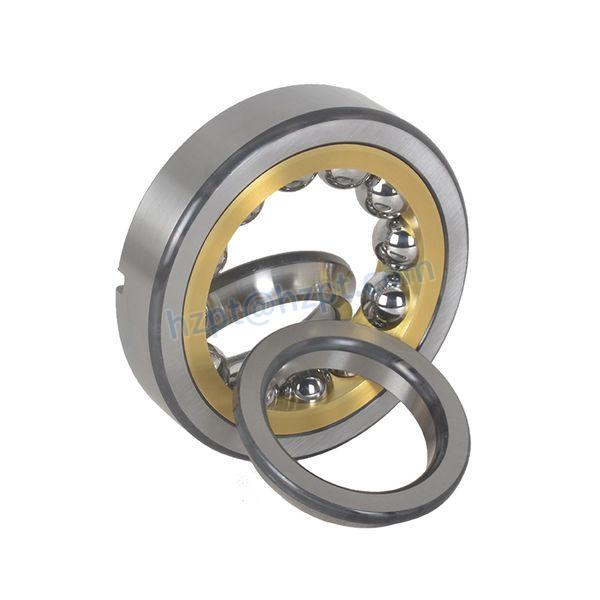
How do Temperature and Environmental Conditions Affect the Performance of Ball Bearings?
Temperature and environmental conditions have a significant impact on the performance and longevity of ball bearings. The operating environment can influence factors such as lubrication effectiveness, material properties, and overall bearing behavior. Here’s how temperature and environmental conditions affect ball bearing performance:
- Lubrication:
Temperature variations can affect the viscosity and flow characteristics of lubricants. Extreme temperatures can cause lubricants to become too thin or too thick, leading to inadequate lubrication and increased friction. In high-temperature environments, lubricants can degrade, reducing their effectiveness.
- Material Properties:
Temperature changes can alter the material properties of the bearing components. High temperatures can lead to thermal expansion, affecting bearing clearances and potentially causing interference between components. Extreme cold temperatures can make materials more brittle and prone to fracture.
- Clearance Changes:
Temperature fluctuations can cause changes in the internal clearance of ball bearings. For instance, at high temperatures, materials expand, leading to increased clearance. This can affect bearing performance, load distribution, and overall stability.
- Corrosion and Contamination:
Harsh environmental conditions, such as exposure to moisture, chemicals, or abrasive particles, can lead to corrosion and contamination of bearing components. Corrosion weakens the material, while contamination accelerates wear and reduces bearing life.
- Thermal Stress:
Rapid temperature changes can result in thermal stress within the bearing components. Differential expansion and contraction between the inner and outer rings can lead to stress and distortion, affecting precision and bearing integrity.
- Noise and Vibration:
Temperature-related changes in material properties and internal clearances can influence noise and vibration levels. Extreme temperatures can lead to increased noise generation and vibration, affecting the overall operation of machinery.
- Lubricant Degradation:
Environmental factors like humidity, dust, and contaminants can lead to premature lubricant degradation. Oxidation, moisture absorption, and the presence of foreign particles can compromise the lubricant’s performance and contribute to increased friction and wear.
- Seal Effectiveness:
Seals and shields that protect bearings from contaminants can be affected by temperature fluctuations. Extreme temperatures can lead to seal hardening, cracking, or deformation, compromising their effectiveness in preventing contamination.
- Choosing Appropriate Bearings:
When selecting ball bearings for specific applications, engineers must consider the expected temperature and environmental conditions. High-temperature bearings, bearings with specialized coatings, and those with enhanced sealing mechanisms may be necessary to ensure reliable performance.
Overall, understanding the impact of temperature and environmental conditions on ball bearing performance is crucial for proper bearing selection, maintenance, and ensuring optimal operation in diverse industries and applications.
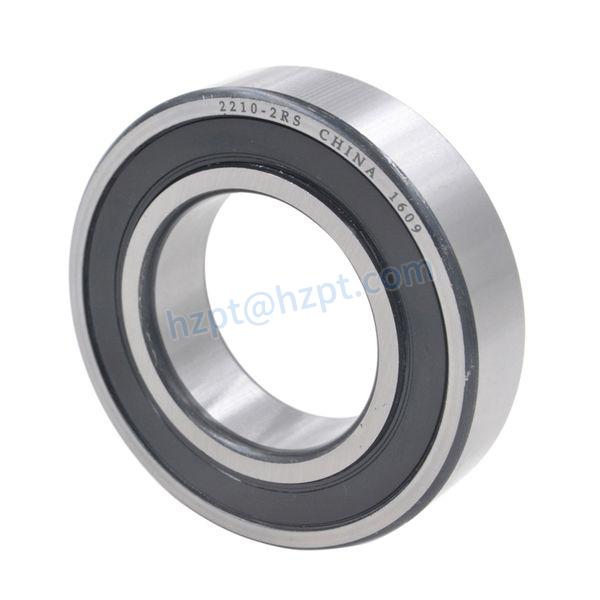
How does Lubrication Impact the Performance and Lifespan of Ball Bearings?
Lubrication plays a critical role in the performance and lifespan of ball bearings. Proper lubrication ensures smooth operation, reduces friction, minimizes wear, and prevents premature failure. Here’s how lubrication impacts ball bearings:
- Friction Reduction:
Lubrication creates a thin film between the rolling elements (balls) and the raceways of the bearing. This film reduces friction by separating the surfaces and preventing direct metal-to-metal contact. Reduced friction results in lower energy consumption, heat generation, and wear.
- Wear Prevention:
Lubricants create a protective barrier that prevents wear and damage to the bearing’s components. Without proper lubrication, the repeated rolling and sliding of the balls against the raceways would lead to accelerated wear, surface pitting, and eventual failure.
- Heat Dissipation:
Lubricants help dissipate heat generated during operation. The rolling elements and raceways can generate heat due to friction. Adequate lubrication carries away this heat, preventing overheating and maintaining stable operating temperatures.
- Corrosion Resistance:
Lubrication prevents moisture and contaminants from coming into direct contact with the bearing’s surfaces. This helps protect the bearing against corrosion, rust, and the formation of debris that can compromise its performance and longevity.
- Noise Reduction:
Lubricated ball bearings operate quietly because the lubricant cushions and dampens vibrations caused by the rolling motion. This noise reduction is crucial in applications where noise levels need to be minimized.
- Seal Protection:
Lubricants help maintain the effectiveness of seals or shields that protect the bearing from contaminants. They create a barrier that prevents particles from entering the bearing and causing damage.
- Improved Efficiency:
Properly lubricated ball bearings operate with reduced friction, leading to improved overall efficiency. This is especially important in applications where energy efficiency is a priority.
- Lifespan Extension:
Effective lubrication significantly extends the lifespan of ball bearings. Bearings that are properly lubricated experience less wear, reduced fatigue, and a lower likelihood of premature failure.
- Selection of Lubricant:
Choosing the right lubricant is essential. Factors such as speed, temperature, load, and environmental conditions influence the choice of lubricant type and viscosity. Some common lubricant options include grease and oil-based lubricants.
- Regular Maintenance:
Regular lubrication maintenance is crucial to ensure optimal bearing performance. Bearings should be inspected and relubricated according to manufacturer recommendations and based on the application’s operating conditions.
In summary, proper lubrication is essential for the optimal performance, longevity, and reliability of ball bearings. It reduces friction, prevents wear, dissipates heat, protects against corrosion, and contributes to smooth and efficient operation in various industrial and mechanical applications.


editor by CX 2024-04-17
China manufacturer High Limit Speed Angular Contact Ball Bearing double row ball bearing
Product Description
Features
High limit speed, suitable for high speed occasions;
The rigidity of the bearing can be improved by preload;
Provide a variety of assembly forms, easy to use.
Product Description
Angular contact ball bearings are named because the contact surface between the ball and the inner and outer rings of an angular contact ball bearing is in the form of an included angle.The lock of this kind of bearing is on the outer ring, and generally the inner and outer rings cannot be separated.
Angular contact ball bearings have a high limit speed and can withstand combined radial and axial loads as well as axial loads in 1 direction. The ability to bear axial load is determined by the contact angle. The larger the contact angle, the higher the ability to bear axial load. This type of bearing can limit the axial displacement of the shaft or housing in 1 direction.
Single row angular contact ball bearings can only withstand axial loads acting in 1 direction. When subjected to purely radial loads, these bearings must be installed in pairs, because the load line of the rolling elements and the radial acting load line are not in the same radial plane, resulting in an internal axial component force, requiring another bearing for balance .
According to the structural characteristics of single-row angular contact ball bearings, this type of bearing is usually used in combination with 2 or more bearings of the same type.
Main applications:
Machine tool spindle, high frequency motor, gas turbine, centrifugal separator, small car front wheel, differential pinion shaft, booster pump, drilling platform, food machinery, inHangZhou head, repair welding machine, low noise cooling tower, electrical equipment, painting equipment, machine tool slot plate, arc welding machine.
Product Parameters
We can provide 73, 72, 70, 53, 52 series model.
The blow is 73 series.
| Product Number | Bore Dia (d)mm |
Outer Dia (D)mm |
Width (B)mm |
Dynamic Load Rating (Cr) (kN) |
Static Load Rating (Cor) (kN) |
| 7300 | 10 | 35 | 11 | 10.1 | 4.95 |
| 7301 | 12 | 37 | 12 | 11.2 | 5.25 |
| 7302 | 15 | 42 | 13 | 13.5 | 7.2 |
| 7303 | 17 | 47 | 14 | 15.9 | 8.65 |
| 7304 | 20 | 52 | 15 | 18.7 | 10.6 |
| 7305 | 25 | 62 | 17 | 26.4 | 15.8 |
| 7306 | 30 | 72 | 19 | 33.5 | 22.3 |
| 7307 | 35 | 80 | 21 | 40 | 26.3 |
| 7308 | 40 | 90 | 23 | 49 | 33 |
| 7309 | 45 | 100 | 25 | 63.5 | 44 |
| 7310 | 50 | 110 | 27 | 74 | 52 |
| 7311 | 55 | 120 | 29 | 86 | 61.5 |
| 7312 | 60 | 130 | 31 | 98 | 71.5 |
| 7313 | 65 | 140 | 33 | 111 | 82 |
| 7314 | 70 | 150 | 35 | 125 | 93.5 |
| 7315 | 75 | 160 | 37 | 136 | 106 |
| 7316 | 80 | 170 | 39 | 147 | 119 |
| 7317 | 85 | 180 | 41 | 159 | 133 |
| 7318 | 90 | 190 | 43 | 171 | 147 |
| 7319 | 95 | 200 | 45 | 183 | 162 |
| 7320 | 100 | 215 | 47 | 207 | 193 |
| 7321 | 105 | 225 | 49 | 220 | 210 |
| 7322 | 110 | 240 | 50 | 246 | 246 |
| 7324 | 120 | 260 | 55 | 246 | 252 |
| 7326 | 130 | 280 | 58 | 273 | 293 |
| 7328 | 140 | 300 | 62 | 300 | 335 |
| 7330 | 150 | 320 | 65 | 330 | 380 |
| 7332 | 160 | 340 | 68 | 345 | 420 |
| 7334 | 170 | 360 | 72 | 390 | 485 |
| 7336 | 180 | 380 | 75 | 410 | 535 |
| 7338 | 190 | 400 | 78 | 430 | 585 |
| 7340 | 200 | 420 | 80 | 450 | 605 |
This parameter table is not complete, please contact us for details.
Company Profile
ZheJiang CZPT Machinery Co., Ltd, Xihu (West Lake) Dis. High-precision Bearings Co., Ltd belongs to CZPT group. It is located in Industrial Development Zone of Liao-cheng city, which is bearings manufacturing base in China. We have been specialized in the production of auto parts, bearings and retainers since year 1986.
Our factory covers an area of 120,000 sq.m, with a construction area of 66,000 sq.m. There are more than 600 employees, 50 management personnel, 80 technical engineers and 60 quality inspectors. We are famous manufacturer group for our strict quality control system and hard-working team.
There are more than 40 sets of high-precision mold processing equipment, 150 sets of various CNC lathes, 200 sets of white dynamic grinding machines, 120 sets of stamping equipment, 16 sets of special demagnetization machines, 10 sets of high-pressure spray cleaning machines, 6 sets ultrasonic cleaning machines and 6 automatic bearing grinding lines. They are also equipped with advanced hardness tester, length measuring instrument, sine instrument, spectrometer, infrared carbon and sulfur analyzer, CZPT hardness tester, roughness profiler, electronic tensile testing machine, metallographic microscope, projection coordinate instrument, roundness instrument, ABLT-2 life testing machine, three-coordinate testing machine and so on. We are ready to provide customers with high-quality precision bearing products.
Our company passed ISO9001, ISO/TS16949 and IATF16949 quality management system. Our products are CE / SGS certified. Through introducing world-leading technology and bring together domestic high-tech talents, it ensures our rapid growth and competitive advantages.
Sincerely wish you visit our factory!
FAQ
Q1: Do you provide samples? Is it free or extra?
Yes, we can provide a small amount of free samples. Do you mind paying the freight?
Q2: Can you accept OEM or non-standard Bearings ?
Any requirement for non-standard roller bearings is easily fulfilled by us due to our engineers’ rich experience.
Q3: What is your latest delivery time?
Most orders will be shipped within 7-15 days of payment received.
Q4:Does your company have quality assurance?
Yes, for 2 years.
Q5:Which payment method does your company support?
T/T is best, but we can also accept L/C.
Q6:How to contact us quickly?
Please send us an inquiry or message and leave your other contact information, such as phone number, or account, we will contact you as soon as possible and provide the detailed information.
/* January 22, 2571 19:08:37 */!function(){function s(e,r){var a,o={};try{e&&e.split(“,”).forEach(function(e,t){e&&(a=e.match(/(.*?):(.*)$/))&&1
| Contact Angle: | 40° |
|---|---|
| Aligning: | Non-Aligning Bearing |
| Separated: | Unseparated |
| Rows Number: | Single |
| Load Direction: | Radial Bearing |
| Material: | Bearing Steel |
| Samples: |
US$ 2/Piece
1 Piece(Min.Order) | |
|---|
| Customization: |
Available
| Customized Request |
|---|
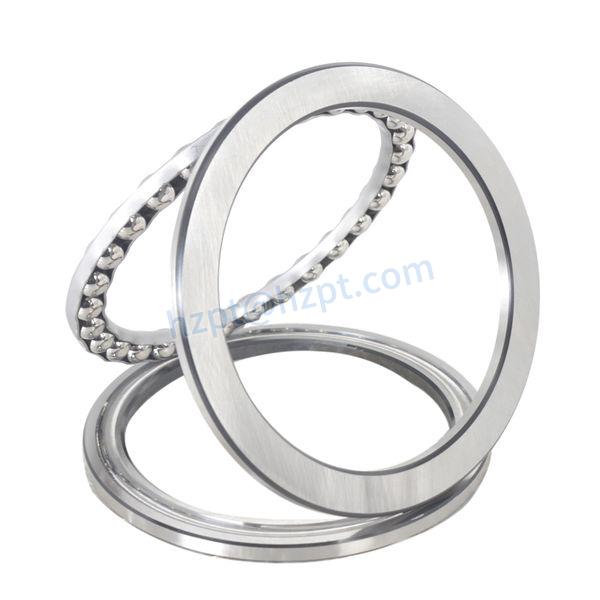
What are the Materials Typically Used in Manufacturing Ball Bearings and Their Advantages?
Ball bearings are manufactured using a variety of materials, each chosen for its specific properties and advantages in various applications. Here are some commonly used materials in ball bearing manufacturing and their respective benefits:
- High-Carbon Chrome Steel (AISI 52100):
This is the most common material used for ball bearing manufacturing. It offers excellent hardness, wear resistance, and fatigue strength. High-carbon chrome steel bearings are suitable for a wide range of applications, from industrial machinery to automotive components.
- Stainless Steel (AISI 440C, AISI 304, AISI 316):
Stainless steel bearings are corrosion-resistant and suitable for applications where moisture, chemicals, or exposure to harsh environments are concerns. AISI 440C offers high hardness and corrosion resistance, while AISI 304 and AISI 316 provide good corrosion resistance and are often used in food and medical industries.
- Ceramic:
Ceramic bearings use silicon nitride (Si3N4) or zirconia (ZrO2) balls. Ceramic materials offer high stiffness, low density, and excellent resistance to corrosion and heat. Ceramic bearings are commonly used in high-speed and high-temperature applications, such as in aerospace and racing industries.
- Plastic (Polyamide, PEEK):
Plastic bearings are lightweight and offer good corrosion resistance. Polyamide bearings are commonly used due to their low friction and wear properties. Polyether ether ketone (PEEK) bearings provide high-temperature resistance and are suitable for demanding environments.
- Bronze:
Bronze bearings are often used in applications where self-lubrication is required. Bronze has good thermal conductivity and wear resistance. Bearings made from bronze are commonly used in machinery requiring frequent starts and stops.
- Hybrid Bearings:
Hybrid bearings combine steel rings with ceramic balls. These bearings offer a balance between the advantages of both materials, such as improved stiffness and reduced weight. Hybrid bearings are used in applications where high speeds and low friction are essential.
- Specialty Alloys:
For specific applications, specialty alloys may be used to meet unique requirements. For example, bearings used in extreme temperatures or corrosive environments may be made from materials like titanium or hastelloy.
- Coated Bearings:
Bearings may also be coated with thin layers of materials like diamond-like carbon (DLC) or other coatings to enhance performance, reduce friction, and improve wear resistance.
The choice of material depends on factors such as application requirements, operating conditions, load, speed, and environmental factors. Selecting the right material is essential for ensuring optimal bearing performance, longevity, and reliability in diverse industries and applications.
How do Ceramic Ball Bearings Compare to Traditional Steel Ball Bearings in Terms of Performance?
Ceramic ball bearings and traditional steel ball bearings have distinct characteristics that can impact their performance in various applications. Here’s a comparison of how these two types of bearings differ in terms of performance:
- Material Composition:
Ceramic Ball Bearings:
Ceramic ball bearings use ceramic rolling elements, typically made from materials like silicon nitride (Si3N4) or zirconium dioxide (ZrO2). These ceramics are known for their high hardness, low density, and resistance to corrosion and wear.
Traditional Steel Ball Bearings:
Traditional steel ball bearings use steel rolling elements. The type of steel used can vary, but common materials include chrome steel (52100) and stainless steel (440C). Steel bearings are known for their durability and strength.
- Friction and Heat:
Ceramic Ball Bearings:
Ceramic bearings have lower friction coefficients compared to steel bearings. This results in reduced heat generation during operation, contributing to higher efficiency and potential energy savings.
Traditional Steel Ball Bearings:
Steel bearings can generate more heat due to higher friction coefficients. This can lead to increased energy consumption in applications where efficiency is crucial.
- Weight:
Ceramic Ball Bearings:
Ceramic bearings are lighter than steel bearings due to the lower density of ceramics. This weight reduction can be advantageous in applications where minimizing weight is important.
Traditional Steel Ball Bearings:
Steel bearings are heavier than ceramic bearings due to the higher density of steel. This weight may not be as critical in all applications but could impact overall equipment weight and portability.
- Corrosion Resistance:
Ceramic Ball Bearings:
Ceramic bearings have excellent corrosion resistance, making them suitable for applications in corrosive environments, such as marine or chemical industries.
Traditional Steel Ball Bearings:
Steel bearings are susceptible to corrosion, especially in harsh environments. Stainless steel variants offer improved corrosion resistance but may still corrode over time.
- Speed and Precision:
Ceramic Ball Bearings:
Ceramic bearings can operate at higher speeds due to their lower friction and ability to withstand higher temperatures. They are also known for their high precision and low levels of thermal expansion.
Traditional Steel Ball Bearings:
Steel bearings can operate at high speeds as well, but their heat generation may limit performance in certain applications. Precision steel bearings are also available but may have slightly different characteristics compared to ceramics.
- Cost:
Ceramic Ball Bearings:
Ceramic bearings are generally more expensive to manufacture than steel bearings due to the cost of ceramic materials and the challenges in producing precision ceramic components.
Traditional Steel Ball Bearings:
Steel bearings are often more cost-effective to manufacture, making them a more economical choice for many applications.
In conclusion, ceramic ball bearings and traditional steel ball bearings offer different performance characteristics. Ceramic bearings excel in terms of low friction, heat generation, corrosion resistance, and weight reduction. Steel bearings are durable, cost-effective, and widely used in various applications. The choice between the two depends on the specific requirements of the application, such as speed, precision, corrosion resistance, and budget considerations.
How do Ball Bearings Differ from Other Types of Bearings like Roller Bearings?
Ball bearings and roller bearings are two common types of rolling-element bearings, each with distinct designs and characteristics. Here’s a comparison of ball bearings and roller bearings:
- Design:
Ball Bearings: Ball bearings use spherical balls to separate and reduce friction between the bearing’s inner and outer rings. The balls enable rolling motion and smooth contact, minimizing friction.
Roller Bearings: Roller bearings, as the name suggests, use cylindrical or tapered rollers instead of balls. These rollers have larger contact areas, distributing loads over a broader surface.
- Friction and Efficiency:
Ball Bearings: Due to the point contact between the balls and the rings, ball bearings have lower friction and are more efficient at high speeds.
Roller Bearings: Roller bearings have a larger contact area, resulting in slightly higher friction compared to ball bearings. They are more suitable for heavy-load applications where efficiency is prioritized over high speeds.
- Load Capacity:
Ball Bearings: Ball bearings excel at handling light to moderate loads in both radial and axial directions. They are commonly used in applications where smooth rotation and low friction are important.
Roller Bearings: Roller bearings have a higher load-carrying capacity than ball bearings. They can support heavier radial and axial loads and are preferred for applications with significant loads or impact forces.
- Variability:
Ball Bearings: Ball bearings come in various designs, including deep groove, angular contact, and thrust ball bearings, each suitable for different applications.
Roller Bearings: Roller bearings have diverse types, including cylindrical, spherical, tapered, and needle roller bearings, each optimized for specific load and motion requirements.
- Speed Capability:
Ball Bearings: The reduced friction in ball bearings makes them suitable for high-speed applications, such as electric motors and precision machinery.
Roller Bearings: Roller bearings can handle higher loads but are generally better suited for moderate to low speeds due to slightly higher friction.
- Applications:
Ball Bearings: Ball bearings are used in applications where smooth motion, low friction, and moderate loads are essential, such as electric fans, bicycles, and some automotive components.
Roller Bearings: Roller bearings find applications in heavy machinery, construction equipment, automotive transmissions, and conveyor systems, where heavier loads and durability are crucial.
In summary, ball bearings and roller bearings differ in their design, friction characteristics, load capacities, speed capabilities, and applications. The choice between them depends on the specific requirements of the machinery and the type of loads and forces involved.
editor by CX 2024-04-09
China supplier Kud01506-030wj15-900-000 Double Row Ball Slewing Bearing with Internal Gear bearing driver kit
Product Description
Slewing Ring Bearing Production Description
Large Diameter Slewing Ring Bearing KUD01497-030WO15-900-000 for small Crane, construction machinery
Double row ball slewing bearing with external gear
KUD01440-030ZA15-900-000,KUD01734-030ZA15-900-000,KUD57131-030ZA15-900-000,
KUD57135-030ZA15-900-000,KUD01440-030ZA15-900-000,KUD57120-030ZA15-900-000,
KUD02620-030ZA15-900-000,KUD57140-040ZA15-900-000,KUD02619-040ZA15-900-000,
KUD57195-040ZA15-900-000,KUD57115-040ZA15-900-000,KUD5710-040ZA15-900-000,
KUD57187-050ZA15-900-000,KUD 0571 7-050ZA15-900-000,KUD03347-050ZA15-900-000,
KUD 0571 7-050ZA15-900-000,KUD5717-050ZA15-900-000,
KUD01497-030WA15-900-000,KUD01597-030WA15-900-000,KUD01697-030WA15-900-000,
KUD01797-030WA15-900-000,KUD01897-030WA15-900-000, KUD01647-035WA15-900-000,
KUD01747-035WA15-900-000,KUD01847-035WA15-900-000,KUD01947-035WA15-900-000,
KUD57147-035WA15-900-000,KUD01797-040WA15-900-000,KUD01897-040WA15-900-000,
KUD01997-040WA15-900-000,KUD57197-040WA15-900-000,KUD57197-040WA15-900-000,
KUD01947-045WA15-900-000,KUD57147-045WA15-900-000,KUD57147-045WA15-900-000,
KUD57147-045WA15-900-000,KUD57147-045WA15-900-000,KUD57197-050WA15-900-000,
KUD57197-050WA15-900-000,KUD57197-050WA15-900-000,KUD57197-050WA15-900-000,
KUD57197-050WA15-900-000,
Double row ball slewing bearing with internal gear
KUD01381-030ZJ15-900-000,KUD01630-030ZJ15-900-000,KUD01800-030ZJ15-900-000,
KUD01995-030ZJ15-900-000,KUD57130-030ZJ15-900-000,KUD57138-030ZJ15-900-000,
KUD01960-035ZJ15-900-000,KUD57100-035ZJ15-900-000,KUD02690-035ZJ15-900-000,
KUD57199-040ZJ15-900-000,KUD02622-040ZJ15-900-000,KUD57150-040ZJ15-900-000,
KUD03300-040ZJ15-900-000,KUD57159-050ZJ15-900-000,KUD5710-050ZJ15-900-000,
KUD5719-050ZJ15-900-000,KUD03839-050ZJ15-900-000,
KUD01506-030WJ15-900-000,KUD01606-030WJ15-900-000,KUD01706-030WJ15-900-000,
KUD01806-030WJ15-900-000,KUD01906-030WJ15-900-000,KUD01656-035WJ15-900-000,
KUD01756-035WJ15-900-000,KUD01856-035WJ15-900-000,KUD01956-035WJ15-900-000,
KUD57156-035WJ15-900-000,KUD01806-040WJ15-900-000,KUD01906-040WJ15-900-000,
KUD57106-040WJ15-900-000,KUD57106-040WJ15-900-000,KUD57106-040WJ15-900-000,
KUD01956-045WJ15-900-000,KUD57156-045WJ15-900-000,KUD57156-045WJ15-900-000,
KUD57156-045WJ15-900-000,KUD57156-045WJ15-900-000,KUD57106-050WJ15-900-000,
KUD57106-050WJ15-900-000,KUD57106-050WJ15-900-000,KUD57106-050WJ15-900-000,
KUD57106-050WJ15-900-000,
Double row ball slewing bearing with no gear
KUD01497-030WO15-900-000,KUD01597-030WO15-900-000,KUD01697-030WO15-900-000,
KUD01797-030WO15-900-000,KUD01897-030WO15-900-000,KUD01647-035WO15-900-000,
KUD01747-035WO15-900-000,KUD01847-035WO15-900-000,KUD01947-035WO15-900-000,
KUD57147-035WO15-900-000,KUD01797-040WO15-900-000,KUD01897-040WO15-900-000,
KUD01997-040WO15-900-000,KUD57197-040WO15-900-000,KUD57197-040WO15-900-000,
KUD01947-045WO15-900-000,KUD57147-045WO15-900-000,KUD57147-045WO15-900-000,
KUD57147-045WO15-900-000,KUD57147-045WO15-900-000,KUD57197-050WO15-900-000,
KUD57197-050WO15-900-000,KUD57197-050WO15-900-000,KUD57197-050WO15-900-000,
KUD57197-050WO15-900-000,
Why choose CZPT slewing bearings
A pioneer in slewing bearing field, rich experience, can do design, produce, mounting guide
Small order accepted
SO certified company
Variorum models
7*24hours hotline to help you with your cranes
Strict quality control system to ensure quality for slewing bearing
LYHY Slewing Bearing Types
CZPT slewing bearings can be divided into the following types as per their structures:
single row 4 point contact ball slewing bearing,
single row cross roller slewing bearing,
double row different ball diameter slewing bearing,
three row cylindrical roller slewing bearing and roller/ball combination slewing bearing.
And all these types of slewing bearings can be further divided into bearings without gears, bearings with external gears and bearings with internal gears.
Detailed description of these types slewing bearings
Single row 4 point contact ball slewing bearings
This kind of slewing bearings can support high dynamic loads, transmitting axial and radial forces simultaneously as well as the resulting tilting moments. Applications of this kind of bearings are hoisting, mechanical handling and general mechanical engineering etc.
Single row cross roller slewing bearings
This kind of bearings can support combinations of large radial force, medium axial force and tilting moment with small or zero clearance. Main applications of this kind of bearings are hoisting and mechanical handling and general mechanical engineering etc.
Double row different ball diameter slewing bearings
This kind of bearings can support high static loads with simple structures. They are mainly used in situations with variation load position and direction and continuously rotating. Main applications of this kind of bearings are deck hoisting, mining and material handling etc.
Triple row cylindrical roller slewing bearings
This kind of bearings has high load carrying capacity. Under same loads, this kind of bearings has much smaller diameters which can make the installation much compact, as different kinds of loads are supported by different races and rollers. Main applications of this kind of bearings are hoisting, mechanical handling, mining and materials handling, offshore technology and general mechanical engineering etc.
Roller/ball combination slewing bearings
This kind of bearings can support high axial load and low tilting moments. Usually they are large diameter slewing bearings. Applications of this kind of bearings are mining and materials handling etc.
About CZPT bearings
1.introduction:we are a manufacturer of slewing bearing since 1993, our factory occupies a area of 30000square meters with 4 workshop and 1 office building.
2. Featured products: slewing bearing and slewing drive
3. Capital: Current is 1 million RMB, but we are increasing the capital to 10 million RMB
4. Workers: 40
5. Certificate: ISO9001:2008, 3.1 certificate, CCS certificate, Science and Technology Progress Award
6. Annual Exportation: 8million USD
7. Exported countries: (39)
Asia: India, Pakistan, Iran, Signore, Georgia, Malaysia, Vietnam, Thailand, Philippines, Israel, Korea, UAE, Sri Lanka, Saudi Arabia,
Europe: Turkey, Russia, Spain, Czech Republic, Italy, Poland, Slovakia, Bosnia and Herzegovina, Austria, France, Germany, Switzerland, Finland, Ukraine, UK
America: USA, Canada, Mexico, Brazil, Puerto Rico, Peru, Chile
Africa: South Africa, Egypt
Oceania: Australia
Production Process of CZPT slewing bearings
Quality Control Process of CZPT slewing bearings
LYHY Slewing Bearing Packing
Bearing surface is covered with the anti-rust oil first; and then wrapped with the plastic film;
And then packed with kraft paper and professional belts;
At last, with wooden box totally at the outer packing to invoid the rust or the moist;
We can depend on the customers demand to be packed;
Slewing Ring Bearings——Applications:
Slewing ring bearings are widely used in industry and known as “the machine joints” Here under is the specific slewing bearing applications
1. Construction machinery (e.g. cranes, excavators, loader, scraper)
2. Metallurgical machinery (e.g. for steel plant)
3. Heavy machinery equipment (e.g. mining machinery, concrete machinery)
4. Marine machinery equipment (e.g. vessel, port hoisting machine, port oil transfer equipment, onshore and offshore crane)
5. Light machinery equipment (e.g. paper machine, plastic, rubber machine, weave machine)
6. Wind power generator
7. Packing machinery
Transportation:
All CZPT slewing ring bearings can be usually delivered timely, usual production time is 15-50 days based on different slew bearings diameters, sometimes slew rings will be in stock.
Slewing bearings can be offered different delivery terms, such as EXW, FOB, CIF, DDU and so on.
Also, slewing rings can be transported by different transport ways, by express (such as DHL, TNT, UPS, FEDEX and so on), by air, by sea, by truck, by railway and so on.
INSTALLATION OF CZPT SLEWING BEARINGS
Preparation:
Make sure that the model is correct and slewing bearing isn’t damaged during transportation.
2. Check the appearance and rotational state of the bearing, such as rotational precision clearance, rotating flexibility, seals position, lubrication grease etc.
3. The installation datum plane and bracket installing plane should be clean, grease, burr, paint and other foreign body should be wiped off.
Installation:
1. The screws in the installing plane should be fit with the mounting holes in the slewing bearing
2. The slewing bearing has a soft zone marked with an “s” on the upper surface, when installing the bearing, it is important to ensure that this area is placed in a non-load or infrequent load zone.
3. When the bearing is placed on the supporting frame work it is important to check the interface between these 2 surfaces. This check should be carried out with the insertion of feel gauges between the 2 surfaces. If a gap should exist then it is recommended to plane/resurface the effective area so as to remove the gap.
4. Install slewing bearing with high strength screws, and choose appropriate strength bolts. All bolts are required to be tightened evenly. The sequence of this tightening process is shown in Pic. Welding of bearing is not allowed, in the event of welding any adjacent parts, heat transfer shall be avoided so as to cause the bearing to become deformed or change the hardness.
5. After installation, the bearing should be rotated to check for smooth operation and any emission of unusual noise. If either of the aforementioned are noted, then the bearing should be adjusted to eliminate them. The teeth of the largest run-out are coated with green paint.
FAQ:
Q: Are LYHY BEARINGS trading company or manufacturer?
A: CZPT BEARINGS is a professional manufacturer for slewing bearings, thin section bearings, ball bearings and rolling bearings
Q: How do LYHY BEARINGS control quality of their bearing?
A: LYHY BEARINGS has established strict quality control systems, all the products and services has passed ISO9001-2008 Quality Certificate and third party such as CCS, LR,ABS,BV
Q: What is the MOQ?
A: MOQ is 1pc, pls message us for detailed information.
Q: How about the package for CZPT bearings?
A: Standard Industrial packing in general condition (Plastic tube+ professional plastic belts+ plywood case). Accept design package when OEM.
Q: How long is the production time?
A: It takes about 7-40 days, depends on the model and quantity.
Q: How about the shipping?
A: We can arrange the shipment or you may have your own forwarder.
Q: Is sample available?
A: Yes, sample order is acceptable.
Q: Can we use our own LOGO or design on bearings?
A: Yes. OEM is acceptable for LYHY BEARINGS. We can design as per your requirements and use your own LOGO and package design.
/* January 22, 2571 19:08:37 */!function(){function s(e,r){var a,o={};try{e&&e.split(“,”).forEach(function(e,t){e&&(a=e.match(/(.*?):(.*)$/))&&1
| Standard or Nonstandard: | Standard |
|---|---|
| Sealing Gland: | Sealed On Both Sides |
| Rolling-Element Number: | Double-Row |
| Roller Type: | Straight Raceway |
| Material: | 42CrMo |
| Type: | Internal Gear |
| Samples: |
US$ 3500/Piece
1 Piece(Min.Order) | |
|---|
| Customization: |
Available
| Customized Request |
|---|
What are the Common Signs of Wear or Damage in Ball Bearings that Indicate the Need for Replacement?
Ball bearings are subjected to wear and stress during operation, and over time, they may exhibit signs of damage or deterioration that warrant replacement. Recognizing these signs is crucial to prevent catastrophic failure and ensure safe and reliable operation. Here are the common signs of wear or damage in ball bearings:
- Unusual Noise:
If you hear unusual grinding, clicking, or rumbling noises coming from the bearing during operation, it may indicate worn-out or damaged components. Unusual noise suggests that the bearing is no longer operating smoothly.
- Vibration:
Excessive vibration in the machinery can be a sign of bearing wear. Vibrations can result from uneven wear, misalignment, or damaged components within the bearing.
- Increased Temperature:
Higher operating temperatures than usual may indicate increased friction due to inadequate lubrication, wear, or other issues. Monitoring the bearing’s temperature can help identify potential problems.
- Irregular Movement:
If you notice irregular movement, jerking, or sticking during rotation, it could be a sign that the bearing is no longer operating smoothly. This may be due to damaged rolling elements or raceways.
- Reduced Performance:
If the machinery’s performance has decreased, it may be due to a compromised bearing. Reduced efficiency, increased energy consumption, or a decline in overall performance could be indicators of bearing wear.
- Visible Wear or Damage:
Inspect the bearing for visible signs of wear, such as pitting, scoring, or discoloration on the rolling elements or raceways. Severe wear or damage is a clear indication that the bearing needs replacement.
- Leakage or Contamination:
If there is evidence of lubricant leakage, contamination, or the presence of foreign particles around the bearing, it suggests that the seal or shield may be compromised, leading to potential damage.
- Looseness or Excessive Play:
If you can feel excessive play or looseness when manually moving the bearing, it could indicate worn-out components or misalignment.
- Reduced Lifespan:
If the bearing’s expected lifespan is significantly shorter than usual, it may be due to inadequate lubrication, excessive loads, or improper installation, leading to accelerated wear.
- Frequent Failures:
If the bearing is consistently failing despite regular maintenance and proper use, it could indicate a chronic issue that requires addressing, such as inadequate lubrication or misalignment.
It’s important to conduct regular inspections, monitor performance, and address any signs of wear or damage promptly. Replacing worn or damaged ball bearings in a timely manner can prevent further damage to machinery, reduce downtime, and ensure safe and efficient operation.
What Role do Seals and Shields Play in Protecting Ball Bearings from Dirt and Debris?
Seals and shields are critical components of ball bearings that play a crucial role in protecting them from dirt, debris, moisture, and contaminants in various applications. These protective features help maintain the integrity of the bearing’s internal components and ensure reliable operation. Here’s how seals and shields contribute to bearing protection:
- Contaminant Exclusion:
Seals and shields create a physical barrier between the external environment and the bearing’s interior. They prevent dust, dirt, water, and other contaminants from entering the bearing and coming into contact with the rolling elements and raceways.
- Lubrication Retention:
Seals and shields help retain lubrication within the bearing. They prevent the lubricant from escaping and contaminants from entering, ensuring that the bearing remains properly lubricated for smooth operation and reduced friction.
- Corrosion Prevention:
Seals and shields protect bearing components from exposure to moisture and corrosive substances. By preventing moisture ingress, they help extend the bearing’s lifespan by minimizing the risk of corrosion-related damage.
- Extended Bearing Life:
Seals and shields contribute to the overall longevity of the bearing by reducing wear and damage caused by contaminants. They help maintain a clean internal environment, which promotes proper rolling contact and minimizes the risk of premature failure.
- Enhanced Performance in Harsh Environments:
In applications exposed to harsh conditions, such as outdoor machinery or industrial settings, seals and shields are vital. They protect bearings from abrasive particles, chemicals, and extreme temperatures, ensuring reliable performance despite challenging conditions.
- Noise and Vibration Reduction:
Seals and shields can help reduce noise and vibration generated by the bearing. They provide additional damping and stability, contributing to smoother operation and enhanced user comfort in noise-sensitive applications.
- Customized Protection:
Manufacturers offer a variety of seal and shield designs to suit different application requirements. Some seals provide higher levels of protection against contamination, while others are designed for high-speed or high-temperature environments.
- Trade-Offs:
While seals and shields offer significant benefits, they can also introduce some friction due to contact with the bearing’s inner or outer ring. Engineers must balance the level of protection with the desired operating characteristics, considering factors like friction, speed, and environmental conditions.
Overall, seals and shields play a vital role in maintaining the integrity and performance of ball bearings. By effectively preventing contaminants from entering and preserving lubrication, they ensure the smooth and reliable operation of machinery and equipment in a wide range of applications.
How does Lubrication Impact the Performance and Lifespan of Ball Bearings?
Lubrication plays a critical role in the performance and lifespan of ball bearings. Proper lubrication ensures smooth operation, reduces friction, minimizes wear, and prevents premature failure. Here’s how lubrication impacts ball bearings:
- Friction Reduction:
Lubrication creates a thin film between the rolling elements (balls) and the raceways of the bearing. This film reduces friction by separating the surfaces and preventing direct metal-to-metal contact. Reduced friction results in lower energy consumption, heat generation, and wear.
- Wear Prevention:
Lubricants create a protective barrier that prevents wear and damage to the bearing’s components. Without proper lubrication, the repeated rolling and sliding of the balls against the raceways would lead to accelerated wear, surface pitting, and eventual failure.
- Heat Dissipation:
Lubricants help dissipate heat generated during operation. The rolling elements and raceways can generate heat due to friction. Adequate lubrication carries away this heat, preventing overheating and maintaining stable operating temperatures.
- Corrosion Resistance:
Lubrication prevents moisture and contaminants from coming into direct contact with the bearing’s surfaces. This helps protect the bearing against corrosion, rust, and the formation of debris that can compromise its performance and longevity.
- Noise Reduction:
Lubricated ball bearings operate quietly because the lubricant cushions and dampens vibrations caused by the rolling motion. This noise reduction is crucial in applications where noise levels need to be minimized.
- Seal Protection:
Lubricants help maintain the effectiveness of seals or shields that protect the bearing from contaminants. They create a barrier that prevents particles from entering the bearing and causing damage.
- Improved Efficiency:
Properly lubricated ball bearings operate with reduced friction, leading to improved overall efficiency. This is especially important in applications where energy efficiency is a priority.
- Lifespan Extension:
Effective lubrication significantly extends the lifespan of ball bearings. Bearings that are properly lubricated experience less wear, reduced fatigue, and a lower likelihood of premature failure.
- Selection of Lubricant:
Choosing the right lubricant is essential. Factors such as speed, temperature, load, and environmental conditions influence the choice of lubricant type and viscosity. Some common lubricant options include grease and oil-based lubricants.
- Regular Maintenance:
Regular lubrication maintenance is crucial to ensure optimal bearing performance. Bearings should be inspected and relubricated according to manufacturer recommendations and based on the application’s operating conditions.
In summary, proper lubrication is essential for the optimal performance, longevity, and reliability of ball bearings. It reduces friction, prevents wear, dissipates heat, protects against corrosion, and contributes to smooth and efficient operation in various industrial and mechanical applications.
editor by CX 2024-04-02
China factory 3124m Double Row Angular Contact Ball Bearing for Transmission wheel bearing
Product Description
Product Description
Angular contact ball bearing can support radial load and axial load. As single row angular contact ball bearings can only support axial load in single direction, it often adopts mounting in pair. As matched pairs of bearings, preload for them is more convenient. Retainer are made of brass, synthetic resins or others subject to individual bearing feature and application conditions.
The raceways of angular contact ball bearing in the inner and outer rings can have relative displacement on the horizontal axis. Therefore, this design can make it withstand combined loads, namely, supporting radial and axial loads simultaneously. The axial load capacity of angular contact ball bearing improves with the increasing contact angle.
Types of angular contact ball bearing
1.Single row angular contact ball bearing
Application: machine tool spindle, high frequency motor, gas turbine, centrifuge, small automobile front wheel, differential pinion shaft, booster pump, drilling platform, food machinery, dividing head, welding machine, low noise type cooling tower, mechanical and electrical equipment, coating equipment, machine tool slot plate, arc welding machine
2.Double row angular contact ball bearing
Application:oil pump, Roots blower, air compressor, all kinds of transmission, fuel injection pump, printing machinery, planetary reducer, extraction equipment, cycloid reducer, food packaging machinery, electric welding machine, electric soldering iron, square box, gravity spray gun, stripping machine, half shaft, inspection and analysis equipment, fine chemical machinery
3.Four-point contact ball bearing
Angular contact ball bearing feature :
1) Bear radial load and axial load
2) The larger the contact angle, the higher the axial bearing capacity
3) Advanced grade technology
4) Quiet and smooth operation even at high speed
5) Super finished raceways
6) Offer products in 15,25 and 40 degree angles
The following technical specifications are just for reference, pls contact us if more details needed.
| Bearing No. | Shape Dimension(mm) | (KN) Basic rated load |
Max Speed(rpm) | Weight(Kg) | ||||
| d | D | B | Cr | Cor | Grease | oil | ||
| Single row angular contact ball bearing | ||||||||
| 7200C | 10 | 30 | 9 | 5.8 | 2.90 | 22000 | 28000 | 0.032 |
| 7200AC | 10 | 30 | 9 | 5.5 | 2.80 | 22000 | 28000 | 0.032 |
| 7200B | 10 | 30 | 9 | 5.3 | 2.70 | 19000 | 27000 | 0.03 |
| 7300C | 10 | 35 | 11 | 9.8 | 4.69 | 18000 | 26000 | 0.053 |
| 7300AC | 10 | 35 | 11 | 9.5 | 4.40 | 18000 | 26000 | 0.053 |
| 7201C | 12 | 32 | 10 | 7.90 | 3.80 | 20000 | 25000 | 0.037 |
| 7201AC | 12 | 32 | 10 | 7.6 | 3.60 | 20000 | 25000 | 0.037 |
| 7201B | 12 | 32 | 10 | 6.90 | 3.20 | 18000 | 24000 | 0.036 |
| 7301C | 12 | 37 | 12 | 11.8 | 5.60 | 17000 | 24000 | 0.060 |
| 7301AC | 12 | 37 | 12 | 11.50 | 5.40 | 17000 | 24000 | 0.060 |
| 7301B | 12 | 37 | 12 | 10.5 | 4.90 | 16000 | 22000 | 0.060 |
| 7202C | 15 | 35 | 11 | 9.2 | 4.90 | 17000 | 22000 | 0.045 |
| 7202AC | 15 | 35 | 11 | 8.90 | 4.80 | 17000 | 22000 | 0.045 |
| 7202B | 15 | 35 | 11 | 7.9 | 4.20 | 16000 | 22000 | 0.045 |
| 7302C | 15 | 42 | 13 | 13.2 | 6.70 | 15000 | 21000 | 0.084 |
| 7302AC | 15 | 42 | 13 | 12.5 | 6.20 | 15000 | 21000 | 0.084 |
| 7302B | 15 | 42 | 13 | 12.4 | 6.50 | 14000 | 19000 | 0.080 |
| 7203C | 17 | 40 | 12 | 10.8 | 5.80 | 15000 | 20000 | 0.062 |
| 7203AC | 17 | 40 | 12 | 10.4 | 5.60 | 15000 | 20000 | 0.062 |
| 7203B | 17 | 40 | 12 | 9.9 | 5.50 | 14000 | 19000 | 0.065 |
| 7303C | 17 | 47 | 14 | 15.7 | 8.20 | 13000 | 19000 | 0.110 |
| 7303AC | 17 | 47 | 14 | 15.0 | 7.70 | 13000 | 19000 | 0.110 |
| 7303B | 17 | 47 | 14 | 15.4 | 8.10 | 13000 | 17000 | 0.110 |
| 7204C | 20 | 47 | 14 | 14.5 | 8.10 | 13000 | 18000 | 0.100 |
| 7204AC | 20 | 47 | 14 | 14.0 | 7.80 | 13000 | 18000 | 0.100 |
| 7204B | 20 | 47 | 14 | 13.4 | 7.60 | 12000 | 16000 | 0.110 |
| 7304C | 20 | 52 | 15 | 18.4 | 9.80 | 12000 | 17000 | 0.150 |
| 7304AC | 20 | 52 | 15 | 17.9 | 9.60 | 12000 | 17000 | 0.150 |
| 7304B | 20 | 52 | 15 | 17.3 | 9.6000 | 11000 | 15000 | 0.140 |
| 7205C | 25 | 52 | 15 | 16.5 | 10.00 | 11000 | 16000 | 0.120 |
| 7205AC | 25 | 52 | 15 | 15.8 | 9.70 | 11000 | 16000 | 0.120 |
| 7205B | 25 | 52 | 15 | 14.8 | 9.30 | 10000 | 14000 | 0.130 |
| 7305C | 25 | 62 | 17 | 27.8 | 15.90 | 9500 | 14000 | 0.230 |
| 7305AC | 25 | 62 | 17 | 27.0 | 15.90 | 9500 | 14000 | 0.230 |
| 7305B | 25 | 62 | 17 | 24.3 | 14.10 | 9000 | 13000 | 0.230 |
| 7206C | 30 | 62 | 16 | 23.0 | 14.70 | 9000 | 13000 | 0.190 |
| 7206AC | 30 | 62 | 16 | 22.1 | 13.50 | 9000 | 13000 | 0.190 |
| 7206B | 30 | 62 | 16 | 20.5 | 13.50 | 8500 | 12000 | 0.200 |
| Double row angular contact ball bearings | ||||||||
| 5200 | 10 | 30 | 14.3 | 7 | 3.80 | 20000 | 15000 | 0.049 |
| 5201 | 12 | 32 | 15.9 | 9.2 | 5.10 | 19000 | 14000 | 0.057 |
| 5202 | 15 | 35 | 15.9 | 10 | 6.10 | 16000 | 12000 | 0.064 |
| 5203 | 17 | 40 | 17.5 | 12.8 | 7.90 | 14000 | 10000 | 0.034 |
| 5204 | 20 | 47 | 20.6 | 19 | 12.10 | 12000 | 8000 | 0.153 |
| 5205 | 25 | 52 | 20.6 | 20.6 | 14.30 | 10000 | 7500 | 0.175 |
| 5206 | 30 | 62 | 23.8 | 28.6 | 20.40 | 8500 | 6500 | 0.286 |
| 5207 | 35 | 72 | 27 | 38 | 27.80 | 7500 | 5500 | 0.436 |
| 5208 | 40 | 80 | 30.2 | 42.5 | 32.50 | 7000 | 5300 | 0.590 |
| 5209 | 45 | 85 | 30.2 | 48 | 37.00 | 6500 | 5000 | 0.640 |
| 5210 | 50 | 90 | 30.2 | 51 | 42.00 | 6000 | 4500 | 0.689 |
| 5211 | 55 | 100 | 33.3 | 63 | 53.00 | 5800 | 4400 | 0.986 |
| 5212 | 60 | 110 | 36.5 | 71.5 | 58.50 | 5300 | 4000 | 1.270 |
| 5213 | 65 | 120 | 38.1 | 83.5 | 72.50 | 4800 | 4000 | 1.570 |
| 5214 | 70 | 125 | 39.7 | 87.5 | 79.50 | 4400 | 3800 | 1.800 |
| 5215 | 75 | 130 | 41.3 | 90 | 80.50 | 3600 | 3600 | 1.900 |
| 5216 | 80 | 140 | 44.4 | 106 | 95.50 | 3600 | 2800 | 2.390 |
| 5217 | 85 | 150 | 49.2 | 112 | 106.00 | 3500 | 2400 | 3.060 |
| 5218 | 90 | 160 | 52.4 | 140 | 129.00 | 3200 | 2200 | 3.730 |
| 5300 | 10 | 35 | 19 | 9.2 | 5.10 | 19000 | 14000 | 0.092 |
| 5301 | 12 | 37 | 19 | 10 | 6.10 | 17000 | 12000 | 0.109 |
| 5302 | 15 | 42 | 19 | 12.8 | 7.90 | 15000 | 10000 | 0.132 |
| 5303 | 17 | 47 | 22.2 | 20.4 | 12.10 | 12000 | 8000 | 0.181 |
| 5304 | 20 | 52 | 22.2 | 20.6 | 12.70 | 12000 | 8000 | 0.227 |
| 5305 | 25 | 62 | 25.4 | 30.5 | 20.50 | 10000 | 7500 | 0.362 |
| 5306 | 30 | 72 | 30.2 | 39.5 | 27.50 | 8000 | 6500 | 0.553 |
| 5307 | 35 | 80 | 34.9 | 49.5 | 35.00 | 7000 | 5300 | 0.766 |
| 5308 | 40 | 90 | 36.5 | 60.5 | 44.00 | 6500 | 5000 | 1.571 |
| 5309 | 45 | 100 | 39.7 | 72.5 | 54.00 | 5600 | 4300 | 1.340 |
| 5310 | 50 | 110 | 44.4 | 85.5 | 64.50 | 5300 | 4000 | 1.810 |
| 5311 | 55 | 120 | 49.2 | 106 | 82.00 | 4800 | 3600 | 2.320 |
| 5312 | 60 | 130 | 54 | 122 | 95.50 | 4500 | 3500 | 3.050 |
| 5313 | 65 | 140 | 58.7 | 138 | 109.00 | 4000 | 3000 | 3.960 |
| 5314 | 70 | 150 | 63.5 | 155 | 125.00 | 3800 | 2800 | 4.740 |
| 5315 | 75 | 160 | 68.3 | 168 | 141.00 | 3200 | 2600 | 5.650 |
| 5316 | 80 | 170 | 68.3 | 175 | 151.00 | 3000 | 2200 | 7.210 |
| 5318 | 90 | 190 | 73 | 225 | 266.00 | 3000 | 2000 | 9.015 |
| 3212M | 60 | 110 | 36.5 | 83.5 | 72.50 | 5300 | 4000 | 1.55 |
| 3213M | 65 | 120 | 38.1 | 87.5 | 79.50 | 4800 | 3800 | 1.78 |
| 3214M | 70 | 125 | 39.7 | 90 | 80.50 | 4400 | 3600 | 1.9 |
| 3215M | 75 | 130 | 41.3 | 106 | 95.50 | 3600 | 3000 | 2.15 |
| 3216M | 80 | 140 | 44.4 | 112 | 106.00 | 3600 | 2800 | 2.7 |
| 3217M | 85 | 150 | 49.2 | 140 | 129.00 | 3500 | 2400 | 3.5 |
| 3218M | 90 | 160 | 52.4 | 153 | 142.00 | 3200 | 2200 | 4.18 |
| 3219M | 95 | 170 | 55.6 | 163 | 184.00 | 3000 | 2000 | 5.1 |
| 3220M | 100 | 180 | 60.3 | 210 | 240.00 | 2500 | 1900 | 6.14 |
| 3221M | 105 | 190 | 65.1 | 210 | 240.00 | 2200 | 1600 | 7.4 |
| 3222M | 110 | 200 | 69.8 | 218 | 245.00 | 2000 | 1400 | 9.2 |
| 3308M | 40 | 90 | 36.5 | 60.5 | 44.00 | 6500 | 5000 | 1.01 |
| 3309M | 45 | 100 | 39.7 | 72.5 | 54.00 | 5600 | 4300 | 1.41 |
| 3310M | 50 | 110 | 44.4 | 85.5 | 65.00 | 5300 | 4000 | 1.96 |
| 3311M | 55 | 120 | 49.2 | 106 | 82.00 | 4800 | 3600 | 2.68 |
| 3312M | 60 | 130 | 54 | 122 | 96.00 | 4500 | 3500 | 3.25 |
| 3313M | 65 | 140 | 58.7 | 138 | 109.00 | 4000 | 3000 | 4.18 |
| 3314M | 70 | 150 | 63.5 | 155 | 125.00 | 3800 | 2800 | 5.2 |
| 3315M | 75 | 160 | 68.3 | 168 | 141.00 | 3200 | 2600 | 5.85 |
| 3316M | 80 | 170 | 68.3 | 175 | 151.00 | 3200 | 2600 | 7.75 |
| 3317M | 85 | 180 | 73 | 167 | 240.00 | 3000 | 2200 | 8.3 |
| 3318M | 90 | 190 | 73 | 225 | 266.00 | 3000 | 2000 | 9.02 |
| 3319M | 95 | 200 | 77.8 | 269 | 294.00 | 2700 | 1800 | 11.16 |
| 3320M | 100 | 215 | 82.6 | 309 | 359.00 | 2200 | 1500 | 14.2 |
| 3321M | 105 | 225 | 87.3 | 309 | 360.00 | 1800 | 1200 | 16.35 |
| 3322M | 110 | 236.5 | 90.2 | 366.2 | 403.70 | 1580 | 990 | 18.19 |
Our Advantages
1.Factory: we are a professional bearing supplier in China. Besides of our own factory, we also have a stable supply chain to provide all types of bearing.
2.Quality: we can supply bearing with world-class quality.
3.OEM or Non-Standard Bearing: OEM & Non-Standard bearing are available.
4.Professional teams:we have professional teams with technology, research and production.
5. Quick delivery: we can provide the shortest delivery time.
Packaging & Shipping
Packing & Shipping
1.Industrial packaging
2.Commercial packing
3.According to customer’s requirements.
Company Profile
ZheJiang Dente International Trade Co.,Ltd is a comprehensive enterprise with factory and trading company. we are focusing on import and export business based on our own bearing factory which is located in HangZhou City where is the largest bearing wholesale base in China.
ZheJiang Dente International Trade Co.,Ltd has taken in this line for more than 20 years. Besides of our own factory, we also cooperate with more than 500 bearing factories to meet market requirements. Therefore, we can supply high-quality bearing products with competitive price and the shortest delivery time if you choose us.
Our products include deep groove ball bearing, tapered roller bearing, pillow block bearing, self-aligning ball bearing, spherical roller bearing, cylindrical roller bearing, thrust ball bearing, non-standard bearing of automobiles. Simultaneously we also supply needle roller bearing, stainless steel bearing ,inch series bearing, non-standard bearing, imported bearing of global brand, wheel hub bearing. And we also supply some customized bearing.
Your satisfaction is our goal, expecting your inquiries.
FAQ
Q:Are you a manufacturer?
A:Yes, we are a manufacturer, we have our own factory.
Q:Can you supply samples?
A:Sure, samples can be provided free of charge, and the buyer pay the postage of the sample.
Q:The terms of shipment:
A:Firstly:We will delivery the bearings on time. The bearings will be shipped within 7 days after receiving the balance payment.
Q:How to place the order:
A:Send your inquiry →we will quote you→confirm the order→send you PI → make the in advance payment→we will produce the order→make the balance payment→delivery the goods after receiving the balance payment.
Q:The terms of payment:
A:30% deposit and 70% balance.
Q:The terms of price:
A: EXW factory
FOB HangZhou Port China
CIF any port of your orders
Q:If I want to mark my own brand on your bearing in small quantity does it work?
A: Yes, we can engrave your own brand on the bearing in small quantity.
In the future, when you have larger quantity, we can open the cover mold of your own brand name.
Q: MOQ
A: Once your bearing is standard size bearing, we accept the small quantity even in 1 set.
Q: If I don’t see the type of bearing I need, what should I do?
A: We have too many bearing series number. Sometimes, we are unable to put them all on Made-In-China. Just send the inquiry to us, and we’ll send you the details of bearing.
Welcome to contact me!
/* January 22, 2571 19:08:37 */!function(){function s(e,r){var a,o={};try{e&&e.split(“,”).forEach(function(e,t){e&&(a=e.match(/(.*?):(.*)$/))&&1
| Contact Angle: | 15° |
|---|---|
| Aligning: | Non-Aligning Bearing |
| Separated: | Unseparated |
| Samples: |
US$ 1/Set
1 Set(Min.Order) | Order Sample Various types are available
|
|---|
| Customization: |
Available
| Customized Request |
|---|
.shipping-cost-tm .tm-status-off{background: none;padding:0;color: #1470cc}
|
Shipping Cost:
Estimated freight per unit. |
about shipping cost and estimated delivery time. |
|---|
| Payment Method: |
|
|---|---|
|
Initial Payment Full Payment |
| Currency: | US$ |
|---|
| Return&refunds: | You can apply for a refund up to 30 days after receipt of the products. |
|---|
What are the Materials Typically Used in Manufacturing Ball Bearings and Their Advantages?
Ball bearings are manufactured using a variety of materials, each chosen for its specific properties and advantages in various applications. Here are some commonly used materials in ball bearing manufacturing and their respective benefits:
- High-Carbon Chrome Steel (AISI 52100):
This is the most common material used for ball bearing manufacturing. It offers excellent hardness, wear resistance, and fatigue strength. High-carbon chrome steel bearings are suitable for a wide range of applications, from industrial machinery to automotive components.
- Stainless Steel (AISI 440C, AISI 304, AISI 316):
Stainless steel bearings are corrosion-resistant and suitable for applications where moisture, chemicals, or exposure to harsh environments are concerns. AISI 440C offers high hardness and corrosion resistance, while AISI 304 and AISI 316 provide good corrosion resistance and are often used in food and medical industries.
- Ceramic:
Ceramic bearings use silicon nitride (Si3N4) or zirconia (ZrO2) balls. Ceramic materials offer high stiffness, low density, and excellent resistance to corrosion and heat. Ceramic bearings are commonly used in high-speed and high-temperature applications, such as in aerospace and racing industries.
- Plastic (Polyamide, PEEK):
Plastic bearings are lightweight and offer good corrosion resistance. Polyamide bearings are commonly used due to their low friction and wear properties. Polyether ether ketone (PEEK) bearings provide high-temperature resistance and are suitable for demanding environments.
- Bronze:
Bronze bearings are often used in applications where self-lubrication is required. Bronze has good thermal conductivity and wear resistance. Bearings made from bronze are commonly used in machinery requiring frequent starts and stops.
- Hybrid Bearings:
Hybrid bearings combine steel rings with ceramic balls. These bearings offer a balance between the advantages of both materials, such as improved stiffness and reduced weight. Hybrid bearings are used in applications where high speeds and low friction are essential.
- Specialty Alloys:
For specific applications, specialty alloys may be used to meet unique requirements. For example, bearings used in extreme temperatures or corrosive environments may be made from materials like titanium or hastelloy.
- Coated Bearings:
Bearings may also be coated with thin layers of materials like diamond-like carbon (DLC) or other coatings to enhance performance, reduce friction, and improve wear resistance.
The choice of material depends on factors such as application requirements, operating conditions, load, speed, and environmental factors. Selecting the right material is essential for ensuring optimal bearing performance, longevity, and reliability in diverse industries and applications.
How do Ceramic Ball Bearings Compare to Traditional Steel Ball Bearings in Terms of Performance?
Ceramic ball bearings and traditional steel ball bearings have distinct characteristics that can impact their performance in various applications. Here’s a comparison of how these two types of bearings differ in terms of performance:
- Material Composition:
Ceramic Ball Bearings:
Ceramic ball bearings use ceramic rolling elements, typically made from materials like silicon nitride (Si3N4) or zirconium dioxide (ZrO2). These ceramics are known for their high hardness, low density, and resistance to corrosion and wear.
Traditional Steel Ball Bearings:
Traditional steel ball bearings use steel rolling elements. The type of steel used can vary, but common materials include chrome steel (52100) and stainless steel (440C). Steel bearings are known for their durability and strength.
- Friction and Heat:
Ceramic Ball Bearings:
Ceramic bearings have lower friction coefficients compared to steel bearings. This results in reduced heat generation during operation, contributing to higher efficiency and potential energy savings.
Traditional Steel Ball Bearings:
Steel bearings can generate more heat due to higher friction coefficients. This can lead to increased energy consumption in applications where efficiency is crucial.
- Weight:
Ceramic Ball Bearings:
Ceramic bearings are lighter than steel bearings due to the lower density of ceramics. This weight reduction can be advantageous in applications where minimizing weight is important.
Traditional Steel Ball Bearings:
Steel bearings are heavier than ceramic bearings due to the higher density of steel. This weight may not be as critical in all applications but could impact overall equipment weight and portability.
- Corrosion Resistance:
Ceramic Ball Bearings:
Ceramic bearings have excellent corrosion resistance, making them suitable for applications in corrosive environments, such as marine or chemical industries.
Traditional Steel Ball Bearings:
Steel bearings are susceptible to corrosion, especially in harsh environments. Stainless steel variants offer improved corrosion resistance but may still corrode over time.
- Speed and Precision:
Ceramic Ball Bearings:
Ceramic bearings can operate at higher speeds due to their lower friction and ability to withstand higher temperatures. They are also known for their high precision and low levels of thermal expansion.
Traditional Steel Ball Bearings:
Steel bearings can operate at high speeds as well, but their heat generation may limit performance in certain applications. Precision steel bearings are also available but may have slightly different characteristics compared to ceramics.
- Cost:
Ceramic Ball Bearings:
Ceramic bearings are generally more expensive to manufacture than steel bearings due to the cost of ceramic materials and the challenges in producing precision ceramic components.
Traditional Steel Ball Bearings:
Steel bearings are often more cost-effective to manufacture, making them a more economical choice for many applications.
In conclusion, ceramic ball bearings and traditional steel ball bearings offer different performance characteristics. Ceramic bearings excel in terms of low friction, heat generation, corrosion resistance, and weight reduction. Steel bearings are durable, cost-effective, and widely used in various applications. The choice between the two depends on the specific requirements of the application, such as speed, precision, corrosion resistance, and budget considerations.
Can you Explain the Various Types of Ball Bearings and their Specific Use Cases?
Ball bearings come in various types, each designed to meet specific application requirements. Here’s an overview of the different types of ball bearings and their specific use cases:
- Deep Groove Ball Bearings:
Deep groove ball bearings are the most common and versatile type. They have a deep raceway that allows them to handle both radial and axial loads. They are used in a wide range of applications, including electric motors, household appliances, automotive components, and industrial machinery.
- Angular Contact Ball Bearings:
Angular contact ball bearings have a contact angle that enables them to handle both radial and axial loads at specific angles. They are suitable for applications where combined loads or thrust loads need to be supported, such as in machine tool spindles, pumps, and agricultural equipment.
- Self-Aligning Ball Bearings:
Self-aligning ball bearings have two rows of balls and are designed to accommodate misalignment between the shaft and the housing. They are used in applications where shaft deflection or misalignment is common, such as conveyor systems, textile machinery, and paper mills.
- Thrust Ball Bearings:
Thrust ball bearings are designed to support axial loads in one direction. They are commonly used in applications where axial loads need to be supported, such as in automotive transmissions, steering systems, and crane hooks.
- Single-Row vs. Double-Row Bearings:
Single-row ball bearings have a single set of balls and are suitable for moderate load and speed applications. Double-row ball bearings have two sets of balls and offer higher load-carrying capacity. Double-row designs are used in applications such as machine tool spindles and printing presses.
- Miniature and Instrument Ball Bearings:
Miniature ball bearings are smaller in size and are used in applications with limited space and lower load requirements. They are commonly used in small electric motors, medical devices, and precision instruments.
- Max-Type and Conrad Bearings:
Max-type ball bearings have a larger number of balls to increase load-carrying capacity. Conrad bearings have fewer balls and are used in applications with moderate loads and speeds.
- High-Precision Ball Bearings:
High-precision ball bearings are designed for applications where accuracy and precision are critical, such as machine tool spindles, aerospace components, and optical instruments.
- High-Speed Ball Bearings:
High-speed ball bearings are engineered to minimize friction and accommodate rapid rotation. They are used in applications such as dental handpieces, turbochargers, and centrifuges.
In summary, the various types of ball bearings are tailored to different application requirements, including load type, direction, speed, and environmental conditions. Selecting the appropriate type of ball bearing ensures optimal performance and longevity in specific applications.
editor by CX 2024-03-28
China Best Sales Bearing Rolamentos 6303-2RS High Precision Double Sealed Deep Groove Ball Bearing with Chrome Steel connecting rod bearing
Product Description
Bearing 6303-2RS High Precision Double Sealed Deep Groove Ball Bearing
Bearing parameters:
| CHROME STEEL* | Dimensions in mm unless otherwise specified |
||||||
| Bore | O.D. | Width | Open Bearing | Shielded Bearing | Sealed Bearing | Basic Load Ratings | |
| KN | |||||||
| HNS | HNS | HNS | dynamic | static | |||
| Reference | Reference | Reference | C | Co | |||
| 20 | 42 | 12 | 6004 | 6004ZZ | 6004-2RS | 7.22 | 4.46 |
| 47 | 14 | 6204 | 6204ZZ | 6204-2RS | 12.7 | 6.5 | |
| 52 | 15 | 6304 | 6304ZZ | 6304-2RS | 15.9 | 7.8 | |
| 25 | 47 | 12 | 6005 | 6005ZZ | 6005-2RS | 10.1 | 5.85 |
| 52 | 15 | 6205 | 6205ZZ | 6205-2RS | 14 | 7.8 | |
| 62 | 17 | 6305 | 6305ZZ | 6305-2RS | 22.5 | 11.6 | |
| 80 | 21 | 6405 | 6405ZZ | 6405-2RS | 36.1 | 19.4 | |
| 30 | 55 | 13 | 6006 | 6006ZZ | 6006-2RS | 10.2 | 6.91 |
| 62 | 16 | 6206 | 6206ZZ | 6206-2RS | 19.5 | 11.2 | |
| 72 | 19 | 6306 | 6306ZZ | 6306-2RS | 28.1 | 16 | |
| 90 | 23 | 6406 | 6406ZZ | 6406-2RS | 43.4 | 23.9 | |
| 35 | 62 | 14 | 6007 | 6007ZZ | 6007-2RS | 16 | 10.3 |
| 72 | 17 | 6207 | 6207ZZ | 6207-2RS | 25.5 | 15.3 | |
| 80 | 21 | 6307 | 6307ZZ | 6307-2RS | 33.2 | 19 | |
| 100 | 25 | 6407 | 6407ZZ | 6407-2RS | 55 | 31 | |
| 40 | 68 | 15 | 6008 | 6008ZZ | 6008-2RS | 13 | 11.5 |
| 80 | 18 | 6208 | 6208ZZ | 6208-2RS | 29.8 | 18 | |
| 90 | 23 | 6308 | 6308ZZ | 6308-2RS | 39.8 | 23.3 | |
| 110 | 27 | 6408 | 6408ZZ | 6408-2RS | 65.5 | 37.5 | |
| 45 | 75 | 16 | 6009 | 6009ZZ | 6009-2RS | 21 | 14.9 |
| 85 | 19 | 6209 | 6209ZZ | 6209-2RS | 32.2 | 21 | |
| 100 | 25 | 6309 | 6309ZZ | 6309-2RS | 51.1 | 30.5 | |
| 120 | 29 | 6409 | 6409ZZ | 6409-2RS | 77.5 | 45.5 | |
| 50 | 80 | 16 | 6571 | 6571ZZ | 6571-2RS | 22 | 16.2 |
| 90 | 20 | 6210 | 6210ZZ | 6210-2RS | 34 | 22.5 | |
| 110 | 27 | 6310 | 6310ZZ | 6310-2RS | 59.9 | 36.9 | |
| 130 | 31 | 6410 | 6410ZZ | 6410-2RS | 92.2 | 55.2 | |
| 55 | 90 | 18 | 6011 | 6011ZZ | 6011-2RS | 30.4 | 22 |
| 100 | 21 | 6211 | 6211ZZ | 6211-2RS | 43.3 | 28.1 | |
| 120 | 29 | 6311 | 6311ZZ | 6311-2RS | 71.5 | 44.6 | |
| 140 | 33 | 6411 | 6411ZZ | 6411-2RS | 100 | 62.5 | |
| 60 | 95 | 18 | 6012 | 6012ZZ | 6012-2RS | 30.7 | 22.7 |
| 110 | 22 | 6212 | 6212ZZ | 6212-2RS | 46.1 | 31.5 | |
| 130 | 31 | 6312 | 6312ZZ | 6312-2RS | 79.4 | 50.4 | |
| 150 | 35 | 6412 | 6412ZZ | 6412-2RS | 109 | 70 | |
| 65 | 100 | 18 | 6013 | 6013ZZ | 6013-2RS | 32.1 | 24.9 |
| 120 | 23 | 6213 | 6213ZZ | 6213-2RS | 54.2 | 39.3 | |
| 140 | 33 | 6313 | 6313ZZ | 6313-2RS | 89.5 | 59.7 | |
| 160 | 37 | 6413 | 6413ZZ | 6413-2RS | 118 | 78.5 | |
| 70 | 110 | 20 | 6014 | 6014ZZ | 6014-2RS | 38.6 | 30.6 |
| 125 | 24 | 6214 | 6214ZZ | 6214-2RS | 58.9 | 43.6 | |
| 150 | 35 | 6314 | 6314ZZ | 6314-2RS | 101 | 66 | |
| 180 | 42 | 6414 | 6414ZZ | 6414-2RS | 140 | 99.5 | |
| 75 | 115 | 20 | 6015 | 6015ZZ | 6015-2RS | 31 | 33.1 |
| 130 | 25 | 6215 | 6215ZZ | 6215-2RS | 64.3 | 47.5 | |
| 160 | 37 | 6315 | 6315ZZ | 6315-2RS | 111 | 74.2 | |
| 190 | 45 | 6415 | 6415ZZ | 6415-2RS | 154 | 115 | |
| 80 | 125 | 22 | 6016 | 6016ZZ | 6016-2RS | 47.5 | 39.8 |
| 140 | 26 | 6216 | 6216ZZ | 6216-2RS | 68.1 | 53.3 | |
| 170 | 39 | 6316 | 6316ZZ | 6316-2RS | 120 | 83.9 | |
| 200 | 48 | 6416 | 6416ZZ | 6416-2RS | 163 | 125 | |
| 85 | 130 | 22 | 6017 | 6017ZZ | 6017-2RS | 50.8 | 42.8 |
| 150 | 28 | 6217 | 6217ZZ | 6217-2RS | 83.2 | 64 | |
| 180 | 41 | 6317 | 6317ZZ | 6317-2RS | 132 | 96.5 | |
| 210 | 52 | 6417 | 6417ZZ | 6417-2RS | 175 | 138 | |
| 90 | 140 | 24 | 6018 | 6018ZZ | 6018-2RS | 58 | 49.8 |
| 160 | 30 | 6218 | 6218ZZ | 6218-2RS | 92.7 | 71.3 | |
| 190 | 43 | 6318 | 6318ZZ | 6318-2RS | 145 | 108 | |
| 225 | 54 | 6418 | 6418ZZ | 6418-2RS | 192 | 158 | |
| 95 | 145 | 24 | 6019 | 6019ZZ | 6019-2RS | 57.8 | 50 |
| 170 | 32 | 6219 | 6219ZZ | 6219-2RS | 105 | 79.1 | |
| 200 | 45 | 6319 | 6319ZZ | 6319-2RS | 157 | 122 | |
| 100 | 150 | 24 | 6571 | 6571ZZ | 6571-2RS | 64.5 | 56.2 |
| 180 | 34 | 6220 | 6220ZZ | 6220-2RS | 118 | 88.4 | |
| 215 | 47 | 6320 | 6320ZZ | 6320-2RS | 173 | 140 | |
| 105 | 160 | 26 | 6571 | 6571ZZ | 6571-2RS | 71.8 | 63.2 |
| 190 | 36 | 6221 | 6221ZZ | 6221-2RS | 126 | 98.8 | |
| 225 | 49 | 6321 | 6321ZZ | 6321-2RS | 173 | 145 | |
| 110 | 170 | 28 | 6571 | 6571ZZ | 6571-2RS | 81.9 | 72.9 |
| 200 | 38 | 6222 | 6222ZZ | 6222-2RS | 136 | 112 | |
| 240 | 50 | 6322 | 6322ZZ | 6322-2RS | 193 | 171 | |
| 120 | 180 | 28 | 6571 | 6571ZZ | 6571-2RS | 88.7 | 79.7 |
| 215 | 40 | 6224 | 6224ZZ | 6224-2RS | 139 | 112 | |
| 260 | 55 | 6324 | 6324ZZ | 6324-2RS | 217 | 196 | |
| 130 | 200 | 33 | 6026 | 6026ZZ | 6026-2RS | 105 | 96.8 |
| 230 | 40 | 6226 | 6226ZZ | 6226-2RS | 148 | 125 | |
| 280 | 58 | 6326 | 6326ZZ | 6326-2RS | 218 | 205 | |
| 140 | 210 | 33 | 6571 | 6571ZZ | 6571-2RS | 116 | 108 |
| 250 | 42 | 6228 | 6228ZZ | 6228-2RS | 179 | 167 | |
| 300 | 62 | 6328 | 6328ZZ | 6328-2RS | 275 | 272 | |
| 150 | 225 | 35 | 6030 | 6030ZZ | 6030-2RS | 132 | 125 |
| 270 | 45 | 6230 | 6230ZZ | 6230-2RS | 190 | 183 | |
| 160 | 240 | 38 | 6032 | 6032ZZ | 6032-2RS | 145 | 138 |
| 290 | 48 | 6232 | 6232ZZ | 6232-2RS | 215 | 218 | |
About Deep Groove Ball Cearing
- 6000 Series – Extra Light Ball Bearings – Ideal for limited space applications
- 6200 Series – Light Series Ball Bearings – Balanced between space and load capacity
- 6300 Series – Medium Series Ball Bearings – Ideal for heavier load capacity applications
Deep groove ball bearing component:
Rich bearings in stock:
Application
Package:
A. Plastic paper + kraft paper + outer carton + Nylon bag
B. Tube package + outer carton + Nylon bag
C. Single box + outer carton + pallets
D. According to your requirement
For more information, contact us directly pls.
/* March 10, 2571 17:59:20 */!function(){function s(e,r){var a,o={};try{e&&e.split(“,”).forEach(function(e,t){e&&(a=e.match(/(.*?):(.*)$/))&&1
| Aligning: | Non-Aligning Bearing |
|---|---|
| Separated: | Unseparated |
| Rows Number: | Single |
| Samples: |
US$ 0.1/Piece
1 Piece(Min.Order) | Order Sample |
|---|
| Customization: |
Available
| Customized Request |
|---|
.shipping-cost-tm .tm-status-off{background: none;padding:0;color: #1470cc}
|
Shipping Cost:
Estimated freight per unit. |
about shipping cost and estimated delivery time. |
|---|
| Payment Method: |
|
|---|---|
|
Initial Payment Full Payment |
| Currency: | US$ |
|---|
| Return&refunds: | You can apply for a refund up to 30 days after receipt of the products. |
|---|
What are the Challenges Associated with Noise Reduction in Ball Bearings?
Noise reduction in ball bearings is a crucial consideration, especially in applications where noise levels must be minimized for operational efficiency and user comfort. While ball bearings are designed to operate smoothly, there are several challenges associated with reducing noise in their operation:
- Vibration:
Vibration generated by the movement of rolling elements and raceways can lead to noise. Even minor irregularities in bearing components or the mounting system can cause vibration that translates into audible noise.
- Bearing Type and Design:
The type and design of the ball bearing can impact noise generation. For example, deep groove ball bearings are known for their quiet operation, while angular contact bearings can generate more noise due to their higher contact angles.
- Lubrication:
Improper or inadequate lubrication can result in increased friction and wear, leading to noise. Choosing the right lubricant and maintaining proper lubrication levels are essential for reducing noise in ball bearings.
- Bearing Clearance and Preload:
Incorrect clearance or preload settings can lead to noise issues. Excessive clearance or inadequate preload can cause the rolling elements to impact the raceways, resulting in noise during rotation.
- Material and Manufacturing Quality:
The quality of materials and manufacturing processes can affect noise levels. Inconsistent or low-quality materials, improper heat treatment, or manufacturing defects can lead to noise generation during operation.
- Surface Finish:
The surface finish of the rolling elements and raceways can impact noise. Rough surfaces can generate more noise due to increased friction and potential irregularities.
- Sealing and Shielding:
Seals and shields that protect bearings can influence noise levels. While they are necessary for contamination prevention, they can also cause additional friction and generate noise.
- Operating Conditions:
External factors such as temperature, speed, and load can influence noise levels. High speeds or heavy loads can amplify noise due to increased stress on the bearing components.
- Wear and Deterioration:
As ball bearings wear over time, noise levels can increase. Worn components or inadequate lubrication can lead to more significant noise issues as the bearing operates.
To address these challenges and reduce noise in ball bearings, manufacturers and engineers employ various techniques, such as optimizing design, selecting suitable bearing types, using proper lubrication, maintaining accurate preload settings, and ensuring high-quality materials and manufacturing processes. Noise reduction efforts are essential to improve overall product quality, meet noise regulations, and enhance user experience in various applications.
How do Ceramic Ball Bearings Compare to Traditional Steel Ball Bearings in Terms of Performance?
Ceramic ball bearings and traditional steel ball bearings have distinct characteristics that can impact their performance in various applications. Here’s a comparison of how these two types of bearings differ in terms of performance:
- Material Composition:
Ceramic Ball Bearings:
Ceramic ball bearings use ceramic rolling elements, typically made from materials like silicon nitride (Si3N4) or zirconium dioxide (ZrO2). These ceramics are known for their high hardness, low density, and resistance to corrosion and wear.
Traditional Steel Ball Bearings:
Traditional steel ball bearings use steel rolling elements. The type of steel used can vary, but common materials include chrome steel (52100) and stainless steel (440C). Steel bearings are known for their durability and strength.
- Friction and Heat:
Ceramic Ball Bearings:
Ceramic bearings have lower friction coefficients compared to steel bearings. This results in reduced heat generation during operation, contributing to higher efficiency and potential energy savings.
Traditional Steel Ball Bearings:
Steel bearings can generate more heat due to higher friction coefficients. This can lead to increased energy consumption in applications where efficiency is crucial.
- Weight:
Ceramic Ball Bearings:
Ceramic bearings are lighter than steel bearings due to the lower density of ceramics. This weight reduction can be advantageous in applications where minimizing weight is important.
Traditional Steel Ball Bearings:
Steel bearings are heavier than ceramic bearings due to the higher density of steel. This weight may not be as critical in all applications but could impact overall equipment weight and portability.
- Corrosion Resistance:
Ceramic Ball Bearings:
Ceramic bearings have excellent corrosion resistance, making them suitable for applications in corrosive environments, such as marine or chemical industries.
Traditional Steel Ball Bearings:
Steel bearings are susceptible to corrosion, especially in harsh environments. Stainless steel variants offer improved corrosion resistance but may still corrode over time.
- Speed and Precision:
Ceramic Ball Bearings:
Ceramic bearings can operate at higher speeds due to their lower friction and ability to withstand higher temperatures. They are also known for their high precision and low levels of thermal expansion.
Traditional Steel Ball Bearings:
Steel bearings can operate at high speeds as well, but their heat generation may limit performance in certain applications. Precision steel bearings are also available but may have slightly different characteristics compared to ceramics.
- Cost:
Ceramic Ball Bearings:
Ceramic bearings are generally more expensive to manufacture than steel bearings due to the cost of ceramic materials and the challenges in producing precision ceramic components.
Traditional Steel Ball Bearings:
Steel bearings are often more cost-effective to manufacture, making them a more economical choice for many applications.
In conclusion, ceramic ball bearings and traditional steel ball bearings offer different performance characteristics. Ceramic bearings excel in terms of low friction, heat generation, corrosion resistance, and weight reduction. Steel bearings are durable, cost-effective, and widely used in various applications. The choice between the two depends on the specific requirements of the application, such as speed, precision, corrosion resistance, and budget considerations.
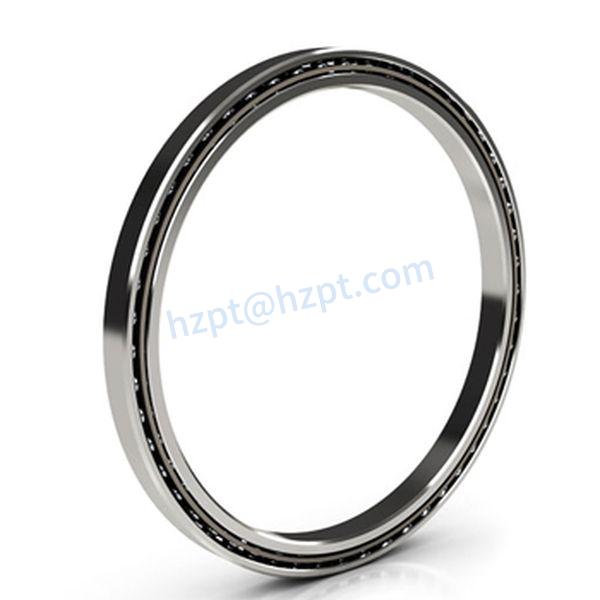
What is a Ball Bearing and How does it Function in Various Applications?
A ball bearing is a type of rolling-element bearing that uses balls to reduce friction between moving parts and support radial and axial loads. It consists of an outer ring, an inner ring, a set of balls, and a cage that separates and maintains a consistent spacing between the balls. Here’s how ball bearings function in various applications:
- Reduction of Friction:
Ball bearings function by replacing sliding friction with rolling friction. The smooth, spherical balls minimize the contact area between the inner and outer rings, resulting in lower friction and reduced heat generation.
- Radial and Axial Load Support:
Ball bearings are designed to support both radial loads (forces perpendicular to the shaft’s axis) and axial loads (forces parallel to the shaft’s axis). The distribution of balls within the bearing ensures load-carrying capacity in multiple directions.
- Smooth Rotational Movement:
Ball bearings facilitate smooth and precise rotational movement. The rolling motion of the balls allows for controlled and continuous rotation with minimal resistance.
- Applications in Machinery:
Ball bearings are used in a wide range of machinery and equipment, including motors, generators, gearboxes, conveyors, and fans. They enable the efficient transfer of motion while reducing wear and energy losses.
- Automotive Industry:
Ball bearings are extensively used in automobiles for various applications, including wheel hubs, transmission systems, steering mechanisms, and engine components. They provide reliability and durability in challenging automotive environments.
- Industrial Machinery:
In industrial settings, ball bearings support rotating shafts and ensure the smooth operation of equipment such as pumps, compressors, and machine tools.
- High-Speed Applications:
Ball bearings are suitable for high-speed applications due to their low friction and ability to accommodate rapid rotation. They are used in applications like electric motors and aerospace components.
- Precision Instruments:
For precision instruments, such as watches, cameras, and medical devices, ball bearings provide accurate rotational movement and contribute to the overall performance of the instrument.
- Variety of Sizes and Types:
Ball bearings come in various sizes, configurations, and materials to suit different applications. Different types include deep groove ball bearings, angular contact ball bearings, thrust ball bearings, and more.
In summary, ball bearings are essential components in a wide range of applications where smooth rotation, load support, and reduced friction are critical. Their versatility, reliability, and efficiency make them indispensable in industries spanning from automotive to industrial machinery to precision instruments.
editor by CX 2024-02-07
China high quality Double Unseparated Thrust Ball Rolling Mill Used Pillow Block CZPT Bearing CZPT Beairng Manufacture bearing and race
Product Description
Factory Price Gas Turbine Bearings Cylindrical Roller Bearing Nu207 Nu209 Nu211 E/M/Etn1
Product Description
Cylindrical Roller bearing is 1 of the rolling bearings, which is widely used in modern machinery.It relies on rolling contact between the main components to support the rotating parts.Roller bearings are now mostly standardized.Roller bearing has the advantages of small torque required for starting, high rotation accuracy and convenient selection.
| Product name | Cylindrical roller bearing |
| Material | Bearing Steel |
| Standard | DIN GB ISO JIS |
| Bearing Package | Barreled, bagged, boxed, palletized or as customers’ requirement. |
| Service | OEM service provided |
| Delivery time | 3-10 days depends on quantity needed |
Characteristics:
Less friction and low noise, durable.
Ability to carry heavy loads
Less coefficient of friction.
High limiting speed.
Variations of structure:N,NU,NJ,NF,NUP,NFP,NH,NN,NNU,NNF,FC,FCD.
Physical Characteristics:
Cylindrical roller bearing can be separated by single row,double rows, and 4 rows.
This kind of bearing can be submitted to high radial load and some axial load.
The rolling element of a cylindrical roller bearing is cylinder, the 2 ends of the external lines have the corrective slope which can eliminate the contact stress.
NN and NNU design cylindrical roller bearing have high rigid and apply to machines such as milling
| diameter (mm) | Bearing Designation | Boundary Dimensions (mm) | Basic Load Ratings (N) | Limiting Speeds (rpm) | Weight (Kg) | ||||||
| Current Designation | d | D | B | rsmin | r1smin | Cr Dynamic | Cor Static | Grease | Oil | ||
| 16 | SZ-4101 | 16 | 44 | 8.3 | 15700 | 18000 | 0. 0571 1 | ||||
| 17 | N203 | 17 | 40 | 12 | 0.6 | 0.3 | 11400 | 9100 | 16000 | 19000 | 0.07800 |
| NJ203 | 17 | 40 | 12 | 0.7 | 0.3 | 11400 | 9100 | 16000 | 19000 | 0.06900 | |
| NJ203ETN1 | 17 | 40 | 12 | 0.6 | 0.6 | 16900 | 13800 | 16000 | 19000 | 0. 0571 8 | |
| NU203 | 17 | 40 | 12 | 0.6 | 0.3 | 11400 | 9100 | 16000 | 19000 | 0.07000 | |
| NU203ETN1 | 17 | 40 | 12 | 0.6 | 0.3 | 16900 | 13800 | 16000 | 19000 | 0.06654 | |
| NJ2203E | 17 | 40 | 16 | 0.6 | 0.3 | 22800 | 20300 | 13800 | 16400 | 0.09200 | |
| 20 | N204 | 20 | 47 | 14 | 1 | 0.6 | 15800 | 13100 | 13800 | 16400 | 0.13300 |
| NF204 | 20 | 47 | 14 | 1 | 0.6 | 15800 | 13100 | 13800 | 16400 | 0.11000 | |
| NJ204 | 20 | 47 | 14 | 1.1 | 0.7 | 17000 | 14400 | 13800 | 16400 | 0.14000 | |
| NU204 | 20 | 47 | 14 | 1 | 0.6 | 15800 | 13100 | 13800 | 16400 | 0.13500 | |
| NU204/C3 | 20 | 47 | 14 | 1 | 0.6 | 14400 | 13100 | 13800 | 16400 | 0.10670 | |
| N304 | 20 | 52 | 15 | 1.1 | 0.6 | 21800 | 17700 | 11400 | 13800 | 0.14470 | |
| NJ304 | 20 | 52 | 15 | 1.1 | 0.6 | 21800 | 17700 | 11400 | 13800 | 0.15750 | |
| NU304 | 20 | 52 | 15 | 1.1 | 0.6 | 21800 | 17700 | 11400 | 13800 | 0.15190 | |
| NUP304ETN1 | 20 | 52 | 15 | 1.1 | 0.6 | 31500 | 26800 | 10600 | 13100 | 0.15582 | |
| NJ2304ETN1 | 20 | 52 | 21 | 1.1 | 0.6 | 42000 | 38700 | 10000 | 13000 | 0.21267 | |
Our Advantages
1. World-Class Bearing:
We provide our customers with all types of indigenous bearing with world-class quality.
2. OEM or Non-Stand Bearings:
Any requirement for Nonstandard bearings is Easily Fulfilled by us due to its vast knowledge and links in the industry.
3. Genuine products With Excellent Quality:
The company has always proved the 100% quality products it provides with genuine intent.
4. After Sales Service and Technical Assistance:
The company provides after-sales service and technical assistance as per the customer’s requirements and needs.
5. Quick Delivery:
The company provides just-in-time delivery with its streamlined supply chain.
SAMPLES
1. Samples quantity: 1-10 PCS are available.
2. Free samples: It depends on the Model No., material and quantity. Some of the bearings samples need client to pay samples charge and shipping cost.
3. It’s better to start your order with Trade Assurance to get full protection for your samples order.
CUSTOMIZED
The customized LOGO or drawing is acceptable for us.
MOQ
1. MOQ: 10 PCS standard bearings.
2. MOQ: 1000 PCS customized your brand bearings.
OEM POLICY
1. We can printing your brand (logo, artwork)on the shield or laser engraving your brand on the shield.
2. We can custom your packaging according to your design
3. All copyright own by clients and we promised don’t disclose any info.
FAQ
1.What is the minimum order quantity for this product?
Can be negotiated, we will try our best to meet customer needs.Our company is mainly based on wholesale sales, most customers’orders are more than 1 ton.
2.What is your latest delivery time?
Most orders will be shipped within 3-10 days of payment being received.
3.Does your company have quality assurance?
Yes, for 2 years.
4.What is the competitiveness of your company’s products compared to other companies?
High precision, high speed, low noise.
5.What are the advantages of your company’s services compared to other companies?
Answer questions online 24 hours a day, reply in a timely manner, and provide various documents required by customers for customs clearance or sales. 100% after-sales service.
6.Which payment method does your company support?
Do our best to meet customer needs, negotiable.
7.How to contact us quickly?
Please send us an inquiry or message and leave your other contact information, such as phone number, account or account, we will contact you as soon as possible and provide the detailed information you need.
Please feel free to contact us, if you have any other question
| Rolling Body: | Roller Bearings |
|---|---|
| The Number of Rows: | Double |
| Outer Dimension: | Medium and Large(120-190mm) |
| Customization: |
Available
| Customized Request |
|---|
.shipping-cost-tm .tm-status-off{background: none;padding:0;color: #1470cc}
| Shipping Cost:
Estimated freight per unit. |
about shipping cost and estimated delivery time. |
|---|
| Payment Method: |
|
|---|---|
|
Initial Payment Full Payment |
| Currency: | US$ |
|---|
| Return&refunds: | You can apply for a refund up to 30 days after receipt of the products. |
|---|
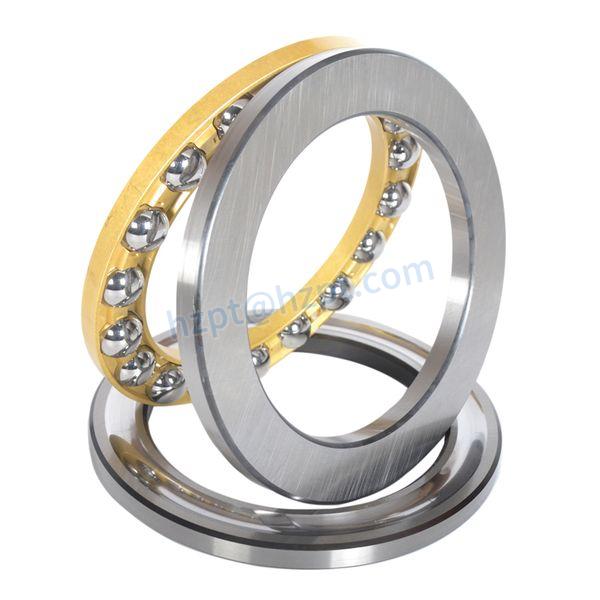
Can you Provide Examples of Industries where Ball Bearings are Crucial Components?
Ball bearings are essential components in a wide range of industries where smooth motion, load support, and precision are vital. Here are some examples of industries where ball bearings play a crucial role:
- Automotive Industry:
Ball bearings are used in various automotive applications, including wheel hubs, transmissions, engines, steering systems, and suspension components. They provide reliable rotation and support in both passenger vehicles and commercial vehicles.
- Aerospace Industry:
In the aerospace sector, ball bearings are found in aircraft engines, landing gear systems, control surfaces, and avionics equipment. Their ability to handle high speeds and precision is vital for aviation safety.
- Industrial Machinery:
Ball bearings are integral to a wide range of industrial machinery, including pumps, compressors, conveyors, machine tools, printing presses, and textile machinery. They facilitate smooth operation and load distribution in these diverse applications.
- Medical Equipment:
In medical devices and equipment, ball bearings are used in surgical instruments, imaging equipment, dental tools, and laboratory machinery. Their precision and smooth movement are crucial for accurate diagnostics and treatments.
- Robotics and Automation:
Ball bearings are key components in robotic arms, automation systems, and manufacturing machinery. They enable precise movement, high-speed operation, and reliable performance in automated processes.
- Renewable Energy:
Wind turbines and solar tracking systems utilize ball bearings to enable efficient rotation and tracking of the wind blades and solar panels. Ball bearings withstand the dynamic loads and environmental conditions in renewable energy applications.
- Marine and Shipbuilding:
Ball bearings are used in marine applications such as ship propulsion systems, steering mechanisms, and marine pumps. They withstand the corrosive environment and provide reliable performance in maritime operations.
- Heavy Equipment and Construction:
In construction machinery like excavators, bulldozers, and cranes, ball bearings support the movement of heavy loads and enable efficient operation in demanding environments.
- Electronics and Consumer Appliances:
Consumer electronics like electric motors, computer hard drives, and household appliances rely on ball bearings for smooth motion and reliable operation.
- Oil and Gas Industry:
In oil and gas exploration and extraction equipment, ball bearings are used in drilling rigs, pumps, and processing machinery. They handle the high loads and harsh conditions of this industry.
These examples demonstrate how ball bearings are indispensable components in various industries, contributing to the efficiency, reliability, and functionality of diverse mechanical systems and equipment.
How do Miniature Ball Bearings Differ from Standard-sized Ones, and Where are They Commonly Used?
Miniature ball bearings, as the name suggests, are smaller in size compared to standard-sized ball bearings. They have distinct characteristics and are designed to meet the unique requirements of applications that demand compactness, precision, and efficient rotation in confined spaces. Here’s how miniature ball bearings differ from standard-sized ones and where they are commonly used:
- Size:
The most noticeable difference is their size. Miniature ball bearings typically have outer diameters ranging from a few millimeters to around 30 millimeters, while standard-sized ball bearings have larger dimensions suitable for heavier loads and higher speeds.
- Load Capacity:
Due to their smaller size, miniature ball bearings have lower load-carrying capacities compared to standard-sized bearings. They are designed for light to moderate loads and are often used in applications where precision and compactness are prioritized over heavy load support.
- Precision:
Miniature ball bearings are known for their high precision and accuracy. They are manufactured to tighter tolerances, making them suitable for applications requiring precise motion control and low levels of vibration.
- Speed:
Miniature ball bearings can achieve higher speeds than standard-sized bearings due to their smaller size and lower mass. This makes them ideal for applications involving high-speed rotation.
- Friction and Efficiency:
Miniature ball bearings generally have lower friction due to their smaller contact area. This contributes to higher efficiency and reduced heat generation in applications that require smooth and efficient motion.
- Applications:
Miniature ball bearings find applications in various industries and sectors:
- Electronics and Consumer Devices:
They are used in small motors, computer disk drives, printers, and miniature fans, where space is limited but precise motion is essential.
- Medical and Dental Equipment:
Miniature bearings are used in medical devices such as surgical instruments, dental handpieces, and diagnostic equipment due to their precision and compactness.
- Robotics and Automation:
Miniature ball bearings are integral to robotic arms, miniature conveyors, and automation systems, enabling precise movement in confined spaces.
- Aerospace and Defense:
They are used in applications like UAVs (drones), aerospace actuators, and satellite components where size and weight constraints are critical.
- Optics and Instrumentation:
Miniature bearings play a role in optical instruments, cameras, and measuring devices, providing smooth rotation and accurate positioning.
Overall, miniature ball bearings are specialized components designed for applications where space, precision, and efficient rotation are paramount. Their compactness and high precision make them crucial in various industries requiring reliable motion control in limited spaces.
Can you Explain the Various Types of Ball Bearings and their Specific Use Cases?
Ball bearings come in various types, each designed to meet specific application requirements. Here’s an overview of the different types of ball bearings and their specific use cases:
- Deep Groove Ball Bearings:
Deep groove ball bearings are the most common and versatile type. They have a deep raceway that allows them to handle both radial and axial loads. They are used in a wide range of applications, including electric motors, household appliances, automotive components, and industrial machinery.
- Angular Contact Ball Bearings:
Angular contact ball bearings have a contact angle that enables them to handle both radial and axial loads at specific angles. They are suitable for applications where combined loads or thrust loads need to be supported, such as in machine tool spindles, pumps, and agricultural equipment.
- Self-Aligning Ball Bearings:
Self-aligning ball bearings have two rows of balls and are designed to accommodate misalignment between the shaft and the housing. They are used in applications where shaft deflection or misalignment is common, such as conveyor systems, textile machinery, and paper mills.
- Thrust Ball Bearings:
Thrust ball bearings are designed to support axial loads in one direction. They are commonly used in applications where axial loads need to be supported, such as in automotive transmissions, steering systems, and crane hooks.
- Single-Row vs. Double-Row Bearings:
Single-row ball bearings have a single set of balls and are suitable for moderate load and speed applications. Double-row ball bearings have two sets of balls and offer higher load-carrying capacity. Double-row designs are used in applications such as machine tool spindles and printing presses.
- Miniature and Instrument Ball Bearings:
Miniature ball bearings are smaller in size and are used in applications with limited space and lower load requirements. They are commonly used in small electric motors, medical devices, and precision instruments.
- Max-Type and Conrad Bearings:
Max-type ball bearings have a larger number of balls to increase load-carrying capacity. Conrad bearings have fewer balls and are used in applications with moderate loads and speeds.
- High-Precision Ball Bearings:
High-precision ball bearings are designed for applications where accuracy and precision are critical, such as machine tool spindles, aerospace components, and optical instruments.
- High-Speed Ball Bearings:
High-speed ball bearings are engineered to minimize friction and accommodate rapid rotation. They are used in applications such as dental handpieces, turbochargers, and centrifuges.
In summary, the various types of ball bearings are tailored to different application requirements, including load type, direction, speed, and environmental conditions. Selecting the appropriate type of ball bearing ensures optimal performance and longevity in specific applications.
editor by CX 2023-11-16
China best Double Row Self_Aligning Ball Ceramic Bearing 2200 2201 2202 2203 2204 2205 2206 2207 2208 2209 2210 double row ball bearing
Product Description
DETA
ZheJiang Leicester Bearing Technology Co., Ltd. is a specialized manufacturer that produces various types of bearings, including cylindrical roller bearings (7 series, 97 series, 3007 series, 20097 series), British standard tapered roller bearings, deep groove ball bearings, spherical plain bearings, self-aligning roller bearings, rolling mill bearings, and a variety of non-standard bearings.
At our core, we believe in “Quality, Creating Value,” and we have gained the trust and support of customers both domestically and internationally by delivering high-quality products.
In 2002, we received certification from the China Import and Export Product Quality Verification Center and obtained ISO 9001, ISO 2000, and IATF 16949 quality management system certifications. Our successful collaborations with renowned domestic and international enterprises have made us reliable and stable suppliers. Moreover, we have provided bearing components to well-known bearing manufacturers worldwide.
PRODUCT OVERVIEW
| Bearing No | Dimensionmm) | MabB(kg | Bearing No | Dimension(mm) | Mass(kg | ||||
| d | D | B | d | D | B | ||||
| 1200 | 10 | 30 | 9 | 0.035 | 1300 | 10 | 35 | 11 | 0.060 |
| 1201 | 12 | 32 | 10 | 0.042 | 1301 | 12 | 37 | 12 | 0.070 |
| 1202 | 15 | 35 | 11 | 0.051 | 1302 | 15 | 42 | 13 | 0.100 |
| 1203 | 17 | 40 | 12 | 0.076 | 1303 | 17 | 47 | 14 | 0.140 |
| 1204 | 20 | 47 | 14 | 0.120 | 1304 | 20 | 52 | 15 | 0.170 |
| 1206 | 25 | 52 | 15 | 0.140 | 1305 | 25 | 62 | 17 | 0.260 |
| 1206 | 30 | 62 | 16 | 0.230 | 1306 | 30 | 72 | 19 | 0.400 |
| 1207 | 35 | 72 | 17 | 0.320 | 1307 | 35 | 80 | 21 | 0.540 |
| 1208 | 40 | 80 | 18 | 0.410 | 1308 | 40 | 90 | 23 | 0.710 |
| 1209 | 45 | 85 | 19 | 0.490 | 1309 | 45 | 100 | 25 | 0.960 |
| 1210 | 50 | 90 | 20 | 0.540 | 1310 | 50 | 110 | 27 | 1.210 |
| 1211 | 55 | 100 | 21 | 0.720 | 1311 | 55 | 120 | 29 | 1.580 |
| 1212 | 60 | 110 | 22 | 0.900 | 1312 | 60 | 180 | 31 | 1.90 |
| 1213 | 65 | 120 | 23 | 0.920 | 1313 | 65 | 140 | 33 | 2.390 |
| 1214 | 70 | 125 | 24 | 1.290 | 1314 | 70 | 150 | 35 | 3.000 |
| 1215 | 75 | 130 | 25 | 1.350 | 1315 | 75 | 160 | 37 | 3.600 |
| 1216 | 80 | 140 | 26 | 1.650 | 1316 | 80 | 170 | 39 | 4.200 |
| 1217 | 85 | 150 | 28 | 2.100 | 2300 | 10 | 35 | 17 | 0.090 |
| 2200 | 10 | 30 | 14 | 0.050 | 2301 | 12 | 37 | 17 | 0.100 |
| 2201 | 12 | 32 | 14 | 0.053 | 2302 | 15 | 42 | 17 | 0.110 |
| 2202 | 15 | 35 | 14 | 0.600 | 2303 | 17 | 47 | 19 | 0.170 |
| 2203 | 17 | 40 | 16 | 0.090 | 2304 | 20 | 52 | 21 | 0.220 |
| 2204 | 20 | 47 | 18 | 0.150 | 2305 | 25 | 62 | 24 | 0.350 |
| 2205 | 25 | 52 | 18 | 0.190 | 2306 | 50 | 72 | 27 | 0.500 |
| 2206 | 80 | 62 | 20 | 0.260 | 2307 | 35 | 80 | 31 | 0.680 |
| 2207 | 35 | 72 | 23 | 0.440 | 2308 | 40 | 90 | 33 | 0.930 |
| 2208 | 40 | 90 | 23 | 0.530 | 2309 | 45 | 100 | 36 | 1.250 |
| 2209 | 45 | 85 | 23 | 0.550 | 2310 | 50 | 110 | 40 | 1.640 |
| 2210 | 50 | 90 | 23 | 0.680 | 2311 | 55 | 120 | 43 | 2.100 |
| 2211 | 55 | 100 | 25 | 0.810 | 2312 | 60 | 130 | 46 | 2.600 |
| 2212 | 60 | 110 | 28 | 1.100 | 2313 | 65 | 140 | 48 | 3.200 |
| 2213 | 65 | 120 | 31 | 1.500 | 2314 | 70 | 150 | 51 | 3.900 |
| 2214 | 70 | 125 | 31 | 1.620 | 2315 | 75 | 160 | 55 | 4.700 |
| 2215 | 75 | 130 | 31 | 1.720 | |||||
Product features: mainly bear radial load, at the same time can bear small axial load. The axial displacement of the shaft (shell) is limited within the clearance limit, with automatic self-aligning performance, allowing the normal work under the condition of relatively small inclination inside and outside, suitable for supporting seat holes can not strictly ensure the coaxiality of the parts.
Main applications of self-aligning ball bearing:
low noise motor, automobile, motorcycle, woodworking machinery, transmission shaft of textile machinery, mining machinery, mechanical and electrical equipment, plastic machinery, work equipment, medical equipment, fitness and sports equipment and general machinery, etc.
Detailed Photos
OUR PRODUCTS
SCOPE OF APPLICATION
PRODUCTION PROCESS
PRODUCT PACKAGING
1.industrial packing+industrial cartons+pallets
2.single brand box+brand cartons+pallets
3.follow customer’s requests
A.Plastic Tubes or Single Boxes ( Usually 10pcs in 1 plastic tube for steel bearings);
B.Cartons ( No more than 30kg for 1 carton );
C. Pallet ( Usually more than 400kg totally will use pallet )
D. Delivery time :7-35 days ( by sea or by air )
Generally,We will choose the most suitable packing method for products. If you have any special requirements for packing, please contact us in advance.
Company Profile
“Reliable quality, competitive prices, and excellent service” have always been our guiding principles. We have implemented a stringent quality control system, starting from raw material procurement to product manufacturing. Our company boasts a strong technical team, well-equipped testing facilities, and a robust ability to develop new products. With a commitment to delivering high-quality products and maintaining a good reputation, we aim to earn the trust of more customers.
ZheJiang Leicester Bearing Technology Co., Ltd. warmly welcomes both new and existing customers for discussions, guidance, and collaboration. We are eager to establish direct sales partnerships with businesses in various industries, both within the country and internationally.
As we embrace our dreams and uphold our values, honesty remains the foundation of our company. ZheJiang Leicester Bearing Technology Co., Ltd. looks forward to creating a bright future together with you!
OUR STRENGTHS
Q1: Can I get some samples?
A: Yes, sample order is available for quality check and market test. But you have to pay the sample cost and express cost.
Q2: Do you receive customized order?
A: Yes, ODM & OEM are welcomed.
Q3: What’s the lead time?
A: According to the order quantity, small order usually need 3-5 days, big order need negotiation.
Q4: What’s your payment terms?
A: We receive Escrow, T/T, West Union, Cash and etc.
| Deliver Time: | 0-15days |
|---|---|
| Transport: | by Land or Sea or Air |
| Bearing Clearance: | C0 C2 C3 C4 |
| Samples: |
US$ 0.1/Piece
1 Piece(Min.Order) | Order Sample |
|---|
| Customization: |
Available
| Customized Request |
|---|
.shipping-cost-tm .tm-status-off{background: none;padding:0;color: #1470cc}
|
Shipping Cost:
Estimated freight per unit. |
about shipping cost and estimated delivery time. |
|---|
| Payment Method: |
|
|---|---|
|
Initial Payment Full Payment |
| Currency: | US$ |
|---|
| Return&refunds: | You can apply for a refund up to 30 days after receipt of the products. |
|---|
What are the Materials Typically Used in Manufacturing Ball Bearings and Their Advantages?
Ball bearings are manufactured using a variety of materials, each chosen for its specific properties and advantages in various applications. Here are some commonly used materials in ball bearing manufacturing and their respective benefits:
- High-Carbon Chrome Steel (AISI 52100):
This is the most common material used for ball bearing manufacturing. It offers excellent hardness, wear resistance, and fatigue strength. High-carbon chrome steel bearings are suitable for a wide range of applications, from industrial machinery to automotive components.
- Stainless Steel (AISI 440C, AISI 304, AISI 316):
Stainless steel bearings are corrosion-resistant and suitable for applications where moisture, chemicals, or exposure to harsh environments are concerns. AISI 440C offers high hardness and corrosion resistance, while AISI 304 and AISI 316 provide good corrosion resistance and are often used in food and medical industries.
- Ceramic:
Ceramic bearings use silicon nitride (Si3N4) or zirconia (ZrO2) balls. Ceramic materials offer high stiffness, low density, and excellent resistance to corrosion and heat. Ceramic bearings are commonly used in high-speed and high-temperature applications, such as in aerospace and racing industries.
- Plastic (Polyamide, PEEK):
Plastic bearings are lightweight and offer good corrosion resistance. Polyamide bearings are commonly used due to their low friction and wear properties. Polyether ether ketone (PEEK) bearings provide high-temperature resistance and are suitable for demanding environments.
- Bronze:
Bronze bearings are often used in applications where self-lubrication is required. Bronze has good thermal conductivity and wear resistance. Bearings made from bronze are commonly used in machinery requiring frequent starts and stops.
- Hybrid Bearings:
Hybrid bearings combine steel rings with ceramic balls. These bearings offer a balance between the advantages of both materials, such as improved stiffness and reduced weight. Hybrid bearings are used in applications where high speeds and low friction are essential.
- Specialty Alloys:
For specific applications, specialty alloys may be used to meet unique requirements. For example, bearings used in extreme temperatures or corrosive environments may be made from materials like titanium or hastelloy.
- Coated Bearings:
Bearings may also be coated with thin layers of materials like diamond-like carbon (DLC) or other coatings to enhance performance, reduce friction, and improve wear resistance.
The choice of material depends on factors such as application requirements, operating conditions, load, speed, and environmental factors. Selecting the right material is essential for ensuring optimal bearing performance, longevity, and reliability in diverse industries and applications.
What Precautions should be taken to Prevent Contamination of Ball Bearings in Industrial Settings?
Preventing contamination of ball bearings is essential to ensure their proper function, longevity, and overall performance in industrial settings. Contaminants such as dust, dirt, debris, and particles can significantly impact bearing operation. Here are important precautions to take to prevent contamination of ball bearings:
- Effective Sealing:
Choose ball bearings with appropriate seals or shields to prevent the ingress of contaminants. Seals provide a physical barrier against dust, moisture, and particles, ensuring the bearing’s interior remains clean.
- Clean Environment:
Maintain a clean working environment around the machinery and equipment. Regularly clean the surrounding areas to prevent the accumulation of dirt and debris that could enter the bearings.
- Proper Handling:
Handle bearings with clean hands and use gloves if necessary. Avoid touching the bearing surfaces with bare hands, as natural skin oils can transfer contaminants onto the bearing.
- Clean Tools and Equipment:
Use clean tools and equipment during installation and maintenance to prevent introducing contaminants. Ensure that tools are properly cleaned before coming into contact with the bearing components.
- Contamination-Controlled Workstations:
Establish contamination-controlled workstations for bearing handling, installation, and maintenance. These areas should have proper ventilation, filtered air, and minimal exposure to external contaminants.
- Proper Lubrication:
Use the correct lubricant in appropriate quantities. Lubricants help create a barrier against contaminants and reduce friction. Regularly inspect and replenish lubrication to maintain its effectiveness.
- Regular Inspections:
Implement a routine inspection schedule to monitor the condition of the bearings. Look for signs of contamination, wear, and damage. Address any issues promptly to prevent further damage.
- Training and Education:
Train personnel on proper handling, installation, and maintenance practices to minimize the risk of contamination. Educated employees are more likely to take precautions and prevent accidental contamination.
- Environmental Controls:
In sensitive environments, such as clean rooms or medical facilities, implement strict environmental controls to minimize the presence of contaminants that could affect bearing performance.
- Regular Cleaning and Maintenance:
Perform regular cleaning and maintenance of machinery and equipment to prevent the buildup of contaminants. Keep bearings protected during maintenance to prevent debris from entering during the process.
- Selection of Suitable Bearings:
Choose bearings that are specifically designed for the application’s environmental conditions. Some bearings have advanced sealing options or specialized coatings that enhance contamination resistance.
By implementing these precautions, industries can significantly reduce the risk of contamination in ball bearings, ensuring smooth operation, extended bearing life, and enhanced equipment reliability.
What are the Primary Benefits of Using Ball Bearings in Machinery and Equipment?
Ball bearings offer several primary benefits when used in machinery and equipment. Their design and functionality provide advantages that contribute to the efficient and reliable operation of various applications. Here are the key benefits:
- Reduced Friction:
One of the primary benefits of ball bearings is their ability to minimize friction between moving parts. The rolling motion of the balls reduces the contact area and sliding friction, leading to smoother operation and less energy loss due to frictional heating.
- Efficient Load Support:
Ball bearings are engineered to support both radial and axial loads, making them versatile for applications with multidirectional forces. This load-bearing capability allows machinery to handle different types of loads while maintaining performance and stability.
- Smooth Rotation:
Ball bearings enable smooth and precise rotational movement. The rolling motion of the balls provides consistent motion with minimal resistance, ensuring that machinery operates smoothly and without jerks.
- High-Speed Capability:
Due to their low friction and efficient rolling action, ball bearings are suitable for high-speed applications. They allow machinery and equipment to achieve and maintain high rotational speeds without excessive wear or heat buildup.
- Reduced Wear and Maintenance:
The reduced friction in ball bearings leads to lower wear on components. This results in longer service intervals and reduced maintenance requirements, saving both time and maintenance costs.
- Energy Efficiency:
By minimizing friction and reducing energy losses, ball bearings contribute to the overall energy efficiency of machinery. This is particularly important in applications where energy consumption is a concern.
- Versatility:
Ball bearings come in various types, sizes, and configurations, allowing them to be used in a wide range of machinery and equipment. They can be customized to suit specific application requirements.
- Reliability and Longevity:
Ball bearings are designed to withstand heavy loads and harsh operating conditions. Their durability and resistance to wear ensure reliable performance and an extended operational life.
- Quiet Operation:
Ball bearings contribute to quiet machinery operation due to the smooth rolling motion of the balls. This is particularly important in applications where noise reduction is a consideration.
In summary, the primary benefits of using ball bearings in machinery and equipment include reduced friction, efficient load support, smooth rotation, high-speed capability, reduced wear and maintenance, energy efficiency, versatility, reliability, and quiet operation. These benefits collectively enhance the performance and longevity of machinery across various industries.
editor by CX 2023-11-07
China best High Durability Radial-Axial Preloading Bearing for Heavy Cutting double row ball bearing
Product Description
Three-jaw Chuck & Flange Disk (Adapter)
The three-jaw chucks are the most common chucks for the rotary tables. The Manual Three-jaw Chuck is suitable for installation on a rotary table with a table diameter from Ø 125 to Ø 800 mm. It allows easy and rapid clamping. Alternatively, a robust Hydraulic or Pneumatic Three-jaw Chuck can be used.
Company Profile
HangZhou Fagor Technology Co.,Ltd.is specialized in CNC machine tools accessories .The main products of our company are 4 axis rotary table,5 axis rotary table,water pump, chuck, coupling, end mill grinder,chipping machine,cutter barrel,three-color lamp,knife tower and other accessories With high precision and full varieties are deeply trusted and appreciated by customers.At the same time we have a strong sales team and experienced core service team.we are ready to provide CNC machine tool accessories one-stop solution for you,looking forward to cooperating with you and going to a CZPT situation.
FAQ
Q: How long is the quality guarantee?
A: One year guarantee.
Q: How long is the delivery time?
A: Generally it is 3-7 days if the goods are in stock. If the goods are not in stock, it will take 8-20 days.
Q: Do your products have a factory inspection before shipment?
A: 100% self-inspection before shipment.
Q: Can you provide some free samples?
A: Actually we have a very good price principle, when you make the bulk order then cost of sample will be return to you.
Q: What kind of packing do you send?
A: We use high quality cartons, internal environmental protection buffer material.
Q: What is our loading port?
A: Usually in ZheJiang port, or apply for other ports.
| To know more details, please contact us online |
| Rolling Body: | Roller Bearings |
|---|---|
| Outer Dimension: | Small and Medium-Sized (60-115mm) |
| Material: | Stainless Steel |
| Load Direction: | Radial Bearing |
| Machinery Test Report: | Provided |
| After Warranty Service: | Video Technical Support/Online Support |
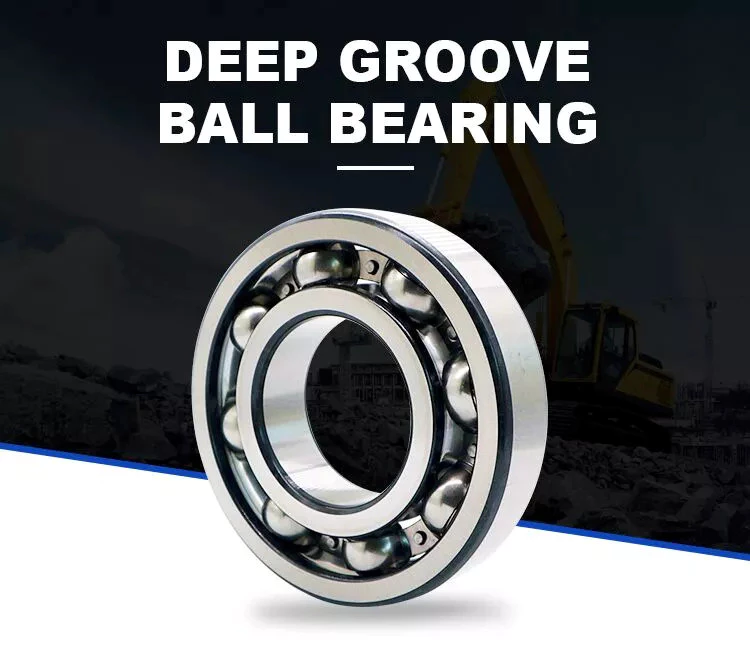
Choosing the Right Ball Bearing for Your Application
When choosing a Ball Bearing, there are several things to consider. These factors include: the size, lubricant type, presence of corrosive agents, stray electrical currents, and more. It can be challenging to choose the right type, size, and type of ball bearing for your application. You should also carefully calculate the loads to determine the right size. Here are some tips for choosing the right Ball Bearing for your application.
Single-row
The single-row ball bearing is one of the most popular types of bearings. The inner and outer ring are designed with raceway grooves that are shaped slightly larger than the balls. This type of bearing has a low torque and can handle high-speed applications with minimal power loss. The radial dimensions of single-row ball bearings also vary, so it is possible to find one that fits your specific application. Besides the above-mentioned advantages, single-row ball bearings are also available with varying grease levels and are widely applicable to applications where the space is limited.
Single-row ball bearings are also called angular-contact ball bearings. Because of their single-row design, they are not separable and can accommodate a high-speed, heavy-duty application. Single-row angular-contact ball bearings can only handle axial load in one direction, and they must be installed in pairs for pure radial loads. Single-row ball bearings are a popular type of rolling bearings and can be used for a wide range of applications.
Self-aligning
The self-aligning ball bearing was invented by Sven Wingquist, a plant engineer for a textile company in Sweden. While he was responsible for making production as efficient as possible, he soon realized that the machinery he had in place wasn’t working as efficiently as it could. Although ball bearings are great for reducing friction, they were not flexible enough to compensate for misalignments in the machine.
Self-aligning ball bearings have two rows of balls and a common sphered raceway. The inner ring is curved and combines the two rows of balls into one cage. These bearings can tolerate shaft misalignment and compensate for static angular defects. They can be used in simple woodworking machinery, ventilators, and conveying equipment. They are often the preferred choice for applications where shaft alignment is an issue.
Ceramic
A Ceramic ball bearing is a type of high-performance bearing that is available in both full-ceramic and hybrid forms. The main differences between ceramic and steel ball bearings are their construction, lubrication, and mobility. High-quality ceramic ball bearings are durable, and they are ideal for corrosive and high-temperature applications. The material used to create these bearings helps prevent electrolytic corrosion. They are also ideal for reducing the friction and lubrication requirements.
Ceramic balls are harder and less brittle than steel balls, which gives them a higher degree of rigidity. Ceramics also have a higher hardness, with a hardness of Rc75-80 compared to Rc58-64 for steel balls. Their high compressive strength is approximately 5 to 7 times greater than steel. In addition, they have a very low coefficient of friction, which allows them to spin at higher speeds and with less friction. This increases their lifespan and durability, and decreases the energy needed to turn cranks.
Steel
Unlike traditional bearings, steel balls have a relatively uniform hardness. Carbon steel, for instance, is 2.1% carbon by weight. According to the American Iron and Steel Institute, copper content must be no more than 0.40% and manganese content should not be more than 1.65 g/cm3. After carbonizing, steel balls undergo a process called sizing, which improves their roundness geometry and hardness.
The main differences between steel ball bearings and ceramic ball bearings can be traced to their different materials. Ceramic balls are made from zirconium dioxide or silicon nitride. Silicon nitride is harder than steel and resists shocks. The result is increased speed and longer service life. Polyoxymethylene acetal (PMMA) bearing balls are known for their stiffness, strength, and tolerance, but are not as common as steel ball bearings.
Plastic
The most popular types of plastic ball bearings are made of polypropylene or PTFE. These bearings are used in applications requiring higher chemical resistance. Polypropylene is a structural polymer that offers excellent physical and chemical properties, including excellent resistance to organic solvents and degreasing agents. Its lightweight, low moisture absorption rate, and good heat resistance make it an excellent choice for high-temperature applications. However, plastic bearings are not without their drawbacks, especially when operating at very high temperatures or under heavy loads.
Compared to metal bearings, plastic ball-bearings do not require lubrication. They also are highly corrosion-resistant, making them an excellent choice for wash-down applications. They are also post-, autoclave-, and gamma sterilizable. Many conventional steel ball-bearings cannot handle the high temperatures of food processing or swimming pools. In addition to high temperature applications, plastic ball bearings are resistant to chemicals, including chlorine.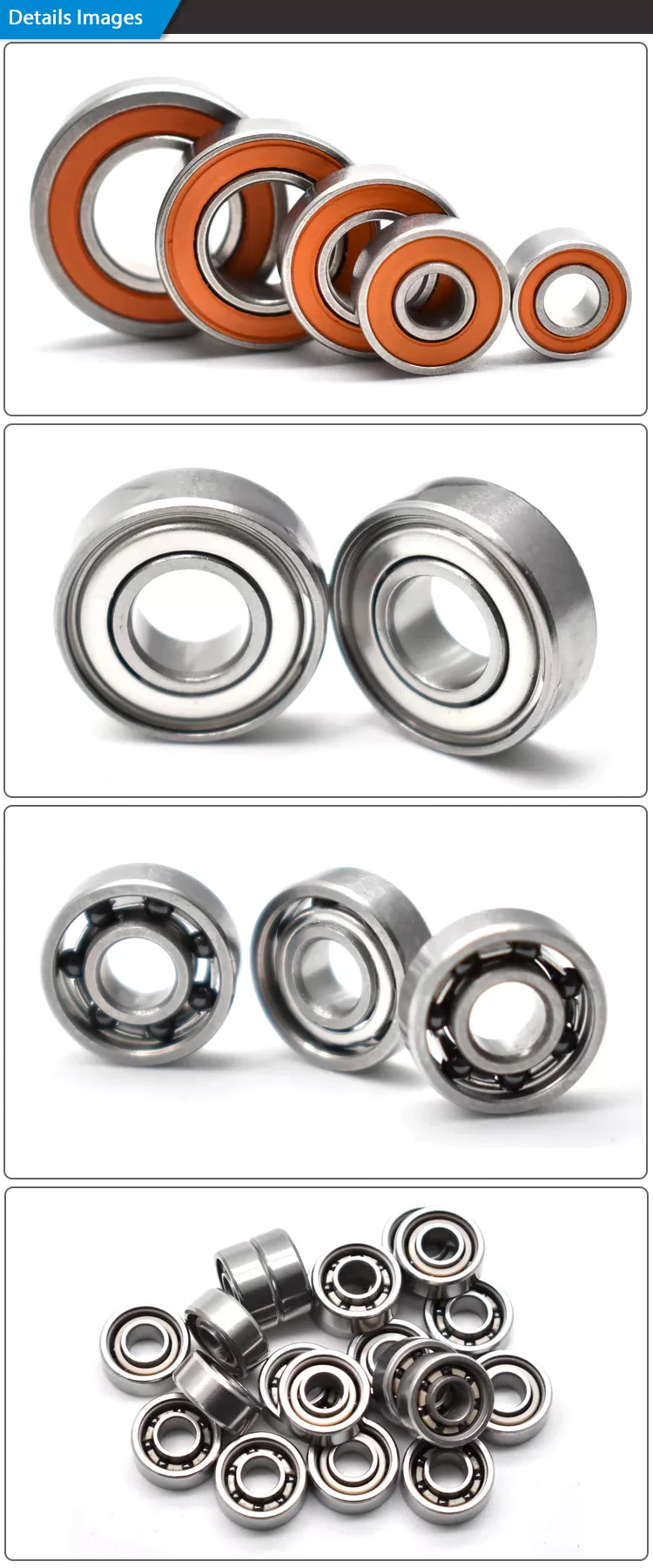
Glass
Plastic sliding bearings are molded bearings made of engineering plastic. With self-lubricating modification technology, these bearings can be produced by injection molding of plastic beads. They are widely used in various industries such as office equipment, fitness and automotive equipment. In addition to plastic bearings, glass balls are used in a variety of other applications, including medical equipment. Glass ball bearings have excellent corrosion resistance, excellent mechanical properties, and are electrically insulators.
Plastic ball bearings are made of all-plastic races and cages. These bearings are suitable for applications that are exposed to acids and alkalis. Because they are cheaper than glass balls, plastic ball bearings are popular in chemical-exposed environments. Stainless steel balls are also resistant to heat and corrosion. But the main disadvantage of plastic ball bearings is that they are not as strong as glass balls. So, if weight and noise is your main concern, consider using plastic balls instead.
Miniature
The global miniature ball bearing market is expected to reach US$ 2.39 Billion by 2027, at a CAGR of 7.2%. Growth in the region is attributed to technological advancement and government initiatives. Countries such as India and China are attracting FDIs and emphasizing the establishment of a global manufacturing hub. This is boosting the market for miniature ball bearings. The miniscule ball bearings are manufactured in small quantities and are very small.
Some manufacturers produce miniature ball bearings in different materials and designs. Chrome steel is the most popular material for miniature ball bearings because of its high load capacity, low noise properties, and lower cost. But the cost of stainless steel miniature bearings is low, since the amount of steel used is minimal. Stainless steel miniature bearings are the smallest in size. Therefore, you can choose stainless steel mini ball bearings for high-speed applications.
Angular-contact
Angular-contact ball bearings have three components: a cage, inner ring, and balls. Angular-contact ball bearings can support high axial and radial loads. Various design and manufacturing attributes make angular-contact ball bearings suitable for a variety of applications. Some features of this bearing type include a special lubricant, different cage materials, and different coatings.
The size of an angular-contact ball bearing is determined by the design units: outer ring width, axial load, and radial load. Depending on the type of application, an angular-contact ball bearing may be manufactured in double-row, triple-row, or quadruple-row configurations. Angular contact ball bearings can be classified according to their design units, which range from metric to imperial. A higher ABEC number means tighter tolerances. To determine the tolerance equivalent of a particular bearing, consult a standard Angular-contact ball bearing table.
Angular-contact ball bearings feature high and low-shoulder configurations. They have two-dimensional races that accommodate axial and radial loads. They are available in self-retaining units with solid inner and outer rings, and ball and cage assemblies. Cages made of cast and wrought brass are the most popular, but lightweight phenolic cages are also available. The latter is a better choice because it doesn’t absorb oil and has lower rolling friction.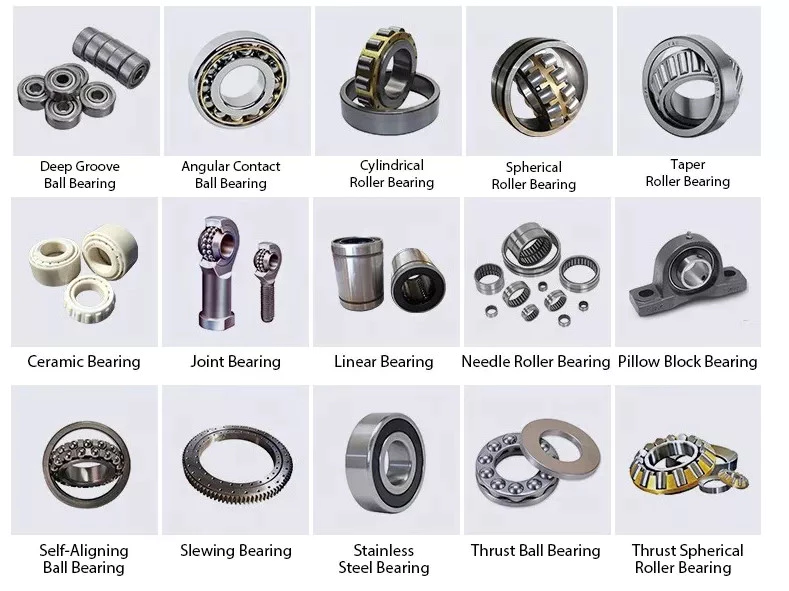
Materials
When it comes to the construction of a ball bearing, high-quality raw materials are a crucial component. These materials not only affect the overall quality of a ball bearing, but also influence the cost. That’s why you should pay close attention to raw material quality. In addition to that, raw materials should be tested several times before the manufacturing process to ensure quality. Read on for some information about the different types of materials used to make ball bearings.
Steel is the most common material for ball bearings. Most ball bearings contain stainless steel balls, which are remarkably corrosion-resistant. They are also resistant to saltwater and alkalis. However, stainless steel balls are heavier than plastic ones, and they are also magnetic, which may be a drawback in some applications. If you’re looking for a metal-free option, glass balls are the way to go. They’re sturdy, lightweight, and resistant to a wide range of chemicals.
editor by CX 2023-10-22
China best Forklift Parts Main Bearing Used for 4jg2/4jg1+50 with OEM 8-97387-966-0dh double row ball bearing
Product Description
Product Description
| Part Name | Engine Assy |
| Brand | TOYOTA TCM CZPT KOMATSU LINDE HELI HANGCHA |
| Engine Model | ISUZU 6BG1 |
| Engine characteristics | 4 Cycle, watercooled |
| No. of cylinders | 6 |
| Max. Rate Output | 95.5KW/2500 MIN |
| Max. Torque | 420N.m |
| Displacement | 6.494L |
| Warranty | 6 Months |
| Dimension | 1200.5mm*691mm*875mm |
| Weight | 465KG |
| Delivery | 3-5days ZheJiang ,HangZhou PORT |
Company Profile
CZPT International Trading Co.,Ltd focus on forklift spare parts for over 10 years. The factory covers about 30,000 square meters,there are 150 employees.The company is located in HangZhou.The logistics and transportation is very convenient. It is 100 kilometers from ZheJiang Port.
We are one of the Domestic specialized import forklift parts in the wholesalers and retailers. Main products are Engine parts,Hydraulic Parts,Transmission Parts,Electrical Parts,Filter parts,Drive System,Cooling system and Attachments.Our company has more than millions of parts inventory and in HangZhou, ZheJiang , ZheJiang ,HangZhou,Chendu with offices.
Welcome to company to visit and negotiate.
Team Work
Our team is a contingent of younger,better educated,quality efficient and vibrant.There are 50 people in the team.We have first-class products,superior service and high competitive prices and adequate inventory and timely delivery have won the trust of customers.
Where you are ,Handavos provides high quality forklift parts at competitive price with excellent service.
Packaging & Shipping
| After-sales Service: | Online Support |
|---|---|
| Warranty: | Six Months |
| Material: | Iron/Steel/Aluminum/Plastic |
| Surface Treatment: | Oxygenation |
| Customized: | Non-Customized |
| Standard: | Standard |
| Customization: |
Available
| Customized Request |
|---|
What is a bushing?
What is a bushing? Basically, bushings are spherical or spherical bearings for machines with sliding or rotating shaft assemblies. Due to their excellent load-carrying capacity and anti-friction properties, these bushings are used in almost all industrial applications. This makes them useful in industries such as construction, mining, agriculture, transportation, hydropower, food processing and material handling.
Shell information
The demand for bushings is closely related to the global transformer market. Growing renewable energy sources and high replacement rates of aging grid infrastructure are driving the global demand for transformer bushings. Increased urbanization is another factor driving the demand for transformer bushings. Among global regions, Asia Pacific is the largest market for medium voltage transformer bushings. The following section provides a detailed analysis of the market.
Bulk-type bushings are used for lower voltage ratings and consist of a center conductor stud or tube and an insulator housing. They are available in dry or oil filled versions, and their oil content is shared with the transformer main tank. However, the trend is slowly turning towards RIP bushings. Regardless of how different types of bushings are used, it is important to understand the difference between them.
A recent CZPT survey indicated that bushings account for 17% of all transformer failures. Among them, 30% caused fire accidents and 10% caused explosions. This is not a small risk, especially for such important electrical components as transformers. Because casing is so important, utilities are increasingly looking to preventative maintenance. However, this requires continuous monitoring of the bushing and its insulation. There are many benefits to using online condition monitoring.
One of the main benefits of locating and replacing faulty bushings is improved operability and safety. If you notice that your car is unstable in the corners, your bushings are worn. Anti-roll bar bushings can also be a sign of bushing damage. Do not ignore these warning signs as they can have dangerous consequences. To avoid these potential problems, make sure to get your vehicle serviced as soon as you notice any of these symptoms.
Be sure to park your vehicle on a level surface before you start changing your car bushings. You may need to unlock the hood latch and apply the brakes before continuing. Then, open the valve cover. This will allow you to see the engine area and bushings. You should also check that the wheels are not moving and avoid placing sharp objects in the engine bay. If you have time, open the hood and if you can see the bushings, turn on the headlights.
type
There are various types of bushings, each serving a different purpose. Oil-filled types are the most common and are designed for vertical installations. On the other hand, the embedded ferrule can accommodate the connection to the wire leads in the lower end of the ferrule. This feature significantly reduces the length of the sump end of the casing, but also adds additional complexity and cost.
There are two basic types of bushings. The first is a solid pour and the second is a capacitive graded variety. Solid cast bushings are typically used for low voltage transformer windings, while gas insulated bushings are insulated with pressurized gas. Gas-insulated bushings are also used in SF6 circuit breakers. If you are in the market for a new bushing, be sure to consider its cantilever strength and design.
Electrical bushings are an important part of various electrical equipment. They help carry high-voltage current through the enclosure and act as an insulator between a live conductor and a metal body at ground potential. Bulk-type bushings consist of a central conductive rod (usually copper or aluminum) and an insulator (silicone rubber compound or composite resin) surrounding the rod.
Transformers require transformer bushings. The construction and materials used in the bushing play a key role in the durability and longevity of the transformer. Transformers with weak bushings can fail, causing extensive damage. Moisture or voids can cause insulation breakdown, resulting in extensive electrical damage. Appropriate materials and optimized construction can reduce electric field stress and extend the life of the bushing.
Capacitor grading bushings are more expensive and are used in almost all high voltage systems. They use a conductive layer within the insulating layer between the center conductor and the insulator. Different manufacturers use different materials to produce these bushings. Earlier, capacitor grading bushings were made of concentric ceramic cylinders with metallized surfaces. They are also made from laminated cardboard tubes with conductive layers.
Function
A bushing is a support member that performs its function by acting as a washer and reducing noise and vibration. Bushings are used in valve covers and are made of corrosion-resistant materials to perform these functions. These products can be found in all types of machinery from cars to airplanes. Below are some common uses for bushings. Read on to discover more. Here are some of the most important features of the shell.
Electrical bushings transmit electricity. They can be used in circuit breakers, transformers, power capacitors and shunt reactors. The conductors of the bushing can be built directly into the bushing or through the bushing. Both current and voltage represent electricity. The bushing must have insulation capable of withstanding the voltage and its current-carrying conductors must be capable of carrying the rated current without overheating the adjacent insulation.
The bushing wraps around the stem, which is a relatively simple replacement part. It is a hardened part that prevents leaks and improves sealing. Plus, its low-cost replacement makes it a very easy-to-machine part. Bushings are also used in valves for guiding purposes. These two features make bushings an important part of many machines and applications. So, learn more about them.
Copper and brass are commonly used bushing materials. They have high compressive strength and high surface pressure. This material is suitable for bearings in low speed situations and heavy duty applications. Copper and brass are the most common types of casings, and they are both made in China. They are all relatively inexpensive and are available in a variety of materials and sizes. If you are considering purchasing a casing, keep in mind that it must meet national standards.
cost
Whether you’re looking for a replacement bushing for your rear suspension or just need to replace the fork, you have a few different options. The two main types of bushings are coated and uncoated. If you want to save money on bushing replacements, you should consider getting a cheaper lower fork. Whether you’re replacing bushings to improve ride quality or prevent damage to your wheel loader, you’ll find a bushing replacement option that fits your budget.
While most cars are compatible with bushings, some iconic parts from premium brands like BMW and Mercedes require special tools to replace. If you are not confident in your mechanical abilities, consider hiring a mechanic to do it. Mechanical replacement bushings typically range from $200 to $500. If you’re comfortable with mechanics and have some mechanical knowledge, you can save money by trying the job yourself. For example, control arm bushings range in price from $20 to $80. It is important to check the alignment after replacing the bushing to avoid further damage.
Control arm bushing replacements are usually relatively inexpensive, but you may need to replace several at the same time. You should check the prices of several mechanics before making a decision. You can easily save between $50 and $100 by comparing quotes. Plus, you’ll save a lot of money by finding the right mechanic for the job. You can also use an online comparison tool to compare prices. You can find a mechanic that suits your needs at an affordable price.
Control arm bushings are also an inexpensive way to replace parts of a car’s front or rear suspension. Typically, control arm bushings are made of two metal cylinders covered with a thick layer of rubber. They wear out due to accidents, potholes and off-roading. They are mounted with a bolt that goes through the inner barrel. It is important to replace these bushings as often as needed to improve operation.
editor by CX 2023-10-19
China factory Ceramic/Needle/Pillow Block/Auto/Deep Groove/Angular Contact Ball/Spherical/Taperd Roller/Cylindrical Roller/Linear/Wheel Bearings Rtb/Timken/FAG/INA/NSK 32008X double row ball bearing
Product Description
| Main Dimensions & Performance Data(32008) | ||
| d | Bore diameter | 40mm |
| D | Outside diameter | 68mm |
| T | Total bearing width | 19 mm |
| rmin | Minimum chamfer dimension | 1.1mm |
| d1 | Inner ring shoulder diameter | 54.7 mm |
| B | Width inner ring | 19 mm |
| C | Width outer ring | 14.5 mm |
| Cr | Basic dynamic load rating, radial | 51800 N |
| C0r | Basic static load rating, radial | 71000 N |
| Cur | Fatigue load limit, radial | 2000 N |
| nG | Limiting speed | 5300 r/min |
| nϑr | Reference speed | 6700 r/min |
| Weight | 0.28kg | |
| da min | Minimum diameter shaft shoulder | 60mm |
| Da max | Maximum diameter of housing shoulder | 61.5 mm |
| ra max | Maximum fillet radius | 1 mm |
| Other Details | ||
| 1) Package: carton /box packaging | ||
Tapered roller bearing
These bearings are capable of taking high radial loads and axial loads in 1 direction. In the HR series, the rollers are increased in both size and number giving it an even higher load capacity. They are generally mounted in pairs in a manner similar to single-row angular contact ball bearings. In this case, the proper internal clearance can be obtained by adjusting the axial distance between the cones or cups of the 2 opposed bearings.
| Model | Size | Rated dynamic load (KN) | Rated static load (KN) | Weight (kg) | ||
| (mm) | ||||||
| d | D | T | ||||
| 32007 | 35 | 62 | 18 | 43.2 | 59.2 | 0.224 |
| 32008 | 40 | 68 | 19 | 51.9 | 71.1 | 0.268 |
| 32009 | 45 | 75 | 20 | 58.4 | 81.4 | 0.339 |
| 32571 | 50 | 80 | 20 | 61.1 | 89 | 0.367 |
| 32011 | 55 | 90 | 23 | 80.2 | 117.2 | 0.564 |
| 32012 | 60 | 95 | 23 | 81.7 | 122.2 | 0.597 |
| 32013 | 65 | 100 | 23 | 82.8 | 127.3 | 0.628 |
| 32014 | 70 | 110 | 25 | 104.3 | 160.1 | 0.838 |
| 32015 | 75 | 115 | 25 | 103.1 | 160.2 | 0.875 |
| 32016 | 80 | 125 | 29 | 141 | 220 | 1.27 |
| 32017 | 85 | 130 | 29 | 139.8 | 220.3 | 1.33 |
| 32018 | 90 | 140 | 32 | 171.3 | 271 | 1.77 |
| 32019 | 95 | 145 | 32 | 174.6 | 281.3 | 1.796 |
| 32571 | 100 | 150 | 32 | 173.1 | 281.7 | 1.91 |
| 32571 | 105 | 160 | 35 | 205. 4 | 335.8 | 2.4 |
| 32571 | 110 | 170 | 38 | 245.7 | 403.4 | 3.02 |
| 32571 | 120 | 180 | 38 | 242.1 | 404.4 | 3.18 |
| 32026 | 130 | 200 | 45 | 333.7 | 567.1 | 4.94 |
| 32571 | 140 | 210 | 45 | 329.8 | 567.8 | 5.15 |
| 32030 | 150 | 225 | 48 | 367.6 | 635.8 | 6.25 |
| 32032 | 160 | 240 | 51 | 419.6 | 734.5 | 7.66 |
| 32207 | 35 | 72 | 24.25 | 70.6 | 89.5 | 0.426 |
| 32208 | 40 | 80 | 24.75 | 77.9 | 97.2 | 0.529 |
| 32209 | 45 | 85 | 24.75 | 80.7 | 104 | 0.587 |
| 32210 | 50 | 90 | 24.75 | 82.8 | 107.6 | 0.654 |
| 32211 | 55 | 100 | 26.75 | 108 | 142.3 | 0.881 |
| 32212 | 60 | 110 | 29.75 | 132.8 | 179.6 | 1.17 |
| 32213 | 65 | 120 | 32.75 | 160.9 | 221.7 | 1.58 |
| 32214 | 70 | 125 | 33.25 | 168.5 | 237.1 | 1.66 |
| 32215 | 75 | 130 | 33.25 | 170.3 | 242.1 | 1.76 |
| 32216 | 80 | 140 | 35.25 | 198.1 | 279 | 2.19 |
| 32217 | 85 | 150 | 38.5 | 226.7 | 324 | 2.7 |
| 32218 | 90 | 160 | 42.5 | 269.8 | 395.5 | 3.61 |
| 32219 | 95 | 170 | 45.5 | 302.5 | 448.4 | 4.34 |
| 32220 | 100 | 180 | 49 | 341 | 512 | 5.31 |
| 32221 | 105 | 190 | 53 | 342 | 517 | 6.37 |
| 32222 | 110 | 200 | 56 | 388 | 590 | 7.45 |
| 32224 | 120 | 215 | 61.5 | 420 | 610 | 9.04 |
| 32226 | 130 | 230 | 67.75 | 551.7 | 888.7 | 11.377 |
| 32228 | 140 | 250 | 71.75 | 643.7 | 1049.3 | 14.413 |
| 32307 | 35 | 80 | 32.75 | 99 | 118.3 | 0.766 |
| 32308 | 40 | 90 | 35.25 | 115.7 | 147.8 | 1 |
| 32309 | 45 | 100 | 38.25 | 145.3 | 189.4 | 1.41 |
| 32310 | 50 | 110 | 42.25 | 177.5 | 236.1 | 1.9 |
| 32311 | 55 | 120 | 45.5 | 203.1 | 271.4 | 2.33 |
| 32312 | 60 | 130 | 48.5 | 226.7 | 303 | 2.96 |
| 32313 | 65 | 140 | 51 | 259.6 | 349.8 | 3.53 |
| 32314 | 70 | 150 | 54 | 298.9 | 408.5 | 4.41 |
| 32315 | 75 | 160 | 58 | 347.4 | 483.1 | 5.27 |
| 32316 | 80 | 170 | 61.5 | 387.9 | 543.1 | 6.43 |
| 32317 | 85 | 180 | 63.5 | 421.8 | 592.8 | 7.31 |
| 32318 | 90 | 190 | 67.5 | 478.2 | 693.3 | 8.81 |
| 32319 | 95 | 200 | 71.5 | 516.1 | 737.7 | 10.1 |
| 32320 | 100 | 215 | 77.5 | 600.1 | 872.2 | 13 |
| 35717 | 35 | 72 | 18.25 | 54.2 | 63.5 | 0.333 |
| 35718 | 40 | 80 | 19.75 | 63 | 74 | 0.431 |
| 35719 | 45 | 85 | 20.75 | 67.9 | 83.6 | 0.474 |
| 35710 | 50 | 90 | 21.75 | 73.3 | 92.1 | 0.529 |
| 35711 | 55 | 100 | 22.75 | 90.8 | 113.7 | 0.713 |
| 35712 | 60 | 110 | 23.75 | 103.3 | 130 | 0.923 |
| 35713 | 65 | 120 | 24.75 | 120.6 | 152.6 | 1.58 |
| 35714 | 70 | 125 | 26.25 | 132.3 | 173.6 | 1.29 |
| 35715 | 75 | 130 | 27.25 | 138.4 | 185.4 | 1.4 |
| 35716 | 80 | 140 | 28.25 | 160.4 | 212.8 | 1.56 |
| 35717 | 85 | 150 | 30.5 | 177.6 | 236.8 | 2.06 |
| 35718 | 90 | 160 | 32.5 | 200.1 | 269.6 | 2.54 |
| 35719 | 95 | 170 | 34.5 | 226.6 | 309 | 3.04 |
| 35710 | 100 | 180 | 37 | 253.9 | 350.3 | 3.72 |
| 35711 | 105 | 190 | 39 | 285.3 | 398.6 | 4.38 |
| 35712 | 110 | 200 | 41 | 314.9 | 443.6 | 5.21 |
| 35714 | 120 | 215 | 43.5 | 337.4 | 483.3 | 6.2 |
| 35716 | 130 | 230 | 43.75 | 366 | 521.4 | 6.94 |
| 35718 | 140 | 250 | 45.75 | 409.2 | 584.7 | 8.73 |
| 35710 | 150 | 270 | 49 | 451.2 | 645.9 | 10.8 |
| 30306 | 30 | 72 | 20.75 | 59.6 | 60.1 | 0.389 |
| 30307 | 35 | 80 | 22.75 | 75.3 | 82.6 | 0.515 |
| 30308 | 40 | 90 | 25.25 | 80.5 | 90.2 | 0.761 |
| 30309 | 45 | 100 | 27.25 | 113 | 128 | 0.984 |
| 3571 | 50 | 110 | 29.25 | 145.3 | 189 | 1.26 |
| 3571 | 55 | 120 | 31.5 | 153.5 | 187.6 | 1.65 |
| 3571 | 60 | 130 | 33.5 | 171.4 | 210 | 1.96 |
| 3571 | 65 | 140 | 36 | 193 | 227 | 2.42 |
| 3571 | 70 | 150 | 38 | 219 | 271.7 | 3.04 |
| 3571 | 75 | 160 | 40 | 252.8 | 318.8 | 3.71 |
| 3 0571 | 80 | 170 | 42.5 | 278.8 | 352.5 | 4.27 |
| 3 0571 | 85 | 180 | 44.5 | 304.9 | 388.2 | 4.96 |
| 3 0571 | 90 | 190 | 46.5 | 342.1 | 440.9 | 5.8 |
| 3571 | 95 | 200 | 49.5 | 369 | 477.7 | 6.8 |
| 30320 | 100 | 215 | 51.5 | 406.4 | 526.4 | 8.22 |
| 33008 | 40 | 68 | 22 | 60.2 | 79.6 | 0.306 |
| 33009 | 45 | 75 | 24 | 72.6 | 100.4 | 0.398 |
| 33571 | 50 | 80 | 24 | 76.8 | 110.9 | 0.433 |
| 33011 | 55 | 90 | 27 | 94.9 | 144.7 | 0.651 |
| 33012 | 60 | 95 | 27 | 96.7 | 151.1 | 0.691 |
| 33013 | 65 | 100 | 27 | 98.1 | 157.7 | 0.732 |
| 33014 | 70 | 110 | 31 | 134.4 | 220.4 | 1.07 |
| 33015 | 75 | 115 | 31 | 133.1 | 221.2 | 1.12 |
| 33016 | 80 | 125 | 36 | 181.9 | 304.3 | 1.63 |
| 33017 | 85 | 130 | 36 | 180.4 | 305.5 | 1.69 |
| 33018 | 90 | 140 | 39 | 232.6 | 388.6 | 2.2 |
| 33019 | 95 | 145 | 39 | 231 | 389.9 | 2.26 |
| 33571 | 100 | 150 | 39 | 229.5 | 391.2 | 2.33 |
| 33571 | 105 | 160 | 43 | 257.4 | 437.4 | 2.97 |
| 33571 | 110 | 170 | 47 | 288.7 | 502.7 | 3.74 |
| 33571 | 120 | 180 | 48 | 298.2 | 535.1 | 4.07 |
| 33026 | 130 | 200 | 55 | 400.6 | 727.4 | 6.14 |
| 33571 | 140 | 210 | 56 | 407 | 755.5 | 6.57 |
| 33030 | 150 | 225 | 59 | 461.2 | 873.8 | 7.98 |
| 33108 | 40 | 75 | 26 | 84.7 | 110.3 | 0.496 |
| 33109 | 45 | 80 | 26 | 87.1 | 117.2 | 0.535 |
| 33110 | 50 | 85 | 26 | 89.3 | 124.1 | 0.572 |
| 33111 | 55 | 95 | 30 | 114.5 | 164.8 | 0.483 |
| 33112 | 60 | 100 | 30 | 117.1 | 173.2 | 0.895 |
| 33113 | 65 | 110 | 34 | 142.8 | 220.4 | 1.3 |
| 33114 | 70 | 120 | 37 | 172.1 | 267 | 1.7 |
| 33115 | 75 | 125 | 37 | 176.1 | 279.6 | 1.78 |
| 33116 | 80 | 130 | 37 | 179.6 | 292.3 | 1.87 |
| 33117 | 85 | 140 | 41 | 215.7 | 354.2 | 2.43 |
| 33118 | 90 | 150 | 45 | 252.1 | 414.7 | 3.13 |
| 33119 | 95 | 160 | 49 | 298.9 | 498.2 | 3.94 |
| 33120 | 100 | 165 | 52 | 309.4 | 529.2 | 4.31 |
| 33121 | 105 | 175 | 56 | 351.8 | 607.8 | 5.29 |
| 33122 | 110 | 180 | 56 | 373.2 | 639.1 | 5.5 |
| 33124 | 120 | 200 | 62 | 448.2 | 779.1 | 7.68 |
| 33207 | 35 | 72 | 28 | 82.6 | 101.7 | 0.515 |
| 33208 | 40 | 80 | 32 | 105.8 | 135.5 | 0.715 |
| 33209 | 45 | 85 | 32 | 109.5 | 145.1 | 0.771 |
| 33210 | 50 | 90 | 32 | 112.9 | 154.6 | 0.825 |
| 33211 | 55 | 100 | 35 | 35 | 196.7 | 1.15 |
| 33212 | 60 | 110 | 38 | 38 | 231.4 | 1.51 |
| 33213 | 65 | 120 | 41 | 41 | 281.6 | 1.99 |
| 33214 | 70 | 125 | 41 | 41 | 298.3 | 2.1 |
| 33215 | 75 | 130 | 41 | 41 | 299.7 | 2.17 |
| 33216 | 80 | 140 | 46 | 46 | 361.8 | 2.83 |
| 33217 | 85 | 150 | 49 | 49 | 415.7 | 3.52 |
| 33218 | 90 | 160 | 55 | 55 | 499.7 | 4.55 |
| 33219 | 95 | 170 | 58 | 58 | 568.4 | 5.48 |
| 33220 | 100 | 180 | 63 | 63 | 666.2 | 6.71 |
| 33221 | 105 | 190 | 68 | 68 | 770.5 | 8.12 |
| 32909 | 45 | 68 | 15 | 32 | 48.4 | 0.18 |
| 32910 | 50 | 72 | 15 | 36.9 | 56.1 | 0.181 |
| 32911 | 55 | 80 | 17 | 41.5 | 66.7 | 0.262 |
| 32912 | 60 | 85 | 17 | 46.1 | 73.1 | 0.279 |
| 32913 | 65 | 90 | 17 | 45.4 | 73.2 | 0.295 |
| 32914 | 70 | 100 | 20 | 70.8 | 114.7 | 0.471 |
| 32915 | 75 | 105 | 20 | 78.2 | 124.7 | 0.49 |
| 32916 | 80 | 110 | 20 | 79.3 | 129 | 0.514 |
| 32917 | 85 | 120 | 23 | 96.9 | 164.1 | 0.767 |
| 32918 | 90 | 125 | 23 | 95.8 | 164.5 | 0.798 |
| 32919 | 95 | 130 | 23 | 97.1 | 169.8 | 0.931 |
| 32920 | 100 | 140 | 25 | 126.6 | 218.4 | 1.12 |
| 32921 | 105 | 145 | 25 | 128 | 255.6 | 1.16 |
| 32922 | 110 | 150 | 25 | 129.7 | 232.6 | 1.2 |
| 32924 | 120 | 165 | 29 | 171.9 | 317.3 | 1.78 |
| 32926 | 130 | 180 | 32 | 206 | 380.6 | 2.34 |
| 32928 | 140 | 190 | 32 | 207.2 | 392.4 | 2.47 |
| 32930 | 150 | 210 | 38 | 261 | 510.4 | 3.87 |
| 32932 | 160 | 220 | 38 | 262.8 | 525.4 | 4.07 |
| 32934 | 170 | 230 | 38 | 280.1 | 561.5 | 4.33 |
ZheJiang REET BEARING.CO.,LTD is a professional bearing manufacturer and exporter.
We have a wealth of technical.All producing processes are finished in our manufactory. As an ISO9001:2000 certified manufacturer,we will solve various problems in application and use of our bearings.
Our company is an authorized distributor of FAG, INA, CZPT and other world brand bearings.Our company has the right to self-export bearings and launches its own brand RTB.
Our bearing had been exported to more than 20 countries worldwide and are warmly welcomed.
We’re looking forward to your order.
FAQ
1.Is the company a production factory or a trading company?
ZheJiang REET BEARING CO.,LTD is a manufacturing enterprise focusing on bearings and integrating research, production and sales.
2.How many the MOQ of your company?
Depending on the size of the bearing, the MOQ is variable, if you are interested, you can contact me for a quote.
3.Does the company accept OEM or customized bearings?
In addition to standard products, we also supply non-standard and modified standard products for special application. Meanwhile, we provide OEM service.
4.Can the company provide free samples?
We can provide samples for free. You only need to provide shipping.
5.What are the company’s delivery terms?
We can accept EXW,FOB,CFR,CIF,etc. You can choose the 1 which is the most convenient cost effective for you.
|
Shipping Cost:
Estimated freight per unit. |
To be negotiated |
|---|
| Contact Angle: | 0 |
|---|---|
| Aligning: | Non-Aligning Bearing |
| Separated: | Separated |
| Samples: |
US$ 8/Piece
1 Piece(Min.Order) | Order Sample |
|---|
| Customization: |
Available
| Customized Request |
|---|
Can you Explain the Various Types of Ball Bearings and their Specific Use Cases?
Ball bearings come in various types, each designed to meet specific application requirements. Here’s an overview of the different types of ball bearings and their specific use cases:
- Deep Groove Ball Bearings:
Deep groove ball bearings are the most common and versatile type. They have a deep raceway that allows them to handle both radial and axial loads. They are used in a wide range of applications, including electric motors, household appliances, automotive components, and industrial machinery.
- Angular Contact Ball Bearings:
Angular contact ball bearings have a contact angle that enables them to handle both radial and axial loads at specific angles. They are suitable for applications where combined loads or thrust loads need to be supported, such as in machine tool spindles, pumps, and agricultural equipment.
- Self-Aligning Ball Bearings:
Self-aligning ball bearings have two rows of balls and are designed to accommodate misalignment between the shaft and the housing. They are used in applications where shaft deflection or misalignment is common, such as conveyor systems, textile machinery, and paper mills.
- Thrust Ball Bearings:
Thrust ball bearings are designed to support axial loads in one direction. They are commonly used in applications where axial loads need to be supported, such as in automotive transmissions, steering systems, and crane hooks.
- Single-Row vs. Double-Row Bearings:
Single-row ball bearings have a single set of balls and are suitable for moderate load and speed applications. Double-row ball bearings have two sets of balls and offer higher load-carrying capacity. Double-row designs are used in applications such as machine tool spindles and printing presses.
- Miniature and Instrument Ball Bearings:
Miniature ball bearings are smaller in size and are used in applications with limited space and lower load requirements. They are commonly used in small electric motors, medical devices, and precision instruments.
- Max-Type and Conrad Bearings:
Max-type ball bearings have a larger number of balls to increase load-carrying capacity. Conrad bearings have fewer balls and are used in applications with moderate loads and speeds.
- High-Precision Ball Bearings:
High-precision ball bearings are designed for applications where accuracy and precision are critical, such as machine tool spindles, aerospace components, and optical instruments.
- High-Speed Ball Bearings:
High-speed ball bearings are engineered to minimize friction and accommodate rapid rotation. They are used in applications such as dental handpieces, turbochargers, and centrifuges.
In summary, the various types of ball bearings are tailored to different application requirements, including load type, direction, speed, and environmental conditions. Selecting the appropriate type of ball bearing ensures optimal performance and longevity in specific applications.
editor by CX 2023-08-10