Product Description
DETA
ZheJiang Leicester Bearing Technology Co., Ltd. is a specialized manufacturer that produces various types of bearings, including cylindrical roller bearings (7 series, 97 series, 3007 series, 20097 series), British standard tapered roller bearings, deep groove ball bearings, spherical plain bearings, self-aligning roller bearings, rolling mill bearings, and a variety of non-standard bearings.
At our core, we believe in “Quality, Creating Value,” and we have gained the trust and support of customers both domestically and internationally by delivering high-quality products.
In 2002, we received certification from the China Import and Export Product Quality Verification Center and obtained ISO 9001, ISO 2000, and IATF 16949 quality management system certifications. Our successful collaborations with renowned domestic and international enterprises have made us reliable and stable suppliers. Moreover, we have provided bearing components to well-known bearing manufacturers worldwide.
PRODUCT OVERVIEW
| Bearing No | Dimensionmm) | MabB(kg | Bearing No | Dimension(mm) | Mass(kg | ||||
| d | D | B | d | D | B | ||||
| 1200 | 10 | 30 | 9 | 0.035 | 1300 | 10 | 35 | 11 | 0.060 |
| 1201 | 12 | 32 | 10 | 0.042 | 1301 | 12 | 37 | 12 | 0.070 |
| 1202 | 15 | 35 | 11 | 0.051 | 1302 | 15 | 42 | 13 | 0.100 |
| 1203 | 17 | 40 | 12 | 0.076 | 1303 | 17 | 47 | 14 | 0.140 |
| 1204 | 20 | 47 | 14 | 0.120 | 1304 | 20 | 52 | 15 | 0.170 |
| 1206 | 25 | 52 | 15 | 0.140 | 1305 | 25 | 62 | 17 | 0.260 |
| 1206 | 30 | 62 | 16 | 0.230 | 1306 | 30 | 72 | 19 | 0.400 |
| 1207 | 35 | 72 | 17 | 0.320 | 1307 | 35 | 80 | 21 | 0.540 |
| 1208 | 40 | 80 | 18 | 0.410 | 1308 | 40 | 90 | 23 | 0.710 |
| 1209 | 45 | 85 | 19 | 0.490 | 1309 | 45 | 100 | 25 | 0.960 |
| 1210 | 50 | 90 | 20 | 0.540 | 1310 | 50 | 110 | 27 | 1.210 |
| 1211 | 55 | 100 | 21 | 0.720 | 1311 | 55 | 120 | 29 | 1.580 |
| 1212 | 60 | 110 | 22 | 0.900 | 1312 | 60 | 180 | 31 | 1.90 |
| 1213 | 65 | 120 | 23 | 0.920 | 1313 | 65 | 140 | 33 | 2.390 |
| 1214 | 70 | 125 | 24 | 1.290 | 1314 | 70 | 150 | 35 | 3.000 |
| 1215 | 75 | 130 | 25 | 1.350 | 1315 | 75 | 160 | 37 | 3.600 |
| 1216 | 80 | 140 | 26 | 1.650 | 1316 | 80 | 170 | 39 | 4.200 |
| 1217 | 85 | 150 | 28 | 2.100 | 2300 | 10 | 35 | 17 | 0.090 |
| 2200 | 10 | 30 | 14 | 0.050 | 2301 | 12 | 37 | 17 | 0.100 |
| 2201 | 12 | 32 | 14 | 0.053 | 2302 | 15 | 42 | 17 | 0.110 |
| 2202 | 15 | 35 | 14 | 0.600 | 2303 | 17 | 47 | 19 | 0.170 |
| 2203 | 17 | 40 | 16 | 0.090 | 2304 | 20 | 52 | 21 | 0.220 |
| 2204 | 20 | 47 | 18 | 0.150 | 2305 | 25 | 62 | 24 | 0.350 |
| 2205 | 25 | 52 | 18 | 0.190 | 2306 | 50 | 72 | 27 | 0.500 |
| 2206 | 80 | 62 | 20 | 0.260 | 2307 | 35 | 80 | 31 | 0.680 |
| 2207 | 35 | 72 | 23 | 0.440 | 2308 | 40 | 90 | 33 | 0.930 |
| 2208 | 40 | 90 | 23 | 0.530 | 2309 | 45 | 100 | 36 | 1.250 |
| 2209 | 45 | 85 | 23 | 0.550 | 2310 | 50 | 110 | 40 | 1.640 |
| 2210 | 50 | 90 | 23 | 0.680 | 2311 | 55 | 120 | 43 | 2.100 |
| 2211 | 55 | 100 | 25 | 0.810 | 2312 | 60 | 130 | 46 | 2.600 |
| 2212 | 60 | 110 | 28 | 1.100 | 2313 | 65 | 140 | 48 | 3.200 |
| 2213 | 65 | 120 | 31 | 1.500 | 2314 | 70 | 150 | 51 | 3.900 |
| 2214 | 70 | 125 | 31 | 1.620 | 2315 | 75 | 160 | 55 | 4.700 |
| 2215 | 75 | 130 | 31 | 1.720 | |||||
Product features: mainly bear radial load, at the same time can bear small axial load. The axial displacement of the shaft (shell) is limited within the clearance limit, with automatic self-aligning performance, allowing the normal work under the condition of relatively small inclination inside and outside, suitable for supporting seat holes can not strictly ensure the coaxiality of the parts.
Main applications of self-aligning ball bearing:
low noise motor, automobile, motorcycle, woodworking machinery, transmission shaft of textile machinery, mining machinery, mechanical and electrical equipment, plastic machinery, work equipment, medical equipment, fitness and sports equipment and general machinery, etc.
Detailed Photos
OUR PRODUCTS
SCOPE OF APPLICATION
PRODUCTION PROCESS
PRODUCT PACKAGING
1.industrial packing+industrial cartons+pallets
2.single brand box+brand cartons+pallets
3.follow customer’s requests
A.Plastic Tubes or Single Boxes ( Usually 10pcs in 1 plastic tube for steel bearings);
B.Cartons ( No more than 30kg for 1 carton );
C. Pallet ( Usually more than 400kg totally will use pallet )
D. Delivery time :7-35 days ( by sea or by air )
Generally,We will choose the most suitable packing method for products. If you have any special requirements for packing, please contact us in advance.
Company Profile
“Reliable quality, competitive prices, and excellent service” have always been our guiding principles. We have implemented a stringent quality control system, starting from raw material procurement to product manufacturing. Our company boasts a strong technical team, well-equipped testing facilities, and a robust ability to develop new products. With a commitment to delivering high-quality products and maintaining a good reputation, we aim to earn the trust of more customers.
ZheJiang Leicester Bearing Technology Co., Ltd. warmly welcomes both new and existing customers for discussions, guidance, and collaboration. We are eager to establish direct sales partnerships with businesses in various industries, both within the country and internationally.
As we embrace our dreams and uphold our values, honesty remains the foundation of our company. ZheJiang Leicester Bearing Technology Co., Ltd. looks forward to creating a bright future together with you!
OUR STRENGTHS
Q1: Can I get some samples?
A: Yes, sample order is available for quality check and market test. But you have to pay the sample cost and express cost.
Q2: Do you receive customized order?
A: Yes, ODM & OEM are welcomed.
Q3: What’s the lead time?
A: According to the order quantity, small order usually need 3-5 days, big order need negotiation.
Q4: What’s your payment terms?
A: We receive Escrow, T/T, West Union, Cash and etc.
| Deliver Time: | 0-15days |
|---|---|
| Transport: | by Land or Sea or Air |
| Bearing Clearance: | C0 C2 C3 C4 |
| Samples: |
US$ 0.1/Piece
1 Piece(Min.Order) | Order Sample |
|---|
| Customization: |
Available
| Customized Request |
|---|
.shipping-cost-tm .tm-status-off{background: none;padding:0;color: #1470cc}
|
Shipping Cost:
Estimated freight per unit. |
about shipping cost and estimated delivery time. |
|---|
| Payment Method: |
|
|---|---|
|
Initial Payment Full Payment |
| Currency: | US$ |
|---|
| Return&refunds: | You can apply for a refund up to 30 days after receipt of the products. |
|---|
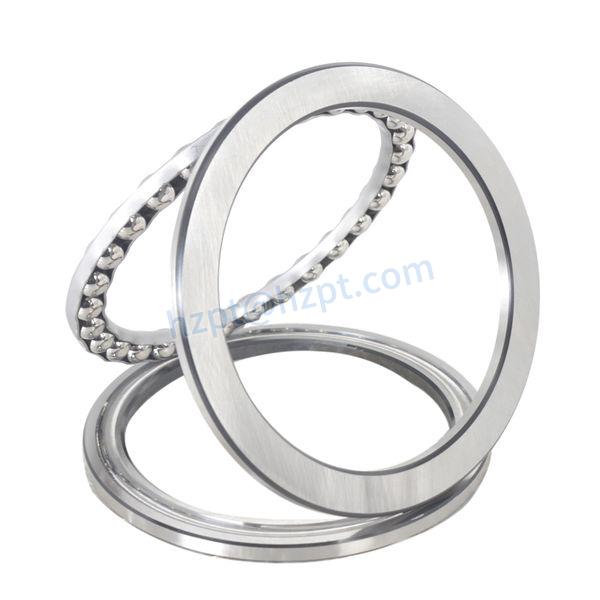
What are the Materials Typically Used in Manufacturing Ball Bearings and Their Advantages?
Ball bearings are manufactured using a variety of materials, each chosen for its specific properties and advantages in various applications. Here are some commonly used materials in ball bearing manufacturing and their respective benefits:
- High-Carbon Chrome Steel (AISI 52100):
This is the most common material used for ball bearing manufacturing. It offers excellent hardness, wear resistance, and fatigue strength. High-carbon chrome steel bearings are suitable for a wide range of applications, from industrial machinery to automotive components.
- Stainless Steel (AISI 440C, AISI 304, AISI 316):
Stainless steel bearings are corrosion-resistant and suitable for applications where moisture, chemicals, or exposure to harsh environments are concerns. AISI 440C offers high hardness and corrosion resistance, while AISI 304 and AISI 316 provide good corrosion resistance and are often used in food and medical industries.
- Ceramic:
Ceramic bearings use silicon nitride (Si3N4) or zirconia (ZrO2) balls. Ceramic materials offer high stiffness, low density, and excellent resistance to corrosion and heat. Ceramic bearings are commonly used in high-speed and high-temperature applications, such as in aerospace and racing industries.
- Plastic (Polyamide, PEEK):
Plastic bearings are lightweight and offer good corrosion resistance. Polyamide bearings are commonly used due to their low friction and wear properties. Polyether ether ketone (PEEK) bearings provide high-temperature resistance and are suitable for demanding environments.
- Bronze:
Bronze bearings are often used in applications where self-lubrication is required. Bronze has good thermal conductivity and wear resistance. Bearings made from bronze are commonly used in machinery requiring frequent starts and stops.
- Hybrid Bearings:
Hybrid bearings combine steel rings with ceramic balls. These bearings offer a balance between the advantages of both materials, such as improved stiffness and reduced weight. Hybrid bearings are used in applications where high speeds and low friction are essential.
- Specialty Alloys:
For specific applications, specialty alloys may be used to meet unique requirements. For example, bearings used in extreme temperatures or corrosive environments may be made from materials like titanium or hastelloy.
- Coated Bearings:
Bearings may also be coated with thin layers of materials like diamond-like carbon (DLC) or other coatings to enhance performance, reduce friction, and improve wear resistance.
The choice of material depends on factors such as application requirements, operating conditions, load, speed, and environmental factors. Selecting the right material is essential for ensuring optimal bearing performance, longevity, and reliability in diverse industries and applications.
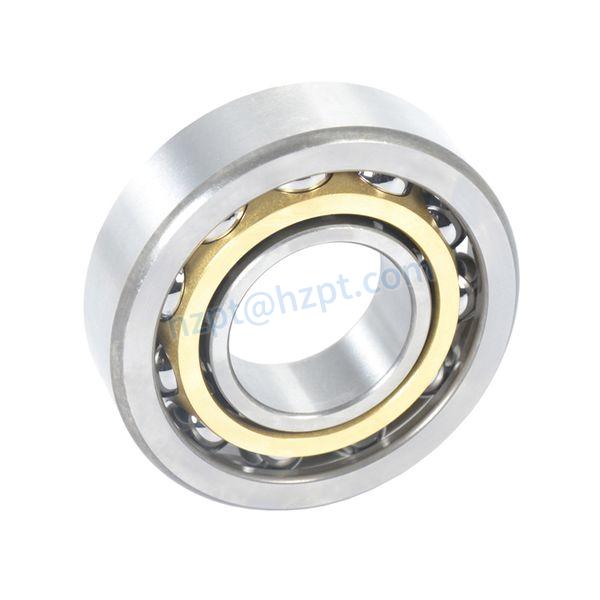
What Precautions should be taken to Prevent Contamination of Ball Bearings in Industrial Settings?
Preventing contamination of ball bearings is essential to ensure their proper function, longevity, and overall performance in industrial settings. Contaminants such as dust, dirt, debris, and particles can significantly impact bearing operation. Here are important precautions to take to prevent contamination of ball bearings:
- Effective Sealing:
Choose ball bearings with appropriate seals or shields to prevent the ingress of contaminants. Seals provide a physical barrier against dust, moisture, and particles, ensuring the bearing’s interior remains clean.
- Clean Environment:
Maintain a clean working environment around the machinery and equipment. Regularly clean the surrounding areas to prevent the accumulation of dirt and debris that could enter the bearings.
- Proper Handling:
Handle bearings with clean hands and use gloves if necessary. Avoid touching the bearing surfaces with bare hands, as natural skin oils can transfer contaminants onto the bearing.
- Clean Tools and Equipment:
Use clean tools and equipment during installation and maintenance to prevent introducing contaminants. Ensure that tools are properly cleaned before coming into contact with the bearing components.
- Contamination-Controlled Workstations:
Establish contamination-controlled workstations for bearing handling, installation, and maintenance. These areas should have proper ventilation, filtered air, and minimal exposure to external contaminants.
- Proper Lubrication:
Use the correct lubricant in appropriate quantities. Lubricants help create a barrier against contaminants and reduce friction. Regularly inspect and replenish lubrication to maintain its effectiveness.
- Regular Inspections:
Implement a routine inspection schedule to monitor the condition of the bearings. Look for signs of contamination, wear, and damage. Address any issues promptly to prevent further damage.
- Training and Education:
Train personnel on proper handling, installation, and maintenance practices to minimize the risk of contamination. Educated employees are more likely to take precautions and prevent accidental contamination.
- Environmental Controls:
In sensitive environments, such as clean rooms or medical facilities, implement strict environmental controls to minimize the presence of contaminants that could affect bearing performance.
- Regular Cleaning and Maintenance:
Perform regular cleaning and maintenance of machinery and equipment to prevent the buildup of contaminants. Keep bearings protected during maintenance to prevent debris from entering during the process.
- Selection of Suitable Bearings:
Choose bearings that are specifically designed for the application’s environmental conditions. Some bearings have advanced sealing options or specialized coatings that enhance contamination resistance.
By implementing these precautions, industries can significantly reduce the risk of contamination in ball bearings, ensuring smooth operation, extended bearing life, and enhanced equipment reliability.
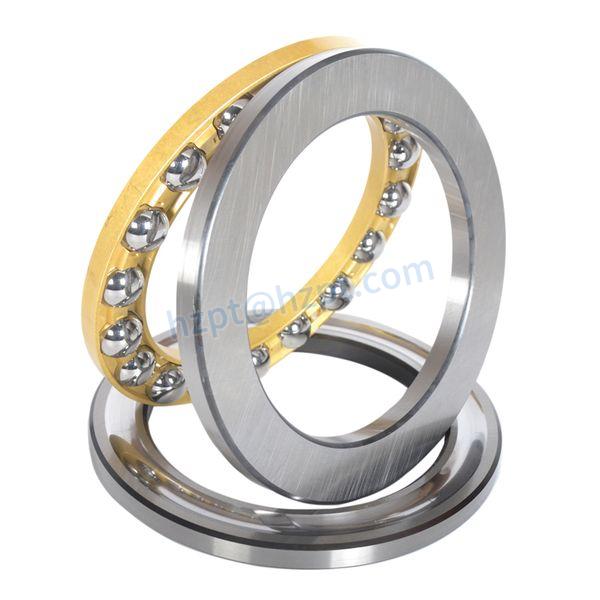
What are the Primary Benefits of Using Ball Bearings in Machinery and Equipment?
Ball bearings offer several primary benefits when used in machinery and equipment. Their design and functionality provide advantages that contribute to the efficient and reliable operation of various applications. Here are the key benefits:
- Reduced Friction:
One of the primary benefits of ball bearings is their ability to minimize friction between moving parts. The rolling motion of the balls reduces the contact area and sliding friction, leading to smoother operation and less energy loss due to frictional heating.
- Efficient Load Support:
Ball bearings are engineered to support both radial and axial loads, making them versatile for applications with multidirectional forces. This load-bearing capability allows machinery to handle different types of loads while maintaining performance and stability.
- Smooth Rotation:
Ball bearings enable smooth and precise rotational movement. The rolling motion of the balls provides consistent motion with minimal resistance, ensuring that machinery operates smoothly and without jerks.
- High-Speed Capability:
Due to their low friction and efficient rolling action, ball bearings are suitable for high-speed applications. They allow machinery and equipment to achieve and maintain high rotational speeds without excessive wear or heat buildup.
- Reduced Wear and Maintenance:
The reduced friction in ball bearings leads to lower wear on components. This results in longer service intervals and reduced maintenance requirements, saving both time and maintenance costs.
- Energy Efficiency:
By minimizing friction and reducing energy losses, ball bearings contribute to the overall energy efficiency of machinery. This is particularly important in applications where energy consumption is a concern.
- Versatility:
Ball bearings come in various types, sizes, and configurations, allowing them to be used in a wide range of machinery and equipment. They can be customized to suit specific application requirements.
- Reliability and Longevity:
Ball bearings are designed to withstand heavy loads and harsh operating conditions. Their durability and resistance to wear ensure reliable performance and an extended operational life.
- Quiet Operation:
Ball bearings contribute to quiet machinery operation due to the smooth rolling motion of the balls. This is particularly important in applications where noise reduction is a consideration.
In summary, the primary benefits of using ball bearings in machinery and equipment include reduced friction, efficient load support, smooth rotation, high-speed capability, reduced wear and maintenance, energy efficiency, versatility, reliability, and quiet operation. These benefits collectively enhance the performance and longevity of machinery across various industries.


editor by CX 2023-11-07
China High Quality Factory Double Row Self-aligning Ball Bearing 1206 2204 2205 2206 2207 2208 2209 2210 2211 2212 wholesaler
Error:获取返回内容失败,
Your session has expired. Please reauthenticate.
Types of Ball Bearings
Modern ball bearing configurations have different materials and geometries to meet the demands of different working environments and applications. There are different types of ball bearings: single row deep groove, double-row deep groove, angular contact ball bearing, thrust, and self-aligning. Let us look at the differences between each type and learn why they are important for various purposes. Listed below are some of the most common types of ball bearings.
Miniature bearings
Although miniature ball bearings are a popular choice for small mechanical components, they are not without their challenges. They must be properly lubricated and stored in clean rooms. A strand of hair could ruin a miniature bearing. Fortunately, manufacturers offer lubrication services and a “Clean Room” for customers to store their miniature bearings safely. Read on to learn more about these small bearings and how they can help you.
The size of a miniature ball bearing can vary significantly, but most types of these devices are available in sizes ranging from.040 inch to one eighth of an inch. Whether you need a small ball bearing for a miniature car or a tiny instrument, a miniature bearing can save space while still offering high performance. Many of these bearings are shielded to prevent dirt from entering and leakage of lubricant. They can be flanged or unflanged, and some miniature ball bearings have extended inner rings that are designed for easy plate mounting.
Miniature ball bearings are commonly made from stainless steel or chrome steel. Both metals have their advantages. Stainless steel is the most popular material for ball bearings, which allows for a high load capacity while being quiet. Because stainless steel is relatively inexpensive, many small instrument bearings are made entirely of stainless steel. The difference in price is minimal, as the amount of steel is relatively small. Stainless steel miniature bearings are the smallest and lightest of all types of miniature ball bearings.
Self-aligning ball bearings
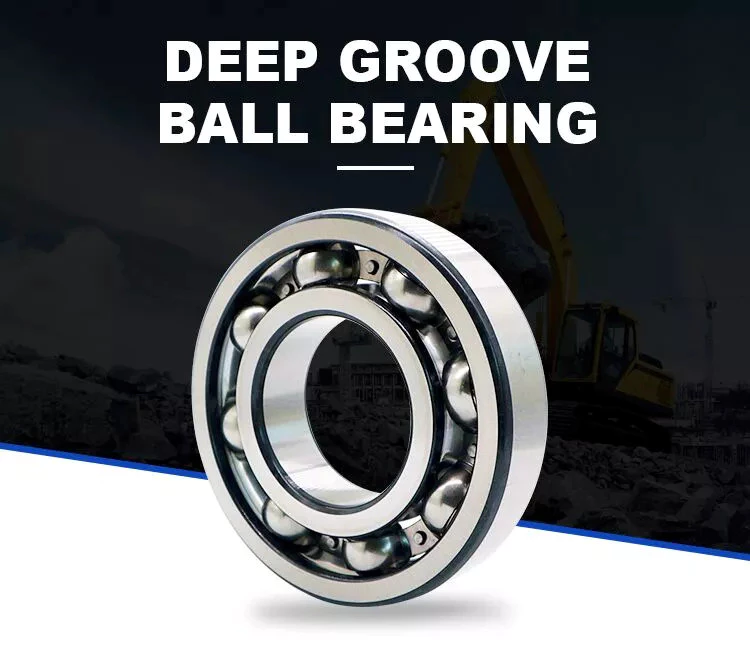
In the simplest terms, self-aligning ball bearings are ball bearings with flex shafts. If you’re looking for a ball bearing with a high degree of precision, you’ll want to choose one with a flex shaft, which means it can adjust to the proper orientation of the bearing’s flex shaft. Ball bearings with flex shafts are also recommended. But, what are these bearings?
Self-aligning ball bearings are made with two rows of balls and a common sphered raceway on the outer ring. As a result, they can accommodate small errors in shaft alignment and mounting. The CZPT brand is especially suitable for high-speed applications requiring greater running accuracy. The self-alignment mechanism is enabled by the fact that the balls are placed in two rows on either side of the sphered raceway in the outer ring. These two rows of balls also promote reduced friction and wear.
Another type of self-aligning ball bearings is a double-row design. They feature a common sphered raceway on the outer ring, a hollow spherical ring, and a cage that rotates relative to it. A self-aligning ball bearing is used in applications where shaft misalignment is a problem, such as conveying equipment. They are also used in simple woodworking machinery and ventilators.
Ceramic ball bearings
Ceramic ball bearings have several advantages over steel or metal bearings. These include increased acceleration capability, reduced friction, improved wear-resistance, and higher speeds. The United States holds the leading position in the global ceramic ball bearings market thanks to a rebounding motor vehicle production and healthy fixed investment environment. In the United States, there are three primary markets for ceramic ball bearings: healthcare, automotive, and aerospace. Here are the main benefits of ceramic ball bearings:
Hybrid ball bearings are also available. Hybrid bearings feature traditional metal rings and silicon nitride (ceramic) balls. Hybrid bearings offer important performance advantages over all-steel bearings, and they are more affordable. However, full ceramic ball bearings have all ceramic parts, and are best suited for machines that require high precision. These types of bearings also resist corrosion and wear.
Compared to steel ball bearings, ceramic balls are lighter than steel. They are also less dense, which means less friction and therefore less heat. Additionally, ceramic balls operate at higher speeds than steel balls, which increases their durability and longevity. But they are still not as strong as steel bearings. And because of their reduced density, they are much cheaper to manufacture. Therefore, they are an excellent choice for many applications. You can expect them to last much longer than steel bearings.
Steel carbon ball bearings
High precision G25 ball bearings are made of the highest grade chrome steel and hot forged from bar stock. Statistical process control and exacting atmospheres help ensure uniform hardness and microstructure. Moreover, these bearings are of the highest quality, with fine surface finish and a tight tolerance. This makes them the most widely used and reliable choice for industrial and automotive applications. However, there are some considerations that should be taken into account before acquiring a steel carbon ball bearing.
Generally, AFBMA grade 200 is the standard hardness specification for this material. AFBMA grade 100 can also be obtained with great difficulty. Despite the high hardness of steel carbon ball bearings, their outer surface is just a thin hardened shell, so a special micro hardness test is needed to evaluate them. In addition to the hardness, steel balls are easily machined and ground. Some manufacturers even offer stainless steel ball bearings and ball sets.
Another factor that makes steel carbon ball bearings so valuable is their precision. They can give precise measurements, which makes them ideal for low and medium-speed applications. Due to their high precision and durability, steel carbon ball bearings can be used in many applications, from conveyor machines to roller skates. However, you should be aware that the material used to produce these bearings is not suitable for applications in which they are exposed to water and gases. Further, they are also noisy and heavy, and must be installed properly in a manufacturing environment.
Stainless steel ball bearings
Stainless steel ball bearings are made from a high-quality type of stainless steel, 440C, which offers optimal corrosion and abrasion resistance. These bearings are also durable and rust-free, and are suitable for a variety of applications. Among others, stainless steel ball bearings are used in beverage and food processing plants, pharmaceuticals, pulp and paper mills, marine environments, and freezers.
Stainless steel bearings are available in various grades. For example, AISI 440C offers corrosion resistance, while the DD400 is specifically designed for marine applications. Both types of stainless steel are available in different forms, including open, shielded, and sealed. Stainless steel ball bearings can also be custom-made, as BL is known for producing customized bearings. There are also other materials that are available.
AISI type 316 stainless steel balls are ideal for marine applications and food processing. They have excellent resistance to most organic materials and are also used in medical devices and dispenser pumps. They are also strong enough to resist many petroleum products and are widely used in medical equipment and cosmetic applications. In addition, stainless steel balls can be plated to provide an additional layer of protection against chemicals. To understand how they differ, let’s take a look at some common types of stainless steel ball bearings.
Stainless steel
Stainless steel ball bearings can be used in various applications. Besides being corrosion resistant, they also last longer thanks to the Molded-Oil lubrication technology. Stainless steel ball bearings are clean units, which saves time and money in terms of maintenance, replacement, and downtime. But what are the advantages of stainless steel ball bearings? Let us discuss these benefits. Also, we’ll discuss their advantages and disadvantages.
Stainless steel ball bearings offer notable advantages, including corrosion resistance, increased strength, and improved stability under high temperatures. These qualities make them the ideal choice for special circumstances and demanding environments. However, you should be careful when choosing stainless steel bearings. There are several different types of stainless steel. Here’s a brief look at what makes them the best choice. And remember: Stainless steels are also recyclable. In fact, they can be recycled indefinitely.
They’re made from chrome alloy electric furnace steel, which is hardened for optimum service life and strength. They have the highest surface finish and dimensional accuracy. Advanced heat-treating processes increase their strength and anti-cracking abilities. And thanks to their unique materials, they’re corrosion-resistant. As a result, they’re more durable than other types of bearings. And since they’re made with a high-quality steel, you’ll save money in the long run.
Plastic ball bearings
Plastic ball bearings were developed to meet the specific needs of applications where standard steel bearings would fail. Steel and 440C stainless steel are both susceptible to rusting when exposed to water, making them poor choices for applications involving food processing, swimming pools, and medical equipment. In addition to this, the plastic material is able to dampen vibrations and make the bearing virtually silent. Here’s what makes plastic ball bearings so great for these applications.
Plastic ball bearings are lightweight, corrosion-resistant, and offer a long service life. In addition to their low price, they can be easily cleaned and are incredibly durable. Motion plastics specialist igus has recently expanded its range of xiros polymer grooved ball bearings. These bearings are also FDA-compliant, lubricant-free, electrically insulating, and resistant to both temperature and media.
Plastic bearings are often mounted into other components like wheels, pulleys, and housings. In this way, the inner ring is essentially a profile of the pulley’s profile, and the outer ring is a shaft or fixing clip. The result is seamless integration of the bearing and the surrounding parts, which reduces the overall assembly time and costs. You can also use multiple plastic ball bearings in one application for more options.
editor by czh 2023-02-18
