Product Description
Features
High limit speed, suitable for high speed occasions;
The rigidity of the bearing can be improved by preload;
Provide a variety of assembly forms, easy to use.
Product Description
Angular contact ball bearings are named because the contact surface between the ball and the inner and outer rings of an angular contact ball bearing is in the form of an included angle.The lock of this kind of bearing is on the outer ring, and generally the inner and outer rings cannot be separated.
Angular contact ball bearings have a high limit speed and can withstand combined radial and axial loads as well as axial loads in 1 direction. The ability to bear axial load is determined by the contact angle. The larger the contact angle, the higher the ability to bear axial load. This type of bearing can limit the axial displacement of the shaft or housing in 1 direction.
Single row angular contact ball bearings can only withstand axial loads acting in 1 direction. When subjected to purely radial loads, these bearings must be installed in pairs, because the load line of the rolling elements and the radial acting load line are not in the same radial plane, resulting in an internal axial component force, requiring another bearing for balance .
According to the structural characteristics of single-row angular contact ball bearings, this type of bearing is usually used in combination with 2 or more bearings of the same type.
Main applications:
Machine tool spindle, high frequency motor, gas turbine, centrifugal separator, small car front wheel, differential pinion shaft, booster pump, drilling platform, food machinery, inHangZhou head, repair welding machine, low noise cooling tower, electrical equipment, painting equipment, machine tool slot plate, arc welding machine.
Product Parameters
We can provide 73, 72, 70, 53, 52 series model.
The blow is 73 series.
| Product Number | Bore Dia (d)mm |
Outer Dia (D)mm |
Width (B)mm |
Dynamic Load Rating (Cr) (kN) |
Static Load Rating (Cor) (kN) |
| 7300 | 10 | 35 | 11 | 10.1 | 4.95 |
| 7301 | 12 | 37 | 12 | 11.2 | 5.25 |
| 7302 | 15 | 42 | 13 | 13.5 | 7.2 |
| 7303 | 17 | 47 | 14 | 15.9 | 8.65 |
| 7304 | 20 | 52 | 15 | 18.7 | 10.6 |
| 7305 | 25 | 62 | 17 | 26.4 | 15.8 |
| 7306 | 30 | 72 | 19 | 33.5 | 22.3 |
| 7307 | 35 | 80 | 21 | 40 | 26.3 |
| 7308 | 40 | 90 | 23 | 49 | 33 |
| 7309 | 45 | 100 | 25 | 63.5 | 44 |
| 7310 | 50 | 110 | 27 | 74 | 52 |
| 7311 | 55 | 120 | 29 | 86 | 61.5 |
| 7312 | 60 | 130 | 31 | 98 | 71.5 |
| 7313 | 65 | 140 | 33 | 111 | 82 |
| 7314 | 70 | 150 | 35 | 125 | 93.5 |
| 7315 | 75 | 160 | 37 | 136 | 106 |
| 7316 | 80 | 170 | 39 | 147 | 119 |
| 7317 | 85 | 180 | 41 | 159 | 133 |
| 7318 | 90 | 190 | 43 | 171 | 147 |
| 7319 | 95 | 200 | 45 | 183 | 162 |
| 7320 | 100 | 215 | 47 | 207 | 193 |
| 7321 | 105 | 225 | 49 | 220 | 210 |
| 7322 | 110 | 240 | 50 | 246 | 246 |
| 7324 | 120 | 260 | 55 | 246 | 252 |
| 7326 | 130 | 280 | 58 | 273 | 293 |
| 7328 | 140 | 300 | 62 | 300 | 335 |
| 7330 | 150 | 320 | 65 | 330 | 380 |
| 7332 | 160 | 340 | 68 | 345 | 420 |
| 7334 | 170 | 360 | 72 | 390 | 485 |
| 7336 | 180 | 380 | 75 | 410 | 535 |
| 7338 | 190 | 400 | 78 | 430 | 585 |
| 7340 | 200 | 420 | 80 | 450 | 605 |
This parameter table is not complete, please contact us for details.
Company Profile
ZheJiang CZPT Machinery Co., Ltd, Xihu (West Lake) Dis. High-precision Bearings Co., Ltd belongs to CZPT group. It is located in Industrial Development Zone of Liao-cheng city, which is bearings manufacturing base in China. We have been specialized in the production of auto parts, bearings and retainers since year 1986.
Our factory covers an area of 120,000 sq.m, with a construction area of 66,000 sq.m. There are more than 600 employees, 50 management personnel, 80 technical engineers and 60 quality inspectors. We are famous manufacturer group for our strict quality control system and hard-working team.
There are more than 40 sets of high-precision mold processing equipment, 150 sets of various CNC lathes, 200 sets of white dynamic grinding machines, 120 sets of stamping equipment, 16 sets of special demagnetization machines, 10 sets of high-pressure spray cleaning machines, 6 sets ultrasonic cleaning machines and 6 automatic bearing grinding lines. They are also equipped with advanced hardness tester, length measuring instrument, sine instrument, spectrometer, infrared carbon and sulfur analyzer, CZPT hardness tester, roughness profiler, electronic tensile testing machine, metallographic microscope, projection coordinate instrument, roundness instrument, ABLT-2 life testing machine, three-coordinate testing machine and so on. We are ready to provide customers with high-quality precision bearing products.
Our company passed ISO9001, ISO/TS16949 and IATF16949 quality management system. Our products are CE / SGS certified. Through introducing world-leading technology and bring together domestic high-tech talents, it ensures our rapid growth and competitive advantages.
Sincerely wish you visit our factory!
FAQ
Q1: Do you provide samples? Is it free or extra?
Yes, we can provide a small amount of free samples. Do you mind paying the freight?
Q2: Can you accept OEM or non-standard Bearings ?
Any requirement for non-standard roller bearings is easily fulfilled by us due to our engineers’ rich experience.
Q3: What is your latest delivery time?
Most orders will be shipped within 7-15 days of payment received.
Q4:Does your company have quality assurance?
Yes, for 2 years.
Q5:Which payment method does your company support?
T/T is best, but we can also accept L/C.
Q6:How to contact us quickly?
Please send us an inquiry or message and leave your other contact information, such as phone number, or account, we will contact you as soon as possible and provide the detailed information.
/* January 22, 2571 19:08:37 */!function(){function s(e,r){var a,o={};try{e&&e.split(“,”).forEach(function(e,t){e&&(a=e.match(/(.*?):(.*)$/))&&1
| Contact Angle: | 40° |
|---|---|
| Aligning: | Non-Aligning Bearing |
| Separated: | Unseparated |
| Rows Number: | Single |
| Load Direction: | Radial Bearing |
| Material: | Bearing Steel |
| Samples: |
US$ 2/Piece
1 Piece(Min.Order) | |
|---|
| Customization: |
Available
| Customized Request |
|---|
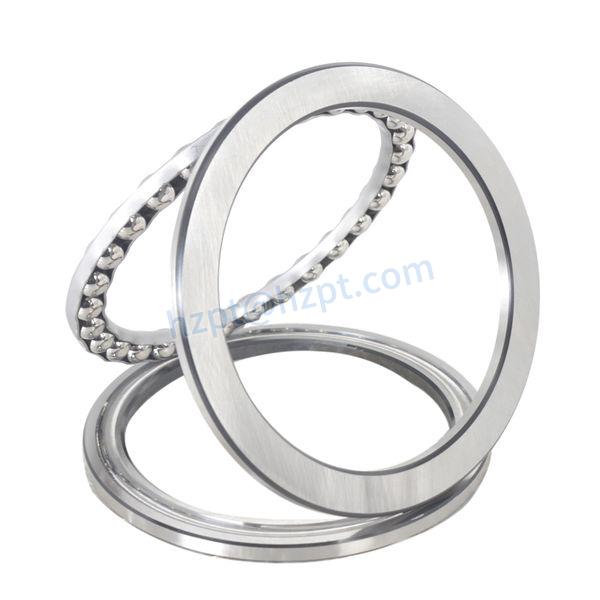
What are the Materials Typically Used in Manufacturing Ball Bearings and Their Advantages?
Ball bearings are manufactured using a variety of materials, each chosen for its specific properties and advantages in various applications. Here are some commonly used materials in ball bearing manufacturing and their respective benefits:
- High-Carbon Chrome Steel (AISI 52100):
This is the most common material used for ball bearing manufacturing. It offers excellent hardness, wear resistance, and fatigue strength. High-carbon chrome steel bearings are suitable for a wide range of applications, from industrial machinery to automotive components.
- Stainless Steel (AISI 440C, AISI 304, AISI 316):
Stainless steel bearings are corrosion-resistant and suitable for applications where moisture, chemicals, or exposure to harsh environments are concerns. AISI 440C offers high hardness and corrosion resistance, while AISI 304 and AISI 316 provide good corrosion resistance and are often used in food and medical industries.
- Ceramic:
Ceramic bearings use silicon nitride (Si3N4) or zirconia (ZrO2) balls. Ceramic materials offer high stiffness, low density, and excellent resistance to corrosion and heat. Ceramic bearings are commonly used in high-speed and high-temperature applications, such as in aerospace and racing industries.
- Plastic (Polyamide, PEEK):
Plastic bearings are lightweight and offer good corrosion resistance. Polyamide bearings are commonly used due to their low friction and wear properties. Polyether ether ketone (PEEK) bearings provide high-temperature resistance and are suitable for demanding environments.
- Bronze:
Bronze bearings are often used in applications where self-lubrication is required. Bronze has good thermal conductivity and wear resistance. Bearings made from bronze are commonly used in machinery requiring frequent starts and stops.
- Hybrid Bearings:
Hybrid bearings combine steel rings with ceramic balls. These bearings offer a balance between the advantages of both materials, such as improved stiffness and reduced weight. Hybrid bearings are used in applications where high speeds and low friction are essential.
- Specialty Alloys:
For specific applications, specialty alloys may be used to meet unique requirements. For example, bearings used in extreme temperatures or corrosive environments may be made from materials like titanium or hastelloy.
- Coated Bearings:
Bearings may also be coated with thin layers of materials like diamond-like carbon (DLC) or other coatings to enhance performance, reduce friction, and improve wear resistance.
The choice of material depends on factors such as application requirements, operating conditions, load, speed, and environmental factors. Selecting the right material is essential for ensuring optimal bearing performance, longevity, and reliability in diverse industries and applications.
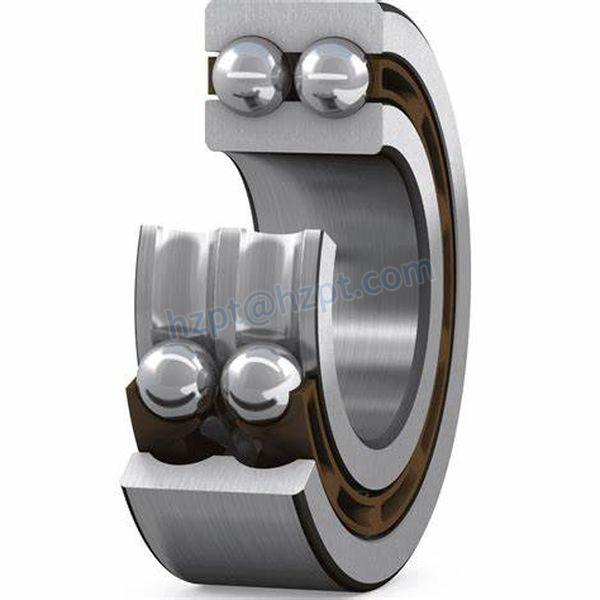
How do Ceramic Ball Bearings Compare to Traditional Steel Ball Bearings in Terms of Performance?
Ceramic ball bearings and traditional steel ball bearings have distinct characteristics that can impact their performance in various applications. Here’s a comparison of how these two types of bearings differ in terms of performance:
- Material Composition:
Ceramic Ball Bearings:
Ceramic ball bearings use ceramic rolling elements, typically made from materials like silicon nitride (Si3N4) or zirconium dioxide (ZrO2). These ceramics are known for their high hardness, low density, and resistance to corrosion and wear.
Traditional Steel Ball Bearings:
Traditional steel ball bearings use steel rolling elements. The type of steel used can vary, but common materials include chrome steel (52100) and stainless steel (440C). Steel bearings are known for their durability and strength.
- Friction and Heat:
Ceramic Ball Bearings:
Ceramic bearings have lower friction coefficients compared to steel bearings. This results in reduced heat generation during operation, contributing to higher efficiency and potential energy savings.
Traditional Steel Ball Bearings:
Steel bearings can generate more heat due to higher friction coefficients. This can lead to increased energy consumption in applications where efficiency is crucial.
- Weight:
Ceramic Ball Bearings:
Ceramic bearings are lighter than steel bearings due to the lower density of ceramics. This weight reduction can be advantageous in applications where minimizing weight is important.
Traditional Steel Ball Bearings:
Steel bearings are heavier than ceramic bearings due to the higher density of steel. This weight may not be as critical in all applications but could impact overall equipment weight and portability.
- Corrosion Resistance:
Ceramic Ball Bearings:
Ceramic bearings have excellent corrosion resistance, making them suitable for applications in corrosive environments, such as marine or chemical industries.
Traditional Steel Ball Bearings:
Steel bearings are susceptible to corrosion, especially in harsh environments. Stainless steel variants offer improved corrosion resistance but may still corrode over time.
- Speed and Precision:
Ceramic Ball Bearings:
Ceramic bearings can operate at higher speeds due to their lower friction and ability to withstand higher temperatures. They are also known for their high precision and low levels of thermal expansion.
Traditional Steel Ball Bearings:
Steel bearings can operate at high speeds as well, but their heat generation may limit performance in certain applications. Precision steel bearings are also available but may have slightly different characteristics compared to ceramics.
- Cost:
Ceramic Ball Bearings:
Ceramic bearings are generally more expensive to manufacture than steel bearings due to the cost of ceramic materials and the challenges in producing precision ceramic components.
Traditional Steel Ball Bearings:
Steel bearings are often more cost-effective to manufacture, making them a more economical choice for many applications.
In conclusion, ceramic ball bearings and traditional steel ball bearings offer different performance characteristics. Ceramic bearings excel in terms of low friction, heat generation, corrosion resistance, and weight reduction. Steel bearings are durable, cost-effective, and widely used in various applications. The choice between the two depends on the specific requirements of the application, such as speed, precision, corrosion resistance, and budget considerations.
How do Ball Bearings Differ from Other Types of Bearings like Roller Bearings?
Ball bearings and roller bearings are two common types of rolling-element bearings, each with distinct designs and characteristics. Here’s a comparison of ball bearings and roller bearings:
- Design:
Ball Bearings: Ball bearings use spherical balls to separate and reduce friction between the bearing’s inner and outer rings. The balls enable rolling motion and smooth contact, minimizing friction.
Roller Bearings: Roller bearings, as the name suggests, use cylindrical or tapered rollers instead of balls. These rollers have larger contact areas, distributing loads over a broader surface.
- Friction and Efficiency:
Ball Bearings: Due to the point contact between the balls and the rings, ball bearings have lower friction and are more efficient at high speeds.
Roller Bearings: Roller bearings have a larger contact area, resulting in slightly higher friction compared to ball bearings. They are more suitable for heavy-load applications where efficiency is prioritized over high speeds.
- Load Capacity:
Ball Bearings: Ball bearings excel at handling light to moderate loads in both radial and axial directions. They are commonly used in applications where smooth rotation and low friction are important.
Roller Bearings: Roller bearings have a higher load-carrying capacity than ball bearings. They can support heavier radial and axial loads and are preferred for applications with significant loads or impact forces.
- Variability:
Ball Bearings: Ball bearings come in various designs, including deep groove, angular contact, and thrust ball bearings, each suitable for different applications.
Roller Bearings: Roller bearings have diverse types, including cylindrical, spherical, tapered, and needle roller bearings, each optimized for specific load and motion requirements.
- Speed Capability:
Ball Bearings: The reduced friction in ball bearings makes them suitable for high-speed applications, such as electric motors and precision machinery.
Roller Bearings: Roller bearings can handle higher loads but are generally better suited for moderate to low speeds due to slightly higher friction.
- Applications:
Ball Bearings: Ball bearings are used in applications where smooth motion, low friction, and moderate loads are essential, such as electric fans, bicycles, and some automotive components.
Roller Bearings: Roller bearings find applications in heavy machinery, construction equipment, automotive transmissions, and conveyor systems, where heavier loads and durability are crucial.
In summary, ball bearings and roller bearings differ in their design, friction characteristics, load capacities, speed capabilities, and applications. The choice between them depends on the specific requirements of the machinery and the type of loads and forces involved.


editor by CX 2024-04-09