Product Description
Company Information
Guanxian Xinyan Pillow Block Bearing Co.,ltd. is based in ZheJiang (CHINA) since 2011 and is 1 of the biggest authorized manufactures and exporters of bearing. We’ve been dedicated to provide all types of hiigh quality bearings to OEM, Retailers and traders throughout international market since the moment established. Pillow block bearings, bearings housing,insert bearings and deep groove ball bearings are all we specialized. We are also developing nonstandard bearings as per the drawings from customers. Up to now, we have exported our goods to Italy, Brazil, Argentina, Poland, India, Pakistan, Bangladesh,Thailand etc. First class service, efficient delivery methods, the most competitive quality-price ratio, we dedicated to provide you quality brand
bearings. Sincerely welcome new and old customers visit and build cooperation.
Product Description
Bearing material: Chrome steel (Gcr15)
Housing material: Cast iron (HT200), Stainless steel, Plastic resin, Zinc alloy, Pressed steel
1. Specifications :
Pillow Block Bearing or NP Series Plummer / Pillow Housings: Supplied with a fully sealed bearing insert fitted in the housing and includes a grease nipple to facilitate re-lubrication. The bearing insert has 2 grub screws to allow tightening against the shaft once fitted. The inserts (available separately) can be removed from the housings for future replacement as required.
Benefits: Cost effective bearing / housing assembly, re-lubricatable, replaceable insert, grub screw fixing
2. Application :
Economical housed bearing solution
Light and heavy industrial use Pillow Block Bearing
Agricultural and Automotive Pillow Block Bearing
Conveyor and Fan assemblies Pillow Block Bearing
Fabricated machine assembly Pillow Block Bearing
3. Features :
With tight set screw insert class UC bearing Pillow Block Bearing ;
Pillow block bearing is deep groove ball bearing grease seal type bearing with different shapes and combination of high precision components products.Bearing assembly can pass a few bolts to install directly on the body of the mechanical device, with the heart function, can be the supplement of the grease, etc., is a kind of installation is very simple products.
Pillow block bearingUSES: outer spherical bearing is suitable for the required equipment and parts of simple situation, such as used for agricultural machinery, transportation systems or on construction machinery
4. Use:
Insert ball bearing unit is consisted of a double sealed, single row bearing and 1 of housings(cast iron housing, stamping steel housing, stainless steel housing, engineering plastic housing, nodular cast iron housing, nickel plating housing, zinc alloy housing, etc). They are widely used inagricultural machinery, construction machinery, textile machinery, foodstuff machinery and conveying devices, etc.
Service
Before-sales service of Tapered Roller Bearing :
1.Offer bearing related consultation about technology and application;
2.Help customers about bearing choice, force analysis, clearance configuration, products’ life and reliability analysis;
3.Offer highly cost-effective and complete solution program according to site conditions;
4.Offer localized program on introduced equipment to save running cost
5.Design and develop non-standard bearing to support customers’ technology innovation
After-sales service of Tapered Roller Bearing :
1.Offer training about bearing installation and maintenance;
2.Offer guidance about bearing installation, adjustment and testing at site;
3.Help customers with trouble diagnosis and failure analysis;
4.Visit customers regularly and feedback their rational suggestions and requirements to company.
Packaging & Shipping
Package
1.barreled package / outer carton / pallets
2. single box /outer carton/ pallets
3. tube package/ middle box / outer carton / pallets
4. according to your requirement
Shipping
By Air / By Sea /By Express
a. For small weight or Urgent, goods will be delivery by Express DHL/FedEX/UPS/TNT/EMS
b. For max production,goods will be shipped by sea/by air.
c. According to your requirements
Quality inspection:
Qcp1: Chemical composition of raw material inspection
Qcp2: Inner & outer rings turning inspection
Qcp3: Hardness of material inspection
Qcp4: Face grinding inspection
Qcp5: Centerless grinding inspection
Qcp6: Bore grinding inspection
Qcp7: Groove curvature and groove shape inspection
Qcp8: Roundness of groove and surface inspection
Qcp9: Assembly inspection
Qcp10: Grease filling inspection
Qcp11: Noise&vibraton testing inspection
Qcp12: Packing & storing inspection befor shipment
WHY CHOOSE XINYAN?
NO.1 We provide our customers the most Comprehensive service and we’ll do our best to deal with problems our customers encountered to ensure our customers SATISFACTION
NO.2 The high qualityof our products means that it has long life, high speed, low noise, low vibration and low friction
NO.3 Be honesty, be professional is our faith; good attitude, timely response, quick delivery, consideration
of every detail is our working style
NO.4 Manufactured by ourself, enough storage space, enough inventory, high producing efficiency we possess, the most favorable price we offer to our customers makes sure every deal have a happy end.
FAQ
Q: How many the MOQ of your company?
A: Our company MOQ is 1pcs.
Q: Could you accept OEM and customize?
A:YES, we can customize for you according to sample or drawing.
Q: Could you supply sample for free?
A: Yes, we can supply sample for free, but need our customer afford freight.
Q : Does your factory have CE?
A: Yes, we have ISO 9001:2008, and SASO. If you want other CE, we can do for you.
Q: Is it your company is factory or Trade Company?
A: We have our own factory; our type is factory + trade.
Q: What time the guarantee of your bearing quality guarantee period:?
A: 6 months ,Customer need supply photos and send bearing back.
Q: Could you tell me the payment term of your company can accept?
A: T/T, Western Union, PayPal, T/T, L/C
Q: Could you tell me the delivery time of your goods?
A: 7-15 days , mostly base on your order quantity
/* January 22, 2571 19:08:37 */!function(){function s(e,r){var a,o={};try{e&&e.split(“,”).forEach(function(e,t){e&&(a=e.match(/(.*?):(.*)$/))&&1
| Rolling Body: | Ball Bearings |
|---|---|
| The Number of Rows: | Single |
| Outer Dimension: | Medium and Large(120-190mm) |
| Material: | Bearing Steel |
| Spherical: | Non-Aligning Bearings |
| Load Direction: | Axial Bearing |
| Customization: |
Available
| Customized Request |
|---|
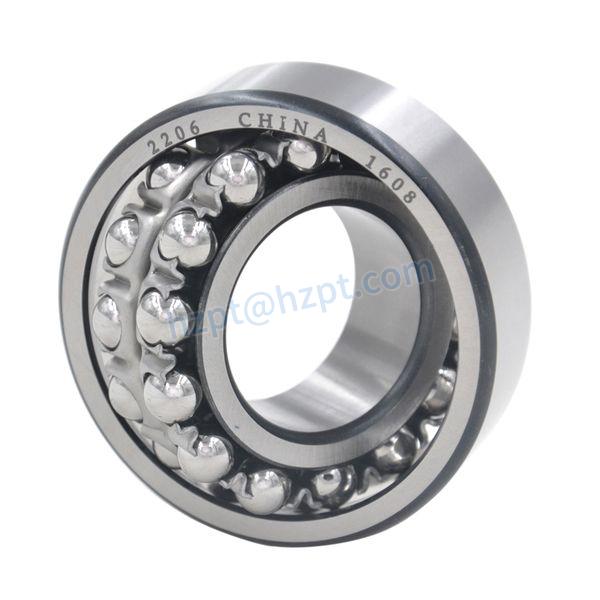
What are the Common Signs of Wear or Damage in Ball Bearings that Indicate the Need for Replacement?
Ball bearings are subjected to wear and stress during operation, and over time, they may exhibit signs of damage or deterioration that warrant replacement. Recognizing these signs is crucial to prevent catastrophic failure and ensure safe and reliable operation. Here are the common signs of wear or damage in ball bearings:
- Unusual Noise:
If you hear unusual grinding, clicking, or rumbling noises coming from the bearing during operation, it may indicate worn-out or damaged components. Unusual noise suggests that the bearing is no longer operating smoothly.
- Vibration:
Excessive vibration in the machinery can be a sign of bearing wear. Vibrations can result from uneven wear, misalignment, or damaged components within the bearing.
- Increased Temperature:
Higher operating temperatures than usual may indicate increased friction due to inadequate lubrication, wear, or other issues. Monitoring the bearing’s temperature can help identify potential problems.
- Irregular Movement:
If you notice irregular movement, jerking, or sticking during rotation, it could be a sign that the bearing is no longer operating smoothly. This may be due to damaged rolling elements or raceways.
- Reduced Performance:
If the machinery’s performance has decreased, it may be due to a compromised bearing. Reduced efficiency, increased energy consumption, or a decline in overall performance could be indicators of bearing wear.
- Visible Wear or Damage:
Inspect the bearing for visible signs of wear, such as pitting, scoring, or discoloration on the rolling elements or raceways. Severe wear or damage is a clear indication that the bearing needs replacement.
- Leakage or Contamination:
If there is evidence of lubricant leakage, contamination, or the presence of foreign particles around the bearing, it suggests that the seal or shield may be compromised, leading to potential damage.
- Looseness or Excessive Play:
If you can feel excessive play or looseness when manually moving the bearing, it could indicate worn-out components or misalignment.
- Reduced Lifespan:
If the bearing’s expected lifespan is significantly shorter than usual, it may be due to inadequate lubrication, excessive loads, or improper installation, leading to accelerated wear.
- Frequent Failures:
If the bearing is consistently failing despite regular maintenance and proper use, it could indicate a chronic issue that requires addressing, such as inadequate lubrication or misalignment.
It’s important to conduct regular inspections, monitor performance, and address any signs of wear or damage promptly. Replacing worn or damaged ball bearings in a timely manner can prevent further damage to machinery, reduce downtime, and ensure safe and efficient operation.
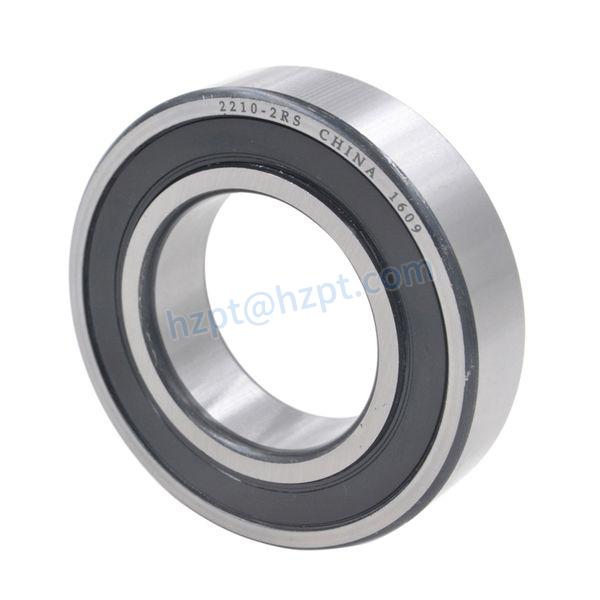
What Role do Seals and Shields Play in Protecting Ball Bearings from Dirt and Debris?
Seals and shields are critical components of ball bearings that play a crucial role in protecting them from dirt, debris, moisture, and contaminants in various applications. These protective features help maintain the integrity of the bearing’s internal components and ensure reliable operation. Here’s how seals and shields contribute to bearing protection:
- Contaminant Exclusion:
Seals and shields create a physical barrier between the external environment and the bearing’s interior. They prevent dust, dirt, water, and other contaminants from entering the bearing and coming into contact with the rolling elements and raceways.
- Lubrication Retention:
Seals and shields help retain lubrication within the bearing. They prevent the lubricant from escaping and contaminants from entering, ensuring that the bearing remains properly lubricated for smooth operation and reduced friction.
- Corrosion Prevention:
Seals and shields protect bearing components from exposure to moisture and corrosive substances. By preventing moisture ingress, they help extend the bearing’s lifespan by minimizing the risk of corrosion-related damage.
- Extended Bearing Life:
Seals and shields contribute to the overall longevity of the bearing by reducing wear and damage caused by contaminants. They help maintain a clean internal environment, which promotes proper rolling contact and minimizes the risk of premature failure.
- Enhanced Performance in Harsh Environments:
In applications exposed to harsh conditions, such as outdoor machinery or industrial settings, seals and shields are vital. They protect bearings from abrasive particles, chemicals, and extreme temperatures, ensuring reliable performance despite challenging conditions.
- Noise and Vibration Reduction:
Seals and shields can help reduce noise and vibration generated by the bearing. They provide additional damping and stability, contributing to smoother operation and enhanced user comfort in noise-sensitive applications.
- Customized Protection:
Manufacturers offer a variety of seal and shield designs to suit different application requirements. Some seals provide higher levels of protection against contamination, while others are designed for high-speed or high-temperature environments.
- Trade-Offs:
While seals and shields offer significant benefits, they can also introduce some friction due to contact with the bearing’s inner or outer ring. Engineers must balance the level of protection with the desired operating characteristics, considering factors like friction, speed, and environmental conditions.
Overall, seals and shields play a vital role in maintaining the integrity and performance of ball bearings. By effectively preventing contaminants from entering and preserving lubrication, they ensure the smooth and reliable operation of machinery and equipment in a wide range of applications.
How does Lubrication Impact the Performance and Lifespan of Ball Bearings?
Lubrication plays a critical role in the performance and lifespan of ball bearings. Proper lubrication ensures smooth operation, reduces friction, minimizes wear, and prevents premature failure. Here’s how lubrication impacts ball bearings:
- Friction Reduction:
Lubrication creates a thin film between the rolling elements (balls) and the raceways of the bearing. This film reduces friction by separating the surfaces and preventing direct metal-to-metal contact. Reduced friction results in lower energy consumption, heat generation, and wear.
- Wear Prevention:
Lubricants create a protective barrier that prevents wear and damage to the bearing’s components. Without proper lubrication, the repeated rolling and sliding of the balls against the raceways would lead to accelerated wear, surface pitting, and eventual failure.
- Heat Dissipation:
Lubricants help dissipate heat generated during operation. The rolling elements and raceways can generate heat due to friction. Adequate lubrication carries away this heat, preventing overheating and maintaining stable operating temperatures.
- Corrosion Resistance:
Lubrication prevents moisture and contaminants from coming into direct contact with the bearing’s surfaces. This helps protect the bearing against corrosion, rust, and the formation of debris that can compromise its performance and longevity.
- Noise Reduction:
Lubricated ball bearings operate quietly because the lubricant cushions and dampens vibrations caused by the rolling motion. This noise reduction is crucial in applications where noise levels need to be minimized.
- Seal Protection:
Lubricants help maintain the effectiveness of seals or shields that protect the bearing from contaminants. They create a barrier that prevents particles from entering the bearing and causing damage.
- Improved Efficiency:
Properly lubricated ball bearings operate with reduced friction, leading to improved overall efficiency. This is especially important in applications where energy efficiency is a priority.
- Lifespan Extension:
Effective lubrication significantly extends the lifespan of ball bearings. Bearings that are properly lubricated experience less wear, reduced fatigue, and a lower likelihood of premature failure.
- Selection of Lubricant:
Choosing the right lubricant is essential. Factors such as speed, temperature, load, and environmental conditions influence the choice of lubricant type and viscosity. Some common lubricant options include grease and oil-based lubricants.
- Regular Maintenance:
Regular lubrication maintenance is crucial to ensure optimal bearing performance. Bearings should be inspected and relubricated according to manufacturer recommendations and based on the application’s operating conditions.
In summary, proper lubrication is essential for the optimal performance, longevity, and reliability of ball bearings. It reduces friction, prevents wear, dissipates heat, protects against corrosion, and contributes to smooth and efficient operation in various industrial and mechanical applications.


editor by CX 2024-04-30
China High Quality UCF204 Pillow block Bearing SUCF204 420 Stainless steel Pillow block Bearing deep groove ball bearing
Sort: Pillow Block
Applicable Industries: Lodges, Garment Stores, Developing Material Retailers, Manufacturing Plant, Machinery Fix Outlets, Food & Beverage Factory, Farms, Restaurant, Residence Use, 6v 12v micro dc equipment motor with reduction gearbox high torque reduced rpm 8rpm 10rpm 60rpm 500rpm 1000rpm for vending machinelock Retail, Foodstuff Shop, Printing Outlets, Design works , Strength & Mining, Foodstuff & Beverage Retailers, Other, Marketing Business
Design Number: UCF204(420 Stainless metal)
Precision Rating: P0
Product name: Pillow block bearing
Lubrication: Grease
Bodyweight: .492KG
Colour: Organic
Certificate: ISO9001:2008
Seal: Steel Sealed
Cage: Metal Cage.copper Cage.nylon Cage
MOQ: 1pcs
Sample: Obtainable
Material: SUS420+SUS202
Packaging Specifics: Large High quality UCF204 Pillow block Bearing SUCF204 420 Stainless steel Pillow block Bearingstandard packing:Inner PE polybag and Outer export carton(about 15kgs each cartonsize:32.5X17.5X15.5cm)As the clients’ prerequisite
Pillow block Bearing SUCF204 SUS420 Stainless metal Material Large Quality Bearing Features of SUCF204 bearing* Light weight with reduced density -> decrease in centrifugal load.* Exceptional corrosion resistance.* Powerful at high temperature* Stable in substances. (Acid & DC motor 12v FK-280 high velocity 1571RPM micro motors for ATM, vending machine, multifunction printer Alkali)* Non-executed* Semi-everlasting life* Non-greased and self-lubricatingBearing Widely utilized in adhering to industries: chemical, semiconductor, valve & pump, foodstuff, digital, medical, vacuum, refining, 50Nm substantial torque nema fifty two action by stage dc stepper motor insulation, and many others.
| Bearing Design | SUCF204 |
| Bolt measurement | M10 |
| Weight | 0.56KG |
| Width | 20mm |
| Material | 420 Stainless Steel |
| Lubrication | Dry/self-lubricating |
The benefits of rubber bushings and how they work
If you have experienced increased vibration while driving, you know the importance of replacing the control arm bushings. The resulting metal-to-metal contact can cause annoying driving problems and be a threat to your safety. Over time, the control arm bushings begin to wear out, a process that can be exacerbated by harsh driving conditions and environmental factors. Additionally, larger tires that are more susceptible to bushing wear are also prone to increased vibration transfer, especially for vehicles with shorter sidewalls. Additionally, these plus-sized tires, which are designed to fit on larger rims, have a higher risk of transmitting vibrations through the bushings.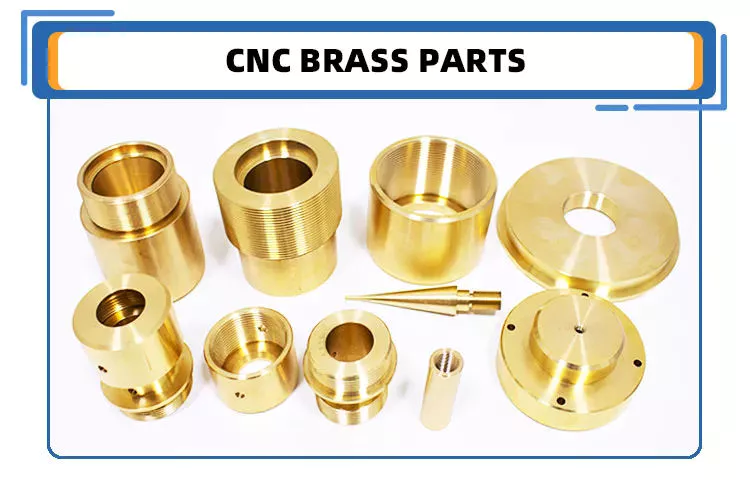
rubber
Rubber bushings are rubber tubes that are glued into the inner or outer curve of a cylindrical metal part. The rubber is made of polyurethane and is usually prestressed to avoid breaking during installation. In some cases, the material is also elastic, so it can slide. These properties make rubber bushings an integral part of a vehicle’s suspension system. Here are some benefits of rubber bushings and how they work.
Rubber bushings are used to isolate and reduce vibration caused by the movement of the two pieces of equipment. They are usually placed between two pieces of machinery, such as gears or balls. By preventing vibrations, rubber bushings improve machine function and service life. In addition to improving the overall performance of the machine, the rubber bushing reduces noise and protects the operator from injury. The rubber on the shock absorber also acts as a vibration isolator. It suppresses the energy produced when the two parts of the machine interact. They allow a small amount of movement but minimize vibration.
Both rubber and polyurethane bushings have their advantages and disadvantages. The former is the cheapest, but not as durable as polyurethane. Compared to polyurethane, rubber bushings are a better choice for daily commutes, especially long commutes. Polyurethane bushings provide better steering control and road feel than rubber, but can be more expensive than the former. So how do you choose between polyurethane and rubber bushings?
Polyurethane
Unlike rubber, polyurethane bushings resist high stress environments and normal cycling. This makes them an excellent choice for performance builds. However, there are some disadvantages to using polyurethane bushings. Read on to learn about the advantages and disadvantages of polyurethane bushings in suspension applications. Also, see if a polyurethane bushing is suitable for your vehicle.
Choosing the right bushing for your needs depends entirely on your budget and application. Softer bushings have the lowest performance but may have the lowest NVH. Polyurethane bushings, on the other hand, may be more articulated, but less articulated. Depending on your needs, you can choose a combination of features and tradeoffs. While these are good options for everyday use, for racing and hardcore handling applications, a softer option may be a better choice.
The initial hardness of the polyurethane bushing is higher than that of the rubber bushing. The difference between the two materials is determined by durometer testing. Polyurethane has a higher hardness than rubber because it does not react to load in the same way. The harder the rubber, the less elastic, and the higher the tear. This makes it an excellent choice for bushings in a variety of applications.
hard
Solid bushings replace the standard bushings on the subframe, eliminating axle clutter. New bushings raise the subframe by 0.59″ (15mm), correcting the roll center. Plus, they don’t create cabin noise. So you can install these bushings even when your vehicle is lowered. But you should consider some facts when installing solid casing. Read on to learn more about these casings.
The stiffest bushing material currently available is solid aluminum. This material hardly absorbs vibrations, but it is not recommended for everyday use. Its stiffness makes it ideal for rail vehicles. The aluminum housing is prone to wear and tear and may not be suitable for street use. However, the solid aluminum bushings provide the stiffest feel and chassis feedback. However, if you want the best performance in everyday driving, you should choose a polyurethane bushing. They have lower friction properties and eliminate binding.
Sturdy subframe bushings will provide more driver feedback. Additionally, it will strengthen the rear body, eliminating any movement caused by the subframe. You can see this structural integration on the M3 and M4 models. The benefits of solid subframe bushings are numerous. They will improve rear-end handling without compromising drivability. So if you plan to install a solid subframe bushing, be sure to choose a solid bushing.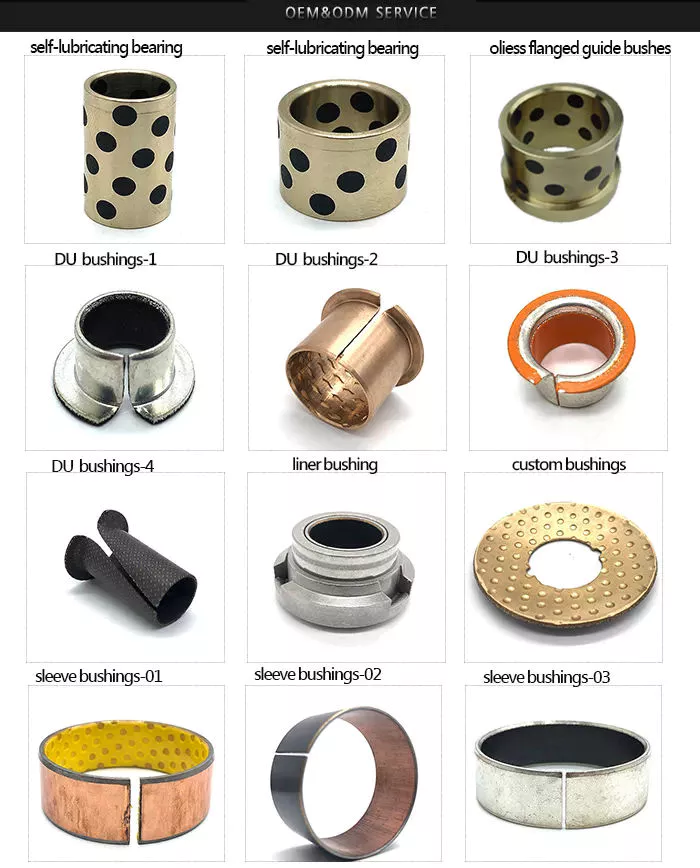
Capacitor classification
In the circuit, there is a high electric field on both sides of the capacitor grading bushing. This is due to their capacitor cores. The dielectric properties of the primary insulating layer have a great influence on the electric field distribution within the bushing. This article discusses the advantages and disadvantages of capacitor grade bushings. This article discusses the advantages and disadvantages of grading bushings for capacitors in DC power systems.
One disadvantage of capacitor grading bushings is that they are not suitable for higher voltages. Capacitor grading bushings are prone to serious heating problems. This may reduce their long-term reliability. The main disadvantage of capacitor grading bushings is that they increase the radial thermal gradient of the main insulation. This can lead to dielectric breakdown.
Capacitor grading bushing adopts cylindrical structure, which can suppress the influence of temperature on electric field distribution. This reduces the coefficient of inhomogeneity of the electric field in the confinement layer. Capacitor grading bushings have a uniform electric field distribution across their primary insulation. Capacitive graded bushings are also more reliable than nonlinear bushings.
Electric field variation is the most important cause of failure. The electrode extension layer can be patterned to control the electric field to avoid flashover or partial discharge of the primary insulating material. This design can be incorporated into capacitor grading bushings to provide better electric fields in high voltage applications. This type of bushing is suitable for a wide range of applications. This article discusses the advantages and disadvantages of capacitor grade bushings.
Metal
When choosing between plastic and metal sleeves, it is important to choose a product that can handle the required load. Plastic bushings tend to deteriorate and often crack under heavy loads, reducing their mechanical strength and service life. Metal bushings, on the other hand, conduct heat more efficiently, preventing any damage to the mating surfaces. Plastic bushings can also be made with lubricating fillers added to a resin matrix.
Plastic bushings have many advantages over metal bushings, including being cheap and versatile. Plastic bushings are now used in many industries because they are inexpensive and quick to install. These plastic products are also self-lubricating and require less maintenance than metals. They are often used in applications where maintenance costs are high or parts are difficult to access. Also, if they are prone to wear and tear, they are easy to replace.
Metal bushings can be made of PTFE, plastic or bronze and are self-lubricating. Graphite plugs are also available for some metal bushings. Their high load capacity and excellent fatigue resistance make them a popular choice for automotive applications. The bi-metallic sintered bronze layer in these products provides excellent load-carrying capacity and good friction properties. The steel backing also helps reduce processing time and avoids the need for additional pre-lubrication.
plastic
A plastic bushing is a small ball of material that is screwed onto a nut or locknut on a mechanical assembly. Plastic bushings are very durable and have a low coefficient of friction, making them a better choice for durable parts. Since they do not require lubrication, they last longer and cost less than their metal counterparts. Unlike metal bushings, plastic bushings also don’t scratch or attract dirt.
One type of acetal sleeve is called SF-2. It is made of metal alloy, cold rolled steel and bronze spherical powder. A small amount of surface plastic penetrated into the voids of the copper spherical powder. Plastic bushings are available in a variety of colors, depending on the intended application. SF-2 is available in black or grey RAL 7040. Its d1 diameter is sufficient for most applications.
Another acetal sleeve is UHMW-PE. This material is used in the production of bearings and in low load applications. This material can withstand pressures from 500 to 800 PSI and is widely available. It is also self-lubricating and readily available. Due to its high resistance to temperature and chemical agents, it is an excellent choice for low-load industrial applications. If you’re in the market for an alternative to nylon, consider acetal.
Positional tolerances in many automotive components can cause misalignment. Misaligned plastic bushings can negatively impact the driver’s experience. For example, the cross tubes used to mount the seat to the frame are made by a stamping process. The result is a misalignment that can increase torque. Also, the plastic bushing is pushed to one side of the shaft. The increased pressure results in higher friction, which ultimately results in a poor driving experience.
v
editor by czh 2023-02-18

China UCP Ucf UCFL Plastic Stainless Steel Tansmission Parts Spherical Pillow Block Bearing wholesaler
Product Description
Different types of bearing housings
1)Pillow blocks – these include UCP, HCP, UCLP, UKP, UCPX, and UKPX.
These mounted bearings are used when support for a rotating shaft axis is required. Their design enables them to support the shaft in operations where the mounting surface is parallel to the shaft axis.
two)Flange type- includes UCF, HCF, UKF, UCFX, UKFX, UCFU, UCFC, UKFC, UCFS, UCFL, UKFL, UCFT.
The flange type bearing housing comes in various shapes and styles such as square, round, and rhombus flange types.
3)Consider-up units type – UCT, HCT, and UKT.
These bearing housings have an inner surface which is concave sphered hence the bearing used has a convex sphered outer surface. They are designed to permit moderate initial misplacement. Widely used in conveyor chains and conveyor belts. A sliding slot at the side of the housing facilitates the free movement of the unit.
4)Cartridge type – UCC, HCC, and UKC.
This type of bearing housing has a cylindrical outer perimeter hence the bearing outer bore is spherical. The entire unit allows free movement in the axial direction and is self-aligning. This type can be used as free side bearings for long shafts because they are capable of accommodating shaft expansion or contraction due to temperature differences. Also suitable where there is adjustment of the axial direction is required.
five)Light duty types SAFD, SBFD, SAFW, SBFW, SALF, and SBLF.
six)Pillow block Components: Regular Steel,Stainless Steel,Plastic
Value is very aggressive,High quality is stable. pls inquiry.
FAQ
Q: Where to discover Other bearings ?
Learn the Homepage—–> Merchandise
Q: HOW TO Pick A BEARING?
To effectively pick a ball bearing, the important issue is to just take into account several parameters:
one. Its software
Bearings are all over the place and therefore their programs are different:
- – Agriculture
Do you prefer that we remind you ?
Instant and cost-free get in touch with/email back
2nd stage: the outside the house diameter of the bearing
- A / Place your bearing on the grid as revealed in the diagram.
- B / Mark the outline of the outer ring. For far more ease, use a pencil with a wonderful stage.
- C / For simplicity of reading, do not be reluctant to draw strains to the axes and then take the measurement.
3rd step: the thickness of the bearing
- A / In the identical way as for the outer diameter and the bore, area your bearing on the edge on the grid as demonstrated in the diagram.
- B / Attract the outer contour.
- C / For simplicity of looking through, do not wait to draw lines to the axes and then just take the measurement.
Conclusion :
You now have 3 measuring factors that will enable you to discover your bearing: the inside diameter (or bore), the exterior diameter, and the thickness.
You can postpone these measurements in our bearing lookup device on our website
FAQ
1.How many is the MOQ of your company?
Our company MOQ is 1pcs.
2.Could you accept OEM and customize?
YES, OEM is accepted and we can customize for you according to sample or drawing.3.How do you guaranee the good quality?
Assess the samples and drawings just before generation
Evaiate the creation procedure,and subsequent it in schedual,assure the delievery time in time.
Evaluate the bearing dimension,clearance,noise,rotations of closing productions.
Evaluate the fause products,block it and make an improve motion.
four.Do you have shares?
YES, we have most of the bearings showing on manufactured in china in inventory,you should make contact with us for purchase information.five.Do you have only Hubs Wheel Automobile Bearing?
Indeed,we have far more other folks varieties bearings,ANY BEARING YOU CAN Believe OF NOW,WE HAVE!
US $0.1-0.5
/ Piece
|1,000 Pieces
(Min. Order)
###
Aligning: Non-Aligning Bearing Separated: Unseparated Feature: Vacuum, Magnetically, Low Temperature, Corrosion Resistant, High Temperature, High Speed Rows Number: Single Raceway: Deep Groove Raceway Material: Stainless Steel ###
Samples: US$ 1/Piece
1 Piece(Min.Order)###
Customization: AvailableUS $0.1-0.5
/ Piece
|1,000 Pieces
(Min. Order)
###
Aligning: Non-Aligning Bearing Separated: Unseparated Feature: Vacuum, Magnetically, Low Temperature, Corrosion Resistant, High Temperature, High Speed Rows Number: Single Raceway: Deep Groove Raceway Material: Stainless Steel ###
Samples: US$ 1/Piece
1 Piece(Min.Order)###
Customization: AvailableWhat is a bushing?
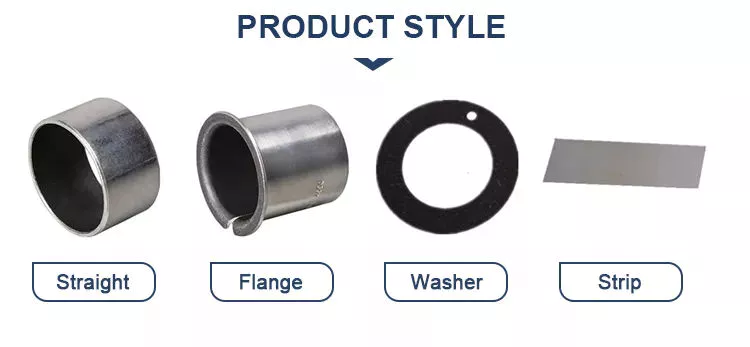
A bushing is a cylindrical lining made of a flexible material inside a metal housing. The inner squeeze tube of the bushing helps prevent it from being squeezed by the clip. The material also reduces friction and isolates vibration and noise, while improving performance. This article discusses some of the most common uses for bushings. In this article, we’ll discuss the most important reasons to choose a bushing for your transmission.
DESCRIPTION Anti-friction cylindrical liningA bushing is a bearing that minimizes friction and wear within the bore. It is also used as a housing for shafts, pins, hinges or other types of objects. It takes its name from the Middle Dutch word shrub, which means “box”. It is also homologous to the second element of blunderbuss. Here’s how to identify bushings and how to use them.
Vibration isolation
Vibration mounts are required for inertial guidance and navigation systems, radar components, and engine accessories. Bushings isolate vibration and provide a more robust design in these applications. Bushings help eliminate vibration-related operational challenges and help protect expensive equipment from damage. Below are several types of vibrating mounts and the differences between them. Each type has unique uses and applications, and the type you choose will depend on the nature of the components and the environment.
Vibration isolation is an important safety feature of many modern machines and instruments. Used to reduce the dynamic consumption that an object suffers at runtime. Instead, it protects equipment and structures from amplitude-related damage. Bushings insulate objects from vibration by reducing the amount of dynamic action transferred from the object to the support structure. Bushings are a popular choice for vibration equipment manufacturers.
Vibration isolation is important in many industrial applications. Vibration can wreak havoc on electronic and mechanical equipment. The forces exerted by vibration can reduce the life expectancy of equipment, leading to premature failure. The cost of isolation depends on the weight of the object being isolated. Most isolators have minimum damping in the isolation region and maximum damping at natural frequencies. In addition, the cost of installation, transportation and maintenance is usually included in the cost.
In addition to providing shock and vibration isolation, bushings help stabilize components by absorbing shock. These devices may need to be replaced in the long run, and your machine design may dictate whether you need to buy more than one. Bushings are an important part of your equipment, so don’t skimp on quality when choosing a vibration isolation mount. You won’t regret it. They won’t break your budget, but will keep your equipment safe.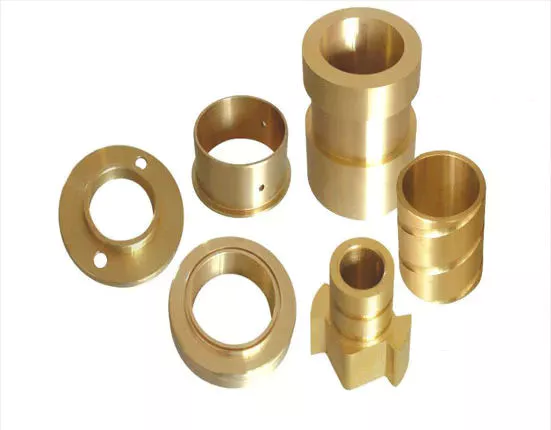
reduce noise
A properly positioned tree will block the view between the noise source and your house. Make sure the tree is taller than your house to effectively reduce noise. Also, make sure the sprocket and axle are properly aligned. The less noise they make, the better. If you have a noisy neighbor, you may want to consider installing a bushing at the front of the house to block the noise.
While it’s possible to replace the bushing yourself, it’s best to make sure you follow some basic procedures first. Park your car on level ground and apply the brakes before removing the hood. Check that the wheels move freely. Remember to wear gloves and goggles, and don’t cut yourself with sharp objects when changing bushings. If you can’t see under the hood, try opening the hood to allow more light to reach the engine area.
SuperPro bushings are designed to reduce noise and vibration in the automotive industry. They are a popular choice for aftermarket bushing manufacturers. While OE rubber bushings are soft and quiet, these polyurethane bushings are specifically designed to eliminate these noise issues. By determining the diameter of your vehicle’s anti-roll bars, you can choose the right bushing for your vehicle. You’ll be glad you did!
Damaged bushings can cause the stabilizer bar to become unstable. This, in turn, can cause the steering components to misalign, creating a loud ding. Worn bushings can also cause the wheel to squeak as it moves. If they’re worn, you’ll hear squeaks when cornering. You may even hear these noises when you are turning or changing lanes.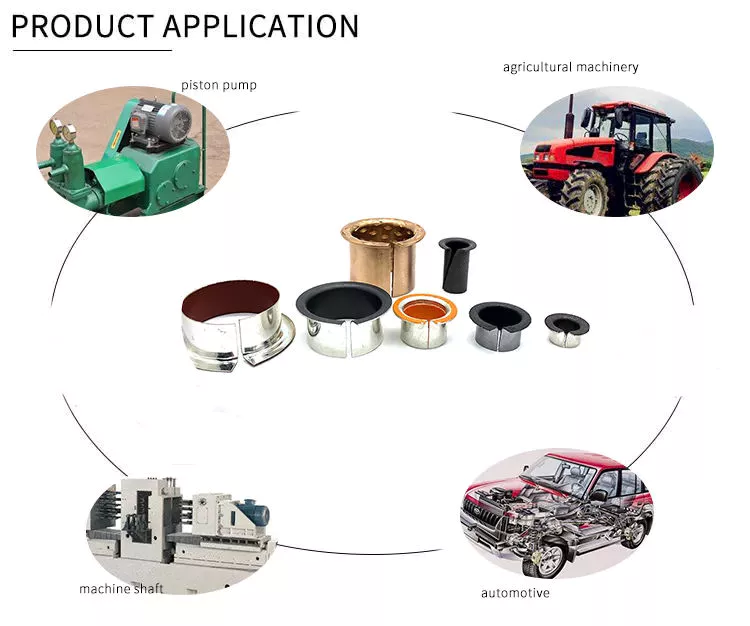
a bearing
A bushing is a component that provides a bearing surface for the forces acting axially on the shaft. A typical example of a thrust bearing is a propeller shaft. The bushing can be a separate part or an integral part of the machine. Typically, bushings are replaceable, while integral bearings are permanent and should not be replaced unless worn or damaged. Bushings are most commonly used in machinery, where they allow relative movement between components.
The bushing is usually an integral unit, while the bearing may have several parts. Simple bushings can be made of brass, bronze or steel. It is often integrated into precision machined parts and helps reduce friction and wear. Typically, bushings are made of brass or bronze, but other materials can also be used. Different designs have different applications, so you should understand what your application requires before purchasing a sleeve.
The most common uses of plain bearings are in critical applications, including turbines and compressors. They are also commonly used in low-speed shafting, including propeller shafts and rudders. These bearings are very economical and suitable for intermittent and linear motion. However, if your application does not require continuous lubrication, a plain bearing may not be required.
Another popular use for sleeves is in food processing. These bearings can be made from a variety of materials, including stainless steel and plastic. Plastic bearings are more cost-effective than metal and are an excellent choice for high-speed applications. These materials are also resistant to corrosion and wear. However, despite their high cost, they can be made from a variety of materials. However, in most cases, the materials used for plain bearings are aluminum nickel, phosphorus and silicon.
editor by czh 2022-12-20