Product Description
Parameter:
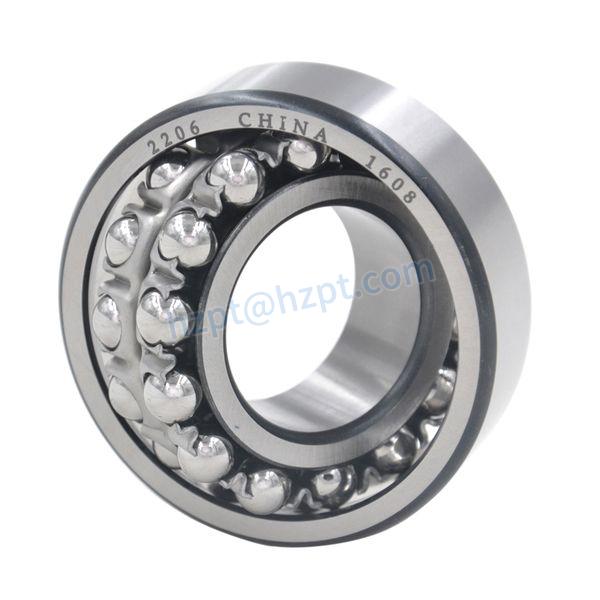
| Product Name | Angular contact ball bearing |
| Brand Name | KSA |
| Material | Gcr15 |
| Precision Grade | P0,P6,P5 |
| Certification | ISO 9001 |
| Packeage | Box /Carton/Wooden Box/Plastic Tube or Per buyers requirement |
| MOQ | Depending On Moedl |
| Serice | OEM |
| Sample | Available |
| Payment | TT or L/C or Western Union |
| Port | HangZhou ZheJiang HangZhou |
In order to meet the performance requirements of bearings, Chinese bearing steel has more excellent performance:
1. Higher contact fatigue strength
2. after heat treatment with higher hardness to meet the bearing performance requirements
3. higher wear resistance, lower friction coefficient
4. Higher elastic limit
5. better impact toughness and fracture toughness
6. better dimensional stability
7. better rust resistance
ANGULAR CONTACT BALL BEARING SERIES
where C is 15 degrees contact Angle, AC is 25 degrees contact Angle, B is 40 degrees contact Angle, the bearing limit speed is higher, can bear both radial load and axial load, can also bear pure axial load, the axial load capacity is determined by the contact Angle, and increases with the increase of the contact Angle. It can only withstand the axial load in 1 direction, when bearing the radial load, it will cause additional axial force, and must apply the corresponding reverse load, so the bearing is generally used in pairs.
SINGLE ROW ANGULAR CONTACT BALL BEARING
Single-row angular contact ball bearings can only bear axial load in 1 direction, and additional axial force will be caused when bearing radial load. And only limit the axial displacement of the shaft or housing in 1 direction. Angular contact ball bearings have a contact Angle of 40 degrees, so they can withstand large axial loads. Angular contact ball bearings are of a non-separation design, and the shoulders on both sides of the inner and outer rings are not high or low. In order to increase the load capacity of the bearing, the shoulder on 1 side is machined lower, so that the bearing can fit more steel balls.
DOUBLE ROW ANGULAR CONTACT BALL BEARING
Double row angular contact ball bearings can bear large radial loads, mainly radial and axial combined loads and torque loads, limiting the axial displacement of both sides of the shaft. The inclinability between the inner and outer rings of the double-row angular contact ball bearing is limited in the parts mainly used to limit the two-way axial displacement of the shaft and the housing. The allowable inclination Angle depends on the internal clearance of the bearing, the bearing size, the internal design and the force and moment acting on the bearing, and the allowable inclination Angle should ensure that no excessive additional stress is generated in the bearing. If the inclination Angle between the inner and outer rings of the bearing exists, the life of the bearing will be affected, and the running accuracy of the bearing will be reduced, and the running noise will be increased. Double row angular contact ball bearings generally use nylon cages or brass solid cages. When installing double row angular contact ball bearings, attention should be paid to the fact that although the bearings can withstand two-way axial loads, if there is a ball loading gap on 1 side, care should be taken not to let the main axial load pass through the groove side with a gap. When the bearing is used, attention should be paid to making the raceway without the ball filling gap bear the main load.
OUR ADVANTAGE:
1.Our products: with high quality, long life, high speed, low noise, low friction quality products
2. We have: sufficient storage space, sufficient inventory, high production efficiency, we provide customers with the most favorable prices
3. Chinese bearing: in China’s production line, products are exported to all over the world, product specifications are complete, certificates are complete, professional R & D team
4. After-sales service and technical guidance: The company provides after-sales service and technical guidance according to customer requirements and needs
Company Profile
ZheJiang Kangshi Precision Bearing Manufacturing Co., Ltd., located in Yandian Town Industrial Park, HangZhou City, ZheJiang Province, mainly produces zero deep groove ball bearings, 2 types of cylindrical roller bearings, 3 types of aligning roller bearings, 6 types of angular contact ball bearings, 7 types of tapered roller bearings, 8 types of thrust ball bearings, thrust bearings, 9 types of thrust aligning roller bearings, outer spherical bearings, auto parts, Motorcycle parts and other rolling bearings. Our factory has strong professional technology, good production equipment and perfect testing means, can fully meet the various types, specifications, high precision and special use requirements of bearing products customized processing, the production process of the product according to the strict national standards of enterprise internal control standards for the implementation of full inspection and multi-project comprehensive inspection of factory products, Can ensure the quality of each set of factory bearing products to meet national standards. Kangshi bearing has always implemented national standards, market prices, and implemented the “three guarantees” principle for customers: To ensure high-quality quality, preferential prices, superior after-sales service! Welcome customers at home and abroad to consult and negotiate business, the company will continue to win the trust of more customers with good product quality and reputation.
OUR FACTORY QUALITY ASSURANCE
LOW NOISE, HIGH SPEED AND NOT EASY TO BURN EXCELLENT AFTER-SALES SERVICE
PACKAGING AND TRANSPORTATION
1.Industrial packing in general condition (Plastic drums/boxes/industrial packaging + cartons + pallets).
Accept design package when OEM.
MAIN USE
Single row angular contact ball bearings: machine spindle, high frequency motor, gas turbine, centrifugal separator, small car front wheel, differential pinion shaft, booster pump, drilling platform, food machinery, dividing head, welding machine, low noise type cooling tower, mechanical and electrical equipment, painting equipment, machine slot plate, arc welding machine, etc
Double row angular contact ball bearings: oil pump, Roots blower, air compressor, various transmission, fuel injection pump, printing machinery, planetary reducer, extraction equipment, cycloidal reducer, food packaging machinery, electric welding machine, electric soldering iron, square box, gravity spray gun, wire stripping machine, half shaft, inspection and analysis equipment, fine chemical machinery, etc
FAQ
Q: What is the MOQ?
A: It depends on the bearing type. You can send inquiry or send e-mail for more information.
Q: How about the package?
A: Industrial packing in general condition (Plastic drums/boxes/industrial packaging + cartons + pallets). Accept design package when OEM.
Q: How long is the delivery time?
A: It will take about 10 to 40 days, depends on the model and quantity.
Q:What are the advantages of your company’s services compared to other companies?
A: Factory direct supply, price advantage, 24 hours online timely reply, Provide customers with customs clearance
and quality of various documents, 100% after-sales service
Q:OEM POLICY
A:We can printing your brand (logo,artwork)on the bearings or laser engraving your brand on the bearings.
We can custom your packaging according to your design All copyright own by clients and we promised don’t
disclose any info.
Q:How to contact us quickly?
A:Please send us an inquiry or message and leave your other contact information, such as phone number,
account or account, we will contact you as soon as possible and provide the detailed information
you need.
Please feel free to contact us, if you have any other question
/* January 22, 2571 19:08:37 */!function(){function s(e,r){var a,o={};try{e&&e.split(“,”).forEach(function(e,t){e&&(a=e.match(/(.*?):(.*)$/))&&1
| Contact Angle: | 25° |
|---|---|
| Aligning: | Aligning Bearing |
| Separated: | Unseparated |
| Samples: |
US$ 2/Piece
1 Piece(Min.Order) | Order Sample |
|---|
| Customization: |
Available
| Customized Request |
|---|
.shipping-cost-tm .tm-status-off{background: none;padding:0;color: #1470cc}
|
Shipping Cost:
Estimated freight per unit. |
about shipping cost and estimated delivery time. |
|---|
| Payment Method: |
|
|---|---|
|
Initial Payment Full Payment |
| Currency: | US$ |
|---|
| Return&refunds: | You can apply for a refund up to 30 days after receipt of the products. |
|---|
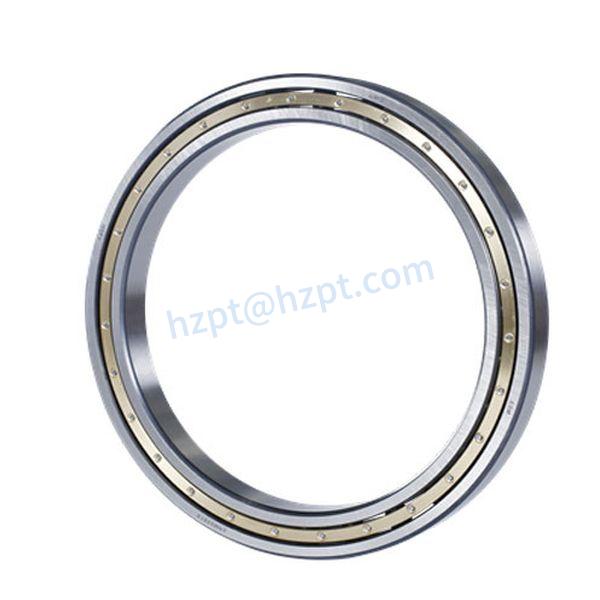
Are there Specific Maintenance Practices to Ensure the Longevity of Ball Bearings?
Maintaining ball bearings is essential to ensure their longevity, reliable performance, and prevent premature failure. Proper maintenance practices can extend the lifespan of ball bearings and the equipment they are used in. Here are specific maintenance practices to consider:
- Regular Lubrication:
Implement a regular lubrication schedule using the appropriate lubricant for the application. Lubrication reduces friction, prevents wear, and helps dissipate heat. Follow manufacturer guidelines for lubricant type, quantity, and frequency.
- Clean Environment:
Keep the operating environment clean and free from contaminants. Dust, dirt, and debris can infiltrate bearings and cause damage. Use seals or shields to protect bearings from contaminants, especially in harsh environments.
- Proper Installation:
Ensure correct installation of bearings using proper tools and techniques. Improper installation can lead to misalignment, uneven load distribution, and premature wear. Follow manufacturer recommendations for installation procedures.
- Regular Inspections:
Perform routine visual inspections to check for signs of wear, damage, or contamination. Regular inspections can help identify issues early and prevent further damage. Pay attention to noise, vibration, and temperature changes.
- Temperature Monitoring:
Monitor bearing temperatures during operation using infrared thermometers or sensors. Abnormal temperature increases can indicate inadequate lubrication, misalignment, or other problems.
- Correct Handling:
Handle bearings with care to prevent damage during storage, transportation, and installation. Avoid dropping or subjecting them to impacts that can affect their internal components.
- Bearing Removal and Replacement:
Follow proper procedures when removing and replacing bearings. Use appropriate tools and techniques to avoid damage to the bearing or the surrounding components.
- Alignment Maintenance:
Maintain proper shaft and housing alignment to prevent excessive loads and wear on the bearing. Misalignment can lead to increased stress and premature failure.
- Training and Education:
Provide training to operators and maintenance personnel on proper bearing maintenance and handling practices. Educated personnel are more likely to identify issues and perform maintenance correctly.
- Documented Records:
Keep records of maintenance activities, inspections, lubrication schedules, and any issues encountered. This documentation helps track the bearing’s performance over time and informs future maintenance decisions.
By implementing these maintenance practices, you can ensure the longevity of ball bearings, minimize downtime, reduce operational costs, and maintain the reliability of the equipment they are a part of.
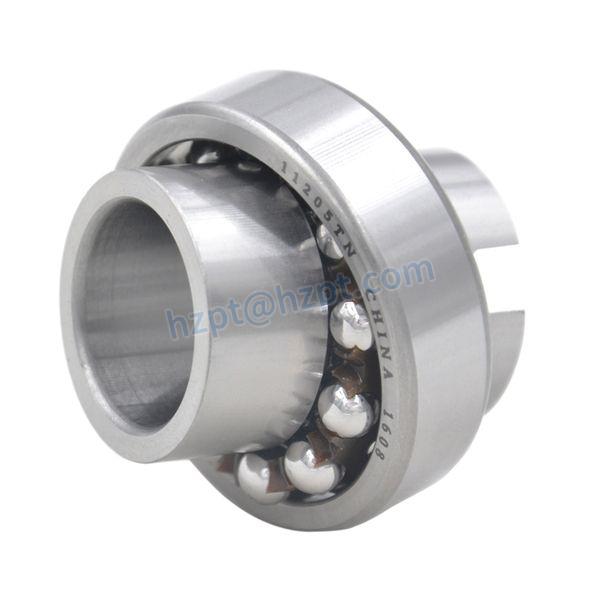
Are there any Industry Standards or Certifications that Ball Bearings should Meet?
Yes, there are several industry standards and certifications that ball bearings should meet to ensure their quality, performance, and reliability. These standards help manufacturers, engineers, and customers assess the suitability of bearings for specific applications. Some of the key standards and certifications for ball bearings include:
- ISO Standards:
The International Organization for Standardization (ISO) has developed a series of standards related to ball bearings. ISO 15 defines dimensions, boundary dimensions, and tolerances for radial bearings. ISO 281 specifies dynamic load ratings and calculation methods for bearings’ life calculations.
- ABEC (Annular Bearing Engineering Committee) Ratings:
ABEC ratings are commonly used in North America to indicate the precision and performance of ball bearings. Ratings range from ABEC 1 (lowest precision) to ABEC 9 (highest precision). However, it’s important to note that ABEC ratings focus primarily on dimensional tolerances and do not encompass all aspects of bearing quality.
- DIN Standards:
The German Institute for Standardization (Deutsches Institut für Normung, DIN) has published various standards related to ball bearings. DIN 625 covers dimensions for deep groove ball bearings, while DIN 616 provides guidelines for precision angular contact ball bearings.
- JIS (Japanese Industrial Standards):
JIS standards are used in Japan and internationally to define the characteristics and dimensions of various products, including ball bearings. JIS B 1512 outlines the classification and dimensions of rolling bearings.
- ASTM (American Society for Testing and Materials) Standards:
ASTM has standards that cover various aspects of bearing testing, performance, and materials. ASTM F2215, for instance, specifies the requirements for ball bearings used in surgical implants.
- CE Marking:
CE marking indicates that a product complies with European Union health, safety, and environmental requirements. It may be required for bearings used in machinery intended to be sold within the EU market.
- Industry-Specific Standards:
Various industries, such as aerospace, automotive, medical, and nuclear, have specific standards or certifications that bearings must meet to ensure safety, reliability, and compliance with industry-specific requirements.
- Quality Management Systems:
Manufacturers that adhere to quality management systems, such as ISO 9001, demonstrate their commitment to consistent product quality and customer satisfaction. Certification to these systems indicates that the manufacturing process follows established protocols and best practices.
When selecting ball bearings, it’s important to consider the relevant standards and certifications that align with the application’s requirements. This ensures that the bearings meet recognized quality and performance criteria, ultimately contributing to reliable and efficient operation.
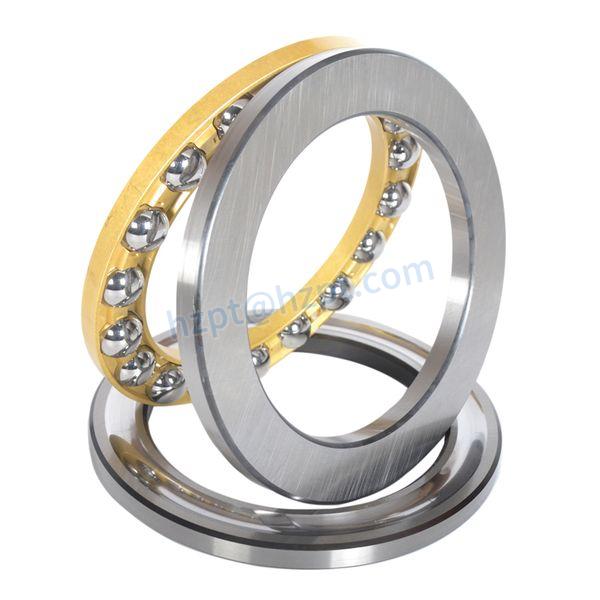
What are the Primary Benefits of Using Ball Bearings in Machinery and Equipment?
Ball bearings offer several primary benefits when used in machinery and equipment. Their design and functionality provide advantages that contribute to the efficient and reliable operation of various applications. Here are the key benefits:
- Reduced Friction:
One of the primary benefits of ball bearings is their ability to minimize friction between moving parts. The rolling motion of the balls reduces the contact area and sliding friction, leading to smoother operation and less energy loss due to frictional heating.
- Efficient Load Support:
Ball bearings are engineered to support both radial and axial loads, making them versatile for applications with multidirectional forces. This load-bearing capability allows machinery to handle different types of loads while maintaining performance and stability.
- Smooth Rotation:
Ball bearings enable smooth and precise rotational movement. The rolling motion of the balls provides consistent motion with minimal resistance, ensuring that machinery operates smoothly and without jerks.
- High-Speed Capability:
Due to their low friction and efficient rolling action, ball bearings are suitable for high-speed applications. They allow machinery and equipment to achieve and maintain high rotational speeds without excessive wear or heat buildup.
- Reduced Wear and Maintenance:
The reduced friction in ball bearings leads to lower wear on components. This results in longer service intervals and reduced maintenance requirements, saving both time and maintenance costs.
- Energy Efficiency:
By minimizing friction and reducing energy losses, ball bearings contribute to the overall energy efficiency of machinery. This is particularly important in applications where energy consumption is a concern.
- Versatility:
Ball bearings come in various types, sizes, and configurations, allowing them to be used in a wide range of machinery and equipment. They can be customized to suit specific application requirements.
- Reliability and Longevity:
Ball bearings are designed to withstand heavy loads and harsh operating conditions. Their durability and resistance to wear ensure reliable performance and an extended operational life.
- Quiet Operation:
Ball bearings contribute to quiet machinery operation due to the smooth rolling motion of the balls. This is particularly important in applications where noise reduction is a consideration.
In summary, the primary benefits of using ball bearings in machinery and equipment include reduced friction, efficient load support, smooth rotation, high-speed capability, reduced wear and maintenance, energy efficiency, versatility, reliability, and quiet operation. These benefits collectively enhance the performance and longevity of machinery across various industries.


editor by CX 2024-05-17
China Hot selling Slewing Ring Bearings Ball Turntable Bearing Gear Slewing Bearing with Surface Treatment by Bluing (VLI200944N) bearing assembly
Product Description
CZPT is a professional manufacturer in slewing ring bearings since 1993. We can also design and make other standard and non-standard ball bearings, roller bearings and precision bearings as per customer’s different technical requirements.
Slewing bearing is also called slewing ring, slewing ring bearing, turntable bearing, and rotary bearing.
Three row roller slewing ring bearing has 3 seat-rings, which separate the upper, lower and radial raceway, via which the load of each row of the rollers may be specified. Thus it can carry different load simultaneously and its load capacity is the largest 1 of the 4 types
CZPT bearings can supply the following featured slewing bearing:
1. Single row slewing rings have a single row of balls, a standard bearing raceway, and 4 points of contact between the balls and raceway;
2. Double row products have tow rows of ball bearings, 2 raceways, and 8 points of contacts for each ball;
3. Slewing rings with 3 independent rows of rollers;
4. Cross roller slewing rings have a single row of rollers with the axes of alternation, adjacent rollers at right angles to 1 another
5. Ball and roller combined slewing rings have a row of rollers and a row of balls into the same unit.
Structure:
Triple row roller slewing bearing has 3 different types:
Triple row roller slewing bearing with no gear
Triple row roller slewing bearing with external gear
Triple row roller slewing bearing with internal gear
Advantages:
1. Best quality and price
2. Small order accepted
3. ISO certified company
4. Variorum models
5. Extensive stock available
6. OEM accepted
Application:
Mine machine, port hoisting machine, port oil transfer equipment, onshore and offshore crane, excavator, concrete machine, paper machine, plastic and rubber machine, weave machine, steel plant, electronic power plant, wind power generator, other construction and industry machines or equipments.
Packaging Details:
1. Bearing surface is covered with the anti-rust oil first; And then wrapped with the plastic film;
2. And then packed with Kraft paper and professional belts;
3. At last, with wooden box totally at the outer packing to invoid the rust or the moist;
4. We can depend on the customers demand to be packed;
Details for turret swing bearing VLI200944N:
ID: 840MM
OD: 1048MM
H: 56MM
W. T.: 67.5KG
Holes in outer ring: 16-φ 18
Holes in inner ring: 22- M12
Material: 50Mn
Surface treatment: Bluing
Application: Water-treatment equipment
More details, please contact us sooner…
External gear:
VLA2571-N
VLA200544-N
VLA200644-N
VLA20 0571 -N
VLA200844-N
VLA200944-N
VLA257194-N
VSA2571-N
VSA200544-N
VSA200644-N
VSA20 0571 -N
VSA200844-N
VSA200944-N
VSA257194-N
VSA25571-N
VSA25571-N
VSA25 0571 -N
VSA251055-N
Internal gear:
VLI2571-N
VLI200544-N
VLI200644-N
VLI20 0571 -N
VLI200844-N
VLI200944-N
VLI257194-N
VSI2571-N
VSI200544-N
VSI200644-N
VSI20 0571 -N
VSI200844-N
VSI200944-N
VSI257194-N
VSI25571-N
VSI25571-N
VSI25 0571 -N
VSI251055-N
Without gear:
VLU2571
VLU200544
VLU200644
VLU20 0571
VLU200844
VLU200944
VLU257194
VSU2571
VSU200544
VSU200644
VSU20 0571
VSU200844
VSU200944
VSU257194
VSU25571
VSU25571
VSU25 0571
VSU251055
| Model | Overall Dimension | Mounting Dimension | Structure Dimension | Gear (mm) | Axial Load | Mass (Kgs) | ||||||||||||||||
| Da | di | H | La | Li | n1 | n2 | φ1 | φ2 | D1 | b | h | B | C | Di | da | m | z | do | x | |||
| mm | mm | mm | ||||||||||||||||||||
| VLI2571N | 518 | 325 | 56 | 490 | 375 | 8 | 12 | φ18 | M12 | 459 | 40 | 11.5 | 44.5 | 47.5 | 415.5 | 412.5 | 5 | 67 | 335 | 0 | 600 | 28.5 |
| VLI 20 571N | 516 | 325 | 56 | 490 | 375 | 8 | 12 | φ18 | M12 | 456 | 40 | 11.5 | 44.5 | 47.5 | 415.5 | 412.5 | 5 | 67 | 335 | 0 | 300 | 36.3 |
| VLI2571N | 518 | 325 | 56 | 490 | 375 | 8 | 12 | 18 | M12 | 456 | 40 | 8.5 | 44.5 | 47.5 | 415.5 | 412.5 | 5 | 67 | 335 | 0 | 295 | 27.5 |
| VLI200544N | 648 | 444 | 56 | 620 | 505 | 10 | 16 | φ18 | M12 | 589 | 44.5 | 11.5 | 44.5 | 47.5 | 545.5 | 542.5 | 6 | 76 | 456 | 0 | 790 | 40.6 |
| VLI200544N | 648 | 444 | 56 | 620 | 505 | 10 | 16 | 18 | M12 | 589 | 44.5 | 11.5 | 44.5 | 47.5 | 545.5 | 542.5 | 6 | 76 | 456 | 0 | 385 | 38 |
| VLI200644N | 748 | 546 | 56 | 720 | 605 | 12 | 18 | φ18 | M12 | 689 | 44.5 | 11.5 | 44.5 | 47.5 | 645.5 | 642.5 | 6 | 93 | 558 | 0 | 900 | 47.4 |
| VLI200644N | 748 | 546 | 56 | 720 | 605 | 12 | 18 | 18 | M12 | 689 | 44.5 | 8.5 | 44.5 | 47.5 | 645.5 | 642.5 | 6 | 93 | 558 | 0 | 455 | 45 |
| VLI20 0571 N | 848 | 648 | 56 | 820 | 705 | 12 | 20 | φ18 | M12 | 789 | 44.5 | 11.5 | 44.5 | 47.5 | 745.5 | 742.5 | 6 | 110 | 660 | 0 | 530 | 54 |
| VLI20 0571 N | 848 | 648 | 56 | 820 | 705 | 12 | 20 | 18 | M12 | 789 | 44.5 | 8.5 | 44.5 | 47.5 | 745.5 | 742.5 | 6 | 110 | 660 | 0 | 530 | 51.5 |
| VLI200844N | 948 | 736 | 56 | 920 | 805 | 14 | 20 | φ18 | M12 | 889 | 44.5 | 11.5 | 44.5 | 47.5 | 845.5 | 842.5 | 8 | 94 | 752 | 0 | 1200 | 65.2 |
| VLI200844N | 948 | 736 | 56 | 920 | 805 | 14 | 20 | 18 | M12 | 889 | 44.5 | 8.5 | 44.5 | 47.5 | 845.5 | 842.5 | 8 | 94 | 752 | 0 | 600 | 61.5 |
| VLI30 0571 N | 1100 | 810 | 90 | 1060 | 894 | 30 | 30 | 22 | M20 | 71 | 19 | 71 | 71 | 953 | 957 | 10 | 83 | 830 | 0 | 2550 | 164 | |
| VLI200944N | 1048 | 840 | 56 | 1571 | 905 | 16 | 22 | φ18 | M12 | 989 | 44.5 | 11.5 | 44.5 | 47.5 | 945.5 | 942.5 | 8 | 107 | 856 | 0 | 1350 | 71 |
| VLI200944N | 1048 | 840 | 56 | 1571 | 905 | 16 | 22 | 18 | M12 | 989 | 44.5 | 8.5 | 44.5 | 47.5 | 945.5 | 942.5 | 8 | 107 | 856 | 0 | 670 | 67.5 |
| VLI357155N | 1200 | 910 | 90 | 1160 | 994 | 30 | 30 | 22 | M20 | 71 | 19 | 71 | 71 | 1053 | 1057 | 10 | 93 | 930 | 0 | 2800 | 181 | |
| VLI257194N | 1198 | 984 | 56 | 1170 | 1055 | 16 | 24 | φ18 | M12 | 1139 | 44.5 | 11.5 | 44.5 | 47.5 | 1096 | 1093 | 8 | 125 | 1000 | 0 | 2000 | 80 |
| VLI257194N | 1198 | 984 | 56 | 1170 | 1055 | 16 | 24 | 18 | M12 | 1139 | 44.5 | 8.5 | 44.5 | 47.5 | 1096 | 1093 | 8 | 125 | 1000 | 0 | 770 | 81.5 |
| VLI301155N | 1300 | 1571 | 90 | 1260 | 1094 | 36 | 36 | 22 | M20*40 | 71 | 19 | 71 | 71 | 1153 | 1157 | 10 | 103 | 1030 | 0 | 3100 | 198 | |
| VLI301255N | 1400 | 1110 | 90 | 1360 | 1194 | 42 | 42 | 22 | M20*40 | 71 | 19 | 71 | 71 | 1253 | 1257 | 10 | 113 | 1130 | 0 | 3350 | 215 | |
| VLI301355N | 1500 | 1210 | 90 | 1460 | 1294 | 42 | 42 | 22 | M20*40 | 71 | 19 | 71 | 71 | 1353 | 1357 | 10 | 123 | 1230 | 0 | 3600 | 233 | |
| VLI301455N | 1600 | 1310 | 90 | 1560 | 1394 | 48 | 48 | 22 | M20*40 | 71 | 19 | 71 | 71 | 1453 | 1457 | 10 | 133 | 1330 | 0 | 4000 | 251 | |
/* January 22, 2571 19:08:37 */!function(){function s(e,r){var a,o={};try{e&&e.split(“,”).forEach(function(e,t){e&&(a=e.match(/(.*?):(.*)$/))&&1
| Rolling Body: | Ball Bearings |
|---|---|
| The Number of Rows: | Single |
| Outer Dimension: | 200-6000mm |
| Material: | Bearing Steel |
| Spherical: | Non-Aligning Bearings |
| Load Direction: | Axial, Radial and Tilting Moment |
| Samples: |
US$ 460/Piece
1 Piece(Min.Order) | |
|---|
| Customization: |
Available
| Customized Request |
|---|
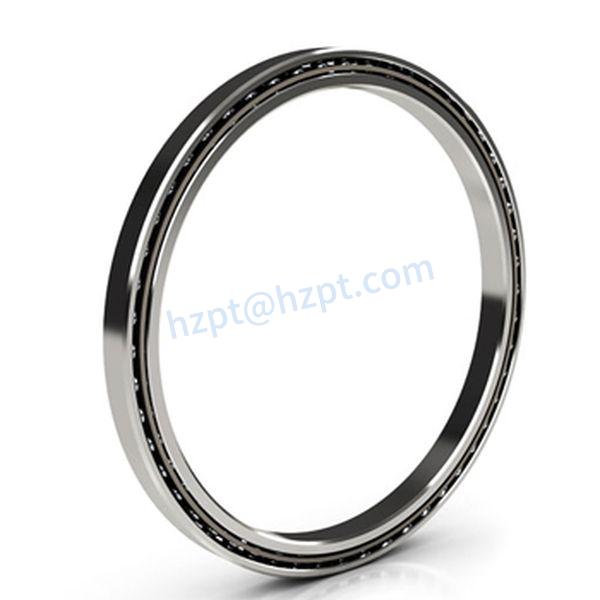
How does Preload Affect the Performance and Efficiency of Ball Bearings?
Preload is a crucial factor in ball bearing design that significantly impacts the performance, efficiency, and overall behavior of the bearings in various applications. Preload refers to the intentional axial force applied to the bearing’s rolling elements before it is mounted. This force eliminates internal clearance and creates contact between the rolling elements and the raceways. Here’s how preload affects ball bearing performance:
- Reduction of Internal Clearance:
Applying preload reduces the internal clearance between the rolling elements and the raceways. This eliminates play within the bearing, ensuring that the rolling elements are in constant contact with the raceways. This reduced internal clearance enhances precision and reduces vibrations during operation.
- Increased Stiffness:
Preloaded bearings are stiffer due to the elimination of internal clearance. This increased stiffness improves the bearing’s ability to handle axial and radial loads with higher accuracy and minimal deflection.
- Minimized Axial Play:
Preload minimizes or eliminates axial play within the bearing. This is especially important in applications where axial movement needs to be minimized, such as machine tool spindles and precision instruments.
- Enhanced Rigidity:
The stiffness resulting from preload enhances the bearing’s rigidity, making it less susceptible to deformation under load. This is critical for maintaining precision and accuracy in applications that require minimal deflection.
- Reduction in Ball Slippage:
Preload reduces the likelihood of ball slippage within the bearing, ensuring consistent contact between the rolling elements and the raceways. This leads to improved efficiency and better load distribution.
- Improved Running Accuracy:
Preloading enhances the running accuracy of the bearing, ensuring that it maintains precise rotational characteristics even under varying loads and speeds. This is essential for applications requiring high accuracy and repeatability.
- Optimized Performance at High Speeds:
Preload helps prevent skidding and slipping of the rolling elements during high-speed operation. This ensures that the bearing remains stable, reducing the risk of noise, vibration, and premature wear.
- Impact on Friction and Heat Generation:
While preload reduces internal clearance and friction, excessive preload can lead to higher friction and increased heat generation. A balance must be struck between optimal preload and minimizing friction-related issues.
- Application-Specific Considerations:
The appropriate amount of preload depends on the application’s requirements, such as load, speed, accuracy, and operating conditions. Over-preloading can lead to increased stress and premature bearing failure, while under-preloading may result in inadequate rigidity and reduced performance.
Overall, preload plays a critical role in optimizing the performance, accuracy, and efficiency of ball bearings. Engineers must carefully determine the right preload level for their specific applications to achieve the desired performance characteristics and avoid potential issues related to overloading or inadequate rigidity.
How do Miniature Ball Bearings Differ from Standard-sized Ones, and Where are They Commonly Used?
Miniature ball bearings, as the name suggests, are smaller in size compared to standard-sized ball bearings. They have distinct characteristics and are designed to meet the unique requirements of applications that demand compactness, precision, and efficient rotation in confined spaces. Here’s how miniature ball bearings differ from standard-sized ones and where they are commonly used:
- Size:
The most noticeable difference is their size. Miniature ball bearings typically have outer diameters ranging from a few millimeters to around 30 millimeters, while standard-sized ball bearings have larger dimensions suitable for heavier loads and higher speeds.
- Load Capacity:
Due to their smaller size, miniature ball bearings have lower load-carrying capacities compared to standard-sized bearings. They are designed for light to moderate loads and are often used in applications where precision and compactness are prioritized over heavy load support.
- Precision:
Miniature ball bearings are known for their high precision and accuracy. They are manufactured to tighter tolerances, making them suitable for applications requiring precise motion control and low levels of vibration.
- Speed:
Miniature ball bearings can achieve higher speeds than standard-sized bearings due to their smaller size and lower mass. This makes them ideal for applications involving high-speed rotation.
- Friction and Efficiency:
Miniature ball bearings generally have lower friction due to their smaller contact area. This contributes to higher efficiency and reduced heat generation in applications that require smooth and efficient motion.
- Applications:
Miniature ball bearings find applications in various industries and sectors:
- Electronics and Consumer Devices:
They are used in small motors, computer disk drives, printers, and miniature fans, where space is limited but precise motion is essential.
- Medical and Dental Equipment:
Miniature bearings are used in medical devices such as surgical instruments, dental handpieces, and diagnostic equipment due to their precision and compactness.
- Robotics and Automation:
Miniature ball bearings are integral to robotic arms, miniature conveyors, and automation systems, enabling precise movement in confined spaces.
- Aerospace and Defense:
They are used in applications like UAVs (drones), aerospace actuators, and satellite components where size and weight constraints are critical.
- Optics and Instrumentation:
Miniature bearings play a role in optical instruments, cameras, and measuring devices, providing smooth rotation and accurate positioning.
Overall, miniature ball bearings are specialized components designed for applications where space, precision, and efficient rotation are paramount. Their compactness and high precision make them crucial in various industries requiring reliable motion control in limited spaces.
What are the Primary Benefits of Using Ball Bearings in Machinery and Equipment?
Ball bearings offer several primary benefits when used in machinery and equipment. Their design and functionality provide advantages that contribute to the efficient and reliable operation of various applications. Here are the key benefits:
- Reduced Friction:
One of the primary benefits of ball bearings is their ability to minimize friction between moving parts. The rolling motion of the balls reduces the contact area and sliding friction, leading to smoother operation and less energy loss due to frictional heating.
- Efficient Load Support:
Ball bearings are engineered to support both radial and axial loads, making them versatile for applications with multidirectional forces. This load-bearing capability allows machinery to handle different types of loads while maintaining performance and stability.
- Smooth Rotation:
Ball bearings enable smooth and precise rotational movement. The rolling motion of the balls provides consistent motion with minimal resistance, ensuring that machinery operates smoothly and without jerks.
- High-Speed Capability:
Due to their low friction and efficient rolling action, ball bearings are suitable for high-speed applications. They allow machinery and equipment to achieve and maintain high rotational speeds without excessive wear or heat buildup.
- Reduced Wear and Maintenance:
The reduced friction in ball bearings leads to lower wear on components. This results in longer service intervals and reduced maintenance requirements, saving both time and maintenance costs.
- Energy Efficiency:
By minimizing friction and reducing energy losses, ball bearings contribute to the overall energy efficiency of machinery. This is particularly important in applications where energy consumption is a concern.
- Versatility:
Ball bearings come in various types, sizes, and configurations, allowing them to be used in a wide range of machinery and equipment. They can be customized to suit specific application requirements.
- Reliability and Longevity:
Ball bearings are designed to withstand heavy loads and harsh operating conditions. Their durability and resistance to wear ensure reliable performance and an extended operational life.
- Quiet Operation:
Ball bearings contribute to quiet machinery operation due to the smooth rolling motion of the balls. This is particularly important in applications where noise reduction is a consideration.
In summary, the primary benefits of using ball bearings in machinery and equipment include reduced friction, efficient load support, smooth rotation, high-speed capability, reduced wear and maintenance, energy efficiency, versatility, reliability, and quiet operation. These benefits collectively enhance the performance and longevity of machinery across various industries.
editor by CX 2024-05-15