Product Description
Deep groove ball bearing is 1 of the most widely used rolling bearings.
P5 P6 P0 6200 6300 Series
Introducing The Good Price Motor Bearing Deep Groove Ball Bearing CZPT Wheel Bearing For Motorcycle Parts, A High-Quality And Reliable Component Designed To Enhance The Performance Of Your Motorcycle. With Its Exceptional Features And Competitive Pricing, This Bearing Is A Must-Have For Motorcycle Enthusiasts And Professionals Alike.
| Model | d mm | D mm | H mm | W kg | Model | d mm | D mm | H mm | W kg |
| 6000 | 10 | 26 | 8 | 0.019 | 6200 | 10 | 30 | 9 | 0.032 |
| 6001 | 12 | 38 | 8 | 0.571 | 6201 | 12 | 32 | 10 | 0.036 |
| 6002 | 15 | 32 | 9 | 0.03 | 6202 | 15 | 35 | 11 | 0.044 |
| 6003 | 17 | 35 | 10 | 0.04 | 6203 | 17 | 40 | 12 | 0.065 |
| 6004 | 20 | 42 | 12 | 0.069 | 6204 | 20 | 47 | 14 | 0.11 |
| 6005 | 25 | 47 | 12 | 0.08 | 6205 | 25 | 52 | 15 | 0.13 |
| 6006 | 30 | 55 | 13 | 0.116 | 6206 | 30 | 62 | 16 | 0.21 |
| 6007 | 35 | 62 | 14 | 0.155 | 6207 | 35 | 72 | 17 | 0.288 |
| 6008 | 40 | 68 | 15 | 0.185 | 6208 | 40 | 80 | 18 | 0.368 |
| 6009 | 45 | 75 | 16 | 0.231 | 6209 | 45 | 85 | 19 | 0.416 |
| 6571 | 50 | 80 | 16 | 0.25 | 6210 | 50 | 90 | 20 | 0.463 |
| 6011 | 55 | 90 | 18 | 0.362 | 6211 | 55 | 100 | 21 | 0.603 |
| 6012 | 60 | 95 | 18 | 0.385 | 6212 | 60 | 110 | 22 | 0.789 |
| 6013 | 65 | 100 | 18 | 0.408 | 6213 | 65 | 120 | 23 | 0.99 |
| 6014 | 70 | 110 | 20 | 0.62 | 6214 | 70 | 125 | 24 | 1.084 |
| 6015 | 75 | 115 | 20 | 0.63 | 6215 | 75 | 130 | 25 | 1.171 |
| 6016 | 80 | 125 | 22 | 0.86 | 6216 | 80 | 140 | 26 | 1.448 |
| 6017 | 85 | 130 | 22 | 0.94 | 6217 | 85 | 150 | 28 | 1.803 |
| 6018 | 90 | 140 | 24 | 1.38 | 6218 | 90 | 160 | 30 | 2.71 |
| 6019 | 95 | 145 | 24 | 1.5 | 6219 | 95 | 170 | 32 | 2.62 |
| 6571 | 100 | 150 | 24 | 1.63 | 6220 | 100 | 180 | 34 | 3.19 |
| Bearing Number | Boundary dimensions(mm) | Load Rating(KN) | Limiting Speed(rpm) | Weight(kg) | |||||
| d | D | B | rmin | Cr | Cor | Grease | Oil | ||
| 6000 | 10 | 26 | 8 | 0.3 | 4.55 | 1.96 | 29000 | 34000 | 0.019 |
| 6200 | 30 | 9 | 0.6 | 5.10 | 2.39 | 25000 | 30000 | 0.032 | |
| 6300 | 35 | 11 | 0.6 | 8.20 | 3.50 | 23000 | 27000 | 0.052 | |
| 6001 | 12 | 28 | 8 | 0.3 | 5.10 | 2.39 | 26000 | 30000 | 0.571 |
| 6201 | 32 | 10 | 0.6 | 6.10 | 2.75 | 22000 | 26000 | 0.035 | |
| 6301 | 37 | 12 | 1.0 | 9.70 | 4.20 | 20000 | 24000 | 0.051 | |
| 6002 | 15 | 32 | 9 | 0.3 | 5.60 | 2.84 | 22000 | 26000 | 0.031 |
| 6202 | 35 | 11 | 0.6 | 7.75 | 3.60 | 19000 | 23000 | 0.045 | |
| 6302 | 42 | 13 | 1.0 | 11.40 | 5.45 | 17000 | 21000 | 0.080 | |
| 6003 | 17 | 35 | 10 | 0.3 | 6.80 | 3.35 | 20000 | 24000 | 0.040 |
| 6203 | 40 | 12 | 0.6 | 9.60 | 4.60 | 18000 | 21000 | 0.064 | |
| 6303 | 47 | 14 | 1.0 | 13.50 | 6.55 | 16000 | 19000 | 0.109 | |
| 6004 | 20 | 42 | 12 | 0.6 | 9.40 | 5.05 | 18000 | 21000 | 0.068 |
| 6204 | 47 | 14 | 1.0 | 12.80 | 6.65 | 16000 | 18000 | 0.103 | |
| 6304 | 52 | 15 | 1.1 | 15.90 | 7.90 | 14000 | 17000 | 0.142 | |
| 6005 | 25 | 47 | 12 | 0.6 | 10.10 | 5.85 | 15000 | 18000 | 0.078 |
| 6205 | 52 | 15 | 1.0 | 14.00 | 7.85 | 13000 | 15000 | 0.127 | |
| 6305 | 62 | 17 | 1.1 | 21.20 | 10.90 | 12000 | 14000 | 0.219 | |
| 6006 | 30 | 55 | 13 | 1.0 | 13.20 | 8.30 | 13000 | 15000 | 0.110 |
| 6206 | 62 | 16 | 1.0 | 19.50 | 11.30 | 11000 | 13000 | 0.200 | |
| 6306 | 72 | 19 | 1.1 | 26.70 | 15.00 | 10000 | 12000 | 0.349 | |
| 6007 | 35 | 62 | 14 | 1.0 | 16.00 | 10.30 | 12000 | 14000 | 0.148 |
| 6207 | 72 | 17 | 1.1 | 25.70 | 15.30 | 9800 | 11000 | 0.288 | |
| 6307 | 80 | 21 | 1.5 | 33.50 | 19.10 | 8800 | 10000 | 0.455 | |
| 6008 | 40 | 68 | 15 | 1.0 | 16.80 | 11.50 | 10000 | 12000 | 0.185 |
| 6208 | 80 | 18 | 1.1 | 29.10 | 17.80 | 8700 | 10000 | 0.368 | |
| 6308 | 90 | 23 | 1.5 | 40.50 | 24.00 | 7800 | 92000 | 0.639 | |
| 6009 | 45 | 75 | 16 | 1.0 | 21.00 | 15.10 | 9200 | 11000 | 0.230 |
| 6209 | 85 | 19 | 1.1 | 32.50 | 20.40 | 7800 | 9200 | 0.414 | |
| 6309 | 100 | 25 | 1.5 | 53.00 | 32.00 | 7000 | 8200 | 0.837 | |
| 6571 | 50 | 80 | 16 | 1.0 | 21.80 | 16.60 | 8400 | 9800 | 0.258 |
| 6210 | 90 | 20 | 1.1 | 35.00 | 23.20 | 7100 | 8300 | 0.463 | |
| 6310 | 110 | 27 | 2.0 | 62.00 | 38.50 | 6400 | 7500 | 1.082 | |
| 6011 | 55 | 90 | 18 | 1.1 | 28.30 | 21.20 | 7700 | 9000 | 0.383 |
| 6211 | 100 | 21 | 1.5 | 43.50 | 29.20 | 6400 | 7600 | 0.603 | |
| 6311 | 120 | 29 | 2.0 | 71.50 | 45.00 | 5800 | 6800 | 1.355 | |
| 6012 | 60 | 95 | 18 | 1.1 | 29.50 | 23.20 | 7000 | 8300 | 0.391 |
| 6212 | 110 | 22 | 1.5 | 52.50 | 36.00 | 6000 | 7000 | 0.780 | |
| 6312 | 130 | 31 | 2.1 | 82.00 | 52.00 | 5400 | 6300 | 1.710 | |
| 6013 | 65 | 100 | 18 | 1.1 | 30.5 | 25.2 | 6500 | 7700 | 0.41 |
| 6213 | 120 | 23 | 1.5 | 57.5 | 40 | 5500 | 6500 | 0.957 | |
| 6313 | 140 | 33 | 2.1 | 92.5 | 60 | 4900 | 5800 | 2.1 | |
| 6014 | 70 | 110 | 20 | 1.1 | 38.00 | 31.00 | 6100 | 7100 | 0.575 |
| 6214 | 125 | 24 | 1.5 | 62.00 | 44.00 | 5100 | 6000 | 1.100 | |
| 6314 | 150 | 35 | 2.1 | 104.00 | 68.00 | 4600 | 5400 | 2.550 | |
CONTINUOUS AND STABLE DELIVERY OF PRODUCTS.
/* January 22, 2571 19:08:37 */!function(){function s(e,r){var a,o={};try{e&&e.split(“,”).forEach(function(e,t){e&&(a=e.match(/(.*?):(.*)$/))&&1
| Contact Angle: | 15° |
|---|---|
| Aligning: | Non-Aligning Bearing |
| Model No.: | 6200 6201 6202 6203 6204 6205 |
| Bearings Type: | Ball Bearing/Roller Bearing/Auto Bearing |
| Feature: | Long Life, High Speed, Low Noise |
| Precision: | P0 P6 P5 P4 P2 |
| Samples: |
US$ 10/Piece
1 Piece(Min.Order) | |
|---|
| Customization: |
Available
| Customized Request |
|---|
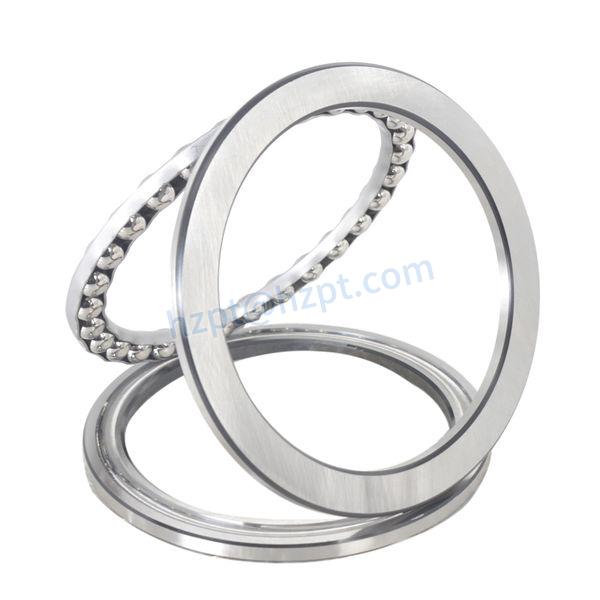
What are the Materials Typically Used in Manufacturing Ball Bearings and Their Advantages?
Ball bearings are manufactured using a variety of materials, each chosen for its specific properties and advantages in various applications. Here are some commonly used materials in ball bearing manufacturing and their respective benefits:
- High-Carbon Chrome Steel (AISI 52100):
This is the most common material used for ball bearing manufacturing. It offers excellent hardness, wear resistance, and fatigue strength. High-carbon chrome steel bearings are suitable for a wide range of applications, from industrial machinery to automotive components.
- Stainless Steel (AISI 440C, AISI 304, AISI 316):
Stainless steel bearings are corrosion-resistant and suitable for applications where moisture, chemicals, or exposure to harsh environments are concerns. AISI 440C offers high hardness and corrosion resistance, while AISI 304 and AISI 316 provide good corrosion resistance and are often used in food and medical industries.
- Ceramic:
Ceramic bearings use silicon nitride (Si3N4) or zirconia (ZrO2) balls. Ceramic materials offer high stiffness, low density, and excellent resistance to corrosion and heat. Ceramic bearings are commonly used in high-speed and high-temperature applications, such as in aerospace and racing industries.
- Plastic (Polyamide, PEEK):
Plastic bearings are lightweight and offer good corrosion resistance. Polyamide bearings are commonly used due to their low friction and wear properties. Polyether ether ketone (PEEK) bearings provide high-temperature resistance and are suitable for demanding environments.
- Bronze:
Bronze bearings are often used in applications where self-lubrication is required. Bronze has good thermal conductivity and wear resistance. Bearings made from bronze are commonly used in machinery requiring frequent starts and stops.
- Hybrid Bearings:
Hybrid bearings combine steel rings with ceramic balls. These bearings offer a balance between the advantages of both materials, such as improved stiffness and reduced weight. Hybrid bearings are used in applications where high speeds and low friction are essential.
- Specialty Alloys:
For specific applications, specialty alloys may be used to meet unique requirements. For example, bearings used in extreme temperatures or corrosive environments may be made from materials like titanium or hastelloy.
- Coated Bearings:
Bearings may also be coated with thin layers of materials like diamond-like carbon (DLC) or other coatings to enhance performance, reduce friction, and improve wear resistance.
The choice of material depends on factors such as application requirements, operating conditions, load, speed, and environmental factors. Selecting the right material is essential for ensuring optimal bearing performance, longevity, and reliability in diverse industries and applications.
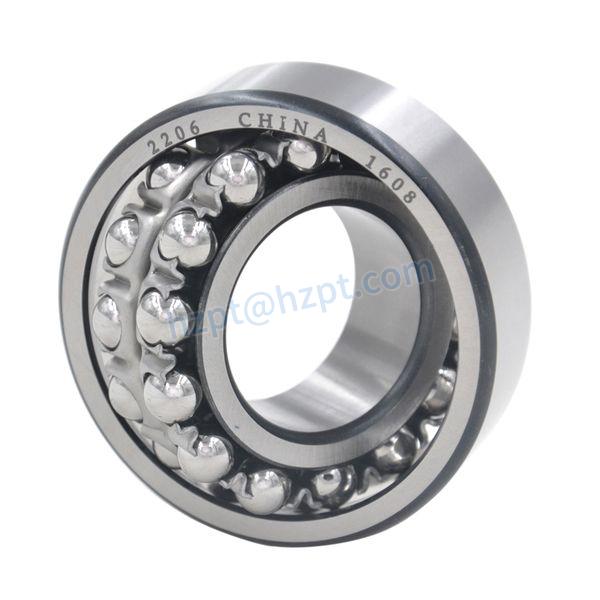
How do Miniature Ball Bearings Differ from Standard-sized Ones, and Where are They Commonly Used?
Miniature ball bearings, as the name suggests, are smaller in size compared to standard-sized ball bearings. They have distinct characteristics and are designed to meet the unique requirements of applications that demand compactness, precision, and efficient rotation in confined spaces. Here’s how miniature ball bearings differ from standard-sized ones and where they are commonly used:
- Size:
The most noticeable difference is their size. Miniature ball bearings typically have outer diameters ranging from a few millimeters to around 30 millimeters, while standard-sized ball bearings have larger dimensions suitable for heavier loads and higher speeds.
- Load Capacity:
Due to their smaller size, miniature ball bearings have lower load-carrying capacities compared to standard-sized bearings. They are designed for light to moderate loads and are often used in applications where precision and compactness are prioritized over heavy load support.
- Precision:
Miniature ball bearings are known for their high precision and accuracy. They are manufactured to tighter tolerances, making them suitable for applications requiring precise motion control and low levels of vibration.
- Speed:
Miniature ball bearings can achieve higher speeds than standard-sized bearings due to their smaller size and lower mass. This makes them ideal for applications involving high-speed rotation.
- Friction and Efficiency:
Miniature ball bearings generally have lower friction due to their smaller contact area. This contributes to higher efficiency and reduced heat generation in applications that require smooth and efficient motion.
- Applications:
Miniature ball bearings find applications in various industries and sectors:
- Electronics and Consumer Devices:
They are used in small motors, computer disk drives, printers, and miniature fans, where space is limited but precise motion is essential.
- Medical and Dental Equipment:
Miniature bearings are used in medical devices such as surgical instruments, dental handpieces, and diagnostic equipment due to their precision and compactness.
- Robotics and Automation:
Miniature ball bearings are integral to robotic arms, miniature conveyors, and automation systems, enabling precise movement in confined spaces.
- Aerospace and Defense:
They are used in applications like UAVs (drones), aerospace actuators, and satellite components where size and weight constraints are critical.
- Optics and Instrumentation:
Miniature bearings play a role in optical instruments, cameras, and measuring devices, providing smooth rotation and accurate positioning.
Overall, miniature ball bearings are specialized components designed for applications where space, precision, and efficient rotation are paramount. Their compactness and high precision make them crucial in various industries requiring reliable motion control in limited spaces.
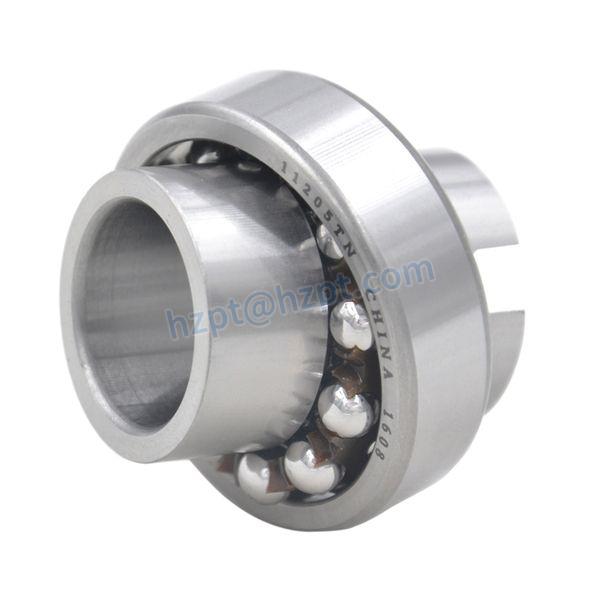
What Factors should be Considered when Selecting a Ball Bearing for a Particular Application?
Selecting the right ball bearing for a specific application involves careful consideration of various factors to ensure optimal performance, longevity, and reliability. Here are the key factors that should be taken into account:
- Load Type and Magnitude:
Determine the type of load (radial, axial, or combined) and the magnitude of the load that the bearing will need to support. Choose a bearing with the appropriate load-carrying capacity to ensure reliable operation.
- Speed and Operating Conditions:
Consider the rotational speed of the application and the operating conditions, such as temperature, humidity, and exposure to contaminants. Different bearing types and materials are suited for varying speeds and environments.
- Accuracy and Precision:
For applications requiring high accuracy and precision, such as machine tool spindles or optical instruments, choose high-precision bearings that can maintain tight tolerances and minimize runout.
- Space Limitations:
If the application has limited space, choose miniature or compact ball bearings that can fit within the available dimensions without compromising performance.
- Thrust and Radial Loads:
Determine whether the application requires predominantly thrust or radial load support. Choose the appropriate type of ball bearing (thrust, radial, or angular contact) based on the primary load direction.
- Alignment and Misalignment:
If the application experiences misalignment between the shaft and housing, consider self-aligning ball bearings that can accommodate angular misalignment.
- Mounting and Installation:
Consider the ease of mounting and dismounting the bearing. Some applications may benefit from features like flanges or snap rings for secure installation.
- Lubrication and Maintenance:
Choose a bearing with appropriate lubrication options based on the application’s speed and temperature range. Consider whether seals or shields are necessary to protect the bearing from contaminants.
- Environmental Conditions:
Factor in the operating environment, including exposure to corrosive substances, chemicals, water, or dust. Choose materials and coatings that can withstand the specific environmental challenges.
- Bearing Material:
Select a bearing material that suits the application’s requirements. Common materials include stainless steel for corrosion resistance and high-carbon chrome steel for general applications.
- Bearing Arrangement:
Consider whether a single-row, double-row, or multiple bearings in a specific arrangement are needed to accommodate the loads and moments present in the application.
By carefully evaluating these factors, engineers and designers can choose the most suitable ball bearing that aligns with the specific demands of the application, ensuring optimal performance, durability, and overall operational efficiency.


editor by CX 2024-03-26