Product Description
| Brand | SHAC |
| Raw material | Aluminum+Bearing Steel |
| Customeized | OEM,ODM |
| Packing | Plastic bag+inner box+cartons.According to customer’s request |
| Sample | Free sample and catalogue available |
| Certification | SGS, ISO9001,ISO14001,OHSAS18001 |
| Application | CNC machines, medical and food machinery, fitness machinery, packaging machinery, printing machinery, and other machinery supporting equipment. |
| Feature | Super high presicion,Low noise,Low backlash,In large stock,Prompt delivery |
Product Description: Linear sliding unit is a case unit with the standard linear bearing installed in a small and light aluminum case.The slide unit series is a line of standardized slide bearing housings and shaft supporters to enable smooth linear motion using slide bearings and shafts.
As follows items in stock:
| SBR support | SBR10,SBR12,SBR16,SBR20,SBR25,SBR30,SBR35,SBR40,SBR50 |
| TBR support | TBR16,TBR20,TBR25,TBR30 |
| SBR..UU | SBR10,SBR12,SBR16,SBR20,SBR25,SBR30,SBR35,SBR40,SBR50 |
| SBR..LUU | SBR10,SBR12,SBR16,SBR20,SBR25,SBR30,SBR35,SBR40 |
| TBR..UU | TBR16,TBR20,TBR25,TBR30 |
| TBR..LUU | TBR16,TBR20,TBR25,TBR30 |
| SCS..UU | SCS8,SCS10,SCS12,SCS13,SCS16,SCS20,SCS25,SCS30,SCS35,SCS40, SCS50,SCS60 |
| SCS..LUU | SCS8,SCS10,SCS12,SCS13,SCS16,SCS20,SCS25,SCS30,SCS35,SCS40, SCS50,SCS60 |
| SC..VUU | SCV8,SCV10,SCV12.SCV13,SCV16,SCV20,SCV25,SCV30,SCV35,SCV40, SCV50 |
| SCE | SCE8,SCE10,SCE12,SCE13,SCE16,SCE20,SCE25,SCE30,SCE35,SCE40, SCE50 |
Application: Linear motion CZPT rail and block TBR/SBR Series with smooth serface, little friction,low noise,they are widely used in linear motion system.For example, punch, tool grinding machine,automatic cutting machine, printer, card sorting machine, Food Packing Machine, other sliding parts on industrial machinery.
| Brand | SHAC |
| Raw material | Aluminum+Bearing Steel |
| Customeized | OEM,ODM |
| Packing | Plastic bag+inner box+cartons.According to customer’s request |
| Sample | Free sample and catalogue available |
| Certification | SGS, ISO9001,ISO14001,OHSAS18001 |
| Application | CNC machines, medical and food machinery, fitness machinery, packaging machinery, printing machinery, and other machinery supporting equipment. |
| Feature | Super high presicion,Low noise,Low backlash,In large stock,Prompt delivery |
Product Parameters
Detailed Photos
Company Profile
Certifications
Our Advantages
Service:
1,Our Team:
We have experienced and qualified team of marketing and sales representatives to serve our valued customers with the finest products and unsurpassed service.And have professional engineers team to assessment and development the new precision products,and make the OEM customized more easily,experienced QC team to test the products quaity ensure the goods quality before delivery out.
2,Our products:
Quality is the life .We use only the best quality material to ensure the precision of our
Product.All products we sold out are strictly selected and tested by our QC department.
3,Payment:
We accept payment via TT (Bank transfer), L/C,Western Union.
4,Shipping method:
Including DHL, UPS, TNT, FEDEX,EMS, Airfreight and by Sea,as customer required.
To get sample or price list of linear gudies,ball screw, please contact us.
/* January 22, 2571 19:08:37 */!function(){function s(e,r){var a,o={};try{e&&e.split(“,”).forEach(function(e,t){e&&(a=e.match(/(.*?):(.*)$/))&&1
| Customized: | Non-Customized |
|---|---|
| Certification: | ISO, SGS |
| Standard Parts: | Yes |
| Universal: | Yes |
| Type: | Asia and Europe Standard |
| Material: | Aluminum+Bearing Steel |
| Samples: |
US$ 3/Piece
1 Piece(Min.Order) | |
|---|
| Customization: |
Available
| Customized Request |
|---|
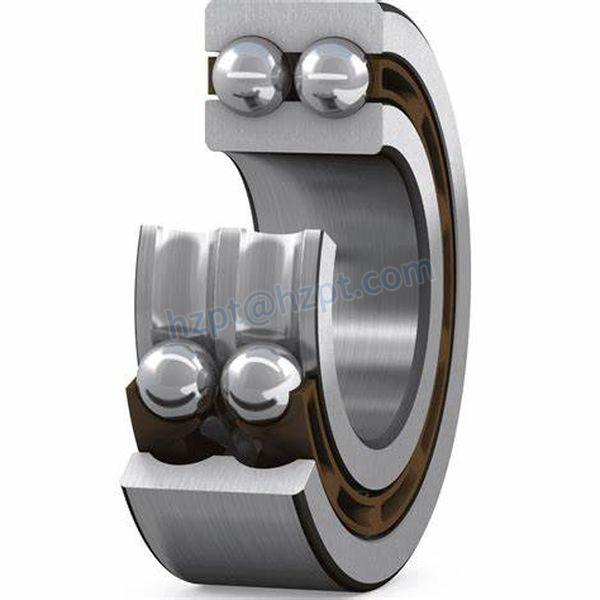
What are the Challenges Associated with Noise Reduction in Ball Bearings?
Noise reduction in ball bearings is a crucial consideration, especially in applications where noise levels must be minimized for operational efficiency and user comfort. While ball bearings are designed to operate smoothly, there are several challenges associated with reducing noise in their operation:
- Vibration:
Vibration generated by the movement of rolling elements and raceways can lead to noise. Even minor irregularities in bearing components or the mounting system can cause vibration that translates into audible noise.
- Bearing Type and Design:
The type and design of the ball bearing can impact noise generation. For example, deep groove ball bearings are known for their quiet operation, while angular contact bearings can generate more noise due to their higher contact angles.
- Lubrication:
Improper or inadequate lubrication can result in increased friction and wear, leading to noise. Choosing the right lubricant and maintaining proper lubrication levels are essential for reducing noise in ball bearings.
- Bearing Clearance and Preload:
Incorrect clearance or preload settings can lead to noise issues. Excessive clearance or inadequate preload can cause the rolling elements to impact the raceways, resulting in noise during rotation.
- Material and Manufacturing Quality:
The quality of materials and manufacturing processes can affect noise levels. Inconsistent or low-quality materials, improper heat treatment, or manufacturing defects can lead to noise generation during operation.
- Surface Finish:
The surface finish of the rolling elements and raceways can impact noise. Rough surfaces can generate more noise due to increased friction and potential irregularities.
- Sealing and Shielding:
Seals and shields that protect bearings can influence noise levels. While they are necessary for contamination prevention, they can also cause additional friction and generate noise.
- Operating Conditions:
External factors such as temperature, speed, and load can influence noise levels. High speeds or heavy loads can amplify noise due to increased stress on the bearing components.
- Wear and Deterioration:
As ball bearings wear over time, noise levels can increase. Worn components or inadequate lubrication can lead to more significant noise issues as the bearing operates.
To address these challenges and reduce noise in ball bearings, manufacturers and engineers employ various techniques, such as optimizing design, selecting suitable bearing types, using proper lubrication, maintaining accurate preload settings, and ensuring high-quality materials and manufacturing processes. Noise reduction efforts are essential to improve overall product quality, meet noise regulations, and enhance user experience in various applications.
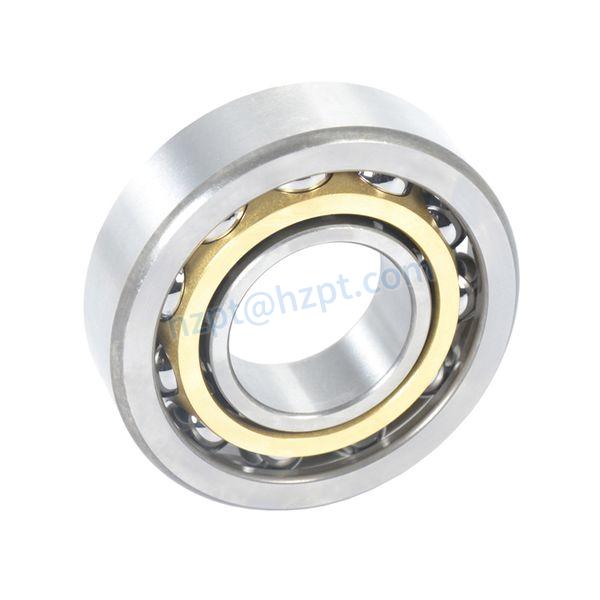
What Precautions should be taken to Prevent Contamination of Ball Bearings in Industrial Settings?
Preventing contamination of ball bearings is essential to ensure their proper function, longevity, and overall performance in industrial settings. Contaminants such as dust, dirt, debris, and particles can significantly impact bearing operation. Here are important precautions to take to prevent contamination of ball bearings:
- Effective Sealing:
Choose ball bearings with appropriate seals or shields to prevent the ingress of contaminants. Seals provide a physical barrier against dust, moisture, and particles, ensuring the bearing’s interior remains clean.
- Clean Environment:
Maintain a clean working environment around the machinery and equipment. Regularly clean the surrounding areas to prevent the accumulation of dirt and debris that could enter the bearings.
- Proper Handling:
Handle bearings with clean hands and use gloves if necessary. Avoid touching the bearing surfaces with bare hands, as natural skin oils can transfer contaminants onto the bearing.
- Clean Tools and Equipment:
Use clean tools and equipment during installation and maintenance to prevent introducing contaminants. Ensure that tools are properly cleaned before coming into contact with the bearing components.
- Contamination-Controlled Workstations:
Establish contamination-controlled workstations for bearing handling, installation, and maintenance. These areas should have proper ventilation, filtered air, and minimal exposure to external contaminants.
- Proper Lubrication:
Use the correct lubricant in appropriate quantities. Lubricants help create a barrier against contaminants and reduce friction. Regularly inspect and replenish lubrication to maintain its effectiveness.
- Regular Inspections:
Implement a routine inspection schedule to monitor the condition of the bearings. Look for signs of contamination, wear, and damage. Address any issues promptly to prevent further damage.
- Training and Education:
Train personnel on proper handling, installation, and maintenance practices to minimize the risk of contamination. Educated employees are more likely to take precautions and prevent accidental contamination.
- Environmental Controls:
In sensitive environments, such as clean rooms or medical facilities, implement strict environmental controls to minimize the presence of contaminants that could affect bearing performance.
- Regular Cleaning and Maintenance:
Perform regular cleaning and maintenance of machinery and equipment to prevent the buildup of contaminants. Keep bearings protected during maintenance to prevent debris from entering during the process.
- Selection of Suitable Bearings:
Choose bearings that are specifically designed for the application’s environmental conditions. Some bearings have advanced sealing options or specialized coatings that enhance contamination resistance.
By implementing these precautions, industries can significantly reduce the risk of contamination in ball bearings, ensuring smooth operation, extended bearing life, and enhanced equipment reliability.
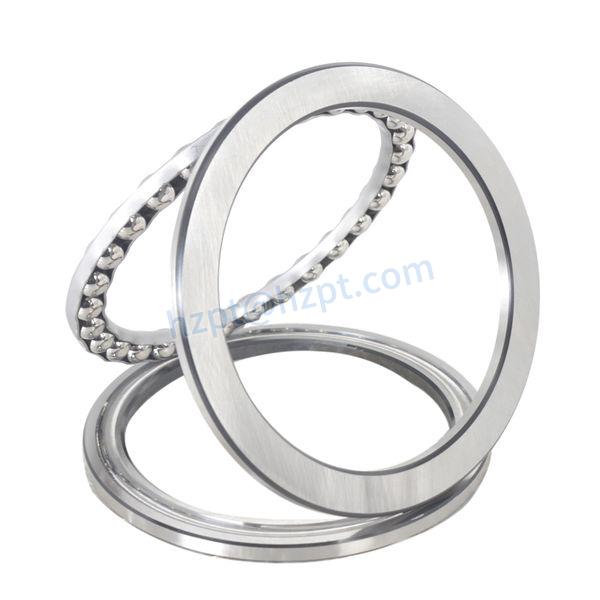
How do Ball Bearings Differ from Other Types of Bearings like Roller Bearings?
Ball bearings and roller bearings are two common types of rolling-element bearings, each with distinct designs and characteristics. Here’s a comparison of ball bearings and roller bearings:
- Design:
Ball Bearings: Ball bearings use spherical balls to separate and reduce friction between the bearing’s inner and outer rings. The balls enable rolling motion and smooth contact, minimizing friction.
Roller Bearings: Roller bearings, as the name suggests, use cylindrical or tapered rollers instead of balls. These rollers have larger contact areas, distributing loads over a broader surface.
- Friction and Efficiency:
Ball Bearings: Due to the point contact between the balls and the rings, ball bearings have lower friction and are more efficient at high speeds.
Roller Bearings: Roller bearings have a larger contact area, resulting in slightly higher friction compared to ball bearings. They are more suitable for heavy-load applications where efficiency is prioritized over high speeds.
- Load Capacity:
Ball Bearings: Ball bearings excel at handling light to moderate loads in both radial and axial directions. They are commonly used in applications where smooth rotation and low friction are important.
Roller Bearings: Roller bearings have a higher load-carrying capacity than ball bearings. They can support heavier radial and axial loads and are preferred for applications with significant loads or impact forces.
- Variability:
Ball Bearings: Ball bearings come in various designs, including deep groove, angular contact, and thrust ball bearings, each suitable for different applications.
Roller Bearings: Roller bearings have diverse types, including cylindrical, spherical, tapered, and needle roller bearings, each optimized for specific load and motion requirements.
- Speed Capability:
Ball Bearings: The reduced friction in ball bearings makes them suitable for high-speed applications, such as electric motors and precision machinery.
Roller Bearings: Roller bearings can handle higher loads but are generally better suited for moderate to low speeds due to slightly higher friction.
- Applications:
Ball Bearings: Ball bearings are used in applications where smooth motion, low friction, and moderate loads are essential, such as electric fans, bicycles, and some automotive components.
Roller Bearings: Roller bearings find applications in heavy machinery, construction equipment, automotive transmissions, and conveyor systems, where heavier loads and durability are crucial.
In summary, ball bearings and roller bearings differ in their design, friction characteristics, load capacities, speed capabilities, and applications. The choice between them depends on the specific requirements of the machinery and the type of loads and forces involved.


editor by CX 2024-04-17
China NM100 Flanged Sliding Bearing factory,G611012 Casting oil free bushing graphite inserts bronze bush bearing driver kit
Type: Sliding
Relevant Industries: Manufacturing Plant, Machinery Repair Shops, Design works , CZPT Industry
Precision Score: g6
Design Amount: JDB-ten
Base Material: CuZn25Al5,C86300,SAE 430B
Lubricant: graphite, SL1, SL4
Hardness: >210
Bush sorts: Cylinder, Collar, Thrust Waser, plates
Application: Automotive Mould, Plastic sector
Certification: ISO 9001:2015IATF 16949:2016
Standard: Oiles, Sankyo oilless, MISUMI, VOEST
Attributes: Self lubricating, Maintenance totally free
Specification: Common dimension and customized
Other products: DU bush, DX bush, bimetal bearing, oiles plates, bronze bearing
Packaging Specifics: Obvious the bushWrapped the bush with plastic paperRolled d the bush with bubble wrapPut bush into export cartonsPut sixteen cartons into wooden situation or wood pallets
Port: ZheJiang
Certifications Specification
| Material | CuZn25Al5 | CuSn5Pb5Zn5 | CuAl10Ni5Fe5 | CuSn12 | CuZn32Al5Ni3 |
| Density | 8 | 8.9 | 7.eight | 8.nine | 8 |
| HB hardness | >210 | >70 | >150 | >95 | >280 |
| Tensile strength N/mm2 | >750 | > Sizzling sale 3x10x4 complete ceramic abec 9 bearing 623 200 | >600 | >260 | >540 |
| Yeild toughness N/mm2 | >450 | >90 | >260 | >150 | >450 |
| Elongation % | >12 | >15 | >10 | >8 | >0.three |
| Coefficient oflinear growth | 1.9×10⁻⁵/°C | 1.8×10⁻⁵/°C | 1.6×10⁻⁵/°C | 1.8×10⁻⁵/°C | 1.8×10⁻⁵/°C |
| Max. temp. | -forty~+300 | -40~+four hundred | -forty~+four hundred | -forty~+400 | -40~+150 |
| Max. load N/mm2 | 100 | 60 | 50 | 70 | 150 |
| Max. velocity (Dry) m/min | 15 | 10 | 20 | 10 | 15 |
| Max. PVN/mm2*m/min (Lubrication) | 200 | 60 | 60 | 80 | 200 |
| Compression deformation300N/mm2 | <0.01mm | <0.05mm | <0.04mm | <0.05mm | <0.005mm |
What is a bushing?
If you’ve ever wondered what an enclosure is, you’ve come to the right place. This article will provide an overview of different types of housings, including air-insulated, oil-impregnated porous bronze, and epoxy-impregnated capacitor cells. After reading this article, you will be better equipped to make an informed choice about the type of bushings your truck needs.
air insulating sleeve
When choosing bushings for your electrical application, you need to look for bushings with long-lasting insulation. In addition to being durable, bushings must have the correct design shape and material to remain effective over time. Porcelain was used in early casing designs and was chosen for indoor and outdoor applications due to its low cost and low linear expansion. Porcelain also requires a lot of metal fittings and flexible seals to remain effective.
Solid bushings have a center conductor and a porcelain or epoxy insulator. They are used in low voltage electrical applications such as small distribution transformers and circuit switches. However, their low radial capacity limits their use in high-voltage applications, so they are limited to circuit switches and other low-voltage equipment. The electrical service duty of the bushing determines the type of insulation required.
Another type of air-insulated bushing is made of conductive metal, which reduces heat transfer. This design enables it to operate over a range of temperature conditions. Additionally, air-insulated bushings are generally more effective than gas-insulated bushings in a range of applications. The main difference between air-insulated bushings and gas-insulated bushings is the insulating material. While gas-insulated bushings are usually made of high-quality materials, high-quality materials are still preferred in some applications.
Elliott # B series insulators are 25 kV class and pressure molded cycloaliphatic epoxy resins. They feature knurled brass inserts and 16 UNC threads. If you choose this type, make sure it matches the exact diameter of your Elliott Class 25 kv air insulated bushing. These insulators also provide overall shielding and require openings to fit inch diameters.
There are two types of air-insulated bushings: air-to-air and oil-to-oil. Oil is a stronger dielectric than air, and air-to-oil bushings are used to connect atmospheric air to oil-filled equipment. They are available for solid and capacitive hierarchies. So, which one is right for you? Just choose the right insulation to make your equipment as efficient as possible.
Oil Impregnated Porous Bronze Bushings
Oil-impregnated porous bronze (PbB) bushings are one of the best options for lubricating metal bearings. Lubrication is maintained even in high temperature applications as oil penetrates into the pores of the bronze. They are also self-lubricating and maintenance-free. Manufactured by CZPT, the Oil Impregnated Bronze Bushing is a powder metal process that is uniformly lubricated by a uniform oil film. This type of bearing is one of the most efficient in terms of precision performance.
One major difference between oil-impregnated bronze bushings and standard cast bronze bushings is their manufacturing process. Oil-impregnated bronze bushings are pressed from powder and then sintered to form a hardened part. This method is very effective for high-volume manufacturing, but it also has its limitations. Oil-impregnated bronze bushings are cheaper and more efficient, but they have mechanical limitations.
The production of oil-impregnated porous bronze bushings is simple. Powder bronze bushings are pressed and vacuum sealed by forcing oil into the pores. The low stress properties of oil-impregnated bronze bushings make them easier to manufacture in high volume. It also does not require additional lubrication. However, oil-impregnated porous bronze bushings have relatively low mechanical strength and are not recommended for applications where high temperatures are present.
Oil Impregnated Porous Bronze is also known as BPPB. Unlike traditional oil-impregnated bronze bushings, BPPB bushings have a high oil retention capacity. This means they will last a long time and you will save a lot of maintenance costs. But be careful. Porous bronze bushings can only last so long without oil.
Oil-impregnated bronze bushings are a good choice if dimensional consistency is important. BP bronze bushings have the same C dimension as solid metal bushings. While the CZPT is a ghost of the past, there are now many powder metal manufacturers producing BP housings. Their C of F values range from 0.04 to 0.08.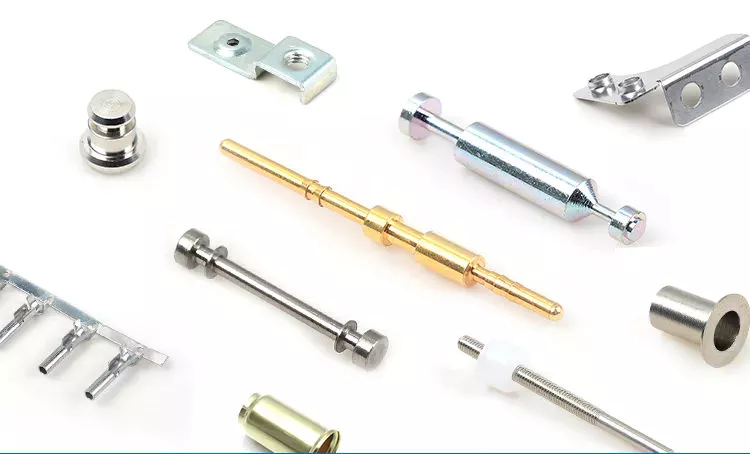
Epoxy Impregnated Capacitor Batteries
Epoxy impregnated condenser core sleeves are conductive paper used in air conditioning systems. The paper core is coated with epoxy resin and the insulating shell is silicone rubber. RIP bushings have excellent electrical properties, are fire resistant and are relatively small. However, the process of making these products is not easy and mistakes are common. These defects manifest as cracks or other structural damage in the capacitor cells.
RIF (Resin Impregnated) bushings feature a finely graded design. The capacitor core is made of glass fiber impregnated with epoxy resin. The outer insulation is made of silicone rubber sheds glued directly to the capacitor core. These bushings are designed for small clearances, so no filler material is required.
In order to determine whether the RIP sleeve is void-free and dry, the insulating paper must be impregnated with epoxy resin. The process is similar to making conventional condenser core sleeves, but with greater flexibility and robustness. The main difference between RIP bushings and conventional insulators is the epoxy content.
Capacitor grading bushings are also available. These bushings increase the electric field at the ends of the capacitor core plates. The higher the temperature, the higher the electric field. These properties make resin-impregnated capacitor mandrel sleeves reliable. However, capacitor grade bushings have higher electric fields than nonlinear bushings.
The capacitor core of the present invention is made by winding paper around the winding tube 3 . The paper may contain an intermediate conductive foil. The winding tube is then covered with electrical insulator. Afterwards, the capacitor core 1 will be RIP and electrically connected to the electrical conductor 6 .
To further characterize the performance of RIPs, thermal shock current (TSC) was used to determine their trap parameters. Unmodified epoxy resin and nano-SiO2 modified RIP were tested. The RIP samples were polarized under a 2 kV/mm electric field at 333 K for 10 min and then subcooled to 193 K with liquid nitrogen. TSC curves were obtained at 3 K/min and 383 K.
plastic bushing
Plastic bushings are essential for many industries. They protect wires and other mechanical parts. They come in many shapes and sizes and are often used as adapters when connecting two pipes or tubes of different diameters. They are available in a variety of materials including rubber, steel and various other plastics. Most bushings are cylindrical or conical in shape and made of shock absorbing material. They slide on rods or pipes to provide low friction motion.
Plastic bushings can be made from a variety of materials, including phenolic, polyethylene, and nylon. While phenolic resins have long been the preferred choice for heavy-duty applications, nylon is the most commonly used lining plastic. Nylon has several advantages, including low friction, no lubrication, quiet operation, and low wear. In addition to these advantages, it is easy to form and cast. In order to obtain better mechanical properties, fillers such as molybdenum disulfide can be added to the material. Plus, filled nylon parts resist deformation at temperatures up to 300 degrees Fahrenheit.
Another benefit of plastic bushings is their low cost. Much cheaper than metal, plastic is a versatile material that can be used in a variety of industries. A quick installation and replacement process makes them the first choice for users who need to install new components quickly. Plus, plastic bushings don’t wear out as quickly as metal, which is another benefit. And because the wear rate of plastic bushings is predictable, manufacturers can easily replace them before they start to fail. And they last longer, so you save time and money.
Plastic bushings are widely used in machinery with sliding and rotating shaft components. They have excellent load-carrying capacity and anti-friction properties. They are essential to many industries, including construction, mining, agriculture, hydropower, transportation and food processing. They are easy to install and come in a variety of sizes and shapes. They are very durable and very reliable. They reduce machine wear and are less expensive than bearings.
editor by czh 2023-02-19

China Hcqp Part Diesel Engine Spare Parts Komatsu 6D155 Engine Main Bearing Bush Crankshaft Bearing Bush 6127-21-8000 6127-21-8071 supplier
Product Description
FAQ:
Q1. What is your phrases of packing?
A: Usually, we pack our products in Carton bins and then in wood situation.
Q2. What is your phrases of payment?
A: T/T 30% as deposit, and 70% before shipping and delivery. We will present you the photos of the products and packages
ahead of you pay the equilibrium.
Q3. What is your phrases of supply?
A: EXW, FOB, CPT, CIF.
This autumn. How about your supply time?
A: Generally, it will get 7 to thirty days following acquiring your advance payment. The specific shipping and delivery time depends
on the items and the amount of your get.
Q5. Can you generate according to the samples?
A: Sure, we can generate by your samples or specialized drawings. We can construct the molds and fixtures.
Q6. What is your sample plan?
A: We can offer the sample if we have all set components in inventory, but the consumers have to pay the sample price and the courier value.
Q7. Do you take a look at all your products ahead of delivery?
A: Indeed, we have one hundred% test ahead of delivery
Q8: How do you make our enterprise lengthy-phrase and good partnership?
A:1. We maintain good quality and aggressive price tag to make certain our clients benefit
two. We regard every client as our pal and we sincerely do enterprise and make pals with them, no matter exactly where they arrive from.
|
US $1-55 / Piece | |
1 Piece (Min. Order) |
###
| After-sales Service: | 6 Months Warranty |
|---|---|
| Application: | Excavator, Lawnmower |
| Certification: | RoHS, TS16949, ISO 9001, CE |
| Warranty: | 6 Months |
| Color: | Silver |
| Engine Type: | Diesel |
###
| Samples: |
US$ 55/Piece
1 Piece(Min.Order) |
|---|
###
| Customization: |
Available
|
|---|
|
US $1-55 / Piece | |
1 Piece (Min. Order) |
###
| After-sales Service: | 6 Months Warranty |
|---|---|
| Application: | Excavator, Lawnmower |
| Certification: | RoHS, TS16949, ISO 9001, CE |
| Warranty: | 6 Months |
| Color: | Silver |
| Engine Type: | Diesel |
###
| Samples: |
US$ 55/Piece
1 Piece(Min.Order) |
|---|
###
| Customization: |
Available
|
|---|
Types of Ball Bearings
There are several types of ball bearings: Double-row angular contact, Four-point contact, Self-aligning, and Ceramic hybrid. Here’s a brief description of each. For more information, read our article about Double-row angular contact ball bearings. You’ll be better informed about how they’re made. Also, learn about how the cages that hold the balls in place are secured with rivets.
Double-row, angular-contact bearing
Double-row, angular-contact ball bearings are similar in their contact surfaces in one direction, and the two pairs of bearings are installed axially opposite to one another. This design allows them to support combined loads in axial and radial directions. These types of bearings are used for high-precision, high-speed applications. They can be used in everything from turbines to dentistry equipment. Double-row, angular-contact bearings are available at Grainger, as are single-row versions.
Double-row, angular-contact ball bearings are a popular option for applications where high precision and high speed are required. The design features of these bearings are ideal for applications with axial space restrictions. In contrast, they are smaller than two single-row angular-contact bearings and are available in steel, polyamide, or brass cages. Whether you need a cage for high speed or hard operating conditions is up to you. If you are unsure about the right cage for your application, contact Schaeffler.
Single-row angular-contact ball bearings are the most common type of bearings. Double-row bearings are also available with a shielded outer ring, which protects the balls inside the bearing from external contaminants. Because these double-row bearings are a good choice for applications requiring high performance, they are often the most affordable option. They offer similar performance as single-row bearings but are much more rigid.
Preloading is a key performance characteristic for double-row angular-contact ball bearings. Preloading can decrease the service life of double-row angular-contact ball bearings by up to 380 percent. Alternatively, you can preload double-row angular-contact ball bearings by placing spacers between their outer rings. Good double-row angular-contact bearing installation will increase working accuracy and bearing life.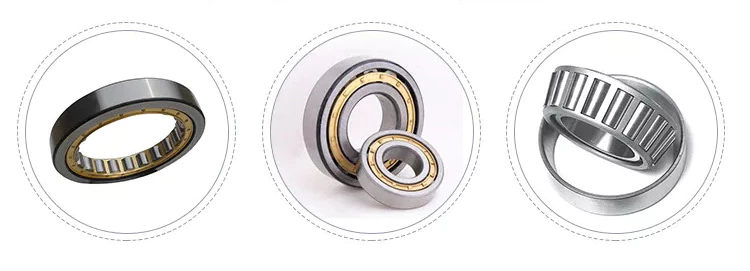
Four-point contact ball bearing
The Four Point Contact Ball Bearing Market can be segmented into three types: 35 Degree, 45 Degree, and Other. The 35 Degree segment is expected to witness the fastest growth over the next few years, owing to its increased operational speed and competence in axial and radial axis load handling. Other types of four-point contact ball bearings include the Miniature and Deep Groove varieties. These are widely used in automobiles, aerospace, and other industries.
These bearings are designed for oil-free screw compressors, and they feature an outer-ring guided brass cage to reduce friction and increase running accuracy. In addition, they have lower maintenance costs compared to conventional bearings. However, they have a higher mean roughness value than their counterparts. High-speed operations require high-speed bearings that can withstand fast speed changes. This is because of the higher friction rate, which results from four-point contact.
The Four-Point Contact Ball Bearing is a highly versatile product, as it can handle radial, thrust, and moment loads. Because of this, it is often the first choice for slow to moderate-speed applications. This design also has a simplified assembly process, requiring only a single double-half-turn to install. It is the first choice of many automotive OEMs because it is extremely efficient. If you want a ball bearing with these benefits, you should contact a local bearing company.
The Four-Point Contact Ball Bearing Market will continue to grow despite a tough economy and volatile trade conditions. Demand for automotive and aerospace components is expected to grow alongside a variety of technological advancements. Meanwhile, demand for energy-efficient products will continue to increase with changes in trade policy, an imbalance in the supply-side ecosystem, and geopolitical risk. And while all these factors will continue to drive the market growth, a few challenges are worth considering.
The Four-Point Contact Bearing is designed with the same basic structure as its two-point counterpart. In a four-point contact ball bearing, one ball can have four distinct points of contact with two rings. Two of these contact points may be in diagonal position. The two remaining contact points change position and accommodate radial loads. Consequently, the Four-Point Contact Bearing is more flexible and robust than its two-point counterparts.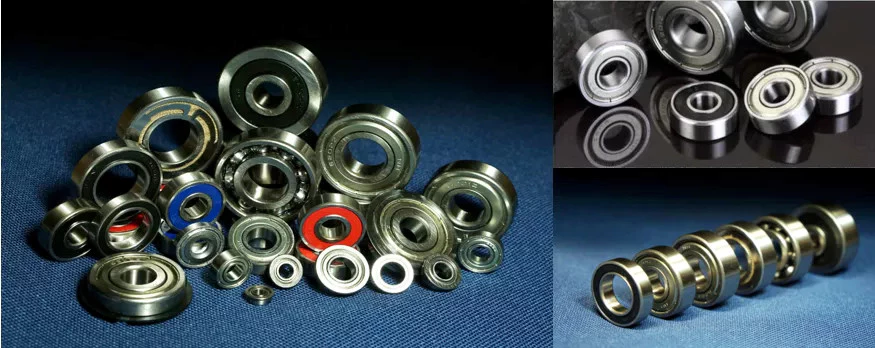
Self-aligning ball bearing
The self-aligning ball bearing is an incredibly useful tool in many industries. This type of bearing has a sealing lip that makes contact with a smooth chamfer on the inner ring. Because of the self-aligning nature of these bearings, they are not prone to misalignment. They can withstand temperatures ranging from -30°C to 120°C and should not be heated prior to installation.
A self-aligning ball bearing is an elastomer-based spherical-shaped bearing with two rows of rolling elements. These bearings can accommodate large radial loads, and their outer ring raceway is curved to provide a spherical effect. The inner ring, or cage, can be either cylindrical or conical. The inner diameter of a self-aligning ball bearing is normally cylindrical, but some are conical. They typically have three oil holes.
When choosing a self-aligning ball bearing, look for a model with a large enough bearing diameter to accommodate the shaft’s bending. Self-aligning bearings may also be interchangeable with standard ball bearing assemblies. You can find individual values in manufacturer catalogues. These bearings are useful in limited applications, although they are not necessarily ideal for everything. For example, in applications where combined loads are the main concern, self-aligning ball bearings should only be used if the application requires minimal misalignment.
A self-aligning ball bearing is a highly-efficient, energy-efficient solution for a variety of applications. It is a simple, low-maintenance solution that makes your life easier. Its unique outer raceway allows restraining springs to absorb the deflection that is common in other bearings. The result is a cooler, smoother running vehicle. It also helps prevent misalignment, which makes it ideal for use in many applications.
The SKF self-aligning ball bearing is an excellent choice for applications involving heavy deflection of the shaft. They are the lowest-friction bearing available. Their steel plate reinforced seals prevent them from separating from the shaft during operation. They are also resistant to oil, making them the perfect solution for high-speed applications. In addition to this, they are designed to work in a wide range of temperatures.
Ceramic hybrid ball bearing
A hybrid ball bearing made from a combination of steel and ceramics is a good option for high-speed applications requiring electrical isolation. This combination offers an extended lifespan and minimal electrical corrosion or seizure risk. In addition, the hybrid ball bearings have less friction than steel bearings and can operate at low speeds. To learn more about this hybrid type of bearing, continue reading. We’ll also discuss how it can help your application.
Full ceramic balls are generally harder than steel, but they do have lower density, meaning they’re not subject to the same high centrifugal forces as steel balls. These benefits make ceramic ball bearings much more durable, with long lifespans. Both full and hybrid ceramic ball bearings are available from CZPT. Read on to learn more about each type. Here’s a look at some of the benefits of each. You’ll be pleasantly surprised.
A hybrid ball bearing consists of steel inner and outer rings and a ceramic ball. It can withstand high speeds and loads, but it’s also designed to operate in extreme temperatures. This hybrid ball bearing also requires minimal lubrication and is suitable for a variety of applications. Because of its unique characteristics, hybrid bearings are lightweight and hard, and they spin faster than steel balls. But how do you choose the right one for your application?
A ceramic ball bearing is better than a steel one for many applications. Its greater speed capability and lower friction allow it to operate at higher speeds than steel balls. It is also less sensitive to fluctuations in lubrication conditions than steel balls. They also tend to be cheaper, so it makes sense to invest in one. It’s worth your while. They last longer, and they don’t require a run-in period.
A hybrid ball bearing is the best choice for electric spindles with high speed and heavy loads. A hybrid ceramic ball bearing has the advantage of low heat and high stiffness, and can operate at high speeds and loads. This thesis explores the dynamic characteristics of a hybrid ceramic ball bearing, including analysis calculations and experiment verification. The results provide reliable data and lay the foundation for professional spindle optimum design tests. It is a worthy addition to any machine shop.
editor by czh 2022-12-15