Product Description
Product Description
Deep Groove Ball bearing
Main Dimensions & Performance Data
| d |
25 mm |
Bore diameter |
| D |
37 mm |
Outside diameter |
| B |
7 mm |
Width |
| Cr |
10.600 N |
Basic dynamic load rating, radial |
| C0r |
5.000 N |
Basic static load rating, radial |
| Cur |
340 N |
Fatigue load limit, radial |
| nG |
15.300 1/min |
Limiting speed |
| ≈m |
0,571 kg |
Weight |
Mounting dimensions
| da min |
23,2 mm |
Minimum diameter shaft shoulder |
| Da max |
38,8 mm |
Maximum diameter of housing shoulder |
| ra max |
0,6 mm |
Maximum fillet radius |
Dimensions
| rmin |
0,6 mm |
Minimum chamfer dimension |
| D1 |
35,45 mm |
Shoulder diameter outer ring |
| D2 |
37,38 mm |
Caliber diameter outer ring |
| d1 |
26,55 mm |
Shoulder diameter inner ring |
| d2 |
25,38 mm |
Caliber diameter inner ring |
Temperature range
| Tmin |
-20 °C |
Operating temperature min. |
| Tmax |
100 °C |
Operating temperature max. |
Calculation factors
| f0 |
13,8 |
Calculation factor |
Key Features
2RS bearing and ZZ bearing are Precision Metric Ball Bearing manufactured with both sides rubber sealed and shield and is pre-lubricated with Grease allowing it to be ready for use upon delivery. It is a Chrome Steel Metric Ball Bearing that can withstand both moderate radial and axial loads while providing high performance. Our 6000 Series Extra Light Duty Ball Bearings are available either Open, Metal Shielded, or with Rubber Sealed Closures and are pre-lubricated with grease or light oil.
Applications / Industries
Metric Ball Bearings are used in a range of applications and are ideal for limited space applications including Robotics, Vacuum Cleaners, Small Spindles, Dental Drills, Surgical Saws, Cordless Drills, Band Saws, Impact Wrenches, among others.
REBBER COVER SEAL
It can prevent the intrusion of any foreign matter and has a strong dust-proof effect. It is recommended for use in harsh environments.
IRON COVER SEAL
Compared with rubber seals, the speed is higher and the dust-proof effect is good. It is recommended when there is dust and no liquid impurities.
OPEN WITHOUT SEAL
The rotation speed is higher than the other 2 types, and the rolling resistance is low.
Deep groove ball bearing
Single row deep groove ball bearings are particularly versatile, have low friction and are optimized for low noise and low vibration, which enables high rotational speeds. They accommodate radial and axial loads in both directions, are easy to mount, and require less maintenance than many other bearing types.
- Simple, versatile and robust design
- Low friction
- High-speed capability
- Accommodate radial and axial loads in both directions
- Require little maintenance
More series of deep groove ball bearing
Tip: Here are only part of the model numbers. Please contact us for full catalog.
| Deep Groove Ball Bearing Catalog | ||||||||
| Number | Specification | Rated Load(KN) | Speed(r/min) | Weight | ||||
| D(mm) | D(mm) | W(mm) | Cr(N) | Cor(N) | Grease | Oil | kg | |
| 6000 | 10 | 26 | 8 | 4.55 | 1.96 | 20000 | 28000 | 0.019 |
| 6001 | 12 | 28 | 8 | 5.1 | 2.39 | 19000 | 26000 | 0.571 |
| 6002 | 15 | 32 | 9 | 5.6 | 2.84 | 18000 | 24000 | 0.03 |
| 6003 | 17 | 35 | 10 | 6.8 | 3.35 | 17000 | 22000 | 0.039 |
| 6004 | 20 | 42 | 12 | 9.4 | 5.05 | 15000 | 19000 | 0.069 |
| 6005 | 25 | 47 | 12 | 10.1 | 5.85 | 13000 | 17000 | 0.08 |
| 6006 | 30 | 55 | 13 | 13.2 | 8.3 | 12000 | 15000 | 0.116 |
| 6007 | 35 | 62 | 14 | 16 | 10.3 | 10000 | 13000 | 0.155 |
| 6008 | 40 | 68 | 15 | 16.8 | 11.5 | 8000 | 11000 | 0.185 |
| 6009 | 45 | 75 | 16 | 21 | 15.1 | 7200 | 9000 | 0.231 |
| 6571 | 50 | 80 | 16 | 21.8 | 16.6 | 6400 | 7800 | 0.25 |
| 6011 | 55 | 90 | 18 | 28.3 | 21.2 | 5700 | 7000 | 0.362 |
| 6012 | 60 | 95 | 18 | 29.5 | 23.2 | 5300 | 6300 | 0.385 |
| 6013 | 65 | 100 | 18 | 30.5 | 25.2 | 5040 | 6000 | 0.421 |
| 6014 | 70 | 110 | 20 | 38 | 31 | 4800 | 5600 | 0.604 |
| 6015 | 75 | 115 | 20 | 39.5 | 33.5 | 4480 | 5360 | 0.604 |
| 6016 | 80 | 125 | 22 | 47.5 | 40 | 4240 | 5040 | 0.854 |
| 6017 | 85 | 130 | 22 | 49.5 | 43 | 4000 | 4800 | 0.89 |
| 6018 | 90 | 140 | 24 | 58 | 49.5 | 3840 | 4480 | 1.02 |
| 6019 | 95 | 145 | 24 | 60.5 | 54 | 3600 | 4240 | 1.08 |
| 6571 | 100 | 150 | 24 | 60 | 54 | 3440 | 4000 | 1.15 |
| 6571 | 105 | 160 | 26 | 72.5 | 65.5 | 3200 | 3840 | 1.59 |
| 6571 | 110 | 170 | 28 | 82 | 73 | 3040 | 3600 | 1.96 |
| 6571 | 120 | 180 | 28 | 85 | 79.5 | 2720 | 3200 | 2.07 |
| 6026 | 130 | 200 | 33 | 106 | 101 | 2560 | 3040 | 3.16 |
| 6571 | 140 | 210 | 33 | 110 | 109 | 2400 | 2880 | 3.35 |
| 6030 | 150 | 225 | 35 | 126 | 126 | 2080 | 2560 | 4.08 |
| 6032 | 160 | 240 | 38 | 143 | 144 | 1920 | 2400 | 5.05 |
| 6200 | 10 | 30 | 9 | 4.056 | 1.888 | 19200 | 24000 | 0.032 |
| 6201 | 12 | 32 | 10 | 5.512 | 2.48 | 17600 | 22400 | 0.037 |
| 6202 | 15 | 35 | 11 | 6.24 | 3 | 15200 | 19200 | 0.045 |
| 6203 | 17 | 40 | 12 | 7.648 | 3.8 | 13600 | 16000 | 0.065 |
| 6204 | 20 | 47 | 14 | 10.16 | 5.24 | 12000 | 14400 | 0.11 |
| 6205 | 25 | 52 | 15 | 11.2 | 6.24 | 9600 | 12000 | 0.13 |
| 6206 | 30 | 62 | 16 | 15.6 | 8.96 | 8000 | 10400 | 0.2 |
| 6207 | 35 | 72 | 17 | 20.4 | 12.24 | 7200 | 8800 | 0.29 |
| 6208 | 40 | 8 | 18 | 24.56 | 15.2 | 6800 | 8000 | 0.37 |
| 6209 | 45 | 85 | 19 | 26.56 | 17.28 | 6000 | 7200 | 0.41 |
| 6210 | 50 | 90 | 20 | 28.08 | 18.56 | 5600 | 6800 | 0.46 |
| 6211 | 55 | 100 | 21 | 34.88 | 23.2 | 5040 | 6000 | 0.61 |
| 6212 | 60 | 110 | 22 | 38 | 26 | 4800 | 5600 | 0.78 |
| 6213 | 65 | 120 | 23 | 44.72 | 32.4 | 4240 | 5040 | 0.99 |
| 6214 | 70 | 125 | 24 | 48.4 | 36 | 4000 | 4800 | 1.05 |
| 6215 | 75 | 130 | 25 | 53.04 | 39.2 | 4480 | 5360 | 1.2 |
| 6216 | 80 | 140 | 26 | 56.16 | 44 | 3600 | 4240 | 1.4 |
| 6217 | 85 | 150 | 28 | 66.56 | 51.2 | 3440 | 4000 | 1.8 |
| 6218 | 90 | 160 | 30 | 76.48 | 58.8 | 3040 | 3600 | 2.15 |
| 6219 | 95 | 170 | 32 | 86.4 | 65.2 | 2880 | 3440 | 2.6 |
| 6220 | 100 | 180 | 34 | 99.2 | 74.4 | 2720 | 3200 | 3.15 |
| 6221 | 105 | 190 | 36 | 106.4 | 83.2 | 2560 | 3040 | 3.7 |
| 6222 | 110 | 200 | 38 | 114.4 | 94.4 | 2400 | 2880 | 4.35 |
| 6224 | 120 | 215 | 40 | 116.8 | 94.4 | 2240 | 2720 | 5.15 |
| 6226 | 130 | 230 | 40 | 124.8 | 105.6 | 2080 | 2560 | 5.8 |
| 6228 | 140 | 250 | 42 | 132 | 120 | 1920 | 2400 | 7.45 |
| 6230 | 150 | 270 | 45 | 139.2 | 132.8 | 1600 | 2080 | 9.4 |
| 6232 | 160 | 290 | 48 | 148.8 | 148.8 | 1520 | 1920 | 14.5 |
| 6234 | 170 | 310 | 52 | 169.6 | 179.2 | 1520 | 1920 | 17.5 |
| 6236 | 180 | 320 | 52 | 183.2 | 192 | 1440 | 1760 | 18.5 |
| 6238 | 190 | 340 | 55 | 204 | 224 | 1360 | 1600 | 23 |
| 6240 | 200 | 360 | 58 | 216 | 248 | 1360 | 1600 | 28 |
| 6244 | 220 | 400 | 65 | 236.8 | 292 | 1200 | 1440 | 37 |
| 6248 | 240 | 440 | 72 | 286.4 | 380 | 1040 | 1280 | 51 |
| 6252 | 260 | 480 | 80 | 312 | 424 | 880 | 1120 | 65.5 |
| 6256 | 280 | 500 | 80 | 338.4 | 480 | 880 | 1120 | 71 |
| 6300 | 10 | 35 | 11 | 6.448 | 2.72 | 16000 | 20800 | 0.053 |
| 6301 | 12 | 37 | 12 | 7.8 | 3.32 | 15200 | 19200 | 0.06 |
| 6302 | 15 | 42 | 13 | 9.12 | 4.32 | 13600 | 16000 | 0.082 |
| 6303 | 17 | 47 | 14 | 10.8 | 5.24 | 12800 | 15200 | 0.12 |
| 6304 | 20 | 52 | 15 | 12.72 | 6.24 | 10400 | 12800 | 0.14 |
| 6305 | 25 | 62 | 17 | 18 | 9.28 | 8800 | 11200 | 0.23 |
| 6306 | 30 | 72 | 19 | 22.48 | 12.8 | 7200 | 8800 | 0.35 |
| 6307 | 35 | 80 | 21 | 26.56 | 15.2 | 6800 | 8000 | 0.46 |
| 6308 | 40 | 90 | 23 | 32.8 | 19.2 | 6000 | 7200 | 0.63 |
| 6309 | 45 | 100 | 25 | 42.16 | 25.2 | 53600 | 6400 | 0.83 |
| 6310 | 50 | 110 | 27 | 49.44 | 30.4 | 5040 | 6000 | 1.05 |
| 6311 | 55 | 120 | 29 | 57.2 | 36 | 4480 | 5360 | 1.35 |
| 6312 | 60 | 130 | 31 | 65.52 | 41.6 | 4000 | 4800 | 1.7 |
| 6313 | 65 | 140 | 33 | 73.84 | 48 | 3840 | 4480 | 2.1 |
| 6314 | 70 | 150 | 35 | 83.2 | 54.4 | 3600 | 4240 | 2.5 |
| 6315 | 75 | 160 | 37 | 91.2 | 61.2 | 3440 | 4000 | 3 |
| 6316 | 80 | 170 | 39 | 99.2 | 69.2 | 3040 | 3600 | 3.6 |
| 6317 | 85 | 180 | 41 | 106.4 | 77.2 | 2880 | 3440 | 4.25 |
| 6318 | 90 | 190 | 43 | 114.4 | 86.4 | 2720 | 3200 | 4.9 |
| 6319 | 95 | 200 | 45 | 122.4 | 94.4 | 2560 | 3040 | 5.65 |
| 6320 | 100 | 215 | 47 | 139.2 | 112 | 2400 | 2880 | 7 |
| 6321 | 105 | 225 | 49 | 145.6 | 122.4 | 2240 | 2720 | 8.25 |
| 6322 | 110 | 240 | 50 | 162.4 | 144 | 2080 | 2560 | 9.55 |
| 6324 | 120 | 260 | 55 | 166.4 | 148.8 | 1920 | 2400 | 14.5 |
| 6326 | 130 | 280 | 58 | 183.2 | 172.8 | 1760 | 2240 | 18 |
| 6328 | 140 | 300 | 62 | 200.8 | 196 | 1600 | 2080 | 22 |
| 6330 | 150 | 320 | 65 | 220.8 | 228 | 1520 | 1920 | 26 |
| 6332 | 160 | 340 | 68 | 220.8 | 228 | 1440 | 1760 | 29 |
| 6334 | 170 | 360 | 72 | 249.6 | 272 | 1360 | 1600 | 34.5 |
| 6336 | 180 | 380 | 75 | 280.8 | 324 | 1280 | 1600 | 42.5 |
| 6338 | 190 | 400 | 78 | 296.8 | 344 | 1280 | 1520 | 49 |
| 6340 | 200 | 420 | 80 | 301.6 | 372 | 1200 | 1440 | 55.5 |
| 6344 | 220 | 460 | 88 | 328 | 416 | 1040 | 1280 | 72.5 |
Packaging & Shipping
Please contact us for more pictures of different packing.
|
Universal Packing |
Without any logo on bearings or packing. |
|
JDZ Packing |
With our brand JDZ on bearings and packing. |
|
Customized Packing |
Depends on buyer’s requirements. |
|
Original Brand Packing |
Bearing and packing are both original. Please contact us for pictures. |
QUALITY ASSURANCE
100% Quality inspection to ensure the bearings are with good quality before shipping.
Company Profile
ZheJiang CZPT Precision Bearing Co.,Ltd. was founded by ZheJiang Defa Bearing Co.,Ltd, factory is located in ZheJiang province, China.
We are a bearing manufacturer integrating the research, development and sales of bearings, with a floor area of 18,000 square meters and a plant area of 8,800 square meters. Equipped with modern production equipment and advanced detection instruments.
We can provide all types bearings and OEM service according to customers’ requirements.
Our products are widely used in the automobile, agricultural, textile production, mining, printing and packing industries, in addition to various applications at airports, in air-conditioning systems, conveying devices, ships ad so on. Our products are being exported to more than 50 countries and regions overseas including Singapore, Thailand, Iran, Turkey, Poland, Italy, England, France, Russia, Germany, the United States, Australia, Argentina, Brazil as well as other countries and regions all over the world.
We are a trusted and reliable bearing supplier, choose us to be your good partner!
Quality Inspection
Our Advantages
1. Professional production team with advanced production equipment and testing instruments.
2. Many years of export experience can provide customers with better service and problem-solving capabilities.
3. Customers all over the world enable us to better understand the market and provide customers with suitable bearings.
4. Sincerity, cooperation, mutual and provide good quality bearings for clients are the development idea of our company
5. Quick delivery, shipping goods on time. Save more time and cost for all customers.
FAQ
1. Q: Are you trading company or manufacturer ?
A: We have our own factory , our type is factory + trade.
2. Q: Could you accept OEM and customize?
A: Yes, we can customize products according to your sample or drawing.
3. Q: How long is your delivery time?
A: If stock, within 7 days to ship or based on your order quantity.
4. Q: Could you supply sample for free?
A: Yes, we can offer the sample for free,do you mind to buy a “ticket” for her?
More details, please contact with us. Thanks for your time!
/* January 22, 2571 19:08:37 */!function(){function s(e,r){var a,o={};try{e&&e.split(“,”).forEach(function(e,t){e&&(a=e.match(/(.*?):(.*)$/))&&1
| Bearing Type: | Deep Groove Ball Bearing |
|---|---|
| Precision Rating: | P0 P6 P5 P4 P2 or ABEC1 ABEC3 ABEC5 ABEC7 ABEC9 |
| Bearing Clearance: | C0/C3/C4 |
| Vibration: | Z1V1, Z2V2, Z3V3; Z4V4 |
| Seals Type: | Zz 2RS Open |
| Hardness: | 58-62 HRC |
| Samples: |
US$ 0/Piece
1 Piece(Min.Order) | |
|---|
| Customization: |
Available
| Customized Request |
|---|
What are the Challenges Associated with Noise Reduction in Ball Bearings?
Noise reduction in ball bearings is a crucial consideration, especially in applications where noise levels must be minimized for operational efficiency and user comfort. While ball bearings are designed to operate smoothly, there are several challenges associated with reducing noise in their operation:
- Vibration:
Vibration generated by the movement of rolling elements and raceways can lead to noise. Even minor irregularities in bearing components or the mounting system can cause vibration that translates into audible noise.
- Bearing Type and Design:
The type and design of the ball bearing can impact noise generation. For example, deep groove ball bearings are known for their quiet operation, while angular contact bearings can generate more noise due to their higher contact angles.
- Lubrication:
Improper or inadequate lubrication can result in increased friction and wear, leading to noise. Choosing the right lubricant and maintaining proper lubrication levels are essential for reducing noise in ball bearings.
- Bearing Clearance and Preload:
Incorrect clearance or preload settings can lead to noise issues. Excessive clearance or inadequate preload can cause the rolling elements to impact the raceways, resulting in noise during rotation.
- Material and Manufacturing Quality:
The quality of materials and manufacturing processes can affect noise levels. Inconsistent or low-quality materials, improper heat treatment, or manufacturing defects can lead to noise generation during operation.
- Surface Finish:
The surface finish of the rolling elements and raceways can impact noise. Rough surfaces can generate more noise due to increased friction and potential irregularities.
- Sealing and Shielding:
Seals and shields that protect bearings can influence noise levels. While they are necessary for contamination prevention, they can also cause additional friction and generate noise.
- Operating Conditions:
External factors such as temperature, speed, and load can influence noise levels. High speeds or heavy loads can amplify noise due to increased stress on the bearing components.
- Wear and Deterioration:
As ball bearings wear over time, noise levels can increase. Worn components or inadequate lubrication can lead to more significant noise issues as the bearing operates.
To address these challenges and reduce noise in ball bearings, manufacturers and engineers employ various techniques, such as optimizing design, selecting suitable bearing types, using proper lubrication, maintaining accurate preload settings, and ensuring high-quality materials and manufacturing processes. Noise reduction efforts are essential to improve overall product quality, meet noise regulations, and enhance user experience in various applications.
Are there any Industry Standards or Certifications that Ball Bearings should Meet?
Yes, there are several industry standards and certifications that ball bearings should meet to ensure their quality, performance, and reliability. These standards help manufacturers, engineers, and customers assess the suitability of bearings for specific applications. Some of the key standards and certifications for ball bearings include:
- ISO Standards:
The International Organization for Standardization (ISO) has developed a series of standards related to ball bearings. ISO 15 defines dimensions, boundary dimensions, and tolerances for radial bearings. ISO 281 specifies dynamic load ratings and calculation methods for bearings’ life calculations.
- ABEC (Annular Bearing Engineering Committee) Ratings:
ABEC ratings are commonly used in North America to indicate the precision and performance of ball bearings. Ratings range from ABEC 1 (lowest precision) to ABEC 9 (highest precision). However, it’s important to note that ABEC ratings focus primarily on dimensional tolerances and do not encompass all aspects of bearing quality.
- DIN Standards:
The German Institute for Standardization (Deutsches Institut für Normung, DIN) has published various standards related to ball bearings. DIN 625 covers dimensions for deep groove ball bearings, while DIN 616 provides guidelines for precision angular contact ball bearings.
- JIS (Japanese Industrial Standards):
JIS standards are used in Japan and internationally to define the characteristics and dimensions of various products, including ball bearings. JIS B 1512 outlines the classification and dimensions of rolling bearings.
- ASTM (American Society for Testing and Materials) Standards:
ASTM has standards that cover various aspects of bearing testing, performance, and materials. ASTM F2215, for instance, specifies the requirements for ball bearings used in surgical implants.
- CE Marking:
CE marking indicates that a product complies with European Union health, safety, and environmental requirements. It may be required for bearings used in machinery intended to be sold within the EU market.
- Industry-Specific Standards:
Various industries, such as aerospace, automotive, medical, and nuclear, have specific standards or certifications that bearings must meet to ensure safety, reliability, and compliance with industry-specific requirements.
- Quality Management Systems:
Manufacturers that adhere to quality management systems, such as ISO 9001, demonstrate their commitment to consistent product quality and customer satisfaction. Certification to these systems indicates that the manufacturing process follows established protocols and best practices.
When selecting ball bearings, it’s important to consider the relevant standards and certifications that align with the application’s requirements. This ensures that the bearings meet recognized quality and performance criteria, ultimately contributing to reliable and efficient operation.
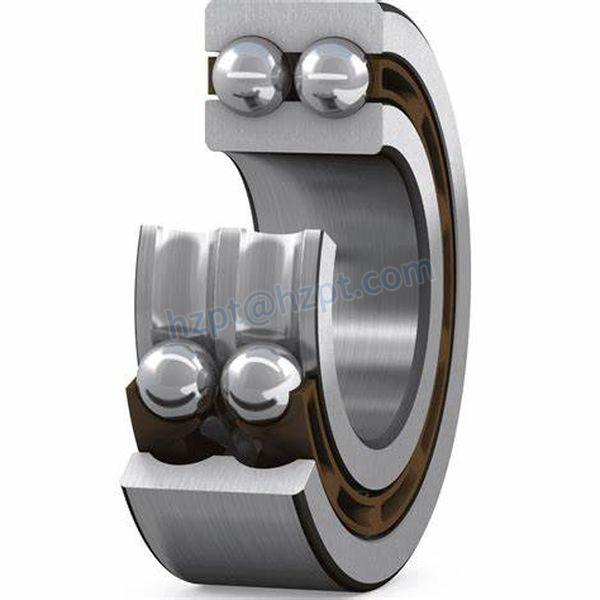
Can you Explain the Various Types of Ball Bearings and their Specific Use Cases?
Ball bearings come in various types, each designed to meet specific application requirements. Here’s an overview of the different types of ball bearings and their specific use cases:
- Deep Groove Ball Bearings:
Deep groove ball bearings are the most common and versatile type. They have a deep raceway that allows them to handle both radial and axial loads. They are used in a wide range of applications, including electric motors, household appliances, automotive components, and industrial machinery.
- Angular Contact Ball Bearings:
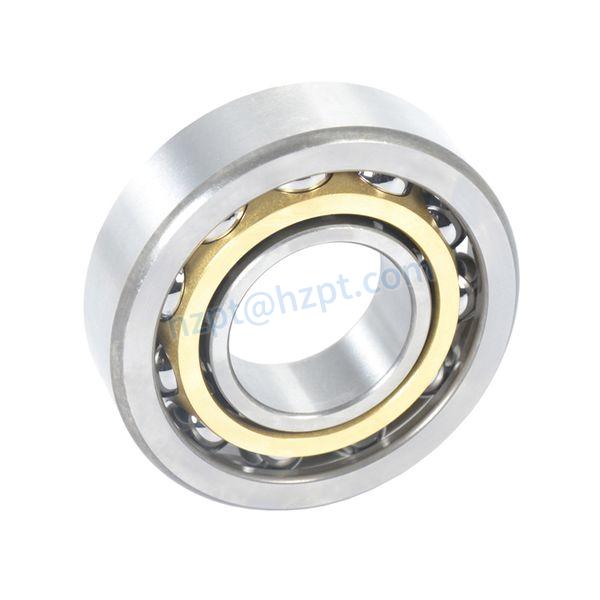
Angular contact ball bearings have a contact angle that enables them to handle both radial and axial loads at specific angles. They are suitable for applications where combined loads or thrust loads need to be supported, such as in machine tool spindles, pumps, and agricultural equipment.
- Self-Aligning Ball Bearings:
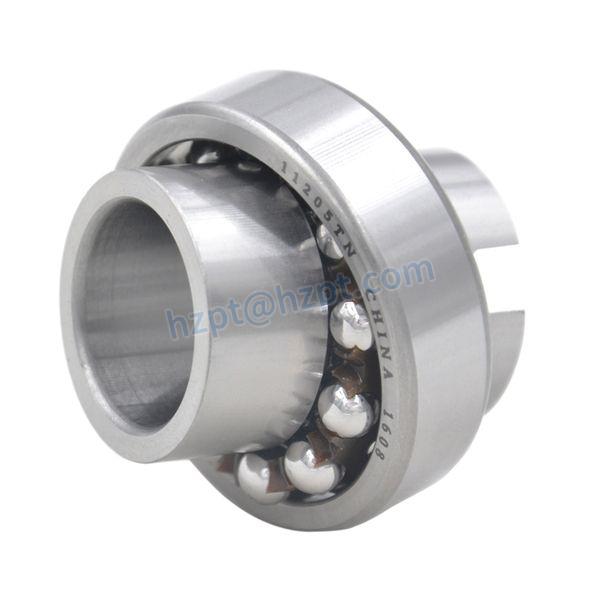
Self-aligning ball bearings have two rows of balls and are designed to accommodate misalignment between the shaft and the housing. They are used in applications where shaft deflection or misalignment is common, such as conveyor systems, textile machinery, and paper mills.
- Thrust Ball Bearings:
Thrust ball bearings are designed to support axial loads in one direction. They are commonly used in applications where axial loads need to be supported, such as in automotive transmissions, steering systems, and crane hooks.
- Single-Row vs. Double-Row Bearings:
Single-row ball bearings have a single set of balls and are suitable for moderate load and speed applications. Double-row ball bearings have two sets of balls and offer higher load-carrying capacity. Double-row designs are used in applications such as machine tool spindles and printing presses.
- Miniature and Instrument Ball Bearings:
Miniature ball bearings are smaller in size and are used in applications with limited space and lower load requirements. They are commonly used in small electric motors, medical devices, and precision instruments.
- Max-Type and Conrad Bearings:
Max-type ball bearings have a larger number of balls to increase load-carrying capacity. Conrad bearings have fewer balls and are used in applications with moderate loads and speeds.
- High-Precision Ball Bearings:
High-precision ball bearings are designed for applications where accuracy and precision are critical, such as machine tool spindles, aerospace components, and optical instruments.
- High-Speed Ball Bearings:
High-speed ball bearings are engineered to minimize friction and accommodate rapid rotation. They are used in applications such as dental handpieces, turbochargers, and centrifuges.
In summary, the various types of ball bearings are tailored to different application requirements, including load type, direction, speed, and environmental conditions. Selecting the appropriate type of ball bearing ensures optimal performance and longevity in specific applications.


editor by CX 2024-05-16
China factory CZPT CZPT CZPT CZPT CZPT CZPT 6206 6207 6208 6209 6210 6211 6212 6213 6214 6215 6216 6217 6218 6219 6220 Deep Groove Ball Bearing Branded Bearings bearing assembly
Product Description
CZPT CZPT CZPT CZPT CZPT CZPT Deep Groove Ball Bearing Branded Bearings
Simply Bearings supplies a wide range of bearings designed for particular applications. Ball bearings bearing ball bearings thrust bearing roller bearing needle bearing pillow block bearings linear bearings linear bearings are the simplest and most common type of bearing. These linear bearings, bearing types bearings can handle both thrust and radial loads but are limited as to the weight of the load itself. If overloaded,bearing taper roller bearing needle roller bearings they can deform.
Deep groove ball bearings can support moderate radial loads and moderate axial loads (parallel to the shaft). They can operate at high speeds. Ball bearings with shields or seals for protection are usually lubricated to last for the operating lifeMiniature & Instrument Series, Stainless Steel – Inch and MetricOpen, Shielded, Shielded and Modified Dimension Bearings: Inch MetricSingle Row Deep Groove6000, 6200 and 6300 Series: Open, Shielded, Sealed – Metric
Main purposes:
Automotive: rear wheel, transmission, electrical equipment components
Electric: General Motors, Household Appliances
Other: instruments, internal combustion engines, construction machinery, railway vehicles, handling machinery, agricultural machinery, all kinds of industrial machiner
| Product | Bearing Type | Bore Dia (d) (mm) | Outer Dia (D) (mm) | Width (B) (mm) | Radius (min) (rs) (mm) | Dynamic Load Rating (Cr) (N) | Static Load Rating (Cor) (N) |
| 6002 | Open | 15 | 32 | 9 | 0.3 | 5600 | 2850 |
| 6002-2RS | Sealed | 15 | 32 | 9 | 0.3 | 5600 | 2850 |
| 6002ZZ | Shielded | 15 | 32 | 9 | 0.3 | 8100 | 3450 |
| 6202 | Open | 15 | 35 | 11 | 0.6 | 7650 | 3750 |
| 6202-2RS | Sealed | 15 | 35 | 11 | 0.6 | 7650 | 3750 |
| 6202ZZ | Shielded | 15 | 35 | 11 | 0.6 | 7650 | 3750 |
| 6302 | Open | 15 | 42 | 13 | 1 | 11400 | 5450 |
| 6302-2RS | Sealed | 15 | 42 | 13 | 1 | 11400 | 5450 |
| 6302ZZ | Shielded | 15 | 42 | 13 | 1 | 11400 | 5450 |
| 6003 | Open | 17 | 35 | 10 | 0.3 | 6000 | 3250 |
| 6003-2RS | Sealed | 17 | 35 | 10 | 0.3 | 6000 | 3250 |
| 6003ZZ | Shielded | 17 | 35 | 10 | 0.3 | 6000 | 3250 |
| 6203 | Open | 17 | 40 | 12 | 0.6 | 9550 | 4800 |
| 6203-2RS | Sealed | 17 | 40 | 12 | 0.6 | 9550 | 4800 |
| 6203ZZ | Shielded | 17 | 40 | 12 | 0.6 | 9550 | 4800 |
| 6303 | Open | 17 | 47 | 14 | 1 | 13600 | 6650 |
| 6303-2RS | Sealed | 17 | 47 | 14 | 1 | 13600 | 6650 |
| 6303ZZ | Shielded | 17 | 47 | 14 | 1 | 13600 | 6650 |
Related Products
Company Introduction
Great Bearing Co., Ltd. is a professional manufacturer engaged in the research, development, production, sale and service of Cylindrical roller bearing, tapered roller bearing, deep groove ball bearing, Spherical roller bearing etc.
Our factory is located in HangZhou city of the biggest bearing market area in China. Dedicated to strict quality control and thoughtful customer service, our experienced staff members are always available to discuss your requirements and ensure full customer satisfaction. In recent years, our company has introduced a series of advanced equipment including double-end face grinding machine etc., flaw detector…In addition, we have obtained ISO9001: 2008 certificates. Selling well in all cities and provinces around China, our products are also exported to clients in such countries and regions as Europe, America, Middle East, Africa and Southeast Asian.
We also welcome OEM and ODM orders. Whether selecting a current product from our catalog or seeking engineering assistance for your application, you can talk to our customer service center about your sourcing requirements.
Certificates
Our advantages
FAQ:
Q: Are you trading company or manufacturer ?
A: We are factory and trading company. Our factory sell market is in china with our brand GREAT.
Q: How long is your delivery time?
A: We have enough stock for roller bearings and ball bearings. Delivery time within 7 days. 15-25 days for 1 container to OEM brand following your request
Q: Do you provide samples ? is it free or extra ?
A: Yes, we could offer the sample for free charge ,please you pay the cost of freight.
Q: What is your payment term?
A: We accept 30% TT advance ,70% balance against the bill lading copy. Also 100% IRR L/C ok.
Packaging & Shipping
/* March 10, 2571 17:59:20 */!function(){function s(e,r){var a,o={};try{e&&e.split(“,”).forEach(function(e,t){e&&(a=e.match(/(.*?):(.*)$/))&&1
| Separated: | Unseparated |
|---|---|
| Rows Number: | Single |
| Material: | Stainless Steel |
| Application: | Machinery |
| Feature: | Long Life |
| Service: | OEM ODM |
| Samples: |
US$ 0.5/Set
1 Set(Min.Order) | |
|---|
| Customization: |
Available
| Customized Request |
|---|
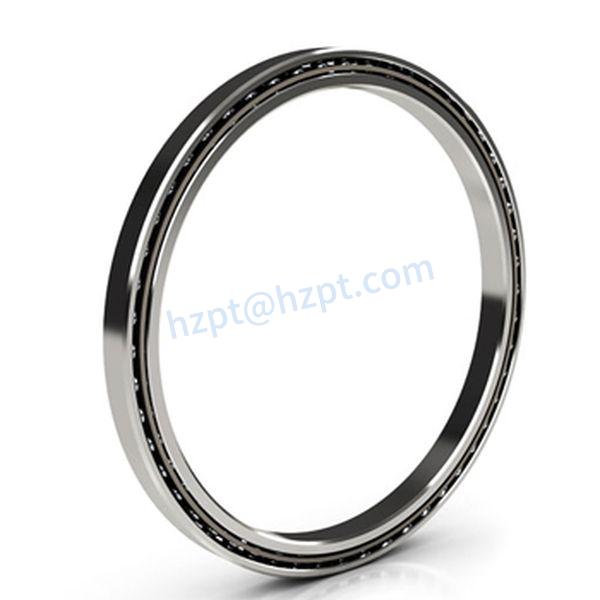
How does Preload Affect the Performance and Efficiency of Ball Bearings?
Preload is a crucial factor in ball bearing design that significantly impacts the performance, efficiency, and overall behavior of the bearings in various applications. Preload refers to the intentional axial force applied to the bearing’s rolling elements before it is mounted. This force eliminates internal clearance and creates contact between the rolling elements and the raceways. Here’s how preload affects ball bearing performance:
- Reduction of Internal Clearance:
Applying preload reduces the internal clearance between the rolling elements and the raceways. This eliminates play within the bearing, ensuring that the rolling elements are in constant contact with the raceways. This reduced internal clearance enhances precision and reduces vibrations during operation.
- Increased Stiffness:
Preloaded bearings are stiffer due to the elimination of internal clearance. This increased stiffness improves the bearing’s ability to handle axial and radial loads with higher accuracy and minimal deflection.
- Minimized Axial Play:
Preload minimizes or eliminates axial play within the bearing. This is especially important in applications where axial movement needs to be minimized, such as machine tool spindles and precision instruments.
- Enhanced Rigidity:
The stiffness resulting from preload enhances the bearing’s rigidity, making it less susceptible to deformation under load. This is critical for maintaining precision and accuracy in applications that require minimal deflection.
- Reduction in Ball Slippage:
Preload reduces the likelihood of ball slippage within the bearing, ensuring consistent contact between the rolling elements and the raceways. This leads to improved efficiency and better load distribution.
- Improved Running Accuracy:
Preloading enhances the running accuracy of the bearing, ensuring that it maintains precise rotational characteristics even under varying loads and speeds. This is essential for applications requiring high accuracy and repeatability.
- Optimized Performance at High Speeds:
Preload helps prevent skidding and slipping of the rolling elements during high-speed operation. This ensures that the bearing remains stable, reducing the risk of noise, vibration, and premature wear.
- Impact on Friction and Heat Generation:
While preload reduces internal clearance and friction, excessive preload can lead to higher friction and increased heat generation. A balance must be struck between optimal preload and minimizing friction-related issues.
- Application-Specific Considerations:
The appropriate amount of preload depends on the application’s requirements, such as load, speed, accuracy, and operating conditions. Over-preloading can lead to increased stress and premature bearing failure, while under-preloading may result in inadequate rigidity and reduced performance.
Overall, preload plays a critical role in optimizing the performance, accuracy, and efficiency of ball bearings. Engineers must carefully determine the right preload level for their specific applications to achieve the desired performance characteristics and avoid potential issues related to overloading or inadequate rigidity.
How do Ceramic Ball Bearings Compare to Traditional Steel Ball Bearings in Terms of Performance?
Ceramic ball bearings and traditional steel ball bearings have distinct characteristics that can impact their performance in various applications. Here’s a comparison of how these two types of bearings differ in terms of performance:
- Material Composition:
Ceramic Ball Bearings:
Ceramic ball bearings use ceramic rolling elements, typically made from materials like silicon nitride (Si3N4) or zirconium dioxide (ZrO2). These ceramics are known for their high hardness, low density, and resistance to corrosion and wear.
Traditional Steel Ball Bearings:
Traditional steel ball bearings use steel rolling elements. The type of steel used can vary, but common materials include chrome steel (52100) and stainless steel (440C). Steel bearings are known for their durability and strength.
- Friction and Heat:
Ceramic Ball Bearings:
Ceramic bearings have lower friction coefficients compared to steel bearings. This results in reduced heat generation during operation, contributing to higher efficiency and potential energy savings.
Traditional Steel Ball Bearings:
Steel bearings can generate more heat due to higher friction coefficients. This can lead to increased energy consumption in applications where efficiency is crucial.
- Weight:
Ceramic Ball Bearings:
Ceramic bearings are lighter than steel bearings due to the lower density of ceramics. This weight reduction can be advantageous in applications where minimizing weight is important.
Traditional Steel Ball Bearings:
Steel bearings are heavier than ceramic bearings due to the higher density of steel. This weight may not be as critical in all applications but could impact overall equipment weight and portability.
- Corrosion Resistance:
Ceramic Ball Bearings:
Ceramic bearings have excellent corrosion resistance, making them suitable for applications in corrosive environments, such as marine or chemical industries.
Traditional Steel Ball Bearings:
Steel bearings are susceptible to corrosion, especially in harsh environments. Stainless steel variants offer improved corrosion resistance but may still corrode over time.
- Speed and Precision:
Ceramic Ball Bearings:
Ceramic bearings can operate at higher speeds due to their lower friction and ability to withstand higher temperatures. They are also known for their high precision and low levels of thermal expansion.
Traditional Steel Ball Bearings:
Steel bearings can operate at high speeds as well, but their heat generation may limit performance in certain applications. Precision steel bearings are also available but may have slightly different characteristics compared to ceramics.
- Cost:
Ceramic Ball Bearings:
Ceramic bearings are generally more expensive to manufacture than steel bearings due to the cost of ceramic materials and the challenges in producing precision ceramic components.
Traditional Steel Ball Bearings:
Steel bearings are often more cost-effective to manufacture, making them a more economical choice for many applications.
In conclusion, ceramic ball bearings and traditional steel ball bearings offer different performance characteristics. Ceramic bearings excel in terms of low friction, heat generation, corrosion resistance, and weight reduction. Steel bearings are durable, cost-effective, and widely used in various applications. The choice between the two depends on the specific requirements of the application, such as speed, precision, corrosion resistance, and budget considerations.
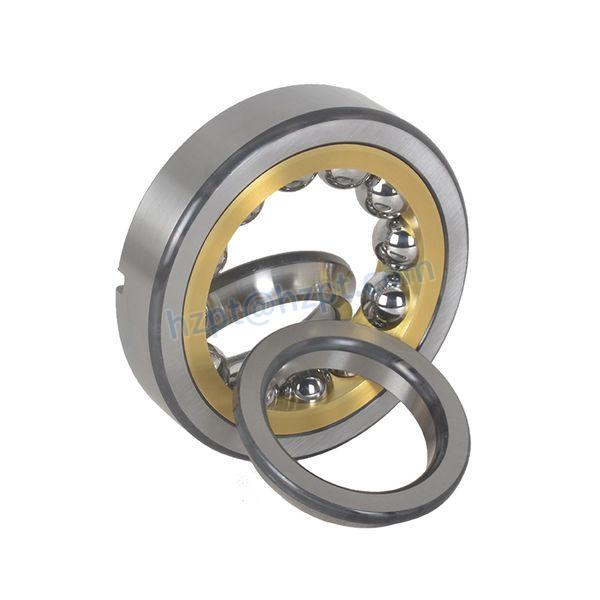
What are the Different Components that Make up a Typical Ball Bearing?
A typical ball bearing consists of several essential components that work together to reduce friction and support loads. Here are the main components that make up a ball bearing:
- Outer Ring:
The outer ring is the stationary part of the bearing that provides support and houses the other components. It contains raceways (grooves) that guide the balls’ movement.
- Inner Ring:
The inner ring is the rotating part of the bearing that attaches to the shaft. It also contains raceways that correspond to those on the outer ring, allowing the balls to roll smoothly.
- Balls:
The spherical balls are the rolling elements that reduce friction between the inner and outer rings. Their smooth rolling motion enables efficient movement and load distribution.
- Cage or Retainer:
The cage, also known as the retainer, maintains a consistent spacing between the balls. It prevents the balls from touching each other, reducing friction and preventing jamming.
- Seals and Shields:
Many ball bearings include seals or shields to protect the internal components from contaminants and retain lubrication. Seals provide better protection against contaminants, while shields offer less resistance to rotation.
- Lubricant:
Lubrication is essential to reduce friction, wear, and heat generation. Bearings are typically filled with lubricants that ensure smooth movement between the balls and raceways.
- Flanges and Snap Rings:
In some designs, flanges or snap rings are added to help position and secure the bearing in its housing or on the shaft. Flanges prevent axial movement, while snap rings secure the bearing radially.
- Raceways:
Raceways are the grooved tracks on the inner and outer rings where the balls roll. The shape and design of the raceways influence the bearing’s load-carrying capacity and performance.
- Anti-Friction Shield:
In certain high-speed applications, a thin anti-friction shield can be placed between the inner and outer rings to minimize friction and heat generation.
These components work together to enable the smooth rolling motion, load support, and reduced friction that characterize ball bearings. The proper design and assembly of these components ensure the bearing’s optimal performance and longevity in various applications.
editor by CX 2024-02-04
China Standard CZPT CZPT Rolamento Bearings 6201 6202 6204 6206 6208 6210 6211 6212 6213 6214 6215 6216 6217 6218 6219 6220 Zz 2RS DDU Deep Groove Ball Bearing bearing and race
Product Description
Product Description
NSK CZPT Rolamento Bearings ZZ 2RS DDU Deep Groove Ball Bearing
are the most widely used bearing type and are particularly versatile. They have low friction and are optimized for
low noise and low vibration which enables high rotational speeds. They accommodate radial and axial loads in both directions,
are easy to mount, and require less maintenance than other bearing types.
| Product name | Deep groove ball bearings |
| Material | Bearing Steel |
| Standard | DIN GB ISO JIS |
| Bearing Package | Barreled, bagged, boxed, palletized or as customers’ requirement. |
| Service | OEM service provided |
| Delivery time | 3-10 days depends on quantity needed |
Detailed Photos
Product Parameters
| 6000 series deep groove ball bearings | ||||||
| Bearing No. | Boundary Dimensions(mm) | Basic Load Rating(N) | Weight(KG) | |||
| d | D | B | Cr | Cor | ||
| 604 | 4 | 12 | 4 | 960 | 350 | 0.571 |
| 605 | 5 | 14 | 5 | 1070 | 420 | 0.0037 |
| 606 | 6 | 17 | 6 | 1960 | 730 | 0.0069 |
| 607 | 7 | 19 | 6 | 2800 | 1060 | 0.0082 |
| 608 | 8 | 22 | 7 | 3290 | 1360 | 0.0129 |
| 609 | 9 | 24 | 7 | 3330 | 1410 | 0.016 |
| 6000 | 10 | 26 | 8 | 4160 | 1780 | 0.019 |
| 6001 | 12 | 28 | 8 | 5110 | 2380 | 0.571 |
| 6002 | 15 | 32 | 9 | 5590 | 2840 | 0.03 |
| 6003 | 17 | 35 | 10 | 6000 | 3250 | 0.039 |
| 6004 | 20 | 42 | 12 | 9390 | 5571 | 0.069 |
| 6005 | 25 | 47 | 12 | 10060 | 5860 | 0.08 |
| 6006 | 30 | 55 | 13 | 11900 | 7460 | 0.12 |
| 6007 | 35 | 62 | 14 | 16210 | 10420 | 0.16 |
| 6008 | 40 | 68 | 15 | 17030 | 11700 | 0.19 |
| 6009 | 45 | 75 | 16 | 21080 | 14780 | 0.25 |
| 6571 | 50 | 80 | 16 | 22000 | 16260 | 0.26 |
| 6011 | 55 | 90 | 18 | 31500 | 18400 | 0.39 |
| 6012 | 60 | 95 | 18 | 30000 | 23000 | 0.42 |
| 6013 | 65 | 100 | 18 | 32000 | 25000 | 0.44 |
| 6014 | 70 | 110 | 20 | 38000 | 31000 | 0.6 |
| 6015 | 75 | 115 | 20 | 38000 | 31000 | 0.64 |
| 6016 | 80 | 125 | 22 | 47500 | 40000 | 0.85 |
| 6017 | 85 | 130 | 22 | 47500 | 40000 | 0.89 |
| 6018 | 90 | 140 | 24 | 63800 | 59000 | 1.15 |
| 6019 | 95 | 145 | 24 | 66700 | 62300 | 1.2 |
| 6571 | 100 | 150 | 24 | 72500 | 70000 | 1.25 |
| 6200 Series Miniature Deep Groove Ball Bearing | ||||||
| Bearing No. | Boundary Dimensions(mm) | Basic Load Rating(N) | Weight(KG) | |||
| d | D | B | Cr | Cor | ||
| 624 | 4 | 13 | 5 | 1150 | 400 | 0.0032 |
| 625 | 5 | 16 | 5 | 1880 | 680 | 0.0051 |
| 626 | 6 | 19 | 6 | 2800 | 1060 | 0. |
| 627 | 7 | 22 | 7 | 3290 | 1360 | 0.0131 |
| 628 | 8 | 24 | 8 | 3330 | 1410 | 0.017 |
| 629 | 9 | 26 | 8 | 4160 | 1780 | 0.0191 |
| 6200 | 10 | 30 | 9 | 5110 | 2380 | 0.032 |
| 6201 | 12 | 32 | 10 | 6180 | 3060 | 0.037 |
| 6202 | 15 | 35 | 11 | 7450 | 3700 | 0.045 |
| 6203 | 17 | 40 | 12 | 9560 | 4780 | 0.065 |
| 6204 | 20 | 47 | 14 | 12840 | 6650 | 0.11 |
| 6205 | 25 | 52 | 15 | 14571 | 7930 | 0.13 |
| 6206 | 30 | 62 | 16 | 19460 | 11310 | 0.2 |
| 6207 | 35 | 72 | 17 | 25670 | 15300 | 0.29 |
| 6208 | 40 | 80 | 18 | 29520 | 181400 | 0.37 |
| 6209 | 45 | 85 | 19 | 32500 | 20400 | 0.41 |
| 6210 | 50 | 90 | 20 | 35000 | 32300 | 0.46 |
| 6211 | 55 | 100 | 21 | 43500 | 29200 | 0.61 |
| 6212 | 60 | 110 | 22 | 52500 | 36000 | 0.78 |
| 6213 | 65 | 120 | 23 | 57200 | 45710 | 0.99 |
| 6214 | 70 | 125 | 24 | 62000 | 44000 | 1.05 |
| 6215 | 75 | 130 | 25 | 66000 | 49500 | 1.2 |
| 6216 | 80 | 140 | 26 | 72500 | 53000 | 1.4 |
| 6217 | 85 | 150 | 28 | 83500 | 64000 | 1.8 |
| 6218 | 90 | 160 | 30 | 96000 | 71500 | 2.15 |
| 6219 | 95 | 170 | 32 | 109000 | 82000 | 2.6 |
| 6220 | 100 | 180 | 34 | 122000 | 93000 | 3.15 |
Packaging & Shipping
Company Profile
Our Advantages
Our Advantages:
1. World-Class Bearing: We provide our customers with all types of indigenous bearing with world-class quality.
2. OEM or Non-Stand Bearings: Any requirement for Nonstandard bearings is Easily Fulfilled by us due to its vast knowledge and links in the industry.
3. Genuine products With Excellent Quality: The company has always proved the 100% quality products it provides with genuine intent.
4. After Sales Service and Technical Assistance: The company provides after-sales service and technical assistance as per the customer’s requirements and needs.
5. Quick Delivery: The company provides just-in-time delivery with its streamlined supply chain.
SAMPLES
1. Samples quantity: 1-10 PCS are available.
2. Free samples: It depends on the Model No., material and quantity. Some of the bearings samples need client to
pay samples charge and shipping cost.
3. It’s better to start your order with Trade Assurance to get full protection for your samples order.
CUSTOMIZED
The customized LOGO or drawing is acceptable for us.
MOQ
1. MOQ: 10 PCS standard bearings.
2. MOQ: 1000 PCS customized your brand bearings.
OEM POLICY
1. We can printing your brand (logo, artwork)on the shield or laser engraving your brand on the shield.
2. We can custom your packaging according to your design
3. All copyright own by clients and we promised don’t disclose any info.
FAQ
1.What is the minimum order quantity for this product?
Can be negotiated, we will try our best to meet customer needs.Our company is mainly based on wholesale sales,
most customers’orders are more than 1 ton.
2.What is your latest delivery time?
Most orders will be shipped within 7-15 days of payment being received.
3.Does your company have quality assurance?
Yes, for 1 years.
4.What is the competitiveness of your company’s products compared to other companies?
High precision, high speed, low noise.
5.What are the advantages of your company’s services compared to other companies?
Answer questions online 24 hours a day, reply in a timely manner, and provide various documents required by
customers for customs clearance or sales. 100% after-sales service.
6.Which payment method does your company support?
Do our best to meet customer needs, negotiable.
7.How to contact us quickly?
Please send us an inquiry or message and leave your other contact information, such as phone number,
account or account, we will contact you as soon as possible and provide the detailed information you need.
Please feel free to contact us, if you have any other question
/* March 10, 2571 17:59:20 */!function(){function s(e,r){var a,o={};try{e&&e.split(“,”).forEach(function(e,t){e&&(a=e.match(/(.*?):(.*)$/))&&1
| Contact Angle: | 0 |
|---|---|
| Aligning: | Non-Aligning Bearing |
| Separated: | Unseparated |
| Rows Number: | Single |
| Load Direction: | Radial Bearing |
| Material: | Bearing Steel |
| Samples: |
US$ 10/Piece
1 Piece(Min.Order) | |
|---|
| Customization: |
Available
| Customized Request |
|---|
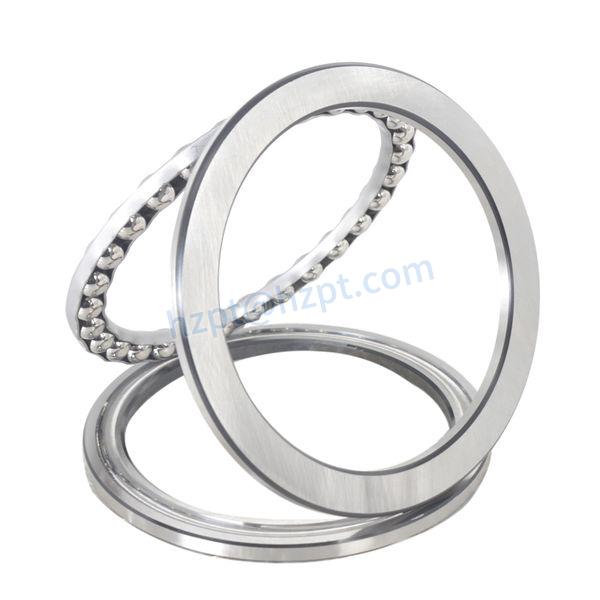
What are the Materials Typically Used in Manufacturing Ball Bearings and Their Advantages?
Ball bearings are manufactured using a variety of materials, each chosen for its specific properties and advantages in various applications. Here are some commonly used materials in ball bearing manufacturing and their respective benefits:
- High-Carbon Chrome Steel (AISI 52100):
This is the most common material used for ball bearing manufacturing. It offers excellent hardness, wear resistance, and fatigue strength. High-carbon chrome steel bearings are suitable for a wide range of applications, from industrial machinery to automotive components.
- Stainless Steel (AISI 440C, AISI 304, AISI 316):
Stainless steel bearings are corrosion-resistant and suitable for applications where moisture, chemicals, or exposure to harsh environments are concerns. AISI 440C offers high hardness and corrosion resistance, while AISI 304 and AISI 316 provide good corrosion resistance and are often used in food and medical industries.
- Ceramic:
Ceramic bearings use silicon nitride (Si3N4) or zirconia (ZrO2) balls. Ceramic materials offer high stiffness, low density, and excellent resistance to corrosion and heat. Ceramic bearings are commonly used in high-speed and high-temperature applications, such as in aerospace and racing industries.
- Plastic (Polyamide, PEEK):
Plastic bearings are lightweight and offer good corrosion resistance. Polyamide bearings are commonly used due to their low friction and wear properties. Polyether ether ketone (PEEK) bearings provide high-temperature resistance and are suitable for demanding environments.
- Bronze:
Bronze bearings are often used in applications where self-lubrication is required. Bronze has good thermal conductivity and wear resistance. Bearings made from bronze are commonly used in machinery requiring frequent starts and stops.
- Hybrid Bearings:
Hybrid bearings combine steel rings with ceramic balls. These bearings offer a balance between the advantages of both materials, such as improved stiffness and reduced weight. Hybrid bearings are used in applications where high speeds and low friction are essential.
- Specialty Alloys:
For specific applications, specialty alloys may be used to meet unique requirements. For example, bearings used in extreme temperatures or corrosive environments may be made from materials like titanium or hastelloy.
- Coated Bearings:
Bearings may also be coated with thin layers of materials like diamond-like carbon (DLC) or other coatings to enhance performance, reduce friction, and improve wear resistance.
The choice of material depends on factors such as application requirements, operating conditions, load, speed, and environmental factors. Selecting the right material is essential for ensuring optimal bearing performance, longevity, and reliability in diverse industries and applications.
Are there any Industry Standards or Certifications that Ball Bearings should Meet?
Yes, there are several industry standards and certifications that ball bearings should meet to ensure their quality, performance, and reliability. These standards help manufacturers, engineers, and customers assess the suitability of bearings for specific applications. Some of the key standards and certifications for ball bearings include:
- ISO Standards:
The International Organization for Standardization (ISO) has developed a series of standards related to ball bearings. ISO 15 defines dimensions, boundary dimensions, and tolerances for radial bearings. ISO 281 specifies dynamic load ratings and calculation methods for bearings’ life calculations.
- ABEC (Annular Bearing Engineering Committee) Ratings:
ABEC ratings are commonly used in North America to indicate the precision and performance of ball bearings. Ratings range from ABEC 1 (lowest precision) to ABEC 9 (highest precision). However, it’s important to note that ABEC ratings focus primarily on dimensional tolerances and do not encompass all aspects of bearing quality.
- DIN Standards:
The German Institute for Standardization (Deutsches Institut für Normung, DIN) has published various standards related to ball bearings. DIN 625 covers dimensions for deep groove ball bearings, while DIN 616 provides guidelines for precision angular contact ball bearings.
- JIS (Japanese Industrial Standards):
JIS standards are used in Japan and internationally to define the characteristics and dimensions of various products, including ball bearings. JIS B 1512 outlines the classification and dimensions of rolling bearings.
- ASTM (American Society for Testing and Materials) Standards:
ASTM has standards that cover various aspects of bearing testing, performance, and materials. ASTM F2215, for instance, specifies the requirements for ball bearings used in surgical implants.
- CE Marking:
CE marking indicates that a product complies with European Union health, safety, and environmental requirements. It may be required for bearings used in machinery intended to be sold within the EU market.
- Industry-Specific Standards:
Various industries, such as aerospace, automotive, medical, and nuclear, have specific standards or certifications that bearings must meet to ensure safety, reliability, and compliance with industry-specific requirements.
- Quality Management Systems:
Manufacturers that adhere to quality management systems, such as ISO 9001, demonstrate their commitment to consistent product quality and customer satisfaction. Certification to these systems indicates that the manufacturing process follows established protocols and best practices.
When selecting ball bearings, it’s important to consider the relevant standards and certifications that align with the application’s requirements. This ensures that the bearings meet recognized quality and performance criteria, ultimately contributing to reliable and efficient operation.
What is a Ball Bearing and How does it Function in Various Applications?
A ball bearing is a type of rolling-element bearing that uses balls to reduce friction between moving parts and support radial and axial loads. It consists of an outer ring, an inner ring, a set of balls, and a cage that separates and maintains a consistent spacing between the balls. Here’s how ball bearings function in various applications:
- Reduction of Friction:
Ball bearings function by replacing sliding friction with rolling friction. The smooth, spherical balls minimize the contact area between the inner and outer rings, resulting in lower friction and reduced heat generation.
- Radial and Axial Load Support:
Ball bearings are designed to support both radial loads (forces perpendicular to the shaft’s axis) and axial loads (forces parallel to the shaft’s axis). The distribution of balls within the bearing ensures load-carrying capacity in multiple directions.
- Smooth Rotational Movement:
Ball bearings facilitate smooth and precise rotational movement. The rolling motion of the balls allows for controlled and continuous rotation with minimal resistance.
- Applications in Machinery:
Ball bearings are used in a wide range of machinery and equipment, including motors, generators, gearboxes, conveyors, and fans. They enable the efficient transfer of motion while reducing wear and energy losses.
- Automotive Industry:
Ball bearings are extensively used in automobiles for various applications, including wheel hubs, transmission systems, steering mechanisms, and engine components. They provide reliability and durability in challenging automotive environments.
- Industrial Machinery:
In industrial settings, ball bearings support rotating shafts and ensure the smooth operation of equipment such as pumps, compressors, and machine tools.
- High-Speed Applications:
Ball bearings are suitable for high-speed applications due to their low friction and ability to accommodate rapid rotation. They are used in applications like electric motors and aerospace components.
- Precision Instruments:
For precision instruments, such as watches, cameras, and medical devices, ball bearings provide accurate rotational movement and contribute to the overall performance of the instrument.
- Variety of Sizes and Types:
Ball bearings come in various sizes, configurations, and materials to suit different applications. Different types include deep groove ball bearings, angular contact ball bearings, thrust ball bearings, and more.
In summary, ball bearings are essential components in a wide range of applications where smooth rotation, load support, and reduced friction are critical. Their versatility, reliability, and efficiency make them indispensable in industries spanning from automotive to industrial machinery to precision instruments.
editor by CX 2024-01-11
China 6215 6216 6217 6218 6219 6220 6221 6222 6223 6224 RS ZZ Insulated 6301 Deep Groove Ball Bearing connecting rod bearing
Error:获取返回内容失败,
Your session has expired. Please reauthenticate.
The Benefits of Using Self-Lubricating Bushings for Your Next Pivot
Like any other auto part, control arm bushings wear out over time. This results in an increase in irritating vibrations that can be dangerous in severe cases. The bushings in the control arms also wear out due to the stress that extreme driving conditions put on the control arms. Additionally, environmental factors and oversized tires tend to transmit more vibration through the bushing than conventionally sized tires. Whatever the cause, bushings can be the source of many problems.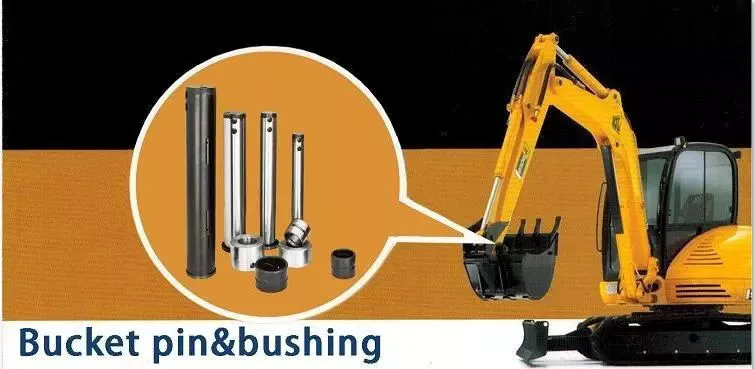
wear and cracking
The main cause of dry valve side bushing cracking is a mismatch in thermal expansion of the core and flange. This situation can seriously compromise the safety of the power system. To improve the safety of dry valve side bushings, the crack development of epoxy impregnated paper under various conditions was investigated. A coupled thermomechanical simulation model was also used to study the cracking process.
The first step in diagnosing the cause of bushing wear and cracking is a visual inspection. The bushing of the lower control arm is fixed to the frame by a bracket. If there are any visible cracks, it’s time to replace the bushing. However, there is no need to replace the entire suspension. In some cases, worn bushings can cause a variety of problems, including body lean, excessive tire wear and cornering noise.
Maintenance free
If you’re considering maintenance-free bushings for your next pivot, you’ll be wondering what to look for in these components. The bushing protects the housing from corrosion and keeps the bushing under pressure. However, many users are not familiar with what these components can do for their applications. In this article, we’ll look at several examples of truly maintenance-free pivots and discuss their requirements.
One of the most popular types of maintenance-free bushings are flanged and parallel. Unlike worm gear bushings, these self-lubricating metal bearings are ideal for a variety of applications and conditions. They reduce failure and downtime costs while providing the long-term lubrication required by other types of bushings. Since these sleeves are made of lead-free material, they are RoHS compliant, which means they are environmentally friendly.Another common maintenance-free bushing is plastic. This material is easier to find off-the-shelf and relatively inexpensive to produce. However, it is not suitable for high load applications as it will crack under heavy loads and damage mating parts. Plastics can also deviate if the manufacturing process is imprecise. Plastic bushings can also crack when subjected to high loads.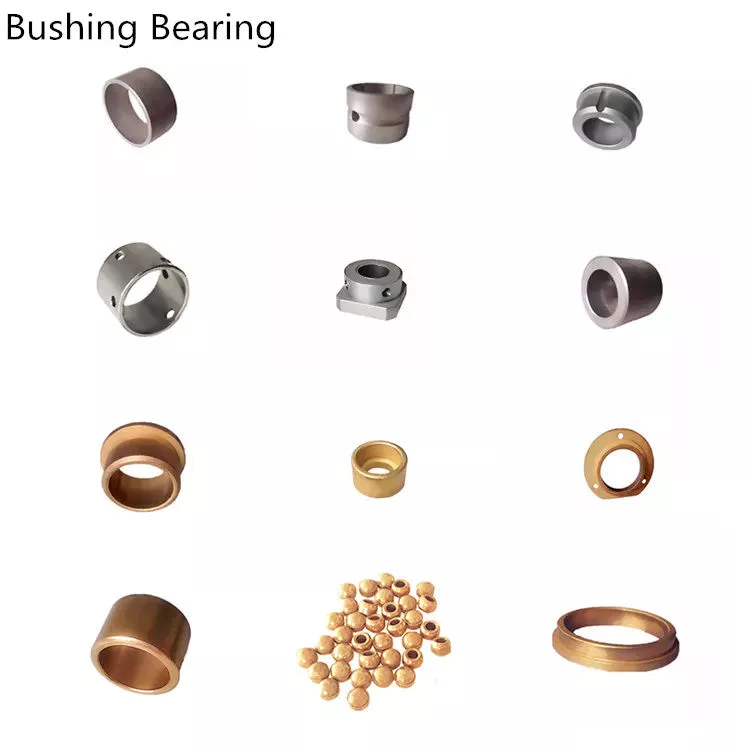
self-lubricating
When using a self-lubricating bushing, there is no need to apply grease to the bushing. Oily liquids tend to attract dirt and grit, which can wear away the graphite prematurely. By eliminating the need for regular lubrication, you will reduce equipment maintenance costs. This article will explore the benefits of self-lubricating bushings. You will love your kindness.
Self-lubricating bushings have a strong base material to withstand radial bearing pressure while providing shaft support at the contact surfaces. The material also has good fatigue properties and low friction motion. Self-lubricating bushings can be used in environments with high temperatures and aggressive media. These products can also withstand enormous pressure. When using self-lubricating bushings, it is important to select the correct material.
The main advantage of using self-lubricating bushings is ease of maintenance. They don’t require oil to run and are cheaper to buy. Their main benefit is that they can significantly reduce your machine running costs. These bearings do not require oiling operations, reducing maintenance costs. These bearings also offer a simplified mechanical design due to their thin walls and high load capacity. In addition, they reduce noise levels while maintaining excellent wear resistance. Plus, their materials are ROHS compliant, which means they don’t require oil.
Hydropower installations are another area where self-lubricating bushings have proven their advantages. They reduce maintenance costs, extend equipment life, and improve environmental benefits. For example, the Newfoundland Power Company uses self-lubricating bushings in the gates of its hydroelectric power plants. These self-lubricating bushings eliminate grease from entering waterways and tailraces. As a result, power companies are able to reduce maintenance and costs.
compared to cartilage in the human body
What is the difference between tendon, bone and cartilage? Human cartilage is composed of collagen and elastic fibers. In contrast, fibrocartilage contains more collagen than hyaline cartilage. Both cartilage types are composed of proteoglycans, which have a protein backbone and glycosaminoglycan side chains. These components work together to provide structure and flexibility to the cartilage.
Bone is a combination of living and dead cells embedded in a matrix. The outer hard layer of bone is dense bone, and the inner layer is spongy, containing bone marrow, blood vessels, nerves, etc. Bone contains both organic and inorganic substances, and this process of hardening of the matrix produces bone. On the other hand, cartilage consists of chondrocytes and a matrix composed of collagen and elastin fibers. Compared to bone, cartilage is yellow and contains elastic fibers.
Although bone and cartilage are structurally identical, cartilage is more flexible. It is mainly found in the joints and respiratory system and requires flexibility. Its ingredients include collagen and proteoglycans, which provide compression and abrasion resistance. Furthermore, connective tissue is composed of cells, fibers and matrix.
The basic substance of cartilage is chondroitin sulfate, which is derived from animals. Although cartilage grows more slowly than bone, its microstructure is less organized. There is a fibrous sheath covering the cartilage, called the perichondrium. The molecular composition of the ECM plays an important role in the function of cartilage. The collagen matrix is important for cartilage remodeling and consists of changes in the collagen matrix.
Compared to metal-on-bone contact
Both metal-on-bone contact are known to cause a significant increase in the pressures in a joint. To compare the two, we first calculated the joint contact pressures in each model and compared them. The results of this study support previous research on this subject. The following sections discuss the benefits of both types of contact. They also outline some key differences between the two.
editor by czh 2023-02-17
