Product Description
Introduction and use of bearings
Deep groove ball bearing is simple in structure and convenient in use.
It is the bearing with the largest production scale and the
widest application range.
Widely used in automobiles, household appliances, machine tools, motors, pumps, agricultural machinery, textile machinery and many other fields.
|
Product Name |
Bearing High Precision With Long Speed Bearing XQ Single Row Deep Groove Ball bearing |
|||
|
Size |
35x80x21mm |
|||
|
Material |
304 stainless steel |
|||
|
Precision |
P0 P5 P6 |
|||
|
Sealing |
ZZ/RS |
|||
|
Delivery date |
Normally ready goods and stock within 3-15 days |
|||
|
Payment terms |
A:100% TT |
|||
|
Application |
Auto, tractor ,machine tool, electric machine, water pump, agricultural machinery and textile machinery |
|||
|
Package |
Industrial package or according to buyers’ requirement |
|||
|
Details |
Deep groove ball bearings are simple, easy to use, is the largest production volume, most widely used of a class of bearings. It is mainly used for a bear radial load, but also bear certain axial load. When the bearing radial clearance increased when the function with angular contact bearings can bear large axial load. |
|||
|
Special properties |
1. High accuracy |
|||
Why Choose Us ?
1. 420 stainless steel for inner ring and outer ring
2. 304 stainless steel cage
3. 420 stainless steel balls
4. Dry lube/ Grease/ OilRelated Products
5. Rubber seals/ ZZ metal shields
6. High speed
7. Long spin time
8. Low friction
9. Rustproof and corrosion resistance
10. Durable
11. Easy to maintenance
Related Products
FAQ
Q1: Are you a Manufacturer or trading company?
Answer: We are professional manufactuer of bearings since 1998 with ISO standards.
Q2: Can I get a sample to check out the quality?
Answer: Sure, free samples are available for stock products if you can pay for the shipping cost.
Q3: Can you do OEM to print my logo/brand on the products?
Answer: Yes, we can print your logo/brand on the products, you just need to send us your logo/brand files, we will show you how it looks like.We can also make custom package to your request.
Q4: How soon can I expect my order to be finished?
Answer: We have regular stock for standard bearings that can be shipped right after your payment. It will take 15-60 days for new production order,which depends on your order quantity.
Q5: What if I receive defective products for my order?
Answer: All our bearings are 100% inspected strictly before packing. If any defective products received, please provide photos and video to show us the problem and help us improve the quality. New products will be sent to you as replacement if the probelm is product quality.
| Aligning: | Non-Aligning Bearing |
|---|---|
| Separated: | Unseparated |
| Rows Number: | Single |
| Load Direction: | Radial Bearing |
| Material: | Bearing Steel |
| Contact Angle: | 0 |
| Customization: |
Available
| Customized Request |
|---|
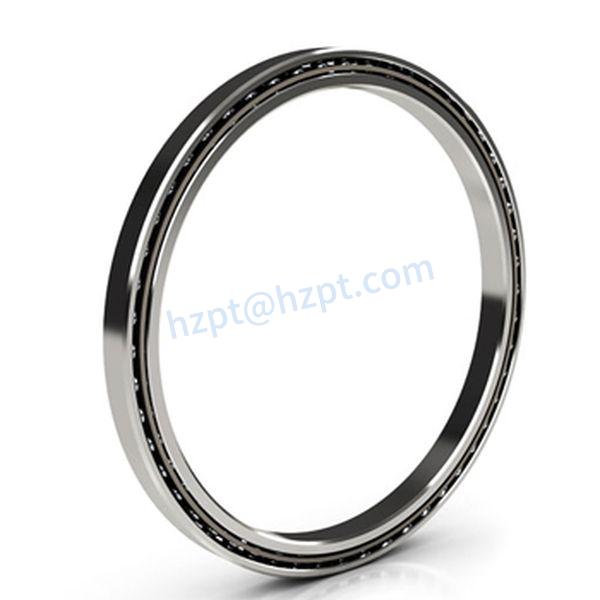
How does Preload Affect the Performance and Efficiency of Ball Bearings?
Preload is a crucial factor in ball bearing design that significantly impacts the performance, efficiency, and overall behavior of the bearings in various applications. Preload refers to the intentional axial force applied to the bearing’s rolling elements before it is mounted. This force eliminates internal clearance and creates contact between the rolling elements and the raceways. Here’s how preload affects ball bearing performance:
- Reduction of Internal Clearance:
Applying preload reduces the internal clearance between the rolling elements and the raceways. This eliminates play within the bearing, ensuring that the rolling elements are in constant contact with the raceways. This reduced internal clearance enhances precision and reduces vibrations during operation.
- Increased Stiffness:
Preloaded bearings are stiffer due to the elimination of internal clearance. This increased stiffness improves the bearing’s ability to handle axial and radial loads with higher accuracy and minimal deflection.
- Minimized Axial Play:
Preload minimizes or eliminates axial play within the bearing. This is especially important in applications where axial movement needs to be minimized, such as machine tool spindles and precision instruments.
- Enhanced Rigidity:
The stiffness resulting from preload enhances the bearing’s rigidity, making it less susceptible to deformation under load. This is critical for maintaining precision and accuracy in applications that require minimal deflection.
- Reduction in Ball Slippage:
Preload reduces the likelihood of ball slippage within the bearing, ensuring consistent contact between the rolling elements and the raceways. This leads to improved efficiency and better load distribution.
- Improved Running Accuracy:
Preloading enhances the running accuracy of the bearing, ensuring that it maintains precise rotational characteristics even under varying loads and speeds. This is essential for applications requiring high accuracy and repeatability.
- Optimized Performance at High Speeds:
Preload helps prevent skidding and slipping of the rolling elements during high-speed operation. This ensures that the bearing remains stable, reducing the risk of noise, vibration, and premature wear.
- Impact on Friction and Heat Generation:
While preload reduces internal clearance and friction, excessive preload can lead to higher friction and increased heat generation. A balance must be struck between optimal preload and minimizing friction-related issues.
- Application-Specific Considerations:
The appropriate amount of preload depends on the application’s requirements, such as load, speed, accuracy, and operating conditions. Over-preloading can lead to increased stress and premature bearing failure, while under-preloading may result in inadequate rigidity and reduced performance.
Overall, preload plays a critical role in optimizing the performance, accuracy, and efficiency of ball bearings. Engineers must carefully determine the right preload level for their specific applications to achieve the desired performance characteristics and avoid potential issues related to overloading or inadequate rigidity.
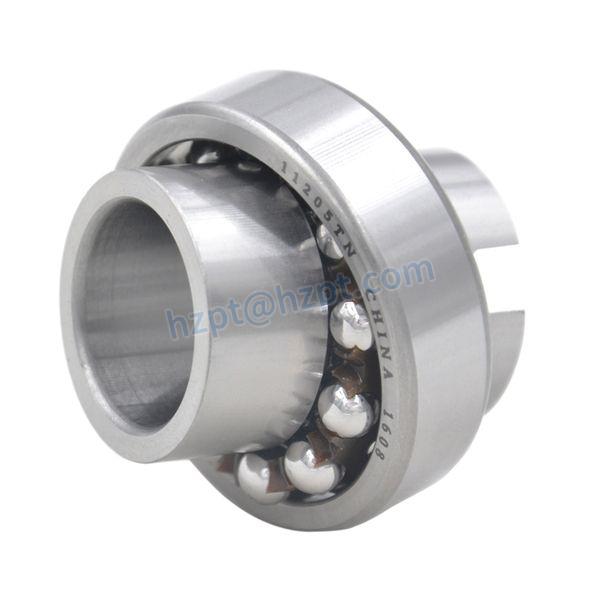
Are there any Industry Standards or Certifications that Ball Bearings should Meet?
Yes, there are several industry standards and certifications that ball bearings should meet to ensure their quality, performance, and reliability. These standards help manufacturers, engineers, and customers assess the suitability of bearings for specific applications. Some of the key standards and certifications for ball bearings include:
- ISO Standards:
The International Organization for Standardization (ISO) has developed a series of standards related to ball bearings. ISO 15 defines dimensions, boundary dimensions, and tolerances for radial bearings. ISO 281 specifies dynamic load ratings and calculation methods for bearings’ life calculations.
- ABEC (Annular Bearing Engineering Committee) Ratings:
ABEC ratings are commonly used in North America to indicate the precision and performance of ball bearings. Ratings range from ABEC 1 (lowest precision) to ABEC 9 (highest precision). However, it’s important to note that ABEC ratings focus primarily on dimensional tolerances and do not encompass all aspects of bearing quality.
- DIN Standards:
The German Institute for Standardization (Deutsches Institut für Normung, DIN) has published various standards related to ball bearings. DIN 625 covers dimensions for deep groove ball bearings, while DIN 616 provides guidelines for precision angular contact ball bearings.
- JIS (Japanese Industrial Standards):
JIS standards are used in Japan and internationally to define the characteristics and dimensions of various products, including ball bearings. JIS B 1512 outlines the classification and dimensions of rolling bearings.
- ASTM (American Society for Testing and Materials) Standards:
ASTM has standards that cover various aspects of bearing testing, performance, and materials. ASTM F2215, for instance, specifies the requirements for ball bearings used in surgical implants.
- CE Marking:
CE marking indicates that a product complies with European Union health, safety, and environmental requirements. It may be required for bearings used in machinery intended to be sold within the EU market.
- Industry-Specific Standards:
Various industries, such as aerospace, automotive, medical, and nuclear, have specific standards or certifications that bearings must meet to ensure safety, reliability, and compliance with industry-specific requirements.
- Quality Management Systems:
Manufacturers that adhere to quality management systems, such as ISO 9001, demonstrate their commitment to consistent product quality and customer satisfaction. Certification to these systems indicates that the manufacturing process follows established protocols and best practices.
When selecting ball bearings, it’s important to consider the relevant standards and certifications that align with the application’s requirements. This ensures that the bearings meet recognized quality and performance criteria, ultimately contributing to reliable and efficient operation.
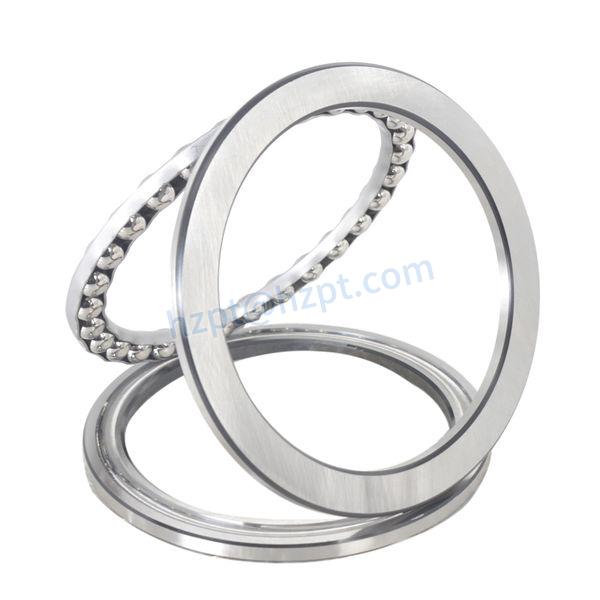
How do Ball Bearings Differ from Other Types of Bearings like Roller Bearings?
Ball bearings and roller bearings are two common types of rolling-element bearings, each with distinct designs and characteristics. Here’s a comparison of ball bearings and roller bearings:
- Design:
Ball Bearings: Ball bearings use spherical balls to separate and reduce friction between the bearing’s inner and outer rings. The balls enable rolling motion and smooth contact, minimizing friction.
Roller Bearings: Roller bearings, as the name suggests, use cylindrical or tapered rollers instead of balls. These rollers have larger contact areas, distributing loads over a broader surface.
- Friction and Efficiency:
Ball Bearings: Due to the point contact between the balls and the rings, ball bearings have lower friction and are more efficient at high speeds.
Roller Bearings: Roller bearings have a larger contact area, resulting in slightly higher friction compared to ball bearings. They are more suitable for heavy-load applications where efficiency is prioritized over high speeds.
- Load Capacity:
Ball Bearings: Ball bearings excel at handling light to moderate loads in both radial and axial directions. They are commonly used in applications where smooth rotation and low friction are important.
Roller Bearings: Roller bearings have a higher load-carrying capacity than ball bearings. They can support heavier radial and axial loads and are preferred for applications with significant loads or impact forces.
- Variability:
Ball Bearings: Ball bearings come in various designs, including deep groove, angular contact, and thrust ball bearings, each suitable for different applications.
Roller Bearings: Roller bearings have diverse types, including cylindrical, spherical, tapered, and needle roller bearings, each optimized for specific load and motion requirements.
- Speed Capability:
Ball Bearings: The reduced friction in ball bearings makes them suitable for high-speed applications, such as electric motors and precision machinery.
Roller Bearings: Roller bearings can handle higher loads but are generally better suited for moderate to low speeds due to slightly higher friction.
- Applications:
Ball Bearings: Ball bearings are used in applications where smooth motion, low friction, and moderate loads are essential, such as electric fans, bicycles, and some automotive components.
Roller Bearings: Roller bearings find applications in heavy machinery, construction equipment, automotive transmissions, and conveyor systems, where heavier loads and durability are crucial.
In summary, ball bearings and roller bearings differ in their design, friction characteristics, load capacities, speed capabilities, and applications. The choice between them depends on the specific requirements of the machinery and the type of loads and forces involved.


editor by CX 2023-11-06
China wholesaler High Precision Long Type Linear Bearing bearing driver kit
Product Description
Product Description
Description Linear motion Rolling CZPT series
ERSK Linear offers linear bearings in a variety of different options to meet a wide range of customer needs. Available in hardened steel, CK45 material steel, SUJ2 material steel, Aluminium alloy material , inch and metric, Simplicity Shafting maintains the ideal surface finish for linear plain bearings and ball bearings.
Solid round shafting is available in inch sizes from 3/16″ thru 4″ and metric sizes from 3 mm thru 80 mm
Linear bushing (LM) Products
Low frictional linear motion
Steel balls are accurately guided by a retainer, so low frictional resistance and stable linear motion can be achieved.
Simple replacement of conventional plain bushings
It is easy to use Linear Bushings instead of conventional plain bushings, because both types are used with a round shaft, and no major redesign is necessary.
Wide variations
For each dimensional series, standard, adjustable clearance and open types are available with and without seals, so the best linear bushing for the application may be selected. In addition to the standard type, the high-rigidity long type is available. These types can be selected to suit the requirements in applications.
Miniature linear bushing LM
Compact design
Miniature Linear Bushing is very small in size, allowing for compact assembly in machines and equipment.
High Reliability
ERSK linear bearing has very stringent quality control standards covering every production process. With proper lubrication and use,trouble-free operation for an extended period of time is possible.
Smooth Operation
The high efficiency of linear shaft is vastly superior to conventional shaft. The torque required is less than 30%. Linear motion can be easily changed from rotary motion. The linear bearings are moved very smoothly in the linear shaft.
High Durability
Rigidly selected materials, intensive heat treating and processing techniques, backed by years of experience,have resulted in the most durable linear bearings manufactured.
Linear bearings, linear blocks, linear bushing, linear motion units, linear motion slide
Application
For delicate application in industrial application, machine tool and automation application.
Detailed Photos
Product Parameters
Linear Bearing
Material and Heat Treatment
Matched parts:
|
Item |
Material |
Surface Treatment |
|
Linear bearing: SC,SC-AJ, SC-L,SC-AJ-L,SCE,SCE-L,SCE-AJ,SCE-AJ-L |
Aluminium alloy |
Clear Anodized |
|
Linear shaft support: SHF, SK |
Aluminium alloy |
Clear Anodized |
|
Open linear blocks: SBR, SBR-L,SBR-PP, TBR,TBR-L |
Aluminium alloy |
Clear Anodized |
|
Linear bushing: LM, LM-AJ, LM-OP, LM-L, LME, LME-AJ, LME-OP |
Bearing steel |
Induction Heating Hardening or |
|
Square Flange linear bushing: LMK, LMK-L, LMEK , LMEK-L, |
Bearing steel |
Induction Heating Hardening or Electroless Nickel Plating |
| Round Flange linear bushing: LMF, LMF-L, LMEF , LMEF-L, |
Bearing steel |
|
| Double cutting flange linear bushing: LMH,LMH-L, LMEH, LMEH-L | Bearing steel |
Induction Heating Hardening or Electroless Nickel Plating |
|
Item |
Model |
|
Linear shaft support rail |
SBR, TBR |
|
Ball-type linear bearings |
LM-UU, LM-AJUU,LM-LUU |
|
Flange mounts-plain linear bearings |
LMF-UU,LMK-UU, LMH-UU LMF-LUU,LMK-LUU, LMH-LUU |
|
Flange mounts- linear ball bearing |
LMF-UU,LMK-UU, LMH-UU LMF-LUU,LMK-LUU, LMH-LUU |
|
Linear ball bearing pillow blocks |
SC-UU,SC-AJUU,SC-VUU, SC-LUU,SC-AJLUU,SBR-UU, TBR-UU,SBR-LUU,TBR-LUU SBR-PPUU |
|
Linear shaft bearing |
SK, SHF |
Packaging & Shipping
PP bag for each linear shaft, Standard exported carton outside for small order shipping by international express, such as DHL, TNT, UPS
Wooden box outside for big quantity or very long linear shaft by sea, by air
Company Profile
Our principle:
Quality first, credibility is the key, the price followed
Our Advantages
Our service
Our Services:
1) ERSK professional manufacturer
a,Professional exporting team
b,very experience production factory from 2004 year
c,Have ourselves brand ERSK
2) Quality Control
a,QC department to control quality for each step
b,High precision production equipment, such as Chiron FZ15W, DMG XIHU (WEST LAKE) DIS. MAX3000 Machining Centers, Control precision automatically
c,ISO9001:2008 quality control system
3) Competitive Price
4) Quickly Delivery
a,High efficient production team,Large warehous, sufficient stock,
b,Delivery time: 2-7days to small order, 7-30days to bulk order
Related products
There are many kinds of products we can offer, If you are interested in them, please click the picture and see the details.
| Feature: | Magnetically, Low Temperature, Corrosion Resistant, High Temperature, High Speed |
|---|---|
| Function: | Ordinary |
| Flange Shape: | Without Flange |
| Samples: |
US$ 10/Piece
1 Piece(Min.Order) | Order Sample LME30LUU
|
|---|
| Customization: |
Available
| Customized Request |
|---|
.shipping-cost-tm .tm-status-off{background: none;padding:0;color: #1470cc}
|
Shipping Cost:
Estimated freight per unit. |
about shipping cost and estimated delivery time. |
|---|
| Payment Method: |
|
|---|---|
|
Initial Payment Full Payment |
| Currency: | US$ |
|---|
| Return&refunds: | You can apply for a refund up to 30 days after receipt of the products. |
|---|
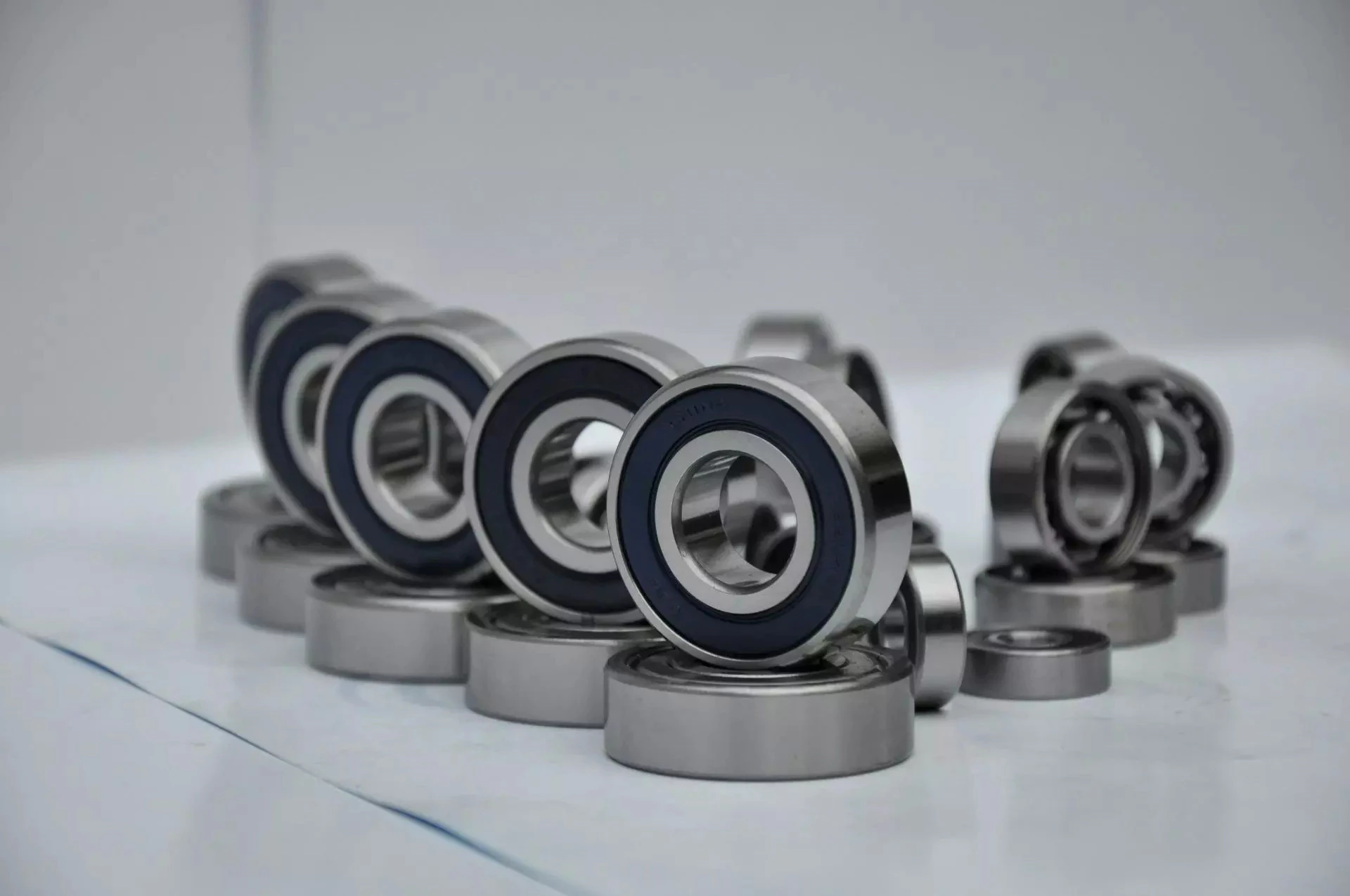
Understanding the Different Types of Bearings
When you are looking for a bearing, you have many options to choose from. This article will explain the various types, functions, and working principles of different types of bearings. Once you understand the basic components, you can make an informed decision about which one to buy. Here’s an overview of some of the most common types. Learn more about each type below! Read on to learn about the differences between these different types of bearings! Posted in Articles
Functions
Bearings serve as an integral part of a mechanical device. These devices help transfer torque from one part of a structure to another. These mechanisms increase the efficiency of a shaft by increasing its life. However, the functions of bearings depend on the application of the structure. Among other functions, bearings provide support to shafts. Anti-friction bearings come in two types: ball and roller bearings. These components have line and point contact, which is the most common type. Archimedes’s principle states that the force is equal to the weight of the fluid that is being displaced. Bearings can transfer lateral loads to a substructure.
A bearing has two primary functions. The first is to prevent direct metal-to-metal contact. A bearing prevents friction, heat generation, and wear and tear of components. A bearing also reduces energy consumption. Its other purpose is to guide and support a rotating body. In addition to these functions, bearings can also reduce wear and tear on a machine. As a result, they are among the most widely used machines in the world.
Seals are a major component of a bearing. They prevent foreign materials from entering and lubricating the moving parts. The design of seal lips determines their effectiveness. Fuel economy regulations and CO2 emissions regulations are pushing the demand for low-friction bearings. However, high-performance seals do not always provide high-performance. As a result, current estimations of the friction in bearings depend on trial and error methods.
Another important function of bearings is that they transfer the load of a rotating component to its housing. This load can be axial or radial. Bearings also limit movement to predefined directions. Some types of rolling element bearings have balls or cylinders inside. These bearings are less frictional than sliding ones, thus they allow parts to move freely during rotation. These parts can then be used for various applications. So, bearings are an integral part of machines.
Types
The most common type of bearing is a plain bearing. It uses surfaces in rubbing contact to transmit movement from one part to another. These bearings may be discrete or may consist of a hole in a metal sleeve or a planar surface bearing another part. Some plain bearings are flanged, while others are made of a sleeve with a flange at one end. These bearings often give acceptable accuracy and life, but they are expensive and cannot be used in large scale applications.
Radial bearings are used when there is a need for high-speed or corrosive parts. This type of bearing also serves as a support in an intermediate situation. Its two components are called the base and the cover. The base and cover are connected and are arranged parallel to the main axis. This type of bearing is used in steady-state and axial motion applications. The radial bearings are also used when the shafts are long.
Angular contact bearings are another type of bearing. These are easy to install and require minimal maintenance. Their races are displaced along the axis. They are also better at handling axial loads and transferring them to the housing. These types of bearings are commonly used in pumps, automobiles, and high-speed applications. If you are looking for an affordable, reliable bearing, look no further than the angular contact bearing.
Another type of bearing is a self-lubricating bushing. These are lightweight and wear-resistant. Unlike the other types of bearing, they do not require any lubrication or maintenance. In fact, some are completely maintenance-free. But if you’re worried about maintenance, this type of bearing may be a good choice. There are many benefits of using self-lubricating bushings. It is also a good option for applications where your machine is exposed to extreme temperatures.
Working principle
A bearing has two primary functions: support and load transfer. In engineering applications, the bearing tends to push the load in the direction of the shaft. A radial load pushes the bearing downward and a thrust load pushes it sideways. Both types of load transfer are important in a variety of applications. The working principle of each type is described below. Listed below are the main uses for each type of bearing.
A plain bearing uses a PTFE liner on the interface of two moving parts. The PTFE liner acts as a lubricant and may be filtered to alter its friction. The journal bearing uses the motion of the journal to force fluid into the gap between two moving parts. This results in a small amount of play in the bearing. This play is acceptable for most applications. A ball bearing may have a maximum play of 2 mm for a ten-millimeter shaft.
The primary function of a bearing is to assist in rotation and to reduce mechanical friction between the two objects. A bearing may be installed as a separate device or as an integral part of a machine. For more complex applications, bearings are very precise components requiring the highest standards of technology. For this reason, it is important to understand the working principle of bearings. The next time you need to lift or slide a heavy object, consider a bearing.
Ball bearings are a common type of ball bearing and can be found in industrial machinery and automobiles. Their unique structure helps them support less weight. This is because they are comprised of two rings – an inner race and an outer race. The balls themselves have a small area of contact and transfer axial loads in one direction. A cage surrounds the balls and prevents them from colliding. This makes ball bearings a popular choice for many applications.
Sealing system
A bearing’s seals are vital for the operation of rolling and rotating components. These systems enable rotation and linear movement while limiting friction and dispersing stress. Without the proper seals, these components could face catastrophic failure. In addition to protecting the bearing from external forces, seals help retain lubricant inside the system and prevent harmful particles from entering the gap. A seal’s lubrication helps prevent the onset of mechanical damage and prolongs the life of the bearing.
A bearing seal is made up of two parts: the inner sealing element and the outer sealing element. A passageway runs through the bearing assembly to the outer seal element. A hydraulic press or pneumatic jack is recommended for installing the seal. These tools are effective in reducing deformation and improving seal installation quality. When fitting the seal, ensure that the tool does not hit the seal directly. A proper adopter will distribute the load uniformly across the seal.
The seal’s efficiency depends on its gap. A four-inch shaft seal can flow 0.5 standard cubic feet per minute. A seal’s efficiency is highly dependent on the gap size. The gap size is a cube of the flow through the system. A smaller gap size allows high flow and pressure but less leakage. If both surfaces of the seal have similar pressures and flow rates, the seal is efficient. However, a small gap reduces the pressures and reduces wear.
Mechanical seals have numerous advantages, including their ability to protect against contaminants and splashing liquids. Labyrinth seals are the first line of defense against leaks. They operate without friction. Their high level of sealing efficiency helps ensure that the bearing remains operational for long. This type of seal is made from metal plates and is designed for a wide temperature range and misalignment. Its advantages include being easy to install and offering 100% sealing efficiency.
Maintenance
Bearing maintenance is critical to ensuring that your bearings keep operating at their peak performance. Proper maintenance will improve bearing life, reduce downtime and increase productivity while reducing costs. Here is an 8-point checklist to optimize your bearings and make them last longer. To optimize their performance, you should follow these steps regularly. In case a bearing does not last long, you should replace it as soon as possible. Listed below are some tips to ensure proper maintenance.
The first step is to determine how often your bearings require lubrication. Some manufacturers recommend that you lubricate them weekly, but this can do more harm than good. Instead, use ultrasound to measure the level of friction and trend its levels. This way, you will know exactly when to grease your bearings. It’s also important to check how often they should be inspected and calibrated. A professional can provide guidance on proper maintenance.
Next, inspect your bearings for cracks and scratches. You should never install a bearing that has been dropped or scratched. Even a small crack will affect the performance of the bearing and could lead to its premature failure. A proper alignment is essential for the bearing to function properly. Make sure you have the correct tools to perform this task. These tools can help you reduce manual work and promote safe bearing maintenance. You should also ensure that the shaft and housing are clean and undamaged.
Proper maintenance can prolong bearing service life. Proper lubrication, mounting, inspection, basic condition monitoring, and dismounting can extend their life. Proper maintenance extends their lifespan and improves plant productivity. While bearings are essential for machinery, you should make sure you follow the proper safety procedures every time you work with them. These tips will also help prevent accidents and maintain your machine’s efficiency. Once you’ve followed these guidelines, you can safely inspect your bearings and ensure that they’re operating at their optimum capacity.
editor by CX 2023-10-18
China Custom B7006-C-T-P4s Ultra High Speed Spuer Precision Ball Bearing bearing bronze
Product Description
| Name | Angular contact ball bearing |
| Seires | B70 |
| Brand | MONTON |
| Model | B7006-C-T-P4S |
| Contact Angle | 15° |
| d | 30 |
| D | 55 |
| B | 13 |
| Ring Material | Gcr15// Stainless Steel/ Si3N4/ ZrO2/Special material |
| Cage Material | Nylon/phenolic resin |
| Etk nom. | 40.4 |
| Load rating Cdyn | 15kN |
| Load rating C0stat | 10.2kN |
| Attainable speed /Grease | 26000 |
| Attainable speed /Oil | 40000 |
| Sealed | as customer requested |
| Weight | 0.11KG |
| Bearing Arrangement | U/DB/DT/TBT/QBC/DU/QU ect. |
| Design Structure | Angular contact |
| Precision | P4,P5 or as customer requested |
| Vibration | ZV1, ZV2, ZV3, or as customer requested |
| Clearance | C0, C2, C3, or as customer requested |
| Quality standard | ISO9001: 2000/SGS |
| Package | single box |
| Original | HangZhou |
| Service | OEM |
| Delivery date | Accordingly |
| Application | Auto, tractor ,machine tool, electric machine, water pump, agricultural machinery and textile machinery |
| Bearing Code | Dimensions | Axial Rigidity | Weight | ||||
| Sa | |||||||
| d | D | B | L | M | H | kg | |
| mm | N/µm | ||||||
| B706C.T.P4S | 6 | 17 | 6 | 8.6 | 16.4 | 25.5 | 0.005 |
| B706E.T.P4S | 6 | 17 | 6 | 20.9 | 36.5 | 51.4 | 0.005 |
| B707C.T.P4S | 7 | 19 | 6 | 9.3 | 18.4 | 28.4 | 0.008 |
| B707E.T.P4S | 7 | 19 | 6 | 23.2 | 40.4 | 57.1 | 0.008 |
| B708C.T.P4S | 8 | 22 | 7 | 12.0 | 22.9 | 34.9 | 0.01 |
| B708E.T.P4S | 8 | 22 | 7 | 26.4 | 47.9 | 68.6 | 0.01 |
| B709C.T.P4S | 9 | 24 | 7 | 14.4 | 26.5 | 39.6 | 0.015 |
| B709E.T.P4S | 9 | 24 | 7 | 32.4 | 56.3 | 79.0 | 0.015 |
| B7000C.T.P4S | 10 | 26 | 8 | 12.6 | 23.3 | 34.9 | 0.02 |
| B7000E.T.P4S | 10 | 26 | 8 | 27.9 | 49.6 | 69.4 | 0.02 |
| B7001C.T.P4S | 12 | 28 | 8 | 14.5 | 26.9 | 40.1 | 0.02 |
| B7001E.T.P4S | 12 | 28 | 8 | 32.0 | 57.4 | 80.6 | 0.02 |
| B7002C.T.P4S | 15 | 32 | 9 | 16.9 | 30.2 | 44.6 | 0.03 |
| B7002E.T.P4S | 15 | 32 | 9 | 37.4 | 64.8 | 90.3 | 0.03 |
| B7003C.T.P4S | 17 | 35 | 10 | 21.3 | 37.8 | 55.4 | 0.04 |
| B7003E.T.P4S | 17 | 35 | 10 | 47.9 | 81.3 | 112.6 | 0.04 |
| B7004C.T.P4S | 20 | 42 | 12 | 22.8 | 40.0 | 58.8 | 0.07 |
| B7004E.T.P4S | 20 | 42 | 12 | 51.7 | 86.7 | 119.3 | 0.07 |
| B7005C.T.P4S | 25 | 47 | 12 | 29.7 | 51.8 | 75.7 | 0.08 |
| B7005E.T.P4S | 25 | 47 | 12 | 67.6 | 111.9 | 153.4 | 0.08 |
| B7006C.T.P4S | 30 | 55 | 13 | 32.7 | 57.8 | 85.1 | 0.11 |
| B7006E.T.P4S | 30 | 55 | 13 | 74.1 | 124.1 | 171.3 | 0.11 |
| B7007C.T.P4S | 35 | 62 | 14 | 38.7 | 67.8 | 99.5 | 0.15 |
| B7007E.T.P4S | 35 | 62 | 14 | 88.4 | 146.9 | 202.1 | 0.15 |
| B7008C.T.P4S | 40 | 68 | 15 | 43.5 | 76.9 | 113.2 | 0.19 |
| B7008E.T.P4S | 40 | 68 | 15 | 99.2 | 165.8 | 228.5 | 0.19 |
| B7009C.T.P4S | 45 | 75 | 16 | 50.2 | 87.8 | 128.6 | 0.23 |
| B7009E.T.P4S | 45 | 75 | 16 | 115.5 | 190.0 | 260.6 | 0.23 |
| B7571C.T.P4S | 50 | 80 | 16 | 52.7 | 92.0 | 134.7 | 0.25 |
| B7571E.T.P4S | 50 | 80 | 16 | 120.4 | 198.1 | 271.5 | 0.25 |
| B7011C.T.P4S | 55 | 90 | 18 | 61.9 | 107.2 | 156.5 | 0.37 |
| B7011E.T.P4S | 55 | 90 | 18 | 142.4 | 231.6 | 316.4 | 0.37 |
| B7012C.T.P4S | 60 | 95 | 18 | 64.5 | 111.7 | 162.8 | 0.4 |
| B7012E.T.P4S | 60 | 95 | 18 | 147.9 | 240.4 | 328.4 | 0.4 |
| B7013C.T.P4S | 65 | 100 | 18 | 67.1 | 116.1 | 169.1 | 0.42 |
| B7013E.T.P4S | 65 | 100 | 18 | 155.1 | 252.3 | 344.4 | 0.42 |
| B7014C.T.P4S | 70 | 110 | 20 | 73.9 | 127.3 | 185.1 | 0.59 |
| B7014E.T.P4S | 70 | 110 | 20 | 170.1 | 274.3 | 373.5 | 0.59 |
| B7015C.T.P4S | 75 | 115 | 20 | 76.8 | 131.9 | 191.7 | 0.62 |
| B7015E.T.P4S | 75 | 115 | 20 | 177.7 | 286.7 | 389.8 | 0.62 |
| B7016C.T.P4S | 80 | 125 | 22 | 86.3 | 147.5 | 213.5 | 0.84 |
| B7016E.T.P4S | 80 | 125 | 22 | 201.7 | 323.3 | 437.9 | 0.84 |
| B7017C.T.P4S | 85 | 130 | 22 | 90.3 | 154.3 | 223.1 | 0.89 |
| B7017E.T.P4S | 85 | 130 | 22 | 210.6 | 337.5 | 457.1 | 0.89 |
| B7018C.T.P4S | 90 | 140 | 24 | 95.8 | 163.5 | 236.2 | 1.15 |
| B7018E.T.P4S | 90 | 140 | 24 | 223.6 | 356.6 | 482.2 | 1.15 |
| B7019C.T.P4S | 95 | 145 | 24 | 99.4 | 169.3 | 244.3 | 1.2 |
| B7019E.T.P4S | 95 | 145 | 24 | 234.4 | 373.7 | 505.1 | 1.2 |
| B7571C.T.P4S | 100 | 150 | 24 | 104.1 | 177.2 | 255.8 | 1.26 |
| B7571E.T.P4S | 100 | 150 | 24 | 243.1 | 387.4 | 523.6 | 1.26 |
| B7571C.T.P4S | 105 | 160 | 26 | 114.3 | 193.4 | 278.6 | 1.6 |
| B7571E.T.P4S | 105 | 160 | 26 | 270.9 | 428.4 | 578.2 | 1.6 |
| B7571C.T.P4S | 110 | 170 | 28 | 119.6 | 202.1 | 290.9 | 2 |
| B7571E.T.P4S | 110 | 170 | 28 | 281.3 | 444.8 | 600.0 | 2 |
| B7571C.T.P4S | 120 | 180 | 28 | 123.7 | 208.9 | 300.3 | 2.1 |
| B7571E.T.P4S | 120 | 180 | 28 | 291.7 | 461.2 | 621.8 | 2.1 |
| B7026C.T.P4S | 130 | 200 | 33 | 137.9 | 231.8 | 332.6 | 3.2 |
| B7026E.T.P4S | 130 | 200 | 33 | 327.9 | 515.3 | 692.2 | 3.2 |
| B7571C.T.P4S | 140 | 210 | 33 | 142.9 | 240.1 | 343.9 | 3.4 |
| B7571E.T.P4S | 140 | 210 | 33 | 340.3 | 534.9 | 718.2 | 3.4 |
| B7030C.T.P4S | 150 | 225 | 35 | 157.2 | 263.0 | 377.6 | 4.1 |
| B7030E.T.P4S | 150 | 225 | 35 | 373.2 | 583.4 | 782.8 | 4.1 |
| B7032C.T.P4S | 160 | 240 | 38 | 164.1 | 274.5 | 393.4 | 5.1 |
| B7032E.T.P4S | 160 | 240 | 38 | 386.8 | 604.6 | 810.7 | 5.1 |
| B7034C.T.P4S | 170 | 260 | 42 | 171.7 | 285.2 | 406.4 | 6.7 |
| B7034E.T.P4S | 170 | 260 | 42 | 411.2 | 637.9 | 854.5 | 6.7 |
| B7036C.T.P4S | 180 | 280 | 46 | 179.9 | 298.6 | 425.1 | 8.9 |
| B7036E.T.P4S | 180 | 280 | 46 | 430.4 | 668.0 | 894.5 | 8.9 |
| B7038C.T.P4S | 190 | 290 | 46 | 181.9 | 304.8 | 435.1 | 9.3 |
| B7038E.T.P4S | 190 | 290 | 46 | 430.9 | 680.6 | 915.2 | 9.3 |
| B7040C.T.P4S | 200 | 310 | 51 | 193.5 | 322.1 | 457.8 | 12 |
| B7040E.T.P4S | 200 | 310 | 51 | 462.5 | 725.5 | 971.1 | 12 |
| B7044C.T.P4S | 220 | 340 | 56 | 211.0 | 350.6 | 497.4 | 16 |
| B7044E.T.P4S | 220 | 340 | 56 | 505.7 | 793.3 | 1061.0 | 16 |
| B7048C.T.P4S | 240 | 360 | 56 | 219.7 | 364.8 | 517.2 | 17 |
| B7048E.T.P4S | 240 | 360 | 56 | 523.7 | 821.7 | 1098.4 | 17 |
|
Monton bearing was established in 2001 seated in HangZhou–“Xihu (West Lake) Dis.ent Imperial Capital and Peony Flower City”,we focusing on the bearing field for more than 20 years and we specializing in the development of “High-tech, High precision, Advanced, Non-standard” bearings.Monton’s mission has been and will continue to be to provide customers with complete integrated solutions, including design and development, manufacturing, testing and evaluation, and second-to-none after-sales service. Monton bearing is mainly engaged in the production of the angular contact ball bearing,High precision crossed roller bearing,Thrust bearing stacks and TC radial bearings,Low temperature,The section ball bearing,Cylindrical roller bearing,Spherical roller bearing,Thrust roller ball bearings and harmonic drives bearing and the customized non-standard bearings. We made outstanding contributions to the important scientific research projects of many well-known universities such as ZHangZhoug University, HangZhou University of technology, ZheJiang University of science and technology, ZheJiang Jiaotong University and China University of petroleum and won high praise from users. We have batch production on high-grade bearing products and components with an inner diameter of 0.6mm to an outer diameter of 5m. Our products have been widely used in Machine tools,Weapons,Oil drilling,Cryogenic pumps, Mining, Metallurgy,Port machinery, Medical treatment,Extruder gearboxes,Cement,Textiles,Industrial robots, Harmonic drives, Paper machinery, Concrete mixers, Rolling mill and national defense industry field. With advanced production equipment and perfect testing technology, MONTON can guarantee the quality and accuracy of the products we produced. Our technical department can efficiently complete the bearing design according to customer needs, and customers who need non-standard bearings can also enjoy customized services. Our quality system regularly monitors various production facilities and complies with strict quality requirements. All material certificates and certification reports are kept in files. Products are traceable and can be provided on request. Therefore, we are confident to provide the best solutions for global customers. We are innovative, motivated and courageous to provide our customers with necessary solutions. Our management and employees are always ready to provide professional and personalized services to our customers. In the future, MONTON will adhere to the brand development strategy, strengthen the research and development of high-end products, strive to build a digital factory, and join hands with more partners to work together for a better future! Company spirit: Honesty, Trustworthiness and Mutual benefit; Company policy: Quality-oriented; Company Business philosophy:Honesty; Company principle: Solve customers problems and maximize customer benefits! |
FAQ
1.Q:Are you a factory or trading company?
A:MONTON Bearing is specialized in manufacturing and exporting bearings.
MONTON Bearing have our own factory and warehouse.
2.Q:Can I get some samples and do you offer the sample free?
A:Yes, sure, we are honored to offer you samples.
3.Q:What is the payment?
A: 30% T/T In Advance, 70% T/T Against Copy Of B/L
B: 100% L/C At Sight
4.Q:What is the MOQ for bearing?
A: MOQ is 1 pc.
5.Q:What kind of service you can offer?
A:Technology support;Installation guidance;OEM ect.
6.Q: How long is your delivery time?
A: Generally it is 4-5 days if the goods are in stock. or it is 45 days if the goods are not in
stock, Also it is according to quantity.
7.Q: Can you provide special customization according to the working conditions?
A: Sure, we can design and produce the slewing bearings for different working conditions.
8.Q: How about your guarantee?
A: We provide lifelong after-sales technical service.
| Rolling Body: | Ball Bearings |
|---|---|
| The Number of Rows: | Single |
| Outer Dimension: | Micro(≤26mm) |
| Material: | Bearing Steel |
| Spherical: | Non-Aligning Bearings |
| Load Direction: | Axial Bearing |
| Samples: |
US$ 1/Piece
1 Piece(Min.Order) | |
|---|
| Customization: |
Available
| Can you Provide Examples of Industries where Ball Bearings are Crucial Components?Ball bearings are essential components in a wide range of industries where smooth motion, load support, and precision are vital. Here are some examples of industries where ball bearings play a crucial role:
Ball bearings are used in various automotive applications, including wheel hubs, transmissions, engines, steering systems, and suspension components. They provide reliable rotation and support in both passenger vehicles and commercial vehicles.
In the aerospace sector, ball bearings are found in aircraft engines, landing gear systems, control surfaces, and avionics equipment. Their ability to handle high speeds and precision is vital for aviation safety.
Ball bearings are integral to a wide range of industrial machinery, including pumps, compressors, conveyors, machine tools, printing presses, and textile machinery. They facilitate smooth operation and load distribution in these diverse applications.
In medical devices and equipment, ball bearings are used in surgical instruments, imaging equipment, dental tools, and laboratory machinery. Their precision and smooth movement are crucial for accurate diagnostics and treatments.
Ball bearings are key components in robotic arms, automation systems, and manufacturing machinery. They enable precise movement, high-speed operation, and reliable performance in automated processes.
Wind turbines and solar tracking systems utilize ball bearings to enable efficient rotation and tracking of the wind blades and solar panels. Ball bearings withstand the dynamic loads and environmental conditions in renewable energy applications.
Ball bearings are used in marine applications such as ship propulsion systems, steering mechanisms, and marine pumps. They withstand the corrosive environment and provide reliable performance in maritime operations.
In construction machinery like excavators, bulldozers, and cranes, ball bearings support the movement of heavy loads and enable efficient operation in demanding environments.
Consumer electronics like electric motors, computer hard drives, and household appliances rely on ball bearings for smooth motion and reliable operation.
In oil and gas exploration and extraction equipment, ball bearings are used in drilling rigs, pumps, and processing machinery. They handle the high loads and harsh conditions of this industry. These examples demonstrate how ball bearings are indispensable components in various industries, contributing to the efficiency, reliability, and functionality of diverse mechanical systems and equipment. Customized Request |
|---|
What are the Different Components that Make up a Typical Ball Bearing?
A typical ball bearing consists of several essential components that work together to reduce friction and support loads. Here are the main components that make up a ball bearing:
- Outer Ring:
The outer ring is the stationary part of the bearing that provides support and houses the other components. It contains raceways (grooves) that guide the balls’ movement.
- Inner Ring:
The inner ring is the rotating part of the bearing that attaches to the shaft. It also contains raceways that correspond to those on the outer ring, allowing the balls to roll smoothly.
- Balls:
The spherical balls are the rolling elements that reduce friction between the inner and outer rings. Their smooth rolling motion enables efficient movement and load distribution.
- Cage or Retainer:
The cage, also known as the retainer, maintains a consistent spacing between the balls. It prevents the balls from touching each other, reducing friction and preventing jamming.
- Seals and Shields:
Many ball bearings include seals or shields to protect the internal components from contaminants and retain lubrication. Seals provide better protection against contaminants, while shields offer less resistance to rotation.
- Lubricant:
Lubrication is essential to reduce friction, wear, and heat generation. Bearings are typically filled with lubricants that ensure smooth movement between the balls and raceways.
- Flanges and Snap Rings:
In some designs, flanges or snap rings are added to help position and secure the bearing in its housing or on the shaft. Flanges prevent axial movement, while snap rings secure the bearing radially.
- Raceways:
Raceways are the grooved tracks on the inner and outer rings where the balls roll. The shape and design of the raceways influence the bearing’s load-carrying capacity and performance.
- Anti-Friction Shield:
In certain high-speed applications, a thin anti-friction shield can be placed between the inner and outer rings to minimize friction and heat generation.
These components work together to enable the smooth rolling motion, load support, and reduced friction that characterize ball bearings. The proper design and assembly of these components ensure the bearing’s optimal performance and longevity in various applications.
editor by CX 2023-08-14
China OEM High Precision Long Life Insert Bearing Pillow Block Bearing (UC201 UCP202) deep groove ball bearing
Error:获取返回内容失败,
Your session has expired. Please reauthenticate.
| Aligning: | Non-Aligning Bearing |
|---|---|
| Separated: | Separated |
| Rows Number: | Single |
| Raceway: | Deep Groove Raceway |
| Material: | Chrome Steel/Gcr15 |
| Bearing Block Model: | FL |
| Customization: |
Available
| Customized Request |
|---|
The Benefits of Using Self-Lubricating Bushings for Your Next Pivot
Like any other auto part, control arm bushings wear out over time. This results in an increase in irritating vibrations that can be dangerous in severe cases. The bushings in the control arms also wear out due to the stress that extreme driving conditions put on the control arms. Additionally, environmental factors and oversized tires tend to transmit more vibration through the bushing than conventionally sized tires. Whatever the cause, bushings can be the source of many problems.
wear and cracking
The main cause of dry valve side bushing cracking is a mismatch in thermal expansion of the core and flange. This situation can seriously compromise the safety of the power system. To improve the safety of dry valve side bushings, the crack development of epoxy impregnated paper under various conditions was investigated. A coupled thermomechanical simulation model was also used to study the cracking process.
The first step in diagnosing the cause of bushing wear and cracking is a visual inspection. The bushing of the lower control arm is fixed to the frame by a bracket. If there are any visible cracks, it’s time to replace the bushing. However, there is no need to replace the entire suspension. In some cases, worn bushings can cause a variety of problems, including body lean, excessive tire wear and cornering noise.
Maintenance free
If you’re considering maintenance-free bushings for your next pivot, you’ll be wondering what to look for in these components. The bushing protects the housing from corrosion and keeps the bushing under pressure. However, many users are not familiar with what these components can do for their applications. In this article, we’ll look at several examples of truly maintenance-free pivots and discuss their requirements.
One of the most popular types of maintenance-free bushings are flanged and parallel. Unlike worm gear bushings, these self-lubricating metal bearings are ideal for a variety of applications and conditions. They reduce failure and downtime costs while providing the long-term lubrication required by other types of bushings. Since these sleeves are made of lead-free material, they are RoHS compliant, which means they are environmentally friendly.Another common maintenance-free bushing is plastic. This material is easier to find off-the-shelf and relatively inexpensive to produce. However, it is not suitable for high load applications as it will crack under heavy loads and damage mating parts. Plastics can also deviate if the manufacturing process is imprecise. Plastic bushings can also crack when subjected to high loads.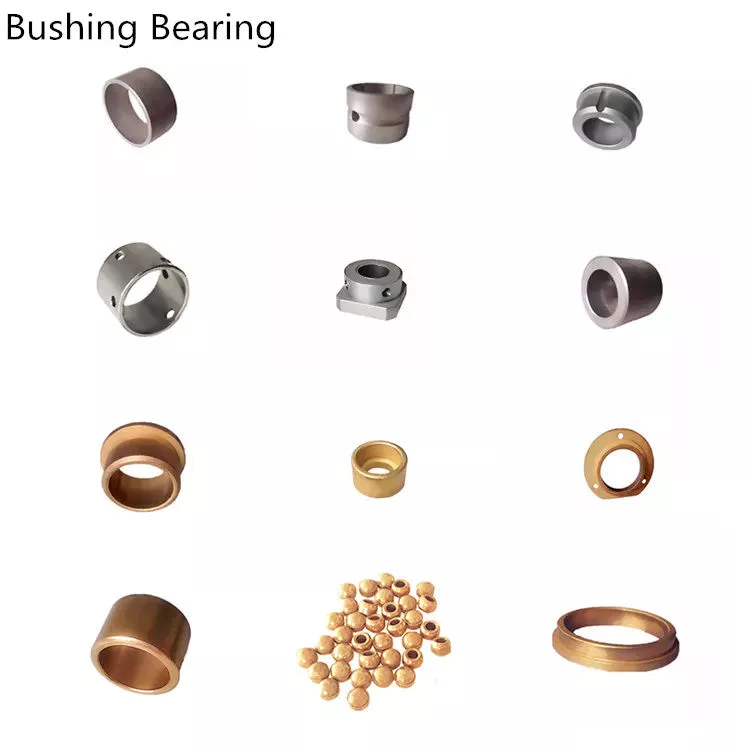
self-lubricating
When using a self-lubricating bushing, there is no need to apply grease to the bushing. Oily liquids tend to attract dirt and grit, which can wear away the graphite prematurely. By eliminating the need for regular lubrication, you will reduce equipment maintenance costs. This article will explore the benefits of self-lubricating bushings. You will love your kindness.
Self-lubricating bushings have a strong base material to withstand radial bearing pressure while providing shaft support at the contact surfaces. The material also has good fatigue properties and low friction motion. Self-lubricating bushings can be used in environments with high temperatures and aggressive media. These products can also withstand enormous pressure. When using self-lubricating bushings, it is important to select the correct material.
The main advantage of using self-lubricating bushings is ease of maintenance. They don’t require oil to run and are cheaper to buy. Their main benefit is that they can significantly reduce your machine running costs. These bearings do not require oiling operations, reducing maintenance costs. These bearings also offer a simplified mechanical design due to their thin walls and high load capacity. In addition, they reduce noise levels while maintaining excellent wear resistance. Plus, their materials are ROHS compliant, which means they don’t require oil.
Hydropower installations are another area where self-lubricating bushings have proven their advantages. They reduce maintenance costs, extend equipment life, and improve environmental benefits. For example, the Newfoundland Power Company uses self-lubricating bushings in the gates of its hydroelectric power plants. These self-lubricating bushings eliminate grease from entering waterways and tailraces. As a result, power companies are able to reduce maintenance and costs.
compared to cartilage in the human body
What is the difference between tendon, bone and cartilage? Human cartilage is composed of collagen and elastic fibers. In contrast, fibrocartilage contains more collagen than hyaline cartilage. Both cartilage types are composed of proteoglycans, which have a protein backbone and glycosaminoglycan side chains. These components work together to provide structure and flexibility to the cartilage.
Bone is a combination of living and dead cells embedded in a matrix. The outer hard layer of bone is dense bone, and the inner layer is spongy, containing bone marrow, blood vessels, nerves, etc. Bone contains both organic and inorganic substances, and this process of hardening of the matrix produces bone. On the other hand, cartilage consists of chondrocytes and a matrix composed of collagen and elastin fibers. Compared to bone, cartilage is yellow and contains elastic fibers.
Although bone and cartilage are structurally identical, cartilage is more flexible. It is mainly found in the joints and respiratory system and requires flexibility. Its ingredients include collagen and proteoglycans, which provide compression and abrasion resistance. Furthermore, connective tissue is composed of cells, fibers and matrix.
The basic substance of cartilage is chondroitin sulfate, which is derived from animals. Although cartilage grows more slowly than bone, its microstructure is less organized. There is a fibrous sheath covering the cartilage, called the perichondrium. The molecular composition of the ECM plays an important role in the function of cartilage. The collagen matrix is important for cartilage remodeling and consists of changes in the collagen matrix.
Compared to metal-on-bone contact
Both metal-on-bone contact are known to cause a significant increase in the pressures in a joint. To compare the two, we first calculated the joint contact pressures in each model and compared them. The results of this study support previous research on this subject. The following sections discuss the benefits of both types of contact. They also outline some key differences between the two.
editor by CX 2023-04-12
China P4 P5 7005AC 7005C angular contact ball bearing 7005 high precision ball bearing supplier
Sort: BALL
Framework: Angular Get in touch with
Applicable Industries: Retail, Vitality & Mining, Other
Precision Score: PO P6 P4 P5
Seals Variety: Nylon bakelite brass
Variety of Row: Single row
Materials:: Gcr15
Top quality:: high high quality and prolonged existence cycle
Service:: OEM & ODM support
High quality normal: ISO9001:2000 normal
MOQ:: as per the requirement of clients
Availability:: accessible all the time
Soon after service:: great
Shipping and delivery time:: prompt and rapidly
Organization scope:: Europe, America, Africa, Center East, Asia. And so on
Packaging Specifics: Industrial packing or as per your ask for.
Our Companies Major Merchandise:
Thorough Photographs P4 P5 7005AC 7005C angular speak to ball bearing 7005 substantial precision ball bearing
| Merchandise title | P4 P5 7005AC 7005C angular make contact with ball bearing 7005 higher precision ball bearing |
| Manufacturer title | Chinese brand name .imported brand name or customised to the customer’s brand |
| ID measurement | 25mm-47mm-12mm |
| Fat | .091kg |
| Payment terms | A:one hundred% TT B: 30% T/T in progress .70% towards copy of B/L C.30% T/T in progress .70% from L/C at sight D.Paypal E.Western union |
| Application | Automobile, tractor , DC 10-55V 12V 24V 36V 48V 55V 100A Motor Speed Controller PWM CZPT RC Reverse Handle Change With LED Show device device, electrical equipment, drinking water pump, agricultural equipment and textile machinery |
| Deal | Industrial package deal or according to buyers’ prerequisite |
| Information | Angular make contact with ball bearings high pace boundaries, are CZPT to assist by way of the load and axial load can endure pure axial load, axial load potential of its selection by the make contact with angle, and with the make contact with angle boosts. |
| characteristics | one) can bear the two radial and axial load two) Properly-created merchandise 3) large velocity four) can be employed in pairs |
Packaging & China u joint drive shaft T1 Agricultural Equipment PTO Shaft agricultural tractor tires 7.fifty sixteen Shipping and delivery
Related Items
Firm Details
Speak to
Types of Ball Bearings
In their most basic form, Ball Bearings have one common feature – they are made of steel. The majority of these bearings are made of 52100 steel, which has one percent chromium and one percent carbon. The steel can be hardened by heat trea
tment. 440C stainless steel is used for rusting problems. A cage around the ball balls is traditionally made from thin steel. However, some bearings use molded plastic cages to save money and friction.
Single-row designs
Steel linear translation stages often use single-row designs for ball bearings. These types of bearings provide smooth linear travel and can withstand high loads. The material steel has a high modulus of elasticity and a high stiffness, as well as a lower thermal expansion than aluminum. For these reasons, steel is the material of choice for a ball bearing in a typical user environment. Single-row designs for ball bearings are also suitable for applications in humid or corrosive environments.
Single-row designs for ball bearings are available in a variety of sizes and are axially adjustable. They have a high radial capacity, but require relatively little space. Single-row deep groove ball bearings with snap rings are STN 02 4605 or R47, respectively. Bearings with snap rings are identified by a suffix such as NR. They may not have seals or shields installed.
These single-row angular contact ball bearings are capable of supporting axial and radial loads. In a two-raceway arrangement, the radial load on bearing A causes a radial load to act on bearing B. Both axial and radial forces are transmitted between single-row angular contact ball bearings, and the resulting internal force must be taken into account to calculate equivalent dynamic bearing loads P.
Single-row deep groove ball bearings are the most common type of ball bearings. These bearings are designed with only one row of rolling elements. The single-row design is simple and durable, which makes it ideal for high-speed applications. Single-row designs for ball bearings are also available in various bore sizes. They can also come in a variety of shapes and are non-separable. If you need a high-speed bearing, you may want to opt for a double-row design.
In addition to single-row designs for ball bearings, you can choose ceramic or steel ball bearings. Ceramic balls are considerably harder than steel balls, but they are not as hard as steel. Hence, ceramic bearings are stiffer than steel ball bearings, resulting in increased stress on the outer race groove and lower load capacity. This is a great benefit for those who need the bearings to be lightweight and strong.
The difference between single-row and double-row designs is in the way that the inner and outer ring are installed. A single-row design places the inner ring in an eccentric position relative to the outer ring. The two rings are in contact at one point, which causes a large gap in the bearing. The balls are then inserted through the gap. As a result, the balls are evenly distributed throughout the bearing, which forces the inner and outer rings to become concentric.
Deep-groove ball bearings are one of the most popular types of ball bearings. They are available in different designs, including snap-ring, seal and shield arrangements. The race diameter of a deep-groove ball bearing is close to the ball’s diameter. These types of bearings are suited for heavy loads, and their axial and radial support are excellent. Their main drawback is that the contact angle cannot be adjusted to accommodate a wide range of relative loads.
Ceramic hybrid ball bearings
Hybrid ball bearings with ceramic balls have numerous advantages. They feature improved kinematic behavior and require less lubrication. Consequently, they can reduce operating costs. Additionally, their low thermal expansion coefficient allows for smaller changes in contact angle and preload variations, and they can retain tolerances. Furthermore, ceramic hybrid ball bearings have significantly increased life spans compared to conventional steel-steel ball bearings, with up to 10 times the lifespan.
Although ceramic bearings can be used in automotive applications, many people believe that they’re a poor choice for bicycle hubs. They don’t reduce weight and only work well in high-rpm environments. As a result, many cyclists don’t even bother with ceramic-based bearings. However, both Paul Lew and Alan are of the opinion that ceramic bearings are best suited for industrial or medical equipment applications. Furthermore, Paul and Alan believe that they are ideal for high-altitude drone motors.
Another advantage of ceramic hybrid ball bearings is that they use less friction than conventional steel-based balls. They are also more durable, requiring less lubrication than steel-based bearings. Furthermore, the lower friction and rolling resistance associated with ceramic-based ball bearings means that they can last ten times longer than steel-based bearings. A ceramic-based hybrid ball bearing can be used for applications where speed and lubrication are critical.
Ceramic hybrid ball bearings feature both steel and silicon nitride balls. Silicon nitride balls have 50% more modulus of elasticity than steel balls and can improve accuracy and precision. Ceramic balls also have a smoother surface finish than steel balls, which reduces vibration and spindle deflection. These benefits result in increased speed and improved production quality. In addition to this, ceramic balls can also reduce the operating temperature, enhancing the work environment.
Hybrid bearings are a popular alternative to steel bearings. They have some benefits over traditional steel bearings, and are becoming a popular choice for engineered applications. Hybrid bearings are ideal for high speed machines. The material used to manufacture ceramic balls is a high-quality alloy, and is comparatively inexpensive. But you must understand that lubrication is still necessary for hybrid bearings. If you are not careful, you may end up wasting money.
These ball bearings can be used in many industries and applications, and they are widely compatible with most metals. The main advantage of hybrid ball bearings is that they are very durable. While steel balls tend to corrode and wear out, ceramic ball bearings can withstand these conditions while minimizing maintenance and replacement costs. The benefits of hybrid ball bearings are clear. So, consider switching to these newer types of ball bearings.
Self-aligning ball bearings
Self-aligning ball bearings are a good choice for many applications. They are a great alternative to traditional ball bearings, and they are ideal for rotating applications in which the shaft must move in several directions. They are also ideal for use in rotating parts where a tight tolerance is necessary. You can choose between two types: plain and flex shaft. Read on to find out which one will suit your needs.
Self-aligning ball bearings are designed with a higher axial load carrying capacity than single-row radial deep groove ball bearings. The amount of axial load carrying capacity is dependent upon the pressure angle. These bearings have a hollow raceway in the outer ring that allows the inner ring to pivot without friction. They are often used for high-speed applications. Because of their design, they are highly accurate.
Self-aligning ball bearings are radial bearings that feature two rows of balls in a spherical outer ring. They also feature two deep uninterrupted raceway grooves in the inner ring. Their unique features make them an excellent choice for applications where shaft deflection is a significant factor. Despite their small size, they have a high level of precision and can withstand heavy loads.
Self-aligning ball bearings can compensate for misalignment in shaft applications. The inner ring and ball assembly are positioned inside an outer ring containing a curved raceway. This spherical design allows the balls and cage to deflect and re-align around the bearing center. These bearings are also ideal for applications where shaft deflection is significant, such as in simple woodworking machinery.
Another type of self-aligning ball bearing uses a common concave outer race. Both balls and outer races automatically compensate for angular misalignment caused by machining, assembly, and deflections. Compared to spherical rollers, they have lower frictional losses than their spherical counterparts. Self-alignment ball bearings also have lower vibration levels compared to other types of bearings.
Self-aligning ball bearings operate in misaligned applications because their spherical outer raceway can accommodate misalignment. This design allows them to work in applications where shaft deflection or housing deformation is common. They are therefore more suitable for low to medium-sized loads. The only real drawback to self-aligning ball bearings is their price. If you need to purchase a self-aligning ball bearing for your next project, you can expect to pay around $1500.
editor by czh 2023-02-20

China High Precision NUP219 Cylindrical Roller Bearing NJ219 roller bearing bearing and race
Sort: Roller, roller
Construction: cylindrical, cylindrical roller bearing
Relevant Industries: Machinery Mend Stores, Other
Design Variety: cylindrical roller bearing
Precision Rating: Po P6 P5 P4, P0 P6 P5 P4
Seals Kind: open
Variety of Row: Solitary row, Solitary Row
Certificate: ISO9001:2008
Cage material: Metal, Cooper, Nylon
Lubrication: Oil/Grease
Bearing Content: Chrome steel, Carbon metal
Sample: accessible
Packaging Specifics: regular export deals for lengthy and rough shipment or according to customers’ need to have
High Precision NUP219 Cylindrical Roller Bearing NJ219 roller bearing
| Product Title | Cylinderical Roller Bearing | ||||||
| Brand | LBR OEM | ||||||
| Material | chrome metal | ||||||
| Quality Standard | chrome metal | ||||||
| Payment Term | T/T Western Union Payple | ||||||
| Packing | 1)Plastic tube+Kraft paper+Carton+ Pallet2)Plastic Bag+Coloration Box+Carton + Pallet3)According to the Necessity of CustonDelivery element:5-thirty days(in accordance to the genuine get) | ||||||
| MOD | ID(d)/MM | OD(D)/MM | WIDTH(B)/MM | OEM |
| NU 1018M | 90 | 140 | 24 | available |
| NU 206 | 30 | 62 | 16 | available |
| NJ 212 | 60 | 110 | 22 | available |
| N 2210 E | 50 | 90 | 23 | available |
| NF 307 | 35 | 80 | 21 | available |
| NUP 311 | 55 | 120 | 29 | available |
| NU 2310E | 50 | 110 | 40 | available |
| NJ 407 | 35 | 100 | 25 | available |
| N 410 | 50 | 130 | 31 | available |
Types of Ball Bearings
In their most basic form, Ball Bearings have one common feature – they are made of steel. The majority of these bearings are made of 52100 steel, which has one percent chromium and one percent carbon. The steel can be hardened by heat trea
tment. 440C stainless steel is used for rusting problems. A cage around the ball balls is traditionally made from thin steel. However, some bearings use molded plastic cages to save money and friction.
Single-row designs
Steel linear translation stages often use single-row designs for ball bearings. These types of bearings provide smooth linear travel and can withstand high loads. The material steel has a high modulus of elasticity and a high stiffness, as well as a lower thermal expansion than aluminum. For these reasons, steel is the material of choice for a ball bearing in a typical user environment. Single-row designs for ball bearings are also suitable for applications in humid or corrosive environments.
Single-row designs for ball bearings are available in a variety of sizes and are axially adjustable. They have a high radial capacity, but require relatively little space. Single-row deep groove ball bearings with snap rings are STN 02 4605 or R47, respectively. Bearings with snap rings are identified by a suffix such as NR. They may not have seals or shields installed.
These single-row angular contact ball bearings are capable of supporting axial and radial loads. In a two-raceway arrangement, the radial load on bearing A causes a radial load to act on bearing B. Both axial and radial forces are transmitted between single-row angular contact ball bearings, and the resulting internal force must be taken into account to calculate equivalent dynamic bearing loads P.
Single-row deep groove ball bearings are the most common type of ball bearings. These bearings are designed with only one row of rolling elements. The single-row design is simple and durable, which makes it ideal for high-speed applications. Single-row designs for ball bearings are also available in various bore sizes. They can also come in a variety of shapes and are non-separable. If you need a high-speed bearing, you may want to opt for a double-row design.
In addition to single-row designs for ball bearings, you can choose ceramic or steel ball bearings. Ceramic balls are considerably harder than steel balls, but they are not as hard as steel. Hence, ceramic bearings are stiffer than steel ball bearings, resulting in increased stress on the outer race groove and lower load capacity. This is a great benefit for those who need the bearings to be lightweight and strong.
The difference between single-row and double-row designs is in the way that the inner and outer ring are installed. A single-row design places the inner ring in an eccentric position relative to the outer ring. The two rings are in contact at one point, which causes a large gap in the bearing. The balls are then inserted through the gap. As a result, the balls are evenly distributed throughout the bearing, which forces the inner and outer rings to become concentric.
Deep-groove ball bearings are one of the most popular types of ball bearings. They are available in different designs, including snap-ring, seal and shield arrangements. The race diameter of a deep-groove ball bearing is close to the ball’s diameter. These types of bearings are suited for heavy loads, and their axial and radial support are excellent. Their main drawback is that the contact angle cannot be adjusted to accommodate a wide range of relative loads.
Ceramic hybrid ball bearings
Hybrid ball bearings with ceramic balls have numerous advantages. They feature improved kinematic behavior and require less lubrication. Consequently, they can reduce operating costs. Additionally, their low thermal expansion coefficient allows for smaller changes in contact angle and preload variations, and they can retain tolerances. Furthermore, ceramic hybrid ball bearings have significantly increased life spans compared to conventional steel-steel ball bearings, with up to 10 times the lifespan.
Although ceramic bearings can be used in automotive applications, many people believe that they’re a poor choice for bicycle hubs. They don’t reduce weight and only work well in high-rpm environments. As a result, many cyclists don’t even bother with ceramic-based bearings. However, both Paul Lew and Alan are of the opinion that ceramic bearings are best suited for industrial or medical equipment applications. Furthermore, Paul and Alan believe that they are ideal for high-altitude drone motors.
Another advantage of ceramic hybrid ball bearings is that they use less friction than conventional steel-based balls. They are also more durable, requiring less lubrication than steel-based bearings. Furthermore, the lower friction and rolling resistance associated with ceramic-based ball bearings means that they can last ten times longer than steel-based bearings. A ceramic-based hybrid ball bearing can be used for applications where speed and lubrication are critical.
Ceramic hybrid ball bearings feature both steel and silicon nitride balls. Silicon nitride balls have 50% more modulus of elasticity than steel balls and can improve accuracy and precision. Ceramic balls also have a smoother surface finish than steel balls, which reduces vibration and spindle deflection. These benefits result in increased speed and improved production quality. In addition to this, ceramic balls can also reduce the operating temperature, enhancing the work environment.
Hybrid bearings are a popular alternative to steel bearings. They have some benefits over traditional steel bearings, and are becoming a popular choice for engineered applications. Hybrid bearings are ideal for high speed machines. The material used to manufacture ceramic balls is a high-quality alloy, and is comparatively inexpensive. But you must understand that lubrication is still necessary for hybrid bearings. If you are not careful, you may end up wasting money.
These ball bearings can be used in many industries and applications, and they are widely compatible with most metals. The main advantage of hybrid ball bearings is that they are very durable. While steel balls tend to corrode and wear out, ceramic ball bearings can withstand these conditions while minimizing maintenance and replacement costs. The benefits of hybrid ball bearings are clear. So, consider switching to these newer types of ball bearings.
Self-aligning ball bearings
Self-aligning ball bearings are a good choice for many applications. They are a great alternative to traditional ball bearings, and they are ideal for rotating applications in which the shaft must move in several directions. They are also ideal for use in rotating parts where a tight tolerance is necessary. You can choose between two types: plain and flex shaft. Read on to find out which one will suit your needs.
Self-aligning ball bearings are designed with a higher axial load carrying capacity than single-row radial deep groove ball bearings. The amount of axial load carrying capacity is dependent upon the pressure angle. These bearings have a hollow raceway in the outer ring that allows the inner ring to pivot without friction. They are often used for high-speed applications. Because of their design, they are highly accurate.
Self-aligning ball bearings are radial bearings that feature two rows of balls in a spherical outer ring. They also feature two deep uninterrupted raceway grooves in the inner ring. Their unique features make them an excellent choice for applications where shaft deflection is a significant factor. Despite their small size, they have a high level of precision and can withstand heavy loads.
Self-aligning ball bearings can compensate for misalignment in shaft applications. The inner ring and ball assembly are positioned inside an outer ring containing a curved raceway. This spherical design allows the balls and cage to deflect and re-align around the bearing center. These bearings are also ideal for applications where shaft deflection is significant, such as in simple woodworking machinery.
Another type of self-aligning ball bearing uses a common concave outer race. Both balls and outer races automatically compensate for angular misalignment caused by machining, assembly, and deflections. Compared to spherical rollers, they have lower frictional losses than their spherical counterparts. Self-alignment ball bearings also have lower vibration levels compared to other types of bearings.
Self-aligning ball bearings operate in misaligned applications because their spherical outer raceway can accommodate misalignment. This design allows them to work in applications where shaft deflection or housing deformation is common. They are therefore more suitable for low to medium-sized loads. The only real drawback to self-aligning ball bearings is their price. If you need to purchase a self-aligning ball bearing for your next project, you can expect to pay around $1500.
editor by czh 2023-02-18
China High precision Differential Bearing F-239513.01.SKL-H79 size 40.98x78x17.5mm Angular Contact Ball Bearing F-239513 in stock bearing assembly
Type: BALL
Framework: Deep Groove
Relevant Industries: Resorts, Garment Shops, Constructing Materials Outlets, Manufacturing Plant, Machinery Mend Outlets, Foods & Beverage Manufacturing unit, Farms, Restaurant, House Use, Retail, Food Store, Printing Outlets, Construction works , Higher Load Self-lubricating PTFE Filament Wound Bearing Fiberglass wood forklift bushing Vitality & Mining, Food & Beverage Shops, Other, Advertising and marketing Business
Bore Dimensions: ten – 70 mm
Design Number: Bearing F-239513
Precision Ranking: P0,P2,P4,P5,P6
Seals Variety: 2RS,ZZ,Open up
Quantity of Row: Solitary row
Merchandise name: Differential Bearing F-239513.01.SKL-H79 dimension forty.98x78x17.5mm
Content: Chrome Metal GCR15
Software: Automotive.tractor.development Machinery.rolling Mill
Cage: Steel Cage.copper Cage.nylon Cage
Characteristic: Long Life Time
Package deal: Clients’ Specifications
Lubrication: Grease Oil
Services: OEM Personalized Solutions
shipping and delivery time: 1-3 Days
Brand: OEM Renowned Brand name
Packaging Specifics: A: 1pcs/polybagVC dc motor for retractable awning Durable,significantly less maintenance frequency Simple structure, minimal price, Numerous dimensions and patterns.
Packaging & Shipping and delivery
Organization Information
Manufacturing facility
Software
A lot more Merchandise
FAQ
01
Q:Are you a factory or trading firm?
A:We are a manufacturing unit
02
Q:The place is your factory located? How can I go to there?
A:Our manufacturing unit is situated in HangZhou City ,China.
A:You can fly to HangZhou airport directly.All our clientele are warmly welcome to go to us from home or abroad
03
Q:How can I get some samples?
A:We are honored to offer you samples for your checking
04
Q:How does your factory do with regards to quality control?
A:Top quality is precedence,we often attach fantastic importance to quality managing from the extremely commencing to the really conclude .Our manufacturing unit has obtained BV(Bureau Veritas)certification
05
Q:What is your creation ability for a thirty day period?
A:Our month to month generation capacity will be a hundred thousand sets of bearings
06
Q:What is your major item?
A:Our major merchandise including all kinds of ball bearings and roller bearings and also entire world famous model bearings like Japanse manufacturer bearings, Black splined double drive pin yoke, PTO Generate Shaft (39118 cross kit) for farm tractor components United states brand bearings,Sweden brand name bearings and so on are offered
What is a bushing?
A bushing is a cylindrical lining made of a flexible material inside a metal housing. The inner squeeze tube of the bushing helps prevent it from being squeezed by the clip. The material also reduces friction and isolates vibration and noise, while improving performance. This article discusses some of the most common uses for bushings. In this article, we’ll discuss the most important reasons to choose a bushing for your transmission.
DESCRIPTION Anti-friction cylindrical lining
A bushing is a bearing that minimizes friction and wear within the bore. It is also used as a housing for shafts, pins, hinges or other types of objects. It takes its name from the Middle Dutch word shrub, which means “box”. It is also homologous to the second element of blunderbuss. Here’s how to identify bushings and how to use them.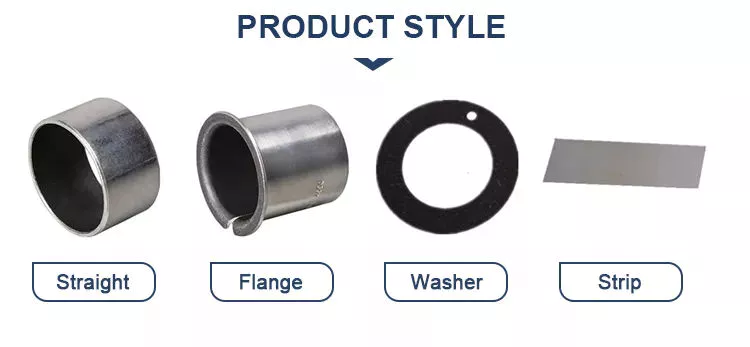
Vibration isolation
Vibration mounts are required for inertial guidance and navigation systems, radar components, and engine accessories. Bushings isolate vibration and provide a more robust design in these applications. Bushings help eliminate vibration-related operational challenges and help protect expensive equipment from damage. Below are several types of vibrating mounts and the differences between them. Each type has unique uses and applications, and the type you choose will depend on the nature of the components and the environment.
Vibration isolation is an important safety feature of many modern machines and instruments. Used to reduce the dynamic consumption that an object suffers at runtime. Instead, it protects equipment and structures from amplitude-related damage. Bushings insulate objects from vibration by reducing the amount of dynamic action transferred from the object to the support structure. Bushings are a popular choice for vibration equipment manufacturers.
Vibration isolation is important in many industrial applications. Vibration can wreak havoc on electronic and mechanical equipment. The forces exerted by vibration can reduce the life expectancy of equipment, leading to premature failure. The cost of isolation depends on the weight of the object being isolated. Most isolators have minimum damping in the isolation region and maximum damping at natural frequencies. In addition, the cost of installation, transportation and maintenance is usually included in the cost.
In addition to providing shock and vibration isolation, bushings help stabilize components by absorbing shock. These devices may need to be replaced in the long run, and your machine design may dictate whether you need to buy more than one. Bushings are an important part of your equipment, so don’t skimp on quality when choosing a vibration isolation mount. You won’t regret it. They won’t break your budget, but will keep your equipment safe.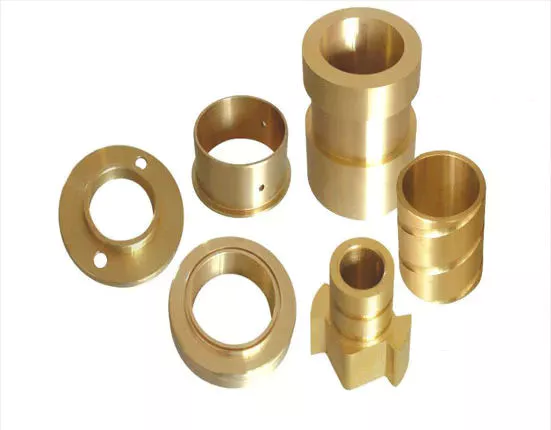
reduce noise
A properly positioned tree will block the view between the noise source and your house. Make sure the tree is taller than your house to effectively reduce noise. Also, make sure the sprocket and axle are properly aligned. The less noise they make, the better. If you have a noisy neighbor, you may want to consider installing a bushing at the front of the house to block the noise.
While it’s possible to replace the bushing yourself, it’s best to make sure you follow some basic procedures first. Park your car on level ground and apply the brakes before removing the hood. Check that the wheels move freely. Remember to wear gloves and goggles, and don’t cut yourself with sharp objects when changing bushings. If you can’t see under the hood, try opening the hood to allow more light to reach the engine area.
SuperPro bushings are designed to reduce noise and vibration in the automotive industry. They are a popular choice for aftermarket bushing manufacturers. While OE rubber bushings are soft and quiet, these polyurethane bushings are specifically designed to eliminate these noise issues. By determining the diameter of your vehicle’s anti-roll bars, you can choose the right bushing for your vehicle. You’ll be glad you did!
Damaged bushings can cause the stabilizer bar to become unstable. This, in turn, can cause the steering components to misalign, creating a loud ding. Worn bushings can also cause the wheel to squeak as it moves. If they’re worn, you’ll hear squeaks when cornering. You may even hear these noises when you are turning or changing lanes.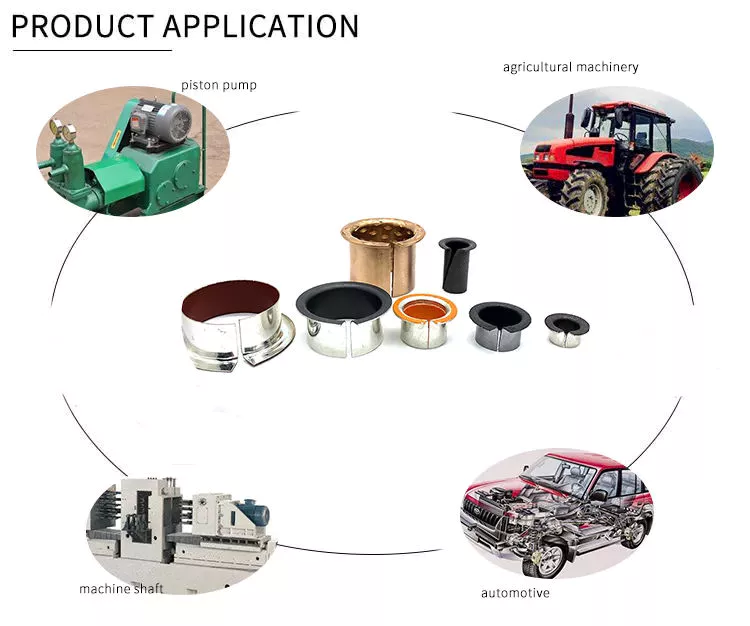
a bearing
A bushing is a component that provides a bearing surface for the forces acting axially on the shaft. A typical example of a thrust bearing is a propeller shaft. The bushing can be a separate part or an integral part of the machine. Typically, bushings are replaceable, while integral bearings are permanent and should not be replaced unless worn or damaged. Bushings are most commonly used in machinery, where they allow relative movement between components.
The bushing is usually an integral unit, while the bearing may have several parts. Simple bushings can be made of brass, bronze or steel. It is often integrated into precision machined parts and helps reduce friction and wear. Typically, bushings are made of brass or bronze, but other materials can also be used. Different designs have different applications, so you should understand what your application requires before purchasing a sleeve.
The most common uses of plain bearings are in critical applications, including turbines and compressors. They are also commonly used in low-speed shafting, including propeller shafts and rudders. These bearings are very economical and suitable for intermittent and linear motion. However, if your application does not require continuous lubrication, a plain bearing may not be required.
Another popular use for sleeves is in food processing. These bearings can be made from a variety of materials, including stainless steel and plastic. Plastic bearings are more cost-effective than metal and are an excellent choice for high-speed applications. These materials are also resistant to corrosion and wear. However, despite their high cost, they can be made from a variety of materials. However, in most cases, the materials used for plain bearings are aluminum nickel, phosphorus and silicon.
editor by czh 2023-02-18
China 3.5x7x2.5 MR74ZZd3.5 Precision High Speed RC Car Ball Bearing, for TRX-4M 118 Land Rover Defender Sealed Bearing Kit bearing air
Kind: BALL
Structure: Deep Groove, unflanged
Applicable Industries: Producing Plant, Equipment Mend Stores, Retail, Other, RC types
Bore Measurement: 1 – 25 mm
Design Number: MR74ZZ/d3.5 (3.5x7x2.5)
Precision Score: ABEC-1, ABEC-3, ABEC-5, ABEC-7
Seals Kind: ZZ ( double steel shielded )
Quantity of Row: One row
Product identify: MR74ZZ/d3.5 (3.5x7x2.5)
Material of rings: Chrome Steel
Materials of balls: metal balls
Materials of cage: Stainless Metal
Kind of cage: CROWN retainer, Ribbon Retainer
Lubrication: Oil, Grease
Vibration: V4, V3, V2, V1
Clearance: C0,C2,C3,C4,C5
Feature: Substantial Pace, Reduced Noise, Long Existence
Packaging Details: Ususally, ten pcs in a plastic tube,10 tubes in 1 paper box. OEM package is offered as you required.
3.5x7x2.5 MR74ZZ/d3.5 Precision Large Pace RC Automobile Ball Bearing, for TTRX-4M 1/18 Land Rover Defender Sealed Bearing Package
Bearing Proportions
FreeRun miniature ball bearings sorts:
chrome metal bearings
stainless steel bearings
hybrid ceramic bearings
total cermaic bearings
thrust ball bearings
needle / one particular-way bearings
FreeRun miniature ball bearings sizes:
Metric dimensions:
| 1.5x4x2mm |
| 1.5x5x2.6mm |
| 1.5x6x3mm |
| 2x5x2.3mm |
| 2x5x2.5mm |
| 2X6X2.5mm |
| 2x6x3mm |
| 2x7x3.5mm |
| 2.5x6x2.6mm |
| 2.5x7x3.5mm |
| 2.5x8x4mm |
| 3x6x2.5mm |
| 3x7x3mm |
| 3x8x3 mm |
| 3x8x4mm |
| 3x9x4mm |
| 3X9X5 mm |
| 3X10X4mm |
| 4x7x2.5mm |
| 4x8x3mm |
| 4x9x4mm |
| 4x10x4mm |
| 4x11x4mm |
| 4x12x4mm |
| 4X13X5 mm |
| 4X16X5 mm |
| 5x8x2.5mm |
| 5x9x3mm |
| 5x10x4mm |
| 5x11x4mm |
| 5X11X5mm |
| 5X12X4mm |
| 5x13x4mm |
| 5X14X5 mm |
| 5X16X5mm |
| 5X19X6mm |
| 6x10x3mm |
| 6x12x4mm |
| 6x13x5mm |
| 6x15x5mm |
| 6X17X6 mm |
| 6X19X6 mm |
| 6X22X7 mm |
| 7x11x3mm |
| 7x13x4mm |
| 7x14x5mm |
| 7x17x5mm |
| 7X19X6 mm |
| 7x22x7 mm |
| 8x12x3.5mm |
| 8x14x4mm |
| 8X16X5 mm |
| 8x19x6mm |
| 8x22x7mm |
| 8x24x8mm |
| 8x28x9mm |
| 9x14x4.5mm |
| 9x17x5mm |
| 9x20x6mm |
| 9x24x7mm |
| 9x26x8mm |
| 9x30x10mm |
| 10x15x4mm |
| 10x19x5mm |
| 10X19X7mm |
| 10x22x6mm |
| 10X26X8 mm |
| 10X30X9 mm |
| 10X35X11mm |
| 12x18x4mm |
| 12x21x5mm |
| 12x24x6mm |
| 12x28x8mm |
| 12x32x10mm |
| 12x24x6mm |
| 13X19X4mm |
| 13X20X4mm |
| 15x21x4mm |
| 15x24x5mm |
| 15x28x7mm |
| 15x32x8mm |
| 15x32x9mm |
| 15x35x11mm |
| 15x42x13 mm |
Inch measurement:
| .055″x3/sixteen”x7/64″ |
| five/sixty four”x1/4″x9/sixty four” |
| 3/32″x3/sixteen”x3/32″ |
| 3/32″x5/16″x9/64″ |
| 1/8″x1/4″x7/64″ |
| one/8″x5/sixteen”x9/64″ |
| 1/8″x3/8″x9/sixty four” |
| one/8″x3/8″x5/32″ |
| one/8″x1/2″ 17inch 1500w2000w3000w Brushless DC Hub Motor with Sprocket for Hybrid Bike x0.1719″ |
| five/32″x5/sixteen”x1/8″ |
| three/sixteen”x5/sixteen”x1/8″ |
| 3/16″x3/8″x1/8″ |
| 3/16″x1/2″x0.196″ |
| three/sixteen”x5/8″x0.196″ |
| three/16″x11/sixteen”x1/4″ |
| one/4″x3/8″x1/8″ |
| one/4″x1/2″x3/16″ |
| one/4″x5/8″x0.196″ |
| one/4″x11/sixteen”x1/4″ |
| one/4″x3/4″x9/32″ |
| five/sixteen”x1/2″x5/32″ |
| 5/16″x7/8″x9/32″ |
| 5/sixteen”x0.9062″x5/16″ |
| five/sixteen”x5/8″x5/32″ |
| 3/8″x5/8″ 110v 220v speed handle ac higher pace little electric powered motors 6w to 180w x5/32″ |
| three/8″x3/4″x0.196″ |
| three/8″x7/8″x9/32″ |
| 3/8″x7/8″x9/32″ |
| 3/8″x0.9062″x5/16″ |
| three/8″x1 1/8″x3/8″ |
| 7/sixteen”x0.9062″x5/16″ |
| 1/2″x3/4″x5/32″ |
| one/2″x7/8″x1/4″ |
| one/2″x1 1/8″x5/sixteen” |
| 1/2″x1 1/8″x3/8″ |
| 9/sixteen”x1 3/8″x7/sixteen” |
| 5/8″x7/8″x5/32″ |
| five/8″x1 3/8″x11/32″ |
| 3/4″x1 5/8″x7/sixteen” |
| 7/8″x1 7/8″x1/2″ |
| 1″x2″ Shafts – Machining Areas – Precision Equipment PartsComponents x1/2″ |
Thrust ball bearing sizes:
| two.5x6x3mm |
| 3x8x3.5mm |
| 4x9x4mm |
| 4x10x4mm |
| 5x10x4mm |
| 5x12x4mm |
| 6x12x4.5mm |
| 6x14x5mm |
| 7x13x4.5mm |
| 7x15x5.5mm |
| 7x17x6mm |
| 8x16x5mm |
| 8x19x7mm |
| 9x17x5mm |
| 9x20x7mm |
| 10x18x5.5mm |
| 12x23x5.5m |
One particular-way ball bearings sizes:
| Fw | D | C | Steel |
| mm | mm | mm | Springs |
| 3 | 6.five | six | HF0306 |
| four | eight | six | HF0406 |
| 6 | ten | twelve | HF0612 |
| 10 | twelve | HF0612R | |
| 8 | twelve | twelve | HF571 |
| 12 | 12 | HF571R | |
| fourteen | 10 | HF57110 | |
| sixteen | 10 | HF57110 | |
| 14 | twelve | HF57112 | |
| 10 | 14 | 12 | HF1012 |
| fourteen | 12 | HF1012R | |
| twelve | 18 | 16 | HF1216 |
| 14 | twenty | 16 | HF1416 |
| sixteen | 22 | 16 | HF1616 |
| eighteen | 24 | 16 | HF1816 |
| 20 | 26 | sixteen | HF2016 |
| twenty five | 32 | twenty | HF2520 |
Organization Details
What you should know about bushings
If you are in the market for a casing, there are a few things you should know before buying. First, a bushing is a mechanical part with a rotating or sliding shaft part. You can find them in almost all industrial applications due to their excellent load-carrying capacity and anti-friction properties. They are especially important in construction, mining, agriculture, hydropower, material handling, and more.
Casing application
The casing market is mainly driven by the growth of the power generation industry. The increasing electrification of Asia Pacific and the deployment of renewable energy in countries such as Saudi Arabia and the UAE are driving the demand for distribution transformer bushings. In addition, the demand for bushings in Western Europe is also likely to increase with the spread of renewable energy and the installation of electric vehicle charging infrastructure. However, the market in Asia Pacific is expected to remain small compared to the rest of the world.
Although bushings are relatively expensive, they are very durable and cost-effective. Furthermore, bushings have a variety of applications, making them an important component in power transformers. For example, power transformers often use bushings to achieve relative movement by sliding or rolling. The vehicle suspension system also uses rubber bushings for a smooth ride and rotating bushings for machine-related operations. They require precision machined parts and are especially useful in applications where high loads and friction must be controlled. Also, plastic bushings are used for wheels in dry kilns, where lubrication is often troublesome.
Transformers require constant monitoring, which is one of the reasons bushings are so important in power transformers. Any failure of these components could result in the total loss of the transformer and all surrounding equipment. To maintain high system reliability, utilities must monitor insulation in and around bushings, especially if transformers have been in use for decades. Some utilities have made monitoring the condition of their transformers an important part of their smart grid plans.
Material
The core of the dry casing has many material interfaces. The discharge most likely originates near the edges of the foils and can cause electrical tree growth or breakdown between adjacent foils. Several studies have investigated interfacial effects in composite insulating materials and concluded that the conditions under which the interface occurs is a key factor in determining the growth of electrical trees. This study found that material type and interface conditions are the two most important factors for the growth of electrical trees.
Bushings can be made of many different materials, depending on their purpose. The main purpose of the bushing is to support the assembly while protecting it. They must be stiff enough to support the load placed on them, and flexible enough to protect the shaft. Since the shaft is usually not centered on the bushing during rotation, the bushing must be durable enough to carry the load while still protecting the shaft. Here are several materials used for bushings:
A stabilizer bar assembly is a good example of pre-assembly. This pre-assembly enables the vehicle assembly plant to receive components ready for vehicle assembly. The prior art requires the vehicle assembly plant to separate the bushing from the stabilizer bar. However, the present invention eliminates this step and provides a mechanically rigid stabilizer bar assembly. It is designed to prevent audible squeals and improve vehicle performance and handling.
Hardened steel bushings are ideal for pivot and low speed applications. They are made of high carbon steel and fully hardened to 56-62 HRC. Bronze bushings require daily or weekly lubrication but are more expensive than plastic bushings. Plastic bushings are low cost, low maintenance, self lubricating and do not require regular lubrication. These are also suitable for applications with hard to reach parts.
application
Bushings have many applications in various industries. Most of the time, it is used for drilling. Its excellent chemical and mechanical properties can be used to protect various equipment. These components are versatile and available in a variety of materials. All sleeves are packaged according to national and international standards. They are used in many industrial processes from construction to drilling. Some application examples are listed below.The component 10 may contain a tank for a liquid such as fuel, and the object 12 may be made of fiber reinforced composite material. Sleeve assembly 16 is configured to ground component 10 and object 12 . It may be a bulkhead isolator 40 used to isolate electrical charges in aircraft hydraulic lines. Bushing assembly 16 is one of many possible uses for the bushing assembly. The following examples illustrate various applications of bushing assemblies.
Bearings are devices used to reduce friction between moving surfaces. They are a good choice for many applications as they are maintenance free and extend the life of machine components. They can be used in a variety of applications and are often used with plastic and metal materials. For example, Daikin offers bronze and brass bushings. Bushings have many other uses, but they are most commonly used in machines, especially when used in low-load environments.
The most common application for bushings is drilling. Swivel bushings can be used in almost any drilling application. For more complex applications, CZPT’s engineering department can create special designs to your specifications. The applications of bushings in machining centers are endless. By providing a smooth, reliable interface, bushings are an excellent choice for precision machining. They can also provide current paths.
Cost
When you have a vehicle that needs a bushing replacement, you may be wondering about the cost of a bushing replacement. The fact is, the cost of a bushing replacement will vary widely, depending on the specific car model. Some cars cost as little as $5, while other vehicles can cost up to $300. The replacement of a control arm bushing may not cost that much, but it’s important to know that it’s a relatively expensive part to replace.
Most mechanics charge around $375 for a job that involves replacing the bushing in a control arm. However, this price range can vary significantly, depending on whether the mechanic uses OE or aftermarket parts. In any case, the cost of labor is typically included in the price. Some mechanics may even include a labor charge, which is an additional cost. In general, however, the cost of a control arm bushing replacement is comparable to the cost of replacing a single bushing.
Control arm bushings are made of two metal cylinders secured together by a thick layer of rubber. Over time, these parts can deteriorate due to accidents, potholes, and off-roading. For this reason, it is important to replace them as soon as possible. Bushing replacement can save you money in the long run, and it’s important to have your vehicle repaired as soon as possible. If your control arm bushing is showing signs of wear, you should have it replaced before it becomes completely useless.
If you have decided to replace your suspension bushing yourself, the cost will be considerably lower than you would spend on the replacement of other components. If you have a mechanically-inclined mechanic, you can do it yourself. The parts and labour are reasonably cheap, but the most expensive part is the labor. Because it requires disassembling the wheel and suspension and installing a new bushing, it is important to have a mechanic who has a good understanding of vehicle mechanicry. The cost for control arm bushing replacement is between $20 and $80 per bushing, and a set of four costs approximately $300.
Disambiguation
If you’ve come across a page containing information about Bushing, you may have been looking for more information. This disambiguation page lists publications about the person, but these have not been assigned to him. We encourage you to contact us if you know who the true author of these publications is. Nevertheless, if you’re searching for specific information about Bushing, we recommend you start with CZPT.
editor by czh 2023-02-16
China Wholesale China Manufactory High Quality Precision Deep Groove Ball Bearing bearing driver kit
Solution Description
Solution Description
Common details of STT deep groove ball bearing
STT deep groove ball bearing is composed of an outer ring, an internal ring, a team of steel balls and a group of cages. Deep groove ball construction is also divided into seal and open up construction. The open up sort indicates that the bearing has no sealing composition. The sealed deep groove ball is divided into dust-evidence seal. The dust-proof seal go over is manufactured of metal plate, which only serves as a easy way to avert dust from coming into the bearing raceway.
Operating basic principle of STT deep groove ball bearing
It mostly bears radial load, and also can bear axial load and radial load at the exact same time. When it only bears radial load, the make contact with angle is zero. When the deep groove ball bearing has a massive radial clearance, it has the efficiency of angular make contact with bearing and can face up to huge axial load. The friction coefficient of the deep groove ball bearing is extremely tiny, and the restrict velocity is also extremely large.
Traits of STT deep groove ball bearing
STT deep groove ball bearings are appropriate for higher speed operation, and they are extremely sturdy with no repeated routine maintenance. This sort of bearing has the attributes of tiny friction coefficient, high restrict velocity, a variety of dimensions and forms they are used in precision devices, reduced sounds motor, car, bike and common machinery and other industries. It is 1 of the most commonly employed bearing in mechanical business. It mainly bears radial load, and also can bear a particular volume of axial load.
Edge:
one.Deep groove ball bearing— CZPT to have large masses
two.With carbon chrome metal ball bearing
three.more quietly than croller bearings
four.Deep groove ball bearing—-Lower noise.secure efficiency and sturdy
five.Deep groove ball bearing—-Able to work in sub-zero temperatures and have low rolling resistance
six.Deep groove ball bearing—-Suited for countless purposes:sliding doors,windows and other furnitures
Organization Profile
2012 Firm Set up and Manufacturer developed
2014 Independently produced the first automated assembly device
2015 Moved to Guozhao Highway factory with region of ten,000 sq. meters
2571 Moved to Xihu (West Lake) Dis.u Road, manufacturing facility development area of 21,000 square meters
2571 Headquarters base established with development spot of forty eight,000 sq. meters
Established in 2012,HangZhou Tie Jin Science& Technological innovation Corp. Ltd (STT) has devoted by itself to the study and development of specific miniature deep groove ball bearings processing gear. After several years of accumulation, STT investigated and developed deep groove ball bearings collection with internal diameter of 1.5mm ,2mm, 2.3mm ,2.5mm.And have achieved technological breakthroughs in ultra-large speed, ultra-precision, extremely-silent and other large-finish application situations.
We stick to the principle of “top quality initial, service very first, steady improvement and innovation to meet the consumers” for the management and “zero defect, zero problems” as the good quality goal. Our main merchandise are Further miniature deep groove ball bearing (inner hole 1.5 ~ 8 mm).
Our manufacturing unit locats in HangZhou city, handles an location of 21 thousand sq. meters with registered cash of 39.7 million CNY. STT has complete 450 staffs including forty study & builders and fifty QC. The capacity is twenty five million sets every single thirty day period.
The company′s very own manufacturer has been China renowned brand, China properly-recognized trademark, the most aggressive brand name in the marketplace. Business has passed ISO14001, IATF16949, laboratory and other good quality and environmental administration method certification. The company has established a established of excellent revenue community and services method, the items market effectively all above the place, exported to Europe and America and other created international locations and locations.
Welcome clients at property and abroad to negotiate and get.
Packaging & Transport
Package
one. tube bundle/ outer carton
2. tube deal/ outer carton / pallets
3. in accordance to your requirement
Shipping
By Air / By Sea /By Specific
a. For small fat or Urgent, merchandise will be delivery by Convey DHL/FedEX/UPS/TNT/EMS
b. For max manufacturing,items will be shipped by sea/by air.
c. According to your demands
FAQ
Q1:What is your Prior to-revenue Services?
1>. Provide to bear associated consultation about technology and application
2>.Support consumers with bearing selection, clearance configuration, products’ lifestyle and reliability investigation
3>. Offer you hugely price-successful and total resolution program in accordance to internet site situations
4>. Offer you localized software on released products to help save running cost
Q2: What is your After-revenue Service?
1>. Provide education about bearing installation and routine maintenance
2>.Support customers with difficulties analysis and failure evaluation
Q3: How about your firm’s toughness?
1>.Totally free SAMPLES:
speak to us by e-mail or trade manager, we will deliver the totally free samples in accordance to your request.
two.Lower MOQ
For the common measurement bearings, even one, we also accept.
2>. Globe-Course Bearing:
We supply our customers with miniature deep groove ball bearings with planet-class good quality.
3>.OEM or Non-Stand Bearings:
Any necessity for Nonstandard roller bearings is Very easily Fulfilled by us because of to STT has a strong professional team, professional production, testing equipment, professional sales and after sale service team.
4>. Following Income Support and Technological Assistance:
The organization gives following-income service and technical help as for every the customer’s specifications and demands.
5>.Rapid Shipping and delivery:
1-3 workingdays for the stock products.
one-3 weeks of generation, depending on the get qty.
Q4: What will we do if you are not satisfied with the item?
A: If have any irregular, make sure you speak to us at the 1st time, we will quickly method
Q5: Is optional lubrication provided?
A: We can offer you a broad range of oils and greases for a range of apps. You should get in touch with our engineer for specialized support with any special needs
| Contact Angle: | N/a |
|---|---|
| Aligning: | N/a |
| Separated: | Unseparated |
| Rows Number: | Single |
| Load Direction: | Thrust Bearing |
| Material: | Bearing Steel |
###
| Customization: |
Available
|
|---|
| Contact Angle: | N/a |
|---|---|
| Aligning: | N/a |
| Separated: | Unseparated |
| Rows Number: | Single |
| Load Direction: | Thrust Bearing |
| Material: | Bearing Steel |
###
| Customization: |
Available
|
|---|
What is a bushing?
If you’ve ever wondered what an enclosure is, you’ve come to the right place. This article will provide an overview of different types of housings, including air-insulated, oil-impregnated porous bronze, and epoxy-impregnated capacitor cells. After reading this article, you will be better equipped to make an informed choice about the type of bushings your truck needs.
air insulating sleeve
When choosing bushings for your electrical application, you need to look for bushings with long-lasting insulation. In addition to being durable, bushings must have the correct design shape and material to remain effective over time. Porcelain was used in early casing designs and was chosen for indoor and outdoor applications due to its low cost and low linear expansion. Porcelain also requires a lot of metal fittings and flexible seals to remain effective.
Solid bushings have a center conductor and a porcelain or epoxy insulator. They are used in low voltage electrical applications such as small distribution transformers and circuit switches. However, their low radial capacity limits their use in high-voltage applications, so they are limited to circuit switches and other low-voltage equipment. The electrical service duty of the bushing determines the type of insulation required.
Another type of air-insulated bushing is made of conductive metal, which reduces heat transfer. This design enables it to operate over a range of temperature conditions. Additionally, air-insulated bushings are generally more effective than gas-insulated bushings in a range of applications. The main difference between air-insulated bushings and gas-insulated bushings is the insulating material. While gas-insulated bushings are usually made of high-quality materials, high-quality materials are still preferred in some applications.
Elliott # B series insulators are 25 kV class and pressure molded cycloaliphatic epoxy resins. They feature knurled brass inserts and 16 UNC threads. If you choose this type, make sure it matches the exact diameter of your Elliott Class 25 kv air insulated bushing. These insulators also provide overall shielding and require openings to fit inch diameters.
There are two types of air-insulated bushings: air-to-air and oil-to-oil. Oil is a stronger dielectric than air, and air-to-oil bushings are used to connect atmospheric air to oil-filled equipment. They are available for solid and capacitive hierarchies. So, which one is right for you? Just choose the right insulation to make your equipment as efficient as possible.
Oil Impregnated Porous Bronze Bushings
Oil-impregnated porous bronze (PbB) bushings are one of the best options for lubricating metal bearings. Lubrication is maintained even in high temperature applications as oil penetrates into the pores of the bronze. They are also self-lubricating and maintenance-free. Manufactured by CZPT, the Oil Impregnated Bronze Bushing is a powder metal process that is uniformly lubricated by a uniform oil film. This type of bearing is one of the most efficient in terms of precision performance.
One major difference between oil-impregnated bronze bushings and standard cast bronze bushings is their manufacturing process. Oil-impregnated bronze bushings are pressed from powder and then sintered to form a hardened part. This method is very effective for high-volume manufacturing, but it also has its limitations. Oil-impregnated bronze bushings are cheaper and more efficient, but they have mechanical limitations.
The production of oil-impregnated porous bronze bushings is simple. Powder bronze bushings are pressed and vacuum sealed by forcing oil into the pores. The low stress properties of oil-impregnated bronze bushings make them easier to manufacture in high volume. It also does not require additional lubrication. However, oil-impregnated porous bronze bushings have relatively low mechanical strength and are not recommended for applications where high temperatures are present.
Oil Impregnated Porous Bronze is also known as BPPB. Unlike traditional oil-impregnated bronze bushings, BPPB bushings have a high oil retention capacity. This means they will last a long time and you will save a lot of maintenance costs. But be careful. Porous bronze bushings can only last so long without oil.
Oil-impregnated bronze bushings are a good choice if dimensional consistency is important. BP bronze bushings have the same C dimension as solid metal bushings. While the CZPT is a ghost of the past, there are now many powder metal manufacturers producing BP housings. Their C of F values range from 0.04 to 0.08.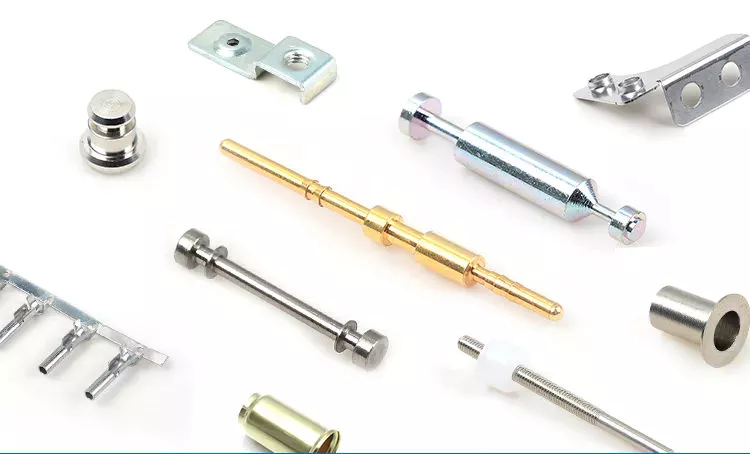
Epoxy Impregnated Capacitor Batteries
Epoxy impregnated condenser core sleeves are conductive paper used in air conditioning systems. The paper core is coated with epoxy resin and the insulating shell is silicone rubber. RIP bushings have excellent electrical properties, are fire resistant and are relatively small. However, the process of making these products is not easy and mistakes are common. These defects manifest as cracks or other structural damage in the capacitor cells.
RIF (Resin Impregnated) bushings feature a finely graded design. The capacitor core is made of glass fiber impregnated with epoxy resin. The outer insulation is made of silicone rubber sheds glued directly to the capacitor core. These bushings are designed for small clearances, so no filler material is required.
In order to determine whether the RIP sleeve is void-free and dry, the insulating paper must be impregnated with epoxy resin. The process is similar to making conventional condenser core sleeves, but with greater flexibility and robustness. The main difference between RIP bushings and conventional insulators is the epoxy content.
Capacitor grading bushings are also available. These bushings increase the electric field at the ends of the capacitor core plates. The higher the temperature, the higher the electric field. These properties make resin-impregnated capacitor mandrel sleeves reliable. However, capacitor grade bushings have higher electric fields than nonlinear bushings.
The capacitor core of the present invention is made by winding paper around the winding tube 3 . The paper may contain an intermediate conductive foil. The winding tube is then covered with electrical insulator. Afterwards, the capacitor core 1 will be RIP and electrically connected to the electrical conductor 6 .
To further characterize the performance of RIPs, thermal shock current (TSC) was used to determine their trap parameters. Unmodified epoxy resin and nano-SiO2 modified RIP were tested. The RIP samples were polarized under a 2 kV/mm electric field at 333 K for 10 min and then subcooled to 193 K with liquid nitrogen. TSC curves were obtained at 3 K/min and 383 K.
plastic bushing
Plastic bushings are essential for many industries. They protect wires and other mechanical parts. They come in many shapes and sizes and are often used as adapters when connecting two pipes or tubes of different diameters. They are available in a variety of materials including rubber, steel and various other plastics. Most bushings are cylindrical or conical in shape and made of shock absorbing material. They slide on rods or pipes to provide low friction motion.
Plastic bushings can be made from a variety of materials, including phenolic, polyethylene, and nylon. While phenolic resins have long been the preferred choice for heavy-duty applications, nylon is the most commonly used lining plastic. Nylon has several advantages, including low friction, no lubrication, quiet operation, and low wear. In addition to these advantages, it is easy to form and cast. In order to obtain better mechanical properties, fillers such as molybdenum disulfide can be added to the material. Plus, filled nylon parts resist deformation at temperatures up to 300 degrees Fahrenheit.
Another benefit of plastic bushings is their low cost. Much cheaper than metal, plastic is a versatile material that can be used in a variety of industries. A quick installation and replacement process makes them the first choice for users who need to install new components quickly. Plus, plastic bushings don’t wear out as quickly as metal, which is another benefit. And because the wear rate of plastic bushings is predictable, manufacturers can easily replace them before they start to fail. And they last longer, so you save time and money.
Plastic bushings are widely used in machinery with sliding and rotating shaft components. They have excellent load-carrying capacity and anti-friction properties. They are essential to many industries, including construction, mining, agriculture, hydropower, transportation and food processing. They are easy to install and come in a variety of sizes and shapes. They are very durable and very reliable. They reduce machine wear and are less expensive than bearings.
editor by czh 2022-12-23
China china ball bearing precision MR105zz 5*10*4 small deep groove ball bearing for toys manufacturer
Type: BALL
Structure: Deep Groove
Applicable Industries: Hotels, Garment Shops, Building Material Shops, Manufacturing Plant, Machinery Repair Shops, Food & Beverage Factory, Farms, Restaurant, Home Use, Retail, Food Shop, Printing Shops, Construction works , Energy & Mining, Food & Beverage Shops, Other, Advertising Company
Bore Size: 4.998 – 5 mm
Model Number: MR105-2RS
Precision Rating: P0 P6 P5
Seals Type: ZZ 2Z RS 2RS
Number of Row: Single row
Product name: MR105-2RS
Size: 5*10*4mm
Bearing Material: Gcr15
Lubrication: Grease
Noise Level: Z1 Z2 Z3
Vibration: V1 V2
Clearance: C0 C2 C3 C4
Gertificate: ISO9001
Packaging Details: 1.The quantity is small:Plastic pipe + white box + carton2.large in amount:Plastic pipe + white box + carton + tray3.According to customer requirements
Our Services
Classification
Contact Us
| item | value |
| Type | BALL |
| Structure | Deep Groove |
| Applicable Industries | Hotels, Garment Shops, Building Material Shops, Manufacturing Plant, Machinery Repair Shops, Food & Beverage Factory, Farms, Restaurant, Home Use, Retail, Food Shop, Printing Shops, Construction works , Energy & Mining, Food & Beverage Shops, Advertising Company |
| Bore Size | 5*10*4 |
| Model Number | MR105-2RS |
| Precision Rating | P0 P6 P5 P4 P2 |
| Seals Type | ZZ 2Z RS 2RS |
| Number of Row | Single row |
| Place of Origin | China |
More Bearing
Company Information
Related Products
FAQ1. who are we?
We are based in ZheJiang , China, start from 2002,sell to North America(30.00%),South America(20.00%),Southeast Asia(20.00%),Eastern Europe(10.00%),Africa(10.00%),Mid East(5.00%),Central America(5.00%). There are total about 11-50 people in our office.2. how can we guarantee quality?Always a pre-production sample before mass production;Always final Inspection before shipment;3.what can you buy from us?Ball Bearing,Roller Bearing,Auto Bearing4. why should you buy from us not from other suppliers?HangZhou Duohui Bearing CO.,LTD is specialized in supplying import bearing. 5. what services can we provide?Accepted Delivery Terms: FOB,CIF;Accepted Payment Currency:USD,EUR,JPY,CAD,AUD,HKD,GBP,CNY,CHF;Accepted Payment Type: T/T,L/C,PayPal,Western Union,Escrow;Language Spoken:English,Chinese,Spanish,Japanese,Portuguese,German,Arabic,French,Russian,Korean,Hindi,Italian
Types of Ball Bearings
There are many types of Ball Bearings available on the market, but which one is best for your application? Here, we will discuss the differences between Angular contact, Single-row, High-carbon steel, and Ceramic ball bearings. These types of bearings also feature races, or a groove in the center of each. These races are important in keeping the balls contained within the cylinder. They also provide a groove-baed pathway.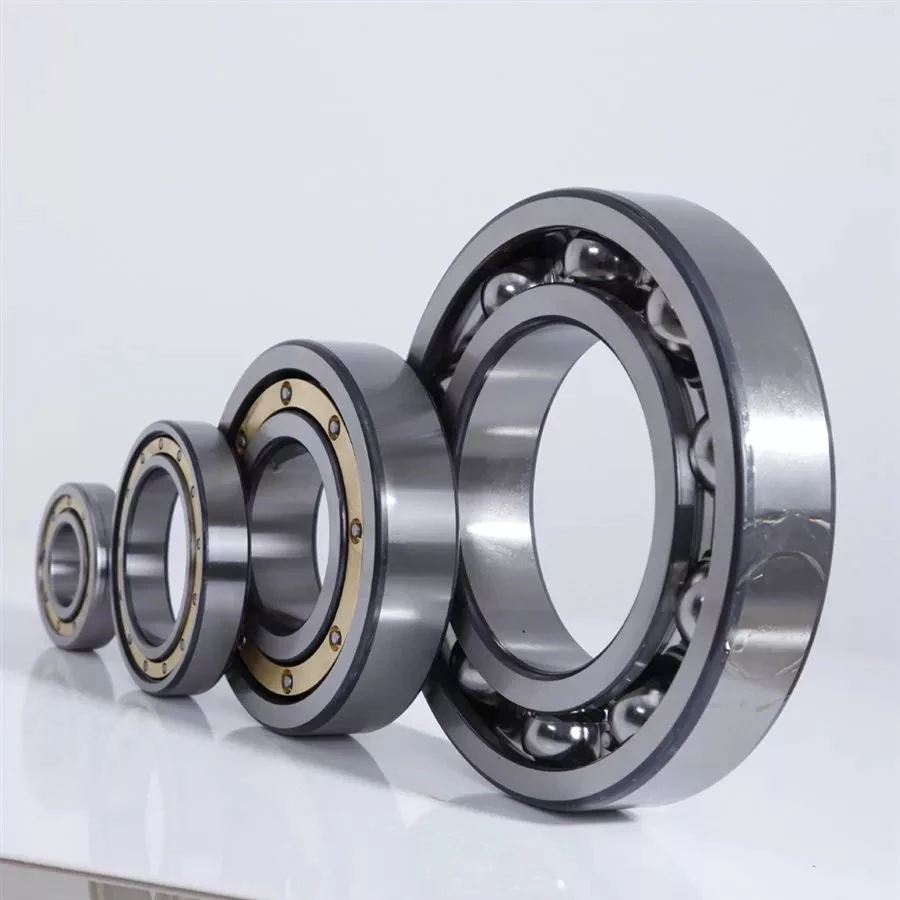
Ceramic
The ceramic ball used in ball bearings has many advantages. It is lightweight, operates at lower temperatures, has reduced skidding, and is resistant to electrolysis. The ball also exhibits longer fatigue life. All of these factors make the ceramic ball a good choice for many applications. But, how do you know if a ceramic ball bearing is right for your application? Read on to discover why ceramic ball bearings are a better choice than steel or stainless steel ones.
The ceramic balls are 40% more dense than steel. This means less centrifugal force is generated on the bearing, which suppresses heat generation. Because of this reduced friction, ceramic bearings are more efficient at transferring energy. Compared to steel bearings, ceramic balls have longer life spans. Nonetheless, these ceramic balls aren’t as strong as steel. Therefore, it is important to understand the limitations of the ceramic ball bearing before buying one.
The ceramic materials used for ball bearings are resistant to micro-welding. Metals undergo this process when imperfections in the surfaces interact. Eventually, this results in a brittle ball that reduces the life of a bearing. Unlike metals, ceramic materials have a stable behavior at high temperatures and exhibit less thermal expansion. This means that they can be used for applications where lubrication isn’t an option.
While steel balls can easily absorb contaminants and foreign particles, the ceramic ball is insensitive to this, and doesn’t require lubrication. This means they’re not susceptible to corrosion and other common problems. These are just a few reasons why ceramics are a better choice. This technology has a wide range of uses. It’s easy to see why it is so popular. If you’re looking for a new bearing for your application, be sure to contact an AST Applications Engineer. They can analyze your operating conditions and potential failure modes.
Angular contact
An Angular Contact Ball Bearing (also known as an angular-contact bearing) has an axial component that is generated when radial loads are applied. They are generally used in pairs, triplex sets, or quadruplex sets. These bearings are also available with Super Finished Raceways to reduce noise and improve lubricant distribution. Angular contact ball bearings have various design units, such as bore size, outer diameter, and outer ring width.
A single-row angular contact bearing has a radial contact angle that is equal to the angular distance between the two rings. Double-row angular bearings are designed for two-way thrust capability. These types of bearings can be purchased at Grainger and other online retailers. A typical angular contact bearing will last up to a million revolutions. They are often used in industrial angular contact bearings.
Single-row angular contact ball bearings feature a set contact angle. These bearings can support radial and axial loads, but they can’t withstand high speeds. Single-row angular contact ball bearings may also have one or two shoulders relieved. Thrust load is a pressure placed on the bearing when it is installed in an assembly, and it is used to create an angle between the races.
Angular contact ball bearings come in single and double-row configurations. They differ in the axial load they can carry and the type of lubrication they use. Angular contact ball bearings are ideal for high-speed applications and can accommodate both radial and axial loads. The type of contact and lubrication used in angular-contact ball bearings depends on the intended use for the bearing.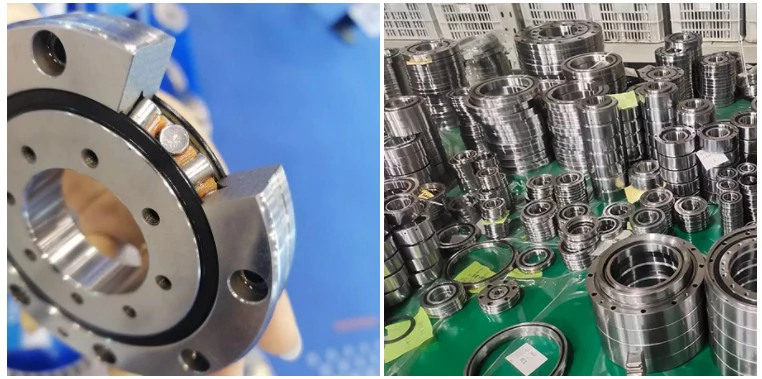
High-carbon steel
Carbon steel is a low-alloy and high-carbon steel used in bearings. This material provides superior strength and fatigue properties for ball and roller bearings. Its mechanical properties are ideal for applications where the temperature is less than 400 degrees Fahrenheit. High-carbon steel is also used to make bearing components for chrome steel bearings. These types of steels are softer than chrome steel but provide superior durability in applications where the material is exposed to severe conditions.
Hardened carbon steel balls with an AISI 1015 hardness index are used in a variety of automotive, commercial, and semi-precision applications. In addition to automotive applications, they are also used in slides, trolleys, and conveyors. AISI 1015 carbon steel balls are used in bearings. They can be purchased in a variety of weights and diameters. Carbon steel balls can also be purchased in nickel-plated or uncoated varieties for decorative purposes.
In order to determine whether a ball bearing is made of high-carbon steel, the material must be tested for its hardness. An ordinary pocket magnet will work well, but an ordinary rare earth magnet isn’t powerful enough to measure the hardness. If it attracts the magnet strongly, the metal is steel, while a weak magnet indicates a non-ferrous material. A hardness test requires a special microhardness test.
A lower-carbon steel is another option. Some miniature bearing manufacturers use a material with less carbon than AISI 440C. This material is also known as KS440 or X65Cr13. After being heat-treated, it develops smaller carbides, resulting in superior low-noise characteristics and the same corrosion-resistance as 440C. These materials are a less expensive alternative than chrome steel, but they are often less durable than chrome alloy steel.
Single-row
Single-row angular contact ball bearings accommodate axial loads in one direction. These are normally adjusted against a second bearing. Unlike other ball bearings, they are non-separable and contain an upper and lower shoulder. Single-row ball bearings are made of Chromium Steel (GCr15) which is heat-treated to achieve high uniform hardness and excellent wear resistance. They are the most commonly used type of bearings in the world.
Because of the angular contact between the radial plane and the raceway, single-row ball bearings transmit radial forces from raceway to raceway. A higher a, the greater the axial load carrying capacity of the bearing. Single-row angular contact ball bearings are ideal for high axial loads. However, they have limited preload capabilities and must be installed in pairs. Hence, they are best used for applications where axial forces must be distributed.
Single-row ball bearings can be pre-lubricated and have steel shields. They are also available with rubber seals or snap rings on the outside edge. They are available with various retainers, including pressed steel cages, plastic shields, and rubber seals. A tapered bore is also available upon request. They are ideal for applications where space is limited. The 6200 series of bearings are especially well suited for electrical motors, dental hand tools, and optical encoders.
Single-row angular contact ball bearings are widely used for axial loads. The outer and inner rings have slightly larger radii than the balls. These bearings can accommodate high speeds and low torque. They can also be supplied with different grease levels. If grease is needed, you can choose a lubricant that has different characteristics depending on the application. They are easy to install and maintain. However, they are not recommended for adjacent mounting.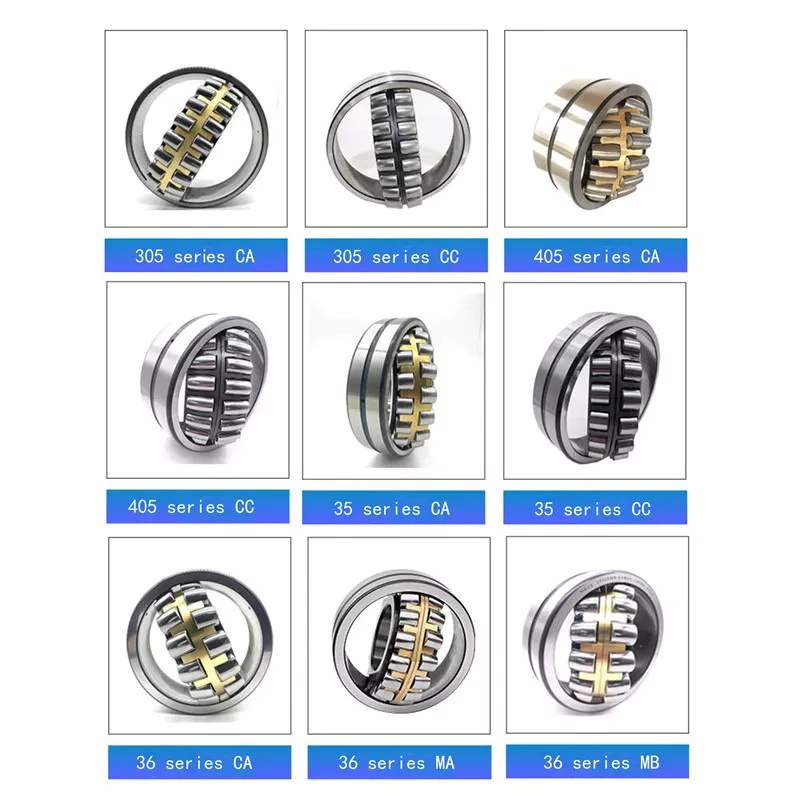
Plastic
A plastic ball bearing is a highly versatile component that can be mounted in a variety of components, including wheels, pulleys and housings. The outer ring of a plastic bearing is usually the pulley profile. The inner ring can be made of a shaft or polymer. The integrated design of a plastic ball bearing helps to reduce assembly time and cost. Here are some of the benefits of this type of bearing:
First and foremost, plastic balls are lighter than metal balls. They also have less magnetic properties than steel balls, making them the best option for applications requiring low weight and noise. Glass balls are also lighter than stainless steel balls, making them the ideal metal-free choice. They are also very corrosion-resistant, which makes them a great choice for some applications. In addition to being lightweight, polymer ball bearings are also quiet. And because of their low weight, plastic ball bearings are ideal for applications that require fast speed.
Another advantage of plastic bearings is their ability to withstand high temperatures. This material is also abrasion and corrosion-resistant. It meets FDA and USDA acceptance requirements. Aside from its abrasion-resistant and corrosion-resistant properties, these plastics do not transfer heat. Aside from being extremely durable and flexible, most plastics are also self-lubricating. Common plastics include phenolics, acetals, nylon, and ultra high molecular weight polyethylene. Nonetheless, plastics have limitations, and these materials may be damaged by extreme temperatures or cold flow under heavy loads.
Other advantages of plastic ball bearings include their low density, high hardness and low friction coefficient, and ability to withstand heat and corrosion. Ceramics are also lightweight, non-conductive, and have superior resistance to friction. These products can withstand temperatures up to 1,800 degrees Fahrenheit. If you’re in the market for a plastic ball bearing, it’s important to choose the right type of material. And if you’re looking for a high-quality bearing, look no further.
editor by czh