Product Description
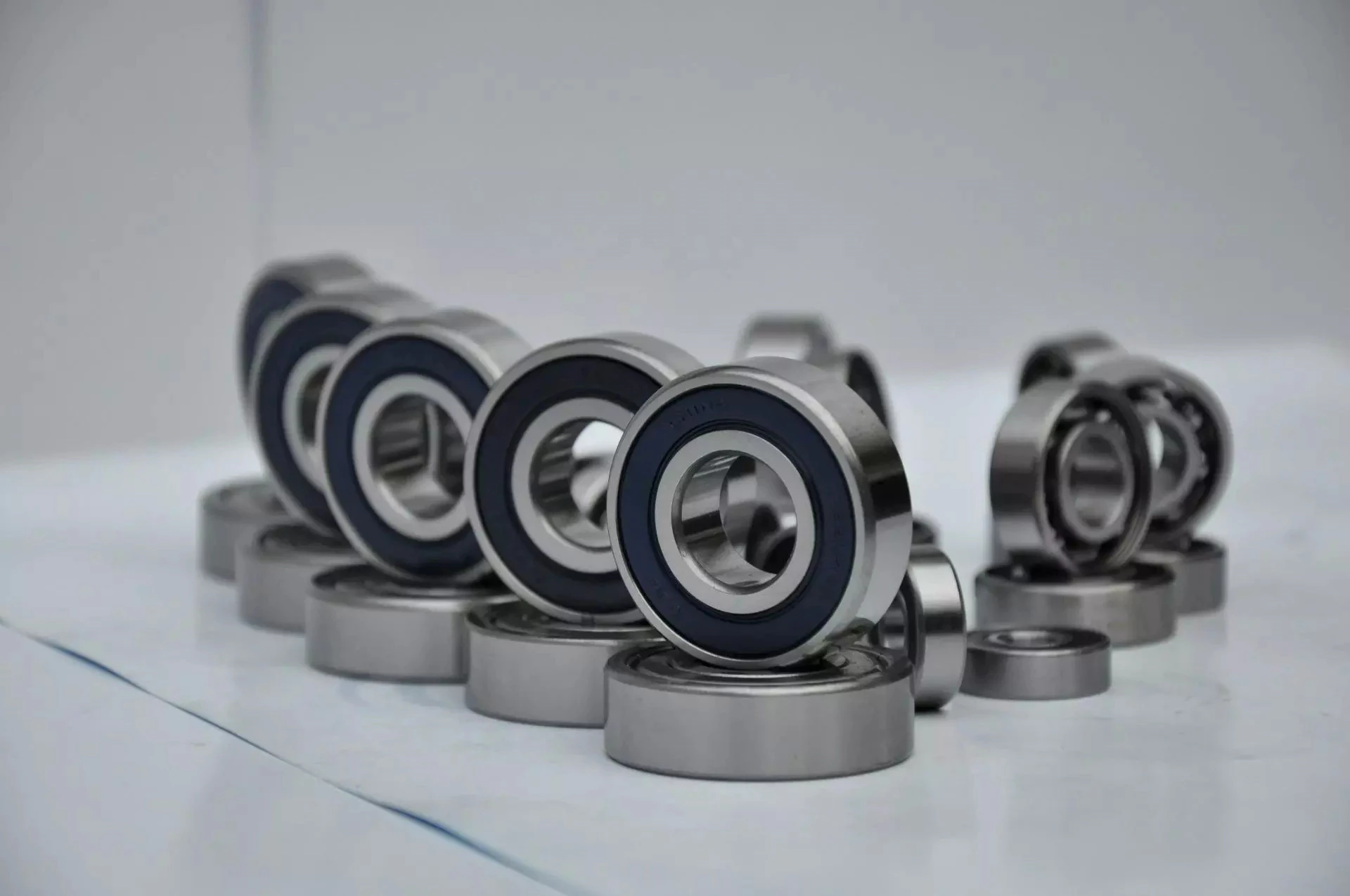
Miniature deep groove ball bearings refers to the metric series, the outer diameter is less than 9mm; inch series, the outer diameter is less than 9.525mm of various types of bearings, the main materials are carbon steel, bearing steel, stainless steel, plastics, ceramics, etc., of which the smallest diameter can be done to 0.6mm, the general inner diameter of 1mm more.
Basic Info
|
Bearing number |
(mm) Dimension |
Bearing Number |
(mm)Dimensions |
Model Number |
(mm)Dimensions |
|
F604 |
4*12*4 |
F683 |
3*7*2 |
F693 |
3*8*3 |
|
F605 |
5*14*5 |
F684 |
4*9*2.5 |
F694 |
4*11*4 |
|
F606 |
6*17*6 |
F685 |
5*11*3 |
F695 |
5*13*4 |
|
F607 |
7*19*6 |
F686 |
6*13*3.5 |
F696 |
6*15*5 |
|
F608 |
2*7*3.5 |
F687 |
7*14*3.5 |
F697 |
7*17*5 |
|
F609 |
9*24*7 |
F688 |
8*16*4 |
F698 |
8*19*6 |
|
F6000 |
10*26*8 |
F689 |
9*17*4 |
F699 |
9*20*6 |
|
F6001 |
12*28*8 |
F6800 |
10*19*5 |
F6900 |
10*22*6 |
|
F6700 |
10*15*3 |
F6801 |
12*21*5 |
F6901 |
12*24*6 |
|
F6701 |
12*18*4 |
F6802 |
15*24*5 |
|
|
|
F6702 |
15*21*4 |
F634 |
4*16*5 |
|
|
|
F6703 |
17*23*4 |
F635 |
5*19*6 |
|
|
|
F6704 |
20*27*4 |
F636 |
6*22*7 |
|
|
|
F623 |
3*10*4 |
|
|
|
|
|
F624 |
4*13*5 |
|
|
|
|
|
F625 |
5*16*5 |
|
|
|
|
|
F626 |
6*19*6 |
|
|
|
|
|
F627 |
7*22*7 |
|
|
|
|
|
Bearing number |
(mm) Dimension |
Bearing Number |
(mm)Dimensions |
Model Number |
(mm)Dimensions |
|
MF63 |
3*6*2 |
MF105 |
5*10*3 |
FR188 |
6.35*12.7*13.894 |
|
MF74 |
4*7*2 |
MF106 |
6*10*2.5 |
FR166 |
4.762*9.525*10.719 |
|
MF83 |
3*8*2.5 |
MF115 |
5*11*4 |
|
|
|
MF84 |
4*8*2 |
MF117 |
7*11*2.5 |
|
|
|
MF85 |
5*8*2 |
MF126 |
6*12*3 |
|
|
|
MF93 |
3*9*2.5 |
MF128 |
8*12*2.5 |
|
|
|
MF95 |
5*9*2.5 |
MF137 |
7*13*3 |
|
|
|
MF104 |
4*10*3 |
MF148 |
8*14*3.5 |
|
|
|
MR52 |
2*5*2 |
MR105 |
5*10*3 |
|
|
|
MR63 |
3*6*2 |
MR106 |
6*10*2.5 |
|
|
|
MR74 |
4*7*2 |
MR115 |
5*11*4 |
|
|
|
MR83 |
3*8*2.5 |
MR117 |
7*11*2.5 |
|
|
|
MR84 |
4*8*2 |
MR126 |
6*12*3 |
|
|
|
MR85 |
5*8*2 |
MR128 |
8*12*2.5 |
|
|
|
MR93 |
3*9*2.5 |
MR137 |
7*13*3 |
|
|
|
MR95 |
5*9*2.5 |
MR148 |
8*14*3.5 |
|
|
|
MR104 |
4*10*3 |
MR149 |
9*14*3 |
ZheJiang Haina Bearing Co., Ltd. is an integrated company of industry and trade. Since its establishment, it has been committed to the research and development, production, and sales of high-end 7 types of tapered roller bearings, British non-standard bearings, deep groove ball bearings, and outer spherical bearings. We can customize and adjust various types of bearings according to customer needs. The products are widely applicablein fields such as automobiles, mines, chemicals, metallurgy, reducers, engineering machinery, agricultural machinery, and electric motors.
Our company has advanced testing equipment, forming a production model of product serialization and mass production. We have a group of experienced and skilled management personnel, who have introduced advanced production equipment and measuringand testing equipment. From the purchase of bearing raw materials to the delivery of finished products, we strictly control the entire process, ensuring the quality of the products.The products have the characteristics of precision, low noise, high load-bearing capacity and long service life.
1. Your factory how to control the quality?
A: All bearing parts before the production and the production process, strict inspection by 100%, including crack detection, roundness, hardness,
roughness,and the geometry size, all bearing meet ISO international standard.
2. Can you tell me the bearing material?
A: We have chrome steel GCR15, stainless steel, ceramics and other materials.
3. How long is your delivery time?
A: If the goods are in stock, usually 5 to 10 days, if the goods are no stock for 15 to 20 days, according to the quantity to determine the time.
4. OEM and custom you can receive?
A: Yes, accept OEM, can also be customized according to samples or drawings for you.
| OEM: | Acceptable |
|---|---|
| Quality: | P0 P2 P4 P5 P6 |
| Number of Row: | Single Rows |
| Single Row ID Size Range: | 3-5mm |
| Single Row Od Size Range: | 8-10mm |
| Material: | Alloy |
| Samples: |
US$ 10/Piece
1 Piece(Min.Order) | |
|---|
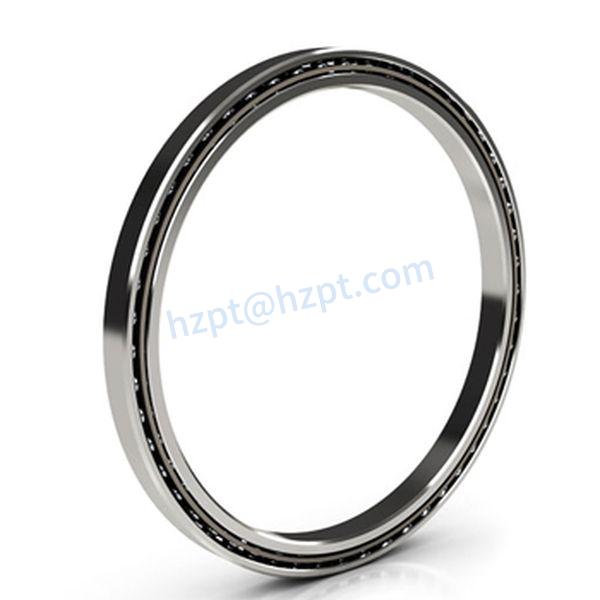
How does Preload Affect the Performance and Efficiency of Ball Bearings?
Preload is a crucial factor in ball bearing design that significantly impacts the performance, efficiency, and overall behavior of the bearings in various applications. Preload refers to the intentional axial force applied to the bearing’s rolling elements before it is mounted. This force eliminates internal clearance and creates contact between the rolling elements and the raceways. Here’s how preload affects ball bearing performance:
- Reduction of Internal Clearance:
Applying preload reduces the internal clearance between the rolling elements and the raceways. This eliminates play within the bearing, ensuring that the rolling elements are in constant contact with the raceways. This reduced internal clearance enhances precision and reduces vibrations during operation.
- Increased Stiffness:
Preloaded bearings are stiffer due to the elimination of internal clearance. This increased stiffness improves the bearing’s ability to handle axial and radial loads with higher accuracy and minimal deflection.
- Minimized Axial Play:
Preload minimizes or eliminates axial play within the bearing. This is especially important in applications where axial movement needs to be minimized, such as machine tool spindles and precision instruments.
- Enhanced Rigidity:
The stiffness resulting from preload enhances the bearing’s rigidity, making it less susceptible to deformation under load. This is critical for maintaining precision and accuracy in applications that require minimal deflection.
- Reduction in Ball Slippage:
Preload reduces the likelihood of ball slippage within the bearing, ensuring consistent contact between the rolling elements and the raceways. This leads to improved efficiency and better load distribution.
- Improved Running Accuracy:
Preloading enhances the running accuracy of the bearing, ensuring that it maintains precise rotational characteristics even under varying loads and speeds. This is essential for applications requiring high accuracy and repeatability.
- Optimized Performance at High Speeds:
Preload helps prevent skidding and slipping of the rolling elements during high-speed operation. This ensures that the bearing remains stable, reducing the risk of noise, vibration, and premature wear.
- Impact on Friction and Heat Generation:
While preload reduces internal clearance and friction, excessive preload can lead to higher friction and increased heat generation. A balance must be struck between optimal preload and minimizing friction-related issues.
- Application-Specific Considerations:
The appropriate amount of preload depends on the application’s requirements, such as load, speed, accuracy, and operating conditions. Over-preloading can lead to increased stress and premature bearing failure, while under-preloading may result in inadequate rigidity and reduced performance.
Overall, preload plays a critical role in optimizing the performance, accuracy, and efficiency of ball bearings. Engineers must carefully determine the right preload level for their specific applications to achieve the desired performance characteristics and avoid potential issues related to overloading or inadequate rigidity.
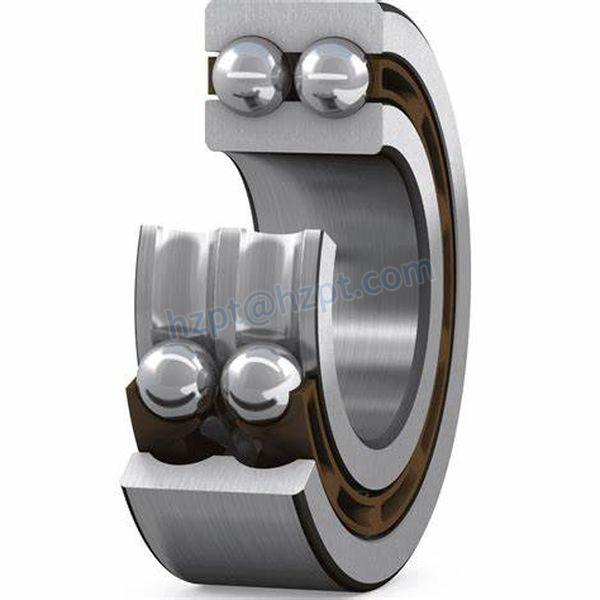
How do Ceramic Ball Bearings Compare to Traditional Steel Ball Bearings in Terms of Performance?
Ceramic ball bearings and traditional steel ball bearings have distinct characteristics that can impact their performance in various applications. Here’s a comparison of how these two types of bearings differ in terms of performance:
- Material Composition:
Ceramic Ball Bearings:
Ceramic ball bearings use ceramic rolling elements, typically made from materials like silicon nitride (Si3N4) or zirconium dioxide (ZrO2). These ceramics are known for their high hardness, low density, and resistance to corrosion and wear.
Traditional Steel Ball Bearings:
Traditional steel ball bearings use steel rolling elements. The type of steel used can vary, but common materials include chrome steel (52100) and stainless steel (440C). Steel bearings are known for their durability and strength.
- Friction and Heat:
Ceramic Ball Bearings:
Ceramic bearings have lower friction coefficients compared to steel bearings. This results in reduced heat generation during operation, contributing to higher efficiency and potential energy savings.
Traditional Steel Ball Bearings:
Steel bearings can generate more heat due to higher friction coefficients. This can lead to increased energy consumption in applications where efficiency is crucial.
- Weight:
Ceramic Ball Bearings:
Ceramic bearings are lighter than steel bearings due to the lower density of ceramics. This weight reduction can be advantageous in applications where minimizing weight is important.
Traditional Steel Ball Bearings:
Steel bearings are heavier than ceramic bearings due to the higher density of steel. This weight may not be as critical in all applications but could impact overall equipment weight and portability.
- Corrosion Resistance:
Ceramic Ball Bearings:
Ceramic bearings have excellent corrosion resistance, making them suitable for applications in corrosive environments, such as marine or chemical industries.
Traditional Steel Ball Bearings:
Steel bearings are susceptible to corrosion, especially in harsh environments. Stainless steel variants offer improved corrosion resistance but may still corrode over time.
- Speed and Precision:
Ceramic Ball Bearings:
Ceramic bearings can operate at higher speeds due to their lower friction and ability to withstand higher temperatures. They are also known for their high precision and low levels of thermal expansion.
Traditional Steel Ball Bearings:
Steel bearings can operate at high speeds as well, but their heat generation may limit performance in certain applications. Precision steel bearings are also available but may have slightly different characteristics compared to ceramics.
- Cost:
Ceramic Ball Bearings:
Ceramic bearings are generally more expensive to manufacture than steel bearings due to the cost of ceramic materials and the challenges in producing precision ceramic components.
Traditional Steel Ball Bearings:
Steel bearings are often more cost-effective to manufacture, making them a more economical choice for many applications.
In conclusion, ceramic ball bearings and traditional steel ball bearings offer different performance characteristics. Ceramic bearings excel in terms of low friction, heat generation, corrosion resistance, and weight reduction. Steel bearings are durable, cost-effective, and widely used in various applications. The choice between the two depends on the specific requirements of the application, such as speed, precision, corrosion resistance, and budget considerations.
What is a Ball Bearing and How does it Function in Various Applications?
A ball bearing is a type of rolling-element bearing that uses balls to reduce friction between moving parts and support radial and axial loads. It consists of an outer ring, an inner ring, a set of balls, and a cage that separates and maintains a consistent spacing between the balls. Here’s how ball bearings function in various applications:
- Reduction of Friction:
Ball bearings function by replacing sliding friction with rolling friction. The smooth, spherical balls minimize the contact area between the inner and outer rings, resulting in lower friction and reduced heat generation.
- Radial and Axial Load Support:
Ball bearings are designed to support both radial loads (forces perpendicular to the shaft’s axis) and axial loads (forces parallel to the shaft’s axis). The distribution of balls within the bearing ensures load-carrying capacity in multiple directions.
- Smooth Rotational Movement:
Ball bearings facilitate smooth and precise rotational movement. The rolling motion of the balls allows for controlled and continuous rotation with minimal resistance.
- Applications in Machinery:
Ball bearings are used in a wide range of machinery and equipment, including motors, generators, gearboxes, conveyors, and fans. They enable the efficient transfer of motion while reducing wear and energy losses.
- Automotive Industry:
Ball bearings are extensively used in automobiles for various applications, including wheel hubs, transmission systems, steering mechanisms, and engine components. They provide reliability and durability in challenging automotive environments.
- Industrial Machinery:
In industrial settings, ball bearings support rotating shafts and ensure the smooth operation of equipment such as pumps, compressors, and machine tools.
- High-Speed Applications:
Ball bearings are suitable for high-speed applications due to their low friction and ability to accommodate rapid rotation. They are used in applications like electric motors and aerospace components.
- Precision Instruments:
For precision instruments, such as watches, cameras, and medical devices, ball bearings provide accurate rotational movement and contribute to the overall performance of the instrument.
- Variety of Sizes and Types:
Ball bearings come in various sizes, configurations, and materials to suit different applications. Different types include deep groove ball bearings, angular contact ball bearings, thrust ball bearings, and more.
In summary, ball bearings are essential components in a wide range of applications where smooth rotation, load support, and reduced friction are critical. Their versatility, reliability, and efficiency make them indispensable in industries spanning from automotive to industrial machinery to precision instruments.


editor by CX 2023-11-16
China best Wholesale Top Quality Tensioner Belt Tensioning Wheel Bearing Vkm13100 bearing driver kit
Product Description
Product Description
Tensioning wheel is a wearing part of automobile spare parts. It is used for belt tensioning device of automobile transmission system. It is mainly composed of fixed shell, tensioning arm, wheel body, torsion spring, rolling bearing and spring sleeve, etc. It can automatically adjust the tensioning force according to different tightness degree of belt, so that the transmission system is stable, safe and reliable. Generally with belt, idler wheel and other cooperative accessories together replacement.
Detailed Photos
Product Parameters
| Product name | Tensioning wheel bearing | Package | Single Box+Carton+Wooden Pallet |
| Brand | OEM/ODM/OBM | Shipment | By air/ by sea |
| OE number | VKM13100 | Price Terms | EXW/ FOB |
| Material | Chrome steel Gcr15 | Delivery time | 3-45 days |
| Precision | P0, P2,P4,P5,P6 | Delivery port | HangZhou |
| Clearance | C0,C2,C3,C4,C5 | Payment | T/T Paypal Western Union |
| Noise | V1,V2,V3 | Warranty | 12 months |
Company Profile
About our Company
SiYi Bearing Manufacturer Co., Ltd. , the factory is located in the bearing town of LinQing city in ZheJiang Province, China.
With over 20-years history, our company is specialized in develop deep groove ball bearings, cylindrical roller bearings, tapered roller bearings, spherical roller bearings, spherical plain bearings, needle roller bearing, angular contact ball bearing, thrust roller bearing, thrust ball bearing, clutch release bearings, pillow block bearings, wheel hub bearing, universal joint and so on.
In local market, our products are popular,for same products, we have different quality and price for choose. Not only international standard size bearings can be supplied, with the drawing or bearing sample, it could be customized as customer’s requirement with reasonable quantity. And we also like to be your OEM bearing manufacturer in China, let’s make a long-term partner relationship as your own factory!
Certifications
Shipping & Payment
Our Advantages
FAQ
1. Who are we?
We are based in ZheJiang , China, start from 2018, sell to Mid East(40.00%),South America (15.00%), Southeast Asia (10.00%), Africa (10.00%), Domestic Market (6.00%), North America(5.00%), South Asia(5.00%), Eastern Europe(3.00%), Western Europe (2.00%), Central America (2.00%), Northern Europe (2.00%). There are total about 100-200 people in our company.
2. How can we guarantee quality?
Always a pre-production sample before mass production;
Always final Inspection before shipment;
3.What can you buy from us?
Deep groove ball bearings, cylindrical roller bearings, tapered roller bearings, spherical roller bearings, spherical plain bearings, needle roller bearing, angular contact ball bearing, thrust roller bearing, thrust ball bearing, clutch release bearings, pillow block bearings, wheel hub bearing, universal joint and so on.
4. Why should you buy from us not from other suppliers?
The factory loctaed in Bearing town LinQing.We have over 20 years OEM experience and our own Brand. Our products are virous, and quality can fit to Chinese famous truck like Xihu (West Lake) Dis.feng, CZPT .
5. What services can we provide?
Accepted Delivery Terms: FOB, Express Delivery;
Accepted Payment Currency: USD, CNY;
Accepted Payment method: T/T, Credit Card, PayPal, Western Union, Cash;
Language Spoken: English, Chinese,Spanish, Russian.
| After-sales Service: | Excellent and Respectful |
|---|---|
| Warranty: | One Year |
| Type: | Tensioner Bearing |
| Samples: |
US$ 40/Piece
1 Piece(Min.Order) | Order Sample |
|---|
| Customization: |
Available
| Customized Request |
|---|
.shipping-cost-tm .tm-status-off{background: none;padding:0;color: #1470cc}
|
Shipping Cost:
Estimated freight per unit. |
about shipping cost and estimated delivery time. |
|---|
| Payment Method: |
|
|---|---|
|
Initial Payment Full Payment |
| Currency: | US$ |
|---|
| Return&refunds: | You can apply for a refund up to 30 days after receipt of the products. |
|---|
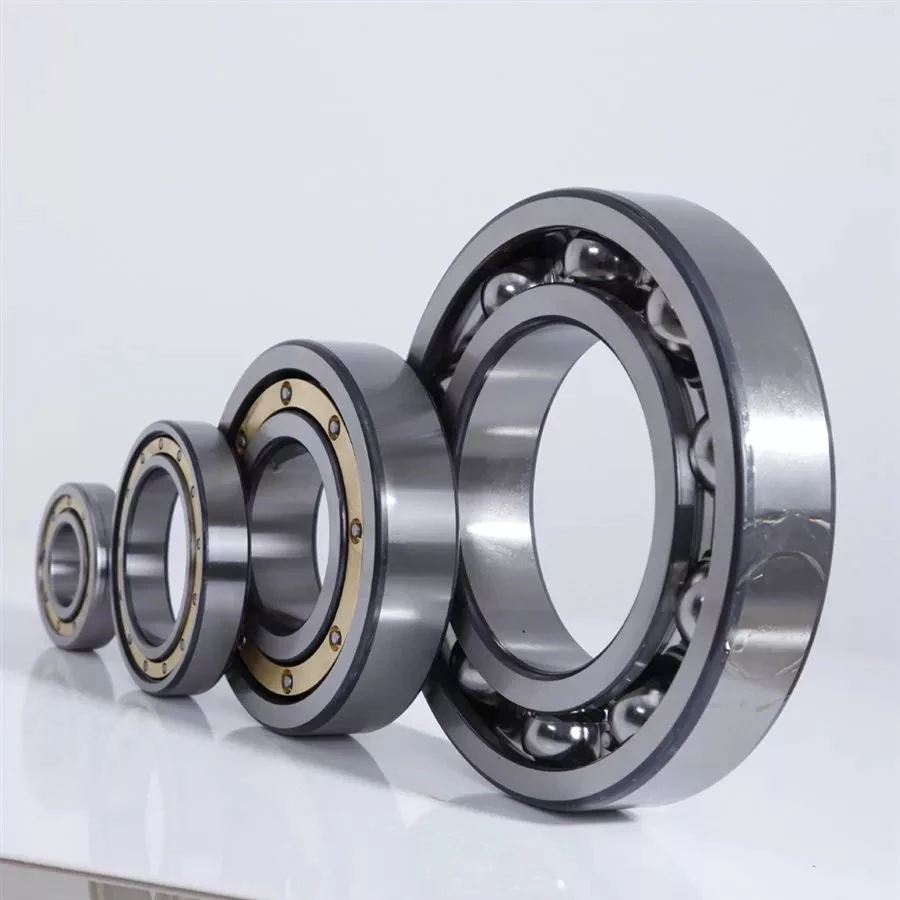
How to Replace a Bearing
If you want to select a bearing for a specific application, you should know a few basics. This article will give you an overview of ball, angular contact, and sliding-contact bearings. You can choose a bearing according to the application based on the characteristics of its material and preload. If you are not sure how to choose a bearing, try experimenting with it. The next step is to understand the Z-axis, which is the axes along which the bearing moves.
Z axis
When it comes to replacing your Z axis bearing, there are several things you must know. First, you need to make sure that the bearings are seated correctly. Then, you should check the tension and rotation of each one. To ensure that both bearings are equally tensioned, you should flex the Core to the desired angle. This will keep the Z axis perpendicular to the work surface. To do this, first remove the Z axis bearing from its housing and insert it into the Z axis motor plate. Next, insert the flanged bearing into the Z axis motor plate and secure it with two M5x8mm button head cap screws.
Make sure that the bearing plate and the Z Coupler part are flush and have equal spacing. The spacing between the two parts is important, as too much spacing will cause the leadscrew to become tight. The screws should be very loose, with the exception of the ones that engage the nylocks. After installing the bearing, the next step is to start the Z axis. Once this is done, you’ll be able to move it around with a stepper.
Angular contact
Ball bearings are made with angular contacts that result in an angle between the bearing’s races. While the axial load moves in one direction through the bearing, the radial load follows a curved path, tending to separate the races axially. In order to minimize this frictional effect, angular contact bearings are designed with the same contact angle on the inner and outer races. The contact angle must be chosen to match the relative proportions of the axial and radial loads. Generally, a larger contact angle supports a higher axial load, while reducing radial load.
Ball bearings are the most common type of angular contact bearings. Angular contact ball bearings are used in many applications, but their primary purpose is in the spindle of a machine tool. These bearings are suitable for high-speed, precision rotation. Their radial load capacity is proportional to the angular contact angle, so larger contact angles tend to enlarge with speed. Angular contact ball bearings are available in single and double-row configurations.
Angular contact ball bearings are a great choice for applications that involve axial loads and complex shapes. These bearings have raceways on the inner and outer rings and mutual displacement along the axial axis. Their axial load bearing capacity increases as the contact Angle a rises. Angular contact ball bearings can withstand loads up to five times their initial weight! For those who are new to bearings, there are many resources online dedicated to the subject.
Despite their complexity, angular contact ball bearings are highly versatile and can be used in a wide range of applications. Their angular contact enables them to withstand moderate radial and thrust loads. Unlike some other bearings, angular contact ball bearings can be positioned in tandem to reduce friction. They also feature a preload mechanism that removes excess play while the bearing is in use.
Angular contact ball bearings are made with different lubricants and cage materials. Standard cages for angular contact ball bearings correspond to Table 1. Some are machined synthetic resins while others are molded polyamide. These cage materials are used to further enhance the bearing’s axial load capacity. Further, angular contact ball bearings can withstand high speeds and radial loads. Compared to radial contact ball bearings, angular contact ball bearings offer the greatest flexibility.
Ball bearings
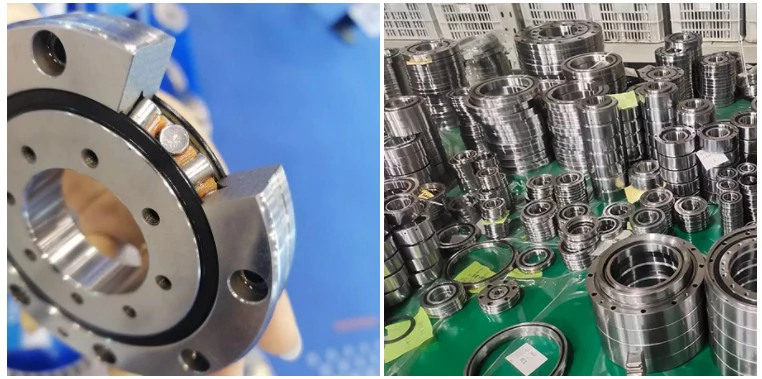
Ball bearings are circular structures with two separate rings. The smaller ring is mounted on a shaft. The inner ring has a groove on the outer diameter that acts as a path for the balls. Both the inner and outer ring surfaces are finished with very high precision and tolerance. The outer ring is the circular structure with the rolling elements. These elements can take many forms. The inner and outer races are generally made of steel or ceramic.
Silicon nitride ceramic balls have good corrosion resistance and lightweight, but are more expensive than aluminum oxide balls. They also exhibit an insulating effect and are self-lubricating. Silicon nitride is also suitable for high-temperature environments. However, this type of material has the disadvantage of wearing out rapidly and is prone to cracking and shattering, as is the case with bearing steel and glass. It’s also less resistant to heat than aluminum oxide, so it’s best to buy aluminum nitride or ceramic ball bearings for applications that are subjected to extremely high temperatures.
Another type of ball bearings is the thrust bearing. It has a special design that accommodates forces in both axial and radial directions. It is also called a bidirectional bearing because its races are side-by-side. Axial ball bearings use a side-by-side design, and axial balls are used when the loads are transmitted through the wheel. However, they have poor axial support and are prone to separating during heavy radial loads.
The basic idea behind ball bearings is to reduce friction. By reducing friction, you’ll be able to transfer more energy, have less erosion, and improve the life of your machine. With today’s advances in technology, ball bearings can perform better than ever before. From iron to steel to plastics, the materials used in bearings have improved dramatically. Bearings may also incorporate an electromagnetic field. So, it’s best to select the right one for your machine.
The life expectancy of ball bearings depends on many factors, including the operating speed, lubrication, and temperature. A single million-rpm ball bearing can handle between one and five million rotations. As long as its surface contact area is as small as possible, it’s likely to be serviceable for at least one million rotations. However, the average lifespan of ball bearings depends on the application and operating conditions. Fortunately, most bearings can handle a million or more rotations before they start showing signs of fatigue.
Sliding-contact bearings
The basic principle behind sliding-contact bearings is that two surfaces move in contact with one another. This type of bearing works best in situations where the surfaces are made of dissimilar materials. For instance, a steel shaft shouldn’t run in a bronze-lined bore, or vice versa. Instead, one element should be harder than the other, since wear would concentrate in that area. In addition, abrasive particles tend to force themselves into the softer surface, causing a groove to wear in that part.
Sliding-contact bearings have low coefficients of friction and are commonly used in low-speed applications. Unlike ball and roller bearings, sliding contact bearings have to be lubricated on both sides of the contacting surfaces to minimize wear and tear. Sliding-contact bearings generally are made of ceramics, brass, and polymers. Because of their lower friction, they are less accurate than rolling-element bearings.
Sliding-contact bearings are also known as plain or sleeve bearings. They have a sliding motion between their two surfaces, which is reduced by lubrication. This type of bearing is often used in rotary applications and as guide mechanisms. In addition to providing sliding action, sliding-contact bearings are self-lubricating and have high load-carrying capacities. They are typically available in two different types: plain bearings and thrust bearings.
Sliding-contact linear bearing systems consist of a moving structure (called the carriage or slide) and the surfaces on which the two elements slide. The surfaces on which the bearing and journal move are called rails, ways, or guides. A bore hole is a complex geometry, and a minimum oil film thickness h0 is usually used at the line of centers. It is possible to have a sliding-contact bearing in a pillow block.
Because these bearings are porous, they can absorb 15 to 30% of the lubrication oil. This material is commonly used in automobile and machine tools. Many non-metallic materials are used as bearings. One example is rubber, which offers excellent shock absorbency and embeddability. While rubber has poor strength and thermal conductivity, it is commonly used in deep-well pumps and centrifugal pumps. This material has high impact strength, but is not as rigid as steel.
editor by CX 2023-10-25
China wholesaler High Precision Long Type Linear Bearing bearing driver kit
Product Description
Product Description
Description Linear motion Rolling CZPT series
ERSK Linear offers linear bearings in a variety of different options to meet a wide range of customer needs. Available in hardened steel, CK45 material steel, SUJ2 material steel, Aluminium alloy material , inch and metric, Simplicity Shafting maintains the ideal surface finish for linear plain bearings and ball bearings.
Solid round shafting is available in inch sizes from 3/16″ thru 4″ and metric sizes from 3 mm thru 80 mm
Linear bushing (LM) Products
Low frictional linear motion
Steel balls are accurately guided by a retainer, so low frictional resistance and stable linear motion can be achieved.
Simple replacement of conventional plain bushings
It is easy to use Linear Bushings instead of conventional plain bushings, because both types are used with a round shaft, and no major redesign is necessary.
Wide variations
For each dimensional series, standard, adjustable clearance and open types are available with and without seals, so the best linear bushing for the application may be selected. In addition to the standard type, the high-rigidity long type is available. These types can be selected to suit the requirements in applications.
Miniature linear bushing LM
Compact design
Miniature Linear Bushing is very small in size, allowing for compact assembly in machines and equipment.
High Reliability
ERSK linear bearing has very stringent quality control standards covering every production process. With proper lubrication and use,trouble-free operation for an extended period of time is possible.
Smooth Operation
The high efficiency of linear shaft is vastly superior to conventional shaft. The torque required is less than 30%. Linear motion can be easily changed from rotary motion. The linear bearings are moved very smoothly in the linear shaft.
High Durability
Rigidly selected materials, intensive heat treating and processing techniques, backed by years of experience,have resulted in the most durable linear bearings manufactured.
Linear bearings, linear blocks, linear bushing, linear motion units, linear motion slide
Application
For delicate application in industrial application, machine tool and automation application.
Detailed Photos
Product Parameters
Linear Bearing
Material and Heat Treatment
Matched parts:
|
Item |
Material |
Surface Treatment |
|
Linear bearing: SC,SC-AJ, SC-L,SC-AJ-L,SCE,SCE-L,SCE-AJ,SCE-AJ-L |
Aluminium alloy |
Clear Anodized |
|
Linear shaft support: SHF, SK |
Aluminium alloy |
Clear Anodized |
|
Open linear blocks: SBR, SBR-L,SBR-PP, TBR,TBR-L |
Aluminium alloy |
Clear Anodized |
|
Linear bushing: LM, LM-AJ, LM-OP, LM-L, LME, LME-AJ, LME-OP |
Bearing steel |
Induction Heating Hardening or |
|
Square Flange linear bushing: LMK, LMK-L, LMEK , LMEK-L, |
Bearing steel |
Induction Heating Hardening or Electroless Nickel Plating |
| Round Flange linear bushing: LMF, LMF-L, LMEF , LMEF-L, |
Bearing steel |
|
| Double cutting flange linear bushing: LMH,LMH-L, LMEH, LMEH-L | Bearing steel |
Induction Heating Hardening or Electroless Nickel Plating |
|
Item |
Model |
|
Linear shaft support rail |
SBR, TBR |
|
Ball-type linear bearings |
LM-UU, LM-AJUU,LM-LUU |
|
Flange mounts-plain linear bearings |
LMF-UU,LMK-UU, LMH-UU LMF-LUU,LMK-LUU, LMH-LUU |
|
Flange mounts- linear ball bearing |
LMF-UU,LMK-UU, LMH-UU LMF-LUU,LMK-LUU, LMH-LUU |
|
Linear ball bearing pillow blocks |
SC-UU,SC-AJUU,SC-VUU, SC-LUU,SC-AJLUU,SBR-UU, TBR-UU,SBR-LUU,TBR-LUU SBR-PPUU |
|
Linear shaft bearing |
SK, SHF |
Packaging & Shipping
PP bag for each linear shaft, Standard exported carton outside for small order shipping by international express, such as DHL, TNT, UPS
Wooden box outside for big quantity or very long linear shaft by sea, by air
Company Profile
Our principle:
Quality first, credibility is the key, the price followed
Our Advantages
Our service
Our Services:
1) ERSK professional manufacturer
a,Professional exporting team
b,very experience production factory from 2004 year
c,Have ourselves brand ERSK
2) Quality Control
a,QC department to control quality for each step
b,High precision production equipment, such as Chiron FZ15W, DMG XIHU (WEST LAKE) DIS. MAX3000 Machining Centers, Control precision automatically
c,ISO9001:2008 quality control system
3) Competitive Price
4) Quickly Delivery
a,High efficient production team,Large warehous, sufficient stock,
b,Delivery time: 2-7days to small order, 7-30days to bulk order
Related products
There are many kinds of products we can offer, If you are interested in them, please click the picture and see the details.
| Feature: | Magnetically, Low Temperature, Corrosion Resistant, High Temperature, High Speed |
|---|---|
| Function: | Ordinary |
| Flange Shape: | Without Flange |
| Samples: |
US$ 10/Piece
1 Piece(Min.Order) | Order Sample LME30LUU
|
|---|
| Customization: |
Available
| Customized Request |
|---|
.shipping-cost-tm .tm-status-off{background: none;padding:0;color: #1470cc}
|
Shipping Cost:
Estimated freight per unit. |
about shipping cost and estimated delivery time. |
|---|
| Payment Method: |
|
|---|---|
|
Initial Payment Full Payment |
| Currency: | US$ |
|---|
| Return&refunds: | You can apply for a refund up to 30 days after receipt of the products. |
|---|
Understanding the Different Types of Bearings
When you are looking for a bearing, you have many options to choose from. This article will explain the various types, functions, and working principles of different types of bearings. Once you understand the basic components, you can make an informed decision about which one to buy. Here’s an overview of some of the most common types. Learn more about each type below! Read on to learn about the differences between these different types of bearings! Posted in Articles
Functions
Bearings serve as an integral part of a mechanical device. These devices help transfer torque from one part of a structure to another. These mechanisms increase the efficiency of a shaft by increasing its life. However, the functions of bearings depend on the application of the structure. Among other functions, bearings provide support to shafts. Anti-friction bearings come in two types: ball and roller bearings. These components have line and point contact, which is the most common type. Archimedes’s principle states that the force is equal to the weight of the fluid that is being displaced. Bearings can transfer lateral loads to a substructure.
A bearing has two primary functions. The first is to prevent direct metal-to-metal contact. A bearing prevents friction, heat generation, and wear and tear of components. A bearing also reduces energy consumption. Its other purpose is to guide and support a rotating body. In addition to these functions, bearings can also reduce wear and tear on a machine. As a result, they are among the most widely used machines in the world.
Seals are a major component of a bearing. They prevent foreign materials from entering and lubricating the moving parts. The design of seal lips determines their effectiveness. Fuel economy regulations and CO2 emissions regulations are pushing the demand for low-friction bearings. However, high-performance seals do not always provide high-performance. As a result, current estimations of the friction in bearings depend on trial and error methods.
Another important function of bearings is that they transfer the load of a rotating component to its housing. This load can be axial or radial. Bearings also limit movement to predefined directions. Some types of rolling element bearings have balls or cylinders inside. These bearings are less frictional than sliding ones, thus they allow parts to move freely during rotation. These parts can then be used for various applications. So, bearings are an integral part of machines.
Types
The most common type of bearing is a plain bearing. It uses surfaces in rubbing contact to transmit movement from one part to another. These bearings may be discrete or may consist of a hole in a metal sleeve or a planar surface bearing another part. Some plain bearings are flanged, while others are made of a sleeve with a flange at one end. These bearings often give acceptable accuracy and life, but they are expensive and cannot be used in large scale applications.
Radial bearings are used when there is a need for high-speed or corrosive parts. This type of bearing also serves as a support in an intermediate situation. Its two components are called the base and the cover. The base and cover are connected and are arranged parallel to the main axis. This type of bearing is used in steady-state and axial motion applications. The radial bearings are also used when the shafts are long.
Angular contact bearings are another type of bearing. These are easy to install and require minimal maintenance. Their races are displaced along the axis. They are also better at handling axial loads and transferring them to the housing. These types of bearings are commonly used in pumps, automobiles, and high-speed applications. If you are looking for an affordable, reliable bearing, look no further than the angular contact bearing.
Another type of bearing is a self-lubricating bushing. These are lightweight and wear-resistant. Unlike the other types of bearing, they do not require any lubrication or maintenance. In fact, some are completely maintenance-free. But if you’re worried about maintenance, this type of bearing may be a good choice. There are many benefits of using self-lubricating bushings. It is also a good option for applications where your machine is exposed to extreme temperatures.
Working principle
A bearing has two primary functions: support and load transfer. In engineering applications, the bearing tends to push the load in the direction of the shaft. A radial load pushes the bearing downward and a thrust load pushes it sideways. Both types of load transfer are important in a variety of applications. The working principle of each type is described below. Listed below are the main uses for each type of bearing.
A plain bearing uses a PTFE liner on the interface of two moving parts. The PTFE liner acts as a lubricant and may be filtered to alter its friction. The journal bearing uses the motion of the journal to force fluid into the gap between two moving parts. This results in a small amount of play in the bearing. This play is acceptable for most applications. A ball bearing may have a maximum play of 2 mm for a ten-millimeter shaft.
The primary function of a bearing is to assist in rotation and to reduce mechanical friction between the two objects. A bearing may be installed as a separate device or as an integral part of a machine. For more complex applications, bearings are very precise components requiring the highest standards of technology. For this reason, it is important to understand the working principle of bearings. The next time you need to lift or slide a heavy object, consider a bearing.
Ball bearings are a common type of ball bearing and can be found in industrial machinery and automobiles. Their unique structure helps them support less weight. This is because they are comprised of two rings – an inner race and an outer race. The balls themselves have a small area of contact and transfer axial loads in one direction. A cage surrounds the balls and prevents them from colliding. This makes ball bearings a popular choice for many applications.
Sealing system
A bearing’s seals are vital for the operation of rolling and rotating components. These systems enable rotation and linear movement while limiting friction and dispersing stress. Without the proper seals, these components could face catastrophic failure. In addition to protecting the bearing from external forces, seals help retain lubricant inside the system and prevent harmful particles from entering the gap. A seal’s lubrication helps prevent the onset of mechanical damage and prolongs the life of the bearing.
A bearing seal is made up of two parts: the inner sealing element and the outer sealing element. A passageway runs through the bearing assembly to the outer seal element. A hydraulic press or pneumatic jack is recommended for installing the seal. These tools are effective in reducing deformation and improving seal installation quality. When fitting the seal, ensure that the tool does not hit the seal directly. A proper adopter will distribute the load uniformly across the seal.
The seal’s efficiency depends on its gap. A four-inch shaft seal can flow 0.5 standard cubic feet per minute. A seal’s efficiency is highly dependent on the gap size. The gap size is a cube of the flow through the system. A smaller gap size allows high flow and pressure but less leakage. If both surfaces of the seal have similar pressures and flow rates, the seal is efficient. However, a small gap reduces the pressures and reduces wear.
Mechanical seals have numerous advantages, including their ability to protect against contaminants and splashing liquids. Labyrinth seals are the first line of defense against leaks. They operate without friction. Their high level of sealing efficiency helps ensure that the bearing remains operational for long. This type of seal is made from metal plates and is designed for a wide temperature range and misalignment. Its advantages include being easy to install and offering 100% sealing efficiency.
Maintenance
Bearing maintenance is critical to ensuring that your bearings keep operating at their peak performance. Proper maintenance will improve bearing life, reduce downtime and increase productivity while reducing costs. Here is an 8-point checklist to optimize your bearings and make them last longer. To optimize their performance, you should follow these steps regularly. In case a bearing does not last long, you should replace it as soon as possible. Listed below are some tips to ensure proper maintenance.
The first step is to determine how often your bearings require lubrication. Some manufacturers recommend that you lubricate them weekly, but this can do more harm than good. Instead, use ultrasound to measure the level of friction and trend its levels. This way, you will know exactly when to grease your bearings. It’s also important to check how often they should be inspected and calibrated. A professional can provide guidance on proper maintenance.
Next, inspect your bearings for cracks and scratches. You should never install a bearing that has been dropped or scratched. Even a small crack will affect the performance of the bearing and could lead to its premature failure. A proper alignment is essential for the bearing to function properly. Make sure you have the correct tools to perform this task. These tools can help you reduce manual work and promote safe bearing maintenance. You should also ensure that the shaft and housing are clean and undamaged.
Proper maintenance can prolong bearing service life. Proper lubrication, mounting, inspection, basic condition monitoring, and dismounting can extend their life. Proper maintenance extends their lifespan and improves plant productivity. While bearings are essential for machinery, you should make sure you follow the proper safety procedures every time you work with them. These tips will also help prevent accidents and maintain your machine’s efficiency. Once you’ve followed these guidelines, you can safely inspect your bearings and ensure that they’re operating at their optimum capacity.
editor by CX 2023-10-18
China wholesaler 1688 Bearing 695zz 5X13X4 P5p6 Z2z3z4 Window Rolling Deep Groove Ball Bearing bearing driver kit
Product Description
Product Description
| Item No.: | bearing 695zz 695RS |
| Bore size: | 5mm |
| Outer size: | 13mm |
| Height: | 4mm |
| Cr: | 1080 |
| Cor: | 430 |
| Material: | GCR15 |
| Grease: | SRL |
Item: Deep groove ball bearing 695zz, miniature ball bearing 695zz, mini ball bearing 695zz, metric ball bearing 695zz
Size: 5*13*4 mm
Material: Chrome steel GCR15
Brand: OEM acceptable
Advantage: High precision, High speed, Long Life, Low noise
Detailed Photos
- Bushing—customized size acceptable
- Flange bearing—-many items acceptable
- Ball bearing—–high quality of P6, P5, noise level Z2 Z3 Z4,quickly delivery
We are company with ISO9001 CERTIFICATION specialized manufacture bushing, flange bearing and miniature deep groove ball bearing with chrome steel material GCR15 and stainless steel material 420 or 440.Quality can reach P5, P6 and noise can reach Z2 Z3 Z4. Our products are wildly used in area of household,instrument,micro-motors,medical machines,textile machine,power tools, toys,fishing gear,and so on. Looking forward to set nice cooperation with kindly of you!
Company Profile
|
Shipping Cost:
Estimated freight per unit. |
To be negotiated |
|---|
| Contact Angle: | 0 |
|---|---|
| Aligning: | 0 |
| Separated: | Unseparated |
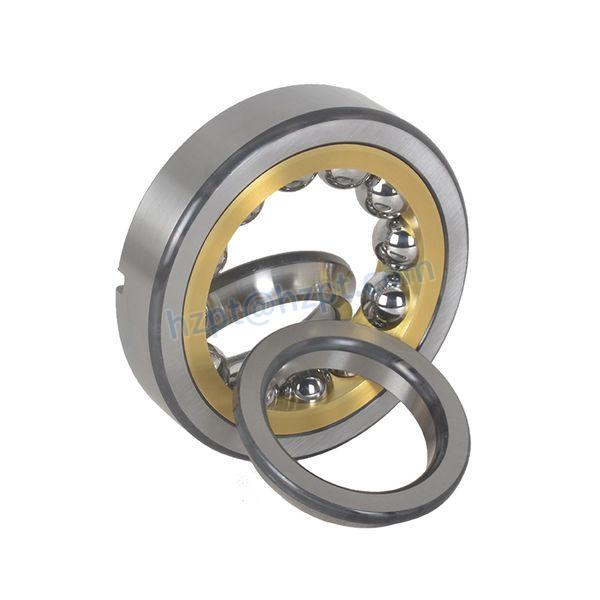
How do Temperature and Environmental Conditions Affect the Performance of Ball Bearings?
Temperature and environmental conditions have a significant impact on the performance and longevity of ball bearings. The operating environment can influence factors such as lubrication effectiveness, material properties, and overall bearing behavior. Here’s how temperature and environmental conditions affect ball bearing performance:
- Lubrication:
Temperature variations can affect the viscosity and flow characteristics of lubricants. Extreme temperatures can cause lubricants to become too thin or too thick, leading to inadequate lubrication and increased friction. In high-temperature environments, lubricants can degrade, reducing their effectiveness.
- Material Properties:
Temperature changes can alter the material properties of the bearing components. High temperatures can lead to thermal expansion, affecting bearing clearances and potentially causing interference between components. Extreme cold temperatures can make materials more brittle and prone to fracture.
- Clearance Changes:
Temperature fluctuations can cause changes in the internal clearance of ball bearings. For instance, at high temperatures, materials expand, leading to increased clearance. This can affect bearing performance, load distribution, and overall stability.
- Corrosion and Contamination:
Harsh environmental conditions, such as exposure to moisture, chemicals, or abrasive particles, can lead to corrosion and contamination of bearing components. Corrosion weakens the material, while contamination accelerates wear and reduces bearing life.
- Thermal Stress:
Rapid temperature changes can result in thermal stress within the bearing components. Differential expansion and contraction between the inner and outer rings can lead to stress and distortion, affecting precision and bearing integrity.
- Noise and Vibration:
Temperature-related changes in material properties and internal clearances can influence noise and vibration levels. Extreme temperatures can lead to increased noise generation and vibration, affecting the overall operation of machinery.
- Lubricant Degradation:
Environmental factors like humidity, dust, and contaminants can lead to premature lubricant degradation. Oxidation, moisture absorption, and the presence of foreign particles can compromise the lubricant’s performance and contribute to increased friction and wear.
- Seal Effectiveness:
Seals and shields that protect bearings from contaminants can be affected by temperature fluctuations. Extreme temperatures can lead to seal hardening, cracking, or deformation, compromising their effectiveness in preventing contamination.
- Choosing Appropriate Bearings:
When selecting ball bearings for specific applications, engineers must consider the expected temperature and environmental conditions. High-temperature bearings, bearings with specialized coatings, and those with enhanced sealing mechanisms may be necessary to ensure reliable performance.
Overall, understanding the impact of temperature and environmental conditions on ball bearing performance is crucial for proper bearing selection, maintenance, and ensuring optimal operation in diverse industries and applications.
| Samples: |
US$ 1/Piece
1 Piece(Min.Order) | Order Sample |
|---|
| Customization: |
Available
| Customized Request |
|---|
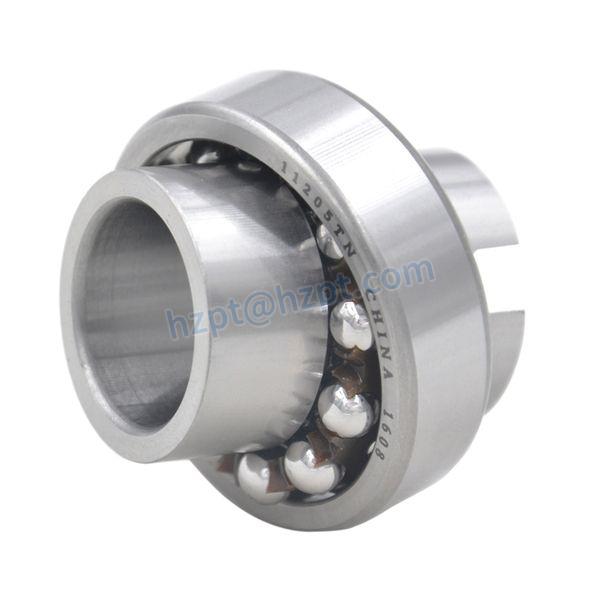
What Factors should be Considered when Selecting a Ball Bearing for a Particular Application?
Selecting the right ball bearing for a specific application involves careful consideration of various factors to ensure optimal performance, longevity, and reliability. Here are the key factors that should be taken into account:
- Load Type and Magnitude:
Determine the type of load (radial, axial, or combined) and the magnitude of the load that the bearing will need to support. Choose a bearing with the appropriate load-carrying capacity to ensure reliable operation.
- Speed and Operating Conditions:
Consider the rotational speed of the application and the operating conditions, such as temperature, humidity, and exposure to contaminants. Different bearing types and materials are suited for varying speeds and environments.
- Accuracy and Precision:
For applications requiring high accuracy and precision, such as machine tool spindles or optical instruments, choose high-precision bearings that can maintain tight tolerances and minimize runout.
- Space Limitations:
If the application has limited space, choose miniature or compact ball bearings that can fit within the available dimensions without compromising performance.
- Thrust and Radial Loads:
Determine whether the application requires predominantly thrust or radial load support. Choose the appropriate type of ball bearing (thrust, radial, or angular contact) based on the primary load direction.
- Alignment and Misalignment:
If the application experiences misalignment between the shaft and housing, consider self-aligning ball bearings that can accommodate angular misalignment.
- Mounting and Installation:
Consider the ease of mounting and dismounting the bearing. Some applications may benefit from features like flanges or snap rings for secure installation.
- Lubrication and Maintenance:
Choose a bearing with appropriate lubrication options based on the application’s speed and temperature range. Consider whether seals or shields are necessary to protect the bearing from contaminants.
- Environmental Conditions:
Factor in the operating environment, including exposure to corrosive substances, chemicals, water, or dust. Choose materials and coatings that can withstand the specific environmental challenges.
- Bearing Material:
Select a bearing material that suits the application’s requirements. Common materials include stainless steel for corrosion resistance and high-carbon chrome steel for general applications.
- Bearing Arrangement:
Consider whether a single-row, double-row, or multiple bearings in a specific arrangement are needed to accommodate the loads and moments present 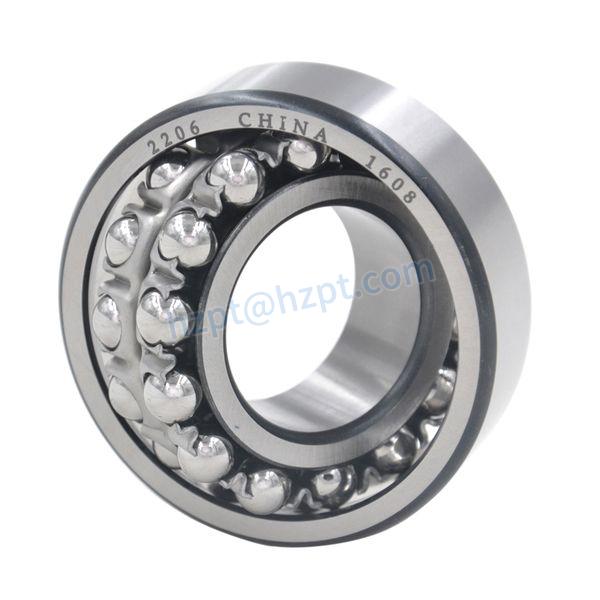
What are the Common Signs of Wear or Damage in Ball Bearings that Indicate the Need for Replacement?
Ball bearings are subjected to wear and stress during operation, and over time, they may exhibit signs of damage or deterioration that warrant replacement. Recognizing these signs is crucial to prevent catastrophic failure and ensure safe and reliable operation. Here are the common signs of wear or damage in ball bearings:
- Unusual Noise:
If you hear unusual grinding, clicking, or rumbling noises coming from the bearing during operation, it may indicate worn-out or damaged components. Unusual noise suggests that the bearing is no longer operating smoothly.
- Vibration:
Excessive vibration in the machinery can be a sign of bearing wear. Vibrations can result from uneven wear, misalignment, or damaged components within the bearing.
- Increased Temperature:
Higher operating temperatures than usual may indicate increased friction due to inadequate lubrication, wear, or other issues. Monitoring the bearing’s temperature can help identify potential problems.
- Irregular Movement:
If you notice irregular movement, jerking, or sticking during rotation, it could be a sign that the bearing is no longer operating smoothly. This may be due to damaged rolling elements or raceways.
- Reduced Performance:
If the machinery’s performance has decreased, it may be due to a compromised bearing. Reduced efficiency, increased energy consumption, or a decline in overall performance could be indicators of bearing wear.
- Visible Wear or Damage:
Inspect the bearing for visible signs of wear, such as pitting, scoring, or discoloration on the rolling elements or raceways. Severe wear or damage is a clear indication that the bearing needs replacement.
- Leakage or Contamination:
If there is evidence of lubricant leakage, contamination, or the presence of foreign particles around the bearing, it suggests that the seal or shield may be compromised, leading to potential damage.
- Looseness or Excessive Play:
If you can feel excessive play or looseness when manually moving the bearing, it could indicate worn-out components or misalignment.
- Reduced Lifespan:
If the bearing’s expected lifespan is significantly shorter than usual, it may be due to inadequate lubrication, excessive loads, or improper installation, leading to accelerated wear.
- Frequent Failures:
If the bearing is consistently failing despite regular maintenance and proper use, it could indicate a chronic issue that requires addressing, such as inadequate lubrication or misalignment.
It’s important to conduct regular inspections, monitor performance, and address any signs of wear or damage promptly. Replacing worn or damaged ball bearings in a timely manner can prevent further damage to machinery, reduce downtime, and ensure safe and efficient operation.
in the application.
By carefully evaluating these factors, engineers and designers can choose the most suitable ball bearing that aligns with the specific demands of the application, ensuring optimal performance, durability, and overall operational efficiency.
editor by CX 2023-08-22
China Standard Auger Hanger Auger Hanger Arm 2185188 Pillow Block Bearings bearing driver kit
Product Description
Detailed Photos
Company Profile
HangZhou Benit Machinery Technology Co.Ltd is specilized in manufacturing and distributing road equipments spare parts for over 10 years.We offer over 85% aftermarket spare parts for various brand of road equipments like Vogele, Hamm, Bomag, ABG, Dynapac, Roadtec, etc.With the advanced technical support from Germany, Benit is always Focusing on products development and market testing.Now the products quality is catching up the international standard and winning the trust of customersAll over USA, North Europe, East Europe, Southeast Asia, Australia, Middle east,etc.And we always continue to offer stable and reliable quality products, advanced technical support and professional service.We are going stronger with the support of all our dear customers.
Packaging & Shipping
1. Delivery terms:by sea/ by air
2. Delivery times:7-15 Days
3. Payment terms:FOB/EXW/CIF
Our Services
1. Warranty
2. After-sales service
3. Quality certification
4. Customized service
5. Sample service
| After-sales Service: | Aftersales Services Available |
|---|---|
| Warranty: | / |
| Type: | Bearings |
| Application: | Conveyor System |
| Condition: | New |
| Transport Package: | Pallets |
| Samples: |
US$ 130/Piece
1 Piece(Min.Order) | |
|---|
Types of Ball Bearings
There are many types of Ball Bearings available on the market, but which one is best for your application? Here, we will discuss the differences between Angular contact, Single-row, High-carbon steel, and Ceramic ball bearings. These types of bearings also feature races, or a groove in the center of each. These races are important in keeping the balls contained within the cylinder. They also provide a groove-baed pathway.
Ceramic
The ceramic ball used in ball bearings has many advantages. It is lightweight, operates at lower temperatures, has reduced skidding, and is resistant to electrolysis. The ball also exhibits longer fatigue life. All of these factors make the ceramic ball a good choice for many applications. But, how do you know if a ceramic ball bearing is right for your application? Read on to discover why ceramic ball bearings are a better choice than steel or stainless steel ones.
The ceramic balls are 40% more dense than steel. This means less centrifugal force is generated on the bearing, which suppresses heat generation. Because of this reduced friction, ceramic bearings are more efficient at transferring energy. Compared to steel bearings, ceramic balls have longer life spans. Nonetheless, these ceramic balls aren’t as strong as steel. Therefore, it is important to understand the limitations of the ceramic ball bearing before buying one.
The ceramic materials used for ball bearings are resistant to micro-welding. Metals undergo this process when imperfections in the surfaces interact. Eventually, this results in a brittle ball that reduces the life of a bearing. Unlike metals, ceramic materials have a stable behavior at high temperatures and exhibit less thermal expansion. This means that they can be used for applications where lubrication isn’t an option.
While steel balls can easily absorb contaminants and foreign particles, the ceramic ball is insensitive to this, and doesn’t require lubrication. This means they’re not susceptible to corrosion and other common problems. These are just a few reasons why ceramics are a better choice. This technology has a wide range of uses. It’s easy to see why it is so popular. If you’re looking for a new bearing for your application, be sure to contact an AST Applications Engineer. They can analyze your operating conditions and potential failure modes.
Angular contact
An Angular Contact Ball Bearing (also known as an angular-contact bearing) has an axial component that is generated when radial loads are applied. They are generally used in pairs, triplex sets, or quadruplex sets. These bearings are also available with Super Finished Raceways to reduce noise and improve lubricant distribution. Angular contact ball bearings have various design units, such as bore size, outer diameter, and outer ring width.
A single-row angular contact bearing has a radial contact angle that is equal to the angular distance between the two rings. Double-row angular bearings are designed for two-way thrust capability. These types of bearings can be purchased at Grainger and other online retailers. A typical angular contact bearing will last up to a million revolutions. They are often used in industrial angular contact bearings.
Single-row angular contact ball bearings feature a set contact angle. These bearings can support radial and axial loads, but they can’t withstand high speeds. Single-row angular contact ball bearings may also have one or two shoulders relieved. Thrust load is a pressure placed on the bearing when it is installed in an assembly, and it is used to create an angle between the races.
Angular contact ball bearings come in single and double-row configurations. They differ in the axial load they can carry and the type of lubrication they use. Angular contact ball bearings are ideal for high-speed applications and can accommodate both radial and axial loads. The type of contact and lubrication used in angular-contact ball bearings depends on the intended use for the bearing.
High-carbon steel
Carbon steel is a low-alloy and high-carbon steel used in bearings. This material provides superior strength and fatigue properties for ball and roller bearings. Its mechanical properties are ideal for applications where the temperature is less than 400 degrees Fahrenheit. High-carbon steel is also used to make bearing components for chrome steel bearings. These types of steels are softer than chrome steel but provide superior durability in applications where the material is exposed to severe conditions.
Hardened carbon steel balls with an AISI 1015 hardness index are used in a variety of automotive, commercial, and semi-precision applications. In addition to automotive applications, they are also used in slides, trolleys, and conveyors. AISI 1015 carbon steel balls are used in bearings. They can be purchased in a variety of weights and diameters. Carbon steel balls can also be purchased in nickel-plated or uncoated varieties for decorative purposes.
In order to determine whether a ball bearing is made of high-carbon steel, the material must be tested for its hardness. An ordinary pocket magnet will work well, but an ordinary rare earth magnet isn’t powerful enough to measure the hardness. If it attracts the magnet strongly, the metal is steel, while a weak magnet indicates a non-ferrous material. A hardness test requires a special microhardness test.
A lower-carbon steel is another option. Some miniature bearing manufacturers use a material with less carbon than AISI 440C. This material is also known as KS440 or X65Cr13. After being heat-treated, it develops smaller carbides, resulting in superior low-noise characteristics and the same corrosion-resistance as 440C. These materials are a less expensive alternative than chrome steel, but they are often less durable than chrome alloy steel.
Single-row
Single-row angular contact ball bearings accommodate axial loads in one direction. These are normally adjusted against a second bearing. Unlike other ball bearings, they are non-separable and contain an upper and lower shoulder. Single-row ball bearings are made of Chromium Steel (GCr15) which is heat-treated to achieve high uniform hardness and excellent wear resistance. They are the most commonly used type of bearings in the world.
Because of the angular contact between the radial plane and the raceway, single-row ball bearings transmit radial forces from raceway to raceway. A higher a, the greater the axial load carrying capacity of the bearing. Single-row angular contact ball bearings are ideal for high axial loads. However, they have limited preload capabilities and must be installed in pairs. Hence, they are best used for applications where axial forces must be distributed.
Single-row ball bearings can be pre-lubricated and have steel shields. They are also available with rubber seals or snap rings on the outside edge. They are available with various retainers, including pressed steel cages, plastic shields, and rubber seals. A tapered bore is also available upon request. They are ideal for applications where space is limited. The 6200 series of bearings are especially well suited for electrical motors, dental hand tools, and optical encoders.
Single-row angular contact ball bearings are widely used for axial loads. The outer and inner rings have slightly larger radii than the balls. These bearings can accommodate high speeds and low torque. They can also be supplied with different grease levels. If grease is needed, you can choose a lubricant that has different characteristics depending on the application. They are easy to install and maintain. However, they are not recommended for adjacent mounting.
Plastic
A plastic ball bearing is a highly versatile component that can be mounted in a variety of components, including wheels, pulleys and housings. The outer ring of a plastic bearing is usually the pulley profile. The inner ring can be made of a shaft or polymer. The integrated design of a plastic ball bearing helps to reduce assembly time and cost. Here are some of the benefits of this type of bearing:
First and foremost, plastic balls are lighter than metal balls. They also have less magnetic properties than steel balls, making them the best option for applications requiring low weight and noise. Glass balls are also lighter than stainless steel balls, making them the ideal metal-free choice. They are also very corrosion-resistant, which makes them a great choice for some applications. In addition to being lightweight, polymer ball bearings are also quiet. And because of their low weight, plastic ball bearings are ideal for applications that require fast speed.
Another advantage of plastic bearings is their ability to withstand high temperatures. This material is also abrasion and corrosion-resistant. It meets FDA and USDA acceptance requirements. Aside from its abrasion-resistant and corrosion-resistant properties, these plastics do not transfer heat. Aside from being extremely durable and flexible, most plastics are also self-lubricating. Common plastics include phenolics, acetals, nylon, and ultra high molecular weight polyethylene. Nonetheless, plastics have limitations, and these materials may be damaged by extreme temperatures or cold flow under heavy loads.
Other advantages of plastic ball bearings include their low density, high hardness and low friction coefficient, and ability to withstand heat and corrosion. Ceramics are also lightweight, non-conductive, and have superior resistance to friction. These products can withstand temperatures up to 1,800 degrees Fahrenheit. If you’re in the market for a plastic ball bearing, it’s important to choose the right type of material. And if you’re looking for a high-quality bearing, look no further.
editor by CX 2023-06-12
China factory Wg9725160510 Sinotruk/HOWO Heavy Duty Machinery Spare Part Clutch Spare Part Release Bearing bearing driver
Product Description
COMPANY INTRODUCTION
HangZhou GARRISON POWER TECHNOLOGYCO,LTD. is located in HangZhou, China and started the business of CZPT spare parts since 2006, as the dealer of CZPT spare parts we offer the full range of spare parts for CZPT vehicles like CZPT series, A7 series, Golden prince series,Sitrak series. At the same time, we also deal heavy machinery spare parts for HITACHI,SHXIHU (WEST LAKE) DIS.l.
Our strength is that we got professional study of CZPT vehicle and specialize in the spare parts support service for the Engine Gearbox, Axle, Chassis and Cabin and all of the rest, there are more than 200 OEM suppliers of CZPT are in the partnership with us which help us to offer the accurate high-quality original spare parts to our client and end-users at competitive price in short delivery period.
The principle we always hold since the founding of our business is that to promote the success of client to help the team members grow up and achieve the development of our cause.The benefit of client is the basis of our company running policy which is also the foundation for mutual benefit success with our client.
SPARE PART INFORMATION
| SINOTRUK CZPT TRUCK SPARE PART | |
| Product Dess | Release bearing |
| OEM No.: | WG972516571 |
| Truck Model: | Heavy Duty Machinery |
| Quality: | Original |
| Packing: | Standard |
| Certificate: | ISO9001 |
| MOQ: | 1 Piece |
| Payment: | L/C, T/T,Western Union, Paypal, |
WAREHOUSE AND DELIVERY
FAQ
Q1: what’s your terms of payment?
A: Generally, 30% advance by T/T, and 70% after send you Bill of Lading scan copy.
Q2: How to confirm the accuracy of the spare parts?
A: Before delivery, we will show you the images of the products to confirm. If there are some problems, we will replace in time.
Q3: How to deal with the situation of force majeure damage after the product arrives?
A: When the product arrives, confirmed by the local authorized testing agency, we will provide you with new spare part free of charge.
Q4: How long will the preparing time be?
A: As for the common part of SINOTRUK, it usually take 3 to 7 days to prepare.
Q5: How long will the delivery time be?
A: Generally, it will take 15-30 days after receiving your advance payment.
OTHERS
CONTACT
COMPANY NAME: HangZhou GARRISON POWER TECHNOLOGYCO,LTD.
Parts Manager: Cindy Zhao
| After-sales Service: | One Year |
|---|---|
| Warranty: | One Year |
| Type: | Engine |
| Certification: | ISO9001 |
| Transmission System Parts: | Clutch |
| Color: | Silver |
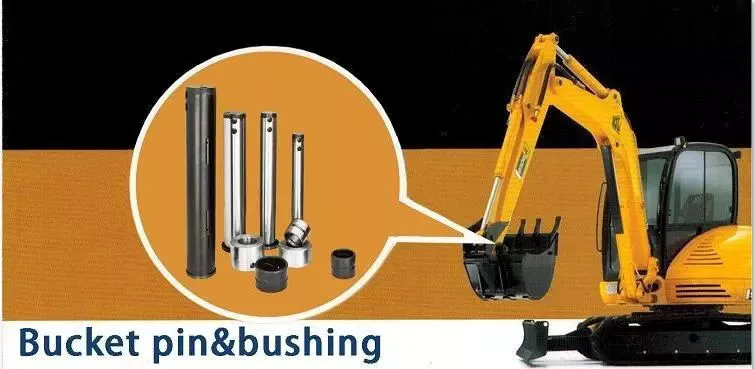
The Benefits of Using Self-Lubricating Bushings for Your Next Pivot
Like any other auto part, control arm bushings wear out over time. This results in an increase in irritating vibrations that can be dangerous in severe cases. The bushings in the control arms also wear out due to the stress that extreme driving conditions put on the control arms. Additionally, environmental factors and oversized tires tend to transmit more vibration through the bushing than conventionally sized tires. Whatever the cause, bushings can be the source of many problems.
wear and cracking
The main cause of dry valve side bushing cracking is a mismatch in thermal expansion of the core and flange. This situation can seriously compromise the safety of the power system. To improve the safety of dry valve side bushings, the crack development of epoxy impregnated paper under various conditions was investigated. A coupled thermomechanical simulation model was also used to study the cracking process.
The first step in diagnosing the cause of bushing wear and cracking is a visual inspection. The bushing of the lower control arm is fixed to the frame by a bracket. If there are any visible cracks, it’s time to replace the bushing. However, there is no need to replace the entire suspension. In some cases, worn bushings can cause a variety of problems, including body lean, excessive tire wear and cornering noise.
Maintenance free
If you’re considering maintenance-free bushings for your next pivot, you’ll be wondering what to look for in these components. The bushing protects the housing from corrosion and keeps the bushing under pressure. However, many users are not familiar with what these components can do for their applications. In this article, we’ll look at several examples of truly maintenance-free pivots and discuss their requirements.
One of the most popular types of maintenance-free bushings are flanged and parallel. Unlike worm gear bushings, these self-lubricating metal bearings are ideal for a variety of applications and conditions. They reduce failure and downtime costs while providing the long-term lubrication required by other types of bushings. Since these sleeves are made of lead-free material, they are RoHS compliant, which means they are environmentally friendly.Another common maintenance-free bushing is plastic. This material is easier to find off-the-shelf and relatively inexpensive to produce. However, it is not suitable for high load applications as it will crack under heavy loads and damage mating parts. Plastics can also deviate if the manufacturing process is imprecise. Plastic bushings can also crack when subjected to high loads.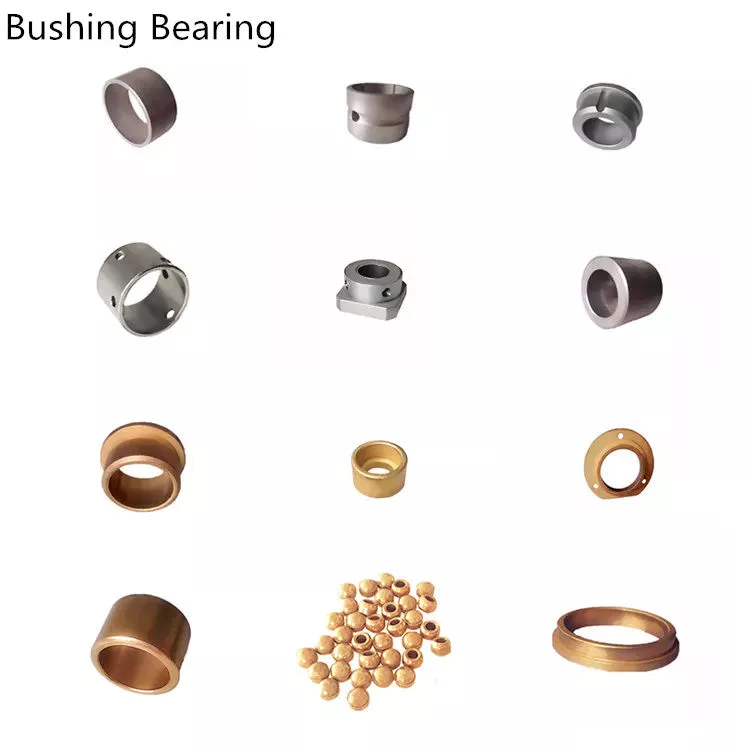
self-lubricating
When using a self-lubricating bushing, there is no need to apply grease to the bushing. Oily liquids tend to attract dirt and grit, which can wear away the graphite prematurely. By eliminating the need for regular lubrication, you will reduce equipment maintenance costs. This article will explore the benefits of self-lubricating bushings. You will love your kindness.
Self-lubricating bushings have a strong base material to withstand radial bearing pressure while providing shaft support at the contact surfaces. The material also has good fatigue properties and low friction motion. Self-lubricating bushings can be used in environments with high temperatures and aggressive media. These products can also withstand enormous pressure. When using self-lubricating bushings, it is important to select the correct material.
The main advantage of using self-lubricating bushings is ease of maintenance. They don’t require oil to run and are cheaper to buy. Their main benefit is that they can significantly reduce your machine running costs. These bearings do not require oiling operations, reducing maintenance costs. These bearings also offer a simplified mechanical design due to their thin walls and high load capacity. In addition, they reduce noise levels while maintaining excellent wear resistance. Plus, their materials are ROHS compliant, which means they don’t require oil.
Hydropower installations are another area where self-lubricating bushings have proven their advantages. They reduce maintenance costs, extend equipment life, and improve environmental benefits. For example, the Newfoundland Power Company uses self-lubricating bushings in the gates of its hydroelectric power plants. These self-lubricating bushings eliminate grease from entering waterways and tailraces. As a result, power companies are able to reduce maintenance and costs.
compared to cartilage in the human body
What is the difference between tendon, bone and cartilage? Human cartilage is composed of collagen and elastic fibers. In contrast, fibrocartilage contains more collagen than hyaline cartilage. Both cartilage types are composed of proteoglycans, which have a protein backbone and glycosaminoglycan side chains. These components work together to provide structure and flexibility to the cartilage.
Bone is a combination of living and dead cells embedded in a matrix. The outer hard layer of bone is dense bone, and the inner layer is spongy, containing bone marrow, blood vessels, nerves, etc. Bone contains both organic and inorganic substances, and this process of hardening of the matrix produces bone. On the other hand, cartilage consists of chondrocytes and a matrix composed of collagen and elastin fibers. Compared to bone, cartilage is yellow and contains elastic fibers.
Although bone and cartilage are structurally identical, cartilage is more flexible. It is mainly found in the joints and respiratory system and requires flexibility. Its ingredients include collagen and proteoglycans, which provide compression and abrasion resistance. Furthermore, connective tissue is composed of cells, fibers and matrix.
The basic substance of cartilage is chondroitin sulfate, which is derived from animals. Although cartilage grows more slowly than bone, its microstructure is less organized. There is a fibrous sheath covering the cartilage, called the perichondrium. The molecular composition of the ECM plays an important role in the function of cartilage. The collagen matrix is important for cartilage remodeling and consists of changes in the collagen matrix.
Compared to metal-on-bone contact
Both metal-on-bone contact are known to cause a significant increase in the pressures in a joint. To compare the two, we first calculated the joint contact pressures in each model and compared them. The results of this study support previous research on this subject. The following sections discuss the benefits of both types of contact. They also outline some key differences between the two.
editor by CX 2023-05-24
China Hot selling Wg9725160510 Sinotruk/HOWO Heavy Duty Machinery Spare Part Clutch Spare Part Release Bearing bearing driver
Product Description
COMPANY INTRODUCTION
HangZhou GARRISON POWER TECHNOLOGYCO,LTD. is located in HangZhou, China and started the business of CZPT spare parts since 2006, as the dealer of CZPT spare parts we offer the full range of spare parts for CZPT vehicles like CZPT series, A7 series, Golden prince series,Sitrak series. At the same time, we also deal heavy machinery spare parts for HITACHI,SHXIHU (WEST LAKE) DIS.l.
Our strength is that we got professional study of CZPT vehicle and specialize in the spare parts support service for the Engine Gearbox, Axle, Chassis and Cabin and all of the rest, there are more than 200 OEM suppliers of CZPT are in the partnership with us which help us to offer the accurate high-quality original spare parts to our client and end-users at competitive price in short delivery period.
The principle we always hold since the founding of our business is that to promote the success of client to help the team members grow up and achieve the development of our cause.The benefit of client is the basis of our company running policy which is also the foundation for mutual benefit success with our client.
SPARE PART INFORMATION
| SINOTRUK CZPT TRUCK SPARE PART | |
| Product Dess | Release bearing |
| OEM No.: | WG972516571 |
| Truck Model: | Heavy Duty Machinery |
| Quality: | Original |
| Packing: | Standard |
| Certificate: | ISO9001 |
| MOQ: | 1 Piece |
| Payment: | L/C, T/T,Western Union, Paypal, |
WAREHOUSE AND DELIVERY
FAQ
Q1: what’s your terms of payment?
A: Generally, 30% advance by T/T, and 70% after send you Bill of Lading scan copy.
Q2: How to confirm the accuracy of the spare parts?
A: Before delivery, we will show you the images of the products to confirm. If there are some problems, we will replace in time.
Q3: How to deal with the situation of force majeure damage after the product arrives?
A: When the product arrives, confirmed by the local authorized testing agency, we will provide you with new spare part free of charge.
Q4: How long will the preparing time be?
A: As for the common part of SINOTRUK, it usually take 3 to 7 days to prepare.
Q5: How long will the delivery time be?
A: Generally, it will take 15-30 days after receiving your advance payment.
OTHERS
CONTACT
COMPANY NAME: HangZhou GARRISON POWER TECHNOLOGYCO,LTD.
Parts Manager: Cindy Zhao
| After-sales Service: | One Year |
|---|---|
| Warranty: | One Year |
| Type: | Engine |
| Certification: | ISO9001 |
| Transmission System Parts: | Clutch |
| Color: | Silver |
Types of Ball Bearings
In their most basic form, Ball Bearings have one common feature – they are made of steel. The majority of these bearings are made of 52100 steel, which has one percent chromium and one percent carbon. The steel can be hardened by heat trea
tment. 440C stainless steel is used for rusting problems. A cage around the ball balls is traditionally made from thin steel. However, some bearings use molded plastic cages to save money and friction.
Single-row designs
Steel linear translation stages often use single-row designs for ball bearings. These types of bearings provide smooth linear travel and can withstand high loads. The material steel has a high modulus of elasticity and a high stiffness, as well as a lower thermal expansion than aluminum. For these reasons, steel is the material of choice for a ball bearing in a typical user environment. Single-row designs for ball bearings are also suitable for applications in humid or corrosive environments.
Single-row designs for ball bearings are available in a variety of sizes and are axially adjustable. They have a high radial capacity, but require relatively little space. Single-row deep groove ball bearings with snap rings are STN 02 4605 or R47, respectively. Bearings with snap rings are identified by a suffix such as NR. They may not have seals or shields installed.
These single-row angular contact ball bearings are capable of supporting axial and radial loads. In a two-raceway arrangement, the radial load on bearing A causes a radial load to act on bearing B. Both axial and radial forces are transmitted between single-row angular contact ball bearings, and the resulting internal force must be taken into account to calculate equivalent dynamic bearing loads P.
Single-row deep groove ball bearings are the most common type of ball bearings. These bearings are designed with only one row of rolling elements. The single-row design is simple and durable, which makes it ideal for high-speed applications. Single-row designs for ball bearings are also available in various bore sizes. They can also come in a variety of shapes and are non-separable. If you need a high-speed bearing, you may want to opt for a double-row design.
In addition to single-row designs for ball bearings, you can choose ceramic or steel ball bearings. Ceramic balls are considerably harder than steel balls, but they are not as hard as steel. Hence, ceramic bearings are stiffer than steel ball bearings, resulting in increased stress on the outer race groove and lower load capacity. This is a great benefit for those who need the bearings to be lightweight and strong.
The difference between single-row and double-row designs is in the way that the inner and outer ring are installed. A single-row design places the inner ring in an eccentric position relative to the outer ring. The two rings are in contact at one point, which causes a large gap in the bearing. The balls are then inserted through the gap. As a result, the balls are evenly distributed throughout the bearing, which forces the inner and outer rings to become concentric.
Deep-groove ball bearings are one of the most popular types of ball bearings. They are available in different designs, including snap-ring, seal and shield arrangements. The race diameter of a deep-groove ball bearing is close to the ball’s diameter. These types of bearings are suited for heavy loads, and their axial and radial support are excellent. Their main drawback is that the contact angle cannot be adjusted to accommodate a wide range of relative loads.
Ceramic hybrid ball bearings
Hybrid ball bearings with ceramic balls have numerous advantages. They feature improved kinematic behavior and require less lubrication. Consequently, they can reduce operating costs. Additionally, their low thermal expansion coefficient allows for smaller changes in contact angle and preload variations, and they can retain tolerances. Furthermore, ceramic hybrid ball bearings have significantly increased life spans compared to conventional steel-steel ball bearings, with up to 10 times the lifespan.
Although ceramic bearings can be used in automotive applications, many people believe that they’re a poor choice for bicycle hubs. They don’t reduce weight and only work well in high-rpm environments. As a result, many cyclists don’t even bother with ceramic-based bearings. However, both Paul Lew and Alan are of the opinion that ceramic bearings are best suited for industrial or medical equipment applications. Furthermore, Paul and Alan believe that they are ideal for high-altitude drone motors.
Another advantage of ceramic hybrid ball bearings is that they use less friction than conventional steel-based balls. They are also more durable, requiring less lubrication than steel-based bearings. Furthermore, the lower friction and rolling resistance associated with ceramic-based ball bearings means that they can last ten times longer than steel-based bearings. A ceramic-based hybrid ball bearing can be used for applications where speed and lubrication are critical.
Ceramic hybrid ball bearings feature both steel and silicon nitride balls. Silicon nitride balls have 50% more modulus of elasticity than steel balls and can improve accuracy and precision. Ceramic balls also have a smoother surface finish than steel balls, which reduces vibration and spindle deflection. These benefits result in increased speed and improved production quality. In addition to this, ceramic balls can also reduce the operating temperature, enhancing the work environment.
Hybrid bearings are a popular alternative to steel bearings. They have some benefits over traditional steel bearings, and are becoming a popular choice for engineered applications. Hybrid bearings are ideal for high speed machines. The material used to manufacture ceramic balls is a high-quality alloy, and is comparatively inexpensive. But you must understand that lubrication is still necessary for hybrid bearings. If you are not careful, you may end up wasting money.
These ball bearings can be used in many industries and applications, and they are widely compatible with most metals. The main advantage of hybrid ball bearings is that they are very durable. While steel balls tend to corrode and wear out, ceramic ball bearings can withstand these conditions while minimizing maintenance and replacement costs. The benefits of hybrid ball bearings are clear. So, consider switching to these newer types of ball bearings.
Self-aligning ball bearings
Self-aligning ball bearings are a good choice for many applications. They are a great alternative to traditional ball bearings, and they are ideal for rotating applications in which the shaft must move in several directions. They are also ideal for use in rotating parts where a tight tolerance is necessary. You can choose between two types: plain and flex shaft. Read on to find out which one will suit your needs.
Self-aligning ball bearings are designed with a higher axial load carrying capacity than single-row radial deep groove ball bearings. The amount of axial load carrying capacity is dependent upon the pressure angle. These bearings have a hollow raceway in the outer ring that allows the inner ring to pivot without friction. They are often used for high-speed applications. Because of their design, they are highly accurate.
Self-aligning ball bearings are radial bearings that feature two rows of balls in a spherical outer ring. They also feature two deep uninterrupted raceway grooves in the inner ring. Their unique features make them an excellent choice for applications where shaft deflection is a significant factor. Despite their small size, they have a high level of precision and can withstand heavy loads.
Self-aligning ball bearings can compensate for misalignment in shaft applications. The inner ring and ball assembly are positioned inside an outer ring containing a curved raceway. This spherical design allows the balls and cage to deflect and re-align around the bearing center. These bearings are also ideal for applications where shaft deflection is significant, such as in simple woodworking machinery.
Another type of self-aligning ball bearing uses a common concave outer race. Both balls and outer races automatically compensate for angular misalignment caused by machining, assembly, and deflections. Compared to spherical rollers, they have lower frictional losses than their spherical counterparts. Self-alignment ball bearings also have lower vibration levels compared to other types of bearings.
Self-aligning ball bearings operate in misaligned applications because their spherical outer raceway can accommodate misalignment. This design allows them to work in applications where shaft deflection or housing deformation is common. They are therefore more suitable for low to medium-sized loads. The only real drawback to self-aligning ball bearings is their price. If you need to purchase a self-aligning ball bearing for your next project, you can expect to pay around $1500.
editor by CX 2023-05-17
China Best Sales Sealed Deep Groove Ball Bearings Single Row Ball Bearings 6207-2RS bearing driver
Product Description
Sealed Deep Groove Ball Bearings Single Row Ball Bearings 6207-2RS
Product Description
|
Product Name |
6203ZZ ,RS UG deep groove ball bearing |
|
Material |
stainless steel/Gcr15/Chrom Steel |
|
Type |
Ball |
|
Precision Rating |
P5 |
|
Seals Type |
2rs zz or open |
|
Oil lubrication speed (r/min) |
20000 |
|
Application |
Gearbox, motor, household electric appliance, internal combustion engine, traffic vehicle, agricultural machinery, construction machinery, engineering machinery |
PHOTOS
Packing & Delivery
Packing Details : Packing, solid bicycle saddle, 50pcs/carton
Delivery Details : 3-30 days after order of Solid bicycle tire tubes
1. tube packaging
2. carton packaging
3. tray
HangZhou CZPT Electronic Technology Co.,Ltd
We are manufacturer of auto parts, specialized in auto accessories and motorcycle parts.
Relying on high-quality, low-price products and perfect after-sales service, produces sell well more than 20 provinces and municipalities around China as well as sell far to such countries and regions as South Africa and Southeast Asia.
FAQ
Q: If we want to engrave my own brand on your bearings, is it possible?
A: Yes, we can engrave your own brand on the bearing rings. If your demand is particularly high in the future, we can create your own brand cover mold.
Q: Do you accept small quantity orders?
A: As long as your bearing size is standard size bearing, we accept even 1 piece, but you have to bear the shipping cost.
Q: Will you send me free samples?
A: Yes, but you have to pay for the shipping cost.
Q: What should I do if I don’t see the type of bearing I want?
A: We have too many bearing series, sometimes, we can’t put them all on Made-in-China, at this time you just need to send us the inquiry, we will send you the detailed bearing information
| Aligning: | Non-Aligning Bearing |
|---|---|
| Separated: | Separated |
| Rows Number: | Single |
| Load Direction: | Radial Bearing |
| Material: | Chrome Steel/Gcr15 Stainless Steel |
| Type: | Ball, Ball |
| Samples: |
US$ 0/Piece
1 Piece(Min.Order) | |
|---|
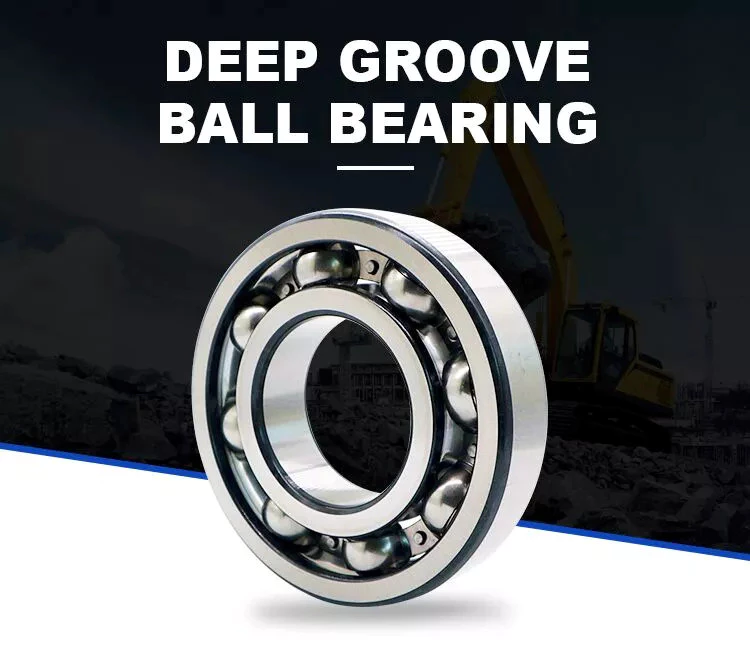
Advantages of Ball Bearings
What is a ball bearing? A ball bearing is a type of rolling-element bearing that utilizes balls to maintain separation between two bearing races. Its contact angle between the balls and the races helps it reduce friction between the loads. There are several advantages to ball bearings, including their ability to withstand water. Read on to learn more. Here are a few of the benefits. You can use them in your daily life, from your car to your boat.
Ball bearings reduce friction between loads
Ball bearings reduce friction between loads by constraining the relative motion between moving parts. These bearings consist of a ring of small metal balls that reduce friction between moving objects. The name “ball bearing” is derived from the verb “to bear.” The lubricant within the bearing reduces friction between moving particles. In a machine, ball bearings reduce friction between moving parts and improve linear motion around a fixed axis.
These bearings are commonly used to reduce friction between loads in rotating machines. They have two tracks, one fixed to the rotating part and one stationary. The rolling balls of a ball bearing have lower friction than flat surfaces. Because of this, they are useful for bar stool bearings. They reduce friction between surfaces and maintain the separation between bearing races. Hence, minimal surface contact is possible. Ball bearings have the potential to increase the life of machines and reduce energy consumption.
Ball bearings can be as small as a wrist watch or as large as an industrial motor. They function the same way, reducing friction between loads. Among their many uses, ball bearings are essential for everyday operations. Clocks, air conditioners, fans, and automobile axles all use ball bearings. In fact, anything that uses a motor requires ball bearings. It’s no wonder they’re gaining popularity in industries and everyday life.
They support radial and axial loads
Radial ball bearings are used primarily for radial loads, but they also have a capacity for axial load. This load capacity is usually given as a percentage of the radial load rating. Axial load capacity is generally greater for a bearing with a larger difference between the inner and outer ring diameters. The axial load capacity is also affected by the bearing’s raceway depth, with shallow raceways being more suitable for heavier axial loads.
The two main types of axial and radial loads are defined by their orientation. Axial loads apply forces in one direction while radial loads act on the opposite direction. In both cases, the bearing must support the forces that are imposed. Axial loads apply forces to a bearing in a single direction, while radial loads apply forces in both directions. Regardless of the type of load, axial and radial loads should be considered when selecting a bearing for a given application.
Angular and radial ball bearings differ in their materials. Radial ball bearings are made largely of through-hardened materials. They typically have a Rockwell hardness rating of 58 Rc. The raceways and balls of these bearings are made of 440C stainless steel. They may also contain shields and seals. SAE 52100 steel is the most common material for the raceway, while molybdenum steels are excellent for high temperatures.
They have a contact angle between the balls and the races
When comparing axial load bearings with their radial counterparts, the angular contact angle is more important. Axial load bearings, have a contact angle between the balls and the races of 35 degrees. They are suitable for axial loads and a limited radial load. The contact angle of these bearings is a result of the shape of the inner and outer rings. Each rolling element comes into contact with the inner and outer rings only at one point, forming a 30 degree angle with the radial plane. The radial force of the axial load on these bearings is therefore increased by increasing the contact angle between the balls and the races.
This contact angle determines the amount of friction between the balls and the races, and allows angular contact bearings to withstand heavy radial and thrust loads. In addition, the larger the contact angle, the greater the axial load support. Angular contact bearings come in standard imperial (inch) and metric (mm) sizes. The angular contact angle is determined by the free radial play value and the curvature of the inner track.
They are water-resistant
In addition to their water-resistant qualities, corrosion-resistant ball bearings can also protect against the damaging effects of corrosive environments. Generally, standard metals, such as steel, are susceptible to rust, which can significantly reduce their performance and extend the life of parts. However, plastics, stainless steel, and ceramics can provide corrosion-resistant ball bearings. And because these materials are much more durable, they offer other advantages, such as being easy to maintain.
Among the advantages of plastic ball bearings is their high resistance to extreme temperatures, high speeds, and corrosion. Depending on their construction, plastic bearings are often able to resist corrosion and anti-static properties. They’re lightweight and inexpensive compared to steel ball bearings. CZPT Sales Corporation was established in 1987 with a modest turnover of four lacs. As of the last financial year, it has grown to 500 lacs in sales.
Other advantages of water-resistant ball bearings include corrosion resistance, which is a key consideration in many applications. While stainless steel is highly corrosion-resistant, it decreases the bearing’s load-carrying capacity. Also, corrosion-resistant deep groove ball bearings are usually made with a specified internal clearance, which absorbs loss in clearance during mounting and shaft expansion. This factor affects their performance, and if these are compromised, a replacement may be necessary.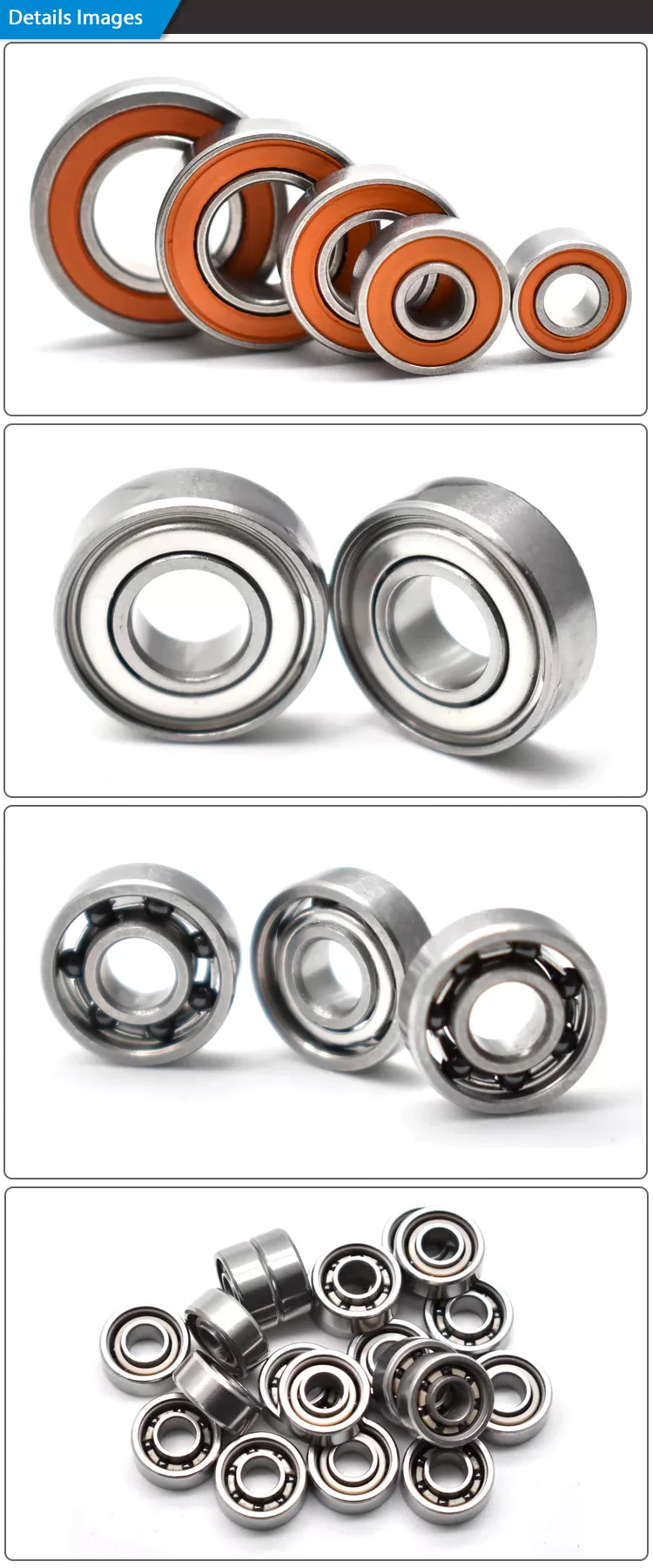
They are tough
A few things make ball bearings tough: they’re made of real materials, which means that they have inherent imperfections. Grade-1 balls are made especially for high-stress applications, such as Formula One engines. Grade-3 balls, on the other hand, strike the perfect balance between performance and cost. Ceramic balls, for example, are made to spin at a high rate of 400 RPM, and they’re finished with a mirror finish.
A steel carbon ball bearing is one of the toughest forms of ball bearings available. The material is incredibly strong, but the contact between the balls isn’t the best. Low-carbon steel is best for linear shafting and is usually coated with a polymer to prevent damage. Steel ball bearings with moderate amounts of carbon are tough, durable, and water-resistant. They’re ideal for gears, but their high-carbon steel counterparts are particularly tough and can resist corrosion.
A ceramic ball bearing is another option. This type has steel inner and outer rings but ceramic balls. Ceramic balls can withstand higher temperatures than steel and are also electrically insulating. Ceramic ball bearings also tend to be lighter and are more resistant to wear and tear. They’re also ideal for applications in which grease is not an option, such as in space shuttles. Despite the fact that ceramic ball bearings are tough, they’re still cheaper than steel ball bearings.
They are conductive
You may have heard the term “ball bearing” if you’ve studied introductory physics. What does that mean? Essentially, ball bearings are conductive because of their ability to conduct electricity. This ability is reflected in the charge distribution on the surface of the ball. Positive charges are drawn toward the positive plate, while negative charges are drawn away from the positively charged ball bearing. You may have even seen a ball bearing in action.
However, despite their conductive nature, ball bearings can still become damaged by electrical discharge. A higher voltage can cause the balls to pit, and the raceways to become uneven. These uneven surfaces will first show up as excessive noise, and eventually cause the bearing to malfunction. Fortunately, engineers have found a way to counter this problem: conductive grease. This grease enables current to flow through the ball bearing, preventing both heat and voltage buildup.
The difference between steel and ceramic ball bearings is their density. Steel bearings are more conductive than glass or hybrid ceramics. Steel ball bearings have an even grain structure and are conductive for resonance flow. When moving fast, the air surrounding the steel ball bearing carries resonance from the inner ring to the outer. This makes them ideal for high-speed resonance transfer. In addition to being conductive, glass microbeads are harder and lighter than steel.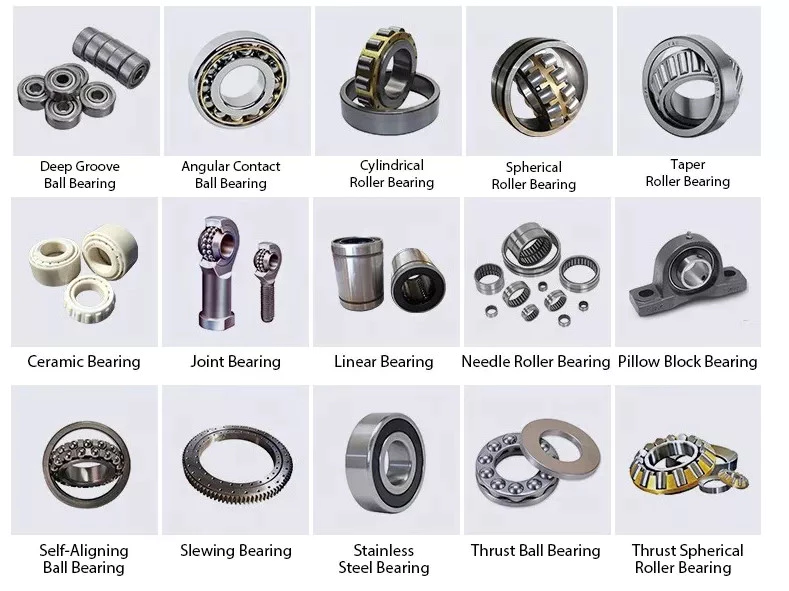
They are used in pulley systems
Pulley systems use ball bearings to move the sprocket, which is a wheel that rotates. These bearings are installed on the center mounting hole of the pulley wheel. They protect the entire system from heat, while allowing higher speed and smooth operation. They distribute the weight of the load evenly, minimizing friction and wobbling, and ensure a smooth rotation. Ball bearings are typically made from steel and are installed inside the pulley wheel.
The moment of inertia and bearing friction are measured to within ten percent accuracy. These two variables affect the speed of the pulley system, which can lead to crashes if the weight holders are not balanced. Therefore, ball bearings are used to minimize the chance of such crashes. When you want to know more about ball bearings in pulley systems, here are the advantages they provide.
Another benefit of ball bearings in pulley systems is that they have lower friction than their solid counterparts. In order to reduce friction, however, ball bearings must be made of good materials. Some of the common ball materials are high-quality plastics and stainless steel. Good materials and clever block design are essential to minimizing friction. If you are planning to use ball bearings in your pulley system, check out the following tips and make sure you are choosing the right one for your application.
editor by CX 2023-05-11
China manufacturer Ucpg209 Made in China Pillow Block Bearing with Housing Insert Bearing bearing driver
Product Description
Production process of pillow block bearing:
Cutting the steel pipe—Lathe process—Heat treatment—polishing process—-Grinding process– -Assemble—Product Packing
pillow block bearing(bearing units)
A).Pillow block bearing of UC,UK,HC(NA,UEL).SA,SB,CS,UD,SA,SER200 series;
B). Housings: P,PA,PW.F FL,FT,FLU,FC,C,..etc
C). Pillow Block: UCP, UCF,UCFL,UCT,UCPA,UCFB,UCC,..etc
D). Pressed steel pillow block: sa(sb, sc) PP, PF, PFL..etc
E). Bearing units with end cover.
F). Stainless steel inserts&housings.
Item List
| UC201 | UCP201 | UCF201 | UCFL201 | UCT201 | UCFC201 | UCPA201 |
| UC201-8 | UCP201-8 | UCF201-8 | UCFL201-8 | UCT201-8 | UCFC201-8 | UCPA201-8 |
| UC202 | UCP202 | UCF202 | UCFL202 | UCT202 | UCFC202 | UCPA202 |
| UC202-10 | UCP202-10 | UCF202-10 | UCFL202-10 | UCT202-10 | UCFC202-10 | UCPA202-10 |
| UC203 | UCP203 | UCF203 | UCFL203 | UCT203 | UCFC203 | UCPA203 |
| UC204 | UCP204 | UCF204 | UCFL204 | UCT204 | UCFC204 | UCPA204 |
| UC204-12 | UCP204-12 | UCF204-12 | UCFL204-12 | UCT204-12 | UCFC204-12 | UCPA204-12 |
| UC205 | UCP205 | UCF205 | UCFL205 | UCT205 | UCFC205 | UCPA205 |
| UC205-14 | UCP205-14 | UCF205-14 | UCFL205-14 | UCT205-14 | UCFC205-14 | UCPA205-14 |
| UC205-15 | UCP205-15 | UCF205-15 | UCFL205-15 | UCT205-15 | UCFC205-15 | UCPA205-15 |
| UC205-16 | UCP205-16 | UCF205-16 | UCFL205-16 | UCT205-16 | UCFC205-16 | UCPA205-16 |
| UC206 | UCP206 | UCF206 | UCFL206 | UCT206 | UCFC206 | UCPA206 |
| UC206-18 | UCP206-18 | UCF206-18 | UCFL206-18 | UCT206-18 | UCFC206-18 | UCPA206-18 |
| UC206-19 | UCP206-19 | UCF206-19 | UCFL206-19 | UCT206-19 | UCFC206-19 | UCPA206-19 |
| UC206-20 | UCP206-20 | UCF206-20 | UCFL206-20 | UCT206-20 | UCFC206-20 | UCPA206-20 |
| UC207 | UCP207 | UCF207 | UCFL207 | UCT207 | UCFC207 | UCPA207 |
| UC207-20 | UCP207-20 | UCF207-20 | UCFL207-20 | UCT207-20 | UCFC207-20 | UCPA207-20 |
| UC207-21 | UCP207-21 | UCF207-21 | UCFL207-21 | UCT207-21 | UCFC207-21 | UCPA207-21 |
| UC207-22 | UCP207-22 | UCF207-22 | UCFL207-22 | UCT207-22 | UCFC207-22 | UCPA207-22 |
| UC207-23 | UCP207-23 | UCF207-23 | UCFL207-23 | UCT207-23 | UCFC207-23 | UCPA207-23 |
| UC208 | UCP208 | UCF208 | UCFL208 | UCT208 | UCFC208 | UCPA208 |
| UC208-24 | UCP208-24 | UCF208-24 | UCFL208-24 | UCT208-24 | UCFC208-24 | UCPA208-24 |
| UC209 | UCP209 | UCF209 | UCFL209 | UCT209 | UCFC209 | UCPA209 |
| UC209-26 | UCP209-26 | UCF209-26 | UCFL209-26 | UCT209-26 | UCFC209-26 | UCPA209-26 |
| UC209-27 | UCP209-27 | UCF209-27 | UCFL209-27 | UCT209-27 | UCFC209-27 | UCPA209-27 |
| UC209-28 | UCP209-28 | UCF209-28 | UCFL209-28 | UCT209-28 | UCFC209-28 | UCPA209-28 |
| UC210 | UCP210 | UCF210 | UCFL210 | UCT210 | UCFC210 | UCPA210 |
| UC210-30 | UCP210-30 | UCF210-30 | UCFL210-30 | UCT210-30 | UCFC210-30 | UCPA210-30 |
| UC210-31 | UCP210-31 | UCF210-31 | UCFL210-31 | UCT210-31 | UCFC210-31 | UCPA210-31 |
| UC210-32 | UCP210-32 | UCF210-32 | UCFL210-32 | UCT210-32 | UCFC210-32 | UCPA210-32 |
| UC211 | UCP211 | UCF211 | UCFL211 | UCT211 | UCFC211 | UCPA211 |
| UC211-32 | UCP211-32 | UCF211-32 | UCFL211-32 | UCT211-32 | UCFC211-32 | UCPA211-32 |
| UC211-34 | UCP211-34 | UCF211-34 | UCFL211-34 | UCT211-34 | UCFC211-34 | UCPA211-34 |
| UC211-35 | UCP211-35 | UCF211-35 | UCFL211-35 | UCT211-35 | UCFC211-35 | UCPA211-35 |
| UC212 | UCP212 | UCF212 | UCFL212 | UCT212 | UCFC212 | UCPA212 |
| UC212-36 | UCP212-36 | UCF212-36 | UCFL212-36 | UCT212-36 | UCFC212-36 | UCPA212-36 |
| UC212-38 | UCP212-38 | UCF212-38 | UCFL212-38 | UCT212-38 | UCFC212-38 | UCPA212-38 |
| UC212-39 | UCP212-39 | UCF212-39 | UCFL212-39 | UCT212-39 | UCFC212-39 | UCPA212-39 |
| UC213 | UCP213 | UCF213 | UCFL213 | UCT213 | UCFC213 | |
| UC213-40 | UCP213-40 | UCF213-40 | UCFL213-40 | UCT213-40 | UCFC213-40 | |
| UC214 | UCP214 | UCF214 | UCFL214 | UCT214 | UCFC214 | |
| UC214-44 | UCP214-44 | UCF214-44 | UCFL214-44 | UCT214-44 | UCFC214-44 | |
| UC215 | UCP215 | UCF215 | UCFL215 | UCT215 | UCFC215 | |
| UC215-47 | UCP215-47 | UCF215-47 | UCFL215-47 | UCT215-47 | UCFC215-47 | |
| UC215-48 | UCP215-48 | UCF215-48 | UCFL215-48 | UCT215-48 | UCFC215-48 | |
| UC216 | UCP216 | UCF216 | UCFL216 | UCT216 | UCFC216 | |
| UC217 | UCP217 | UCF217 | UCFL217 | UCT217 | UCFC217 | |
| UC218 | UCP218 | UCF218 | UCFL218 | UCT218 | UCFC218 | |
| UC218-56 | UCP218-56 | UCF218-56 | UCFL218-56 | UCT218-56 | UCFC218-56 | |
| UCP220 | UCF220 | |||||
| UC305 | UCP305 | SA201 | SB201 | UK205 | NA204 | UKP205 |
| UC306 | UCP306 | SA202 | SB202 | UK206 | NA205 | UKP206 |
| UC307 | UCP307 | SA203 | SB203 | UK207 | NA206 | UKP207 |
| UC308 | UCP308 | SA204 | SB204 | UK208 | NA207 | UKP208 |
| UC309 | UCP309 | SA205 | SB205 | UK209 | NA208 | UKP209 |
| UC310 | UCP310 | SA206 | SB206 | UK210 | NA209 | UKP210 |
| UC311 | UCP311 | SA207 | SB207 | UK211 | NA210 | UKP211 |
| UC312 | UCP312 | SA208 | SB208 | UK212 | UKP212 | |
| UC313 | UCP313 | SA209 | SB209 | UK213 | UKP213 | |
| UC314 | UCP314 | SA210 | SB210 | UK215 | UKP215 | |
| UC315 | UCP315 | UK216 | UKP216 | |||
| UC316 | UCP316 | UK217 | UKP217 | |||
| UC317 | UK218 | UKP218 | ||||
| UC318 | ||||||
| UC319 | ||||||
| UC320 |
FAQ:
Q:What the MOQ of your company?
A:MOQ is 1pc.
Q:Could you accept OEM and customize?
A:YES,we can customize for you according to sample or drawing.
Q:Could you supply sample for free?
A:Yes,we can supply sample for free,do you mind to buy her a ticket?
Q:IS you company factory or Trade Company?
A:We have our own factory ;our type is factory +trade.
Q:Could you tell me the material of your bearing?
A:We have chrome steel,and staninless steel,ceramic and plastic material.
Q:Could you offer door to door service?
A:Yes,by express(GHL,FEDEX,TNT,EMS,4-10 days to your city.)
Q:Coould you tell me the payment term of your company can accept?
A:T/T.Western Union,PayPal
Q:Could you tell me the delivery time of your doods?
A:If stock,in 7days or base on your order quantity.
| Aligning: | Non-Aligning Bearing |
|---|---|
| Separated: | Separated |
| Feature: | Vacuum, Magnetically, Low Temperature, Corrosion Resistant, High Temperature, High Speed |
| Rows Number: | Single |
| Raceway: | Deep Groove Raceway |
| Material: | Cast Iron |
| Samples: |
US$ 1/Piece
1 Piece(Min.Order) | |
|---|
| Customization: |
Available
| Customized Request |
|---|
Understanding the Different Types of Bearings
When you are looking for a bearing, you have many options to choose from. This article will explain the various types, functions, and working principles of different types of bearings. Once you understand the basic components, you can make an informed decision about which one to buy. Here’s an overview of some of the most common types. Learn more about each type below! Read on to learn about the differences between these different types of bearings! Posted in Articles
Functions
Bearings serve as an integral part of a mechanical device. These devices help transfer torque from one part of a structure to another. These mechanisms increase the efficiency of a shaft by increasing its life. However, the functions of bearings depend on the application of the structure. Among other functions, bearings provide support to shafts. Anti-friction bearings come in two types: ball and roller bearings. These components have line and point contact, which is the most common type. Archimedes’s principle states that the force is equal to the weight of the fluid that is being displaced. Bearings can transfer lateral loads to a substructure.
A bearing has two primary functions. The first is to prevent direct metal-to-metal contact. A bearing prevents friction, heat generation, and wear and tear of components. A bearing also reduces energy consumption. Its other purpose is to guide and support a rotating body. In addition to these functions, bearings can also reduce wear and tear on a machine. As a result, they are among the most widely used machines in the world.
Seals are a major component of a bearing. They prevent foreign materials from entering and lubricating the moving parts. The design of seal lips determines their effectiveness. Fuel economy regulations and CO2 emissions regulations are pushing the demand for low-friction bearings. However, high-performance seals do not always provide high-performance. As a result, current estimations of the friction in bearings depend on trial and error methods.
Another important function of bearings is that they transfer the load of a rotating component to its housing. This load can be axial or radial. Bearings also limit movement to predefined directions. Some types of rolling element bearings have balls or cylinders inside. These bearings are less frictional than sliding ones, thus they allow parts to move freely during rotation. These parts can then be used for various applications. So, bearings are an integral part of machines.
Types
The most common type of bearing is a plain bearing. It uses surfaces in rubbing contact to transmit movement from one part to another. These bearings may be discrete or may consist of a hole in a metal sleeve or a planar surface bearing another part. Some plain bearings are flanged, while others are made of a sleeve with a flange at one end. These bearings often give acceptable accuracy and life, but they are expensive and cannot be used in large scale applications.
Radial bearings are used when there is a need for high-speed or corrosive parts. This type of bearing also serves as a support in an intermediate situation. Its two components are called the base and the cover. The base and cover are connected and are arranged parallel to the main axis. This type of bearing is used in steady-state and axial motion applications. The radial bearings are also used when the shafts are long.
Angular contact bearings are another type of bearing. These are easy to install and require minimal maintenance. Their races are displaced along the axis. They are also better at handling axial loads and transferring them to the housing. These types of bearings are commonly used in pumps, automobiles, and high-speed applications. If you are looking for an affordable, reliable bearing, look no further than the angular contact bearing.
Another type of bearing is a self-lubricating bushing. These are lightweight and wear-resistant. Unlike the other types of bearing, they do not require any lubrication or maintenance. In fact, some are completely maintenance-free. But if you’re worried about maintenance, this type of bearing may be a good choice. There are many benefits of using self-lubricating bushings. It is also a good option for applications where your machine is exposed to extreme temperatures.
Working principle
A bearing has two primary functions: support and load transfer. In engineering applications, the bearing tends to push the load in the direction of the shaft. A radial load pushes the bearing downward and a thrust load pushes it sideways. Both types of load transfer are important in a variety of applications. The working principle of each type is described below. Listed below are the main uses for each type of bearing.
A plain bearing uses a PTFE liner on the interface of two moving parts. The PTFE liner acts as a lubricant and may be filtered to alter its friction. The journal bearing uses the motion of the journal to force fluid into the gap between two moving parts. This results in a small amount of play in the bearing. This play is acceptable for most applications. A ball bearing may have a maximum play of 2 mm for a ten-millimeter shaft.
The primary function of a bearing is to assist in rotation and to reduce mechanical friction between the two objects. A bearing may be installed as a separate device or as an integral part of a machine. For more complex applications, bearings are very precise components requiring the highest standards of technology. For this reason, it is important to understand the working principle of bearings. The next time you need to lift or slide a heavy object, consider a bearing.
Ball bearings are a common type of ball bearing and can be found in industrial machinery and automobiles. Their unique structure helps them support less weight. This is because they are comprised of two rings – an inner race and an outer race. The balls themselves have a small area of contact and transfer axial loads in one direction. A cage surrounds the balls and prevents them from colliding. This makes ball bearings a popular choice for many applications.
Sealing system
A bearing’s seals are vital for the operation of rolling and rotating components. These systems enable rotation and linear movement while limiting friction and dispersing stress. Without the proper seals, these components could face catastrophic failure. In addition to protecting the bearing from external forces, seals help retain lubricant inside the system and prevent harmful particles from entering the gap. A seal’s lubrication helps prevent the onset of mechanical damage and prolongs the life of the bearing.
A bearing seal is made up of two parts: the inner sealing element and the outer sealing element. A passageway runs through the bearing assembly to the outer seal element. A hydraulic press or pneumatic jack is recommended for installing the seal. These tools are effective in reducing deformation and improving seal installation quality. When fitting the seal, ensure that the tool does not hit the seal directly. A proper adopter will distribute the load uniformly across the seal.
The seal’s efficiency depends on its gap. A four-inch shaft seal can flow 0.5 standard cubic feet per minute. A seal’s efficiency is highly dependent on the gap size. The gap size is a cube of the flow through the system. A smaller gap size allows high flow and pressure but less leakage. If both surfaces of the seal have similar pressures and flow rates, the seal is efficient. However, a small gap reduces the pressures and reduces wear.
Mechanical seals have numerous advantages, including their ability to protect against contaminants and splashing liquids. Labyrinth seals are the first line of defense against leaks. They operate without friction. Their high level of sealing efficiency helps ensure that the bearing remains operational for long. This type of seal is made from metal plates and is designed for a wide temperature range and misalignment. Its advantages include being easy to install and offering 100% sealing efficiency.
Maintenance
Bearing maintenance is critical to ensuring that your bearings keep operating at their peak performance. Proper maintenance will improve bearing life, reduce downtime and increase productivity while reducing costs. Here is an 8-point checklist to optimize your bearings and make them last longer. To optimize their performance, you should follow these steps regularly. In case a bearing does not last long, you should replace it as soon as possible. Listed below are some tips to ensure proper maintenance.
The first step is to determine how often your bearings require lubrication. Some manufacturers recommend that you lubricate them weekly, but this can do more harm than good. Instead, use ultrasound to measure the level of friction and trend its levels. This way, you will know exactly when to grease your bearings. It’s also important to check how often they should be inspected and calibrated. A professional can provide guidance on proper maintenance.
Next, inspect your bearings for cracks and scratches. You should never install a bearing that has been dropped or scratched. Even a small crack will affect the performance of the bearing and could lead to its premature failure. A proper alignment is essential for the bearing to function properly. Make sure you have the correct tools to perform this task. These tools can help you reduce manual work and promote safe bearing maintenance. You should also ensure that the shaft and housing are clean and undamaged.
Proper maintenance can prolong bearing service life. Proper lubrication, mounting, inspection, basic condition monitoring, and dismounting can extend their life. Proper maintenance extends their lifespan and improves plant productivity. While bearings are essential for machinery, you should make sure you follow the proper safety procedures every time you work with them. These tips will also help prevent accidents and maintain your machine’s efficiency. Once you’ve followed these guidelines, you can safely inspect your bearings and ensure that they’re operating at their optimum capacity.
editor by CX 2023-05-09
China Best Sales High Quality Grease Tube Motor Bearings 2901033803 bearing driver kit
Product Description
Product Description
Air Filter Function:
Air filter is a first line of defense for air filter, it blocks the dust particles into the air compressor, only with a high quality air filter make sure air compressor intake air purity requirements, so to ensure the compressor system to normal run.
Air Filter Technology Data:
Air filter -Filtering precision:5-10 Micron;
-Filtration efficiency:98 %;
-Service life is approximately: 2000h;
-Main material is the pure wood pulp filter paper, which imported from Ahlstrom company.
About company
| Product Scope |
| Air compressor filter OEM series: |
| Atlas copco, CZPT Rand, Sullair, Compair, Kaeser, Mann, Gardner Denver, Fusheng, Kobelco, Mitsuiseiki, CZPT filter OEM series. |
| Hydraulic filter OEM series: |
| Hydac, Fleetguard, Parker, Argo, Internormen, Taiseikogyo, Mahle, MPfilter OEM series. |
| Inline filter OEM series: |
| atlas copco inliner filter, CZPT rand inline filter, Ultrafilter, Dominic handler filter, Zander filter, Kaeser inline filter, CompAir line filter OEM series. |
| Vacuum pump filter OEM series: |
| Becker, Rietschle vacuum pump filter OEM series. |
Certifications
Customer Reviews
Packaging & Shipping
FAQ
1. Q: Are you a trading company or a manufacturer?
A: We are a professional manufacturer in China, complete after-sale service and factory direct sale for you .
2. Q: May I have samples for testing firstly?
A: Yes. Some samples are free while the shipping cost should be on customer’s account. Contact us for details.
3. Q: How about the packing detail?
A: Products are packed by shrink film and then put into the carton. Private label, logo and packaging style also can be customized.
4. Q: What’s your MOQ?
A: For our regular items, there is not strick MOQ requirement. And price may depend on your ordering quantity.
5. Q: What is your general lead time?
A: Generally, it will take 5 to 7 working days after receiving your advance payment. And 20-25 days for bulk production.
6. Q:What payment methods do you support?
A: T/T , Paypal , Western Union , Credit Card, Alibaba Trade Assurance Order .
7. Q: I am a small business owner, can I buy from you?
A: Yes, you are warmly welcomed. To grow with our customer is our goal. We would like to grow with you together.
8. After -sales service
A: We have QC department to guarantee the quality before delivery, If the products have any quality problems, our company will be responsible for it.
| Customized: | Customized |
|---|---|
| Standard Component: | Standard Component |
| Category: | Grease Tube Motor Bearings |
| Items Name: | Air Compressor Grease Tube Motor Bearings |
| Application: | Air Compressor |
| Part Number: | 2901033803 |
| Samples: |
US$ 5/Piece
1 Piece(Min.Order) | |
|---|
| Customization: |
Available
| Customized Request |
|---|
Types of Ball Bearings
Modern ball bearing configurations have different materials and geometries to meet the demands of different working environments and applications. There are different types of ball bearings: single row deep groove, double-row deep groove, angular contact ball bearing, thrust, and self-aligning. Let us look at the differences between each type and learn why they are important for various purposes. Listed below are some of the most common types of ball bearings.
Miniature bearings
Although miniature ball bearings are a popular choice for small mechanical components, they are not without their challenges. They must be properly lubricated and stored in clean rooms. A strand of hair could ruin a miniature bearing. Fortunately, manufacturers offer lubrication services and a “Clean Room” for customers to store their miniature bearings safely. Read on to learn more about these small bearings and how they can help you.
The size of a miniature ball bearing can vary significantly, but most types of these devices are available in sizes ranging from.040 inch to one eighth of an inch. Whether you need a small ball bearing for a miniature car or a tiny instrument, a miniature bearing can save space while still offering high performance. Many of these bearings are shielded to prevent dirt from entering and leakage of lubricant. They can be flanged or unflanged, and some miniature ball bearings have extended inner rings that are designed for easy plate mounting.
Miniature ball bearings are commonly made from stainless steel or chrome steel. Both metals have their advantages. Stainless steel is the most popular material for ball bearings, which allows for a high load capacity while being quiet. Because stainless steel is relatively inexpensive, many small instrument bearings are made entirely of stainless steel. The difference in price is minimal, as the amount of steel is relatively small. Stainless steel miniature bearings are the smallest and lightest of all types of miniature ball bearings.
Self-aligning ball bearings
In the simplest terms, self-aligning ball bearings are ball bearings with flex shafts. If you’re looking for a ball bearing with a high degree of precision, you’ll want to choose one with a flex shaft, which means it can adjust to the proper orientation of the bearing’s flex shaft. Ball bearings with flex shafts are also recommended. But, what are these bearings?
Self-aligning ball bearings are made with two rows of balls and a common sphered raceway on the outer ring. As a result, they can accommodate small errors in shaft alignment and mounting. The CZPT brand is especially suitable for high-speed applications requiring greater running accuracy. The self-alignment mechanism is enabled by the fact that the balls are placed in two rows on either side of the sphered raceway in the outer ring. These two rows of balls also promote reduced friction and wear.
Another type of self-aligning ball bearings is a double-row design. They feature a common sphered raceway on the outer ring, a hollow spherical ring, and a cage that rotates relative to it. A self-aligning ball bearing is used in applications where shaft misalignment is a problem, such as conveying equipment. They are also used in simple woodworking machinery and ventilators.
Ceramic ball bearings
Ceramic ball bearings have several advantages over steel or metal bearings. These include increased acceleration capability, reduced friction, improved wear-resistance, and higher speeds. The United States holds the leading position in the global ceramic ball bearings market thanks to a rebounding motor vehicle production and healthy fixed investment environment. In the United States, there are three primary markets for ceramic ball bearings: healthcare, automotive, and aerospace. Here are the main benefits of ceramic ball bearings:
Hybrid ball bearings are also available. Hybrid bearings feature traditional metal rings and silicon nitride (ceramic) balls. Hybrid bearings offer important performance advantages over all-steel bearings, and they are more affordable. However, full ceramic ball bearings have all ceramic parts, and are best suited for machines that require high precision. These types of bearings also resist corrosion and wear.
Compared to steel ball bearings, ceramic balls are lighter than steel. They are also less dense, which means less friction and therefore less heat. Additionally, ceramic balls operate at higher speeds than steel balls, which increases their durability and longevity. But they are still not as strong as steel bearings. And because of their reduced density, they are much cheaper to manufacture. Therefore, they are an excellent choice for many applications. You can expect them to last much longer than steel bearings.
Steel carbon ball bearings
High precision G25 ball bearings are made of the highest grade chrome steel and hot forged from bar stock. Statistical process control and exacting atmospheres help ensure uniform hardness and microstructure. Moreover, these bearings are of the highest quality, with fine surface finish and a tight tolerance. This makes them the most widely used and reliable choice for industrial and automotive applications. However, there are some considerations that should be taken into account before acquiring a steel carbon ball bearing.
Generally, AFBMA grade 200 is the standard hardness specification for this material. AFBMA grade 100 can also be obtained with great difficulty. Despite the high hardness of steel carbon ball bearings, their outer surface is just a thin hardened shell, so a special micro hardness test is needed to evaluate them. In addition to the hardness, steel balls are easily machined and ground. Some manufacturers even offer stainless steel ball bearings and ball sets.
Another factor that makes steel carbon ball bearings so valuable is their precision. They can give precise measurements, which makes them ideal for low and medium-speed applications. Due to their high precision and durability, steel carbon ball bearings can be used in many applications, from conveyor machines to roller skates. However, you should be aware that the material used to produce these bearings is not suitable for applications in which they are exposed to water and gases. Further, they are also noisy and heavy, and must be installed properly in a manufacturing environment.
Stainless steel ball bearings
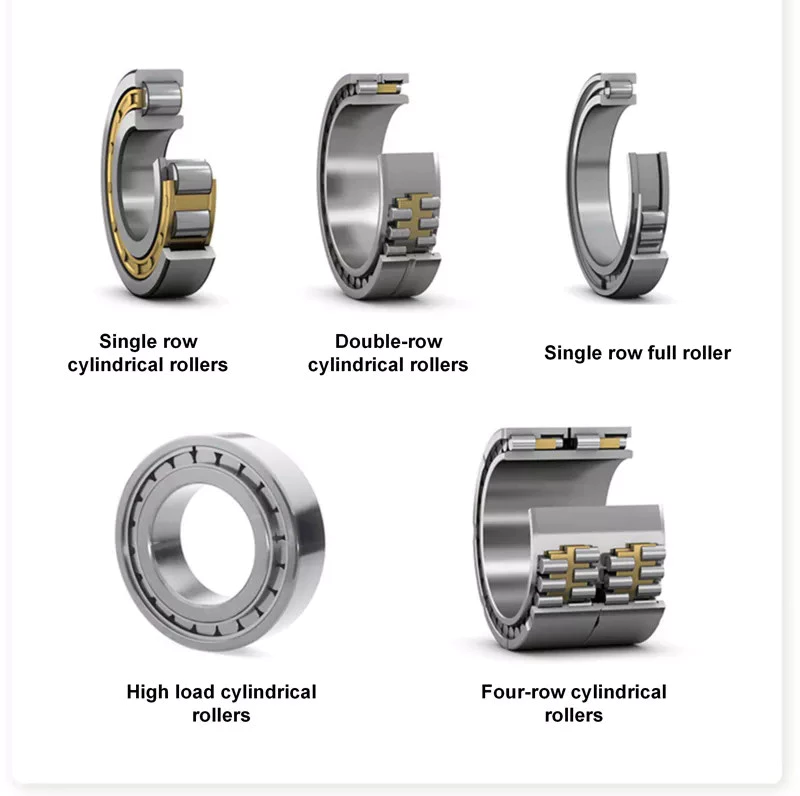
Stainless steel ball bearings are made from a high-quality type of stainless steel, 440C, which offers optimal corrosion and abrasion resistance. These bearings are also durable and rust-free, and are suitable for a variety of applications. Among others, stainless steel ball bearings are used in beverage and food processing plants, pharmaceuticals, pulp and paper mills, marine environments, and freezers.
Stainless steel bearings are available in various grades. For example, AISI 440C offers corrosion resistance, while the DD400 is specifically designed for marine applications. Both types of stainless steel are available in different forms, including open, shielded, and sealed. Stainless steel ball bearings can also be custom-made, as BL is known for producing customized bearings. There are also other materials that are available.
AISI type 316 stainless steel balls are ideal for marine applications and food processing. They have excellent resistance to most organic materials and are also used in medical devices and dispenser pumps. They are also strong enough to resist many petroleum products and are widely used in medical equipment and cosmetic applications. In addition, stainless steel balls can be plated to provide an additional layer of protection against chemicals. To understand how they differ, let’s take a look at some common types of stainless steel ball bearings.
Stainless steel
Stainless steel ball bearings can be used in various applications. Besides being corrosion resistant, they also last longer thanks to the Molded-Oil lubrication technology. Stainless steel ball bearings are clean units, which saves time and money in terms of maintenance, replacement, and downtime. But what are the advantages of stainless steel ball bearings? Let us discuss these benefits. Also, we’ll discuss their advantages and disadvantages.
Stainless steel ball bearings offer notable advantages, including corrosion resistance, increased strength, and improved stability under high temperatures. These qualities make them the ideal choice for special circumstances and demanding environments. However, you should be careful when choosing stainless steel bearings. There are several different types of stainless steel. Here’s a brief look at what makes them the best choice. And remember: Stainless steels are also recyclable. In fact, they can be recycled indefinitely.
They’re made from chrome alloy electric furnace steel, which is hardened for optimum service life and strength. They have the highest surface finish and dimensional accuracy. Advanced heat-treating processes increase their strength and anti-cracking abilities. And thanks to their unique materials, they’re corrosion-resistant. As a result, they’re more durable than other types of bearings. And since they’re made with a high-quality steel, you’ll save money in the long run.
Plastic ball bearings
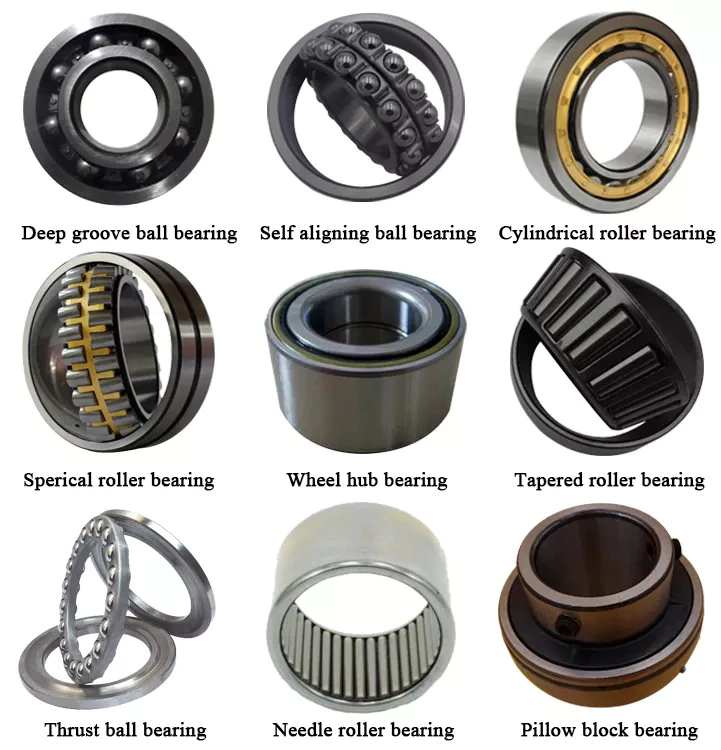
Plastic ball bearings were developed to meet the specific needs of applications where standard steel bearings would fail. Steel and 440C stainless steel are both susceptible to rusting when exposed to water, making them poor choices for applications involving food processing, swimming pools, and medical equipment. In addition to this, the plastic material is able to dampen vibrations and make the bearing virtually silent. Here’s what makes plastic ball bearings so great for these applications.
Plastic ball bearings are lightweight, corrosion-resistant, and offer a long service life. In addition to their low price, they can be easily cleaned and are incredibly durable. Motion plastics specialist igus has recently expanded its range of xiros polymer grooved ball bearings. These bearings are also FDA-compliant, lubricant-free, electrically insulating, and resistant to both temperature and media.
Plastic bearings are often mounted into other components like wheels, pulleys, and housings. In this way, the inner ring is essentially a profile of the pulley’s profile, and the outer ring is a shaft or fixing clip. The result is seamless integration of the bearing and the surrounding parts, which reduces the overall assembly time and costs. You can also use multiple plastic ball bearings in one application for more options.
editor by CX 2023-05-06