Product Description
Product Description
Tensioning wheel is a wearing part of automobile spare parts. It is used for belt tensioning device of automobile transmission system. It is mainly composed of fixed shell, tensioning arm, wheel body, torsion spring, rolling bearing and spring sleeve, etc. It can automatically adjust the tensioning force according to different tightness degree of belt, so that the transmission system is stable, safe and reliable. Generally with belt, idler wheel and other cooperative accessories together replacement.
Detailed Photos
Product Parameters
| Product name | Tensioning wheel bearing | Package | Single Box+Carton+Wooden Pallet |
| Brand | OEM/ODM/OBM | Shipment | By air/ by sea |
| OE number | VKM13100 | Price Terms | EXW/ FOB |
| Material | Chrome steel Gcr15 | Delivery time | 3-45 days |
| Precision | P0, P2,P4,P5,P6 | Delivery port | HangZhou |
| Clearance | C0,C2,C3,C4,C5 | Payment | T/T Paypal Western Union |
| Noise | V1,V2,V3 | Warranty | 12 months |
Company Profile
About our Company
SiYi Bearing Manufacturer Co., Ltd. , the factory is located in the bearing town of LinQing city in ZheJiang Province, China.
With over 20-years history, our company is specialized in develop deep groove ball bearings, cylindrical roller bearings, tapered roller bearings, spherical roller bearings, spherical plain bearings, needle roller bearing, angular contact ball bearing, thrust roller bearing, thrust ball bearing, clutch release bearings, pillow block bearings, wheel hub bearing, universal joint and so on.
In local market, our products are popular,for same products, we have different quality and price for choose. Not only international standard size bearings can be supplied, with the drawing or bearing sample, it could be customized as customer’s requirement with reasonable quantity. And we also like to be your OEM bearing manufacturer in China, let’s make a long-term partner relationship as your own factory!
Certifications
Shipping & Payment
Our Advantages
FAQ
1. Who are we?
We are based in ZheJiang , China, start from 2018, sell to Mid East(40.00%),South America (15.00%), Southeast Asia (10.00%), Africa (10.00%), Domestic Market (6.00%), North America(5.00%), South Asia(5.00%), Eastern Europe(3.00%), Western Europe (2.00%), Central America (2.00%), Northern Europe (2.00%). There are total about 100-200 people in our company.
2. How can we guarantee quality?
Always a pre-production sample before mass production;
Always final Inspection before shipment;
3.What can you buy from us?
Deep groove ball bearings, cylindrical roller bearings, tapered roller bearings, spherical roller bearings, spherical plain bearings, needle roller bearing, angular contact ball bearing, thrust roller bearing, thrust ball bearing, clutch release bearings, pillow block bearings, wheel hub bearing, universal joint and so on.
4. Why should you buy from us not from other suppliers?
The factory loctaed in Bearing town LinQing.We have over 20 years OEM experience and our own Brand. Our products are virous, and quality can fit to Chinese famous truck like Xihu (West Lake) Dis.feng, CZPT .
5. What services can we provide?
Accepted Delivery Terms: FOB, Express Delivery;
Accepted Payment Currency: USD, CNY;
Accepted Payment method: T/T, Credit Card, PayPal, Western Union, Cash;
Language Spoken: English, Chinese,Spanish, Russian.
| After-sales Service: | Excellent and Respectful |
|---|---|
| Warranty: | One Year |
| Type: | Tensioner Bearing |
| Samples: |
US$ 40/Piece
1 Piece(Min.Order) | Order Sample |
|---|
| Customization: |
Available
| Customized Request |
|---|
.shipping-cost-tm .tm-status-off{background: none;padding:0;color: #1470cc}
|
Shipping Cost:
Estimated freight per unit. |
about shipping cost and estimated delivery time. |
|---|
| Payment Method: |
|
|---|---|
|
Initial Payment Full Payment |
| Currency: | US$ |
|---|
| Return&refunds: | You can apply for a refund up to 30 days after receipt of the products. |
|---|
How to Replace a Bearing
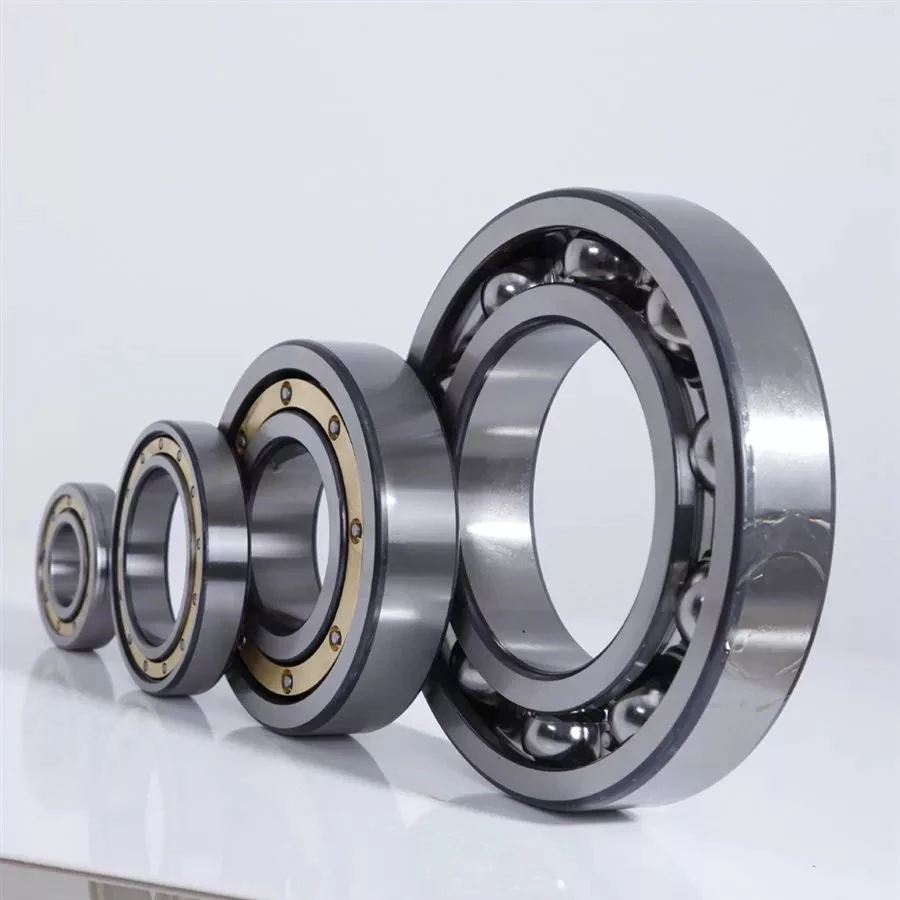
If you want to select a bearing for a specific application, you should know a few basics. This article will give you an overview of ball, angular contact, and sliding-contact bearings. You can choose a bearing according to the application based on the characteristics of its material and preload. If you are not sure how to choose a bearing, try experimenting with it. The next step is to understand the Z-axis, which is the axes along which the bearing moves.
Z axis
When it comes to replacing your Z axis bearing, there are several things you must know. First, you need to make sure that the bearings are seated correctly. Then, you should check the tension and rotation of each one. To ensure that both bearings are equally tensioned, you should flex the Core to the desired angle. This will keep the Z axis perpendicular to the work surface. To do this, first remove the Z axis bearing from its housing and insert it into the Z axis motor plate. Next, insert the flanged bearing into the Z axis motor plate and secure it with two M5x8mm button head cap screws.
Make sure that the bearing plate and the Z Coupler part are flush and have equal spacing. The spacing between the two parts is important, as too much spacing will cause the leadscrew to become tight. The screws should be very loose, with the exception of the ones that engage the nylocks. After installing the bearing, the next step is to start the Z axis. Once this is done, you’ll be able to move it around with a stepper.
Angular contact
Ball bearings are made with angular contacts that result in an angle between the bearing’s races. While the axial load moves in one direction through the bearing, the radial load follows a curved path, tending to separate the races axially. In order to minimize this frictional effect, angular contact bearings are designed with the same contact angle on the inner and outer races. The contact angle must be chosen to match the relative proportions of the axial and radial loads. Generally, a larger contact angle supports a higher axial load, while reducing radial load.
Ball bearings are the most common type of angular contact bearings. Angular contact ball bearings are used in many applications, but their primary purpose is in the spindle of a machine tool. These bearings are suitable for high-speed, precision rotation. Their radial load capacity is proportional to the angular contact angle, so larger contact angles tend to enlarge with speed. Angular contact ball bearings are available in single and double-row configurations.
Angular contact ball bearings are a great choice for applications that involve axial loads and complex shapes. These bearings have raceways on the inner and outer rings and mutual displacement along the axial axis. Their axial load bearing capacity increases as the contact Angle a rises. Angular contact ball bearings can withstand loads up to five times their initial weight! For those who are new to bearings, there are many resources online dedicated to the subject.
Despite their complexity, angular contact ball bearings are highly versatile and can be used in a wide range of applications. Their angular contact enables them to withstand moderate radial and thrust loads. Unlike some other bearings, angular contact ball bearings can be positioned in tandem to reduce friction. They also feature a preload mechanism that removes excess play while the bearing is in use.
Angular contact ball bearings are made with different lubricants and cage materials. Standard cages for angular contact ball bearings correspond to Table 1. Some are machined synthetic resins while others are molded polyamide. These cage materials are used to further enhance the bearing’s axial load capacity. Further, angular contact ball bearings can withstand high speeds and radial loads. Compared to radial contact ball bearings, angular contact ball bearings offer the greatest flexibility.
Ball bearings
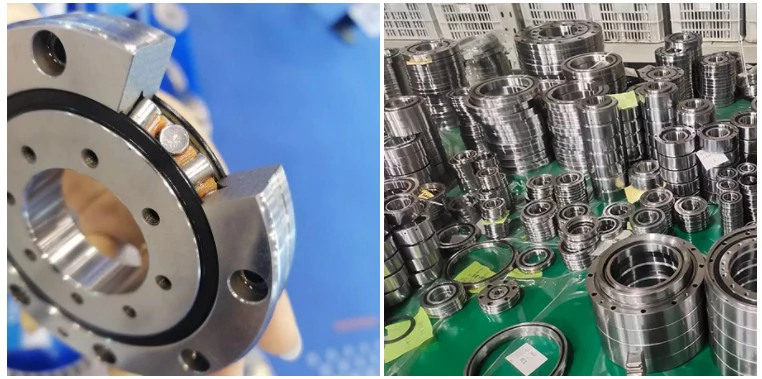
Ball bearings are circular structures with two separate rings. The smaller ring is mounted on a shaft. The inner ring has a groove on the outer diameter that acts as a path for the balls. Both the inner and outer ring surfaces are finished with very high precision and tolerance. The outer ring is the circular structure with the rolling elements. These elements can take many forms. The inner and outer races are generally made of steel or ceramic.
Silicon nitride ceramic balls have good corrosion resistance and lightweight, but are more expensive than aluminum oxide balls. They also exhibit an insulating effect and are self-lubricating. Silicon nitride is also suitable for high-temperature environments. However, this type of material has the disadvantage of wearing out rapidly and is prone to cracking and shattering, as is the case with bearing steel and glass. It’s also less resistant to heat than aluminum oxide, so it’s best to buy aluminum nitride or ceramic ball bearings for applications that are subjected to extremely high temperatures.
Another type of ball bearings is the thrust bearing. It has a special design that accommodates forces in both axial and radial directions. It is also called a bidirectional bearing because its races are side-by-side. Axial ball bearings use a side-by-side design, and axial balls are used when the loads are transmitted through the wheel. However, they have poor axial support and are prone to separating during heavy radial loads.
The basic idea behind ball bearings is to reduce friction. By reducing friction, you’ll be able to transfer more energy, have less erosion, and improve the life of your machine. With today’s advances in technology, ball bearings can perform better than ever before. From iron to steel to plastics, the materials used in bearings have improved dramatically. Bearings may also incorporate an electromagnetic field. So, it’s best to select the right one for your machine.
The life expectancy of ball bearings depends on many factors, including the operating speed, lubrication, and temperature. A single million-rpm ball bearing can handle between one and five million rotations. As long as its surface contact area is as small as possible, it’s likely to be serviceable for at least one million rotations. However, the average lifespan of ball bearings depends on the application and operating conditions. Fortunately, most bearings can handle a million or more rotations before they start showing signs of fatigue.
Sliding-contact bearings
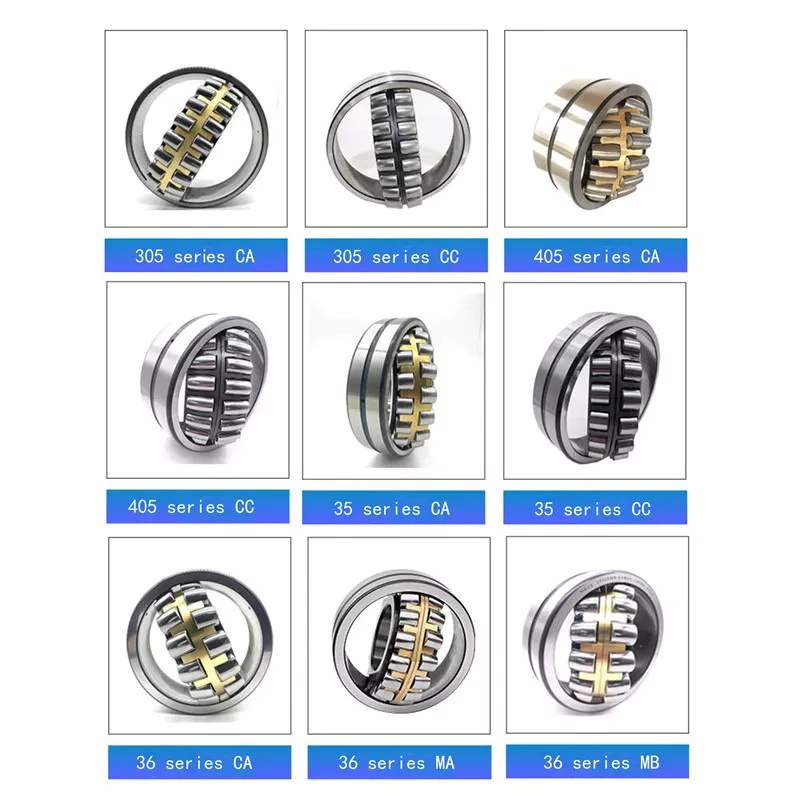
The basic principle behind sliding-contact bearings is that two surfaces move in contact with one another. This type of bearing works best in situations where the surfaces are made of dissimilar materials. For instance, a steel shaft shouldn’t run in a bronze-lined bore, or vice versa. Instead, one element should be harder than the other, since wear would concentrate in that area. In addition, abrasive particles tend to force themselves into the softer surface, causing a groove to wear in that part.
Sliding-contact bearings have low coefficients of friction and are commonly used in low-speed applications. Unlike ball and roller bearings, sliding contact bearings have to be lubricated on both sides of the contacting surfaces to minimize wear and tear. Sliding-contact bearings generally are made of ceramics, brass, and polymers. Because of their lower friction, they are less accurate than rolling-element bearings.
Sliding-contact bearings are also known as plain or sleeve bearings. They have a sliding motion between their two surfaces, which is reduced by lubrication. This type of bearing is often used in rotary applications and as guide mechanisms. In addition to providing sliding action, sliding-contact bearings are self-lubricating and have high load-carrying capacities. They are typically available in two different types: plain bearings and thrust bearings.
Sliding-contact linear bearing systems consist of a moving structure (called the carriage or slide) and the surfaces on which the two elements slide. The surfaces on which the bearing and journal move are called rails, ways, or guides. A bore hole is a complex geometry, and a minimum oil film thickness h0 is usually used at the line of centers. It is possible to have a sliding-contact bearing in a pillow block.
Because these bearings are porous, they can absorb 15 to 30% of the lubrication oil. This material is commonly used in automobile and machine tools. Many non-metallic materials are used as bearings. One example is rubber, which offers excellent shock absorbency and embeddability. While rubber has poor strength and thermal conductivity, it is commonly used in deep-well pumps and centrifugal pumps. This material has high impact strength, but is not as rigid as steel.


editor by CX 2023-10-25
China Standard Famous Brand Tensioner Ball Bearing Manufacturer in China Supplying to Big Brands Pulley Bearing with Great quality
Product Description
| Art.NO. | AT C2842B3017-10G 2RS | Dimension | 10.25-17x42x28.5 mm |
| Row | Double Row | Application | Tensioner |
| Cage | Nylon | Sealing | NBR or ACM |
| Noise | <36dB | Precision | P6 |
| Warranty | 30,000-50,000KM or 60,000-80,000KM | Certificate | IATF 16949:2016 |
• Agriculture machinery
• Automotive tensioner and idler pulley.
• Automotive alternator,AC compressor.
• Electric motors.
• Power tools and household appliances
• Textile machinery
• Motorcycles.
• Packing,printing,medical,transmission and food industries.
Why we are better?
1.Lanhai specialized in manufacturing bearings for automotive tensioner,alternator,AC compressor and special size items,supplying to 65% tensioner factories in China.Why they trust us?just because of reliable quality and service.
2.Customers from 12 countries made good profits by selling our products.First class quality and service with second class price is our promise.
3.The lifetime of grease reaches 1000h in durability test.NBR sealing ring continuously working more than 100h understand 140ºC.ACM sealing material passed 500h durability test.
4.Standard items 100% automatic production, special items automation and semi-automation rate reached more than 90%.
5.High efficiency on new item developing and short production delivery time.
| Contact Angle: | 15° |
|---|---|
| Aligning: | Non-Aligning Bearing |
| Separated: | Unseparated |
| Rows Number: | Double |
| Load Direction: | Radial Bearing |
| Material: | Bearing Steel |
| Customization: |
Available
| Customized Request |
|---|
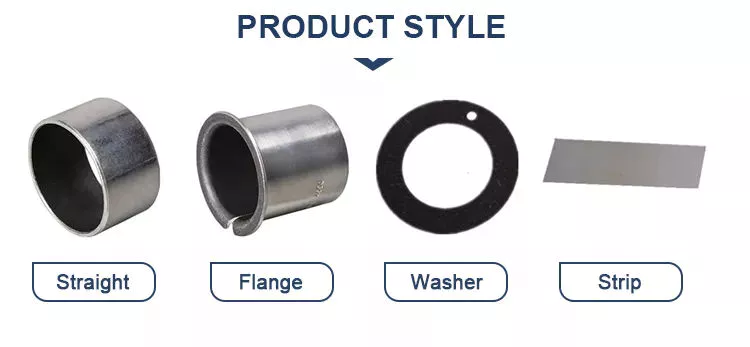
What is a bushing?
A bushing is a cylindrical lining made of a flexible material inside a metal housing. The inner squeeze tube of the bushing helps prevent it from being squeezed by the clip. The material also reduces friction and isolates vibration and noise, while improving performance. This article discusses some of the most common uses for bushings. In this article, we’ll discuss the most important reasons to choose a bushing for your transmission.
DESCRIPTION Anti-friction cylindrical lining
A bushing is a bearing that minimizes friction and wear within the bore. It is also used as a housing for shafts, pins, hinges or other types of objects. It takes its name from the Middle Dutch word shrub, which means “box”. It is also homologous to the second element of blunderbuss. Here’s how to identify bushings and how to use them.
Vibration isolation
Vibration mounts are required for inertial guidance and navigation systems, radar components, and engine accessories. Bushings isolate vibration and provide a more robust design in these applications. Bushings help eliminate vibration-related operational challenges and help protect expensive equipment from damage. Below are several types of vibrating mounts and the differences between them. Each type has unique uses and applications, and the type you choose will depend on the nature of the components and the environment.
Vibration isolation is an important safety feature of many modern machines and instruments. Used to reduce the dynamic consumption that an object suffers at runtime. Instead, it protects equipment and structures from amplitude-related damage. Bushings insulate objects from vibration by reducing the amount of dynamic action transferred from the object to the support structure. Bushings are a popular choice for vibration equipment manufacturers.
Vibration isolation is important in many industrial applications. Vibration can wreak havoc on electronic and mechanical equipment. The forces exerted by vibration can reduce the life expectancy of equipment, leading to premature failure. The cost of isolation depends on the weight of the object being isolated. Most isolators have minimum damping in the isolation region and maximum damping at natural frequencies. In addition, the cost of installation, transportation and maintenance is usually included in the cost.
In addition to providing shock and vibration isolation, bushings help stabilize components by absorbing shock. These devices may need to be replaced in the long run, and your machine design may dictate whether you need to buy more than one. Bushings are an important part of your equipment, so don’t skimp on quality when choosing a vibration isolation mount. You won’t regret it. They won’t break your budget, but will keep your equipment safe.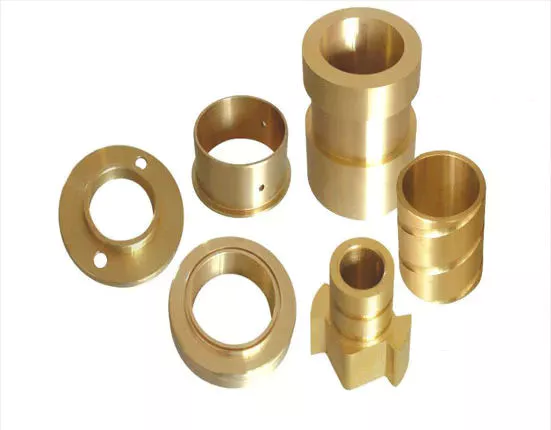
reduce noise
A properly positioned tree will block the view between the noise source and your house. Make sure the tree is taller than your house to effectively reduce noise. Also, make sure the sprocket and axle are properly aligned. The less noise they make, the better. If you have a noisy neighbor, you may want to consider installing a bushing at the front of the house to block the noise.
While it’s possible to replace the bushing yourself, it’s best to make sure you follow some basic procedures first. Park your car on level ground and apply the brakes before removing the hood. Check that the wheels move freely. Remember to wear gloves and goggles, and don’t cut yourself with sharp objects when changing bushings. If you can’t see under the hood, try opening the hood to allow more light to reach the engine area.
SuperPro bushings are designed to reduce noise and vibration in the automotive industry. They are a popular choice for aftermarket bushing manufacturers. While OE rubber bushings are soft and quiet, these polyurethane bushings are specifically designed to eliminate these noise issues. By determining the diameter of your vehicle’s anti-roll bars, you can choose the right bushing for your vehicle. You’ll be glad you did!
Damaged bushings can cause the stabilizer bar to become unstable. This, in turn, can cause the steering components to misalign, creating a loud ding. Worn bushings can also cause the wheel to squeak as it moves. If they’re worn, you’ll hear squeaks when cornering. You may even hear these noises when you are turning or changing lanes.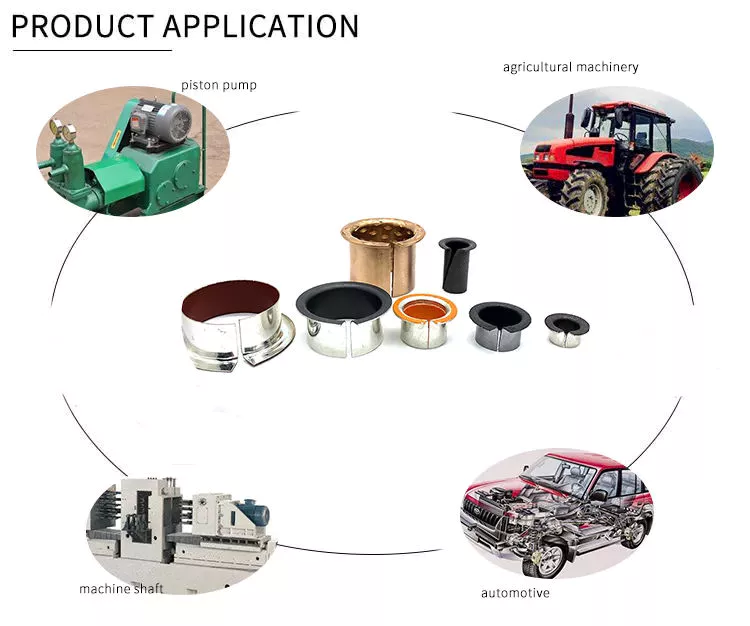
a bearing
A bushing is a component that provides a bearing surface for the forces acting axially on the shaft. A typical example of a thrust bearing is a propeller shaft. The bushing can be a separate part or an integral part of the machine. Typically, bushings are replaceable, while integral bearings are permanent and should not be replaced unless worn or damaged. Bushings are most commonly used in machinery, where they allow relative movement between components.
The bushing is usually an integral unit, while the bearing may have several parts. Simple bushings can be made of brass, bronze or steel. It is often integrated into precision machined parts and helps reduce friction and wear. Typically, bushings are made of brass or bronze, but other materials can also be used. Different designs have different applications, so you should understand what your application requires before purchasing a sleeve.
The most common uses of plain bearings are in critical applications, including turbines and compressors. They are also commonly used in low-speed shafting, including propeller shafts and rudders. These bearings are very economical and suitable for intermittent and linear motion. However, if your application does not require continuous lubrication, a plain bearing may not be required.
Another popular use for sleeves is in food processing. These bearings can be made from a variety of materials, including stainless steel and plastic. Plastic bearings are more cost-effective than metal and are an excellent choice for high-speed applications. These materials are also resistant to corrosion and wear. However, despite their high cost, they can be made from a variety of materials. However, in most cases, the materials used for plain bearings are aluminum nickel, phosphorus and silicon.
editor by CX 2023-04-19